Golden State Naturalist
Michelle Fullner 74 episodes Nov 7, 2026
Golden State Naturalist is a podcast about California’s ecological past, present, and future. Host Michelle Fullner explores the state’s biodiversity by visiting habitats from beaver dams and tar pits to giant sequoia canopies and Joshua tree landscapes. Each episode features interviews with experts who explain California’s unique plants, animals, geology, and hydrology. The show is a personal love letter to the natural systems that make California a biodiversity hotspot.
Episodes
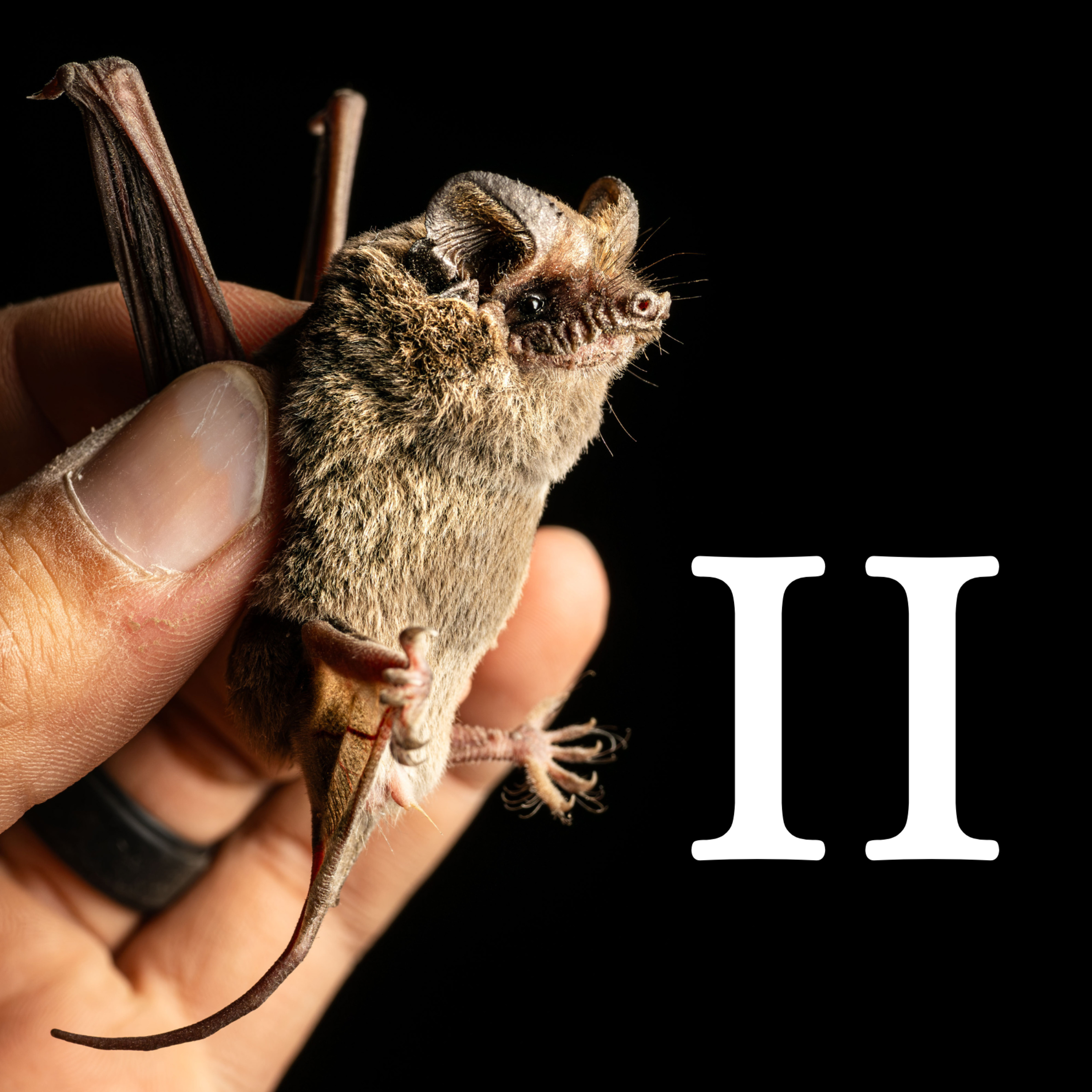
Bats (Part II) with Joey Curti and Rachel Blakey
Welcome to part two. Jump in the car with us, and buckle up (or don't--we're not driving) as we dig into the full bat conversation. Are there any flightless bats? What do bats eat? Do bats talk to each other? How many times in one episode can we be stopped by security? Should we be worried about rabies in bats? Biologists Joey Curti and Rachel Blakey are batting a thousand on this episode
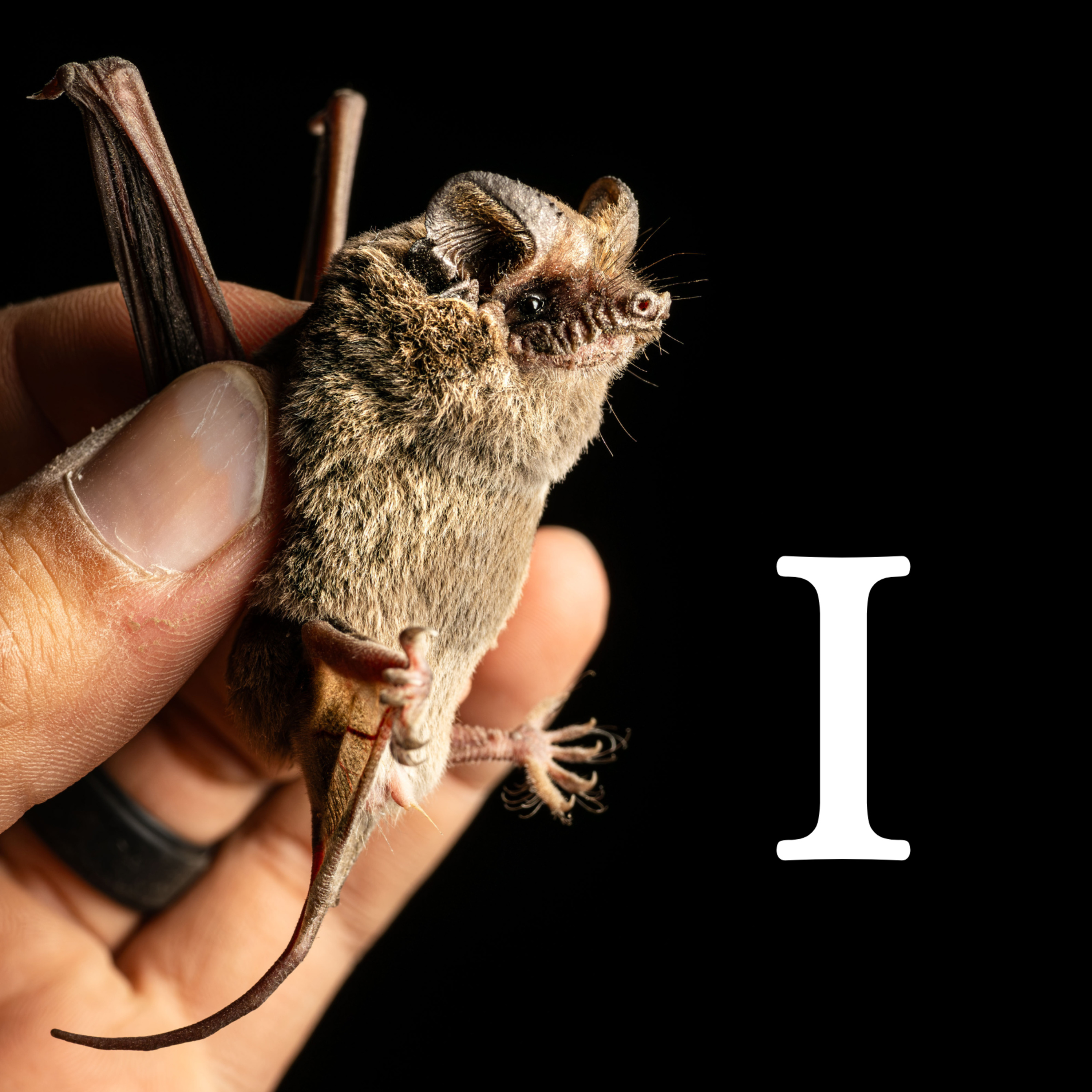
Bats (Part I) with Joey Curti and Rachel Blakey
In the late 1800s, the people of New England believed there were vampires in their midst. Many had a neighbor who had gone pale, who'd felt as if someone were lying across their chest at night, who'd woken up with blood splattered across their pillow. Neither vampires nor vampire bats had caused these symptoms, but Bram Stoker would soon tie elements of this vampire panic to bats in his classic wo
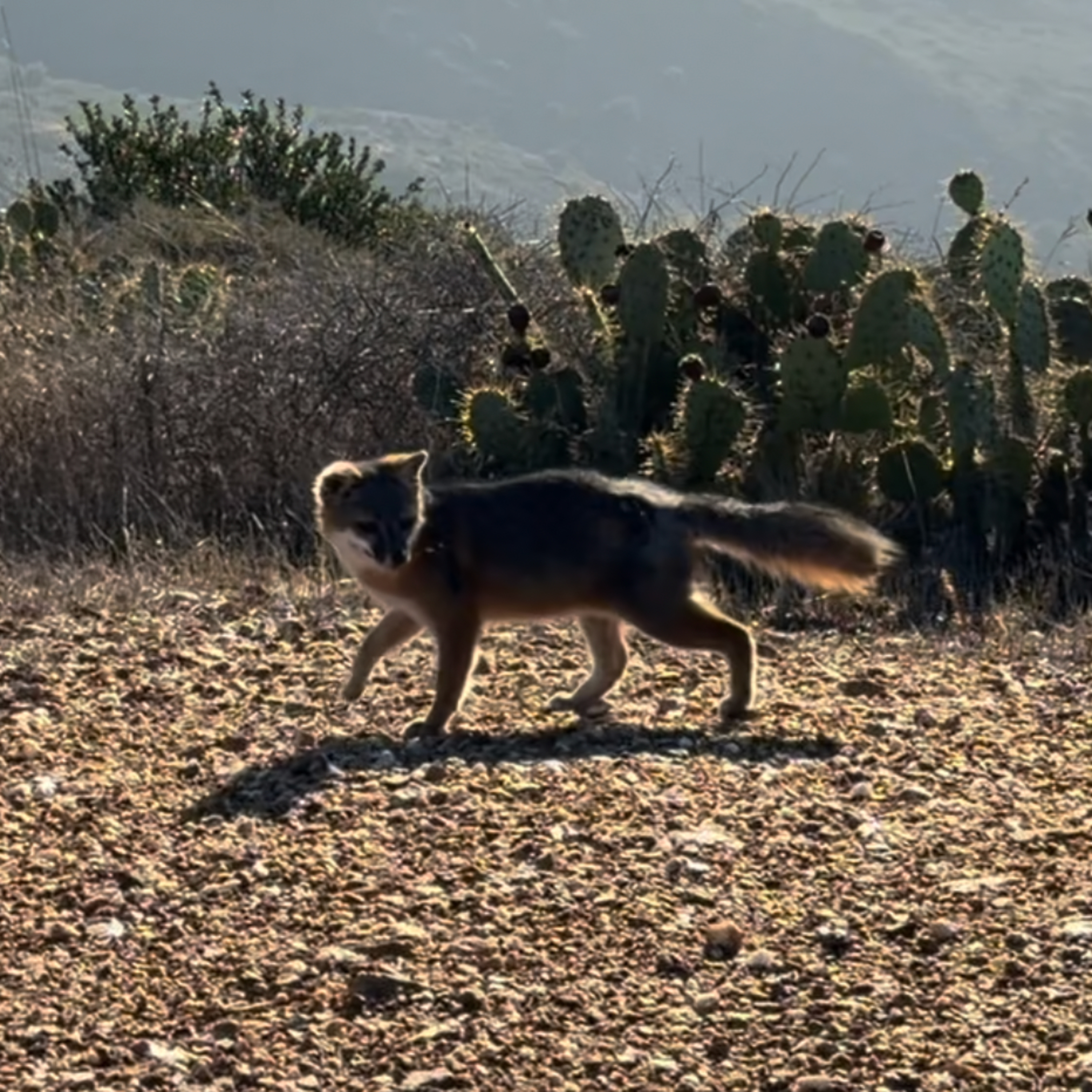
Catalina Foxes with Lauren Dennhardt and Katie Elder
In 1999, the once-healthy population of Catalina foxes plummeted suddenly and without explanation. Over the next few years, scientists worked to find out what was wrong and to bring this tiny fox, found nowhere else on earth, back from the brink. Join me and Lauren Dennhardt as we discuss Catalina fox's story, and then come with me into the field with Katie Elder to trap foxes for their annual
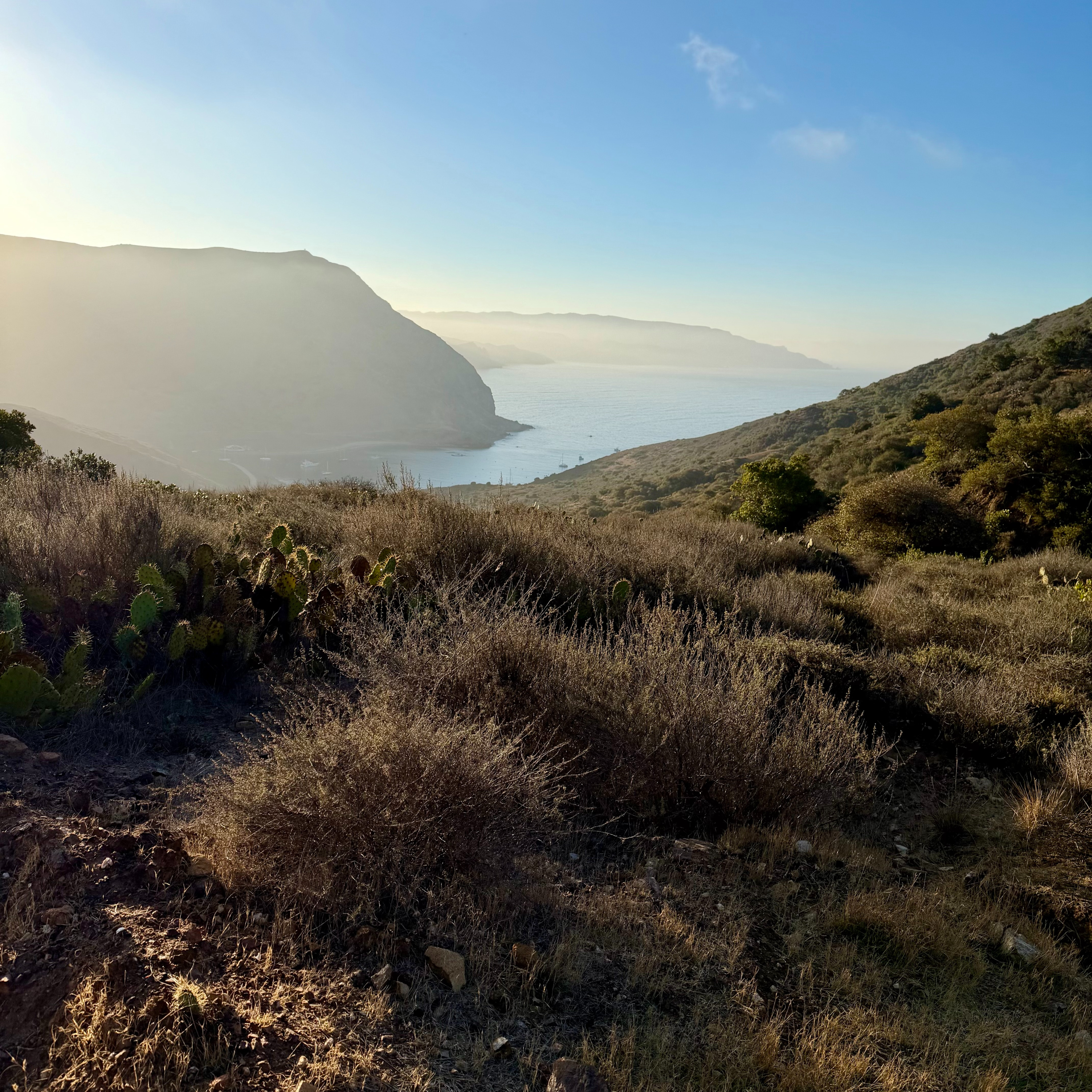
Island Biogeography with Kevin Alison and John Knapp
Humans have been fascinated by islands since the writing of the earliest works of literature, but the outsized role they play in our imaginations isn't limited to fiction. Islands make up only a tiny percentage of the land on earth, but they represent about a fifth of the planet's total biodiversity. And things stranger than fiction happen on islands, from the evolution of miniature mammot

Schedule Update
The pod is going stronger than ever, but it's also part of a larger picture than ever, which means a little shuffle is in order. Have a listen to find out the specifics. I'll see you on the next full episode soon! Stay golden, Michelle

California Grasslands with Justin Luong
The golden hills of California are hiding things. At first glance, grasslands like these ones appear to be simple systems. And to some degree, they are simplified versions of their precolonial selves, but they’re also home to thousands of species of native plants that support an intricate ecology. Look a little closer, peer between the swishing blades, know what to look for, and you’ll see not onl

Seeds with Cheryl Birker
Seeds are far more present in our lives than most of us realize. They compose everything from our morning coffee to our favorite chocolates and have helped shape the world as we know it. California native seeds are just as vital, and protecting them is a way of safeguarding our very future. Join me and Cheryl Birker at the California Botanic Garden as we explore the hidden world of seeds. In this

Forgotten Lands with Josh Jackson
California is home to 15 million acres of a kind of land most people have never heard of. These lands span deserts, grasslands, oak woodlands, and coastal rainforests. They’re free or very inexpensive to visit, and they’re almost never crowded. But what are these mythical wonderlands? These are the largely overlooked lands managed by the Bureau of Land Management, or BLM, and you can go and see th

Did someone say season 5?
What do California lizards and tiny foxes have in common? Check out this special announcement episode to find out. More soon, friends!Michelle Kayleigh Shawn McCollum

Resolutions with Anders Reynolds and Bill Hodge
Are you making New Year's resolutions this year? Mine are a little unconventional. Find out what they are and get to know two incredible advocates for public land, Anders Reynolds and Bill Hodge of The Wild Idea Podcast, on this special bonus episode. And of course remember to check out The Wild Idea Podcast as soon as you're done listening here. Happy New Year, friends!

Critical Mast: Oak Trees with Zarah Wyly
We need every single species of native tree here in California, but our 20+ varieties of native oaks are the most crucial of all. In this episode, join me and my guest, Zarah Wyly, on a walk through a relatively new oak woodland in Folsom dotted with two ancient, magnificent oak trees. Learn the story of how this unusual woodland came to be, find out why oaks are my all-time favorite trees, and ex

Symbiotic Cities with Kat Superfisky
Can cities be good for wildlife? Or at least not so bad? What changes would we need to make to welcome more life into our cities? How would those changes impact humans? What are other cities already trying? Come with me and Kat Superfisky to the largest city in California, where we discuss all of this and so much more. Note: This interview was recorded in September of 2024, so any references to th

Saving California: How 30x30 Is Growing the Conservation Movement in the Golden State
California is one of only 36 Global Biodiversity Hotspots. This means that we have incredible species richness with at least 1,500 endemic vascular plant species. But here's the bummer. In order to be considered a Global Biodiversity hotspot, a place must also be threatened. So threatened, in fact, that it must have only 30% or less of its original natural vegetation remaining.
Oof.
Thankfully,
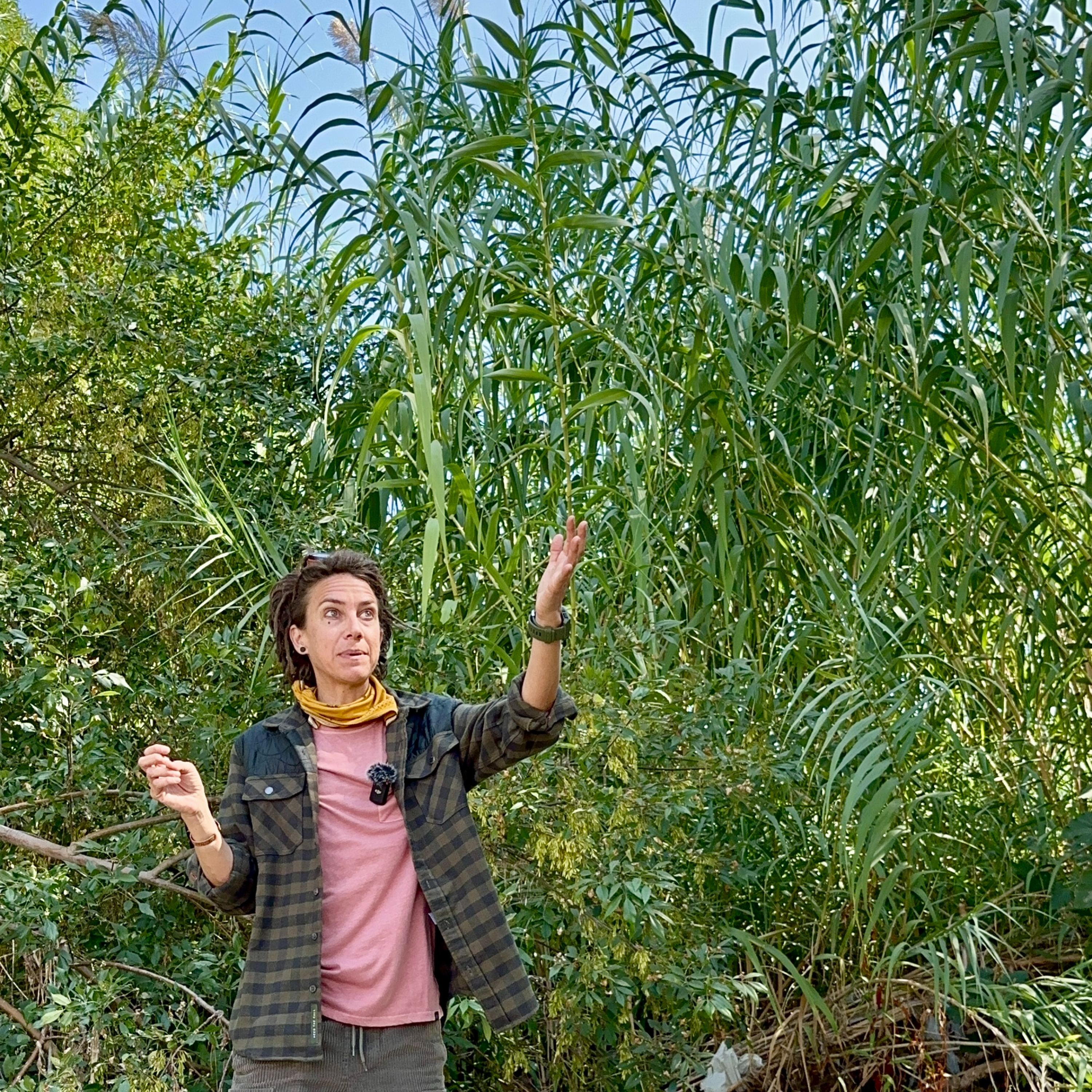
The LA River with Kat Superfisky
Descend with me and LA's first ever urban ecologist into the concrete channel of the Los Angeles River as we discuss novel ecosystems, eminent domain, Greased Lightnin', flood prevention, Ice Cube, soft bottoms, emerald necklaces, and why the LA River is the perfect microcosm of everything LA was, is, and one day could be. Helpful Links: Kat’s website Jason Wise's websiteJuan Crespi’s

California Red-Legged Frogs with Brad Hollingsworth
Chances are, you’ve never seen our state amphibian in the wild. In this episode, find out how the California red-legged frog became so rare while also delving into international border crossings with endangered frog eggs, urban drool, The Celebrated Jumping Frog of Calaveras County, things that can fit into a bullfrog’s mouth, and the essential mindset shift that might just change the world. Join
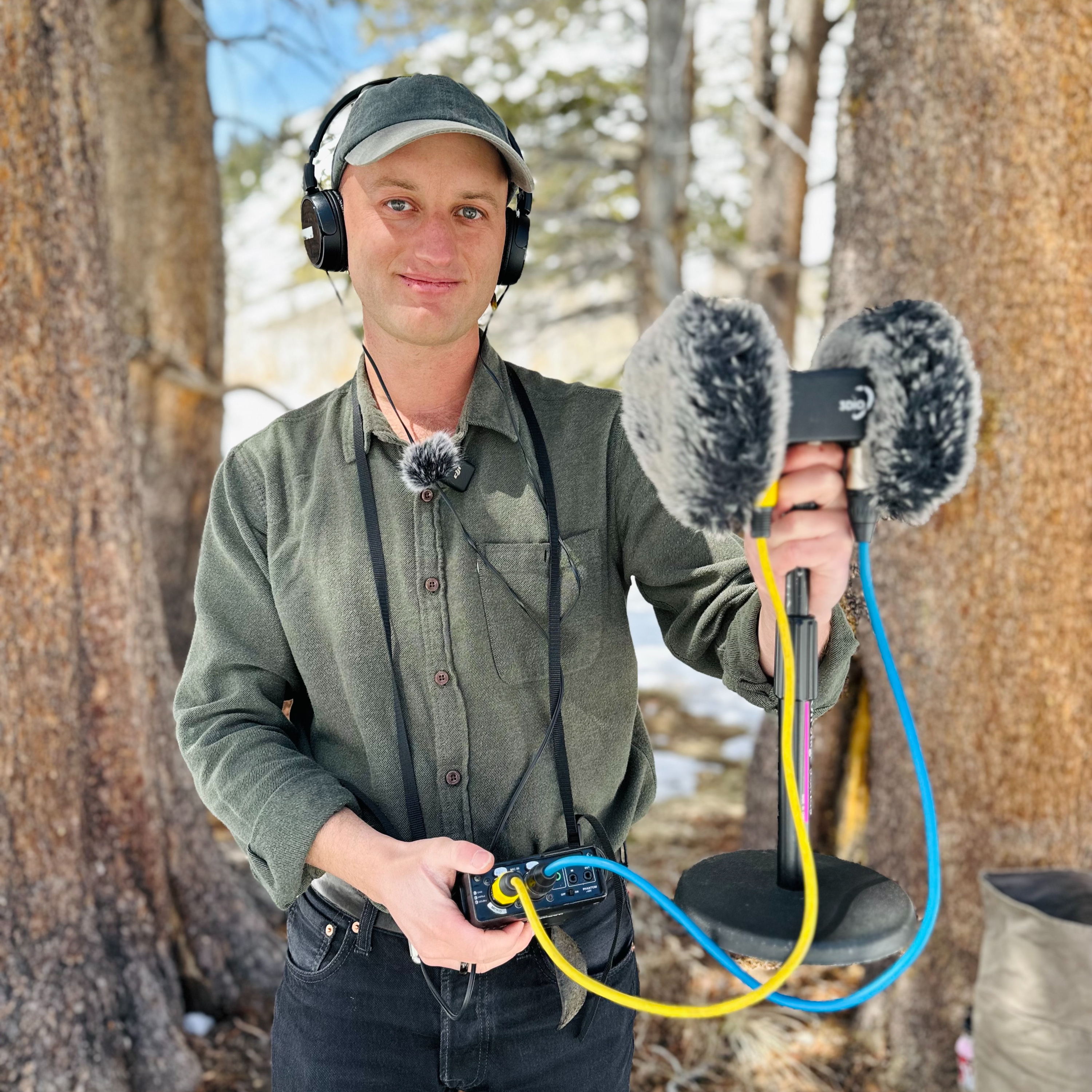
Listening in Nature with Fil Corbitt
How can listening deepen our relationship with place? What do birds think about highway noise? Is that ice bridge safe to cross at this time of year? How can I learn to listen more closely? Join me and Fil Corbitt as we snowshoe down the Eastern slope of the Sierra Nevada Mountains in search of a handmade desk and a place to listen to flowing water, to birdsong, to each other, and to the ever-chan

Torrey Pines with Jon Rebman
What do cacti and rare pines have in common? What’s a paleoendemic? Do pinecones have teeth? Why do so many different plant species live in Mediterranean climates? Join me and Jon Rebman as we go behind the scenes of the San Diego Natural History Museum, explore the herbarium, and discuss the rarest pine species in North America. Links: San Diego Natural History MuseumUniversity of California Muse

Ringtails with Dave Wyatt and Kristyn Schulte
Have you ever wondered what little-known and mysterious beings are living among us, just out of sight? This episode is about one such creature that most Californians have no idea even exists.
Join me, Dave Wyatt, and Kristyn Schulte as we discuss clever little foxes, oak mistletoe, the floor is lava, dissolved poop, the smallest mountain range in the world, tasty taxidermy, classroom design, con

Fire in Built Environments (Special Episode: LA Fires) with Alexandra Syphard
Join me and Dr. Alexandra Syphard as we discuss what makes some neighborhoods more fire prone than others, the Santa Ana Winds, defensible space, the massive differences between fires in forested Northern California and shrubby Southern California, the pendulum swing of public opinion, ways that climate change does and doesn’t contribute to wildfires, the WUI, positive uses of abandoned Fry's

Urban Canyons with Michelle Thompson
Flying over San Diego, you can see them: Fingers of green extending through neighborhoods all across the city.
San Diego’s urban canyon’s serve as refuges for people and wildlife alike, but they’re also often isolated islands of habitat. This can keep animals from accessing the resources they need to survive. And human neighbors aren’t always able to access these spaces, either.
In this episod

Keystone Plants with Doug Tallamy
What do oak trees, goldenrod, willows, and ceanothus all have in common? They all belong to the group of roughly 14% of plants supporting 90% of caterpillar species.
In other words, they’re all keystone plants.
Join me and Doug Tallamy as we discuss the vital role these plants play in their native ecosystems and how we can bring them home to welcome hundreds of species into our own yards.
Help

Burrowing Owls with Phil Unitt
What do fake rattlesnakes, California ground squirrels, odd eye bones, bubonic plague, bizarre choices in home decor, and regurgitated mouse bones have to do with burrowing owls?
Join me and Phil Unitt as we venture into an urban canyon in San Diego to find out.
Helpful links:
Phil Unitt’s page
Rattlesnake owl noise
Urban Burrowing Owls piece by Clinton Abbott
Fish and Wildlife page on burrowin

Sea Level Rise and the California Coast: Imagining a Better Future with Rosanna Xia
The sea is rising, and I have a lot of questions.
Questions about sand movement, seawalls, nature-based climate solutions, ecosystem engineer plants, sand dunes, climate literature, and how we can harness the power of our collective imaginations to adapt to a changing world together.
Join me and environmental reporter Rosanna Xia at Point Dume in Malibu as we discuss my many questions and explor

BONUS: Leave the Leaves with David Mizejewski
It's fall!
And all around the country, tidy piles of raked leaves rest on the corners of lawns, ready to be bagged up and thrown away.
But throwing away leaves means throwing away free mulch and fertilizer.
It also means throwing away habitat and belching methane into the atmosphere.
Join me and National Wildlife Federation naturalist David Mizejewski as we discuss the benefits of leaving the

Tule Elk with Orlando Rocha and Tom Batter
How is the story of tule elk tied to the story of California? What’s the difference between a grazer and a browser? Why do tule elk have such big feet? How much grazing is the right amount of grazing? Why do elk bugles sound like something straight out of a horror movie?
Come with me and Orlando Rocha as we strike out in search of tule elk in the Grizzly Island Wildlife Area, and then join me an

[Greatest Hits] Central Valley Water and Wetlands with Ellen Wehr
Did you know that California's Central Valley once contained a vast inland sea and was home to camels, 400 lb. saber-toothed salmon, and tiny four-tusked mastodons? Or that, just a couple of hundred years ago, it was a network of wetlands, peat bogs, riparian forests, and shallow lakes? So how did this place that was once so defined by an abundance of water become somewhere marked by water-relate

Wildlife Crossings with Ben Goldfarb
Some animals plod across roads without hesitation. Others dart across quickly, while still more freeze at the sight of an oncoming car. A final group avoids roads altogether. Four distinct approaches, yet roads can have devastating impacts on animals regardless of their type of response.
Thankfully, wildlife crossings can help.
Join me and award-winning author Ben Goldfarb as we explore a fragme

Top 10 California Native Species: BONUS Episode with Griff Griffith and Michael Hawk
What are your top ten favorite California native species?
Join me, Griff Griffith, and Michael Hawk as we joyously compile our collective top ten list (a veritable menagerie meets botanical garden) and discuss how we can help each species.
Don’t forget to follow Nature’s Archive and Jumpstart Nature wherever you’re listening now.
Learn more about the great work Jumpstart Nature is doing on the

Coastal Wetlands with Empress Holliday
Are coastal wetlands the same thing as estuaries? What about salt marshes? How can some plants grow in saltwater? Can I use them to salt my french fries? What’s an endangered river? Why do some birds build floating nests? Why should I visit nature that’s close to home?
Join me and Empress Holliday as we explore the Tijuana Estuary to admire plants, gush over birds, and discuss everything from blu

California Snakes with Michael Starkey
What makes California such a great spot for snake diversity? Where does antivenom come from, and why is it so expensive? Can you really inoculate yourself against snake venom? How did evolving alongside snakes impact who we are as humans today?
Join me and Michael Starkey, founder of Save the Snakes, as we get a close look at California snakes and then sit down to discuss bright blue snakes, snak

Tide Pools with Michelle Kunst
How do sea stars move around? Why am I jealous of giant green anemones? When's the best time to go tide pooling? Why is life so hard in the in the place where the ocean meets the land? How have so many creatures adapted to thrive in this strange place where two worlds meet?
Join me and Michelle Kunst as we explore the intertidal zone on the Northern California coast and discuss the incredible

TEK (Traditional Ecological Knowledge / Indigenous Ecological Knowledge) with Frank Lake
Indigenous people have lived in the place now known as California since time immemorial and are still here today.
In this episode, join me and Frank Lake as we discuss mutualistic relationships between Indigenous Californians and the land, traditional burning, oak orchards, the powerful ways Indigenous and Western knowledges can come together, common misconceptions about pre-colonial California,

Native Bees with Krystle Hickman
Have you ever noticed a bee that looked a little…different? Maybe it was a bit fuzzier than a typical honey bee, or maybe it was obsidian black, bright orange, startlingly large, or as tiny as a gnat. Chances are, if you’ve seen a bee meeting any of these descriptions, you observed one of Earth’s 20,000 species of native bees (with around 1,600 of those species living in California).
Join me and

Mythologizing Place with Obi Kaufmann
Author, artist, poet, and eco-philosopher Obi Kaufmann doesn't want to craft a better argument.
He wants to tell a better story.
But what does that kind of story look like? How do we begin to convey the incredible complexity of a place like California? How do we avoid unproductive divisiveness, embrace a better worldview, and move forward together in healing the land?
Join me and Obi in a f
7 Ways to Connect with Nature this Year (2024 REPLAY)
Happy New Year! 🎉
This episode has a great story, so I added a new intro to tell you about it.
Here are the links mentioned in the new intro!
7 Ways to Connect with Nature zine by Kate Rutter
Find Kate on Instagram @katerutter.
Patreon. This is a great way to support your local indie podcaster.
Find me on Instagram @goldenstatenaturalist.
My website is goldenstatenaturalist.com.
Mistletoe with Joshua Der
Have you ever wondered why we bring a toxic, parasitic plant indoors during the holidays...and then kiss under it? Or what ecological role this plant plays?
Come with me and Dr. Joshua Der as we discuss the ecological importance of mistletoe, its evolution, the vast array of wildlife it supports, and of course, the ancient folklore that led to all those stolen smooches.
Helpful Links:
Dr. Der
Living in Place: Reflections on Being a Naturalist with Justin Garwood
When was the last time you felt truly connected with a place? Was it somewhere rugged and wild, or was it on a leaf-strewn suburban block? What did you notice? What questions popped up in your mind? What gave you that sense of connection?
In this episode, join me and Justin Garwood in a Northern California temperate rainforest as we discuss how each of us can connect more deeply with the natural
The Klamath Mountains with Michael Kauffmann
The Klamath Mountains, straddling the California-Oregon border, are a hotspot for biodiversity. But what drives the species richness of the region?
Come with me and Michael Kauffmann to a moss-covered edge of the Klamath mountains as we discuss ancient rocks, carnivorous plants, temperate rainforests, why people are a vital part of the story of place, and why the Klamath Mountains are bursting w
Seaweed with Allison Poklemba
Is seaweed a plant? Is it ok to eat straight out of the ocean? What kinds of creatures rely on seaweed? How does kelp fight climate change?
Join me and Allison Poklemba on the Humboldt coast as we descend into the intertidal zone to taste seaweed fresh from the ocean and discuss all of the questions above and more.
Helpful Links:
Allison's Seaweed Resources
Backcountry Press Instagram: @b
California Condors with Tiana Williams-Claussen
At the height of the last ice age, California condors could be found all across North America, and since time immemorial, these birds have held special cultural and spiritual significance for a number of Indigenous groups.
But by the late 1980's, the last wild condor had been captured and brought into a captive breeding program. They were extinct in the wild.
So what happened to these enor
Nocturnal Nature with Charles Hood
Have you ever wondered about things outside your window--the things that go bump in the night? Or, actually, things that flutter, flap, tread softly, swim, or bloom in the night? Because there’s a whole nocturnal world out there that most of us are missing, and it’s actually not as hard or as scary as we might think to go out and see it for ourselves.
In this episode, switch on your headlamp, an
Nature in Your Neighborhood with Marni Fylling
When was the last time you looked closely at the living things right outside your front door? Have you ever gotten lost in a daisy, zoomed in on a burr clover, or watched a ladybug on a rose bush?
Join me and author-illustrator Marni Fylling as we take a walk to explore the nature in her neighborhood. Along the way, learn how you can connect more deeply with the nature where you live and even cu
Redwood Trees with Griff Griffith
Coast redwood trees reside in a category all their own. Not only are these the tallest trees in the world, but they grow in unique ecosystems–quiet, foggy places with ferns and redwood sorrel spilling everywhere you look onto the trail.
In these forests, the sound of running water is never far away, and the redwoods themselves are by far the most prominent tree species, the warm hue of their bark
Art of Nature/Nature of Art with Jane Kim
Have you ever looked at a piece of art that altered your perspective? Or one that challenged your thinking? Or maybe you’ve studied a piece that taught you something new.
How can art impact conservation efforts? How can it help break generational cycles of disconnectedness from the natural world? Why does art matter in a time of rapidly changing climate and habitat loss?
Join me and artist/scien
Foraging with Mia Andler
Have you ever wondered if the plants growing along your favorite trail or outside your door are edible? Or what kinds of flavors might not be available at the grocery store?
Many of us aren't familiar with the tastes of the places where we live, even though there are wild foods growing all around us. Join me and author, educator, and forager Mia Andler on a walk beside the Truckee River to l
Urban Ecology with Miguel Ordeñana (Part 2: Bats, Inclusive Urban Nature and Community Science)
Do bats live close to my house? Why are they important? Do they have rabies? How can people help take care of urban wildlife? How can we involve more people in conservation and community science, particularly people from historically excluded groups? Come with me and Miguel Ordeñana to Griffith Park in Los Angeles, where we discuss all of this and so much more.
Links:
Bat Motherhood
Benefits o
Urban Ecology with Miguel Ordeñana (Part 1: P-22 Mountain Lion, Wallis Annenberg Wildlife Crossing, and Other Urban Carnivores)
Have you ever wondered what kind of wildlife lives right in the middle of your city? Or why some animals thrive in cities while others don't? And how did a mountain lion end up in Los Angeles, anyway? Join me and Miguel Ordeñana, the scientist who discovered mountain lion P-22 living in Griffith Park in LA as we discuss these questions and so many more.
Links:
Keeping Cats Indoors
Wallis A

Growing Native Plants from Seed with Julia Michaels
Have you ever wanted to grow your own native plants? Where can you get California native seeds? Should you sow them directly in the ground or start them in pots? Is there anything you should do to the seeds before planting them? What time of year should they be planted? How should the soil be prepared? What are some common mistakes to avoid? What are some good plants to start with? Is this the end

Amphibians with Gary Bucciarelli
What is an amphibian, anyway? Are they leading double lives? What's the difference between a newt and a salamander? A frog and a toad? What kinds of amphibians live in California? Why are California newts so toxic? How do they always, always find their way home?
Join me and Gary Bucciarelli as we explore a stream in the Santa Monica Mountains, finding plentiful frogs and newts as we dis

Central Valley Water and Wetlands with Ellen Wehr
Did you know that California's Central Valley once contained a vast inland sea and was home to camels, 400 lb. saber-toothed salmon, and tiny four-tusked mastodons? Or that, just a couple of hundred years ago, it was a network of wetlands, peat bogs, riparian forests, and shallow lakes? So how did this place that was once so defined by an abundance of water become somewhere marked by wa

Ecological Restoration with Billy Sale
What's the problem with yellow hills? How do you trick a seed? What are the neighbors angry about? Where do restorationists get all those seeds? What's the difference between ecological restoration and restoration ecology? What does reconciliation have to do with it? How can we keep the world brimming with strange and beautiful creatures?
Join me and Billy Sale, Restoration Project Manager at the

Dark Skies with Kayla Browne and Dan Duriscoe
Most of us live in places where we can only see a few of the brightest stars in the sky at night, but what if that didn't have to be the case? Come with me and guests Kayla Browne and Dan Duriscoe to Death Valley, where we sit under a sky full of stars to discuss light pollution, bats, migrating birds, why dark skies are important, astronomy, places you can go to see a truly dark sky, and what can

Growth Mindset with John Muir Laws (BONUS Minisode!)
How useful is IQ? What exactly is a growth mindset, and how is it different from a fixed mindset? What shifts can we make in our thinking that will allow us to learn and grow in new ways? Should you take Swahili lessons? How does all of this apply to being a naturalist and nature journaler?
In this cute tiny bonus episode, come with me and John Muir Laws as we discuss all of this and more.&n

Nature Journaling with John Muir Laws
Did you know that no pretty pictures or artistic talent are required to create a highly effective nature journal? Rather, as John Muir Laws explains in this episode, nature journaling is about paying attention, presence in the moment, and thinking more effectively about the natural world all around you.
Join Jack and I on a nature journaling adventure beside the San Francisco Bay, and find out wha

7 Ways to Connect with Nature This Year
Happy New Year! Are you hoping to spend more time outdoors this year? This episode is for you! In it, I'm sharing seven of my favorite ways to connect more deeply with the natural world this year and beyond.
My website is www.goldenstatenaturalist.com
Support Golden State Naturalist on Patreon.
You can find me on Instagram and TikTok @goldenstatenaturalist.
The theme song is called "i
California Native Plants with Naomi Fraga
California is home to 6,500 native plant species, including some that are truly iconic, like coast redwoods, giant sequoias, bristlecone pines, and California poppies. If you're like me, you have a lot of questions about this wide variety of plants, like: What is it that makes native plants so important? What's the difference between a native plant and an endemic one? Why are some plants more bene

2022 California Naturalist Conference Highlights with José González, Rhiana Jones, Obi Kaufmann, and more!
Do you want to know what some of the most experienced, most insightful naturalists in California have on their minds? You’ve come to the right place! This episode is jammed full of brilliant professors, authors, environmental directors, outdoor equity advocates, and science communicators, and they cover topics from traditional ecological knowledge and storytelling to fire on the landscape to the e

Ice Age California with Sean Campbell
Have you ever wondered what was going on in California, oh, ten or fifty thousand years ago? About, perhaps, the social lives of saber-toothed cats, just how big giant ground sloths actually were, or the difference between a mammoth and a mastodon? Join me and Sean Campbell, Senior Paleontological Preparator at the La Brea Tar Pits in Los Angeles, California, as we explore what California and the

Monarch Butterflies with Natalie Johnston
What makes butterflies so magical? They are a wonder and a delight, and I’m so excited to be diving into a full episode about what is possibly the most iconic species of butterfly in the world: Monarchs. Have you ever wondered why they’re bright orange, how far they migrate, or why they capture our collective imagination? I have! Come with me to the Pacific Grove Monarch Sanctuary to find out more

Fire Ecology with Robin Lee Carlson
Hi there! It's season two now! Have you ever wondered what makes a "good fire" different from a "bad fire"? ME TOO. How about these: Which ecosystem needs fire more frequently--oak woodland or chaparral? What happens to animals during and after a wildfire? Are there any plants or animals with truly insane relationships with fire? (I'm going to spoil that one right now. Yes. Yes, there are.)&

Mid-Break Updates AND Conversation with Michael Hawk on Nature's Archive
If you've been wondering what I've been up to or when I'll be back, this episode has your answers!
PLUS, just as a bonus because I love you, here's an intro to an amazing podcaster named Michael Hawk, who is the creator of both Nature's Archive podcast and a new nonprofit called Jumpstart Nature. In the episode, we discuss both of our podcasting journeys so far (with me at 10 episodes a

Beavers (Drought and Wildfire Superheroes!) with Emily Fairfax
Scale a beaver dam with me and Dr. Emily Fairfax, beaver researcher, ecohydrologist, assistant professor at CSU Channel Islands, and science communicator extraordinaire who has been featured on NPR's Science Friday and All Things Considered. In this episode, you'll hear us discuss ecosystem engineers, what beavers eat, the best time of year to look for beaver dams, the North American Fur Trade, ho

Conglomerate Mesa (Joshua Trees! Desert Ecosystems! Gold Mining!) with Wendy Schneider
When I first heard about Conglomerate Mesa, located on BLM land right outside of Death Valley, I had no idea how much ground a single episode could cover. This one's got everything, including what makes a place a desert, a little bit of geology, Joshua trees, the General Mining Act of 1872, juniper pinyon ecosystems, the rain shadow effect, a very lovable, fuzzy-tailed rodent, a daisy that is only

Giant Sequoias (World's Largest Trees!) with Wendy Harrison
Have you ever looked up at something much larger than yourself and felt teeny tiny, but in a good way? That's the feeling I get when I walk among giant sequoias. It is pure wonderment. Join me as I learn more about this spectacular species from Wendy Harrison, who spent 30 years as an interpreter at Calaveras Big Trees State Park and now leads the park's California Naturalist program. In our

Entomology (Bugs!) with Ralph Washington Jr.
If you're here and you're like "ehhhhh, maybe I'll skip this one," don't! It's seriously so good even if bugs aren't usually your thing. Ralph Washington Jr. is not only a bug genius with a Master's in Entomology from UC Davis and more accolades than you can shake a stick at, but he's also insightful, passionate, and easy to listen to. You'll learn so much from him and may even walk away with new

Coyotes with Sara Tabatabai
Have you ever been out hiking and heard an eerie chorus of barks, yips, and howls somewhere off in the distance? Or seen some scat that looked more like a bunch of smooshed up seeds and fur? You might have had a near brush with a coyote (or several!).
In this episode, I interview Sara Tabatabai from Effie Yeaw Nature Center, located right on the American River in Carmichael, California. Sara

Guerrilla (Not Gorilla) Conservation with Shalaco from SFinBloom
Have you ever wanted to do something for the environment but gotten discouraged because the problems just seem too big and insurmountable? This happens to me ALL. THE. TIME. Shalaco from SF in Bloom, though? Undaunted. When he and his partner, Phoenix, realized that pollinators were struggling and how much native plants could help, he got himself a bee suit, a parmesan cheese shaker, and some nati

The Sutter Buttes (World's Smallest Mountain Range!) with Steve Roddy
Did you know that Northern California is home to the smallest mountain range in the world? It lies smack in the middle of the Sacramento Valley, and it is a hotbed for unexpected creatures and unexpected stories alike. Join me with California Naturalist, Sutter Buttes guide, and educator Steve Roddy, as we explore the heart of the Buttes and discuss what makes the place so special.
How were

Oak Trees with Zarah Wyly
We need every single species of native tree here in California, but our 20+ varieties of native oaks are the most crucial of all. In this episode, join me and my guest, Zarah Wyly, on a walk through a relatively new oak woodland in Folsom dotted with two ancient, magnificent oak trees. Learn the story of how this unusual woodland came to be, find out why oaks are my all-time favorite trees, and ex

Vernal Pools (Ephemeral Wetlands) with David Rosen
Did you ever catch tadpoles in a pond when you were a kid? Or watch insects glide just under the surface of a creek? Recording this episode brought me back to the magic of those childhood moments, AND I got sooo many vernal pool questions answered.
Here are a few of them: What is a vernal pool, and how is it different from other bodies of water? What kinds of creatures live in and aroun

Salmon with Jason Fareira (Part 2 of 2)
Why are salmon important enough to merit two whole episodes? What are they up to when they're out in the ocean? What exactly is a keystone species? Should we bring grizzly bears back to California? What is a hatchery, and why are they so controversial? What does the gold rush have to do with salmon, and why does it still matter almost 200 years later?
Join me and Jason Fareira for the second

Salmon with Jason Fareira (Part 1 of 2)
Ok, what's the deal with salmon? Why are they so vital to almost all of the organisms that live near their nesting grounds? What is a hatchery? Why are dams so controversial? What kinds of conditions do salmon need to thrive? How do these fish find their way back to the very rivers where they first hatched?
In this episode, I take a walk with naturalist and Fish and Wildlife employee Jason F

California Geology with Nate Manley
Ever wondered how California was formed? Or why there's a mountain range on each side of the state with a big, flat valley in the middle? Or what makes the San Andreas fault so unique and so infamous? This episode will answer all of those questions and SO MANY MORE. Join Nate and I on a hike around Folsom Lake, where we checked out some very odd granodiorite and discussed everything from plat

Episode 0
Golden State Naturalist is a different kind of nature podcast.
It's one that invites you out onto the landscape for a closer look, that engages your senses, and that helps you connect more deeply with the land.
It's a podcast that challenges you to reconsider the relationship between humans and this planet we call home.
Tune in every other week to learn about geology, California native
Recommended

Heaven’s Gate Academy

Deadline: White House
The Great Detectives of Old Time Radio| Daily Mystery Dramas
TED Business
Ranger Bill | Old Time Radio Adventure & Family Drama

زن بودن

Christmas Old Time Radio

The Adventures of Superman | Old Time Radio
Booked, Blonde & Busy w/ Olivia Ponton
The Human-Animal Connection - Pet Life Radio Original
Medicine with Meaning
Homemaking with Jesus | Weekly Devotionals, Biblical Application, Simple Living, Home Management, Healthy Relationships
