Open to Debate
Open to Debate is a nonpartisan podcast that brings together multiple perspectives for structured, respectful debates on the issues of the day. Featuring expert moderation and good-faith arguments, it covers science, technology, politics, culture, and global affairs. The show aims to restore balance to the public square and strengthen democracy through civil exchange of ideas. Formerly known as Intelligence Squared U.S.
Episodes
Is the United Nations Obsolete? (Encore)
As world attention descends on the United Nations General Assembly, Open to Debate is once again casting a critical lens on this over 80-year-old global organization. To this day, questions are still mounting as to whether the United Nations itself is both ineffective and outdated, or whether an institution created for the world of 1945 is equipped for, and can effectively meet, today's challenges

Is Parenting Overrated? (Encore)
What shapes us more: our DNA or the way we’re raised? The “nature” camp points to genetic research and studies of twins raised apart, arguing that traits from personality to abilities are strongly influenced by inherited biology, limiting how much parenting can shape who children become. The “nurture” camp argues upbringing, culture, and parental choices profoundly influence development and behavi

Is America Ready for a Four-Day Work Week?
A century after Henry Ford helped popularize the five-day, 40-hour week, could working 32 hours be next? Supporters say shorter weeks can improve well-being without sacrificing productivity, especially as AI would make workers more efficient. Others warn it would strain industries that require continuous staffing and force Americans to rethink everything from school and healthcare schedules to exp

Is Capitalism Broken?
Capitalism has long been credited with driving innovation and prosperity, yet many Americans increasingly believe the system is no longer working for them. Is the problem capitalism itself or the policies surrounding it? In this debate, an entrepreneur and venture capitalist faces a prominent economist with a competing vision to examine inequality, economic opportunity, and the future of the Ameri

Can Humans Adapt to Climate Change? (Encore)
The dangers of climate change are “no longer over the horizon.” Humanity may soon pass the “point of no return.” These are the phrases U.N. Secretary-General Antonio Guterres used to describe what he called an “utterly inadequate” global response to rising temperatures. But if we were to decisively act and restructure our global economy with the climate in mind, who would shoulder the burden? Or s
Is Death Final? (Encore)
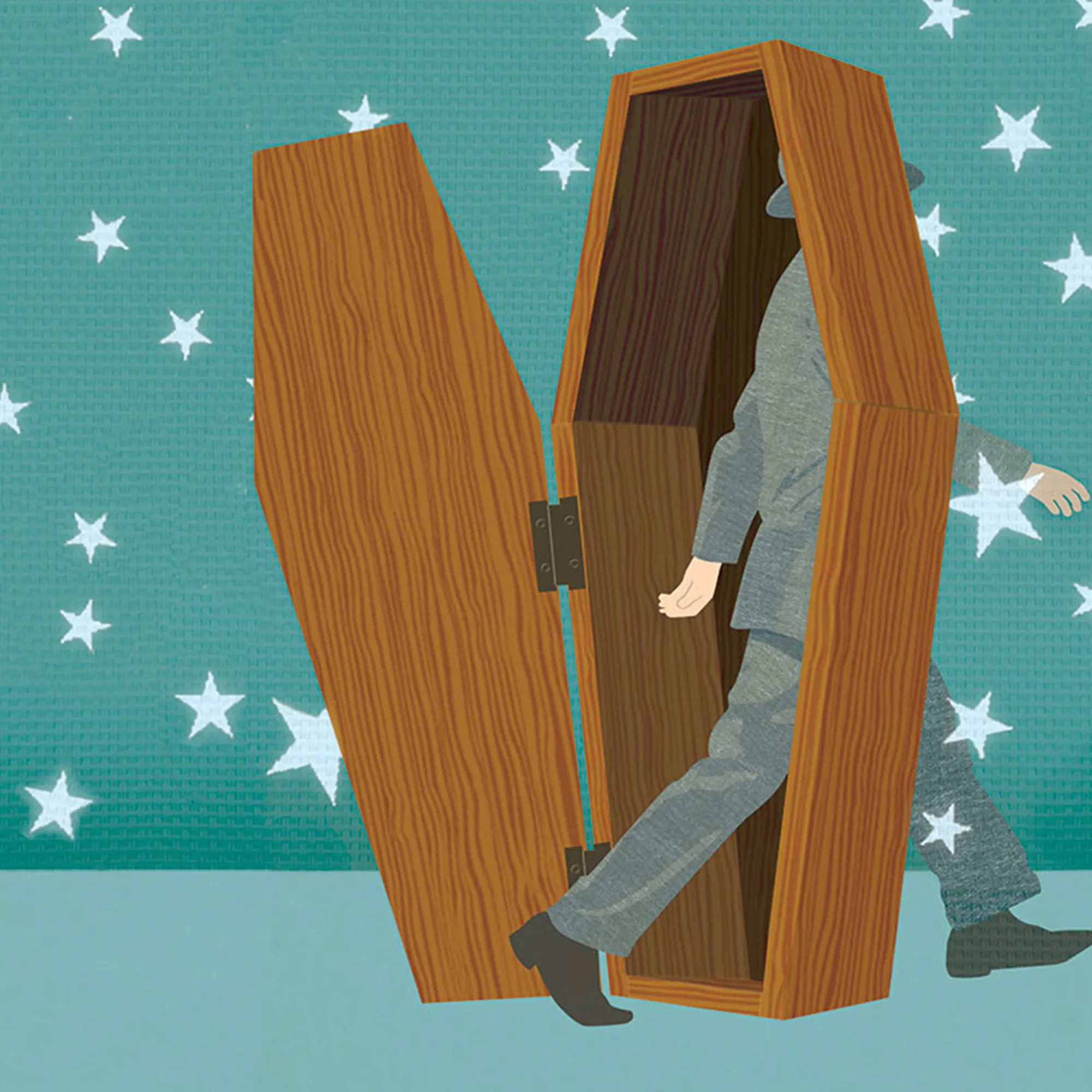
Near-death experiences have long challenged our understanding of consciousness and mortality. Some who come close to death report leaving their bodies, encountering vivid visions, or feeling profound peace. Are these experiences evidence that consciousness can survive death — or can they be explained by what happens in a dying brain? This 2014 debate is one we're still thinking about today. We ask
Are Primary Elections Ruining Democracy? (Encore)
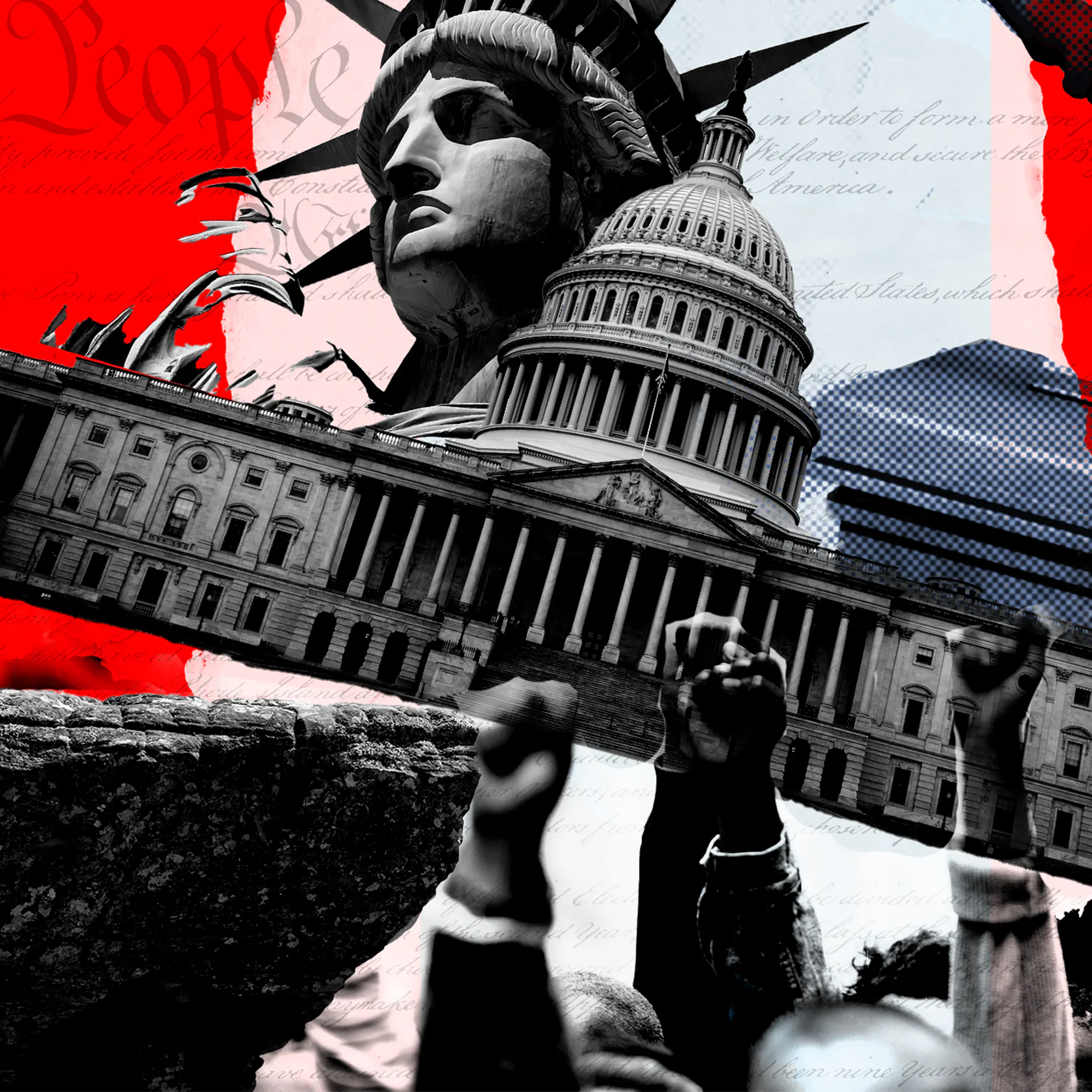
The midterms are coming up this fall, and right now we are in the middle of a contentious primary season, with a lot of new faces challenging incumbents—and many winning. It’s in this context that we revisit our debate from 2022: Are Primary Elections Ruining Democracy?
Arguing YES
Elaine Kamarck, Founding Director of the Center for Effective Public Management at the Brookings I
America 250: Is It Time To Stop Idolizing the Founders?
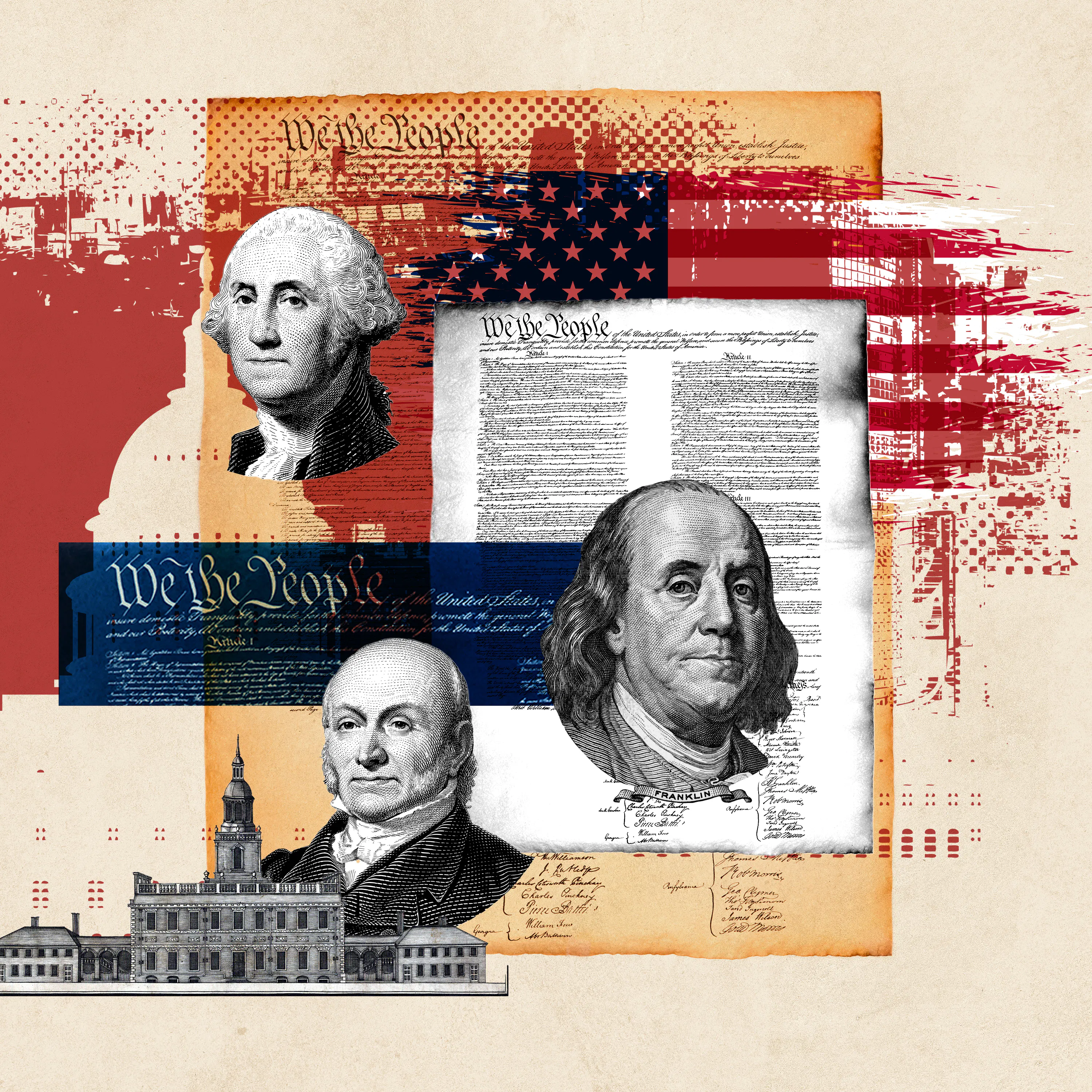
As America celebrates 250 years since the Declaration of Independence, the legacy of the Founders is under renewed scrutiny. Were they visionary architects of liberty whose achievements and creations should be celebrated, or has reverence for them sanitized the past, how we think of democracy, and the compromises embedded in the nation's founding? As the U.S. marks its semiquincentennial, we

Should the Death Penalty Be Abolished?
Fifty years after the Supreme Court reinstated capital punishment, the death penalty remains one of America's most divisive issues. Supporters argue it delivers justice for the most heinous crimes, provides closure for victims’ families, and ensures the worst offenders can never kill again. Opponents point to wrongful convictions, racial disparities, and the moral consequences of allowing the stat

Generational Divides with Nick Gillespie: Are We Overcomplicating Love and Sex?
Forget "happily ever after." As marriage and birth rates fall, young adults have less sex, and assumptions about love and commitment are being challenged. In this episode of “Generational Divides,” Reason editor-at-large Nick Gillespie brings together a Gen X-er, a Millennial, and a Gen Z-er to debate these questions about intimacy and love in the 21st century: Should Gen Z have more sex? Is

Who Is Winning the Iran War: Tehran or Trump?
After signing a Memorandum of Understanding in June, the U.S. and Iran entered a delicate peace. As negotiators worked toward a permanent deal, one question loomed: Who won the war in Iran — Tehran or Trump? Hours after we concluded a debate on that very question, strikes resumed. By morning, President Trump declared the truce over. Today, we bring you that debate, and the question of wh
BONUS: The Blessings of Liberty: Jeffrey Rosen & Ken Burns on America’s 250th
As a bonus, today we’re sharing a special episode of The Blessings of Liberty, a new podcast from Open to Debate debater Jeffrey Rosen and our friends at FIRE, the Foundation for Individual Rights and Expression. In celebration of America’s 250th anniversary, Jeffrey sits down with award-winning filmmaker Ken Burns, walking through the Declaration of Independence, clause by clause, to encapsulate

Is the American Dream in Decline?
The American Dream – the idea that anyone can achieve success in the U.S. through hard work and determination – is under scrutiny, and some worry it’s no longer achievable for the broader population. Those who agree say increasing healthcare, education, and housing costs create difficulty in having financial stability. Those who disagree argue that the U.S. still offers more opportunities for pers

The Pursuit of Happiness: Virtue or Pleasure?
Happiness is a complex emotion and mental state that can be achieved through virtue or pleasure. But should it be for the good of the individual or society? Those in favor of virtue point to the Stoics and the Founding Fathers, saying you should strive for a life of moral virtue and rationality. Those in favor of pleasure say everyone should be able to experience it and define their sources of hap

World on the Brink?
As the Iran war reshapes the Middle East and raises new questions about America’s role in the world, Danielle Pletka and Julia Ioffe join moderator-in-chief John Donvan at the Cascade PBS Ideas Festival for a debate-esque conversation on U.S. foreign policy in President Trump’s second term. From Iran and Russia to global stability and American leadership, they offer competing visions for navigatin

Is It Ethical To Cooperate With Chinese State Institutions To Secure Incremental Change?
As democratic governments, universities, and civil society organizations grapple with how to engage China, an ethical question persists: should cooperation with Chinese state institutions, which involve every industry from education to commerce, be pursued as a pathway to gradual, meaningful progress, or does such engagement ultimately legitimize repression and undermine fundamental freedoms? In p

Should America End Birthright Citizenship?
Birthright citizenship guarantees citizenship to anyone born within the United States’ territory, regardless of a parent’s nationality. But should this legal principle be removed from the Constitution? Those arguing it shouldn’t say that it prevents children from being punished for their parents’ status, while encouraging long-term economic and civic contributions. But those calling to end the pra

Generational Divides with Nick Gillespie: Are the Parents Alright?
These days, it can feel like raising kids has become a minefield. Somewhere along the way, older generations started looking at younger generations and asking, “Are the parents alright?” In this episode of “Generational Divides", Reason editor-at-large Nick Gillespie and parents from three generations tackle some of the thorniest questions in modern parenting around social media, gentle parenting,

Government as Shareholder: Proactive Competitive Strategy or Last Resort?
Global powers are increasingly shaping markets and taking equity positions in strategic industries. But recently, Washington’s role in the economy has expanded, with stakes in companies like Intel, different from its traditionally hands-off approach. Could strategic government investment be a source of strength and competitiveness—or should it remain a true last resort, preserving a system that al

Is the Scientific Enterprise Too Risk-Averse?
Modern science has given us the ability to edit our genes, life-saving vaccines, and glimpse the origins of the universe. But is the same system holding itself back? Critics argue that the pressure to publish and fierce competition for funding rewards safe, incremental work over bold thinking. Others see a system still capable of paradigm-shifting discoveries — one where global collaborations and

Should Museums Repatriate Cultural Artifacts?
For centuries, museums in Europe and the U.S. built their collections during eras of empire and unequal power. Now, institutions face growing calls to return artifacts taken through colonial rule or war, from the Benin Bronzes to Indigenous objects. Supporters say repatriation corrects historical injustice and restores sacred objects to their communities. Critics argue that museums serve a global

Should We Separate the Art from the Artist?
It turns out your favorite artist is a monster. Say they committed murder, advocated genocide, or engaged in some other act so outside the scope of a dignified, respectable society that it cannot be redeemed. What now? Must you throw the art out with the artists? It's a question at the heart of both pop culture and high art critique. For some, a work of art is an entity in itself. It should be app

Should We Use Gene Editing to Make Better Babies?
Your doctor tells you that, should you wish to have a child, that child is likely also to carry the disease. But a new gene-editing technology could ensure that your baby is -- and remains -- healthy. Should you do it? Critics say the technology will exacerbate inequality and meddle in the most basic aspect of our humanity. Now, we debate: Should We Use Gene Editing to Make Better Babies? This eth

Will the AI Bubble Burst?
Artificial intelligence has ignited one of the most spectacular surges of investment, hype, and technological promise, but some worry that the enthusiasm is resembling a bubble, with valuations racing ahead of fundamentals and enormous compute and energy costs that could undermine long-term profitability. But others note this bubble is different because AI is already embedded across the economy, n
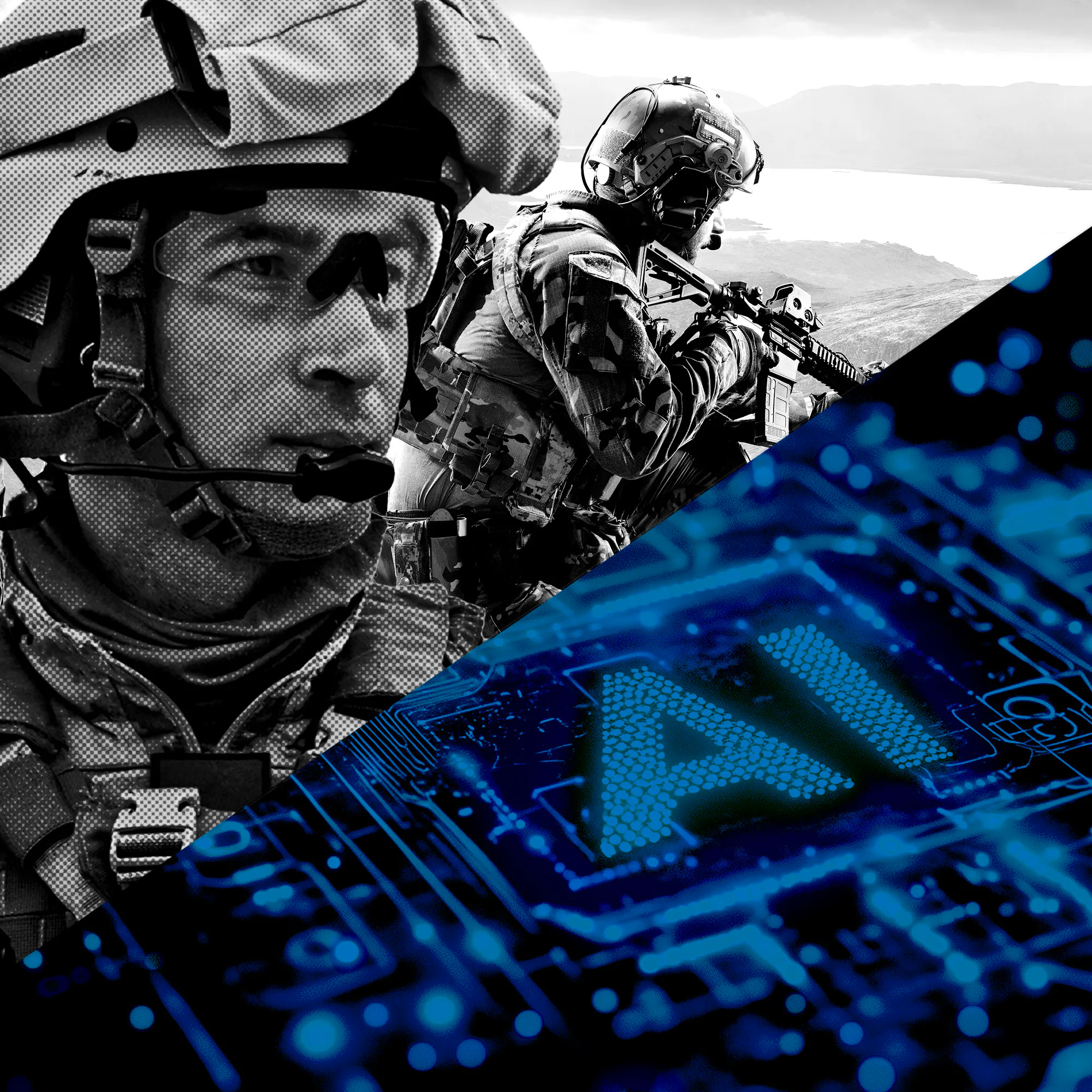
Wartime Kill Decisions: Human or AI?
Even with a fragile ceasefire in place between the U.S., Israel, and Iran, we wanted to revisit this prescient debate from last fall. In the past few weeks of war, autonomous systems, AI-driven targeting, and drones were heavily used by both sides leading some to fear we’re rapidly approaching a future of warfare that takes human decision making out of the loop entirely. Are we ready for that? Thi
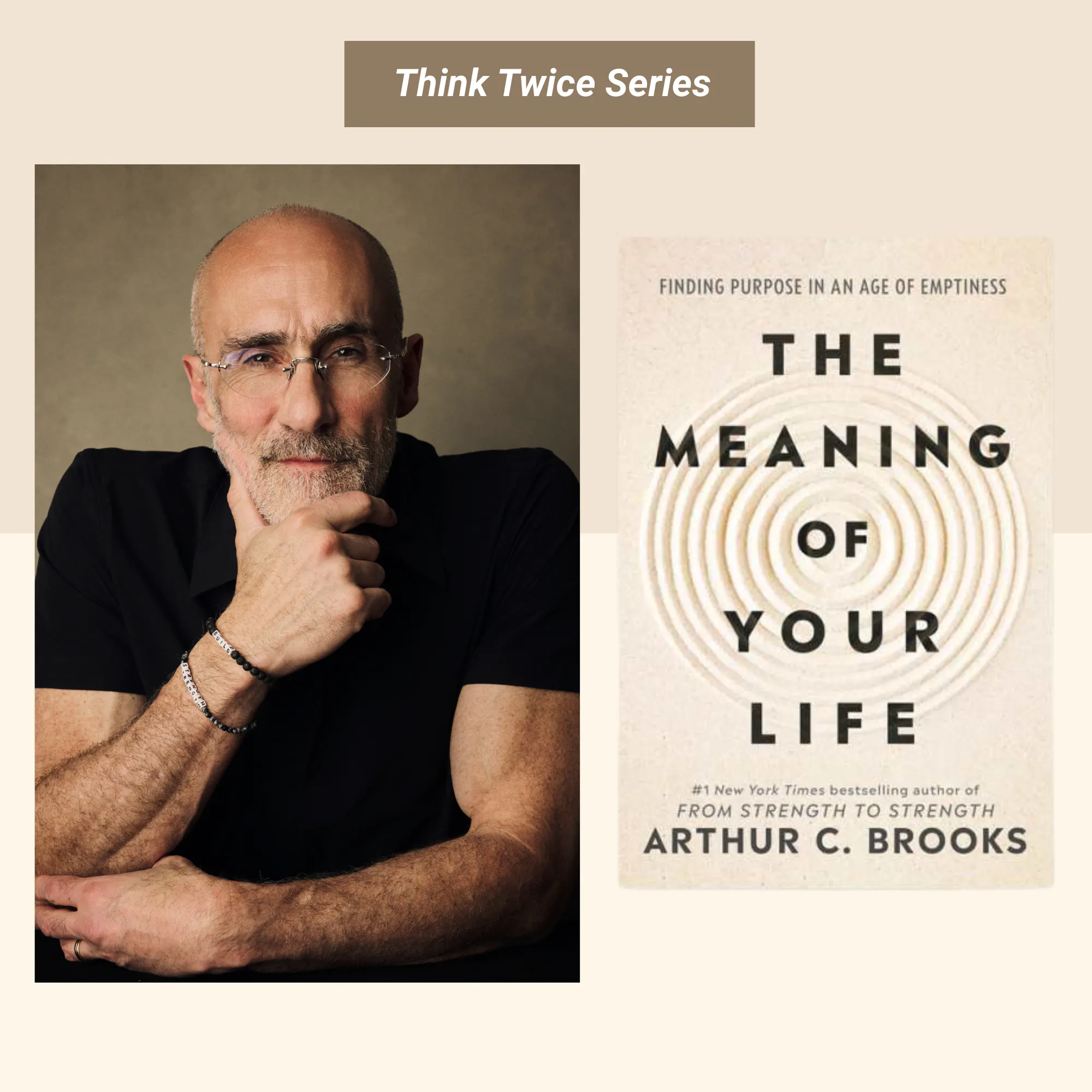
Think Twice About The Meaning of Your Life with Arthur C. Brooks
At some point, we all ask: “Is this what I’m meant to do?” In this "Think Twice" episode, social scientist Arthur C. Brooks joins Open to Debate's CEO Lia Matthow to explore why meaning feels harder to find. Drawing on research from his book "The Meaning of Your Life: Finding Purpose in an Age of Emptiness," Brooks argues modern life pushes us toward shallow solutions that miss deeper human needs,

Should the U.S. Prioritize Settling Mars?
NASA is preparing for the Artemis II mission — a major step back into deep space to explore the Moon. But as NASA, SpaceX, and other private companies are also working on plans to make Mars humanity’s next frontier, what comes next, and should Mars be the bigger priority? Those arguing “yes” say the U.S. should do it first before China, while opponents say major challenges make colonization unreal

Has Legalizing Sports Gambling Become A Bad Bet?
Sports fans can place bets on their favorite teams and athletes faster and easier than before, thanks to legalized sports gambling. But was it the wrong bet to make? Advocates say it’s been good for fans, the economy, and the sports industry. Those who say that what’s happened since legalization is a bad thing, say it’s driven a rise in gambling addiction and created a public health crisis. Now w

The Future of Film: Big Screen or Stream?
Where do you watch the latest movie everyone’s talking about—on Netflix at home or in a packed theater? Are theaters the irreplaceable heart of cinema, creating cultural moments and spectacle, or is streaming the future with its convenience and global reach? Two high-level Hollywood insiders, a former president of The Academy versus a film executive, debate in time for the Oscars: The Future of Fi

Will AI Make Work Obsolete?
AI can write code, diagnose diseases, design buildings, and create art. Tools like ChatGPT, Claude and autonomous robots are transforming industries once seen as automation-proof, fueling fears of mass job loss. Some argue that machines will become so efficient that they will one day replace most human labor. Others say AI will augment work, not erase it, and historically, people have feared innov

Generational Divides with Nick Gillespie: The Golden Age of News Media
Are we in a News Media Golden Age, or a fragmented era? In this “Generational Divides” episode, Reason editor-at-large Nick Gillespie brings together Baby Boomer, Millennial, and Gen Z voices to debate how our media landscape is changing. Are more platforms expanding truth, or blurring the line between news and entertainment? Are journalists accountable to funders, audiences, or the truth? As indu

Smart Girl Dumb Questions: Will the Market Crash in 2026? With Andrew Ross Sorkin
Today we're playing you an episode of Smart Girl Dumb Questions, a show hosted by journalist and frequent Open to Debate guest moderator Nayeema Raza. She speaks to Andrew Ross Sorkin about some highly-debated topics, from a looming market crash to AI battles to … whether we actually learned anything from past recessions (especially that one in 2008!).
Get more Smart Girl Dumb Questions on Apple

Think Twice About War, Tech, & Dirty Supply Chains: The Elements of Power with Nicolas Niarchos
Your smartphone feels sleek and futuristic—but the supply chain behind it is anything but. In this conversation with moderator-in-chief John Donvan, journalist and “The Elements of Power” author Nicolas Niarchos showcases how lithium-ion batteries rely on cobalt mined under dangerous, exploitative conditions. Tracing a line from colonialism to today’s U.S.–China power struggle, he asks us to Think

Could Dating an AI Be Better Than Dating a Human?
Love in the time of AI? Some people seeking romance or friendship are turning to AI chatbots to fulfill those desires, but could they surpass traditional human relationships? Those who say they can argue that AI can offer empathy and safety, and it’s a solution for those left out of traditional dating. Those saying they can’t argue that intimacy is complicated and cannot be replicated in code. Now

Is U.S. Control of Limited Territory in Greenland A Strategic Necessity?
Greenland has become a geopolitical flashpoint. President Trump wants control of it, or at least sovereignty over some areas for military purposes, arguing that the United States gaining some territorial rights in Greenland is a necessity for U.S. security. But some leaders worry that a power grab could pit NATO against the U.S. and weaken an already fragile world order. Now we debate: Is U.S. Con

Legalize Assisted Suicide?
In December of 2025, New York State Governor Kathy Hochul announced that after months of negotiations with the state legislature, she was finally ready to sign into law a new bill allowing some patients to request medical assistance in dying, or MAID. That bill is currently sitting on her desk waiting for her signature.
This type of bill has become more and more common. In 1994, Oregon passed th

Innovation or Intrusion: The Big Data Debate
Every click, search, and online purchase feeds the data economy, driving AI, global business, and even political campaigns. But with risks growing in the private and public spheres, is Big Data advancing society or undermining its foundations? Supporters argue Big Data powers innovation by fueling breakthroughs in medicine, public health, and everyday efficiency. Yet critics warn that it erodes pr

Is It OK to Pay for Sex?
Prostitution remains heavily stigmatized and legally complex globally. Those in favor of paying for sex and support decriminalization argue that it’s a profession that deserves as much respect as any other. Those against it, and who support the Nordic Model, argue that prostitution leads to inequities between sex buyers and workers, exploitation, and coercion, and can open the door to human traffi

Does AA Work?
Millions of people have credited Alcoholics Anonymous with helping them stay sober from alcohol, but is it the best path for everyone? Those who say “yes” argue it is easily accessible to all and that its structure through the 12-step program helps people succeed. Those who say “no” argue say the abstinence model doesn’t work for everyone and there may be better alternatives. Now we debate: Does A

Has Feminism Hurt Women?
From the 19th Amendment to the #MeToo movement, the feminist movement has profoundly reshaped society. But have its good intentions backfired? Those arguing it hasn’t note that it’s allowed women the choice of living on their own terms. But critics argue that its culture glorifying full-time careerism and independence can make women feel inadequate if they prefer traditional roles like having a fa

Can Religion Cure the Loneliness Epidemic?
America is suffering from a loneliness epidemic. Some groups have suggested religious communities may be key to solving it. Could it help? Those arguing “yes” say it gives people regular social contact, support systems, and a sense of purpose that could combat isolation. Those arguing “no” say that secular options would provide better, broad-based solutions. Now we debate: Can Religion Cure the Lo

How to Resolve Conflicts in Relationships: A Conversation with Esther Perel
Couples have arguments over many topics. However, it’s through resolving conflict that both people in the relationship feel heard and seen. Psychotherapist, relationship expert, and New York Times-bestselling author Esther Perel says conflict when navigated skillfully can lead to growth, resilience, and a stronger bond. In this conversation with John Donvan, Perel shares her experience working wi

Tech Titans or Tyrants: Should the U.S. Government Break Up Big Tech?
Has Big Tech become too powerful? Amazon, Apple, Alphabet, Meta, and Microsoft shape how we shop, communicate, and consume information. But has their dominance gone too far? Advocates argue these firms are monopolies that harm competition, exploit consumer data, and wield disproportionate influence over public discourse. Structural reforms would restore fairness and innovation. But critics warn th
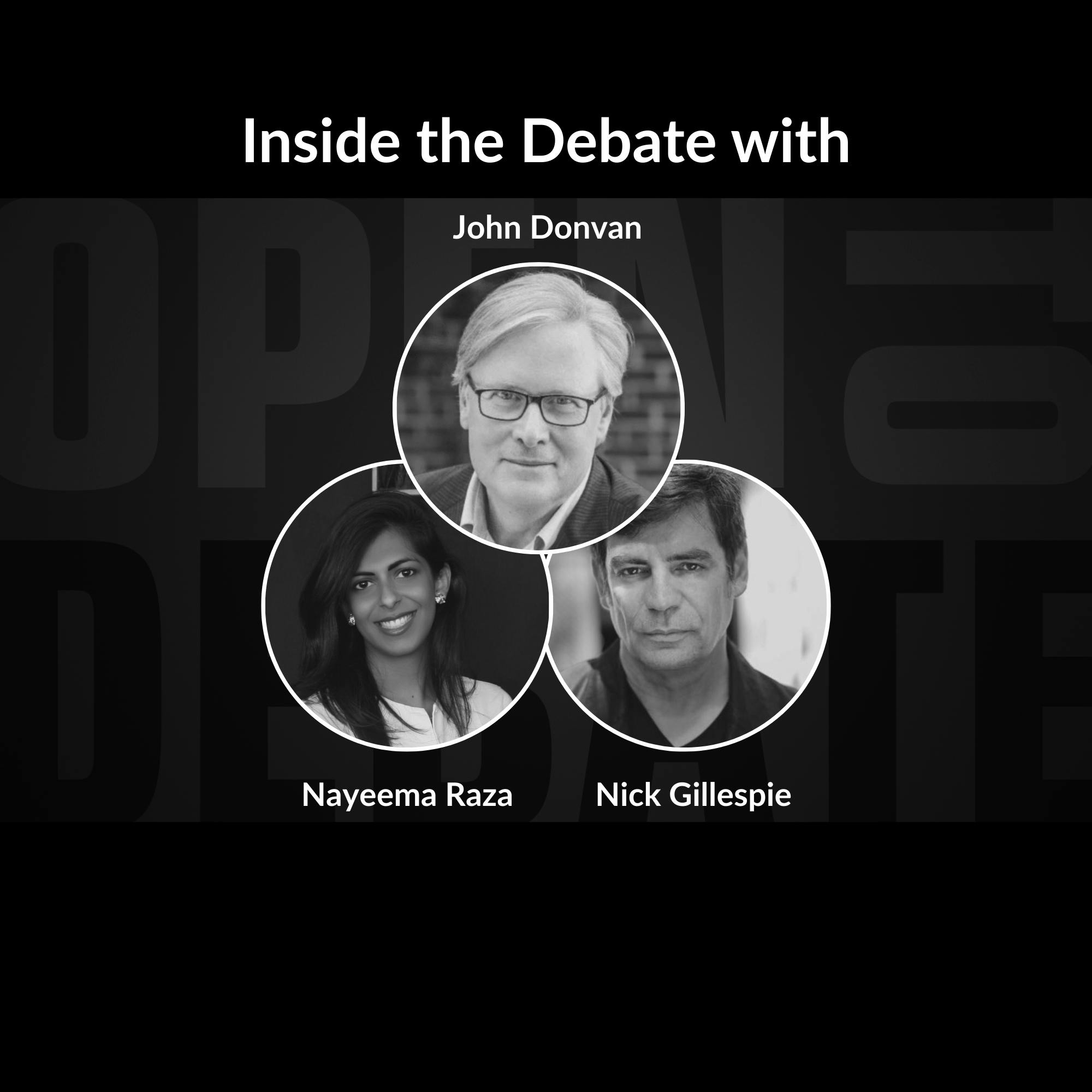
INSIDE THE DEBATE with John Donvan, Nayeema Raza, and Nick Gillespie
What does it take to moderate a debate? How do we keep conversations civil when the world feels so polarized? In celebration of our launch on Substack, moderator-in-chief John Donvan joins Nayeema Raza and Reason’s Nick Gillespie for a lively conversation on the craft of moderation and the art of asking questions that reveal rather than inflame. Featuring audience Q&A and behind-the-scenes insight

Does the Effective Altruism Movement Get Giving Right?
Effective altruism is a philosophical and social movement that uses empirical data to maximize the impact of charitable efforts. Those who champion EA praise its methodological framework for maximizing the effectiveness of donations, thus ensuring equal consideration for all individuals. Those who challenge EA argue that its emphasis on measurable outcomes may overlook important yet hard-to-quanti

Should the U.S. Militarize the War on Drugs?
he Trump administration is taking the War on Drugs in a bold direction, using aircraft carriers, intelligence networks, and direct military strikes to target alleged smuggling vessels in the Caribbean and eastern Pacific. Supporters of militarization argue that previous strategies to stop cartels have failed, and only aggressive deterrence will stop the crisis. Others warn that militarization usua
BONUS: Why Debate Matters — Robert Rosenkranz on Clearer Thinking
We are pleased to share an episode from the Clearer Thinking Podcast featuring Open to Debate Founder Robert Rosenkranz in conversation with Spencer Greenberg.
About this episode:
What makes a forum truly open-minded rather than performative? When does listening change minds instead of just hardening identities? Are we teaching citizens to separate facts from frames? Do the best debates surfac
Generational Divides with Nick Gillespie: Who's Winning the Wealth Game?
How big is the divide between different age groups? In this inaugural episode of a new Open to Debate series, “Generational Divides,” Reason’s editor-at-large Nick Gillespie brings together a Baby Boomer, a Gen X-er, and a Gen Z-er to discuss Social Security benefits and how they’ll affect future generations, homeownership, and 1950s nostalgia, where they examine the cultural and economic shi
Is Europe Too Late to Compete in the Chip War?
The U.S. and China are the two largest competitors in the race for semiconductors and in creating the most powerful AI chips. Europe could become a major stakeholder thanks to its demand for tech sovereignty and lithography near-monopoly, while others see the continent as too hampered by regulation, labor, and limited venture capital to get ahead. Now, in partnership with Bloomberg, we debate: Is

Think Twice: The Seven Rules of Trust with Jimmy Wales
At a time when misinformation thrives, institutions crumble, and algorithms mediate truth, trust has become one of democracy’s most fragile foundations. Our team at Open to Debate has been thinking twice recently about trust — how it’s earned, how it breaks, and how it might be rebuilt between one another in a time of deep division. Jimmy Wales, the founder of Wikipedia, the Internet’s encyclopedi

Should America End Birthright Citizenship?
Birthright citizenship guarantees citizenship to anyone born within the United States’ territory, regardless of a parent’s nationality. But should this legal principle be removed from the Constitution? Those arguing it shouldn’t say that it prevents children from being punished for their parents’ status, while encouraging long-term economic and civic contributions. But those calling to end the pra

Will the Future Be Abundant?
Today, humanity is thriving, but there are fears the good times will not last. Will tomorrow be better than today? Those arguing “yes” say people have better access to resources and technological advances are making us more prosperous. Those arguing “no” say there are widening socio-economic disparities, our globalized world is bound to collapse, and we’re not doing enough to fight climate change.

Is War Inevitable?
From ancient battles to modern proxy wars, conflicts have been a constant in human history. But does that mean we are destined to continue treating it as an option? Those saying war is inevitable argue that our global system is anarchic and no overarching authority exists to stop war, so states prioritize survival and power. But others argue that conflict is not the only form of dispute resolution

Wartime Kill Switch: Human or AI?
As modern warfare becomes increasingly automated and AI-reliant, questions arise about the use of a “kill switch” overriding autonomous weapons in conflict zones. Should the ultimate decision be in humans’ or AI’s hands? Those arguing for human oversight say moral reasoning, empathy, and legal accountability are essential, especially in wartime. Supporters of AI integration argue that machines can

Debating the Legacy of the COVID-19 Pandemic
It’s been five years since the pandemic began, but was our public health system or society to blame for our country’s failures to stop the spread? Some argue that public health leaders were unprepared, mismanaged the crisis, and provided inconsistent guidance. Others argue the failures were societal, citing widespread mistrust, misinformation, and other guidance, which undermined compliance and ef

Is Masculinity A Prison?
Men are falling behind in our society, and some point to traditional ideas of masculinity as the cause. What does it mean to “be a man” today, and how do labels like toxic masculinity impact that question? For some men, masculinity is a continually evolving identity that goes beyond narrow definitions placed upon it. For others, it's a rigid set of expectations that results in emotional isolation

TikTok in the Classroom: Enhancing or Eroding the Teaching Profession?
It’s Back to School season, and TikTok has been taking a larger role in helping students learn — but should it? Some teachers argue that using TikTok can help make whatever subjects they study more digestible and adaptable to different types of learners. Others call the app distracting and capable of undermining classroom authority and prioritizing entertainment and short attention spans over educ

Should the U.S. Be Ruled by a CEO Dictator?
In some policy circles, the idea of the U.S. electing a CEO-style dictator running the country like a company is gaining momentum. But should the idea be embraced? Those proposing the Dictator CEO, like Curtis Yarvin, argue it would challenge existing institutions and deliver cutthroat efficiency. But democracy advocates, like E. Glen Weyl, argue that consolidating power under one leader undermine

Don't Eat Anything With a Face
More Americans are moving away from eating meat toward a vegetarian or vegan lifestyle. But is continuing to eat animals a personal choice—or an ethical failure? Those favoring a plant-based lifestyle argue that eating animals is morally indefensible when plant-based alternatives can provide the same nutrition without pain. But meat lovers argue there’s more to eating meat than seems obvious and c

Fast Fashion: Shop or Stop?
Fast fashion has taken over the fashion industry, but is less expensive, trendy clothing really worth the purchase? Those who say to “stop” argue fast fashion harms the environment in many ways and exploits workers in countries with lax regulations. Those who say “keep shopping” argue it’s up to shoppers to choose, as fast fashion offers affordable options, supports jobs, and boosts local economie

Is Our Productivity Culture Toxic?
The pressure to constantly be productive and achieve has become an aspiration one should aspire. But is this mindset worth the effort? Those claiming it’s toxic argue it creates impossible standards, opening the door for anxiety, burnout, and disconnection. But some argue the problem isn’t productivity itself, but how we’ve come to define success — and the unrealistic expectations that come with i

Is It Time for the Catholic Church to Ordain Women as Deacons?
Pope Leo XIV’s accession could mean a new opportunity to reform the Catholic Church by allowing women as ordained deacons. Those advocating for this change argue that allowing women would represent a return to early Church tradition and showcase an evolving Church ready for modernity. Those against this argue that it would blur theological lines and that women already play substantial leadership r

Think Twice: The Idaho Four Tragedy with Vicky Ward
The shocking 2022 murder of four University of Idaho students have resulted in a life sentence for the killer and still-unanswered questions — about new genealogy tech, media exposure, lessons for law enforcement —worth Thinking Twice about. John Donvan sits down with journalist Vicky Ward, who co-authored with James Patterson “The Idaho Four: An American Tragedy,” and discuss what drew her to the

Could Dating an AI Be Better Than Dating a Human?
Love in the time of AI? Some people seeking romance or friendship are turning to AI chatbots to fulfill those desires, but could they surpass traditional human relationships? Those who say they can argue that AI can offer empathy and safety, and it’s a solution for those left out of traditional dating. Those saying they can’t argue that intimacy is complicated and cannot be replicated in code. Now

Two Conservatives Debate: Is the Big, Beautiful Bill a Disaster?
President Trump has officially signed the One Big, Beautiful Bill Act into law. There is debate among conservatives about whether it will end up driving economic growth or increasing our debt. One side argues that ordinary Americans will pay the price and the long-term fiscal outcome is terrible. Another side argues these policies will encourage investment, growth, and job creation. Now, two conse

Did Harvard Have It Coming?
The Trump administration enacted severe actions against Harvard University that threaten its endowment, funding, and ability to enroll international students, based on accusations of antisemitism. Do these actions go too far? Prominent voices long affiliated with Harvard – former university president Larry Summers and law professor emeritus Alan Dershowitz — engage in a nuanced debate and provocat

Think Twice: Reading the Constitution with Justice Stephen Breyer
As an Associate Justice on the Supreme Court for almost three decades, Stephen Breyer was no stranger to hearing arguments for different sides in major cases. In this episode, our moderator-in-chief, John Donvan, and Chief Content Officer, Lia Matthow, interview Justice Breyer and discuss his book “Reading the Constitution: Why I Chose Pragmatism, not Textualism.” He discusses how he used this phi

Are Sanctions An Effective Policy Tool?
Open to Debate, in partnership with the Human Rights Foundation and the Oslo Freedom Forum, is examining a strategy employed by many countries to respond to aggressive or authoritarian regimes. In recent years, these have been levied against countries such as Russia, Venezuela, and Iran, which have ranged from freezing assets and trade bans to travel restrictions and full embargoes. But do sanctio

Is Trump's America a Reliable Ally?
Under President Trump, America’s role on the global stage is being redefined — but can other countries trust its allyship under his leadership? Critics argue his transactional approach and threats to abandon allies undermine trust and force nations to reconsider their security. Supporters counter that demanding more from partners is “tough love” that will lead to stronger, more balanced allianc
Free Speech in the Trump 2.0 Era
The new Trump presidency has led to pressure on the First Amendment, and the lines between free expression and political enforcement are blurring. Those who say speech is now freer argue that his actions are restoring viewpoint diversity. Those who argue it’s more restricted argue it’s a crackdown on speech that doesn’t align with the administration’s views, especially in Harvard’s case. In partne

BONUS RELEASE: Can America and Its Allies Tolerate A Nuclear Iran, or Is It Time to Stop Them Now?
In light of today's breaking news—Israel’s targeted airstrikes on Iranian nuclear and military facilities, and Iran's retaliation—we are re-releasing our episode that confronts one of the most urgent questions of our time. Originally aired in January 2025, this debate has only grown more relevant, with our two experts offering insights critical for understanding the road ahead.
Iran is getting

Trump's Russia Policies: Return to Normalcy or Defeat for America?
As he did in this first presidential term, President Trump has continued to signal closer alignment with Vladimir Putin. This included a tense February Oval Office meeting with Ukrainian President Volodymyr Zelenskyy, where he claimed Ukraine was responsible for the war. The U.S. also joined Russia in voting against a UN resolution condemning Russia’s action in Ukraine and Vice President Vance h

Think Twice: Original Sin with Jake Tapper and Alex Thompson
Coming off the long weekend, an early release of this week's episode:
The first 2024 presidential debate was a turning point in President Biden’s candidacy. In this episode, moderator-in-chief John Donvan and chief content officer Lia Matthow sit down with CNN anchor Jake Tapper and Axios’s Alex Thompson to discuss the book that has Washington buzzing: “Original Sin: President Biden's Decline,

Is Trump Good for Israel?
With Trump’s return to office, some have high hopes for his relationship with Israel. But amid the Gaza war, will his policies help? Those arguing “yes” say Trump has given Israel unprecedented backing and would continue shifting U.S. policy in favor of Israeli sovereignty and security. Those arguing “no” are concerned that his policies would result in trouble for Gaza and make a two-state solutio

Can the U.S. Outpace China in AI Through Chip Controls?
The AI revolution is underway, and the U.S. and China are racing to the top. At the heart of this competition are semiconductors—especially advanced GPUs that power everything from natural language processing to autonomous weapons. The U.S. is betting that export controls can help check China’s technological ambitions. But will this containment strategy work—or could it inadvertently accelerate Ch
Trump’s First 100 Days: The Economic Agenda
The first 100 days of President Trump’s second term have come with a wide range of changes for the nation’s economy and global supply chains. Could these changes lead to a more prosperous America, or hardship for individuals and businesses? In partnership with Bloomberg, five renowned economists look at President Trump’s economic agenda during his first 100 days and discuss tariffs as a strategy,

Think Twice: The Stoic Capitalist with Robert Rosenkranz
From modest beginnings to a distinguished career, Robert Rosenkranz, the chairman of Delphi Capital Management and founder of Open to Debate, has used Stoic wisdom to navigate challenges, innovations, and business relationships. In this conversation, John Donvan speaks with Rosenkranz about his new book, “The Stoic Capitalist: Advice for the Exceptionally Ambitious,” how ancient philosophy shaped

Should the U.S. Decouple from China?
For decades, China has been central for global supply chains and a primary U.S. trade partner, but as China’s influence grows, should the U.S. cut economic ties, or stay engaged? Those in favor of decoupling say it is vital for protecting national security and reducing reliance on China’s supply chains. Those against decoupling argue doing so would harm U.S. businesses, stall innovation, and deepe

Was Trump Right to Be Hard on Soft Power in the Middle East?
The U.S. has long balanced military strength with soft power in the Middle East through agencies like USAID. With the Trump administration reversing these policies, is this a necessary realignment—or a costly retreat? Those against these changes argue this will boost rivals like Iran and China and harm America’s image. Those hailing them argue it’s a necessary correction, favoring clear, transacti

Should the U.S. Prioritize Settling Mars?
NASA, SpaceX, and other private companies are working on plans to make Mars humanity’s next frontier. However, should settling Mars be one of America’s priorities? Those arguing “yes” say the U.S. should do it first before China does, and it would lead to new advances in science and technology. But those against doing so say there are big issues that would make colonization difficult for humanity.
Recommended

Fantasy Flex

Solved Murders - True Crime Stories

紐約鳥|New York Aperture

The Swerve Podcast: Obscure Topics | Conspiracy Theories

The Bread and Banter Podcast

The Church of What's Happening Now: The New Testament
Crime Stories with Nancy Grace

Deadline: White House

این نقطه

TED Business

Dateline NBC

History of the Earthquake and Fire in San Francisco
