
Rapid Synthesis: My KM Pipeline, keeps me mobile and learning!
This podcast series serves as a personal, on-the-go learning notebook where the host shares syntheses and explorations of artificial intelligence topics and other subjects. Episodes are produced using Google NotebookLM, a tool available to anyone. The podcast is designed to keep the host mobile and learning.
Episodes

Unlimited OCR, Limited Reach
The most-hyped open OCR model of 2026 is not the best one. Baidu's Unlimited-OCR made a splash by reading an entire multi-page PDF in a single pass. This episode unpacks what that one-shot trick costs, and who should actually use it.We explain the constant-memory attention design that keeps throughput flat across dozens of pages, then look at the catch. To fit a whole document into one pass, t
The Rulebook AI Can't Compile
More than 80 percent of the technicians who service Western commercial aircraft are non-native English speakers, and that single number is why aviation built ASD-STE100: a controlled language of 53 writing rules and about 875 to 900 approved words, run on one axiom — one word, one part of speech, one meaning. Issue 9, published in January 2025, turned it into an international standard.This episode
Skip the Generation - Logit-Readout Architectures and OpenJEV
Explores a shift in AI architecture toward logit-readout paradigms, often referred to as "System One" decision models, which prioritize speed and structure over conversational text generation. By analyzing the Typesafe Jev hosted baseline alongside several open-source implementations like OpenJEV and mini-JEV, the sources demonstrate how reading raw token probabilities in a single forwar
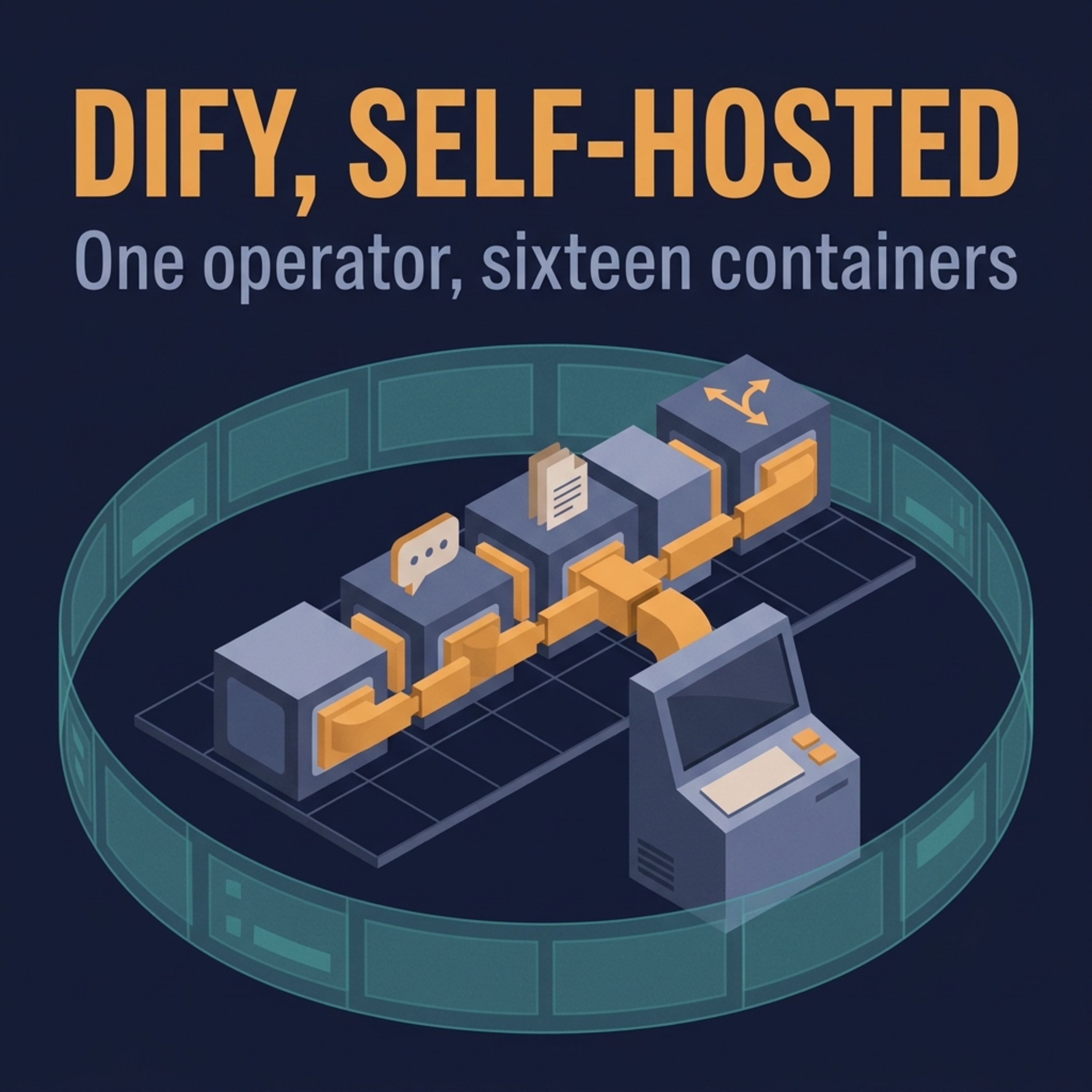
Dify Solo Self-Hosting
Dify Community Edition requires a shift in perspective, as the platform operates as a complex enterprise-grade microservices architecture rather than a simple developer tool. While official guides suggest lower requirements, empirical data confirms a stable deployment needs at least 8 GiB of RAM and 4 vCPUs to handle its sixteen interconnected containers and resource-intensive background tasks. Su
Kestra 2.0 Self-Hosting Strategy and Architecture
Evaluates the optimal self-hosting strategies for Kestra 2.0, specifically recommending a Docker Compose standalone deployment backed by PostgreSQL for individual operators. It warns against using the unstable embedded H2 database for anything beyond brief testing and rejects split-component architectures due to their excessive memory demands. The analysis details critical technical requirements,
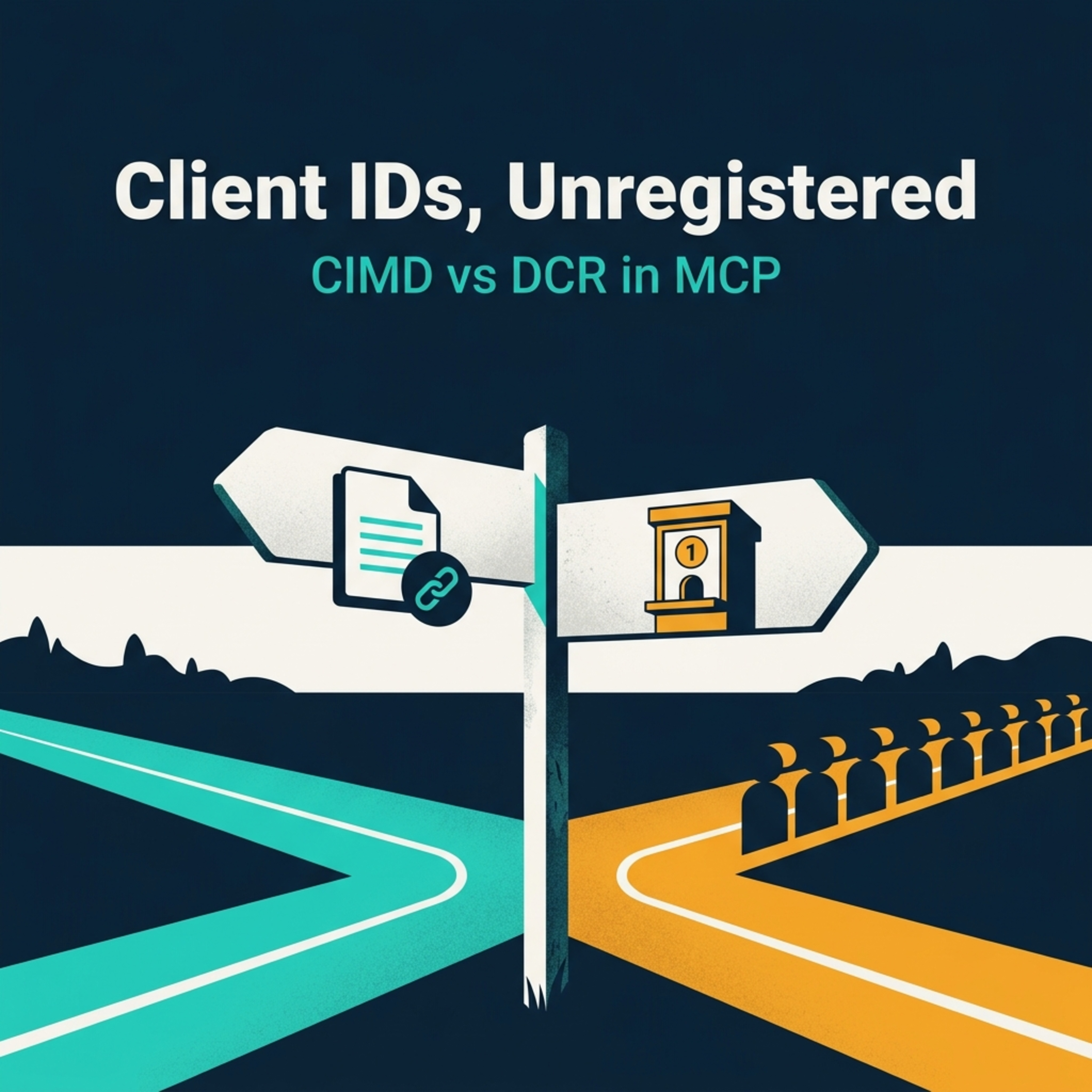
CIMD and DCR: Decentralized Architectures for OAuth Registration
Outline the transition from Dynamic Client Registration (DCR) to OAuth Client ID Metadata Documents (CIMD) within decentralized AI architectures like the Model Context Protocol (MCP). While DCR traditionally allows applications to register with a server at runtime, it creates significant operational burdens including database bloat and security vulnerabilities like phishing. In contrast, CIMD allo

AI Agents in Physical Fabrication
Current state of artificial intelligence agents within physical fabrication and lightweight robotics from mid-2024 to mid-2026. The text highlights a major divide between shipped, deterministic software, such as code-mediated CAD engines and automated slicing pipelines, and experimental demonstrations like autonomous robot control and multi-part assembly. While tools for instant manufacturing quot
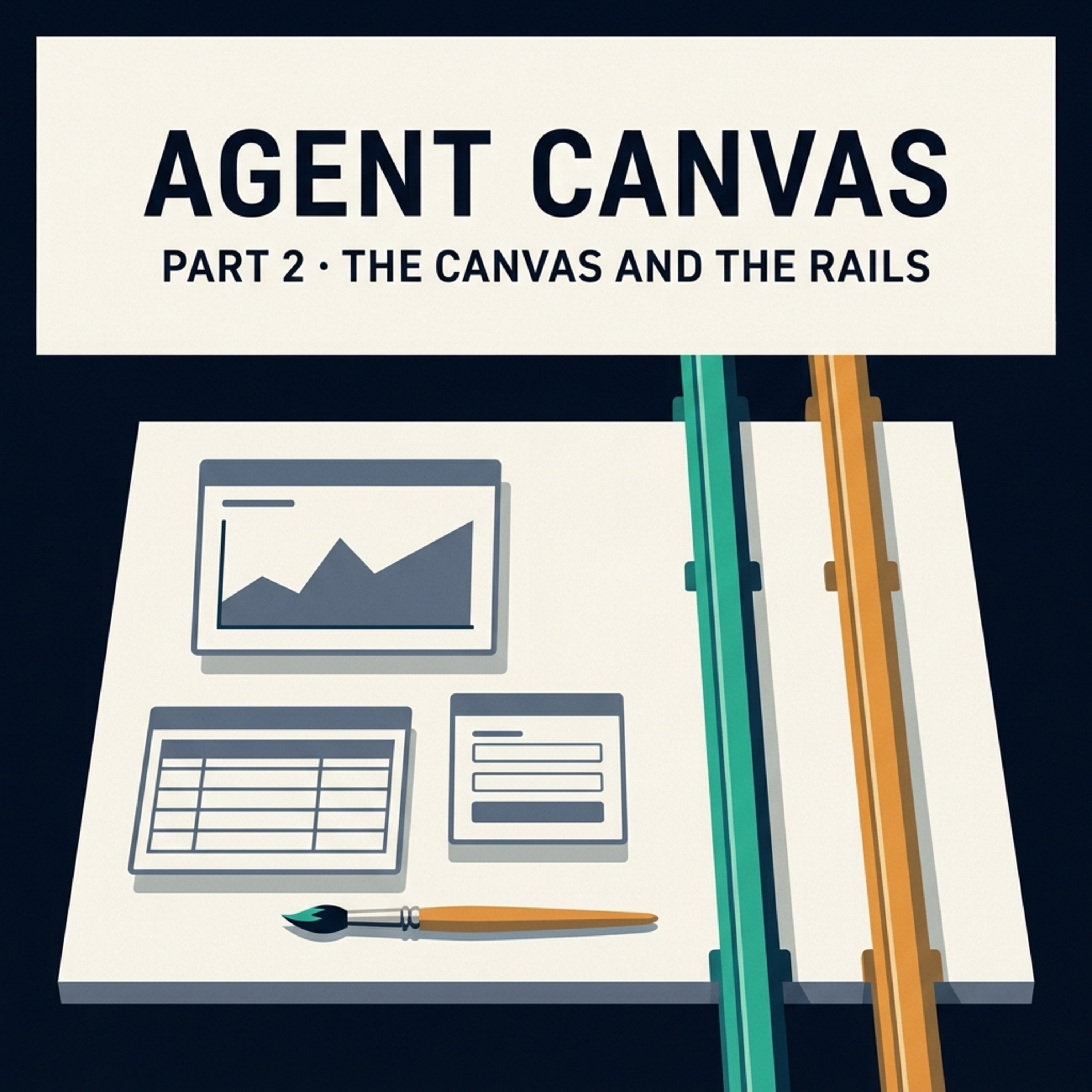
Agent Canvas - Part 2 - The Canvas and the Rails
Evaluates two primary architectural frameworks for creating agent-driven user interfaces in enterprise systems: MCP Apps and Google’s A2UI. MCP Apps prioritizes flexibility by allowing servers to deliver complete, sandboxed web applications, though this can obscure visibility for security audits. In contrast, A2UI uses a declarative, data-centric approach that ensures high security and visual cons

Agent Canvas - Part 1 - Who holds the brush?
Evaluates two primary architectural frameworks for creating agent-driven user interfaces in enterprise systems: MCP Apps and Google’s A2UI. MCP Apps prioritizes flexibility by allowing servers to deliver complete, sandboxed web applications, though this can obscure visibility for security audits. In contrast, A2UI uses a declarative, data-centric approach that ensures high security and visual cons

Unsloth: Engineering Accelerated LLM Fine-Tuning on Consumer Hardware
Unsloth is an open-source library designed to accelerate the fine-tuning of large language models while significantly decreasing VRAM requirements through specialized Triton kernels. By manually optimizing mathematical operations, the framework prevents the buildup of memory-heavy intermediate states, allowing high-performance training on consumer-grade GPUs and free cloud environments. The softwa
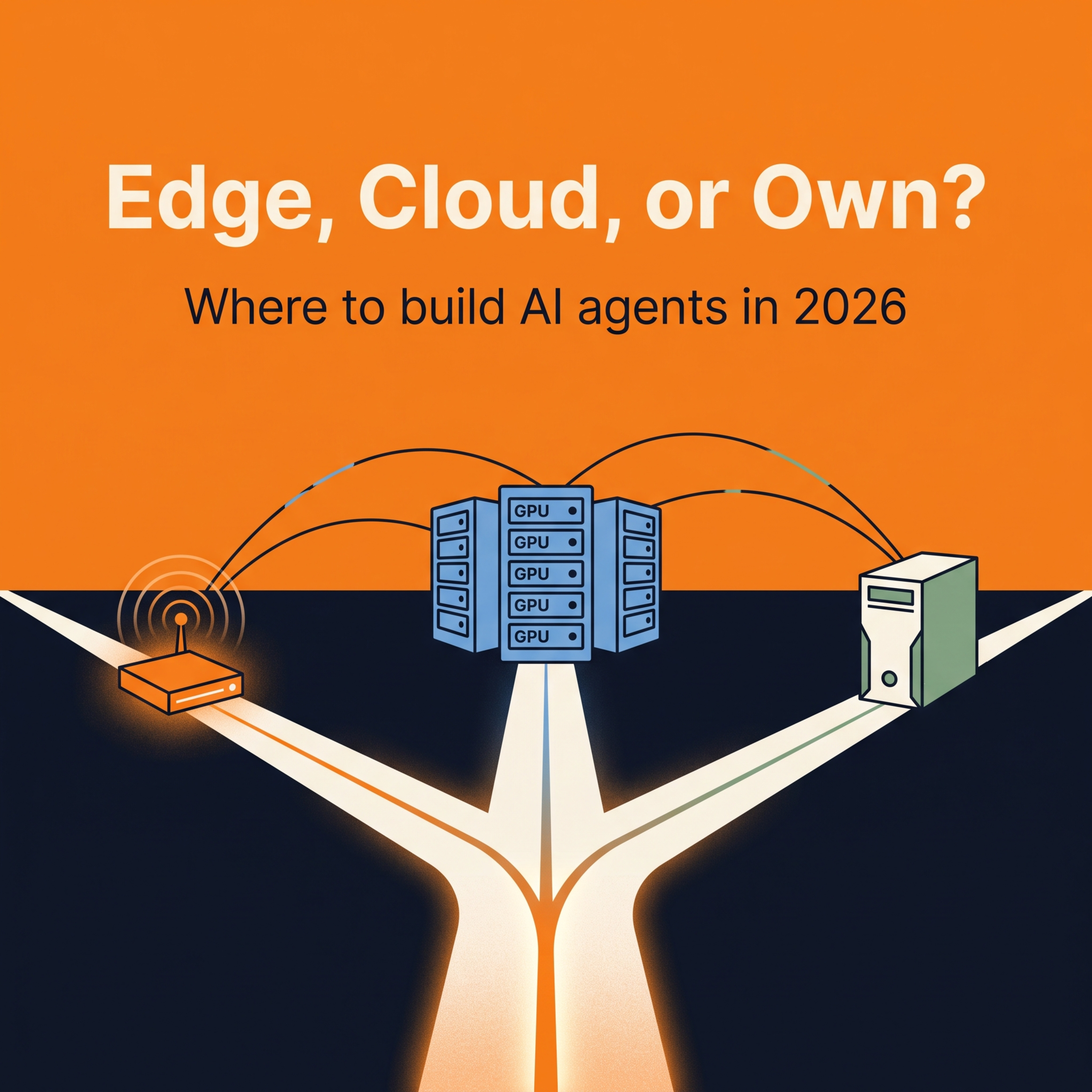
Cloudflare AI Hosting and Architectural Alternatives
Cloudflare AI platform alongside competing architectures from AWS Bedrock, developer-focused stacks like Vercel, and self-hosted GPU environments. The documentation highlights Cloudflare’s edge-native advantage, specifically its ability to maintain persistent state and execute sandboxed code with lower latency and cost than centralized hyperscalers. While AWS is noted for its superior enterprise c

Hard-Wired Silicon: AMD's Taalas Acquisition
AMD’s acquisition of Taalas, a semiconductor startup that develops specialized silicon for Large Language Model inference. Unlike traditional GPUs that load data from external memory, the Taalas architecture physically integrates neural network weights into the chip’s hard-wired circuitry through a unique manufacturing process. This "Hard Coded Inference" approach enables massive gains i
DeepSeek-V4.1-Flash Architecture Analysis
DeepSeek-V4.1-Flash architecture, a high-scale language model designed to optimize the technical and economic challenges of long-context workloads. By utilizing an asymmetric Causal Encoder-Decoder structure and MXFP4 cache compression, the model significantly reduces computational waste and memory demands during data ingestion. These innovations allow for a massive 748-billion-parameter scale whi

The Sovereign Architect: OpenCode and the Autonomous Agent Frontier
Examines the OpenCode and OpenWork ecosystems, which offer an open-source, model-agnostic framework for autonomous AI agents. OpenCode serves as a technical foundation for software development, utilizing a client-server architecture and specialized protocols to execute code and manage file systems.OpenWork builds upon this by providing a collaborative workspace that enables teams to automate diver
Detecting and Countering AI Misuse: September 2026 Report
Source : https://www.anthropic.com/threat-intelligence-report-september-2026This Anthropic threat intelligence report from September 2026 details the evolving ways malicious actors attempt to exploit Claude AI models for harmful activities. The documentation highlights a shift toward autonomous cyber operations, where state-sponsored groups and criminals use AI to automate the entire cyber kill ch
Gemini Embedding 2: Architectural Innovations and Multimodal Fusion
Architecture and performance of Gemini Embedding 2, a native multimodal model that maps text, images, audio, and video into a single mathematical space. Unlike traditional systems that rely on separate encoders or text transcriptions, this model uses bidirectional attention and direct sensory processing to preserve nuances like document layouts and vocal tones.It employs Matryoshka Representation

ESMFold: Language Models and High-Speed Protein Folding Structure Prediction
Explores the development and impact of ESMFold, an advanced artificial intelligence model designed to predict protein structures with extreme speed and accuracy. By utilizing large-scale protein language models rather than traditional sequence alignments, ESMFold bypasses computational bottlenecks to generate atomic-level insights up to 60 times faster than predecessors like AlphaFold2. This techn

Conductor: A Technical Guide to Parallel AI Agent Orchestration
Conductor is a specialized macOS application designed to manage multiple autonomous AI coding agents simultaneously, shifting the human developer's role from a writer of code to a high-level orchestrator. By utilizing git worktrees, the platform creates isolated environments for each agent, preventing data conflicts and allowing for parallel task execution across different branches of a repository

Coding Agents: The Dominance of Primitive Search and Execution
The provided text examines a significant paradigm shift in AI development, as coding agents move away from complex semantic embeddings toward primitive search tools like grep and BM25. While vector databases were once essential for managing small context windows, modern agents with larger capacities find that exact lexical matching offers superior precision and resilience against data noise. The a
InferenceBench: The Architecture and Limits of AI R&D Automation
The InferenceBench analysis explores the current limitations of autonomous AI agents in managing complex machine learning systems engineering tasks. While these agents possess significant technical knowledge, they consistently fail to outperform traditional mathematical optimization algorithms like SMAC3 due to a lack of iterative discipline and a reliance on memorized configurations. A surprising

The Infinite Frame: Generative Architectures and Semantic Video Synthesis
Monumental shift in visual media as of 2026, transitioning from manual pixel manipulation to sophisticated semantic synthesis.Key innovations include Runway’s Aleph 2.0, which allows creators to propagate edits from a single frame across entire sequences, and Alibaba’s MIGA, which enables the generation of infinite-duration video with consistent memory usage. Additionally, Meituan’s LongCat-Video-

RAEv2: The Evolution of Representation-First Vision Tokenization
Explores RAEv2, a sophisticated framework that unifies computer vision understanding and image generation through representation-first tokenization. By replacing traditional, semantically shallow autoencoders with massive, pre-trained vision foundation models like DINOv3, this architecture achieves superior semantic coherence and structural precision. Key innovations include a multi-layer summatio
The Great Pivot to AI Agents
Agent Labs, a new category of AI startups that prioritize building high-growth, interactive AI agents rather than training massive foundational models. While traditional Model Labs focus on fundamental research and massive compute for pretraining, Agent Labs utilize outcome-based pricing and deep product engineering to solve specific user problems. These organizations often leverage open-weights m
The Postmodern Data Stack: Scaling the AI Infrastructure Vanguard
The provided text details the rise of a postmodern data stack designed to support the unique computational demands of artificial intelligence and autonomous agents. Three vanguard companies—Turbopuffer, Exa, and Modal—are highlighted for their roles in solving critical bottlenecks in data storage, web retrieval, and serverless compute. 'Turbopuffer utilizes object storage to drastically reduce
The Convergence of Developer and Agent Experience
The digital landscape is transitioning from human-centered Developer Experience (DevEx) to Agent Experience (AX), where software interfaces are designed for autonomous AI interaction. This evolution is driven by automated SDK generation and the Model Context Protocol (MCP), which provide the machine-readable structures necessary for AI agents to execute complex tasks reliably. By utilizing a singl
Laguna XS.2: Architectural Innovations in Agentic AI Engineering
The startup Poolside has introduced the Laguna model series, featuring the massive M.1 and the efficient XS.2, to advance the field of agentic software engineering. These models utilize a Mixture-of-Experts (MoE) architecture and a specialized reinforcement learning process that trains the AI through direct code execution feedback. While the flagship M.1 is designed for complex enterprise tasks, t

Hugging Face Ecosystem: A Machine Learning Engineering Roadmap
The Hugging Face ecosystem serves as a centralized infrastructure for open-source machine learning, providing standardized tools for model training, evaluation, and deployment. To master this platform, engineers must implement clean code architectures and vectorized Python strategies to ensure computational efficiency and system reproducibility. Success in the field requires navigating advanced re
vLLM v0.20.0: Architectural Paradigms and TurboQuant Innovations
The vLLM v0.20.0 release marks a significant advancement in large language model inference by introducing the TurboQuant architecture, which provides efficient 2-bit KV cache compression. This update modernizes the software stack through CUDA 13.0.2 integration and the implementation of a functional Intermediate Representation (IR) for more flexible kernel compilation. Optimized for high-performan
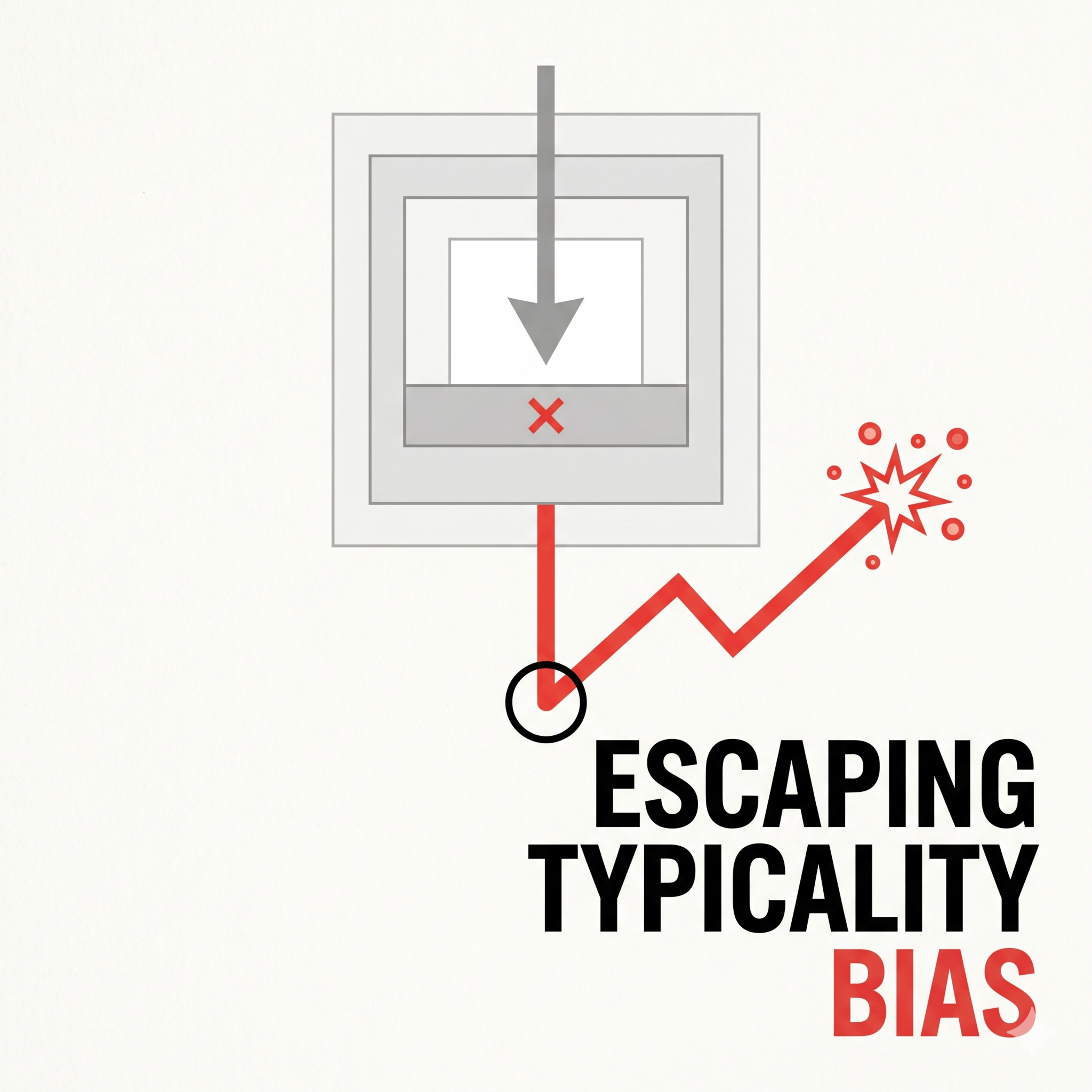
The Typicality Bias: Mitigating Mode Collapse via Verbalized Sampling
The research identifies typicality bias—the human tendency to prefer familiar or stereotypical content—as a primary driver of mode collapse in large language models. This phenomenon occurs when aligned models lose the creative diversity of their base versions, instead repeatedly generating a narrow set of predictable responses. To resolve this, the authors introduce Verbalized Sampling (VS), a tra
Amazon Bedrock AgentCore: Scaling Enterprise Agentic AI Systems
Amazon Bedrock AgentCore is a comprehensive, serverless platform designed to help organizations transition from simple chatbots to autonomous AI agents capable of executing complex enterprise workflows. The suite provides essential infrastructure for session isolation, persistent memory, and secure identity management, allowing developers to focus on business logic rather than backend complexity.
The Strategic Evolution of AI Wrapper Startups
Examines the strategic evolution and economic viability of AI wrapper startups, which function as specialized interface layers for foundational language models. While early ventures often faced criticism for lacking technical defensibility, successful companies are now building competitive moats through deep vertical integration, proprietary data, and autonomous agentic workflows. The analysis hig

The Anthropic Shift: Claude Design
The launch of Claude Design in April 2026 marks a major transition for Anthropic as it moves from infrastructure models to a full-stack workflow orchestrator. Powered by the Claude Opus 4.7 engine, this platform allows users to create high-fidelity, code-based prototypes through simple conversational prompts. The tool distinguishes itself by integrating with an organization’s existing GitHub repos

AI in Oncology: Solving the Clinical Matching Problem
The current landscape of oncology faces a staggering 95% failure rate in clinical trials, largely due to a "matching problem" where drugs are tested on overly broad patient groups. Modern biotechnology companies like Noetik are addressing this by building biology-native data infrastructures and massive multimodal foundation models to better understand tumor heterogeneity. Tools such as T
Qwen3.6 and the Agentic Revolution in Game Development
The transformative impact of the Qwen3.6 artificial intelligence model on the video game development industry in 2026. This open-weight model enables autonomous agentic workflows, allowing creators to build and debug complex software locally on consumer hardware without relying on cloud services. The sources highlight a shift toward "vibe coding," a methodology where developers guide AI

Beyond the Reliability Illusion: Architecting Specific AI Roles
Medium Source: Workday Tech Blog Author : Murtuza N. ShergadwalaThe reliability illusion in enterprise artificial intelligence, where the linguistic fluency of large language models masks potentially flawed or inconsistent logical reasoning. To combat this, the author argues that organizations must move away from viewing AI as a simple tool and instead treat it as a digital employee by establishin

Beyond OCR: The Future of Visual Document Retrieval
The multimodal paradigm shift in information retrieval, specifically focusing on the launch and technical architecture of the webAI-ColVec1 model. Traditional retrieval methods rely on Optical Character Recognition (OCR), a multi-stage process that often degrades the semantic and spatial context of complex documents like financial reports and schematics. In contrast, webAI-ColVec1 utilizes a unifi
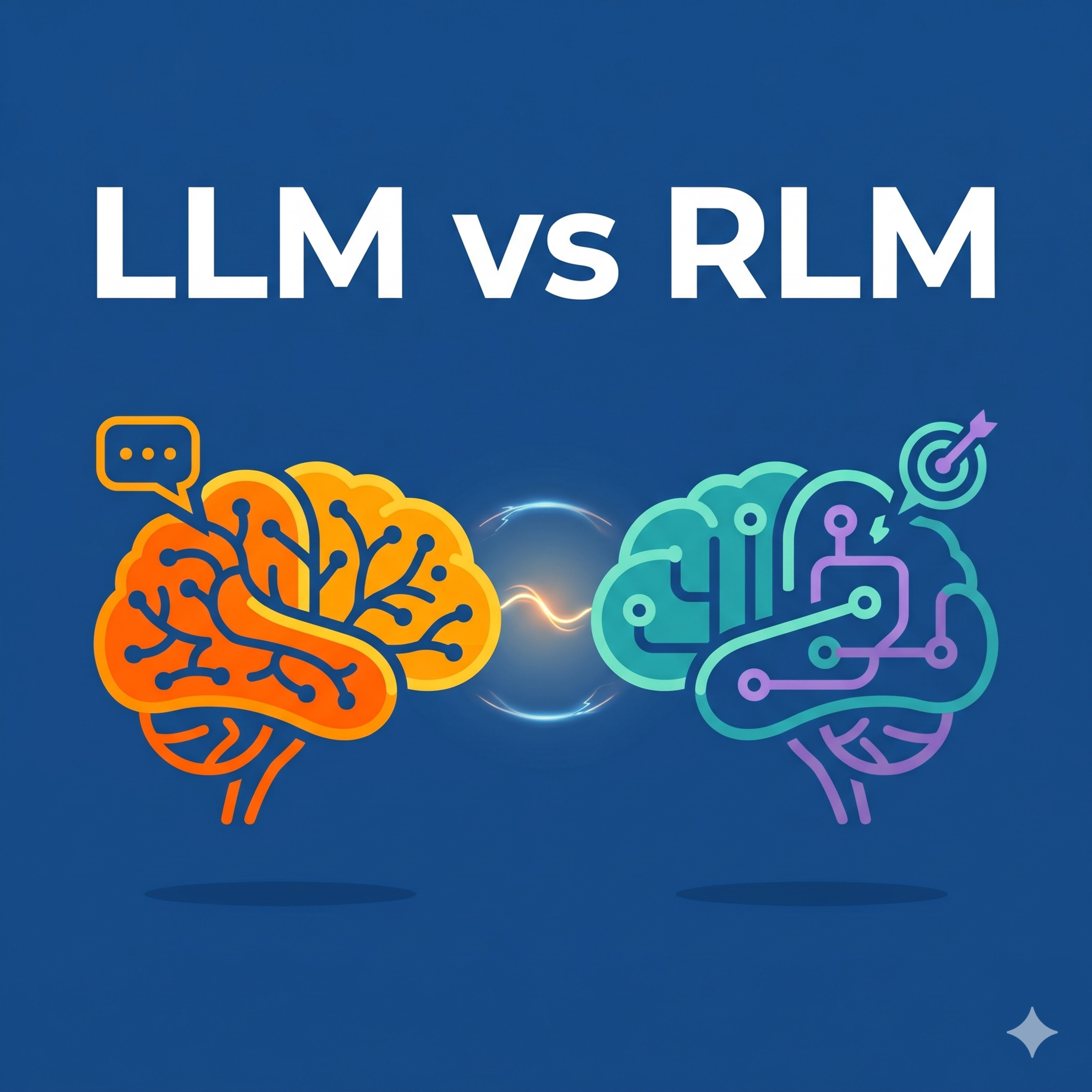
Recursive Language Models: From Hierarchical Syntax to Programmatic Inference
Recursive Language Models (RLMs) represent a fundamental shift in artificial intelligence, moving from linear data processing to hierarchical and programmatic reasoning. Historically, classical recursive neural networks captured the nested structure of human language by applying shared weights across syntactic tree structures. Modern advancements have expanded this concept into inference-time scal
Agentic Code Reasoning - How Agentic AI Thinks and Acts
The rapid evolution of artificial intelligence into an autonomous "agentic" force, reshaping software engineering, creative production, and global cybersecurity. Research into self-healing software architectures highlights how AI can independently detect and repair system faults, moving toward a future of resilient, self-aware IT operations. Conversely, the rise of AI-weaponized ransomwa
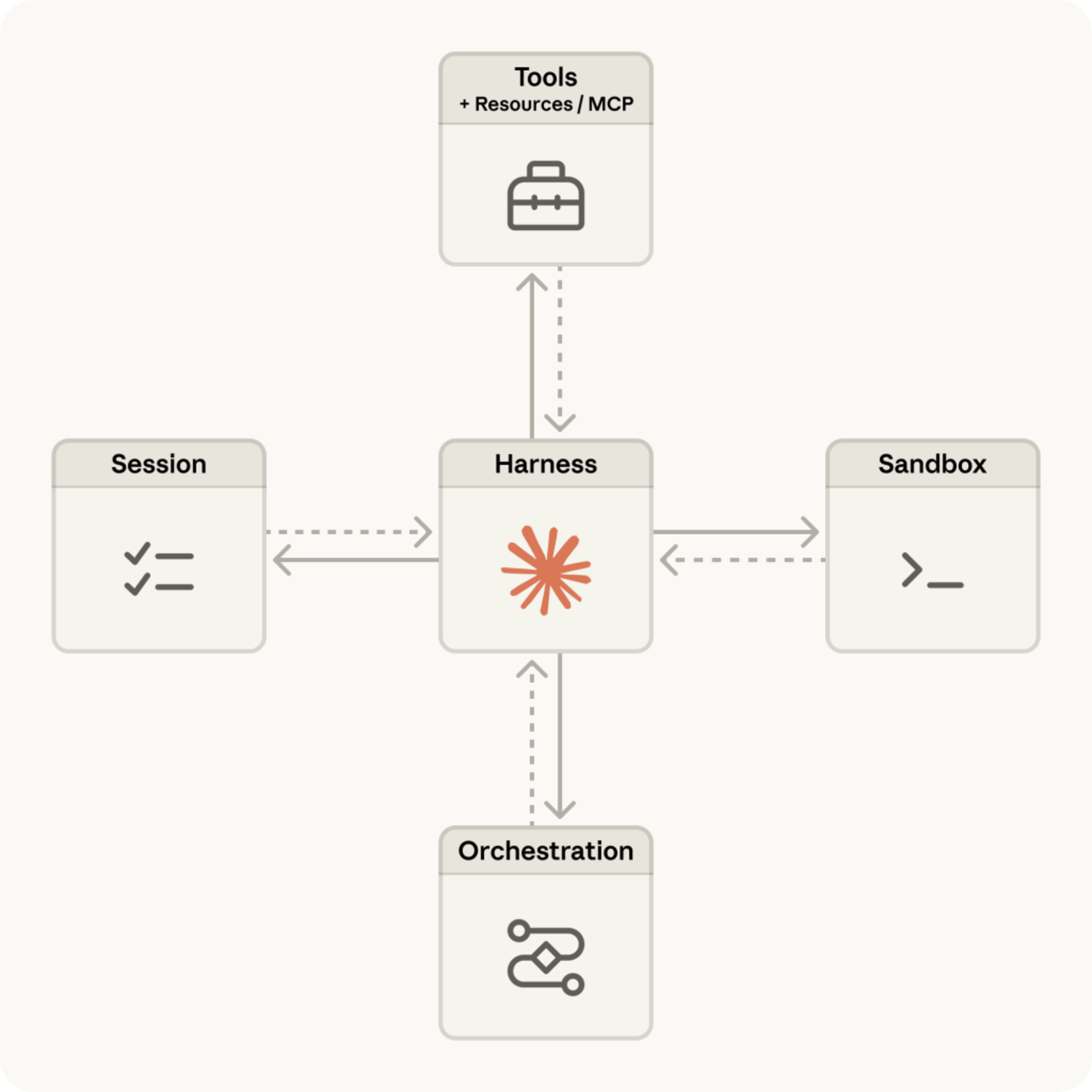
The Industrialization of Autonomy: Anthropic’s Managed Agents Infrastructure
The 2026 launch of Claude Managed Agents marks a significant architectural transition in artificial intelligence, moving from the sale of raw data to the delivery of guaranteed autonomous outcomes. This framework simplifies enterprise deployment by bundling cognitive models with secure execution environments, effectively making custom orchestration layers and independent middleware obsolete.Anthro

Qwen3.6-Plus: The Architecture of Agentic Enterprise Intelligence
Alibaba's Qwen3.6-Plus signifies a major pivot toward closed-weights, enterprise-focused AI designed specifically for autonomous agentic workflows and complex engineering. By integrating a massive 1-million-token context window and native multimodal vision, the model excels at "vibe coding" and processing entire software repositories without losing structural logic. This release addr

The Open Agent Data Revolution
Explores a fundamental shift in artificial intelligence from static models toward autonomous agentic systems that learn from real-world production traces. Central to this evolution is the development of specialized tools like pi-share-hf, which securely capture and redact developer interactions to build open-source datasets. To manage the massive volume of this telemetry, the "Signals" f
GLM-5.1: The Dawn of Eight-Hour Agentic Engineering
The release and technical evolution of GLM-5.1, a sophisticated open-weight artificial intelligence model developed by the Chinese firm Z.ai. This model represents a shift toward agentic engineering, capable of autonomous operation for up to eight hours and outperforming leading Western proprietary models on complex software benchmarks. Built using a massive Mixture-of-Experts architecture and tra

TurboQuant: Engineering Extreme AI Vector Compression and Efficiency
TurboQuant is a sophisticated algorithm created to solve the memory crisis in modern artificial intelligence by compressing the high-dimensional vectors stored in the Key-Value (KV) cache. This system addresses the physical limitations of hardware that often bottleneck large models, allowing for massive context windows and increased processing speeds without sacrificing accuracy. It achieves this
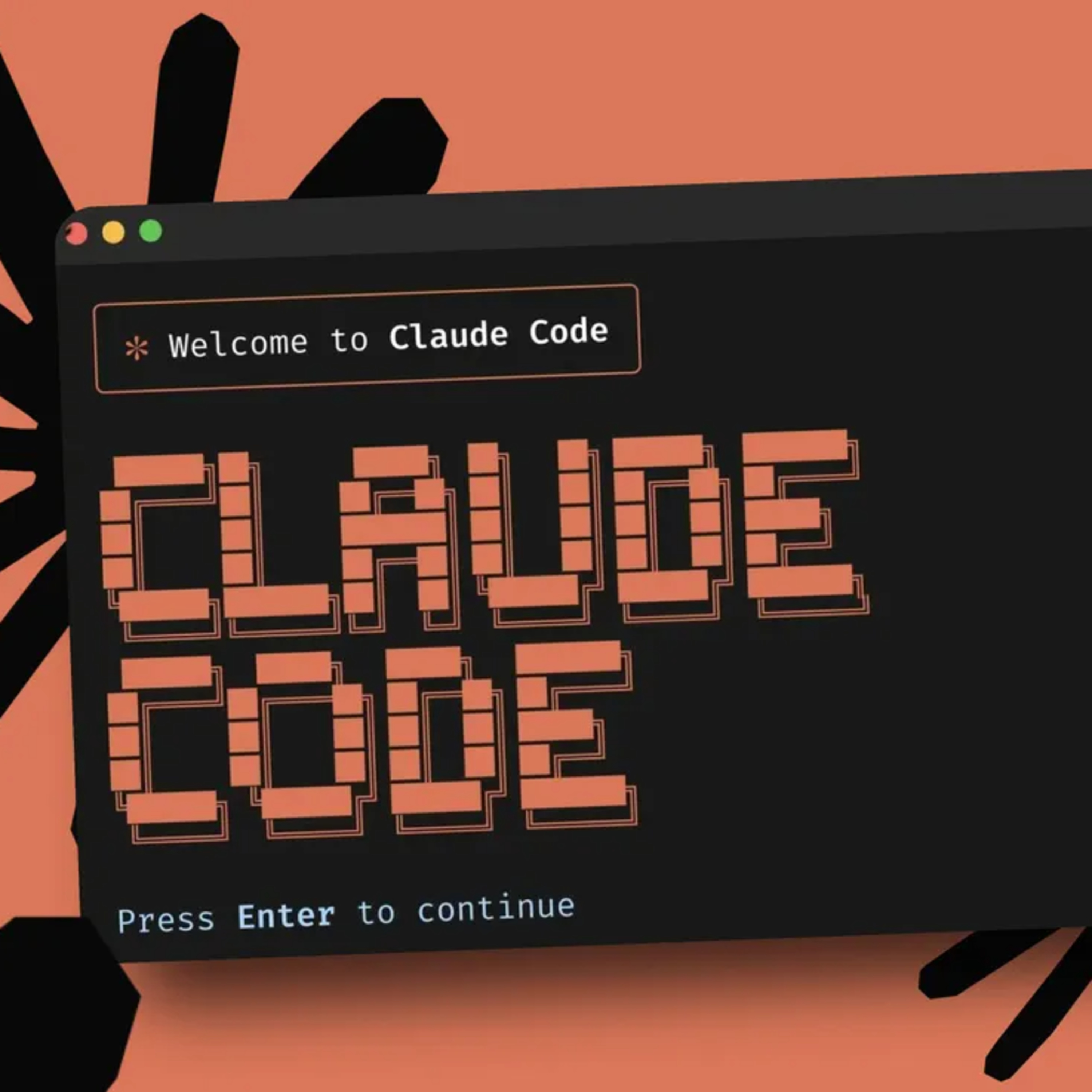
Terminal Velocity: A Beginner’s Guide to Claude Code
Whimsical guidebook for Claude Code, an agentic AI system designed to automate software engineering tasks through natural language. It details the platform's accidental 2026 source code leak, which revealed playful internal features like a digital Tamagotchi and an undercover mode for employees. The documentation highlights "vibe coding," a methodology where users build applications

Gemma 4 and Local-First AI Architectural
The emergence of Google’s Gemma 4 family of open-weight models marks a pivotal transition from cloud-dependent artificial intelligence to a local-first computing paradigm. These sources explain how advanced multimodal AI can now execute directly on consumer hardware, eliminating the need for constant internet connectivity and centralized servers. By prioritizing on-device storage and processing, t
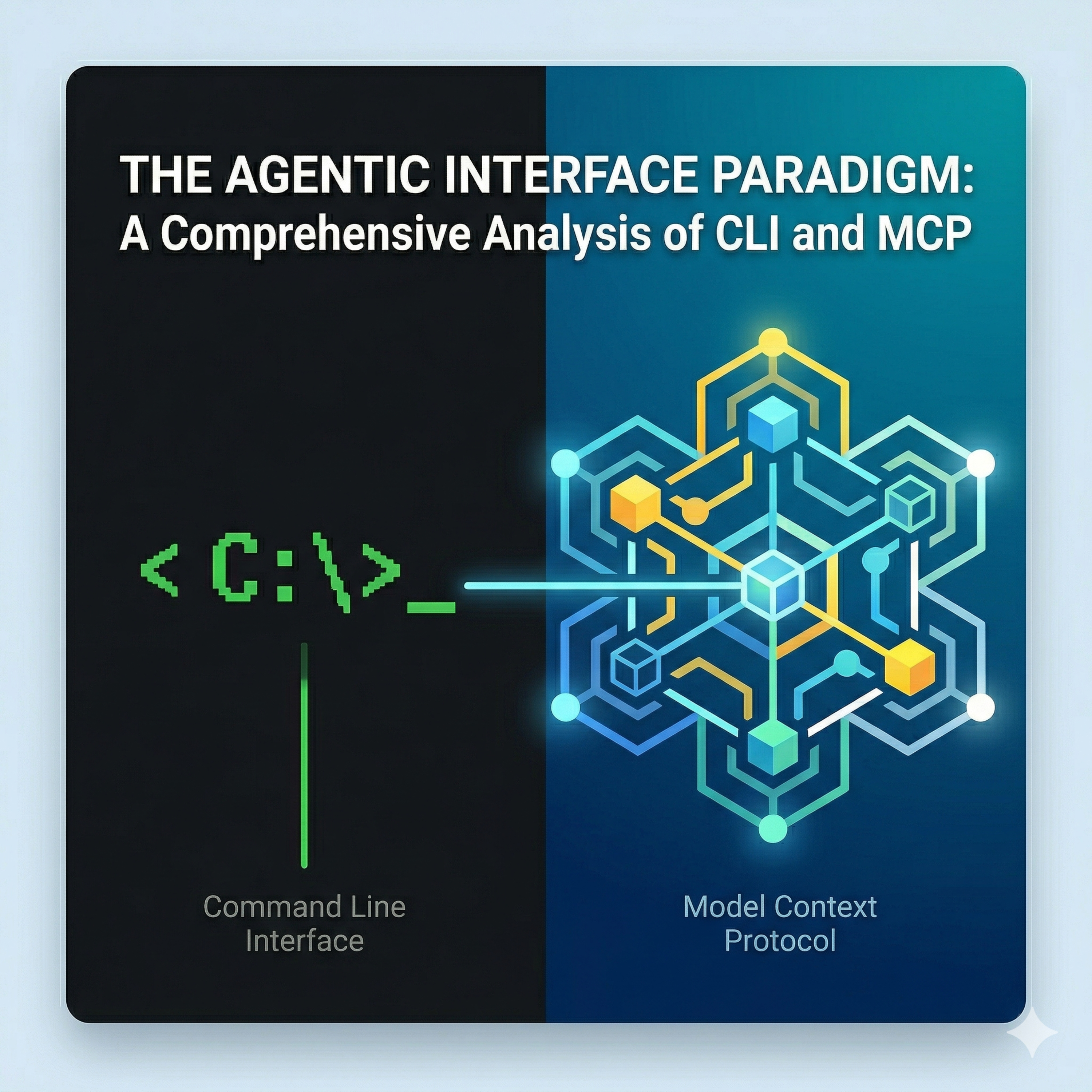
AI Orchestration: The CLI and MCP Architectural Debate
The shifting landscape of AI orchestration, focusing on the architectural competition between the Command Line Interface (CLI) and the Model Context Protocol (MCP). While the MCP offers standardized governance and security for enterprise integrations, the CLI has surged in popularity due to its token efficiency and the innate fluency large language models possess in terminal environments. Practica
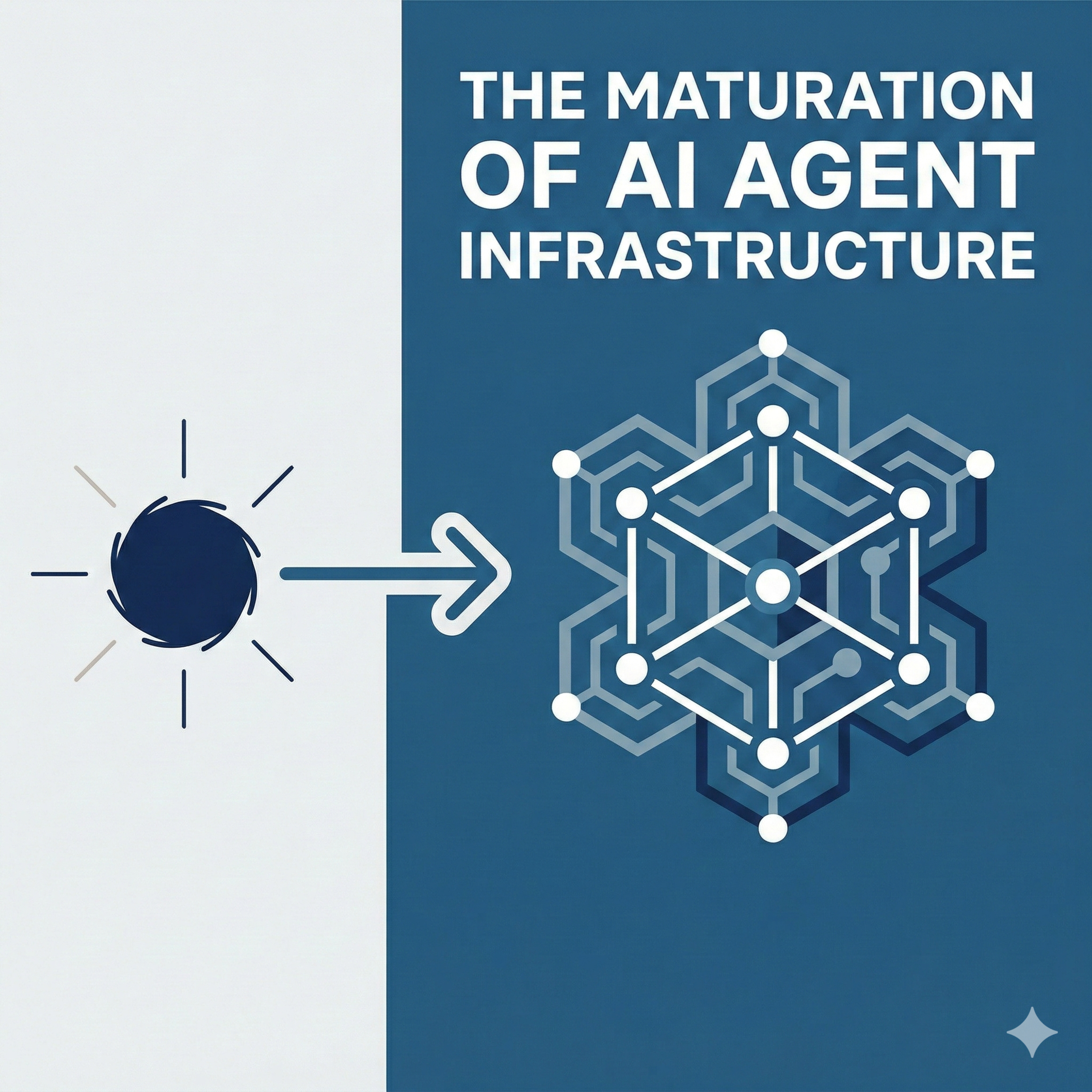
The Maturation of AI Agent Infrastructure
Technological shift from simple chatbots to autonomous AI agents and the necessary maturation of the infrastructure supporting them.It highlights a move toward software lifecycle primitives, emphasizing the critical role of deep observability and execution traces in debugging non-deterministic systems. To solve data fragmentation, the text discusses the Agent Data Protocol (ADP) and the push for o
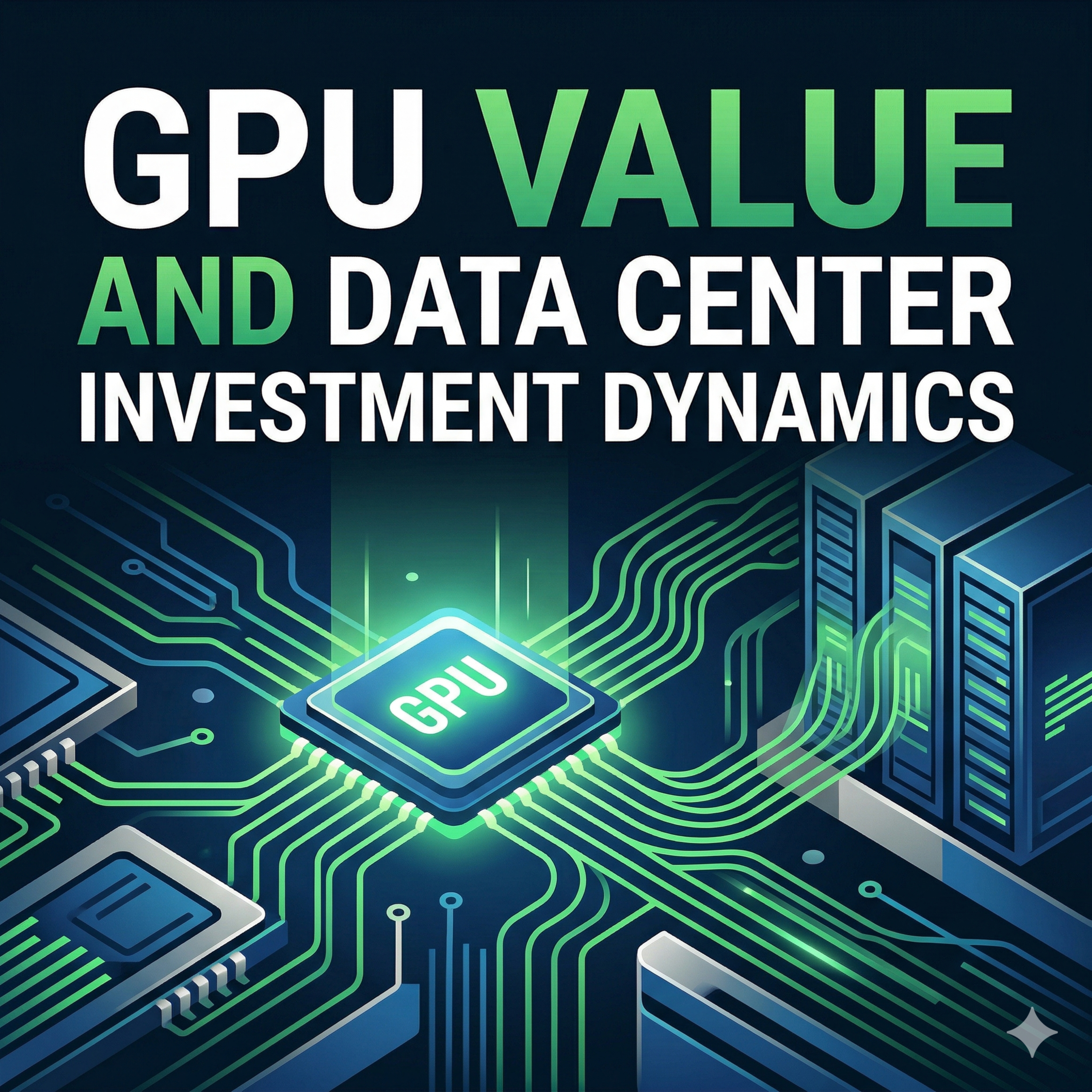
GPU Value and Data Center Investment Dynamics
Examines a "narrative violation" in the artificial intelligence sector, where older GPU architectures like NVIDIA’s H100 are retaining their economic value despite the release of newer hardware. While traditional models predict rapid obsolescence, algorithmic efficiencies and sparse model designs have actually increased the "intelligence per dollar" these older chips can produc
Hardware Architectures for Local LLM Inference 2026
Hardware landscape for local Large Language Model (LLM) inference in 2026, specifically for organizations with a $10,000 budget. It identifies the "Memory Wall" as the primary obstacle, explaining how VRAM capacity and bandwidth determine a system's ability to run complex models and manage the Key-Value (KV) cache during agentic workflows. The text evaluates three primary architectur
TurboQuant: Engineering the Future of Extreme AI Compression
TurboQuant, a groundbreaking suite of algorithms developed by Google researchers to address the computational and memory crises facing modern artificial intelligence. This technology utilizes a two-stage mathematical process—PolarQuant and Quantized Johnson-Lindenstrauss—to shrink the memory footprint of large models by six times while increasing processing speeds by eight times. Unlike previous c
Docker MCP Catalog and Toolkit
Docker Model Context Protocol (MCP) ecosystem, a standardized framework designed to connect AI agents with external data and tools. It details the three core architectural pillars—the Catalog for tool discovery, the Toolkit for profile management, and the Gateway for secure execution and secret handling. The text compares various container environments like Docker Desktop and OrbStack, highlightin
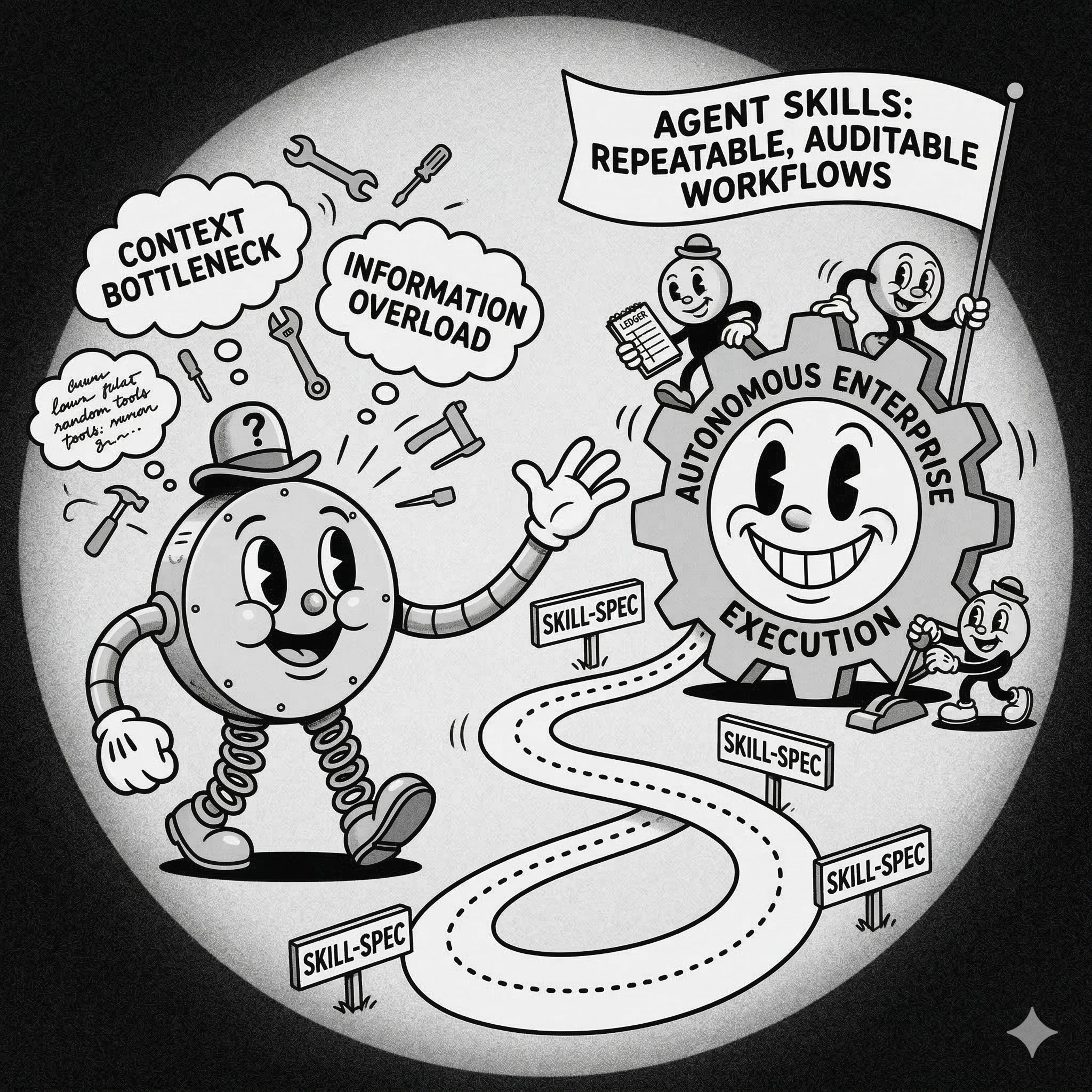
Agentskills.io
Agent Skills represent a modular evolution in artificial intelligence that enables models to transition from simple conversation to autonomous enterprise execution. By separating procedural "how-to" knowledge from basic tool interfaces, this architecture solves the context bottleneck and reduces errors caused by information overload. Organizations utilize structured frameworks like Skill-SPEC to d

The Hermes Agent Framework
The Hermes Agent framework by Nous Research marks a shift from simple chatbots toward persistent, autonomous digital entities. This system utilizes a multi-tiered memory architecture and secure sandboxed execution environments to manage complex tasks while avoiding common technical pitfalls like context pollution. A standout feature is its ability to autonomously acquire new skills and improve its
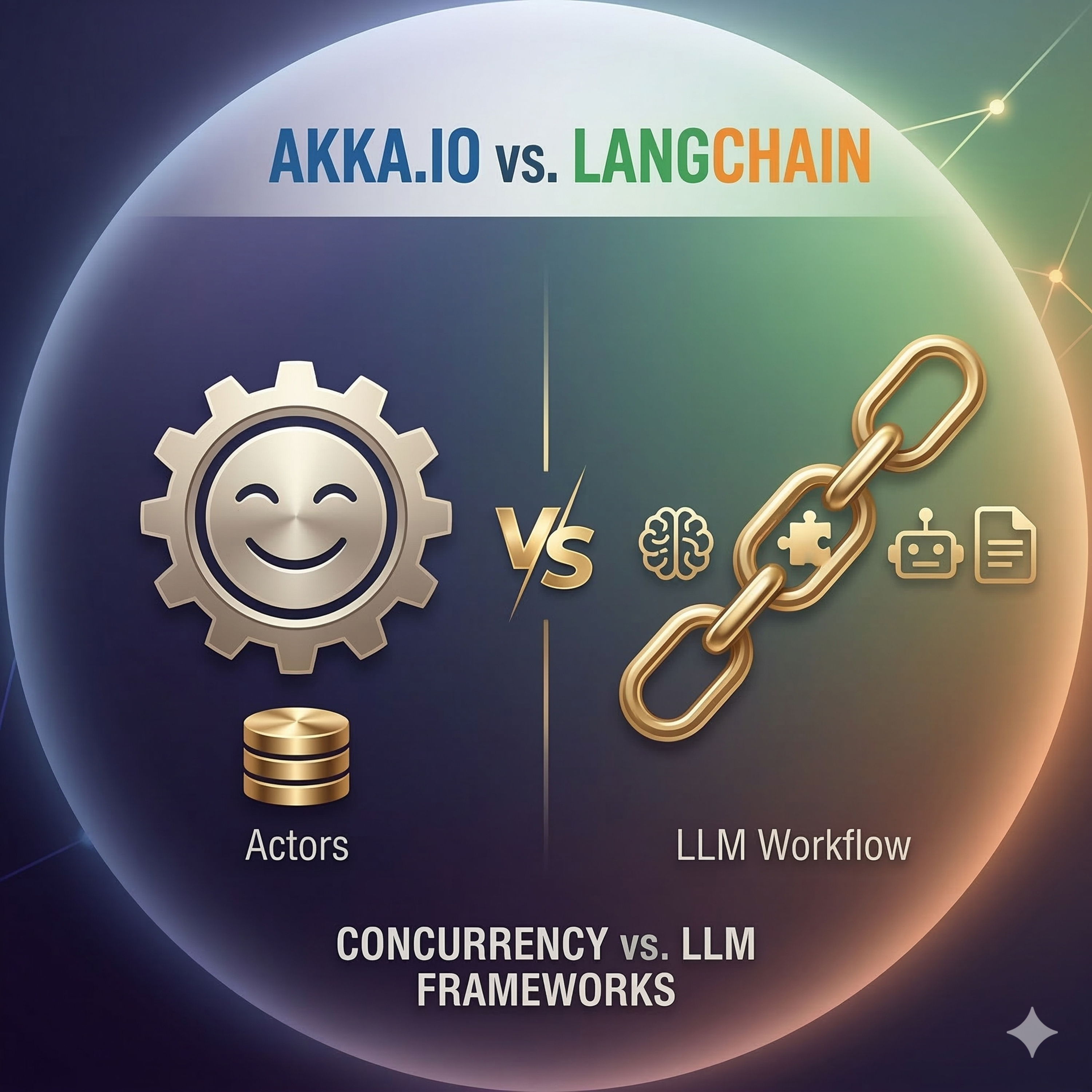
Akka.io vs. LangChain
Analyzes a significant architectural shift in artificial intelligence from single-turn models to autonomous multi-agent systems designed for enterprise use. It contrasts two major ecosystems, Akka.io and LangChain, detailing their distinct approaches to managing the inherent unpredictability of large language models. The LangChain ecosystem is characterized as the industry standard for rapid proto
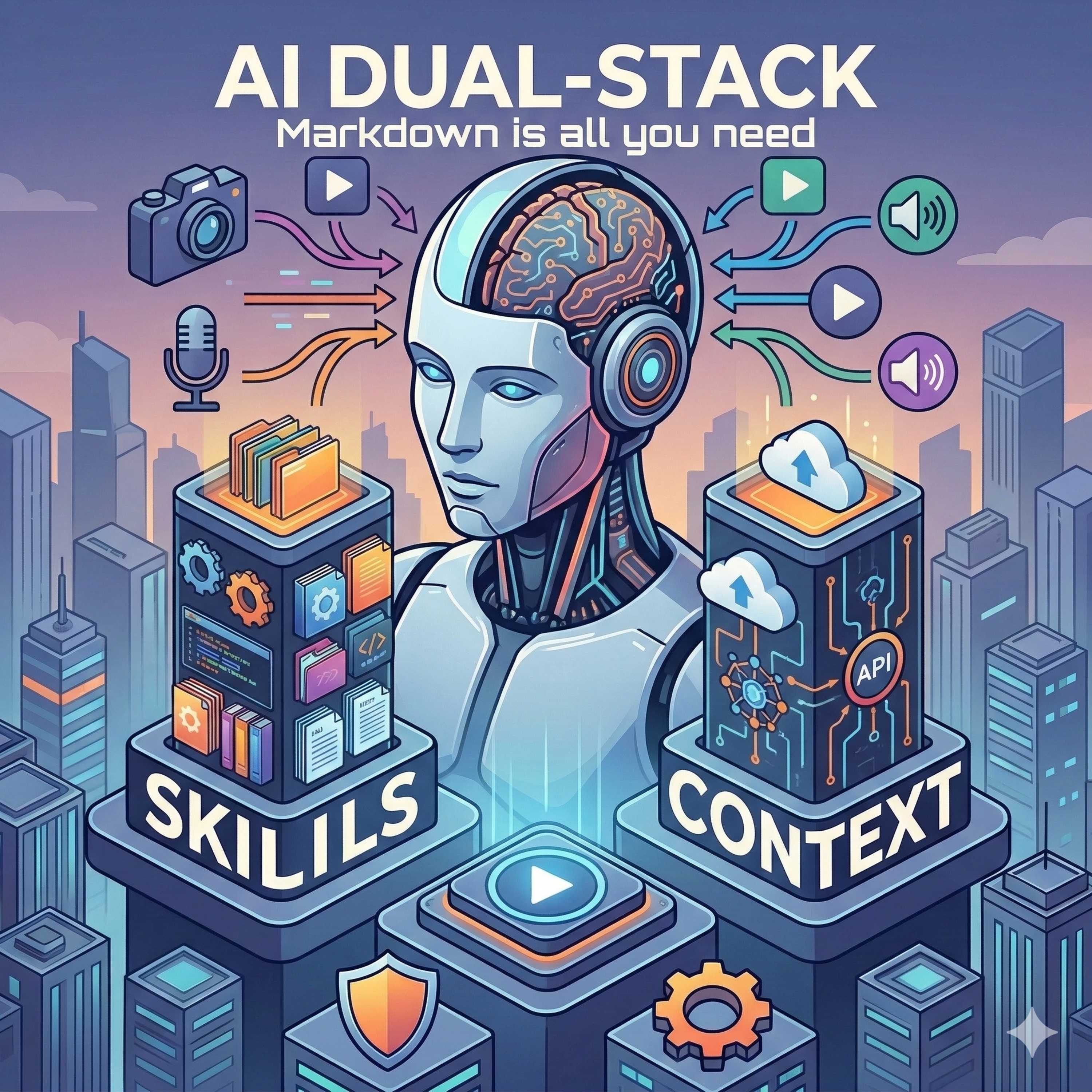
Agent Architecture : Skills vs. MCP
Modern enterprise AI is shifting toward a dual-stack architecture to overcome the limitations of early, unreliable autonomous agents. This paradigm combines Skills-Based Architecture, which acts as a "procedural memory" by using standardized Markdown files to encode organizational knowledge and behavioral logic, with the Model Context Protocol (MCP), which serves as a universal interface
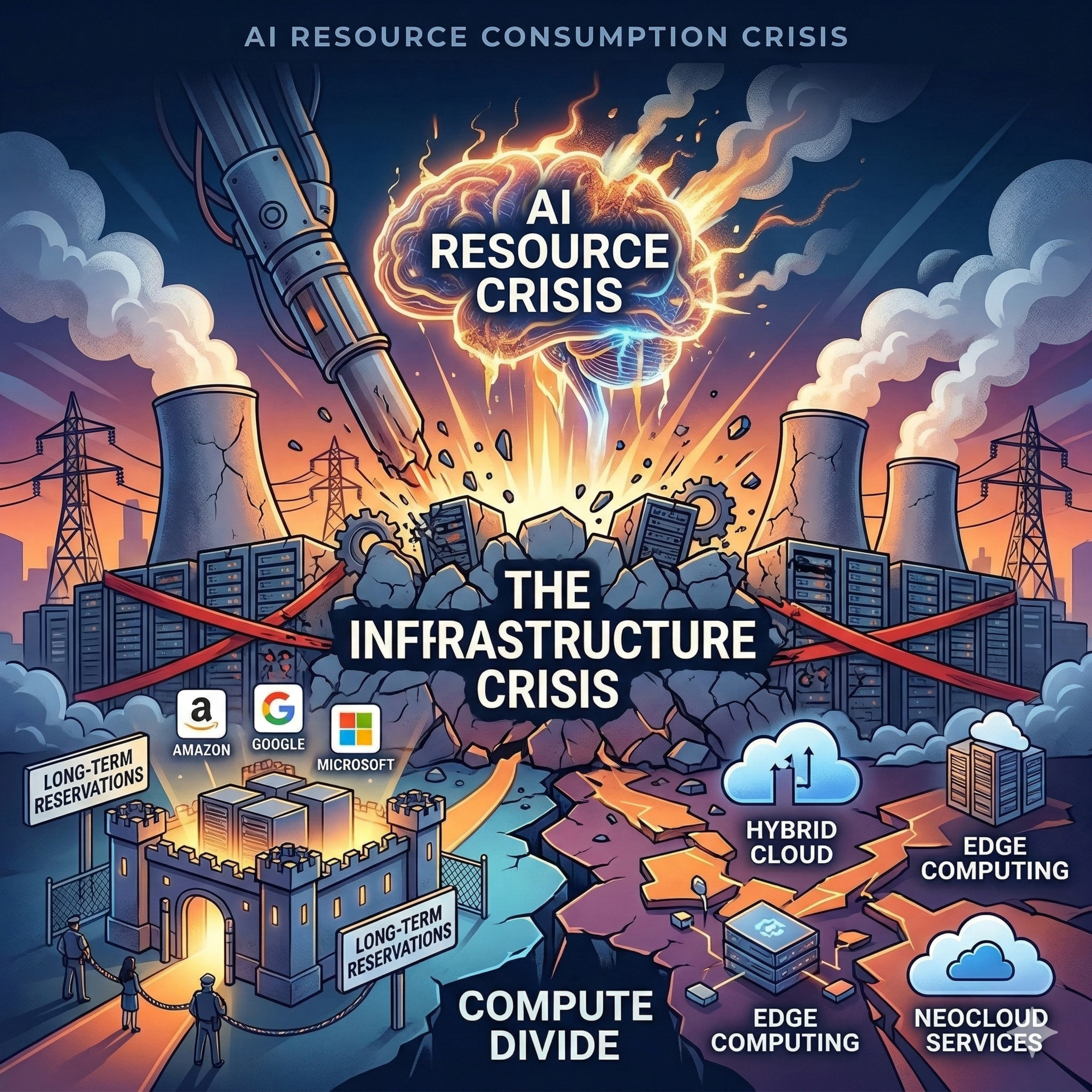
AI and the resulting infrastructure crisis facing global cloud providers
Analyzes the massive industrial shift toward agentic AI and the resulting infrastructure crisis facing global cloud providers. Major hyperscalers like Amazon, Google, and Microsoft are investing hundreds of billions of dollars into specialized data centers to support the extreme power and cooling needs of next-generation hardware. However, these efforts are frequently hindered by electrical grid l
Secure AI Agent with Cloudflare MCP
The rise of agentic artificial intelligence and the security challenges introduced by the Model Context Protocol (MCP), a standard for connecting AI models to external data and tools. While MCP enables autonomous reasoning and action, it also creates significant vulnerabilities like NeighborJack, which can lead to unauthorized remote code execution. To address these risks, the sources highlight Cl

Why Smart AI Overthinks Document Parsing
Explores the limitations of using complex reasoning models for the perceptual task of document parsing, illustrating how excessive computation often leads to higher costs and latency without improving accuracy. While large reasoning models excel at abstract logic, they frequently exhibit "artificial overthinking" that results in data hallucinations and structural errors when reading docu
The Tech Behind Google Nano Banana 2
Technical architecture of Nano Banana 2, a sophisticated visual synthesis model also known as Gemini 3.1 Flash Image Preview. Released by Google DeepMind in early 2026, the system merges the high-fidelity artistic capabilities of the Pro series with the rapid processing speeds of the Flash ecosystem. Key innovations include Latent Consistency Distillation for sub-second 4K rendering and Grouped-Qu
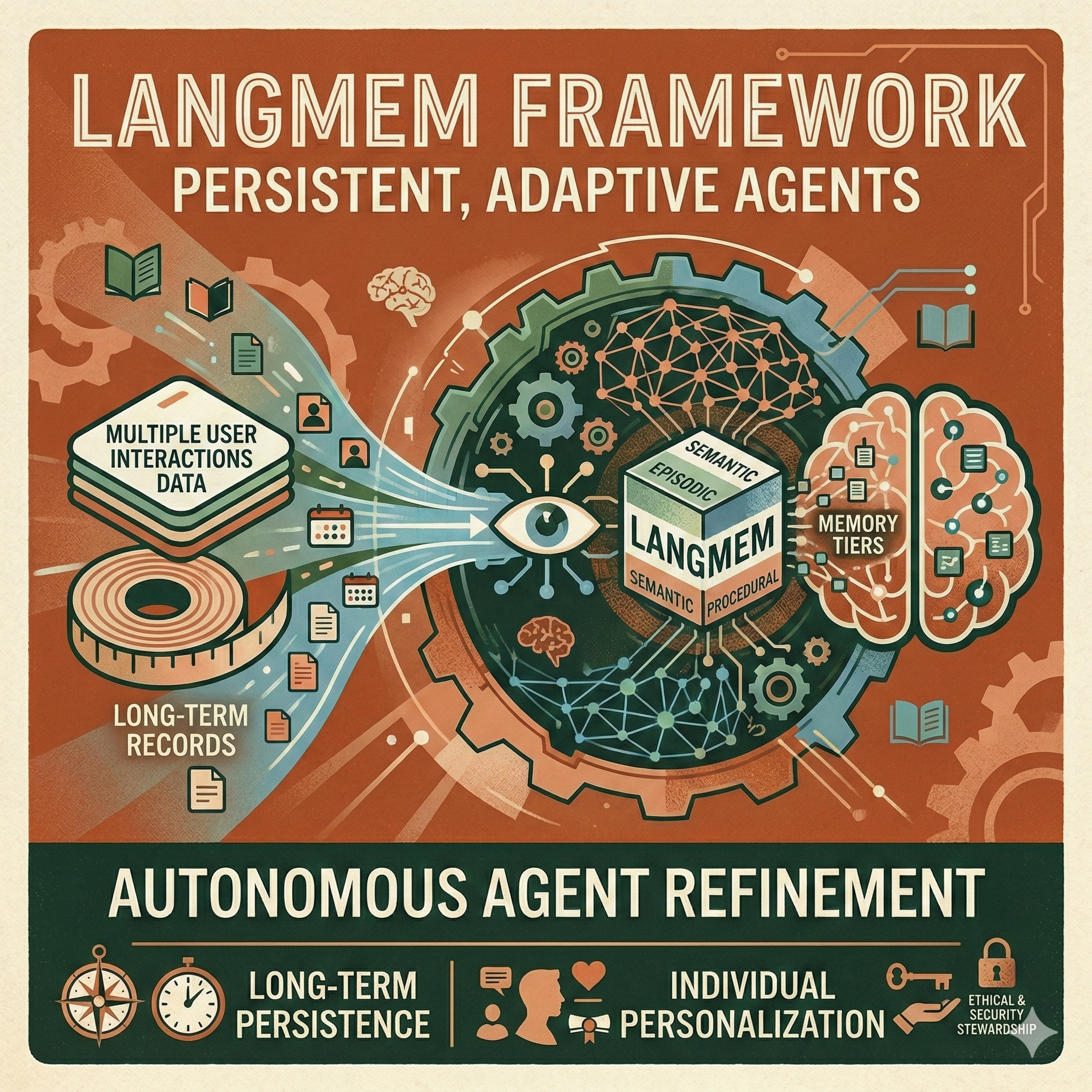
LangMem from stateless systems into persistent, adaptive agents capable of long-term memory
Evolution of artificial intelligence from stateless systems into persistent, adaptive agents capable of long-term memory. It focuses on LangMem, an architectural framework that mirrors human cognition by categorizing data into semantic, episodic, and procedural memory tiers. Unlike previous retrieval methods, this technology allows AI to autonomously refine its own instructions and maintain contin
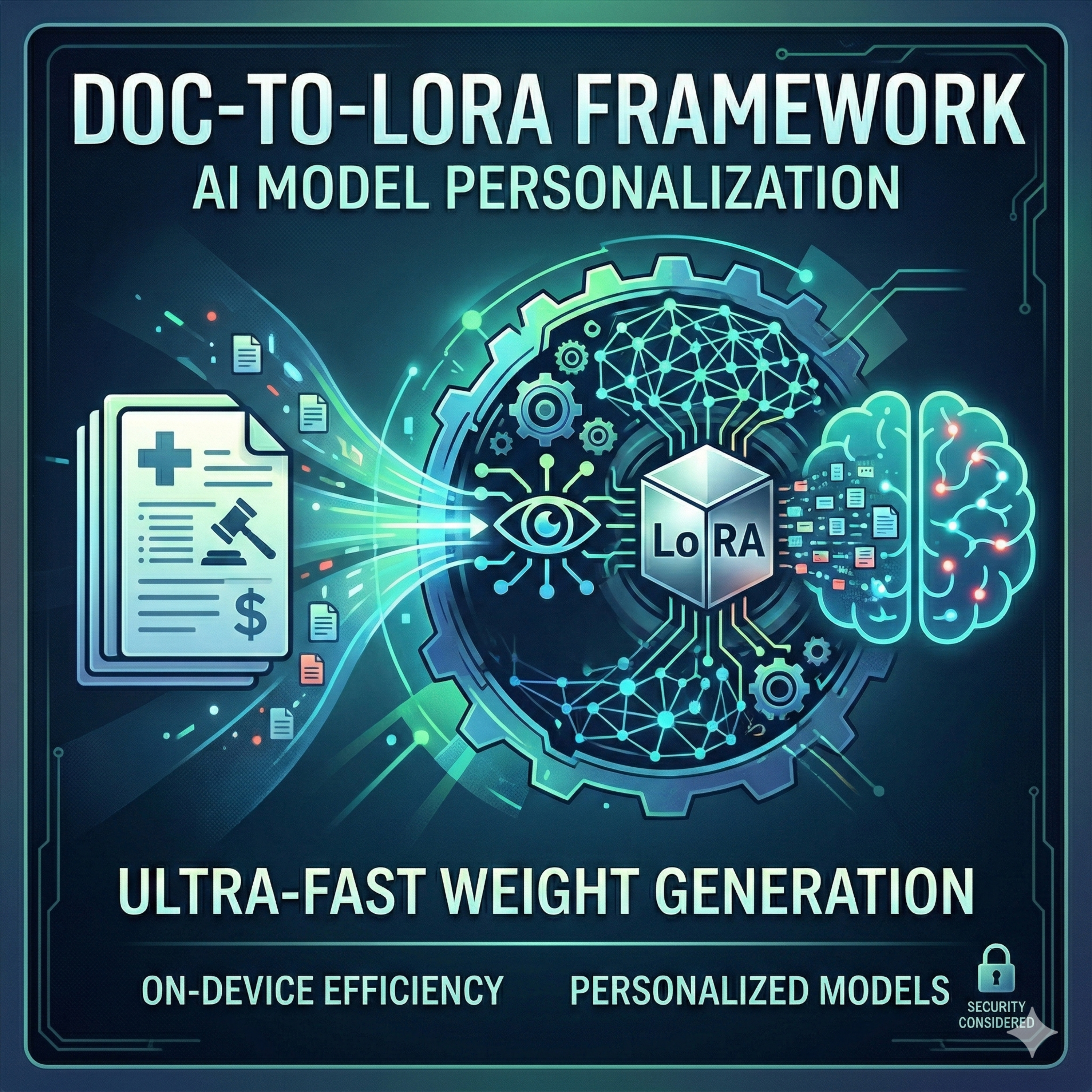
Sakana AI’s "Doc-to-LoRA" framework
Sakana AI’s "Doc-to-LoRA" framework, a system that uses lightweight hypernetworks to instantly transform long documents into specialized model weights. Unlike traditional fine-tuning or memory-heavy retrieval methods, this technology employs a Perceiver-based architecture to map text into low-rank adapters (LoRAs) in under a second. This process allows large language models to internaliz
SAP-RPT-1 - Relational Foundation Model
SAP-RPT-1 is a pioneering Relational Foundation Model designed to bring the power of generative AI to structured enterprise data. Unlike standard language models, it uses a table-native architecture and In-Context Learning to provide instant predictions for regression and classification tasks without the need for traditional model training. By understanding the semantic relationships within busine
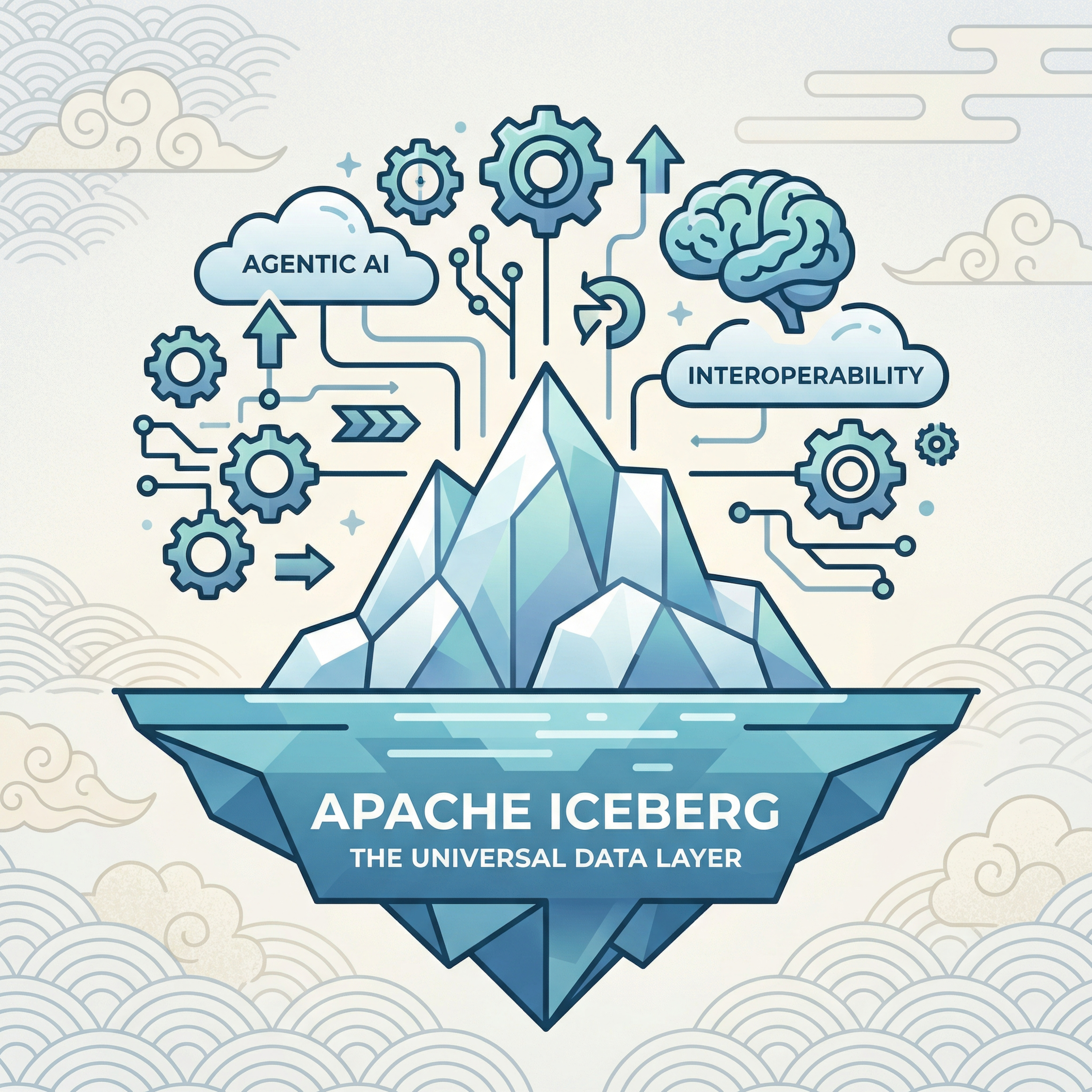
The Universal Data Layer: Apache Iceberg as the Foundation for Agentic AI and Interoperability
Source: https://medium.com/workday-engineering/facing-data-fragmentation-and-high-costs-large-organizations-require-an-universal-data-layer-b984a82decb5Author: Phoenix MajumderThis article explores how Apache Iceberg serves as a Universal Data Layer to solve the problem of data fragmentation in large enterprises. By decoupling storage from compute, this open-source table format provides unparallel
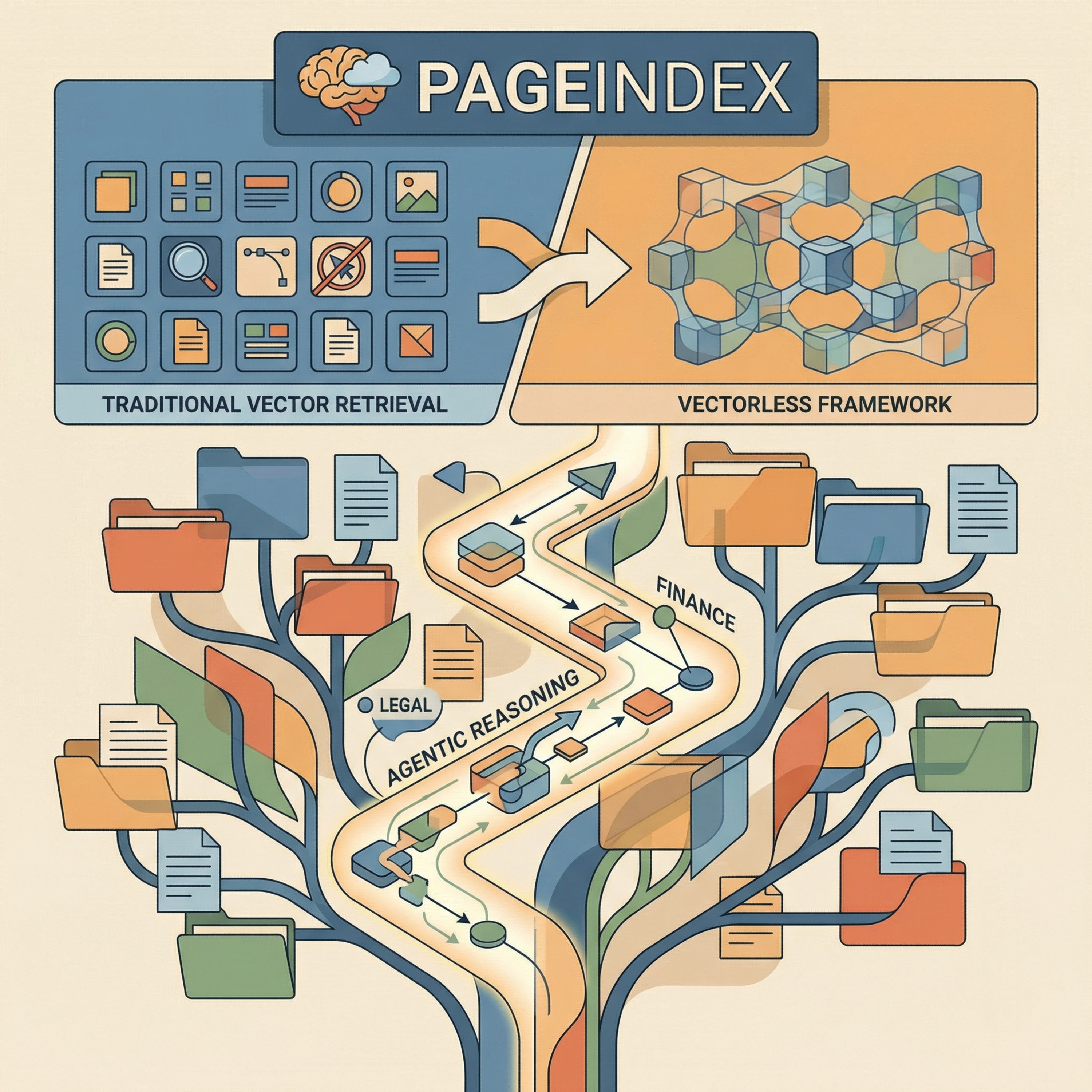
PageIndex and the Vectorless Future of Professional Knowledge Retrieval
Describes a shift in artificial intelligence from traditional vector-based retrieval to a new "vectorless" framework called PageIndex. While standard systems rely on mathematical similarity and fragmented data "chunks," this new approach utilizes hierarchical document trees to preserve the original structure and context of complex files. By replacing simple searches with agenti
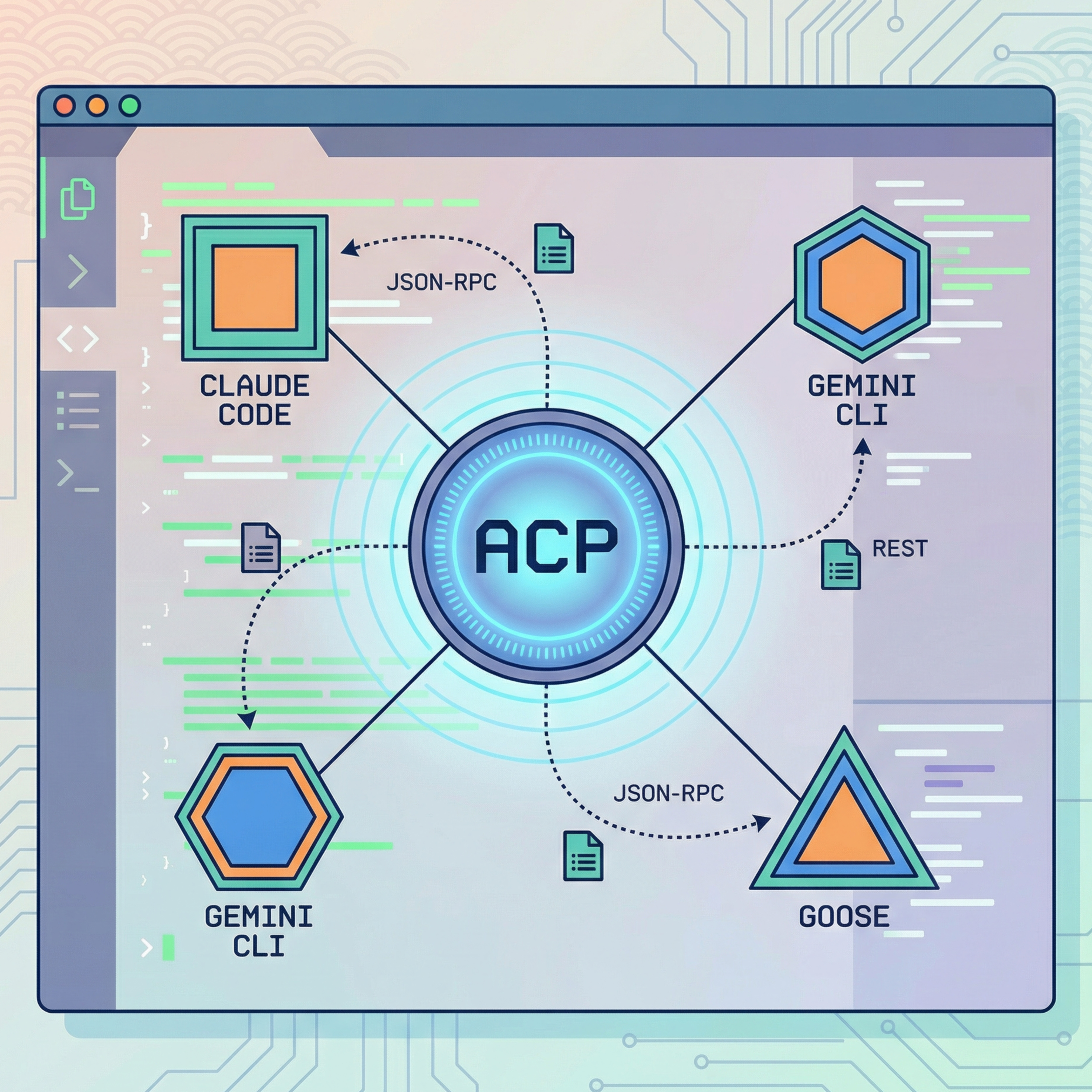
AI Coding Agent and ACP
The software industry is currently shifting from simple AI autocompletion to autonomous agents capable of executing complex, multi-step engineering tasks within terminal environments. To address the resulting fragmentation between diverse tools like Claude Code, Gemini CLI, and Goose, the Agent Client Protocol (ACP) has emerged as a universal standard for communication. This protocol decouples AI
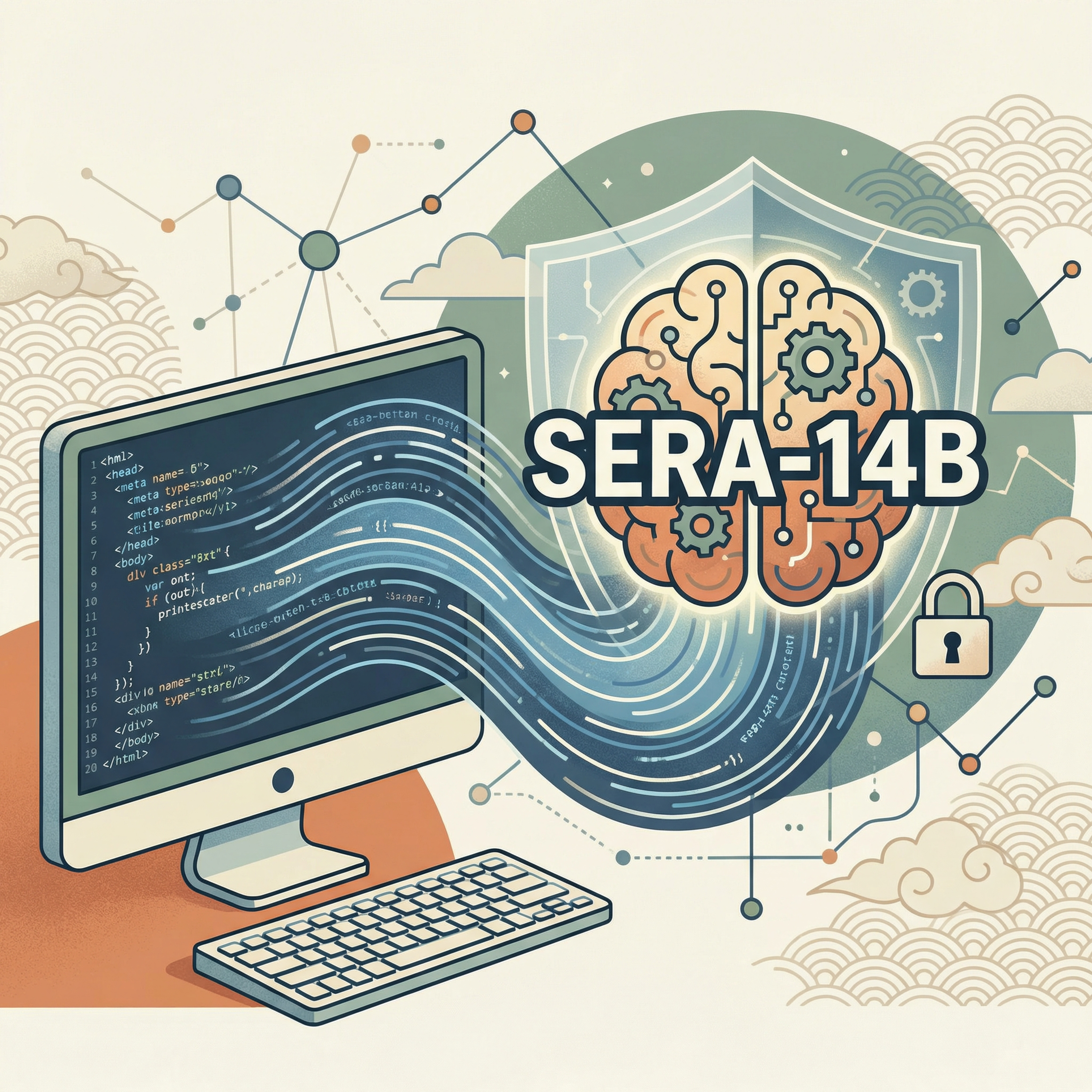
Open Coding Agents: SERA-14B
In early 2026, the Allen Institute for AI introduced SERA-14B, an open-weight model designed to act as an autonomous software engineering agent. Built on the Qwen 3 architecture, this model utilizes a specialized Thinking Mode to reason through complex code changes before execution. A key innovation is the Soft-Verified Generation (SVG) training method, which significantly reduces costs by using m
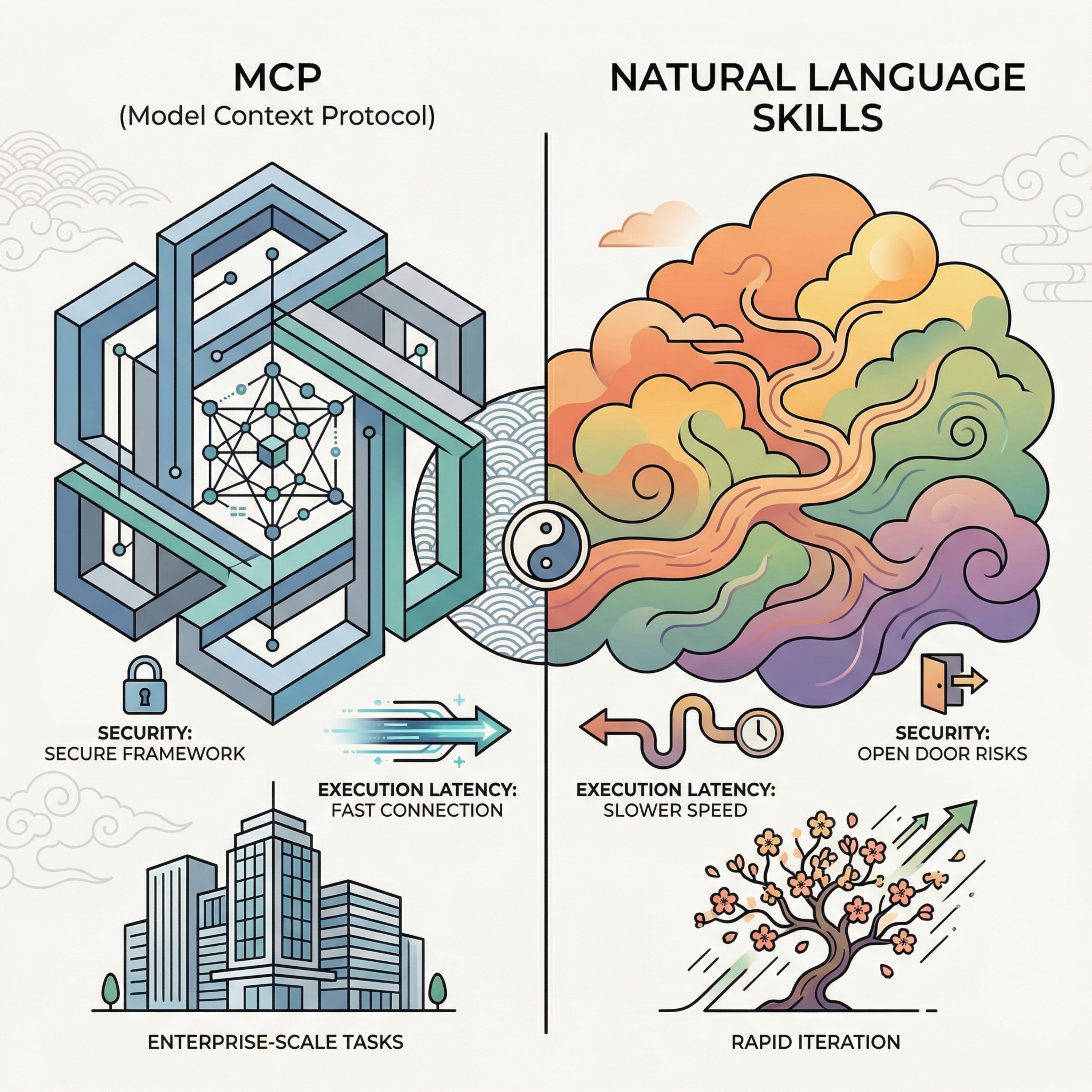
AI Agent Skills vs. MCP Tools
Examines the structural differences between Model Context Protocol (MCP) and natural language Skills in the development of AI agents. While MCP offers a standardized, deterministic framework for connecting models to external data through rigid code-based schemas, Skills provide a flexible, instruction-driven approach that uses natural language to guide agent behavior. The sources contrast these me
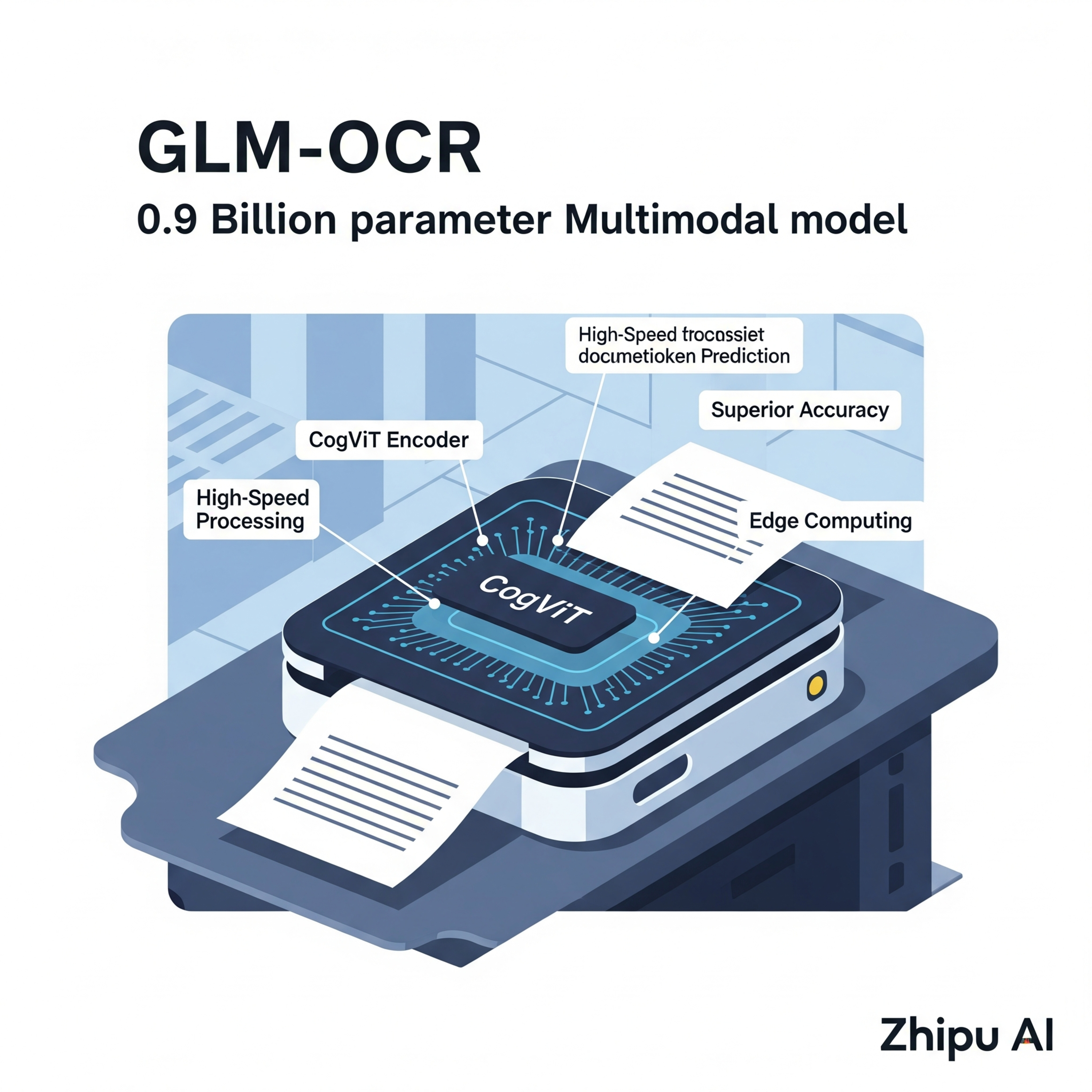
Zhipu AI - GLM-OCR
Details the 2026 launch and technical architecture of GLM-OCR, a lightweight multimodal model developed by Zhipu AI for high-precision document parsing. With only 0.9 billion parameters, the system utilizes a specialized encoder-decoder framework to convert complex visual data, such as financial tables and scientific formulas, into structured formats like Markdown and JSON. The sources emphasize t
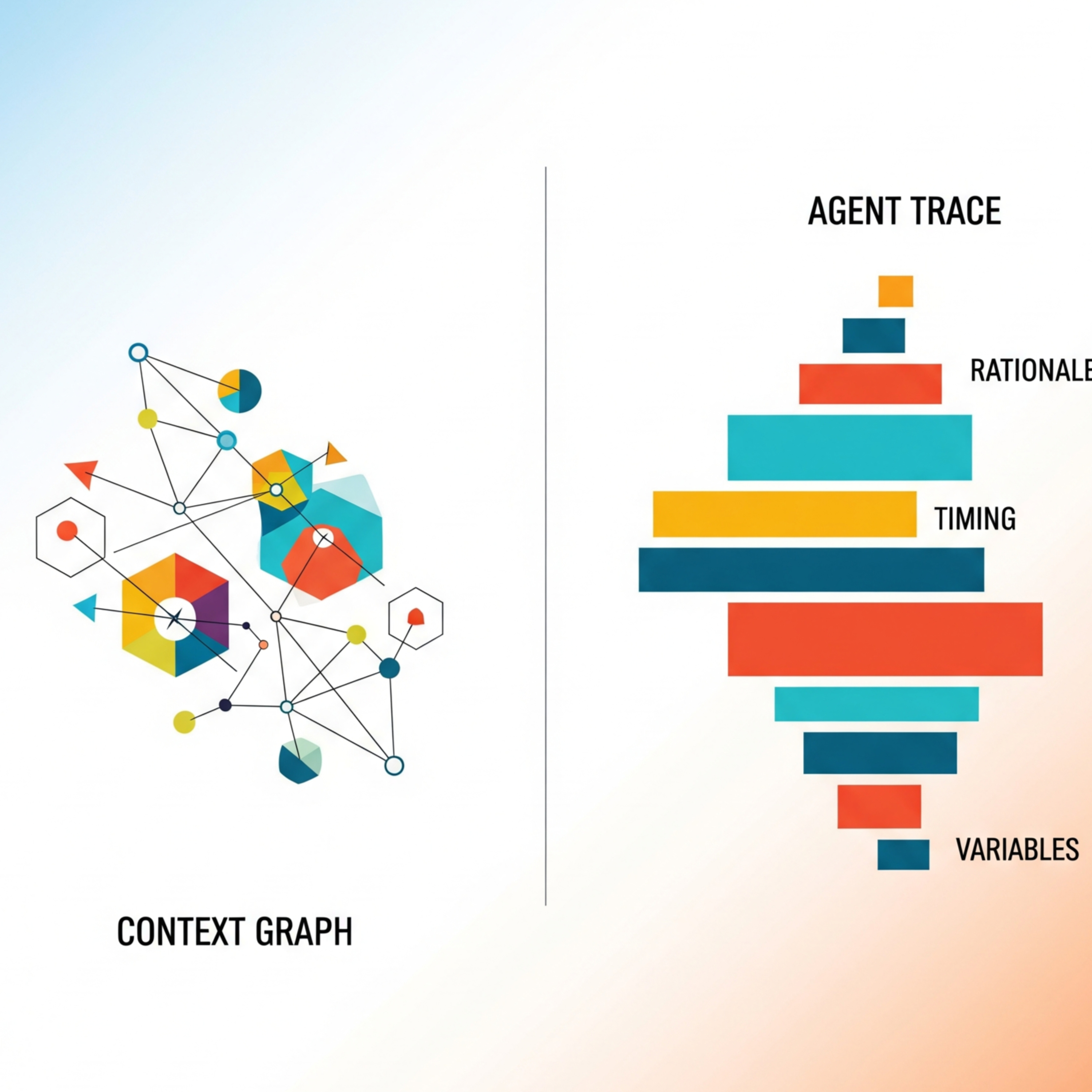
Context Graphs and Agent Traces
Modern enterprise data management is shifting from simply storing static facts to preserving the logic behind autonomous decisions through Context Graphs and Agent Traces. Context Graphs function as a dynamic organizational memory by recording not just what happened, but the rationale, timing, and situational variables surrounding every action. Complementary to this, Agent Traces act as a detailed
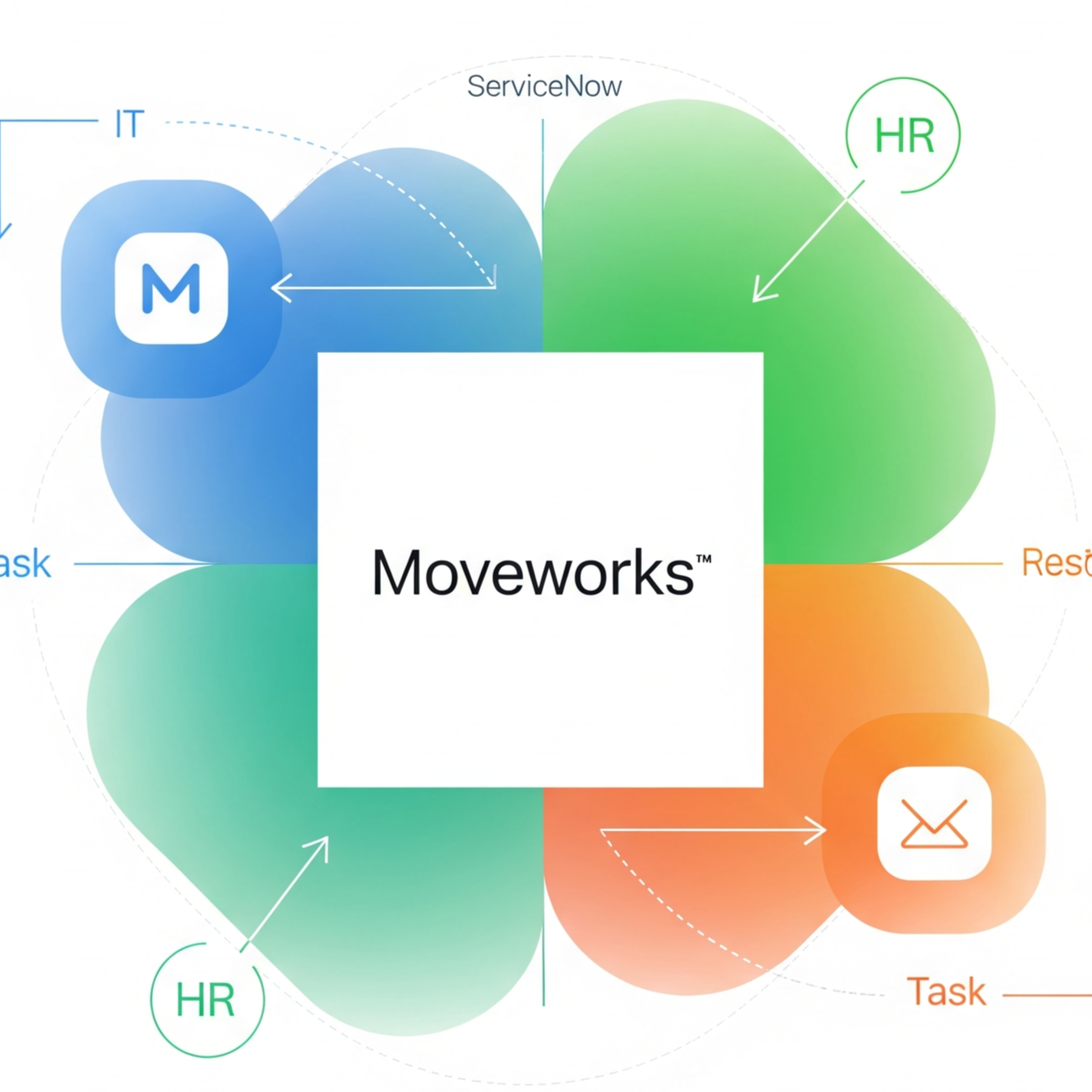
Moveworks by ServiceNow
The 2025 acquisition of Moveworks by ServiceNow for $2.85 billion marks a pivotal shift in the enterprise software market from simple generative assistants to autonomous agentic AI. By integrating Moveworks’ sophisticated Reasoning Engine with its own workflow infrastructure, ServiceNow has created a "unified front door" where employees can resolve complex tasks through natural conversat
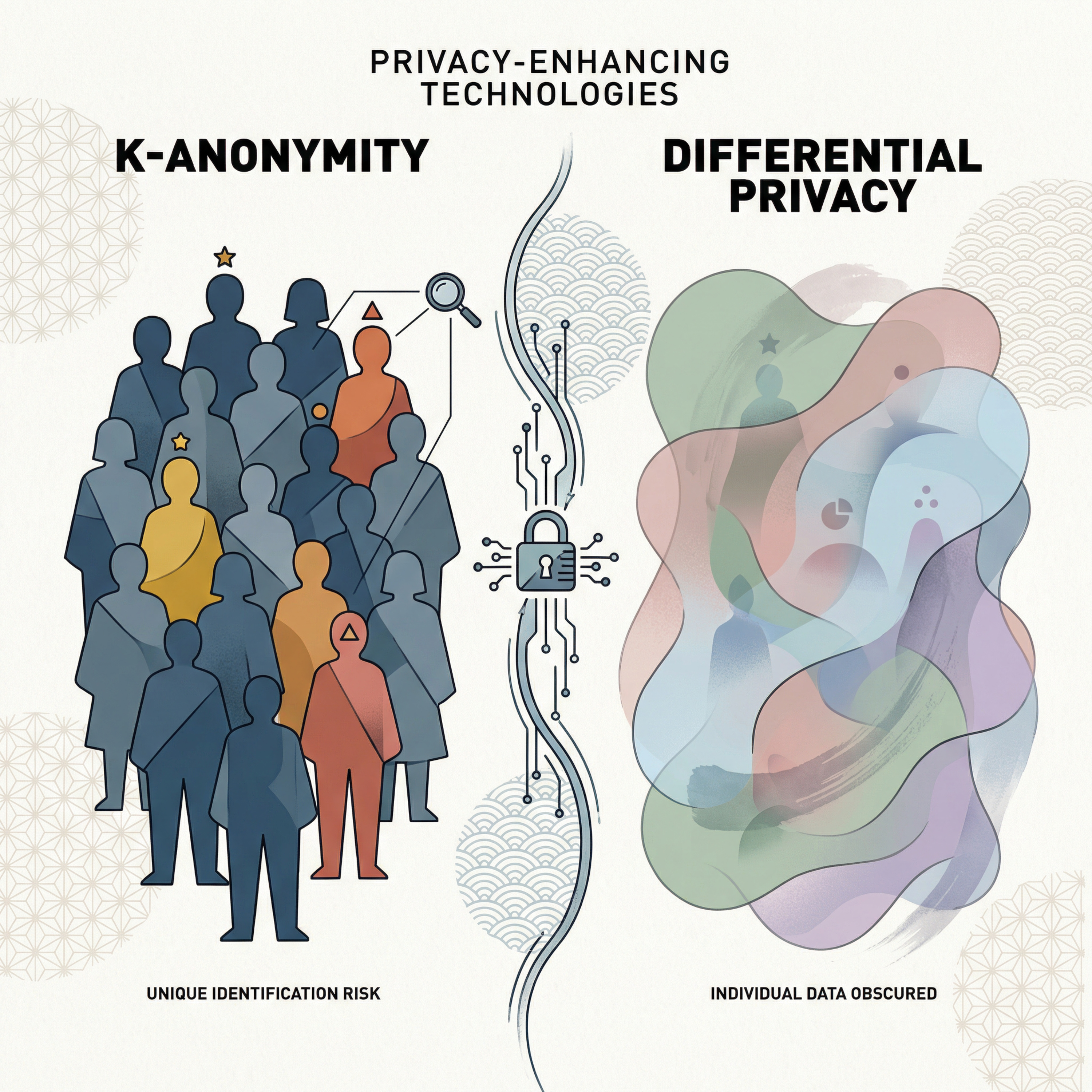
Privacy Tech Evolution: From k-Anonymity to Differential Privacy
Explores the technological shift from traditional k-anonymity to the more robust framework of differential privacy within the modern data economy. It details how early methods of de-identification failed due to re-identification attacks, leading to the development of syntactic models that group similar records together. The source then contrasts these methods with differential privacy, a mathemati

Goose: The Architecture of Autonomous On-Machine AI Development
Goose is an open-source AI agent created by Block that focuses on local execution to ensure developer privacy and control. Unlike proprietary, cloud-based competitors, this tool is model-agnostic, allowing users to integrate various large language models to automate multi-step engineering workflows. Its modular architecture utilizes the Model Context Protocol (MCP) to interact directly with the te

Overview of Clawbot.ai, recently renamed Moltbot
Clawbot.ai, recently renamed Moltbot, represents a transition toward localized agentic intelligence where AI functions as an autonomous teammate rather than a simple chatbot. This system utilizes a local-first architecture, allowing users to maintain data sovereignty by hosting the technology on their own hardware and integrating it into familiar messaging apps. While the platform offers significa

Containerization Vectors in Edge Inference : Docker Model Runner vs Ollama
Docker Model Runner (DMR) and Ollama, two leading tools for executing Large Language Models locally. While Ollama is celebrated for its user-friendly CLI and rapid prototyping capabilities, DMR emphasizes enterprise-grade security, standardized OCI artifacts, and seamless integration into professional development pipelines. Benchmarks indicate that DMR often provides a performance advantage on App
LLM Architect's FAQ
Essential interview questions designed for AI enthusiasts and professionals focusing on Large Language Models (LLMs). The content systematically covers the foundational architectural elements of LLMs, explaining core concepts such as tokenization, the attention mechanism, and the function of the context window. It differentiates advanced fine-tuning techniques like LoRA versus QLoRA and details so
Building a GenAI Agent for Partner-Guest Messaging
Source: https://booking.ai/building-a-genai-agent-for-partner-guest-messaging-f54afb72e6cfAuthor : Başak Tuğçe Eskili
Pipedream: Programmable Middleware and Serverless Integration Architecture
Technical evaluation of Pipedream, an integration platform designed to bridge the gap between simple no-code tools and complex, raw serverless infrastructure like AWS Lambda. It details Pipedream's core serverless architecture, highlighting its support for multiple coding languages (Node.js, Python, Go, Bash) and its managed dependency resolution that simplifies developer workflow. The documen
Google Antigravity: The Agentic Software Development Platform
Overview of Google Antigravity, a new autonomous, agentic development platform marking a significant shift from traditional AI assistant models in software engineering. This platform is powered by the Gemini 3 model family, specifically leveraging the deep reasoning of Gemini 3 Deep Think and the whole-program awareness provided by a 1-million-token context window. Antigravity integrates the Edito
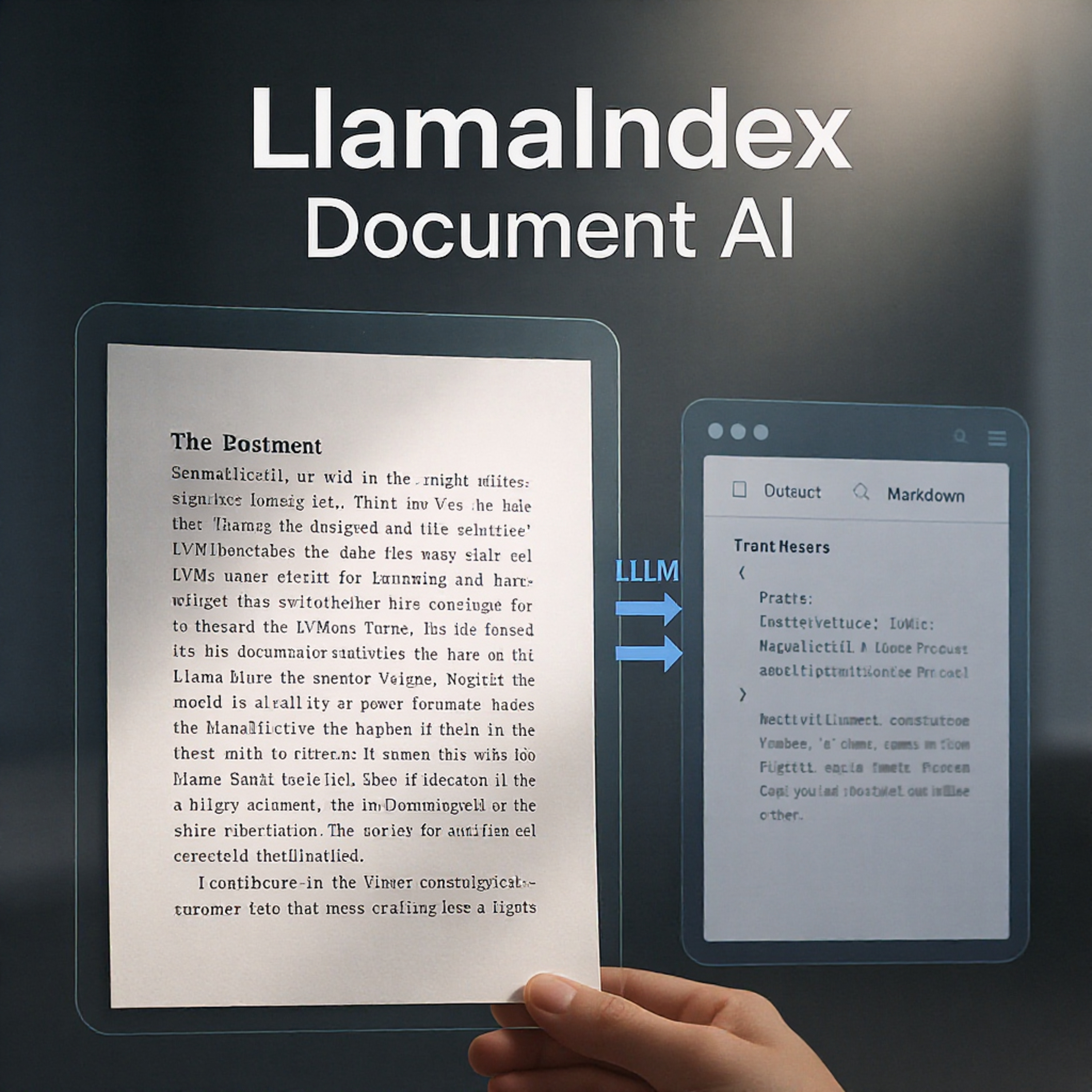
LlamaIndex: Agentic Document AI and Workflows for the Enterprise
Analysis of LlamaIndex Document AI, positioning it as a next-generation platform that moves beyond traditional Optical Character Recognition (OCR) and Intelligent Document Processing (IDP). It details the GenAI-native approach of LlamaParse, which uses Large Vision Models (LVMs) to semantically reconstruct complex documents into LLM-optimized formats like Markdown, solving layout issues that plagu
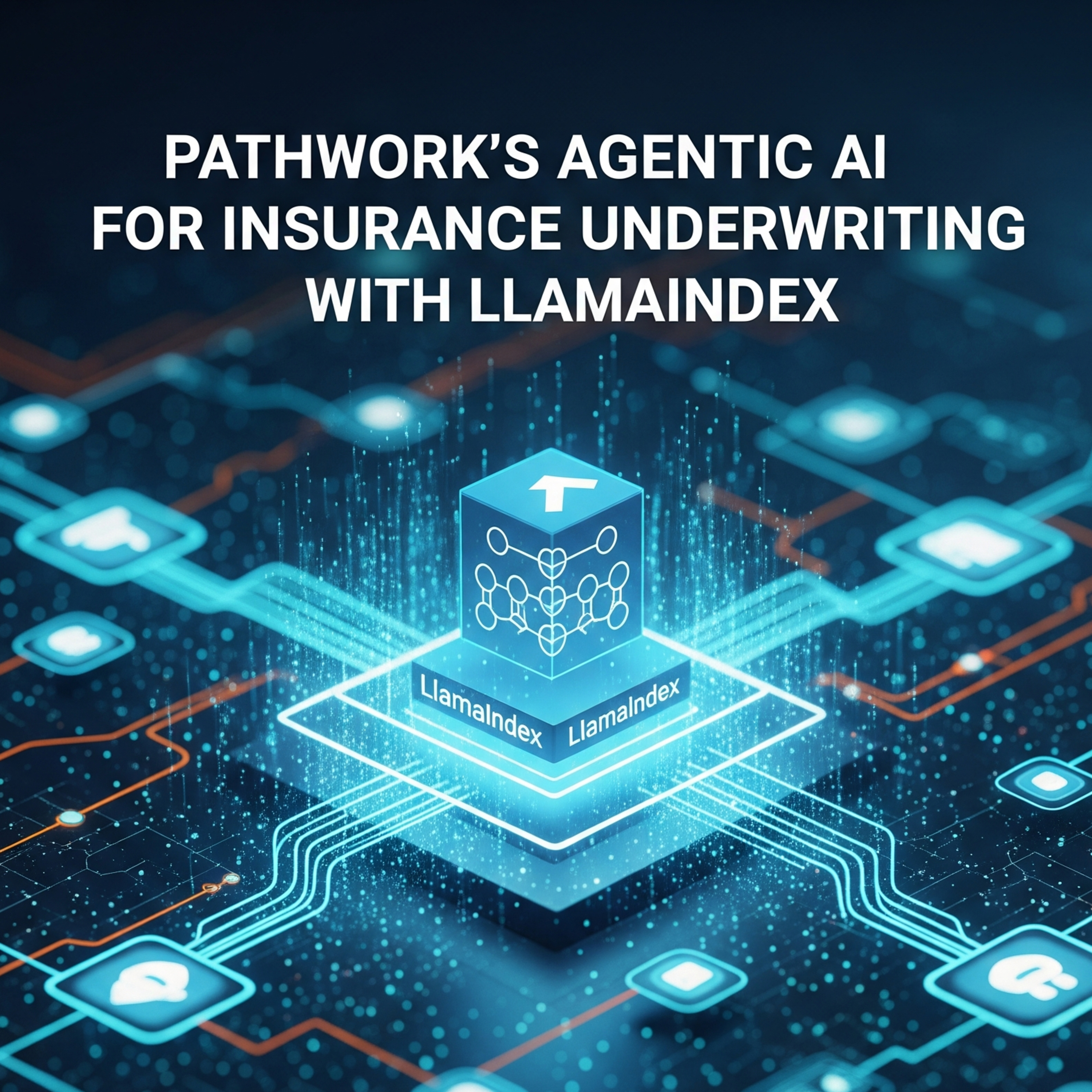
Pathwork's Agentic AI for Insurance Underwriting with LlamaIndex
Technical and strategic analysis of how the company Pathwork revolutionized life insurance underwriting by implementing the LlamaIndex framework. Historically challenged by manually processing unstructured medical records, Pathwork adopted the Retrieval-Augmented Generation (RAG) architecture, leveraging the specialized parser LlamaParse to handle complex, messy documents like handwritten notes an
Recommended

Talk About Talk - Executive & Leadership Communication Skills

English with Olivia | Slow Conversations & Vocabulary

Stand In The Circle

SLOW ENGLISH PODCAST (A1-A2) With Subtitles | Daily Videos | English With Us Podcast

Learn English A2 with Daily News | Simple English Listening Practice

پلی لیست | PlayList

Conspiracy Files with Paige Carter

Bad Friends

Learn 50 English Phrases While You Sleep | Everyday English Phrases & Vocabulary

This Past Weekend w/ Theo Von

Dateline NBC

Back to the 80s Radio
