La Brega: Campeones
La Brega tells stories of the Puerto Rican experience. In Season 3, titled 'Campeones', the podcast explores stories of Puerto Rico's champions, from athletes to cultural icons. It examines what it means to represent Puerto Rico in various arenas, including sports, law, and culture. The podcast is bilingual, with episodes in both English and Spanish.
Episodes
La Brega Is Back!
La Brega is back, and we’re here to stay! After three seasons, the show has established itself as a town square where people come to hear stories, laugh, and dream together. We’ll continue bringing you fascinating stories about our history and identity, important reports about the latest issues in Puerto Rico and across the Caribbean, and exciting interviews with some of the most creative artists
¡La Brega está de vuelta!
¡La Brega está de vuelta y estamos aquí para quedarnos! Durante tres temporadas nos convertimos en una plaza pública donde nos juntamos a escuchar historias, reír y soñar juntos. Y ahora volvemos para seguir compartiendo historias fascinantes sobre la puertorriqueñidad, reportajes sobre los retos en Puerto Rico y el Caribe y conversaciones urgentes con artistas y pensadores. A partir del 20 octubr
BONUS: Boricuas on the Ice
You’ve seen the Instagram posts and the headlines of Puerto Rican campeones in all kinds of arenas. For this special bonus episode we talk to Camila Lamerre Estevez, an athlete who competed on the Puerto Rican women’s ice hockey team. We share Camila’s story, how she turned into a young hockey star, and what she learned about Puerto Ricanness on the ice.The Futuro Plus Team includes associate prod
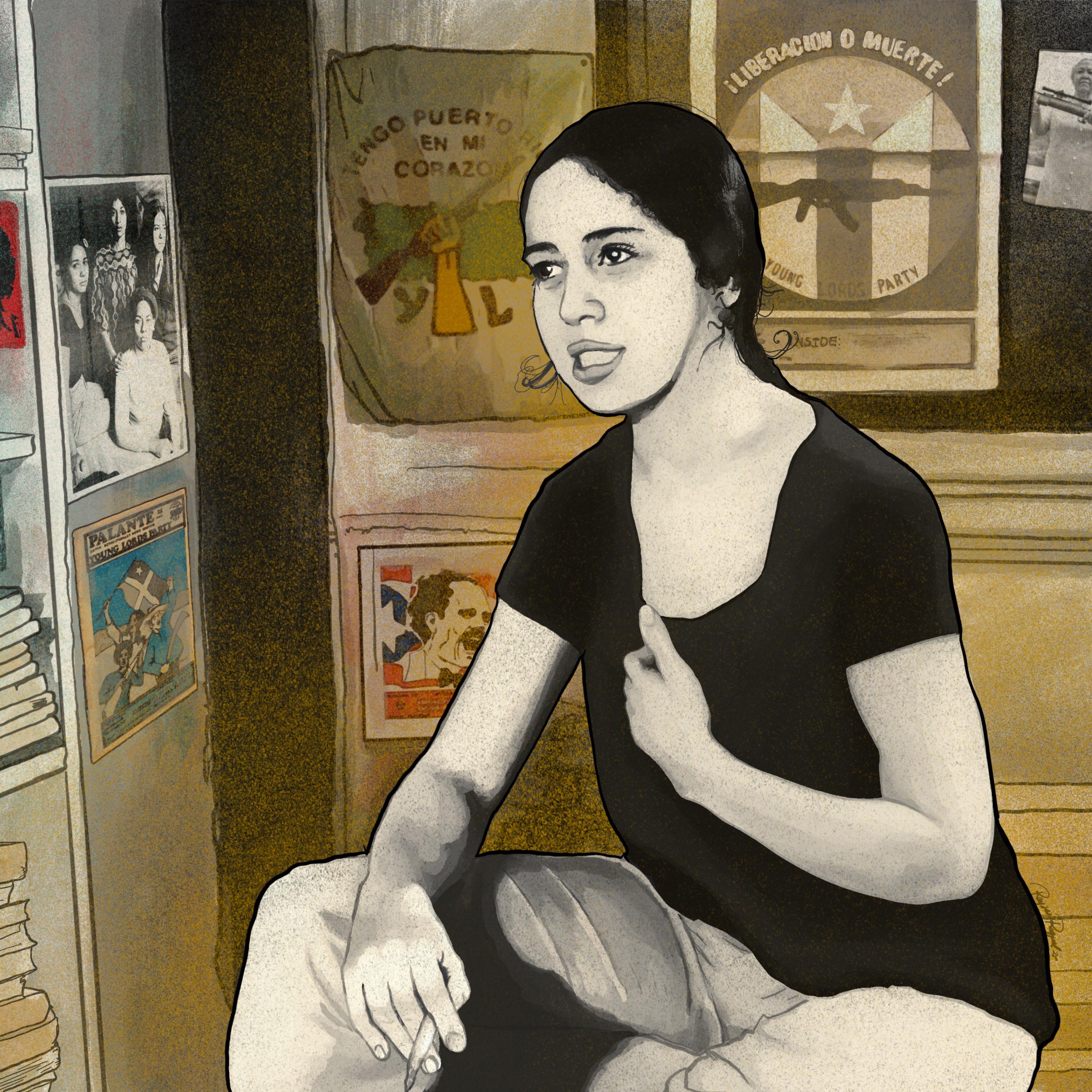
8. Tengo a Puerto Rico en mi corazón
Los Young Lords surgieron en los 60 en Chicago como una ganga callejera, pero evolucionaron y se convirtieron en una organización política que llegó a otras ciudades, como Nueva York y Filadelfia. En su mayoría, eran jóvenes boricuas de la diáspora, que se organizaron y educaron a su comunidad sobre el colonialismo estadounidense. Iris Morales, dirigente del brazo educativo en Nueva York, hab
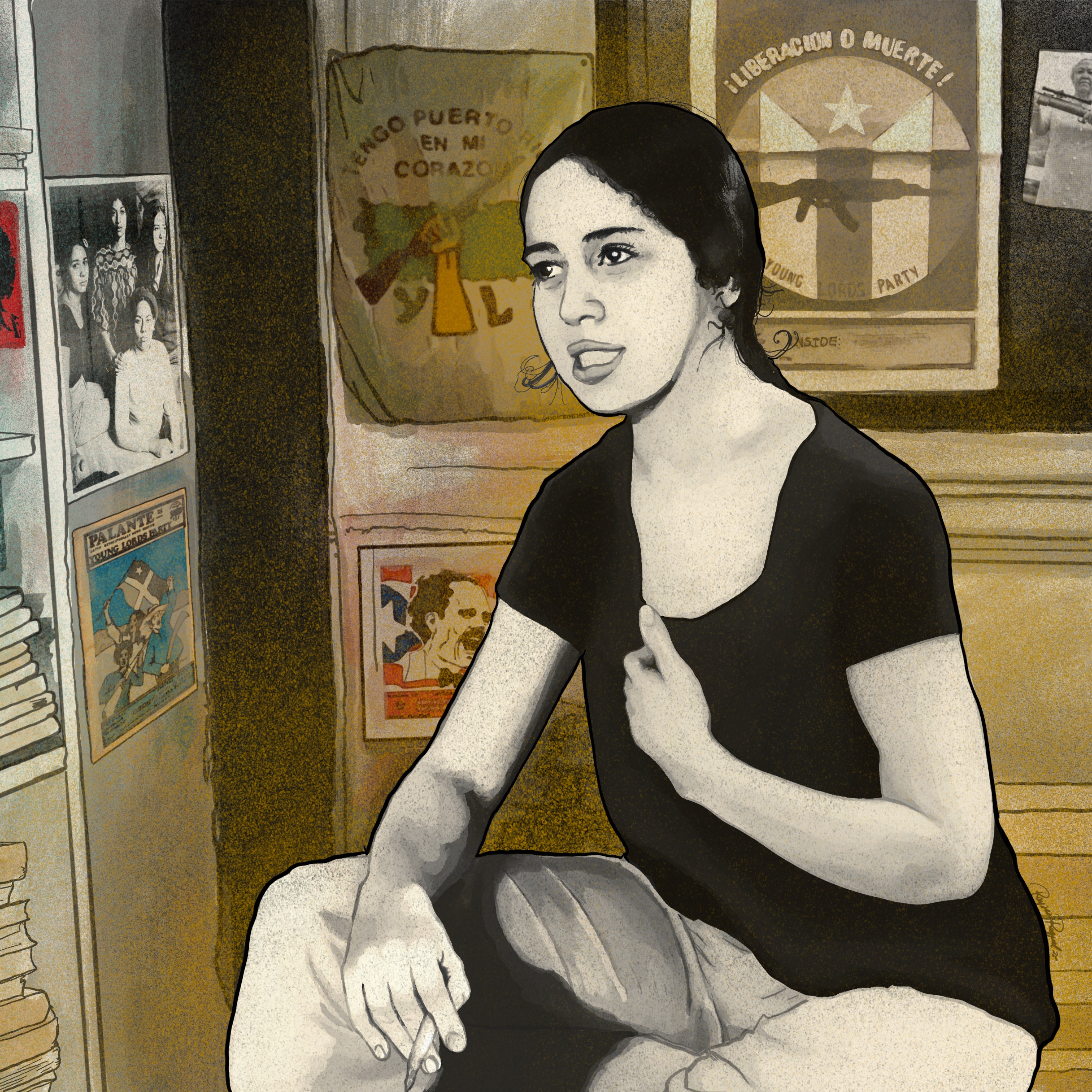
8. I Have Puerto Rico in My Heart
In the late 1960s, the Young Lords emerged from a Chicago gang and became a political organization mainly made up of Puerto Ricans in the diaspora. Some had never been to Puerto Rico, some spoke little Spanish – but they all claimed Puerto Rico. Many of these young Boricuas were hungry for stories about their history and tried to learn in any way they could. One of those was Iris Morales, who led
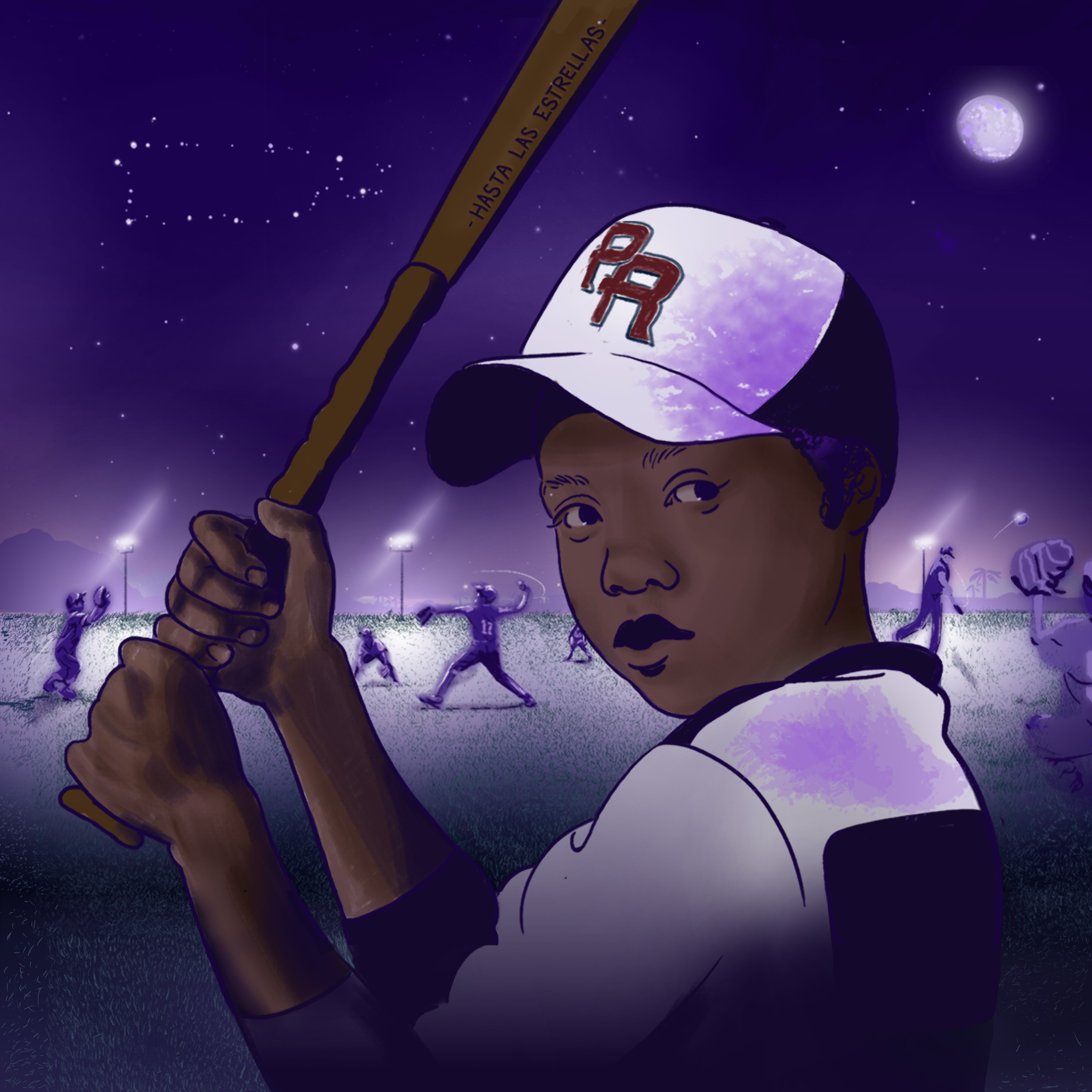
7. Madera de campeón: el futuro del béisbol boricua
El dominio de Puerto Rico en el beisbol es más que conocido, pero hay quienes piensan que la pelota boricua ya vio sus mejores días. Y algunos responsabilizan de su declive a una decisión de Major League Baseball de 1990, cuando obligó a los peloteros boricuas a pasar por el sorteo de novatos para llegar a la pelota profesional. Pero, 35 años después, las razones son mucho más complejas. En e
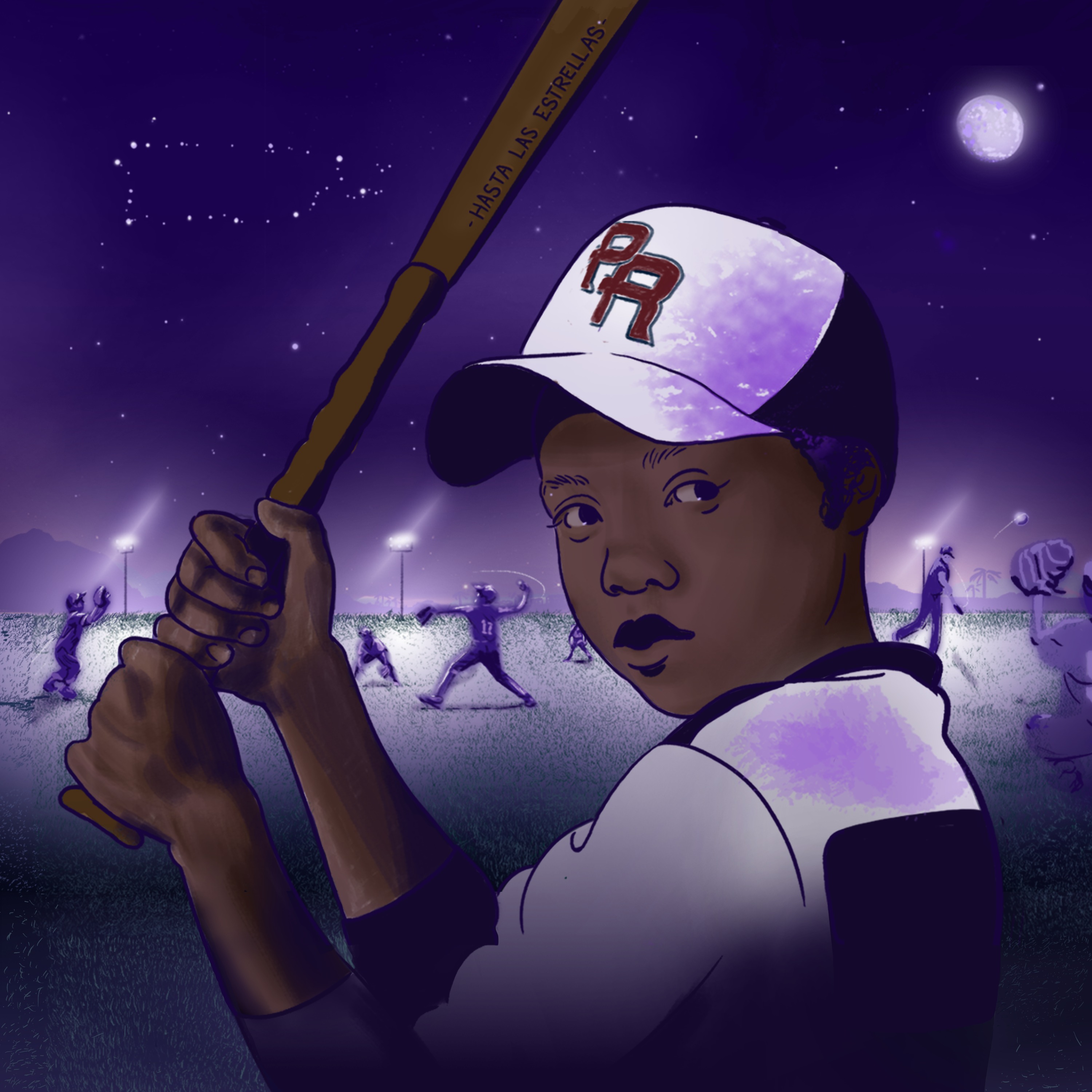
7. The Stuff of Champions: The Future of Puerto Rican Baseball
Puerto Rico has been a baseball powerhouse. For decades, we operated as our own country, under the same rules as nations like the Dominican Republic. Players could be signed to professional teams as young as 16. Then in 1990, Major League Baseball changed the rules to include Puerto Rico in its first-year player draft. Initially, it was seen as protecting young players. But today, there’s a sense
6. Tres minutos para Puerto Rico
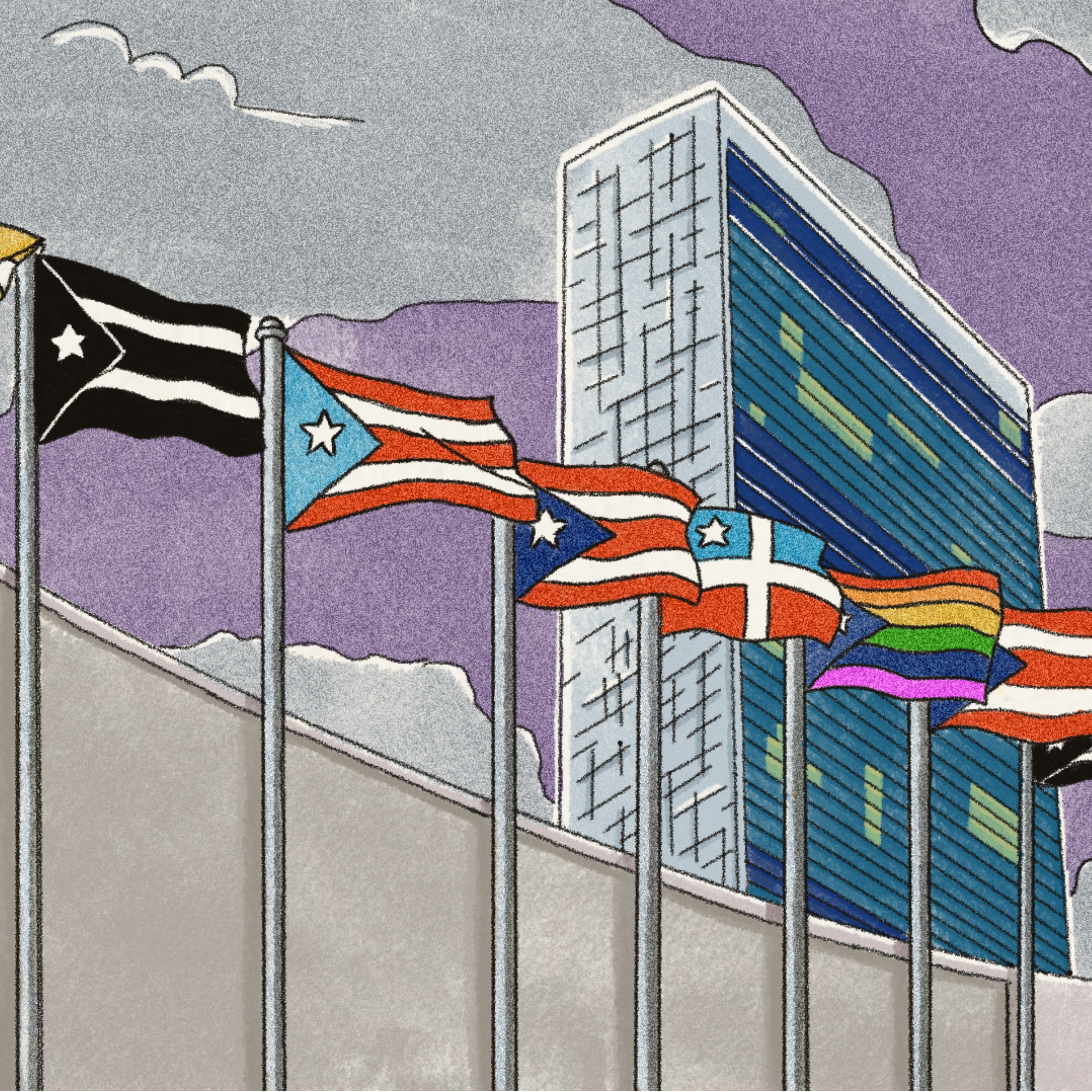
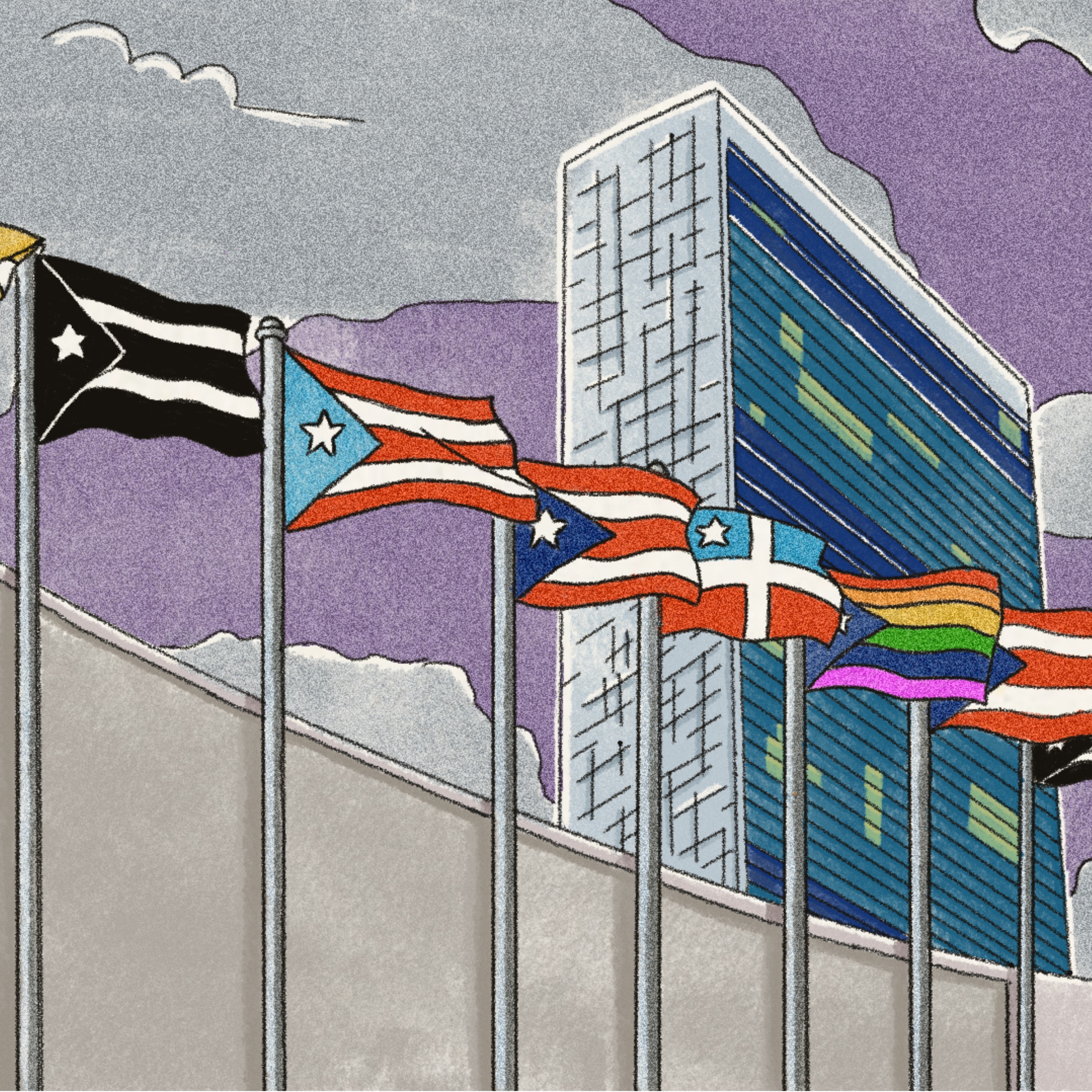
Por décadas, políticos y activistas boricuas han depuesto ante el Comité de Descolonización de la ONU durante su vista anual sobre Puerto Rico. La mayoría de los deponentes favorece la independencia, pero, recientemente, los pro estadidad se han organizado para aumentar su presencia ante un foro que, en 50 años, no ha conseguido cambiar nada. Porque Puerto Rico sigue siendo una colonia de Estados
6. Three Minutes for Puerto Rico
For decades, Puerto Ricans from different political persuasions have gone to the United Nations in New York to speak about the decolonization of Puerto Rico. Most have advocated for independence. But recently, statehood supporters have also spoken before the UN. And for decades, their advocacy has made no difference: Puerto Rico continues to be a colony of the United States. In 2025, La Brega went
5. La importancia de ser Mr. Mundo
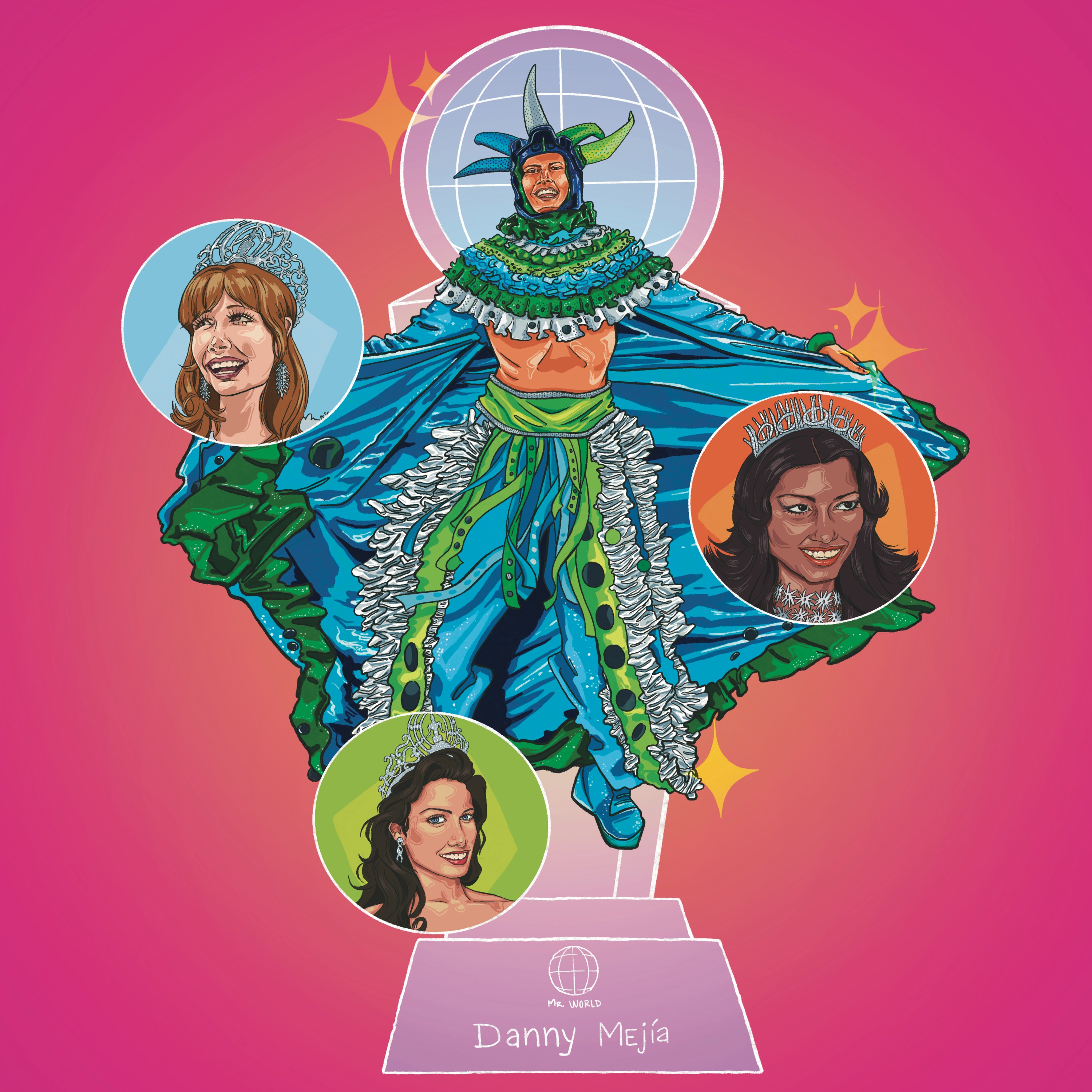
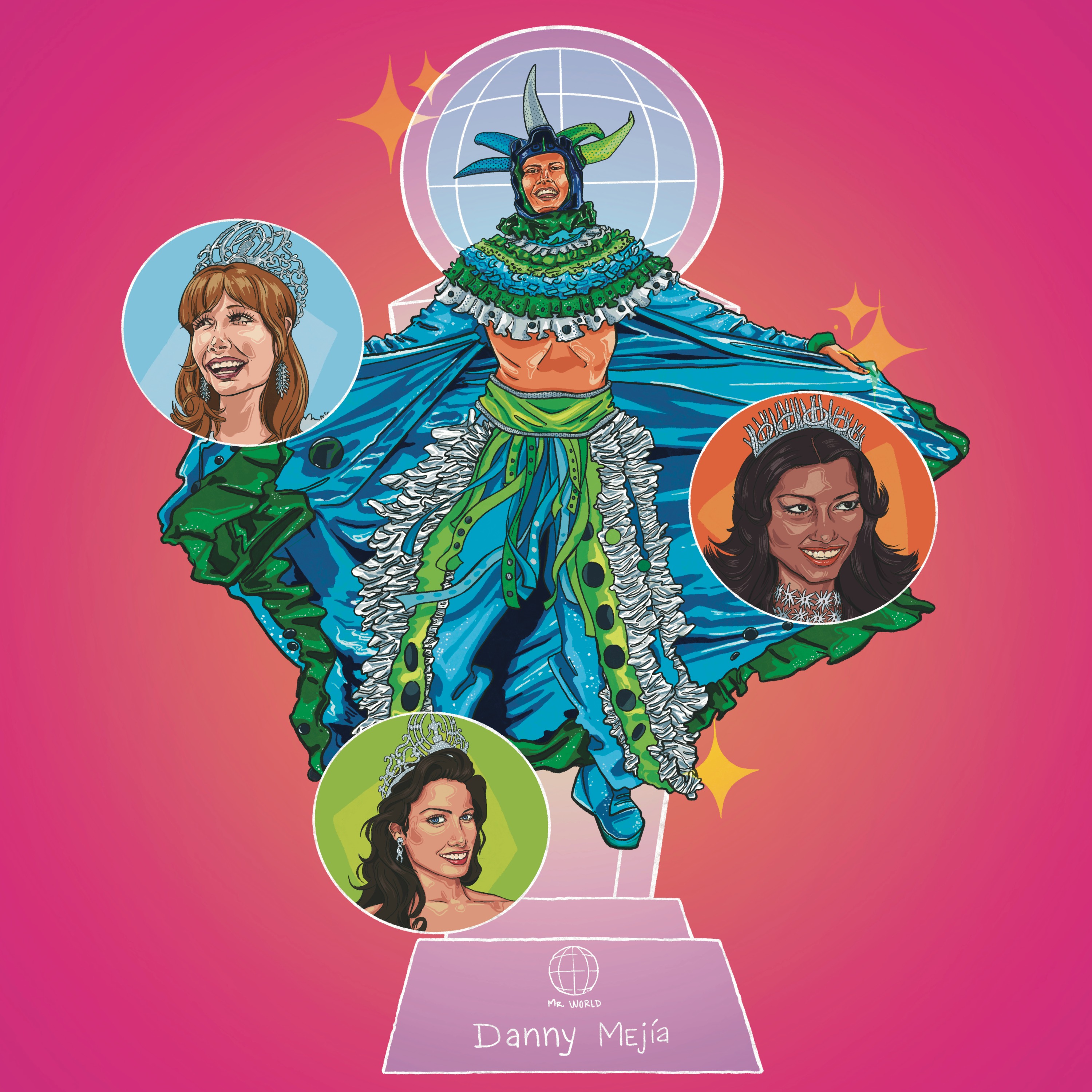
En Puerto Rico, los concursos de belleza son una obsesión nacional que entusiasma al público como cualquier competencia deportiva. Y, en 2024, ocurrió algo que expandió la huella boricua en estos certámenes: Míster Puerto Rico ganó por primera vez Míster Mundo. Danny Mejía nunca había participado en un certamen de belleza, pero viajó a Vietnam para representar a su país y regresó de allí con el tr
5. Wearing Puerto Rico On Your Sash
Puerto Rico has a reputation as a beauty queen mecca, the pageant scene is treated as seriously as any competitive sport in the archipelago. And in 2024, the scope of Puerto Rican dominance in the world of beauty pageants expanded even further: for the first time, Mister Puerto Rico became Mister World. Danny Mejía, who had never competed in any pageant before, went to Vietnam all by himself to re
4. Isabel González vs. Estados Unidos
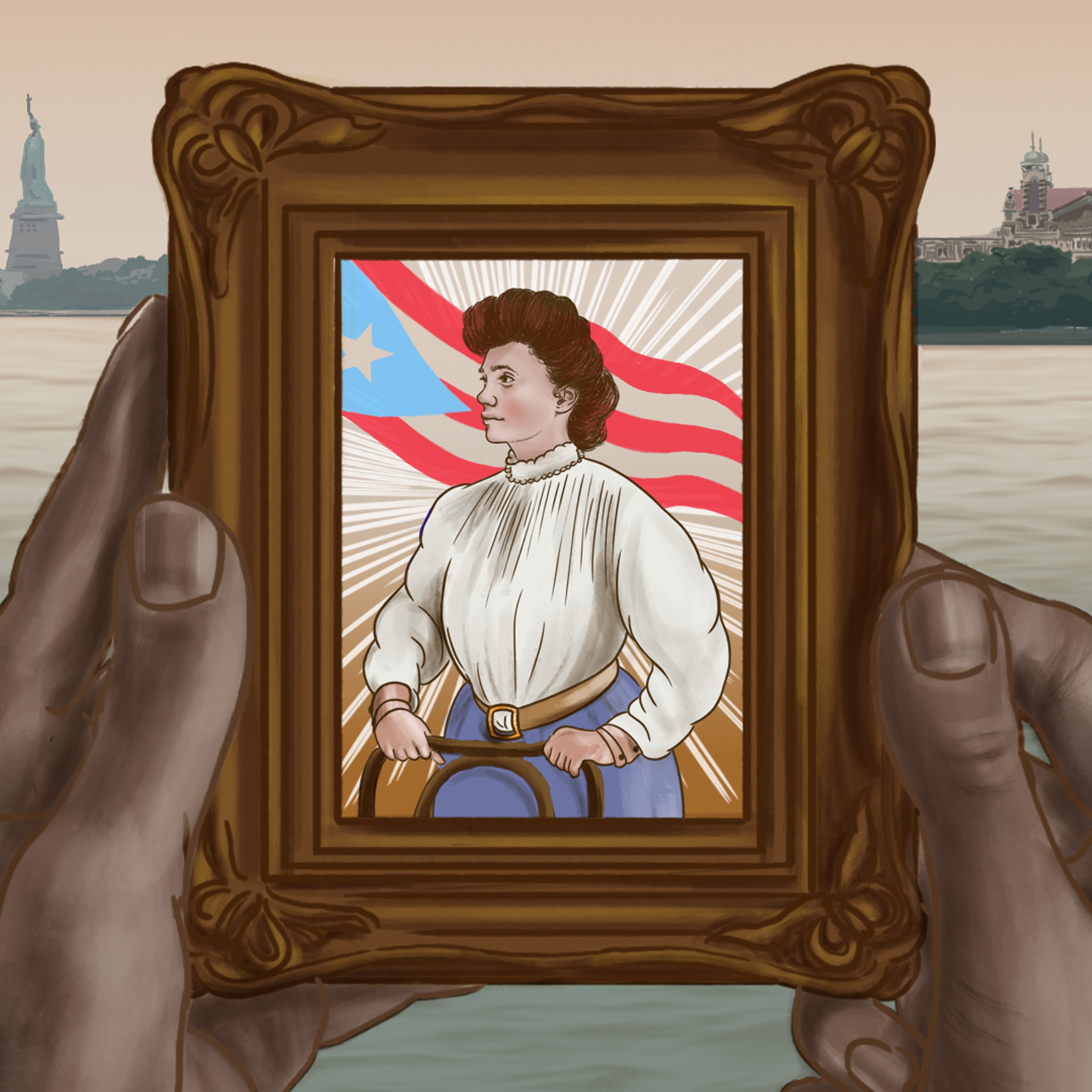
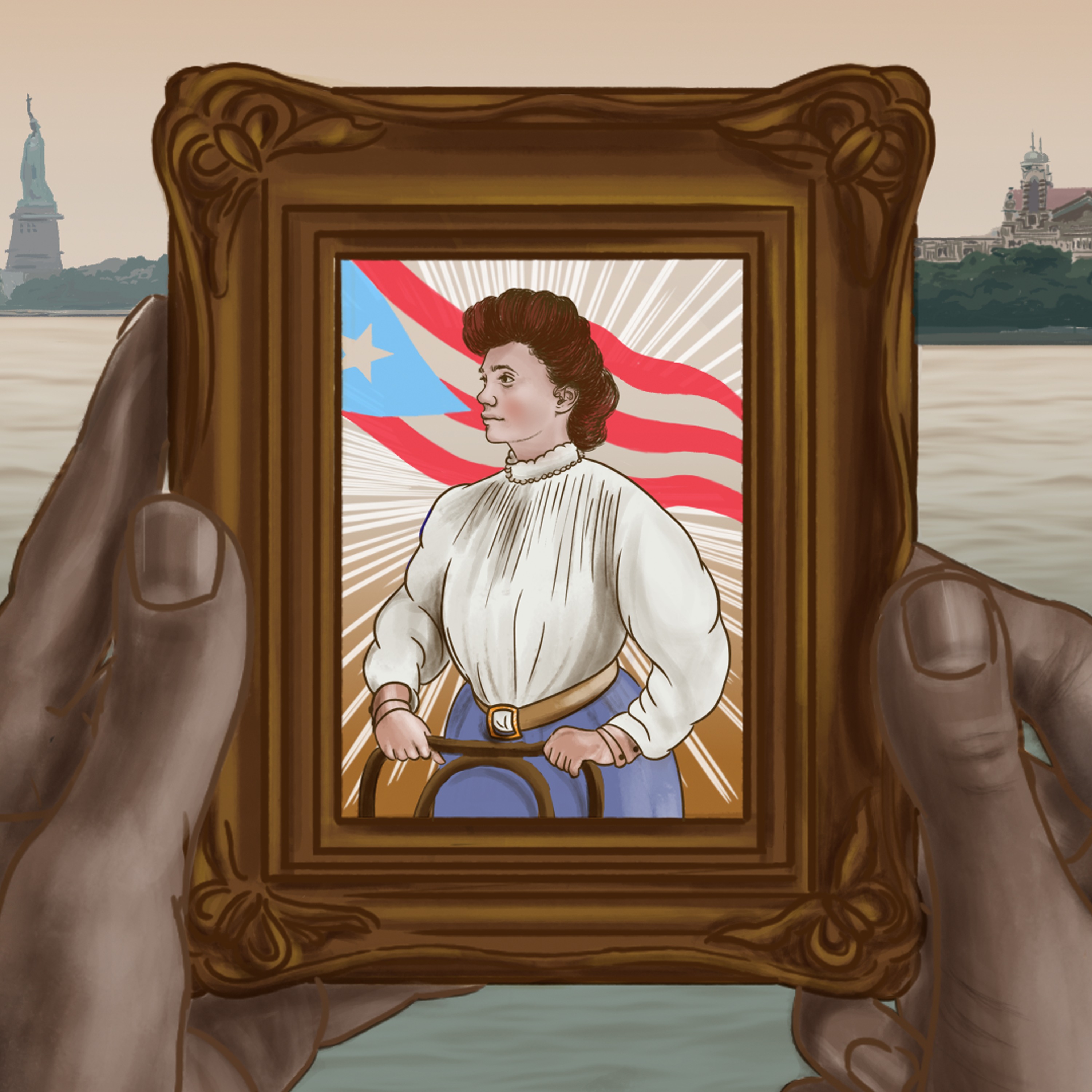
En 1902, Isabel González llegó a Ellis Island sola, con 11 dólares en el bolsillo y embarazada. La detuvieron, como a tantos otros, por ser “extranjera” y porque consideraron que podría ser “una carga para el Estado”. Pero ella peleó por su derecho de quedarse en el país que había invadido su patria y llegó hasta el Tribunal Supremo para reclamar la ciudadanía estadounidense. En este episodio
4. Isabel González v. United States
In 1902, Isabel González arrived in Ellis Island, pregnant, alone and with only $11.00 in her pocket. She – like others before her – was detained for being an "alien" and at risk of becoming a "burden" on the state. But Isabel took her fight to the courts, defending her right to stay in the country that had invaded her homeland just four years earlier. She fought all the way to the Supreme Court w
3. Las banderas de Alberto Mercado
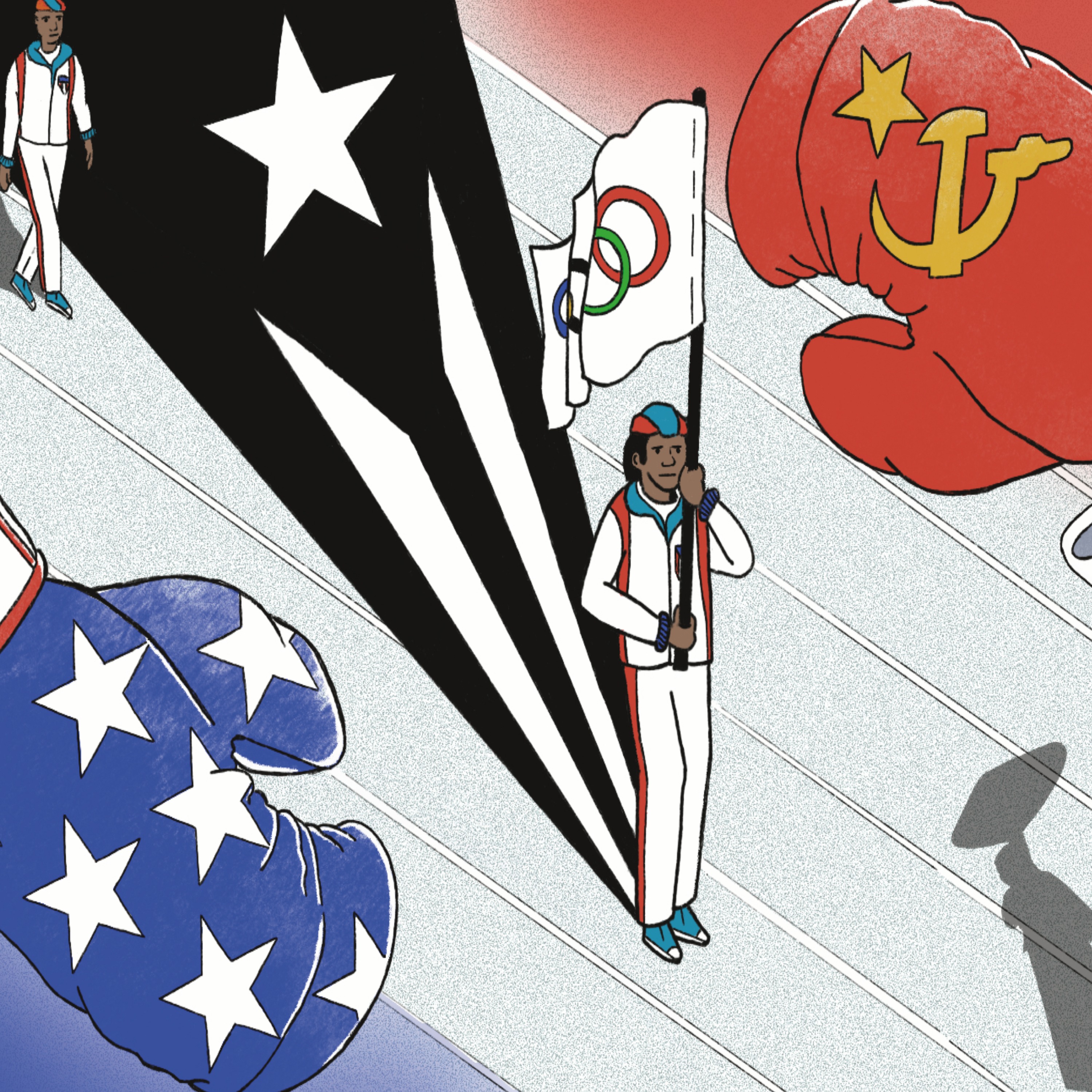
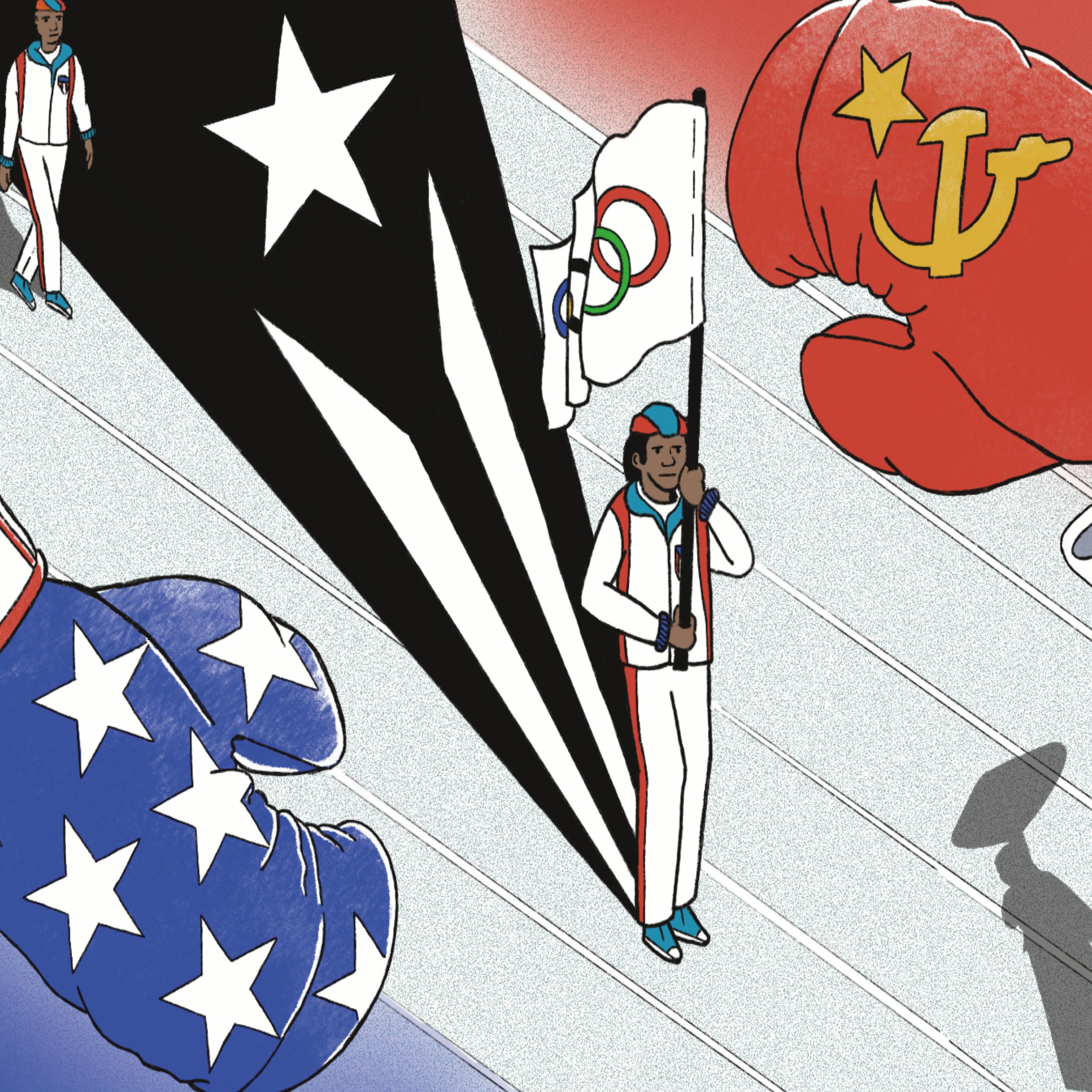
En plena Guerra Fría, el presidente estadounidense Jimmy Carter llama al boicot de los Juegos Olímpicos Moscú 1980 y en Puerto Rico se debate qué significa eso para la participación de los deportistas locales. Pero un joven boxeador llamado Alberto Mercado no tiene dudas: no habrá boicot ni protesta que le impida representar a Puerto Rico en el más importante escenario deportivo. Esta es una
3. The Many Flags of Alberto Mercado
It was 1980, and the Olympics were to be held in Moscow against the backdrop of the Cold War. When the Soviet Union invaded Afghanistan, President Jimmy Carter called for a boycott of the games, leaving Puerto Rican athletes uncertain of their participation. But Alberto Mercado and two other young Puerto Rican boxers were determined to represent Puerto Rico. This is a story about fighting for visi
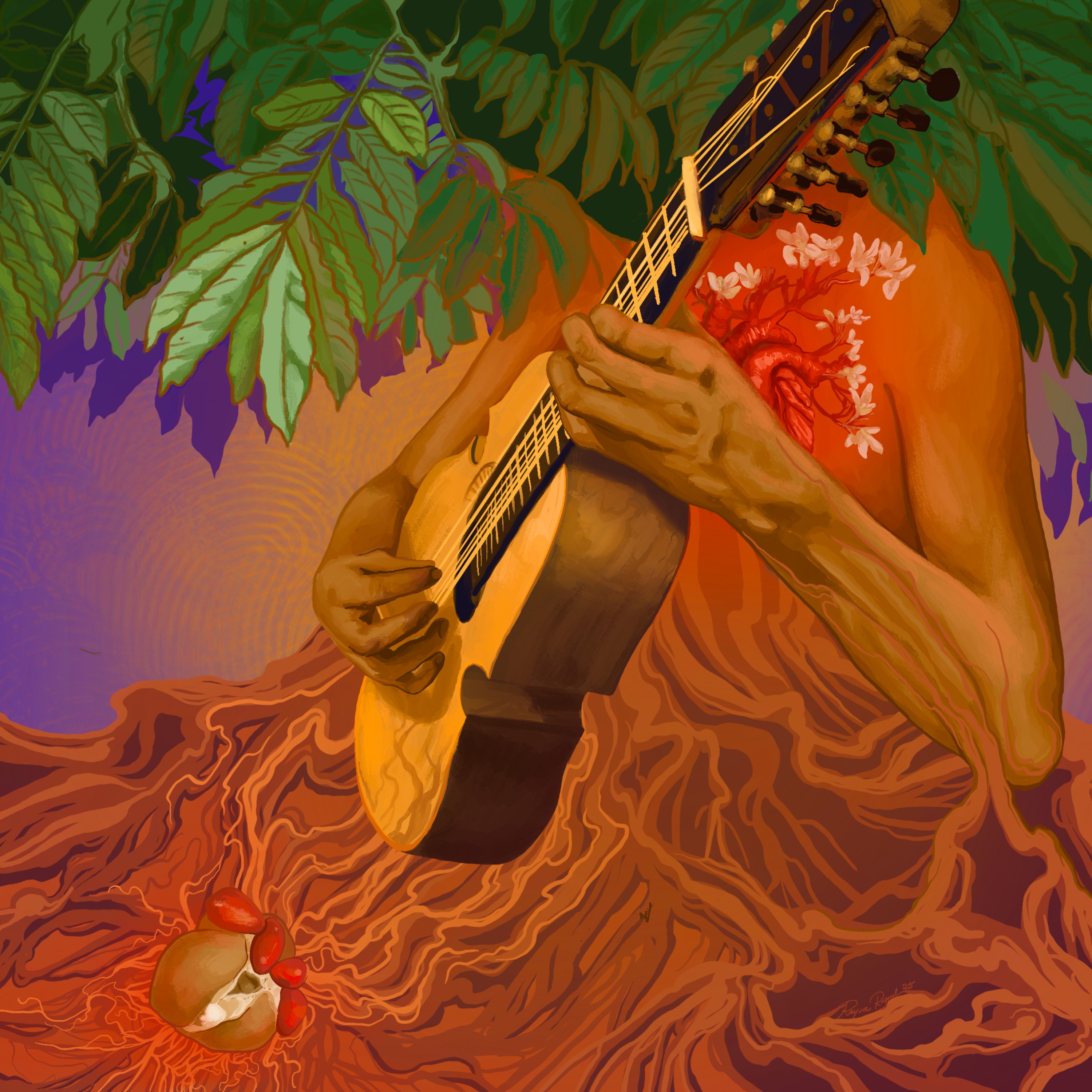
2. Nuestro cuatro (o por qué nos hace llorar)
Cuando el cuatrista Luis Sanz se presentó en un estudio para una grabación misteriosa, no imaginó que terminaría tocando un solo de cuatro en “Lo que le pasó a Hawaii”, la canción de Bad Bunny que habla sobre los peligros de la estadidad. Las instrucciones de Benito fueron simples, pero dolorosas: “toca el cuatro como si se estuviera desangrando”.En este episodio, varios cuatristas demuestran por
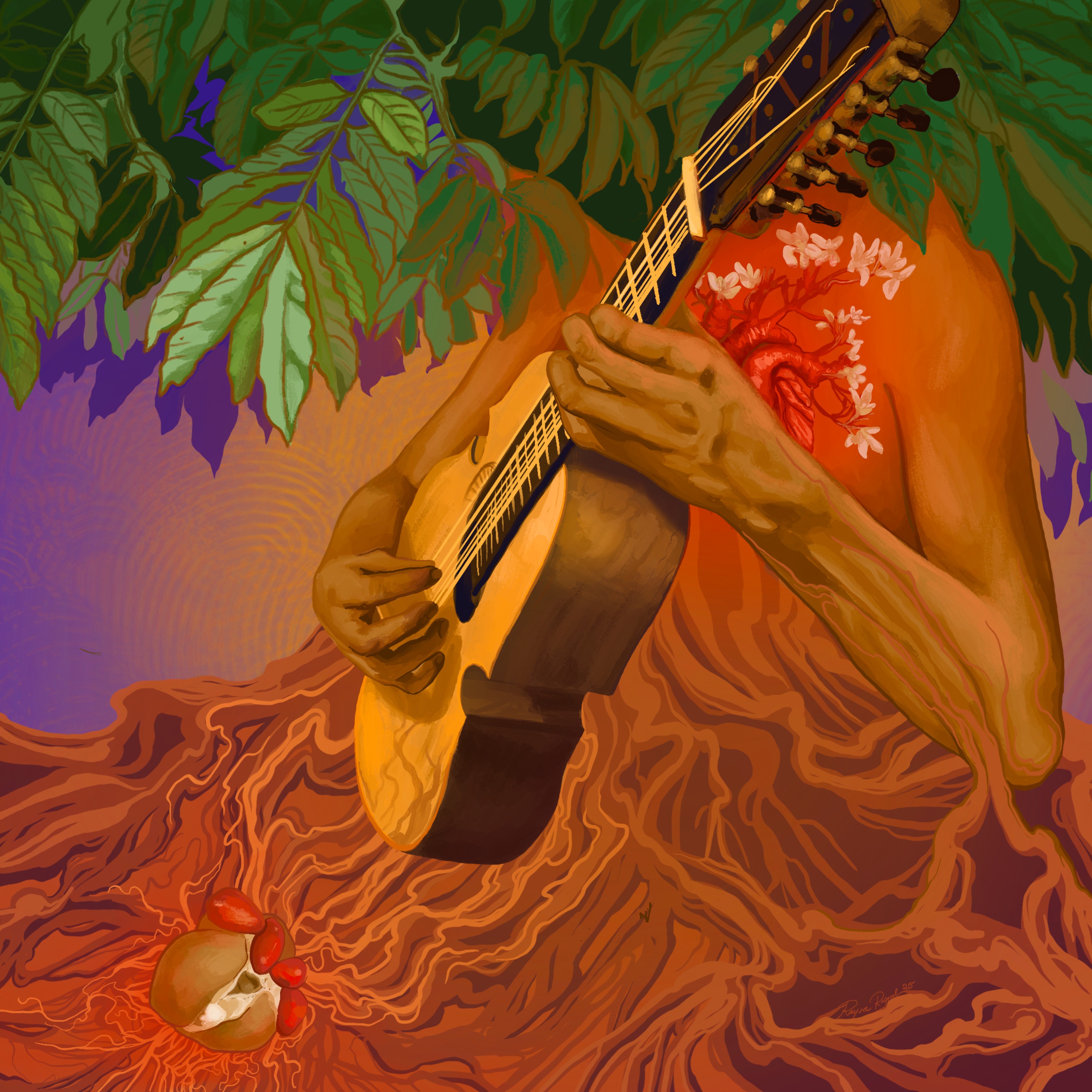
2. Our Cuatro (And Why It Makes Us Cry)
When the musician Luís Sanz showed up for a mystery recording session last year, he didn’t know that he’d be playing a cuatro solo for “Lo que le paso a Hawaii,” a lament about the dangers of statehood. Benito’s instruction was simple yet heart-wrenching: “play the cuatro as though it’s bleeding out.” In this episode, cuatristas show us that the cuatro is more than a musical instrument: it’s
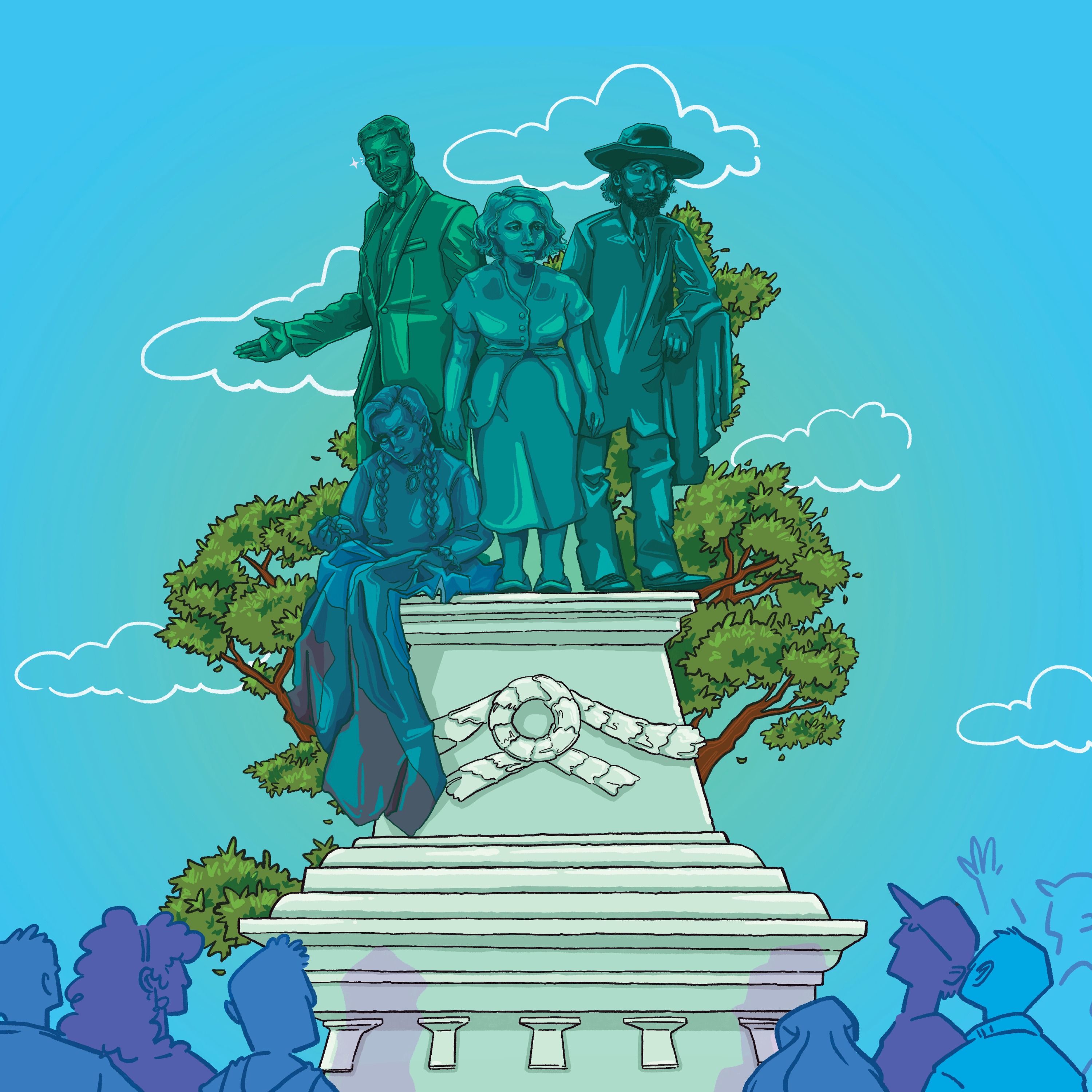
1. ¿Quién nos representa?
A horas de que llegara el rey de España a Puerto Rico en enero de 2022, el país se despertó con una sorpresa: la estatua de Juan Ponce de León en el Viejo San Juan estaba tirada en el piso. Ese día, el pasado y presente colonial de Puerto Rico se entrelazaron de manera evidente, y muchos se preguntaron: ¿quién se merece estar en un pedestal?, ¿quién representa la puertorriqueñidad?, ¿quiénes son n
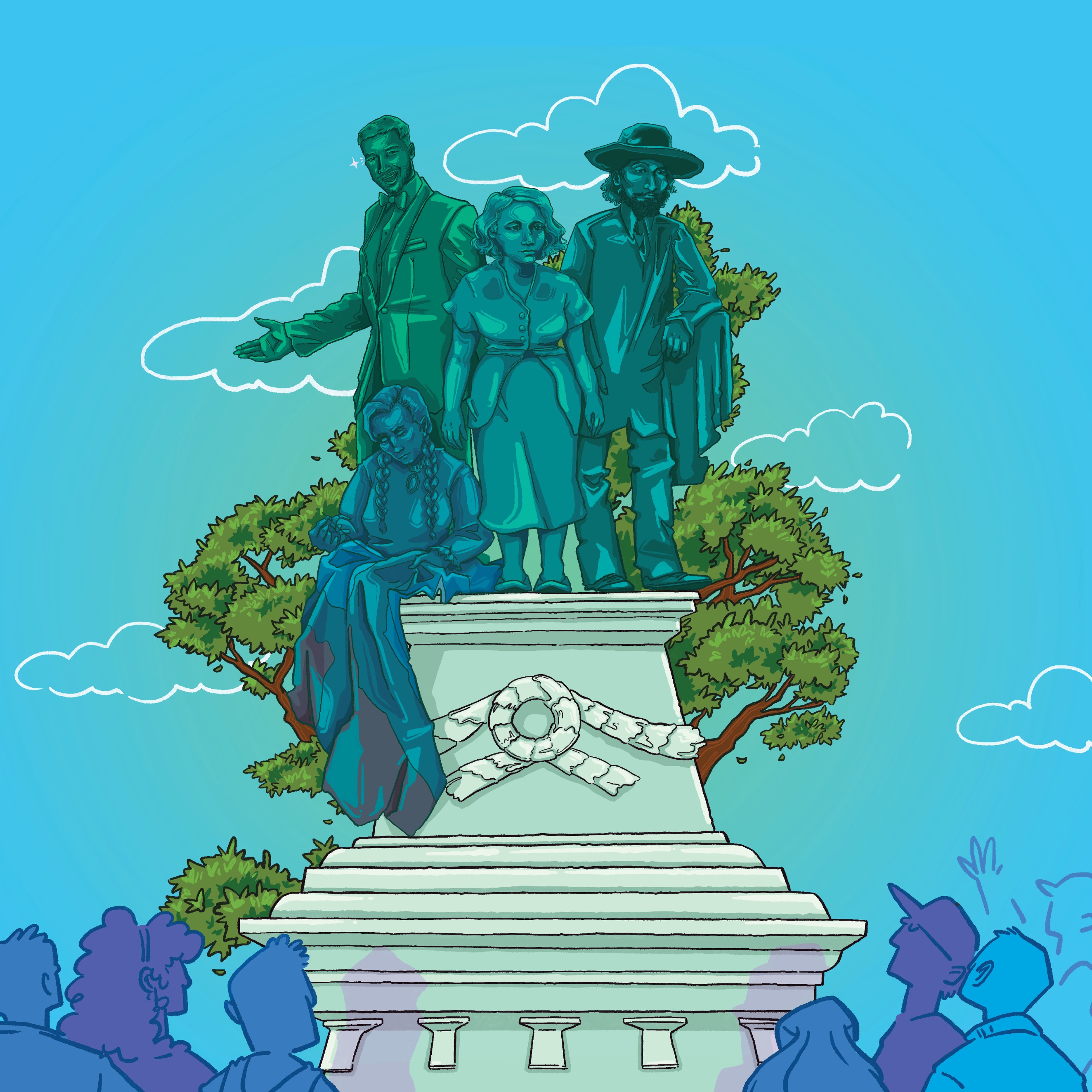
1. Who represents us?
It was January 24, 2022. The King of Spain was coming to Puerto Rico. But everyone woke up to some unexpected news: the statue of the Spanish conquistador Juan Ponce de León in Old San Juan had been toppled. When the mayor promised to restore it that same day, it raised big questions: Who deserves to be put up on a pedestal? Who represents Puerto Ricanness? Who are our champions? This season, we’r
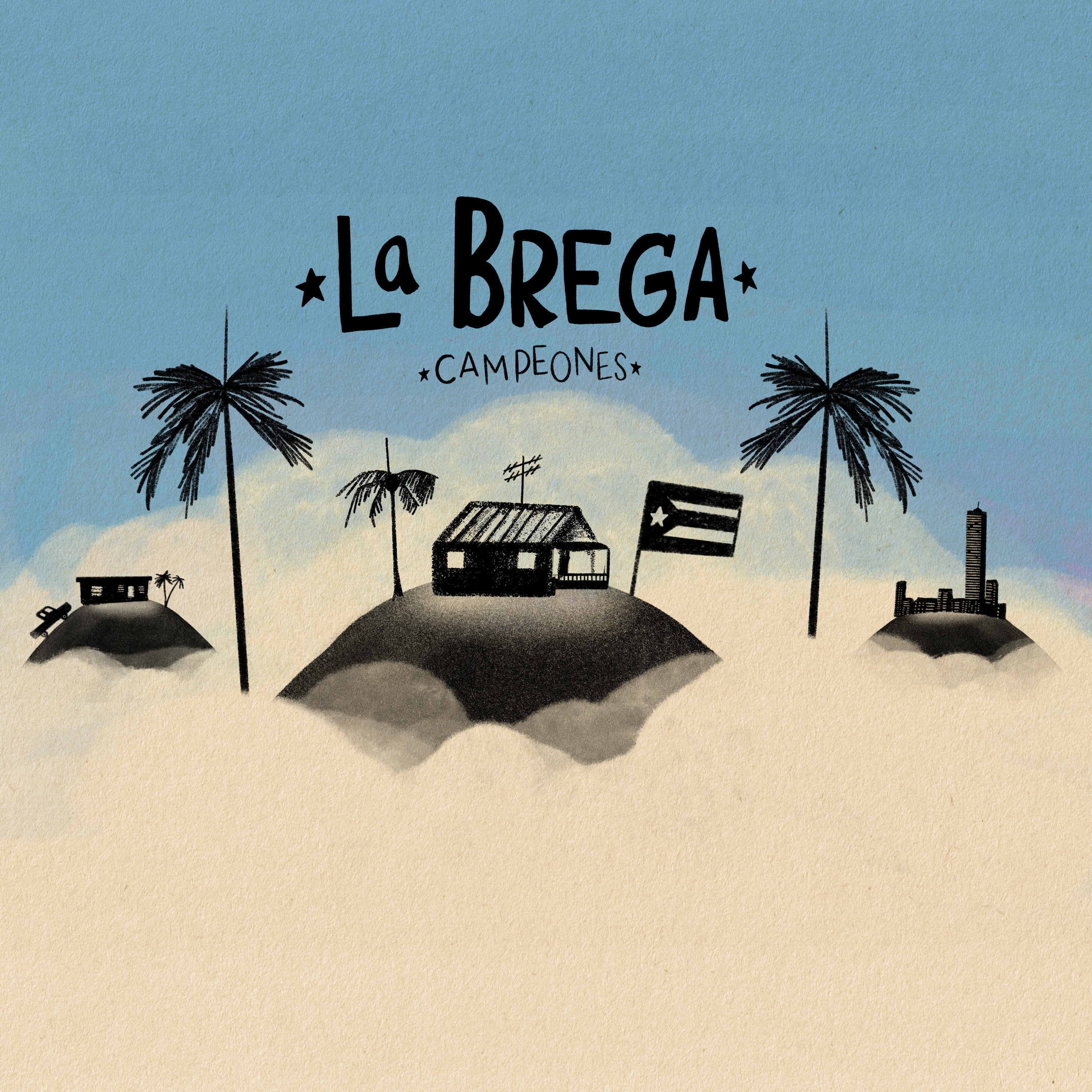
Tercera temporada: Campeonas y campeones de Puerto Rico
¡La Brega regresa! Esta temporada, contamos las historias de personas y símbolos que representan a Puerto Rico. Y nos preguntamos: ¿Quién defiende a Puerto Rico? ¿Qué podemos aprender sobre la puertorriqueñidad al conocer sus historias? Disponible el 3 de febrero.Want to support our independent journalism? Join Futuro+ for exclusive episodes, sneak peaks and behind-the-scenes chisme on La Brega an
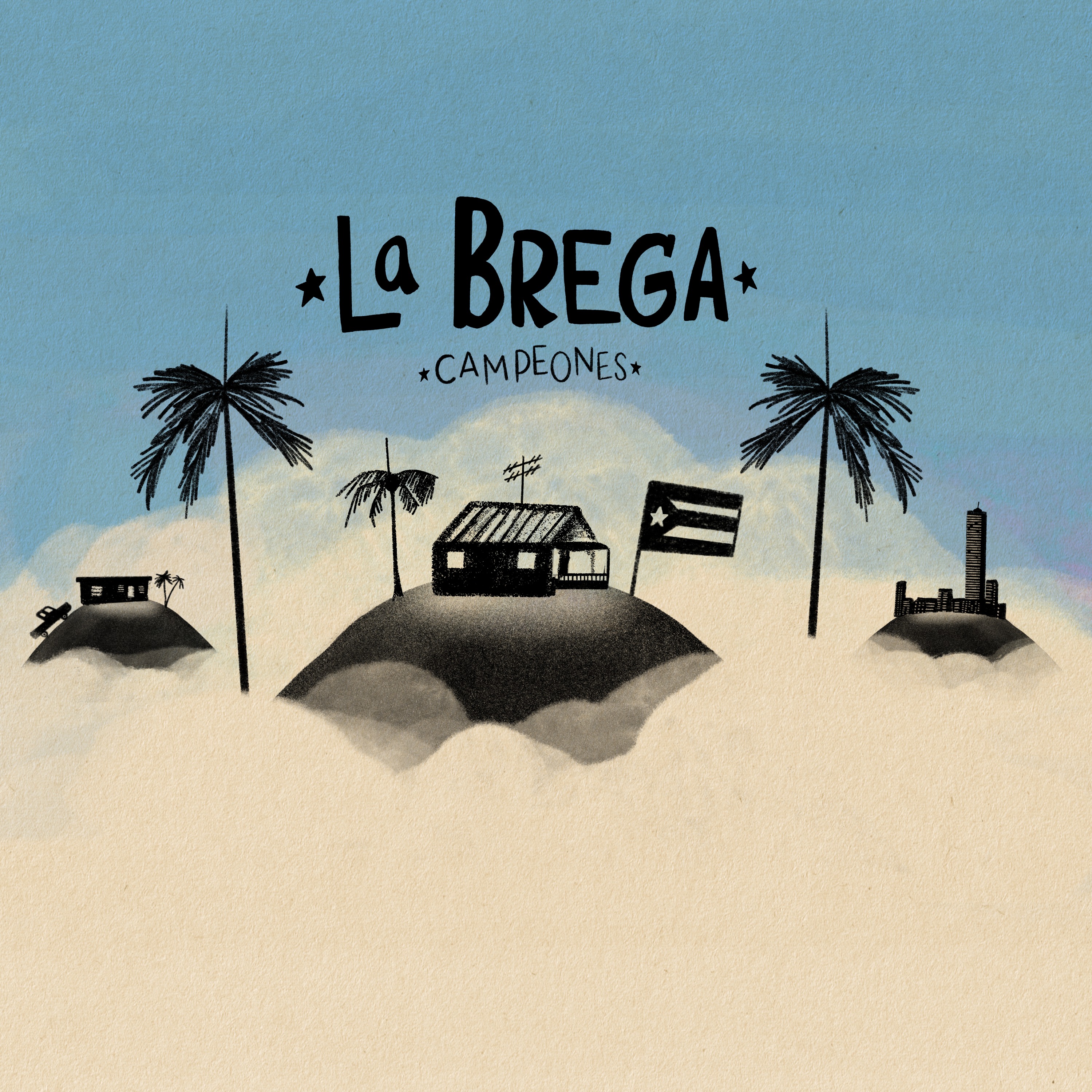
Season 3: Puerto Rico’s Champions
La Brega is back! This season, we’re telling the stories of the people and symbols that represent Puerto Rico. We’re asking: who champions Puerto Rico? And what can we learn about Puerto Ricanness through their stories? Listen February 3.Want to support our independent journalism? Join Futuro+ for exclusive episodes, sneak peaks and behind-the-scenes chisme on La Brega and all our podcasts: futuro
Sneak Peek: How we make La Brega
We have a sneak peek of our latest bonus episode for Futuro+ members. Alana and OG La Brega producer Ezequiel Rodríguez Andino break down how they make the show in two languages – something rarely done in podcasting. Plus, hear never before heard audio. Want to support our independent journalism? Join Futuro+ for exclusive episodes, sneak peaks and behind-the-scenes chisme on La Brega and all
Big News from La Brega
Wepa! We’ve got big news for you: La Brega is back, directly from Futuro Studios! We’re in production right now on a third season and it’ll hit your headphones soon. In the meantime, we have a hint on what’s coming this season. So hit play to find out!Want to support our independent journalism? Join Futuro+ for exclusive episodes, sneak peaks and behind-the-scenes chisme on La Brega and all our po
¡Buenas noticias de La Brega!
¡Wepa! Te traemos buenas noticias: ¡Regresa La Brega! Y llega directamente desde Futuro Studios. Estamos produciendo la tercera temporada, que podrás escuchar muy pronto. Pero, mientras, te dejamos algunas pistas de por dónde irán los nuevos episodios. ¡Dale play, pa que te enteres!Want to support our independent journalism? Join Futuro+ for exclusive episodes, sneak peaks and behind-the-scenes ch
Bonus Track — Songs for the Future of Puerto Rico
Una notita: This episode is in Spanglish.This season, we explored songs that tell the complicated, beautiful story of Puerto Rico. We wanted to bring that exploration into the present moment, so we called up some of the most innovative Puerto Rican artists making music today and we gave them a challenge: what would you do with these classic anthems?In this special bonus episode of the show, we go
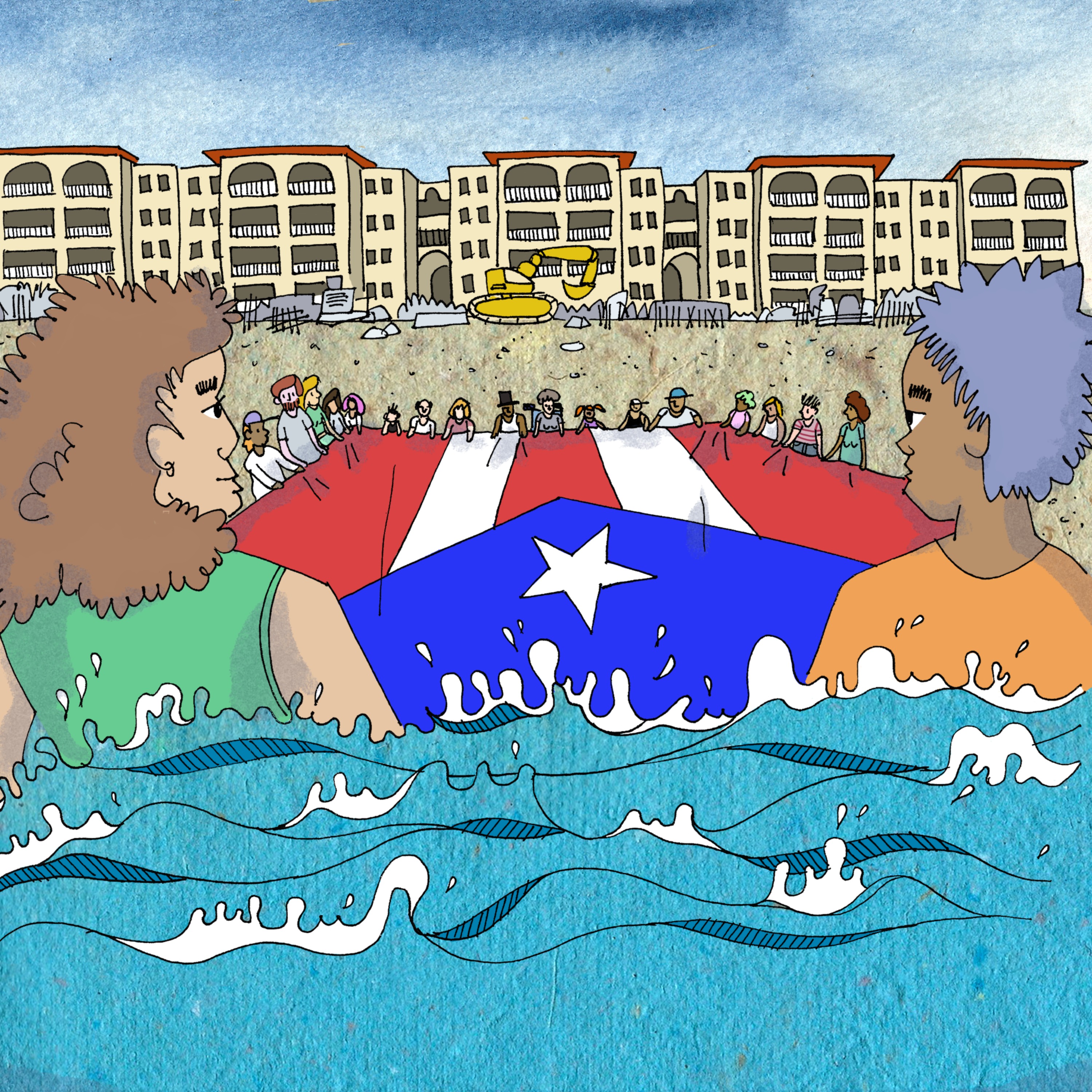
8. “Olas y Arenas” — The Beaches Belong to the People
Puerto Rico’s beautiful beaches are an integral part of Puerto Rican life. They form a ring of pleasure that encircles the whole island — an escape valve. And they’re one of the few places that are truly public. At least, that’s what the law says. Yet in practice, that stretch of land where the water meets the shore is the most contested space in all of Puerto Rico. And it’s rapidly disappearing,
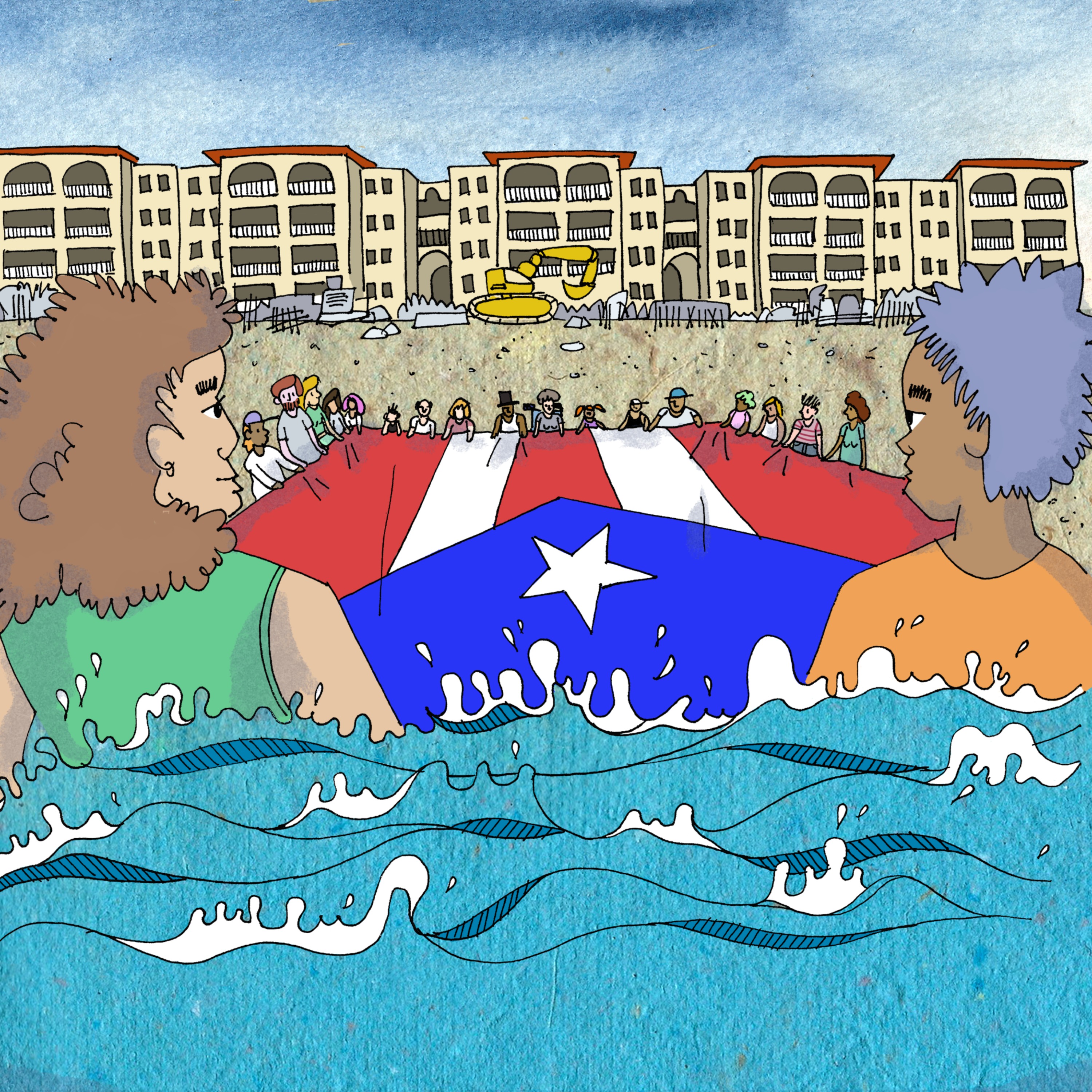
8. “Olas y arenas” — las playas son del pueblo
Las hermosas playas de Puerto Rico son una parte integral de la vida puertorriqueña. Las costas forman un anillo de placer que rodea toda la isla, una válvula de escape. Y son uno de los pocos espacios que son verdaderamente públicos. Al menos, eso es lo que dice la ley. En la práctica, sin embargo, esa franja de tierra donde el agua se encuentra con la orilla es la zona más disputada de todo Puer
7. "Vamos Pa’ Plaza" — The Center of Everything
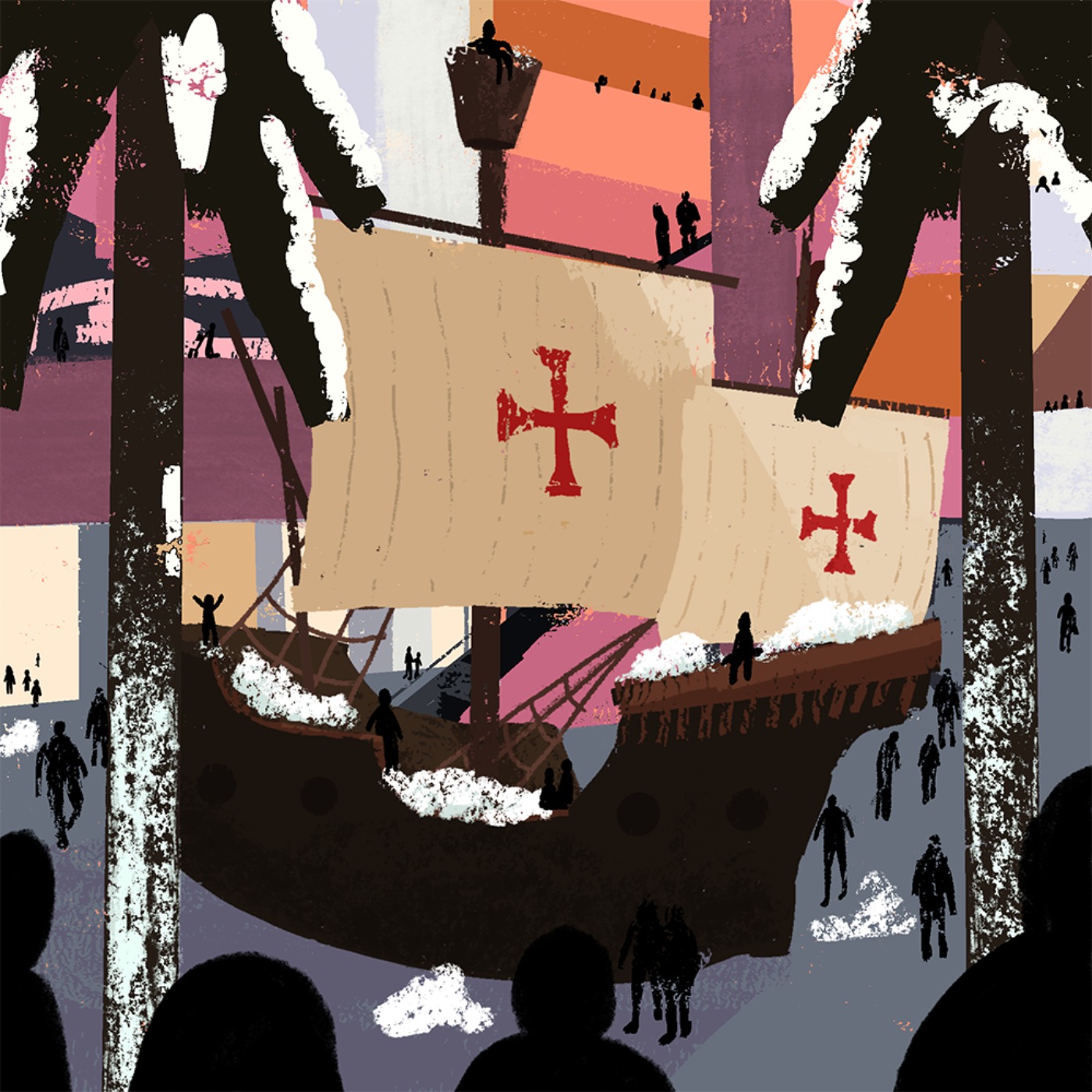
Plaza Las Americas is not any mall — going there, “Pa Plaza,” is a quintessential boricua experience. Young people experience first dates; old people gather and enjoy the air conditioning; you can renew your passport, get vaccinated, and buy an electric car in a single visit. The Pope even gave mass in the parking lot! This mall that has Columbus’ three sails as its logo is like a cathedral to con
7. "Vamos pa’ Plaza" — el centro de todo
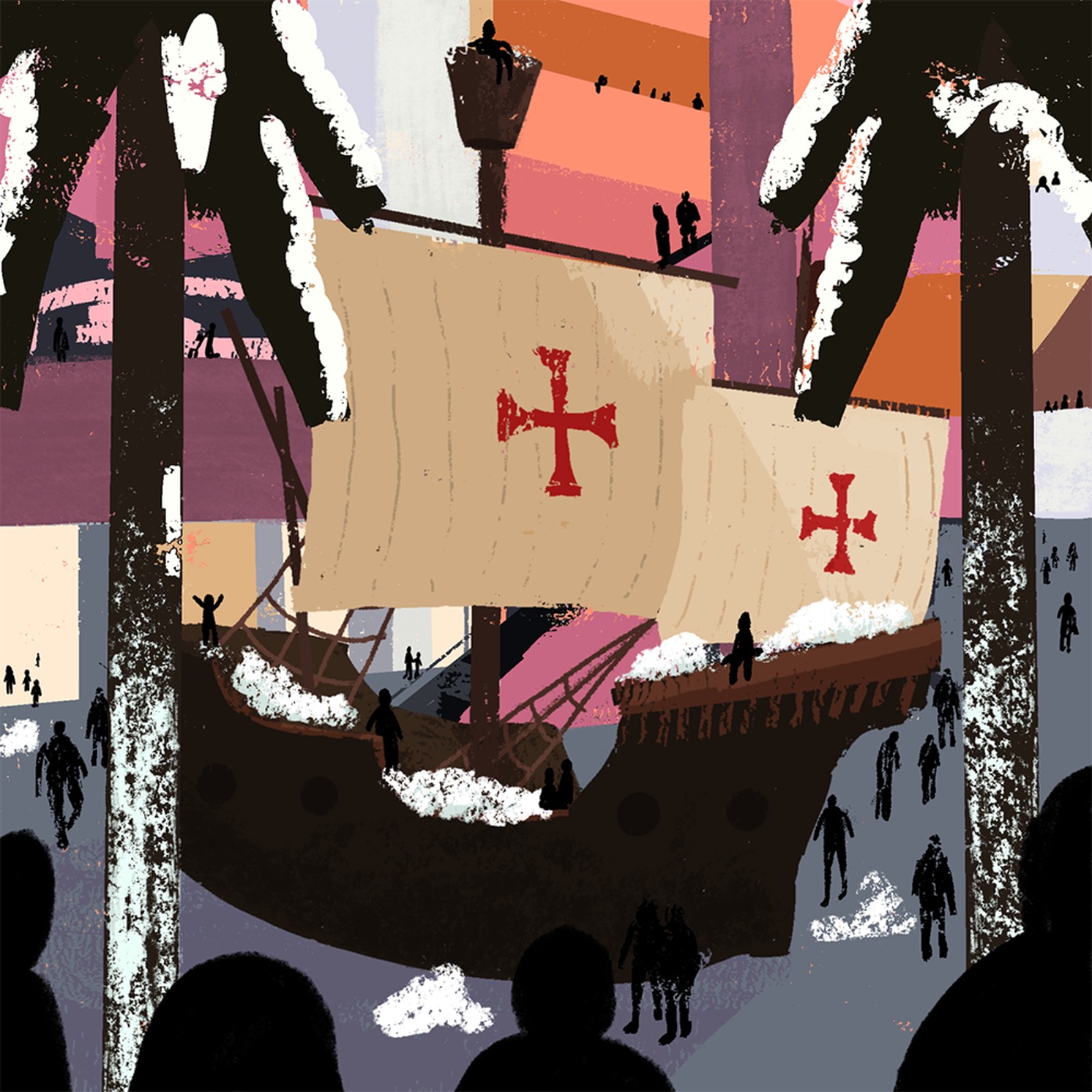
Plaza Las Américas no es un centro comercial cualquiera: ir allí, "pa’ Plaza", es una experiencia muy boricua l. Los jóvenes viven sus primeras citas; las personas mayores se reúnen y disfrutan del aire acondicionado; puedes renovar tu pasaporte, vacunarte y comprar un automóvil eléctrico en una sola visita. ¡El Papa incluso dio misa en el estacionamiento! Este mall – que tiene las tres velas de C
6. “Boricua en la Luna” — The Moon’s Distance
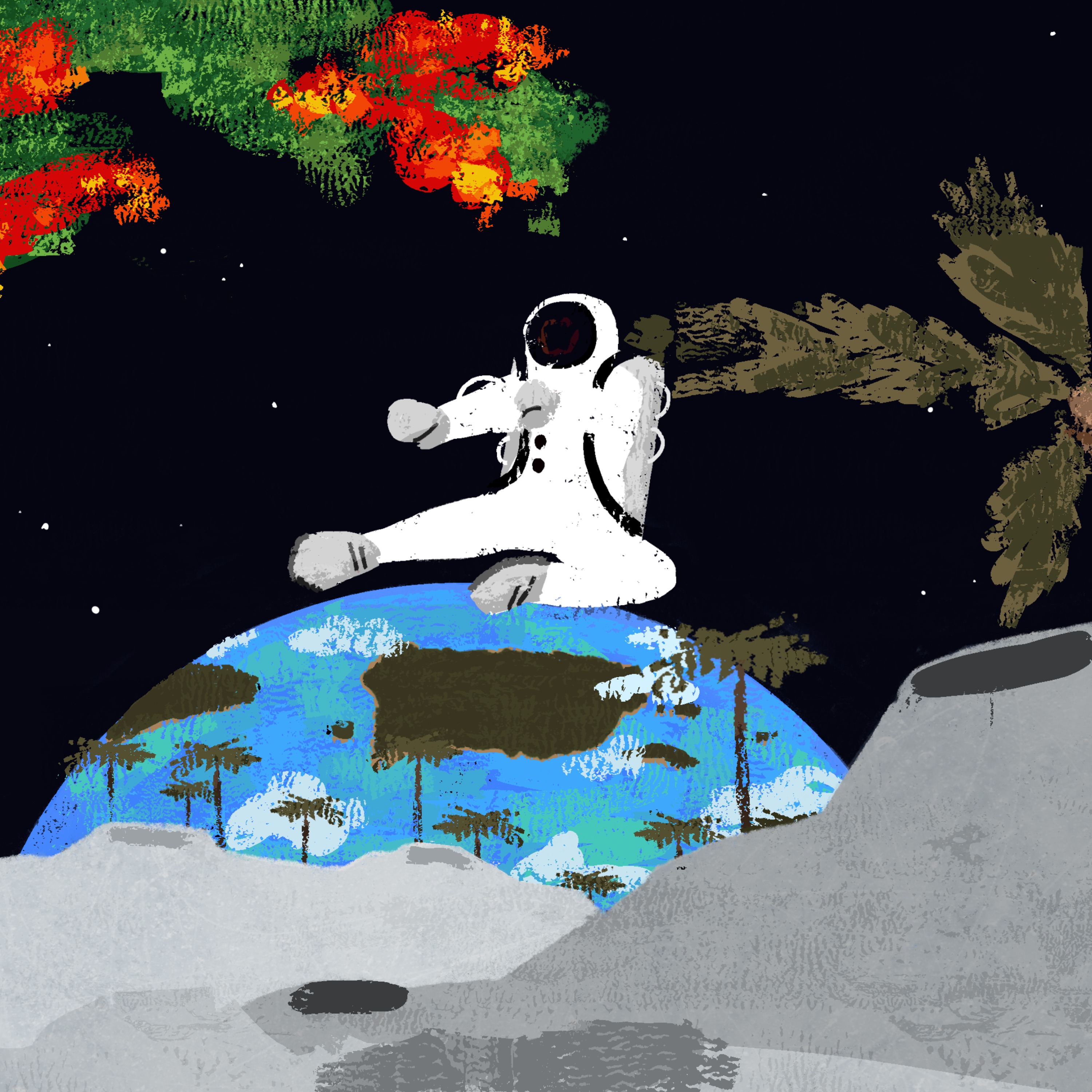
“Boricua En La Luna” is a classic anthem about a young man born outside Puerto Rico, who dreams of going back to his parents’ home but never does. Based on a poem written by Juan Antonio Corretjer, the song vividly evokes themes of displacement and connection. And it asserts that Puertoricanness exists no matter where one lives, declaring, “yo seria borincano aunque naciera en la luna” – “I would
6. “Boricua en la luna” — la distancia de la luna
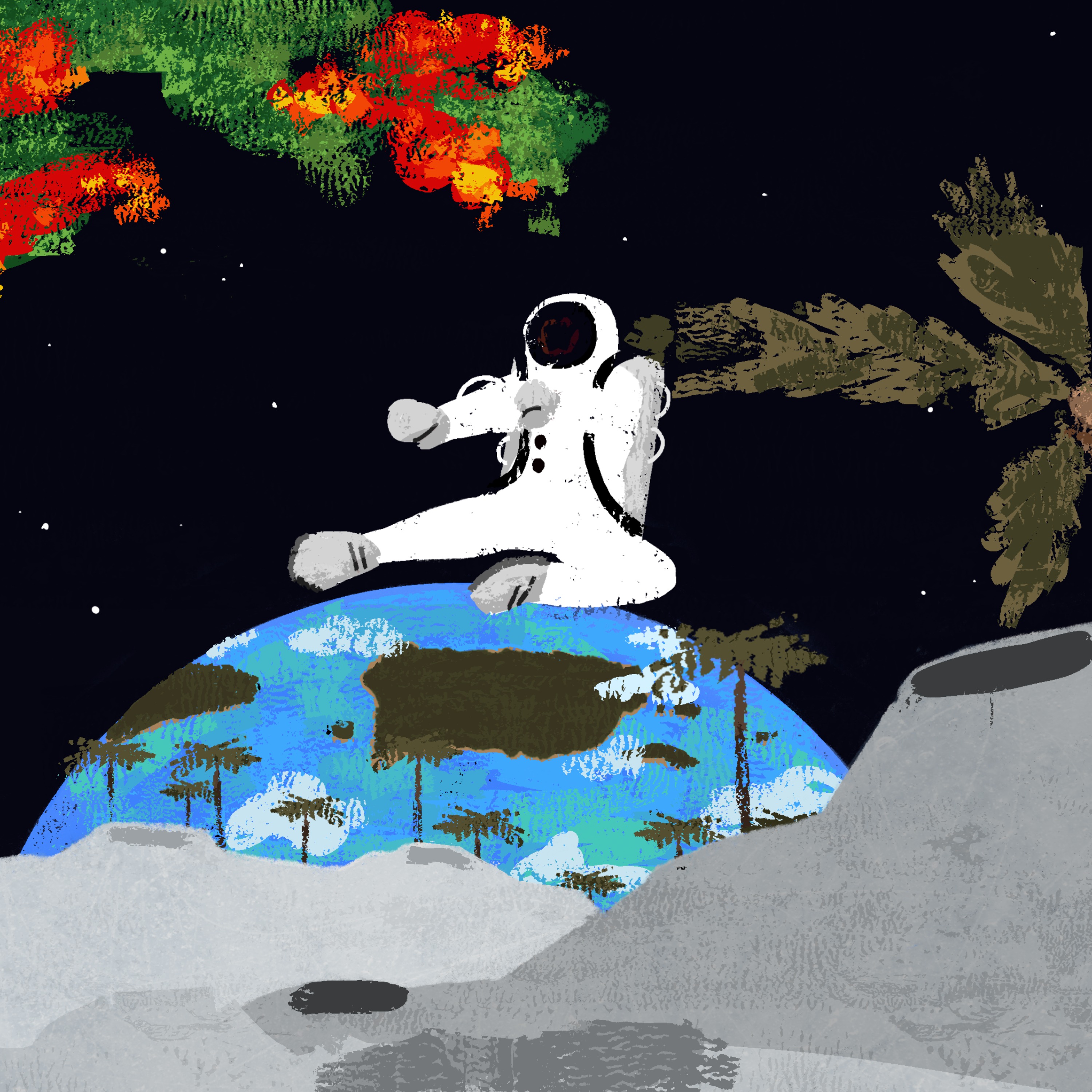
“Boricua en la luna” es un himno clásico sobre un joven nacido fuera de Puerto Rico, que sueña con volver a la casa de sus padres pero nunca lo hace. La canción, que está basada en un poema escrito por Juan Antonio Corretjer, evoca vívidamente temas de desplazamiento y conexión. Y afirma que la puertorriqueñidad existe sin importar dónde se viva, declarando, “yo sería borincano aunque naciera en l
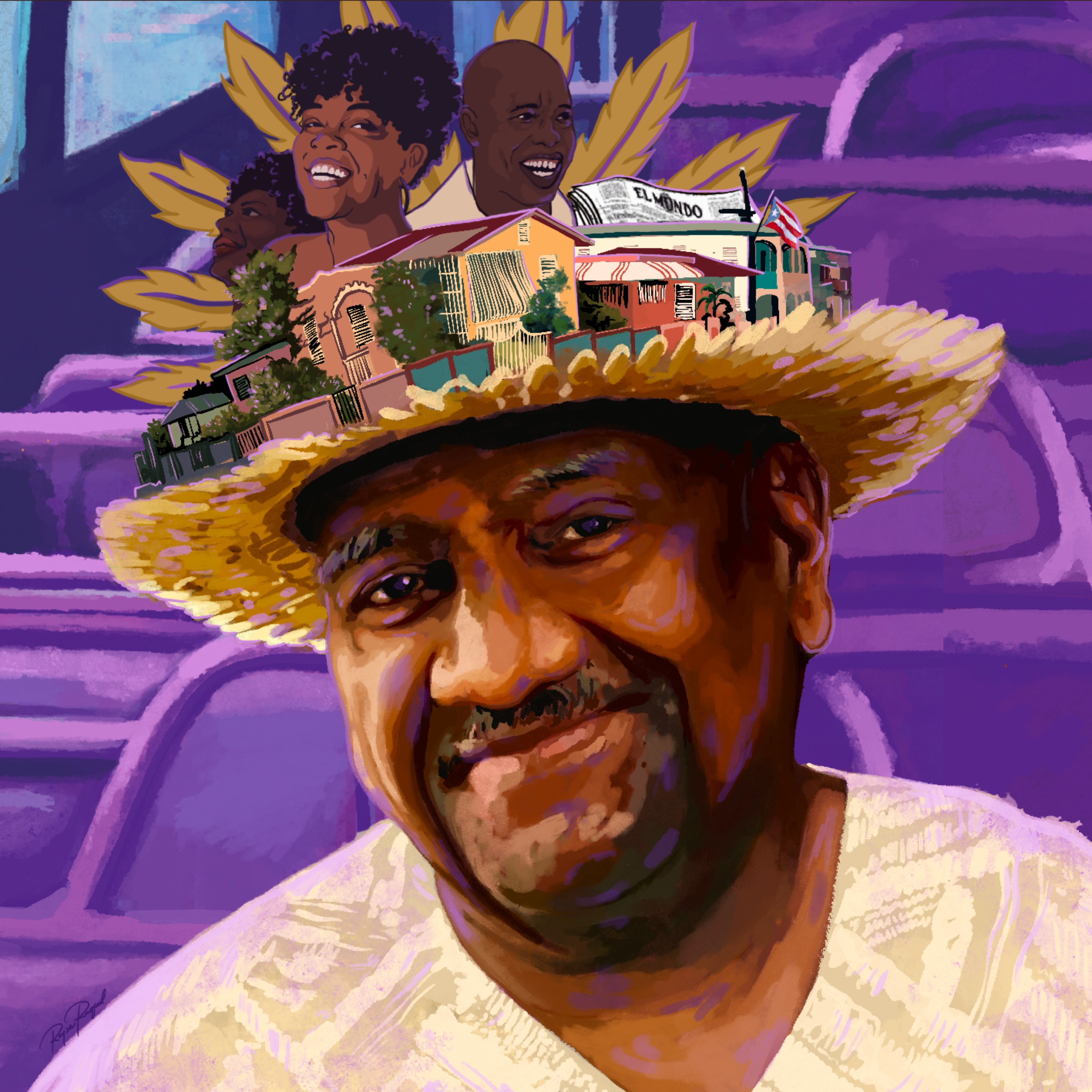
5. “Las Caras Lindas (De Mi Gente Negra)” — An Ode to Blackness
Catalino Curet Alonso (known as Don Tite) penned some 2,000 songs during his life — and around 200 were massive hits across Latin America. “Las Caras Lindas (De Mi Gente Negra)” is undeniably personal. Tite, who passed away in 2003, was proud to be an “Antillano of visibly African heritage.” While songs by other writers demean dark skin — or even exoticize it — “Las Caras Lindas” expresses Tite’s
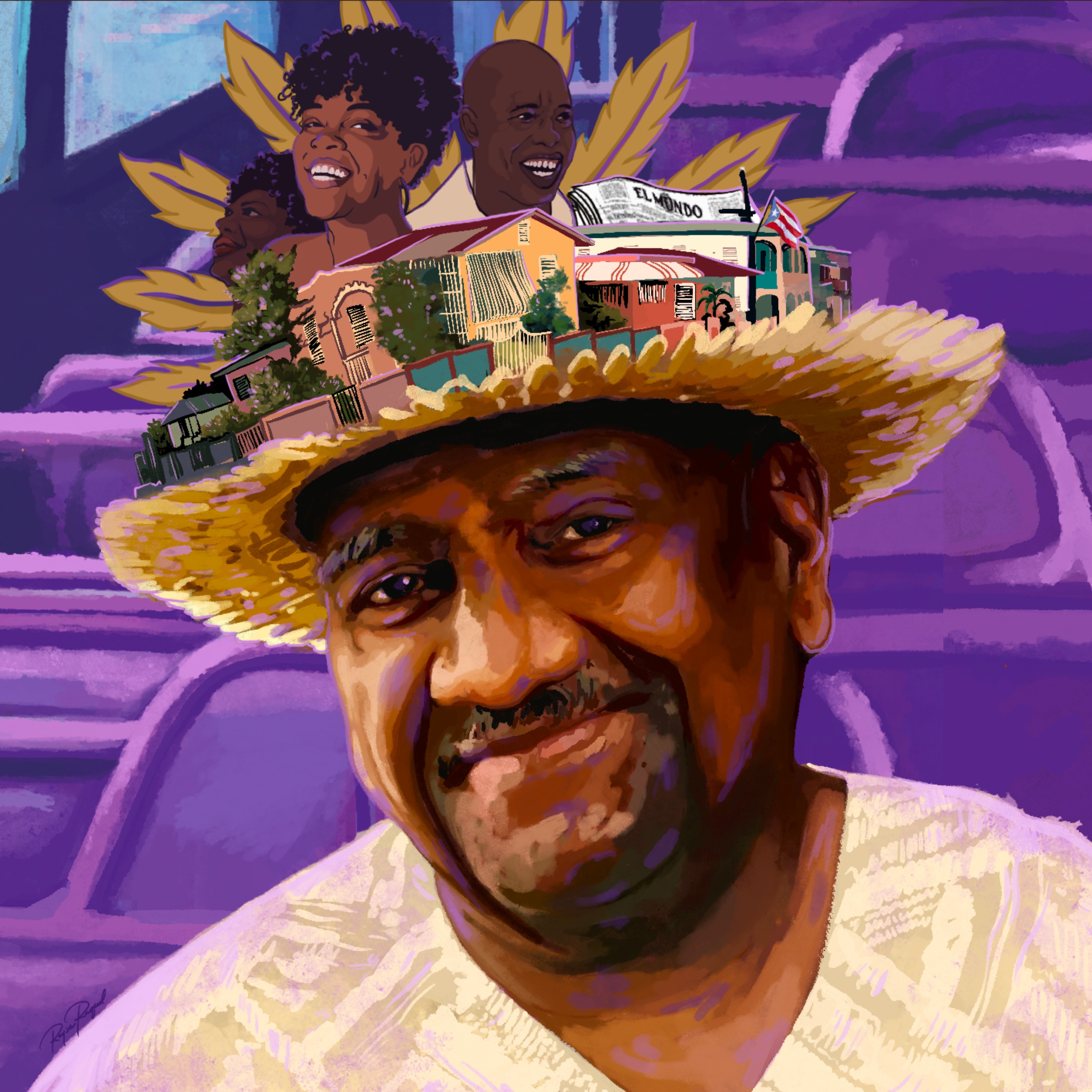
5. “Las caras lindas (de mi gente negra)” — una oda a la negrura
Catalino Curet Alonso (a menudo llamado Don Tite) escribió unas 2000 canciones durante su vida, y alrededor de 200 fueron grandes éxitos en Latinoamérica. “Las caras lindas (de mi gente negra)” es innegablemente personal. Tite, que falleció en 2003, estaba orgulloso de ser un “Antillano de visibles raíces africanas.” Mientras que las canciones de otros escritores degradan la piel oscura, o incluso

4. "I Wonder if I Take You Home" — Freedom in Freestyle
Created on the streets by young Nuyoricans in the mid-1980s, freestyle music became the soundtrack for the lives of second-generation Puerto Ricans. Hip-hop and pop, Latin Caribbean rhythms and instruments — it all came together in freestyle. The sound was ubiquitous in New York, and later in Orlando, Florida, where many of these Boricuas were charting new ground and new lives across the diaspora.

4. “I Wonder if I Take You Home” — La libertad en el freestyle
Creada en las calles por jóvenes nuyoricans en la mitad de los ochenta, la música freestyle se convirtió en el sonido y la historia de los puertorriqueños de segunda generación. La fusión entre el hip-hop y el pop con los ritmos e instrumentos latino-caribeños dieron como resultado la música freestyle. El sonido era omnipresente en Nueva York — y más tarde en Orlando, Florida, donde muchos de esto
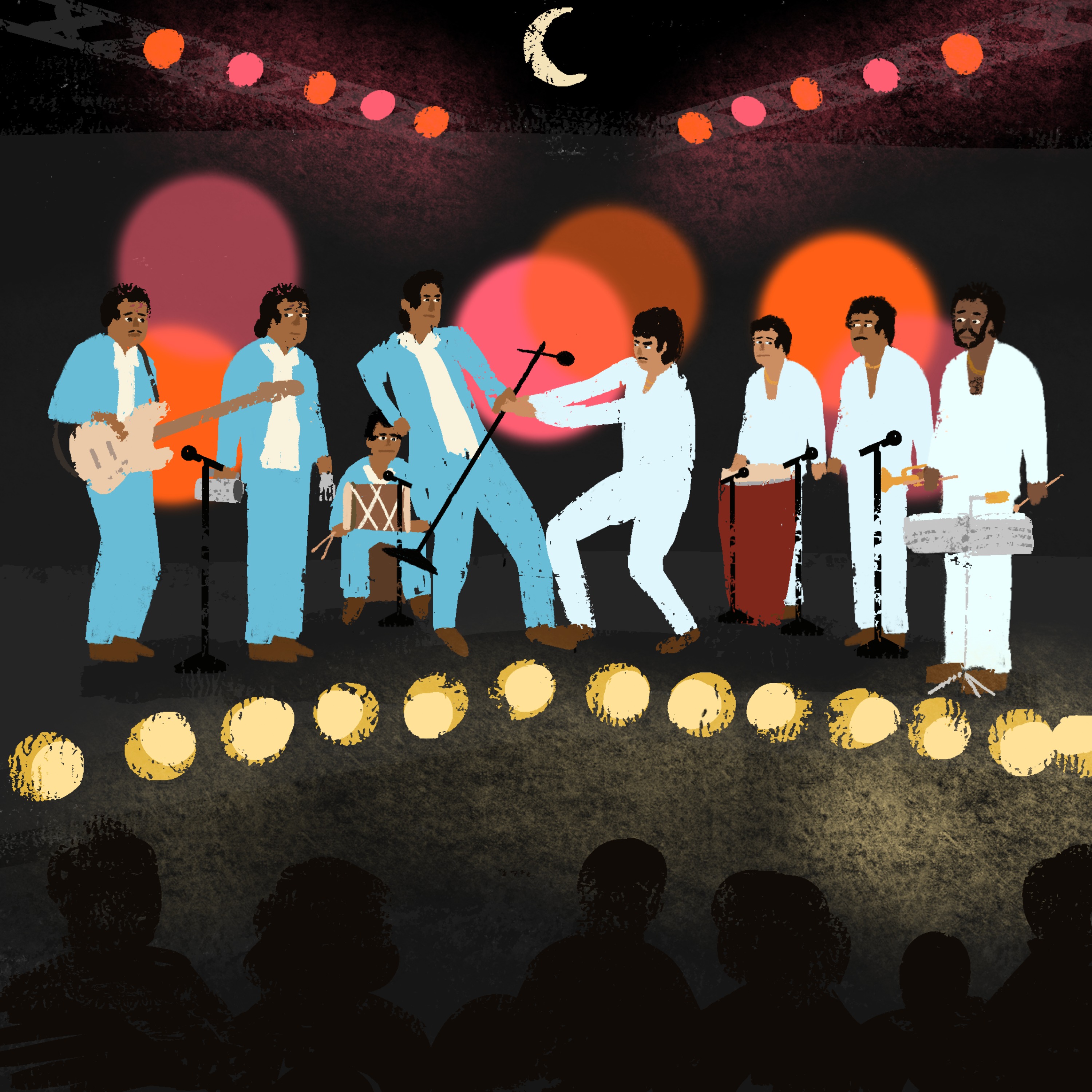
3. “Suavemente” — The Merengue War
At the end of the 1990s merengue ruled supreme on the radio and television in Puerto Rico. Elvis Crespo’s “Suavemente” is perhaps the most famous example — a bonafide hit that helped popularize the genre all over the world.But how did this Puerto Rican hit become the most recognizable merengue song in a genre pioneered by Dominican musicians?The road to merengue’s ubiquity in Puerto Rico was a lon
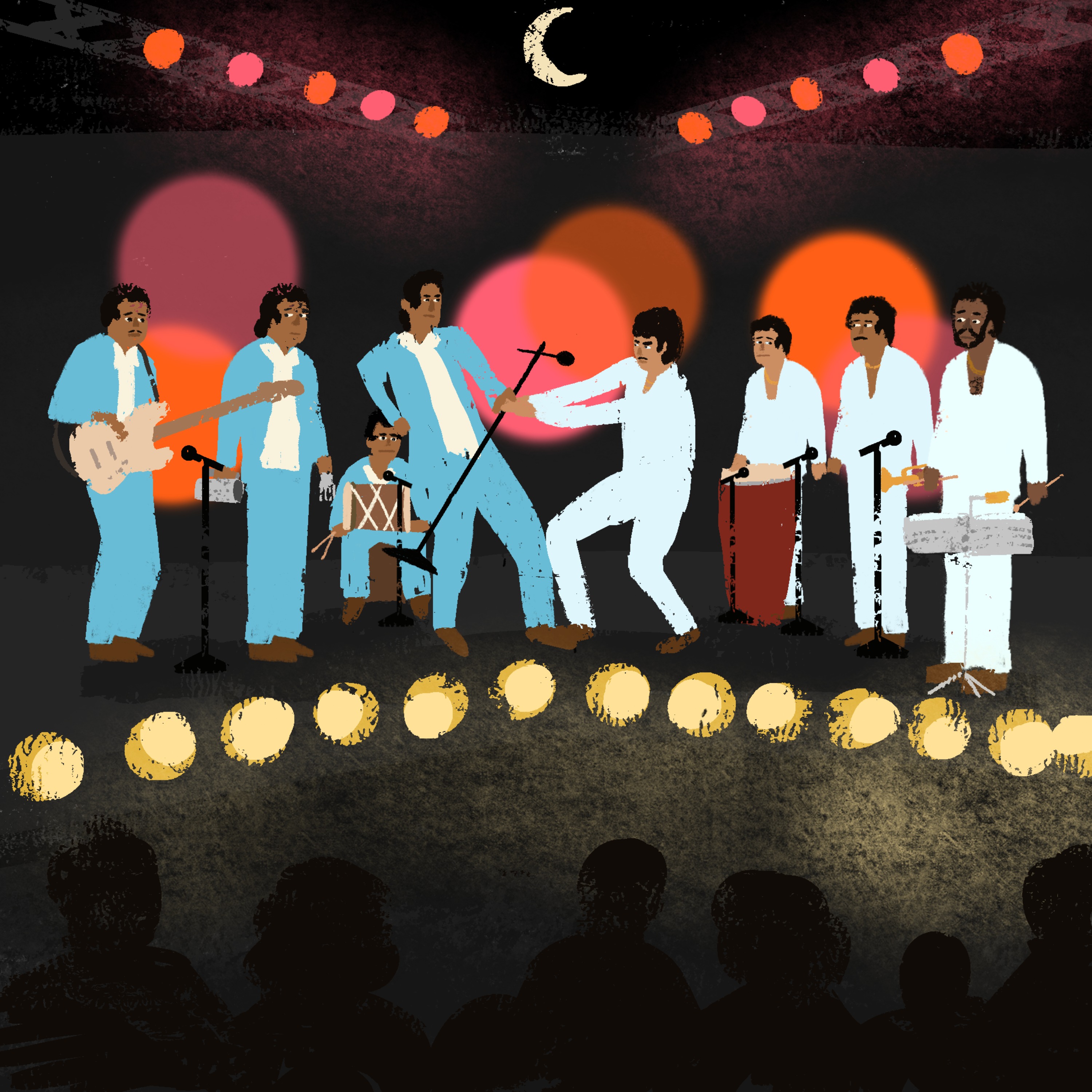
3. “Suavemente” — La guerra del merengue
En Puerto Rico, a finales de los noventa el merengue reinaba en la radio y en la televisión. "Suavemente" de Elvis Crespo es quizás el ejemplo más famoso de ese momento — un verdadero éxito que ayudó a popularizar el género en todo el mundo.Pero, ¿cómo esta canción puertorriqueña se convirtió en el merengue más reconocido de un género iniciado por músicos dominicanos?El camino hacia la ubicuidad d
2. “El Gran Varón” — Who Was Simón?
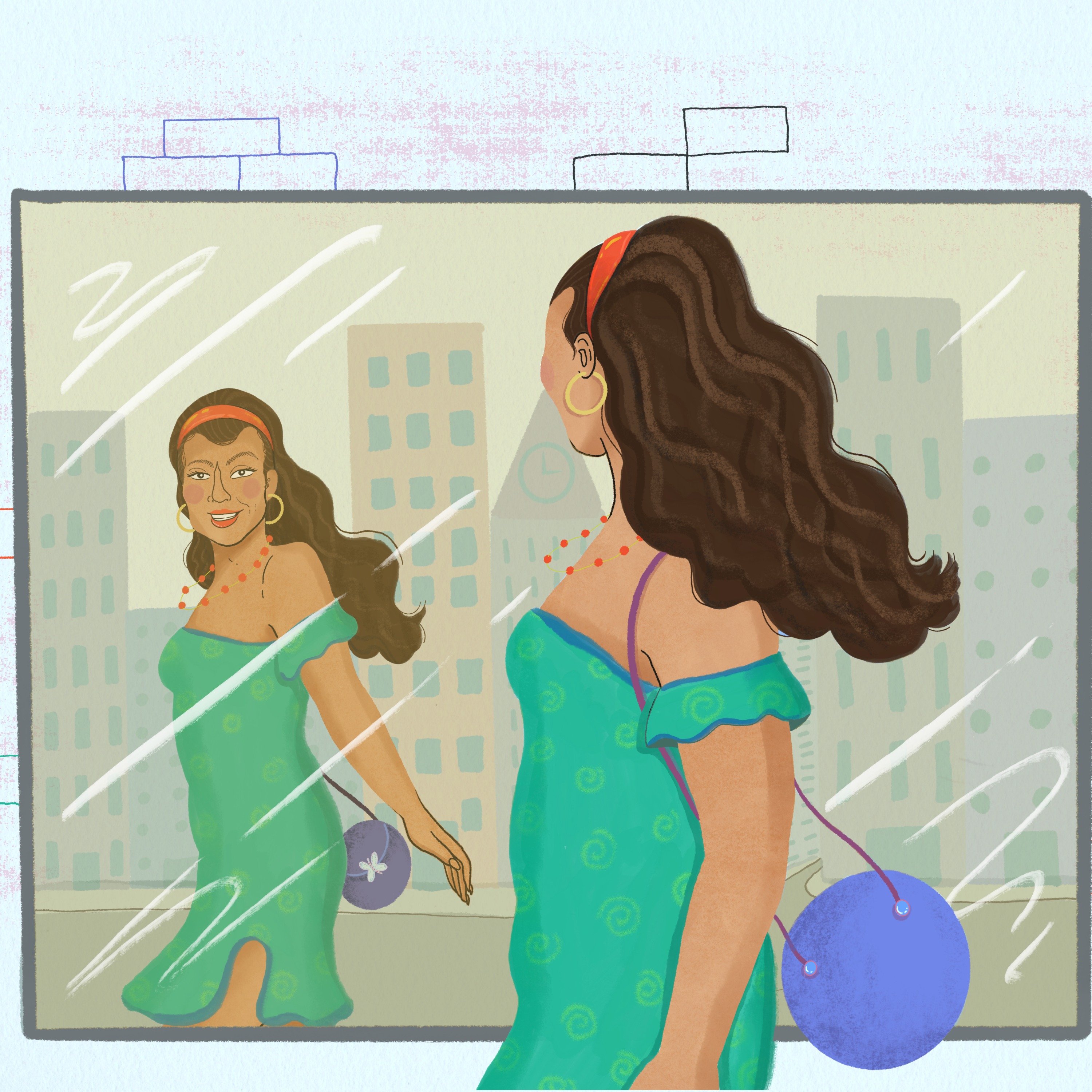
Gabby Rivera was 7 or 8 years old when Willie Colón released “El Gran Varón” in 1989. She remembers her father playing it while she sat in the backseat of their white minivan in the Bronx. The cinematic arc of the song would stick with her: the lyrics describe how a character referred to as Simón, depicted as a queer person who appears dressed as a woman, is shunned by their father, Don Andres, an
2. “El gran varón” — ¿Quién era Simón?
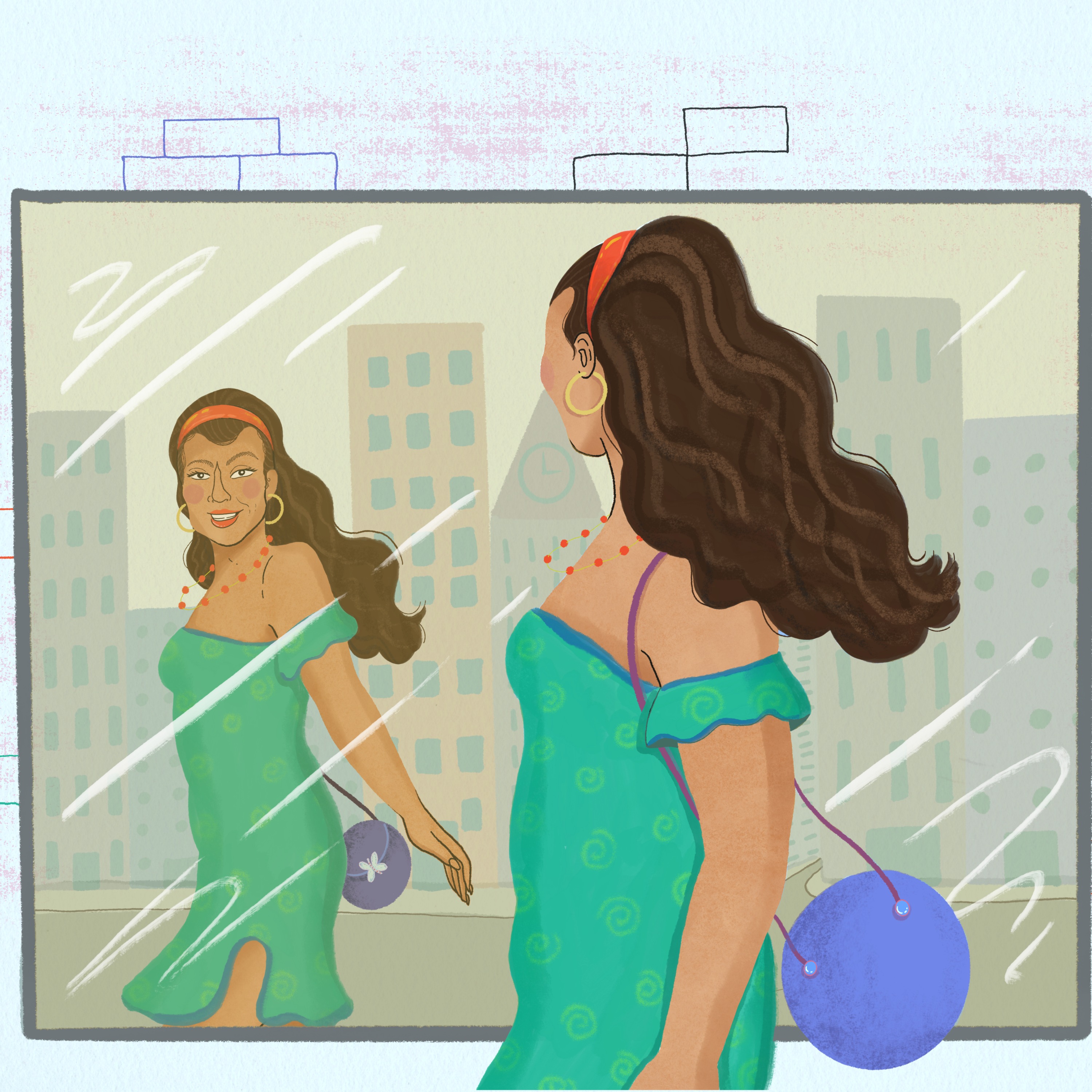
En 1989, Gabby Rivera tenía 7 o 8 años cuando Willie Colón lanzó "El gran varón". Recuerda a su padre poniendo el tema mientras ella estaba sentada en su minivan blanca en el Bronx. El argumento casi cinematográfico de la canción se quedaría con ella: Simón, es representada como una persona cuir (queer) que se viste como mujer, que recibe el rechazo de su padre, Don Andrés, y muere en soledad de u
1. "Preciosa" — The Other Anthem
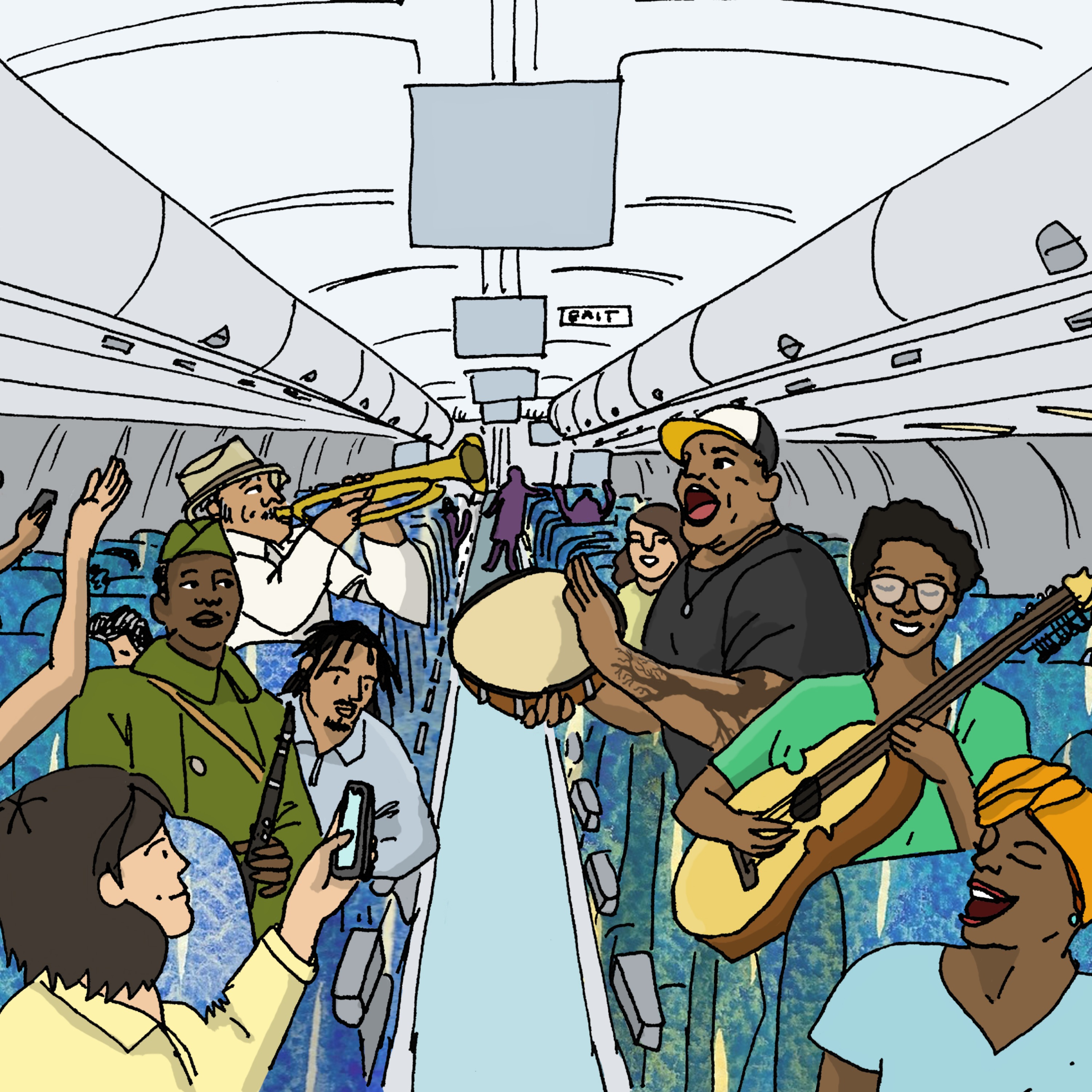
For over a century, Puerto Rican musicians have been influential across the hemisphere. From the Harlem Hellfighters of WWI who helped develop jazz to the reggaetoneros who dominate today’s charts, Puerto Rican music is everywhere. We start the season with the island’s most celebrated composer Rafael Hernandez, who wrote beloved songs like “Lamento Borincano,” “Ahora Seremos Felices,” and “Perfume
1. "Preciosa" — El otro himno
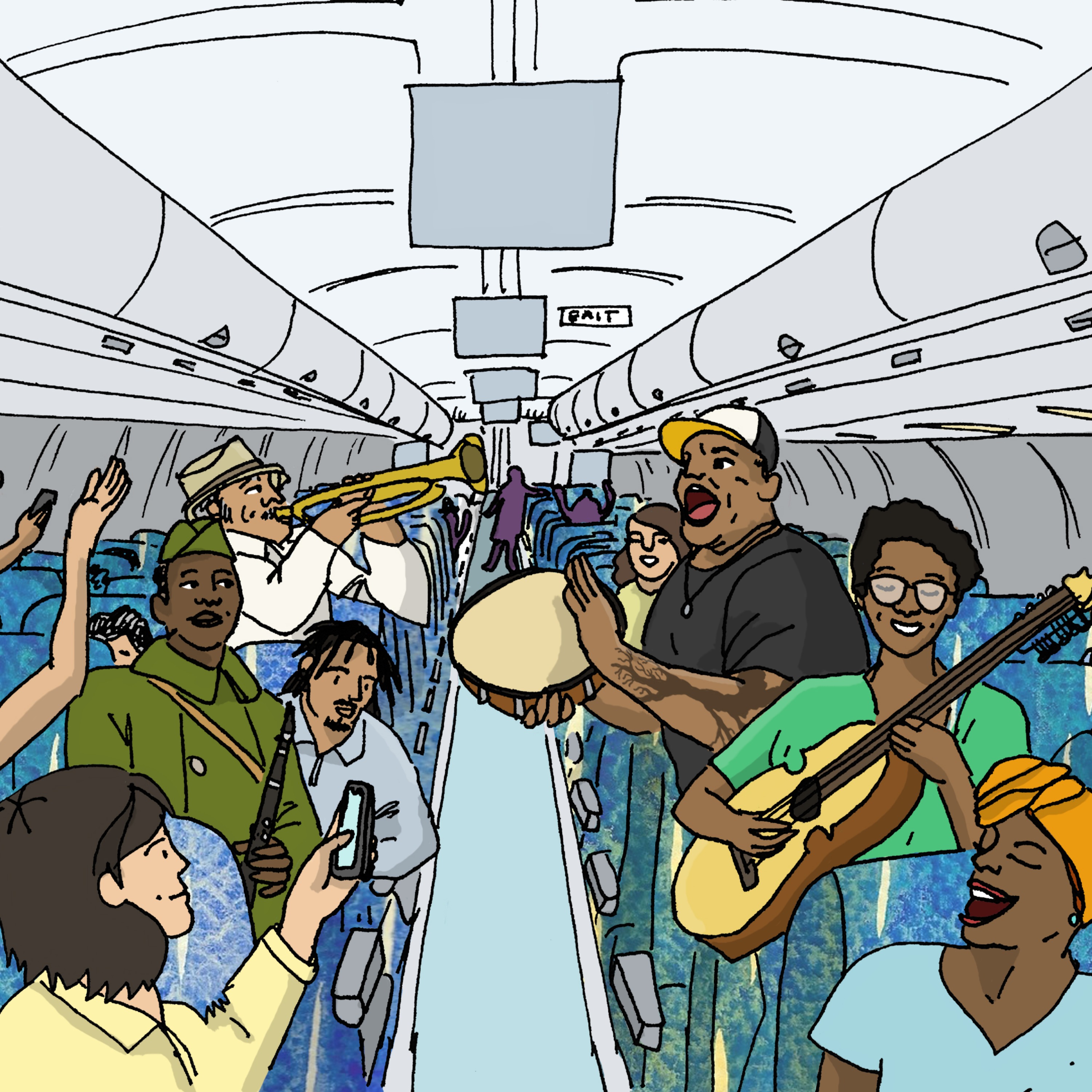
Durante más de un siglo, los músicos puertorriqueños han sido influyentes en todo el hemisferio. Desde el regimiento de los Harlem Hellfighters de la Primera Guerra Mundial, que ayudaron a desarrollar el jazz, hasta los reguetoneros que dominan las listas de los éxitos actuales, la música boricua está en todas partes. Empezamos la temporada con el compositor más celebrado de la isla, Rafael Hernán
Season 2: The Puerto Rican Experience in 8 Songs
As the island donde hasta la piedras cantan — “where even the rocks sing” — Puerto Rico is home to a dizzying breadth of musical expression. From the lyrical boleristas of the 1930s, to the electric salseros of the ’70s, to the reggaetoneros of today who have taken music from the margins and made it a global sensation, this season takes listeners on an exciting, richly-reported, cross-ge
2da Temporada: La experiencia boricua en 8 canciones
Conocida como la isla donde hasta las piedras cantan, Puerto Rico alberga una vertiginosa amplitud de expresión musical. Desde los boleristas líricos de la década de 1930 hasta los salseros eléctricos de los '70 y los reggaetoneros de hoy que han tomado la música de los espacios marginales y la han convertido en una sensación mundial, esta temporada lleva a los oyentes a una emocionante aventura r
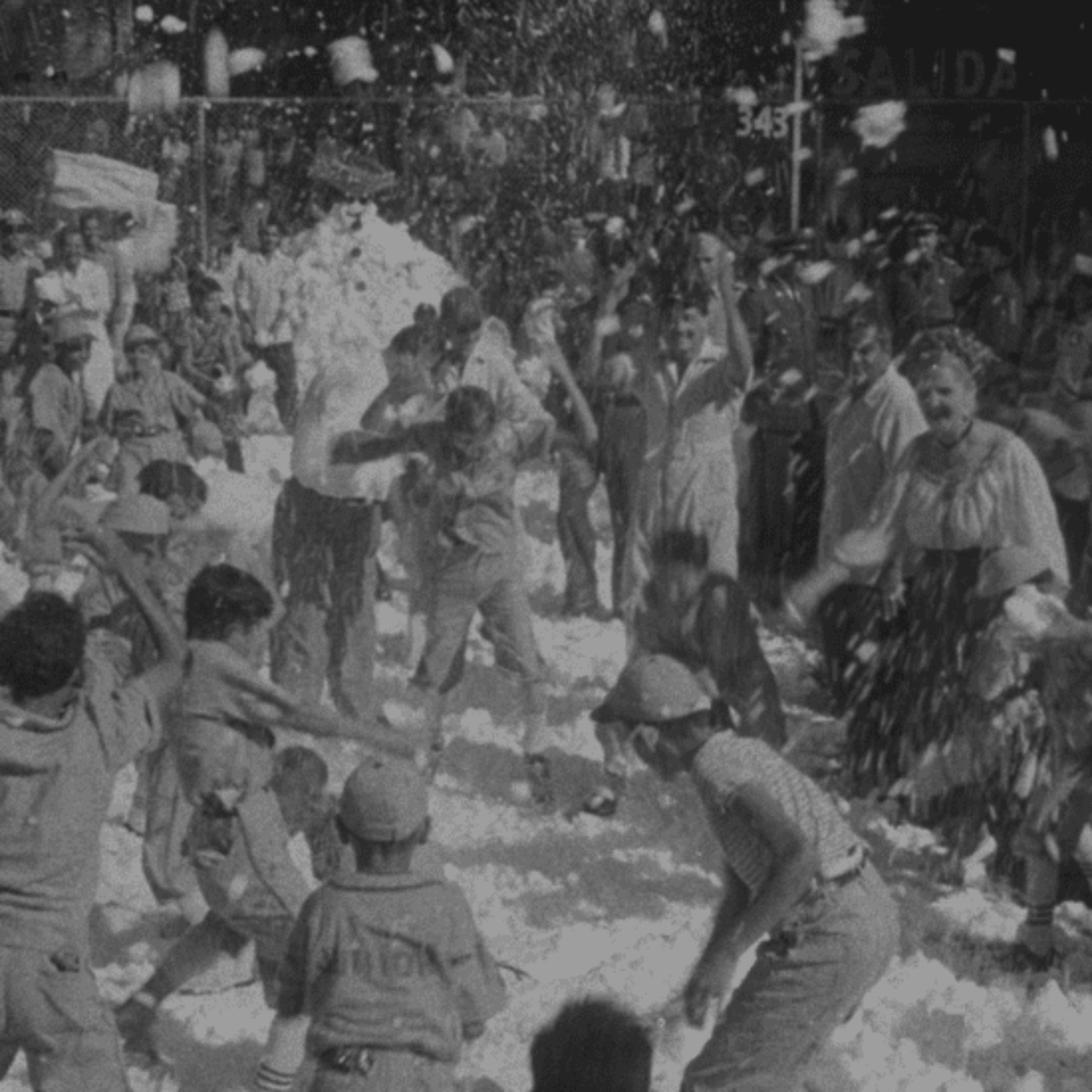
8. Snow In The Tropics
During the early 1950s, the children of Puerto Rico were invited to an icy winter spectacle. Mayor Felisa Rincón de Gautier, the charismatic mayor of San Juan, arranged for Eastern Airlines to bring a plane-load of snow for a snowball fight in the city. It was a feat that has become legend for a whole generation. But while this winter wonderland came to San Juan free of charge, it wasn't without a
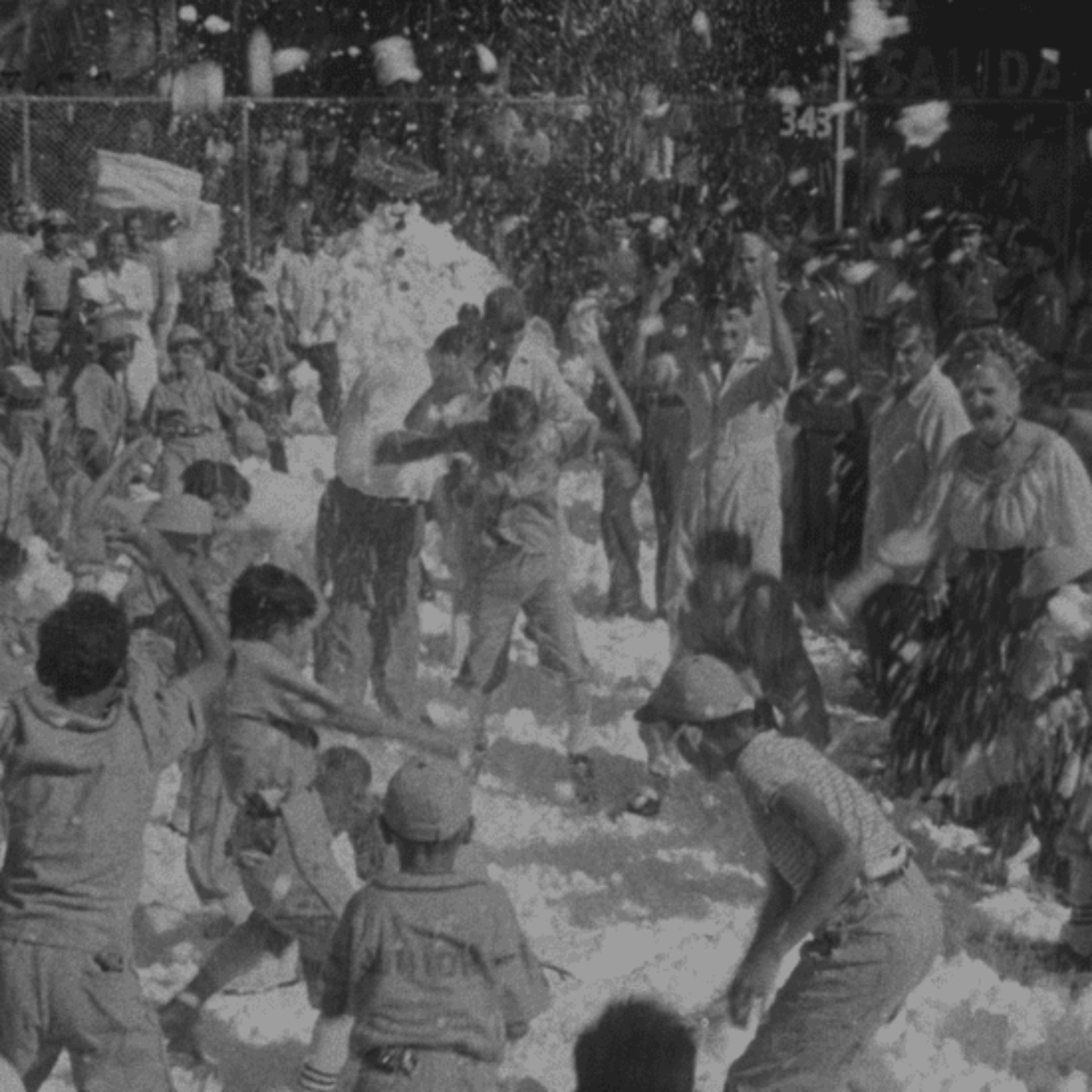
8. Nieve en el trópico
A principios de la década de los 50, los niños de Puerto Rico fueron invitados a un espectáculo invernal. Felisa Rincón de Gautier, la alcaldesa de San Juan, hizo arreglos para que Eastern Airlines trajera un avión cargado de nieve para formar una pelea de bolas de nieve en la ciudad capital. Esta hazaña se ha convertido en leyenda para toda una generación. Pero, aunque esta maravilla helada fue g
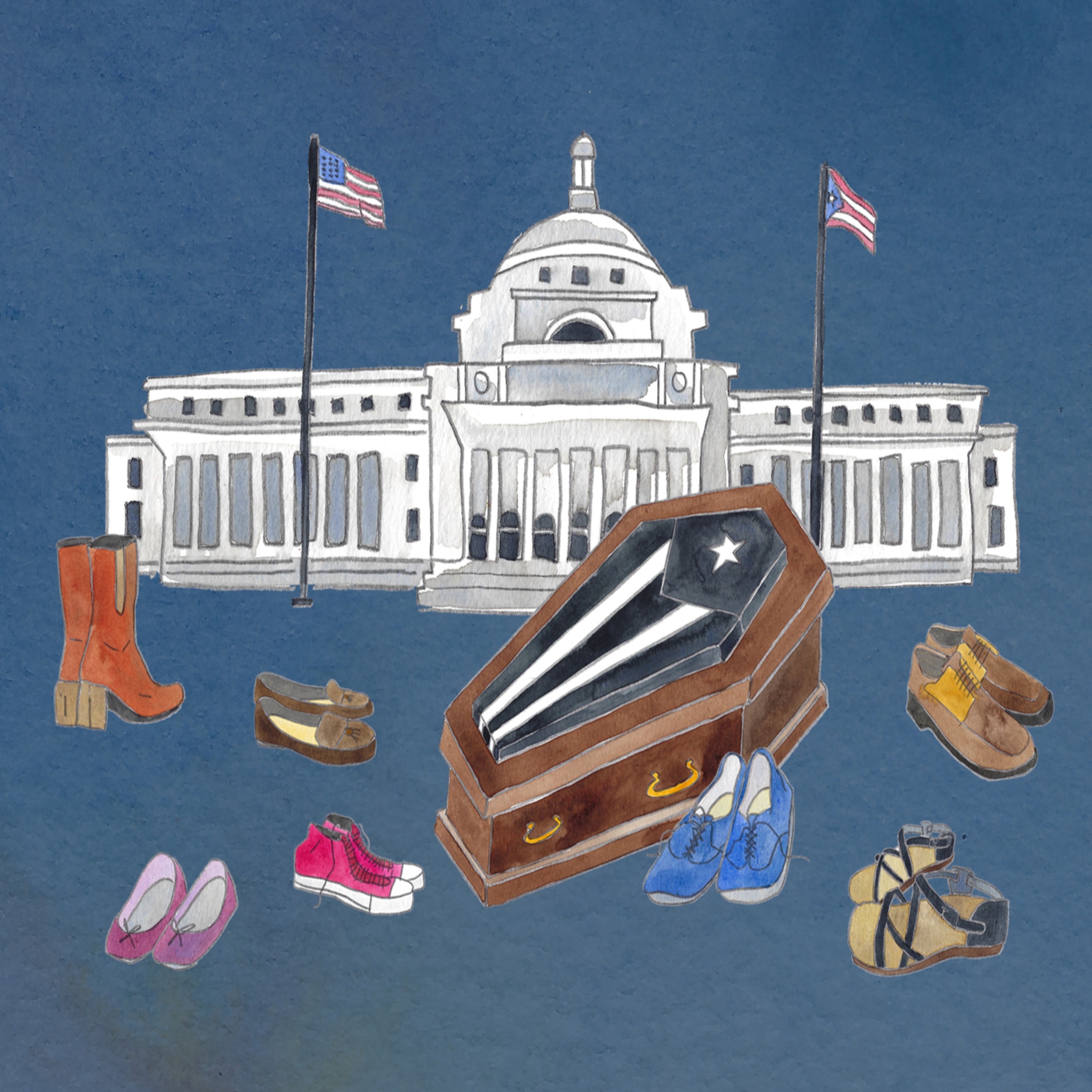
7. The End Of The Promises
Puerto Rico’s relationship with the United States has long been a subject of intense debate. In 1952, Puerto Rico adopted a new status that was meant to decolonize the island. In English, we call it a “Commonwealth.” In Spanish, it’s called “Estado Libre Asociado”, or ELA. Puerto Ricans were promised for decades that this unique status meant they had a special kind of sovereignty while maintaining
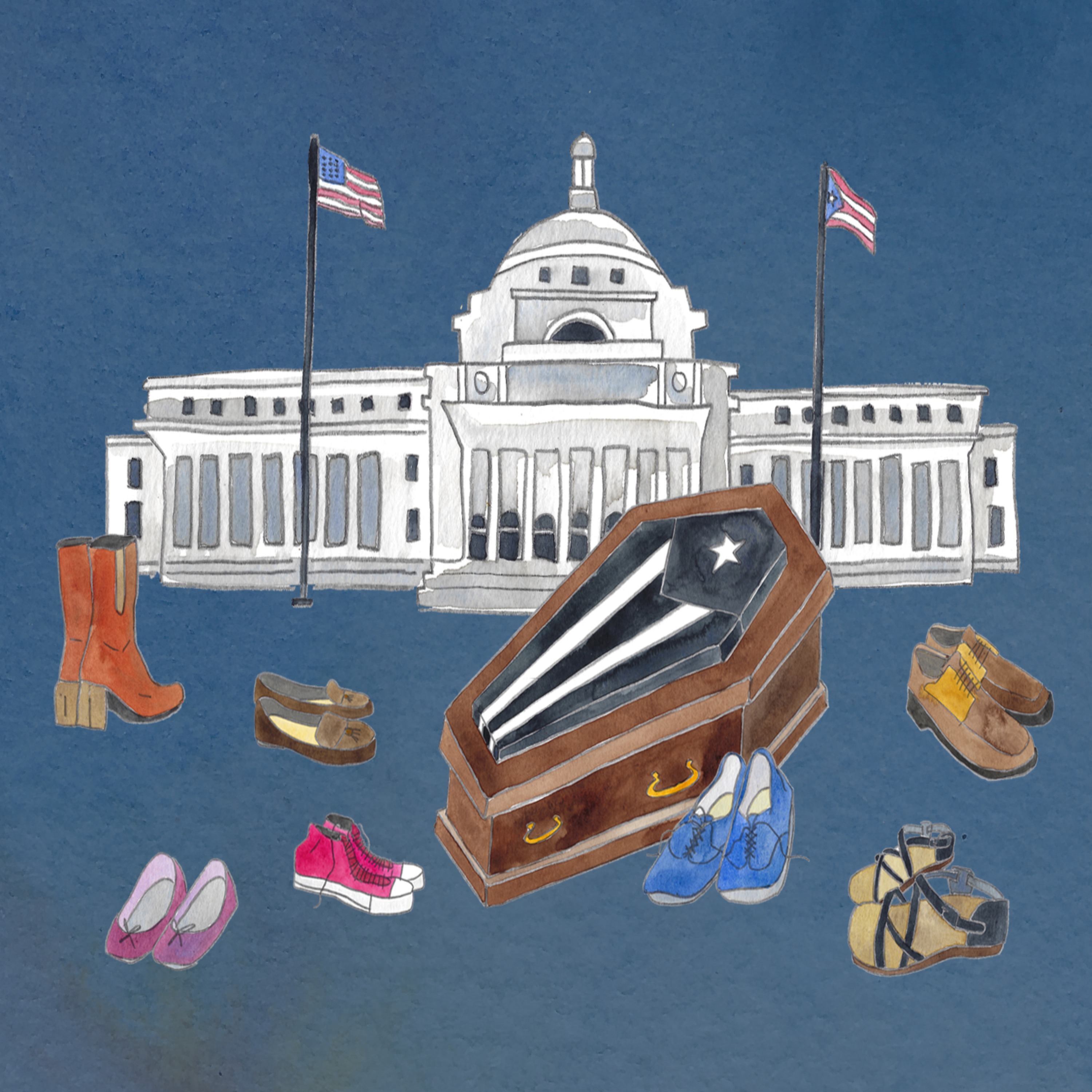
7. Se acabaron las promesas
La relación que tiene Puerto Rico con los Estados Unidos siempre ha sido un tema de debate intenso. En 1952, Puerto Rico adoptó un nuevo status que prometía descolonizar la isla. En inglés le llama “Commonwealth”. En español, lo llamamos Estado Libre Asociado, o ELA. Por décadas se le prometió a los boricuas que este estatus era único porque les brindaba una autonomía especial junto al beneficio d
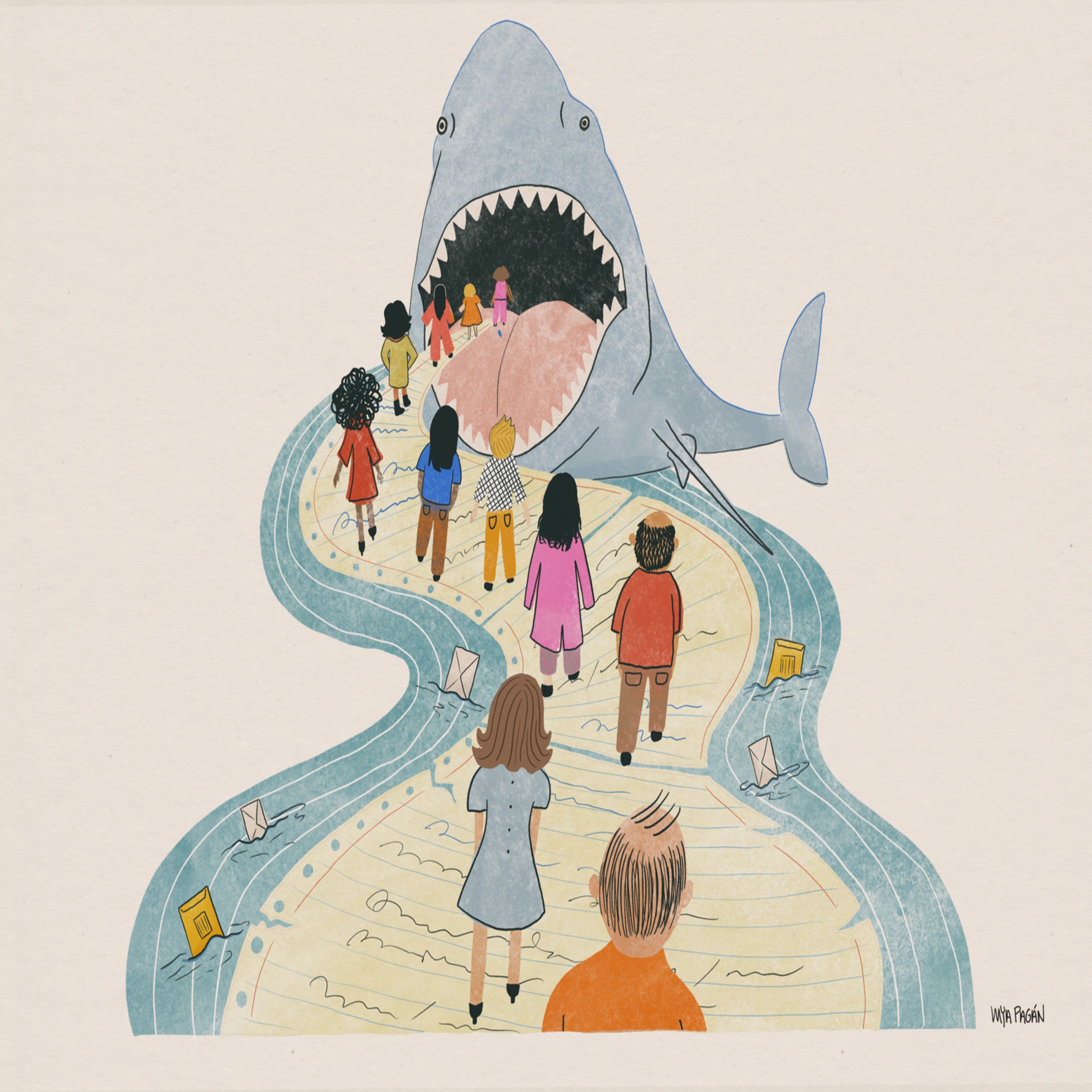
6. The Bankruptcy Letters
Luis J. Valentín Ortiz from the Centro de Periodismo Investigativo tells a hidden story from Puerto Rico’s debt crisis, that of the micro-creditors — thousands of low-income retirees and former public employees with claims that the government may never pay, ranging from hundreds to thousands of dollars. As a federal judge prepares to make a decision on whether they’ll get paid, this episode asks:
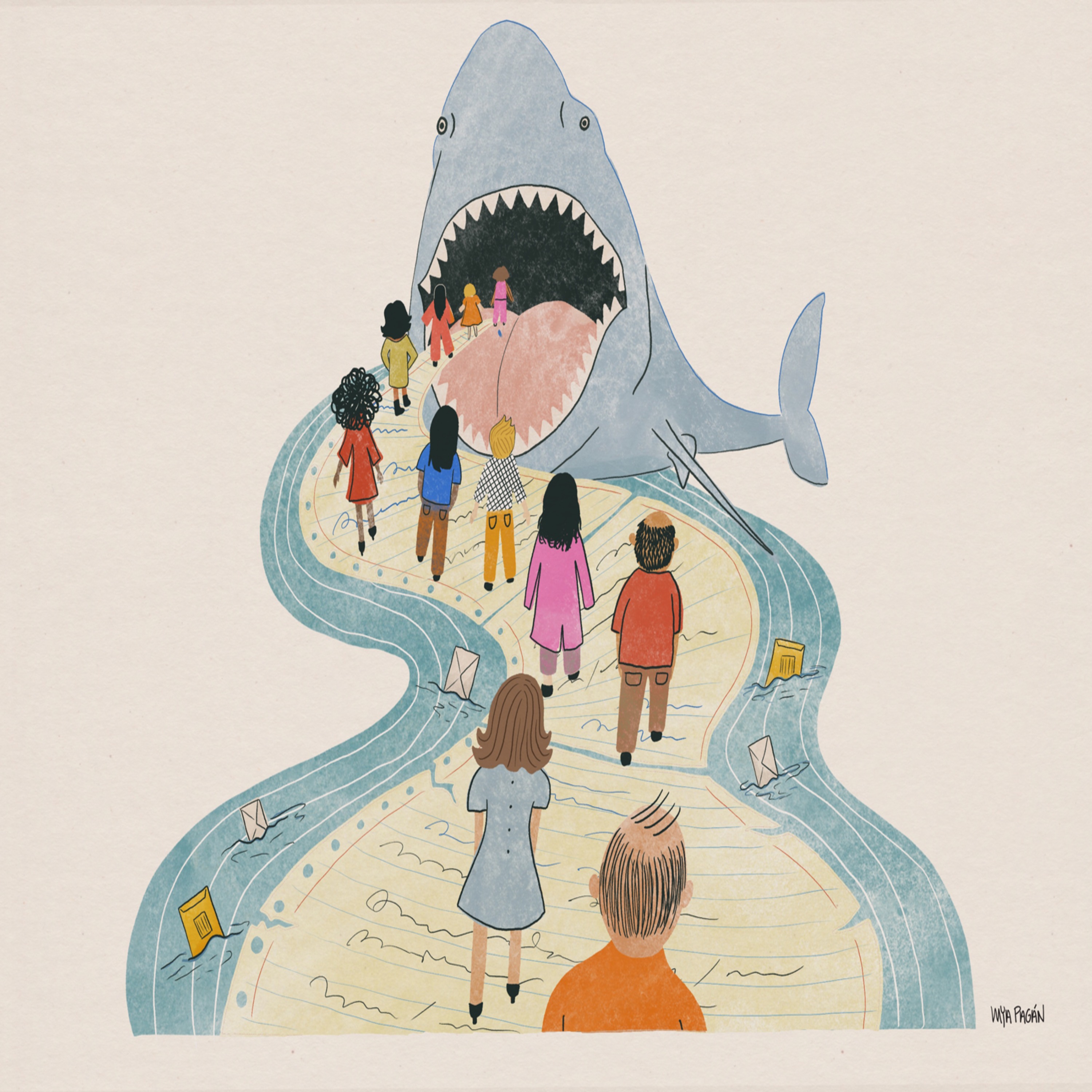
6. Las cartas de la quiebra
El periodista del Centro de Periodismo Investigativo, Luis J. Valentín Ortiz, cuenta la historia de los pequeños acreedores en la quiebra de Puerto Rico — miles de retirados y ex-empleados públicos que reclamaron al Gobierno dinero que quizás nunca recibirán. En momentos en que el tribunal federal se prepara para decidir sobre este tema, este episodio cuestiona: ¿Cómo el Gobierno está atendiendo l
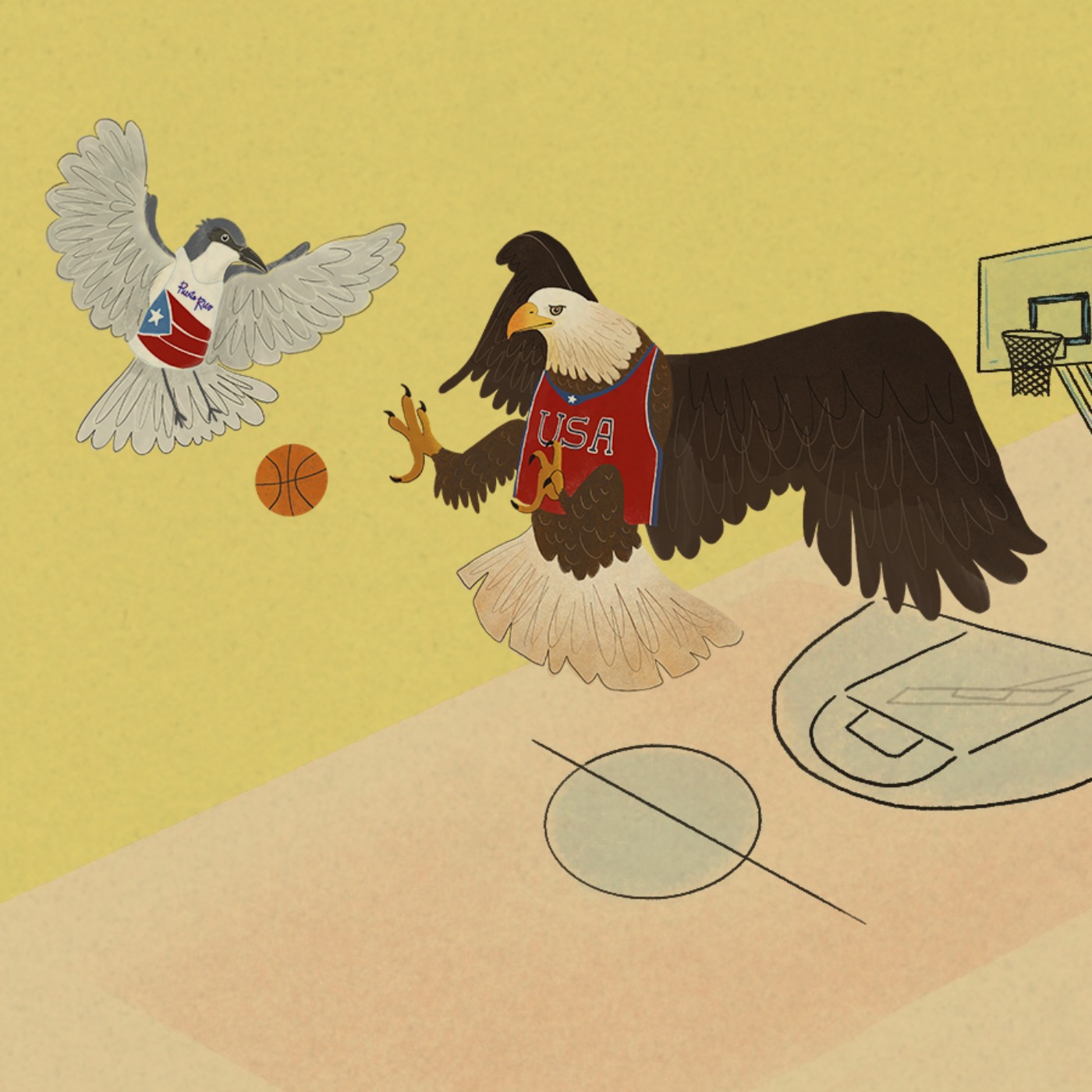
5. Basketball Warriors
Despite being a U.S. colony, Puerto Rico competes in sports as its own country on the world stage. Since the 70s, Puerto Rico’s national basketball team has been a pride of the island, taking home trophy after trophy. But in the 2004 at the Athens Olympics, the team was up against the odds, with an opening game against a U.S. Dream Team stacked with players like Lebron James and Allen Iverson. Fut
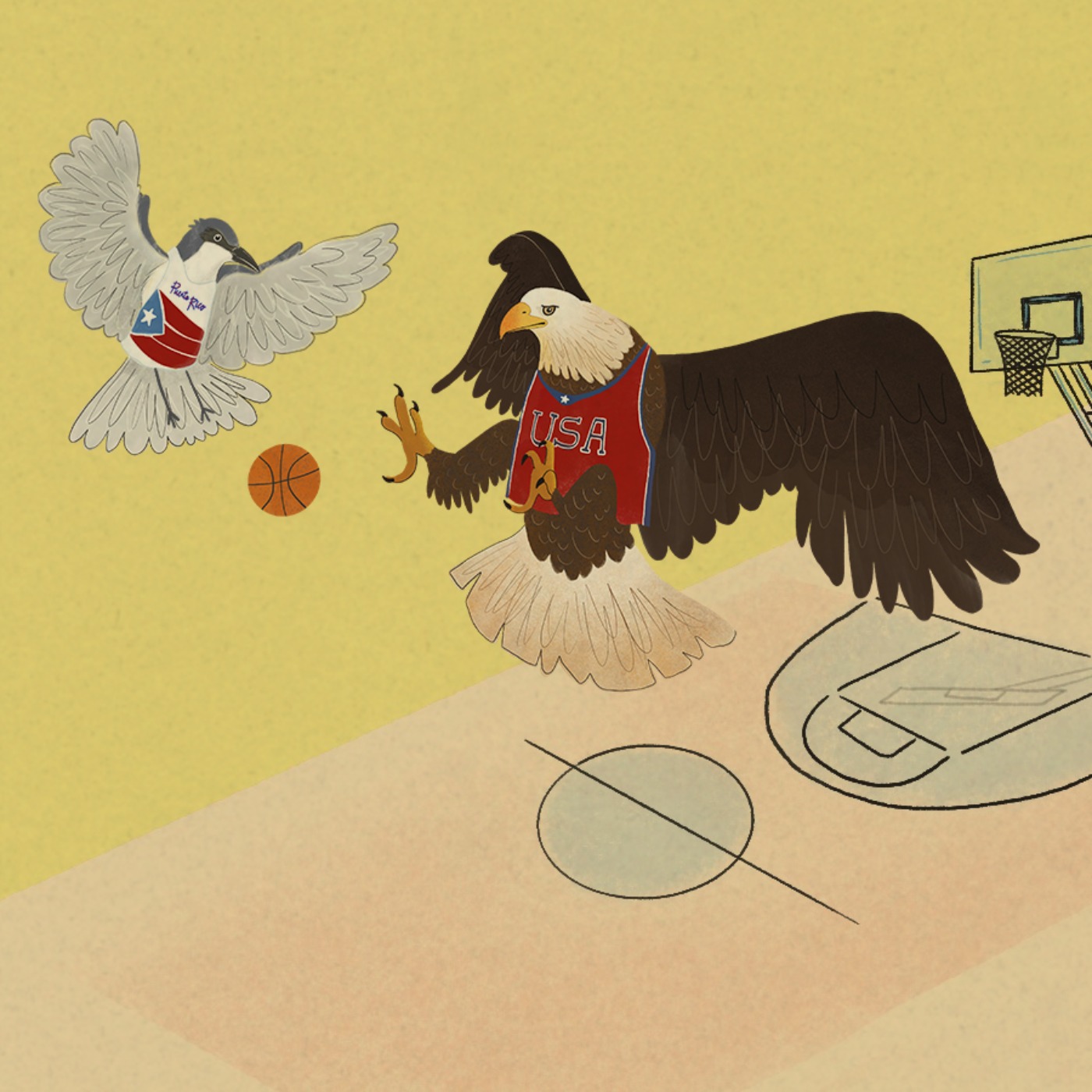
5. Guerreros del basket
Aunque Puerto Rico es una colonia de Estados Unidos, la isla compite bajo su propia bandera en eventos deportivos internacionales. Desde la década de los 70 el equipo nacional de baloncesto ha sido fuente de orgullo para todo el archipiélago boricua, ganando torneo tras torneo en su región. Pero en las Olimpiadas del 2004 en Atenas, la escuadra nacional le tocó un juego donde las fichas no estaban
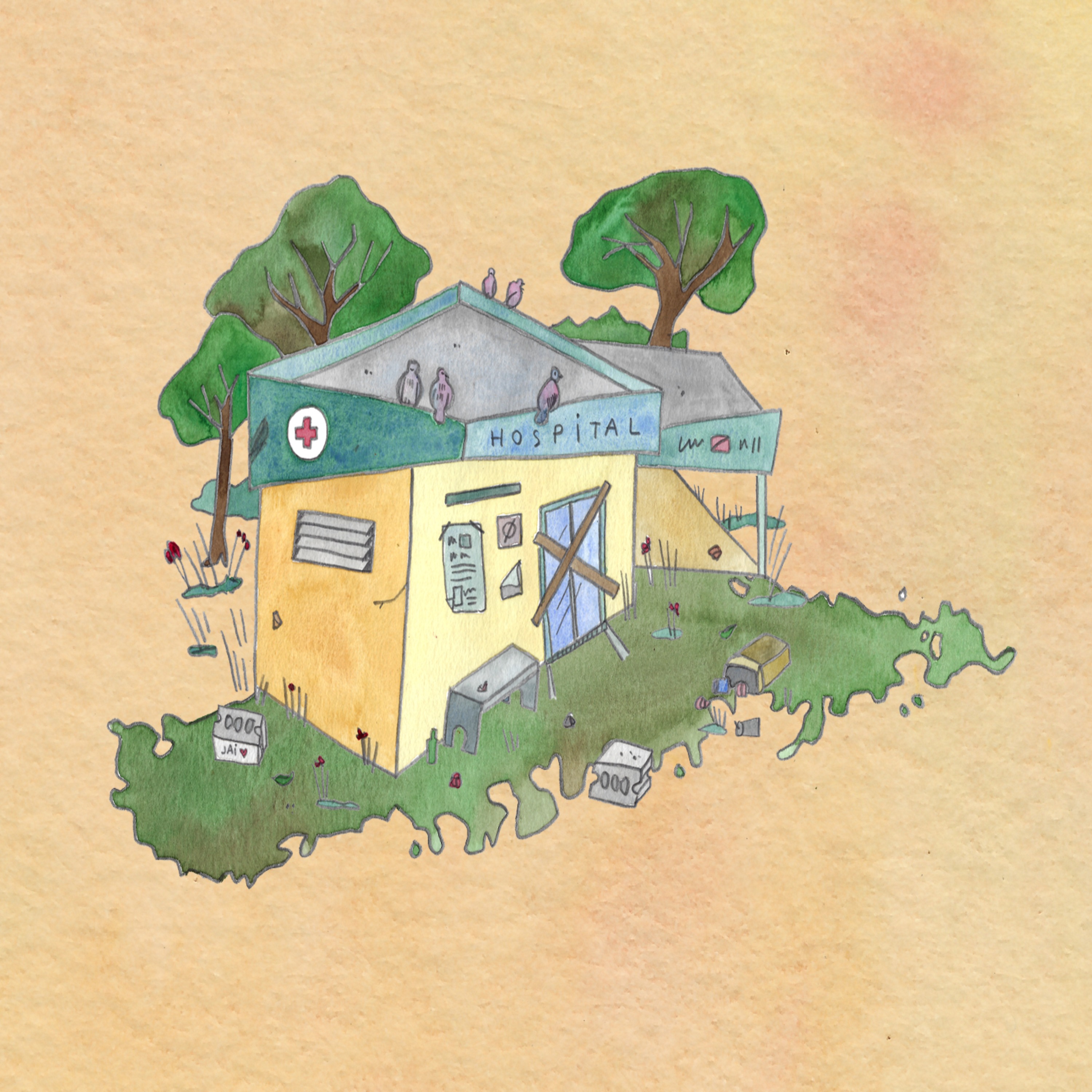
4. Vieques and the Promise To Build Back Better
Weeks after Hurricane Maria, the Government of Puerto Rico accepted an emphatic suggestion from officials of the Federal Emergency Management Agency (FEMA), put it in writing as if it were its own decision, and celebrated it would be used to rebuild in a “resilient” way. On the island of Vieques — which has a very high rate of cancer — they were supposed to rebuild its only hospital, destroyed by
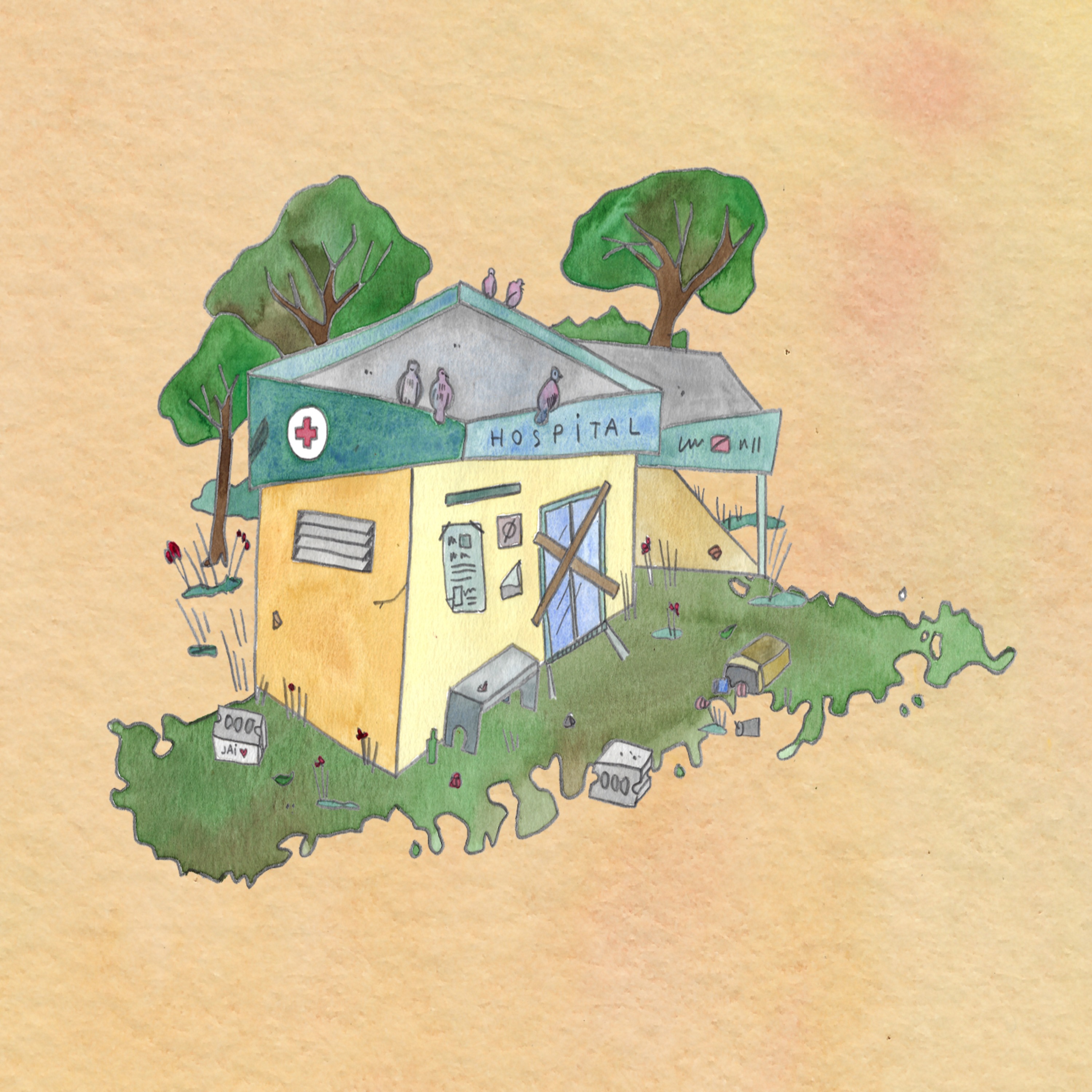
4. Vieques y la resiliencia que nunca llegó
Semanas después del huracán María, el Gobierno de Puerto Rico aceptó una sugerencia de parte de la Agencia Federal de Manejo de Emergencias, mejor conocida como FEMA en inglés. La pusieron por escrito y la presentaron al país como un logro y una herramienta para poder reconstruir de manera resiliente. ¿El primer proyecto en beneficiarse de este acuerdo? El único hospital en la isla municipio de Vi
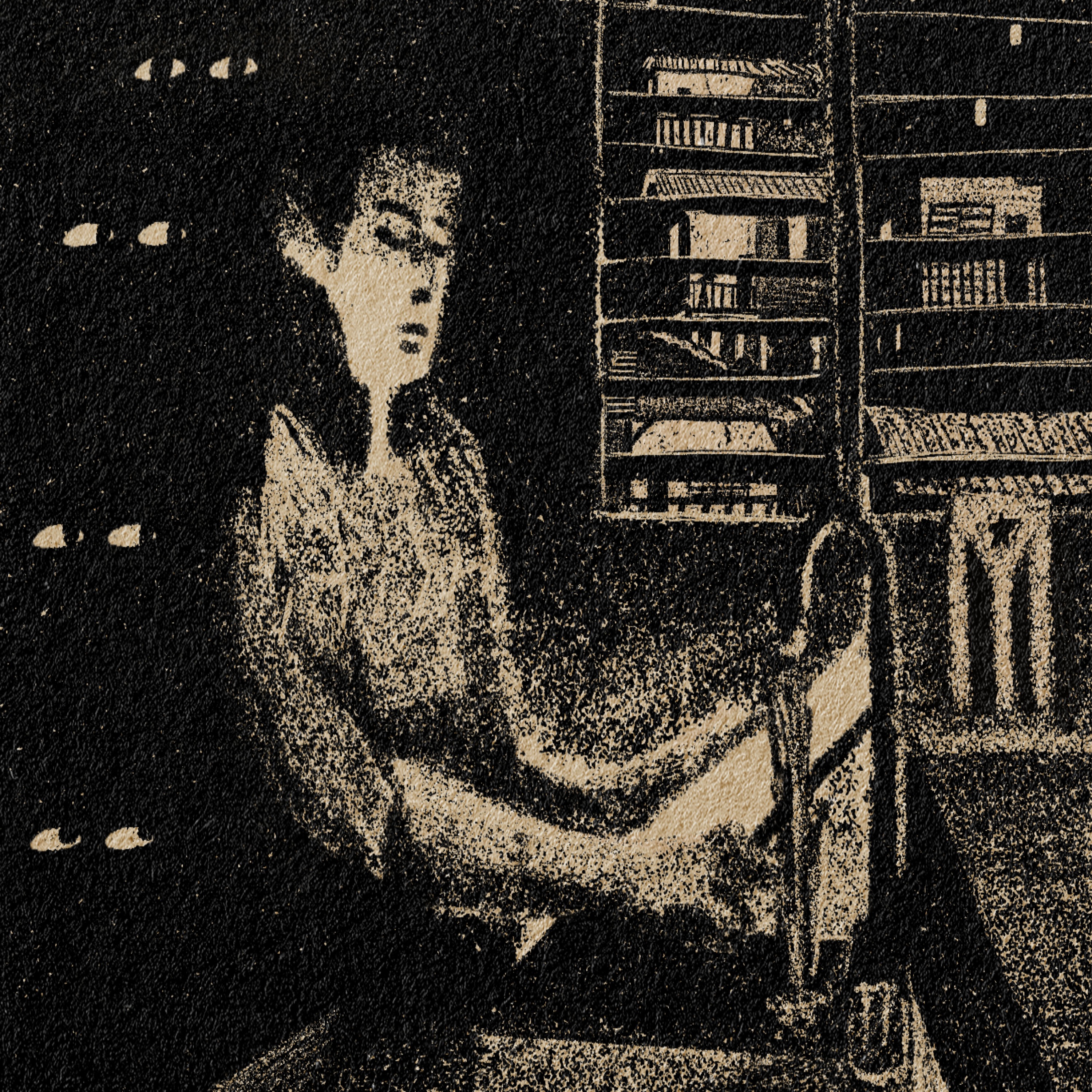
3. An Encyclopedia of Betrayal
Photographer Chris Gregory-Rivera examines the legacy of the surveillance files known in Puerto Rico as las carpetas — produced from a decades-long secret government program aimed at fracturing the pro-independence movement. Gregory-Rivera looks at las carpetas through the story of one activist family, the traitor they believed was close to them, and the betrayal that holds more mystery than they
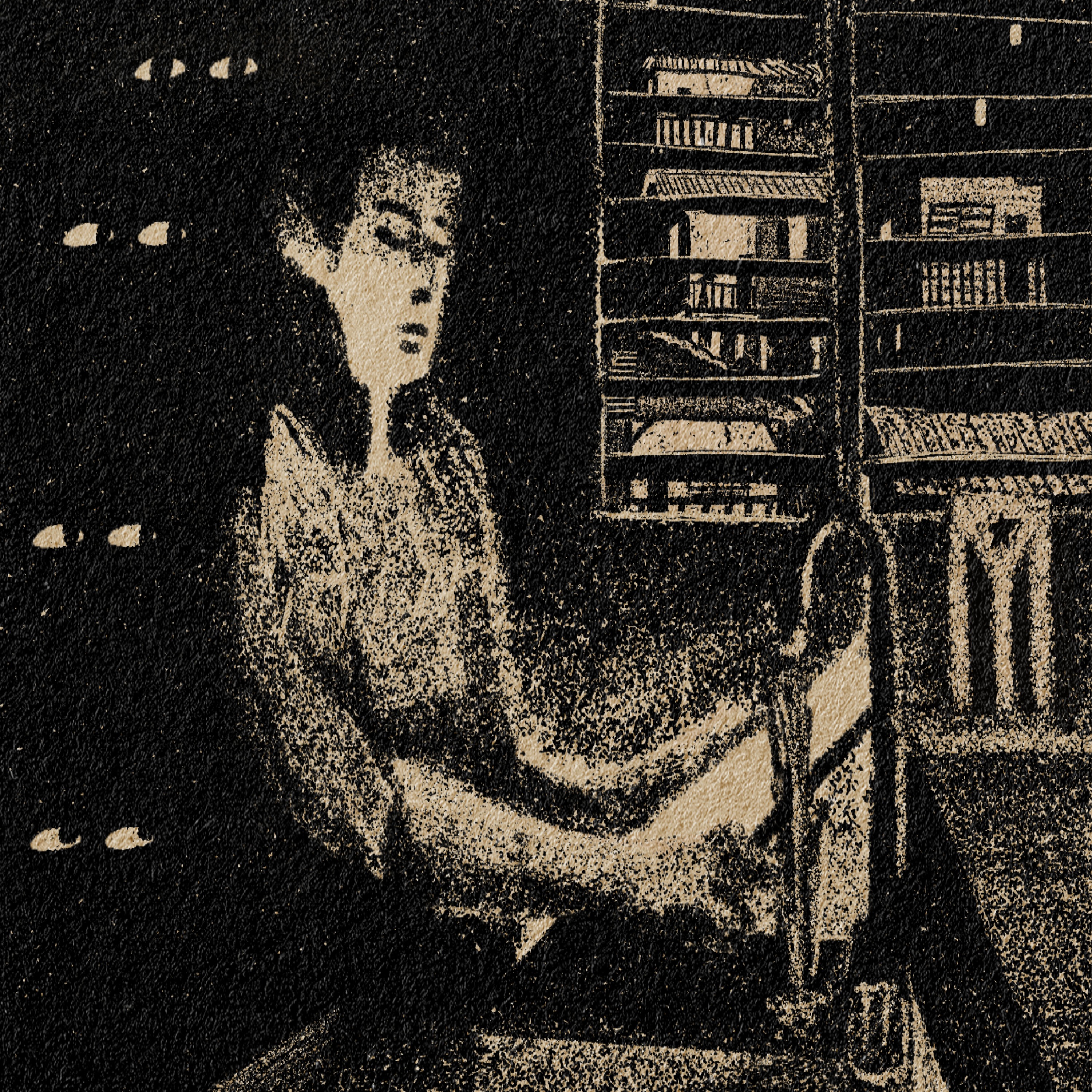
3. Una enciclopedia de traición
El fotógrafo Chris Gregory-Rivera examina el legado de “Las Carpetas” -- los archivos de vigilancia estatal producidos por un programa de gobierno secreto que buscaba fracturar al movimiento pro-independencia en Puerto Rico. Gregory-Rivera enfoca esta mirada a las carpetas en la familia de un activista y la revelación de una traición que encierra un misterio revelador. ¿Qué pasa cuando no bregamos
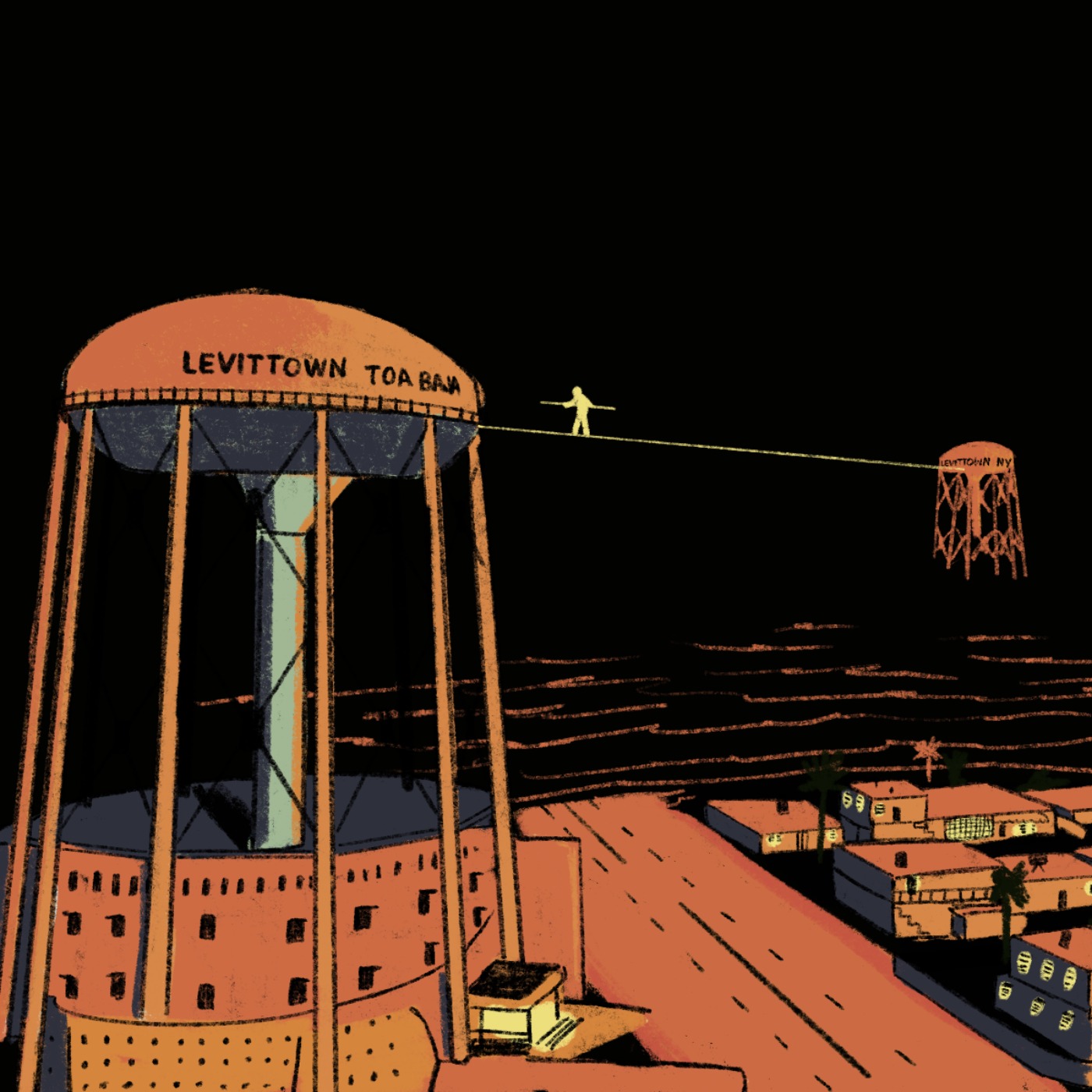
2. Levittown, Where The Good Life Begins
Alana Casanova-Burgess traces back the story of the boom and bust of Levittown, a massive suburb that was founded on the idea of bringing the American middle-class lifestyle to Puerto Rico during a time of great change on the island. Casanova-Burgess (herself the granddaughter of an early Levittown resident) explores what the presence of a Levittown in Puerto Rico tells us about the promises of th
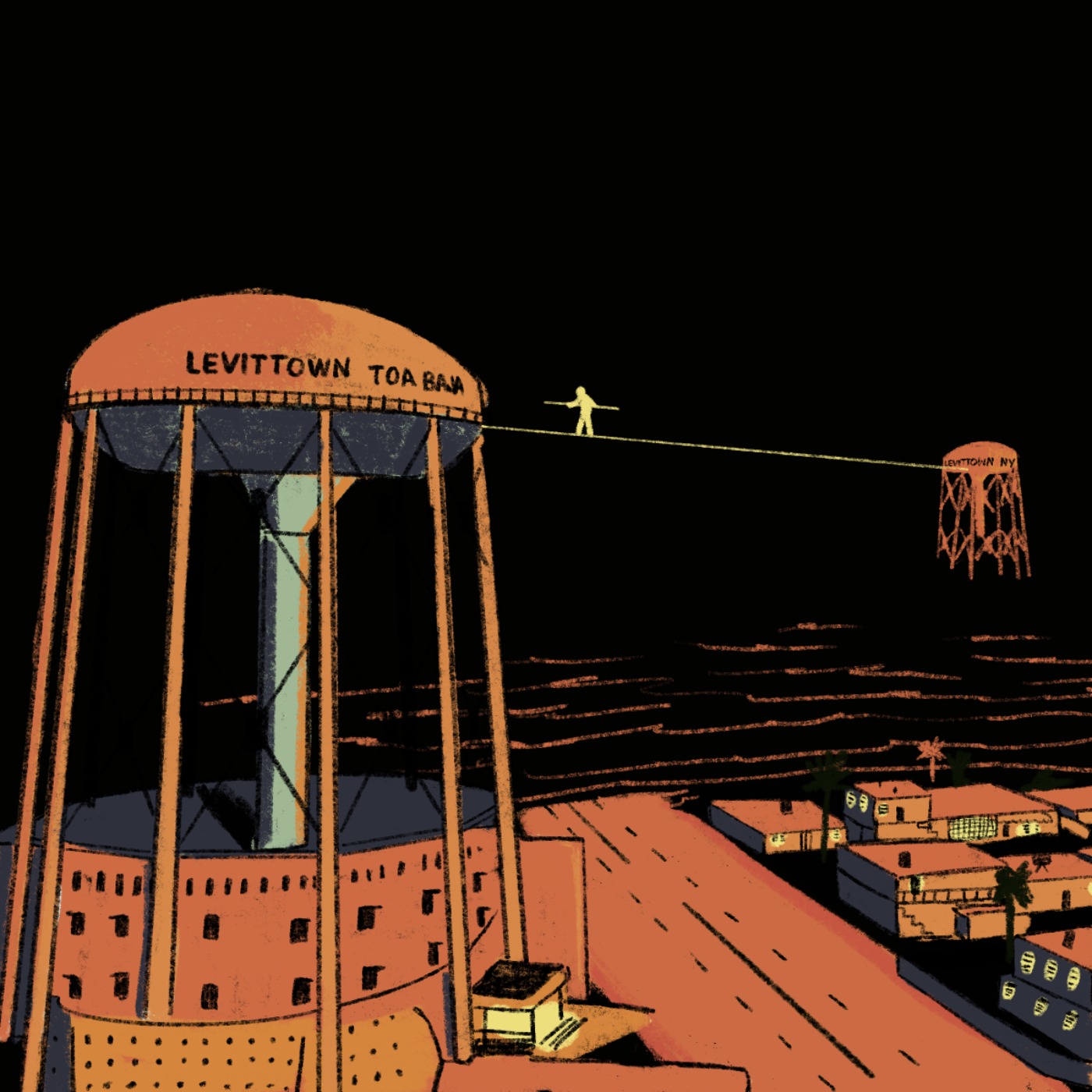
2. Levittown, donde la buena vida comienza
Alana Casanova-Burgess traza la historia del crecimiento y eventual deterioro de Levittown, Toa Baja, un suburbio masivo que se fundó con la idea de traer el estilo de vida de la clase media estadounidense a Puerto Rico durante una época de gran transformación en la isla. Casanova-Burgess explora lo que el proyecto nos dice sobre nuestra historia y las promesas de vivir “el sueño americano” en Pue
1. What Is La Brega?
In this kick-off episode, host Alana Casanova-Burgess sets out to define la brega and examine what its ubiquity among boricuas really means. A brega implies a challenge we can’t really solve, so you have to hustle to get around it. In Puerto Rico, Cheo Santiago runs a social media account called Adopta Un Hoyo, where people deal with the huge problem of potholes by painting their edges white and p
1. ¿Qué es la brega?
En este primer episodio, Alana Casanova-Burgess nos comparte un ejemplo para explicar que significa para los boricuas “bregar”. Para eso platica con Cheo Santiago, creador y mantenedor de la cuenta de redes sociales “Adopta un Hoyo” y con el escritor y profesor emérito de Princeton Arcadio Díaz Quiñones, quien hace unos veinte años escribió un ensayo muy influyente, “De Cómo&nb
La Brega: Stories of the Puerto Rican Experience
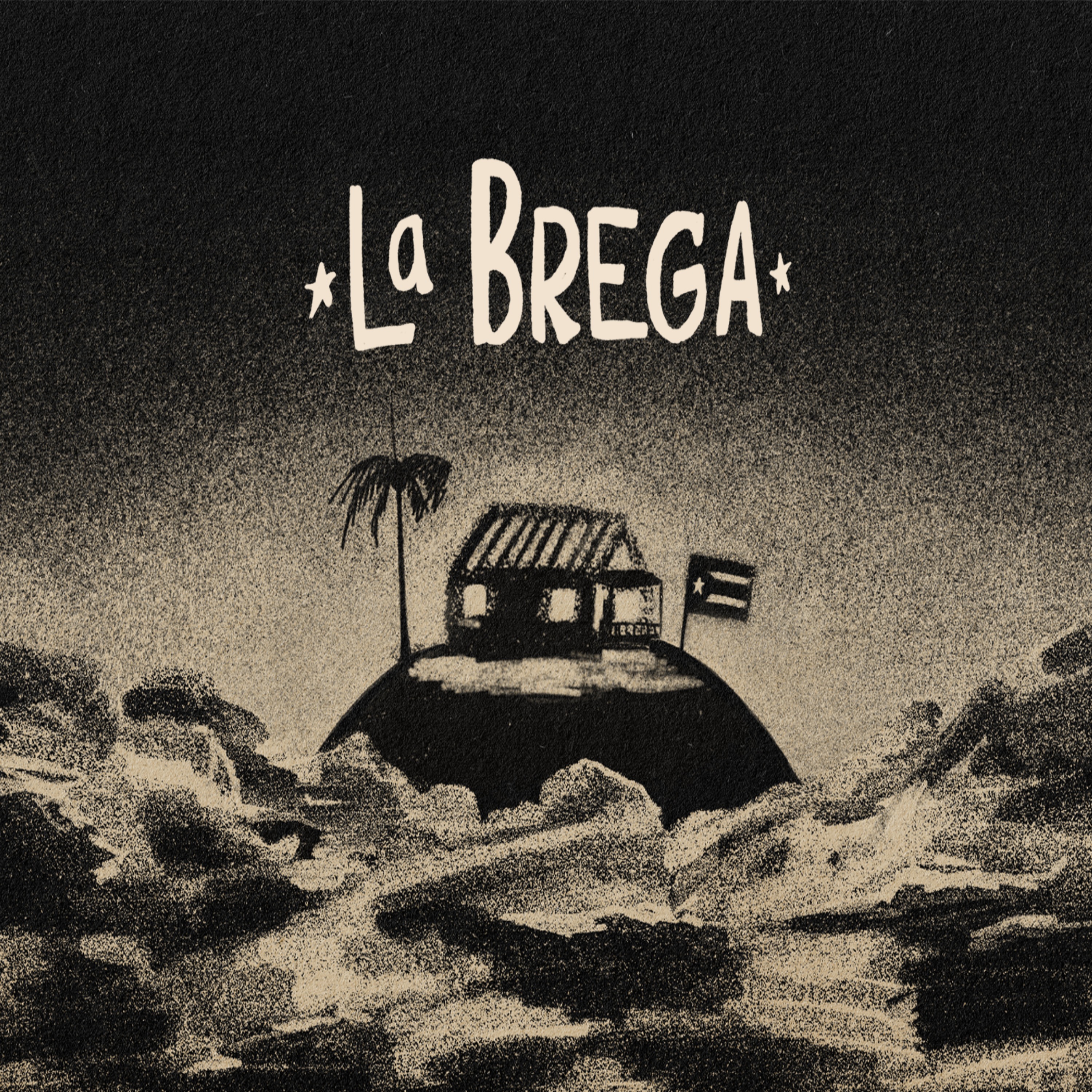
WNYC Studios and Futuro Studios present “La Brega: Stories of the Puerto Rican Experience”: a seven-part podcast series that uses narrative storytelling and investigative journalism to reflect and reveal how la brega has defined so many aspects of life in Puerto Rico. Available in English and Spanish. Creado por un equipo de periodistas, productores, músicos y artistas boricuas; presenta
La Brega: historias de la experiencia boricua
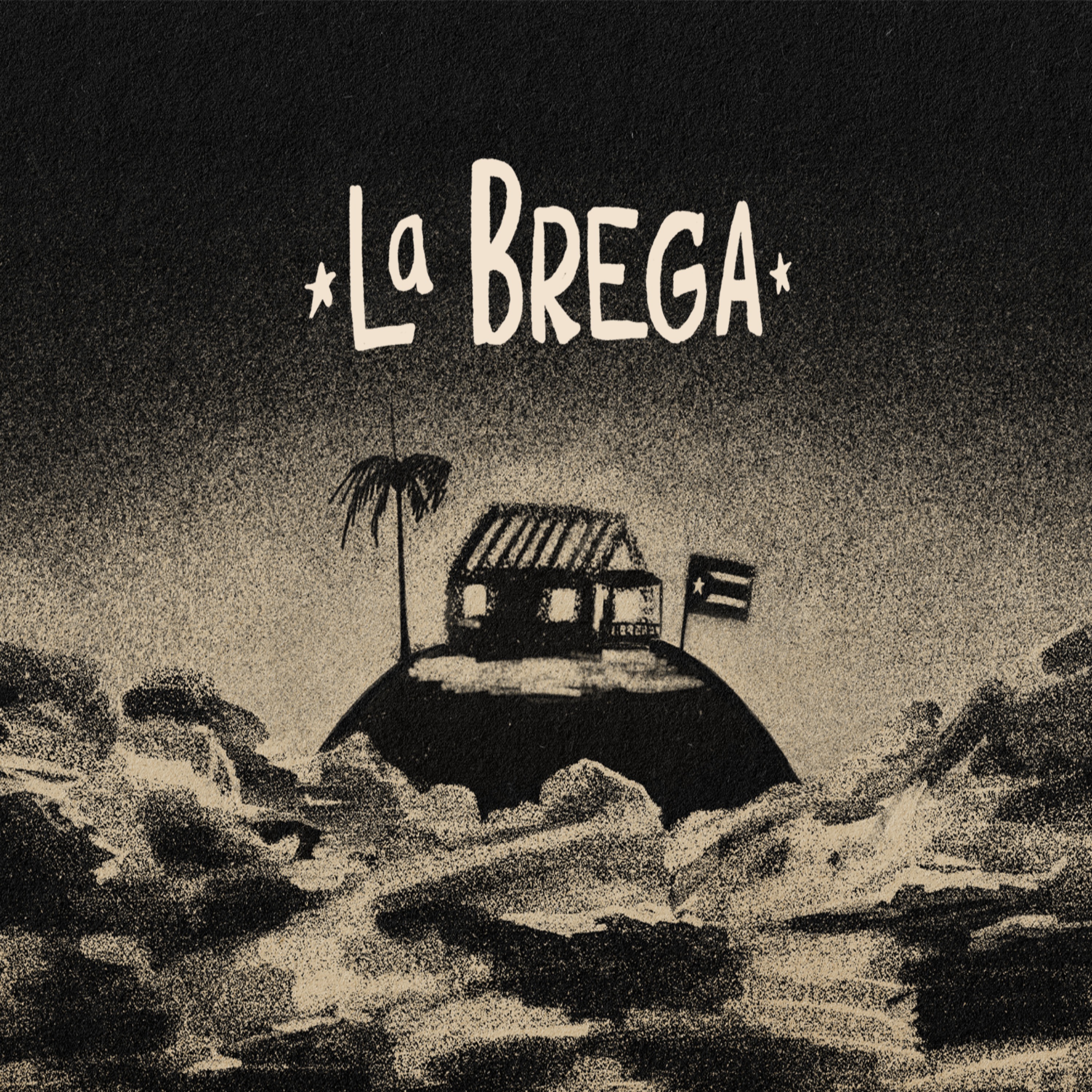
Un podcast de siete episodios que combina elementos narrativos y del periodismo investigativo para revelar y reflexionar sobre cómo “la brega” ha definido muchos aspectos de la vida en Puerto Rico.Creado por un equipo de periodistas, productores, músicos y artistas boricuas en la isla y en la diáspora; es presentado por Alana Casanova-Burgess de On the Media.Una coproducción de WNYC Studios y Futu
Recommended

TED Talks Daily

Learn English B1 with Daily News | English Listening Practice

Talk About Talk - Executive & Leadership Communication Skills
English with Olivia | Slow Conversations & Vocabulary
Stand In The Circle
SLOW ENGLISH PODCAST (A1-A2) With Subtitles | Daily Videos | English With Us Podcast

Learn English A2 with Daily News | Simple English Listening Practice

پلی لیست | PlayList

Conspiracy Files with Paige Carter
Bad Friends

Learn 50 English Phrases While You Sleep | Everyday English Phrases & Vocabulary
This Past Weekend w/ Theo Von
