
The Nietzsche Podcast
A podcast about Nietzsche's ideas, his influences, and those he influenced. Philosophy and cultural commentary through a Nietzschean lens. Support the show at Patreon. A few collected essays and thoughts are available on a blog.
Episodes
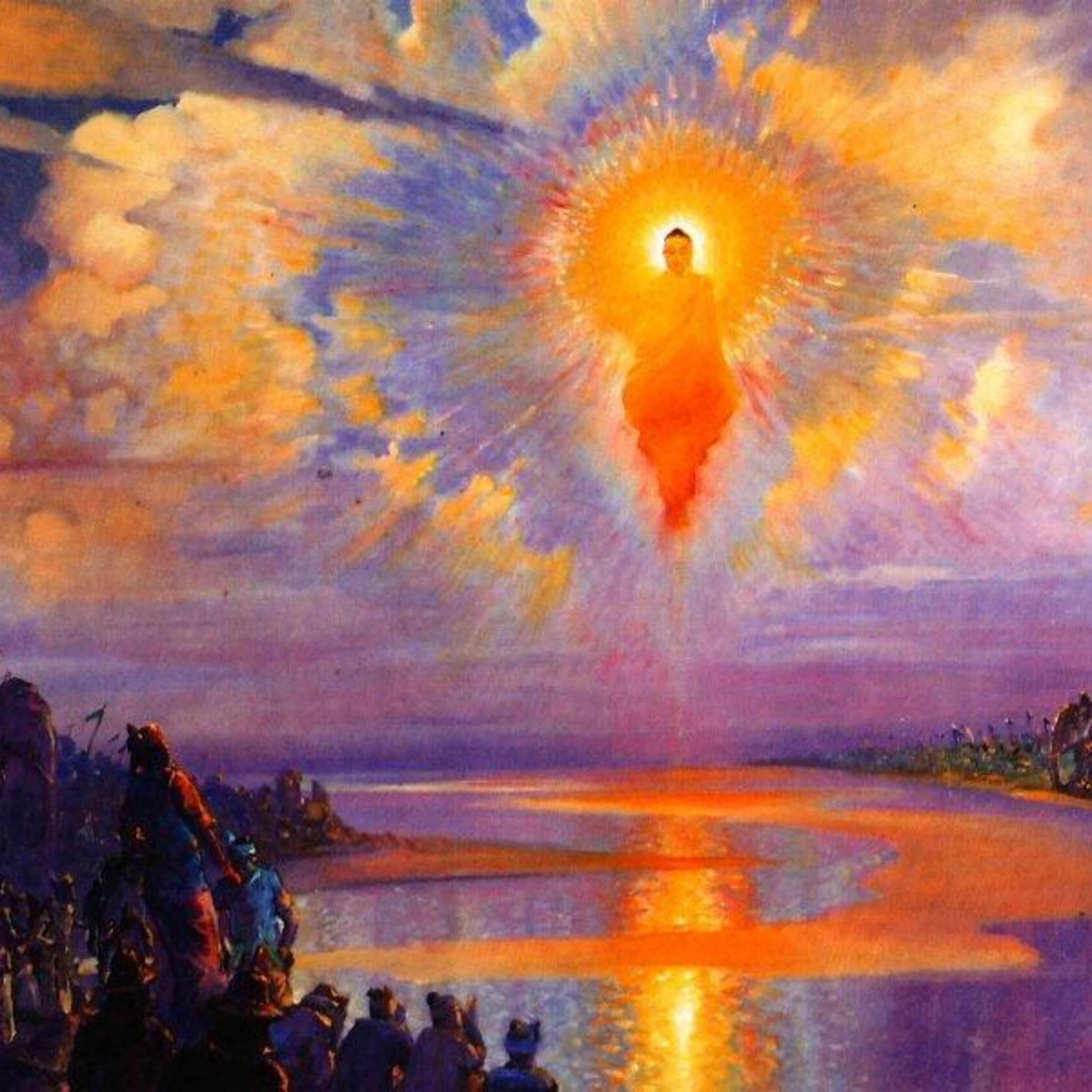
145: The Religion of Self-Redemption (Nietzsche vs Buddhism, pt. 1)
Welcome back to The Nietzsche Podcast, Season Seven! We're beginning with a two-part episode concerning Nietzsche's view of Buddhism. This episode, we will consider some of the basic teachings of Buddhism, and explore why Nietzsche viewed Buddhism with admiration. A repeated refrain in The Antichrist concerns Buddhism's superiority over Christianity. Why is it that Nietzsche considered

Q&A #16
Season seven begins soon! For now, enjoy a selection of fascinating questions.
The Gay Science #25 (V.372-393)
We've finally arrived at the conclusion of The Gay Science. The theme of these final sections is perspectivism - we have opened up a "new infinite", penetrating beyond narrow, limited views of the world that have always made grand claims to universalism but have only ever trapped us in dogmatic certainties. Nietzsche sums up his new affirmative attitude as a quest for "the great
The Gay Science #24 (V.364-371)
We incomprehensible ones - how our thought branches in every direction, how willing we are to shed our bark, to grow, to change! In this episode, we discuss, among many other sections, important passages such as "What is Romanticism" - in which Nietzsche explains how he departed from the romantic pessimism of Wagner and Schopenhauer. He opposes the theater to music, fully breaking with h
The Gay Science #23 (V.356-363)
In this chapter of our readthrough, we confront "the problem of the actor". Nietzsche predicts that things shall become ever more "artistic" in Europe, as the actor's talent self-falsification becomes developed in all members of society. Whereas in the Middle Ages, the individual was bound to his role as an unchangeable identity, the modern person picks up and discards roles: he gives the appearan
The Gay Science #22 (V.348-355)
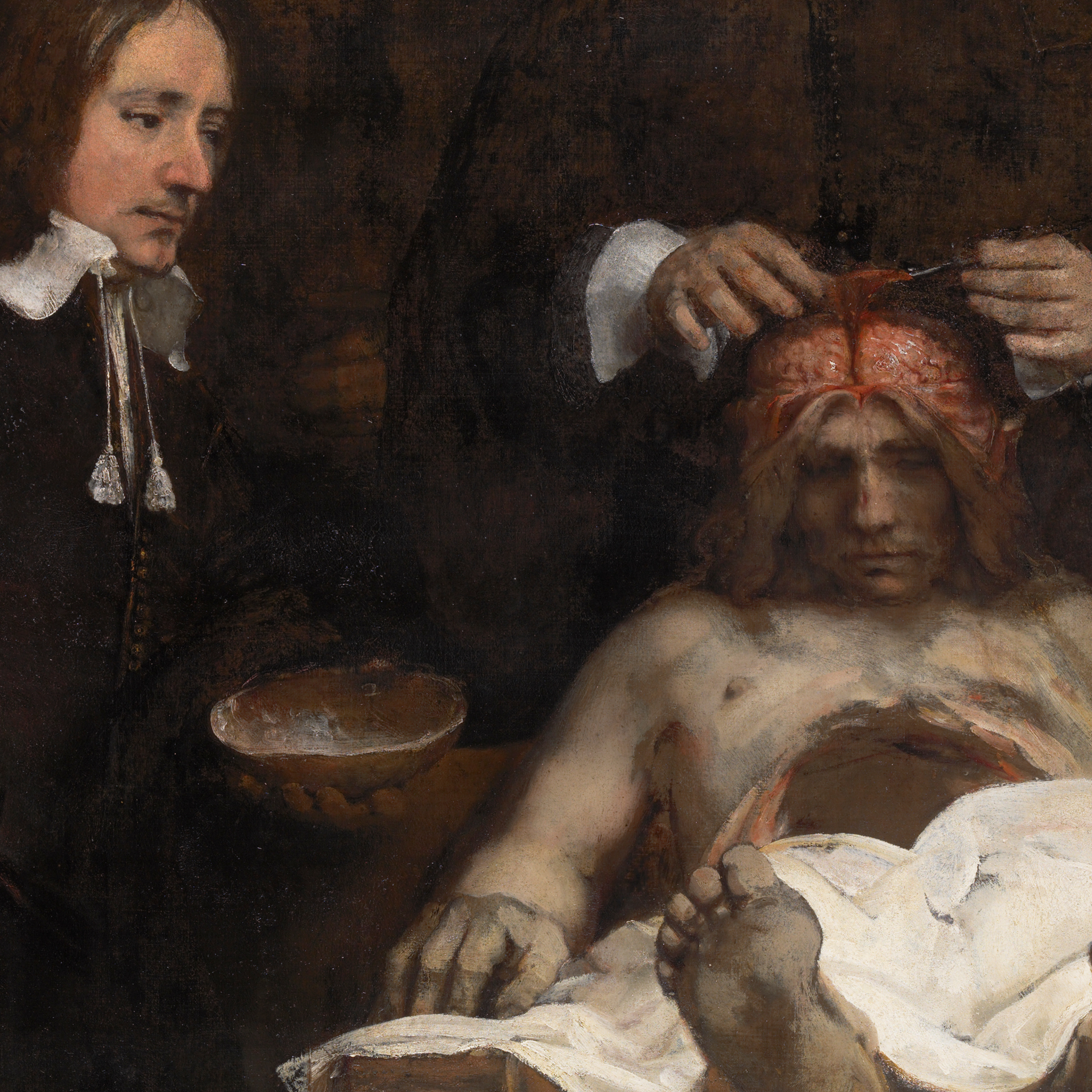
The grand experiment continues with a series of naturalistic explanations for the origins of ideas or modes of life. The scholar's intellectual habits are inherited "in blood and instinct"; Spinoza's philosophy is sourced to his sickliness; Darwinian theories of evolution are a product of the "musty air" of English overpopulation; religious and moralistic perspectives a
The Gay Science #21 (V.343-347)
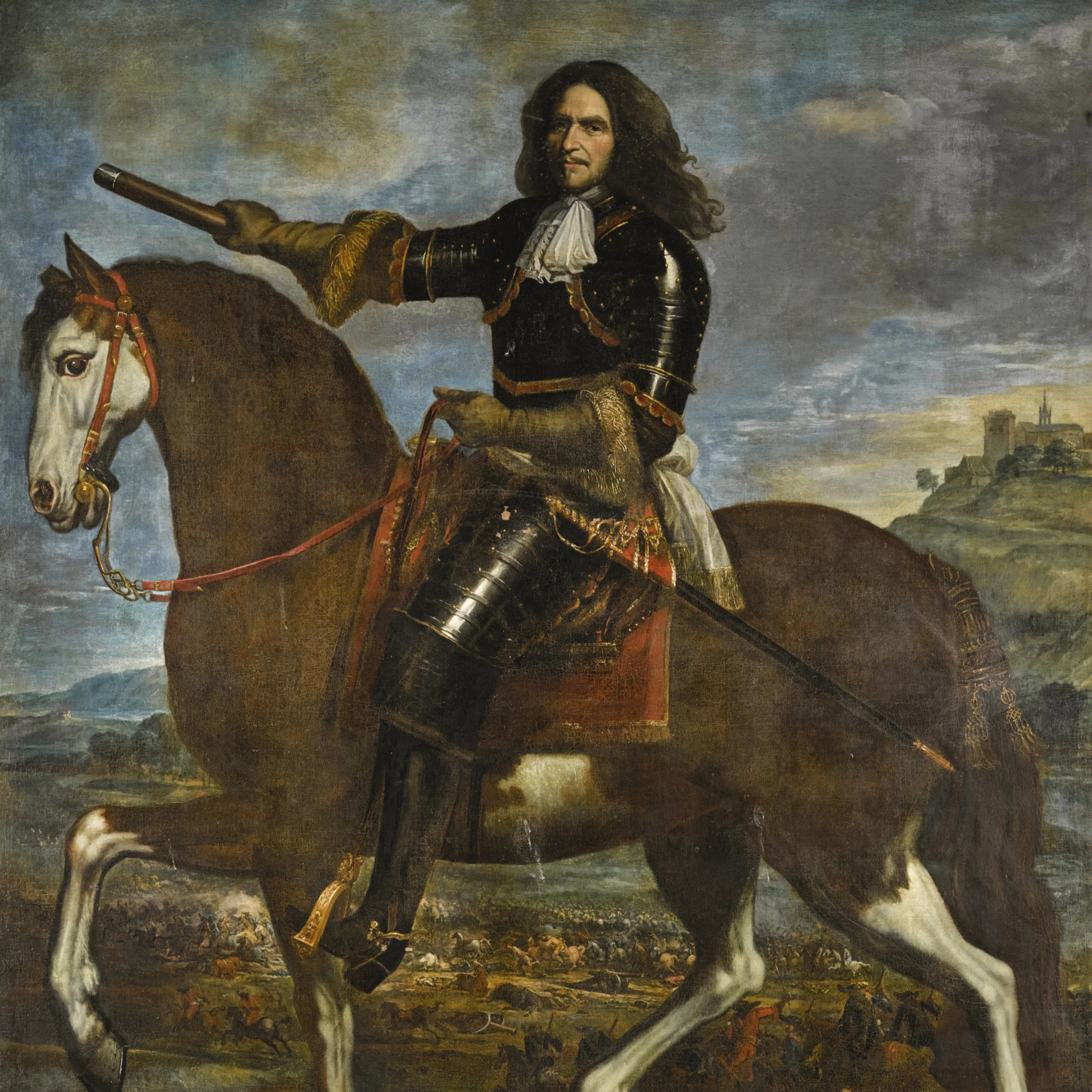
"You tremble, carcass?" After a long hiatus, we shall now fearlessly embark upon book V of The Gay Science, added to the text in 1887. In this final division of the text, we'll see Nietzsche's attempt to incorporate his late philosophy, as the conclusion of his middle period meditations. Some of the hardest-hitting sections in the book appear here. Join me on this quixotic journe
Q&A #15
You know what it is. Questions get answered. The Gay Science readthrough begins in a week's time.
144: Georges Bataille, part 2 - 1944 Diaries
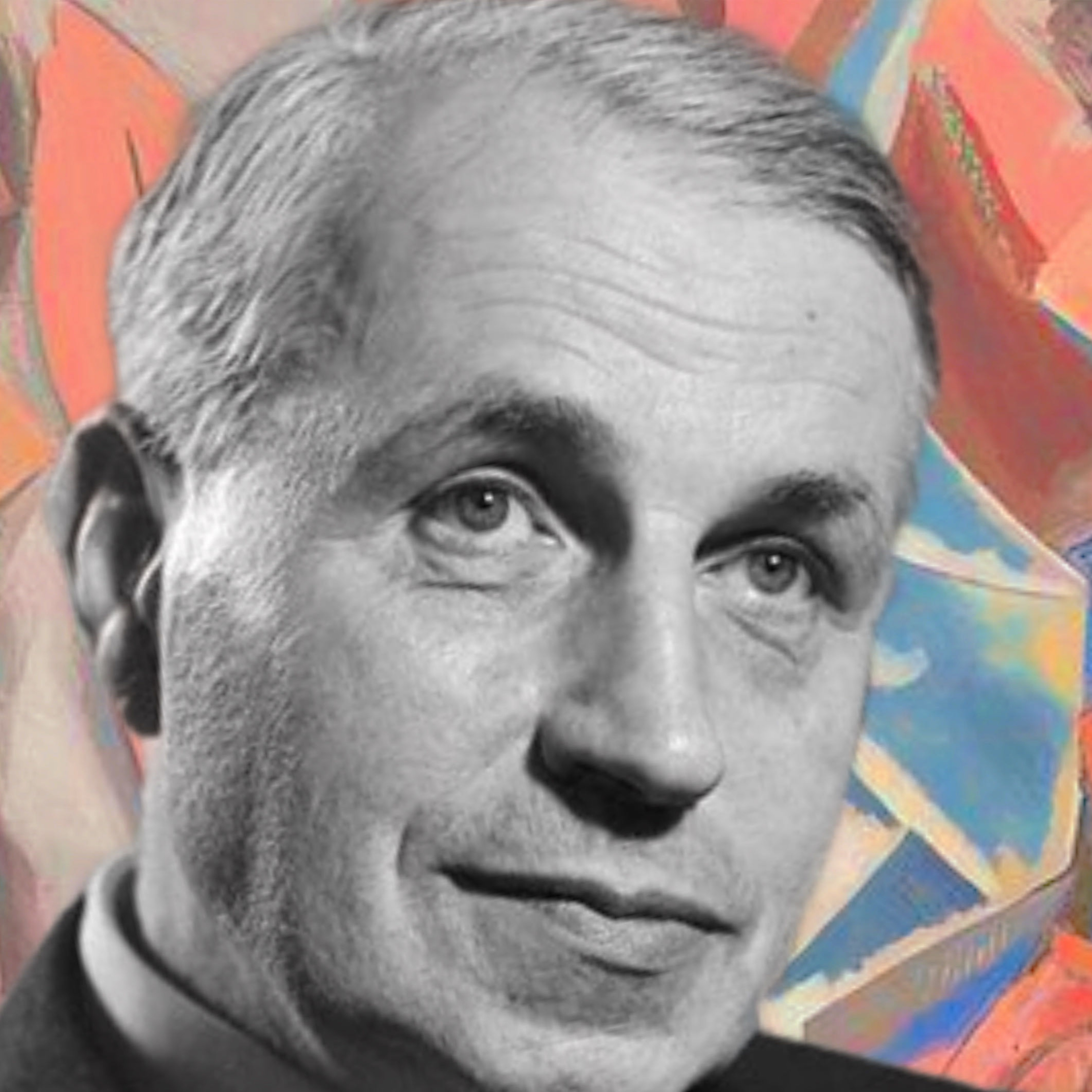
"You, whoever you are, reading me - take your own chance. Just as, at the moment of writing, I gamble with you." The much-awaited conclusion to season six is here! The year is 1944, and we follow Georges Bataille through the months of February to August as he recounts the end of the Nazi occupation of France, while writing of his daily encounters, his inner experiences, first-hand accoun
143: Georges Bataille, part 1 - On Nietzsche
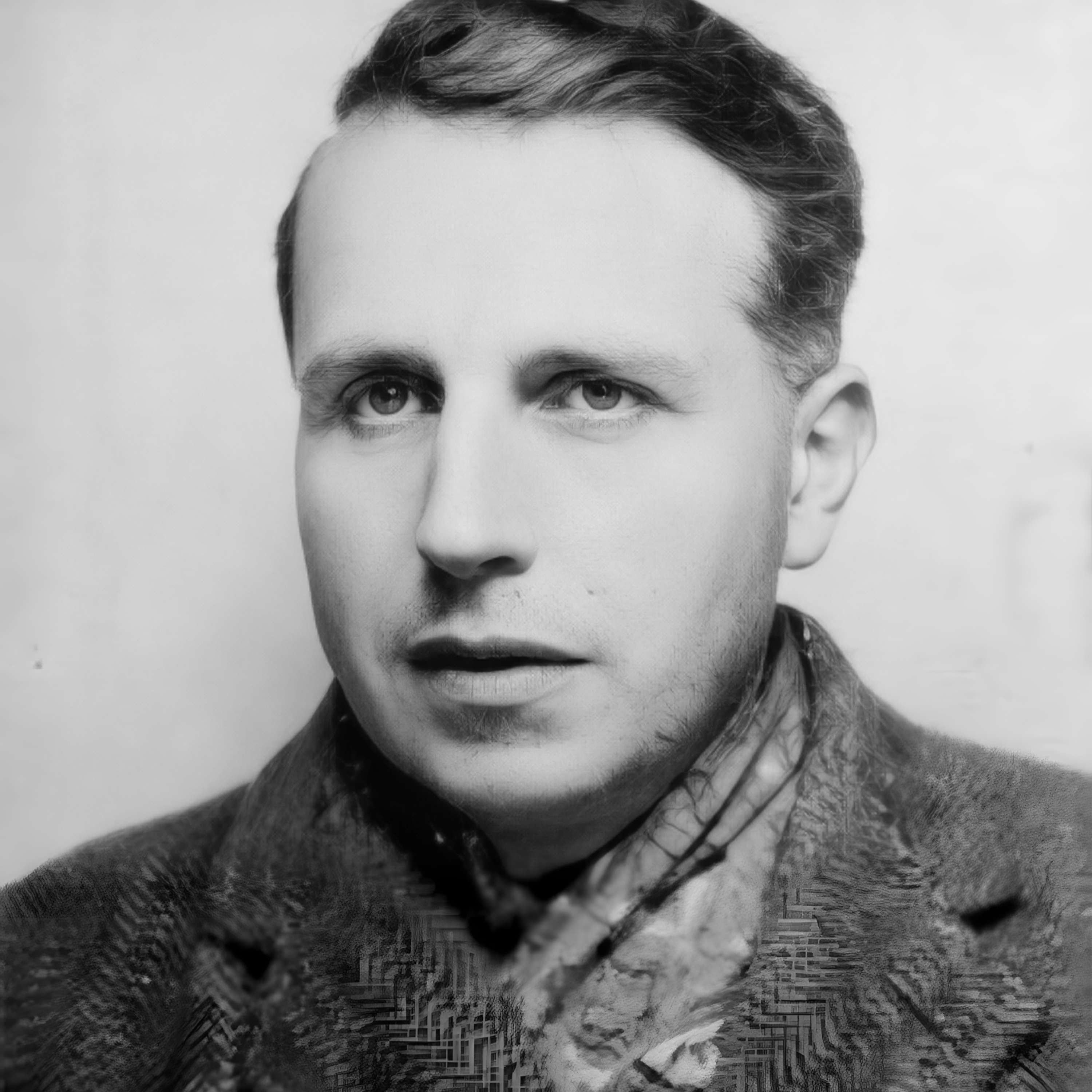
The two-part conclusion of season six begins. We're delving into the work of Georges Bataille, with a focus on his book, "On Nietzsche". Bataille is one of the most interesting intellectual nodes of 20th century philosophy. For a long time, his work was obscure in the English-speaking world, often eclipsed by those he influenced, such as Derrida and Foucault. However, among the postm

Untimely Reflections #46: Stuart Kendall - On Georges Bataille
Today, I'm speaking with independent scholar, translator, and lecturer, Stuart Kendall. Stuart is responsible for helping to bring new translations of Georges Bataille's work into English, and he joined me for a conversation about Georges Bataille and his influence from Friedrich Nietzsche. We discussed the notion of expenditure, the metaphor of the potlach, the will to chance, war as a
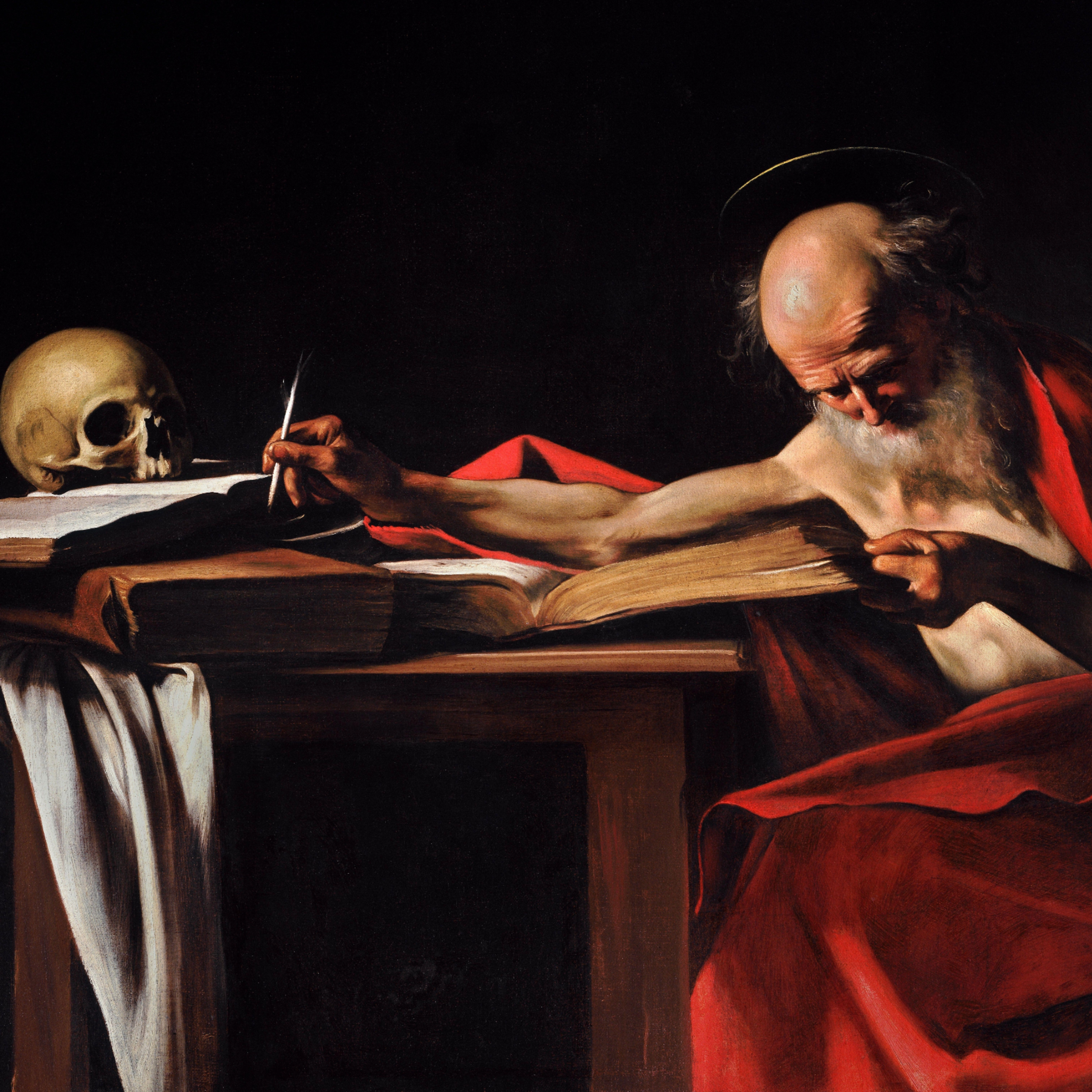
142: Commands, Symbols & Games - Nietzsche, Cassirer & Wittgenstein on Language
In this episode we're going to explore three very different thinkers who nonetheless converge on their theories of language. We're going to see if we can't extract an intelligible whole out of the ideas generated by this trio: the Nietzschean theory of language as command, the view of Cassirer that man is a symbolic animal, and Wittgenstein's concept of the language-game.
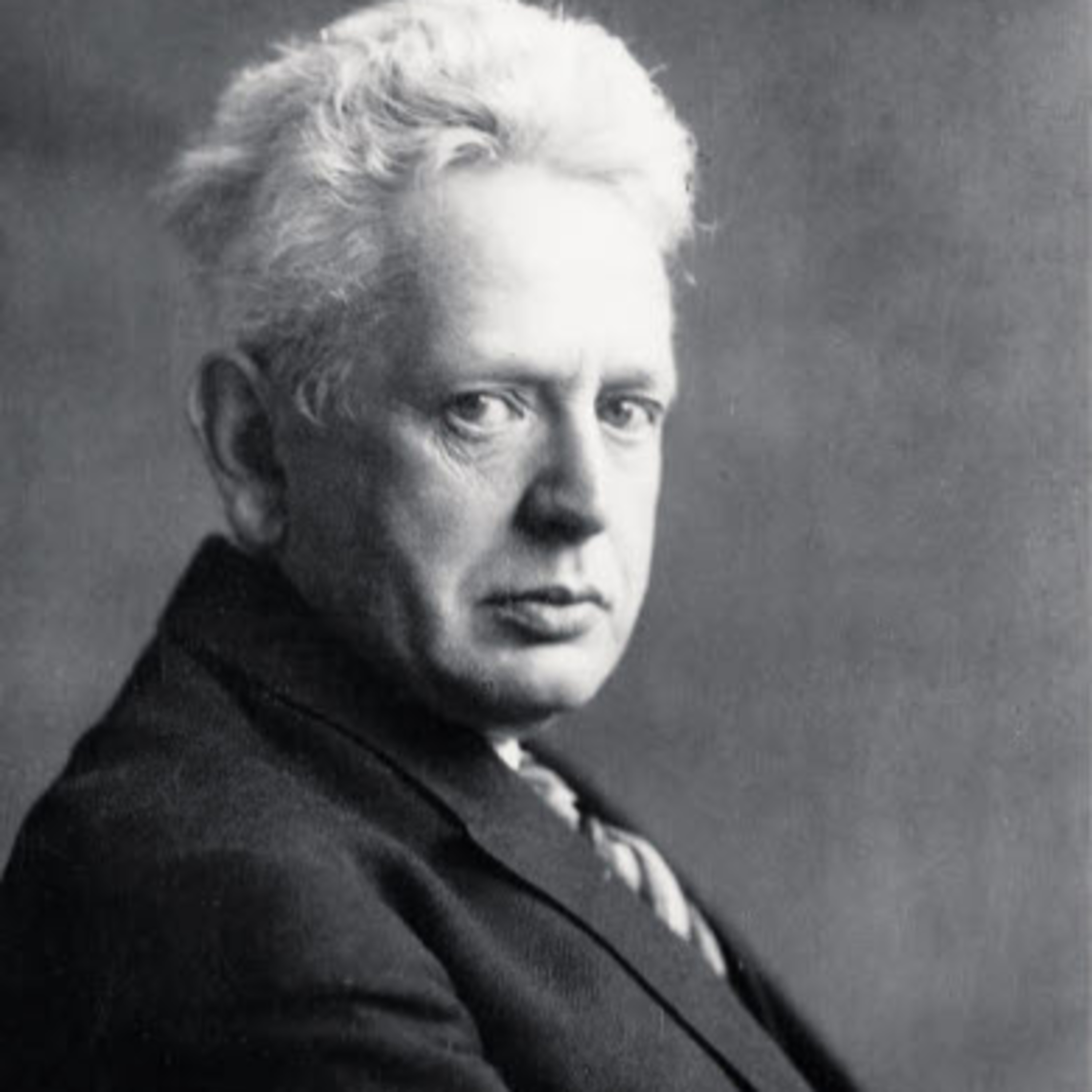
141: Ernst Cassirer - Language & Myth
In this episode, we're venturing into the life and thought of Ernst Cassirer, the last humanist of the Enlightenment tradition. Cassirer is widely known today for his debate with Heidegger at Davos, in which Cassirer appeared as the old style philosopher against the new world signified by Heidegger's radical existentialism. And yet, the very fact that this debate was taking as symbolic of
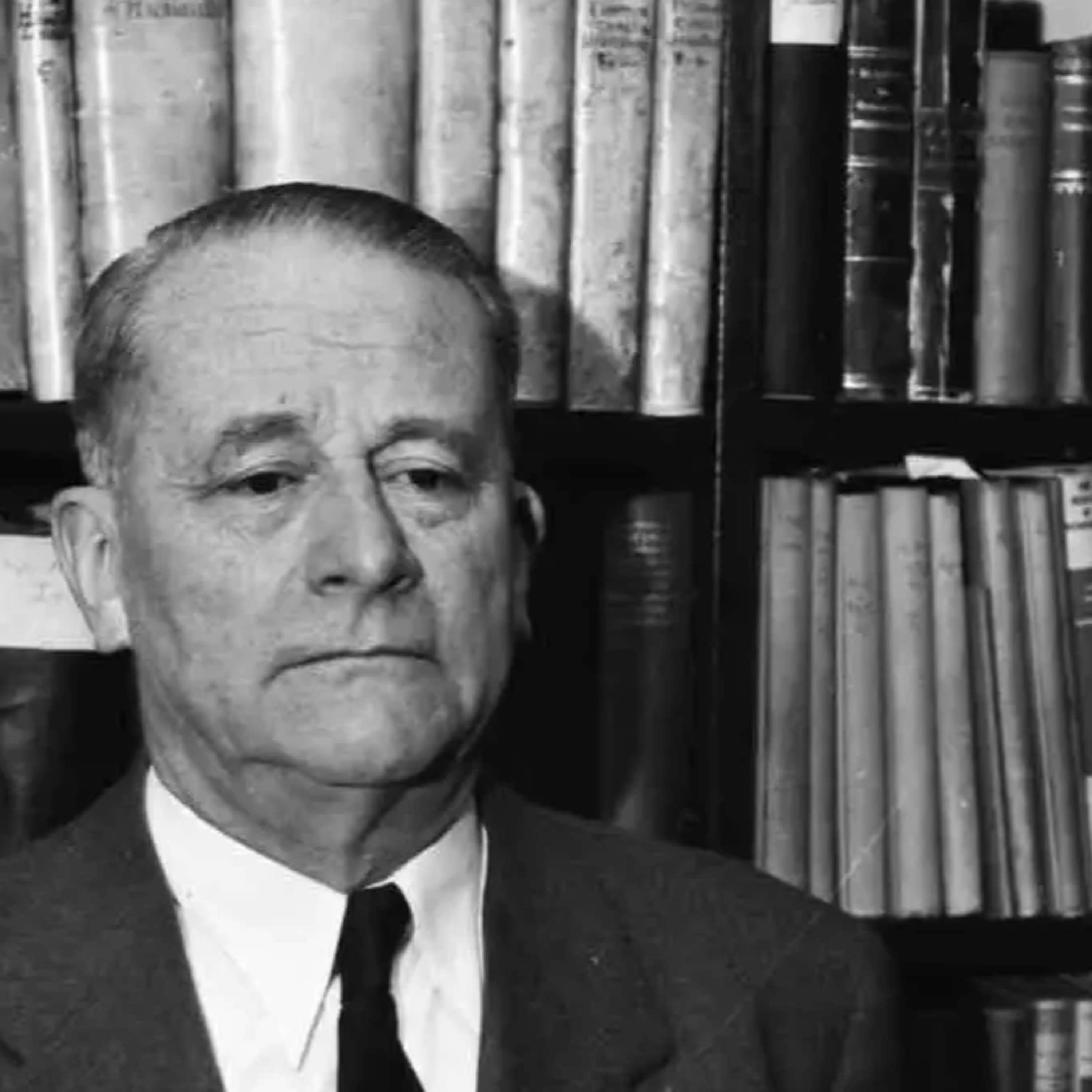
140: Anti-Schmitt
This is an audio version of the first two sections of a planned series of political writings, gathered under the name Antipolitik: I. The Birth of the State at the End of Warre, and II. Anti-Schmitt. I've grouped them under the name Anti-Schmitt because these two sections form a polemical unity, against the philosophy of Carl Schmitt and his friend-enemy distinction. Enjoy!
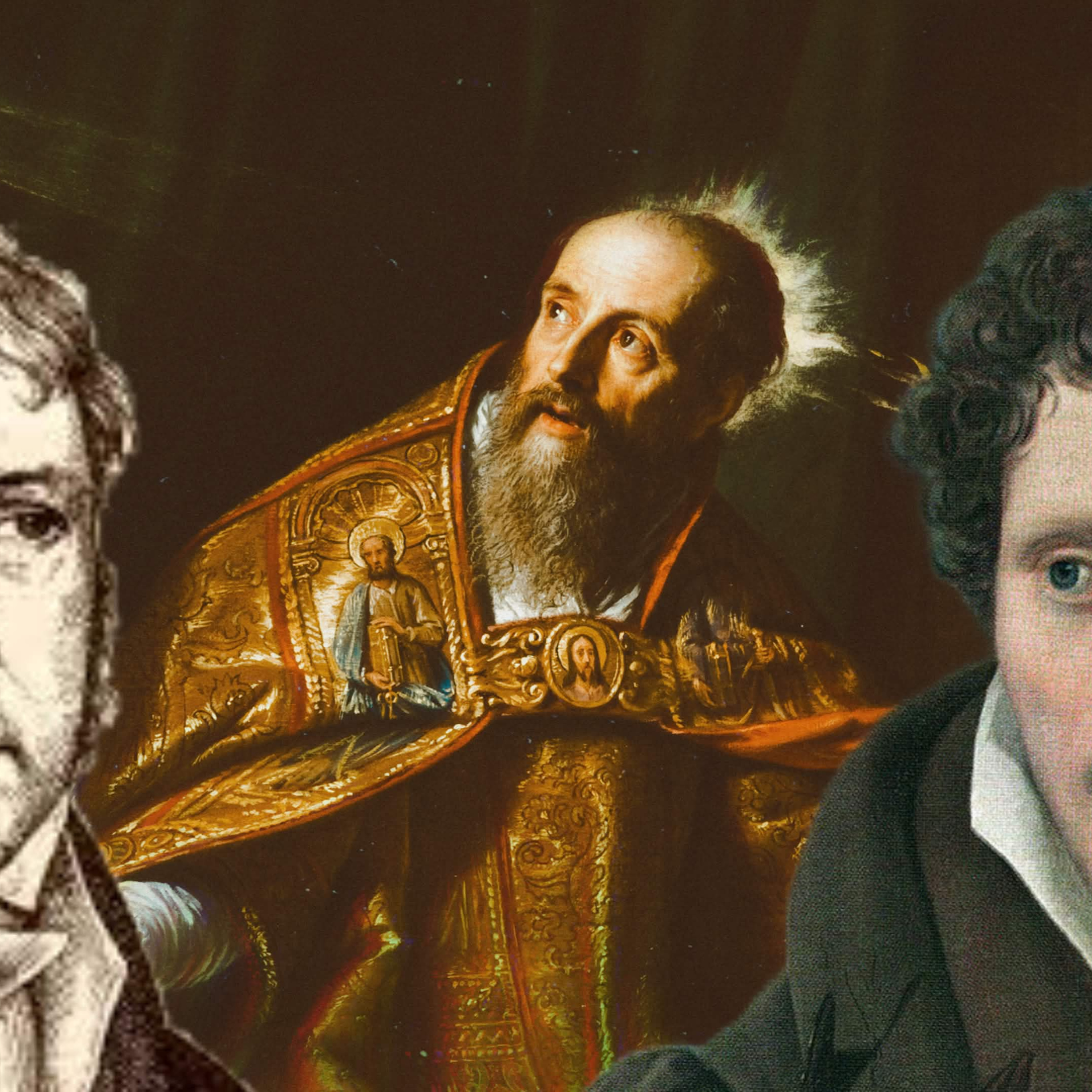
Untimely Reflections #45: Nick Nielsen - Philosophy of History
I spoke with Nick Nielsen (Geopolicraticus), who publishes a regular newsletter, and the series, Today in the Philosophy of History. We discussed Augustine's theory of history; the differing views of history of Hegel and Schopenhauer; the Renaissance and the Reformation; textual gaps in the Middle Ages; Nietzsche's "On the Use and Abuse of History for Life"; Nietzsche & Machiavelli as the monument
Untimely Reflections #44: Christopher Satoor (The Young Idealist) - Friedrich Schelling
Chris joined me for a conversation on Friedrich Schelling & German Idealism! In spite of his prominence, Schelling tends to be underdiscussed in popular philosophy circles when it comes to the German Idealist tradition. In this episode, we talk about his essay Philosophical Inquiries into the Essence of Human Freedom, the dialectic of potencies that develops out of nature-philosophy, and the r
139: Ludwig Wittgenstein - Philosophical Investigations, pt 2
In our continuation of Wittgenstein's Philosophical Investigations, we'll discuss Wittgenstein's arguments against the possibility of a private language, which culminates in the position that all subjective experiences of sensations are not communicable. Thus, language must be doing something else, other than communicating inner experiences, with its words that seem to refer to these e
138: Ludwig Wittgenstein - Philosophical Investigations, part 1
In this episode, we're finally talking about a book near and dear to my heart, Wittgenstein's "Philosophical Investigations" (this book took second place in a Patreon poll, and I decided it was time). What is language? How is the meaning of words determined? Wittgenstein initially proposed a pictorial theory of the meaning of sentences, but after his return to philosophy, Wittg
Untimely Reflections #43: Joe Folley (Unsolicited Advice) - Camus & Absurdism
Joe Folley joins me for a conversation on Albert Camus and the absurdist response to the death of God. We begin by comparing and contrasting Camus and Nietzsche, and their differing approaches to the devaluation of values. Taking inspiration from Nietzsche, Camus searches for an attitude to life akin to amor fati, but defined by a defiance against dogmatic certainties and nihilistic abandonment of
Q&A #14
The longest Q&A so far! The beginning has a number of Patreon updates, most of which involve things that have already transpired on the podcast. If you want to be involved with asking Q&A questions, or voting in polls to decide future material for the podcast, join the Patreon!
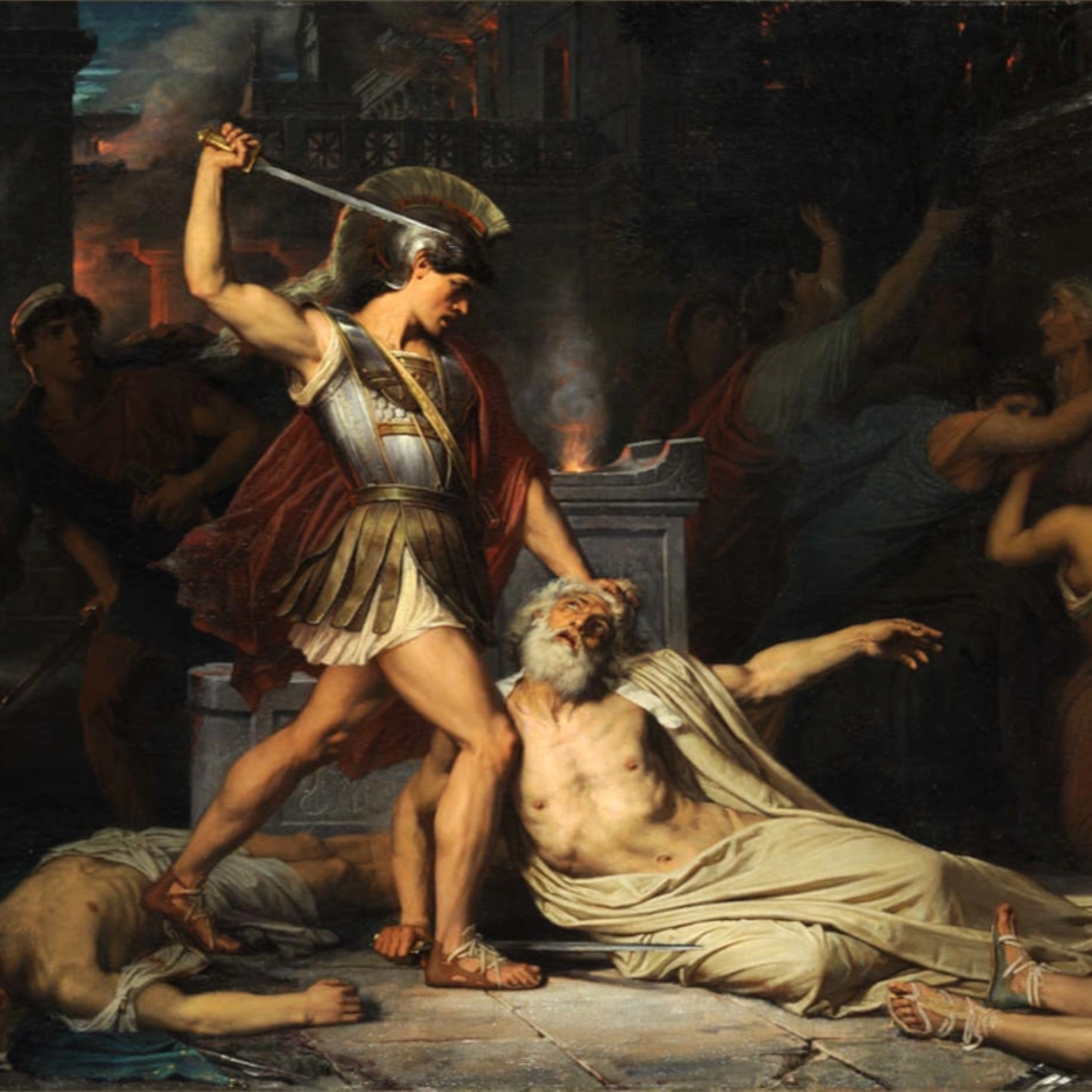
137: Philosopher as Spectator
In Marcus Tullius Cicero's Tusculan Disputations, he cites a story of Pythagoras, the man who created the term, "philosopher". His description of the philosopher is as one who comes into life not as a competitor, not in the pursuit of money or fame - but merely as a spectator, who observes and inquires into the nature of things. According to Pythagoras, this way of life is the best,
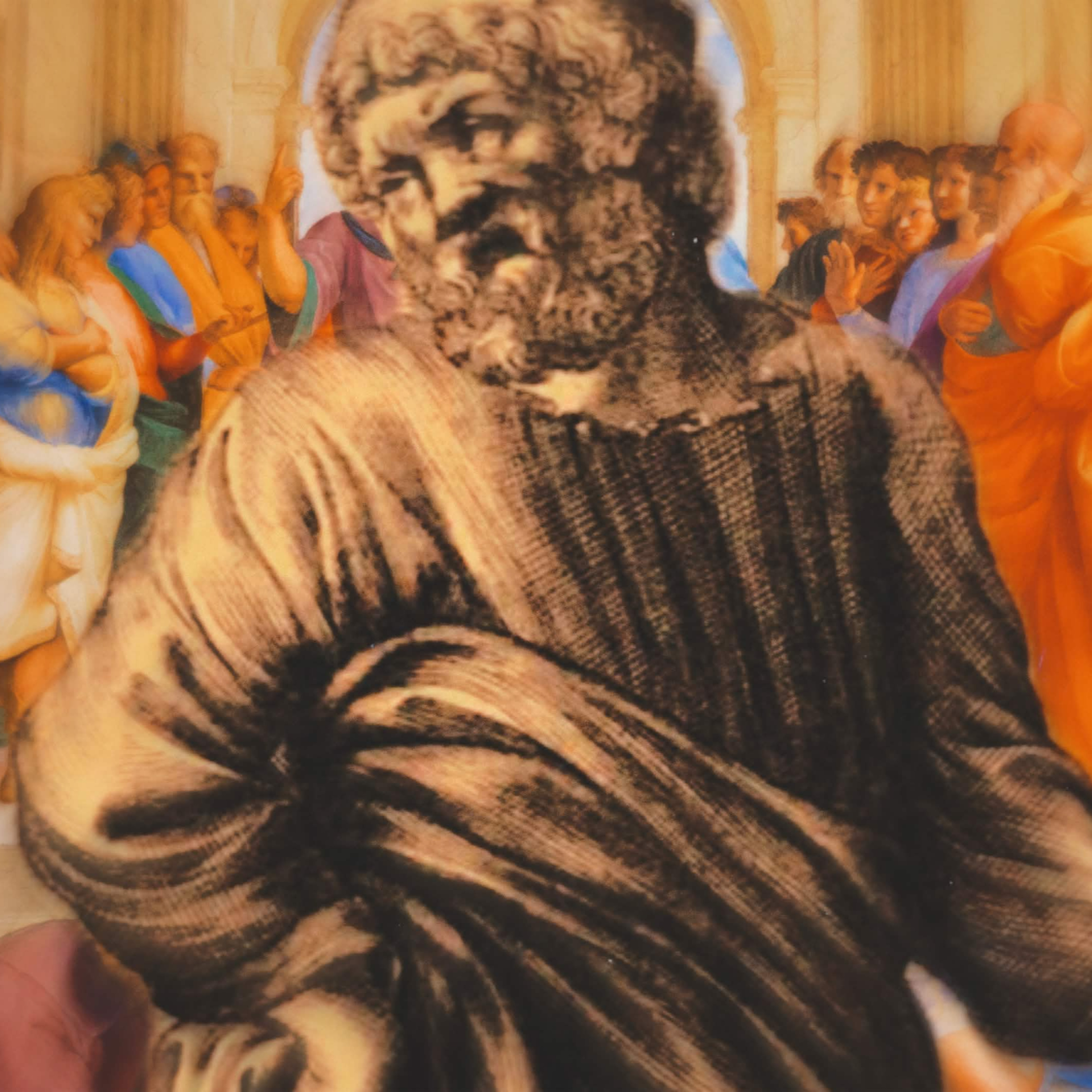
136: Pyrrho - Ancient Skepticism
There is nothing new under the sun: it was here, already, long ago. It was here before our time. This much must be said of the ancient skeptics, who put forward perspectival, relativistic, and moral anti-realist arguments during the Hellenistic age. The central figure is Pyrrho of Elis, who is only known through secondary sources, and whose life is surrounded by a number of fascinating anecdotes w
Untimely Reflections #42: Devin Goure - Star Trek & Philosophy
Devin (Left Nietzschean) joined me to discuss the underlying philosophical themes of Star Trek, including a potential affinity with Nietzsche as regards the need for self-overcoming as opposed to utopia; the idea of moral "perfectionism", interpreted through "Schopenhauer as Educator"; interpreting the political positions and critiques of the show in their cultural context, as
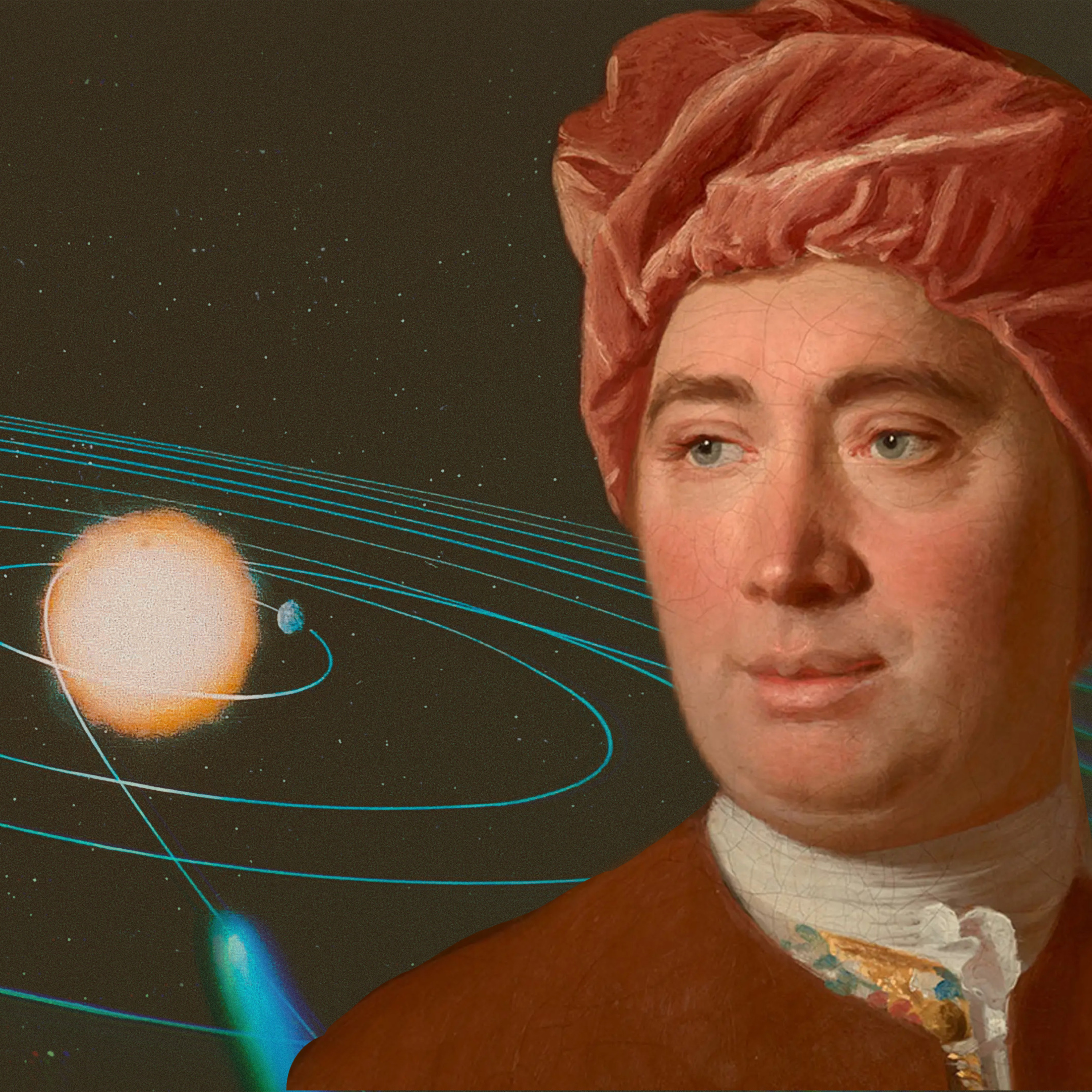
135: Hume v/s Nietzsche - On Causality, Free Will & Habit
In this episode, we'll compare Nietzsche's view of causality, habit, and free will to Hume. Although, in substance, they make very similar arguments, we'll explore important differences. Nietzsche arrives at his critique of causality through his attack on free will, and the subsequent understanding of metaphysical beliefs as necessitated by moral beliefs - whereas for Hume, the issue o
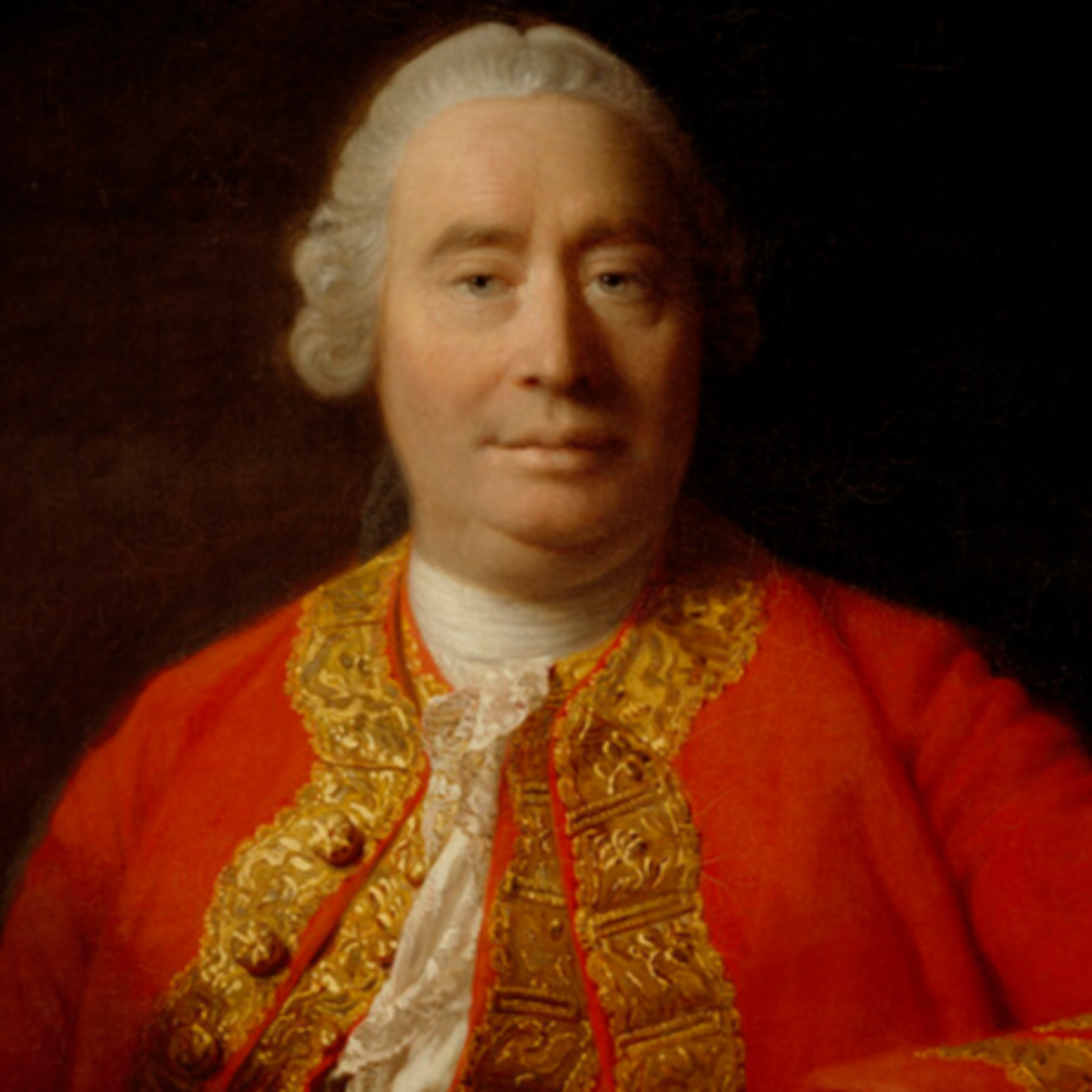
134: David Hume - Enquiry Concerning Human Understanding
Today we're going to become Humean, All Too Humean. This is an introduction to David Hume's life and works, brief consideration of his influences, and deep dive into Enquiry Concerning Human Understanding - the work that woke Kant from his dogmatic slumber. In our analysis we discuss: Hume's 'two species of philosophy'; Hume's distinction between ideas & impressions, an
Untimely Reflections #41: Gnostic Informant - The History of Demons
Gnostic Informant on Youtube: https://www.youtube.com/@UCtdweFMJ5DGj7_q5IcpQhPQNeal and I do a deep dive into the origins of the term "demon"/"demonic". What was the original meaning of the term "daimones" in Ancient Greece? How does the understanding of the term change, from the Hellenic to the Hellenistic to the Christian eras? We also discuss the imagery associated
Untimely Reflections #40: Hans Georg Moeller - Zhuangzi & Nietzsche
A conversation with Prof. Moeller (Carefree Wandering). We discuss the political implications of Daoist philosophy, the Daoist critique of Confucian family roles and anthropocentrism, the comparison to Nietzsche's critique of modernist theories of truth, the differences between the two regarding their respective past and future orientations in philosophy, the difference in "vibe", an
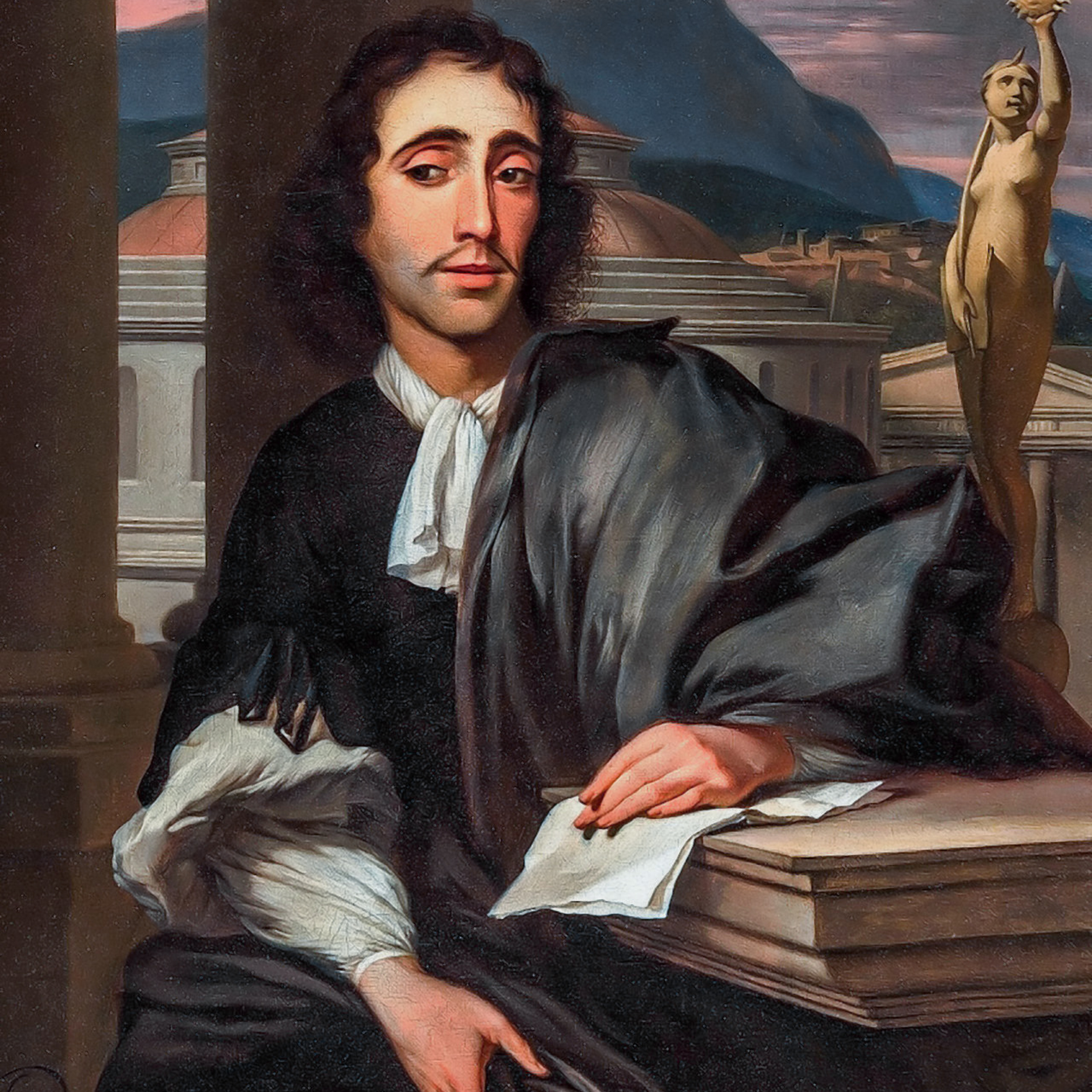
133: Baruch Spinoza - The Intellectual Love of God
There was much ado about Spinoza, at least amongst the German rationalists and romantics. In this episode, we're going beyond the metaphysics to talk about the entire purpose of Spinoza's Ethics: the path to human freedom, in which a human being can become liberated from domination of the affects. The way to achieve this, according to Spinoza, is purely through understanding. No willpower
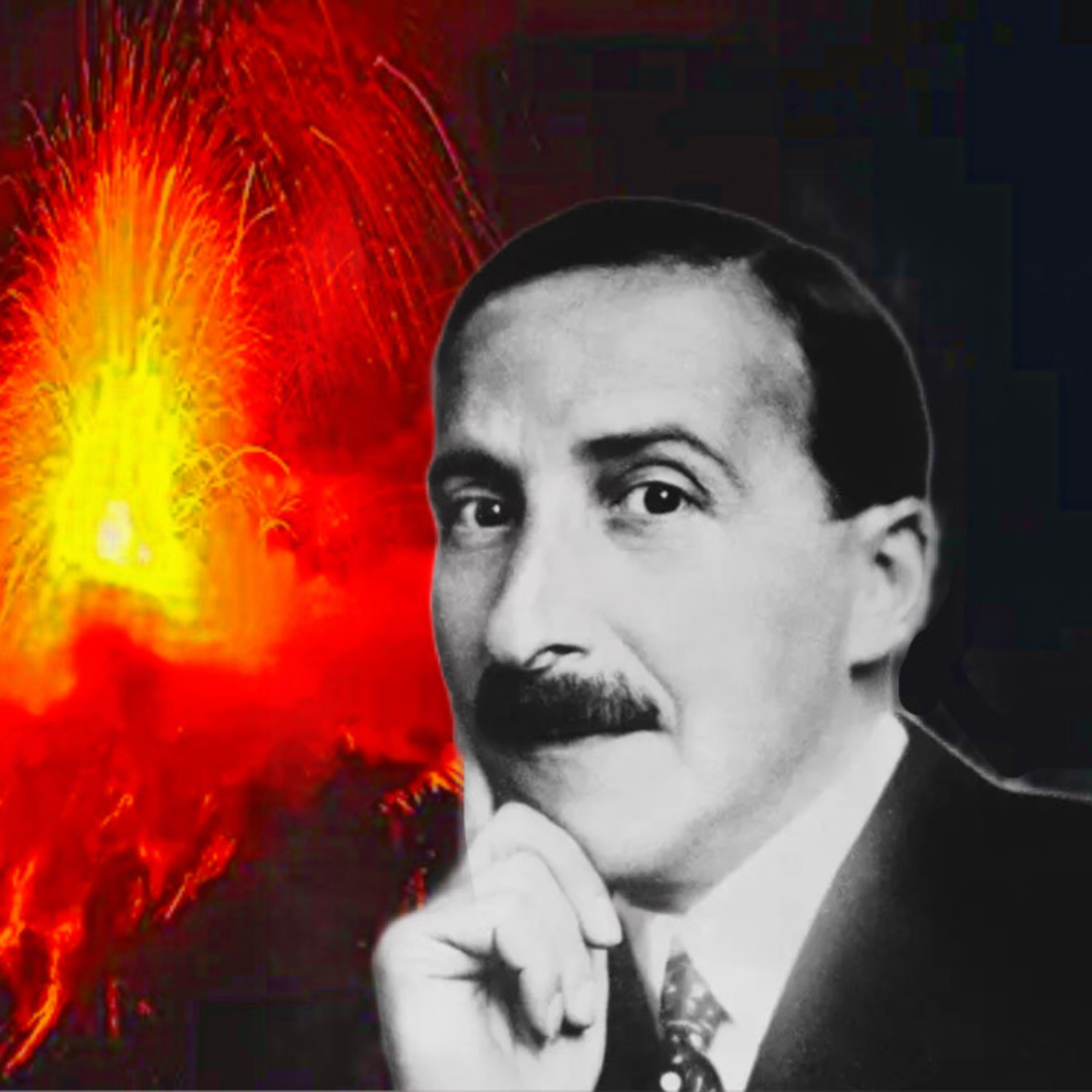
132: Daemonic, part 3 - Stefan Zweig & Nietzsche's Struggle with the Daemon
In the conclusion to the daemonic series, we're looking at Stefan Zweig's Struggle with the Daemon - specifically, the section on Nietzsche. Particularly helpful for our analysis will be Zweig's comparison and contrast of Nietzsche with Goethe: both men contain the daemoniacal drive, but whereas Goethe holds it at a distance, Nietzsche gives himself over to it. By following Zweig's
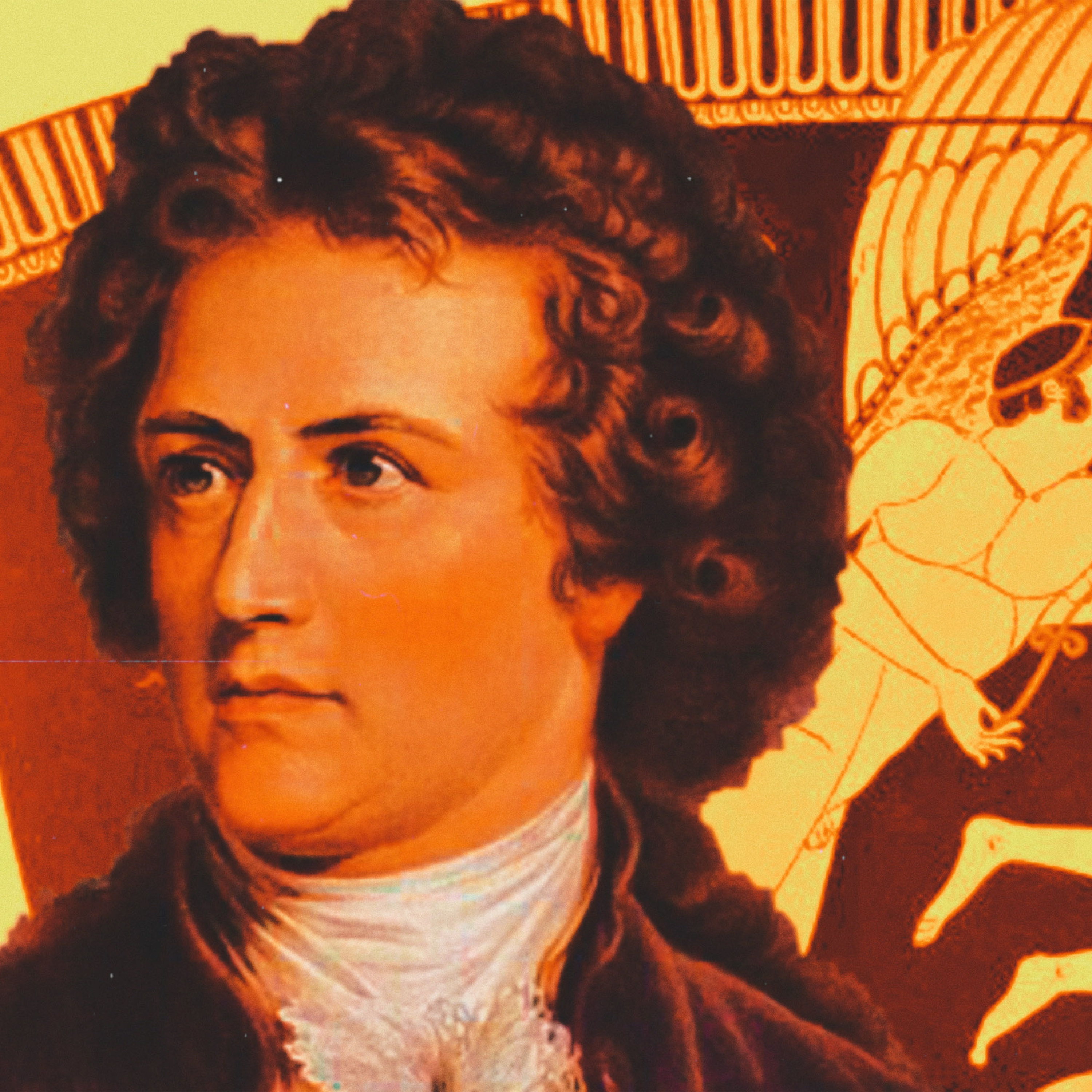
131: Daemonic, part 2 - Herder's Substantial Forces & Goethe's Flame of Genius
In the second part of this series, we'll examine how it is that Goethe came to his conception of the Daemonic, involved as it is with Spinoza's pantheism. Goethe's introduction to Spinoza was largely through Herder, and his friendship with Herder he described as one of the most important in his entire life. We'll consider Herder's personality and some of the most important aspe
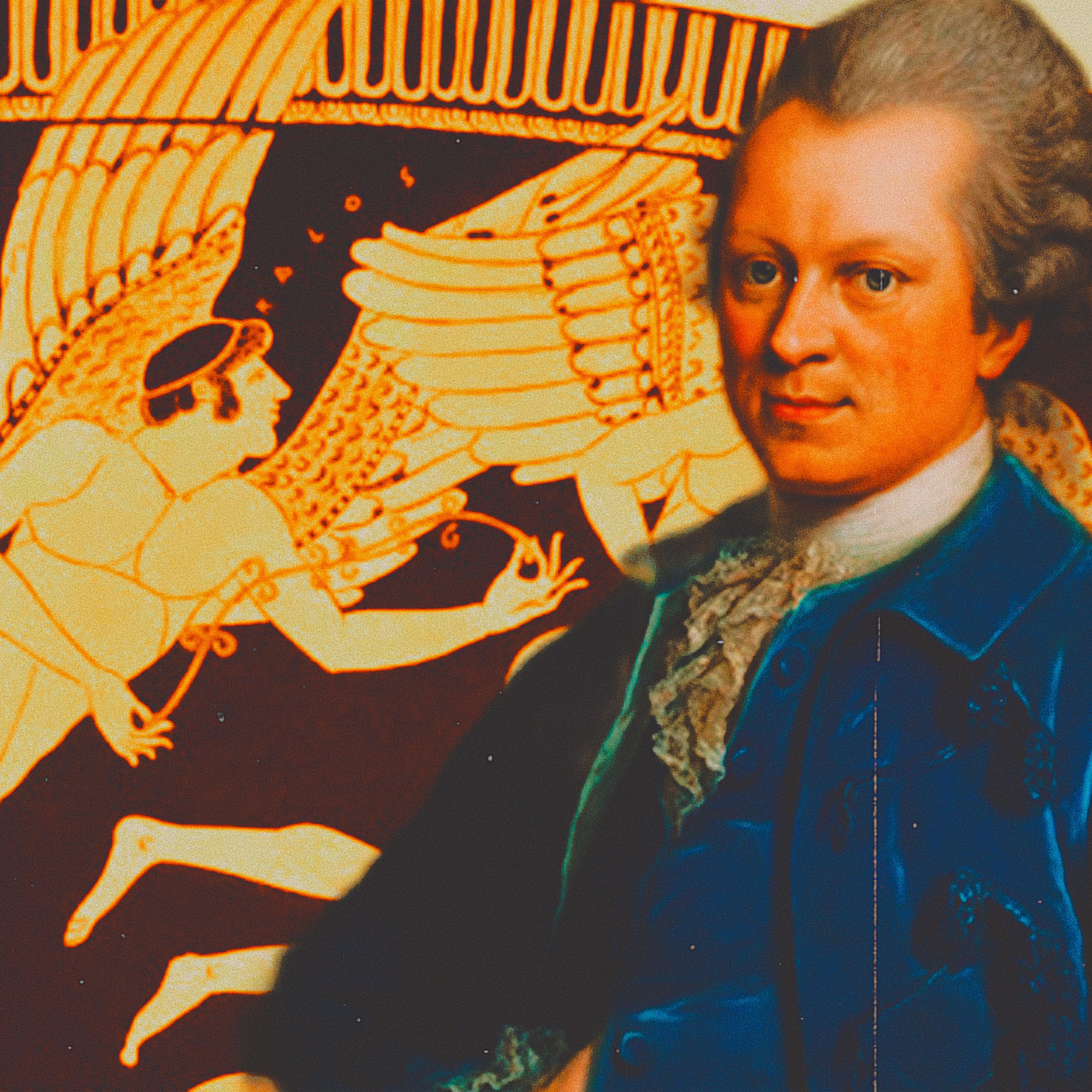
130: Daemonic, part 1 - Ancient Spirits & The Pantheism Controversy
Part one of three. Johann Wolfgang von Goethe often spoke of a dangerous but invigorating life-force that he christened "the daemonic". In his conversations with Eckermann, and in his autobiography Dichtung und Wahrheit, he describes the daemonic by direct reference to Spinoza, and his pantheist philosophy. In this first episode of our series on Goethe's Daemonic, we're going to
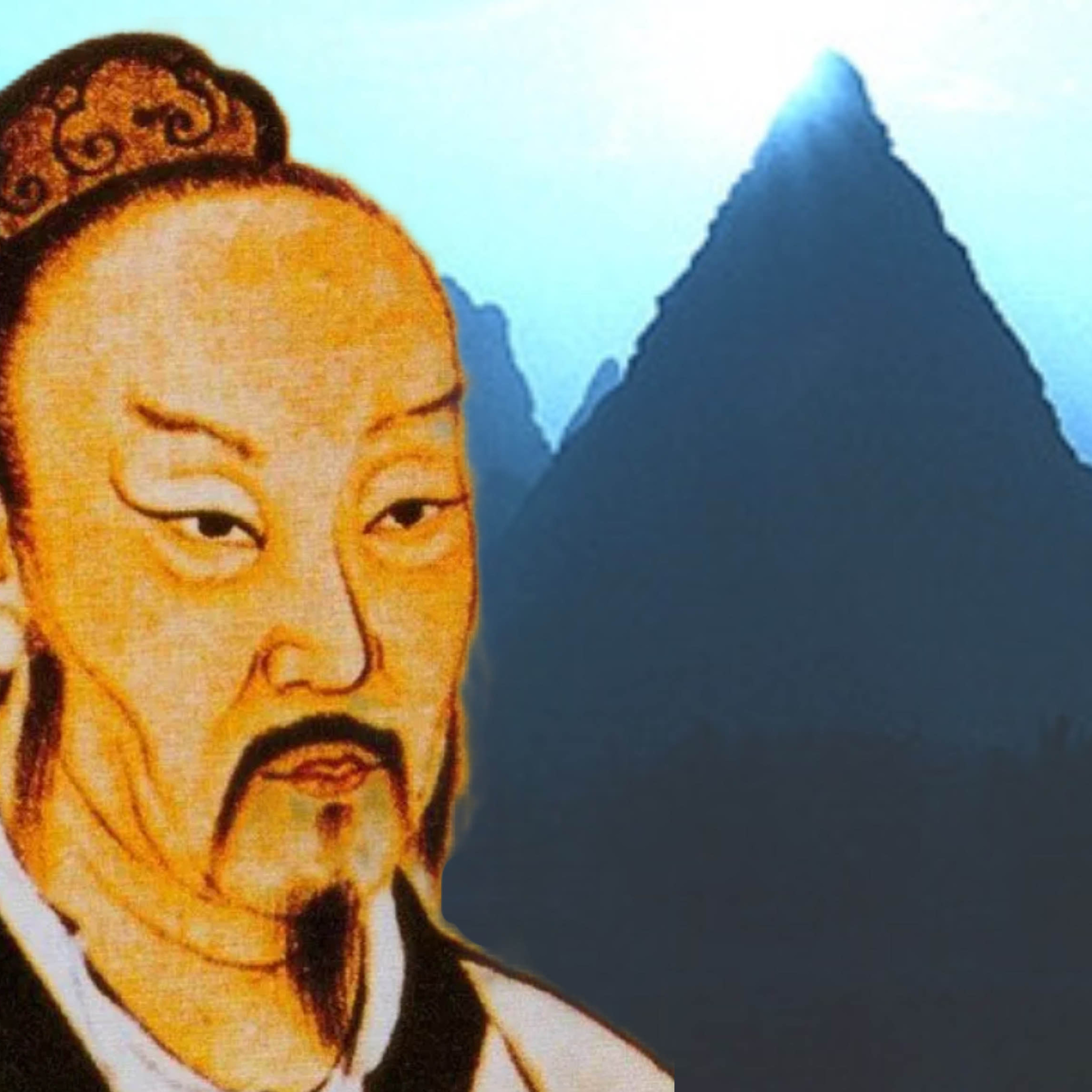
129: Ge Ling Shang - Liberation as Affirmation
Today we're considering Ge Ling Shang's book, Liberation as Affirmation, comparing Zhuangzi and Nietzsche. Shang sees both thinkers as putting forward a "religiosity" of life-affirmation. Major points of comparison: use of language (goblet words/zhiyan & Dionysian dithyramb), whether one can relativize all views or should affirm illusion, how to respond to morality (revaluati
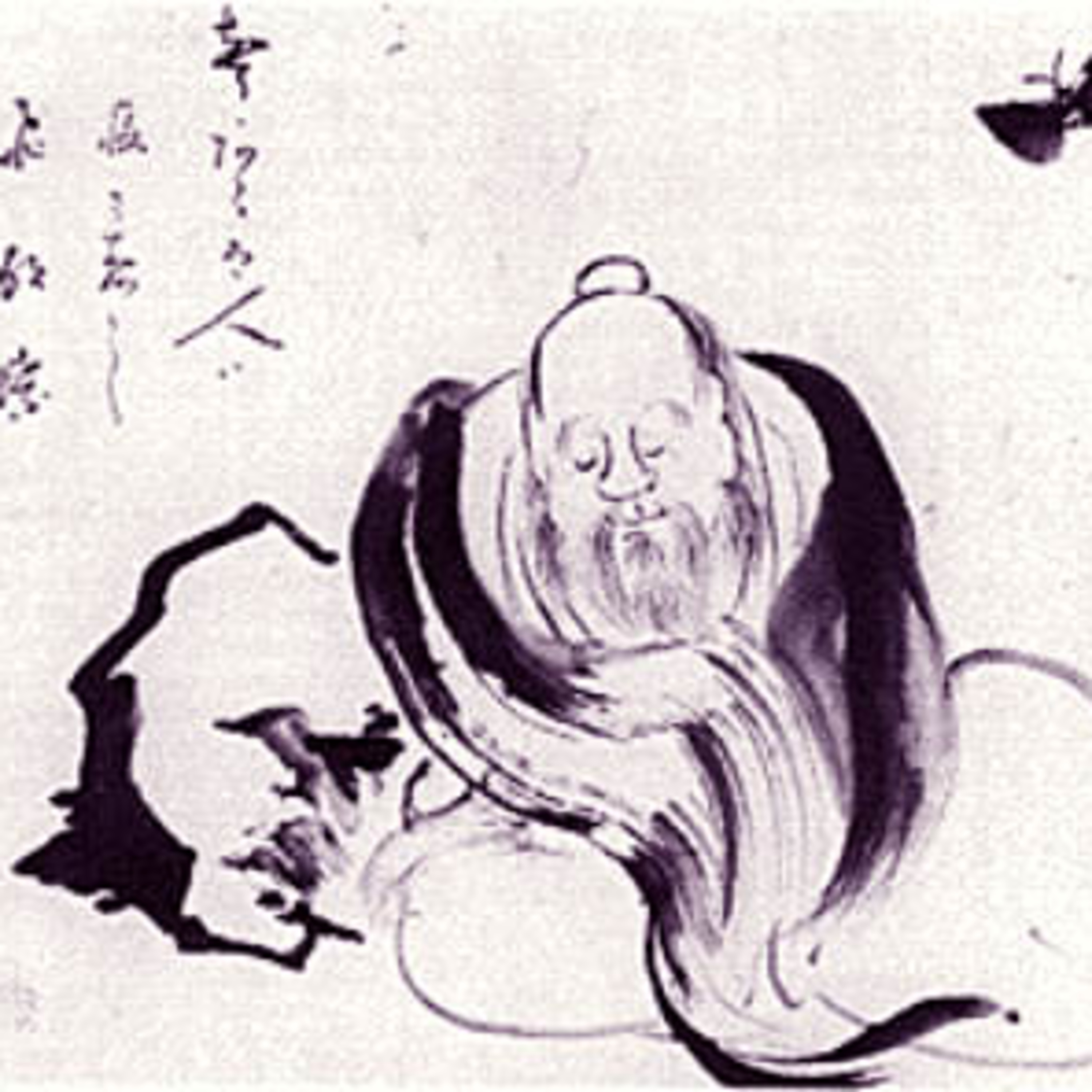
128: Zhuangzi - Free & Easy Wandering
Exploring the indeterminate nature of truth in the Zhuangzi, the usefulness of uselessness, the foolishness of seeking office, and the advantages of xiaoyaoyou. Mixing translations from Watson, Palmer, Giles & informed by readings/commentary from Ziporyn, Ge Ling Shang & Wing Tsit Chan. For a general introduction to Spring and Autumn period Chinese philosophy, see the previous regular epis
New Year's Announcement
I still live, I still think. I still have to live, for I still have to think. Sum ergo cogito, cogito ergo sum. Updates on the future of the podcast and plans for the New Year. Brief reflections on the past. Official announcement for my course at Acid Horizon Research Commons. Sign up here: https://www.acidhorizonpodcast.com/2026-classes/p/nietzsches-experiment-with-truth
Christmas Special 2025
CONTRIBUTORS:Andrei Georgescu (Artexius)Website: https://andreigeorgescu.ca/WeltgeistCraig (Acid Horizon/Lepht Hand)Website: https://www.acidhorizonpodcast.com SIGN UP FOR MY CLASS ON NIETZSCHE (Limited Seating): https://www.acidhorizonpodcast.com/2026-classes/p/nietzsches-experiment-with-truthKarl NordNeil (Gnostic Informant)PF Jung Tony (1Dime)VivienneMynaa Miesnowan
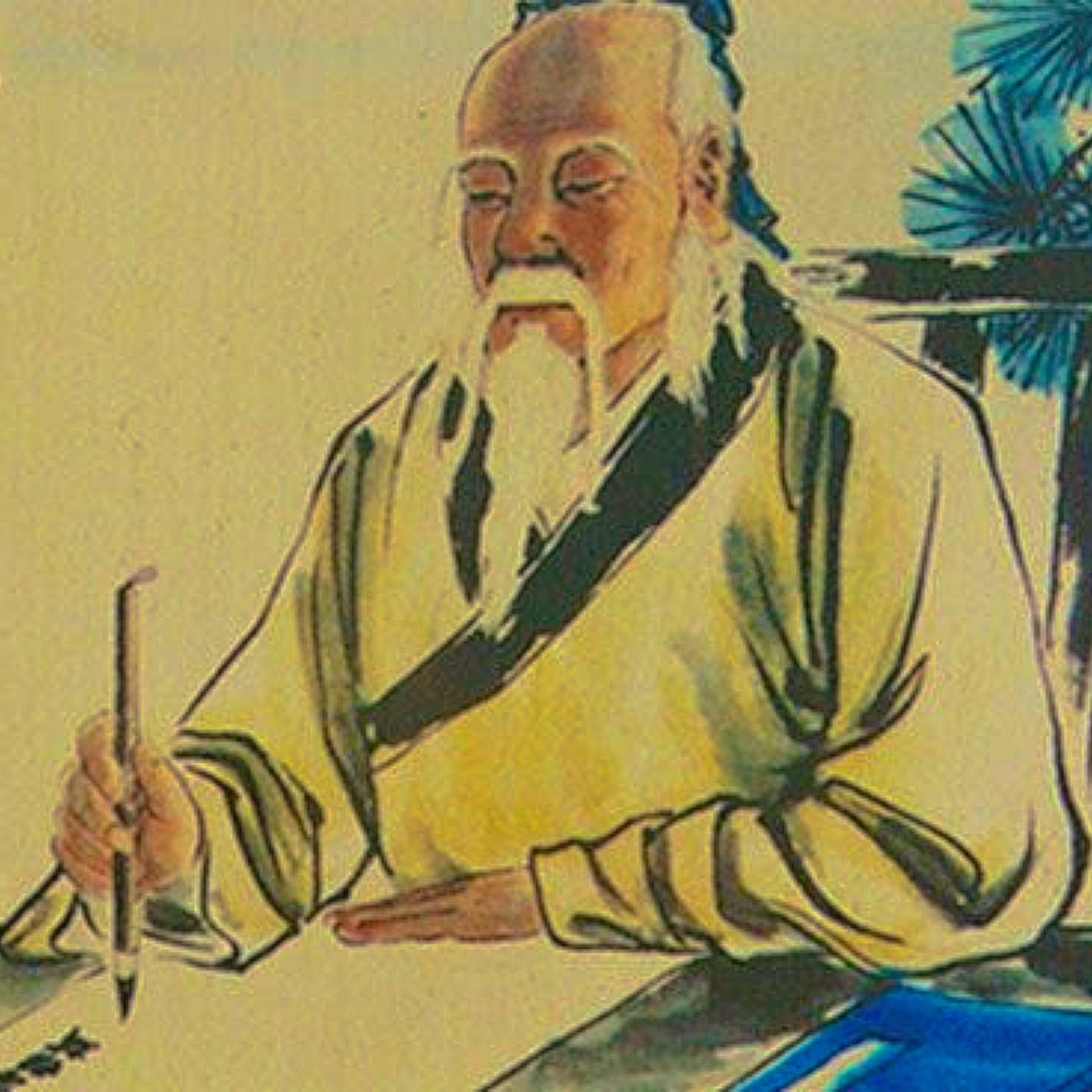
127: Where is the Dao?
Introducing "dao" as a concept in Chinese philosophy. We'll explore the the social & historical context of the Spring and Autumn period. We'll follow A.C. Graham's assertion that the basic question of Chinese philosophy is "where is the way?", and consider the answers given by Confucius, Laozi, Mencius & XunziSources: Wing Tsit Chan - A Sourcebook in Chinese
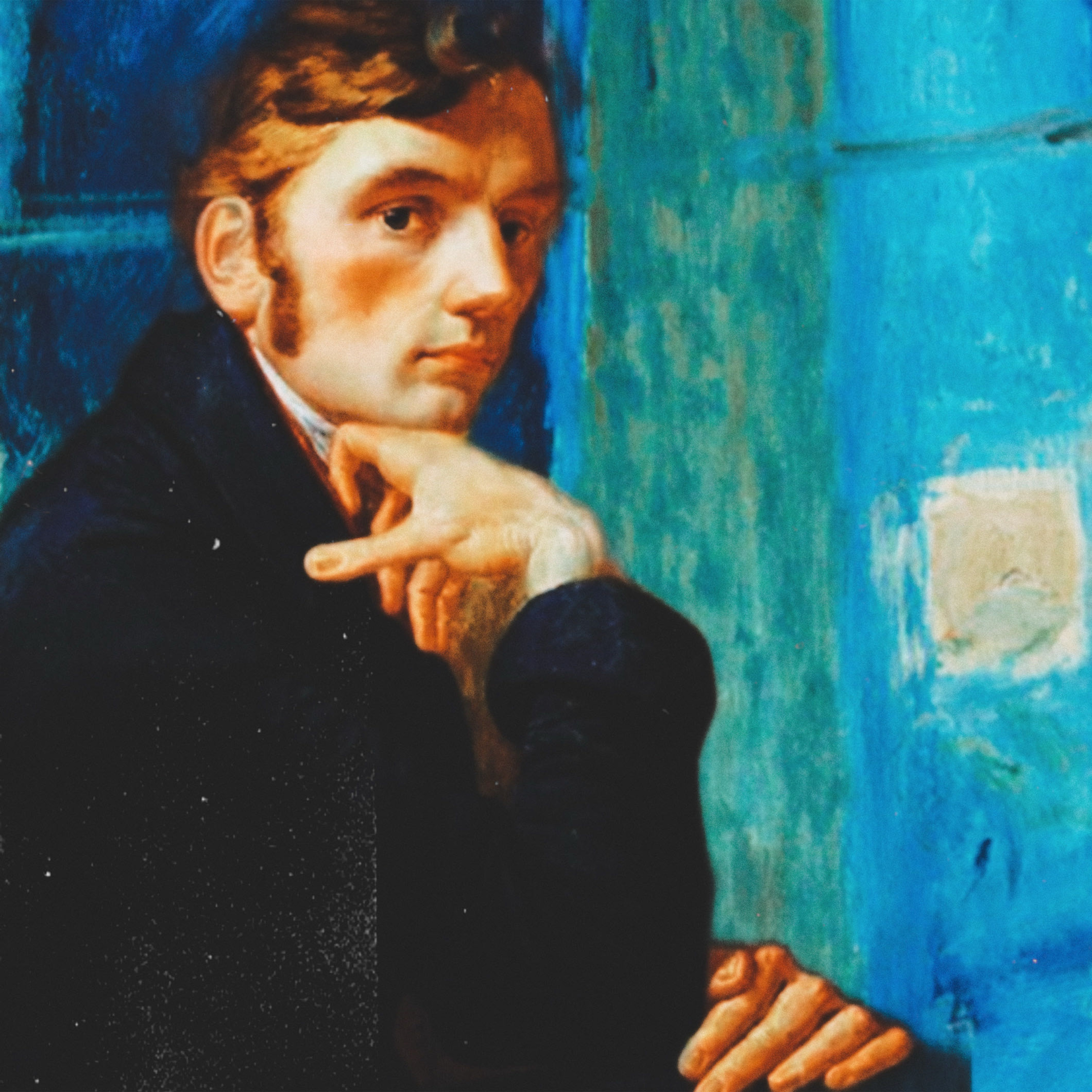
126: The Sorrows of Young Werther
Goethe's novel, The Sorrows of Young Werther, was Napoleon Bonaparte's favorite novel. In recent years it has become the subject of memes, and the "sensitive young man" archetype. How are we to understand this puzzling development? What is the connection between the Caesarist strongman and the hopeless lover? In this episode, we'll consider the historical background of the wo
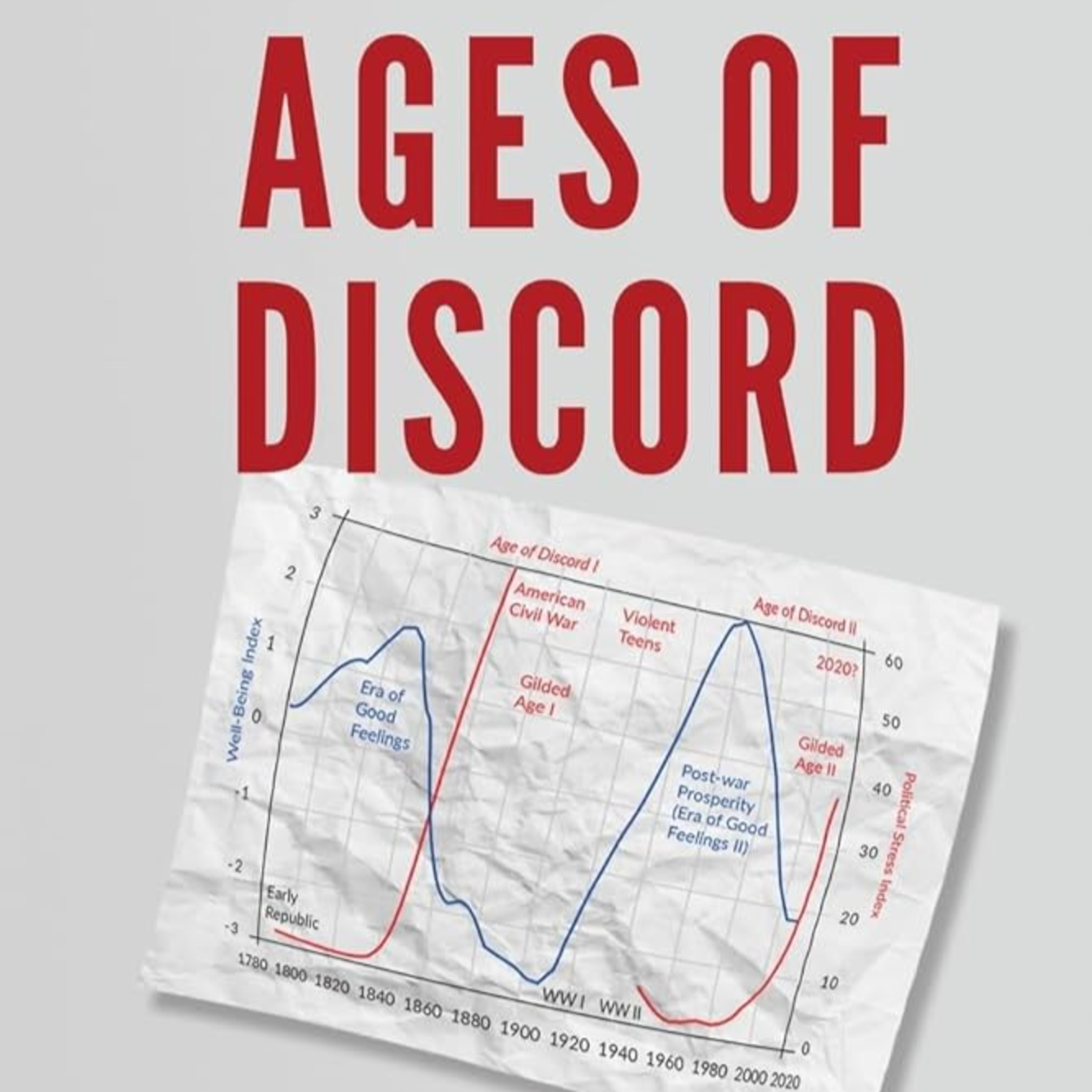
Ages of Discord by Peter Turchin #1 : Imperiopathosis & the Political Stress Index
The first of a series of lectures examining Turchin's work in Ages of Discord, a structural-demographic analysis of American history.Topics in this episode- Imperiopathosis: the current situation, its underlying dynamics- Basics of secular cycles- Population-elites-state as fundamental factors- Political Stress Index (PSI) = Mass Mobilization Potential x Elite Mobilization Potential x State Fi
Untimely Reflections #39: Weltgeist - Schopenhauer on History, Love, Life & Death
Weltgeist's Channel: https://www.youtube.com/@WeltgeistYTIn Untimely Reflections #39, we discuss Schopenhauer's view of history, love of fate, and the meaning of life.

125: Reviewing John Kaag's Hiking with Nietzsche
My review of Kaag's book about Nietzsche, the Swiss Alps, and the many other philosophers who have spent time in Sils Maria. Overall a good experience, but more of a beginner read. John Kaag provides a relatively faithful analysis of Nietzsche's philosophy in his book, which will not contain many new insights for the advanced Nietzsche reader. There are some interesting parallels he provid
Untimely Reflections #38: Jimmy Burke - Will to Joy
The Will to Joy podcast: https://open.spotify.com/show/0iWF6YMMEriFZ0cE0xhnFN?si=e7ee705bb1814f89Jimmy's linktree: https://linktr.ee/willtojoyJimmy Burke just gave a presentation this past September at the Nietzschean Society, which met this year in Belfast. We discussed his lecture, entitled, "An Economy of Bodies", as well as his work in evidence-based behavior change. According to Burke, Nietzs
124: Pierre Klossowski's Nietzsche and the Vicious Circle, pt 3 - The Most Beautiful Inventions of the Sick
Our series on Pierre Klossowski concludes with a look at some of the later chapters concerning Nietzsche's state of mind leading up to his breakdown in Turin, what Nietzsche's juvenalia reveals about him, and what insights we can glean from his family history. Above all, in this episode, I wanted to reverse our focus, and instead of understanding Nietzsche's valetudinary states as a wi
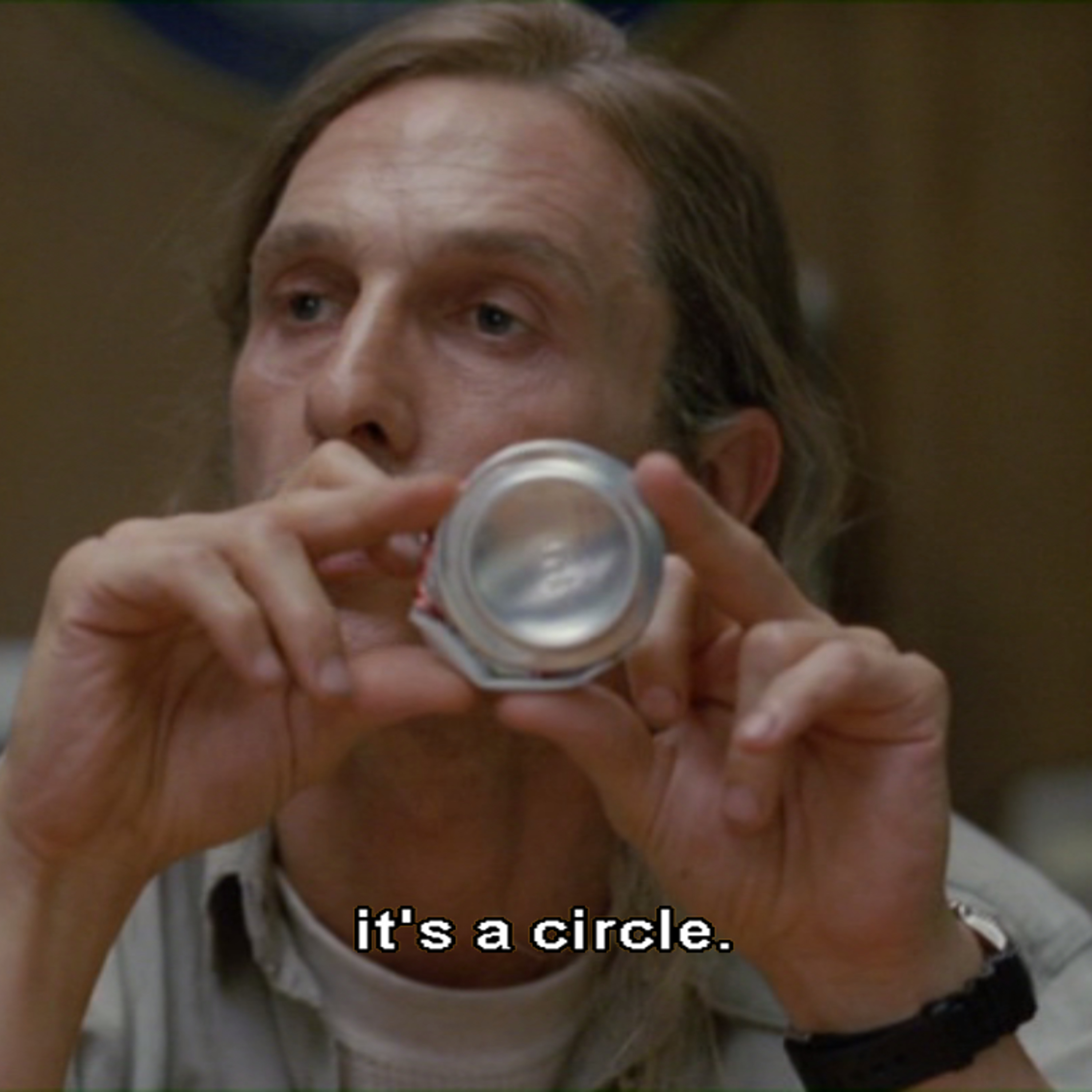
123: Rust Cohle & The Flat Circle - Philosophy of True Detective
"Time is a flat circle." This famous quote from the series immediately calls to mind Nietzsche's Eternal Return, but it's an unusual connection to say the least, because it isn't clear that we have a "Nietzschean" plot in True Detective, nor are any of the characters of the show Nietzschean. So, what then is the philosophical content of the show? In this video, I an
Confucius: On Name & Actuality
The Rectification of Names is a Confucian reinterpretation of the function of language. Confucius is usually portrayed as a stuffy moralist, but there is an intriguing notion implicit in his use of language that borders on the postmodern. Confucius does not merely give definitions of things, but seizes for the philosopher the power to redefine names according to a moral end. Michael Puett, The Pat
122: Pierre Klossowski's Nietzsche and the Vicious Circle, pt 2 - The Conspiracy of the Vicious Circle
Under the sign of the Vicious Circle, Nietzsche attempts to inaugurate a conspiracy. But how can this view of the Eternal Return - as part of his project of the revaluation - square with the "high tonality of the soul" in which it was first revealed? Pierre Klossowski argues, convincingly, that the Eternal Return makes all meaning and goal into an absurdity, offering a picture of a world
121: Pierre Klossowski's Nietzsche and the Vicious Circle, pt 1: The Semiotic of Impulses
Welcome to season 6! Part I of III. In this first episode, we'll lay the groundwork for Klossowski's critical reading of Nietzsche, beginning with the material from the first two chapters. Klossowski applies Nietzsche's own methodology to Nietzsche's works, and reads his philosophy as a sign-language of impulses. The valetudinary states that dominated Nietzsche's life are reint
Q&A #13
If you would like to have your own questions answered on The Nietzsche Podcast, no matter how unusual, niche, or rambling, then join the Patreon and participate in our regular Q&As that happen about twice per season. Season six starts next week!
The Gay Science #20 (IV.328-342)
The conclusion of the main books of The Gay Science! We'll cover some of the best aphorisms so far: the greatest weight, the dying Socrates, long live physics, and many more. Thus begins Zarathustra's down-going. Episode art: Nicholas Roerich - Zarathustra (1931)
The Gay Science #19 (IV.311-327)
More aphorisms concerning drives, the way that impulses appropriate thought for their own ends, "moral pluralism", means of finding happiness, pleasure and pain as means rather than ends, and experimentation as method.Episode art: The Two Crowns (1900) by Frank Dicksee
The Gay Science #18 (IV.299-310)
Continuing with our readthrough of The Gay Science, book number IV.
The Gay Science #17 (IV.289-298)
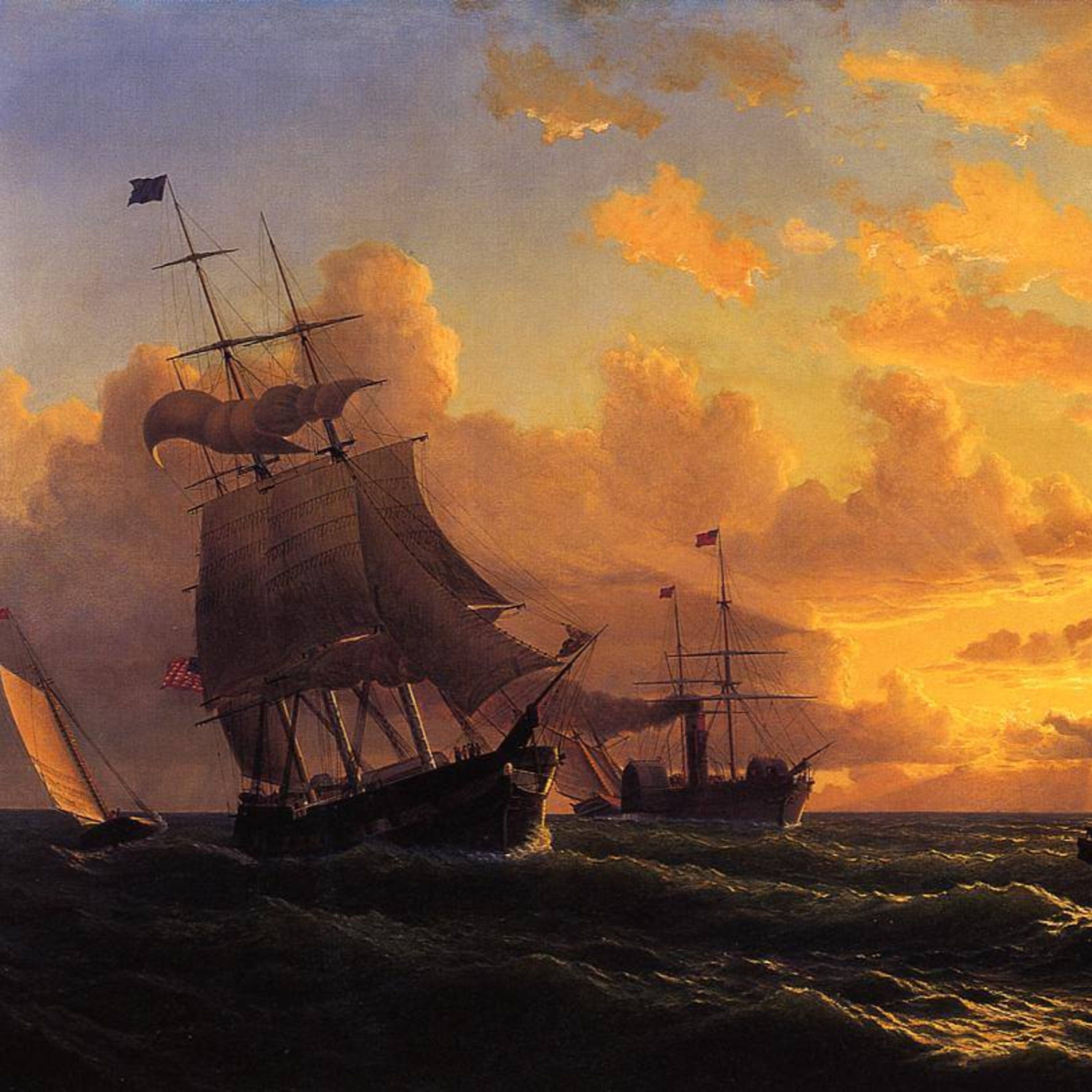
Embark, philosophers! Nietzsche hopes for the discovery of many new suns - many new suns - by the philosophical explorers of future ages. For what is needful is that man may learn to be satisfied with himself. Episode art: Fresh Breeze of Sandy Hook, 1860 by William Bradford
Untimely Reflections #37: PF Jung - Enlightened Centrism
PF Jung's channel: https://www.youtube.com/@PFJungIf politics is in some sense determined by our psychological temperament, then from an evolutionary standpoint, perhaps there is social value to both the left and right wing perspectives. And yet, centrism remains a dirty word in online discourse, connoting a type of establishment position that favors the status quo. Pf Jung joins me to discuss
The Gay Science #16 (IV.276-288)
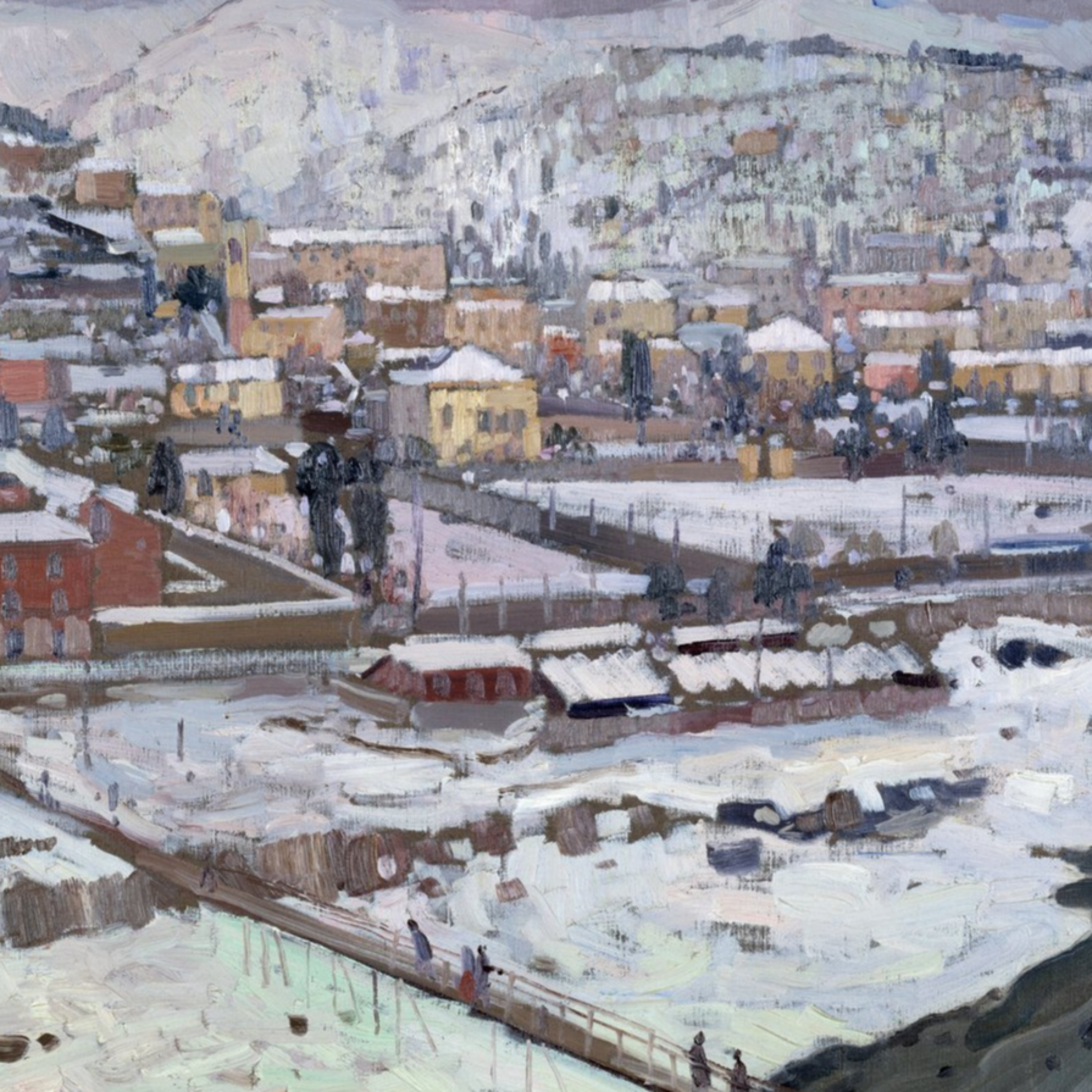
Continuing with The Gay Science, and beginning with book IV, "Sanctus Januarius". Here, we encounter some of the most famous aphorisms: For the New Year, Preparatory Men ("Live Dangerously!") and Excelsior. Exciting times!Episode art: View of Genoa under the Snow - Eugenio Olivari (1882-1917)
120: Erich Heller, The Disinherited Mind, pt 2 - Burckhardt, Nietzsche & History
The conclusion of our two-parter on Erich Heller, and the conclusion to season five! We discuss Nietzsche's friendship with Jacob Burckhardt, and how Burckhardt's view of history can inform our understanding of Nietzsche's divergence from him. We also consider Goethe's four ages of intellectual culture, and Nietzsche's echo of Goethe in his history of European nihilism, and how he comes to differ
119: Erich Heller, The Disinherited Mind, pt 1 - Goethe, Schiller & The Symbol
Something happened to the human mind around the birth of modernity: the divorce of reality and the symbol. Once unified in eucharist, the symbolic and the real are now separate spheres of the human mind, and while it initially seemed that art and science might benefit by this separation, in the long run, both have ended up poorer thereby. In this episode, the two-part finale of season five, we wil
Q&A #12
Additional episode will release tomorrow. Erich Heller two-parter starts next week for the season finale!
118: Max Horkheimer & Theodore Adorno - Dialectic of Enlightenment, Part 2
An exploration of the chapter on Homer's Odyssey and on De Sade's Juliette. How enlightenment and the rationality of domination is contained in the Odyssey, and how the self-undoing of enlightenment morality is contained in Juliette.
117: Max Horkheimer & Theodore Adorno - Dialectic of Enlightenment, Part 1
Foundations of Critical Theory, and an exploration of the chapters, "The Concept of Enlightenment", "The Culture Industry". We analyze how myth and enlightenment both contain one another, and why enlightenment negates itself. We explore what this means in concrete terms by examining the culture industry and how the apparent democratization of culture leads to its dissolution. P
Special Episode: Nietzsche Podcast Reading Guide
Don't worry, we're still doing Dialectic of Enlightenment next week, but my tour schedule and personal demands on my time (I'm moving) prevented me from finishing a full episode before departing for another week. Thankfully, I had this reading guide finished and decided to release it now. Back next week with a full length episode. Cheers!
116: Nietzsche’s Inaugural Address - Homer & Classical Philology
Nietzsche's inaugural lecture at Basel, given in 1869, provides an insight into the young Nietzsche's mind. Surprisingly, even here we find the groundwork laid for his later philosophical project. Nietzsche takes on the issue, rather esoteric and focused on the internal debates of classical philology, of whether or not Homer really existed, and what this means the discipline of philology if he did

Untimely Reflections #36: Tony of 1Dime - The Neoliberal Zeitgeist
I met up with Tony of 1Dime to discuss the neoliberal moment in American culture. We discuss what neoliberalism means, why there is a general discontent with it, the advantages of neoliberalism, and the potential of a vision for a future beyond neoliberalism as it inevitably comes to an end. We also psychologically analyze the left and the right from the Nietzschean standpoint, consider how many o
115: Martin Heidegger, pt 3 - Will to Power as Knowledge & Metaphysics
Finally, we reach the conclusion of our exploration of Heidegger's lectures on Nietzsche. This time we consider another lecture on will to power, from Volume II of Heidegger's collected lectures on Nietzsche, in which will to power is considered instead as a framework for knowledge, and the principle of a new valuation.
114: Martin Heidegger, pt 2 - The Will to Power as Art
Continuing with Heidegger, we consider his first lecture on Nietzsche, "The Will to Power as Art", in which Heidegger gives an unorthodox but very enlightening reading of will to power, then hinges the second half of his argument on a passage where Nietzsche describes art as will to power's most perspicuous manifestation.
113: Martin Heidegger, part 1 - On Nietzsche & Dasein
In this episode, we begin a three-part series on Martin Heidegger and his reading of Nietzsche. The episode begins with a discussion of the background of Heidegger's life and ideas, as well as a brief tour of the content of Being & Time in which we look at Dasein, temporality, care, being-towards-death among other core concepts. In the latter half of the episode, we turn towards an introductor
Untimely Reflections #35: Uberboyo - Politics as Neuro-Physiology
An Irishman named Stef visited Austin recently. We met for a discussion about the revaluation of values, strange brain experiments with magnets, Gnosticism and its relation to the politics of castration, the brain's threat detection matrix as creating the "hard times strong men" cycle, the possibility of neuro-physiological centrism, and how this all relates to Dionysus v/s the Crucified.

Response to Philosophy Tube
This episode is an upload to Spotify of my response to Abigail Thorn's "Was Nietzsche Woke?" video. This video was previously uploaded to Youtube.Watch me spend more time than the entire length of Abigail Thorn's video explaining why it is a superficial hit piece based on strained, bizarre arguments and outright false information. There are many "creative omissions" in Philosophy Tube's video, "Wa
Wandering Above a Sea of Fog #4
I talk about philosophy & music, my history as a musician, my new album, and give some updates about the future direction of the podcast.Stream the album today: https://www.psychedelicbabymag.com/2025/05/slumbering-sun-on-starmony-an-interview-with-dooms-crazy-romantics.htmlAlbum comes out tomorrow, buy it here: https://slumberingsun.bandcamp.com/Listen to us on Spotify: https://open.spotify.c
The Gay Science #15 (III.176-III.275)
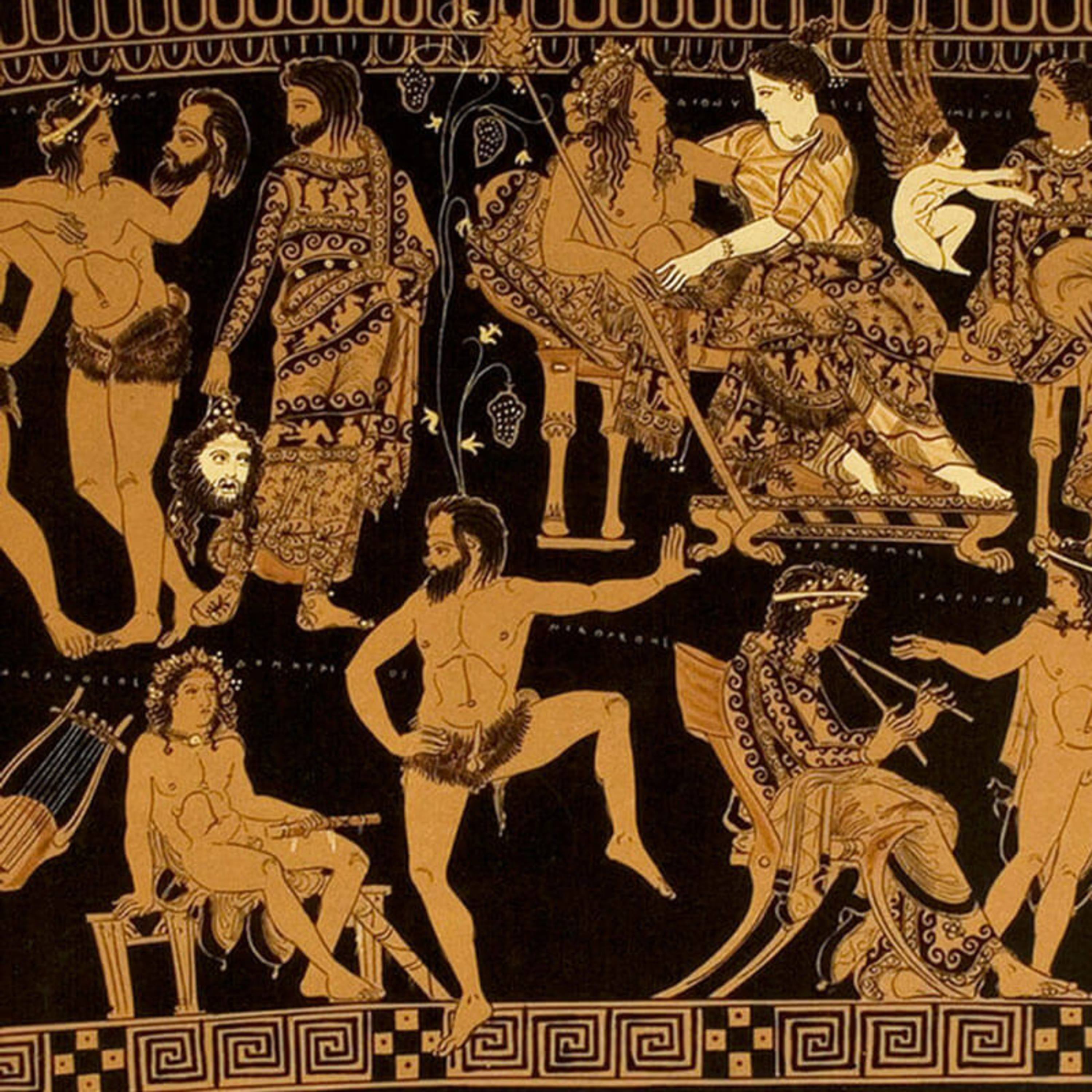
The lightning round! The final episode of The Gay Science book III. The 100 sections we cover in this episode are all rapid-fire, short aphorisms on morality, human nature, the social life, virtue, vice, really the whole panoply of human experience!
The Gay Science #14 (III.148-III.175)
Renaissance & Reformation, the critique of saintly virtue, the color we have thrown onto life and how it differs from that of the ancient world, and Nietzsche's attempt to "untangle the knot" of his moralization of the world by returning to the style of the moral maxim. Rapid fire epigrams finish out book III, we cover a large swatch of them in this reading and will hit the remai

The Gay Science #13 (III.132 - III.147)
Discussion of the origins of Christianity as the apotheosis of sin, the Christian attack on the passions versus the Greek deification of the passions, as well as scattered remarks about German pessimism, and diet as the cause of one's metaphysics.
The Gay Science #12 (III.125-III.131)
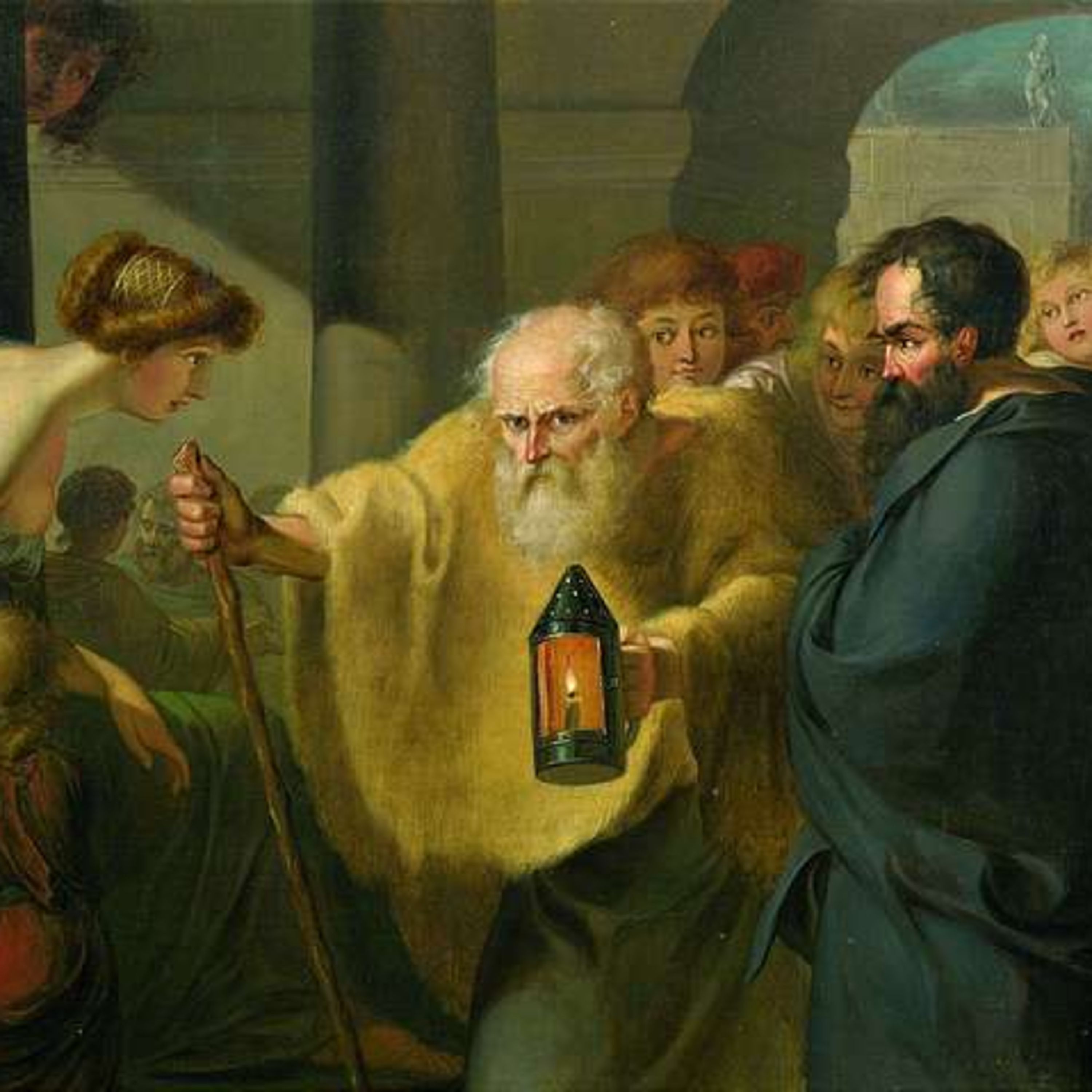
Extended discussion of The Madman passage (#125), including analysis of the metaphysical and moral implications, the surrounding context, and other interpreters - Girard, Freud, Jung, Heidegger, and Deleuze; then, discussion of half a dozen more aphorisms that follow.

Untimely Reflections #34: Gnostic Informant
Gnostic Informant on Youtube: https://www.youtube.com/We discussed the following topics: why the Torah is probably younger than commonly believed; the influence of Hellenism on Judaism as well as the New Testament; the Carpocratians (syncretists of Greek philosophy & Christian religion); the link between Platonism & Christianity; Nietzsche's argument that the Epicureans struggled against "

The Gay Science #11 (III.114-III.124)
The text proceeds from epistemology to morality. Nietzsche suggests that value judgments are at the foundation of perception. Exploration of herd instinct & herd conscience. Suggestion that the moral skepticism of Christianity was turned against Christianity. Preparation for the Madman passage.

The Gay Science #10 (III.108-III.113)
Continuing with The Gay Science readthrough, and begin with book III. This book begins with the first passage to contain the saying, "God is dead", and Nietzsche then uses the metaphor of "the shadow of God" to refer to the falsification of our understanding of reality as a result of thousands of years of metaphysical error. These errors may in fact be essential for life itself
Reaction to Jordan Peterson on Lex Fridman
This is a special episode before we get into The Gay Science walkthrough analysis, and it is something of an experiment. I know the video is not perfect, I would have formatted it a bit differently, plus the my audio is quieter than I wanted it to be. But, I may do more videos like this in the future and plan to up my game. In any case, I think the meat of the video, the critique, is pretty strong

112: Leo Tolstoy - "What is Art?"
I released a song today! Go check it out on Invisible Oranges: https://www.invisibleoranges.com/slumbering-sun-together-forever/ The new single is also live anywhere that you stream music, including spotify, apple, etc. You can also visit our bandcamp to pre-order the album or purchase the single now: https://slumberingsun.bandcamp.com/album/starmonyThis episode is a discussion of my favorite essa

111: Protagoras, The Sophists & The Art of Rhetoric
In this episode, we consider some of the philosophically insightful sections of Nietzsche's lectures on rhetoric & the Sophists. In particular, we examine the figure of Protagoras, of whom we have little information, but who is credited with establishing the Sophists as a philosophical school focused on rhetoric. The latter half of the episode concerns the Platonic dialogue named for Prota
Nietzsche's Five Nos
Short form episode; audio version of a Youtube release. Additional content coming on Thursday!Creating a listicle of Nietzsche's ideas is always problematic, but thankfully Nietzsche occasionally provides us with one. In his notes, collected in Will to Power, Nietzsche records his "Five Nos": five ideas that he roundly rejects, and positions his philosophy as a struggle against. You

Untimely Reflections #33: Craig (Acid Horizon) - Deleuze's Anti-Oedipus & Lynch's Eraserhead
A rhizomatic discussion. Craig tells us his history with philosophy, and his journey through the work of Jung, Hillman, Deleuze and others. We then discuss Anti-Oedipus and some of the core concepts, such as the Deleuzian reinterpretation of desire and the unconscious, and the body without organs. Then, as a tribute to the late, great David Lynch, we attempt a Deleuzian intepretation of Eraserhead

110: Nietzsche Contra Peterson - Yes, We Can Create Values
This episode is a polemic. While I have addressed Jordan Peterson's misunderstandings of the "God is dead" aphorism, or his bungling of Nietzsche's view of truth, here we address one of his most often repeated distortions of Nietzsche's philosophy. According to Jordan, Nietzsche said we can create our own values, but, in fact, this is impossible.I break down Jordan's misr
Recommended

Stand In The Circle

Conspiracy Files with Paige Carter

English Vocabulary Help

Bad Friends

The Swerve Podcast: Obscure Topics | Conspiracy Theories

The Bread and Banter Podcast

The Church of What's Happening Now: The New Testament

Deadline: White House

این نقطه

TED Talks Daily

Solved Murders - True Crime Stories

紐約鳥|New York Aperture
