
BUILDERS
BUILDERS is a podcast that explores how founders get new technology adopted. Each episode features a founder sharing their journey of breaking into an industry, earning early believers, building credibility, and achieving real technology adoption. The show is part of a network of 20 industry-specific shows with over 1,200 founder interviews. It is produced by Front Lines Media.
Episodes

"Category education is a long game with uncontrollable accelerants" | Ayal Yogev
Anjuna Security builds the software stack that makes confidential computing accessible to enterprises — doing for hardware-level data protection what VMware did for virtualization and what CUDA did for GPUs. The company counts three of the top ten global banks among its customers, has expanded into the federal government through defense primes, and recently launched a second product to govern AI a
When adoption means nobody knows your product exists | Mario Di Dio
Helium is building a decentralized wireless network and the software layer that runs on top of it, aggregating community-deployed Wi-Fi access points into a single network that carriers, MVNOs, and large indoor venues can use to serve their own subscribers.In a recent episode of BUILDERS, we sat down with Mario Di Dio, CEO of Helium, to learn how the company grew a network of forty five thousand a
How the AI training data market restructured around 10 frontier labs | Olga Megorskaya
Toloka is an AI data platform that produces training data, evaluations, and human expert contributions to help AI labs and enterprises build higher quality models. In a recent episode of Front Lines, we sat down with Olga Megorskaya, Founder and CEO of Toloka, to learn how the company has navigated every major phase of AI development and what she actually believes about the future of human experti
Why AR has 1 million analysts and almost no software that works | Caitlin Leksana
Fazeshift is building AI-native accounts receivable automation for mid-market and enterprise companies. In a recent episode of Front Lines, we sat down with Caitlin Leksana, Co-Founder and CEO of Fazeshift, to learn how she discovered one of enterprise software most overlooked problems and why AI is the first technology capable of actually solving it.Topics Discussed:- How Caitlin discovered the a
How Wing VC separates tracks from trains to predict which AI companies will endure | Jake Flomenberg
Wing Venture Capital Partner Jake Flomenberg opens every IC meeting at Wing with a question that didn't used to matter: if a frontier model ships something meaningfully better, does this company still have reason to exist? In this episode of BUILDERS, he walks through the trains vs. tracks framework, the three diagnostic tests he runs on every AI company, and what a real flywheel looks like ve
Founder-led roadshows: how Pennylane built trust inside local accounting communities across Germany and France | Tobias Janiesch
Pennylane spent its first two years operating an accounting firm to experience the workflows it intended to fix. It then sold the profitable business, removed the channel conflict, and went all-in on software. After three years of deliberate customer development, growth accelerated to more than one million SMEs on the platform. In this episode of BUILDERS, Tobias Janiesch, Managing Director - Germ

Finding the buyer who was already on the hook | Ria Shah
Handl Health is building an AI platform that aggregates and analyzes publicly available healthcare pricing data, helping brokers and benefits consultants design, evaluate, and personalize health plans for self-insured employers. In a recent episode of BUILDERS, we sat down with Ria Shah, Co-founder & Chief Product Officer of Handl Health, to learn how the company turned newly mandated price tr
AI visibility is not SEO 2.0 | Imri Marcus
Brandlight is building an AI visibility platform that helps enterprise brands, most of them Fortune 500 companies, monitor and influence how they show up in AI engines across AI search, AI ads, and agentic commerce.In a recent episode of BUILDERS, we sat down with Imri Marcus, CEO & Co-Founder of Brandlight, to learn how the company won Fortune 500 customers from day zero and turned AI visibil
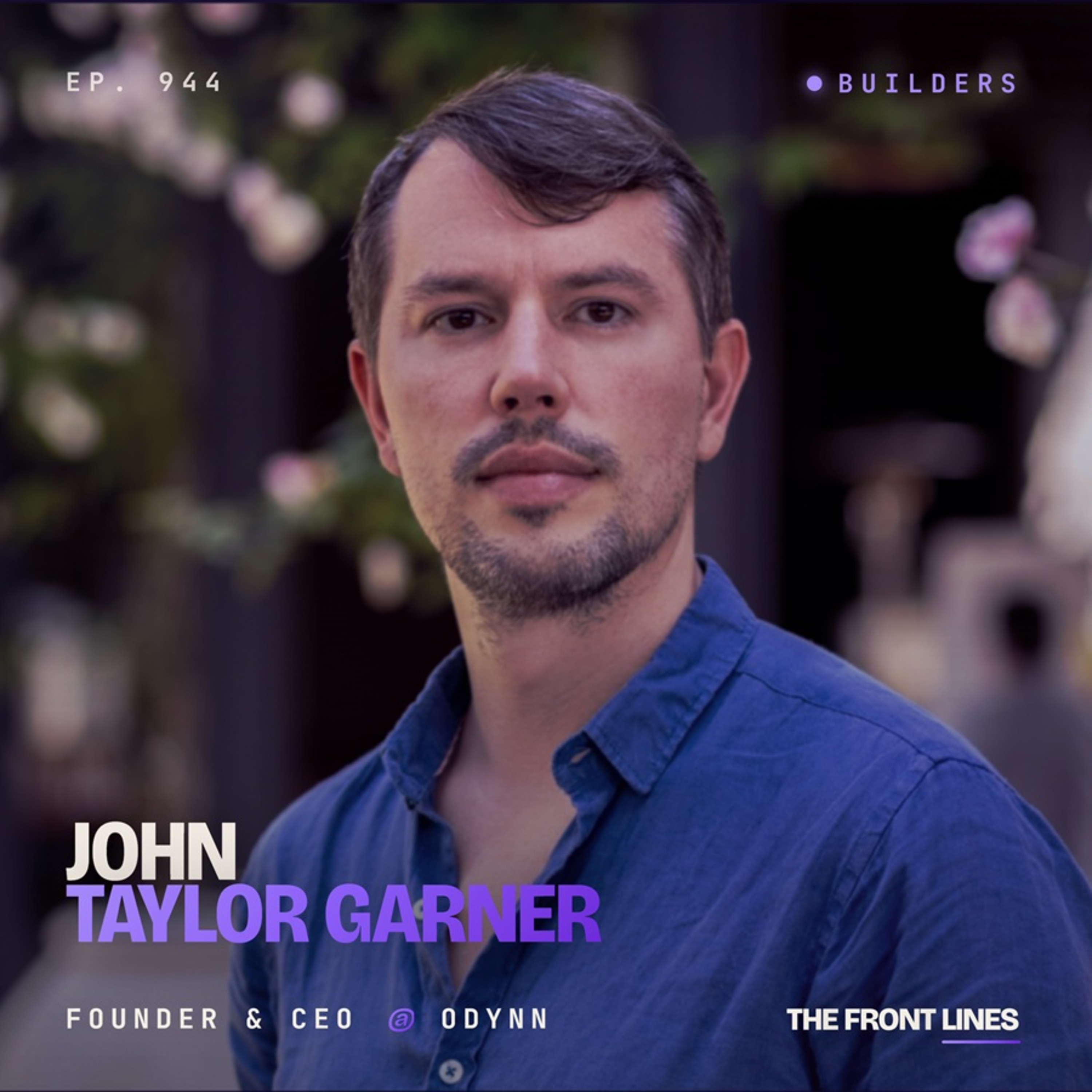
Selling into 95% market concentration | John Taylor Garner
Odynn is an AI-powered, fully modular platform that helps fintechs, banks, card issuers, and travel companies launch embedded travel, loyalty, and rewards programs. The company's flagship product, Awayz, gives financial institutions a white-label travel portal where cardholders can search, plan, and book hotels and flights with side-by-side points, miles, and cash pricing.In a recent episode o
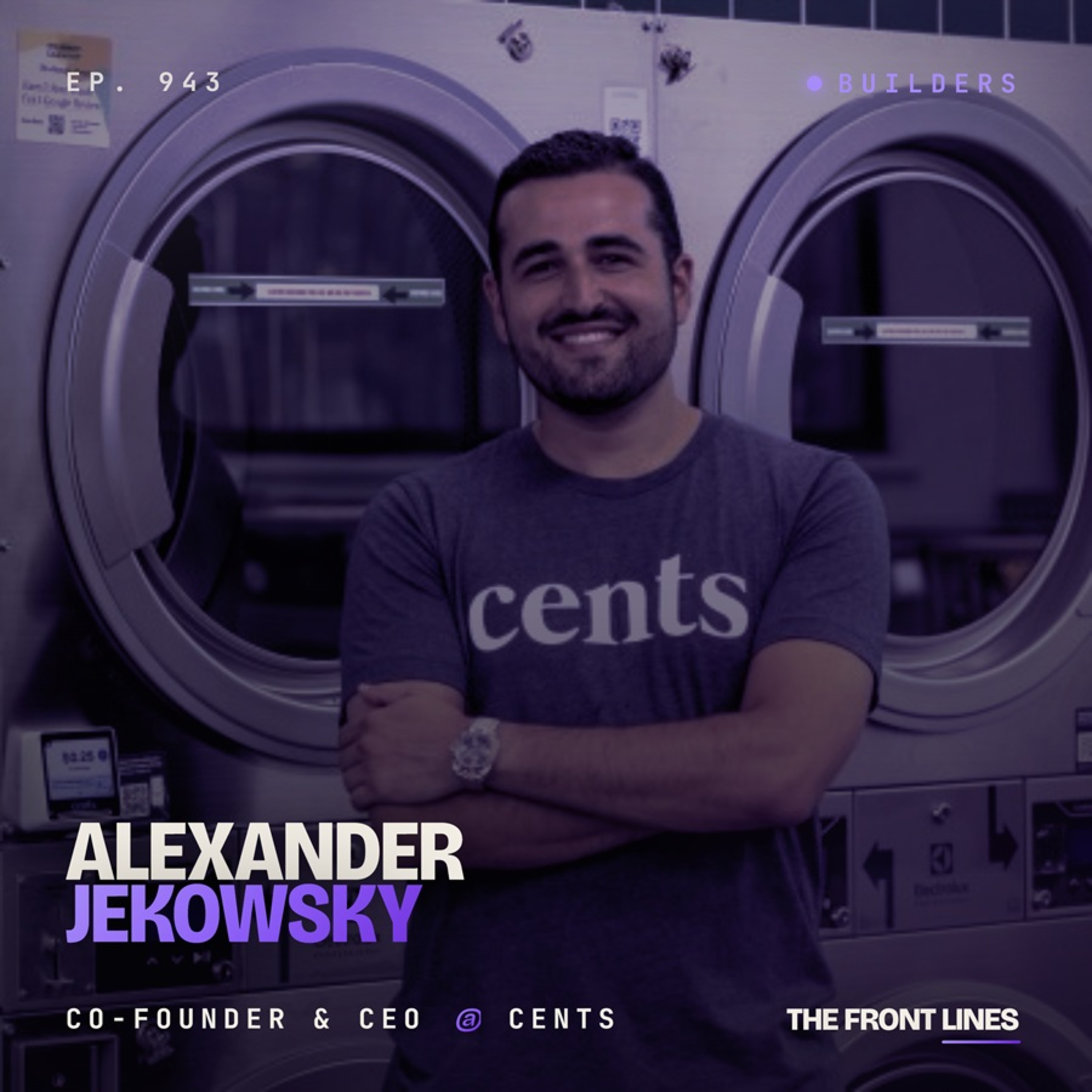
The market nobody wanted | Alex Jekowsky
Cents builds software, payments, and hardware for the laundry industry, serving laundromat operators and other commercial laundry businesses. The company is the only venture-backed company operating at scale in a market that most technology companies had overlooked, and has reached approximately one in six U.S. laundromats.In a recent episode of BUILDERS, we sat down with Alexander Jekowsky, CEO &

The friends-of-friends GTM model in cybersecurity | Elad Ben Meir
Onit Security builds AI agents for exposure management, helping security teams cut through the noise of tens of millions of vulnerability scanner findings to identify and prioritize the ones that can actually be exploited. The company is built from the ground up on agentic infrastructure, positioning itself as the fifth generation of exposure management tooling in a category that has evolved from

The growth engine hiding in a 28-week order set | Andrea Ippolito
SimpliFed is a maternal care at home platform focused on virtual breastfeeding and baby feeding support, delivering insurance-covered care from pregnancy through the first year postpartum.In a recent episode of BUILDERS, we sat down with Andrea Ippolito, CEO and Founder of SimpliFed, to learn how the company built a referral engine that is on track to receive referrals representing about five perc

The head of AI who had never heard of an ontology | Rob Buller
Cyberhill Partners builds and deploys enterprise AI solutions, including Cerebro, an enterprise AI platform Rob describes as AI in a box, and Wolverine, a digital twin product, drawing on eight years of AI work inside the intelligence community.In a recent episode of BUILDERS, we sat down with Rob Buller, Chief Executive Officer of Cyberhill Partners, to learn how the company is bringing intellige
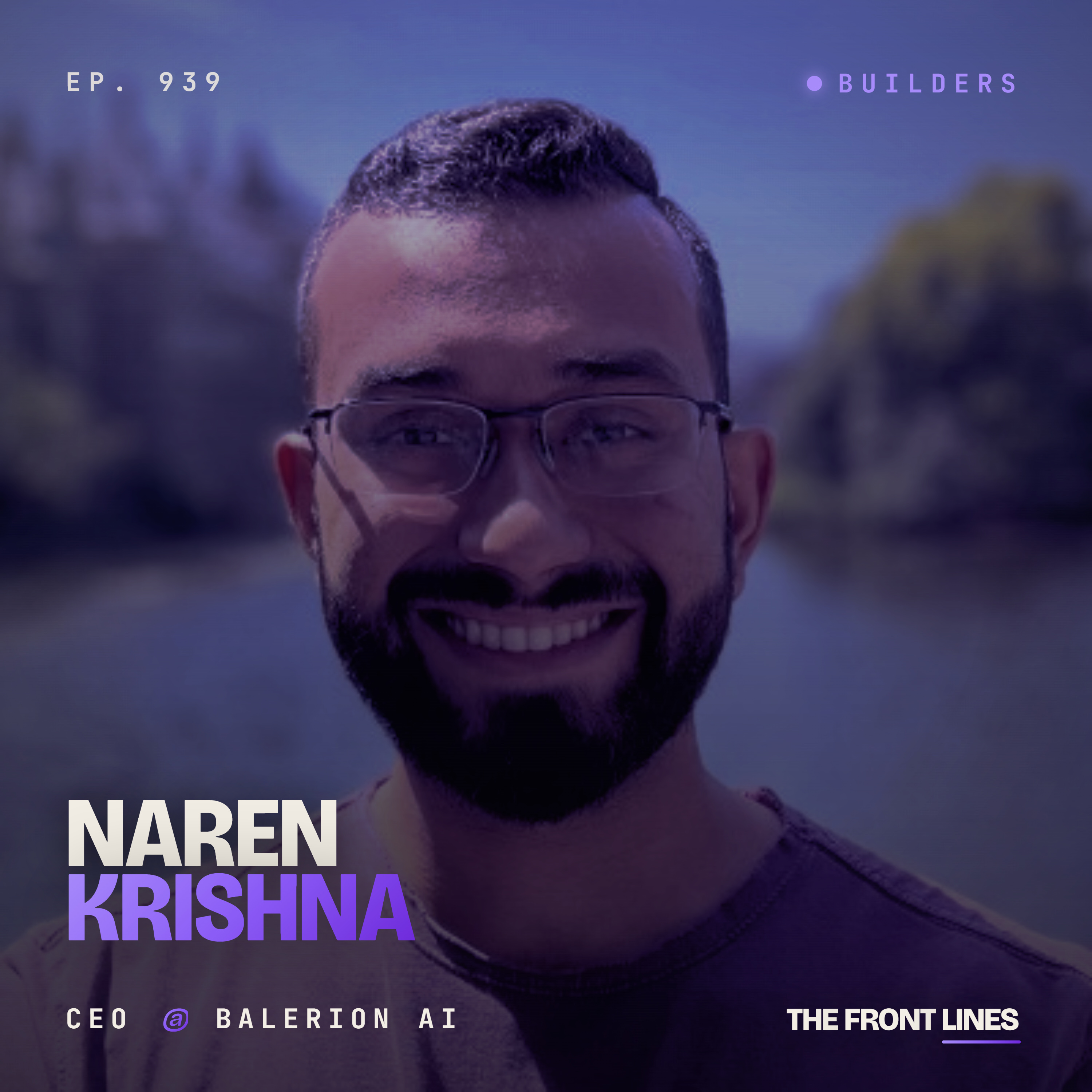
Breaking into the twenty-year startup graveyard of mortgage lending | Naren Krishna
Balerion AI is an agentic AI platform for mortgage loan manufacturing, automating origination work like document analysis, income review, and underwriting for lenders. The company came out of stealth this spring and is backed by a $6M seed round led by Kleiner Perkins, with its platform in production at FM Home Loans, a lender originating two billion dollars in annual loan volume.In a recent episo

The 90% trust artifact that opened OPAQUE's market | Aaron Fulkerson
In a recent episode of BUILDERS, we sat down with Aaron Fulkerson, CEO of OPAQUE, to learn how the company found its market in sovereign AI deployments after discovering that customers would accept 90% verifiability with known gaps rather than waiting for perfect end-to-end confidential computation.Topics Discussed:Why Aaron joined OPAQUE from ServiceNow only after the founders agreed to apply the
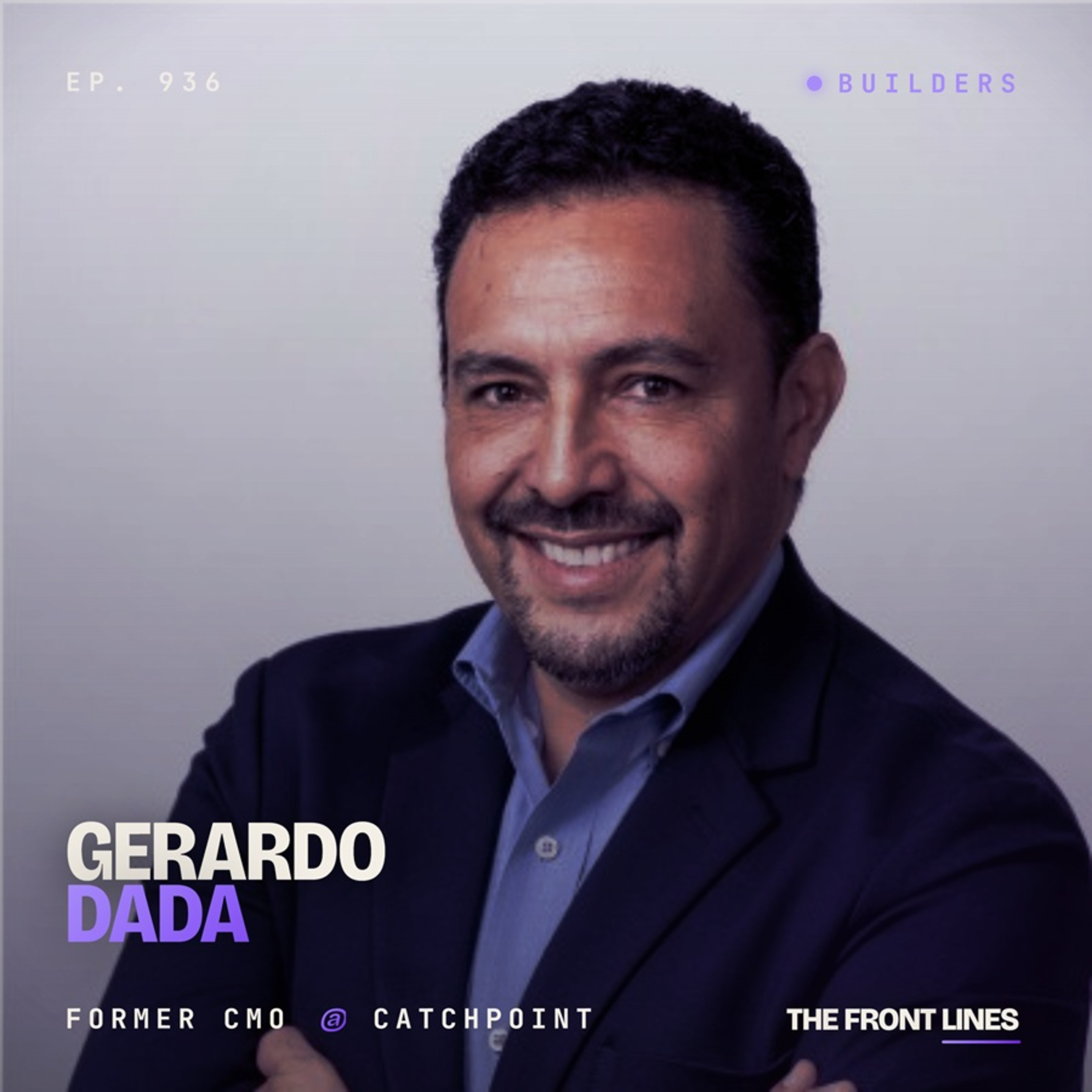
You don't evangelize the product, you evangelize the category | Gerardo A. Dada
In a recent episode of BUILDERS, we sat down with Gerardo A. Dada, former CMO of Catchpoint, to learn how the company created the internet performance monitoring category and got customers, press, and analysts to adopt its language. Topics Discussed:Why category creation only matters when it actually grows the businessHow Gerardo found the category by studying what Catchpoint did better than anybo

What it actually means to build AI-enabled services | David DeWolf
2X is a go-to-market services company that has grown 50% YoY for seven straight years, scaling to roughly 1,200 people, with new investment from Insight Partners last year. On BUILDERS, CEO David DeWolf explains why his prior company, 17-person agentic platform Knownwell, combined with 2X, why he ended up leading the merged entity, and how he is rethinking pricing and AI enablement as services and
Why SubBase's founder still listens to every sales and support call | Eric Helitzer
Eric Helitzer is the Founder and CEO of SubBase, a B2B vertical SaaS platform giving construction subcontractors and self-performing GCs a system for managing materials, a workflow historically run on email, text, and phone calls. Eric returns to BUILDERS to unpack an ICP that emerged on its own, the "AI wrapper" defensibility question he faced at Series A, and how he stays embedded in s
How CisLunar discovered its real product while building a power supply for internal use only | Gary Calnan
CisLunar Industries builds the power electronics that run everything on a satellite, taking raw power and converting it into what a spacecraft's systems actually need, similar to how a laptop's charging block converts wall power into something the machine can use. The company was founded in 2017 with a different mission, aiming to become the steel mills of space by manufacturing usable mat
How Badge chose retail and commerce as its entry vertical inside a horizontal wallet market | Eric Senn
Badge is building the infrastructure layer for digital wallets, giving businesses a single integration point to issue, manage, and update loyalty cards, gift cards, and tickets across Apple Wallet, Google Wallet, and Samsung Wallet. The company counts Stripe among its Series A investors. In a recent episode of BUILDERS, we sat down with Eric Senn, Co-Founder and CEO of Badge, to learn how the comp
How Sabanto runs its 20-person Farmer Advisory Board | Craig Rupp
Sabanto makes a retrofit autonomy kit that attaches to off-the-shelf tractors — converting machines farmers already own into autonomous systems capable of performing field operations without a driver. In this episode of BUILDERS, Craig Rupp returns three years after his first appearance to share what he's learned building the commercial motion for ag autonomy from scratch, in a market where no
How Reco validates AI security bets: A three-signal framework before scaling any decision | Ofer Klein
Reco is an AI SaaS security company that helps enterprises discover and secure the AI agents and applications spreading across their SaaS environments. In a recent episode of BUILDERS, we sat down with Ofer Klein, Co-Founder and CEO of Reco, to unpack the two sequential bets that reshaped the company's direction, and the operating discipline — borrowed from his time as an Israeli Air Force pil

How GlobalComix is building a publisher operating system | Henrik Rydberg
GlobalComix operates a digital comics platform that brings stories from more than 330 publishers and 25,000 independent creators around the world to readers on their phones. In this episode of BUILDERS, we sat down with Henrik Rydberg, CEO of GlobalComix, to learn how the company is building the licensing infrastructure and creator tools needed to bring one of the last major entertainment categori

How Knox turned a blunt SLA into its entire marketing message | Irina Denisenko
Knox Systems has built a path around one of the most exclusive certifications in enterprise software. FedRAMP, the security standard required to sell cloud technology to the US federal government, has fewer than 500 companies holding it worldwide, versus more than 10,000 apps on the AWS Marketplace. Earning it independently typically takes three years and roughly $3 million. Knox compresses that t
How Scala tracks every closed deal back to its source before scaling spend | Ardie Sameti
Scala is reimagining how operators run customer experience and contact center operations, shifting the model from software as a service to what its founder calls intelligence as a service. In a recent episode of BUILDERS, we sat down with Ardie Sameti, Co-Founder and CEO of Scala, to learn how a decade scaling healthcare technology company Accolade shaped his decision to start over and build an AI
How Angle Health built a unified data layer to make fully custom SMB health plans economically feasible at scale | Ty Wang
Nearly half of working Americans and their families get health coverage through a small or medium-sized business — and for most of them, that means choosing from one to three rigid, off-the-shelf plans that may not fit their needs at all. Angle Health is changing that. As the first AI-native health plan and vertically integrated healthcare benefits platform, Angle Health delivers fully customizabl

How Guild AI discovered their real buyers weren't developers — and rebuilt their GTM motion around CIOs and CSOs | James Everingham
Guild AI is building the infrastructure layer that enterprises need to deploy, manage, and govern AI agents operating inside their systems. Founded by James Everingham — a five-time founder who most recently led developer infrastructure at Meta, overseeing a team of more than a thousand engineers — Guild AI is solving a problem James watched emerge firsthand inside one of the world's most comp

How Vibrant Planet turned Congressional testimony into a GTM credibility | Allison Wolff
The western US faces a trillion-dollar mitigation gap, a policy window that's finally opening, and a wildfire crisis that is accelerating faster than the industry being stood up to fight it. In this episode of BUILDERS, we sat down with Allison Wolff, CEO of Vibrant Planet, to hear how she's built the platform that agencies, utilities, and policymakers use to decide where to put limited dollars be

How Insight Health used a free AI scribe to turn EHR companies from competitors into a distribution channel | Jaimal Soni
Insight Health is automating the clinical work that surrounds the patient visit — from history capture and intake to referrals and chronic disease follow-ups — so that specialty providers can deliver more care with the capacity they already have. The company completed its first fully autonomous patient interaction for an oncology practice on the West Coast and has since surpassed four million AI-p
How Schematic ran a two-step validation to separate problem pain from build/buy intent | Fynn Glover
Schematic is building the infrastructure layer between the application and the billing system — solving the entitlements problem that quietly kills commercial agility at scaling software companies. In a recent episode of BUILDERS, we sat down with Fynn Glover, Co-Founder & CEO of Schematic, to learn how a lived operator problem and 100 discovery conversations led to a conviction that entitleme
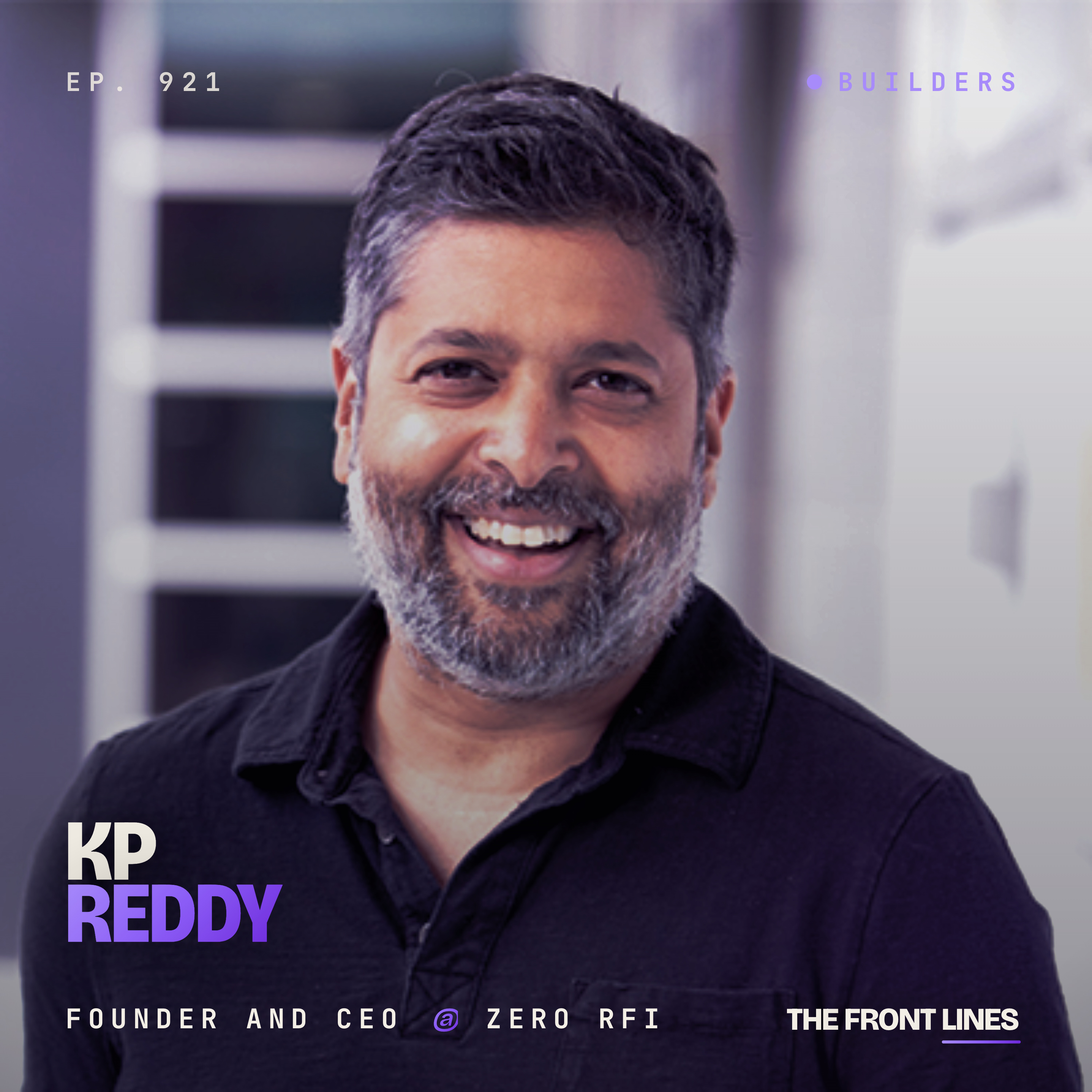
GTM lessons from a construction tech pioneer | KP Reddy
KP Reddy hasz chased the same mission for 30 years: eliminate the change orders and unanswered questions that derail construction projects. Web-based construction management in 1994. A Building Information Modeling textbook in the early 2000s. Now with Zero RFI — backed by General Catalyst — he's running an AI roll-up of construction services businesses to answer every question before a shovel
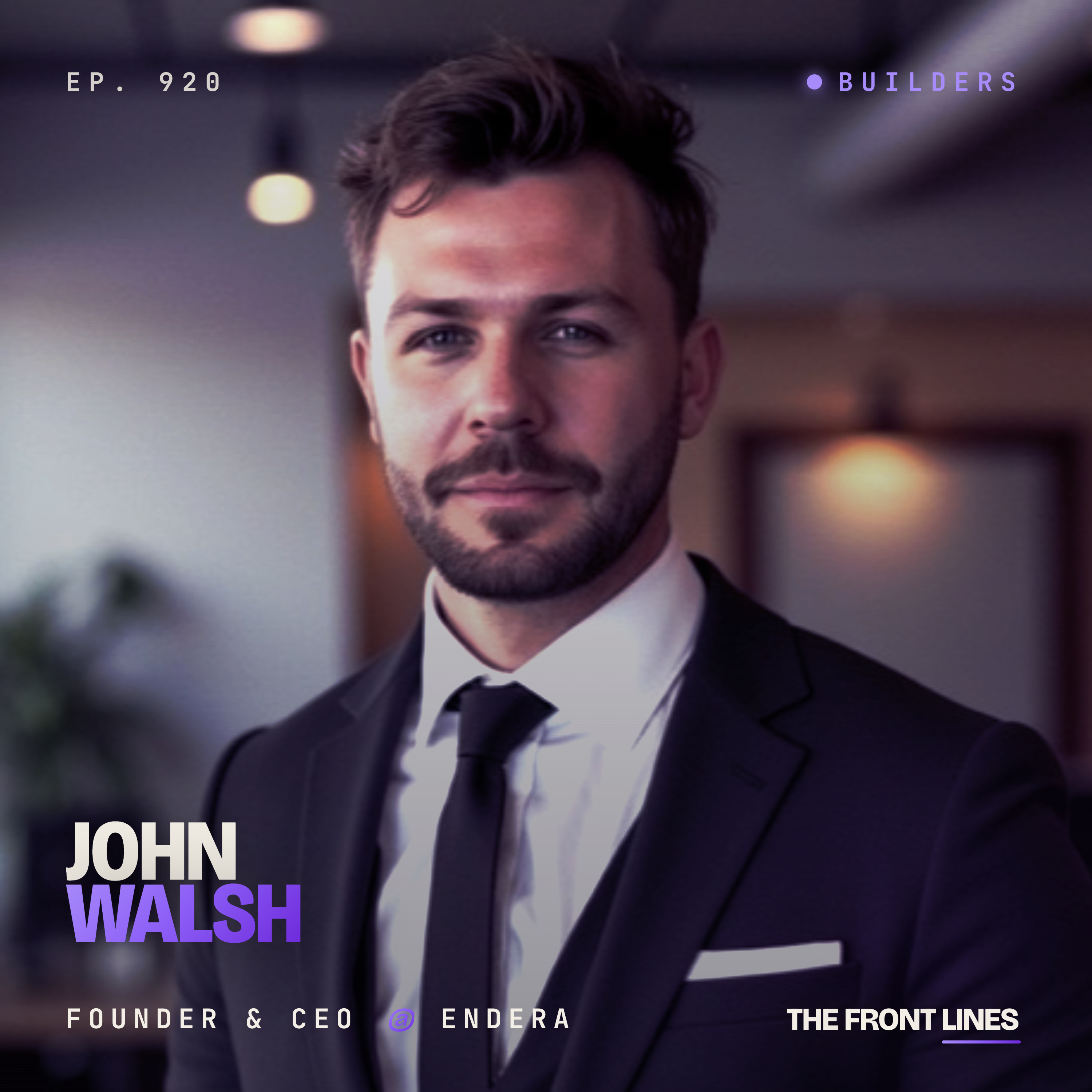
How Endera closed a 7-figure deposit before building a single bus | John Walsh
Endera is one of the fastest-growing specialty bus manufacturers in the United States, supplying electric, CNG, and gas-powered buses to school districts, transit agencies, and airports. In a recent episode of BUILDERS, we sat down with John Walsh, Founder & CEO, to hear how he closed a seven-figure deposit on a bus that didn't exist and what it actually takes to sell to government.Topics
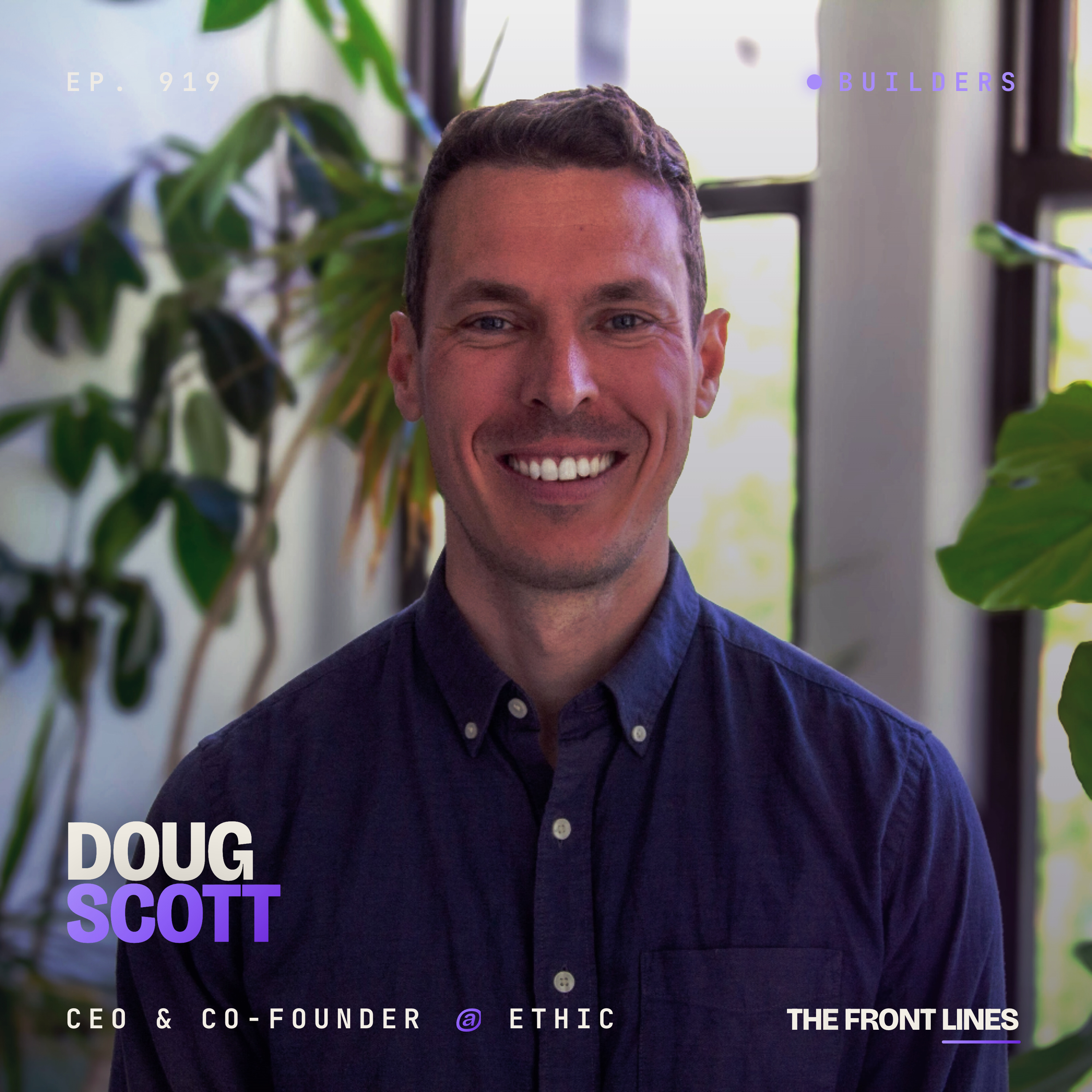
How Ethic rejected VC-prescribed enterprise GTM playbooks and built a motion around financial advisor psychology instead | Doug Scott
Ethic builds customized, tax-smart, and values-aligned investing infrastructure for financial advisors and institutions — a platform that lets advisors personalize across their entire book of business, simultaneously accounting for financial, values-based, and tax considerations at scale. Today, Ethic manages over $9 billion in assets across approximately 300 investment advisory businesses, from b
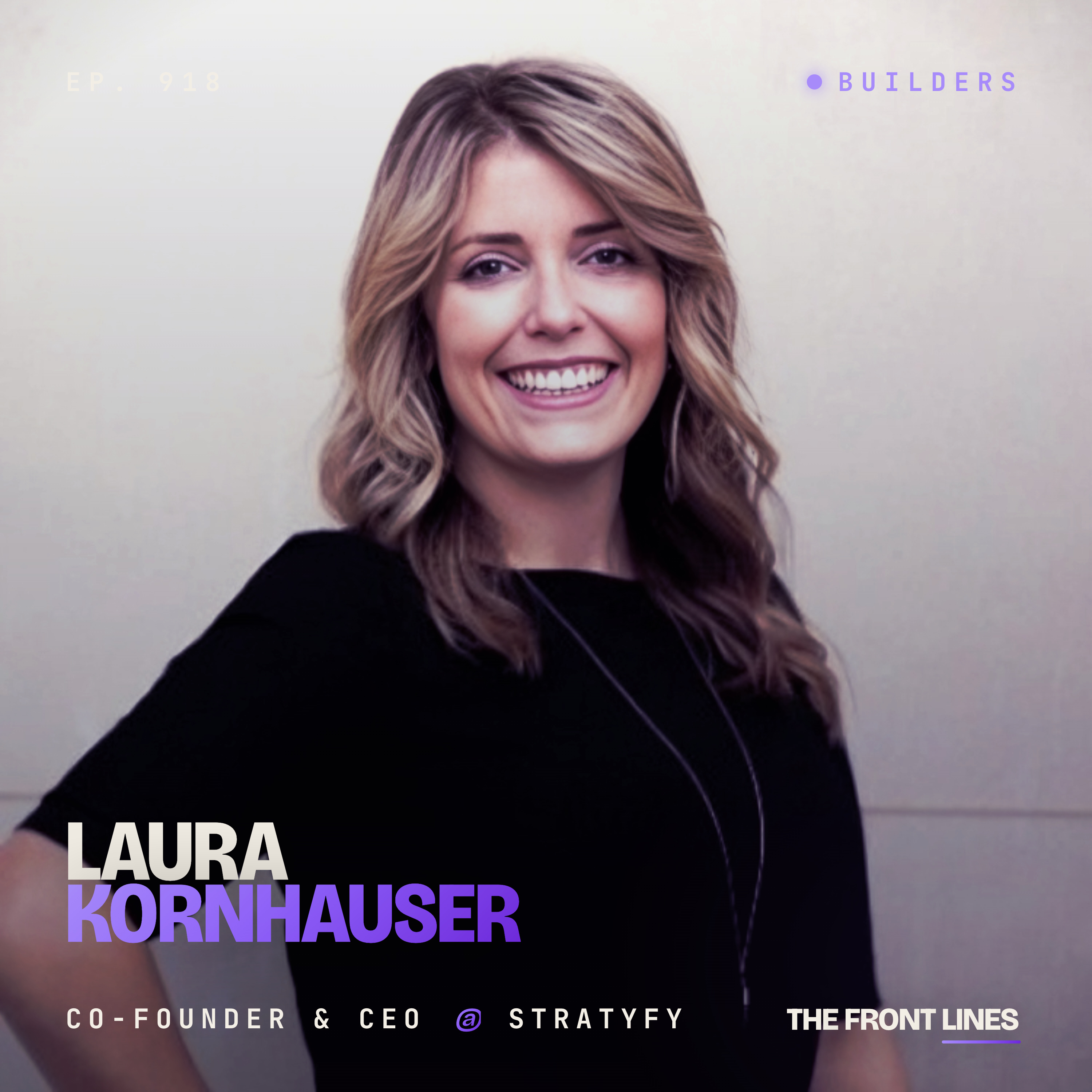
How Stratyfy used a vendor-agnostic AI risk guide to generate trust with buyers who weren't ready to purchase | Laura Kornhauser
Stratyfy helps community banks and credit unions make better risk decisions — across credit decisioning, fraud detection, and bias detection — in one of the most regulated buying environments in B2B. In this episode of BUILDERS, we sat down with Laura Kornhauser, Co-founder & CEO of Stratyfy, on how she navigated three distinct chapters of the AI era, why gen AI broke her outbound motion, and
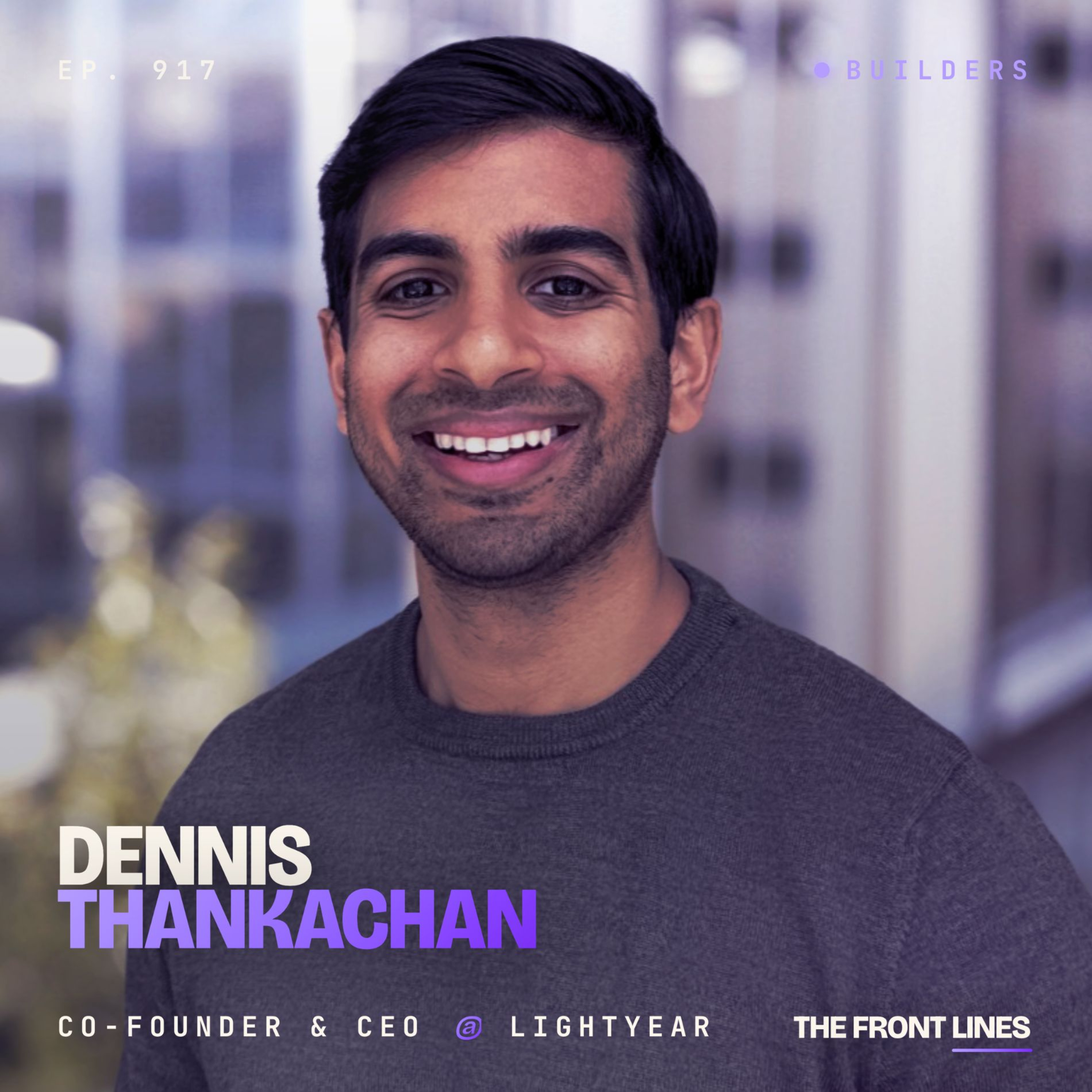
How Lightyear evolved from founder-led sales to reps creating their own demand — and what broke in between | Dennis Thankachan
Lightyear is the AI-native platform automating how enterprises manage their telecom — internet connectivity, dark fiber, data center space, phone systems, and everything in between. With over $65 million raised, 400+ enterprise customers including Fortune 50 and Fortune 10 companies, and top channel partner status with four of the top ten US ISPs, Lightyear has become the system of record for ente
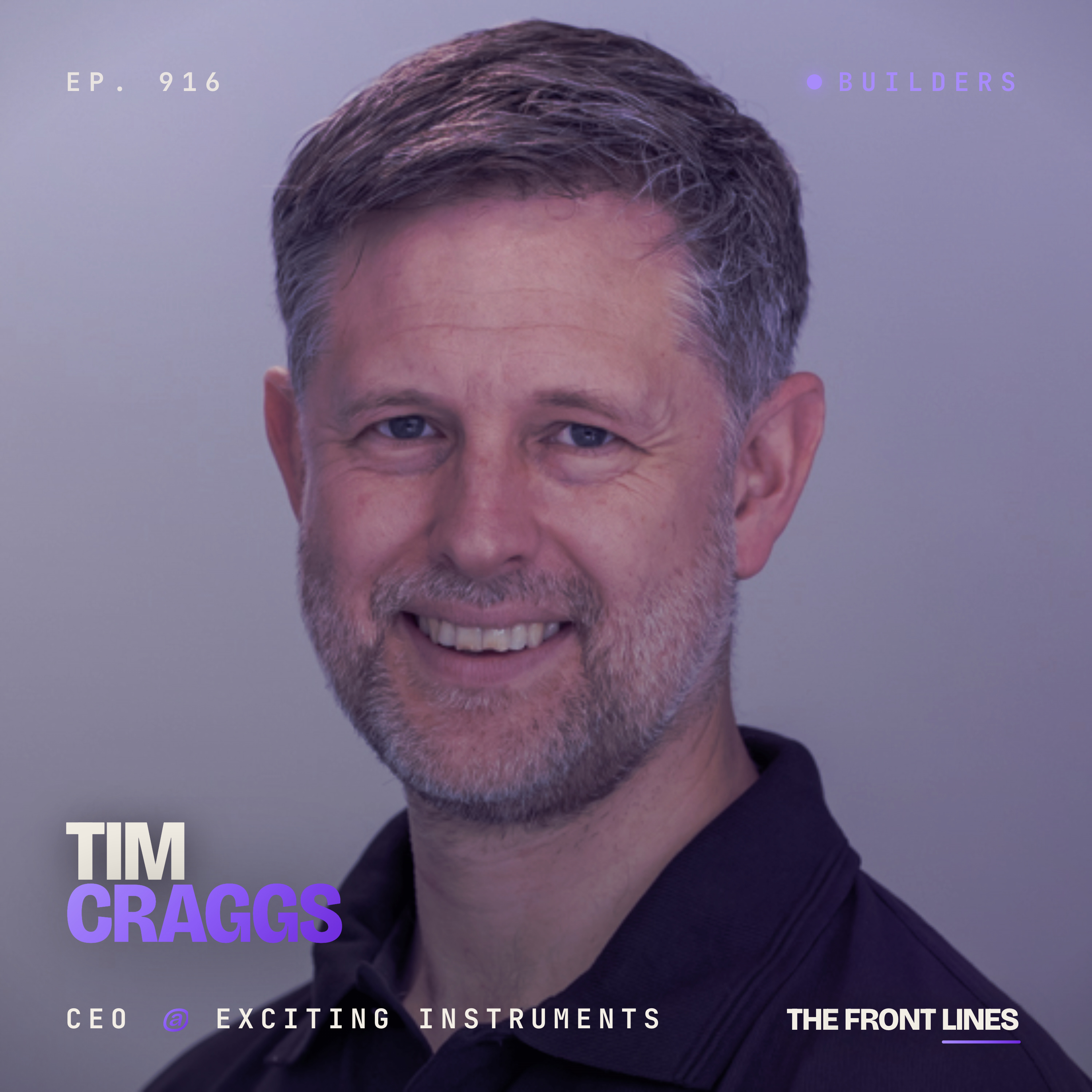
How Exciting Instruments went from university spinout to first instrument on a customer's bench in 13 months | Tim Craggs
Exciting Instruments bootstrapped a physical instrument company, closed its first two sales before a working product existed, and delivered its first unit to a customer's bench 13 months after founding. Spun out of the University of Sheffield in September 2021, the company compresses what once required a laser-safe room into a benchtop any scientist can operate. In this episode of BUILDERS, we
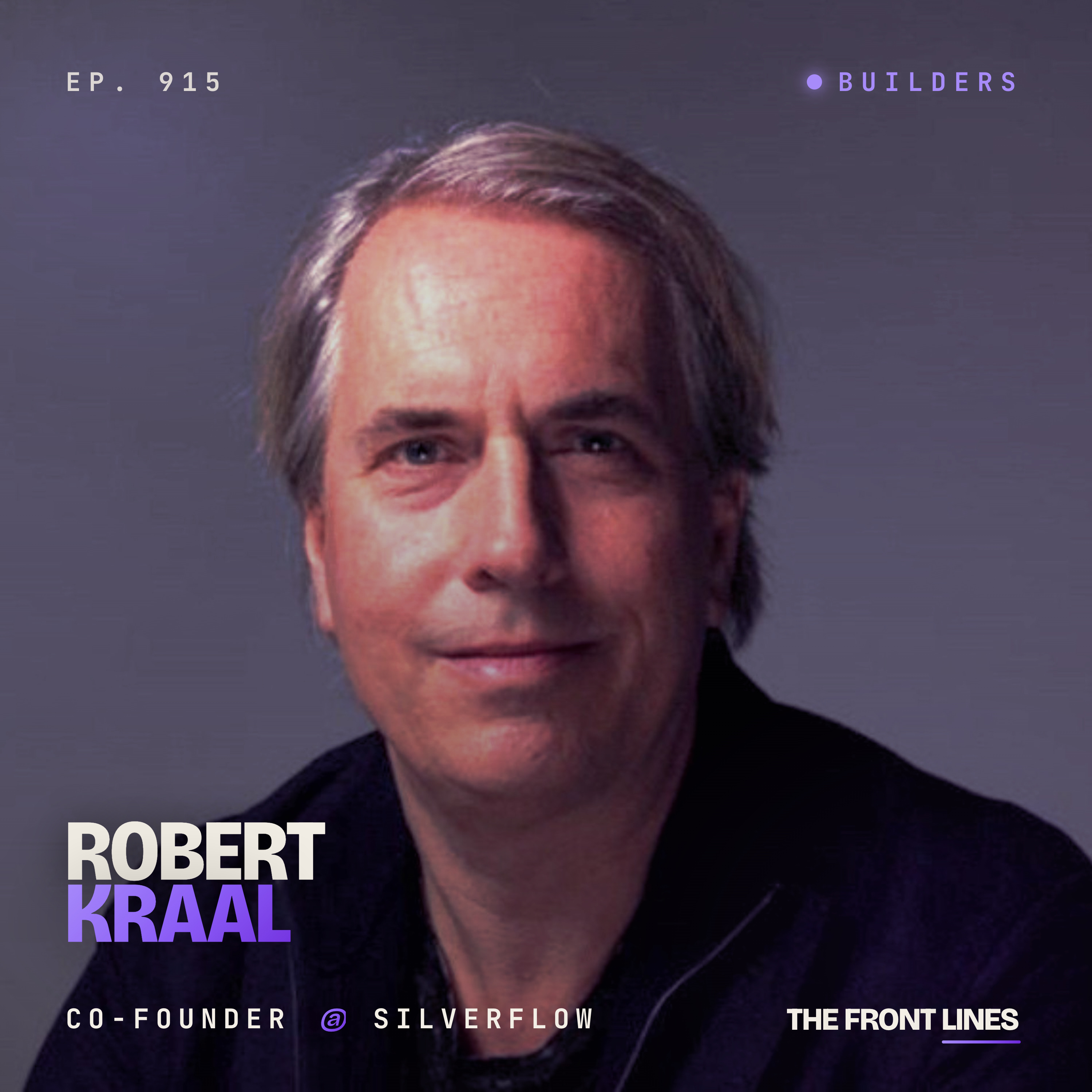
How Silverflow reached 10–15% month-over-month transaction growth by targeting the one infrastructure layer every bank and acquirer uses but no modern vendor had rebuilt | Robert Kraal
Robert Kraal has spent nearly three decades at the core of global payments infrastructure — co-founding Bibit (acquired by RBS/Worldpay in 2004), serving as COO and founding Adyen's acquiring proposition from the ground up, and building the technology that let Adyen go direct to Visa and Mastercard by cutting out the acquiring banks entirely. When he evaluated the card network processing vendo
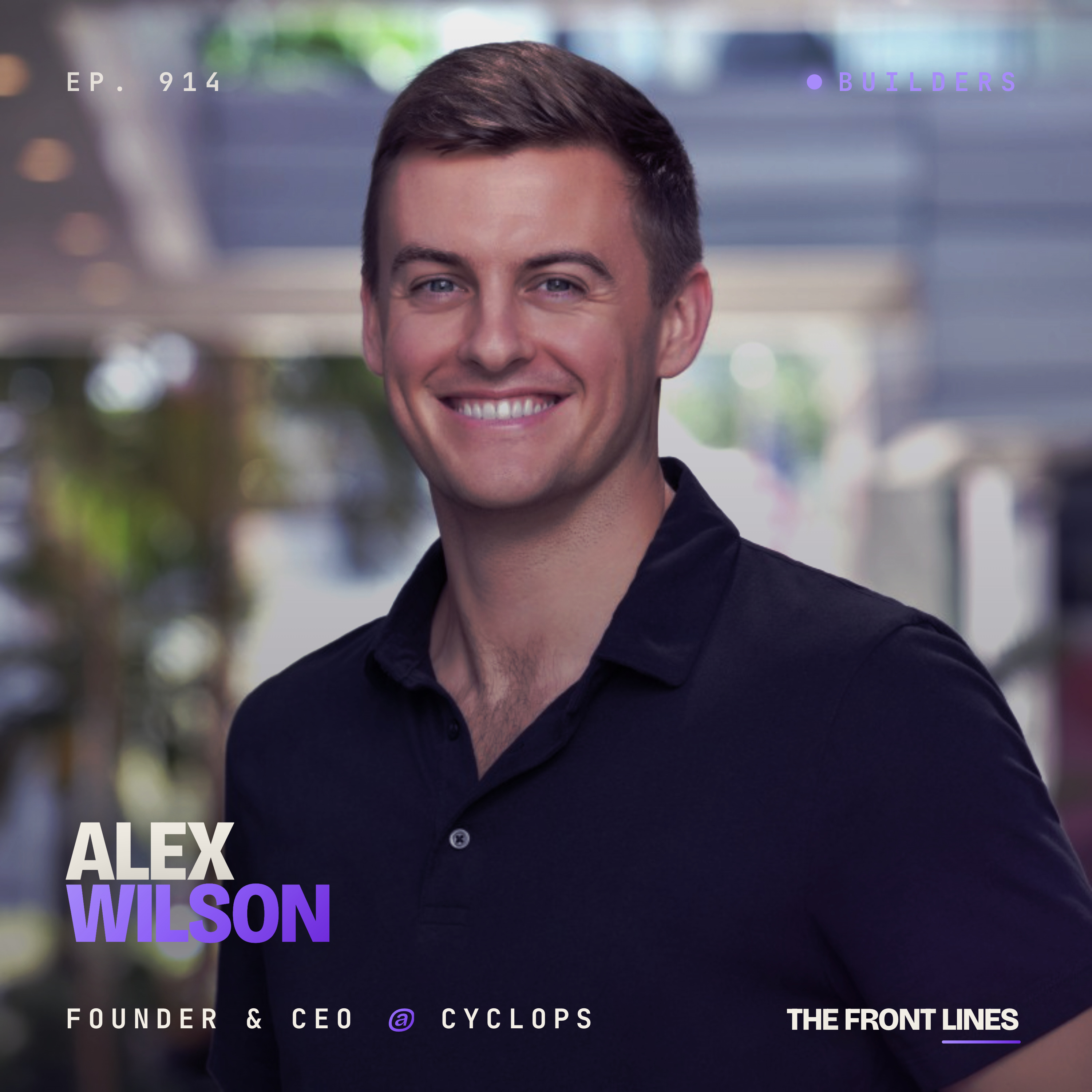
How Cyclops uses regulatory clarity — the Genius Act and MiCA — to shorten the education phase of enterprise sales | Alex Wilson
Alex Wilson has done this before. He co-founded The Giving Block in 2018, built it into the defining platform for crypto philanthropy, and sold it to Shift4. Four years inside one of the world's largest payment processors — leading crypto and stablecoin product — revealed that nearly all crypto infrastructure is built for trading and on/off ramping, not money movement. Cyclops fills that gap,
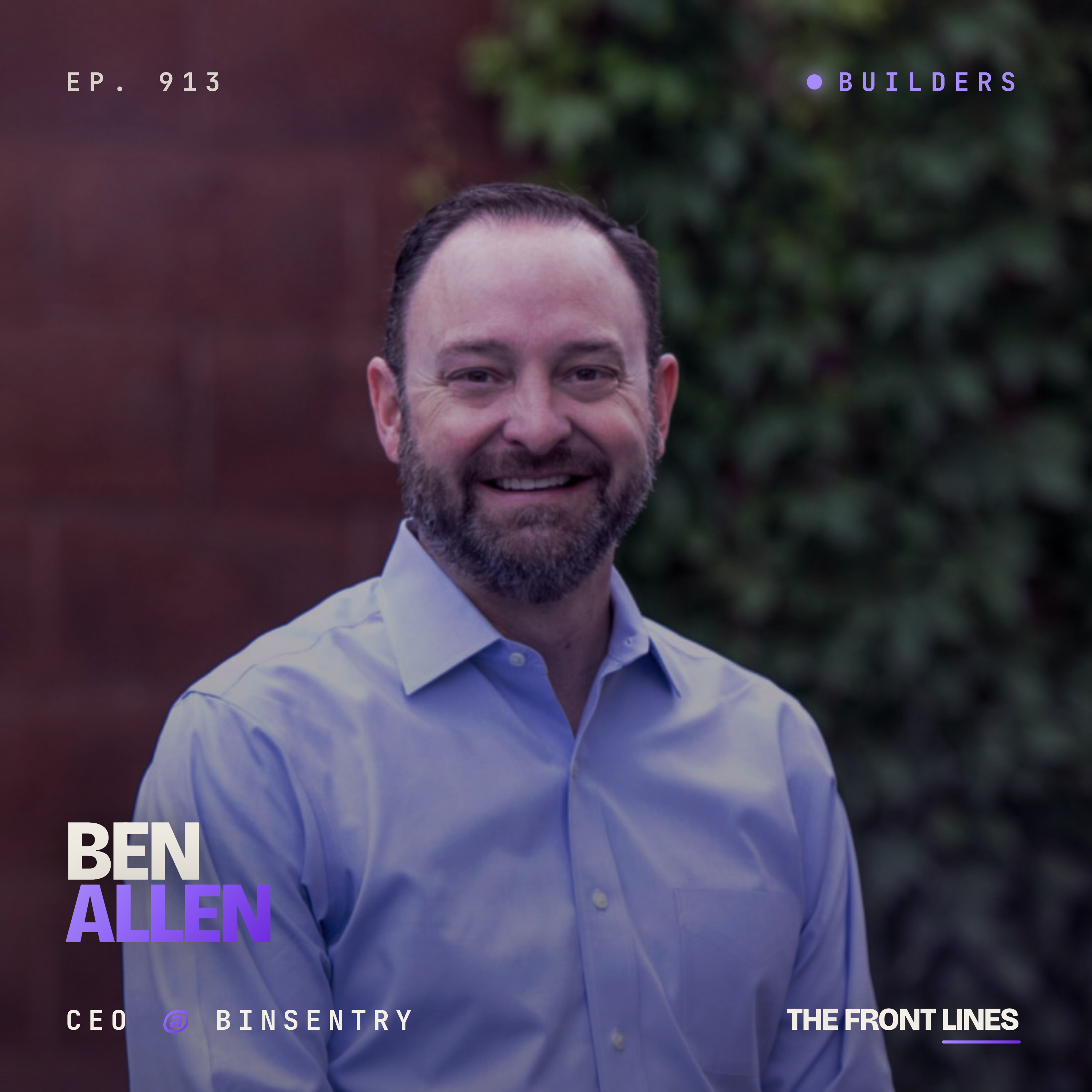
How BinSentry frames every enterprise pitch around executive career risk — not product features | Ben Allen
BinSentry is bringing real-time inventory intelligence to one of the largest and most overlooked supply chains on the planet. The US animal feed industry alone processes over $200 billion in transactions annually — and globally, the number exceeds $1 trillion. Yet most feed mills still rely on humans manually peering into bins to estimate what's there, a workflow Ben Allen's grandfather would reco
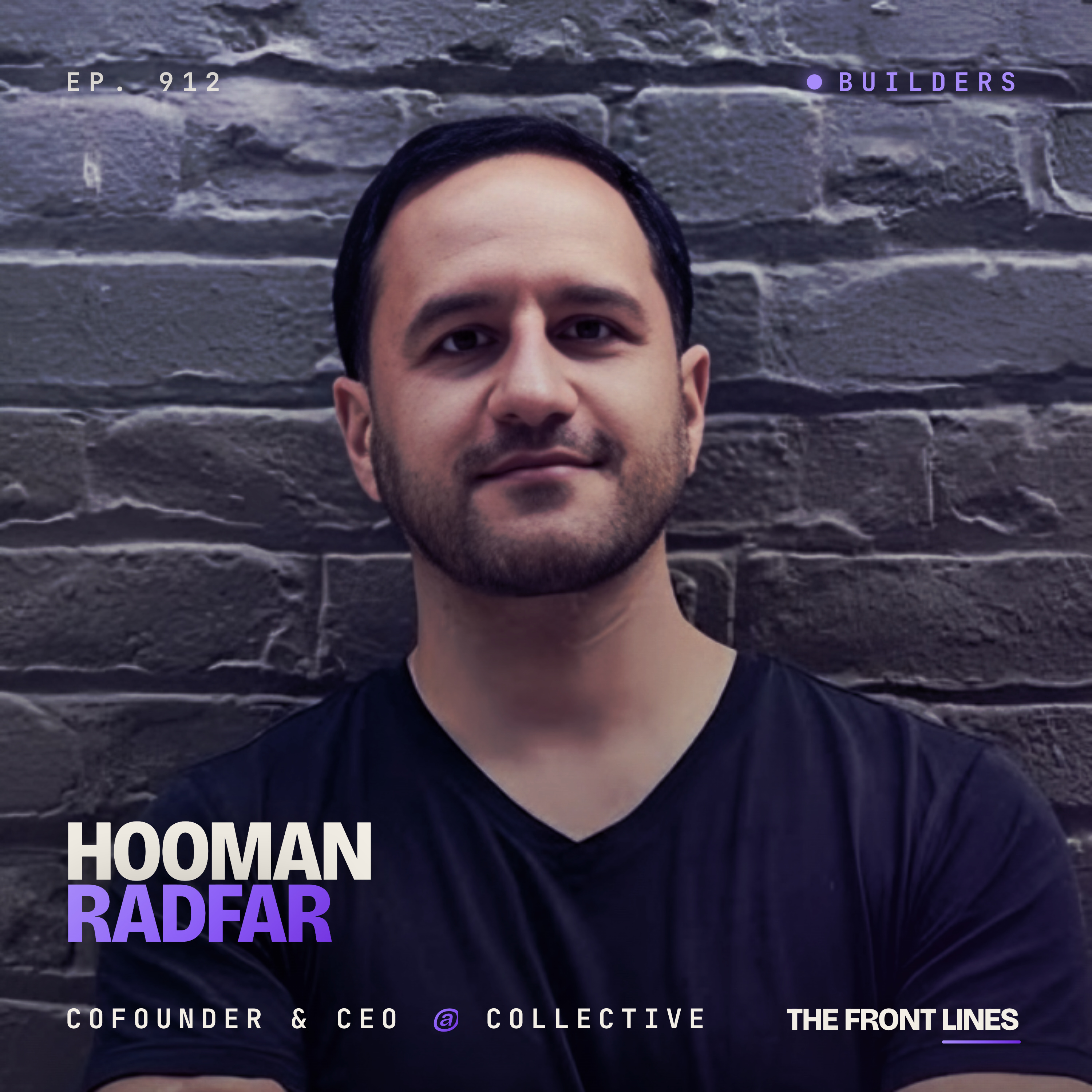
Lessons from building an AI-enabled service that customers love | Hooman Radfar
Collective is building what Co-Founder & CEO Hooman Radfar calls a system that runs itself: an AI-native financial back office for solopreneurs. Since launching in fall 2020, Collective has worked with over 12,000 businesses on formation, bookkeeping, payroll, and tax. Radfar previously co-founded AddThis, a web personalization platform that reached over 2 billion users, sold to Oracle for rou
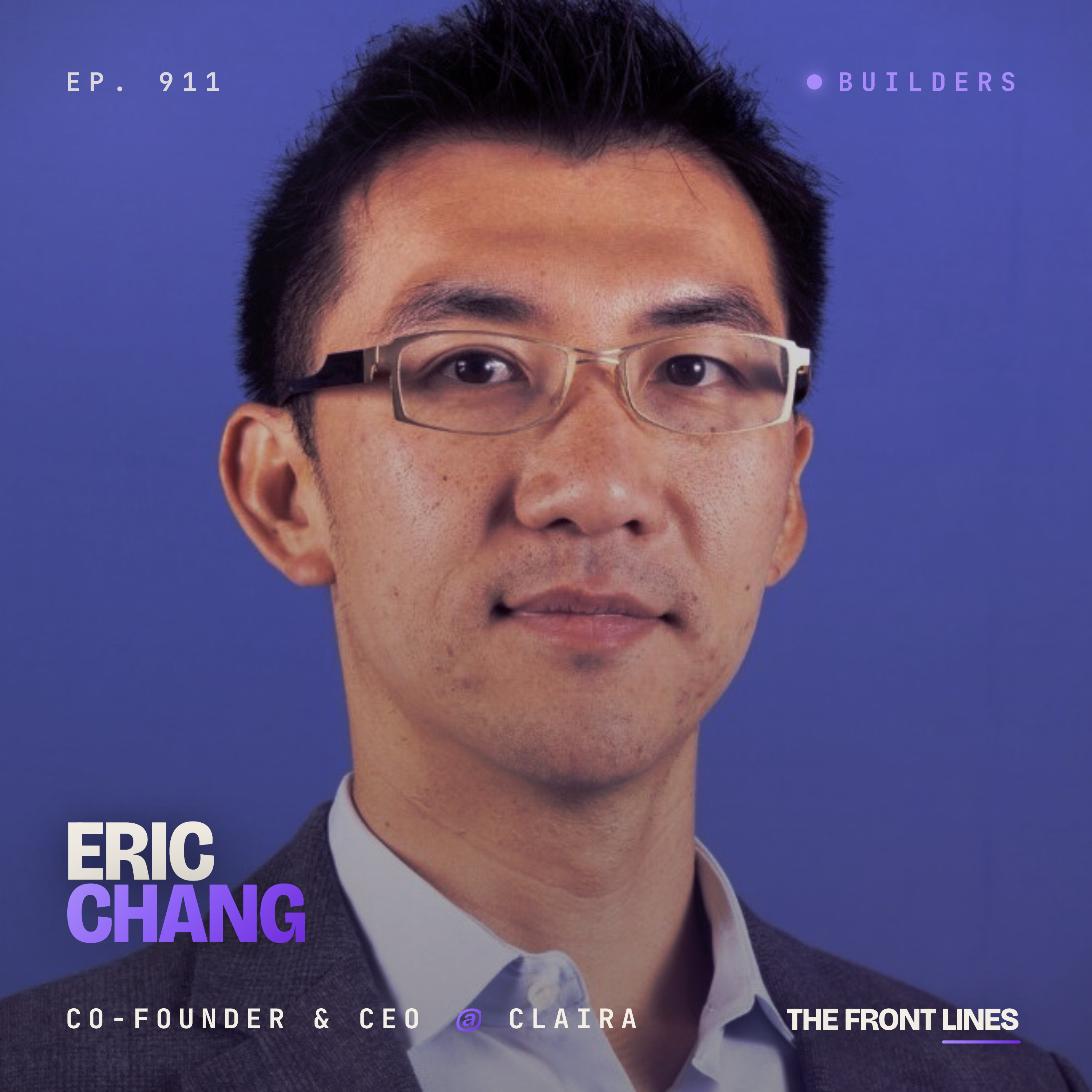
How Claira creates demand in a category with no budget line by selling the future investment process, not a product | Eric Chang
Claira is building the intelligence data layer for private market investors — stitching together every data room, email thread, CRM entry, and meeting note a deal team produces, and making that institutional memory persistent, queryable, and actionable. In a recent episode of BUILDERS, we sat down with Eric Chang, Co-Founder and CEO of Claira, to learn how he's approaching category creation in
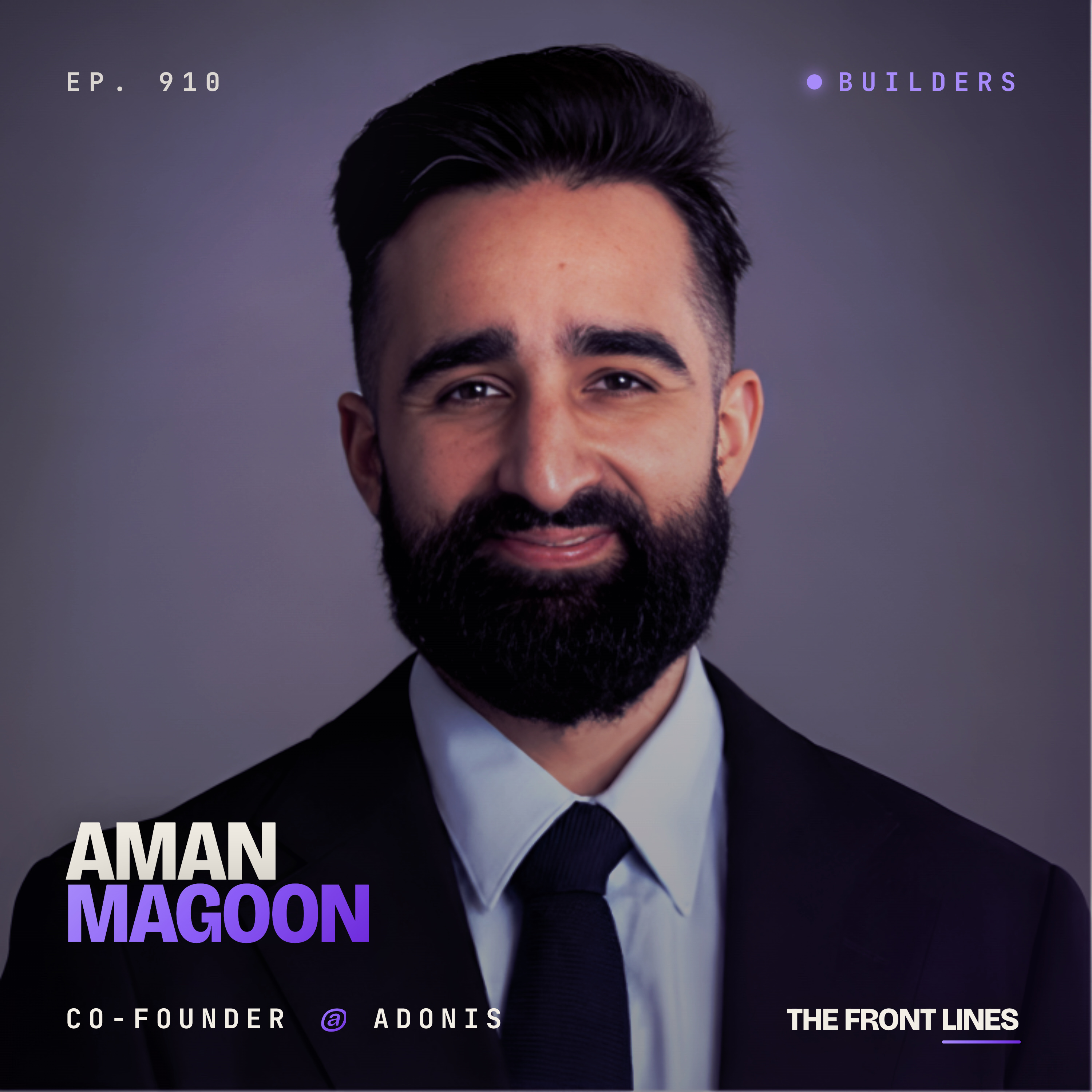
How Adonis positioned revenue cycle staff as "forgotten heroes" to win enterprise healthcare deals | Aman Magoon
Adonis is automating the revenue cycle for healthcare providers — replacing the BPO-heavy, human-intensive claims operations that keep back-office teams bloated and reimbursement yields chronically below what providers are owed. In a recent episode of BUILDERS, we sat down with Aman Magoon, Co-Founder and Chief Product Officer, and Chief Strategy Officer of Adonis, to learn how the team won early
How Responsive validated a new software category using LinkedIn job postings instead of analyst reports | Ganesh Shankar
Responsive (formerly RFPIO) started in 2016 with a single, unglamorous use case: helping companies respond to RFPs. Today, it's the defining platform for an entirely new enterprise software category — Strategic Response Management — covering every high-stakes response a company sends to external stakeholders: customers, prospects, analysts, investors, and regulatory bodies. In a recent episode
How Omneky competes on distribution as AI commoditizes ad creative production | Hikari Senju
Omneky is an agentic advertising platform built on a thesis Hikari has been executing against since 2017 — that generative and agentic AI would eventually automate the full creative and campaign management workflow of advertising agencies. In this return episode of BUILDERS, we sit back down with Hikari Senju three years after his first appearance to examine how the platform has evolved from an ea
How ASK BOSCO tracks founder-led LinkedIn content as a distinct CRM attribution category | John Readman
ASK BOSCO® is a data intelligence platform built for mid-market Shopify merchants, connecting disparate data sources to drive better e-commerce decisions at scale. In this episode of BUILDERS, we sat down with John Readman, Founder and CEO, to discuss how he built a 25,000-follower LinkedIn presence that directly closes enterprise deals, why he published a league table as a native PDF instead of g
How BusRight transitioned out of founder-led sales at $1M ARR | Keith Corso
School buses move 50 million students every day across the United States — more riders than all planes, trains, and public transit buses combined. Most of those buses are still routed using paper sheets with handwritten notes about yellow mailboxes. In a recent episode of BUILDERS, we sat down with Keith Corso, Co-Founder & CEO of BusRight, to learn how he built the logistics platform digitizi
How Estuary identifies tire-kicker enterprise deals before wasting a full POC cycle | David Yaffe
Estuary is a right-time data company building infrastructure that delivers both streaming and batch capabilities — so companies can move and transform data at whatever latency their use case demands, from millisecond-level real-time pipelines to traditional batch analytics. With a growing enterprise customer base and NRR at 150%, Estuary is expanding beyond its PLG roots to go upmarket. In a recen

How Hi Auto reframed drive-thru AI from headcount reduction to throughput and upsell capture | Roy Baharav
Hi Auto is on a mission to automate the drive-thru for quick service restaurants using voice AI. After pivoting twice — first from automotive voice AI, then from contactless kiosks — the team found their real wedge when Burger King Europe told them that replacing the drive-thru order taker, not adding another interface to a kiosk, was the problem worth solving. In a recent episode of BUILDERS, we

How The Biological Computing Co timed its stealth exit | Alexander Ksendzovsky
Two months before this conversation, The Biological Computing Co (TBC) was still in stealth. Three years of building, rebranding, and accumulating experimental data — all before showing the world a single thing. In this episode of BUILDERS, we sat down with Alexander Ksendzovsky, Co-Founder and CEO of TBC, to hear how a neurosurgeon-scientist turned a 20-year research obsession into a commercial A
How UnityAI ran 5 simultaneous market experiments to find its ICP after abandoning health systems | Edmund, CEO of UnityAI
Edmund spent years as Chief Data Officer at HCA Healthcare — 200 hospitals across America — watching a parade of vendors pitch solutions to problems that didn't exist in his environment. He saw the pattern clearly: founders who had never been inside a complex healthcare system, selling point capabilities with no understanding of how clinical workflows actually interconnect. When the AI moment
How TabaPay kept its original 2017 ICP intact for nine years while still growing the addressable market | Rodney Robinson
TabaPay is rewriting the payment infrastructure stack for fintechs, lenders, and money-moving businesses — delivering the low-cost, instant, round-trip payment capabilities that established acquirers wouldn't offer and the market had no clean solution for. Founded in 2017 after Rodney Robinson spent years operating inside money transmission and the MasterCard ecosystem, TabaPay was built on a thes
How Smirk Health runs GTM through an agentic AI layer | Felix W. Ortiz III
Health insurance hasn't fundamentally changed since a vice president at Baylor University created it with a group of nurses in 1929. What started as a fringe benefit became a wartime recruitment tool in the 1940s, got codified into group insurance through the ERISA Act in the 1970s, and has remained structurally employer-tied ever since. The problem: that architecture assumes a workforce that no l

How Mach identified non-traditional OEMs as its fastest revenue channel after auditing where closed deals were actually coming from | Colin Hurd
Mach builds the autonomy stack for the off-highway world — the heavy equipment running agriculture, land care, mining, logistics, construction, and defense. Founded on technology roots going back to 2013, Mach integrates hardware and software directly onto existing OEM platforms, giving mid-market equipment manufacturers a fast path to autonomous operations without building it themselves. Mach'
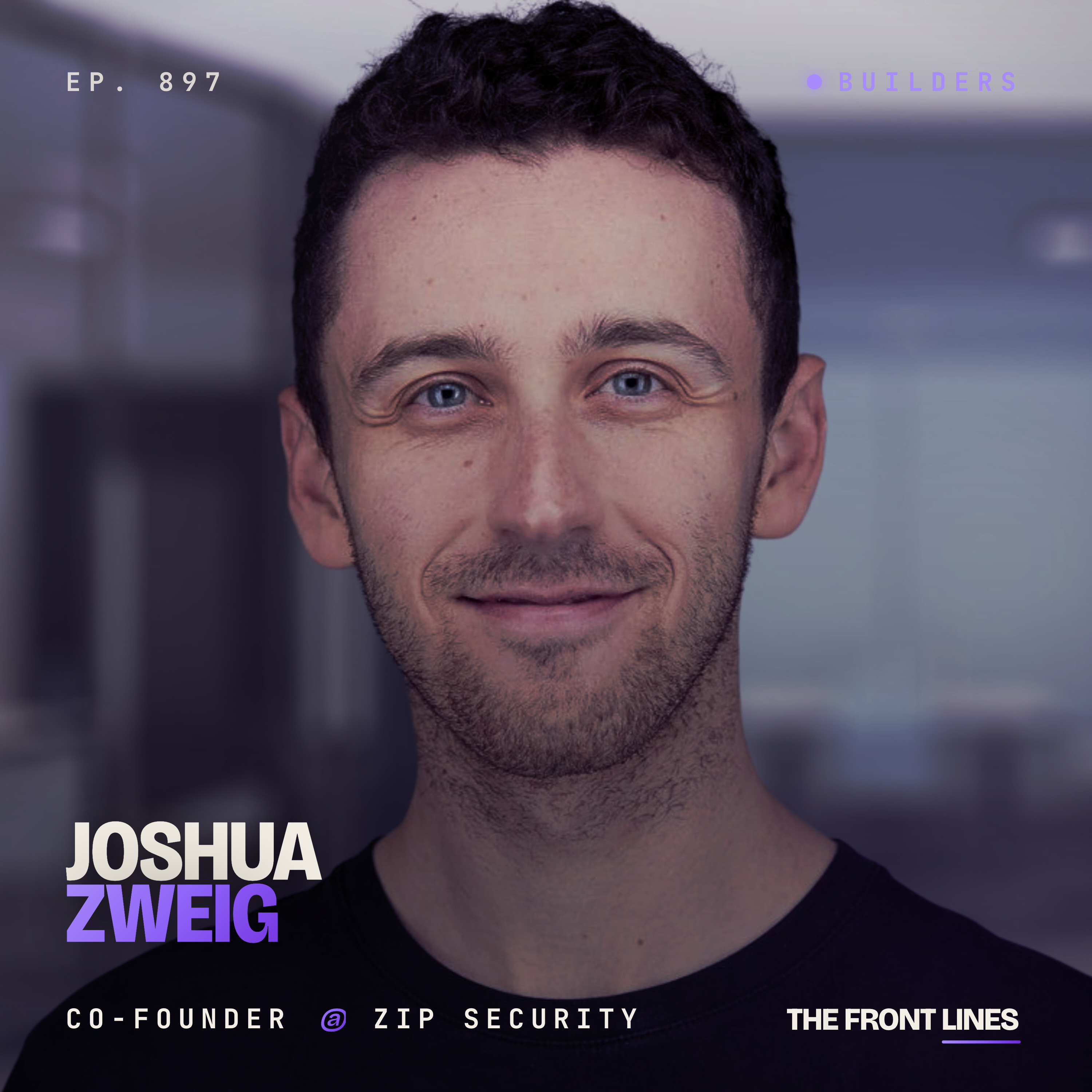
How Zip Security built a vCISO channel by treating consultants as the primary customer, not the middleman | Joshua Zweig
The cybersecurity industry has a problem it created itself. The tools exist to protect most organizations — but deploying and managing them costs seven dollars in services for every one dollar in software license. Multiply that across the eight to ten tools a company actually needs, and you've priced out the majority of the market. Zip Security was built to close that gap with AI and automatio
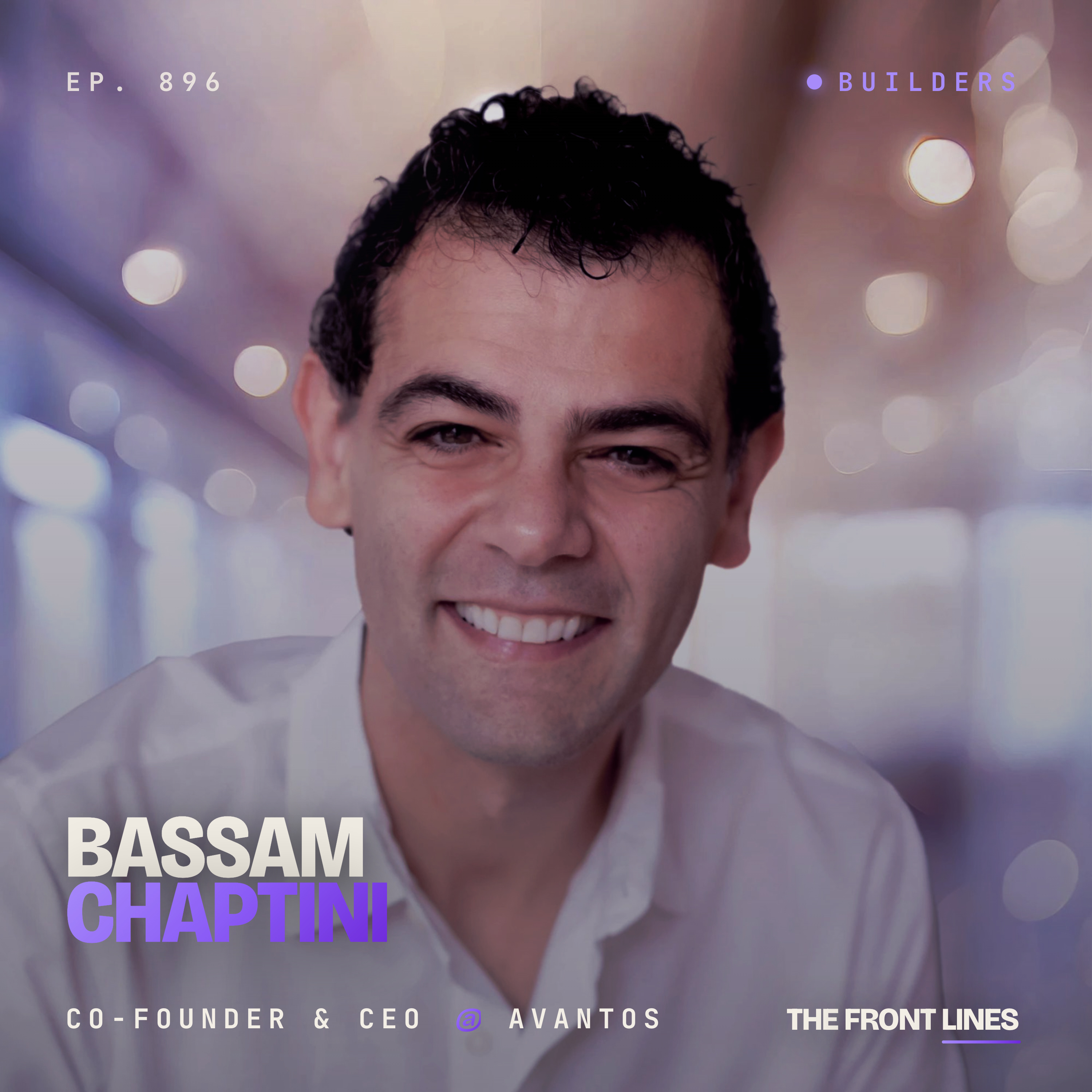
How Avantos positioned against CRM by calling itself an operating system for client management — and why buyers got it immediately | Bassam Chaptini
Avantos AI is replacing the fragmented patchwork of CRMs, task managers, and paper-based workflows that financial services firms have relied on for decades with a single operating system for client management. Built on a knowledge graph and AI-native from the ground up, Avantos models the full complexity of financial relationships — client data, the service team, and the products clients hold —
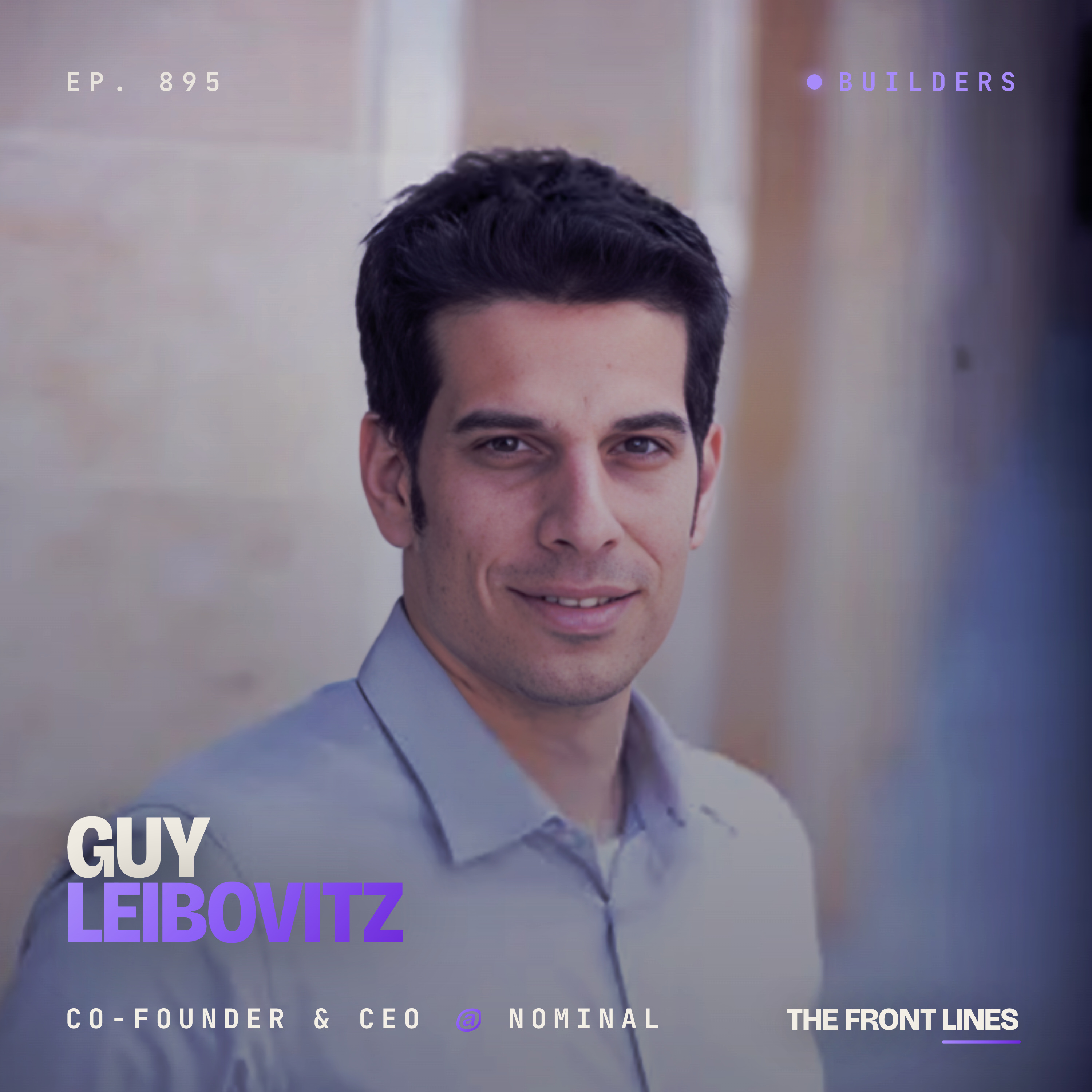
How Nominal combined go-to-market engineering and CFO dinners to build a pipeline motion that converts | Guy Leibovitz
Most AI finance startups are chasing the same crowded ground — invoice processing, AP automation, SMB-friendly dashboards. Nominal is doing something different. Guy Leibovitz, a three-time founder with two exits, is building AI agents that replace the full manual workload of controllers and accountants — and he's selling it into mid-market and enterprise companies that nobody else is seriously
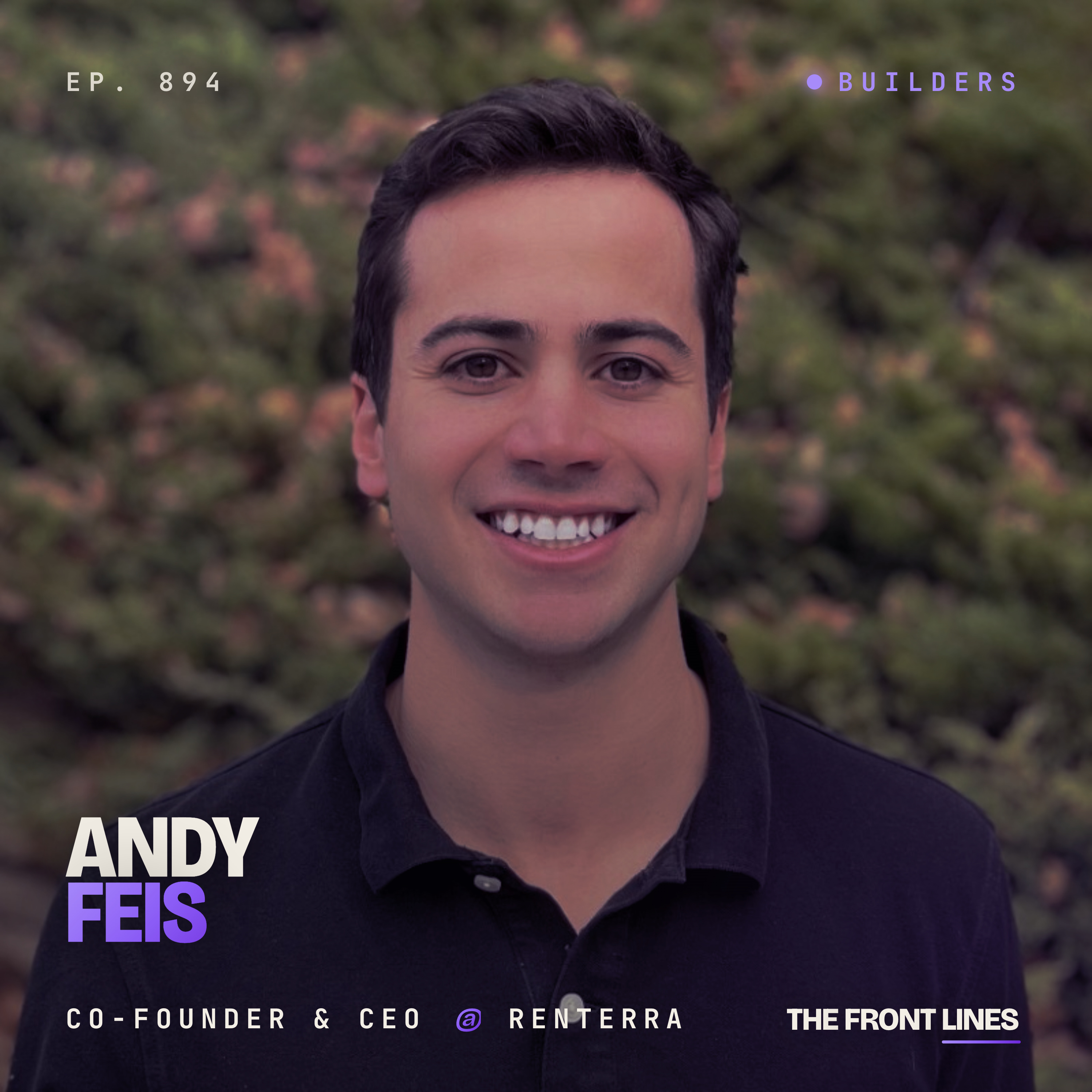
How Renterra built an outbound cold calling engine | Andy Feis
Heavy equipment rental is a $100 billion market — and until recently, it ran almost entirely on pen and paper or legacy software built 30 to 40 years ago. In a recent episode of BUILDERS, we sat down with Andy Feis, Co-Founder & CEO of Renterra, to learn how five years of management consulting across manufacturing, mining, logistics, and construction led him to one of the most overlooked s
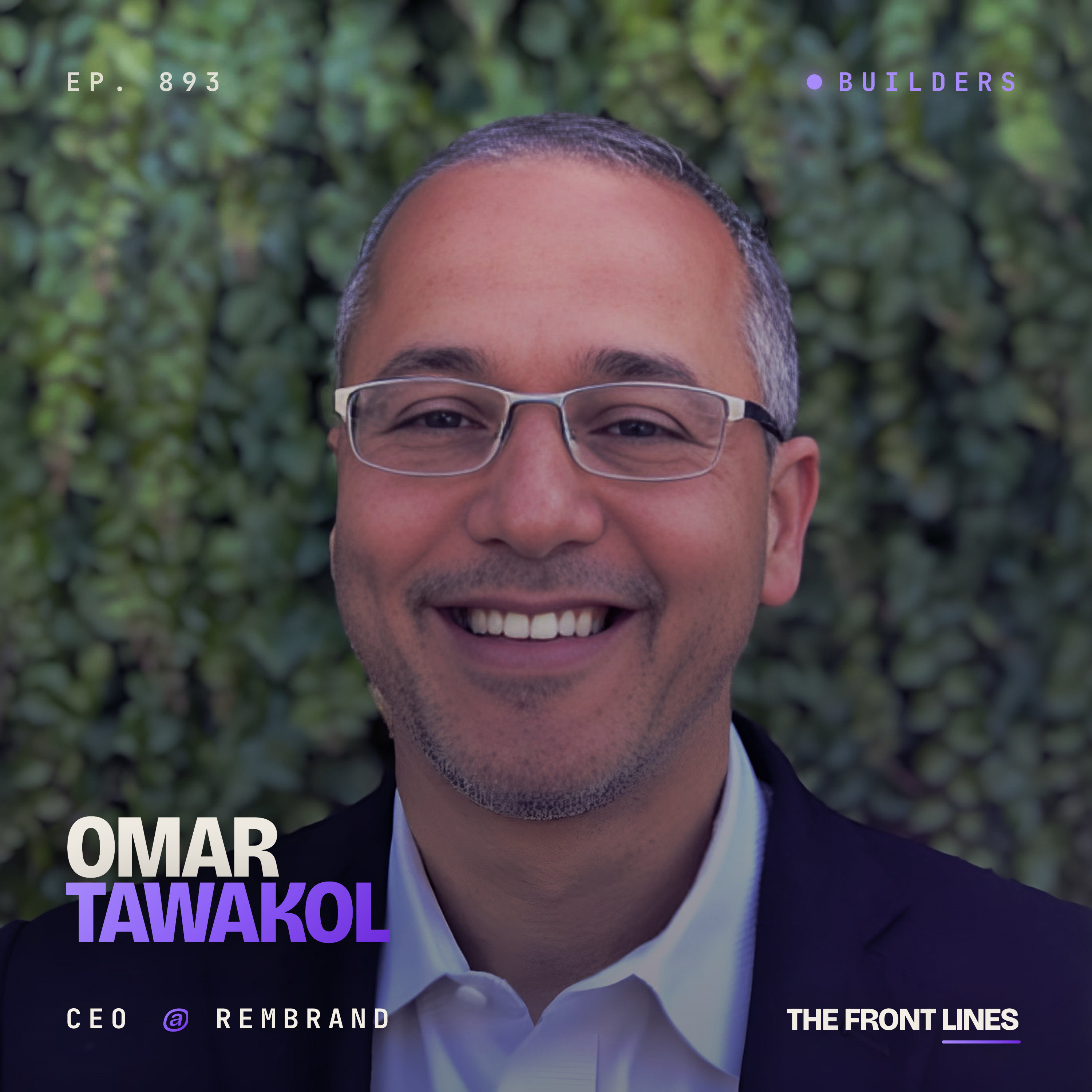
How Rembrand repositioned away from "product placement" to unlock a completely different media buyer and budget | Omar Tawakol
Rembrand is building a new media category called in-content advertising — using AI to insert brand products seamlessly into existing video content, from social creator clips to premium TV shows and films, in a way viewers can't detect. The founding insight is blunt: ad industry executives were going home and paying to avoid their own product. In a recent episode of BUILDERS, we sat down with
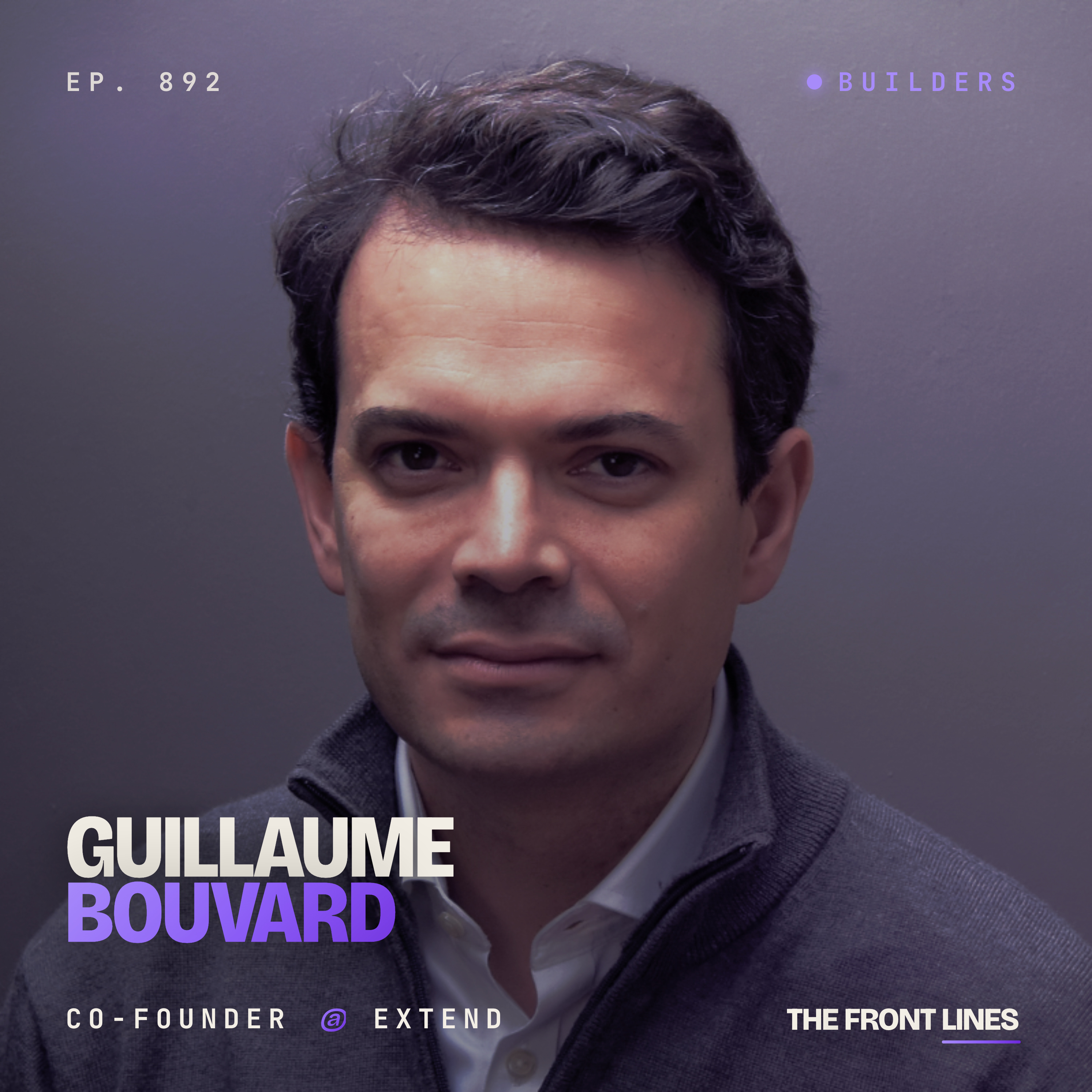
How Extend built a four-pillar marketing org mapped to four distinct B2B2B growth motions | Guillaume Bouvard
Extend's model is built on a specific bet: that banks want to offer their SMB clients a better expense management product but won't build it themselves. Extend builds that product and sells it to the bank, who then distributes it to their business customers as their own offering. In a recent episode of BUILDERS, we sat down with Guillaume Bouvard, Co-Founder, COO & CMO of Extend, to
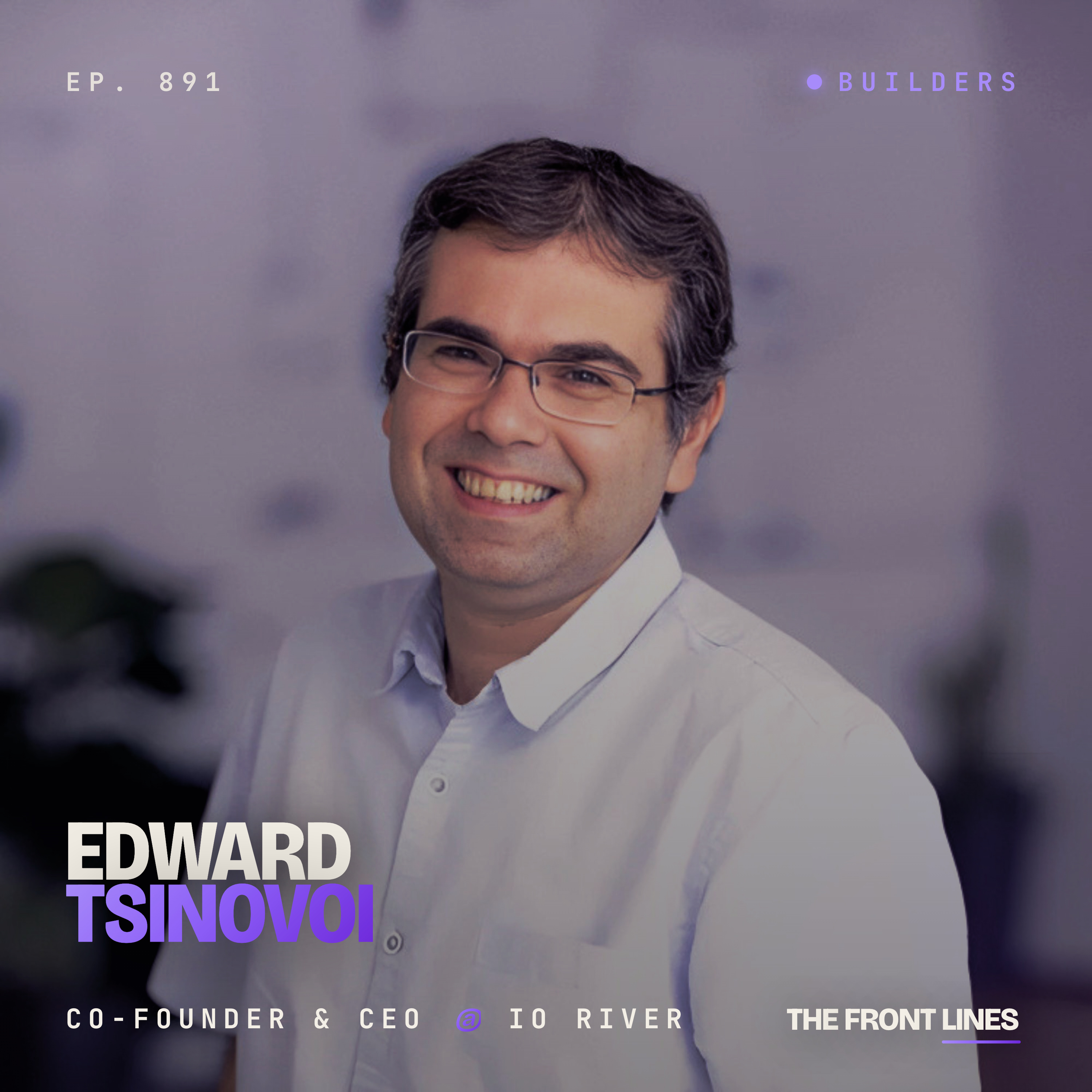
Why IO River hired a VP of sales one month after founding | Edward Tsinovoi
Akamai once made the decision to freeze its entire network for a full year. No changes. No deployments. No innovation. The cost of another major outage — like the ones that had already knocked critical services offline — was simply too high to justify any forward movement. Edward Tsinovoi was inside that decision. And what it revealed to him wasn't just an operational problem at Akamai. It w

How Vinci captured existing budget line items instead of creating new demand from scratch | Hardik Kabaria
Vinci is building the foundation model for the physical world — starting with heat transfer in semiconductor and electronics engineering. Approximately three years into the journey, the team has shipped a product now in use by engineering teams at top-tier semiconductor and electronics companies. In a recent episode of BUILDERS, we sat down with Hardik Kabaria, CEO and Co-Founder of Vinci, to l
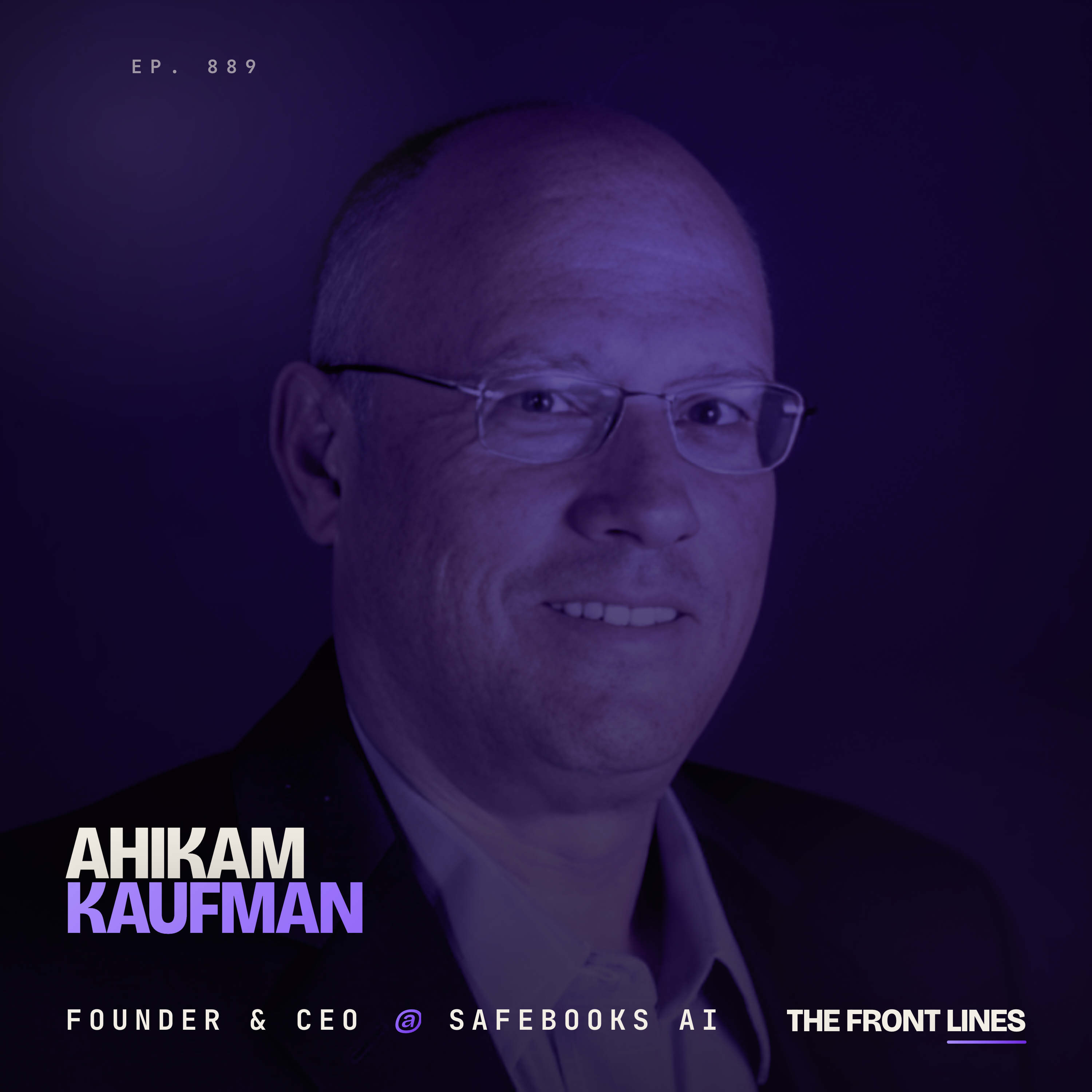
How Safebooks AI positioned against the 80% accuracy standard that makes AI unacceptable in finance | Ahikam Kaufman
Safebooks AI is building the infrastructure layer that makes agentic AI safe to operate inside the office of the CFO. Where most finance automation tools solve point problems — AP, AR, billing, reconciliation — Safebooks ingests data end to end across every system in a company's financial stack: CPQ, CRM, contract management, billing, ERP, and banking. Using graph AI technology, it normalizes
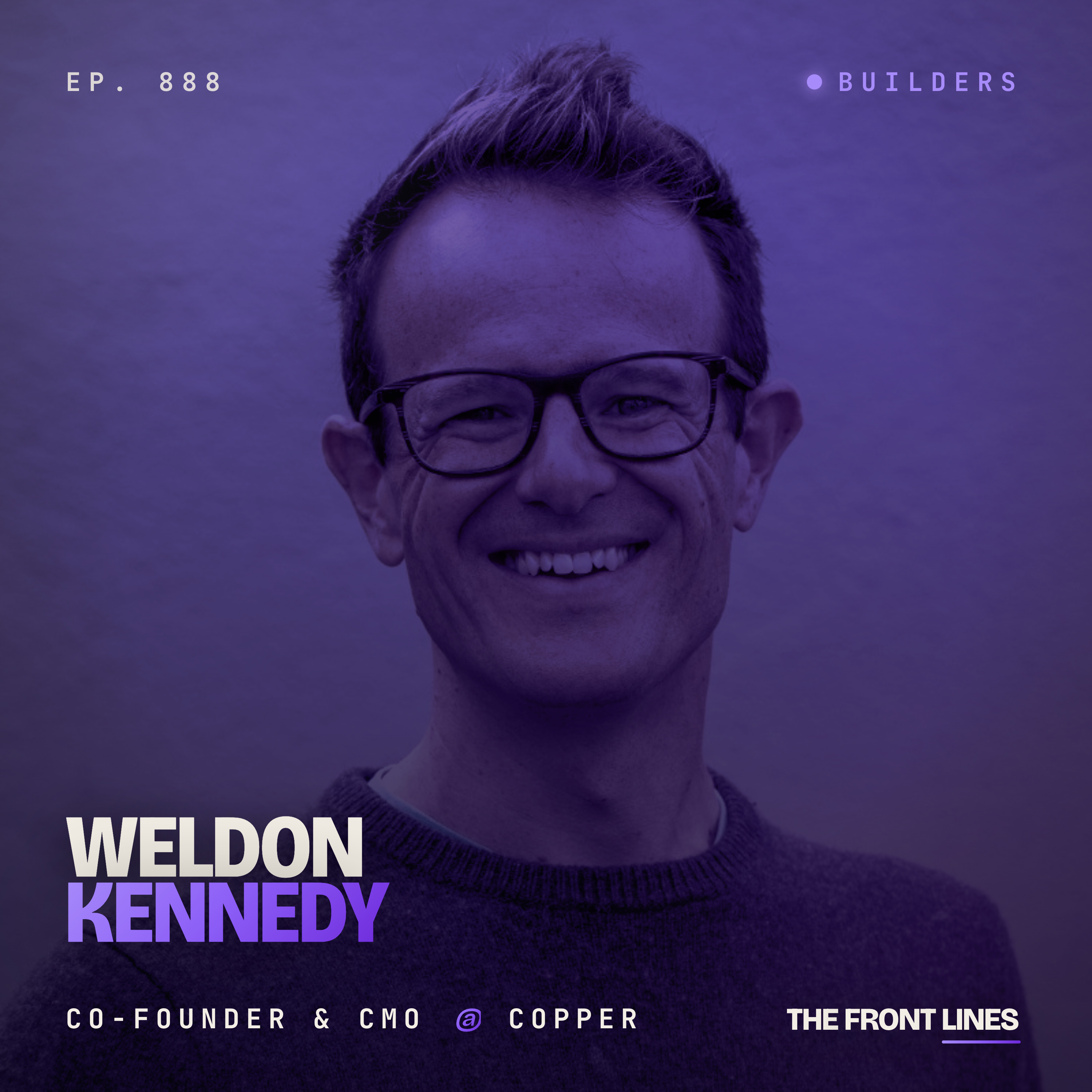
How Copper is creating a new category of appliances | Weldon Kennedy
Copper makes battery-equipped induction ranges that plug into a standard household outlet — no panel upgrades, no new circuits, no electrician. In a Los Angeles building renovation, that difference saved a developer $800,000. In a deal with the New York City Housing Authority, it unlocked a contract for 10,000 units. In a recent episode of BUILDERS, we sat down with Weldon Kennedy, Co-Founder &
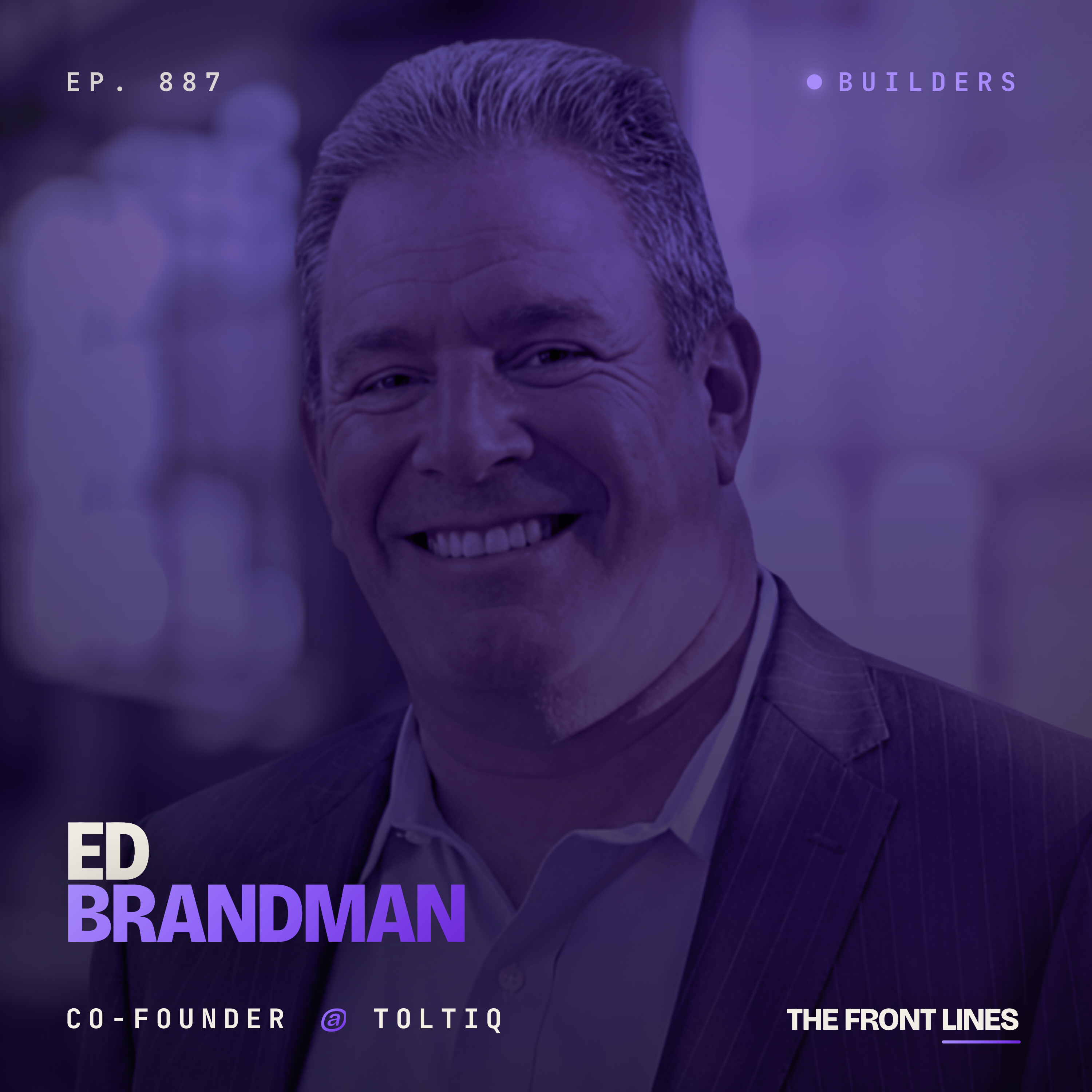
What ToltIQ's co-founder — a former KKR CIO — says founders must never do when selling AI to financial services buyers | Ed Brandman
Ed Brandman spent decades in global financial services before retiring in 2018. His last chapter before stepping away was at KKR — where he joined when the firm had just 390 people and left having helped build it into one of the most recognizable names in alternative assets. Five years later, a conversation with his son (now his co-founder) about the due diligence process pulled him back. That bec
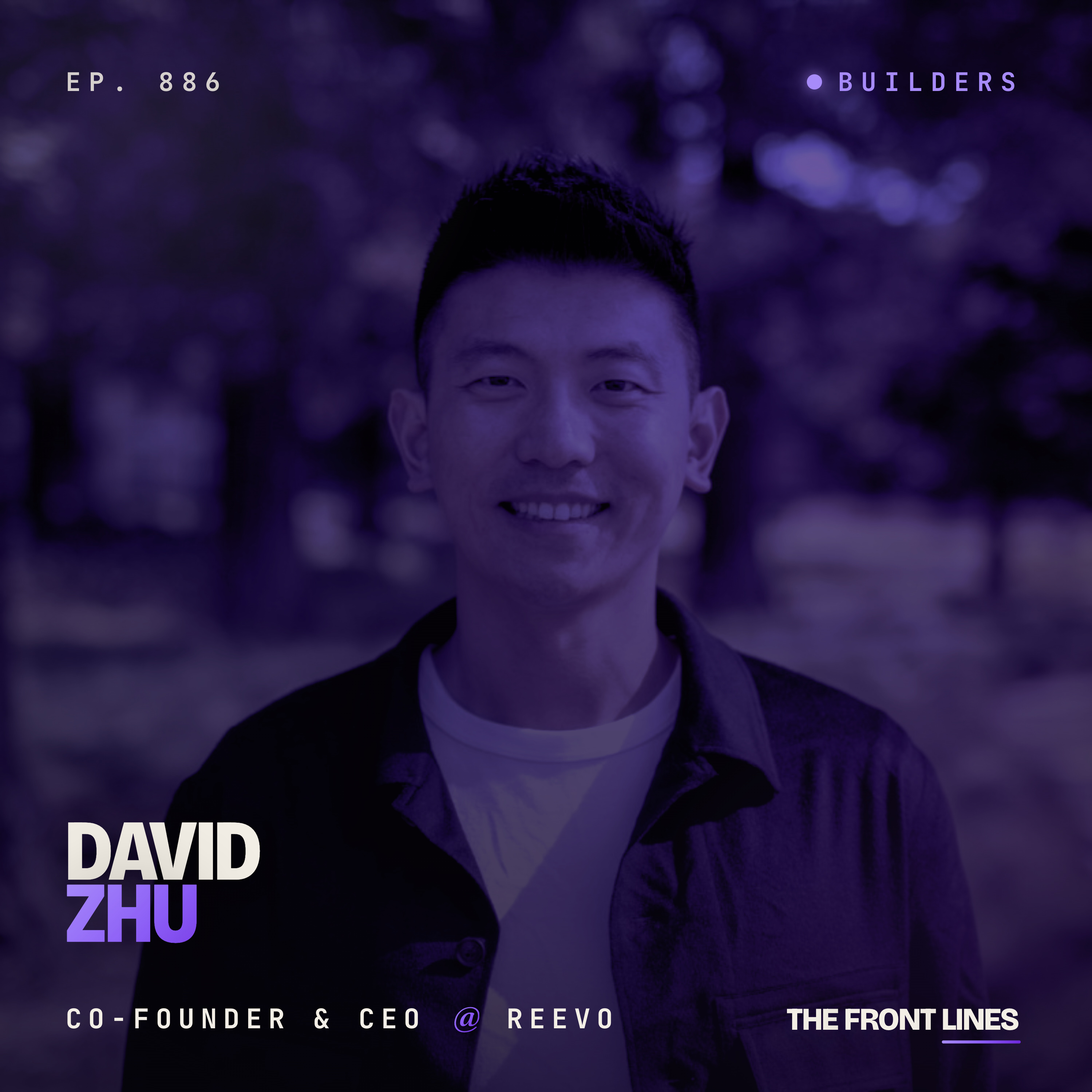
How Reevo mapped every GTM persona as a node-edge graph to find its product wedge before building anything | David Zhu
Reevo launched with an audacious compound thesis: tear out the Frankenstack of CRM, sequencing tools, conversation intelligence, data enrichment, and forecasting apps that buries revenue teams in busywork — and replace it with a single unified platform that powers the entire GTM motion from first outreach to closed-won and beyond. In a recent episode of BUILDERS, we sat down with David Zhu, Co-Fou
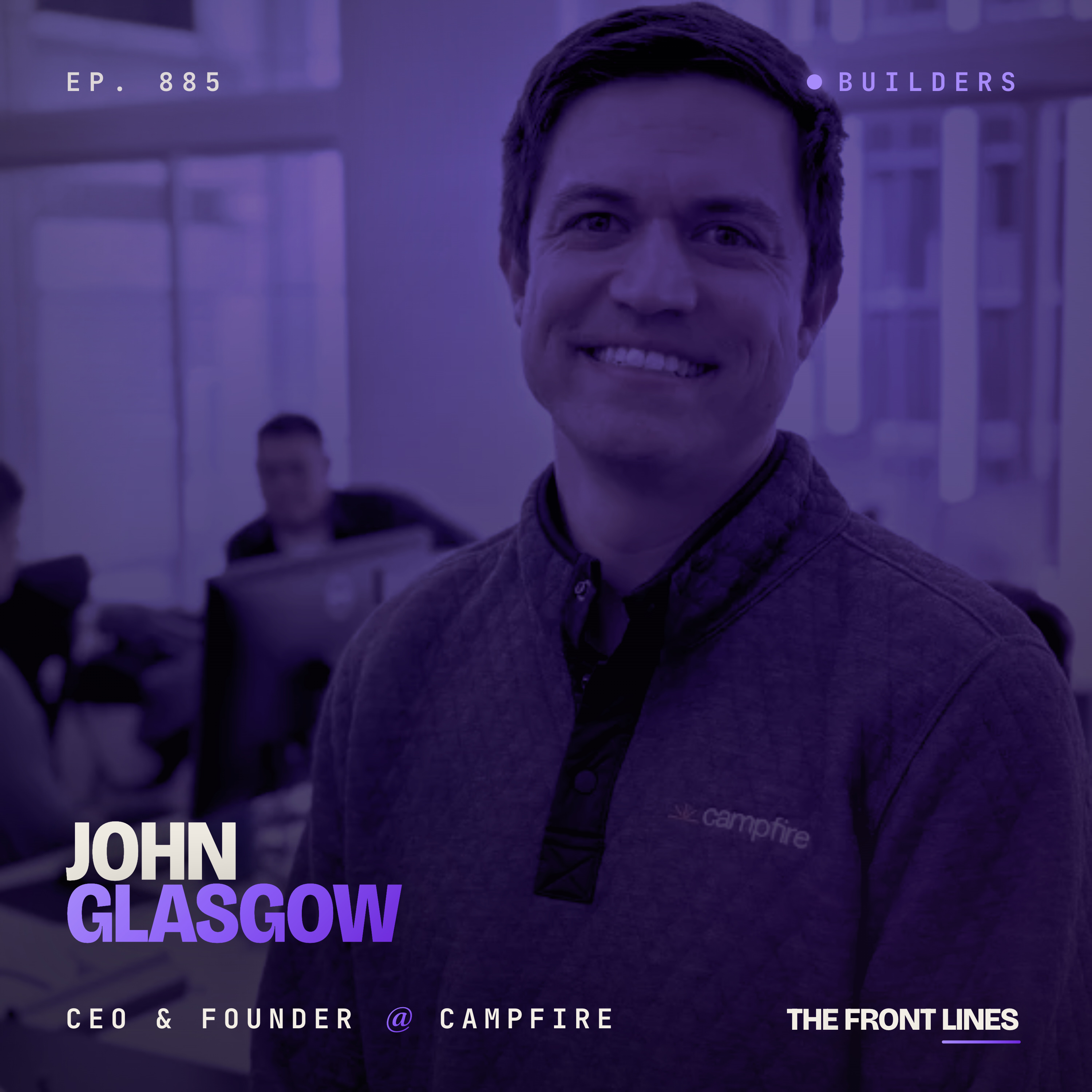
Inside Campfire's founder-led growth strategy | John Glasgow
John Glasgow spent over a decade as the end customer of enterprise accounting software — at Adobe, Invoice2Go, and Bill.com — before deciding to build the ERP he always wished existed. After Invoice2Go was acquired for $625 million, he applied to Y Combinator with a newborn at home and a single conviction: the incumbents were 25–30 years old, the pain was acute, and nobody was building for the mod

How Arintra built a 100% pilot success rate by leading with ROI in autonomous medical coding | Nitesh Shroff
Medical coding is a mandatory workflow — no code, no claim, no payment. But the US isn't producing enough coders to keep up, payer-side complexity keeps growing, and hospital margins are already razor-thin. Arintra is building the AI infrastructure to take that workflow off the table entirely. In this episode of BUILDERS, CEO and Co-Founder Nitesh Shroff breaks down how Arintra is winning deal

How Remark's uses custom gifting to drive demand | Theo Satloff
E-commerce hasn't fundamentally changed since 1996. Same homepage. Same nav tree. Same cart and checkout. Theo Satloff, Co-founder & CEO of Remark, is building from the inside out to change that — replacing the generic, one-size-fits-all brand website with a personalized, consultative shopping experience that adapts to the individual the moment they land on site.In this episode, Theo gets
How AIR generating revenue while most eVTOL competitors produced zero sales | Rani Plaut
AIR is an eVTOL company on a path to making personal aviation a mass-market product — not a commercial fleet play. With a $35M+ order book, aircraft already delivered, and double-digit revenues projected for 2026, AIR is an outlier in a sector where most well-funded competitors have yet to generate meaningful revenue. On this episode of BUILDERS, we spoke with Rani Plaut, CEO and Co-Founder of
How OpenHands built a four-bucket qualification framework to stop losing time on low-maturity enterprise accounts | Robert Brennan
OpenHands is the largest open source platform for agentic software development — giving engineering teams AI automation for the maintenance work that consumes developer cycles without requiring creative judgment: dependency updates, vulnerability remediation, unit test coverage, and code review. In this episode of BUILDERS, we sat down with Robert Brennan, Co-Founder and CEO of OpenHands, to di
How Frugal used 6 months of founder-led pipeline before making its first GTM hire | Michael Weider
Frugal is building the engineering-layer that FinOps dashboards never could. Where existing tools tell you what you're spending, Frugal embeds cost visibility directly into the software development lifecycle — so engineers make better cost decisions before the bill arrives, not 30 days after. In this episode of BUILDERS, four-time founder Michael Weider breaks down why AI is quietly destroy
How Fleetzero sells against "do nothing" | Mike Carter
Roughly 90% of the world's goods move by sea on vessels powered by technology that, in many cases, hasn't meaningfully advanced since the textbooks Mike Carter studied at Kings Point — which were printed in the 1960s. Mike and his co-founder Steven grew up together in the mountains of North Carolina, spent careers at offshore drilling contractors and energy majors like Shell, and eventuall
How Blue Current pivoted its entire go-to-market from EVs to stationary storage after identifying the cascading adoption slowdown | Susan Stone
Blue Current spent a decade doing what most battery startups won't: staying in the lab until the chemistry was genuinely ready. Founded with a single North Star — build a safer battery, whatever that takes — the company scrapped its original technology after early cells literally caught fire, rebuilt around silicon as an active anode material in a fully dry architecture, and emerged with a ba
How Motif wins in a change-resistant market by leading with net-new capability instead of incremental improvement | Amar Hanspal
Motif is building a browser-based, AI-native design system for architects, engineers, and general contractors — bringing a notoriously complex, desktop-heavy workflow into the modern era. In this episode of BUILDERS, we sat down with Amar Hanspal, CEO of Motif, to talk about the GTM decisions that shaped Motif's early traction: how they identified the right ICP, why they went PLG, what it

How Baobab uses attack surface reconnaissance to underwrite cyber risk more accurately than incumbents | Vincenz Klemm
Cyber insurance was bleeding money across Europe — and the industry knew it. Loss ratios were unsustainable because carriers were pricing risk they didn't actually understand. Vincenz Klemm, CEO and Co-Founder of Baobab, saw that as a systems problem, not a market problem. His solution: build an insurer that maps a company's external attack surface before underwriting, retrieves leaked cre

Why EverWorker targets "boring billion-dollar companies" | Anton Antich
Most AI companies in 2023 raced to own a vertical. EverWorker made the opposite bet — build a horizontal platform that lets anyone create agents for any purpose, no code required. In this episode of BUILDERS, Anton Antich, CPO and Co-Founder of EverWorker, gets into what it actually takes to sell AI inside enterprises that are stuck between the hype and the reality, why he's making the case ag

How Yutori landed enterprise contracts without a sales team by letting prosumer word of mouth do the work | Abhishek Das, Co-CEO at Yutori
Yutori is building web agents — AI that can monitor, navigate, and eventually act on the web on your behalf. Their first product, Scouts, launched in beta in June 2024 with one deliberate constraint: read-only web monitoring. No booking, no form-filling, no write actions. Just signal extraction from the open web. That narrow framing, paired with a $25K launch video that went viral on Twitter, drov
How Andromeda selected its beachhead market using three criteria: impact, deployment complexity, and market opportunity | Grace Brown
Andromeda is building social humanoid robots designed to solve the loneliness epidemic among the elderly. Its flagship robot, Abby, is already deployed in nursing homes across Australia — speaking 90 languages, building ongoing relationships with residents, and filling a care gap that human staff simply don't have the capacity to address. In this episode of BUILDERS, we sat down with Grace Bro
How GradBridge is building distribution through school partnerships to reach students at the point of decline | Jen O'Donald
Every year, more than half of private student loan applicants get declined. Not because they're unserious about their education — but because they narrowly miss a credit cutoff. For upperclassmen and grad students already deep into a degree, that rejection often means dropping out. Jen O'Donald spent 13 years at Sallie Mae, most recently running product, watching this gap go unsolved. So s
How Amaze used acquisitions to accelerate distribution rather than build it from scratch | Aaron Day
Amaze Holdings is quietly becoming one of the more interesting GTM stories in the creator economy. With 14 million users who have launched stores and 3,000–4,000 new ones joining daily at near-zero acquisition cost, CEO Aaron Day has built a social commerce platform that lets anyone start selling inside YouTube, Instagram, TikTok, Twitch, and Discord — no inventory, no upfront investment require
Recommended

Deadline: White House

Crickets Corner

History of the Earthquake and Fire in San Francisco

Fox news

K-Drama Obsessed Mamas | Beyond “Just One More Episode!”

True Crime Classics

The Healer Revolution

Becoming: HER with Nikki Spoelstra

Booked, Blonde & Busy w/ Olivia Ponton

McKinsey on Consumer and Retail

megahired.com

Hard Knocks Podcast
