
Chinese Learning Podcast | HSK 2 (Season 1)
This podcast is designed for learners of Chinese at the HSK 2 level. It features real-life dialogues to improve listening skills and deepen understanding of Mandarin grammar and culture. The episodes are produced by Hanyu Chinese School, an online academy for learning Mandarin. Listeners can practice anytime, anywhere to advance their Chinese proficiency.
Episodes
#26 HSK2 Grammar Review | Everything You Need to Know for the HSK2 Exam | Learn Chinese Online | HSK 2
This final episode wraps up every core HSK2 point you need for test day, with quick refreshers, natural examples, and mini drills to lock it in.
What you’ll review today:• 是…的 — emphasising details of past events• 再一次 — asking/doing something “one more time”• 看看 / 听听 / 试试 — verb reduplication for trying things out• 比 — making clear comparisons• …的时候 — t

#25 Verb + 着 | Taiwan’s Bubble Tea OBSESSION Explained | Learn Chinese Online | HSK 2
In this episode, Melanie and Emilyn dive into the Chinese grammar point Verb + 着, which is used to describe ongoing actions or states. You’ll learn how to use it naturally in sentences and make your Chinese sound more fluid and authentic in everyday conversations.
We also explore the fun and fascinating world of bubble tea (珍珠奶茶)! Emilyn shares insights
#24 让、请、叫 | Why Chinese Students Stay Busy Even After School | HSK 2
In this episode, Melanie and Vicky break down the differences between 让 (ràng), 请 (qǐng), and 叫 (jiào)—key grammar points for making polite requests, giving instructions, and issuing commands in Chinese. You’ll learn when to use each word, with practical examples from school and family settings to help you sound natural and polite in everyday conversati

#23 要、快要、就要 | From “Leftover Woman” to Self-Empowerment in CHINA | HSK 2
In this episode, Vicky and Emilyn show you how to use 要、快要、就要 to talk about the near future and actions that are about to happen. Clear, real-life examples will help you sound natural when describing plans, schedules, and imminent events.
We also explore the social term 剩女 (shèngnǚ, often translated as “leftover women”) and discuss how expectations arou
#22 的时候、有时候 | Funniest Chinglish Signs & Phrases in China | Learn Chinese Online | HSK 2
In this episode, Melanie and Emilyn guide you through the grammar points 有时候 (yǒu shíhou – sometimes) and 的时候 (de shíhou – when...), helping you talk naturally about habits, past experiences, and specific situations in Chinese.
We also explore a fun cultural topic: **Chinglish** — the quirky mix of Chinese and English that leads to hilarious signs, menu

#21 Master 虽然…但是 (Although … but ) | Discover Chinese Intangible Cultural Heritage | HSK 2
In this episode, Vicky and Emilyn teach you how to use the grammar pattern 虽然…但是… (suīrán… dànshì… – although… but…) to express contrasts naturally in everyday Chinese. With practical examples, you’ll learn how to build smoother and more fluent sentences.
We’ll also explore the rich world of Chinese Intangible Cultural Heritage — from traditional crafts
#20 一下 = A Quick Moment | Why “抽象” Is Blowing Up Online in China | Learn Chinese Online | HSK 2
In this episode, Melanie and Vicky guide you through the Chinese grammar point **一下 (yíxià)** — used to show a short action or to make requests sound more polite and softer.
We’ll also explore the trending internet slang **抽象 (chōuxiàng)**. What does it mean when young people say someone is “抽象”? Why is it so popular in memes and online chats? You’ll he

#19 怎么 + Verb | Why CHINA Loves Short Dramas | Learn Chinese Online | HSK 2
In this episode, we dive into the grammar of **怎么 (zěnme)** to ask “how” something is done, and how it’s used to express surprise, curiosity, and admiration in everyday Chinese. With clear examples, you’ll see how to naturally apply **怎么 + verb/adjective** in real-life situations.
We also explore the cultural phenomenon of **short dramas (微短剧 wēi duǎn j
#18 Resultative Complements | How Chinese Call TOXIC Lovers | Learn Chinese Online | HSK 2
In this episode, we explore resultative complements in Chinese, such as 完 (wán), 见 (jiàn), and 到 (dào). These are essential grammar tools that help you express when an action is finished, completed, or has reached a result. With clear examples, you’ll learn how to use them naturally in everyday sentences.
We also take a look at modern Chinese dating cul
#17 什么都 | Why Chinese Live with their Parents?? | Learn Chinese Online | HSK 2
In this episode, we explore the versatile phrase 什么都 (shénme dōu), which means “anything” or “everything”. It’s perfect for expressing unlimited choices or total flexibility in Mandarin. You’ll learn how to use 什么都 in both positive and negative sentences, with plenty of practical examples you can apply right away.
We also dive into an important cultural
#16 最 for Superlatives | Why Chinese FIGHT to pay the Bill | Learn Chinese Online | HSK 2
Fighting for the Bill in China | Learn Superlatives in Chinese | 最 | HSK 2 In this episode, we explore how to use 最 (zuì) to form superlatives in Mandarin. Learn how to say “the best”, “the most delicious”, or “the most interesting” with clear examples you can use in daily conversations.
We also dive into a unique cultural tradition in China: 抢账单 (qiǎn

#15 每 | The Chinese Obsession with Pale Skin & Umbrellas | Learn Chinese Online | HSK 2
Why Chinese Use Umbrellas & The Beauty of Fair Skin | Learn Chinese with 每 (měi) In this episode, we dive into the cultural and linguistic meaning of 每 (měi) — the key word for saying “every” in Chinese. You’ll learn how to talk about habits, routines, and repeated actions in a natural and fluent way, with plenty of practical examples.
We also expl
#14 Master 次 | Why Chinese are OBSESSED With Numbers | Learn Chinese Online | HSK 2
In this episode, we explore the hidden meanings of numbers in Chinese culture — and why certain numbers appear in love messages, memes, and even marketing campaigns. You’ll learn how 520 means “I love you,” 555 means crying, and how numerology influences communication in daily life and online.
On the grammar side, we’ll focus on the measure word 次 (cì)

#13 How to Compare in Chinese with 比 & 没有 | Is Hot Water Really a Healing Drink? | HSK 2
How to Compare in Chinese with 比 & 没有 | Is Hot Water Really a Healing Drink? | HSK 2 In this episode, we focus on two essential grammar structures for making comparisons in Chinese: 比 (bǐ) and 没有 (méiyǒu). You’ll learn how to say things like “This book is more interesting than that one” or “He’s not as tall as his brother” — all using simple, clear
#12 Master 离 | Distance & Time + Why You Shouldn't Call Women 阿姨 | Learn Chinese Online | HSK 2
In this episode, we explore the essential word 离 (lí) — your go-to expression for talking about distance, location, and travel time in Mandarin. Whether something is very far or just around the corner, this episode helps you use 离 naturally and correctly.
We also dive into a cultural warning: why calling a woman 阿姨 (āyí) — often translated as “auntie” —
#11 Master 就 for "Already" & "Soon" | Uncover Chinese Gift-Giving Secrets | Learn Chinese Online | HSK 2
In this episode, we break down the versatile Chinese word 就 (jiù) and how it’s used to express “already,” “soon,” or “as early as.” You’ll learn how native speakers use 就 in daily conversations to sound natural and fluent — plus the cultural nuances behind it.
We also explore Chinese gift-giving taboos — from why you should never give an umbrella or a c

#10 Mastering 得 & Inside the Intense Chinese Education System | Learn Chinese Online | HSK 2
Unlock China’s Education Secrets | Master 得 in Chinese | HSK 2 Ever wondered how the Chinese education system works? In this episode, we explore the intense and fascinating world of China’s Gāokǎo exam (the National College Entrance Exam) and the cultural importance of education. Plus, we’ll teach you the grammar behind the structure 得 (de), which is
#9 想 (xiǎng) & 要(yào) | Career Choices in Chinese culture | Learn Chinese Online | HSK 2
Master 想, 要, 不想, 不要 | Expressing Desires & Career Choices in China In this episode, we explore four essential verbs in Chinese: 想 (xiǎng), 要 (yào), 不想 (bùxiǎng), and 不要 (bùyào). These structures are key to expressing what you want (or don’t want), your intentions, and even how to politely refuse something. You'll also discover the cultural reality

#8 已经...了 & 快...了 | The Art and Meaning of Chinese Calligraphy | Learn Chinese Online | HSK 2
Master 已经...了 & 快...了 | The Art of Chinese Calligraphy & Grammar Tips In this episode, we explore two essential Chinese grammar structures: ✅ 已经...了 (yǐjīng...le) – to express completed actions ✅ 快...了 (kuài...le) – to talk about events happening soon Learn to use them naturally in daily conversations to sound fluent and confident.
We also dive
#7 真 | Really & Truly in Chinese | Family in Chinese Society | Learn Chinese Online | HSK 2
Master 真 (zhēn): Saying “Really” in Chinese + What Family Truly Means in Chinese Culture In this episode, we break down the powerful and expressive word 真 (zhēn) — used to mean “really,” “truly,” or to add emphasis in Mandarin. Learn how to sound more natural when showing admiration, confirming facts, or reacting with surprise.
We also explore the cent
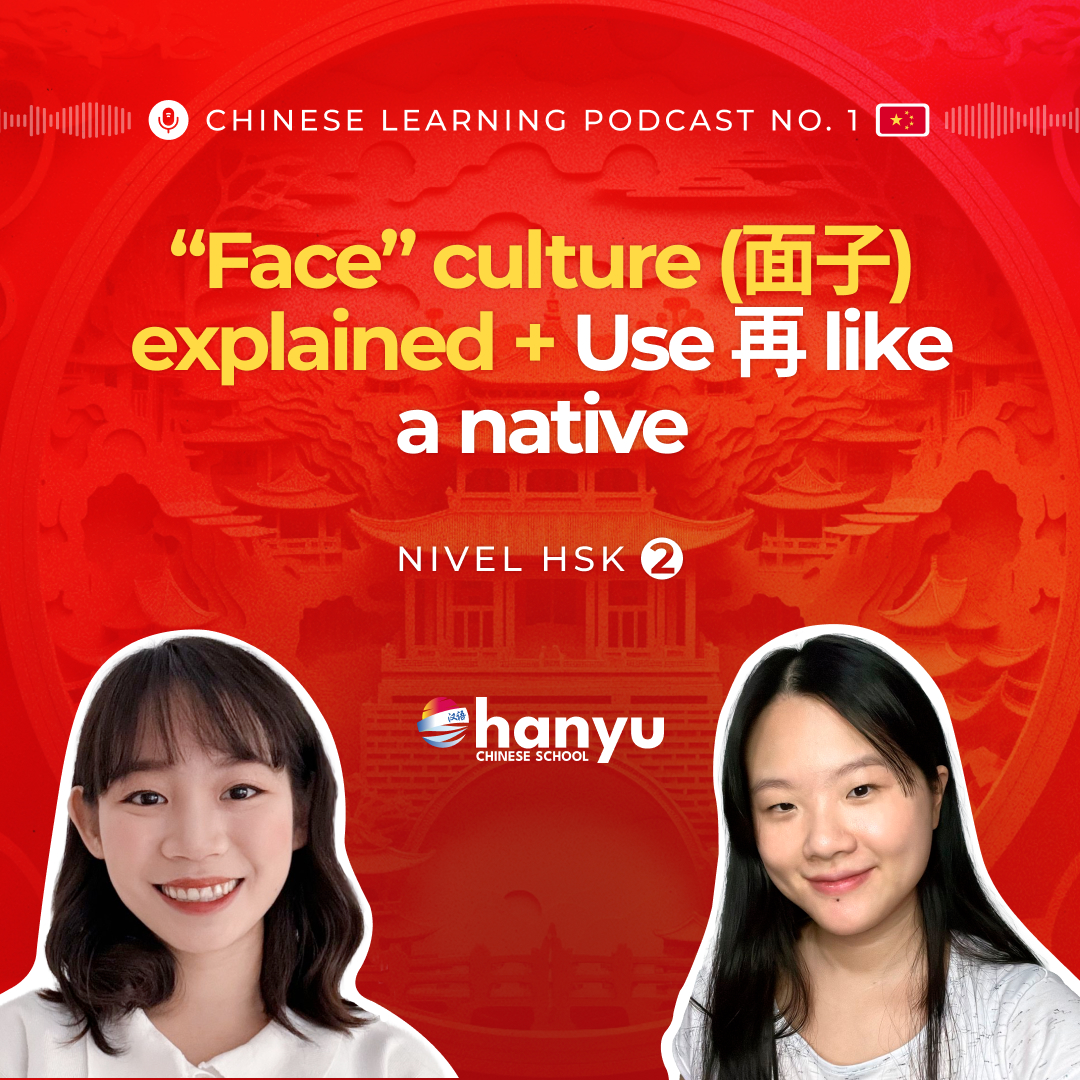
#6 Master 再 Again & Connecting Actions | “Face” in Chinese Culture | Learn Chinese Online | HSK 2
In this episode, we explore the multiple uses of 再 (zài) — a small but powerful word that means “again”, helps link actions smoothly, and even appears in “goodbye” (再见 zàijiàn). You’ll learn how to use it naturally in real conversations and improve your fluency step by step.
We also dive into the cultural heart of China with a deep look at 面子 (miànzi) —
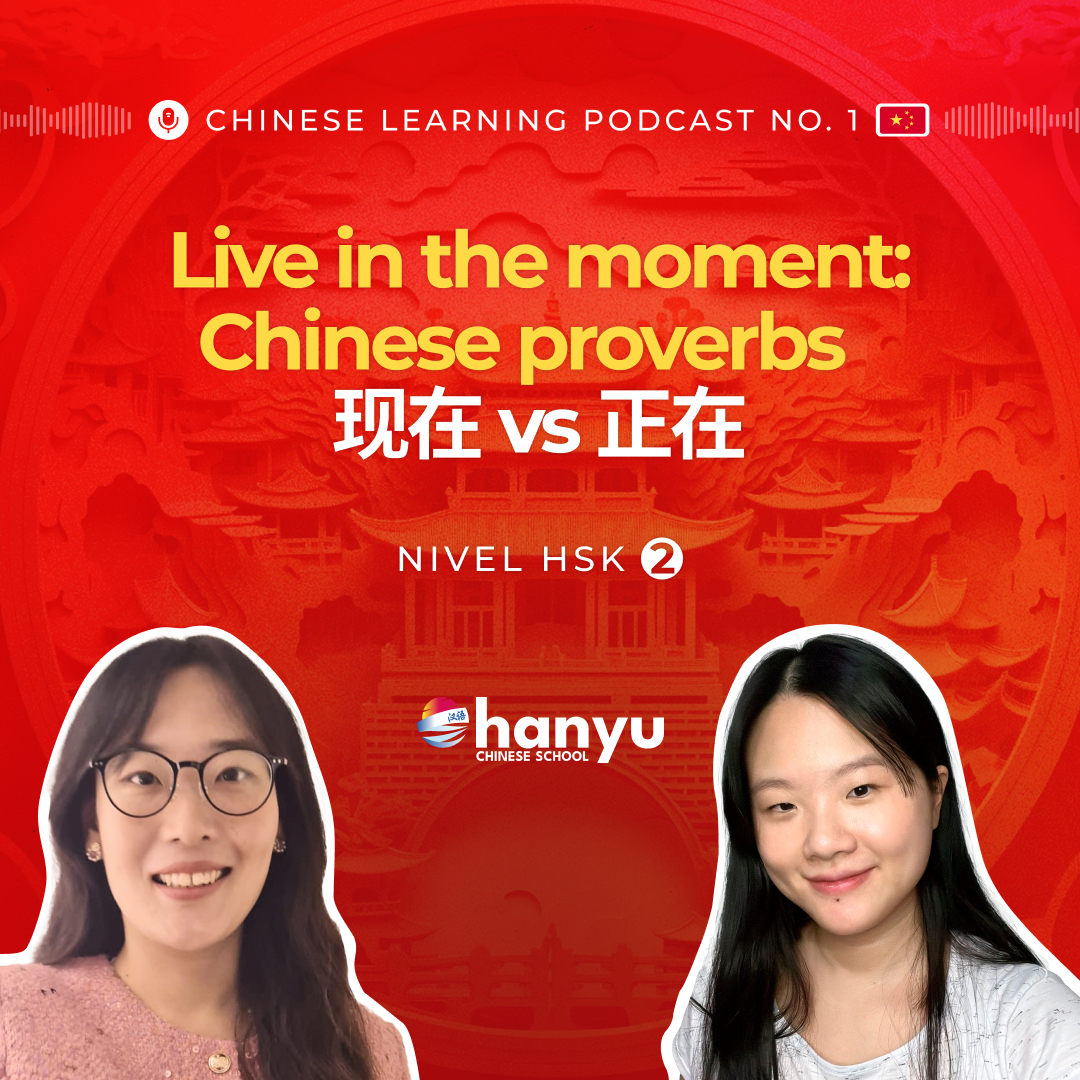
#5 现在 vs 正在 | Chinese Proverbs and the Present Moment | Learn Chinese Online | HSK 2
In this episode, we break down the difference between 现在 (xiànzài) and 正在 (zhèngzài) — two key expressions used to talk about the present in Mandarin. You’ll learn when to use each one naturally, whether you’re describing a general situation or an action happening right now.
We’ll also take you on a journey through the world of Chinese proverbs and idio

#4 Verb Duplication (看看, 听听, 试试) | Night Market Street Food | Learn Chinese Online | HSK 2
How to Sound Friendly in Chinese with Verb Duplication (看看, 听听, 试试) + Explore the Magic of Night Markets In this episode, we explore how verb duplication in Chinese — like 看看 (kànkan), 听听 (tīngting), and 试试 (shìshi) — can make your speech sound softer, more casual, and more polite. Whether you're inviting someone, making a suggestion, or trying somethi
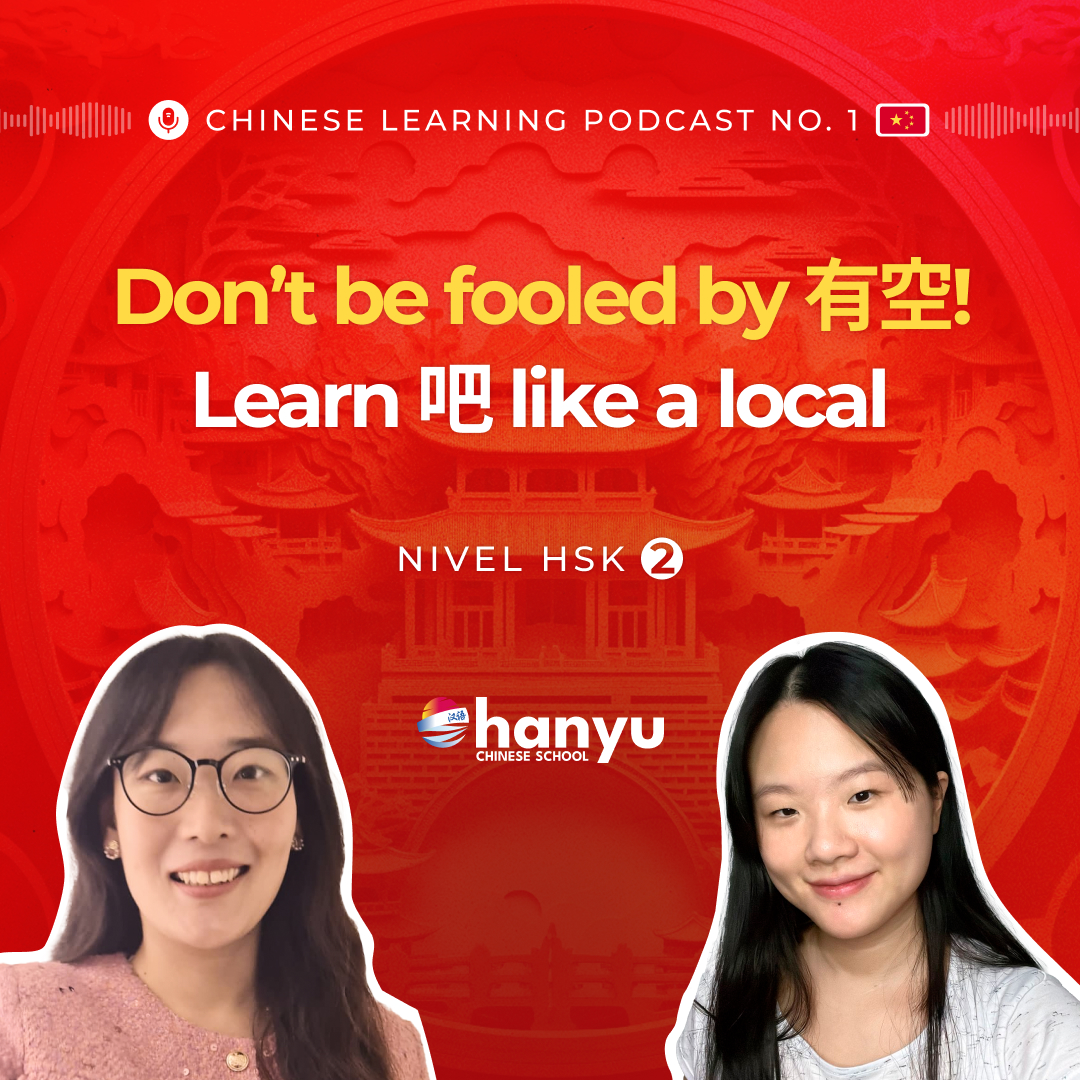
#3 How to Use 吧 in Chinese | What “I’m Free” Really Means | Learn Chinese Online | HSK 2
One of the most misunderstood expressions in Chinese culture: 有空 (yǒu kòng) literally means “I’m free”… but it can actually mean “I’m not interested.” If your Chinese friend ever said “We’ll chat when I’m free” and never followed up, this episode is for you!
In this episode, you'll learn: ✅ How to use 吧 (ba) to make polite suggestions and confirmatio

#2 How to Use 一起 & 在一起 | TikTok Refugees & Xiaohongshu | Learn Chinese Online | HSK 2
Learn 一起 vs. 在一起 + What Western Creators Get Wrong on Xiaohongshu! In this episode, we break down the difference between 一起 (yīqǐ) and 在一起 (zài yīqǐ) — two expressions that both mean “together,” but are not interchangeable. You’ll learn how to say things like “Let’s study together” vs. “We are living together” with clear grammar tips and everyday examp

#1 Expressing Cause and Effect | Fun Chinese Internet Memes | Learn Chinese Online | HSK 2
Learn to Express Cause and Effect in Chinese + Fun Internet Memes! In today’s episode, we teach you how to express cause and effect naturally in Mandarin using the super useful structure 因为…所以 (yīnwèi… suǒyǐ). You’ll learn how to build simple, real-life sentences like “Because I’m tired, I didn’t go to the park.”
Plus, we dive into two hilarious Chines
Recommended

The Bread and Banter Podcast

The Church of What's Happening Now: The New Testament

Busted Open

Deadline: White House
Crickets Corner

History of the Earthquake and Fire in San Francisco

Fox news

K-Drama Obsessed Mamas | Beyond “Just One More Episode!”

True Crime Classics

The Healer Revolution

Becoming: HER with Nikki Spoelstra

Booked, Blonde & Busy w/ Olivia Ponton
