
State of Play
State of Play features conversations with designers, founders, and builders behind some of the best work in their fields. Host Tommy Geoco explores the creative processes and stories of these professionals. The podcast offers insights into design, entrepreneurship, and building successful projects.
Episodes
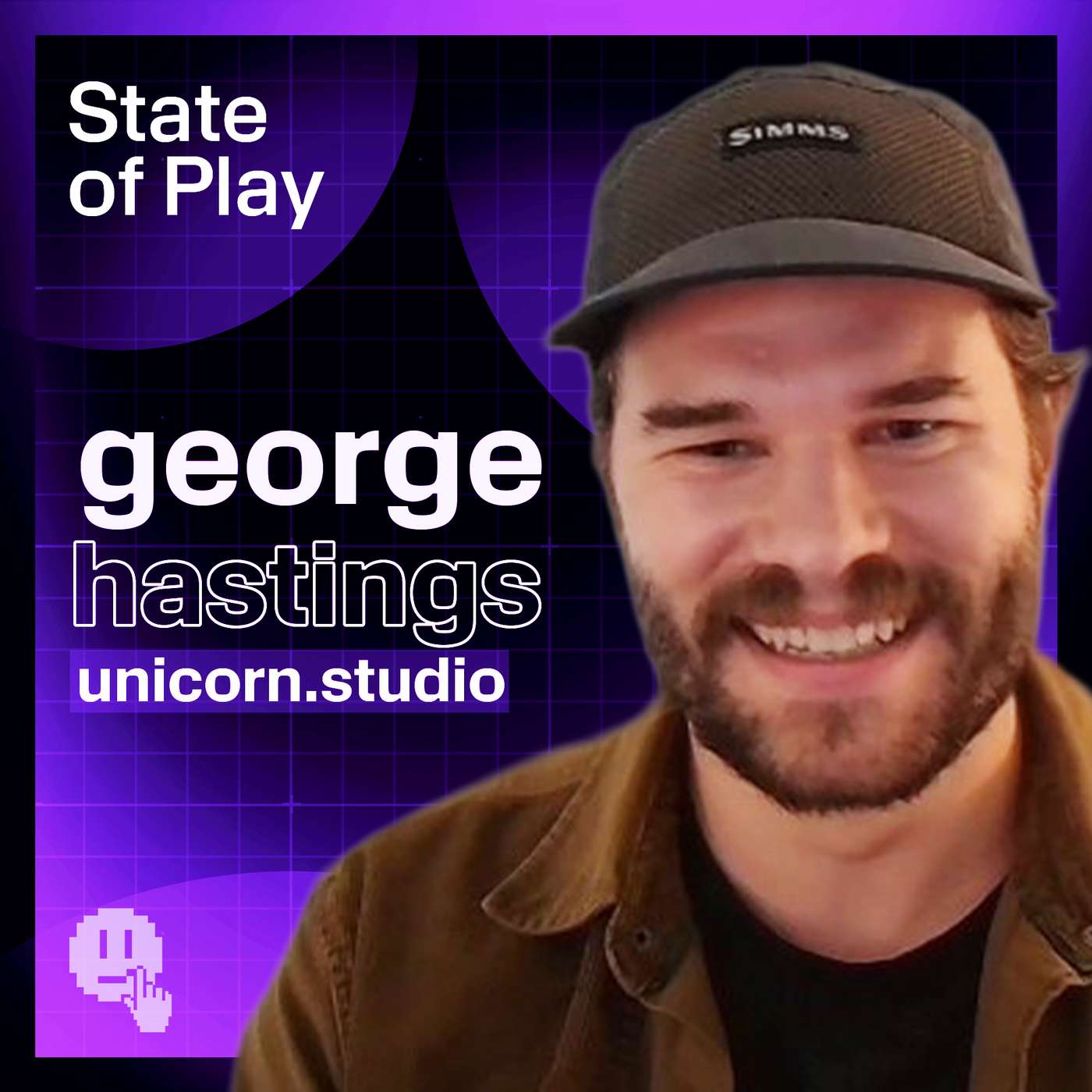
How to Use AI Without Losing Your Craft: George Hastings
George Hastings is the solo founder of Unicorn Studio, the no-code tool that turned WebGL and shaders into something designers can touch and play with. But my favorite thing about George is that he built it alone, with no VC money, after years at IDEO and AREA17.This conversation goes deep into deterministic chisels vs stochastic AI design and his advice to designers who want to build the

AI Creative Direction Is Here: Jamey Gannon
Jamey Gannon is a creative director and Maven instructor teaching designers how to control AI like a creative director.She's running brand sprints, directing image models, and building her own tools while she does it.This conversation covers whether you can actually teach AI taste, the inputs most designers miss when evaluating AI tools, why she took an "AI sabbatical" to get good, and th

He Designs Channels Like He Grows Plants: Kevin Espiritu
Kevin Espiritu runs Epic Gardening, one of the clearest examples of a creator-led media business that became much more than content: YouTube, commerce, products, books, and Botanical Interests.This conversation covers why Silicon Valley is suddenly fascinated by new media, what Kevin learned from the old SEO and affiliate-marketing era, why creators over-optimize the wrong things, how Epi

Design Tools Are Going Headless: Tom Krcha
Tom Krcha founded Pencil.dev after years inside the design tooling cycle, from Flash evangelism to creating Adobe XD, which gives him a rare view of where AI design tools are actually heading.This conversation covers why agents are best at the first 80%, why designers still need the last 20%, what a headless design tool means, how Pencil is building for swarms of AI designers, and why tas

AI Made Junior Designers Better Than Most Seniors: Hannah Ahn
Hannah Ahn is designing healthcare in the exact moment AI is making it easier than ever to take control of our health.She leads design and marketing at Superpower, a health startup building an AI layer across bloodwork, labs, genomics, and medical records. Before that, she came up through product management at Canva, which makes her a useful kind of design leader right now: practical, vis
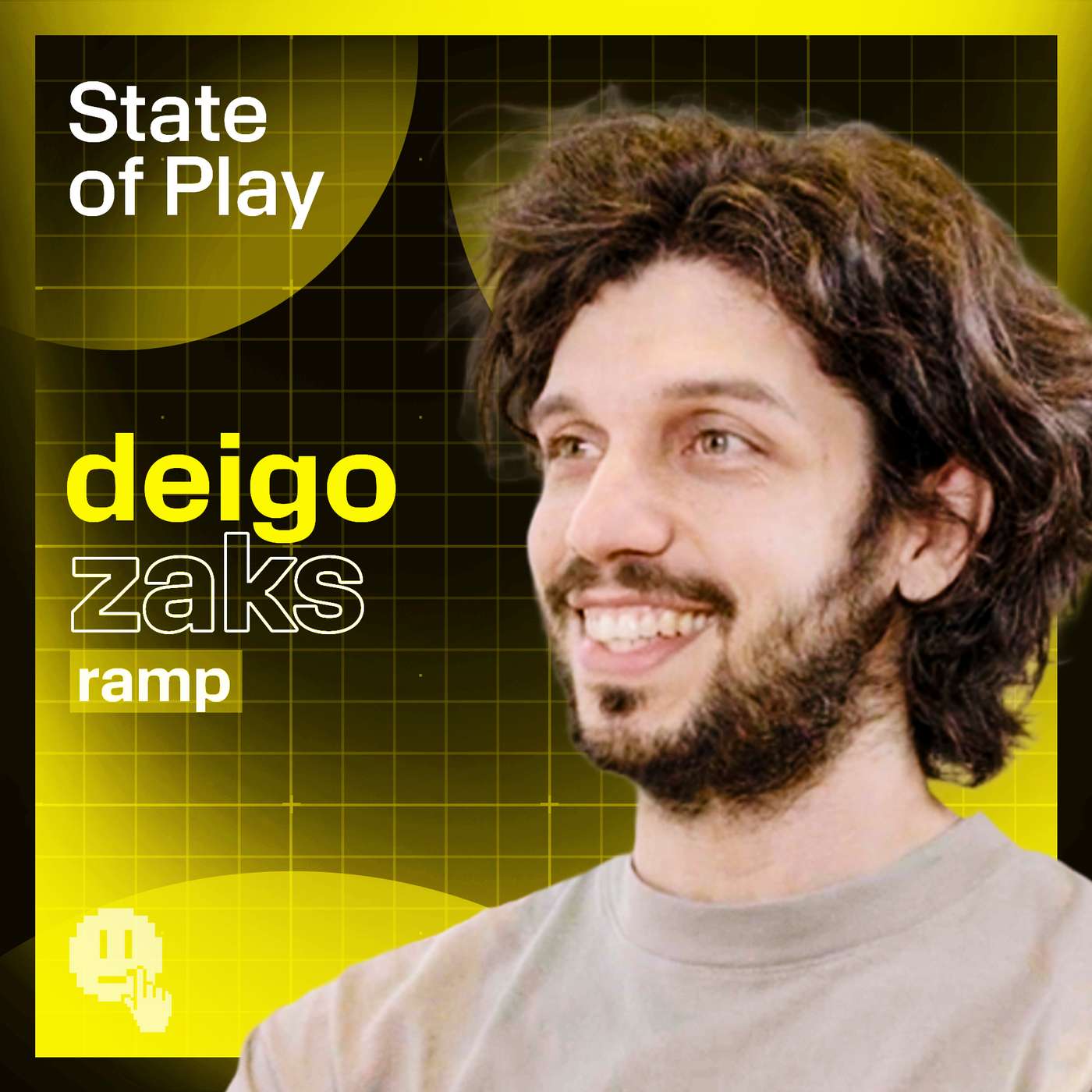
This is Design At The Most AI-Installed Company: Diego Zaks
Diego Zaks runs design at Ramp, the most AI-installed company in the world. Not kidding, Anthropic showed up at their office because they were using Claude Code more than Anthropic was.We talk about how Ramp got there, how design changes when everyone is a builder, what AI fluency means inside their company, and what he thinks design becomes five years from here.Join 100k+ designers readi

Amelia Wattenberger: Designing The Next Flow State
Amelia Wattenberger spent eight years as a front-end developer before the title on her business card turned into "designer" — she's been at GitHub, now she's building Intent.This conversation covers why developers are mourning their old flow state, the eras of AI coding tools from Copilot to CLI to the app era, why the spec is becoming the new source of truth, and what Amelia means when s

Nad Chishtie: Lovable's Design System For Agents
Nad Chishtie is the Head of Design at Lovable — the company at the center of the AI coding explosion. He nearly got fired before his first day for emailing his CEO a thesis on why Lovable should be a web browser.Now he's redesigning what design teams look like when everyone in the company can build software. We talked about why half of Lovable's design system is now written for agents ins

Basement Studio: They Used Wine to Build a Website. Here's How.
Facundo Santana and José Rago run Basement Studio - 35 people in Argentina, working with Vercel, Mr. Beast, and Kid Super. They poured actual wine on a surface to get a WebGL texture right. That detail tells you everything about how this shop operates.This conversation covers how they protect quality as they scale, the R&D lab that spun out BasHub and XMP, why they open-source everyth
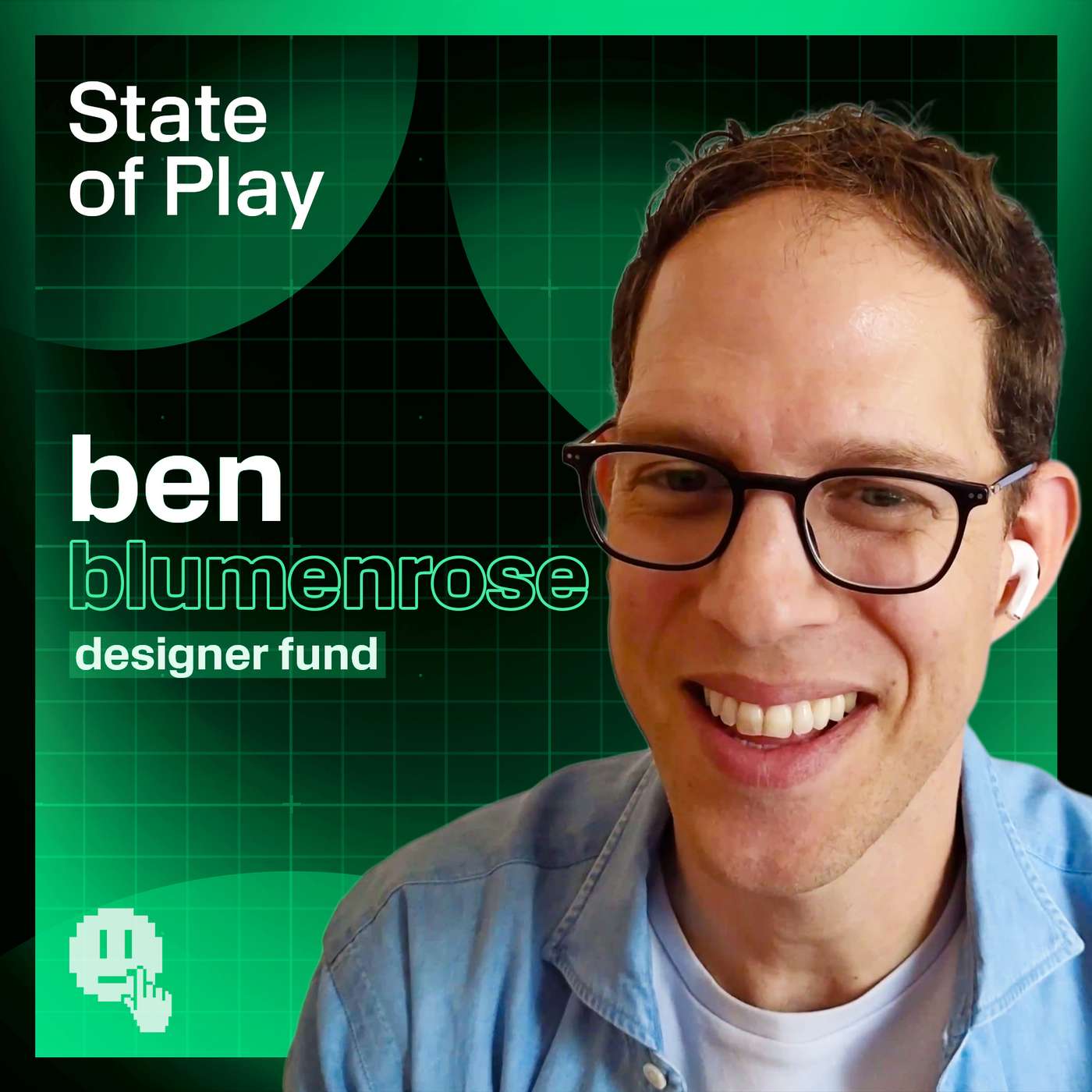
Ben Blumenrose: He Sees How 50+ Design Teams Use AI. Most Are Doing It Wrong.
Ben Blumenrose runs Designer Fund, which means he doesn't just see one team figure out AI, he sees how 50+ design teams across the portfolio are absorbing it. This conversation covers what happens when the floor rises, what AI fluency actually looks like inside companies, why the AI ops role is emerging earlier than anyone expected, and how Ben is thinking about keeping his own kids away

Josh Puckett: Design Has Never Been More in Demand. So Why Can't Juniors Get Hired?
Josh Puckett went goblin mode for four weeks to ship Interface Craft — a course where you pick a library card, sign your name on it, and insert it into a web interface that unlocks everything behind it.He's been designing for close to 20 years. Dropbox. Wealthfront. He's mentored and placed hundreds of designers through Upper Study. He invests into early-stage tools companies through Comb

Jenny Wen: She Went From FigJam to Anthropic. This Is the New Era of UX.
Jenny Wen led design on FigJam, one of the most playful tools to hit design in a decade. Now she's at Anthropic designing Claude. Not just the model, but the product that millions use daily. What I didn't expect: she sees these as the same problem. Both hide serious technical complexity behind simple, obvious interfaces. We talked about why designers are shipping production code now, why

Steve Ruiz: He Turned Down Adobe. Then He Shelved His Own Product.
Steve Ruiz was about to start at Adobe. Bags packed. Job accepted. Start date: Monday.Then he looked at what was happening with his side project — an open-source canvas tool he'd been building — and 200,000 people were using it every month. Hundreds of sponsors had put up 00,000. Two major companies wanted to build on it. He called Adobe and said he wasn't coming.That project became TLDra
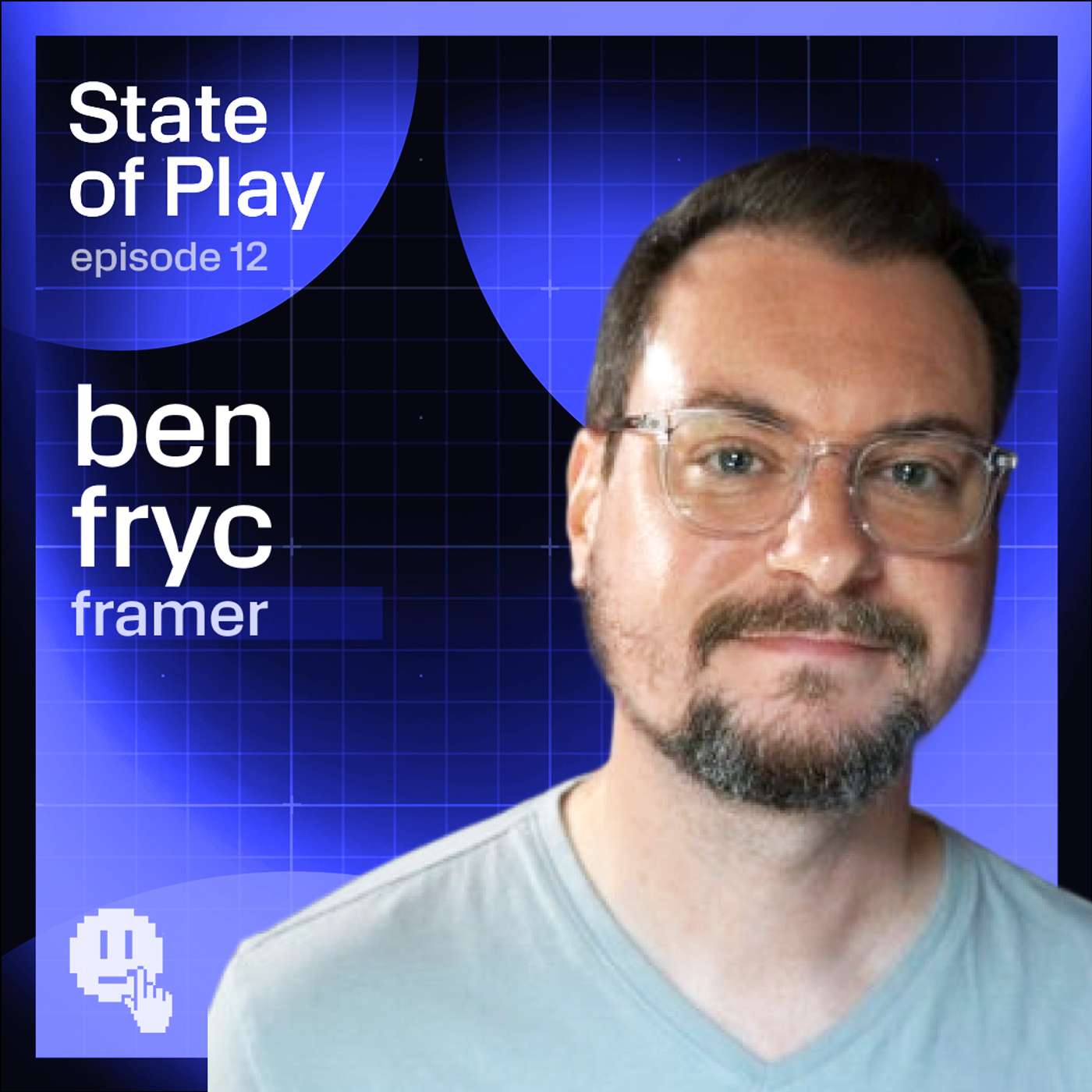
Ben Fryc: He Quit Freelancing After Doubling His Salary.
Ben Fryc doubled his freelance salary in a year. Then his wife told him, on vacation in San Francisco, that he was working too hard. He quit freelancing and never went back.Ben taught himself Cinema 4D during COVID and started designing a physical keyboard in Figma. Now he's a household name in motion design, works at Framer, and takes on all manner of passion projects.We get into the exp

Andy Allen: Why He Takes 3 Years to Build Apps.
Andy Allen raised 5 million, built a hardware-software company, had a decent exit, and then walked away from all of it. Most founders would double down and scale. Andy did the opposite. He started Not Boring Software — fully bootstrapped, no investors, making apps that feel like nothing else on your phone. What Andy is doing isn't just different, it's proof that there's another path most
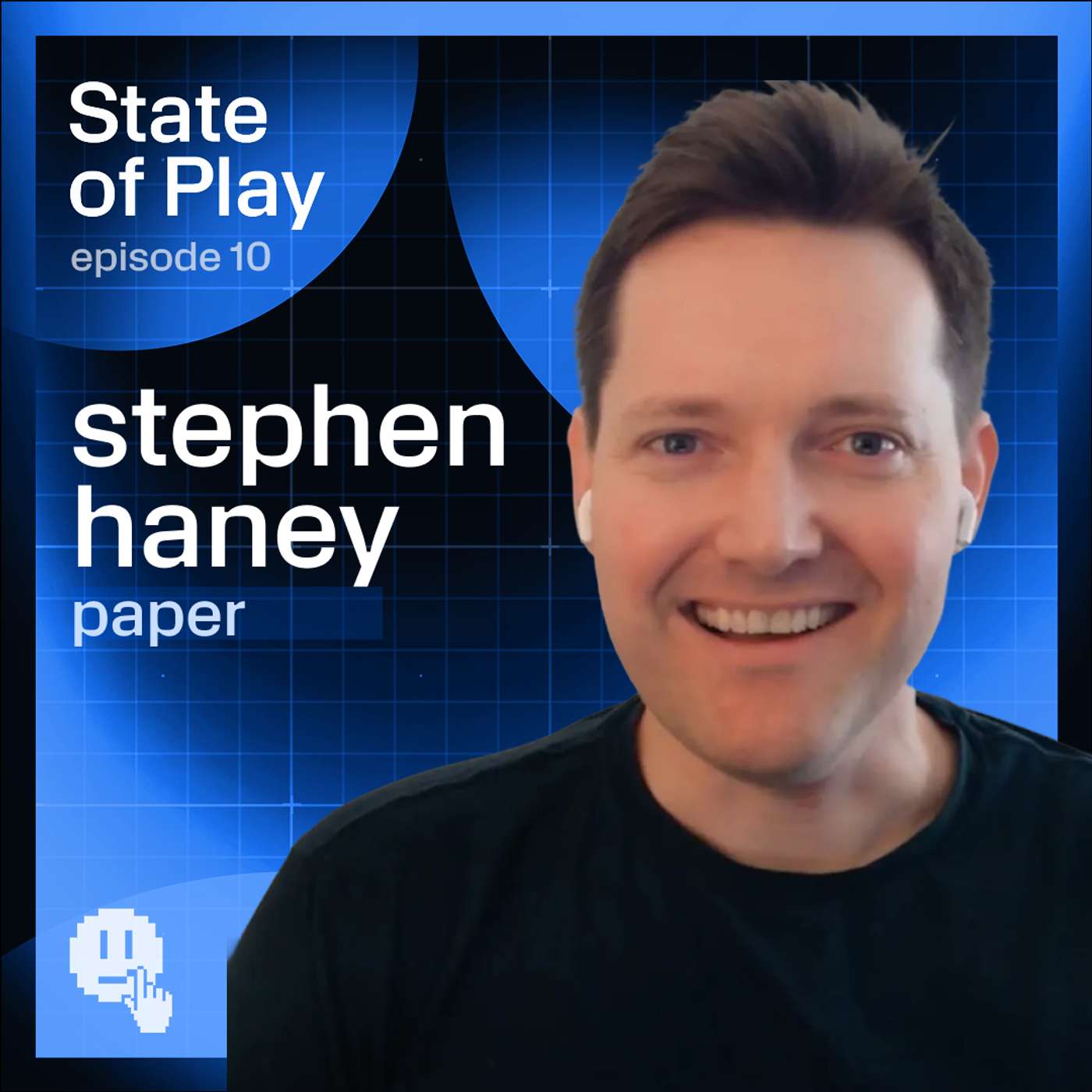
Stephen Haney: He Canceled Figma 4 Months Ago. Here's What He Built Instead.
Stephen Haney has been quietly building design tools for years. Now he's betting that the canvas wants to talk to your agents.Paper just shipped MCP support. I've been playing with it. It's wild.We talked about why he thinks the future stack is just three tools, why his team canceled Figma four months ago, and what happens when your production site becomes your source of truth for design.

Weber Wong: One Person Should Have the Creative Power of Pixar.
Weber Wong was supposed to be a venture capitalist. Then he realized he wouldn't back himself, so he quit, moved to New York, and got a job at a coffee shop.Now he's building Flora, one of the most uniquely-positioned AI tools for creative teams.We talked about why node-based tools have such a bad reputation (and how Flora's fixing it), what "anti-slop" actually means when you're building

Pietro Schirano: He Solved Figma-to-Code. It Went Viral Overnight.
Pietro Schirano built one of the first AI search engines before Perplexity existed. He created Cloud Engineer, an open source tool with 11,000+ GitHub stars that got him hired at Anthropic. Now he's building @magicpathai (check it out at https://magicpath.ai). We talked about their Figma Connect feature that went viral last week, why he thinks vibe coding is "fast food" (and when you need

Sara Vienna: Metalab's "Kind Not Nice" Rule Changed How She Gives Feedback.
Sara Vienna is the Chief Design Officer at Metalab. Slack, Uber, Coinbase... the list of products that came out of that shop is GOAT'd.We talked about how they actually ship that work, their Tarantino process, why measuring velocity is "absolute bullshit," and a culture rule called "kind not nice" that changed how I think about feedback.Get the UX Tools Newsletter (written by me)Join 100,

Lee Black: He Makes Figma Do Things It Wasn't Designed For.
Lee Black has been designing for 25 years. He made those Figma pills with goldfish swimming inside. He also ran an app company that nearly broke him.We talked about chasing money that never made him happy, why his tool stack hasn't really changed in a decade, and what happens when you master your tools so deeply that the rules start to bend.Get the UX Tools Newsletter (written by me)Join

Escha Vera: She Trained Her Own AI to Make Art.
Escha Vera got death threats for posting AI art. She kept posting anyway.Perplexity's designer runs a record label, trained her own LoRAs, and built the Comet invitations that broke the internet — each one unique, generated at scale, but deeply intentional.We talk about the hate, the ethics, and why prompting isn't a gimmick skill, but communication.Get the UX Tools Newsletter (written by
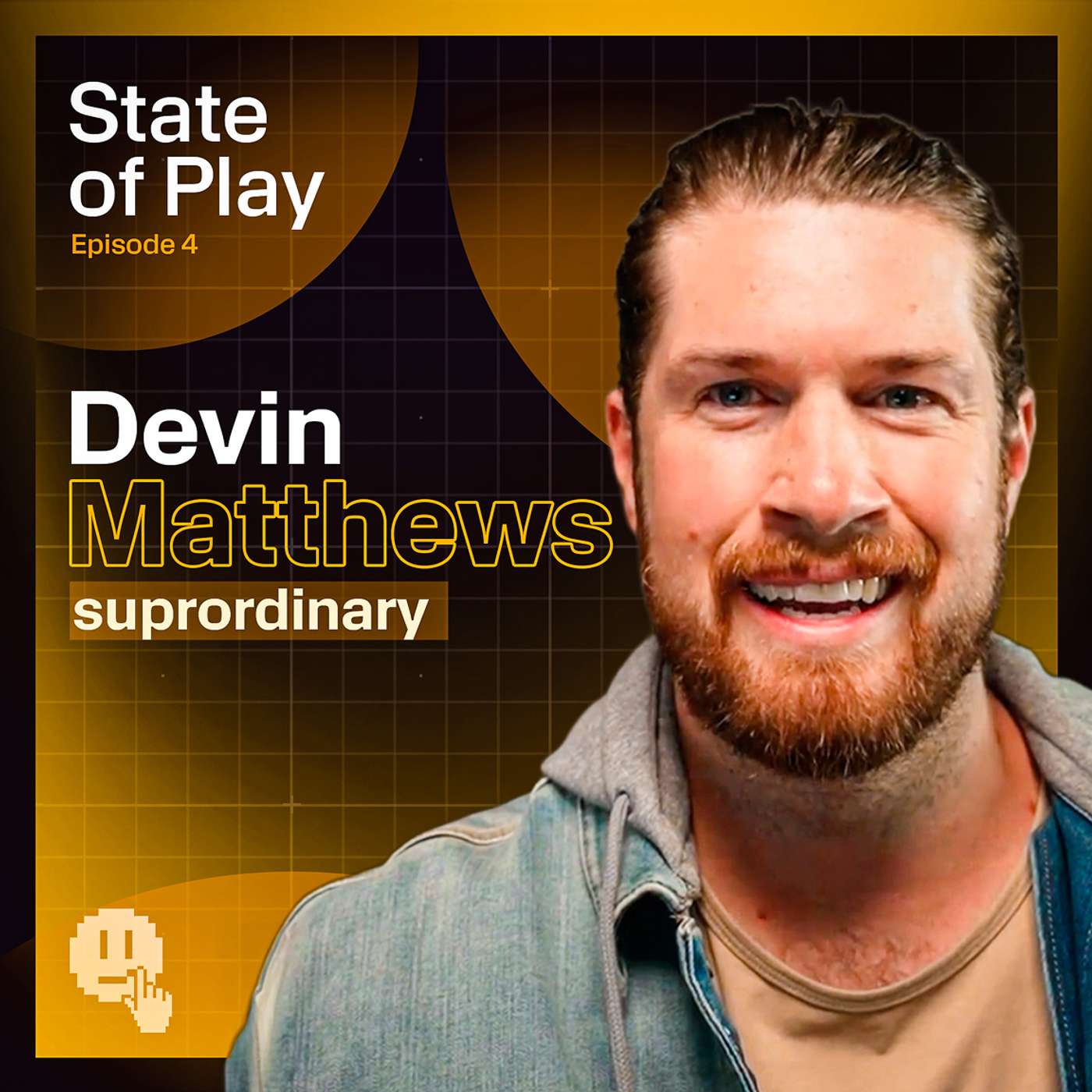
Devin Matthews: How He Became YouTube's Best New Filmmaker.
Devin Matthews rebranded his favorite sandwich shop in an effort to rediscover his love for the game. For free. He made a documentary ab out it called @SuprOrdinary.Then his YouTube channel exploded.Buck's Art Director reveals why SuprOrdinary almost started as a way to sell his feces for passive income (seriously), and how his cousin's death made him ask: "If I passed away tomorrow, woul

Eric Simons: His Company Had 30 Days to Live. Then He Built Bolt.
This founder set an expiration ate for his company… and then hit 0M ARR.Eric Simons (the builder behind Bolt.new) turned “we’re shutting down” into the world’s largest hackathon. In this episode, we break down Eric’s probability playbook and how I’m applying it on my 60‑day clock to keep State of Play alive beyond October 1st. We talk last bets, 100 swings, hackathons that print customers

Ryo Lu: Why He Cloned Himself With Cursor.
Ryo Lu went from Notion's founding designer to cloning himself with AI at Cursor. This is the full conversation.From building anime fansites at 11 to architecting Notion's core systems to creating his own OS in a browser - Ryo reveals why the best designers are actually tool makers in disguise. We dig into creative burnout, why he stopped asking permission, and how AI is turning designers
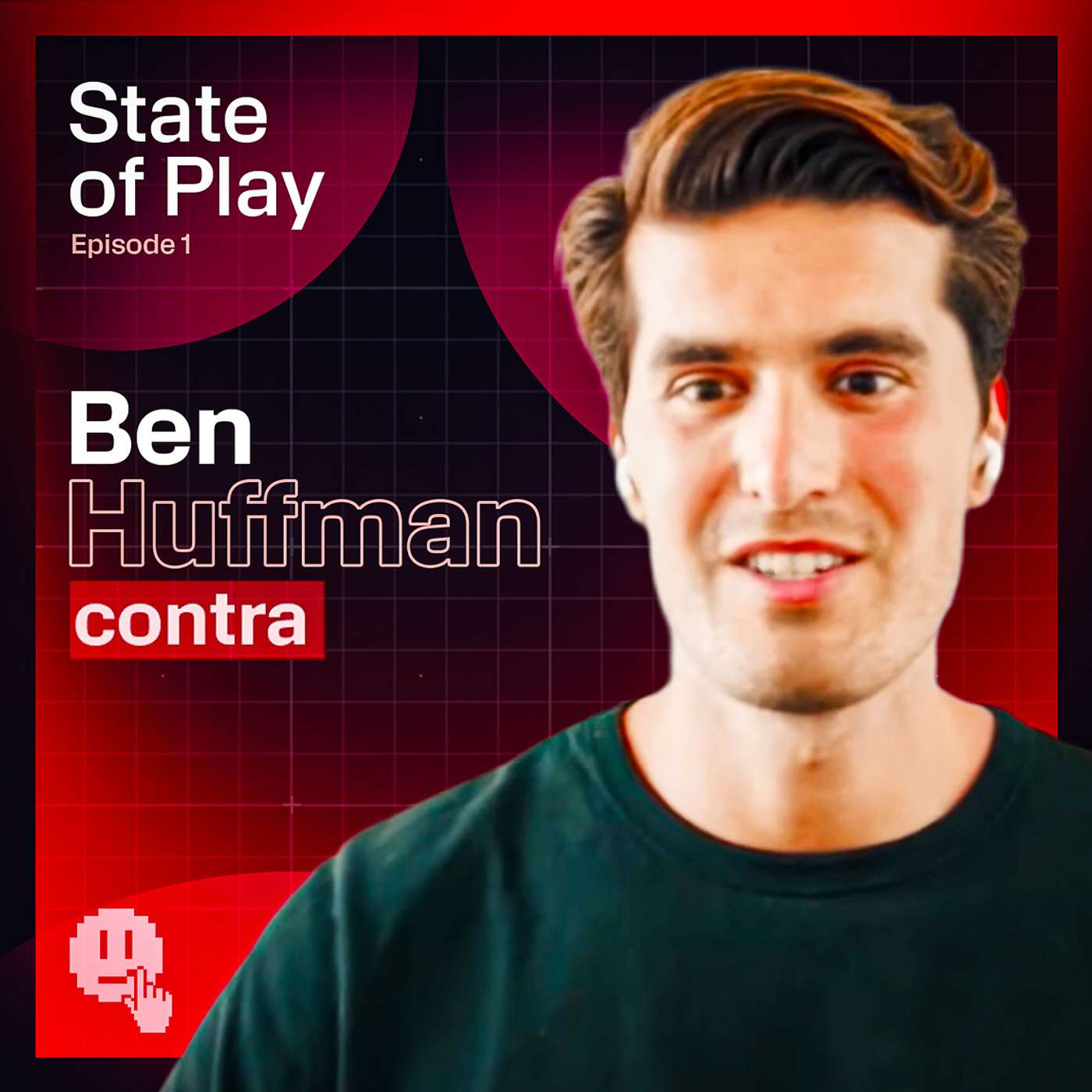
Ben Huffman: Every Investor Called His Idea Stupid. He Made $40M.
Ben Huffman built a freelance platform with NO fees. Every investor told him it was the stupidest idea they’d ever heard.Now Contra has 1M users and a $120M run rate.We talk about living in the pain cave (the place your ideas live before anyone believes in them), building mission-driven companies, avoiding the “marketplace commodity problem,” and why community-led growth might be the futu
Recommended

The Joe Rogan Experience

TED Talks Daily

Learn English B1 with Daily News | English Listening Practice

Talk About Talk - Executive & Leadership Communication Skills
English with Olivia | Slow Conversations & Vocabulary

Stand In The Circle

SLOW ENGLISH PODCAST (A1-A2) With Subtitles | Daily Videos | English With Us Podcast

Learn English A2 with Daily News | Simple English Listening Practice

پلی لیست | PlayList

Conspiracy Files with Paige Carter

Bad Friends

Learn 50 English Phrases While You Sleep | Everyday English Phrases & Vocabulary
