
Radio Diaries
Radio Diaries presents first-person diaries, sound portraits, and hidden chapters of history from Peabody Award-winning producer Joe Richman and the Radio Diaries team. The podcast features extraordinary stories of ordinary life, from teenagers to octogenarians, prisoners to prison guards, bra saleswomen to lighthouse keepers. It is a proud member of Radiotopia, from PRX.
Episodes
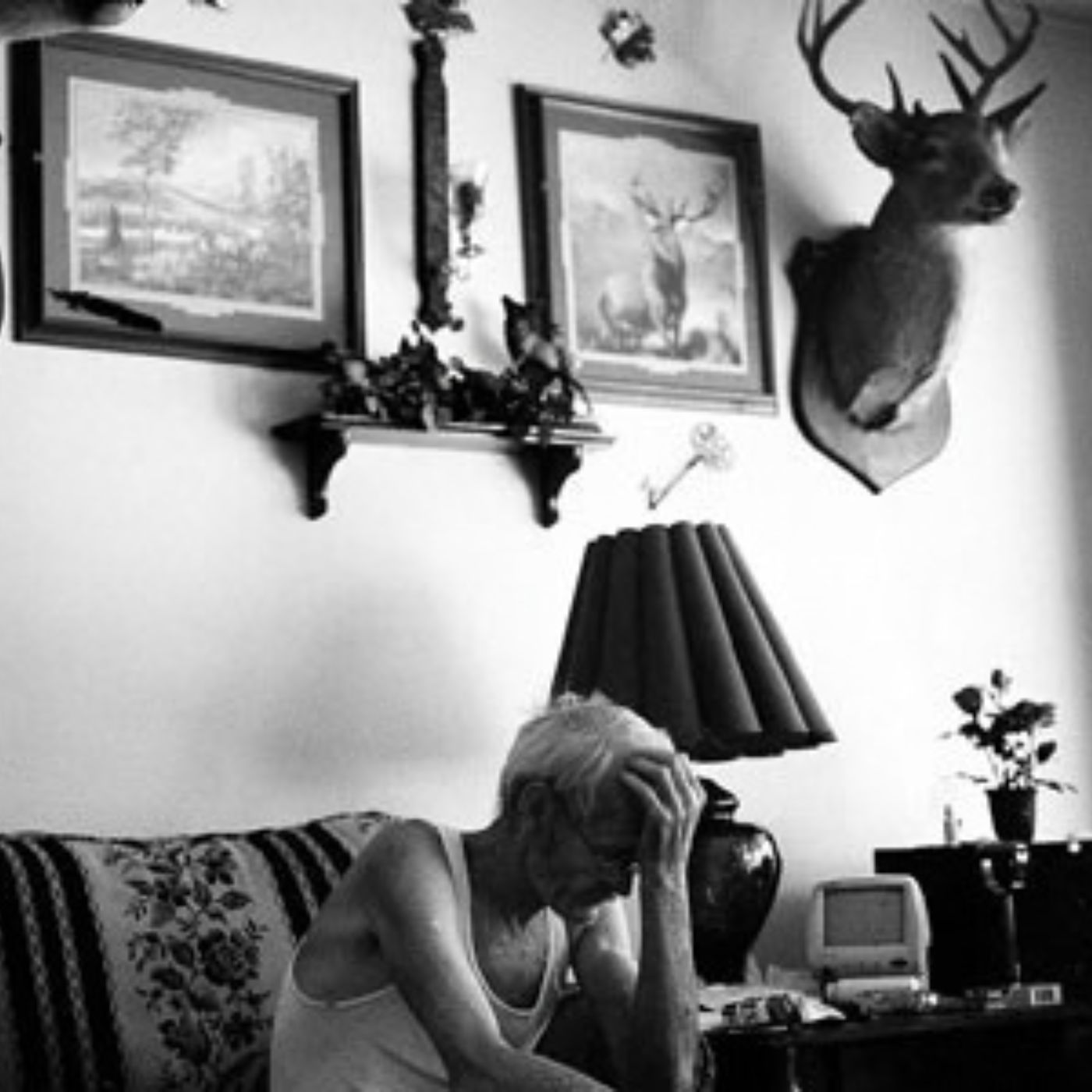
The Last Man on the Mountain
In the 1990s, Arch Coal began mountaintop removal mining in a corner of West Virginia called Pigeonroost Hollow. There used to be dozens of houses in the area, but within a few years there was just one. It belonged to Jimmy Weekley.This story originally aired on NPR in 2011.
Learn about your ad choices: dovetail.prx.org/ad-choices
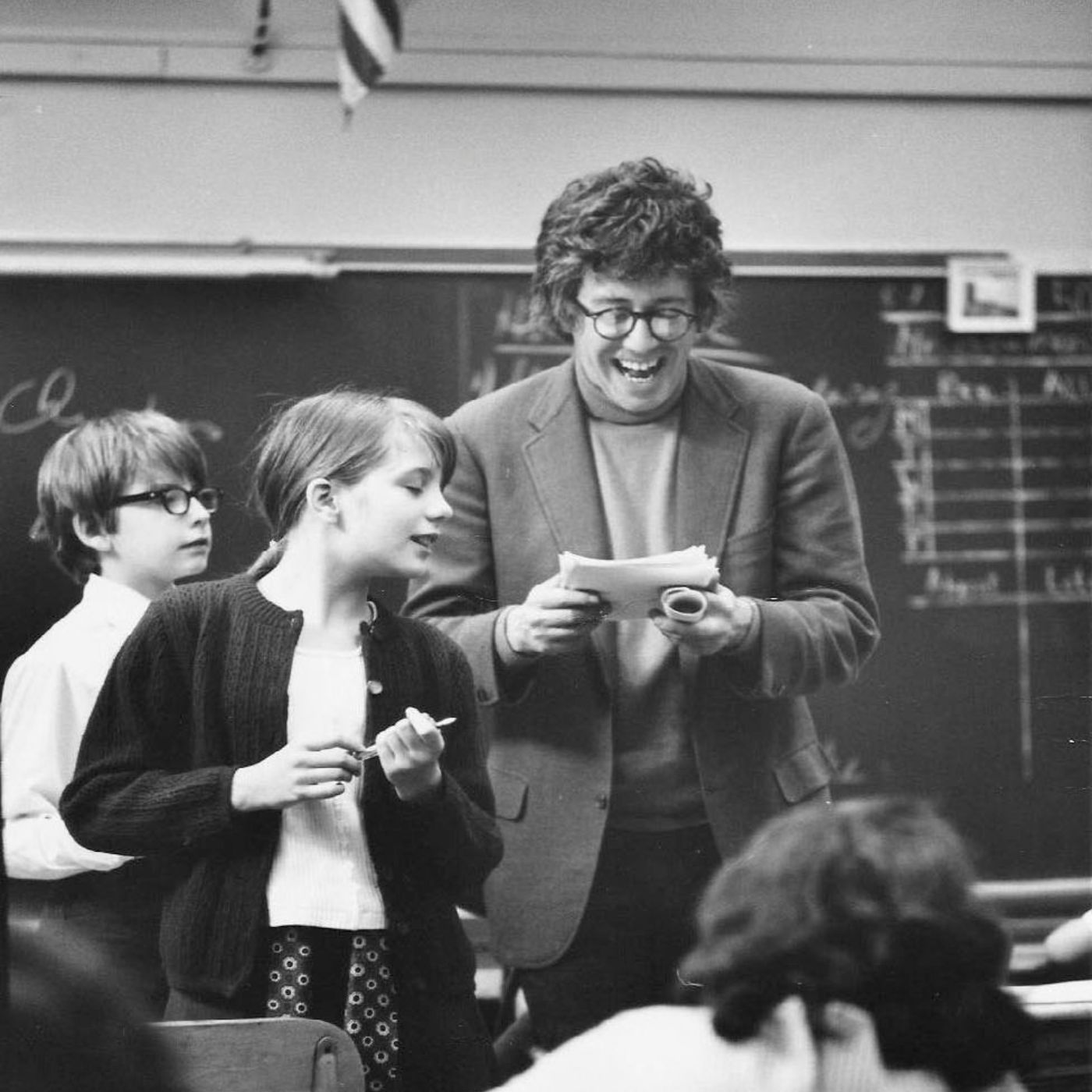
Signal Hill: What's Inside the Moon
This week we're sharing a story from the audio magazine Signal Hill.The story, "What's Inside the Moon," is about the poet Kenneth Koch and a group of elementary school students he taught to write poetry in the 1960s. Half a century later, producer Jess Shane tracked down the students to ask what poetry had meant for their lives.You can find more stories from Signal Hill at SignalHill.fm.
Guest Spotlight: Phonograph
This week we're featuring an episode of Phonograph, a podcast that deconstructs the history and art of audio storytelling.The hosts of Phonograph recently invited Radio Diaries' Joe Richman on their show to talk about "24 Hours at the Golden Apple," a classic episode of This American Life that he helped produce. The Golden Apple is a diner in Chicago, and back in 2000, a group of producer
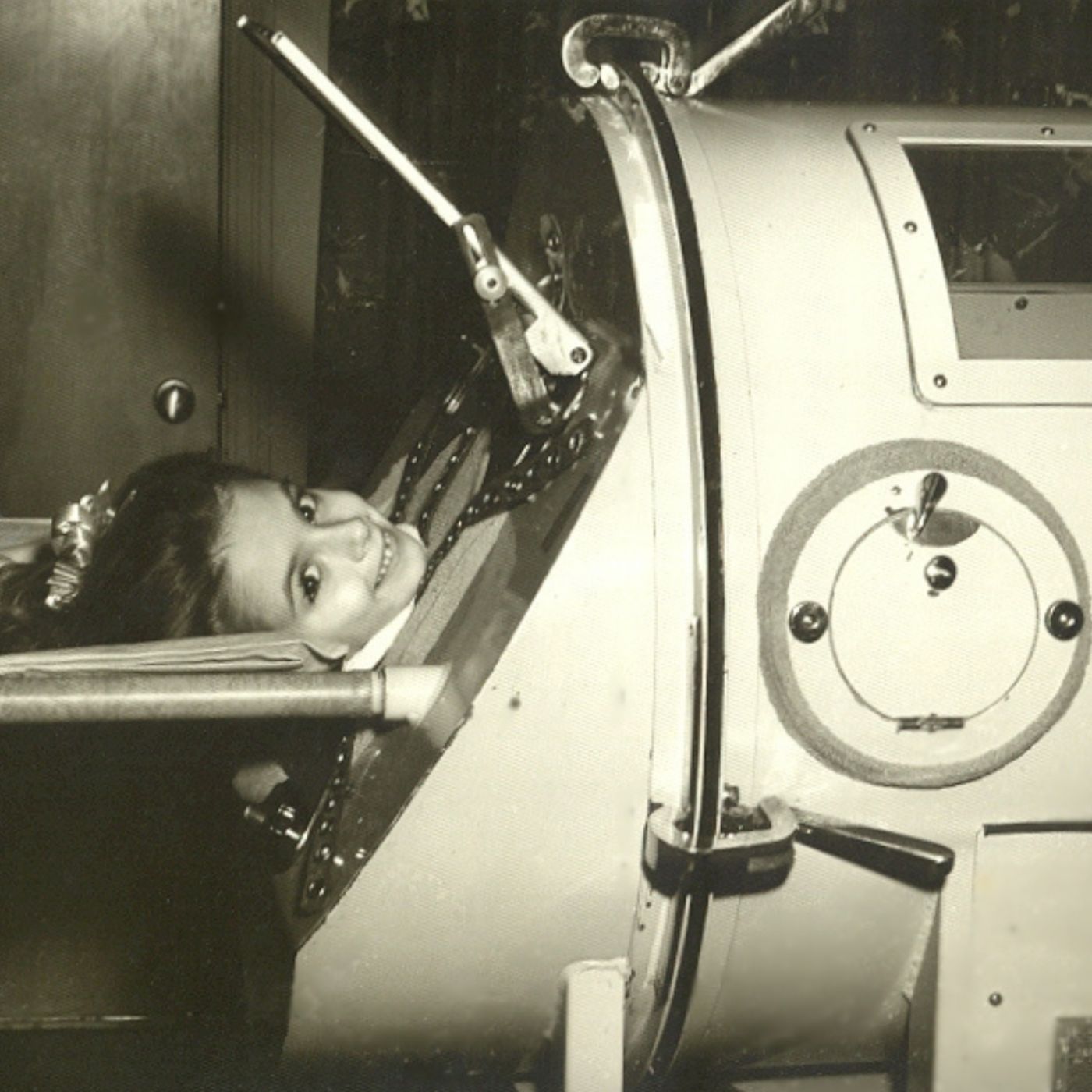
My Iron Lung: Remembering Martha Lillard
A few years ago we did a story about Martha Lillard, a woman who had spent most of her life sleeping in a device called an iron lung. Martha had caught polio in the early 1950s, and, like many polio survivors, she had difficulty breathing on her own. Her iron lung was a big metal ventilator that fit her entire body inside and used bellows to suck air in and out, helping her to breathe. Ma
Soweto 1976
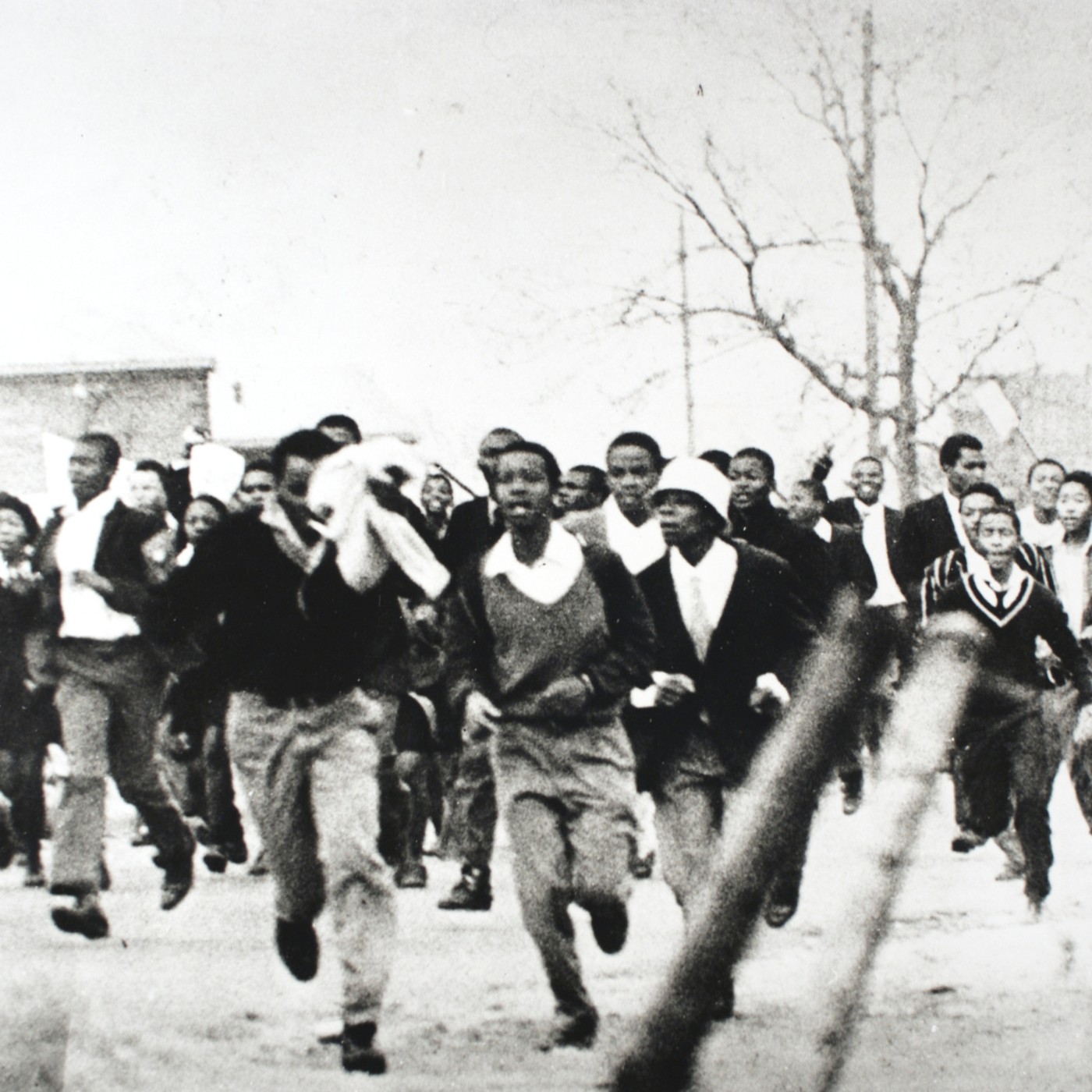
Fifty years ago, a group of schoolchildren in South Africa changed history.For decades, the whites-only government of South Africa had brutally enforced a policy of racial segregation known as apartheid—and had crushed any opposition just as ruthlessly. By the 1970s, an entire generation of anti-apartheid fighters had been silenced. May were imprisoned or killed.But on June 16, 1976, stud
30 Years of Teenage Diaries
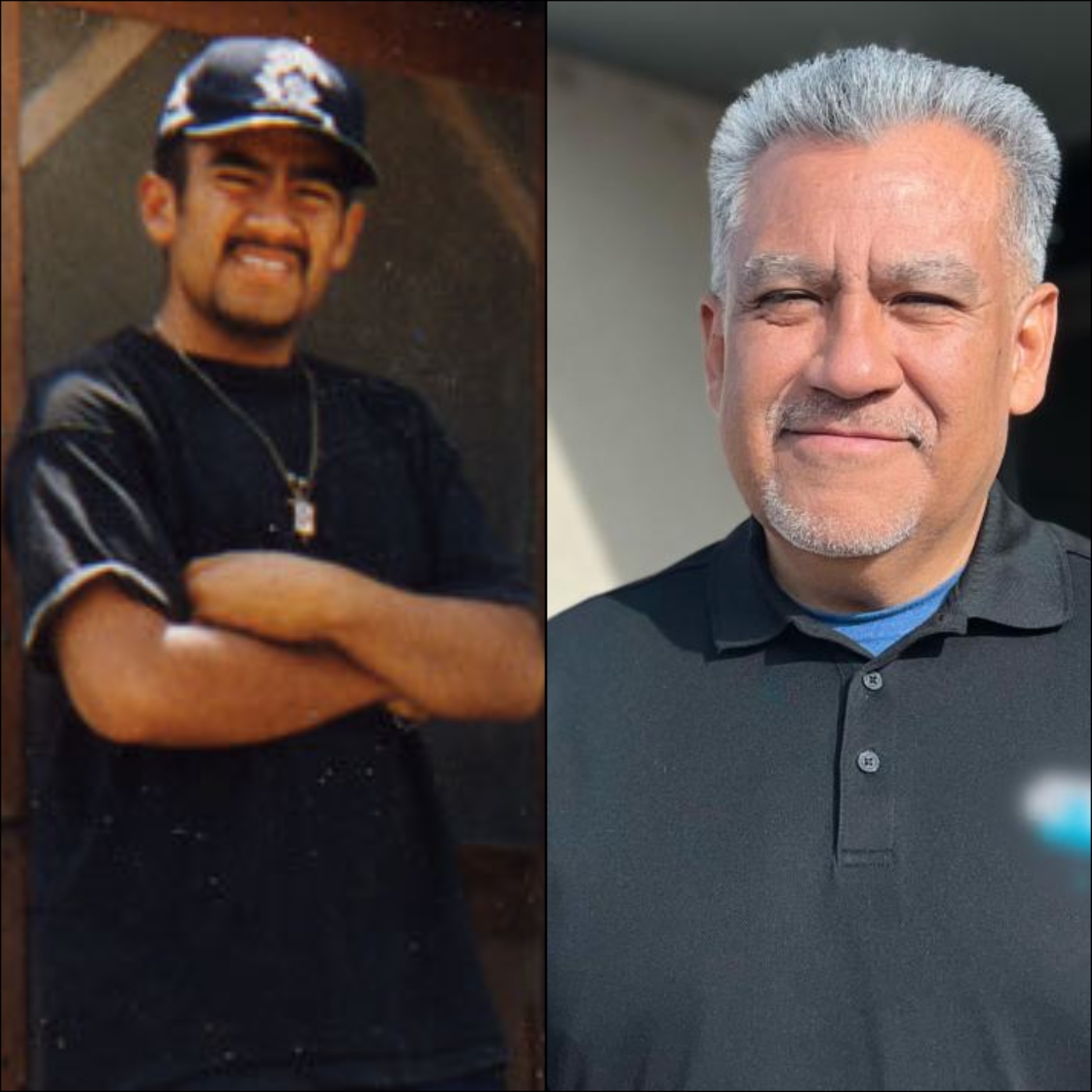
This year marks 30 years since we first worked with teenagers to record stories about their lives. Over the years, people have often asked us, whatever happened to them? What happened to Juan, Amanda, Melissa, Frankie, and Josh?We’re going to find out.In honor of three decades, we’re setting out to make a new series with our original teenage diarists. And we’re turning to you, our listene
The Almost Astronaut
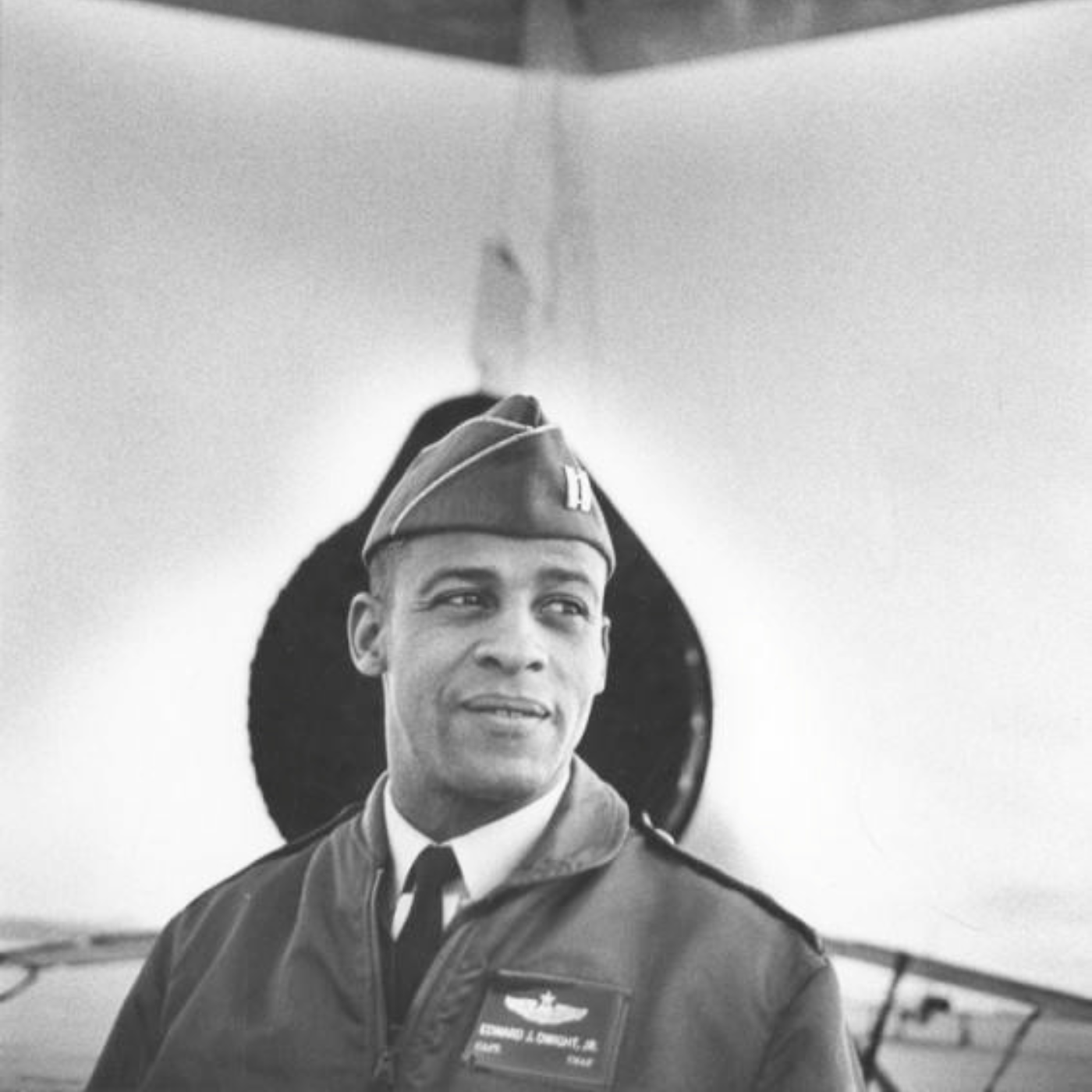
When it comes to the space race, we all know names like Neil Armstrong and Yuri Gagarin. But in most moments in history, there are a few names that fall through the cracks. One of those names is Ed Dwight.When Ed Dwight was selected to train to become an astronaut, many thought he would become the first Black man to go to space. But Ed faced some unexpected hurdles. Today on the show, we
Willie McGee and the Traveling Electric Chair
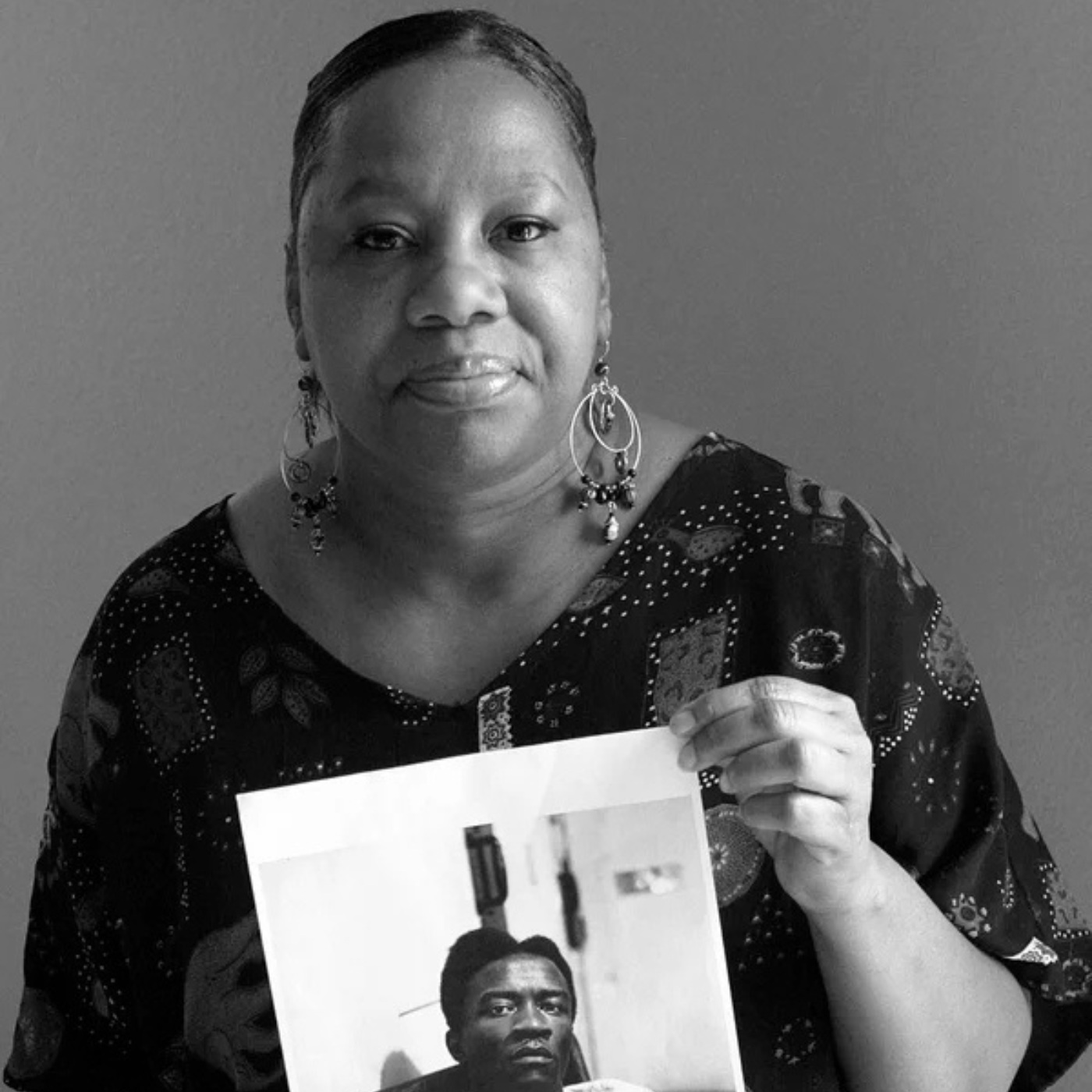
This episode includes topics and archival audio that some people will find disturbing.Seventy-five years ago, on the night of May 7th, 1951, close to a thousand people gathered around the courthouse in the small town of Laurel, Mississippi. They came to witness an execution. Willie McGee was a young Black man who had been accused of raping a white woman and sentenced to death.Six decades
Sealab: A Home on the Ocean Floor
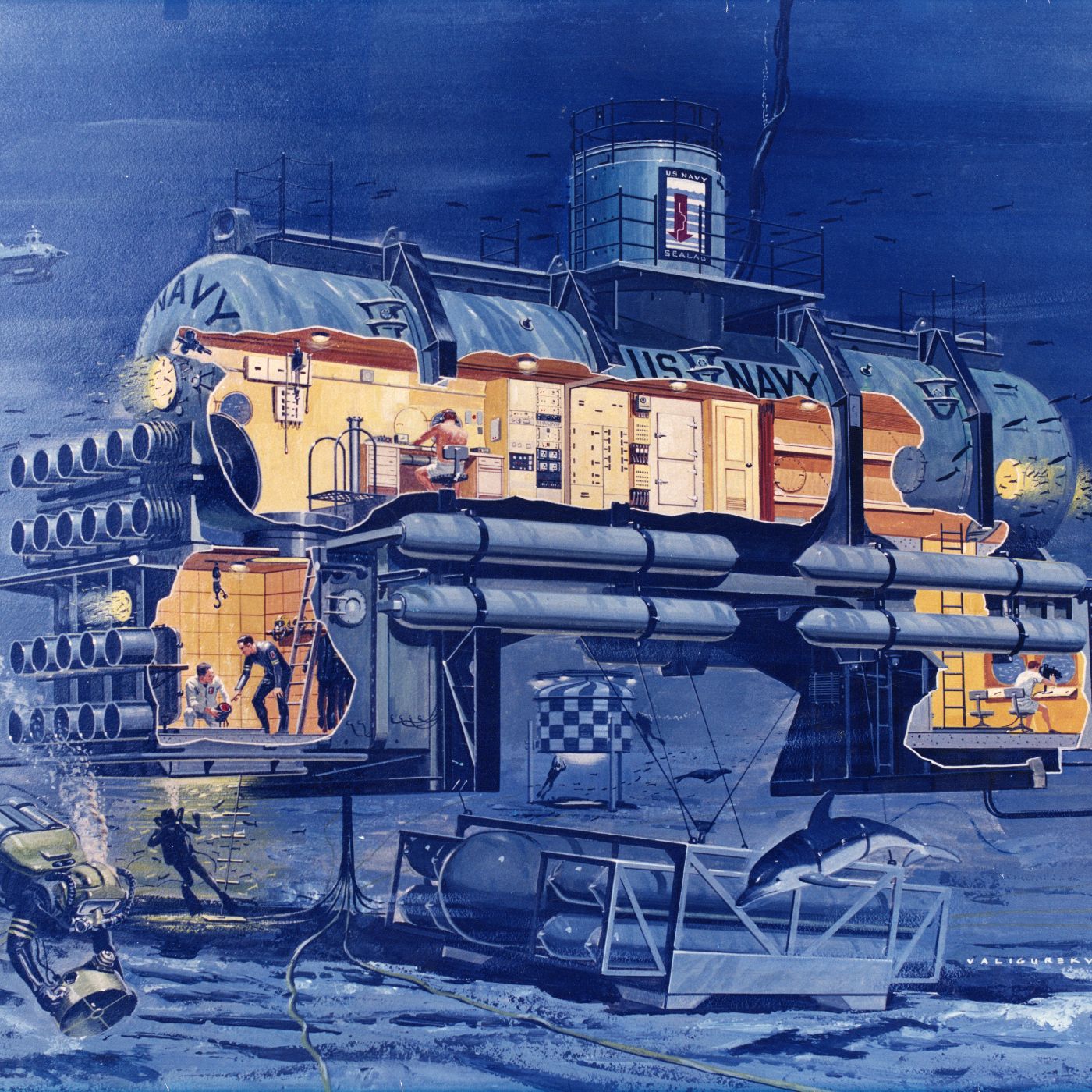
From ancient myths of sea monsters lurking below to Jules Verne's Twenty Thousand Leagues Under the Sea, the ocean has long been both a source of fear and fascination. For Captain George Bond, a Navy medical officer in the 1960s, the deep sea was humanity's next frontier. Undersea agriculture, deep sea mining, and human colonies on the ocean floor made up his dream for the future. Today w
Guest Spotlight: William Parker's War on Slave Catchers
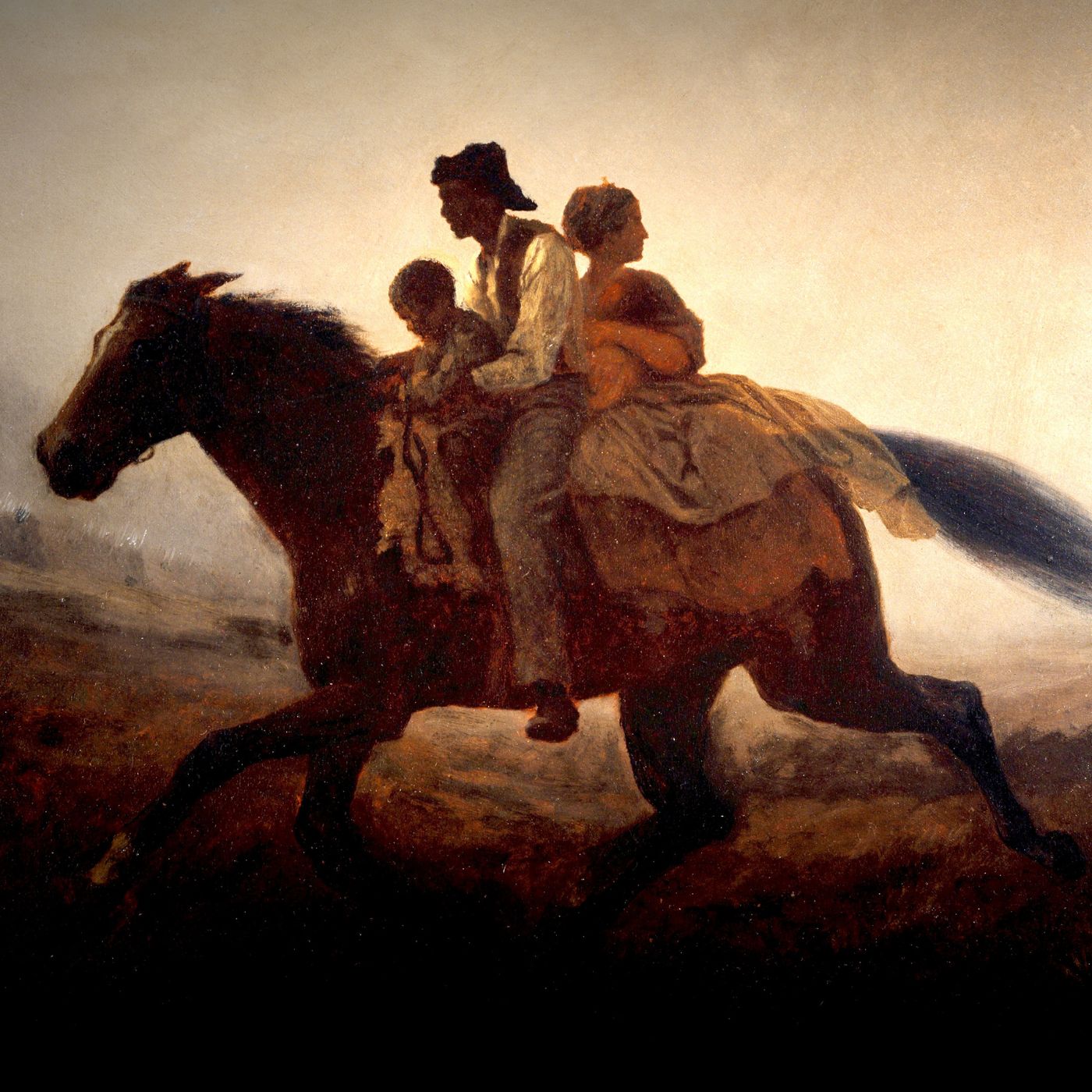
This week we're bringing you a story from our friends at History This Week, a podcast from the History Channel.April 3, 1951. A man who escaped slavery is grabbed off the streets of Boston and thrown into a carriage. He fights back, shouting to the crowd, but it doesn’t matter. Under a new federal law, even the North isn’t safe.The Fugitive Slave Act has turned cities like Boston into hun

Detained: A Homecoming
Last week, Leqaa Kordia, young Palestinian woman from Paterson, New Jersey, walked out of an ICE detention center in Texas. Kordia had been held for more than a year. Radio Diaries has been following her story and recorded Kordia while detention. Now, we bring you her first interview since her release.
Learn about your ad choices: dovetail.prx.org/ad-choices
The Real Refugees of Casablanca
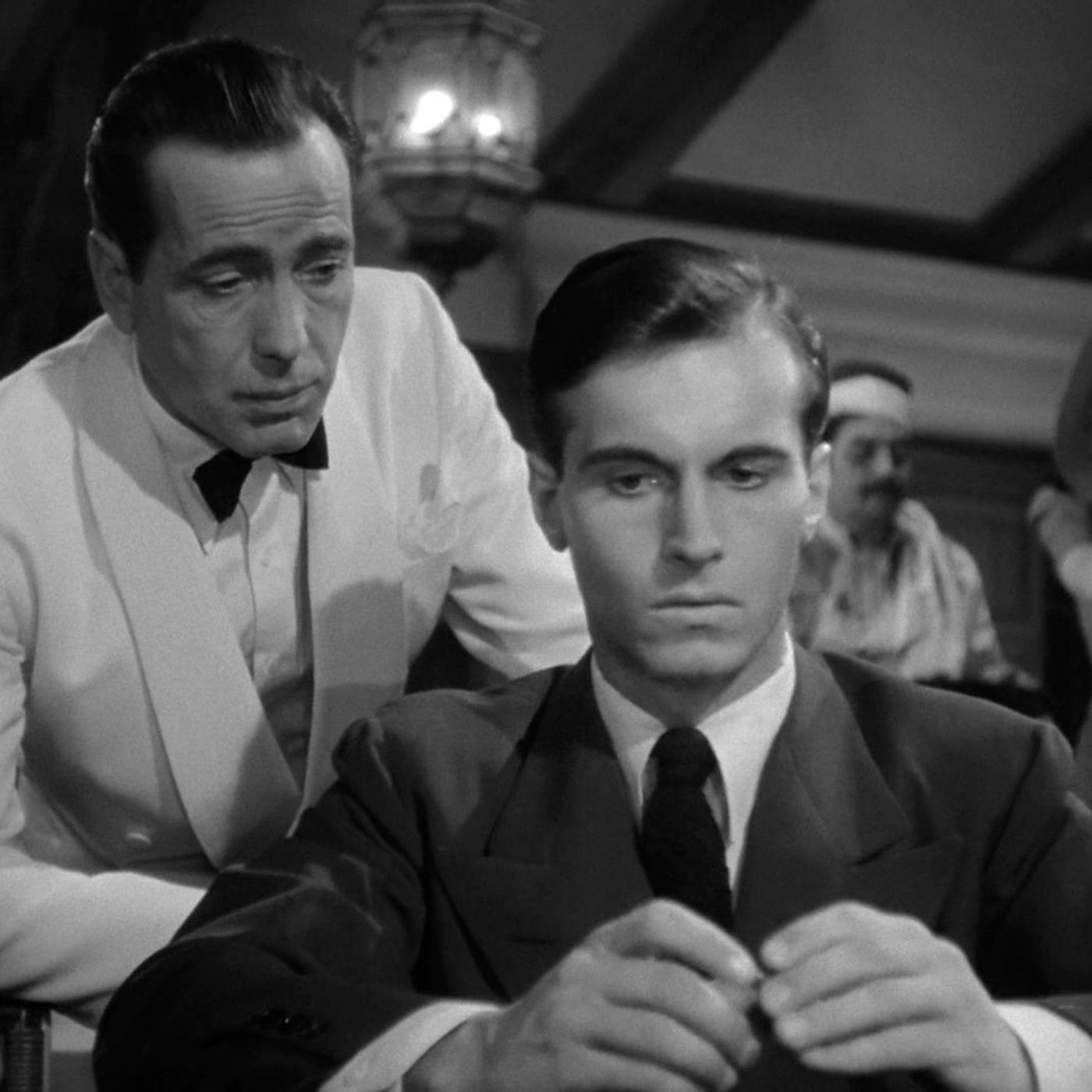
When the Hollywood classic, Casablanca, was released in 1943, moviegoers were thrilled by the love story. Humphrey Bogart stars as the cynical owner of Rick’s Cafe, a nightclub in Morocco. Ingrid Bergman is his old flame, Ilsa, now married to Victor Laszlo, a dashing resistance leader hunted by the Nazis.Many of the characters at Rick's Café are European refugees trying to make their way
Orson Welles and the Blind Soldier 3: The Trial
This is the final episode of our series about Isaac Woodard, a Black soldier who was beaten and blinded by a white police officer in 1946. In the last episode, radio host Orson Welles, who was investigating the case, learned the officer's identity.Isaac Woodard himself told a reporter, "Nothing they can do to the police officer will give me my eyes back, but if they punish him good and le
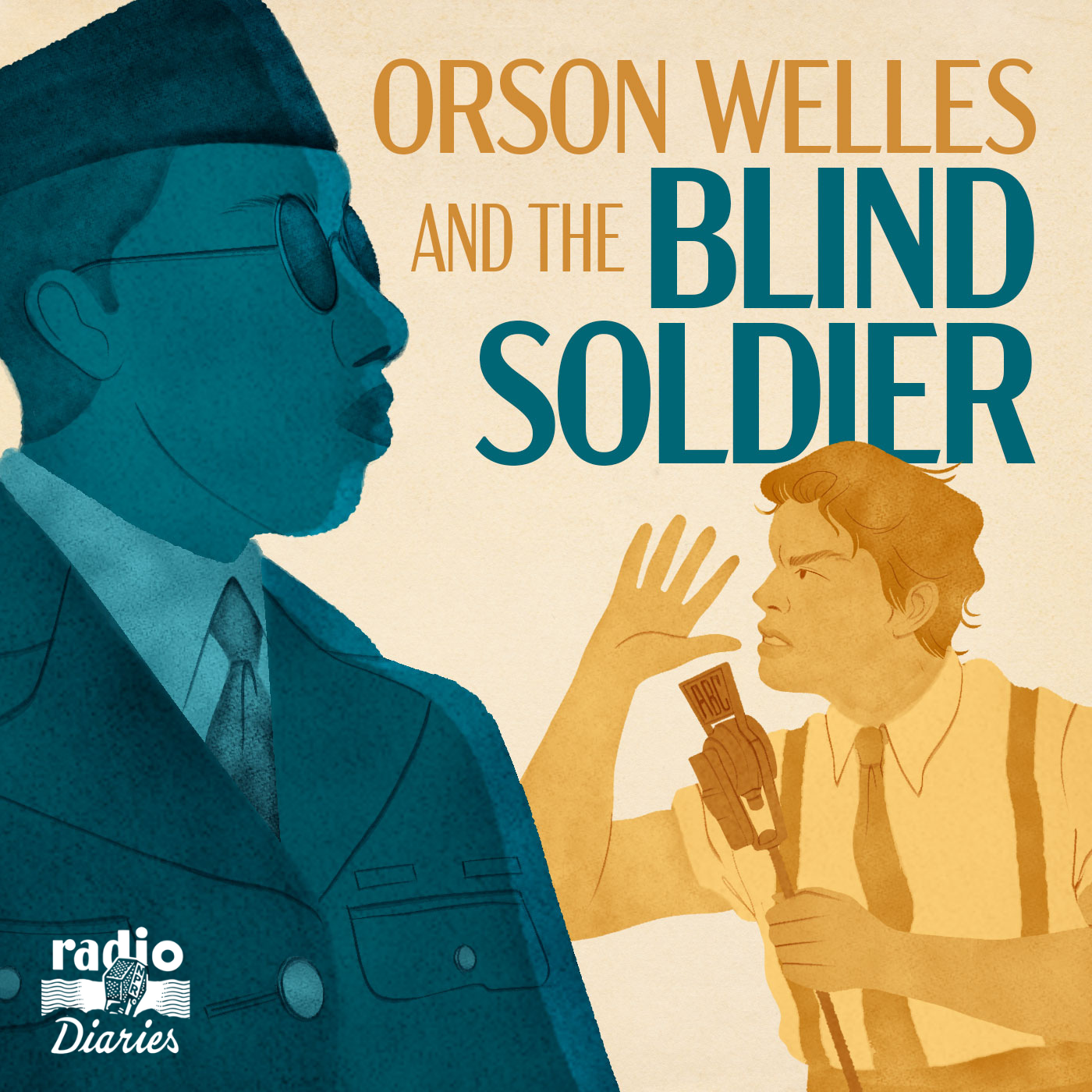
Orson Welles and the Blind Soldier 2: Officer X
Last week, we shared the story of Isaac Woodard, a Black soldier who was brutally beaten by a white police officer in South Carolina. No one knew the name of the police officer. Or even the town where it happened. Not even Woodard himself. By the summer of '46, the case was gaining national attention thanks to Orson Welles, who was investigating the crime, week-by-week, on his radio show.
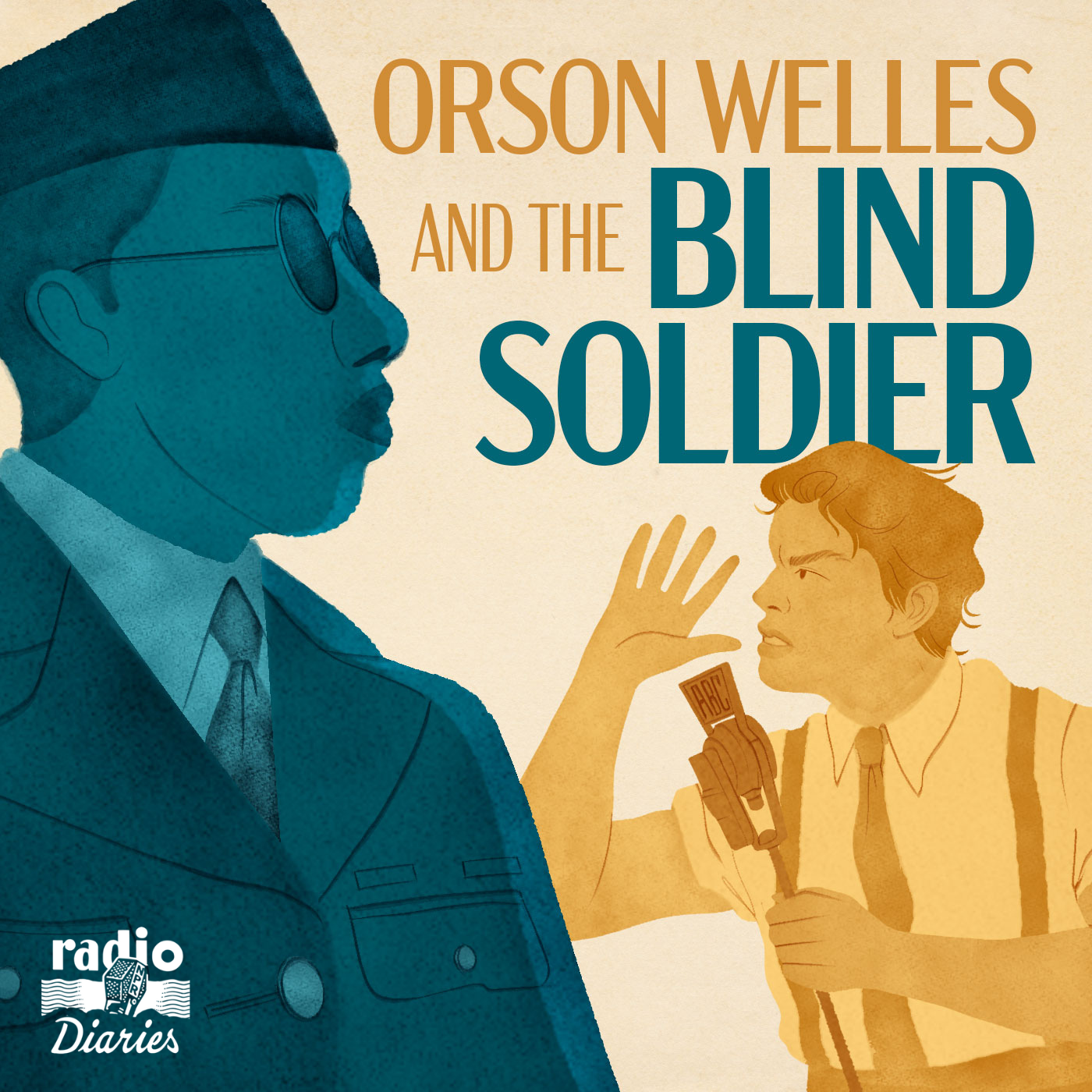
Orson Welles and the Blind Soldier 1: The Bus Ride
On February 12, 1946, a Black soldier was heading home from WWII when he was brutally beaten by a white police officer in South Carolina. No one knew the identity of the police officer. No one even knew the town where it happened. When the famous radio host Orson Welles heard about the crime, he pledged to solve the mystery, week-by-week, on the air. Today, episode 1 of our new series Or
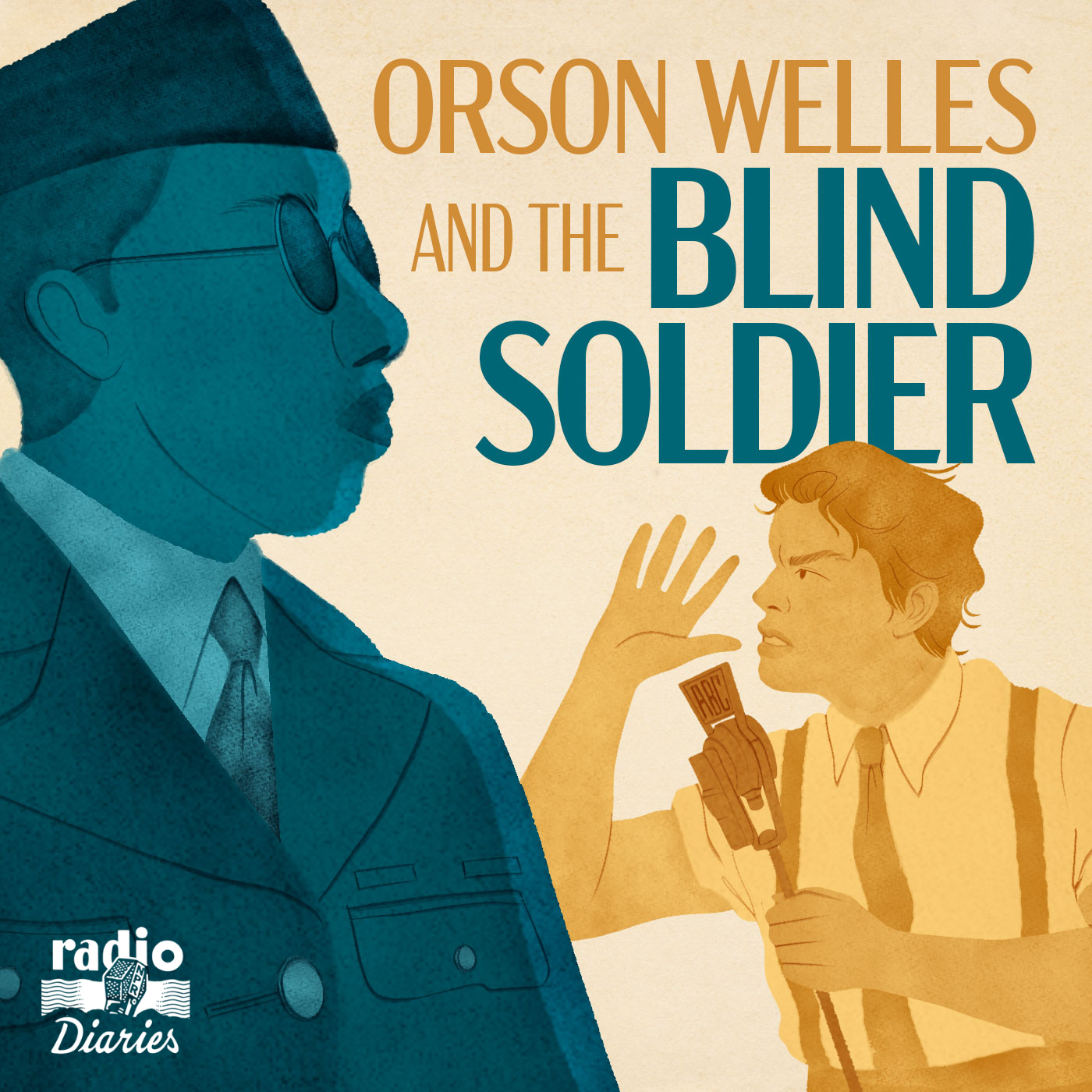
TRAILER: Orson Welles and the Blind Soldier
On February 12, 1946, an African American soldier heading home from WWII was attacked by a white police officer somewhere in South Carolina. The soldier's name was Isaac Woodard.No one knew the identity of the officer who attacked Woodard. No one even knew which town it had happened in. So when the famous radio host Orson Welles heard about the case, he vowed to solve it on the air.Radio
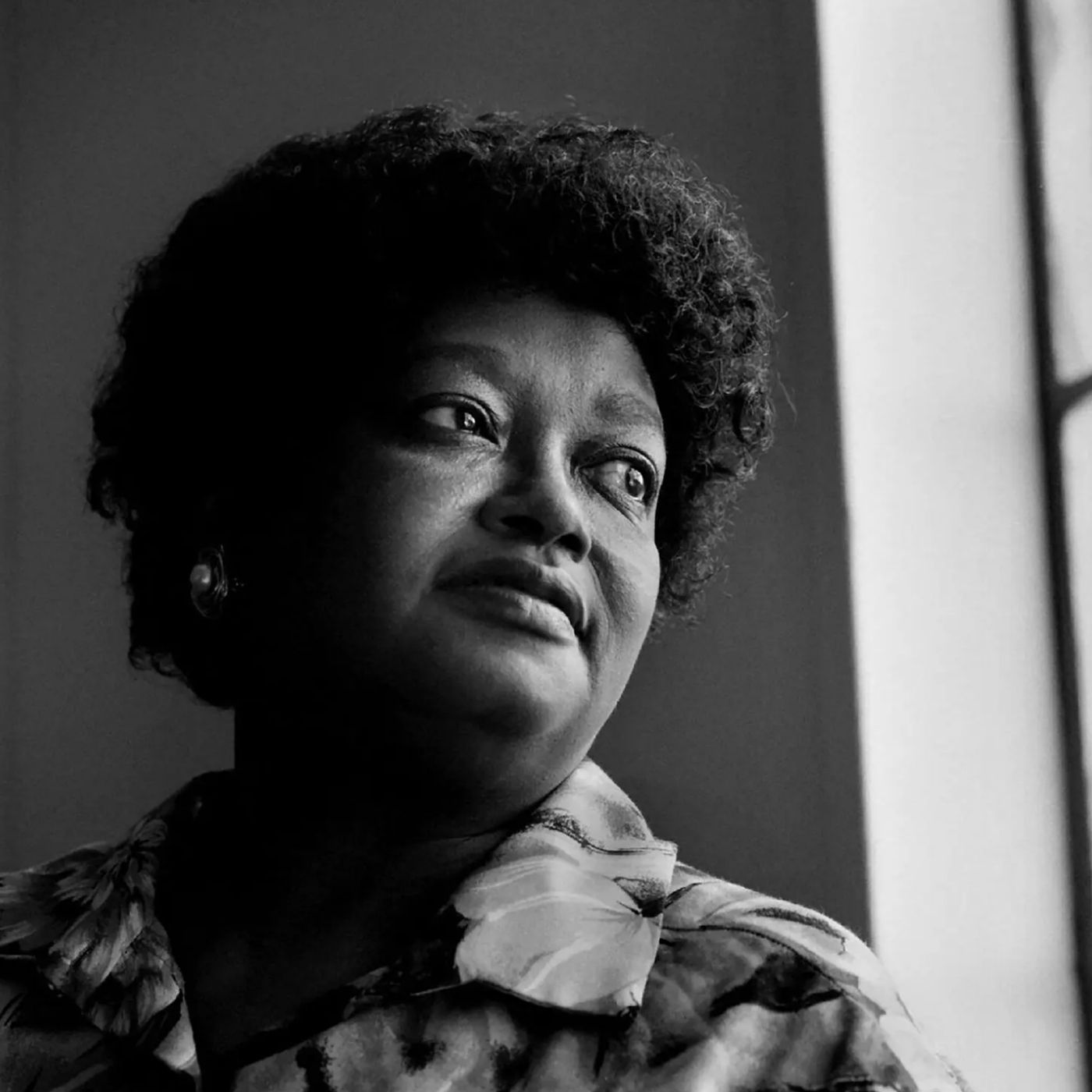
Remembering Claudette Colvin
A little over a decade ago, we went to interview a woman at her small one-bedroom apartment in a sprawling complex in the Bronx. She was living a quiet and somewhat anonymous life. But many years earlier, she had done something remarkable.The woman’s name was Claudette Colvin. In 1955, she was a 15-year-old girl growing up in Montgomery, Alabama. On March 2nd of that year, Colvin refused
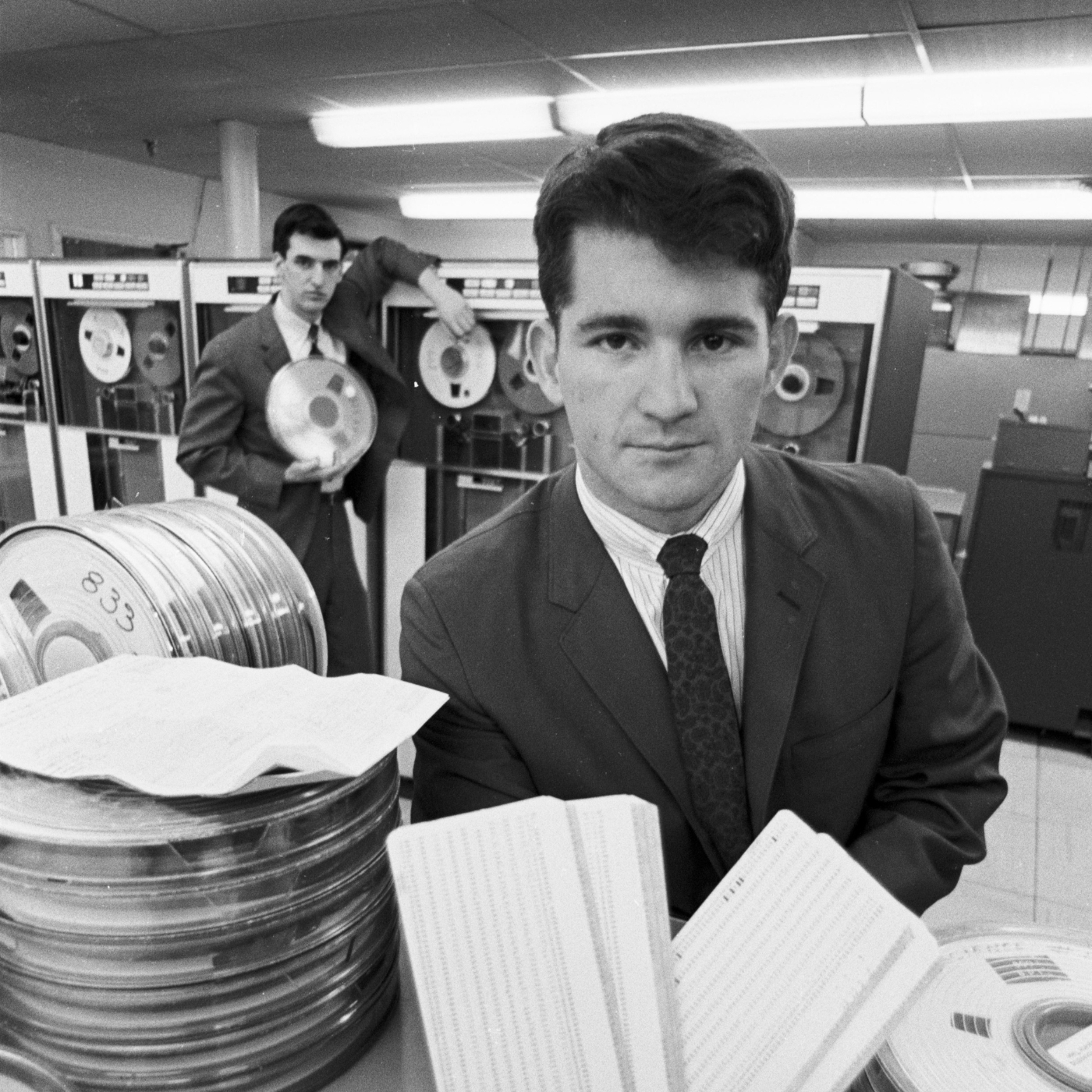
The First Computer Dating Service: Operation Match
Looking for love is an art, not a science. People have been trying to crack the code, with mixed success, for a long time. This week we're going back to the 1960s, when a couple Harvard students had an idea.Businesses had started using a new technology called the computer to process payroll or match a client with the right type of insurance. What if these same computers could be used to g
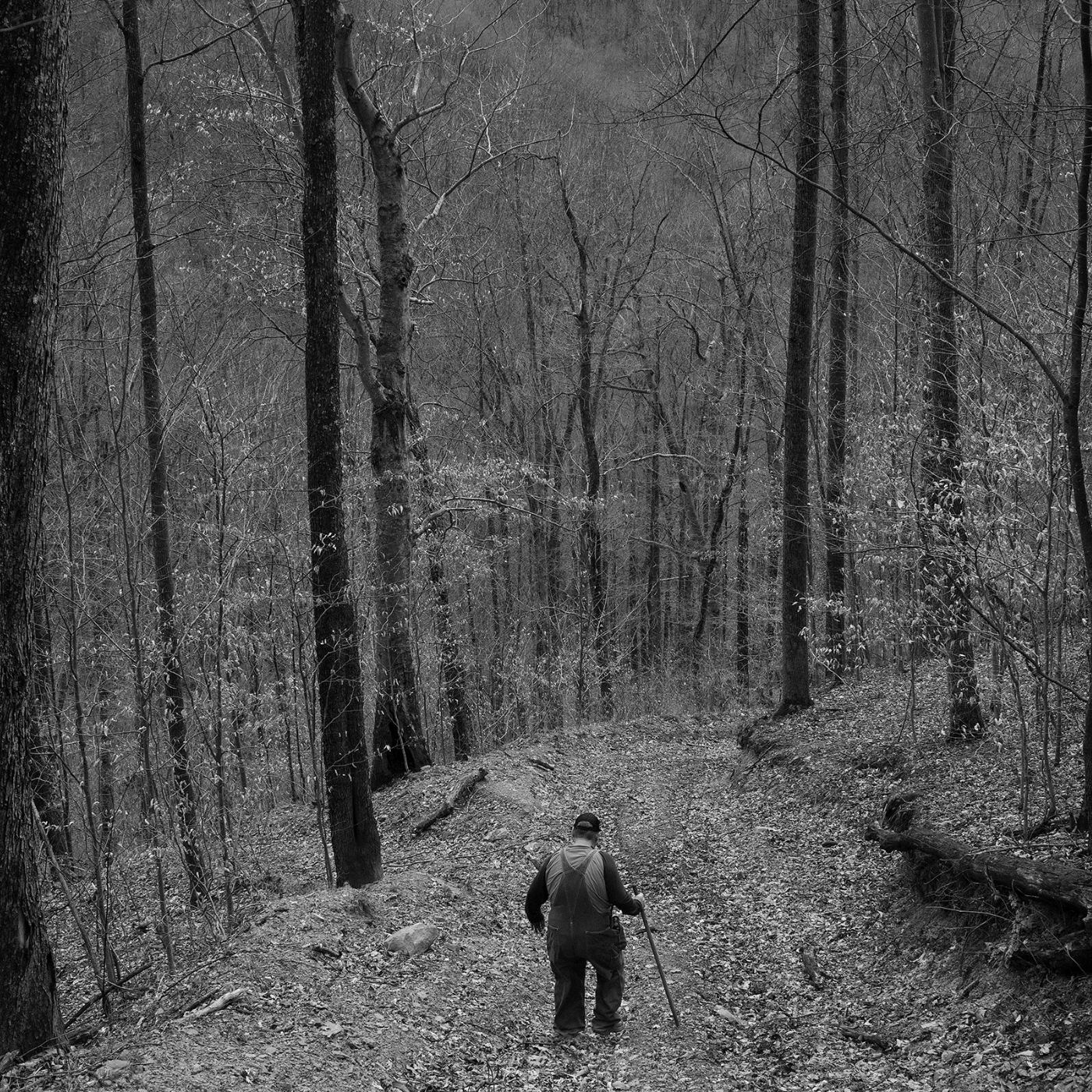
This Short Life
Today on the show, we sit down with photographer Andrew Lichtenstein to discuss his new book, THIS SHORT LIFE, which combines photo essays with audio testimonies about 12 Americans, from a West Virginia coal miner to a Maine farmer, all united by how the struggles of their past have shaped their present. You'll hear audio testimony from some of the people in the book.Buy THIS SHORT LIFE h

Detained: The Last Columbia Protester
In April 2024, over 100 students were arrested during protests outside Columbia University, calling for a ceasefire in Gaza. Leqaa Kordia, a young Palestinian woman living in Paterson, New Jersey, was one of them.Kordia was let go after the protests. But months later, ICE officials took her into custody and put her on a plane to a detention facility in Texas. Kordia has now been detained

Identical Strangers
Paula Bernstein and Elyse Schein were both born in New York City and adopted as infants. When they were 35 years old, they met and found they were “identical strangers.”This story originally aired on NPR in 2007. Liked this story? Donate and find more of our stories at www.radiodiaries.org. Follow us @radiodiaries on Bluesky and Instagram.
Learn about your ad choices: dovetail.prx.org/a
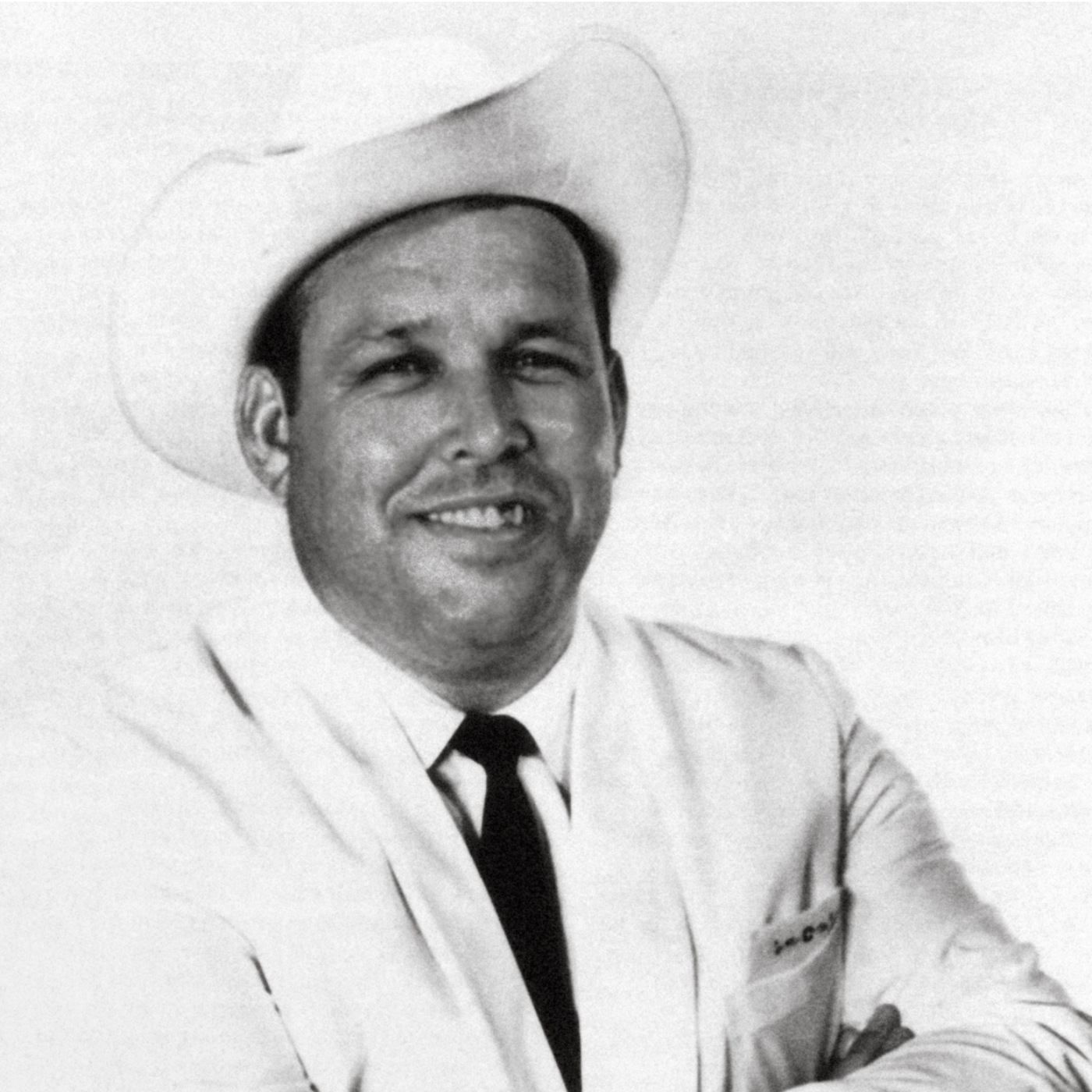
The Gospel Ranger
This is the story of a song, "Ain't No Grave Gonna Hold My Body Down." It was written by a 12-year-old boy on what was supposed to be his deathbed. But the boy didn't die. Instead, he went on to become a Pentecostal preacher, and later helped inspire the birth of Rock & Roll. The boy's name was Brother Claude Ely, and he was known as The Gospel Ranger.
Learn about your ad choices: do

The Working Tapes, Revisited
In the early 1970s, author Studs Terkel interviewed the owners of Duke & Lee's Auto Repair in Geneva, Illinois, for his bestselling book, Working. He went to talk to them about fixing cars. What he found was a story about fathers and sons working together, and the tensions within a family business. We went back to Duke & Lee's four decades later and found the family business still

The Last Place
When you spend so much of your life moving around, getting to the next chapter, what's it like to find yourself in the last place?This week, we revisit audio diaries from a retirement home.
Learn about your ad choices: dovetail.prx.org/ad-choices
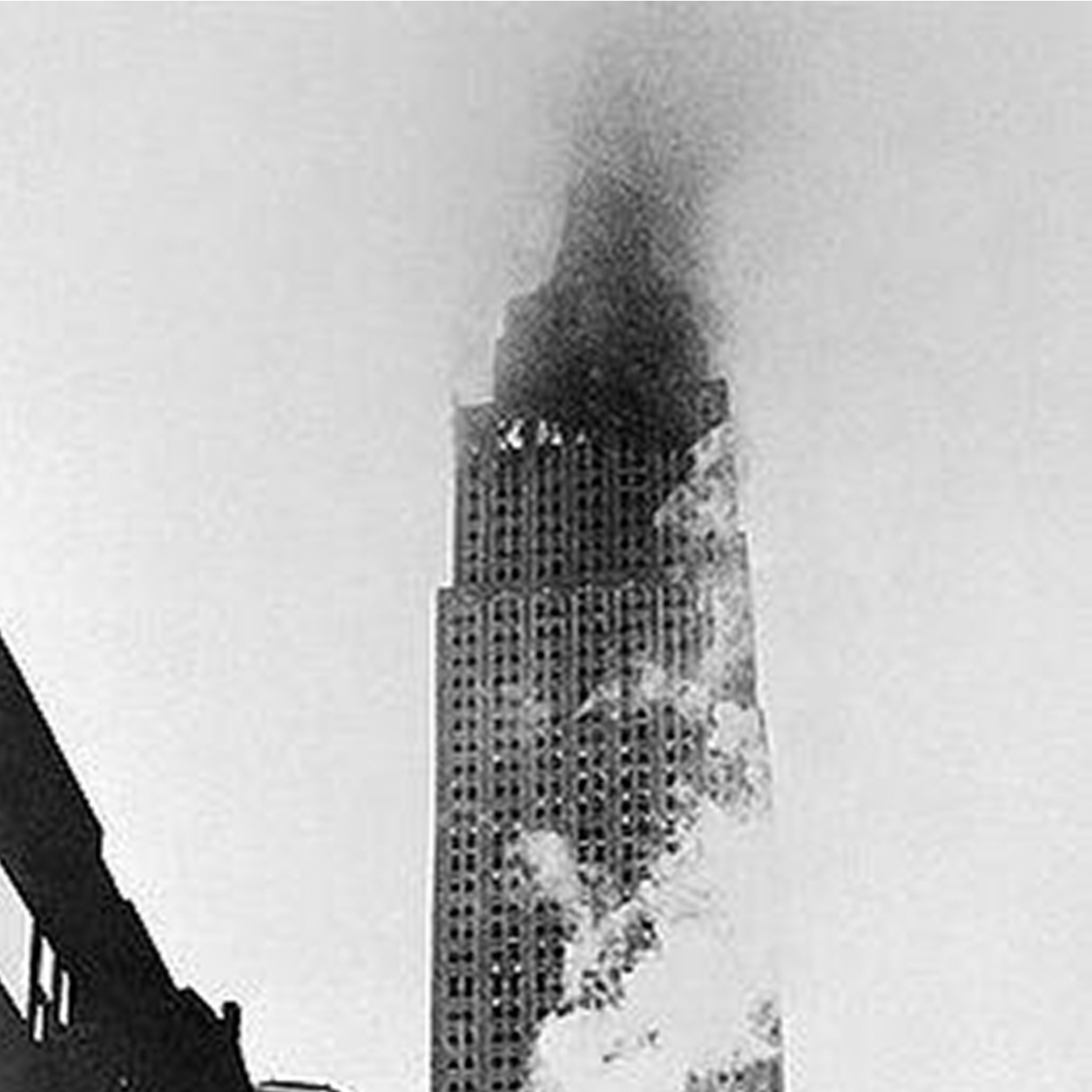
The View from the 79th Floor
Eighty years ago, on July 28, 1945, an Army bomber pilot on a routine ferry mission found himself lost in the fog over Manhattan. A dictation machine in a nearby office happened to capture the sound of the plane as it hit the Empire State Building at the 79th floor.Fourteen people were killed. Debris from the plane severed the cables of an elevator, which fell 79 stories with a young woma

Two Years in the Life of a Saudi Girl, Revisited
When we first met Majd Abdulghani, she was 19 years old, living in Riyadh, Saudi Arabia. We gave her a recorder to keep an audio diary about her life. Majd chronicled her dreams of being a scientist, her resistance to having an arranged marriage, and what it was like to be a teenage girl living in one of the most restrictive countries in the world for women. Her story first aired in 2016.

The End of Smallpox
Vaccines have been in the news recently. Over the last few weeks, Health Secretary Robert F. Kennedy Jr. has changed vaccination recommendations and gutted an influential committee that recommends which shots Americans should get. Some experts worry that these changes could lead to outbreaks of diseases the US has long had under control.So this week, we're revisiting a story we made a few

The Detainees of Crystal City
To justify mass deportations, President Trump has invoked an old wartime law: the Alien Enemies Act of 1798. The Alien Enemies Act was last used after America’s entry into World War II. In response to the Axis countries’ detainment of Americans who were deemed potential spies, the Roosevelt Administration came up with an elaborate plan: find and arrest Germans, Japanese and Italians liv
Prisoners of War
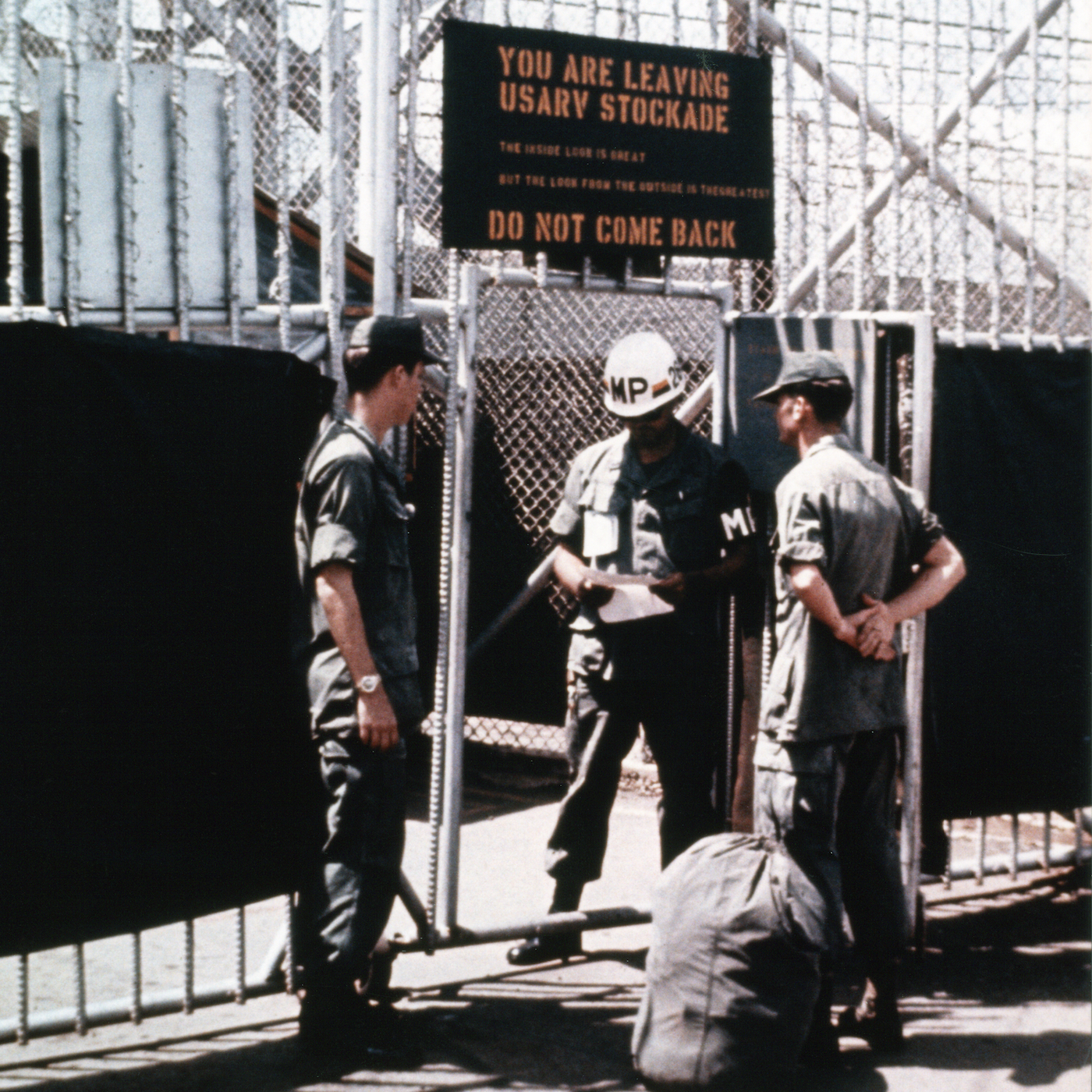
It's been 50 years since the end of the Vietnam war. In honor of the anniversary, we're revisiting a story about a notorious American military prison on the outskirts of Saigon, called Long Binh Jail. LBJ wasn’t for captured enemy fighters—it was for American soldiers. These were men who had broken military law. And there were a lot of them. As the unpopular war dragged on, discipline fr
March of the Bonus Army
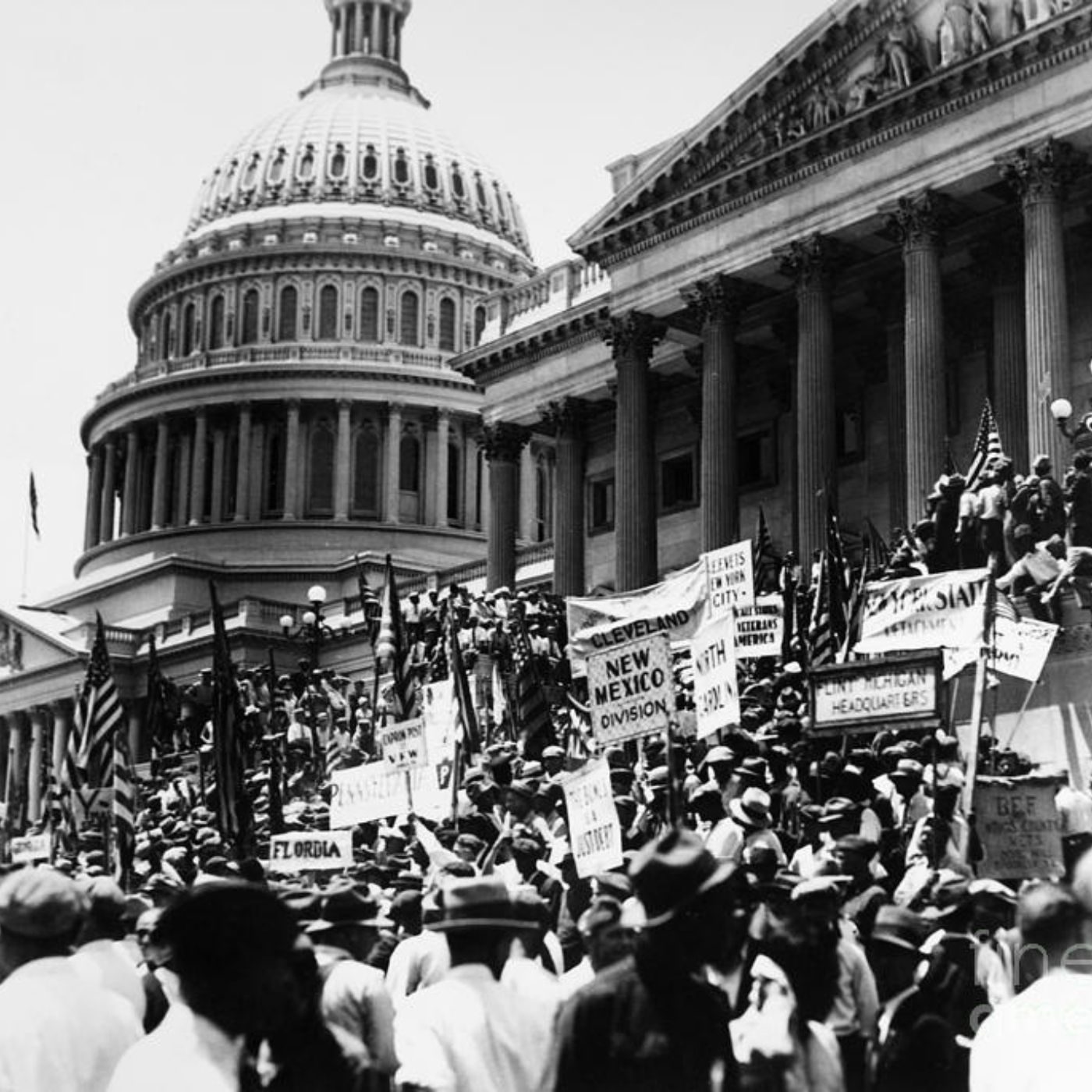
Author James Baldwin once wrote, "I love America more than any other country in the world and, exactly for this reason, I insist on the right to criticize her perpetually."On this episode, we go back to 1932 when a group of World War I veterans set up an encampment in Washington, D.C., and vowed to stay until their voices were heard. It was a remarkable chapter in American history, and a
The Girls of the Leesburg Stockade
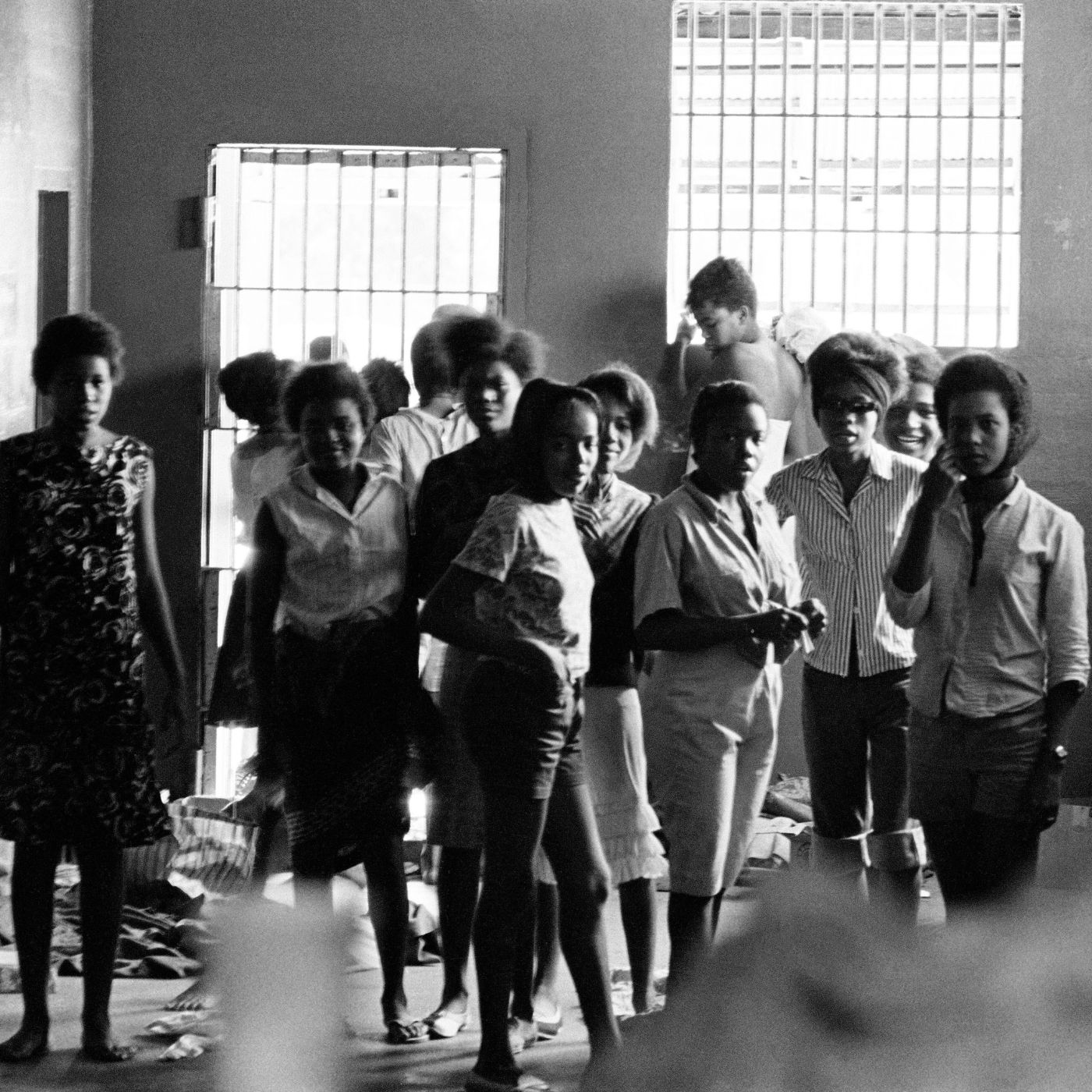
On July 19, 1963, at least 15 Black girls were arrested while marching to protest segregation in Americus, Georgia. After spending a night in jail, they were transferred to the one-room Leesburg Stockade and imprisoned for the next 45 days.Only twenty miles away, the girls' parents had no knowledge of their location. A month into their confinement, the Student Nonviolent Coordinating Comm
Guest Spotlight: Signal Hill
This week we're featuring a story from a brand new audio magazine we've been listening to called Signal Hill."Pie Down Here" features oral history interviews with farmworkers and Communist Party members who organized a sharecroppers' union in Alabama during the Great Depression. The interviews were recorded by historian Robin Kelley for his book, Hammer and Hoe.You can learn more about Si

Making Waves: The Woman Who Warned The World
In 1939, Time Magazine called Dorothy Thompson a woman who “thinks, talks and sleeps world problems — and scares men half to death.” They weren’t wrong. Thompson was a foreign correspondent in Germany in the years leading up to World War 2, and she broadcast to millions of listeners around the world. She became known for her bold commentaries on the rise of Hitler. The Nazis even created
Making Waves: The Original Angry Talker
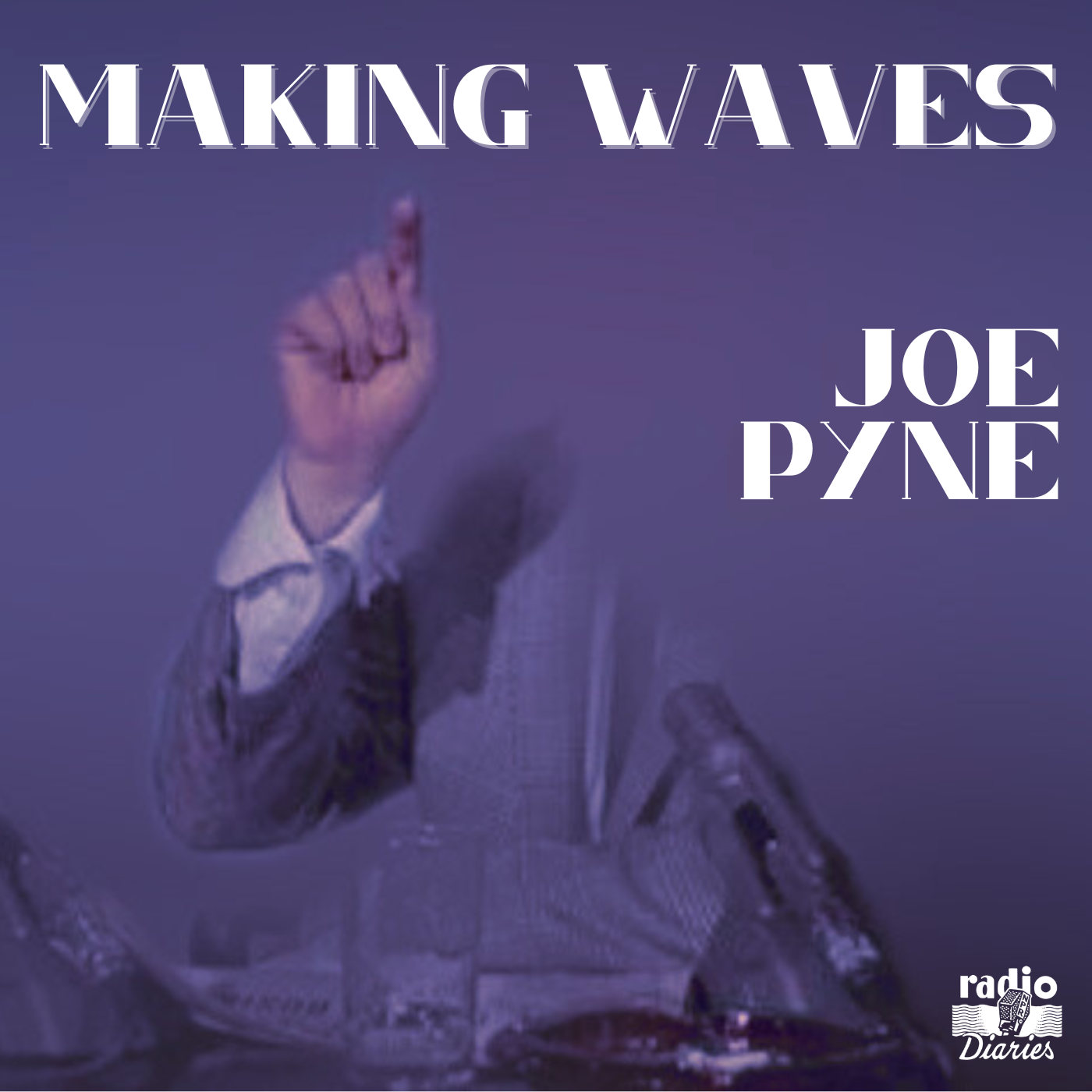
These days, we’re used to media that thrives on conflict and amplifies the most outrageous voices in the room. It's something we often trace back to shock jocks, like Howard Stern, and in-your-face talk show hosts like Tucker Carlson and Rush Limbaugh. But before all those guys, there was Joe Pyne.At the height of his career in the 1960s, the New York Times called him “The ranking nuisanc

Making Waves: The Happy-Am-I Preacher
In 1934, the Washington Post called Elder Lightfoot Solomon Michaux, the “best known colored man in America.” He was known as the Happy-Am-I Preacher. His Sunday services were broadcast to over 25 million listeners on CBS radio. Black America saw Michaux as a leader for racial harmony and progress. But during the civil rights movement, his reputation took an unlikely turn.This is episode
Sealab: A Home on the Ocean Floor
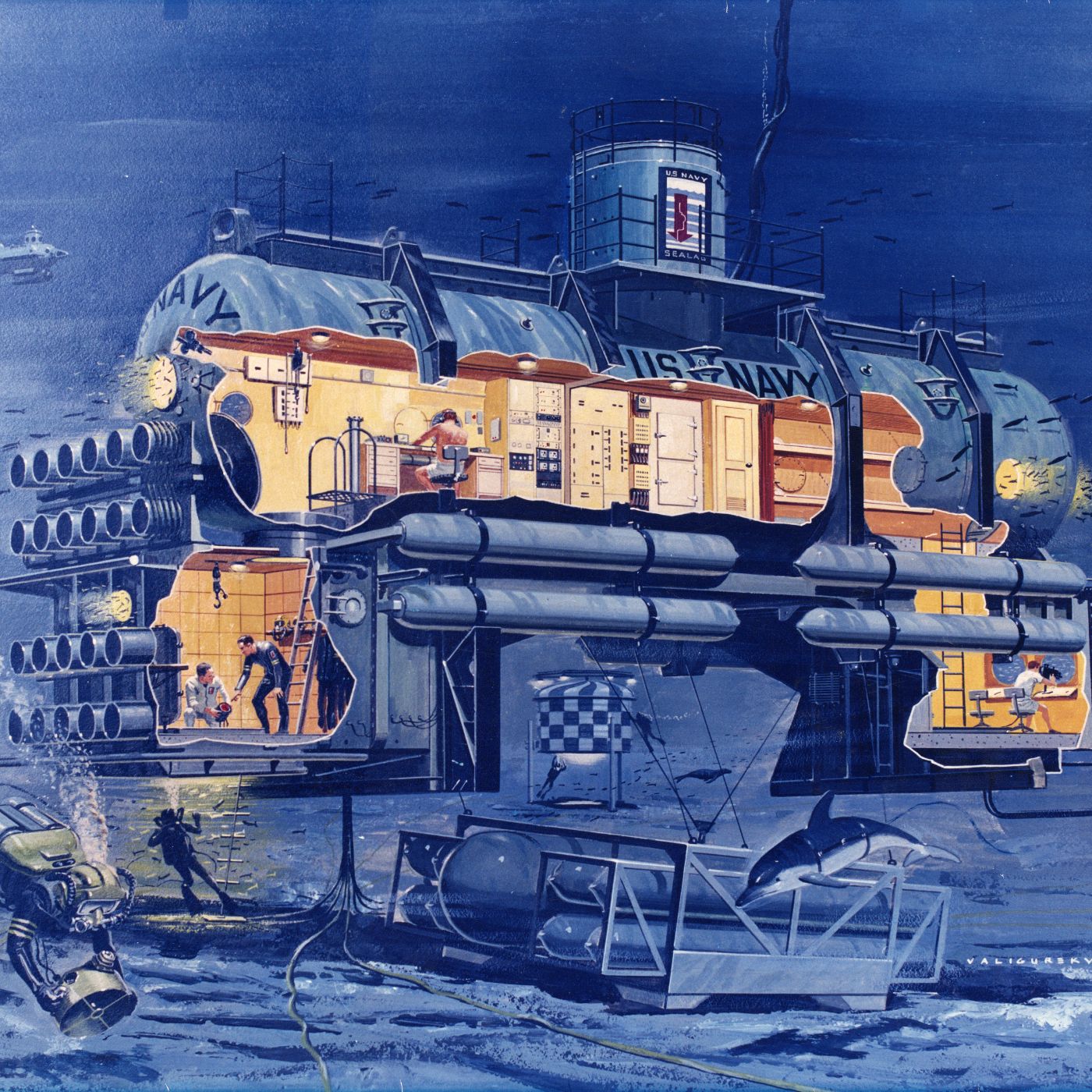
From ancient myths of sea monsters lurking below to Jules Verne’s Twenty Thousand Leagues Under the Sea, the ocean has long been both a source of fear and fascination. For Captain George Bond, a Navy medical officer in the 1960s, the deep sea was humanity’s next frontier. Undersea agriculture, deep sea mining, and human colonies on the ocean floor made up his dream for the future.Today we
Guest Spotlight: The Memory Palace with Nate DiMeo
Happy 2025! We have a slate of new stories coming soon, but we want to start the year by shouting out fellow podcaster (and friend of the show) Nate DiMeo of The Memory Palace. He just put out his first book, The Memory Palace: True Short Stories of the Past. So to celebrate, we're featuring one of our favorite episodes from The Memory Palace, "These Words, Forever." Joe also sat down wit

Teen Contender
If you follow boxing, you've heard of Claressa Shields. At the 2012 Olympics, she became the first American woman to win gold in boxing. She repeated the feat 4 years later, becoming the first American boxer — woman or otherwise — to win consecutive medals. Now, she's the subject of a new movie called The Fire Inside, tracing her journey to Olympic stardom.Claressa Shields' story was one
Last Witness: The Kerner Commission
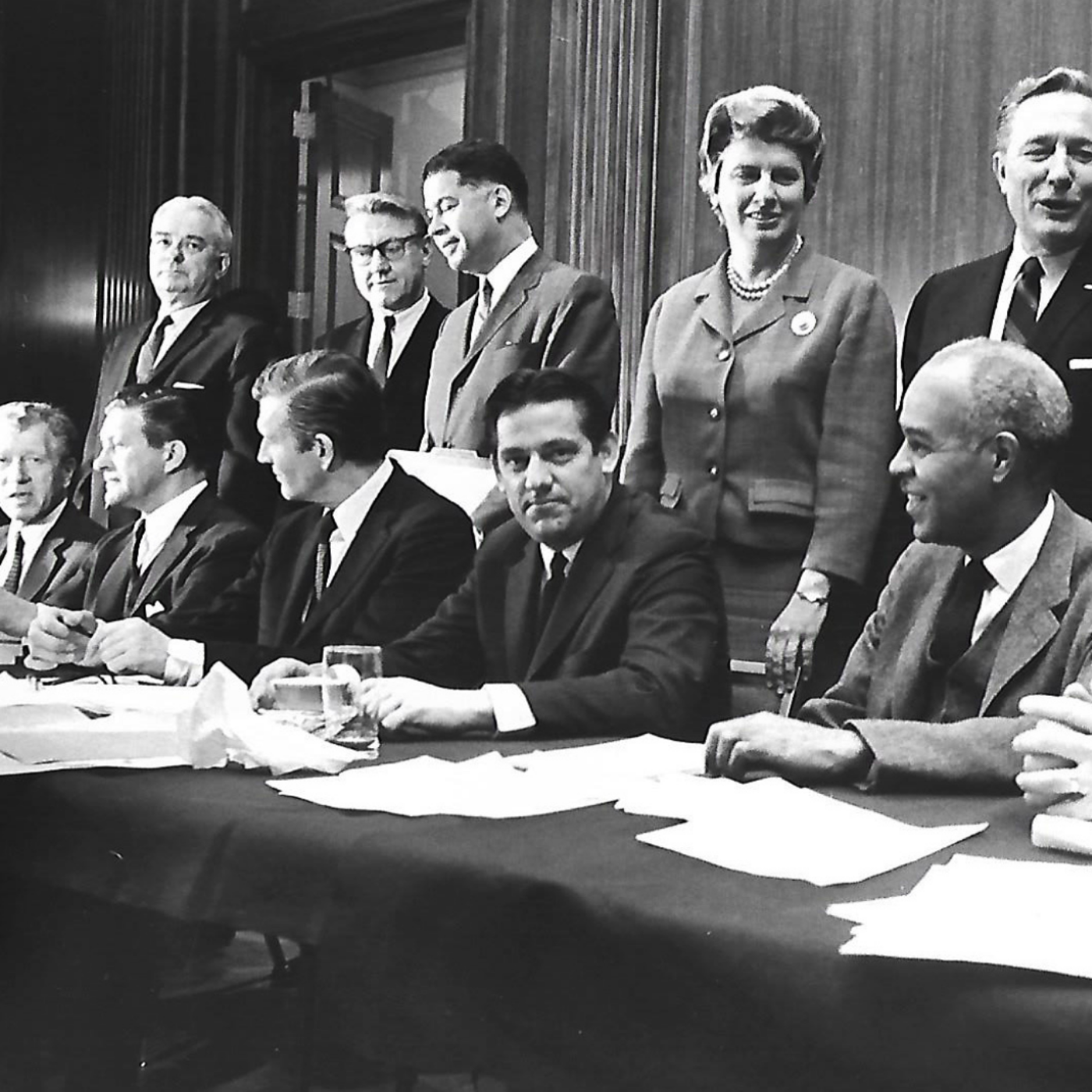
Former Oklahoma senator Fred Harris died recently, at 94 years old. In 1967, Fred Harris and 10 senators came together and released the Kerner Report, a 1400-page explanation of the causes of the protests that filled American cities that summer. It was an instant — and unlikely — bestseller, selling over half a million copies in just three weeks, getting shoutouts by celebrities like Marl
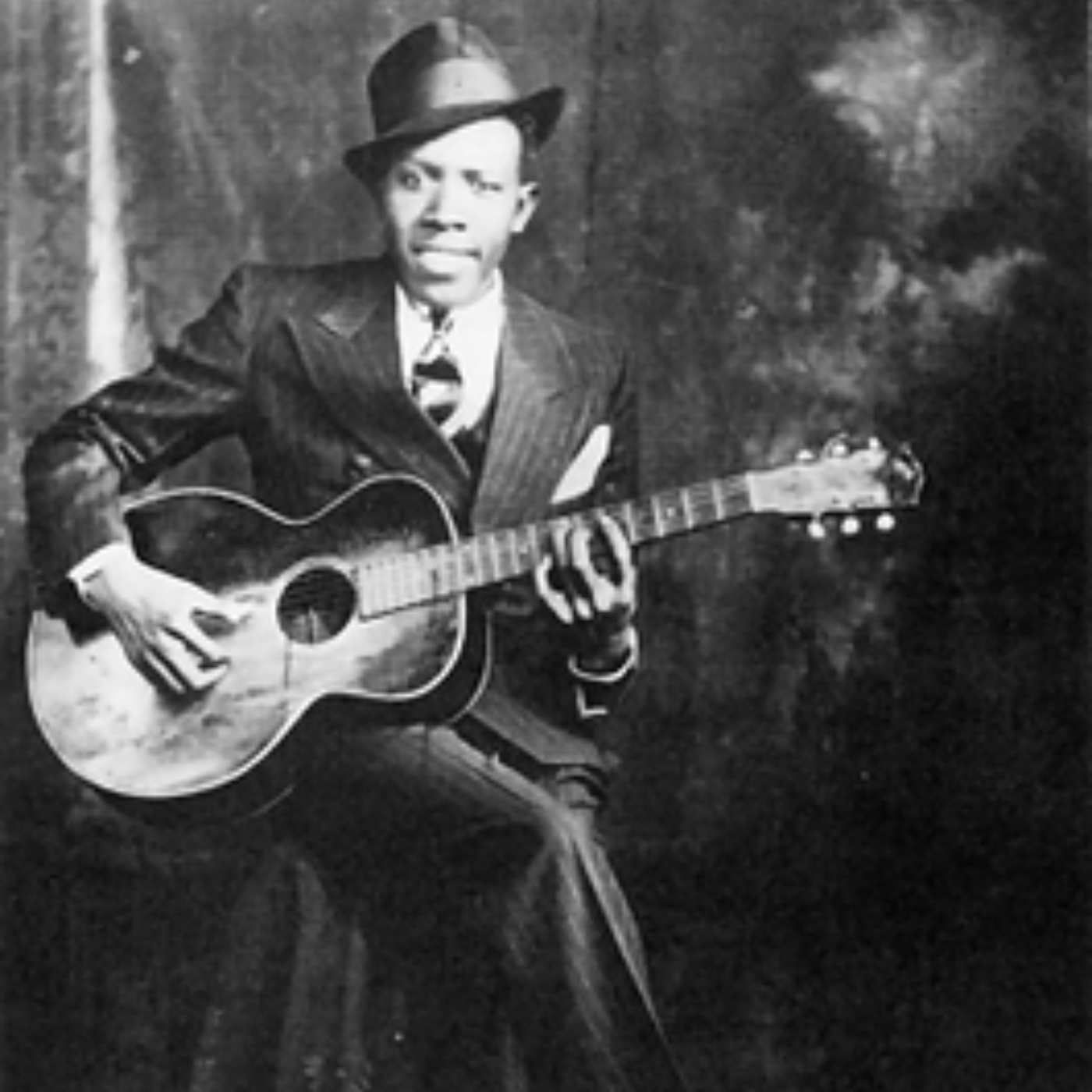
A Guitar, A Cello and the Day that Changed Music
November 23, 1936 was a good day for recorded music. Two men, an ocean apart, sat before a microphone and began to play. One, Pablo Casals, was a cello prodigy who had performed for the Queen of Spain. The other, Robert Johnson, played guitar and was a regular in the juke joints of the Mississippi Delta. These recordings would change music history.This episode originally aired on NPR in 2

The John Birch Society
In today’s political climate, conspiracy theories are commonplace. But they’re nothing new. In fact, back in the 1960s, there was one organization that built a movement around them. The John Birch Society was started by a small group of wealthy businessmen including Robert Welch and Fred Koch. It expanded, with chapters of like-minded Americans meeting in private living rooms and finished
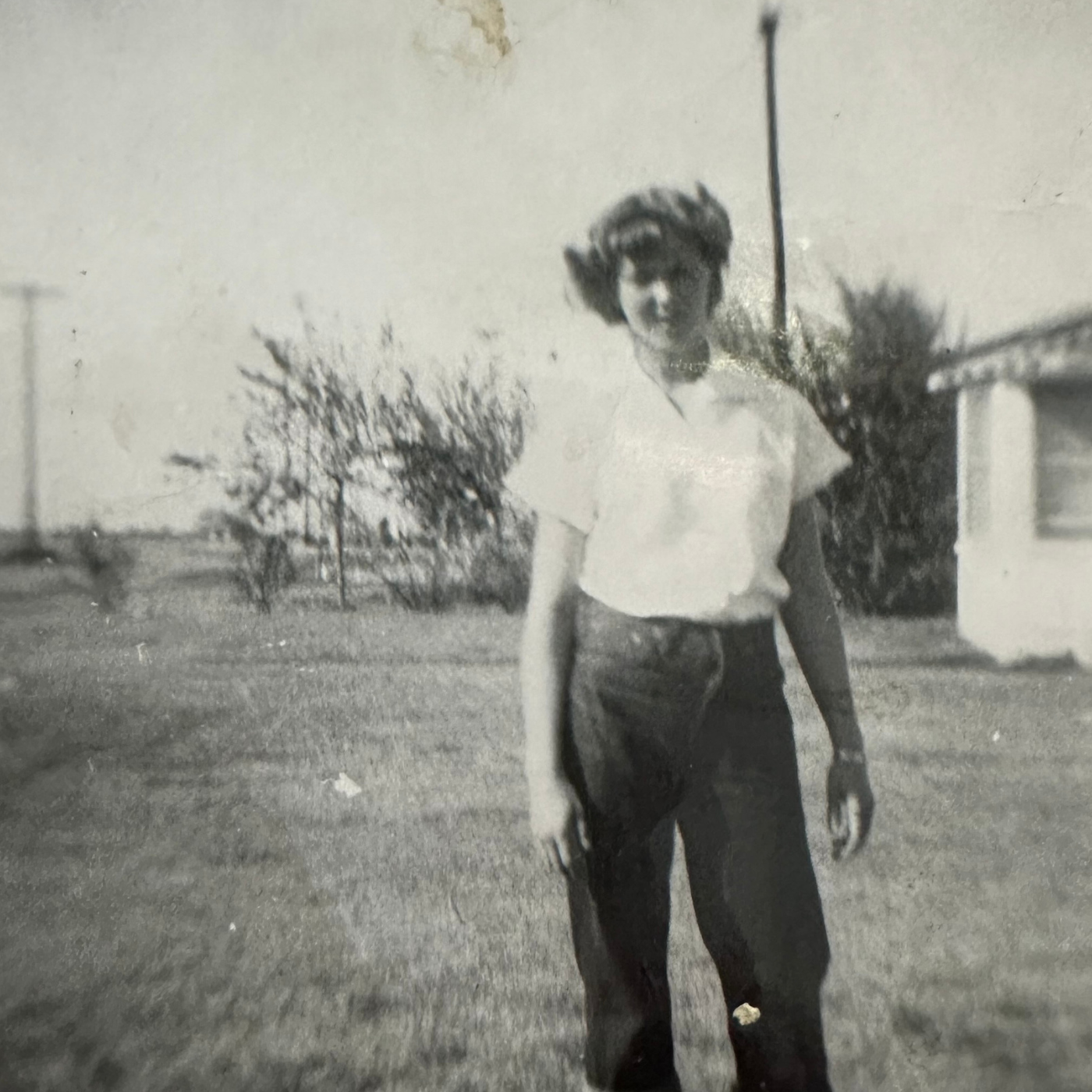
American Migrant
During the Dust Bowl of the 1930s, millions of desperate Americans abandoned their homes, farms and businesses. It was one of the largest migrations in US history. In the 1940s, Pat Rush’s family were farm laborers, exhausted by trying to make ends meet. So they left Arkansas and followed the hundreds of thousands who had traveled Route 66 to California. There, the federal government had

The Longest Game
In the spring of 1981, the Pawtucket Red Sox and the Rochester Red Wings met for a minor league baseball game of little importance. But over the course of 33 innings — 8 hours and 25 minutes — the game made history. It was the longest professional baseball game ever played. This story was produced in collaboration with ESPN's 30 for 30.
Learn about your ad choices: dovetail.prx.org/ad-c

When Borders Move
Ever since Texas became a state, the Rio Grande has been the border between the U.S. and Mexico. But rivers can move — and that's exactly what happened in 1864, when torrential rains caused it to jump its banks and go south. Suddenly the border was a different place, and Texas had gained 700 acres of land called the Chamizal, named after a plant that grew in the area.The Chamizal was a th
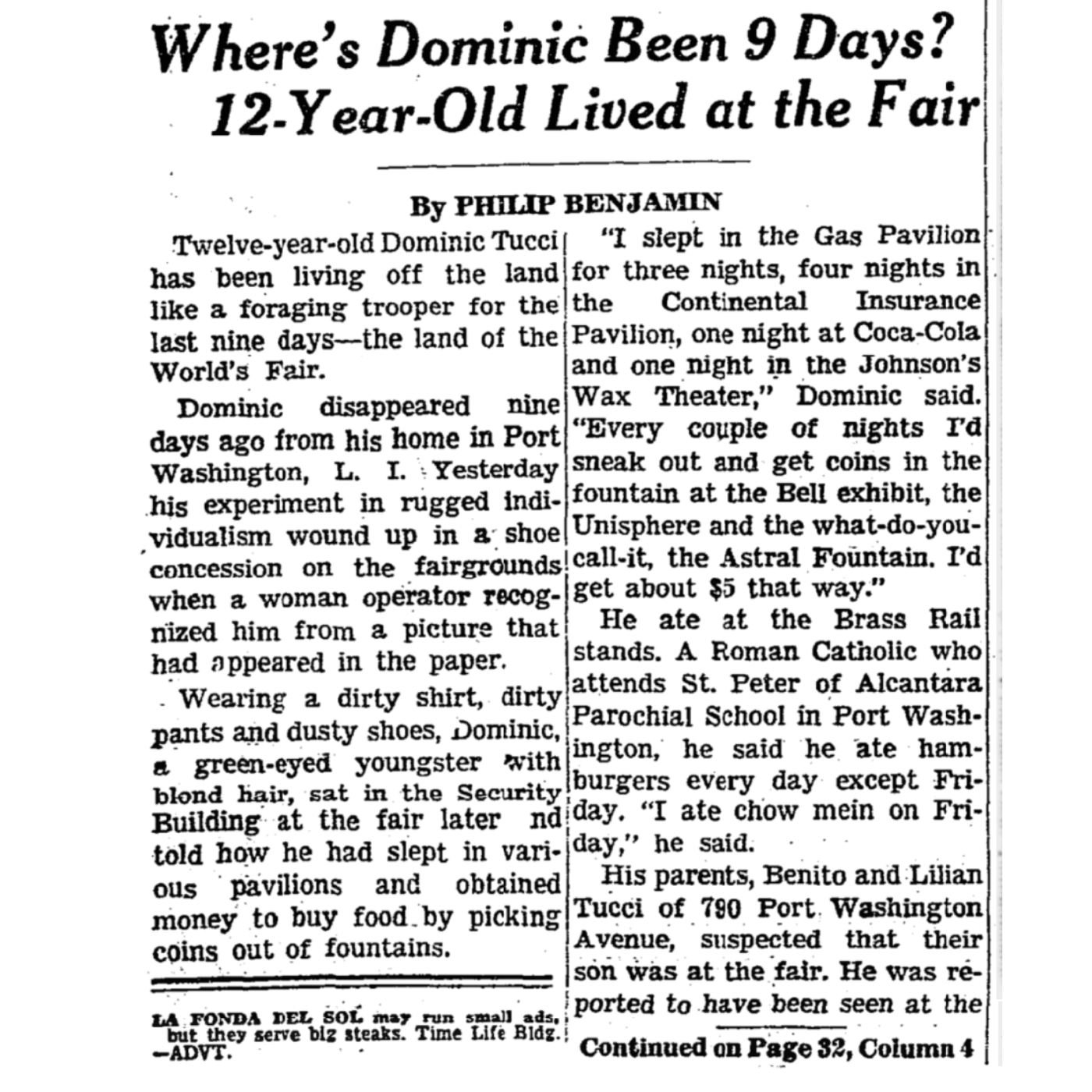
Guest Spotlight: The Phantom of the World's Fair
This week we're featuring a story we loved from the StoryCorps podcast. In 1964, a 12-year-old paperboy from suburban Long Island spent nearly two weeks hiding among the gleaming attractions of the New York World's Fair. His adventure caused a media sensation. But the world only learned half the story.
Learn about your ad choices: dovetail.prx.org/ad-choices
HOUR SPECIAL: Stories from the Unmarked Graveyard
Hart Island is America’s largest public cemetery—sometimes known as a “potter’s field.” The island has no headstones or plaques, just numbered markers. More than a million people are buried on Hart Island in mass graves, there are no headstones or plaques, just numbered markers. In this special, hour-long episode we're untangling mysteries about how people ended up on Hart Island, the liv
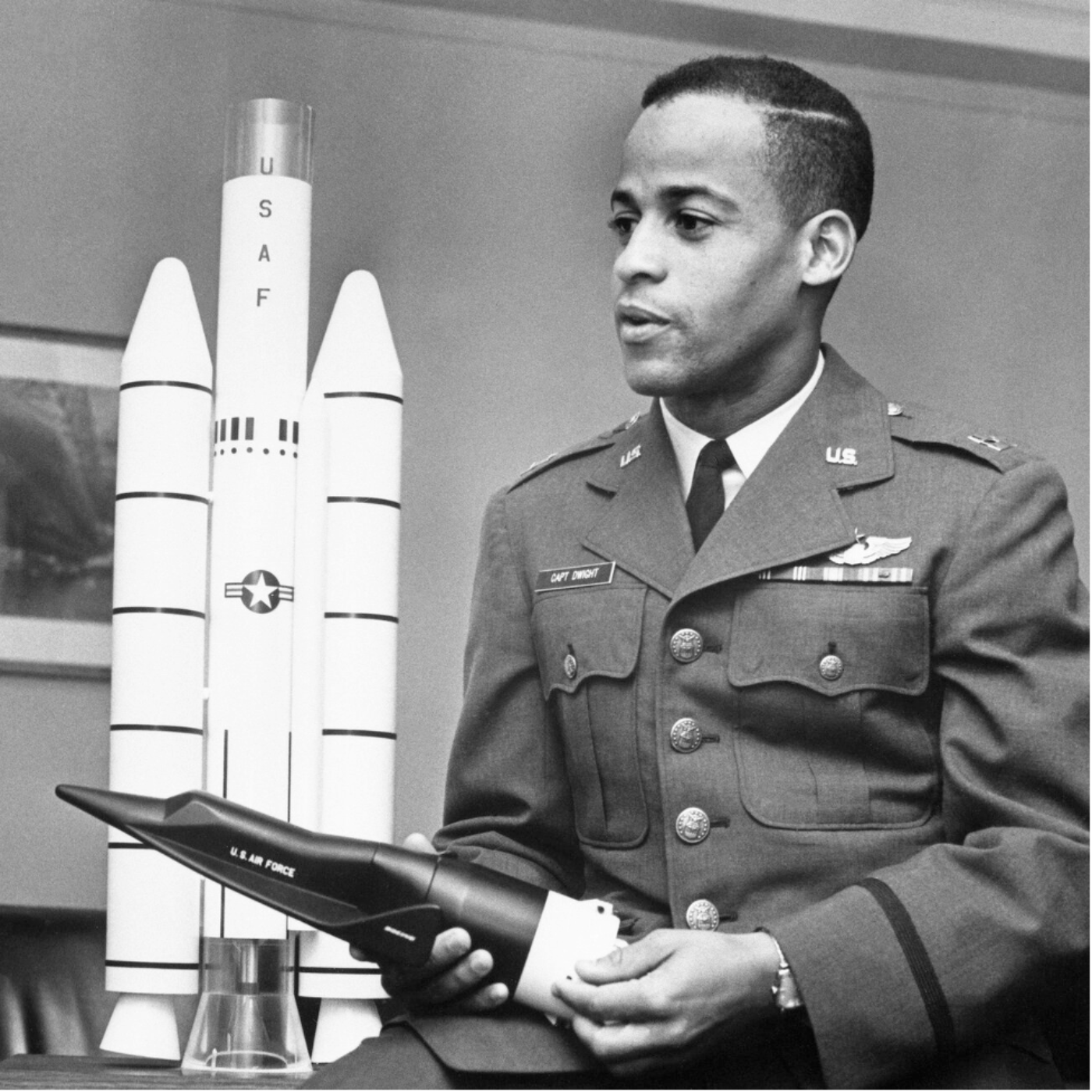
The Almost Astronaut (Revisited)
When it comes to the space race, we all know names like Neil Armstrong and Yuri Gagarin. But in most moments in history, there are a few names that fall through the cracks. One of those names was Ed Dwight.When Ed was selected to train to become an astronaut, many thought he would become the first Black man to go to space — but Ed faced some unexpected hurdles. Today on the show, we bring

The End of Smallpox
Humanity isn't great at eradicating diseases. But there is one disease that humanity has managed to eradicate: smallpox.Smallpox was around for more than 3,000 years and killed at least 300 million people in the 20th century. Then, by 1980, it was gone.Rahima Banu was the last person in the world to have the deadliest form of smallpox. In 1975, Banu was a toddler growing up in a remote vi
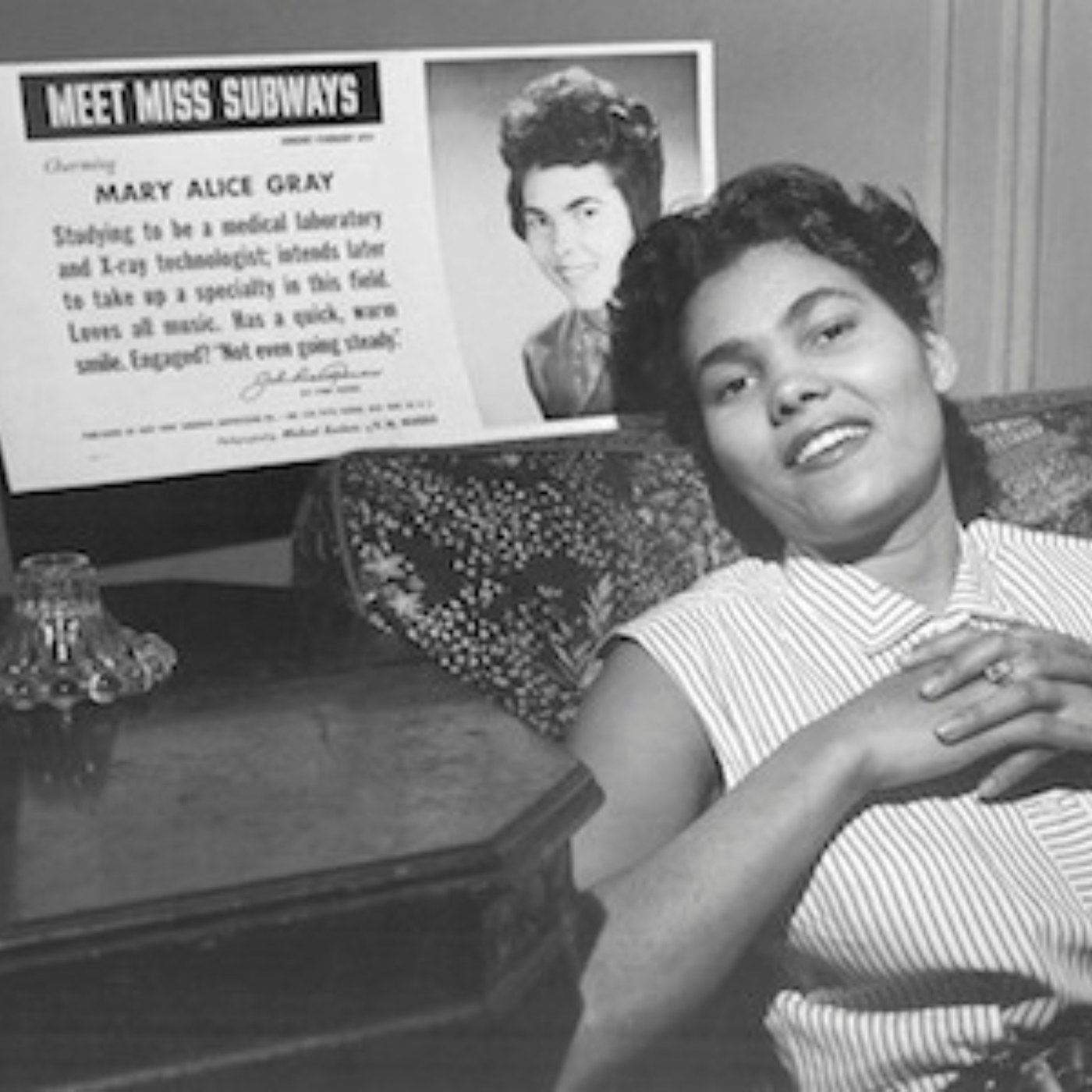
Meet Miss Subways
Most beauty pageants promote the fantasy of the ideal woman. But for 35 years, one contest in New York City celebrated the everyday working girl: Miss Subways. Each month starting in May 1941, a young woman was elected “Miss Subways,” and her face gazed down on transit riders as they rode through the city. Her photo was accompanied by a short bio describing her hopes, dreams and aspiratio
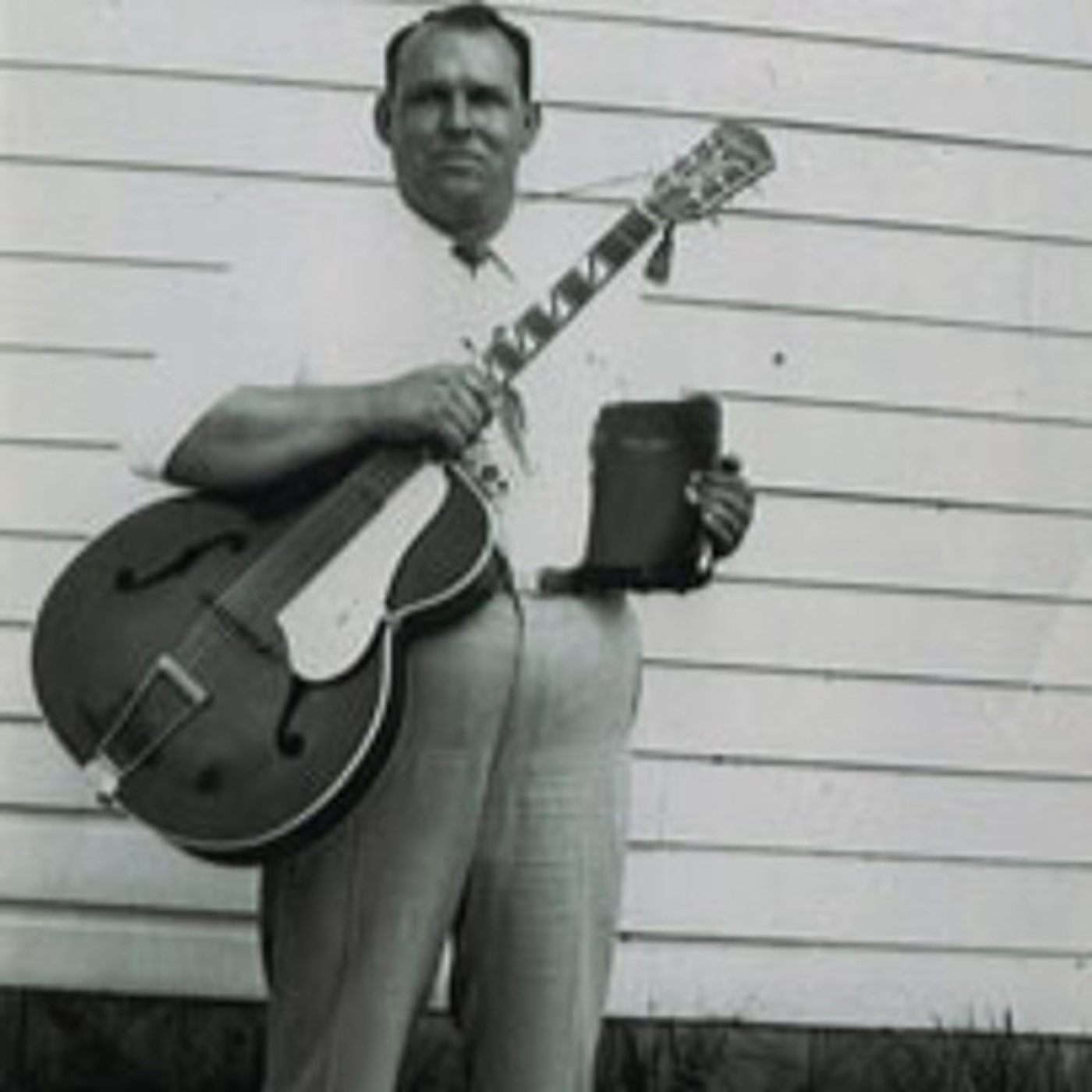
The Gospel Ranger
This year marks 90 years since Claude Ely wrote "Ain't No Grave Gonna Hold My Body Down." The song was written as Ely was supposed to be on his death bed. Instead, Ely, known as the "Gospel Ranger," went on to inspire the birth of rock & roll. Follow us on X (formerly Twitter) and Instagram @radiodiaries. Learn more about our stories on radiodiaries.org.
Learn about your ad choices:
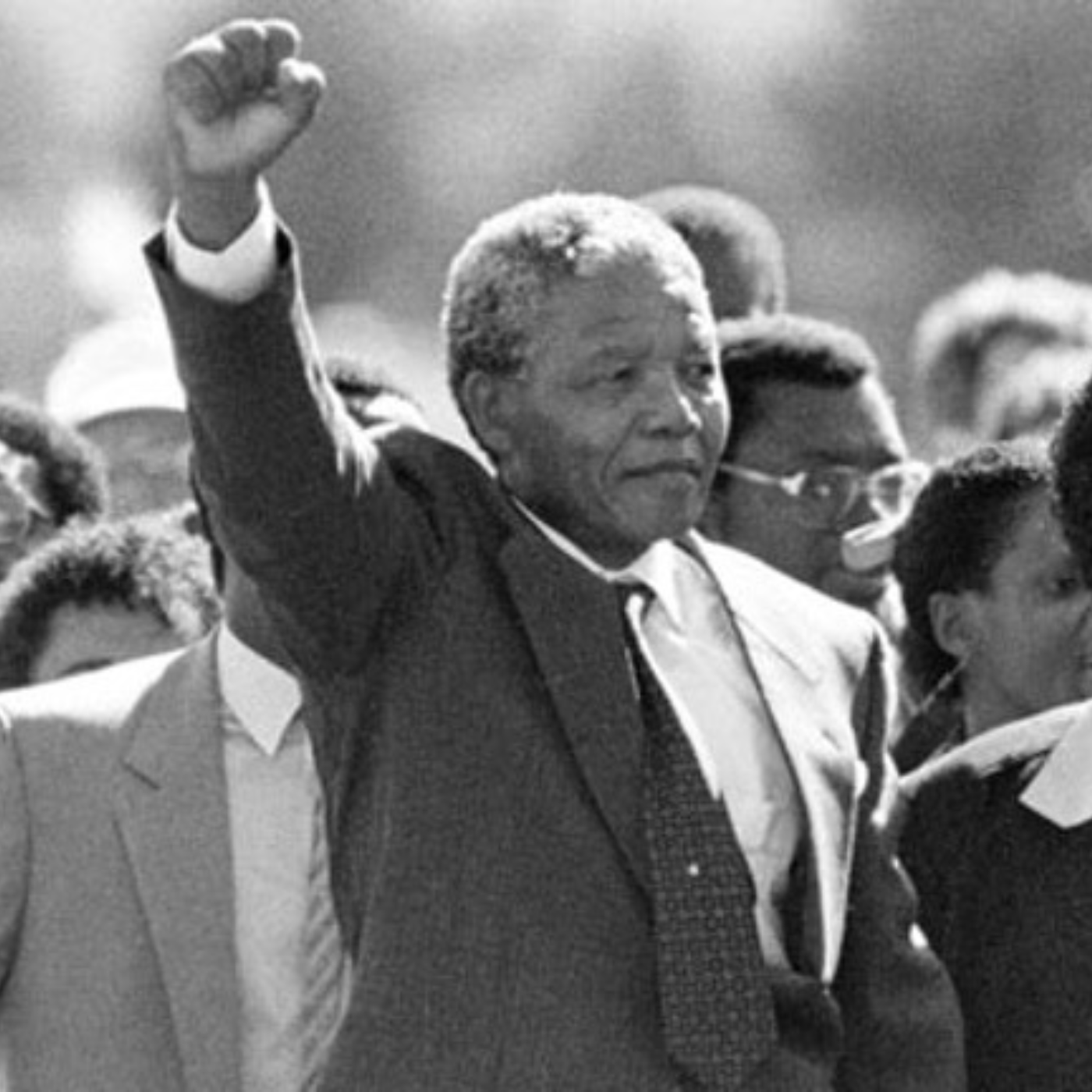
Mandela's Election: 30 Years Later
This month marks 30 years since Nelson Mandela became South Africa's first democratically elected president. However, the story of Mandela's rise to the presidency isn't all that simple. The four years between Mandela’s release from prison and his election to the presidency were some of the most violent in South Africa's history. That's the story you'll hear this week, as we revisit one o

Working, Then and Now
50 years ago, radio broadcaster Studs Terkel published a book called WORKING: People Talk About What They Do All Day, and How They Feel About What They Do. Terkel went around the country with a tape recorder and had conversations with ordinary Americans about their jobs and their reflections on them. The book ended up being an unexpected bestseller. For a long time, the recordings of thes
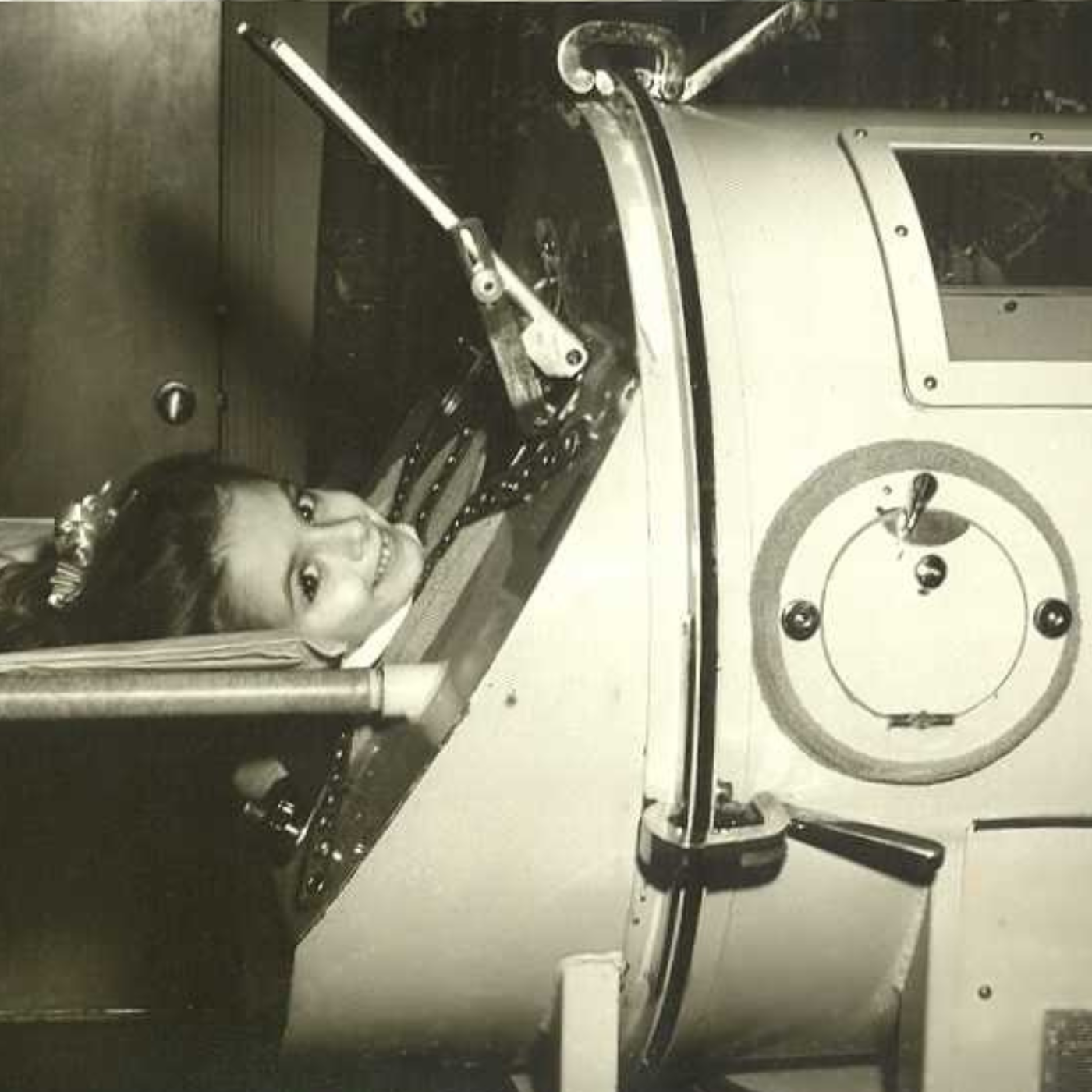
My Iron Lung (Revisited)
Paul Alexander, one of two people in the U.S. still relying on an iron lung to survive, died on March 11, 2024 at the age of 78. Paul contracted polio in 1952 at six years old, and has had to rely on an iron lung — a big metal ventilator that encases the body from the neck to toes — since then. We spoke to Paul a few years ago about his life and the lessons he’s learned from living under

My So-Called Lungs (Revisited)
We’re revisiting one of our favorite stories from years ago — with a new twist. Laura Rothenberg spent most of her life knowing she would die young. She had cystic fibrosis, a genetic disorder that affects the lungs. She documented her life in an audio diary, showing her attempt to live the normal life of a nineteen year old college student. Laura died in 2003 — but her audio diary wasn’t
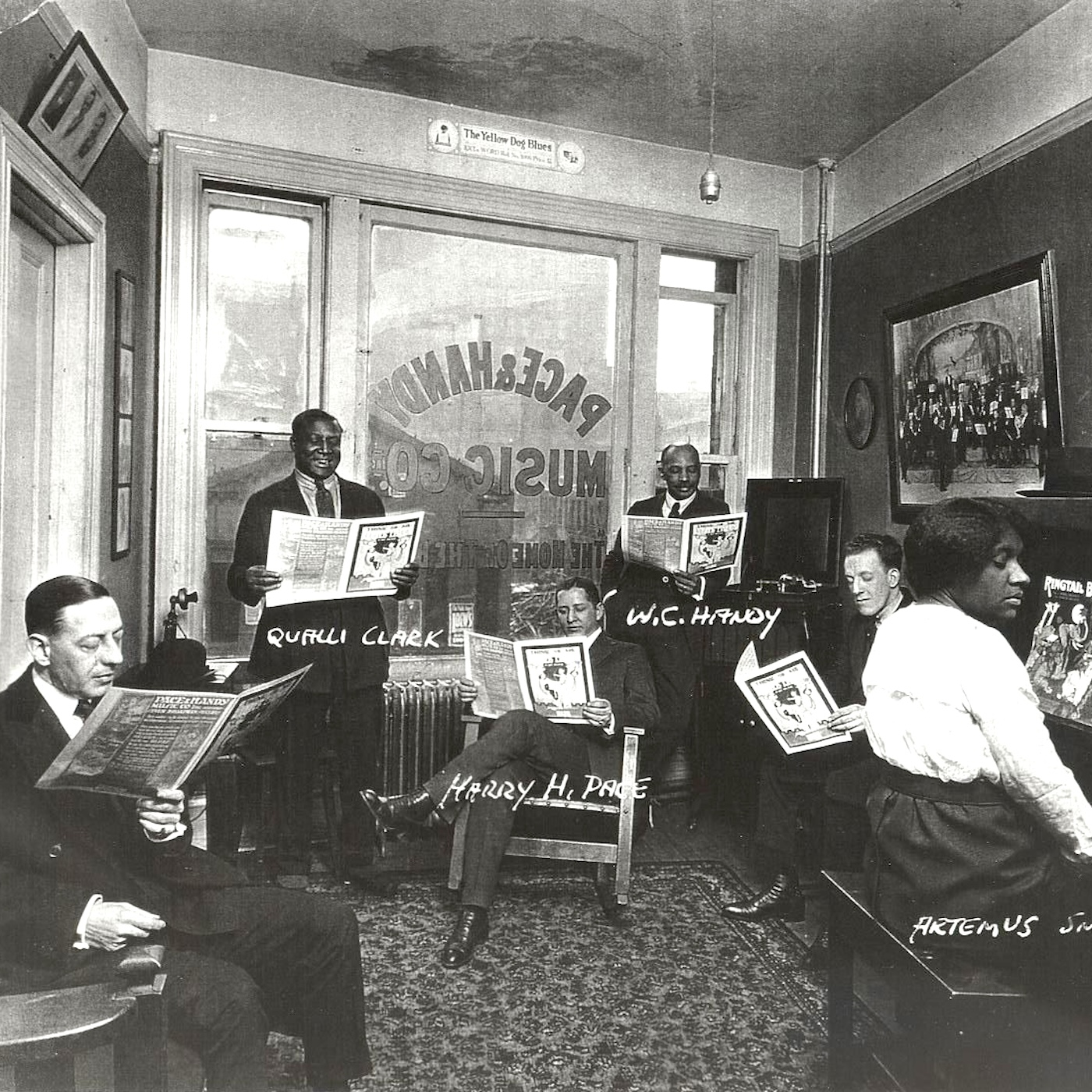
The Rise and Fall of Black Swan Records
In 1921, a man named Harry Pace started the first major Black-owned record company in the United States. He called it Black Swan Records.
In an era when few Black musicians were recorded, the company was revolutionary. It launched the careers of Ethel Waters, Fletcher Henderson, William Grant Still, and Alberta Hunter, artists who transformed American music.
But Black Swan’s success wou
Guest Spotlight: Parakeet Panic
This week, we’re featuring an episode of a podcast we’re big fans of: The Last Archive! The Last Archive tells little known histories and how they affect our modern lives. Today’s story, “Parakeet Panic,” explores when invasive parakeets began to spread in New York City in the 1970s — and the government decided that the solution was to kill them all.
If you liked this episode, you can li

The Drum Also Waltzes
At the age of 16, he played with the Duke Ellington Orchestra. He went on to make landmark recordings with Charlie Parker, Dizzy Gillespie and Thelonious Monk. He’s considered one of the most important drummers in history — and he would’ve turned 100 years old this week.
Max Roach: The Drum Also Waltzes is a new film about the musician by award-winning filmmakers Sam Pollard and (our ver
The Unmarked Graveyard: Live at WNYC
We bring you a lot of stories each year, but we don’t often get to share the work behind them. We recently held an event at WNYC’s The Greene Space in New York City, where our subjects and producers reflected on the challenges, and joys, of telling these untold stories. For the last podcast of the year, we’re bringing you that live show: a behind the scenes look at The Unmarked Graveyard.
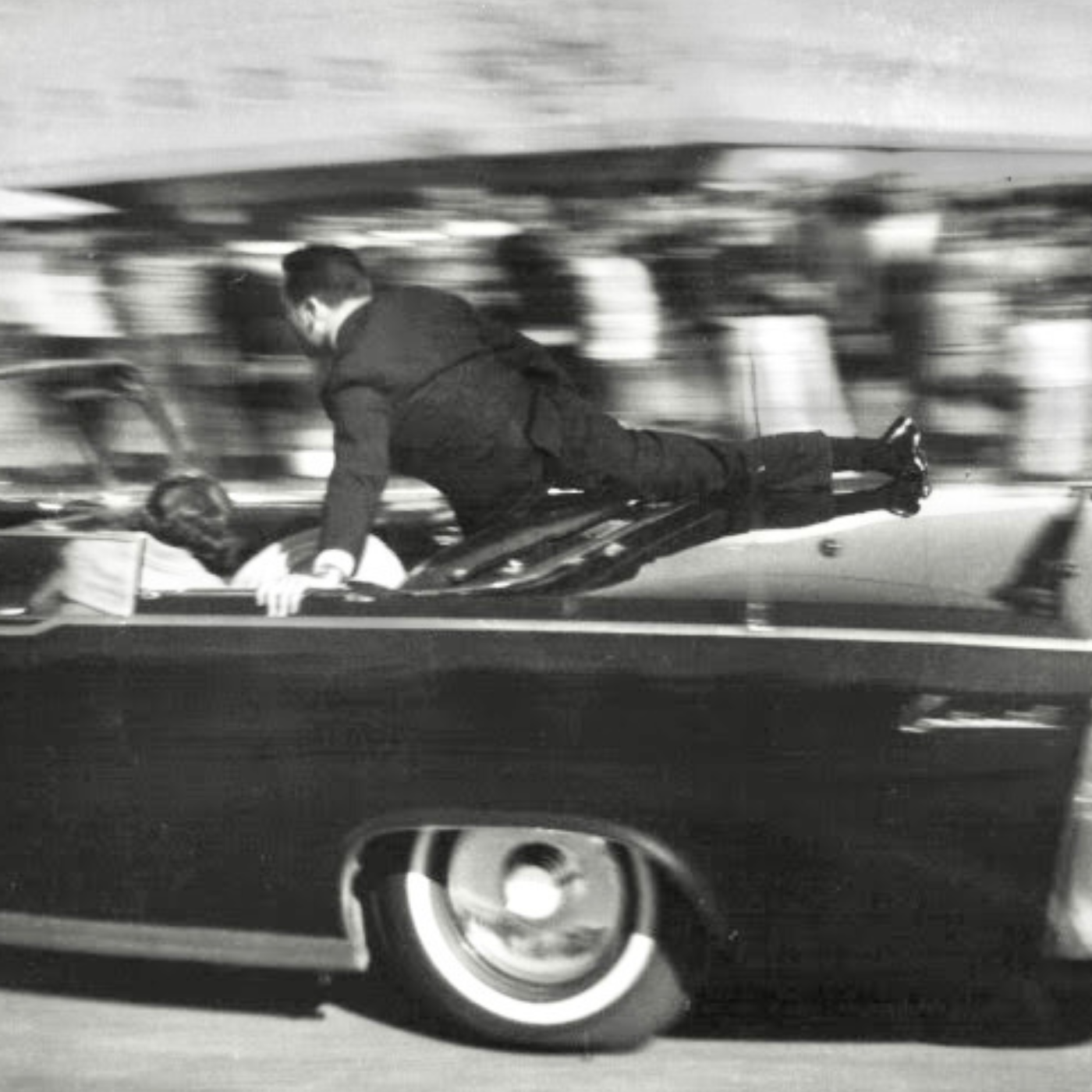
The Man on the President's Limo
Today marks 60 years since the assassination of President John F. Kennedy. There are many photos from that day in 1963, but one image in particular caught people’s attention, spreading in newspapers across the country: a photo of a Secret Service agent jumping onto the back of the presidential limousine during the shooting. Today on the podcast, the story of the man in that photo: Clint H
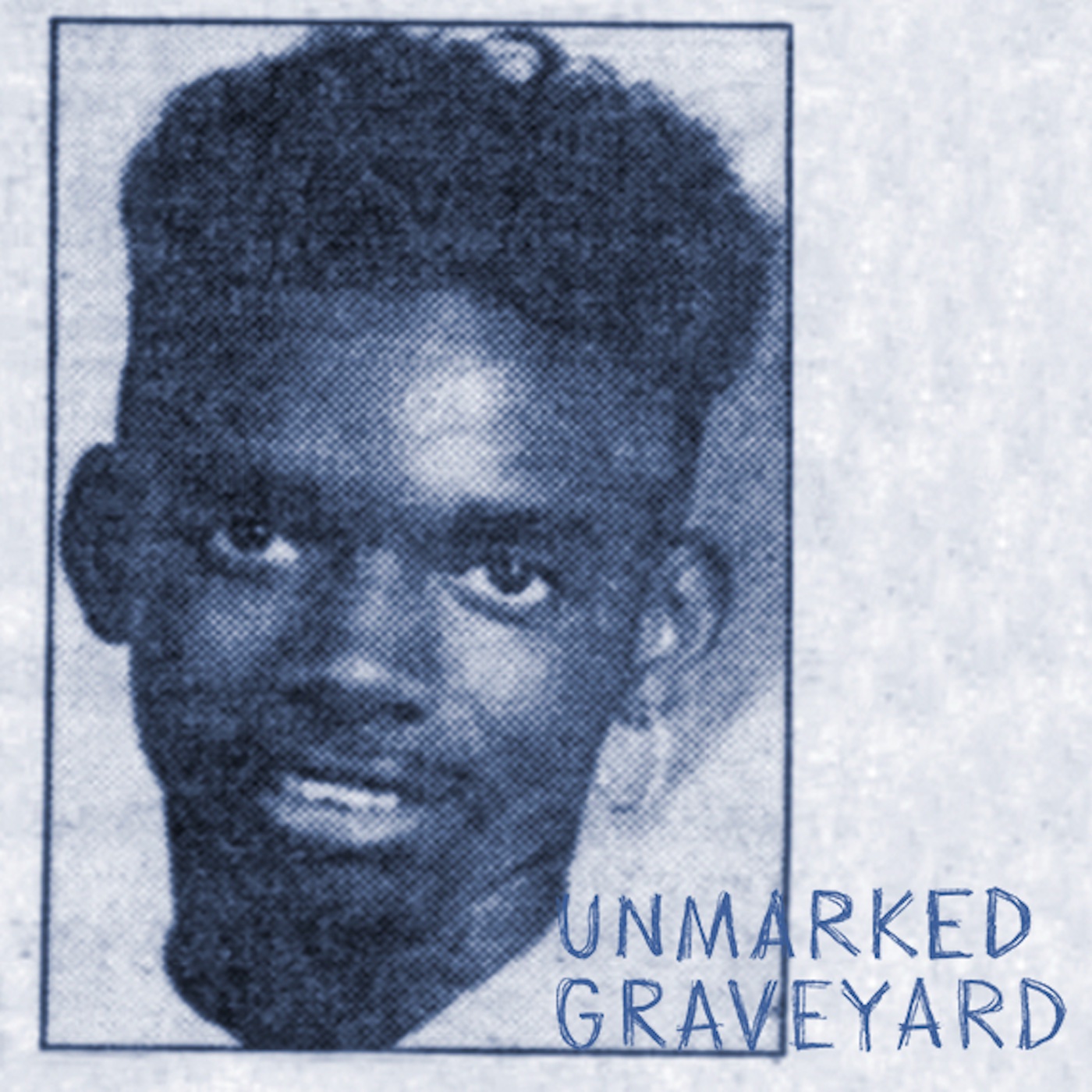
The Unmarked Graveyard: LaMont Dottin
Back in 1995, LaMont Dottin was 21 years old and a freshman at Queens College when, one evening, he didn’t come home.
His mother went to the local police precinct to try to report him missing, and his name was added to a list of thousands of cases that the NYPD’s Missing Persons Squad was supposed to be investigating. Then his case fell through the cracks.
This is the final episode of T
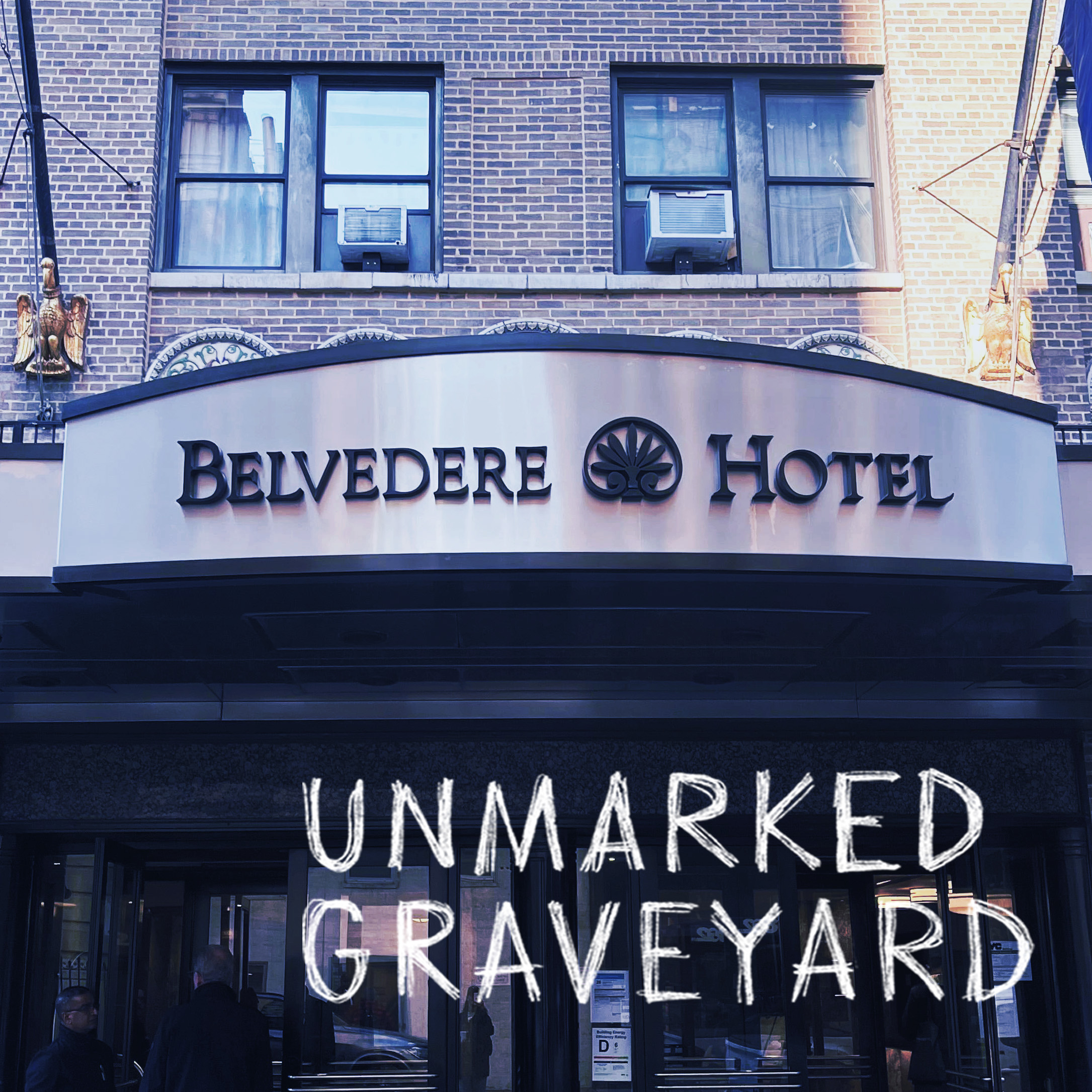
The Unmarked Graveyard: Hisako Hasegawa
The Belvedere Hotel is in the heart of New York City’s theater district. Many of its guests come to see the sights, take in a show. But there are a few dozen people who call the Belvedere home. Decades ago, they came to New York and rented rooms there. As the hotel changed hands over the years, they never left.
One of them was Hisako Hasegawa.
This is episode seven of our series The Un
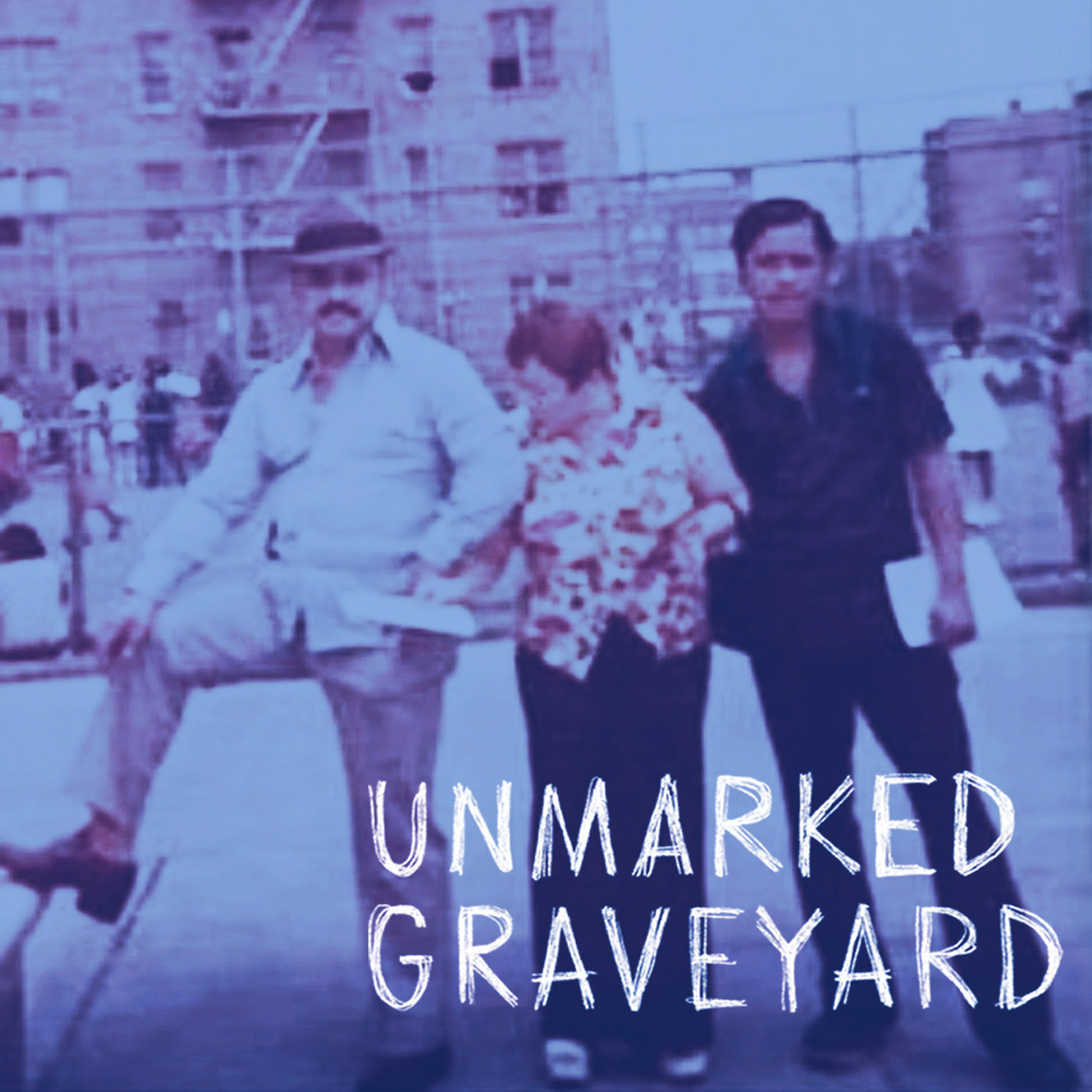
The Unmarked Graveyard: Cesar Irizarry
Angel Irizarry spent years working as a detective, and in 2021 he set out on a personal investigation to track down an uncle who’d been estranged from his family for decades.
But early in his search he made a disappointing discovery: his uncle Cesar had died. So Angel embarked on a new quest, to learn what had become of Cesar during his long absence.
This is episode six of our series Th
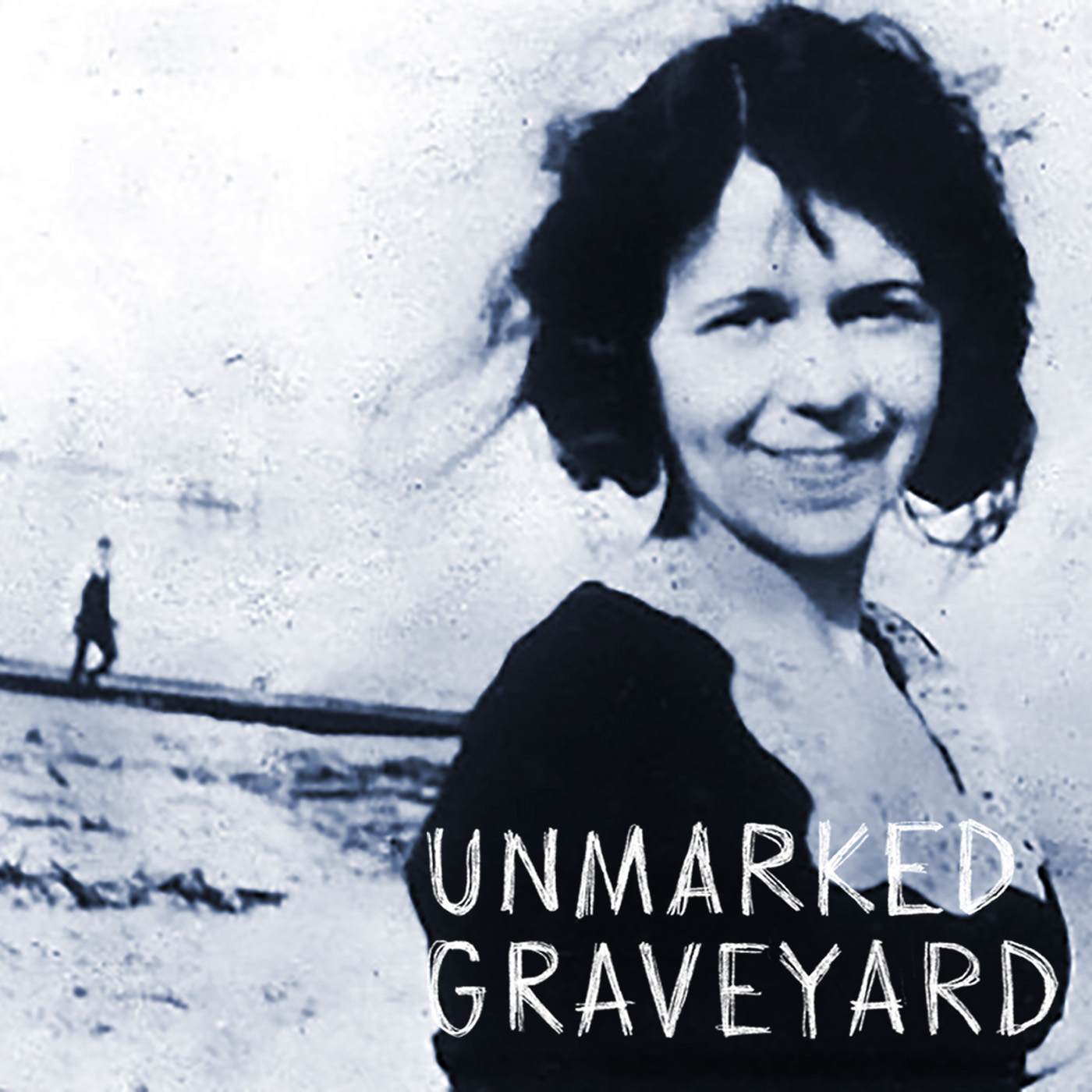
The Unmarked Graveyard: Dawn Powell
Dawn Powell wrote novels about people like herself: outsiders who’d come to New York City in the early twentieth century to make a name for themselves. For a few years, those novels put her at the center of the city’s literary scene. Ernest Hemingway even called her his favorite living writer.
When she died of colon cancer in 1965, Powell donated her body to science. But then her books
The Unmarked Graveyard: Documenting an Invisible Island
For more than a century, it was almost impossible to find out much about people buried on Hart Island. But in 2008, that all changed — thanks in large part to a woman named Melinda Hunt.
Melinda is a visual artist who has spent more than 30 years documenting America’s largest public cemetery, and advocating for families with loved ones buried there. She is the founder of The Hart Island
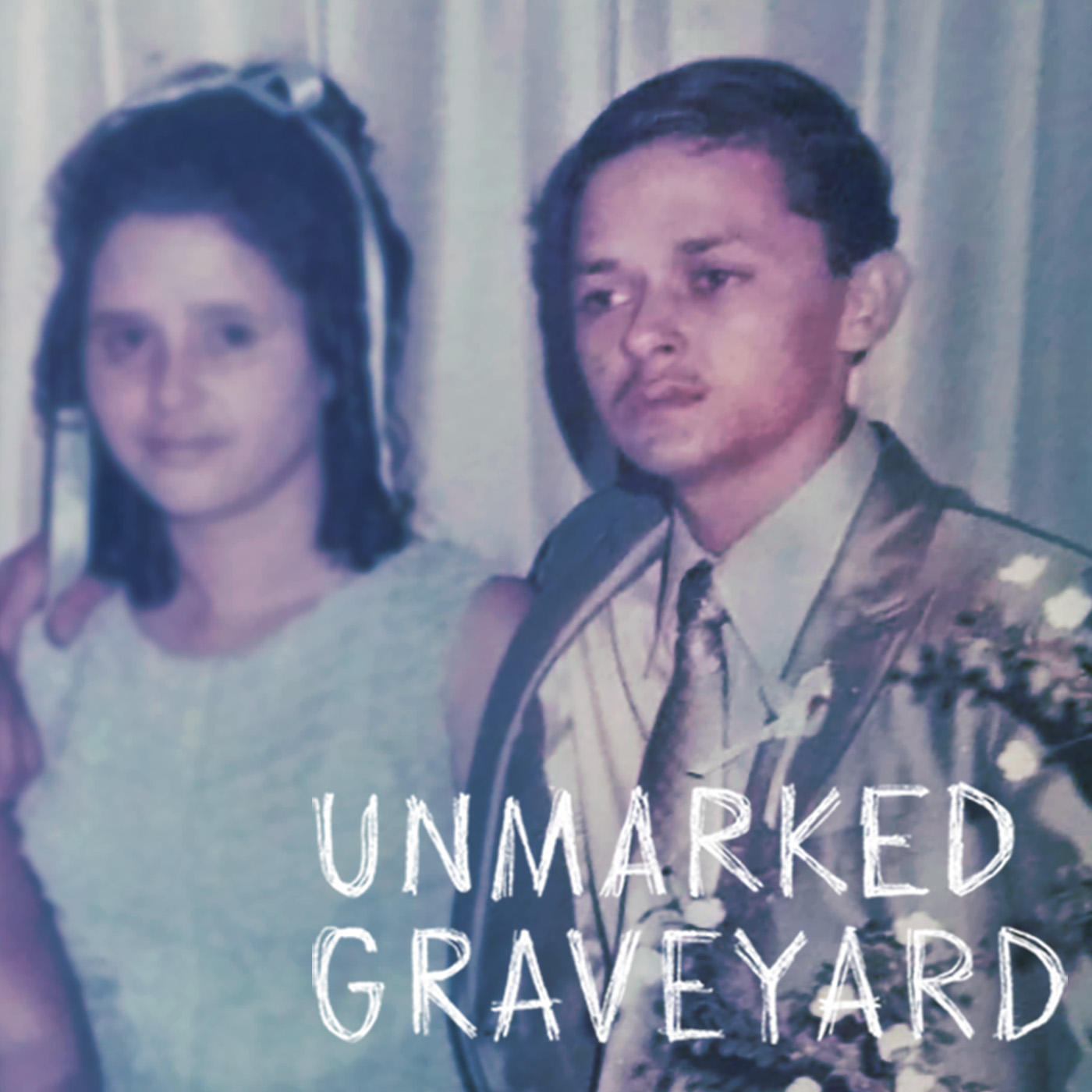
The Unmarked Graveyard: Angel Garcia
When Annette Vega was in elementary school, she found out the man she called “dad” wasn’t her biological father. But all she knew was that her mom had had a teenage romance with a guy named Angel Garcia. Annette has searched for Angel for more than 30 years, a search that is finally coming to the end.
This is episode three in our series The Unmarked Graveyard, untangling mysteries from A
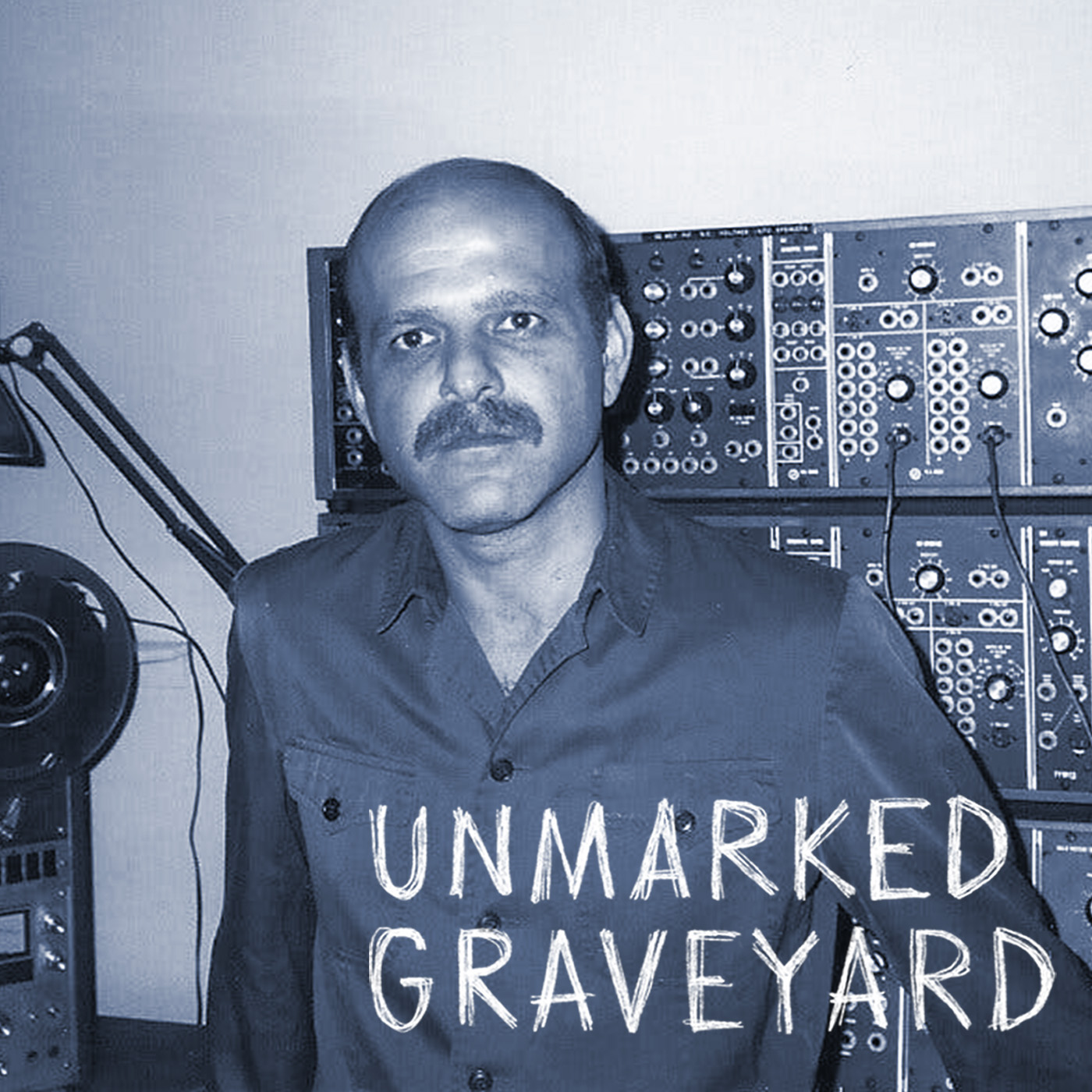
The Unmarked Graveyard: Noah Creshevsky
When Noah Creshevsky learned he was dying of bladder cancer two years ago, he decided to decline medical treatment. Soon, he and his husband David were faced with another decision: what would become of his body after he died?
This is episode two in our new series The Unmarked Graveyard, untangling mysteries from America’s largest public cemetery. Each week, we’re bringing you stories of
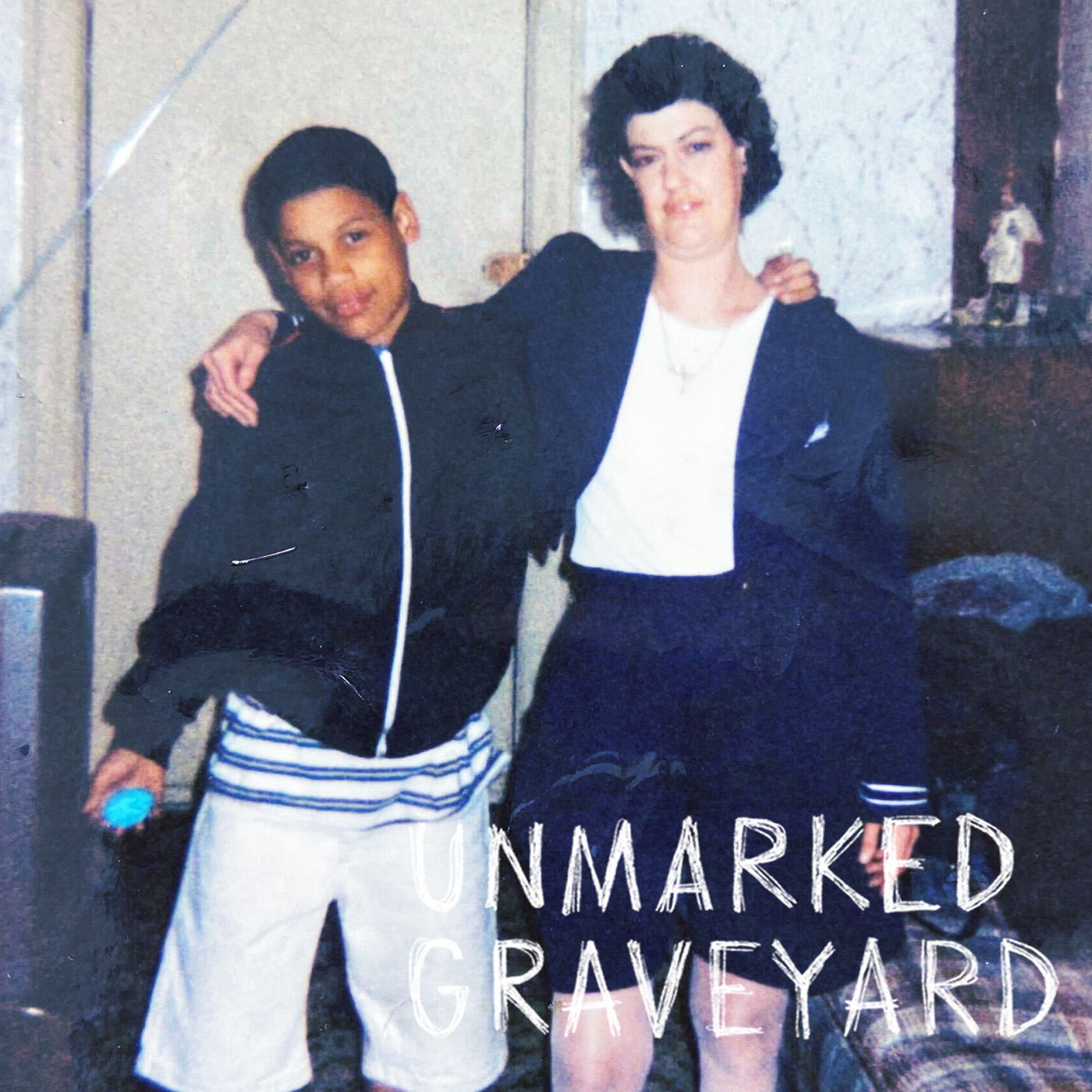
The Unmarked Graveyard: Neil Harris Jr.
A few years ago, a young man who called himself Stephen became a fixture in Manhattan’s Riverside Park. Locals started noticing him sitting on the same park bench day after day. He said little and asked for nothing.
When Stephen’s body was found in 2017, the police were unable to identify him, and he was buried on Hart Island. Then, one day, a woman who knew him from the park stumbled up
TRAILER: The Unmarked Graveyard
On September 28th, we’re launching a new series: The Unmarked Graveyard: Stories from Hart Island.
Hart Island is America’s largest public cemetery—sometimes known as a “potter’s field.” The island has no headstones or plaques, just numbered markers.
More than a million people are buried on Hart Island and many are shrouded in anonymity. Explanations for how they ended up there can be h

The Longest Game
In the spring of 1981, the Pawtucket Red Sox and the Rochester Red Wings met for a minor league baseball game of little importance. But over the course of 33 innings – 8 hours and 25 minutes – the game made history. It was the longest professional baseball game ever played. This story was produced in collaboration with ESPN's 30 for 30.
Learn about your ad choices: dovetail.prx.org/ad-ch
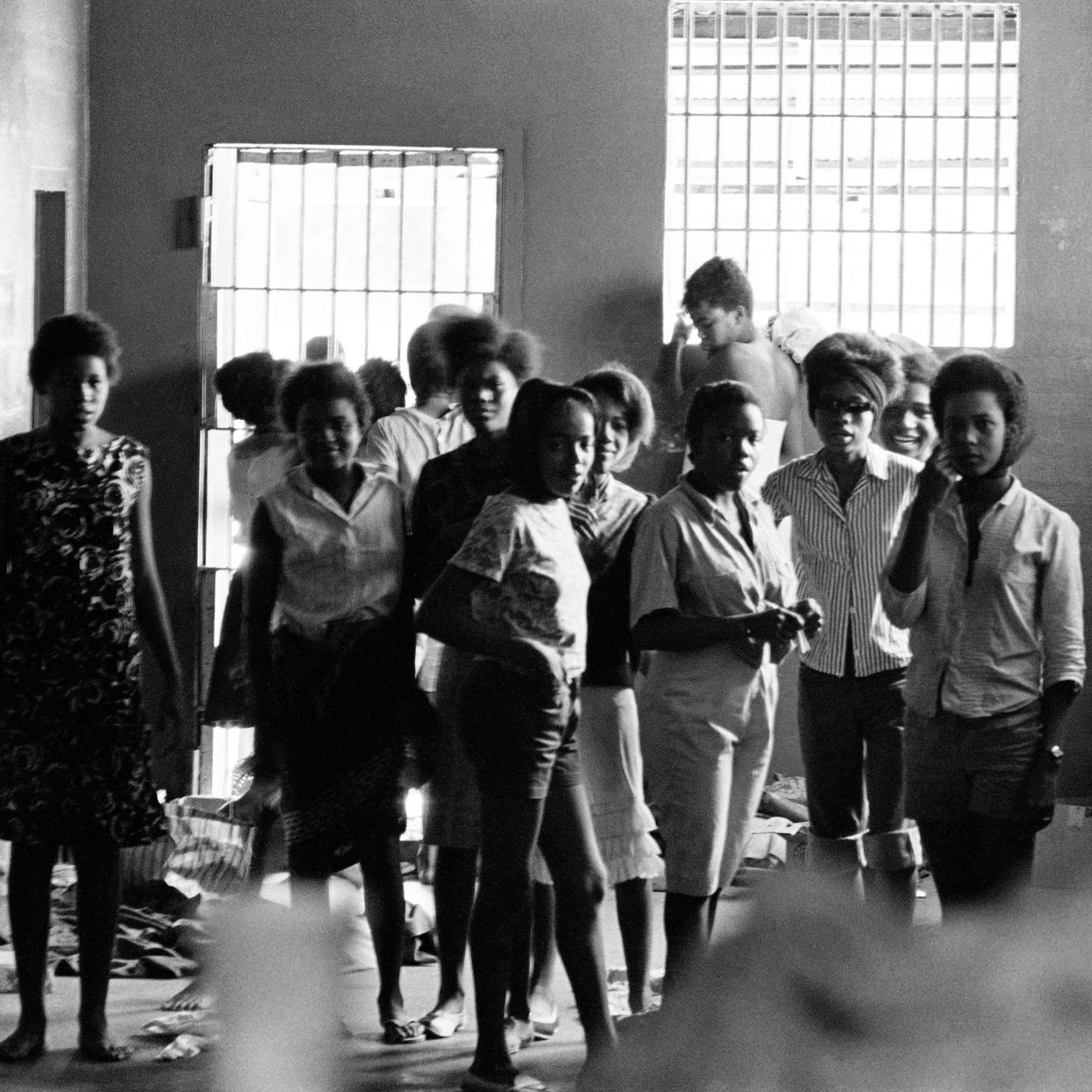
The Girls of the Leesburg Stockade
On July 19, 1963, at least 15 Black girls were arrested while marching to protest segregation in Americus, Georgia. After spending a night in jail, they were transferred to the one-room Leesburg Stockade and imprisoned for the next 45 days.
Only twenty miles away, the girls’ parents had no knowledge of their location. A month into their confinement, the Student Nonviolent Coordinating Co
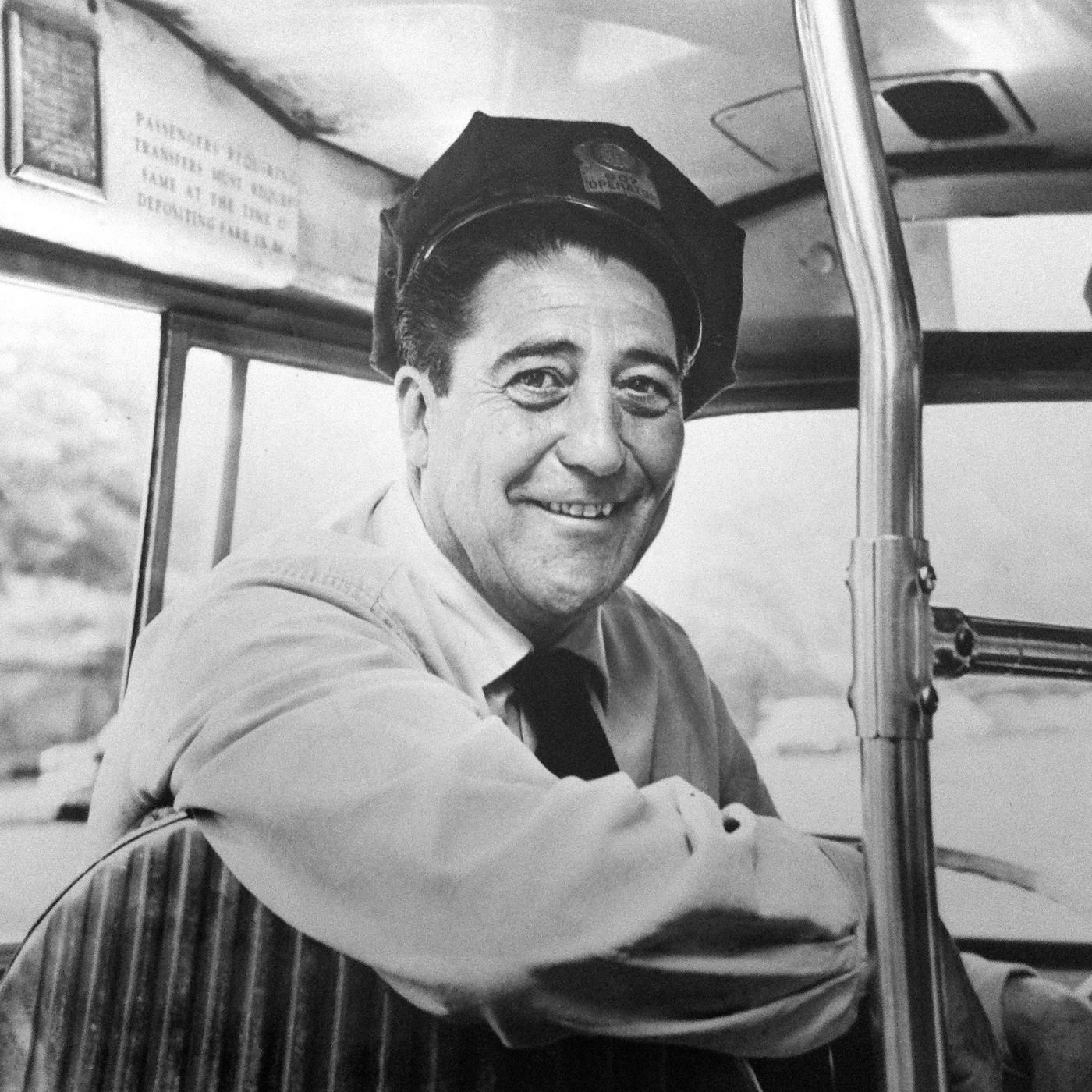
Busman's Holiday
One day in 1947, NYC bus driver William Cimillo showed up to his daily bus route, but instead of turning right, he turned left. Over the next week, he traveled 1,300 miles in his municipal bus, ending up in Hollywood, Florida. The bus had broken down, he’d run out of money, and had no way of getting home. Plus, he was now the most wanted bus driver in the country.
This story originally a
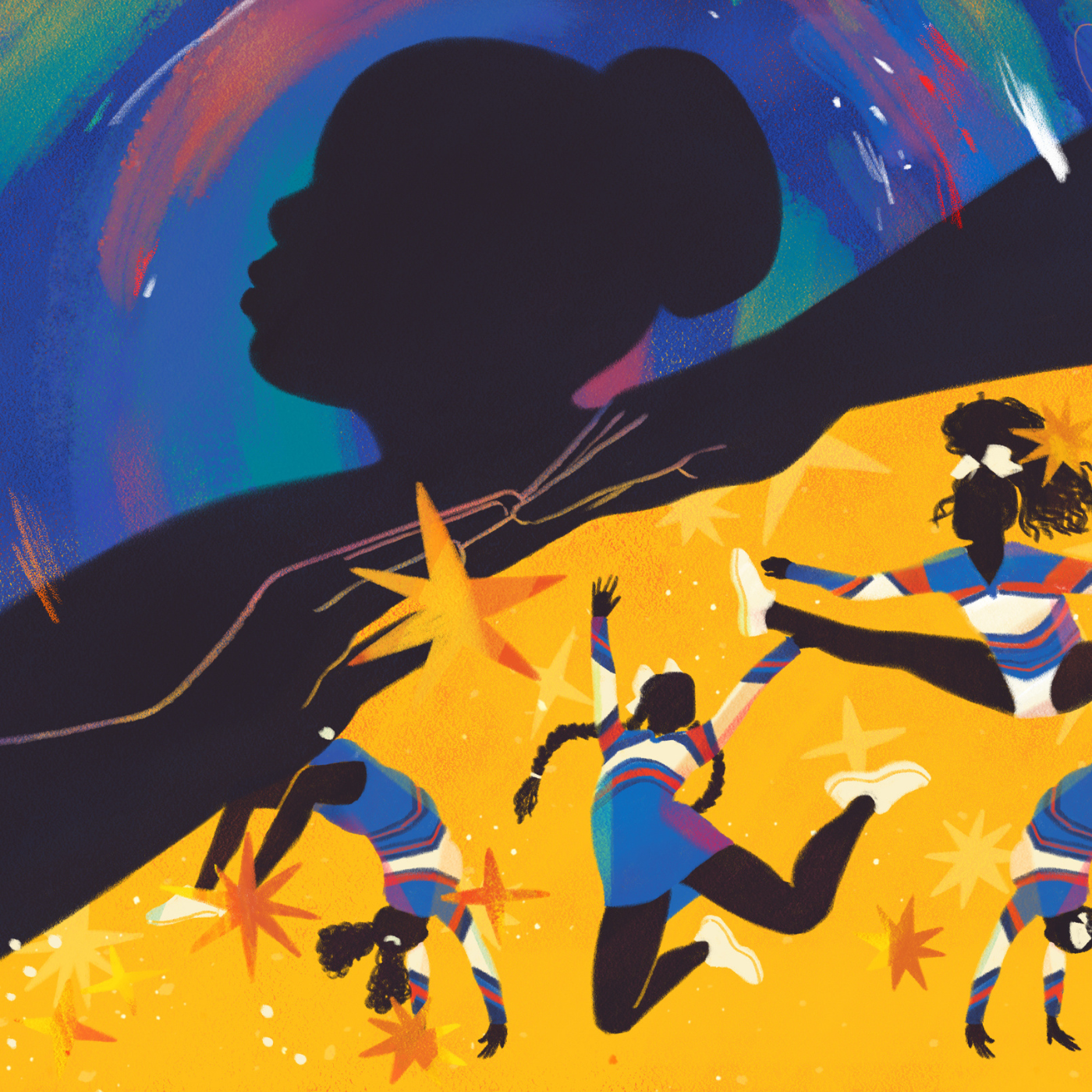
Guest Spotlight: Buffalo Extreme
This week we’re featuring a story from NPR’s Embedded podcast. It’s the first episode in a new series called Buffalo Extreme, which follows a cheer team from Buffalo, New York, during the year after a racist mass shooting in their neighborhood.
On May 14, 2022, the world changed for residents of Buffalo when a white man approached the Jefferson Street Tops supermarket and started shootin
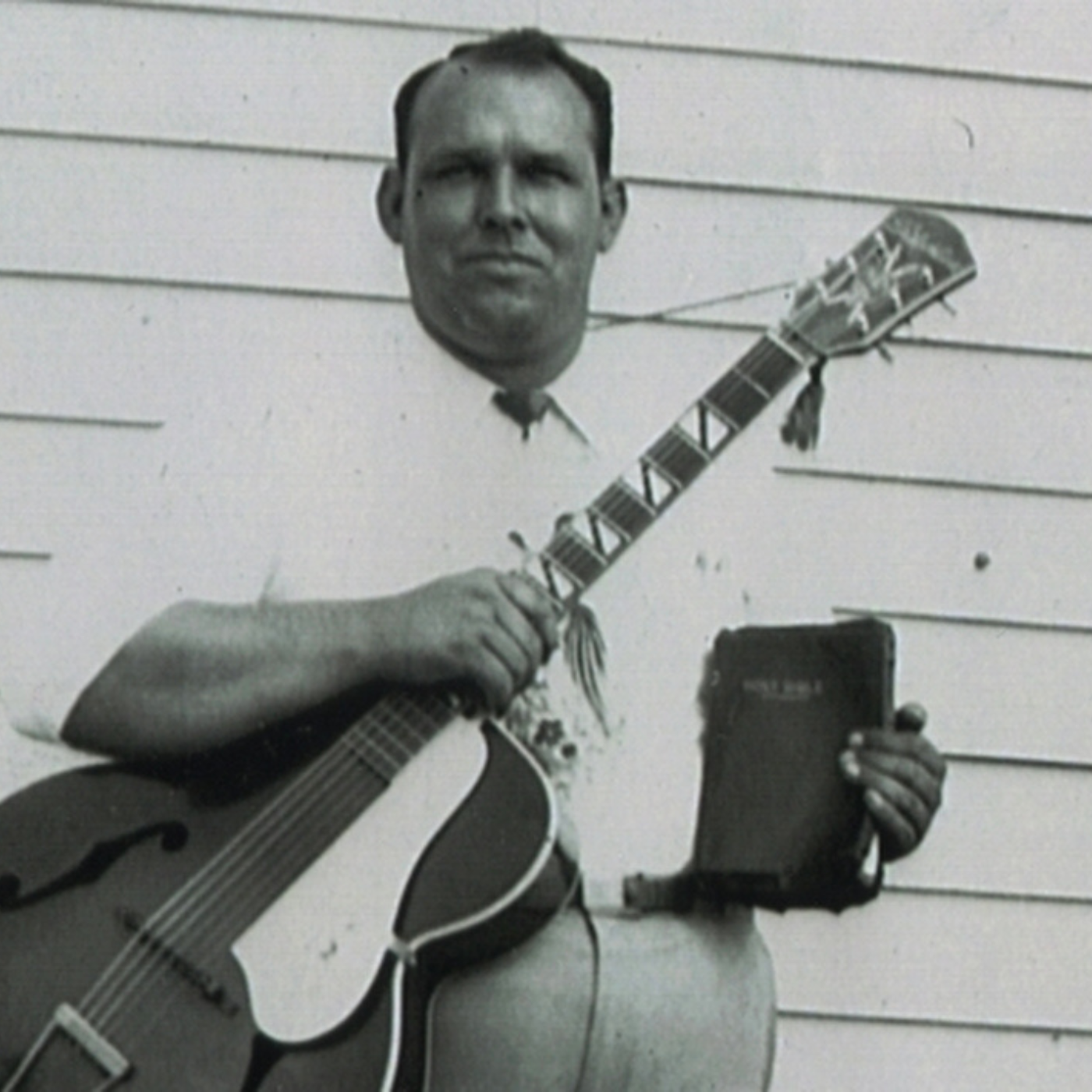
The Gospel Ranger
This is the story of a song, “Ain’t No Grave Gonna Hold My Body Down.” It was written by a 12-year-old boy on what was supposed to be his deathbed. But the boy didn’t die. Instead, he went on to become a Pentecostal preacher, and later helped inspire the birth of Rock & Roll.
The boy’s name was Brother Claude Ely, and he was known as The Gospel Ranger.
Learn about your ad choices: d

The Longest Game
In the spring of 1981, the Pawtucket Red Sox and the Rochester Red Wings met for a minor league baseball game of little importance. But over the course of 33 innings – 8 hours and 25 minutes – the game made history. It was the longest professional baseball game ever played. This is an excerpt of a story in collaboration with ESPN's 30 for 30.
If you liked this episode, vote for us in the
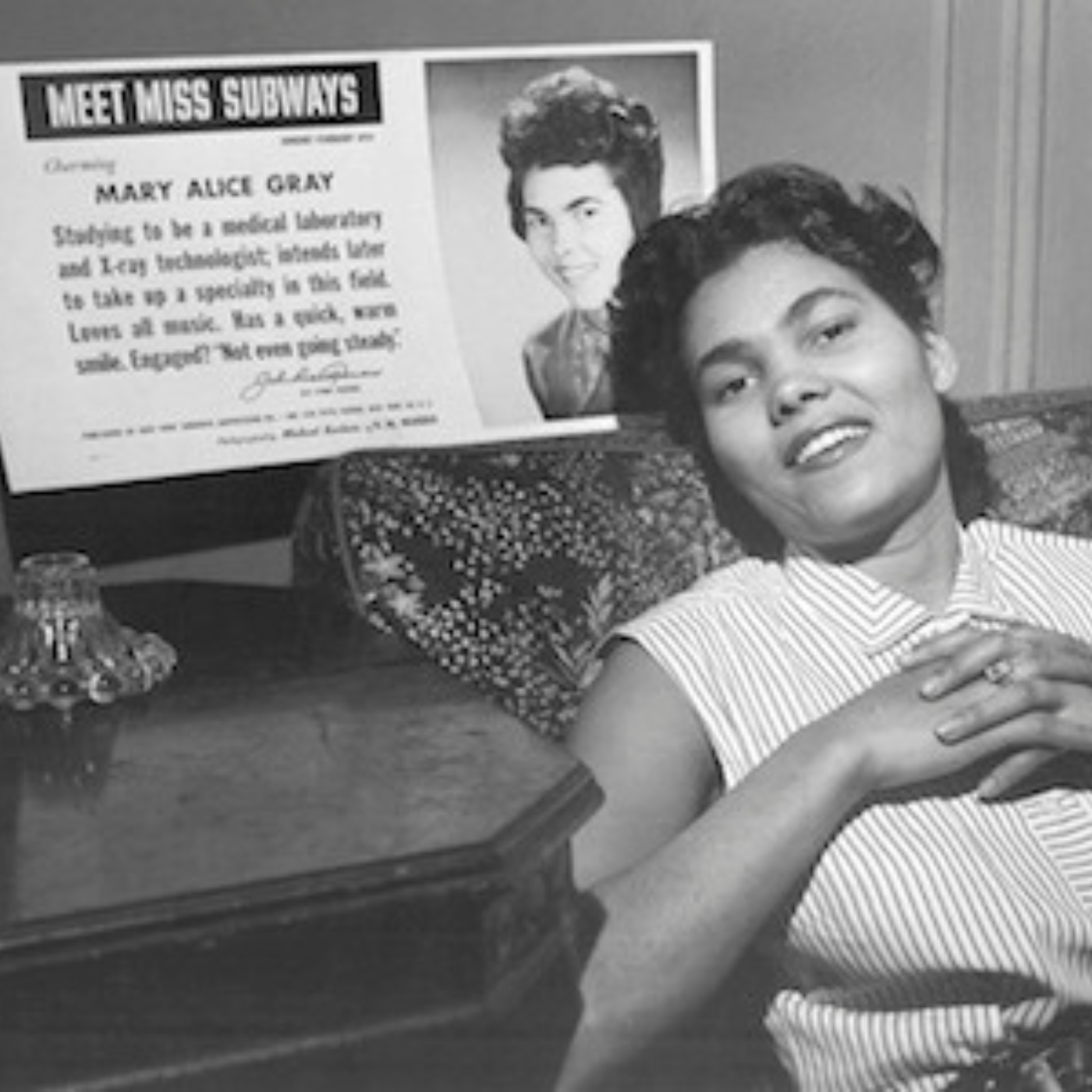
Meet Miss Subways
Beauty pageants promote the fantasy of the ideal woman. But for 35 years, one contest in New York City celebrated the everyday working girl.
Each month starting in 1941, a young woman was elected “Miss Subways,” and her face gazed down on transit riders as they rode through the city. Her photo was accompanied by a short bio describing her hopes, dreams and aspirations. The public got to
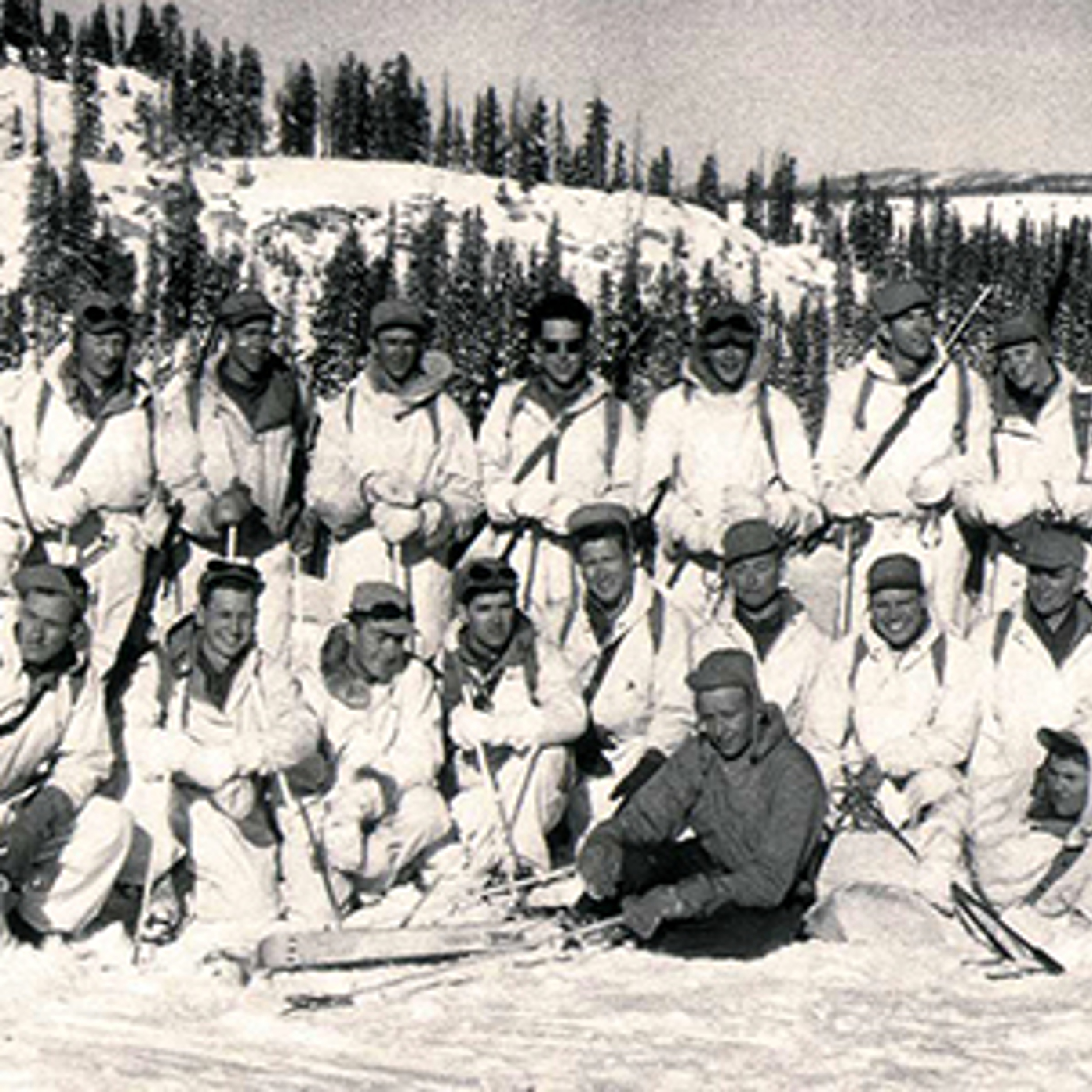
The Ski Troops of WWII
This week we’re bringing you a story about the 10th Mountain Division, a World War II military experiment to train skiers and climbers to fight in the mountains. The men of the 10th led a series of daring assaults against the German army in the mountains of Italy. Though the division fought in WWII for only four months, it had one of the highest casualty rates of the war.
After they retu
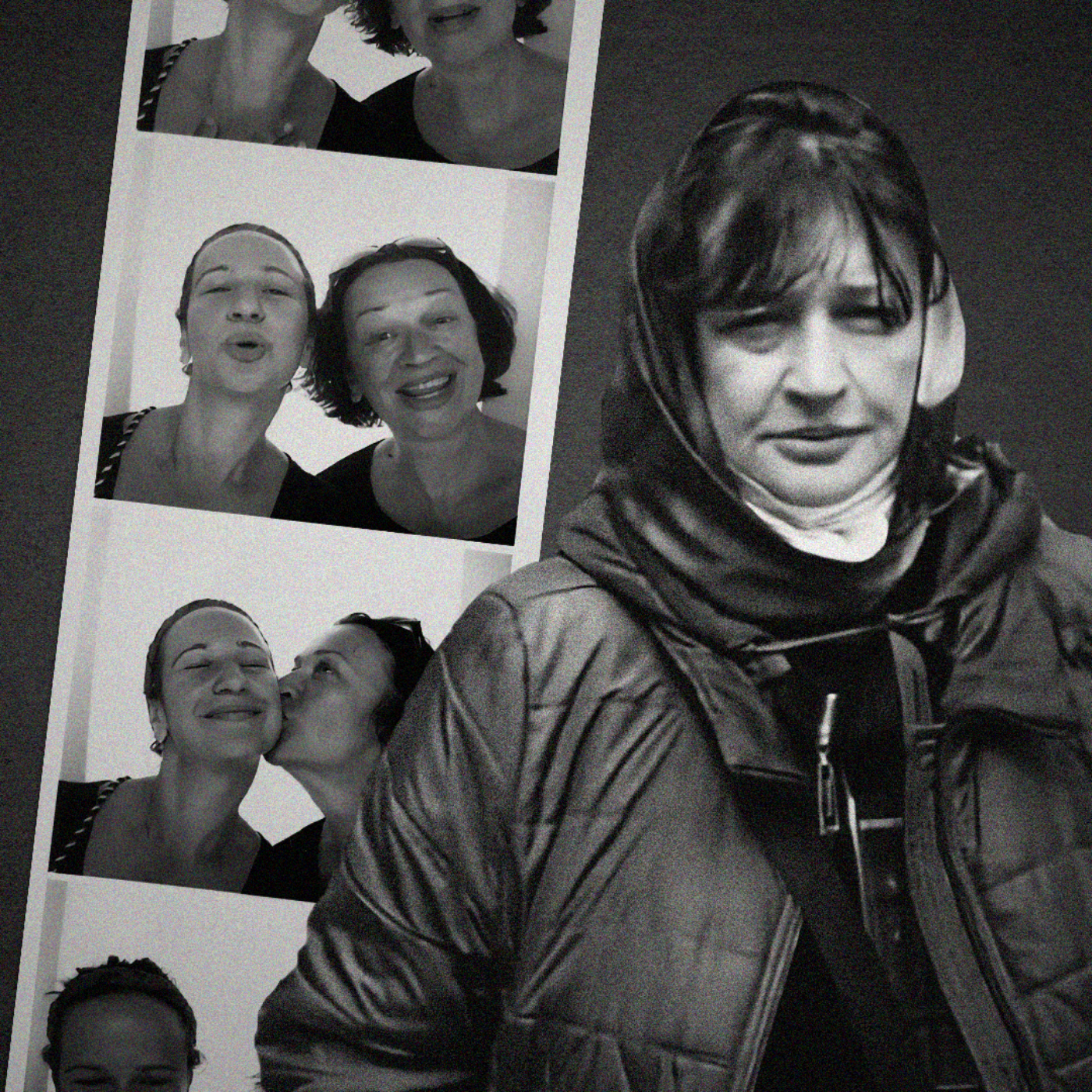
Sofia's Choice: A Ukrainian Diary, One Year Later
Sofia Bretl has lived in New York City for the last decade. But she was born and raised in the Ukrainian city of Kharkiv, about 25 miles from the Russian border. The city has received some of the worst shelling so far in the war. That’s where her mother lived when war broke out. As conditions in Kharkiv worsened, they faced a difficult choice.
Music in today’s episode includes the Ukrai

Living with Dying
On Valentine’s Day 2020, Peter Fodera’s heart broke. It stopped working. He collapsed in the middle of teaching a dance class. Someone performed CPR, someone called an ambulance. EMT’s showed up and he lay motionless. Many people in the class thought they had just witnessed the death of their favorite teacher. But later at the hospital, Peter’s heart started beating again. On the annivers

The Rise and Fall of Black Swan Records
In 1921, a man named Harry Pace started the first major Black-owned record company in the United States. He called it Black Swan Records.
In an era when few Black musicians were recorded, the company was revolutionary. It launched the careers of Ethel Waters, Fletcher Henderson, William Grant Still, Alberta Hunter, and other influential artists who transformed American music.
But Black
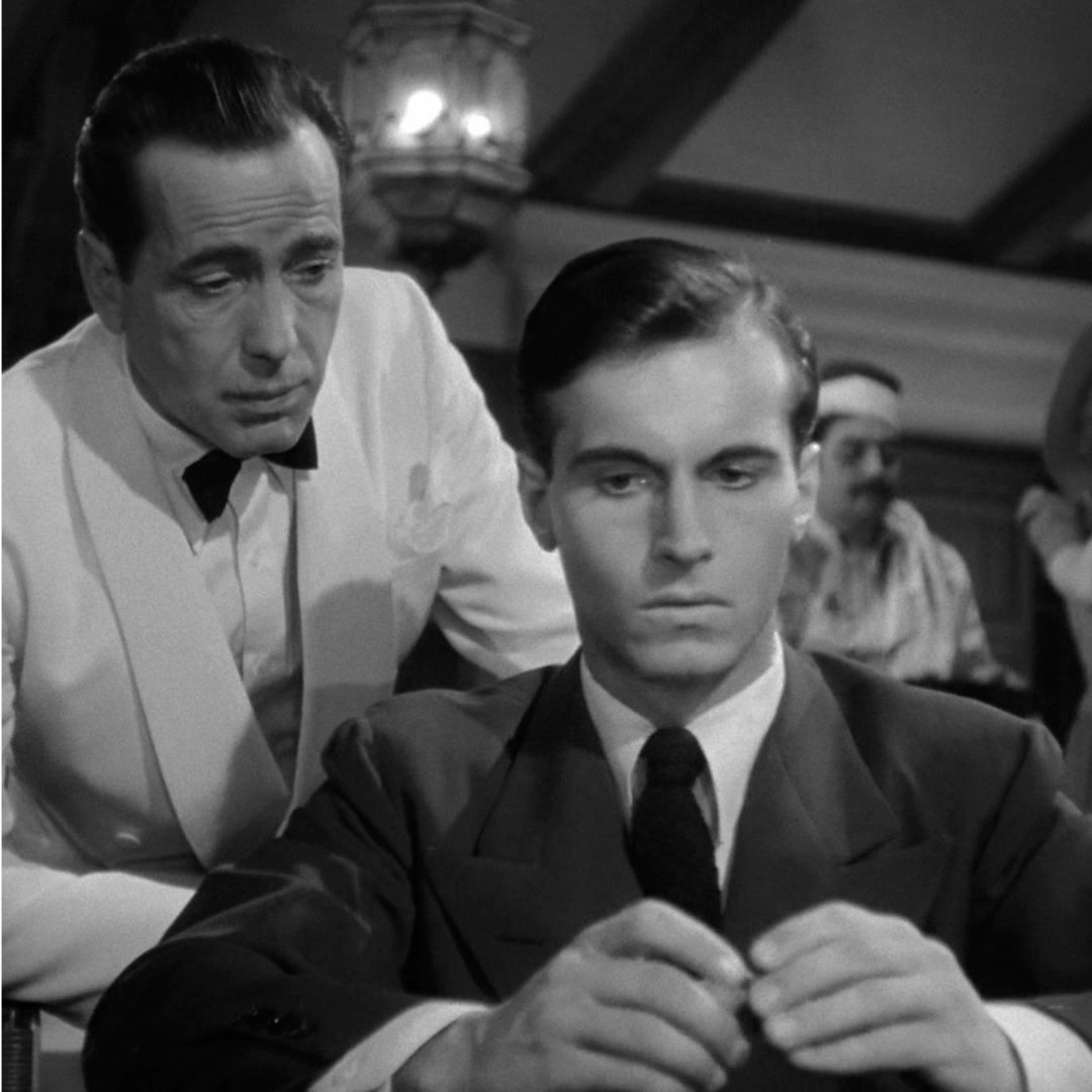
The Real Refugees of Casablanca
It’s been 80 years since the release of the Hollywood classic, Casablanca. When the film opened in 1943—just a year after the U.S. joined World War II—audiences were thrilled by its love story. Humphrey Bogart stars as the cynical owner of Rick’s Café, a nightclub in Morocco. Ingrid Bergman plays his old flame Ilsa, who’s married to a dashing Resistance leader hunted by the Nazis.
Many o
Recommended

Stand In The Circle

SLOW ENGLISH PODCAST (A1-A2) With Subtitles | Daily Videos | English With Us Podcast

Learn English A2 with Daily News | Simple English Listening Practice

پلی لیست | PlayList

Conspiracy Files with Paige Carter

Bad Friends

Learn 50 English Phrases While You Sleep | Everyday English Phrases & Vocabulary
This Past Weekend w/ Theo Von
Dateline NBC

Back to the 80s Radio

Crime Stories with Nancy Grace

Bible Tea
