The Wes Cecil Podcast
The Wes Cecil Podcast offers accessible lectures on philosophy and the world of ideas, aimed at providing a foundation for further reading and thought. Host Wes Cecil, who holds a PhD in Literature and Philosophy and has over 20 years of college teaching experience, explores various topics and thinkers to help listeners develop their own understanding. The podcast seeks to remove barriers that prevent many from engaging with the lives and thoughts of great thinkers.
Episodes
Q & A - American Individualism - Ep. 6
Q & A - AMERICAN INDIVIDUALISMWes and Jeremy take questions from listeners on Lecture III: American IndividualismSign-up for Wes’s PATREON to get your questions answered by Wes!Plus, gain access to course materials, reading lists, bonus lectures, and Wes’s weekly diaries from France. Only $2 / month. Hosted on Acast. See acast.com/privacy for more information.

The Joy of Resistance: Ep. 6 - Subjects of History
Camus’ critique of Romanticism is grounded in a belief in the contingency of human existence. We are not isolated heroes who can, or perhaps cannot, utterly transform the world. We are limited humans living in an environment shaped by forces beyond our control or even comprehension. As such, we can at best attempt to resist according to our own sense of joy while keeping our communities in mind. H
Taoism: Ep. 14 - The Problem is Other People
Chapter 14 of Chuan Tzu presents a Taoist reflection on perhaps the single vexing problem in our lives - the other people. Taoism argues for a natural approach to other people that will remove us from the shackles of expectations, obligations, and unnatural modes of reciprocal behavior. Chuang Tzu acknowledges the difficulty, yet it remains necessary to address this central problem if we are to ha
American Individualism - Ep. 5
AMERICAN INDIVIDUALISM:This lecture explores the evolution of the American conception of the individual and why it has become so dominant within American culture. Devoid of a deep history and often in strange surroundings with strange people, many Americans have, for generations, felt thrust out on their own. What for most societies was considered a severe punishment - banishment - became, in Amer

The Joy of Resistance: Ep. 5 - Imaginations Under Siege
Following on last episode's discussion of the philosophical critiques of how commoditization influences our world, I thought it would be worth taking a moment to reflect in a concrete fashion on how our imaginations are used against us to distort the world and colonize our subconscious. I’ve been a bit heavy with the references so I thought I’d save a few up for next time. Join Wes on Patreon
Taoism: Ep. 13 - Taoism and Pleasure
What rises in the Taoist tradition when one is tranquil is pleasure. This simple idea is almost universally ignored or obscured in the Taoist tradition - yet it is central to both the literate and folk tradition. Living in accordance with the Tao is living with pleasure.Join Wes on Patreon for a deeper dive into the ideas we explore on the podcast. It’s a space for lifelong learners — with bonus l
Q & A - No History for You! - Ep. 4
Q & A - NO HISTORY FOR YOU! Wes and Jeremy take questions from listeners on Lecture II: No History for You!Sign-up for Wes’s PATREON to get your questions answered by Wes!Plus, gain access to course materials, reading lists, bonus lectures, and Wes’s weekly diaries from France. Only $2 / month. Hosted on Acast. See acast.com/privacy for more information.

The Joy of Resistance: Ep. 4 - Sign Value and Recuperation
One of the significant challenges of our current environment is that our own imaginations have been turned against us. Much of our needs come from our imaginations and are very much focused on the way acts and products signify - their sign value. What this means is that our very real desire for change ends up being recuperated and being sold back to us products that reinforce the very system we wi
Taoism: Ep. 12 - Taoism and Tranquility
While Taoism emphasizes knowing and being nothing, it does have a positive value - tranquility. Virtually ignored as a value in the Western tradition with its powerful focus on “meaning” and “knowing” Taoism focus on feeling the world and, it argues, the feeling should be tranquil. Chapters 15 and 16 of the Tao Te Ching are central to these ideas. Join Wes on Patreon for a deeper dive into the ide
No History For You! - Ep. 3
NO HISTORY FOR YOU!In my second lecture I explore the bizarre and necessary historical amnesia that besets American culture. For the first 200 years of American settlement, the Native American culture was forcibly erased, then actively ignored once the ‘Natives’ problem had been “solved”. Also, the invisibility of the African American presence in much of the US, which represented 40-50% of the pop

The Joy of Resistance: Ep. 3 - Revolution is a Trap
The overriding narrative of revolution features a defined enemy inhabiting a defined space that we can, with courage, suffering and sacrifice, overthrow and inaugurate a new and better world. However, as Kafka and Musil demonstrated we live in a world that is diffuse, multi-layered and without center. These more uncomfortable and less entertaining versions of our world demonstrate the fundamental
Taoism: Ep. 11 - Taoism and Nihilism
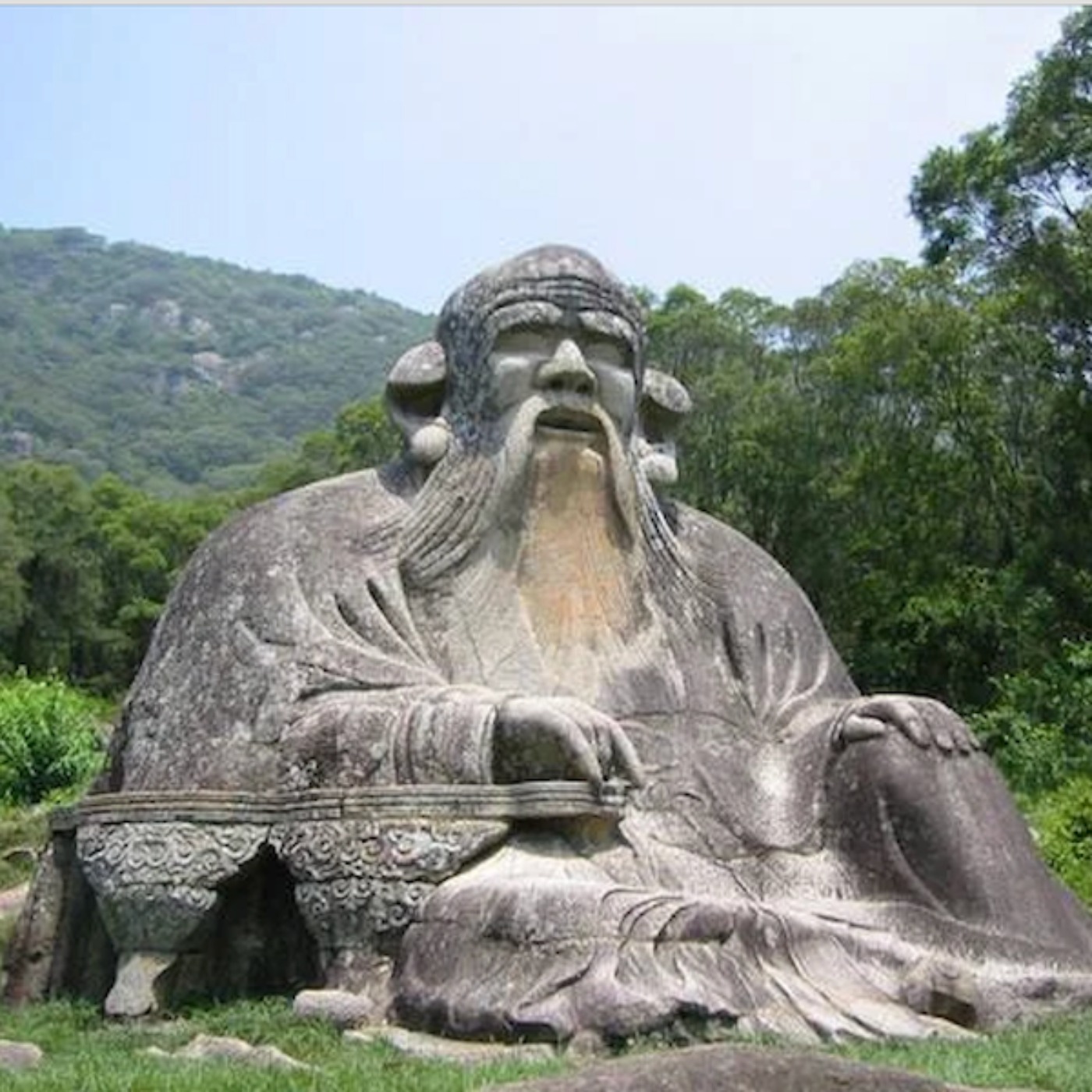
Taoism posits that the meaninglessness of life is not a basis for Nihilism but for Joy and Liberty. The palpable despair imparted by the advance of science and the increasing awareness of the triviality of humanity on a universal scale disoriented - and perhaps is still disorienting - virtually every culture in the world. Taoism, however, provided an inspiring response to these problems 2,600 year
Q & A - What is an American? - Ep. 2
Q & A - WHAT IS AN AMERICAN?Wes and Jeremy take questions from listeners on Lecture I: "What is an American?" Apologies for the audio quality on this one—it improves as the series moves along.Sign-up for Wes’s PATREON to get your questions answered by Wes!Plus, gain access to course materials, reading lists, bonus lectures, and Wes’s weekly diaries from France. Only $2 / month.

The Joy of Resistance: Ep. 2 - You are Not A Resource
2,000 years ago Cicero warned us against the idea that other people are functionally prey from whom we extract the profit. Unfortunately, his arguments have been forgotten and we inhabit a society that insists that the exploitation of others is not only acceptable but necessary and admirable. As Deleuze and Guattari and others have demonstrated, this logic leads to an idea of the self that is enti
Taoism: Ep. 10 - Socrates was NOT a Taoist
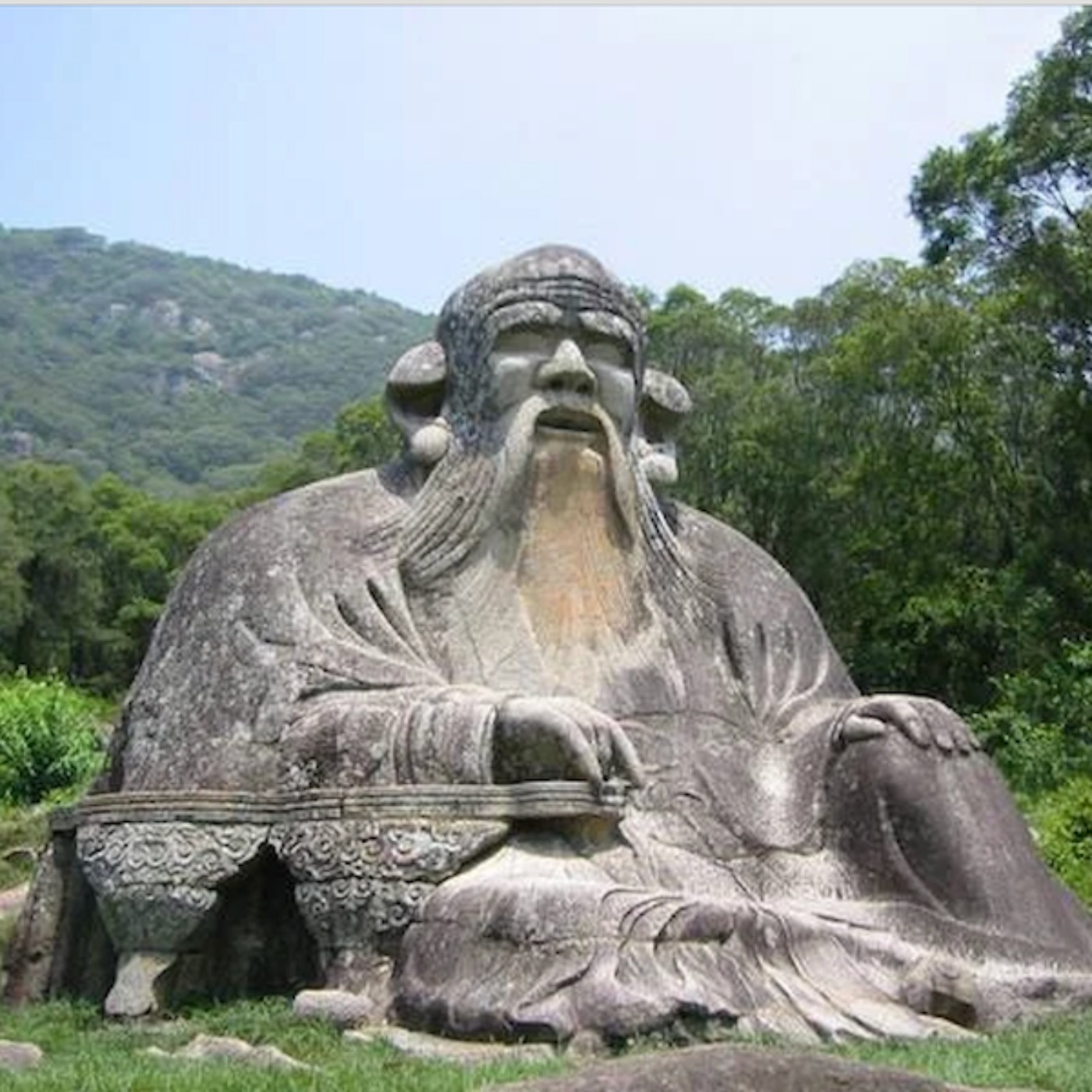
While Taoism emphasizes ‘not knowing’ it does so in a very different way than Socrates’s claim of knowing what he does not know. In Chapter 17 of Chuangtzu we encounter a classic example of both the limits of knowledge and the importance of experience to the Taoist tradition. In many ways, Taoism refutes the entire basis of the Platonic/Socratic tradition that underlies most of the western philoso
What is an American? - Ep. 1
WHAT IS AN AMERICAN?In my introductory lecture I explore the uniquely powerful role America plays in the contemporary world and the history that underlies its global dominance. 250 years ago, the United states had a tiny population, was loosely organized and beset by internal conflicts. A rapid and massive demographic and geographic expansion brought this relative backwater onto the world stage an

New Series! The Joy of Resistance: Ep. 1
Resistance rather than revolution and Joy rather than suffering. Within our contemporary cultural environment, understanding the tensions in how we respond to the world can help feel more powerful. Creating meaning and joy will also transform our sense of ourselves and, by extension, our world. Books Mentioned: Critique of Hegel’s Philosophy of Right by Karl MarxThe Rebel by Albert CamusMai 6
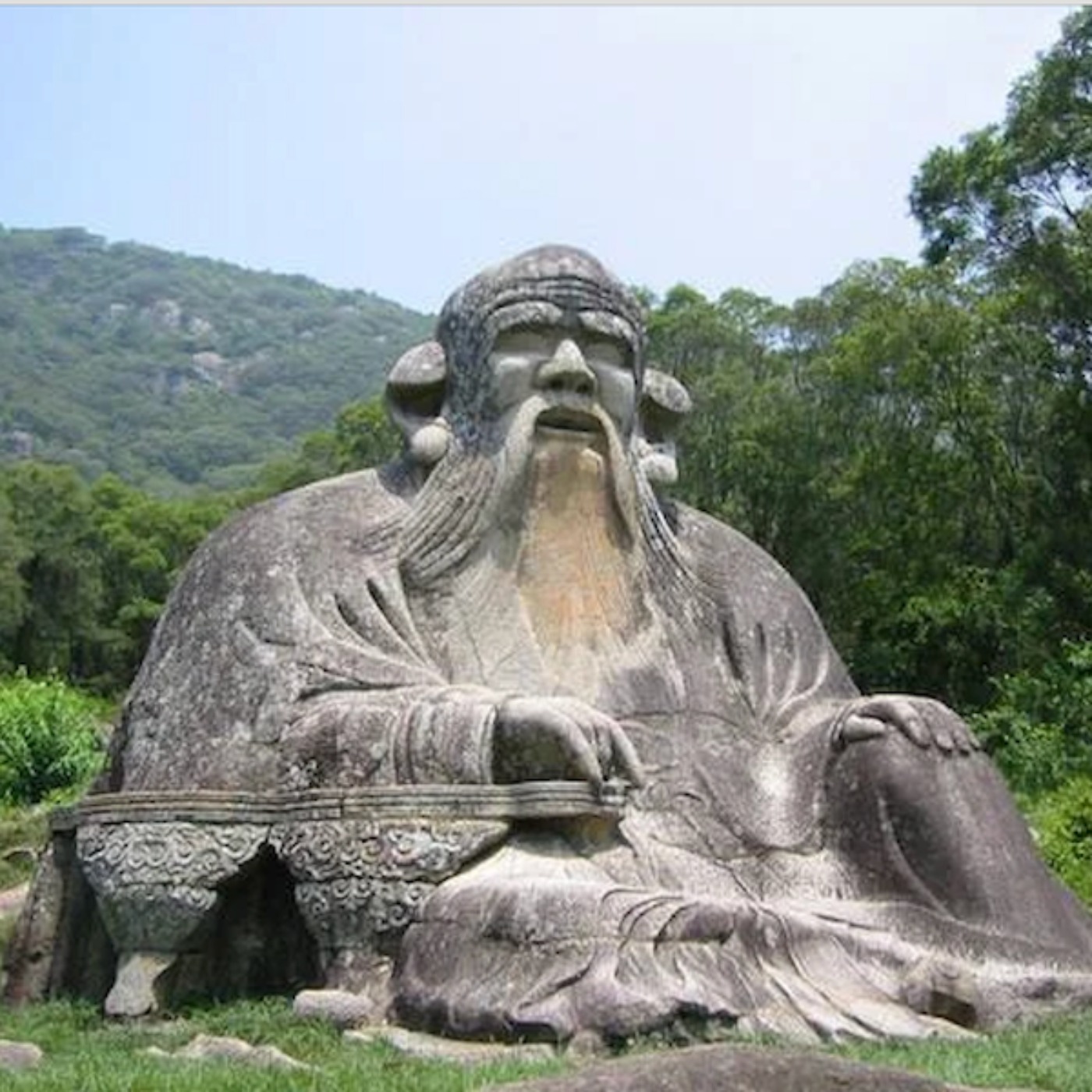
Taoism: Ep. 9 - The Radical Epistemology of Taoism
Taoism’s view of the world is dramatically opposed to the standard outlook of western civilization. Life has no meaning, no path, no truth, no goal and no actual relationship to individuals. This can be read as a type of early Absurdism or as a liberatory outlook that frees us from fundamentally misunderstanding our relationship with nature.Join Wes on Patreon for a deeper dive into the ideas we e
A Special Topic on Thinking
Our world is inundated with ‘information’ that is designed to mislead and disorient us. I suggest a few approaches to help us develop our own understanding of our world and ourselves to help combat one of the fundamental challenges I at least encounter almost everyday.Join Wes on Patreon for a deeper dive into the ideas we explore on the podcast. It’s a space for lifelong learners — with bonus lec
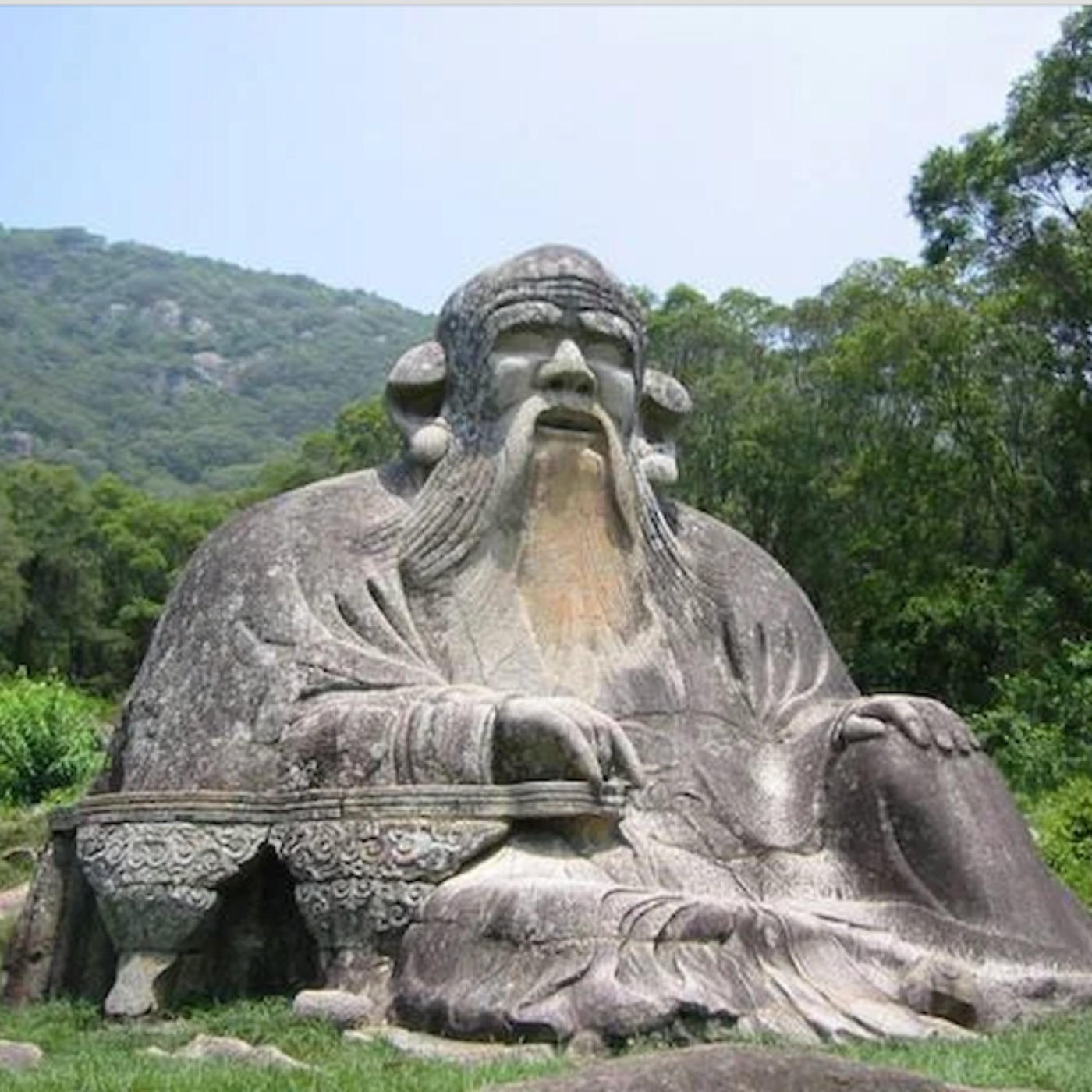
Taoism: Ep. 8 - Harmony and Melody - Change and the Tao
The goal of Taoism is Harmony with the Tao. However, unlike traditions like Buddhism, Christianity, or Stoicism, Taoism does not view this as a static goal to be completed. Rather, like Jazz Music, the melody of life keeps changing and evolving and the key is to continually evolve ourselves to stay in harmony. Nature does not stop and neither should we. Taoism is a dynamic concept that invites us
A Special Topic on Teaching
A few questions have come in about teaching so I thought I would spend a moment reflecting on my approach to teaching. Mostly, I think simply valuing whatever subject you are teaching and enjoying the students will create the best experience for everyone. Join Wes on Patreon for a deeper dive into the ideas we explore on the podcast. It’s a space for lifelong learners — with bonus lectures, course
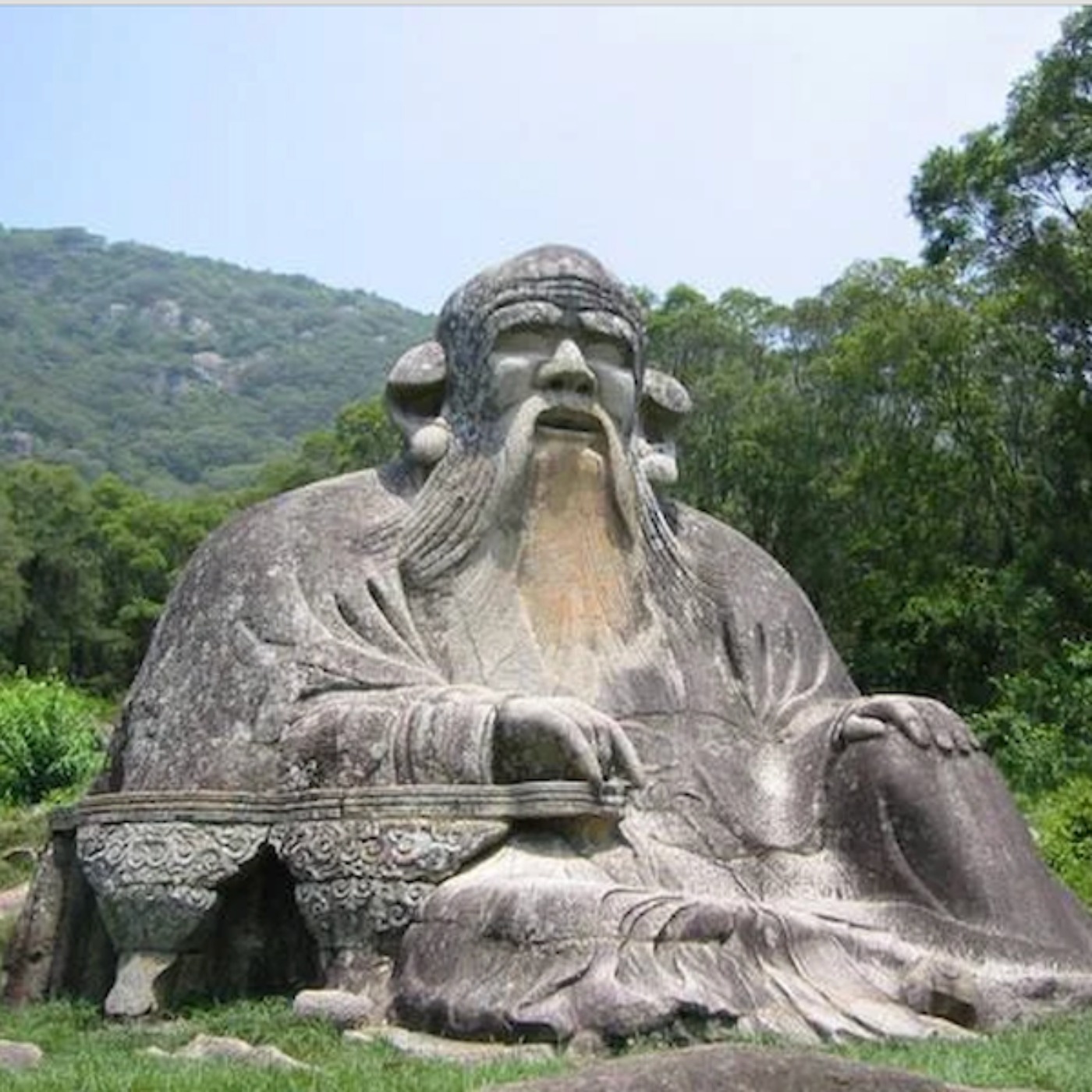
Taoism: Ep. 7: The Tao Te Ching IS for You!
I encountered the notion that the Tao Te Ching in particular and Taoism in general is really not for. Rather, it was written for a ruling political elite in ancient China and that we misunderstand its political message when we read it as a guide for living for lowly peoples in the modern world. While this argument has some merit in a very narrow sense, in the broader context of Taoism and history
An Invitation to Being Human: Ep. 11 - The Other Humans
The research is perfectly clear that the single greatest determinant of our longevity, health and happiness is having a few meaningful relationships. It is in other humans that humans find their greatest sense of purpose and wellbeing. Unfortunately, as is the theme of the entire series, our current society makes bonding meaningfully with other humans both difficult and, indeed, a bit unnatural. T
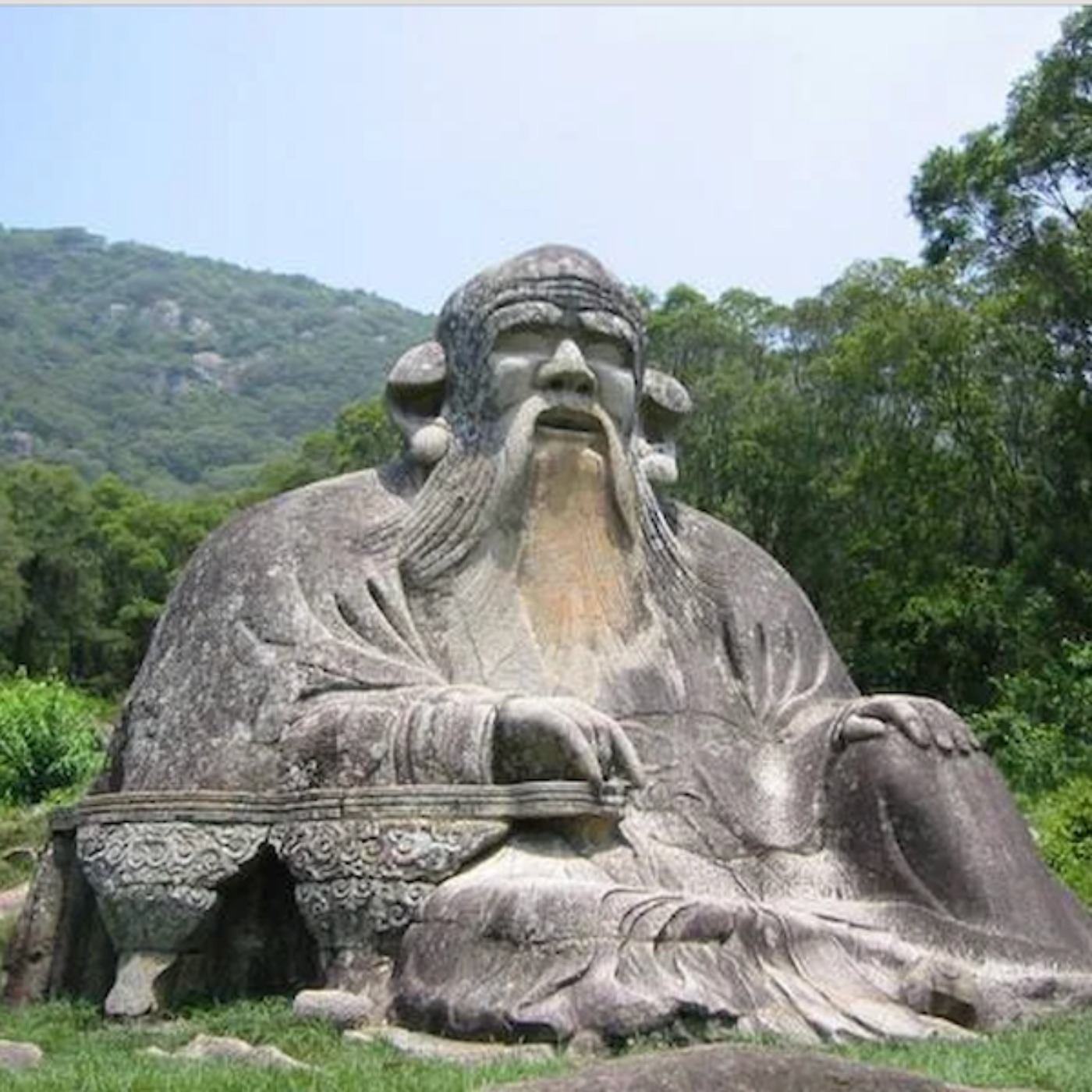
Taoism: Ep. 6 - Taoism and Calvinism
I realized that perhaps more helpful than comparing Taoism withing the context of Mohism, Legalism and Confucianism would be to compare it to Calvinism. Calvinism, derived from Platonism, is THE dominant cultural influence in much of the west and comparing the key elements of the Calvinist and Taoist worldviews side by side is, I hope, edifying.Join Wes on Patreon for a deeper dive into the ideas
An Invitation to Being Human: Ep. 10 - It's Not Just You
A lot of the narrative around our struggles with the modern world focuses on individual responsibility. However, the rates of stress, sleep troubles, prescription drug use, depression and more all point to a systemic problem not a personal one. Our struggles are neither personal nor accidental, the systems we inhabit seriously challenge our ability to live simple, human lives.Join Wes on Patreon f
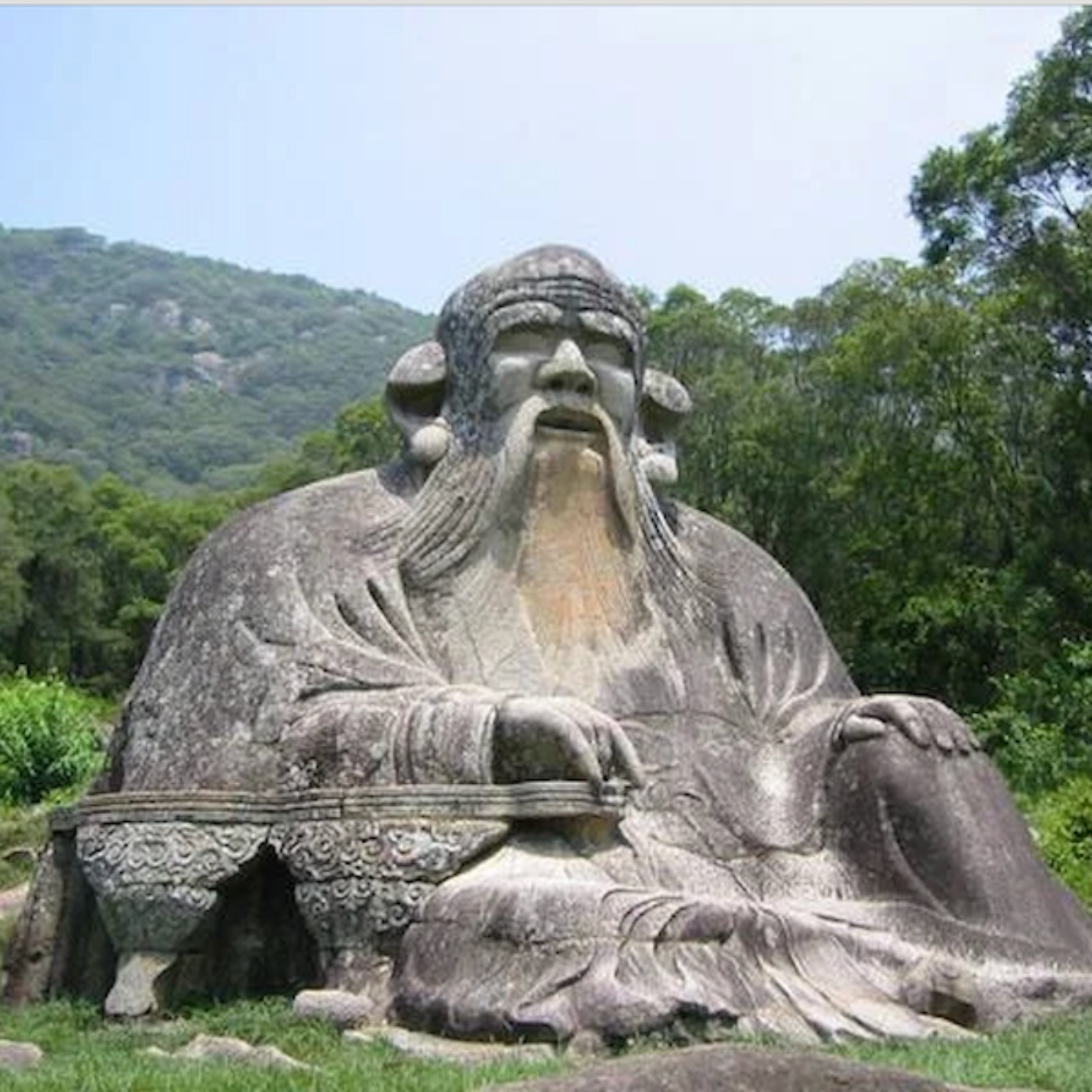
Taoism: Ep. 5 - The Importance of Not Knowing
Two tales from Chuang Tzu emphasize how we consistently pay too much attention to Language rather than Experience and hence stay confused. By emphasizing the importance of the individual and experiencing over knowing, Taoism consistently resists the concept of universal or even broad ‘truths’. When one learns to think in this fashion, it highlights how much we rely on agreeing with the ‘known’ to
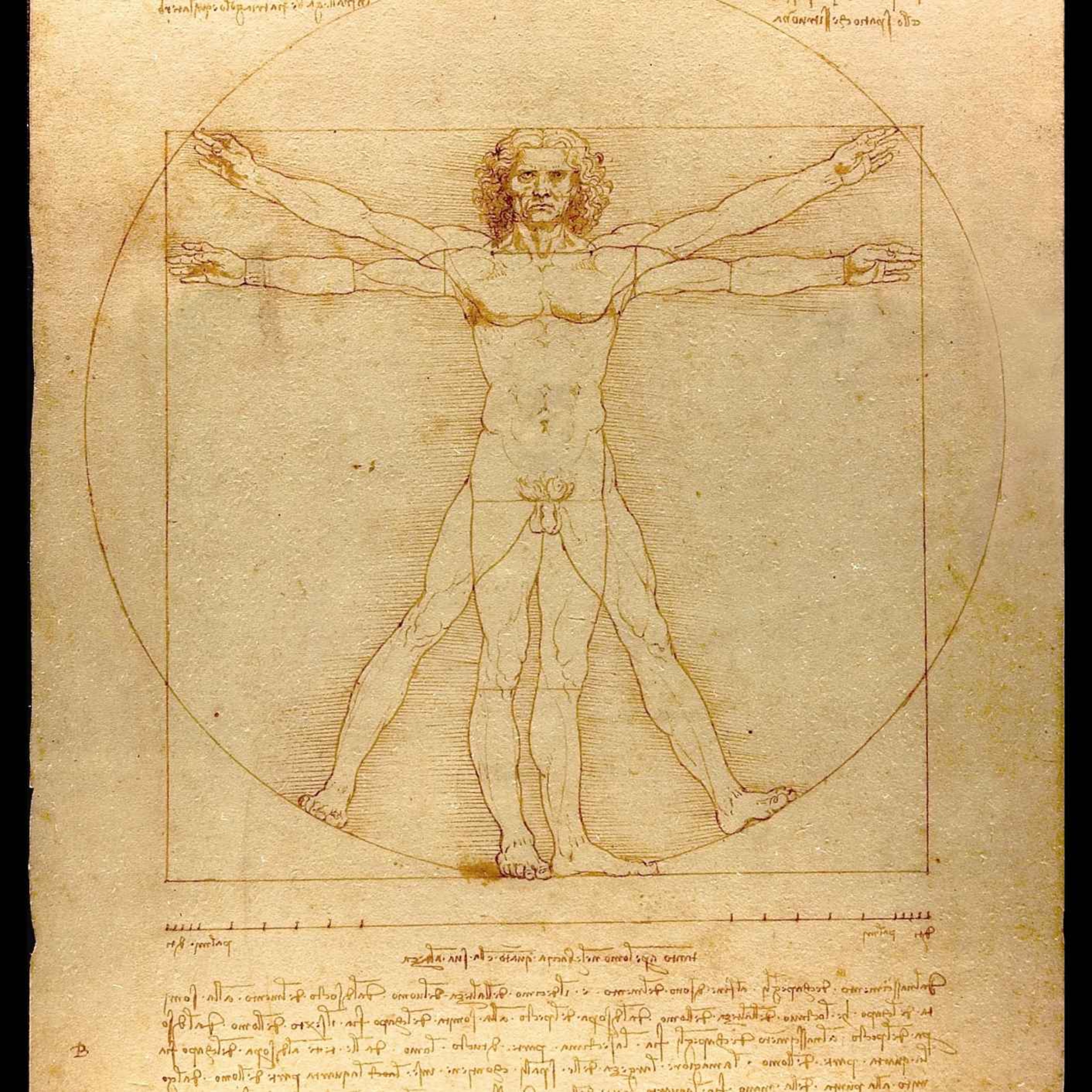
An Invitation to Being Human: Ep. 9 - The Aftermath
As one cultivates a sense of the human it is difficult to not notice how inhuman much of the world is. Our encounters with people and the environment around us will be a constant reminder and challenge for pursuing our own humanity. The aftermath is a seemingly inescapable level of friction as one slowly unwinds both internal and external patterns that have shaped our outlook and habits for much o
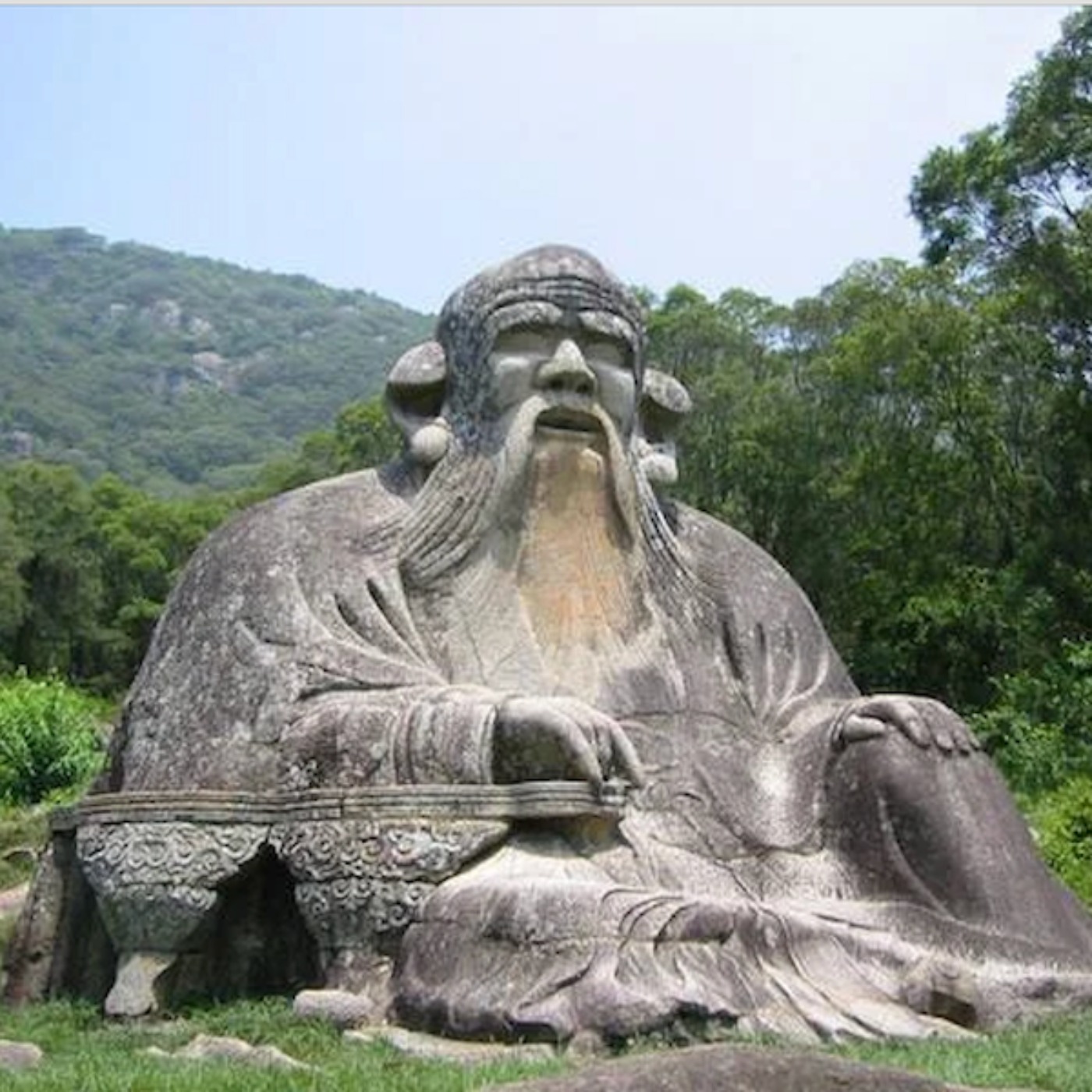
Taoism: Ep. 4 - Wu Wei - Misunderstanding Non-Action
Besides a cultural bias towards action, we also have a strong drive towards suffering, overcoming, grit, drive etc. in pursuit of external goals. Taoism argues this is exactly the wrong approach. Acting without acting means to work in accordance with the Tao - as experienced through nature - and our own selves. When we cultivate the Tao and reject suffering, difficulty and similar experiences, the
Thames Water, Philosophy and Our Near Term Future
The bankruptcy of Thames water represents a pattern in infrastructure failures that are increasing and will continue to increase for the foreseeable future. The question is when, and perhaps if, elected officials and citizens begin to demand and implement different approaches to solving society's problems. Important notes on Thames water to keep in mind:They Bankrupted themselves - they were not b
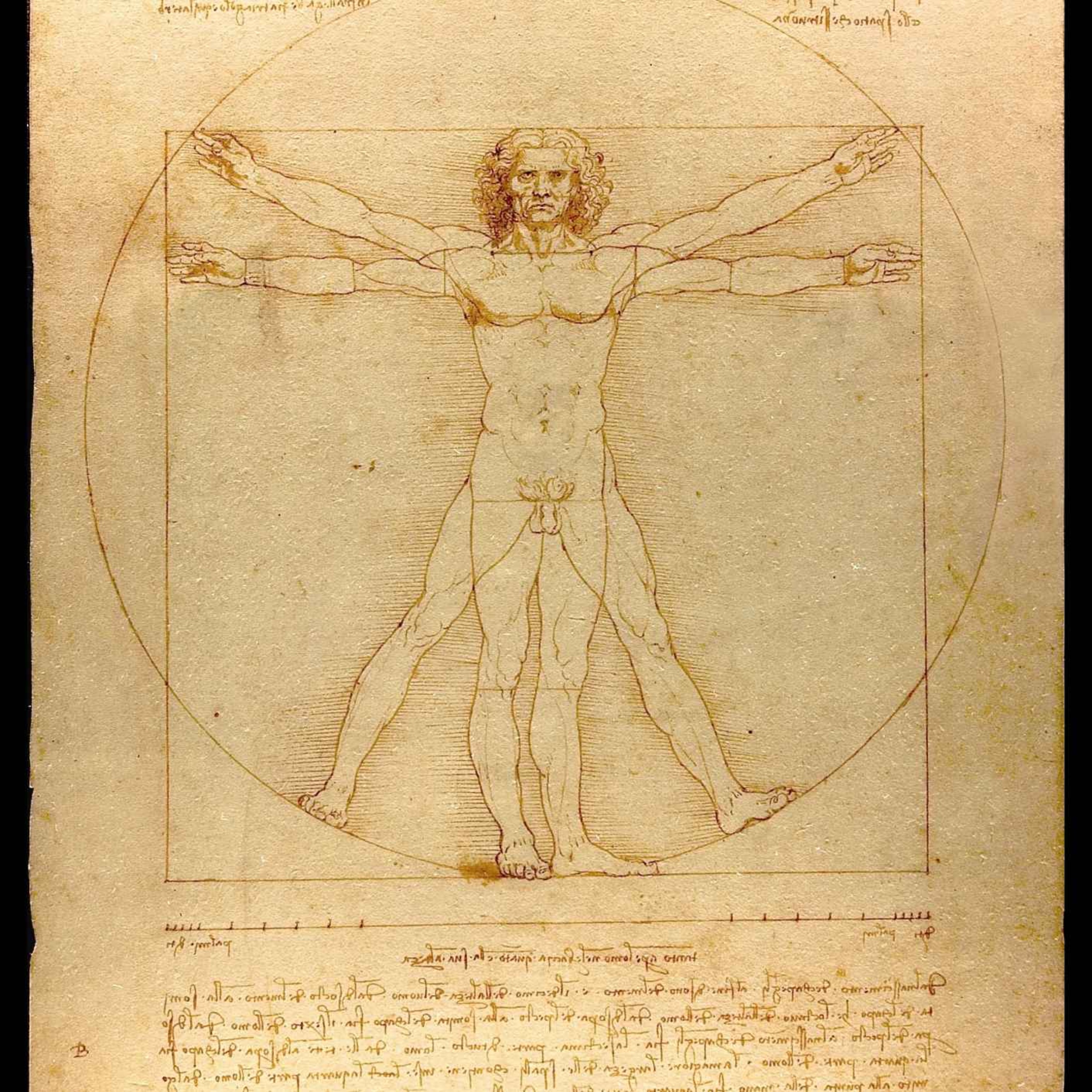
An Invitation to Being Human: Ep. 8 - Kindness
Lin-Yutang, Henry James and Herman Hesse all agree that kindness is perhaps the central value for any civilization. Obviously, our current dominant culture has little or no place for kindness as a goal. However, it is the cultivation of kindness and the capacity for kindness that underpins our capacity for joy. Kindness is not sacrificial but rather additive in that it is beneficial for all.
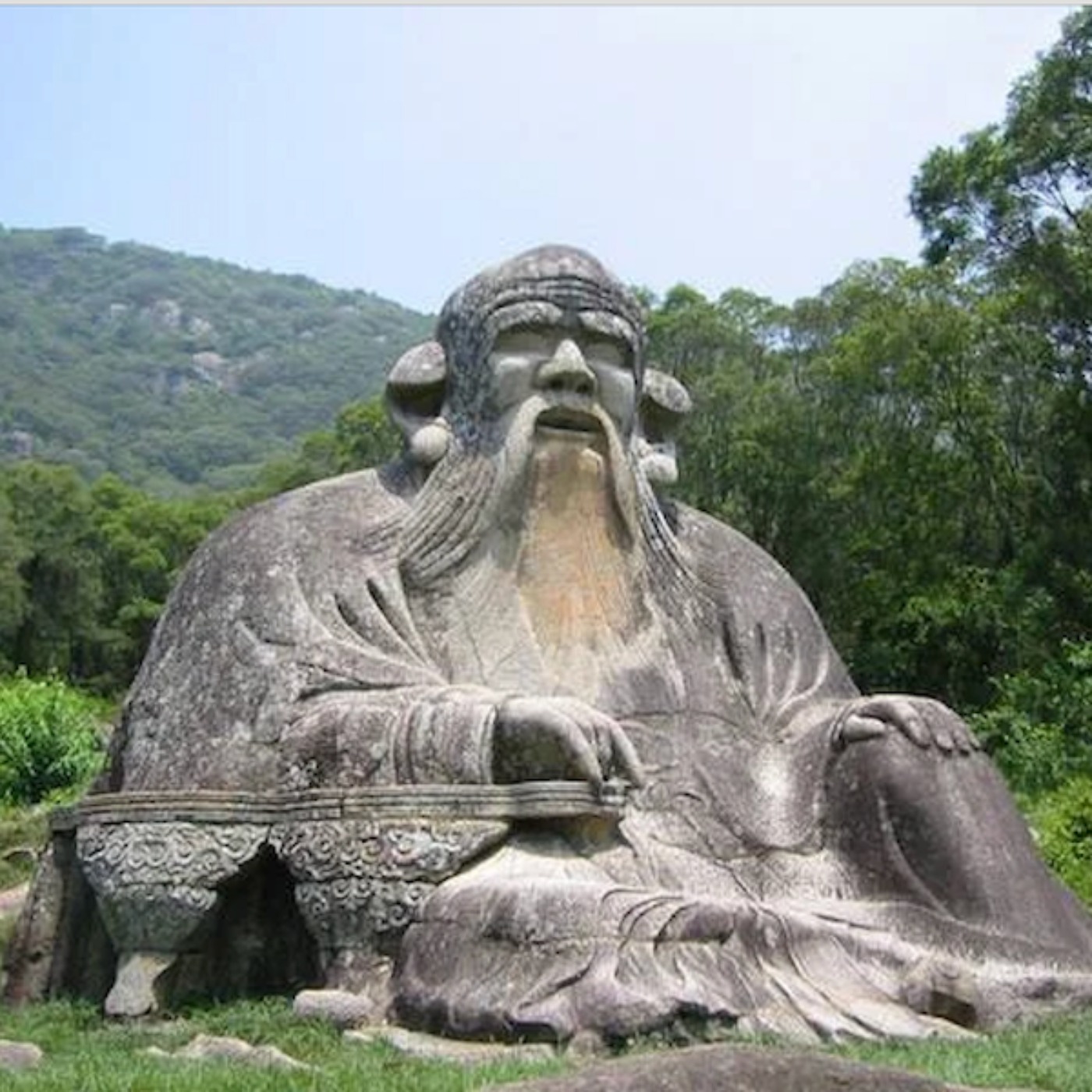
Taoism: Ep. 3 - The I Ching Nature and You
If you reject laws, codes, rituals, and words as guides to organizing life and society, what is left? Nature! To understand the Taoist emphasis on Nature it is important to understand that it is offering a concrete, experiential response to what they saw as abstract, metaphysical and ultimately self-defeating approaches to living. Key to this was Taoism’s co-evolution with the I Ching as a central
An Invitation to Being Human: Ep. 7 - The Human Experience is NOT for Sale
If we want to be happy, we can go to the ‘Happiest Place on Earth’ for the low cost of $5,000 to $15,000 for a family of four. Food, water, love, friends, joy, beauty, and more are continuously being re-packaged and sold back to us AS IF they are scarce and not available to us without some intermediary. However, as with competition, this notion of scarcity simply alienates from the most human elem
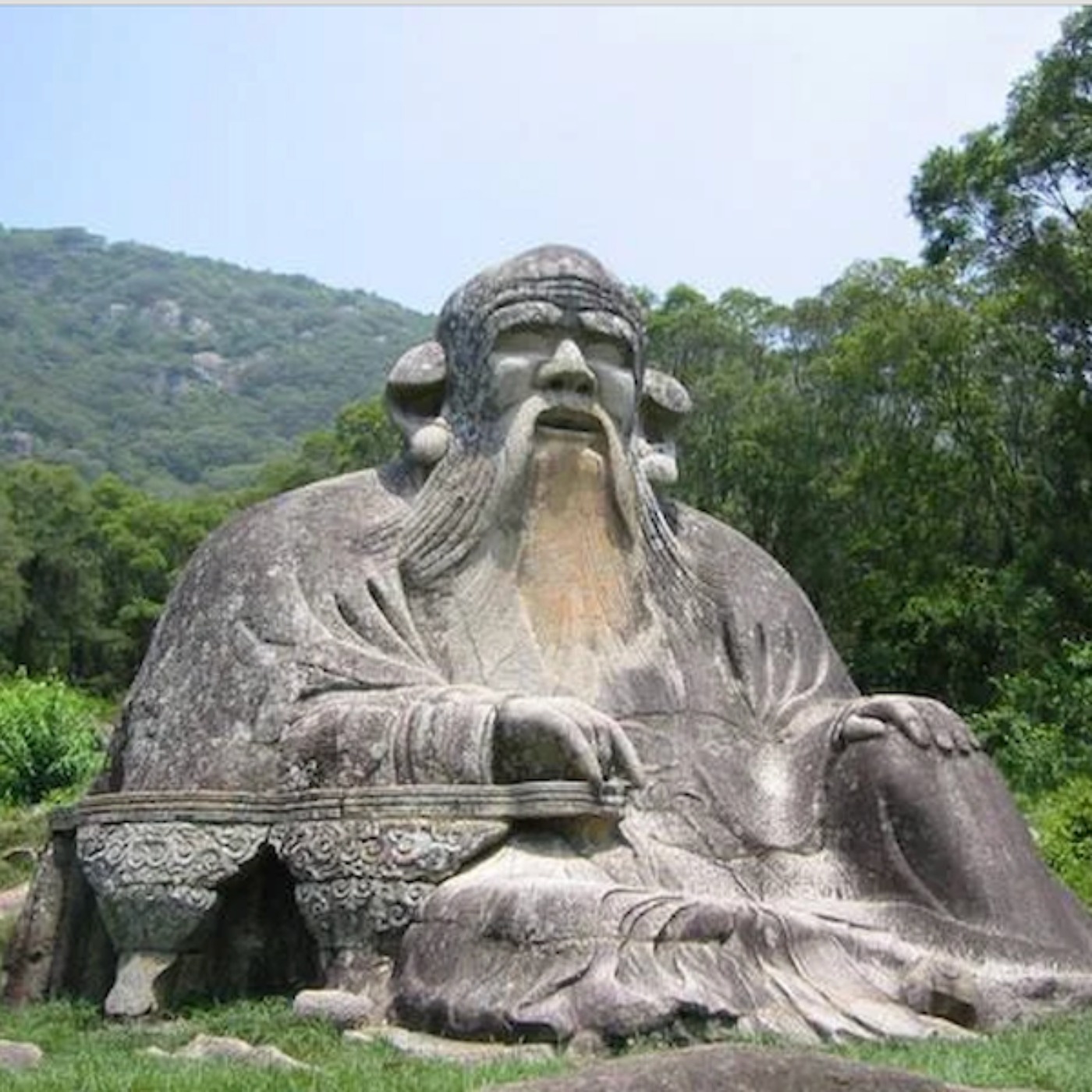
Taoism: Ep. 2 - The Path that is the Path
Two key insights from a key section of the Tao Te Ching ask us to question 1) Our propensity for committing ourselves to pre-established narratives and 2) Our love of language games. By throwing these fundamental tendencies into doubt, Taoism provides a radical critique of pretty much every conceivable system, not just the prominent schools of Chinese philosophy. While the passages seem a bit gnom
An Invitation to Being Human: Ep. 6 - Life is Not a Competition
Perhaps one of the most pernicious concepts in modern society is the concept that we are all in competition for scarce resources. In this zero sum conception of the world, each human must, by necessity, compete with others for survival and self-expression. By reflecting on the writings of Primo Levi - particularly his “If This is a Man” - I try to underline how this deeply flawed and dangerous vis
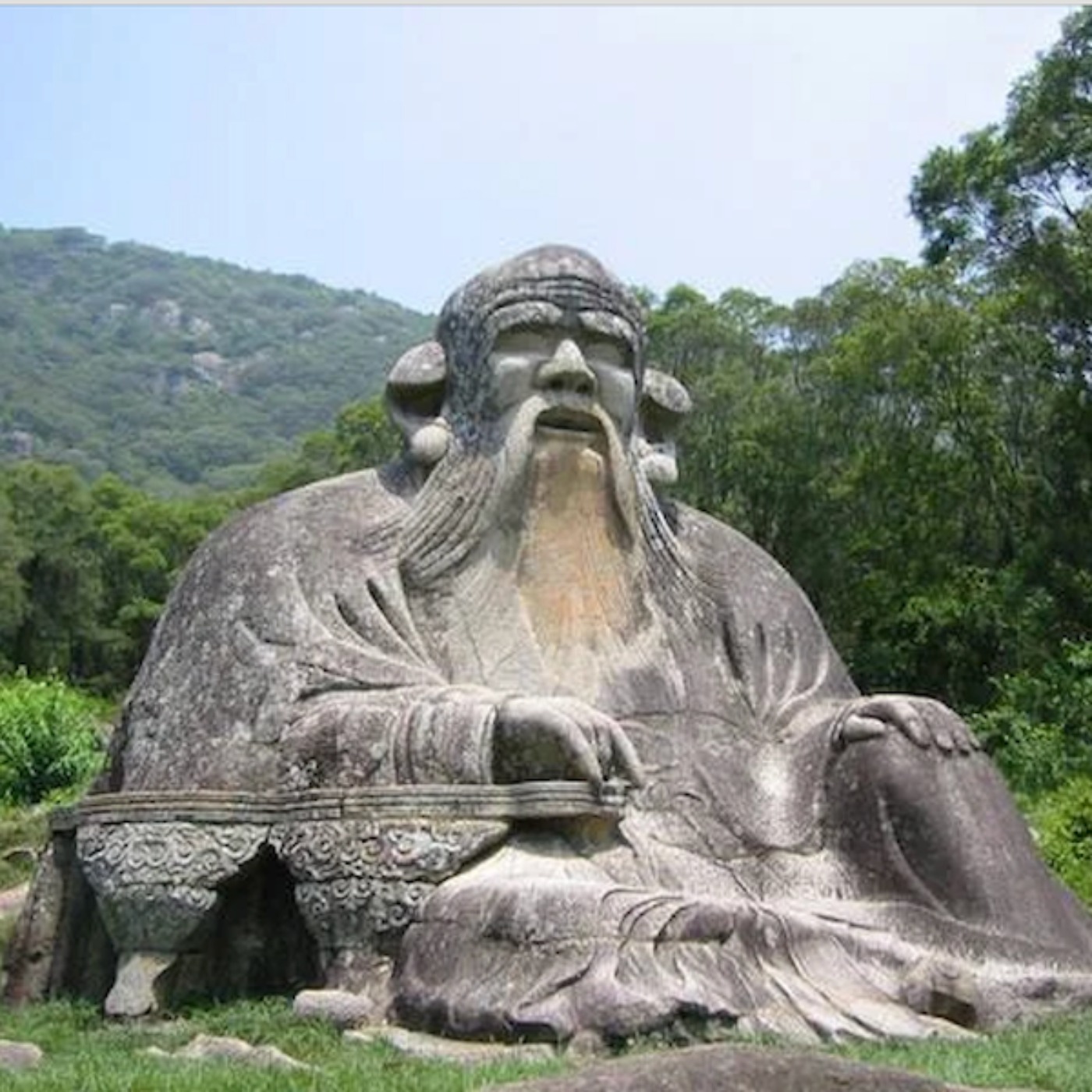
Taoism: Ep. 1 - The Eternal Tao
Taoism has been generally received in the West as a mystical, quasi-metaphysical philosophy. However, understanding its historical context and development helps place Taoism within its political and folk tradition. This series explores the complex and powerful vision of Taoism that may be more relevant today than ever before in its more than 2400 year tradition. Join Wes on Patreon for a deeper di
An Invitation to Being Human: Ep. 5 - The External and The Internal
The dynamic interplay between the external and internal world is the very core of being human. The degree to which we cultivate ourselves within an experience of the world is the degree to which we can evolve and deepen our sense of ourselves and our world. It is this growingness that gives meaning and impulse to lives that thrive. Lacking this, we feel shallow, detached and depressed.Join Wes on
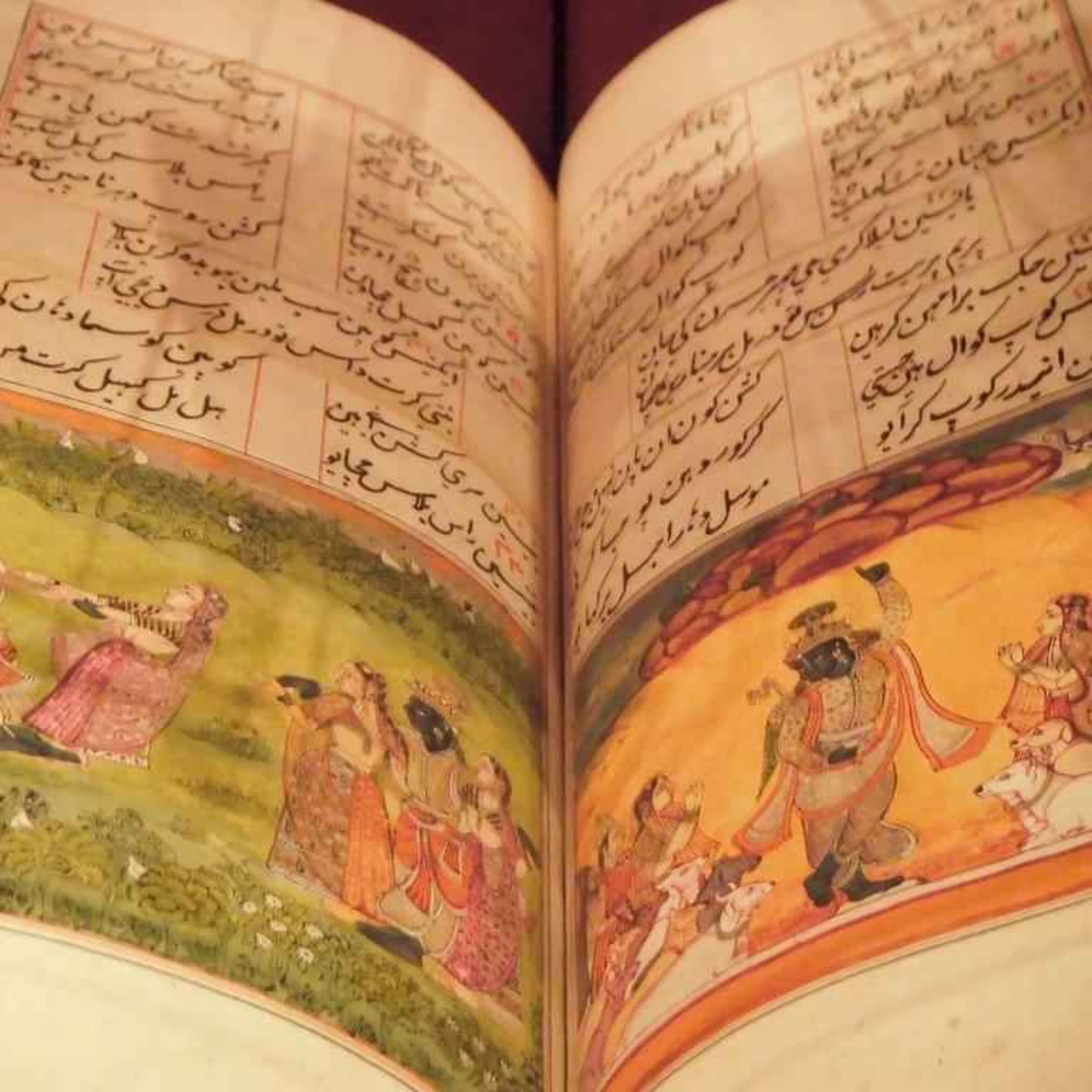
Reading The Bhagavad Gita: Conclusion
Congratulations, you’ve read the Gita. Ancient texts are often difficult and a bit offputting but they really help us discover the structures of our own thinking and how our culture has conditioned us to expect certain forms and arguments. While Krishna ends up arguing for acceptance of one’s place in society, he also argues that the way to truth is through inward searching and true dedication. Th
An Invitation to Being Human: Ep. 4 - Discover Yourself
Bizarrely, in a society that isolates people, we also don’t spend much time with ourselves. Consistently pulled from ourselves, striving for external standards and ignoring our bodies we lose track of the one thing that really makes us ourselves - ie ourselves. It is prosaic to say, but we need to spend some time with ourselves to actually be a person. Join Wes on Patreon for a deeper dive in
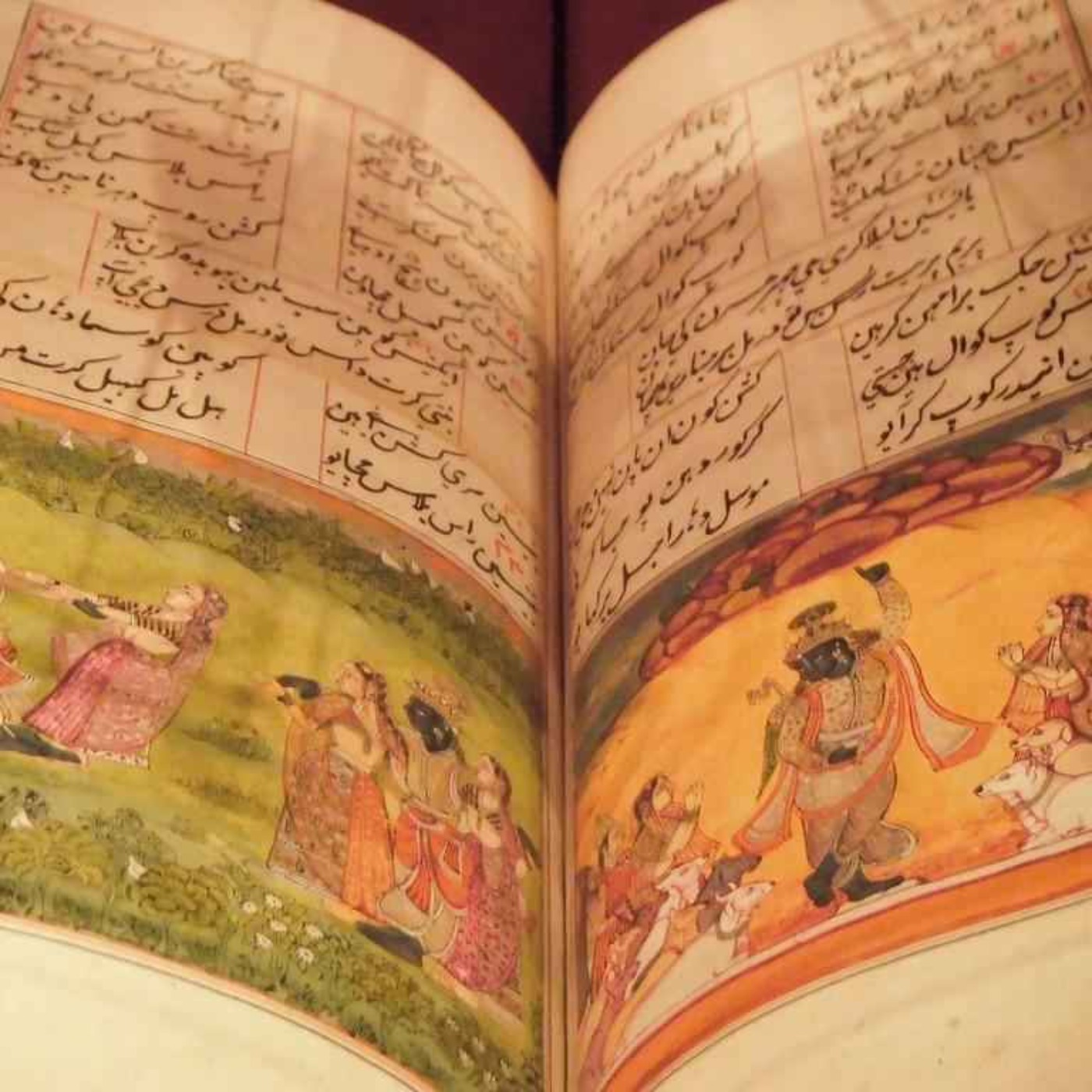
Reading The Bhagavad Gita: Books 14, 15 & 16
We move from the Metaphysical arguments about How the universe is to how we should translate that understanding into our lives. And we finally get the argument for why Arjuna must indeed ride forth to kill his family and, oddly, it makes a lot of sense. Join Wes on Patreon for a deeper dive into the ideas we explore on the podcast. It’s a space for lifelong learners — with bonus lectures, course m
An Invitation to Being Human: Ep. 3 - Be a Burden
We receive endless messages about the importance of being independent, standing on our own, making something of ourselves and so forth that it is easy to forget this is all nonsense at best and life destroying lies at worst. Humans are, necessarily, social animals and can only achieve our potential within the context of being dependent. The question is not one of dependence vs. independence but ra
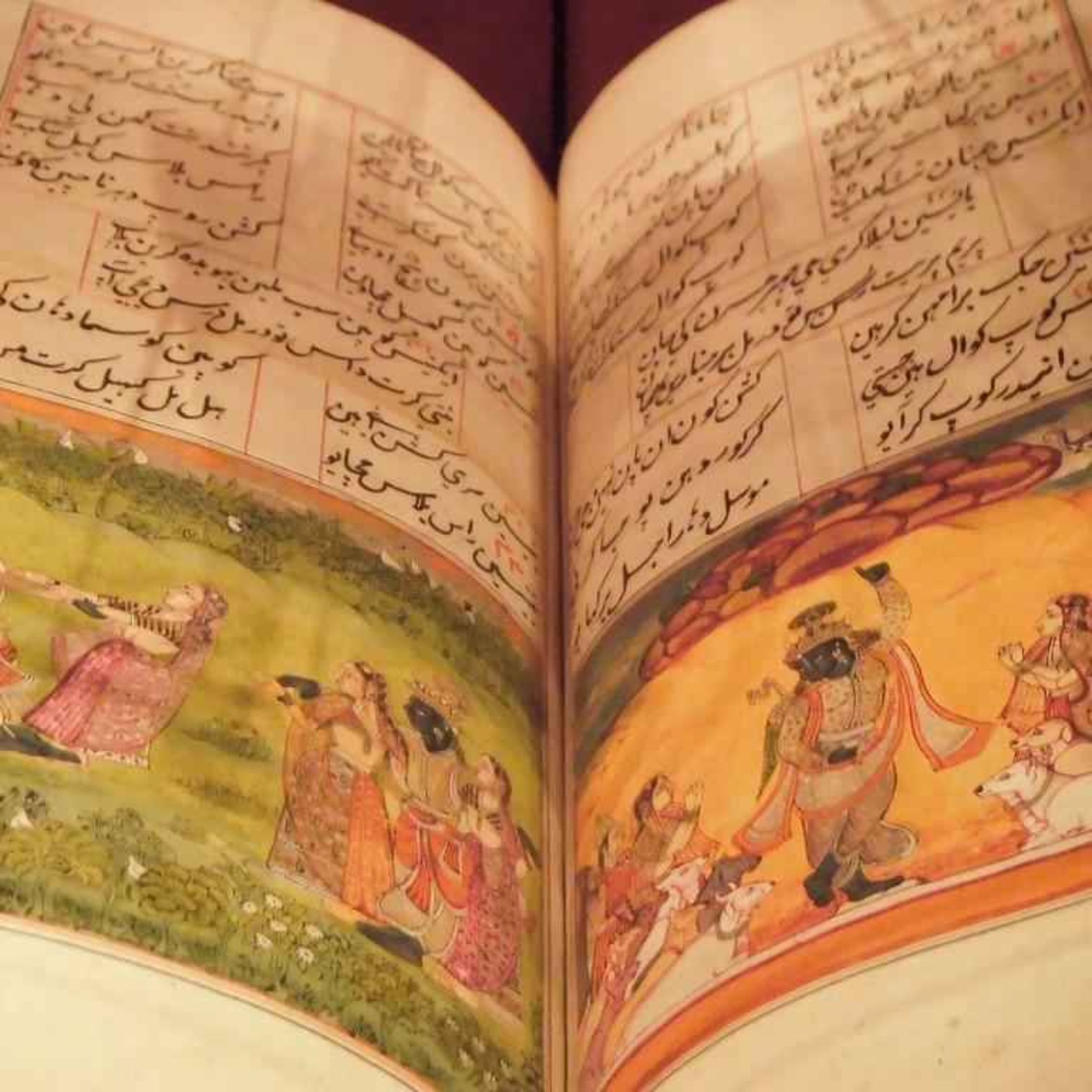
Reading The Bhagavad Gita: Books 11, 12 & 13
The fascinating parallels with the Book of Job in Chapter 11 of the Gita helps to highlight the profound differences between the Hindu and Christian tradition and the concept of the divine at the center of each religion. Books 12 and 13 provide a subtle but powerful reconceptualization of Buddhist values that places Vishnu at the center of Transcendent Enlightenment. Join Wes on Patreon for a deep
An Invitation to Being Human: Ep. 2 - Make Something
It is commonplace and true that we live in a consumer society. Less noticed is that being a consumer casts us in a role as passive non-makers who do not produce and participate but simply define ourselves by an association with objects or events. It is primarily by making that we can orient ourselves and escape a sense of meaninglessness in the world - which is why the notion of a consumer society
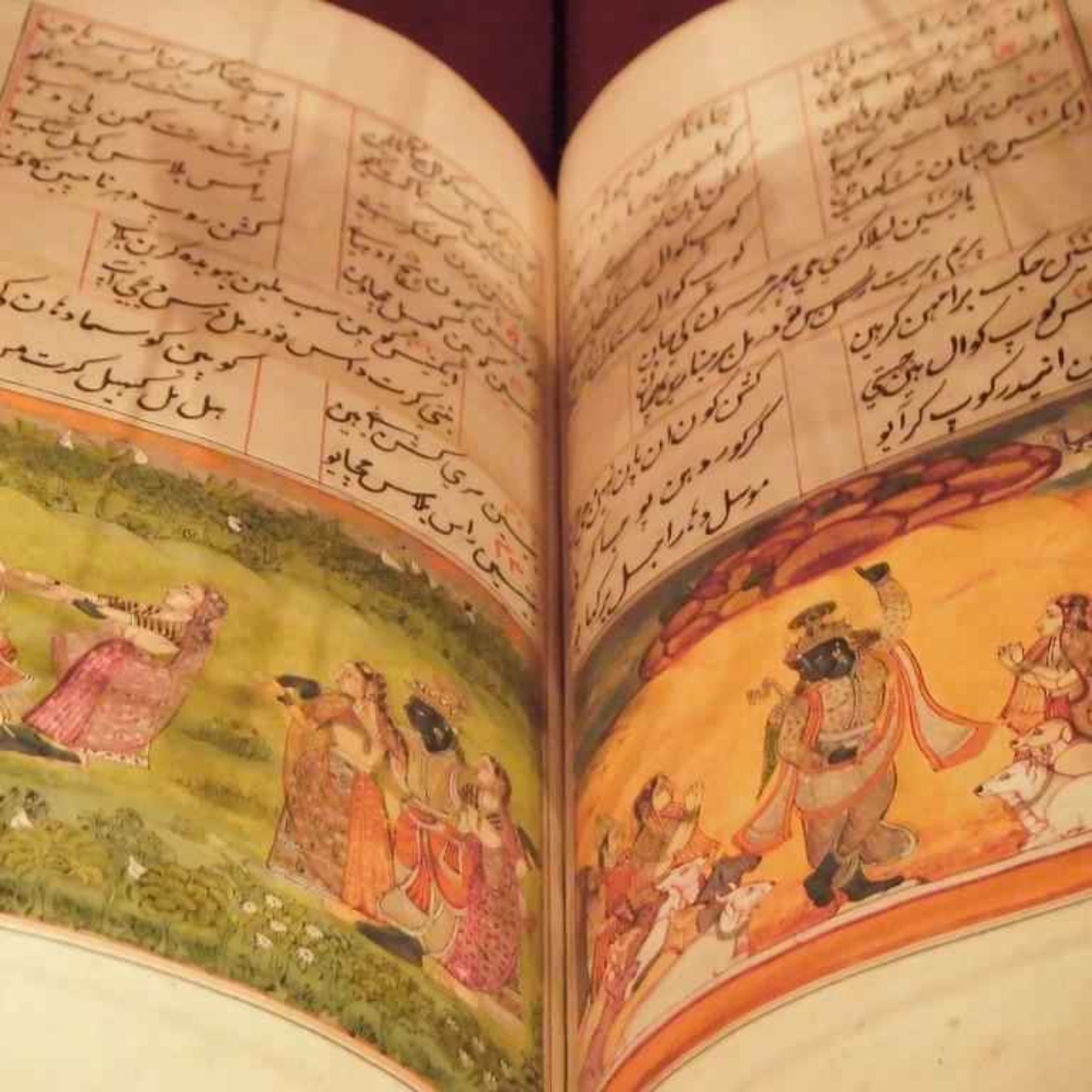
Reading The Bhagavad Gita: Books 8, 9 & 10
The Atman, Brahman, and Karma are presented quite clearly in book 8 and the implications are then extrapolated in Nine and Ten. These are the key ideas at the heart of Hinduism. The Atman is a challenge for western audiences because it pre-supposes a very different concept of individuality and what constitutes a self. A powerfully metaphysical argument, it challenges quite directly the critiques o
New Series! An Invitation to Being Human: Ep. 1 - Go Outside
This series is a concrete extrapolation of the ideals of Humanism within the context of our contemporary society. While it might seem like we can’t help but know how to be human, the pressures and structure of our society are powerfully opposed to the expressions of the ideals of Humanism and, de facto, of our human potential.Sign-up for Wes’s PATREON community to get your questions answ
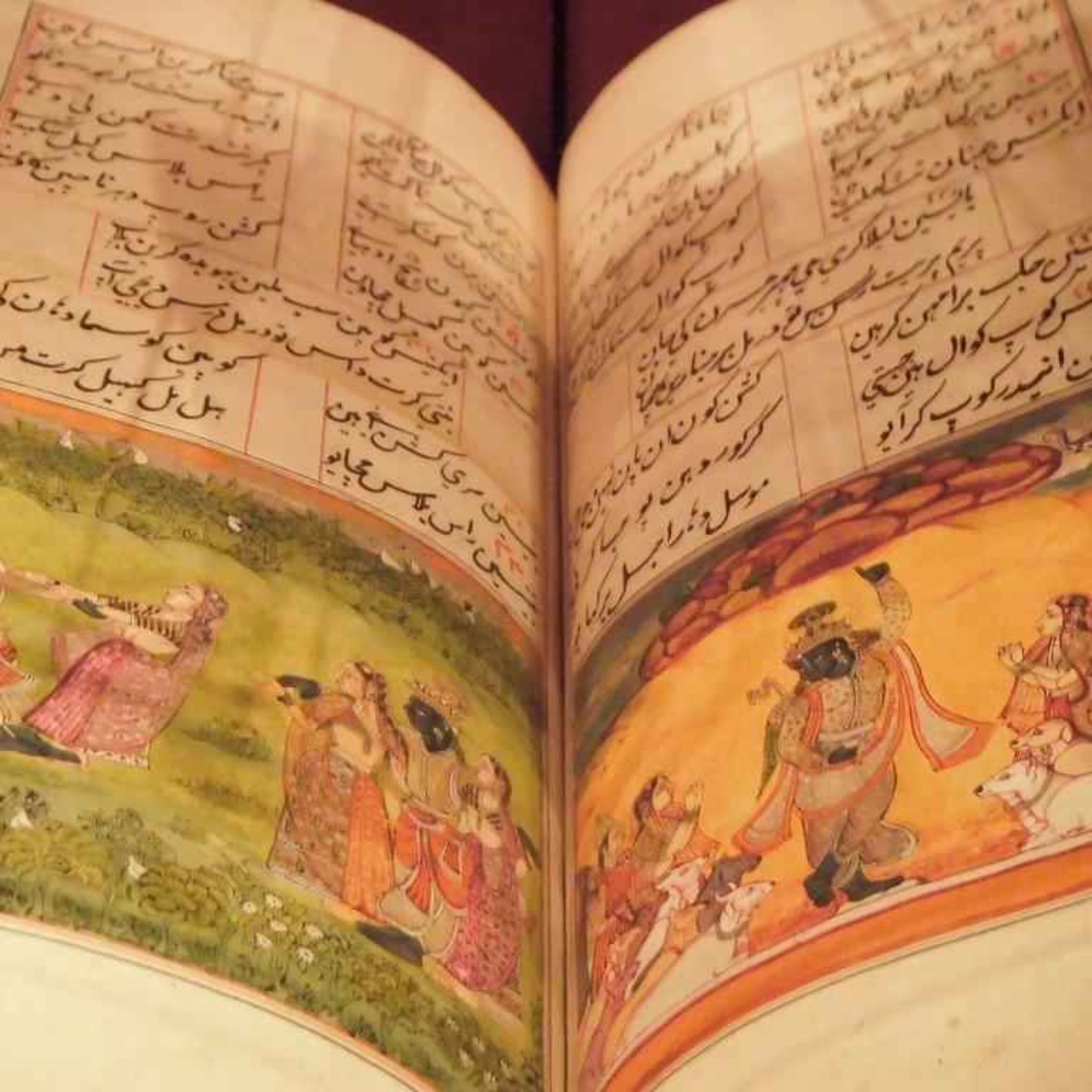
Reading The Bhagavad Gita: Book 7
It sounds a lot like monotheism, and perhaps this is what Krishna is arguing, but it is a conceptual framework very much different than the Christian concept of monotheism (the Jewish people did not have a monotheistic view of the world btw). In Book Seven we get the very different Hindu framing of this question in which there is only one ‘god’, if Vishnu can be conceptualized in that category, in
“How Things Mean” - Live Lecture From Maastricht, The Netherlands - 4.30 26
I want to share the live audio of the 2nd lecture I gave at The University of Maastricht, the Netherlands a month ago. This one is from Thursday, April 30.The focus of this lecture is the deep ontology—the how or why (instead of the what)—of our stories and discourse in the modern world. Here's the write-up for the lecture:We make sense of the world through our values. Unfortunately, we have becom
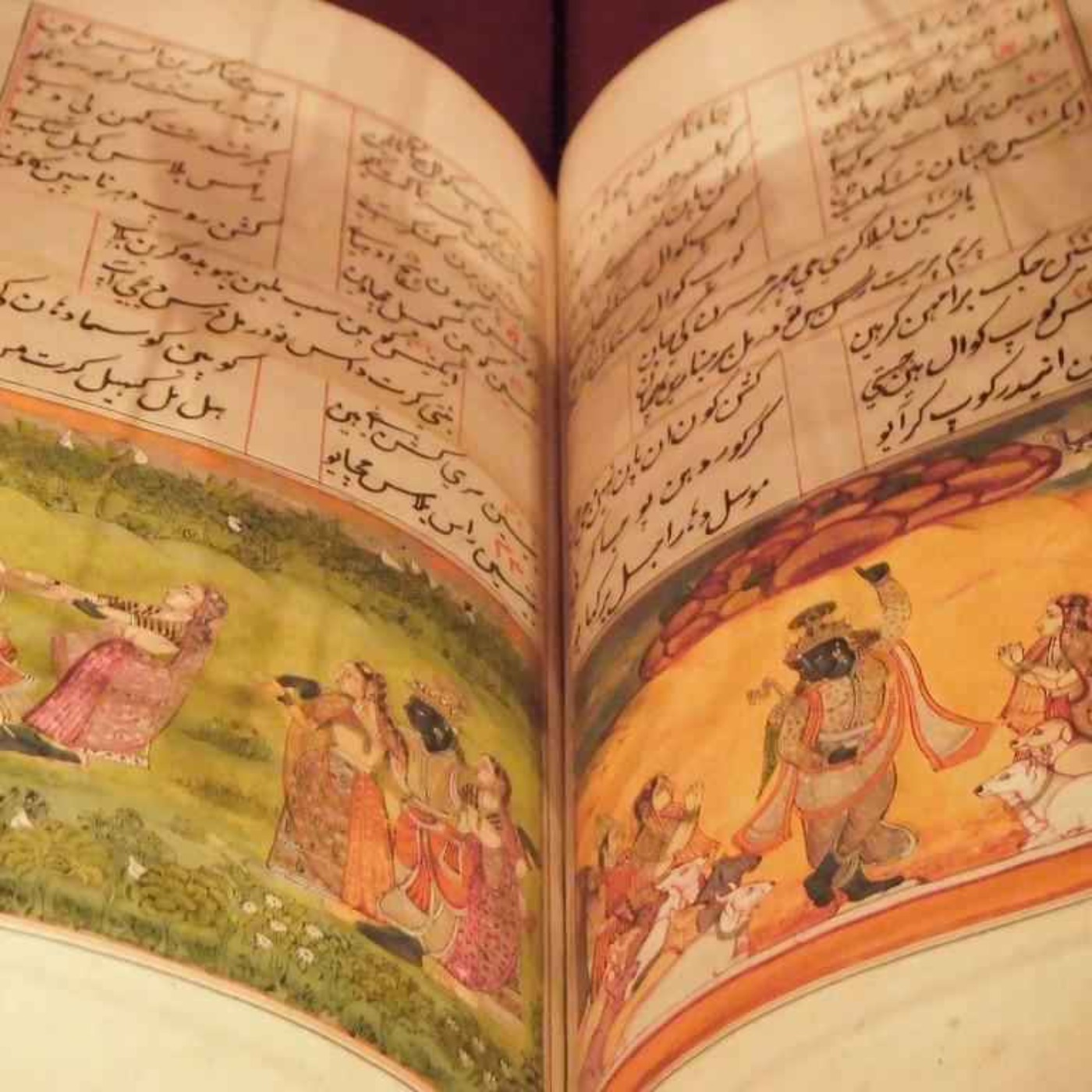
Reading The Bhagavad Gita: Books 5 & 6
While slightly repetitive, the importance of the idea of holy work and doing as superior to not doing is central to these two books. I spend extra time on the concept of ‘Sin’ and how this is a misleading word to use in translation from the Sanskrit and how Dharma, Karma and Kama are not just about the endless cycle of life but also about how we experience our lives in the moment. Sign-up for 

Values: Ep. 9 - Conclusion
In conclusion, I consider a few of the pitfalls one is likely to encounter if they decide to pursue new values. I also provide a few suggestions for some approaches that might be helpful in beginning the process of adopting a new set of beliefs. Mostly, though, I want to encourage anyone who might be interested in running a values experiment.Sign-up for Wes’s PATREON community to get you
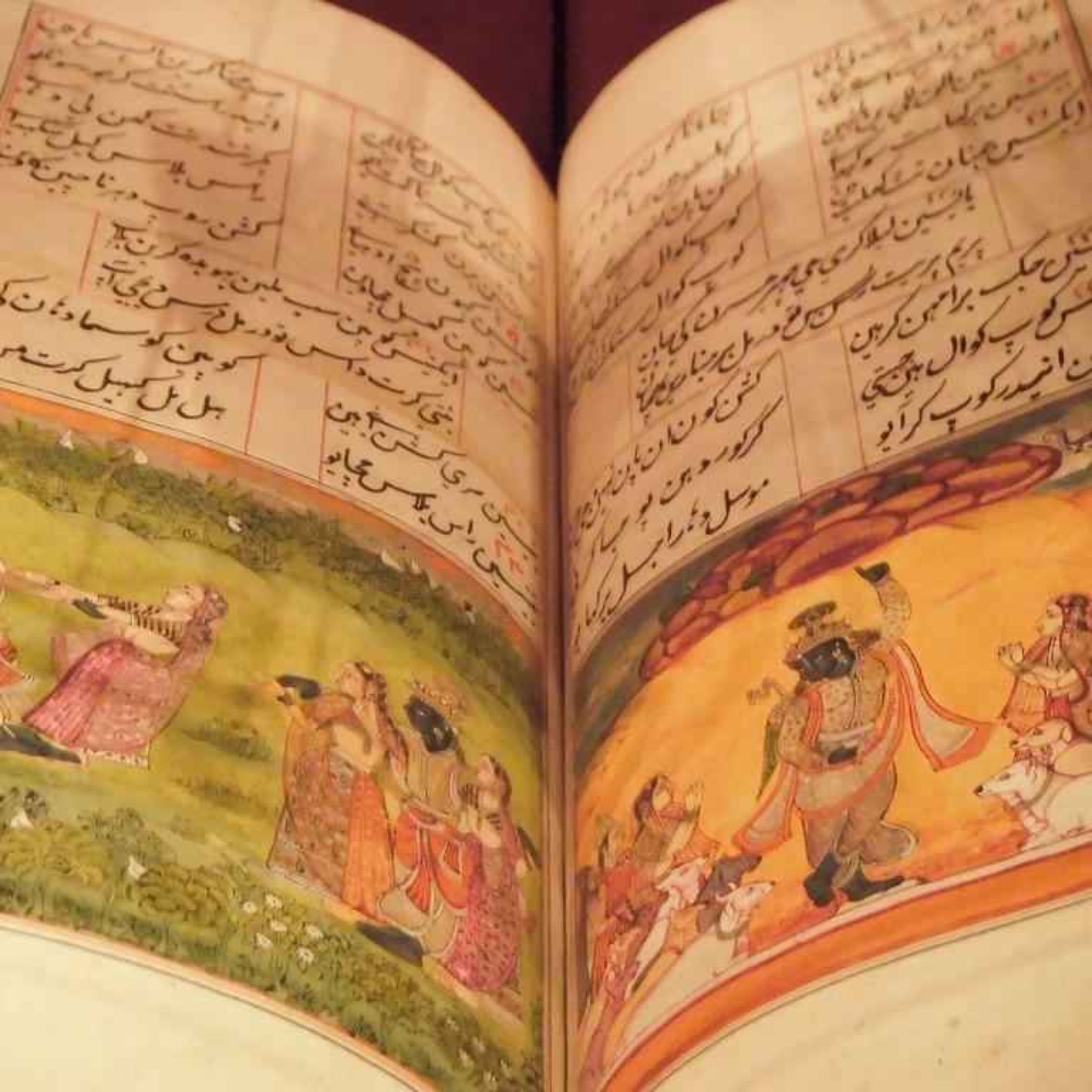
Reading The Bhagavad Gita: Book 4
Krishna reveals the divine wisdom to Arjuna who is thoroughly confused by what Krishna says as you may have been as well. Some deep Hindu theology is working in the background of this passage that is difficult to pick up in translation. Sign-up for Wes’s PATREON community to get your questions answered by Wes! (Yes, Wes is very active on Patreon)Plus, gain access to bonus lectures, peer

Values: Ep. 8 - Money
Money is, as I’ve mentioned, the core value in our societies today. Generally attacked throughout philosophical history, it is currently celebrated as THE value that answereth all other values. However, there might be just one or two very small problems with using money as a value to organize our lives and provide meaning on the way to achieving our goals.Sign-up for Wes’s PATREON community&n
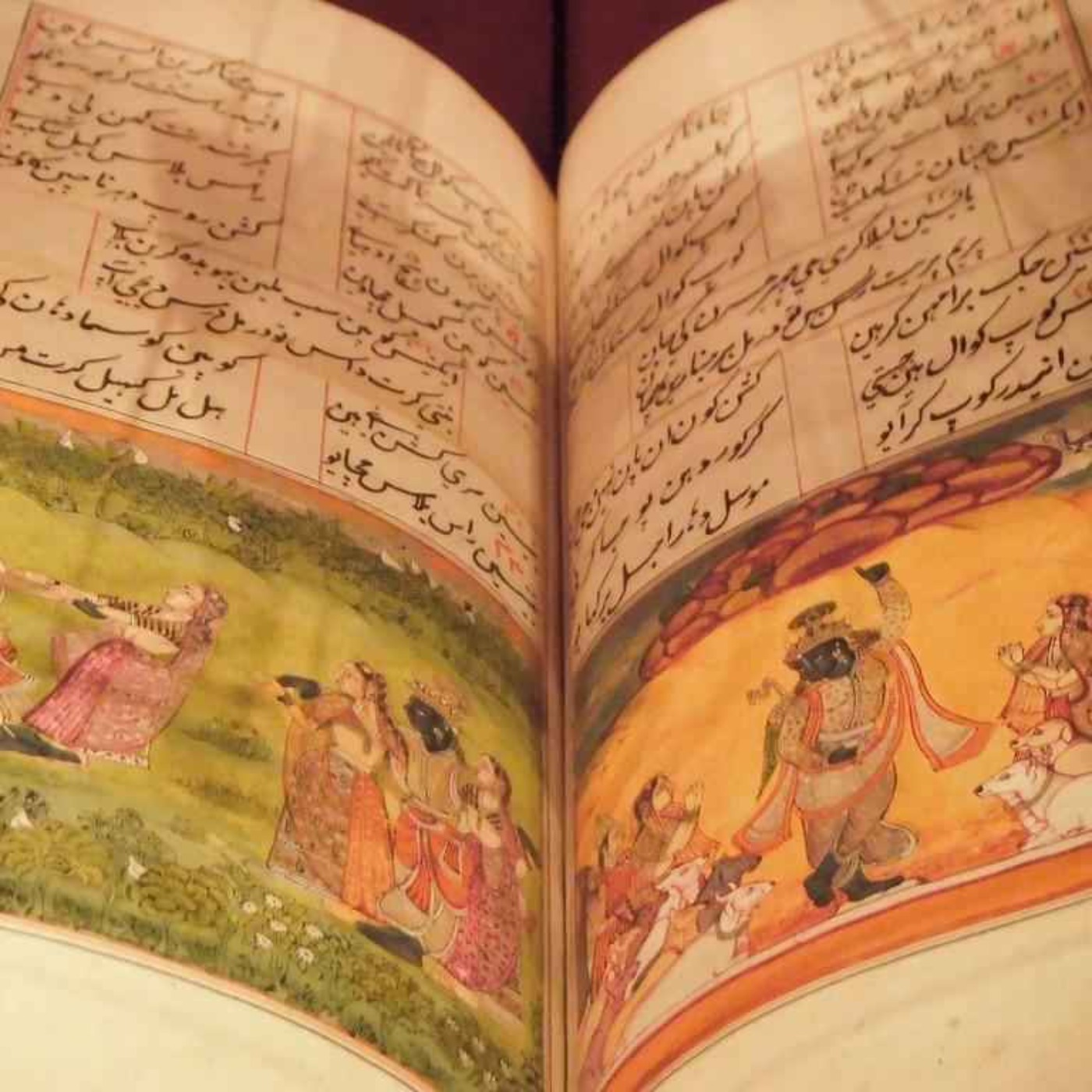
Reading The Bhagavad Gita: Book 3
Krishna introduces a series of key points that will be repeated throughout the rest of the Gita: Action is better than inaction, Sacrifice, and the renunciation of Ends. With these concepts, the Gita weaves key ideas from Buddhism back within the structure of Vedic Hinduism by re-imagining the foundations of the sacrificial economy.Sign-up for Wes’s PATREON community to get your question
Artificial (Intelligence) Mythology - Live Lecture From Maastricht, The Netherlands, 4.29.26
Hello everyone! I want to share the audio of my live lecture from Maastricht, the Netherlands a couple Wednesdays ago, April 29.The lecture is on the phenomenology of AI in the mytho-poetic mind. Hope you enjoy. Here's the write-up:AI, in itself, may not actually be that interesting. However, the way we perceive and respond to the idea of AI marks a central tendency of human civilization, spanning

Values: Ep. 7 - Wisdom
Almost completely forgotten as a value today, it was THE central value of a series of different philosophical systems across several different civilizations over 1,000s of years. Without Wisdom as a value, we have less capacity to develop nobility, joy, or beauty as discussed in earlier episodes. Yet, we still seek to understand ourselves and our world and likely wisdom will never truly go away.Si
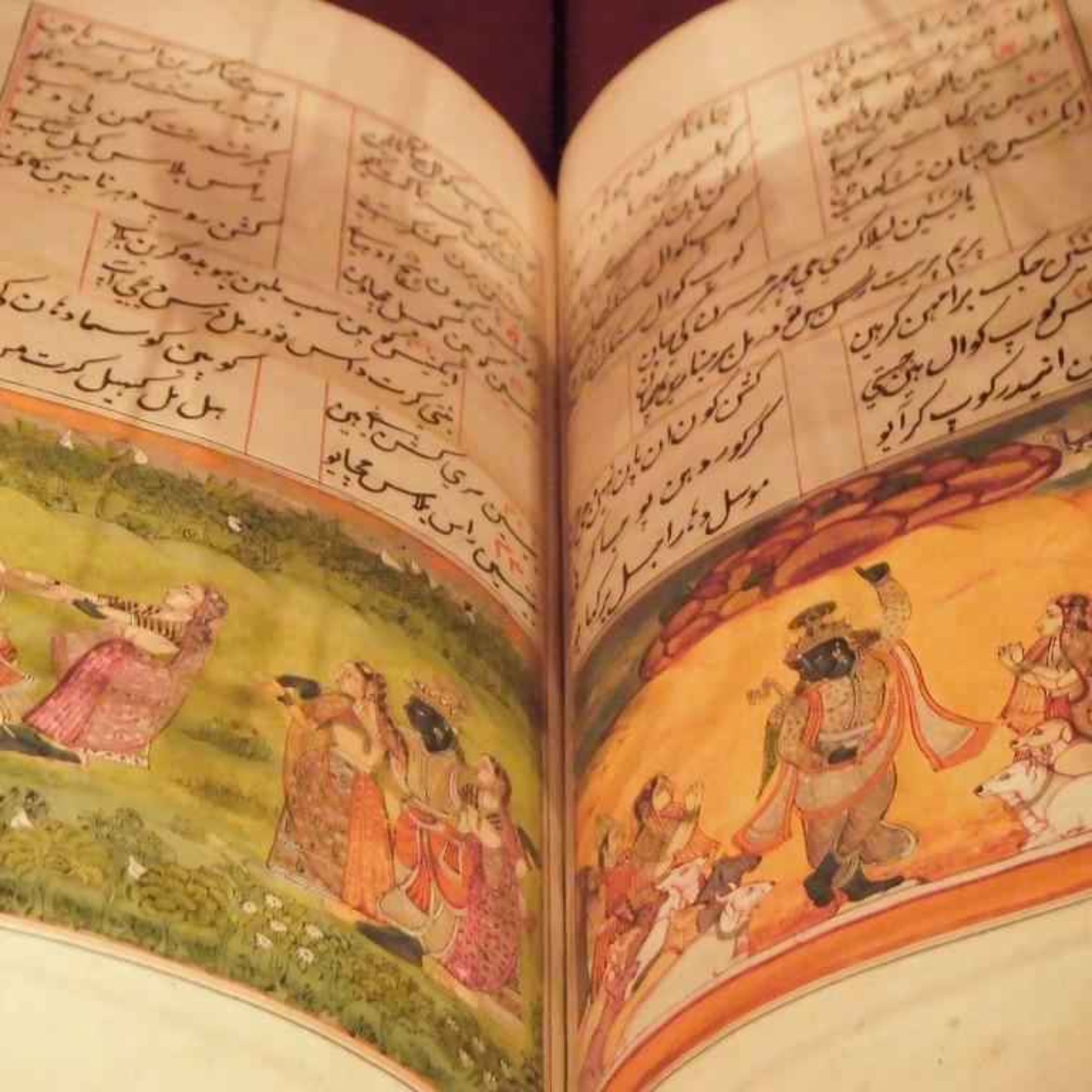
Reading The Bhagavad Gita: Book 2
Krishna explains that the soul is immortal and that rebirth is unending so there is no need to worry about killing one’s family as you aren’t really doing anything that matters. Instead, focus on wisdom and duty to achieve one’s dharma and everything else that follows will be right. Sign-up for Wes’s PATREON community to get your questions answered by Wes! (Yes, Wes is very active on Pat

Values: Ep. 6 - Heroism
Unlike the other values discussed, Heroism would seem to be a central value of contemporary society. However, upon closer inspection, it is clear that traditional notions of heroism - of which there are a range - are not all that represented. While the idea of suffering and sacrifice remain, the overall vision of transformation, agency and a transcendent goal seem to largely be ignored. While a pr
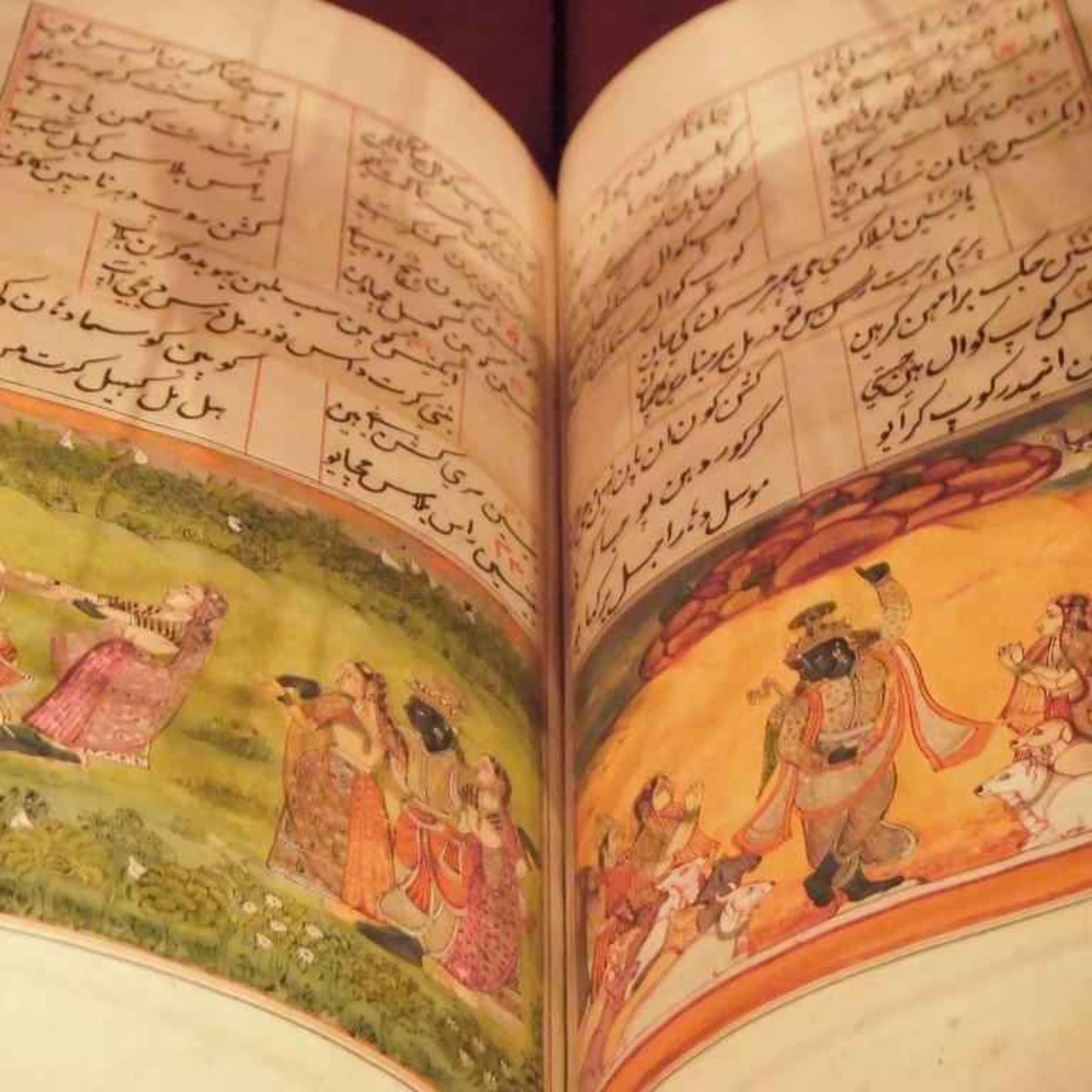
Reading The Bhagavad Gita: Book 1
A great opening! “Why, Krishna, should I kill my family and friends?” This question is the ethical question at the center of the work that allows for a complete re-imagining of Hinduism and the spiritual and social contract of ancient India. The layers of background that inform seemingly even simple passages is a bit overwhelming but hopefully this introduction will help out a little. Sign-up for&

Values: Ep. 5 - Joy
Who could be opposed to Joy? Well, it turns out that despite being a central value in several different philosophical systems for 1,000s of years, contemporary society has little use for the cultivation of Joy. A diffuse concept, I focus on providing several literary examples and suggestions for further study and reflection. Sign-up for Wes’s PATREON community to get your questions answe

Short Q & A on "Values" Series
A few questions and my own musings on the latest Values episode about the nature of Nobility as seen through the eyes of T.S. Eliot. Sign-up for Wes’s PATREON community to get your questions answered by Wes! (Yes, Wes is very active on Patreon)Plus, gain access to bonus lectures, peer discussions, additional course materials, and audio diaries from France. Only $2 / month. Hosted o

Values: Ep. 4 - Nobility
Not just a value that is out of fashion, but one that is actively and consistently attacked by our society. The notion of cultivating a noble self governed by humility, self-control, wisdom and uprightness seems both wildly out of fashion and arrogant. However, for millennia, this was a central goal of major philosophical systems. Contemporary culture sees any sense of nobility as a cover for some
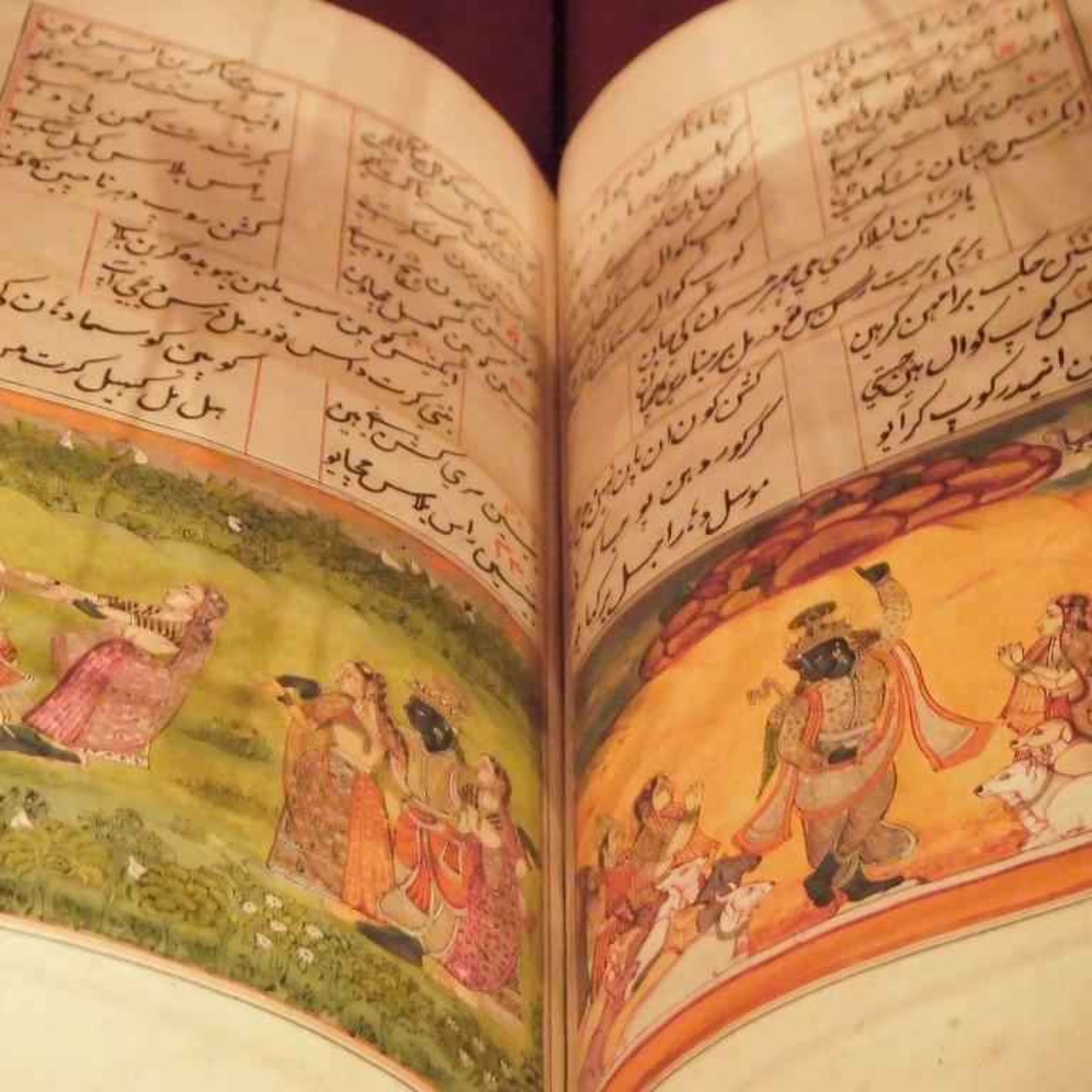
Reading The Bhagavad Gita - Intro
In 2 weeks we will begin a new series exploring the Bhagavad Gita as a means of orienting oneself within the vast and fascinating literature and thought of classical Hindu thought. An extraordinary and central text that works on a number of important levels within the larger epic of the Mahabharata while also representing an inflection point in the development of Hindu thought. I wanted to share t

Addendum on "Beauty": Piet Oudolf and Georgia O’Keeffe
A reflection on the power of biography to inspire and help guide us in our pursuit of beauty. These two examples are, at least for me, immensely helpful in shaking off the cultural assumptions and outlooks that try to shape our goals and, hence, decision making. Sign-up for Wes’s PATREON community to get your questions answered by Wes! (Yes, Wes is very active on Patreon)Plus, gain acces

Values: Ep. 3 - Beauty
With Health, Beauty has historically been considered an intrinsic value. However, our contemporary society does not just undervalue beauty, it actively works to prevent beauty from being perceived either as a value or, even more insidiously, as an active evil. By taking a moment and reflecting on our own perception of beauty and looking to cultivate in our environment we can use a sense of persona
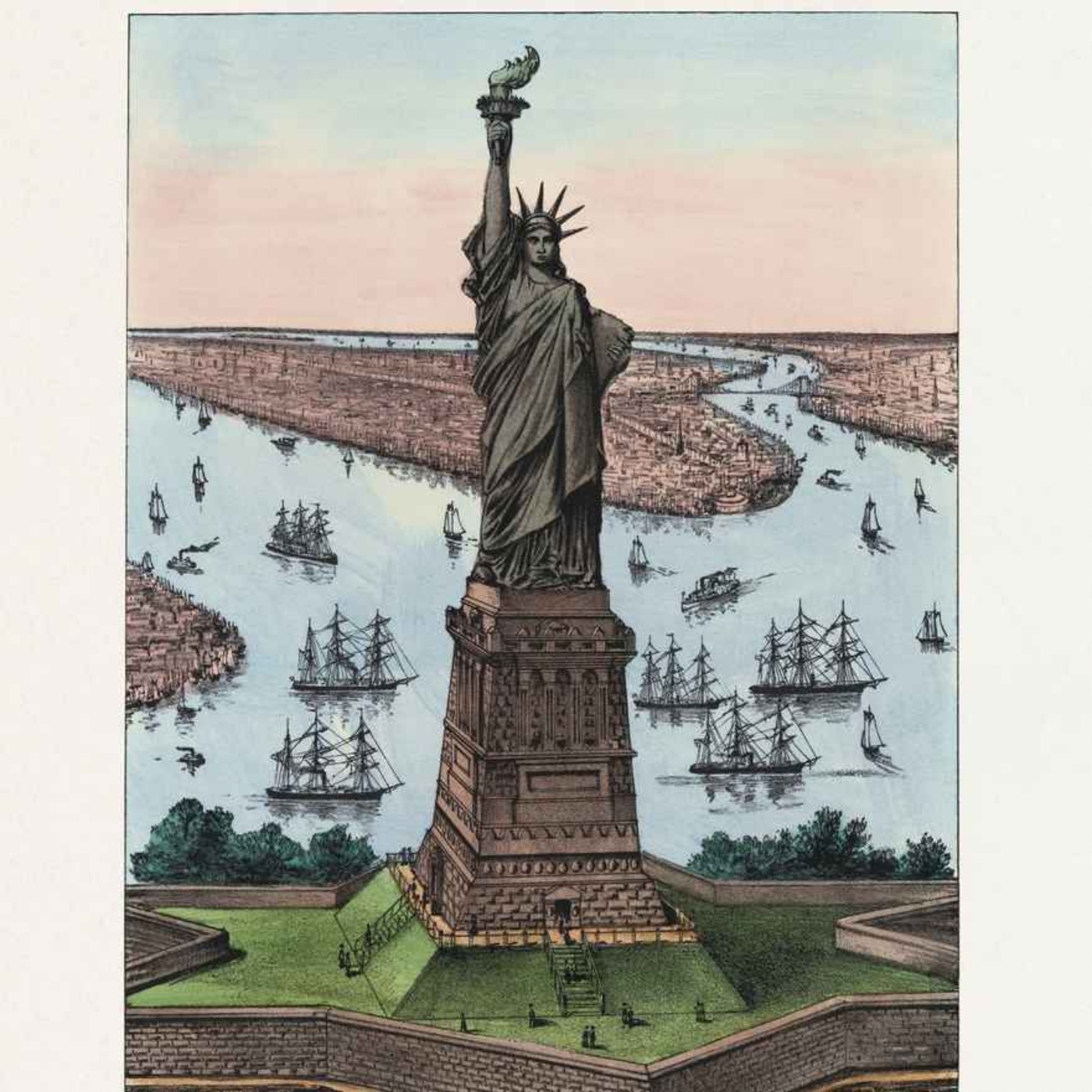
Is the US a Democracy?
Not a rhetorical ploy, but an actual question. The strange form of American ‘Democracy’ today raises the very real idea that at some point a lack of competition in elections, the duopoly of the hold on power and the control exerted over the process of elections by un-elected officials produces a system that is functionally no longer really a democracy. Further, and I forgot to mention this in the

Values: Ep. 2 - Health
Often discussed as an ‘implicit’ good, health is nonetheless a relatively low priority in many modern societies. We have both a poor understanding of what constitutes health as well as a strong cultural resistance to pursuing health as a key value in our lives. Any attempt to prioritize health will generally provide a powerful education in the underlying cultural values that shape our lives and, m

The Power of Abstraction
A reflection on our capacity to overwhelm our actual experience of the world with abstract concepts that somehow is often more powerful than even our immediate physical surroundings. I was prompted to these thoughts by recent experiences mowing my lawn and spending time in some very different kitchens.Sign-up for Wes’s PATREON community to get your questions answered by Wes! (Yes, Wes is

Values: Ep. 1 - Introduction
A brief introduction to the field of values and why they matter as a subject of reflection. Fundamentally, we understand the world through our values so reflecting on our values and potentially even changing them gives us the opportunity to dramatically alter our experience of the world. Sign-up for Wes’s PATREON community to get your questions answered by Wes! (Yes, Wes is very ac
Biography
A brief argument in favor of reading biographies as a warmup for a new series that will be coming very soon!Sign-up for Wes’s PATREON community to get your questions answered by Wes! (Yes, Wes is very active on Patreon)Plus, gain access to bonus lectures, peer discussions, additional course materials, and audio diaries from France. Only $2 / month. Hosted on Acast. See acast.com/pr
Commodification vs Financialization
A long footnote to the Late Capitalism series in which I discuss the, at least to me, very important difference between these two concepts. While commodification is still going on, it is really the advent of this new financial world that has come to dominate our world in many quite dangerous ways. Perhaps a long discourse that interests only me.Sign-up for Wes’s PATREON community to get
How to be Wrong and Why!
An invitation to explore the power of being wrong. In a culture that emphasizes the importance of rightness over a whole range of other possible values like harmony, beauty, health, fabulousness, inspiration, and so on, being wrong can be a liberating and enlightening experience. Once one begins being wrong, it lifts a burden of outlook and opens up a whole range of different experiences and orien
Late Capitalism: A Survival Guide, Ep. 18 - Conclusion 2 "Us"
While our particular brand of history is unique, people have been living history for a long time. By looking back to some earlier patterns of living that were more health-giving and joy-supporting than the form of life relentlessly promoted to us today, we can gain a few clues as to how we can adapt in the face of our challenges. Sign-up for Wes’s PATREON community to get your questions
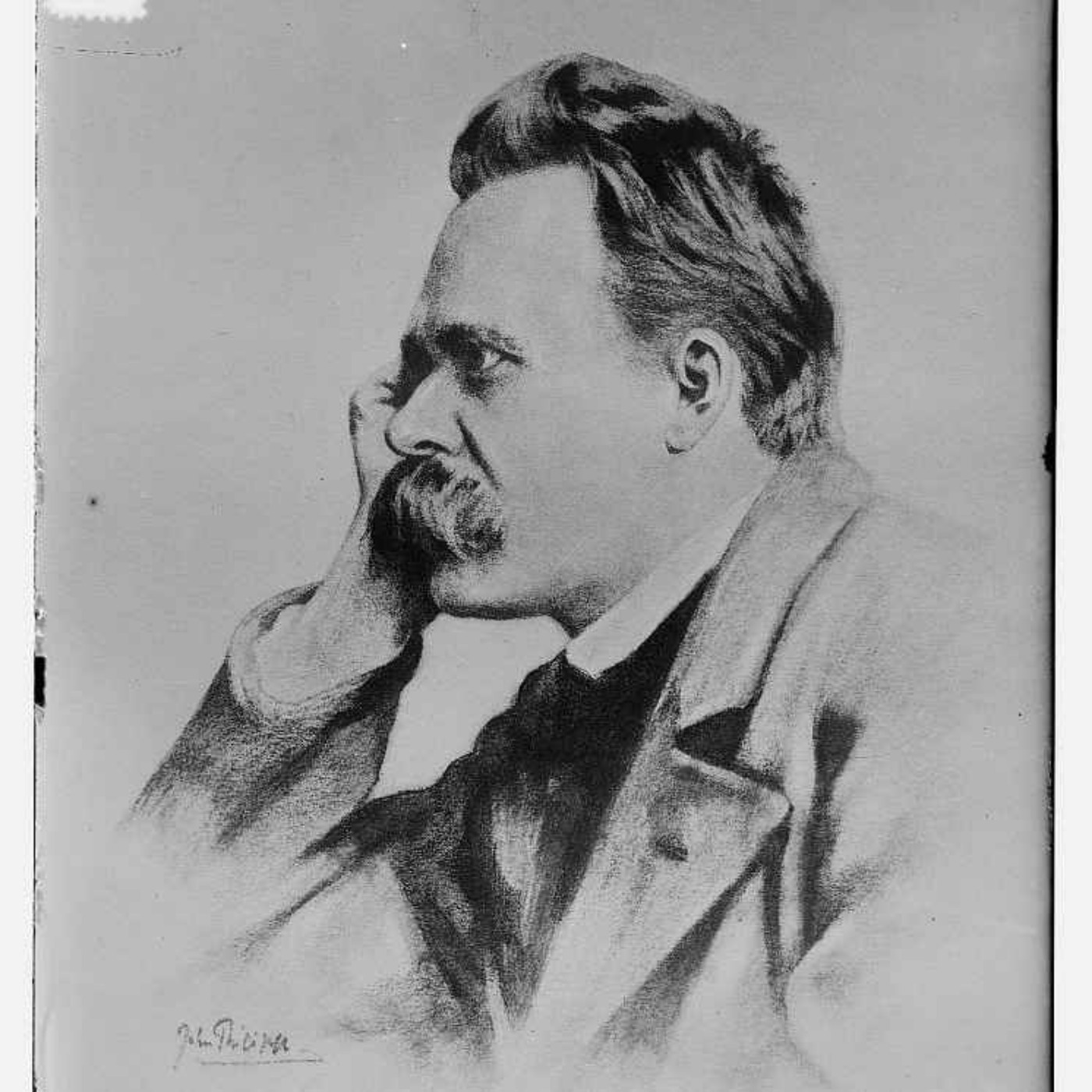
Reading Nietzsche's "Beyond Good and Evil" - Ep. 16: Conclusion
Nietzsche is not just presenting a series of arguments, he is modelling a very different approach to thinking and understanding our world than we usually encounter. To conclude our read-along, I reflect on the structure of his arguments and how they are as, or even more, important than the actual content. In the end, like a poem, Nietzsche invites us to participate in the creation of our own under
Late Capitalism: A Survival Guide, Ep. 17 - Conclusion 1 "Cheerios"
A reflection on the global structure of Late Capitalism encapsulated in Cheerios as an example that can help us understand the nature of the world we inhabit. I also cover the unanswerable question, “Why has 70 years of efficiency and progress made Cheerios so expensive” and the unspeakable word - “Deflation”. Hopefully having these small examples in our minds will help us to address the complexit
Reading Nietzsche's "Beyond Good and Evil" - Ep. 15
The final section finds Nietzsche in usual form attacking the notion of ‘levelling’ and ‘universal good’ and ‘Equality’. HIs driving force, following on Will to Power, is the pursuit of individual ideas that suit individuals and hence refute the drive towards universality or assumptions of ‘good’ or ‘true’. Sign-up for Wes’s PATREON community to get your questions answered by Wes! (
Late Capitalism: A Survival Guide - Addendum - Keurig
Okay, I couldn’t help myself. Keurig is such a perfect example of how this entire orientation towards the world is destructive of more or less all the greatness and joy in life that I pause here to reflect in greater detail on the specifics of the Keurig case. I also think the example of FitBit and similar devices renting to us the capacity to connect with our bodies - and hence of course alienati
Late Capitalism: A Survival Guide, Ep. 16 - Reorientation
As long as we keep the values of Late Capitalism we will be trapped within and reproduce the problems associated with our current system. To reorient ourselves within our world we need to articulate for ourselves a new set of values. Two key elements is to resist the notion of money as a necessary arbiter of all things and to reevaluate our desire for haste. It is in large part our addiction to sp
Reading Nietzsche's "Beyond Good and Evil" - Ep. 14 (Will To Power)
I pause for a moment to review the central concept for Nietzsche - the Will to Power - how it differs from the concept of will deployed by Schopenhauer and how it utterly reframes the debate around free-will and determinism (though most people don’t seem to notice). Hopefully, this provides a little more clarity and also suggests why it is both a crucial insight and pretty confusing all the same t
Late Capitalism: A Survival Guide, Ep. 15 - Health?
Following on from the Unaskable Question, is the notion of how our health is intimately linked with our physical, emotional and psychological wellbeing. However, the logic of Late Capitalism, which we have been examining largely from the direction of money and economics, functions in precisely the same way when we look at our health. Unfortunately, but predictably, isolating people in stressful en
Reading Nietzsche's "Beyond Good and Evil" - Ep. 13
Nietzsche reminds us that pain does not, in fact, correlate with truth. And while these chapters are a little confusing, he repeats his observation that all philosophy is derived from the philosopher’s autobiography - and in this case it is clearly Nietzsche expressing his sense of the world. Sign-up for Wes’s PATREON community to get your questions answered by Wes! (Yes, Wes is very act
Late Capitalism: A Survival Guide - Addendum - Elon Musk
Musk's decision to absorb his failed Twitter company into his failing AI company which he is now folding into his cash positive satellite launch company is such a perfect example of Late Capitalism I couldn’t help but comment. Bizarrely, Musk denies he has a car company, or a telecommunications company, or a rocket building company. Why would a successful 19th century industrialist systematically
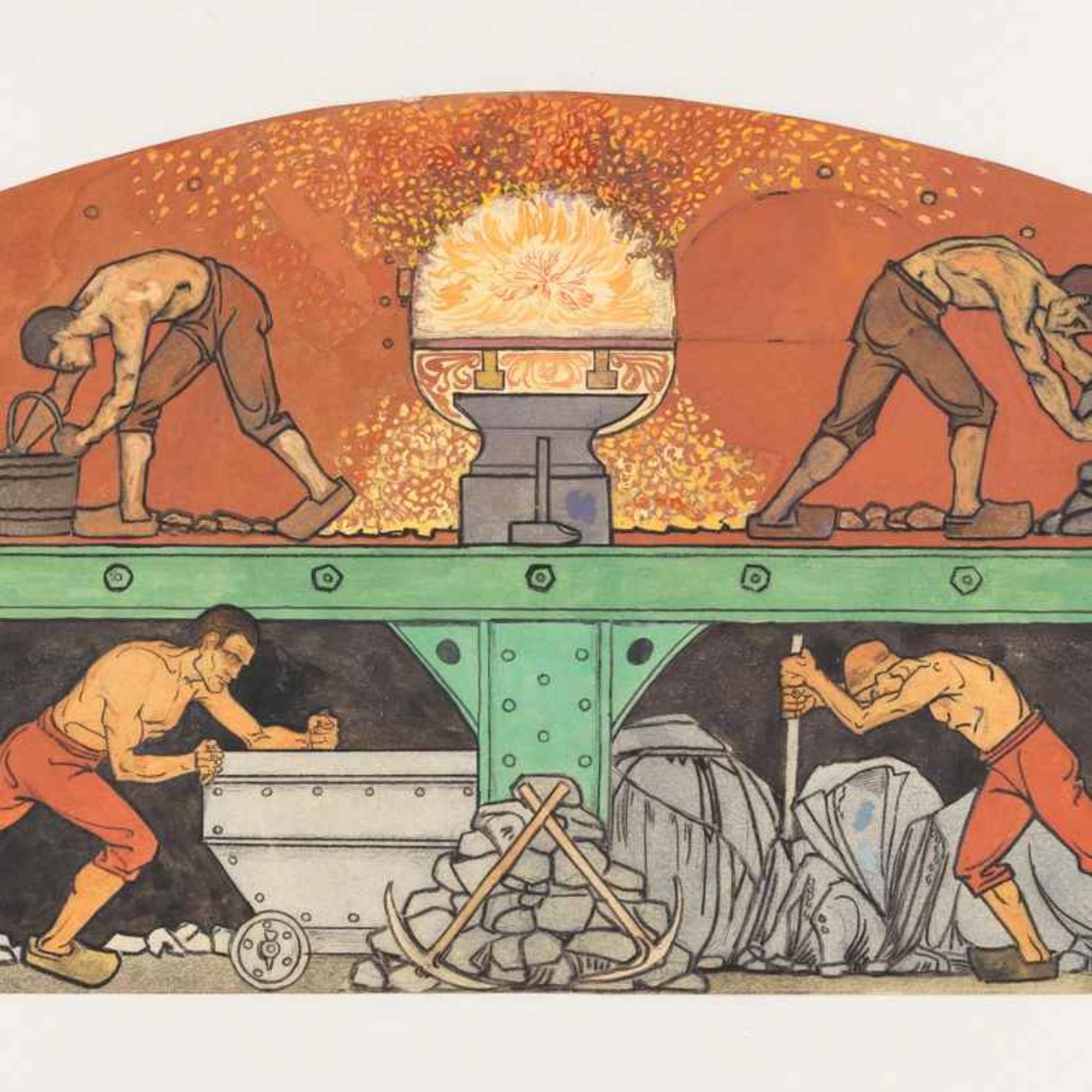
Late Capitalism: A Survival Guide, Ep. 14 - The Unaskable Question
We know money answereth all things and that as long as we get money, keep money, and have more money then everything will be fine . . . of course this is completely and demonstrably wrong, and yet, the power of the Late Capitalist ethos reinforces this idea relentlessly as it prevents any other value from intervening in the process. However, if actually stop and ask - what is the source of my weal