Mad in America: Rethinking Mental Health
The Mad in America podcast is a weekly discussion that searches for the truth about psychiatric prescription drugs and mental health care worldwide. Hosted by James Moore, it is part of Mad in America's mission to serve as a catalyst for rethinking psychiatric care. The podcast features interviews with experts and those with lived experience of the psychiatric system, challenging the current drug-based paradigm of care.
Episodes

When Stopping Prescription Drugs Isn't Simple: Alicia Martin and the TaperMate Story
Alicia Martin is an Australian community pharmacist, a member of the Not Broken Project and founder of TaperMate. Through her work in pharmacy, Alicia saw patients struggling with unusual and severe symptoms when they tried to stop their antidepressants and realized there was little support when people wanted to stop long-term medications. Rather than waiting for the system to catch up, she starte

First-Person Knowledge and the Meanings of Madness: An Interview with Gail Hornstein
Gail Hornstein is Professor Emerita of Psychology at Mount Holyoke College. Across a long and influential career, her work has moved between psychology, psychoanalysis, history, qualitative research, and the study of first-person accounts of madness. She is the author of To Redeem One Person Is to Redeem the World: The Life of Frieda Fromm-Reichmann, a biography of the pioneering psychiatrist and

Mad Studies Is More Than Lived Experience: An Interview with Merrick Daniel Pilling
Merrick Daniel Pilling is an Associate Professor and Interim Co-Director of the School of Disability Studies at Toronto Metropolitan University. He is the author of Queer and Trans Madness: Struggles for Social Justice and the co-editor of Interrogating Psychiatric Narratives of Madness: Documented Lives. His new book, Mad Studies: The Basics, introduces Mad Studies as a field that has emerged fro

The West Doesn't Have All the Answers: An Interview with Dinesh Bhugra
Dinesh Bhugra is a leading voice in social and cultural psychiatry. He is Emeritus Professor of Mental Health and Cultural Diversity at King's College London and has served as president of the Royal College of Psychiatrists, the British Medical Association, and the World Psychiatric Association. His many honors include being named a Commander of the Order of the British Empire (CBE) for services

Go/No Go - How Mental Health Research Took a Wrong Turn: An Interview with Marianne Apostolides
Marianne Apostolides is the award-winning author of eight books, four of which have been translated and published internationally. She is a two-time recipient of the Chalmers Arts Fellowship and winner of the K.M. Hunter Award for Literature. Her books include I Can't Get You Out of My Mind, Deep Salt Water, Voluptuous Pleasure: The Truth about the Writing Life, and Swim. Moving across fiction

Unlearn Your Pain: Harnessing the Power of Neuroplasticity – A Conversation With Howard Schubiner
Welcome to the Mad in America podcast. My name is Brooke Siem, and I am the author of the award-winning memoir on antidepressant withdrawal, May Cause Side Effects. Today, I'm excited to have Dr. Howard Schubiner on the show. Dr. Schubiner is an internist and a clinical professor at the Michigan State University College of Human Medicine and has authored more than 100 publications in scientific jo

The Empire of Madness: Why Psychiatry Must Rethink Human Suffering - An Interview with Khameer Kidia
Khameer Kidia is a physician and an anthropologist, works at Harvard Medical School and the University of Zimbabwe, and spends his life between Washington DC and Harare. Kidia has many accolades to his name – he is a Rhodes scholar and a 2023 New America Fellow. His papers have appeared in elite medical journals and his stories in the New York Times. His recent book, which we will discuss, was cov

A Mother's Journey Through Psychiatric Drug Harm and Healing
Chelsea McVeigh began her journey with psychiatric medications at 16, never imagining where it would lead. At 31, during a new pregnancy, she suffered a severe adverse reaction that turned her world upside down. After years of fighting to reclaim her health and sense of self, she's now 37, a mother of two incredible boys and living proof that healing is possible even after the unimaginable. *** Th

Using Lived Experience to Challenge Systemic Prescriber Inexperience in Antidepressant Withdrawal
Carla Delgado is a San Diego native with eight years of experience in healthcare and a master's in healthcare administration. She also has a personal story of SSRI withdrawal, and we discuss how her background in healthcare administration helped to navigate the healthcare system, which has not been that friendly for people experiencing antidepressant withdrawal. *** Thank you for being with us to

Mercy, Magic, and the Medical Humanities: An Interview with Jussi Valtonen
Jussi Valtonen is a neuropsychologist, an adjunct researcher with the Finnish Centre for Evidence-Based Orthopedics (FICEBO), a professor of writing at the University of the Arts Helsinki, and a columnist for the Finnish Medical Journal. He works clinically as a neuropsychologist, and his research and writing sit at the crossroads of mind and brain through the health humanities. Jussi is an awar

Anthropology, Arctic Iceland and Antidepressant Withdrawal: A Conversation With Fiona Frenzen
Born in Germany and raised in Denmark, Fiona Frenzen is a qualified teacher with a master's degree in anthropology. For years, she had a dream about living in Iceland, seeking the grounding and healing effect of nature. But due to her health challenges and severe withdrawal syndrome, this dream seemed unrealistic. However, this past fall, she moved to a rural part of Iceland where she began teachi

Meeting Life Unmedicated: Aging, Protracted Withdrawal and Healing - A Conversation With Marsha Zaritsky
Marsha Zaritsky is a licensed mental health therapist certified in Internal Family Systems. She joins us to explain how her experience with polypharmacy and psychiatric drug withdrawal has changed and informed how she practices. *** Thank you for being with us to listen to the podcast and read our articles this year. MIA is funded entirely by reader donations. If you value MIA, please help us cont

Faith, Culture, and Coercion: An Interview with Cultural Psychiatrist G. Eric Jarvis
Eric Jarvis is a Professor of Psychiatry at McGill University whose work brings attention to areas often overlooked in mainstream psychiatry, including religion, coercion, the social determinants of psychosis, and culture. He directs the Cultural Consultation Service, the First Episode Psychosis Program, and the Culture and Psychosis Working Group at the Jewish General Hospital, and is Editor-in-C

Kindling Our Inner Fire: A Residential Program Where Drug Tapering is the Norm
Beatrice Birch is the Founder and Director of Inner Fire, a residential program in rural Vermont, which is unique in one particular way. It provides support for tapering from psychiatric drugs, including antipsychotics, which is an essential aspect of the therapy. In this interview, Beatrice introduces Inner Fire, tells us about the programme and staff and explains how kindling our inner fire can

The Madness Pill: How Psychedelics and Stimulants Shaped Biological Psychiatry — An Interview with Justin Garson
Justin Garson is a philosopher and historian of science at the City University of New York. He has published several books and articles on biology, the mind, and madness, including Madness: A Philosophical Exploration in 2022. He also contributes to Psychology Today and Aeon. His latest book, The Madness Pill: One Doctor's Quest to Understand Schizophrenia, was published by St. Martin's Press in

Finding God and Leaving Psychiatry: An Interview With Kelsey Osgood
Kelsey Osgood is the author of How to Disappear Completely: on Modern Anorexia, which was chosen for the Barnes and Noble Discover Great Writers New Program. Her work has appeared online and in print at The Atlantic, The New York Times, Harper's and The New Yorker, among other outlets. In this interview we talk about Kelsey's new book Godstruck: Seven Women's Unexpected Journeys to Religious Conve

"Everybody Can Recover": Fighting Psychiatric Subjectivation and Helping Others Along the Way: An Interview with Prateeksha Sharma
Psychosis and conditions like Schizophrenia have been tainted with pessimism right from the beginning. Doctors often don't know that recovery is possible and can convey this fatalism to their patients. Prateeksha Sharma's lived experience and research work challenges this pessimism. Prateeksha is a musician, a researcher, a composer, a counselor, and a writer. However, for the longest time, she wa

The Fight for the Soul of Psychotherapy: An Interview with Linda Michaels
Linda Michaels is a psychologist in private practice in Chicago and a co-founder of the Psychotherapy Action Network (PsiAN). She trained at the Illinois School of Professional Psychology and completed the Psychoanalytic Psychotherapy program at the Chicago Psychoanalytic Institute. Before becoming a clinician, she worked in marketing, innovation, and management consulting, including work with org

Examining Psychiatric Medication Tapering and Withdrawal: The Evolving Role of Pharmacists — A Conversation with Agnes Higgins and Cathal Cadogan
Welcome to the Mad in America podcast, my name is James. Today, we are discussing the experiences of people who have attempted to stop taking psychiatric drugs. These experiences are captured in a survey undertaken by the School of Pharmacy and Pharmaceutical Sciences, Trinity College, Dublin, Ireland. Joining me to talk about this work are Cathal Cadogan and Agnes Higgins, both from Trinity Colle

Spiritual Emergency and the Collective Work of Staying Alive: An Interview with Nisha Gupta
Nisha Gupta is an existential phenomenologist, a depth psychotherapist, a creativity scholar, and an artist. She's an Associate Professor of Psychology at the University of West Georgia and earned her PhD in clinical psychology from Duquesne University in Pittsburgh. She's also, if she doesn't mind me saying, a bit of a rising star as an early career psychologist, having won early career awards fr

The Political Systems Driving Abuse in Psychiatry: An Interview with Human Rights Lawyer Alicia Ely Yamin
Alicia Ely Yamin is the Director of the Global Health and Rights Project and a lecturer at Harvard Law School. She's also an adjunct senior lecturer on health policy and management at the Harvard T.H. Chan School of Public Health and a Senior Advisor on Human Rights and Health Policy at Partners in Health. Alicia is known globally for her work on the right to health, economic and social rights, an

History, Eugenics, and an Inquiry into Mad Consciousness: A Conversation With Susanne Paola Antonetta
Susanne Paola Antonetta is an accomplished writer and poet, the author of numerous books, and in 2001 her book Body Toxic: An Environmental Memoir, won a prestigious American Book Award. Her latest book is The Devil's Castle, Nazi Eugenics, Euthanasia, and How Psychiatry's Troubled History Reverberates Today. *** Thank you for being with us to listen to the podcast and read our articles this year.

How Our Blindness to Context Harms Patients and Breaks Practitioners: A Conversation With Kamaldeep Bhui
Kamaldeep Bhui is Professor of Psychiatry at the University of Oxford and Honorary Professor at Queen Mary University of London. He is internationally recognized for his groundbreaking work on cultural psychiatry, ethnic inequalities in mental health, and the social determinants of distress. In recognition of his contributions to mental health research and policy, he was appointed Commander of the

UberTherapy and the Enshittification of our Relational Lives: Part 2 of our Interview with Elizabeth Cotton
Elizabeth Cotton is Associate Professor of Responsible Business at the University of Leicester and the founder of Surviving Work, which carries out socially engaged research on mental health and work. She has worked with health teams and trade unions, practiced as a psychotherapist in the NHS, and now runs the Digital Therapy Project, a group of UK and US researchers studying the future of therapy
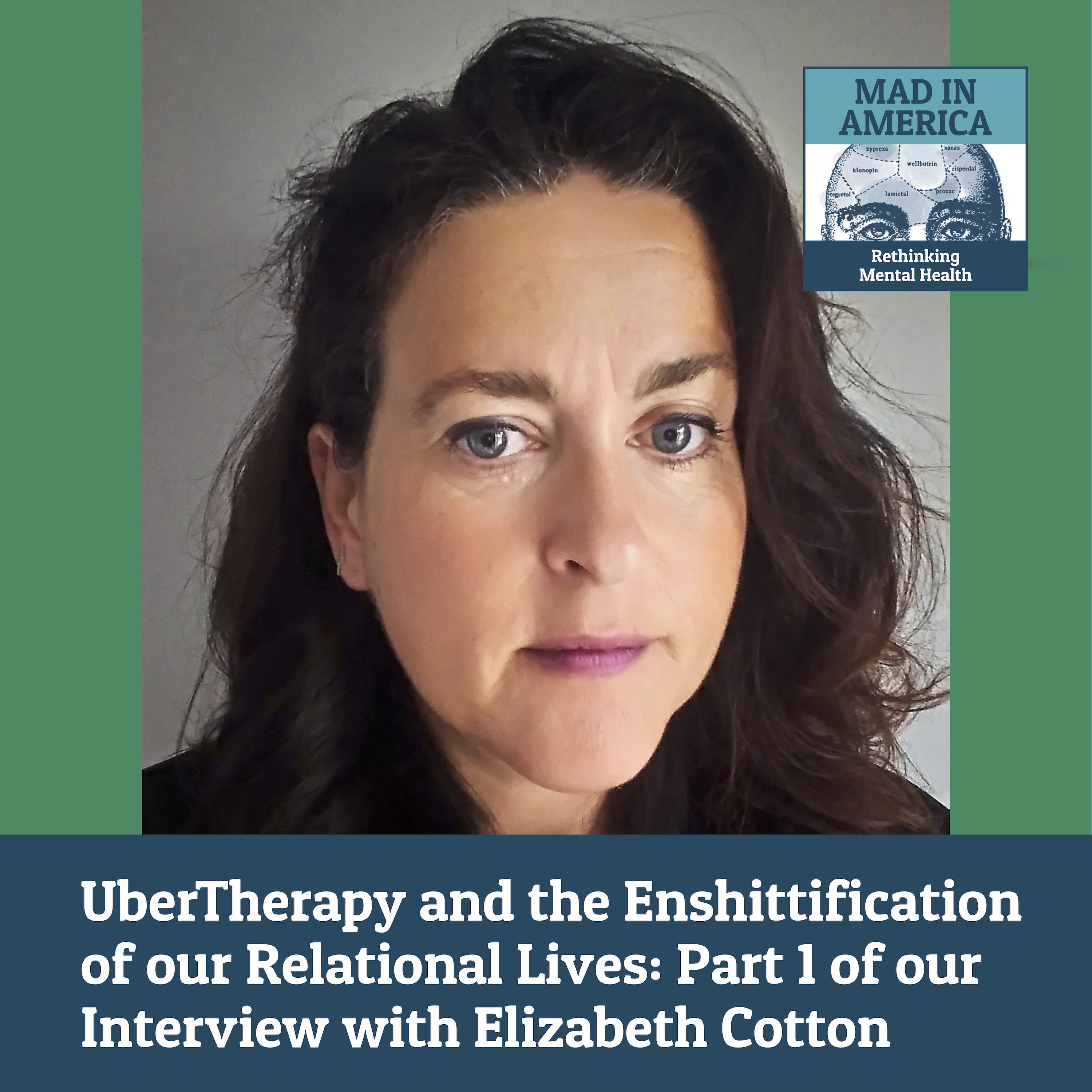
UberTherapy and the Enshittification of our Relational Lives: Part 1 of our Interview with Elizabeth Cotton
Elizabeth Cotton is Associate Professor of Responsible Business at the University of Leicester and the founder of Surviving Work, which carries out socially engaged research on mental health and work. She has worked with health teams and trade unions, practiced as a psychotherapist in the NHS, and now runs the Digital Therapy Project, a group of UK and US researchers studying the future of therapy

Food First, Pharma Last - Part Two of our Interview with Chris Masterjohn
This week, we are joined by Chris Masterjohn, PhD. Chris is a nutritional scientist, a former professor, and the founder of Mitome. With a PhD in nutritional science and years of research in mitochondrial biology, Chris's work focuses on translating peer-reviewed science into practical tools for human health. At Mitome, Dr. Masterjohn pioneered the first analysis designed to measure mitochondrial

Mitochondria and Energetic Failures - A New Understanding of Antidepressant Withdrawal? An Interview with Chris Masterjohn
This week, we are joined by Chris Masterjohn, PhD. Chris is a nutritional scientist, a former professor, and the founder of Mitome. With a PhD in nutritional science and years of research in mitochondrial biology, Chris's work focuses on translating peer-reviewed science into practical tools for human health. At Mitome, Dr. Masterjohn pioneered the first analysis designed to measure mitochondrial
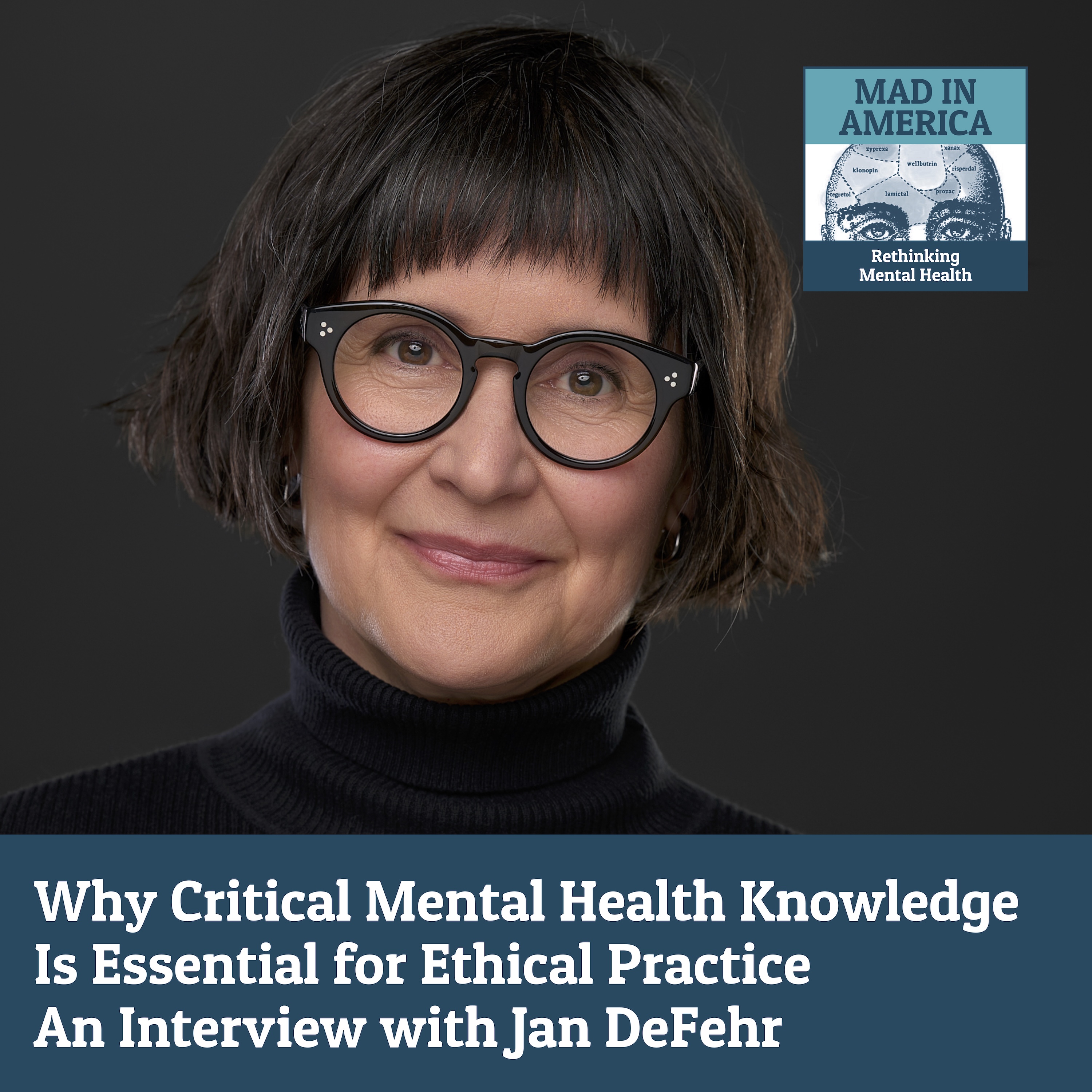
Why Critical Mental Health Knowledge Is Essential for Ethical Practice: An Interview with Jan DeFehr
Jan N. DeFehr is an associate professor in the Faculty of Education at the University of Winnipeg and an associate of The Taos Institute and a member of the Faculty for Palestine, Manitoba. She is also a member of the York University Mad Studies Hub. Before entering academia, she spent many years as a clinical social worker, working alongside people who were trying to make sense of their distress

ADHD Diagnoses, Examining the Psyche, Withdrawal and PSSD Risks, ECT Harms and More: Robert Whitaker Answers Reader Questions
In our first podcast of 2026, Robert Whitaker joins us to answer questions submitted by Mad in America readers and listeners. We discuss the validity of ADHD diagnoses, withdrawal and sexual dysfunction risks of SSRI antidepressants, the harms of electro-convulsive therapy (ECT), the rise of AI-generated misinformation and much more. *** Thank you for being with us to listen to the podcast and rea
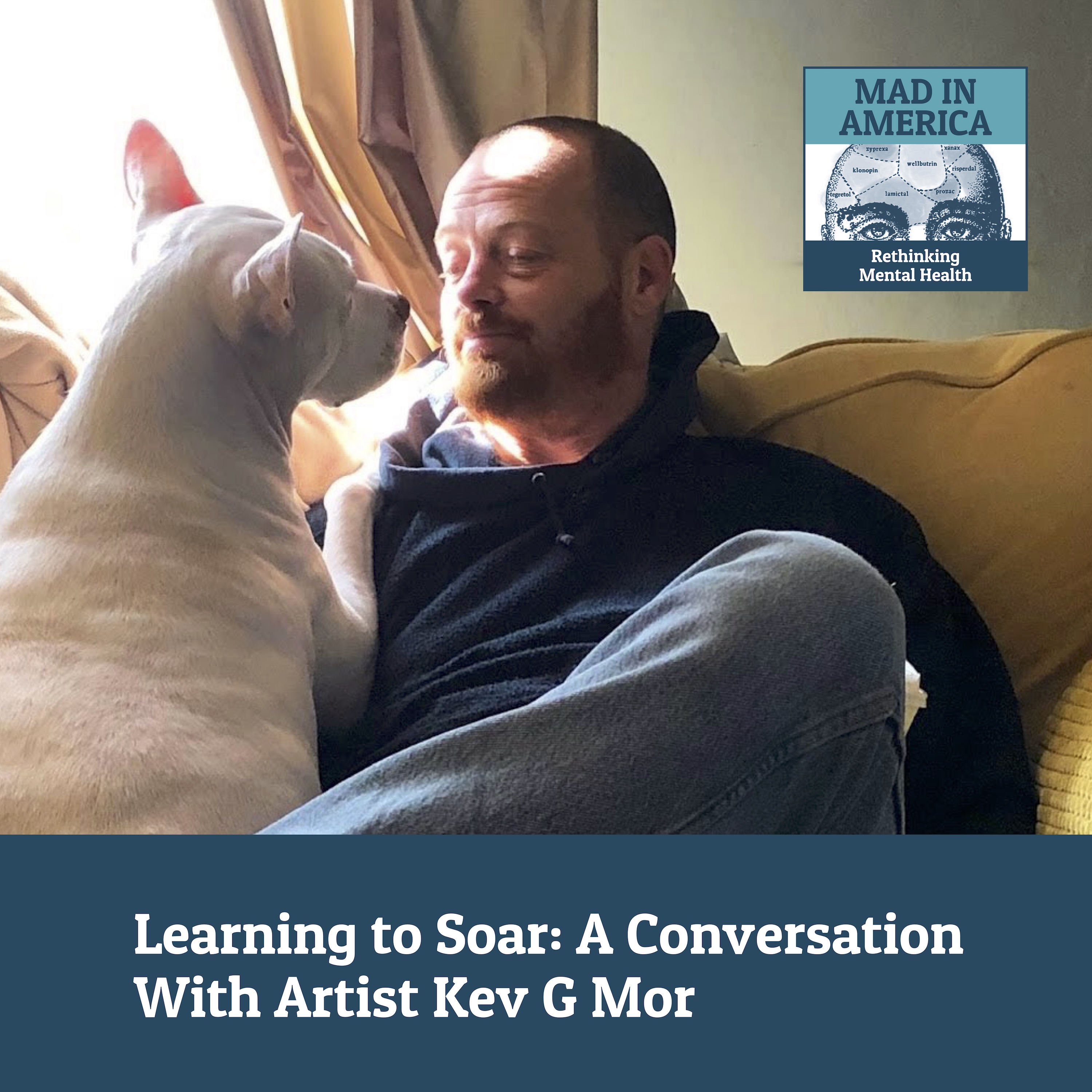
Learning to Soar: A Conversation With Artist Kev G Mor
Musician and artist Kev G Mor joins us to discuss his experience of psychosis, his daily support strategies, and the pros and cons of having a hundred-pound pit bull terrier for emotional support. Kev is a suicide survivor who grew up with early childhood trauma and has experienced homelessness as a teen, is a single father, and is now again in recovery. His work is about showing what staying well
Antidepressant Withdrawal: Finding an Astronomical Perspective - A Conversation with Safa Askeri
Safa Askeri joins us to discuss his experience of antidepressant withdrawal and the gaslighting he was subjected to as he raised concerns with his doctors. "After this happened to me, I know that I can handle anything in life, no matter how hard it is." *** Like to know more about Mad in America or rethinking psychiatry more broadly? On our podcast, Robert Whitaker will answer your questions. Emai
Psychiatric Drugs: The Real World is Where the Harms Live
Joining us for a roundtable discussion are Brooke Siem, David Antonuccio, Kim Witzak, Angie Peacock and David Healy. They discuss the challenges of openly discussing psychiatric drug withdrawal, the true meaning of informed consent, getting doctors to acknowledge medication-induced harm and much more. *** Thank you for being with us to listen to the podcast and read our articles this year. MIA is
Medical Organizations Turn Blind Eye to Harms of Maternal Antidepressant Use: A Conversation With Adam Urato and Joanna Moncrieff
On July 21st 2025, the FDA convened a hearing on maternal use of antidepressants during pregnancy and the impact this use has on fetal development. Around 400,000 children in the United States are born each year whose mothers took antidepressants while pregnant, and so it's easy to see the societal importance of this topic. What are the risks to the fetus, the newborn, and the long-term developmen
Psychotherapy, Spirituality, and Democratic Socialism: A Conversation with Frank Gruba-McCallister
Frank Gruba-McCallister is a clinical psychologist, educator, and scholar whose career spans more than three decades of teaching and academic leadership. He served as Vice President of Academic Affairs at Adler University, where he helped to reorient the institution's mission toward training socially responsible practitioners. His leadership and curricular reforms contributed to Adler's doctoral
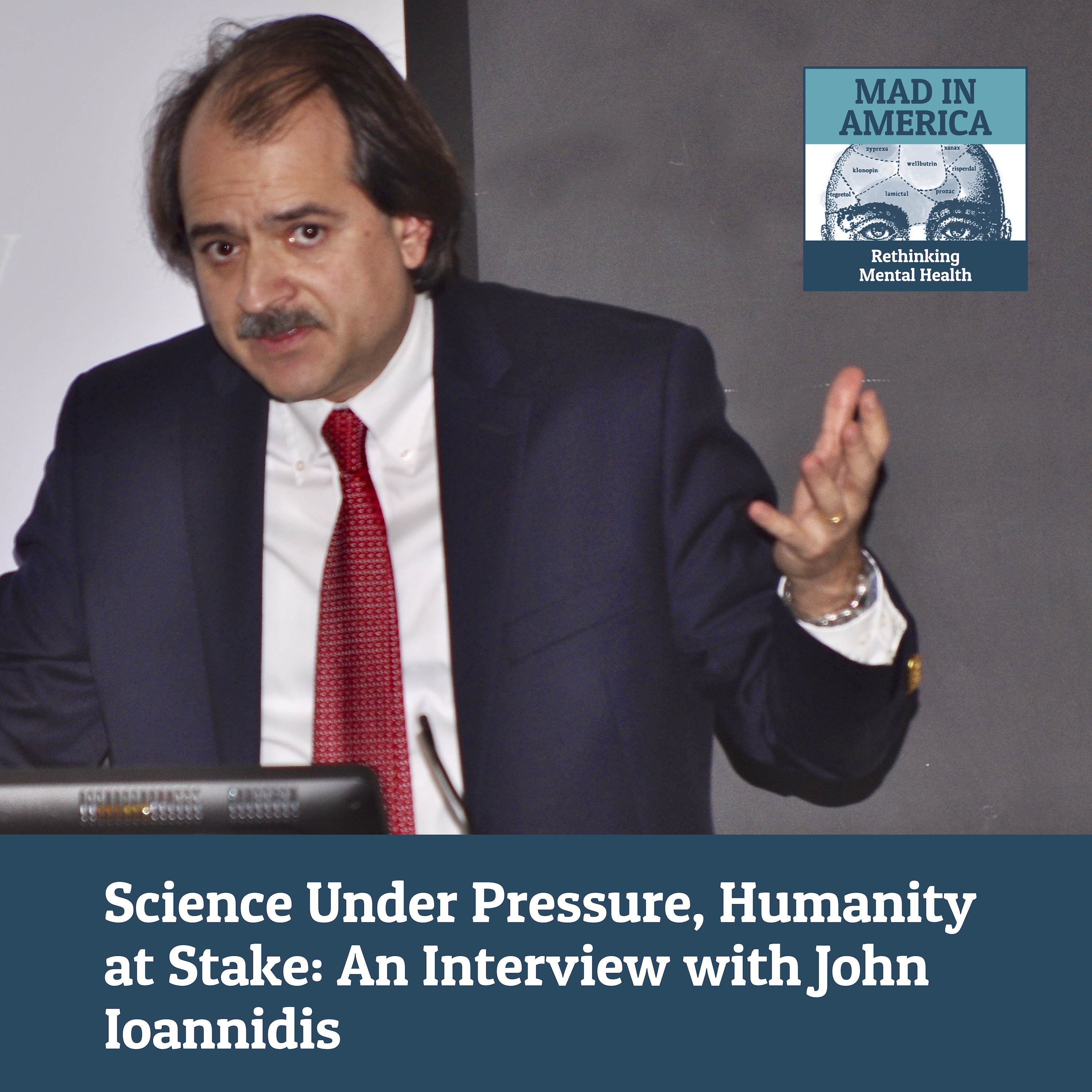
Science Under Pressure, Humanity at Stake: An Interview with John Ioannidis
John Ioannidis is a Stanford professor, a physician, and one of the most eminent scholars in the world in the field of evidence-based medicine. Ioannidis has spent his career exposing the weak foundations of much of modern medicine. His 2005 paper, "Why Most Published Research Findings Are False," became the most-viewed article in the history of PLOS Medicine and helped spark a global reckoning wi
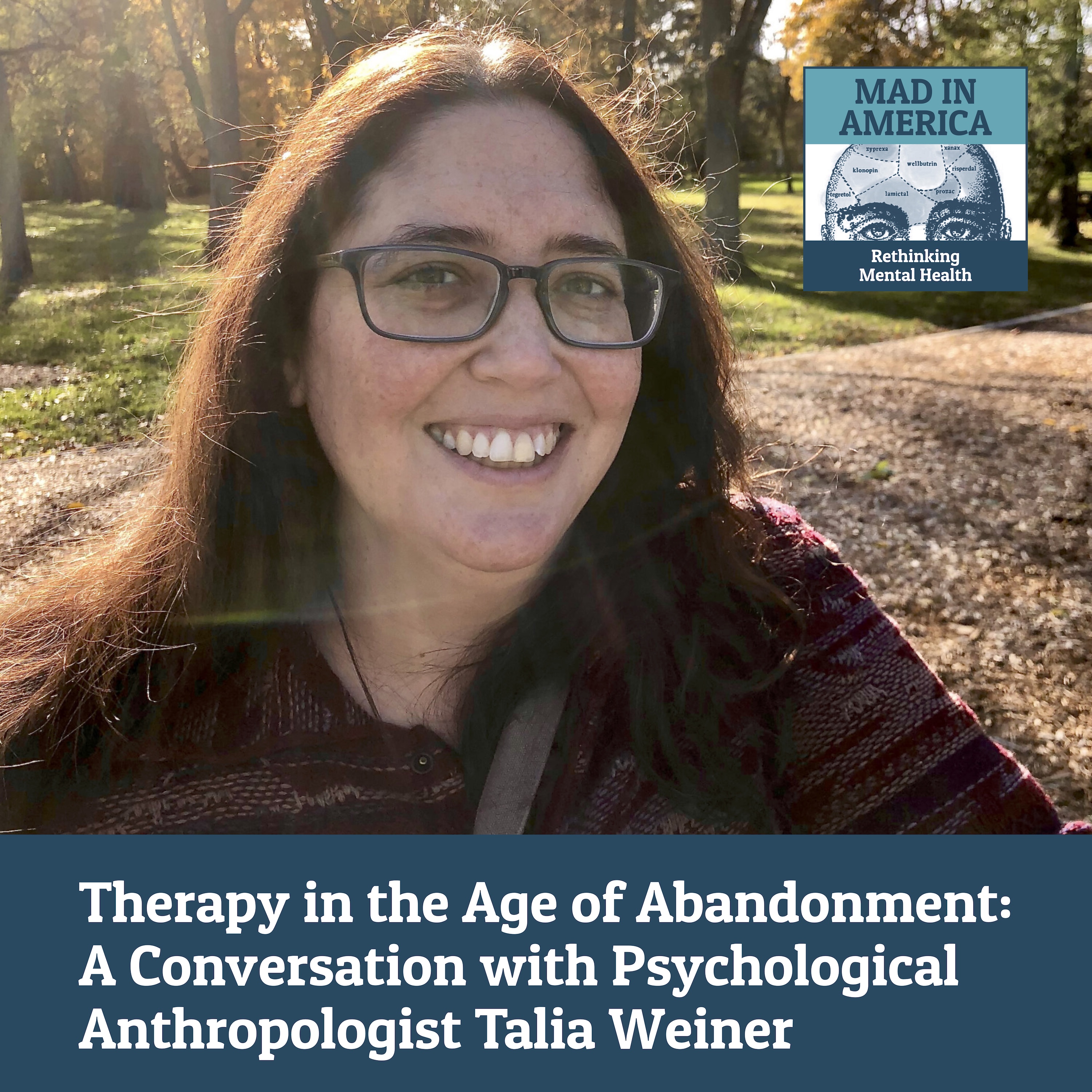
Therapy in the Age of Abandonment: A Conversation with Psychological Anthropologist Talia Weiner
Talia Weiner is a psychological anthropologist, licensed professional counselor, and assistant professor of psychology at the University of West Georgia. As a medical and psychological anthropologist, her work focuses on the intersection of social-structural forces and how those forces show up in lived experience, particularly in relation to mental health care. Weiner studies these and other topic
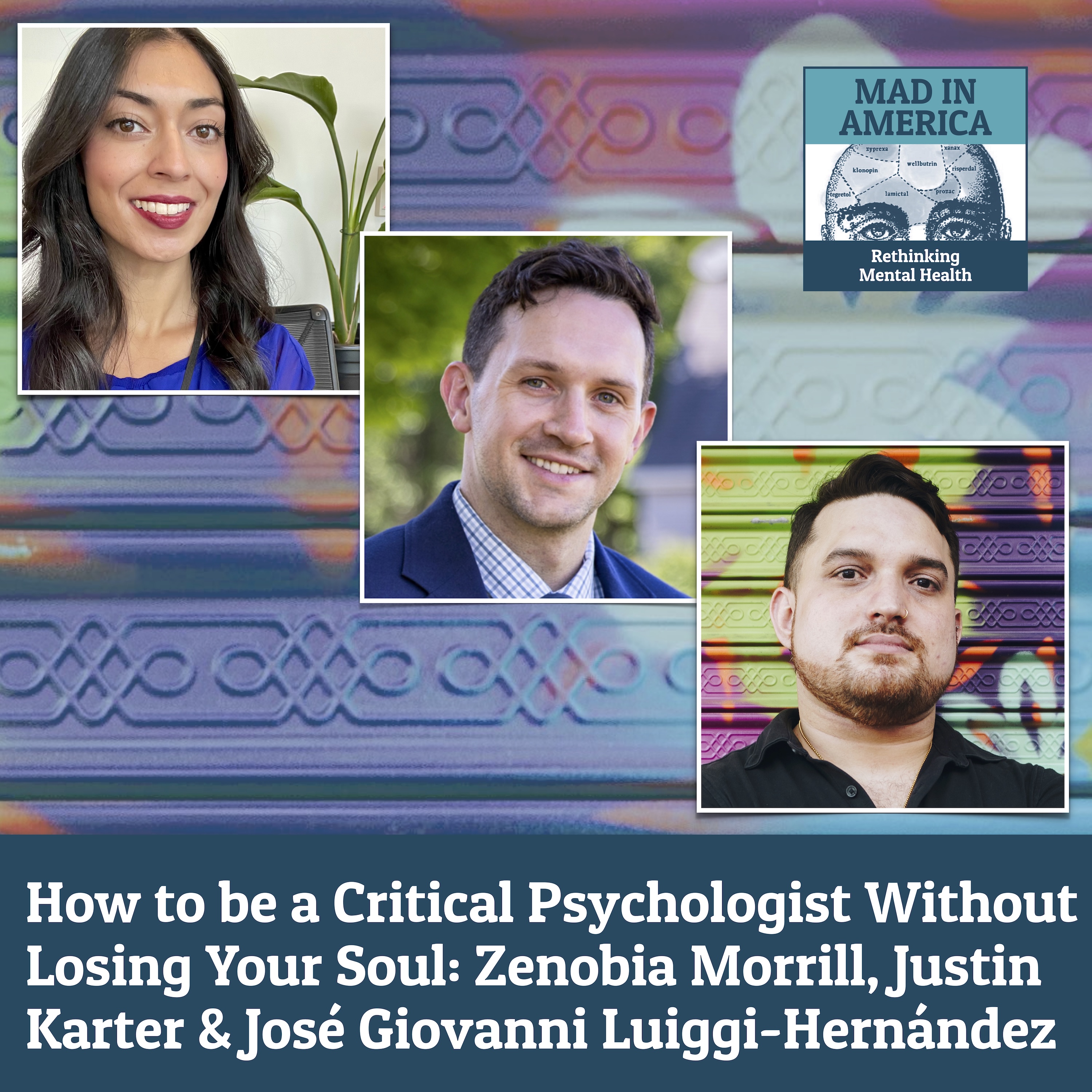
How to be a Critical Psychologist Without Losing Your Soul: A Conversation With Zenobia Morrill, José Giovanni Luiggi-Hernández and Justin Karter
On the Mad in America podcast this week, we explore the importance of raising awareness of psychological approaches that challenge mainstream perspectives. Joining us today are three people who are practising clinical psychologists and who have written for Mad in America. Zenobia Morrill is a critical-liberation psychologist and psychology professor who received her doctorate from the University o
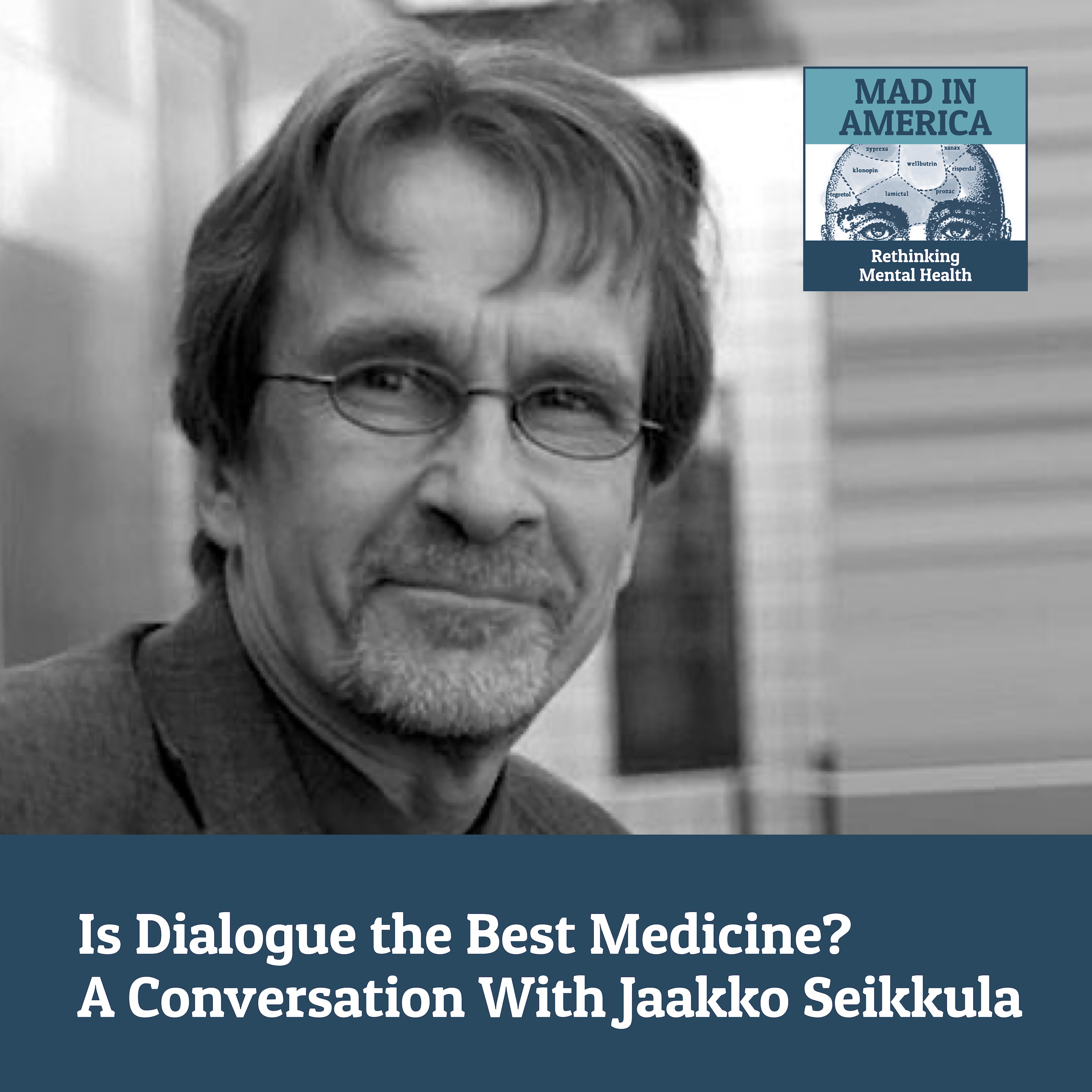
Is Dialogue the Best Medicine? A Conversation With Jaakko Seikkula
Welcome to MIA Radio. Today, we are pleased to have as our guest Jaakko Seikkula. Jaakko is a psychologist who helped develop the Open Dialogue practice at Keropudas Hospital in Tornio, Finland, in the 1990s, and he is the person who has conducted the research that told of remarkable longer-term outcomes with this form of care. For the past 15 years, he has developed and led training programs tha
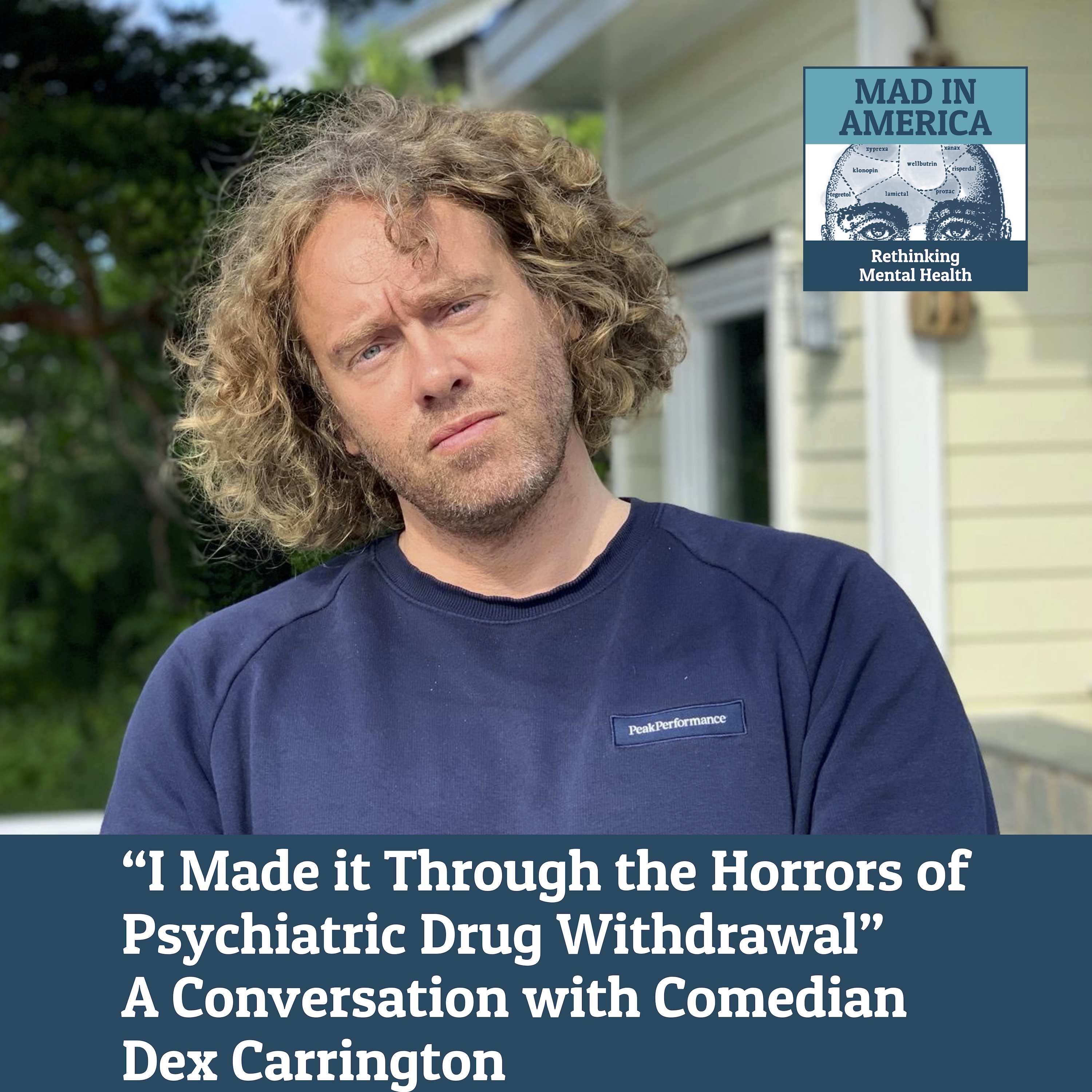
"I Made it Through the Horrors of Psychiatric Drug Withdrawal" A Conversation with Comedian Dex Carrington
Jørgen Kjønø, whose stage name is Dex Carrington, is a Norwegian-American stand-up comedian based in Oslo, Norway. He is also an actor, host of the Truth Train podcast, and former travel show host who gained international recognition as the host of Dexpedition, which aired on MTV in over 30 countries. He joins us on the Mad In America podcast to talk about his experience with Lyrica and Zyprexa, i
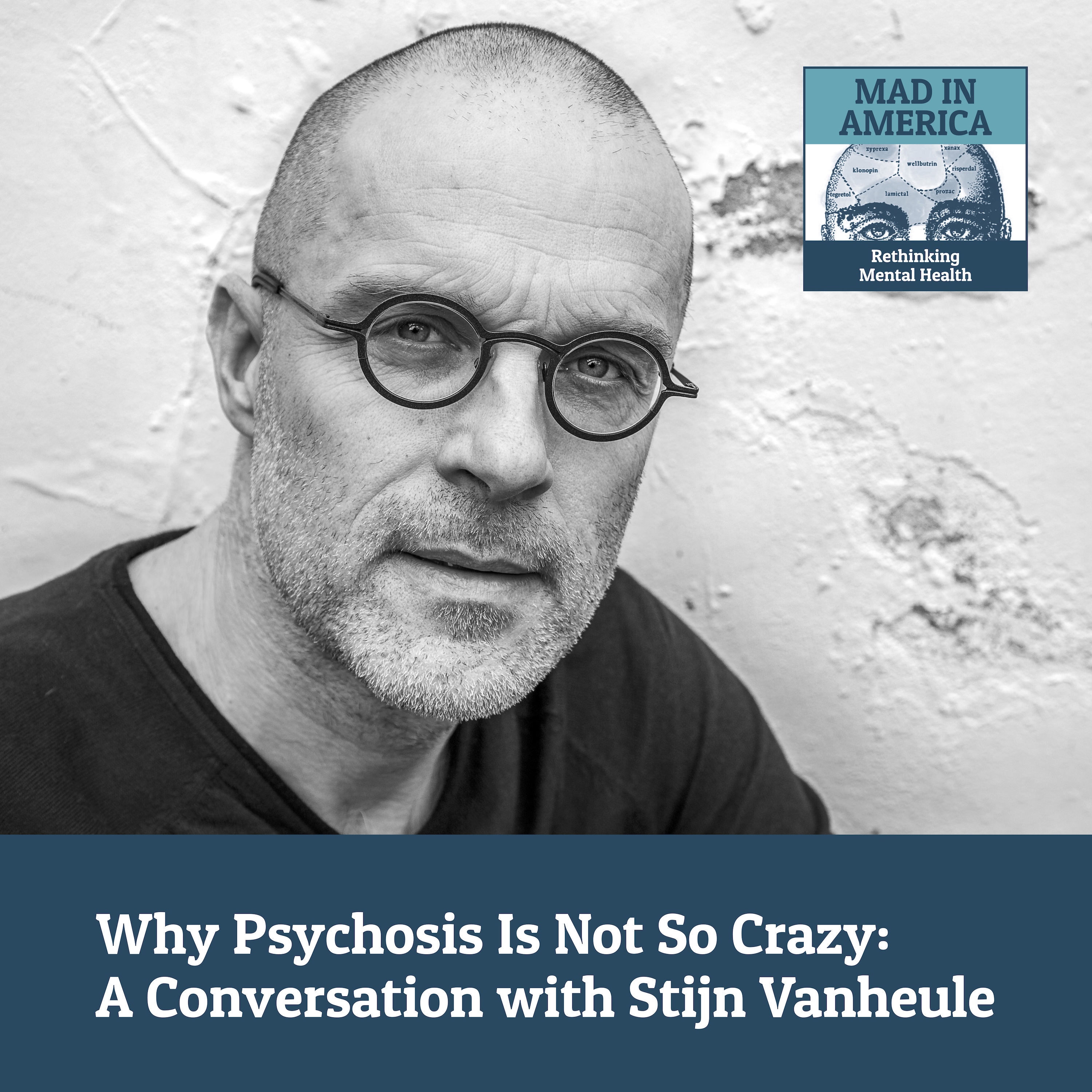
Why Psychosis Is Not So Crazy: A Conversation with Stijn Vanheule
Stijn Vanheule is a clinical psychologist, psychoanalyst, and professor of psychology at Ghent University. Trained in the Lacanian tradition, he has written widely on the structure of psychosis, the limits of psychiatric diagnosis, and the importance of attending to the subjective logic of mental distress. His books include The Subject of Psychosis: A Lacanian Perspective, Diagnosis and the DSM: A
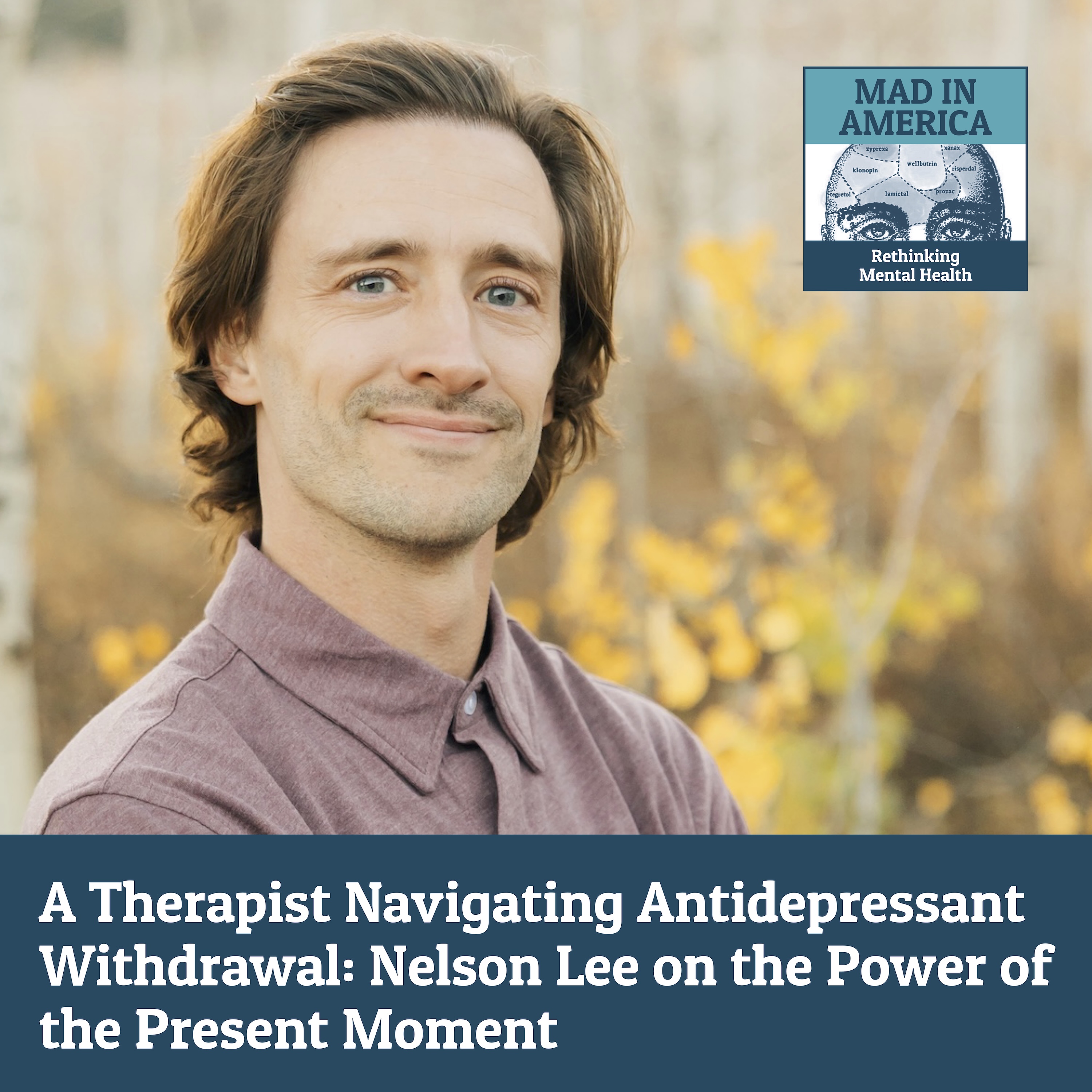
A Therapist Navigating Antidepressant Withdrawal: Nelson Lee on the Power of the Present Moment
Nelson Lee is a therapist and mental skills coach with a master's degree in clinical mental health counseling and an MBA. In 2024, he attempted to get off antidepressants that he'd been on for 15 years. This led to significant long-term medication withdrawal that Nelson is still navigating at the time of this interview. As a therapist, Nelson specializes in helping clients transform their relation
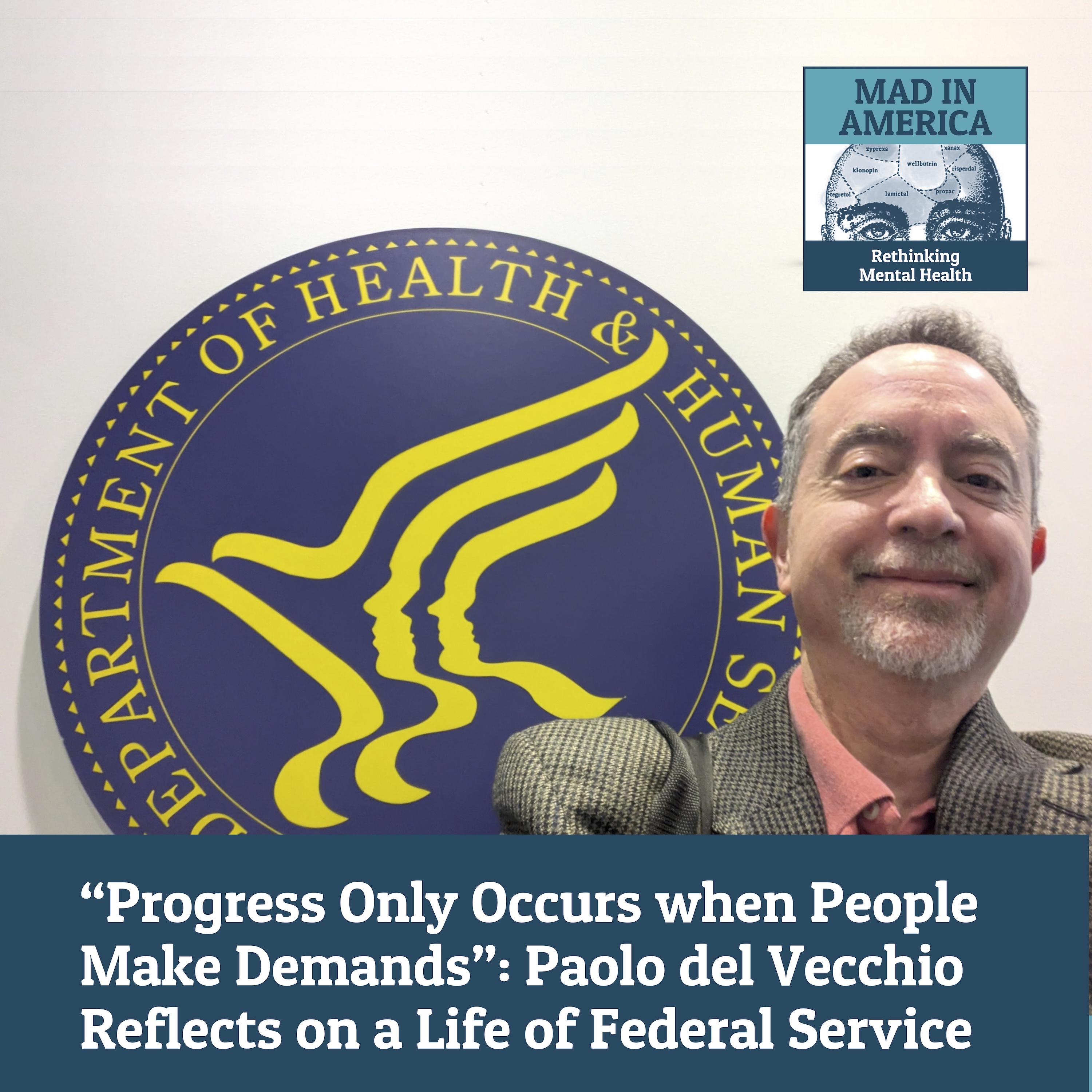
"Progress Only Occurs when People Make Demands" Paolo del Vecchio Reflects on a Life of Federal Service
Paulo del Vecchio is a person in long-term recovery from mental health and addictions, who has been a leader in the peer recovery movement for 40 years. He recently completed a 30-year career at the U.S. Department of Health and Human Services, Substance Abuse and Mental Health Services Administration, where he served in multiple roles including the director of the Center for Mental Health Service

The Poetics and Politics of Our Mental Health Metaphors: An Interview with Laurence Kirmayer
Laurence Kirmayer is one of the most influential figures in cultural psychiatry today. A psychiatrist, researcher, and theorist, he serves as James McGill Professor and Director of the Division of Social and Transcultural Psychiatry at McGill University and Editor-in-Chief of Transcultural Psychiatry. Across decades of work bridging anthropology, psychiatry, and cognitive science, Kirmayer has adv
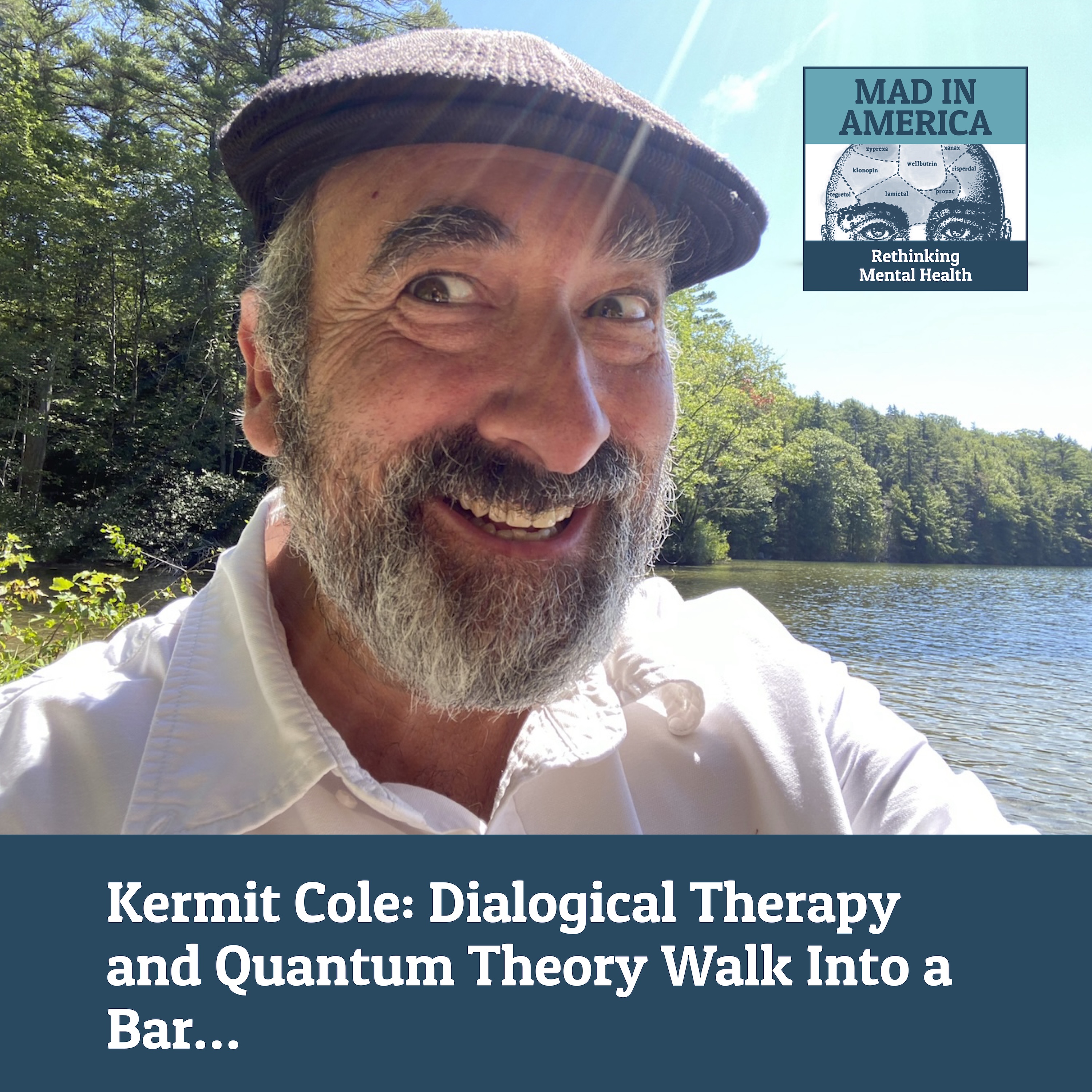
Kermit Cole: Dialogical Therapy and Quantum Theory Walk Into a Bar…
Hello, my name is Bob Whitaker, and today I have the pleasure of speaking with Kermit Cole. We'll be speaking about a philosophical enterprise that Kermit is now deeply engaged in. That is, broadly speaking, how humor can help in creating a shared experience that is helpful to the healing process. Kermit, in his experiences of being with people in psychotic states, has seen humor as a moment when

Chemically Imbalanced: Joanna Moncrieff on the Making and Unmaking of the Serotonin Myth
Welcome to this Mad in America podcast. My name is Robert Whitaker, and I'm happy today to have the pleasure of speaking with Joanna Moncrieff. Dr. Moncrieff is a psychiatrist who works in the National Health Service in the United Kingdom. She is a Professor of Critical and Social Psychiatry at University College, London. In 1990 she co-founded the Critical Psychiatry Network, which today has abou

Teralyn Sell and Jenn Schmitz: Breaking Out of the Prison of Prescribing and Finding the Freedom of Therapy
On the Mad in America podcast this week, Brooke Siem, author of May Cause Side Effects, talks with Teralyn Sell and Jenn Schmitz about their journey from working in the prison system to challenging conventional psychiatric narratives in their therapy practice and podcast, The Gaslit Truth. Dr. Teralyn Sell is a distinguished expert in Psychology and Brain Health, holding a PhD in Psychology and an
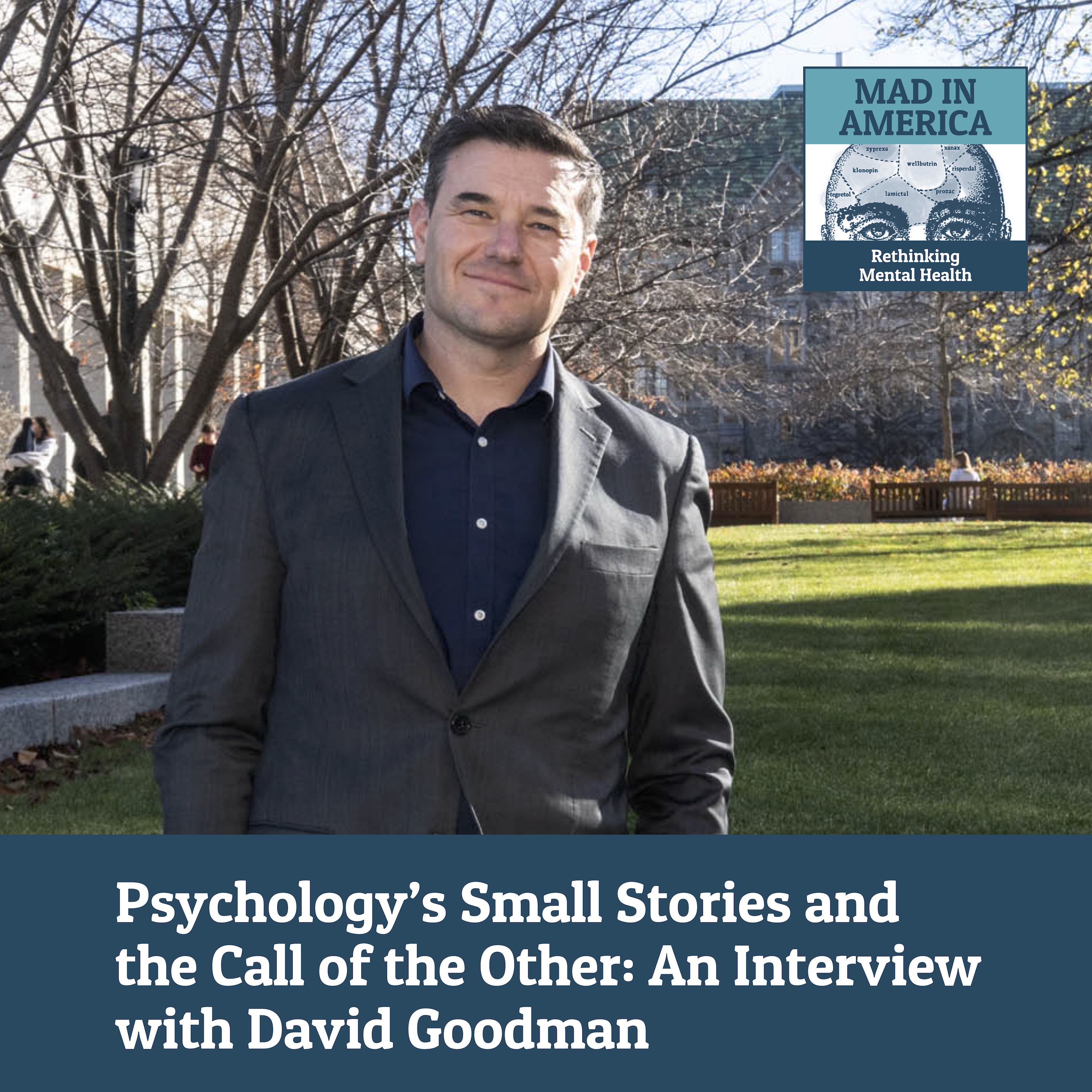
Psychology's Small Stories and the Call of the Other: An Interview with David Goodman
David Goodman is the Director of the Center for Psychological Humanities and Ethics and the Dean of the Woods College of Advancing Studies at Boston College, where he also teaches in the Department of Formative Education. A past president of the APA's Society for Theoretical and Philosophical Psychology (Division 24), Goodman is known for his interdisciplinary work at the intersection of psychol
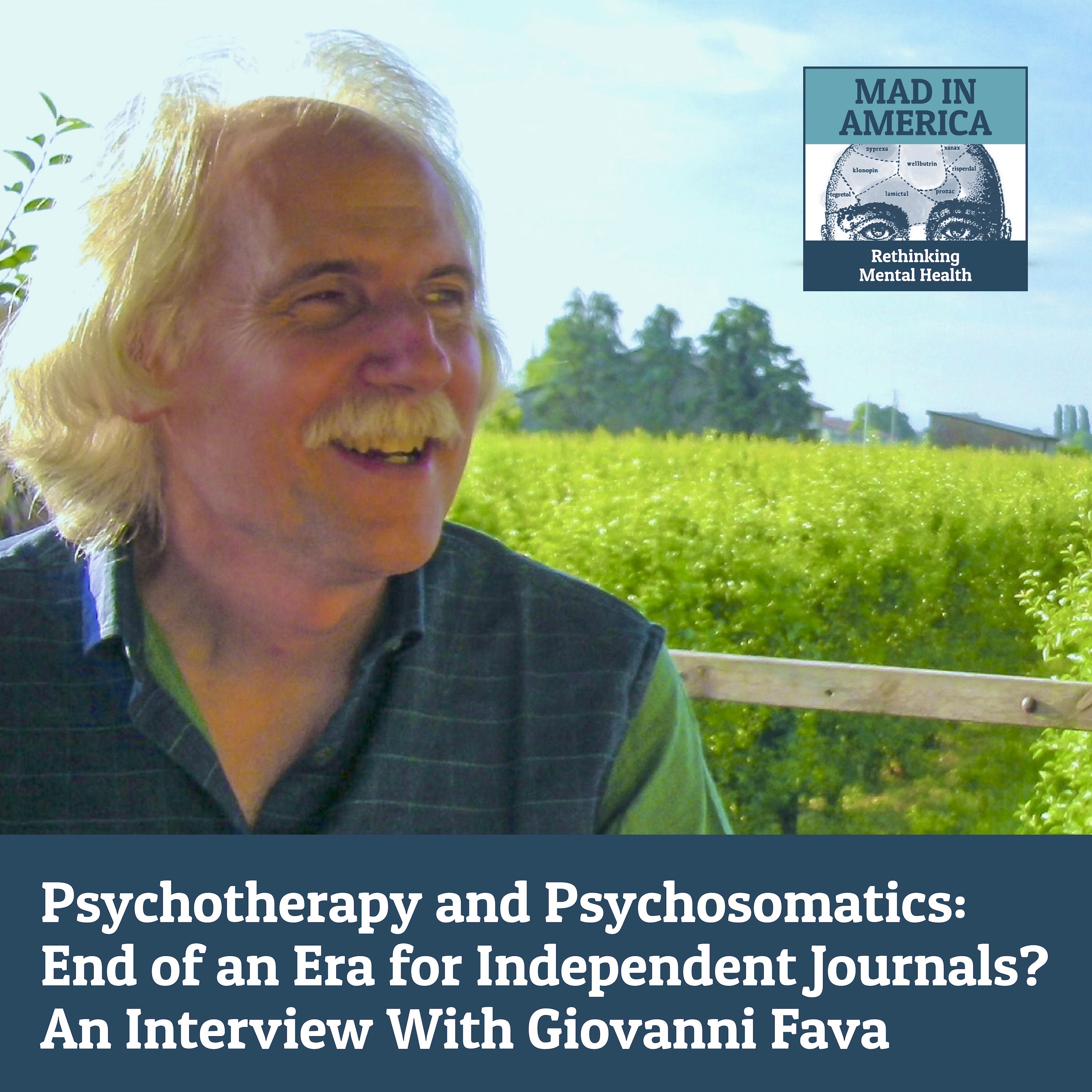
Psychotherapy and Psychosomatics: End of an Era for Independent Journals? An Interview With Giovanni Fava
Welcome to Mad In America Radio. My name is Bob Whitaker, and today my guest is Italian psychiatrist, Giovanni Fava. From 1992 to 2022, Dr. Fava edited the journal Psychotherapy and Psychosomatics. We will be talking about the importance of that journal and what may be lost now that the publisher, Karger, may be taking it in a new direction. Here's why this journal, under Dr. Fava's leadership, wa
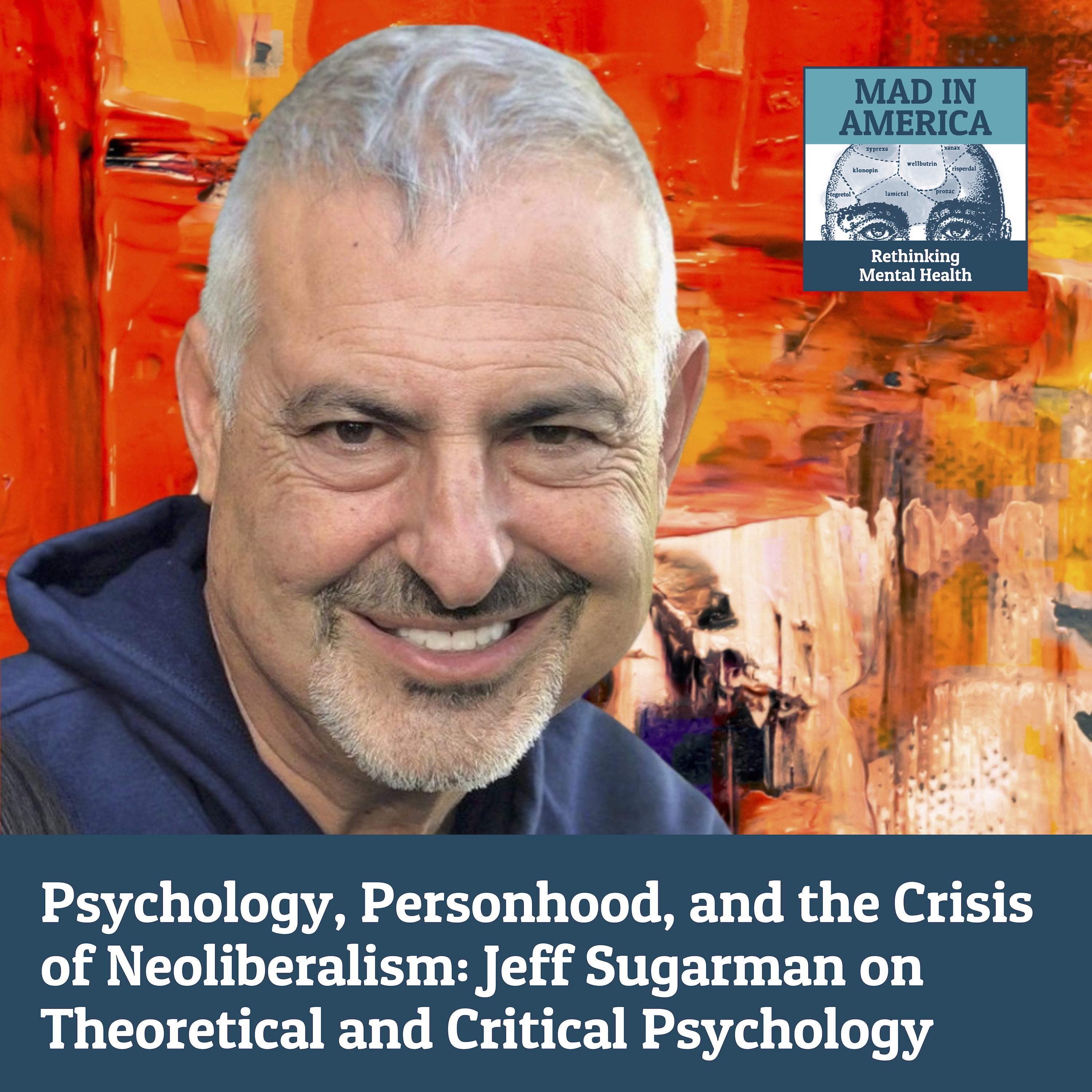
Psychology, Personhood, and the Crisis of Neoliberalism: Jeff Sugarman on Theoretical and Critical Psychology
Jeff Sugarman is a distinguished scholar in theoretical and philosophical psychology, known for his work examining the psychology of selfhood, human agency, and the sociopolitical underpinnings of psychological science. A Professor Emeritus in the Education Department at Simon Fraser University, Dr. Sugarman has spent decades critically interrogating the ways mainstream psychology reflects and rei

"Dad, Something's Not Right. I Need Help"- Richard Fee on the Dangers of Adderall
Welcome to the Mad in America podcast. My name is Brooke Siem, and I'm the author of May Cause Side Effects. Today, I'm here with Rick Fee, president of the Richard Fee Foundation. Rick joins us to talk about his son, Richard Fee and his encounter with psychiatric drugs, most notably Adderall. *** Thank you for being with us to listen to the podcast and read our articles this year. MIA is funded
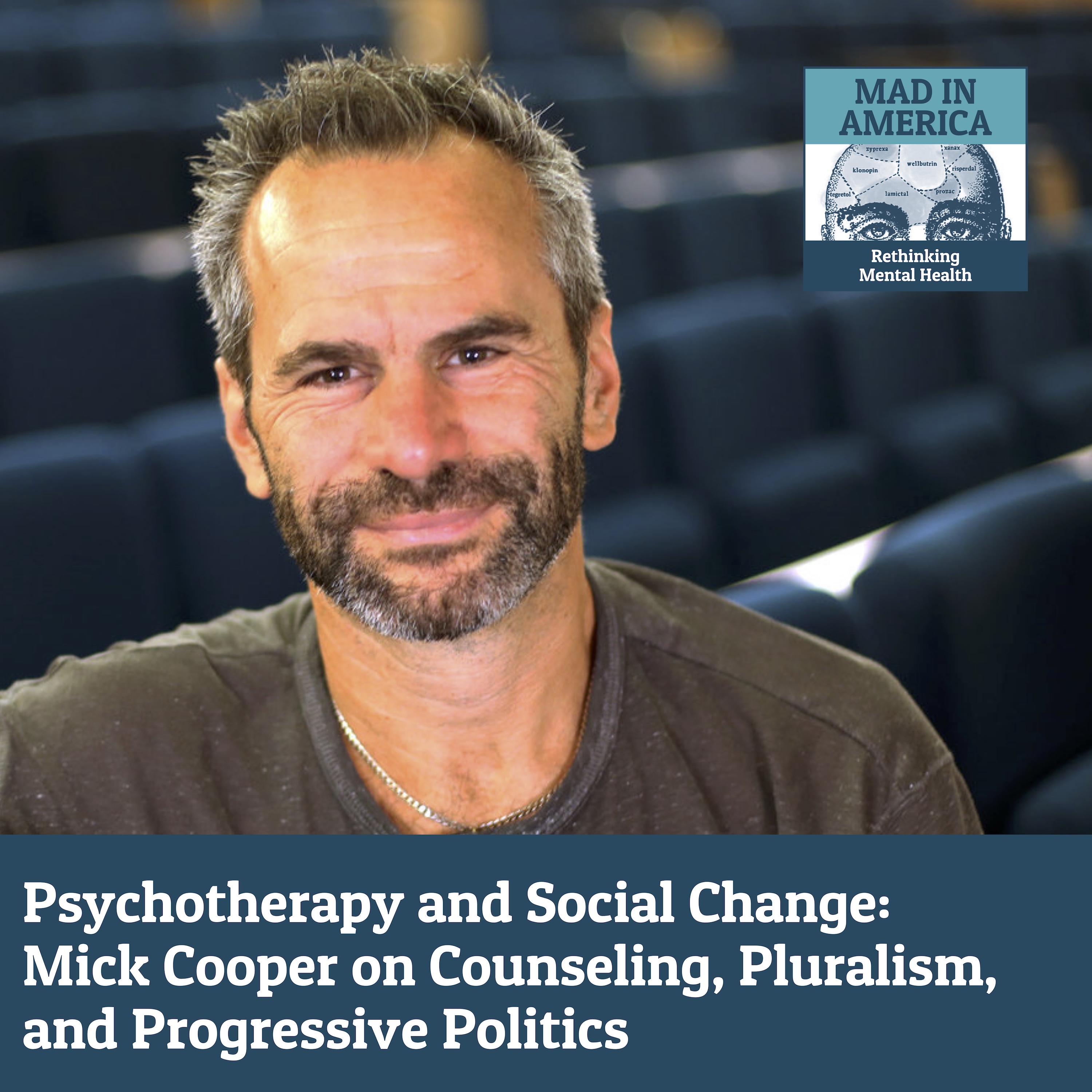
Psychotherapy and Social Change: Mick Cooper on Counseling, Pluralism, and Progressive Politics
Mick Cooper is a leading voice in contemporary counseling psychology, known for his work at the intersection of psychotherapy and social change. A Professor of Counseling Psychology at the University of Roehampton in the UK, Dr. Cooper is both a researcher and a practicing therapist, exploring how psychotherapeutic principles can contribute to broader political and societal transformation. As a co
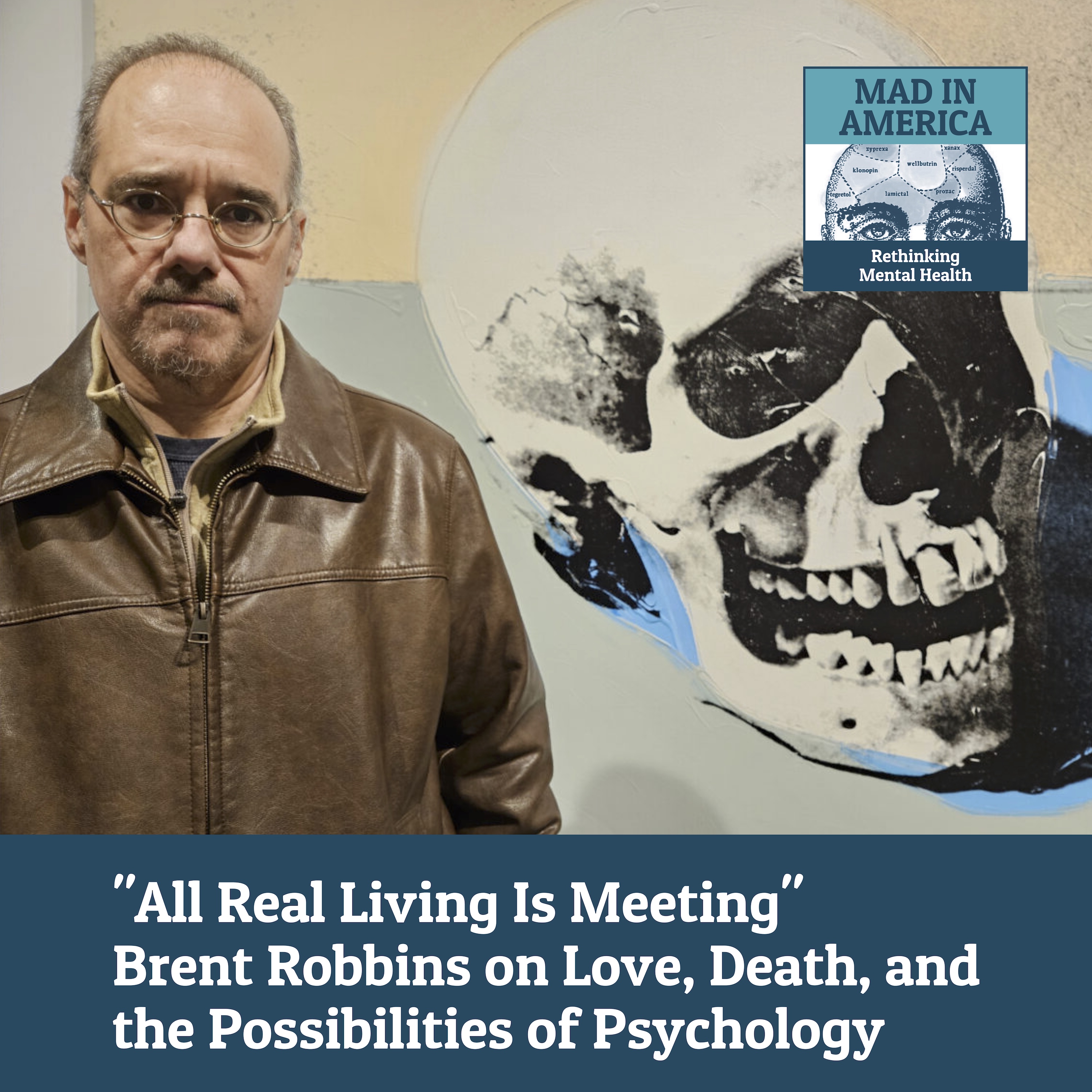
All Real Living Is Meeting - In Conversation With Brent Robbins - Part 2
Brent Dean Robbins is a psychologist, scholar, and all-around thoughtful human whose work has profoundly shaped existential and humanistic psychology. He is one of those rare thinkers who makes psychology feel alive—not just a collection of theories and data, but a field full of urgent, deeply human questions. He's a professor of psychology and the director of the Psy.D. in Clinical Psychology pr
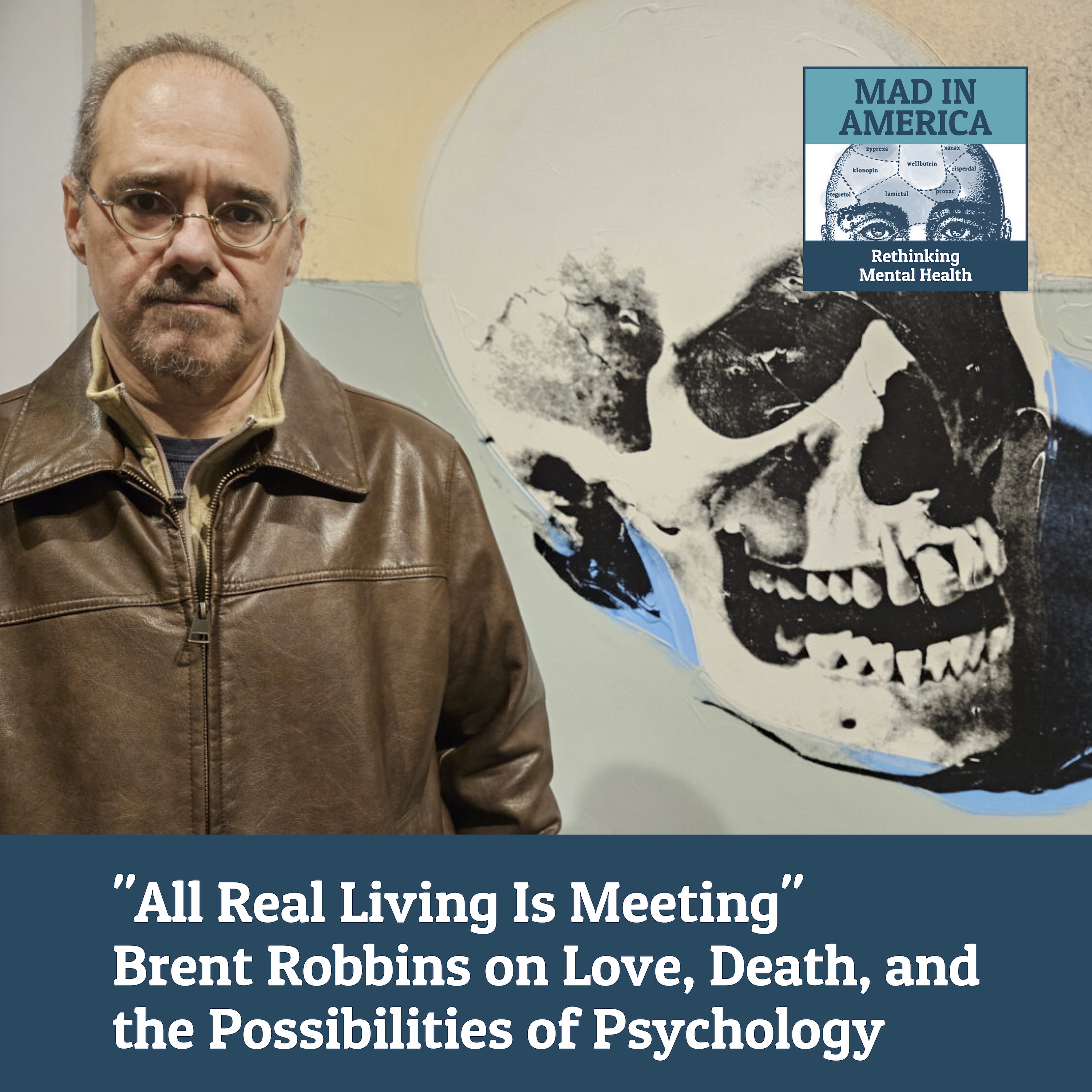
All Real Living Is Meeting - In Conversation With Brent Robbins - Part 1
Brent Dean Robbins is a psychologist, scholar, and all-around thoughtful human whose work has profoundly shaped existential and humanistic psychology. He is one of those rare thinkers who makes psychology feel alive—not just a collection of theories and data, but a field full of urgent, deeply human questions. He's a professor of psychology and the director of the Psy.D. in Clinical Psychology pr

Kids Are Not The Problem: An Interview With Gretchen LeFever Watson
In this interview, Brooke Siem, who is the author of a memoir on antidepressant withdrawal, May Cause Side Effects, interviews Gretchen LeFever Watson, PhD. Gretchen is a developmental and clinical psychologist with postdoctoral training in pediatric psychology. She has served as a professor in multiple disciplines at universities and medical schools in the United States and abroad and as the pati
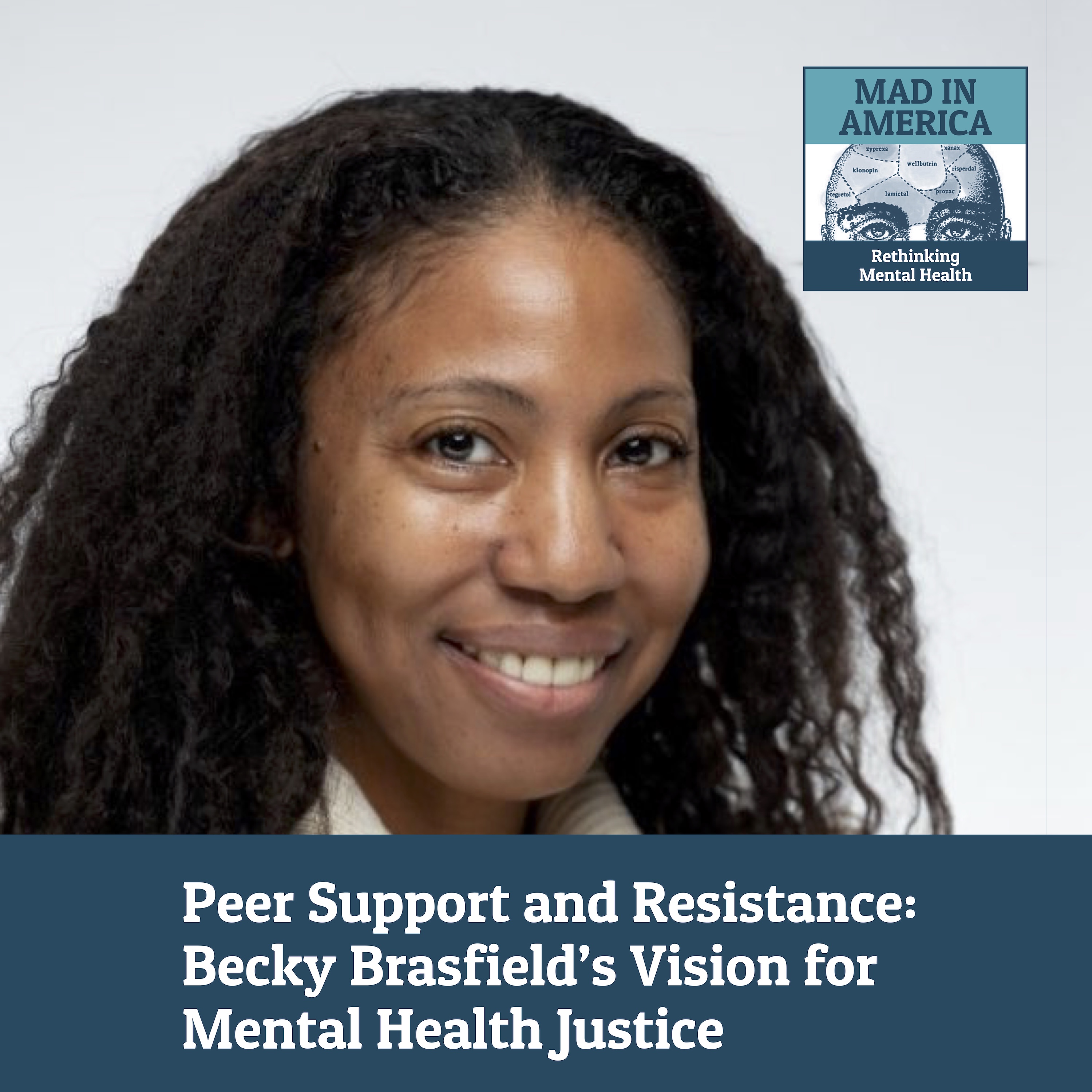
Peer Support and Resistance - Becky Brasfield's Vision for Mental Health Justice
Becky Brasfield has emerged as a formidable advocate for change in the complex landscape of mental health care. A certified recovery support specialist and policy researcher at the Human Services Research Institute, Ms. Brasfield has dedicated her career to elevating the voices of service users and dismantling systemic inequities. Her lived experience with psychosis, combined with her leadership i

Mad Sisters: An Interview With Susan Grundy
Susan Grundy is an author who writes about the weight of emotional distress and an easier way of being. Her book, Mad Sisters, is a highly personal account of her caregiving journey for an older sister diagnosed with schizophrenia at the age of 13. When not at her writing desk, Susan can be found walking in nature towards a café. She divides her time between Montreal and London. *** Thank you for
The Anatomy of Anxiety: An Interview With Ellen Vora
Ellen Vora is a board-certified psychiatrist, acupuncturist, and yoga teacher. She's the author of The Anatomy of Anxiety and takes a functional medicine approach to mental health. She considers the whole person and addresses imbalance at the root. Dr. Vora received her BA from Yale University and her MD from Columbia University. *** Thank you for being with us to listen to the podcast and read ou
One Person's Journey from Medical Model Advocate to Skeptic: An Interview with Rose Cartwright
Rose Cartwright is a screenwriter and the author of Pure, a hugely successful memoir which was then turned into a series for Channel Four. She is also a writer and producer on Netflix's 3 Body Problem. Pure portrayed Rose's autobiographical account of finding that she had OCD, a "mental illness", and the breakthrough that this medical framework provided her. This was short-lived. In her new book
We Should Listen to Our Emotional Pain: An interview with Paul Andrews
Dr. Paul Andrews is an Associate Professor of Evolutionary Psychology in the Department of Psychology, Neuroscience and Behaviour at McMaster University. His research focuses on understanding the evolution of depression, which he argues may be an evolved emotional response for understanding and solving complex problems. Dr. Andrews is also concerned with the evolution of the serotonin system and t

Why Does a Parent Medicate a Child? An Interview with My Mother
In this interview, Brooke Siem, who is the author of a memoir on antidepressant withdrawal, May Cause Side Effects, interviews her mother, Dee Barbash, to discuss the circumstances that led to Brooke being prescribed a cocktail of antidepressants at the age of 15. Today, her mother is a therapist who helps her clients taper from psychiatric medications – a profession that she took up after she ca

From Freud to Fanon: How Daniel Gaztambide is Redefining Psychoanalytic Practice
Daniel José Gaztambide is an assistant professor of psychology at Queens College and the director of the Frantz Fanon Lab for Decolonial Psychology. His research and clinical work focus on Puerto Rican and Latinx populations, ethnic minority identity, psychotherapy, and the social determinants of health. Daniel is the author of A People's History of Psychoanalysis: From Freud to Liberation Psych

The Path from Trauma to The Power of Nature: An Interview with Banning Lyon
Our guest today is Banning Lyon, author of The Chair and The Valley: A Memoir of Trauma, Healing, and The Outdoors. An account of the abuse he suffered after being hospitalized in a psychiatric facility at age 15 and the long journey toward joy and awe that followed, his memoir was published this spring by Penguin Random House. He first wrote about his experiences in 1993 for The New York Times

Multiplicity and Mad Studies: An Interview with Jazmine Russell
Jazmine Russell is the co-founder of the Institute for the Development of Human Arts (IDHA), a transformative mental health training institute, and the host of the Depth Work Podcast. As a writer, educator, and scholar, Jazmine works at the intersection of mad studies, critical psychology, and neuroscience. Her work is deeply informed by her lived experiences surviving complex trauma, psychosis, a

The Maudsley Deprescribing Guidelines- An Interview with David Taylor and Mark Horowitz
In this interview for MIA Radio, Brooke Siem speaks with David Taylor and Mark Horowitz about their publication of the Maudsley Deprescribing Guidelines, which is of particular note since the Maudsley Prescribing Guidelines is a leading text in medicine worldwide. David Taylor is the Director of Pharmacy and Pathology at Maudsley Hospital and a Professor of Psychopharmacology at King's College in

Our Medical System Protects Wrongdoers and Punishes Whistleblowers: An Interview with Carl Elliott
Carl Elliott is a distinguished professor at the University of Minnesota with joint appointments in the Department of Philosophy and the School of Journalism and Mass Communications. An influential voice in bioethics, Elliott is known for his critical examination of the medical and pharmaceutical industries. His latest book, The Occasional Human Sacrifice: Medical Experimentation and the Price of

Beyond Paternalism or Abandonment in Mental Health Care: An Interview with Neil Gong
Neil Gong is an assistant professor of sociology at UC San Diego, where he researches psychiatric services, homelessness, and how communities seek to maintain social order. Neil's new book, "Sons, Daughters, and Sidewalk Psychotics: Mental Illness and Homelessness in Los Angeles," published by the University of Chicago Press, offers a detailed look into the starkly different worlds of mental healt
The Connection Cure: An Interview with Julia Hotz
Julia Hotz is a solutions-focused journalist based in New York City. She is the author of the forthcoming book, The Connection Cure: The Prescriptive Power of Movement, Nature, Art, Service, and Belonging. Her stories have appeared in The New York Times, Wired, Scientific American, the Boston Globe, Time, and more. After studying Sociology at the University of Cambridge, she joined the Solutions J
Conveying Hope, Empowering Teens: An Interview With Jessica Schleider
Jessica Schleider is a clinical psychologist, researcher, and founding director of the Lab for Scalable Mental Health (www.schleiderlab.org). She's a leader in single-session interventions for youth mental health – an evidence-based approach that aims to provide help that's accessible, doable, and affordable for populations around the world and is already available via open-access programs. On h

Madness, Utopia and Revolt: An Interview With Sasha Warren
Sasha Durakov Warren is the author of the new book Storming Bedlam: Madness, Utopia, and Revolt published by Common Notions Press. Sasha is a writer based in Minneapolis. His experiences within the psychiatric system and a commitment to radical politics led him to co-found the group Hearing Voices - Twin Cities, which provides an alternative social space for individuals to discuss often stigmatize

Demedicalizing Depression: An Interview with Milutin Kostić
Milutin Kostić is a practicing Serbian psychiatrist trained in the tradition of biological psychiatry who has become a new figure in the critical psychiatry movement. Affiliated with the Institute of Mental Health in Belgrade, Serbia, he is currently a Fulbright scholar working alongside Lisa Cosgrove in Boston to challenge established norms in psychiatry and psychology. Kostić utilizes his extens
Leaving Biological Psychiatry Behind - An Interview With Rodrigo Nardi
Rodrigo Nardi is a psychiatrist and psychologist. He obtained his psychology degree in the year 2000, and following that, he obtained a certificate in CBT, and a Master's Degree in Clinical Psychology at Universidade Evangélica de Paraná. He obtained his M.D. degree in 2010, and in 2016, he completed his psychiatry residency at Penn State. Altogether, Dr. Nardi has worked as a Mental Health Profes
Context and Care vs Isolate and Control - An Interview with Arthur Kleinman
Arthur Kleinman is a towering figure in psychiatry and medical anthropology. He has made substantial contributions to both fields over his illustrious career spanning more than five decades. As a Professor of Medical Anthropology at Harvard University's Department of Global Health and Social Medicine and a Professor of Psychiatry at Harvard Medical School, Kleinman has profoundly influenced how me

Undisclosed Financial Conflicts of Interest in the DSM-5: An interview with Lisa Cosgrove and Brian Piper
On the MIA podcast this week we turn our attention to conflicts of interest (COIs) and new research from the British Medical Journal (BMJ). Mad in America has previously examined the problems with conflicts of interest in research but this time we extend that to look at the potential effect of COIs on diagnostic tools such as the Diagnostic and Statistical Manual of Mental Disorders (DSM). Joinin

Deprescribing Psychiatric Drugs to Reduce Harms and Empower Patients - Swapnil Gupta
Swapnil Gupta is an Associate Professor and Medical Director of Ambulatory Psychiatry at Mount Sinai Morningside Hospital. She was trained as a psychiatrist in India and the United States, at SUNY Downstate Medical Center and Yale University, and PGI Chandigarh in India. She is known for her work on deprescribing from and discontinuation of psychiatric drugs. Dr. Gupta's career began with research

Is Madness an Evolved Signal? – Justin Garson on Strategy Versus Dysfunction
Justin Garson is a Professor of Philosophy at Hunter College and The Graduate Center, City University of New York, and a contributor for Psychology Today and Aeon. He writes on the philosophy of madness, the evolution of the mind and purpose in nature. His most recent book is Madness: A Philosophical Exploration, published by Oxford University Press in 2022. He is also the author of the forthcomin

'It Was a Joint Effort'- Deborah Kasdan on Bringing Her Late Sister's Story to Life
Deborah Kasdan is author of Roll Back The World: A Sister's Memoir, in which she describes her extraordinary late sister Rachel–poet, musician, free spirit–and her decades-long journey through psychiatric treatment until, finally, she found a place of peace and community. Kasdan is a longtime business and technology writer who pivoted to memoir writing on a quest to tell her sister's story, join

What if Much of What you Thought you Knew About Mental Health was up for Debate?
Hello and welcome to the Mad in America: Rethinking Mental Health podcast. If you are new here, hello. My name is James and I will be your host as we ask critical questions about the state of psychiatry and psychology in the 21st Century. In this podcast, we examine mental health with a critical eye by speaking with psychologists, psychiatrists, researchers, journalists and people with lived exper

The Psychological Humanities Manifesto: An Interview with Mark Freeman
Mark Freeman is a renowned author and a pioneering voice in the emerging field of the psychological humanities. He serves as Distinguished Professor of Ethics and Society in the Department of Psychology at the College of the Holy Cross. His body of work, including the critically acclaimed Toward the Psychological Humanities: A Modest Manifesto for the Future of Psychology (Routledge, 2023), offe

Robert Whitaker Answers Reader Questions on Pharma Marketing and Psychiatric Drugs
On the Mad in America podcast this week, we continue our reader Q&A with Mad in America founder Robert Whitaker. In Part 1, we discussed Mad in America, the biopsychosocial model and the history of psychiatry. For Part 2, we will be covering reader questions on pharmaceutical marketing and issues with psychiatric treatments including psychiatric drugs and electroconvulsive therapy. Thank you to al
Robert Whitaker Answers Reader Questions on Mad in America, the Biopsychosocial Model, and Psychiatric History
On the Mad in America podcast this week we have Robert Whitaker with us to answer questions sent in by readers and listeners. Thank you to all of you who took the time and trouble to get in touch. You sent some great questions and on this and our next podcast, we will be talking with Bob about Mad in America, the biopsychosocial model, the history of psychiatry, pharmaceutical marketing, and issue
Recommended

Learn English B1 with Daily News | English Listening Practice

Stand In The Circle

English with Olivia | Slow Conversations & Vocabulary

This Past Weekend w/ Theo Von

Learn 50 English Phrases While You Sleep | Everyday English Phrases & Vocabulary

پلی لیست | PlayList

Conspiracy Files with Paige Carter

Learn English A2 with Daily News | Simple English Listening Practice

Bible Tea

Bad Friends

Fantasy Flex

Solved Murders - True Crime Stories
