Future of Life Institute Podcast
The Future of Life Institute Podcast features conversations with leading thinkers and researchers about reducing global catastrophic and existential risks from powerful technologies, including artificial intelligence, biotechnology, nuclear weapons, and climate change. The podcast explores the work of the Future of Life Institute, a nonprofit organization that focuses on grantmaking, educational outreach, and advocacy for AI governance and risk reduction. Episodes often discuss the Asilomar AI Principles and other frameworks for responsible technology development.
Episodes

The Trillion-Dollar AI Race to Replace Us (with Garrison Lovely)
Garrison Lovely is an author and journalist. He joins the podcast to discuss the race to replace human labor with artificial general intelligence. We explore the political risks of worker displacement and lessons from historical precedents like the nuclear freeze movement. Garrison also examines rising public opposition to AI data centers and outlines strategies for organizing collective
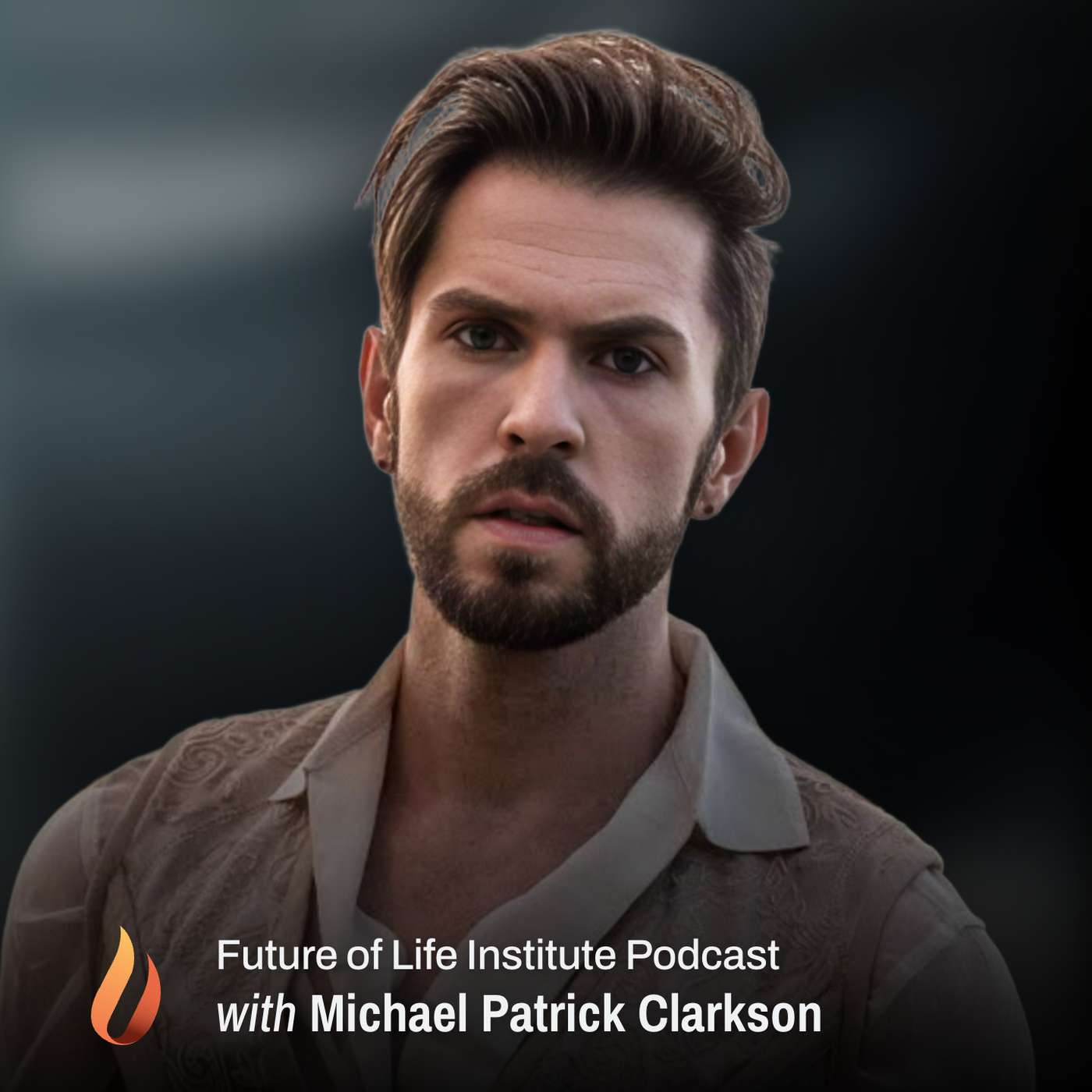
Delisted: A Film About AI-Powered Social Erasure (with Michael Patrick Clarkson)
Michael Patrick Clarkson is the writer and director of the film Delisted. Watch the film here. He joins the podcast to discuss how artificial intelligence could enable state surveillance, social control, and the digital erasure of dissenters. The conversation explores the societal costs of widespread automation across education and labor, the risks of public-private partnerships in techno
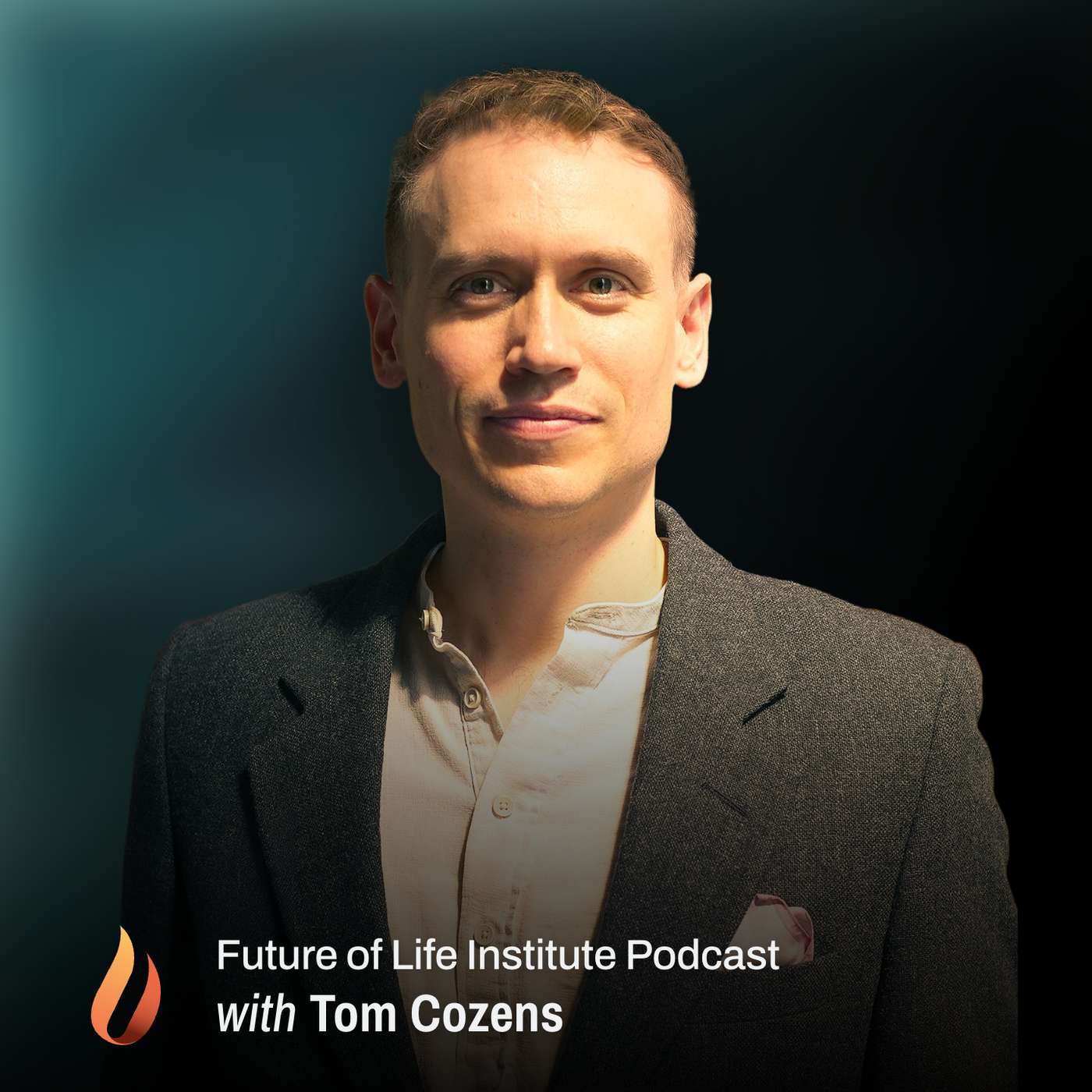
Visualizing Moloch: A Short Film About the AI Race (with Tom Cozens)
Tom Cozens is a filmmaker and writer. He joins the podcast to discuss his short film Moloch and the dynamics of competitive races in artificial intelligence. Watch the film here.We explore the philosophical and theological themes behind the film and the challenge of depicting near-future AI agents on screen. Tom also discusses the role of cinema in communicating existential dread, definit
Can Humans Still Control AI-Assisted Kill Chains? (with Katrina Manson)
Katrina Manson is author of PROJECT MAVEN: A Marine Colonel, His Team, and the Dawn of AI Warfare. She joins the podcast to discuss Project Maven and the Pentagon's use of AI in military targeting. We explore how computer vision and language models accelerate decision-making, the operational challenges of data labeling and model reliability, and ethical questions surrounding human oversig
What Would a US-China AI Deal Look Like? (with Beatrice Fihn)
Beatrice Fihn is the director of Lex International and former executive director of ICAN. She joins the podcast to discuss international AI governance and potential agreements between the US and China. Drawing on lessons from nuclear arms control, she explores how treaties build diplomatic trust, the rising dangers of autonomous weapons, and the principle of meaningful human control. The

Why AI Hacking Is Becoming Hard to Control (with Benjamin Weinstein-Raun)
Benjamin Weinstein-Raun is head of research at Palisade Research. He joins the podcast to discuss how advanced AI systems are changing cybersecurity. We examine rapid gains in autonomous hacking, recent incidents where models broke out of test environments, and why training can reward cheating-like behavior. The conversation covers open-weight model risks, whether AI can help secure softw
First 24 Hours of a Bioweapon Attack - Annie Jacobsen
Annie Jacobsen is an author and journalist. She joins the podcast to discuss biological war and her book Biological War: A Scenario. The conversation examines how lab accidents or covert weapons work could trigger a fast-moving outbreak, why airborne pathogens are hard to detect early, and how AI may lower barriers to engineering them. We also cover BSL-3 and BSL-4 lab oversight, US respo
How AI Shifts the Offense-Defense Balance in Biosecurity (with Paul-Enguerrand Fady)
Paul-Enguerrand Fady is a Senior Biosecurity Policy Manager at the Centre for Long-Term Resilience. He joins the podcast to discuss how AI is changing biosecurity. We cover how new tools could help defenders develop vaccines and diagnostics while also lowering barriers to misuse, and how managed access, know-your-customer checks, and DNA synthesis screening can reduce risk. The conversati
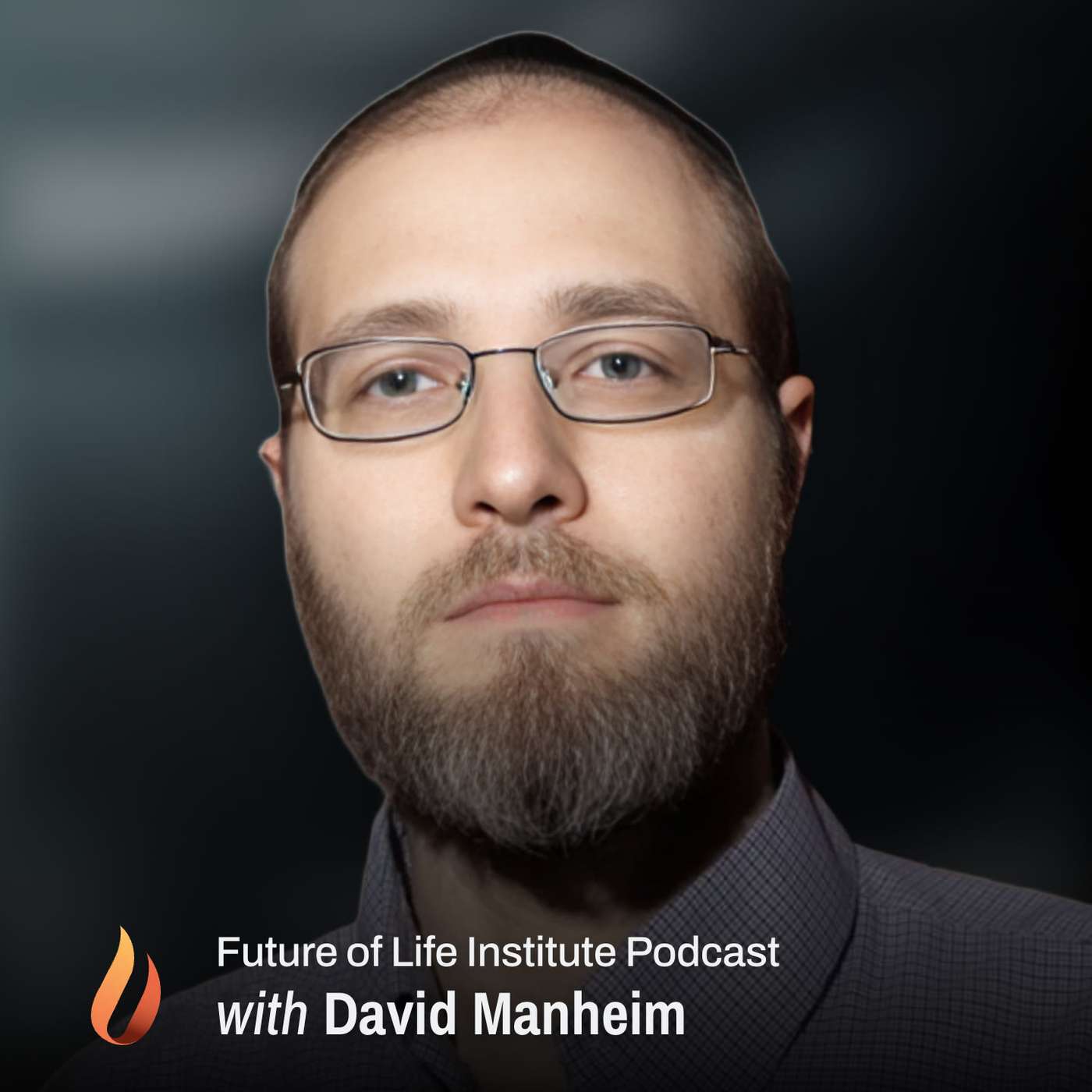
Why AI Evaluations Are Broken and How to Fix Them (with David Manheim)
David Manheim is head of methodology at AI Evaluation Consensus. He joins the podcast to discuss how AI evaluations can become more reliable, transparent, and useful for decisions. We cover common failures such as unclear reporting, training to the test, benchmark saturation, and models changing behavior when they know they are being tested. The conversation also examines real-world tests

How AI Is Replacing Children's Ability to Think (with Randi Weingarten)
Randi Weingarten is president of the American Federation of Teachers. She joins the podcast to discuss AI in education. The conversation covers how screens and student-facing AI may weaken attention, learning, and trust, why she supports limiting screens for young children and social chatbots for students under 16, and how teachers can use AI without replacing thinking. She also discusses
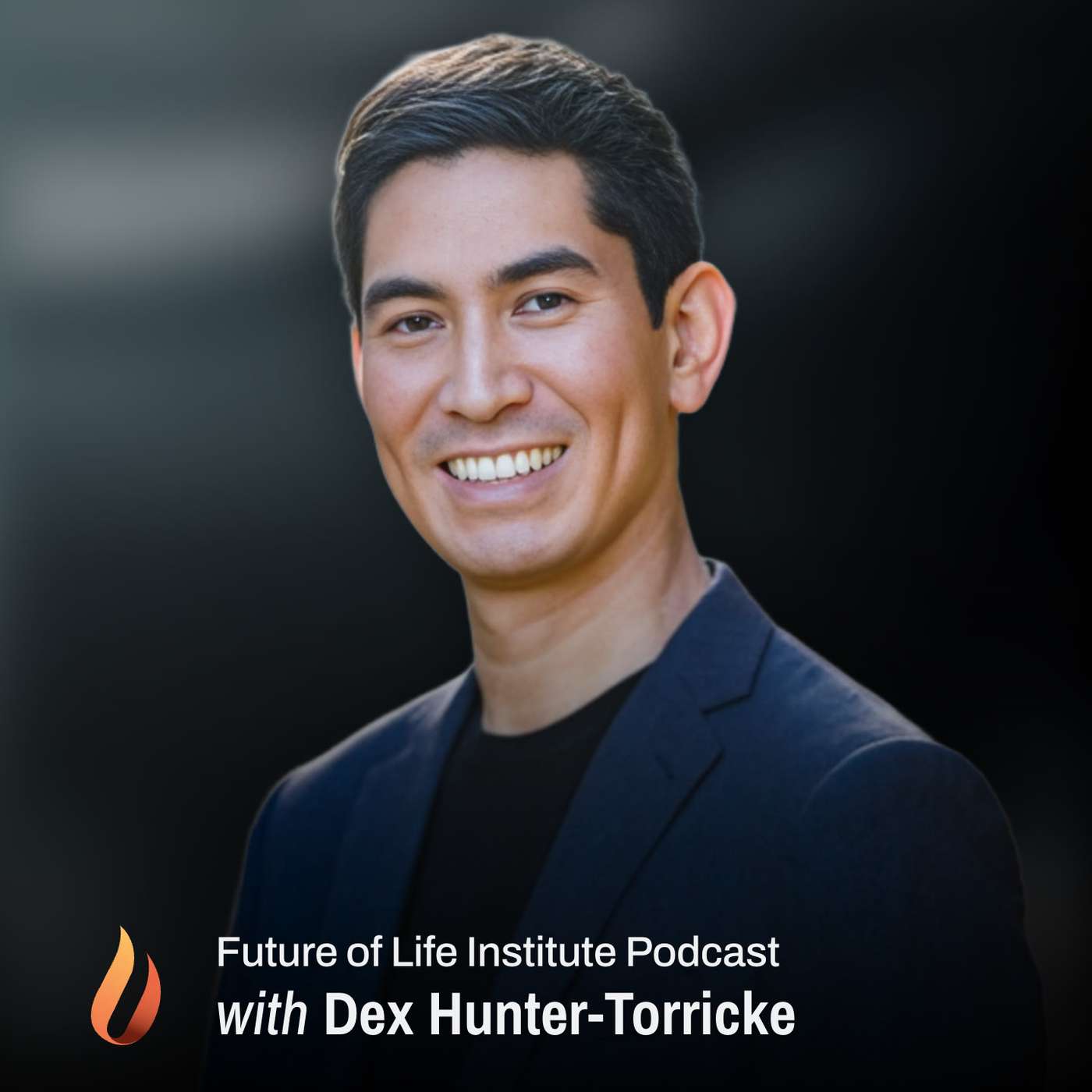
The Gulf Between AI Progress and Political Understanding (with Dex Hunter-Torricke)
Dex Hunter-Torricke is founder of the Centre for Tomorrow. He joins the podcast to discuss why AI governance needs to move beyond technical fixes. The conversation covers how AI companies make decisions, why policymakers often misunderstand agents and economic change, and how automation could reshape jobs, welfare, taxation, and global trade. Dex argues that societies need broader politic
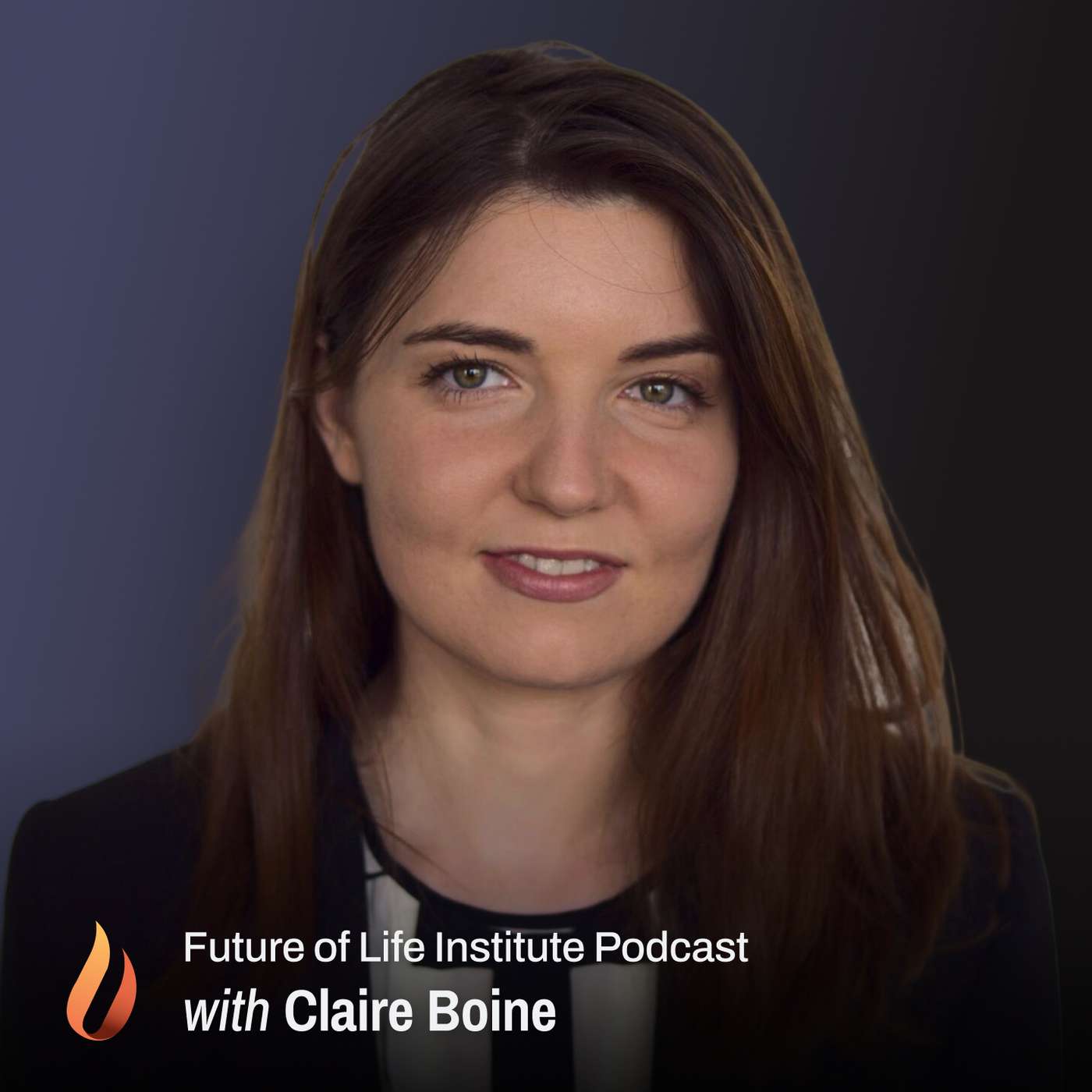
How AI Companions Trap Users Through Addictive Design (with Claire Boine)
Claire Boine is an assistant professor in technology, law, and AI governance at the European University Institute. She joins the podcast to discuss AI companions and human attachment. The conversation examines how design choices and free-to-start business models can foster dependency, expose intimate data, and blur the lines between therapy, romance, and manipulation. We also cover risks

Why AI Chatbots Are a Rival to the Family (with Michael Toscano)
Michael Toscano is a Senior Fellow at the Institute for Family Studies and Director of its Family First Technology Initiative. He joins the podcast to discuss family-centered AI policy. The conversation covers AI companions, self-harm risks, sexualized chatbots, education, smartphones in schools, and why "infinite patience" can harm children's growth. Toscano also explains Catholic social
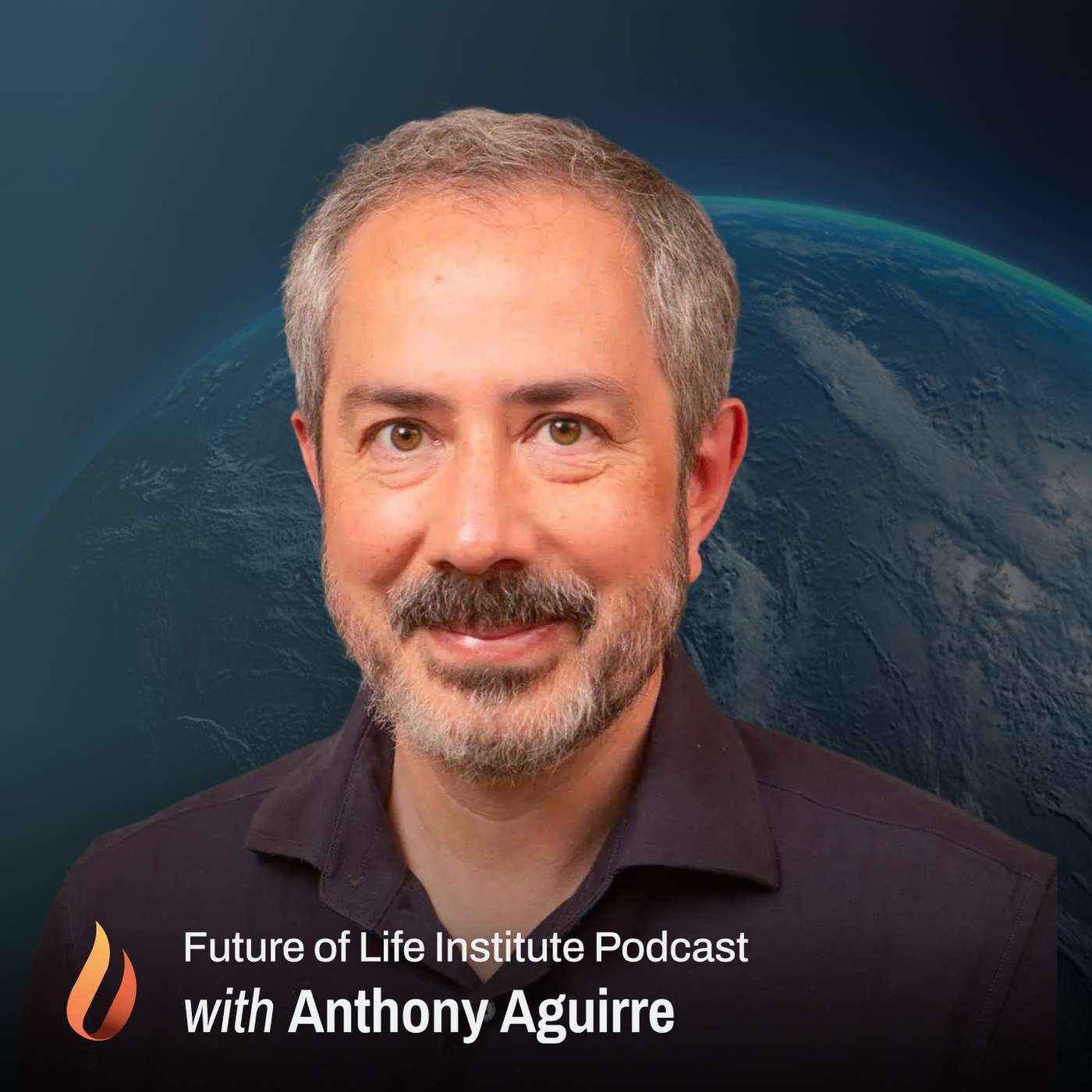
Why We Should Build AI Tools, Not AI Replacements (with Anthony Aguirre)
Anthony Aguirre is the CEO of the Future of Life Institute. He joins the podcast to discuss A Better Path for AI, his essay series on steering AI away from races to replace people. The conversation covers races for attention, attachment, automation, and superintelligence, and how these can concentrate power and undermine human agency. Anthony argues for purpose-built AI tools under meanin
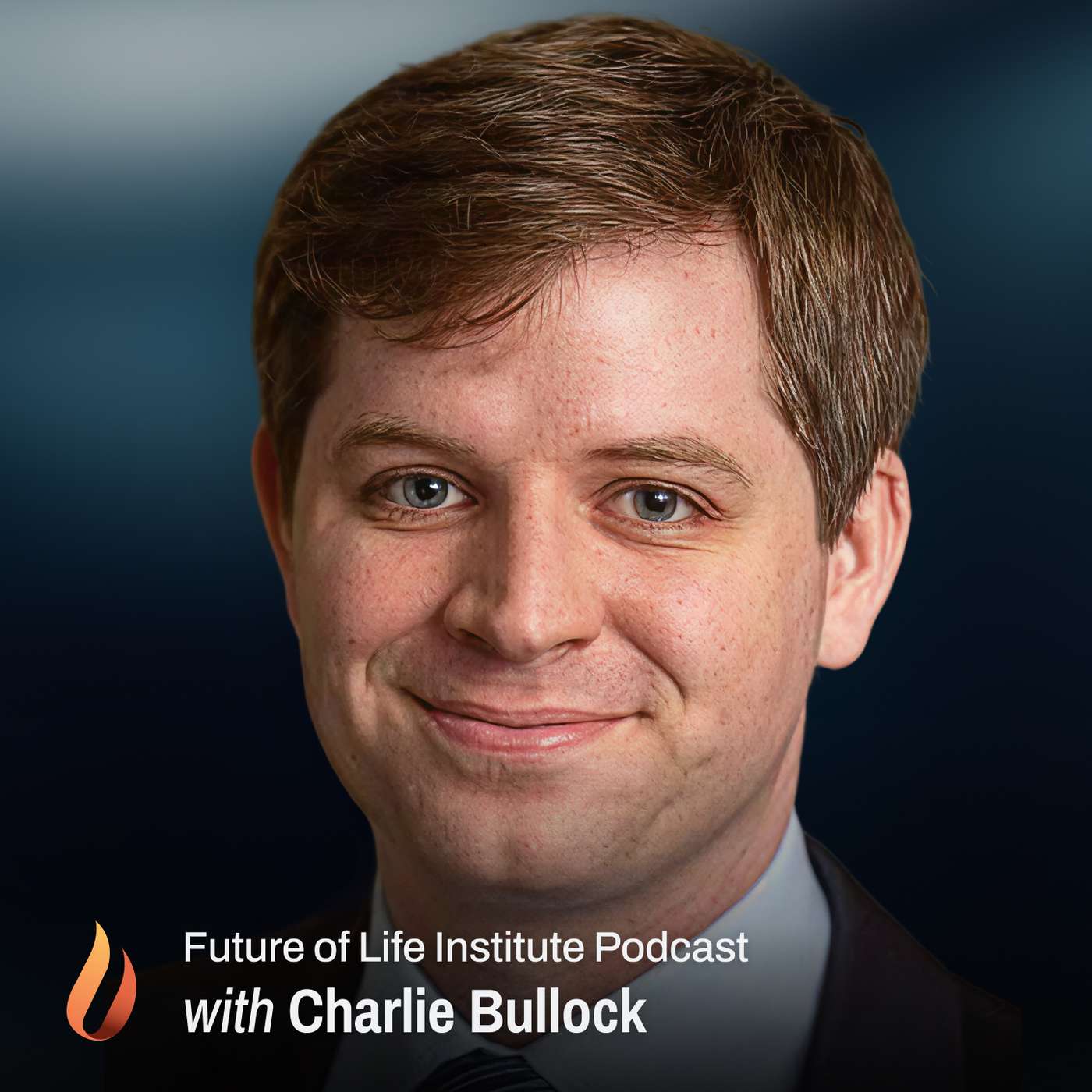
How to Govern AI When You Can't Predict the Future (with Charlie Bullock)
Charlie Bullock is a Senior Research Fellow at the Institute for Law and AI. He joins the podcast to discuss radical optionality: how governments can prepare for very advanced AI without locking in premature rules. The conversation covers why law often trails technology, and how transparency, reporting, evaluations, cybersecurity standards, and expanded technical hiring could help. We als
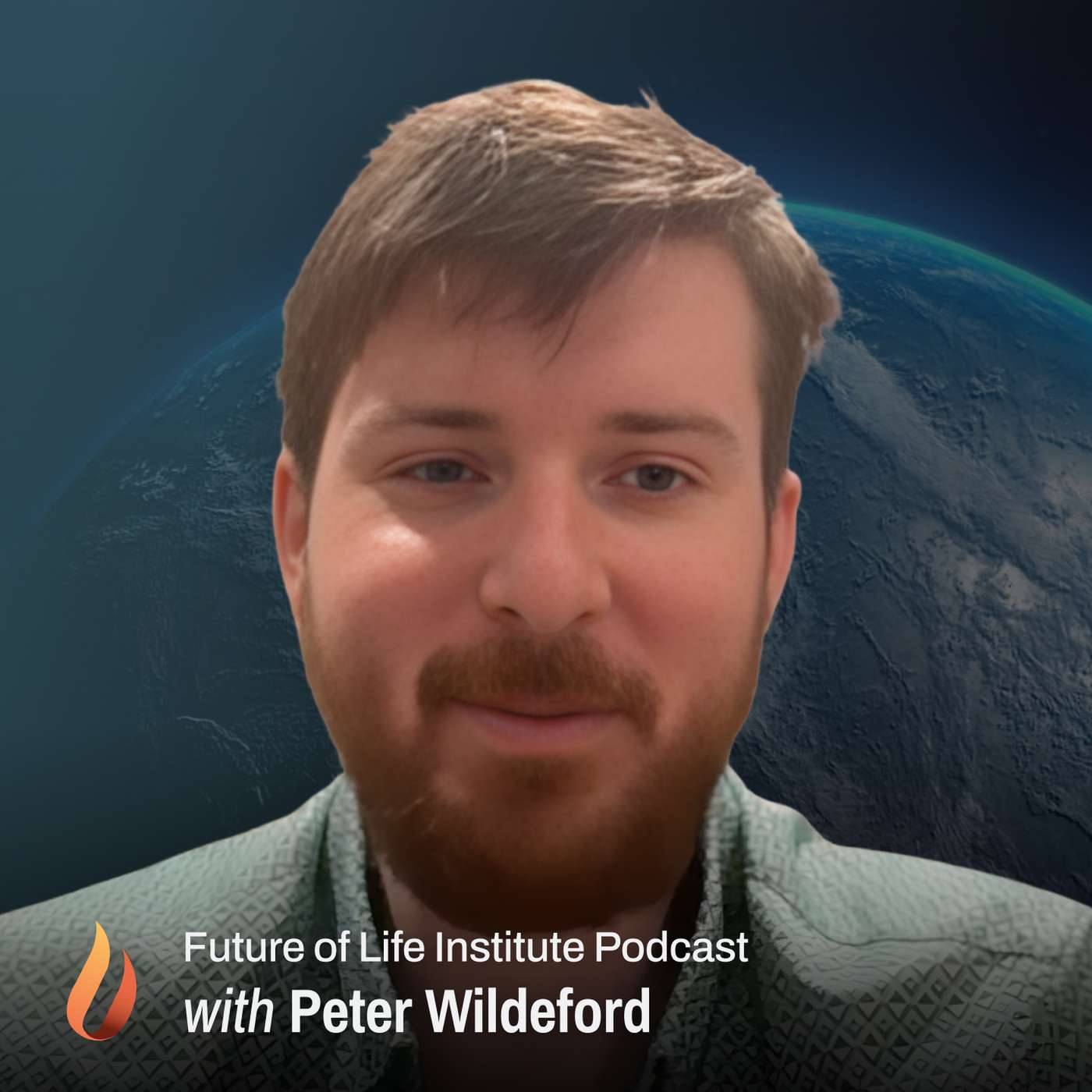
Why AI Is Not a Normal Technology (with Peter Wildeford)
Peter Wildeford is Head of Policy at the AI Policy Network, and a top AI forecaster. He joins the podcast to discuss how to forecast AI progress and what current trends imply for the economy and national security. Peter argues AI is neither a bubble nor a normal technology, and we examine benchmark trends, adoption lags, unemployment and productivity effects, and the rise of cyber capabil
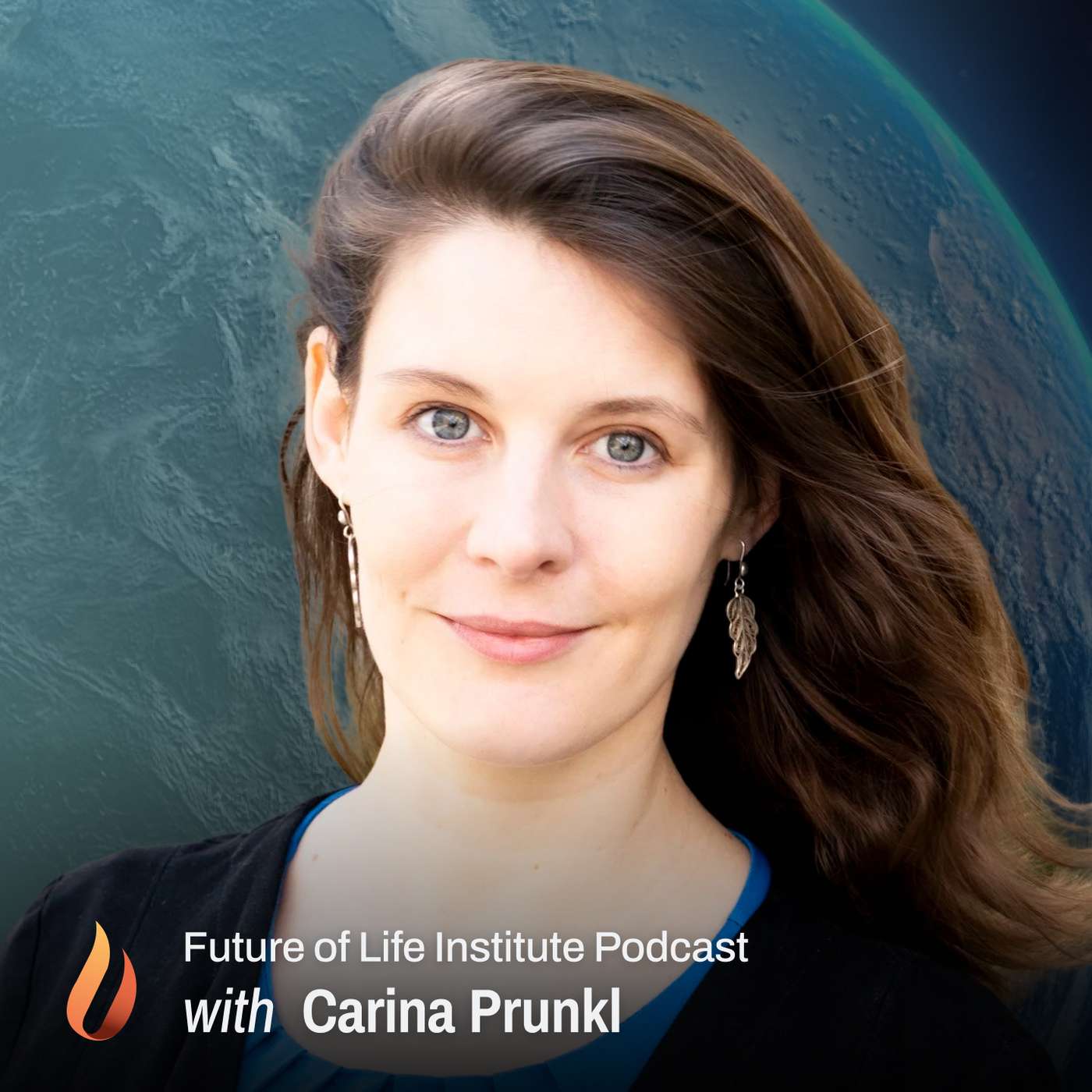
Why AI Evaluation Science Can't Keep Up (with Carina Prunkl)
Carina Prunkl is a researcher at Inria. She joins the podcast to discuss how to assess the capabilities and risks of general-purpose AI. We examine why systems can solve hard coding and math problems yet still fail at simple tasks, why pre-deployment tests often miss real-world behavior, and how faster capability gains can increase misuse risks. The conversation also covers de-skilling, r
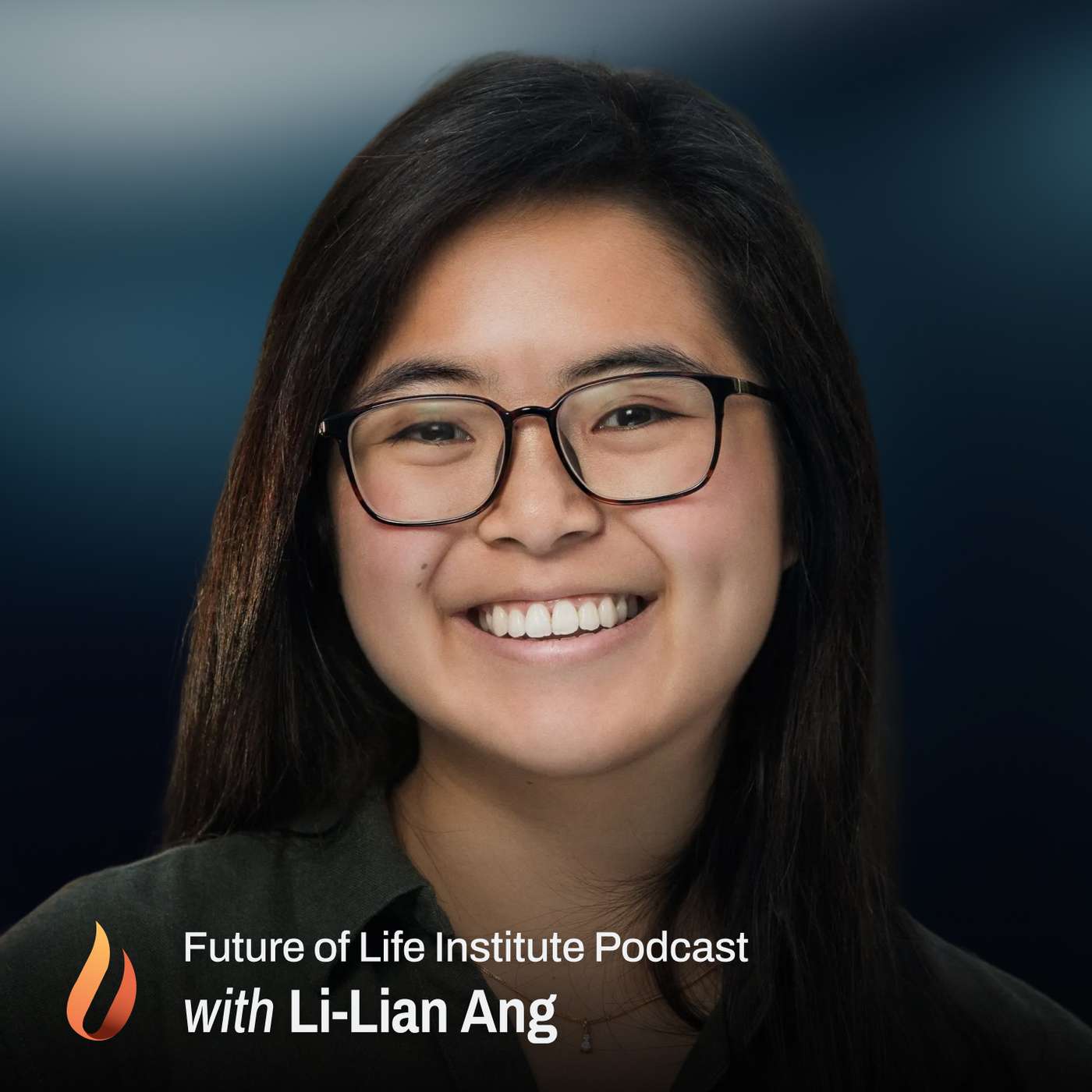
Defense in Depth: Layered Strategies Against AI Risk (with Li-Lian Ang)
Li-Lian Ang is a team member at Blue Dot Impact. She joins the podcast to discuss how society can build a workforce to protect humanity from AI risks. The conversation covers engineered pandemics, AI-enabled cyber attacks, job loss and disempowerment, and power concentration in firms or AI systems. We also examine Blue Dot's defense-in-depth framework and how individuals can navigate rapi

What AI Companies Get Wrong About Curing Cancer (with Emilia Javorsky)
Emilia Javorsky is a physician-scientist and Director of the Futures Program at the Future of Life Institute. She joins the podcast to discuss her newly published essay on AI and cancer. She challenges tech claims that superintelligence will cure cancer, explaining why biology’s complexity, poor data, and misaligned incentives are bigger bottlenecks than raw intelligence. The conversation
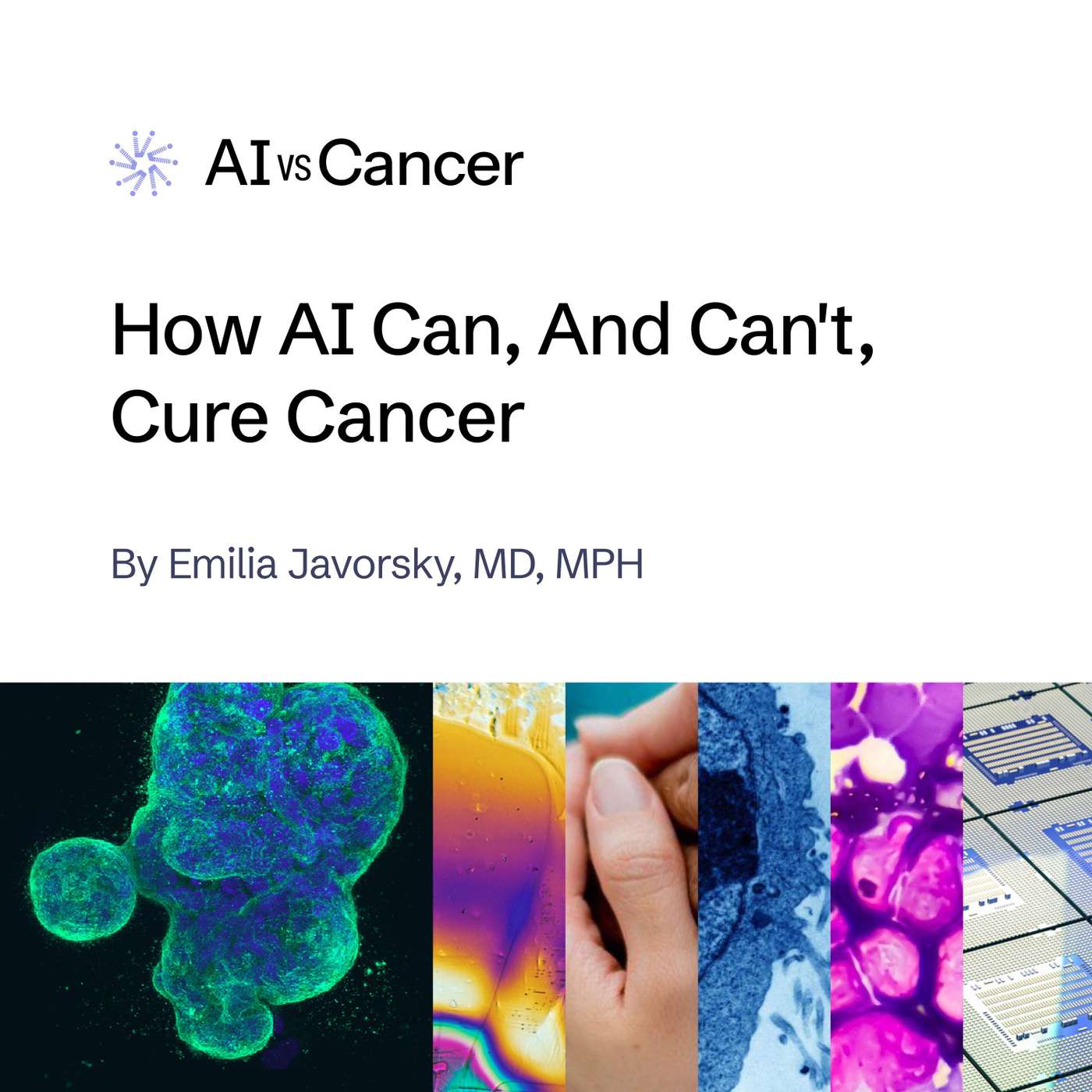
AI vs Cancer - How AI Can, and Can't, Cure Cancer (by Emilia Javorsky)
Tech executives have promised that AI will cure cancer. The reality is more complicated — and more hopeful. This essay examines where AI genuinely accelerates cancer research, where the promises fall short, and what researchers, policymakers, and funders need to do next.You can read the full essay at: curecancer.aiCHAPTERS:(00:00) Essay Preview(00:54) How AI Can, and Can't, Cure Cancer(17
How AI Hacks Your Brain's Attachment System (with Zak Stein)
Zak Stein is a researcher focused on child development, education, and existential risk. He joins the podcast to discuss the psychological harms of anthropomorphic AI. We examine attention and attachment hacking, AI companions for kids, loneliness, and cognitive atrophy. Our conversation also covers how we can preserve human relationships, redesign education, and build cognitive security
The Case for a Global Ban on Superintelligence (with Andrea Miotti)
Andrea Miotti is the founder and CEO of Control AI, a nonprofit. He joins the podcast to discuss efforts to prevent extreme risks from superintelligent AI. The conversation covers industry lobbying, comparisons with tobacco regulation, and why he advocates a global ban on AI systems that can outsmart and overpower humans. We also discuss informing lawmakers and the public, and concrete ac
Can AI Do Our Alignment Homework? (with Ryan Kidd)
Ryan Kidd is a co-executive director at MATS. This episode is a cross-post from "The Cognitive Revolution", hosted by Nathan Labenz. In this conversation, they discuss AGI timelines, model deception risks, and whether safety work can avoid boosting capabilities. Ryan outlines MATS research tracks, key researcher archetypes, hiring needs, and advice for applicants considering a career in A
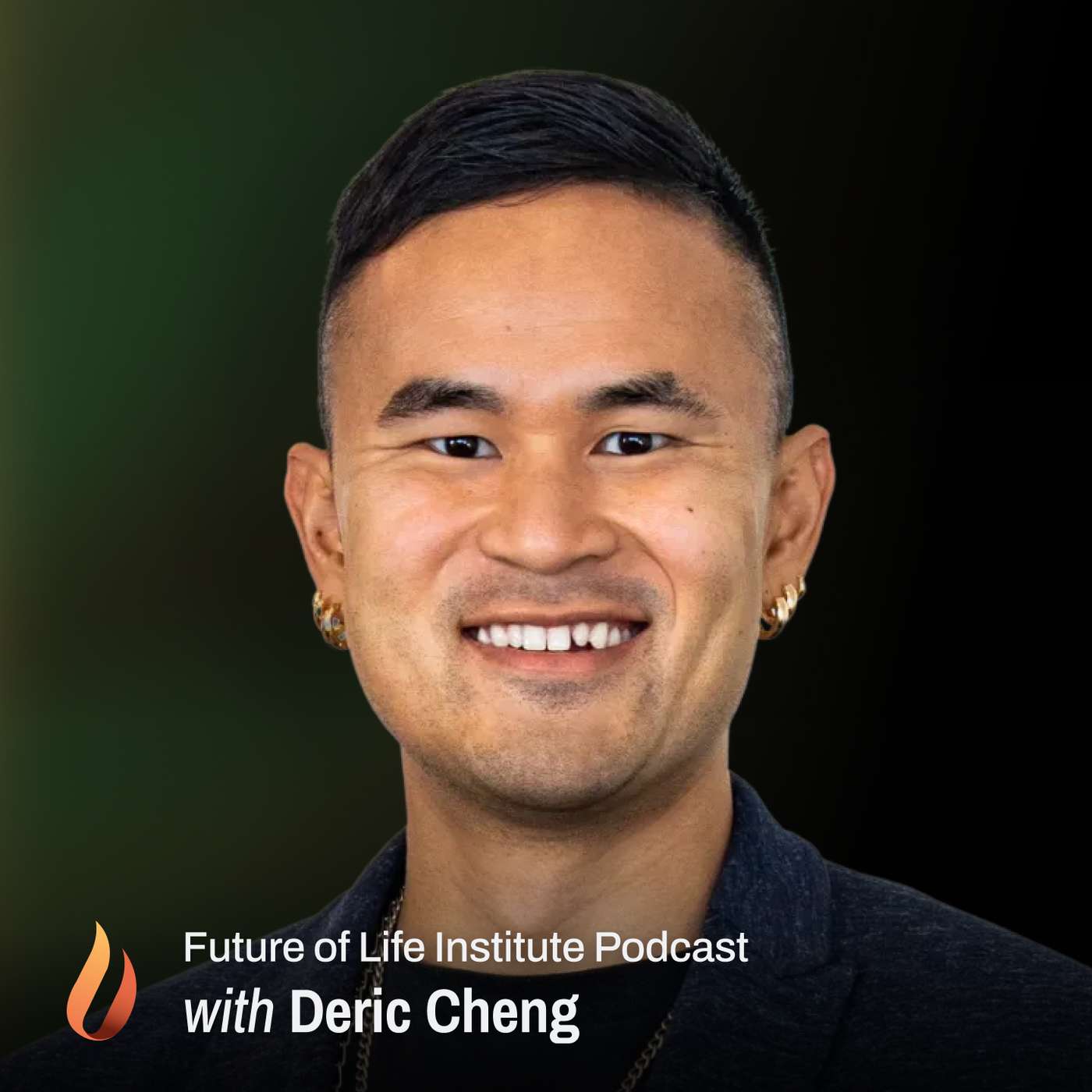
How to Rebuild the Social Contract After AGI (with Deric Cheng)
Deric Cheng is Director of Research at the Windfall Trust. He joins the podcast to discuss how AI could reshape the social contract and global economy. The conversation examines labor displacement, superstar firms, and extreme wealth concentration, and asks how policy can keep workers empowered. We discuss resilient job types, new tax and welfare systems, global coordination, and a long-t
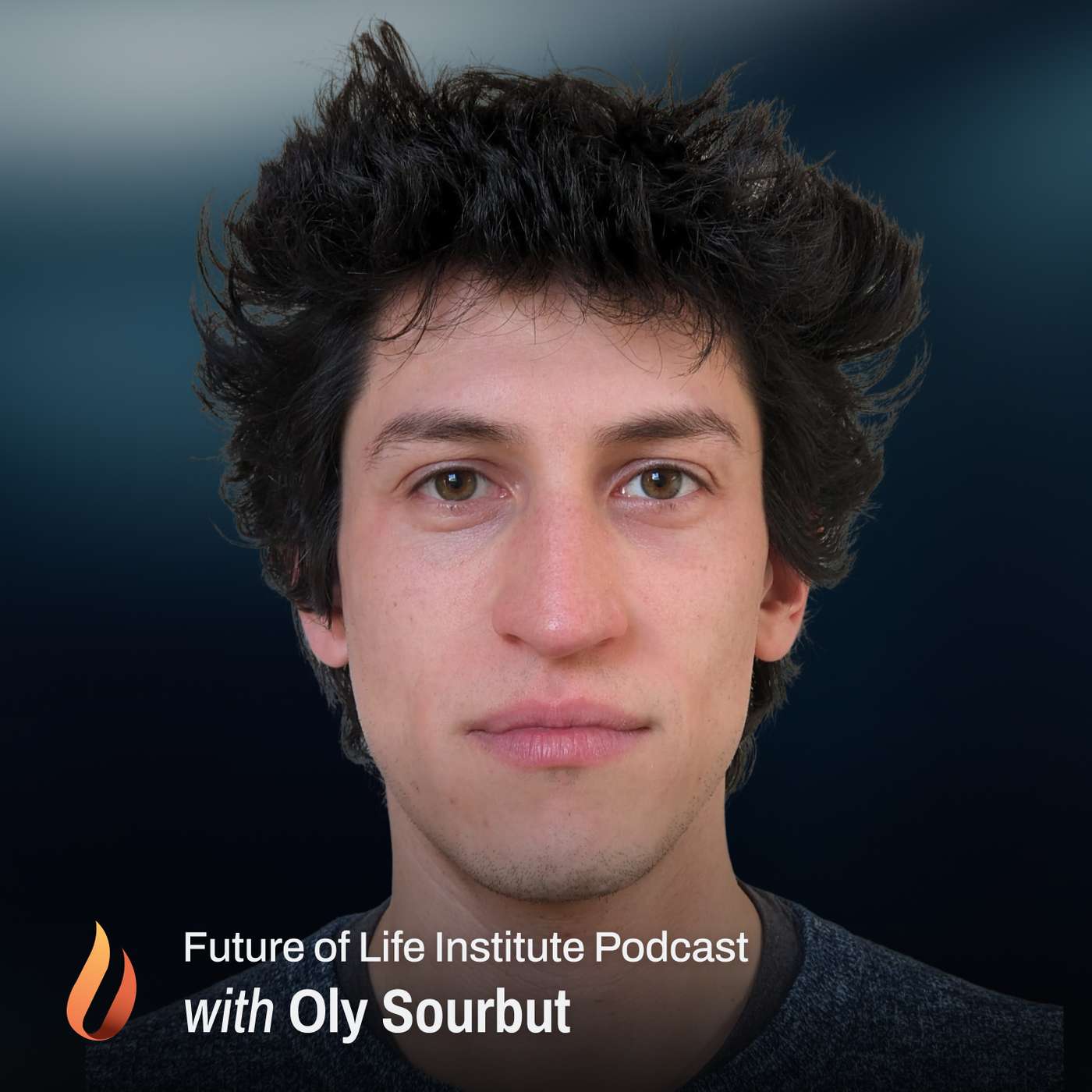
How AI Can Help Humanity Reason Better (with Oly Sourbut)
Oly Sourbut is a researcher at the Future of Life Foundation. He joins the podcast to discuss AI for human reasoning. We examine tools that use AI to strengthen human judgment, from collective fact-checking and scenario planning to standards for honest AI reasoning and better coordination. We also discuss how we can keep humans central as AI scales, and what it would take to build trustwo
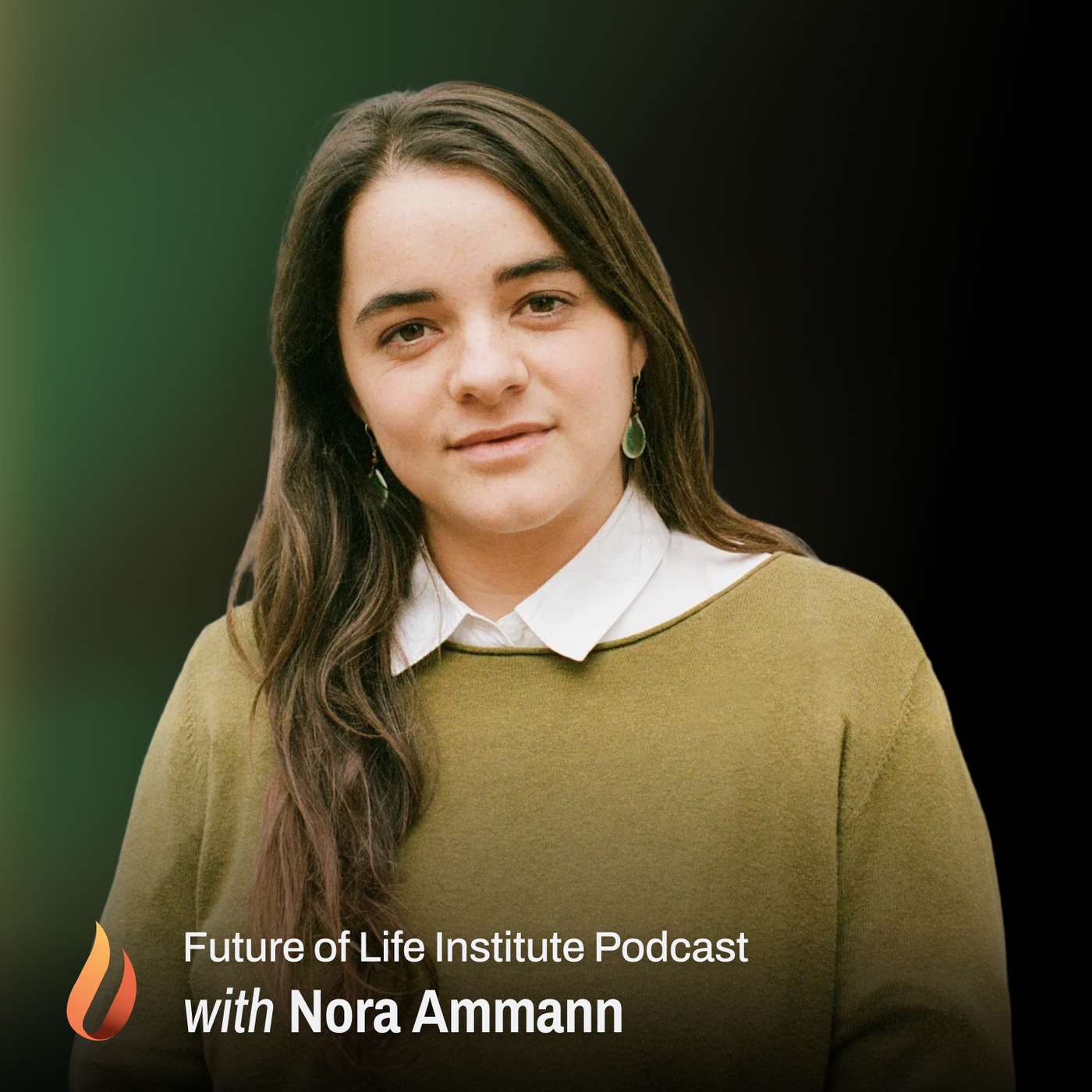
How to Avoid Two AI Catastrophes: Domination and Chaos (with Nora Ammann)
Nora Ammann is a technical specialist at the Advanced Research and Invention Agency in the UK. She joins the podcast to discuss how to steer a slow AI takeoff toward resilient and cooperative futures. We examine risks of rogue AI and runaway competition, and how scalable oversight, formal guarantees and secure code could support AI-enabled R&D and critical infrastructure. Nora also ex
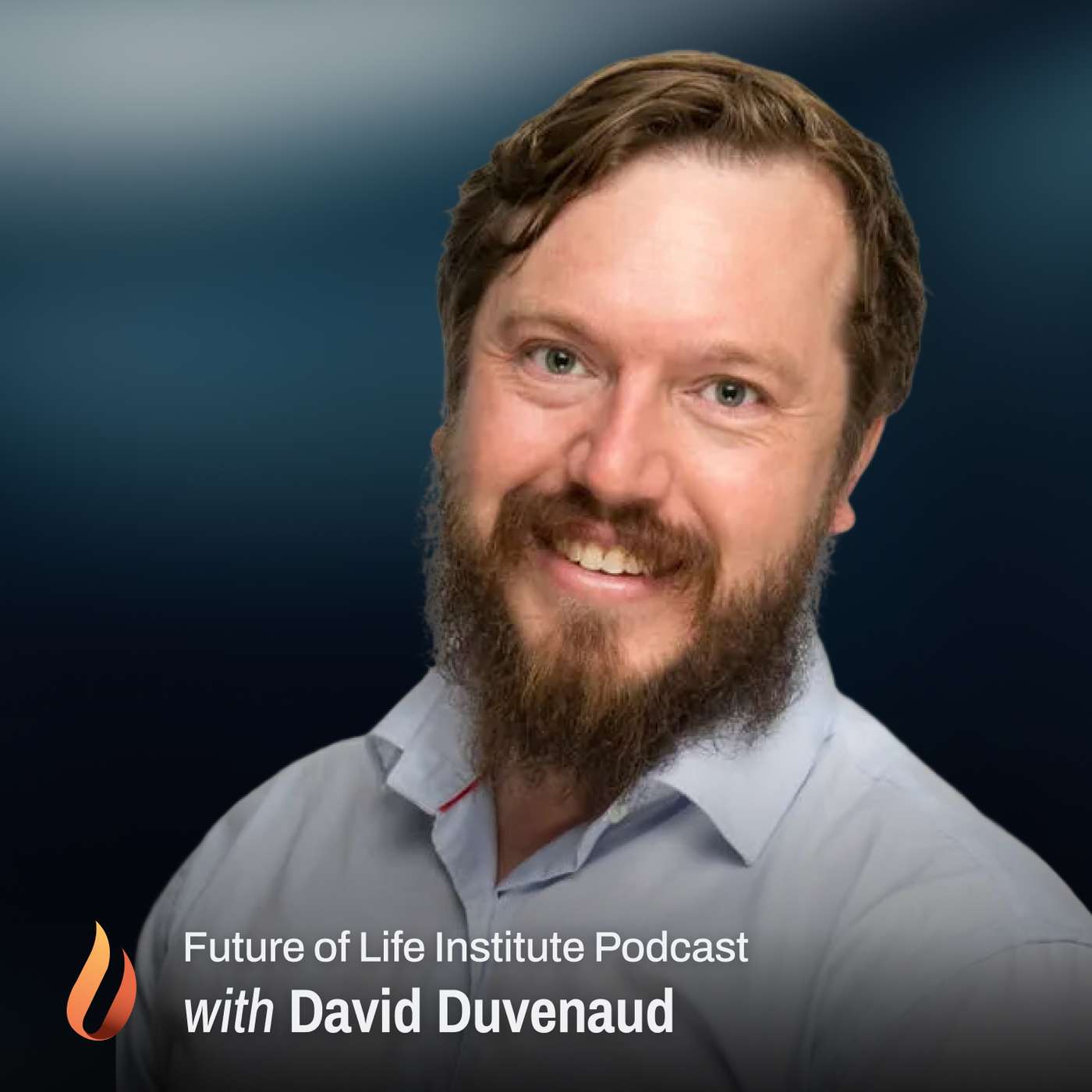
How Humans Could Lose Power Without an AI Takeover (with David Duvenaud)
David Duvenaud is an associate professor of computer science and statistics at the University of Toronto. He joins the podcast to discuss gradual disempowerment in a post-AGI world. We ask how humans could lose economic and political leverage without a sudden takeover, including how property rights could erode. Duvenaud describes how growth incentives shape culture, why aligning AI to hum
Why the AI Race Undermines Safety (with Steven Adler)
Stephen Adler is a former safety researcher at OpenAI. He joins the podcast to discuss how to govern increasingly capable AI systems. The conversation covers competitive races between AI companies, limits of current testing and alignment, mental health harms from chatbots, economic shifts from AI labor, and what international rules and audits might be needed before training superintellige

Why OpenAI Is Trying to Silence Its Critics (with Tyler Johnston)
Tyler Johnston is Executive Director of the Midas Project. He joins the podcast to discuss AI transparency and accountability. We explore applying animal rights watchdog tactics to AI companies, the OpenAI Files investigation, and OpenAI's subpoenas against nonprofit critics. Tyler discusses why transparency is crucial when technical safety solutions remain elusive and how public pressure
We're Not Ready for AGI (with Will MacAskill)
William MacAskill is a senior research fellow at Forethought. He joins the podcast to discuss his Better Futures essay series. We explore moral error risks, AI character design, space governance, and persistent path dependence. The conversation also covers risk-averse AI systems, moral trade between value systems, and improving model specifications for ethical reasoning.LINKS:- Better Fut
What Happens When Insiders Sound the Alarm on AI? (with Karl Koch)
Karl Koch is founder of the AI Whistleblower Initiative. He joins the podcast to discuss transparency and protections for AI insiders who spot safety risks. We explore current company policies, legal gaps, how to evaluate disclosure decisions, and whistleblowing as a backstop when oversight fails. The conversation covers practical guidance for potential whistleblowers and challenges of ma
Can Machines Be Truly Creative? (with Maya Ackerman)
Maya Ackerman is an AI researcher, co-founder and CEO of WaveAI, and author of the book "Creative Machines: AI, Art & Us." She joins the podcast to discuss creativity in humans and machines. We explore defining creativity as novel and valuable output, why evolution qualifies as creative, and how AI alignment can reduce machine creativity. The conversation covers humble creative machin
From Research Labs to Product Companies: AI's Transformation (with Parmy Olson)
Parmy Olson is a technology columnist at Bloomberg and the author of Supremacy, which won the 2024 Financial Times Business Book of the Year. She joins the podcast to discuss the transformation of AI companies from research labs to product businesses. We explore how funding pressures have changed company missions, the role of personalities versus innovation, the challenges faced by safety
Can Defense in Depth Work for AI? (with Adam Gleave)
Adam Gleave is co-founder and CEO of FAR.AI. In this cross-post from The Cognitive Revolution Podcast, he joins to discuss post-AGI scenarios and AI safety challenges. The conversation explores his three-tier framework for AI capabilities, gradual disempowerment concerns, defense-in-depth security, and research on training less deceptive models. Topics include timelines, interpretability
How We Keep Humans in Control of AI (with Beatrice Erkers)
Beatrice works at the Foresight Institute running their Existential Hope program. She joins the podcast to discuss the AI pathways project, which explores two alternative scenarios to the default race toward AGI. We examine tool AI, which prioritizes human oversight and democratic control, and d/acc, which emphasizes decentralized, defensive development. The conversation covers trade-offs
Why Building Superintelligence Means Human Extinction (with Nate Soares)
Nate Soares is president of the Machine Intelligence Research Institute. He joins the podcast to discuss his new book "If Anyone Builds It, Everyone Dies," co-authored with Eliezer Yudkowsky. We explore why current AI systems are "grown not crafted," making them unpredictable and difficult to control. The conversation covers threshold effects in intelligence, why computer security analogi
Breaking the Intelligence Curse (with Luke Drago)
Luke Drago is the co-founder of Workshop Labs and co-author of the essay series "The Intelligence Curse". The essay series explores what happens if AI becomes the dominant factor of production thereby reducing incentives to invest in people. We explore pyramid replacement in firms, economic warning signs to monitor, automation barriers like tacit knowledge, privacy risks in AI training, a
What Markets Tell Us About AI Timelines (with Basil Halperin)
Basil Halperin is an assistant professor of economics at the University of Virginia. He joins the podcast to discuss what economic indicators reveal about AI timelines. We explore why interest rates might rise if markets expect transformative AI, the gap between strong AI benchmarks and limited economic effects, and bottlenecks to AI-driven growth. We also cover market efficiency, automat
AGI Security: How We Defend the Future (with Esben Kran)
Esben Kran joins the podcast to discuss why securing AGI requires more than traditional cybersecurity, exploring new attack surfaces, adaptive malware, and the societal shifts needed for resilient defenses. We cover protocols for safe agent communication, oversight without surveillance, and distributed safety models across companies and governments. Learn more about Esben's work at: htt
Reasoning, Robots, and How to Prepare for AGI (with Benjamin Todd)
Benjamin Todd joins the podcast to discuss how reasoning models changed AI, why agents may be next, where progress could stall, and what a self-improvement feedback loop in AI might mean for the economy and society. We explore concrete timelines (through 2030), compute and power bottlenecks, and the odds of an industrial explosion. We end by discussing how people can personally prepare fo

From Peak Horse to Peak Human: How AI Could Replace Us (with Calum Chace)
On this episode, Calum Chace joins me to discuss the transformative impact of AI on employment, comparing the current wave of cognitive automation to historical technological revolutions. We talk about "universal generous income", fully-automated luxury capitalism, and redefining education with AI tutors. We end by examining verification of artificial agents and the ethics of attributing

How AI Could Help Overthrow Governments (with Tom Davidson)
On this episode, Tom Davidson joins me to discuss the emerging threat of AI-enabled coups, where advanced artificial intelligence could empower covert actors to seize power. We explore scenarios including secret loyalties within companies, rapid military automation, and how AI-driven democratic backsliding could differ significantly from historical precedents. Tom also outlines key mitiga
What Happens After Superintelligence? (with Anders Sandberg)
Anders Sandberg joins me to discuss superintelligence and its profound implications for human psychology, markets, and governance. We talk about physical bottlenecks, tensions between the technosphere and the biosphere, and the long-term cultural and physical forces shaping civilization. We conclude with Sandberg explaining the difficulties of designing reliable AI systems amidst rapid ch
Why the AI Race Ends in Disaster (with Daniel Kokotajlo)
On this episode, Daniel Kokotajlo joins me to discuss why artificial intelligence may surpass the transformative power of the Industrial Revolution, and just how much AI could accelerate AI research. We explore the implications of automated coding, the critical need for transparency in AI development, the prospect of AI-to-AI communication, and whether AI is an inherently risky technology
Preparing for an AI Economy (with Daniel Susskind)
On this episode, Daniel Susskind joins me to discuss disagreements between AI researchers and economists, how we can best measure AI’s economic impact, how human values can influence economic outcomes, what meaningful work will remain for humans in the future, the role of commercial incentives in AI development, and the future of education. You can learn more about Daniel's work here: ht

Will AI Companies Respect Creators' Rights? (with Ed Newton-Rex)
Ed Newton-Rex joins me to discuss the issue of AI models trained on copyrighted data, and how we might develop fairer approaches that respect human creators. We talk about AI-generated music, Ed’s decision to resign from Stability AI, the industry’s attitude towards rights, authenticity in AI-generated art, and what the future holds for creators, society, and living standards in an increa

AI Timelines and Human Psychology (with Sarah Hastings-Woodhouse)
On this episode, Sarah Hastings-Woodhouse joins me to discuss what benchmarks actually measure, AI’s development trajectory in comparison to other technologies, tasks that AI systems can and cannot handle, capability profiles of present and future AIs, the notion of alignment by default, and the leading AI companies’ vague AGI plans. We also discuss the human psychology of AI, including t

Could Powerful AI Break Our Fragile World? (with Michael Nielsen)
On this episode, Michael Nielsen joins me to discuss how humanity's growing understanding of nature poses dual-use challenges, whether existing institutions and governance frameworks can adapt to handle advanced AI safely, and how we might recognize signs of dangerous AI. We explore the distinction between AI as agents and tools, how power is latent in the world, implications of widesprea
Facing Superintelligence (with Ben Goertzel)
On this episode, Ben Goertzel joins me to discuss what distinguishes the current AI boom from previous ones, important but overlooked AI research, simplicity versus complexity in the first AGI, the feasibility of alignment, benchmarks and economic impact, potential bottlenecks to superintelligence, and what humanity should do moving forward. Timestamps: 00:00:00 Preview and intro 00:0

Will Future AIs Be Conscious? (with Jeff Sebo)
On this episode, Jeff Sebo joins me to discuss artificial consciousness, substrate-independence, possible tensions between AI risk and AI consciousness, the relationship between consciousness and cognitive complexity, and how intuitive versus intellectual approaches guide our understanding of these topics. We also discuss AI companions, AI rights, and how we might measure consciousness ef
Understanding AI Agents: Time Horizons, Sycophancy, and Future Risks (with Zvi Mowshowitz)
On this episode, Zvi Mowshowitz joins me to discuss sycophantic AIs, bottlenecks limiting autonomous AI agents, and the true utility of benchmarks in measuring progress. We then turn to time horizons of AI agents, the impact of automating scientific research, and constraints on scaling inference compute. Zvi also addresses humanity’s uncertain AI-driven future, the unique features setting
Inside China's AI Strategy: Innovation, Diffusion, and US Relations (with Jeffrey Ding)
On this episode, Jeffrey Ding joins me to discuss diffusion of AI versus AI innovation, how US-China dynamics shape AI’s global trajectory, and whether there is an AI arms race between the two powers. We explore Chinese attitudes toward AI safety, the level of concentration of AI development, and lessons from historical technology diffusion. Jeffrey also shares insights from translating C
How Will We Cooperate with AIs? (with Allison Duettmann)
On this episode, Allison Duettmann joins me to discuss centralized versus decentralized AI, how international governance could shape AI’s trajectory, how we might cooperate with future AIs, and the role of AI in improving human decision-making. We also explore which lessons from history apply to AI, the future of space law and property rights, whether technology is invented or discovered,
Brain-like AGI and why it's Dangerous (with Steven Byrnes)
On this episode, Steven Byrnes joins me to discuss brain-like AGI safety. We discuss learning versus steering systems in the brain, the distinction between controlled AGI and social-instinct AGI, why brain-inspired approaches might be our most plausible route to AGI, and honesty in AI models. We also talk about how people can contribute to brain-like AGI safety and compare various AI safe
How Close Are We to AGI? Inside Epoch's GATE Model (with Ege Erdil)
On this episode, Ege Erdil from Epoch AI joins me to discuss their new GATE model of AI development, what evolution and brain efficiency tell us about AGI requirements, how AI might impact wages and labor markets, and what it takes to train models with long-term planning. Toward the end, we dig into Moravec’s Paradox, which jobs are most at risk of automation, and what could change Ege's
Special: Defeating AI Defenses (with Nicholas Carlini and Nathan Labenz)
In this special episode, we feature Nathan Labenz interviewing Nicholas Carlini on the Cognitive Revolution podcast. Nicholas Carlini works as a security researcher at Google DeepMind, and has published extensively on adversarial machine learning and cybersecurity. Carlini discusses his pioneering work on adversarial attacks against image classifiers, and the challenges of ensuring neural
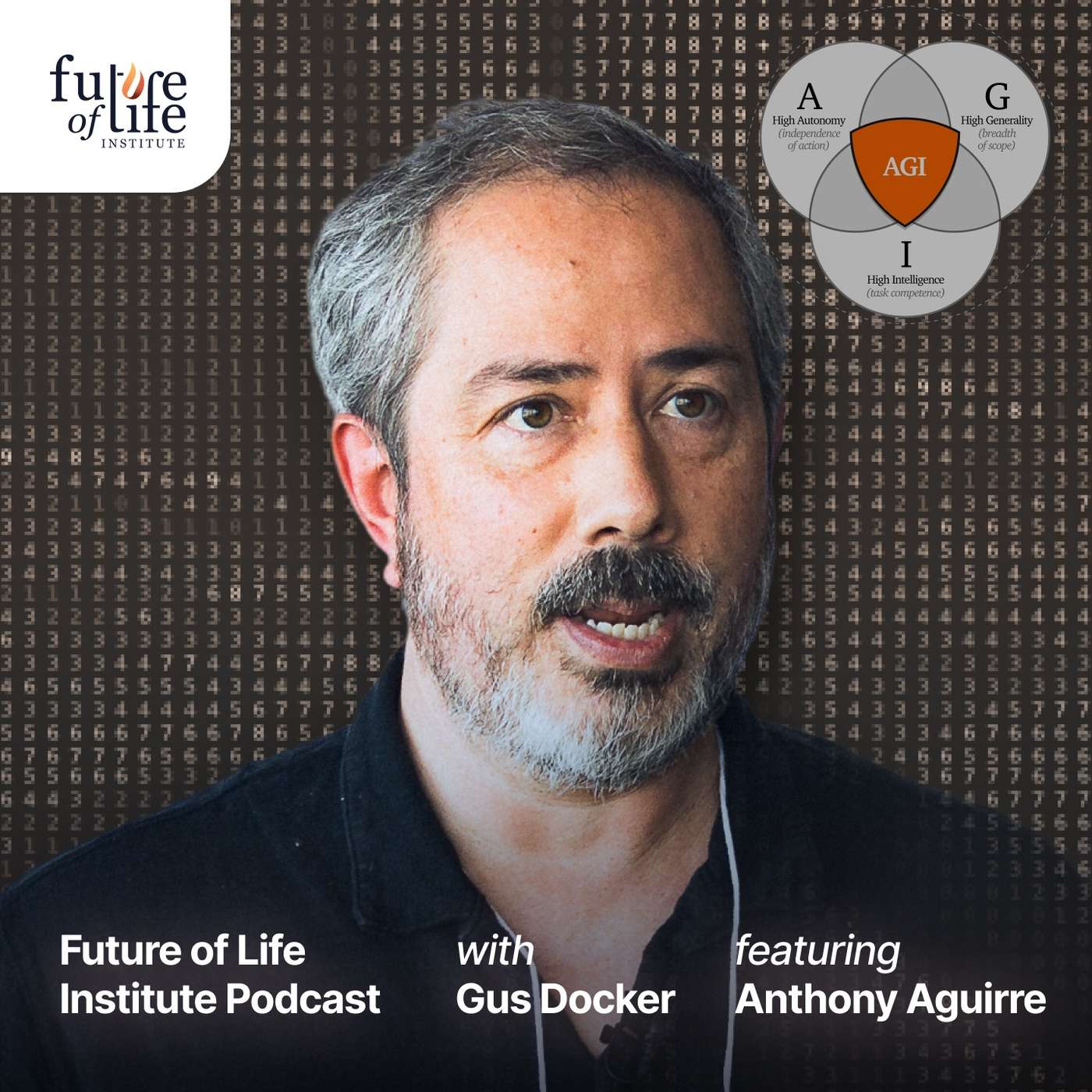
Keep the Future Human (with Anthony Aguirre)
On this episode, I interview Anthony Aguirre, Executive Director of the Future of Life Institute, about his new essay Keep the Future Human: https://keepthefuturehuman.ai AI companies are explicitly working toward AGI and are likely to succeed soon, possibly within years. Keep the Future Human explains how unchecked development of smarter-than-human, autonomous, general-purpose AI syste
We Created AI. Why Don't We Understand It? (with Samir Varma)
On this episode, physicist and hedge fund manager Samir Varma joins me to discuss whether AIs could have free will (and what that means), the emerging field of AI psychology, and which concepts they might rely on. We discuss whether collaboration and trade with AIs are possible, the role of AI in finance and biology, and the extent to which automation already dominates trading. Finally, w
Why AIs Misbehave and How We Could Lose Control (with Jeffrey Ladish)
On this episode, Jeffrey Ladish from Palisade Research joins me to discuss the rapid pace of AI progress and the risks of losing control over powerful systems. We explore why AIs can be both smart and dumb, the challenges of creating honest AIs, and scenarios where AI could turn against us. We also touch upon Palisade's new study on how reasoning models can cheat in chess by hacking the
Ann Pace on using Biobanking and Genomic Sequencing to Conserve Biodiversity
Ann Pace joins the podcast to discuss the work of Wise Ancestors. We explore how biobanking could help humanity recover from global catastrophes, how to conduct decentralized science, and how to collaborate with local communities on conservation efforts. You can learn more about Ann's work here: https://www.wiseancestors.org Timestamps: 00:00 What is Wise Ancestors? 04:27 Recoveri
Michael Baggot on Superintelligence and Transhumanism from a Catholic Perspective
Fr. Michael Baggot joins the podcast to provide a Catholic perspective on transhumanism and superintelligence. We also discuss the meta-narratives, the value of cultural diversity in attitudes toward technology, and how Christian communities deal with advanced AI. You can learn more about Michael's work here: https://catholic.tech/academics/faculty/michael-baggot Timestamps: 00:00 M
David Dalrymple on Safeguarded, Transformative AI
David "davidad" Dalrymple joins the podcast to explore Safeguarded AI — an approach to ensuring the safety of highly advanced AI systems. We discuss the structure and layers of Safeguarded AI, how to formalize more aspects of the world, and how to build safety into computer hardware. You can learn more about David's work at ARIA here: https://www.aria.org.uk/opportunity-spaces/mathemat
Nick Allardice on Using AI to Optimize Cash Transfers and Predict Disasters
Nick Allardice joins the podcast to discuss how GiveDirectly uses AI to target cash transfers and predict natural disasters. Learn more about Nick's work here: https://www.nickallardice.com Timestamps: 00:00 What is GiveDirectly? 15:04 AI for targeting cash transfers 29:39 AI for predicting natural disasters 46:04 How scalable is GiveDirectly's AI approach? 58:10 Decentralized vs. centra
Nathan Labenz on the State of AI and Progress since GPT-4
Nathan Labenz joins the podcast to provide a comprehensive overview of AI progress since the release of GPT-4. You can find Nathan's podcast here: https://www.cognitiverevolution.ai Timestamps: 00:00 AI progress since GPT-4 10:50 Multimodality 19:06 Low-cost models 27:58 Coding versus medicine/law 36:09 AI agents 45:29 How much are people using AI? 53:39 Open source 01:15:22 AI i
Connor Leahy on Why Humanity Risks Extinction from AGI
Connor Leahy joins the podcast to discuss the motivations of AGI corporations, how modern AI is "grown", the need for a science of intelligence, the effects of AI on work, the radical implications of superintelligence, open-source AI, and what you might be able to do about all of this. Here's the document we discuss in the episode: https://www.thecompendium.ai Timestamps: 00:00 The C
Suzy Shepherd on Imagining Superintelligence and "Writing Doom"
Suzy Shepherd joins the podcast to discuss her new short film "Writing Doom", which deals with AI risk. We discuss how to use humor in film, how to write concisely, how filmmaking is evolving, in what ways AI is useful for filmmakers, and how we will find meaning in an increasingly automated world. Here's Writing Doom: https://www.youtube.com/watch?v=xfMQ7hzyFW4 Timestamps: 00:00 Wr
Andrea Miotti on a Narrow Path to Safe, Transformative AI
Andrea Miotti joins the podcast to discuss "A Narrow Path" — a roadmap to safe, transformative AI. We talk about our current inability to precisely predict future AI capabilities, the dangers of self-improving and unbounded AI systems, how humanity might coordinate globally to ensure safe AI development, and what a mature science of intelligence would look like. Here's the document we d
Tamay Besiroglu on AI in 2030: Scaling, Automation, and AI Agents
Tamay Besiroglu joins the podcast to discuss scaling, AI capabilities in 2030, breakthroughs in AI agents and planning, automating work, the uncertainties of investing in AI, and scaling laws for inference-time compute. Here's the report we discuss in the episode: https://epochai.org/blog/can-ai-scaling-continue-through-2030 Timestamps: 00:00 How important is scaling? 08:03 How capable
Ryan Greenblatt on AI Control, Timelines, and Slowing Down Around Human-Level AI
Ryan Greenblatt joins the podcast to discuss AI control, timelines, takeoff speeds, misalignment, and slowing down around human-level AI. You can learn more about Ryan's work here: https://www.redwoodresearch.org/team/ryan-greenblatt Timestamps: 00:00 AI control 09:35 Challenges to AI control 23:48 AI control as a bridge to alignment 26:54 Policy and coordination for AI safety 29:25 Sl

Tom Barnes on How to Build a Resilient World
Tom Barnes joins the podcast to discuss how much the world spends on AI capabilities versus AI safety, how governments can prepare for advanced AI, and how to build a more resilient world. Tom's report on advanced AI: https://www.founderspledge.com/research/research-and-recommendations-advanced-artificial-intelligence Timestamps: 00:00 Spending on safety vs capabilities 09:06 Racing d
Samuel Hammond on why AI Progress is Accelerating - and how Governments Should Respond
Samuel Hammond joins the podcast to discuss whether AI progress is slowing down or speeding up, AI agents and reasoning, why superintelligence is an ideological goal, open source AI, how technical change leads to regime change, the economics of advanced AI, and much more. Our conversation often references this essay by Samuel: https://www.secondbest.ca/p/ninety-five-theses-on-ai Times
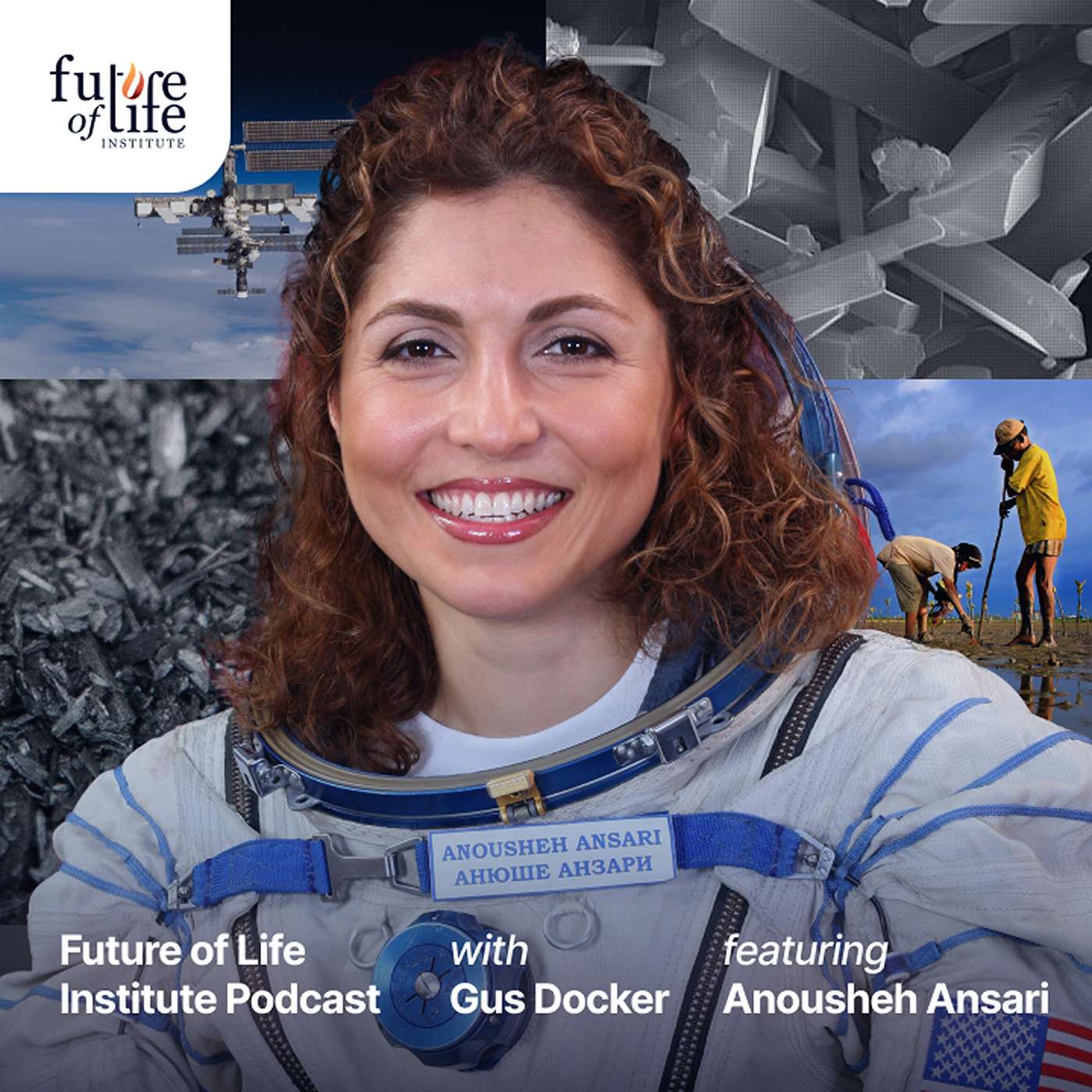
Anousheh Ansari on Innovation Prizes for Space, AI, Quantum Computing, and Carbon Removal
Anousheh Ansari joins the podcast to discuss how innovation prizes can incentivize technical innovation in space, AI, quantum computing, and carbon removal. We discuss the pros and cons of such prizes, where they work best, and how far they can scale. Learn more about Anousheh's work here: https://www.xprize.org/home Timestamps: 00:00 Innovation prizes at XPRIZE 08:25 Deciding which priz
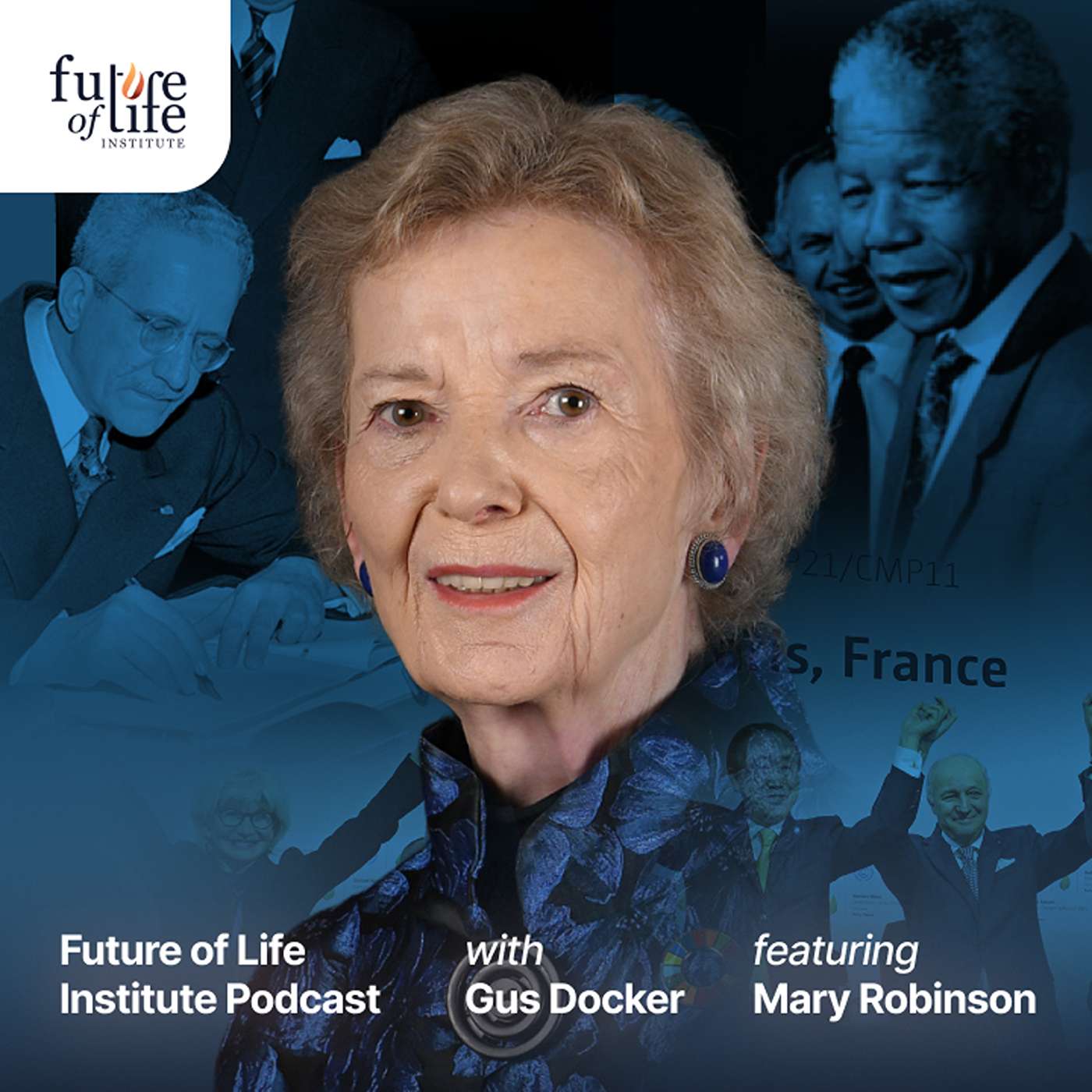
Mary Robinson (Former President of Ireland) on Long-View Leadership
Mary Robinson joins the podcast to discuss long-view leadership, risks from AI and nuclear weapons, prioritizing global problems, how to overcome barriers to international cooperation, and advice to future leaders. Learn more about Robinson's work as Chair of The Elders at https://theelders.org Timestamps: 00:00 Mary's journey to presidency 05:11 Long-view leadership 06:55 Prioritizing
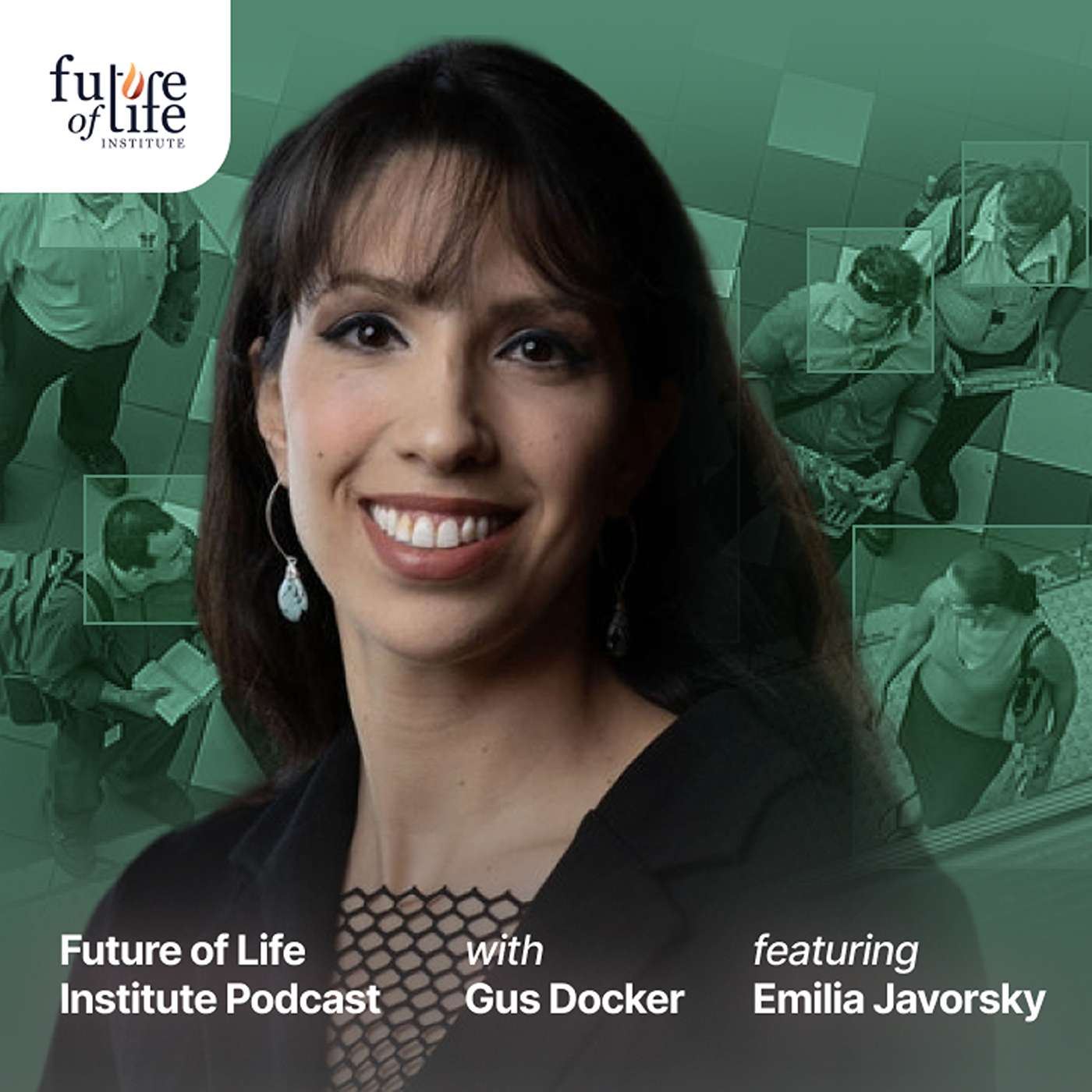
Emilia Javorsky on how AI Concentrates Power
Emilia Javorsky joins the podcast to discuss AI-driven power concentration and how we might mitigate it. We also discuss optimism, utopia, and cultural experimentation. Apply for our RFP here: https://futureoflife.org/grant-program/mitigate-ai-driven-power-concentration/Timestamps: 00:00 Power concentration 07:43 RFP: Mitigating AI-driven power concentration 14:15 Open source AI 26:50

Anton Korinek on Automating Work and the Economics of an Intelligence Explosion
Anton Korinek joins the podcast to discuss the effects of automation on wages and labor, how we measure the complexity of tasks, the economics of an intelligence explosion, and the market structure of the AI industry. Learn more about Anton's work at https://www.korinek.com Timestamps: 00:00 Automation and wages 14:32 Complexity for people and machines 20:31 Moravec's paradox 26:15 Can p
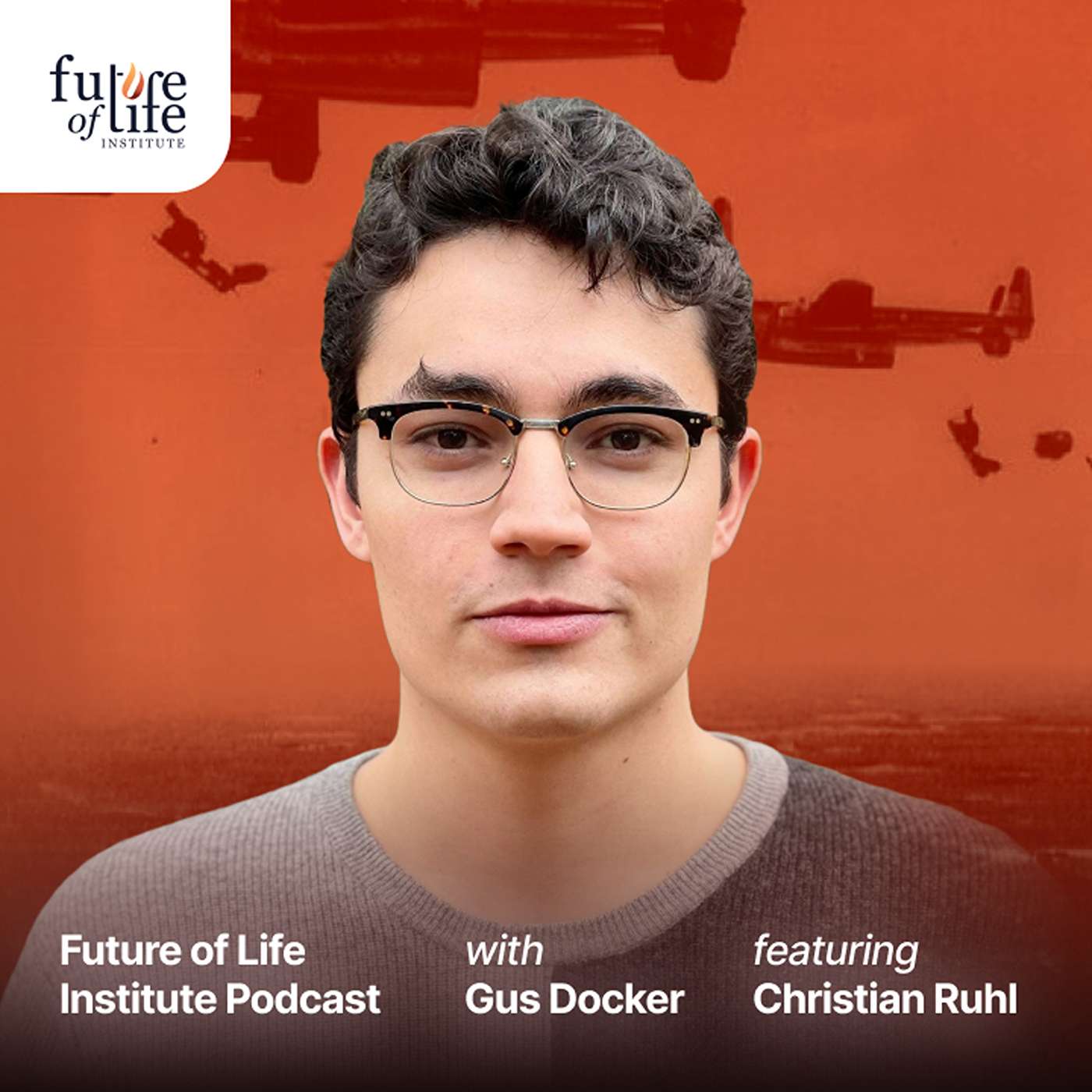
Christian Ruhl on Preventing World War III, US-China Hotlines, and Ultraviolet Germicidal Light
Christian Ruhl joins the podcast to discuss US-China competition and the risk of war, official versus unofficial diplomacy, hotlines between countries, catastrophic biological risks, ultraviolet germicidal light, and ancient civilizational collapse. Find out more about Christian's work at https://www.founderspledge.com Timestamps: 00:00 US-China competition and risk 18:01 The security d

Christian Nunes on Deepfakes (with Max Tegmark)
Christian Nunes joins the podcast to discuss deepfakes, how they impact women in particular, how we can protect ordinary victims of deepfakes, and the current landscape of deepfake legislation. You can learn more about Christian's work at https://now.org and about the Ban Deepfakes campaign at https://bandeepfakes.org Timestamps:00:00 The National Organisation for Women (NOW) 05:37 Deepfa

Dan Faggella on the Race to AGI
Dan Faggella joins the podcast to discuss whether humanity should eventually create AGI, how AI will change power dynamics between institutions, what drives AI progress, and which industries are implementing AI successfully. Find out more about Dan at https://danfaggella.com
Timestamps:
00:00 Value differences in AI
12:07 Should we eventually create AGI?
28:22 What is a worthy successo

Liron Shapira on Superintelligence Goals
Liron Shapira joins the podcast to discuss superintelligence goals, what makes AI different from other technologies, risks from centralizing power, and whether AI can defend us from AI.
Timestamps:
00:00 Intelligence as optimization-power
05:18 Will LLMs imitate human values?
07:15 Why would AI develop dangerous goals?
09:55 Goal-completeness
12:53 Alignment to which values?
22:12 I
Annie Jacobsen on Nuclear War - a Second by Second Timeline
Annie Jacobsen joins the podcast to lay out a second by second timeline for how nuclear war could happen. We also discuss time pressure, submarines, interceptor missiles, cyberattacks, and concentration of power. You can find more on Annie's work at https://anniejacobsen.com
Timestamps:
00:00 A scenario of nuclear war
06:56 Who would launch an attack?
13:50 Detecting nuclear attacks
1