Master Coach Collection
The Master Coach Collection features conversations between Gideon Culman, a Master Certified Coach based in Washington, DC, and fellow coaches holding the MCC credential from the International Coaching Federation. Each episode begins with the question of who first truly saw and heard them, exploring their personal journeys, motivations, and the impact of their work. The series delves into the human side of coaching, including moments of doubt and transformation.
Episodes

96: Ben Dooley
"There's that part of us that is here to be safe and to stay alive. And yet that's not what life is. The purpose of our bodies is to stay alive. The purpose of us being here is to experience everything we possibly can, and then go back for more." — Ben Dooley

95: Mary Anna Wright
"The thread running through it is love. It is love, really — the connection between people, or presence, as I'm now thinking of it in coaching terms." — Mary Anna Wright

94: Zsofia Juhasz
"Maybe a more courageous version of themselves, maybe stepping into—instead of 'Tell me what to do!'—seeing possibilities for themselves which they haven't saw before, being a calmer version of themselves, more mature . . ." — Zsofia Juhasz

93: Boris Prigmore
"There's the external visible game of power and money and wealth, and and there's an internal game where people don't see the changes." — Boris Prigmore

92: Norbert Izsák
"We cannot become ourselves until somebody has seen and heard us the way we truly are." — Norbert Izsák

91: Ellen Kocher
"The first Picasso Toro looked almost like a photograph, incredible. The last Picasso Toro was like five lines on a page. Is one better than the other? No. Is the one with the fine lines probably more emotionally grasping? Probably. I like to compare that with how coaching can evolve — less ends up being more." — Ellen Kocher

90: Carrie Williams
"I spent the first part of my life trying to find the truth. And now I realize I know my truth and I accept that my truth is not everyone's truth. And I am curious about what their truth is." — Carrie Williams

89: Shelly Heath-Watson
"Coaching is the gift that keeps on giving. The more you give away, the more you have." — Shelly Heath-Watson

88: Anna Gallotti
"Listening is giving, because it's giving your time, giving your presence, your full presence… a way of telling someone: I'm here, I'm here for you with all of myself—my body, my brain, my heart, my guts." — Anna Gallotti

87: Amy Warshawsky
"Model the conversations we want to see. Model the people we want to be. We're not perfect, but those are the ripples that are sent out. If I can be a part of that in a positive sense in this world, Wow!" — Amy Warshawsky
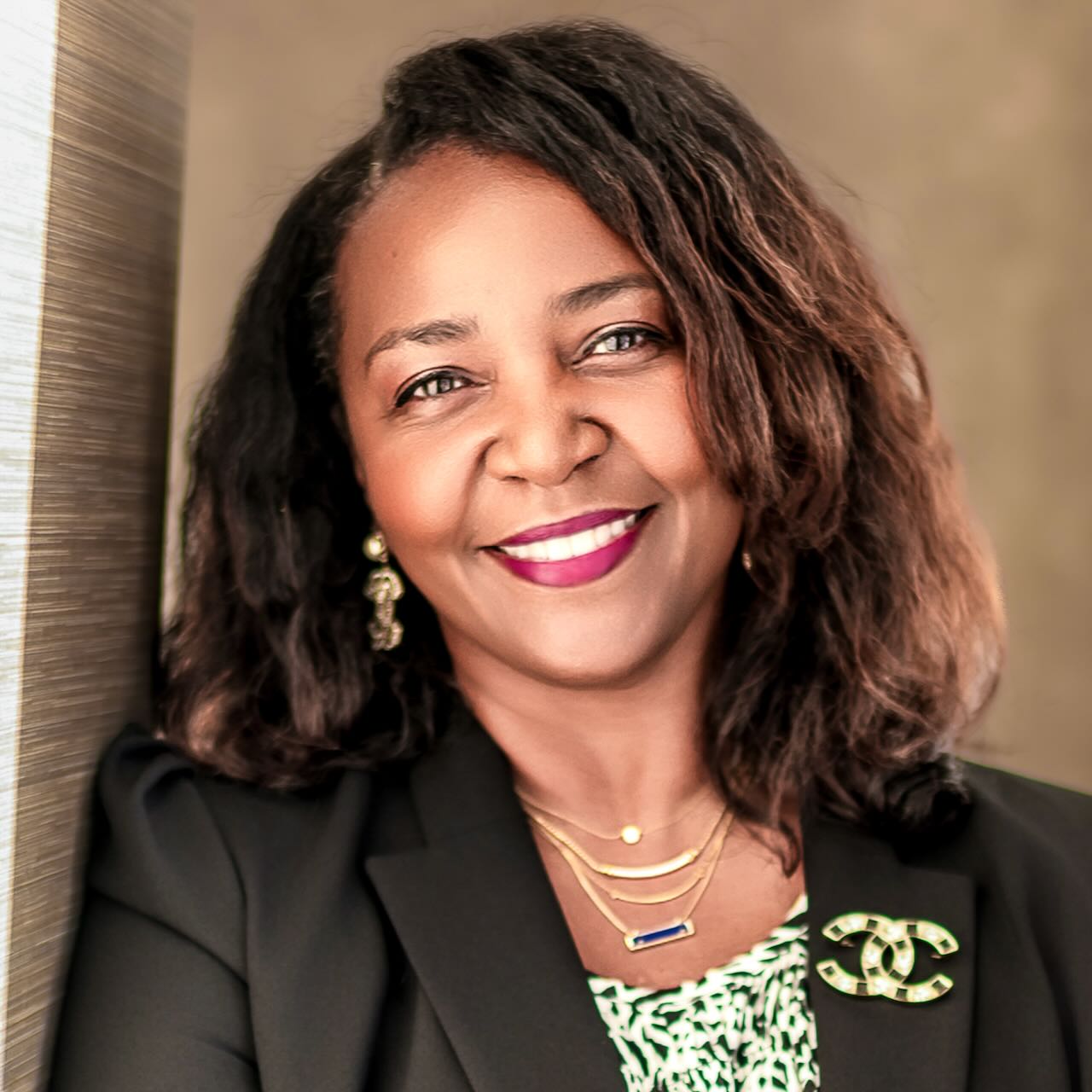
86: Barrhonda White
"Relatability is [. . .] a precursor to trust. And trust is foundational, whether it's one on one or it's a group. Once you have that trust, then it can blossom into psychological safety, which then invites vulnerability, and that's when true magical interactions can happen." — Barrhonda White

85: Graham Segroves
"At its core it's helping a person listen to themselves, know themselves better, sense the world around them better, make plans, follow through on plans, build habits is often a thing, get to know their themselves as a system." — Graham Segroves
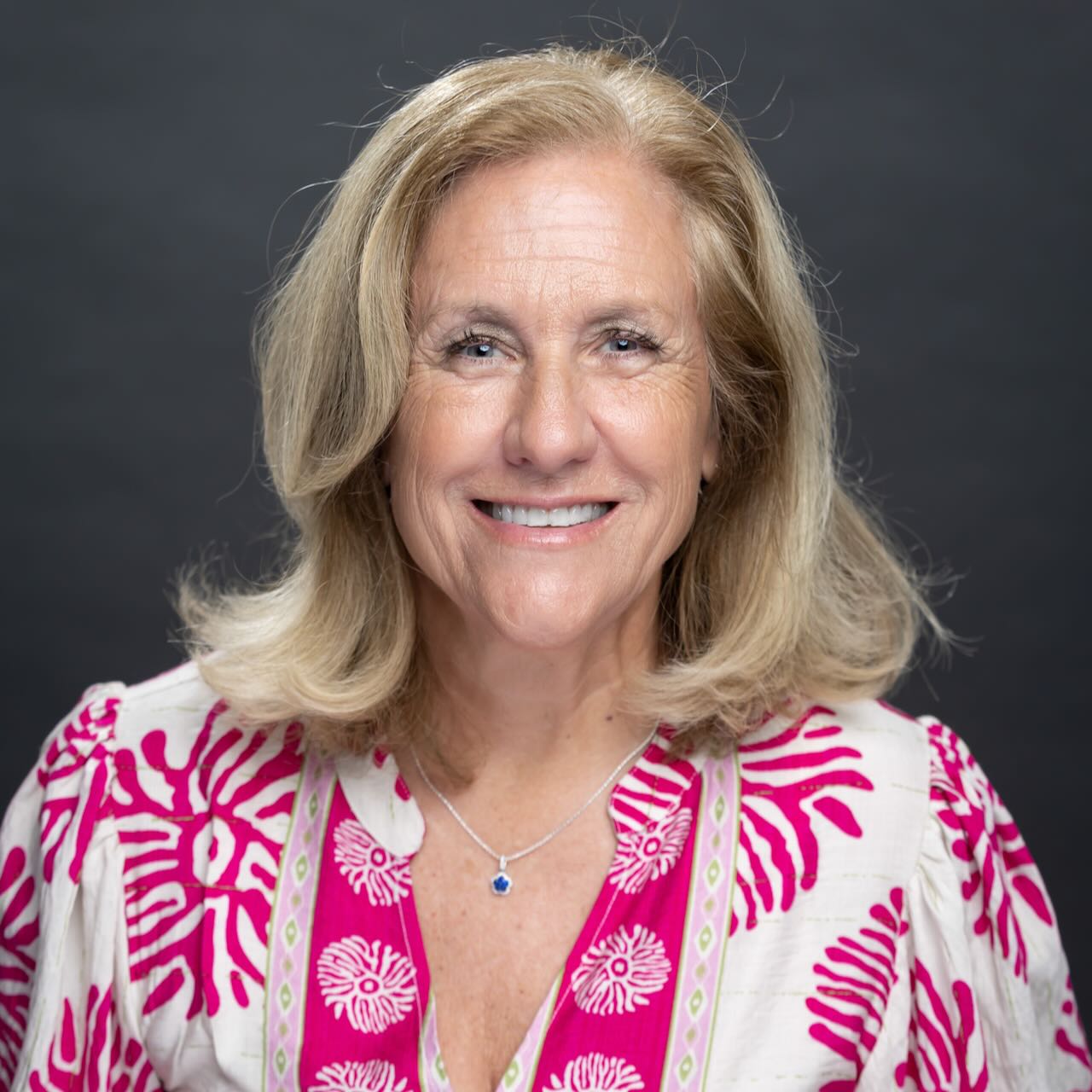
84: Debbie Crouse
"For us to go where we have the ability to go, it takes courage to get outside of our comfort zone. But when we're willing to do that, we get to live an exceptional life." — Debbie Crouse
83: Maria Glenn
"I'm vehement about it. I feel like it is the relationship with yourself: Being a grounded, centered human has to be your number one job." — Maria Glenn

82: Lisa Chenofsky Singer
"I find myself really thinking about How do I show up as my whole self? — recognizing I tend to be pretty direct, and appreciating and enjoying the individual I'm with, and trying to lean into their style of what they need." — Lisa Chenofsky Singer
81: Libby Graves
"It's a very different experience to experience yourself when you're really present — and we could talk about what that means and how we get there, which takes a lot of practice — and how we just kind of go through life. And we can be more present to life and to our surroundings. And it's a really different thing to just be still and be present." — Libby Graves
80: Aman Gohal
"It's so simple to just create trust and safety, to maintain a presence. And that is enough. The rest just unfolds after that." — Aman Gohal
79: Bob Conlin
"We call it 'coaching.' That's such a small word for what actually happens, in my opinion. We're shifting timelines for people. We're creating new possibilities in life. We're supporting people in getting and going to the places they need to go to heal. To call that 'coaching' just seems kind of funny and silly." — Bob Conlin
78: Ghaya Barwani
"Coaching has taught me that transformation is very rarely very loud. It's usually subtle, quiet, and very personal." — Ghaya Barwani
77: Ricci Victorio
"I'm coaching people to find their life force: Get it back going. The act of creation — I don't care if it's in the kitchen, in the garden, technologically, I mean all of it; it's not any one thing — that that puts money back into the brain bank and the body bank. And I intend to go indefinitely. When you're doing what you love, you don't need to retire. And if people are not doing what they love,
76: Fran Fisher
"I call coaching a spiritual path. All along the way we're letting go of our ego attachments and learning to be more transformationally present — transformative presence at these higher nose bleed levels of MCC. It's a journey from feeding our egos to feeding our souls. That's how it's shaped me. I'm riding that bicycle while I'm building it. I'm learning as I mentor others toward their MCC." — Fr
75: Jennifer Starr
"I want to know how you think, how you feel, what your world is like. I'm going to put my blindfold on right now. I'm going to take your hand and I want you to lead me into your life and describe to me what's the environment: What's going on? How do you feel about that? Who are your allies? Who are your enemies? What's going on here? That will help me understand how you're seeing this and how you'
74: Paula Braga
"It wouldn't be the person's journey if I told the person, 'Don't do that. Just go this way. Trust me. I've been there.' Who knows if I know what is correct? I'm pretty sure that I'm not correct about many things. Helping the person think things through, feel things through is [being] a much more valuable partner than telling her what is the map." — Paula Braga
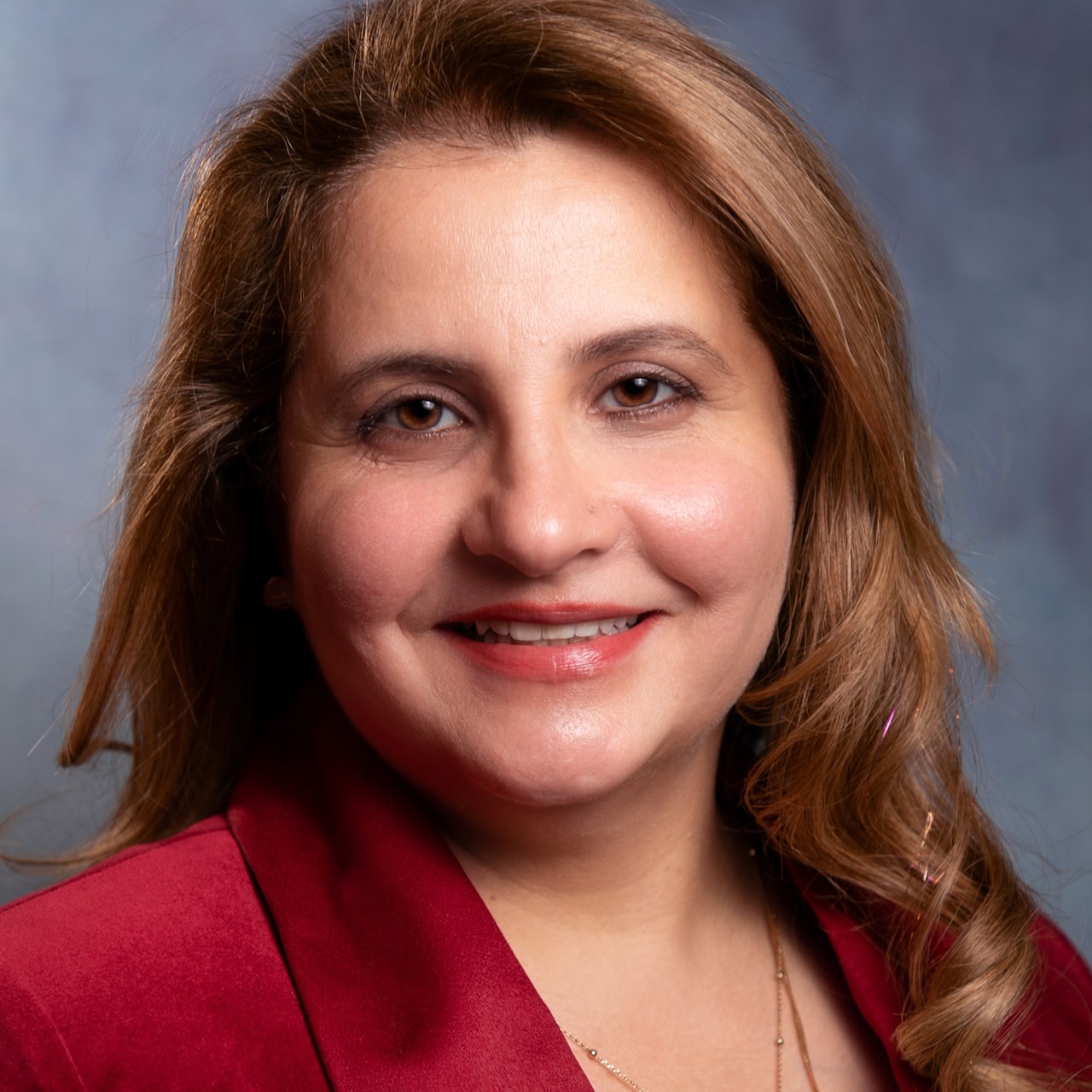
73: Vahbiz Shroff
"That's the most important piece for me: Where I can just be present and create that space that they are free to rediscover and reconnect with themselves. And then once they get to that point, it's beautiful to see how they just go out into their worlds." — Vahbiz Shroff
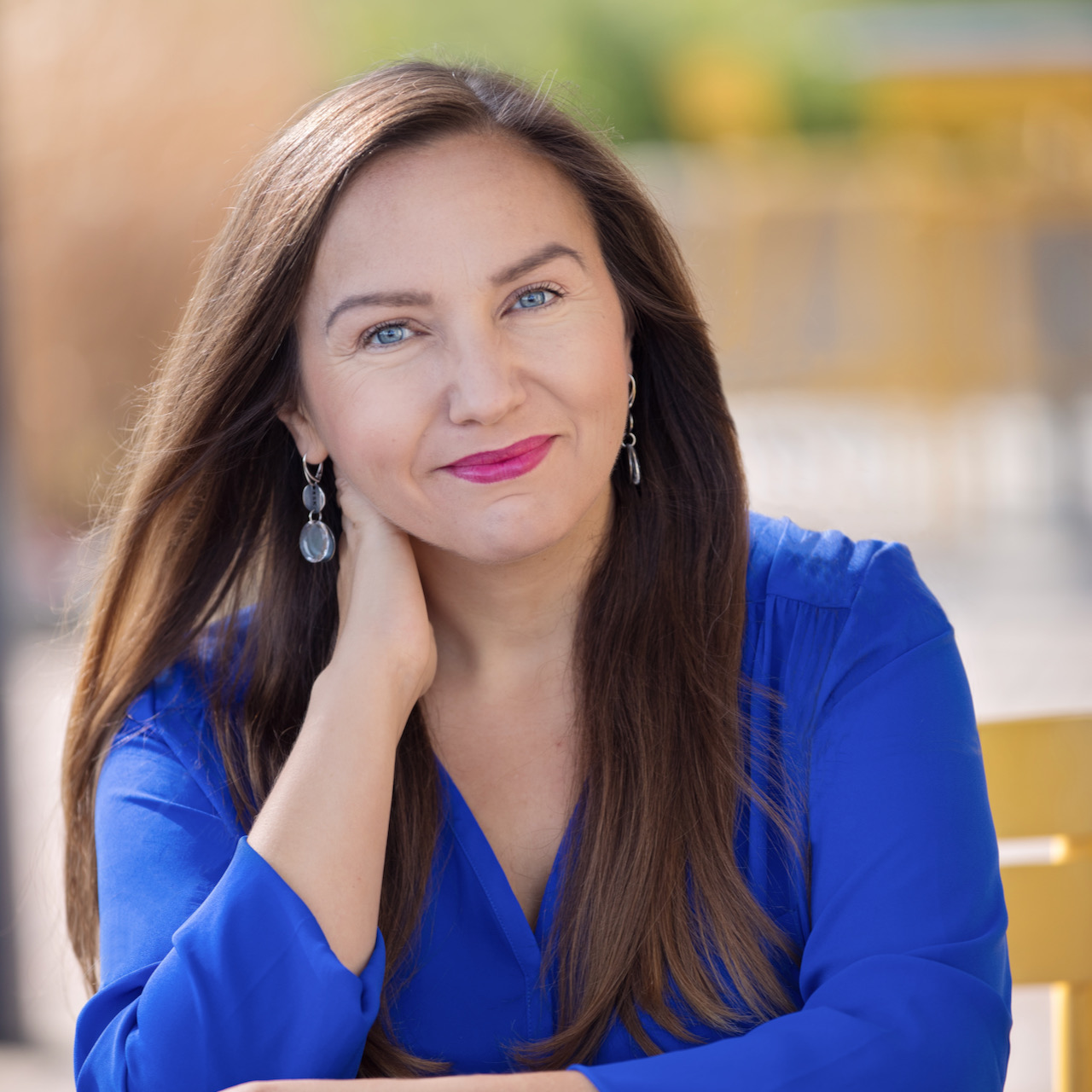
72: Inga Bielińska
"Sometimes, in the things we are ashamed of, or in the so called weaknesses, or problems or issues, there is the real strength in it." — Inga Bielińska
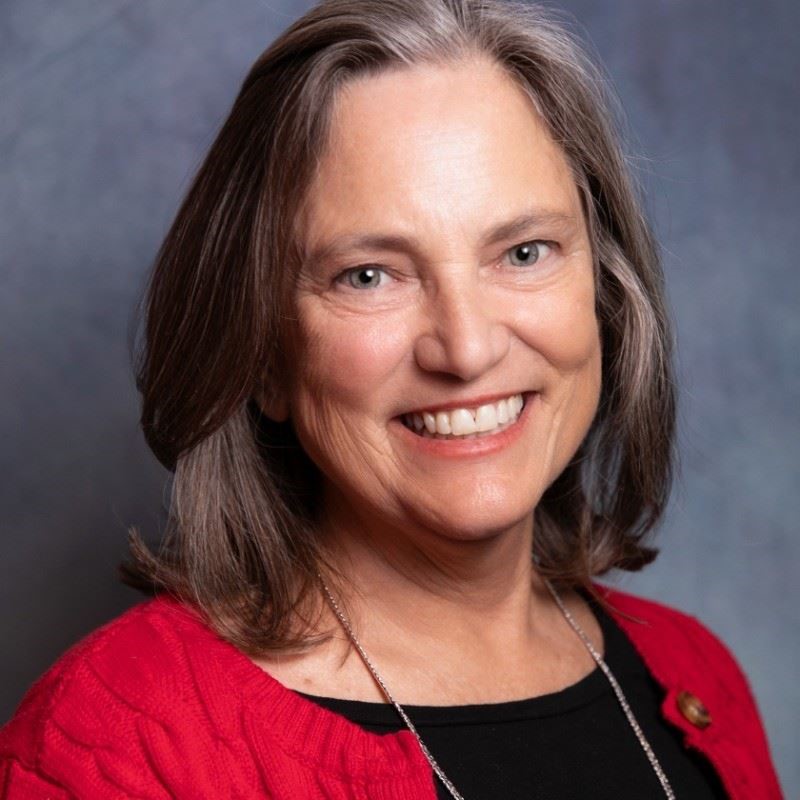
71: Pam Maxson
"At the core I am a developing human, and one who is made up of everything that's happened to me, of all the people who I've come across, and also the things I've been willing to let go of. So that culmination of those experiences. And also recognizing that I don't need to carry it all with me. I get to choose the parts of me that I want to keep and then diminish the things I don't want to keep."
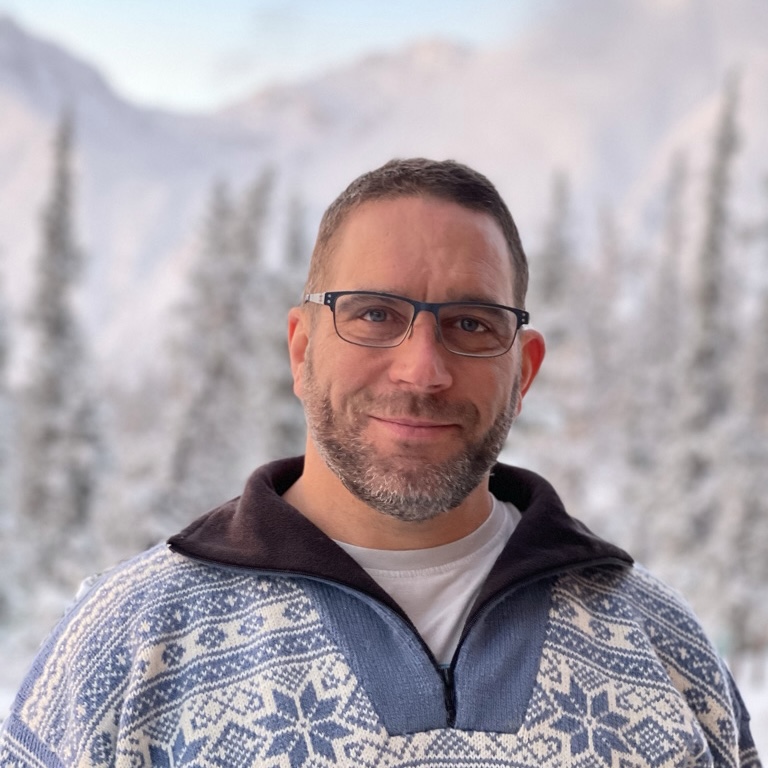
70: Mike Green
"Growth is acknowledging that there's more to 'blank,' there's more to life, there's more to my physical well being currently, my mental well being. We can decide if we want that or not. Growth is possibilities." — Mike Green
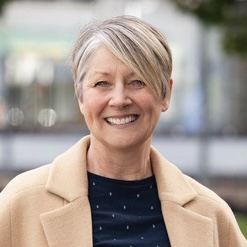
69: Tracey Burns
"The most important thing for me in coaching is that, when I take my last breath, I have worked with enough people on the planet that they are actually able to have and make peace with themselves. Because that is my deepest belief: When we make peace with ourselves, we're more likely to cause peace on the planet. " — Tracey Burns
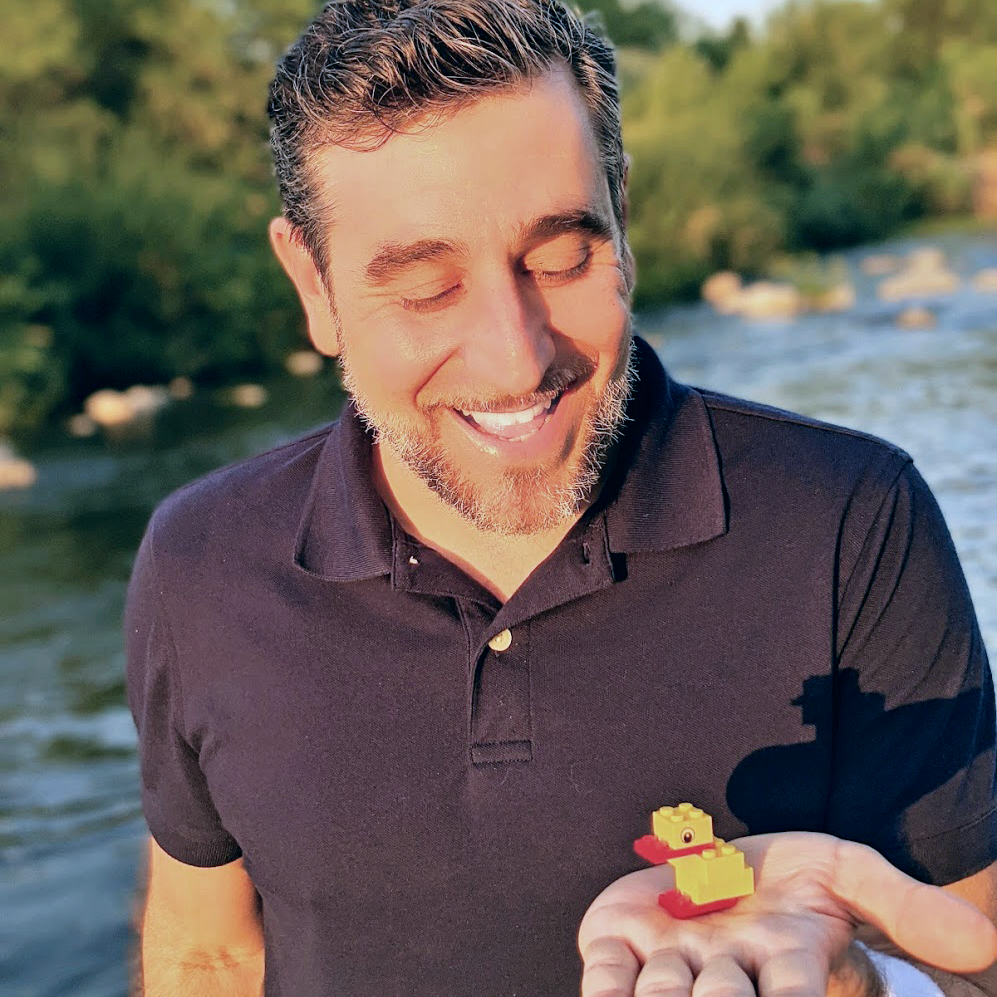
68: Paul Sanbar
"Words matter so much. And the words you use allow other people to feel close and safe and to want to move closer and feel safer with you." — Paul Sanbar
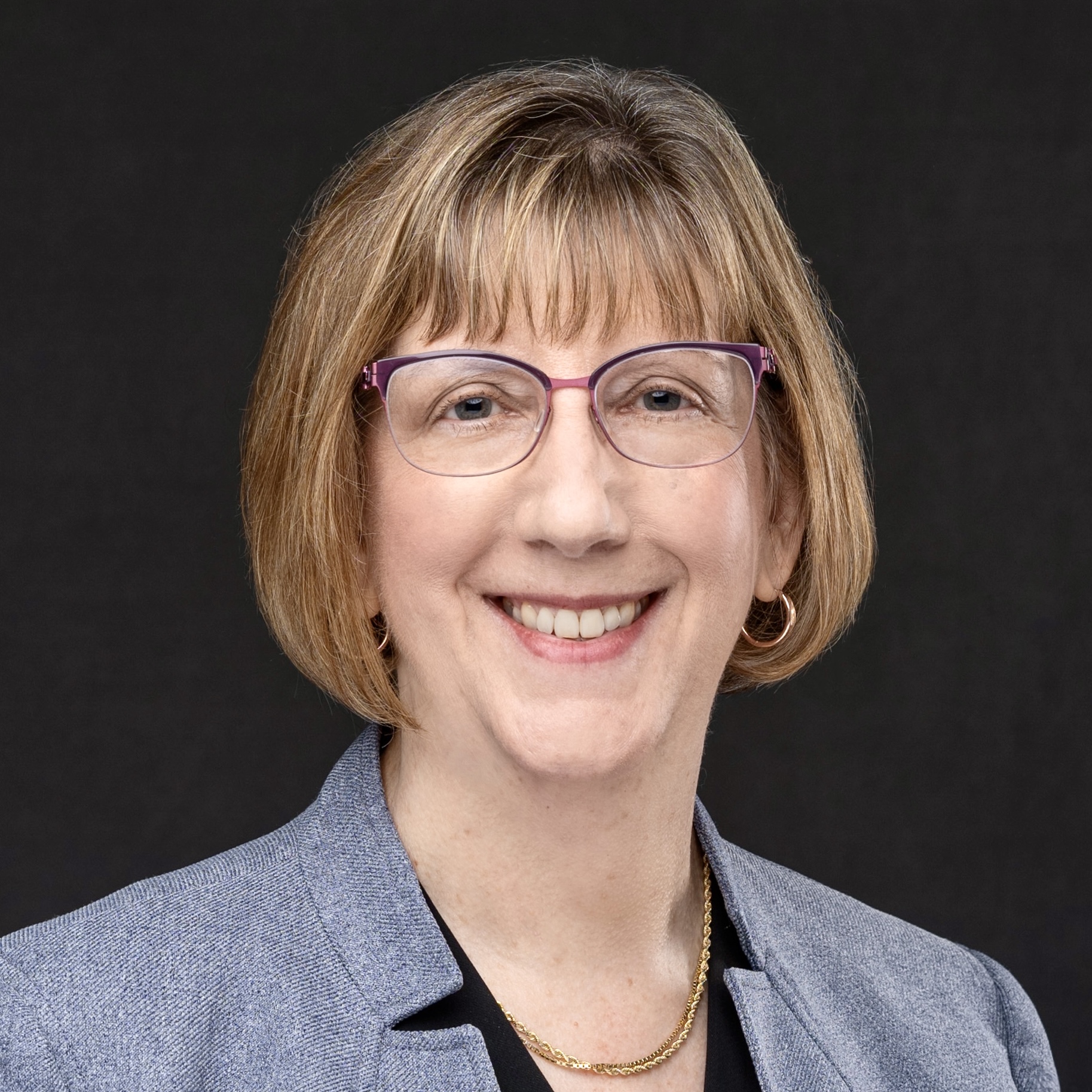
67: Jodi Sleeper-Triplett
"As coaches we have endless opportunities to support others to be who they want to be, to learn how to see themselves, and actually look in that mirror and smile." — Jodi Sleeper-Triplett
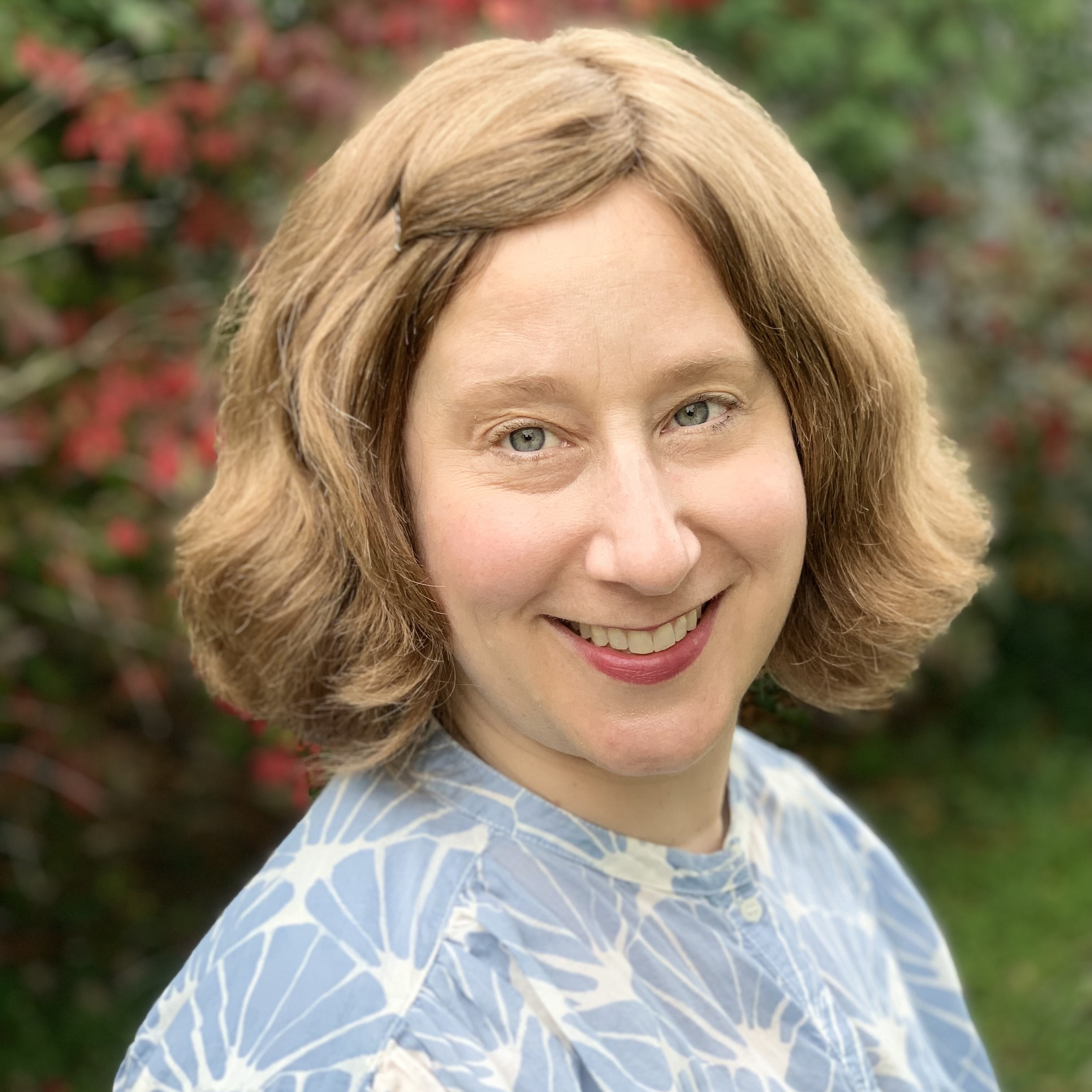
66: Jory Stillman
"Have you ever had to hide an identity or felt like you had to hide your identity as a coach? And what's that experience like? That is definitely something that I've been thinking about a lot." — Jory Stillman

65: Cheri Allen
"It creates that awareness at a molecular level. If it hits that DNA, the transformation that occurs from the inside out is phenomenal. That's what I think is so important about coaching: That it has the opportunity to get deep inside below all the layers to what's really important to the person that I have the privilege and honor to be with, and help them to see, 'What's going to serve me best? A

64: Jihane Labib
"It's more than language: 'Who am I when I'm speaking in English? And who am I when speaking in French? And who am I when I am speaking in Arabic?' It was like a big question of, 'Who are you, Jihane?'" — Jihane Labib
63: Pooja Khandelwal
"Being present in this world with people as a coach is life-changing. It allows me to stay positive. There's so much pain and yet . . . there's a certain gratitude. It allows me to stay very grateful and happy to be alive, to have everything I have around me, the goods, the bads, the uglies. Every challenge just shapes me because I have coaching as a muscle." — Pooja Khandelwal
62: Ann Fogolin
"There isn't a facet of my life that hasn't been impacted by understanding more about what coaching is and the benefits of that quality of conversations that I can have." — Ann Fogolin
61: Ellen Fulton
"I learned resilience. I learned unconditional love that I could give. I learned the ability to be persistent and forgive from really difficult situations." — Ellen Fulton
60: Elias Scultori
"Coaching is not simply something that we do, but it is something who we are. The practice of being fully there cannot be only achieved when we are in front of our clients. It has to be a practice that we do and that we are committed to on a daily basis." — Elias Scultori

59: Kathleen O'Grady
"Yes, we bring our 'coach selves' wherever we go: We're inherently more curious and better listeners, and we know how to ask good questions. But people don't realize that when you are in a formal coaching session it is a totally different, sacred dynamic. So when I've had people come sit in on my class that have known me for years, they're like, 'Kathleen, I didn't know you could do that.' It's wi
58: Ginny Baillie
"I love Drag Race. I've seen every episode. I have 'Yas Queen' tattooed onto my wrist. My mum said 'What does 'Yas Queen' mean?' I said, 'It means you've done something fierce, you're looking fierce, or you're feeling fierce.' I really admire people who are on the outside and at risk and still doing it." — Ginny Baillie
57: Nadjeschda Taranczewski
"I've come to realize I don't have to have the 'perfect' anything. For example, for a client I actually just need to show up as a human being and meet them with as much curiosity as I can find in myself. That's the healing agent: to receive somebody, to see them." — Nadjeschda Taranczewski

56: Hannah Finrow
"I'll tell you what [a pause] is not: It's not a moment of nothing. Oftentimes people think it's this empty, wasted, dead space. It's not! It's their space to turn inward and find the answers, and to explore inwardly, which then affects everything that comes on the outside. This space is the doorway to all the other experiences in coaching." — Hannah Finrow
55: Adam Quiney
"I've discovered that I'm a deeply spiritual person. But I would have just laughed at you if you had said that to me 12 years ago, when I first started this work." — Adam Quiney
54: Annie Gelfand
"The question is: 'If you eliminate someone, if you push them away, do you feel expanded or contracted?' I feel contracted so I felt like pushing away is not the answer. What's the way to create expansion? What's the way to create more oneness? And there's so much in coaching and and coaching mastery that addresses that." — Annie Gelfand

53: Melanie Perry
"Friends will be on the phone and say 'I'm so sorry. Are you still there? Is my phone working?' 'Yeah, I'm listening to you. You're one of my favorite people in the world and you're telling me something important. I'm so glad I get to witness this.' There's no need for me to say anything." — Melanie Perry
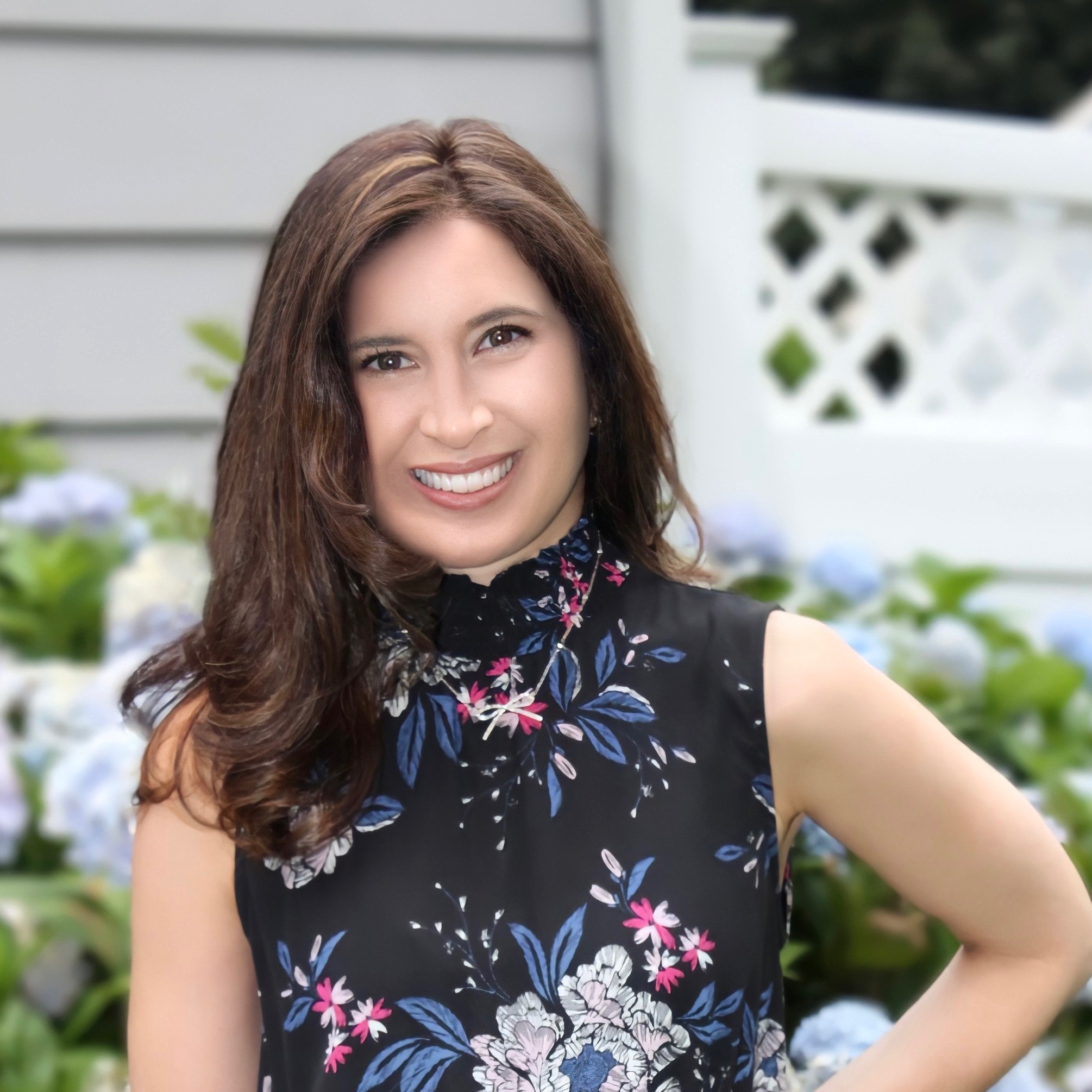
52: Emily Golden
"What does it mean to me to belong? How do I know on a cellular level that I belong in certain spaces and places? And that I don't belong in other spaces? What I've come to is it's being able to see myself in the other people: it's being able to see bits and pieces of my own story, my own journey, my own struggles, my own wins, my own hardships, my own accomplishments." — Emily Golden
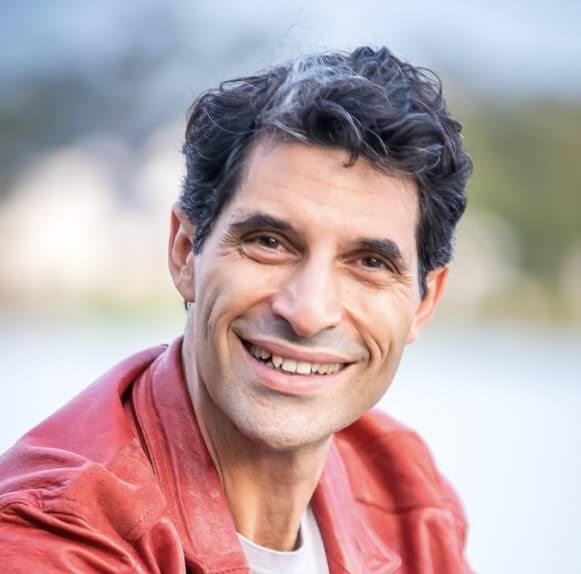
51: Giuseppe Totino
"Every painter has got the same colors at their disposal. But the way they blend the colors to create their own art makes them unique. And the same is for the master coach. We all have the same competencies at our disposal, but how we blend them to be with our clients and to work with our clients makes unique art of coaching." — Giuseppe Totino
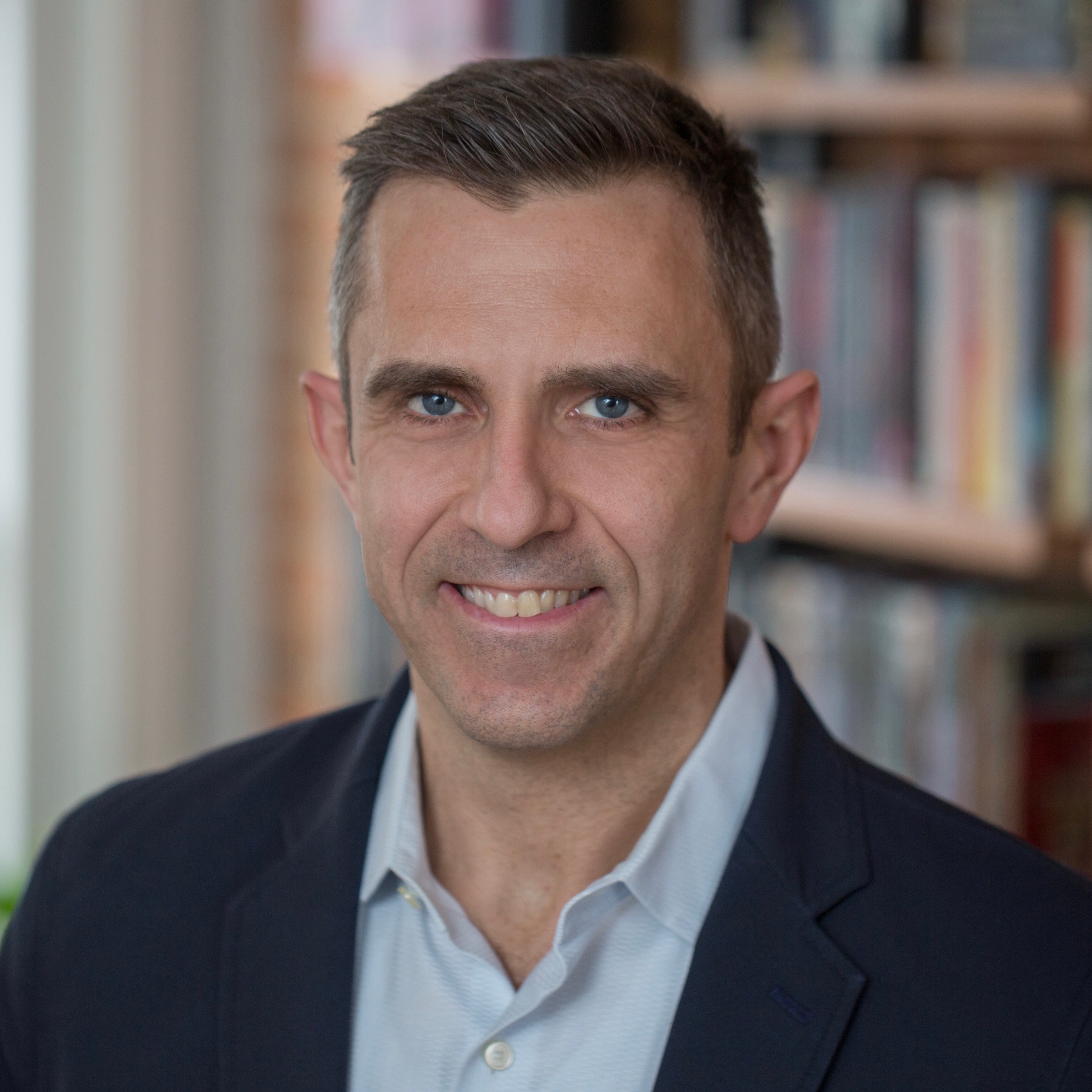
50: Bill Pullen
"I talk to a lot of clients about using their values to guide their decisions and their thinking and their actions. That forces me to look at 'Where am I using my values to guide my decision-making in my thinking? And where am I living in integrity with my values and not?'" — Bill Pullen
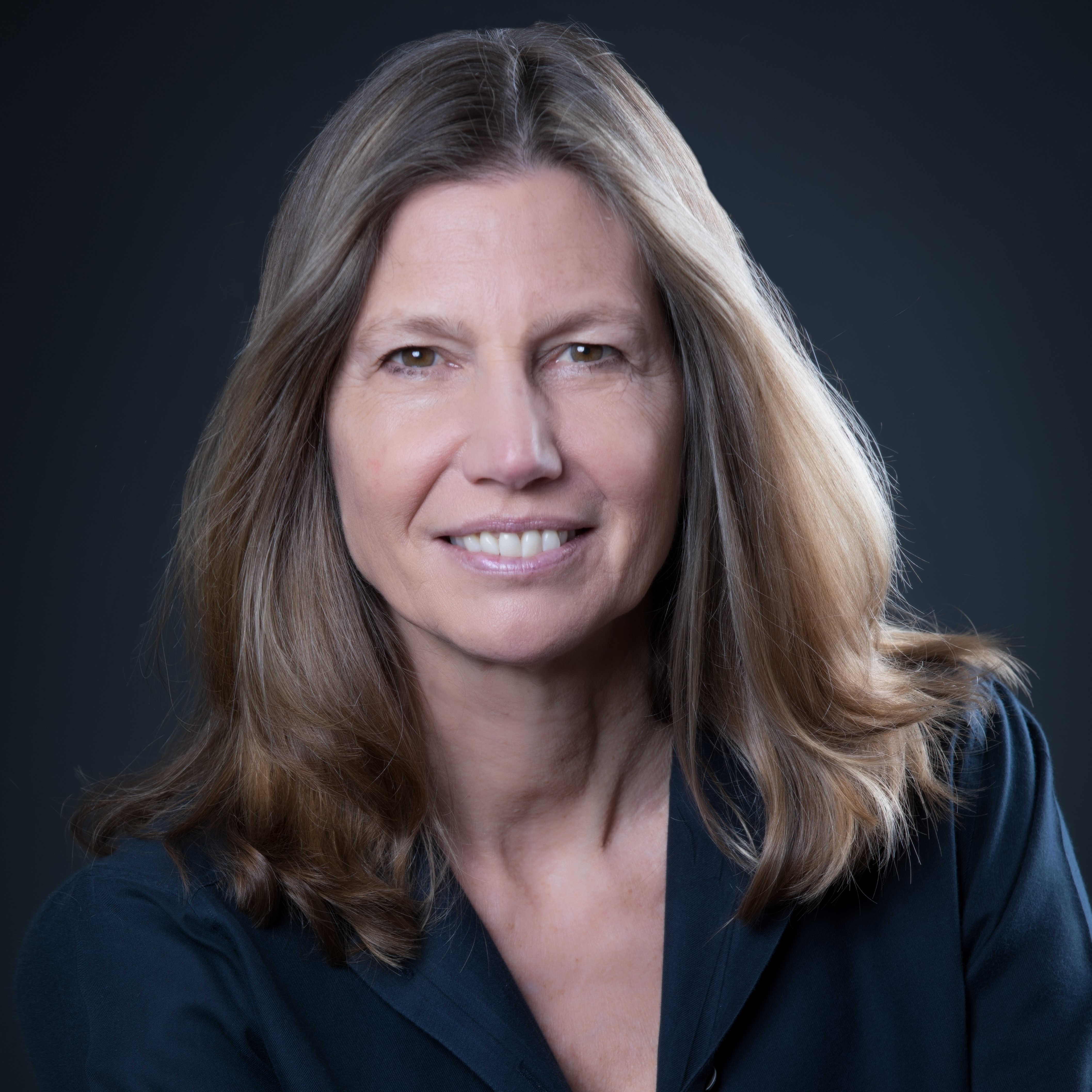
49: Sandi Stewart
"What I love about coaching is that it is about 'imperfect'. It's about, 'What are we going to learn from this thing where it didn't go so well?' You didn't like how that went? Okay, there's another choice out there. There's another right answer. That's a space that has really transformed me." — Sandi Stewart
48: Wendy Preyssler
"When I'm first working with a client, there's a period where they're getting to know me. And I think the more that I'm truly authentic, and I use direct communication, and I do say what no one else would dare say, they recognize that they can trust me: I'm not holding any punches." — Wendy Preyssler
47: Dr. Paras
"My role is to just be present. And partner. And then be absent in the space of ego. And just keep doing that work for years. That's what I call the purpose of empowering people's life." — Dr. Paras
46: Joan Wangler
"I am a highly sensitive woman who sees the good in almost everyone and who wants to make a difference in the world. I realize that the only way I can make a difference is to love the people around me." — Joan Wangler
45: Lyssa deHart
"I still use what I have learned to be curious with people. But now I don't assume I know. I don't assume I'm right. I assume instead that I have an opportunity to ask a question. The client is at choice to determine what to do with the question." — Lyssa deHart
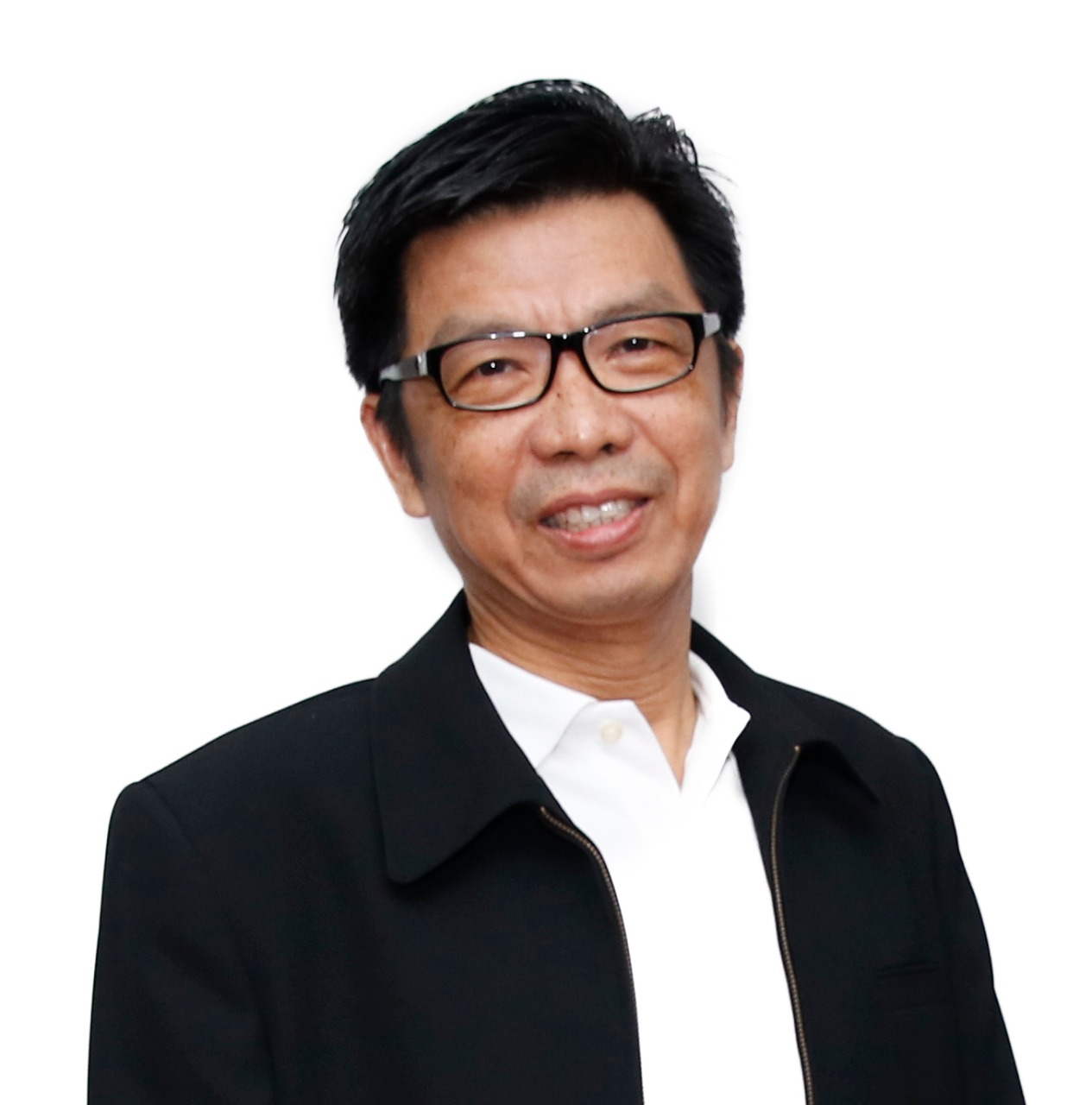
44: Heru Yuwono Liem
"I want to be the one who is able to support others to become better versions of themselves. So that's why I use the metaphor of a sherpa. I don't want to be in that spotlight. But I want to make people to be in the spotlight." — Heru Yuwono Liem
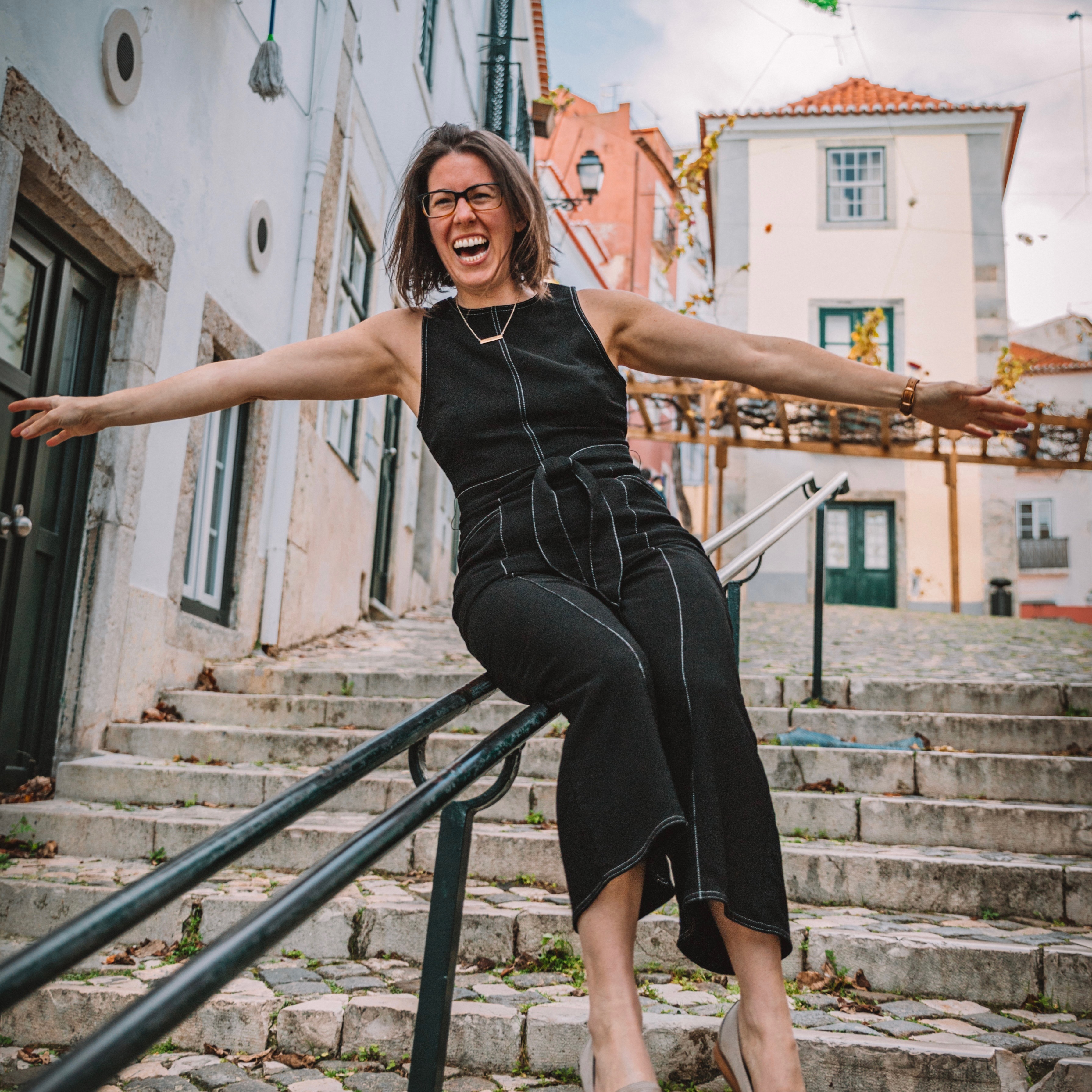
43: Catherine Wood
"That was the reason that I started on my own personal journey: to find that thing that was missing, that made me feel unhappy about my life. And I really feel a level of true, soul-filling joy about my life and who I am these days, so much self-acceptance and peace about who I am, how I commit my time, who and what I say yes to, who and what I say no to. I don't think that coaching could give me
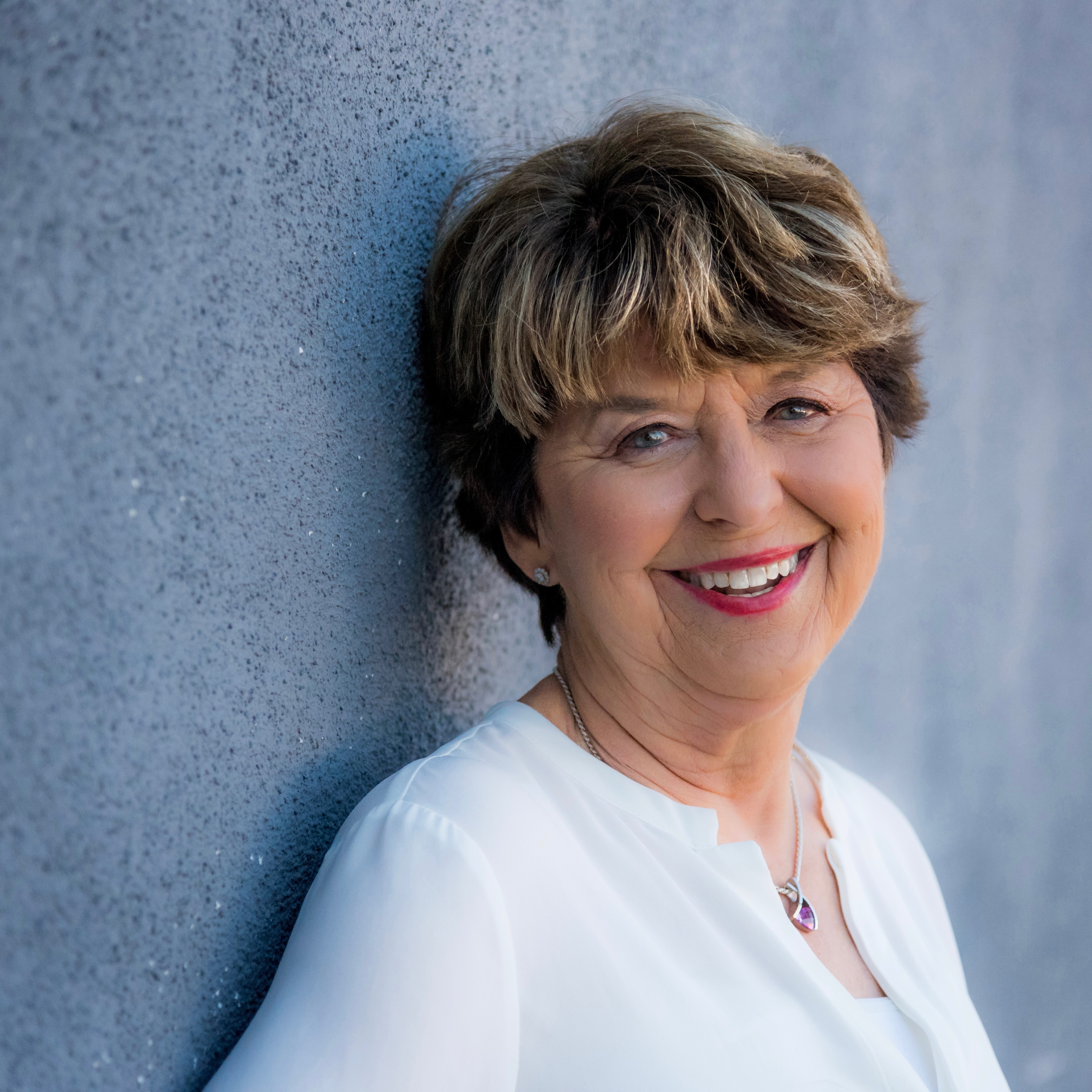
42: Kathy Fleming
"I often say, 'This flag is standing up and we each have our hands on it. And we're gonna hold this thing. You tell me this is what you want. We're holding it. And when you let go of it — because you say you're tired or don't necessarily want it or you can't do it — I'll be standing here with this flag until you pry my cold dead hands off of it. And I'm going to invite you to come back. Because un
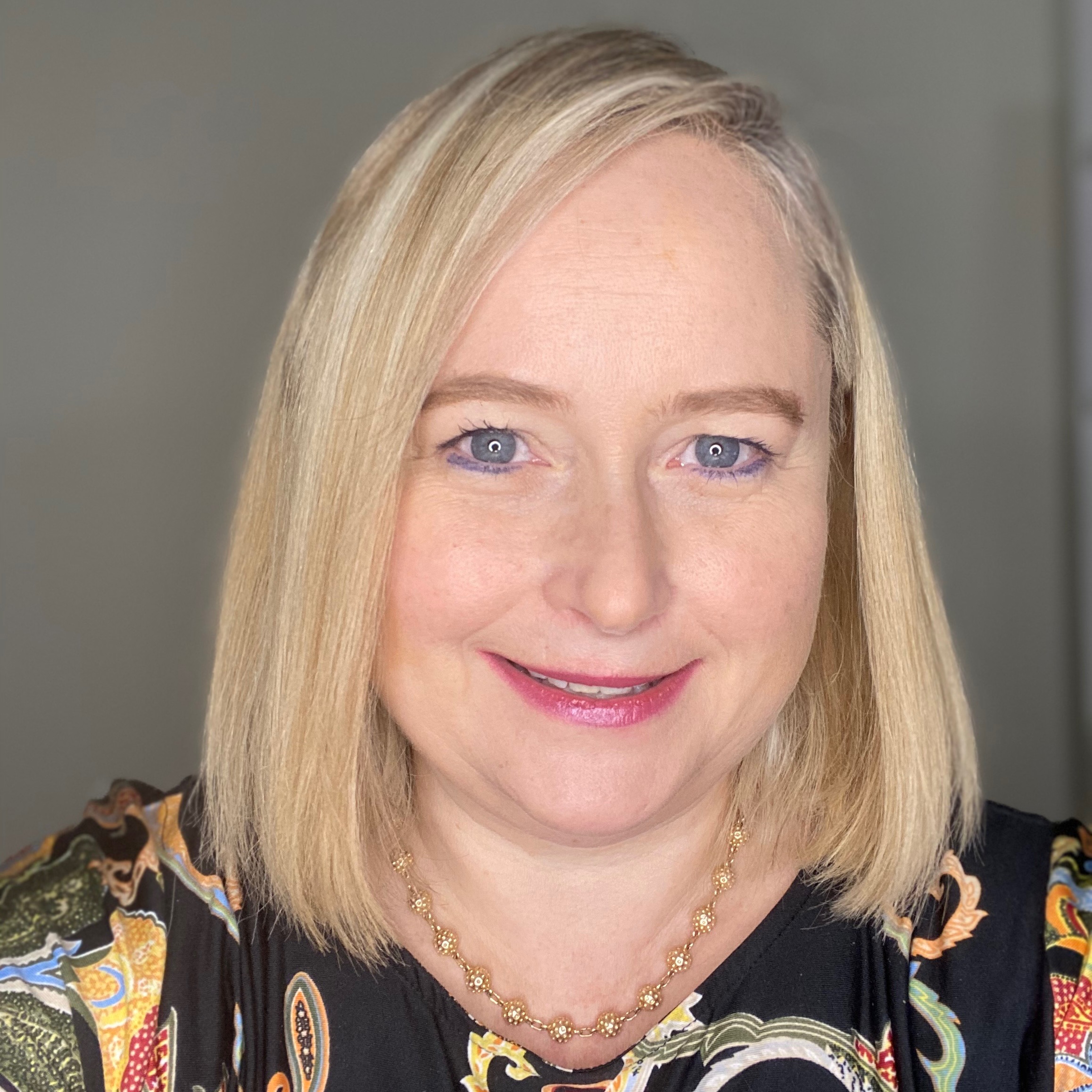
41: Clare Beckett-McInroy
"It's almost a physical stance. When I'm team coaching, I am very much more aware of my posture. And I'm aware of my breathing. And it's open body language, wide-angled empathy, listening to all the voices, and even those voices that are not in the room. And as a coach, even if we know the answers or want to fix, knowing that to enable others to discover their own answers makes them even braver, a
40: Johan van Bavel
"When a client trusts us as coaches and asks for coaching and steps into that coaching process, the client is telling you, 'I trust you. I am completely open for you. I want you to be my thinking partner. And I feel safe.'" — Johan van Bavel
39: Flame Schoeder
"The lessons learned are holographic: That the thing you're learning about this seemingly tiny situation right now actually pertains to every aspect of your life, if you use it. So how does that impact the world? I believe I'm making the world a better place one conversation at a time." — Flame Schoeder

38: Lisa Pachence
"Listening deeply to someone really is about the whole darn person. It's about the whole thing. And if we are not connected to ourselves, and what we're choosing, holistically, it becomes very, very difficult to listen to it in other people." — Lisa Pachence
37: Ebru Göksu Yıldırım
"I always use English in professional life and in coaching. Yet it's not my native language. And there is a silver lining to it. When I'm mentor coaching this is what I share with those who are not coaching in their first language. 'You don't know how lucky you are.' And they pause because they criticize themselves. I say, 'You can simplify your questions. Your questions can be so straightforward,
36: Gülsün Zeytinoğlu
"Every night, after every session, when I sit back and look into what has happened overall in the collective consciousness as a result of this conversation that we just had, if I can take one or two words with me to my dreams, that gives me peace." — Gülsün Zeytinoğlu
35: Vijayalakshmi S
"More than my being professional, what matters actually to me is my being humane. The way I defined myself as a coach itself changed. And if I could not be open to that, I would have been in a serious conflict and in constant internal tension, to just allow myself to accept in the moment that this is how the world is right now. So let's look at professionalism differently, look at myself different
34: Serban Chinole
"I have this philosophy of, 'You take me at face value; I'll meet you and honor you as you are.' In the wine department it's the same: 'Don't look at the label or shiny objects and all that. Whatever you have in the glass, see what is there.' What kind of story is this wine telling you? The client: What is the client telling you? Or what is the client's posture? And how can you start the flux of c
33: Gillian McMichael
"There's an air of excitement about not knowing. I see myself as an adventurer. So you and your client set off on this journey together. Your client's in the driving seat, you're maybe in the passenger seat, but you're going on this journey together. And both of you have a rough idea — you kind of know where the goal might be or where the client wants to head towards — but you end up taking the sc

32: Cheryl Procter-Rogers
"I believe that we have a responsibility to leave every situation, every organization, every person better than we found. And the wonderful thing about coaching is that I get to grow along in the process. And it's just a gift." — Cheryl Procter-Rogers
31: Taymour Miri
"We're talking about a particular skill set, and I'm saying something in Farsi, and then somebody comes up and quotes a poem right off the bat that actually links with what we're talking about. And it's not just once, it's every time. The big thing is I'm in awe of them." — Taymour Miri
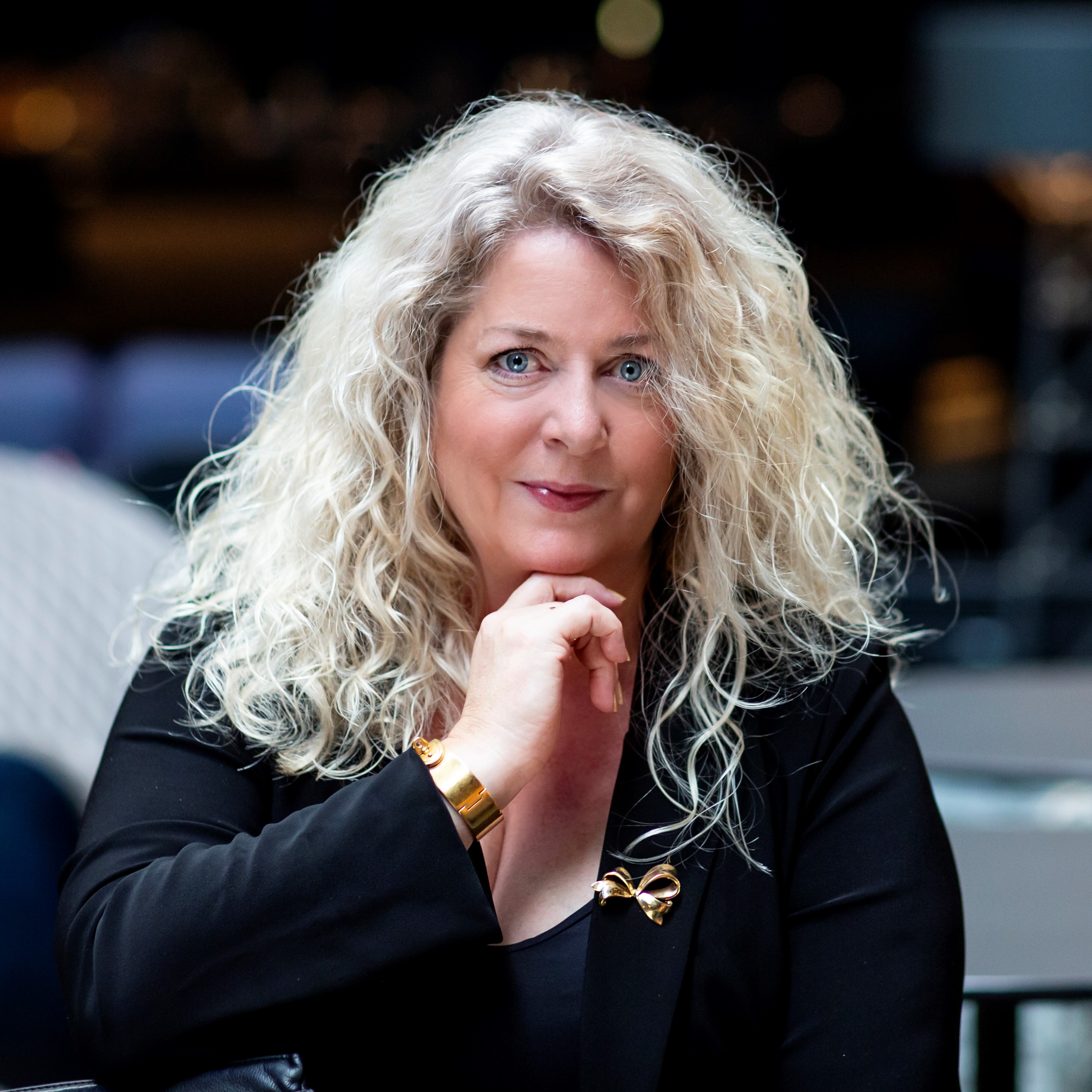
30: Anna Sanderoth Vilkas
"You create most growth when you act as a DJ. If you're a DJ and you have an audience and not a lot of energy in the room — people are a bit bored — if you start your really high-energy tune you will not get them to move, because they will just find it disturbing. You need to pick up the people at the pace where they are. You fade in a new pace and fade out the old, and then you move slowly in rea
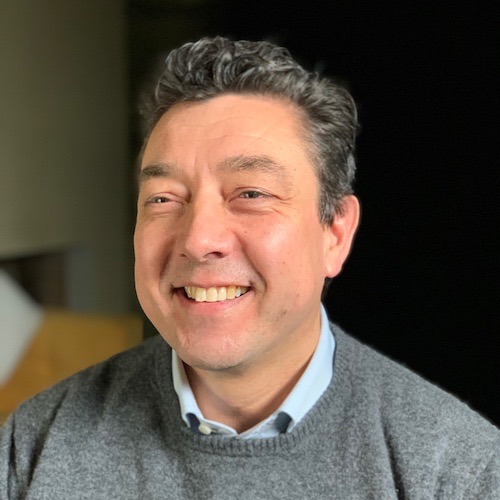
29: Marco Buschman
"This is also the promise I made to myself, to my clients each day: I will be the best coach I can be. And that means today I might be more effective than tomorrow or the other way around. But I'll make sure that I'll show up as the best I can be. That's the obligation I hold to my clients." — Marco Buschman
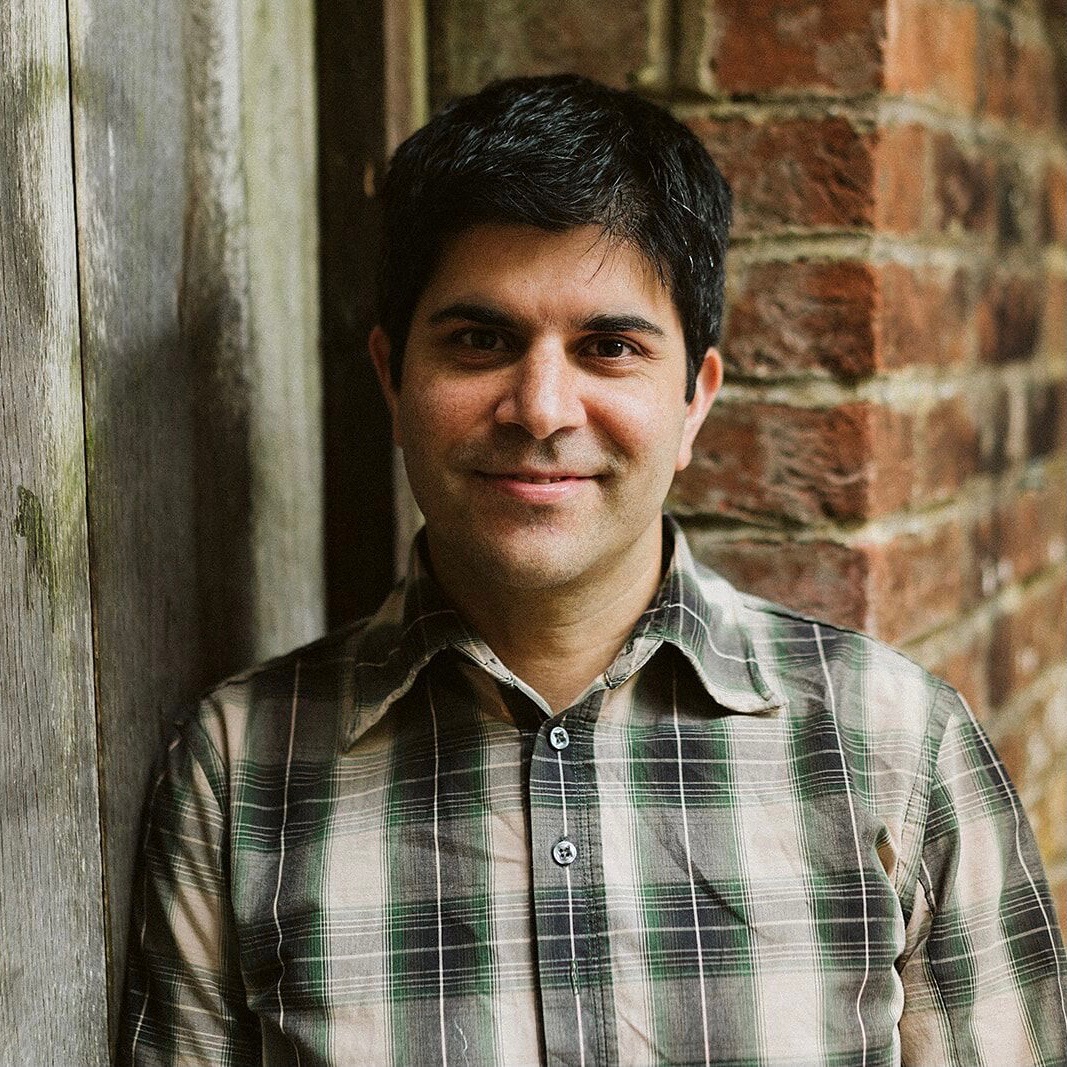
28: André Ribeiro
"To recognize and appreciate and be compassionate about myself is what will enable me to connect and resonate in relationships." — André Ribeiro, Human Metta Model
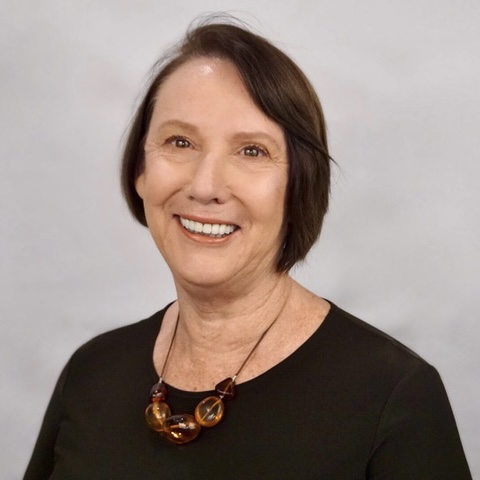
27: Benita Stafford-Smith
"People live in complexity today. So we have to meet them there. In the past I think we've asked them to step outside of that complexity and manage their career. You can't step outside of that complexity. You live it! You're in it!" — Benita Stafford-Smith
26: Allexis Tuccio
"We don't know what someone's gonna tell us. We don't know what the future holds. We don't know what we're ignorant to. You don't know what you don't know! But we have the willingness to evolve, grow and continue learning. And that's the beauty of this profession. There is that ever-evolving nature to it, where we're constantly learning about ourselves also." — Allexis Tuccio

25: Marianna Lead
"We recreate who we are every single breathing moment. Every moment something changes, my perception shifts, I see things differently, and maybe it's a little bit different me that wakes up. I think that's a seed of life that is constantly expanding and evolving. That's what we call a journey." — Marianna Lead
24: Olga Rybina
"I want to show the example of me being not perfect — and by showing this to support the people who are next to me." — Olga Rybina
23: Christine Sachs
"It's a unique position to really like everybody you work with. Most people don't like everybody they work with; they tolerate the people they work with. I actually like all the people I work with." — Christine Sachs
22: Pat Williams
"I love that not knowing is embraced in the conversations we have. Because we both get excited about what comes from that. I don't have to tell somebody what to do. I don't have to have the answer for their life." — Pat Williams
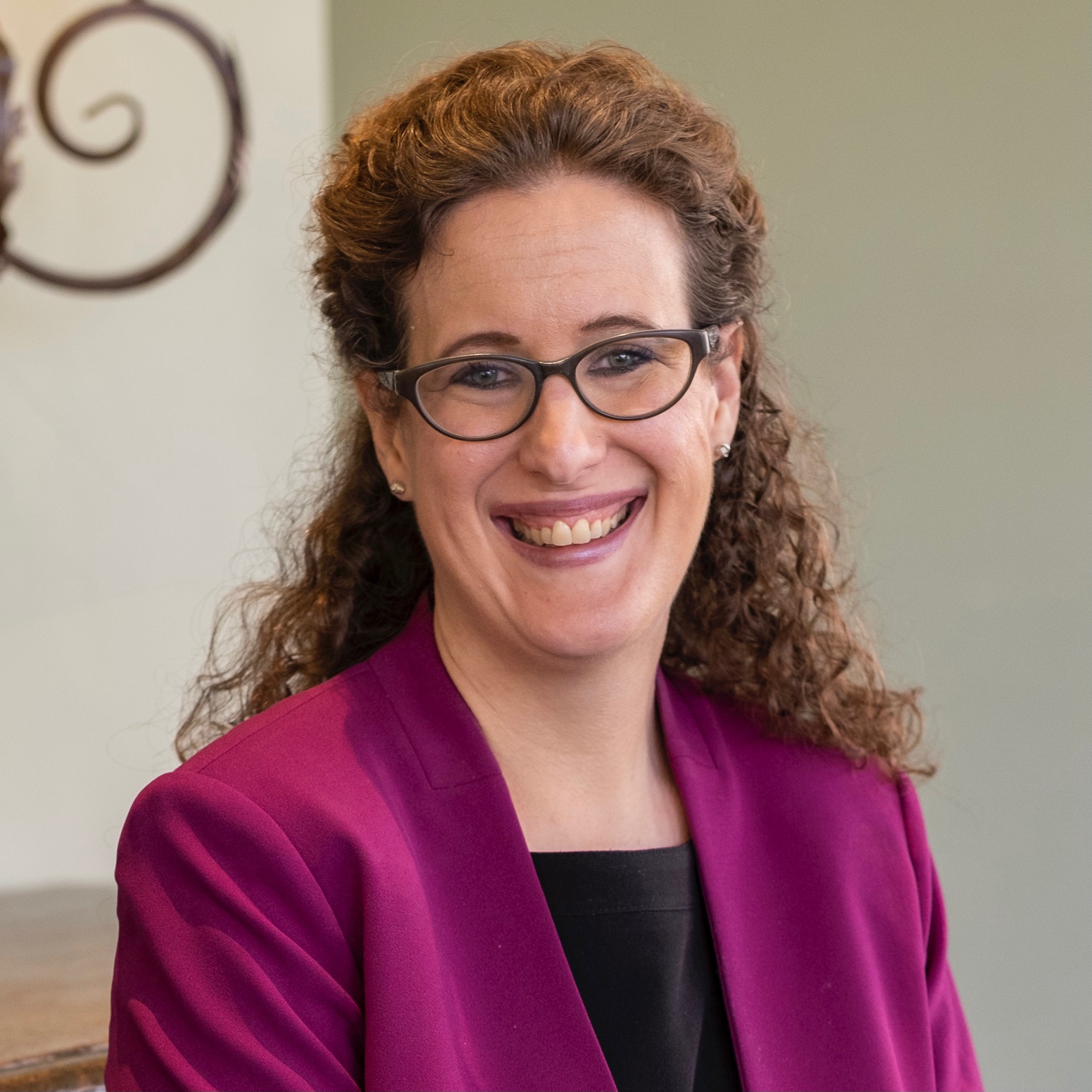
21: Carissa Gay
"You don't have to know all the perfect, powerful questions if you approach that individual with genuine curiosity and genuine compassion. Because everyone has a story. And when you genuinely want to hear 'what is reality from their vantage point?' then that really is the foundation to creating trust. And being able to create that shared vision of 'what does what does the future look like?'" — Car
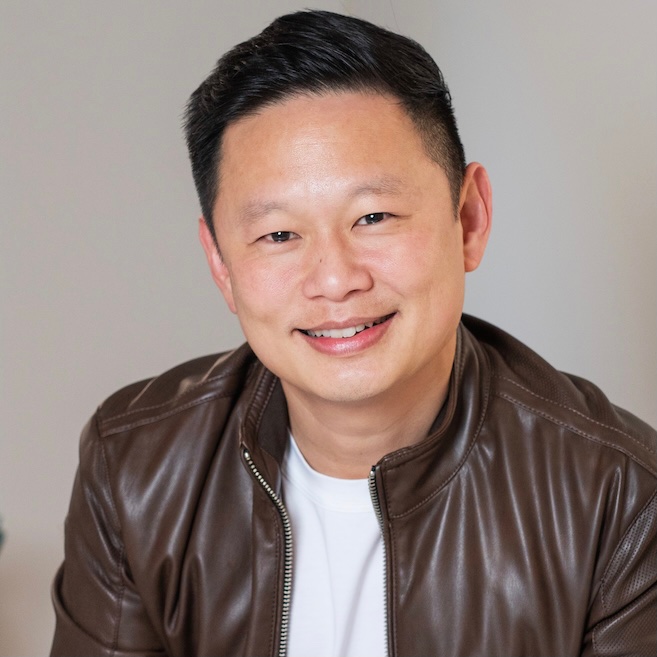
20: Mel Leow
"I get myself into this discipline of slowing down. When I started to talk slower — just be with people, instead of having to do something — even if we didn't say much, that whole being there has a new dimension. It's made me realize the importance of presence, the importance of just going with a breathable space, where the breathing is deep and fulfilling. It's giving your lungs a chance to reall
19: Dorothy Siminovitch
"Be very appreciative of what is different in your thinking that has value, because we need the outsiders. Outsiders may bring the value that the insiders don't see. It's invisible. My work sometimes is to make visible what is right under people's noses. And they go, 'Are you kidding? I didn't see it.' I go, 'I know. Now what? Now that you see it, you can't unsee it.'" — Dorothy Siminovitch
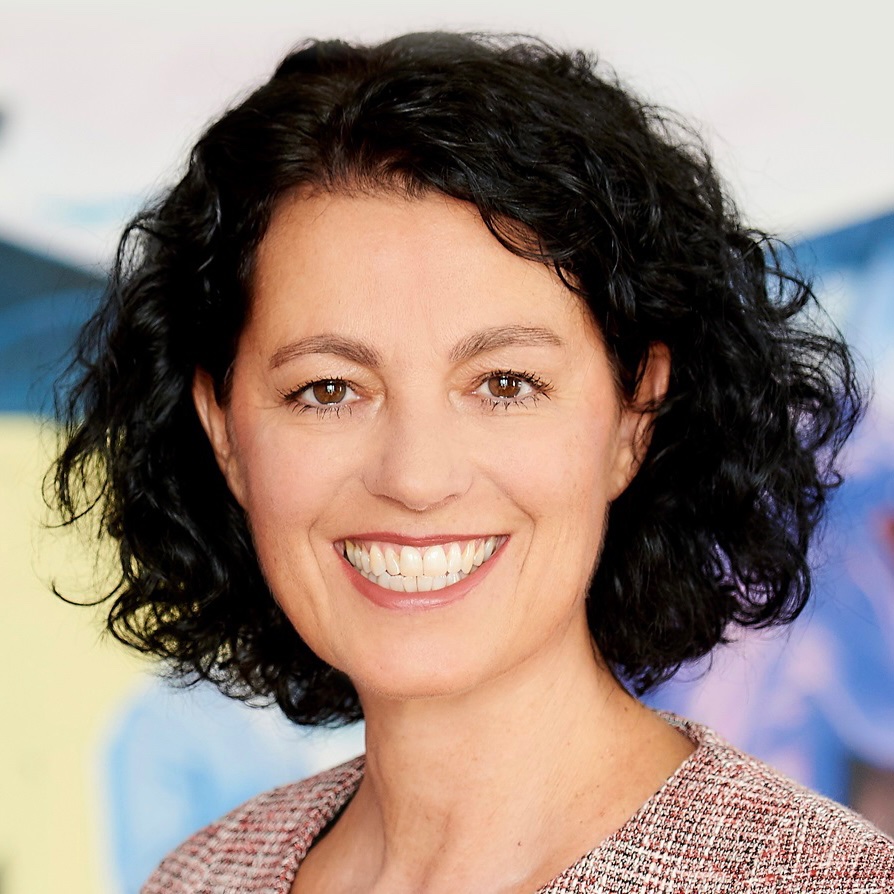
18: Christine Kranz
"The symbolic world is like language. We start more to feel the world. For example, the painting: When we visit an exhibition, mostly we see, 'This is this painter; how old it is; how much does it cost?' We judge in our outside world with facts and figures. And if we go to an exhibition and ask, 'How does it affect me, this painting? How I feel with this painting? And what would I like to do if I
17: Craig Stanton
"I'm 50 and the thought of leaving my job and a secure income brings up these deep waves of insecurity that were probably seeds planted when I was four or five years old, living on bologna sandwiches, with two unemployed parents. That's the legacy all of us have, as human beings. That's how we're built. These seeds get planted and we have to do the work of processing those." — Craig Stanton