The Wild with Chris Morgan
The Wild with Chris Morgan is a nature podcast that takes listeners on immersive journeys into the natural world. Host Chris Morgan travels to wild places around the globe, interviewing ecologists, researchers, and colorful characters. The show combines storytelling with sound-rich production to bring the beauty and wonder of nature to life.
Episodes
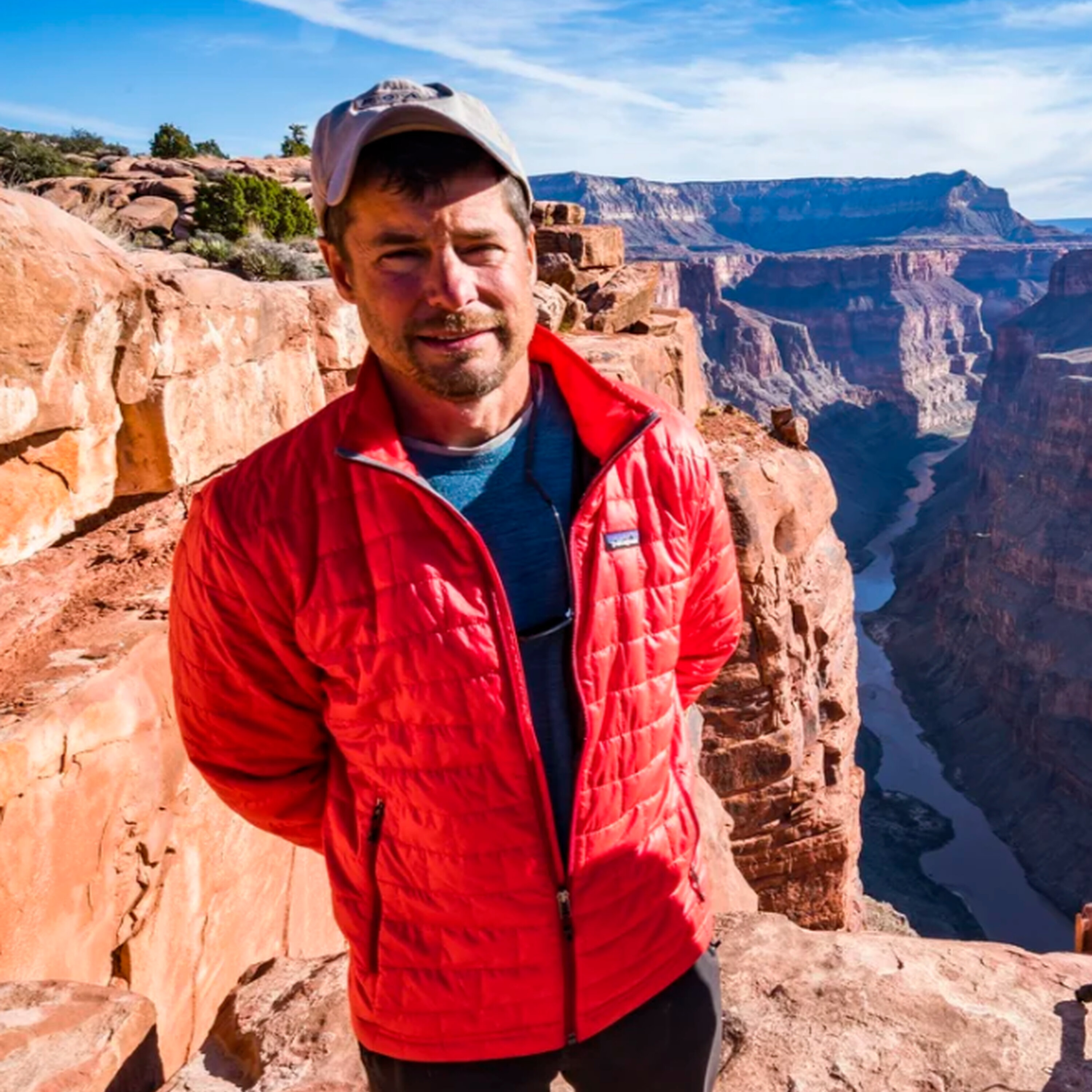
A 750-mile misadventure in the Grand Canyon
Almost everybody has seen the Grand Canyon, whether it’s on a road trip to northern Arizona or on a postcard. It’s one of the seven natural wonders of the world. It’s one thing to see the canyon from a distance, even if that is standing on one of its storied rims. But it’s a whole other experience when you step down into it... to hike deep inside and walk along its an
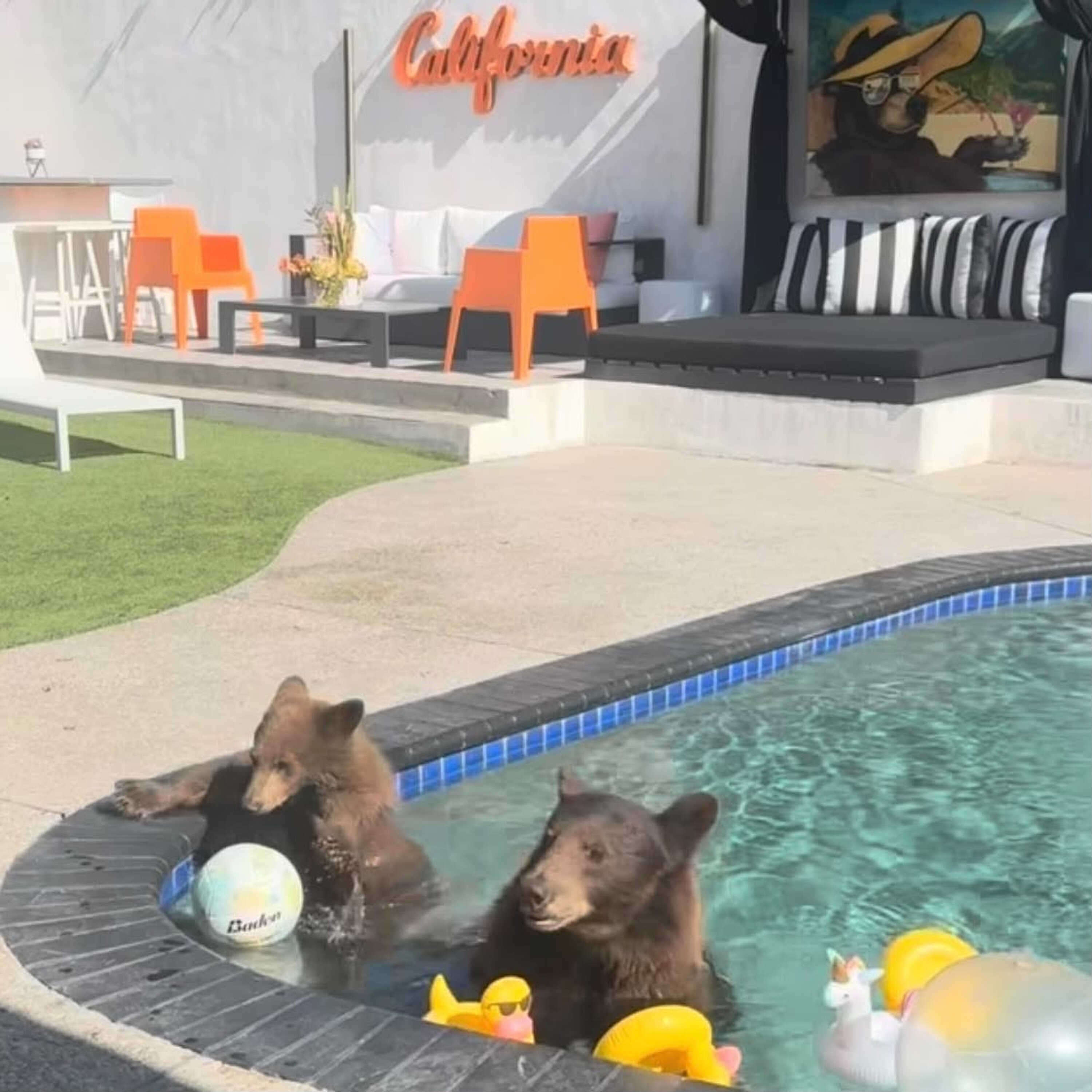
There's a bear in my swimming pool!
Bears in swimming pools… in Los Angeles? Of course I had to find out more. I've been studying bears and working with them in the wild for over 30 years, and I thought I'd seen it all. Polar bears in Canada, grizzlies in Alaska, Andean bears in South America. But I never thought I’d be racing to see a family of black bears lounging in a pool in a swanky LA neighborhood. A l
THE WILD is back!
Welcome back to THE WILD! All around the world, humans are getting up close and personal with wildlife. In Los Angeles, black bears are playing with floaties in swanky backyard swimming pools. Mountain lions are dodging cars trying to get across 10-lane highways. In subarctic Norway, generations of Eider keepers are bonding with vulnerable ducks. But when is getting too close to wildli
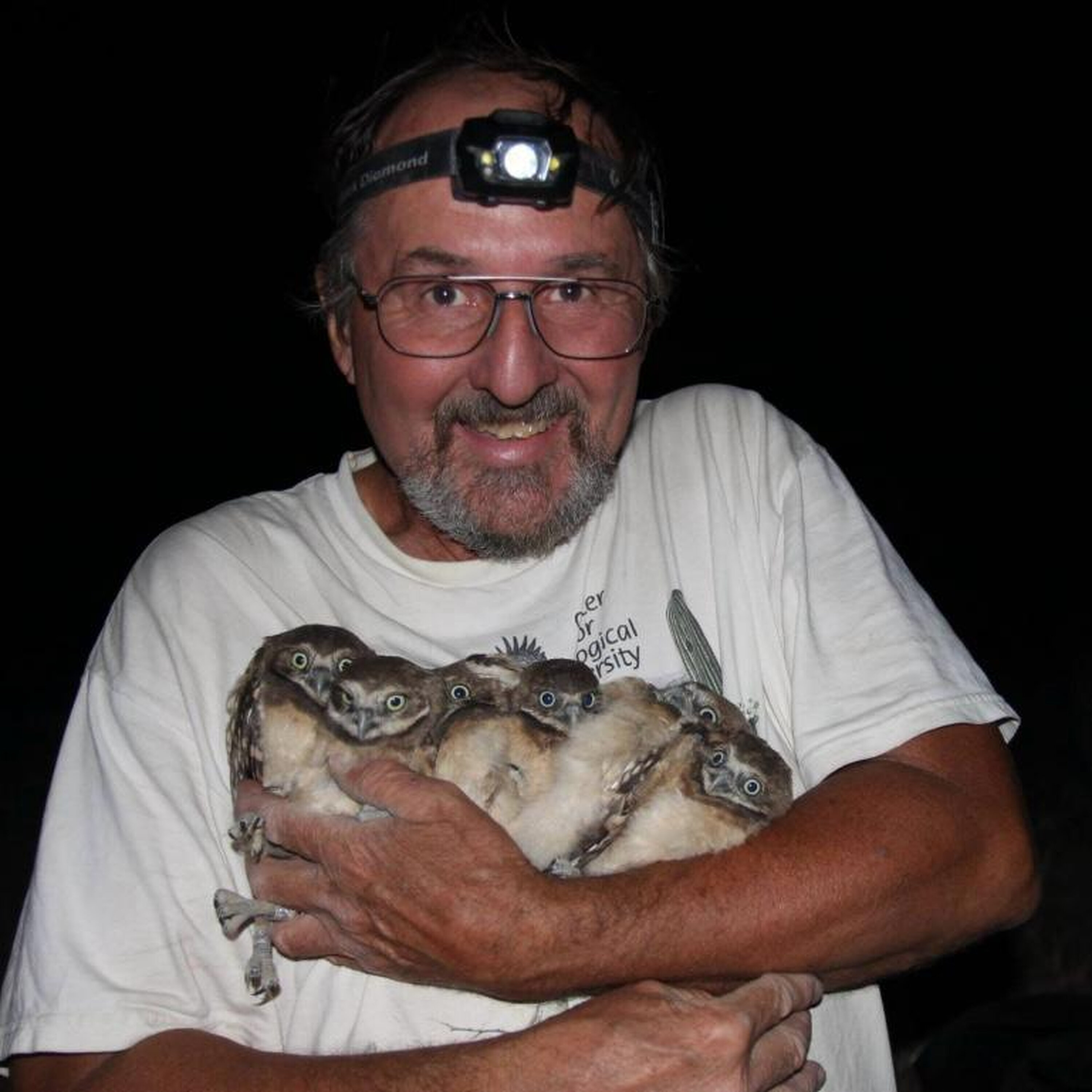
Remembering David Johnson and the burrowing owls he loved
We lost a good friend a few days ago. A friend of the owls, and a man who made a real difference for them. I was very lucky to spend time with David Johnson for an episode we did about his delightful burrowing owls a few years ago - an experience that’ll always stay with me. David was a kind and inspiring man. He looked like an owl - inquisitive, wide-eyed, and full of magic, and possib
Earth Day 2026 - You look beautiful
You look amazing, you look beautiful. Those are the words of Victor Glover, pilot of NASA’s Artemis 2 mission. He spoke those words less than a month ago on his trip to the moon. His way of describing our planet as he peered out the window of his space capsule and took in the view. I couldn't think of a better message than that as we reshare our special episode to celebrate our planet. So I
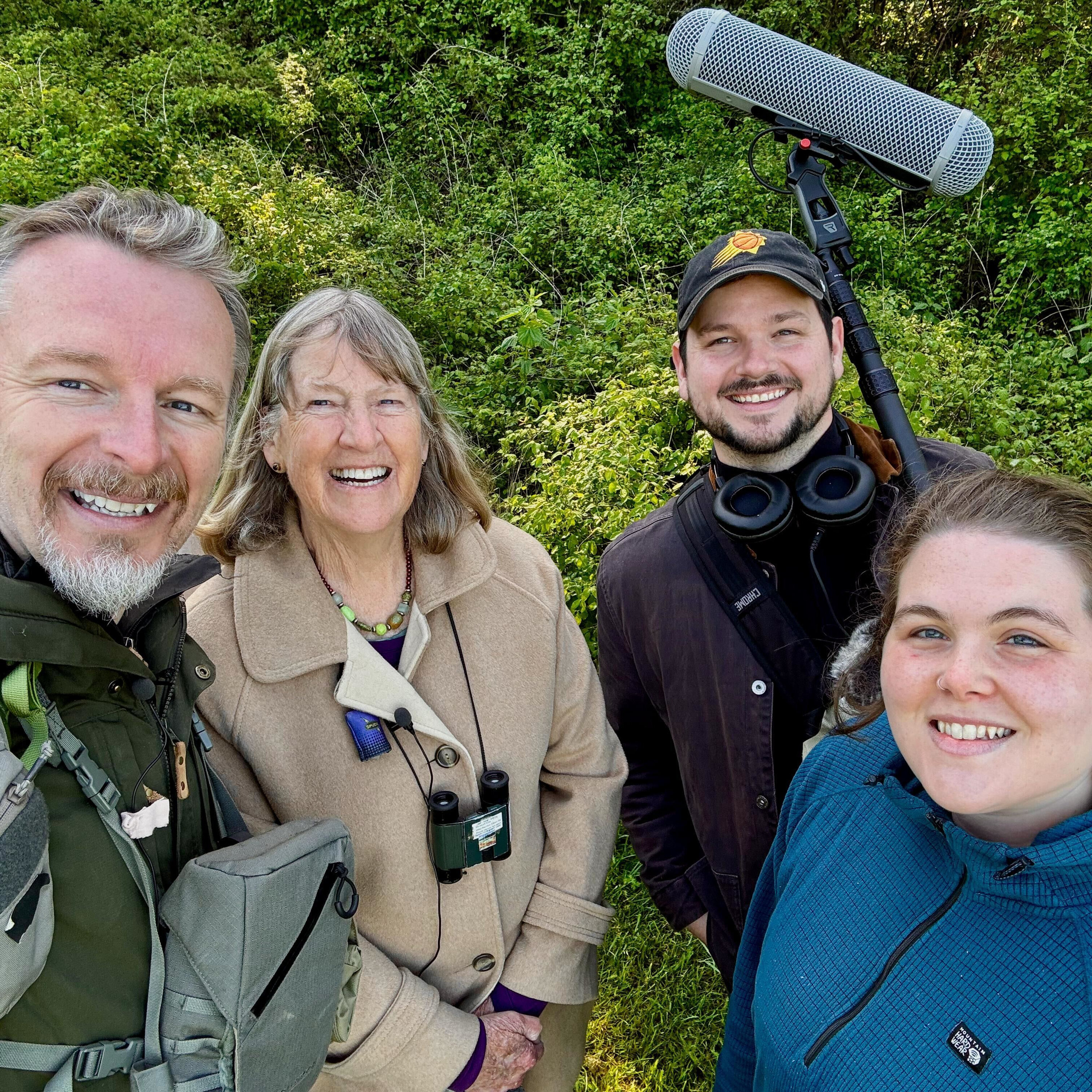
Bird watching and listening with Libby Mills
When I was eight, growing up in England, I was already really into birds. I was in the Young Ornithologists Club for goodness sake! I didn't have one friend who was into birds. But these days, things are different. Here in the USA, almost 100 million people birdwatch. And that number's growing. There's a lot going on between the birds, as they flit around chirping and singing To us, it might
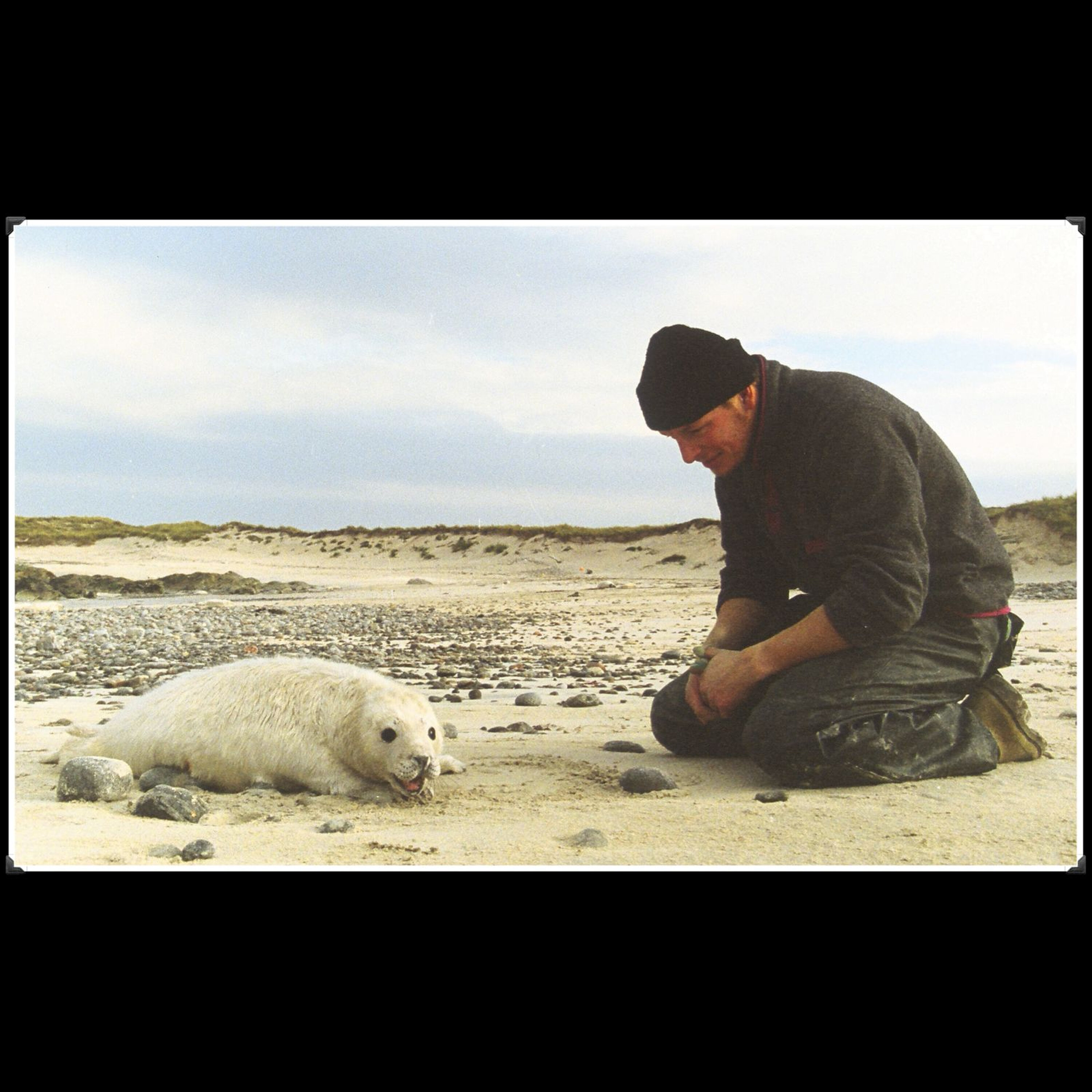
Grey seals of Scotland: my lost tapes from 1994
Today, a fun trip down memory lane! Lots of things have shaped my life and work as an ecologist, and this experience when I was 25 was one of them. As I wrapped up my master's degree at the University of Durham in England, I was hired onto a grey seal project on some tiny, uninhabited islands off the coast of Scotland. While I was there, I recorded the seals and the six weeks of fieldw
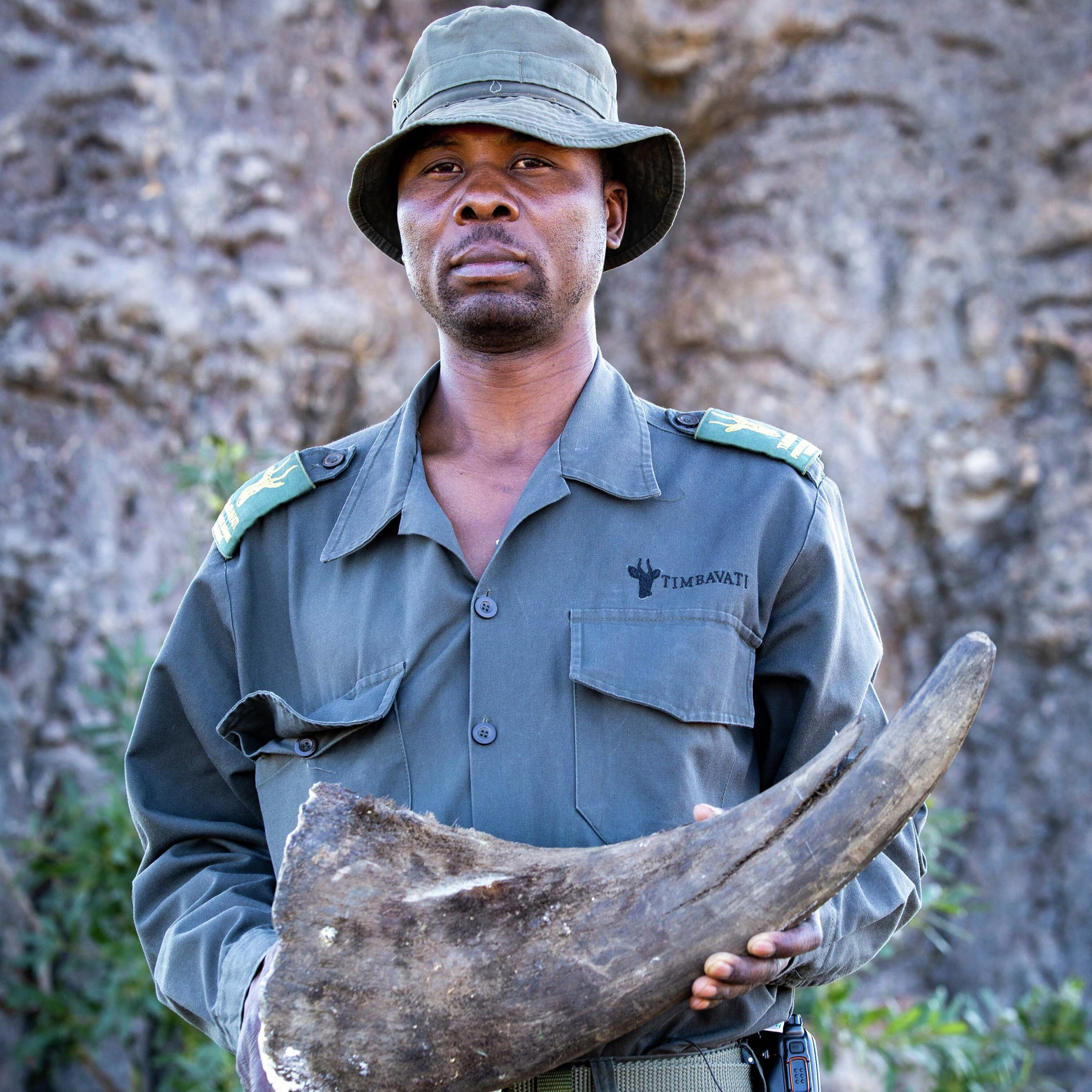
Rhino Man
Anton Mzimba was the head ranger at the Timbavati Private Nature Reserve in South Africa. Anton and hundreds of wildlife rangers like him risk their lives every day to protect endangered species, mainly the rhino, from poachers and organized crime. Anton is the focus of a documentary film called Rhino Man. It tells the extraordinary story of the rhinos, and the brave rangers that are ou
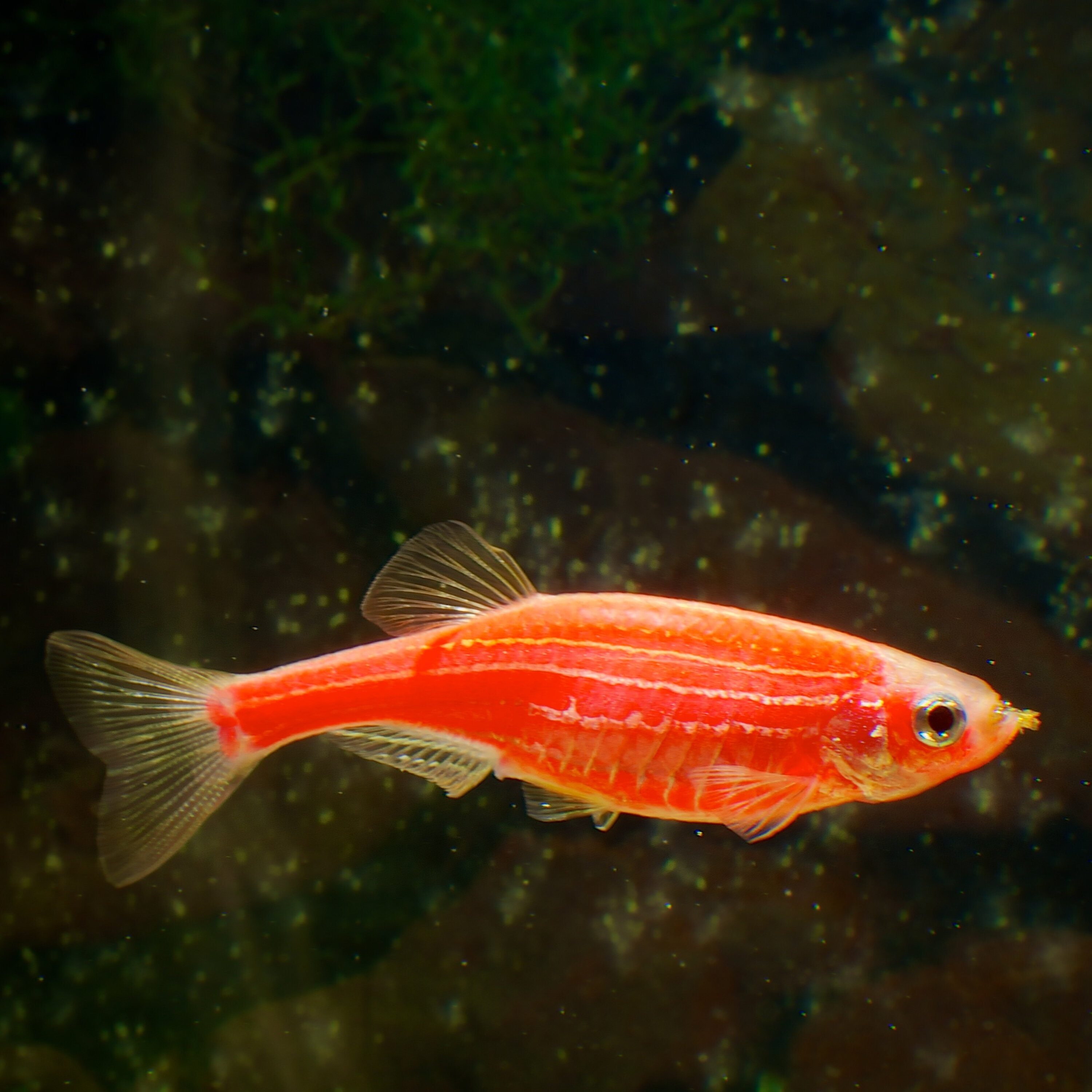
Back to the future: Genetically modified wildlife
De-extinction! You probably saw the headlines - big, splashy statements about bringing the dire wolf - the ancient wolf species - back from the dead. But are they really back? Dr. Helen Pilcher says no. She’s an author, science communicator and an expert on genetically modified wildlife. And she joins me to make sense of this controversial idea of “editing” the genes of animals.
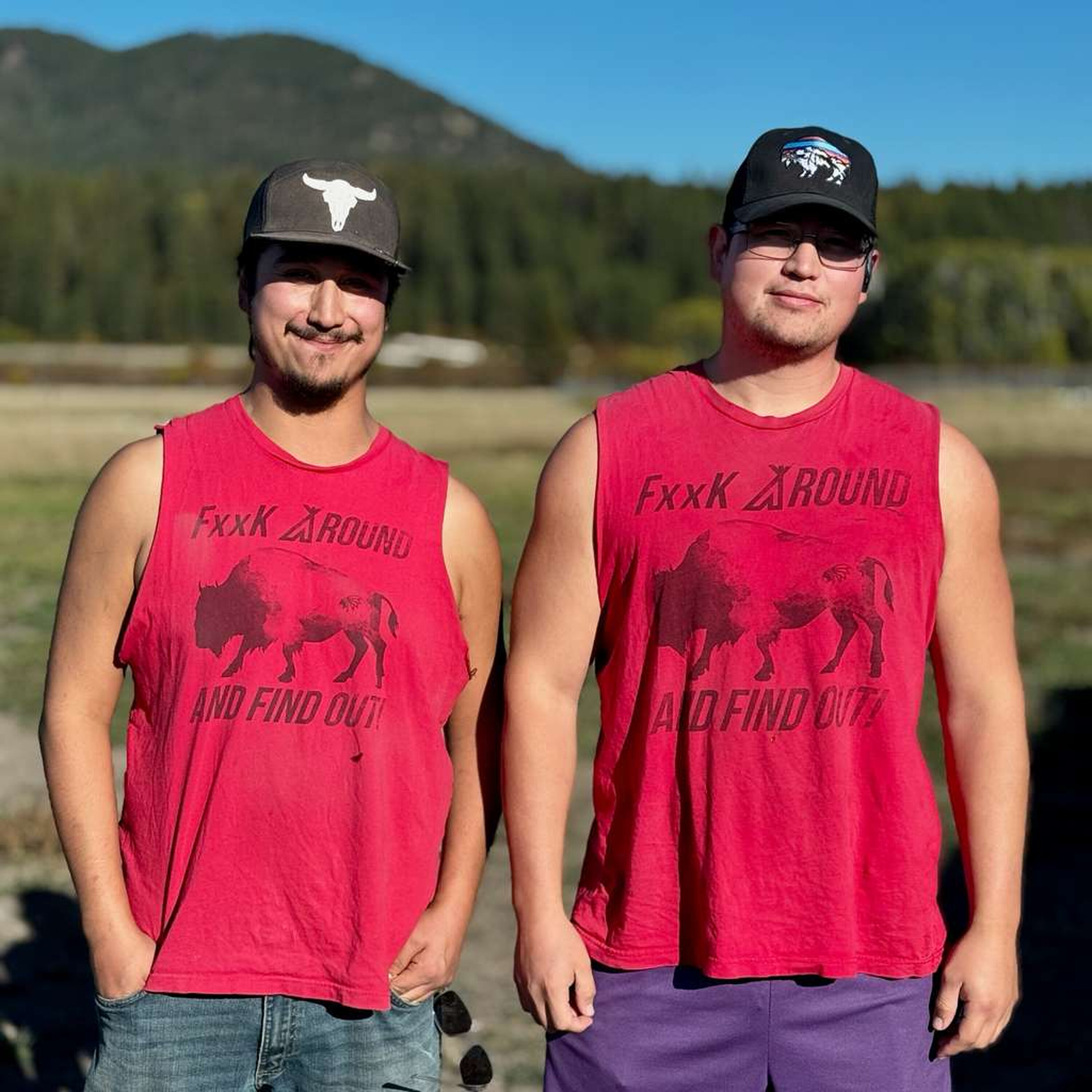
The Buffalo Boys of the Kalispel Tribe
I drive across the mountains and forests to a small corner of Washington state, where there's a group of ranchers from the Kalispel Tribe of Indians. They’re known as ‘The Buffalo Boys.’ Generations ago, members of the tribe would migrate hundreds of miles to the great plains to hunt buffalo. There were millions of buffalo until white settlers hunted them to near extinction, and

Musical termites? What happens when you let nature sing
Animals and music? What a tantalizing mix! In a fascinating conversation with scientist and musician Dr. Diego Ellis Soto we learn about the way animals move - through music. When animals swarm, mill, or migrate, patterns are revealed. Soto explains that animals all prefer to move together with proper space, time, and direction....just like harmony in music. Soto’s work combines his academic
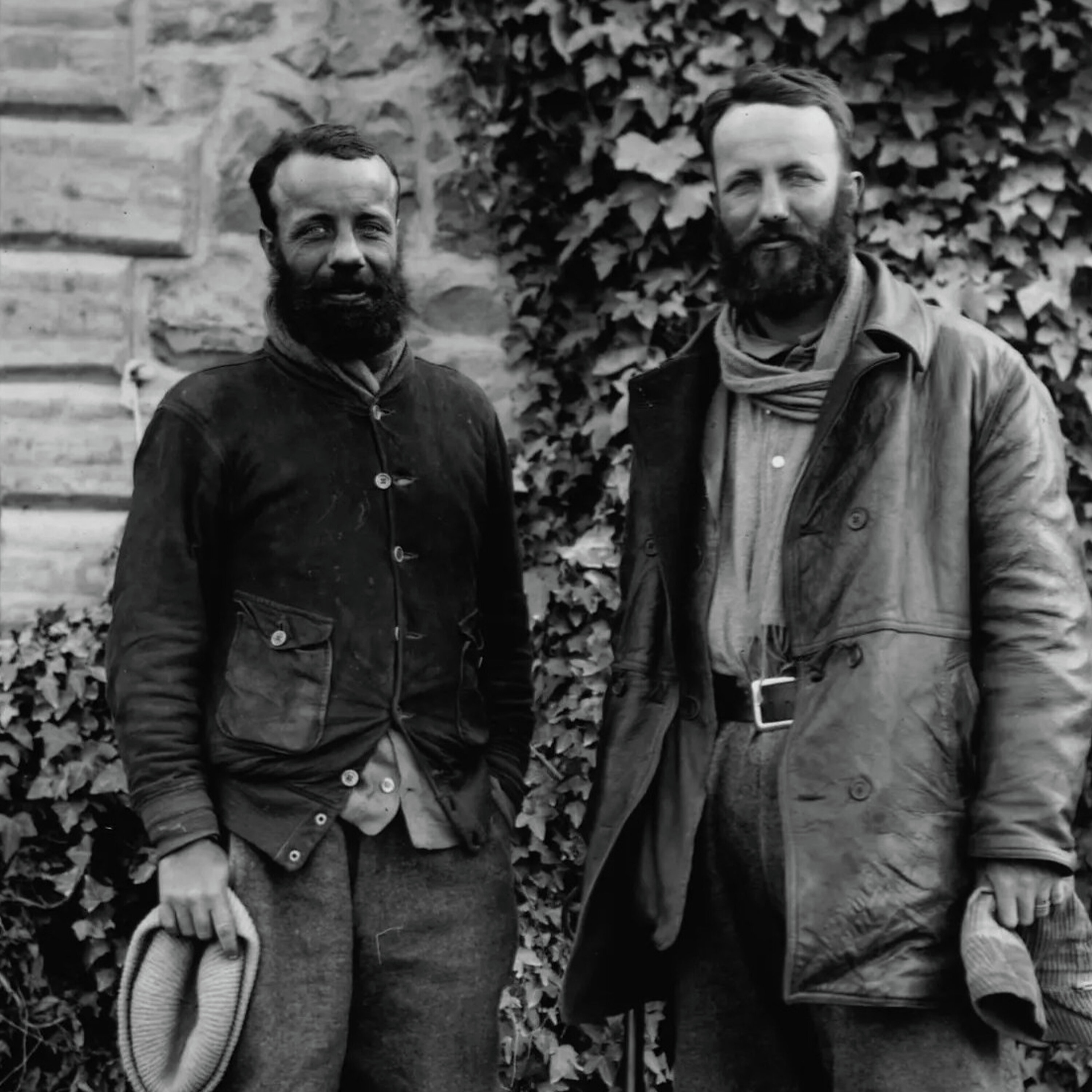
How the quest for the giant panda changed modern conservation
There was a time when the existence of the giant panda was nothing more than legend. A fairytale to those in the western world. Whispers of a black and white beast echoed around the early 1900s. In this episode, my conversation mixes three of my favorite things - bears, mystery, and adventure as I hear an incredible story that Dr Nathalia Holt tells in her book The Beast in the Clouds: The Ro
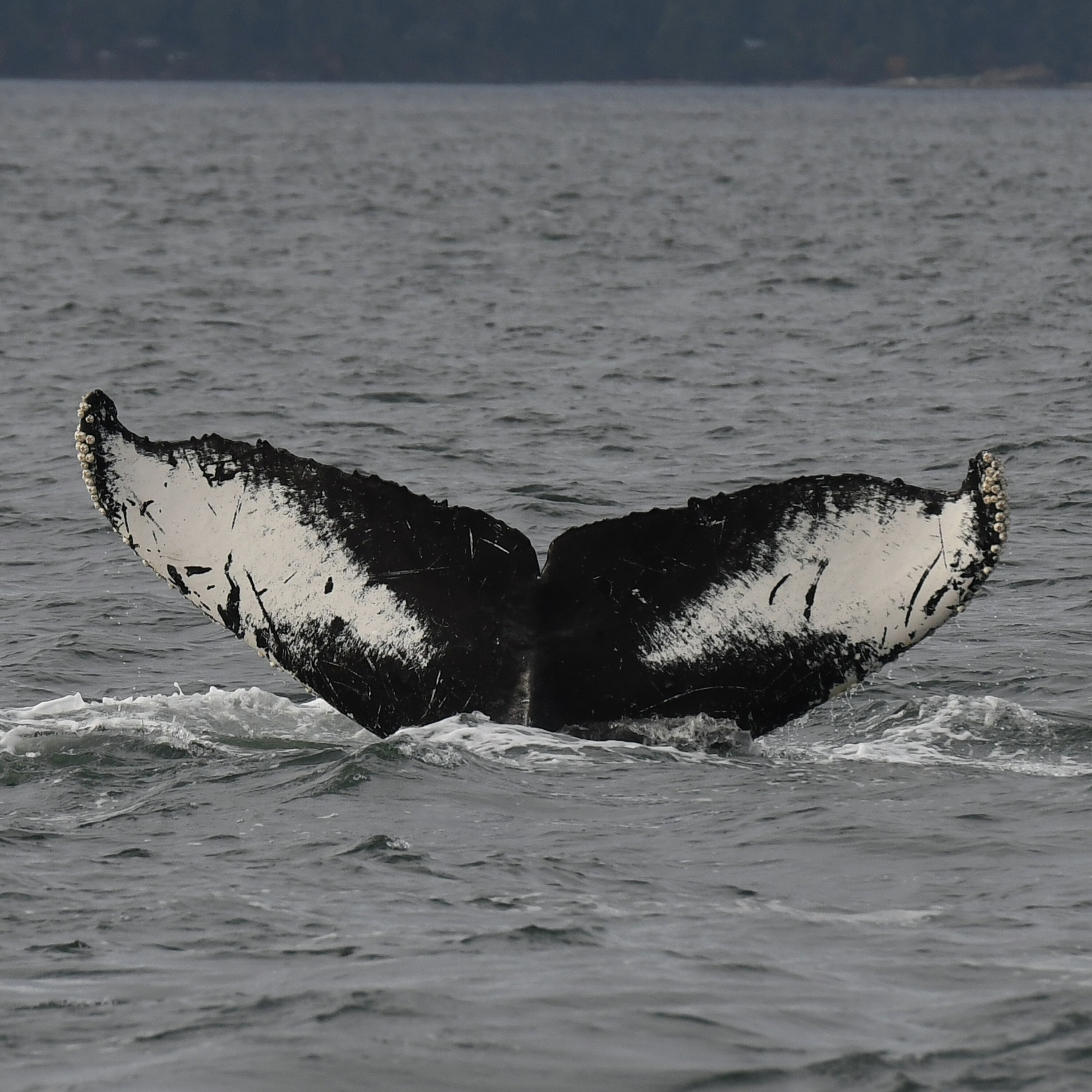
The Humpback comeback: Vancouver's whales come home
Humpback whales in the Salish Sea have a complicated history. They were hunted to near extinction a century ago, with whalers turning some of the largest creatures on Earth into buckets of oil, slabs of meat, tubs of cheap margarine and fertilizer. These coastal waters were emptied of these magnificent creatures who once called them home. But now, in an amazing turn of events, Humpback whale
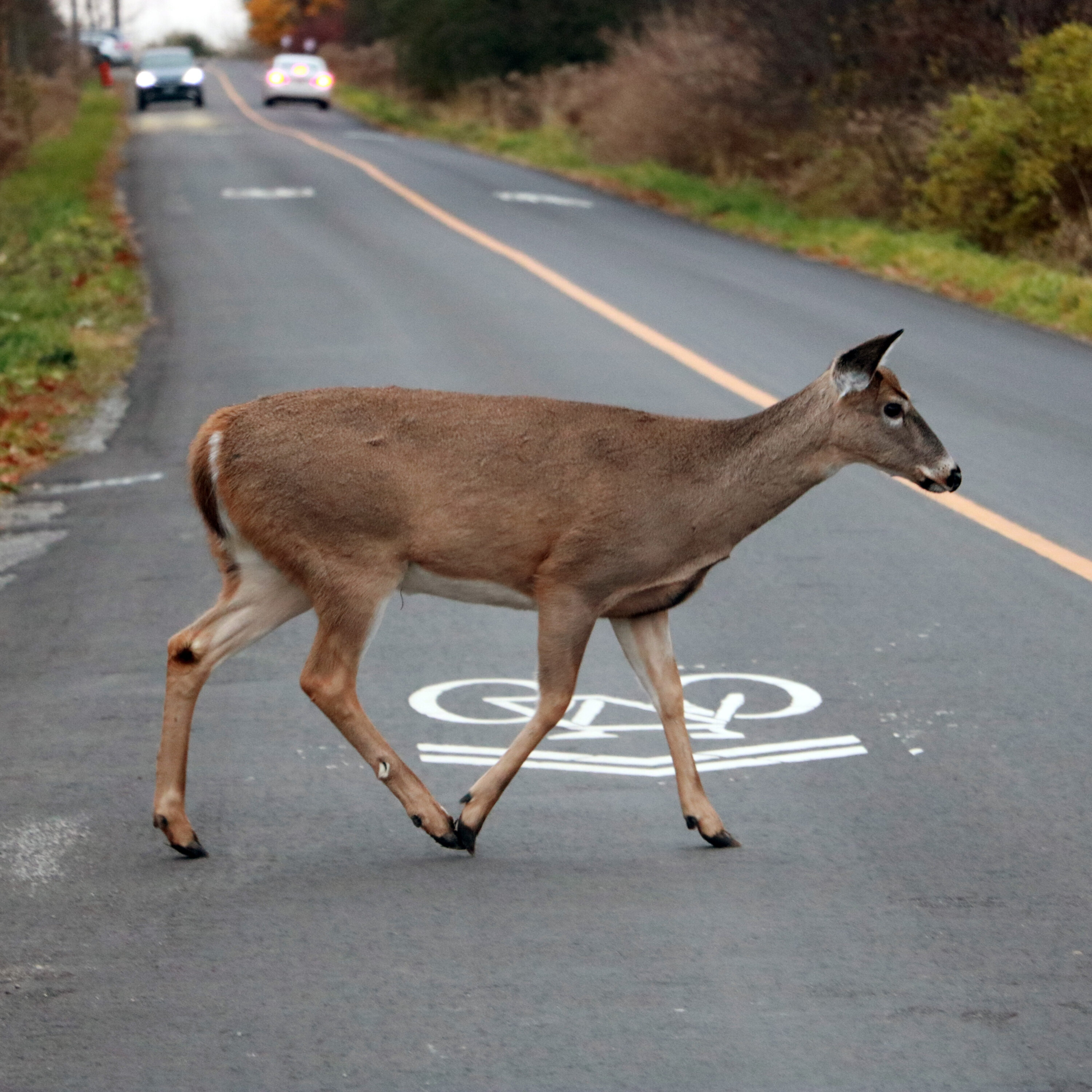
How America’s roads alter our ecology, with Ben Goldfarb (reprise)
Happy holidays! Thanks for tuning into THE WILD. I’m so glad you’re here. THE WILD team is hard at work on some more brand-new episodes that will come out in the new year. But for now, I want to revisit a very popular episode from last season that I think is perfect for this busy time of holiday travel. It’s a conversation I had with author Ben Goldfarb about roads an
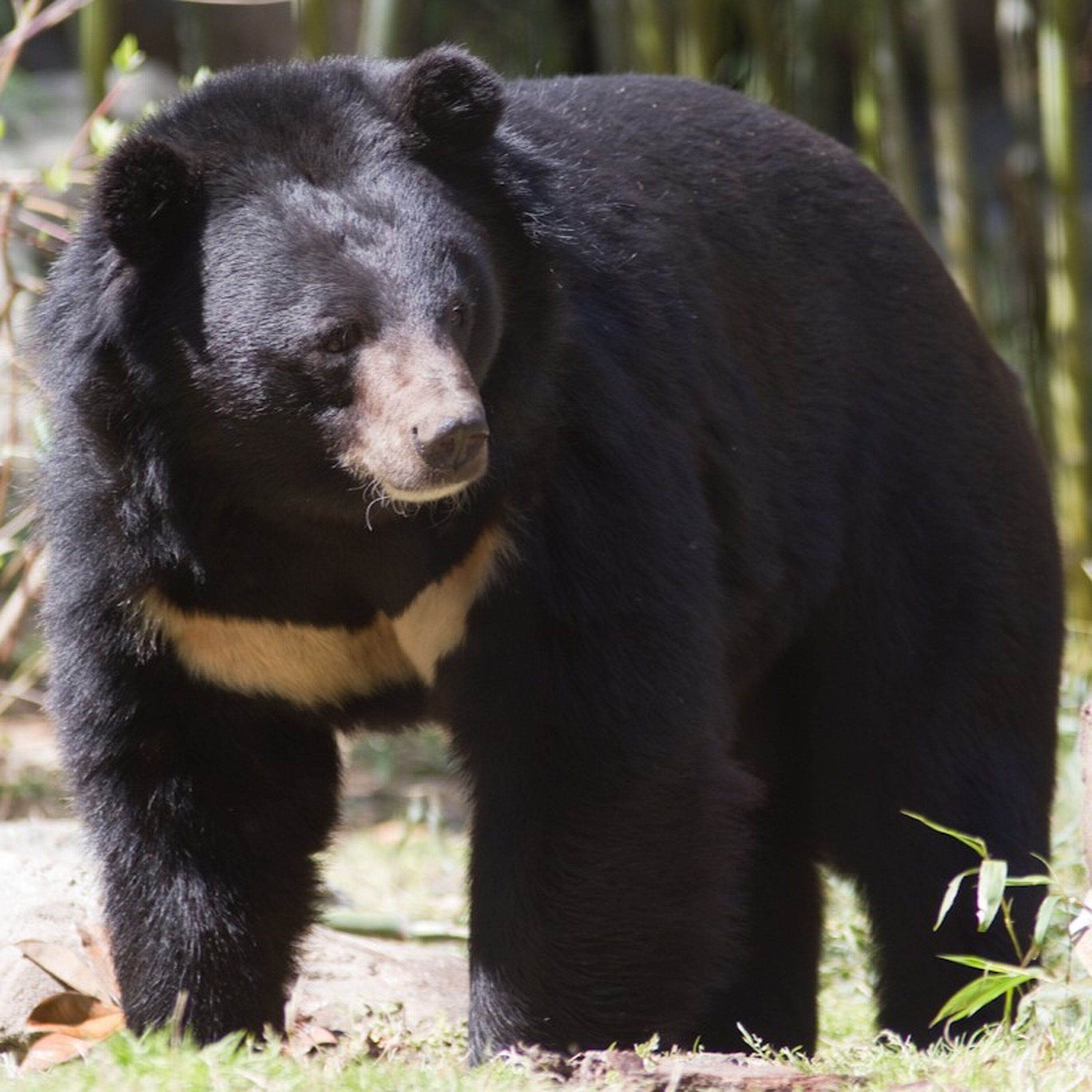
Japan's bear attacks: we unravel what's going on
Bear attacks in Japan have been in the news a lot recently. There have been over 220 attacks so far this year, and a record 13 people dead. Why is this happening? And what can be done about it? There’s a lot of information out there, and it’s hard to separate fact from fiction when it comes to conflicts with wildlife. So I made two quick phone calls: one to a reporter from The Ne
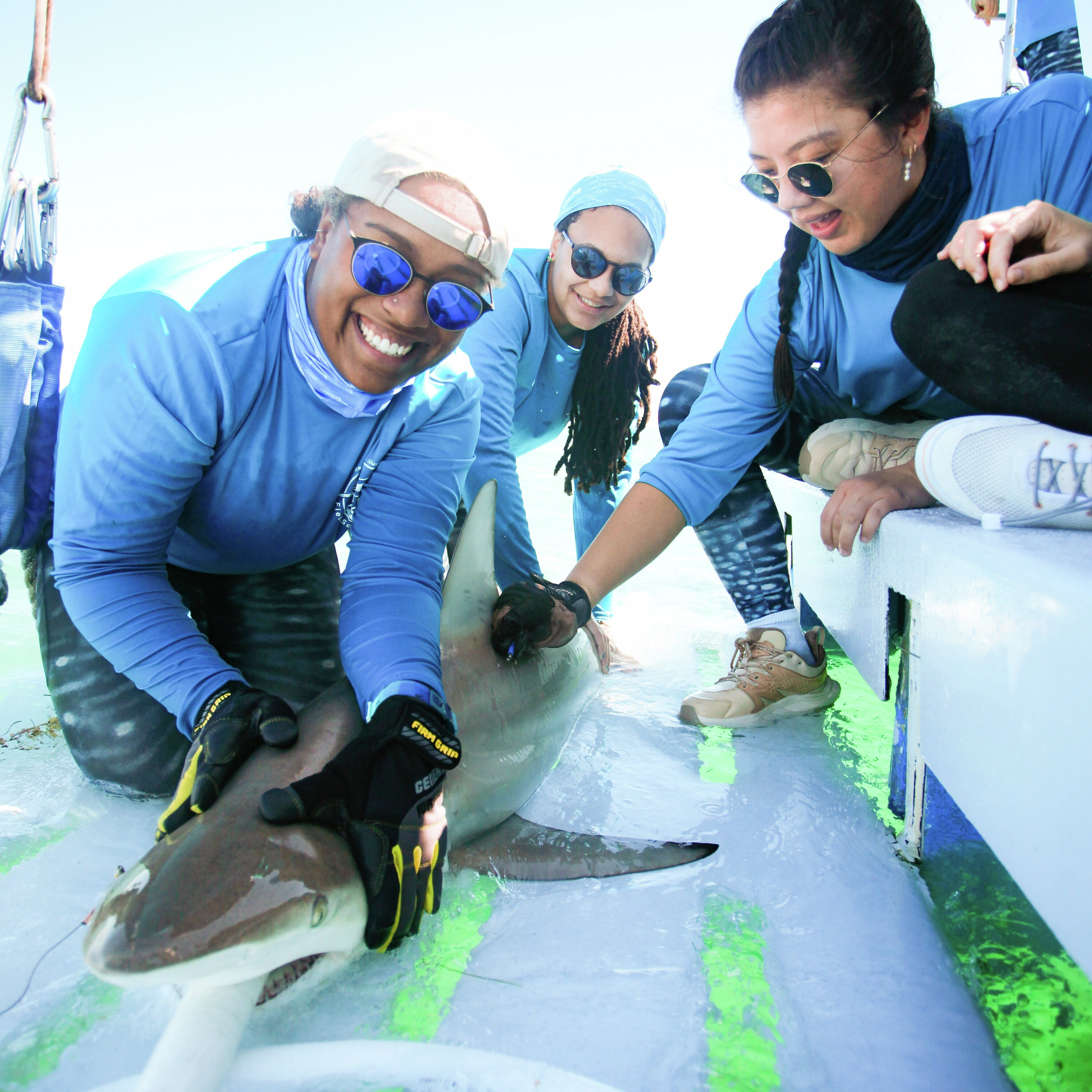
50 years of Jaws: shark myths and misunderstandings
JAWS can only mean one thing! The movie that forever changed how we feel about sharks. It did me, that’s for sure. To commemorate the 50th anniversary of the movie, we thought it might be time to help separate fact from fiction in a fun way……by playing audio clips from the movie and having a real shark expert react to them and tell us the truth about how dangerous they are, how
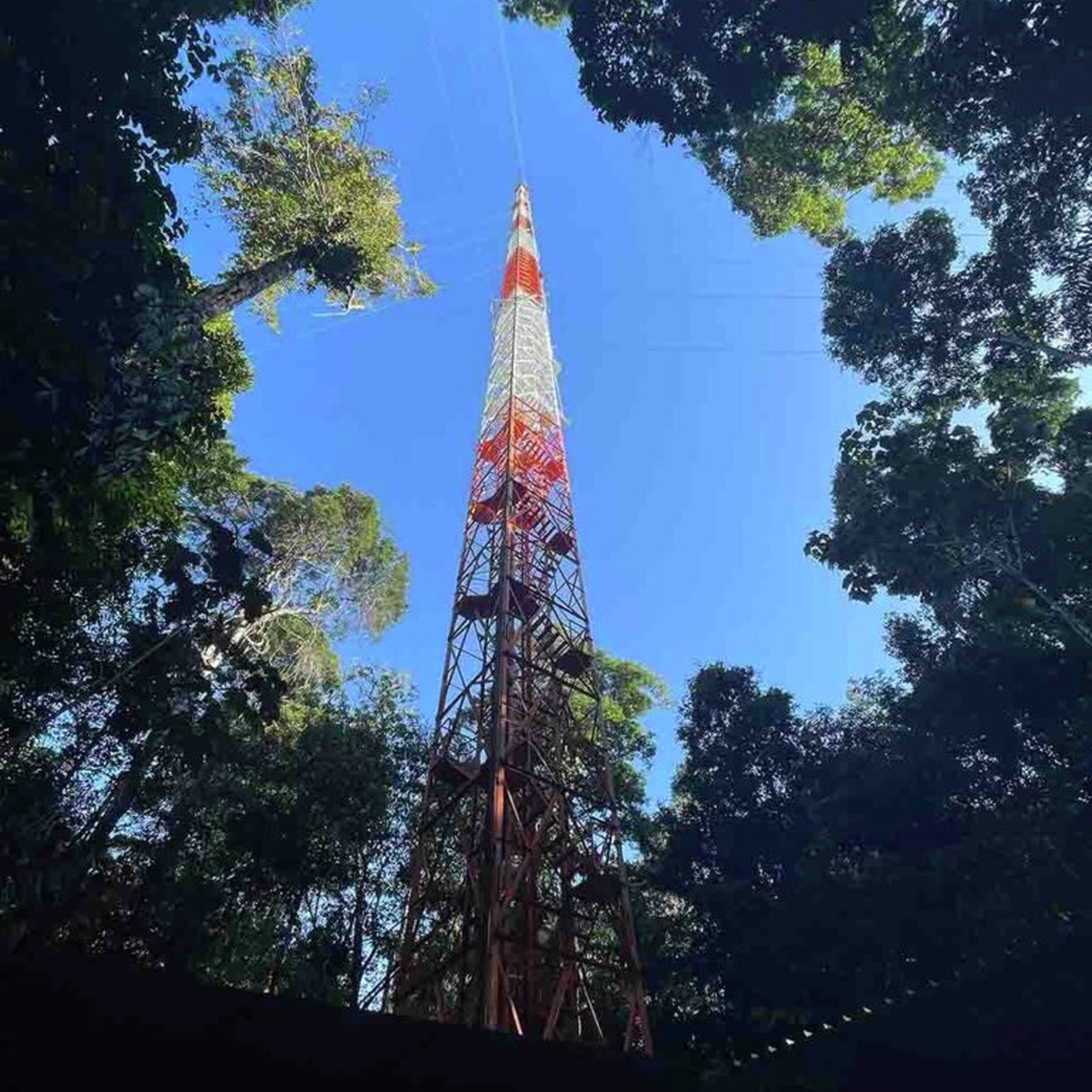
How our planet came to life with Ferris Jabr
“Life is earth, animated.” When I heard this statement for the first time it made me think about my relationship to our planet differently. That all life on earth is part of a giant feedback loop, a process of self-creation that has been ongoing for billions of years. This is the idea that Ferris Jabr explores in his book, Becoming Earth: How Our Planet Came to Life. Jabr traveled the
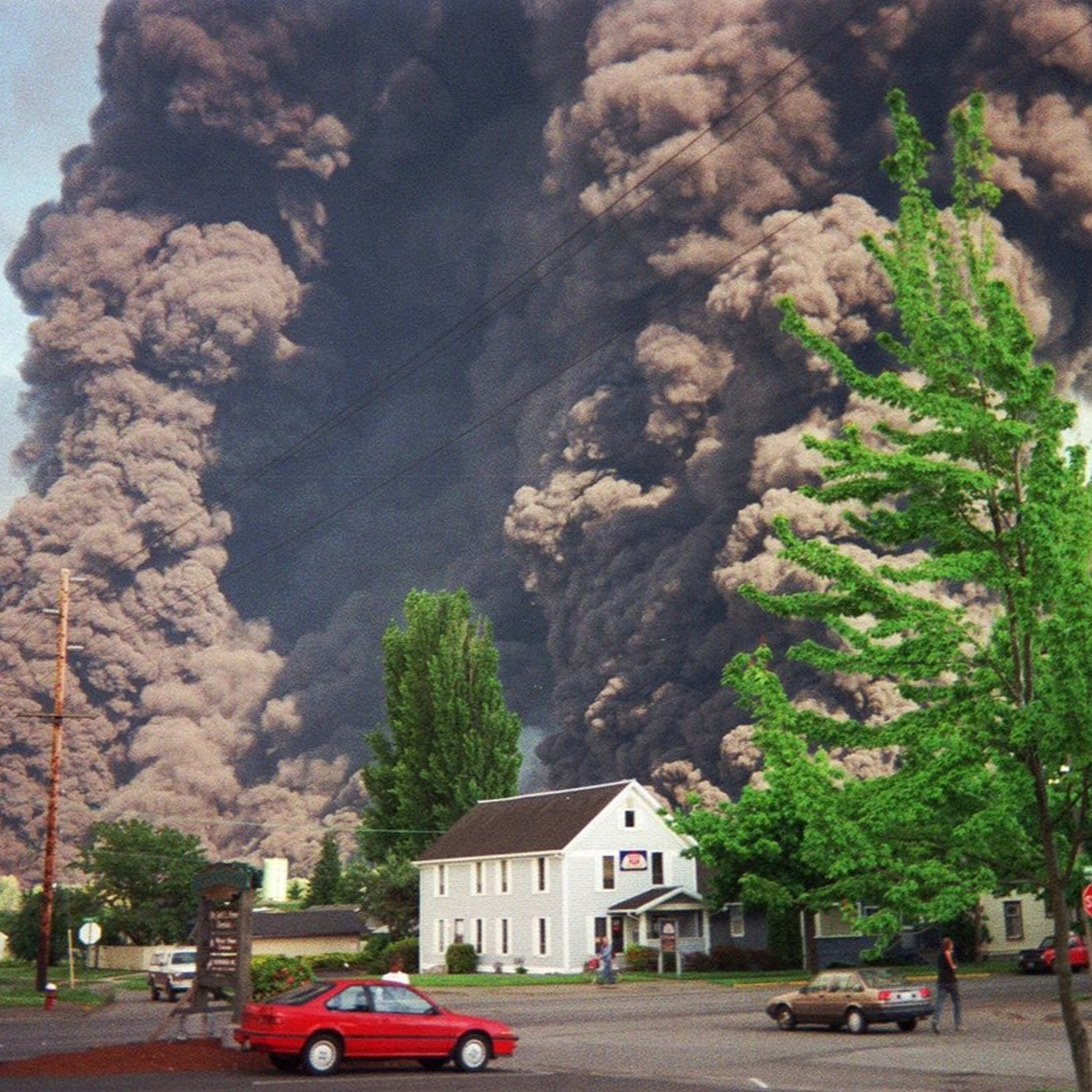
The story of Whatcom Creek: an explosion, a tragedy, and a rebirth
This is not an easy story to tell. In the town where I live, Bellingham, Washington, there’s a beautiful urban creek. It flows just four miles from a lake, through a city park, down through the town to the sea. But in the summer of 1999, disaster struck. A gasoline pipeline ruptured, causing an explosion. Young lives were lost, and the creek and the ecosystems around it were obliterated.&nbs
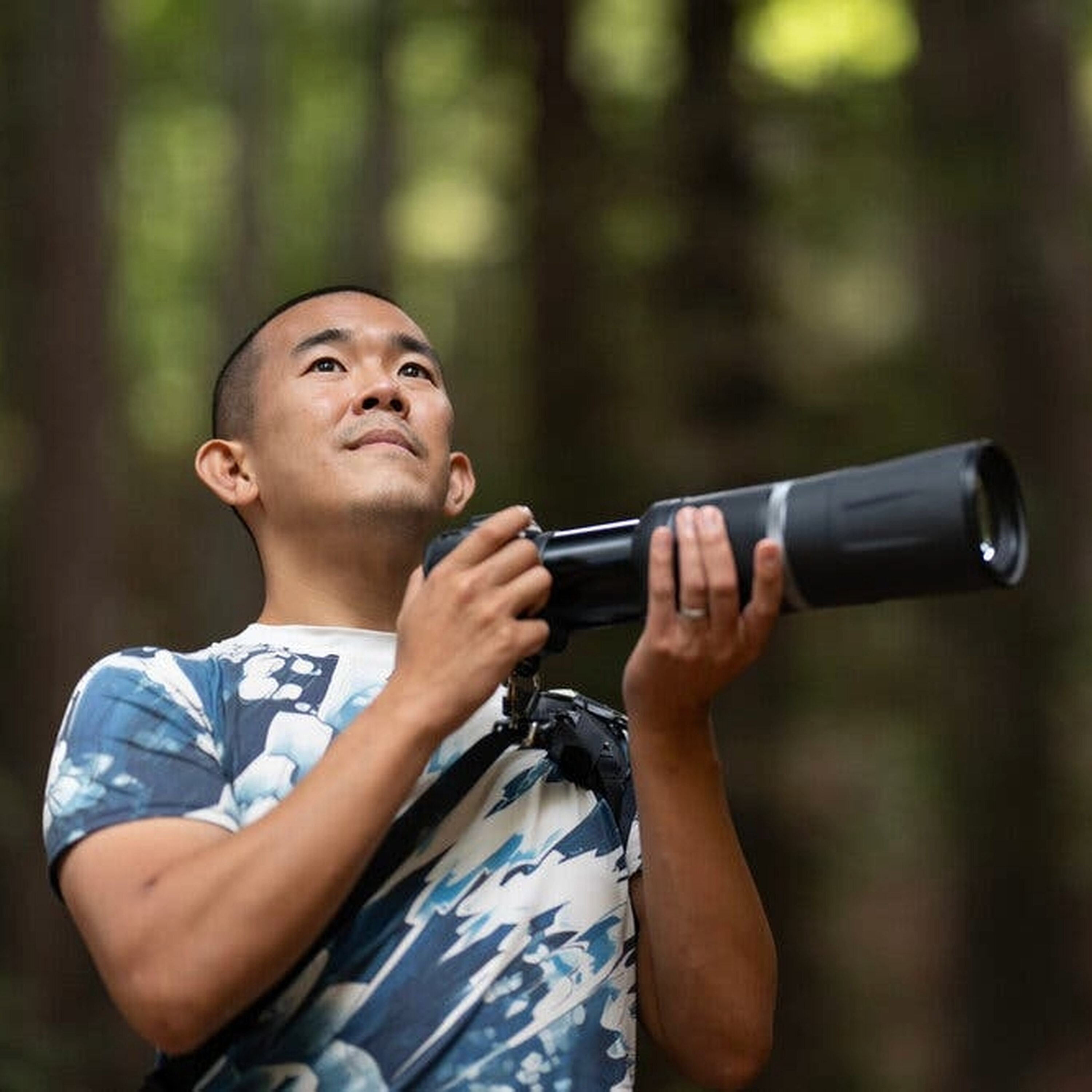
Sniffs, scratches, sights and sounds: Ed Yong on how animals sense the world
Have you ever wondered why your dog takes such a long time to sniff a patch of grass? Or why flies buzz around so sporadically? It’s because most of what a creature actually senses is invisible to us. They perceive their world as differently as we perceive our own. Pulitzer Prize winning science writer Ed Yong wrote a book about this called An Immense World: How Animal Senses Reveal the Hidd
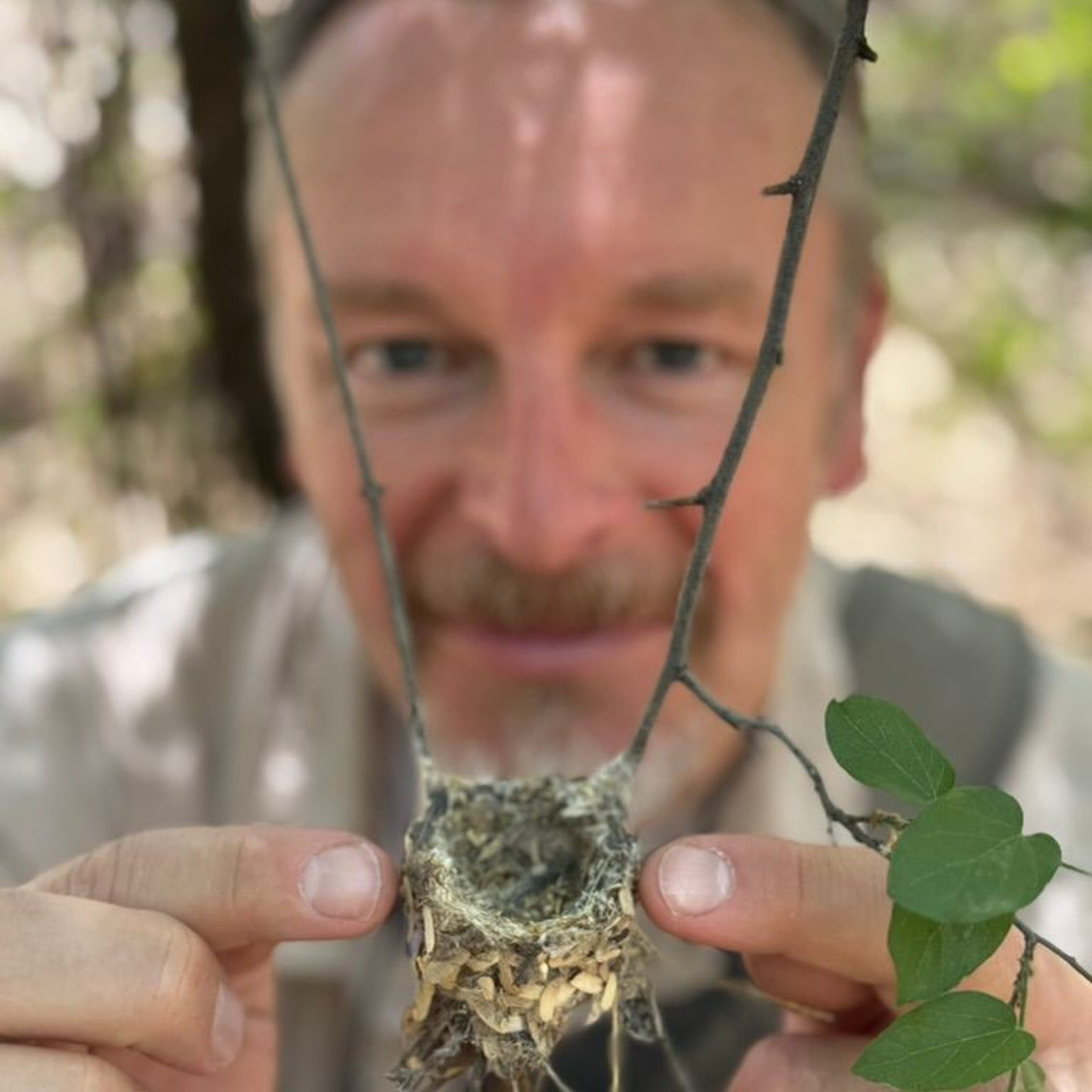
Tiny but tough: Hummingbirds of the Arizona desert
Blink and you’ll miss ‘em! In this episode we get to know hummingbirds eyeball-to-eyeball. The world of the hummingbird is changing fast in the deserts of Arizona. So much so that even an animal as quick as a hummingbird is struggling to keep up. Native plant ecosystems that make up the nectar landscape that hummingbirds use to migrate are shrinking. Join me as I travel to the mo
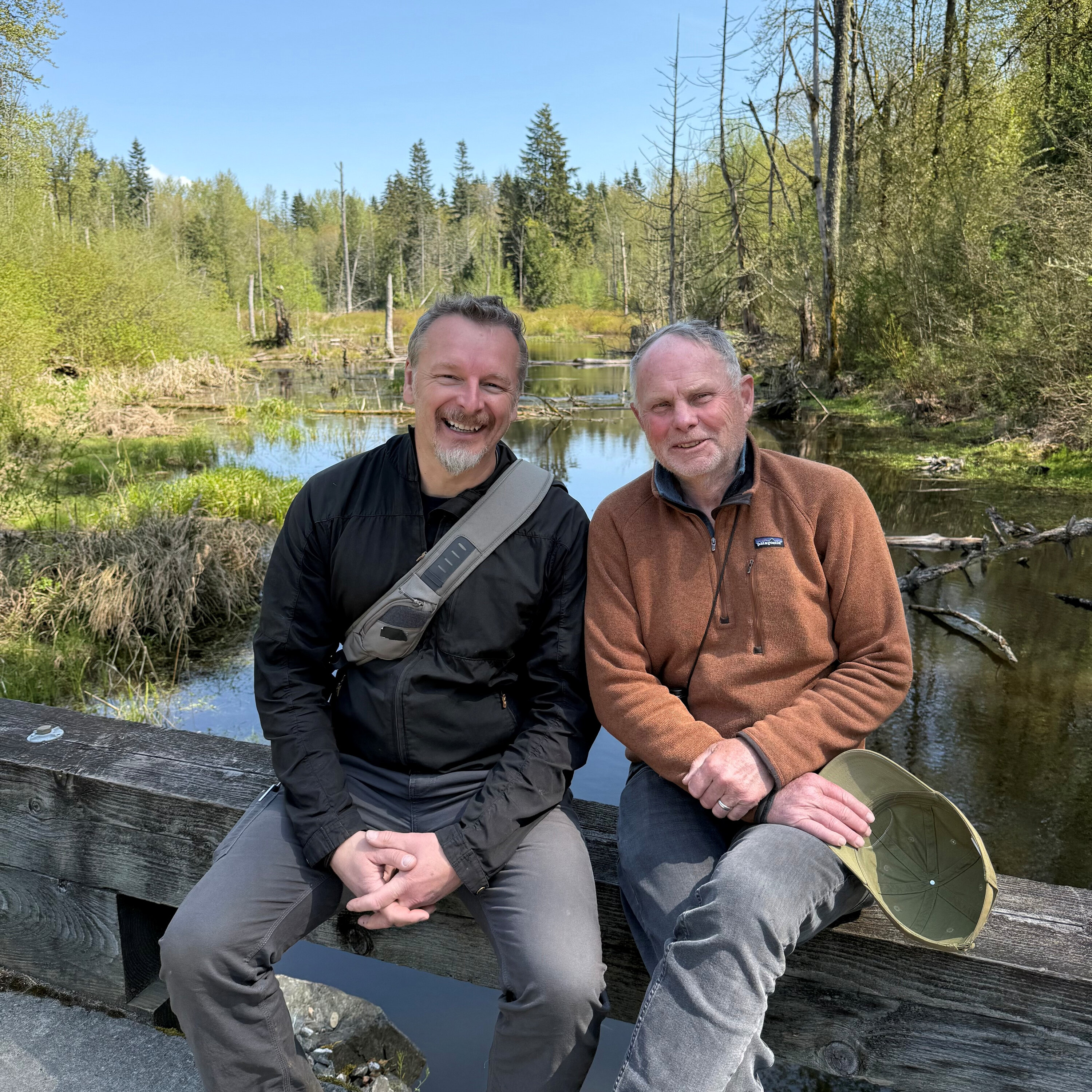
Brooke Williams encountered a dragonfly and became a dreamer
Environmental author Brooke Williams believes that dragonflies are messengers of wisdom and enlightenment. This idea got my head buzzing so I invited Williams to join me at a pond near my home to talk about it. He told me he has been on a 20-year journey to forge a new relationship with nature and that the dragonfly has been his guide to discover unseen forces in nature that are so captivating whe
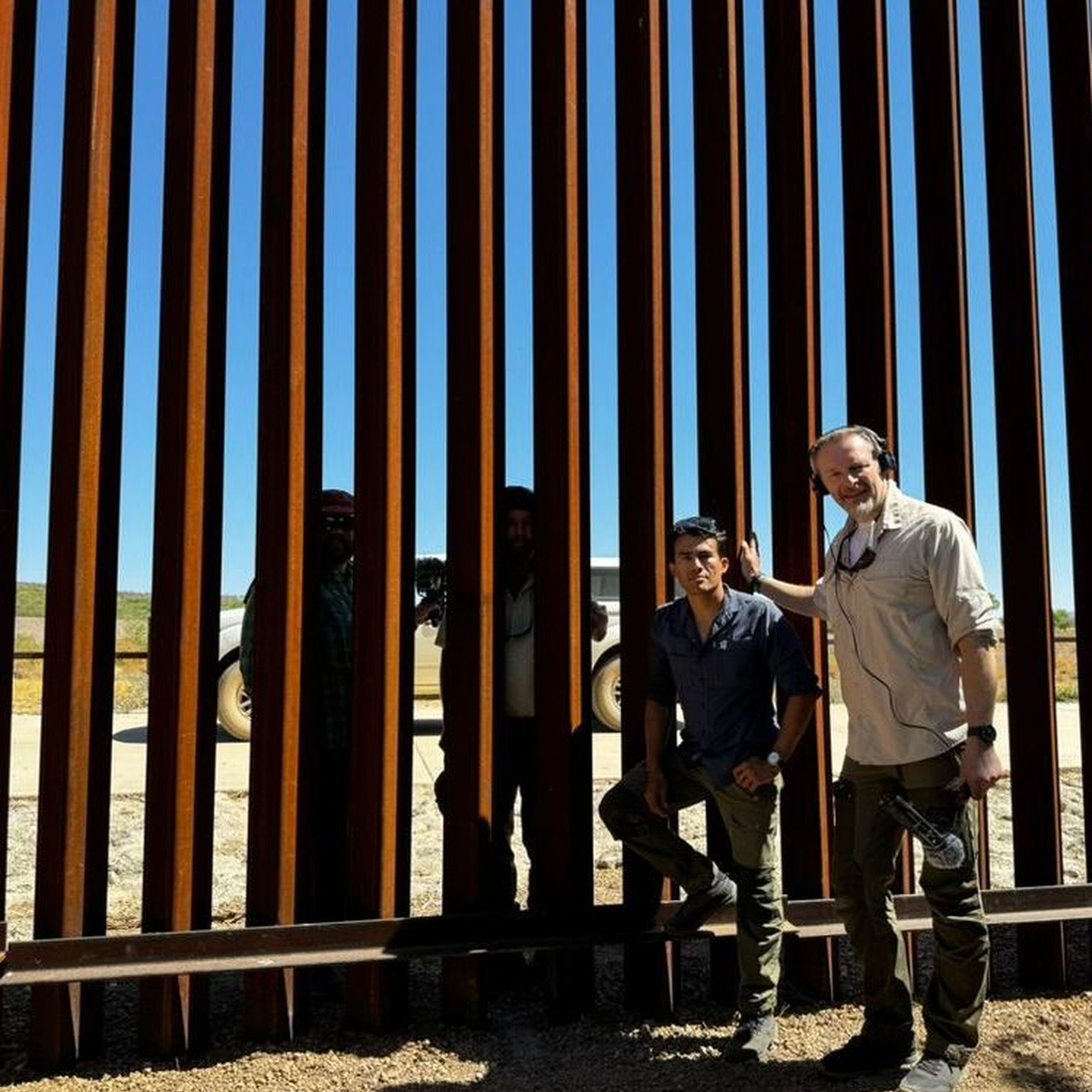
A Mexican jaguar walked into Arizona, then the US built a wall
Twenty-nine years ago cowboy Warner Glen took the first photograph of a jaguar that crossed from Mexico into Arizona. His surprising story opens our show. Today though, there is something very different happening on the border. Chris and his producer Matt Martin follow two biologists, one from Mexico and one from the USA, as they track the biggest cats in the Americas along the border. Jaguar
New season trailer! Welcome back to THE WILD
Welcome back to a brand new season of THE WILD! Travel with Chris as he uncovers unexpected stories from nature. Like jaguars - America’s biggest cat - trying to navigate the giant steel wall on the Mexican border; tiny hummingbirds searching to find their next meal along a landscape of nectar; a magnificent humpback comeback right off the coast of Vancouver, and many more. There's so much i
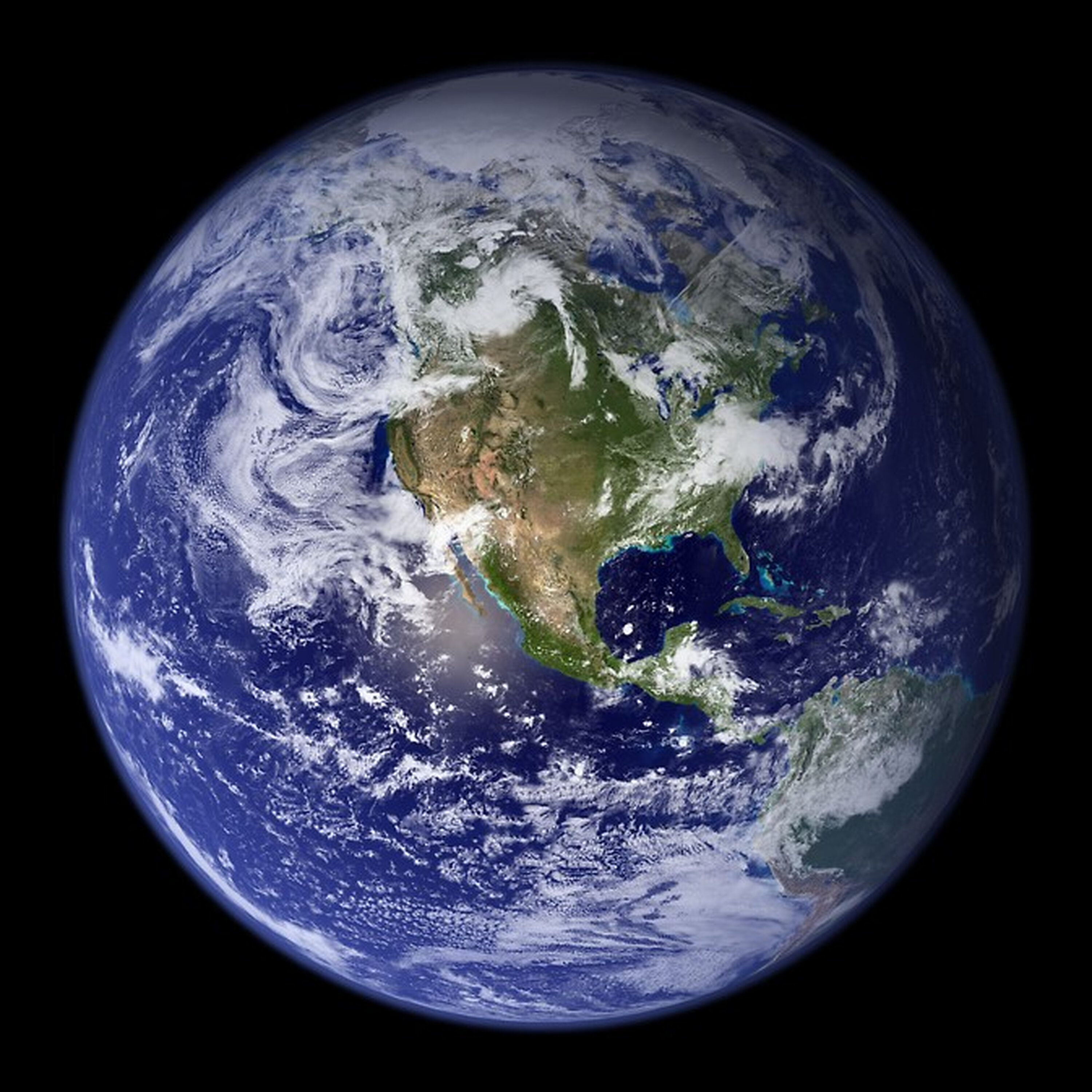
Happy Earth Day 2025!
Happy Earth Day! There is a lot of uncertainty in the world right now when it comes to the environmental health of our planet. Political leaders seem unable or unwilling to take action on climate change. And we continue our rapid loss of biodiversity. But I wanted to give you a little hope on this special day by sharing a little different perspective on this tiny blue marble we call home. If
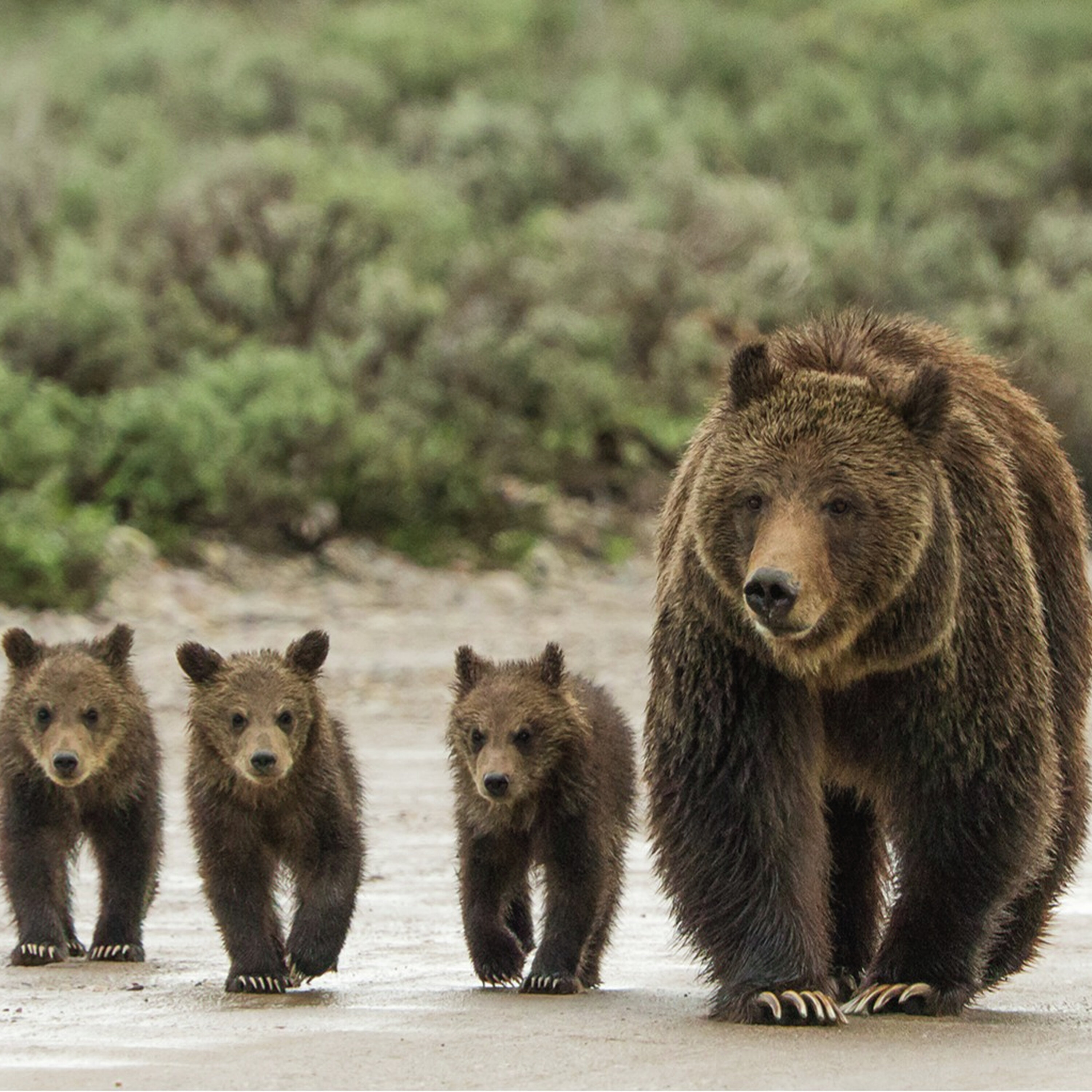
Tom Mangelsen: Grizzy 399 and confessions of a wildlife photographer
Tom Mangelsen is one of the most gifted and prolific wildlife photographers of our time. He may be best known for documenting the life of Grizzly Bear 399 in and around Teton National Park in Wyoming. I’ve spent thousands of hours alongside, and guiding some of the best wildlife photographers in the world, but I’ve never been lucky enough to spend time in the wild with Tom. And he has
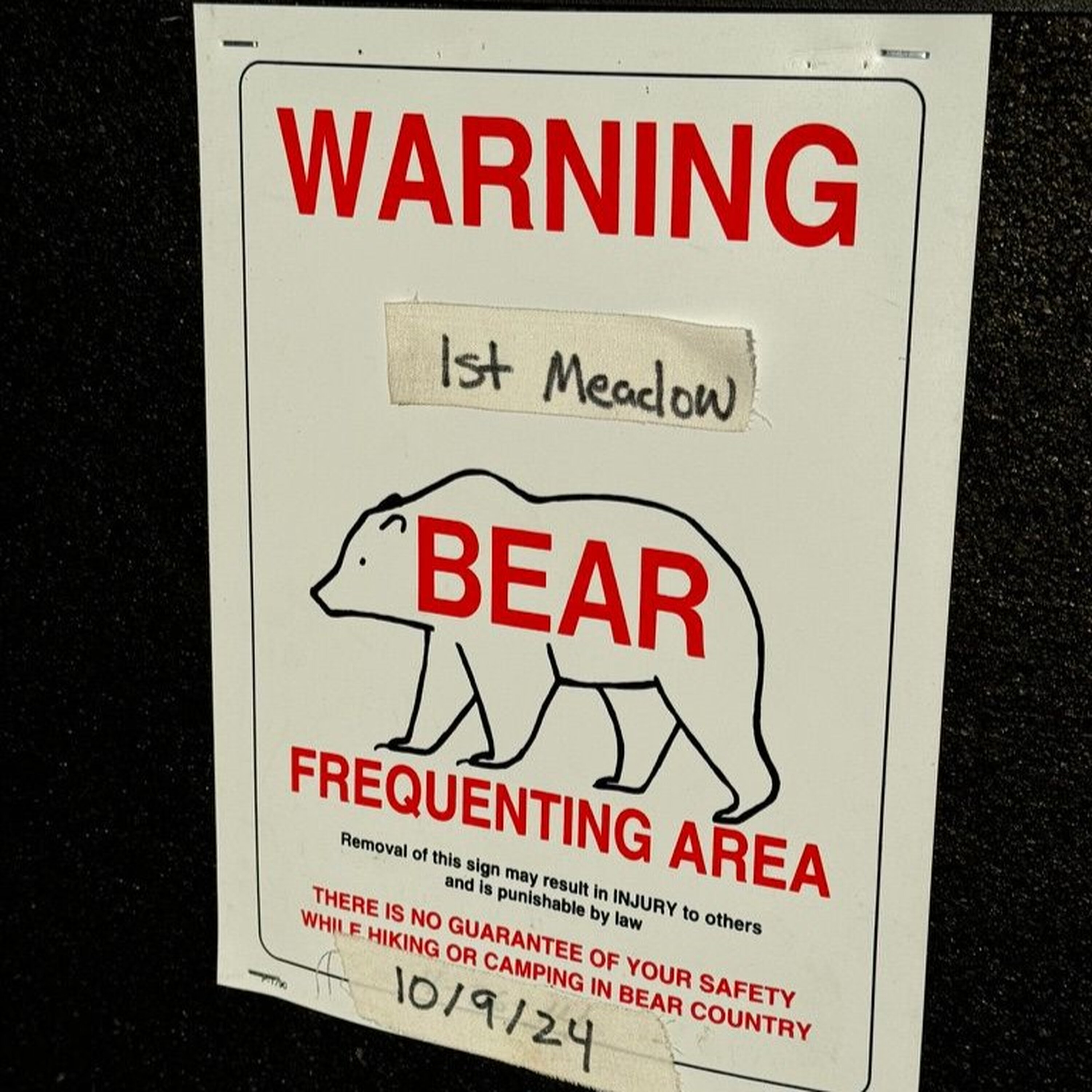
Yellowstone National Park: Celebrity bears, and a tale of two trout
You can’t come to Yellowstone without thinking about the grizzly bear. This thriving ancient ecosystem is like a sacred space for them. And a critical source for food which they are constantly in search of in order to get the needed calories that will sustain them through their long winter sleep. But what many grizzly bear lovers might not think about are the fish at the heart of the bear fe
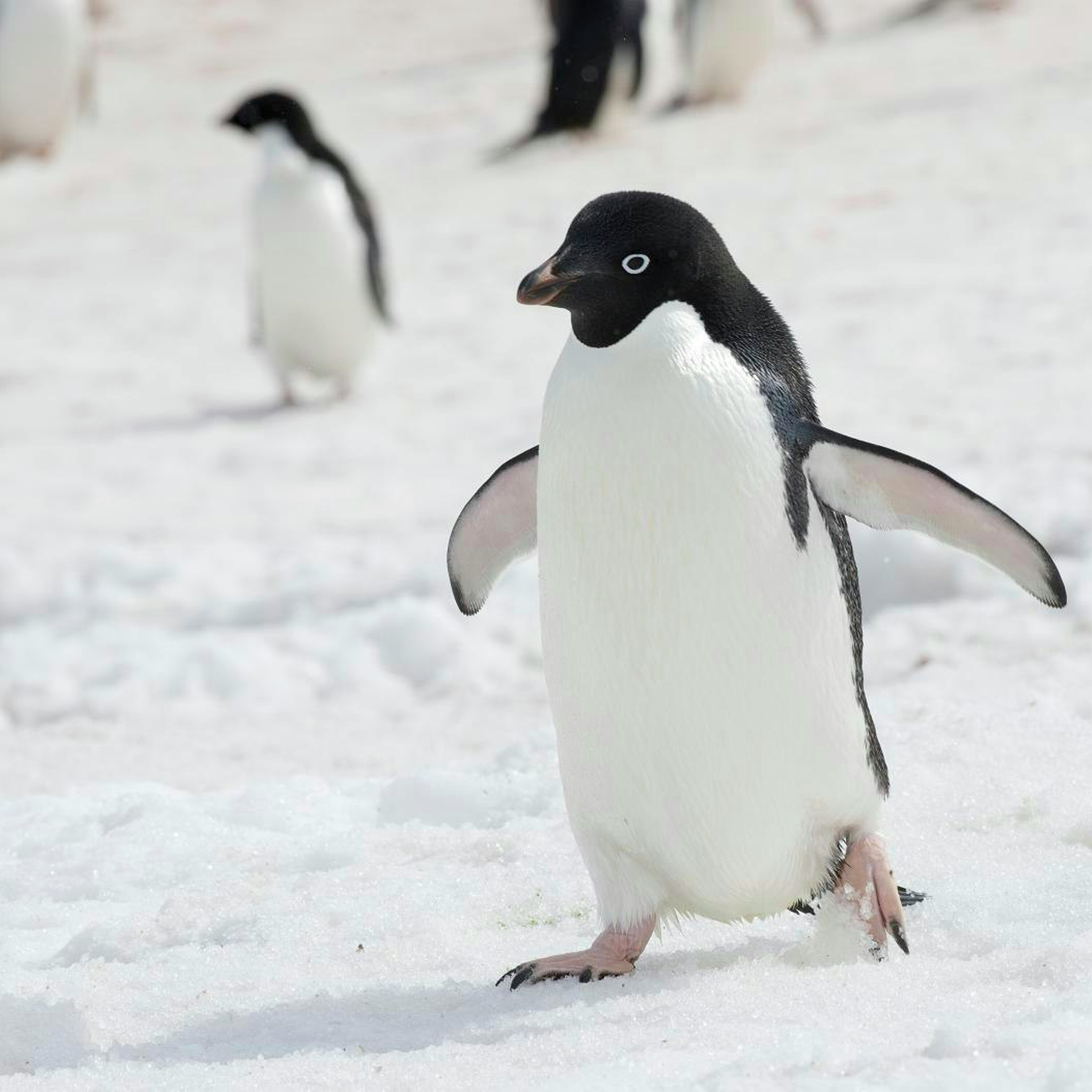
A harsh life among ‘super over-caffeinated’ penguins (reprise)
Behind most wildlife documentaries is someone who has spent countless hours, often in challenging conditions, waiting for that perfect shot. Chris talks to filmmakers Jeff Wilson and Mark Smith about their experience filming Adelie penguins for four months in Antarctica. With wind gusts up to 150 miles per hour it is one of the coldest and harshest continents on earth. We’d love t

Zoë Schlanger: Do plants think? Why eating a salad may never feel the same again
Maybe you’re eating an apple, or a piece of lettuce right now. Could be a broccoli stem or perhaps a lovely juicy tomato. If you are, are you wondering how intelligent that plant is? I’d guess not. But here’s a conversation that might make you think twice. Zoë Schlanger, a science writer for the Atlantic, has written an eye-opening book on the topic. It’s called&
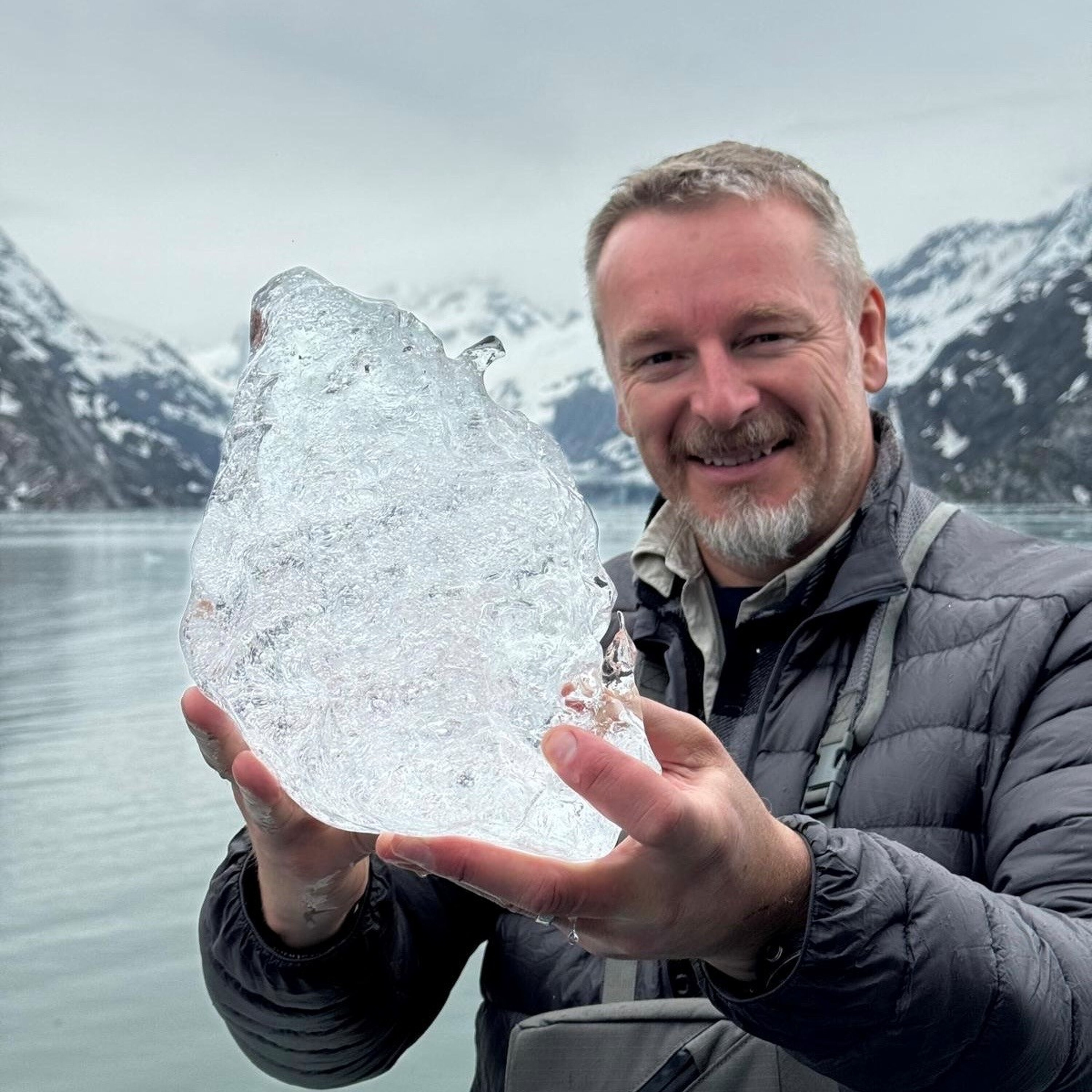
Glacier Bay National Park: Life after ice - the birth of a river
Melting ice is usually bad news, but this place in Alaska has turned from frozen to flourishing in just 200 years. Nestled in southeast Alaska, the stunning and famous Glacier Bay National Park is often called a “living laboratory.” Scientists from all over the world come here to study ecological succession: the step-by-step return of plants, insects, forests and animals. It&rsqu
The Wild presents How Wild: Solitude
We are taking a break over the holidays in order to finish up our series about national parks. We’ll be back in your feed on January 7 with a visit to Glacier Bay National Park in southeast Alaska. We’ll learn how the trickles of chilly glacial meltwater are creating a flourishing ecosystem. But in the meantime, I wanted to share an episode from a podcast I think you’ll rea
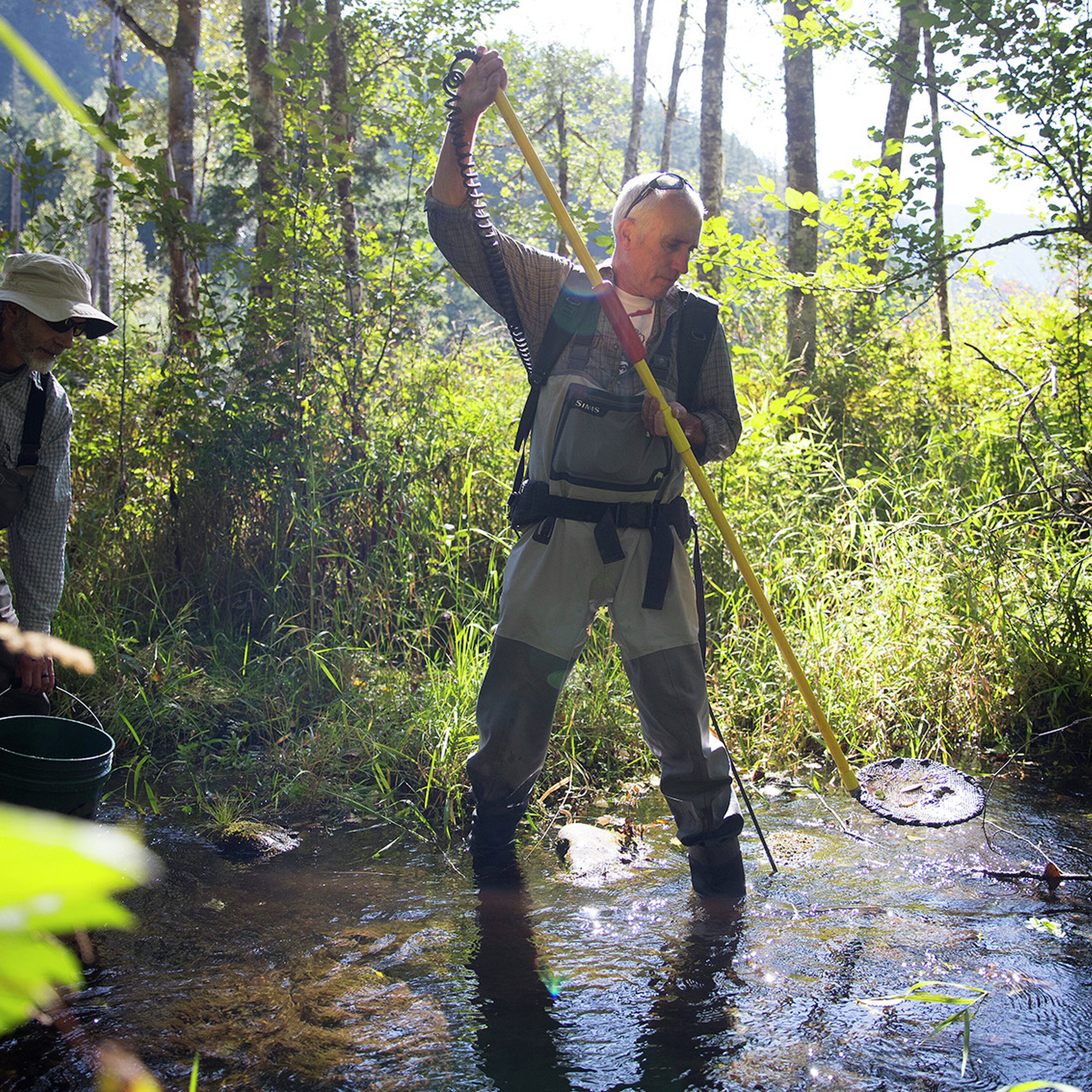
A river runs through it ... once again (reprise)
It started as a glacier. Then, about 13,000 years ago, it was a trickle, then a stream, and eventually a rushing river meandering through the Olympic Peninsula. For thousands of years, life thrived off the ecosystem served by the Elwha River that fed into to the Strait of Juan De Fuca. Then it stopped. A century ago, a dam was built to harness the power of the water and convert it into electricity
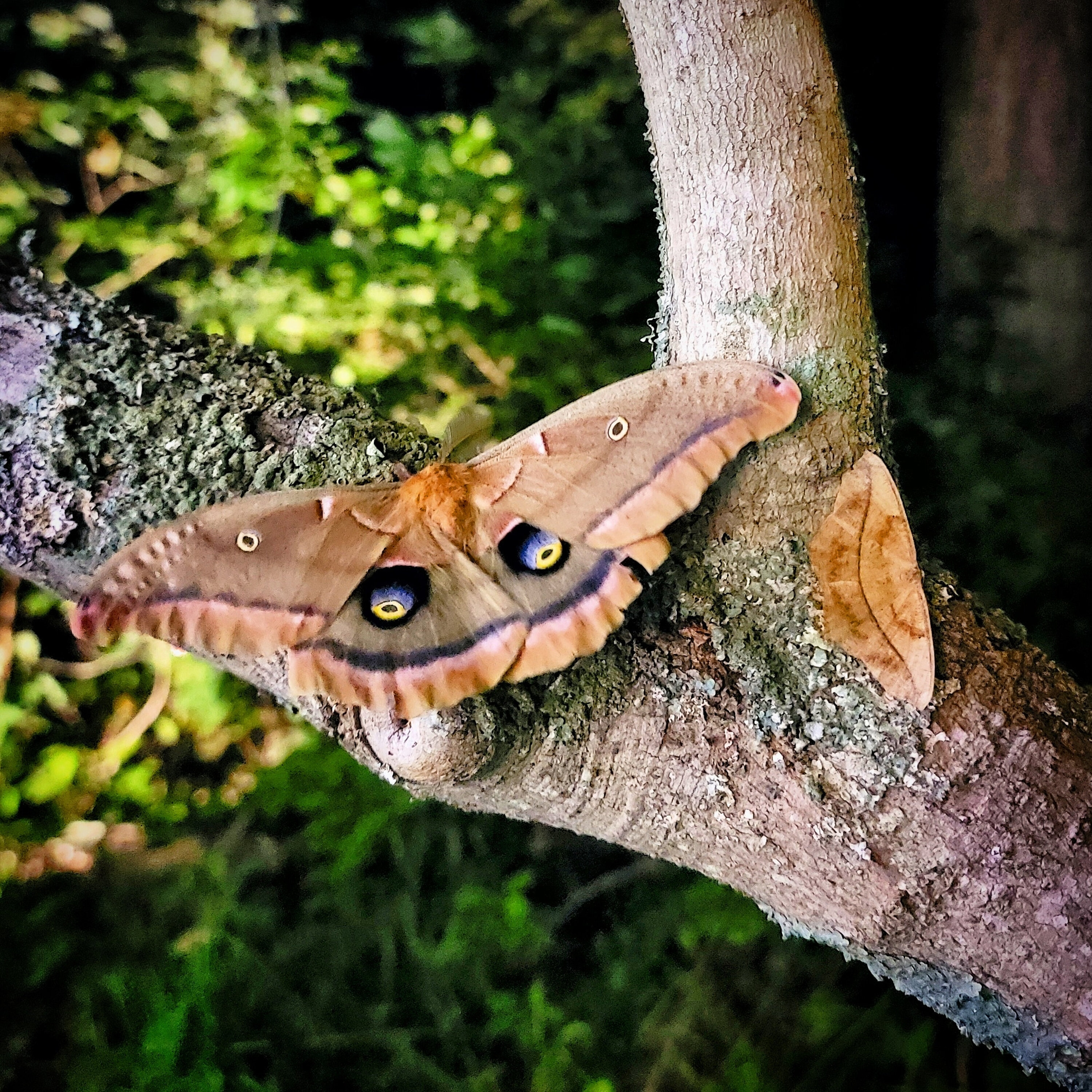
Leigh Ann Henion: Darkness, and the creatures of the night
Nature writer Leigh Ann Henion has spent countless hours uncovering mysteries of the darkness that unfold while we’re asleep. She’s explored bats, moths, glow worms, spotted salamanders, and she’s written a new book about it called Night Magic: Adventures Among Glowworms, Moon Gardens, and Other Marvels of the Dark. Today, Chris talks with Leigh Ann Henion about what we can
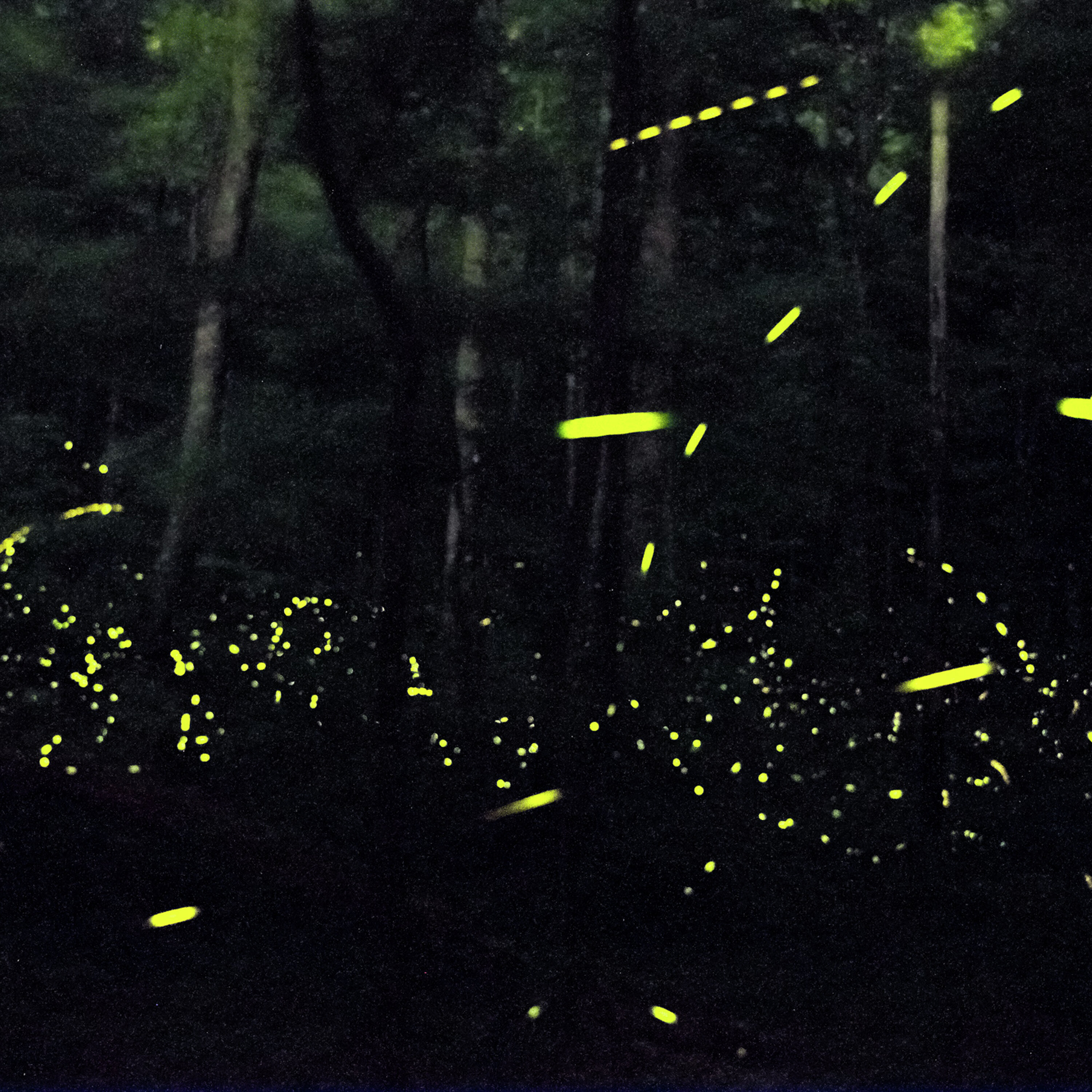
Great Smoky Mountains National Park: Fireflies in synchrony
Once a year they come out, by the thousands. Fireflies. But these aren’t just any fireflies. These are Photinus Carolinas, also known as synchronous fireflies They blink on and off together. It’s an amazing site. On this episode, I head to Great Smoky Mountains National Park to experience the synchronous fireflies and learn how light from human development is threatening the future of
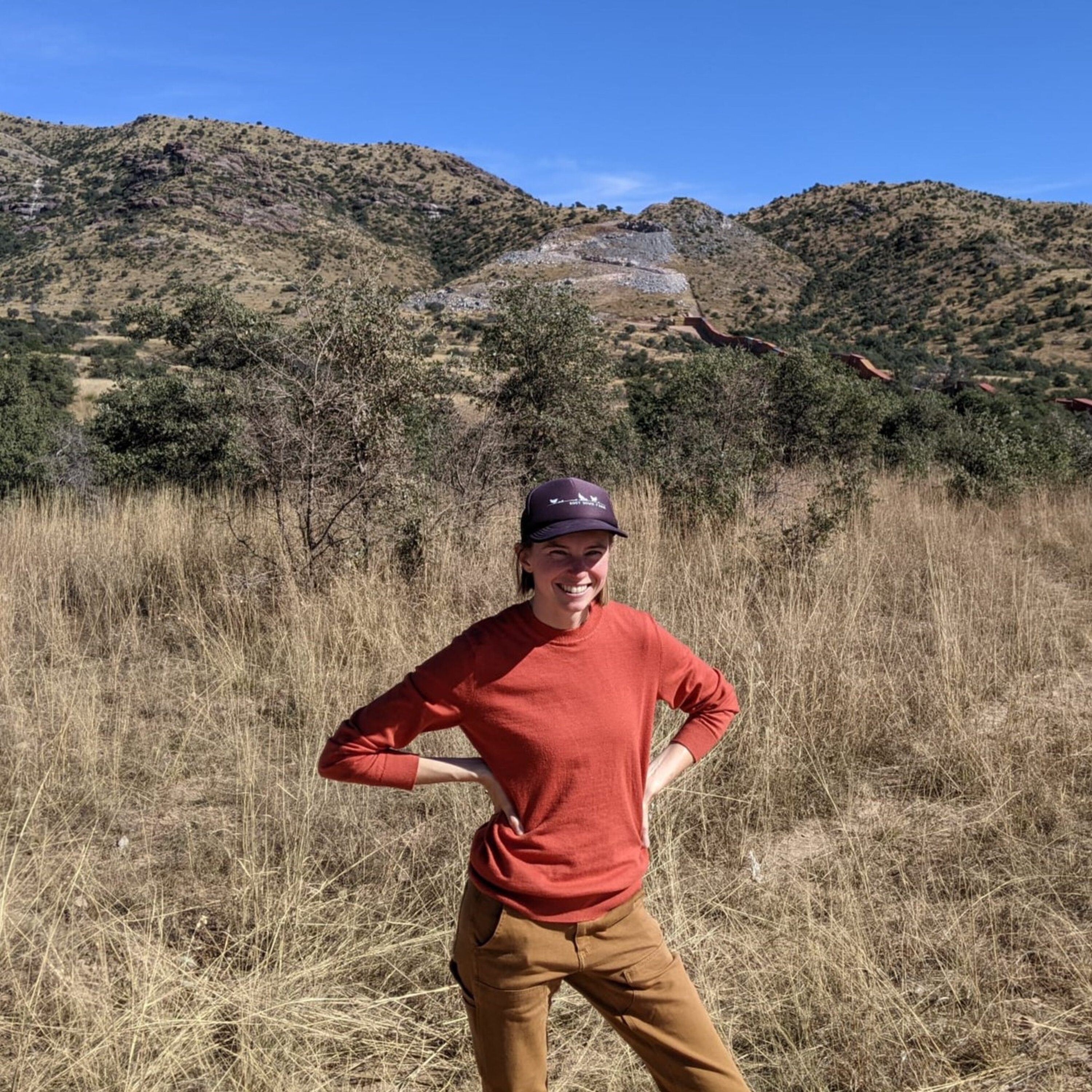
Caroline Tracey: How this tiny bird could save salt lakes
Four times in the past decade Lake Abert has completely dried up, a barren lakebed encrusted with salt. Salt lakes are among the world's most threatened ecosystems. Lack of water could lead to many of these lakes permanently drying up in the American West. But there is one tiny bird that could change all that. The Wilson’s Phalarope depends on salt lakes on their 6500-mile migration be
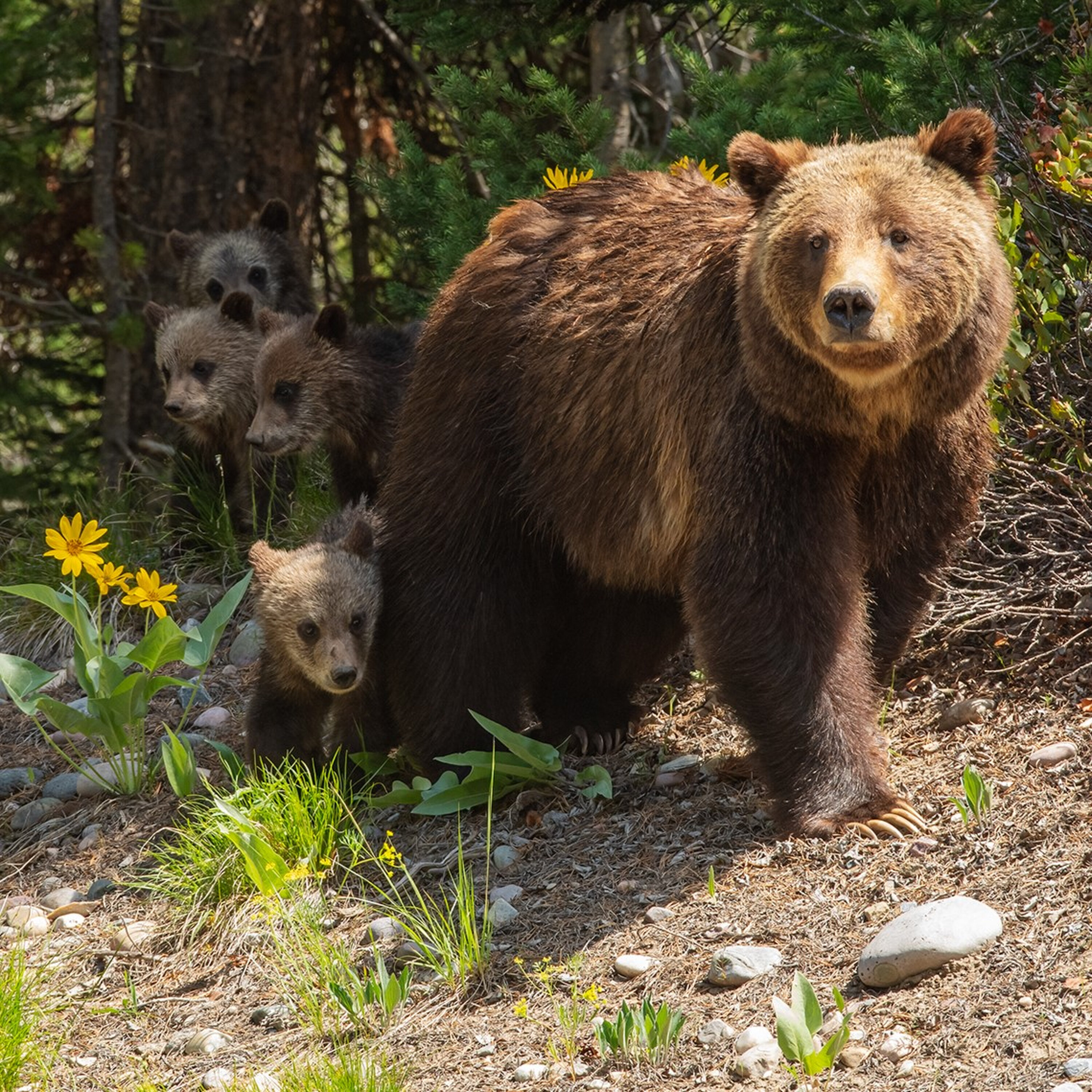
Chris remembers Bear 399
Chris remembers Bear 399, "The Queen" of Grand Teton National Park that was struck and killed by a vehicle near Jackson Hole, Wyoming on Tuesday, October 22. You can see the trailer of the PBS Nature documentary on Bear 399 here. Team 399 Facebook pageSupport the show: https://www.patreon.com/c/ChrisMorganWildlifeSee omnystudio.com/listener for privacy information.
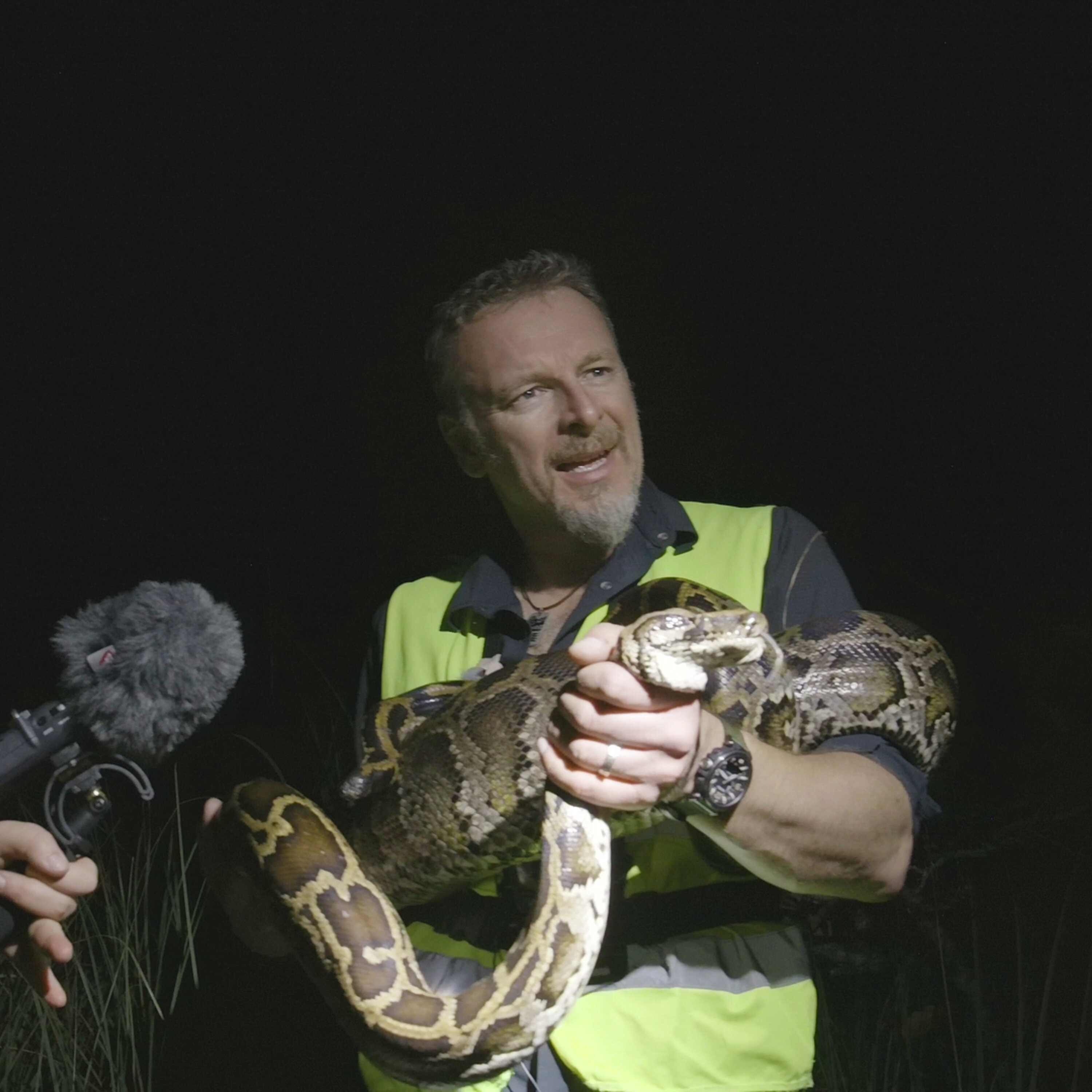
Everglades National Park: Invasion of the Burmese pythons (reprise)
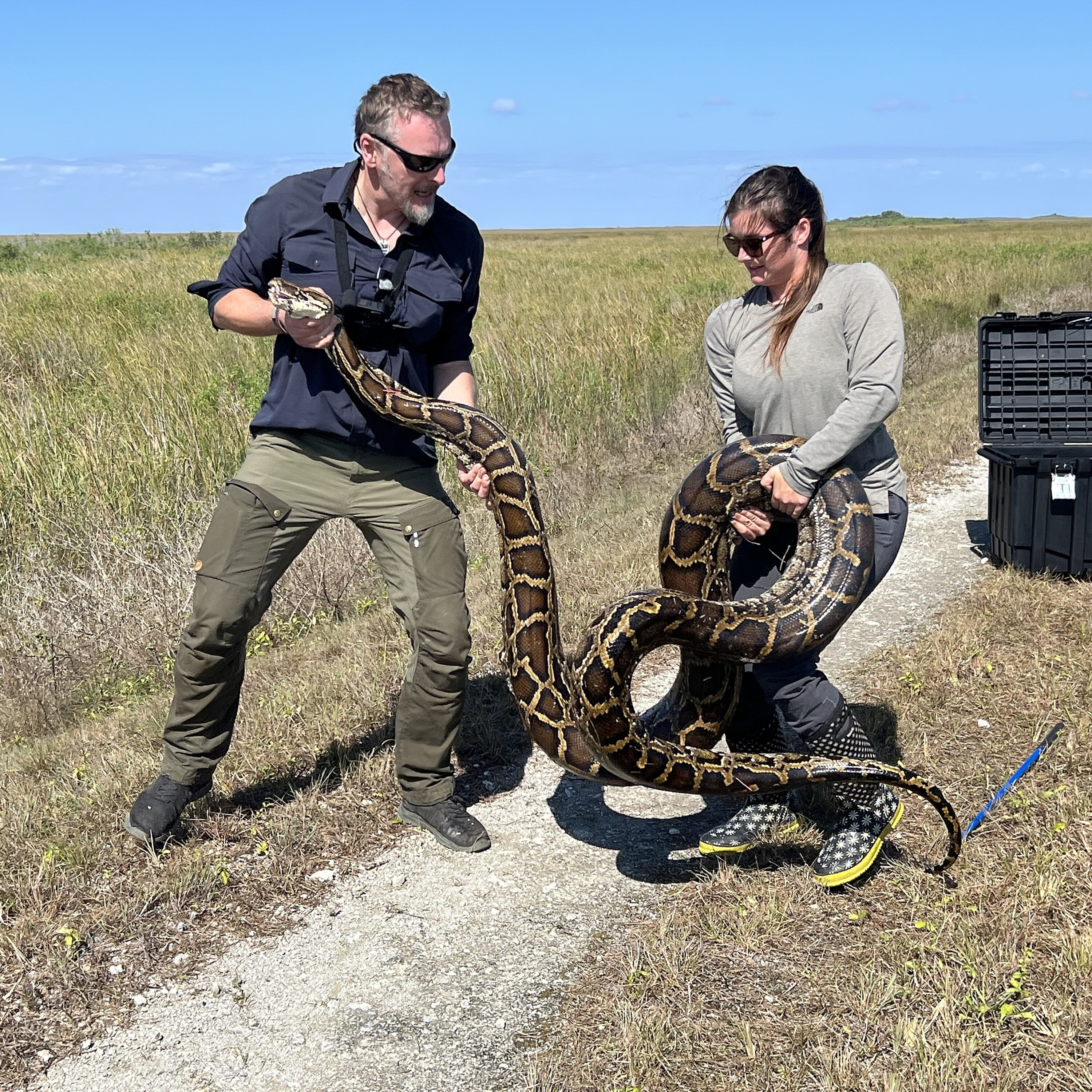
In the Florida Everglades, the Burmese python is an invasive species that's close to triggering an ecological collapse. We'll head out with python hunters who track down these massive snakes for a bounty. Then we wade through the waste deep murky waters of the Everglades to see what researchers are learning about Burmese pythons in their waning hopes to remove them from this fragile tropical wilde
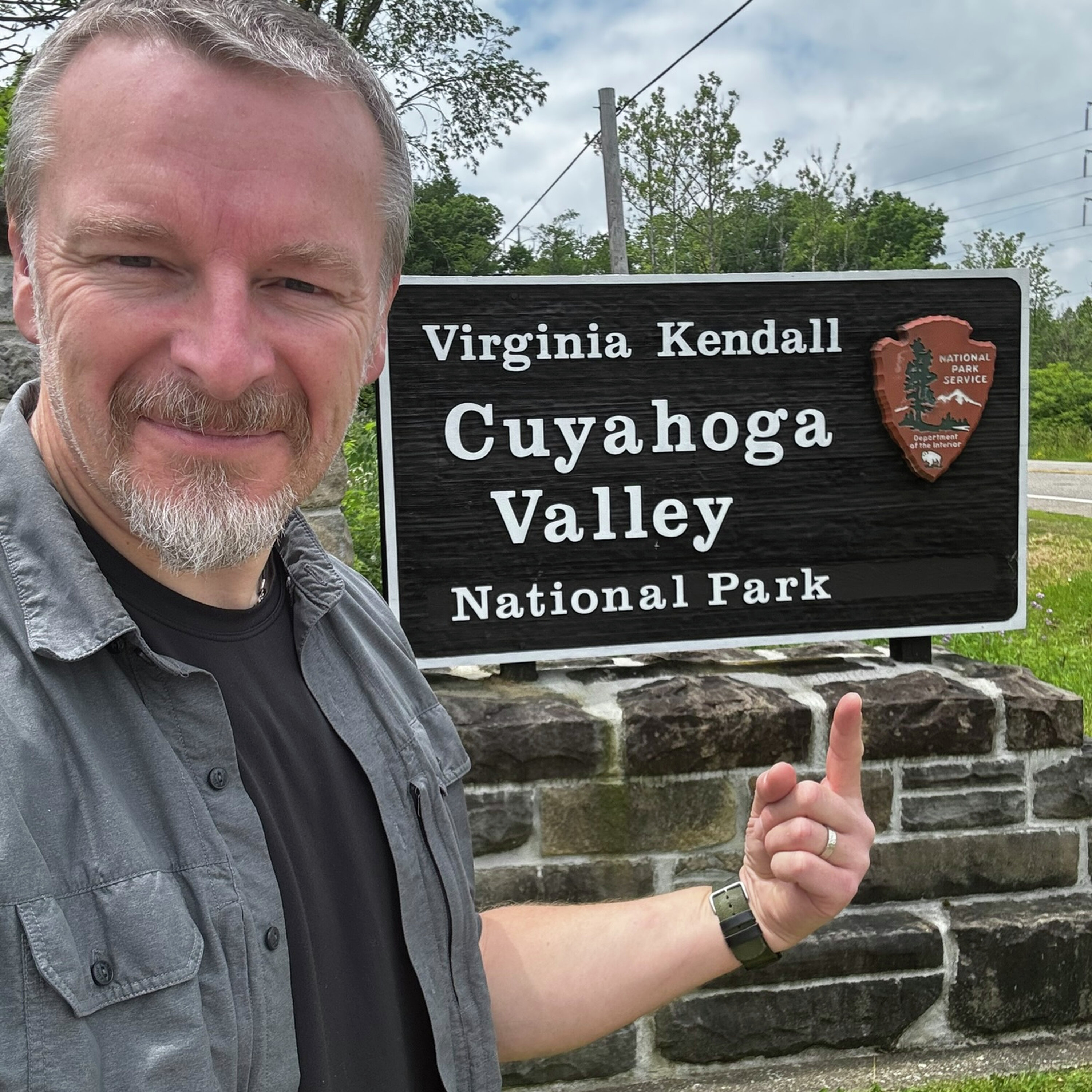
Cuyahoga Valley National Park: Toxic wasteland to ecological champion
Cuyahoga Valley National Park is nestled between Akron and Cleveland, Ohio. It once was an industrial wasteland, filled with debris from the nearby auto factories. The Cuyahoga river was so polluted that it literally caught fire. That fire was a moment that sparked an environmental movement. But I'm headed upstream. I'm going to follow the river and its story from its grim past to becoming a natio
The Wild presents The Wide Open: Balancing the needs of endangered species and humans
We’re on a short break as we finish working on our stories for our series about America’s National Parks. I can’t wait to share with you what we’ve learned. Amazing stuff. We’ll be back with new episodes on October 15. But today, I’d like to play an episode of a podcast from our friends at Montana Public Radio and the Montana Media Lab. It’s called The Wide Open and tells stories about the places
The Wild presents Outside/In: Not everyone is wild about wild horses
We’re taking a short break from releasing episodes so we can work on more new stories for our series on our National Parks. I hope you’re enjoying it! In the meantime, I wanted to share a special episode of a show I think you’ll really enjoy: Outside/In from our friends at New Hampshire Public Radio. Each week, the show explores topics around science, wildlife, environmentalism, and more. It takes
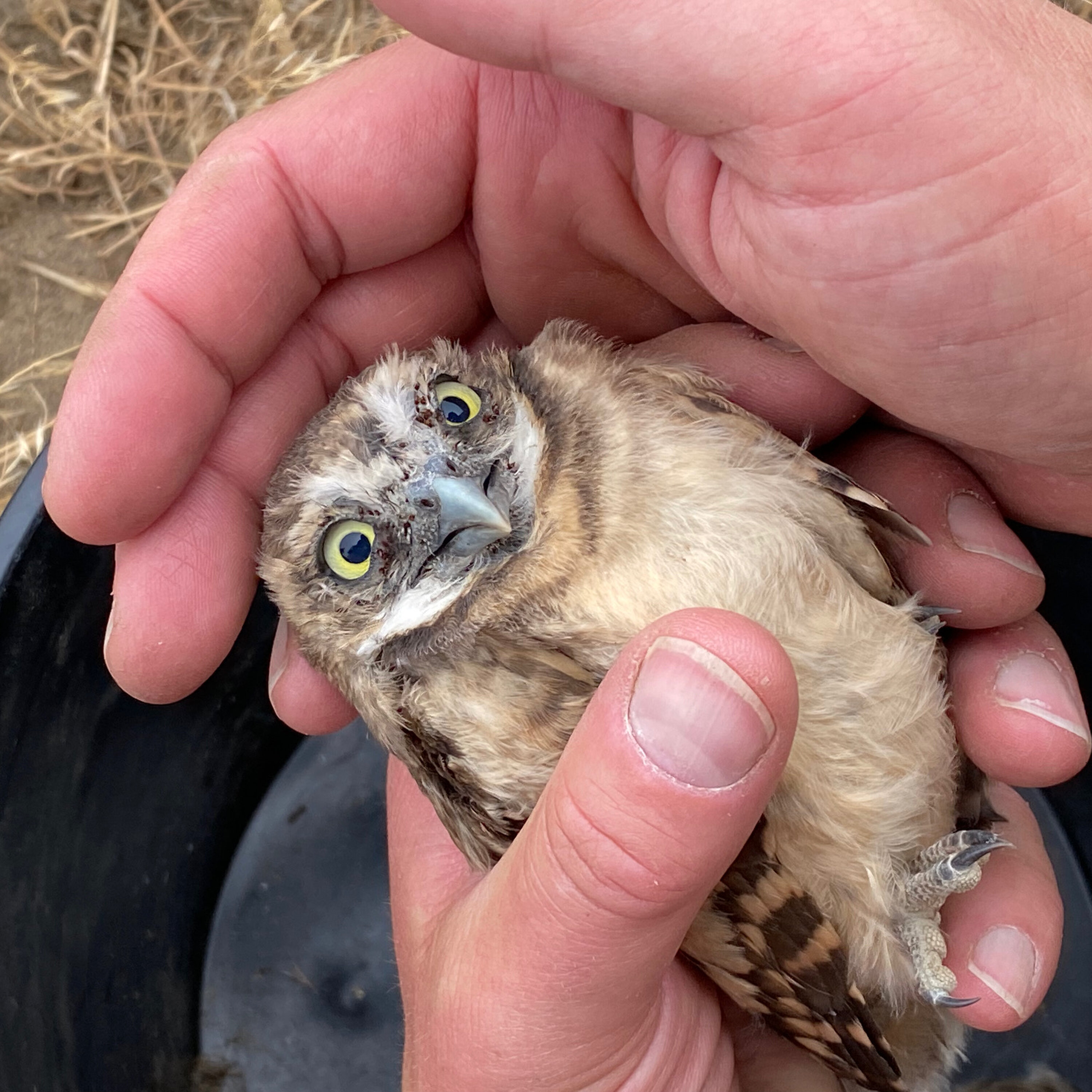
Goodbye chemical weapons, hello burrowing owls (reprise)
A decommissioned military base in northeast Oregon provides sanctuary for a recovering burrowing owl population. David Johnson is founder of the Global Owl Project to protect endangered owl species all over the world. And one lucky owl species that’s been David’s main focus for these past 12 years is the little burrowing owl. His rescue mission involves some chemical w
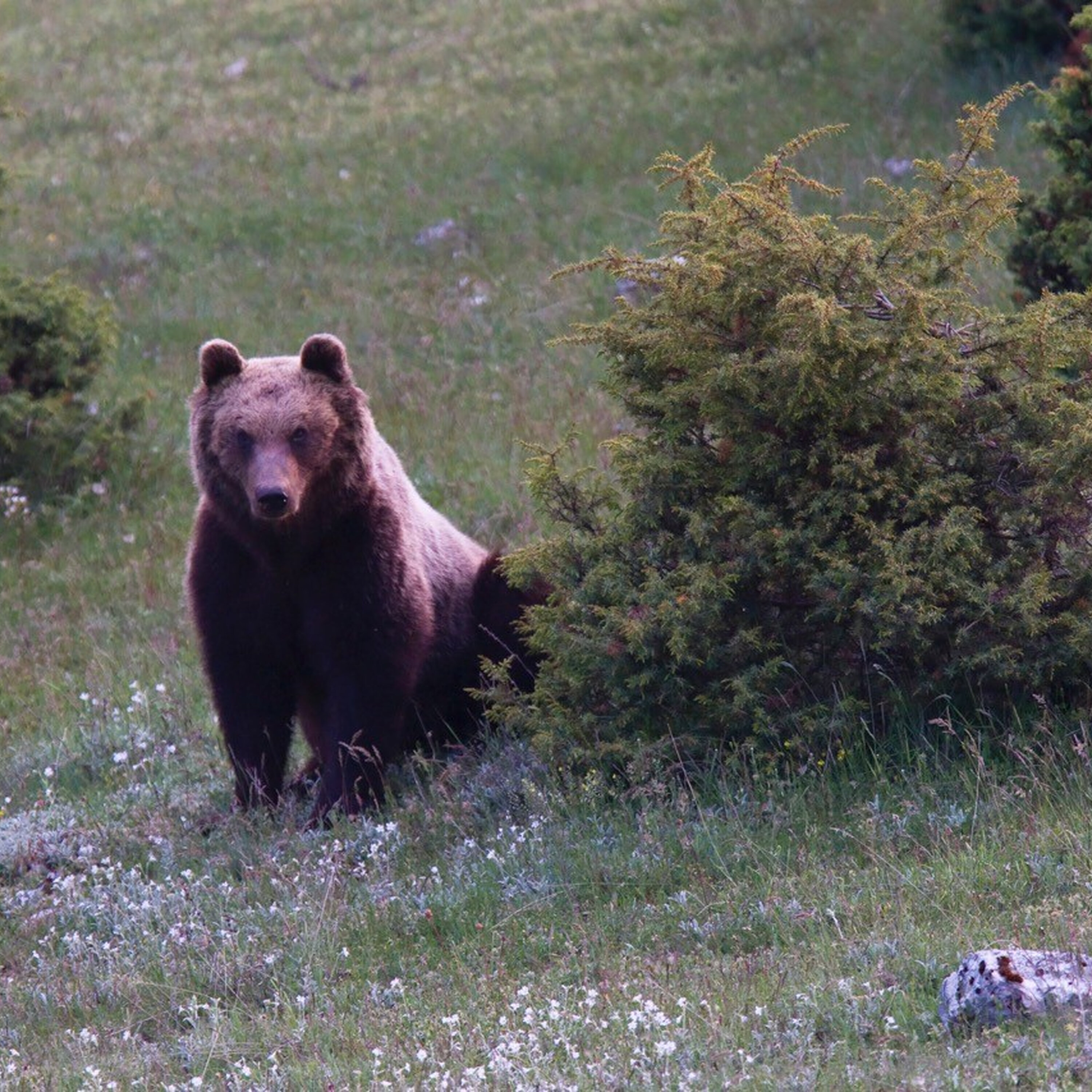
These Italian bears survived gladiators and Mussolini (reprise)
Just two hours from Rome is one of the richest ecosystems in Europe, a little island of mountains that to this day is home to wolves, wild boar and bears. It's not just wild animals that call this place home: Farms are scattered across the area as part of this ancient mosaic of life here among the wild animals. It's a place where the excesses of Italian culture mingle with the wonders of nature. Y
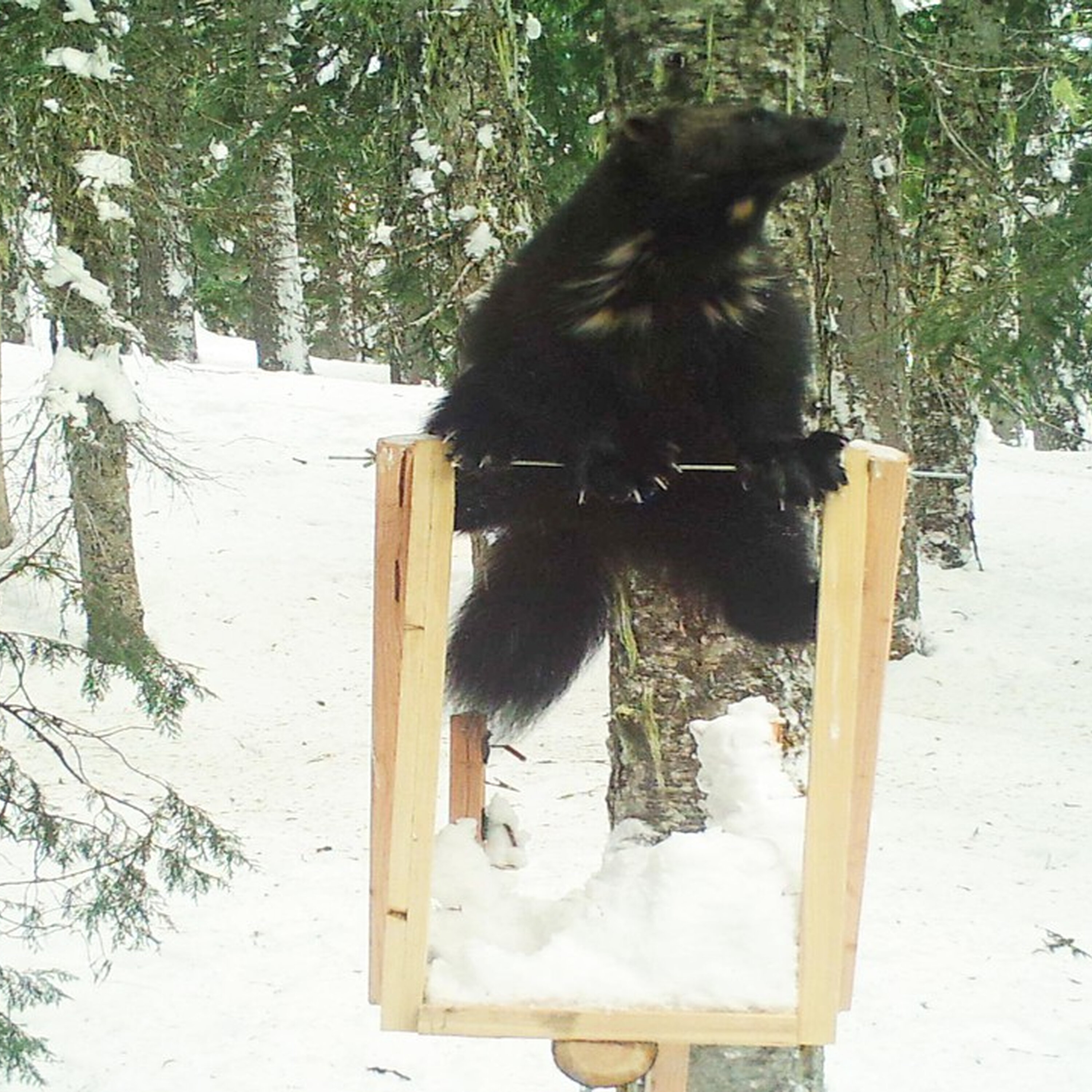
True grit: the wild wolverine (reprise)
For the first time in 100 years, wolverines are back in Mount Rainier National Park. How did they get there? In the summer of 2020, there was some big news for wildlife in the pacific northwest. In the wild spaces of Mount Rainier National Park, a female wolverine was discovered along with two babies known as kits. It is believed that these tenacious predators haven't been in the park for over a c
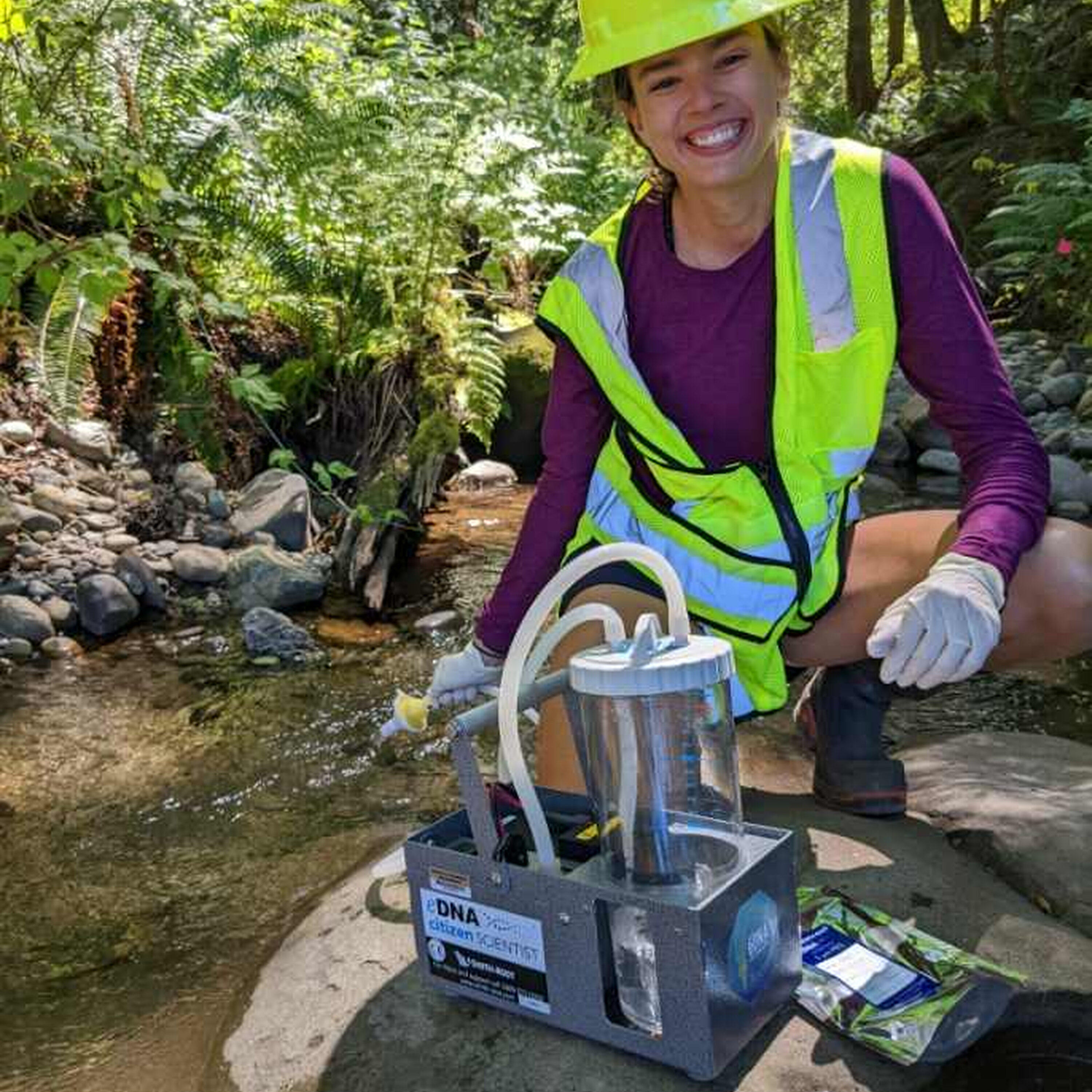
Eily Andruszkiewicz Allan: The magic of eDNA
Top secret military dolphins, exploding whales, and invasive green crabs. These are all things Dr. Eily Andruszkiewicz Allan is interested in learning more about. And she is doing it all with the help of a simple cup of water. It's a revolutionary bit of technology called eDNA and it is changing the way biologists are doing field work. eDNA could hold the mysteries of a new frontier in our underst
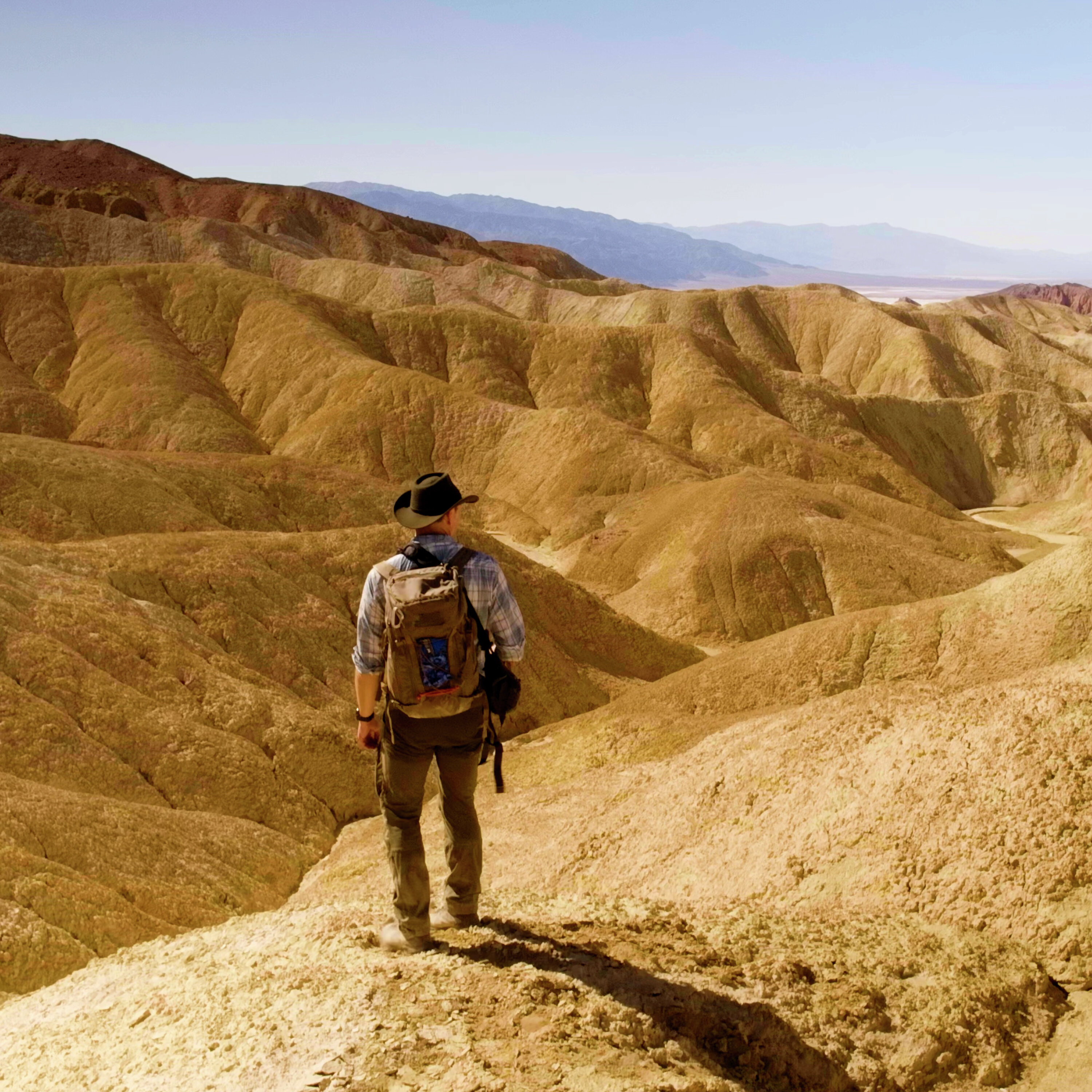
Death Valley National Park: Diving for fish in the hottest place on Earth
Chris joins a team of scuba divers...in the desert! Death Valley National Park is the hottest place on Earth and the driest place in North America. The heat that builds beneath Death Valley’s cloudless skies radiates off barren rocks and sinks into the valley bottoms, where it warms, baking everything it touches and evaporates any water foolish enough to linger at the surface. But bene
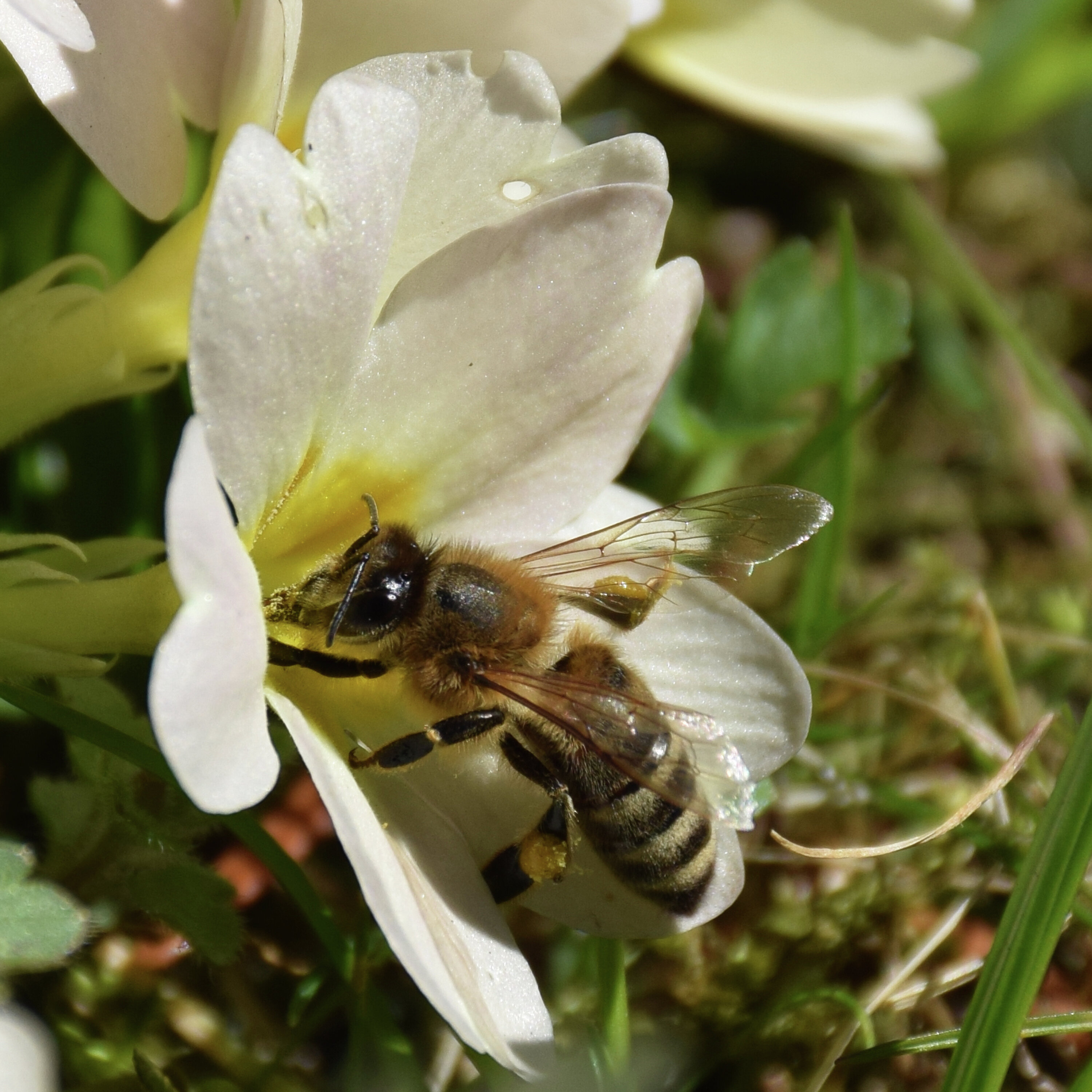
Digital Dr. Dolittle: decoding animal conversations with artificial intelligence (reprise)
Artificial Intelligence is making the stuff of science fiction a science reality, changing how humans interact with the world. It could also change the way we interact with wildlife, giving us the ability to talk to animals...but are we ready? On this episode Chris talks to Aza Raskin, co-founder of Earth Species Project and Karen Bakker, a professor at the University of British Columbia, about an
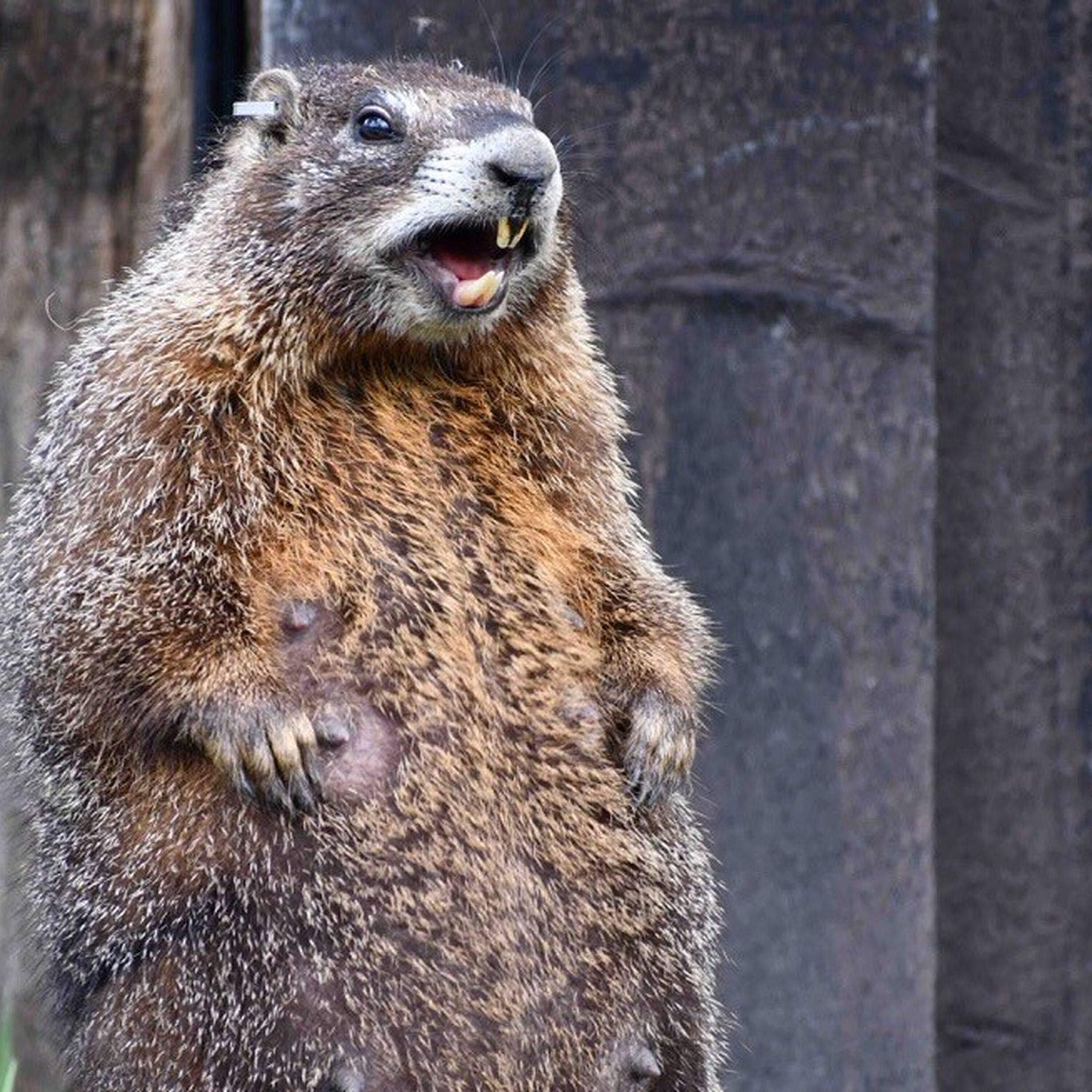
Dan Blumstein: Fear and listening to your inner marmot
Here’s an episode for movie buffs, music nuts, animal lovers, and anyone dealing with anxiety. Yes, that's quite the range in a 40-minute chat, but Dr Dan Blumstein delivers them all in a fascinating conversation with Chris about FEAR. Dan is a professor of conservation biology at UCLA and author of the book The Nature of Fear: Survival Lessons from the Wild. He spent his career trying to be
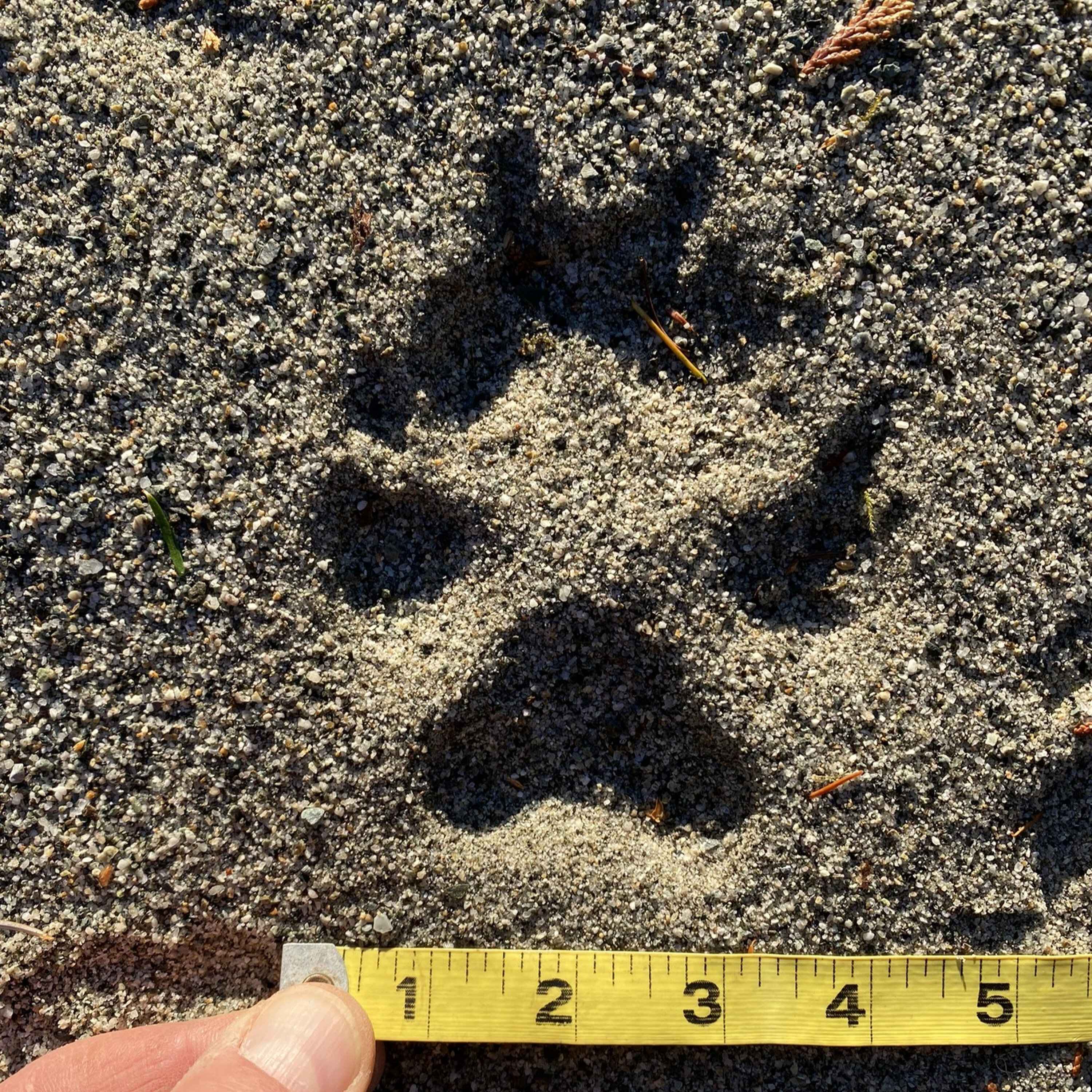
North Cascades National Park: The wolf comes home
One day, Chris was on the search for a very rare animal: a single wolf that had made it to the western side of the North Cascade mountains. That day, to his amazement, he found a set of fresh tracks on a sandy riverbed. Wolves had been extinct here in Washington state for nearly a hundred years, so the find was incredible. These mythical creatures are very slowly returning to the North Casc
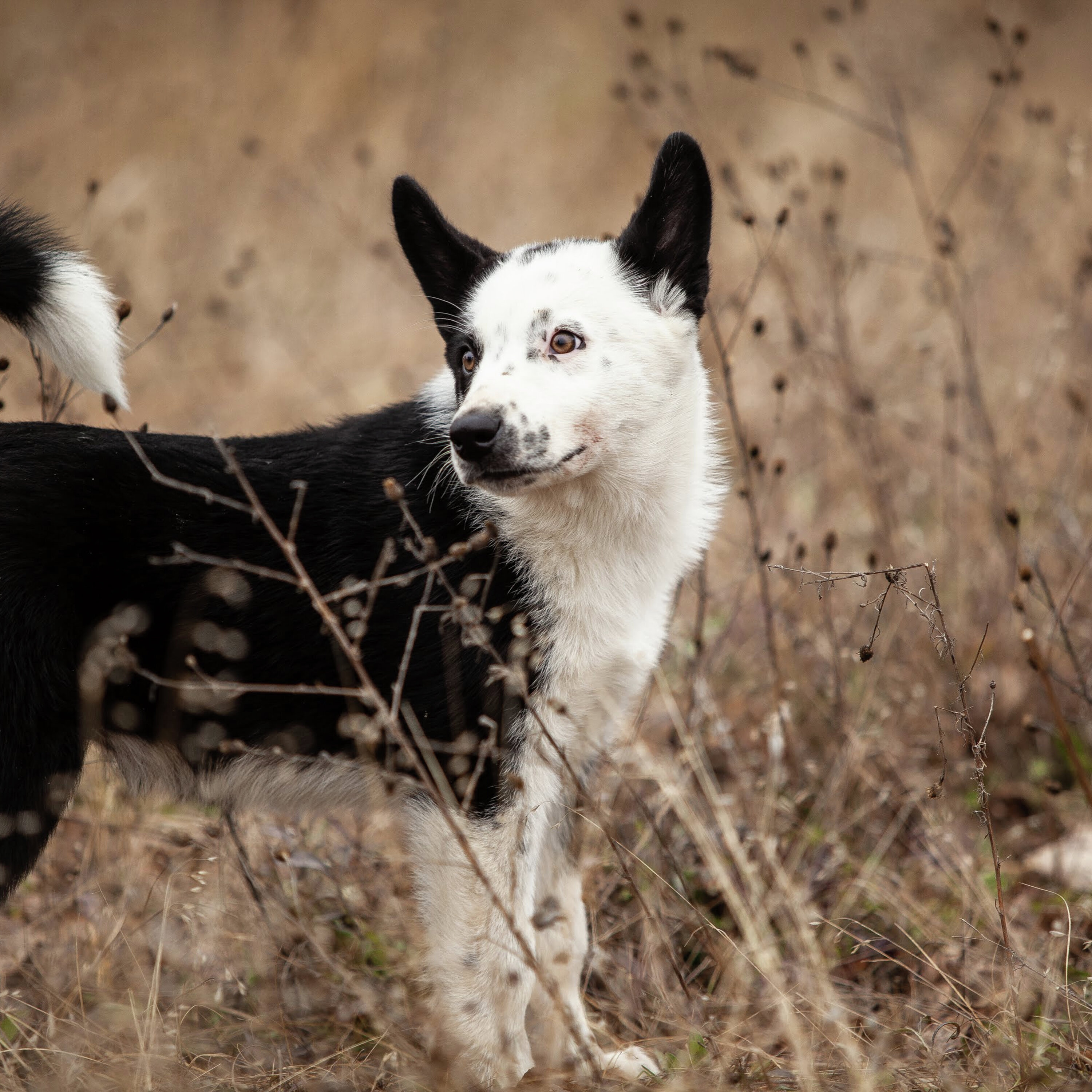
The wildlife super dog (reprise)
Karelian Bear Dogs were bred in Finland hundreds of years ago for hunting. From bears to moose, these fearless dogs were on the frontline. Now, ironically, they are being used to save bears and other species. In some remote parts of the country grizzly bears have been known to wander into town, presenting a danger of encounters with humans. Now these Karelian Bear Dogs are being used to scare bear
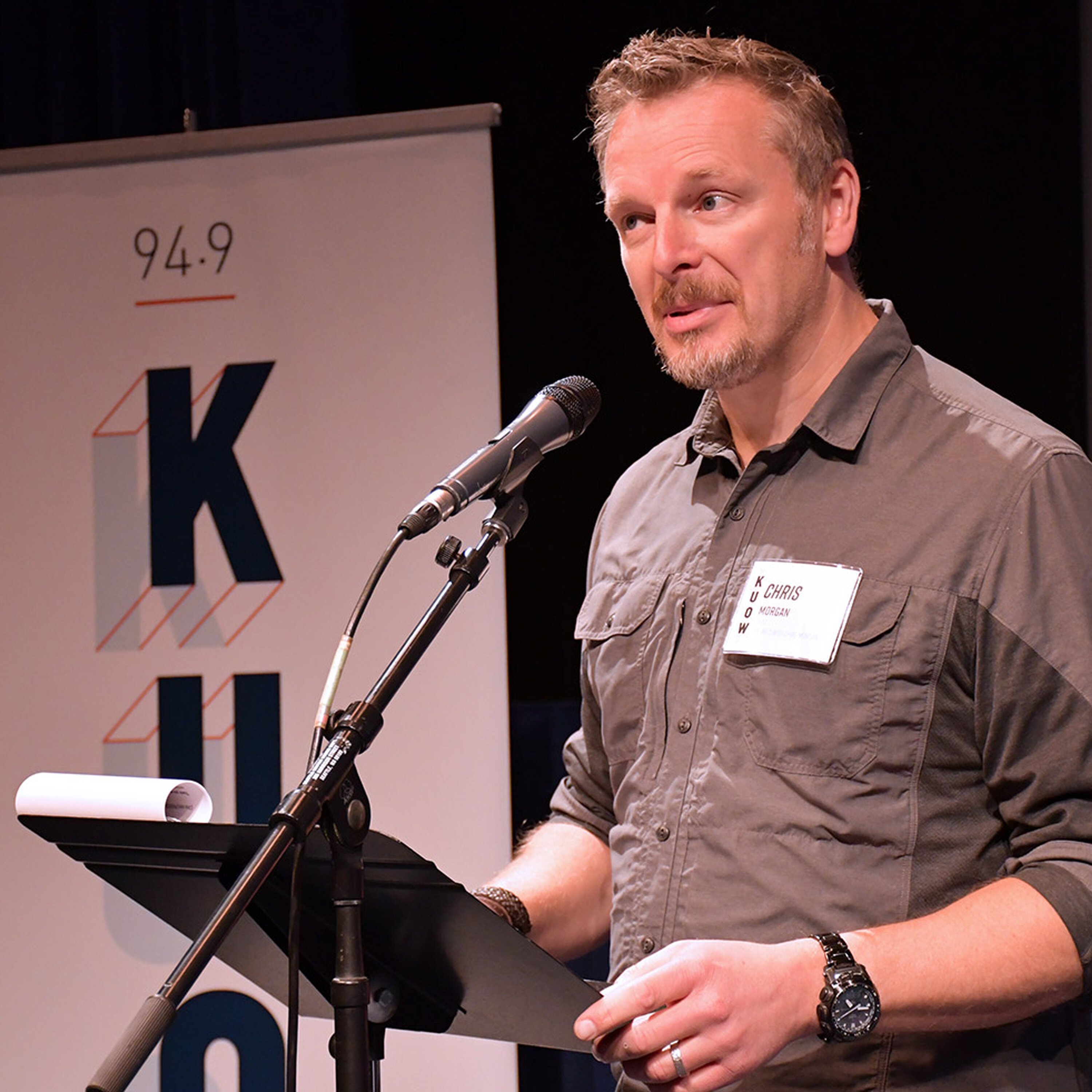
Stories from THE WILD
On this episode we team up with Story Collider to hear real life tales of adventure and exhilarating encounters with wildlife. From a temporary life-ending jolt from the sky to a 2,650-mile hike in search of healing and solace after a personal tragedy. We'll also hear about a very close encounter with a grizzly from our WILD story telling event at McCaw Hall in Seattle. You can help us continue to
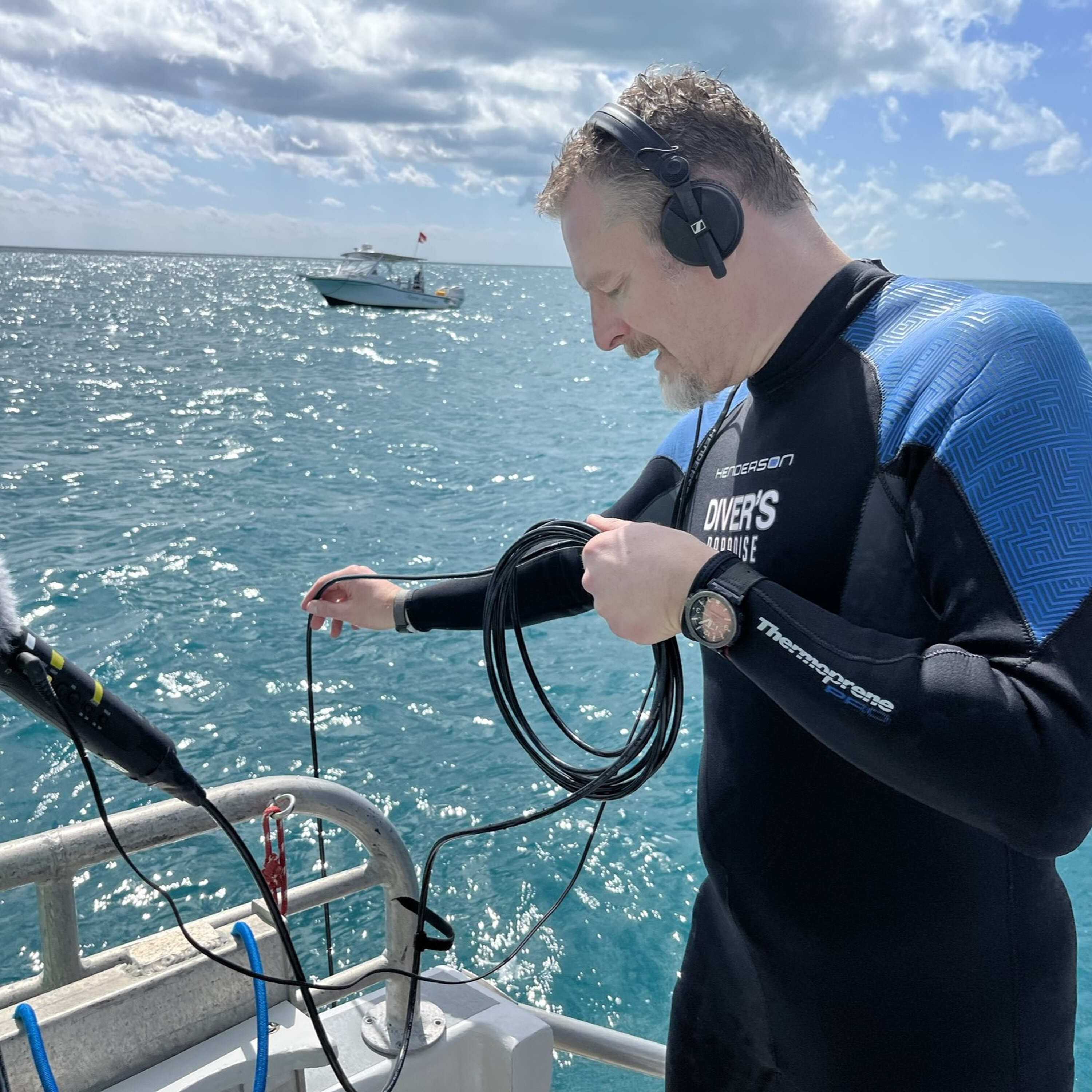
Biscayne National Park: Raising baby corals in America's barrier reef
How scientists are training corals to be ready for a warmer future. Biscayne National Park is unlike any other national park…it’s 95% underwater. It’s home to part of the third largest coral reef in the world and the only living coral barrier reef in the continental United States. But this past summer, the corals in and around this park on Florida’s coral reef experi
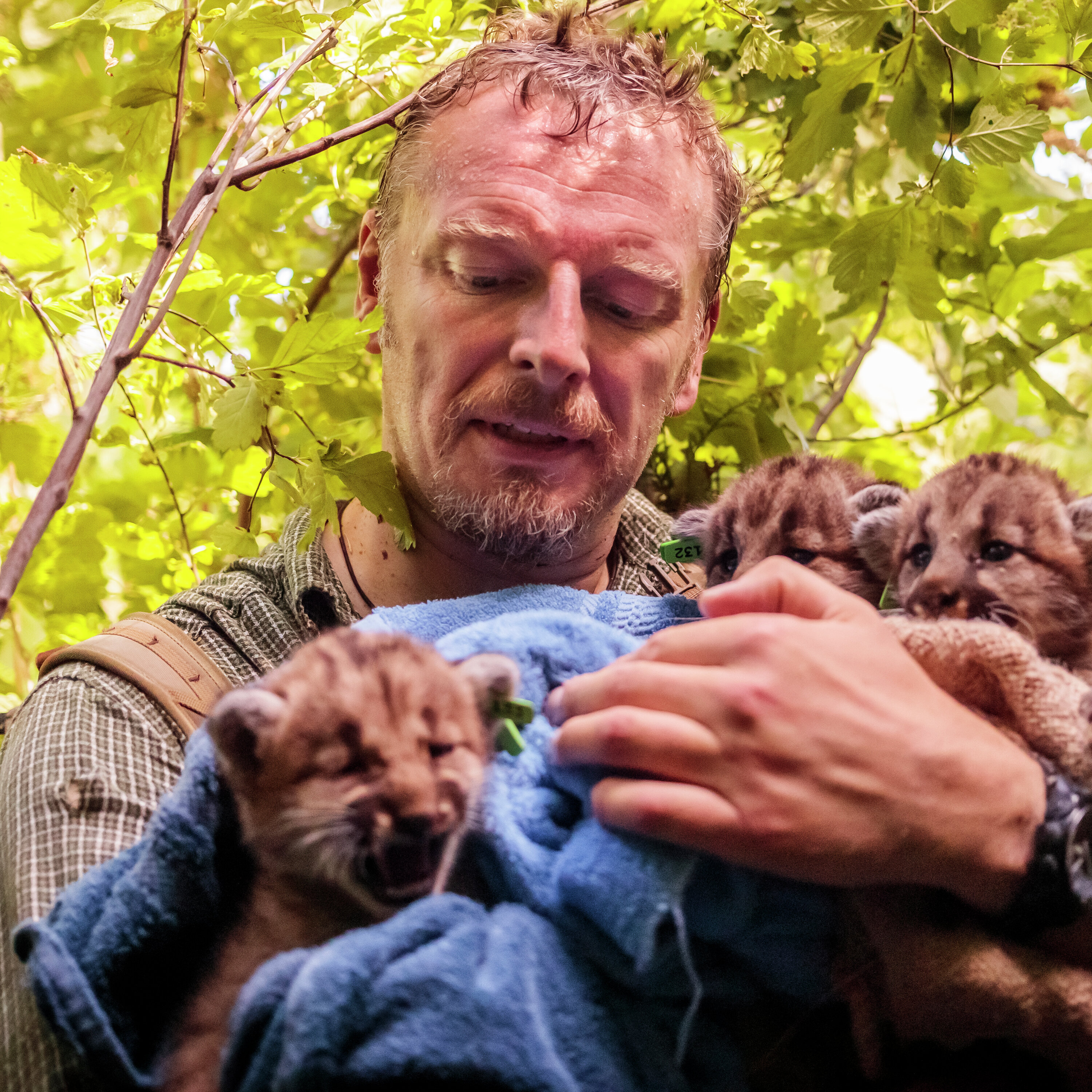
There's a cougar in my backyard (reprise)
A cougar biologist with Washington state once received a complaint. An old lady called him up and said, “There’s a cougar in my backyard.” And the biologist responded, “Well, that’s funny because I got a call this morning from a cougar. He told me there’s an old lady in his front yard!” Our backyards are getting bigger. And the cougar’s front yard is
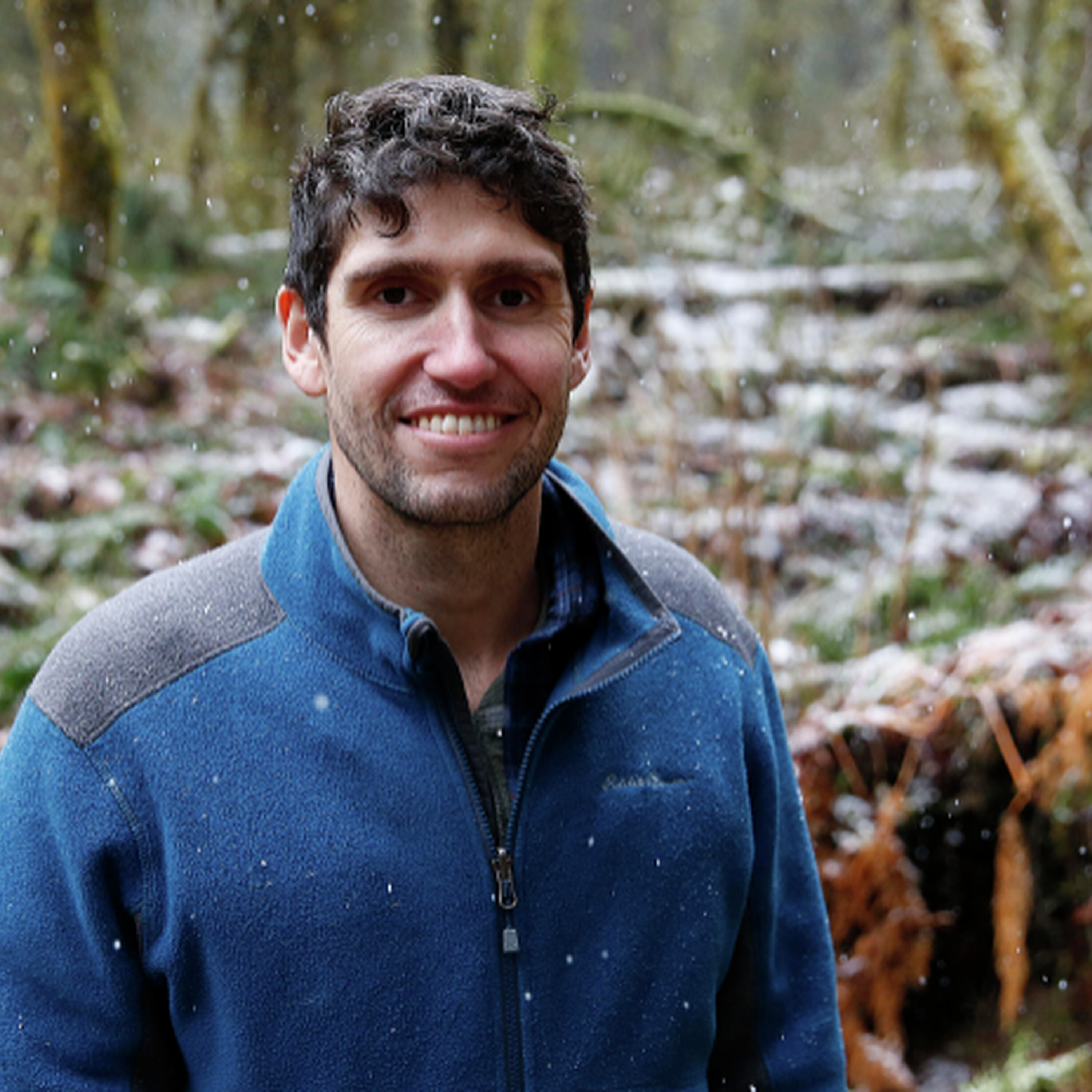
Ben Goldfarb: How America’s roads alter our ecology
It is safe to say that Americans love their cars. The mythology of the open road speaks to us all, calling us for adventure. But American wildlife might have something else to say about that. One million animals are killed on roads every day but the problem with our transportation system goes beyond roadkill. Environmental journalist Ben Goldfarb says practically everything in the natural world is
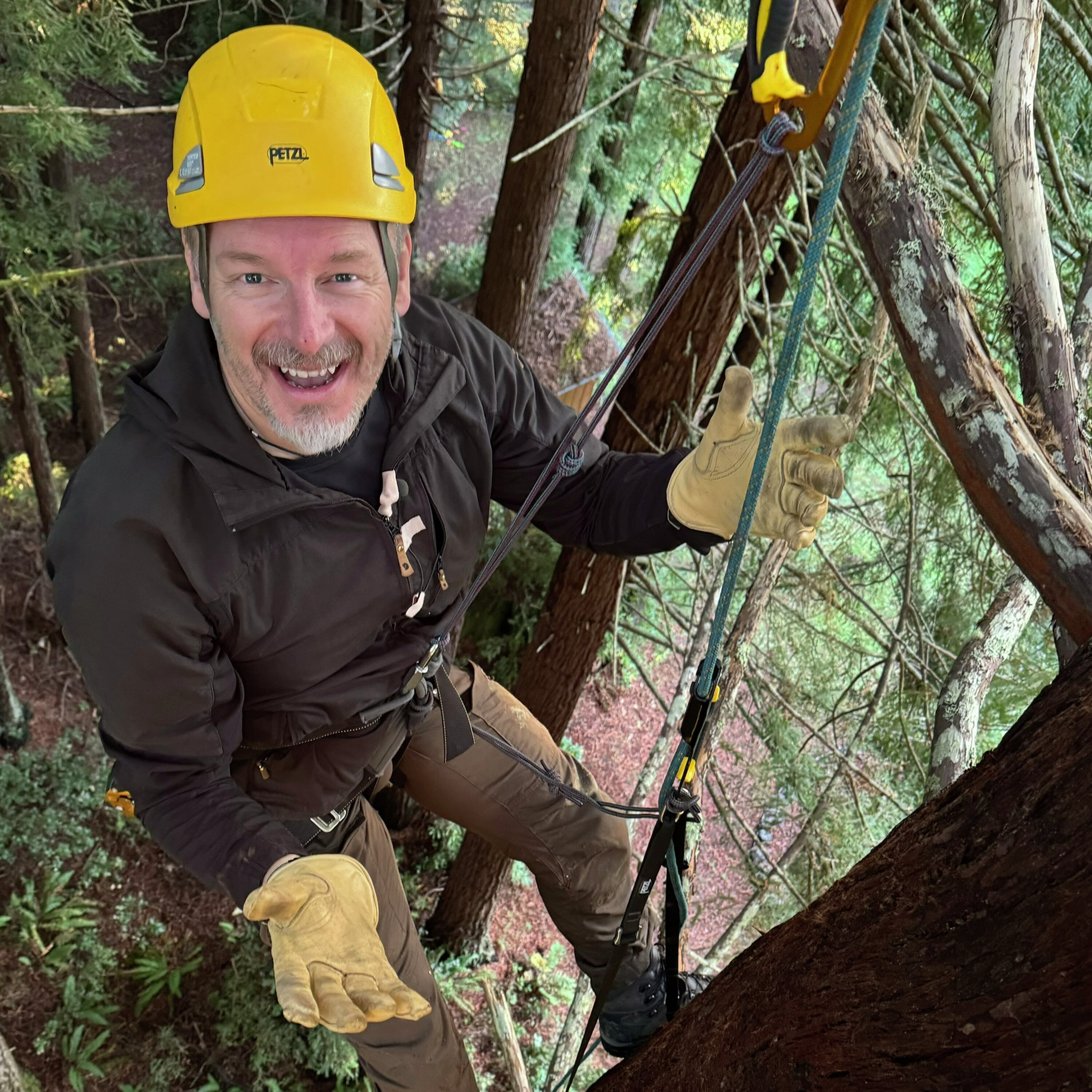
Redwood National Park: Saving the tallest trees on Earth
Discover why scientists are chopping down redwood trees… to save them. Redwood National and State Parks are home to some of the tallest trees on Earth, coast redwoods. These ancient California forests support hundreds of different species, and store more carbon than any other forest on the planet. But in the last century, 95% of them were cut down by loggers. Now, scientists are tryin
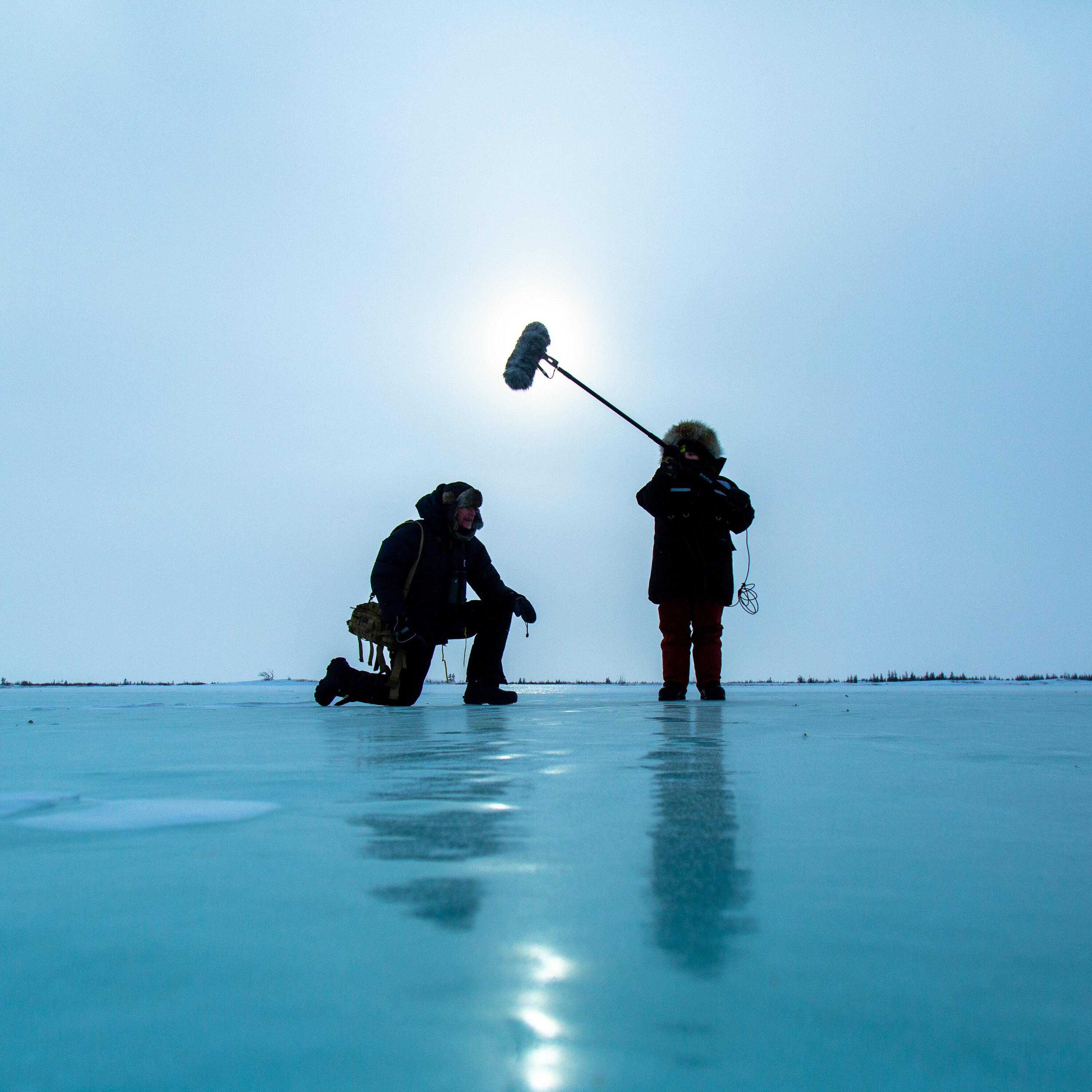
Welcome back to THE WILD for Season 6
This season's going to be a little different...we're headed to our national parks. We've got eight special episodes recorded on location in America’s national parks: stories about their biodiversity, their complex histories, and how they are protecting nature. We'll explore all sorts of different ecosystems, from the tallest trees on the planet to the hottest place on earth. Plus we've got m
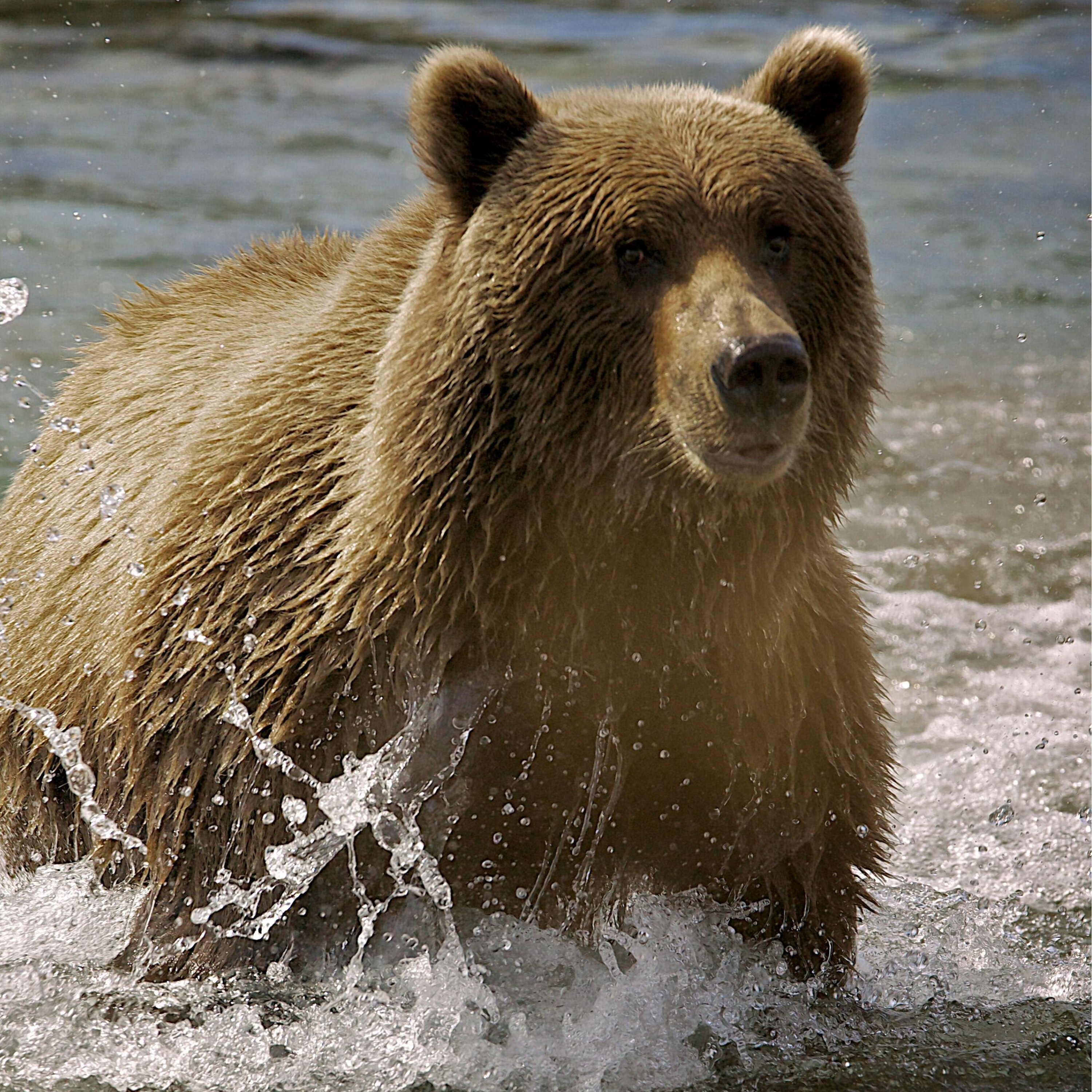
Grizzlies coming back to the North Cascades
If you’ve been a longtime listener of THE WILD then you know that I’ve been a champion of bringing back grizzly bears to the North Cascades of Washington here in the mountains near where I live. On April 25, 2024 that dream has taken a massive step towards becoming reality. The National Park Service and U.S. Fish & Wildlife Service have announced that they will be restoring the grizzly populat
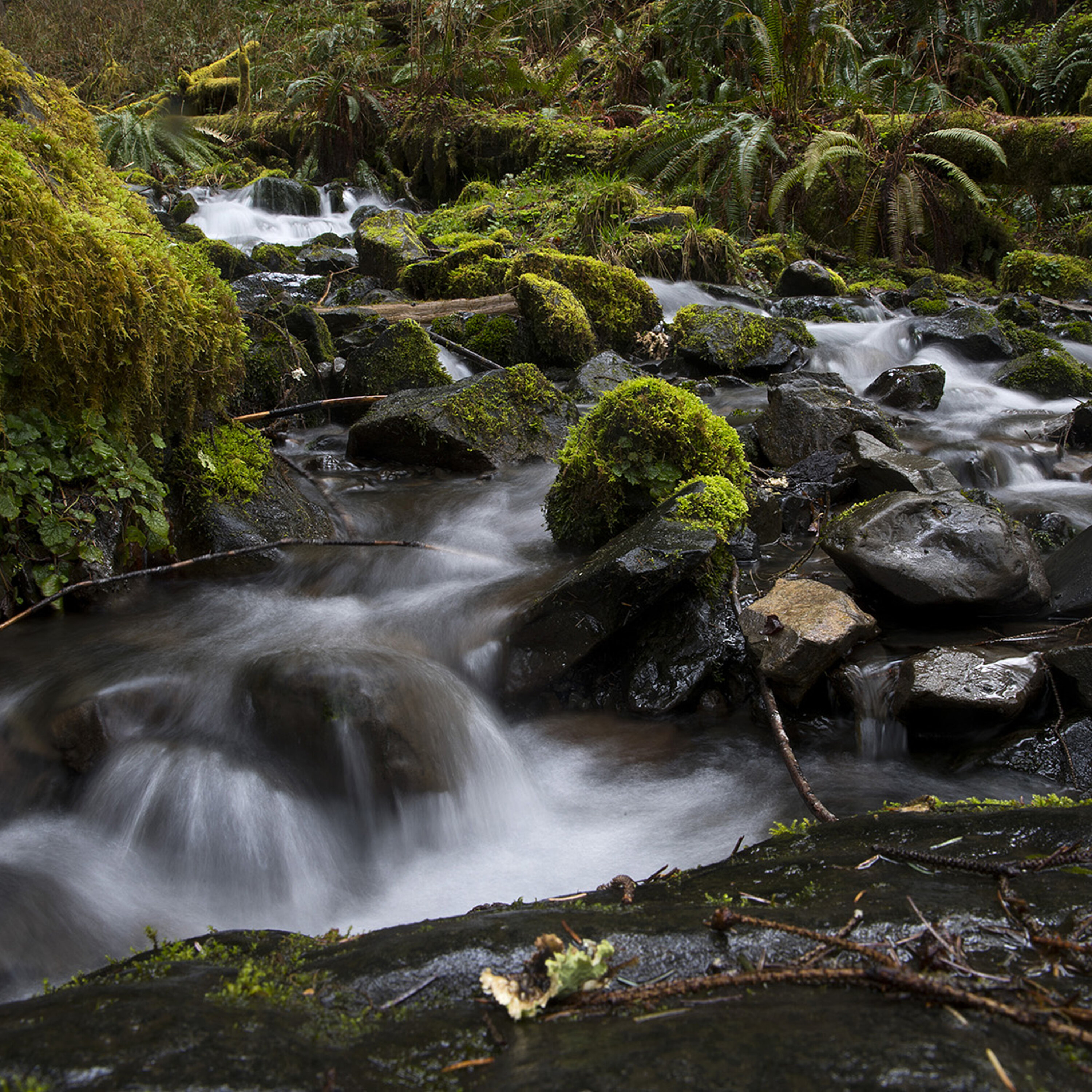
Broadcast: In search of silence
On this special one hour of THE WILD with Chris Morgan, I'll explore natural silence, and how being quiet out in the natural world and having places to do that can be pretty transformative. I'll also spend time in the trees with a forest therapist and talk to author Florence Williams about the healing powers of nature and I’ll go searching for the one of the quietest places in the world in Olympic
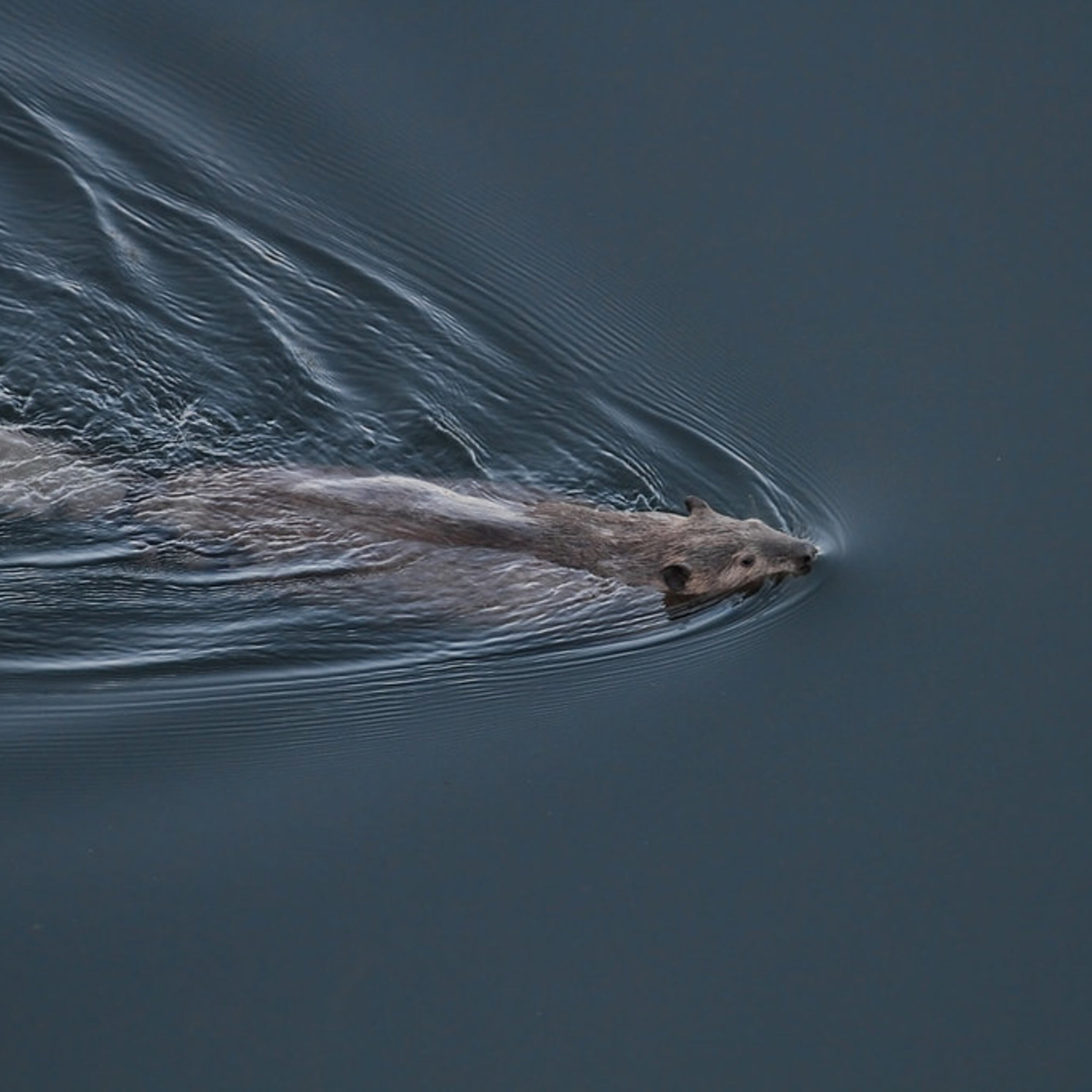
Broadcast: Leave it to beavers
On this one-hour special of THE WILD with Chris Morgan, Chris explores the mighty beaver and its role in reshaping our landscapes and entire ecosystems. Then we plunge into the waters along the pacific coast to follow a sea lion’s journey from California all the way up the Columbia River in search of salmon, in what has become a controversial story of survival between two protected species. THE WI
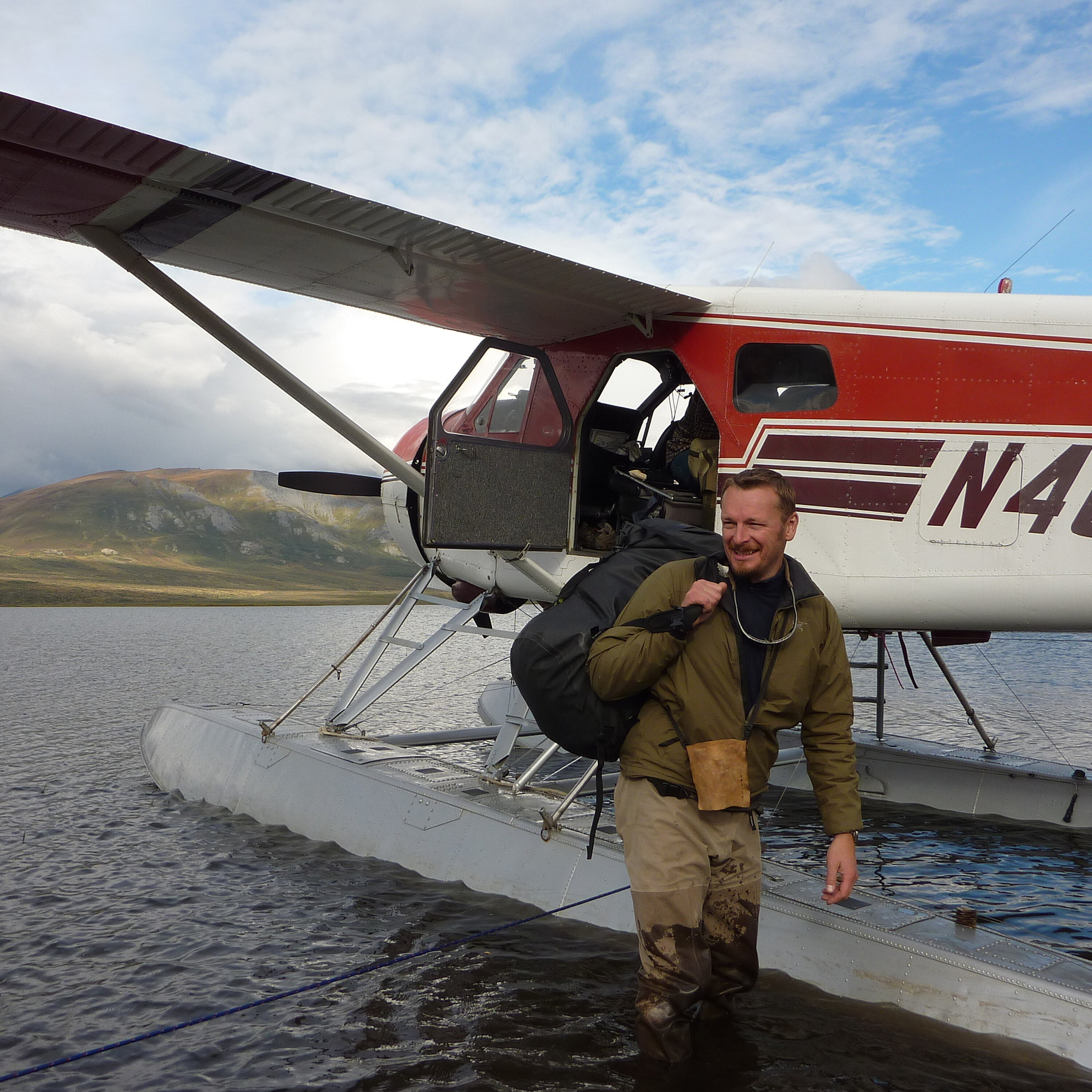
Broadcast: How to stay safe in the wild
On this one-hour special of THE WILD with Chris Morgan, Chris shares tips on how to stay safe in the wild and explores the psychology of animals with author Richard Louv. THE WILD is a production of KUOW in Seattle in partnership with Chris Morgan Wildlife and Wildlife Media. It is produced by Lucy Soucek and Matt Martin, and edited by Jim Gates. This special episode was produced by Brandi Fullwoo
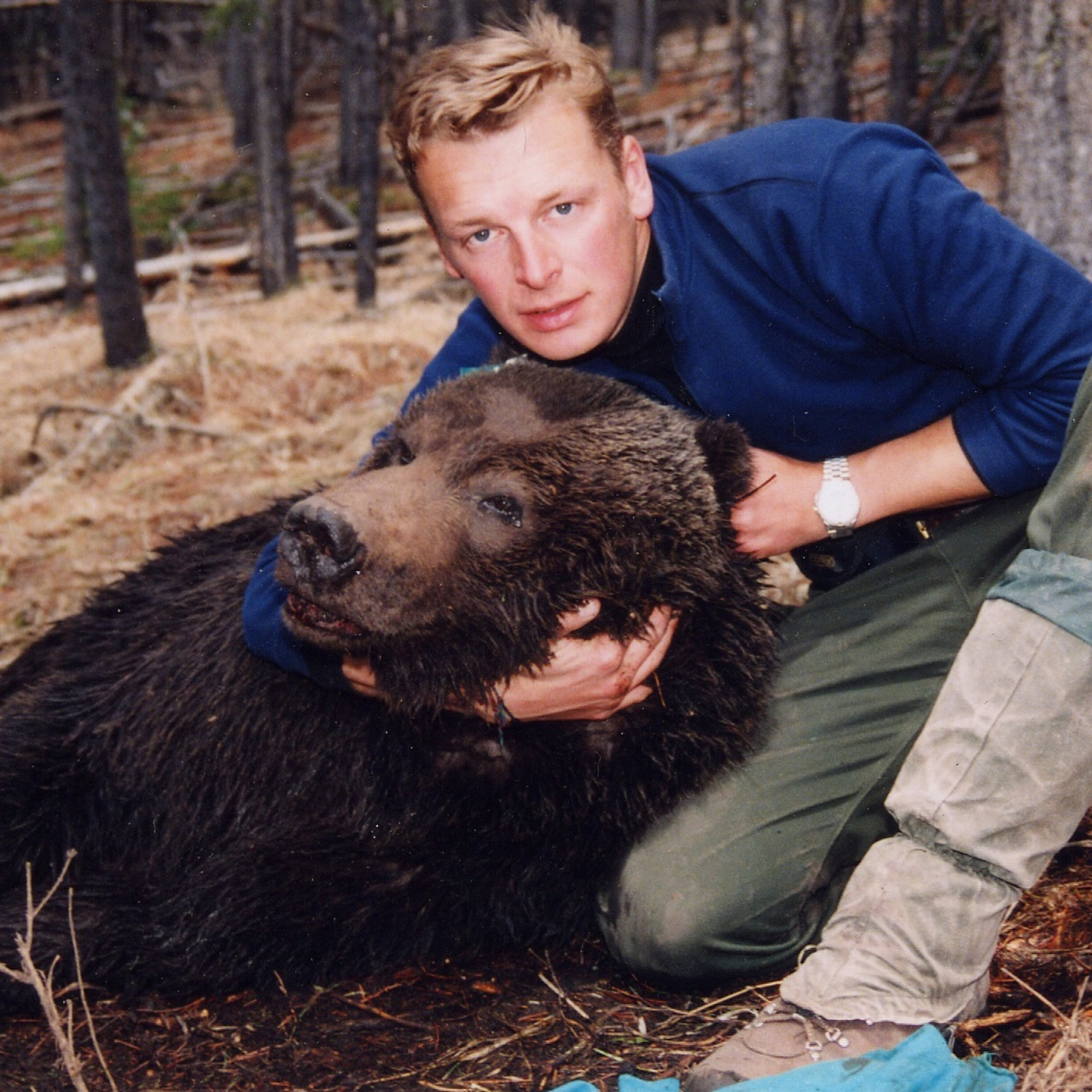
Broadcast: How to catch a grizzly
This is a special one-hour special of THE WILD with Chris Morgan featuring favorite episodes like the first time Chris caught a grizzly bear. In Part One of this episode Chris recounts catching a grizzly bear while conducting research in the eastern slopes of the Canadian Rockies. In the second part of the show, Chris shares the history of grizzlies in the North Cascades and how they became known
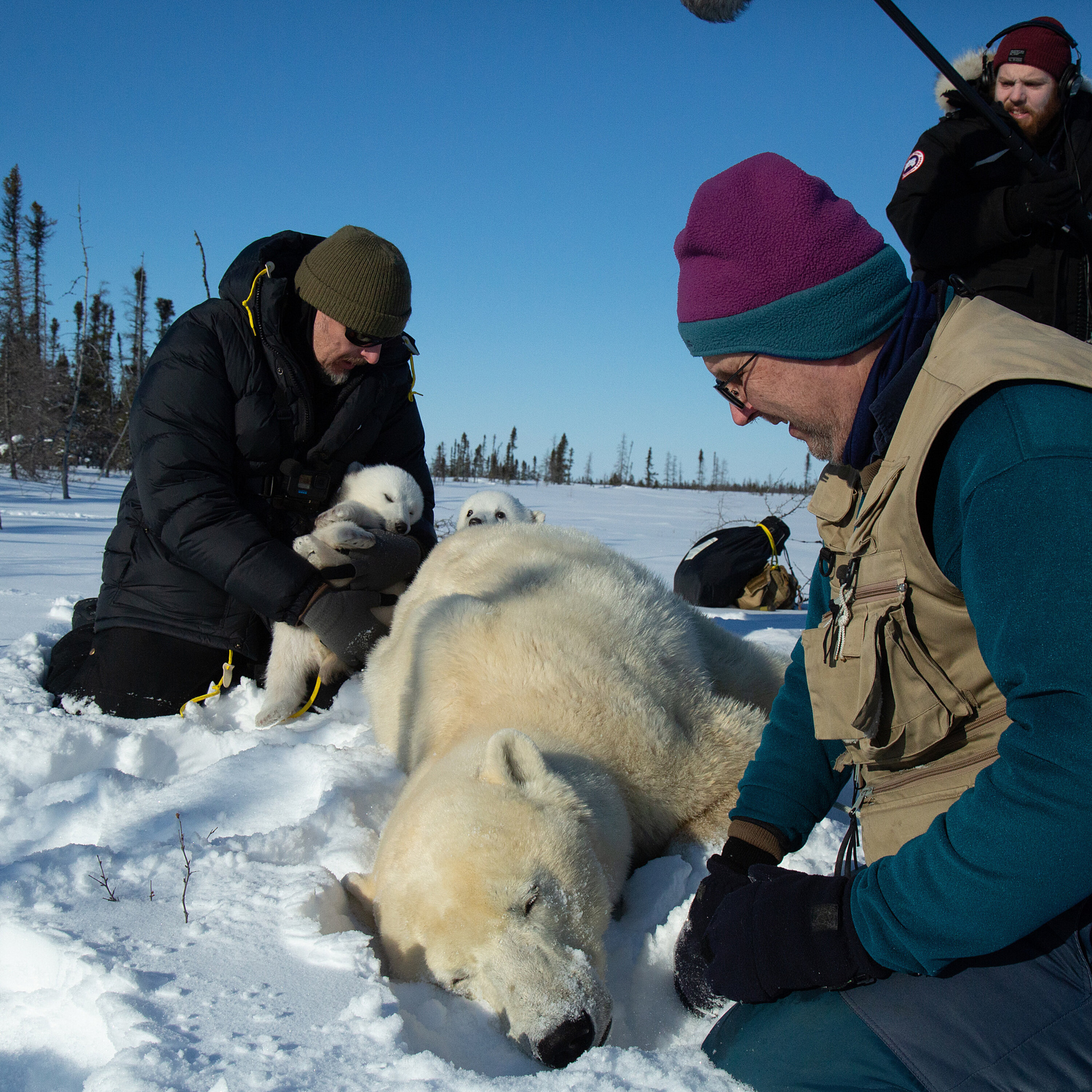
The polar bears of Hudson Bay: cubs, climate, and calories, part 2
We learn about calorie counting for polar bears and what the future could look like for the Hudson Bay polar bear population.We’re back in the helicopter with polar bear researchers Dr. Nick Lunn and Dave McGeachy, searching for mother bears with cubs. This is springtime over the huge, frigid landscape. Mother bears are waking up after eight months of fasting and heading out to the sea ice of
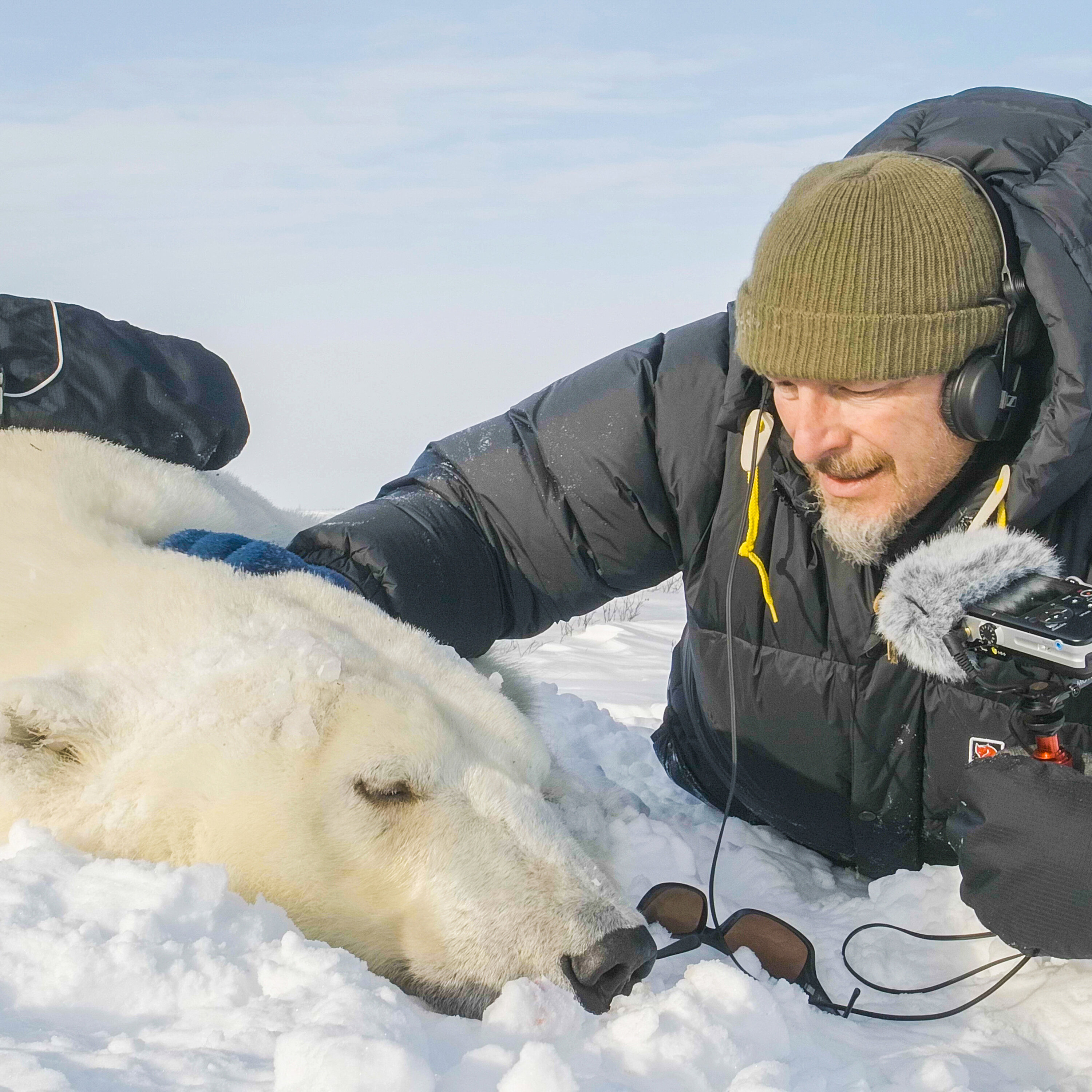
The polar bears of Hudson Bay: cubs, climate, and calories, part 1
How the changing seasons of our planet are shifting the traditions of the place, the polar bears, and the people of the north.This sea ice of Hudson Bay is what makes life possible for polar bears. It’s as important to them as the air they breathe.Every year, hundreds of bears move through this area and they’re forced to come ashore in the summer when the ice melts — a grueling annual migration th
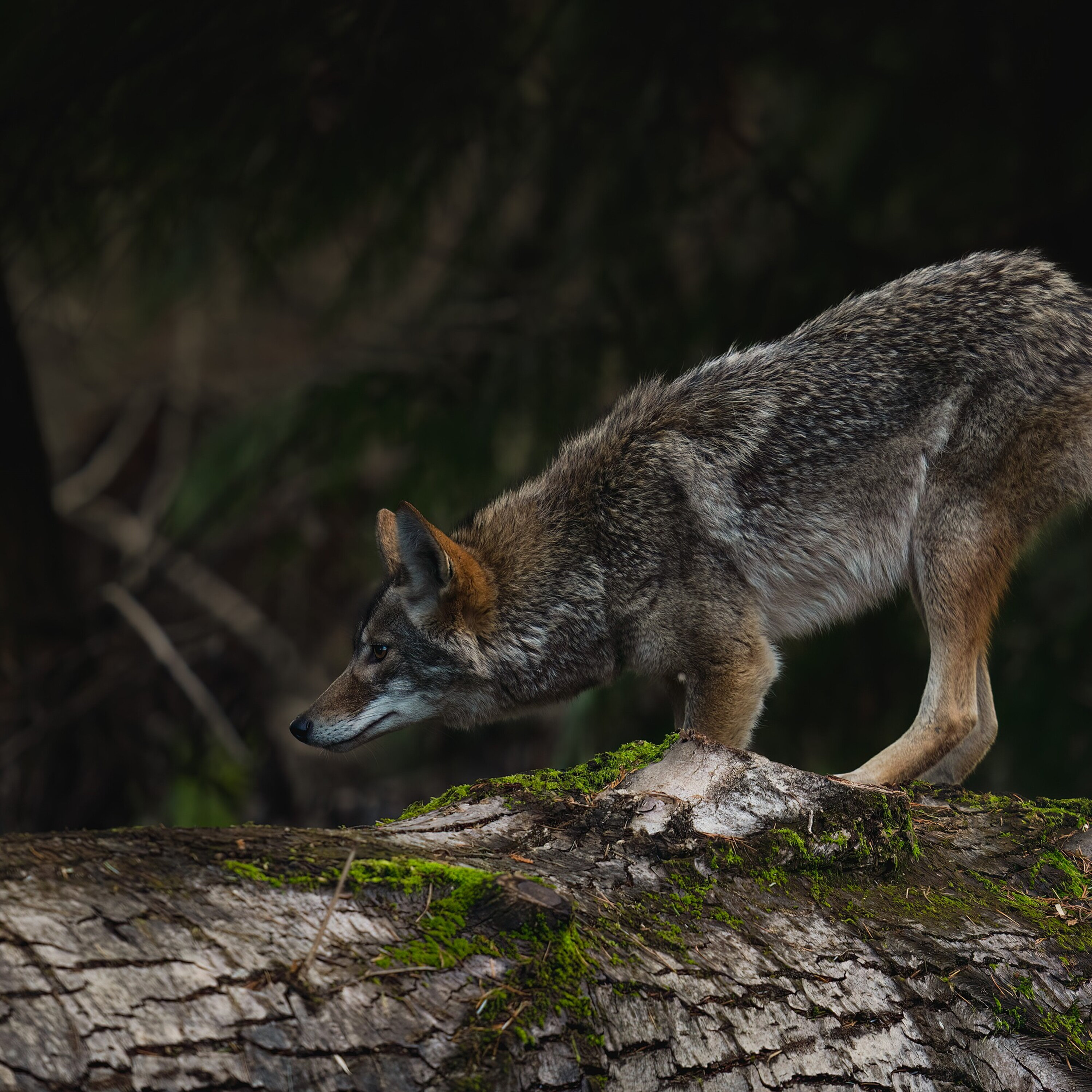
Urban Coyote
How these canids survive among city skyscrapers and sidewalks. And what that can teach us about saving the planet.In April of 2007, a coyote walked into a Quiznos in downtown Chicago. It walked inside the front door, right into a fast food restaurant full of people. And then, it sat in a soda cooler for an hour. It was an event so rare, it made the evening news. Why did the coyote walk into t
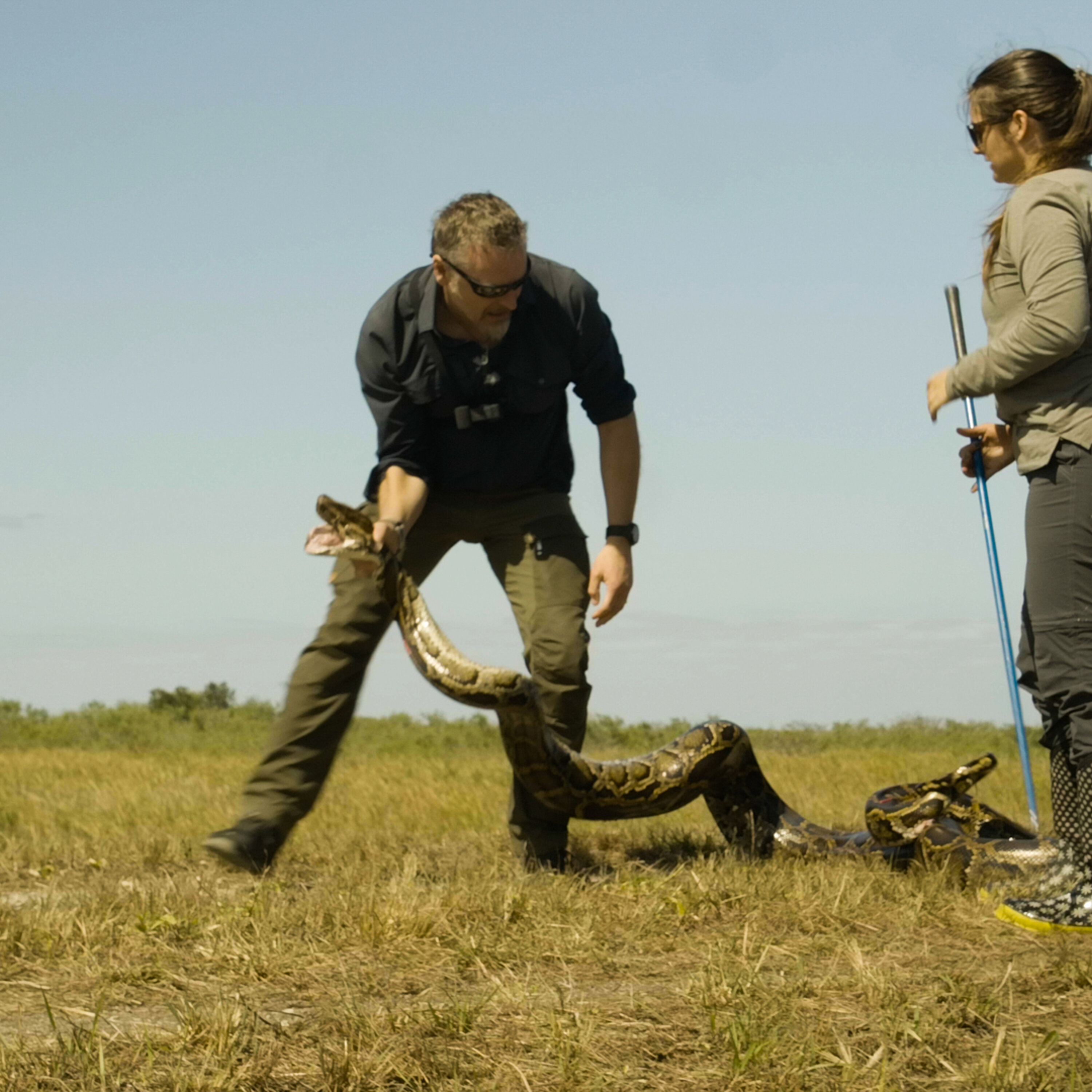
Invasion of the Burmese pythons, part 2
Who let the 200-pound python out? Today, the origin of the Burmese python problem in the Everglades. And how science is being used to try to solve what seems like a losing battle. I'm back in South Florida, in the Everglades, on the side of a dirt road next to a canal. It looks pretty similar to where I met Anthony Flanagan and Kevin Pavlidis - the two python bounty hunters from the last
Invasion of the Burmese pythons, part 1
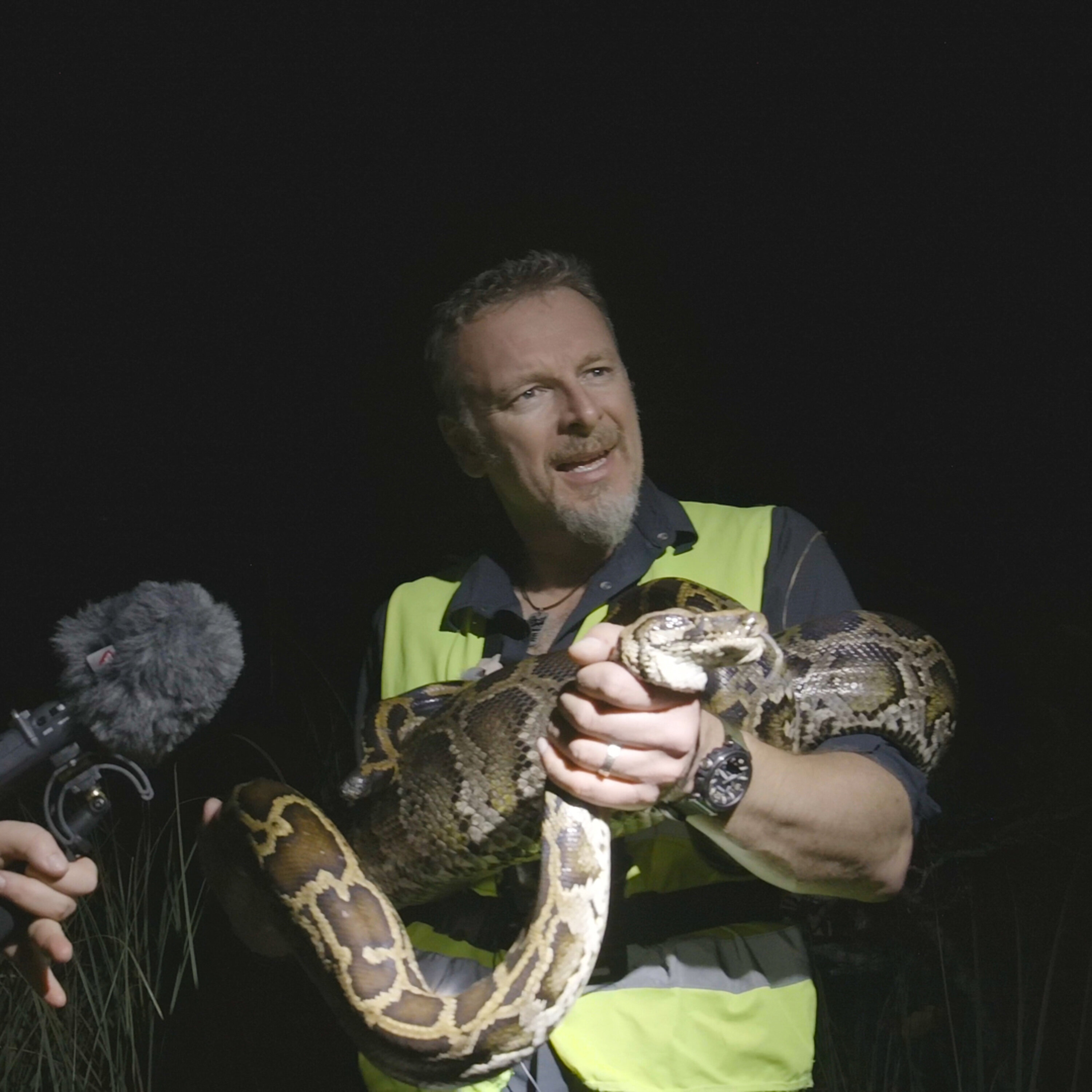
In the Florida Everglades, the Burmese python is an invasive species that's close to triggering an ecological collapse. But not if these python hunters have anything to do with it.Burmese pythons are huge compared to the native snakes in Florida. They can measure up to 20 feet and weigh 200 pounds. The females lay up to 100 eggs. And they eat just about everything, from animals as small as a mouse
The worst wedding gift in history: an Irish tale of predator helps prey
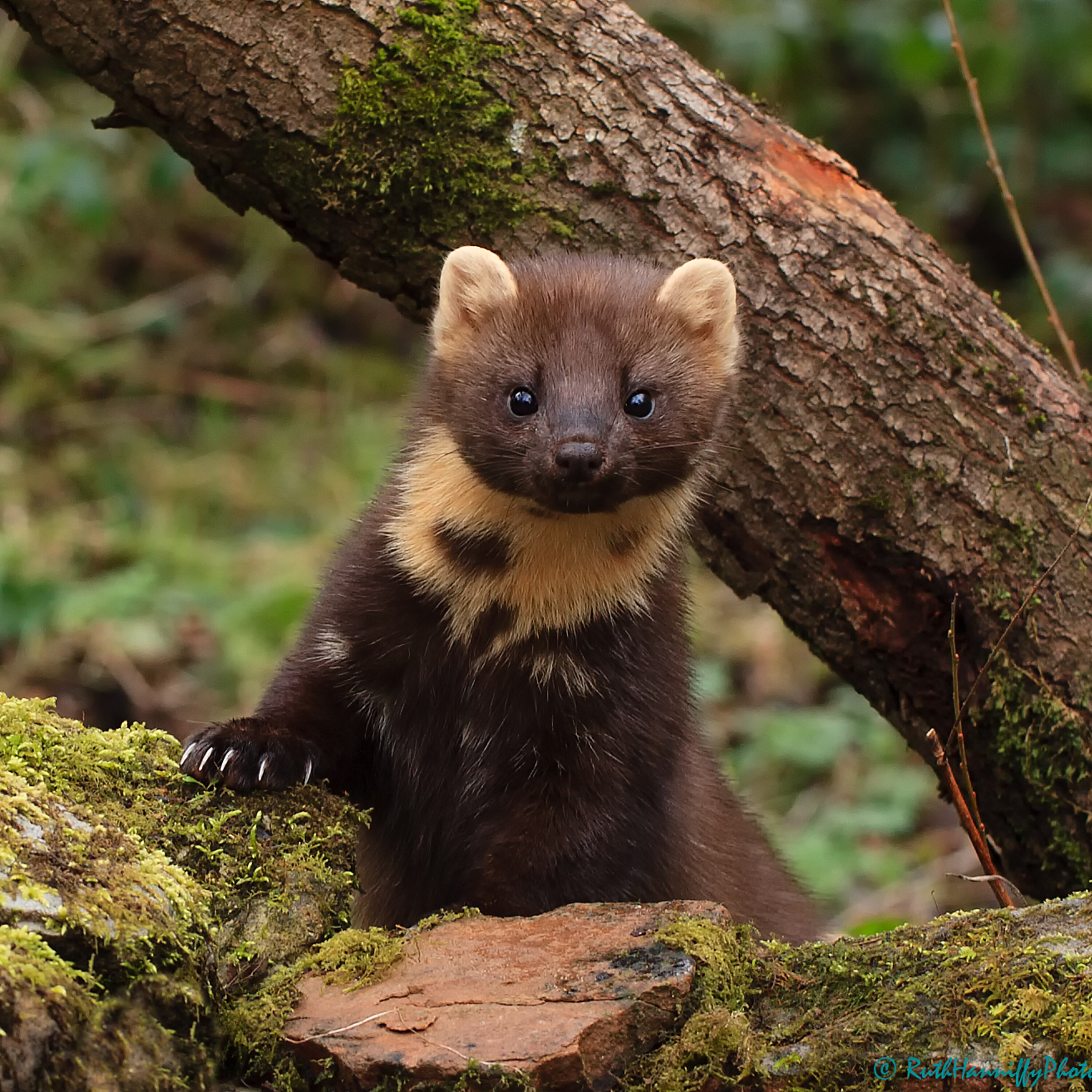
On this episode, join me in Ireland for a very Irish tale! If you’re from where I live in the Pacific Northwest, squirrels might not seem very special. It seems like all I have to do is look out my window and I’ll see one, bounding across the grass. But in the British Isles, the red squirrel is a bit of a “British darling.” They’re a species on the brink of extinction. It seems like everyone
Digital Dr. Dolittle: decoding animal conversations with artificial intelligence
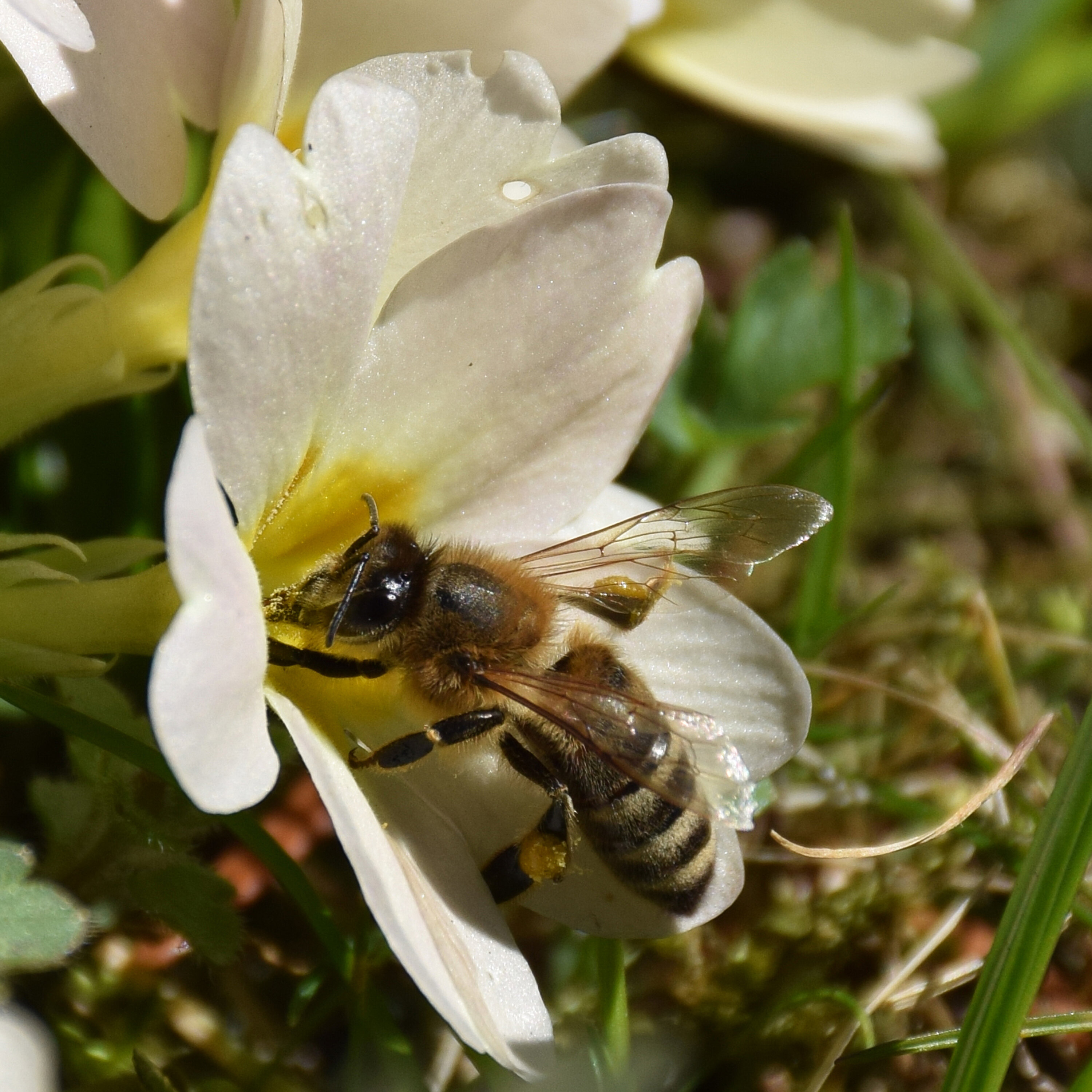
Whenever I'm out doing field work or on a hike, I’ve not only got my eyes wide open, but my ears too. There’s a lot going on in a forest or under the sea - the sounds of nature. So many of those sounds in nature are about communication.Personally, I love to chat with ravens. I like to think that we have lovely conversations. I know I’m fooling myself... but there’s something happening that might c
Eavesdropping on orcas: love, grief, and family
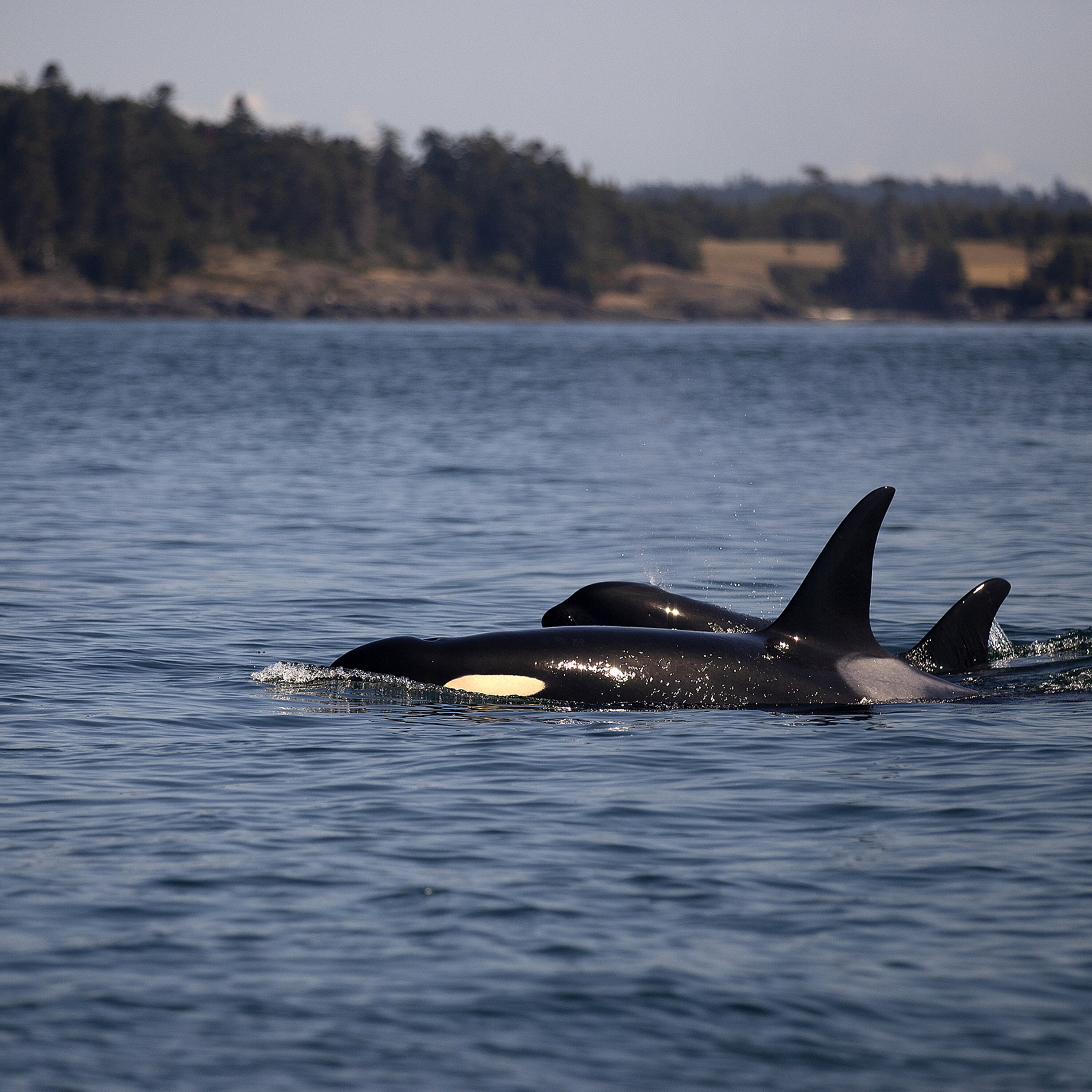
This past summer, I was in Alaska in a little coastal town called Seward - a gorgeous spot on the Kenai Peninsula tucked between the ocean and some giant glacier-covered mountains. I met a guy named Dan Olsen, who records killer whale calls using an underwater hydrophone. Olsen gets all kinds of information from his recordings. The calls bring the underwater world of orcas alive. But there's
Season 5 Trailer
Welcome (back) to The Wild. New episodes start on March 14!Host Chris Morgan is back with another season of The Wild. Join him on new adventures from around the Pacific Northwest and the world. He’ll take you through the Irish countryside to learn how one endangered species is helping another endangered species to thrive. We will follow the journey of two young bear cubs as they gain strength at a
A short check-in from Chris
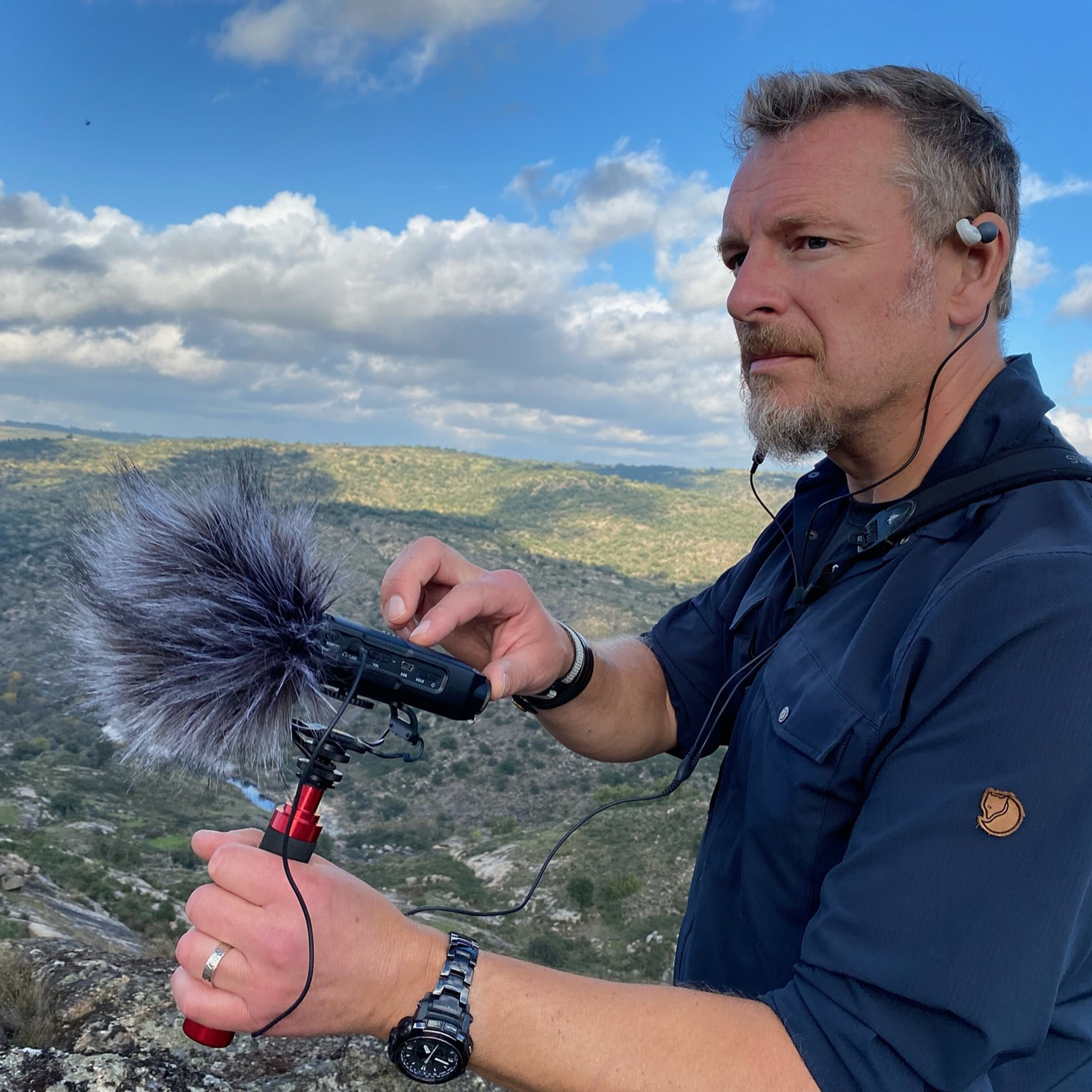
Hi all - Chris here - I’ve missed you! I hope you’re doing well and finding a way to get out and enjoy a bit of nature….maybe a hike in the mountains, or a walk around your city park? There really is wildlife all around us, no matter where you are. We're busy working on Season 5 (! wow can’t believe that!)....and we’ve got some enticing episodes shaping up from the PNW, Ireland, England,
The fiery spell of Desolation
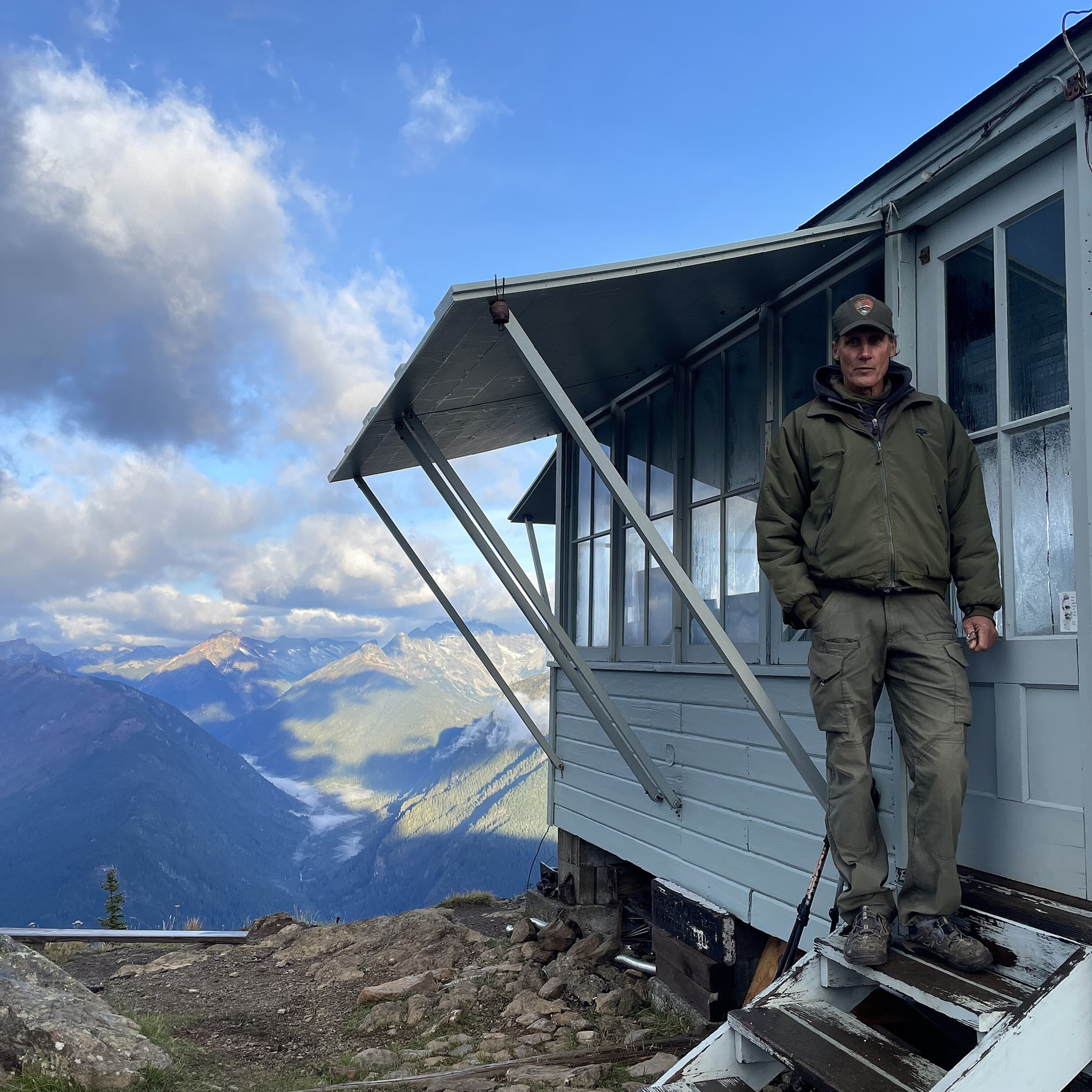
One recent September I stopped at the side of highway 20 that crosses Washington state’s North Cascade Mountains. At the side of the road was a sign that grabbed my attention. About a storied fire lookout cabin on top of Desolation Peak in the distance, where author Jack Kerouac spent some time in the 50s. The irony was that I couldn’t see the peak because of the forest fire smoke in the air that
Make it like it was: Clean, cold and flowing Gold Creek of Snoqualmie Pass
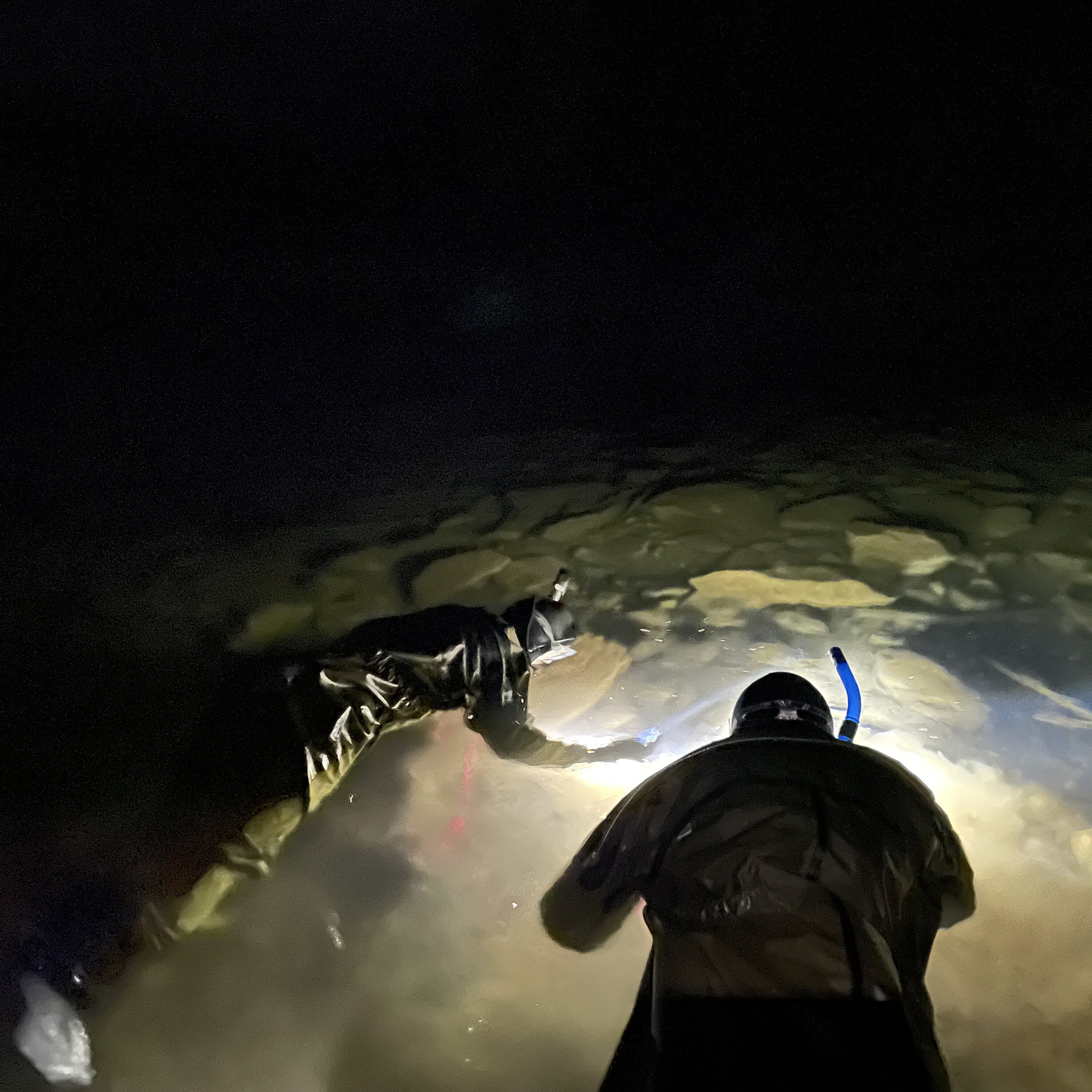
Join me as I squeeze on a dry suit, don a snorkel, and jump into an icy mountain river.“That's what I'm amazed by, that a little tiny stream, not even knee deep, is a whole world if you get under there with it.,” that’s what CWU professor Paul James told me as we snorkeled our way through the fast moving current.Dr. James is surveying the number of fish in the river after a recent restoration proj
Etuaptmumk: Two Eyed Seeing
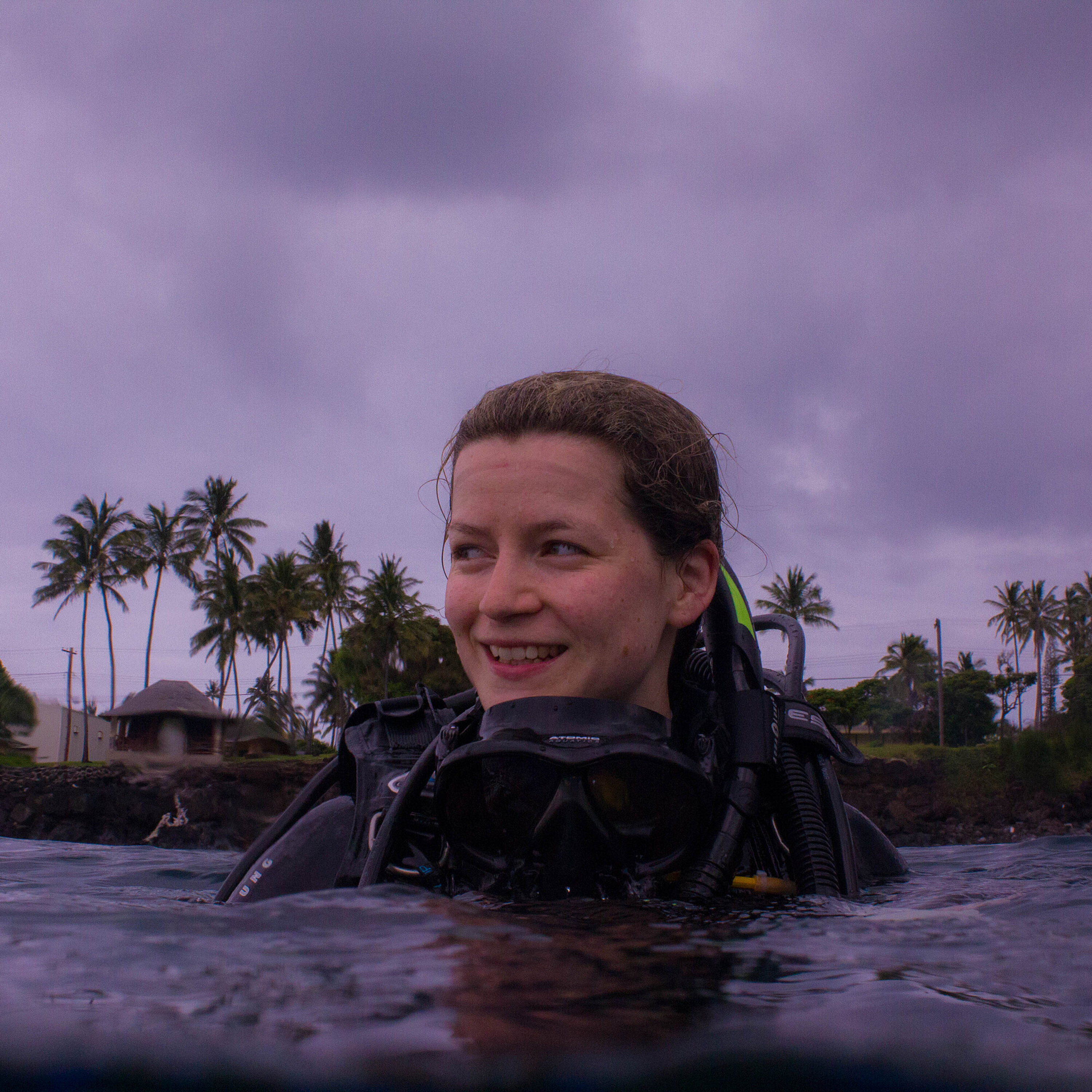
I was trained as a traditional scientist, to look at the world through that perspective. Analytical, and clinical. In this “western science” you have to toe the line and keep personal experience and emotions out of it. Science is run as a pretty tight ship. There's a good reason for that, of course.But for indigenous people, there’s something that comes with spending time in nature that helps to u
Coral reefs: a biological symphony being silenced
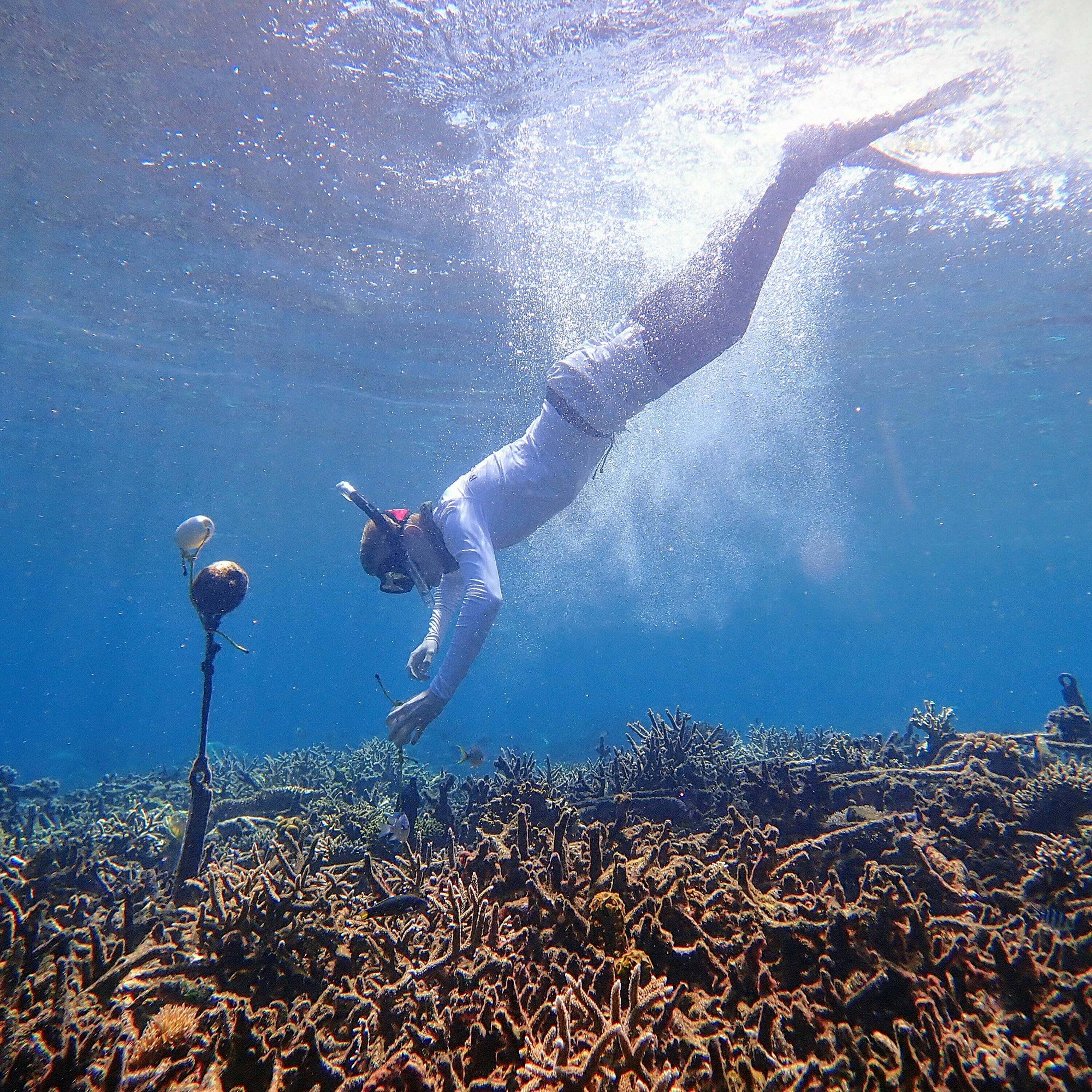
To most of us, coral reefs conjure up magical places full of colorful species and life. They are unknown and otherworldly. Their beauty is perhaps a reason why coral reefs have become one of the more famous victims of climate change, warming oceans. Most people have heard that the future for coral reefs is in total jeopardy. And this is a problem, because about 25% of the ocean’s fish de
Hard Knocks: Lessons from the woodpecker
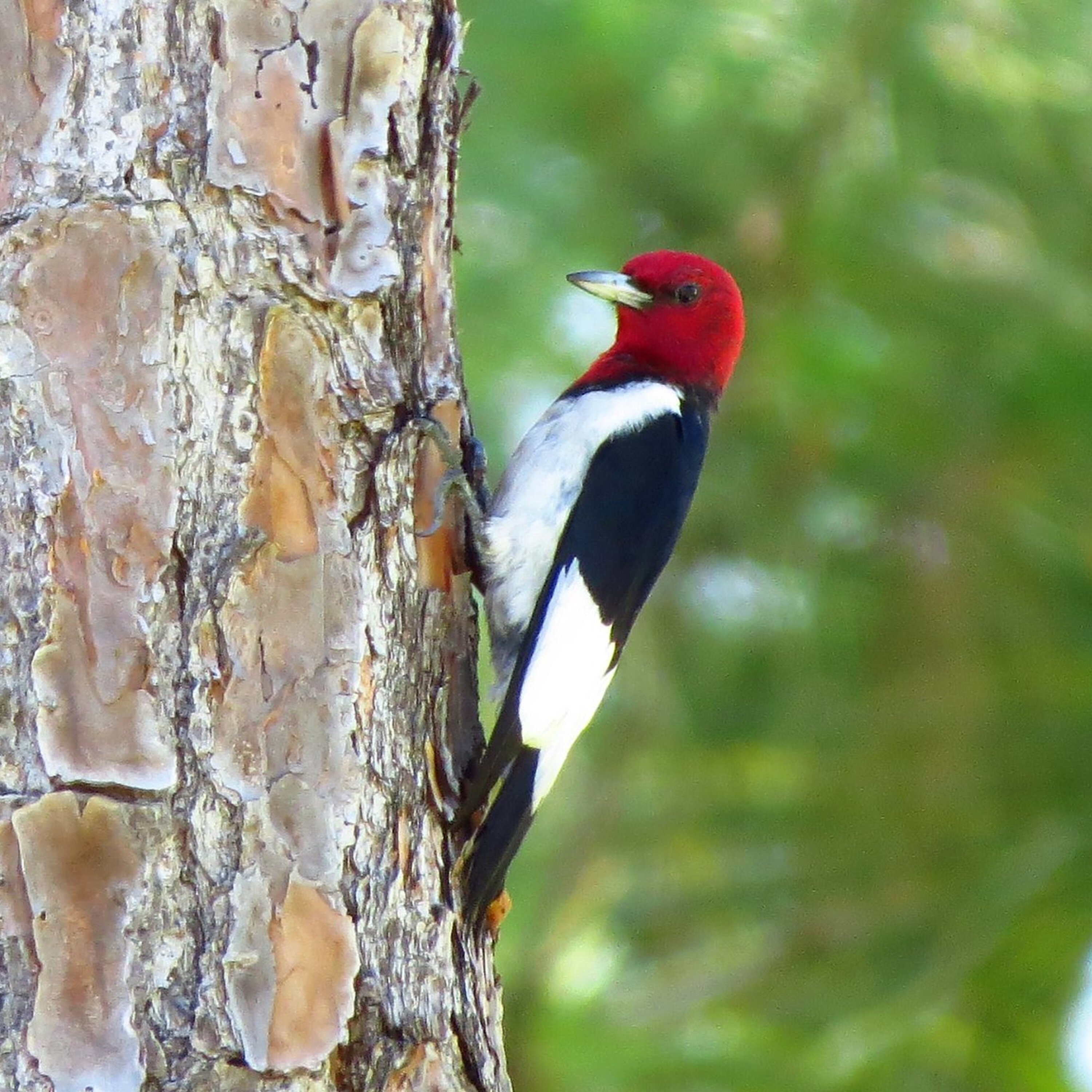
I’ve thought about this stuff a lot as I listen to the northern flicker woodpecker tapping noisily away on the rain gutter outside my bedroom window. And not just rain gutters of course. Woodpeckers will peck at a tree up to 12,000 times a day and just one woodpecker peck produces about 15 times the force needed to give a human a concussion. So, how do woodpeckers bang their heads so much, an
Nuclear sea otters: A wildlife refugee story
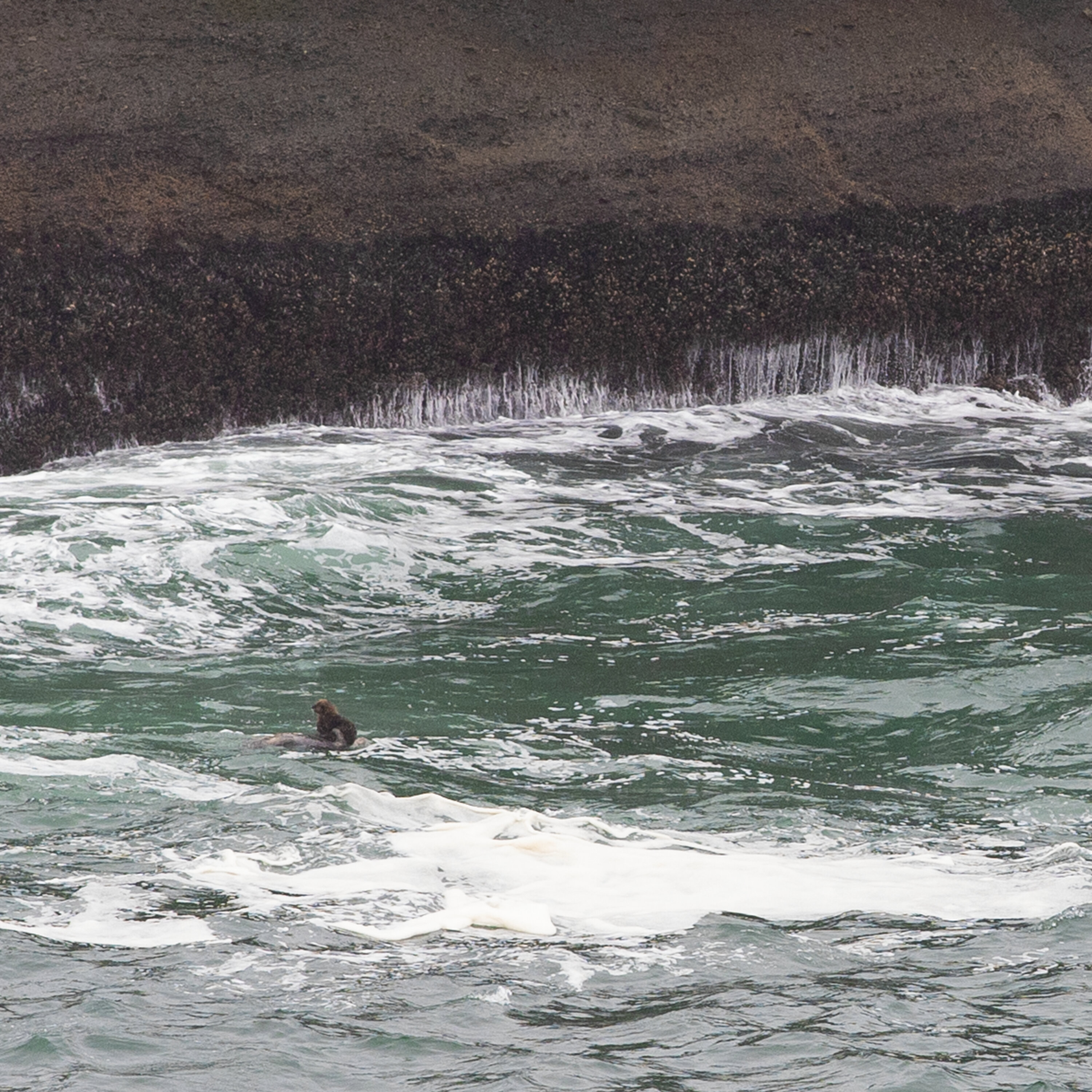
Join me among the crashing waves of the Pacific Northwest coast in Washington State.This unique wildlife story starts, not there, but with a nuclear explosion, literally. During the late 60s and early 70s, three atomic weapons were tested on Amchitka Island in a remote part of Alaska. The blast registered a 7.0 on the Richter scale. over 10,000 fish were killed in the island’s lakes, streams and p
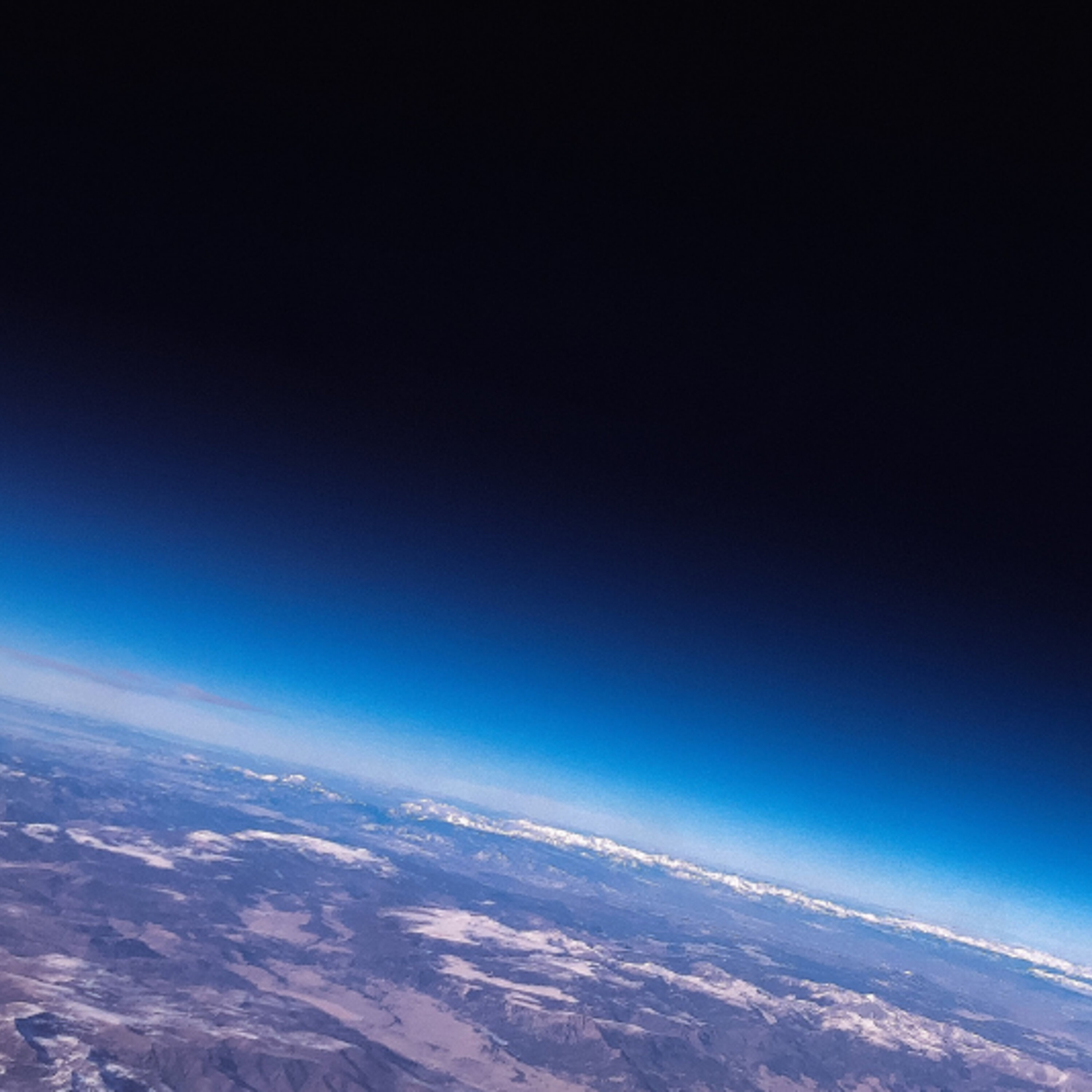
Happy 46th Birthday! An Earth Day message from Chris
Happy Earth Day to you all. For a while now I've wanted to share a short piece like this, and Earth Day seems like the right time! I hope you can kick back and listen to a relaxing 10 minute journey all about our precious home. If you enjoy it, please share it with others. After all, we're all in this together.Thank you for the inspiration to:Conservationists everywhere. Everyone working on ‘30x30
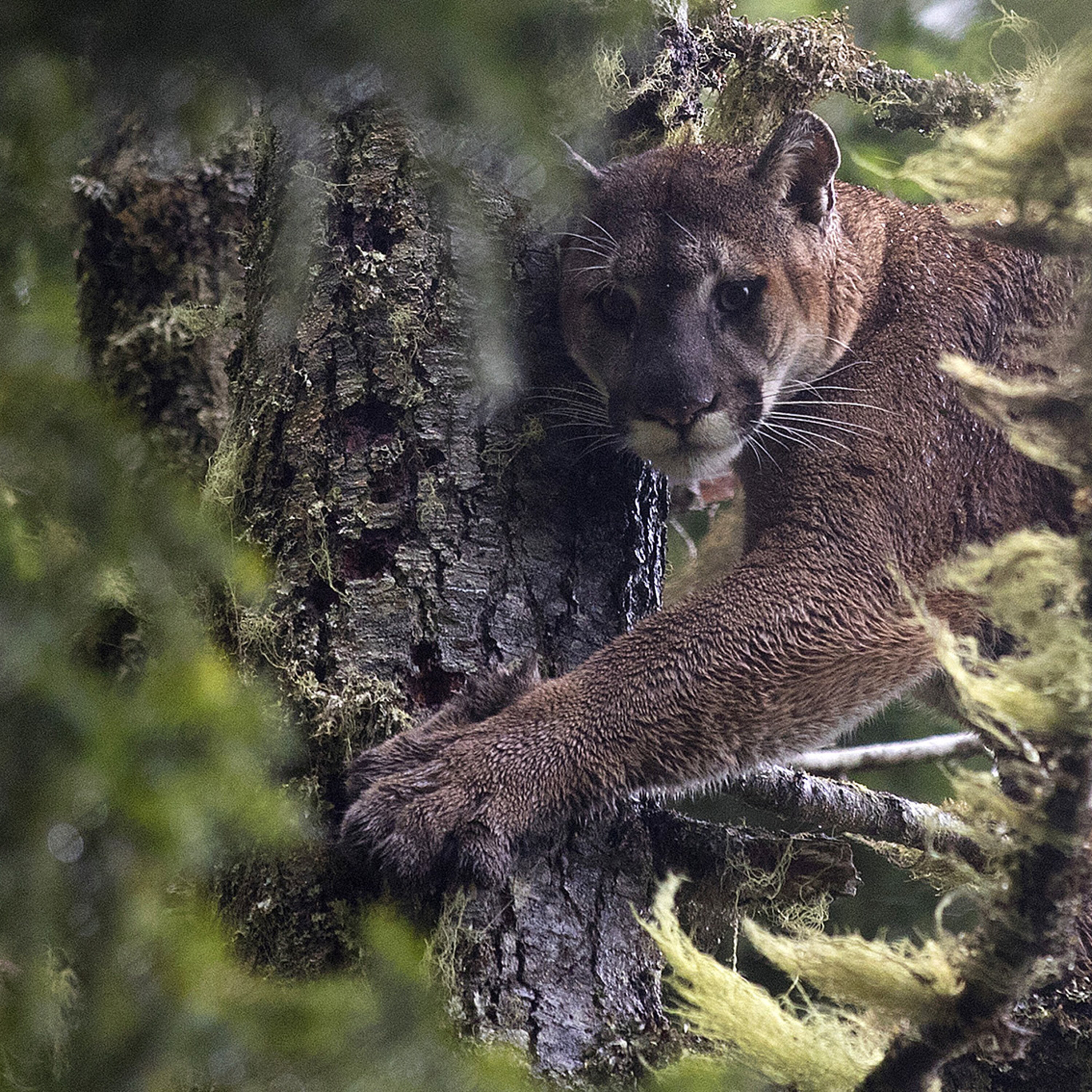
The Cougar Conundrum
One thing that I love about my work is that I get the opportunity to talk to so many interesting people working with wildlife around the world. For today’s episode I wanted to share with you one of those conversations.Some of you might remember our episodes on “how to catch a cougar” back in season 2. If you do, the name Dr. Mark Elbroch will probably sound familiar. Mark is a good friend of mine
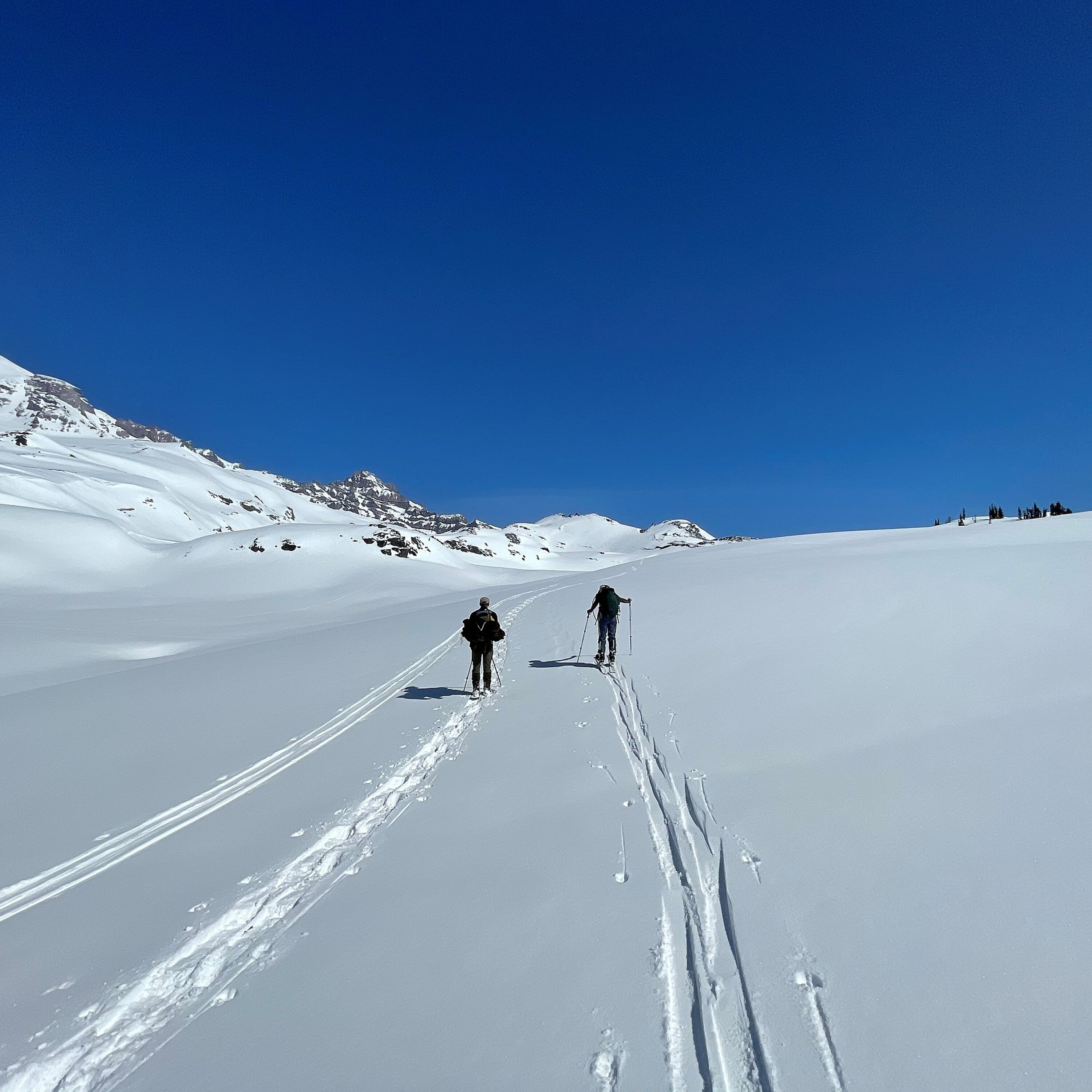
True grit: the wild wolverine
In this episode you may notice a lot of heavy breathing - because I’m on the trail of a wolverine high up in the mountains. Here’s the story….In the summer of 2020, there was some big news for wildlife in the pacific northwest. In the wild spaces of Mount Rainier National Park, a female wolverine was discovered along with two babies. The wolverines were back. It is believed that these tenacio
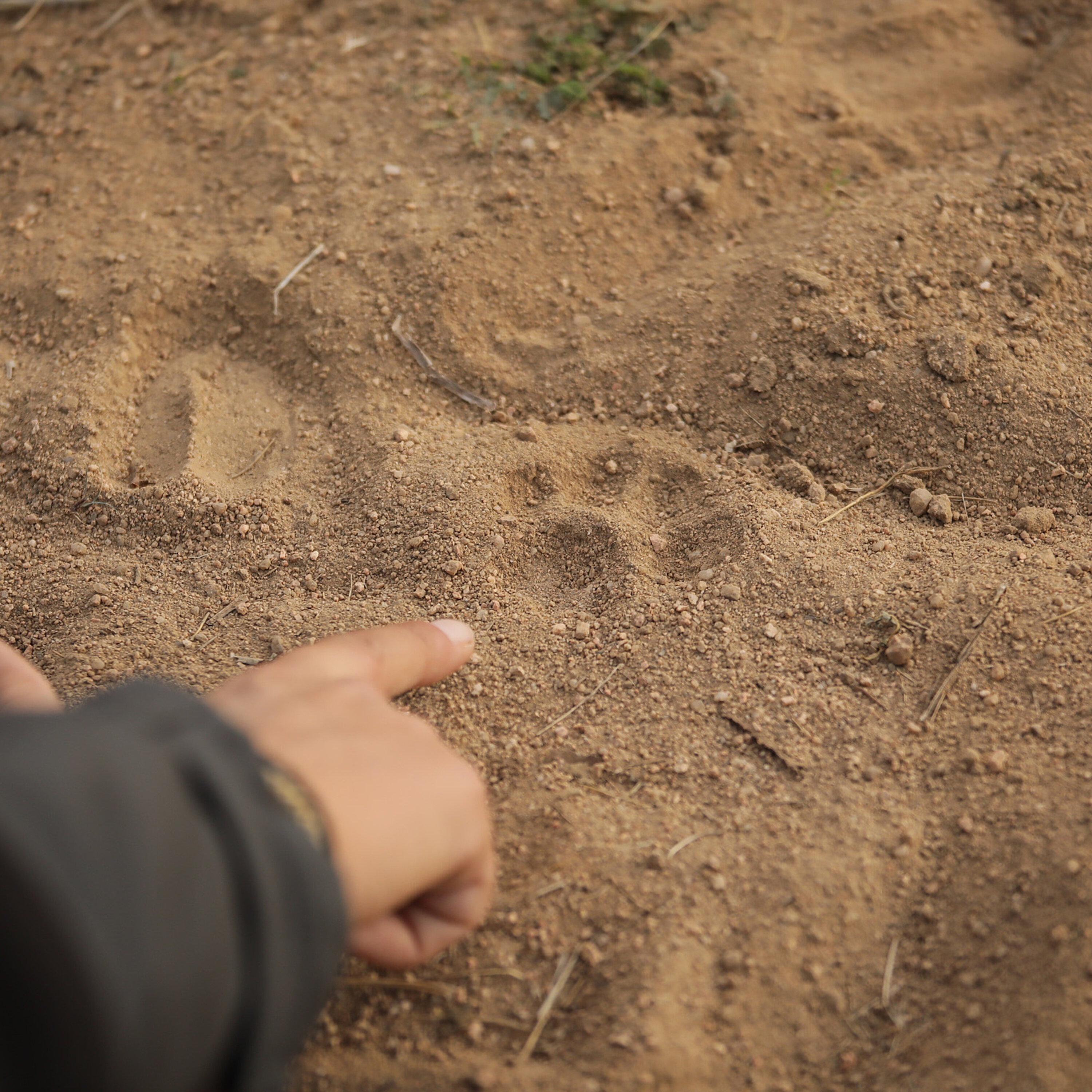
The Comeback Cat: Spain’s Iberian lynx
Like so many carnivores around the world, through history the Iberian lynx was persecuted as a menace or a threat to livestock and lifestyle: they were shot, poisoned, trapped, hunted. And misunderstood.The cats have those really characteristic long tufted ears, black spots dappled across their tawny coat and an old fashioned beard that can stretch down in two long triangles each side of their chi
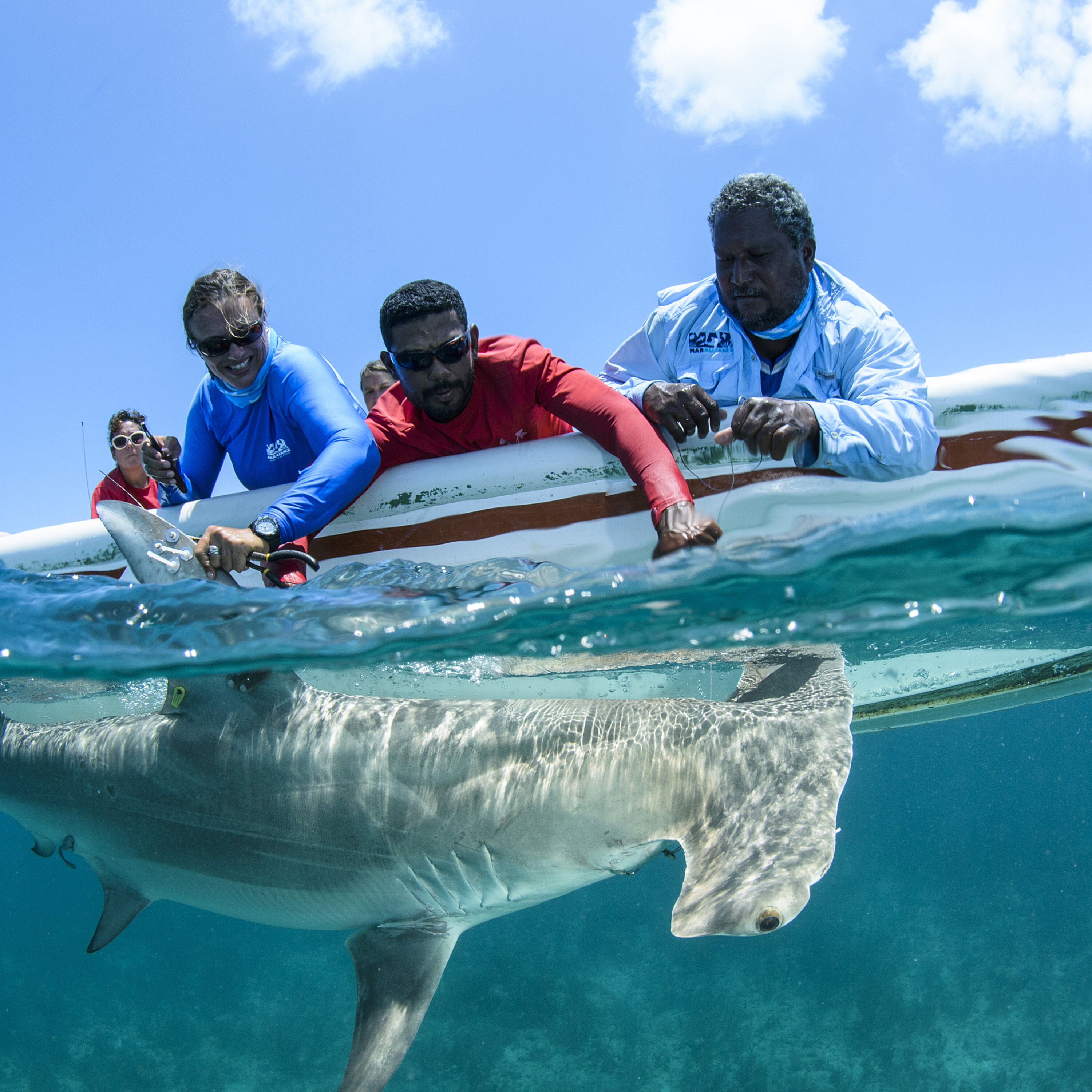
How to love a shark
Shark reputations have never quite been the same since the movie Jaws came out nearly 50 years ago.Sharks face some very direct threats. They are killed for their prized fins and caught in fishing nets all over the world. 99% of some populations have already been wiped out.So how do you change hearts and minds about these feared but endangered creatures nearly half a century after the movie Jaws t
Recommended

Stand In The Circle

SLOW ENGLISH PODCAST (A1-A2) With Subtitles | Daily Videos | English With Us Podcast

Learn English A2 with Daily News | Simple English Listening Practice

پلی لیست | PlayList
Conspiracy Files with Paige Carter

Bad Friends

Learn 50 English Phrases While You Sleep | Everyday English Phrases & Vocabulary

This Past Weekend w/ Theo Von
Dateline NBC

Back to the 80s Radio

Crime Stories with Nancy Grace

Bible Tea
