Many Minds
Many Minds explores the diverse ways that beings—human, animal, and artificial—think, sense, feel, and learn. Hosted by Kensy Cooperrider, the podcast features conversations with researchers and thinkers from various fields. Episodes are released every two weeks.
Episodes

Island of the tool users
Tool use is rare in the animal kingdom—but maybe not as rare as we once thought. Since Jane Goodall famously observed a chimpanzee fishing for termites, many new examples of animals using tools have come to light. Birds using sticks to forage for grubs. Sea otters using rocks to smash open mussels. Digger wasps using stones to close off their burrows. But as these examples mount, so do the scienti

Cognitive offloading and its consequences
For thousands of years—maybe for as long as we've been human—we've offloaded our thinking. We've counted on our fingers. We've carved tallies into bone. We've invented a long series of tools to help us reason, remember, and manage information—tools like abacuses, calendars, writing systems, calculators, smartphones, and many, many more. So cognitive offloading is hardly new—but the questions aroun

Coming of age in Ngogo
It's a familiar story in many ways. A child is born, and for years afterward is adored and indulged and anchored to home and family. But then the child grows up and starts crossing that long threshold into adulthood. The transition proves—to say the least—a bit turbulent. Now when I say this story is familiar, I don't just mean familiar to us as human beings. After all, a similar story has long pl

The natural history of linguistic diversity
Thousands of languages are used around the world today, and this linguistic diversity is a precious part of our human heritage. But it's also more than that. Linguistic diversity provides clues—a vast crazy quilt of clues—about how language works, about how history has unfolded, about the dynamics of culture, and about the nature of the human mind. My guest today is Dr. Damián Blasi. Damián is an

From the archive: Electric ecology
Hi friends! We're still taking a bit of a summer pause. We'll be back at the end of August—in the meanwhile, enjoy this listener favorite from our archives! ----- [originally aired September 19, 2024] There's a bit of a buzz out there, right now, but maybe you haven't noticed. It's in the water, it's in the air. It's electricity—and it's all around us, all the time, including in some places you mi

From the archive: Varieties of childhood
Hi friends! We're taking a bit of a summer pause. We'll be back soon—in the meanwhile, enjoy this listener favorite from our archives! ----- [originally aired July 10, 2025] Childhood is a special time, a strange time. Children are adored and catered to—they're given their own menus and bedrooms. They're considered delicate and precious, and so we cushion them from every imaginable risk. Kids are

From the archive: Philosophers on psychedelics
Hi friends! We're taking a bit of a summer pause. We will be back soon—in the meanwhile, enjoy this listener favorite from our archives! ----- [originally aired May 14, 2025] Some call it the "psychedelic renaissance." In the last decade or so, interest in psychedelic drugs has surged—and not just among Silicon Valley types and psychiatrists and neuroscientists. It's also surged among a stereotypi

The origins of Darwin's ideas
No discipline, no sphere of intellectual life, has been untouched by the work of Charles Darwin. He died in 1882 but his ideas are very much alive; they're now central to how we understand the natural world, the human mind, non-human minds, plants, biogeography, morality and emotion, culture, language, and more. But where did his ideas come from? How did they grow out of his travels, his social ci

The sparkling deep
It's tempting to see bioluminescence as an oddity, one of those rare eccentricities of life on earth. And, on land, maybe that's true. But our planet is mostly water, and out in the open ocean bioluminescence is utterly commonplace. Creatures of all shapes and sorts sparkle and glow, glitter and pulse. But what are these displays for? Why did they evolve? How did light become the currency of the d
Is Man the Hunter just a myth?
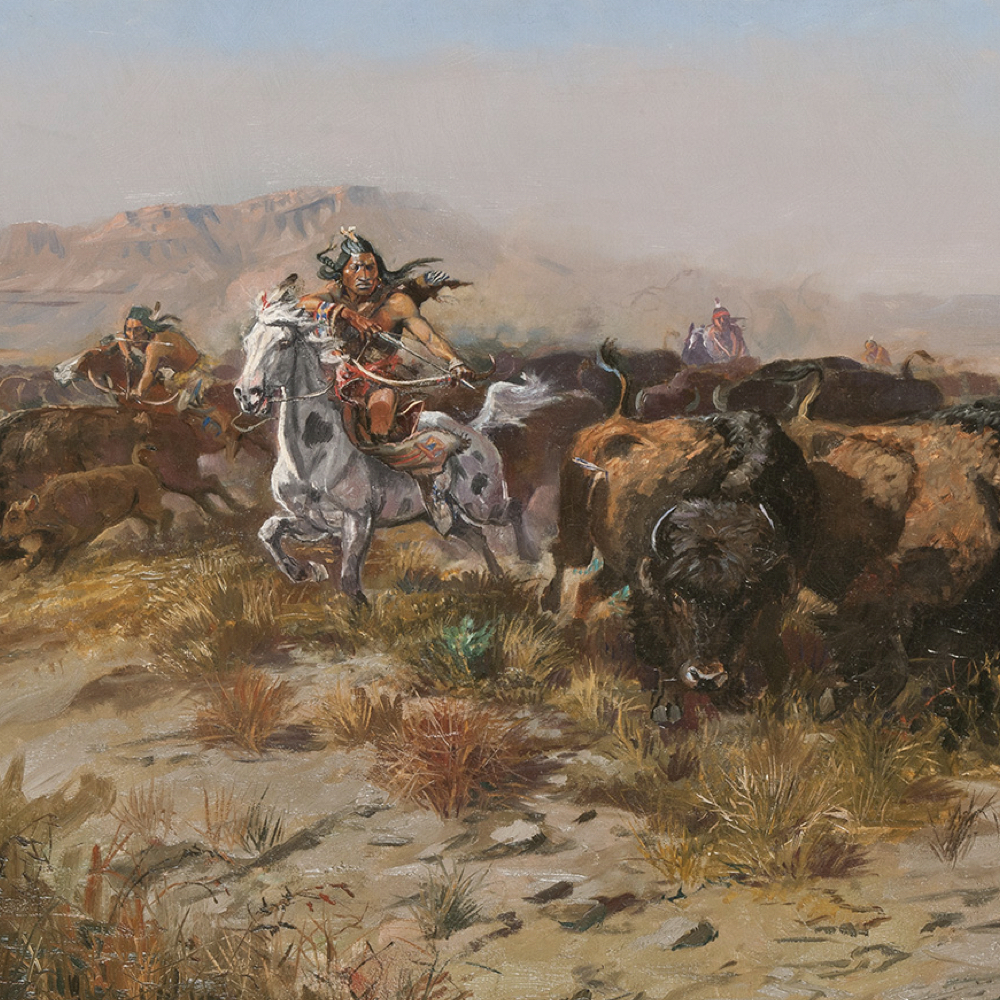
There's a story about of our past that you know well. It goes like this: At some point earlier in human evolution, we started to hunt. Men in particular—perhaps channeling some deep-seated aggressive impulses—began to seek out big game. This new food source, this bonanza of calories, was what allowed our brains to expand. It changed our bodies and our societies and sent our species off on a whole
Babies, dogs, and the riddles of word learning
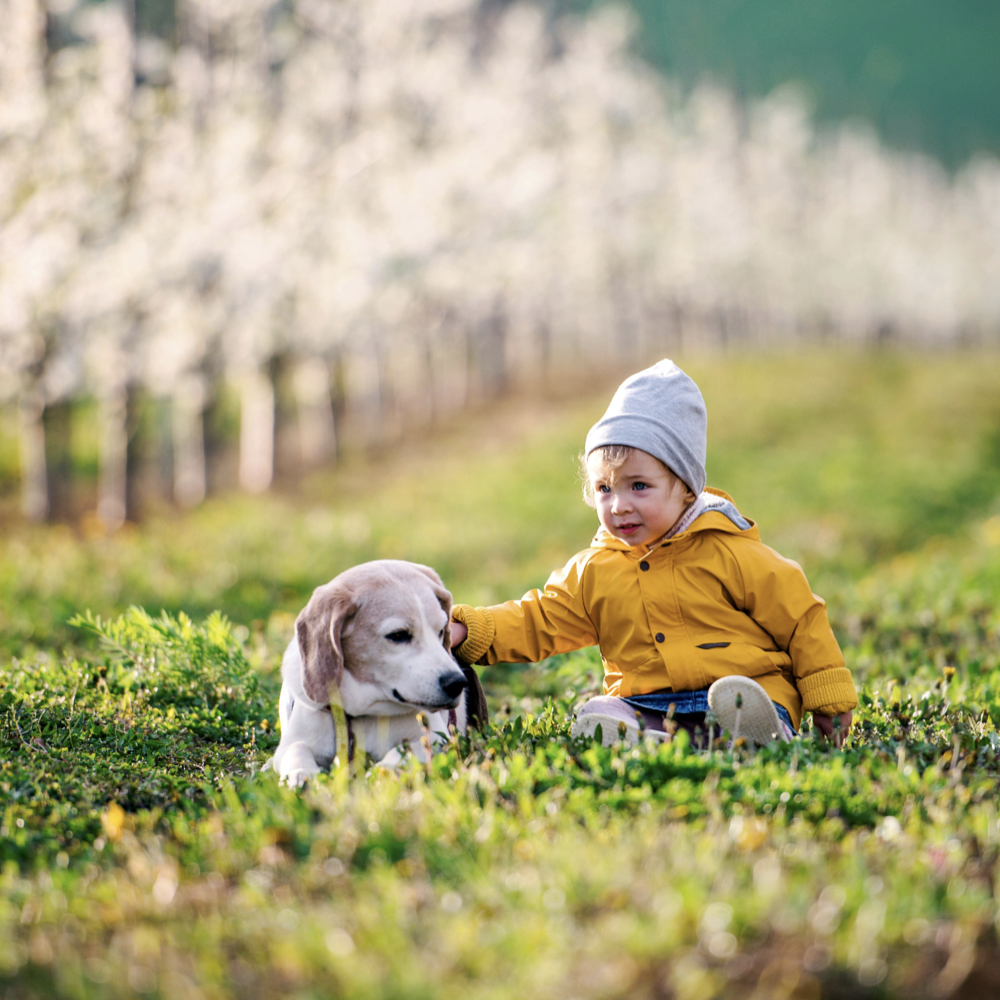
It's kind of astonishing, really, that kids ever learn words. Each one poses a little riddle. Does this sound string refer to a person? A category of things? Or maybe some other feature of the blooming, buzzing world? And yet word learning happens. In fact, we now know it begins earlier in infancy than we realized. And we now know, further, that dogs (or at least some dogs) understand words as wel

The inner life of the hand
Newton saw in the human hand proof of the divine; Darwin saw a key to our species' success. Many others, too, have described the hand in hyperbolic terms, as a paragon of design, a cornerstone of human uniqueness, an engine of our achievements. But what makes the human hand so powerful? Is it the proportions of the fingers? Is it the opposability of the thumb? Or, could it be none of this? Could i

From the archive: The cuttlefish and its coat of many colors
Hi friends! We're skipping a beat to take care of some spring housekeeping tasks. We will be back in May! In the meanwhile, enjoy this listener favorite from our archives! ----- [originally aired April 30, 2025] We humans have a hard time becoming invisible. For better or worse, we're basically stuck with the skin and body we have; we're pretty fixed in our color, our shape, our overall appearance

Illuminating cave art
Deep in our past, in the dark depths of caves, our ancestors did something strange and beautiful. Working by firelight, some doodled little designs. Others made hand stencils. Some saw a bulge of rock, or a crack in the wall, and thought to turn it into a horse or a bison. Why did they make this art? What did it mean to them? Who were these artists? These questions are old—very old—but thanks to n

What can AI teach us about the mind?
Everyone is talking about AI these days. Often these conversations are about how AI might upend education, or work, or social life, or maybe civilization itself. But among cognitive scientists and psychologists the conversation inevitably drifts toward other questions. What does this latest generation of AI tell us about the human mind? Is it putting old ideas and theories to rest? Is it ushering

Mutualisms all the way down
No one is an island. We all depend on each other in critical, often tangled ways. And when I say "we" and "each other" I don't just mean humans. Yes, we humans rely on other humans. But we also rely on bees, yeasts, dogs, bacteria, and countless other creatures big and small. These interspecies dependencies—or mutualisms, as biologists call them—have deflected and inflected our history. And there'

Seven metaphors for AI
If you wanted a petri dish for understanding metaphors—how they emerge and evolve and jostle with each other—it would be hard to do better than the world of AI. We talk about AI systems variously as coaches or co-pilots, little genies or alien intelligences. Some researchers claim that AIs "grow," that they're entering their phase of "adolescence." Critics deride AI products as slop and dismiss LL

Origins of the kiss
Humans do some pretty weird things. Some of us will sit in searingly hot rooms or jump into icy ponds. Others risk their lives trying to climb to new heights or dive to new depths. And every once in a while, two otherwise normal-seeming humans will lean in close to each other, open mouths, lock lips, and swap a hearty helping of microbes. You may even know people who've done this. But why? Are we

The aura of metaphor
Metaphors matter. They enliven our speech and our prose; they animate our arguments and stir our passions. Some metaphors power political movements; others propel scientific revolutions. These little figures of speech delight, provoke, captivate, shock, amuse, and galvanize us. In one way or another, metaphors just seem to help us make sense of a messy world. But how do they do all this? Whence th

From the archive: How should we think about IQ?
Hello friends, and happy new year! We're gearing up for a new run of episodes starting later in January. In the meanwhile, enjoy this pick from our archives. ------ [originally aired October 16, 2024] IQ is, to say the least, a fraught concept. Psychologists have studied IQ—or g for "general cognitive ability"—maybe more than any other psychological construct. And they've learned some interesting
From 'On Humans': Can the brain understand itself?
Hello there, friends! We hope you're having a restful holiday, or a lively holiday, or whatever mix of those you prefer. As the year draws to a close, we at Many Minds are taking a much needed pause ourselves. But we wanted to share with you an episode from a podcast that we've been following for some time called On Humans. It's hosted by Ilari Mäkelä. It looks at humanity from all angles to under
In search of names
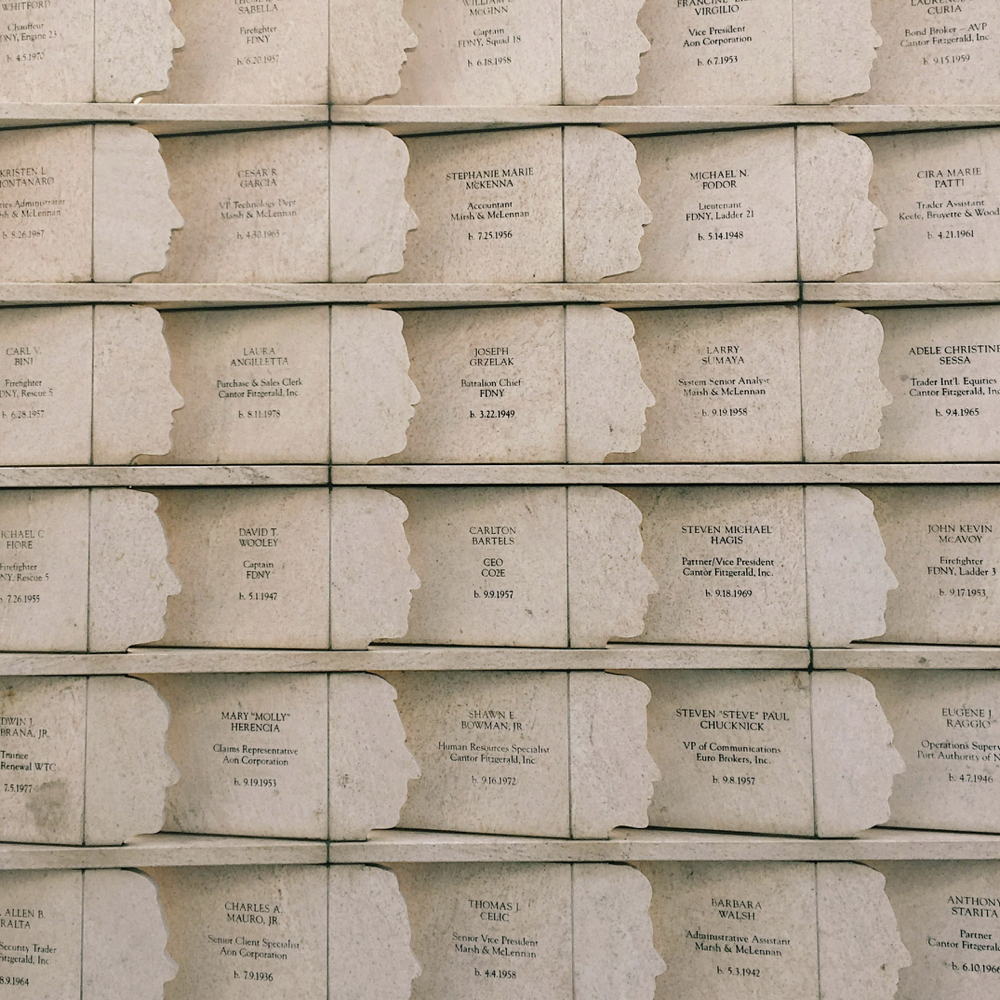
Alright, friends—we've come to the end of the 2025 run of Many Minds! Our final episode of the year is an audio essay by yours truly. This is a classic format for the show, one that we only do every so often. Today's essay is about names. It's about the question of whether animals have something like names for each other. And it's also about a deeper question: What even is a name? How do humans us

The value of animal cultures
Not long ago culture was considered rare in nature, maybe even uniquely human. But that's changed. We now know that the tree of life is buzzing with culture—and not just on a few lonely branches. Creatures great and small learn songs, migration routes, and feeding techniques from each other. Many species build up reservoirs of knowledge over generations. This has profound implications, not just fo

What is memory for?
Everyone loves a good evolutionary puzzle. Why do we have appendices? Why do we dream? Why do we blush? At first glance, memory would not seem to be in this category. It's clearly useful to remember stuff, after all—to know where to find food, to remember your mistakes so you don't repeat them, to recall who's friendly and who's fierce. In fact, though, certain aspects of memory—when you hold them

Of breeds and brains
It's hard to say exactly when, but some tens of thousands of years ago, our best friends were born. I'm referring, of course, to dogs. This didn't happen overnight—it was a long process. And it not only changed how those canids behaved and what they looked like, it also changed their brains. As wolves gave way to proto-dogs, and proto-dogs gave way to dingoes and dalmatians and Dobermanns and all

Monsters and their makers
It seems we've always had monsters among us. We've long been enthralled by dragons and giants, by the likes of Frankenstein and Godzilla and Dracula, by witches and werewolves and countless others. They roam our maps and creation myths; they crop up in our dreams, in our children's books, in our political rhetoric. Where do these beings spring from? What do they do for us? How have they changed ov

The age of social AI
AI therapists and caregivers. Digital tutors and advisors and friends. Artificial lovers. Griefbots trained to imitate dead loved ones. Welcome, to the bustling world of AI-powered chatbots. This was once the stuff of science fiction, but it's becoming just the stuff of everyday life. What will these systems do to our society, to our relationships, to our social skills and motivations? Are these b

Brains of a feather
Birds do the darnedest things. They fly, of course. They sing. They hunt in pitch darkness. They hide their food and remember where they put it. They use tools and migrate over astonishingly vast distances—sometimes even sleeping while in flight. How do they do all this? What's going on in their brains that makes these and other remarkable behaviors possible? How did their evolutionary path mold t
How nature restores the mind
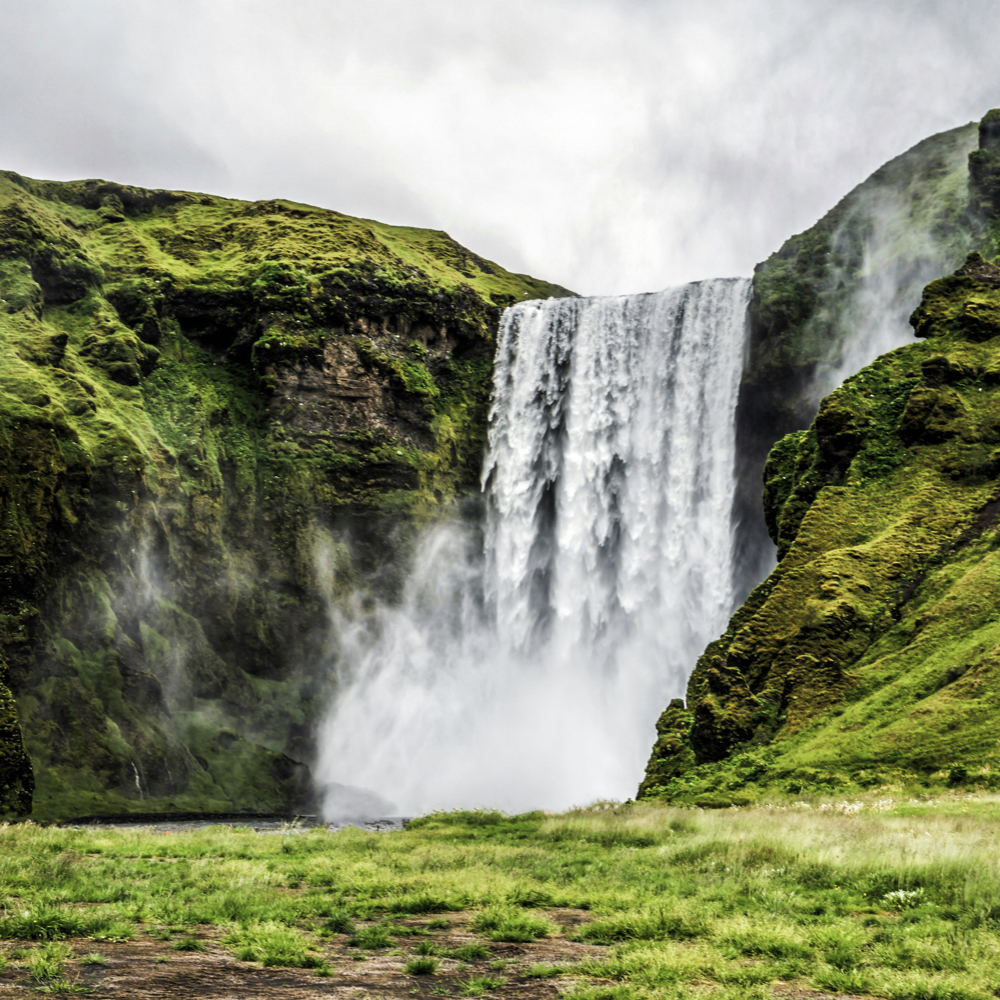
One afternoon you decide to snub your responsibilities and go for a hike. You spend a few hours in the woods or the mountains. You study the bark of trees, you bathe in birdsong, you let your eyes roam along a distant ridgeline. And you come back feeling better, restored somehow—like you have more energy, more patience, more bandwidth. We've all, I'm guessing, had experiences like this. But what'

From the archive: Revisiting the dawn of human cognition
Hi friends! We're taking a much-needed summer pause—we'll have new episodes for you later in September. In the meanwhile, enjoy this pick from our archives! ------- [originally aired June 1, 2023] There's a common story about the human past that goes something like this. For a few hundred thousand years during the Stone Age we were kind of limping along as a species, in a bit of a cognitive rut, l

From the archive: Of molecules and memories
Hi friends! We're taking a much-needed August pause—we'll have new episodes for you in September. In the meanwhile, enjoy this pick from our archives! _____ [originally aired February 8, 2024] Where do memories live in the brain? If you've ever taken a neuroscience class, you probably learned that they're stored in our synapses, in the connections between our neurons. The basic idea is that, whene

From the archive: Consider the spider
Hi friends! We're taking a much-needed August pause—we'll have new episodes for you in September. In the meanwhile, enjoy this pick from our archives! _____ [originally aired May 30, 2024] Maybe your idea of spiders is a bit like mine was. You probably know that they have eight legs, that some are hairy. Perhaps you imagine them spending most of their time sitting in their webs—those classic-looki

The shaman with a thousand faces
When you hear the word "shaman," I'm guessing a web of associations starts to form in your mind. Perhaps you imagine strange ceremonies and strong substances; maybe you think of an earlier time when magic and superstition reigned. But shamanism is not just some relic of the past, or a curio from exotic lands. It's part of our present, and it will almost certainly be part of our future. This is bec

Varieties of childhood
Childhood is a special time, a strange time. Children are adored and catered to—they're given their own menus and bedrooms. They're considered delicate and precious, and so we cushion them from every imaginable risk. Kids are encouraged to play, of course—but very often it's under the watchful eye of anxious adults. This, anyway, is how childhood looks in much of the United States today. But is th

Science, AI, and illusions of understanding
AI will fundamentally transform science. It will supercharge the research process, making it faster and more efficient and broader in scope. It will make scientists themselves vastly more productive, more objective, maybe more creative. It will make many human participants—and probably some human scientists—obsolete… Or at least these are some of the claims we are hearing these days. There is no q

The primeval soil of play
Puppies wrestling and mock-biting each other. Toddlers playing hide and seek. Kittens pouncing—repeatedly—on a toy mouse. You've no doubt looked on at scenes like this with amusement. And you've no doubt seen some of those viral videos—of ravens sledding down hills, of bumble bees playing with balls. All these moments make us smile, maybe even giggle. But the scientific questions they raise merit

The big five and beyond
If you've heard anything about the study of human personality, you've probably heard about the "big five." This is a framework that attempts to characterize human personality in terms of five broad factors or dimensions—neuroticism, extraversion, openness, conscientiousness, and agreeableness. The big five framework has been enormously influential, generating heaps and heaps of data, and study aft

Philosophers on psychedelics
Some call it the "psychedelic renaissance." In the last decade or so, interest in psychedelic drugs has surged—and not just among Silicon Valley types and psychiatrists and neuroscientists. It's also surged among a stereotypically soberer crowd: academic philosophers. The reasons are clear. With their varied and sometimes transformative effects, psychedelics raise ethical questions, epistemologica

The cuttlefish and its coat of many colors
We humans have a hard time becoming invisible. For better or worse, we're basically stuck with the skin and body we have; we're pretty fixed in our color, our shape, our overall appearance. And so we're fascinated by creatures that aren't—creatures that morph to meet the moment, that can functionally disappear, that can shape-shift on a dime. And no creatures are more skilled, more astonishing, mo

Life, free energy, and the pursuit of goals
You've probably come across the "free energy principle." It's become one of the most influential ideas in the broader cognitive sciences. Since the neuroscientist Karl Friston first introduced it in 2005, the theory has been fleshed out, extended, generalized, criticized, and cited thousands and thousands of times. But what is this idea, exactly? What does it say about the nature of brains and min

Universal emotions in fact and fiction
Are human emotions universal? Or do they vary from one place to the next and from one time period to the next? It's a big question, an old question. And every discipline that's grappled with it brings its own take, its own framings and forms of evidence. Some researchers appeal to cross-cultural experiments; others turn to neuroimaging studies or conceptual analysis. Some even look to fiction. My

From the archive: Fermentation, fire, and our big brains
Hi friends, We're taking care of some spring cleaning this week. We'll be back in two weeks with a new episode. In the meantime, enjoy this favorite from our archives! - The Many Minds team ––––––––– [originally aired February 22, 2024] Brains are not cheap. It takes a lot of calories to run a brain, and the bigger your brain, the more calories it takes. So how is it that, over the last couple mil

Howl, grunt, sing
The tree of life is a noisy place. From one branch come hoots and howls, from another come clicks and buzzes and whines. And coming from all over you hear the swell of song. But what is all this ruckus about? Why do so many animals communicate with sound? What kinds of meaning do these sounds convey? And—beyond the case of human speech—do any of these sounds merit the label of "language"? My guest

The development of evolution
Evolution is not what it used to be. A lot has changed since Darwin's day. In the first half of the 20th century, evolutionary theory was integrated with an emerging understanding of genetics. Late in the 20th century, biologists started taking seriously the idea that organisms don't just adapt to their environments, they change them. Recently, researchers have started to acknowledge the role of c

String theories
Where would our species be without string? It's one of our most basic technologies—so basic that it's easy to overlook. But humans have used string—and its cousins rope, yarn, cordage, thread, etc.—for all kinds of purposes, stretching back tens of thousands of years. We've used it for knots and textiles and fishing nets and carrier bags and bow-strings and record-keeping devices. It's one of the

The other half of the brain
Neurons have long enjoyed a kind of rock star status. We think of them as the most fundamental units of the brain—the active cells at the heart of brain function and, ultimately, at the heart of behavior, learning, and more. But neurons are only part of the story—about half the story, it turns out. The other half of the brain is made up of cells called glia. Glia were long thought to be important

A paradox of learning
How do we learn? Usually from experience, of course. Maybe we visit some new place, or encounter a new tool or trick. Or perhaps we learn from someone else—from a teacher or friend or YouTube star who relays some shiny new fact or explanation. These are the kinds of experiences you probably first think of when you think of learning. But we can also learn in another way: simply by thinking. Sometim

From the archive: The octopus and the android
Happy holidays, friends! We will be back with a new episode in January 2025. In the meantime, enjoy this favorite from our archives! ----- [originally aired Jun 14, 2023] Have you heard of Octopolis? It's a site off the coast of Australia where octopuses come together. It's been described as a kind of underwater "settlement" or "city." Now, smart as octopuses are, they are not really known for bei

Your brain on language
Using language is a complex business. Let's say you want to understand a sentence. You first need to parse a sequence of sounds—if the sentence is spoken—or images—if it's signed or written. You need to figure out the meanings of the individual words and then you need to put those meanings together to form a bigger whole. Of course, you also need to think about the larger context—the conversation,

Nestcraft
How do birds build their nests? By instinct, of course—at least that's what the conventional wisdom tells us. A swallow builds a swallow's nest; a robin builds a robin's nest. Every bird just follows the rigid template set down in its genes. But over the course of the last couple of decades, scientists have begun to take a closer look at nests—they've weighed and measured them, they've filmed the

Animal, heal thyself
What happens to animals when they get sick? If they're pets or livestock, we probably call the vet. And the vet may give them drugs or perform a procedure. But what about wild animals? Do they just languish in misery? Well, not so much. It turns out that animals—from bees to butterflies, porcupines to primates—medicate themselves. They seek out bitter plants, they treat wounds, they amputate limbs

The rise of machine culture
The machines are coming. Scratch that—they're already here: AIs that propose new combinations of ideas; chatbots that help us summarize texts or write code; algorithms that tell us who to friend or follow, what to watch or read. For a while the reach of intelligent machines may have seemed somewhat limited. But not anymore—or, at least, not for much longer. The presence of AI is growing, accelerat

How should we think about IQ?
IQ is, to say the least, a fraught concept. Psychologists have studied IQ—or g for "general cognitive ability"—maybe more than any other psychological construct. And they've learned some interesting things about it. That it's remarkably stable over the lifespan. That it really is general: people who ace one test of intellectual ability tend to ace others. And that IQs have risen markedly over the

Rethinking the "wood wide web"
Forests have always been magical places. But in the last couple decades, they seem to have gotten a little more magical. We've learned that trees are connected to each other through a vast underground network—an internet of roots and fungi often called the "wood wide web". We've learned that, through this network, trees share resources with each other. And we've learned that so-called mother trees

Electric ecology
There's a bit of a buzz out there, right now, but maybe you haven't noticed. It's in the water, it's in the air. It's electricity—and it's all around us, all the time, including in some places you might not have expected to find it. We humans, after all, are not super tuned in to this layer of reality. But many other creatures are—and scientists are starting to take note. My guest today is Dr. Sa

The nature of nurture
The idea of a "maternal instinct"—the notion that mothers are wired for nurturing and care—is a familiar one in our culture. And it has a flipside, a corollary—what you might call "paternal aloofness." It's the idea that men just aren't meant to care for babies, that we have more, you know, manly things to do. But when you actually look at the biology of caretaking, the truth is more complicated a

The space of (possibly) sentient beings
We may not know what it's like to be a bat, but we're pretty confident that it's like something—that bats (and other mammals) are sentient creatures. They feel pleasure and pain, cold and warmth, agitation and comfort. But when it comes to other creatures, the case is less clear. Is a crab sentient? What about a termite, or a tree? The honest answer is we just don't know—and yet, despite that unce
From the archive: Cities, cells, and the neuroscience of navigation
Hi friends, we're still on a brief summer break. We'll have a new episode for you later in August. In the meanwhile, enjoy this pick from our archives! ---- [originally aired September 21, 2022] If your podcast listening habits are anything like mine, you might be out for a walk right now. Maybe you're wandering the neighborhood, just blocks from home, or maybe you're further afield. In either cas
From the archive: What does ChatGPT really know?
Hi friends, we're on a brief summer break at the moment. We'll have a new episode for you in August. In the meanwhile, enjoy this pick from our archives! ---- [originally aired January 25, 2023] By now you've probably heard about the new chatbot called ChatGPT. There's no question it's something of a marvel. It distills complex information into clear prose; it offers instructions and suggestions;
From the archive: Medieval monks on memory, meditation, and mind-wandering
Hi friends, we're on a brief summer break at the moment. We'll have a new episode for you in August. In the meanwhile, enjoy this pick from our archives! _____ [originally aired May 17, 2023] You know the feeling. You're trying to read or write or think through a project, maybe even just respond to an email, when your attention starts to drift. You may not even notice it until you've already picke
A new picture of language
If you've taken Linguistics 101, you know what language is. It's a system for conveying meaning through speech. We build words out of sounds, and then complex ideas out of those words. Remarkably, the relationship between the sounds and the meanings they convey is purely arbitrary. Human language consists, in other words, of abstract symbols. Now, of course, there are also sign languages, but th
Climate, risk, and the rise of agriculture
It's an enduring puzzle. For hundreds of thousands of years, our ancestors were nomadic, ranging over large territories, hunting and gathering for sustenance. Then, beginning roughly 12,000 years ago, we pivoted. Within a short timeframe—in Asia, Africa, the Middle East, and the Americas—humans suddenly decided to settle down. We started to store our food. We domesticated plants. We set off, in o
Consider the spider
Maybe your idea of spiders is a bit like mine was. You probably know that they have eight legs, that some are hairy. Perhaps you imagine them spending most of their time sitting in their webs—those classic-looking ones, of course—waiting for snacks to arrive. Maybe you consider them vaguely menacing, or even dangerous. Now this is not all completely inaccurate—spiders do have eight legs, after al
Can we measure consciousness?
A cluster of brain cells in a dish, pulsing with electrical activity. A bee buzzing its way through a garden in bloom. A newborn baby staring up into his mother's eyes. What all these entities have in common is that we don't quite know what it's like to be them—or, really, whether it's like anything at all. We don't really know, in other words, whether they're conscious. But maybe we could know—i
Rehabilitating placebo
Welcome back friends! Today we've got a first for you: our very first audio essay by... not me. I would call it a guest essay, but it's by our longtime Assistant Producer, Urte Laukaityte. If you're a regular listener of the show, you've been indirectly hearing her work across dozens and dozens of episodes, but this is the first time you will be actually hearing her voice. Urte is a philosopher
Cosmopolitan carnivores
They tend to move under the cover of darkness. As night descends, they come for your gardens and compost piles, for your trash cans and attic spaces. They are raccoons, skunks, and coyotes. And if you live in urban North America, they are a growing presence. Whether you consider them menacing, cute, fascinating, or all of the above, you have to grant that they are quite a clever crew. After all,
From the archive: Myths, robots, and the origins of AI
Hi friends, we're busy with some spring cleaning this week. We'll have a new episode for you in two weeks. In the meanwhile, enjoy this pick from our archives! _____ [originally aired Nov 30, 2022] When we talk about AI, we usually fixate on the future. What's coming next? Where is the technology going? How will artificial intelligences reshape our lives and worlds? But it's also worth looking to
The borderlands of perception
We've all seen those illusions. The dots seem to dance, when in fact they're completely still. The lines look like they bend, but in reality they're perfectly straight. Here's the thing: It doesn't matter that you know the ground truth of these illusions—the dancing and bending won't stop. And that we see the world one way, even though we know it's actually another way, is a fascinating quirk of
Social memory in our closest cousins
If you want to have a rich social life, you're going to need to know who's who. You'll need to distinguish friend from foe, sister from stranger. And you're going to need to hold those distinctions in your head— for at least a little while. This is true not just for humans but—we have to assume—for other social species as well. But which species? And for how long can other creatures hold on to th
Fermentation, fire, and our big brains
Brains are not cheap. It takes a lot of calories to run a brain, and the bigger your brain, the more calories it takes. So how is it that, over the last couple million years, the human brain tripled in size. How could we possibly have afforded that? Where did the extra calories come from? There's no shortage of suggestions out there. Some say it was meat; others say it was tubers; many say it was
Of molecules and memories
Where do memories live in the brain? If you've ever taken a neuroscience class, you probably learned that they're stored in our synapses, in the connections between our neurons. The basic idea is that, whenever we have an experience, the neurons involved fire together in time, and the synaptic connections between them get stronger. In this way, our memories for those experiences become minutely et
Energy, cooperation, and our species' future
Welcome back folks! The new season of Many Minds is quickly ramping up. On today's episode we're thrilled to be rejoined by Dr. Michael Muthukrishna. Michael is Associate Professor of Economic Psychology at the London School of Economics. He's an unusually wide-ranging and rigorous thinker; though still early in his career, Michael has already made key contributions to our understanding of culture
Dawn of the smile
And we're back! It's been a while, friends. Hope you enjoyed your fall and your holidays. Thanks so much for re-joining us—we're super excited to be kicking off a brand-new season of the Many Minds podcast. We thought we'd get things started this year with an audio essay, one partly inspired by some musings and mullings from my parental leave. Hope you enjoy it folks—and we'll see you again in a c
From the archive: The point of (animal) personality
Hi friends! We've been on hiatus for the fall, but we'll be back with new episodes in January 2024. In the meanwhile, enjoy another favorite from our archives! ---- [originally aired November 2, 2022] Some of us are a little shy; others are sociable. There are those that love to explore the new, and those happy to stick to the familiar. We're all a bit different, in other words—and when I say "we"
From the archive: A smorgasbord of senses
Hi friends, we're on hiatus for the fall. To tide you over, we're putting up some favorite episodes from our archives. Enjoy! ---- [originally aired July 20, 2022] The world is bigger than you think. I don't mean geographically, though maybe that too. I mean in terms of its textures and sounds and smells; I mean in terms of its hues and vibrations. There are depths and layers to the world that we
From the archive: Children in the deep past
Hi friends, we're on hiatus for the fall. To tide you over, we're putting up some favorite episodes from our archives. Enjoy! ---- [originally aired May 25, 2022] When we think about ancient humans, we often imagine them doing certain kinds of things. Usually very serious things like hunting game and making tools, foraging for food and building fires, maybe performing the occasional intricate ritu
From the archive: The puzzle of piloerection
Hi friends, we're on hiatus for the fall. To tide you over, we're putting up some favorite episodes from our archives. This week's episode is in our audio essay format. Enjoy! ---- [originally aired May 26, 2021] Welcome back folks! We've got an audio essay for you this week. It touches on art, music, the skin, the spine, individual differences, vestigial responses, tiny muscles. There's even some
From the archive: The scents of language
Hi friends, we're on hiatus for the fall. To tide you over, we're putting up some favorite episodes from our archives. Enjoy! ---- [originally aired June 23, 2021] You've no doubt heard that—as humans—our sense of smell is, well, kind of pathetic. The idea goes all the way back to Aristotle, that we have advanced senses—especially sight and hearing—and then lowly, underdeveloped ones—taste and sme
From the archive: Aligning AI with our values
Hi friends, we're on hiatus for the fall. To tide you over, we're putting up some favorite episodes from our archives. Enjoy! ---- [originally aired February 17, 2021] Guess what folks: we are celebrating a birthday this week. That's right, Many Minds has reached the ripe age of one year old. Not sure how old that is in podcast years, exactly, but it's definitely a landmark that we're proud of. Pl
From the archive: Intoxication
Hi friends, we're on hiatus for the fall. To tide you over, we're putting up some favorite episodes from our archives. Enjoy! --- A pharmacologist and a philosopher walk into a bar... This is not the start of a joke—it's the start of our 2021 finale and our first ever theme episode. The idea with these theme episodes is that we have not one but two guests, from different fields, coming together to
Recommended

The Human-Animal Connection - Pet Life Radio Original

Infinite Health with Dr. Arasi Maran

The Daily

World News Tonight with David Muir

English Vocabulary Help

The Joe Rogan Experience
TED Talks Daily

Learn English B1 with Daily News | English Listening Practice
Talk About Talk - Executive & Leadership Communication Skills
English with Olivia | Slow Conversations & Vocabulary
Stand In The Circle

SLOW ENGLISH PODCAST (A1-A2) With Subtitles | Daily Videos | English With Us Podcast
