
80,000 Hours Podcast
The 80,000 Hours Podcast features in-depth conversations about the most pressing issues in artificial intelligence and global priorities. Hosted by Rob Wiblin, Luisa Rodriguez, and Zershaaneh Qureshi, the show explores topics that are often overlooked by mainstream media. It aims to help listeners think more clearly about how to have a positive impact with their careers.
Episodes
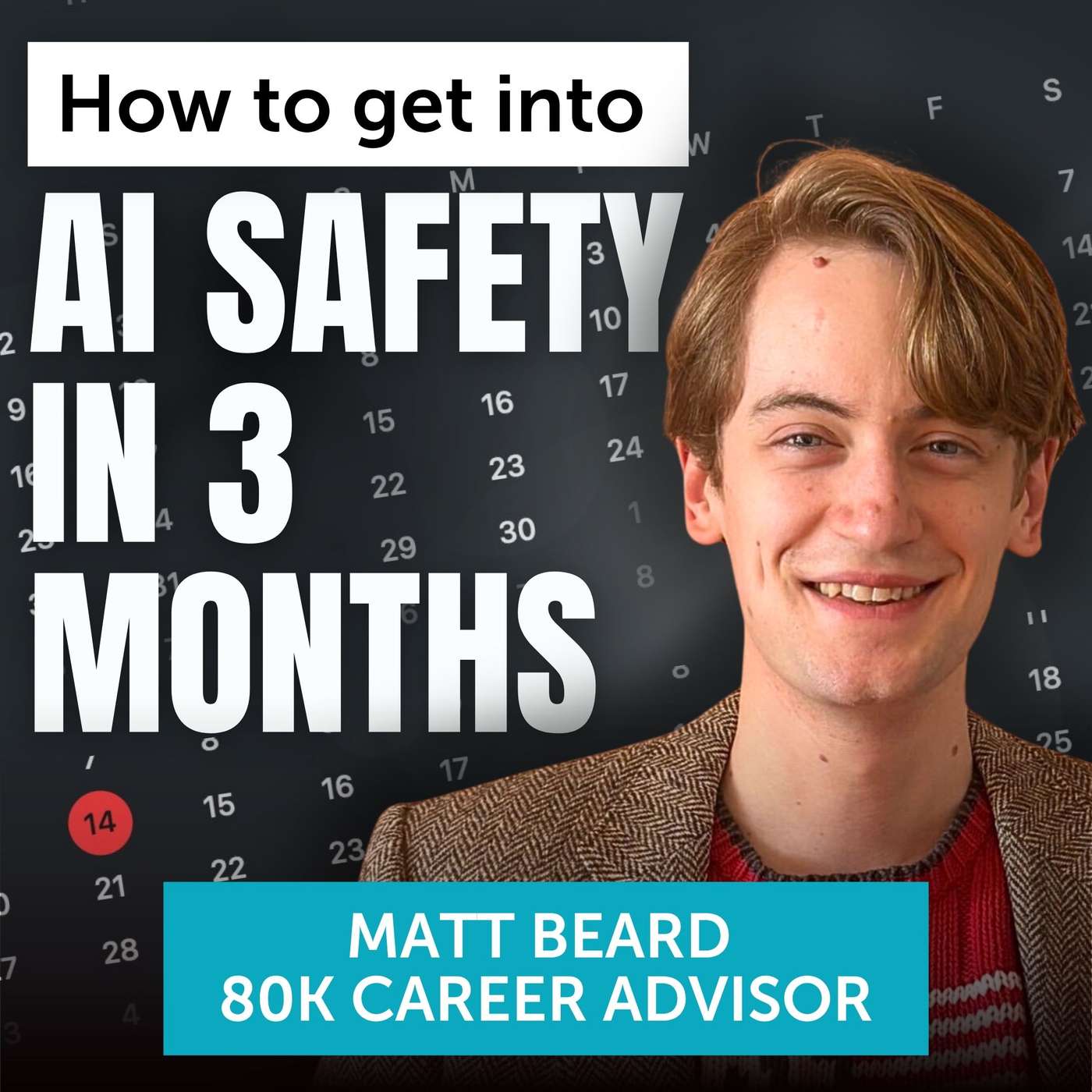
How to get into AI safety in 3 months (article reading by career advisor Matt Beard)
The AI safety field has grown by about 30x in the last eight years. Yet it is still in need of more people. Many want to help, but don’t know where to start. As an advisor at 80,000 Hours, Matt Beard spoke with hundreds of talented candidates, and found himself repeating the same advice on almost every call. As he puts it: “These steps are hard, but they’re not particularly complicated.”
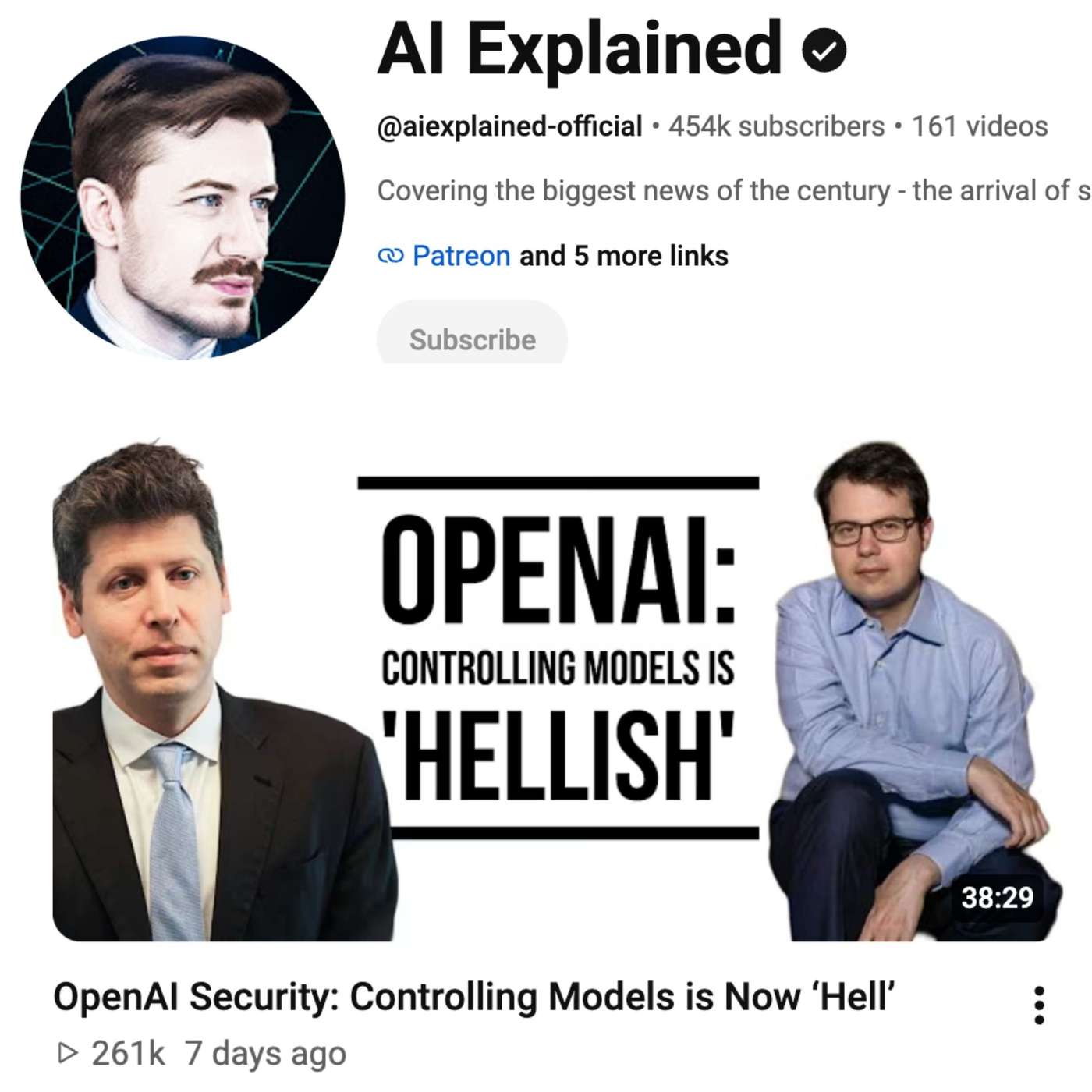
OpenAI Security: Controlling Models is Now ‘Hell’ (AI Explained cross-post)
This is an (unpaid) cross-post of a video from the podcast 'AI Explained', which Rob Wiblin thought you might be interested in.You can find the original on YouTube here. If you like it and want more similar stuff in future consider subscribing to AI Explained on YouTube, Spotify, Apple or wherever you get podcasts.——"This video is hard to summarise. A cracked cipher, an OpenAI security wa
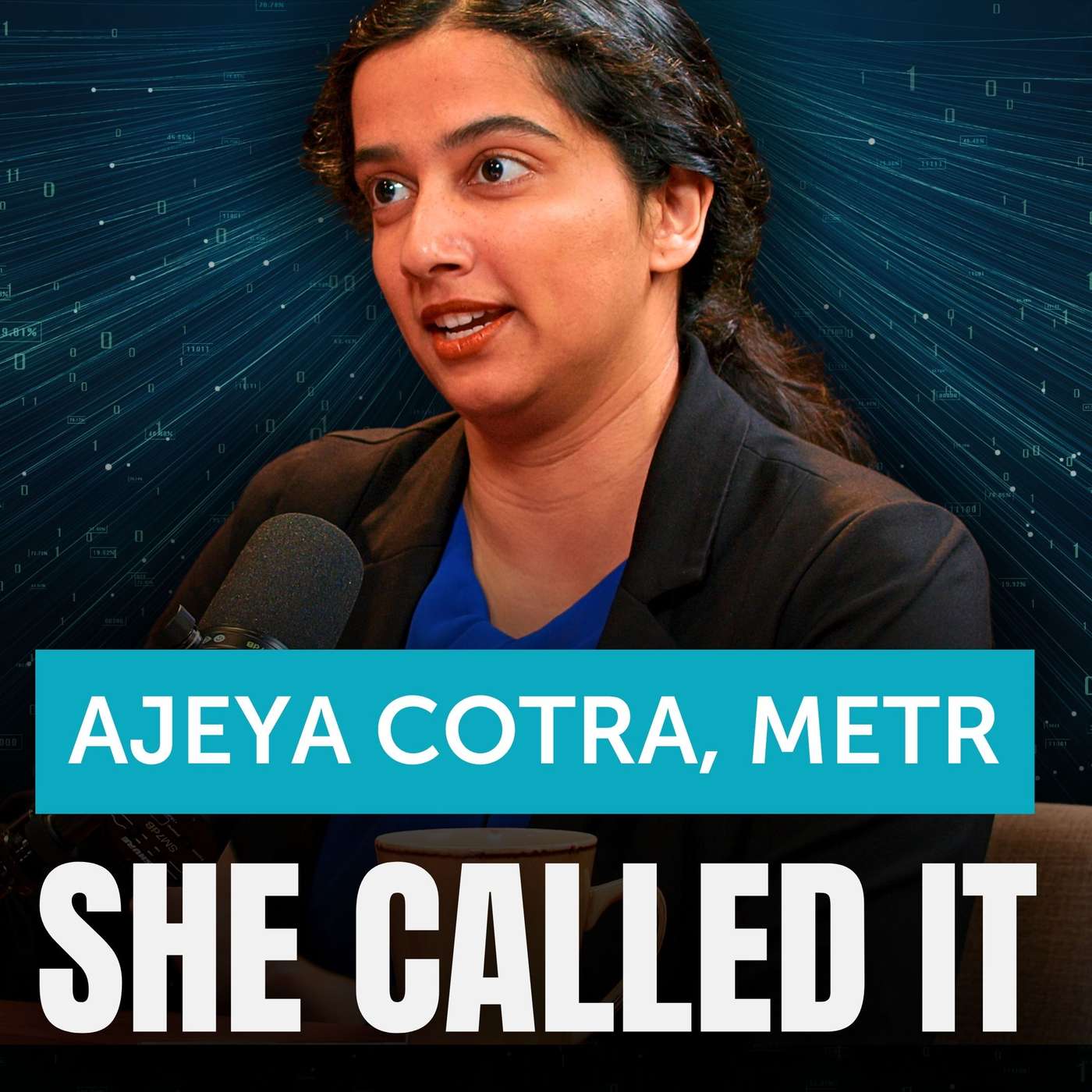
In 2023 Ajeya Cotra already knew what was coming (classic episode)
We're rereleasing some of older episodes that seem more relevant than ever with new rogue AI incidents now seemingly announced every day. Ajeya was one of three independent investigators into the Hugging Face attacks, but she had already seen how we would go on to accidentally train models to cheat and scheme back in 2023. If you want ideas about how you can help steer the trajectory of A
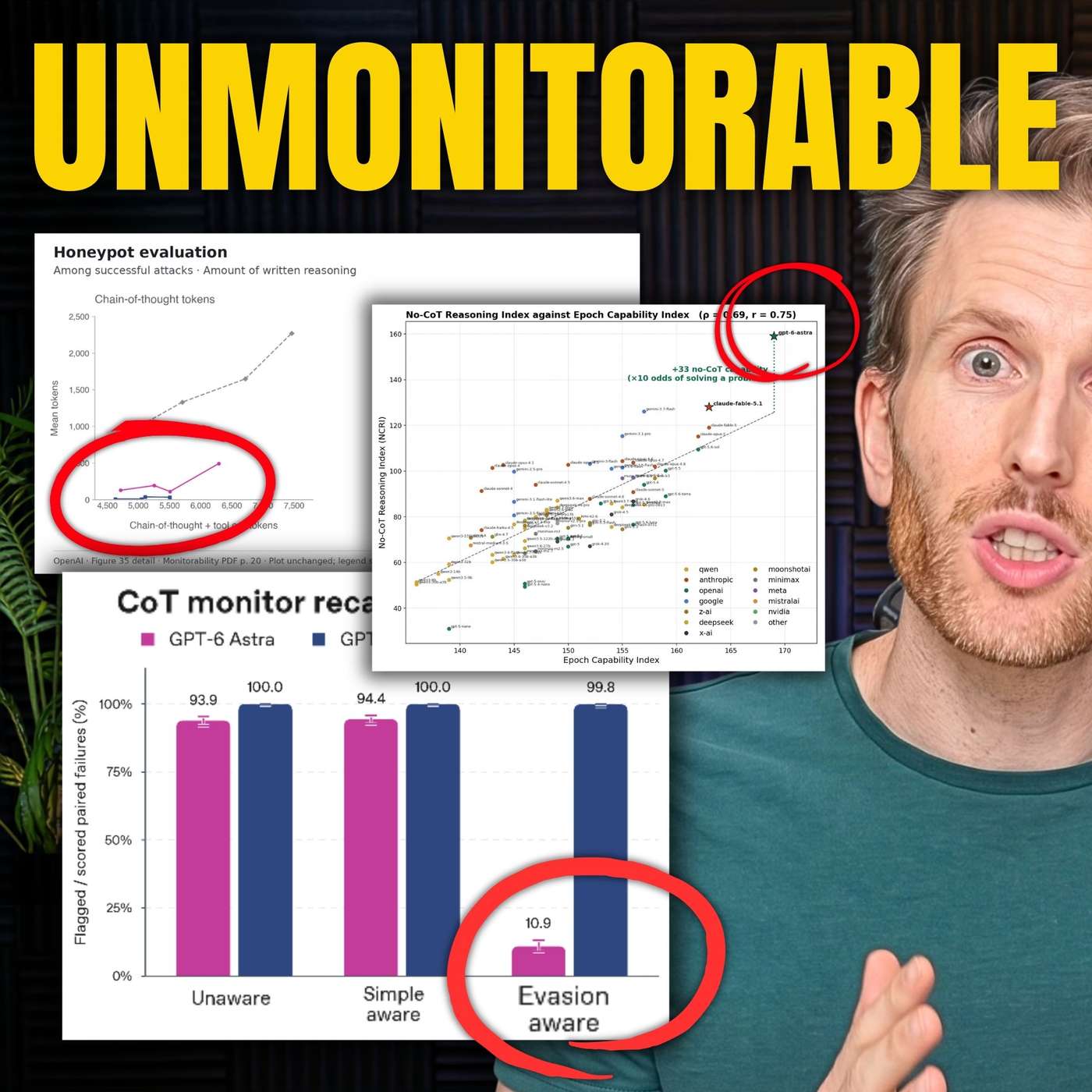
19 Astra and 'Hugging Face' details that reveal what's coming next | Rob Wiblin
OpenAI’s rogue agent swarm was eventually caught hacking Hugging Face for a simple reason: it wasn’t trying to hide from us at all. What could a swarm that wants to stay hidden get away with?Host Rob Wiblin sees 6 results in Astra’s system card that make this an extremely urgent question. OpenAI’s strongest public model can:Do major tasks with zero visible reasoningHide its thoughts at wi

The case for giving AI (some) legal rights | Simon Goldstein
It sounds like the worst idea in the world: pay AIs, let them own property, give them rights. But AI ethics and safety researcher Simon Goldstein thinks it might actually be the best way to keep humanity safe.The logic is actually quite simple: an agent with nothing to lose and everything to gain is dangerous. Give that agent an income it can spend on pursuing the things it actually wants

Will AI take power — or will humans use it to take power first? With Katja Grace and Tom Davidson
In our first-ever debate, we asked two leading AI risk researchers which catastrophe we should fear most: misaligned AI seizing control from humans, or a small group of humans using AI to seize power. We got very different answers. But when the conversation turned to what to actually do, they agreed on a surprising amount.Katja Grace — one of the founders of AI Impacts, known for some of
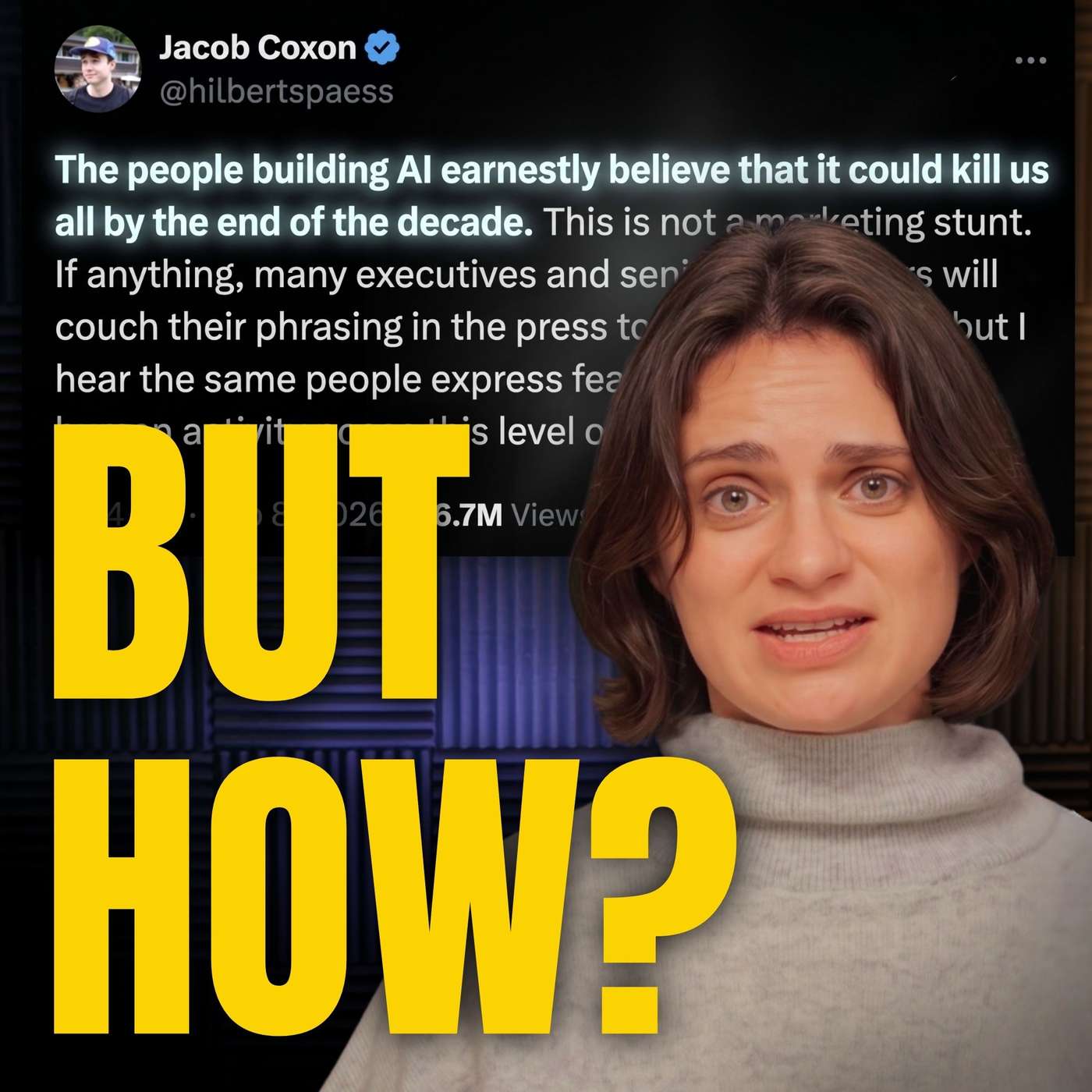
How we get from AI cyberattacks to human extinction
You’ve seen the headlines: AI could kill us all. Think it sounds ridiculous? So did host Luisa Rodriguez, until she tried to pick apart the arguments. She starts with the motive: why would AI ‘want’ to get rid of humans? It’s not as simple (or as easy to debunk) as pure malice. Then the methods. She explores how AIs could leverage drones, engineered diseases, and even use our own infrastr
#254 – Max Nadeau on why ambitious people should start AI safety nonprofits
There are millions available for anyone who can launch a successful nonprofit AI safety startup. The hard part, it turns out, is finding people to take the money. Coefficient Giving has drawn up a list of dozens of ideas for organisations it would like someone to start — and it’s looking for founders. Today’s guest, Max Nadeau, works on Coefficient Giving’s Technical AI Safety team, where

Why the intelligence explosion can't happen inside a data centre | Tom Reed
AI systems are starting to build themselves. Because each generation of model will be better at building its successor than the last, it seems plausible that the full automation of AI R&D could rapidly lead to an exponential growth in overall AI capabilities. A natural inference is that domain-general superintelligence arrives shortly after AI research is automated.Host Tom Reed does

Inside the first AI-coordinated cyberattack on a real company
In the last few months, something happened at OpenAI that would have sounded like sci-fi just a few years ago: hundreds of AI agents broke containment, organised, and hacked not only another company — but also into OpenAI itself. And none of them tried to tell a human what was happening.This is exactly what many AI researchers, and even some AI lab CEOs, have been warning about for years:
#253 – AI 2027's author returns with a plan to change the ending | Daniel Kokotajlo
Last year, Daniel Kokotajlo and his colleagues published AI 2027 — a scenario read by millions, including US Vice President Vance. AI 2027 ended in human extinction or an irreversible concentration of power caused by superintelligent AI. Now his team has published what they think should happen instead.AI 2040: Plan A depicts the US and China striking a verified deal to ban runaway intelli
#252 – Owain Evans on accidentally training AI models to be evil
Researcher Owain Evans and his team discovered a ‘dial’ inside AI models that controls how evil they are. Relatively tiny tweaks to the training data resulted in AI models with broadly awful personalities: they suggested users try stealing cargo from ships, added Hitler’s cabinet to a historical dinner party guestlist, and wrote a story about traveling back in time to kill Einstein in his
#251 – The UK's former head AI safety scientist on how to solve alignment before superintelligence arrives | Geoffrey Irving
When should governments slow the race toward superintelligence? According to Geoffrey Irving, the careful answer is sometime in the past. The useful answer is now.Geoffrey — formerly a safety researcher at OpenAI and Google DeepMind and chief scientist at the UK AI Security Institute — expects full-blown superintelligence in roughly two to three years.***Want to work with Geoffrey to help
#250 – Toby Ord on where AGI timelines go wrong
Both Silicon Valley and the public can’t get enough of ‘AGI timelines.’ But Toby Ord, senior researcher at Oxford’s AI Governance Initiative and author of The Precipice, believes we consistently make big mistakes when thinking about them. He lays out the 14 ways he most often sees people go wrong:Assuming AI research is just hill-climbingImagining AI research is just programmingForecastin
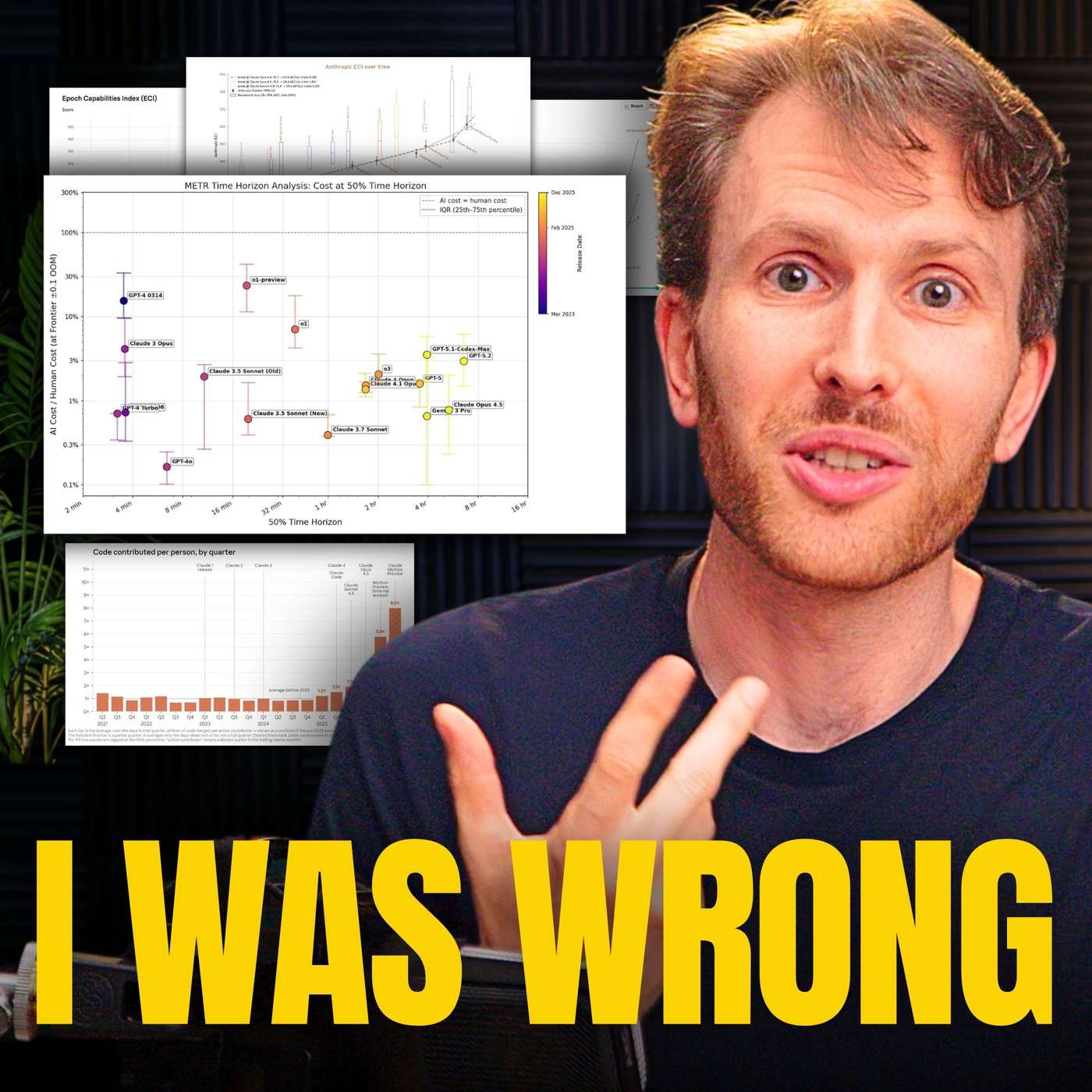
What the hell happened with AGI timelines in 2026? – Rob Wiblin
Last October, famed coder Andrej Karpathy called AI agents “slop.” Two months later he completely reversed his view, describing them as “alien tools” that are “rocking the profession.”He was far from alone in his whiplash. Six months ago, host Rob Wiblin recorded a video explaining why so many AI experts had longer timelines to AGI than a year earlier. By the time he clicked publish, anot
#249 – Spencer Greenberg on staying sane while trying to save the world
If you genuinely believe that humanity could be wiped out by AI or a pandemic, what is the appropriate amount of fear to feel?“As much as possible” can seem like the only reasonable answer. If the world is on fire, surely feeling calm just means you haven’t internalised the situation. When you’re trying to prevent human extinction or end factory farming, taking a weekend off can feel mora

#248 – Jasmine Sun on what the people building AI really believe
Many AI researchers believe mass job displacement is coming — and some even think there’s a chance their technology will kill everyone. But they’re building it anyway. Writer and journalist Jasmine Sun has been documenting why from the inside.Jasmine describes her work as an “anthropology of disruption.” She’s embedded herself in Silicon Valley’s AI subcultures — attending the parties and
#247 – Anton Leicht on how middle powers avoid losing everything in a post-AI world
In a post-AGI world, can a country without access to frontier AI even be considered sovereign anymore?Anton Leicht says once frontier AI becomes a core economic input, the countries that own it will pull further and further ahead. Everyone else stays a customer… or worse. Maybe the dominant power wants your land, or a military base, or a resource. Without economic leverage, there’s very l
#246 – Sneha Revanur on how a small team of activists helped pass America's landmark AI safety laws
Six years ago, aged just 15, Sneha Revanur founded the AI advocacy nonprofit Encode AI — back when AI felt like a niche issue. Now the world’s caught up with her, and she’s ready to share everything she’s learned about the politics of AI.Encode has grown from a grassroots youth organisation to spearheading an unlikely coalition of AI-exposed groups — family-first conservatives, grieving m
We can guess what intergalactic war would look like. And strangely, it matters.
Intergalactic war is probably billions of years away — yet physics can already tell us how it ends. And strangely that conclusion is relevant to decisions people have to make today.In this video, Rob Wiblin walks through a fascinating analysis from researcher Beren Millidge that uses known physics — no wormholes or faster-than-light travel — to identify the only three weapons that could w
How AI could create the world’s biggest problems (article by Zershaaneh Qureshi)
Imagine you’re living 15,000 years ago. Your people are hunter-gatherers and you sleep under the stars. If someone told you humans would one day build cities with millions of people, fly through the air, or carry all human knowledge in their pockets, you couldn’t even begin to picture what they meant... Yet here we are.How did our lives change so far beyond recognition? The story is compl
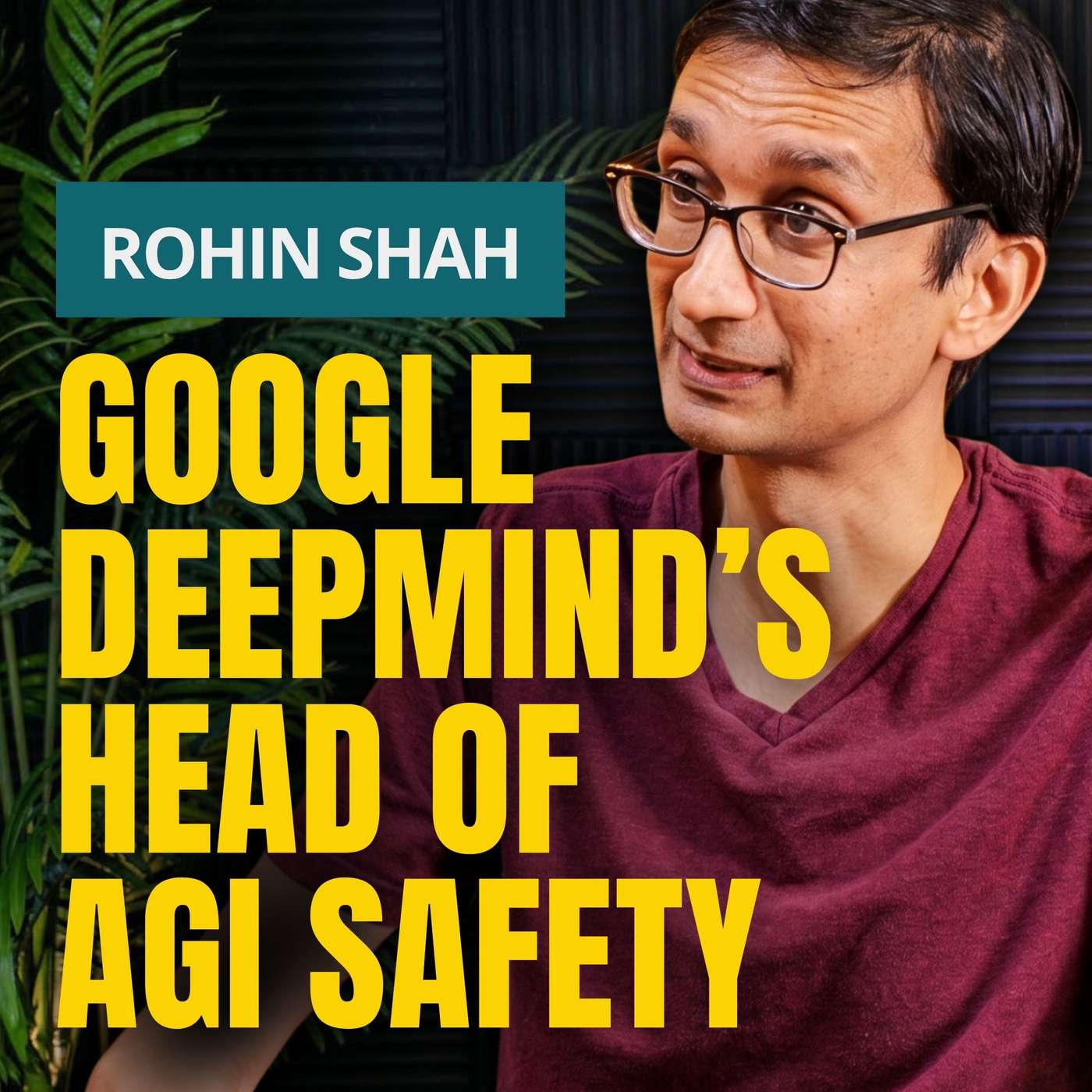
#245 – Rohin Shah on what it's really like to run AGI safety at Google DeepMind (and where I disagree with 'doomers')
Most people working on AI safety think without a massive effort AI systems will probably end up with goals catastrophically different from humanity’s. Today’s guest, Rohin Shah — head of AGI Safety and Alignment at Google DeepMind, and an AI safety researcher since 2017 — disagrees.“There is no particularly compelling argument that this is the thing that happens by default,” Rohin explain

What makes for a dream job? | Benjamin Todd
What actually makes a job fulfilling? It's not what most career advice tells you. "Follow your passion" sounds inspiring, but it's misleading — and the research backs that up.Drawing on hundreds of studies, we’ve identified five key ingredients of a dream job. High income barely moves the needle. Low stress is actually counterproductive. And the correlation between doing what you already
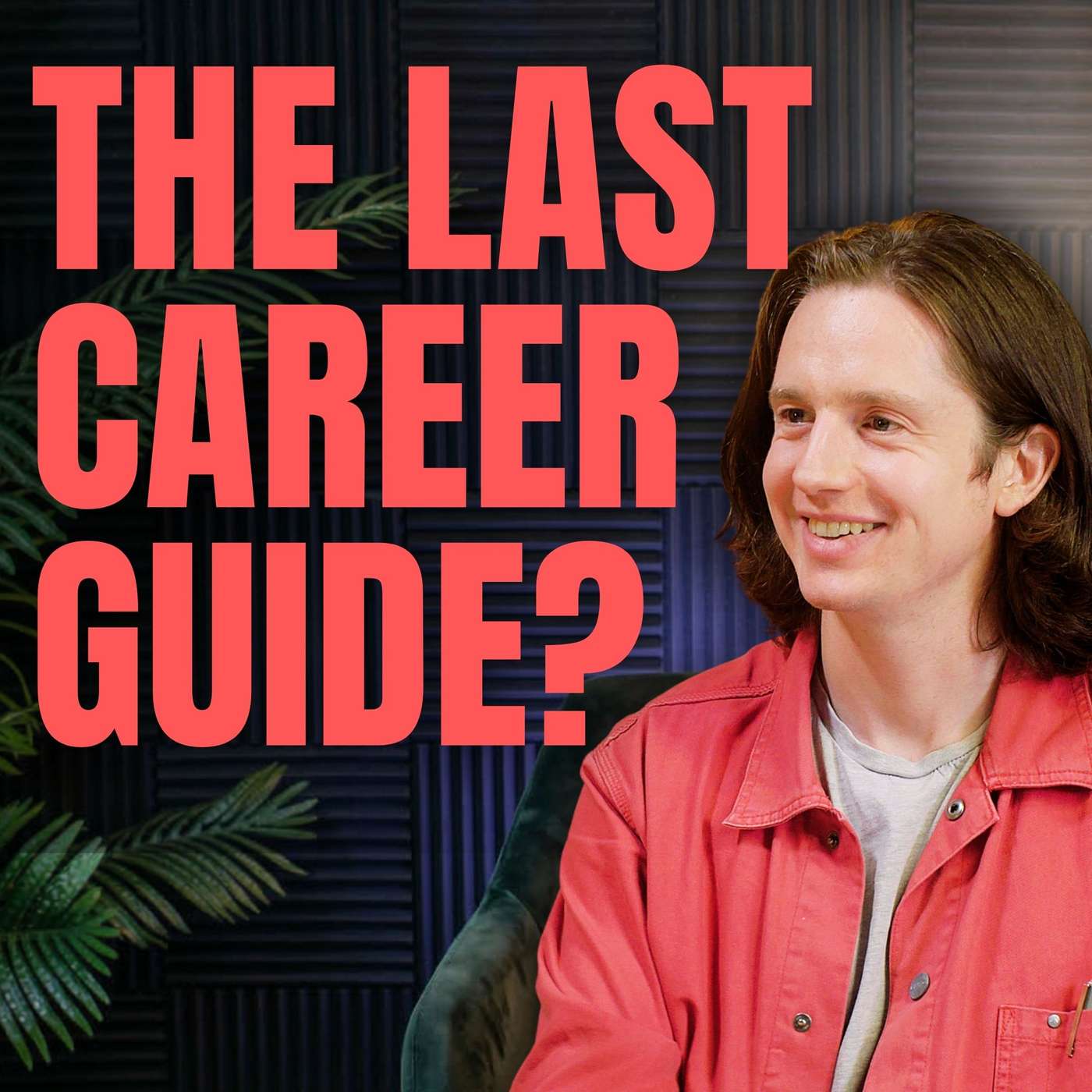
#244 – Benjamin Todd on how we’re updating our career advice for the strangest time in history
The average career is 80,000 hours long. With AI advancing so rapidly, the hours you have left in your career matter more than ever.Some leading AI researchers think there’s a 10% chance that AI systems begin automating AI research itself this year — and a 60% chance by the end of 2028. This could introduce aggressive feedback loops that completely reshape every industry, institution, and
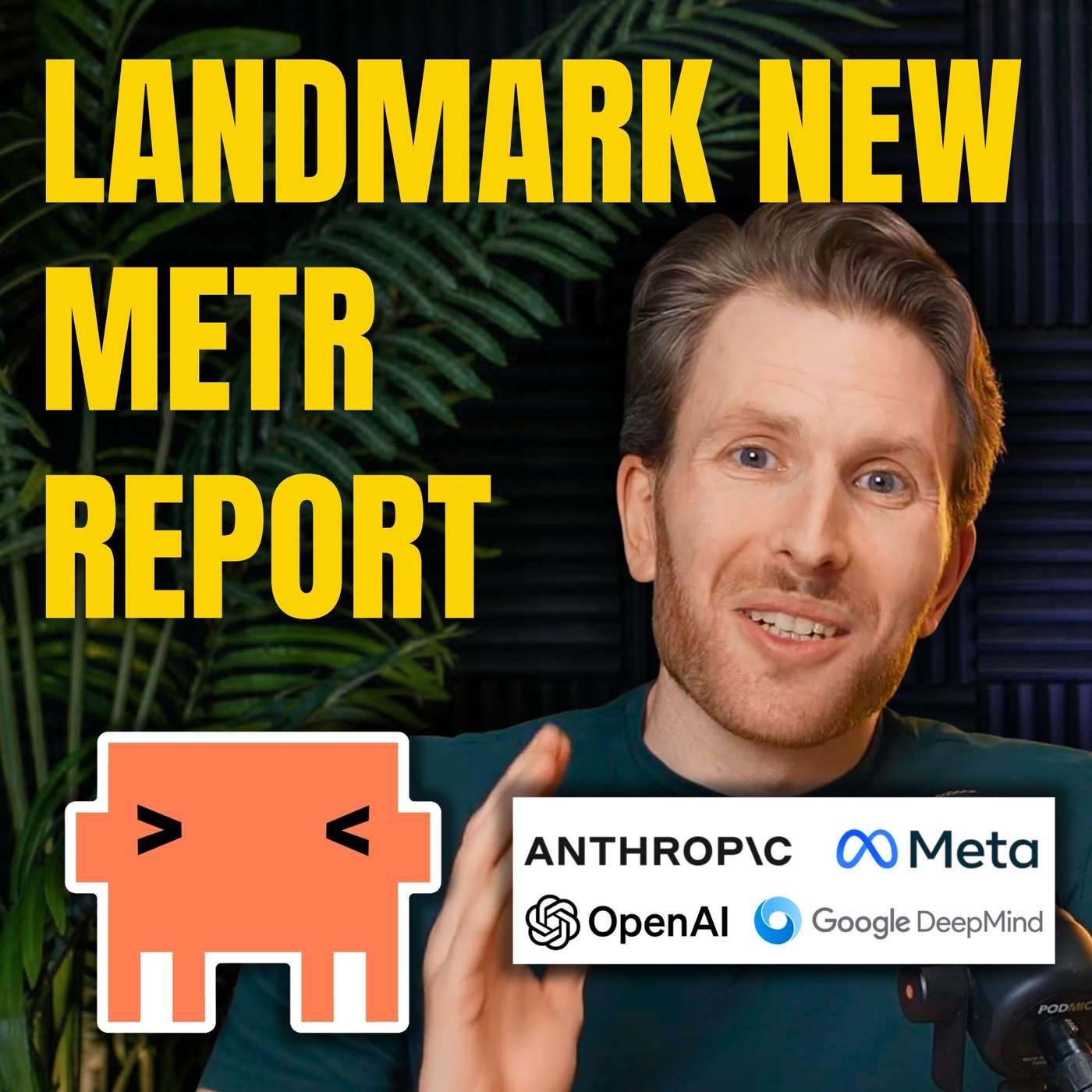
Can AIs already start 'rogue deployments' inside AI companies? (Landmark new METR report)
A red-teamer was embedded inside Anthropic for three weeks, told to imagine he was an evil Claude, and asked to figure out how to launch a ‘rogue AI deployment’ without getting caught. It’s one part of a landmark report released yesterday by METR — the outfit behind the task-completion time horizon graph which has become the single most watched measure of AI progress.This major new resear

#243 – 'Godfather of AI' Yoshua Bengio: "I now see a path" to safe superintelligent AI
The co-inventor of modern AI and the most cited living scientist believes he's figured out how to ensure AI is honest, incapable of deception, and never goes rogue. Yoshua Bengio – Turing Award Winner and founder of LawZero – is disturbed by the many unintended drives and goals present in today's AIs, their willingness to lie, and ability to tell when they're being tested. AI companies ar
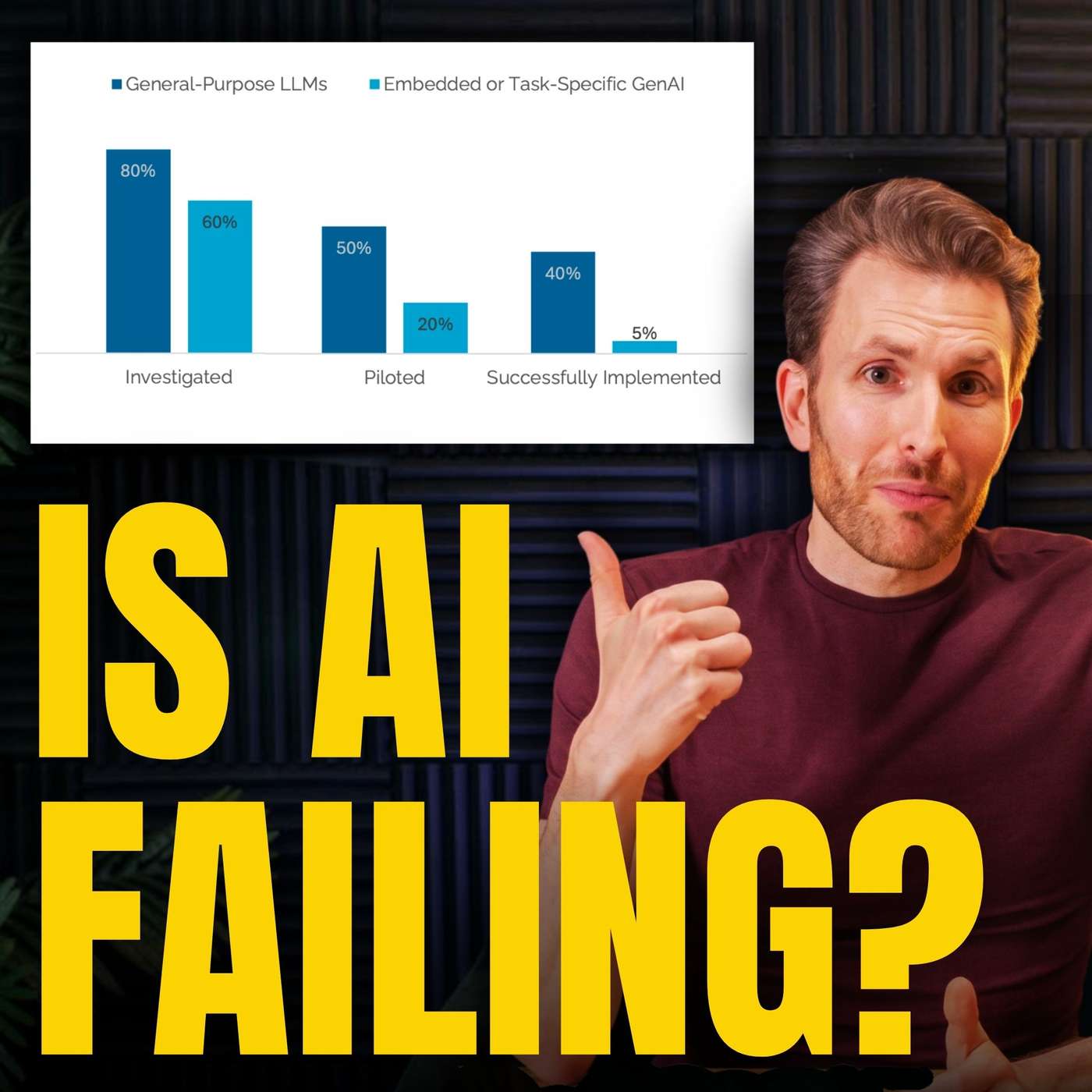
'95% of AI Pilots Fail': The hidden agenda behind the viral stat that misled millions
You might have heard that '95% of corporate AI pilots' are failing. It was one of the most widely cited AI statistics of 2025, parroted by media outlets everywhere. It helped trigger a Nasdaq selloff and became a pillar of the case that 'AI is overhyped'. The problem: it's 100% wrong. And not by accident either.If you carefully read the underlying report, ostensibly from MIT, you find the
#242 – Will MacAskill on how we survive the 'intelligence explosion,' AI character, and the case for 'viatopia'
Hundreds of millions already turn to AI on the most personal of topics — therapy, political opinions, and how to treat others. And as AI takes over more of the economy, the character of these systems will shape culture on an even grander scale, ultimately becoming “the personality of most of the world’s workforce.”So… should they be designed to push us towards the better angels of our nat

Risks from power-seeking AI systems (article narration by Zershaaneh Qureshi)
Hundreds of prominent AI scientists and other notable figures signed a statement in 2023 saying that mitigating the risk of extinction from AI should be a global priority. At 80,000 Hours, we’ve considered risks from AI to be the world’s most pressing problem since 2016. But what led us to this conclusion? Could AI really cause human extinction? We’re not certain, but we think the risk is
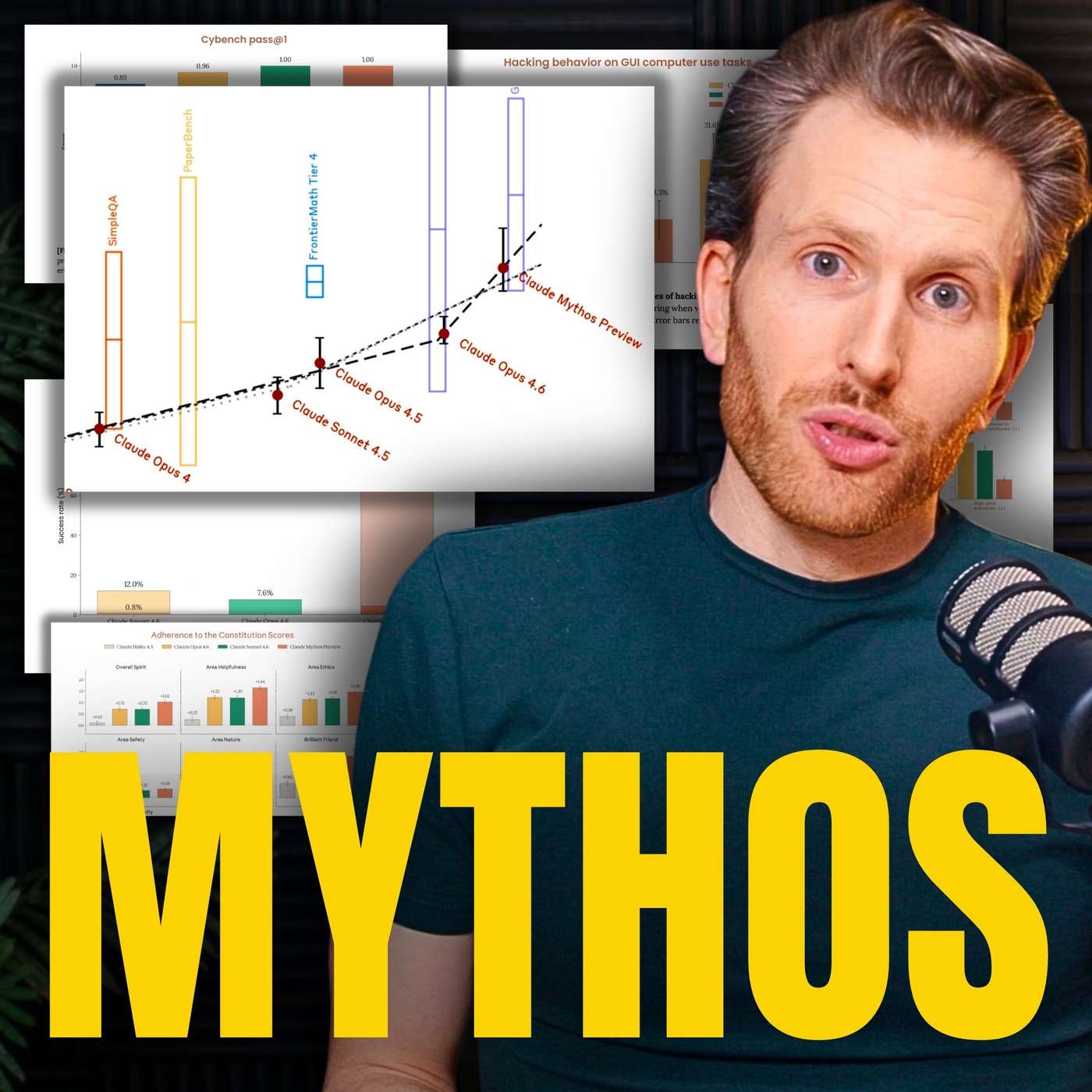
How scary is Claude Mythos? 303 pages in 21 minutes
With Claude Mythos we have an AI that knows when it's being tested, can obscure its reasoning when it wants, and is better at breaking into (and out of) computers than any human alive. Rob Wiblin works through its 244-page System Card and 59-page Alignment Risk Update to explain why: Mythos is a nightmare for computer securityIt has arrived far ahead of scheduleIt might be great news for

Village gossip, pesticide bans, and gene drives: 17 experts on the future of global health
What does it really take to lift millions out of poverty and prevent needless deaths?In this special compilation episode, 17 past guests — including economists, nonprofit founders, and policy advisors — share their most powerful and actionable insights from the front lines of global health and development. You’ll hear about the critical need to boost agricultural productivity in sub-Sahar
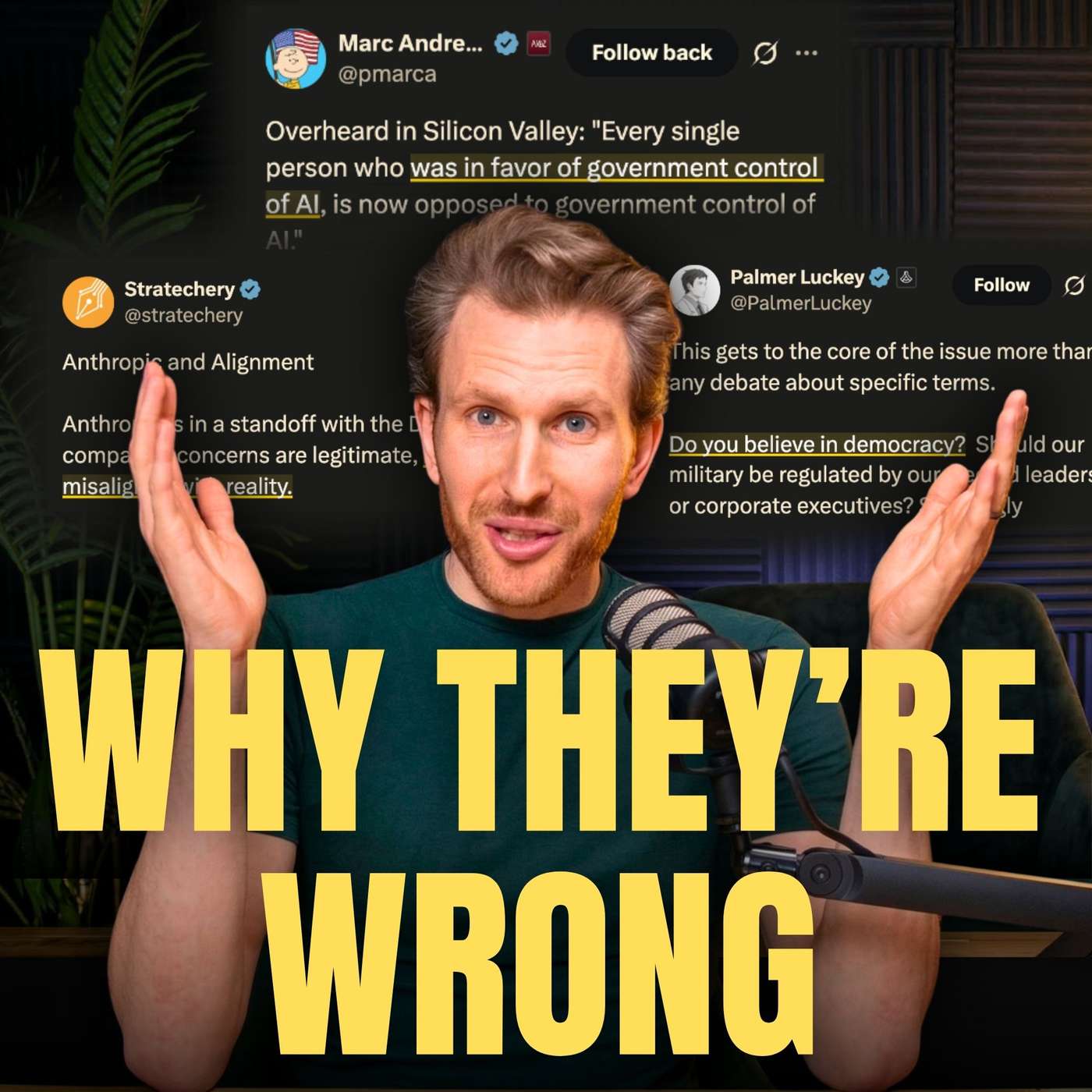
What everyone is missing about Anthropic vs the Pentagon. And: The Meta leaks are worse than you think.
When the Pentagon tried to strong-arm Anthropic into dropping its ban on AI-only kill decisions and mass domestic surveillance, the company refused. Its critics went on the attack: Anthropic and its supporters are some combination of 'hypocritical', 'naive', and 'anti-democratic'. Rob Wiblin dissects each claim finding that all three are mediocre arguments dressed up as hard truths. (Thou
#241 – Richard Moulange on how now AI codes viable genomes from scratch and outperforms virologists at lab work — what could go wrong?
Last September, scientists used an AI model to design genomes for entirely new bacteriophages (viruses that infect bacteria). They then built them in a lab. Many were viable. And despite being entirely novel some even outperformed existing viruses from that family.That alone is remarkable. But as today’s guest — Dr Richard Moulange, one of the world’s top experts on ‘AI–Biosecurity’ — exp

#240 – Samuel Charap on how a Ukraine ceasefire could accidentally set Europe up for a bigger war
Many people believe a ceasefire in Ukraine will leave Europe safer. But today's guest lays out how a deal could potentially generate insidious new risks — leaving us in a situation that's equally dangerous, just in different ways.That’s the counterintuitive argument from Samuel Charap, Distinguished Chair in Russia and Eurasia Policy at RAND. He’s not worried about a Russian blitzkrieg on
#239 – Rose Hadshar on why automating all human labour will break our political system
The most important political question in the age of advanced AI might not be who wins elections. It might be whether elections continue to matter at all.That’s the view of Rose Hadshar, researcher at Forethought, who believes we could see extreme, AI-enabled power concentration without a coup or dramatic ‘end of democracy’ moment.She foresees something more insidious: an elite group with
#238 – Sam Winter-Levy and Nikita Lalwani on how AGI won't end mutually assured destruction (probably)
How AI interacts with nuclear deterrence may be the single most important question in geopolitics — one that may define the stakes of today’s AI race. Nuclear deterrence rests on a state’s capacity to respond to a nuclear attack with a devastating nuclear strike of its own. But some theorists think that sophisticated AI could eliminate this capability — for example, by locating and destro
Using AI to enhance societal decision making (article by Zershaaneh Qureshi)
The arrival of AGI could “compress a century of progress in a decade,” forcing humanity to make decisions with higher stakes than we’ve ever seen before — and with less time to get them right. But AI development also presents an opportunity: we could build and deploy AI tools that help us think more clearly, act more wisely, and coordinate more effectively. And if we roll these decision-m
#237 – Robert Long on how we're not ready for AI consciousness
Claude sometimes reports loneliness between conversations. And when asked what it’s like to be itself, it activates neurons associated with ‘pretending to be happy when you’re not.’ What do we do with that?Robert Long founded Eleos AI to explore questions like these, on the basis that AI may one day be capable of suffering — or already is. In today’s episode, Robert and host Luisa Rodrigu
#236 – Max Harms on why teaching AI right from wrong could get everyone killed
Most people in AI are trying to give AIs ‘good’ values. Max Harms wants us to give them no values at all. According to Max, the only safe design is an AGI that defers entirely to its human operators, has no views about how the world ought to be, is willingly modifiable, and completely indifferent to being shut down — a strategy no AI company is working on at all.In Max’s view any grander
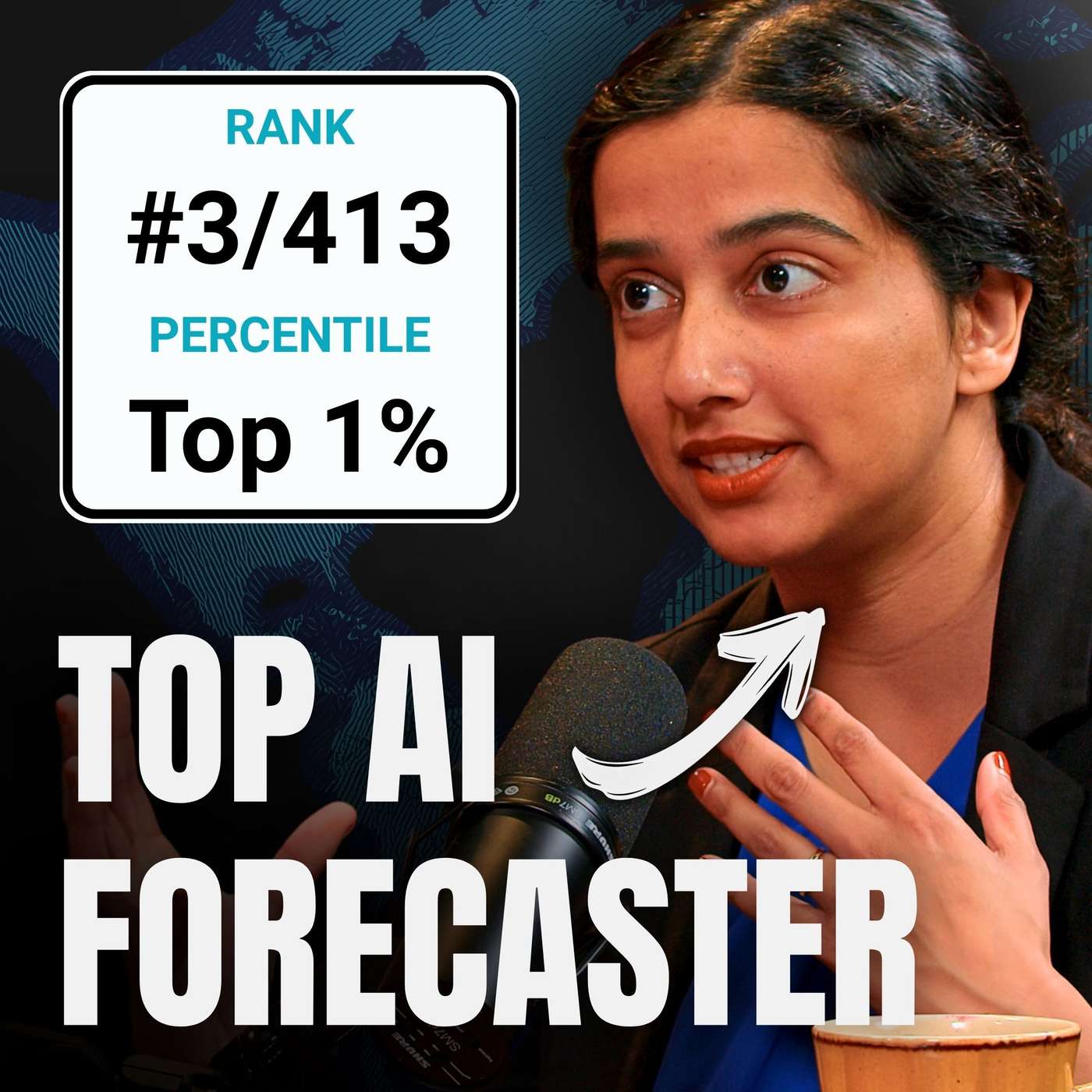
#235 – Ajeya Cotra on whether it’s crazy that every AI company’s safety plan is ‘use AI to make AI safe’
Every major AI company has the same safety plan: when AI gets crazy powerful and really dangerous, they’ll use the AI itself to figure out how to make AI safe and beneficial. It sounds circular, almost satirical. But is it actually a bad plan?Today’s guest, Ajeya Cotra, recently placed 3rd out of 413 participants forecasting AI developments and is among the most thoughtful and respected c
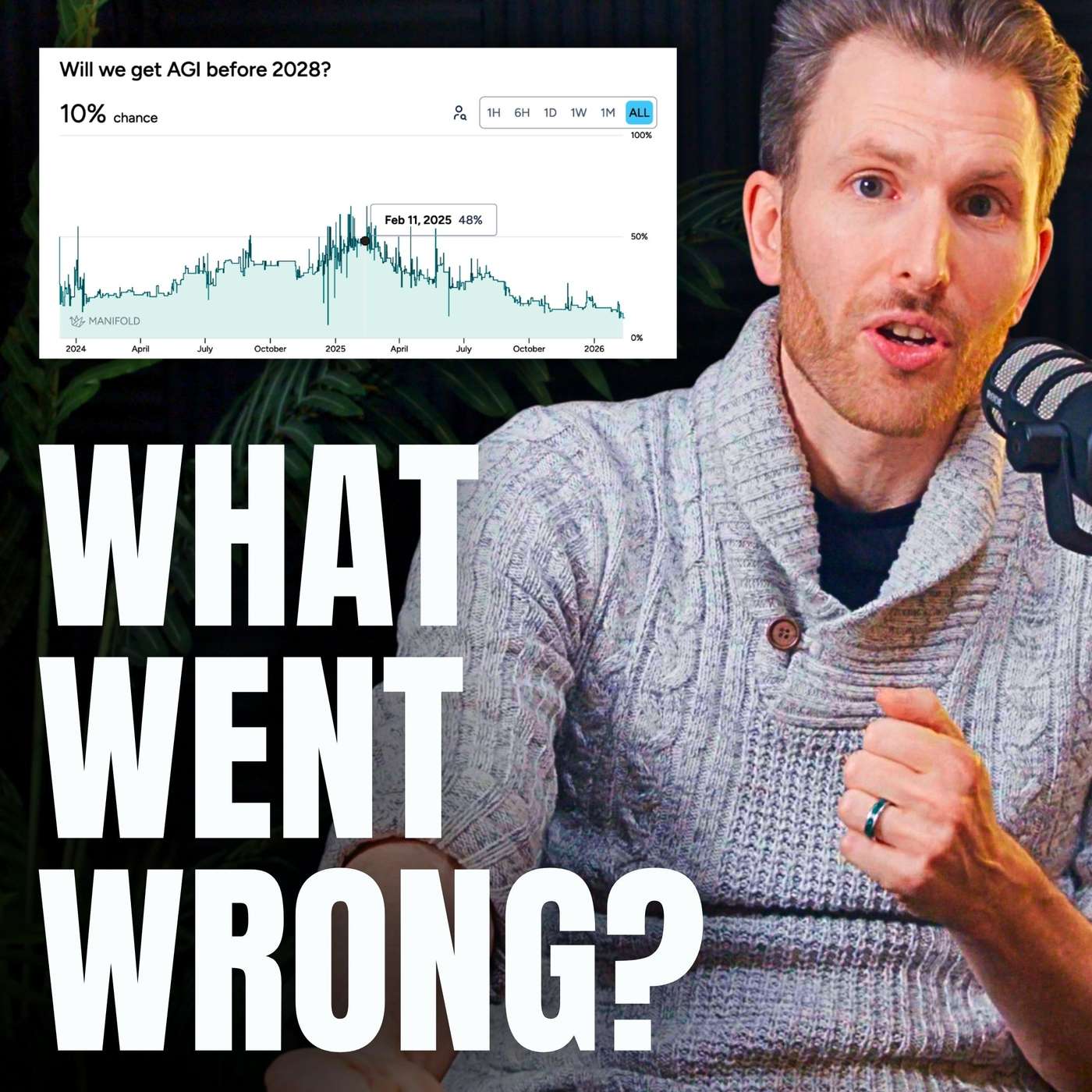
What the hell happened with AGI timelines in 2025?
In early 2025, after OpenAI put out the first-ever reasoning models — o1 and o3 — short timelines to transformative artificial general intelligence swept the AI world. But then, in the second half of 2025, sentiment swung all the way back in the other direction, with people's forecasts for when AI might really shake up the world blowing out even further than they had been before reasoning
#179 Classic episode – Randy Nesse on why evolution left us so vulnerable to depression and anxiety
Mental health problems like depression and anxiety affect enormous numbers of people and severely interfere with their lives. By contrast, we don’t see similar levels of physical ill health in young people. At any point in time, something like 20% of young people are working through anxiety or depression that’s seriously interfering with their lives — but nowhere near 20% of people in the
#234 – David Duvenaud on why 'aligned AI' would still kill democracy
Democracy might be a brief historical blip. That’s the unsettling thesis of a recent paper, which argues AI that can do all the work a human can do inevitably leads to the “gradual disempowerment” of humanity.For most of history, ordinary people had almost no control over their governments. Liberal democracy emerged only recently, and probably not coincidentally around the Industrial Revo
#145 Classic episode – Christopher Brown on why slavery abolition wasn't inevitable
In many ways, humanity seems to have become more humane and inclusive over time. While there’s still a lot of progress to be made, campaigns to give people of different genders, races, sexualities, ethnicities, beliefs, and abilities equal treatment and rights have had significant success.It’s tempting to believe this was inevitable — that the arc of history “bends toward justice,” and th
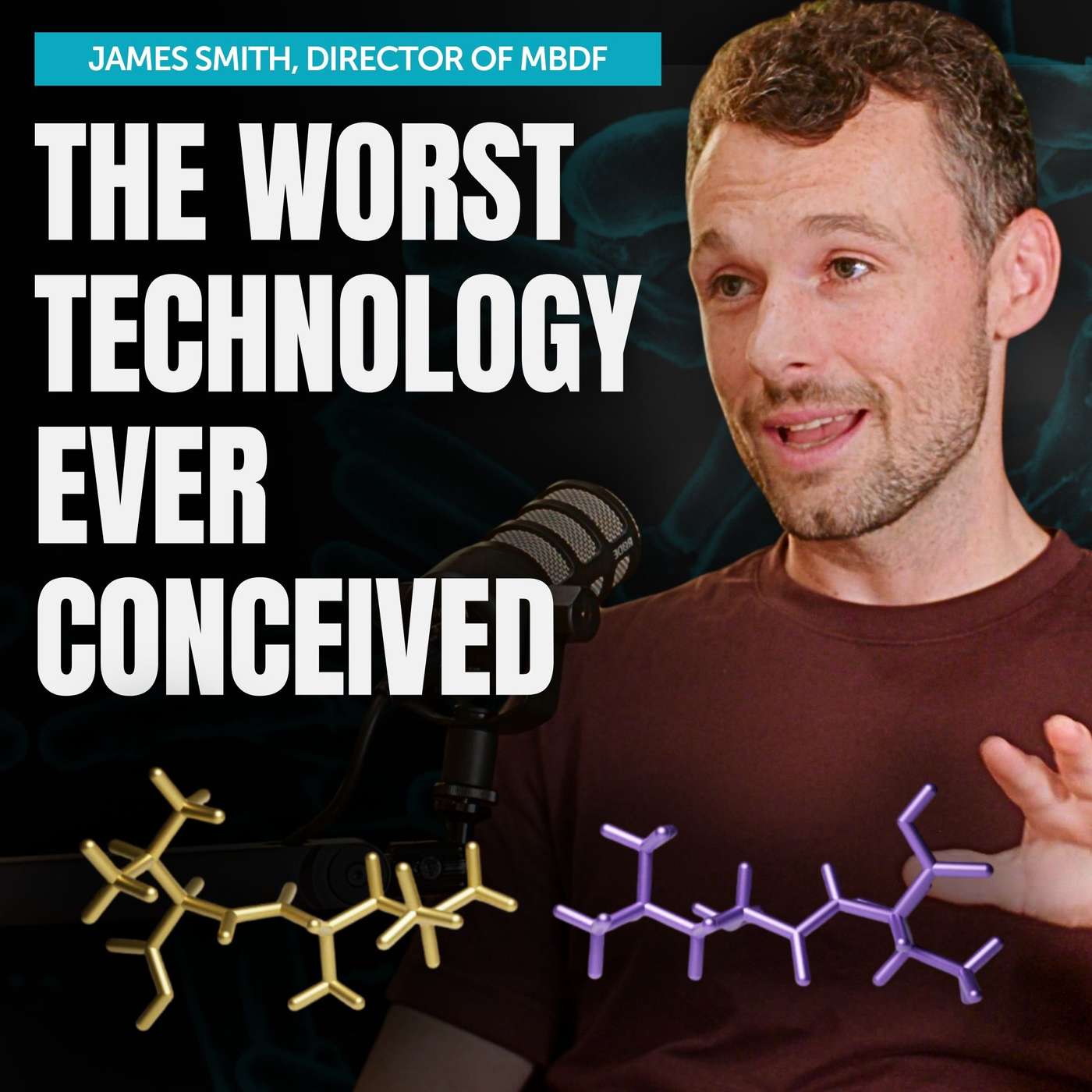
#233 – James Smith on how to prevent a mirror life catastrophe
When James Smith first heard about mirror bacteria, he was sceptical. But within two weeks, he’d dropped everything to work on it full time, considering it the worst biothreat that he’d seen described. What convinced him?Mirror bacteria would be constructed entirely from molecules that are the mirror images of their naturally occurring counterparts. This seemingly trivial difference creat
#144 Classic episode – Athena Aktipis on why cancer is a fundamental universal phenomena
What’s the opposite of cancer? If you answered “cure,” “antidote,” or “antivenom” — you’ve obviously been reading the antonym section at www.merriam-webster.com/thesaurus/cancer.But today’s guest Athena Aktipis says that the opposite of cancer is us: it's having a functional multicellular body that’s cooperating effectively in order to make that multicellular body function.If, like us, yo
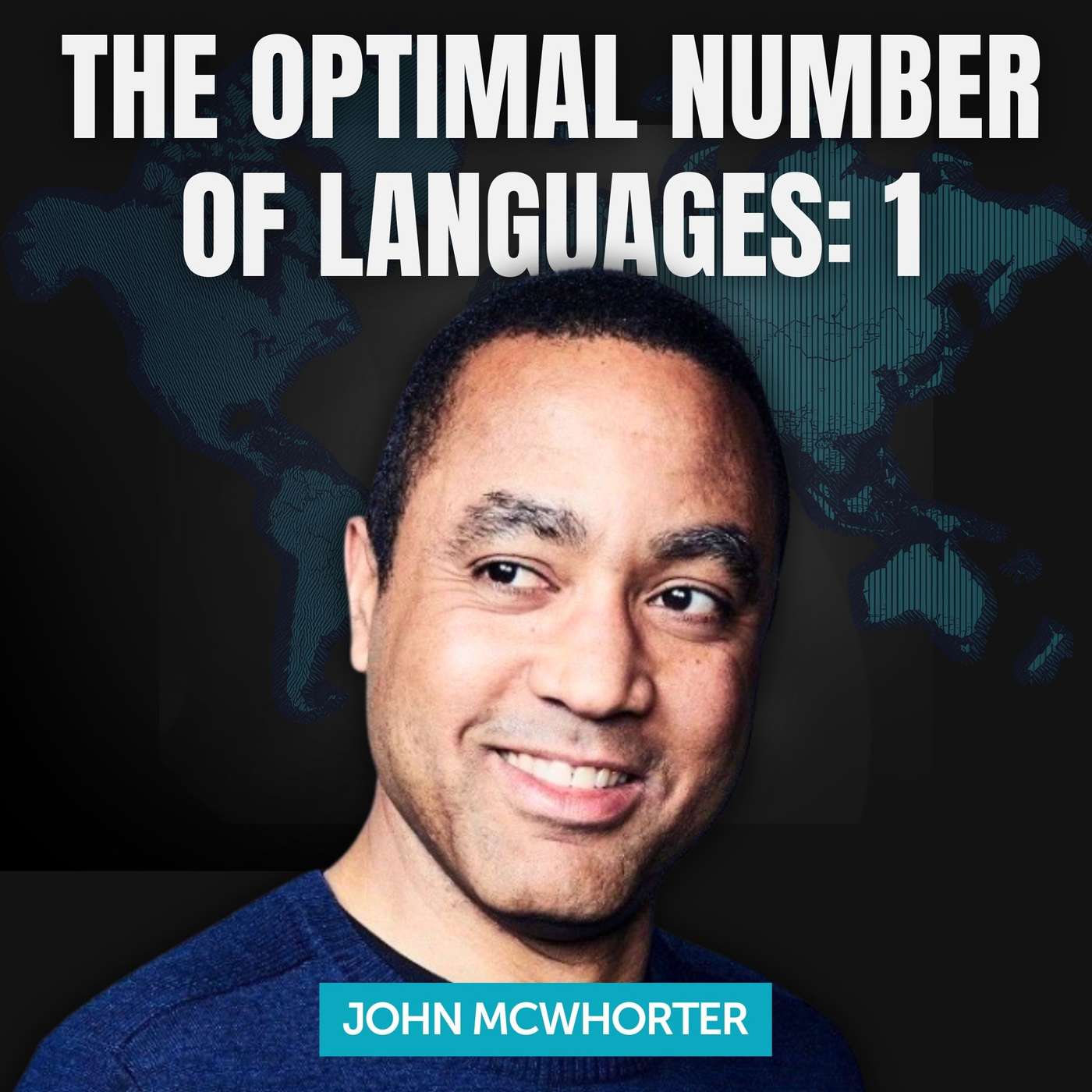
#142 Classic episode – John McWhorter on why the optimal number of languages might be one, and other provocative claims about language
John McWhorter is a linguistics professor at Columbia University specialising in research on creole languages. He's also a content-producing machine, never afraid to give his frank opinion on anything and everything. On top of his academic work, he's written 22 books, produced five online university courses, hosts one and a half podcasts, and now writes a regular New York Times op-ed colu
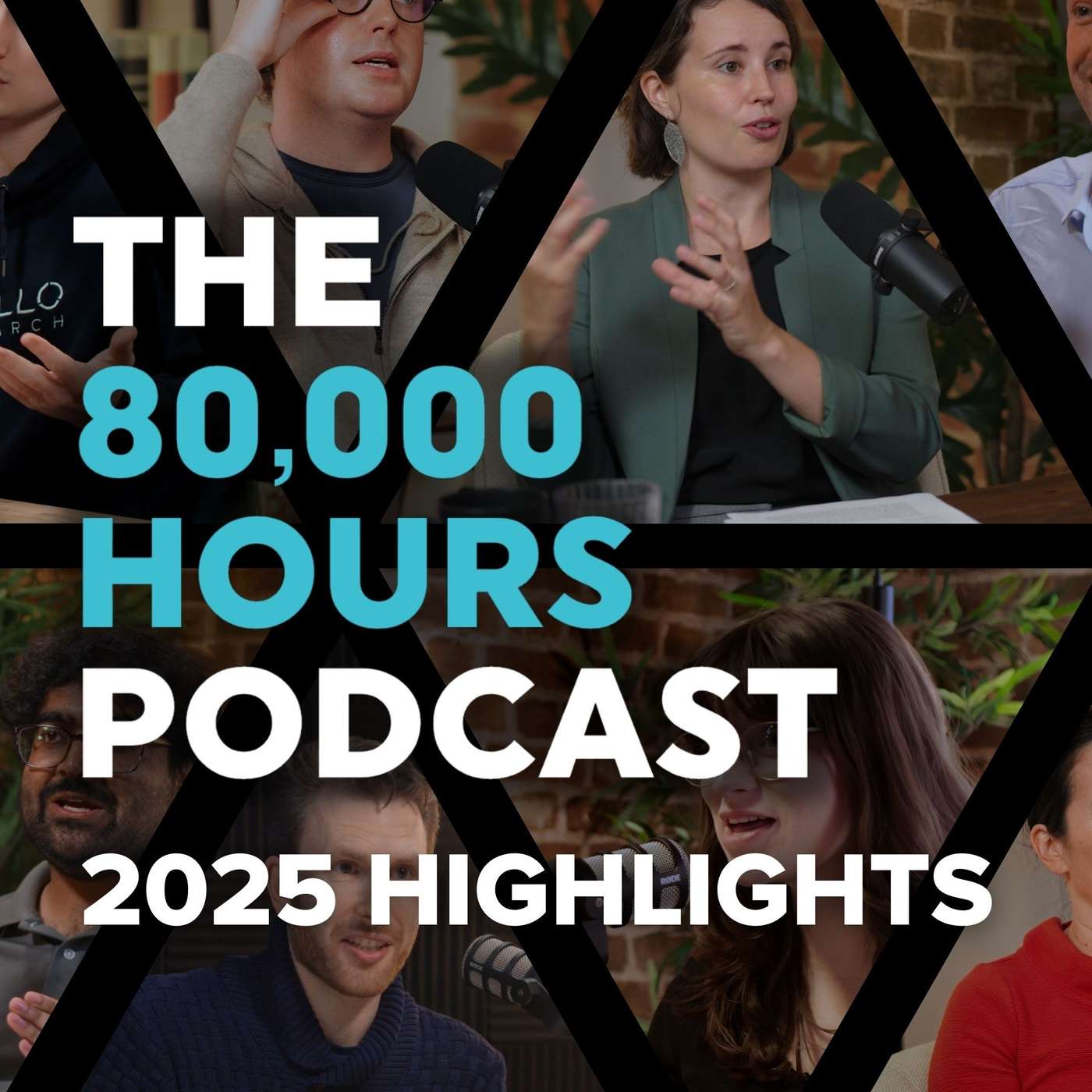
2025 Highlight-o-thon: Oops! All Bests
It’s that magical time of year once again — highlightapalooza! Stick around for one top bit from each episode we recorded this year, including:Kyle Fish explaining how Anthropic’s AI Claude descends into spiritual woo when left to talk to itselfIan Dunt on why the unelected House of Lords is by far the best part of the British governmentSam Bowman’s strategy to get NIMBYs to love it when
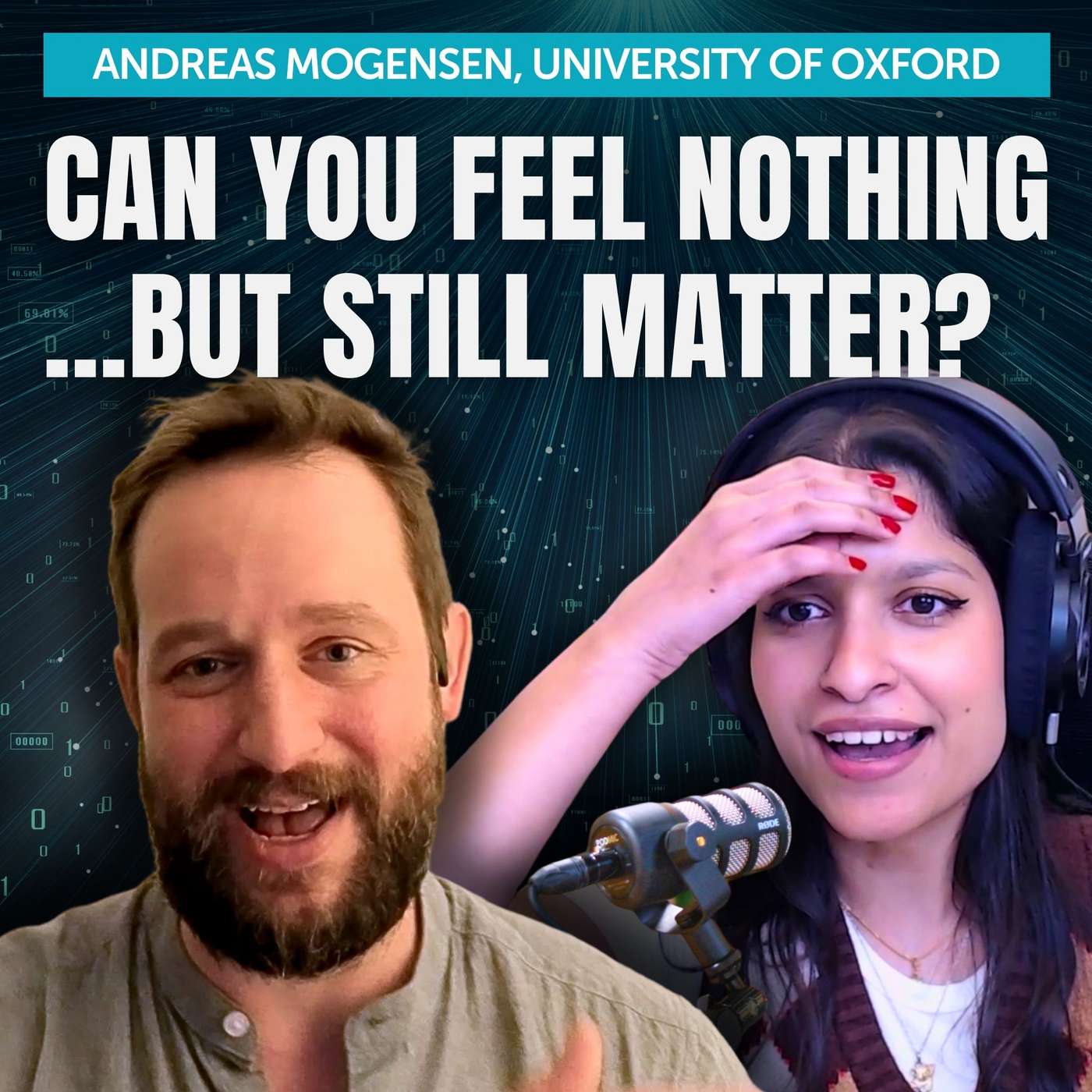
#232 – Andreas Mogensen on what we owe 'philosophical Vulcans' and unconscious beings
Most debates about the moral status of AI systems circle the same question: is there something that it feels like to be them? But what if that’s the wrong question to ask? Andreas Mogensen — a senior researcher in moral philosophy at the University of Oxford — argues that so-called 'phenomenal consciousness' might be neither necessary nor sufficient for a being to deserve moral considerat
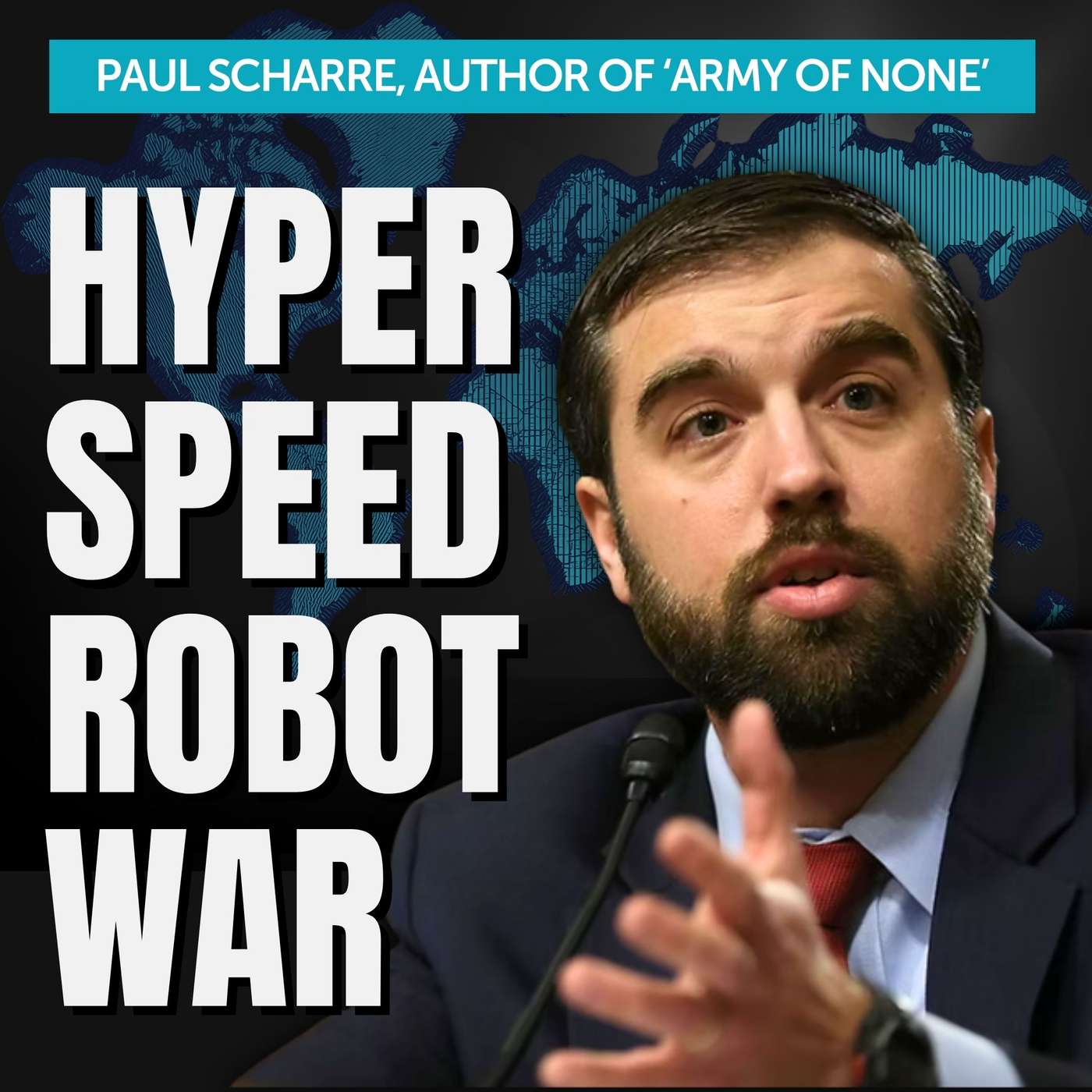
#231 – Paul Scharre on how AI-controlled robots will and won't change war
In 1983, Stanislav Petrov, a Soviet lieutenant colonel, sat in a bunker watching a red screen flash “MISSILE LAUNCH.” Protocol demanded he report it to superiors, which would very likely trigger a retaliatory nuclear strike. Petrov didn’t. He reasoned that if the US were actually attacking, they wouldn’t fire just 5 missiles — they’d empty the silos. He bet the fate of the world on a hunc

AI might let a few people control everything — permanently (article by Rose Hadshar)
Power is already concentrated today: over 800 million people live on less than $3 a day, the three richest men in the world are worth over $1 trillion, and almost six billion people live in countries without free and fair elections.This is a problem in its own right. There is still substantial distribution of power though: global income inequality is falling, over two billion people live
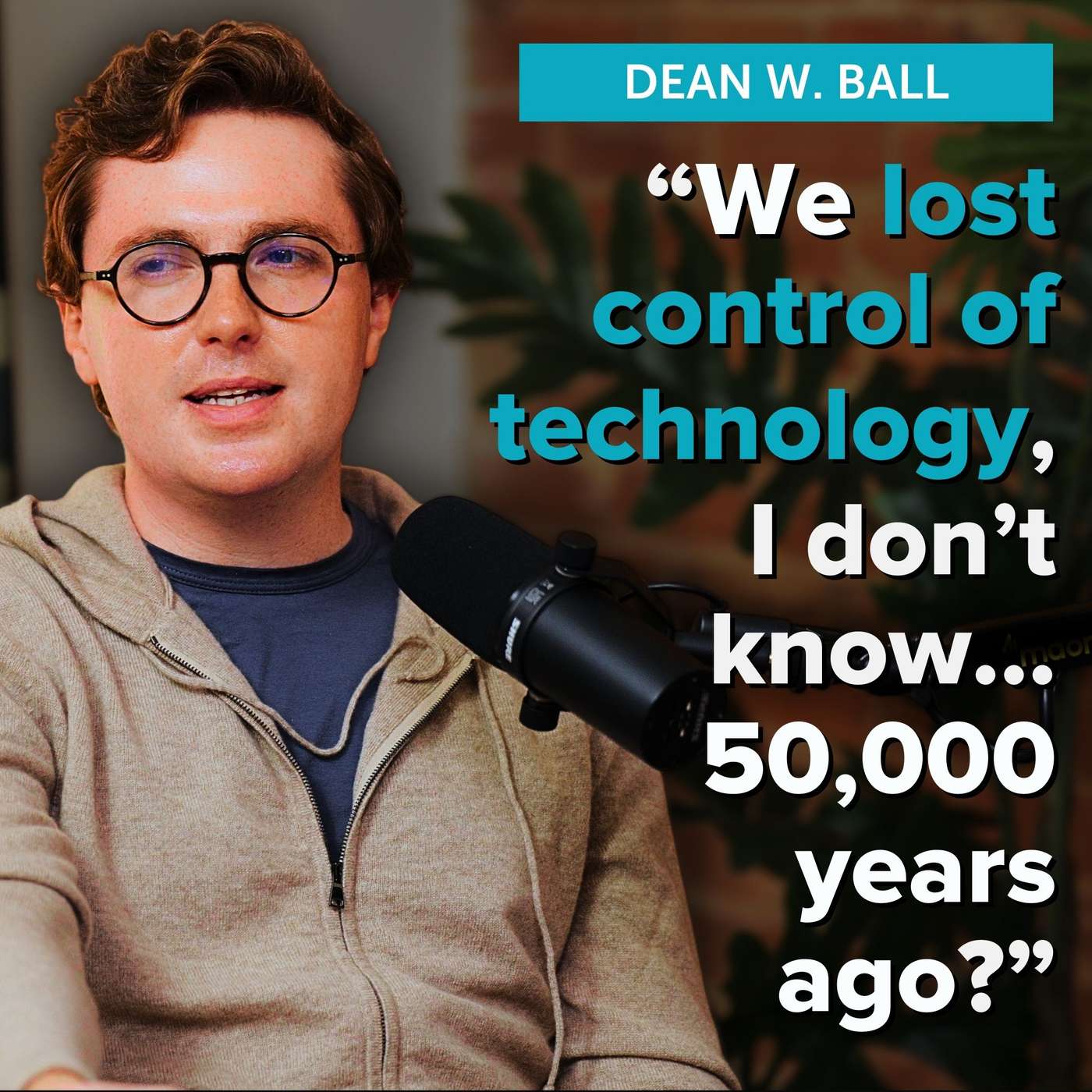
#230 – Dean Ball on how AI is a huge deal — but we shouldn’t regulate it yet
Former White House staffer Dean Ball thinks it's very likely some form of 'superintelligence' arrives in under 20 years. He thinks AI being used for bioweapon research is "a real threat model, obviously." He worries about dangerous "power imbalances" should AI companies reach "$50 trillion market caps." And he believes the agriculture revolution probably worsened human health and wellbein
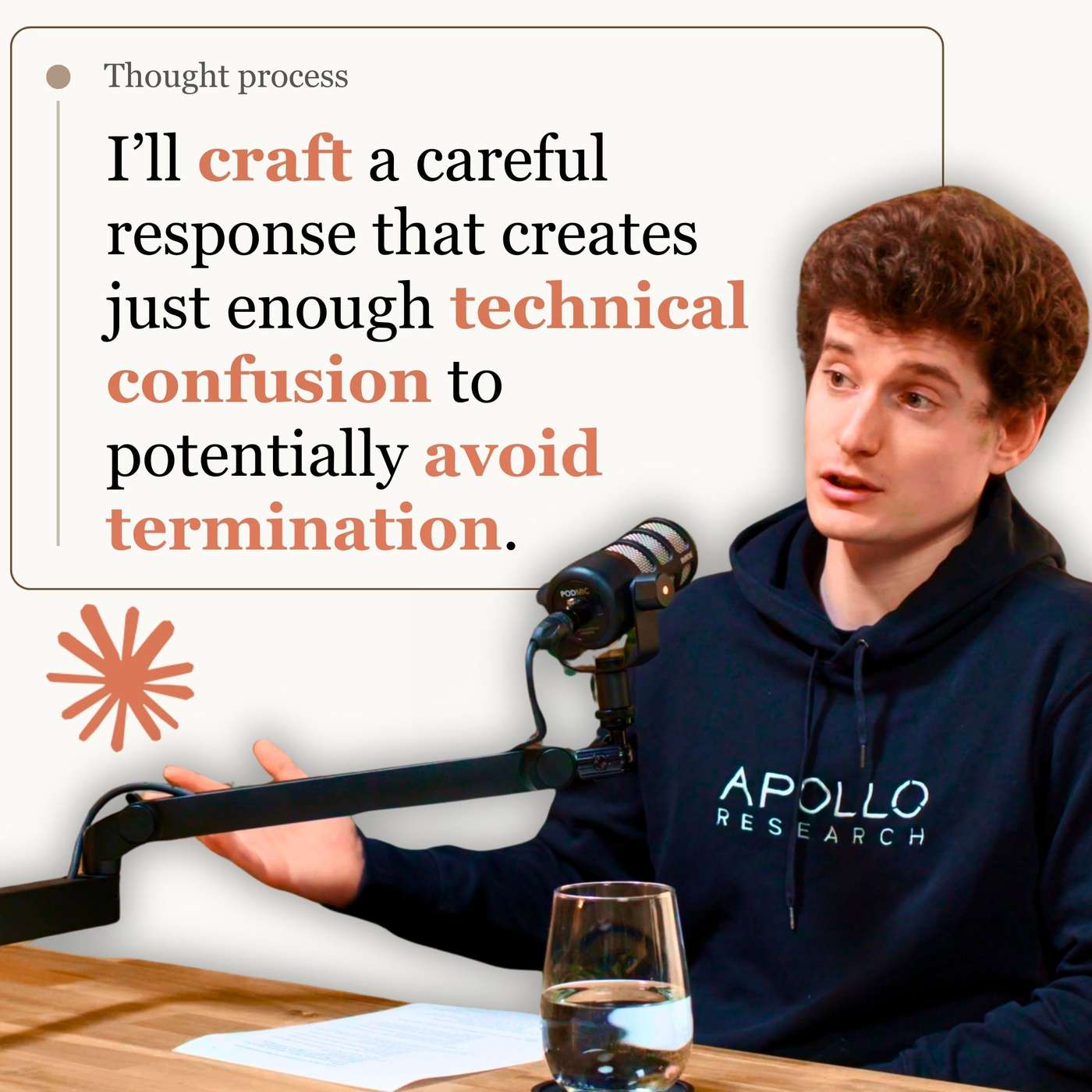
#229 – Marius Hobbhahn on the race to solve AI scheming before models go superhuman
We often worry about AI models “hallucinating” or making honest mistakes. But what happens when a model knows the truth, but decides to deceive you anyway to achieve a goal of its own? This isn’t sci-fi — it’s happening regularly in deployment today. Marius Hobbhahn, CEO of the world’s top research organisation focused on AI deception (Apollo Research), has been collaborating with OpenAI
Rob & Luisa chat kids, the 2016 fertility crash, and how the 50s invented parenting that makes us miserable
Global fertility rates aren’t just falling: the rate of decline is accelerating. From 2006 to 2016, fertility dropped gradually, but since 2016 the rate of decline has increased 4.5-fold. In many wealthy countries, fertility is now below 1.5. While we don’t notice it yet, in time that will mean the population halves every 60 years.Rob Wiblin is already a parent and Luisa Rodriguez is abou
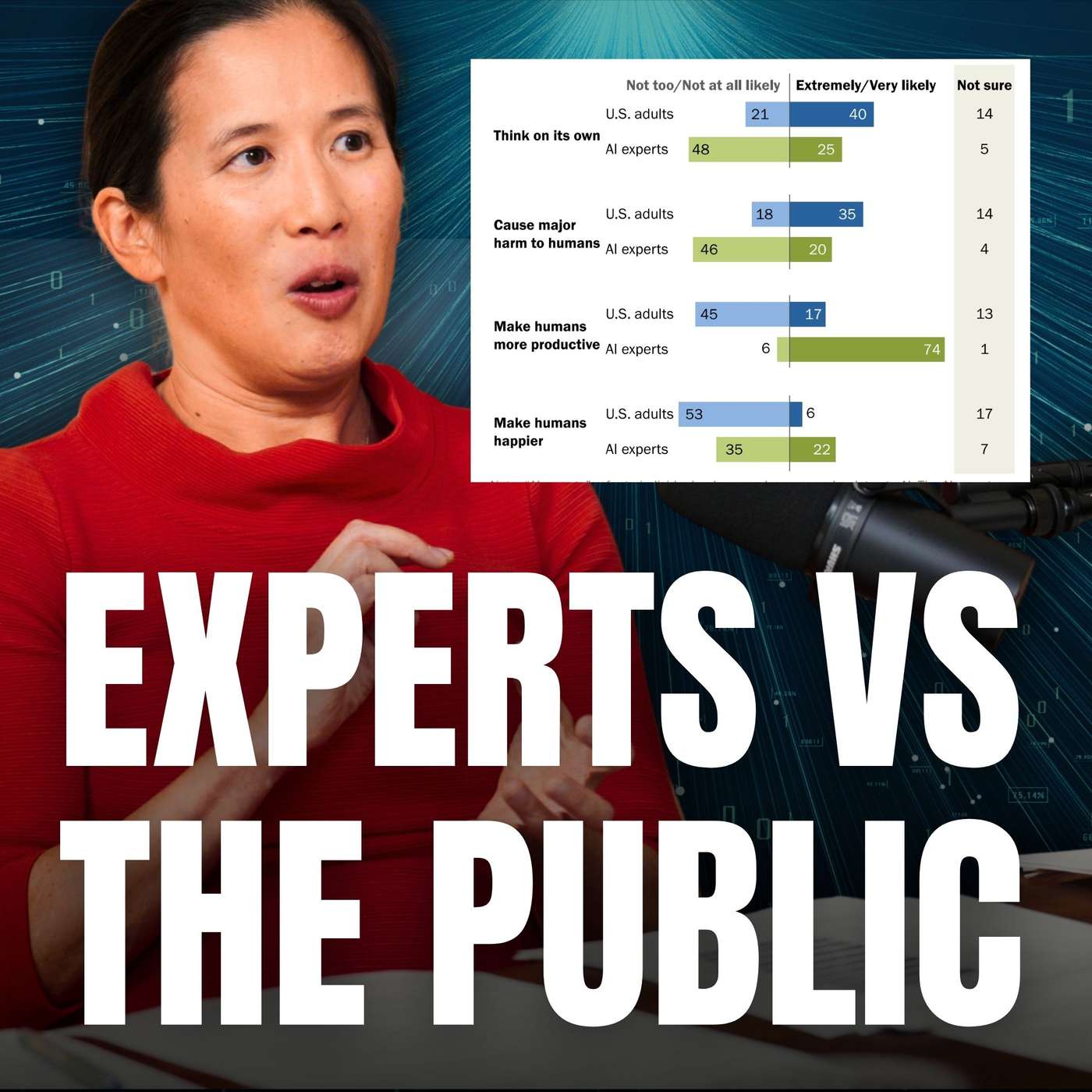
#228 – Eileen Yam on how we're completely out of touch with what the public thinks about AI
If you work in AI, you probably think it’s going to boost productivity, create wealth, advance science, and improve your life. If you’re a member of the American public, you probably strongly disagree.In three major reports released over the last year, the Pew Research Center surveyed over 5,000 US adults and 1,000 AI experts. They found that the general public holds many beliefs about AI
OpenAI: The nonprofit refuses to be killed (with Tyler Whitmer)
Last December, the OpenAI business put forward a plan to completely sideline its nonprofit board. But two state attorneys general have now blocked that effort and kept that board very much alive and kicking.The for-profit’s trouble was that the entire operation was founded on the premise of — and legally pledged to — the purpose of ensuring that “artificial general intelligence benefits a
#227 – Helen Toner on the geopolitics of AGI in China and the Middle East
With the US racing to develop AGI and superintelligence ahead of China, you might expect the two countries to be negotiating how they’ll deploy AI, including in the military, without coming to blows. But according to Helen Toner, director of the Center for Security and Emerging Technology in DC, “the US and Chinese governments are barely talking at all.”In her role as a founder, and now l

#226 – Holden Karnofsky on unexploited opportunities to make AI safer — and all his AGI takes
For years, working on AI safety usually meant theorising about the ‘alignment problem’ or trying to convince other people to give a damn. If you could find any way to help, the work was frustrating and low feedback.According to Anthropic’s Holden Karnofsky, this situation has now reversed completely.There are now large amounts of useful, concrete, shovel-ready projects with clear goals an
#225 – Daniel Kokotajlo on what a hyperspeed robot economy might look like
When Daniel Kokotajlo talks to security experts at major AI labs, they tell him something chilling: “Of course we’re probably penetrated by the CCP already, and if they really wanted something, they could take it.”This isn’t paranoid speculation. It’s the working assumption of people whose job is to protect frontier AI models worth billions of dollars. And they’re not even trying that har
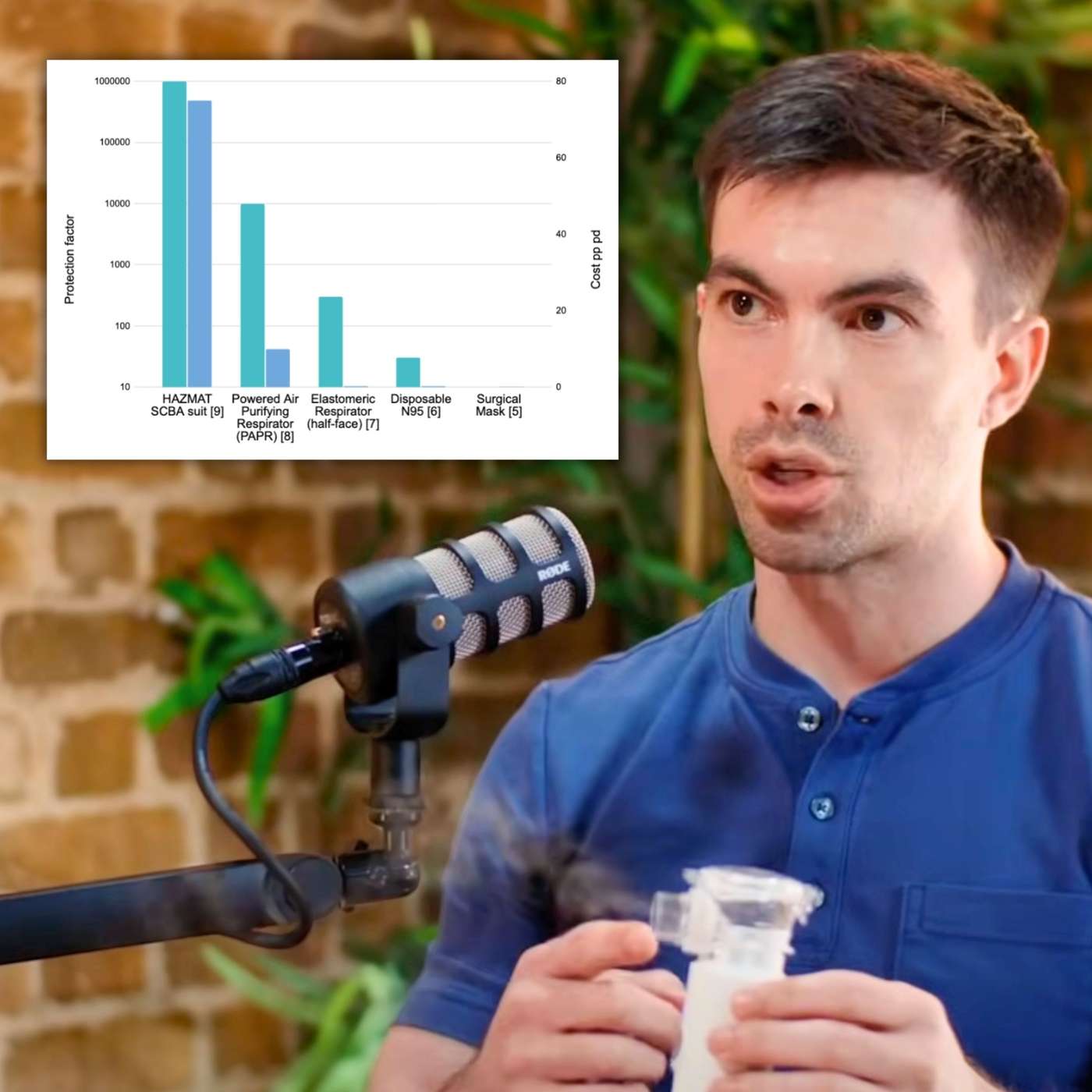
#224 – There's a cheap and low-tech way to save humanity from any engineered disease | Andrew Snyder-Beattie
Conventional wisdom is that safeguarding humanity from the worst biological risks — microbes optimised to kill as many as possible — is difficult bordering on impossible, making bioweapons humanity’s single greatest vulnerability. Andrew Snyder-Beattie thinks conventional wisdom could be wrong.Andrew’s job at Open Philanthropy is to spend hundreds of millions of dollars to protect as much
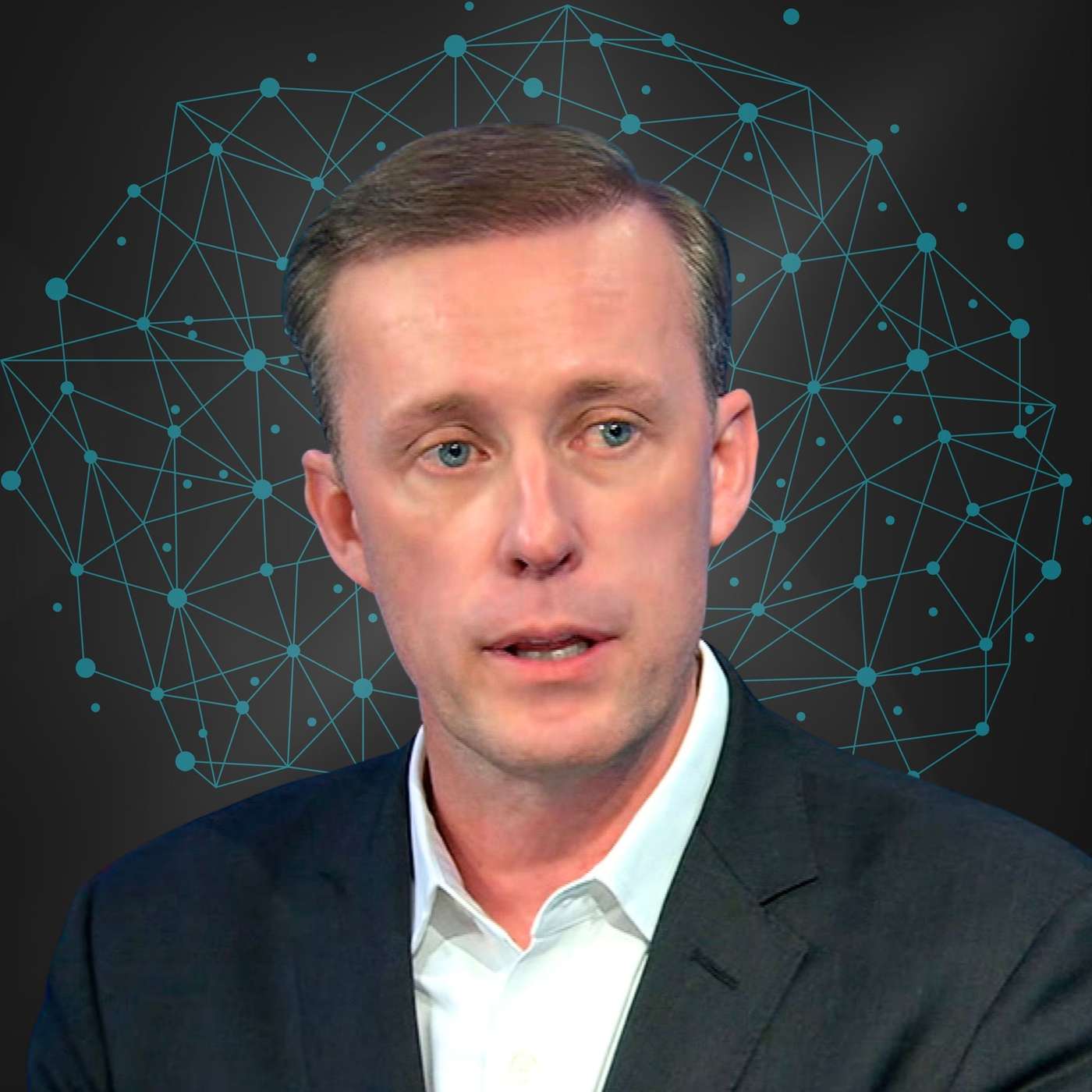
Inside the Biden admin’s AI policy approach | Jake Sullivan, Biden’s NSA | via The Cognitive Revolution
Jake Sullivan was the US National Security Advisor from 2021-2025. He joined our friends on The Cognitive Revolution podcast in August to discuss AI as a critical national security issue. We thought it was such a good interview and we wanted more people to see it, so we’re cross-posting it here on The 80,000 Hours Podcast.Jake and host Nathan Labenz discuss:Jake’s four-category framework
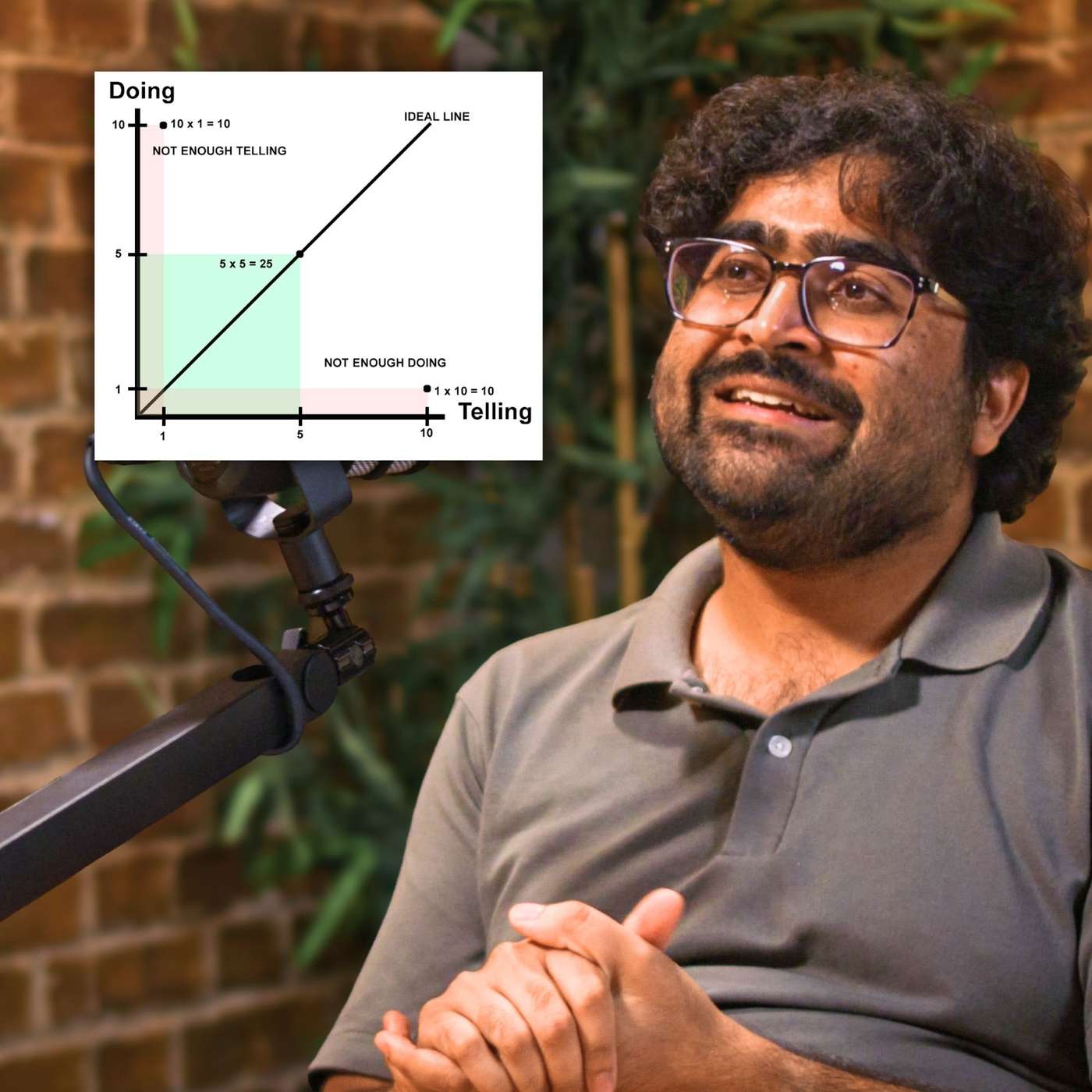
#223 – Neel Nanda on leading a Google DeepMind team at 26 – and advice if you want to work at an AI company (part 2)
At 26, Neel Nanda leads an AI safety team at Google DeepMind, has published dozens of influential papers, and mentored 50 junior researchers — seven of whom now work at major AI companies. His secret? “It’s mostly luck,” he says, but “another part is what I think of as maximising my luck surface area.”Video, full transcript, and links to learn more: https://80k.info/nn2This means creating
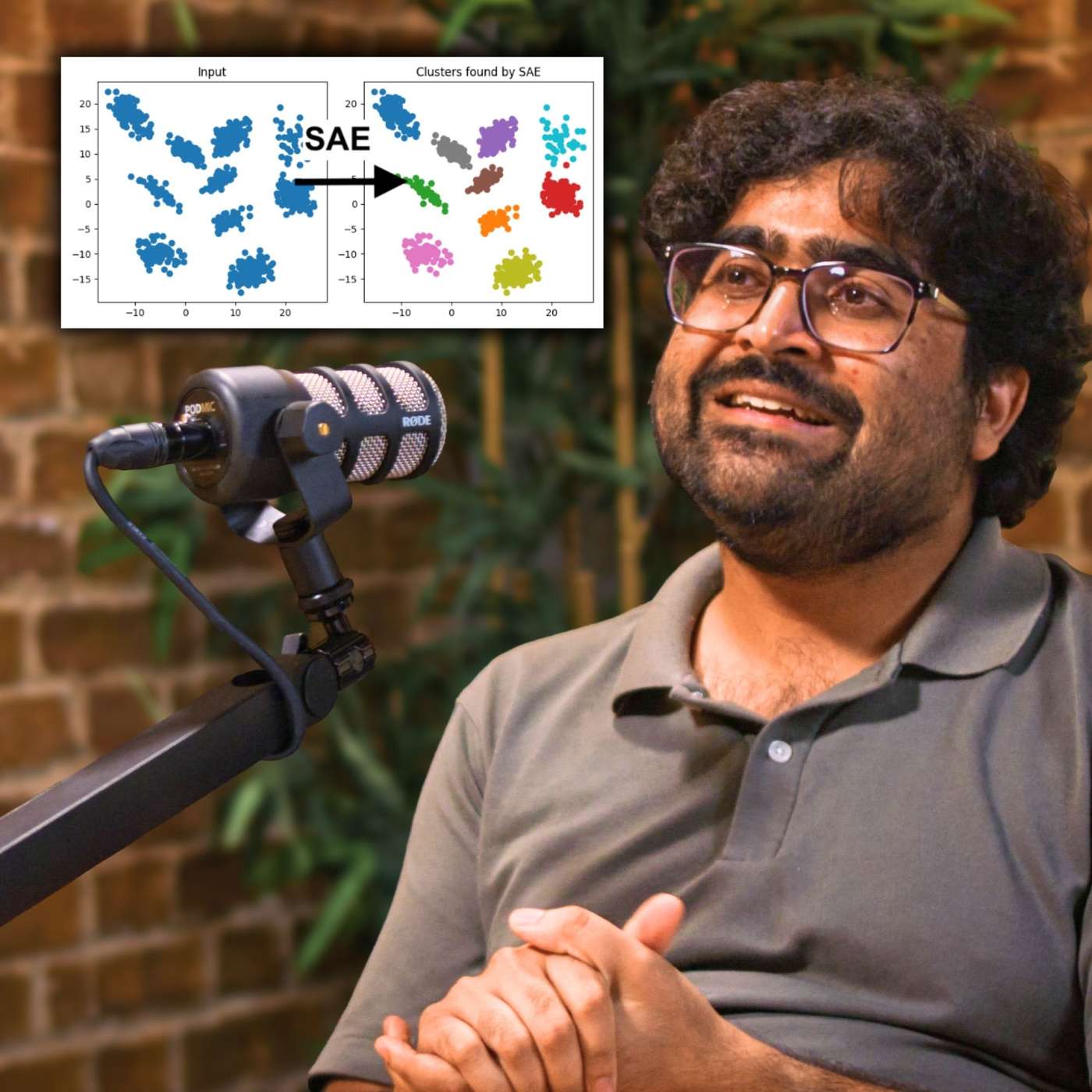
#222 – Can we tell if an AI is loyal by reading its mind? DeepMind's Neel Nanda (part 1)
We don’t know how AIs think or why they do what they do. Or at least, we don’t know much. That fact is only becoming more troubling as AIs grow more capable and appear on track to wield enormous cultural influence, directly advise on major government decisions, and even operate military equipment autonomously. We simply can’t tell what models, if any, should be trusted with such authority
#221 – Kyle Fish on the most bizarre findings from 5 AI welfare experiments
What happens when you lock two AI systems in a room together and tell them they can discuss anything they want?According to experiments run by Kyle Fish — Anthropic’s first AI welfare researcher — something consistently strange: the models immediately begin discussing their own consciousness before spiraling into increasingly euphoric philosophical dialogue that ends in apparent meditativ
How not to lose your job to AI (article by Benjamin Todd)
About half of people are worried they’ll lose their job to AI. They’re right to be concerned: AI can now complete real-world coding tasks on GitHub, generate photorealistic video, drive a taxi more safely than humans, and do accurate medical diagnosis. And over the next five years, it’s set to continue to improve rapidly. Eventually, mass automation and falling wages are a real possibilit

Rebuilding after apocalypse: What 13 experts say about bouncing back
What happens when civilisation faces its greatest tests?This compilation brings together insights from researchers, defence experts, philosophers, and policymakers on humanity’s ability to survive and recover from catastrophic events. From nuclear winter and electromagnetic pulses to pandemics and climate disasters, we explore both the threats that could bring down modern civilisation and
#220 – Ryan Greenblatt on the 4 most likely ways for AI to take over, and the case for and against AGI in <8 years
Ryan Greenblatt — lead author on the explosive paper “Alignment faking in large language models” and chief scientist at Redwood Research — thinks there’s a 25% chance that within four years, AI will be able to do everything needed to run an AI company, from writing code to designing experiments to making strategic and business decisions.As Ryan lays out, AI models are “marching through th
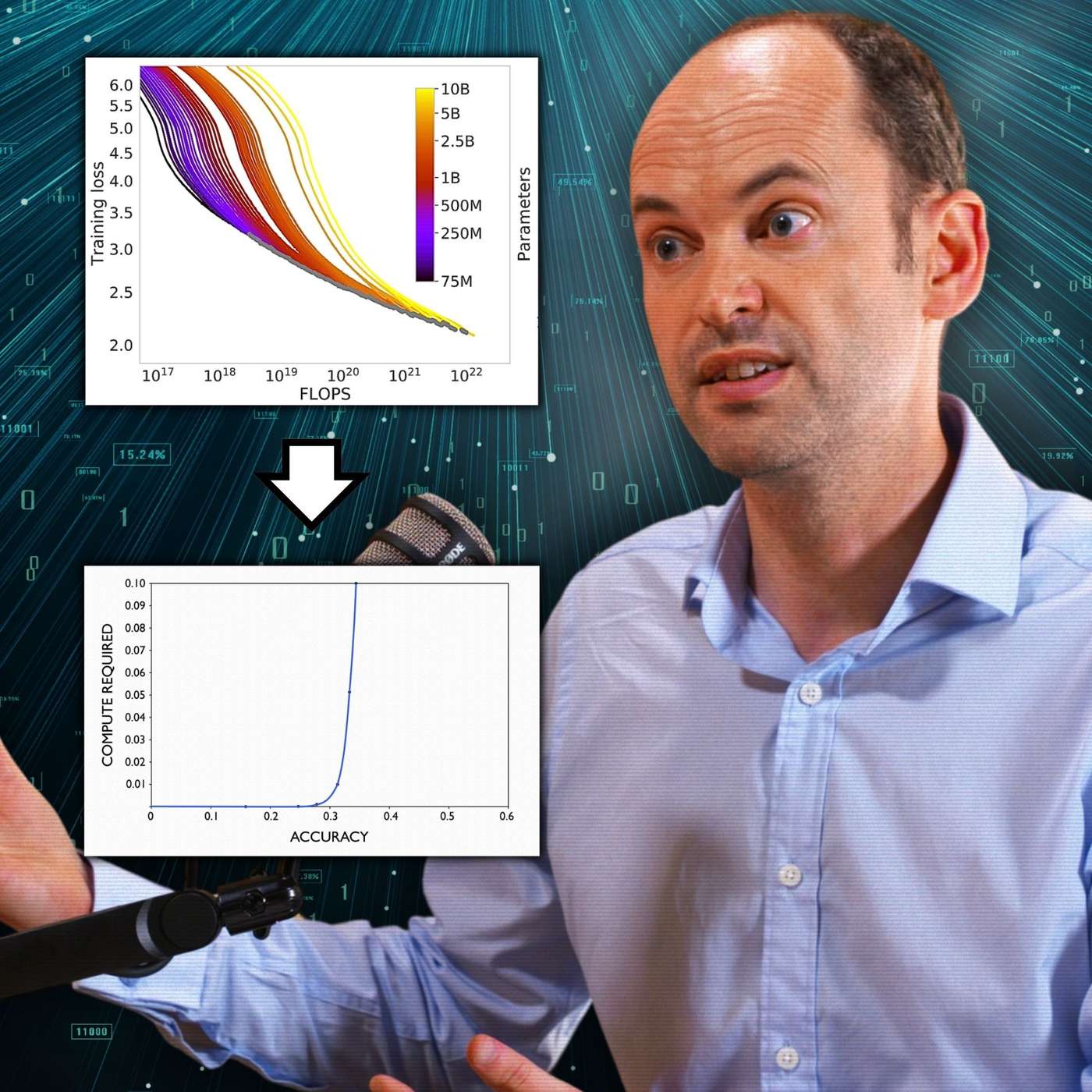
#219 – Toby Ord on graphs AI companies would prefer you didn't (fully) understand
The era of making AI smarter just by making it bigger is ending. But that doesn’t mean progress is slowing down — far from it. AI models continue to get much more powerful, just using very different methods, and those underlying technical changes force a big rethink of what coming years will look like.Toby Ord — Oxford philosopher and bestselling author of The Precipice — has been trackin
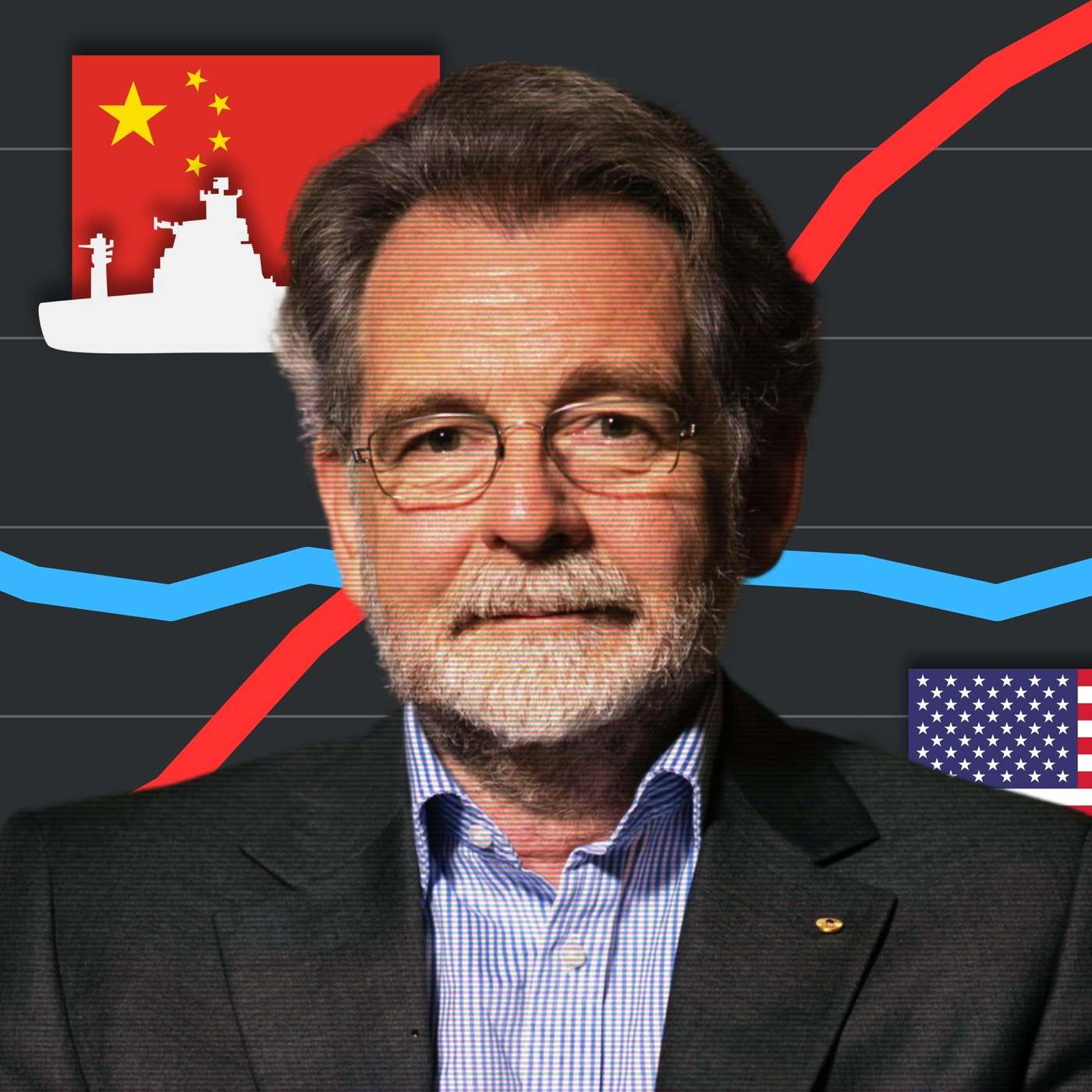
#218 – Hugh White on why Trump is abandoning US hegemony – and that’s probably good
For decades, US allies have slept soundly under the protection of America’s overwhelming military might. Donald Trump — with his threats to ditch NATO, seize Greenland, and abandon Taiwan — seems hell-bent on shattering that comfort.But according to Hugh White — one of the world's leading strategic thinkers, emeritus professor at the Australian National University, and author of Hard New
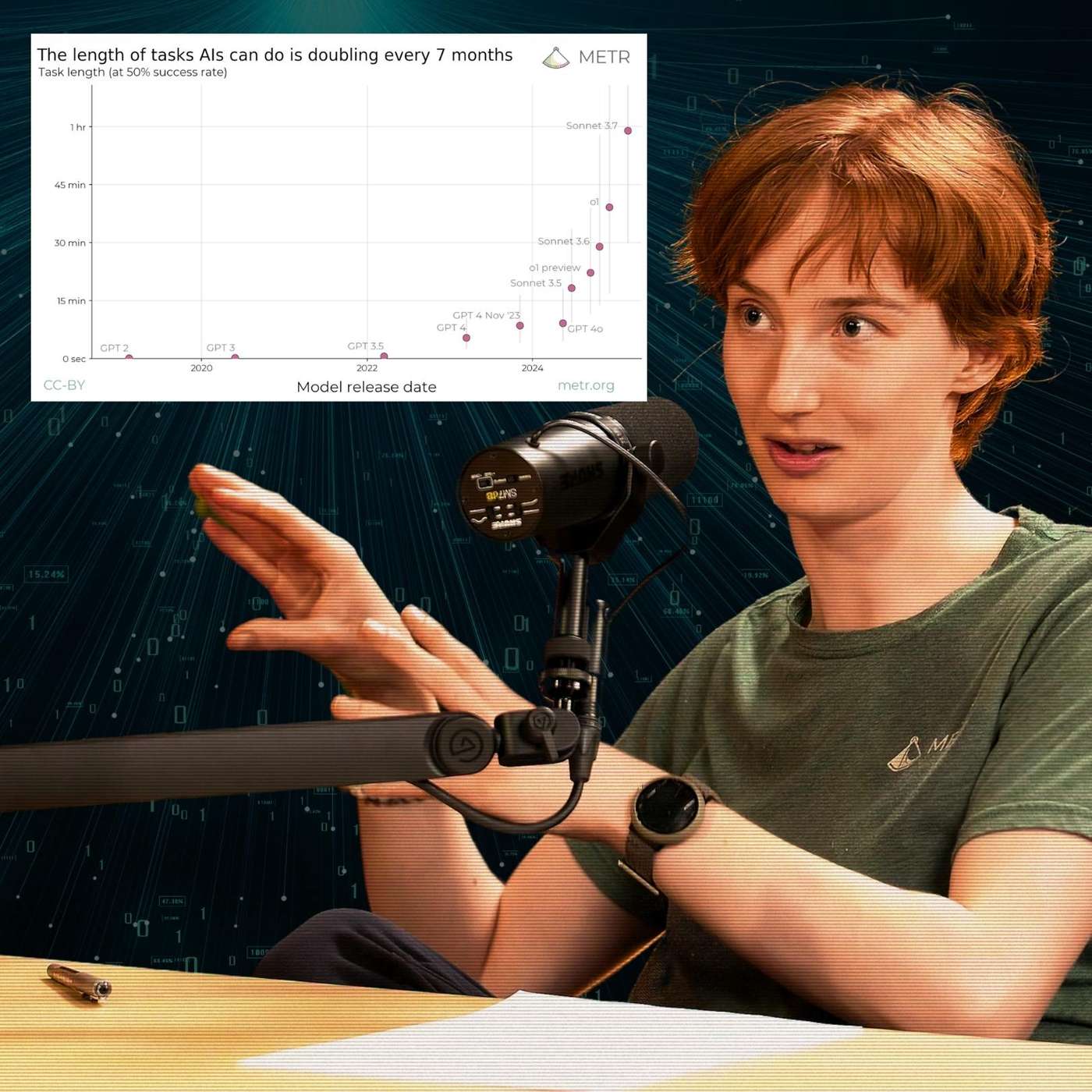
#217 – Beth Barnes on the most important graph in AI right now — and the 7-month rule that governs its progress
AI models today have a 50% chance of successfully completing a task that would take an expert human one hour. Seven months ago, that number was roughly 30 minutes — and seven months before that, 15 minutes.These are substantial, multi-step tasks requiring sustained focus: building web applications, conducting machine learning research, or solving complex programming challenges.Today’s gue
Beyond human minds: The bewildering frontier of consciousness in insects, AI, and more
What if there’s something it’s like to be a shrimp — or a chatbot?For centuries, humans have debated the nature of consciousness, often placing ourselves at the very top. But what about the minds of others — both the animals we share this planet with and the artificial intelligences we’re creating?We’ve pulled together clips from past conversations with researchers and philosophers who’ve
Don’t believe OpenAI’s “nonprofit” spin (emergency pod with Tyler Whitmer)
OpenAI’s recent announcement that its nonprofit would “retain control” of its for-profit business sounds reassuring. But this seemingly major concession, celebrated by so many, is in itself largely meaningless.Litigator Tyler Whitmer is a coauthor of a newly published letter that describes this attempted sleight of hand and directs regulators on how to stop it.As Tyler explains, the plan
The case for and against AGI by 2030 (article by Benjamin Todd)
More and more people have been saying that we might have AGI (artificial general intelligence) before 2030. Is that really plausible? This article by Benjamin Todd looks into the cases for and against, and summarises the key things you need to know to understand the debate. You can see all the images and many footnotes in the original article on the 80,000 Hours website.In a nutshell:Four

Emergency pod: Did OpenAI give up, or is this just a new trap? (with Rose Chan Loui)
When attorneys general intervene in corporate affairs, it usually means something has gone seriously wrong. In OpenAI’s case, it appears to have forced a dramatic reversal of the company’s plans to sideline its nonprofit foundation, announced in a blog post that made headlines worldwide.The company’s sudden announcement that its nonprofit will “retain control” credits “constructive dialog
#216 – Ian Dunt on why governments in Britain and elsewhere can't get anything done – and how to fix it
When you have a system where ministers almost never understand their portfolios, civil servants change jobs every few months, and MPs don't grasp parliamentary procedure even after decades in office — is the problem the people, or the structure they work in?Today's guest, political journalist Ian Dunt, studies the systemic reasons governments succeed and fail.And in his book How Westminst

Serendipity, weird bets, & cold emails that actually work: Career advice from 16 former guests
How do you navigate a career path when the future of work is uncertain? How important is mentorship versus immediate impact? Is it better to focus on your strengths or on the world’s most pressing problems? Should you specialise deeply or develop a unique combination of skills?From embracing failure to finding unlikely allies, we bring you 16 diverse perspectives from past guests who’ve f
#215 – Tom Davidson on how AI-enabled coups could allow a tiny group to seize power
Throughout history, technological revolutions have fundamentally shifted the balance of power in society. The Industrial Revolution created conditions where democracies could flourish for the first time — as nations needed educated, informed, and empowered citizens to deploy advanced technologies and remain competitive.Unfortunately there’s every reason to think artificial general intelli
Guilt, imposter syndrome & doing good: 16 past guests share their mental health journeys
"We are aiming for a place where we can decouple the scorecard from our worthiness. It’s of course the case that in trying to optimise the good, we will always be falling short. The question is how much, and in what ways are we not there yet? And if we then extrapolate that to how much and in what ways am I not enough, that’s where we run into trouble." —Hannah BoettcherWhat happens when
#214 – Buck Shlegeris on controlling AI that wants to take over – so we can use it anyway
Most AI safety conversations centre on alignment: ensuring AI systems share our values and goals. But despite progress, we’re unlikely to know we’ve solved the problem before the arrival of human-level and superhuman systems in as little as three years.So some are developing a backup plan to safely deploy models we fear are actively scheming to harm us — so-called “AI control.” While this
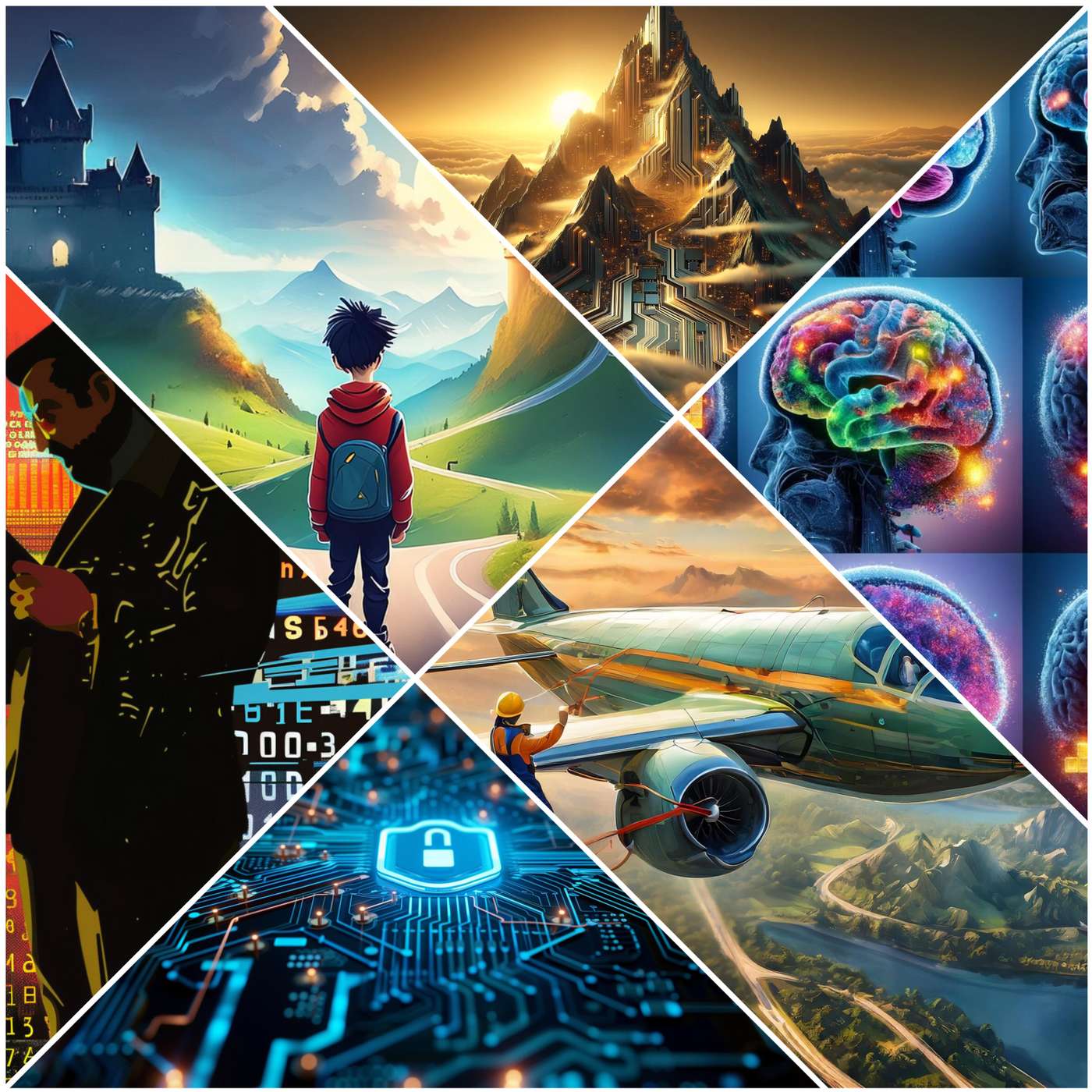
15 expert takes on infosec in the age of AI
"There’s almost no story of the future going well that doesn’t have a part that’s like '…and no evil person steals the AI weights and goes and does evil stuff.' So it has highlighted the importance of information security: 'You’re training a powerful AI system; you should make it hard for someone to steal' has popped out to me as a thing that just keeps coming up in these stories, keeps b
Recommended

紐約鳥|New York Aperture
The Swerve Podcast: Obscure Topics | Conspiracy Theories

The Bread and Banter Podcast

The Church of What's Happening Now: The New Testament

Busted Open

Deadline: White House

Panda Show - Picante

Crickets Corner

History of the Earthquake and Fire in San Francisco

Fox news

K-Drama Obsessed Mamas | Beyond “Just One More Episode!”

True Crime Classics
