
Changing Academic Life
This podcast explores how to make academic life more sustainable, collaborative, and effective. It features long-form conversations with academics and thought leaders sharing stories and insights, along with bite-size musings on specific topics. The host draws on literature and personal experience to discuss changes that can be made individually and collectively.
Episodes
Celebrating 10 Years & Season End (CAL147, S8E12)
Celebrating 10 Years & Season Reflections on Meaning, Identity, Care, and LeadershipThis is a special episode because it’s not only marks the end of the current season, it also celebrates 10 years of the Changing Academic Life podcast, The first podcast episode went out on 3 July 2016 and it has now reached 156 episodes by late June 2026. In this episode I start off reflecting on the podcast a
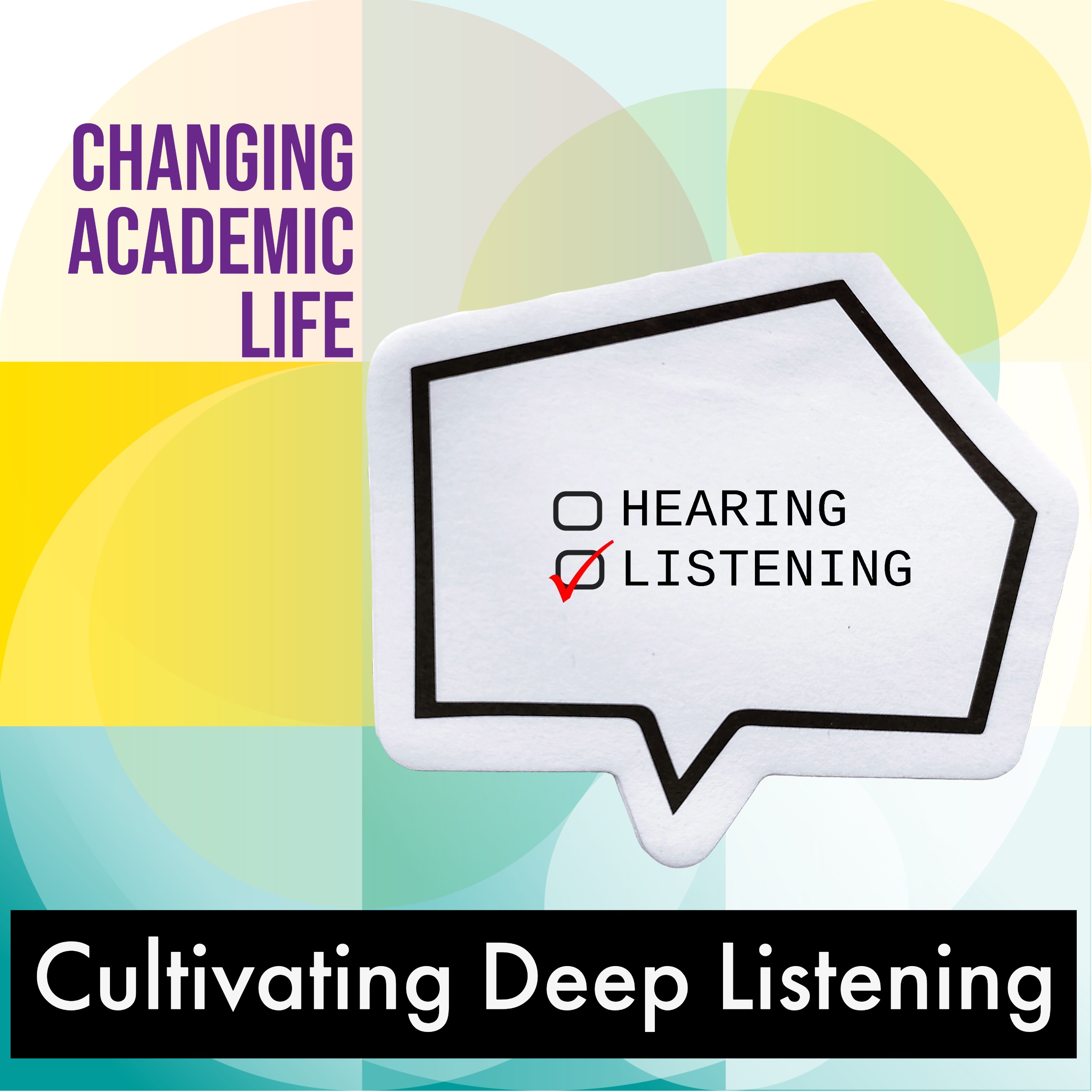
Cultivating Deep Listening: Showing Up, Staying Curious, and Resisting Advice (CAL146, S8E11)
Deep listening is a foundational yet undervalued skill across all our supervision, leadership, and collaboration relationships. My motivation for this episode came from some recent workshops experiences, conversations with colleagues, and posts from others that have all highlighted the importance of listening in different ways. This is a multi-voice episode, weaving together insights from past con
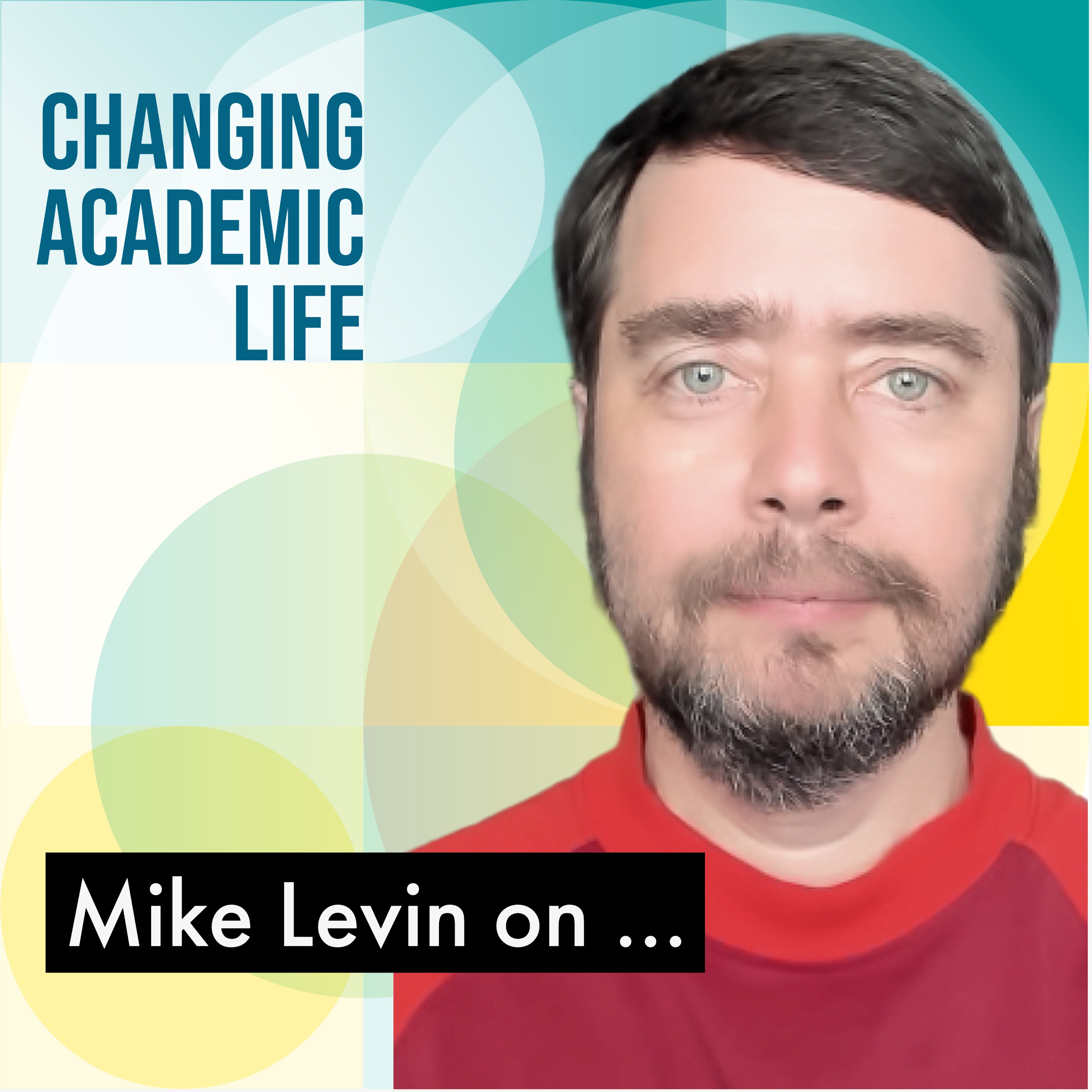
Mike Levin on navigating academia as a disruptive interdisciplinary researcher (CAL145, S8,E10)
Mike Levin is a Professor of Biology at Tufts University in the US and leads the Levin Lab and pursues research across cancer, birth defects, regenerative medicine, AI, synthetic morphology, and philosophy, unified by a central aim: understanding how minds become embodied and scale across biological and synthetic systems. Mike explains his early inspirations and his practice of looking for what is
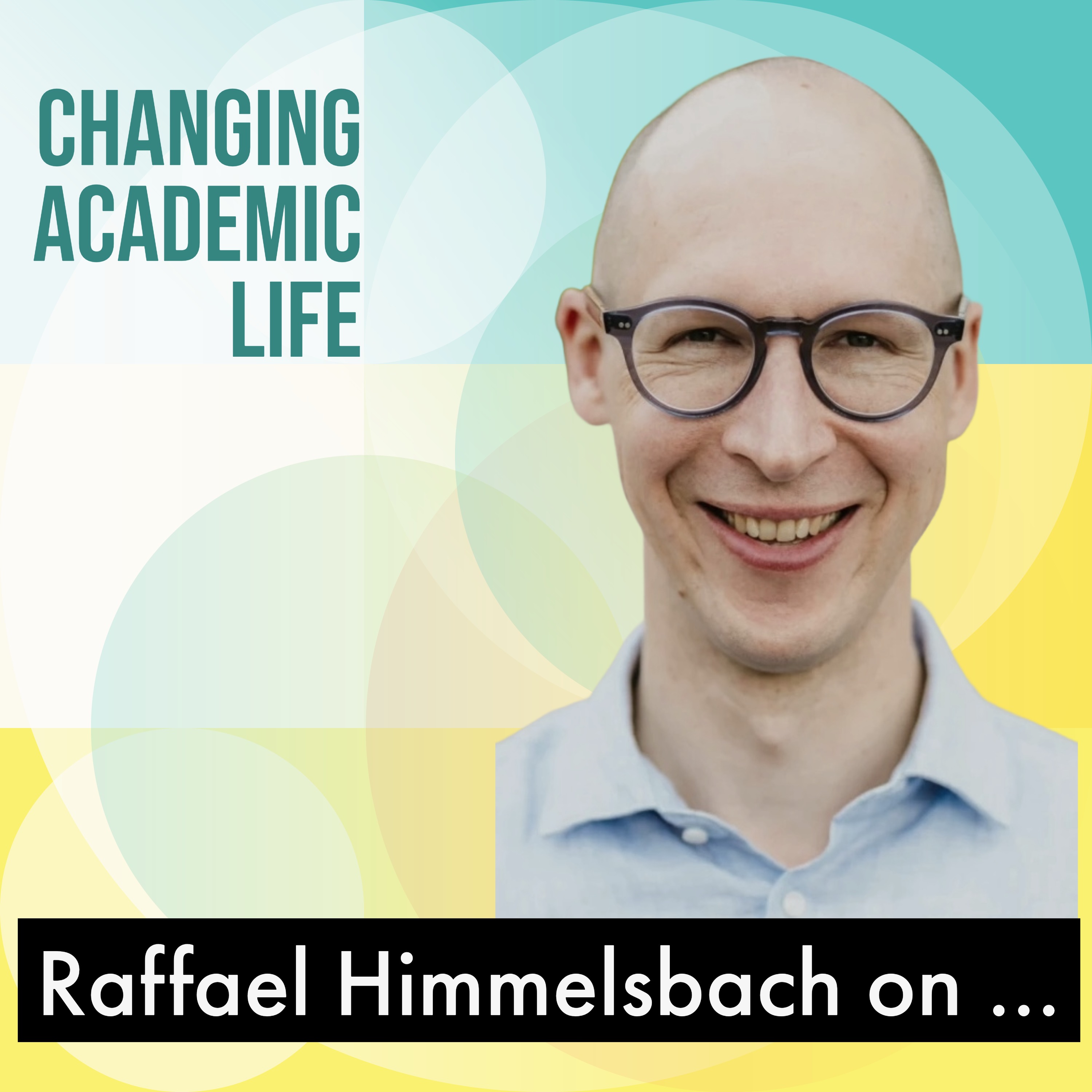
Raffael Himmelsbach on Courage, Discomfort, and Leadership in Ambiguous Academic Roles (CAL144, S8E9)
Dr Raffael Himmelsbach and I discuss his unorthodox path from a political science PhD at the University of Lausanne into science policy and research-adjacent leadership roles across multiple countries, including work with the Center for Digital Life Norway and co-directing a Vienna Ludwig Boltzmann Research Group on wound healing. He describes moving away from a publication-driven track toward des
On Identity, Meaning, and Joyful Effort (CAL143, S8E8)
Connecting to Christian van Nieuwerburgh’s idea of “joyful effort” and discussions at the University of Graz Research Culture Campus Fest about supportive, inclusive research cultures and prioritizing meaningful work over productivity, this episode revisits an episode from January 2025 on research identity, meaningful work, and funding. I explore the tensions between our autonomy to pursue intrins
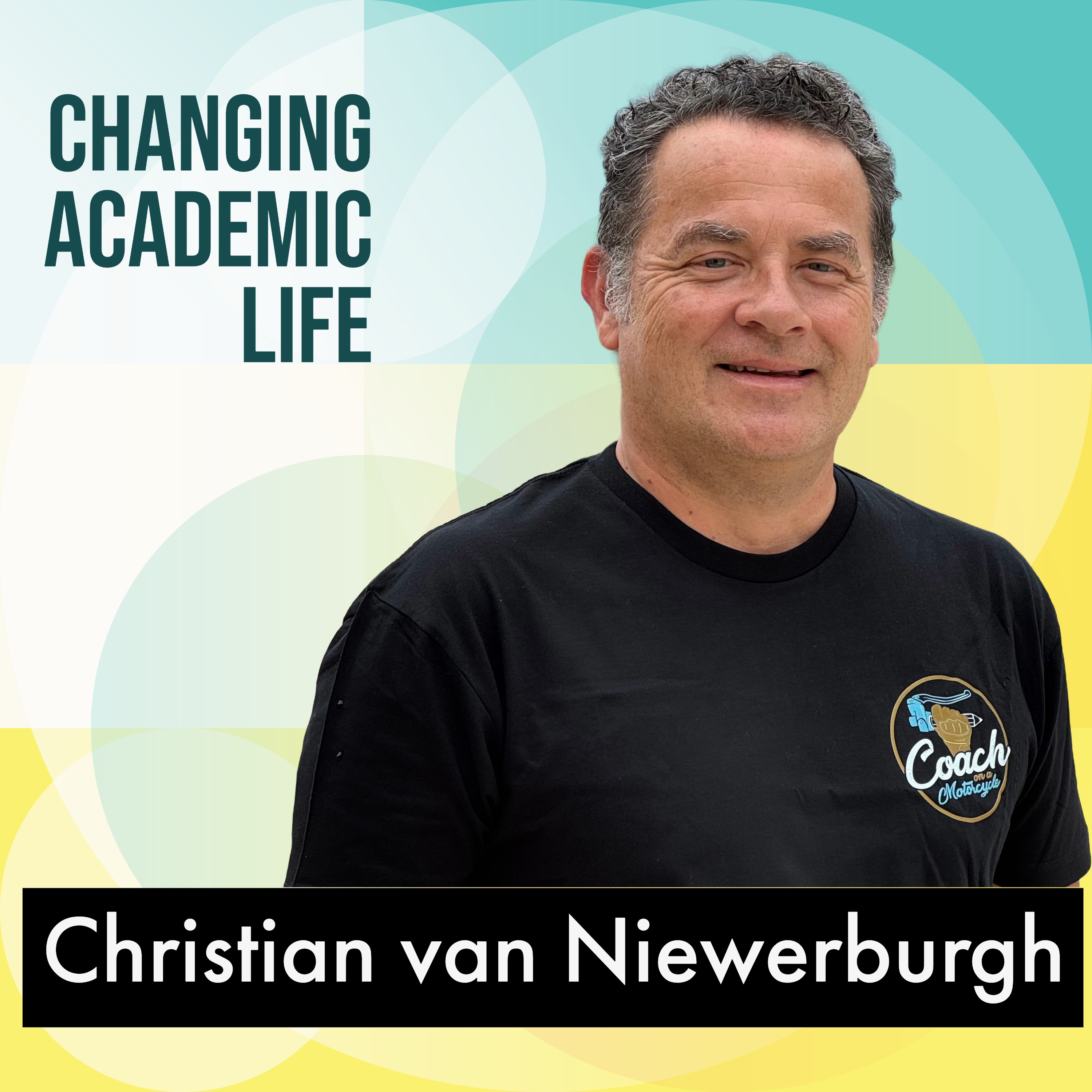
Christian van Nieuwerburgh on Bringing Back the Joy (CAL142, S8E7)
Christian van Nieuwerburgh is Professor of Coaching and Positive Psychology at the Centre for Positive Health Sciences at the Royal College of Surgeons Ireland University of Medicine and Health Sciences, and a practitioner providing coach training and consultancy for the education sector, among other roles. His ‘coach on a motorcycle’ identity is about aligning all parts of his work and life as a
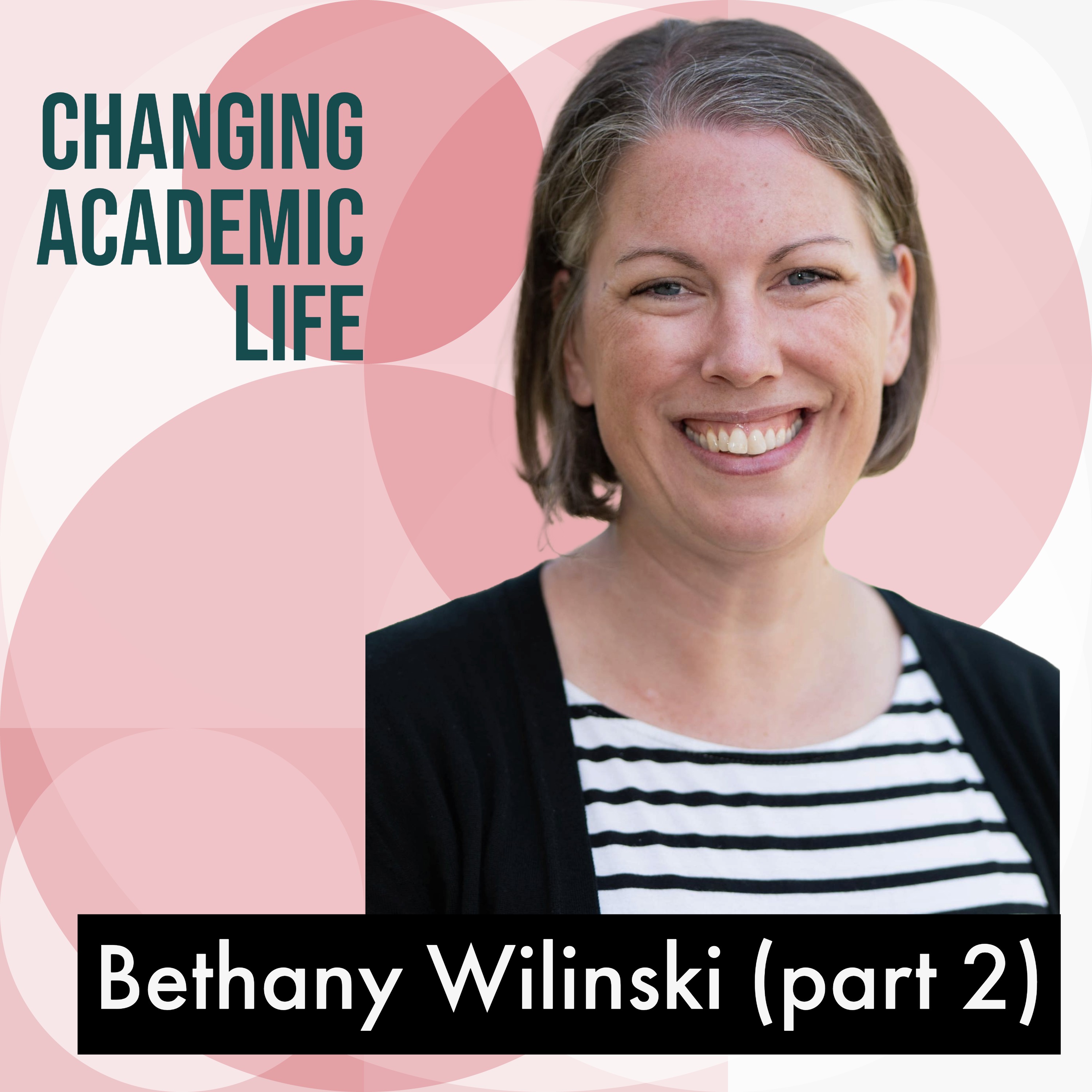
Bethany Wilinski (Part 2) on Designing Your Intentional Sabbatical (CAL141, S8E6)
Designing Your Intentional Sabbatical: Purpose, boundaries and career sustainability.This is Part 2 of my conversation with Bethany Wilinski, an associate professor of teacher education at Michigan State University. Building from Part 1, where Bethany described her own sabbatical experience, here the the focus is on how to more intentionally design your sabbatical (also relevant for any leave) by
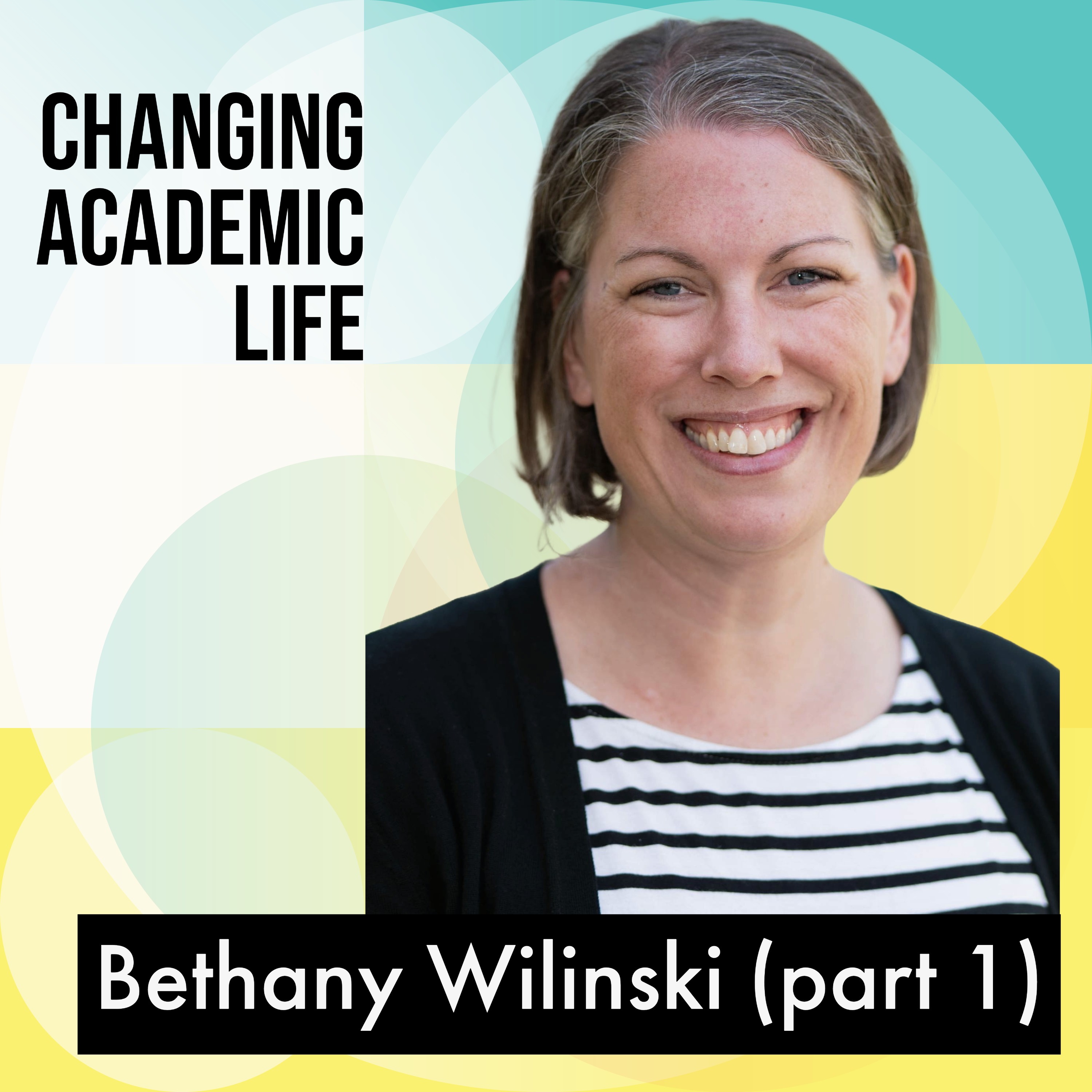
Bethany Wilinski (Part 1) on sabbatical, burnout and choosing rest (CAL140, S8E5)
Bethany Wilinski is an associate professor of teacher education at Michigan State University and a sabbatical coach. In Part 1 of our conversation, she describes her own sabbatical experience. She talks about how earning tenure in 2022 after the pandemic, young children, and family losses left her burned out and questioning her work’s impact. Initially she planned an “expected” research sabbatical
Academic Rebels: From Bureaucracy to Trust, Teams, and New Leadership (CAL139, S8E4)
What if a corporatisation approach could actually make academic life better? Looking across the episodes so far this year I see three themes: shifting from “I” to “we” by treating research as a team sport; developing a new kind of leadership focused on enabling others through self-awareness, humility, authenticity, kindness, and clear roles; and adopting new ways of working that reduce bureaucrati
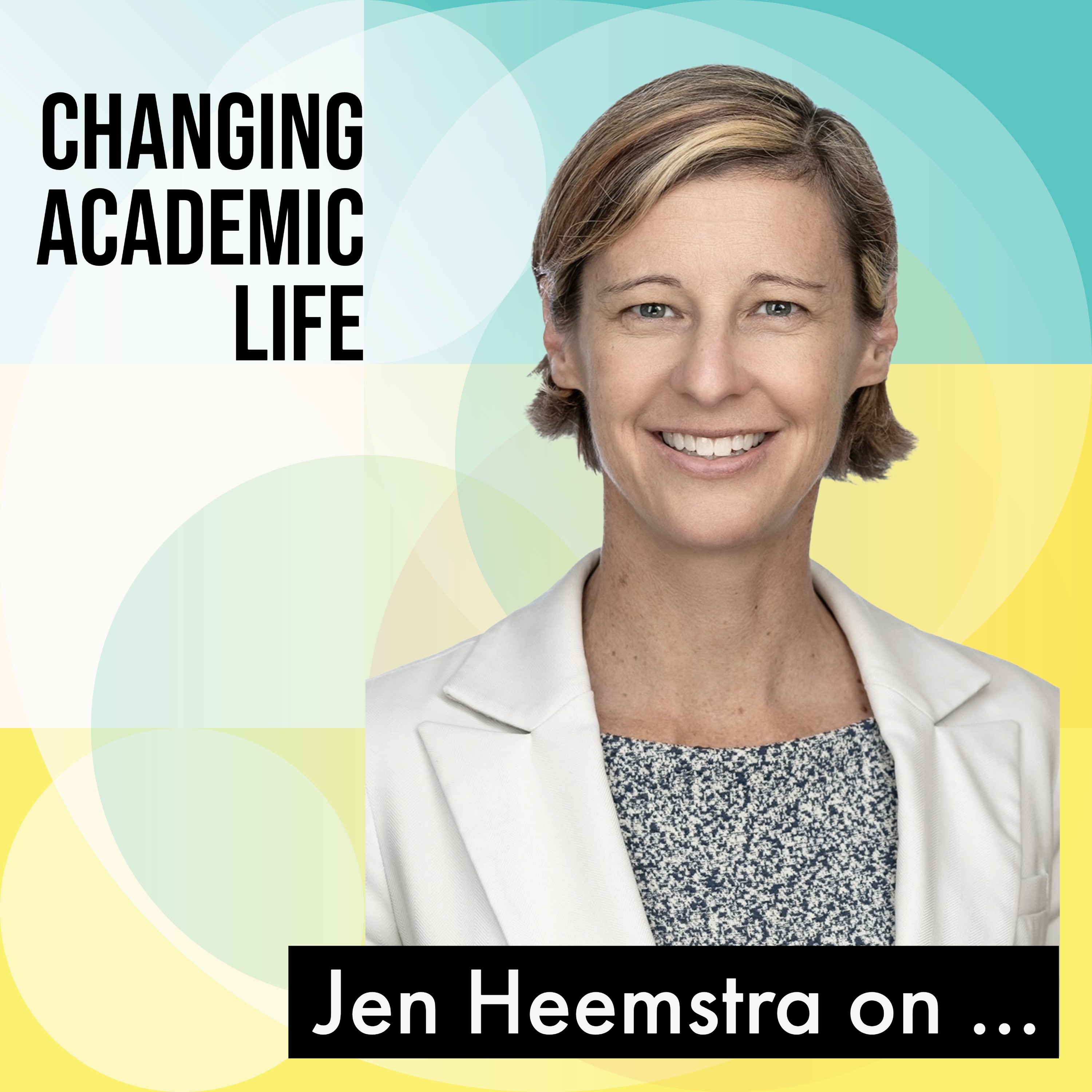
Jen Heemstra on Accidental Leadership (CAL 138, S8E3)
Prof. Jen Heemstra from Washington University in St. Louis in the US shares her journey from a research-focused bimolecular engineer to accidental leader and now author of the insightful book 'Lab Work to Leadership.' Jen speaks about the challenges faced by academics moving into leadership, recognisning that we are often untrained and unprepared for these roles. She shares insights from her book
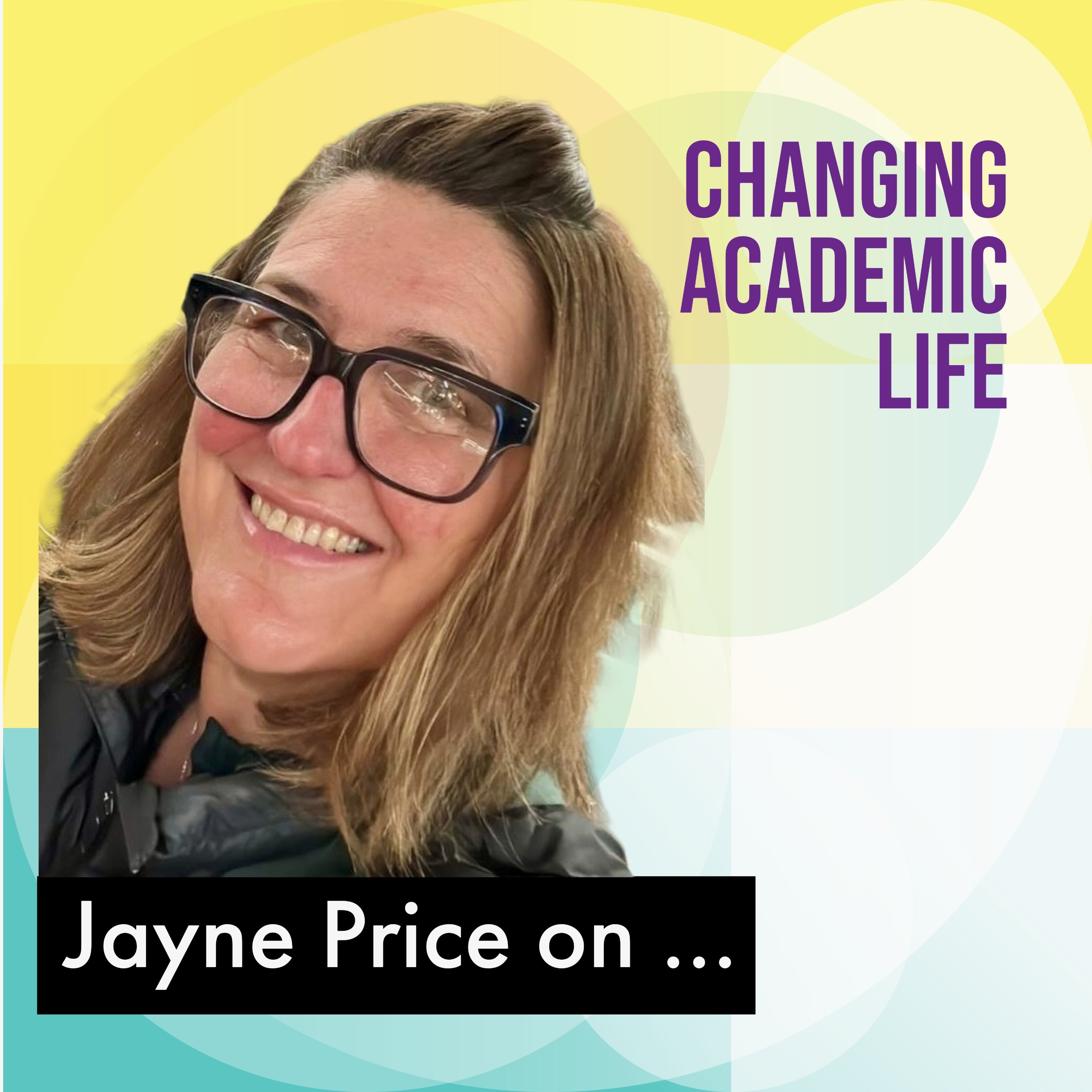
Jayne Price on making work work better (CAL137, S8E2)
Jayne Price is all about making work work better. She is the Transformation Director and Head of Continuous Improvement at the Science and Technology Facilities Council (STFC). Jayne discusses her journey to her current role in UK Research and Innovation (UKRI), and the strategies she employs to foster human-centered, purpose-led change in the organization. She emphasizes the importance of leaders
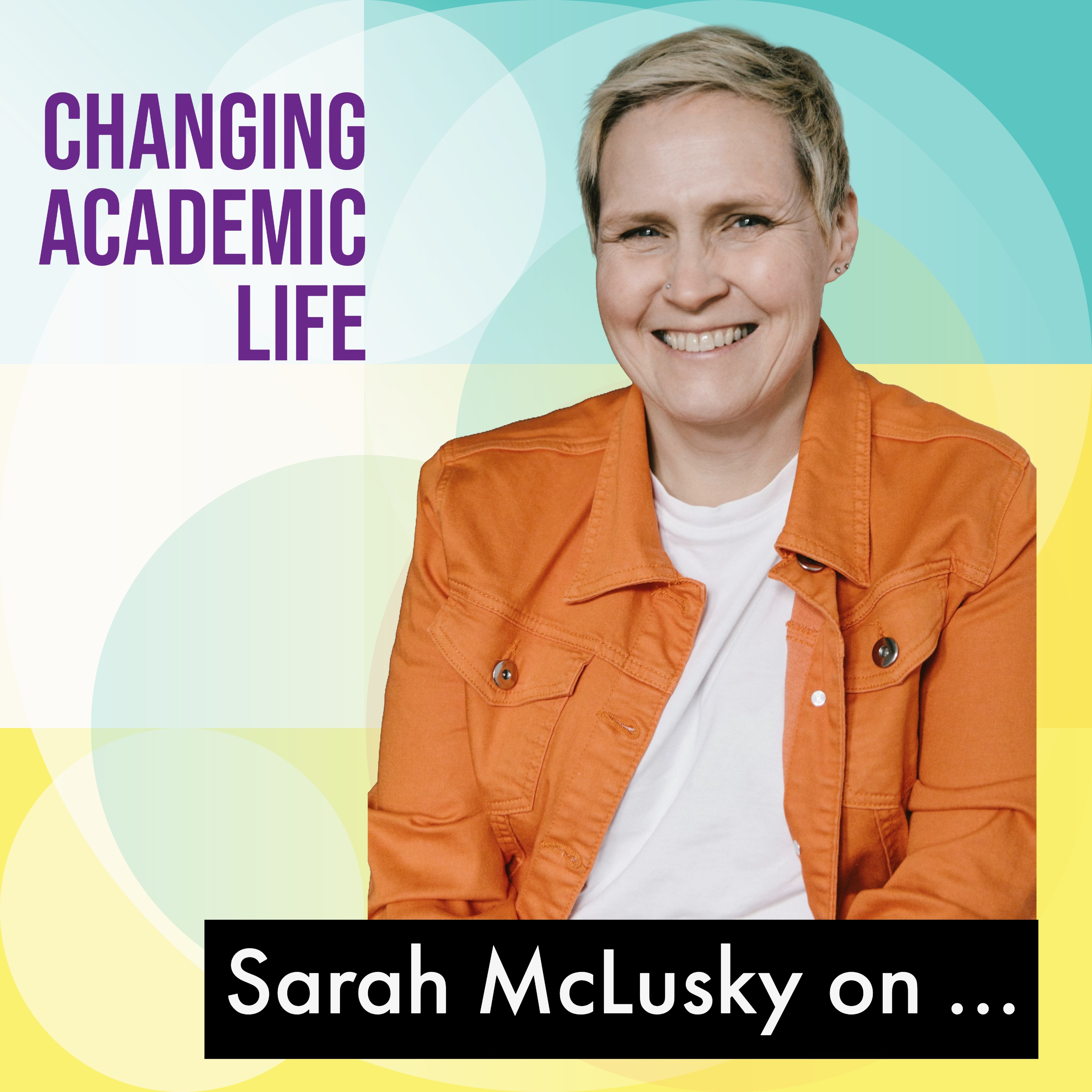
Sarah McLusky on diverse careers, purposeful events and effective communication (CAL136, S8E1)
Dr. Sarah McLusky, is an advocate and role model for research-adjacent careers. As an advocate Sarah hosts the 'Research Adjacent' podcast, which showcases career opportunities beyond traditional academic and industry roles. She talks about why started the podcast and also talks about her four main categories of research adjacent roles, emphasising the importance of recognising the many contributo
LP Replay - Reflect, Celebrate, Dream (CAL135, S7E8)
For this last episode of the year I revisit the Long Play (LP) template, inspired by vinyl records, as a way to intentionally reflect on and celebrate this past year and to be more intentional about how we move into our new year. The Ps of the template are personal, people, play, and projects and we use the Ls to reflect across there: what did you land, love, labor on, and learn th
Infertility, Career Choices, and Compassion (CAL 134, S7E7)
In this very personal solo episode, I share my journey through infertility and the impact it had on my academic and personal life. Inspired by Susan Dray's story, I decided to share our challenges of trying to start a family while managing a career in academia. I discusses the physical and emotional toll of infertility treatments, the loneliness of not sharing my struggles with colleagues, and the
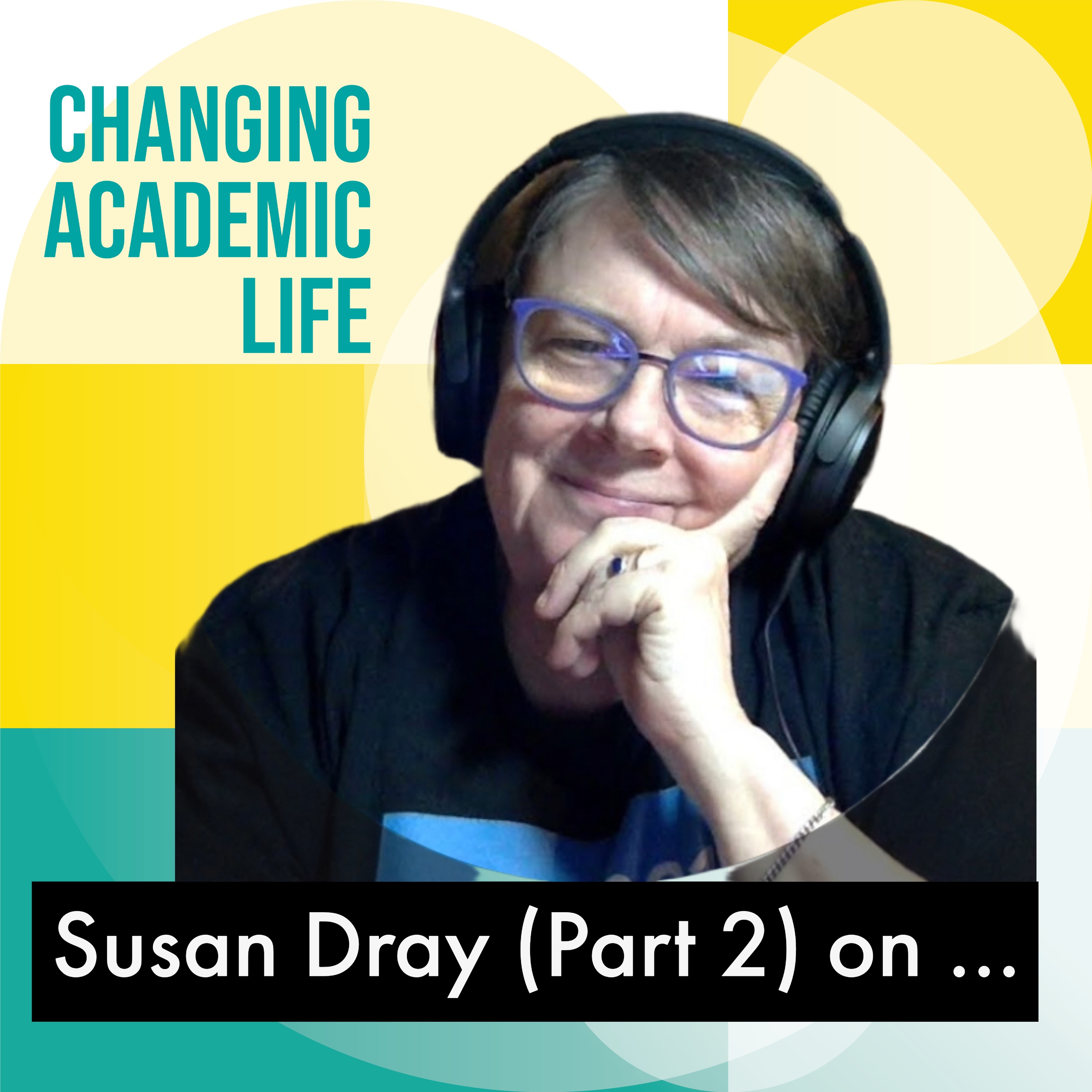
Susan Dray (Part 2) on listening, mentoring, and adversity (CAL133, S7E6)
In Part 2 of our conversation, Susan Dray continues to share deep insights about the importance of self-awareness and authenticity, empathy and listening with heart, and dealing with professional discomfort and personal adversity. She discusses her mentoring style, centred around being empathetic and supportive. And she talks about the importance of service and community, as well as the current ch
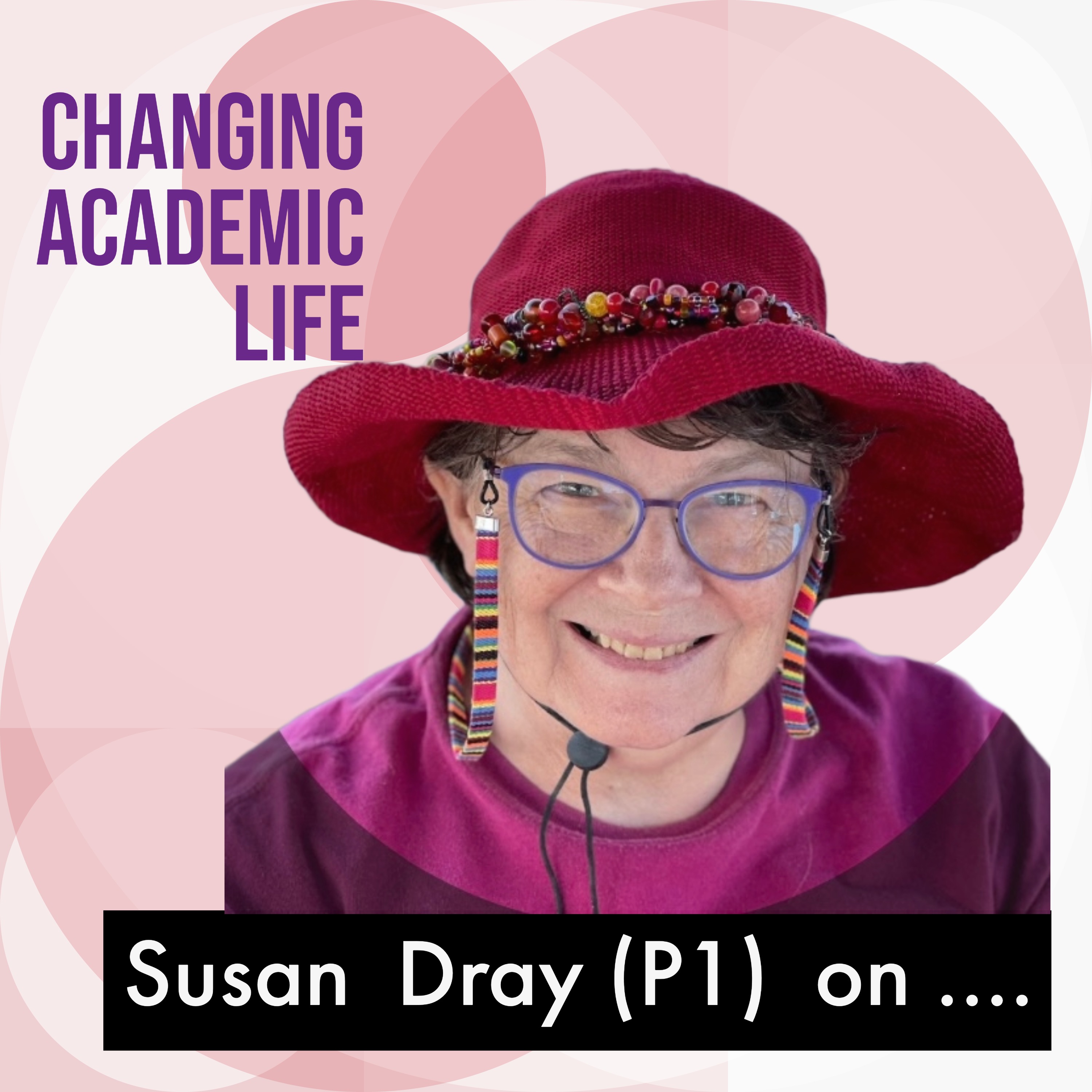
Susan Dray (Part 1) on navigating interstices: academia, industry and global consulting (CAL132, S7E5)
The wonderful Dr Susan Dray shares her journey from obtaining a PhD in experimental and physiological psychology at UCLA to becoming a pivotal figure in the field of Human-Computer Interaction (HCI). Susan recounts her transition from academia to industry, including roles at Honeywell and American Express, and her eventual shift to independent consulting. She discusses the evolution of HCI and hum
On the art, heart and science of 1-1 meetings (CAL131, S7E4)
Building on the last episode’s topic of meetings, the focus here is on our one-on-one meetings. In his book, 'Glad We Met: The Art and Science of One-to-One Meetings,' Steven Rogelberg discusses how these meetings can be practical, personal, and developmental. We can also think of these as the four Ps of care—process, progress, product, and person. Drawing on insights from Rogelberg’s book, along
Steven Rogelberg on Transforming Academic Meetings (CAL130, S7E3)
Dr. Steven Rogelberg, an organisational psychologist from the University of North Carolina, Charlotte, draws on his extensive research on workplace meetings to share how we might make acadmic meetings better. We discuss the inefficiencies of academic meetings, with Steven suggesting academics suffer from particularly ineffective meeting practices. He offers practical advice on improving meeting pr
Deborah Boehm-Davis on career paths, leadership, and change (CAL129, S7E2)
Professor Emeritus Deborah Boehm Davis, George Mason University in the US, is one of the pioneers of the CHI conference. Deborah discusses her varied career building from her psychology background and spanning roles in human factors at Bell Labs, NASA, and General Electric. She then talks about her extensive tenure at George Mason University in both faculty and administrative/leadership roles, eve

Season 7 Kickoff: Fresh Starts and Being Intentional (CAL128 S7E1)
In the first episode of season seven, the 10th year the Changing Academic Life podcast, I invite us to reflect on the theme of being intentional about what we want for ourselves at the beginning of this new academic year for many of us in the northern hemisphere, or for any temporal landmark that is relevant for you. As example and inspiration, Anna Cox from UCL shortly shares her strategies for s
Season Reflections: Cultivating a Good Academic Life (CAL127, S6, E21)
In this final episode of the 2024-2025 season, I reflect on key themes emerging from the past 20 episodes of 'Changing Academic Life.' These are around creating supportive and inclusive cultures in academia, the role of leadership, career transitions, wellbeing and self-care, and the importance of community. It reminds us to engage in reflection, value our own and others' wellbeing, and contribute
Creating Peer Support Groups (CAL126, S6, E20)
If you are curious about how to set up your own peer support group, inspired by what Johanna Stadlbauer shared about what Uni Graz are doing, then this episode might get you started. I walk through some of the ‘things to think about’ when setting up peer groups such as the group’s purpose, the focus, and who that would involve, also the group size, meeting frequency and commitment, and choosing be
Johanna Stadlbauer on boundaries, agency, and community building (CAL125, S6 E19)
Johanna Stadlbauer is an anthropologist working in researcher development at the University of Graz, recently made Head of Research Careers Campus Graz. Her mission is a more fun and kind academia. Johanna shares the experiences and challenges of her journey from a PhD to quitting a postdoc in anthropology, to doing NGO work part-time, and then coming back to academia for a researcher development

Tina Persson on career pivots, recruitment and coaching for career security (CAL124, S6 E18)
Tina Persson shares her journey from chemistry and nearly 20 years in academia, to recruiting and then career coaching. Tina discusses the challenges she faced in academia, including struggles with energy-draining tasks and political landscapes, and how she pivoted to a career in recruitment and coaching. She emphasizes the importance of understanding natural talents, emotional intelligence, and h

Strengths as Superpowers - Replay (CAL123, S6 E17)
This is a replay of an episode about our strengths as our superpowers and it is a useful precursor to the next podcast discussion where my guest will talk about them as natural talents. This replay episode was triggered by two interactions that made me think more about the importance of knowing our own unique superpowers (as Aaron Quigley discussed), ie our strengths, and also our krypto
Graham McAllister (Part 3) on the art and craft of writing (CAL122, S6E16)
”Writing is thinking, I love thinking, I love working on problems, I love thinking through the problems…. So the whole writing thing is a thinking thing.” says Graham McAllister in this final part of our conversation. His foray into writing a book on Games Usability after he sold his company was also a foray into exploring the process of writing, asking himself questions like "How do you write a
Graham McAllister (Part 2) on aligning team vision (CAL121, S6E15)
In this second part of my conversation with Graham McAllister, we explore Graham's next pivot to studying organizational psychology at the London School of Economics. After selling his startup, Graham decided to do an MSc to help him answer what he now saw as the core problem in game development teams and that was lack of a unified vision. He shares his insights into shared mental models, vis

Graham McAllister (Part 1) on career pivots: academia to industry to startup (CAL120, S6E14)
Graham McAllister reflects on his various career pivots, starting with a PhD in computer graphics in Belfast, transitioning through roles in academia and industry and then forming and later selling his games usability start-up. In the process Graham provides a masterclass on how to navigate and negotiate career pivots, how to articulate clear problems and solutions. The conversation high

Oana and Matt (Part 2) on mental health, teaching path and reflective practice (CAL119 S6E13)
This is Part 2 of my discussion with Matthew Barr and Oana Andrei who work together in the Education and Practice Section in the School of Computing Science at the University of Glasgow. Oana and Matt each share their personal experiences with mental health challenges. Oana shares her journey from postdoctoral research to becoming a lecturer, highlighting how she dealt with burnout

Oana and Matt (Part 1) on leadership, belonging, and micro-actions making a difference (CAL118 S6E12)
This is part 1 of my discussion with Matthew Barr and Oana Andrei who work together in the Education and Practice Section in the School of computing science at the University of Glasgow. It was the experiences of Matt as head of Section that led Oana to suggest he would be good to talk to. Together they share their experiences of what makes for good academic leadership and change, includ
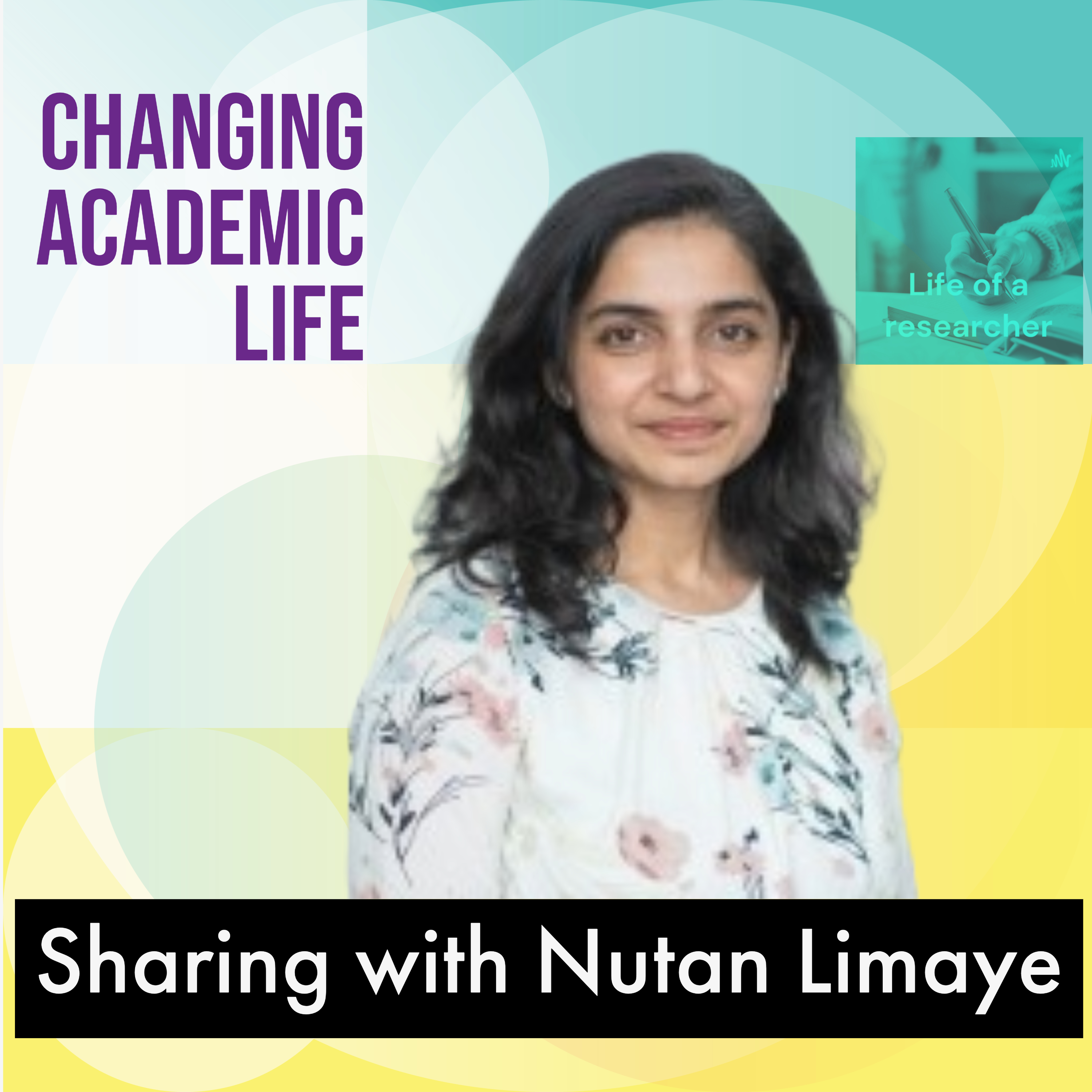
Sharing my story with Nutan Limaye (CAL117, S6E11)
In this episode the tables are turned and I'm being interviewed by Nutan Limaye who hosts the ‘Life of a Researcher’ podcast. Nutan is an Assoc. Professor at the IT University Copenhagen. We met when she was a participant in one of our residential academic leadership development courses in 2024. We talk about my unconventional career path starting in social work, mo

Vikki Wright on career transitions, ADHD, and learning to manage yourself (CAL116, S6E10)
Vikki Wright is the director of PhD Life Coach and offers professional coaching and training for PhD students and academics. She also hosts the PhD Life Coach podcast. Up until 2022 though Vikki was a full professor of Higher Education at the University of Birmingham in the UK, with a research background Sport and Exercise Sciences, then shifting to more of a teaching focus.Vikki shares her intere

Your LP Reflections - Looking back, Looking forward (CAL115 S6E9)
As we leave 2024 and embark on the new year, I want to share the reflective template I used for myself, playing with the LP (long play) record concept. I introduce the table structure of the personal, people, play, and projects (Ps) categories, paired with reflective components like land, love, labor, and learn (Ls) for the past year review, and look forward, let go, let grow, and let be (Ls) for

Evan Peck on considered choices and career moves: from liberals arts to a research uni (CAL114, S6E8)
Evan Peck returns to discuss his career evolution since our last conversation in 2017. The focus is on his initial choice to join a liberal arts college post-PhD, emphasizing the balance between teaching and research, how his research evolved, and on his career goals then. Evan then talks through his move to the University of Colorado Boulder, detailing his motivations and the strategic thinking b

Özge Subașı on values, choices and care (CAL113, S6E7)
Özge Subaşı is the Director of Futurewell: CoCreation and Wellbeing Group in the Media and Visual Arts Department at Koç University in Turkey. In this episode, Özge shares a journey from industrial design to interaction design, with a focus on diversity, inclusion, and justice. The work with visually impaired children and older people significantly influenced Özge's transition into human-centered
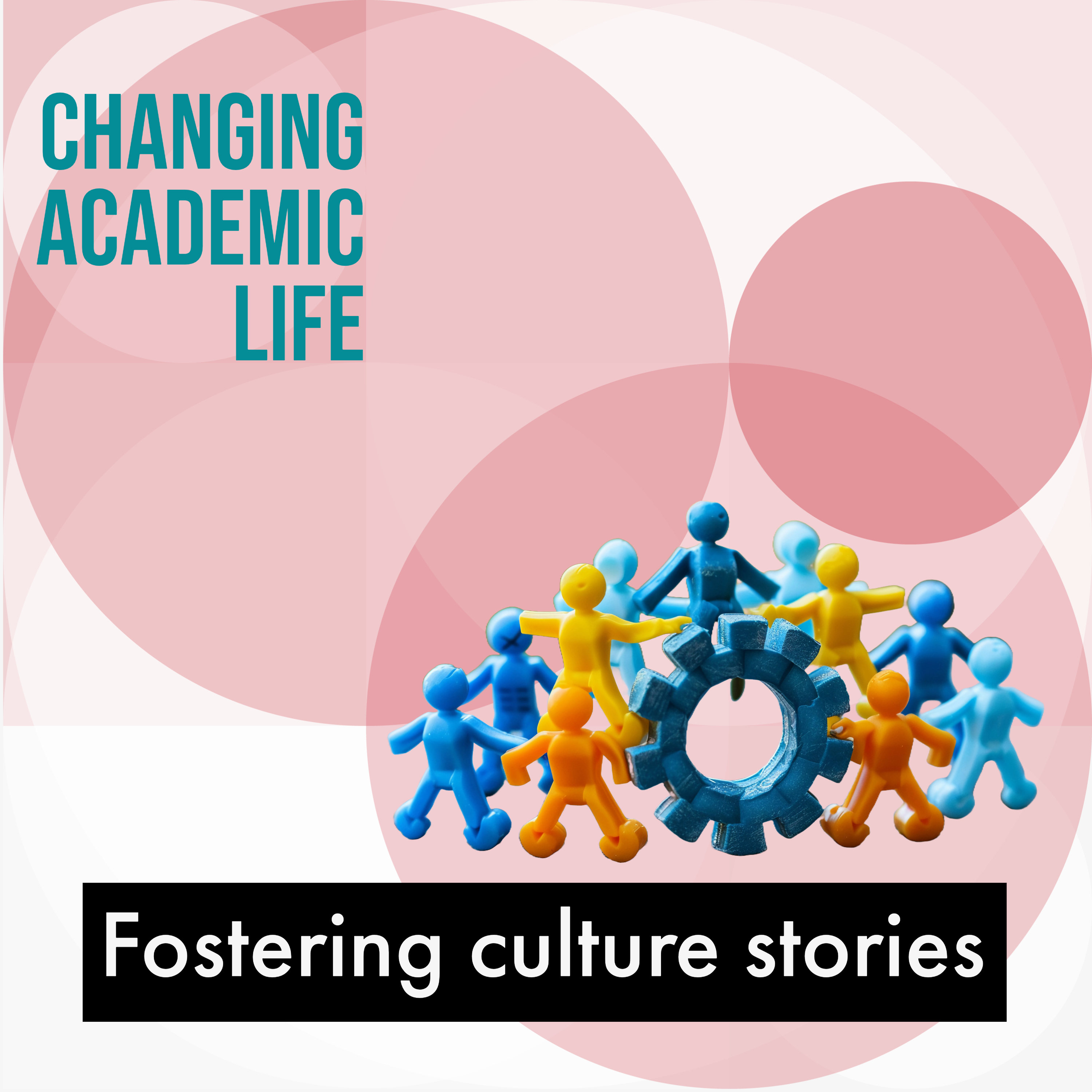
Creating Positive Cultures: Stories from the archive
Continuing our culture theme, I revisit past podcast conversations that explore how to foster positive research environments and cultures. We hear from people such as Elizabeth Adams, Tanita Casci, Jolanta Burke, Janet Reed, Alex Taylor, Kia Hook, and Lindsay Oades, who share their experiences and insights on creating a sense of belonging and collegiality within academic settings. Their stories em
![Fostering psychological safety in research environments [solo]](https://artwork.captivate.fm/25d14b2e-900b-46b7-a5f8-25d90489db2c/0WvjlFTxkkzQ5_6oJJNzNdM-.jpg)
Fostering psychological safety in research environments [solo]
Continuing the theme of great research environments, I explore how to contribute to creating great research cultures with a focus on the concept of psychological safety. I contrast the prize winning example we heard about in the last episode with examples of experiences with poor research environments. This leads to a discussion of the value of psychological safety as defined by Amy Edmondson, and

Creating better research cultures together
What are the ingredients for creating a supportive, inclusive research culture? Nina Molin Høyland-Kroghsbo from the Department of Plant and Environmental Sciences , Microbial Ecology and Biotechnology at the University of Copenhagen discusses the Research Environment Prize established three years ago by the Danish Young Academy to promote and celebrate good research environments, as experienced b

On reframing networking: connections and impact
In this solo episode (S6 E3) I invite us to rethink the concept of networking within academia, inspired by what the late Liam Bannon shared with us in our recent conversation and the evident relational impact he had on people. I encourage us, myself included, to view networking as being about the other person, not about us, and see it as an opportunity for forming meaningful impactful social conne

Liam Bannon (Part 2) on values & what matters
Update 22 Sept 2024: It is with deep sadness that I share Liam passed away this morning. May we honour his memory and his generosity in sharing his reflections by always reminding ourselves about what and who is really important.Liam Bannon is a Professor Emeritus and founder and director of the Interaction Design Centre at the University of Limerick in Ireland. In April 2024 I rele

S6E1 Welcome to the new season
Introducing the new season of Changing Academic Life.Reflecting on my recent transitions. And thanks to the HCI group for support.

CAL106 On STOP - the purposeful pause (solo)
In this short solo episode a share a simple yet powerful technique, S.T.O.P., for taking a purposeful pause throughout your every day. Stop, Take a breath, Observe, Proceed.00:29 Motivating STOP01:50 What is STOP04:37 Using STOP11:19 Towards making STOP a habit13:58 End
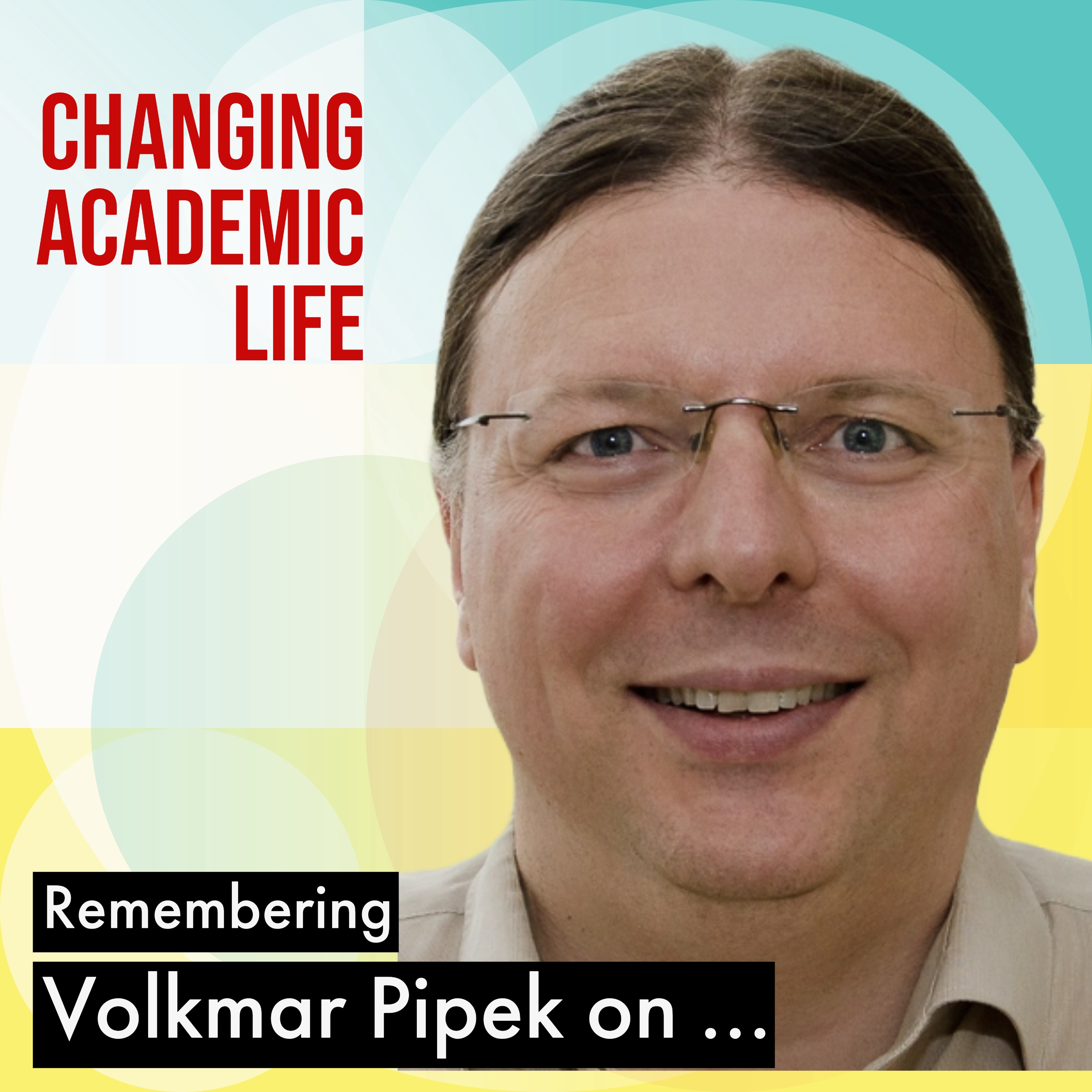
Remembering Volkmar Pipek - on being curious, being you
Volkmar Pipek was a highly influential researcher from Uni of Siegen who sadly passed away in Jan 2024 after a long illness. This short episode draws from a written interview he gave to Mateusz Dolata on the occasion of his 2023 EUSSET-ISSI Lifetime Achievement Award. I read an extract where he shares his advice about becoming and being a researcher: Be curious. Be who you are. Be curious who you
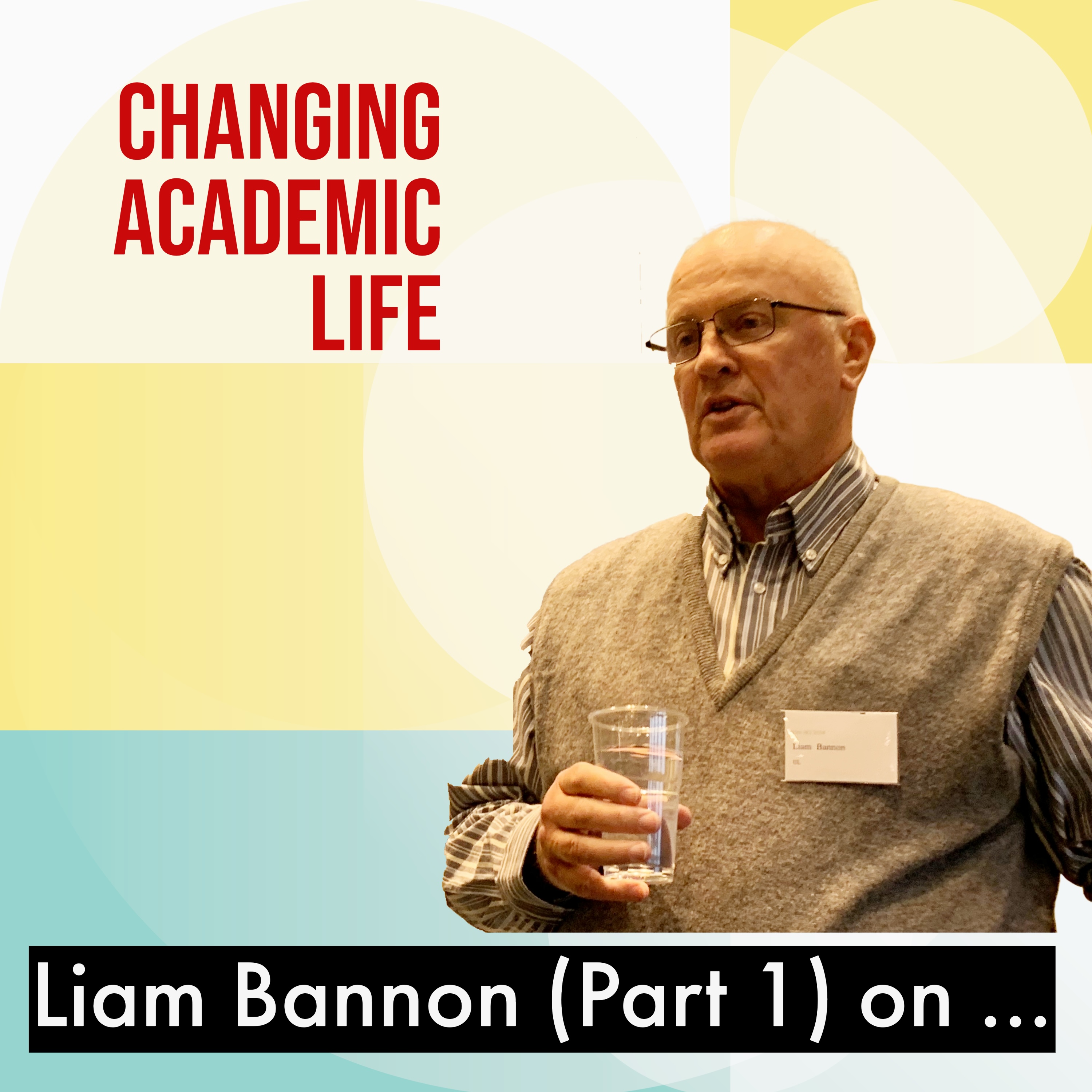
Liam Bannon (Part 1) on a career outside the box
Liam Bannon is a Professor Emeritus and founder and director of the Interaction Design Centre at the University of Limerick in Ireland.Liam has been a hugely influential thinker writer and researcher since the 1980s, along with various collaborators, in shaping work around technology and design. Recorded in-person in 2017, he reflects on his interdisciplinary journey and cont
Jean Paul (Part 2) on leading virtual transdisciplinary teams and stakeholder engagement
Jean Paul is a senior scientist at the Medical University of Innsbruck. In part 2 of our conversation, Jean discusses her experience leading an impact-led transcdisciplinary research project focused on supporting families with mental health issues. She highlights the challenges of stakeholder engagement, distributed team management, and transdisciplinary research. Jean emphasizes the importance of
Jean Paul (Part 1) on Sandpit funding & impact-focussed research
Jean Paul is a Senior Scientist at the Medical University of Innsbruck in Austria. Jean discusses her involvement in a unique research funding process called a sandpit or an ideas factory. Having then taken on the leadership of the project, she provides insights into the challenges and benefits of transdisciplinary research, stakeholder engagement, and arguing for their impact-focus
Funding & Research Culture (podcast extract)
This episode is an edited extract from a ‘Beyond Phrenology’ podcast episode where Dr Madhur Mangalam chatted with me about the impacts of research funding challenges on academic culture and individual well-being. The conversation addresses the need for a shift towards more supportive and diverse cultures, the complexities of academic career paths, and the importance of leadership, mentorship and
Celebrating 100!
Taking this time to celebrate CAL100 – the 100th episode for the Changing Academic Life podcast series (actually 109th episode if we count the nine related work episodes) and thanks to all the people who have been part of making it happen.To update and correct the information about Dr Paddy Barrett who inspired this podcast: His original podcast was called 'The Doctor Paradox'. He is a preven
On research identity, meaningful work and funding (solo)
Triggered by a comment from Katta Spiel in an earlier podcast, in this solo episode I explore the tensions between the autonomy and freedom we have to shape our research identities and do meaningful work, and the systemic constraints from funding and promotion opportunities. The tensions particularly arise when research interests don’t align well with institutional expectations or funding trends.
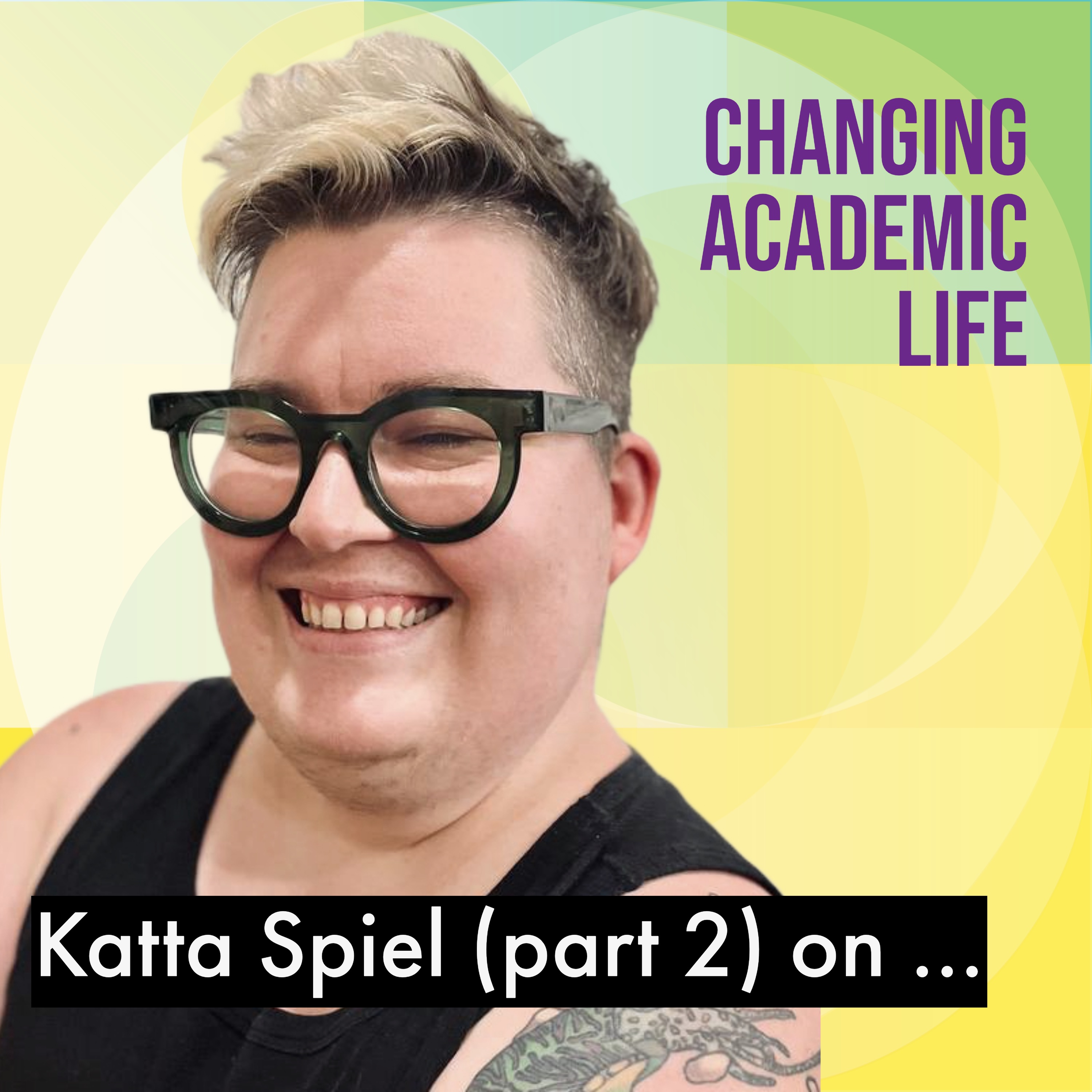
Katta Spiel (Part 2) on neurodivergence & different ways of being and knowing
Dr Katta Spiel is an Assistant Professor at TU Wien, a recent ERC Starting Grant recipient, and a good colleague of mine. In part two of our conversation, Katta discusses being neurodivergent, and experiences with ADHD, and being an activist for change with an example of how gender is dealt with in research, and about 'epistemic plurality and the importance of making space for diffe

Reflecting on 2023
In this short episode I reflect on the podcast season so far and on my own year of transitions. And I offer some prompt questions to help us reflect on what we have achieved and learnt this past year and encourage us to take some time to savour and celebrate it.Overview:00:05 Introduction01:32 Podcast highlights05:50 Transitioning to a new phase7:35 Reflection prompts10:17 Gratitude & looking
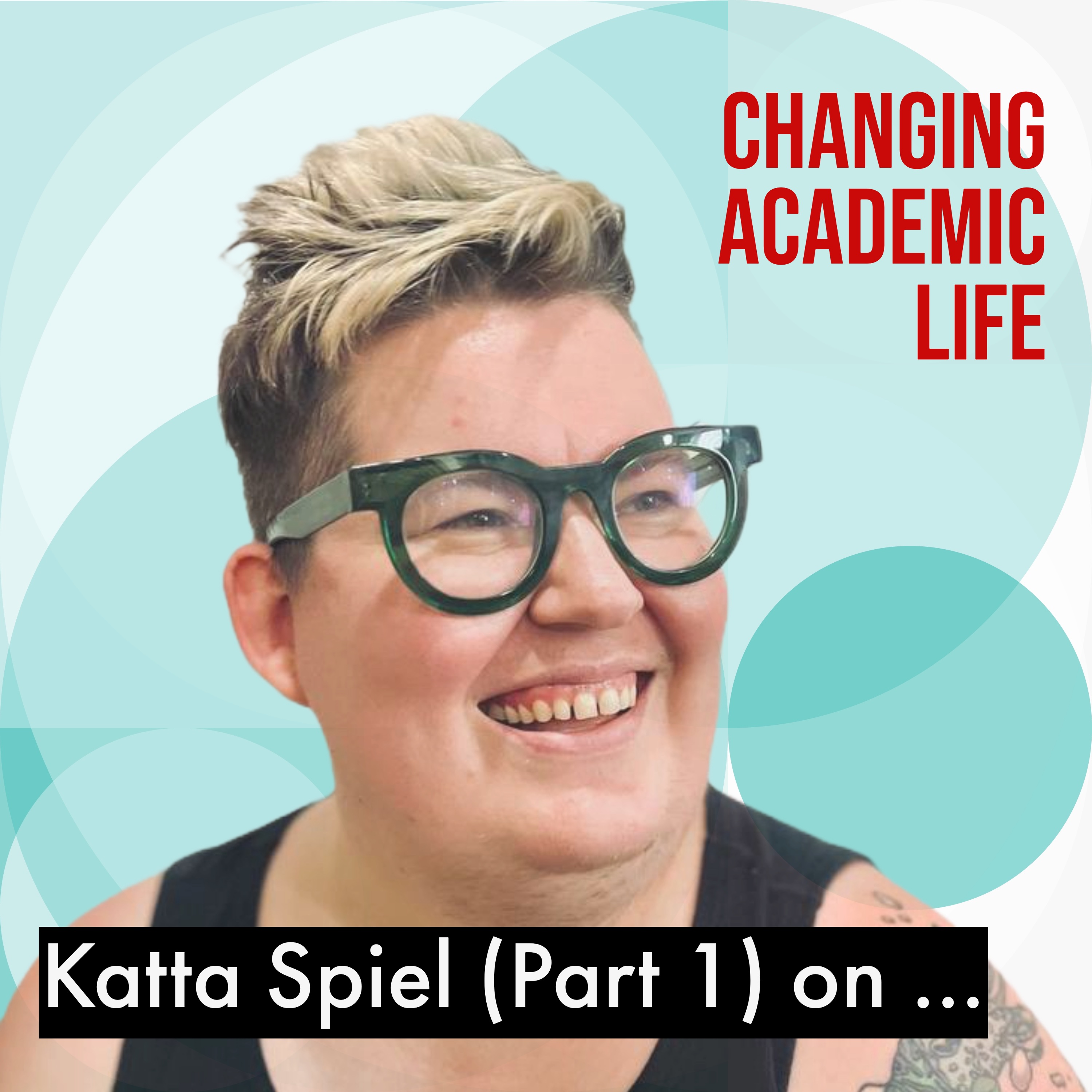
Katta Spiel (Part 1) on career uncertainties, gender identity and health issues
Dr Katta Spiel is an Assistant Professor at TU Wien, a recent ERC Starting Grant recipient, and a good colleague of mine. In the first part of this two-part conversation Katta shares their experiences on a range of topics like career uncertainty, rejection of proposals, coming out as queer, having a formal gender change, dealing with chronic health issues, and being successful in receiving a

Revisiting Irina part 2
There were some technical hiccups in Part 2 of my conversation with Irina Shklovski, making the original audio I released very choppy (a lesson in not relying on smart tools!). I’ve uploaded new audio version that is much easier to listen to and doesn't chop off words. So this is an encouragement to you to listen to this now as it is such an important raw honest conversation and Irina shares so m

On Self Compassion
In this short episode I pick on the notion of self-compassion from the discussion with Mark Reed last week, and go back to Kristin Neff’s work and other related self-compassion researcher to unpack the three components of self-compassion and some practices for cultivating self-compassion and also point to some of the research evidence base for the benefits of self-compassion. I also shar

Mark Reed on mental health, love and impact
Professor Mark Reed is an academic, author, podcaster, consultant, trainer, policy advisor among his many roles. His research area is on ecosystem markets and environmental governance, and he studies how researchers can generate and share their knowledge so they can change the world. Reflecting both of these strands, he is both an academic, co-directing a researc

On choosing the park
In this very short 7mins episode, I talk about choosing to go to the park instead of doing a longer episode as I had planned - making good enough choices and honouring other areas of my life.I also point to related older podcasts that talked about issues around burnout, obsessive vs harmonious passion, self care, planning:Jolanta Burke on burnout, harmonious passion, positive workplaces & help

Irina Shklovski (Part 2) on coming back from burnout, being enough, doing enough
Professor Irina Shklovski, University of Copenhagen, continues her powerful story about her academic burn-out experiences, returning to work and learning the dance of how to be enough and do enough. She discusses the push-and-pull between professional expectations and personal health, the value of reflection and self-awareness, how to establish work boundaries, and the crucial role of support

Irina Shklovski (Part 1) on Burning Out
Professor Irina Shklovski, University of Copenhagen, has a powerful story to tell about her burn-out experiences. In Part 1 she talks about how she got there, having an amazingly supportive department and colleagues, and how her body tells her when to stop. Implicated in this are issues such as being across two departments, defining her scholarship, starting a new uni during COVID,

Mobility, pensions and you, yes you! (solo)
In this short solo episode, I reflect back on recent conversations around academic mobility, discuss some benefits, and also point to an EU initiative to improve support for mobility across sectors, countries and disciplines. I also discuss some of the costs and issues around mobility, and in particular pensions, something we don’t often think about. In sharing my experiences with a complicated pe

Susanne Bødker on career, culture and choices
Professor Susanne Bødker is a professor of Human Computer Interaction at Aarhus University in Denmark. She reflects on 40 years at Aarhus University (AU) touching on issues including mobility, changes over time, hiring practices, creating collegial culture, being active in university politics, transitioning to retirement, being a single parent, among many others. You’ll hear a strongly held s

Reforming research assessment top-down bottom-up middle-out (solo)
Following the conversation with Dr Karen Stroobants on the EU CoARA agreement, I discuss some other top-down initiatives at international and national levels for reforming research assessment. I also share some of my own bottom-up experiences trying to put these principles to work eg in writing references and being part of evaluation panels. It is also my hope that these actions can also have some

Being a Work in Progress (solo)
In this short episode I reflect on my recurring life lesson about putting unrealistic pressures on myself, in this case to put out a full podcast this week. Especially when the platforms I am using are a work in progress. And accepting that I am also a work in progress. What are your recurring life lessons?Transcript [08:03 mins][00:00:29] Geri: Do you ever have any of those life lessons where it

Karen Stroobants on changing research culture and reforming research assessment
We need to reform research evaluation because "It's not just which people are we excluding, which profiles are we excluding, which ideas are we excluding, but also whose problems are we not solving" says Dr Karen Stroobants.Karen is a researcher, policy adviser and consultant on research policy and strategy, with a focus on research culture. Her research background and PhD is in chemistry. Sh

New Season Welcome (solo)
This is a short episode to kick off the new Season of the Changing Academic Life podcast series.Looking forward to bringing some great conversations coming on a range of topics fro reforming research assessment, burnout and neurodiversity.A new website will be coming very soon!You can access all the latest episodes via this link that will connect you to your favourite podcast player. And don’t for

End of Season Reflections and Transitions
This is the end of the current season of episodes. I take the opportunity to shortly reflect on the themes we’ve heard - around listening, leadership, wellbeing, peer review, and research excellence and evaluation. I also invite you to share your feedback and suggestions, and I share some of the various transitions happening over the break, all leading up to the next season starting Sept/Oct 2023.

Sarah Davies (Part 2) on luck, disrupting excellence, and cultures of care
Sarah Davies is a Professor of Technosciences, Materiality, & Digital Cultures at the Department of Science and Technology Studies at University of Vienna. Overall her work explores how science and society are co-produced, with the digital and digitisation being key aspects. Of particular interest for our discussions is her current research on the conditions of academic work and knowledge prod
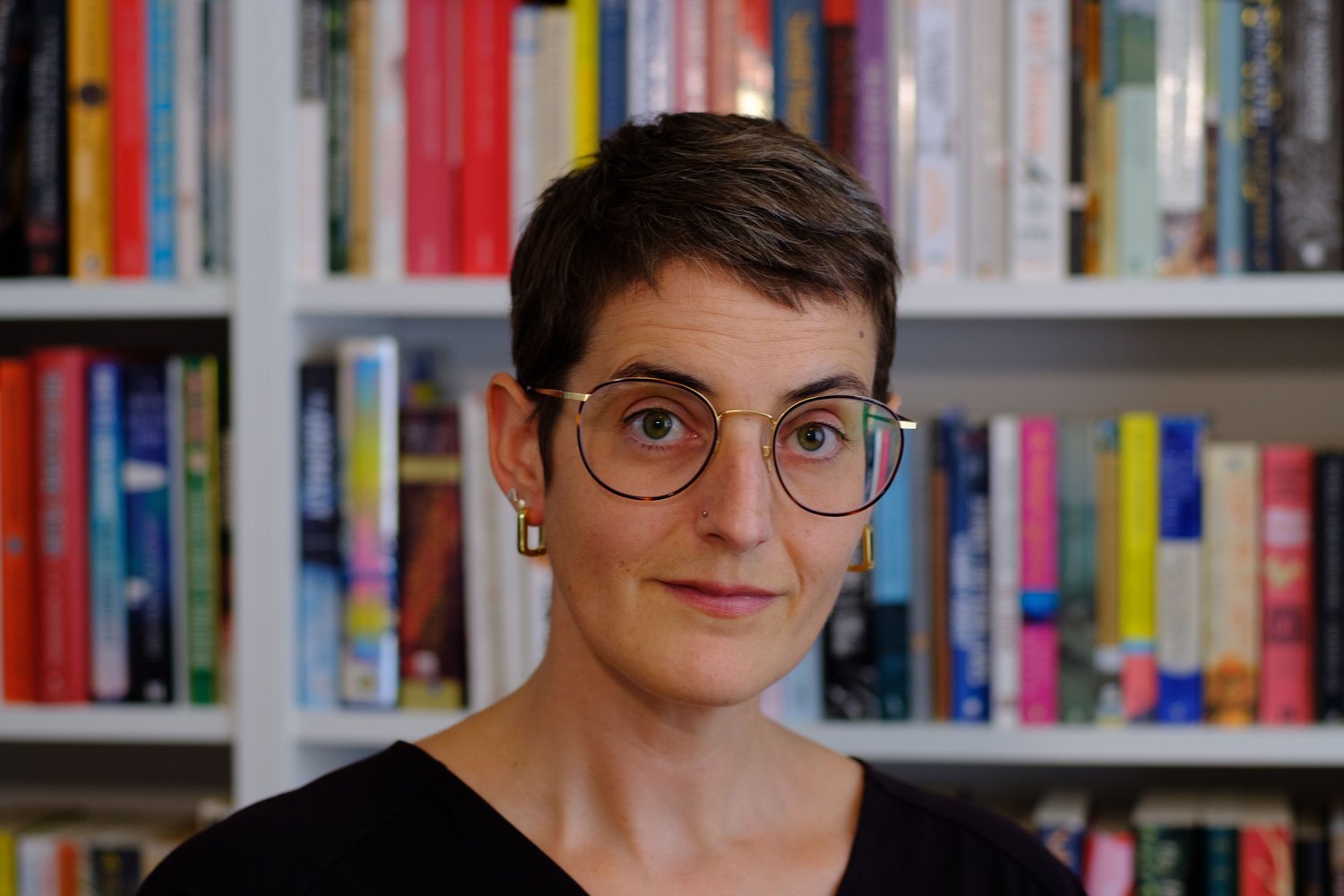
Sarah Davies (Part 1) on mobility, precarity and notions of excellence
Sarah Davies is a Professor of Technosciences, Materiality, & Digital Cultures at the Department of Science and Technology Studies at University of Vienna. Overall her work explores how science and society are co-produced, with the digital and digitisation being key aspects. Of particular interest is her current research on the conditions of academic work and knowledge production. In Part

Elizabeth Churchill on creating culture, leading teams, loving challenges
Dr Elizabeth Churchill is a Senior Director at Google. We recorded this interview while we were both at a conference, where she was awarded a SIGCHI Lifetime Service Award. In this conversation she shares insights and experiences around building good team cultures, managing diversity, onboarding for global teams, and some management frameworks that she has found useful. She also shares her journey

Marta Cecchinato (part 2) on promoting wellbeing through leadership, EDI & self-care
This is part 2 of my conversation with Dr Marta Cecchinato (Part 1 is here). Marta is an Assistant Professor (Senior Lecturer) in the Computer and Information Sciences Department at Northumbria University. Her research focuses on understanding the complexities of multiple technologies in everyday life and how digital experiences can be shaped to support wellbeing at work and in our personal lives.
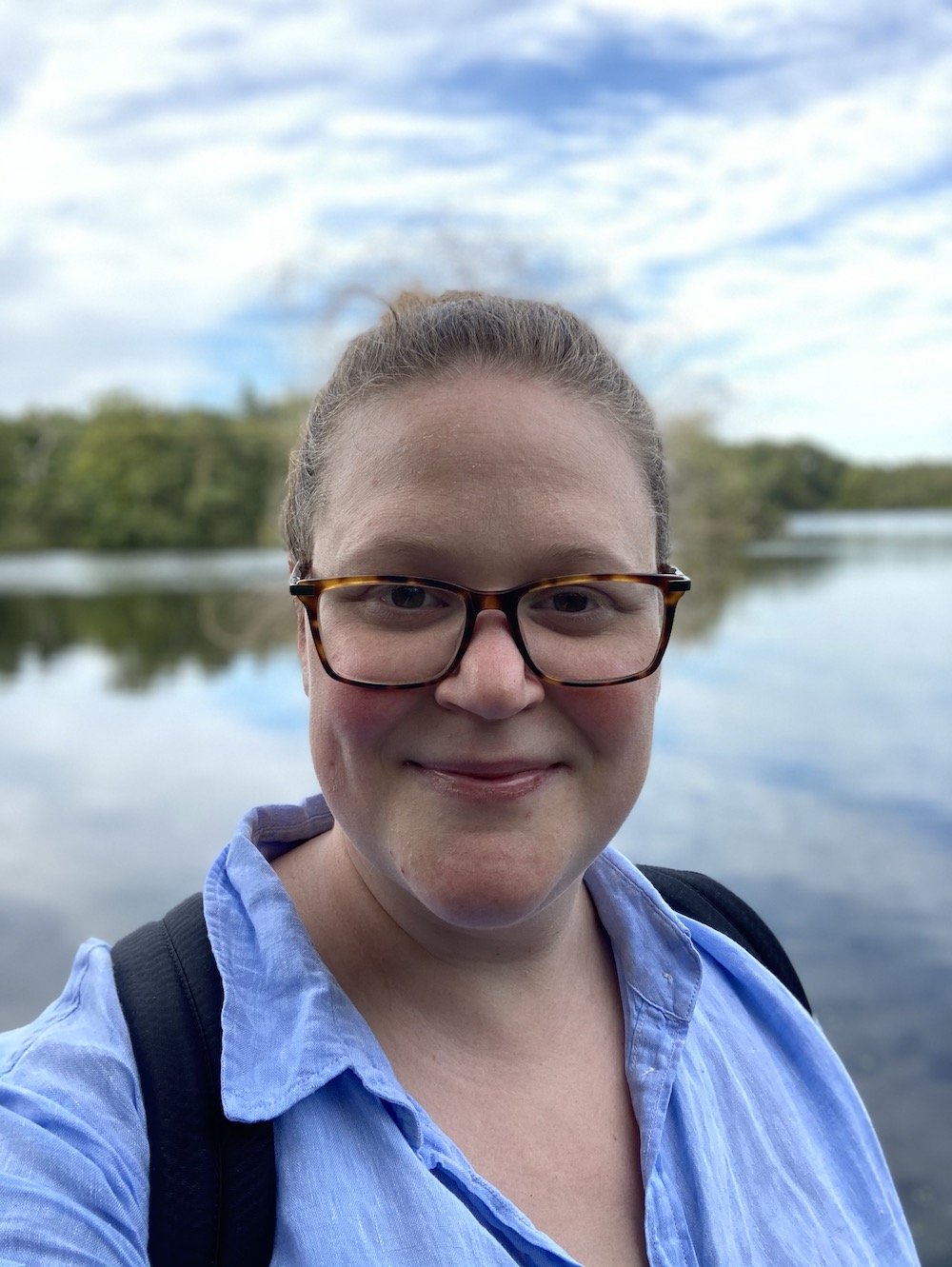
Marta Cecchinato (part 1) on digital wellbeing and microboundary strategies
Dr Marta Cecchinato is an Assistant Professor (Senior Lecturer) in the Computer and Information Sciences Department at Northumbria University. Her research focuses on understanding the complexities of dealing with multiple technologies in everyday life and how digital experiences can be shaped to support wellbeing at work and in our personal lives. In part 1 of our conversation, she talks about he
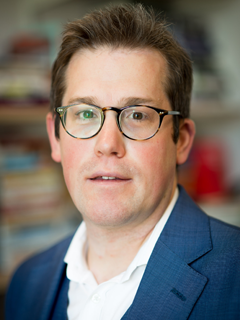
James Wilsdon - Replay on metrics & responsible research evaluation
This is a replay of a 2018 conversation with Professor James Wilsdon when he was a Professor of Research Policy in the Department of Politics at the University of Sheffield in the UK. He is now at UCL as a Professor of Research Policy in the Dept for Science, Technology, Engineering and Public Policy (STEaPP). James has been involved in many policy and think tank initiatives. Of particular interes

Heike Winschiers-Theophilus on global south research, reviewer bias, abstract vs lived diversity, & pluriversality
This conversation continues the reflections on our peer reviewing practices, this time bringing in the experiences of someone from the Global South. Here I am speaking with Prof Heike Winschiers-Theophilus. Heike is a Professor in the Faculty of Computing & Informatics, at Namibia University of Science & Technology. Heike shares the many challenges she and her colleagues have faced in the

Edward Lee on the toxic culture of peer review
In the last episode from my own reviewing hall of shame, I mentioned the coincidence of attending a webinar where Edward Lee talked about the ‘toxic culture of rejection’, based on a blog post he write in 2022. In this episode we hear from Edward directly and discuss the culture of rejection, in CS especially, the problems with peer reviewing, the nature of conferences, and how we might approach r

A confession from my review hall of shame
This short reflection follows on from the last episode, a replay of my 2017 conversation with Gloria Mark in honour of her just having published her book called “Attention span: a groundbreaking way to restore balance, happiness and productivity”. I make a confession here that comes from my reviewing hall of shame, about when I was a reviewer of one of the key papers leading to this book, a paper
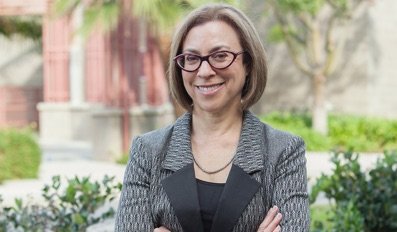
Gloria Mark - Replay
Gloria Mark is a Chancellor’s Professor in the Department of Informatics at the Donald Bren School of Information and Computer Sciences at University of California Irvine. This is a replay of our conversation in 2017 in honour of her having just published her book called ‘Attention Span: A Groundbreaking Way to Restore Balance, Happiness and Productivity’ which is being touted as the ‘must-read b

Leadership development with Austen Rainer
Austen Rainer and I love co-facilitating academic leadership development courses for Informatics Europe and sharing experiences with so many people who share a commitment to doing academia differently. In this conversation we reflect on how these courses came about and experiences running them so far. We also try to unpack the similarities and differences between the online and residential versio

End of 2022 Reflections
In this short podcast [19:16 mins], I reflect on some of the themes from across the podcast discussions since Sept 2022 - themes around listening, leadership and stepping up to make a difference. I also conclude with a call to take some time now to reflect on and savour your 2022 and to think of your theme for 2023.Full transcript: [Also downloadable as pdf]00:05 Welcome to changing academic life

Aisling O’Kane on radical participatory decision making (Part 2)
Dr. Aisling O’Kane is an Associate Professor of Human-Computer Interaction in Health at the University of Bristol in the UK. In Part 1 of our conversation, she talked about her very diverse background ad reflected on issues like the importance of mobility, the challenges being part of an academic couple with family, and the impact of COVID. In Part 2 here, she goes on to talk about how she came to
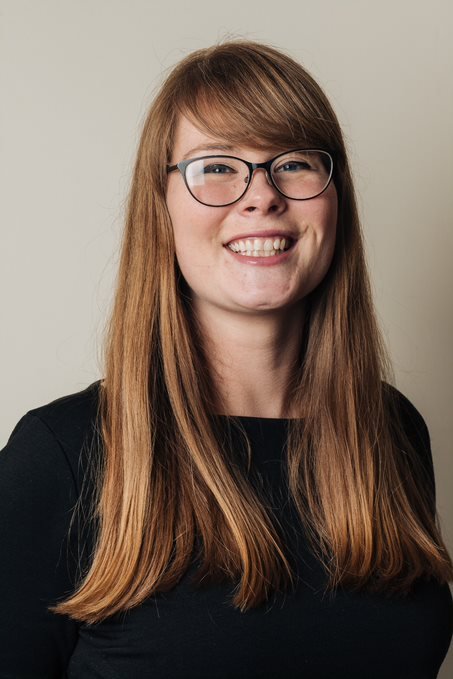
Aisling O’Kane on mobility, interdisciplinary threads & family (Part 1)
Dr. Aisling O’Kane is an Associate Professor of Human-Computer Interaction in Health at the University of Bristol in the UK. In Part 1 of our conversation, she talks about her very diverse background from engineering to human factors and working in industry, from margarine, beer and nuclear risk assessment, then to doing a PhD, and now being in a faculty position. Along the way she reflects on the

Stuart Reeves on effecting change – from the picket line to the Senate (Part 2)
Dr. Stuart Reeves is an Associate Professor in the Mixed Reality Lab and Horizon Research Institute at Nottingham University in the UK. This conversation is in two parts. In Part 1 of our conversation, he reflected on the complexities of universities and the structural/managerial issues that contribute to this. In Part 2 here, Stuart goes on to describe his journey from protesting about pensions o
Recommended
The Swerve Podcast: Obscure Topics | Conspiracy Theories

The Bread and Banter Podcast

The Church of What's Happening Now: The New Testament

Busted Open

Deadline: White House

Crickets Corner

History of the Earthquake and Fire in San Francisco

Fox news

K-Drama Obsessed Mamas | Beyond “Just One More Episode!”

True Crime Classics
The Healer Revolution

Becoming: HER with Nikki Spoelstra
