This Is Your Brain On Drugs Psychiatry Podcast
Join Cody Armstrong as he takes you on an adventure through psychiatric medications and beyond, breaking down these oft misunderstood drugs into easy, concise, and digestible pearls with his patented punk rock flare and a healthy dose of real science. Come explore these drugs like never before in fascinating detail whether you are a student, nurse, doc, patient, or just want to learn more. Listen to episodes on the podcast platform of your choice, follow along on YouTube with ease with slides and audio, or download slides at no cost at www.punkrockpsychiatrist.com. This Is Your Brain on Drugs Psychiatry Podcast will never charge you, show you an ad, or take sponsorship dollars from anyone because that just wouldn't be punk rock!
Episodes
Episode 1: Introduction to This Is Your Brain on Drugs Psychiatry Podcast
My very first episode where I introduce myself, the podcast format, my philosophy, talk about my target audience, let you know what my information sources are, and explain how this podcast is different than other podcasts out there. Please have a listen and let me know what you think!
Episode 2: Introduction to Depression Part 1
Let's get started learning some basics about depression before we dive into medication treatments. From what exactly is it to where do we think it comes from, even if you are a seasoned veteran I'm betting you will learn something from this introduction to the most frequently prescribed psychiatric medications.
Episode 3: Introduction to Depression Part 2
I'm hitting my stride here in episode 3 where I continue with introducing depression. In this episode I'll discuss how to diagnose and assess depression in preparation for deciding on what treatment will work best for the patient. Tune in to find out my approach to this fundamental element that will prepare you for picking the right med or no med.
Episode 4: Depression Treatment Overview
Today I'll start talking about treatments for depression. I'll go over lifestyle modification recommendations, psychotherapy, complementary treatments, and somatic treatments. I'll cover the last two in more detail later in the depression series, and I'll start the next episode with an overview of antidepressants.
Episode 5: Introduction to Antidepressants
In this shorter episode I'll give the back story on antidepressants. What was used before they were around? How do they work? Join me to find out!
Episode 6: Monoamine Oxidase Inhibitors (MAOIs)
It's episode 6 and we're talking about the first antidepressants, the MAOI's! How do this things work? Aren't they really dangerous and not used anymore? No and No!! You too can use these medications to treat depression. Listen and find out how!
Episode 7: Neuroreceptors
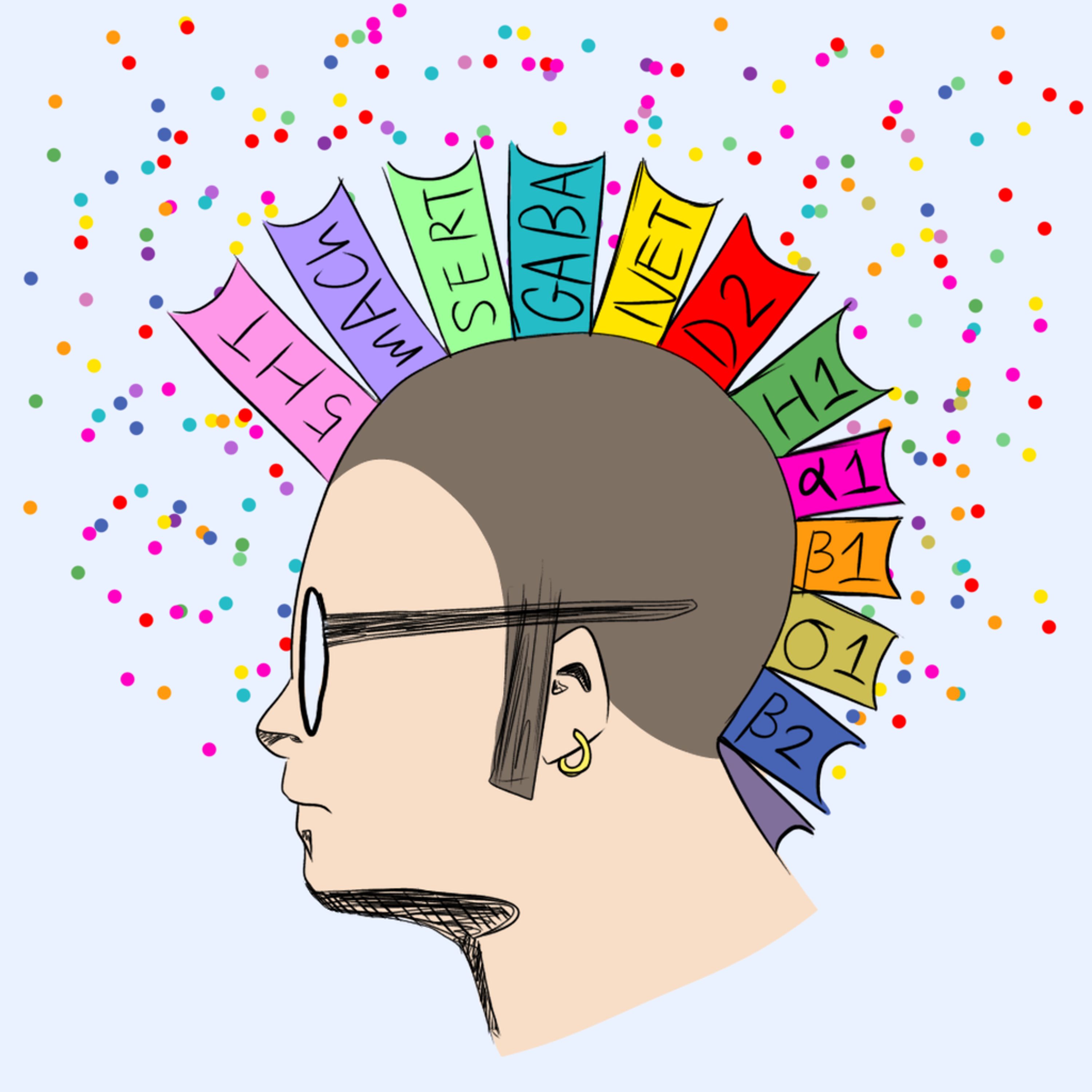
Taking a short break from the antidepressants to talk about all of the receptors in the brain (and some outside) that I think about when I'm thinking about psychiatric medications. The next podcast is about tricyclic antidepressants and I think this is a good time to introduce this concept. The tricyclics have complicated interactions with these receptors as do the antipsychotics that we will talk

Episode 8: Tricyclic Antidepressants
Now that we better understand the neuroreceptors in our brains, let's tackle the tricyclic antidepressants. These used to be a mainstay of psychiatric medication treatment for depression. Not so anymore as we have safer medications that have WAY less adverse effects, but they're still used; not as much for depression but for their other effects like with chronic pain, poor sleep, and more. I'd wag
Trailer
Trailer to the new podcast This Is Your Brain on Drugs.
Episode 9: Receptor Selective (2nd Generation) Antidepressants
Let's get to know the second generation antidepressants, otherwise known as receptor selective antidepressants. These antidepressants started in the 1980s with the newest one coming out just last year. They tend to only mingle with one or two receptors and have much lower adverse effects than the MAOis and TCAs. They are what most of us think about when we think about antidepressants. In this epis
Episode 10: QTc Prolongation
Today I'm talking about QTc prolongation. This is an adverse effect of many medications and medical conditions, and psych drugs are right up at the top of the list. I think about antidepressants and antipsychotics when I think QTc and psych drugs, so before we go further with antidepressants, let's learn more about QTc prolongation. What is it? What do I do about it? When do I do something about i

Episode 11: Sexual Dysfunction Associated with Serotonergic Medications
This is a big one! So I chopped it into two episodes. We're talking about sexual adverse effects associated with serotonergic medications. This is a huge adverse effect and it's the one that probably bothers the most patients, but it can be uncomfortable to talk about, so let's talk about it. What can we do about this adverse effect while still getting the positive effect from the medication. Let'

Episode 12: PDE5 inhibitors and Supplements for Sexual Dysfunction
Last time in Part 1 I went over the mechanism of sexual dysfunction and some treatments. In Part 2 we dive into PDE5 inhibitors like Viagra. These medications are not only useful for sexual dysfunction associated with psychiatric medication use but we all know they are used for this on their own, so I think you will find this episode really informative. You may not know the difference between the
E13: Antidepressants and Suicide Risk
Ever wonder about that pesky "black box" warning on all those antidepressants? Have you ever considered not prescribing to a patient based on that warning or wonder if maybe you shouldn't? Well, then this episode is for you. I'm going to go through the history of this warning, it's intent, and it's consequences. And I hope that after listening that you will feel comfortable prescribing despite the
E14: Serotonin Toxicity (AKA Syndrome)
I'm sure you've all heard about serotonin toxicity AKA syndrome, and you might even know what it looks like and how to diagnosis it, but do you know what causes it and what medications to REALLY be concerned about? Have you read a bunch of lists of meds and wondered if they all really contribute to this syndrome? When I was an intern I learned from psychiatry that you would have to take a truck lo
E15: Serotonergic Adverse Effects
Most of the serotonin medications are pretty darn safe, but they come with a pretty long list of adverse effects that can make patients really uncomfortable. In the previous few episodes, I went over some of the biggest and most dangerous adverse effects. On this episode I want to go over the rest of them. I'll talk about the adverse effects in general and then each of the ones we haven't gone ove
E16: SSRI Overview
Well we've finally reached the most commonly prescribed psychiatric medications. Doctors of all ilks prescribe the SSRIs for a myriad of conditions, but do you know as much about them as you think you do? Well we've already covered the plethora of adverse effects that can come with increasing serotonin, but now we dive into the selective serotonin reuptake inhibitors. On this episode I'll go over
E17: SSRIs (Selective Serotonin Reuptake Inhibitors): Fluoxetine, Sertraline, Paroxetine, Fluvoxamine, Citalopram, Escitalopram
On this episode I continue with the SSRIs. In the last episode we discussed them as a class, but today I'll go over each individual SSRI and highlight the subtle differences, advantages, and disadvantages to each med. We will discuss fluoxetine (Prozac), sertraline (Zoloft), paroxetine (Paxil), fluvoxamine (Luvox), citalopram (Celexa), and escitalopram (Lexapro). I also discuss how the placebo eff
E18: SNRI Overview
Moving on to the next class of antidepressants after the SSRIs is the SNRIs. In this episode I'll discuss what is unique about these medications and what makes them different from their close cousins the SSRIs. I'll cover them as a class on this episode and individually in the next. Enjoy!
E19: SNRIs (Serotonin and Norepinephrine Reuptake Inhibitors): Venlafaxine, Duloxetine, Desvenlafaxine, Milnacipran, Levomilnacipran
I hope you enjoyed the overview of the SNRIs from the last episode. Today I continue with the SNRIs and go through each of the five individually and give you my classic what I like and don't like about each one. We will talk about venlafaxine (Effexor), duloxetine (Cymbalta), desvenlafaxine (Pristiq), milnacipran (Savella), and levomilnacipran (Fetzima). So if you aren't quite sure what is differe
E20: Serotonin Antagonist and Reuptake Inhibitors (SARIs): Trazodone and Nefazodone
Merry Christmas. I have a special song for you today as we start the atypical antidepressants. We've finished with the typical antidepressants and now it's time to learn about the so-called atypical antidepressants, and going in chronological order, first up are the serotonin antagonist and reuptake inhibitors. We have two drugs in this class. First, the very commonly prescribed trazodone, and sec
E21: NDRI: Bupropion (Wellbutrin)
For today's antidepressant category of norepinephrine and dopamine reuptake inhibitor, we just have one medication, bupropion, but it is a very special antidepressant because its adverse effect profile is so much different than all of the other antidepressants we have talked about, and it is this adverse effect profile that makes bupropion often my first choice for patients not only for depression
E22: Noradrenergic and Specific Serotonergic Antidepressant: Mirtazapine (Remeron)
Today I'm talking about mirtazapine, which is in a class of its own as both a noradrenergic and selective serotonergic antidepressant and a tetracyclic antidepressant. It has some very unique qualities that make it a great pick for some patients, and its the only option when you need this unique combination of characteristics. I use this one from time to time but not too frequently because of the
E23: Serotonergic Modulators and Stimulators: Vilazodone and Vortioxetine (Viibryd and Trintellix)
We are making our way through the atypical antidepressants and up next are the so called serotonin modulators and stimulators, vilazodone and vortioxetine. To me these are more similar to the SSRIs and like the SSRIs they do a little extra on top of serotonin reuptake inhibition, but for these two medications these effects are touted to be better tolerated than the SSRIs. Is that the case? Find ou
E24: NMDA Receptor Antagonists: Ketamine, Esketamine (Spravato), and Dextromethorphan+Bupropion (Auvelity)
Today we have an interesting episode. We are covering the first of a very new class of antidepressants, the NMDA receptor antagonists. These are the first antidepressants approved for use for depression which do not interact with the monoamine system, and many more may be coming out in the future. We will talk about ketamine, its sister, esketamine, and the only oral form, a combination of the cou
E25: 5-HT1A Partial Agonist: Gepirone ER (Exxua)
Today I will be talking all about the most recently approved antidepressant, gepirone ER. I'm really not a fan of this one, and there are several reasons why. I honestly cannot think of a reason ever to use it. So tune in to find out all about it!
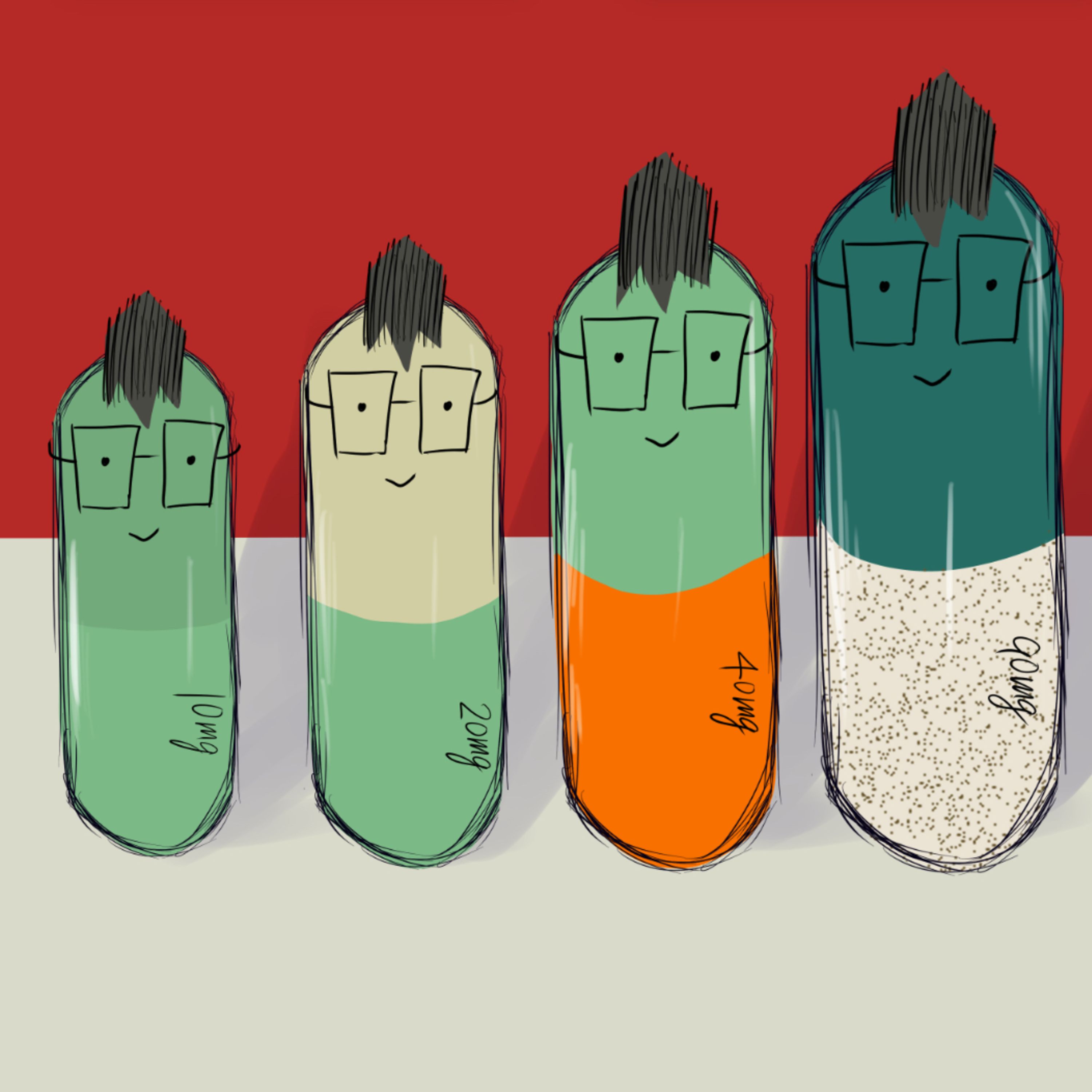
E26: Antidepressant Dosing
On this episode I will be going over all the nuances of dosing the most common antidepressants. I'll talk about the optimal ranges for dosing for most patients, the max doses, and when we can go above the max dose and how high we can go. I will also talk about what doses I start with and how I titrate. I will also discuss a little about why some patients may need doses much lower and much higher t
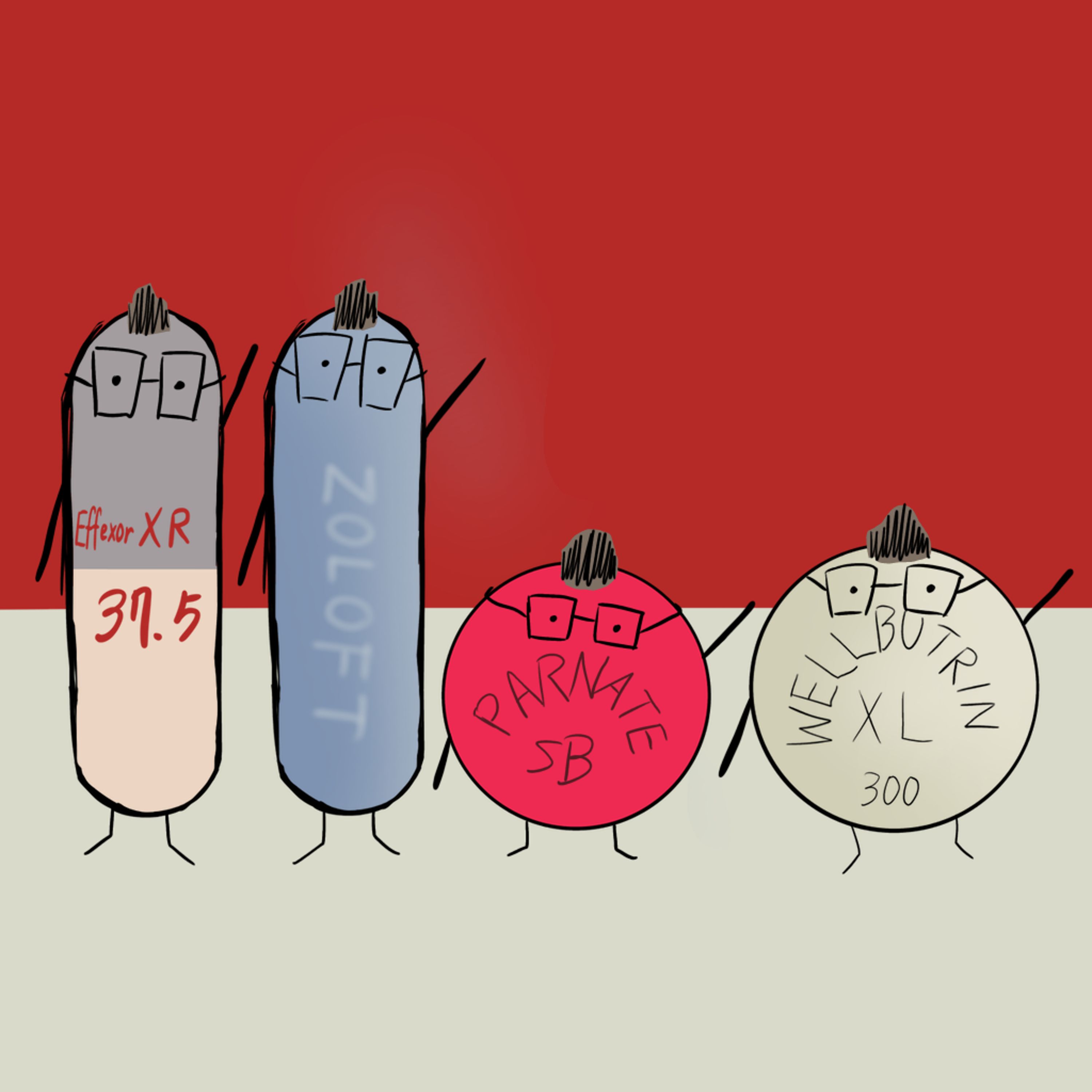
E27: Investigational Antidepressants
In this episode I will be discussing the different mechanisms of action that are being looked at as the next phase of antidepressant medications. I will also talk about drugs that are in Phase 1, 2, and 3 trials, and how those trials are going. These medications are the likely future of antidepressants. We haven't had many new medications until recently, and they may be followed by several more. H
E28: Selecting an Antidepressant
So we've talked about all the FDA approved medications for depression. How to you choose which one to use? Have no fear, I have my break down where I go over all the factors that I take into consideration. Let's not be lazy and pick 5 SSRIs before moving on to other options. Learn about my algorithm that will help you pick the best 1st, 2nd, 3rd, 4th, 5th choice, and beyond. And also find out my t
E29: Efficacy of Antidepressants
OK, so we've learned about the antidepressants, how to pick one, and how to dose. Well, how well do they work? I'll be discussing the efficacy of antidepressants on this episode, and I will be exploring the idea of placebo as it relates to these medications. It's more than what you would like, so tune in to find out all about it!
E30: Improving Efficacy of Medications
On the last episode on antidepressant efficacy we discussed effect size and placebo. On today's episode I will cover a topic called psychodynamic prescribing. I'll be giving you tips on how to become a prescriber that gets max effect from medications. There's a lot of things that you can to maximize the effect, so tune in to find out what they are.
E31: Psychogenomic Testing
I bet a lot of you have heard of psychogenomic testing or at least seen one. Maybe you are a patient and you got one or are thinking about getting one. Are these things worse the time and money? Listen to this episode to learn about them and get my 2 cents on the topic!
E32: Medication Treatment Course
Apologies! I accidentally uploaded an old episode. This one is correct.
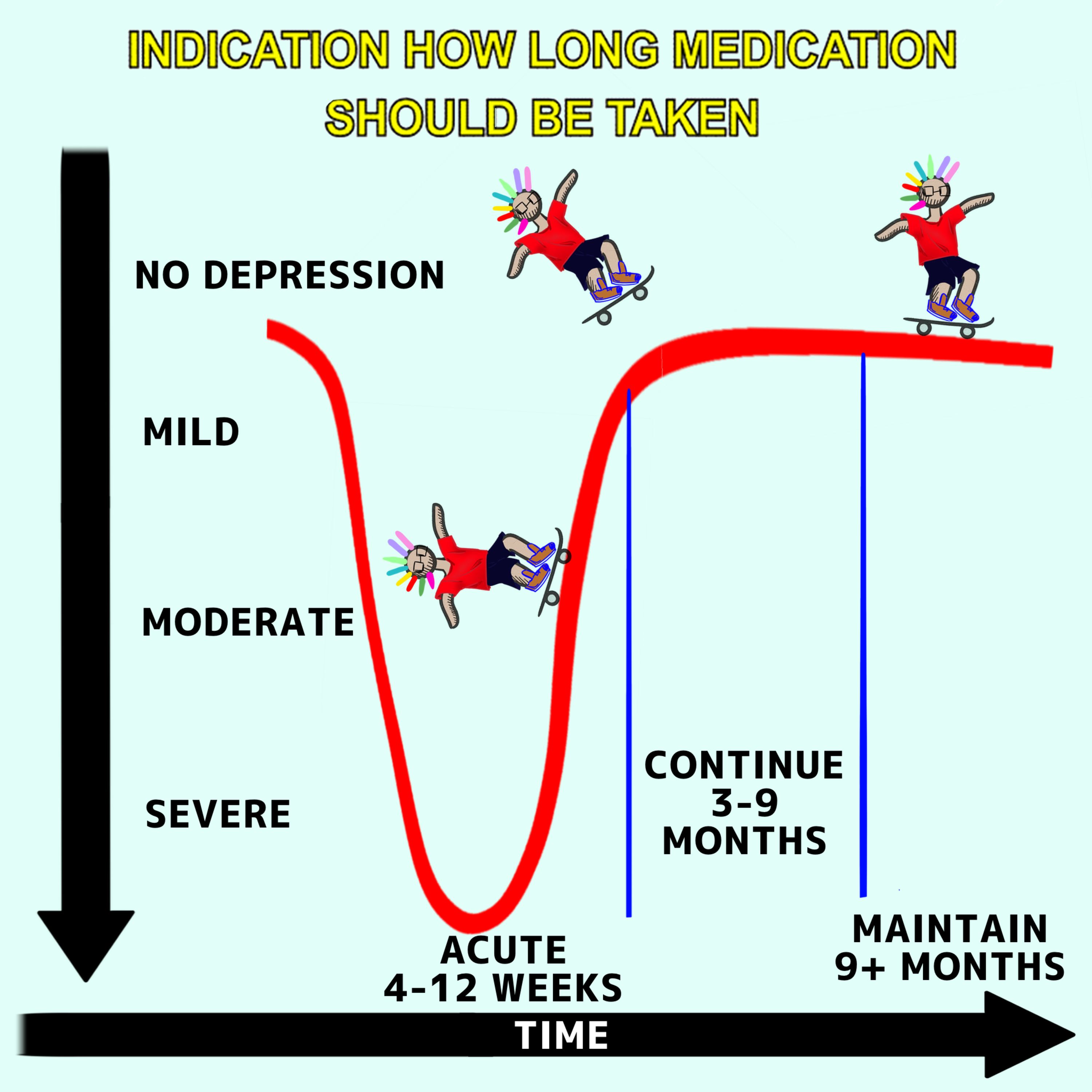
We've gone over all the antidepressants. We've talked about how to pick one. But what do you do when you find the right one? How long should the patient take it? Is it ok to come off? How do you take them off? How likely is it that they will get worse again and how do you respond to that? Well that's what I'll be discussing t
E33: Antidepressant Efficacy Part 3: The Case for Antidepressants
So we had two episodes on the efficacy of antidepressants and I think I may have been a little hard on them, so I decided to make a part 3 where I instill some hope in these medications. They work great for so many people, yet so many people hate them as well. How can that be? And why do their effectiveness numbers look so abysmal? Find out on this episode!
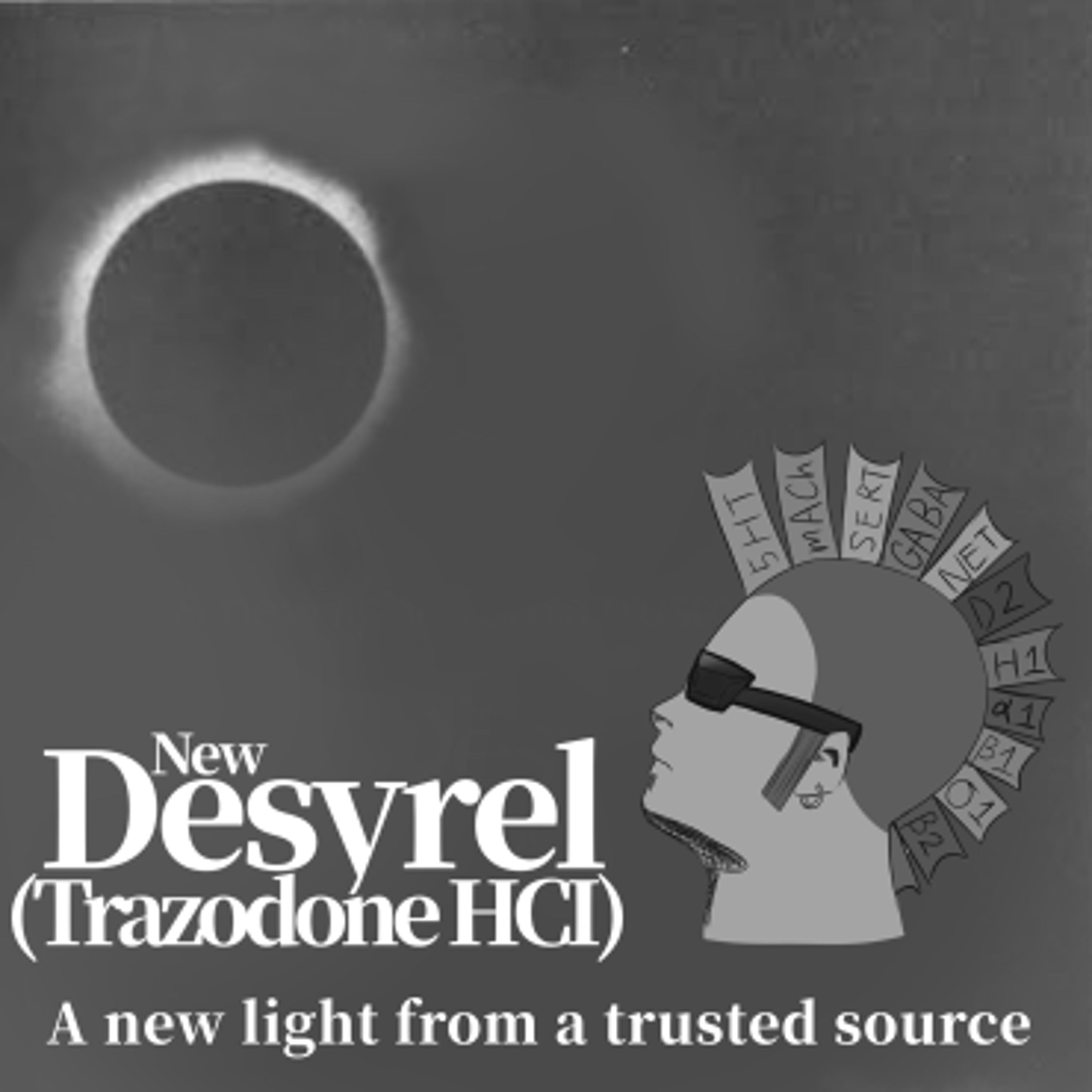
E20: SARIs: Trazodone and Nefazodone (RePublish)
*This is a republish for spotify because I needed to make some changes.
Merry Christmas. I have a special song for you today as we start the atypical antidepressants. We've finished with the typical antidepressants and now it's time to learn about the so-called atypical antidepressants, and going in chronological order, first up are the serotonin antagonist and reuptake inhibitors. We have two dr
E21: NDRI: Bupropion (Wellbutrin) (RePublish)
*This is a republish for spotify because I needed to make some changes.
For today's antidepressant category of norepinephrine and dopamine reuptake inhibitor, we just have one medication, bupropion, but it is a very special antidepressant because its adverse effect profile is so much different than all of the other antidepressants we have talked about, and it is this adverse effect profile that
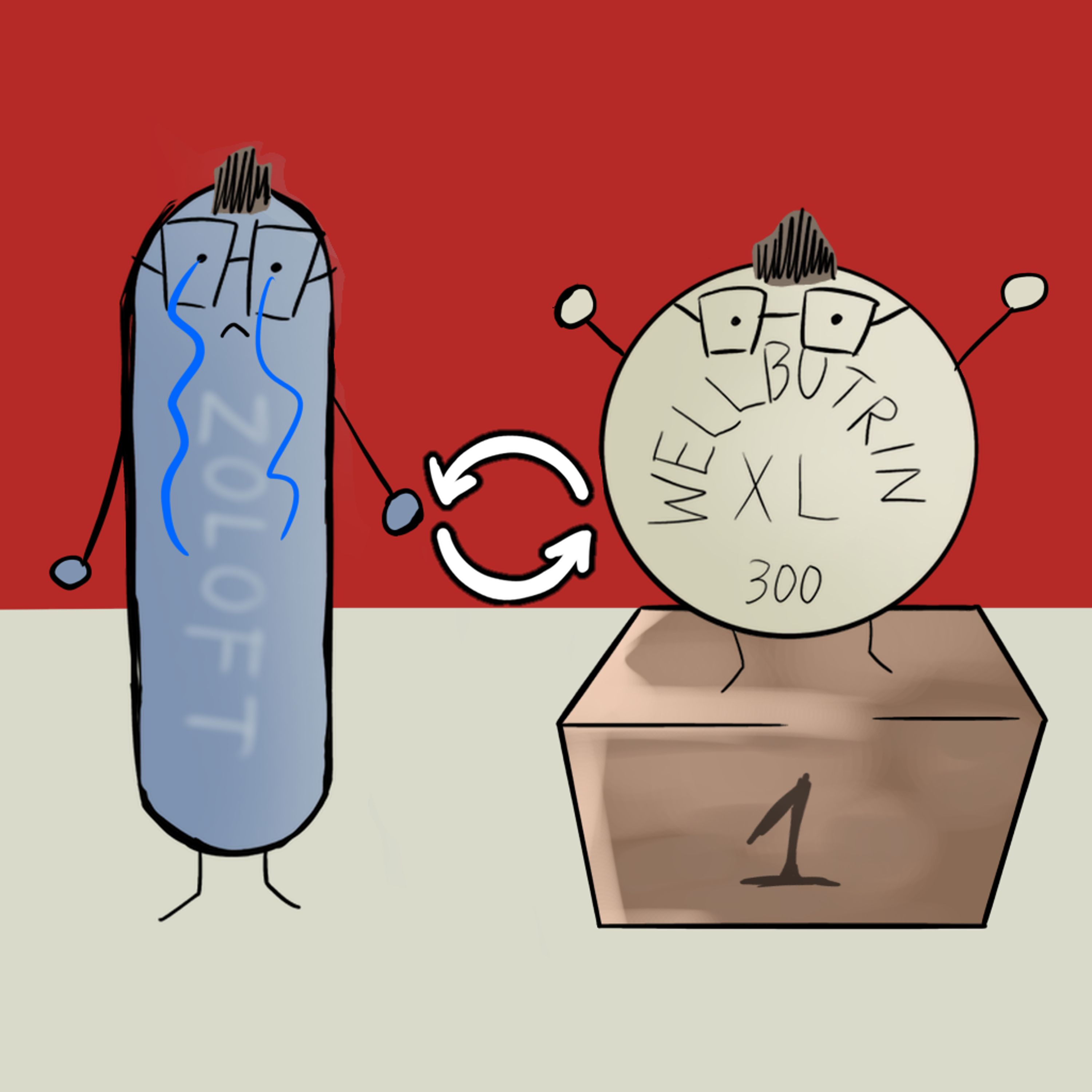
E34: Antidepressant Switching
We've learned all about the antidepressants. You know each one of them inside and out. You know how to dose them, how to pick them, and how to follow them throughout the life cycle, but how do you change from one to the other if the patient is not tolerating or not getting efficacy from the one they are on? Well that's what this episode is about. I'll go over all the switching strategies, when to
E35: Antidepressant Augmentation
So you've found an antidepressant that seems to be helping the patient, but not quite as much as you'd both like. It's maxed out or we've topped out on adverse effects and can't take it any higher. Should we change it? Maybe not. We can try adding something to it. But what should we add? That's what I'll be talking about today. I'll go over every augmentation strategy that I can think of, and ther
E36: Depression Subtypes: How to Pick the Best Antidepressant for Each
There are many subtypes of depression, and this can be important when selecting the best medication. Today I will be going over these subtypes and will be giving you the algorithm for each as to what I would pick first, second, third, and so forth. Knowing this may lead to going with an MAOi or TCA, for example, much sooner than you thought you would, which can lead to faster resolution of symptom
E37: Pediatric and Geriatric Psychiatric Drug Management
It's time to talk about the differences in using the medications that we have discussed for depression in kids and seniors. I don't have a subspecialty board certification in these fields but I do know a thing or two about how prescribing to these populations differs from prescribing to adults. My guess is that even if you don't see kids that you probably see a number of seniors. There are differe
E38: Premenstrual Dysphoric Disorder (PMDD) and Peri-menopausal Psychiatric Symptom Treatments: Estrogen, Progestin, Testosterone, Duavee, Veozah, Tamoxifen
Today I'm going to be talking about something that I've wanted to talk about for a while. Even though I'm a male, I am very interested in reproductive psychiatry. I like to learn about new things and new medications. I want to find out-of-the-box treatments that have scientific backing to treat my patients because guess what, SSRIs don't fix everything! Also, I absolutely hate referring patients t
E39: Peri-partum Depression: Including Antidepressant use, Brexanolone (Zulresso), and Zuranolone (Zurzuvae)
Today we have episode 2 of our reproductive psychiatry series, and I will be talking about peri-partum psychiatric symptoms with a focus on depression. I will discuss all the factors surrounding treating these patients to include the use of medications. I will talk about the relative safety of the different antidepressants during pregnancy and give you my top choices for the safest ones. I will al
E40: Breastfeeding and Antdepressant Safety
Today we have the third and final episode on reproductive psychiatry where I will be discussing relative safety of antidepressants as well as some other psychiatric medications with breastfeeding. I will also go over the relatively new L1-L5 rating system. In addition I'll talk about benefits of breastfeeding for baby and mom, and tell you what I tell mom's when they are deciding what to do about
E40: UPDATE! Breastfeeding and Antidepressant Safety: L1-L5 Updates
I actually found out a lot of the L1-L5 ratings have changed. Some of the changes are big, most not. Also, there are a lot of meds that have been given a rating that I previously did not know, so I have added a bonus episode on breastfeeding to go over all these changes and additions. Please listen to this, especially if you listened to the last one because there are a few very important updates!
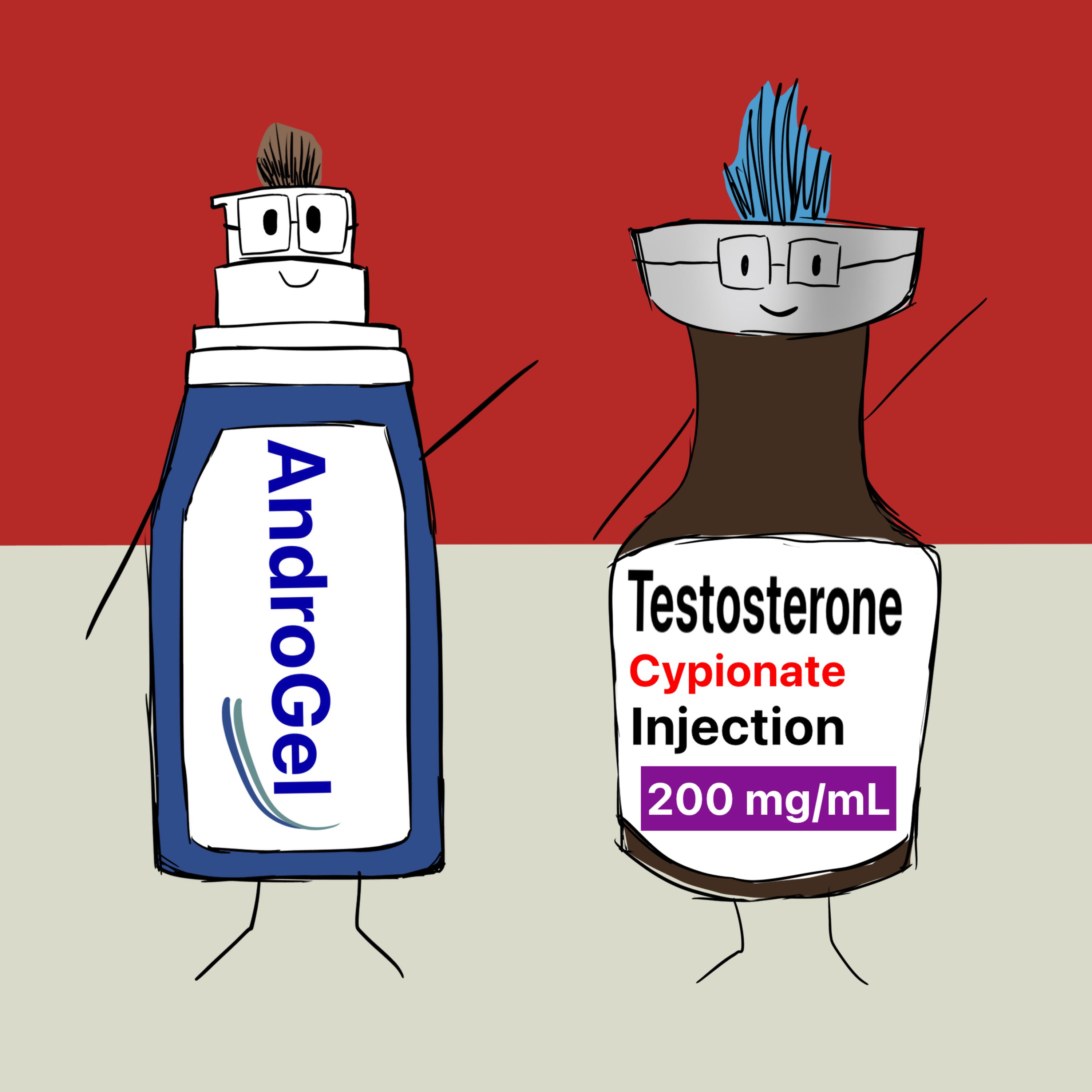
E41: Hypogonadism vs Depression
We just had several episodes regarding antidepressant use that are unique to females, so today I will have one that will be unique to males. In this episode I will compare and contrast depression with hypogonadism. You will learn how to differentiate these two disorders which have extremely similar symptoms. I will also teach you how to work someone up appropriately for hypogonadism so that you ca
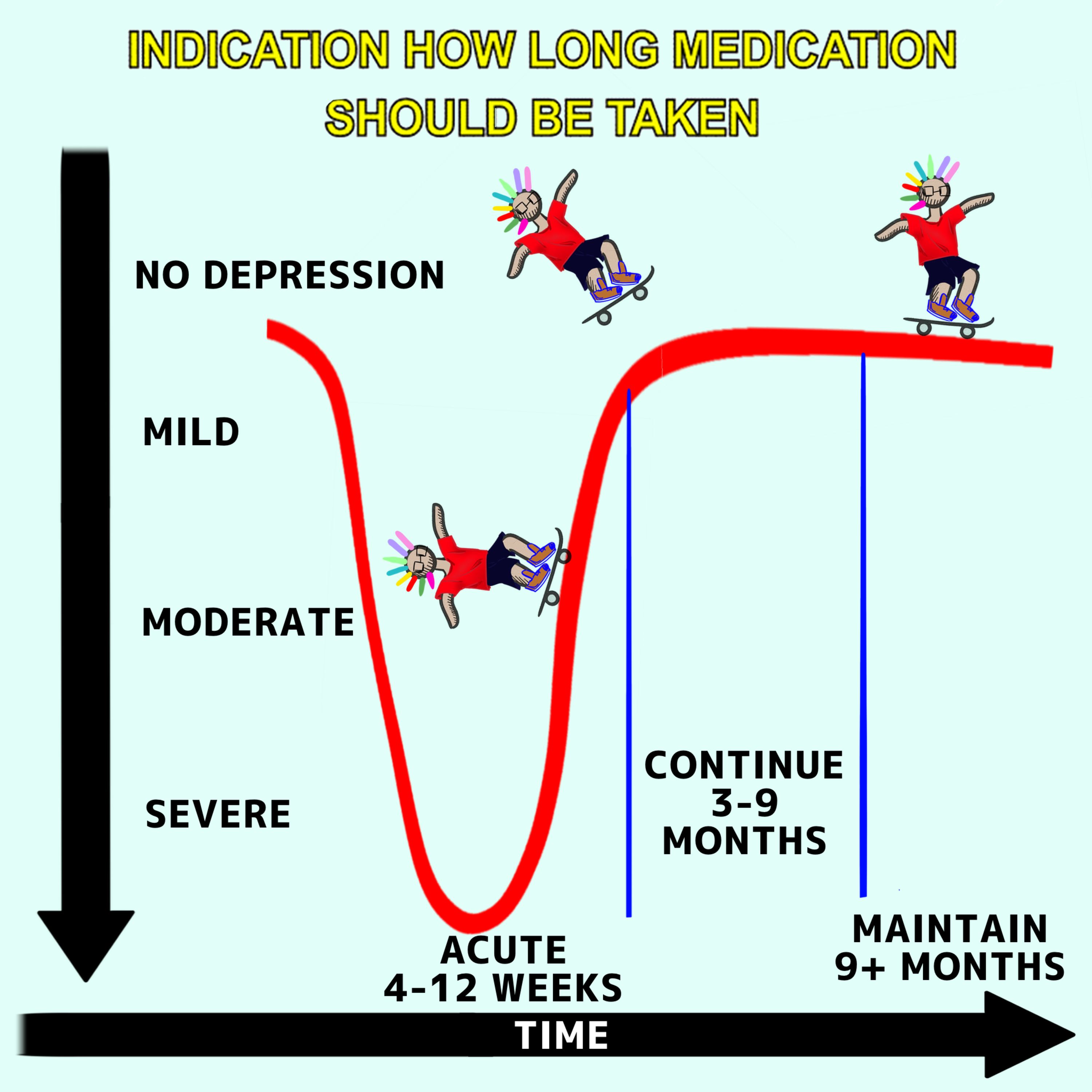
E32: UPDATE! Medication Treatment Course: Discontinuation and Taper of Antidepressants
I touched briefly on discontinuation on this episode, but I found some cool information from RELEASE from the University of Queensland in Australia that have some awesome resources for discontinuing medication. I'll go into more detail on differentiating withdrawal from relapse, when to discontinue, reasons to discontinue, and more details on how to taper.

E42: Herbal Antidepressants: St. John's Wort, Rholiola Rosea, and Kanna
Today I'll be starting off my series on complementary depression treatments with herbal treatments. St. John's Wort and Rhodiola rosea are probably the most well known and most likely to be helpful so I'll be covering the available research on those and give my opinion on their effectiveness. I'll also be talking about Kanna which is a new one that I've recently heard of and tried myself! It has s
Quick Take #1: Suzetrigine (Journavx)
Today I'm putting out a special episode that I'm calling a Quick Take where I'm featuring new information that comes out that is not with the topic that I am currently covering. This episode is about a first in class new non-opioid pain medication called suzetrigine. This is an interesting medication and may have potential to replace opioids. On this episode I'll talk about what's known about this
E43: B Vitamins and Why They Are Important for Mental Health
Today we continue our journey through complementary medicine and its impact on depression. Last time I talked about herbal treatments, and today I will start off a short series on vitamins and minerals. On today's episode I'll briefly talk about vitamins in general and then I'll focus on the B vitamins most important for mental health, B12 and folate. I'll talk about why they are so important, how
E44: L-Methylfolate (Deplin) and SAMe for the Treatment of Depression
I introduced you to vitamins on the last episode and specifically concentrated on the B vitamins and more specifically, B12 and folate (B9). I touched on L-Methylfolate as the best way to supplement folate and that even if you are not deficient in folate that it may not be getting into your brain. If that's the case, then the patient may need L-Methylfolate. I will go into detail on it today. I wi
E45: Vitamin D: Does Supplementation Help With Mental Health?
On the show today I will be wrapping up the vitamins with vitamin D. This is a vitamin that I see ordered all the time, and I see it ordered a lot by mental health. Well, I can't say that I've ever seen correcting it to make a difference in mental health, but that doesn't mean that you shouldn't correct it. We take care of the whole person. Listen in to hear all about vitamin D, the details on ev
E46: Magnesium: The Most Important Mineral for Mental Health?
On today's show I will be talking about minerals and specifically magnesium. Magnesium is critical for cell functioning and neurons are certainly no exception. I'll talk about what magnesium does, how you can be deficient, how it's very difficult to measure neuronal levels, what foods contain it, what research there is to support the use of magnesium in depression, and I'll try to help sort out al
E47: Zinc: The Second Most Important Mineral for Mental Health?
On today's show I will continue the discussion on minerals with zinc. Like magnesium, zinc is also critical for cell functioning, and neurons are certainly no exception. I'll talk about what zinc does, how you can be deficient, what foods contain it, what research there is to support the use of zinc in mental health, and I'll discuss how to supplement. This is another mineral to pay attention to
E48: Omega-3 Fatty Acids: Are They Good For Mental Health, Too?
Continuing with complementary medicine for depression, I'm moving on to omega-3 fatty acids. I'll give you the full run down of fatty acids and where omega-3s fit in, what differentiates all the types of fatty acids, why omega-3s are so good for you, what foods you will find them in, the three different kinds and how they are different, and most importantly, what they can do for mental health. I'l
E49: NAC, Creatine, Aromatherapy, Unfounded Alternative Treatments, and Complementary Medicine Wrap-Up
Today I will be finishing up the complementary treatments for depression. I'll briefly cover three more treatments that have some evidence and no risk for effect: n-acetylcysteine, creatinine, and aromatherapy. Then I'll mention a number of treatments that as far as I can tell have no evidence that they work better than placebo, some of which could be harmful. Then I'll do a wrap-up of complementa
Quick Take #2: Jul 25 Updates!: FDA Denies New Treatment for PTSD, Alcohol Intake Limit Recommendation Ends?, New BBW on SSRIs?, Clozapine REMS Ends!, New Psychedelic for Depression?, and Many More!
Hey All, I'm starting up a new series that will contain several snippets of updates in the psychopharm world. Every month or two I will plan to release an episode where I don't deep dive like normal, but instead cover several important breaking news items that affect psychopharmacology and give my quick take on the news. Some of this will be trial results, FDA updates, interesting papers that were
E50: Electroconvulsive Therapy: The Most Effective Psychiatric Treatment
Today I talk about Electroconvulsive Therapy or ECT. This is the most effective treatment in psychiatry with effect sizes off the charts and comparable to treatments for other medical disorders. It's used a lot more than you probably think but not used enough. I'm no expert in ECT. I've done it under supervision, but I'm not certified in it. But that doesn't mean that I can't tell you all about i
E51: Procedures: Bright Light Therapy, Vagal Nerve Stimulation, Transcranial Magnetic Stimulation, Cranial Electrotherapy Stimulators
Today I will finish up on psychiatric procedures for depression. I will discuss bright light therapy, vagal nerve stimulation, transcranial magnetic stimulation, and cranial electrotherapy stimulators. Some of these are really cheap, others expensive; some are really invasive, some not at all. So there is a range of accessibility. Most of these are quite effective and adverse effects are generally
E52: Depression Differential: When to Consider Bipolar Disorder or Something Else
I had an after thought after finishing the depression season, and that is what happens when someone has depressive symptoms that looks like a depressive disorder but it isn't? We will cover all of these diagnoses and their treatments in the future but I think it is prudent to have a discussion on how depressive symptoms look different in different illnesses and how that can affect the medication t
E53: Attention Deficit Hyperactivity Disorder (ADHD): Background and Pathophysiology
Today I start a new season of This Is Your Brain On Drugs Psychiatry Podcast. I will do a dual season where I will go back and forth each week between a season on ADHD and a season on Obesity Medicine and Lifestyle Psychiatry. Today I will start with ADHD. I will do a background on ADHD and discuss its possible causes. I think you will enjoy this introduction and discussion on the background of AD
E54: Obesity Medicine: Measurements, Rates, Trends, and Causes
Today I will start a new season of This Is Your Brain On Drugs Psychiatry Podcast. I mentioned the dual season of ADHD with Obesity Medicine and Lifestyle Psychiatry on the previous episode. Last week I started with ADHD and today I will start the series on Obesity Medicine. I'll do an introduction where I talk about measuring obesity, rates of obesity, trends over time, and etiologies of obesity.
E55: ADHD: Diagnosis, Comorbidities, and Differential
Flipping back to ADHD today, I continue with the background information. I'll go over how to diagnose. I'll go over the criteria but of course I'll be giving you the subtleties of how to flush that out. I'll also talk about both mental health and medical disorders that often go along with ADHD, and I'll talk about the long list of other diagnoses that may look like ADHD with a special focus on bip
E56: Obesity Medicine: Medical Effects of Obesity and Assessing the Obese Patient
Today I will be presenting my second episode on obesity medicine. I will go over how obesity reeks havoc on every system in the body, what medical conditions are increased by being obese, the increased risk of psychiatric disorders from obesity, and the long list of cancers that are at increased risk from obesity. I think you all will be surprised just how much obesity impacts health. Many of you
Quick Take #3: Sept 25 Updates! Part 1: Old Drugs For New Indications (Ketamine, Strattera, Flexeril) And Some Antidepressants On The Horizon (Nelivaptan and Seltorexant)
Welcome back to my second episode covering several snippets of breaking news on psychiatric medications. In these episodes I don't deep dive like normal, but instead cover several important breaking news items that affect psychopharmacology and give my quick take on the news. Some of this will be trial results, FDA updates, interesting papers that were recently published, and anything else I can c
E57: ADHD: Adult ADHD
Today we switch back to ADHD and I will be talking about adult ADHD. I'm an adult psychiatrist and I practiced in the military so this was one of the largest issues that I treated as many of my patients were younger folks, many of which struggled in school prior to joining the military. There isn't a lot of formal education on this topic and yet we see tons of online information of folks talking a
Quick Take #4: Sept 25 Updates! Part Deux: Benefits of Drug Treatment of ADHD, ChatGPT-induced Bromide Poisoning Psychosis, Ineffectiveness of Gabapentin, Newest GLP-1 Trial Results, and MORE!!!
Welcome back to part two of my September edition of my psychiatry quick takes episode series. It's been a busy couple months in the news, so I have several more tidbits for September. Today I'm going to talk about a new study on long-term medication treatment of ADHD, psychosis caused by bromide poisoning after consulting ChatGPT, more information about kanna, another study showing that gabapentin
E58: Obesity Medicine: Lifestyle Medicine: Nutrition Introduction
This is the episode that I've been waiting a year to do. I'll be talking about Lifestyle Medicine as a treatment for obesity, mental health, and overall health and chronic illnesses. These are techniques that will benefit everyone and are fairly easy and cheap to do. They are also fairly simple. A lot of folks want to make this stuff more complicated that it is so that they can make money off of y
E59: ADHD: Treatments Other Than Medications
On today's episode from my ADHD season I will be discussing non-pharmacological treatments of ADHD, so basically everything that isn't medication. I'll start off going through the treatment algorithm from stage 0 to stage 5. Today's episode will be stage 0, the first line treatment. It's better to not use a medication if we don't have to, so let's learn what those options are. I'll talk about life
E60: Obesity Medicine: Lifestyle Medicine: Nutrition Recommendations
Today I will be continuing with the lifestyle medicine series, and I will be continuing to talk about nutrition. I will discuss the general way of eating that I advocate for most people, which is a plant-based diet. This doesn't mean no meat products. It means a diet of at least 90% plants. And I acknowledge that it isn't for everyone, but on the whole this is the diet that will lead to a healthie
E61: ADHD: Medication Aspects to Consider
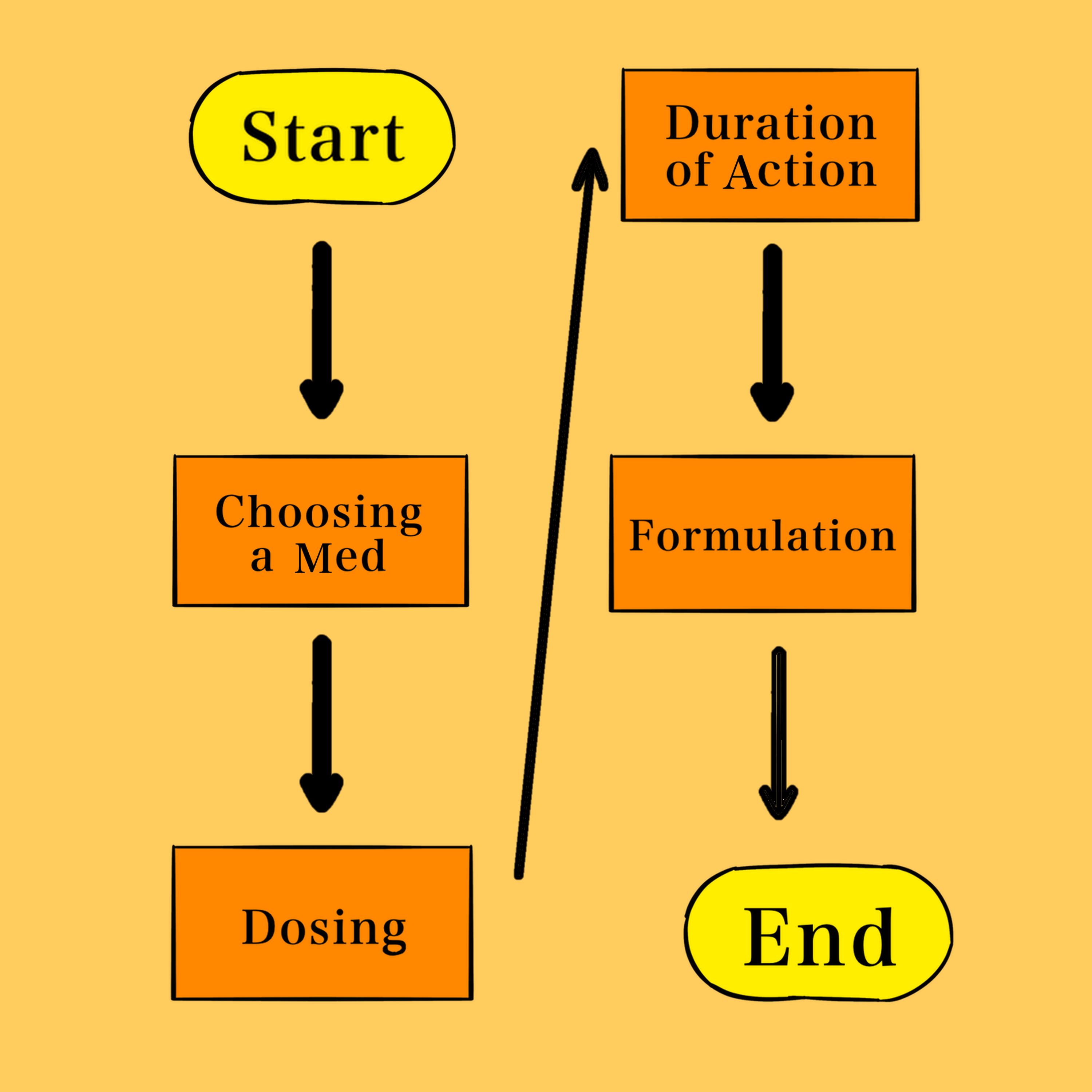
On today's episode from my ADHD season I will be talking about the aspects to consider when deciding which medication to choose. I'll talk about why you might consider amphetamines versus methylphenidate. Next, I'll discuss aspects to consider when getting a patient to the correct dose of the medication. Also, these medications have a wide range of how long they work for, so there's a lot to consi
E62: Obesity Medicine: Lifestyle Medicine: Ketogenic Diet
Today I will be covering a very controversial topic, the ketogenic diet. I thought it appropriate to discuss it now while I was going over nutritional aspects of mental health. So, first I'll talk about carbohydrates; what they are, what they do, do we need them. Then, I'll talk about what the ketogenic diet is, how to do it, and what conditions there is some evidence that it may be useful for. At
E63: ADHD: Introduction to Stimulants
On today's episode from my ADHD season I will be introducing the stimulant medications. I'll do an overview of all of the stimulants that we will be discussing on the following several episodes. I'll discuss what symptoms you can expect to respond well versus not so well, the different durations of actions, the history behind these medications, and the mechanism by which they work, specifically th
E64: Obesity Medicine: Lifestyle Medicine: Ultra-Processed Foods
I've been waiting a long time to do this episode. It seems like ultra-processed foods are being talked about a lot this day, but what exactly are they, and what's bad about them? Which ones should we avoid and which ones should we not worry about so much? You may think you know the answer to these questions, but my guess is that there's a lot you don't know, and that's because there's a lot that i
E65 ADHD: Stimulants: Dextroamphetamine and Mixed Amphetamine Salts (Adderall)
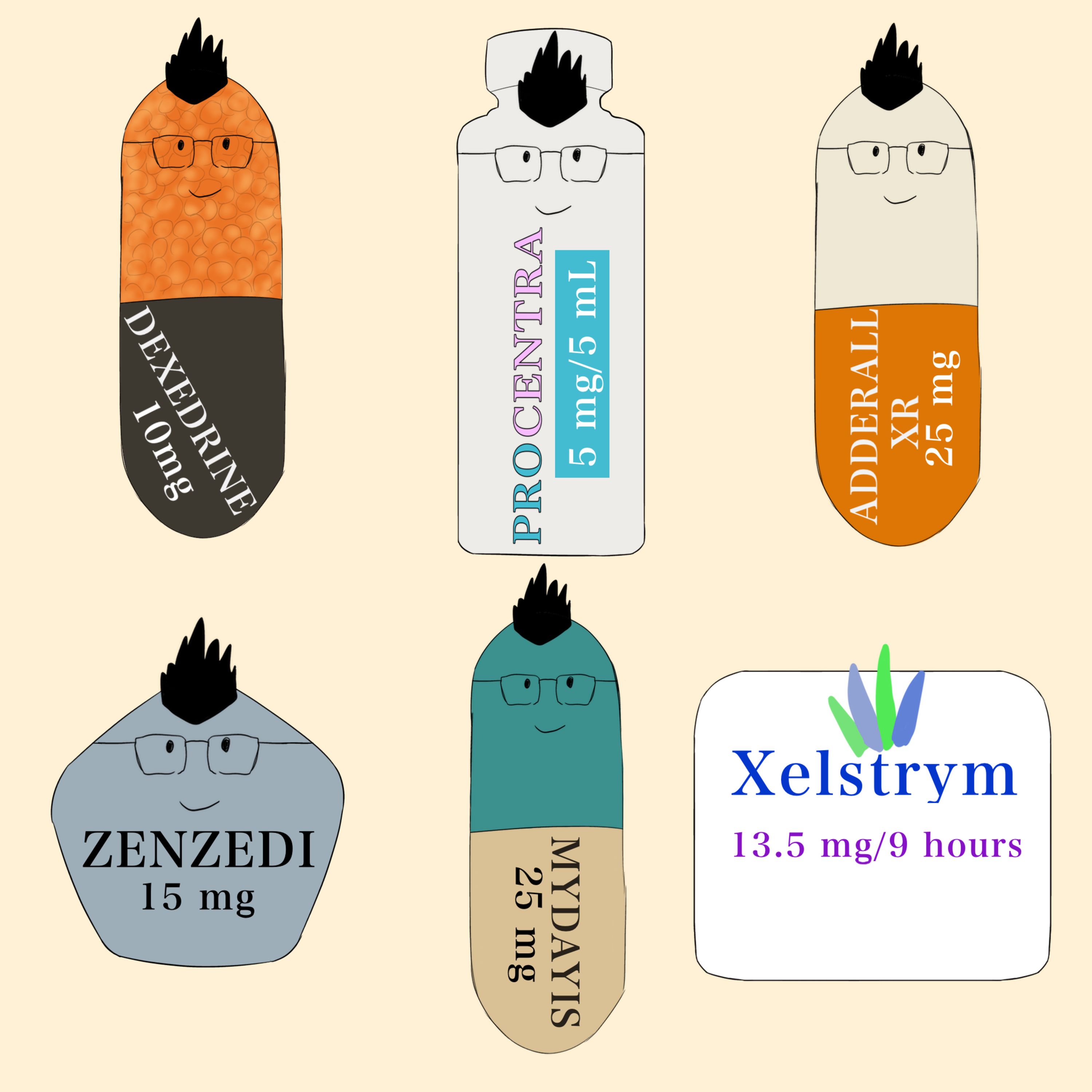
Today I will start discussing the stimulant medications used for ADHD. I will be starting with the amphetamine medications. First, I'll talk briefly about methamphetamine, which is actually a prescribable option, but then I will cover all of the dextroamphetamine and mixed amphetamine salt medications. These include medications you have heard of such as Dexedrine, Procentra, Zenzedi, Xelstrym, Add
E66: Obesity Medicine: Lifestyle Medicine: Fructose and Artificial Sweeteners
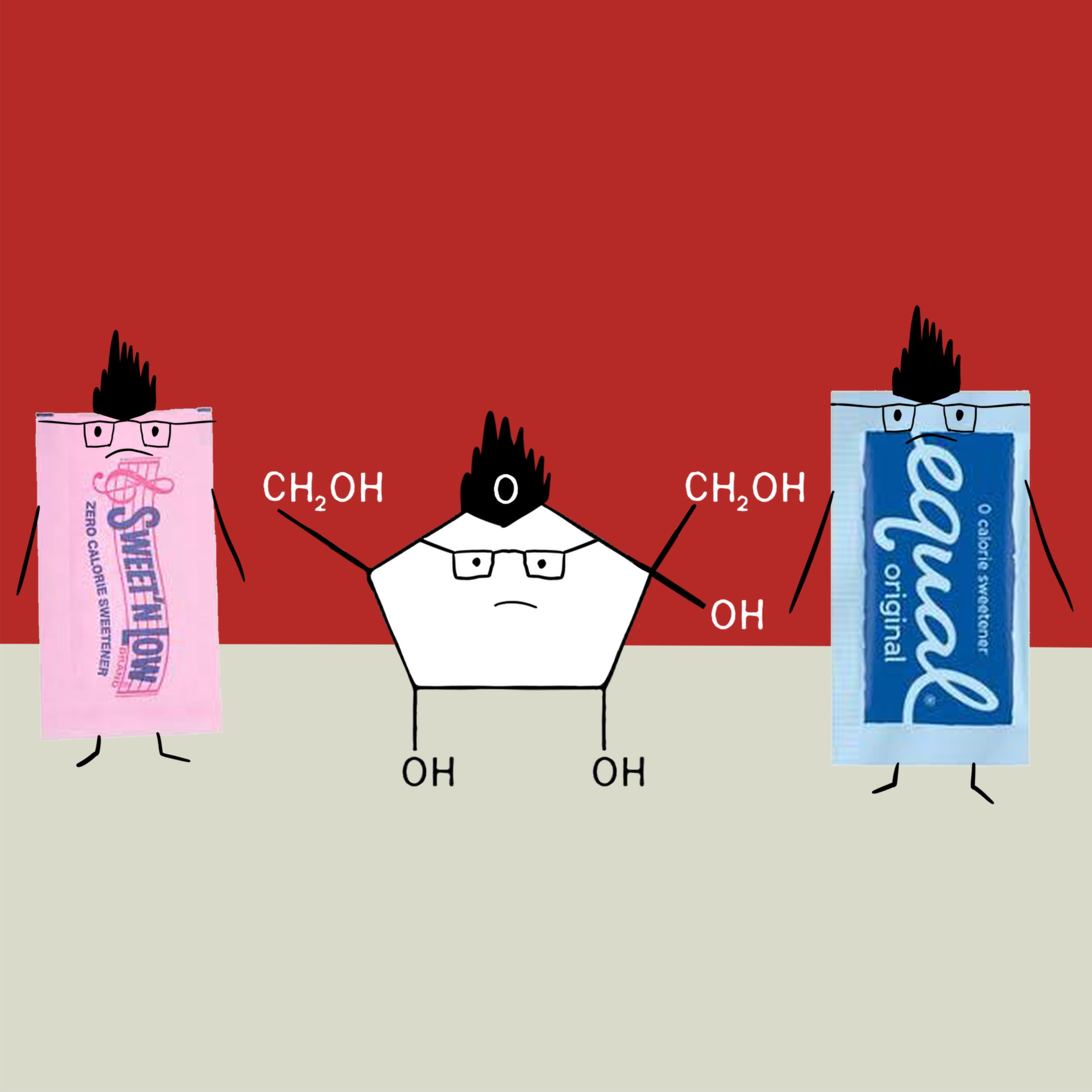
Today I will be continuing with ultra-processed foods and the sugar, fructose. What is it? Where does it come from? What does it do in the body? And why is it a problem? I mean this stuff comes from fruit and fruit is good, right? So, how have we messed this stuff up in modern society? After fructose, I will be talking all about artificial sweeteners. What are the most common types? What are their
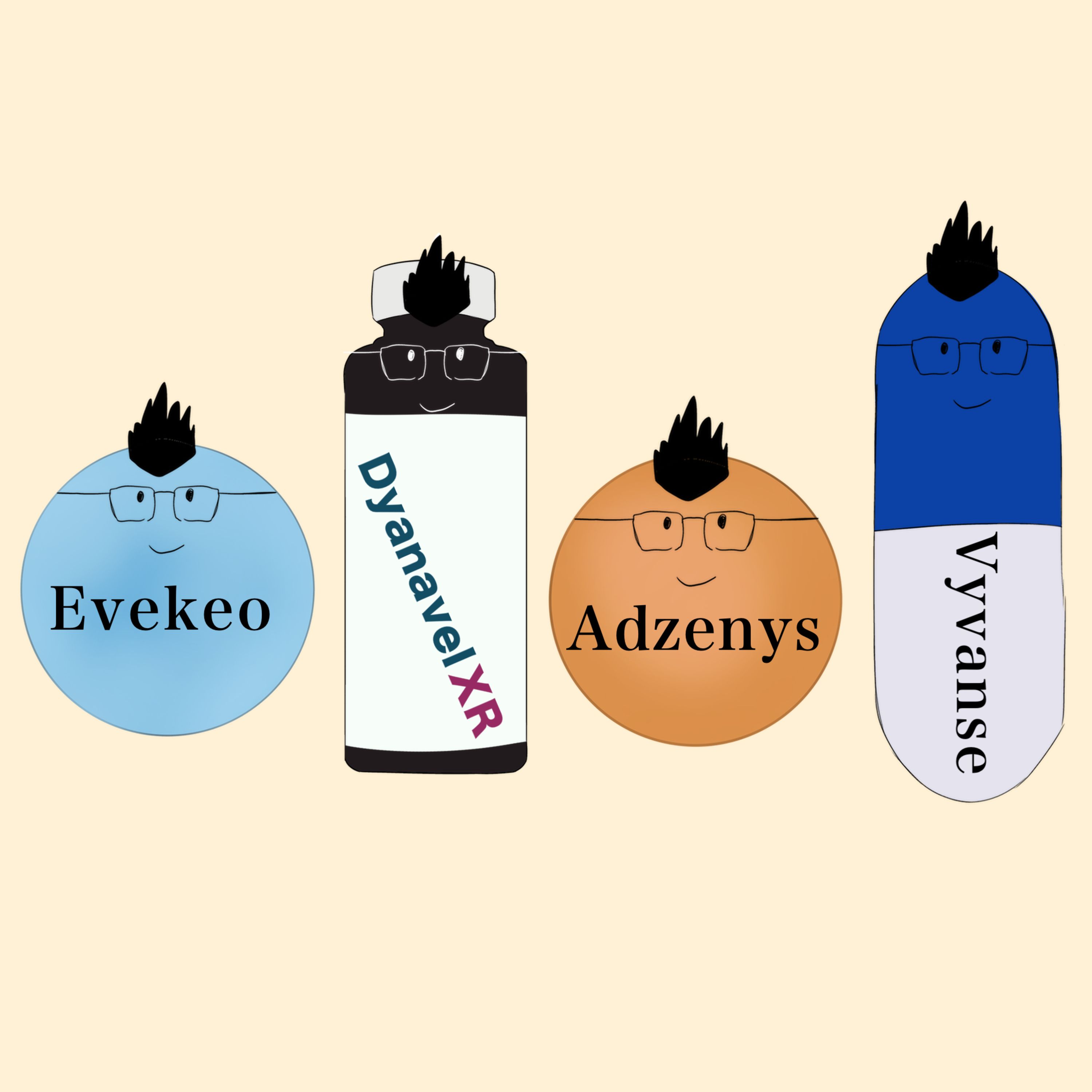
E67: ADHD: Stimulants: Lisdexamfetamine (Vyvanse) and Amphetamine Base Medications
Today I will finish the amphetamine medications that we talked about on the last episode. I will be discussing lisdexamfetamine or Vyvanse(r) and the amphetamine base medications, Evekeo(r), Evekeo ODT(r), Dyanavel XR(r), Adzenys XR-ODT(r), and Adzyenys ER(r). You may be less familiar with those other than Vyvanse, so I will go over my usual stuff where I tell you how each of these differs and is
E68: Obesity Medicine: Lifestyle Medicine: Fats: Saturated Fats and Seed Oils
Today I will be talking about another macronutrient, fats or fatty acids. I did an overview of fats in our omega-3 fatty acid episode, but I didn't really go into detail about the other fats, and there is a lot of controversy surrounding the fats, most particularly saturated fats and seed oils which contain the dreaded omega-6 fatty acids. A lot of people hate saturated fats but are ok with omega-
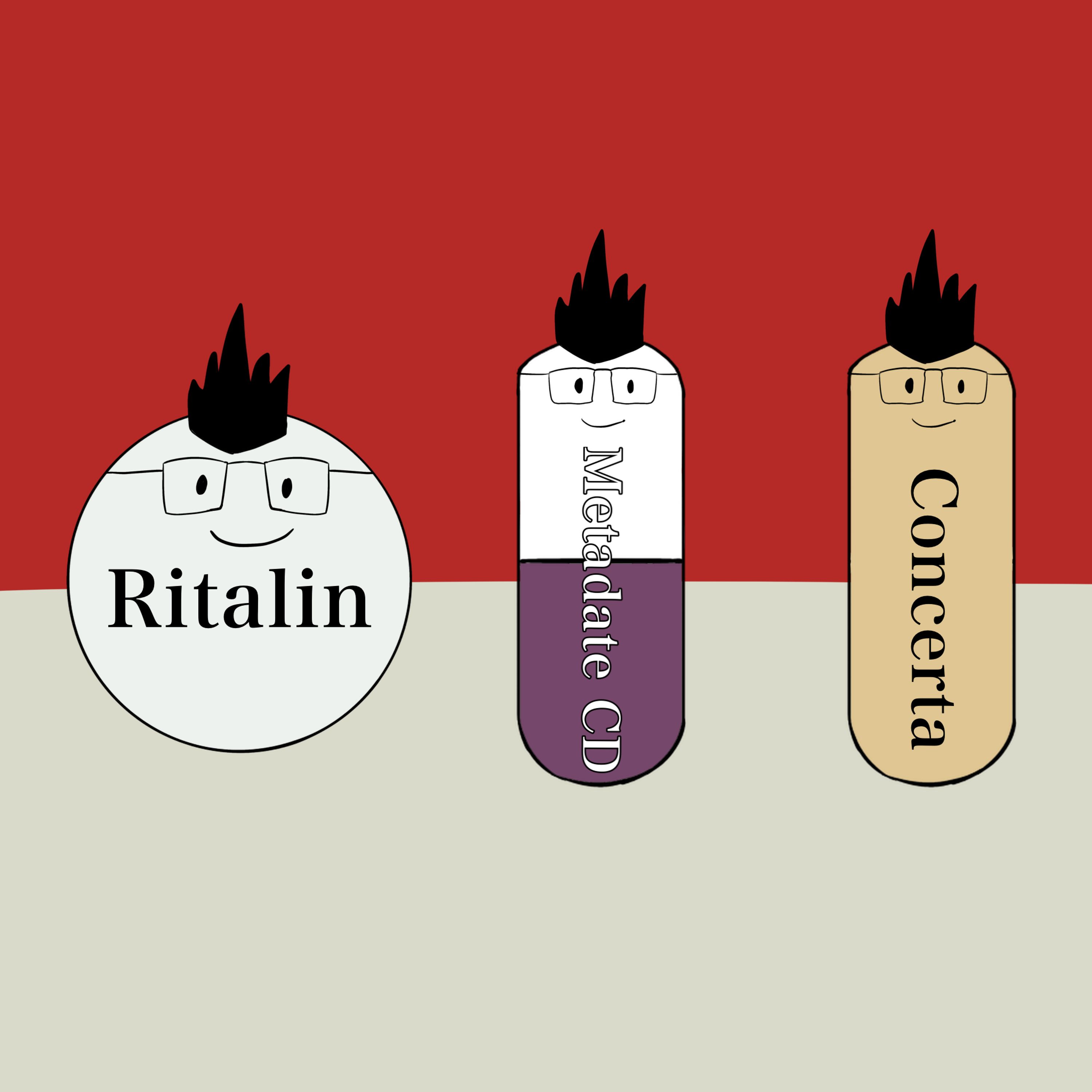
E69 ADHD: Stimulants: Methylphenidate: Ritalin, Methylin, Metadate, and Concerta
Today I will start talking about the methylphenidate products. I'll start with the oldest ones, brand names Ritalin, Methylin, Metadate, and Concerta. This includes capsules, tablets, liquids, and the special osmotic capsules used by Concerta. I will mention short acting and long acting versions of Ritalin. I'll compare all these and let you know when I think it might be best to use each one. This
Quick Take #5: Nov 25 Updates! Part 1: Guanfacine for Catatonia? Doxycycline for Schizophrenia? More Data on Pramipexole for Depression? Is Vortioxetine Anti-inflammatory? And More!!!
I'm finally putting out part 1 of my November updates episode. I recorded it a while back but its hard to put out 2 episodes in a week! Today I'll be discussing several topics. New information for you and me on mechanisms of action of vortioxetine, great new data on pramipexole for depression, a new drug on the horizon for schizophrenia? Dangers of Tramadol by itself and in combination with antide
E70: Obesity Medicine: Lifestyle Medicine: Cholesterol, Protein, and Healthy Foods for your Brain
Today I will be rounding off my information on macro and micronutrients and diet advice, so it's a bit of a hodgepodge. I'll cover cholesterol and protein, and then I'll talk about healthy foods for your brain. These are foods I've been talking about during this whole nutrition section, but I think this gives a good summary of the foods that we have some research on to suggest it is good for menta