Big Brains
Big Brains explores the groundbreaking research and discoveries that are changing our world. In each episode, we talk to leading experts and unpack their work in straightforward terms. Interesting conversations that cover a gamut of topics from how music affects our brains to what happens after we die.
Episodes
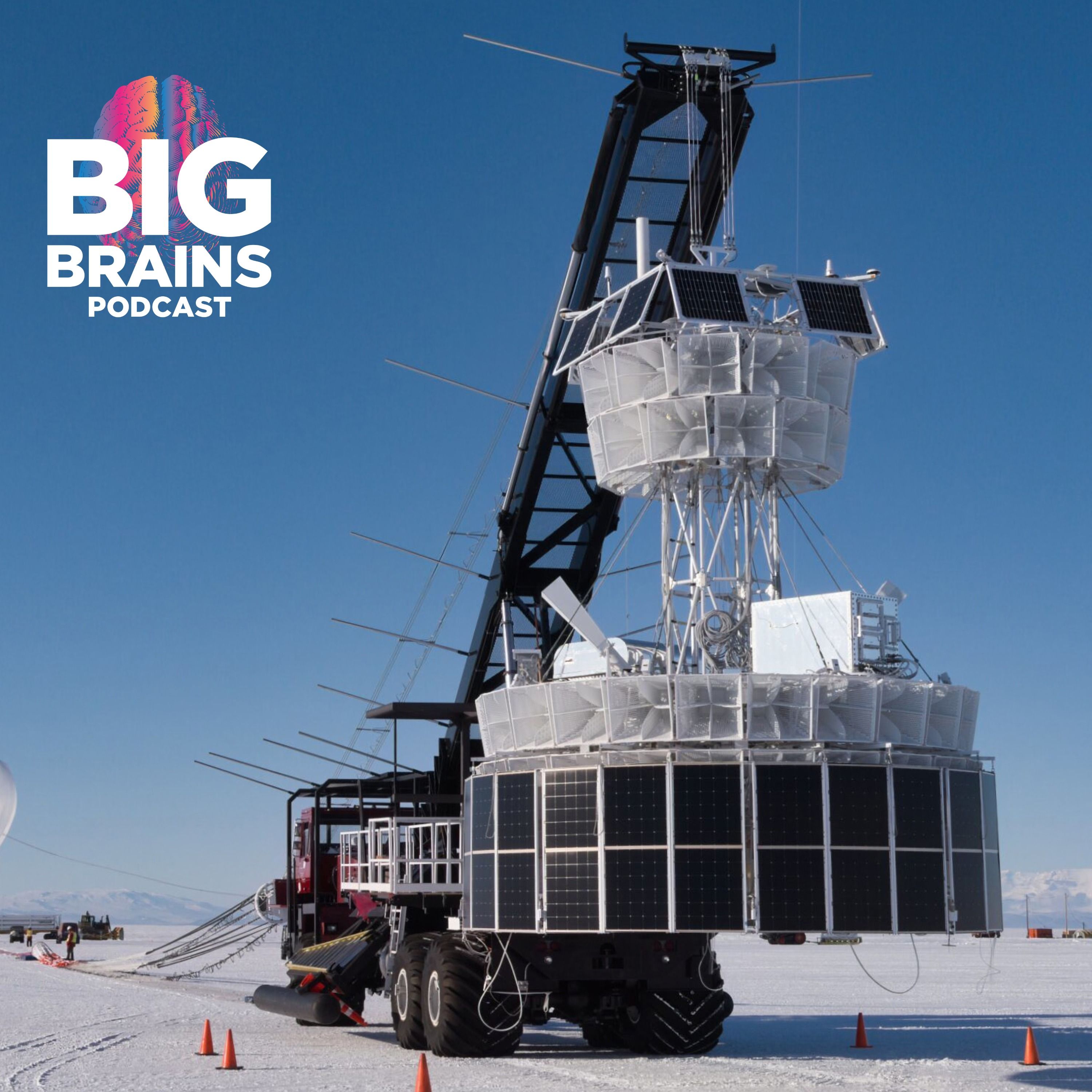
Neutrino Hunters: Searching for Ghostly Particles in Antarctic Ice, with Abigail Vieregg
Deep beneath the ice of Antarctica and high above its frozen expanse, University of Chicago astrophysicist Abby Vieregg is hunting for neutrinos—some of the most elusive particles in the universe. Often called "ghost particles," these tiny messengers travel across billions of light-years, passing right through ordinary matter unnoticed. She is among the many scientists hunting for high-energy neut
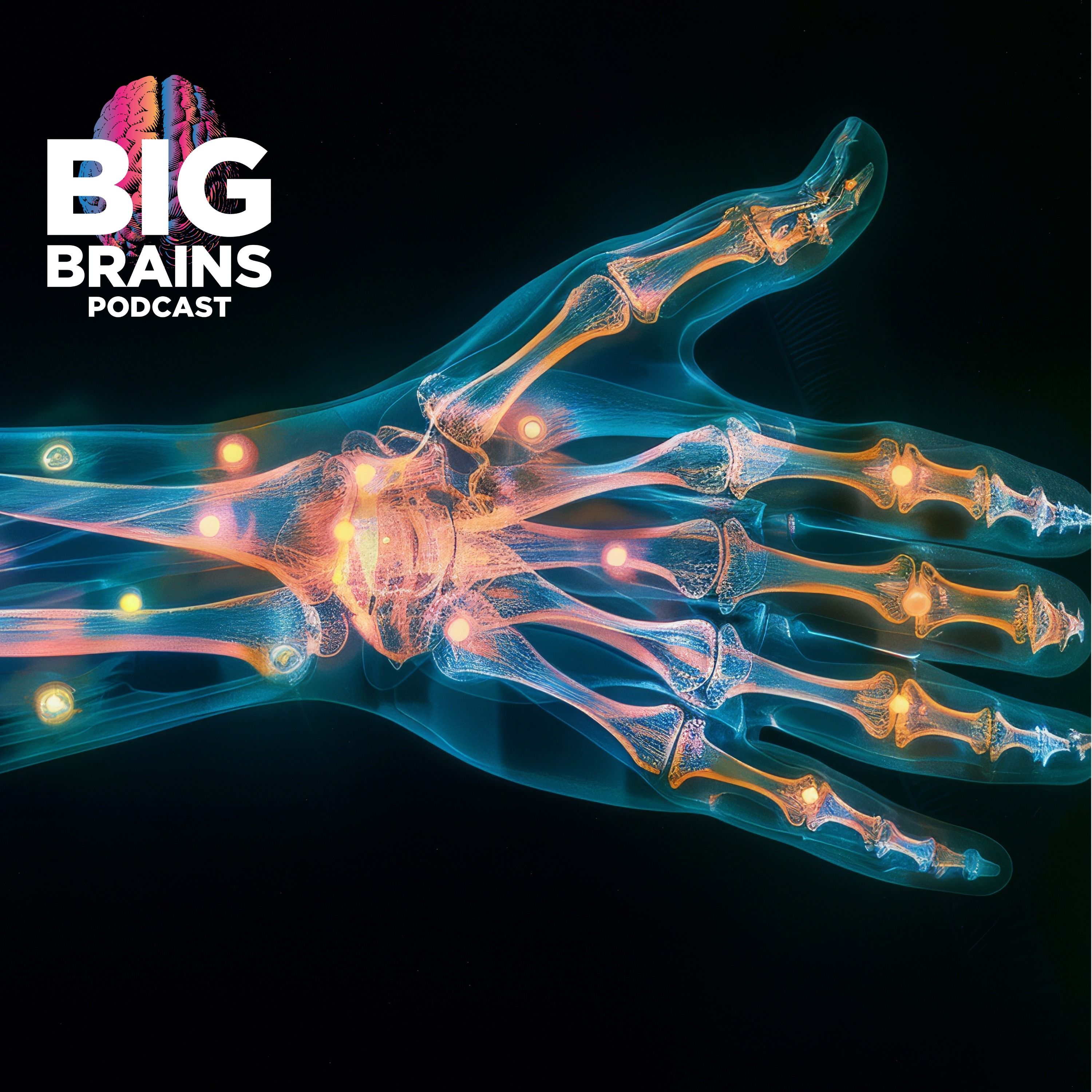
Recreating A Sense of Touch, Using Our Minds, with Nicholas Hatsopoulos
What if your thoughts could allow you to feel the texture of an object, type a message or move a robotic arm? How does the brain translate thought into physical movement, and can technology bridge the gap for paralyzed patients, whose pathways are broken?University of Chicago neuroscientist Nicholas Hatsopoulos is transforming that fundamental neuroscience into life-changing medical technology. By
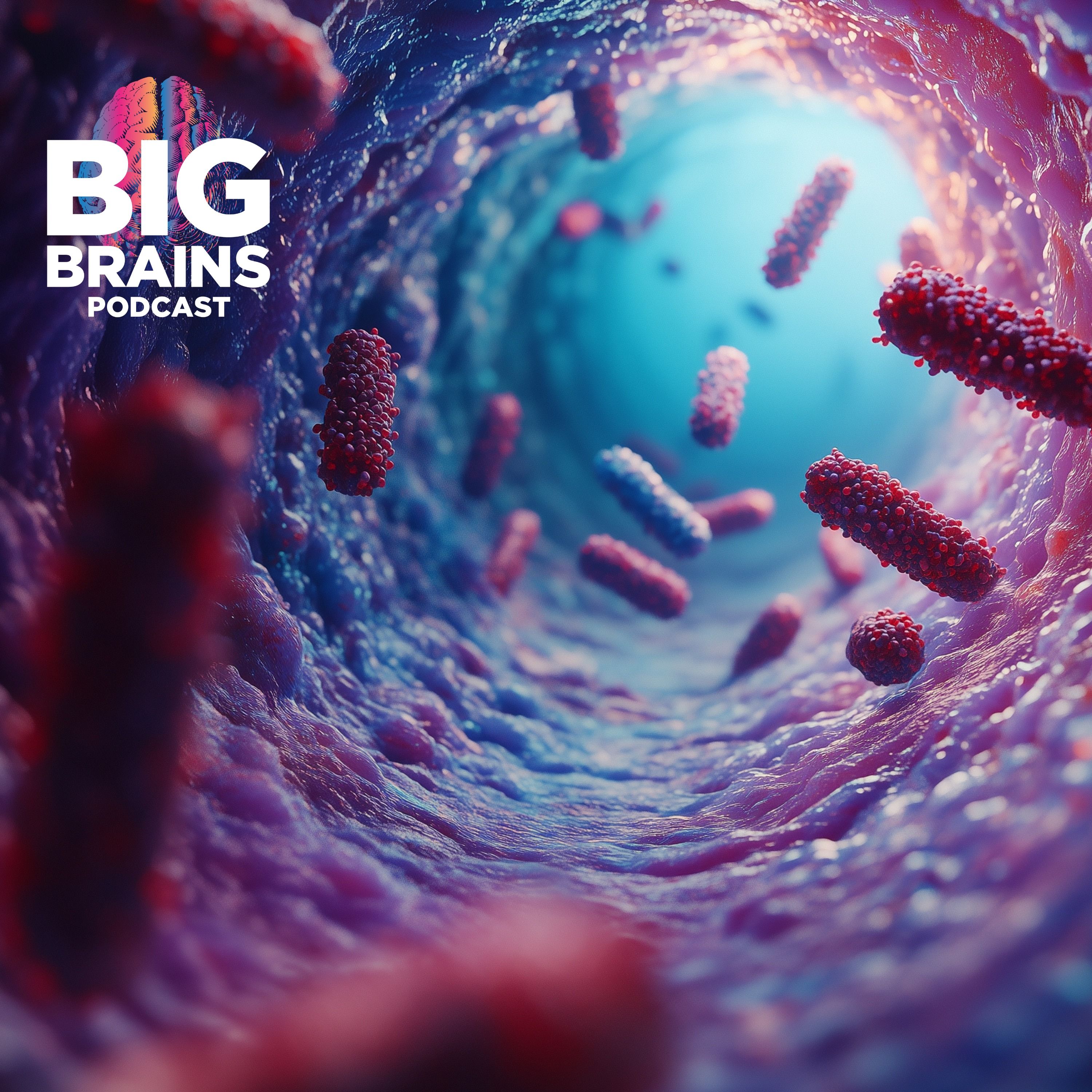
Why The Key to Treating Cancer May Be In Your Gut, with Thomas Gajewski
For decades, traditional cancer treatments like chemotherapy and radiation have targeted tumors directly—often with severe side effects and mixed results. But what if the key to treating cancer was already inside our bodies?
Prof. Thomas Gajewski, a renowned oncologist at the University of Chicago, is leading a revolution by using the body’s gut microbiome to fight cancer. His pioneering work in c
The Little-Known Secrets To A Good Life, with Shigehiro Oishi
What makes a good life? For decades, psychologists have debated whether true fulfillment comes from happiness—a life of comfort and joy—or meaning—a life of purpose and impact. But what if there's a third way?
University of Chicago psychology professor Shigehiro Oishi has spent his career studying happiness, meaning, and what truly brings people deep satisfaction. His new research suggests that so

How to Use Nature to Restore Your Focus, with Marc Berman
What if the secret to restoring your focus, improving your mental health, and even reducing crime rates wasn’t found in an app or a pill, but in a tree? In this episode, we speak with University of Chicago psychologist Marc Berman, whose research on “soft fascination” and nature’s cognitive effects is reshaping how we think about everything from urban planning to depression treatment. From groundb
How to Raise Kids in the Age of AI, with Dana Suskind
As AI rapidly changes how we work, learn, and communicate, it also raises an urgent question: What does it mean to grow up in a world dominated by smart technology? From smart-baby monitors to stuffed animals embedded with LLMs, kids and parents are increasingly bombarded with AI everywhere they turn.
According to Prof. Dana Suskind, a renowned surgeon and pediatrician at the University of Chicago
What Our Trash Problem Says About Our Culture, with Sarah Newman
Every day, we throw things away, only to be forgotten forever. But society didn’t always work in the same way. In this episode, we speak with University of Chicago scholar and anthropologist Sarah Newman to discuss her book, Unmaking Waste: New Histories of Old Things.
An archaeologist by training, Newman discusses the history of trash across time—from the ancient Mayan civilization through today
How Websites Trick You Using ‘Dark Patterns’ with Marshini Chetty
Why does it seem so difficult to cancel an online subscription, delete an account, or opt out of data tracking? You might think it’s just bad luck or a confusing online interface, but more often than not, it’s by design.
In this episode of Big Brains, we speak with Marshini Chetty, Professor in the University of Chicago’s Department of Computer Science. As a leading expert in human-computer intera
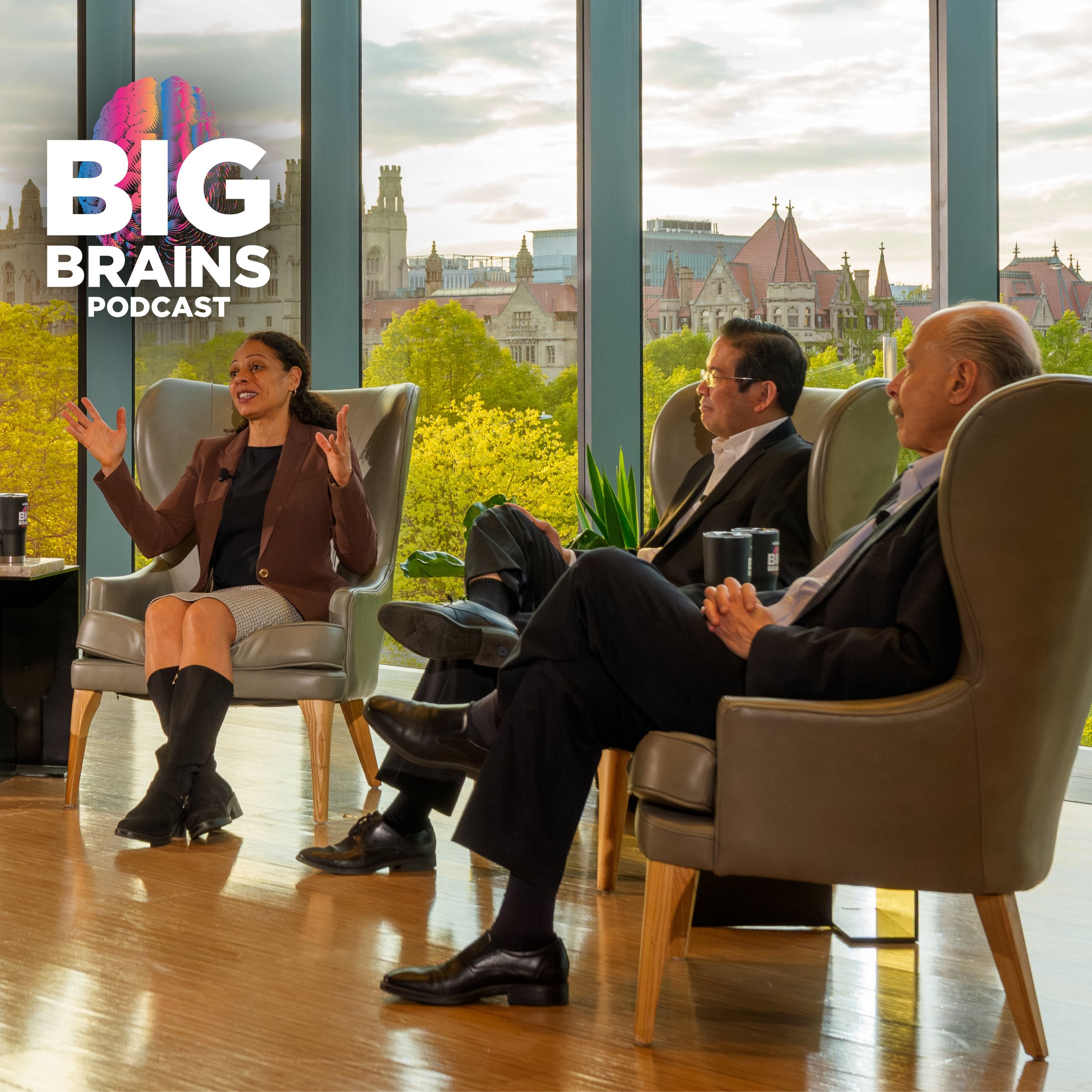
Quantum Technology, Explained: A Big Brains Live Event
Quantum technology is at a pivotal moment. No longer the faraway dream of scientists, the field is rapidly developing across the world, fueled by major investments from governments, industry, and universities racing to lead its promising future. But what exactly is quantum technology? And how will it affect our lives today—and in the coming decades?
A recent event at the University of Chicago, hos
Our Untapped Superpower: Connecting With Others, with Nicholas Epley
Hosted by Simplecast, an AdsWizz company. See pcm.adswizz.com for information about our collection and use of personal data for advertising.
Why the Fed Matters Now More Than Ever, with Douglas Diamond
From setting interest rates to keeping inflation in check, the Federal Reserve sits at the center of some of the most important economic decisions shaping our daily lives. As the Fed prepares for new leadership, following the tenure of Jerome Powell, many are wondering: What’s next for the Fed, especially when it comes to their financial decisions and their independence?
We spoke with Prof. Dougla
Anxious? Avoidant? How to Build More Secure Relationships
What if the way you relate to others isn’t fixed—but fundamentally changeable? In this episode, we speak with psychiatrist and neuroscientist Amir Levine, who is an Associate Professor of Clinical Psychiatry at Columbia University Medical Center.
He's the author of the best-selling book Attached, which examined how people’s attachment styles—from secure to anxious to avoidant. In his new book, Sec
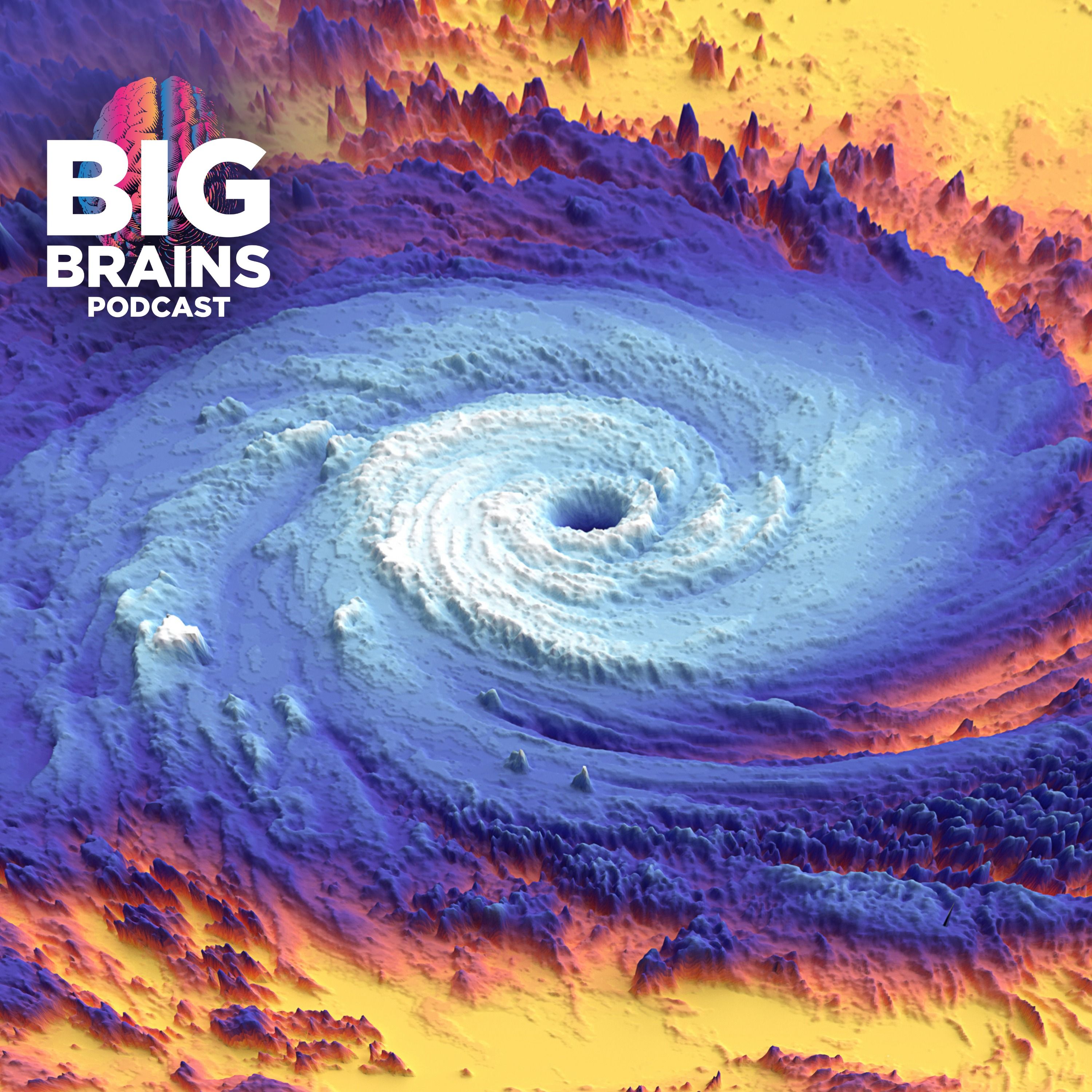
Could AI Models Forecast Extreme Weather Events? with Pedram Hassanzadeh
What if we could predict the world’s most dangerous weather events—not days, but weeks in advance? Extreme events like heat waves, hurricanes, and floods cause massive loss of life and billions in damage, but they’re also some of the hardest events for traditional weather forecasting to predict.
In this episode, Assoc. Prof. Pedram Hassanzadeh of the University of Chicago explains why forecasting
Are Judges Too Powerful? The Rise of Universal Injunctions, with Samuel Bray
In recent years, a judge in one state had gained the power to halt policies across the entire United States. Known as nationwide or universal injunctions, these actions have become one of the sweeping tools in the federal court—affecting cases ranging from student loan forgiveness to environmental policies to birthright citizenship.
How did universal injunctions become such a central feature of mo
Could Data Centers Break Our Power Grid? with Andrew Chien
Artificial intelligence may live in “the cloud,” but its footprint is firmly on the ground. As AI systems grow more powerful, the data centers that train and run them are consuming massive amounts of land, water and electricity—as well as reshaping regional power grids. What does this surge in demand mean for the environment, energy infrastructure, and the future of innovation?
In this episode, we
Remarkable New Treatments for Spinal Cord Injuries, with Mohamad Bydon
When a two-year-old boy suffered a catastrophic injury that severed the connection between his skull and spine, doctors across Europe told his family there was no hope. His spinal cord was completely severed, and the injury was not considered survivable. But University of Chicago neurosurgeon Mohamad Bydon saw a possibility.In this episode of Big Brains, Dr. Bydon walks us through the extraordinar
Can You Improve Your Working Memory and Attention? with Edward Awh
In today’s world, our brains are overloaded with information, making it hard to focus and remember. But what are the true limits of the human mind—and why do they exist? And why are some people seem so much better than remembering things than others? In this episode, we talk with with Edward Awh, a cognitive neuroscientist and professor of psychology at the University of Chicago. Whose lab studies
Why Knowing Your True Self Is So Difficult, with Eric Oliver
The process of understanding who we are is a lifelong journey for many of us. For two decades, that question has been one that University of Chicago scholar Eric Oliver has asked his students in class—and inspired him to write a new book called "How to Know Your Self: The Art & Science of Discovering Who You Really Are."A renowned political scientist, Oliver draws upon science, philosophy, psychol
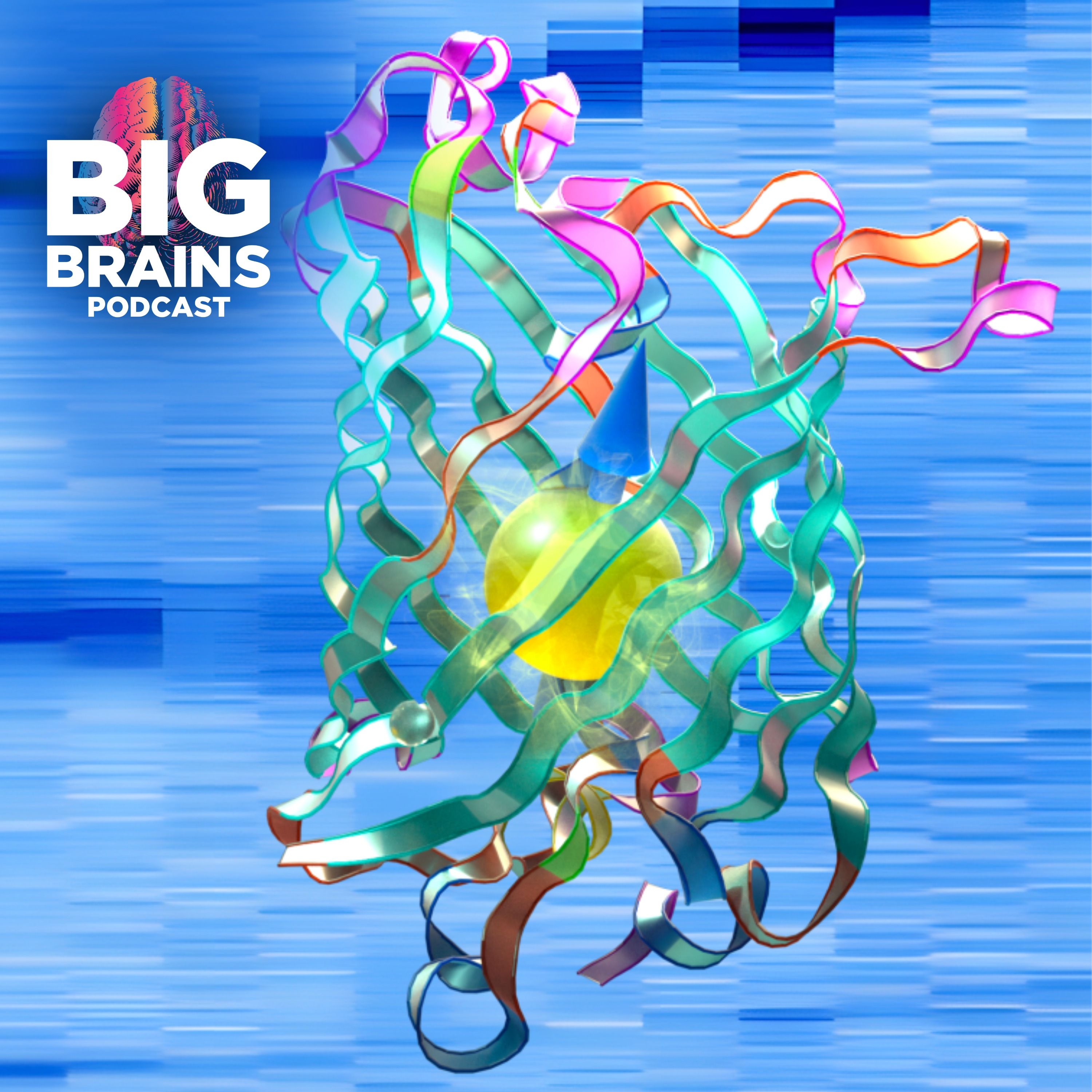
The Breakthrough Quantum Sensor That Sees Inside Your Cells, with Peter Maurer
What if we could precisely measure a cell at its most fundamental level? In this episode, we talk with the University of Chicago scientist Peter Maurer about how he and his colleagues made the breakthrough discovery of turning a protein found in living cells into the first biological quantum bit, also known as a qubit.Maurer explains how quantum systems—once thought to be too fragile for real-worl
How to Manifest Your Destiny with the Late James Doty
We've all heard the phrase "Manifest Your Destiny" when it comes to wanting a new promotion, figuring out a new career path or just trying to achieve that long-term goal. It turns out that the act of manifestation is not merely pseudoscience—it actually has a body of research in neuroscience to back it up.James Doty was a clinical professor of neurosurgery at Stanford University, and founder and d
What Makes Music Go Viral—From AI to Taylor Swift
The internet and social media have transformed the way in which we hear and understand music today—and online communities and platforms from YouTube to TikTok have changed how music circulates and ultimately goes viral. Why do some pop stars have more success creating hit songs and building online following than others?In this episode, we speak with Paula Clare Harper, a musicologist and assistant

How Wearable Tech Will Heighten Our Senses and Abilities, with Pedro Lopes
Can you imagine a world in which a wearable device, like a smartwatch, could move your fingers to strum the guitar or play the drums? That kind of technology is part of the innovative research coming out of the Human-Computer Integration Lab at the University of Chicago, led by renowned computer scientist Pedro Lopes. His lab is developing a new generation of gadgets that use haptics (or tactile s
Why Are More Women Saying No To Having Kids? With Peggy O'Donnell Heffington
More and more women in the United States are saying no to motherhood. In 2023, the U.S. fertility rate reached the lowest number on record. But the idea of non-motherhood is actually not a new phenomenon, nor did it come out of the modern feminist movement. For centuries, women have made choices about limiting births and whether or not to become mothers at all. This history is documented in a new
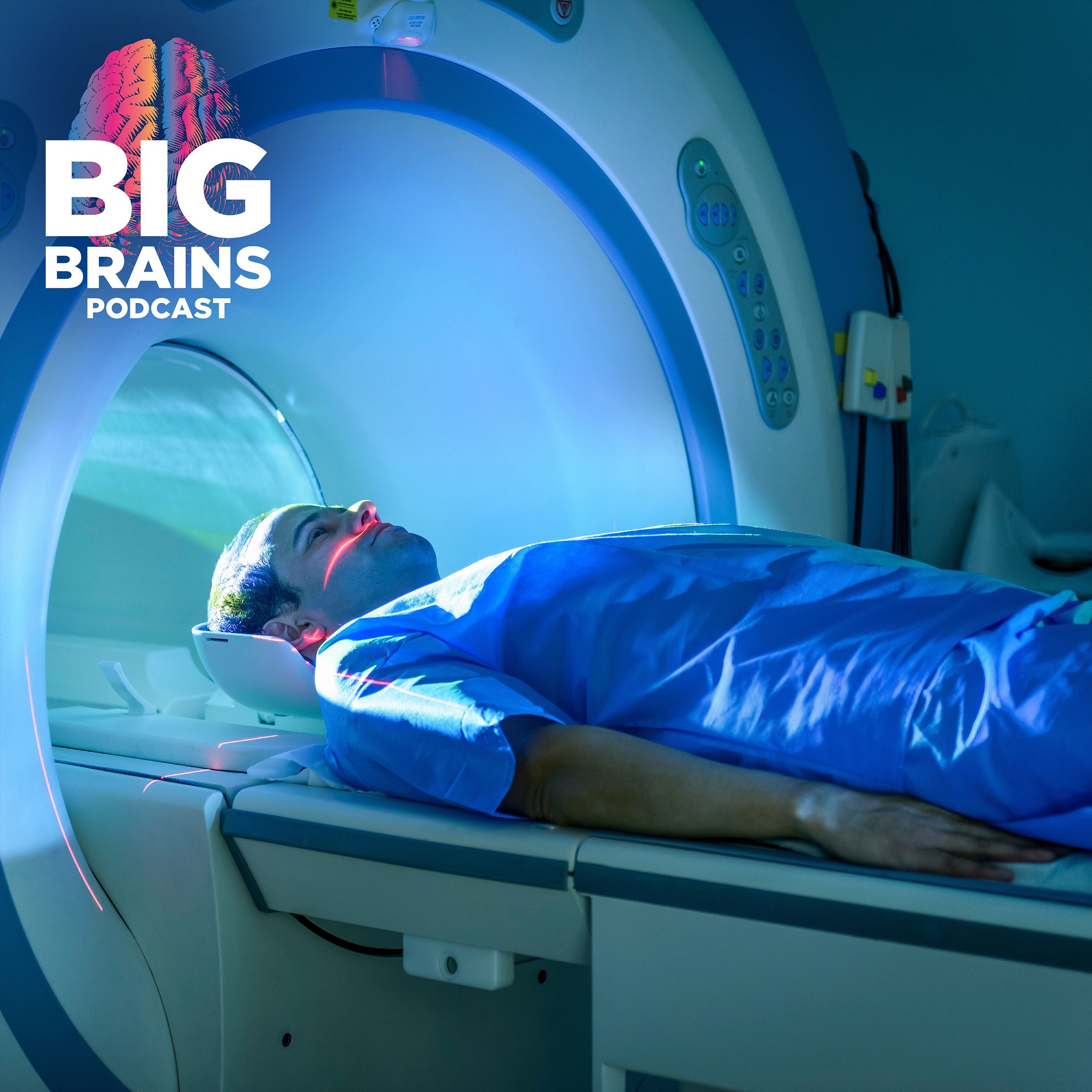
How Full-Body MRIs Could Predict Your Long-Term Health, with Daniel Sodickson
What does it mean to see beneath the surface — of the human body, the brain, or even the universe itself? In his new book, The Future of Seeing: How Imaging Is Changing Our World, Prof. Daniel Sodickson of NYU explores the future of imaging: How technology is transforming not just medicine, but our very ways of perceiving the world. With the rise of AI-driven “digital vision,” Sodickson, a pioneer
Is There Such A Thing As A Psychopath?
Few ideas have gripped the public imagination quite like the idea of the “psychopath.” From Hollywood thrillers to true-crime podcasts, popular culture has led us to believe that psychopaths are dangerous and biologically distinct from the rest of us. But what if almost everything we think we know about them is wrong?In this episode, we talk with Rasmus Rosenberg Larsen, an Assistant Professor of
Why We Haven’t Solved Brain Disorders—And How To Fix It, with Nicole Rust
For decades, neuroscience has promised breakthroughs in treating conditions like depression, schizophrenia, and Alzheimer’s. Yet despite powerful technologies and billions invested, progress has been frustratingly slow. Why?On this episode of Big Brains, we talk with Nicole Rust, neuroscientist at the University of Pennsylvania and author of Elusive Cures. Rust argues that the traditional “domino”
Life On Mars: Is It Possible For Humans? with Edwin Kite
Billions of years ago, Mars may have looked less like the barren red desert we know today and more like Earth—with a blue sky, flowing rivers, and even seas. What happened to turn a once-habitable world into the frozen, lifeless planet we see now?On this episode of Big Brains, University of Chicago geophysical scientist Edwin Kite takes us on a journey through Mars’ hidden past. From evidence of a

How To Use Nature To Restore Your Focus, with Marc Berman
We’re living in an attention economy—and most of us are broke. But what if the secret to restoring your focus, improving your mental health, and even reducing crime rates wasn’t found in an app or a pill, but in a tree?In this episode, we speak with University of Chicago psychologist Marc Berman, whose research on “soft fascination” and nature’s cognitive effects is reshaping how we think about ev
Could Plants Unlock Quantum Medicine’s Potential? with Greg Engel
We’ve long marveled at how efficiently plants convert sunlight into energy—but no one guessed they were using quantum mechanics to do it.In this episode, we speak with Greg Engel, a pioneering biophysicist at the UChicago Pritzker School of Molecular Engineering and the Department of Chemistry who helped launch the field of quantum biology. Engel explains how plants and bacteria evolved to exploit
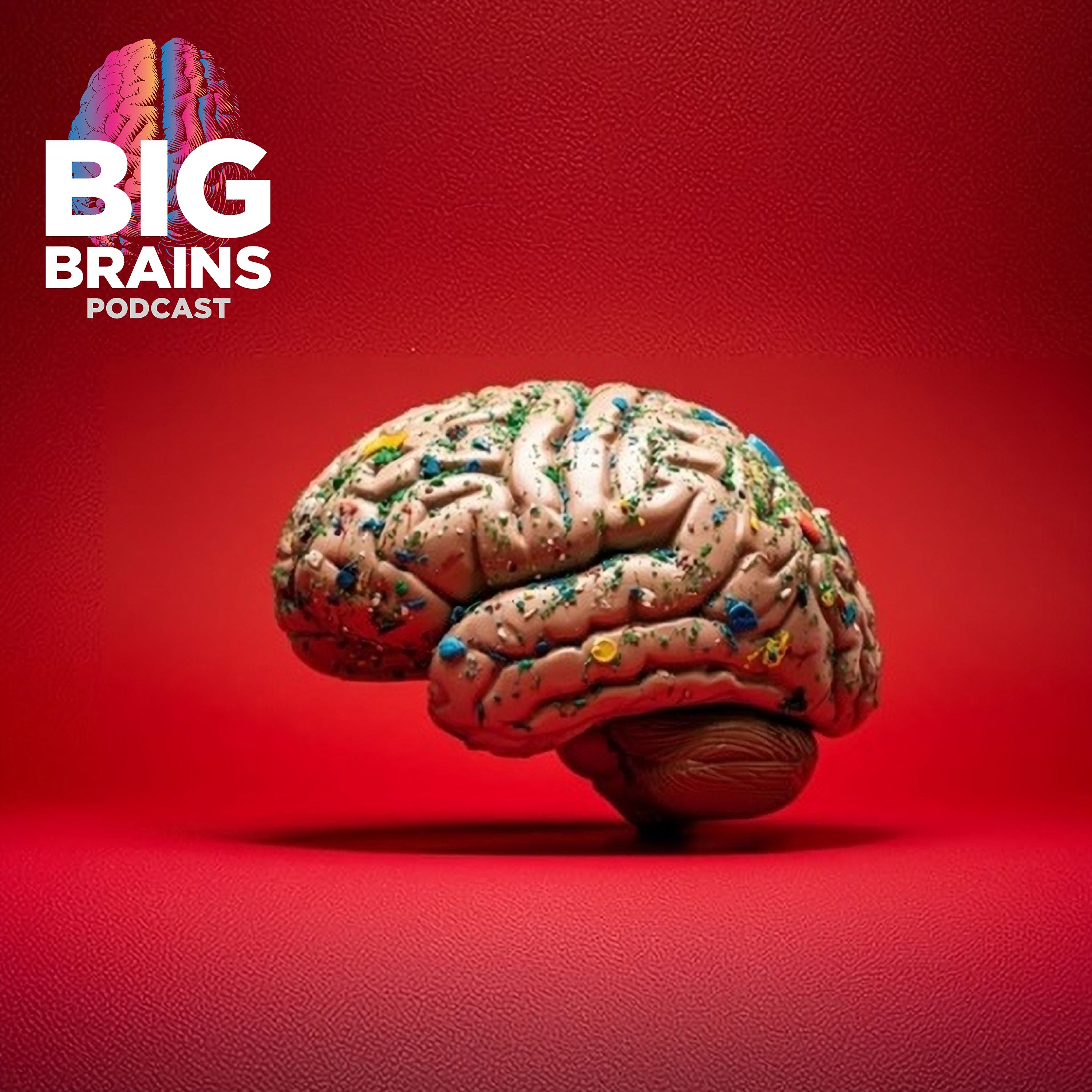
How Microplastics Are Invading Our Bodies, with Matthew Campen
You’ve heard of plastic polluting oceans. But what if it’s polluting you—your brain, your reproductive system, even your unborn children?In this eye-opening episode, we speak with Prof. Matthew Campen, a scientist at the University of New Mexico, whose latest studies have uncovered evidence of microplastics in placentas, reproductive organs and brains of humans—particularly in the frontal cortex,
Why We Get Stuck—And How to Finally Move Forward
Hello listeners…we're re-releasing one of our favorite Big Brains episodes—an incredibly insightful conversation with psychologist Adam Alter. If you've ever felt stuck in your life or career, this episode offers practical strategies and surprising science to help you move forward. From why your best ideas might come after you feel like giving up, to what Netflix can teach us about breaking throug
Inside the AI Debate: Hope, Hype, Or Harm? A Big Brains Panel Weighs In
One of the benefits of producing this podcast at the University of Chicago is that there are often events on campus that bring in not just one Big Brain, but many in order to find answers to the some of the most complex problems of our time. I recently had the pleasure of hosting one such event on artificial intelligence that we want to share with you today. It was part of the Graham School’s Lead

Are Your Medications Safe And Effective?, with Jerry Avorn
For a more than a century, the Food and Drug Administration has worked to protect public health. In his research, Harvard University physician-researcher Jerry Avorn has examined how the FDA’s once-rigorous gold standard approval process has been affected by a powerful shortcut known as the Accelerated Approval Program—originally designed for desperate AIDS and cancer patients. He says that change

Are We Making AI Too Human?, with James Evans
Prof. James Evans, a University of Chicago sociologist and data scientist, believes we’re training AI to think too much like humans—and it’s holding science back.In this episode, Evans shares how our current models risk narrowing scientific exploration rather than expanding it, and explains why he’s pushing for AIs that think differently from us—what he calls “cognitive aliens.” Could these “alien

Inside The Disease That Changes Your Personality, with Bruce Miller
When someone we know or love starts to develop psychological issues, we don't often associate it with a form of dementia. However, this trait is one of the most common signs of frontotemporal dementia (FTD) — the most common neurodegenerative disease in people under the age of 65. In his new book, Mysteries of the Social Brain: Understanding Human Behavior Through Science, Dr. Bruce Miller highlig

Meet The ‘Planet Hunter’ Searching For Alien Life, with Jacob Bean
The search for life beyond Earth is no longer science fiction—it takes a lot of data, powerful telescopes and a bit of cosmic detective work. And at the center of this search is University of Chicago astrophysicist Jacob Bean. Bean was part of the team that made history by detecting carbon dioxide in the atmosphere of a distant planet using the James Webb Space Telescope—a major step forward in ou

How To Stop Gun Violence Before It Starts, with Jens Ludwig
Despite decades of policy ideas, pouring millions of dollars into the problem, and a slow pace of gun control measures, the United States hasn’t made much progress on curbing the epidemic of gun violence in our country.For the past 25 years, Prof. Jens Ludwig of the University of Chicago has examined the questions of: Why does gun violence happen, and is there anything we can do about it? In his n

Can Your DNA Predict Your Future?, with Dalton Conley
What if a single number, derived from your DNA, could predict your income, education level or even who you're likely to marry? In his new book “The Social Genome,” Princeton University sociologist Dalton Conley explores the science behind how our genes are shaping our society in ways that are both profound and unsettling.Conley explains how our genes, and the genes of those around us, are influenc

Can You Really Die of a Broken Heart? The Hidden Dangers of Grief, with Mary Frances O'Connor
When we lose someone, we love, we often say we have a broken heart—but what if that’s not just a metaphor?In her new book “The Grieving Body: How The Stress of Loss Can Be An Opportunity For Healing” University of Arizona Professor of Psychology Mary Frances O’Connor shares groundbreaking insights into the biological and physiological impacts grief has on our bodies. O’Connor reveals how profound

The Science Behind Raising Successful Kids, with Ariel Kalil
New federal data paints a stark picture: American children are falling behind in reading and test scores, with the gap between advantaged and disadvantaged kids growing wider. But is this really just a problem of money? University of Chicago Developmental psychologist Ariel Kalil has spent her career studying how parents influence childhood development—not just through resources, but through daily

Do Animals Understand Death?, with Susana Monsó
What does it mean to understand death? For centuries, philosophers have argued that only humans can truly comprehend mortality. But what if they’re wrong?In this episode, we speak with philosopher Susana Monsó, author of Playing Possum: How Animals Understand Death, to explore whether animals can grasp their own mortality. From grieving elephants to corpse-removing ants and possums that play dead,

Why Measles Is Resurging—And The Rise Of Vaccine Hesitancy, with Adam Ratner
In 2000, the United States declared that measles had been eliminated. But just 15 years later, the disease made a comeback—and it hasn’t gone away since. In this episode, Dr. Adam Ratner, director of the Division of Pediatric Infectious Diseases at NYU and author of Booster Shots: The Urgent Lessons of Measles and the Uncertain Future of Children's Health, explains why measles outbreaks are occurr

The Little-Known Secrets To A Good Life, with Shigehiro Oishi
What makes a good life? For decades, psychologists have debated whether true fulfillment comes from happiness—a life of comfort and joy—or meaning—a life of purpose and impact. But what if there's a third way?University of Chicago psychology professor Shigehiro Oishi has spent his career studying happiness, meaning, and what truly brings people deep satisfaction. His new research suggests that som

How Bioelectronics Could Heal Our Bodies And Minds, with Bozhi Tian
Imagine a future in which Band-Aids talk to your cells, pacemakers are powered by light and your gut microbiome gets a tune-up—all thanks to tiny bioelectric devices. Sounds like sci-fi, right? Think again. Prof. Bozhi Tian of the University of Chicago is on the frontier of bioelectronics, building living machines that can heal, enhance and maybe even transform what it means to be human. In this e

Could A Fungal Pandemic Be “The Last of Us?", with Arturo Casadevall
Five years after COVID became a global pandemic, could another health crisis be on our horizon? According to scientists who study diseases, the possibility of a fungal pandemic—the subject of science fiction TV shows like “The Last of Us,” could be more of a reality, thanks to climate change and our warming planet. As fungi are adapting to warmer climates, they are becoming increasingly stronger a
The "Magic Words" That Turn Resolutions Into Reality
As we step into 2025, many of us are thinking about how to turn our New Year's resolutions into lasting changes. But what if the secret to success lies not in willpower but in the words we use every day? To kick off the year, we’re sharing our past episode with Jonah Berger, a professor at The Wharton School and author of Magic Words: What to Say to Get Your Way.In this episode, Berger uncovers th

What’s The Truth About Alcohol’s Benefits And Risks? with Tim Stockwell
We have long heard the claims that a glass of red wine is good for your heart, but it turns out that the research that fueled this wisdom was actually skewed. Some studies made it appear like moderate drinkers were healthier than people who didn't drink at all, leading the public to believe that alcohol was healthier than it is. While drinking alcohol occasionally might not have catastrophic effec

What Happens When We Die? with Sam Parnia
For centuries, death has been seen as a final, inescapable line—a moment when the heart stops and the brain ceases to function. But revolutionary research asks: What if everything we thought we knew about death was wrong?Sam Parnia, an associate professor of medicine at NYU Langone, is the author of Lucid Dying: The New Science Revolutionizing How We Understand Life and Death. His groundbreaking w
The Illusion of Moral Decline
This year’s election might have been the most contentious in modern memory. It's not just that politics have changed, but it seems that people have too. You’ve probably heard this phrase: “People aren’t as kind as they used to be”. Maybe you’ve experienced the feeling that people are acting meaner to each other, year after year. But is it true? Are people really less kind than they used to be?With

Can We Predict The Unpredictable? with J. Doyne Farmer
What if we could predict the economy the way we predict the weather? What if governments could run simulations to forecast the effects of new policies—before they happen? And what if the key to all of this lies in the same chaotic systems that explain spinning roulette wheels and rolling dice?J. Doyne Farmer is a University of Oxford professor, complexity scientist, and former physicist who once b

Unlocking The Secrets Of ‘SuperAgers’, with Emily Rogalski
https://haarc.center.uchicago.edu/We used to think aging inevitably led to memory loss, but a small group of people—known as SuperAgers—are defying the odds. These individuals, all over 80, have the memory performance of someone in the 50s. The question is: how?One of the leading experts studying SuperAgers is University of Chicago neurologist Emily Rogalski. She explores the fascinating science b

2024 Nobel Laureate Explains What Makes Countries Fail Or Succeed, with James A. Robinson
On Big Brains, we get to speak to a lot of groundbreaking scholars and experts, but some conversations we walk away knowing we’ve just heard from someone who is really changing the world. We certainly felt that way years ago after talking to University of Chicago scholar James Robinson, and it turns out…the Nobel Prize committee agreed in 2024 when it awarded him a share of the Sveriges Riksbank P

Why Can’t Scientists Agree On The Age Of The Universe? with Wendy Freedman
How old is the universe—and how fast is it expanding? These are part of one of the biggest—and most contested—questions in science, and the answers could change our understanding of physics.In this episode, we talk with renowned UChicago astronomer Wendy Freedman, who’s spent decades trying to solve these very questions. There are two ways to measure how fast the universe is expanding, also known

What Are We Getting Wrong About Young Voters?, with Cathy Cohen
One of the biggest questions of every election is: What’s going on with young voters? There is endless speculation on the news about what young people care about, but very little good research examining their views on the candidates and the issues that matter most to them. The first-of-its-kind GenForward Survey changed that when it was created in 2016 at the University of Chicago.Led by renowned

Why Are More Women Saying No To Having Kids? With Peggy O'Donnell Heffington
More and more women in the United States are saying no to motherhood. Alarmingly, in 2023, the U.S. fertility rate reached the lowest number on record. But the idea of non-motherhood is actually not a new phenomenon, nor did it come out of the modern feminist movement. For centuries, women have made choices about limiting births and whether or not to become mothers at all. This history is document

How Homeownership Shaped Race In America, with Adrienne Brown
Race has played a huge role in the creation of mass homeownership in the United States. Discriminatory housing practices including redlining, exclusionary zoning and whitewashing led to great disparities in home ownership among White and Black homeowners. Despite the passage of the Fair Housing Act in 1968, the damage had been done to communities of color and the rates of Black homeownership. Mass

Fighting Back Against AI Piracy, with Ben Zhao and Heather Zheng
If you’ve spent any time playing with modern AI image generators, it can seem like an almost magical experience; but the truth is these programs are more like a magic trick than magic. Without the human-generated art of hundreds of thousands of people, these programs wouldn’t work. But those artists are not getting compensated, in fact many of them are being put out of business by the very program

The Bioelectric Future of Regenerative Medicine
In the near future, birth defects, traumatic injuries, limb loss and perhaps even cancer could be cured through bioelectricity—electrical signals that communicate to our cells how to rebuild themselves. This innovative idea has been tested on flatworms and frogs by biologist Michael Levin, whose research investigates how bioelectricity provides the blueprint for how our bodies are built—and how it

Is Mindfulness The Secret To Health?
Can you heal faster just by tricking your brain? Could you lose weight with only a change of mindset? Could you think yourself into being younger? If you think the answer to all these questions is no, you haven’t read the research from renowned Harvard University psychologist Ellen Langer.Our podcast is taking a quick summer break, but we wanted to take this time to share some of our favorite epis

Feeling Stuck? Here’s How To Achieve a Breakthrough, with Adam Alter
We've all been stuck at some point in our lives — whether we've been stuck at a job and wanting to make a career change, stuck in a location and wanting to move somewhere new, or stuck in relationships or friendships. But the method to getting “unstuck” and achieving a breakthrough might be easier than you think.Using research-backed tools, New York University's Adam Alter shares his tips for how

What Makes Something Memorable (or Forgettable?) with Wilma Bainbridge
There is a science to what we remember and what we don't. For instance, why do we remember certain pieces of artwork, some brands’ logos, or even people's faces? University of Chicago psychologist Wilma Bainbridge has been studying what makes things memorable for over a decade. Through her research, she has found that there is a common thread about what most people remember—and even what we rememb

Learning To Speak To Whales Using AI, with David Gruber
If aliens landed on Earth tomorrow, how would we talk with them? Well, we already have a kind of creature on this planet we could attempt to talk to first, and in the last few years a team of renowned scientists have been exploring the ocean studying sperm whales to get that conversation going.David Gruber is a professor of biology and environmental science at CUNY and the founder of Project CETI,

Storm Warning: Why Hurricanes Are Growing Beyond Measure, with Michael Wehner
We all know that extreme weather events like hurricanes are getting worse due to climate change, but what scientists would really like to know is: By how much worse exactly? This year a team of researchers argued that hurricanes have become so much more extreme due to climate change that we need to add a new category 6 to the Saffir-Simpson scale, which measures the wind speed of hurricanes.One of

How To Manifest Your Future Using Neuroscience, with James Doty
We've all heard the phrase "Manifest Your Destiny" when it comes to wanting that new promotion, figuring out a new career path or just trying to achieve that long-term goal. It turns out that the act of manifestation is not merely pseudoscience—it actually has a body of research in neuroscience to back it up. Dr. James Doty has been exploring this topic throughout his career; and offers scientific

Why We Die—And How We Can Live Longer, with Nobel Laureate Venki Ramakrishnan
They’re perhaps the oldest questions in the science: Why do we die? And could we find a way to live forever? But for decades, anti-aging research was a “backwater” of the scientific community, consider too fanciful and unrealistic. That is until the last few years. Modern advances in biology have taught us a lot about how we age and why we die—could that knowledge help us turn back the clock?In hi

What Dogs Are Teaching Us About Aging, with Daniel Promislow
Every dog owner has faced the hard realization that their dog won’t live as long as they do, but we’ve all probably wondered: Why do some dogs live longer than others? It turns out that several factors are at play, according to the largest research study of dogs, known as The Dog Aging Project.Prof. Daniel Promislow of the University of Washington is co-director of the project, which examines how

Where Has Alzheimer’s Research Gone Wrong? with Karl Herrup
For more than a century, scientists have been studying Alzheimer’s disease and developing theories about its underlying cause. The leading theory for decades has been that abnormal amyloid plaques in the brains of those who suffer from the disease are the central cause. But, according one renowned Alzheimer’s researcher, this myopic focus is not only flawed, but may be holding back our search for

Why Breeding Millions of Mosquitoes Could Help Save Lives, With Scott O'Neill
Mosquito-borne diseases are one of the greatest global health threats, infecting around 700 million people every year with Zika virus, dengue fever, malaria and yellow fever — which can all be deadly if left untreated. Unfortunately, the mosquito population is not slowing down, and factors like climate change and increased global travel are broadening the mosquito's range. The effort to stop the m

Why Shaming Other Countries Often Backfires, with Rochelle Terman
How do you stop a government from continuing to commit human rights abuses? You could take them to an international court of justice, or file a complaint at the UN. But none of those bodies have any enforcement power. Short of going to war, the only option on the table in most international situations is to name and shame. But is that strategy effective?In her new book, “The Geopolitics of Shaming

Can Trump Legally Be President?, with William Baude
The Supreme Court’s decision on whether Colorado can take former President Donald Trump off the ballot in the 2024 election may be one of the most consequential in its history. The case will turn on the court’s interpretation of Amendment 14, Section 3 of the Constitution, which bars any previous elected official from holding office if they participated in an insurrection. When making their case,

What Our Hand Gestures Reveal About Our Thoughts, with Susan Goldin-Meadow
Language shapes our world. But when we speak, there is actually a secret conversation happening beyond our words. It’s happening not with our mouths—but with our hands.Prof. Susan Goldin-Meadow is a distinguished scholar of psychology at the University of Chicago. Her research into deaf children who were never taught sign language led her to studying why the gestures we do all day may contain more

Psychedelics Without Hallucinations: A New Mental Health Treatment? with David E. Olson
The United States is facing a real mental health crisis. In the last few years, one possible treatment has gotten a lot of press: psychedelic drugs. But what is actually happening in a person’s brain when they take a psychedelic? Could understanding the biology and the chemistry allow us to make better and safer versions of these drugs—and maybe even create psychedelics without the hallucinations?

The Science Of Happiness
The Big Brains team is taking some time off during the holidays but for all those travelers out there heading home, we wanted to make sure you still had your favorite podcast in your feed. So, we’re resharing one of our most popular episodes ever. It’s about the science of happiness.What is the key to living a happy and fulfilling life? The answer is actually quite simple, according to the two sch

Do We Really Have Free Will? With Robert Sapolsky
Here’s the question you’re going to be asking for the next 30 minutes: Did I freely choose to listen to this podcast, or did I actually have no choice at all? Most of us probably believe we have free will. We feel like we make decisions, and that each of us is responsible for the consequences of our actions. But what if that’s all just an illusion?Robert Sapolsky is a renowned professor of biology

A Radical Solution To Address Climate Change, with David Keith
Climate change can feel like an impossible crisis these days. Every week there is some new report about the irreversible damage we’re doing to our planet and the havoc it will bring to people’s lives. We all know cutting emissions is the solution, yet governments and companies seem no closer to meeting the goals that scientists say we must hit. It can feel hopeless.There is one possible controvers

How PFAS “Forever Chemicals” Are Harming Our Health, with Linda Birnbaum
By now, you've probably heard about the dangers of PFAS “forever chemicals.” These chemicals are all around us—they're in waterproof hiking boots, electronics, nonstick pans and even our drinking water—but there's no way for them to break down in our environment. Epidemiological studies have linked to these chemicals to numerous diseases—from kidney cancer, liver cancer, obesity, decreased fertili

Are We Worse People Than We Used To Be? With Adam Mastroianni
How many times have you heard this phrase: “Back in the day, people were nicer” or “People aren’t as kind as they used to be?” Most of us have experienced the feeling that people are becoming meaner over time, year after year. But is it true? Are people really less kind than they used to be?That’s the question that has bothered psychologist Adam Mastroianni most of his life. He set out to find an

Freakonomics’ Steven Levitt On The Secret To Making Tough Choices
Of the academic books that have become household names, “Freakonomics” must be at the top of the list. The 2005 book by University of Chicago scholar Steven Levitt and journalist Stephen Dubner created not only a whole new way of thinking about discovering answers to complex problems, but launched a media empire—from book sequel to a movie to a hit podcast.On this special episode, we sat down with

Will Political Violence Destroy Our Democracy?, With Robert Pape
Since the Jan. 6, 2021 attack on the U.S. Capitol, University of Chicago Prof. Robert Pape has been closely observing the threats to our democracy. Now, the renowned terrorism expert says that violent ideas coming from a dedicated minority are moving from fringe to mainstream.In 2021, Pape's team along with NORC at the University of Chicago launched the Dangers to Democracy tracker, an ongoing ser

Defending Campus Free Speech In A Polarized Age, with Paul Alivisatos and Tom Ginsburg
Free speech is probably one of the most polarizing public topics of debate. And those arguments only become more intense when it comes to free expression on college and university campuses. Should professors be allowed to say whatever they want? What about speakers being invited to campus? Who gets to say what is acceptable and unacceptable?The University of Chicago has had a unique and long histo
Recommended
TED Talks Daily

Learn English B1 with Daily News | English Listening Practice
Talk About Talk - Executive & Leadership Communication Skills
English with Olivia | Slow Conversations & Vocabulary
Stand In The Circle
SLOW ENGLISH PODCAST (A1-A2) With Subtitles | Daily Videos | English With Us Podcast

Learn English A2 with Daily News | Simple English Listening Practice

پلی لیست | PlayList

Conspiracy Files with Paige Carter
Bad Friends

Learn 50 English Phrases While You Sleep | Everyday English Phrases & Vocabulary
This Past Weekend w/ Theo Von
