
Ancient Greece Declassified
The podcast that transports you to the ancient world and back, with some good conversation along the way. It's not just about ancient Greece. It's about a huge chunk of human history that the Greek texts give us access to: from Egypt and Babylon, to Persia, to Carthage and Rome, we'll sail the wine-dark sea of history with some expert guides at the helm. Topics will include archaeology, literature, and philosophy. New episode every month.
Episodes

66 Did Odysseus Discover America?
Could the Odyssey preserve echoes of a long-lost voyage beyond the Mediterranean—perhaps even across the Atlantic? A speculative discussion informed by Homeric scholarship, archaeology, and ancient literature. ------------------ To support this show and our mission to bring the classics to the general public, please visit https://patreon.com/greecepodcast ------------------ MUSIC CREDITS The follo
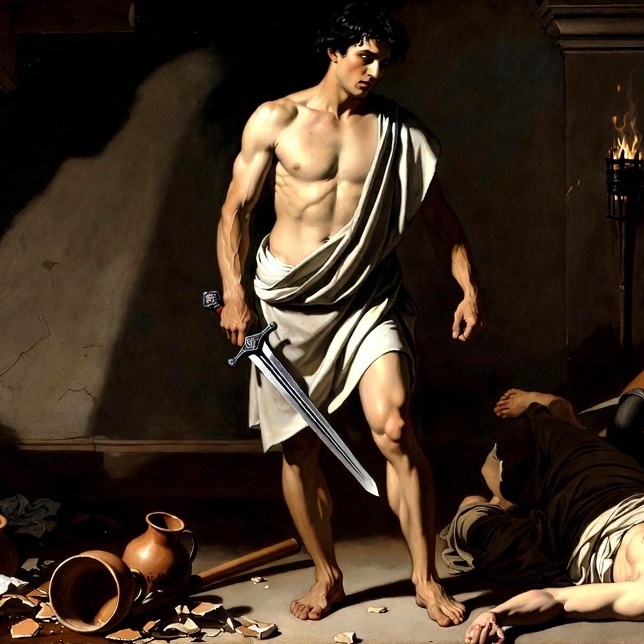
65 From Vengeance to Justice: The Genius of Aeschylus' ORESTEIA w/ Doug Metzger
Aeschylus' "Oresteia" is one of the most extraordinary works of literature to have come from Ancient Greece. It's a story about murder, revenge, and the birth of justice itself. We are joined by Doug Metzger, host of the "Literature and History" podcast to explore how the ancient Athenian tragedian Aeschylus turned a bloody family feud into a vision of civilization, and offered the Athenians a ne
64 Plato's Republic: Full Summary and Explanation w/ Gina White
Plato's Republic isn't just a cornerstone of Western thought—it's a mirror reflecting the challenges of our own time. In this episode of Ancient Greece Declassified, host Lantern Jack teams up with scholar Gina White to deliver a one-stop, accessible guide to this timeless work—exploring its big ideas, enduring impact, and eerie relevance to today's world. ------------------ Support the show on Pa
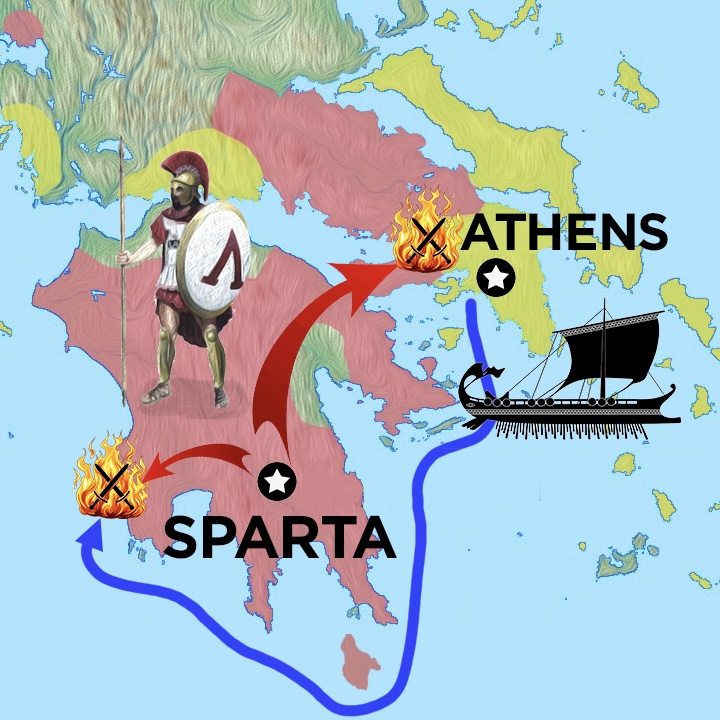
63 The Spartan Strategy for Acquiring and Wielding Power w/ Eric Robinson
How did Sparta—a mere city-state with an agrarian economy and barely any economic growth to speak of—rise to become the supreme power in ancient Greece? We investigate in conversation with renowned historian Eric W. Robinson, author of the forthcoming book "Spartan Legend." ------------------ Support the show on Patreon: https://patreon.com/greecepodcast ------------------ Timestamps [03:28] Orig
62 Marcus Aurelius and the Kingdom of Gold w/ Judith Stove
Marcus Aurelius became emperor of Rome in 161 AD and went on to win several wars against the northern barbarians. But it wasn't his military exploits that earned him everlasting fame. Rather, it was his philosophical mind and the writings he left behind. In this episode, we are joined by author and scholar Judith Stove to explore the character, writings, and legacy of Rome's "philosopher king." St
Announcements: Next Tour, Seeking Video Editor, Connect on Social Media, Patreon update
Some announcements for those of you who care about what's happening at AGD behind the scenes...

61 Who is Lantern Jack? (Doug Interviews Me)
I chat with friend and fellow podcaster Doug Metzger about how I first became fascinated with the ancient world and share some of the adventures I had on the way to getting a PhD in Classical Philosophy. ------------------ Support AGD on Patreon: patreon.com/greecepodcast ------------------ Timestamps [01:25] Why I started AGD [05:15] Why Stoicism is misunderstood today [11:20] Debunking two big m
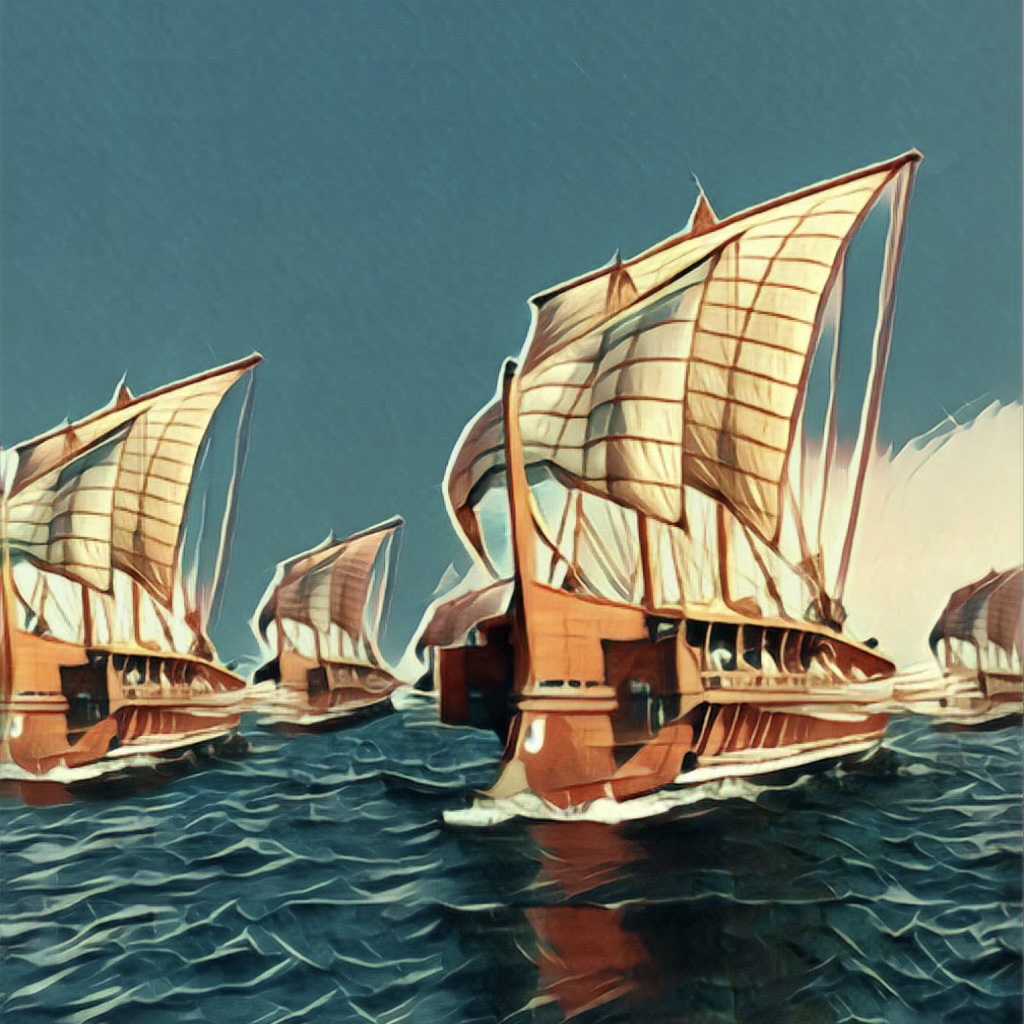
60 The Rise of Athens (Themistocles and the Persian Wars, Part 3)
During the Persian Wars, the city of Athens was completely razed to the ground by the Persian army. And yet, from its ashes, a new Athens was born, more powerful and magnificent than any other city in the Mediterranean. How did the Athenians pull that off? In this finale to our Persian Wars saga, we explore the final battles of the conflict and the clever machinations of Themistocles—one of the c
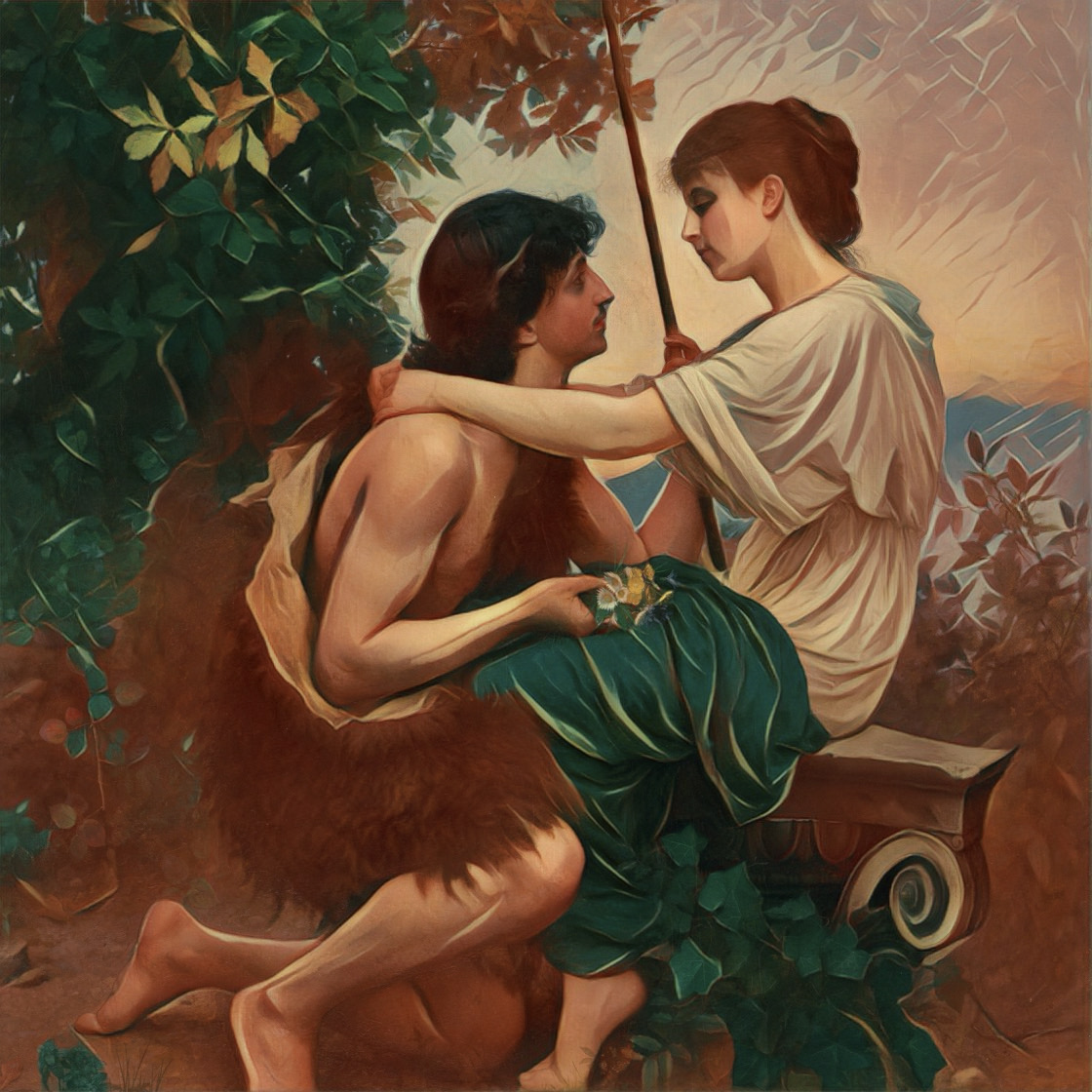
59 The Ancient Novels w/ Doug Metzger (Apuleius, Lucian, Chariton, Heliodorus, Petronius, Achilles Tatius)
Unveiling the wild world of ancient Greek and Roman novels with Doug Metzger, host of the "Literature and History Podcast." ------------------ Support Ancient Greece Declassified on Patreon: patreon.com/greecepodcast ------------------ Contents of the episode, with timestamps: 04:22 When did novels first arise? 09:12 The four genres of ancient novels 11:39 The typical plot (Callirhoe) 17:55 Daphni

58 What Did the World's First Pop Star Sound like? | Euripides and Ancient Music w/ Claire Catenaccio
What did ancient music sound like? In this episode, you will hear three songs that are over 2000 years old! Few people in the world today know more about ancient music than our guest in this episode. Claire Catenaccio is an assistant professor of classics at Georgetown University who specializes in the study of ancient drama and its modern reception. Her recent book "Monody in Euripides" explores

57 The Life of Plato w/ Robin Waterfield
Even after thousands of years of supposed progress in philosophy, there are still some who maintain that the entire history of western philosophy consists of footnotes to Plato. But who was Plato the man? If there is anyone who can answer that question, it's our guest in this episode. Robin Waterfield is a renowned scholar of antiquity who has written the first ever full biography of the ancient p
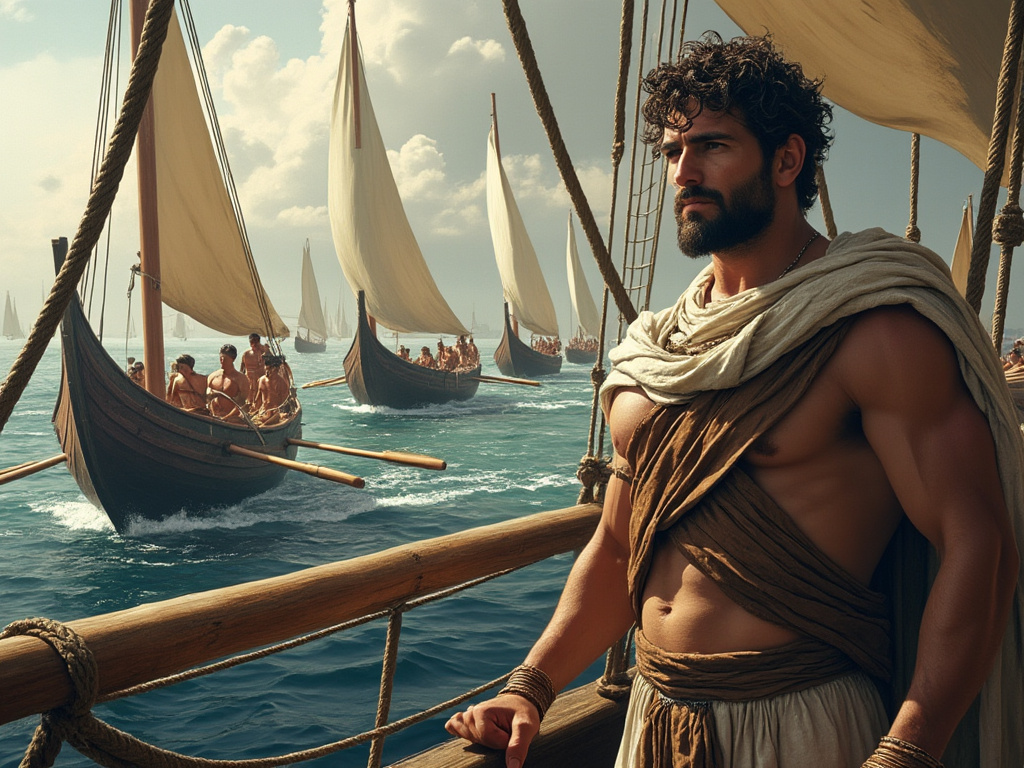
56 The Man Who Defeated the Persian Empire (Themistocles and the Persian Wars, Part 2)
In 480BC the Persian Empire invaded Greece with the largest military force the world had ever seen. Meanwhile in Athens, a man named Themistocles had spent the last ten years preparing for this moment. He had come up with a plan to defeat Persia, but it would require a mix of strategy, intrigue, deception, and plain old good luck... Contents of the episode, with timestamps: [05:45] How to Win Frie

55 Fire in the Cradle of Democracy (The Persian Wars, Part 1)
The three decades from 508-478BC were possibly the most consequential in all of ancient history. In this episode and the next, we tell the story of the Greco-Persian Wars through the eyes of Themistocles, the Athenian mastermind who guided the Greeks to victory. Contents of the episode, with timestamps: [04:50] Themistocles' Childhood and the Athenian Revolution [10:40] Democracy's Early Challe
AGD "Persian Wars" Tour in Greece! Jan. 3-11, 2025
AGD is going back to Greece this January 3-11 for another epic adventure! This time we'll be exploring the Persian Wars and the profound effect they had on Greek civilization. We will visit all the major focal points of the Greco-Persian showdown (Marathon, the Acropolis, Eretria, Salamis, Thermopylae, Plataea, and Delphi) as well as a wide variety of other fascinating historical sites. Check out
54 Were the Spartans Proto-Fascist Losers? w/ Bret Devereaux
Bret Devereux is a military historian at North Carolina State University and author of the recent viral article "Spartans Were Losers: The US Military's Admiration of a Proto-Fascist City-State is Based on Bad History." He joins us to explain why he thinks that the traditional image of Sparta as an egalitarian society of warrior badasses is a lie. You can find his blog, where he writes extensively
53 Why Platonism and Stoicism Are Going Viral w/ John Vervaeke
As our world becomes increasingly hi-tech, more and more people have been turning to ancient wisdom traditions in search of meaning. There are two schools of ancient philosophy in particular that have seen a meteoric revival in recent years: Platonism and Stoicism. Cognitive scientist John Vervaeke joins us to explore why this is happening. ------------------ Join the upcoming AGD Tour in Greece:
"Enemies of Athens" Tour Announcement Oct. 11-19, 2023
AGD is going back to Greece this fall (Oct. 11-19) for another epic adventure! This time we'll be exploring areas that in ancient times lay in the shadow of – or in direct conflict with – the Athenian hegemony. Check out our video from the first tour: https://www.youtube.com/watch?v=1g-w7u6aQz0 To reserve your spot, email us at greecepodcast@gmail.com For the itinerary visit https://greecepodcast
52 A New Theory of Democracy's Origins (It Wasn't Greece) w/ David Stasavage
This time we're taking a little break from Greece to explore the broader history of democracy. Was democracy really a Greek invention? Historian David Stasavage, author of The Decline and Rise of Democracy, thinks it was not. And in today's episode he explains why. --------------- Support Ancient Greece Declassified on Patreon: patreon.com/greecepodcast Or make a one-time donation: paypal.me/greec
51 Anacyclosis – Polybius' Grand Unified Theory of History
Polybius' theory of anacyclosis is the most sophisticated theory of political (r)evolution to have emerged from ancient Greek and Roman political thought. ------------------ To watch the highlight real from the last AGD tour in Greece, click here. ------------------ To read the passage in Polybius where he discusses anacyclosis click here. ------------------ If you'd like to read more about the t

Announcing the "Mountains and Oracles" Tour in Greece! Jan. 3-11
AGD is going back to Greece this winter (Jan. 3-11) for an epic tour of Greece's northern regions, focusing on mountains and oracles. For more information or to reserve your spot, email us at greecepodcast@gmail.com
R8 Does Democracy Lead to Tyranny? | Plato's Republic, book 8
Plato argued that the inevitable next step in political evolution after democracy is tyranny. Many political thinkers throughout history agreed with him. Were they right? ------------------ Support Ancient Greece Declassified on Patreon: patreon.com/greecepodcast Or make a one-time donation: paypal.me/greecepodcast --------------- A full transcript of this episode with references can be found on o
49 When a Philosopher Ruled the World | Marcus Aurelius w/ Donald Robertson
Was Marcus Aurelius really the enlightened ruler that history books and modern movies portray him as? And is his brand of Stoic philosophy applicable to the modern world? With us to discuss these and other questions is Donald Robertson, a psychotherapist and the author of How to Think Like and Emperor and Verissimus. ------------------ Support Ancient Greece Declassified on Patreon: patreon.com/gr
AGD Tour Update – Only a Few Spots Left!
An update on the AGD Tour happening in Greece from August 16-24 For an outline of the itinerary click here.
48 Time Traveling to the Ancient World
Thirty three scholars, philosophers, and archaeologists answer the question: If you could time travel to the ancient world, who would you want to meet? Scholars featured + the timestamps when they appear: 2:10 Edith Hall 3:36 Eric Cline 4:30 Andromache Karanika 5:45 Josiah Ober 6:48 Rush Rehm 7:30 Ian Morris 8:02 Rebecca Newberger Goldstein 9:20 Patrick Hunt 9:46 Raffaella Cribiore 11:04
R7.5 The Forms, the Matrix, and AI w/ John Vervaeke
Philosophers today often dismiss Plato's Theory of Forms as an outdated and failed attempt by a pre-modern thinker to explain knowledge. However, cognitive scientist John Vervaeke offers a radically different take on Plato's theory and how it ties in with recent debates about the nature of intelligence. John Vervaeke is a professor at the University of Toronto and the creator of the popular YouTub
AGD Trip to Greece! August 16–24
An announcement about the upcoming Ancient Greece Declassified tour in Greece this summer.
R7 The Cave | Plato's Republic, book 7 w/ Ben Morison
The cave analogy, which takes up the majority of book 7 of the Republic, is one of the most famous passages in all of western philosophy. In this episode, we are joined by Ben Morison, professor of philosophy at Princeton, to dive deep into the allegory and unpack its various levels of meaning.
R6.5 Why People Hate Plato
Plato is at once the most loved and possibly the most hated philosopher of all time. This episode explores five reasons why he drives some people mad. Contents of the episode, with timestamps: Reason 1: Who should rule? [7:30] Reason 2: What political system is best? [12:20] The Ship of State [15:10] Reason 3: What is truth? [20:20] Reason 4: What is knowledge? [30:35] The Divided Line [40:25] Rea
44 The Invention of Duty
Where does the notion of 'moral duty' come from? In this conversation with Simon E. Drew we dive deep into the history of the concept and discuss my recent book The Invention of Duty. This episode was originally published on The Walled Garden podcast and is here republished as a crosscast.
R6 The Good, the Bad and the Beautiful | Plato's Republic, book 6 w/ Gabriel Richardson Lear
Book 6 of the Republic is the work's core section where Plato lays out his metaphysics. Appealing to his signature Theory of Forms, Plato offers a transcendent vision of the Good as the ultimate source of human knowledge. Joining us to help us unpack this theory is Gabriel Richardson Lear, professor of philosophy at the University of Chicago and author of the book Happy Lives and the Highest Good
42 The Hittite-Homer Connection? w/ Mary Bachvarova
Was Homer was influenced by the stories of civilizations to the east of Greece? Joining us to discuss the Hittites and their potential (direct and indirect) influences on the Greek epic tradition is Mary Bachvarova, professor of classics at Willamette University and author of From Hittite to Homer: The Anatolian Background of Ancient Greek Epic ------------------ Support Ancient Greece Declassif
R5 Philosopher Queens | Plato's Republic, book 5 w/ Mary Townsend
The most controversial part of Plato's Republic is its fifth book, wherein Socrates argues for the political equality of men and women, the abolition of the nuclear family, a strange eugenics program, and the idea that philosophers kings and philosopher queens should be put in charge of political affairs. With us to discuss book 5 is Mary Townsend, assistant professor of philosophy at Saint John'
R4.5 Anatomy of the Soul | Plato's Republic, book 4 w/ Jonathan Lear
In book 4 of the Republic, Plato sets forth perhaps the most famous psychological theory from Greco-Roman antiquity: the tripartite model of the human soul. But how good of a model is it? How does it hold up from the perspective of modern psychology? With us to discuss these questions and more is Jonathan Lear, professor of philosophy at the University of Chicago and a practicing psychoanalyst who
R4 Hogwarts and Kallipolis | Plato's Republic, book 4
What do Plato's Republic, Sigmund Freud, and the Harry Potter saga have in common? Find out in this episode, which offers an exploration of book 4 of Plato's Republic and its many parallels in modern literature and psychology.
38 Alexander the Great: Inherited Glory w/ Adrian Goldsworthy
Was Alexander the Great really that *great* on his own? Or did he owe much of his success to the work of his father Philip II of Macedonia? Joining us to discuss the matter is Adrian Goldsworthy, military historian and author of the new book Philip and Alexander: Kings and Conquerors. A video version of this episode is available on YouTube at: https://youtu.be/zZwyvimmX3k ------------------ Suppo
R3.5 Food for the Soul | Plato's Republic, book 3 w/ Angie Hobbs (pt. 2)
In the second half of book 3 of the Republic, Plato lays out the controversial theory of mimesis, which states that all art, man-made objects, and cultural products in our environment have profound effects on the health of our souls. With us to help us unpack, analyze, and evaluate Plato's arguments is, once again, Angie Hobbs, professor of the public understanding of philosophy at the University
R3 Who Guards the Guardians? | Plato's Republic, book 3 w/ Angie Hobbs
Following Socrates' claim that the ideal republic should be ruled by a class of "guardians," the question naturally arises: Who or what will keep these guardians in check? How do you prevent the government from becoming an unaccountable and oppressive regime? Our exploration of Plato's Republic continues, this time with Angie Hobbs, professor of the public understanding of philosophy at the Univer
R3 Who Guards the Guardians? | Plato's Republic, book 3 w/ Angie Hobbs
Following Socrates' claim that the ideal republic should be ruled by a class of "guardians," the question naturally arises: Who or what will keep these guardians in check? How do you prevent the government from becoming an unaccountable and oppressive regime? Our exploration of Plato's Republic continues, this time with Angie Hobbs, professor of the public understanding of philosophy at the Univer
35 Stoic Duty: The Formula for Living Well
This episode is a crosscast in collaboration with the Classical Wisdom Speaks podcast. Anya Leonard, host of that pod and founder of classicalwisdom.com, interviews me about my new book The Invention of Duty: Stoicism as Deontology.
R2.5 The Justice Loophole | Plato's Republic, book 2 w/ Rachel Barney
Our exploration of Plato's Republic continues with this discussion of book 2 with philosopher Rachel Barney. Is the fear of God necessary for morality? How can you educate people so that they value and practice justice? Rachel Barney is professor of classics and ancient philosophy at the University of Toronto. She specializes in the work Plato and has spent many years analyzing and unraveling some
R2 All Men Would Be Tyrants | Plato's Republic, book 2
The third installment in our ongoing series on Plato's Republic. Use the following timestamps for easier navigation: 2:40 Introduction to book 2 11:35 Glaucon's speech in favor of injustice 20:00 Adeimantus' speech on the weakness of pro-justice arguments 26:30 Socrates reply; the city-soul analogy 38:20 The education of the Guardians 44:40 Analysis and conclusion ------------------ Support Ancien
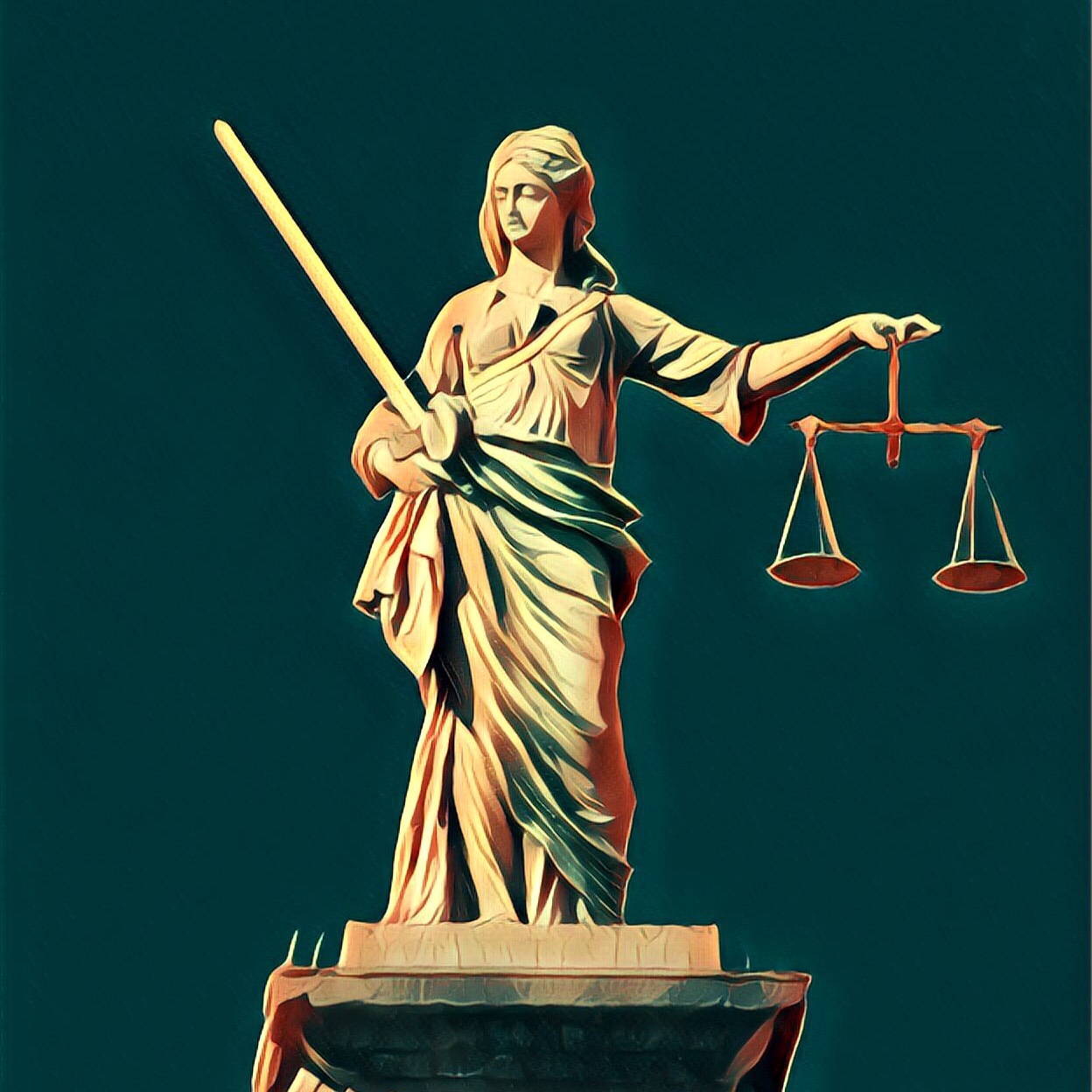
R1 The Hunt for Justice | Plato's Republic, book 1
The second installment in our 11-part series on Plato's Republic. Use the following timestamps for easier navigation: 0:22 Introduction: virtues vs values 7:10 The beginning of the Republic 13:50 Cephalus' "definition" of justice 15:10 Polemarchus tries to define justice 29:30 Thrasymachus challenges Socrates 34:20 Thrasymachus tries to define justice 42:25 Thrasymachus praises injustice 54:45 Epi
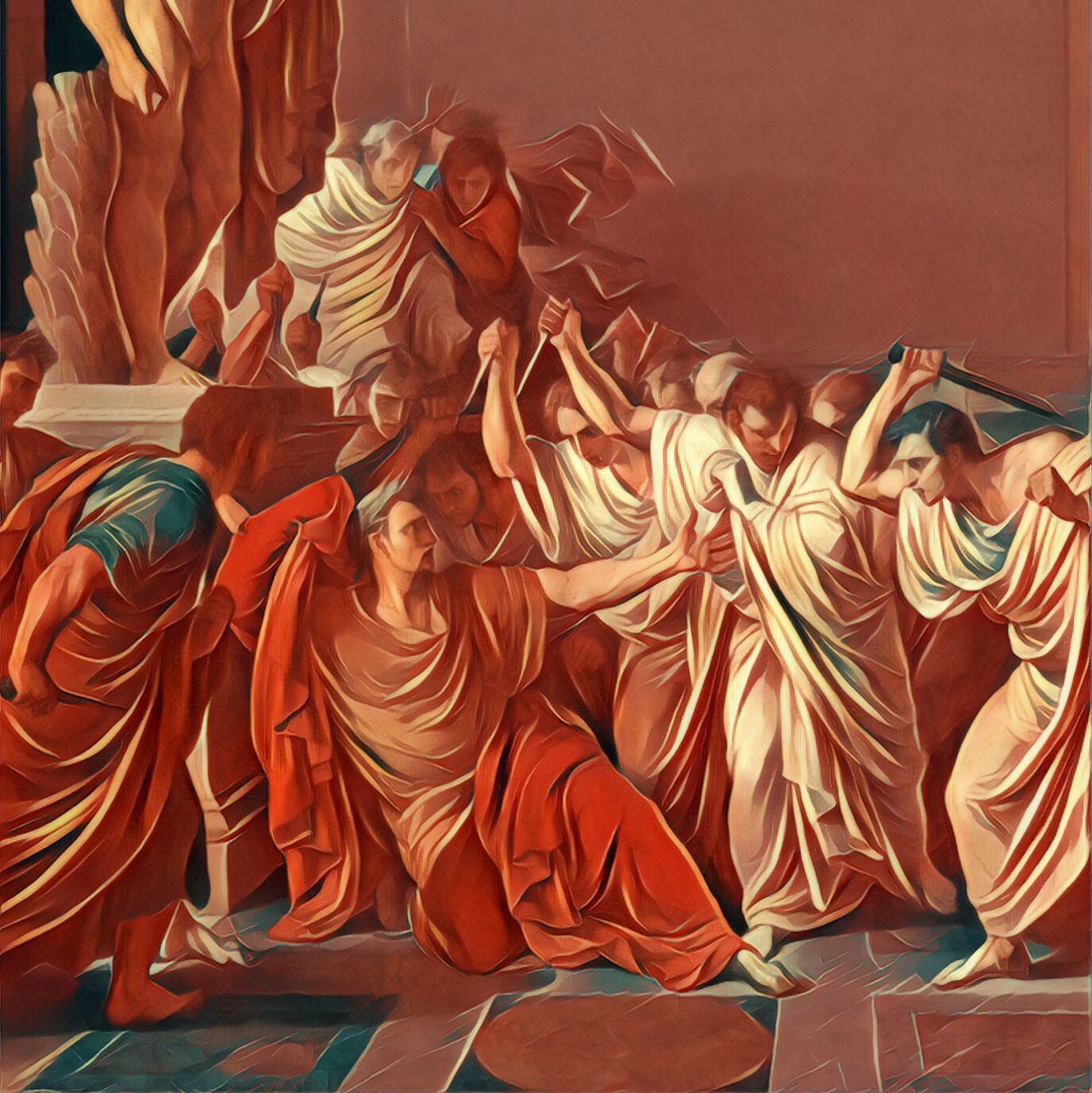
R0 Plato's Republic, or: How to Stop a Civil War
A foundational text in both ethics and political thought, the Republic was shaped by Plato's traumatic experiences as a young man witnessing civil war and the collapse of Athenian democracy. This is the first installment in an 11-part series on this classic work. The episode has four parts, beginning at the following time-stamps: 0:22 Introduction to the work and to the series 8:50 Historical Bac
30 Rome's Most Lethal Weapon w/ Steele Brand
Rome conquered the Mediterranean world without a professional army, relying instead on its citizens to take up arms when necessary. How did these part-time soldiers defeat all the great powers of the ancient Mediterranean? Our guest Steele Brand offers an original answer to this question in his new book Killing for the Republic: Citizen Soldiers and the Roman Way of War. Brand is professor of hi
29 Penelope: Weaver of Fate w/ Olga Levaniouk
Penelope is one of the most compelling characters from ancient Greek mythology. And yet her intelligence and agency in Homer's Odyssey is seldom appreciated. Towards the end of the epic, Penelope comes face-to-face with Odysseus, who has finally returned home disguised as a beggar. After they exchange a few stories (with Odysseus still maintaining his disguise), Penelope sets in motion a chain of

28 Thucydides: A Historian for Our Time? w/ Emily Greenwood
The Athenian historian Thucydides observed and chronicled the greatest military conflict of his day: the epic contest between Athens and Sparta known as the Peloponnesian War (431-404BC). Much more than just a straightforward history, his work is a study of the struggle between democracy and oligarchy, as well as a meditation on the dangers of populism and political polarization. Perhaps for this
27 Oligarchy, Part 2: Nemesis w/ Matt Simonton
What methods and institutions do oligarchic regimes use to maintain their power? How do they fend off the threat of democratic revolution? What happened to the many oligarchies of the ancient Mediterranean? All of these questions and more are explored in this second part of our conversation with historian Matt Simonton, author of Classical Greek Oligarchy. ------------------ Support us on Patreon
26 Oligarchy, Part 1: Genesis w/ Matt Simonton
How do ancient oligarchies compare with modern authoritarian regimes? How did civil war in oligarchies differ from civil war in democracies? What does the age-old ideological struggle between democracy and oligarchy imply about our future? These are just a few of the questions we discuss on this and the next episode. This episode covers: what oligarchy actually is, and how this political form aro
25 The Origins of Philosophy w/ André Laks (Presocratics, Parmenides, Heraclitus)
According to the historical evidence, the first stirrings of philosophical inquiry began 2600 years ago in ancient Greece with a group of thinkers known as the Presocratics (or pre-Socratics). In this episode we try to shed light on these early pioneers of philosophy. Our guest is André Laks, professor of ancient philosophy at Universidad Panamericana in Mexico City. Laks is the co-editor of the r
24 A History of Inequality w/ Walter Scheidel
We live at a time of increasing economic inequality worldwide. What is driving this trend? And what are the factors that can stabilize or even reduce levels of inequality? Answering this question empirically would require a deep dive into the archives of history. One would have to sift through millennia of economic data across continents and civilizations. Our guest today took on this gargantuan t
23 Greek Religion and Its Discontents w/ Barbara Graziosi
How did the ancient Greek religion evolve? What was the meaning of sacrifice and other rituals? Did atheism exist back then? How about alternative religions? We explore all these topics and more in conversation with Barbara Graziosi, professor of classics at Princeton University and author of the book The Gods of Olympus. Stay tuned at the end of the episode to learn how you can win an autographed
22 Rome's Lost Epics w/ Rhiannon Evans (Ennius, Gnaeus Naevius)
The oldest Roman epics we have were produced during the Roman Empire. But before becoming an empire, Rome was a powerful republic for hundreds of years. What happened to the Roman epics from the republican period? In this episode, we examine the evidence from this fascinating yet elusive early period, when Rome was a powerful Republic, but there were still other powerful states around, all competi
21 How to Succeed in the Iron Age w/ Alicia Stallings
Hesiod's didactic epic Works and Days is probably most famous for containing the stories of Prometheus and Pandora. But these tales are part of a greater mission of explaining how one can live justly and succeed in a harsh world. Our guest today is widely recognized as having produced the best translation of the Works and Days into English. Alicia Stallings is an acclaimed poet, author, McArthur f

20 How Democracies Fall Apart w/ Melissa Lane (stasis, Thucydides, Plato)
Hundreds of city-states in the ancient world experimented with democracy. Most of them experienced some kind of civil strife at some point. What caused these breakdowns of social order, and are we headed towards a similar fate? In this episode we explore the phenomenon of political polarization (stasis in Greek), its causes, and the solutions that ancient thinkers offered to prevent it from happin
19 America's Greco-Roman Legacies w/ Caroline Winterer
At a time when kings and emperors ruled the world, the Founding Fathers of the US were striving to resurrect a millennia-old dream: that of a free republic. Drawing inspiration from ancient Athens, the Roman Republic, and Carthage, they helped craft a society that was at once radically new and rooted in antiquity. Joining us to explore the influence of classical models on early American history is

18 A History of Epic w/ Gregory Nagy and Leonard Muellner (Homer, Iliad, Gilgamesh)
What can anthropology tell us about the origins of humanity's oldest epic stories? And what can these epics, in turn, tell us about our undying fascination with heroes? Joining us to explore these topics and more are Gregory Nagy, professor of classics at Harvard University and director of the Center for Hellenic Studies in Washington DC, as well as Leonard Muellner, professor emeritus at Brandeis

17 Platonic Love w/ Zina Giannopoulou (Plato's Symposium)
'Platonic love' is one of the most fascinating (and misunderstood) concepts to have come down to us from the ancient Greeks. Classicist Zina Giannopoulou joins us to set the record straight about the origins of the concept and what Plato's radical theory of love was all about. In this episode we discuss the book that first introduced this concept of Platonic love – the Symposium by Plato. The Symp
16 Dialogue and Dialectic w/ MM McCabe (Philosophy, Plato, Socrates)
Philosopher MM McCabe joins us to discuss the art of the philosophical dialogue, both as a literary form and as a practice between people in real-time conversation. What makes Plato's dialogues, for example, worth reading? And is there anything we can still learn today from the ancient art of dialectic? MM McCabe is emerita professor of ancient philosophy at King's College London. She has spent m
15 Homer's Meta-Odyssey w/ Richard Martin
Mythology expert Richard Martin joins us to discuss why the Odyssey has been considered great story-telling by audiences across millennia. As we talked about in episode 2 (on the Iliad), the Homeric epics came out of a long tradition of oral storytelling that stretched back hundreds of years into the Bronze Age. If there was a Homer, he did not just make up all these monsters and adventures up the

14 Did Aristotle Hold Science Back 2000 Years? w/ Peter Adamson
Did you know that Aristotle is to blame for the sad state of science during the Dark Ages in Western Europe? We could have colonized Mars by now if it weren't for Aristotle's disastrously wrong scientific ideas holding back the progress of science for thousands of years. At least, that's the impression you might get from a host of popular books, blog-posts, and click-bait articles online. For exam
13 Decoding Atlantis w/ Mark Adams (Plato, Timaeus, Critias)
No other story from ancient Greece has fueled so many controversies, theories, investigations, novels, movies, and documentaries as the story of Atlantis – that grand civilization that supposedly flourished thousands of years before the pyramids were built, and was completely wiped off the face of the earth by a major cataclysm. Interestingly, all of the written "evidence" for Atlantis from ancien
12 The Comedy of Democracy w/ Edith Hall (Aristophanes)
World-renowned classicist Edith Hall joins us to discuss the relation between entertainment and politics in ancient Athens, particularly on the comic stage. Theatrical comedy, which was invented in Athens after the city's democratic revolution, was at first highly political. Comedy plays, put on publicly in the huge outdoor theater of Dionysus, often directly attacked prominent individuals in the
11 Caves and Classrooms w/ Raffaella Cribiore
Papyrologist Raffaella Cribiore on education in the ancient Greco-Roman world---- Much of our modern educational system – from the names of our institutions to the books we consider the "classics" – derive from Greco-Roman antiquity. But what was it like to go to school in ancient times? This question is surprisingly difficult to answer because little direct evidence remains. Raffaella Cribiore, p
10 Hannibal Takes On Rome w/ Patrick Hunt (Carthage, Polybius, Livy)
Archaeologist Patrick Hunt joins us to discuss Hannibal - the infamous Carthaginian general and one of the greatest military strategists of all time. Having witnessed Carthage's defeat by the Romans as a child, Hannibal dedicated his life to thwarting Rome's imperialist ambitions and restoring power to his native Carthage. In 218 BC he famously led an army with war-elephants across the Alps into I

09 The World's Oldest Computer w/ Xenophon Moussas (Antikythera Mechanism)
Xenophon Moussas, physicist and member of the Antikythera Mechanism Research Project, sheds light on the mysterious device that has been described as an "ancient computer," an "astronomical calculator," and a "mechanical cosmos." For more information on the mechanism – including images, reconstructions, and other resources – visit our website at greecepodcast.com/9 Also check out the YouTube chann
08 Plato Strikes Back! w/ Rebecca Newberger Goldstein
Rebecca Newberger Goldstein joins us for a discussion about Plato, Socrates, and the legacy of Greek philosophy. Goldstein is one of the most acclaimed and widely-read philosophers today. Her most recent book, Plato at the Googleplex: Why Philosophy Won't Go Away, imagines Plato transported through time to the modern world having philosophical debates with scientists, celebrities, and technology p

07 The Persian Wars w/ Ian Morris (Herodotus, Thucydides, Xenophon)
Ian Morris, archaeologist and professor of Classics at Stanford University, joins us for a discussion on the Persian expeditions against Greece in 490-479 BC. How did the Greeks pull off a totally unexpected victory against the biggest invasion force that had ever been launched? Morris explains what the latest research and archaeology tell us about the economies, technologies, and demographics of

06 What Is Greek Tragedy? w/ Rush Rehm (Aeschylus, Sophocles, Euripides)
Rush Rehm, professor of classics and of theater and performing studies at Stanford University, joins us for a discussion about Greek tragedy. The origins of tragedy (and theater in general) can be traced back in time to one city in the late 6th century BC: Athens. Theater in Athens seems to emerge at the same time that democracy is born. Is that a coincidence? Or is there some deeper connection be
05 Democracy and Demagogues in Ancient Athens w/ Josiah Ober
Historian Josiah Ober of Stanford University joins us for a discussion on classical Athens and how the Athenian system compared to our own democracy. As Ober writes in his recent book The Rise and Fall of Classical Greece, "Democracy and growth define the normal...conditions of modernity: Autocracy, while still prevalent, is regarded as aberrant, so that most autocrats pretend to be democrats....

04 Sappho: The Tenth Muse w/ Andromache Karanika
Sappho is one of the first song-writers we know of in history, partly because she was one of the first singers to write down her songs, in around 600BC. We still know about her because she was considered the best song-writer for about a thousand years after her death. While best known as a singer of female desire, her lyrics were so powerfully felt by men and women across the centuries that she be
03 Dying For Immortality in Homer's Iliad w/ Andrew Ford
Andrew Ford of Princeton University joins us for a conversation about the Iliad. What makes it so...epic? And what kind of vision of the world does Homer provide his audiences?

02 Bronze Age Apocalypse 1177BC w/ Eric Cline
Archaeologist Eric Cline on what caused the simultaneous collapse of the Mycenaeans, Hittites, and most other major civilizations at the end of the second millennium BC, thus ushering in the world's first dark ages. Hint: it wasn't just the Sea Peoples.

01 Tomb Raiders, Codebreakers, and the Discovery of Antiquity (Rosetta Stone, Cuneiform, Linear B)
Four astonishing archaeological discoveries that extended our knowledge of history back into the mythical past: Champollion and the Rosetta Stone, Grotefend's cuneiform breakthrough, Schliemann digging for Troy, and Michael Ventris' deciphering of Linear B.

00 Introduction
Recommended

The Healer Revolution

Becoming: HER with Nikki Spoelstra

Booked, Blonde & Busy w/ Olivia Ponton

McKinsey on Consumer and Retail

megahired.com

Hard Knocks Podcast

Effective Weight Loss for Moms | High protein, Strength Training, Lose Weight, Meal Planning, Fat Loss, Healthy Habits

The Human-Animal Connection - Pet Life Radio Original

Infinite Health with Dr. Arasi Maran

The Daily

World News Tonight with David Muir

English Vocabulary Help
