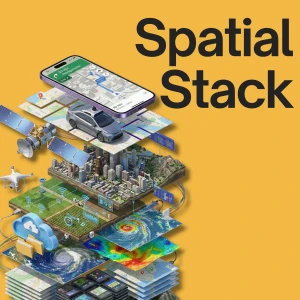
Spatial Stack with Matt Forrest
Welcome to The Spatial Stack, where modern geospatial technology takes center stage. Our episodes feature interviews with leading experts, insightful discussions on the integration of AI and big data in spatial tech, and case studies on groundbreaking projects worldwide. Tune in to stay ahead in the rapidly evolving world of geospatial technology!
Episodes

Thinking Spatially for a Living: Chris Tucker on 175 Years of the American Geographical Society
In this episode of the Spatial Stack, Matt sits down with Dr. Chris Tucker, chairman of the American Geographical Society, in the year the AGS turns 175.Chris makes the case that spatial thinking is foundational literacy, on the level of language or math, and that the 4.5 million people who have taken AP Human Geography are already practicing it every day in jobs that never mention geogra

Mapping the Invisible: Soil Fungi, Satellites, and the Largest Network on Earth with Justin Stewart
What does it take to map something you have never seen?In this episode, Matt Forrest sits down with Justin Stewart, quantitative ecologist at SPUN, the Society for the Protection of Underground Networks, to unpack how his team built the first global map of arbuscular mycorrhizal fungi, the soil organisms living in symbiosis with most plants on Earth.Justin walks through the full pipeline,
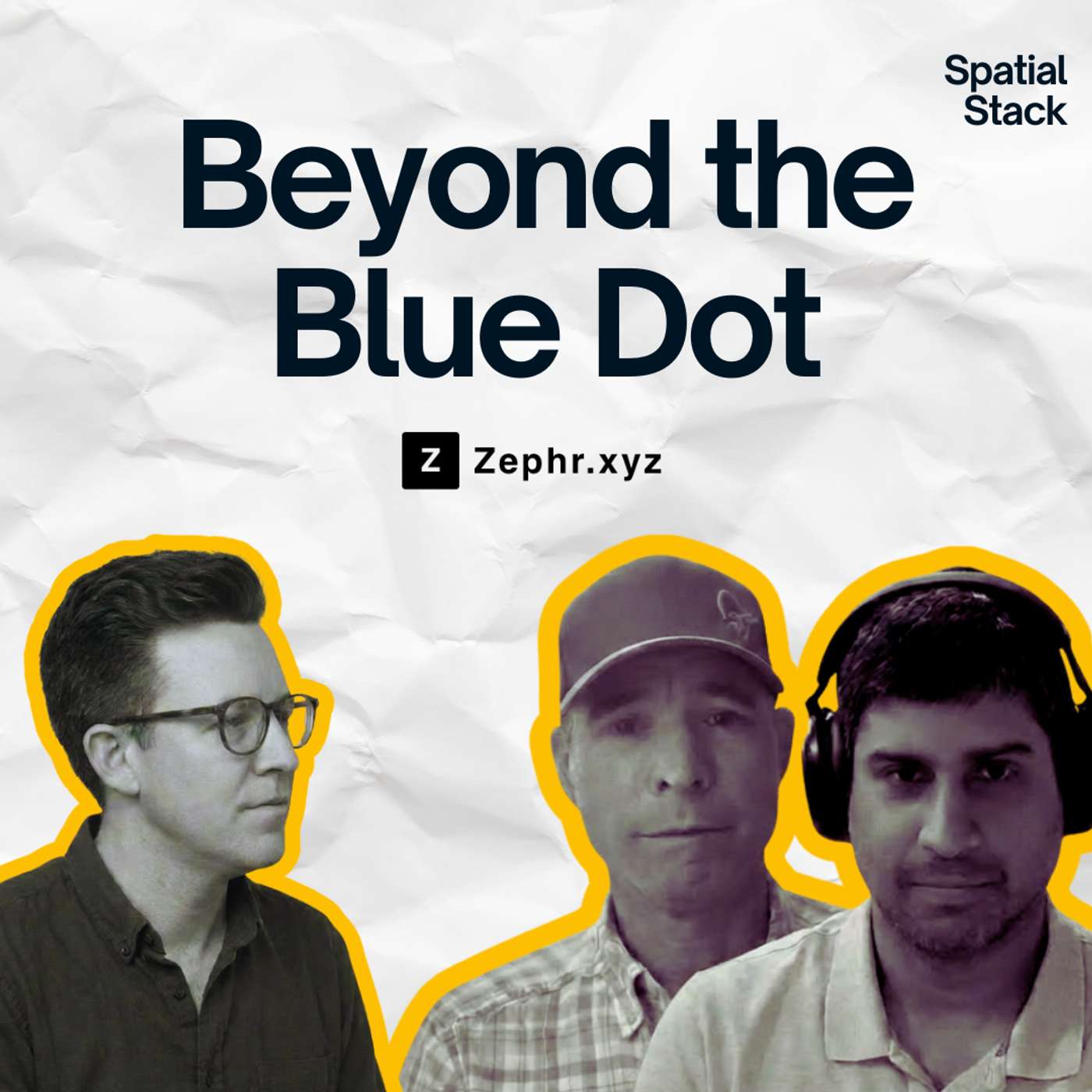
Beyond the Blue Dot: AI & LLM Navigation with Zephr's Sean Gorman and Pramukta Rao
What does it actually take for an AI to navigate you through the real world, without a screen and without a camera running the whole time?In this episode of the Spatial Stack, Matt Forrest sits down with Sean Gorman and Pramukta Rao, the co-founders of Zephr, to unpack how they ground large language models in location. Sean and Pramukta spent twenty years building startups together, from
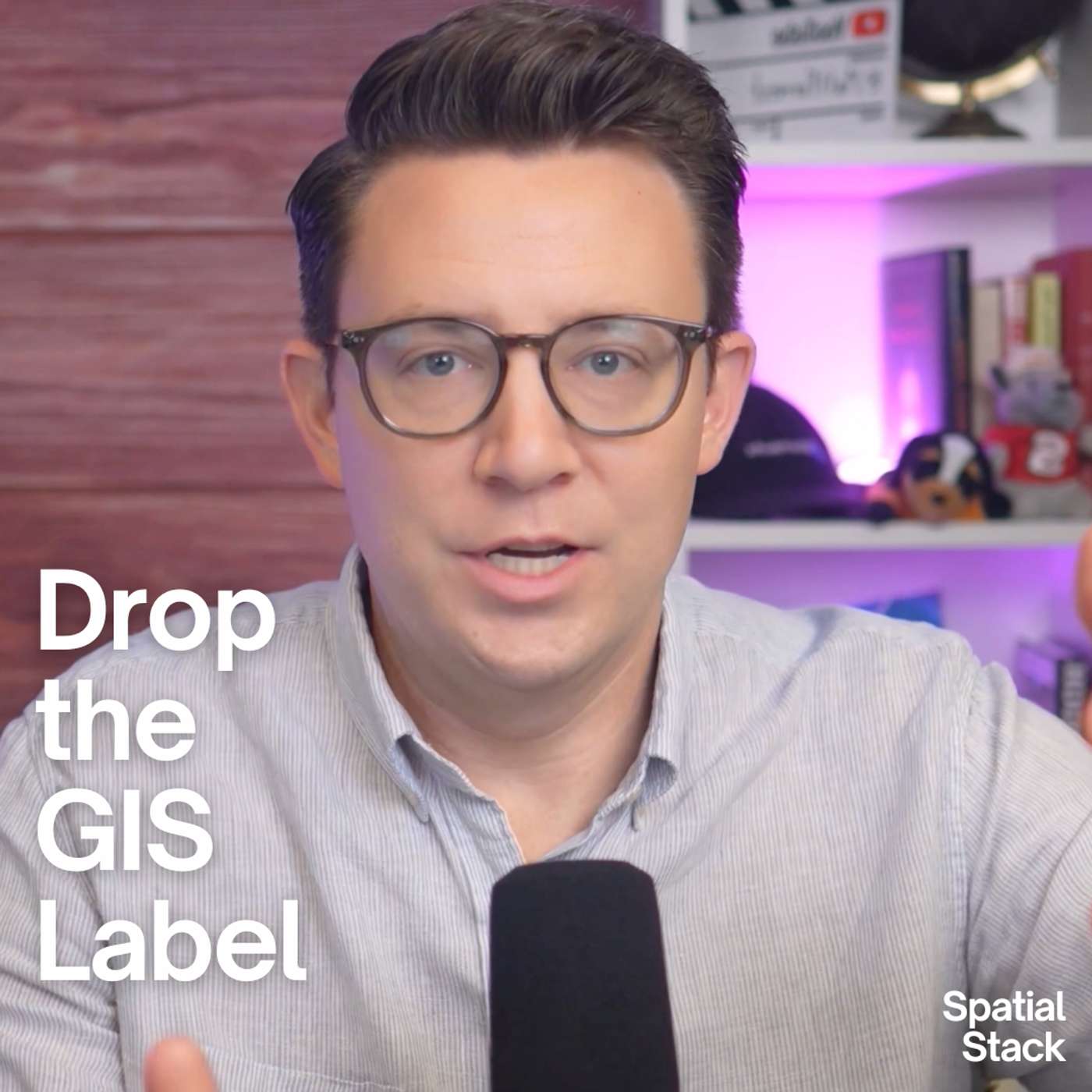
Why the GIS Title Is Shrinking but Spatial Work Is Growing
In this episode of the Spatial Stack, Matt sits down solo to work through a fight that broke out across Reddit and LinkedIn last week: is GIS dying, or is it just changing its name?It started with a GIS manager who argued the field is alive, pointing to a friend who landed a $200,000 job building autonomous systems, a role where GIS never appeared in the title or the description. The comm
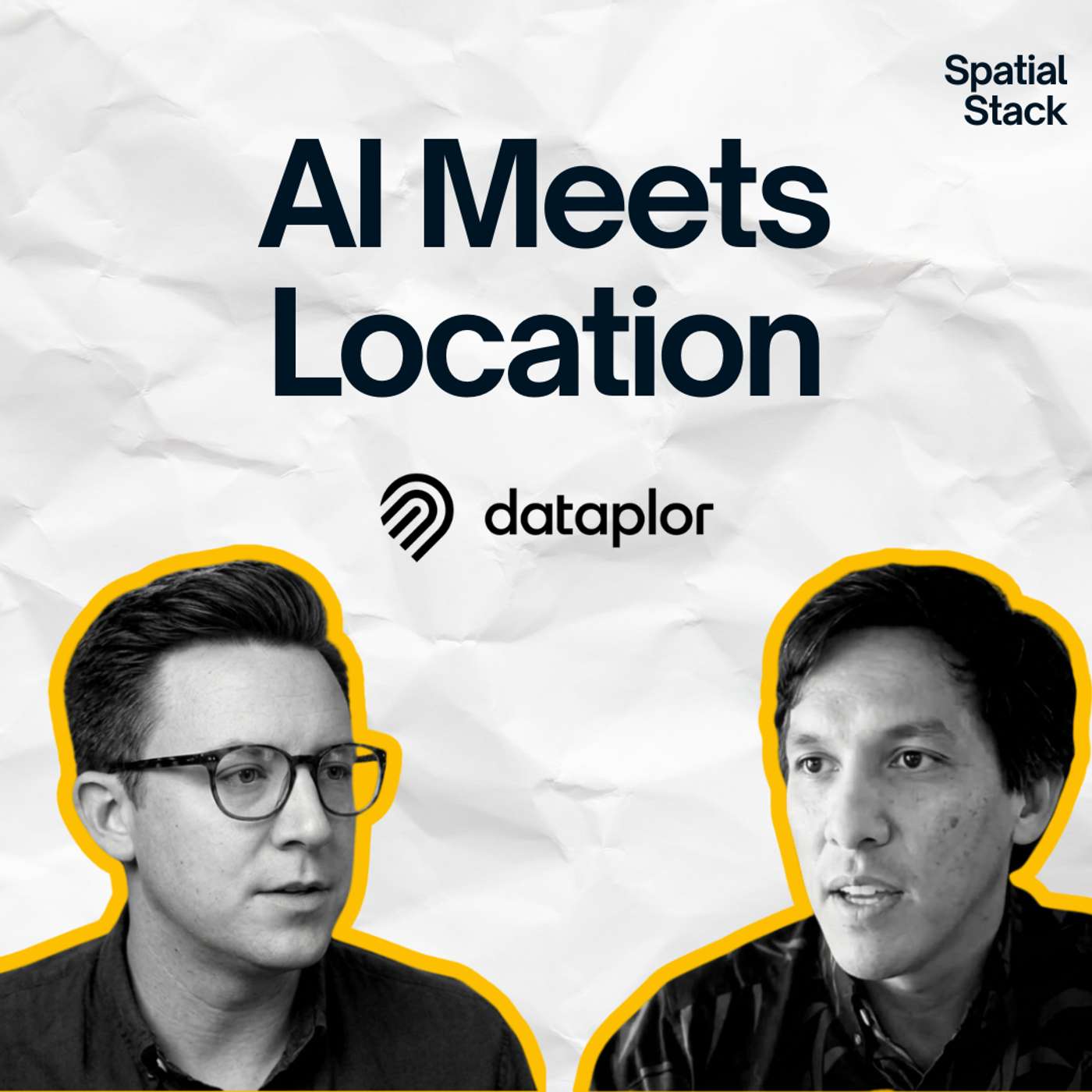
AI, Embeddings, and the Future of Location Data with Dataplor's Ryan Urabe
What does it actually take to make AI useful on location data?In this episode, Matt Forrest sits down with Ryan Urabe, co-founder and CTO of Dataplor, to unpack how AI, embeddings, and agents are changing the way we work with points of interest and places data.Ryan explains why general-purpose models already understand spatial concepts but still struggle to execute them, and why the real
Mapping Every Field on Earth: Global Field Boundaries, Open Data, and GeoAI with Taylor Geospatial
What does it actually take to map every agricultural field on Earth?In this episode, Matt sits down with Jen Marcus, Vice President of Strategic Innovation Programs at Taylor Geospatial, and Isaac Corley, Director of AI/ML Research at Taylor Geospatial and a torchgeo maintainer, the team behind Fields of The World (FTW).In late April they released the first globally consistent dataset of
Rebuilding Climate Risk: SPHERE, DuckDB, and the Modern GIS Stack with Troy Schmidt
In this episode of the Spatial Stack, Matt sits down with Troy Schmidt, a 20-year GIS developer and the creator of SPHERE, an open-source Python package that runs FEMA's HAZUS flood risk methodology on GeoParquet and DuckDB.Troy dives into why depth damage functions are simpler than the engineering language suggests, and how the gap between the HAZUS methodology and the HAZUS software pus
From Geospatial Data Scientist to Full-Time Creator with Maggie Ma
In this episode of the Spatial Stack, Matt sits down with Maggie Ma, tech content creator at @maggieindata and former geospatial data scientist.Maggie left her corporate data science role last year to become a full-time content creator across Instagram, YouTube, LinkedIn, and TikTok. She's a 3x LinkedIn Learning instructor and an AI educator helping people break into data science, learn c
Chatting with the Physical World: Google's Yael Maguire on AI, Maps, and 280 Billion Images
What happens when you give an AI the ability to see and understand the physical world? In this episode, Matt Forrest sits down with Yael Maguire, GM and VP of Google Maps Platform and Google Earth, to unpack the massive platform shift happening at the intersection of Artificial Intelligence and geospatial technology.Yael pulls back the curtain on how Google is transforming its massive cor
Beyond the CSV: Visualizing POI Data for Global Expansion Strategy with Emily Lisle from Dataplor
The future is spatial, but how do we actually make sense of the data? In this episode, we sit down with Emily Lisle from Dataplor to discuss the current state of location intelligence and how to overcome the biggest location intelligence challenges facing businesses today.We dive into the data foundation, exploring the massive complexities of scaling geospatial data, consumer data, and PO
AI Is Reshaping GIS Careers (Here's How to Stay Ahead)
A viral LinkedIn post called "Something Big Is Happening" by Matt Schumer has been making the rounds and for good reason. In this episode, I break down why the pace of AI development should have every GIS professional paying attention, what I'm seeing in the geospatial space right now (from Claude Code in ArcGIS to AI-specific job postings), and the four things you should be doing right n
Desktop GIS is Dying. Here’s What Replaced It.
If you are still trying to run your entire geospatial workflow on a local desktop, you are fighting a losing battle. The "Modern GIS Stack" looks chaotic at first glance with dozens of logos, cloud formats, and new databases. But once you strip away the noise, there are actually only a few key layers you need to master to make it all work.🚀 Don't navigate this shift alone. Join the Spatia
The Next GPS? Why GeoAI is the New Invisible Infrastructure with Pierrick Poulenas (Picterra)
Have you ever stopped to think about how GPS completely changed the world simply by becoming an invisible infrastructure running in the background of our everyday apps? According to Pierrick Poulenas, the CEO and co-founder of Picterra, the exact same pattern is playing out right now with Earth Observation and GeoAI.In this episode, we sit down with Pierrick to explore how GeoAI is bridgi
Mastering Spatial Data in R: TidyCensus, PMTiles, & AI with Kyle Walker
In this episode of the Spatial Stack, Matt sits down with Kyle Walker, Professor of Geography at TCU and the creator of popular R packages like tigris and tidycensus.Kyle dives into why he views US Census data as critical infrastructure and how open data is fundamentally transforming decision-making across industries like real estate and energy. He shares the origin story of his open-sour
#40: The "GPT Moment" for Earth: Moving from Computer Vision to Large Earth Models
We have never had more data about our planet: petabytes of satellite imagery, aerial photos, and sensor readings collected daily. Yet, turning that massive volume of "noise" into a clear signal remains the fundamental challenge of the geospatial industry.In this episode of the Spatial Stack, I sit down with the engineering and product minds from Wherobots: Ryan, Phil, and Len - to tear do
#39: Why Geospatial Needs the Lakehouse with Damian Wylie
There are trillions of dollars invested in the physical world every da: infrastructure, supply chains, and our planet.Yet many of these massive decisions are made without the data to back them up. For too long, geospatial analytics has been gated behind specialized teams and siloed technology, treated as "spatial is special" rather than just another data type.In this episode, we sit down
#38: How Apache Sedona Solved Big Data’s Hardest Problem with Jia Yu
Large Language Models can write poetry and debug code, but they still don't understand the fundamental physics of the real world. Ask an AI to find the "nearest restaurant" to a specific coordinate, and it struggles because it lacks Spatial Intelligence.In this episode, we sit down with Jia Yu, the co-creator of Apache Sedona and co-founder of Wherobots, to discuss why geospatial data bre
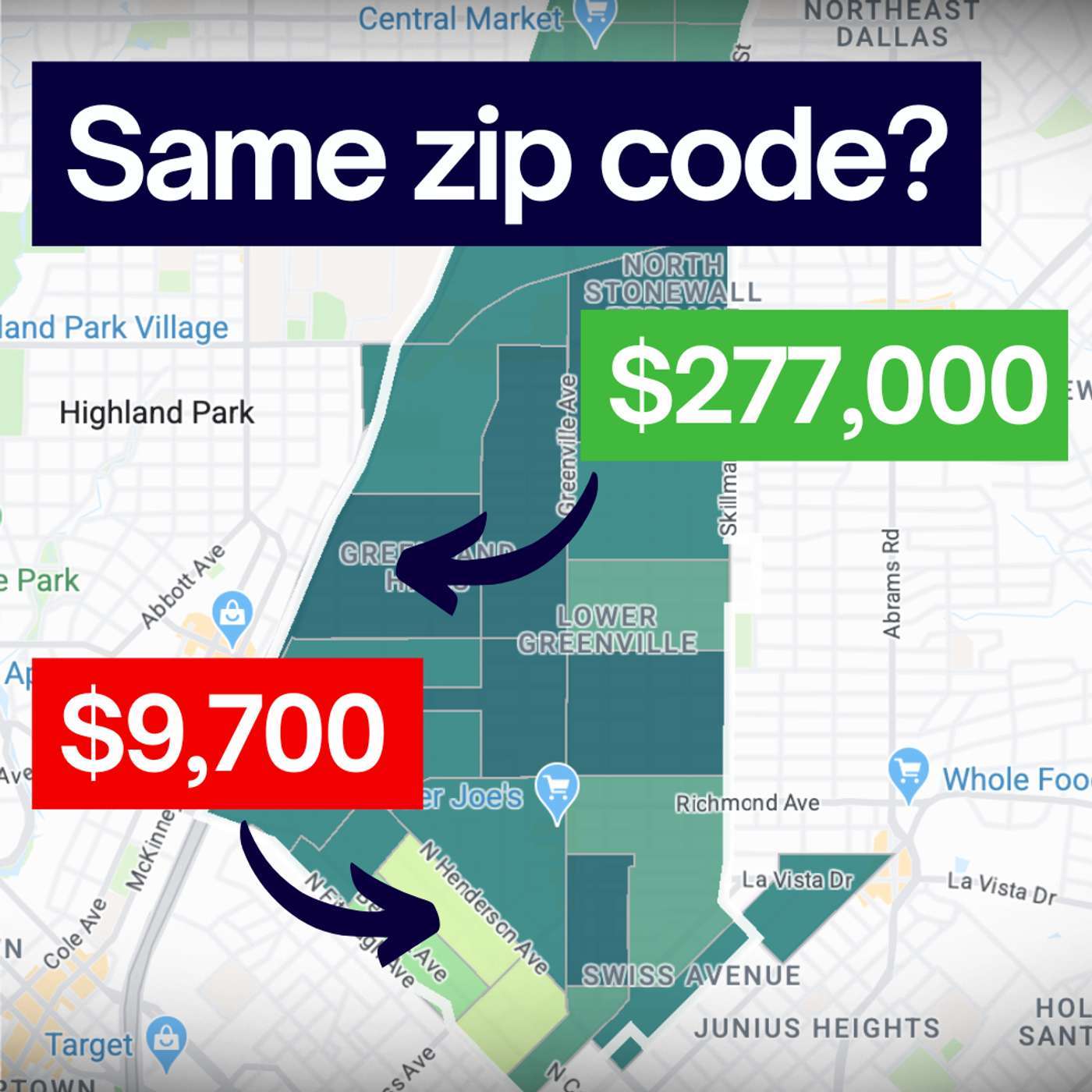
The Hidden History (and Flaws) of the Zip Code
In 1963, the US Postal Service introduced "Mr. Zip" to make mail delivery faster. They never intended for those five digits to determine your insurance premiums, your home value, or your health outcomes.In this short deep-dive, we explore how an arbitrary logistical tool became a shorthand for community and why that’s dangerous. From the misleading boundaries of Dallas, Texas, to the trag
#37: From Static Maps to Living Systems: How AI Is Changing Global Mapping with Cliff Allison from TomTom
Maps have been around for thousands of years, but what they represent and how they work is changing faster than ever.In this episode, I’m joined by Cliff Allison, who has spent more than 30 years building enterprise-scale mapping systems for governments and global organizations. Today, he leads government global sales at TomTom, helping bring modern, AI-powered mapping infrastructure to s
#36: Why Flood Risk Data Exists (But Isn’t Easy to Access) with Kevin Bullock
We have an incredible amount of public geospatial data—high-resolution elevation, weather forecasts, floodplain maps, real-time sensors—yet most people still can’t easily answer a simple question:“What’s my flood risk right here, right now?”In this episode, I’m joined by Kevin Bullock, an aerospace engineer and remote sensing expert at Development Seed, to talk about how he turned years o
#34: Everything Is Changing in Geospatial, Here’s What Actually Matters
If there’s one word to describe the past year in geospatial, it’s change.In this solo episode, I take you behind the scenes of what I’ve been seeing, hearing, and working on across geospatial, cloud, and AI over the past year, and how those shifts are shaping what actually matters heading into 2026 .I talk about:- Where AI is real vs overhyped in geospatial workflows- Why cloud-native geo
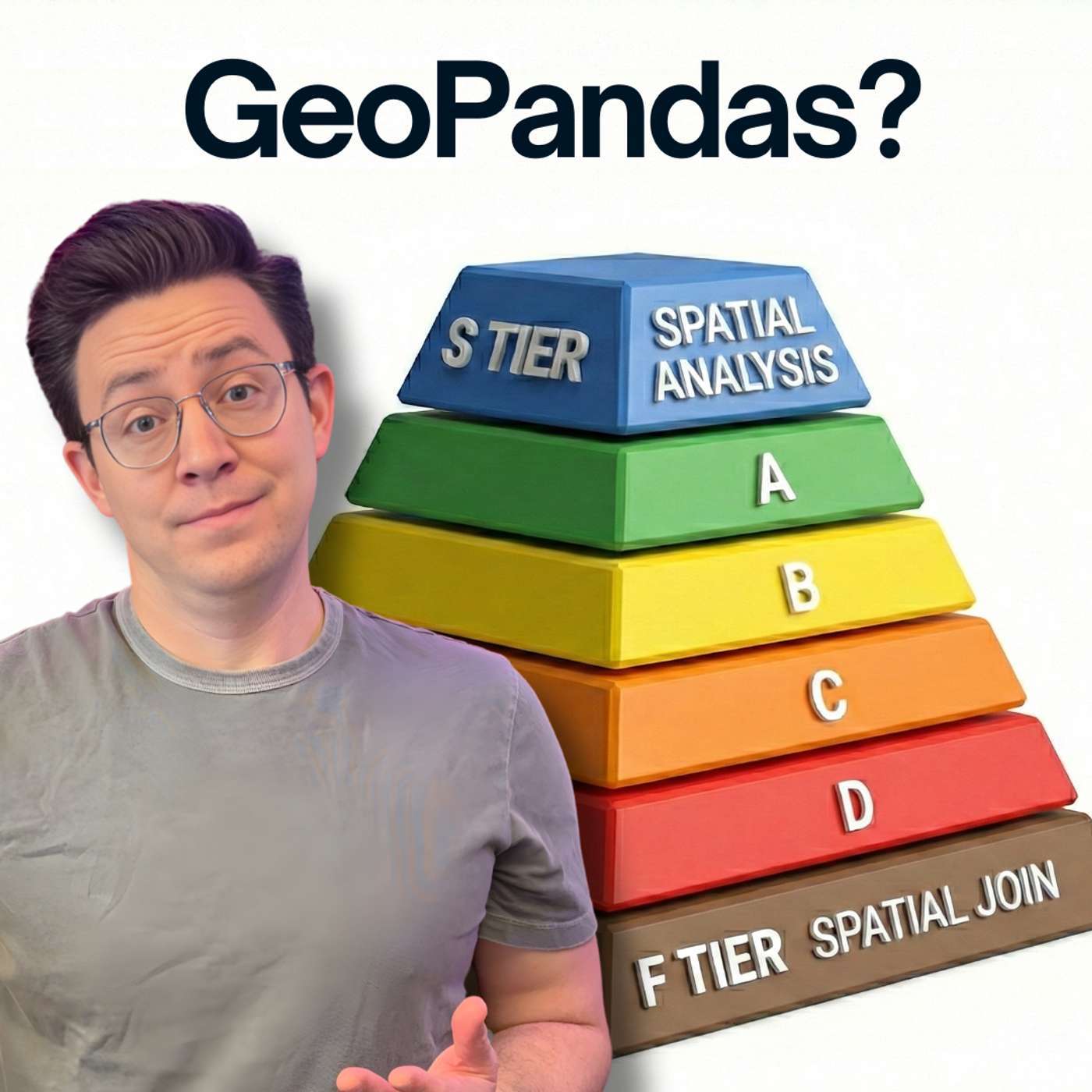
GeoPandas Is Amazing (But Not for Everything) (Bonus #33)
GeoPandas is one of the most important tools in modern GIS, but many people still aren’t sure when to use it, why it matters, or where it fits alongside tools like PostGIS, DuckDB, Apache Sedona, and cloud-native data formats.In this video, I break down GeoPandas from the ground up: what it is, how it works under the hood, its strengths and limitations, and when to choose something else.
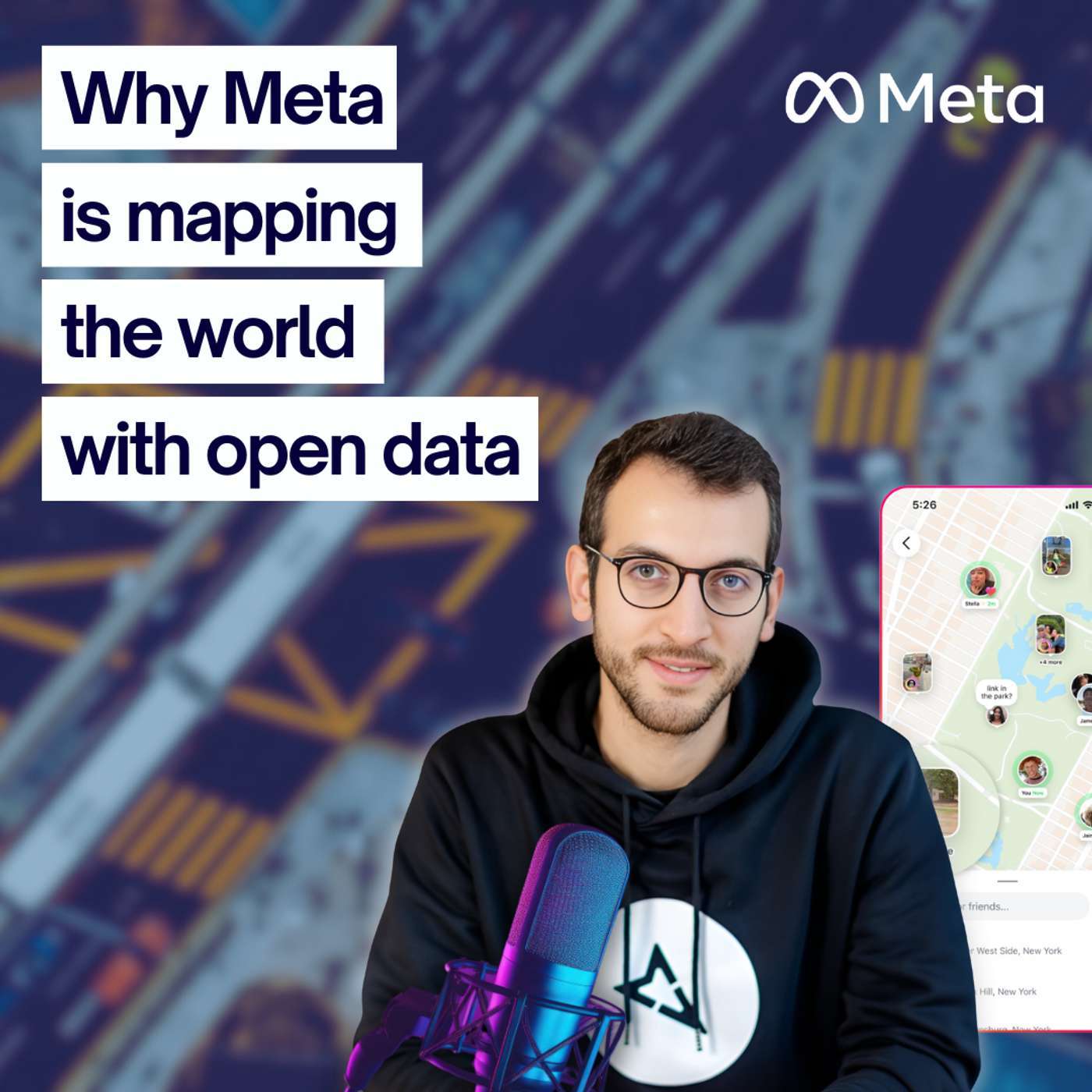
#32: Why Meta Is Betting Big on Open Maps
Meta has more than 3 billion users across Instagram, WhatsApp, and even its new AR glasses. Behind the scenes, all of them are powered by one thing: maps. But instead of relying on closed systems, Meta is betting big on open data—and building its own global map.In this episode, I talk with Said Turksever from Meta, who leads their open mapping strategy. We dive into:🌍 Why Meta cares so mu
ArcGIS Pro: Still the Best GIS?
ArcGIS Pro has been the center of GIS workflows for decades but how does it hold up in a world moving toward open, cloud-native, and AI-powered geospatial tools? In this video, I break down what ArcGIS Pro actually is, where it shines, where it struggles, and how it fits into the modern GIS ecosystem. Whether you’re doing personal GIS projects, running a small team, or architecting enterp
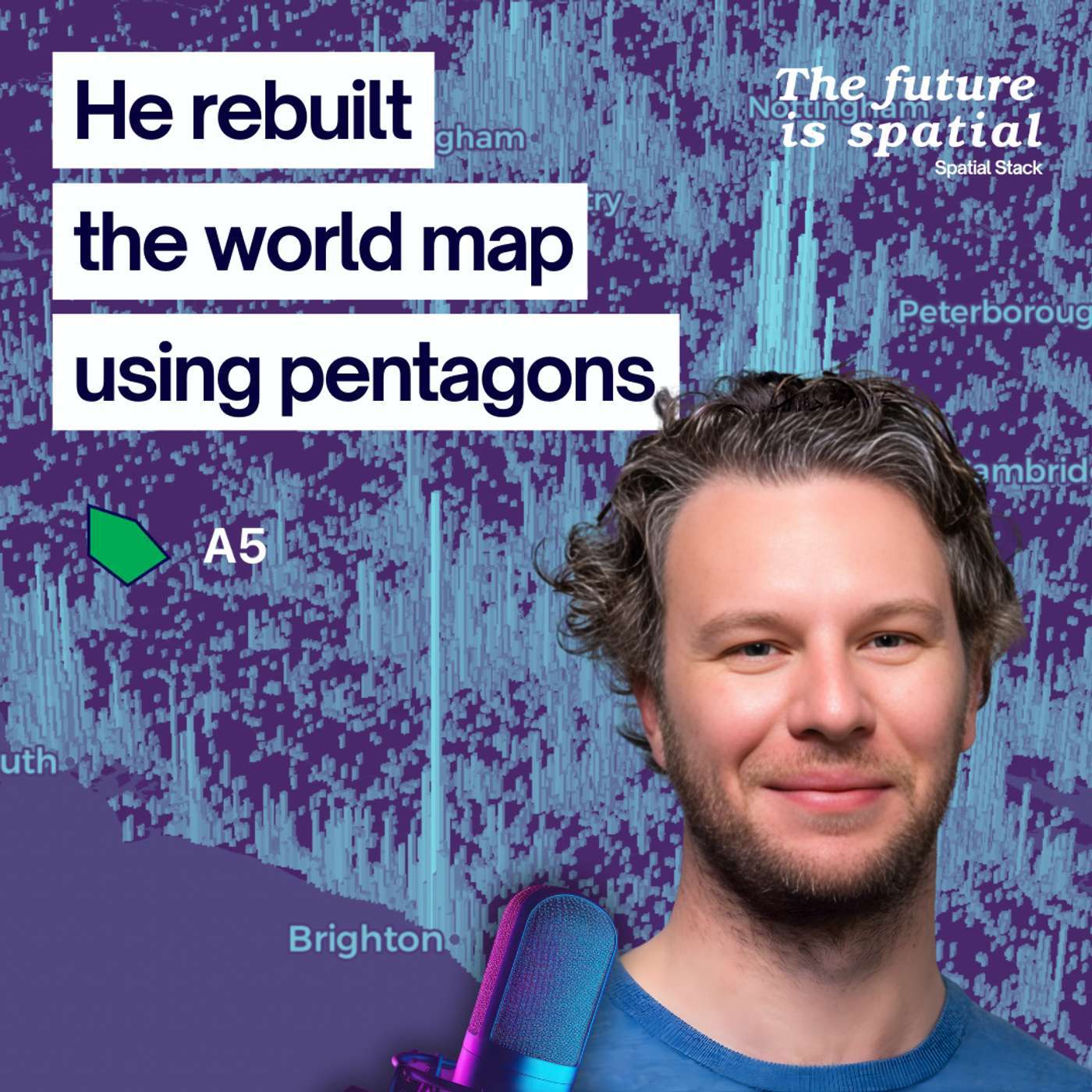
#30: A5: The Global Grid System Changing How We Map the World with Felix Palmer
In this episode, I sit down with Felix Palmer, creator of A5, a new global grid system that’s redefining how we represent and analyze the Earth.Felix shares how a 1980s math paper led him to build a pentagon-based global grid, one that fixes the distortions found in systems like H3 and S2, achieving true equal-area cells across the entire planet.We discuss the geometry behind A5, the trad
Embeddings, Foundation Models, and the Future of Earth Observation: Isaac Corley and Christopher Ren
What does it really take to teach AI to understand our planet?In this episode, Matt sits down with Isaac Corley, Senior Machine Learning Engineer at Wherobots and maintainer of TorchGeo, and Christopher Ren, Data Scientist and writer behind some of the most thought-provoking essays on Earth observation and AI.They dive deep into the state of Geospatial AI from embeddings and foundation mo
How Mapbox is Quietly Powering the AI Map Revolution with Kieran McCann
AI can answer almost anything, except “where.” That gap is huge, and Kieran McCann from Mapbox is working to close it.In this episode of The Spatial Stack, Matt sits down with Kieran, who’s spent six years helping Mapbox quietly power some of the most widely used maps and location services in the world. From his early days doing grunt map edits at Apple Maps to shaping Mapbox’s next big
Why GeoAI Changes Everything in Mapping & Analytics: Tee Barr on Geography 2050
GeoAI isn’t just another buzzword, it’s a turning point for the entire geospatial industry. In this episode of The Spatial Stack, Matt sits down with Tee Barr, Director at Verisk and Councilor for the American Geographical Society, to unpack why GeoAI could reshape the field as profoundly as GPS once did.From climate risk and supply chain resilience to defense, finance, and human security
Turning GIS into ROI, One Stock at a Time
What happens when a geospatial professional decides to map the entire business of our industry?In this episode of Spatial Stack, Matt talks with Wilfred Waters, the creator of the first-ever Geospatial Index, a hand-built list tracking hundreds of public companies shaping maps, data, satellites, sensors, and spatial software. Will shares how he spent countless late nights pulling together
The End of Expensive Space Data: NOVI’s Vision for Earth Observation
What if satellites became as smart and as accessible as your smartphone?In this episode, I sit down with Michael Bartholomeusz, CEO of NOVI to unpack how Earth observation is being transformed by edge computing in space. We explore the shift from sending terabytes of raw imagery to delivering actionable insights, and why this change could take the cost of analysis from $150,000 down to un
From Leafmap to GeoAI: Open Source, Education, and What’s Next with Dr. Qiusheng Wu
In this episode, I sit down with Dr. Qiusheng Wu, associate professor, open-source advocate, and creator of some of the most widely used tools in modern geospatial, including Leafmap and GeoAI. If you’ve ever watched his YouTube tutorials or come across his projects on GitHub, you already know the impact he’s had on the community.We dive into:His newly released Python for Geospatial book,
Why Open Data Isn’t Really Open: Navigating Licenses in Geospatial with Mina Nada
Open data is supposed to unlock innovation, but what happens when “open” isn’t really open?In this episode of The Spatial Stack, I sit down with return guest Mina Nada to explore the world of open data licenses — from Creative Commons to Open Database Licenses and beyond. We break down what these licenses actually allow you to do, where the pitfalls are, and how they impact anyone buildin
How Preset Is Reinventing BI with Open Source and Geospatial Power
What happens when a hackathon project becomes one of the most influential open-source BI tools in the world?In this episode, we sit down with Max Beauchemin — creator of Apache Superset and Apache Airflow — and Evan Rusackas from Preset, the company behind Superset’s enterprise evolution.We explore:The origin story of Superset at Airbnb — and why Max says it became his “life’s mission”How
An Honest Conversation About Imposter Syndrome in GIS
In this episode, I open up about something many of us in GIS rarely talk about — imposter syndrome. That nagging feeling of not being good enough, of questioning whether you really belong in this field, even when the evidence says otherwise.This isn’t a polished success story, it’s an honest conversation about doubt, comparison, and the pressure to measure up in GIS. I share my own experi
Building Smarter Pipelines for AI, Maps, and ML with Airflow
If you’re working with spatial data, AI workflows, or massive batch jobs, you’ve probably hacked together more than a few pipelines. But what if there’s a better way?In this episode, I sit down with Kenten Danas, Senior Manager of Developer Relations at @Astronomer to explore how Apache Airflow powers the modern data stack including real-world geospatial and climate risk modeling pipeli
Esri vs Open Source GIS: The Real Debate No One’s Having
What happens when a heated LinkedIn debate turns into a real conversation?In this episode, I sit down with Kyle Satterfield, GISP, after a spirited online exchange about geospatial tools — specifically, the classic open-source versus Esri debate.What started as a back-and-forth in the comments became a deeper conversation about the choices we make in GIS: buy versus build, custom versus o
The Fight to Free Geospatial Data...And What Comes Next?
📩 Get every update from my newsletter ➡️ https://forrest.nyc ⬅️💨 Sign up for the Spatial Lab Community ➡️ https://forrest.nyc/spatial-lab ⬅️Why is geospatial data still stuck in its own world — and what will it take to finally integrate it with the rest of the data ecosystem?In this episode, I talk with Javier de la Torre, founder of Carto and one of the original architects of modern spat
Rethinking Geospatial for a Sustainable World with Nadine Alameh
📩 Get every update from my newsletter ➡️ https://forrest.nyc ⬅️💨 Sign up for the Spatial Lab Community ➡️ https://forrest.nyc/spatial-lab ⬅️What if the way we map the Earth is reinforcing the very inequalities we aim to solve?In this episode of The Spatial Stack, I sit down with Dr. Nadine Alameh, one of the most influential voices in geospatial and AI for Earth. With a background spannin
Investing in Earth: The VC Strategy Behind the Geospatial Boom
📩 Get every update from my newsletter ➡️ https://forrest.nyc ⬅️💨 Sign up for the Spatial Lab Community ➡️ https://forrest.nyc/spatial-lab ⬅️What if the future of AI depends on understanding where, not just what? In this episode, I’m joined by Justus Killian, partner at Space Capital, one of the only VC firms focused entirely on geospatial and space-based tech. We dive into why geospatial
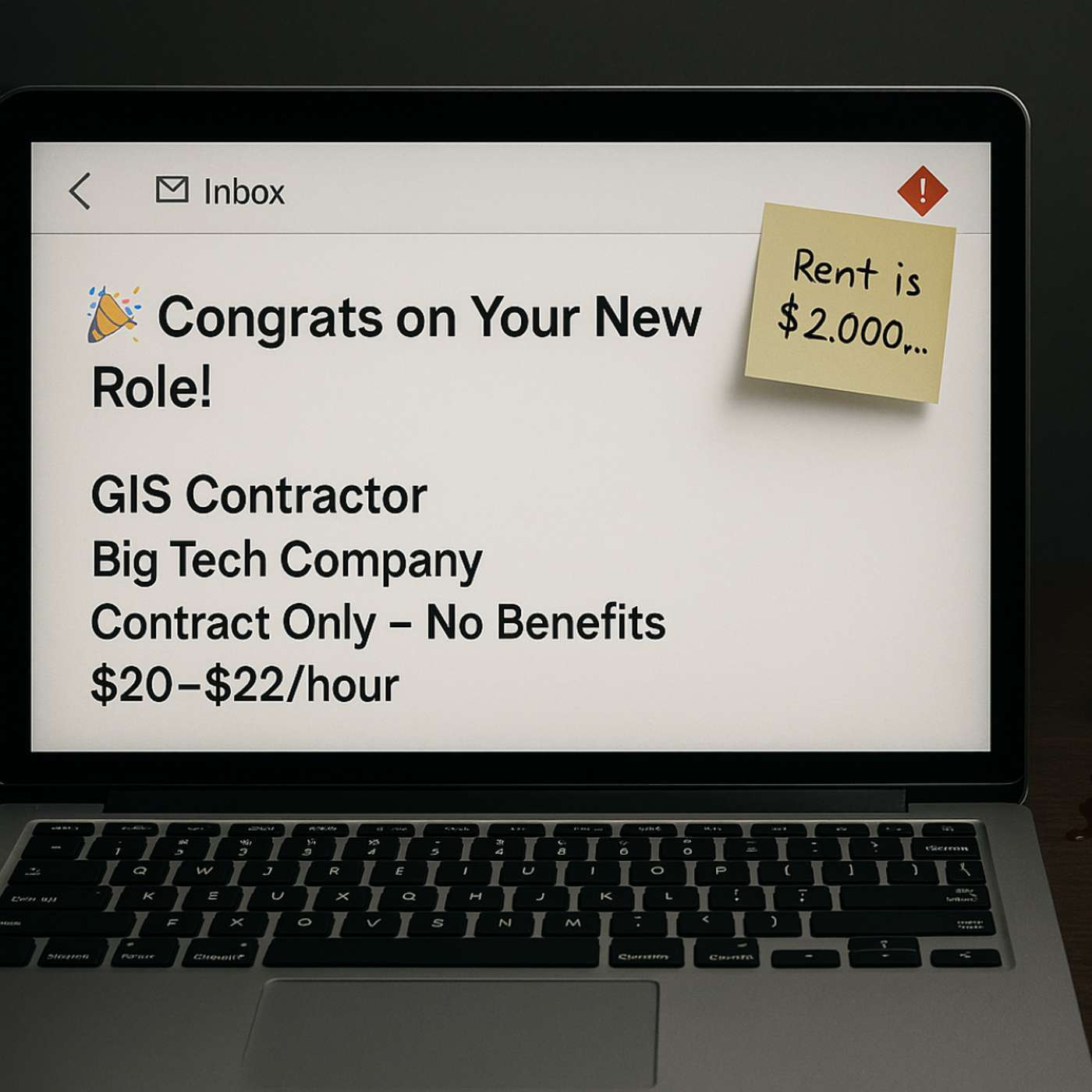
Is this the worst job in GIS?
📩 Get every update from my newsletter ➡️ https://forrest.nyc ⬅️💨 Sign up for the Modern GIS Accelerator ➡️ https://forrest.nyc/accelerator ⬅️In this episode, we dive into one of the biggest challenges holding back GIS professionals today: the technician trap. Sparked by a real-world job posting from one of the world’s richest tech companies—offering just $20–$22 an hour for a GIS contract
Why Your GIS Career Feels Stuck (And What to Do About It)
📩 Get every update from my newsletter ➡️ https://forrest.nyc ⬅️💨 Sign up for the Modern GIS Accelerator ➡️ https://forrest.nyc/accelerator ⬅️Feeling stuck in your GIS career? You're not alone. In this episode, we dive deep into the common challenges GIS professionals face and how to break free from the "technician trap." Discover actionable strategies to transition from a support role to
The Hidden Data Crisis in GIS (And How to Solve It)
📩 Get every update from my newsletter ➡️ https://forrest.nyc ⬅️What if you could stop wrangling geospatial data, and just get to the good part?In this episode, I sit down with Rob Fletcher, Chief Science Officer at Seer AI, to talk about one of the biggest blockers in geospatial today: accessing and integrating the right data, at the right time, in the right format.Rob shares his journey
How a Data Analyst Became a GIS Expert (And What You Can Learn)
In this episode, we sit down with David Price, GIS Project Manager for Wood County, Ohio, to explore the evolving landscape of modern GIS. David’s journey into geospatial wasn’t a traditional one—he started in data analytics before discovering GIS, a shift that completely changed his career trajectory.We dive into:🔹 Why GIS education is falling behind and how universities are missing the
Is There Any Hope for the GIS Career Path?
Is there a future in GIS? How can you break past the salary ceilings and position yourself for long-term success? In this episode, we dive into the realities of GIS careers, salaries, and strategies to help you grow.🔹 Why GIS salaries often lag behind similar data roles 🔹 The Technician Trap—how GIS is often seen as a support role rather than a strategic function 🔹 Skills that matter—Pyth
Why We’re Still Bad at Predicting Wildfires
📩 Get every update from my newsletter ➡️ https://forrest.nyc ⬅️Wildfires are getting more intense, yet many people in Los Angeles had no idea the fire was near them—until they saw the smoke. Despite all our advancements in geospatial technology, disaster response still struggles with timely alerts, real-time data access, and predictive modeling.In this episode, I sit down with Mina Nada,
Why GIS Needs the Cloud (And What’s Next)
For years, geospatial professionals have been forced to download massive datasets—only to discard most of the data. It’s an outdated, inefficient process that slows down analysis and limits scalability. But a major shift is happening. Cloud-native geospatial is transforming how we store, access, and process spatial data, making it faster, more efficient, and accessible to everyone.In this
The Hidden Flaw in Location Data (And How to Solve It)
📩 Get every update from my newsletter ➡️https://forrest.nyc ⬅️🔑 Sign up for Placekey here:https://placekey.ioMerging and cleaning location data is one of the biggest headaches in GIS, real estate, and business intelligence. Duplicate addresses, inconsistent formats, and messy datasets can derail even the most sophisticated analysis. But what if there was a universal identifier that made a
Let's shake up geospatial
Matt returns to discuss the future of Spatial Stack—what it is, where it’s headed, and how it will evolve into a go-to platform for exploring the intersection of geospatial technology and real-world impact. From its origins as a live-stream experiment to a full-fledged video-first podcast, this episode lays out the vision for breaking the geospatial echo chamber, identifying new opportuni
The spatial intelligence cloud with Will Lyon and Ryan Avery from Wherobots
Apache Sedona has been a core element of the geospatial analytics space for several years now, and in this live stream we will explore how Wherobots is taking this to the next level with different advancements in visualization, powerful geospatial data engineering, and AI.
Modernizing spatial data standards for everyone with Chris Holmes
Standardizing spatial data for specific verticals or use cases has been tried many times throughout the history of geospatial. But now we're at a point where things might actually be taking a turn and having a standard format for different use cases be it agriculture, socio-demographics, or any other number of problems might be within sight. We'll talk with Chris Holmes to hear his opinio
How AI will crack open geospatial data access with Hantz Févry
How do you get access to just the data you need? And what if that data isn't in large datasets or traditional mapping services? And can AI make this data accessible to those without a background in geospatial? Get answers to these questions and more in this live stream with Hantz Févry, CEO of Stoovo!
Big geospatial visualization with lonboard and Kyle Barron
In this conversation with Kyle Barron from Development Seed, we will learn lonboard, a new Python package that solves the problem of visualizing massive geospatial datasets in Python. Learn about the motivations behind the project, some of the tech under the hood, and of course a demo!
Sign up for TLDR for free here!
Build, scale, and ship geospatial workflows of any size with Fused
Join Isaac Brodsky, CTO and Co-Founder at Fused where we will dive deep into scaling geospatial workflows and shipping them using their new product Fused.
https://www.fused.io/
Recommended

SLOW ENGLISH PODCAST (A1-A2) With Subtitles | Daily Videos | English With Us Podcast

Learn English A2 with Daily News | Simple English Listening Practice

پلی لیست | PlayList

Conspiracy Files with Paige Carter

Bad Friends

Learn 50 English Phrases While You Sleep | Everyday English Phrases & Vocabulary

This Past Weekend w/ Theo Von
Dateline NBC

Back to the 80s Radio

Crime Stories with Nancy Grace

Bible Tea

این نقطه
