Business for Good Podcast
Join host Paul Shapiro as he talks with some of the leading start-up entrepreneurs and titans of industry alike using their businesses to help solve the world's most pressing problems. Whether it's climate change, unsustainable agricultural practices, cyber threats, coral reef die-offs, nuclear waste storage, plastic pollution, or more, many of the world's greatest challenges are also exciting business opportunities. On this show, we feature business leaders who are marrying profit and purpose by inventing solutions to both build a better world and offer investors a bang for their bucks.
Episodes

Peter Singer on Profit for Good: Can Business Make More Money by Giving It Away?
What if giving away your profits actually made your business stronger? In this milestone 200th episode of Business For Good, host Paul Shapiro sits down with Peter Singer, widely regarded as the world's most influential living philosopher, to explore why companies should commit at least 10% of their profits to effective charitable causes and how doing so might attract customers, motivate employee

Forty Years of Farm Sanctuary: Gene Baur on What's Worked and What Hasn't
In 1986, Gene Baur co-founded Farm Sanctuary with a simple theory: show people how factory farming works, and they will stop eating animals. Forty years later, per capita meat consumption in America has risen from 196 pounds to 232 pounds per person, and the number of farmed animals entering U.S. slaughterhouses has doubled from roughly 5 billion to 10 billion. In this episode of Business For

Inside the Alt Protein Job Market with Noga Golan
Is alternative protein really a failing industry, or are investors just applying the wrong timeline? Noga Golan, Founder of Food Impact Partners and Food Impact Careers, has an unusually clear view of that question. Her executive recruiting firm and free job board sit at the intersection of candidate demand and company hiring across the global food innovation landscape. In this episode with

How Two Grad Students Teamed Up With Sam Altman to Build an $8 Billion Nuclear Energy Company
How does a nuclear energy startup with roughly a million dollars in revenue become an $8 billion publicly traded company sitting on $3 billion in cash? In this episode of Business For Good, Paul Shapiro sits down with Caroline DeWitte, Co-founder and COO of Oklo, to find out what investors are betting on and why the company believes it can deliver. Oklo is building compact nuclear powerhouses

The Geothermal Startup That Made It Big
What if the same drilling technology that powered the shale boom could be redirected to produce clean, carbon-free electricity around the clock? In this episode of Business For Good, Paul Shapiro sits down with Tim Latimer, CEO and chairman of Fervo Energy, to explore how a former oil and gas drilling engineer built one of the most celebrated clean energy companies in the country in under a decad

The Geothermal Startup That Made It Big
What if the same drilling technology that powered the shale boom could be redirected to produce clean, carbon-free electricity around the clock? In this episode of Business For Good, Paul Shapiro sits down with Tim Latimer, CEO and chairman of Fervo Energy, to explore how a former oil and gas drilling engineer built one of the most celebrated clean energy companies in the country in under a decad

Did America Forget How to Build Nuclear Energy?
Nuclear energy was supposed to transform the world. Then came Chernobyl, Three Mile Island, and Fukushima, and public trust collapsed. But for 25 years, engineers across a dozen countries have been quietly designing a new generation of reactors built to fail safely without relying on human intervention or mechanical backup systems. And the target date they set back in 2000 is almost here. In t

The Lean Startup's Eric Ries on How Good Companies Go Bad
Most founders assume that building a great product and serving customers well will be enough to protect what they have built. Eric Ries, author of The Lean Startup and the new book Incorruptible, argues that the assumption is dangerously wrong. In this episode of Business For Good, Paul Shapiro sits down with Eric Ries to explore why successful organizations are systematically pulled toward co

How a Biologist Built a Startup to Stop Billions of Bird Deaths with Dominique Waddoup
Every year, roughly a billion birds die from flying into glass windows and buildings. The problem is massive, well-documented, and largely invisible to the public. In this episode of Business For Good, Paul Shapiro talks with Dominique Waddoup, CEO and Founder of BirdShades, about how she went from studying giant honeybee behavior in Nepal to building a company that makes glass visible to bird

Turning Waste Biomass Into Carbon-Negative Buildings with Allison Dring
Right now, roughly 40% of global emissions come from the built environment. Most of those emissions are hidden deep within the materials themselves, in the concrete, steel, and plastics that are mined or extracted from underground at enormous energy costs. What if that model could be reversed entirely? In this episode of Business For Good, Paul Shapiro sits down with Allison Dring, CEO of Made

Rebuilding the Ocean Floor with Clay Castles with Dr. Ulrike Pfreundt
Coral reefs cover less than one percent of the ocean floor but support roughly a quarter of all marine life. They are dying fast, and in many places, the physical structure of the reef itself has already crumbled away. Without that foundation, coral larvae have nowhere to land, and marine ecosystems cannot recover on their own. In this episode of Business For Good, Paul Shapiro talks with Dr.

Hannah Ritchie Has Some Uncomfortable Truths About Helping the Planet
What if the things you believe are best for the environment are actually making it worse? In this episode of Business For Good, Paul Shapiro sits down with Hannah Ritchie, data scientist at Our World in Data and author of Not the End of the World and Clearing the Air, to challenge some of the most widely held assumptions in sustainability. Hannah explains why locally produced food rarely has a

Why Jim Mellon Is Still All In on Alternative Protein After Five Years
Episode Summary: Five years ago, billionaire investor Jim Mellon came on Business For Good and laid out his thesis that cultivated meat and precision fermentation would transform the food system. Since then, venture capital has fled the space, plant-based stocks have cratered, and many startups have gone under. So why is Jim putting even more money in? In this episode, Paul Shapiro reconnects

Investing in Biodiversity with Venture Capitalist Tom Quigley
Episode Summary: What if the next great venture opportunity isn't in AI or fintech but in protecting nature itself? In this episode of Business For Good, Paul Shapiro sits down with Tom Quigley, Co-founder of Superorganism, one of the first venture funds built entirely around biodiversity protection. With a freshly closed $26 million fund, Tom explains why over half of global GDP depends o

Using Wildlife Intelligence to Prevent Animal Collisions with Sára Nožková
Episode Summary: What if AI could help prevent bird strikes, train collisions, and livestock attacks by communicating with wild animals in ways they already understand? In this episode of Business For Good, Paul Shapiro speaks with Sára Nožková, CEO and Co-founder of Flox Intelligence, about building AI systems designed to detect wildlife and guide animals away from danger. Sára explain
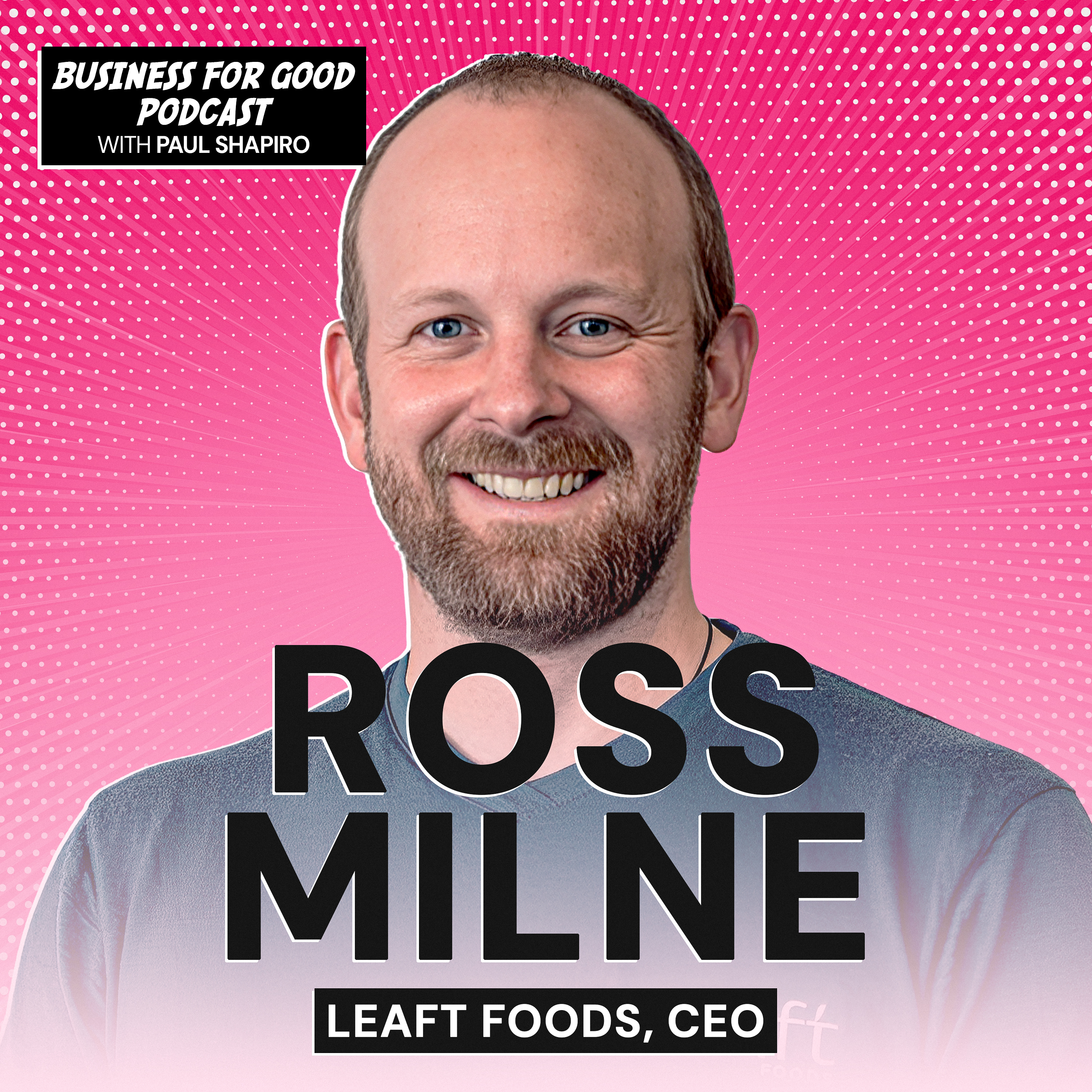
Turning Green Leaves Into High-Performing Protein with Ross Milne
Episode Summary: What if the most abundant protein on Earth has been hiding in plain sight inside green leaves? In this episode of Business For Good, Paul Shapiro sits down with Ross Milne, CEO of Leaft Foods, to explore how a new approach to food production could unlock massive amounts of high-quality protein directly from plants. Instead of feeding crops to animals or waiting for pla

Vasectomies, Family Planning, and Environmental Pressure with Dr. Douglas Stein (The Vasectomist)
Episode Summary: What if one of the highest-leverage climate and poverty interventions isn't a new technology, a policy mandate, or a venture-backed breakthrough, but simply making permanent contraception easier for men to choose? In this episode of Businesses For Good, host Paul Shapiro sits down with Dr. Douglas Stein, a Florida physician known as "The Vasectomist," who has performe
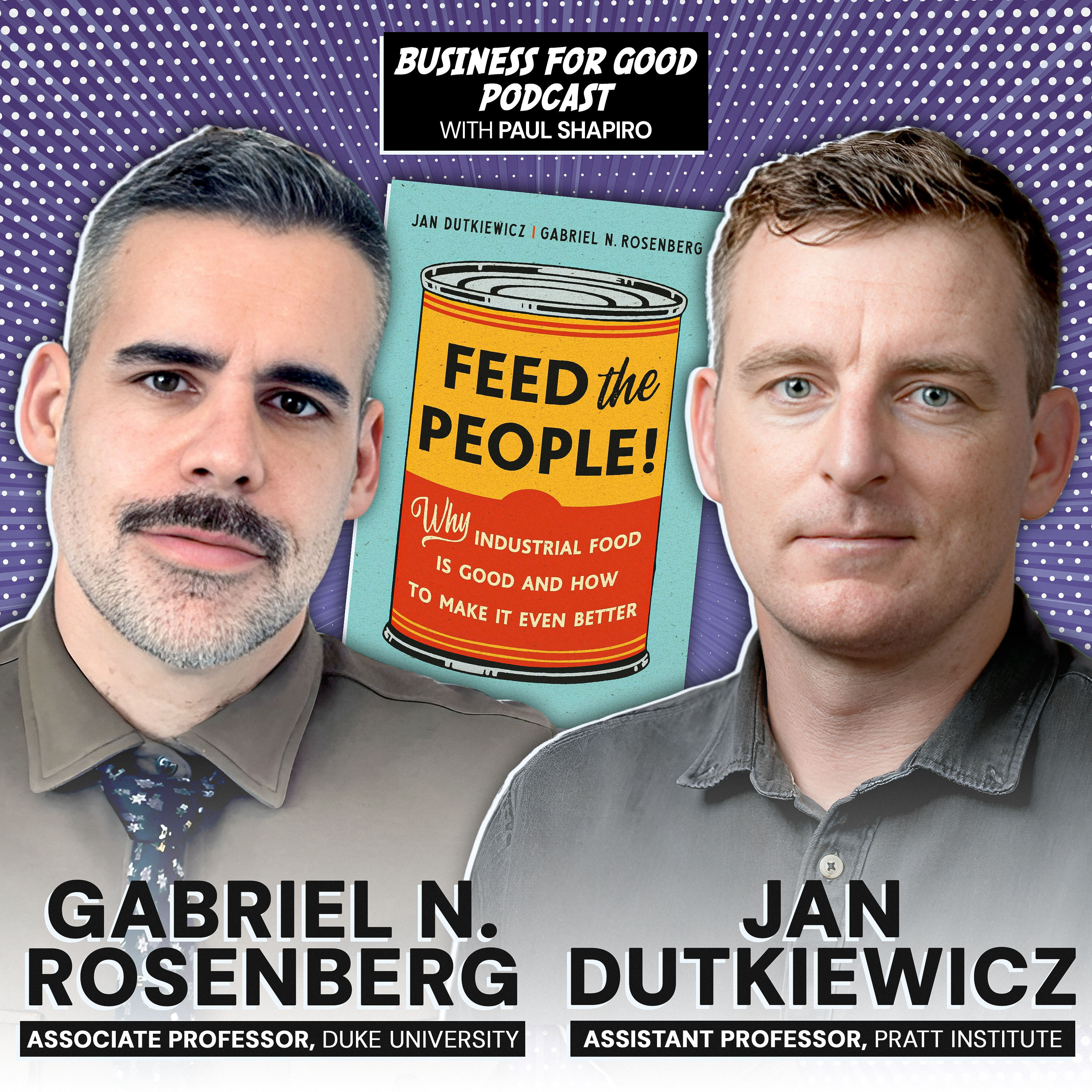
Feed the People Authors on Abundance, Food Policy, and Meat Demand
Episode Summary What if the global food system isn't "broken" in the way sustainability debates usually claim, and treating it that way leads to worse decisions? Paul Shapiro sits down with Jan Dutkiewicz and Gabriel Rosenberg, authors of Feed the People, to unpack how industrial scale and trade created unprecedented food abundance, why "eat local" and small-farm nostalgia collapses a
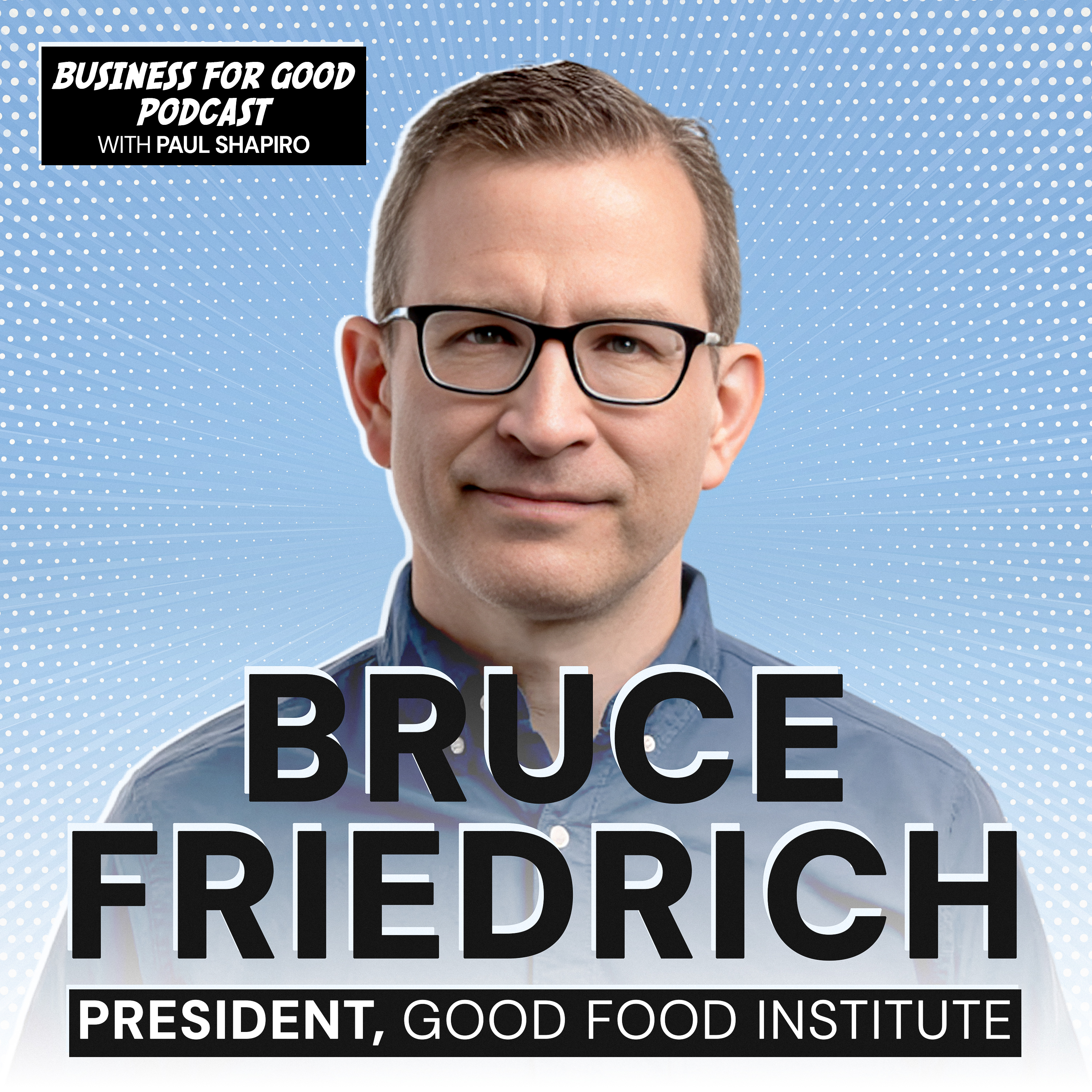
Bruce Friedrich (Good Food Institute) on Taste, Price, and What It Takes to Scale Alternative Meat
Alternative meat looks like it is collapsing. Startups are shutting down, funding is drying up, and headlines are calling the category finished, but that reaction may reflect a misunderstanding of how technological revolutions actually unfold. Bruce Friedrich, President of the Good Food Institute and author of Meat: How the Next Agricultural Revolution Will Transform Humanity's Favorite Food and

Modern Mill's Chris Guimond on Upcycling Rice Hulls Into Low Maintenance Building Materials
Episode Summary A rice field does not look like the starting point for a scalable building materials company until you understand the economics behind it. In this episode of Business For Good, Paul Shapiro sits down with Chris Guimond, Founder and CEO of Modern Mill, to explore how discarded rice hulls are being transformed into ACRE, a wood like siding, decking, and trim product designed t
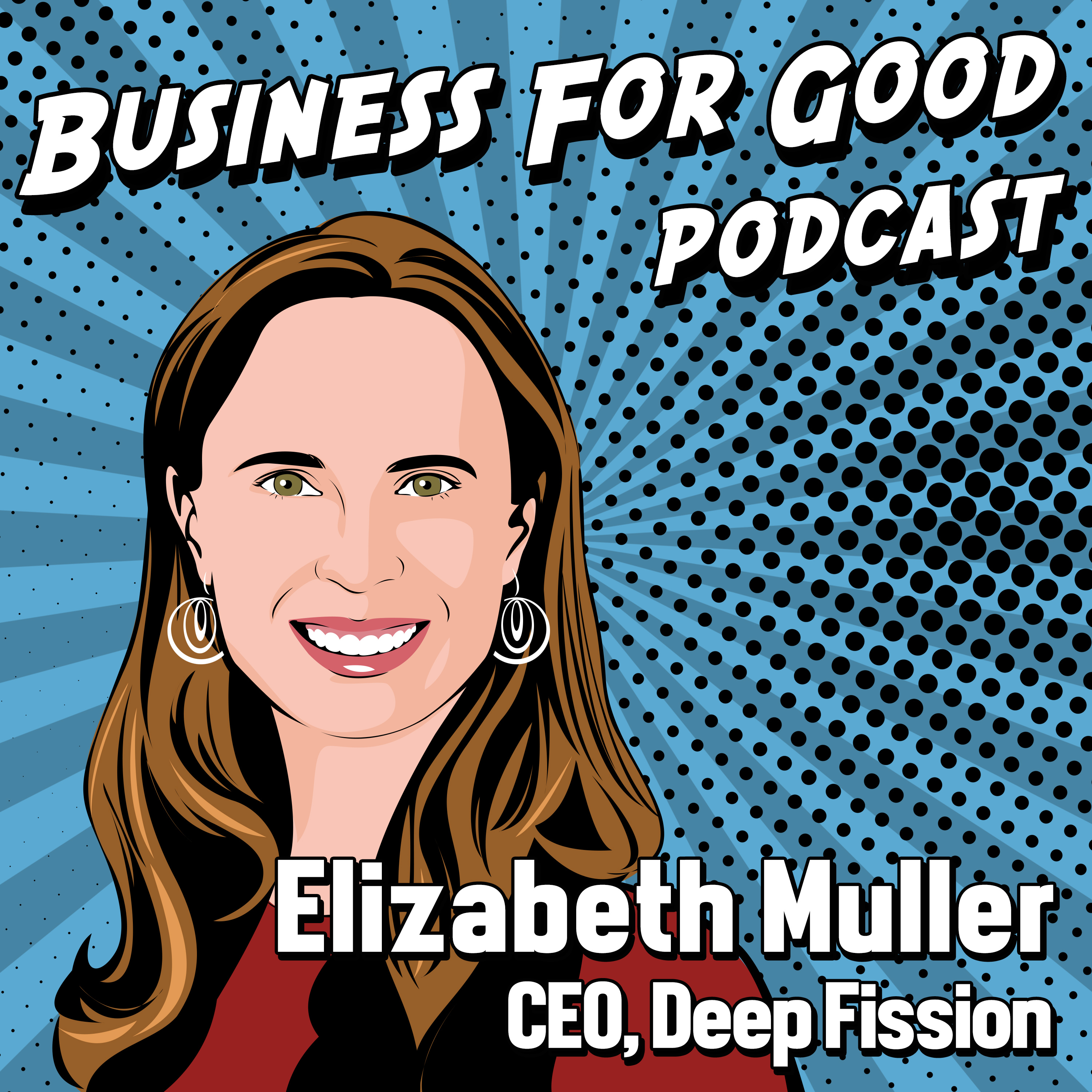
Deep Fission: Using Boreholes to Cut Nuclear Costs and Deliver 24/7 Clean Electricity
What if the fastest path to reliable clean electricity is not a new reactor design, but a new place to put one? In this conversation, Paul Shapiro speaks with Elizabeth Muller, CEO of Deep Fission, about a plan to place a conventional pressurized water reactor roughly a mile underground to use geology, gravity, and groundwater for containment, pressure, and emergency cooling, potentially cutti

The Incredible, Edible… Pea? How Meala is Using Biotech to Render Eggs Obsolete
If you've ever checked the ingredients on a baked good, you know how ubiquitous eggs are. They bind, they lift, they emulsify, they hold moisture — they're simply the structural engineers of cookies, cakes, and muffins everywhere. But they're also volatile: prices spike, supply chains break, and for anyone with an egg allergy or who's avoiding eggs for animal welfare or environmental reasons, egg
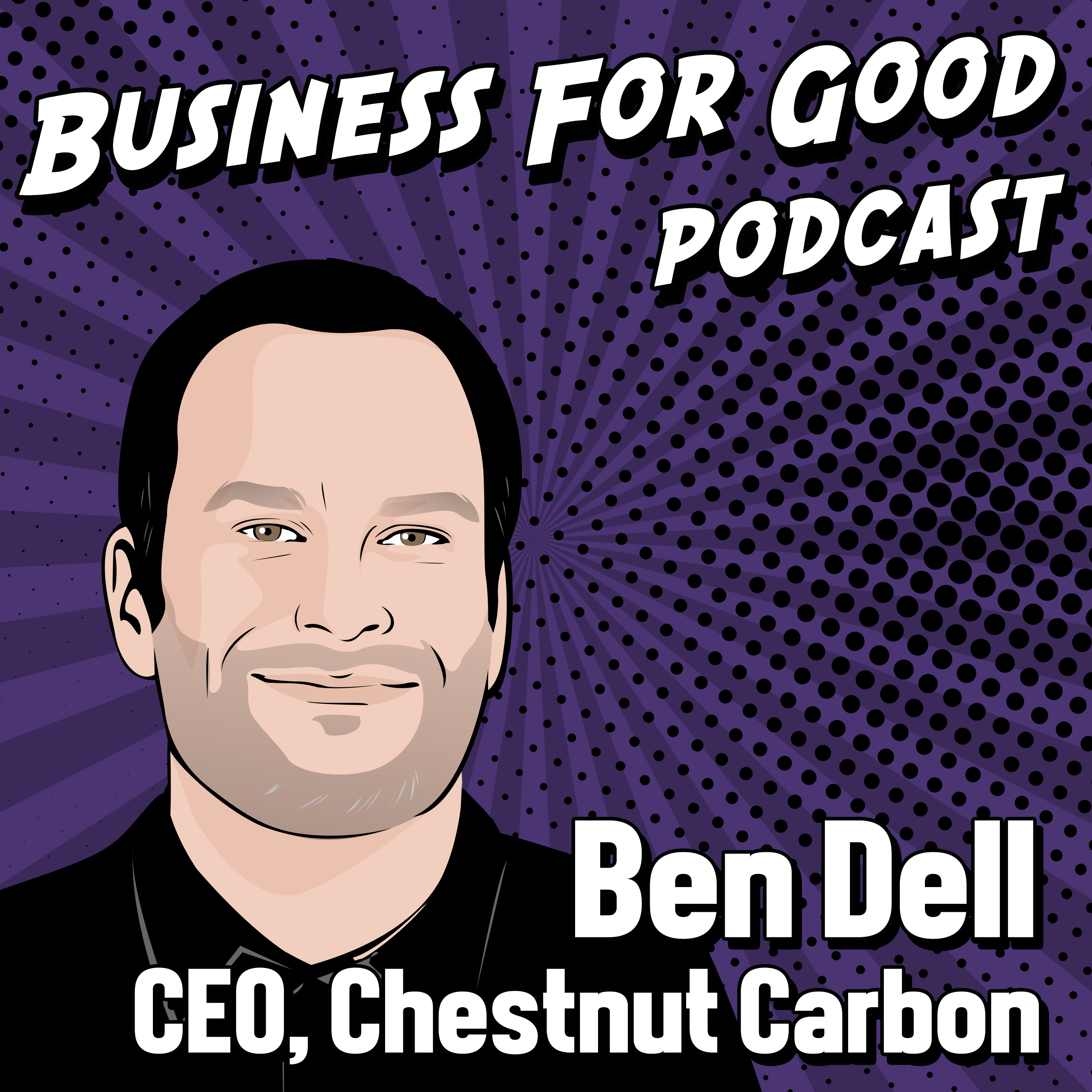
From Oil Wells to Oak Trees: Ben Dell's Half-Billion-Dollar Pivot to Carbon Offsetting
What if planting trees could be not just good for the planet, but also a profitable business? In this episode, I'm talking with Ben Dell, the founder and CEO of Chestnut Carbon — a company that's raised nearly $400 million, including $250 million of that in 2025, to turn farmland back into thriving native forests across the United States. And he's already forging major carbon removal deals with th
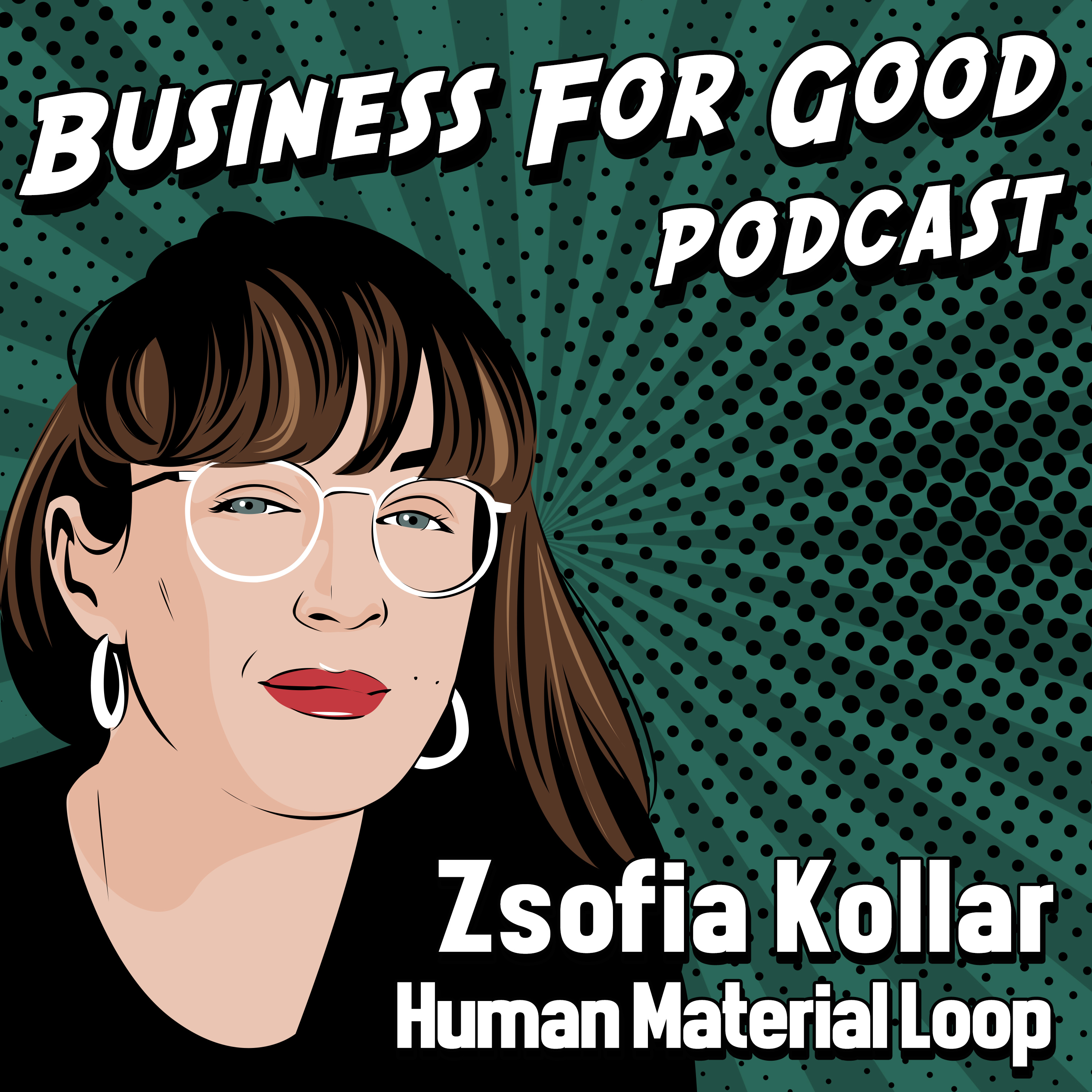
Ready for a Carpet Made of Human Hair? This Entrepreneur Turns Salon Waste into Textiles
What if one solution to fashion's waste problem is literally growing on our own heads? Every day, salons around the world toss out millions of pounds of freshly cut human hair — a clean, protein-rich, renewable resource that mostly ends up in landfills or incinerators. But what if that so-called waste could become the next sustainable textile? My guest on this episode, Zsofia Kollar, is the founde
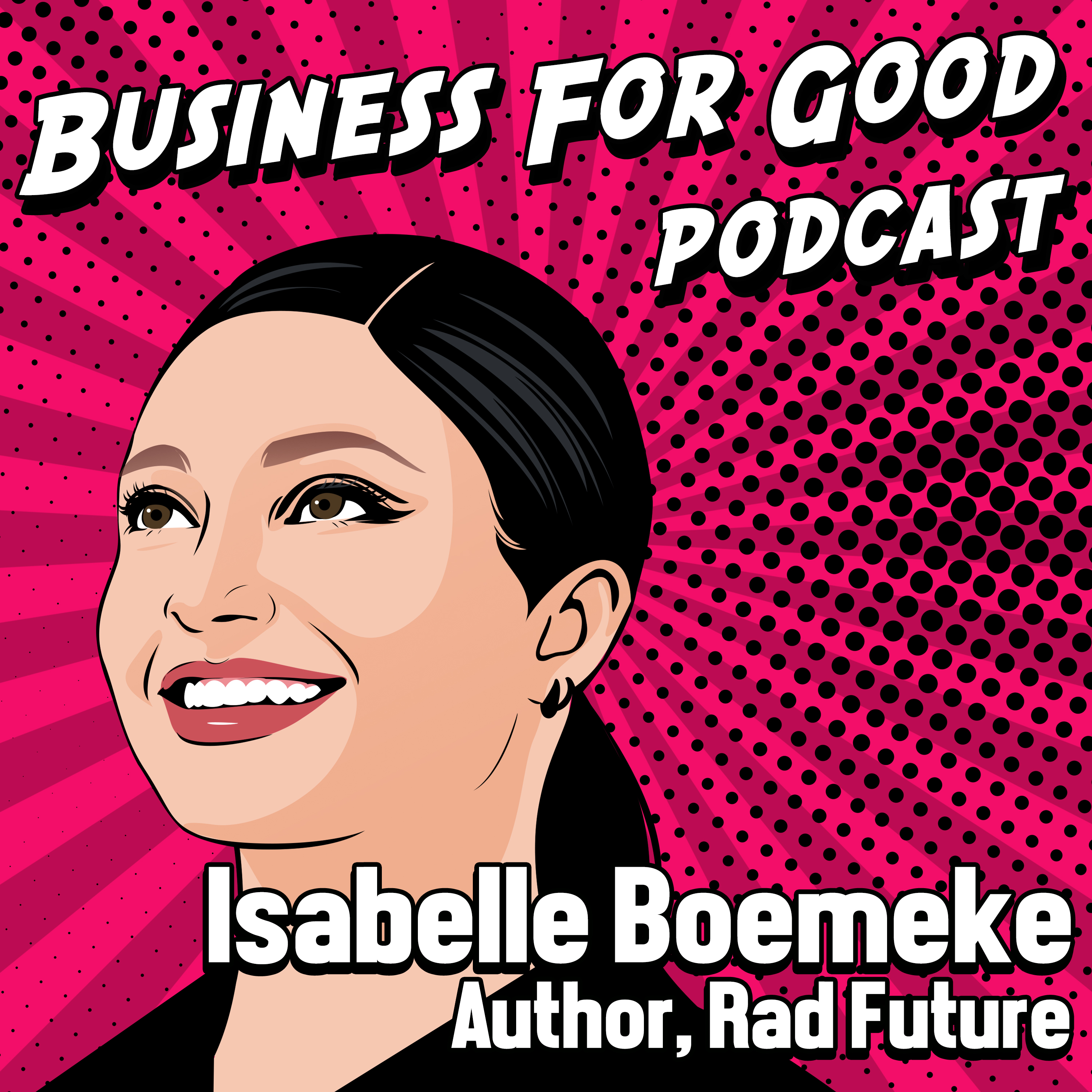
From Fashion Model to Fission Mission: Isabelle Boemeke's Nuclear-Powered Future
When you hear the word nuclear, does your mind flash to mushroom clouds, Chernobyl, or maybe the glowing three-eyed fish from The Simpsons? Well, what if nuclear electricity — far from being an environmental villain — is actually one of the safest, cleanest, and most land-efficient energy sources we have? It turns out that former fashion model Isabelle Boemeke is on a mission to change how we thin

Fungi-Filled Diapers: How Plastic-Eating Fungi May Change Child-Rearing
If you've ever changed a diaper, you might've wondered what happens to it after it goes in the trash. The answer, unfortunately, is that it'll sit in a landfill for hundreds of years—certainly longer than the baby who briefly wore it will live. In fact, every diaper you wore when you were a baby is still sitting around, at best in a landfill, or perhaps even in the ocean. And did you know the aver
Raising Capital for Alt-Protein in the Midst of the Winter
Recently Alex Shandrovsky had me as a guest on his show, the Investment Climate Podcast to talk about The Better Meat Co.'s recent funding round. When it came out, more than one Business for Good listener heard it and told me they thought it would make a good episode to release to our audience too, so this episode is simply the conversation Alex and I had for his podcast. If you've been following
Bottling the Sky: Aircapture's Carbon Capture Breakthrough
When you think about climate change solutions, your mind might go to renewable energy, electric vehicles, or eating less meat. These are all of course important. But even if we stopped all emissions today, we'd still have too much CO2 in the atmosphere and would need to pull a lot of our emissions out of it. That's the bold mission of Aircapture, a California-based company pioneering modular direc
Inside Mighty Earth: Glenn Hurowitz on Transforming the Meat Industry
What if the biggest environmental culprits were hiding in plain sight—right on our dinner plates? While most environmental organizations train their sights on the energy sector, Mighty Earth has taken a bold, and often lonely, stand in confronting the meat industry's massive role in climate change, deforestation, and biodiversity loss. In this episode, I sit down with Glenn Hurowitz, founder and C
Turning Waste into Bioplastic Gold with Genecis CEO Luna Yu
It's rare that we contemplate where all the plastic we throw out goes, but rest assured that nearly none of it is being recycled. Simply put, it's usually cheaper to make new plastic than to recycle old plastic, even the plastic you put in the recycling bin. Because it takes plastic centuries to break down, this means for each one of us you could build a mountain of plastic from all the packaging
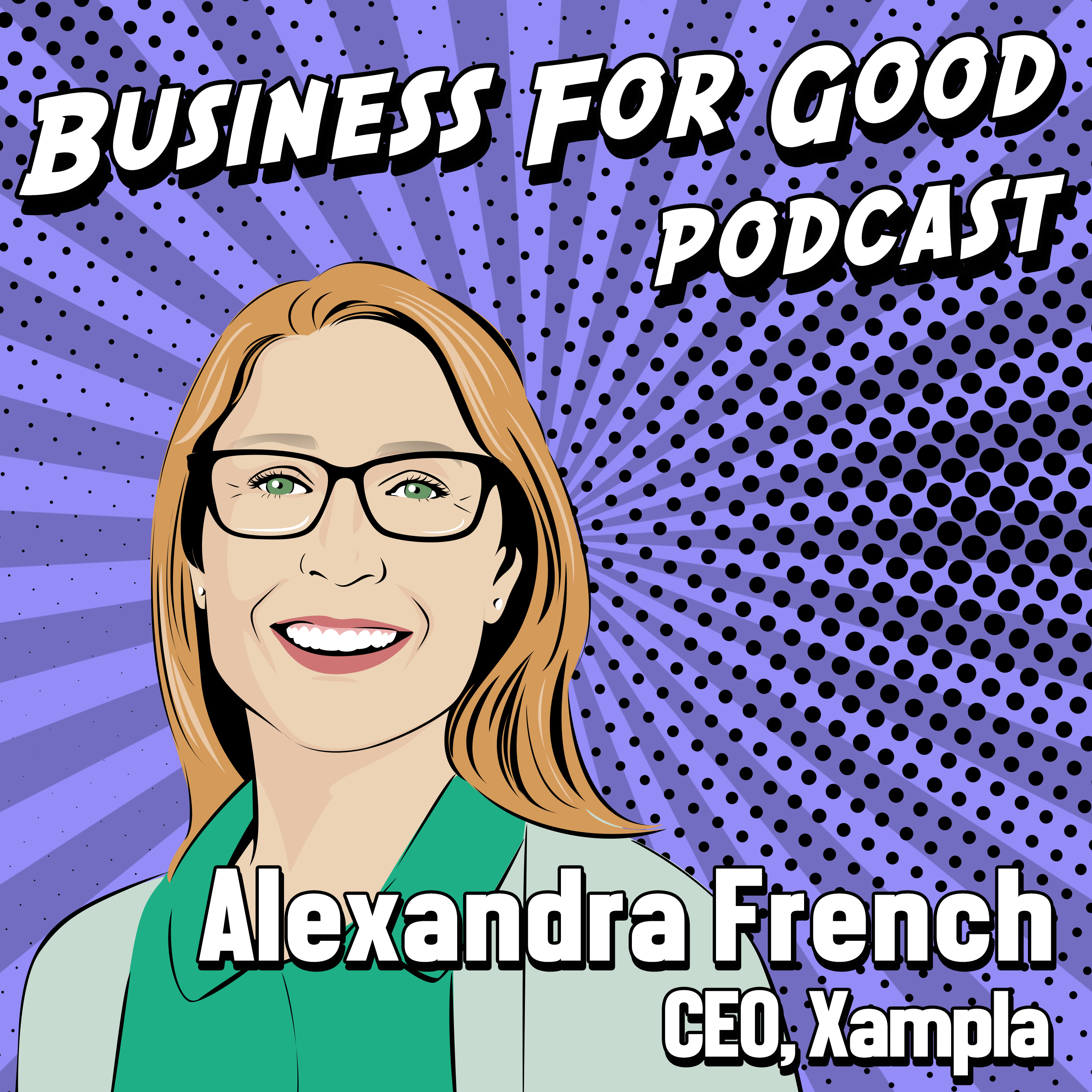
Turning Plants into Plastic-Free Packaging: The Xampla Story
Plastic pollution is one of the defining environmental challenges of our time—microplastics are now found in our oceans, our soil, our drinking water, and even in our bloodstreams. But what if we could make high-performance materials that look, feel, and function like plastic—without being plastic at all? Enter Xampla. Born out of the University of Cambridge, Xampla is a materials science innovati
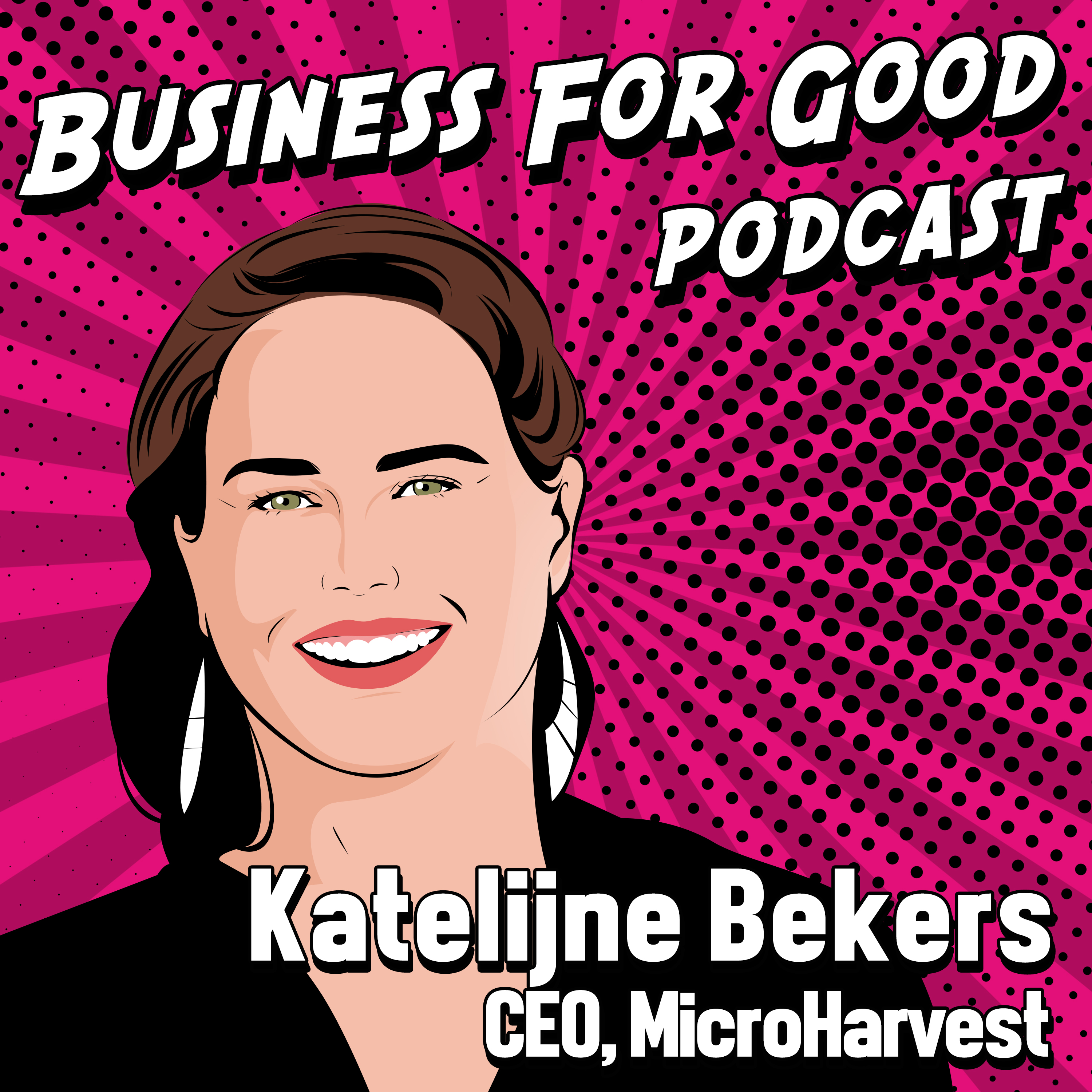
Microbial Might: Can MicroHarvest Replace Animals in Pet and Livestock Feed?
What if we could grow nutritious, sustainable protein—not in months or weeks—but in just one day? This episode's guest is doing just that. Rather than going big with animal agriculture, MicroHarvest is going small with microbial agriculture. A huge number of animals are used to feed both our pets and the animals we raise for food. Kate Bekers, the CEO and co-founder of MicroHarvest, is seeking to
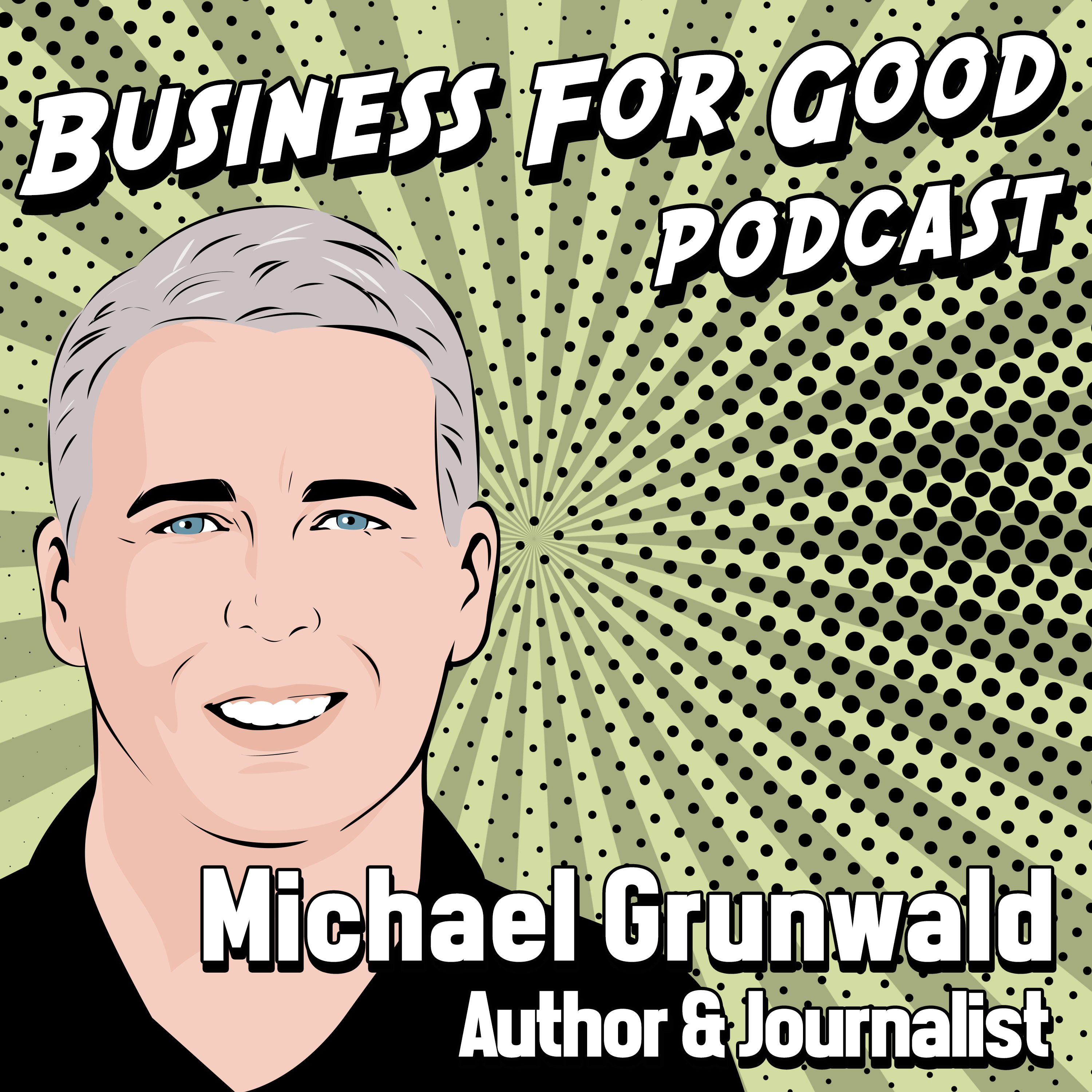
There's no Eighth Continent to Farm: Mike Grunwald on Feeding Ourselves without Frying the Planet
In this episode, I'm joined by one of America's most thoughtful national journalists: Mike Grunwald. You may know him from his work at Time, Politico, or The Washington Post, or from his critically acclaimed books about the Obama administration and the history of the Everglades. He's also now a contributing columnist at the New York Times. But for the purpose of this episode, Mike is here to discu

Trash into Treasure: ChainCraft Is Converting Food Waste into Sustainable Chemicals
What if we could turn the mountains of food waste we generate every day into high-value chemicals that replace fossil fuels and palm oil—two of the most environmentally destructive inputs in our economy? That's exactly what this episode's guest is doing. Marc den Hartog is the CEO of ChainCraft, a Dutch biotechnology company using fermentation to convert agricultural waste into medium-chain fatty

Unstoppable Entrepreneurs: Lori Rosenkopf on the Many Paths to Startup Success
This episode's guest is someone who's spent her career studying—and championing—entrepreneurs who don't always fit the Silicon Valley mold. Dr. Lori Rosenkopf is the Vice Dean of Entrepreneurship at the Wharton School and the author of the new book Unstoppable Entrepreneurs: 7 Paths for Unleashing Successful Startups and Creating Value through Innovation. In this short guide, Lori explores how su

The Crazy Rock Lady: How Eion is Turning Crushed Rocks into Climate Gold
You've heard of carbon capture machines, but what if one of the most powerful tools for removing CO₂ from the atmosphere isn't high-tech at all—just crushed rock and rain? Meet Ana Pavlovic, CEO of Eion and the self-described "Crazy Rock Lady." Her company is pioneering a process called enhanced rock weathering, which uses the natural properties of a green volcanic mineral called olivine to pull c
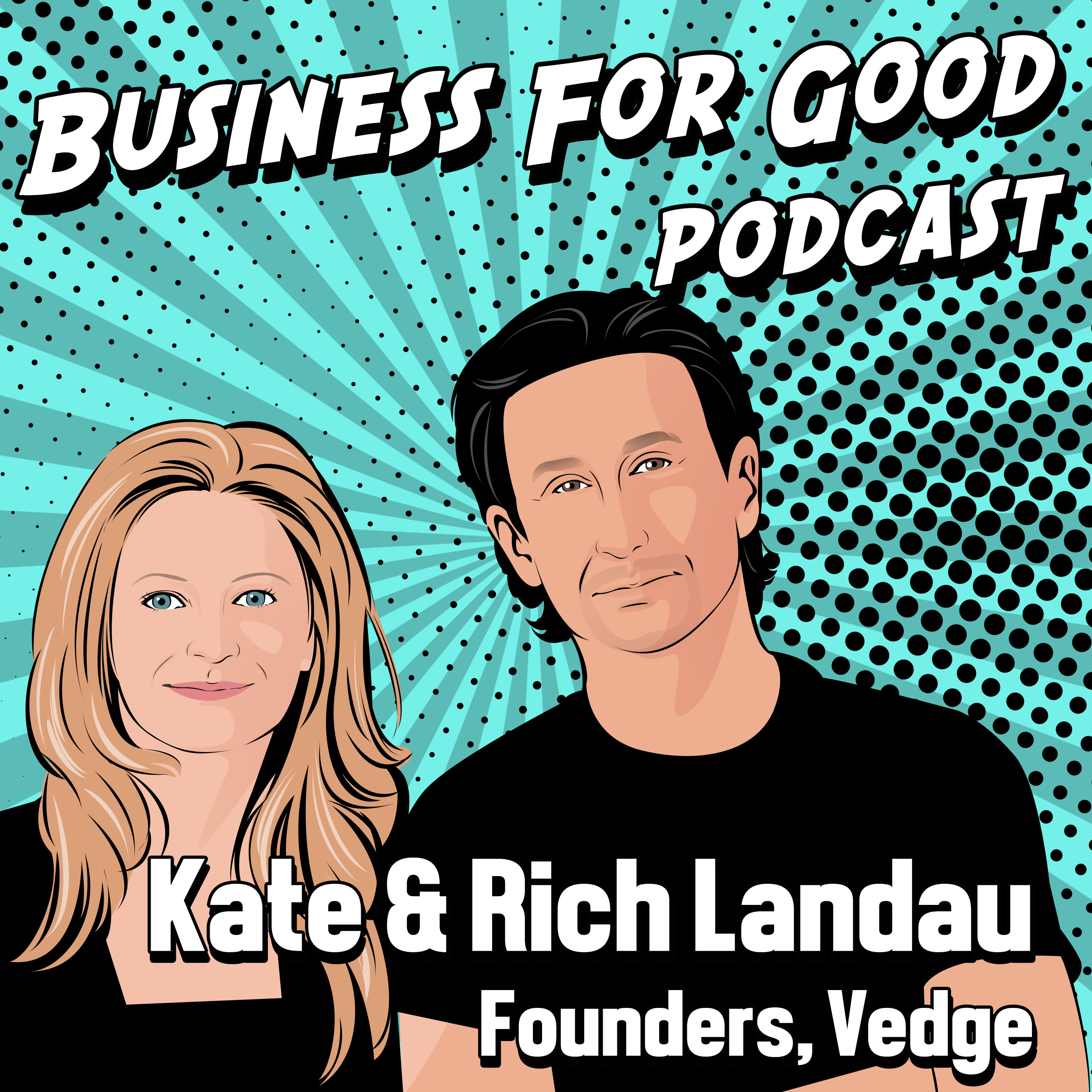
Vedge of Glory: How Two Plant-Based Restaurateurs Have Survived for Decades
In the restaurant world, infant mortality is the norm. Nearly two-thirds of new eateries shut down in their first year. Only one in five lives to see its fifth birthday. So when a restaurant—not just any restaurant, but a plant-based fine-dining spot—thrives for decades, it's not just impressive. It's almost mythic. Enter Rich Landau and Kate Jacoby, the married duo behind Vedge, the acclaimed Phi
The Venture Capitalist Who Wants You to Donate More to Charity
Nick Cooney is one of the most prolific investors in food and ag tech. As the founder of Lever VC, he's helped deploy nearly $80 million from his first fund and has now closed more than $50 million toward his second $100 million fund. He's backed companies across the spectrum of sustainable protein—plant-based meat, cultivated meat, fermentation-derived proteins (including, in full disclosure, my

No Palm, No Problem: Fermenting the Future of Fat
Palm oil is everywhere—from food to cosmetics to biofuels—but its production is a leading cause of deforestation, habitat destruction, and greenhouse gas emissions. What if we could have all the benefits of palm oil without the downsides? Enter NoPalm Ingredients, a Dutch biotech startup using fermentation to produce a sustainable alternative to palm oil—without the need for palm trees. Instead of

Turning Air Into Butter: Savor's Revolutionary Approach to Alternative Fats
What if the fat in your butter, cheese, or even burger could be made without animals, without plants, without fermentation, and without agriculture at all? That's exactly what Savor is doing. Using a groundbreaking process that transforms compounds like CO₂ and elements like hydrogen into rich, animal-free fats that can mimic what animal fat does, this California-based startup is rethinking how we

Cleaner Air from Better Plants: The Neoplants Story
We spend about 90 percent of our lives indoors, yet the air inside our homes and offices is often far more polluted than the air outside. Volatile organic compounds—better known as VOCs—are constantly emitted by furniture, cleaning products, and even the very walls around us. Formaldehyde, benzene, toluene—these chemicals sound like something you'd find in an industrial park, but they're actually

Helping Alt-Protein Startups Survive the Winter: Ahimsa's Consolidation Approach
It's no secret that the alternative protein startups are struggling these days. A combination of lower revenue, intense competition, and less available venture capital is leading to a contraction in the sector, with countless alt-meat and dairy companies conducting layoffs, declaring bankruptcy, and even folding altogether. Enter Ahimsa Companies, a newly formed investment group acquiring promisi
Subtracting the Bean from Coffee: The Minus Story
Did you know that it takes 140 liters of water to make a single cup of coffee? Turns out that coffee, as far as plant crops are concerned, has a fairly heavy footprint on the planet. And it's getting harder to farm, with climate change altering where and how many coffee beans can even be grown. You've heard of making meat without chickens, and milk without cows. Well, you can also now get coffee w
Can a Problem as Big as Climate Be Solved by a Solution as Small as a Microbe?
In this episode we're diving deep into the fascinating world of carbon recycling with a trailblazer who's reshaping how we think about waste and sustainability. Our guest is Dr. Jennifer Holmgren, CEO of LanzaTech—a company on a mission to transform our biggest environmental challenge into an economic opportunity. LanzaTech is pioneering a process that takes industrial emissions—the kind of harmfu
From Harvard Business School to Rural Africa: Nicole Poindexter's Journey to Advance Clean Energy Access
In this episode we're taking you on a journey to some of the most remote corners of West Africa, where energy access is scarce, and innovation is changing lives. Our guest is Nicole Poindexter, the founder and CEO of Energicity, a company that's bringing clean, reliable solar power to off-grid communities in countries like Sierra Leone, Benin, and Liberia. Nicole and her team are doing something e

From Korea to the US: UNLIMEAT Puts its Signature on the Plant-Based Meat Movement
Most plant-based meats in the US have centered around American staples like hamburgers, hot dogs, chicken nuggets, and sausages. But there's a world of meat consumption out there, and some of the most popular meat dishes are ones many Americans may have never even tried. In recent years, South Korea has seen great success exporting its culture around the world, with mega-popular K-dramas like Squi

Bringing Clean Energy to African Businesses
Imagine trying to run a small business without a constant supply of energy. With electricity intermittency, you may not have access to wifi, a phone, a computer, a way to service your customers and more. One way to solve this problem is to have constant access to fossil fuels to run diesel generators, but this is an expensive and dirty way to operate, creating unsustainable costs for the business

One Good Human: Eric Schulze on Cultivated Meat's Past and Future
Eric Schulze loves the intersection of science and food so much that after many years as an FDA regulator, he decided in 2016 to leave the federal government to join the then-nascent Memphis Meats (now UPSIDE Foods). He'd go on to spend the next seven years working to advance the cultivated meat pioneer's science, technology, communications, and ultimate regulatory approval by the agency for which

Chocolate without Cocoa Farming: The California Cultured Journey
We all know chocolate is sweet. The way that it's made—not so much. From deforestation and climate change to child labor and heavy metal contamination, cocoa farming leaves a lot to be desired. But what if we could make cocoa powder without having to chop down the rainforest and engage in so many other unsavory practices? That's what California Cultured is working on now. The Davis, Californ

Will Pets Be the First European Consumers of Cultivated Meat? Meatly is Betting on It
If you follow the world of cultivated meat, you probably know that a few companies have gotten historic regulatory approval and have sold some limited quantities of product both in the US and Singapore. But earlier this year, Meatly—a company founded only in 2021 and with just a few million British pounds in their pocket—succeeded in getting regulatory approval to start selling its cultivated chic

Investing in an Animal-Free Food System: Milk & Honey Ventures
Around the time his son was born in 2011, Beni Nofech saw a video that changed his life. After listening to an argument about the need to move away from the view that animals are mere commodities for humanity to use however we like, Beni adopted a vegan diet and soon found himself attending animal movement and alt-protein conferences. From there, he began making angel investments in food tech star

Can Bacteria Make Better Leather than Cows? Polybion Says So
You've heard of fruit leather, but what about making leather from fruit? Or more precisely, feeding fruit waste like mango pulp to bacteria which then convert those sugars into a leather-like material that can be useful for all types of purposes? That's exactly what Polybion, a startup in Central Mexico, is doing. Co-founded in 2015 by two brothers with a passion for using biology to save humanity

Are Chickpeas the Future of Alt-Protein? NuCicer is Working On It
Alt-meat today is typically made from soybeans, yellow peas, wheat, or some combination of those three crops. But there's a whole world of plants out there, and maybe some of them can be harnessed to widen the world of ingredients available to manufacturers, perhaps even offering better functionality and flavor. One of the problems though, is that making protein isolates from most beans or lentils

Better than the Reel Thing: How Oshi is Redefining Seafood
Seafood consumption is going up around the world, including in the US, with salmon being the fish species Americans love to eat the most. (The only seafood Americans eat more is shrimp, who of course are crustaceans, not fish.) The biggest wave of alt-meat so far has focused on beef replacement like burgers and sausages, given how many consumers already view red meat as bad for their health. But

Turning the Tide on Fossil Fuels: Is Eco Wave Power the Future of Clean Energy?
Not everyone gets a second chance of life. But Inna Braverman got just that, and is using her second chance to try to solve one of humanity's most pressing problems. Born in Chernobyl, Ukraine, Inna was only two weeks old when the nuclear disaster nearly took her life. When her mom found Inna blue and unresponsive from the pollution spewed from the damaged reactor, she used her nursing skills to

From Home-Made Smoothies to $200 million in Revenue: Daily Harvest's Journey
Imagine thinking it would be a good idea to try to help people eat more fruits and vegetables, so you start making whole foods smoothies for your friends and family. Soon you're selling them to more people than you personally know. Next thing you know, you're running an all-vegan frozen meal company with hundreds of millions of dollars in revenue, a billion dollar-plus valuation, and hundreds of t

Novel Proteins for Pets: Omni is Helping Animal Lovers Feed Their Pets Fewer Animals
If America's roughly 180 million meat-loving dogs and cats formed their own nation, they'd reportedly be the fifth biggest meat-consuming country in the world. As pet-keeping has exploded in the developed world, so too has demand for all the chickens, fish, pigs, and cows to feed those pets. There's even been a trend toward human-grade meat in pet food, meaning pet food isn't simply the meat that

Maisie Ganzler Dishes on When and How Corporate Animal Welfare Policies Work
Maisie Ganzler has never worked at an animal welfare charity nor an alt-protein company. Yet she's in the upper echelon of effectiveness when it comes to reducing the suffering of farmed animals. That's because she's served as an executive of a national food management company supplying 1,000 schools and corporate dining facilities, Bon Appetit Management Company, for decades. In her career, Maisi

Which Came First: The Chicken or the Potato?
Many listeners of this show will be familiar with precision fermentation, or turning microbes into factories to produce proteins like those proteins that have historically been produced inside of chickens and cows. Think of companies whose founders we've had on, like Perfect Day and The Every Company. But, what if instead of using microbes as protein factories—and all the associated costs of biore

Premature Obituaries? Bruce Friedrich's Optimism for Cultivated Meat
Upon reading his obituary, Mark Twain reportedly wrote that "the reports of my death are greatly exaggerated." Whether Twain actually wrote this or not, the reality remains that today the reports of the death of cultivated meat are indeed quite real. Yet Bruce Friedrich, the president of the Good Food Institute, is here to tell you that he believes such reports are not based on science and are ind

Defying the Odds: Orbillion Bio Raising Capital for Cultivated Meat in 2024
If you follow the cultivated meat sector, you know that the last couple years have been tough. Some companies have gone under, others have gone into hibernation, and others have shed staff in cash-conserving layoffs. Major publications have published opinion column obituaries for this industry, yet the work goes on. Part of that work is that of Obillion Bio, a B2B cultivated meat company which suc

The Past, Present, and Future of Cultivated Meat with UPSIDE Foods' Uma Valeti
No cultivated meat company has raised more capital than UPSIDE Foods. In 2022, after having already raised about $200 million in previous rounds, the company raised another $400 million in a Series C round with a company valuation north of the coveted $1 billion unicorn status. No company in the space has garnered more media attention, both positive and critical, than UPSIDE Foods. No company has

Fishing for Progress in Asia: Avant Meats
Asia is leading the world when it comes to semiconductors, solar panels, wind turbines, and other technologies critical for the future. In a time when several US states are seeking to ban the sale of cultivated meat, Asia seems to be leaning into the technology, and one of the most mature companies in the space there is Avant Meats. Founded in Hong Kong in 2018 and having raised about $15 millio

Fishing for High-Margins in Cultivated Seafood: BlueNalu's Path to Scale
BlueNalu is one of the better-funded companies when it comes to cultivated meat. Having raised more than $100 million, including about $35 million toward the end of 2023—a notoriously difficult time to fundraise—their founder and CEO Lou Cooperhouse is optimistic about their path to success. But as you'll hear in this episode, Lou isn't working to compete against the commodity meats like chicken,

Is the Future of Cultivated Meat in Thailand? Aleph Farms is Betting on It
When you think about cultivated meat, Thailand isn't exactly the first country that comes to mind. Sure, you may think about the US, Netherlands, Israel, and Singapore. But the Southeast Asian kingdom is where Israeli cultivated meat juggernaut Aleph Farms recently announced its first commercial factory will be. Having just received Israel's first regulatory approval to sell cultivated meat—and t

Flying Cars or Electric Cars? Isha Datar's Thoughts on Where Cultivated Meat Tech Stands Today
When the New York Times recently ran an opinion column declaring the infant fatality of the cultivated meat industry, Isha Datar, CEO of New Harvest, was quoted as saying of the sector, "this is a bubble that is going to pop." Given that New Harvest is intended to promote and advance the field, what did Isha mean by this? She expounded on that thought in a 2,000-word commentary asserting that whil

Mark Post, A Decade After the First Cultivated Burger
In 2013, Dr. Mark Post shocked the world when he debuted the world's first-ever burger grown from animal cells. Weighing in as a quarter-pounder, the burger carried a price tag of a mere $330,000—all of which was funded by Google co-founder Sergey Brin. A decade later, what does Mark think about the movement and the industry he helped birth? When his burger was debuted, a grand total of zero com

Are Smaller Cultivators the Answer for Cultivated Meat's Success? Niya Gupta Thinks So
Some of the companies in the cultivated meat space are betting that massive stainless steel cultivators—think 100,000L to 250,000L—are the path to commercialization. Niya Gupta, CEO of Fork and Good, is thinking smaller. She argues that there may be a more realistic path using a larger number of smaller tanks, void of the impellers that agitate the more conventionally used reactors in the sector

Josh Tetrick on the Future of the Cultivated Meat Movement
If you listened to the last episode, you already know that there's an updated paperback edition of my book Clean Meat that's coming out April 9, 2024. I announced in that episode that, aligning with that release, this show will be devoted for a couple months exclusively to interviews with leaders in the cultivated meat space, many of whom are profiled in the book. And there's perhaps no person in

Brief thoughts on the alt-meat movement and my role in it
I'm excited to announce in this short new podcast episode that there's a new, updated, paperback edition of my book Clean Meat that's coming out on April 9, 2024. Published by Simon and Schuster's Gallery Books, the new Clean Meat is now available for preorder everywhere books are sold. Aligning with this new edition release, for the next couple months, this podcast is going to focus squarely on
Incubating Tomorrow's Alt-Protein Unicorns: The Kitchen
If you've spent any time in the startup ecosystem, you start realizing pretty quickly that the US isn't alone in producing a lot of startups, but that there are some very small countries, like Israel and Singapore, that consistently punch above their weight when it comes to new company creation. In fact, Israel is often known as the startup nation, and there's even a popular book on the topic with

When Nonprofits Start Businesses: Garden for Wildlife and the National Wildlife Federation
Most startups are founded by entrepreneurs hopeful that their idea will be the next big thing and pad their bank accounts in the process. Yet sometimes companies are started not by enterprising capitalists, but rather by a far less likely progenitor: nonprofit charities. That's exactly what happened when the nonprofit National Wildlife Federation decided to spin out a for-profit corporation devot

Can Tech Improve Farm Animals' Lives? Robert Yaman Is Betting On It
Many times when we talk about technology that can improve animal welfare, we're talking about innovations that either have displaced or could displace the use of animals. Think for example about cars replacing horse-power, kerosene replacing whale oil, and animal-free meats displacing factory farming of animals. But can technology also be used to make better the lives of animals who are still bein
Making Alt-Meat Research More Intelligent: GreenProtein AI & Noa Weiss
Predictions abound for industries that allegedly will be upended by artificial intelligence, or AI. Will Uber drivers and truck drivers be replaced by AI-powered self-driving vehicles? Will writers and journalists be displaced by ChatGPT and its competitors? While many of our physical tasks have now been replaced by machines, it's possible that in the future many of our cognitive tasks will also b

Building a Better Chew: Chef GW Chew is Working to Create Better Plant-Based Meat
As a young man, GW Chew saw his family dying early of lifestyle-related diseases, and he thought maybe he could do something about it. With a last name like that—yes, "Chew" is his real last name—maybe GW was destined to become a chef—that's exactly what he did. Because of his interest in Seventh Day Adventism, GW gradually became Chef Chew by experimenting with Seventh Day Adventist recipes, ult

Making All Births Intended and Wanted: Cadence OTC and Samantha Miller
Did you know that nearly half of all pregnancies in America are unintended? And that percentage skyrockets when we're talking about teen pregnancies, more than three-quarters of which are unintended. While teen pregnancies and teen births are thankfully at an all-time low in the US, we're still behind countries like the UK and Canada in this regard. A big reason teen pregnancies have fallen so dr
Power Walking for Cleaner Energy: The Pavegen Story
Every time you take a step, you're creating energy. Sadly, that energy isn't captured and used to power your daily life. But what if it could be? That's exactly what Pavegen is doing. What started as a guy tinkering in his room to make tiles that generate electricity when depressed is now a multimillion dollar startup with flooring installations in more than 30 countries. As you'll hear in this i

Robots as a Service to Turn the Tides for Our Oceans: The Reefgen Story
You probably already know why coral reefs are so important—after all, they're home to a quarter of all marine life. But do you know about seagrass? Seagrass not only provides habitat for aquatic wildlife, but it accounts for 10% of oceanic carbon storage, despite only taking up less than one percent of the seafloor. It also produces oxygen, cleans the ocean, protects against coastal erosion and m

From Food Bank to Making Bank on Food Influencing: Maxime Sigouin and Fit Vegan Coaching
Maxime Sigouin was on the verge of homelessness, surviving on free meals from his local food bank. After getting laid off from work and having only about $30 in his bank account, Maxime struggled to figure out how he could afford to survive, let alone try to help his partner as she endured her own mentally and financially taxing fight with cancer. The answer, it turned out, was helping others. A v

Cementing a Better Future: Leah Ellis and Sublime Systems
Did you know that nearly 10 percent of all CO2 emissions come from the creation of cement alone? That's more than from all aviation! We rarely think about cement despite the fact that our society would literally collapse without it. Roads, bridges, buildings, and more all depend on this material that's so ubiquitous we barely even notice it. In fact, concrete is by far the heaviest part of humanit
Recommended

Solved Murders - True Crime Stories
紐約鳥|New York Aperture
The Swerve Podcast: Obscure Topics | Conspiracy Theories

The Bread and Banter Podcast

The Church of What's Happening Now: The New Testament

Busted Open

Deadline: White House

Panda Show - Picante

Crickets Corner

History of the Earthquake and Fire in San Francisco

Fox news

K-Drama Obsessed Mamas | Beyond “Just One More Episode!”
