Money Unplugged with Chris Hill
Money Unplugged is a weekly podcast about the personal side of money — the stories, anxieties, decisions, and turning points that shape how real people earn, save, spend, and invest. Host Chris Hill talks with investors, entrepreneurs, journalists, comedians, and financial experts about their earliest money memories, their biggest financial mistakes, and what they've learned along the way. Guests include bestselling authors Morgan Housel and Dan Pink, CNBC host Becky Quick, NerdWallet's Sara Rathner, Motley Fool co-founder David Gardner, and many more. New episodes every Friday.
Episodes

From Ministry to Making Money (Travis Chappell)
The fastest path to wealth isn’t cutting back. It’s learning to earn more money. “You can only cut to zero, but you can earn infinitely,” says Travis Chappell, host of the popular daily podcast Travis Makes Money. At an early age he began preparing for a life in ministry before building a career in sales and entrepreneurship. He talks with Chris Hill about:- Selling homemade rubber bugs to classma

Your Future Self Is a Stranger (Hal Hershfield)
Every dollar you save is a gift to your future self. But what if that person feels like a stranger?UCLA professor Hal Hershfield studies why that happens, and what it means for the money decisions we make now. Author of Your Future Self: How to Make Tomorrow Better Today, he talks with Chris Hill about:- His first job picking corn for $5.25 an hour, and the calluses he carried into winter- The spr

The Happiness Expert Who Grew Up Worried About Money (Cassie Holmes)
Cassie Holmes has spent her career studying how we spend our time and why it may matter more to our happiness than money. But her own relationship with money started with an argument she overheard as a kid.Cassie is a professor at UCLA's Anderson School of Management and the author of the bestselling book Happier Hour: How to Beat Distraction, Expand Your Time, and Focus on What Matters Most.

The $200 Trillion Market You’re Probably Ignoring (Robin Wigglesworth)
Worth roughly $200 trillion, the bond market is bigger than the stock market, and even bigger than the entire banking system. Despite that, most investors barely think about it. Robin Wigglesworth, global finance correspondent and editor of FT Alphaville at the Financial Times, explains why it's the most important financial market of them all.He talks with Chris Hill about:- How a car wash t

Investing Where Wall Street Can’t Look (Ian Cassel)
Ian Cassel invests where almost no one else will: companies too small and too illiquid for Wall Street to touch. The founder of MicroCapClub sits down with Chris Hill to share what that world actually looks like from the inside, and why he believes it offers individual investors an edge, as well as:- The fake identity he invented at 20 to talk his way into a one-on-one meeting with a public compan

The $2 Million Car Mistake (Scott Phillips)
Scott Phillips is the Chief Investment Officer of Motley Fool Australia, host of the podcast Motley Fool Money, and author of the new book The One-Page Investing Plan.He talks with Chris Hill about how his childhood money habits were shaped by his dad's labeled tobacco tins, and a financial decision in his 20s that still stings, as well as:- The pay cut he took to become a professional invest

The Most Talked-About Episode of 2025 (Heather Boneparth)
When Heather Boneparth was eight years old, her grandfather screamed at her for wanting to give money to a homeless man on the side of the road. Years later, on his deathbed, his parting words to her were "all that matters in this world is your blood and your money."In a rerun of this fan-favorite episode, Heather (attorney and director of business & legal affairs at Bone Fide Wealth

Getting Fired at the Top of Your Game (Kristina O’Neill)
Kristina O'Neill spent more than a decade at The Wall Street Journal as the editor-in-chief of WSJ. Magazine. Then, in 2023, she got fired. The financial implications were immediate: a severance cushion, but no guarantee of what would come next in a media industry with few opportunities at her level.Instead, she and Laura Brown turned the experience into the bestselling book All the Cool Girl

The “Three-Digit Rule” of Wealth (Adam Katz)
What happens when you have so much money that you stop thinking about the dollars—and start thinking about the zeros?Adam Katz spent two decades in financial services, then went through a major wealth-creation event of his own. Now he helps people rethink their relationship with money, using ideas including what he calls the "Three-Digit Rule." Adam talks with Chris Hill about:- A surpri

He Quit Banking to Make Movies. Now He’s a Miramax Executive (Spencer Ela)
Spencer Ela had a steady job at a bank and a clear path to management. Then he quit — with no job lined up — to try to make it in Hollywood, an industry where (despite growing up in LA) he knew almost no one.Today, he's a senior vice president at Miramax — the studio behind Pulp Fiction, Good Will Hunting, and No Country for Old Men.Spencer talks with Chris Hill about that leap, what his pare

From Bank Merger Chaos to Brewing Beer (Dan Messeca)
Some of the best money lessons don't come from a textbook. They come from watching an institution fall apart—or making an expensive mistake of your own.Dan Messeca, CFP, is the co-founder of Craftwork Capital and co-host of the podcast Check Your Balances. He talks with Chris Hill about watching the Wells Fargo–Wachovia merger from the inside and co-founding Crooked Crab Brewing with two frie

Why Money Fights Aren’t Really About Money (Ross Anderson)
Couples rarely argue about dollars and cents. More often, they're arguing about security, freedom, priorities, and the future they want to build together. Ross Anderson, CFP, is the co-founder of Craftwork Capital and co-host of the podcast Check Your Balances. He talks with Chris Hill about growing up in a family of entrepreneurs, what it’s like sitting across from couples who are miles apar

More Money, More Problems: What Ultra-Wealthy Clients Actually Worry About (Blair duQuesnay)
We think about wealth as a finish line — hit your number and the anxiety stops. Blair duQuesnay, a financial advisor at Ritholtz Wealth Management, says it's almost never that simple. Her clients (ultra-high-net-worth families) aren't worried about running out of money. They're worried about screwing it up.Blair talks with Chris Hill about growing up in a Southern family where money

The $11,000 Moment That Changed His Career (Jesse Cramer)
Jesse Cramer had two engineering degrees and a stable, well-paying career designing hardware for an aerospace company. Then one day, about six months into his first job out of college, he looked at his 401(k) statement and saw $11,000 sitting there. That single moment sparked an interest in investing and compound interest that eventually pulled him out of engineering altogether and into a career m

She Reported on Wall Street—but Was Afraid to Invest (Alison Kosik)
Alison Kosik spent years reporting live from the floor of the New York Stock Exchange for CNN—and for most of that time, she wasn't investing a dollar of her own money. She could explain the market to millions of viewers, but couldn't bring herself to trust herself with her own finances.Alison talks with Chris Hill about:- How her parents' fights about money affected her financial c

The Smartest Bet I Made All Night (A Solo Episode)
We all outsource some part of our financial life — taxes, investments, retirement contributions, etc. But it turns out you can outsource the small stuff too! Even if that means leaning on the person sitting next to you at a blackjack table. In this holiday weekend solo episode, Chris Hill covers:- A favor to ask of you — why do you listen to Money Unplugged, and what do you get out of it? (Email:

What Your Time Is Actually Worth (Paula Pant)
Paula Pant grew up watching her mother spend six hours going between four different grocery stores, coupons sorted by location, all to save a few dollars on milk and bread. Frugality wasn't a choice in the Pant household — it was the operating system. It took years for her to realize that nobody had ever asked what all that time was actually worth. Host of the popular podcast Afford Anything,

The Financial Advisor Who Needed a Financial Advisor (Joe Saul-Sehy)
Joe Saul-Sehy co-hosts Stacking Benjamins, one of the most popular personal finance podcasts in the world. But before that, he was a financial advisor with a secret — and a marriage the secret was about to put to the test. In the conclusion of his two-part conversation with Chris Hill, he shares:- What he was hiding from his wife when they got married — and how long it took him to come clean- A ph

What Nobody Told Me About Money (Joe Saul-Sehy)
Joe Saul-Sehy is the co-host of Stacking Benjamins, one of the most downloaded personal finance podcasts in the world — but long before he was giving financial advice to millions of listeners, he was making every money mistake in the book. In this first of a two-part conversation with Chris Hill, Joe traces the roots of his complicated relationship with money, from a childhood defined by financial

The Financial Journalist Who Ignored the Markets (John Wordock)
John Wordock spent decades working for the biggest names in financial journalism — Bloomberg, CBS MarketWatch, The Wall Street Journal, Dow Jones. He interviewed Jack Bogle, and Mike Bloomberg personally sent him to Washington DC to build a broadcast bureau. John knew everyone worth knowing in the world of money. And then he put his savings in index funds and stopped thinking about it.Chris Hill s

Make Peace with Money (Hannah Cole)
Hannah Cole grew up watching her father, a successful architect, call family meetings at the dinner table whenever the economy turned. Belt-tightening conversations. No explanation of how bad things actually were. Just anxiety, and a dad in a bad mood.Cole spent her early career as far from the world of money as she could get — a master's degree in painting from Boston University and years as

From $19,000 a Year to Financial Freedom (Joseph Moore)
Joseph Moore grew up in rural South Carolina, the son of an electrician who worked during the day and went to school at night. Money wasn't discussed in his house (there wasn't enough of it to make conversation).Today, Moore is a historian and author of the national bestseller How to Get Rich in American History: 300 Years of Financial Advice That Worked (& Didn’t) who achieved finan

Betting on Yourself: The Financial Reality of Going Solo (Marc Goldman)
For nearly two decades, Marc Goldman was the voice of the Marine Corps Marathon — running marketing, communications, and sponsorships for one of the most prestigious road races in America. Five years ago, he walked away from that stability to launch Event Voice, his own announcing and event strategy business.In this conversation, Marc and Chris Hill explore:- Why the pandemic became the catalyst f

Why Less is More in Investing and Life (Ben Carlson)
Ben Carlson has a simple philosophy when it comes to money — and life: less is more. He writes it in every book he signs. It sounds obvious, but most people never actually live it.He’s the co-host of Animal Spirits and author of the brand-new book, Risk and Reward: How to Handle Market Volatility and Build Long-Term Wealth.Chris Hill talks with Ben about:- The lesson his late brother Jon taught hi

The Hardest Money Skill Nobody Talks About (Dan Caplinger)
Dan Caplinger has spent most of his career helping people understand money — first as a tax and estate planning attorney, then as a longtime writer at The Motley Fool. But the financial lessons that shaped him most started long before any of that: skipping school lunch to save a few dollars, counting coin rolls with his mom, and learning the hard way that a $60 Pac-Man game isn't what a nine-

Skin in the Game: Why Your Investments Should Match Your Convictions (Brian Stoffel)
What if the stocks you believe in the most are the ones you actually own? Brian Stoffel spent years as a teacher before stumbling into investing — and one experiment changed everything. After reading Nassim Taleb's Skin in the Game, he went back and coded 300 of his own articles into two buckets: companies he wrote about positively that he owned, and companies he wrote about positively that h

How a Music Teacher Went From $50 on Robinhood to Hosting an Investing Podcast (Jeff Santoro)
In January 2020, Jeff Santoro deposited $50 into a Robinhood account and started buying penny stocks. He had no idea what he was doing. Two months later, the pandemic hit — and he suddenly had a lot of time to figure it out.Santoro spent 12 years teaching music and has spent the past 13 as a school administrator. He is also the co-host of Investing Unscripted, a podcast he built from scratch (with

He Gave Himself a PhD in Investing — One Audiobook at a Time (Brian Feroldi)
Brian Feroldi grew up in Rhode Island as a born saver — the kind of kid who hoarded his lunch money candy rather than eating it, just to watch his collection grow. His dad was a CFO. His mom raised money for the ALS Association. Nobody sat him down and explained how investing worked. That part he had to figure out on his own.A financial educator, YouTuber, and author of the book Why Does the Stock
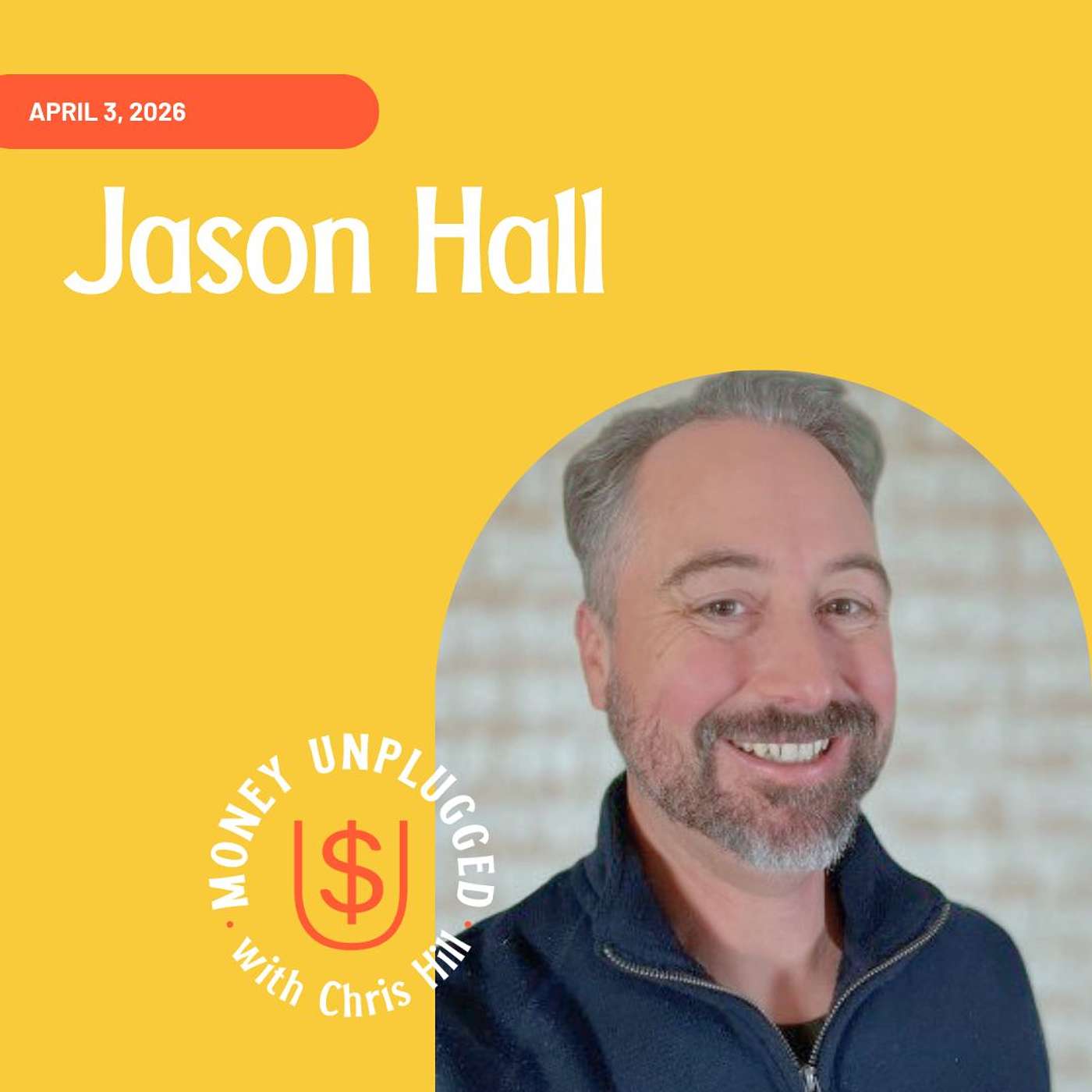
He Cashed Out His 401(k) to Pay for a Round of Golf. He Understands Compounding Now. (Jason Hall)
Jason Hall grew up in rural Georgia watching his dad treat money the way most people treat a hot potato — get it and spend it as fast as you can. Nobody talked about saving. Nobody talked about investing. The plan, such as it was, was to fix up a beat-up old truck his grandfather gave him, pulling parts from the junkyard ten miles down the road, and figure the rest out later.Co-host of the Investi
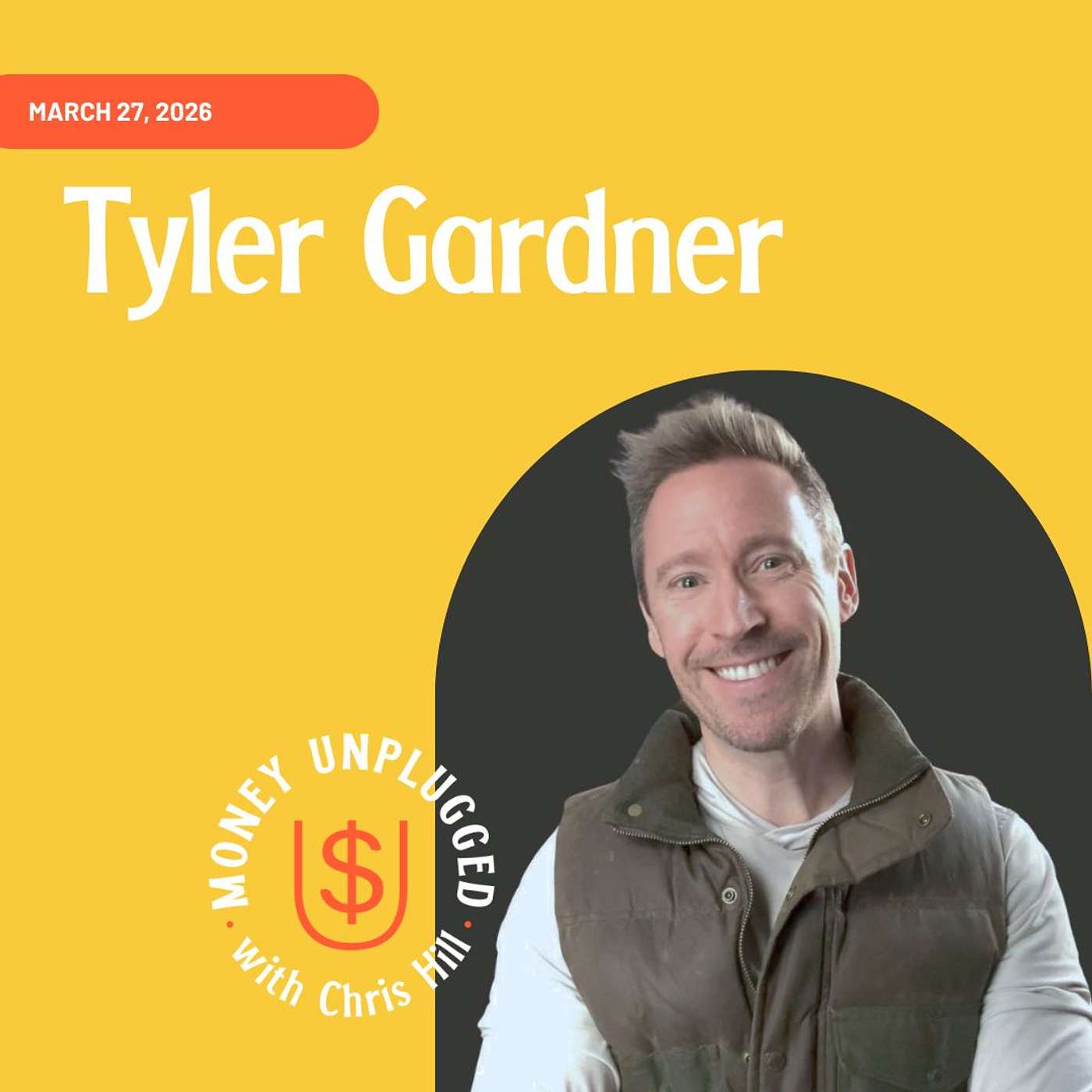
What Do You Actually Want Money to Buy? (Tyler Gardner)
Tyler Gardner grew up eating Cheerios from a bag on a Vermont ski slope while other kids bought hot chocolate. That early lesson about money — absorbed more than taught — sent him on one of the more unconventional paths in personal finance: from stealing grocery money as a kid, to Andover on financial aid, to teaching English at prep schools for a decade, to becoming a financial advisor who thinks
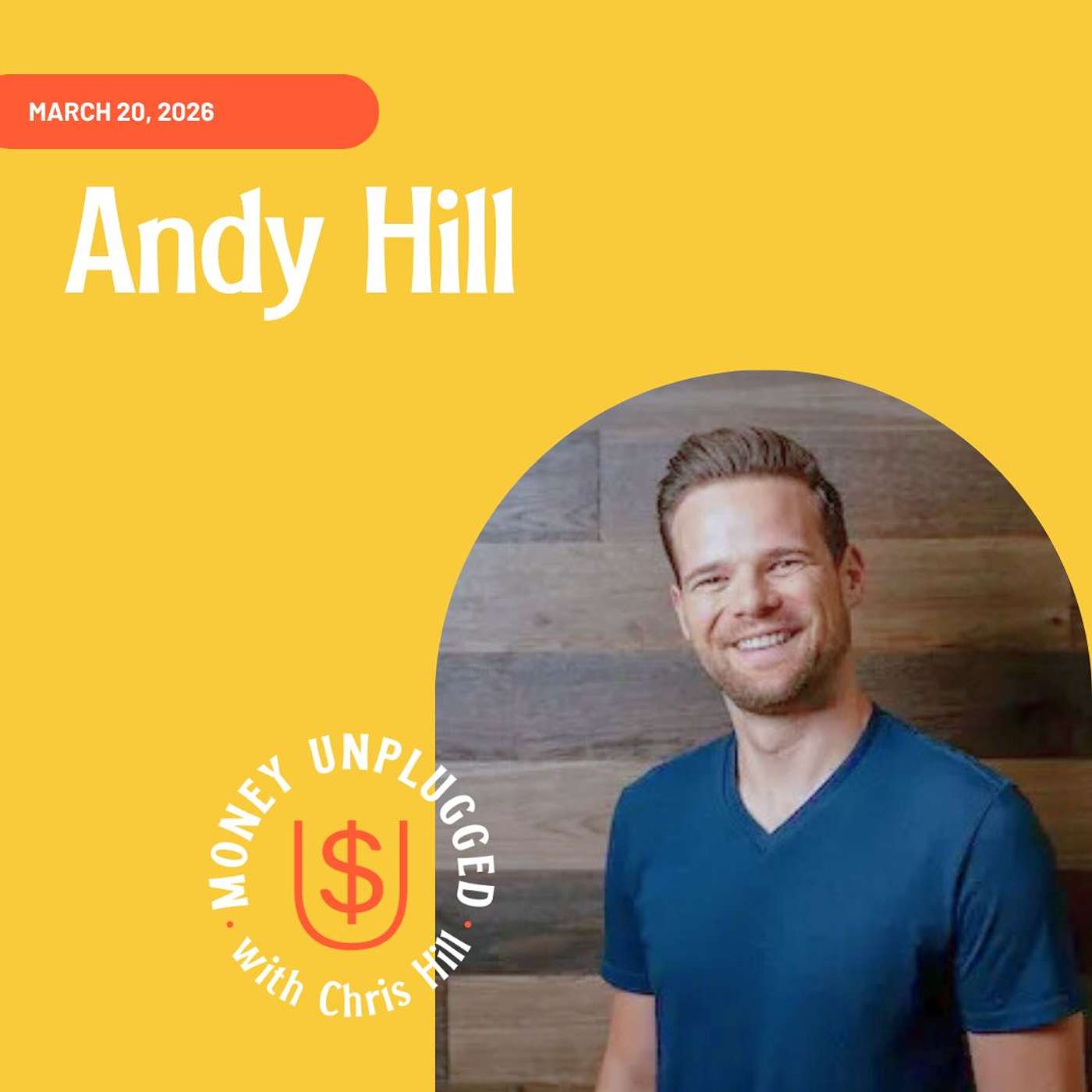
From $28K Salary to $1M Net Worth: What I Got Wrong About Money (Andy Hill)
Andy Hill hit a million-dollar net worth — and the first thing he did was sell part of his brokerage account and buy a Ford Mustang. It's the kind of decision that makes more sense once you understand how he got there.The host of the “Marriage Kids and Money” podcast and the author of Own Your Time, Hill grew up in Michigan learning early lessons about saving, investing, and building wealth.
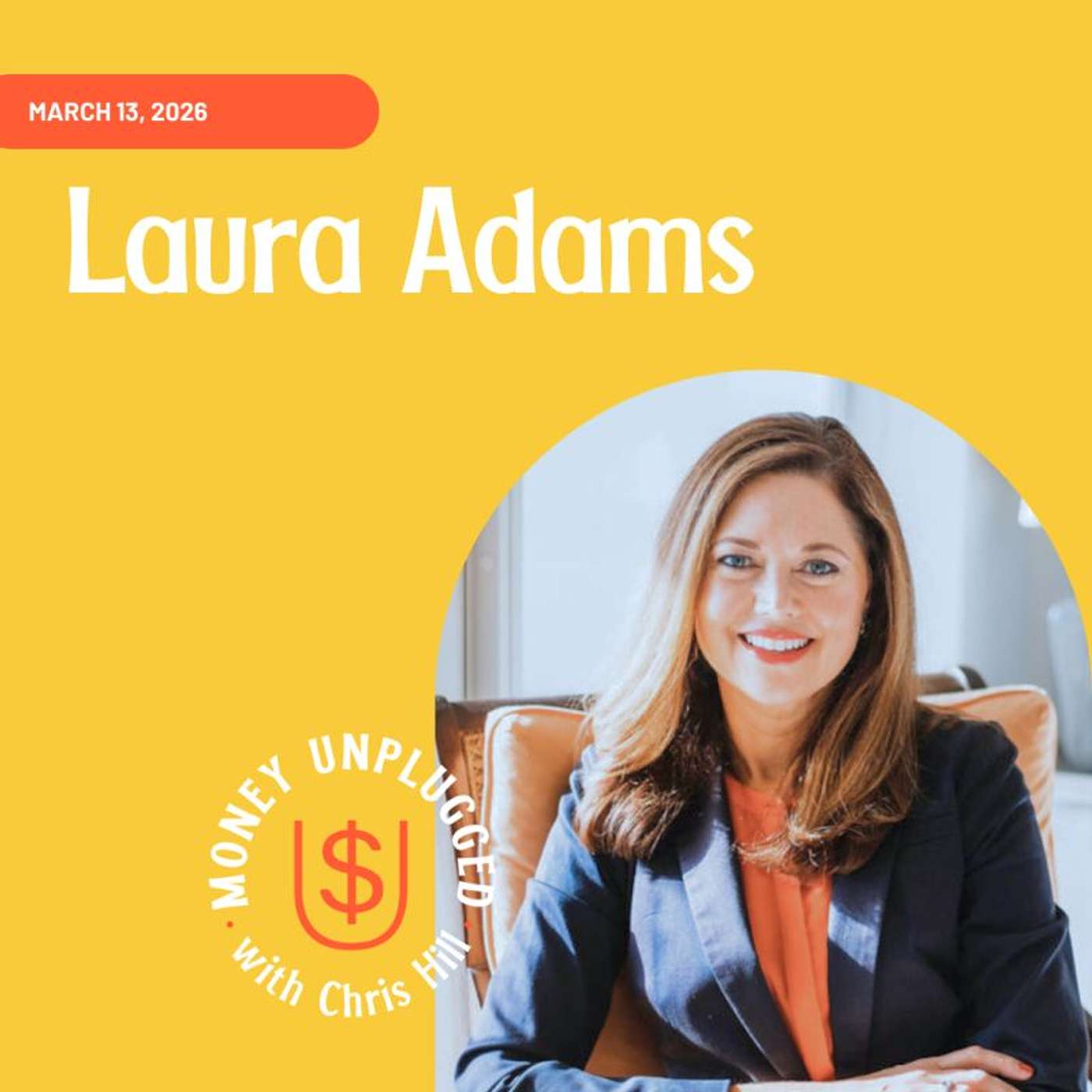
I Fell for a Ponzi Scheme in My 20s. Here’s What It Taught Me About Investing. (Laura Adams)
Getting burned on a bad investment early in life can do one of two things: swear you off investing forever, or teach you exactly what kind of investor you want to become. For Laura Adams, it did the latter.Host of the Money Girl podcast — one of the longest-running personal finance podcasts in the world, with more than 1,000 episodes — Adams grew up in Charleston, SC, in a household where money w

Why Hating Your Job Might Be the Best Thing That Ever Happened to You (Alison Fragale)
The best job is one you love. The second best? One you hate. Organizational psychologist Alison Fragale learned this the hard way — trading a McKinsey consulting career she couldn't stand for a Stanford PhD and a calling she never would have found otherwise.A professor at UNC Kenan-Flagler Business School and author of the bestseller Likeable Badass, Fragale grew up in Pittsburgh shaped by a
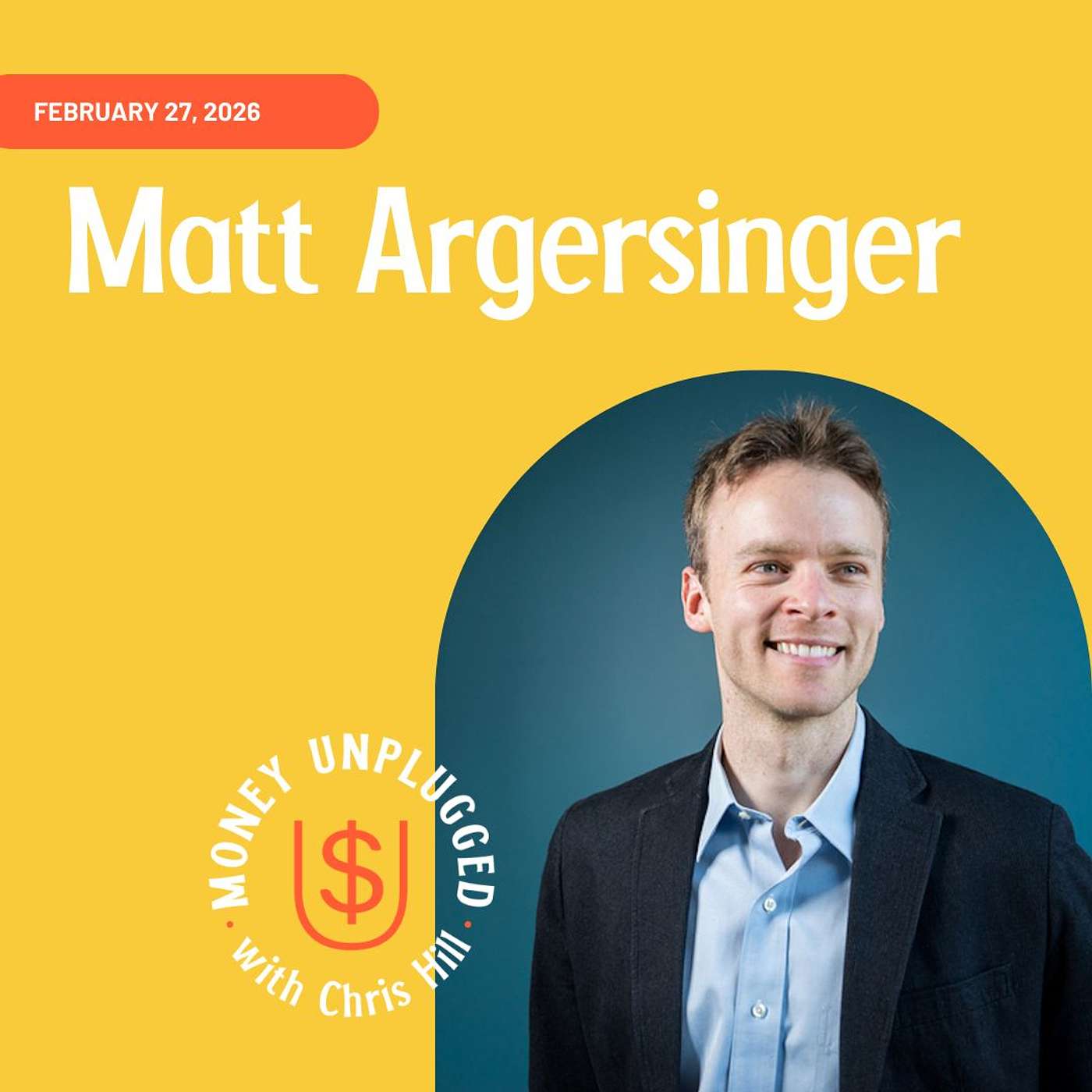
The Investing Strategy That Quietly Outperforms — and Almost Nobody Under 40 Uses (Matt Argersinger)
Dividend stocks don’t get the hype of high-growth tech names — but they’ve quietly delivered some of the market’s best long-term returns.Investor Matt Argersinger joins Chris Hill to break down why dividend-paying companies can outperform, why younger investors shouldn’t ignore them, and how the stigma around dividends began to fade. They discuss:- The myth that dividend stocks are “for retirees”-
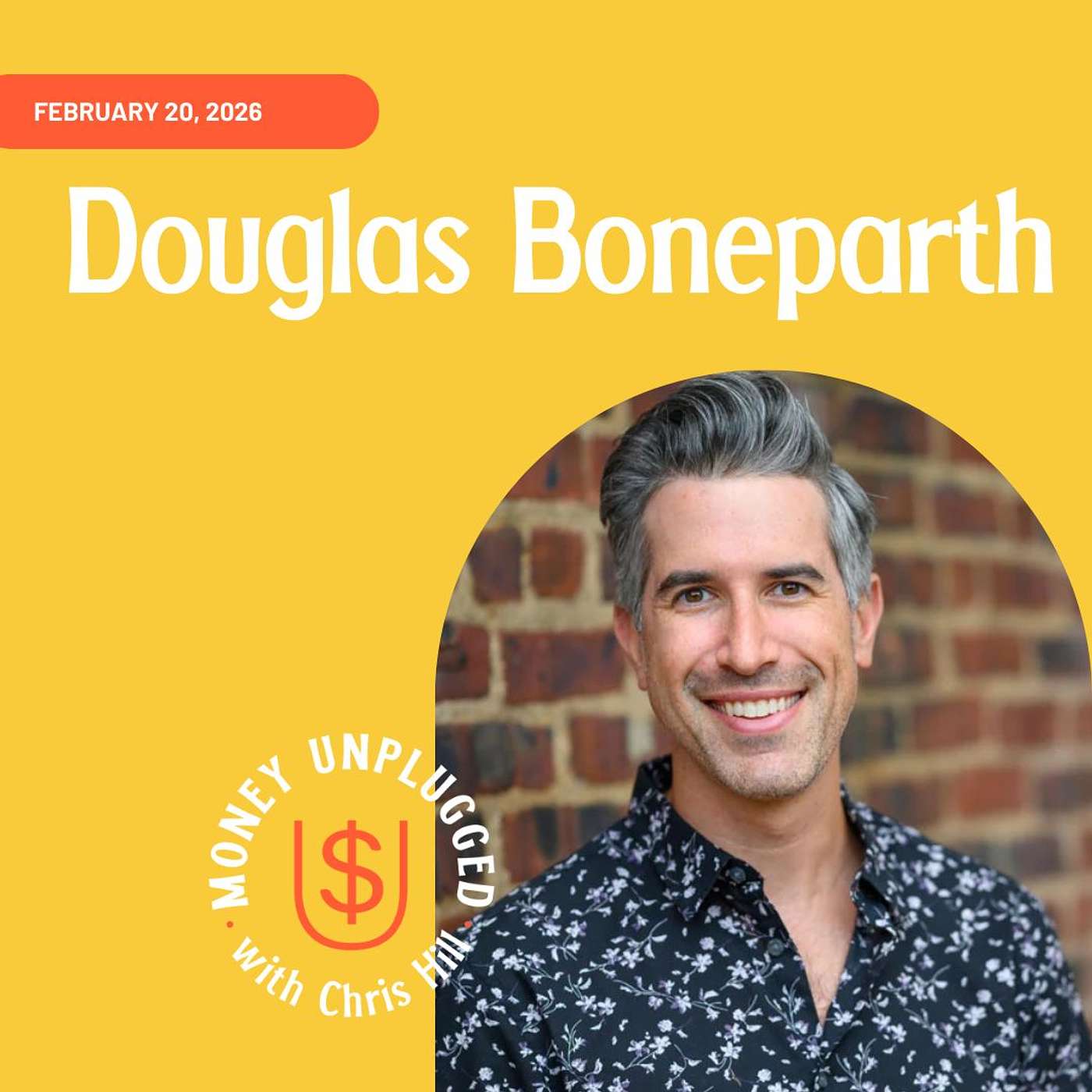
The Day I Landed in New York, Bear Stearns Collapsed (Douglas Boneparth)
What's it like to start over in a new city on the day the financial world begins to fall apart? Douglas Boneparth flew into JFK in October 2008 with four boxes and a mattress to buy — and landed in the middle of the Great Financial Crisis. He didn't go home.Boneparth is a CFP, president of Bone Fide Wealth, and co-author with his wife Heather of Money Together. His path to New York start

The Difference Between Investing and Allocating Capital — And Why It Matters (Tim Hanson)
Tim Hanson didn’t set out to become a capital allocator.Today he’s the President and CIO at Permanent Equity, helping steward long-term investments in private companies built to last. But his path to investing included playwriting, early stock picks, and lessons about money that started in childhood. Chris Hill talks with Tim about what separates investing from allocating capital — and why the dis

Why Money Decisions Are Never Just About Math (Beth Pinsker)
Personal finance isn’t just math—it’s memory, emotion, and lived experience.Chris Hill talks with MarketWatch columnist Beth Pinsker about why money decisions feel so hard, especially during life’s biggest transitions. Drawing from her work as a journalist and financial planner, Beth breaks down caregiving, taxes, and end-of-life planning in ways that actually make sense. They discuss:- How childh
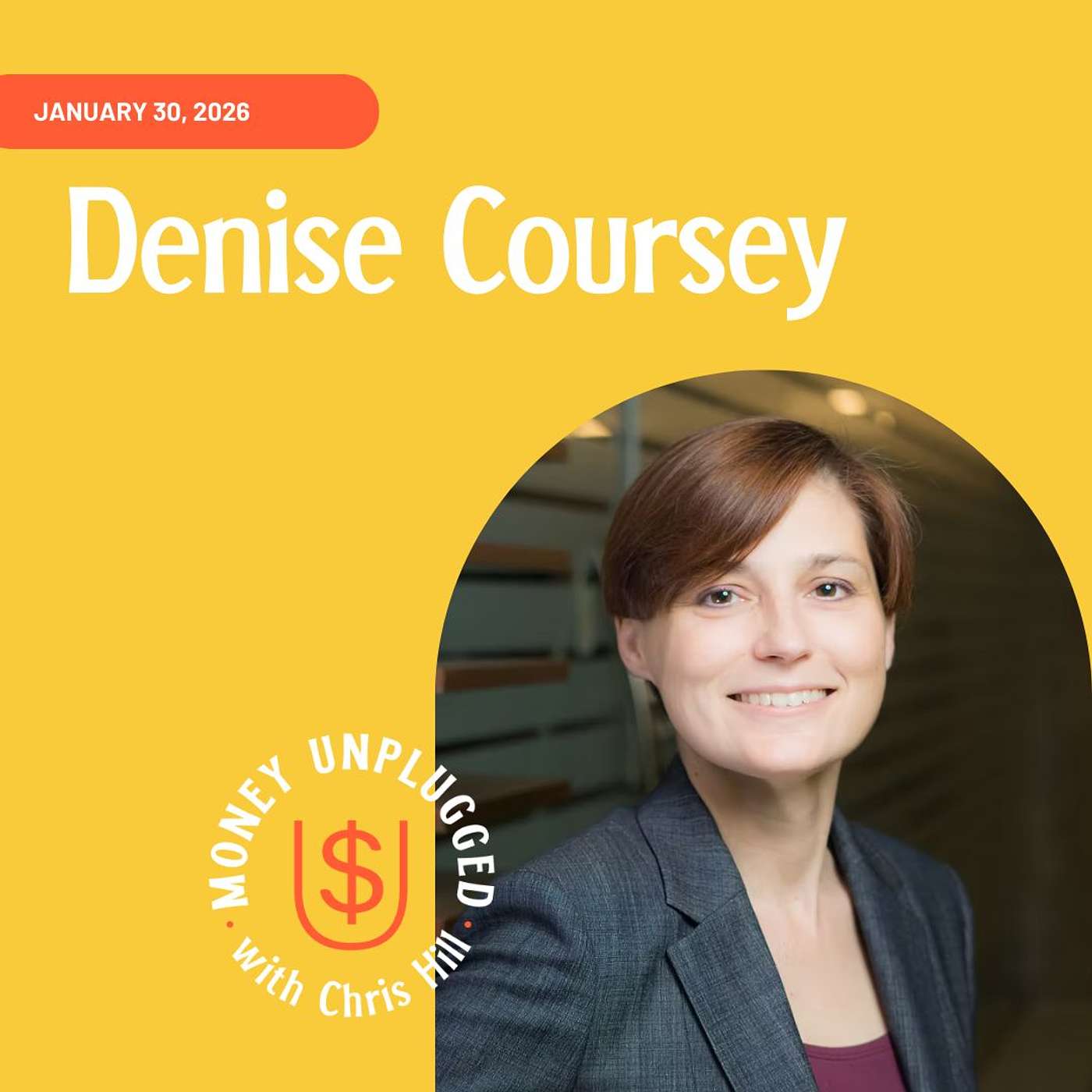
She Built a Life Around Karate and Money. Here's What They Have in Common. (Denise Coursey)
Denise Coursey didn’t grow up talking about investing—but she did grow up learning respect for money.Raised in a blue-collar, union household, Denise became a first-generation college student, took early career risks as a writer and editor, and eventually became a small business owner. Along the way, she developed strong views on scarcity, financial independence, and why “having enough” doesn’t al
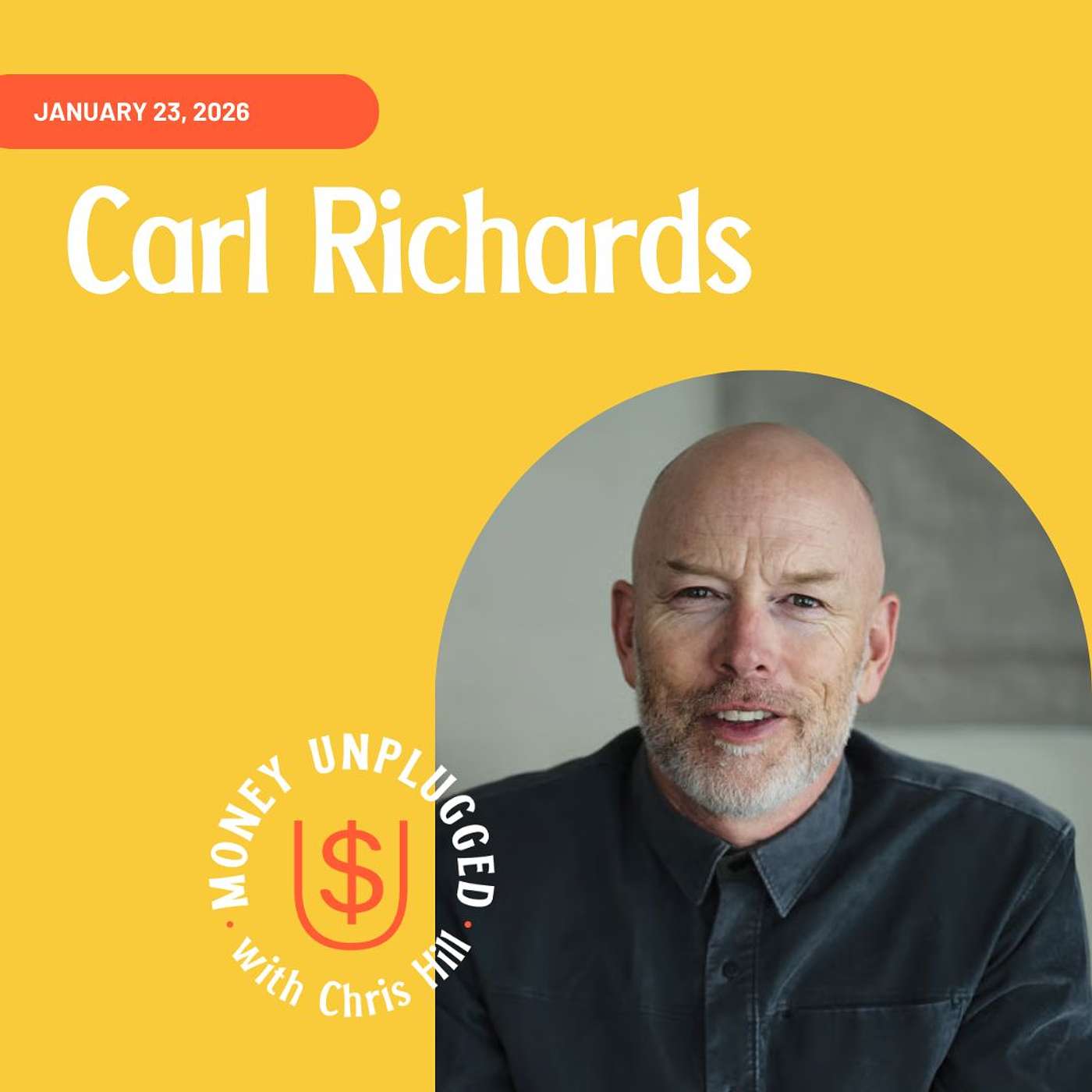
Why Reaching Your Money "Number" Rarely Brings Peace of Mind (Carl Richards)
Money anxiety often starts long before our first paycheck. For Carl Richards, it showed up as “static in the air” growing up around unspoken financial stress—and it shaped everything that came after.In this candid conversation, Carl reflects on how early experiences with money quietly influence our beliefs about risk, security, and success. From diving for golf balls as a kid to accidentally landi

The Financial Industry Keeps Getting This Wrong — And It's Costing You (Cullen Roche)
Why does so much financial advice feel urgent—yet miss what actually matters?Chris Hill talks with Cullen Roche, investor, author, and founder of Discipline Funds, about why the financial industry continues to misunderstand time, incentives, and risk—and how that confusion shapes the advice people receive.In this conversation, they discuss:- How growing up in a large family influenced his views on

Why Smart, Capable People Still Avoid Looking at Their Finances (Nick Wolny)
Why do smart, capable people still avoid looking at their finances?Chris Hill talks with Nick Wolny, personal finance writer and author of Money Proud, about the emotional side of money—why avoidance is so common, how early experiences shape financial behavior, and what actually helps people face their finances without shame. They also discuss Nick’s initial career path in music, following where &
The Dan Pink Episode Our Listeners Keep Coming Back To
We’re kicking off the new year with one of our most popular episodes of 2025. When Dan Pink was growing up in Ohio, money issues in his home were like a cloud that caused “an endless drizzle” over his family. Despite having written a string of #1 New York Times bestsellers, his earliest encounters with finance still play a big role in Dan’s conservative approach to money. Sitting down at his kitch
'Twas the Night Before Christmas...
Chris Hill shares some holiday wishes before handing the show over to the late, great Louis Armstrong for his reading of Clement Moore’s classic poem, A Visit From St. Nicholas.Opening clip – “Scrooged”Email us info@moneyunpluggedpod.com

“It’s A Wonderful Life would have been improved if there was a bit of violence in the movie.” (Bill Barker & Bill Mann)
We’re back with more holiday-themed conversations on topics only loosely connected to money! Motley Fool senior analyst Bill Barker and Bill Mann, Chief Investment Strategist at Motley Fool Asset Management, share: - Regrettable holiday purchases- Songs we enjoy despite popular opinion- Our individual Mt. Rushmores of holiday movies- The legend of the Sourtoe Cocktail (Yes, really)Opening clip – “

We Analyzed Santa's Business. Here's Our Verdict. (Bill Barker & Bill Mann)
Santa has run his company for centuries. It’s arguably the most admirable business in the world. But is it profitable? Motley Fool senior analyst Bill Barker and Bill Mann, Chief Investment Strategist at Motley Fool Asset Management, break down the company’s revenue streams and discuss: - Why KGE’s logistics are “state of the art”- The relative negotiating power of Santa's elves- How cryptocu

The #1 Trait Successful Entrepreneurs Need (David Simnick)
You don’t start your own newspaper business when you’re in grade school unless you have entrepreneurship running through your veins. Fortunately for David Simnick, he had parents who indulged his ventures from an early age. Now the co-founder and CEO of Soapbox Soaps (one of the fastest-growing companies in America), David shares: - The military career he came close to pursuing- Early business ven
“Enjoy every sandwich.” A Thanksgiving Story (or two)
Happy Thanksgiving! Need a little break from your family & friends? Take a walk or go for a drive as Chris Hill reveals how a listener email led him to spend an entire day in Atlanta with the Teachers Retirement System of Georgia. Plus, he shares:- 3 big Thanksgiving traditions in the U.S.- How two approaches to charitable giving (that have come up on the podcast) tie in to one of his favorite

He Gave His Parents a Great Stock Tip. He Didn't Follow His Own Advice. (Adam Felber)
Long before he was a regular panelist on NPR’s popular show "Wait Wait...Don't Tell Me!" and his writing was nominated for primetime Emmy Awards, Adam Felber was a Long Island kid with a voracious appetite for reading. Attending Tufts University he found his interest in writing, while outside the classroom he discovered a new love of comedy performance as one of the youngest members

He Bombed His Wall Street Interview. Here's Where He Ended Up. (Matt Koppenheffer)
In middle school, Matt Koppenheffer figured out which neighbors would pay the most and which driveways were easiest to shovel — and planned his snow routes accordingly. That early instinct for value served him well. What came next served as a master class in learning things the hard way.A UPenn economics grad, Matt lined up interviews at Goldman Sachs, Bear Stearns, and Credit Suisse — and walked

Investing in AI: A Guide for Long-Term Investors (John Rotonti)
Artificial intelligence is reshaping industries—but what does it mean for long-term investors?In this episode, veteran investor and portfolio manager at Bastion Fiduciary, John Rotonti joins Chris Hill to talk about investing in AI through a disciplined, long-term lens. Rather than chasing hype, John explains how investors can think clearly about innovation, competitive advantage, and risk when ev

Heather Boneparth's Path from $200,000 in Debt to Financially Unstoppable
Heather Boneparth's financial journey didn't start with a spreadsheet. It started with a fight with her grandfather at age 8 — and a lesson about money that took decades to unlearn.The last thing her grandfather ever said to her was that all that matters in the world is your blood and your money. Growing up as the only child and grandchild on both sides of her family, Heather internalize

He Cleaned the Pools of the Rich and Famous. Now He Teaches Others How to Invest. (Todd Wenning)
Decades before he started KNA Capital, a boutique investment firm, Todd Wenning got an up-close look at the homes of the rich and famous as he cleaned their swimming pools. He takes a break from teaching finance at the University of Dayton to discuss: - Why his love of history resulted in a college degree from St. Joseph’s University but not a career - Getting a job at The Vanguard Group - Making

He Got His MBA, Took Out $80,000 in Loans, and Then Discovered Stand-Up Comedy (Paul Ollinger)
Growing up with five siblings, Paul Ollinger vividly recalls the lengths to which his "frugal" parents would go to avoid spending money. While getting his MBA at the Tuck School of Business at Dartmouth, he discovered his love of stand-up comedy after he’d taken out $80,000 in student loans. Now busy with his comedy career and hosting the podcast "Reasonably Happy", Paul shares

How to Build a Healthy Obsession with Investing (Bryan Hinmon)
Some people come to investing later in life. But when Bryan Hinmon was a teenager, he was determined to make it his career. In choosing a college, he picked one of the few in the country that had a student-managed fund so he could get experience as quickly as possible. Now the Chief Investment Officer at Maridea Wealth Management, Bryan discusses:- Why you don’t want to challenge him to a contest

Revisiting Morgan Housel w/ a Sneak Preview of His New Book "The Art of Spending Money"
Bestselling author Morgan Housel’s latest book, “The Art Of Spending Money” will hit stores on October 7. So, it seems like a good time to revisit the conversation we had with him nearly a year ago. As an added bonus, we’ve got a sneak preview of the opening chapter of his new book! Morgan discusses: - His teenage dream of becoming an investment banker - The inspiration he found in an interest pay

Why a Credit Card Expert Owns 20 of Them — and What That Tells You About Managing Money (Sara Rathner)
When she was in high school Sara Rathner knew she wanted to be a journalist. But it wasn’t until after she graduated from Northwestern University and working at The Washington Post that the “money light” flipped on for her. (It helped that her mother was sending her books written by personal finance expert Suze Orman.) Now a senior writer, credit card expert, and spokesperson for Nerdwallet, Sara

The Lazy Teenager Who Became One of Investing's Great Rule Breakers (David Gardner)
Because he was a self-described “lazy bum” as a teenager, David Gardner’s mother got him a job near their home. In 1980, mowing lawns in the DC summer heat was no picnic and the job didn’t pay well. But it led to surprising mentorship that fed his interest in a relatively new technology: home computers. David shares some important themes from his new book, Rule Breaker Investing: How to Pick the B

There's One Financial Word His Father Never Uses. It Changed How Nick Maggiulli Thinks About Money.
When he entered Stanford University in the fall of 2008, Nick Maggiulli didn’t realize he would be studying economics while having a front-row seat at the start of the Great Financial Crisis. As the Chief Operating Officer at Ritholtz Wealth Management and author of the recent New York Times bestseller The Wealth Ladder, Nick opens up about: - How the Tooth Fairy made him skeptical about money - T

Why I’m Happier In a Bear Market (Jill Schlesinger)
Somewhere along the way, Jill Schlesinger discovered that she didn’t like making money as much as she thought she would. An award-winning business analyst for CBS News, author, Certified Financial Planner, and host of the popular “Jill On Money” podcast and radio show, Jill has pretty much done and seen it all in her career. In this conversation she discusses: - Her experiences on the trading floo
3 Stories Our Guests Didn't Share the First Time (Dan Pink, Clark Howard & David Brancaccio)
We’re wrapping up the summer with a sneak preview of upcoming guests and Chris Hill sharing three behind-the-scenes stories from episodes earlier this year, including: - What David Brancaccio neglected to share about his 1st job in radio- An item Dan Pink wished he could have splurged on - The time Clark Howard cut into Uber’s business in AtlantaOpening clip - “Back To School”Got a favorite story
"The Beatles were in a 95% tax bracket.” (Ross Anderson & Dan Messeca)
Which musical artists are genuinely smart about money? We explore that question with Ross Anderson and Dan Messeca, co-founders of Craftwork Capital and co-hosts of the hit financial podcast “Check Your Balances”, and discuss: - Songs with bad financial advice- The funniest lyrics about money- Documentaries and feature films we love about the music industry- Highlights from musical artists includi
"I do the shows for free. They pay me to travel." (Ross Anderson & Dan Messeca)
Of all the different entertainment industries, is the business of music the most…crooked? We explore that question with Ross Anderson and Dan Messeca, co-founders of Craftwork Capital and co-hosts of the hit financial podcast “Check Your Balances”, and discuss: - Our favorite songs about money- Behind-the-scenes stories about money in the music industry- Songs that feature smart financial advice-

”Why are there so many horror movies? Money.” (Bill Barker & Chris Harris)
How do movie studios create (and dispose of) fake money?Find out in part two of our roundtable discussion about money in movies! Senior counsel Chris Harris and Motley Fool senior analyst and advisor Bill Barker discuss movies that have under-the-radar financial plots, as well as their favorite movie quotes about money. Plus, they share: - The profitable world of horror films- Movies with amazing

Which Fictional Movie Business Would You Invest In? (Bill Barker & Chris Harris)
We’re kicking off August with a roundtable discussion about money in movies! Senior counsel Chris Harris and Motley Fool senior analyst and advisor Bill Barker discuss how box office receipts and money have become part of the everyday conversation about movies. Plus, they share: - 1st movie they saw that involved money in a big way- Which fictional business from a movie they would invest in- Their

She Covered Money for a Living and Still Had to Learn It the Hard Way (Tess Vigeland)
An award-winning journalist and longtime Marketplace Radio veteran, Tess Vigeland faced two very different career paths when she was thinking about college. But for someone who earned acclaim for hosting a show about money, it turns out the topic was less compelling to her than finding the best way to tell stories about money. From her home in Portland, Oregon, Tess shares:- Growing up in a home w

Author of "The Power of Habit" Has a Few Habits Around Money He'd Like to Change (Charles Duhigg)
Before he was a Pulitzer Prize-winning reporter, before he was the author of bestselling books like The Power of Habit and Supercommunicators: How to Unlock the Secret Language of Connection, Charles Duhigg learned about money at the dinner table with his nine siblings. In this conversation he shares:- The creative ways his father, an attorney, would impart lessons about valuation- Why he believes

Buying a Home at 19 Changed My Money Path (Malcolm Ethridge)
When he was in grade school, Malcolm Ethridge created a business with great economics: Buy a box of Fruit Roll-Ups for $5 and sell them individually to his classmates for $2 apiece. While the school’s administrators disapproved, it turned out to be an early sign of the work ethic he would carry throughout his life. Now a certified financial planner, founder of the Capital Area Planning Group, and
Why Financial Independence Matters in Every Relationship
We’re celebrating July 4th with three of our favorite stories from guests about financial freedom and independence, including: - Clark Howard on how smart financial habits can “create freedom in your life”- Linda Rottenberg on setting up bank accounts with your significant other- David Brancaccio on what he wished he’d known earlier in life about moneyOpening clip - “Heist”Got a favorite story or

Faith, Finance, and Long-Term Money Decisions (Robert Brokamp)
“I submitted a fraudulent birth certificate to McDonald's so I could work there.”Just because Robert Brokamp was studying to become a priest doesn’t mean he didn’t bend the occasional rule when he was younger. Now recognized as one of the top personal finance experts in America, he’s written or co-authored thousands of articles and several books on the topic of money. In this conversation Rob

His First Trip to the Bank as a Kid Ended in an Armed Robbery. That's Not Even the Most Interesting Part. (Emmet Savage)
“Talking about money was analogous to talking about religion. You just didn't do it.”Growing up in Ireland, Emmet Savage learned about investing from his father. While he would go on to become the co-founder and Chief Investor at MyWallSt, and co-creator of the investment conference Investicon, his early career was in a completely different industry. In this candid conversation Emmet shares:-

His Grandfather Taught Him to Invest. Here's the Money Lesson He Adds to That Advice. (Joe Magyer)
”It's great to save, it's great to be putting things aside. But make sure that so long as you're hitting those savings goals that you're treating yourself at some point.”For as far back as he can remember, Joe Magyer was interested in investing. Encouraged and taught by his grandfather, he studied business and finance before stepping into a career in the investing world. Taking

From Homeless Teenager to CFO: Money Talk w/ Greg Haygood
“The original plan was always for me to go to school and live that typical life. But it didn't work out, so I had to make my own plan.”Before the age of 20, Greg Haygood spent a number of years in what he calls “survival mode”. How did he go from living on his own as a teenager in a homeless shelter to a successful career as a finance executive? Perseverance. From his office in Washington, DC

"Don't just fall in love with the balance sheet." (Ron Gross)
With more than 30 years of experience as a professional investor, Ron Gross has seen it all. Through bull markets and notable downturns (like the Dot-com Bubble of the early 2000s), he has learned a few of his lessons the hard way too. In a wide-ranging conversation Ron shares:- The best & worst parts of running a hedge fund- A creative way his father celebrated his annual bonus- His experienc

He Picks Great Stocks for a Living. He'll Be the First to Admit He's Not Great with Money. (James Early)
“I wanted to either be a U.S. Marshal and catch fugitives or start a garden center.” Dreaming of two very different career paths led James Early to pursue a college degree in finance. From there he has made his career as an investment analyst and entrepreneur. And despite amassing a remarkable track record in picking stocks, he confesses he’s actually not as good with money as he probably should b

Why Unmet Expectations Are the Real Source of Money Stress (Bill Barker)
All of unhappiness in life is unmet expectations. Apply that to money and something clicks — most financial stress isn't about what you have. It's about the gap between what you expected and what arrived.Bill Barker spent seven years as a lawyer, a stint tracking terrorist assets for the U.S. Treasury Department, and eventually built a career as a senior analyst at The Motley Fool — a pa

Why Entrepreneurship Is "a Giant, Ongoing Kick in the Teeth" — and Why He Keeps Going (Dan Simons)
“The best stuff is not just sitting out available. The best stuff is behind a door, down a hallway, up a hill.”How does someone succeed in an industry where the majority of businesses close within five years? It helps to have the right mindset.Dan Simons, co-founder of the Founding Farmers, fell in love with restaurants when he started working at one while he was in college. The more he learned ab

From Watered-Down Ketchup to NASA: What Growing Up Frugal Taught a Rocket Scientist About Money (Dr. Tobin Anthony)
“We'd be having dinner and running low on ketchup. My mom would go over to the sink, fill up the bottle with water, give it a shake, and guess what? We had more ketchup!”The grandchild of Italian immigrants, Tobin Anthony grew up in a home where his parents knew how to stretch a dollar. It was also a home that inspired him to reach for the stars, literally. Long before he earned his PhD in ae

What a Fast Food Job Taught This Investing Strategist About Business (Bill Mann)
“One of my first real experiences was recognizing the fact that there is a huge difference between good management and bad management.”As the Chief Investment Strategist at Motley Fool Asset Management, Bill Mann keeps an eye on investment opportunities around the world. But his education in business analysis started when he was growing up in North Carolina and working at one of the best-known fas

The Investing Lesson That's Easier to Learn on a Golf Course Than in the Stock Market (Jason Moser)
“Having patience in life, especially in investing, is such a valuable quality.” Where does someone learn the value of patience?For Jason Moser it was a lesson reinforced throughout his life in different places (including the golf course). Jason shares: - What he learned in his first job - The college degree he almost got - Effective ways to teach kids about money and investing - Why he will

Timeless Advice on Saving, Spending, and Investing (Clark Howard)
Clark Howard has spent decades helping people make smarter decisions with their money—and avoid costly mistakes along the way.In this episode, the longtime consumer advocate and personal finance expert joins Chris Hill to share timeless advice on saving, spending, and investing. Clark explains why small decisions matter more than flashy strategies, and how a long-term mindset can lead to better fi
Recommended

Fox news

K-Drama Obsessed Mamas | Beyond “Just One More Episode!”

True Crime Classics

The Healer Revolution

Becoming: HER with Nikki Spoelstra

Booked, Blonde & Busy w/ Olivia Ponton

McKinsey on Consumer and Retail

megahired.com

Hard Knocks Podcast

Effective Weight Loss for Moms | High protein, Strength Training, Lose Weight, Meal Planning, Fat Loss, Healthy Habits

The Human-Animal Connection - Pet Life Radio Original
The Daily
