Top of Mind with Julie Rose
Top of Mind with Julie Rose tackles tough topics in a way that fosters empathy and empowers listeners to become better citizens, kinder neighbors, and more effective advocates. The show is for people who are turned off by divisive news but still want to engage with important issues. Hosted by journalist Julie Rose, it is a production of BYUradio.
Episodes
TRAILER: Dispatches from the Divide
Four stories. Four ordinary people in extraordinary circumstances . . . that take some surprising turns.
In this limited series, Monica Guzman follows individuals into moments of extreme conflict. Stakes are high—relationships, careers, and communities on the line. But just when you think you know how the story ends, one person does something to turn the whole plot on its head.
These are grippin
TRAILER: Top of Mind Podcast with Julie Rose
A podcast for people who are turned-off by the depressing, divisive nature of the news, but still want to engage with important issues in our communities. Hosted by radio journalist Julie Rose, Top of Mind tackles one tough topic each week in a way that will challenge you, help you feel more empathy and empower you to become a better citizen, a kinder neighbor and a more effective advocate. Top of
Bonus Episode: When the People Decide - Putting Money and Power in People’s Hands
We’re in between episodes this week on Top of Mind. In the meantime, we’ve got a story for you from a podcast we think you’re really going to like. It’s called When the People Decide, a podcast from the McCourtney Institute for Democracy at Penn State. The podcast traces the stories of Americans who are getting their hands dirty doing the hard work of democracy.
In this episode, host Jenna Spine
BONUS: All the Best Advice from Guests on Top of Mind Season 3
As a final bonus to finish Top of Mind Season 3 “Finding Fairness” we’ve compiled the best insight from guests throughout the season on how to be a better citizen, kinder neighbor and more effective advocate for the things we care about. We're not a "how-to" podcast with checklists and action items. We probe for more clarity and empathy on the topic and let you decide where to go next. But our gue
ARCHIVE BONUS: How to Navigate the Journey from Loved One to Caregiver
Caregiving for a loved one can be difficult and confusing. Julie and her siblings are among the more than 20 million Americans who currently care for an aging parent- so this week's pick from the Top of Mind live radio archive hits close to home. In 2020, Julie spoke with Zachary White and Donna Thomson who combine their personal and professional experience into a "how to" handbook for the rest of
ARCHIVE BONUS: Salt, Fat, Acid, Heat: The Essentials of Cooking with Samin Nosrat
Netflix star Samin Nosrat shares the one amazing meal that inspired her to become a professional chef. Her cookbook “Salt, Fat, Acid, Heat” is a guide to the essential elements of successful cooking. In another of Julie’s favorite conversations from the Top of Mind live radio show archives, Nosrat explains how to make delicious food whether you’re a conscientious recipe-follower or a free-wheeling
ARCHIVE BONUS: She Believed She Was White. At Age 27, She Learned the Truth About Her Race.
Sarah Valentine grew up believing she was the white daughter of her white parents. As an adult she learned her parents had been lying to her. She’s actually half Black. That truth completely unraveled Valentine’s sense of identity, which she writes about in her memoir “When I Was White.” Top of Mind host Julie Rose says she thinks often about this interview from our daily radio show archive becaus
ARCHIVE BONUS: The Organ Thieves - A History of Transplants in the Segregated South
Before we were a weekly podcast, Top of Mind was a daily radio show. We were on the air – live - for two hours every weekday. And we did that for seven years. This means there’s a ton of great material in our archive. So, today we’re giving you a taste of that archive. First, we take a deep dive into the history of organ transplant surgery – and its darker side. You’ll hear how the TV world of Sta
ARCHIVE BONUS: The Other Talk - Why White Families Need to Talk About Race
In this bonus episode from the Top of Mind archive: "The Other Talk." Most kids of color in America grow up talking about racism at home, but most white children don't. They should, though, says author Brendan Kiely. His new book is a guide for starting the conversation about race at home. Then, a short, inspiring chat with a doctor who collects flower arrangements and delivers them to patients in
ARCHIVE BONUS: The Secret Power of Breathing and Yawning
This week, Julie shares a conversation from Top of Mind’s live radio show archive that changed her life. In 2017 she spoke with Dan Brule, who is one of the world’s leading experts on breathwork. He recommends taking time daily to practice breathing. The techniques he shared have become Julie’s best tool for coping with stress and anxiety.
Guest:
Dan Brule, author of “Just Breathe: Mastering Bre
ARCHIVE BONUS: What Synesthesia Can Teach Us About Disagreeing
People with synesthesia perceive the world very differently from the rest of us. Their senses merge so that sounds might also have tastes. The days of the week may be different colors. Numbers and letters might correspond to musical notes. This final installment in our summer series of archive interviews is especially meaningful to Julie because it drives home how two people can look at the same t
BONUS: Holiday Thanks and Some Episode Recommendations
Top of Mind launched its weekly format early in 2022 and we’re so gratified by your response. One listener wrote “I feel like I am becoming a better, more educated person every time I listen.” In this bonus podcast drop, Julie talks about some of the episodes from 2022 that affected her personally and several others perfect for helping you deal with challenges the holidays present (like grief and
Bonus: How to Support Someone Who's Grieving
A major side effect of being such a grief-averse culture is the sheer panic many of us feel when confronted with someone who’s suffered a devastating loss. What can you possibly say or do that will help? In this bonus episode you’ll hear Julie’s full conversation with grief specialist Lisa Athan. It’s packed full of practical tips and uplifting insight.
Guest:
Lisa Athan, founder of Grief Speaks
HALLOWEEN BONUS: Family-Friendly Audio Drama feat. Top of Mind's Julie Rose
This week only on the Top of Mind podcast, a special Halloween treat. It’s an old-fashioned, family-friendly audio drama from storytelling podcast The Apple Seed about a family facing off against an evil robot maid. And there’s a voice you might recognize. Top of Mind host Julie Rose masquerades as the mom of the family. And stay tuned after the story for the inside scoop on Julie’s short-lived th
News from Top of Mind
We're hard at work on a new season of Top of Mind and won't have a new episode on the podcast feed for a few weeks. So, it's a great time to listen back to episodes you may have missed.
And keep your Stick With It stories coming to topofmind@byu.edu.
BONUS: The Credit Card Debt Conversation - A Closer Look at the Role of Credit Counseling
In this special bonus episode of Top of Mind, Julie Rose revisits the challenge of credit card debt - a topic that hits home for many of us – by sitting down with Thomas Nitzsche, a financial educator at Money Management International (MMI) and Susan, who shares her personal journey of paying off $80,000 in debt over four and a half years with help from MMI.
While some feel skeptical of credit c
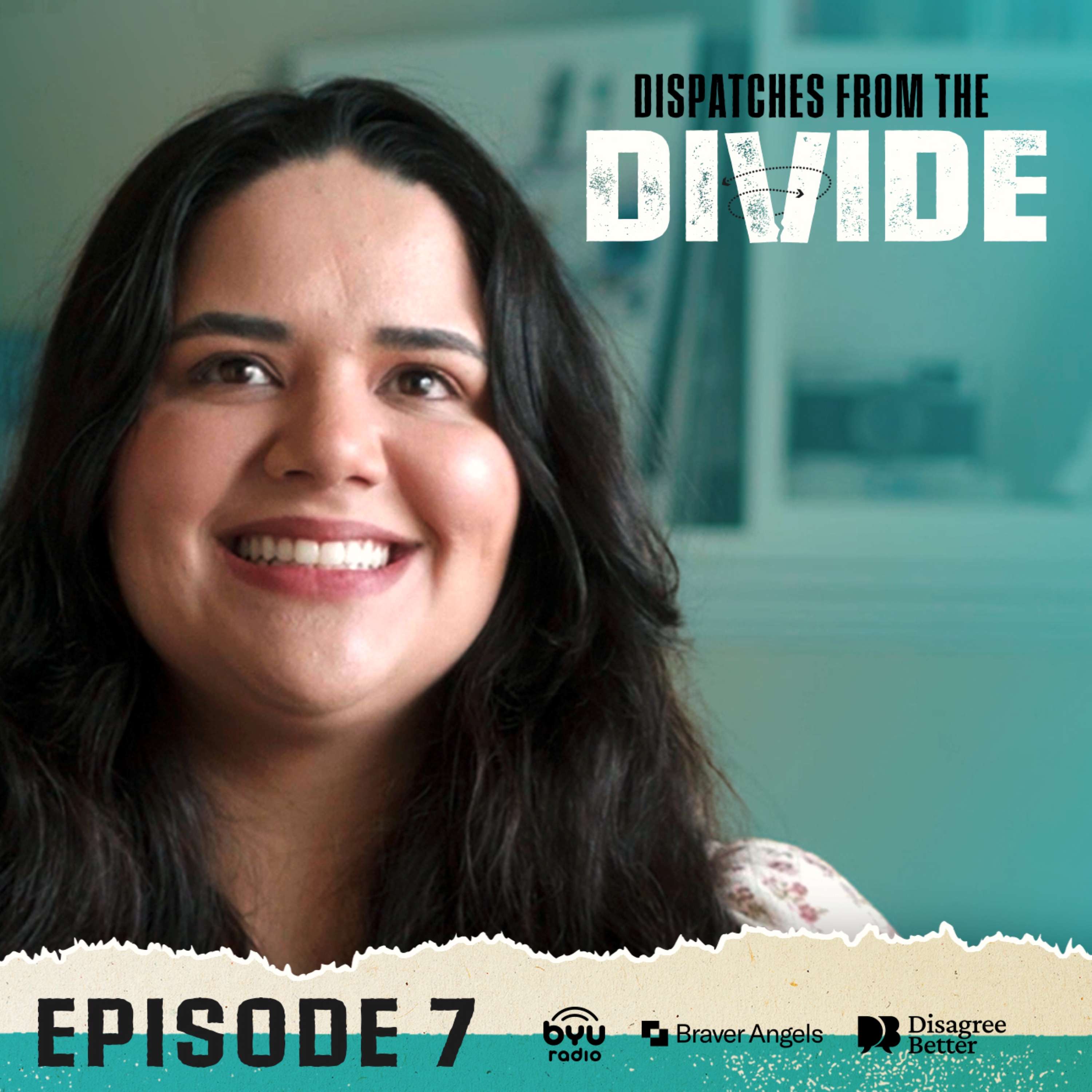
She Came to America Expecting Freedom of Speech. Instead, She Went Silent. | 7
Laryssa Bishop left Brazil for college in America believing she'd finally found a place where she could speak her mind. Instead, she slowly became afraid to say what she really thought.
As an international student in Salt Lake City, Laryssa wants to talk openly about politics, immigration, the Israel-Gaza war, and the issues dividing America. But conversations turn hostile, people on both sides u
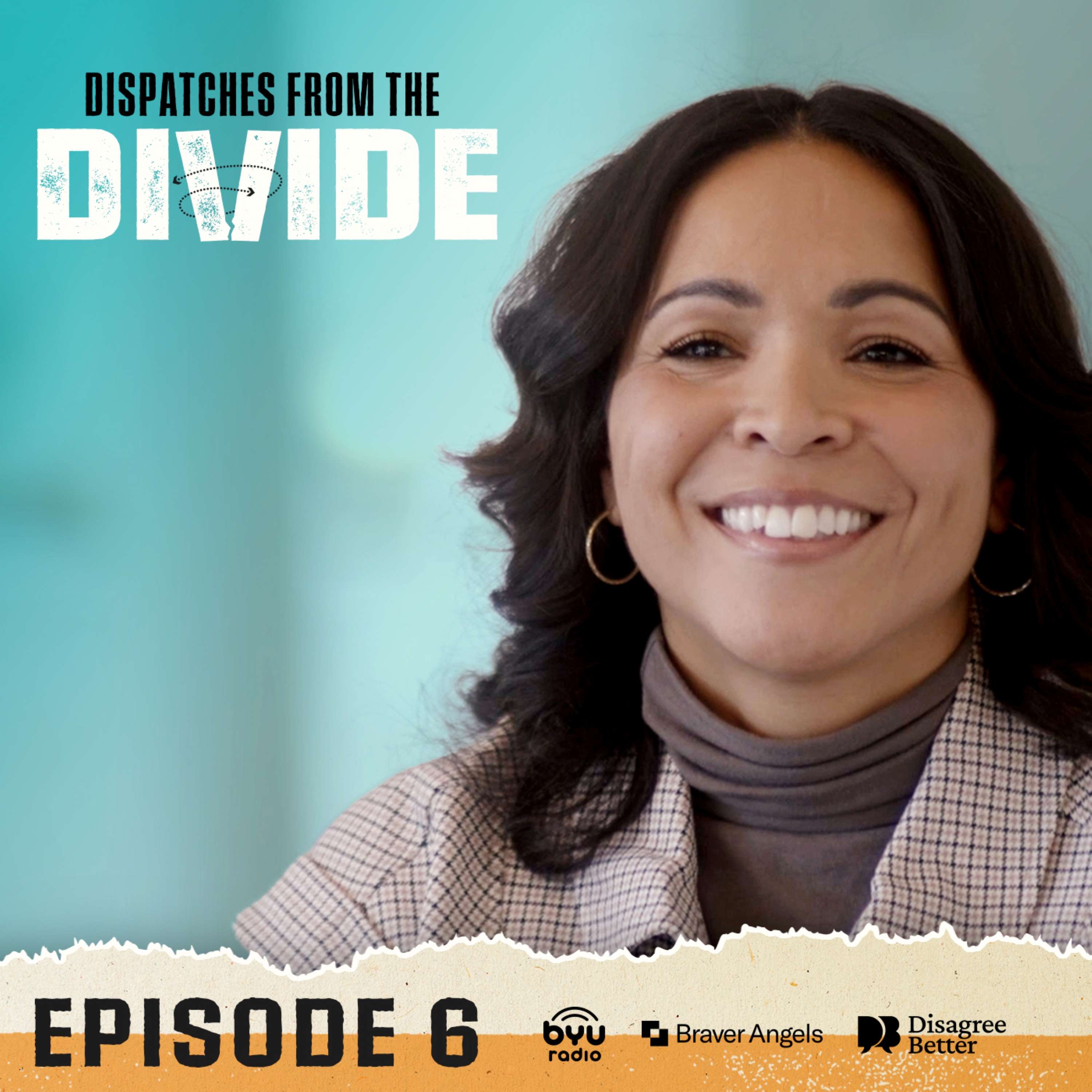
She Wanted to Report the News Differently. Then a Story In Her Own Backyard Put That to the Test. | 6
Helene Biandudi Hofer walked away from the kind of journalism she feared was making people more divided. Now she has to find out whether her alternative actually works.
In Episode 6 of Dispatches from the Divide, Helene takes on a local election story in her own small town—and deliberately ignores some of the instincts that shaped her decades in journalism. Instead of chasing the obvious politica
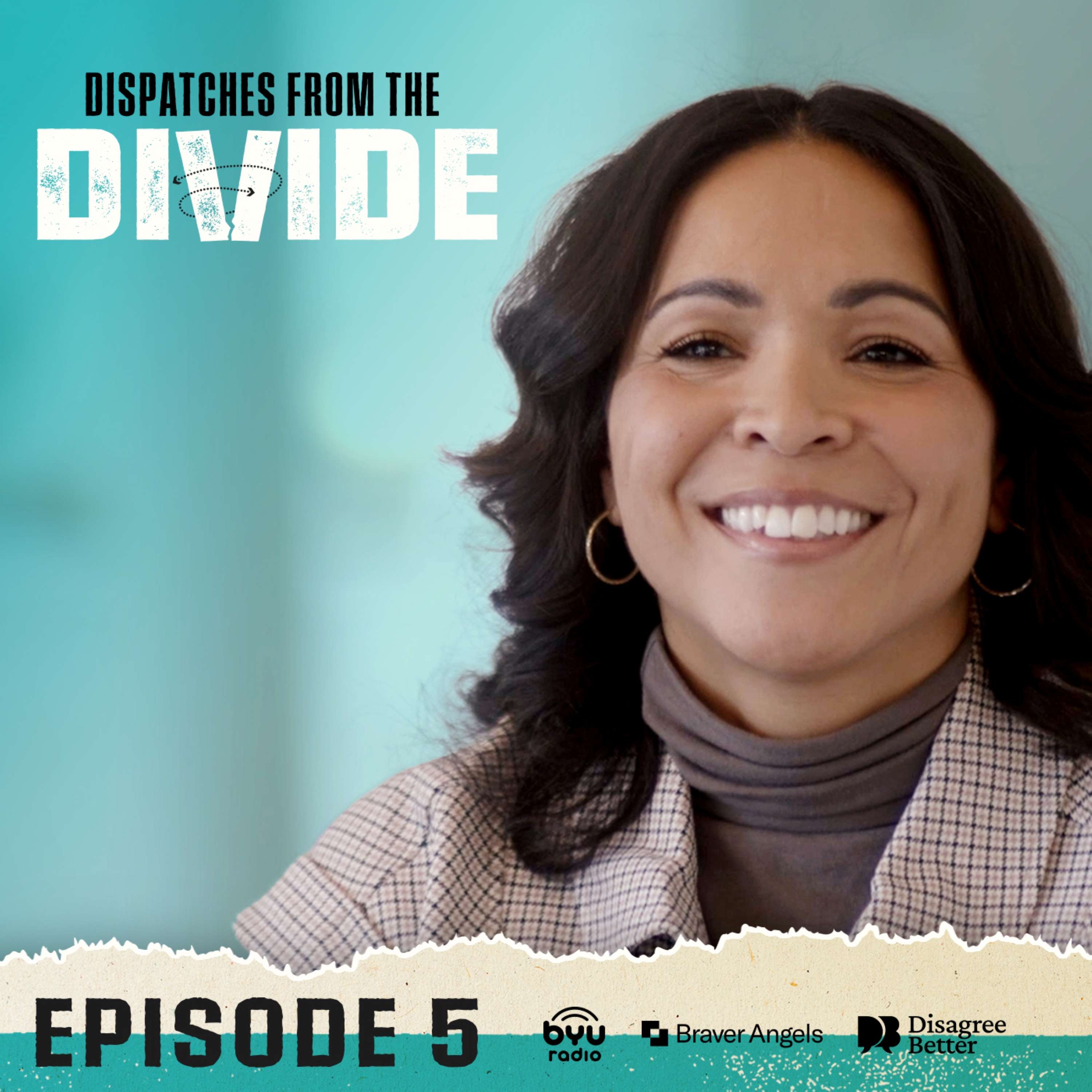
She Got into Journalism to Help People. Was She Actually Making Things Worse? | 5
Veteran journalist Helene Biandudi Hofer is sitting at home scripting her weekly news show when she suddenly puts down her laptop and starts to cry. She became a reporter because she wanted to help people understand each other. But after decades in the new business, she can't shake a troubling question: What if the way she's been telling stories is making our divisions worse?
Just when she thinks
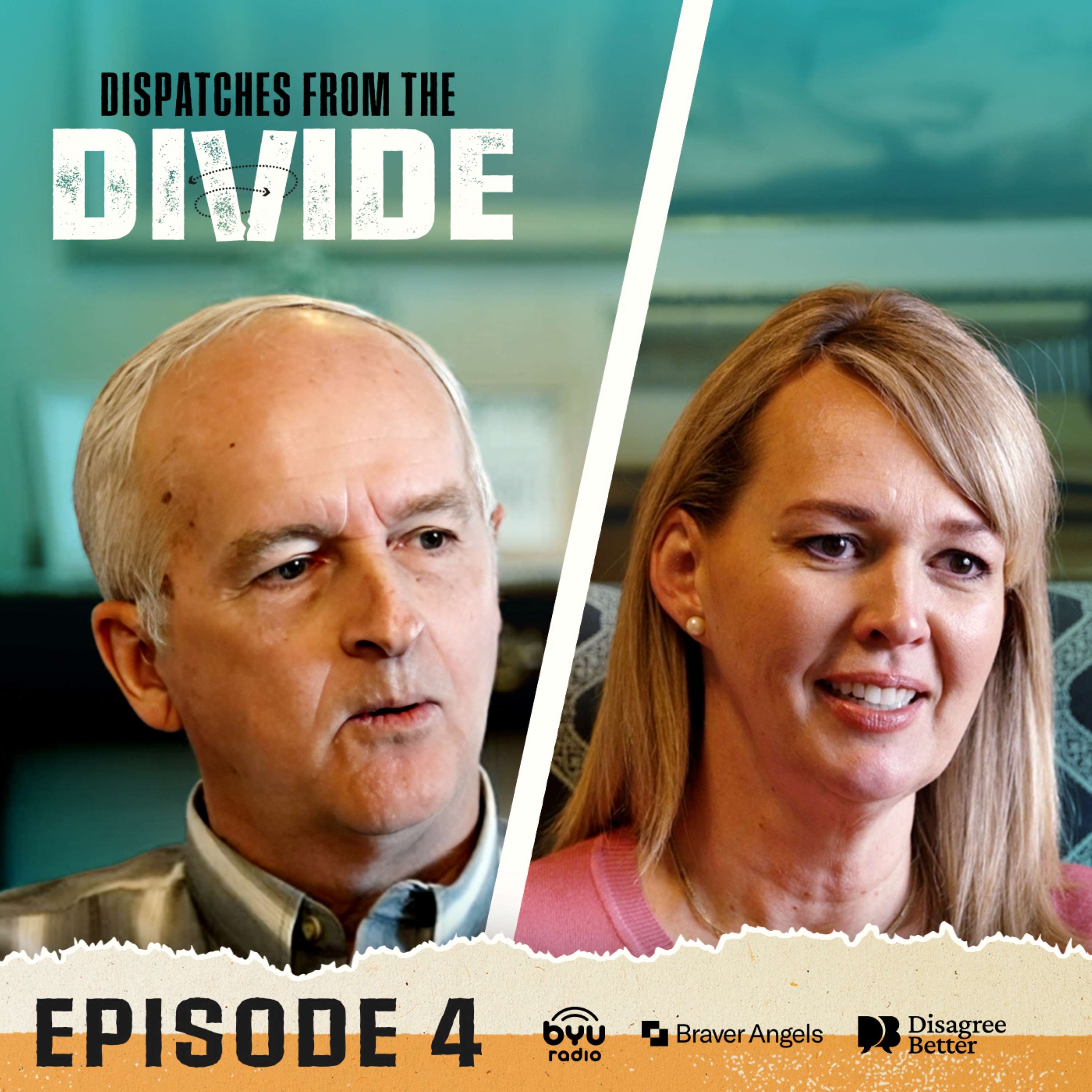
He Tried to Get Her Kicked Out of Office. Then He Knocked on Her Door. | 4
Bob Hathcock helped launch a campaign to remove Julie Spilsbury from office. Now he's walking into her home—and neither of them knows how this conversation will end.
In Episode 4 of Dispatches from the Divide, a bitter Mesa, Arizona, recall election fueled by political polarization, the 2024 election, and deep disagreements over local politics becomes intensely personal.
Julie believes she followe
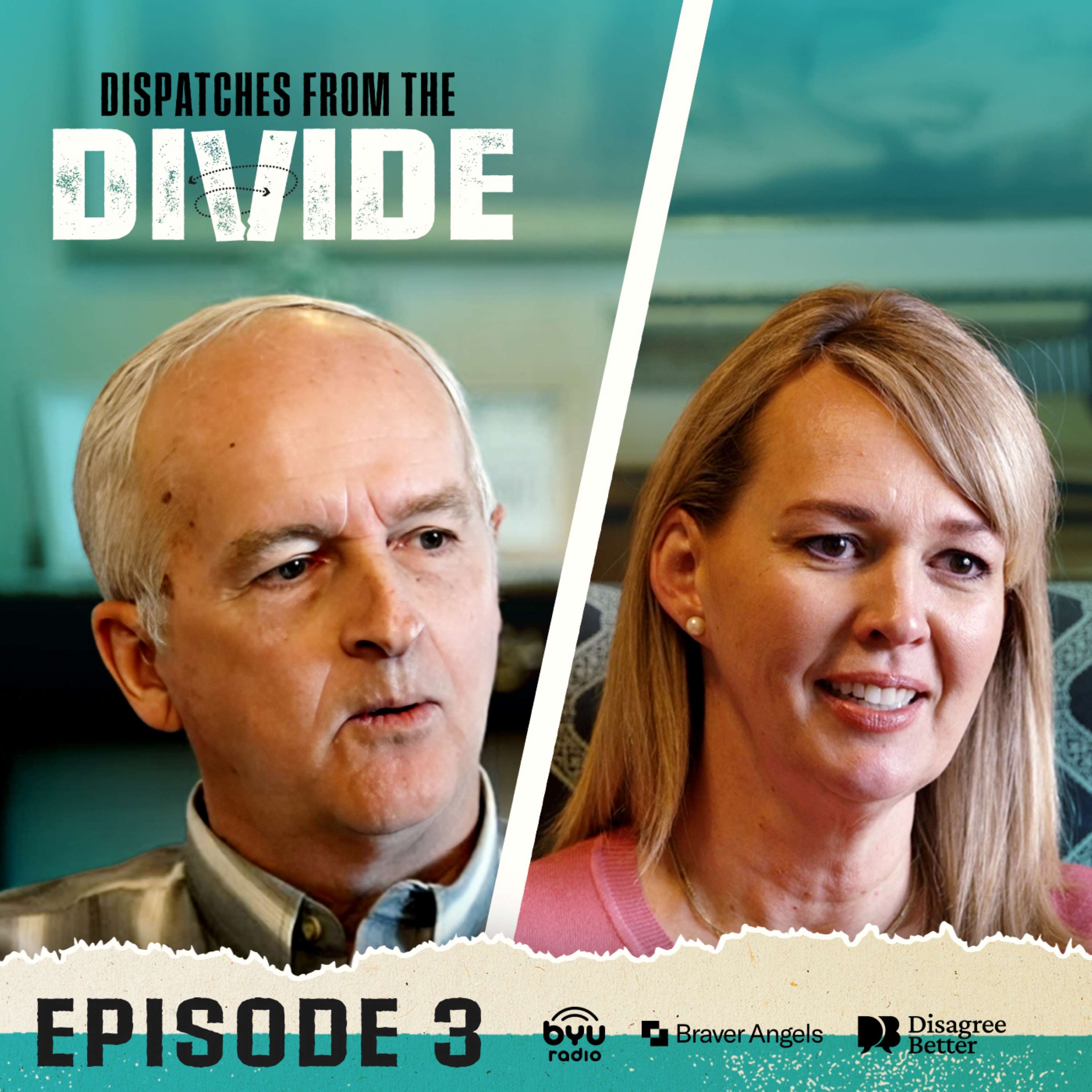
She Won by a Landslide. Then Her Own Neighbors Tried to Remove Her From Office. | 3
Julie Spilsbury was known around Mesa, Arizona, for two things: her city council seat and her cinnamon rolls. Then one public decision turned people she'd known for twenty years — church members, fellow moms, neighbors down the street — into the architects of an unprecedented recall campaign. And the man leading the charge against her was about to make a move nobody saw coming, including him.
Thi
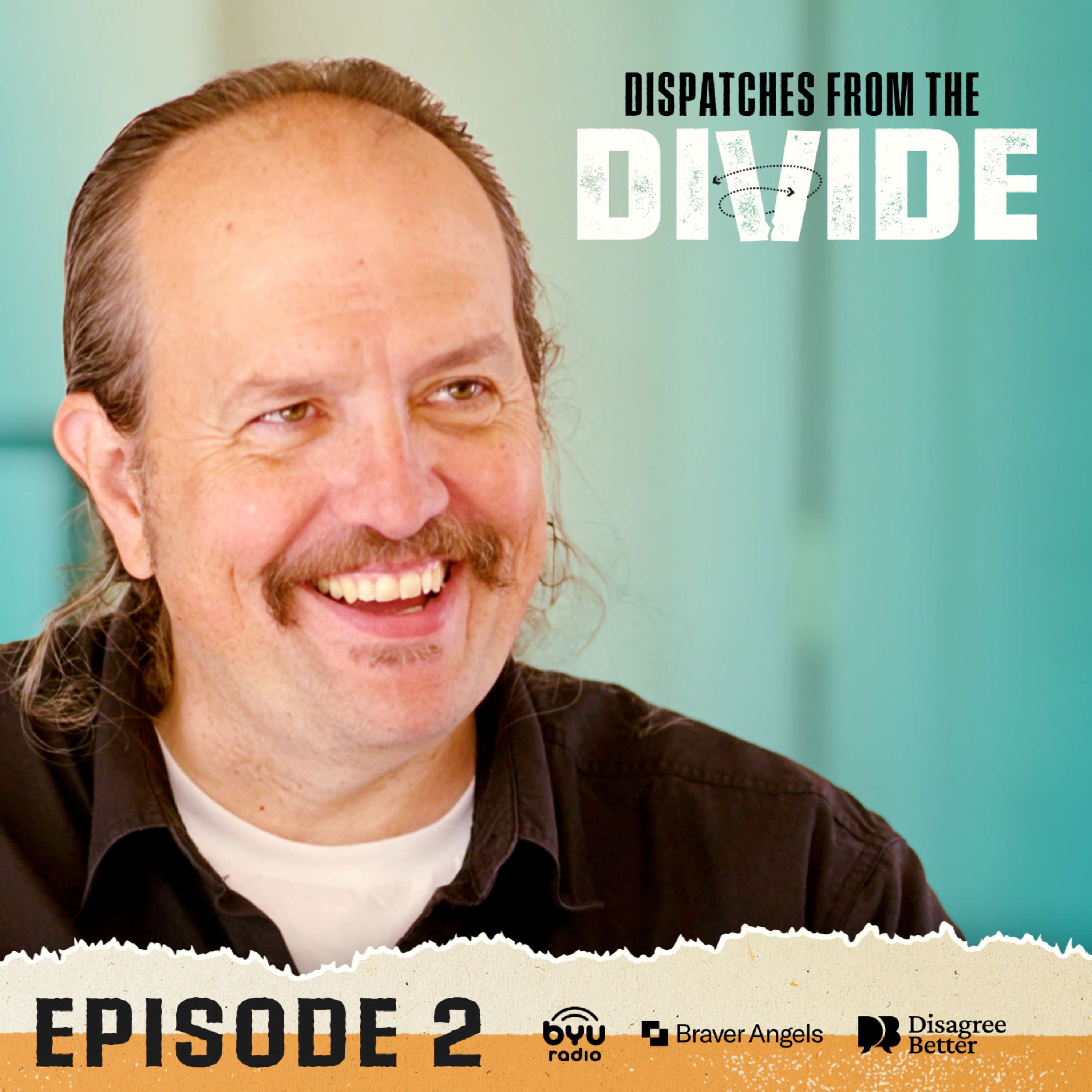
They Called Him a Monster for Helping the Wrong Family. | 2
The fundraiser exploded overnight — and so did the backlash. As Dave Butler's small act of compassion turns into a national story, a nagging doubt creeps in: what if he's making things worse for the people he's trying to help?
In Episode 2 of Dispatches from the Divide, Dave finally makes contact with the family at the center of it all, in a pair of raw, emotional phone calls that neither side sa
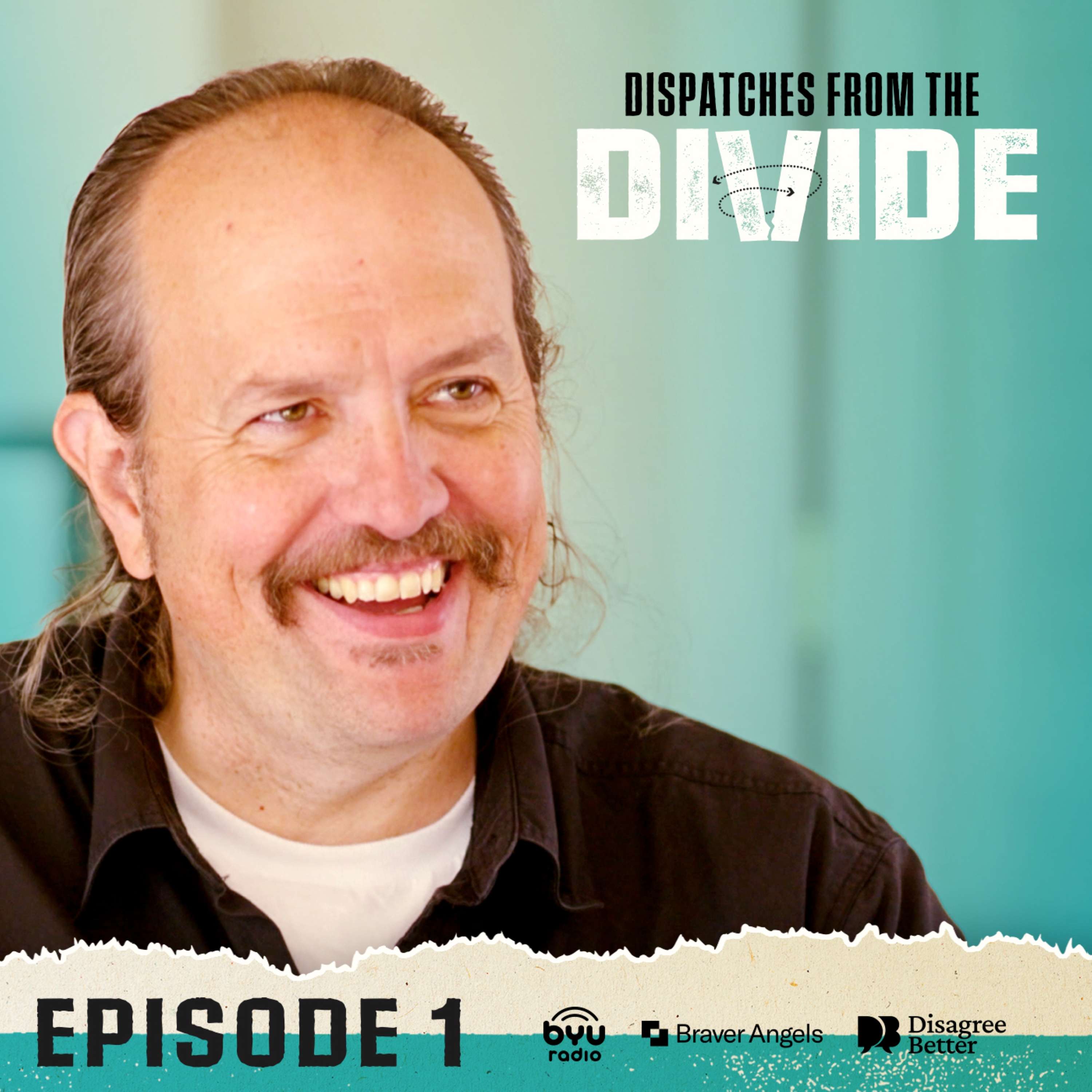
His Church Was Attacked. Then He Did the Unthinkable. | 1
A tweet on a quiet Sunday morning stops Dave Butler cold: a shooting at a Latter-day Saint church in Grand Blanc, Michigan. He doesn't know a single victim — but he’s a member of the same faith, so the attack feels personal. As the news spreads and fear turns to anger online, Dave makes a choice that no one sees coming, one that will pull him into the national spotlight and put him directly in the
BIG NEWS from Top of Mind
A personal note from Julie with a bittersweet announcement and some exciting changes coming to the Top of Mind feed in the coming weeks. Watch for Dispatches from the Divide to debut right here on September 28th. A new podcast from the Top of Mind team, Dispatches from the Divide is a co-production of BYUradio, Braver Angels and Disagree Better. It's hosted by Monica Guzman and follows four ordin
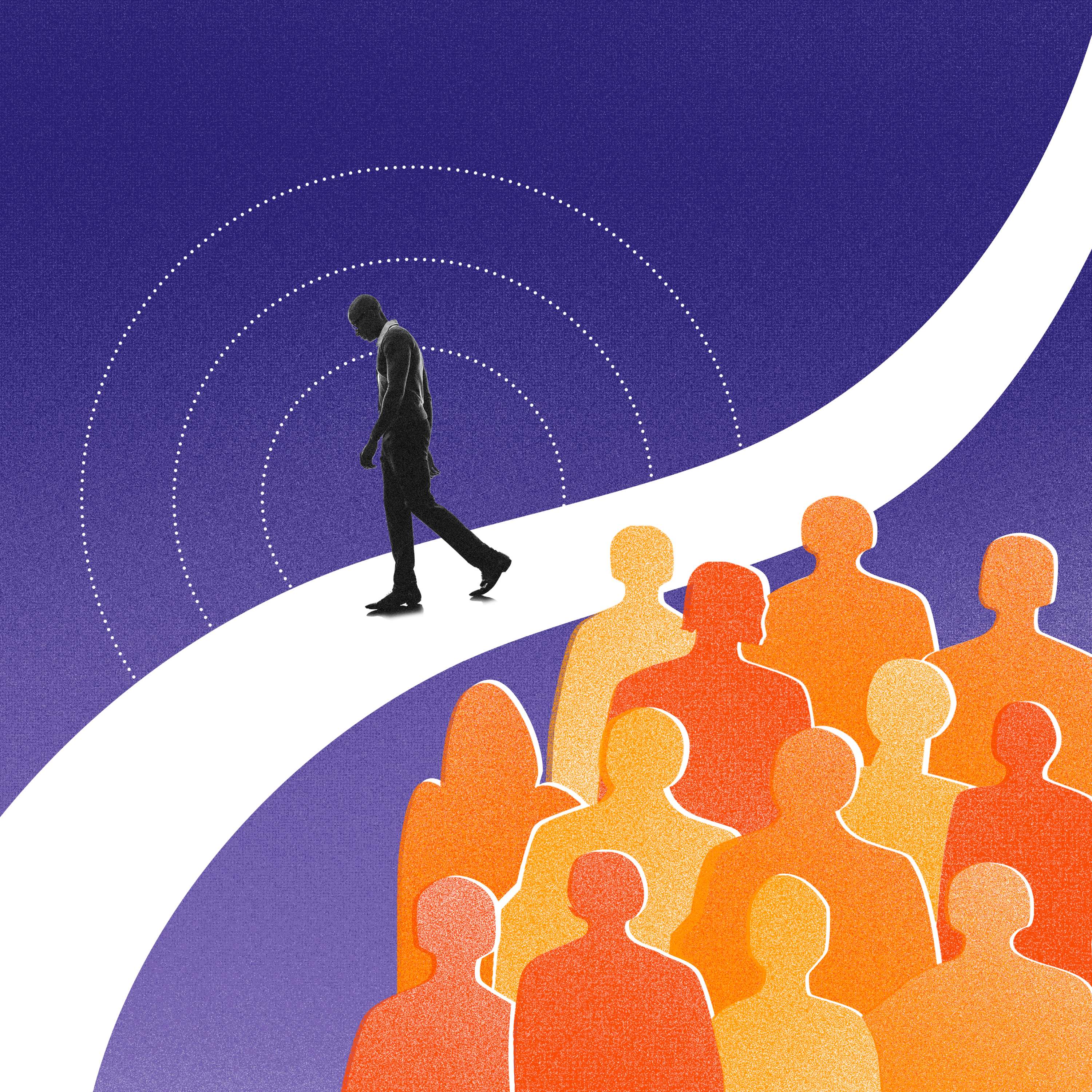
The Loneliness Epidemic: What Are We Missing?
What does it mean to be lonely, and what can we do about it?
On this episode of Top of Mind, psychiatrist Dr. Frank Clark explains why loneliness is a public health issue and why it doesn’t always look the way we expect. Charlotte Donlon, author of The Great Belonging, explores loneliness as a longing for belonging, while game designer Matt Fantastic shares how his board-game shop is creating a “
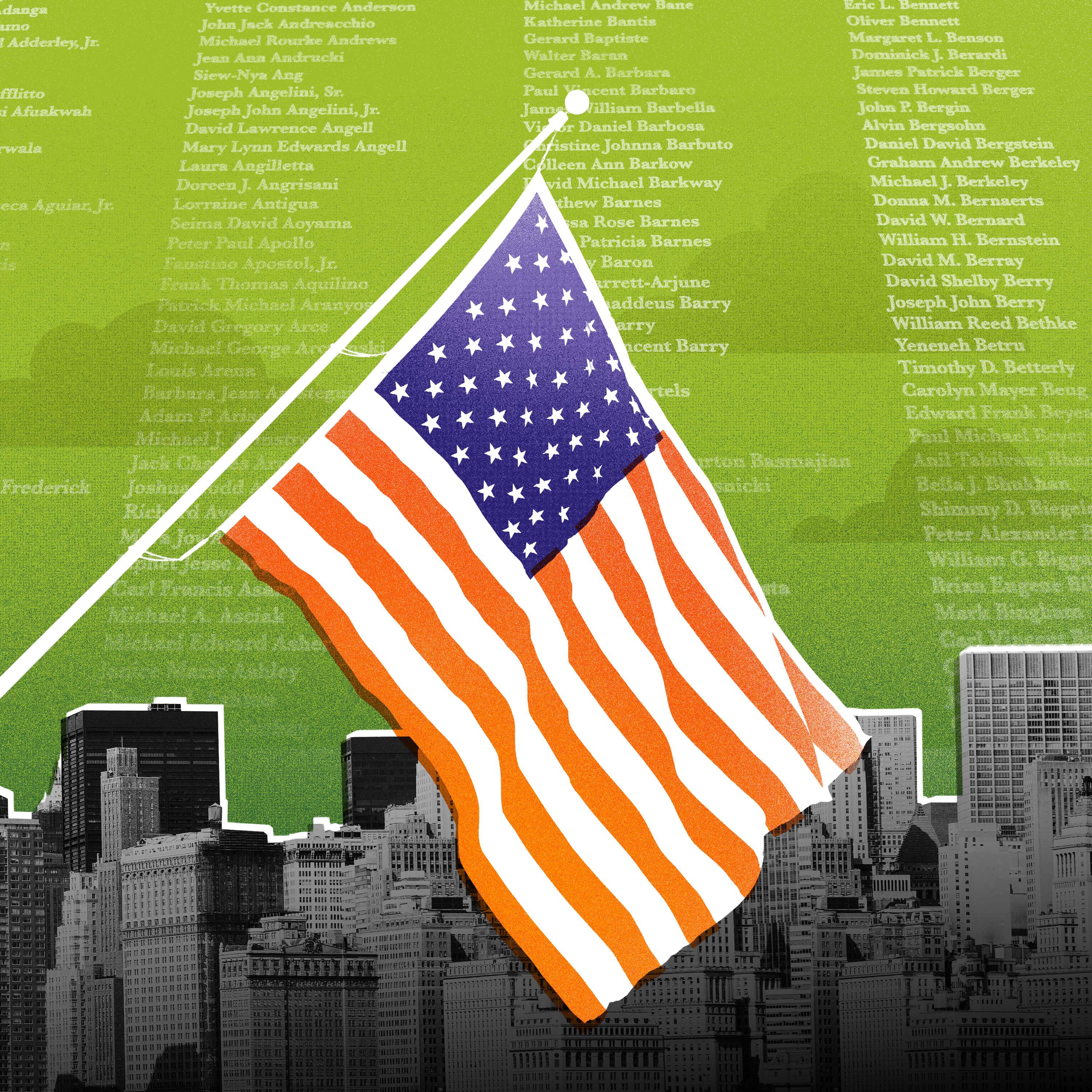
The Untold Story of How America Remembers 9/11 – PART 2
What does it take to create a new American tradition?
For years, Jay Winuk and David Paine have been fighting to transform September 11th into a National Day of Service. Now, just when their effort seems stuck, help arrives from an unexpected place.
But getting Washington on board is only the beginning. How do you turn an idea into something millions of Americans will actually do year after year
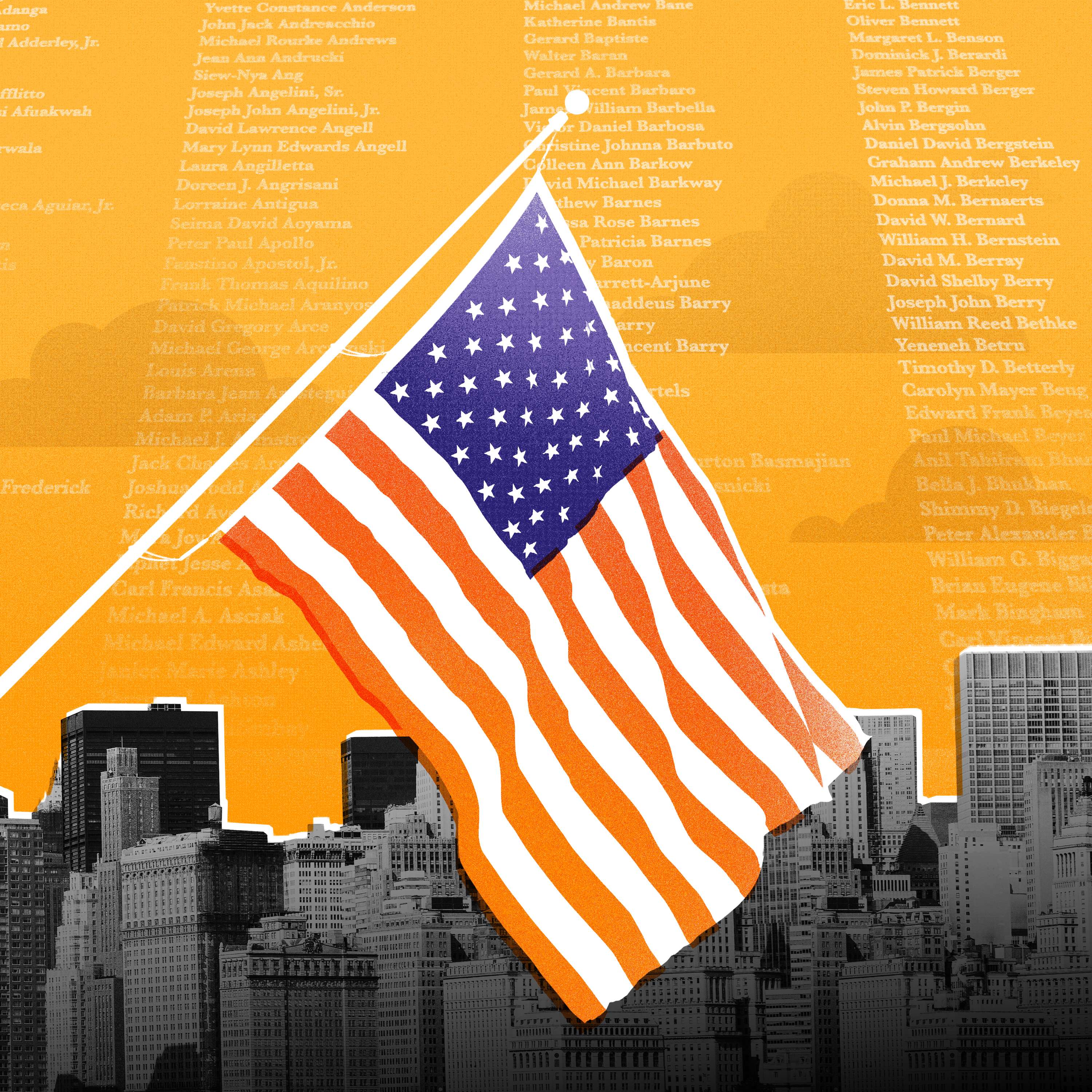
The Untold Story of How America Remembers 9/11 – PART 1
Every September 11th, millions of Americans honor the victims of 9/11 by volunteering and doing good in their communities. But how did the anniversary of the deadliest terrorist attack on U.S. soil become a National Day of Service?
In Part 1 of “The Untold Story of How America Remembers 9/11,” host Julie Rose traces the idea back to the aftermath of the attacks, when Americans responded to traged
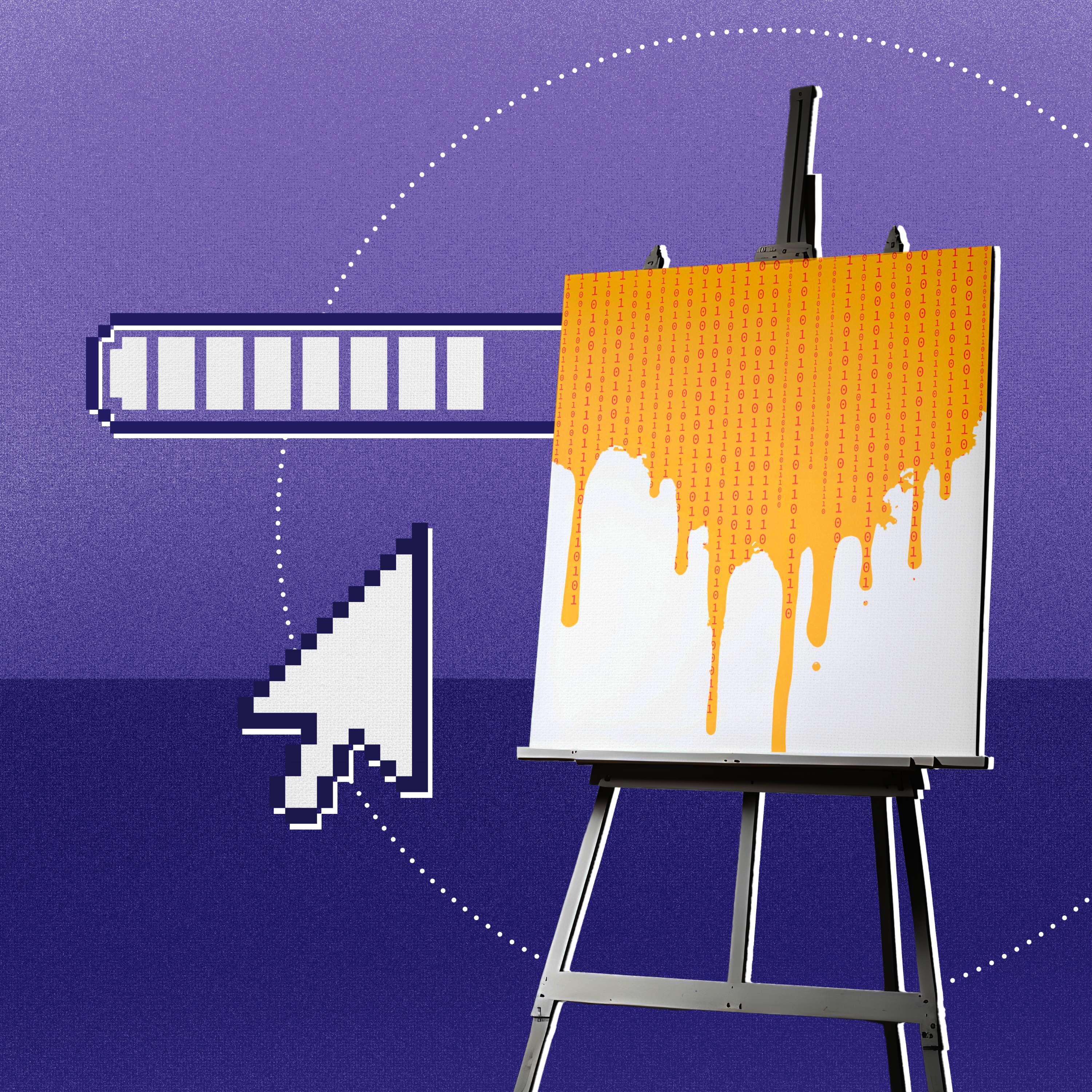
Has AI Changed What It Means to Be Creative?
Artificial intelligence can write poems, compose music, create works of art, and even help produce podcasts. But if AI can create almost anything, what makes human creativity special?
In this episode, we explore one of today's biggest questions with philosopher Lindsay Brainard, illustrator Jon Cockley, musician Kate Brunotts, and pioneering AI artist Claire Silver. Together, they wrestle with wh
Can Family Estrangement Heal? The Truth About Reconciliation
Family estrangement is more common than most people realize and far more complicated than people often assume.
In this episode, we explore why parents and adult children become estranged, what makes reconciliation so difficult, and why some families can reconnect after years—or even decades—apart.
You'll hear the remarkable story of author Charlotte Gill, who reunited with her father after 20 ye
Can You Joke About Anything? Where Funny Becomes Offensive
Can you joke about anything, or are some topics simply off limits?
In this episode, we explore what makes something funny, why people disagree so deeply about what's offensive, and whether comedy has ethical limits. Through conversations with a stand-up comedian and two philosophers, we examine race, satire, intent, workplace humor, and the surprising ways laughter can strengthen or strain our re
The One Thing That Makes Difficult Conversations Easier
Why do some difficult conversations leave us feeling understood while others leave us frustrated and further apart?
In this episode, we explore a surprisingly powerful tool that can make even the hardest conversations easier: storytelling.
You'll hear about groundbreaking research from BYU showing how personal stories can increase empathy between autistic and neurotypical individuals. You'll lea
Are Juries America’s Best Defense Against Injustice?
Every year, millions of Americans receive a jury summons, but how many of us truly understand the responsibility that comes with deciding another person's fate?
In this episode, we explore one of the foundations of American democracy: trial by jury. We’ll hear from a juror who struggled with the weight of a guilty verdict, a man who was wrongfully convicted and sent to death row, and a former fel
Why Is Everyone Asking for a Tip Now?
Why does it feel like everyone is asking for a tip now? From coffee shops and takeout counters to self-checkout screens, tipping culture in America has changed fast, and many of us feel confused, pressured, or even guilty about it.
In this episode of Top of Mind, we explore the hidden psychology of tipping, the history behind it, and what our tipping habits reveal about power, status, fairness, a
Who Owns Culture? Museums, History, and the Stories We Tell
Who owns culture, and who gets to tell its stories?
We explore the complex and often uncomfortable debate around cultural ownership, appropriation, and representation. You’ll hear how a hidden figure in a centuries-old painting forced museums to rethink history, why some argue artifacts should be returned to their communities, and how others worry that limiting who can tell cultural stories may a
Are America’s Kids Okay? How We Can Do Better
America’s kids are facing serious challenges, from rising anxiety and depression to falling behind in school and growing up in increasingly complex family situations. But there’s also hope.
In this episode of Top of Mind, we’ll hear from educators, researchers, and policy experts tackling the biggest issues facing kids today: from teen mental health first aid in schools, to rethinking education a
Why Primary Elections Matter More Than You Think
Most Americans focus on the general election in November. But what if the real decision is happening months earlier?
In this episode of Top of Mind, we take a closer look at primary elections, the often-overlooked part of the political process that determines who actually makes it onto the final ballot. In fact, in many districts, whoever wins the primary is almost guaranteed to win the general

Are Routine Traffic Stops Helping or Hurting Public Safety?
Getting pulled over is one of the most common interactions Americans have with police, but do routine traffic stops make our communities safer?
In this episode, we explore the real impact of traffic enforcement through powerful personal stories, expert insight, and new data from cities rethinking how policing works.
Alexander Landau shares the traffic stop that nearly cost him his life and how i
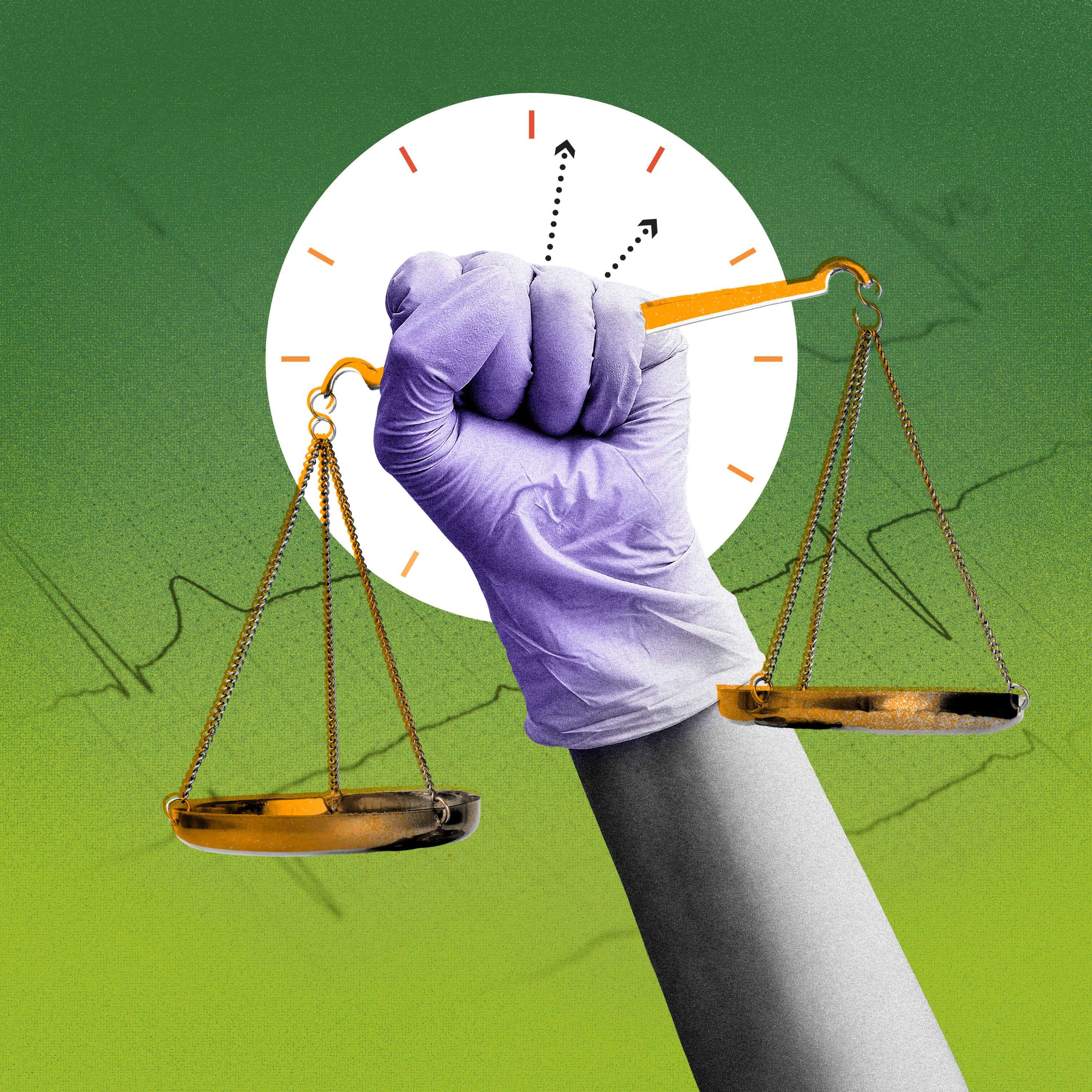
Justice in Healthcare: Who Deserves to Be Healthy?
Who deserves to be healthy—and who’s responsible for making that possible?
In this episode of Top of Mind, we explore one of the toughest questions in modern healthcare: how we decide who gets care, compassion, and lifesaving treatment.
A doctor reflects on a moment with a patient that changed his understanding of kindness in medicine. A widow shares the devastating consequences of a transplant
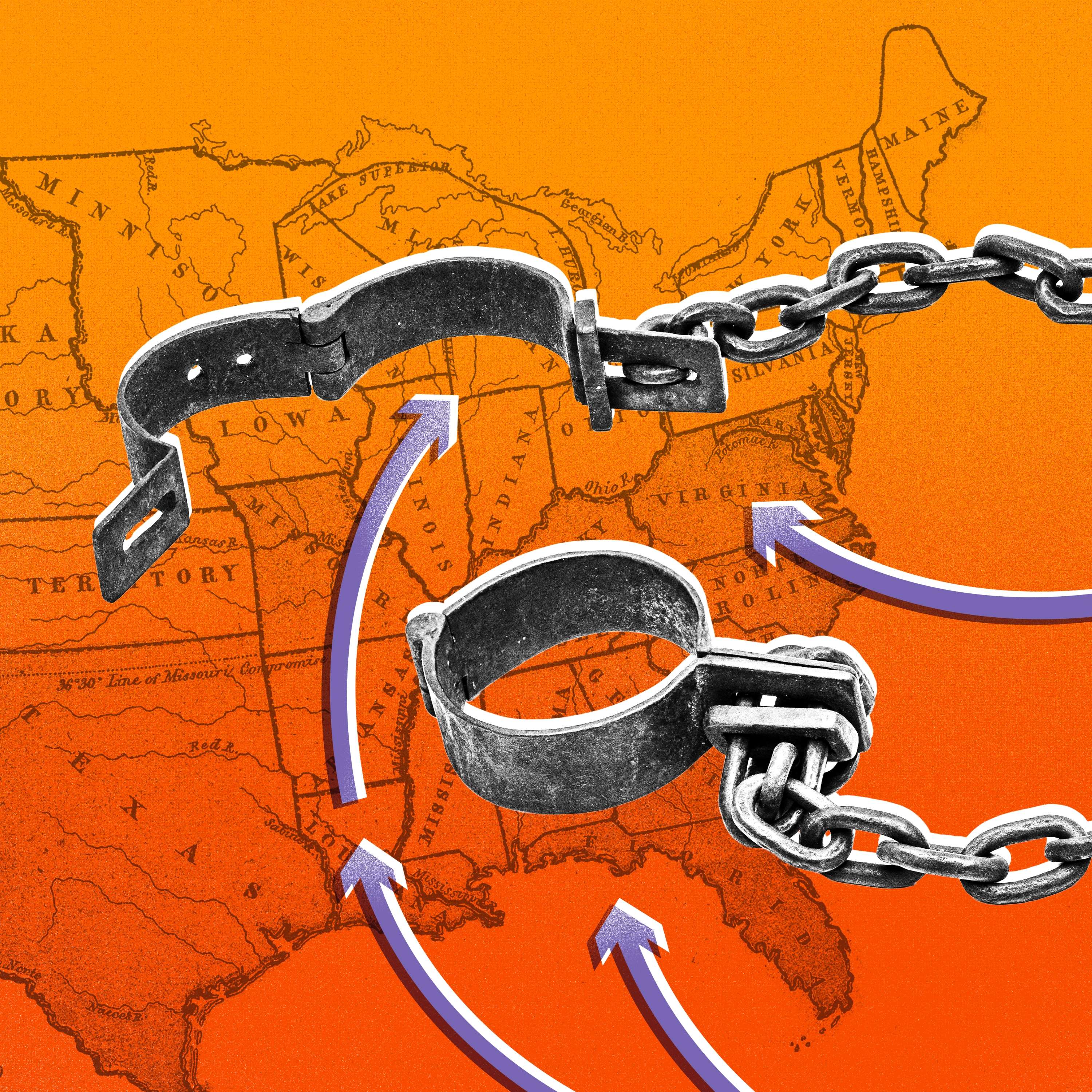
Can We Repair Historic Injustice?
Can a nation truly heal from historic injustice, or does there come a point when it’s simply too late?
In this episode of Top of Mind, we explore what it really means to repair the harms of slavery, segregation, and systemic racism — not just through money, but through truth, relationship, and repentance.
A genealogist and descendant of enslaved people and a descendant of the largest slave-tradin
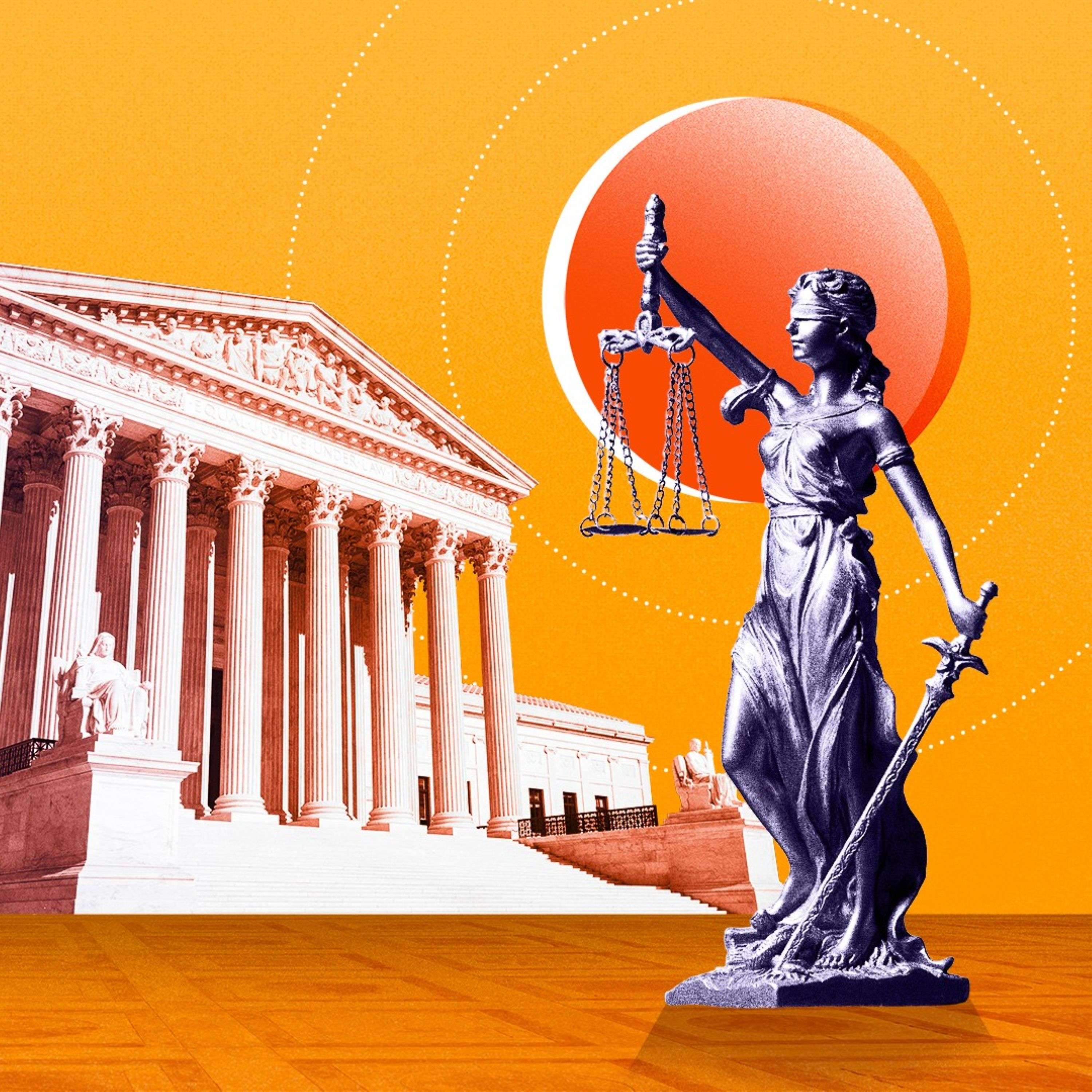
Should Christians Support the Death Penalty?
The death penalty - maybe more than any other question of crime and punishment - poses a conundrum for America as a majority Christian nation.
Since colonial times, Christian ministers and believers have been among the strongest supporters of capital punishment for murder. Today, American Christianity is more divided. And the Bible offers seemingly contradictory guidance. From the Old Testament
How Work Became Our Identity in America
Americans work more hours than people in nearly every other wealthy country—are we better off for it?
In this episode of Top of Mind, we unpack the deep roots of the American work ethic and why so many of us feel overworked, burned out, and unable to step away from our jobs. From the rise of “meaningful work” to the hidden costs of hustle culture, this conversation explores how work became central
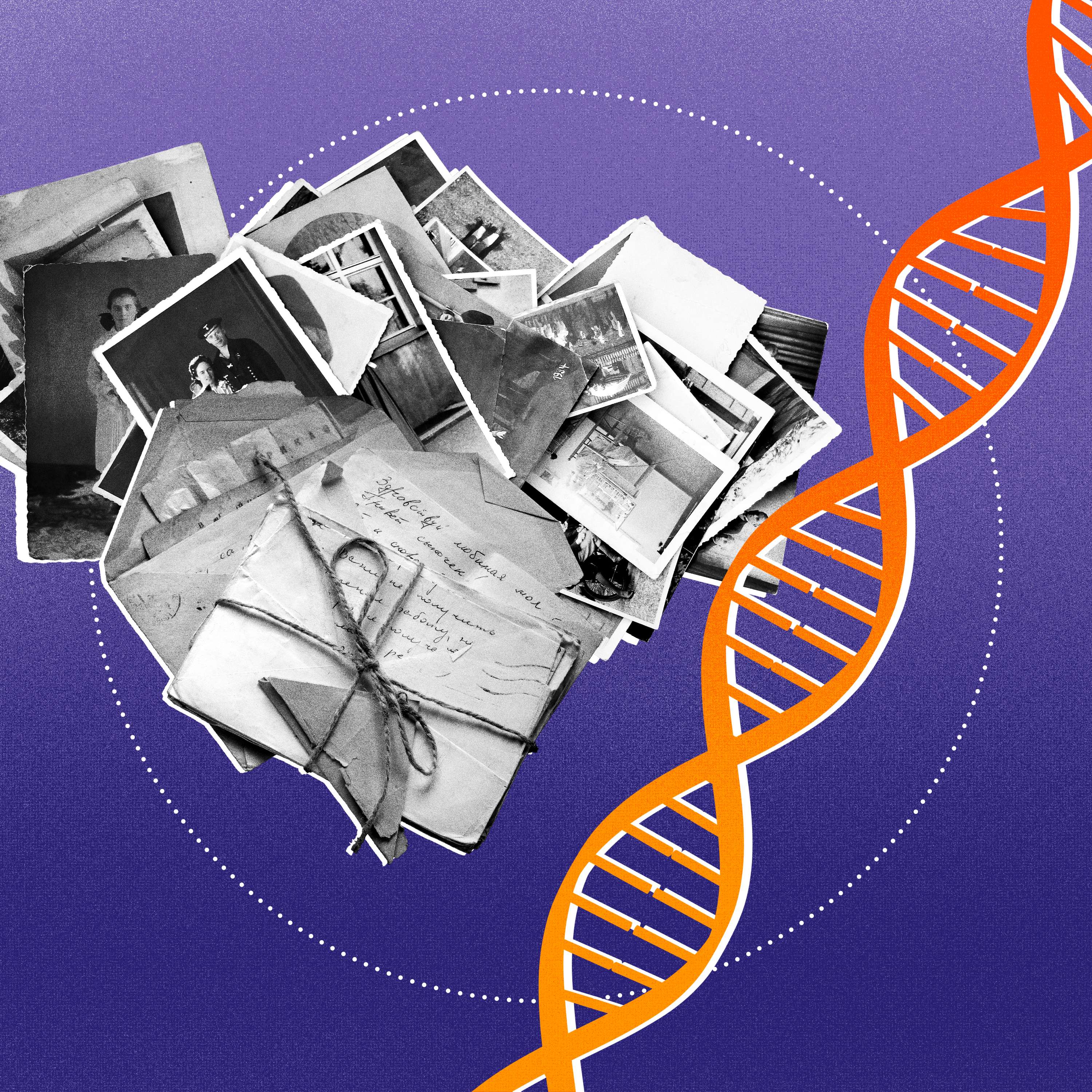
The Risks and Rewards of Doing Family History
Family history can sometimes feel distant, irrelevant, or even risky. Why look back when the past may hold stories we’d rather not claim? In this episode of Top of Mind, we explore why learning about our ancestors matters—how their stories, traditions, and struggles can shape our identity and strengthen family bonds. We also wrestle with a harder question: what do we do when our history includes d
Why We Feel Disgust—and What It Reveals About Us
Disgust is one of our most primal emotions—hardwired into the brain, yet shaped profoundly by culture, upbringing, and personal experience. While we often associate it with spoiled food or foul smells, disgust reaches far deeper into the human psyche. It influences how we judge others, how we draw moral boundaries, and even how we vote.
In this episode of Top of Mind, we explore why we feel disg
What We Get Wrong About Autism — Told by Autistic Voices
What if the world believed you couldn’t understand it—while inside, your mind was full of thoughts, poetry, and frustration you had no way to express?
In this episode of Top of Mind, host Julie Rose sits down with Emily Grodin, who spent 25 years unable to speak, and her mother Valerie Gilpeer, to share the extraordinary story of the moment Emily finally found her voice through typing after a dev
The Power of Nostalgia: How Community Traditions Shape Who We Are
What makes you nostalgic for home?
In this episode of Top of Mind, we explore the surprising science behind place attachment — why certain places feel like home, and why traditions, parades, festivals, and quirky community rituals bring us closer together. Writer and researcher Melody Warnick joins the conversation to unpack what connects us to the places we live.
Through stories from around t

Is Higher Education a Good Investment for American Taxpayers?
Confidence in America’s higher education system is slipping, even as the government spends nearly half a trillion dollars a year on it. The average US taxpayer invests $1,700 a year in higher education – whether you went to college or not. And frustration with the system runs across the political spectrum – from anger over high tuition and student loan debt to concerns that universities are too li

How Small Acts of Service Saved a Life and Changed a Family (#LightTheWorld)
From a small town in Wasatch County, Utah, comes the remarkable true story of the Karren family — a journey through illness, unlikely connections, and the quiet evidence of God in the details.
On Memorial Day weekend 2020, Brady Karren suddenly became gravely ill and was diagnosed with liver failure. Around the same time, his wife, Meranie, had been searching for information about her birth pare
Is There a Right Way to Grieve?
Why are we so uncomfortable with grief?
In this episode of Top of Mind, we explore America’s fear of grief and mourning and what we lose when we rush people to “move on.” Writer Jacqueline Dooley shares how she keeps her daughter’s memory alive years after her death. Historian Brandy Schillace takes us back to Victorian mourning rituals when grief was public, visible and communal. And grief exper
What Does It Mean to Be Patriotic in America?
American patriotism is at a historic low. Gallup polls show fewer and fewer Americans say they feel “extremely” – or even “very” proud to be American. When you dig into the polling data on patriotism, you find significant differences depending on political party, racial identity and age. Why are some groups of Americans much less likely to tell posters they’re proud to be American? And does it rea
Wrongful Convictions: How Innocent People End Up Behind Bars
What happens when the justice system convicts an innocent person? Anthony Graves spent 18 years in prison—12 of them on Texas death row—for a crime he didn’t commit. His story is one of unthinkable injustice, unbroken faith, and a determination to reform the system that failed him. Criminal defense attorney David Rudolf reveals the patterns of human error and bias that lead to wrongful convictions

Why are Americans Having Fewer Kids?
Americans are having fewer babies than ever before. The fertility rate in the United States has dropped to an all-time low of 1.6 births per woman. In response, the Trump Administration has urged Americans to have more children and proposed a range of pronatalist policies including baby bonuses, an expanded Child Tax Credit and making IVF treatment more affordable. Critics of the Trump Administrat
Too Hot to Handle? America’s Deadly Heat Problem
Extreme heat kills more Americans most years than hurricanes, floods and tornadoes combined, but we don’t give it the same emergency treatment. The government doesn’t name heatwaves like it does storms. And extreme heat doesn’t qualify for federal disaster funding. But record-breaking temperatures are now a yearly reality across the U.S. Cities are scrambling for solutions—from planting trees to s
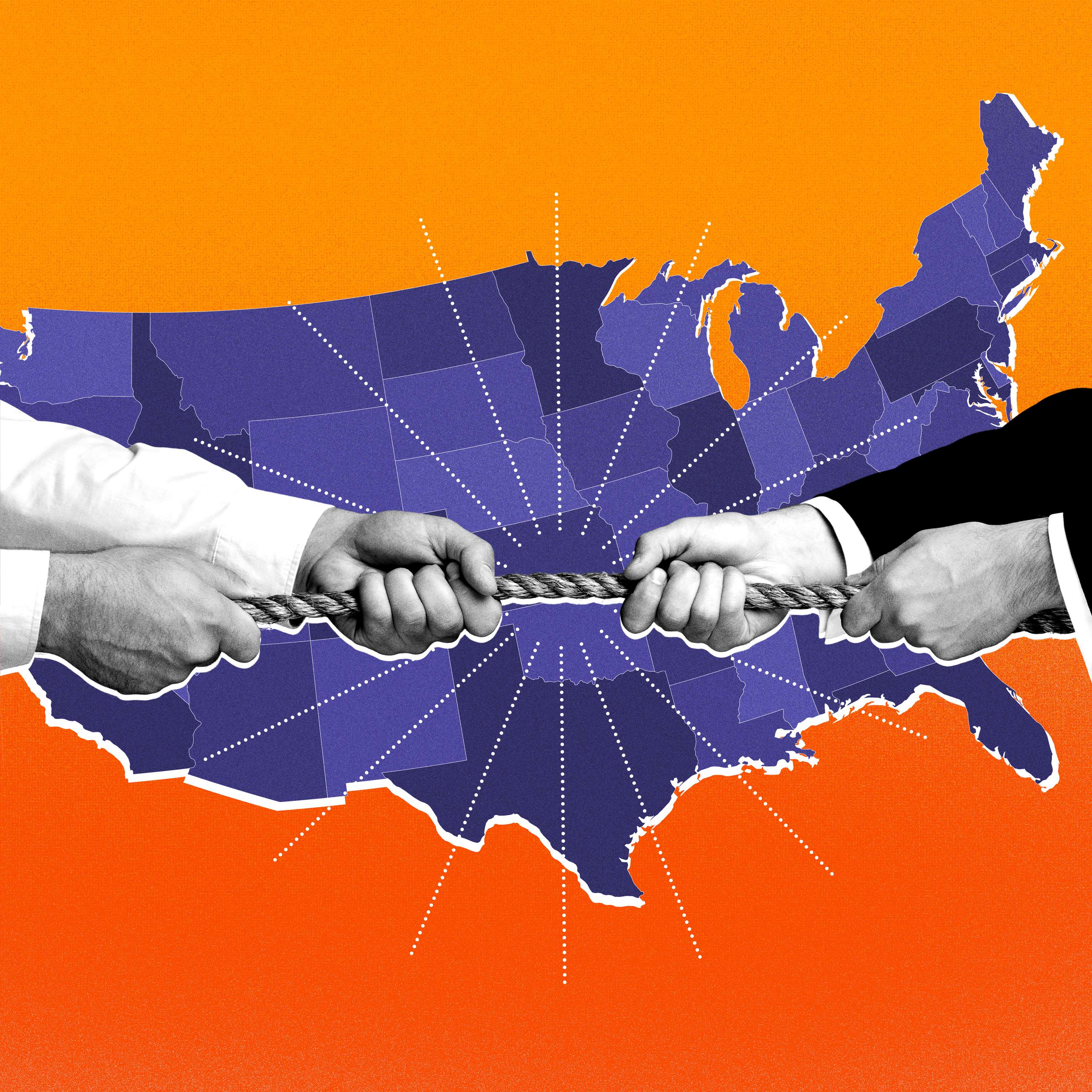
Does America Have a Balance of Power Problem?
How is the balance of power supposed to work when a U.S. President aggressively pushes for more? In his first 100 days of his second term, President Donald Trump issued more executive orders than any president in history, and the Supreme Court has largely let them stand while legal challenges play out. Whether that troubles you depends largely on how you feel about the President and his policies.
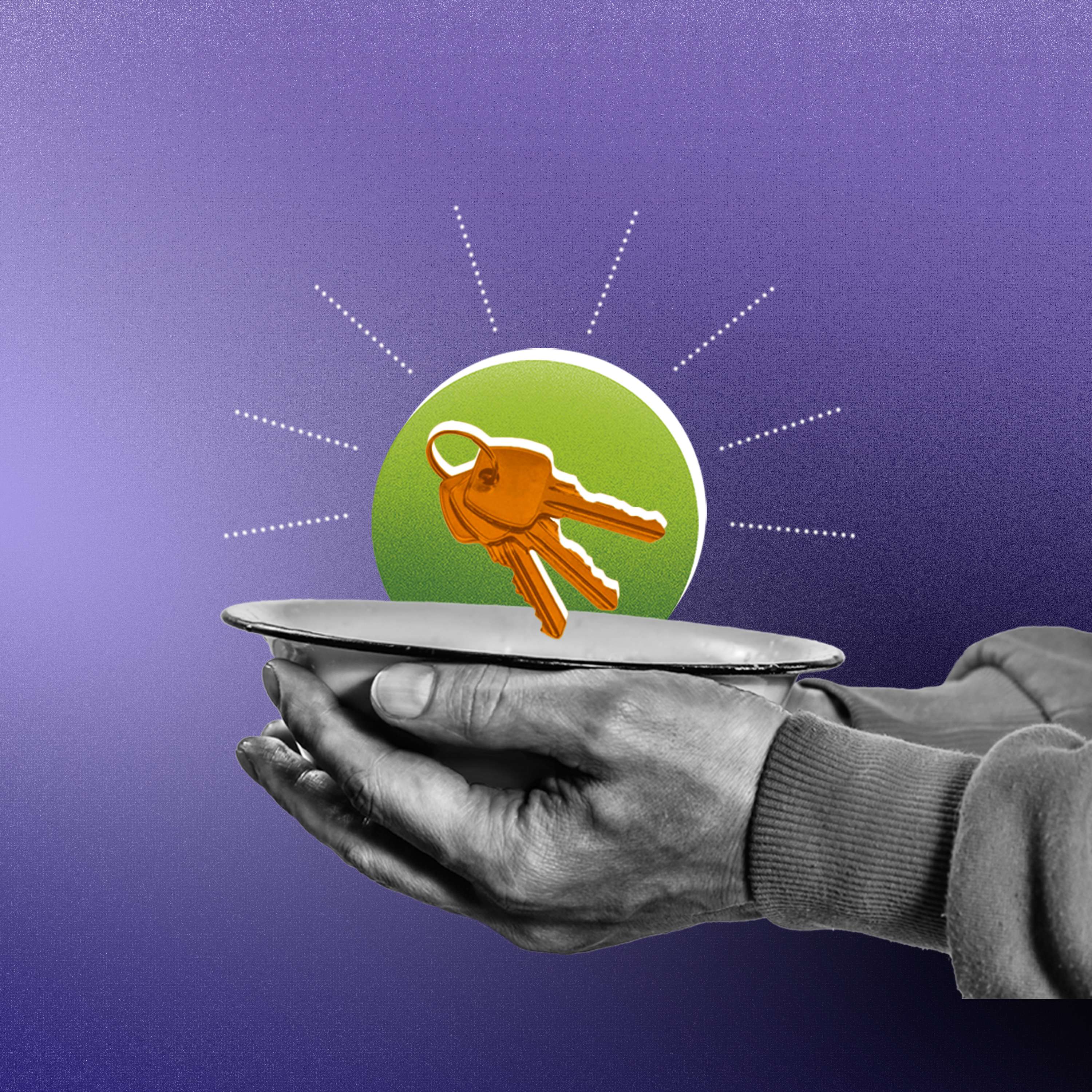
Can Free Housing Solve Homelessness? The Housing First Experiment
Is Housing First a viable solution or just repeating the past? What actually works to end homelessness? Communities across the U.S. have debated and tested solutions, from housing first to human first, permanent supportive housing, transitional housing, and emergency shelters. But Housing First has gained national traction, a strategy that prioritizes permanent housing without conditions, followed
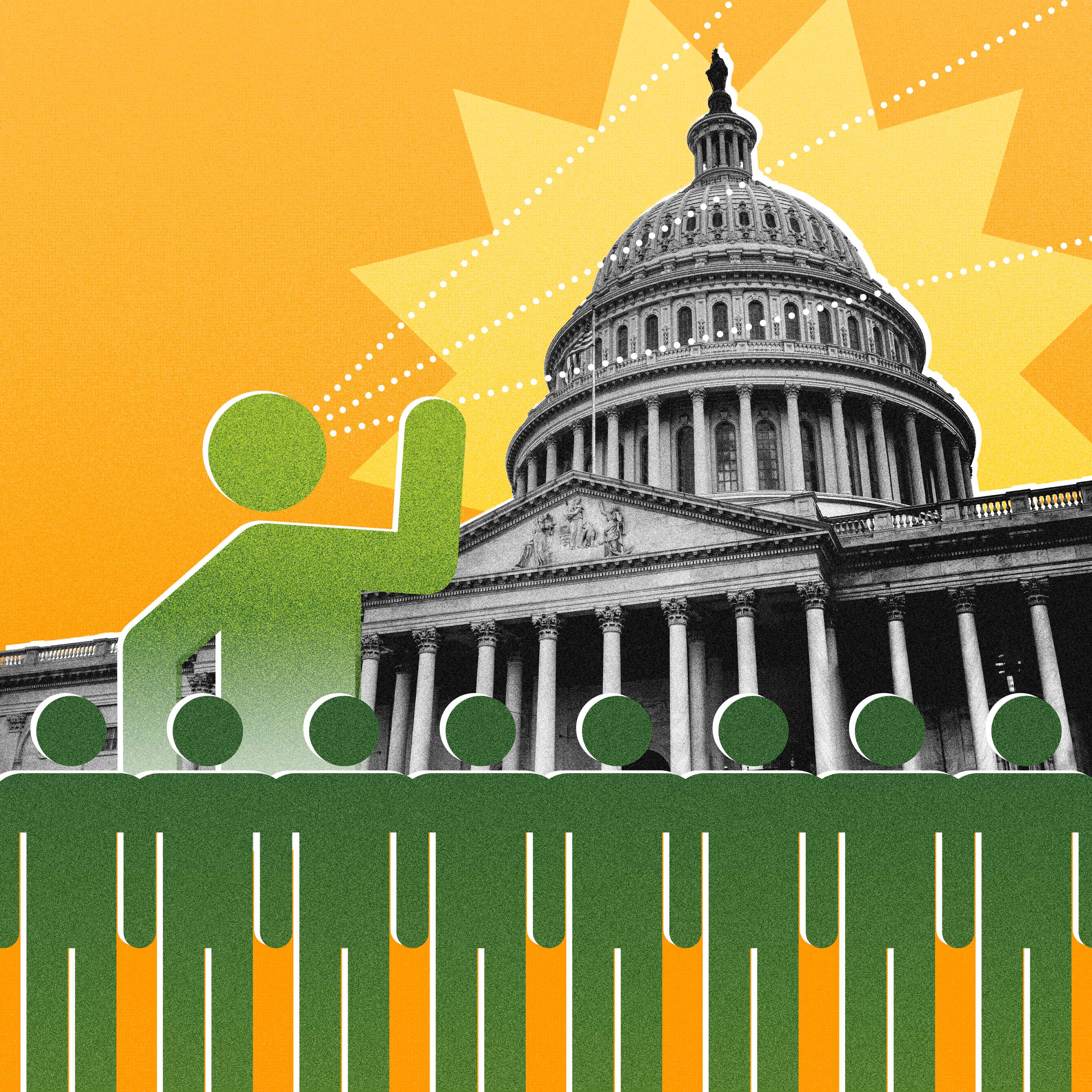
Feeling Unheard by Congress? Here's What You Need to Know.
It’s easier than ever to connect with our representatives in Congress, so why doesn’t it feel like they’re listening?
The 1st Amendment guarantees the right to “petition the government for a redress of grievances.” Given how frustrated Americans are with the job Congress is doing, how secure is that right in 2025?
In this episode, we talk with two members of Congress (a Republican and a Democr

Should Kids Have Smartphones in the Classroom?
Smartphones have become an essential part of daily life, but should they have a place in the classroom? Half of U.S. states have recently passed laws restricting or banning phones in schools, igniting a passionate national debate.
Some parents say phones are vital for student safety and emotional regulation. Others argue they’re fueling a mental health crisis and stifling face-to-face connection
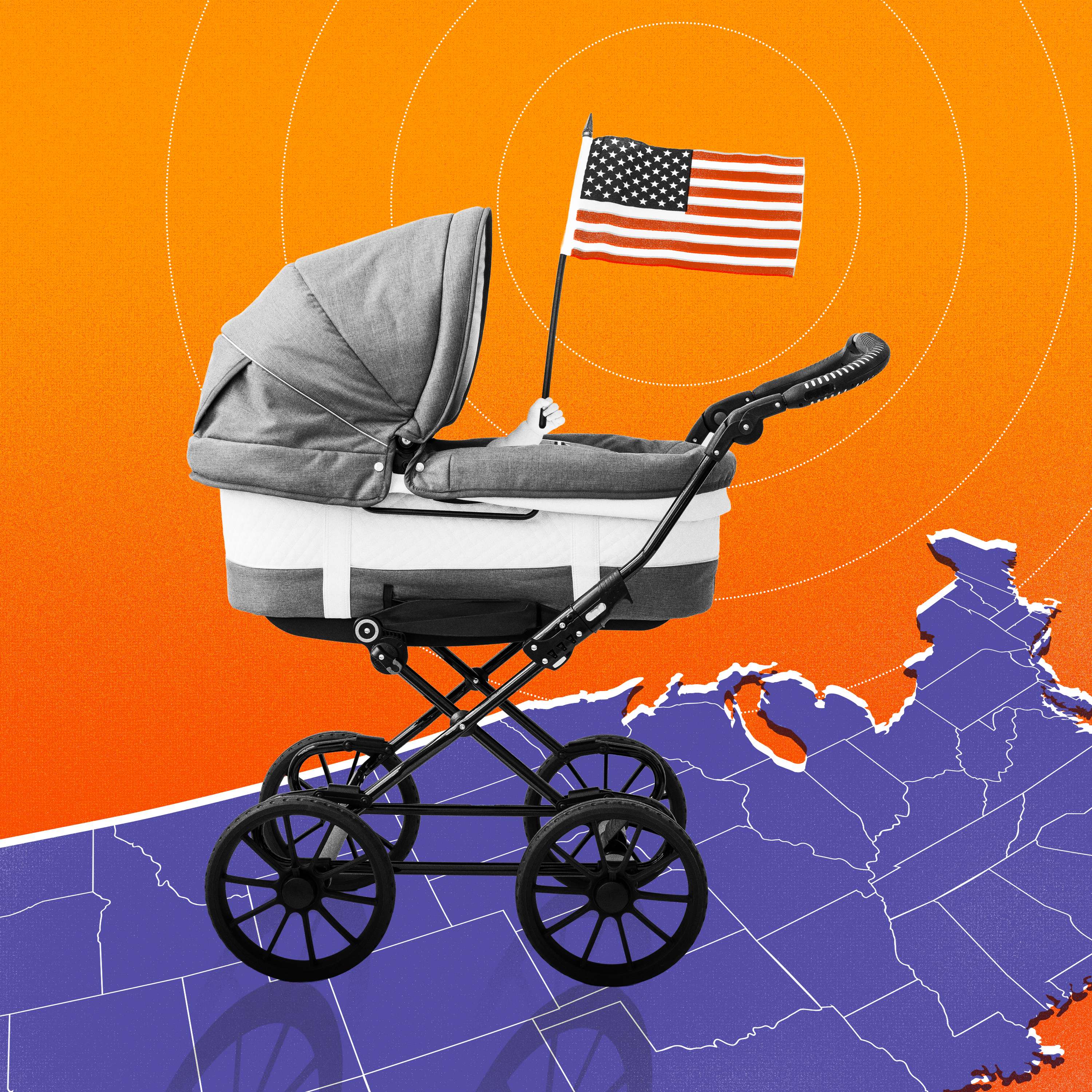
Who Counts as American? The Birthright Citizenship Debate
For over 150 years, the U.S. has granted automatic citizenship to babies born on American soil, a principle rooted in the 14th Amendment and seen by many as key to equality and opportunity. But most countries don’t follow jus soli (“right of soil”), granting citizenship instead by bloodline. Critics, including President Donald Trump, argue birthright citizenship encourages illegal immigration and
Rethinking Drinking: America’s Evolving Relationship with Alcohol
Alcohol is a deeply embedded part of American life—woven into celebrations, identity, and social norms. But from health warnings to sober-curious trends, new questions are surfacing about what we drink, how much, and why.
In this episode of Top of Mind, we explore how cultural attitudes toward alcohol have evolved and why more people today are rethinking what it means to drink responsibly. We al
The Unfinished Business of School Integration in America
School integration in America is widely viewed as a civil rights milestone— but decades later, U.S. schools are as segregated as they were in the 1970s. So, in this episode of Top of Mind, we look at the complicated legacy of school integration in America: who it helped, who it hurt, and what struggling schools need to thrive.
Dr. Noliwe Rooks shares her family’s four-generation story with integ

Making Sense of America’s Credit Card Debt
Credit card debt is at an all-time high in America. Half of all Americans with a credit card have carried a balance in the past year, and one in three have more credit card debt than emergency savings. And with interest rates soaring, that debt is becoming even more expensive.
It’s easy to see credit card debt as a personal failing, caused by overspending. While that’s often true, nearly a third
ISIS and the New Threat of Radicalization in America
In 2017, the US and a coalition of more than 80 countries ran ISIS out of its strongholds, killed the group's top leaders, and declared victory.
But that wasn't the end.
Instead, ISIS reinvented itself as an even greater threat to the United States homeland—and did so more successfully than any other foreign terror group. National security experts now say a 9/11-style attack is no longer the
Americans Are Reading Fewer Books Than Ever. Does That Matter in 2025?
Americans reported reading 12 books on average in 2022. That’s the lowest number since Gallup started polling on this in the 90s. Survey data from 2023 show nearly half of US adults didn't read—or listen to—even one book that year. It's no wonder; book reading has to compete with endless news feeds, social media sites, streaming services, and even podcasts for free time. Teachers are starting to w
America is Rethinking Public Education. What Will the Future of School Look Like?
The current state of education in America is a troubling picture. Reading proficiency scores have reached historic lows. Chronic absenteeism is on the rise—more than a quarter of K-12 students miss at least 10% of the school year. And the achievement gap in test scores between the highest and lowest performing students has widened. On this podcast episode, we take a closer look at education reform
Is Marijuana Legalization Working Out Like We Thought it Would?
More Americans use cannabis every day, or almost every day, than use alcohol on a daily basis. That's in large part because marijuana is a lot more accessible than it used to be. More than half of us live in a state where marijuana is recreationally legal. Nearly 8 in 10 live in a county with a marijuana dispensary.
But marijuana is still illegal in the eyes of the federal government, which me
An Unlikely Friendship and the Fight to Make America Safer
They started off as ideological enemies.
Mark Rosenberg pioneered the public health approach to preventing gun violence and opened a branch of the CDC to fund that research. Jay Dickey, the "NRA's point man in Congress", pushed a ban on CDC funding for gun violence research that lasted 20 years – and got Rosenberg fired. On this episode of Top of Mind, we tell the unlikely story of their friend
Is AI Killing Our Creativity?
It’s been about two years since the public got a taste of ChatGPT for the first time. Now, artificial intelligence has seeped into nearly every aspect of our lives. You can use AI to check your grammar or to generate content for social media. Students use it to write essays. AI can also generate artwork, music or audio in seconds. We’re relying more and more on generative AI tools like MidJourney,
Free Speech on Campus: Protect Students or Speech?
A 2024 Knight Foundation report found one in four college students think schools need to protect students by banning speech they may find offensive or biased, the largest share of students to answer that way since the survey first asked the question in 2016. 2024 also set a record for the number of attempts to disrupt or disinvite speaker, cancel performances, take down art exhibits and prevent th
How Do We Solve Loneliness in America?
In his parting prescription for the country, outgoing US Surgeon General, Doctor Vivek Murthy writes that he is worried about how exhausted and alone Americans are. Public health experts say loneliness has become an epidemic. Research shows social disconnection is about as bad for your health as smoking 15 cigarettes a day, and more harmful than obesity.
But loneliness in America is hardly new.
Does IQ Really Matter?
Why is insulting someone’s intelligence such a potent put down? It’s more than saying someone lacks knowledge or book learning. It’s a statement of a person’s worth – of their potential to be successful. And for that, we can thank the IQ test. In this podcast episode, we explore how the IQ test was created and continues to shape our collective understanding of intelligence and disability. We hear
The Surprising Truth About Reconciliation After Estrangement
More than a quarter of Americans are estranged from at least one family member. Parent/child estrangement is the most common – especially between dads and their kids. There’s a lot about modern American life that has made family estrangement more common, and younger generations are more willing to talk about it on social media. But reconciliation happens more than you might think. On this episode
Christian or Not? Unpacking America's Religious Identity
Can America guarantee free expression of religion in public as an officially secular, but culturally Christian nation? Expressing religious faith in public is both protected by law and socially acceptable. As a secular nation, the US has no official religion, but since two-thirds of American are Christian, most of the displays of religion in public places we see represent one faith. For example, C
The Pandemic Shook America's Trust in Vaccines—and Taught Us Something About Building Trust in Institutions
Trust in institutions like the media, the medical system, public schools, all branches of government, and science is at an all-time low. When it comes to vaccines specifically, fewer than half of Americans think childhood vaccines are "extremely important." That's the lowest level in 25 years. The pandemic sparked new vaccine hesitancy, driven by shifting health guidelines and vaccination mandates
Why It's So Easy to Ignore Caregivers (Especially Moms) and How to Change That
Care work is the labor essential to life. But two-thirds of caregiving goes uncompensated. What do we miss when we don’t value care work and how does this affect care workers? If we multiplied all the hours spent in a year on unpaid caregiving in America by the local minimum wage, it would be worth one trillion dollars. Yet none of it is accounted for in the official measures of the nation's econo
America Has an Organ Shortage. Could Paying Donors Close the Gap?
There are more than 100,000 people on the waitlist for an organ transplant. Every day 17 of them die. Most organs for transplant come from deceased donors. But the organs in highest demand for transplantation are kidneys and livers – both of which can be donated while a person is still alive. So, we could save thousands of lives each year if more people were willing make a living organ donation. S
Why We Choose to Lean into the Discomfort of Making this Podcast
Meet the teams behind Top of Mind and Uncomfy in this special crossover episode, where we share stories of sticking with a challenging perspective while working on the shows. We are exposed to a lot of nuanced viewpoints as we put podcast episodes together, which gives us the perfect opportunity to practice what we preach: choosing to lean into discomfort instead of lashing out or shying away. We’
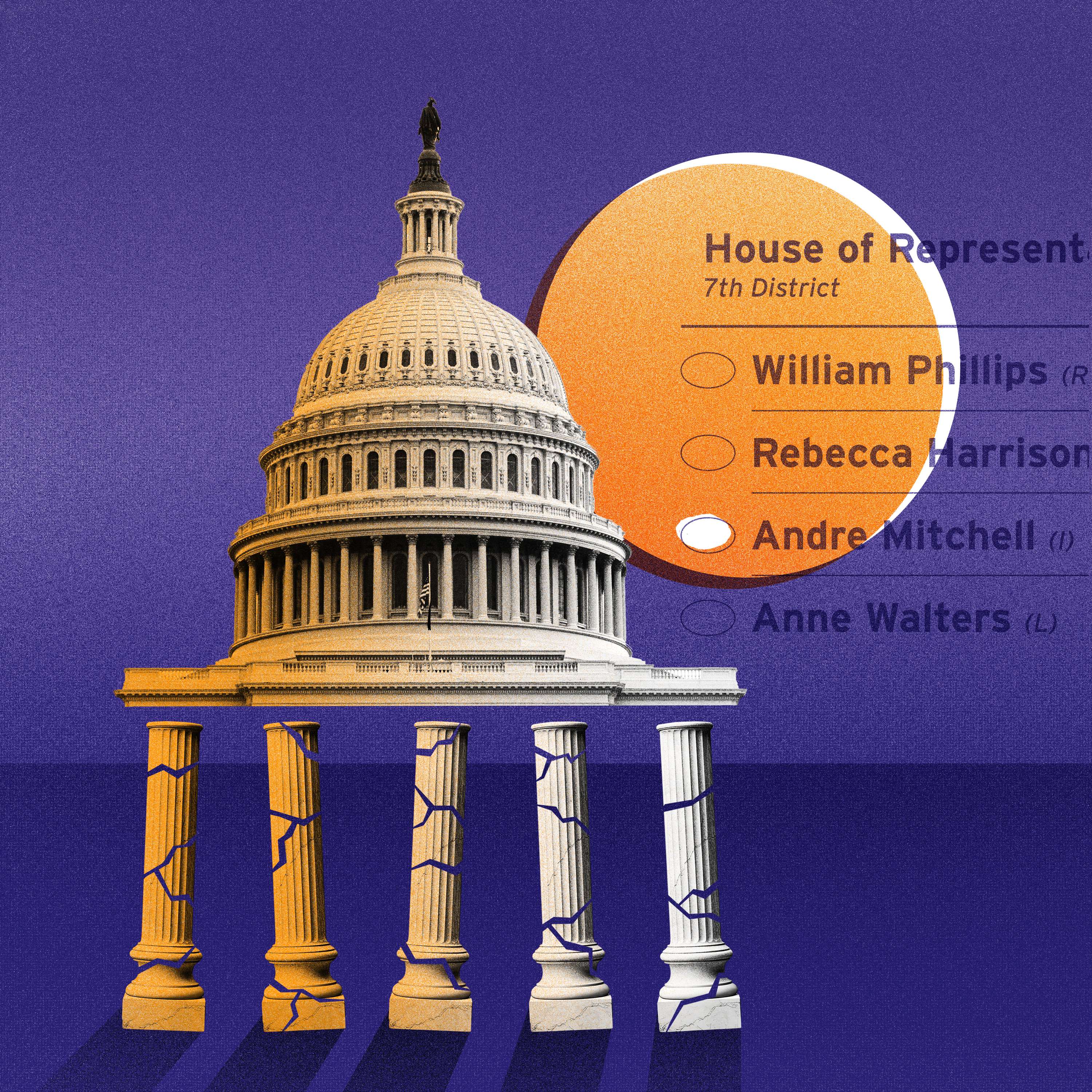
What Will it Take to Rebuild American Trust in Elections?
Only 44% of Americans say they have a "great deal" or "quite a bit of confidence" that the results of the 2024 election will be accurate. But party affiliation is a big part of the story. If you break down that 44%, only 1 in 4 Republicans have high confidence, compared to nearly 3 out of 4 Democrats. The reasons that so many Americans currently lack trust in elections differ on the political left
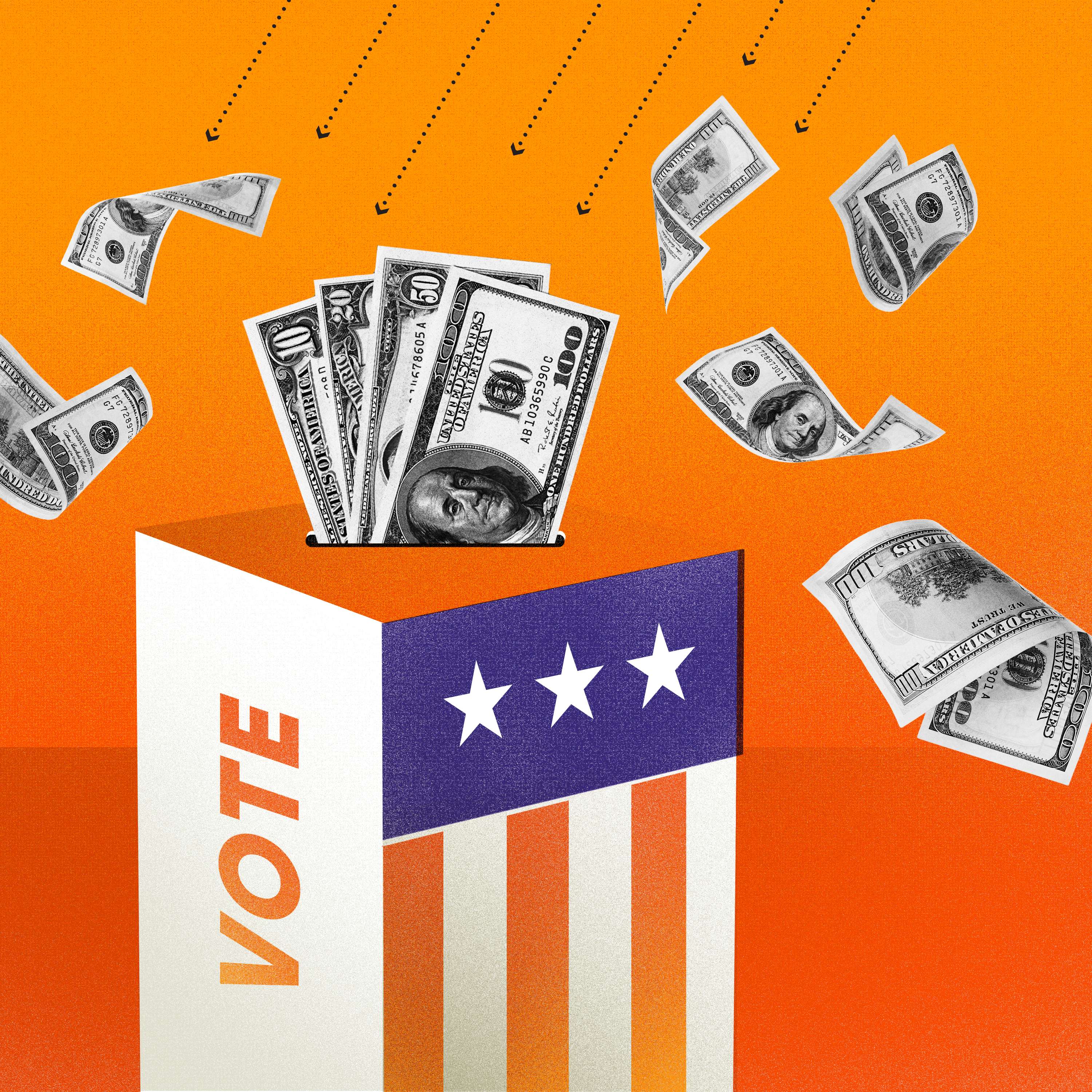
What Can We Do About America’s Money in Politics Problem?
Presidential elections in the US are twice as expensive as they were just a decade ago, and so are the most competitive Congressional races. Even state and local elections now routinely see record spending – typically from “outside groups” that have no restrictions on what they can raise or spend.
The current state of money in politics is a rare point of bipartisan agreement in America. Overwhel
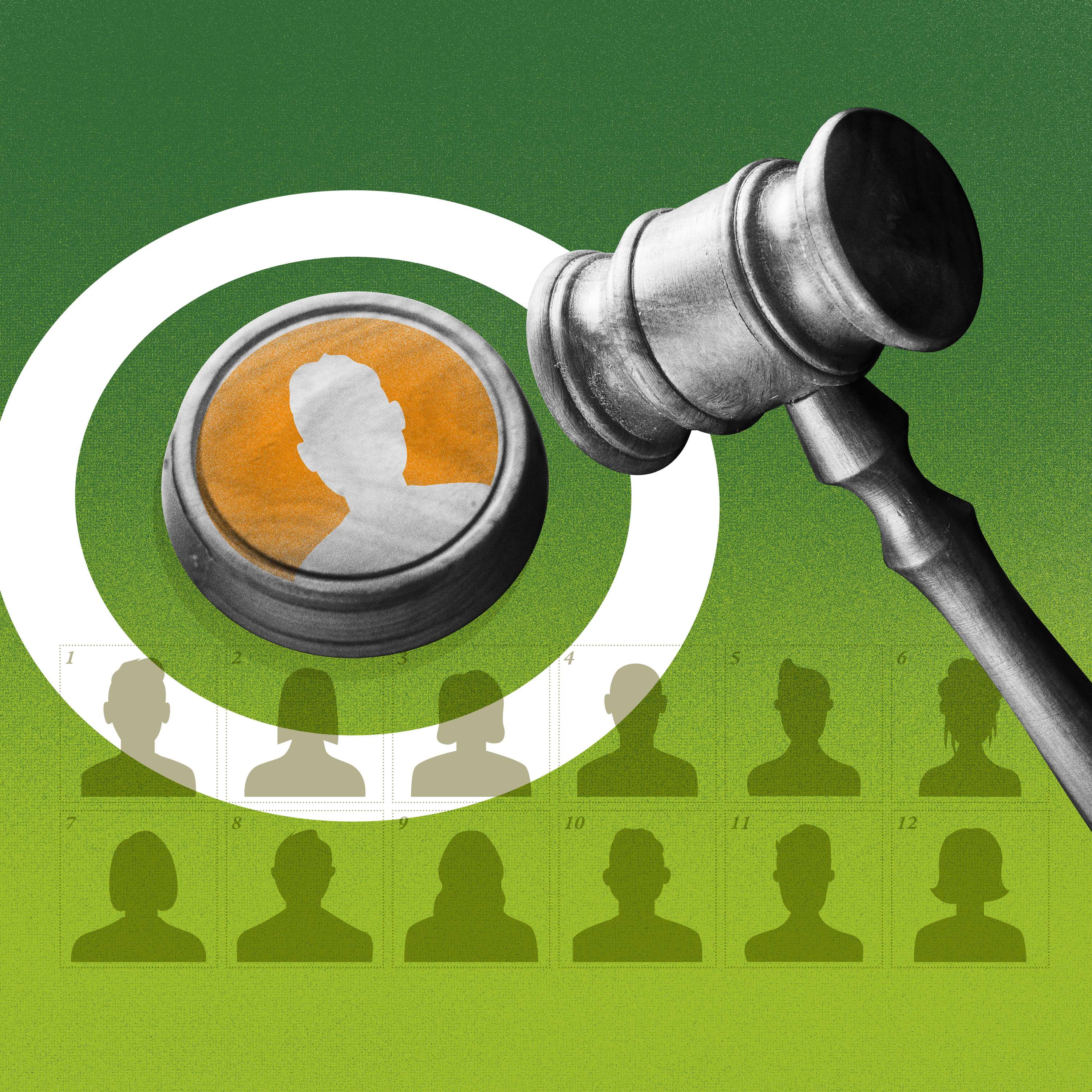
Do Jury Trials Work the Way We Want Them To?
A trial by jury is an important American right, enshrined in the 6th and 7th amendments of the constitution. But do jury trials work the way we want them to? Not all countries use citizen juries in their justice systems, and the ones that do generally don't give them quite as much power as America does. But juries are also becoming rare in the United States. Only 2% of criminal trials ever make i
Funny or Offensive? Why It's So Hard to Draw the Line in Humor
Why is it so hard to draw the line between what’s funny or offensive? We love to laugh and we prize a good sense of humor in ourselves and others. But the ancient Greeks – Aristotle and Plato – said humor was bad for society: they thought of it mainly as mockery and laughing was a loss of self-control. When you consider how quickly humor can go wrong in the hands of a bully or an edgy standup rout
The Changing Ways We Decide Who Gets into College and Why it Matters
For a century, the ACT and SAT played a central role in filtering college applicants. Most colleges and universities stopped requiring standardized test scores during the pandemic; that change has turned into a permanent shift across higher education. A lot of people think that's for the better, particularly since the tests have long been shown to disadvantage students of color and those with fewe
Recommended
Stand In The Circle
SLOW ENGLISH PODCAST (A1-A2) With Subtitles | Daily Videos | English With Us Podcast

Learn English A2 with Daily News | Simple English Listening Practice

پلی لیست | PlayList
Conspiracy Files with Paige Carter
Bad Friends

Learn 50 English Phrases While You Sleep | Everyday English Phrases & Vocabulary
This Past Weekend w/ Theo Von
Dateline NBC
Back to the 80s Radio
Crime Stories with Nancy Grace

Bible Tea
