Planetary Radio: Space Exploration, Astronomy and Science
Planetary Radio is a weekly podcast that explores space exploration, astronomy, and science. Hosted by Sarah Al-Ahmed, the show features interviews with scientists, engineers, and astronauts, along with regular contributions from Bill Nye and Bruce Betts. It covers the latest discoveries and missions across the Solar System and beyond, and includes a monthly Space Policy Edition focusing on US space policy.
Episodes
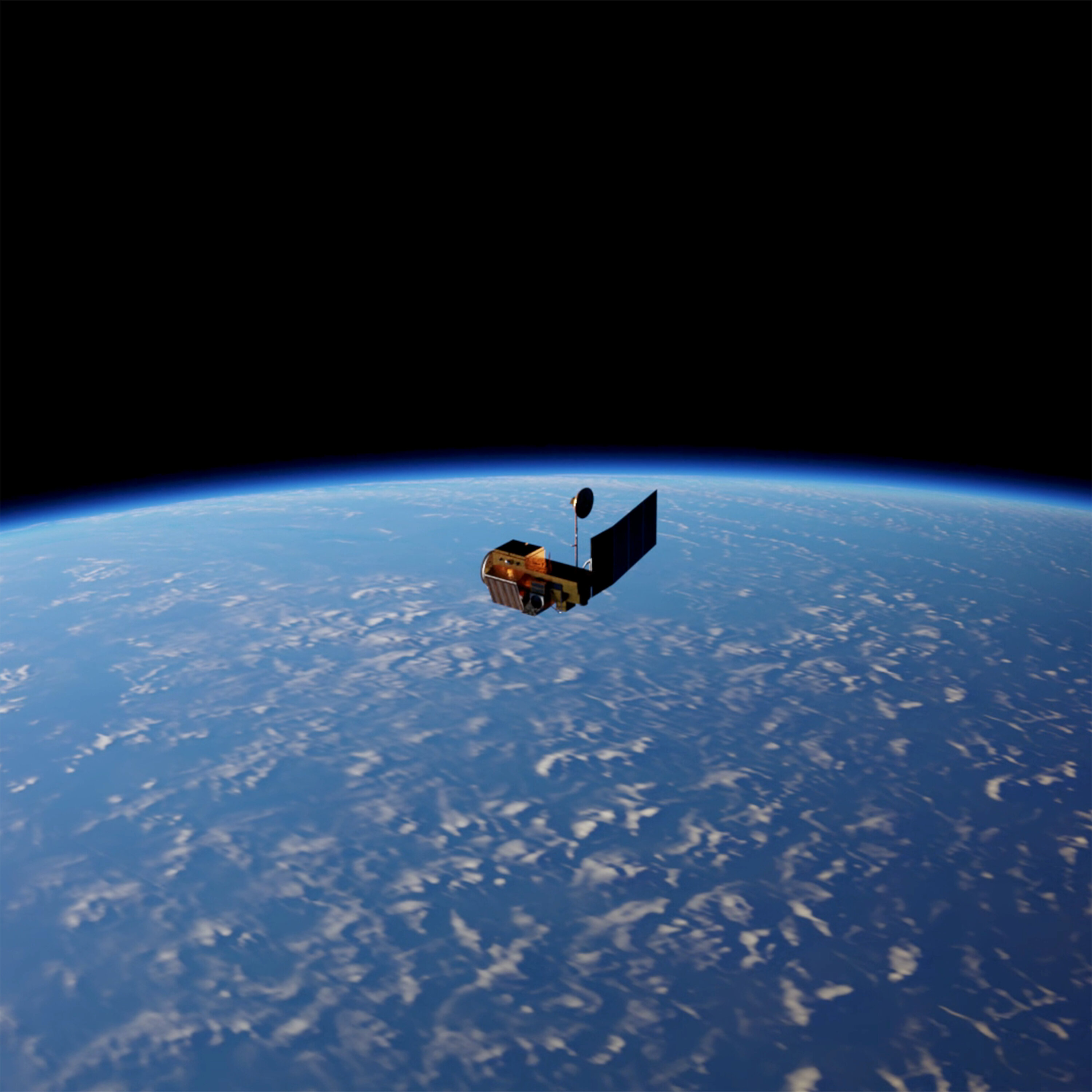
Space Policy Edition: What does “science as a service” really mean?
Can you buy science the way you buy a rocket launch? NASA is exploring the idea of “science as a service,” asking industry how commercial companies could provide scientific data and capabilities for Earth science, space weather, and astrophysics. But the concept isn’t new. It’s the latest chapter in a four-decade effort to commercialize space science that stretches back to
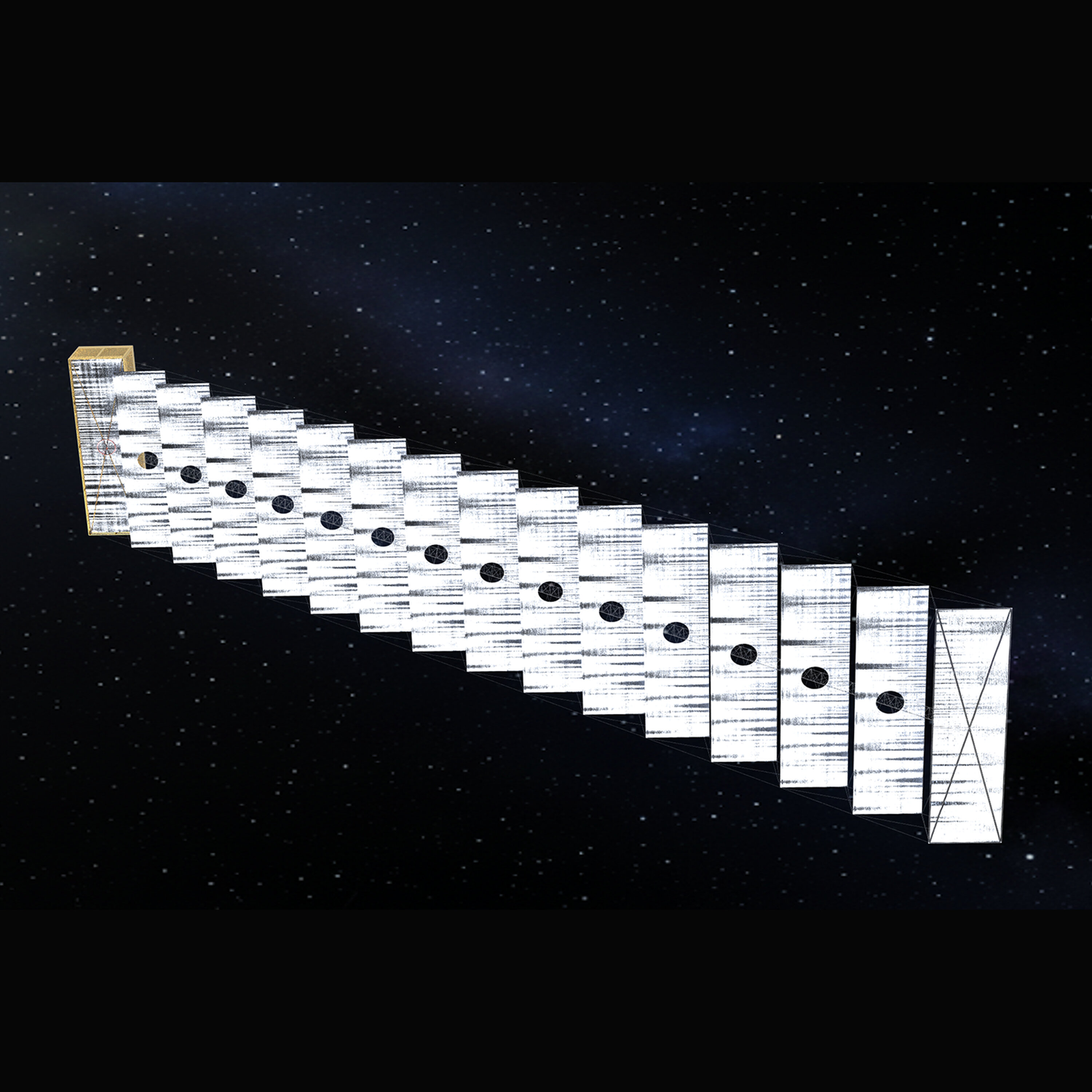
2026 NASA's Innovative Advanced Concepts Symposium: Part 2 — Solar sails and breathing beyond Earth
In this second of two episodes from the 2026 NASA Innovative Advanced Concepts (NIAC) Symposium at Wichita State University, Sarah Al-Ahmed talks with researchers developing the propulsion and life support technologies that could open up new frontiers in deep space exploration. First, Artur Davoyan, associate professor at the University of California, Los Angeles, discusses Coilable Stacked Solar
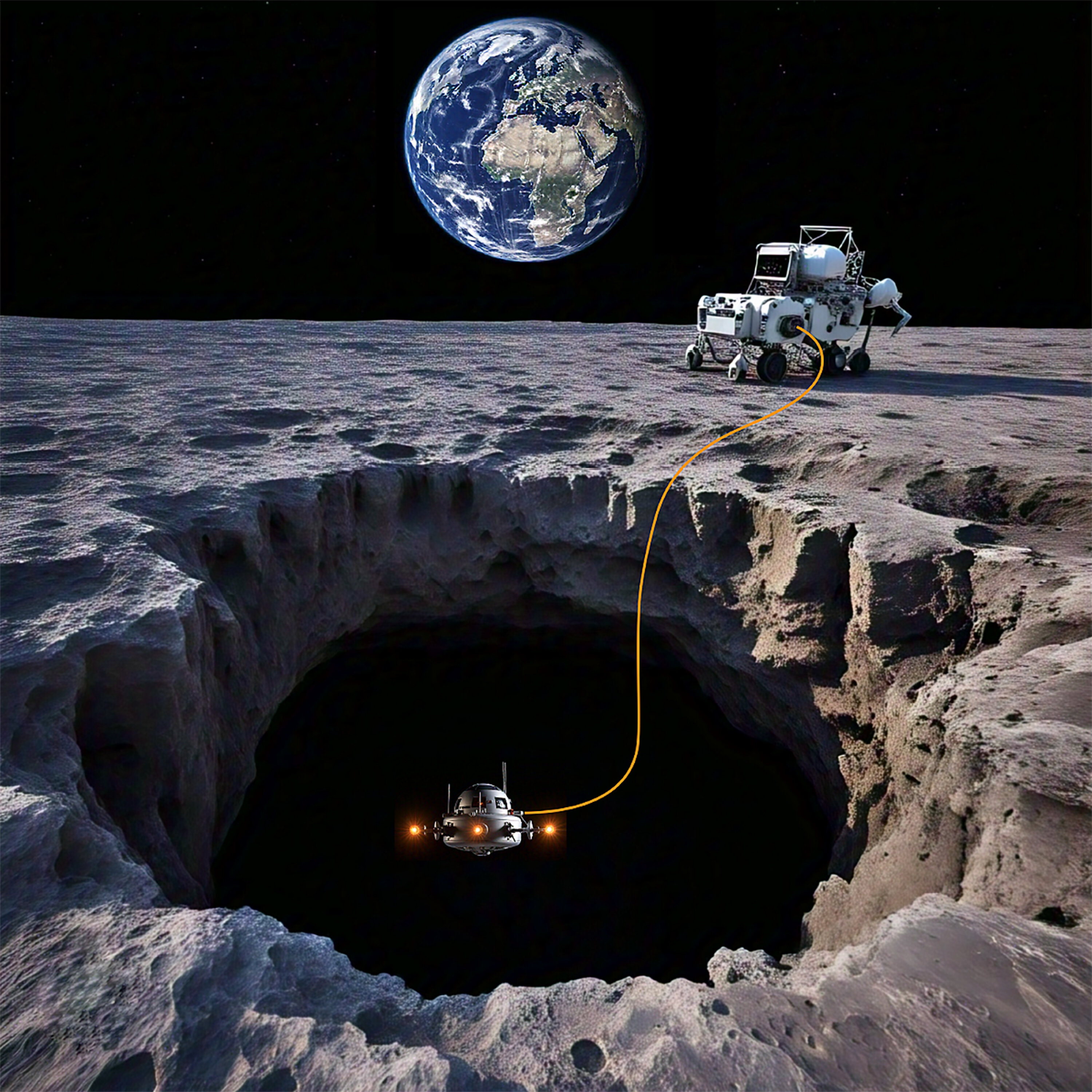
2026 NASA's Innovative Advanced Concepts Symposium: Part 1 — Nuclear sensors and cave explorers
Some of the most exciting science in our Solar System is hidden in places we've never been able to reach. In this episode, Sarah Al-Ahmed shares three conversations from the 2026 NASA Innovative Advanced Concepts (NIAC)Symposium at Wichita State University, all about the bold, early-stage concepts being developed to explore them. First, Peter Cabauy, CEO and co-founder of City Labs Incorporated, a
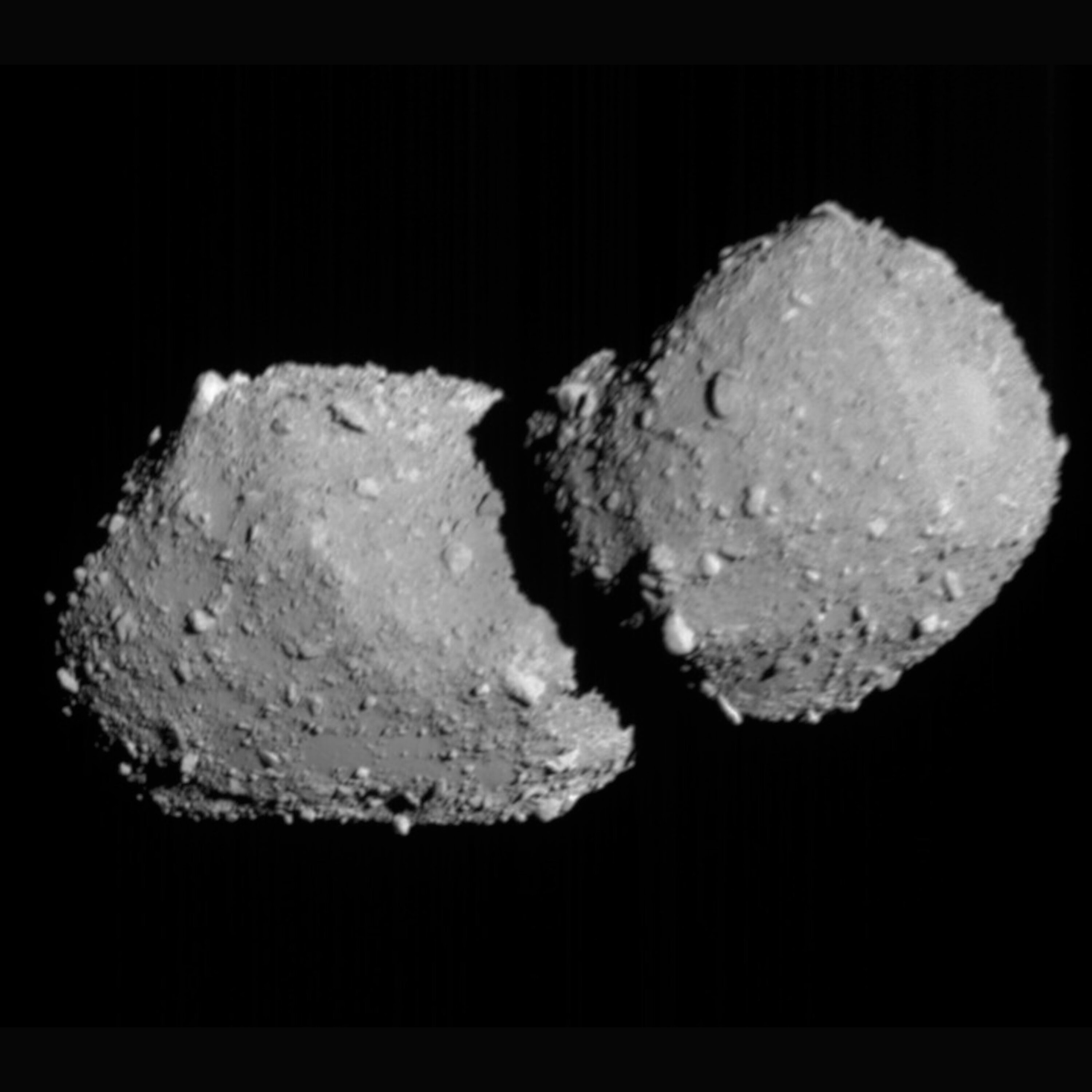
Hayabusa2 flies by asteroid Torifune
JAXA's Hayabusa2 flew within 400 meters (1,300 feet) of asteroid Torifune on July 5 and confirmed that it's a contact binary, two lobes stuck together. Paul Abell, NASA's Chief Scientist for Small Body Exploration at Johnson Space Center, walks us through the findings on the asteroid, what they mean for planetary defense, and what's ahead as the spacecraft cruises toward its next target. Then Bruc
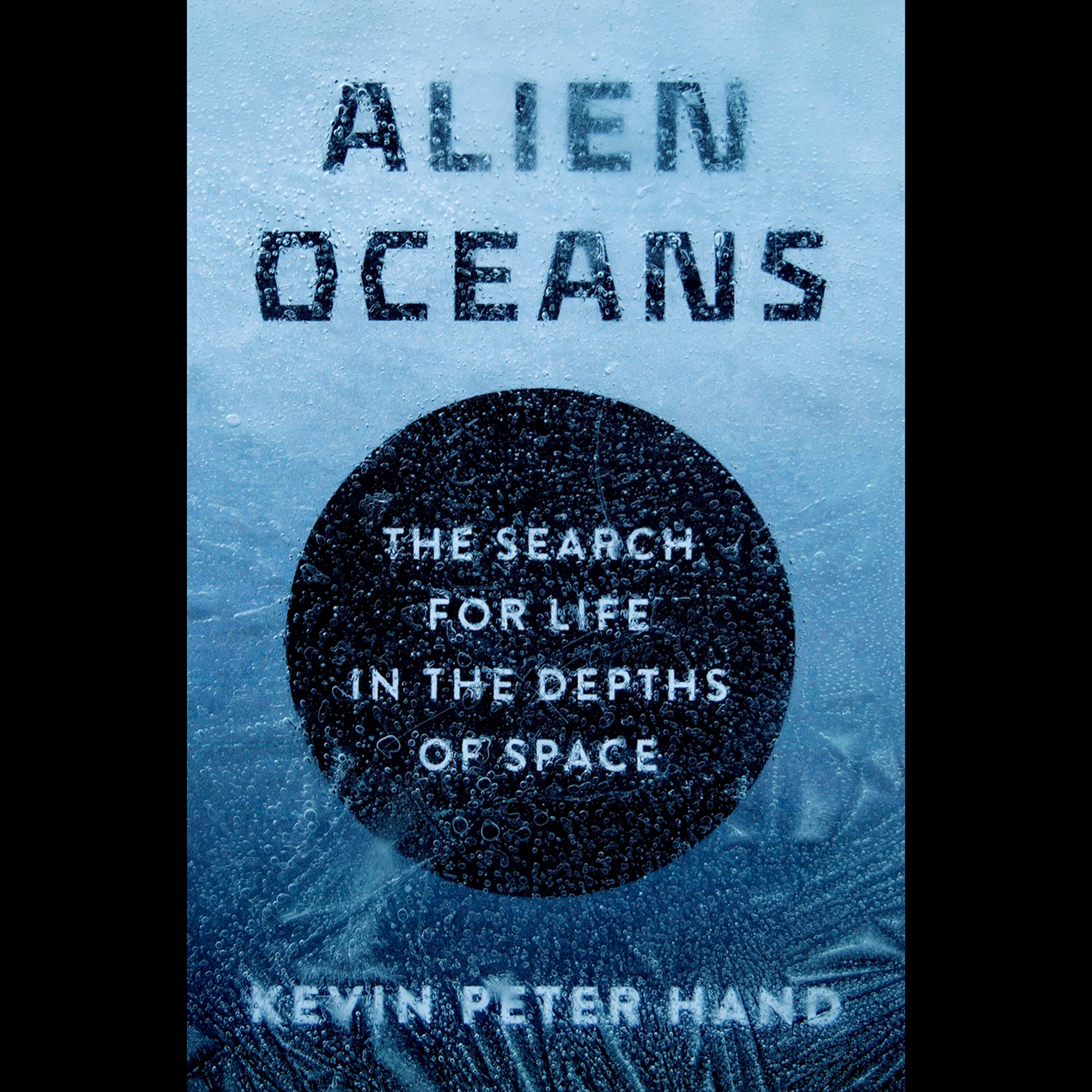
Book Club Edition: Alien Oceans by Kevin Hand
Where are we most likely to find evidence of life, past or living, in the Solar System? Planetary scientist and author Kevin Hand looks to warm, salty ocean depths beneath protective layers of ice on worlds such as Europa and Enceladus. His enthralling book became a popular selection in The Planetary Society’s member book club. He recently joined the Society’s Mat Kaplan for a deep exp
Star Trek at 60: What Vulcans and Klingons can teach us about being human (Part 2)
This is part two of our Star Trek 60th anniversary series. Robert Picardo, the Emergency Medical Hologram on Star Trek: Voyager and a member of The Planetary Society's board of directors, reads a vintage letter from Star Trek creator Gene Roddenberry asking fans to join a brand new organization called The Planetary Society. Tim Russ, who played Tuvok on Star Trek: Voyager, Deep Space Nine, Lower D
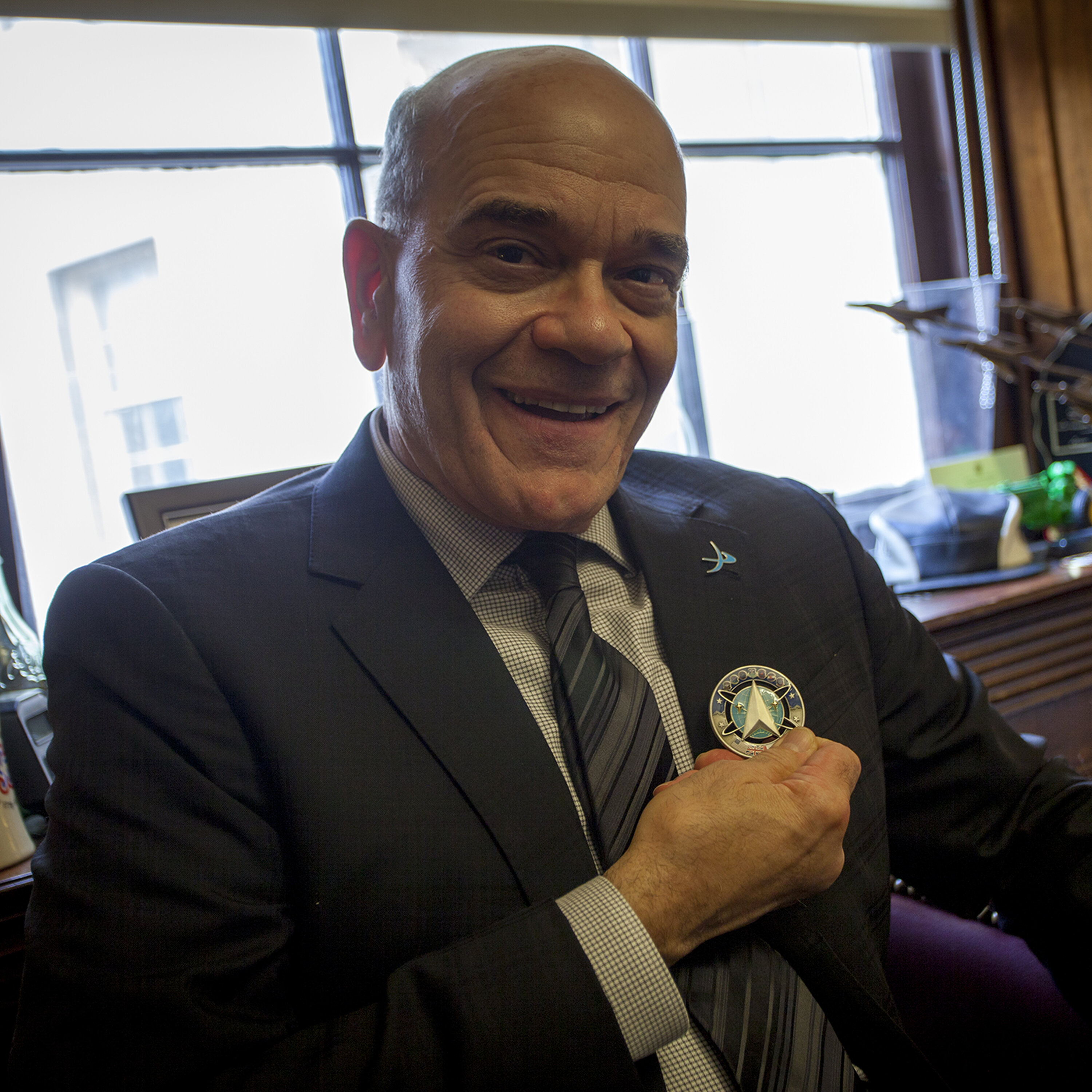
Star Trek at 60: What do we value the most? (Part 1)
Star Trek turned 60 on Sept. 8, 2026, and to celebrate, we're kicking off a special two-part series exploring the franchise's deep and lasting connection to real-world space exploration. In Part 1, Robert Picardo, the Emergency Medical Hologram from Star Trek: Voyager, now starring in Star Trek: Starfleet Academy and a member of The Planetary Society's Board of Directors, joins Sarah Al-Ahmed to t
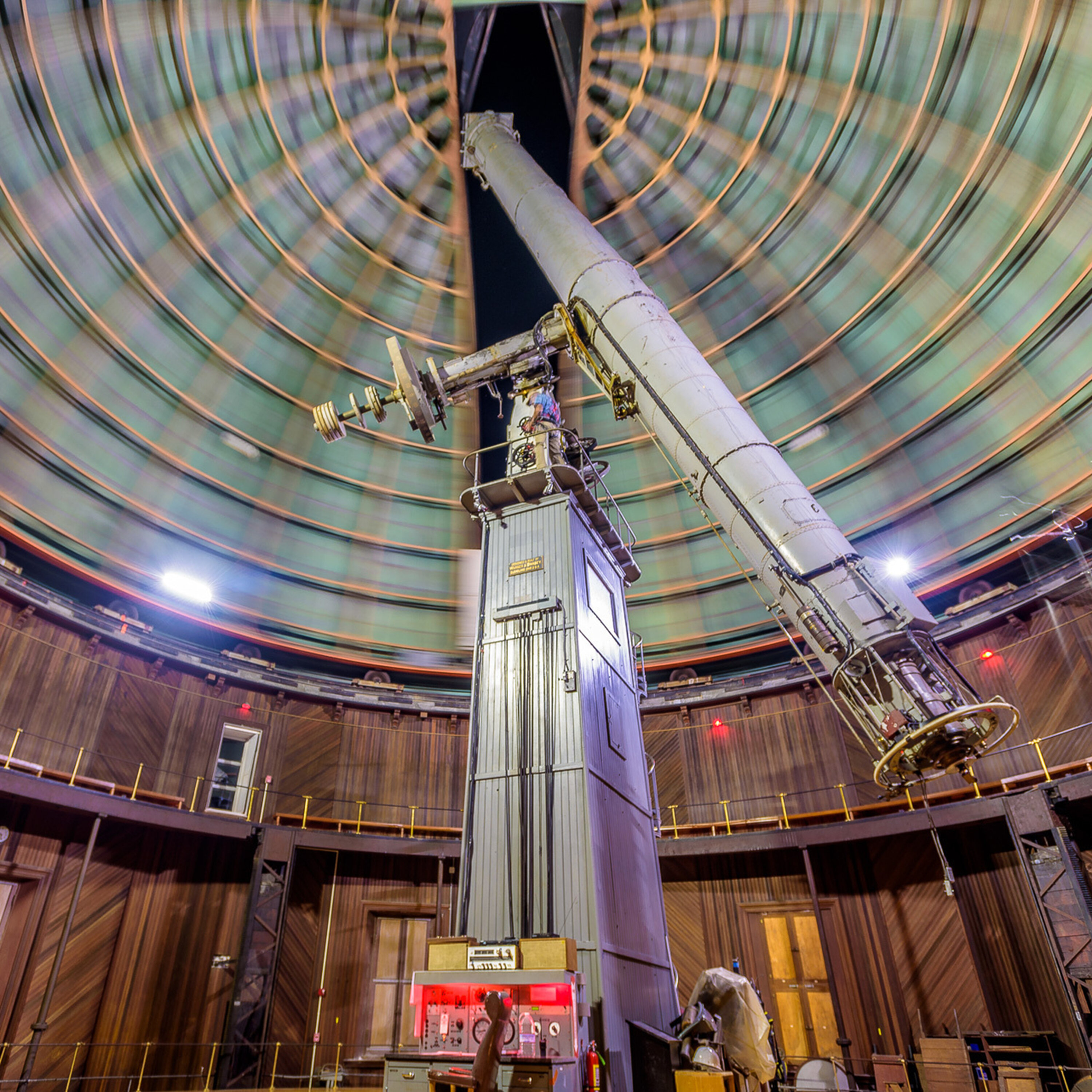
Space Policy Edition: The Long Space Age with Alex MacDonald
We tend to think of private space exploration as a recent phenomenon. But as Alex MacDonald, former Chief Economist at NASA, argues in his book "The Long Space Age," privately funded space exploration has deep roots in American history, stretching back more than two centuries. In this 2017 conversation with The Planetary Society's Chief of Space Policy Casey Dreier, originally aired on the Space P
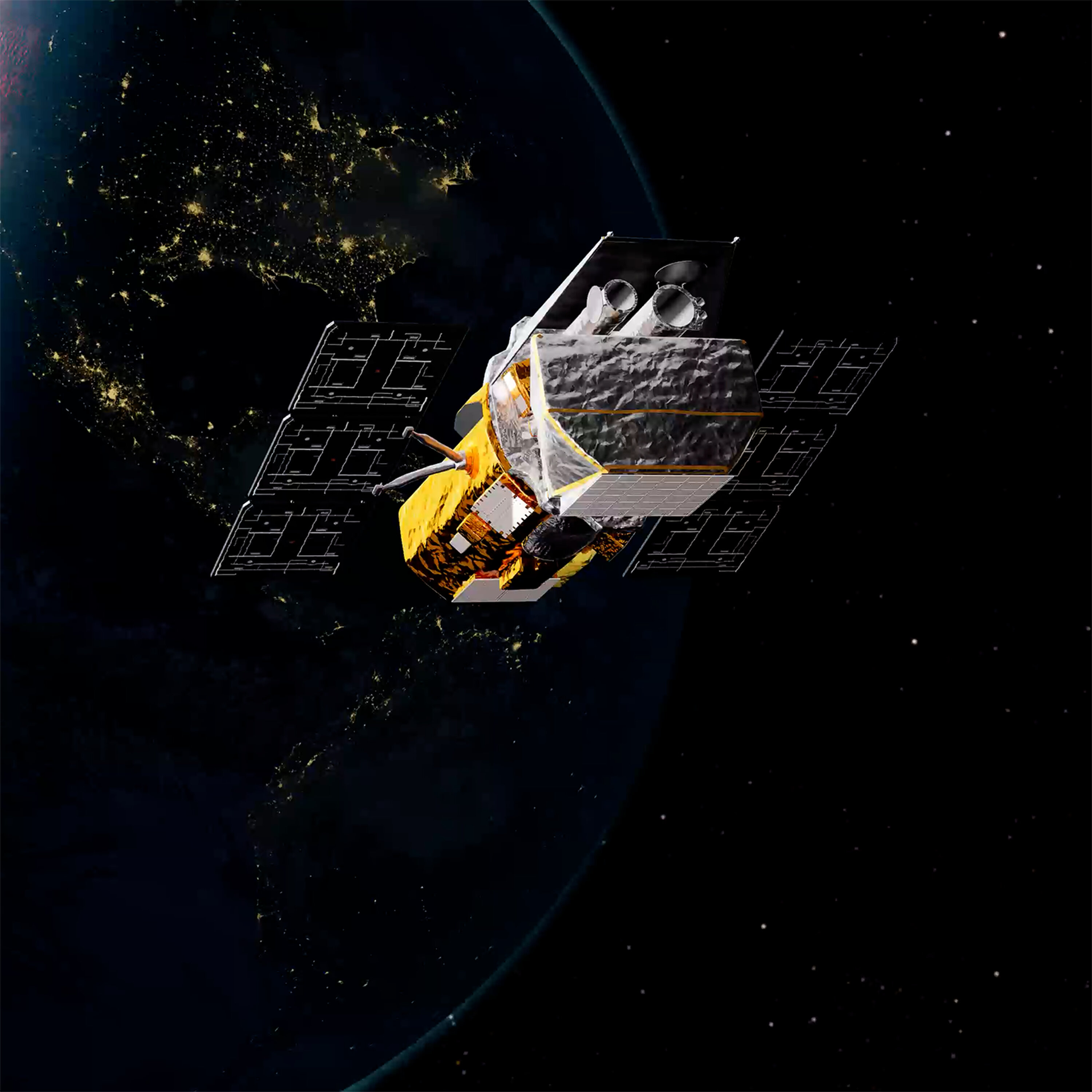
World Space Week and farewell to Swift
Dennis Stone, president and co-founder of the World Space Week Association, takes us behind the scenes of the largest annual space event on Earth. From its origins as a volunteer effort in Houston to a UN-declared celebration reaching 50,000 events in over 100 countries, Dennis shares how World Space Week inspires the next generation, and how you can get involved this Oct. 4 through 10. Then, Scie
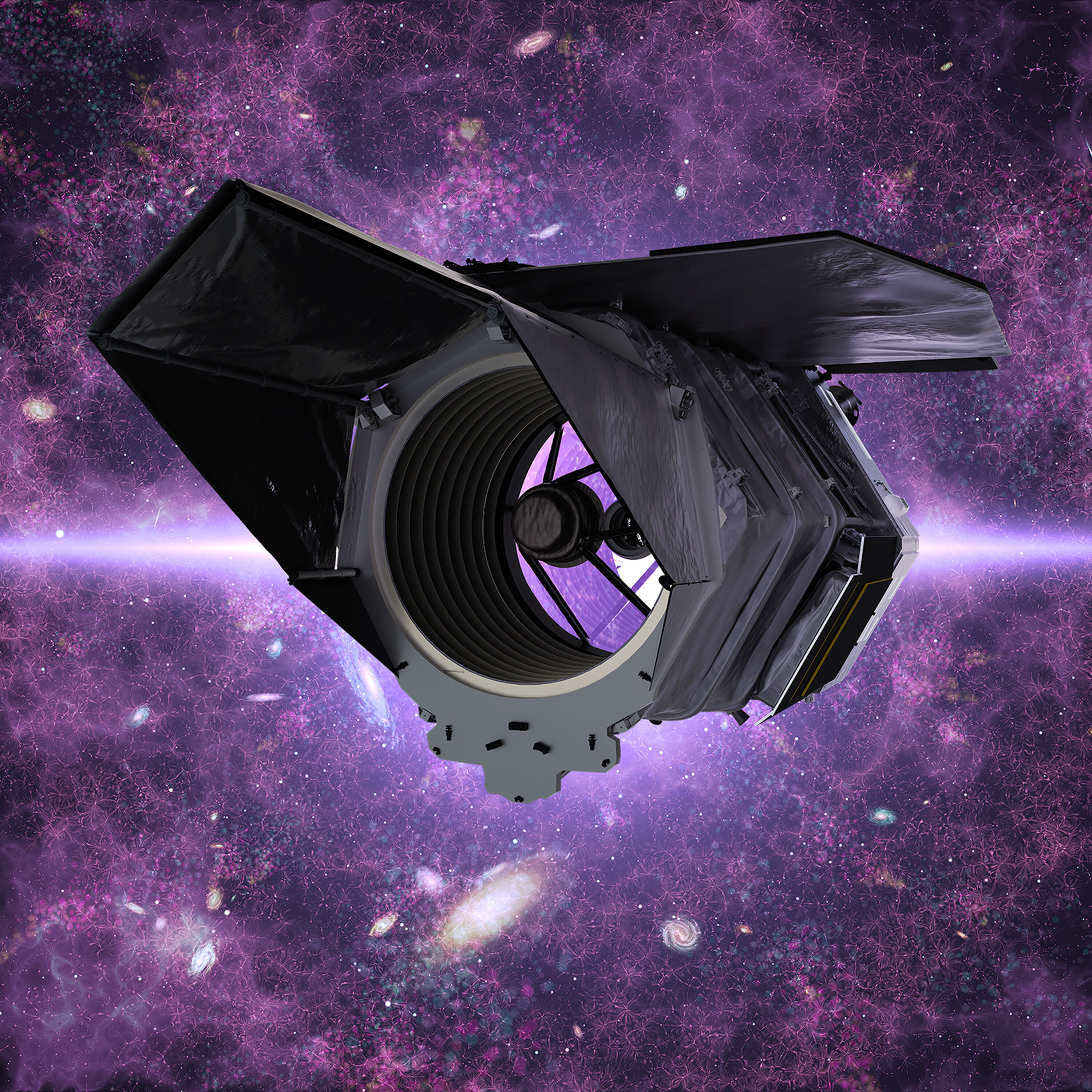
The Nancy Grace Roman Space Telescope is ready to launch
After decades of development, the Nancy Grace Roman Space Telescope is preparing to launch. Once in orbit, Roman will conduct the widest surveys of the universe ever attempted, probing the nature of dark energy, discovering thousands of new exoplanets, and capturing images of billions of galaxies. In this episode, we sit down with Julie McEnery, senior project scientist for Roman at NASA's Goddard
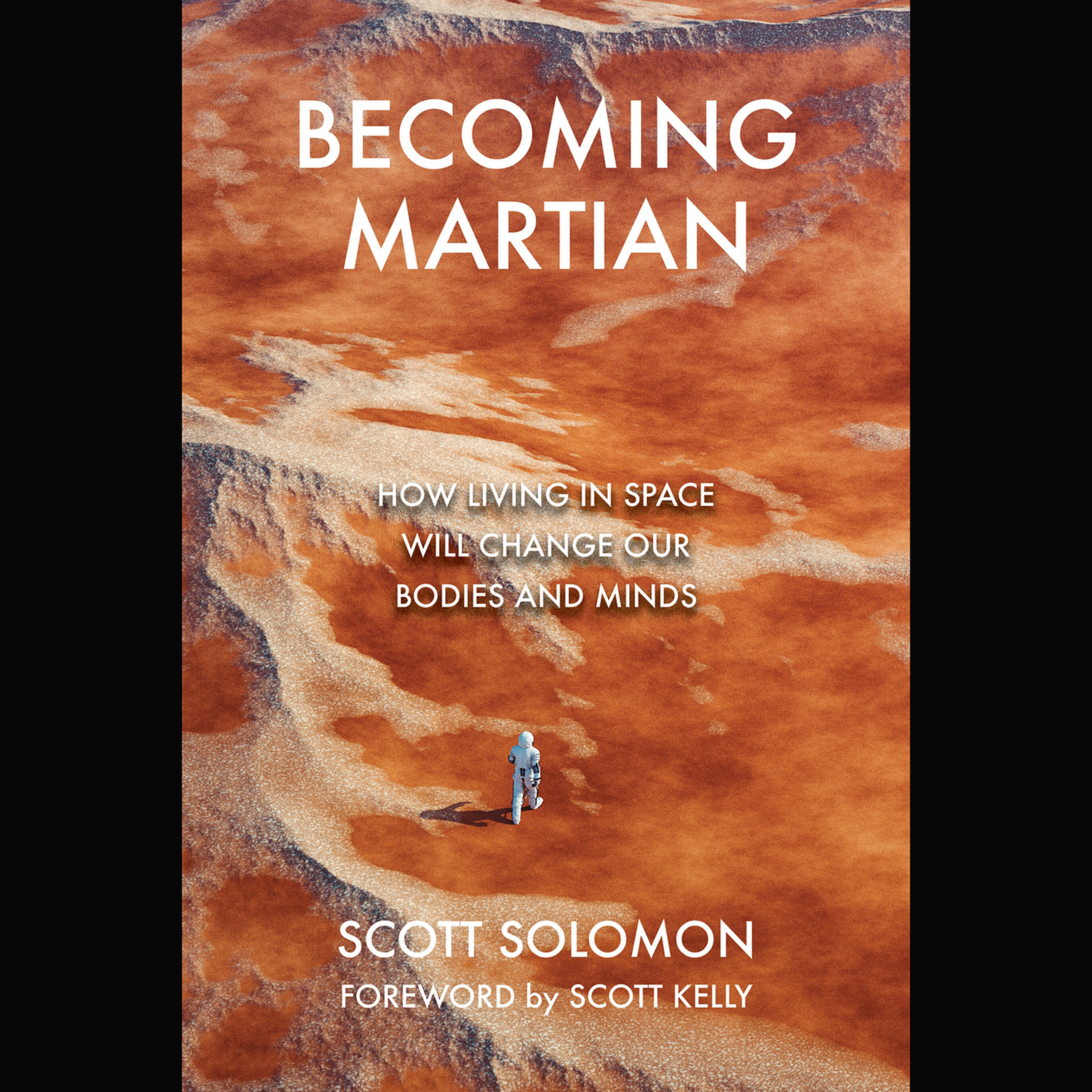
Book Club Edition: Becoming Martian by Scott Solomon
Will we change or terraform Mars to better suit humans? Or are we more likely to change ourselves to better fit the red planet? How far can evolution take us in these new and exotic environments? These and many other fascinating questions are at the heart of Rice University professor Scott Solomon’s great book, “Becoming Martian”. He joins host Mat Kaplan for a far-ranging conver
The SpaceX Falcon 9 that crashed into the Moon
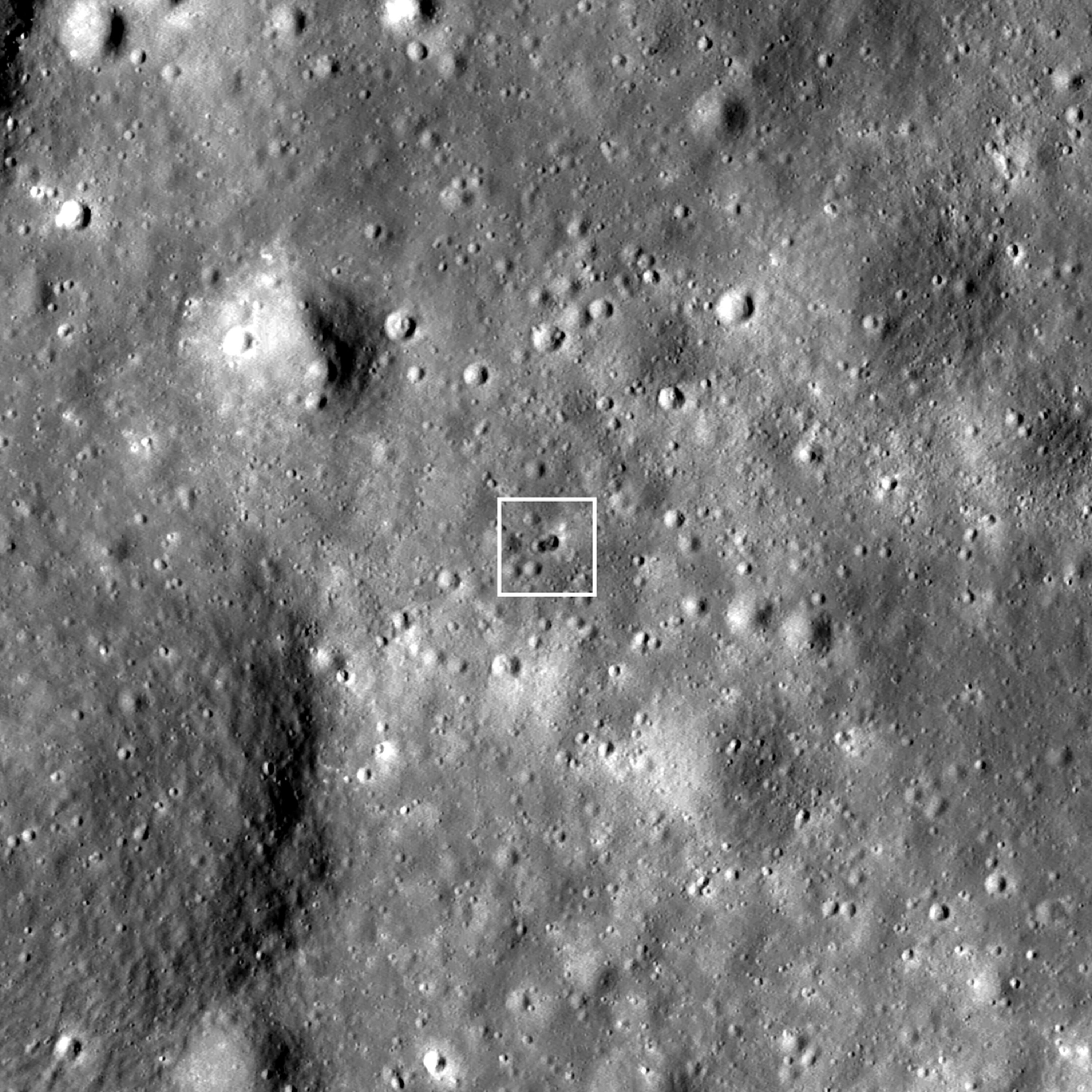
A SpaceX Falcon 9 upper stage slammed into the moon on August 5 after spending over a year and a half drifting through the Earth-Moon system. Jared Head, museum facilitator at Columbia Memorial Space Center, producer at TMRO, and co-host of All Space Considered at Griffith Observatory, walks us through how a rocket launched in January 2025 ended up crashing into the lunar surface. Kate Howells, th
Total solar eclipse 2026: Astrophotography and birdsong
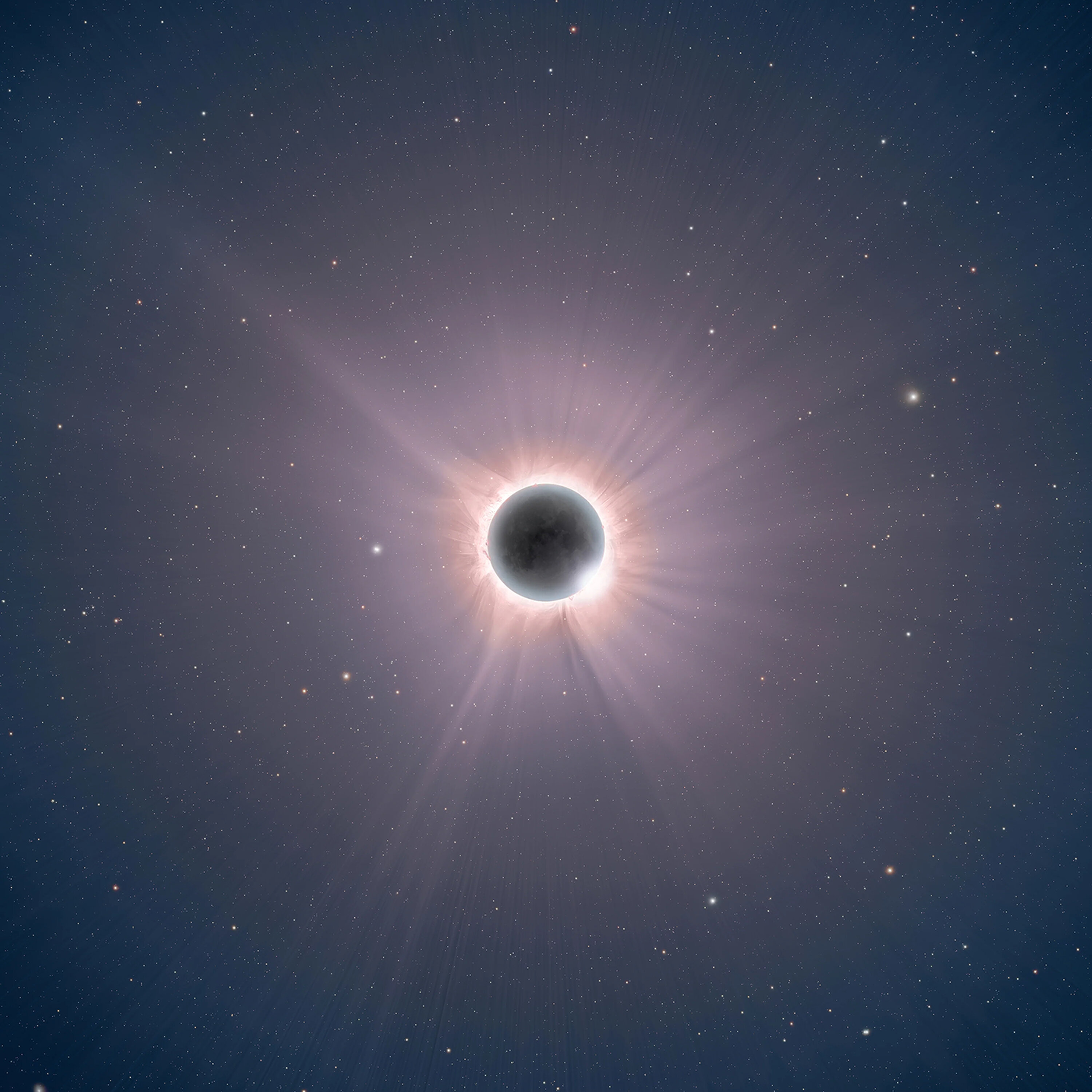
On August 12th, 2026, the Moon’s shadow will sweep across Iceland, Greenland, and Spain, bringing the first total solar eclipse visible from Europe since 1999. And because this eclipse happens near sunset, it promises to be one of the most visually stunning in living memory. Astrophotographer Andrew McCarthy, founder of Cosmic Background Photography, joins the show to talk about his extraord
Space Policy Edition: “Science: A New Golden Age” - Reimagining U.S. science policy
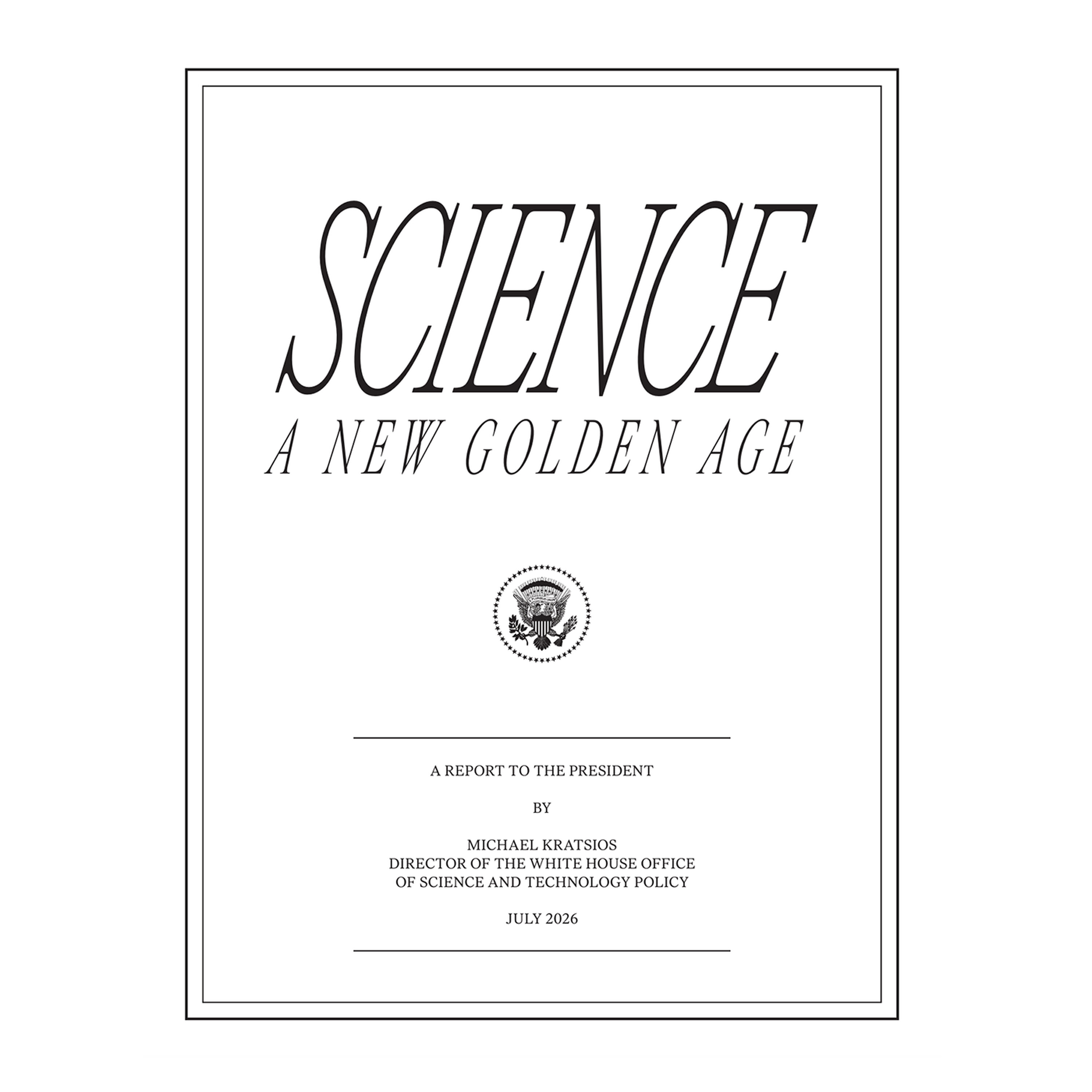
The White House's Office of Science and Technology Policy recently released "Science: A New Golden Age", a sweeping report that calls for a fundamental reimagining of how the United States funds and conducts science. Explicitly modeled on Vannevar Bush's landmark 1945 report "Science, the Endless Frontier," it challenges the traditional linear model of innovation, advocates for empowering individu
LHS 1140b: The first atmosphere detected on a rocky habitable-zone exoplanet
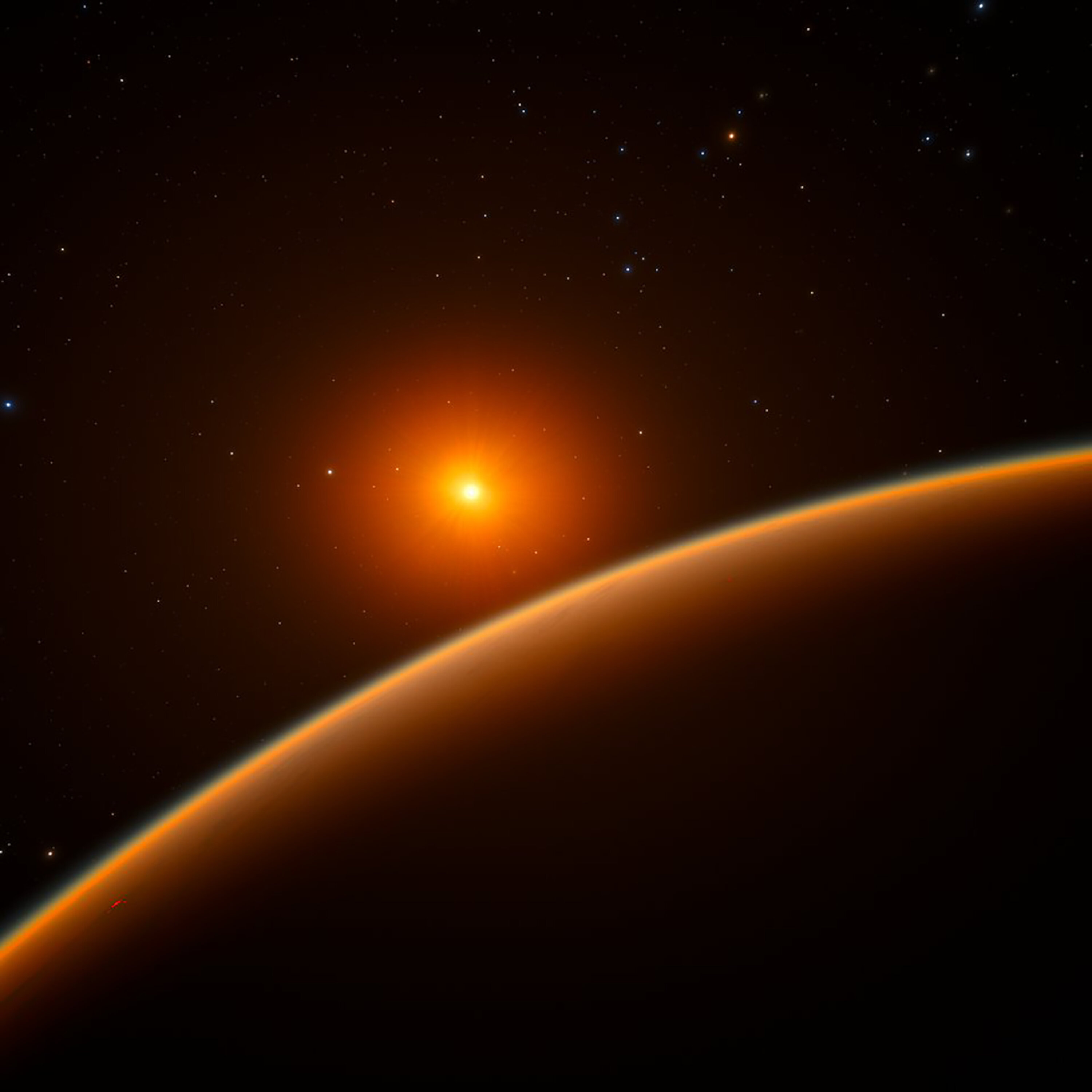
For the first time, scientists have confirmed an atmosphere on a rocky exoplanet in the habitable zone of another star. Sarah Al-Ahmed is joined by Collin Cherubim, NASA Hubble Fellow at the University of Chicago, to discuss his team's detection of helium escaping from the super-Earth LHS 1140b, and what it reveals about how rocky worlds build, transform, and lose their atmospheres over time. His
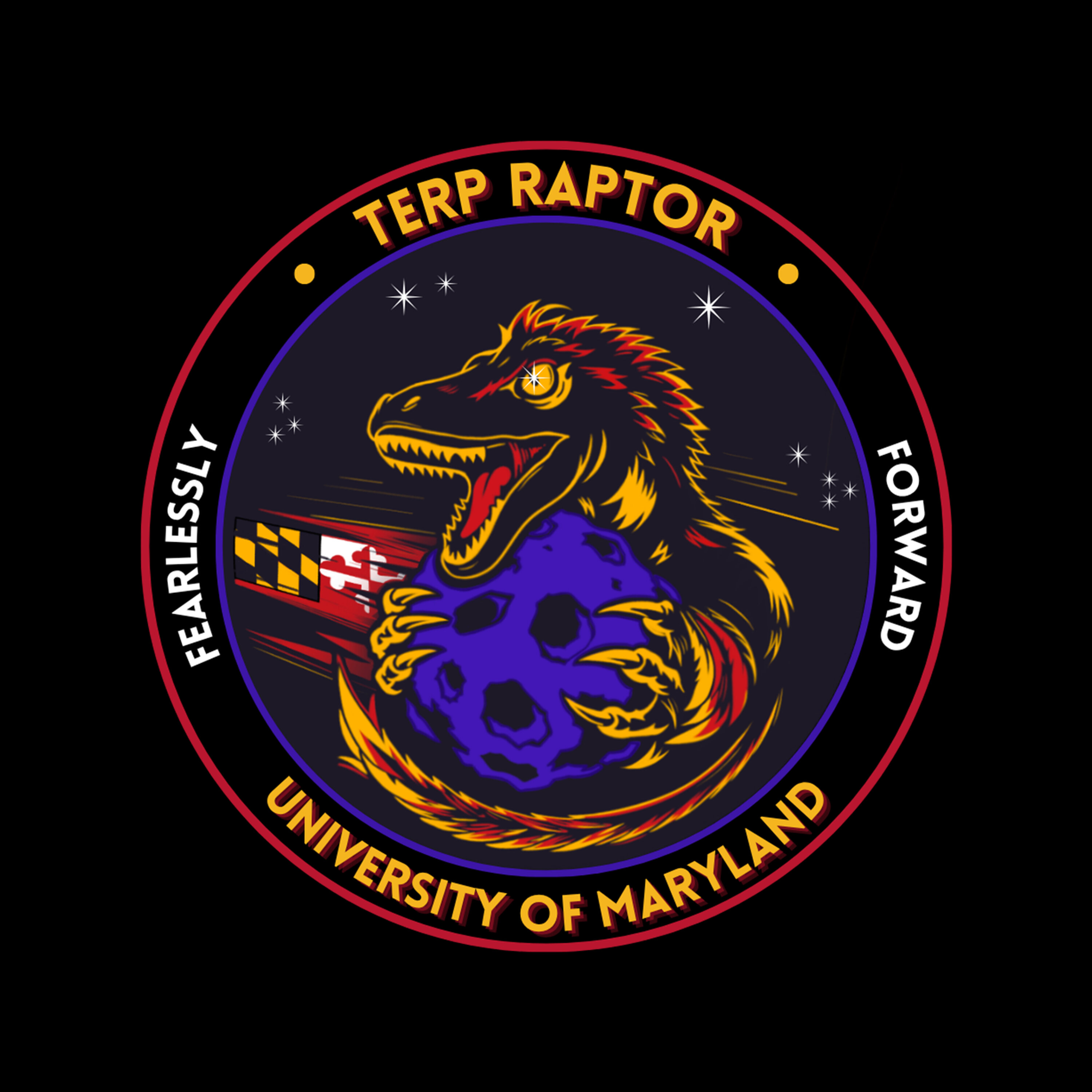
TERP RAPTOR: A student-built mission to asteroid Apophis
On Friday, April 13, 2029, asteroid Apophis will pass closer to Earth than our geostationary satellites. While NASA, ESA, and JAXA are all sending missions, a team of students at the University of Maryland is building their own spacecraft to join the fleet. TERP RAPTOR is a CubeSat-based mission roughly the size of a microwave that aims to fly past the asteroid and snap images of its surface as it
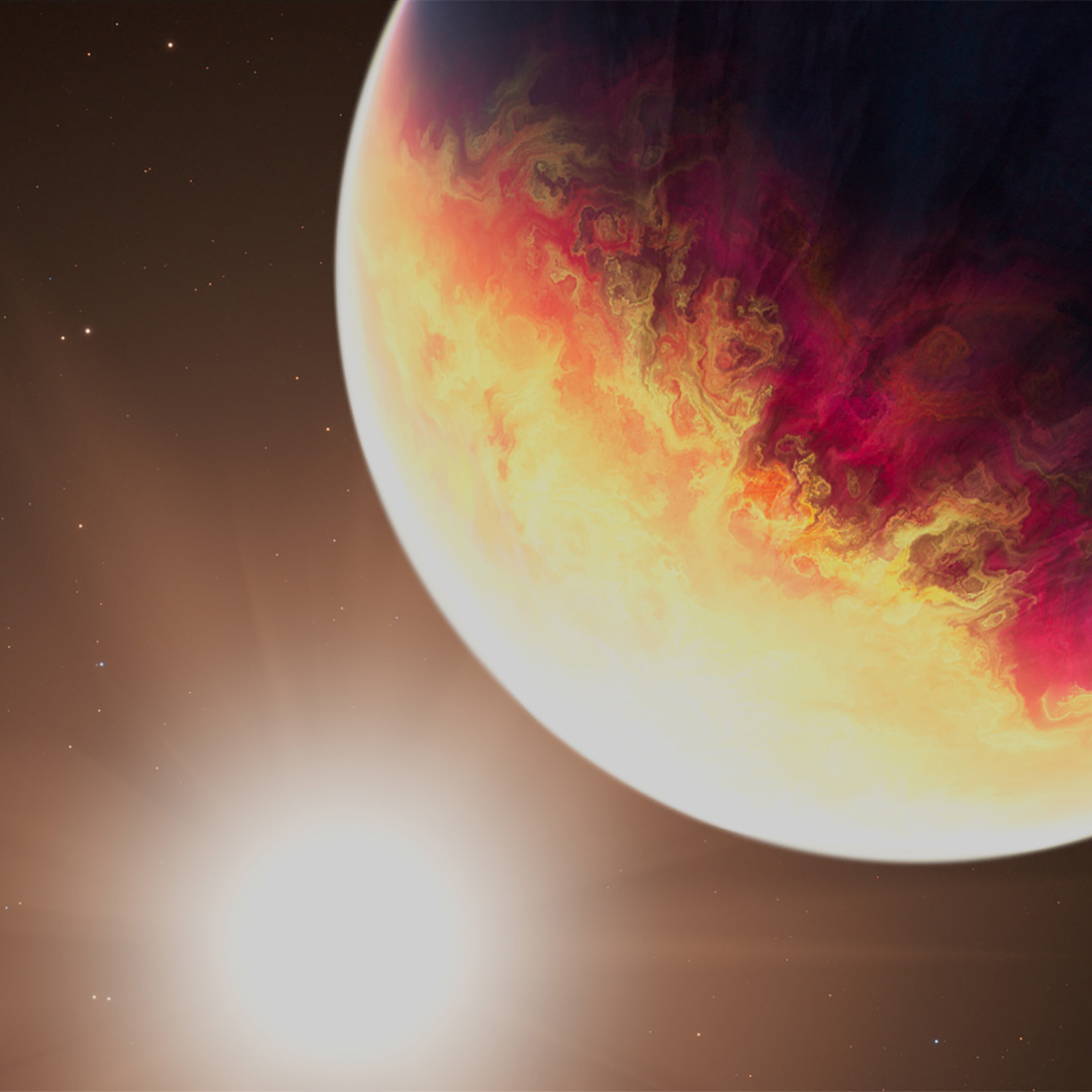
Hot Jupiters: The ‘Roasted Planet’ and the wrong-way hotspot
Two hot Jupiters presented at the 248th American Astronomical Society meeting push our understanding of exoplanet atmospheres to the extreme. Research Scientist Tiffany Kataria from NASA's Jet Propulsion Laboratory shares new JWST observations of HD80606 b, the "Roasted Planet,”a gas giant on one of the most eccentric orbits ever discovered. Assistant Professor Lisa Dang of the University of
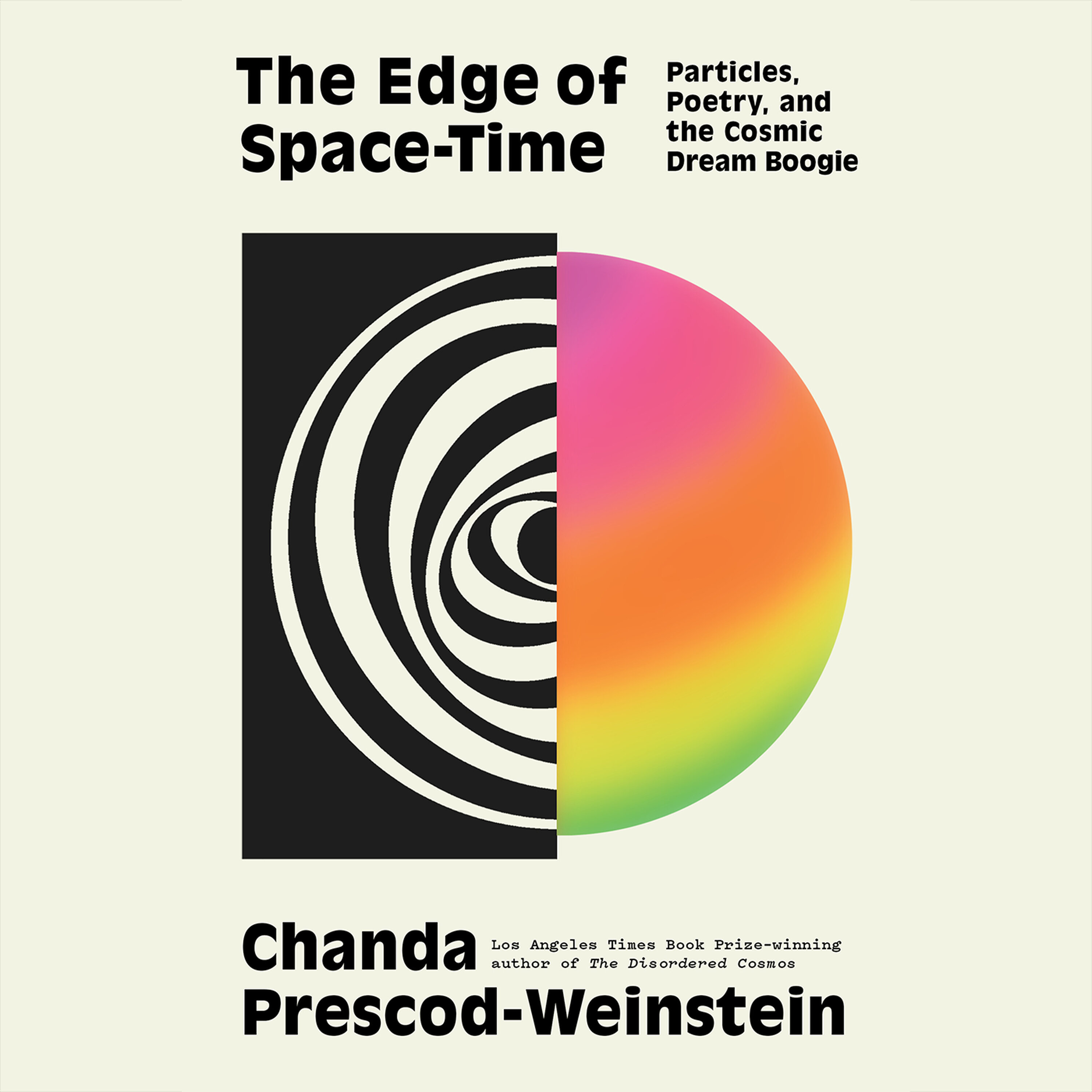
Book Club Edition: “The Edge of Space-Time” by Chanda Prescod-Weinstein
It may be the best book subtitle we’ve encountered in the Planetary Society book club: “Particles, Poetry and the Cosmic Dream Boogie.” Theoretical physicist and black feminist science theorist Chanda Prescod-Weinstein has followed her acclaimed first book, “The Disordered Cosmos,” with this new, equally celebrated, deeply personal romp across the Universe, “The
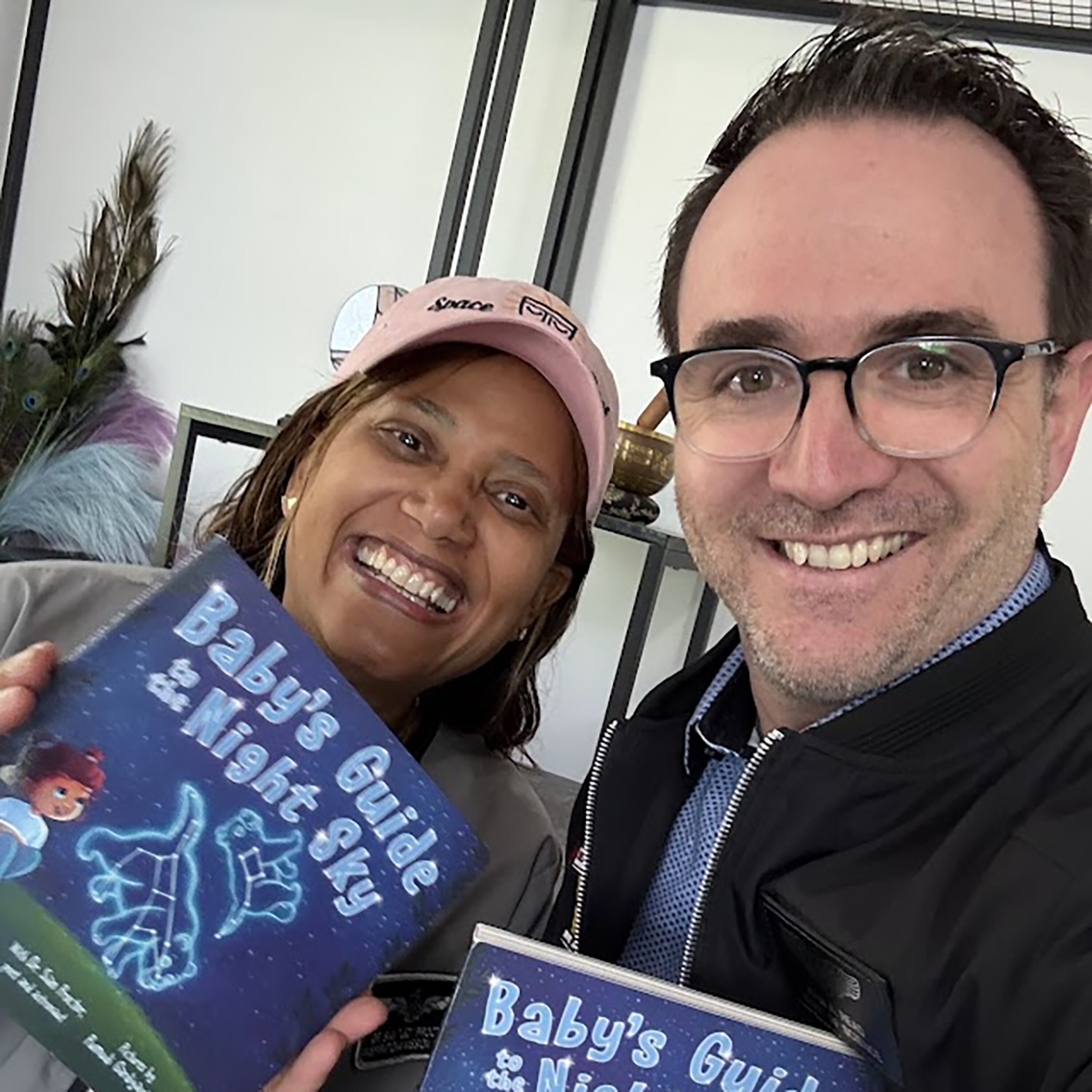
Sian Proctor and John Read on teaching babies to love the Cosmos
“Baby's Guide to the Night Sky” introduces the youngest kids — down to newborns — to constellations and the wonders of the Cosmos. It comes from two people who've spent their lives chasing that same wonder in very different ways. This week, we are joined by authors Sian Proctor and John Read. Sian Proctor is a geoscientist, artist, poet, and commercial space astronaut who s
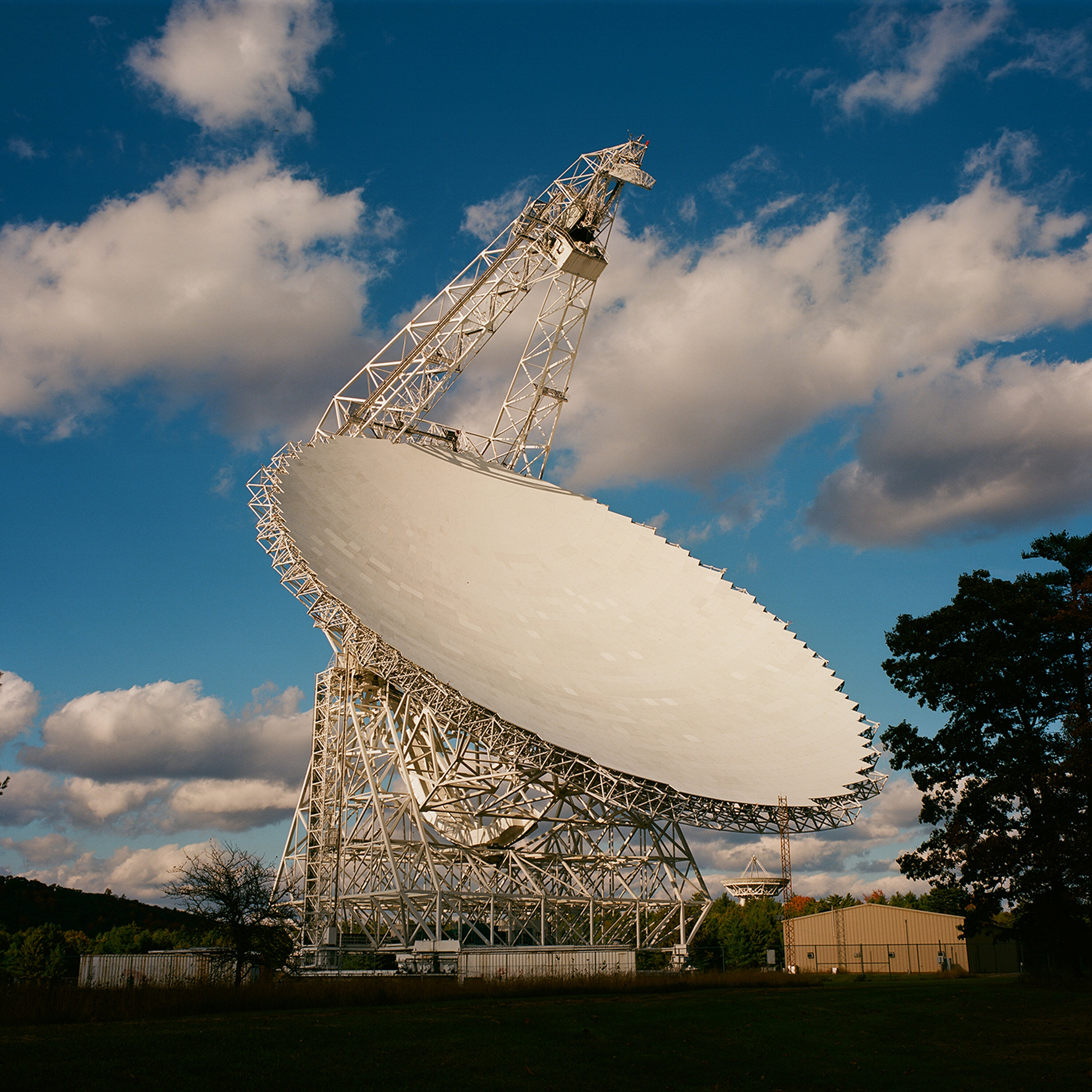
Small Town Universe: Inside Green Bank's Radio Quiet Zone
Green Bank, West Virginia is home to the world's largest fully steerable radio telescope. It's also the only town in the U.S. where cell phones and Wi-Fi are banned, so the telescope can listen for faint signals from across the Universe undisturbed. This week, we bring you a special conversation recorded after The Planetary Society's virtual screening of Small Town Universe, the documentary that f
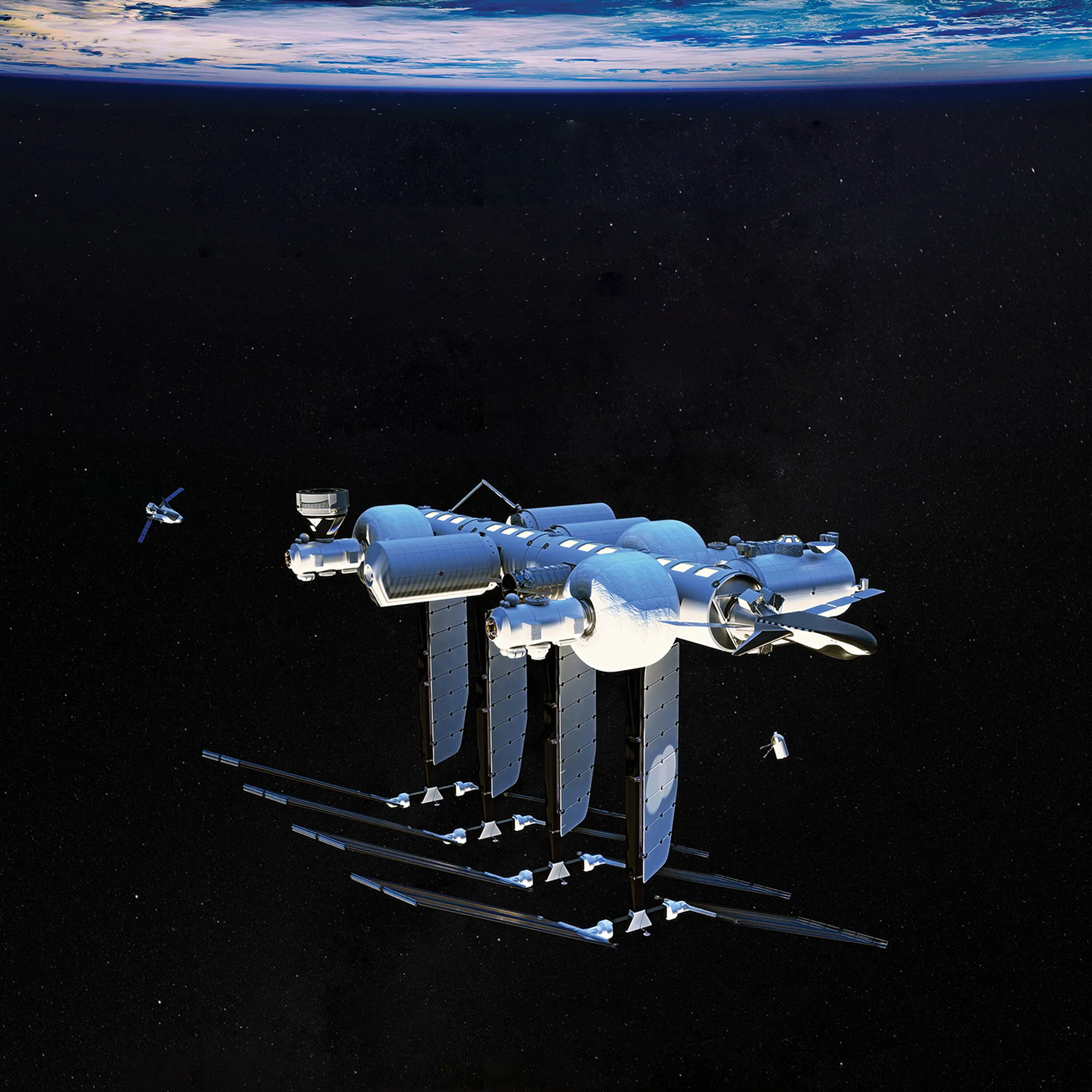
Space Policy Edition: What's going on with commercial space stations?
NASA's plan for what comes after the International Space Station (ISS) has been anything but stable. Since 2019, the agency's commercial space station strategy has shifted from free-flying vendor-operated stations to a government-owned module attached to the ISS, and back again, all while the clock ticks toward the ISS's expected retirement around 2030. Clayton Swope, deputy director of the
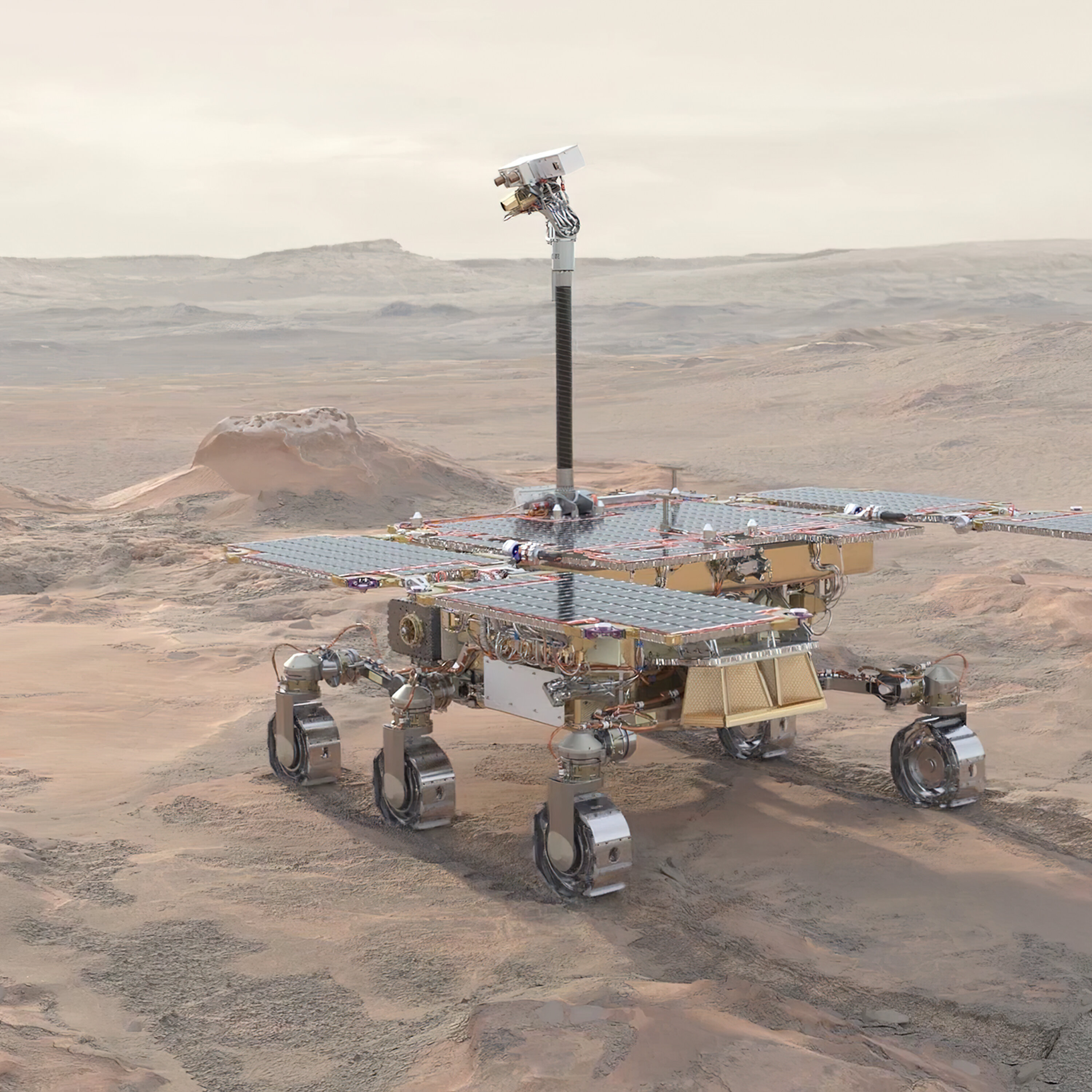
Rosalind Franklin and the search for life on Mars
After more than two decades, the European Space Agency's Rosalind Franklin rover finally has a path to the launchpad. This week, ExoMars Project Scientist Jorge Vago joins Planetary Radio to talk about what makes this mission like nothing we've sent to Mars before: a drill capable of reaching 2 meters beneath the surface, where organic molecules may have been shielded from radiation for billions o
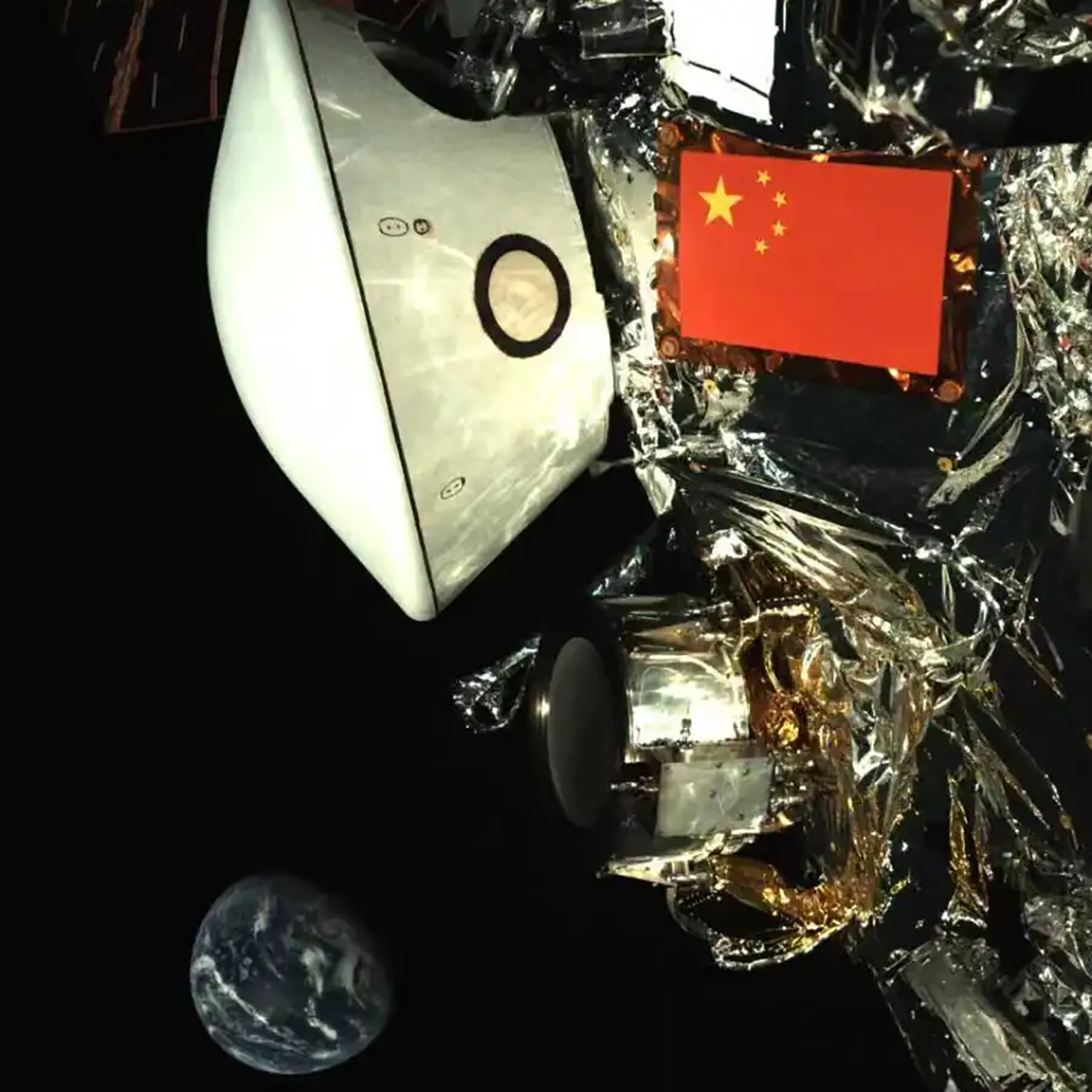
Tianwen-2: China closes in on Kamoʻoalewa
China’s Tianwen-2 spacecraft has successfully arrived at Kamoʻoalewa—a tiny, enigmatic "quasi-satellite" that dances along with Earth on its trek around the Sun. A fascinating scientific debate is heating up over this object's true identity: is it a standard, heavily space-weathered asteroid, or is it a long-lost chunk of our own Moon, violently blasted into space by an ancient impact?
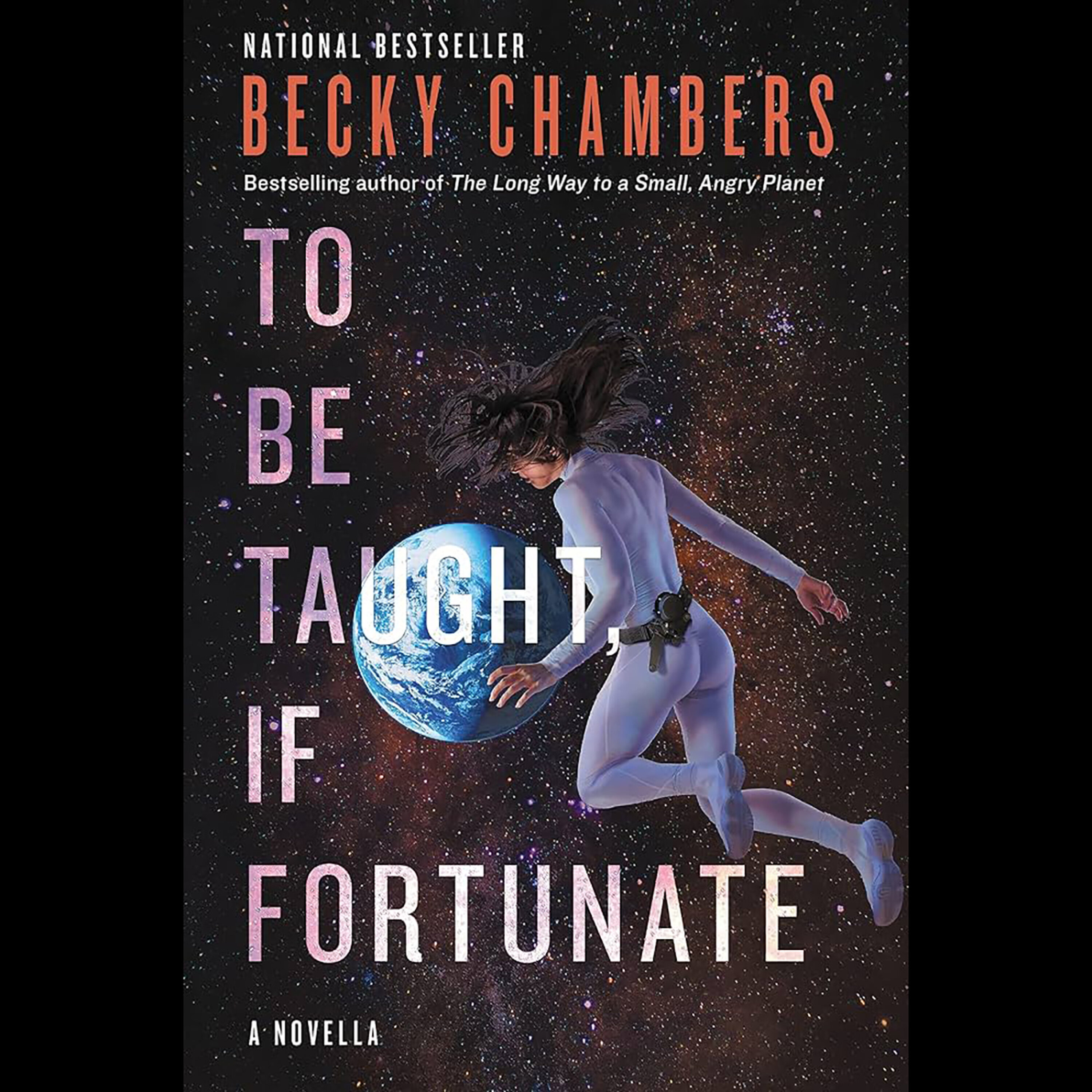
Book Club Edition: “To Be Taught, If Fortunate” with Becky Chambers
This outstanding novella, “To Be Taught, If Fortunate” by award-winning science fiction author Becky Chambers, is a passionate argument for the human exploration of space and the wonders we will find there. Kirkus Reviews calls it, “An extraordinary picture of humanity among the stars.” Join host Mat Kaplan for a conversation with Becky in which her personal enthusiasm for
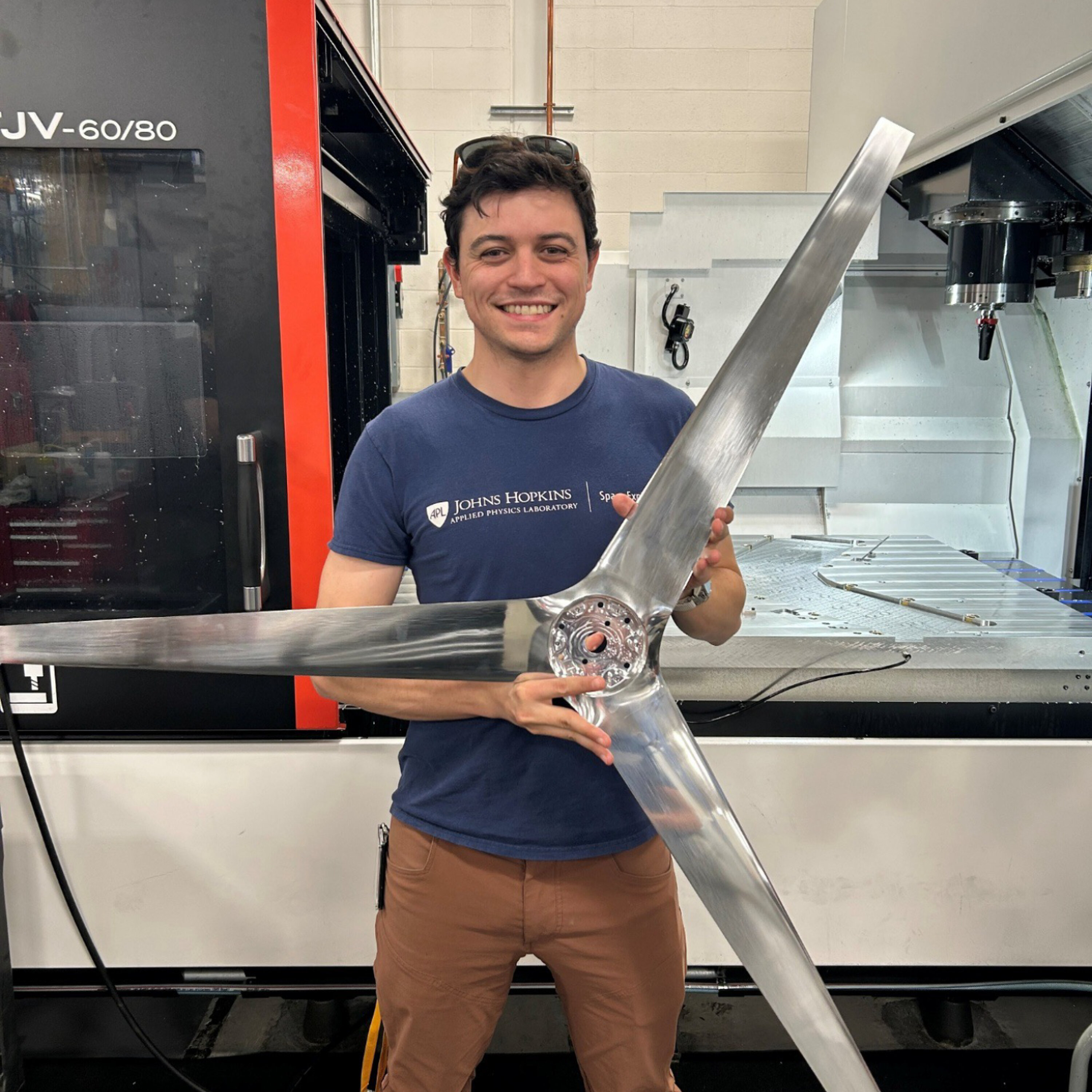
Flying on Titan: The engineering of Dragonfly
Saturn's moon Titan is one of the most Earth-like worlds in our Solar System, with a dense nitrogen atmosphere, weather cycles, methane rivers, and vast organic dune fields. It also happens to be the perfect place to fly a drone. NASA's Dragonfly mission is doing exactly that, sending a car-sized, nuclear-powered rotorcraft to explore Titan's surface starting in 2034. With just two years until lau
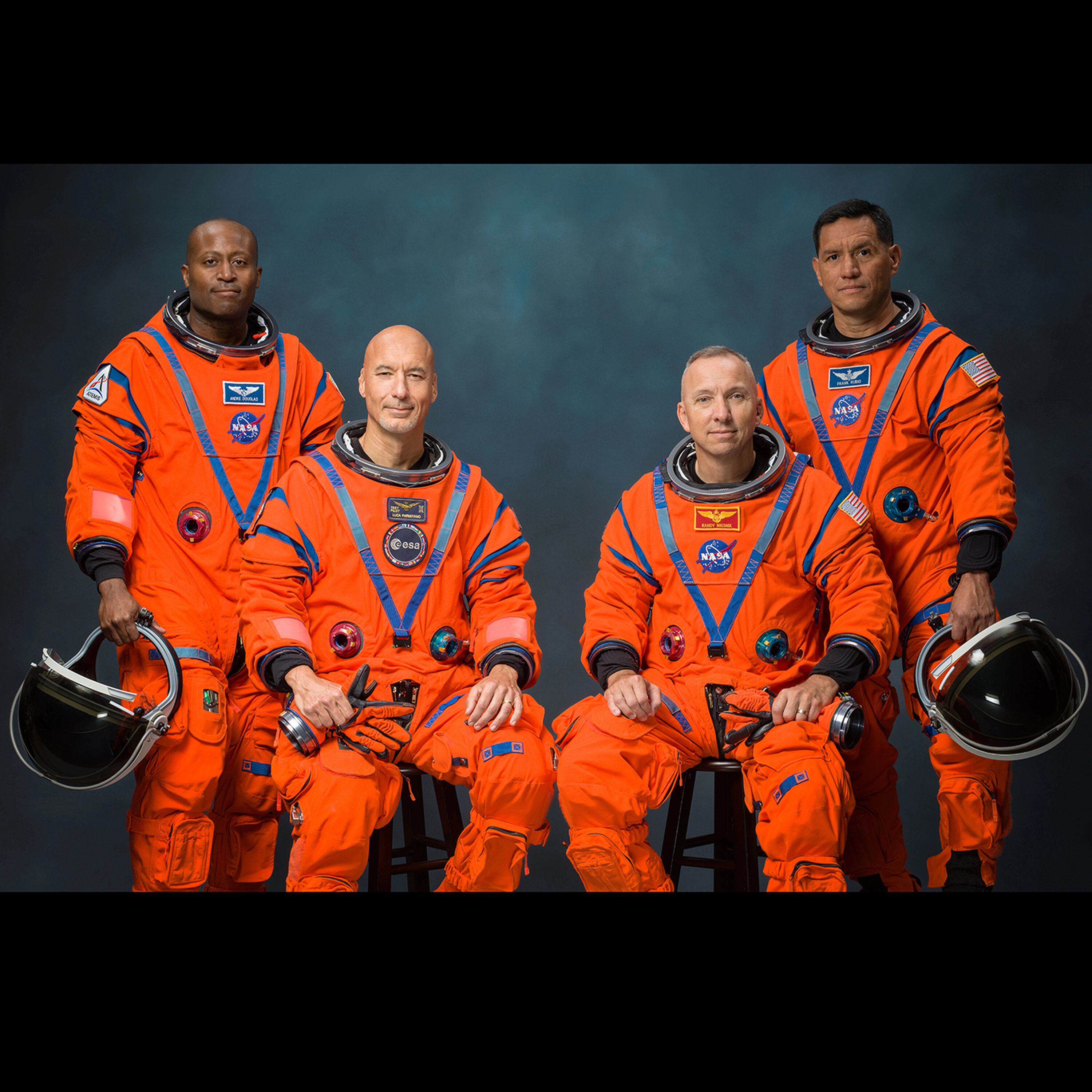
U.S. space science in flux: Grant rules, rockets, and reorganization
Between budget battles, proposed grant rule changes, and an exploding Blue Origin rocket, there's a lot to cover in U.S. space policy right now. Jack Kiraly, The Planetary Society's director of government relations, joins host Sarah Al-Ahmed to walk through a cascade of developments affecting NASA and the broader U.S. science community, including a proposed rule change at the Office of Management
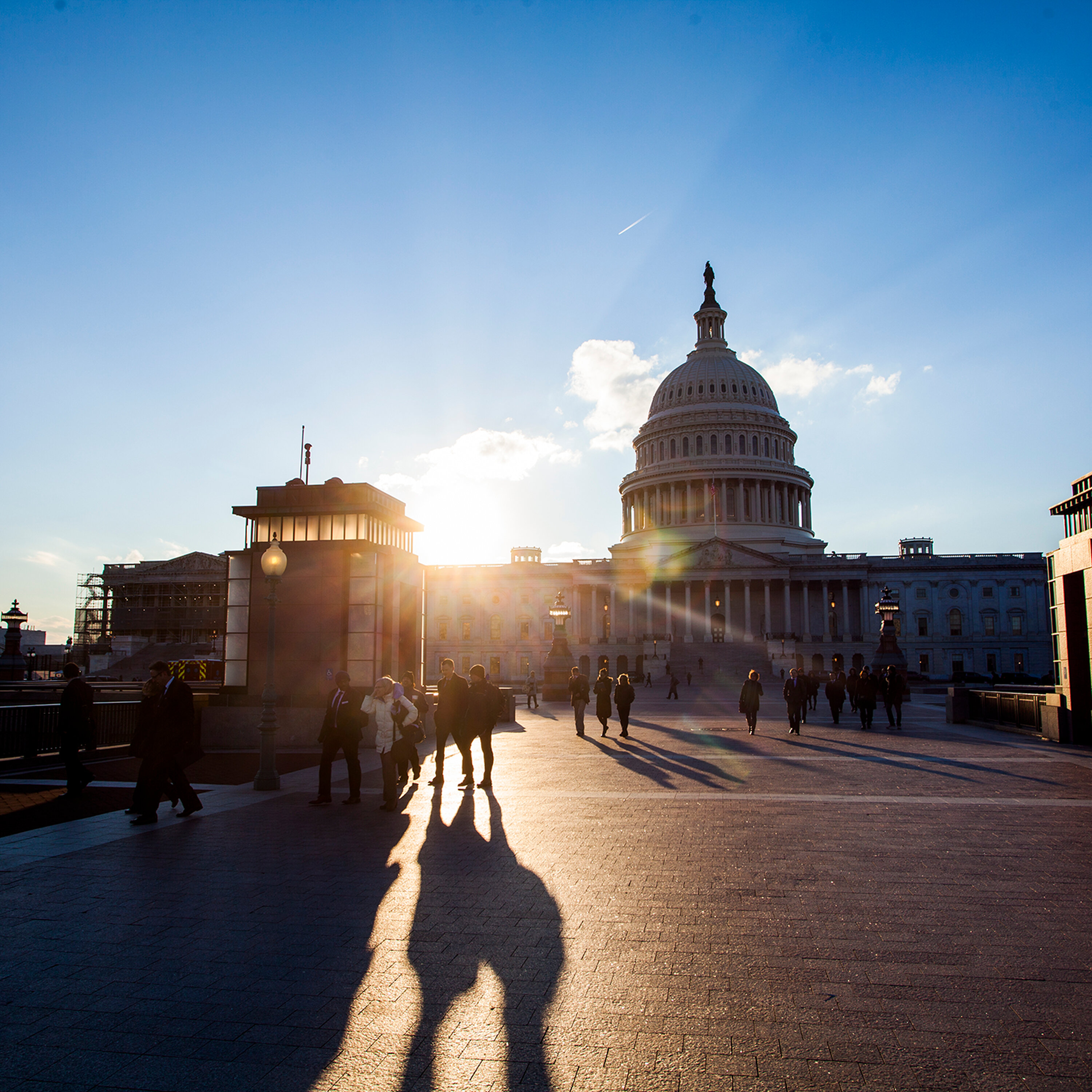
Space Policy Edition: A proposal to stifle American science
The White House's Office of Management and Budget has released a sweeping 400-page proposed rule change that would fundamentally alter how the U.S. federal government manages grants, affecting everything from NASA research to biomedical science and community programs. In this episode, Casey Dreier is joined by Liz Ginexi, a former Program Officer at the U.S. National Institutes of Health, to break
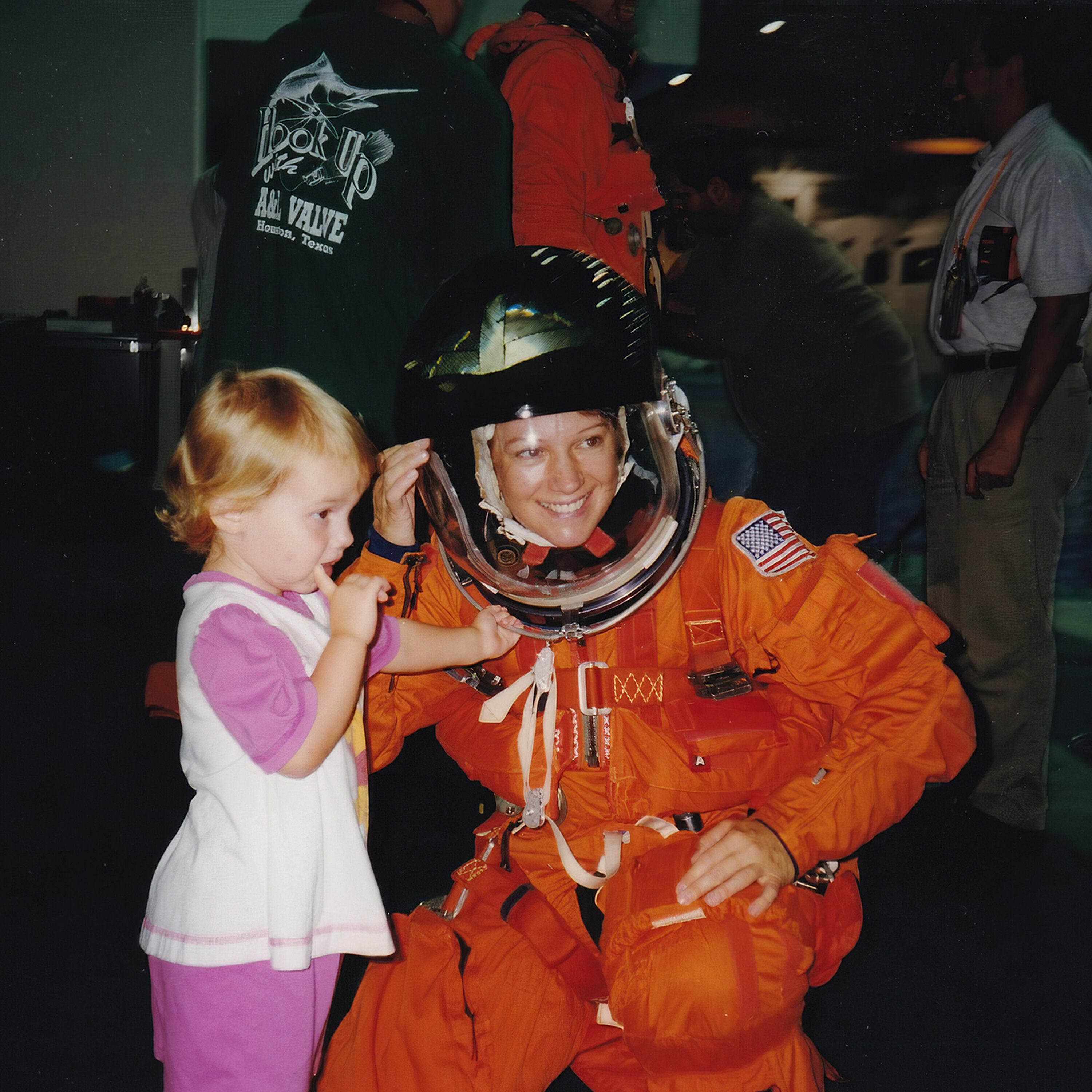
Spacewoman with Eileen Collins
Colonel Eileen Collins was the first woman to pilot and command a Space Shuttle, and the person NASA trusted to lead the program back into space after the loss of Columbia. But her story is about so much more than the milestones. In this episode, Sarah Al-Ahmed sits down with Eileen Collins to discuss “Spacewoman,” a new documentary written and directed by Hannah Berryman, based on Col
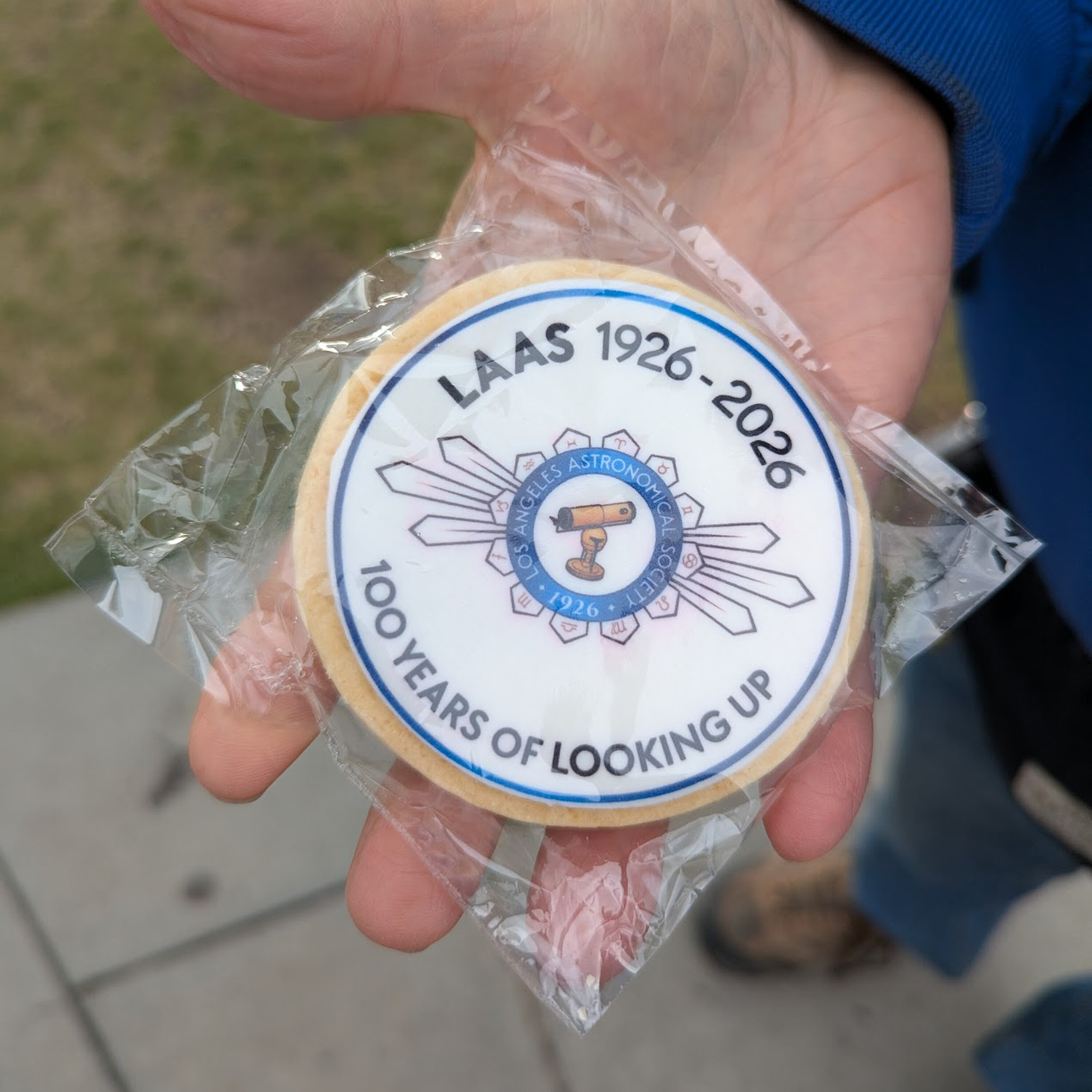
Los Angeles Astronomical Society celebrates 100 years of looking up
The Los Angeles Astronomical Society (LAAS) is one of the oldest and largest amateur astronomy clubs in the United States, and this year, it’s turning 100. To mark the occasion, the LAAS threw a centennial star party on the lawn of Griffith Observatory, featuring 100 telescopes, a dedication ceremony, and a community of passionate skywatchers who showed up rain and all. In this episode, we s
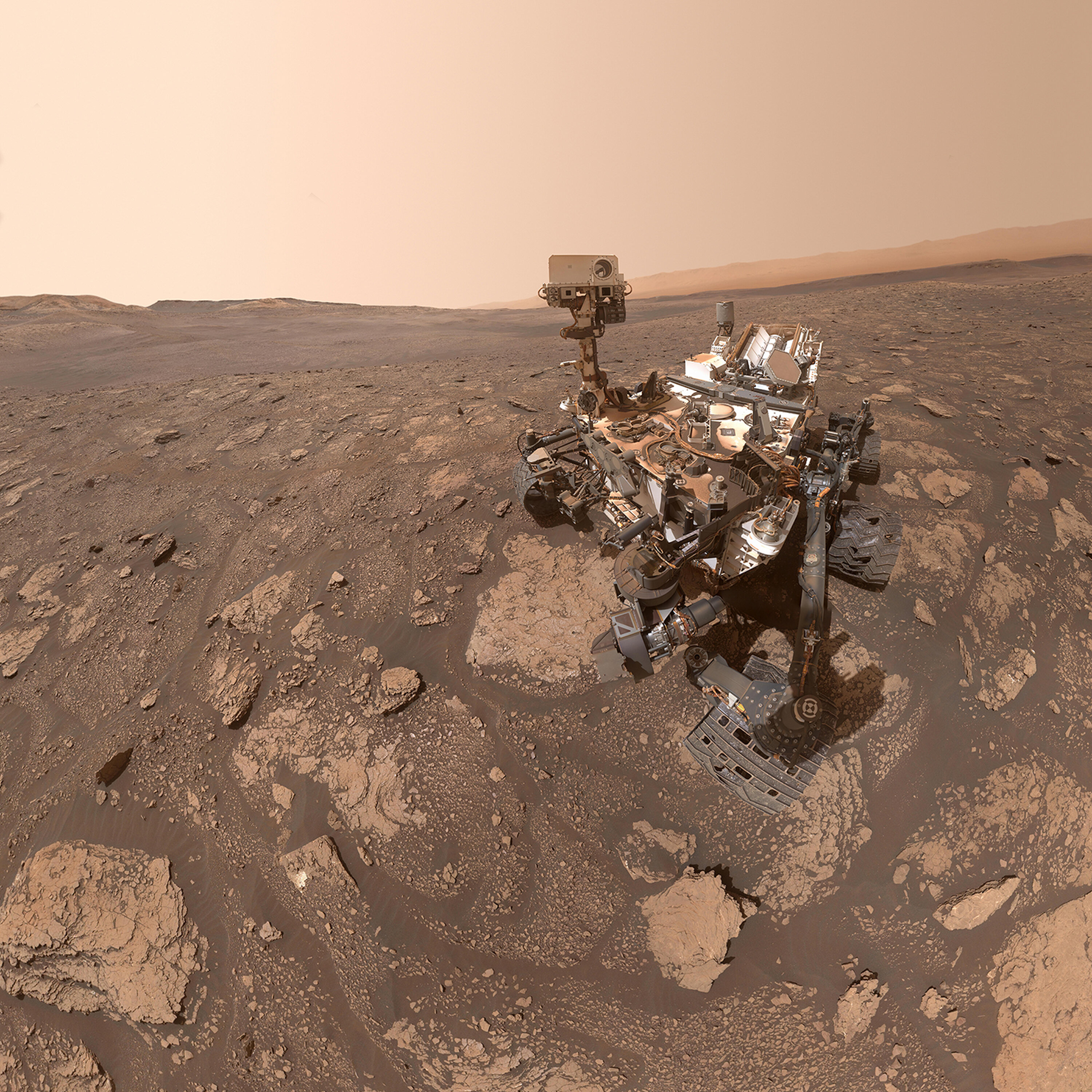
Twenty organic molecules found in an ancient Martian rock
NASA's Curiosity rover has been exploring Mars' Gale Crater for over a decade. A new analysis of samples collected there reveals something remarkable: more than 20 different organic molecules preserved in ancient rock, including the first detection of a nitrogen-bearing heterocycle on Mars, a type of molecule that's a precursor to compounds essential for life as we know it. While these molecules a
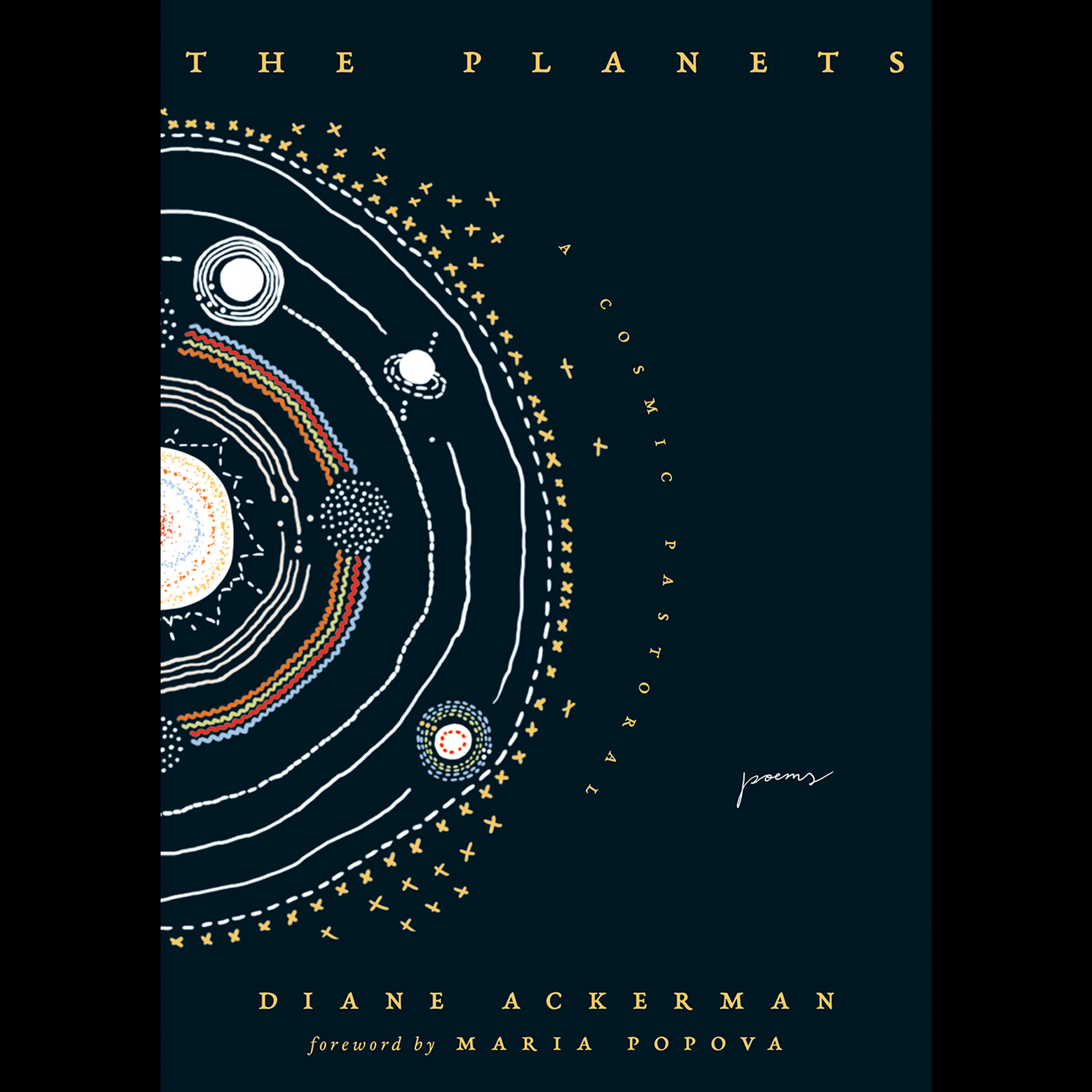
Book Club Edition: Diane Ackerman and “The Planets: A Cosmic Pastoral”
Author, poet, and science communicator Diane Ackerman is our guest. Her wonderful collection of poems, with one devoted to each of the worlds in our Solar System, was first published in 1976. Carl Sagan said she had produced, “...a stunning book of poetry in The Planets. The work is scientifically accurate and even a convenient introduction to modern ideas on the planets, but much more impor
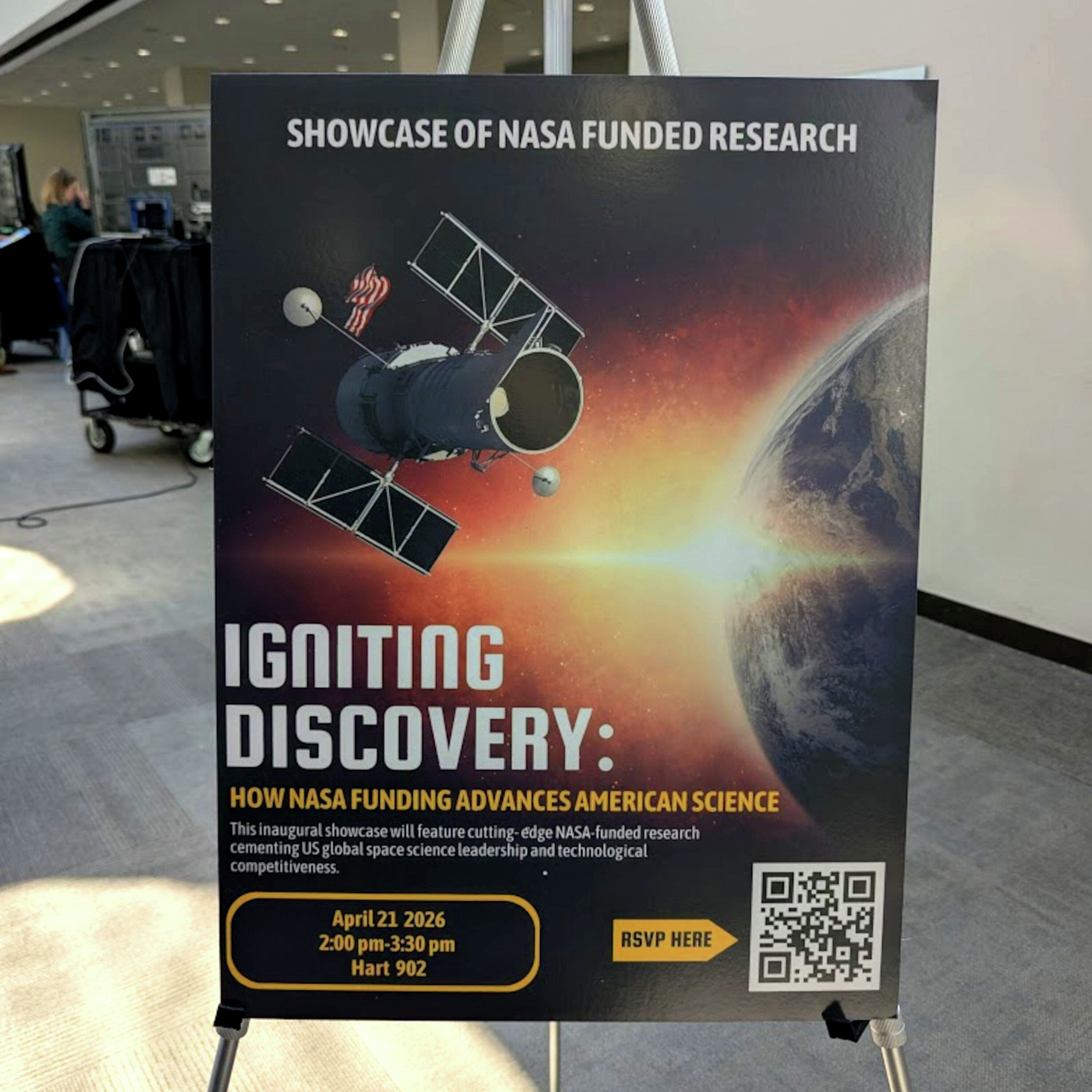
Igniting Discovery: A showcase of NASA-funded research
The Planetary Society's 2026 Day of Action brought something new this year. For the very first time, the advocacy day was followed by a showcase of NASA funded science in an event called Igniting Discovery. Host Sarah Al-Ahmed speaks with Jack Kiraly, Director of Government Relations at the Planetary Society, about how the event came together, and with first-time advocate Julianna Charlene Kolczyn
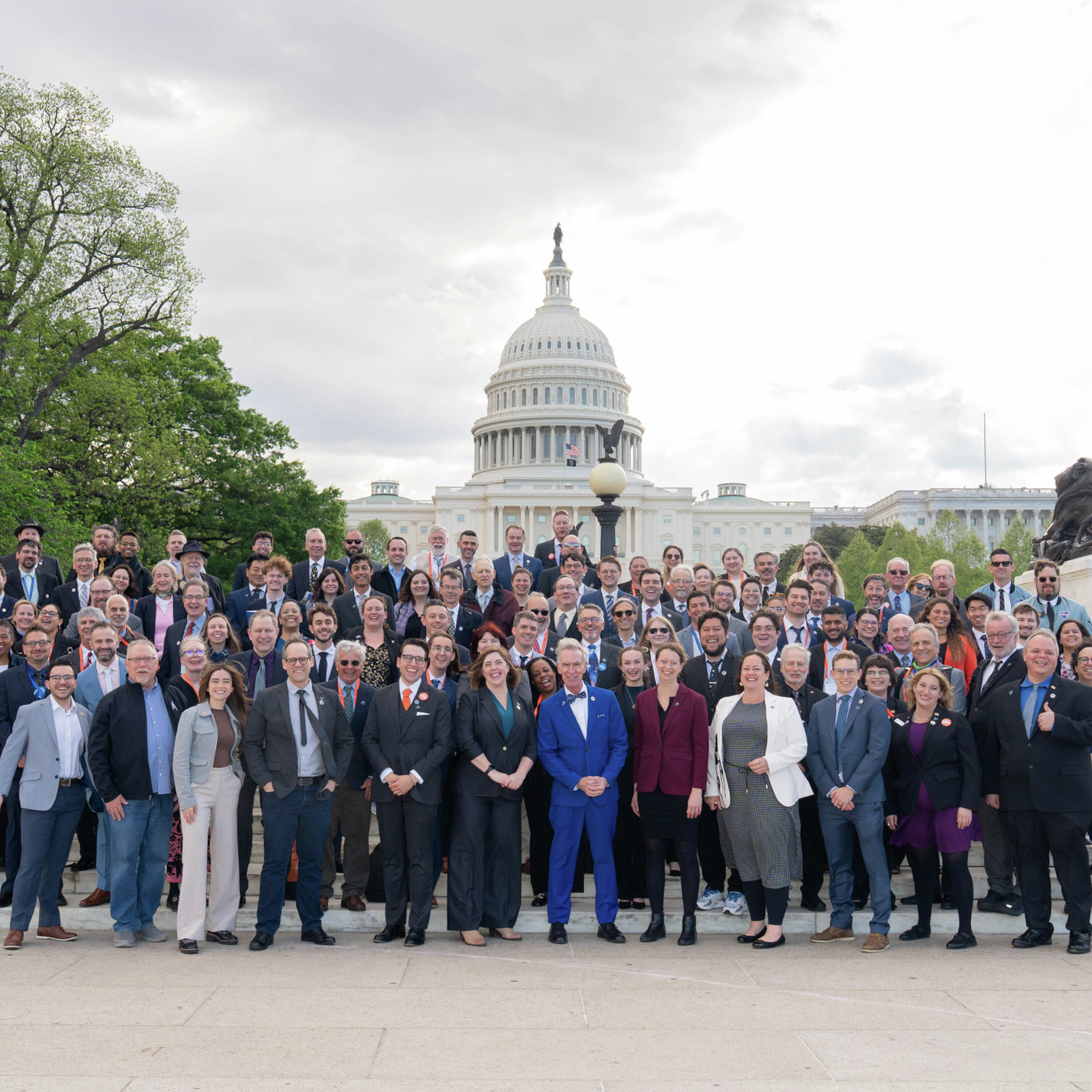
Day of Action 2026: Rejoining the fight to save NASA science
Every year, members of The Planetary Society travel to Washington, D.C., to make their voices heard on Capitol Hill. This year, just days after the Artemis II crew splashed down off the coast of San Diego, the Presidential Budget Request dropped once more, proposing a 46% cut to NASA's science budget. Planetary Radio host Sarah Al-Ahmed was on the ground capturing the passion, the preparatio
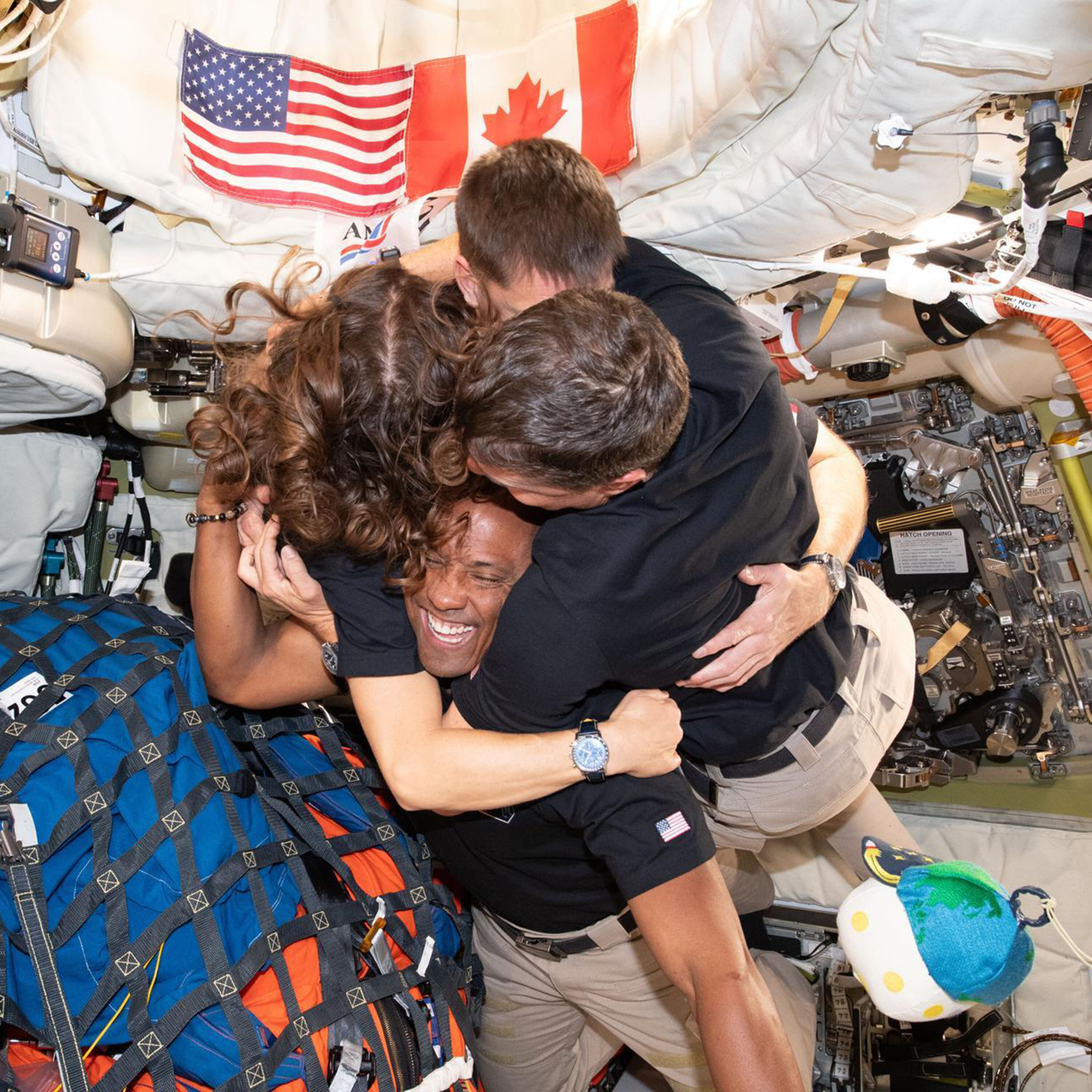
Space Policy Edition: Why humans matter — The philosophy of Artemis II
When Artemis II returned its crew safely to Earth, millions of people found themselves unexpectedly moved. The mission was a test flight, a proof-of-concept, and yet it felt like something far greater than the sum of its parts. In this episode, Casey Dreier, chief of space policy at The Planetary Society, sits down with Rebecca Lowe, philosophy senior fellow at the Mercatus Center at George Mason
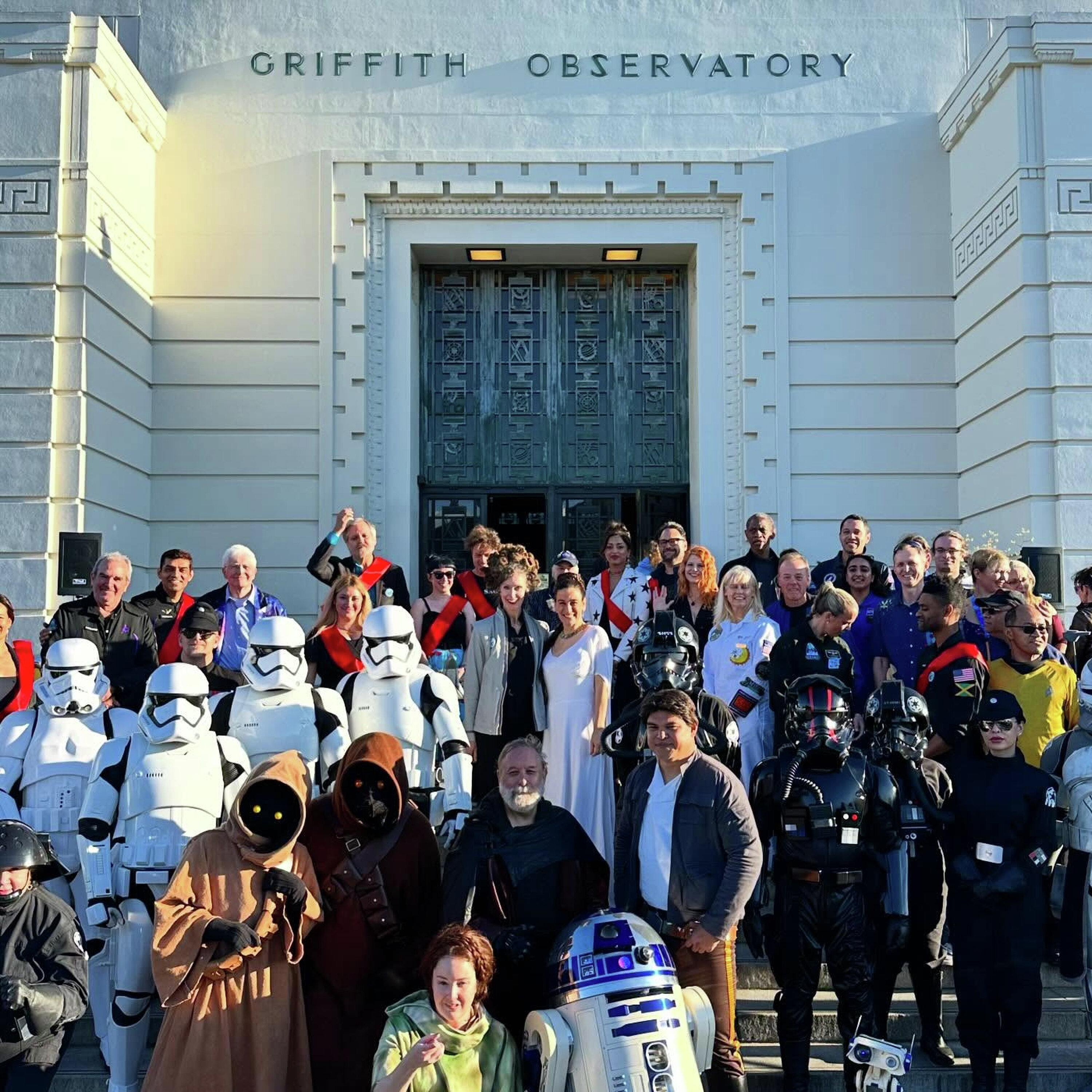
Yuri's Night 2026: Celebrating 65 years of human spaceflight
On April 12th, 1961, Yuri Gagarin became the first human in space. Sixty-five years later, we celebrated that milestone at Griffith Observatory in Los Angeles, CA. We began on the lawn of Griffith Observatory, where host Sarah Al-Ahmed spoke with exhibitors about the tools, dreams, and technology that drive space exploration. Laura Tomlin, CEO of Space for Teachers, shares how microgravity r
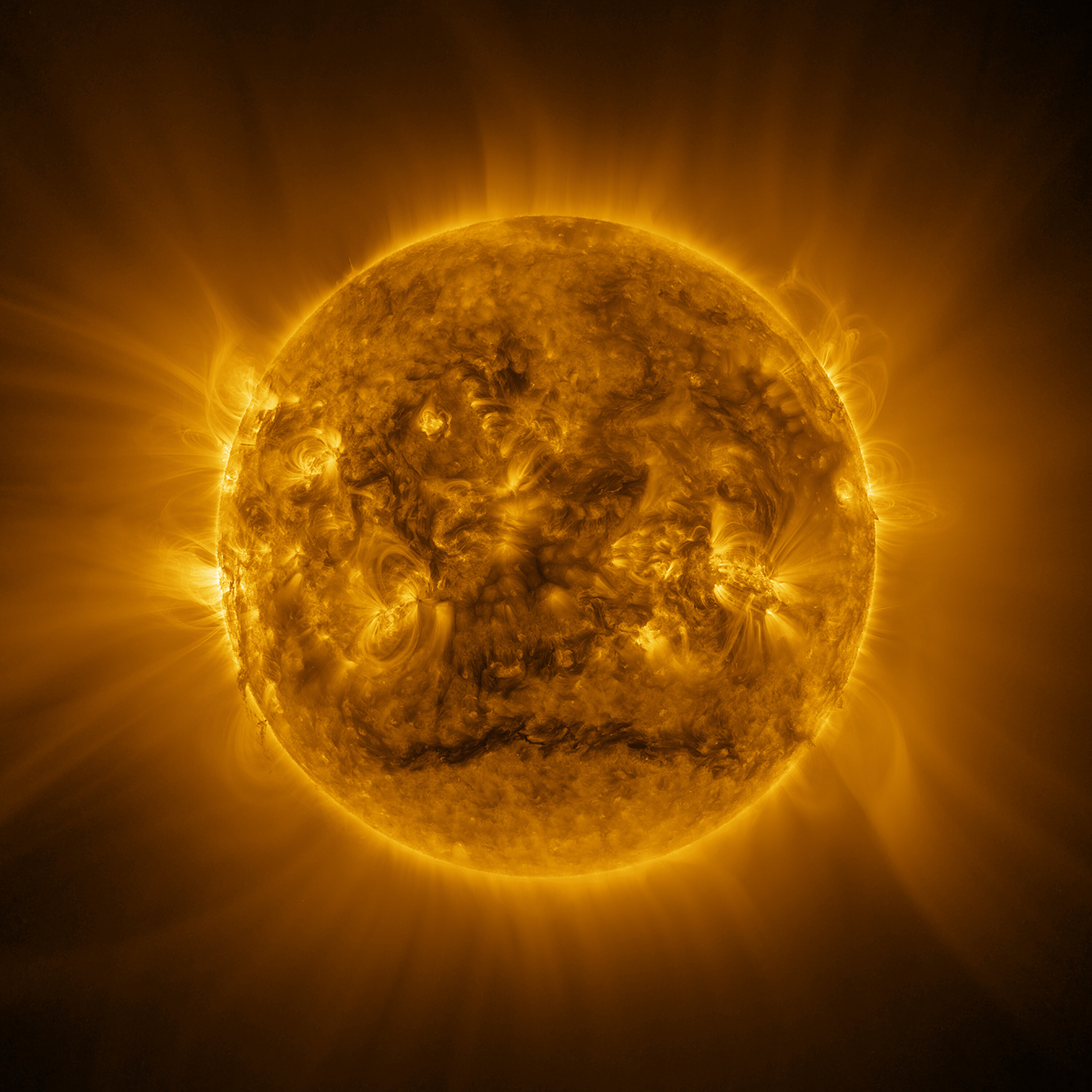
Project Hail Mary hits the big screen
“Project Hail Mary” is finally in theaters, and the science is just as thrilling as the story. This week on Planetary Radio, Sarah Al-Ahmed and senior communications adviser Mat Kaplan share their first reactions fresh from the theater. Author and producer Andy Weir tells us in his own words what the story is really about, in a flashback conversation with Mat. Award-winning Nature corr
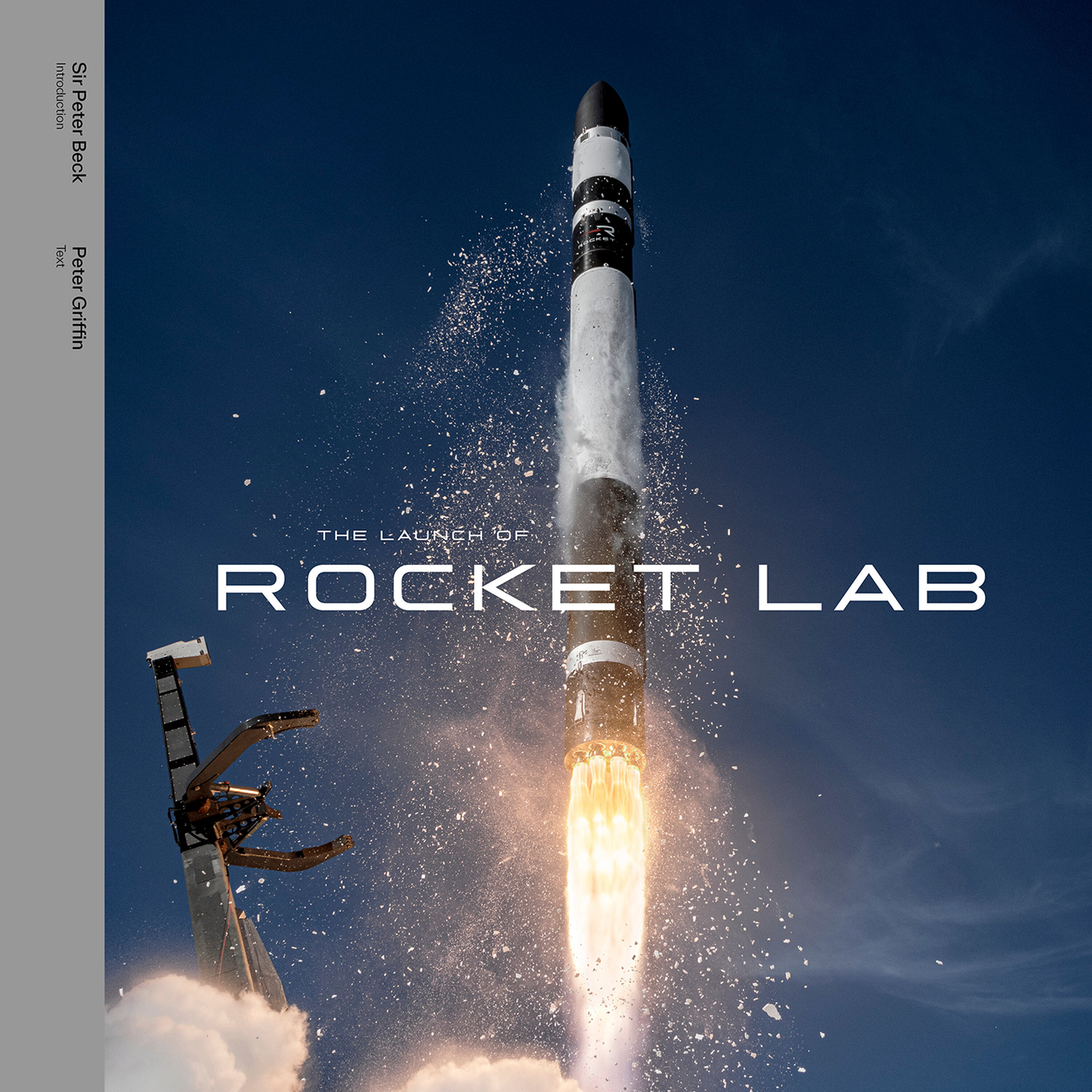
Book Club Edition: Founder and CEO Peter Beck on The Launch of Rocket Lab
He built a rocket-powered bike when he was a kid. Now he leads the company that has made New Zealand number three among nations that launch big rockets, following the United States and China. Sir Peter Beck joins us for a deeply revealing and entertaining conversation about “The Launch of Rocket Lab,” the beautiful book that tells his and Rocket Lab's inspiring story. His dedication to
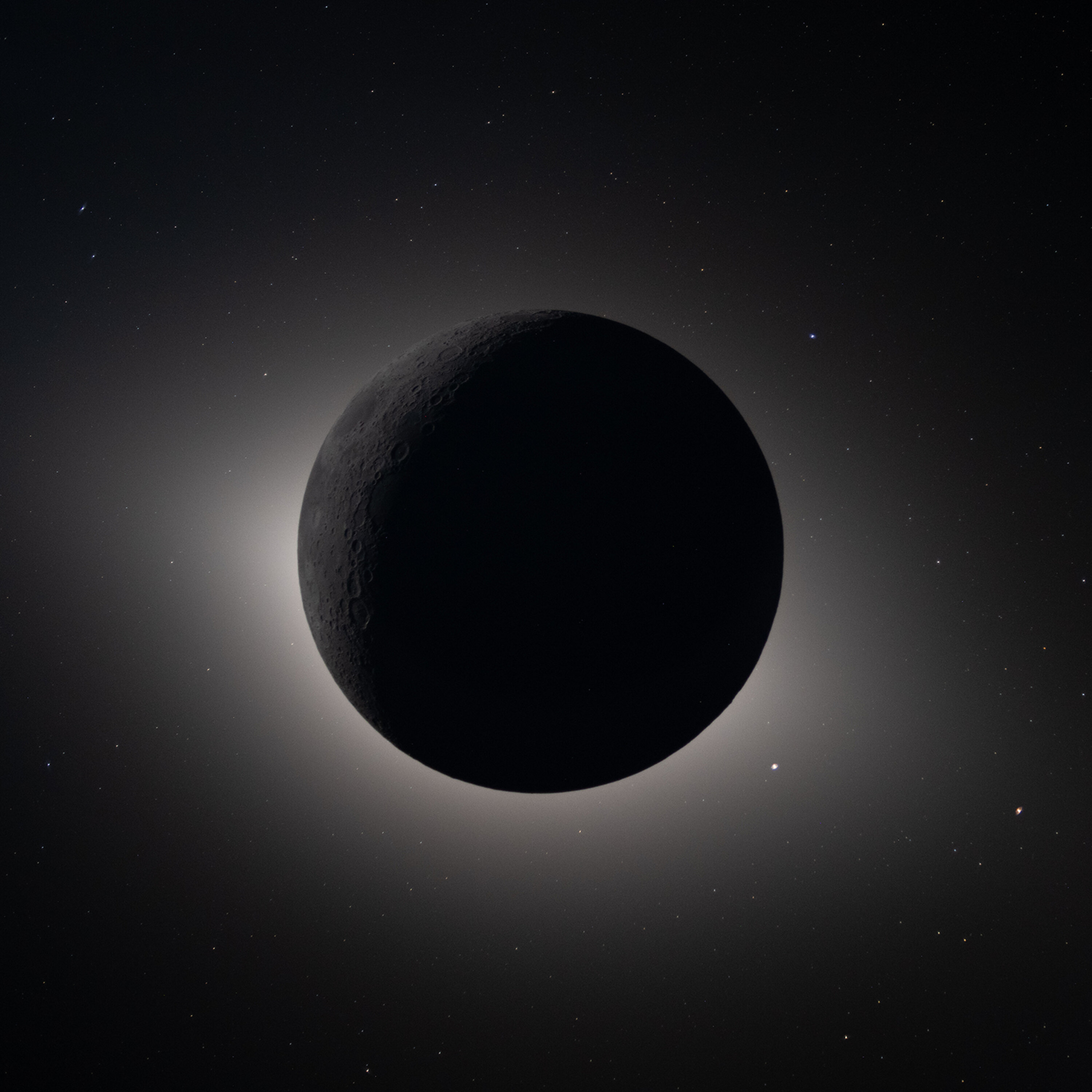
Triumph and turmoil: Artemis II and the renewed fight to save NASA science
The Artemis II crew has returned home safely after a historic 10-day journey around the Moon, the first crewed lunar mission in over 50 years. In this episode, we celebrate some of the mission's most extraordinary moments: the record-breaking Flight Day 6 when Commander Reid Wiseman, Pilot Victor Glover, and Mission Specialists Christina Koch and Jeremy Hansen traveled farther from Earth than any
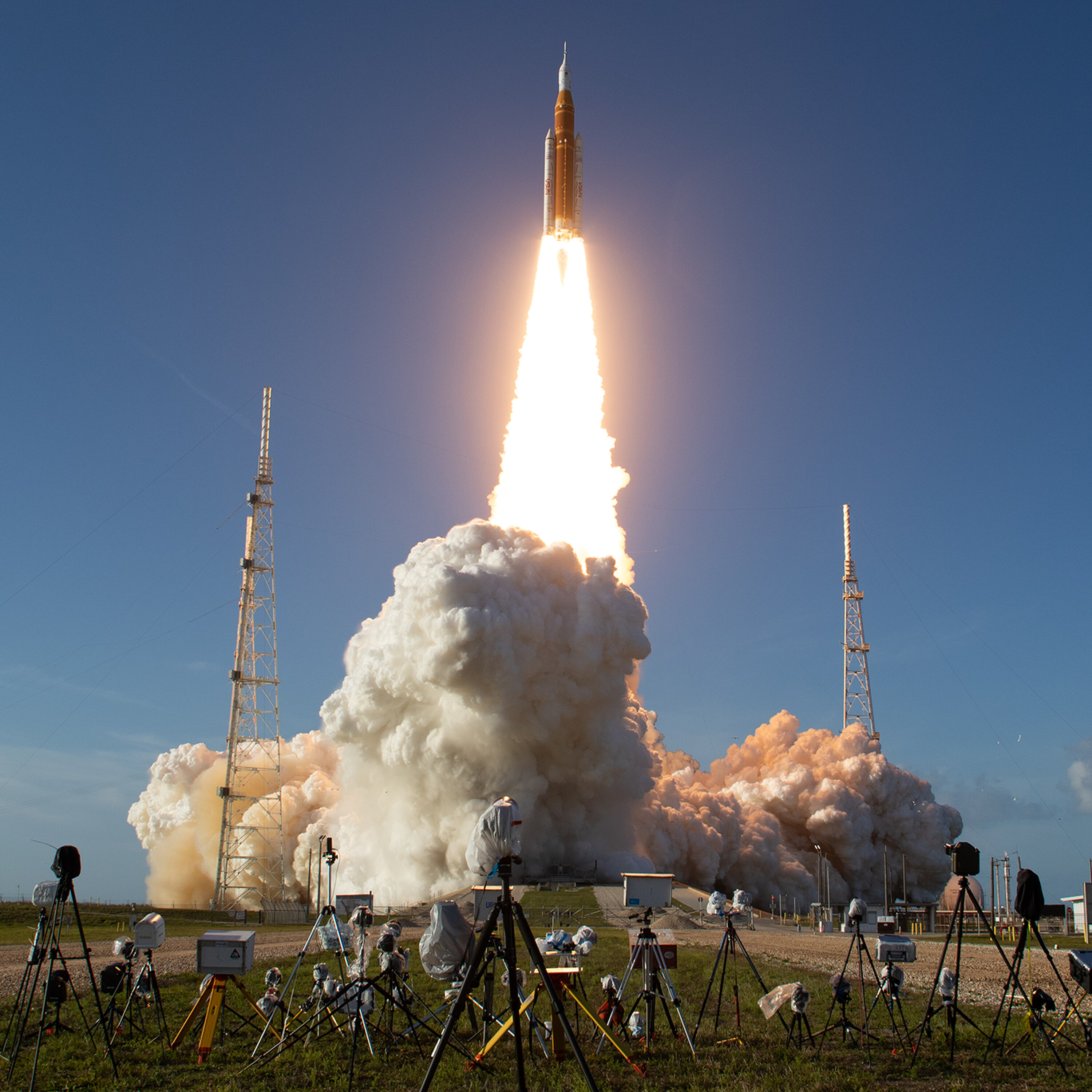
Artemis II launches to the Moon
Four astronauts — Commander Reid Wiseman, Pilot Victor Glover, Mission Specialists Christina Koch and Jeremy Hansen — are on their way around the Moon, on a journey that will take them farther from Earth than any human has gone before. This week on Planetary Radio, we bring you the sounds of launch day and the voices of the people who lived it. You’ll hear from the engineers who
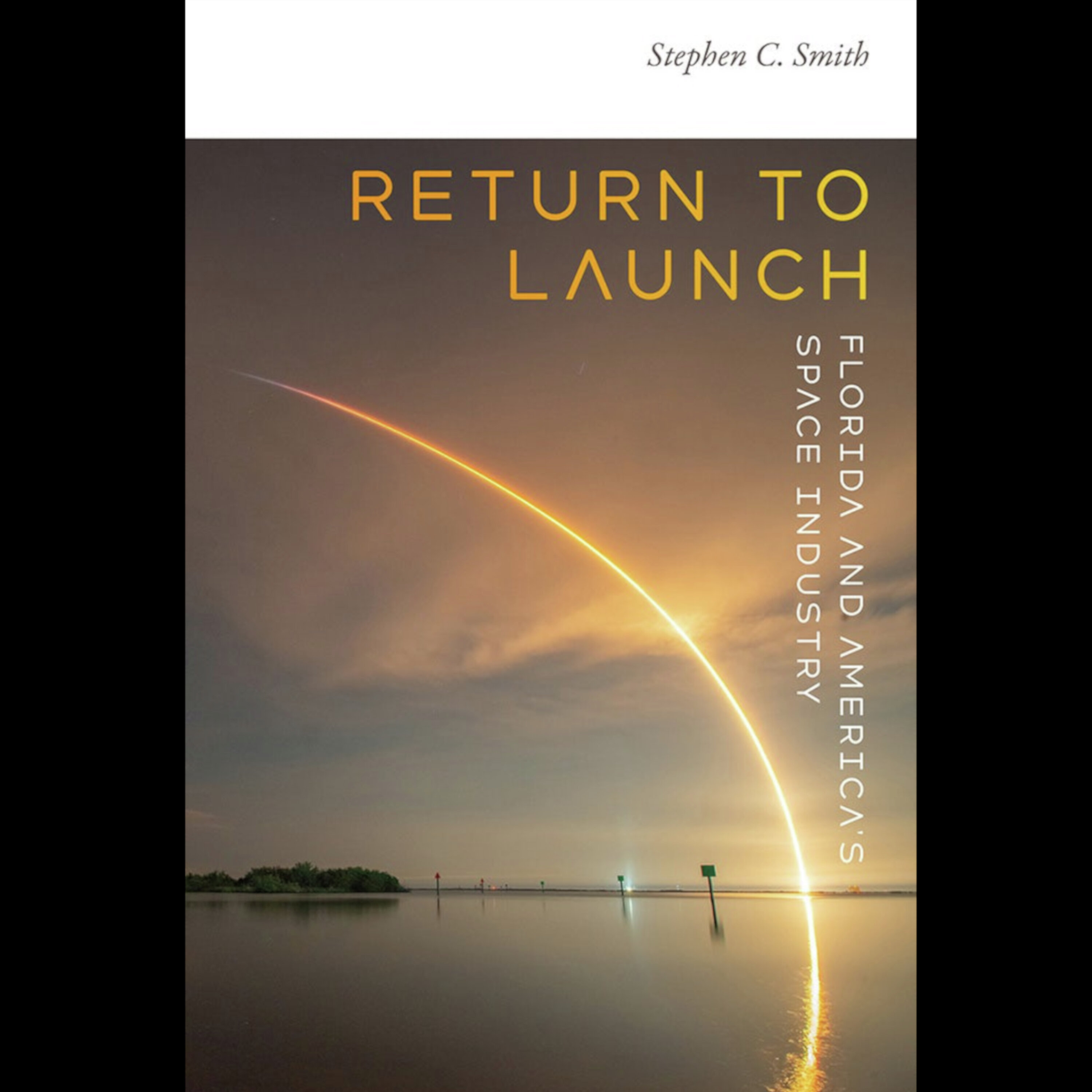
Space Policy Edition: Return to Launch — Cape Canaveral's unlikely history
What makes Cape Canaveral the center of U.S. spaceflight? The answer is a fascinating mix of geography, military strategy, Cold War politics, and a fair amount of historical accident. In this episode of the Space Policy Edition of Planetary Radio, host Casey Dreier, chief of space policy at The Planetary Society, sits down with Stephen C. Smith, author and writer behind the Substack The Space Pund
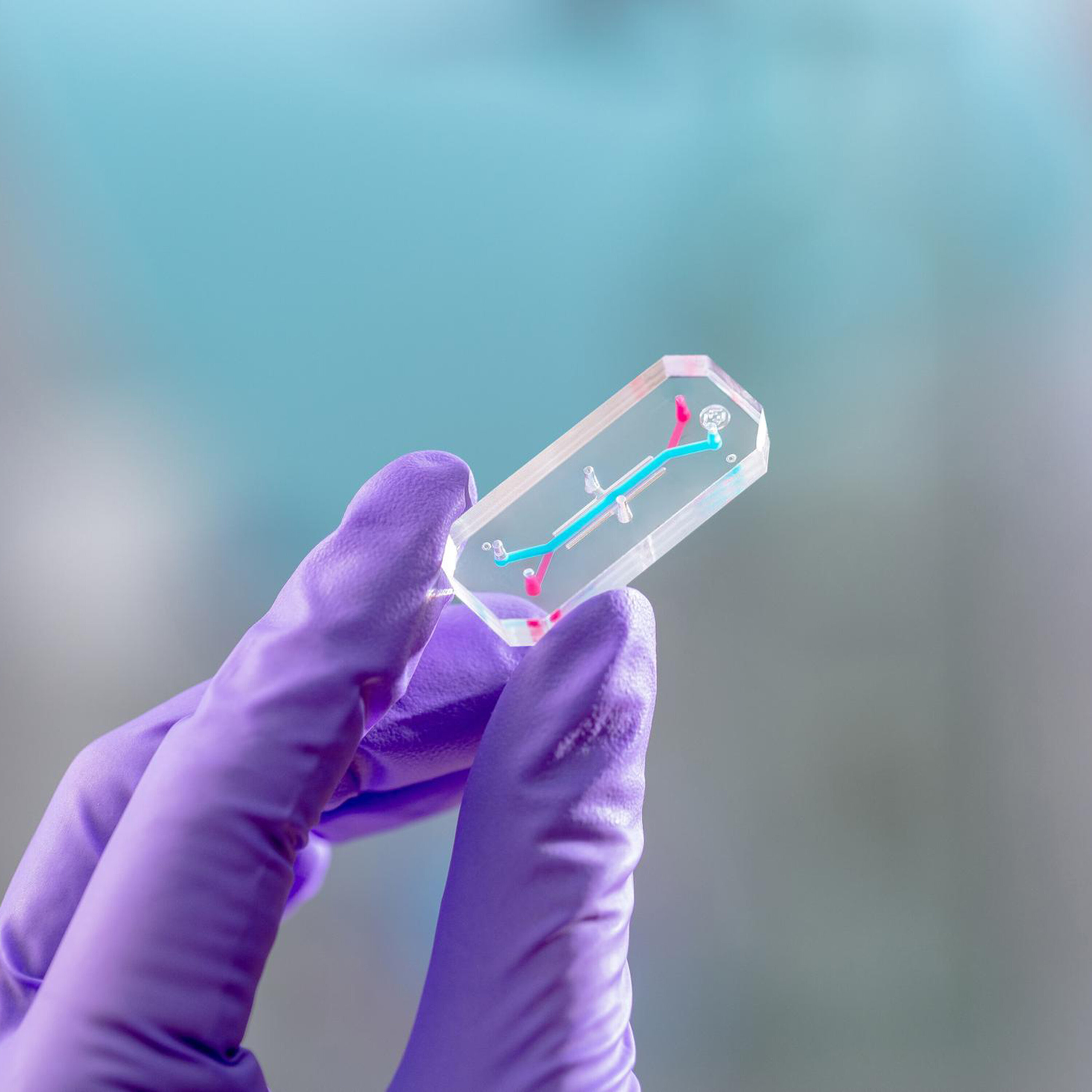
Artemis II’s AVATAR and a sungrazing comet
Artemis II is the first crewed lunar mission since Apollo 17, and riding alongside the crew is one of the most ambitious biology experiments ever sent to space. It's called AVATAR, short for A Virtual Astronaut Tissue Analog Response: tiny organ chips grown from the astronauts' own cells, flying the same trajectory around the Moon, exposed to the same deep-space radiation and microgravity as the c
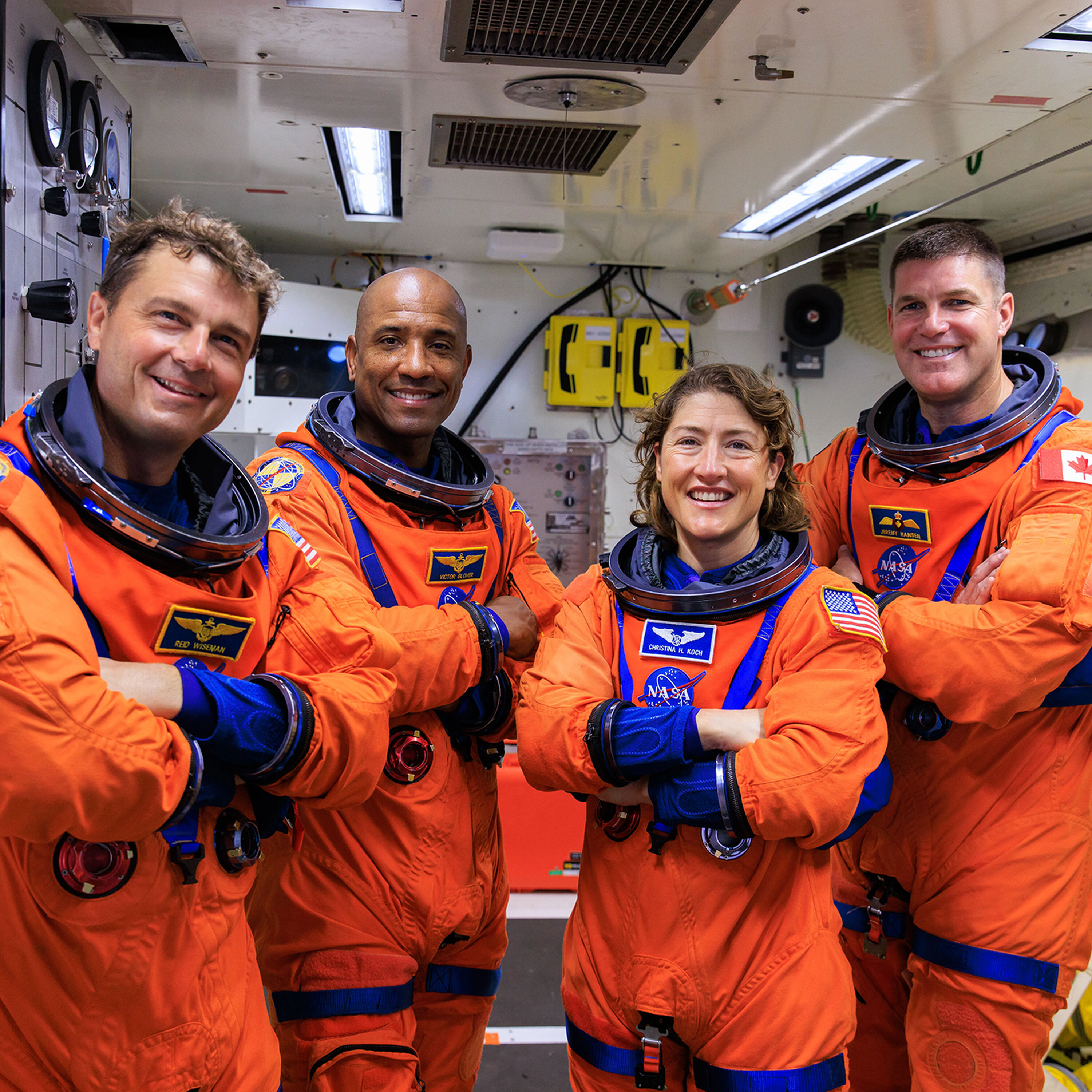
The astronaut health experiments of Artemis II
Artemis II is about more than getting four humans to the Moon and back. It's an opportunity to gather data on human health in deep space that we haven’t had in over 50 years. This week, we’re joined by Steve Platts, chief scientist of NASA's Human Research Program, who walks us through the suite of human health experiments flying aboard Artemis II, from the ARCHER wearable sensors trac
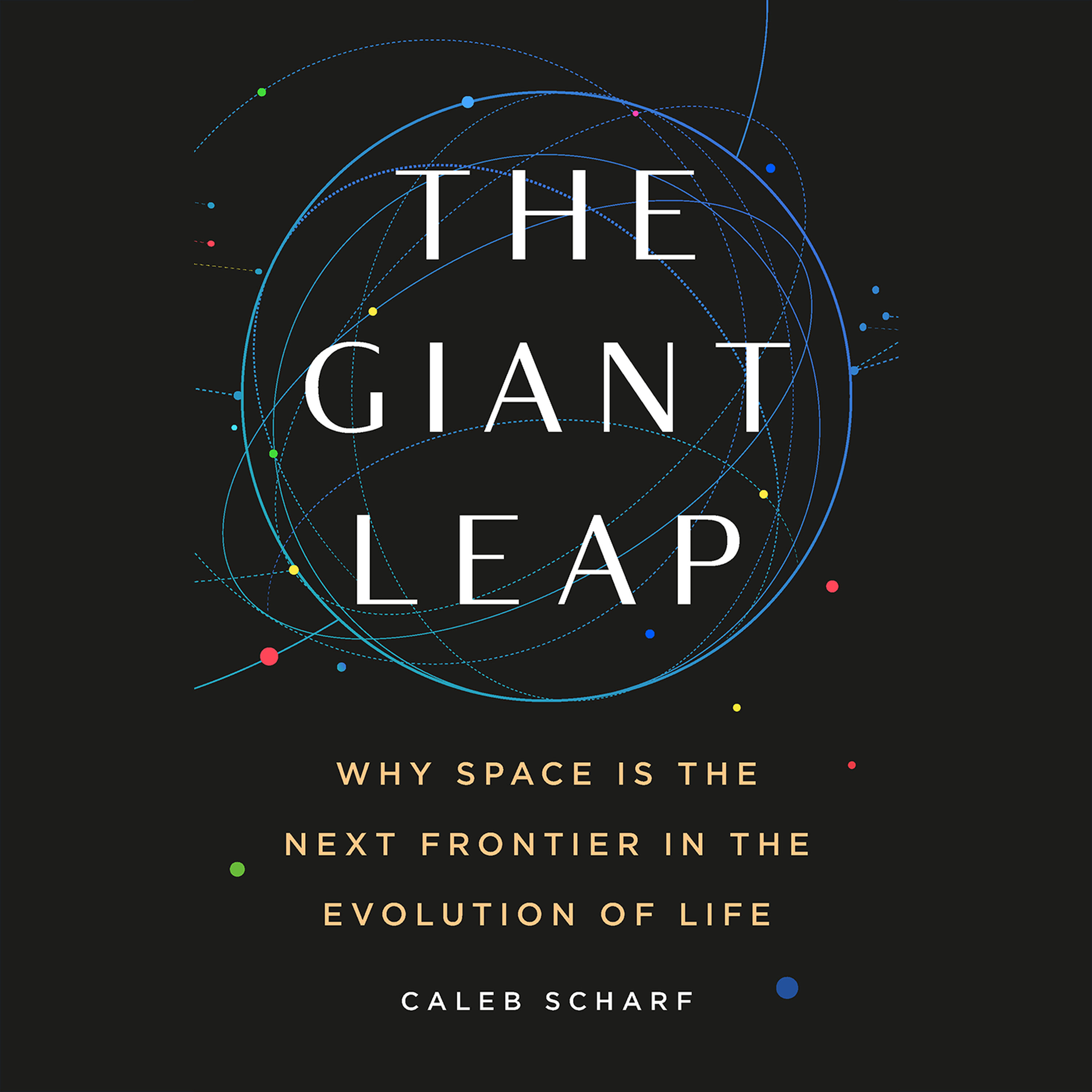
Book Club Edition: The Giant Leap: Why Space is the Next Frontier in the Evolution of Life
Join us for an awe-inspiring conversation with astrobiologist and astronomer Caleb Scharf as he eloquently makes the case for "dispersal," the nearly inevitable advance of life and humanity across our solar neighborhood. From the book: "The idea of Dispersal is one where the sheer scale and scope of life’s future extension into the solar system profoundly changes things: not because of
The 18th European Space Conference: Dreaming of European boots on the Moon
Humanity is going back to the Moon, and Europe is already playing a critical role in making it happen. This week, Planetary Radio brings you voices straight from the 18th European Space Conference in Brussels, Belgium, where more than 2,000 of the world’s top space leaders gathered to shape the future of European space exploration. We begin with conference co-organizer Tomas Dimitrov of Logo
Starman: Looking back on a life exploring the Solar System
Gentry Lee spent nearly five decades at NASA's Jet Propulsion Laboratory, and in that time he helped shape some of the most ambitious missions in the history of space exploration. A new documentary, “Starman,” chronicles his career and the big question that runs through it: is there life beyond Earth? Lee worked on every NASA mission to land on Mars, helped Carl Sagan bring the Univers
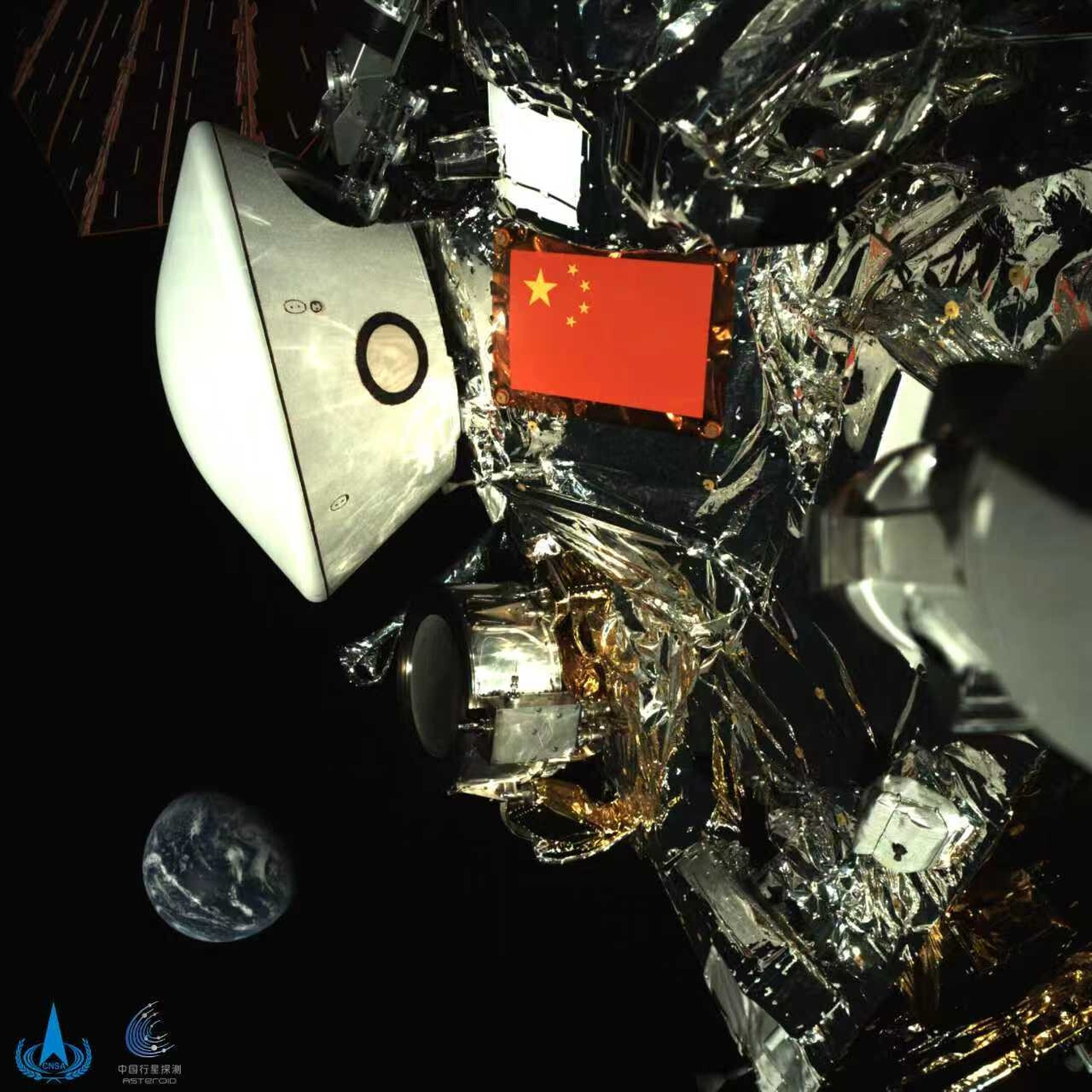
Space Policy Edition: Is there really a space race between the US and China?
Is the United States really in a new space race with China? Or is that framing missing the bigger picture? In this Space Policy Edition of Planetary Radio, Casey Dreier, chief of space policy at The Planetary Society, sits down with Patrick Besha, former NASA strategic advisor on China, to explore the realities behind China’s rapidly advancing space program. They discuss how China’s po
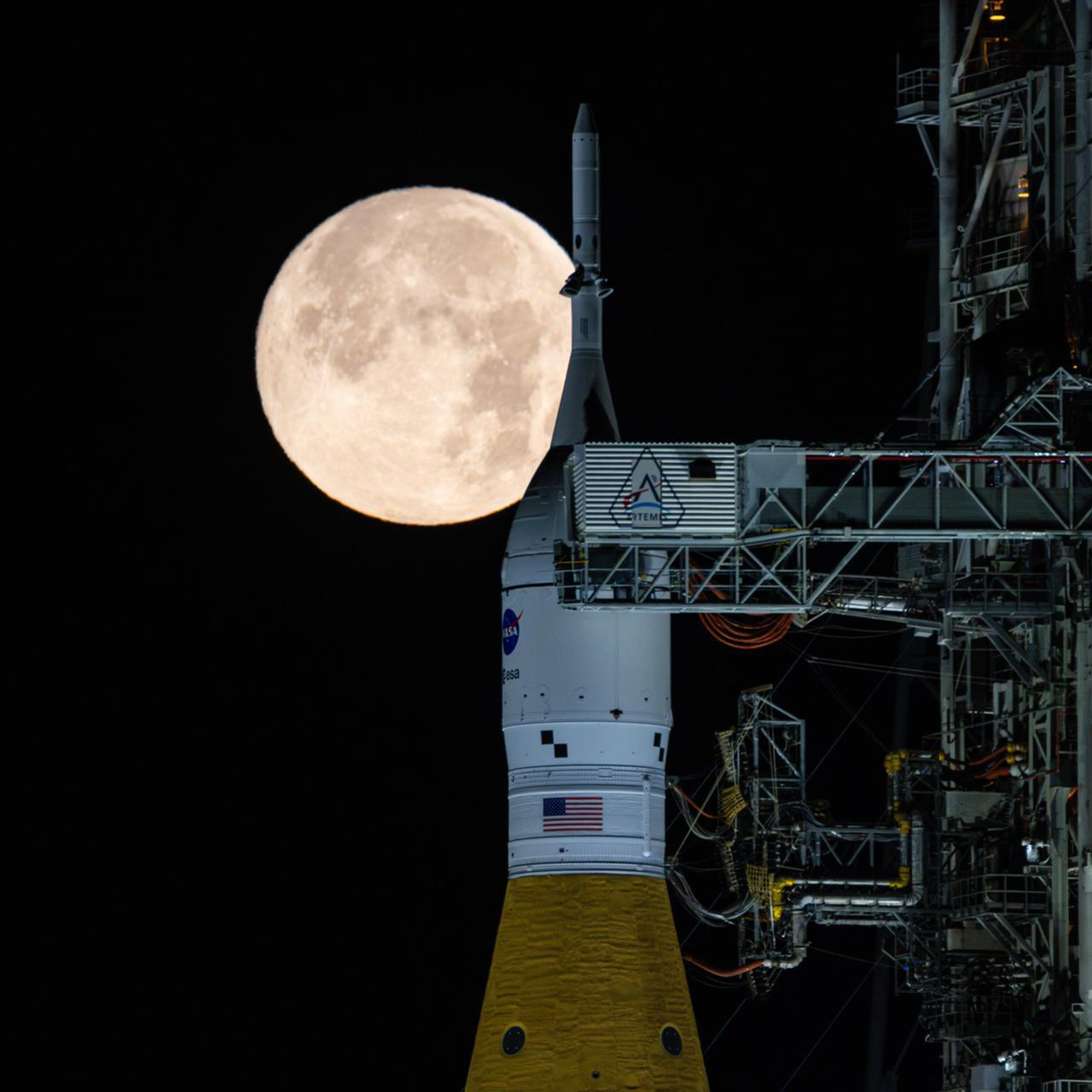
Artemis update: NASA reshapes the road back to the Moon
NASA has announced a major restructuring of the Artemis program, reshaping the roadmap for returning humans to the Moon. At a February 27 press conference, agency leadership addressed the rollback of Artemis II following post–wet–dress–rehearsal testing and unveiled significant changes to upcoming missions, including shifting Artemis III from a planned lunar landing to a low-Eart
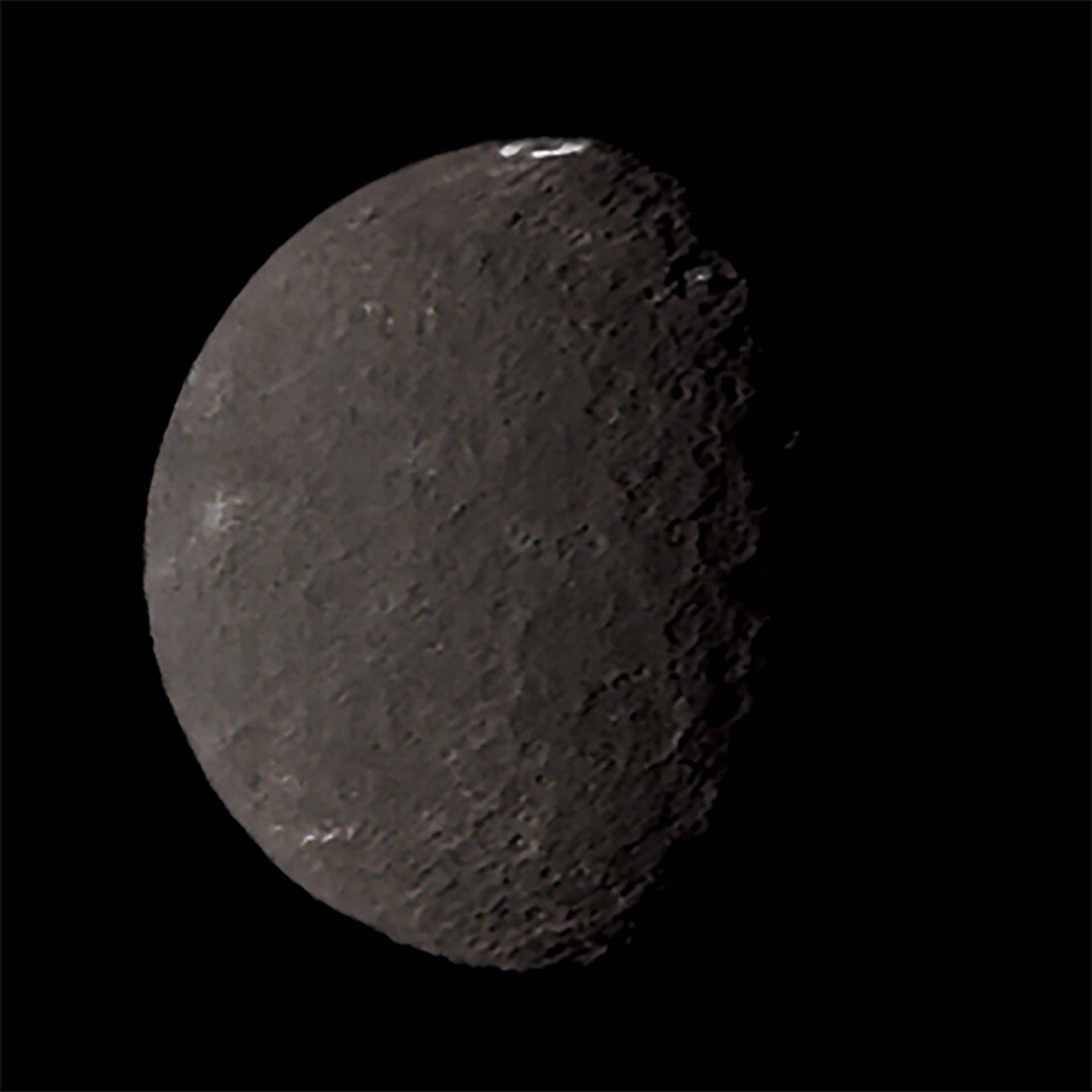
Did an impact trigger cryovolcanism on Umbriel?
Could a single ancient impact have briefly transformed one of the Solar System’s darkest moons into a cryovolcanic world? When Voyager 2 flew past Uranus in 1986, it captured the only close-up images we have of Umbriel, a heavily cratered, charcoal-dark satellite long considered geologically inactive. But one feature stands out: a bright ring inside the 131-kilometer-wide Wunda crater. In th
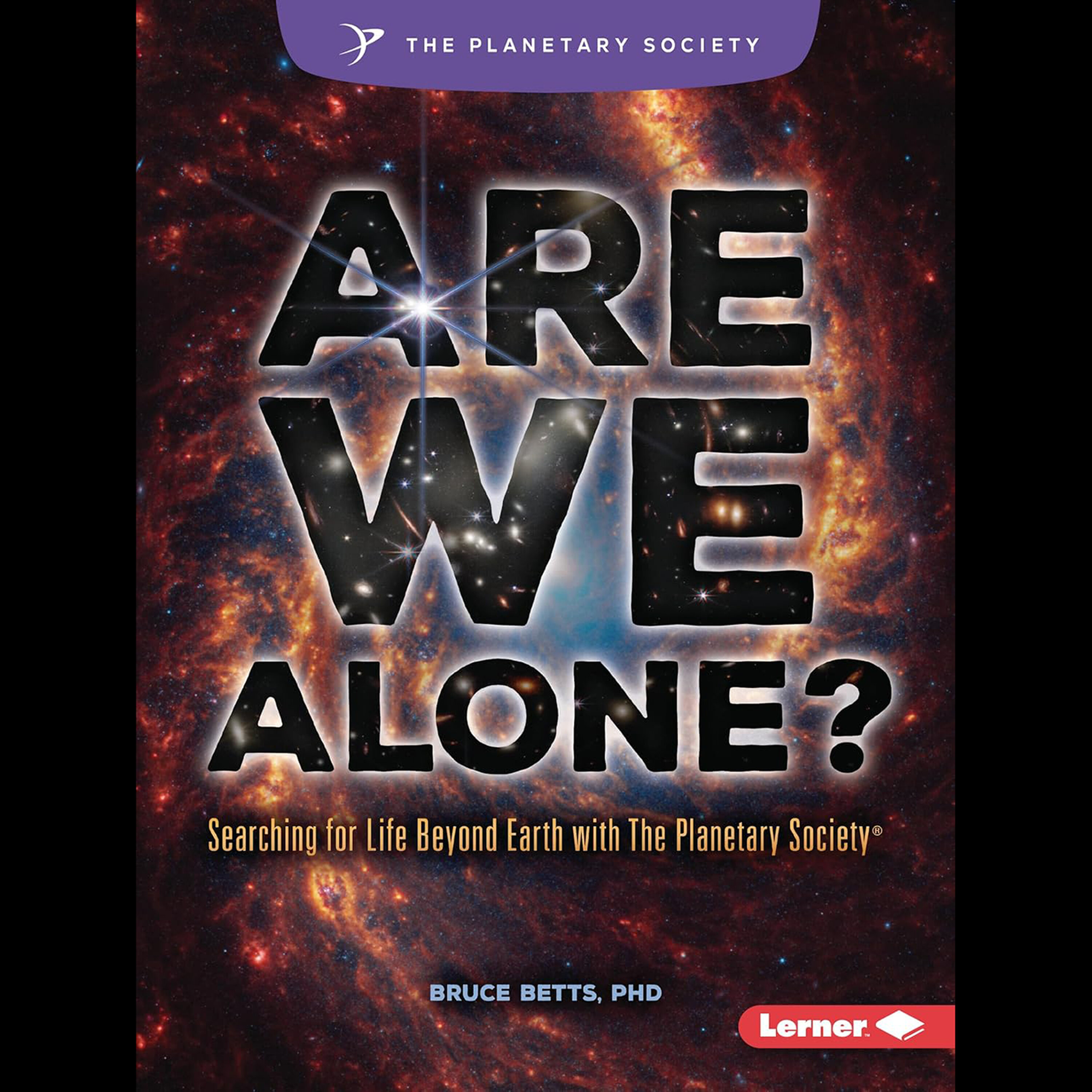
Book Club Edition: Planetary Society Chief Scientist Bruce Betts’ latest for kids
They informed and entertained together throughout the first 20 years of Planetary Radio. Listen in as the Society’s chief scientist and book club edition host Mat Kaplan share the mic once again for a delightful conversation about Dr. Betts’ two new space books for young people. “Are We Alone?” introduces the search for life across the Universe, while “The Size of Spa
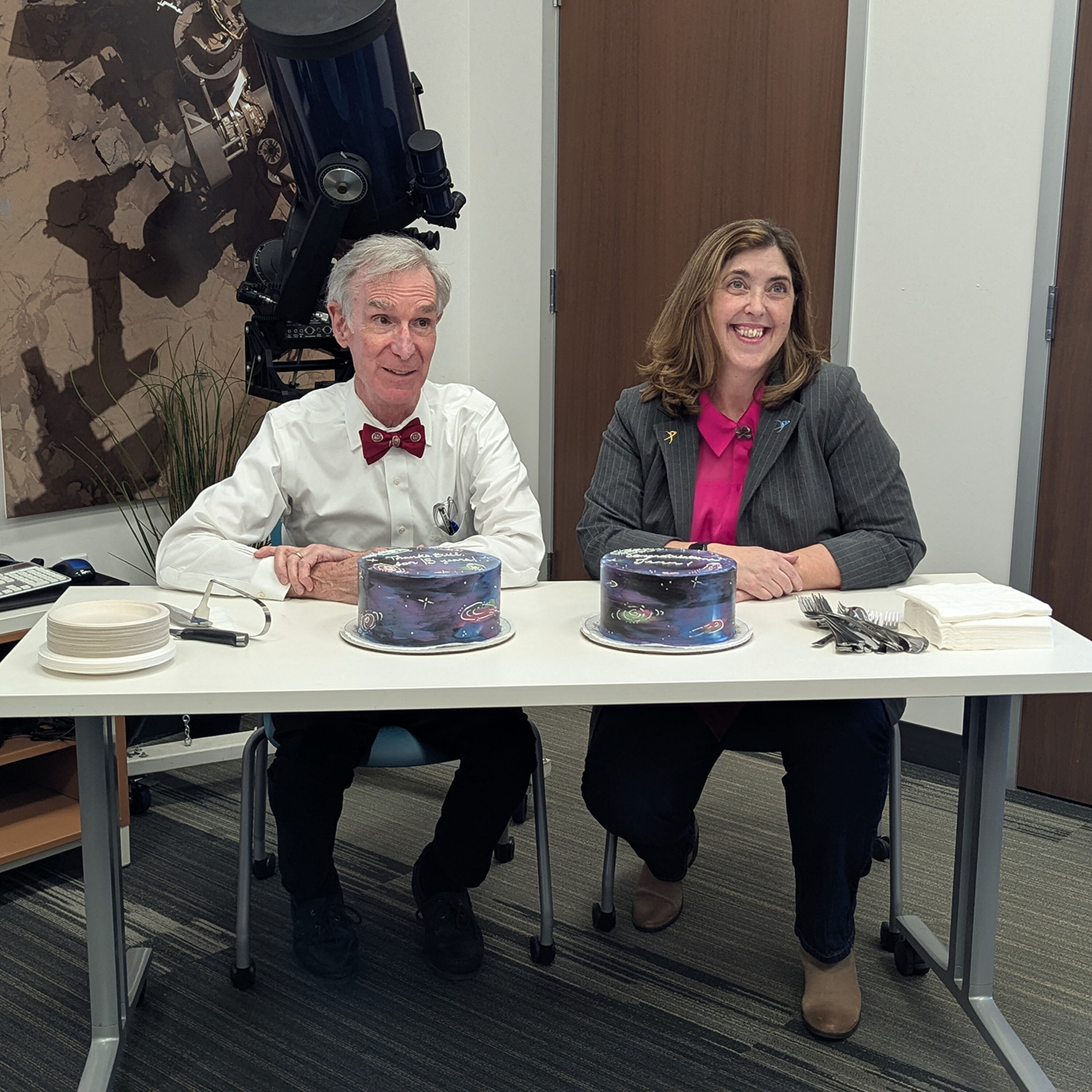
A new chapter at The Planetary Society: Jennifer Vaughn becomes CEO
This week on Planetary Radio, we mark a major leadership transition at The Planetary Society. Host Sarah Al-Ahmed sits down with Bill Nye, outgoing chief executive officer and newly appointed chief ambassador of The Planetary Society, and Jennifer Vaughn, incoming chief executive officer and former chief operating officer, for a candid conversation about this long-planned transition. Together, Bil
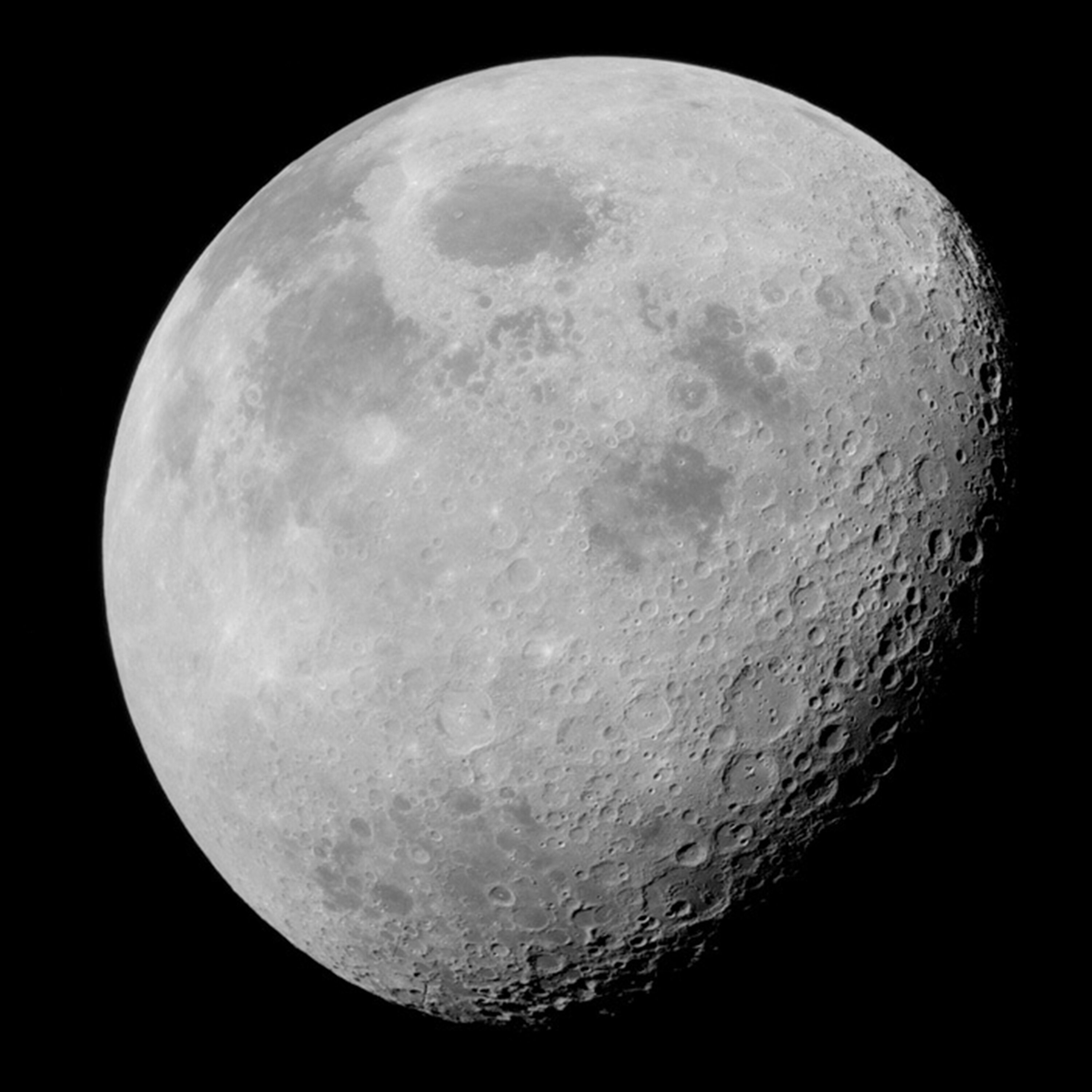
Where did Earth’s water come from? Clues hidden in Apollo Moon dust
Where did Earth’s water come from? In this episode of Planetary Radio, we explore how scientists are answering that question by studying a remarkably well-preserved record of the early Solar System: lunar samples brought back by the Apollo missions. Host Sarah Al-Ahmed is joined by Tony Gargano, postdoctoral fellow at the Lunar and Planetary Institute with the University Space Research Assoc
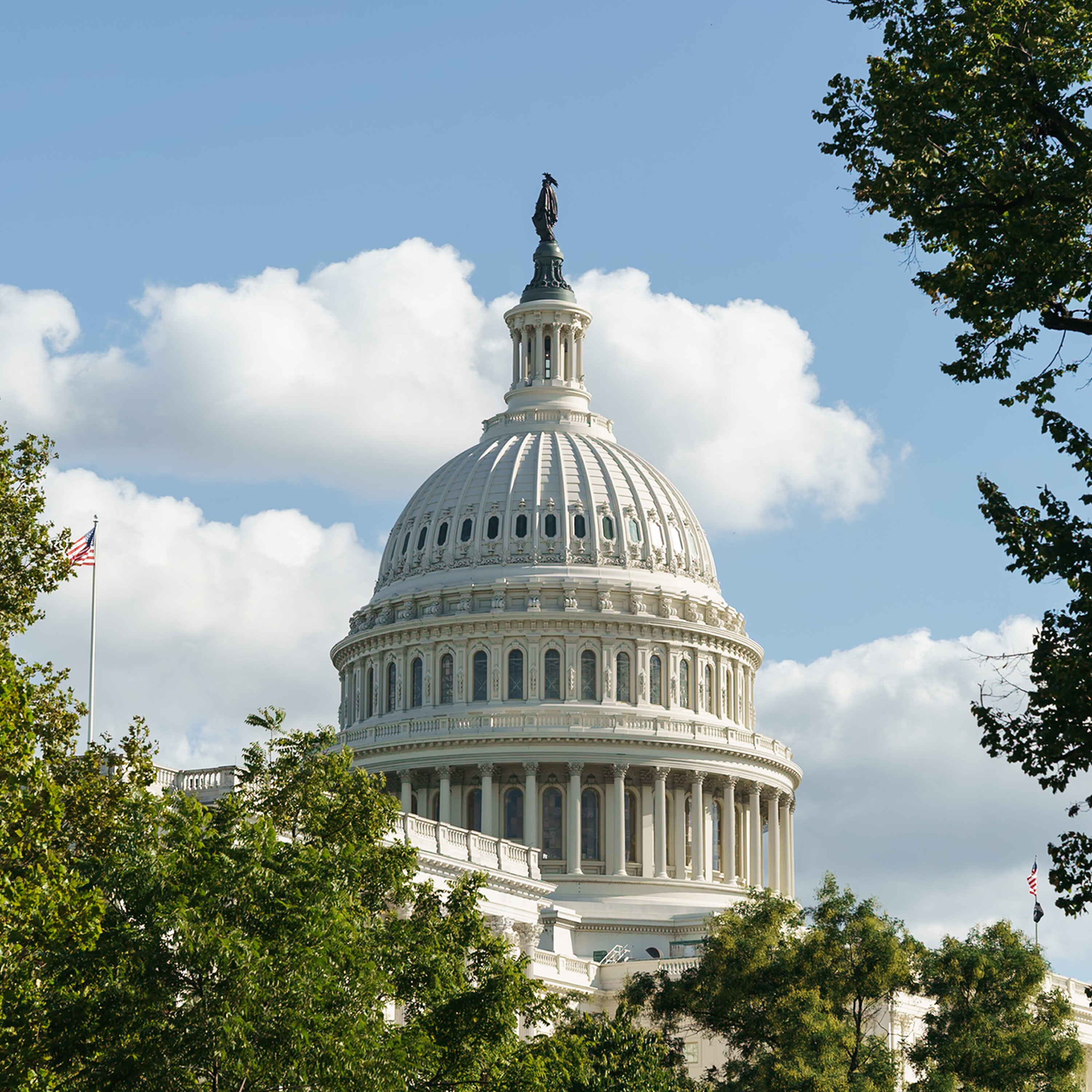
Space Policy Edition: What a NASA Authorization bill actually does
What does a NASA authorization bill actually do, and why does it matter? In this episode of Space Policy Edition, we dig into one of the most misunderstood but powerful tools Congress uses to shape the future of U.S. space exploration. Host Casey Dreier, chief of space policy at The Planetary Society, is joined by Jack Kiraly, the Society’s director of government relations, for a deep dive i
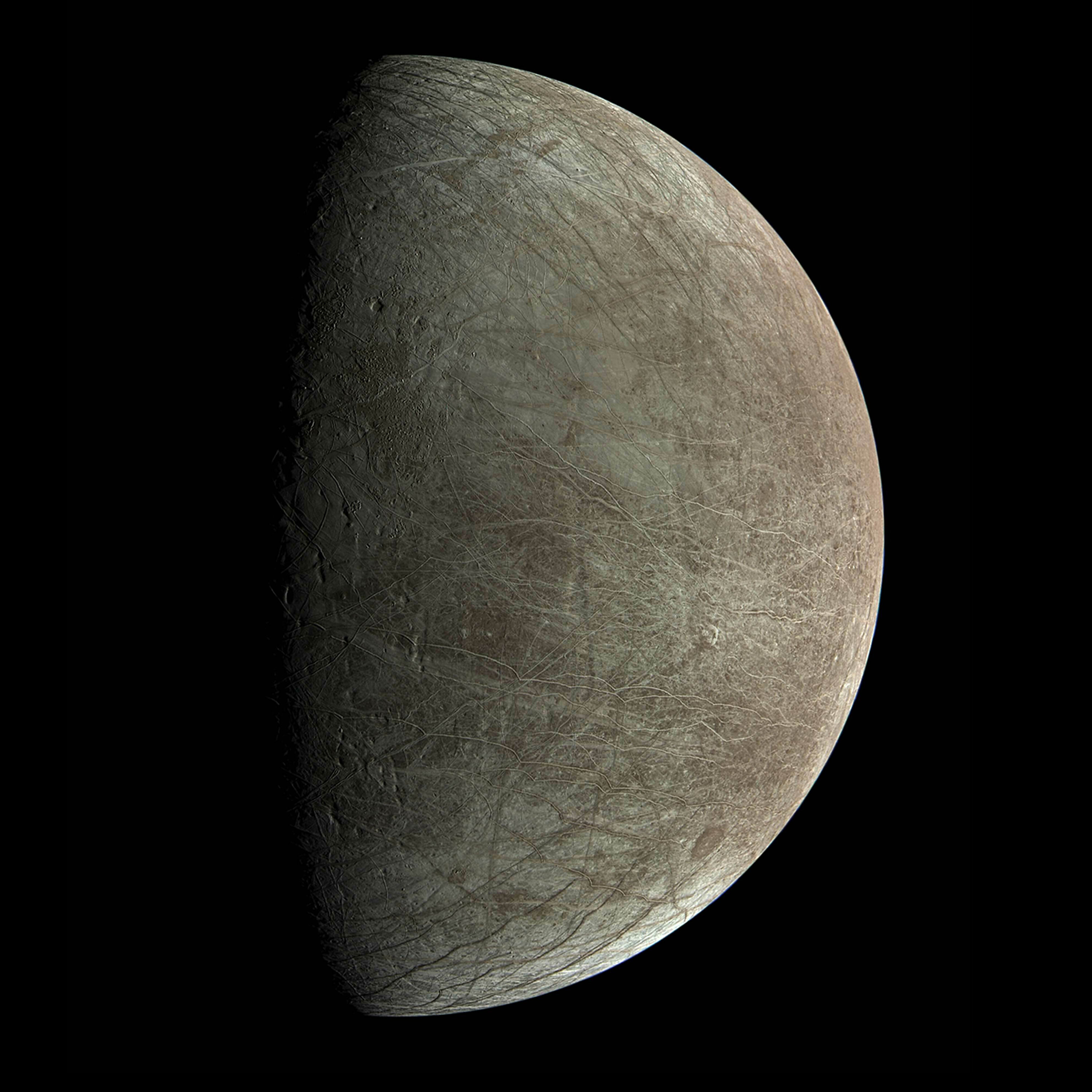
Europa’s quiet seafloor
What if Europa’s seafloor isn’t alive with activity after all? This week on Planetary Radio, host and producer Sarah Al-Ahmed explores new research that reframes how scientists think about one of the Solar System’s most intriguing ocean worlds. Sarah is joined by Paul Byrne, associate professor of earth, environmental, and planetary sciences at Washington University in St. Louis.
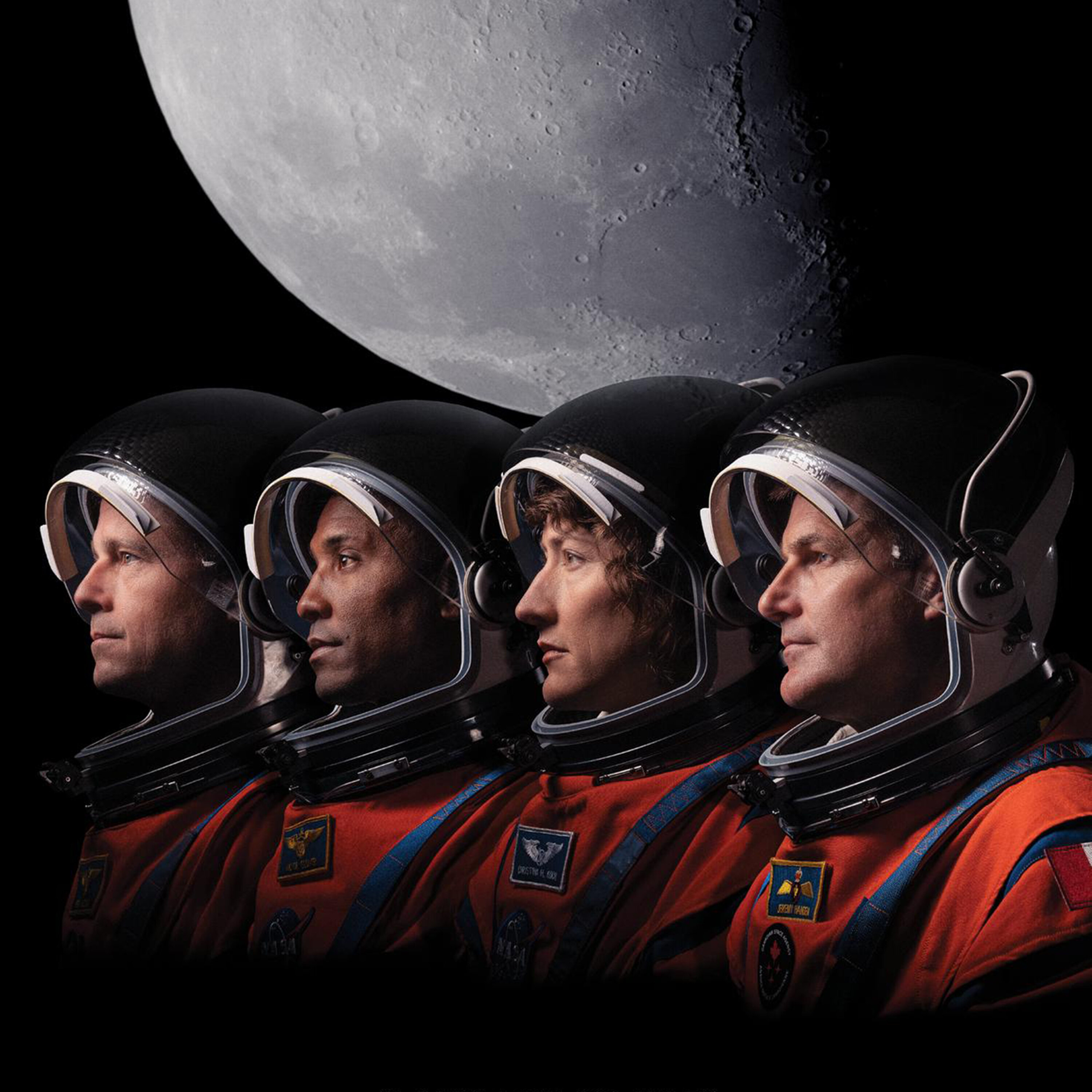
Artemis II and III: The science that brings us back to the Moon
Humans are preparing to return to the Moon. On this episode of Planetary Radio, host Sarah Al-Ahmed is joined by Kelsey Young and Noah Petro, two of the scientists helping turn humanity’s return to the Moon into reality. Kelsey Young is a research space scientist at NASA Goddard Space Flight Center and serves as the Artemis Science Flight Operations Lead. She also leads the Lunar Observation
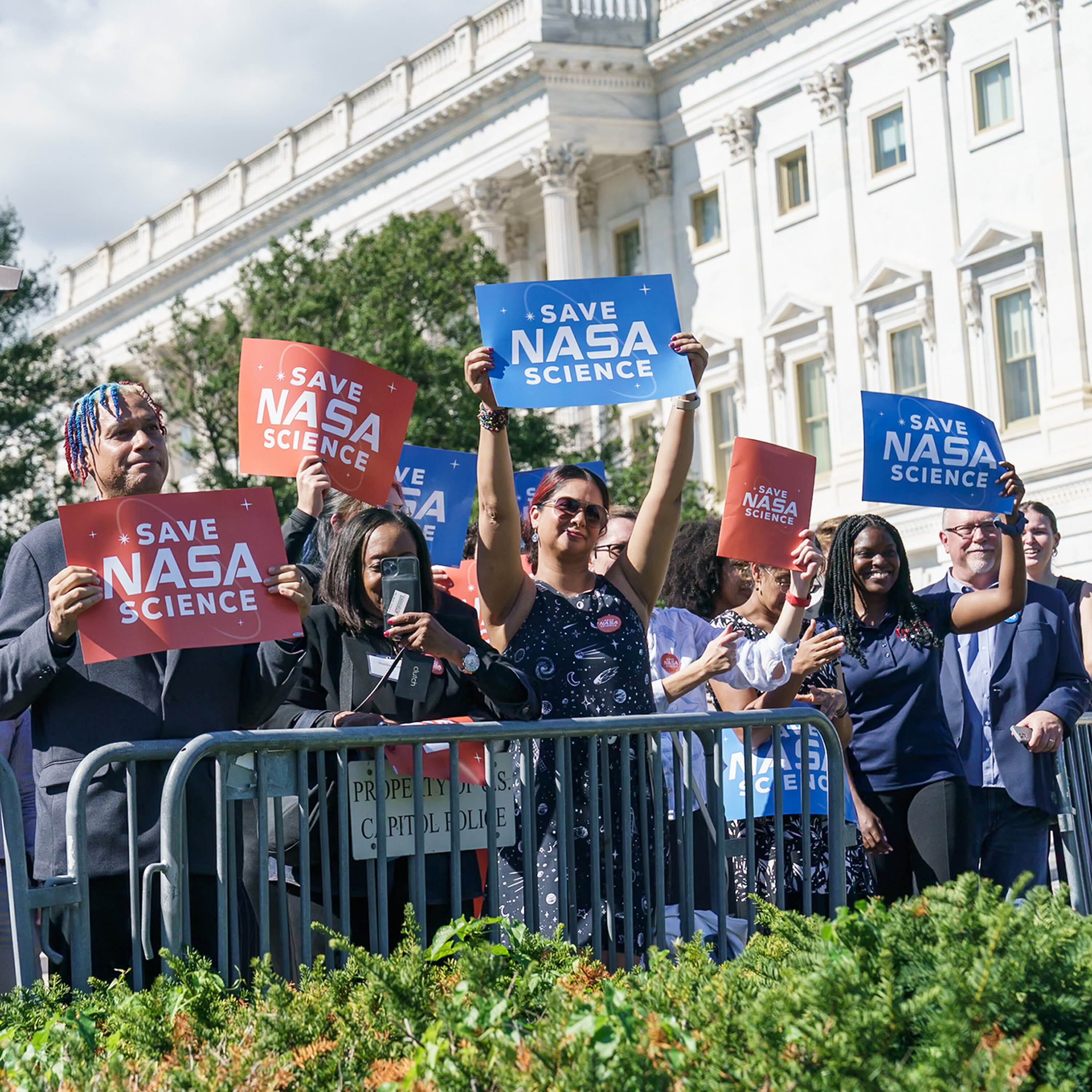
NASA science saved: Inside the 2026 budget victory
After months of uncertainty, NASA science has been spared from the largest proposed budget cuts in the agency’s history. In this episode of Planetary Radio, host Sarah Al-Ahmed unpacks how Congress moved to restore near-full funding for NASA science and what that victory really means for missions, researchers, and the future of space exploration. Sarah is joined by Jack Kiraly, director of g
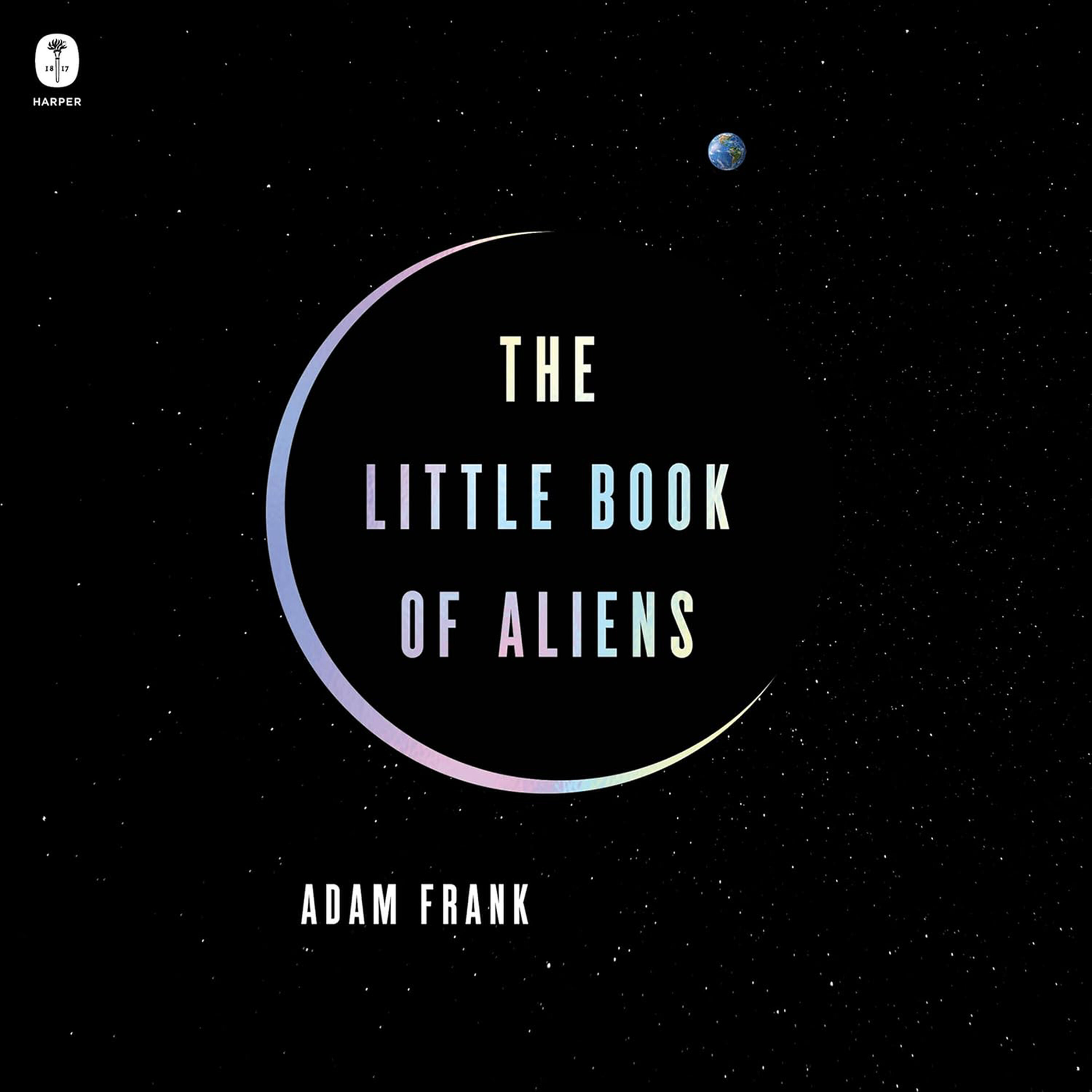
Book Club Edition: The Little Book of Aliens by Adam Frank
Famed astrophysicist and science communicator Adam Frank shares his sense of wonder and humor in a live conversation about his excellent new book, “The Little Book of Aliens.” Join Adam and host Mat Kaplan as they explore the origin of life, the search for extraterrestrial intelligence, and whether all those UFO sightings are worthy of deeper investigation. Discover more at: https
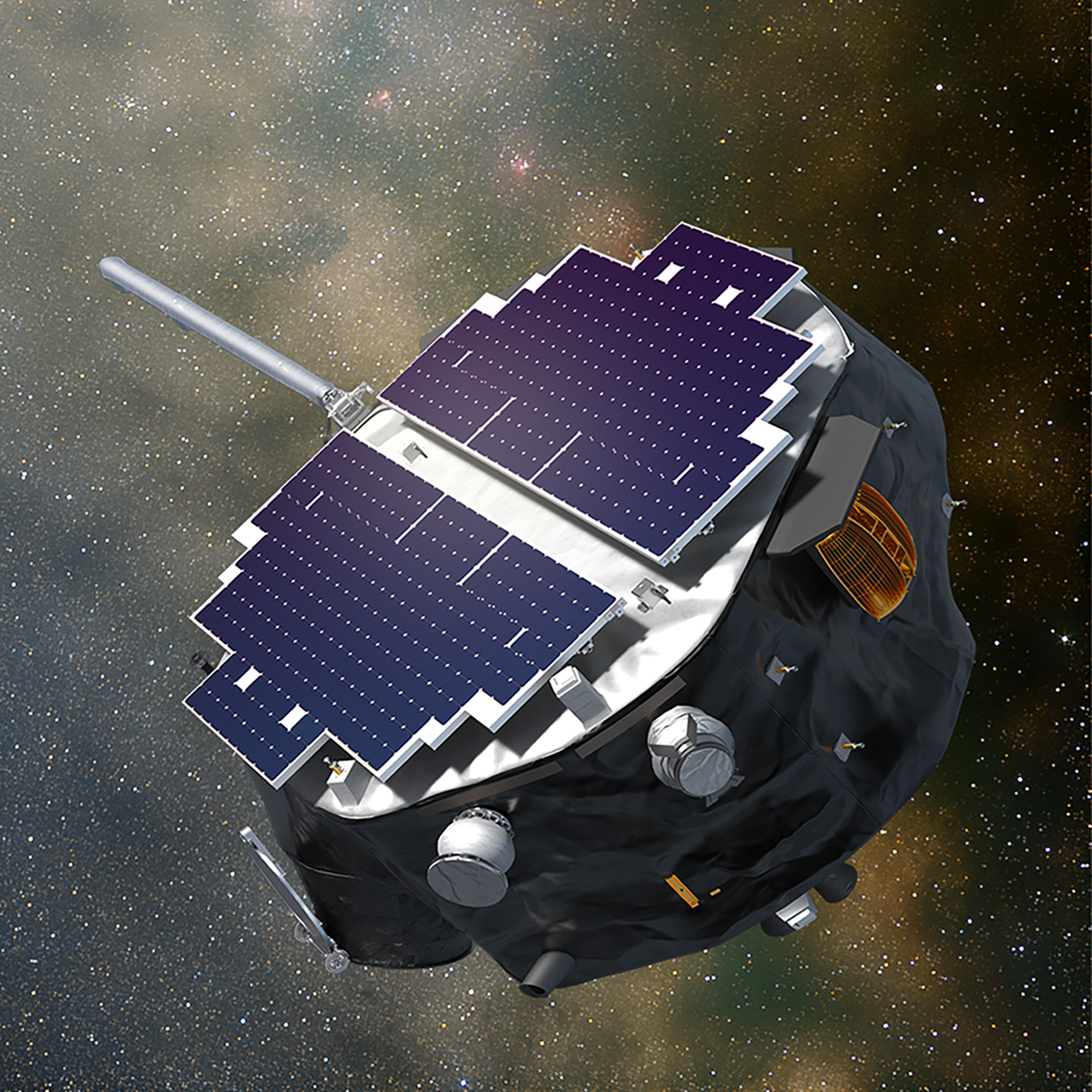
IMAP and the shape of the heliosphere
Our Solar System is wrapped in a vast, invisible bubble created by the Sun, a protective region that shields Earth and the planets from much of the radiation that fills our galaxy. But until recently, scientists have only had rough sketches of what this boundary looks like and how it behaves. In this episode of Planetary Radio, host Sarah Al-Ahmed is joined by David McComas, professor of astrophys

Voyager and the heliopause: Exploring where the Sun gives way to the stars
What does it really mean to enter interstellar space, and what have we learned since humanity first crossed the invisible boundary between our Sun and the stars? In this episode of Planetary Radio, we explore the science of the heliosphere and the realm beyond with Linda Spilker, project scientist for the Voyager mission at NASA Jet Propulsion Laboratory. Drawing on decades of experience with the
Space Policy Edition: Change for the Sake of Disruption at NASA
Marcia Smith, the founder and editor of Space Policy Online, joins the show and revisits a conversation we had one year ago, recorded just weeks before the second Trump administration took office. That episode, “The Challenges of Change at NASA,” explored the institutional and political roadblocks to radical change at the U.S. space agency. A lot has happened since that show, including
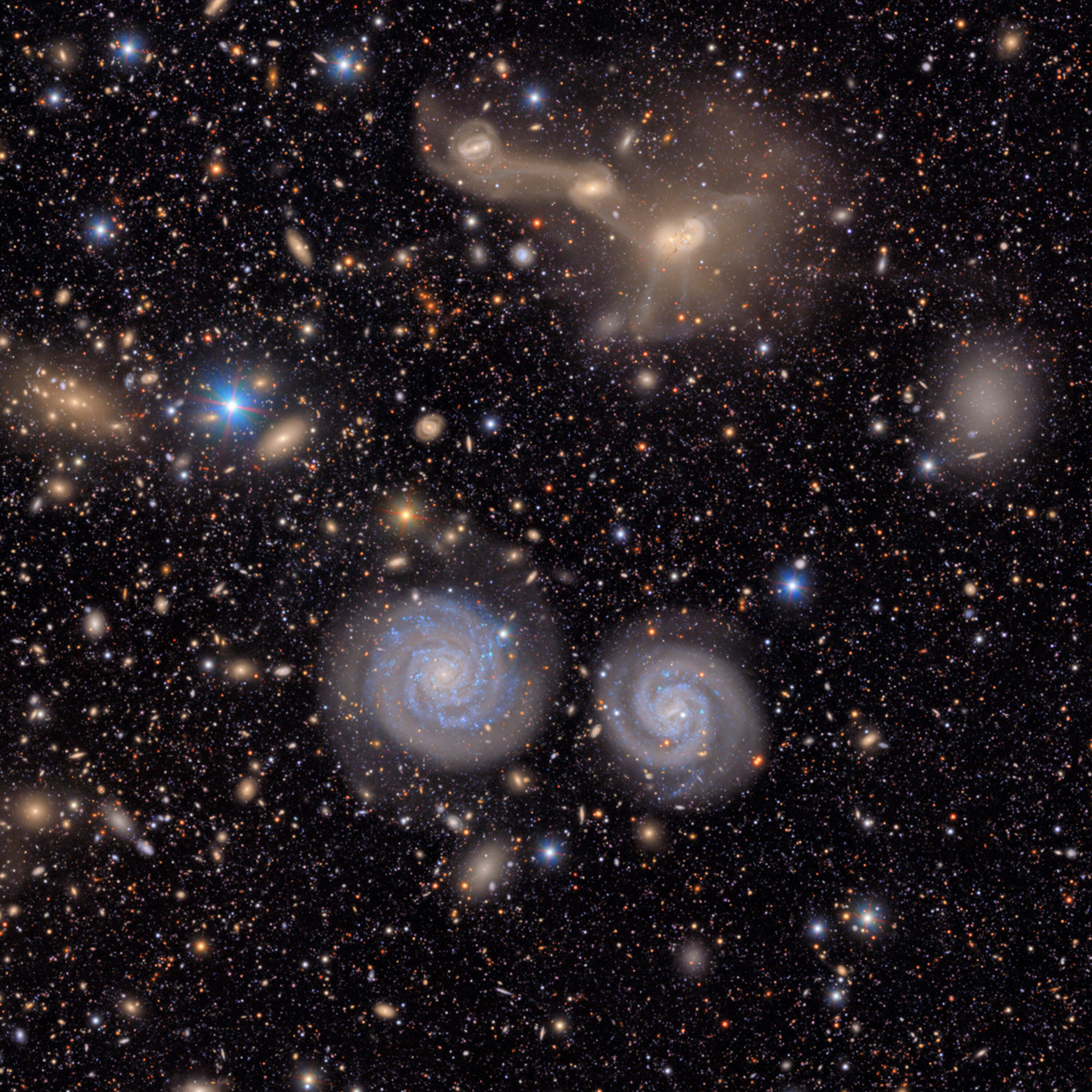
Looking back: Space exploration in 2025
As 2025 comes to a close, Planetary Radio looks back on a year that reshaped space exploration, through stunning discoveries, major milestones, unexpected challenges, and the people who carried science forward through it all. In this episode, Sarah Al-Ahmed, host and producer of Planetary Radio, is joined first by Kate Howells, public education specialist at The Planetary Society, to share results
Looking back: Space policy and advocacy in 2025
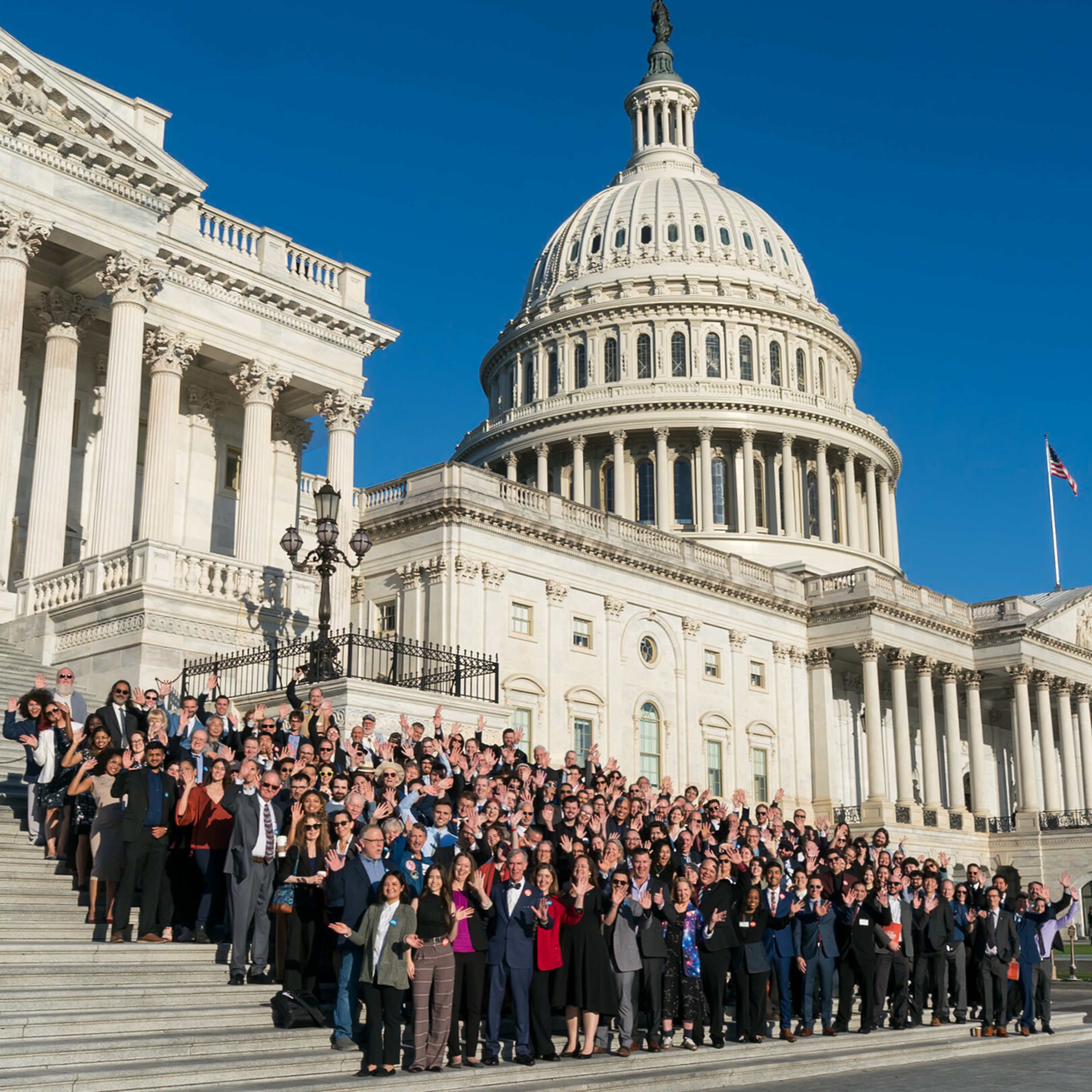
2025 was one of the most consequential years for space policy in modern U.S. history. In this special year-in-review episode, Planetary Radio takes a deep dive into what happened behind the scenes in U.S. space policy and advocacy as NASA faced unprecedented proposed cuts to its science programs. With nearly half of NASA’s science budget at risk, dozens of missions threatened, and months of
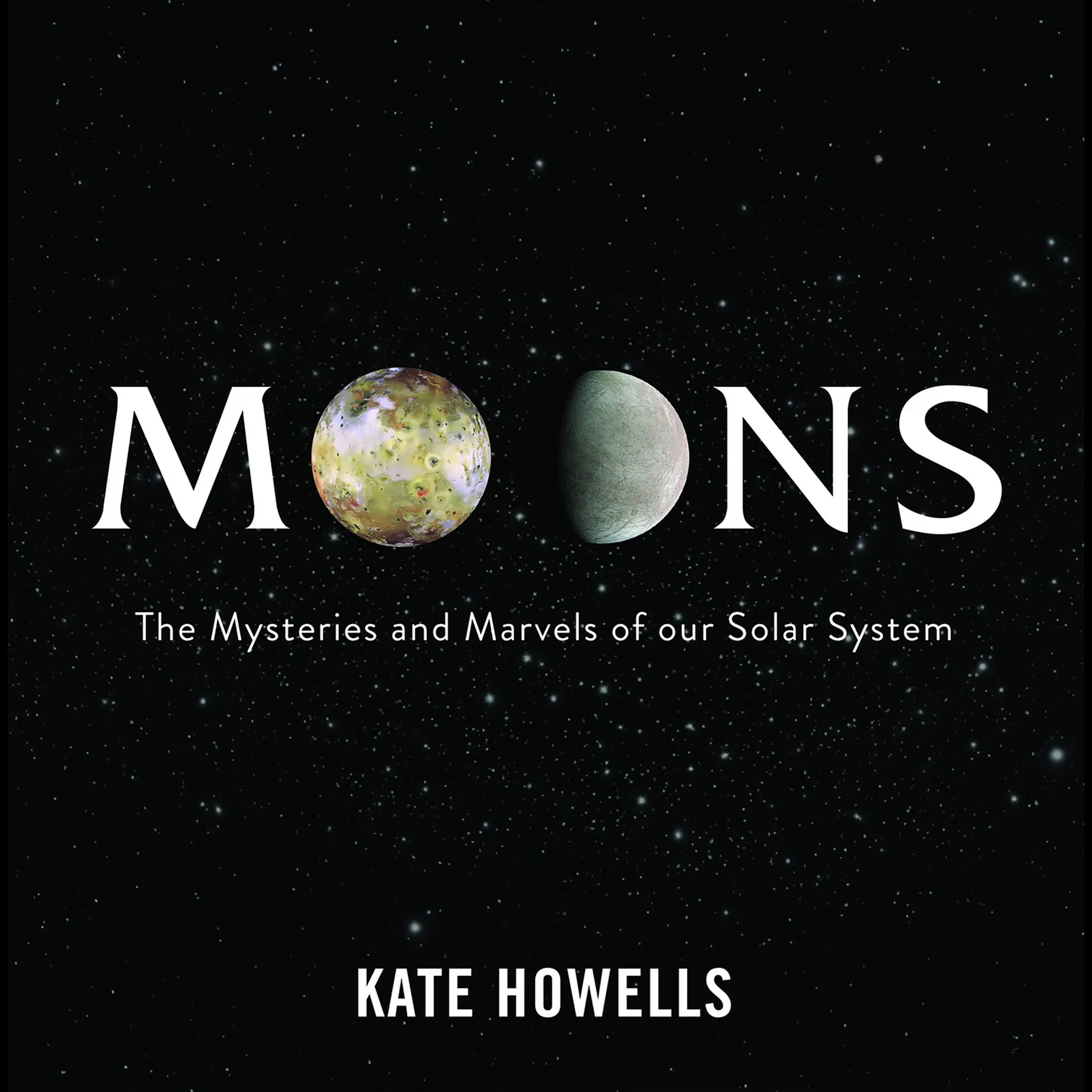
Book Club Edition: MOONS: The Mysteries and Marvels of our Solar System by Kate Howells
It was such a delight to feature work by our own Kate Howells in The Planetary Society’s member book club. We keep Kate busy as our public education specialist, but she found time to write about many of her favorite natural satellites in this richly illustrated edition. Join her and book club host Mat Kaplan for a journey taking us from our own Moon, past Europa, Titan, and many more, and ou
Galileo at 30: How a mission transformed our understanding of Jupiter
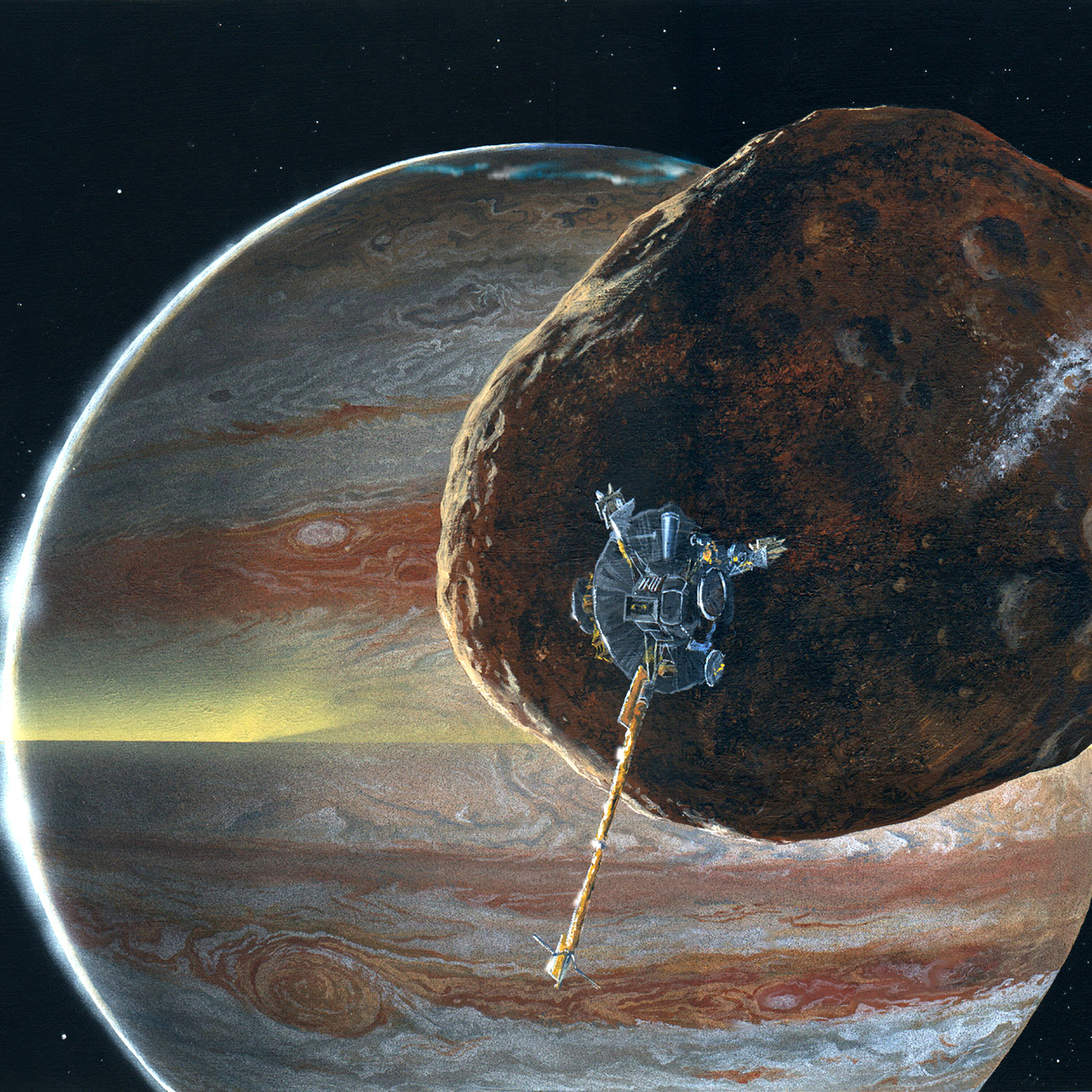
Thirty years ago, NASA’s Galileo spacecraft became the first mission to orbit Jupiter, opening a new chapter in our exploration of the outer Solar System. Over eight years around Jupiter, Galileo transformed how we understand Jupiter and its moons, revealing a powerful and dynamic planetary system, uncovering evidence for oceans hidden beneath icy worlds, and reshaping the search for life be
Space Policy Edition: The Moral Case for Space Science
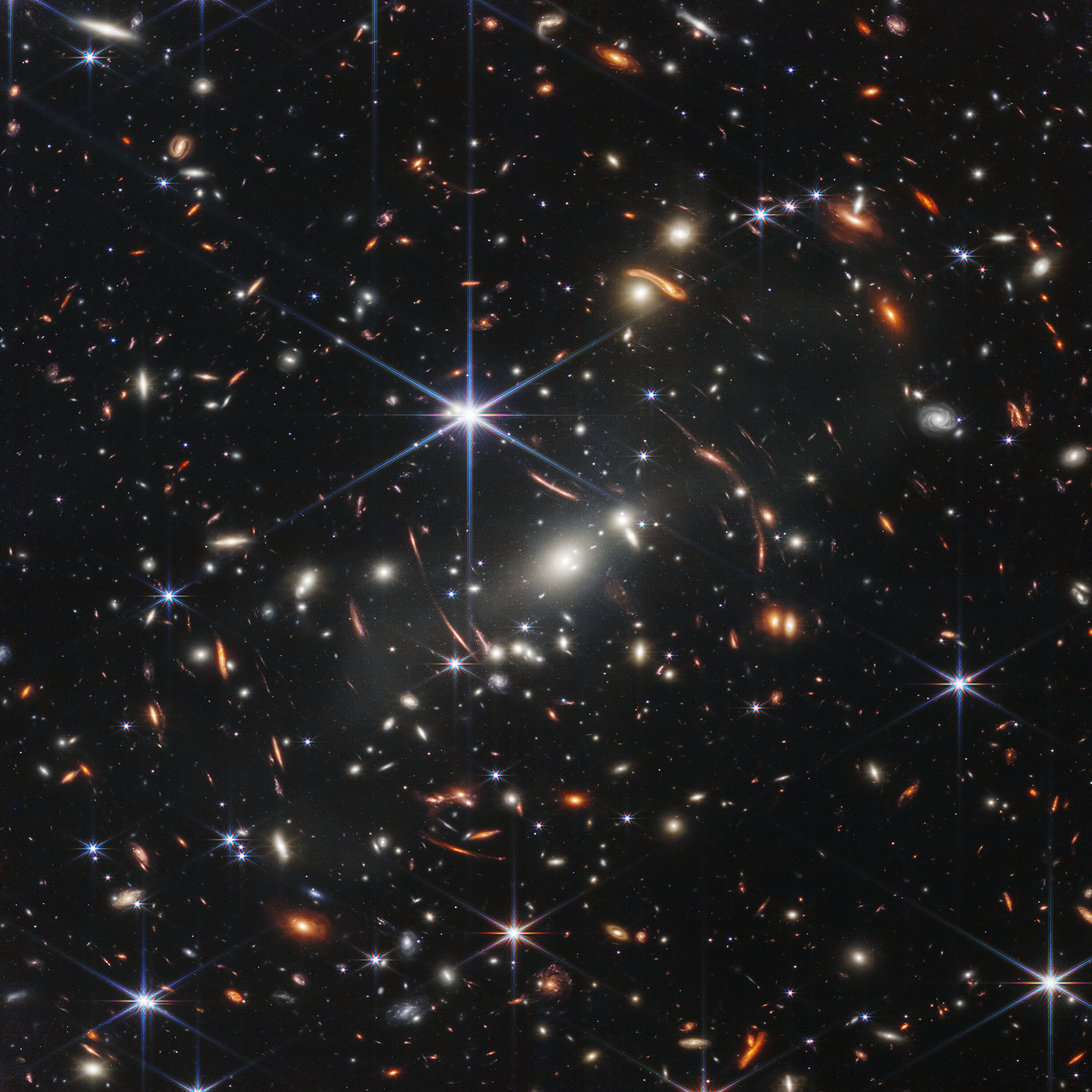
Why do we explore space, and why does science matter in the first place? In this Space Policy Edition rerun, Planetary Society Chief of Space Policy Casey Dreier revisits a deeply influential 2020 conversation with philosopher and ethicist J. S. Johnson-Schwartz, author of The Value of Science and Space Exploration. As debates over NASA’s budget and the future of space science continue to re
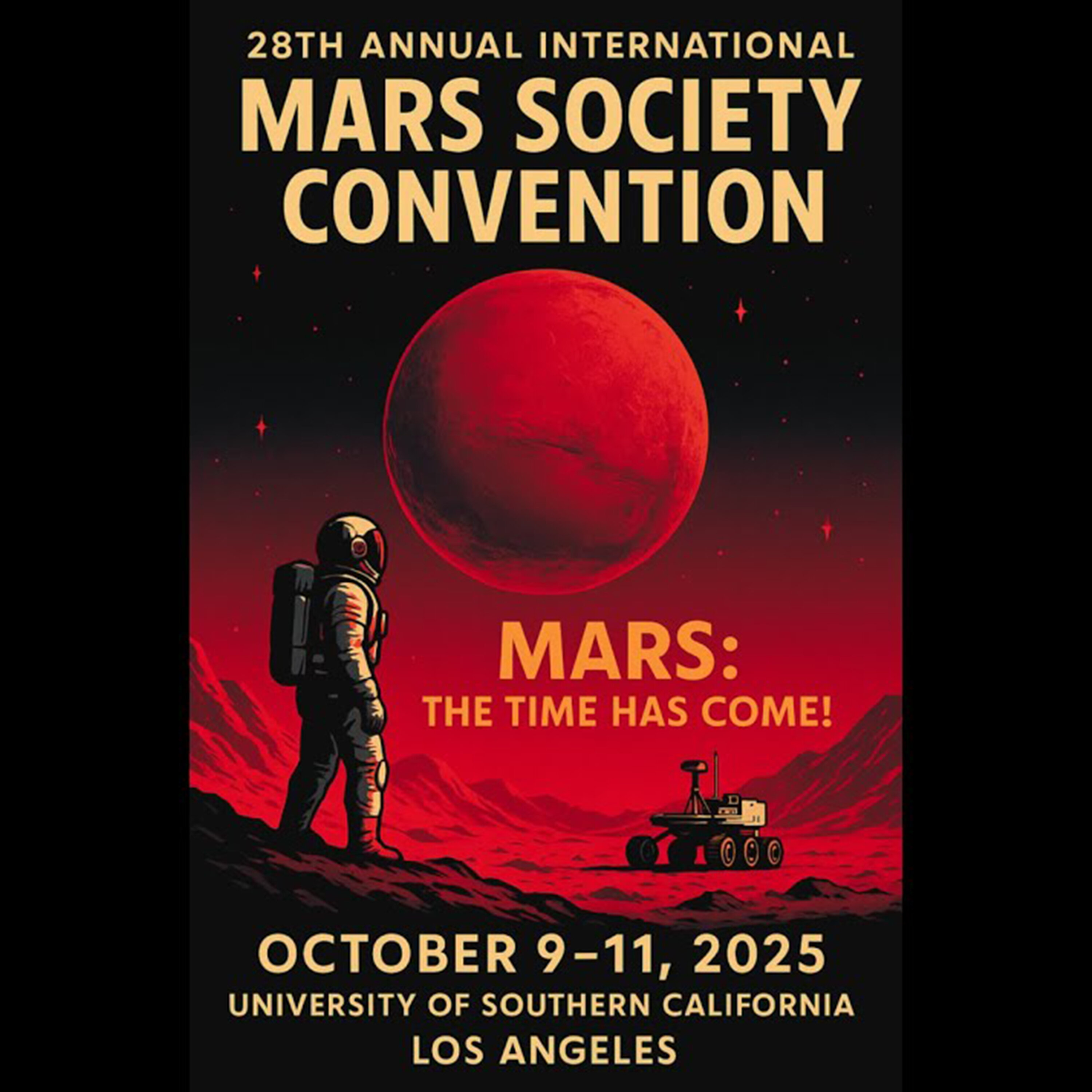
Inside the 2025 Mars Society Convention
The 2025 International Mars Society Convention convened at the University of Southern California this October for three days of passionate discussion about humanity’s future on the red planet. Speakers explored science, policy, technology, AI, synthetic biology, and the long-term path toward becoming a multi-planet species. In this episode, Mat Kaplan, senior communications adviser at The Pl
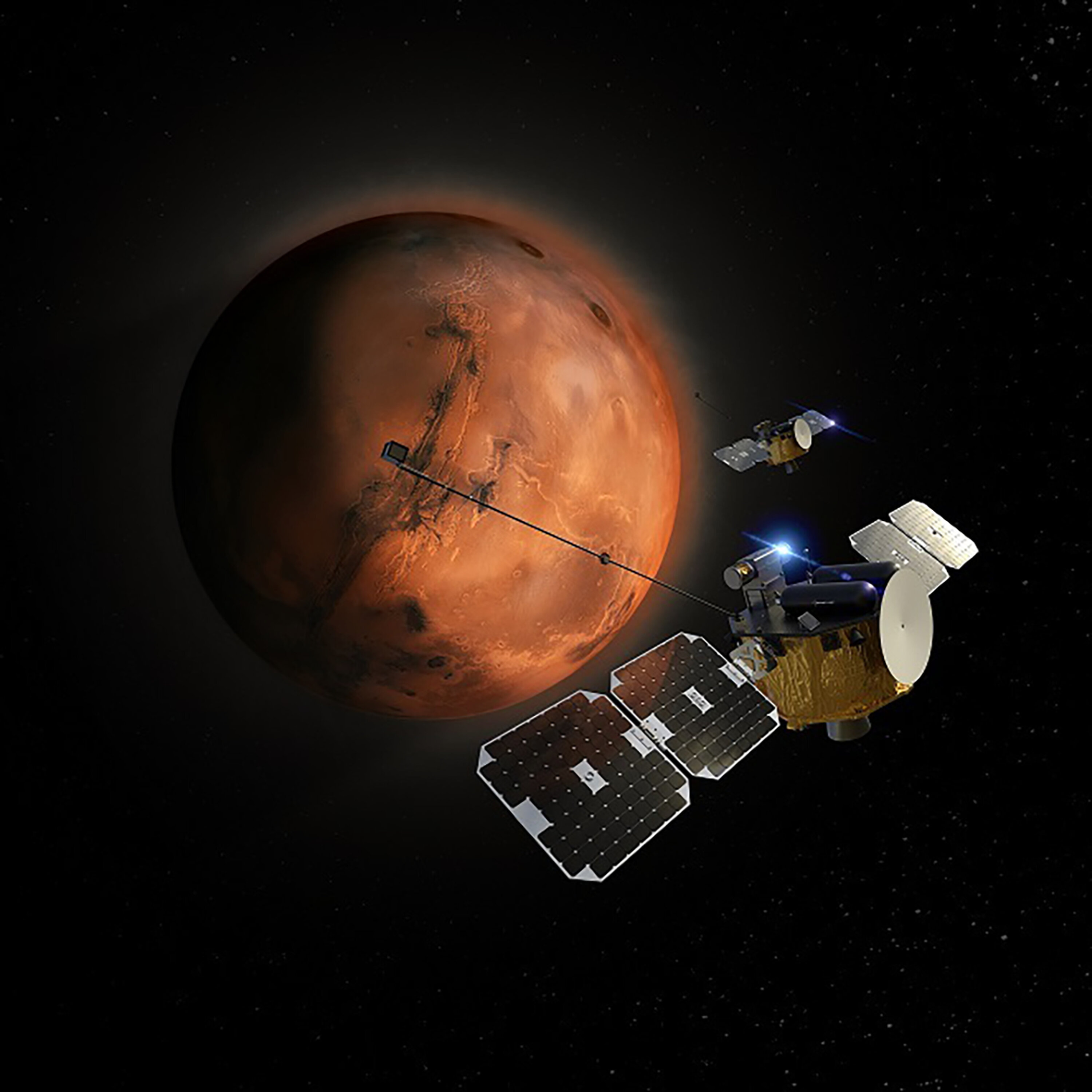
ESCAPADE begins its journey to Mars
NASA’s twin ESCAPADE spacecraft have finally launched on their journey to Mars. Designed to study how the solar wind interacts with Mars’ patchy magnetic fields and drives the loss of its atmosphere, ESCAPADE is NASA’s first dual-spacecraft mission to the Red Planet and a major milestone for the SIMPLEx program’s small, low-cost planetary explorers. The mission began its vo

Smart Girl Dumb Questions: Casey Dreier answers why space is worth it
This week on Planetary Radio, we’re sharing a special conversation from our friends at the Smart Girl Dumb Questions podcast. Host Nayeema Raza sits down with The Planetary Society’s Chief of Space Policy, Casey Dreier, to explore one of the most common questions in space exploration: Why does space matter, and is it really worth the cost? Casey breaks down how space exploration impact
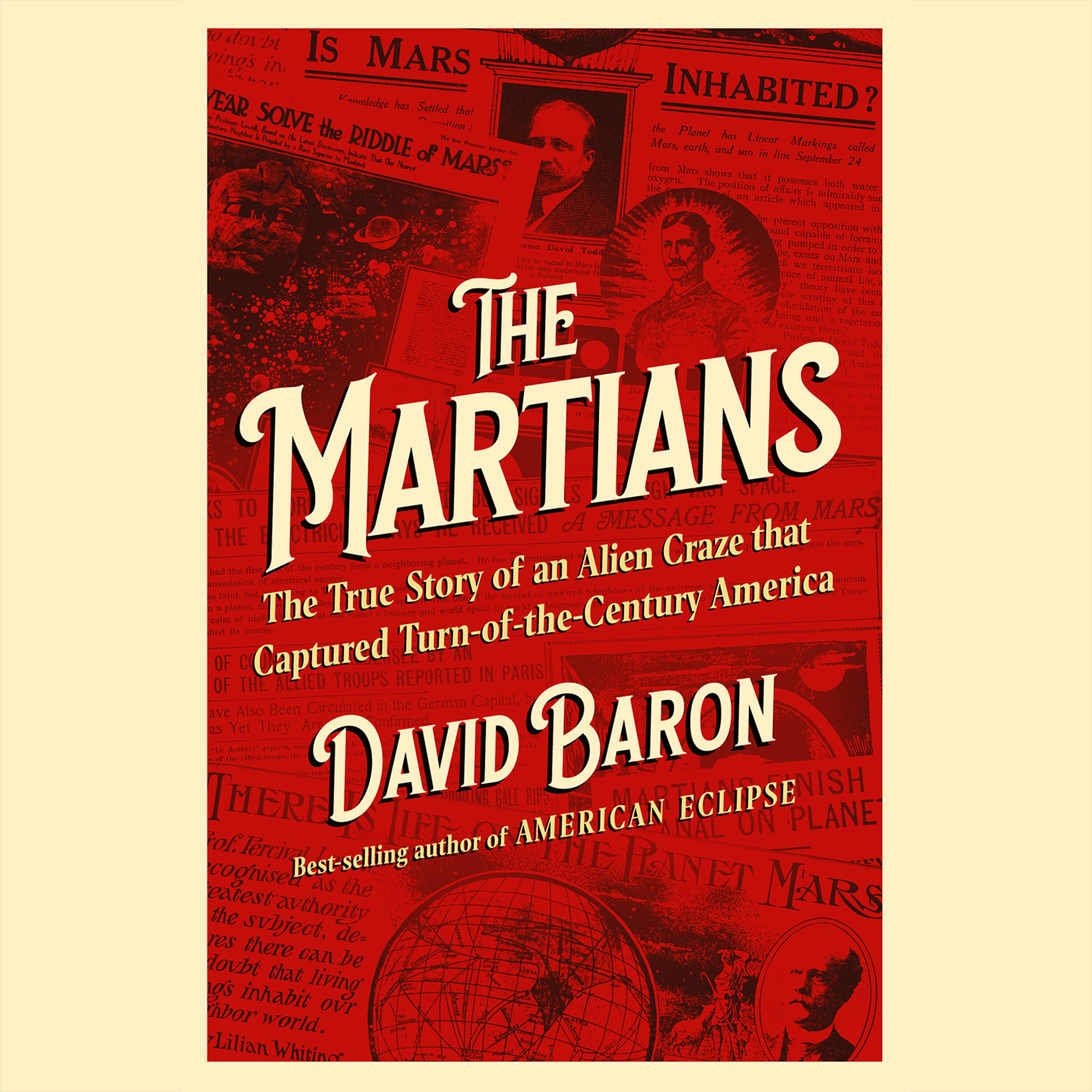
Book Club Edition: The Martians: The True Story of an Alien Craze that Captured Turn-of-the-Century America by David Baron
There was a time when almost everyone, from Alexander Graham Bell to the Wall Street Journal, believed there was a supremely intelligent civilization on Mars, one that was probably trying to talk to Earthlings. Most of this belief could be traced to an amateur astronomer and charismatic speaker named Percival Lowell. David Baron tells this story in “The Martians: The True Story of an Alien C
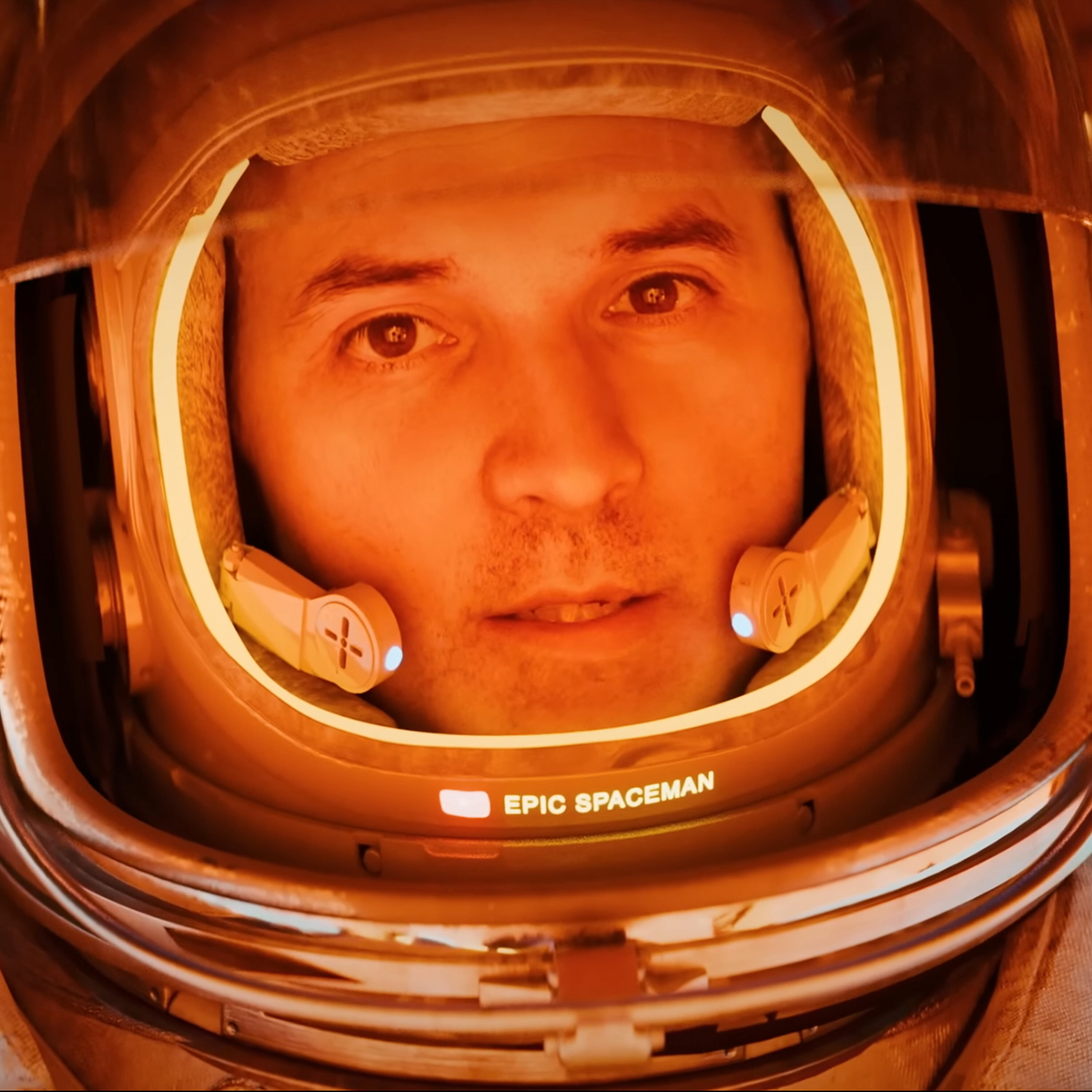
Epic Spaceman: Making cosmic scale human
When his filmmaking career stalled during the pandemic, Toby Lockerbie turned to the one place that had never stopped inspiring him: the Universe. With no background in visual effects, he taught himself the tools needed to transform complex space science into cinematic stories using everyday objects and beautifully crafted visuals to make the Cosmos feel human. His channel, Epic Spaceman, now reac
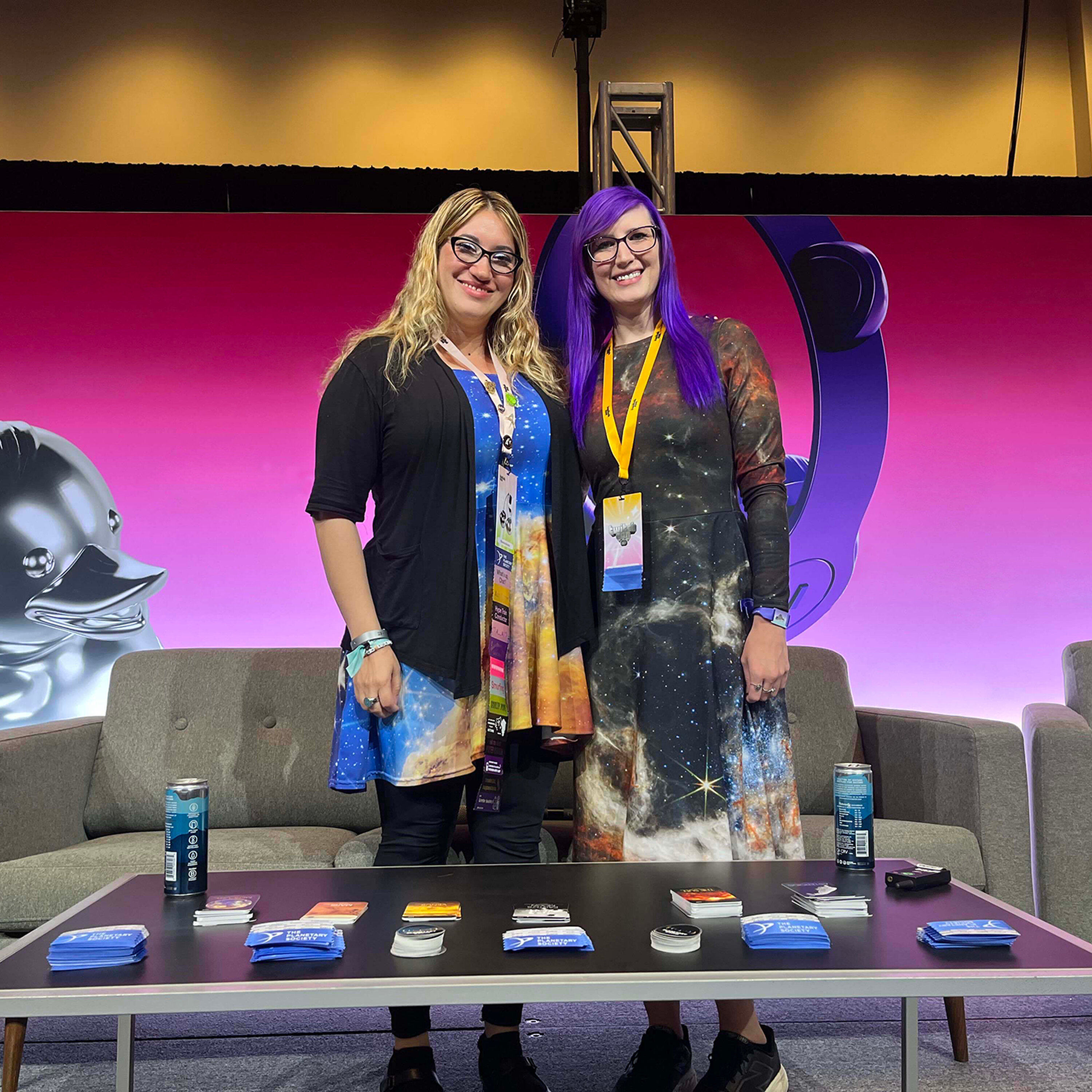
The Planetary Society goes to TwitchCon 2025
The Planetary Society heads to TwitchCon 2025 to explore how scientists and educators use livestreaming to share the excitement of discovery. We begin with Moohoodles, one of Twitch’s pioneering space science streamers and co-host of the live panel “The Planetary Society: Space, Time, and You.” She explains how she built a thriving community around astrobiology and space explorat
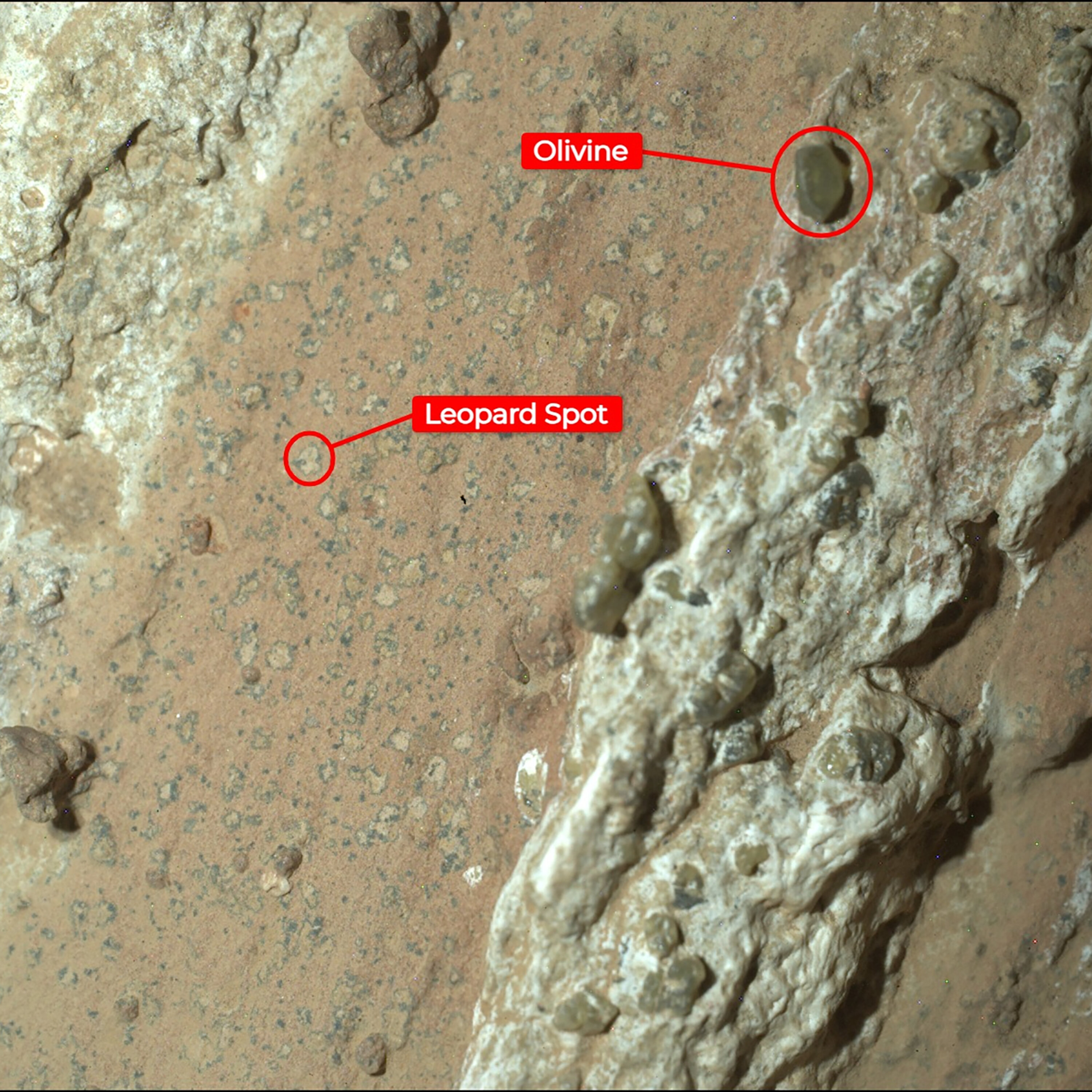
Space Policy Edition: Should a (potential) biosignature revive Mars Sample Return?
In 1996, a controversial claim of fossilized life in a Martian meteorite ignited a golden age of Mars exploration. Nearly 30 years later, a potential biosignature detected by the Perseverance rover at Jezero Crater has sparked…nothing, not even a formal effort to revive the beleaguered robotic Mars Sample Return project. Why did the claims surrounding the Allan Hills meteorite (which were u
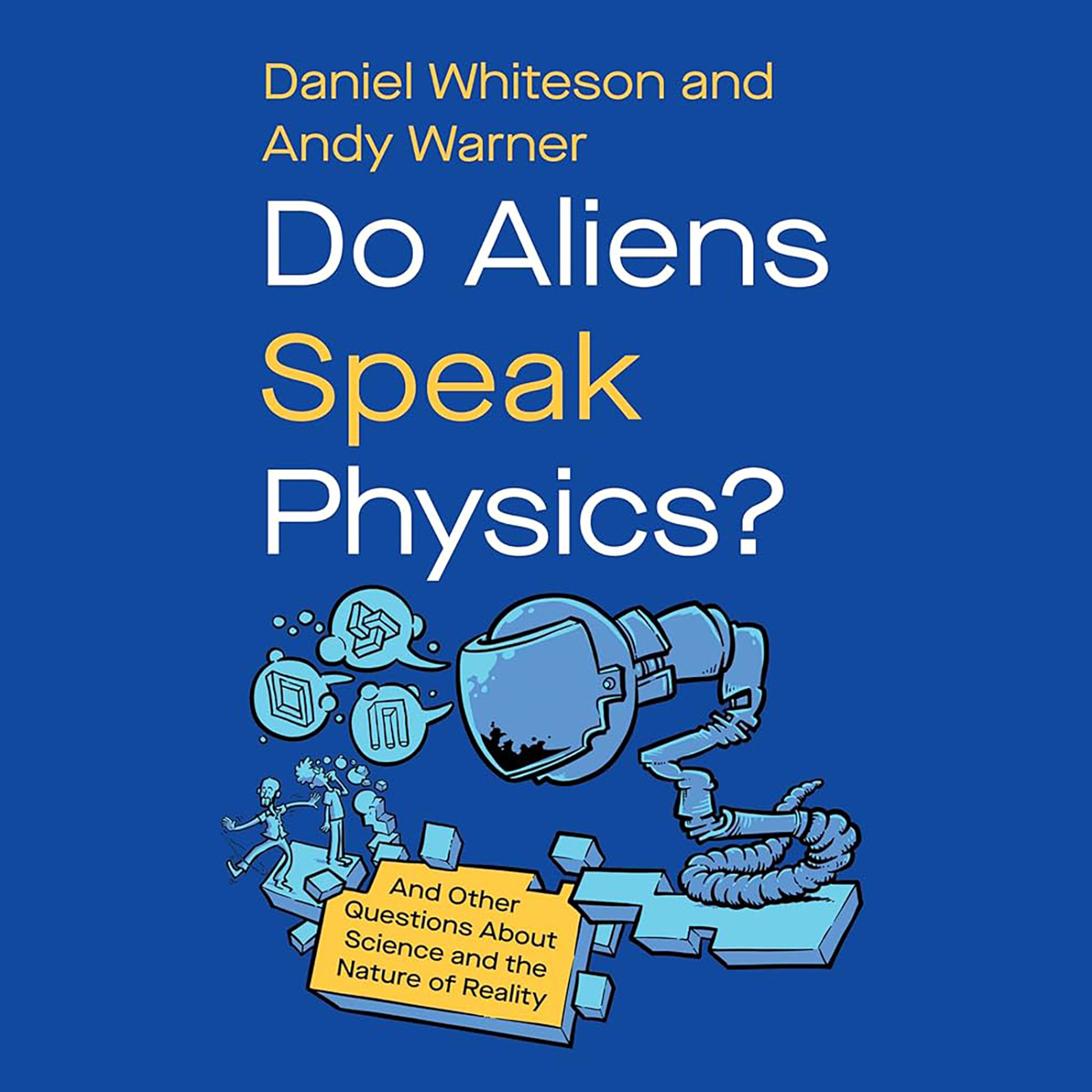
Do Aliens Speak Physics?
If we ever meet intelligent extraterrestrials, will we even be able to talk about physics? Physicist Daniel Whiteson of UC Irvine and cartoonist Andy Warner join Sarah Al-Ahmed to explore one of science’s strangest and most profound questions: if alien civilizations exist, would their understanding of the Universe look anything like ours? Their new book, “Do Aliens Speak Physics?&rdquo
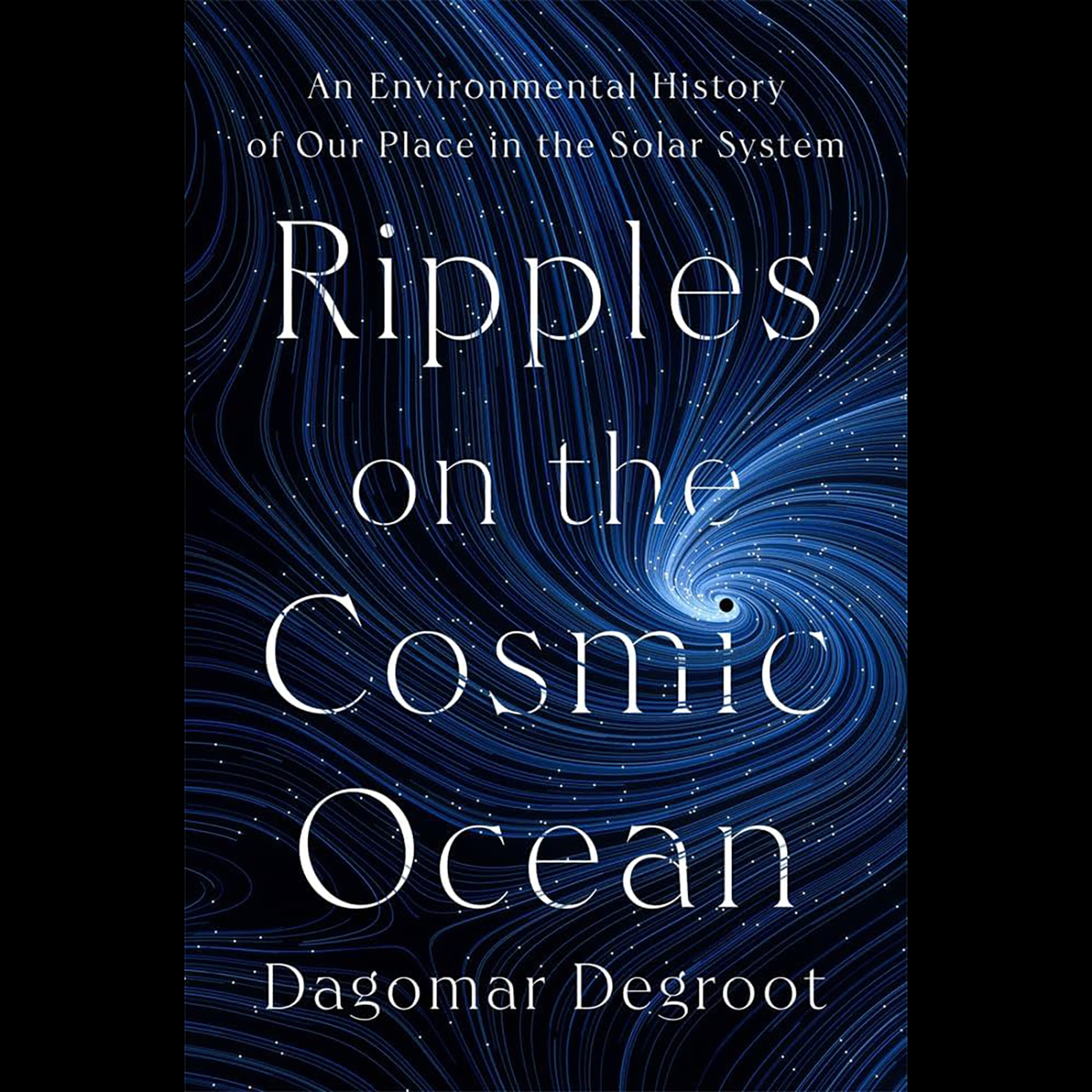
Ripples on the Cosmic Ocean
What happens in space doesn’t stay in space. Historian Dagomar Degroot joins Planetary Radio host Sarah Al-Ahmed to explore how shifting solar cycles, volcanic eruptions on Venus, Martian dust storms, and even mistaken sightings of lunar forests have influenced life, science, and society on Earth. His new book, “Ripples on the Cosmic Ocean: An Environmental History of Our Place in the
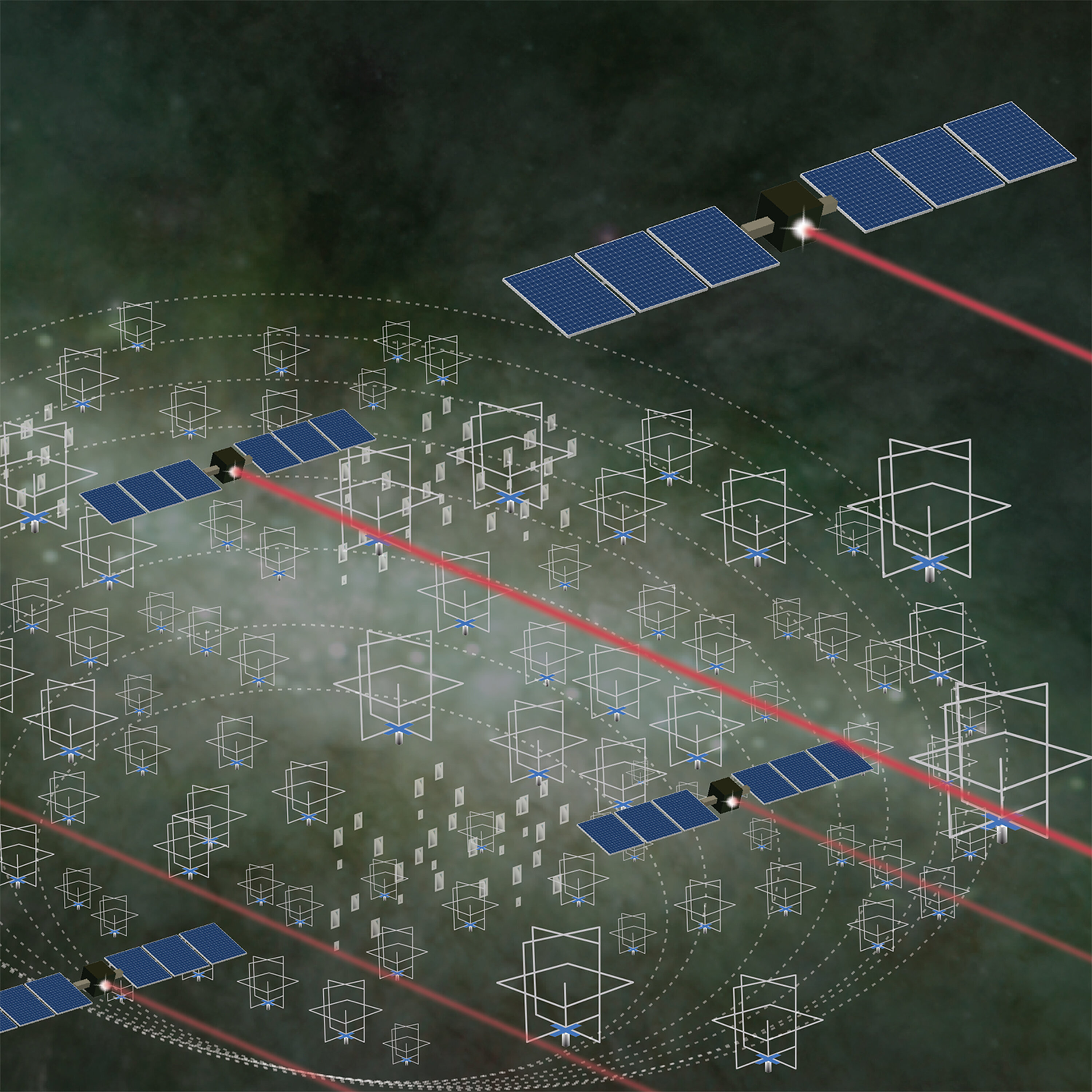
2025 NASA’s Innovative Advanced Concepts Symposium: Part 2 — Hopping robots and the search for exoplanet magnetospheres
In this second installment of Planetary Radio’s coverage from the 2025 NASA Innovative Advanced Concepts Symposium in Philadelphia, Pennsylvania, host Sarah Al-Ahmed highlights more of the technologies presented by the NIAC fellows. Mary Knapp of MIT Haystack Observatory shares her team’s Great Observatory for Long Wavelengths project, a space-based radio array designed to detect magne
Book Club Edition: Space Craze by Margaret Weitekamp
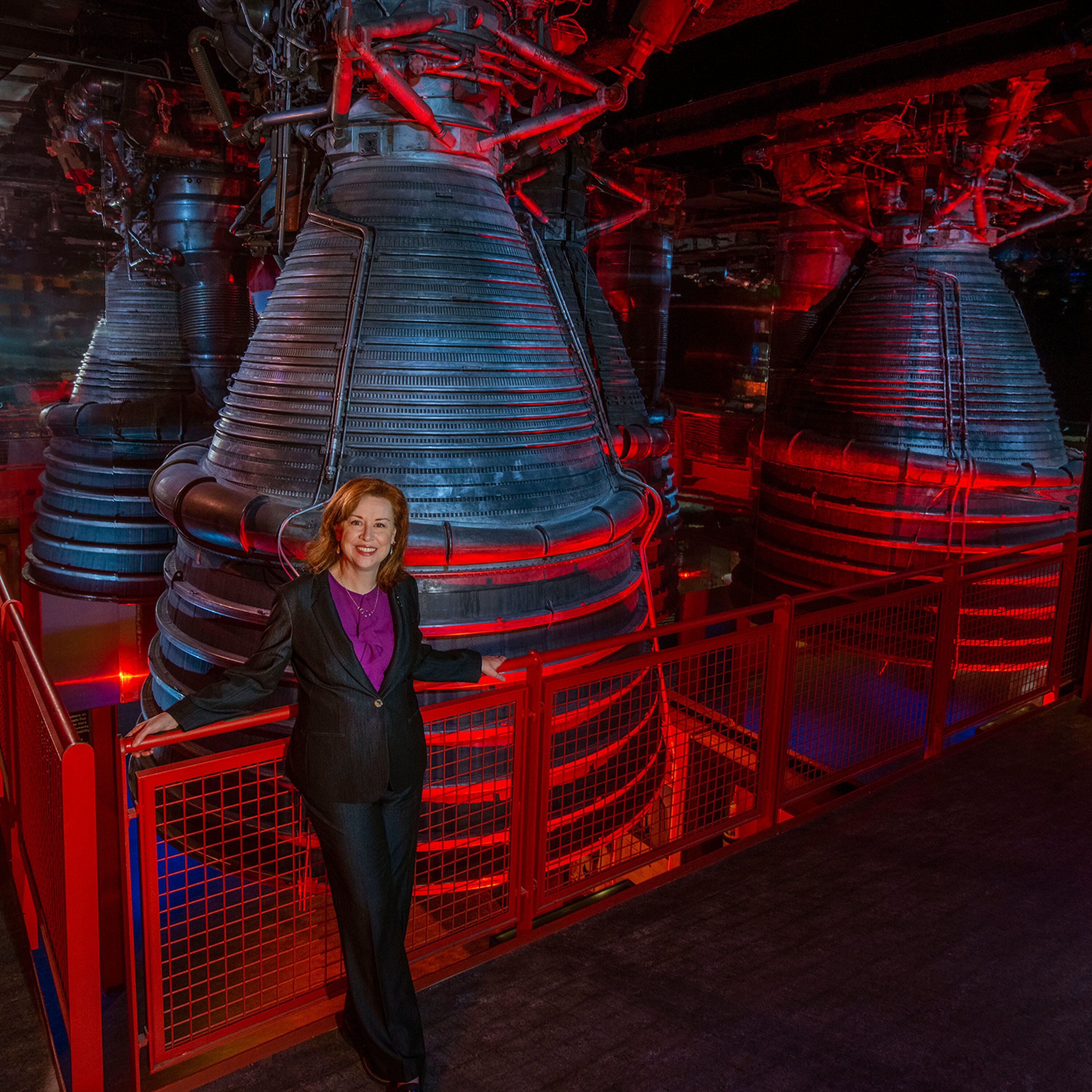
The American fascination with spaceflight and what we might find out there began long before any human left Earth. It’s Dr. Margaret Weitekamp’s job to collect, document, and preserve the cultural artifacts that display our deep attraction to all things spacey. Her book, Space Craze, explores how these objects, ranging from 1930s Flash Gordon ray guns to Mercury space capsule cookie ja
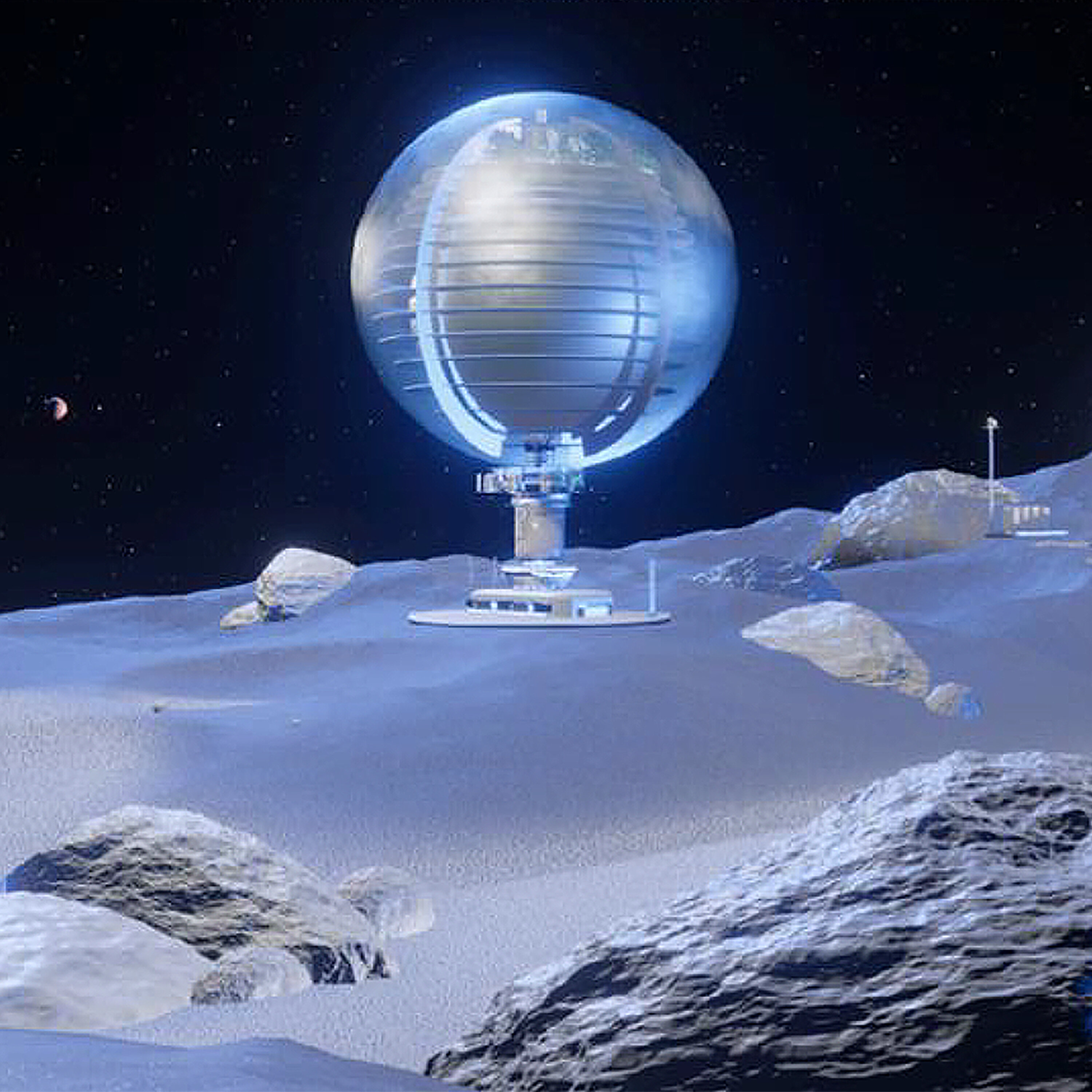
2025 NASA’s Innovative Advanced Concepts Symposium: Part 1 — Lunar glass and starshades
Each year, NASA’s Innovative Advanced Concepts program (NIAC) funds visionary ideas that could shape the future of space exploration. In this first of two episodes from the 2025 NIAC Symposium in Philadelphia, Pennsylvania, USA, Planetary Radio host Sarah Al-Ahmed introduces some of the concepts presented at this year’s event. You’ll hear from Martin Bermudez and Josh Simpson fro
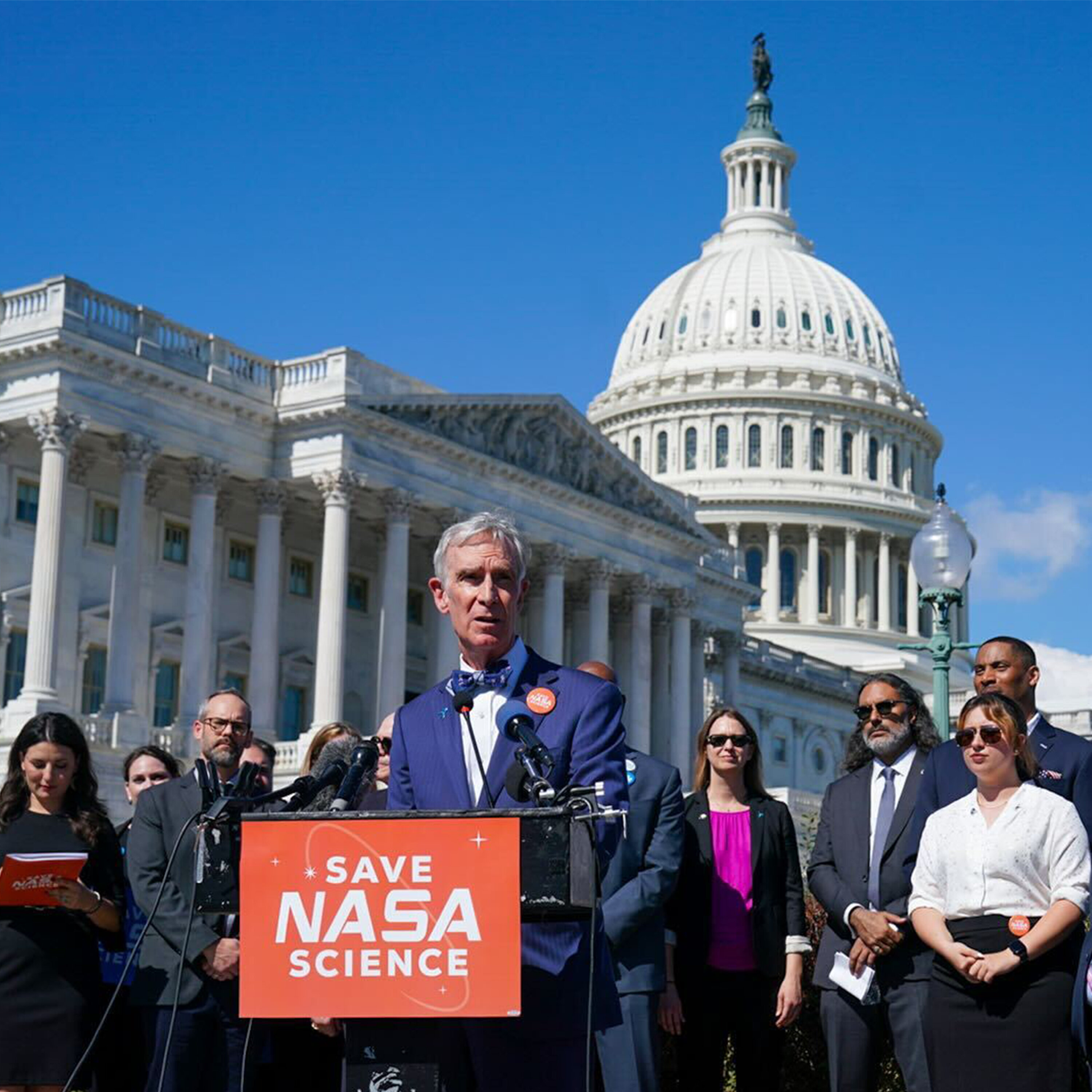
A Day of Action to save NASA science
On October 6, 2025, hundreds of space advocates from across the United States joined The Planetary Society and 20 partner organizations on Capitol Hill to deliver one clear message: protect NASA’s science budget. We begin with Ari Koeppel, AAAS Science & Technology Policy Fellow and Space Policy Intern at The Planetary Society, who shares why this moment matters for scientists facing unc
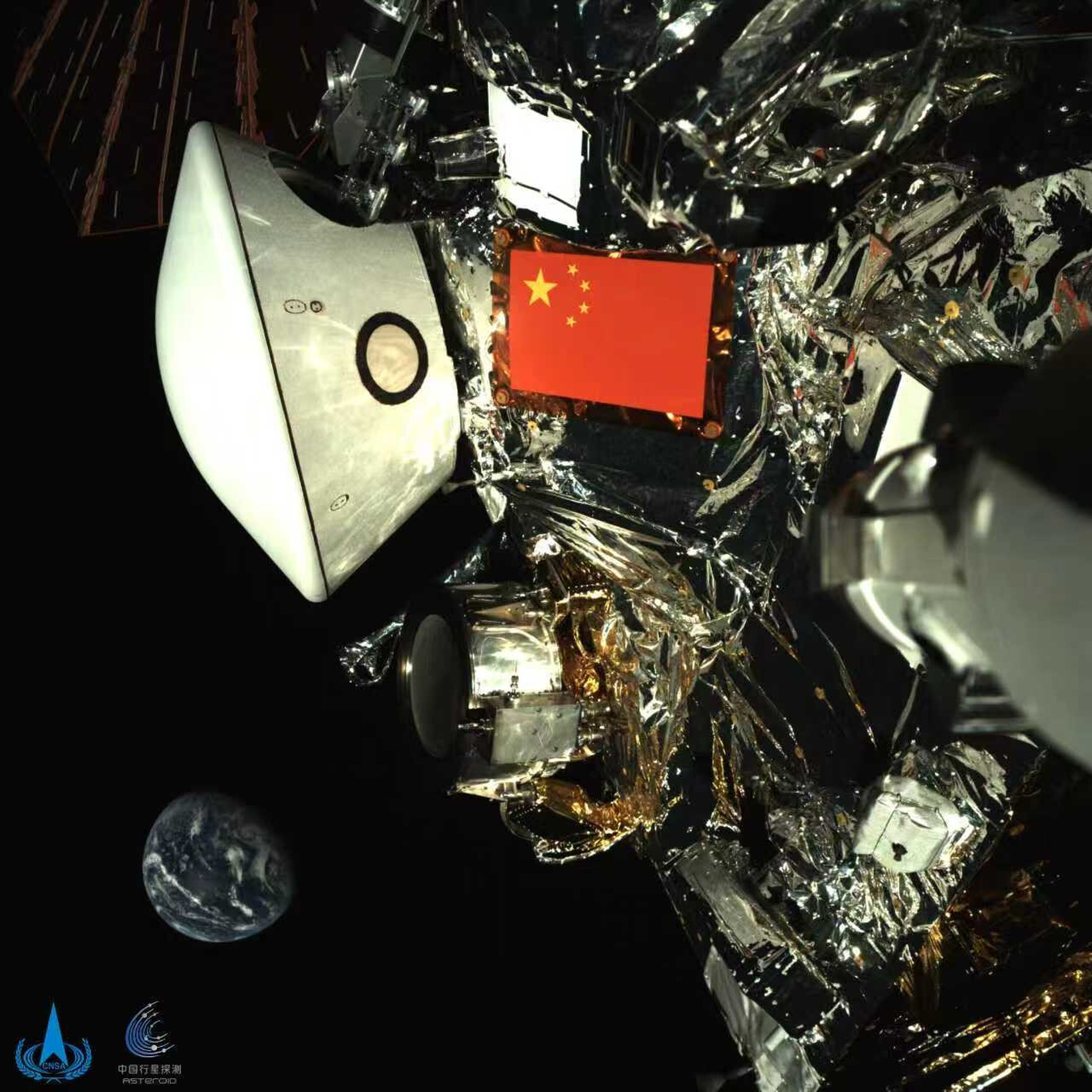
Space Policy Edition: China’s growing space science ambitions
If the United States is indeed in a space race with China, then we cannot abandon space science. That’s the claim made by Maxwell Zhu and The Planetary Society’s chief of space policy, Casey Dreier, in a recent op-ed in Payload Space. Their piece contrasted the growing ambitions of China’s coming space science program against the draconian cuts proposed by the White House in 2026
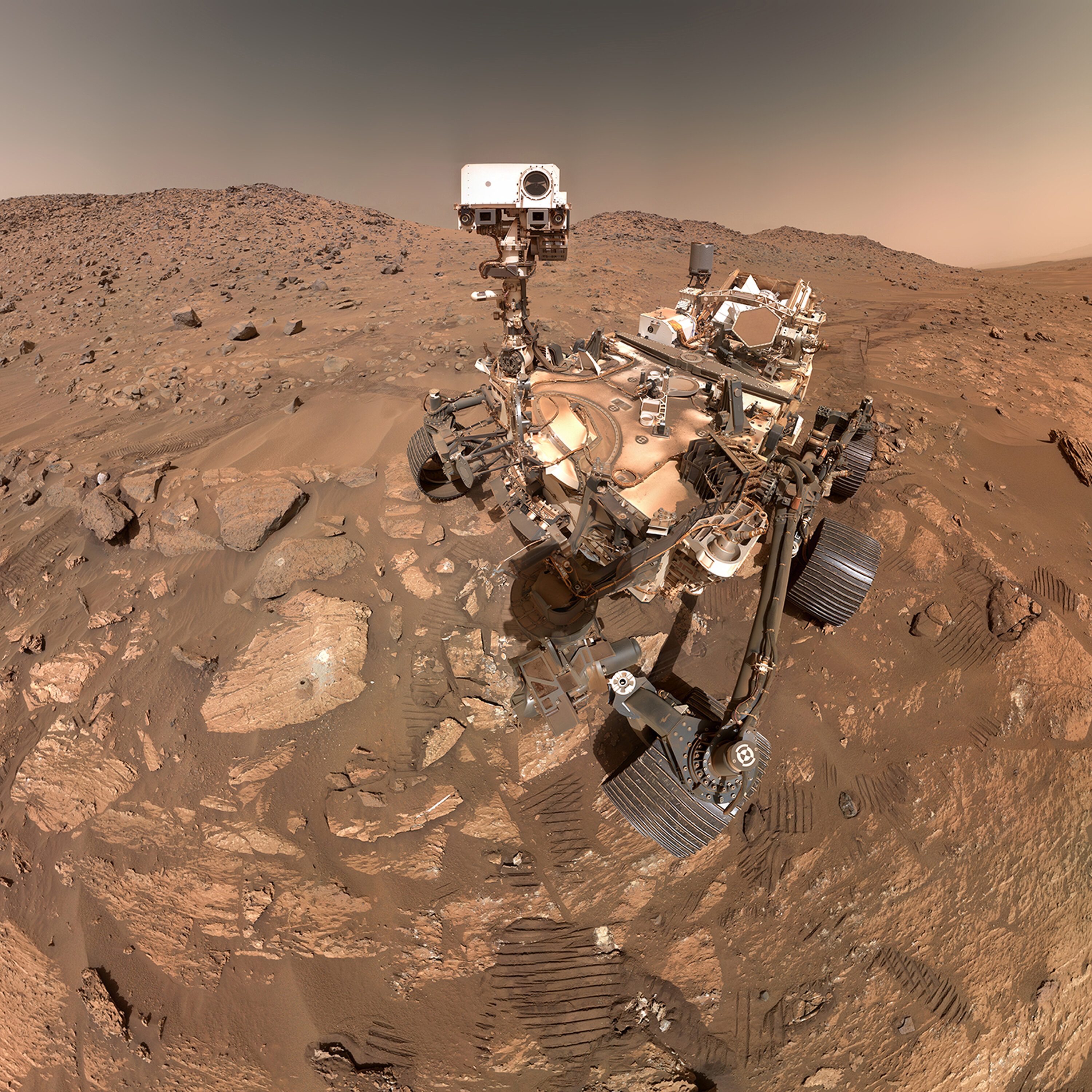
Perseverance finds potential biosignatures in Jezero Crater
NASA’s Perseverance rover has made one of its most intriguing discoveries yet in Jezero Crater. A rock sample called Sapphire Canyon, drilled from the Bright Angel formation, contains unusual chemical and mineral patterns that may be potential biosignatures. We begin with remarks from Morgan Cable, research scientist at NASA’s Jet Propulsion Laboratory and co–deputy principal inv
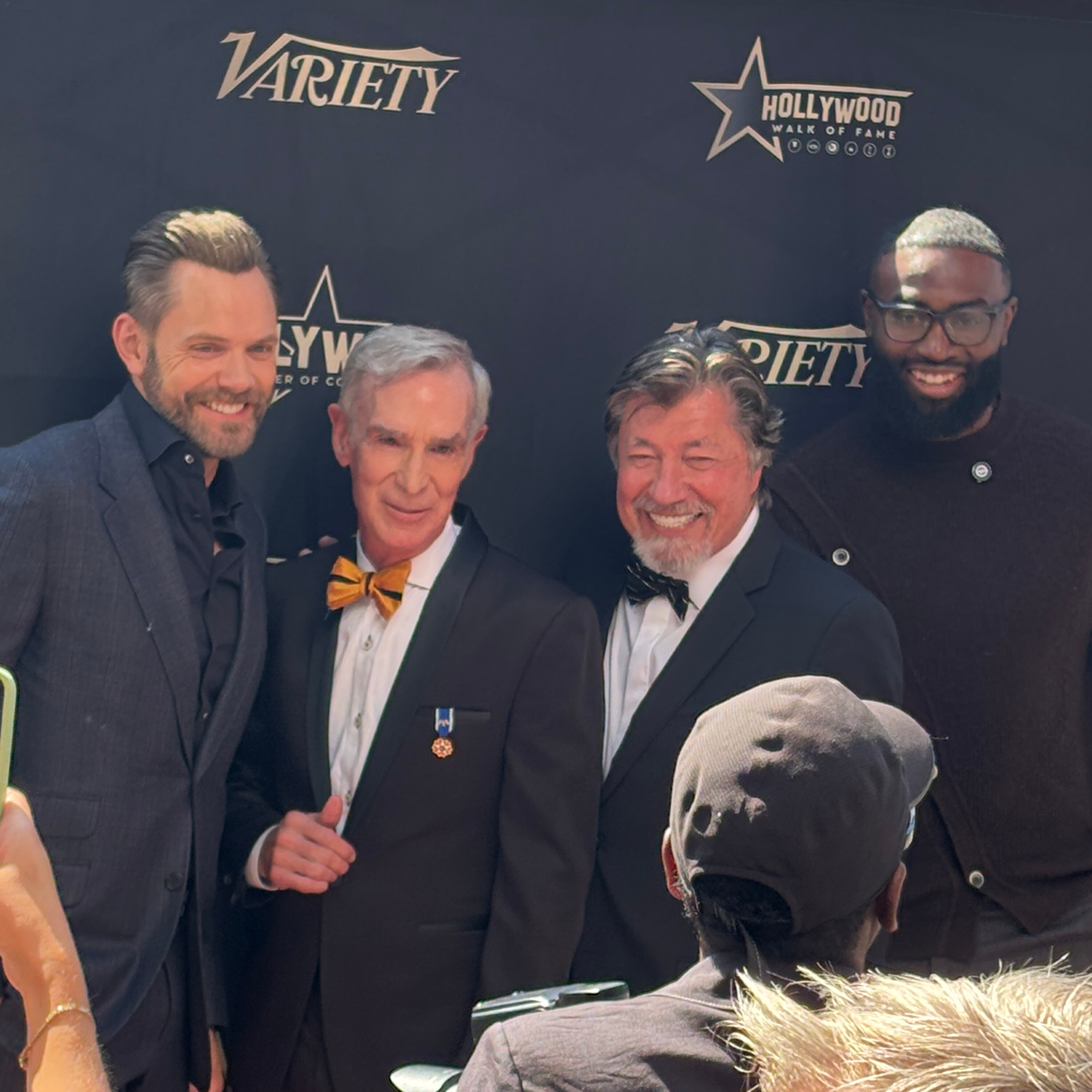
Bill Nye: A star in Hollywood, a voice for NASA
Bill Nye, CEO of The Planetary Society, has officially joined the Hollywood Walk of Fame. In this episode, we speak with Bill about what this rare honor means to him and to science communication. Then, we take you inside the star ceremony in Los Angeles, where friends and fans, including Boston Celtics star Jaylen Brown, paid tribute to his legacy. From there, we shift to Washington, D.C., where N
Recommended

English with Olivia | Slow Conversations & Vocabulary
Stand In The Circle

SLOW ENGLISH PODCAST (A1-A2) With Subtitles | Daily Videos | English With Us Podcast

Learn English A2 with Daily News | Simple English Listening Practice

پلی لیست | PlayList
Conspiracy Files with Paige Carter

Bad Friends

Learn 50 English Phrases While You Sleep | Everyday English Phrases & Vocabulary

This Past Weekend w/ Theo Von
Dateline NBC
Back to the 80s Radio

Crime Stories with Nancy Grace
