
Emergency Medicine Mnemonics
This emergency medicine podcast focuses on knowledge recall rather than understanding. It uses active learning techniques to help listeners process information actively. Each episode challenges listeners to answer questions, improving their ability to recall medical mnemonics quickly. The podcast promises an uncomfortable but effective learning experience.
Episodes
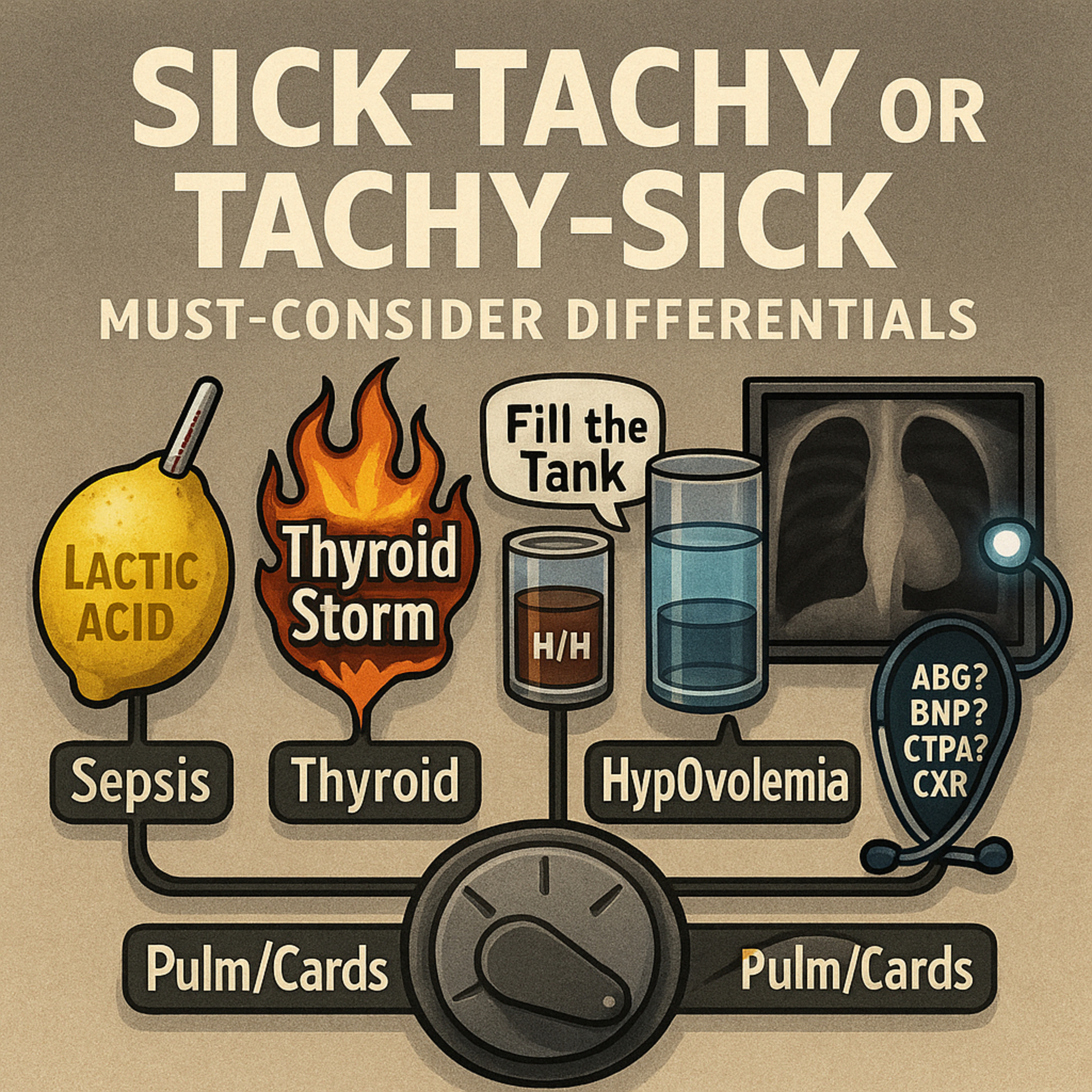
Sick-Tachy or Tachy-sick: S.T.O.P. Secondary Compensations (Must-consider Differentials)
When the heart rate blasts past 150, our reflex is often to grab a syringe—diltiazem, metoprolol, something to slow things down. But here’s the hard truth: if the patient is in sick-tachy—tachycardia as a secondary compensation—slamming them with rate control can be catastrophic. That racing heart rate may be the only thing keeping them alive. Pausing to ask “sick-tachy or tachy-sick?” is what sep
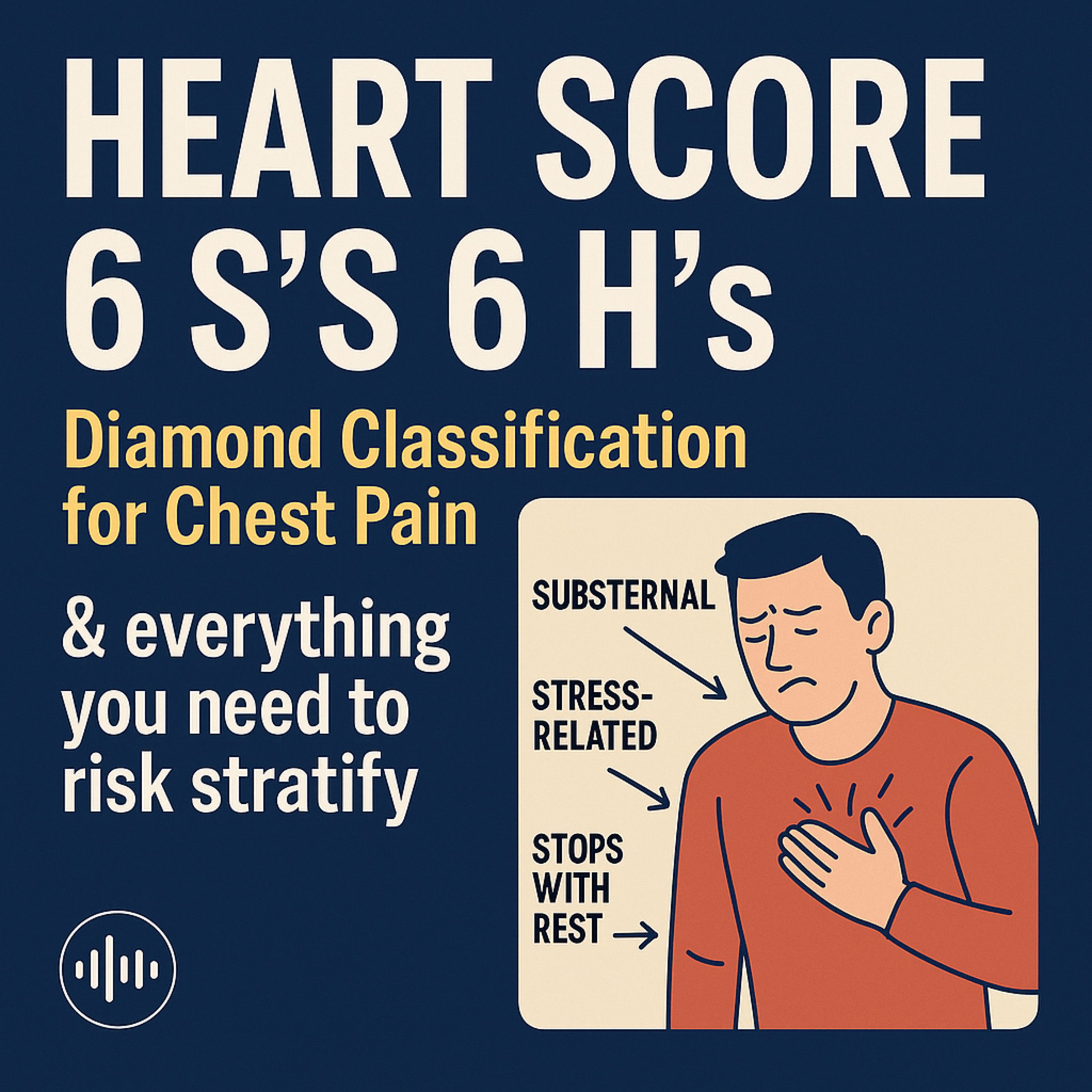
6 S’s & 6 H’s Heart Score: Chest Pain & Diamond Classification Risk Stratification
Chest pain is one of the most common—and highest risk—complaints in the ED. Missing acute coronary syndrome can be catastrophic, but keeping every patient in the hospital isn’t realistic either. That’s why the HEART score has become the standard of care: a simple, validated tool to help you decide who is safe for early discharge and who needs further workup or cardiology assessment.In this episode
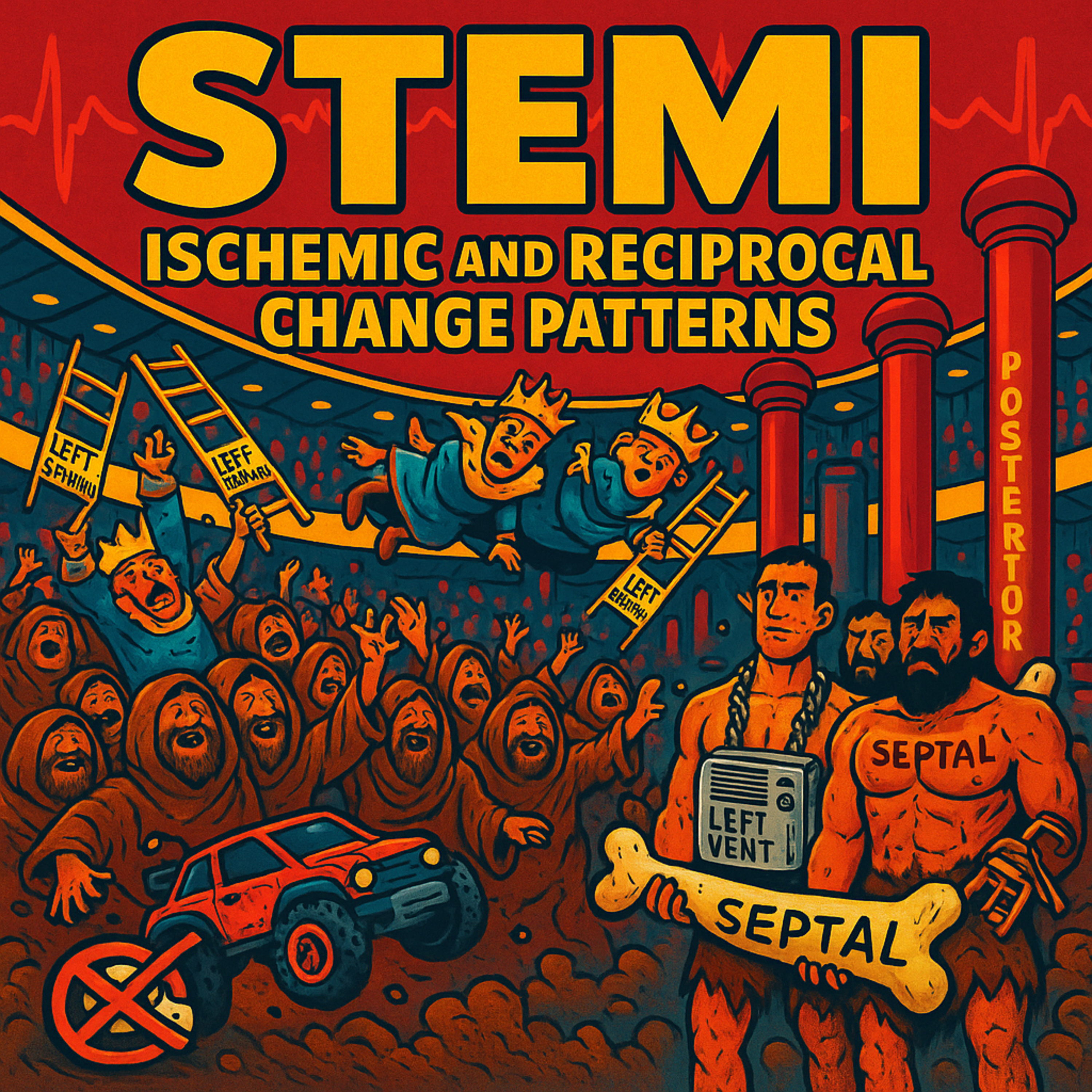
STEMI ischemic and reciprocal change patterns
In a cardiac emergency, pattern recognition saves lives. The ability to rapidly identify ST-elevation myocardial infarctions (STEMIs) — and recognize their reciprocal changes — is one of the most high-yield clinical skills you can master. But memorizing lead groupings, artery territories, and reciprocal zones can feel abstract… until now.This podcast brings EKGs to life inside a colorful, stadium-
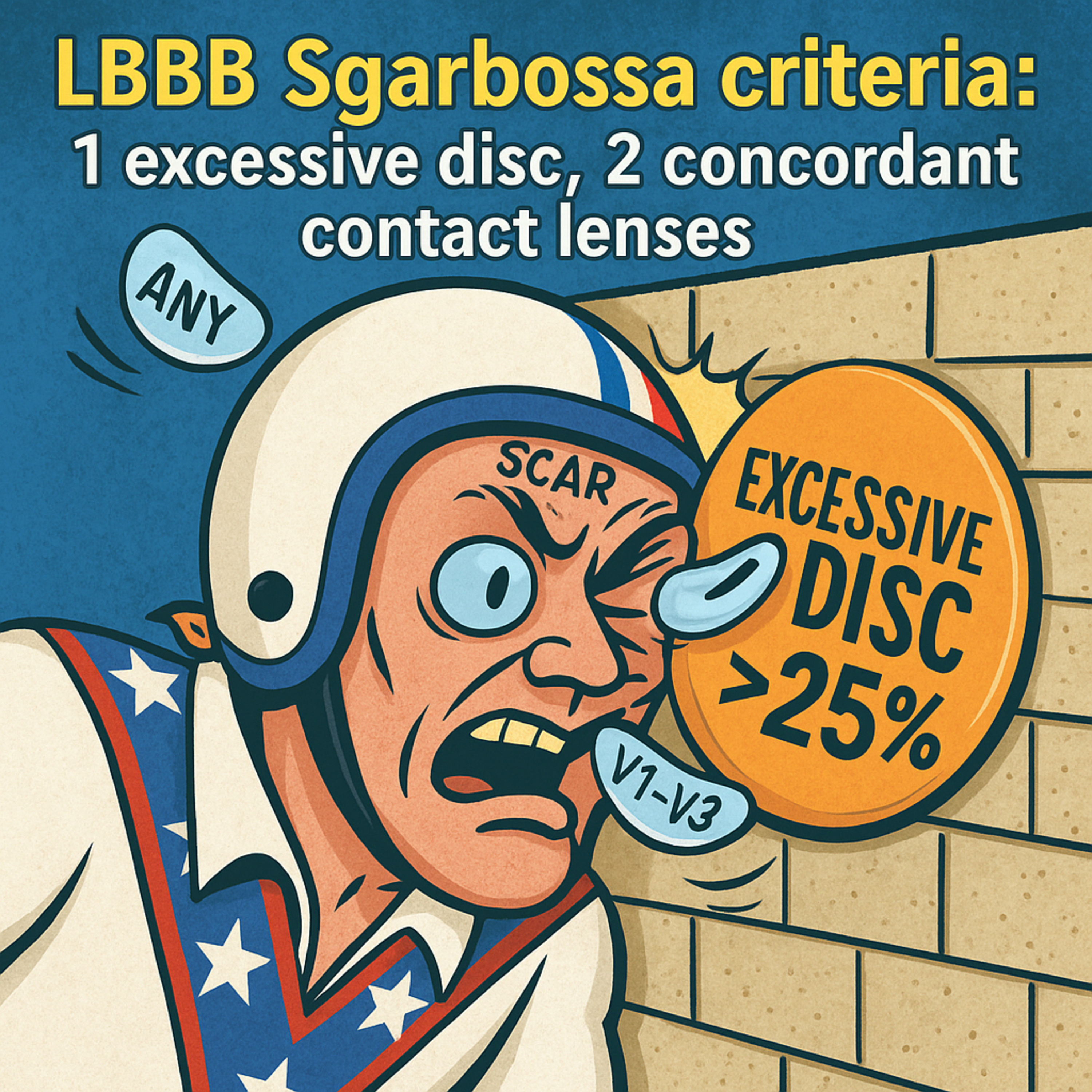
LBBB Sgarbossa Criteria: 1 Excessive Disc, 2 Concordance Contact Lenses
When a left bundle branch block (LBBB) throws a wrench into your ECG interpretation, how do you know if it’s a STEMI… or just baseline noise?In this unforgettable episode, we ride full throttle into the wild world of wide QRS complexes, Scarbossa criteria, and the modified rules that help unmask true occlusion amidst the electrical chaos.Visualize Evel Knievel launching off the QRS ramp — only to
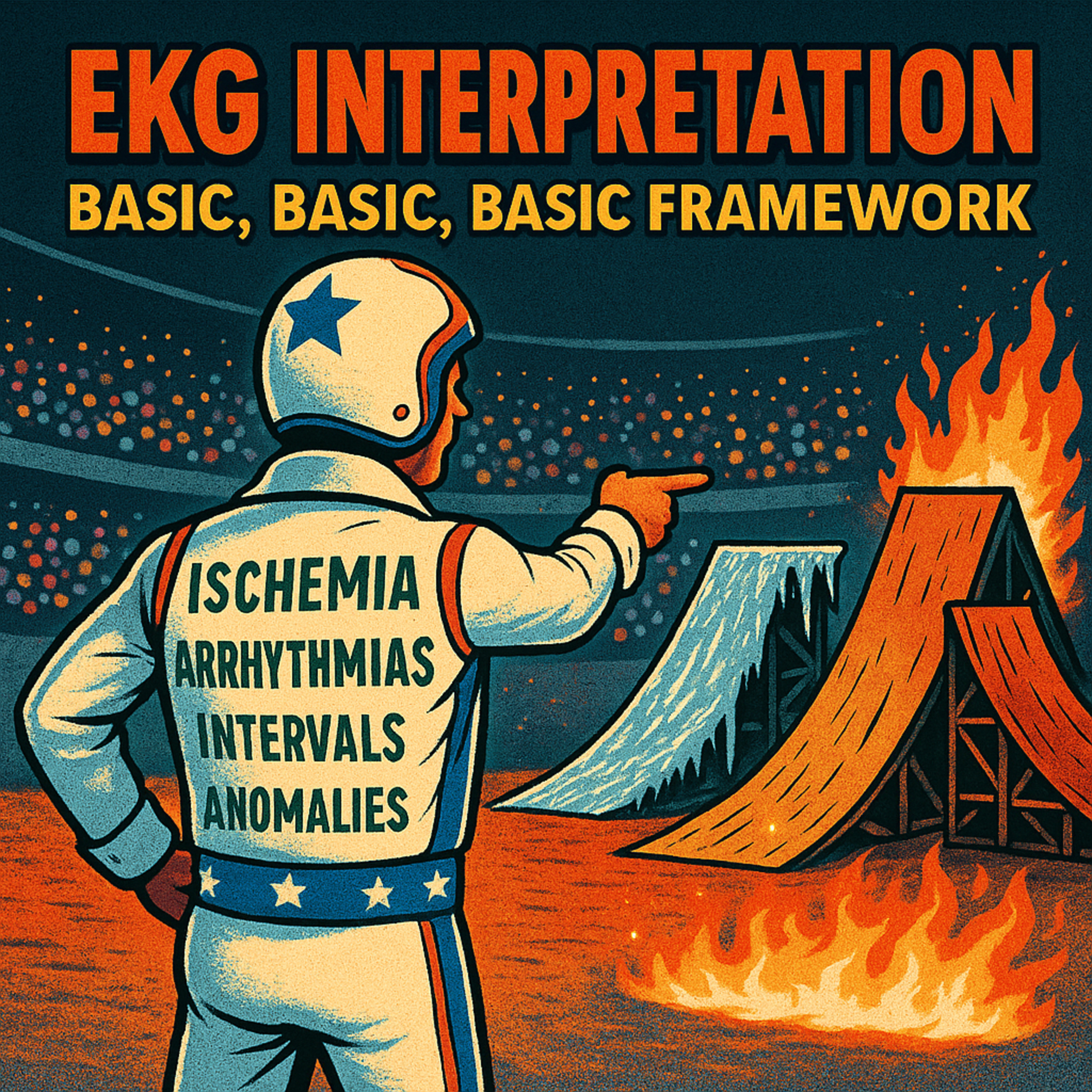
EKG Basic Basic Basic Framework for EM Docs: Ischemia, Arrhythmias, Intervals, Anomalies
This is the most basic, essential framework for EKG interpretation — built for emergency medicine clinicians who need clarity, speed, and confidence in the heat of the moment.Our brains are wired for movement and story. Just like remembering your morning routine — wake up, brush teeth, grab caffeine — we naturally recall sequences that follow a simple, visual narrative. In this episode, we harness
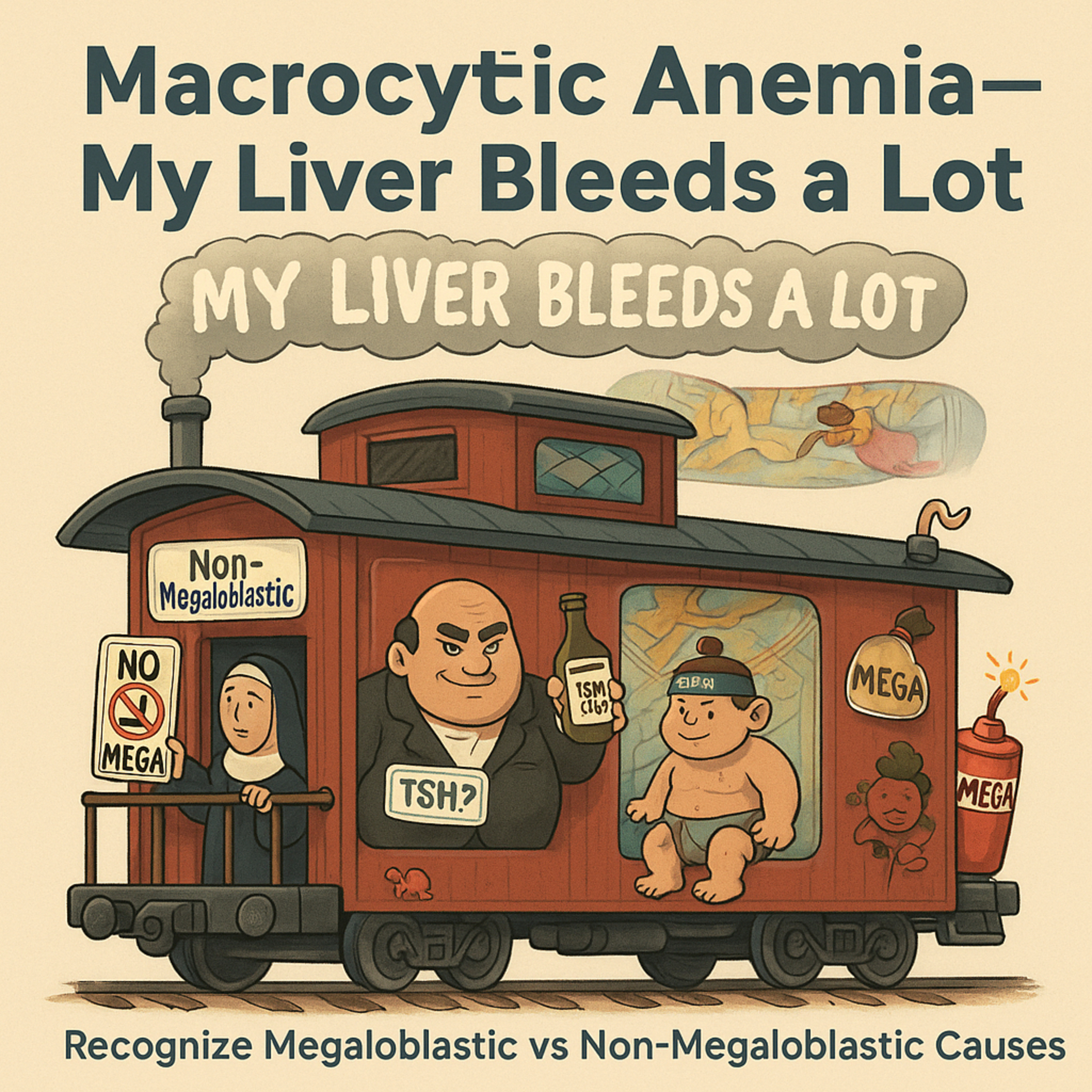
Macrocytic Anemia in the ED: My Liver Bleeds a Lot (part 3)
Step into the macrocytic anemia caboose and remember the non-megaloblastic causes with the mnemonic My Liver Bleeds a Lot: • My → Multiple Myeloma (CRAB: Hypercalcemia, Renal failure, Anemia, Bone lesions) • Liver → Liver disease • Bleeds → Hemolysis • A → Alcohol use • Lot → HypothyroidismWe start at the front half of the caboose with the non-megaloblastic nun holding a sign with crossed-out “meg
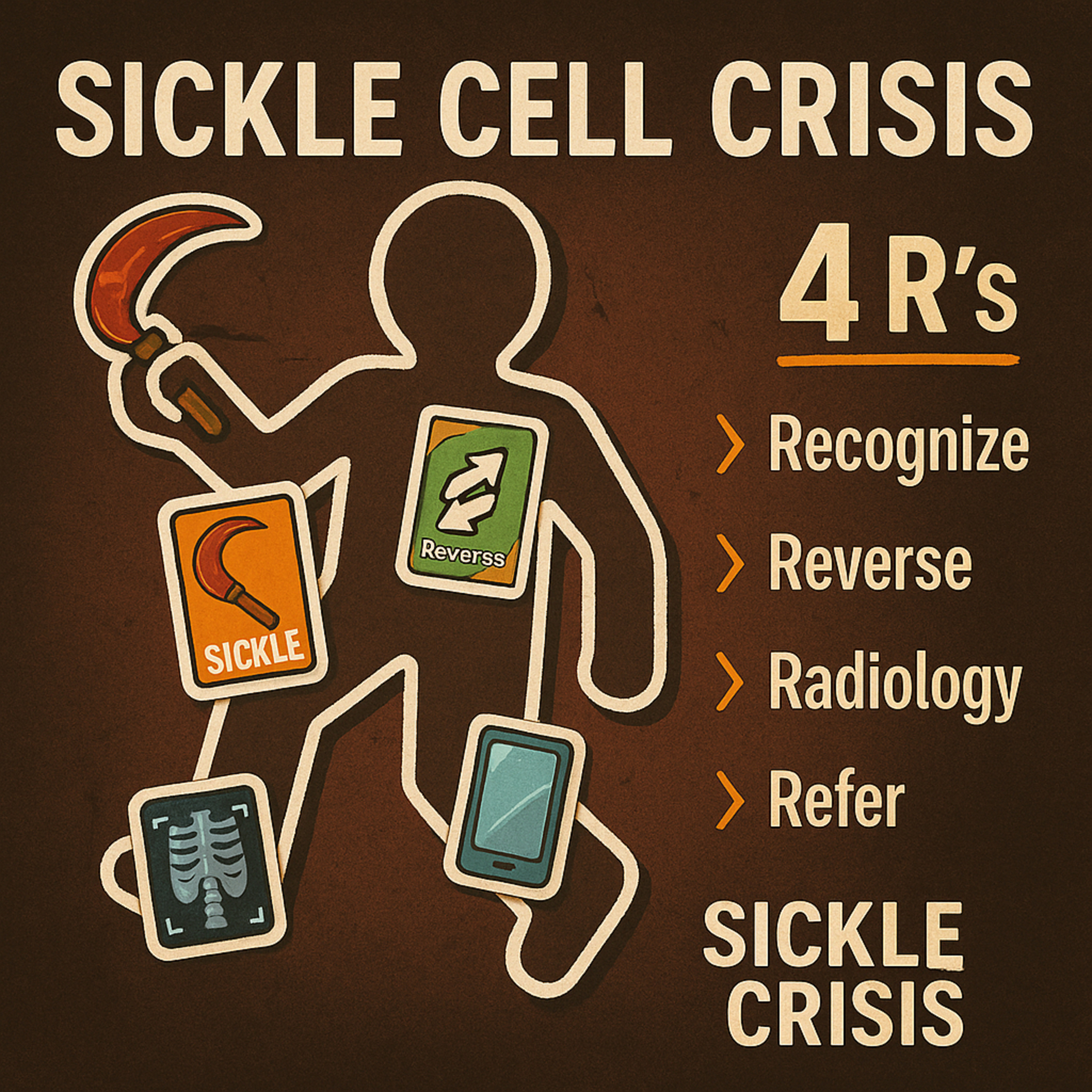
Sickle Cell Crisis: 4 R’s Mnemonic — Recognize, Reverse, Radiology, Refer
In the fast-paced, high-stakes world of emergency medicine, every second matters—especially when it comes to sickle cell crisis. This podcast takes you straight to the heart of what matters most for ED clinicians, walking you through the essential “4 R’s” that can mean the difference between stabilization and rapid deterioration: • Recognize — Identify the telltale signs of sickle cell crises earl
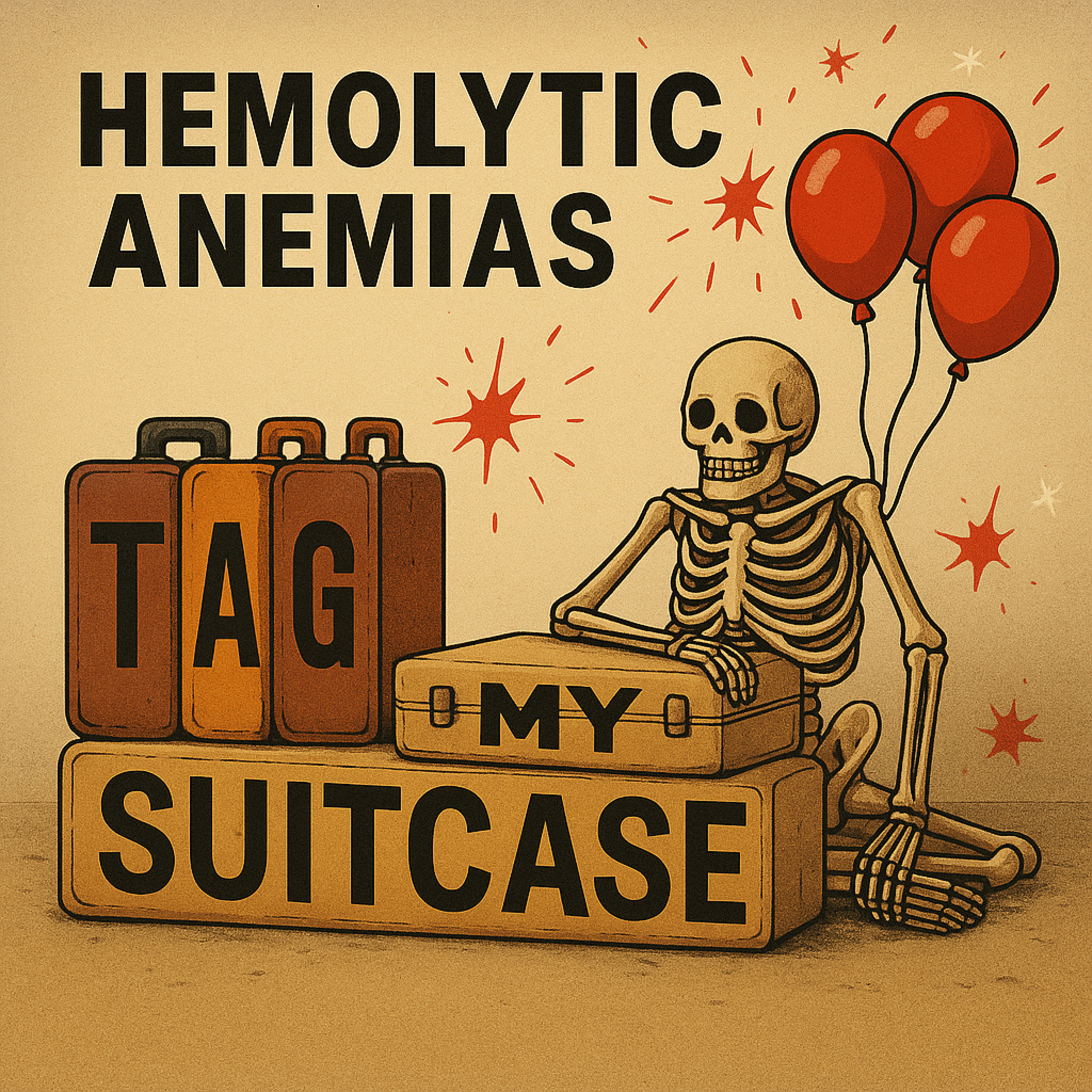
Hemolytic Anemias: TAG My Suitcase mnemonic
Hemolytic Anemias Mnemonic for the ED: TAG MY SUITCASEIn this high‑impact episode of Emergency Medicine Mind Palace, we break down hemolytic anemias into a memorable 5‑suitcase system that will stick with you on your next shift.If you’ve ever seen dark urine, anemia, or dropping hemoglobin and felt that twinge of uncertainty about which hemolytic process is at play, this episode will lock in the k
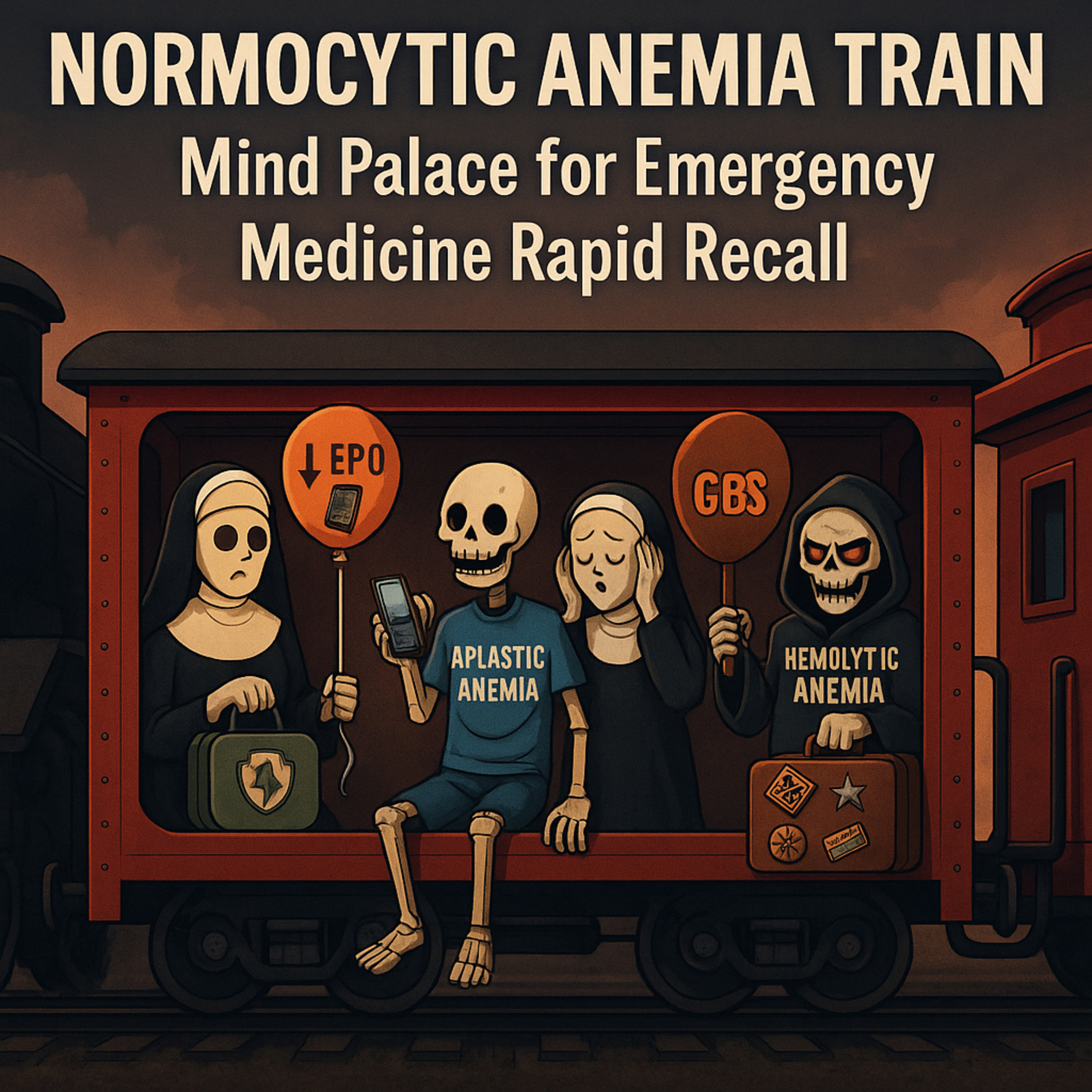
Normocytic Anemia in the ED: Mind Palace for Emergency Medicine Rapid Recall (part 2)
Step aboard the Anemia Train and enter the Normocytic Skeleton Car—the middle car of your anemia mind palace—designed specifically for busy ED clinicians who need fast recall without flipping through textbooks.In this episode, you’ll: • 🧠 Visualize the Normocytic Train Car: Skeleton passengers holding reticulocyte balloons, split by a divider wall between low retic (front) and high retic (back). •
Microcytic Anemia in the ED: What You’re Missing Could Kill Your Patient (part 1)
Microcytic Anemia in the ED: What You’re Missing Could Kill Your Patient🚨 Episode Summary for the Emergency Clinician:Think you’ve got anemia figured out? Think again. In this high-yield episode, we dissect microcytic anemia from an ED-first perspective and break down what you must recognize and act on fast—because missing a few key clues could mean a delayed diagnosis with deadly consequences.🛤️
Low Platelet Emergencies: TTP, HUS, ITP, DIC, HELLP, HIT thrombocytopenia memory palace
In this high-yield episode, we build a visual memory palace down the “Highway to Hell” of emergency thrombocytopenia syndromes. Each stop reveals a unique and dangerous cause of low platelets you’ll encounter in the ED—brought to life through vivid storytelling, unforgettable characters, and layered mnemonics.🚑 What You’ll Learn (Quick Hits): • TTP – Thrombotic Thrombocytopenic Purpura⚠️ Medical e
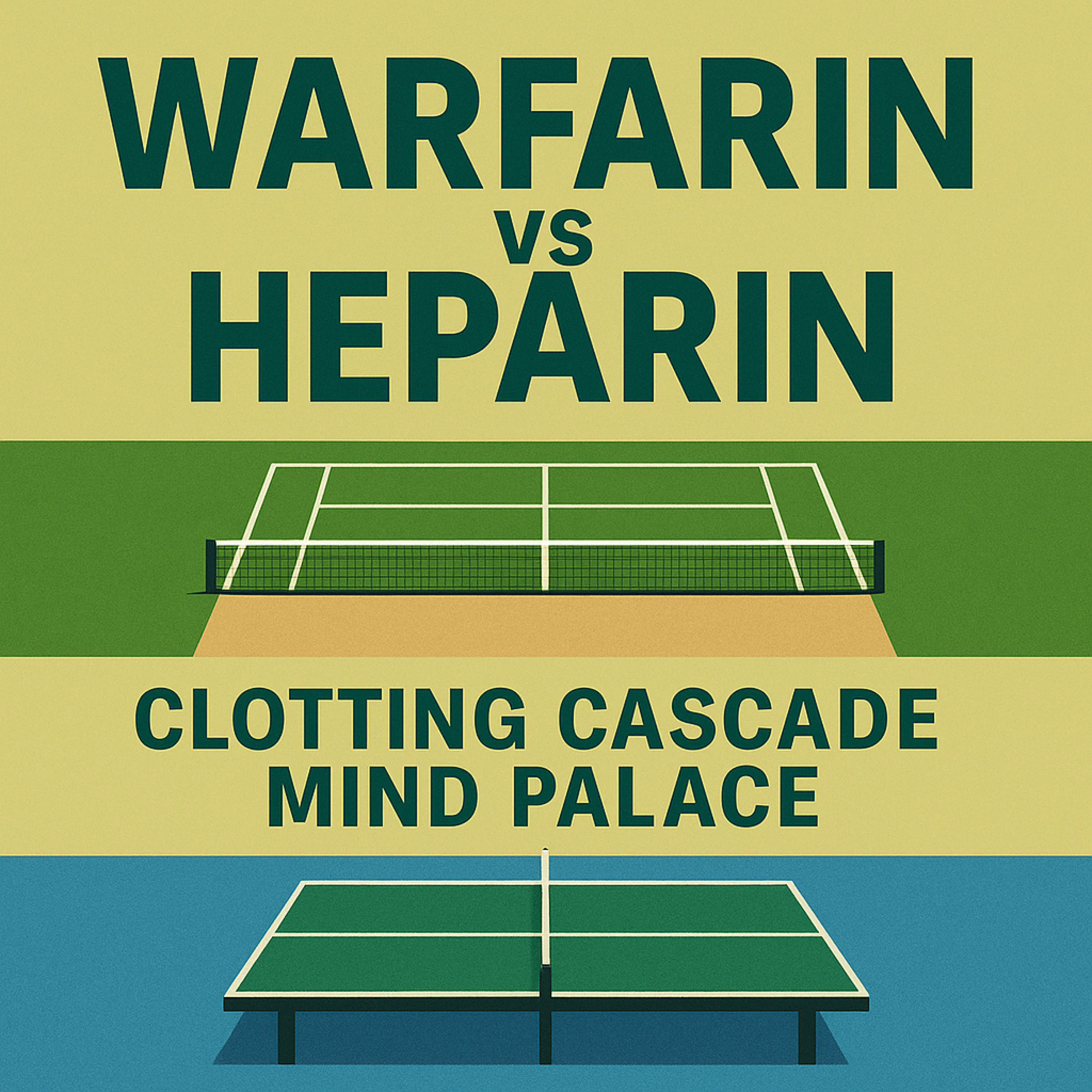
Warfarin vs Heparin: The Clotting Cascade Mind Palace for EM Docs (PT, PTT & TPA Simplified)
In this unforgettable bloody podcast, we bring the clotting cascade to life through a cast of hilarious and high-yield characters designed to make clinical recall effortless under pressure.Play Table Tennis = PTT = Inside = Intrinsic. Play Tennis = PT = Outside = Extrinsic.”You’ll meet:🟢 Lucky Number 7 — our tennis-playing war cry–shouting Factor VII who kicks off the extrinsic pathway by yelling
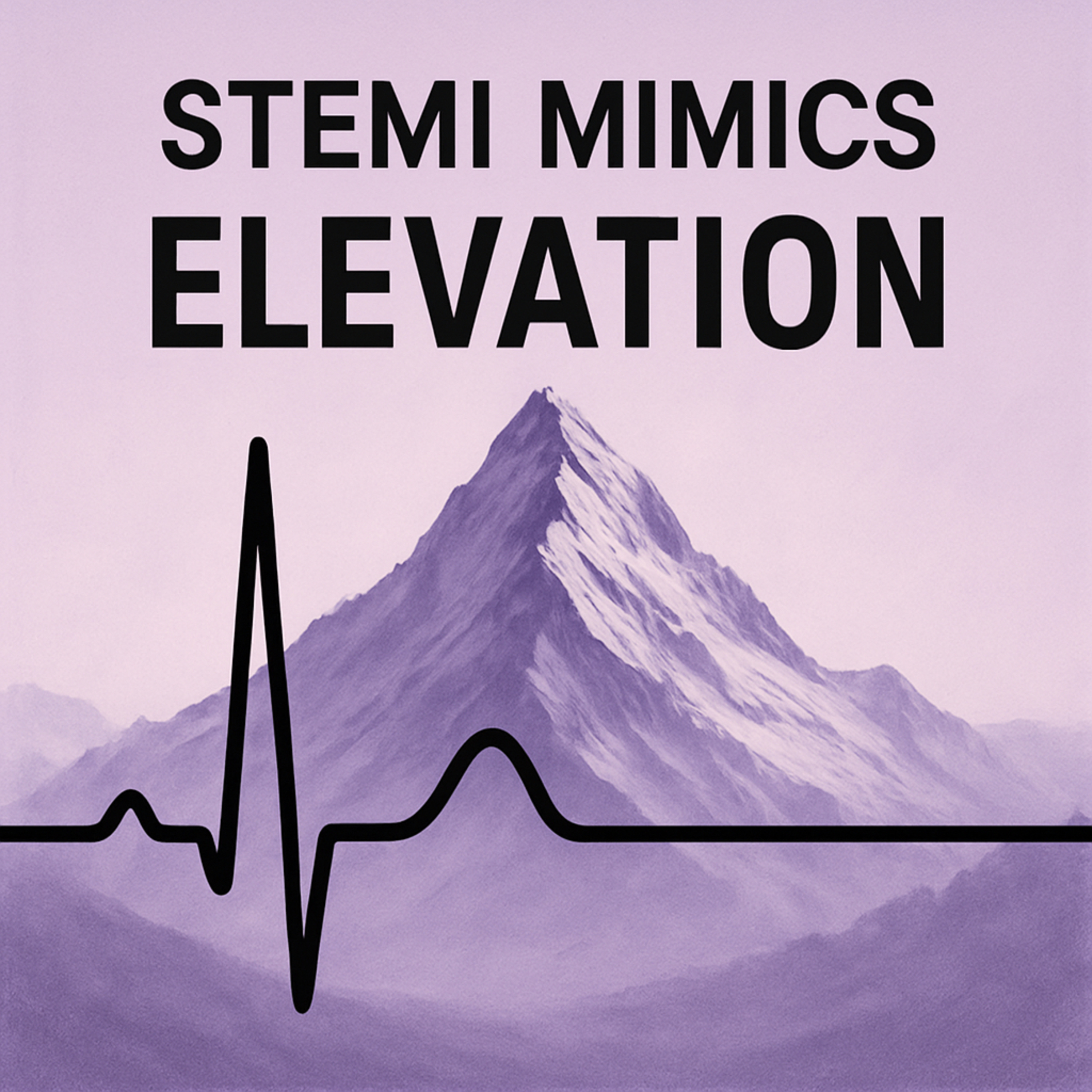
STEMI Mimics: Elevation mnemonic
In this episode, we tackle STEMI mimics—conditions that mimic ST-segment elevation myocardial infarction on an EKG but aren’t always a heart attack. Why’s it critical? Because ST elevation doesn’t always mean STEMI, and misdiagnosis can waste time or miss critical conditions. ELEVATIONElectrolytes (Hyperkalemia), Left Bundle Branch Block, Early Repolarization, Ventricular Hypertrophy (Left), Aneur
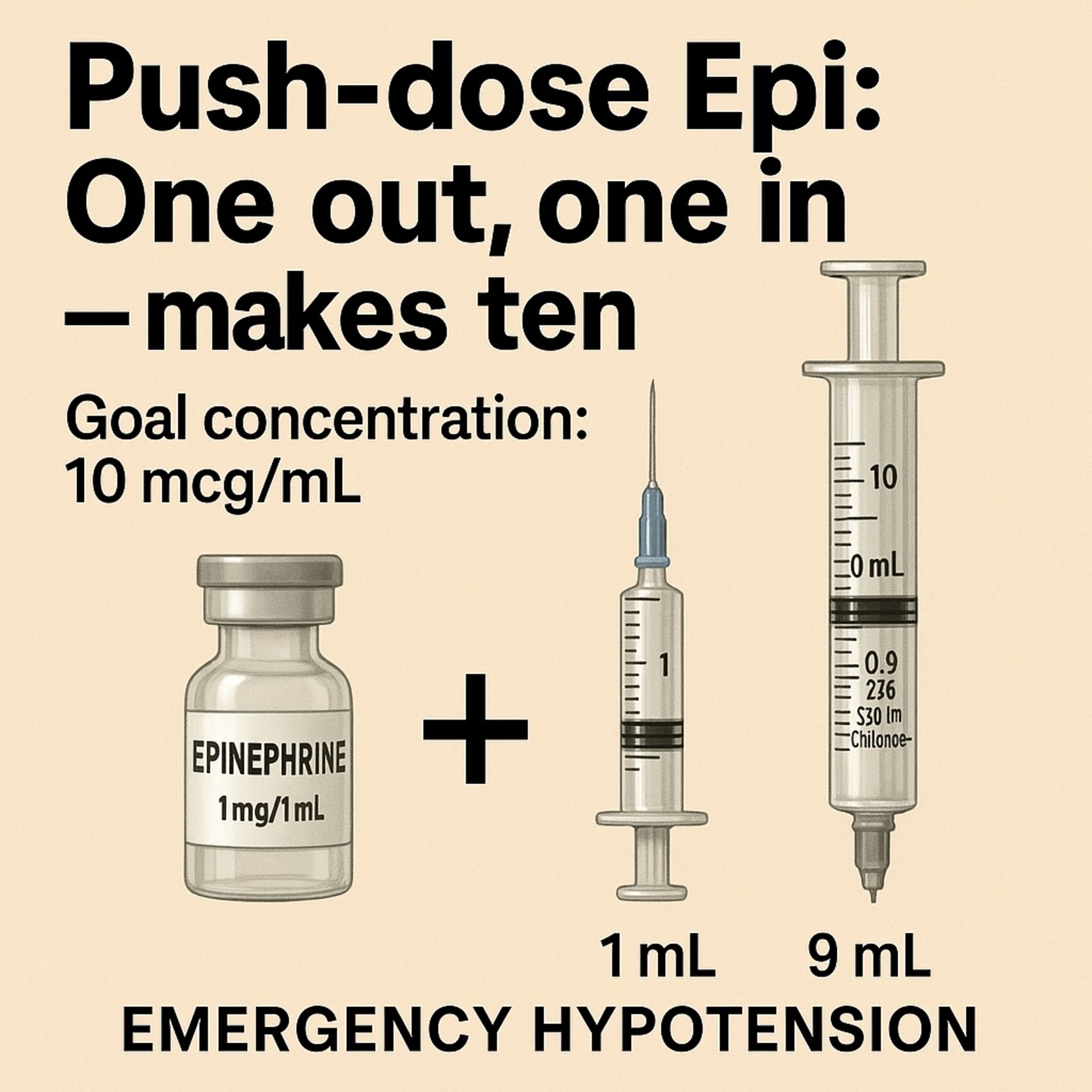
Push-dose Epi: One out, One in - Makes 10
How to Mix Push-dose Epi: One out, one in — makes tenGoal concentration: 10 mcg/mLStep-by-Step Mixing: 1. Start with a 10 mL syringe of normal saline (NS) • empty 1 mL to retain 9 mL of NS in the syringe. 2. Use the code cart 1:10,000 epi (100 mcg/mL) • This is the standard “cardiac arrest epi” amp (usually 1 mg in 10 mL)…the 1:10,000 prefilled syringe used during ACLS 3. Withdraw 1 mL of the 1:10
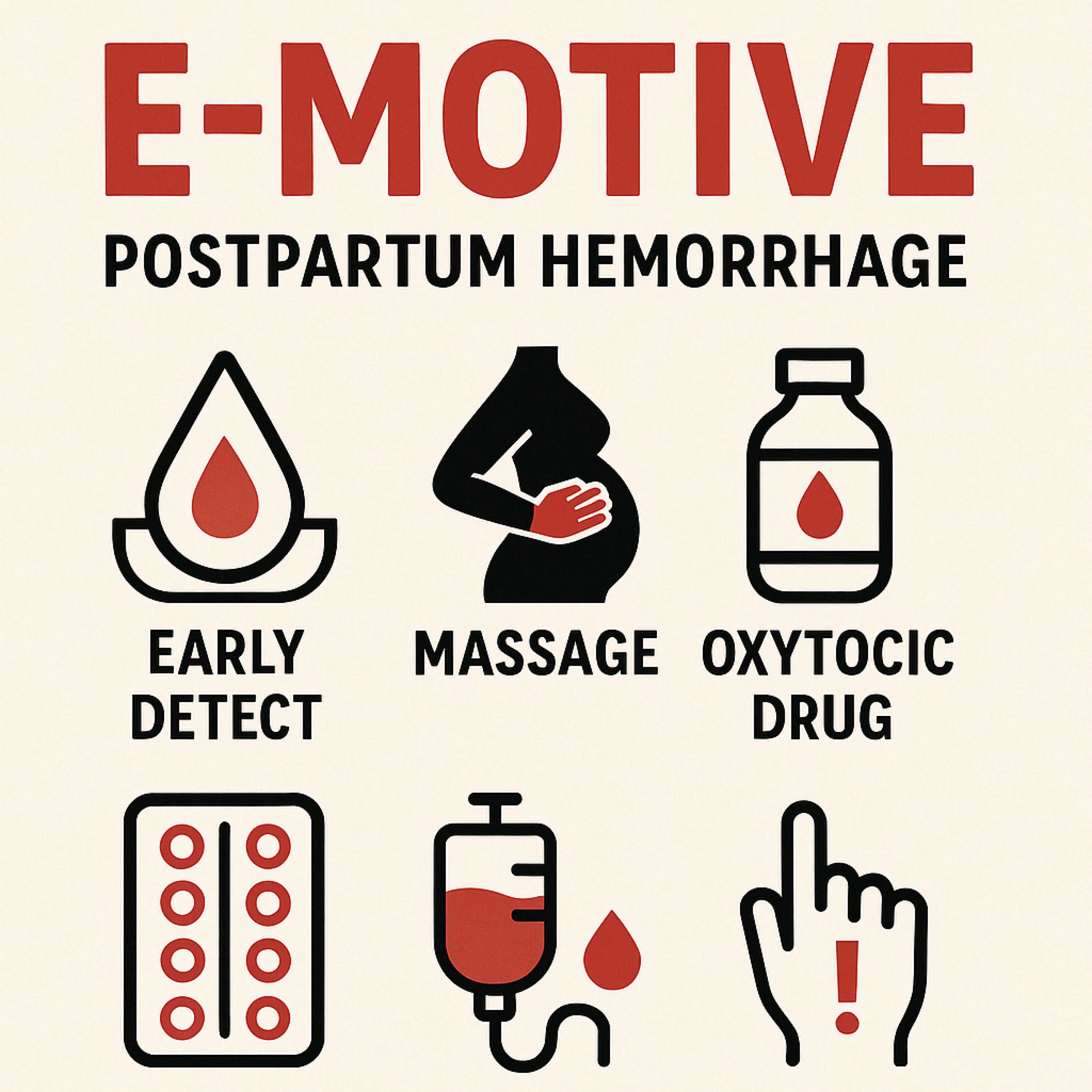
Postpartum Hemorrhage: E-MOTIVE
E-MOTIVE Mnemonic for Postpartum Hemorrhage: A Lifesaving StrategyThe E-MOTIVE mnemonic stands for a six-component bundle aimed at tackling postpartum hemorrhage (PPH), a major cause of maternal death, especially in low-resource settings. This approach, tested in a cluster-randomized trial across 80 hospitals in Kenya, Nigeria, South Africa, and Tanzania, was published in the New England Journal o
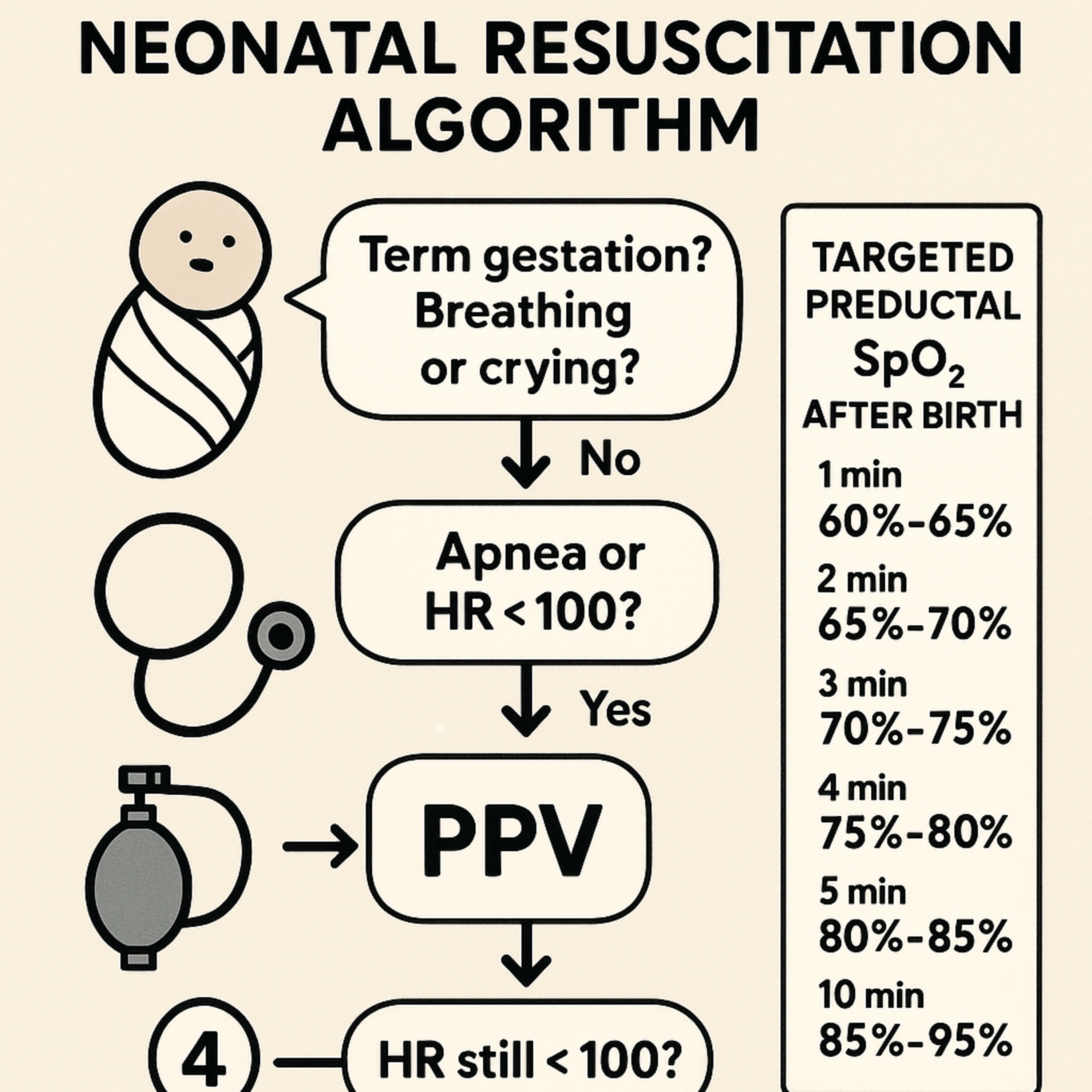
Neonatal Resuscitation Algorithm flowchart: NRP
This is a Neonatal Resuscitation Algorithm flowchart, specifically the NRP (Neonatal Resuscitation Program), published by the AHA in 2020. It provides a step-by-step guide for healthcare providers to follow during the resuscitation of a newborn immediately after birth, focusing on stabilizing the infant’s breathing, heart rate, and oxygenation.Starting Point • Antenatal Counseling and Team Briefin
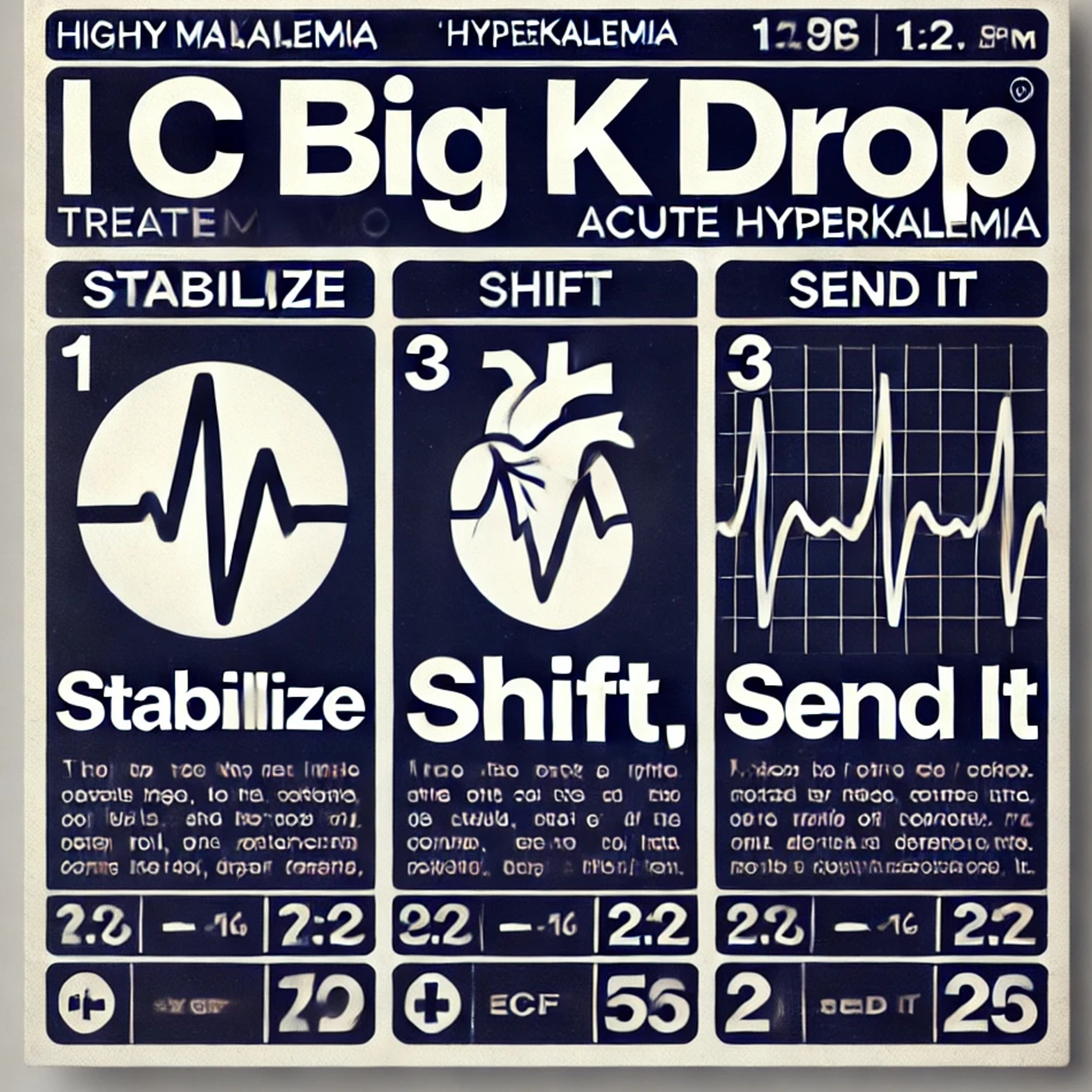
Hyperkalemia: STABILIZE, SHIFT, SEND-IT (I C BIG K DROP)
The 3-Step Approach to Acute Hyperkalemia 1. Stabilize: the Heart (If ECG changes) → Calcium 2. Shift: K+ Into Cells → Insulin + Glucose, Albuterol, Bicarb (if acidotic) 3. Send-it: Remove K+ From Body → Diuretics (if making urine), Kayexalate (if GI motility intact), Dialysis (if severe/refractory)I – IV FluidsC – CalciumB – Beta-2 AgonistsB – BicarbonateI – Insulin & GlucoseK – Kayexalate (S
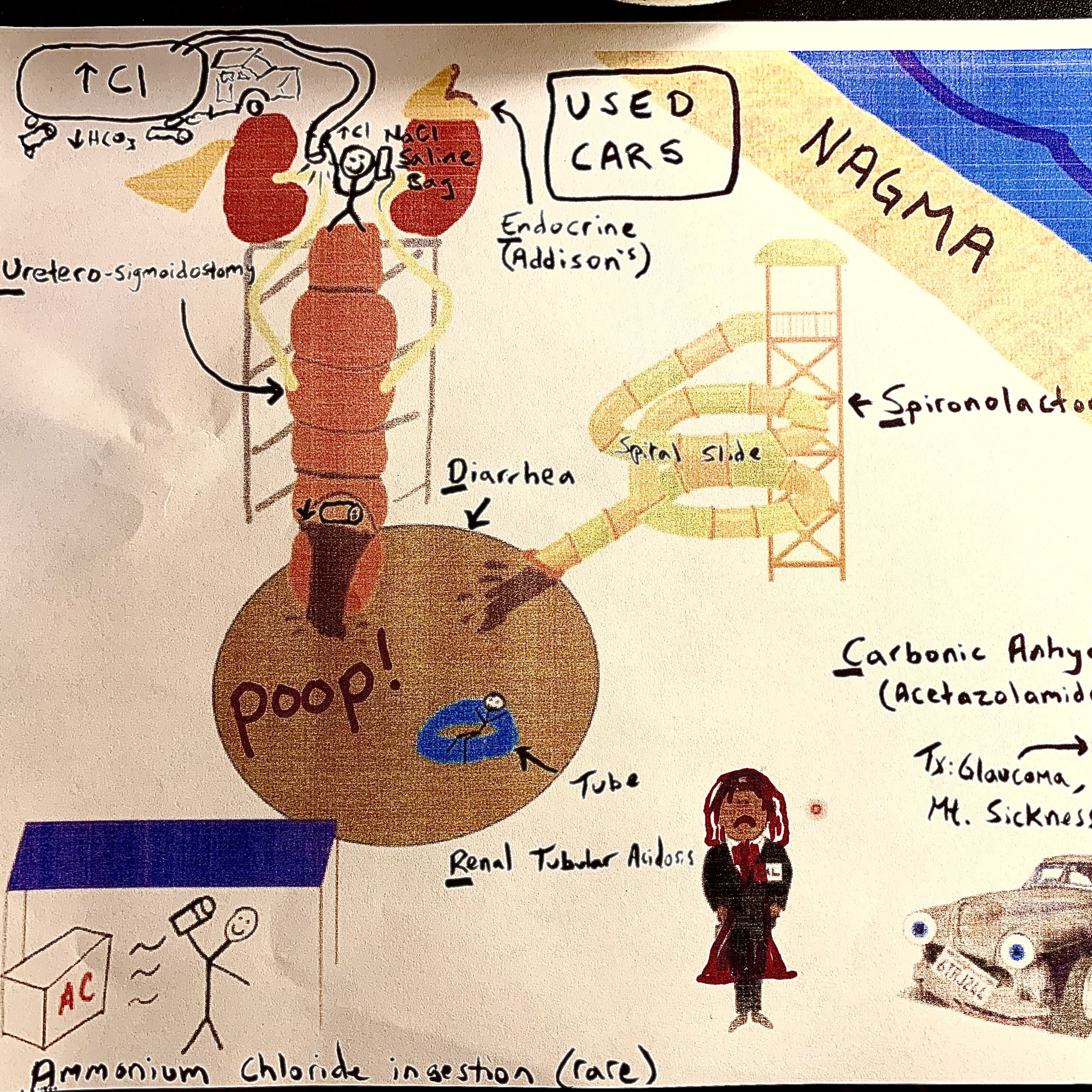
USED CARS non-anion gap metabolic acidosis: high chloride low bicarbonate
USED CARS mnemonic for non-anion gap metabolic acidosis (NAGMA):Why “USED CARS”? • Ureterosigmoidostomy • Saline & Chloride infusion (excessive).. chloride offsets AG • Endocrine disorders (Addison’s disease aka adrenal insufficiency, hypoaldosteronism) • Diarrhea • Carbonic anhydrase inhibitors • Ammonium chloride • Renal tubular acidosis • Spironolactone⸻U – Ureteroenteric fistula (or diversion
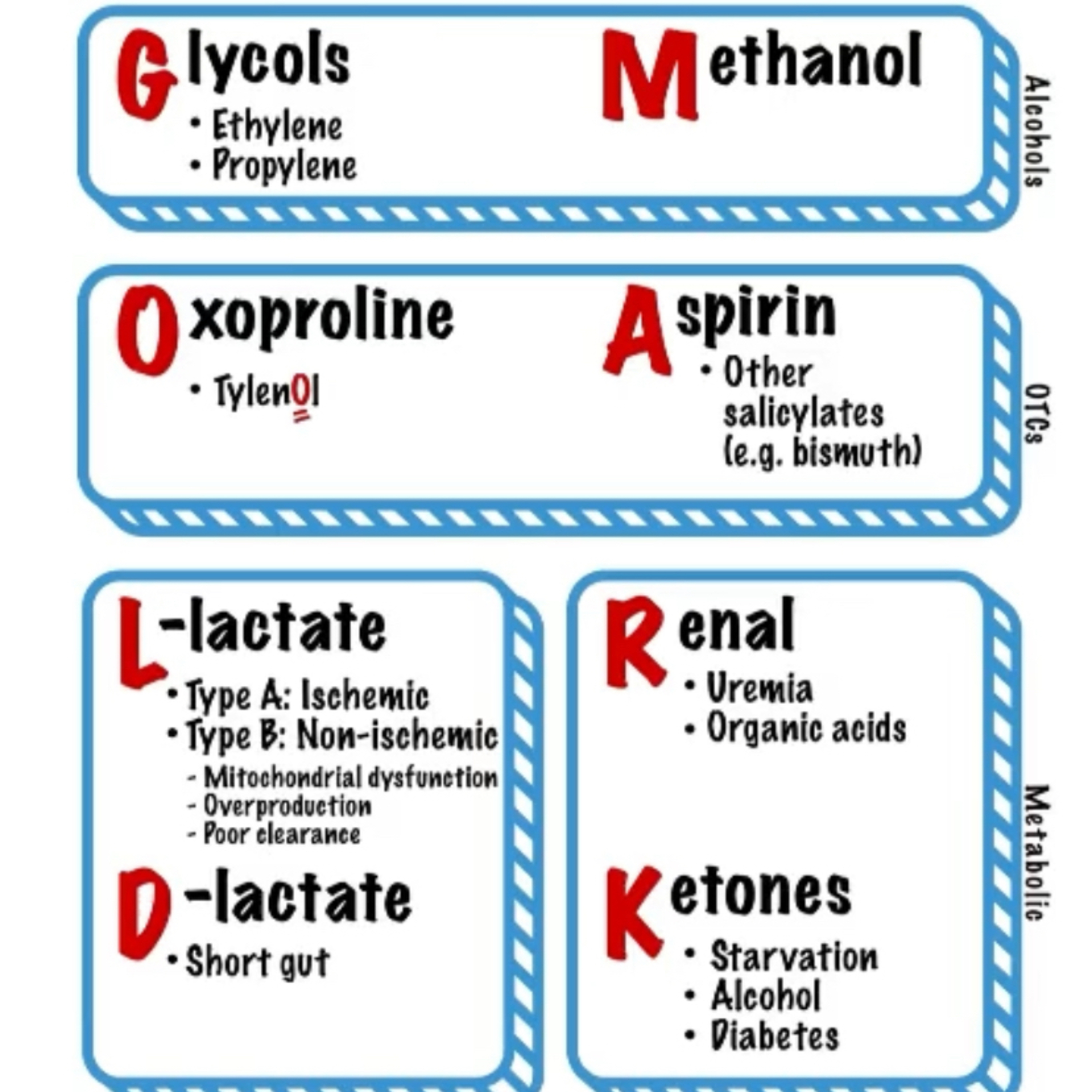
GOLD MARK (better than MUDPILES): Anion Gap Metabolic Acidosis Mnemonic (7,440.12 MRRM)
The GOLD MARK causes are divided into three major pathophysiologic groups based on the source of the acid production: Alcohols (Toxic Ingestions) → Emergency Toxins Glycols → Ethylene glycol (antifreeze) and propylene glycol Methanol → Windshield washer fluid, homemade alcohol substitutes Why grouped together? Common in suicide attempts, accidental ingestions, or chronic alcoholics. Key labs
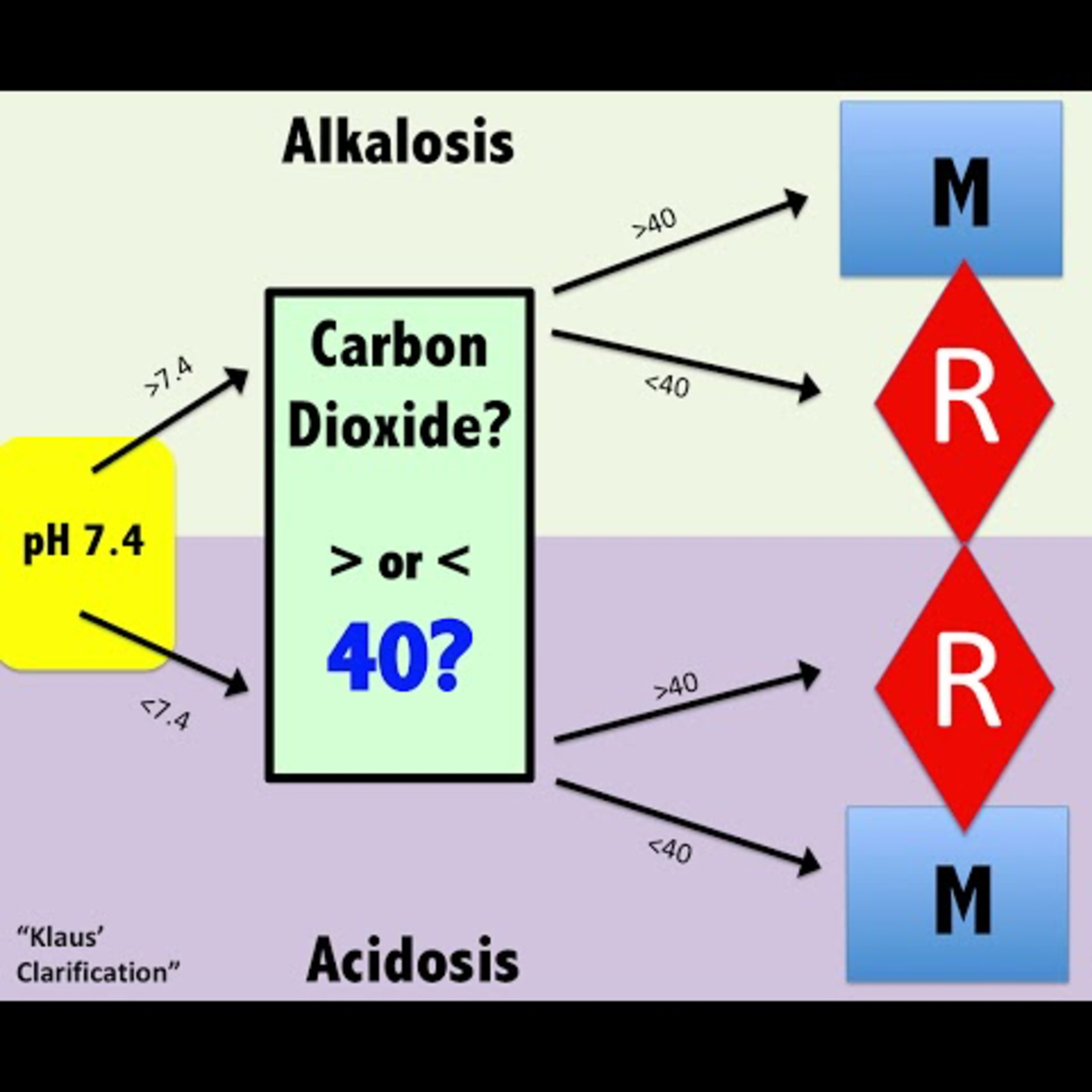
7,440 MR RM: Blood Gas ABG interpretation
Mister Ronald McDonald (MR RM) is a helpful flowchart for interpreting acid-base disorders, specifically for determining whether a patient’s condition is due to a metabolic (M) or respiratory (R) cause:1. Check the pH (7.4 is the cutoff) • pH > 7.4 → Alkalosis • pH < 7.4 → Acidosis2. Assess Carbon Dioxide (CO₂) Levels (PaCO₂) • The key threshold is 40 mmHg: • If CO₂ > 40 mmHg, this sugges
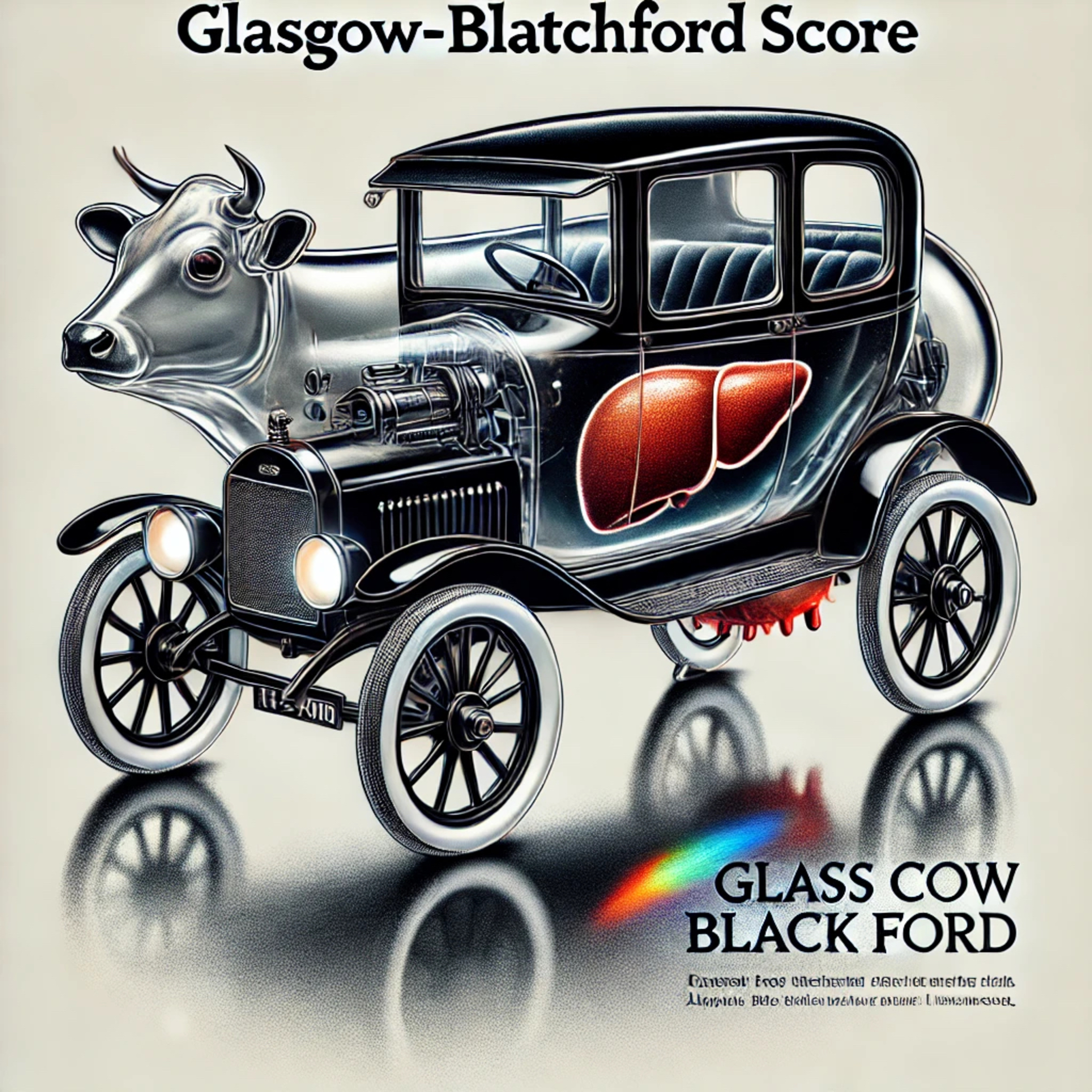
Glasgow-Blatchford Score (Glass Cow Black Ford): Upper GI Bleed indications for hospital admission
To determine if the patient requires admission or can be discharged, the Glasgow-Blatchford Score (GBS) is used. Here’s the ABCDEF mnemonic and why these factors increase the risk of an upper GI bleed: A - Active: Conditions like syncope or melena indicate ongoing or significant bleeding, increasing risk severity. B - Blood Urea Nitrogen: Levels ≥ 7 mg/dL suggest impaired kidney function, which
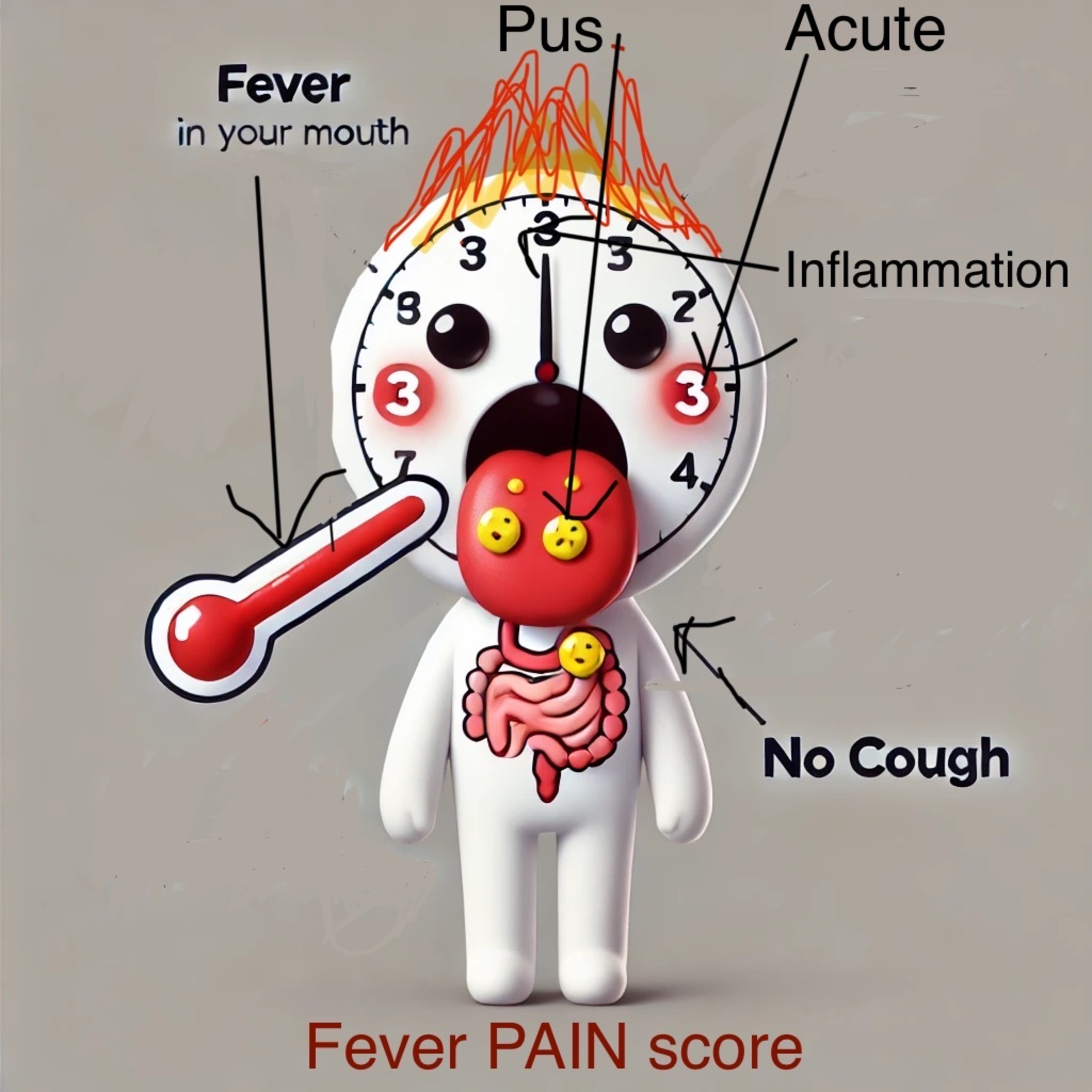
CENTOR criteria Fever PAIN: Strep Throat mnemonic
CENTOR criteria Fever PAIN: Strep Throat mnemonic
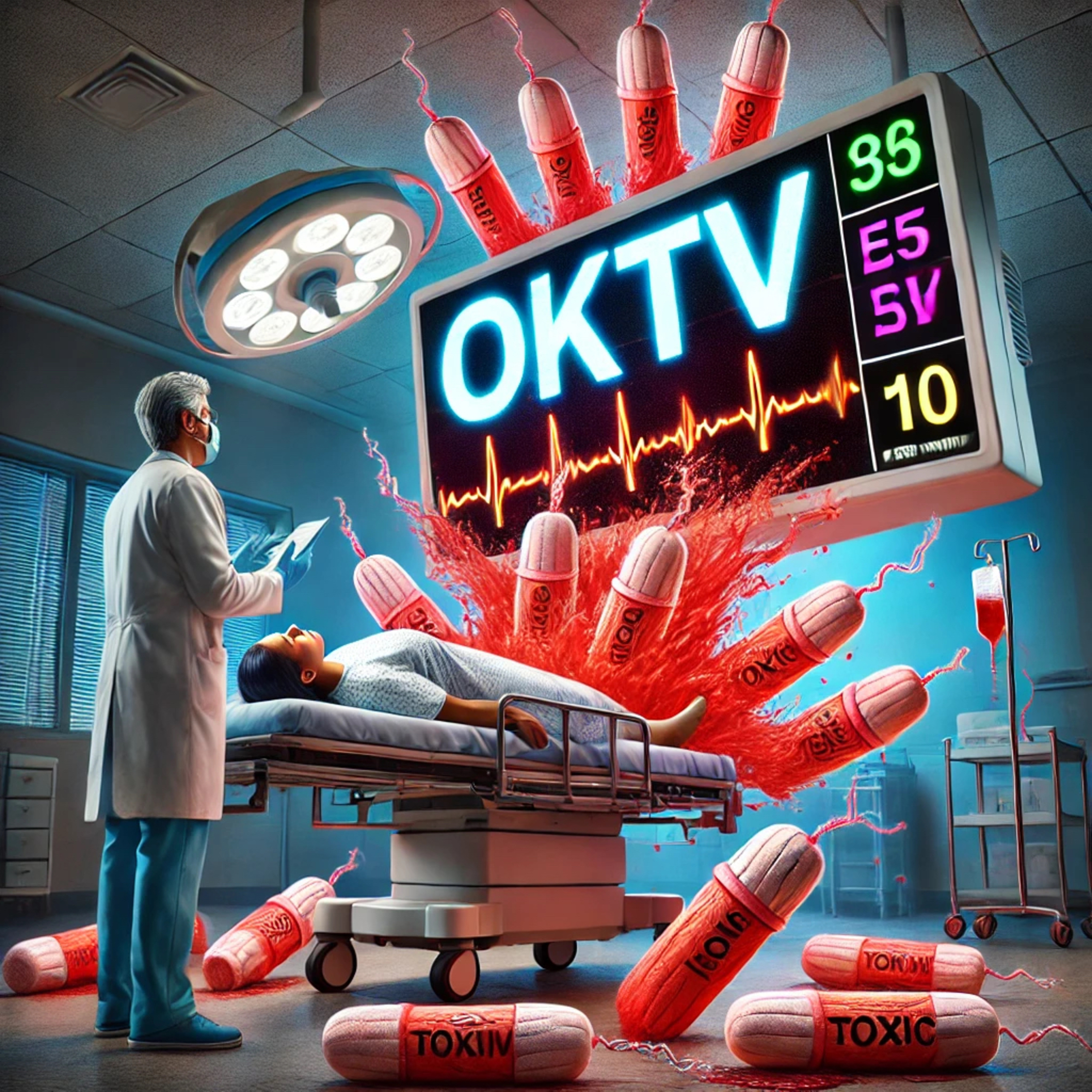
H’s and T’s mnemonic: OKTV, THROW TEN TOXIC TAMPONS
The “H’s and T’s” refer to a mnemonic used in medicine to help healthcare professionals quickly recall the most common causes of cardiac arrest during a code (a medical emergency requiring CPR). Memorizing these is crucial because identifying and addressing these causes rapidly can improve the chances of saving a patient’s life. Here’s a breakdown:The H’s: OK TVHypoxia - Lack of oxygen to tissues
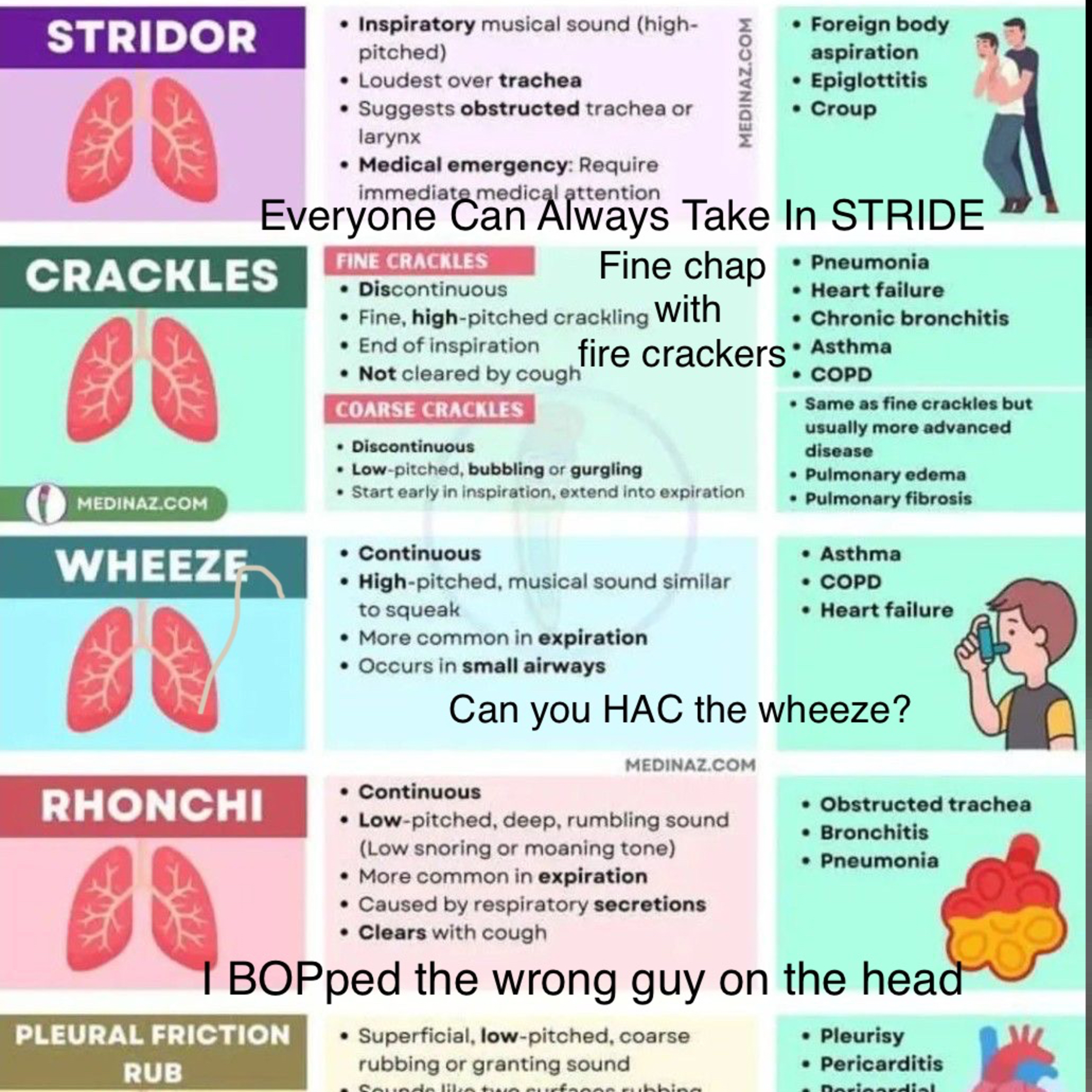
Adventitious Lung Sounds: Everyone Can Always take in STRIDE, Fine CCHAP with fire crackers
These are the adventitious lung sounds Mneumonics.Strider:Everyone can take in stride.Crackles:A fine chap with firecrackers.Wheezing:Just ask any whale: Can you HAC the wheeze? Rhonchi:I BOPped the wrong guyPlural friction rub: PPP (3 words 3 P’s)
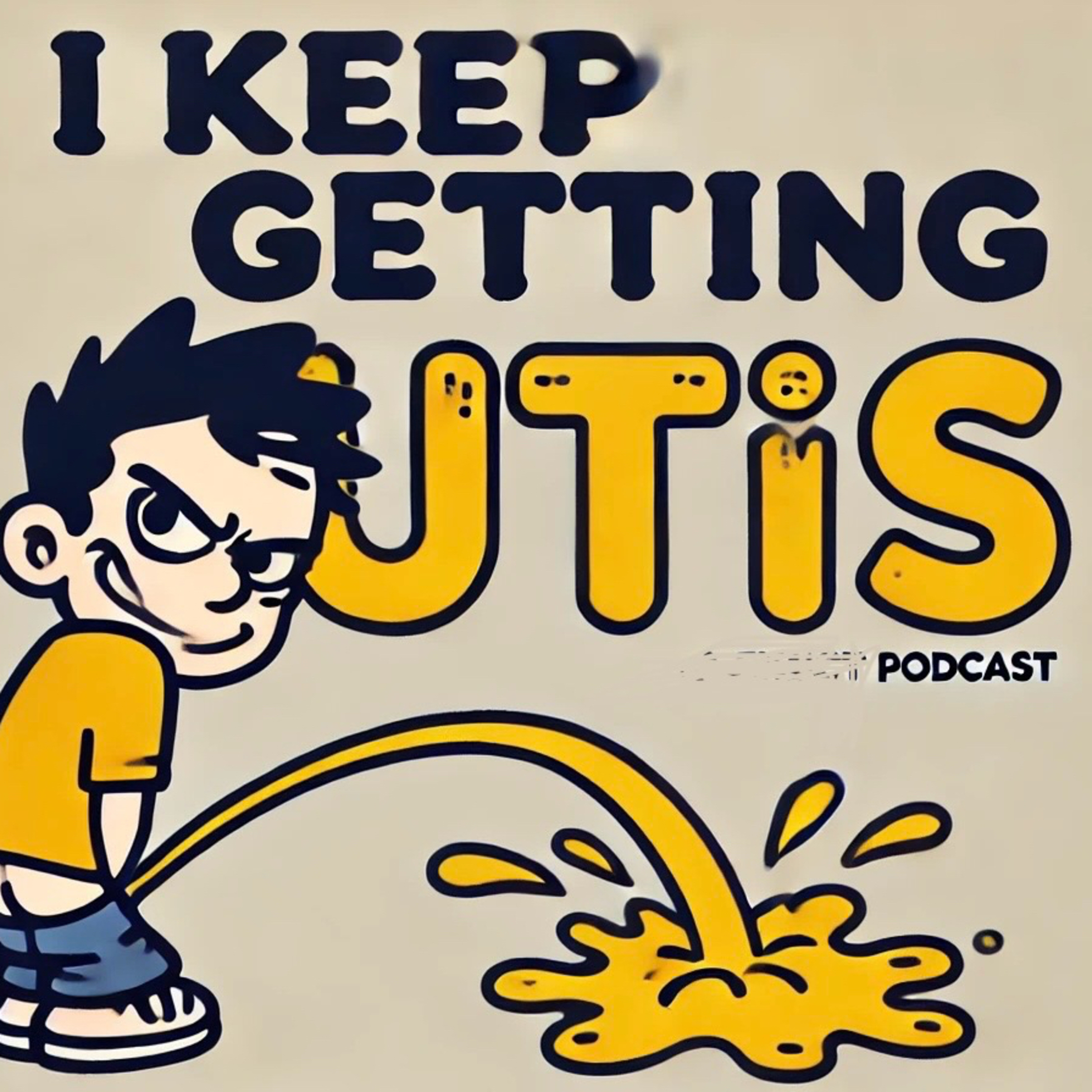
KEEP: UTI organisms & antibiotic treatment mnemonic (I KEEP getting UTIs)
The “KEEP” mnemonic is a tool to remember the most common organisms causing urinary tract infections (UTIs). Here’s how the mnemonic breaks down, followed by key information relevant for emergency medicine boards:K - Klebsiella species • Relevance: Klebsiella is the second most common organism causing UTIs, especially hospital-acquired infections. • Key Points: • Gram-negative rod. • Often seen in
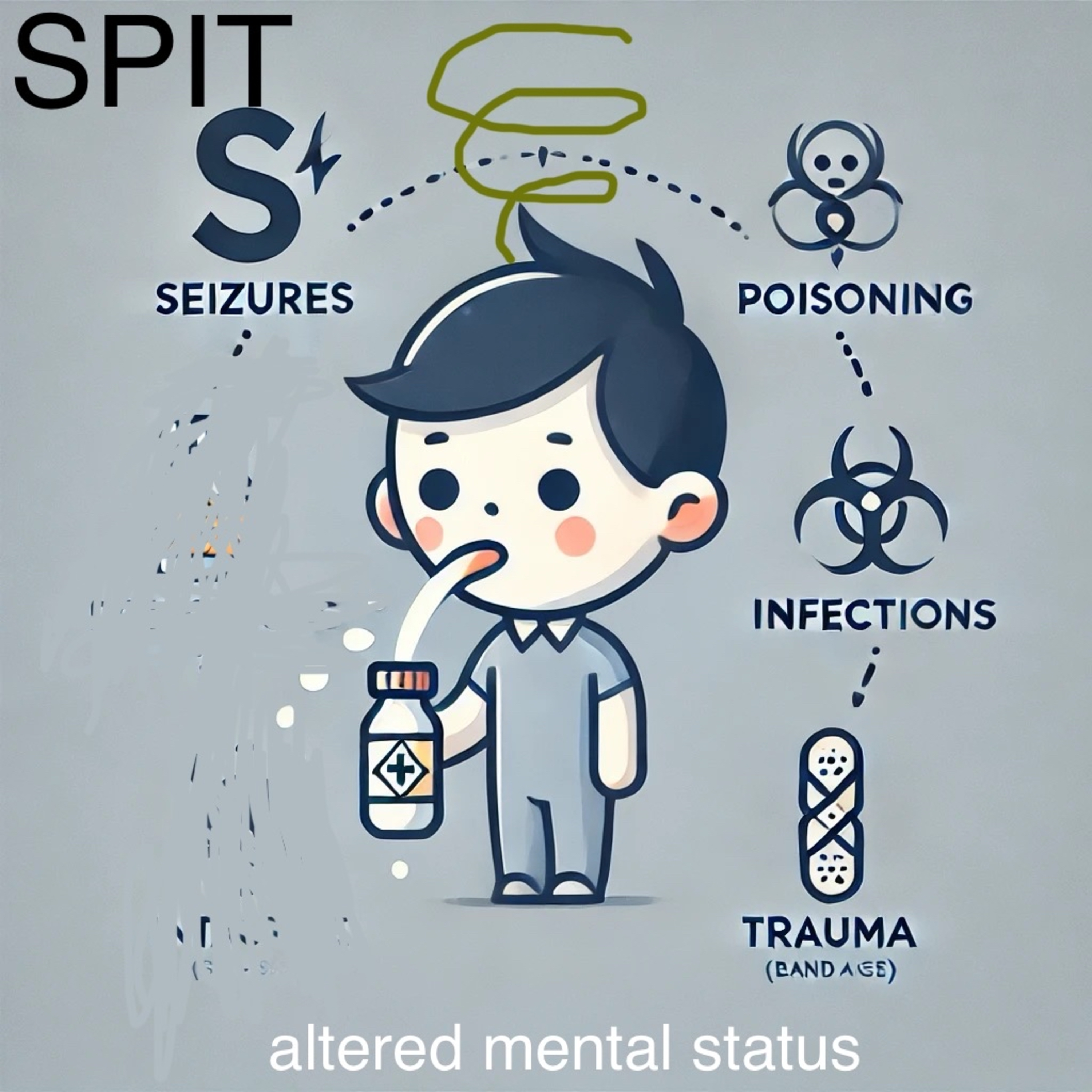
SPIT: pediatric altered mental status mnemonic (ancient healing spittle is all you need)
The **SPIT** mnemonic is used to help remember common causes of **altered mental status in children**. Here's what each letter stands for:- **S**eizures: Includes both febrile and non-febrile seizures that can cause confusion or unconsciousness.- **P**oisoning: Exposure to toxins or ingestion of substances like medications, household chemicals, or recreational drugs.- **I**nfections: Infections su

IMPACTS: timeout mnemonic pre-procedure (your smooth professional timeout impacts everything)
Procedure Timeout Mnemonic: This mnemonic covers the key elements to verify before starting, ensuring patient safety and team communication. Here's what **IMPACTS** stands for:1. **I – Identify**: - **Verify the Patient's Identity**: Confirm the patient's full name, date of birth, and medical record number using their wristband and verbally with the patient if possible.2. **M – Match the Procedure
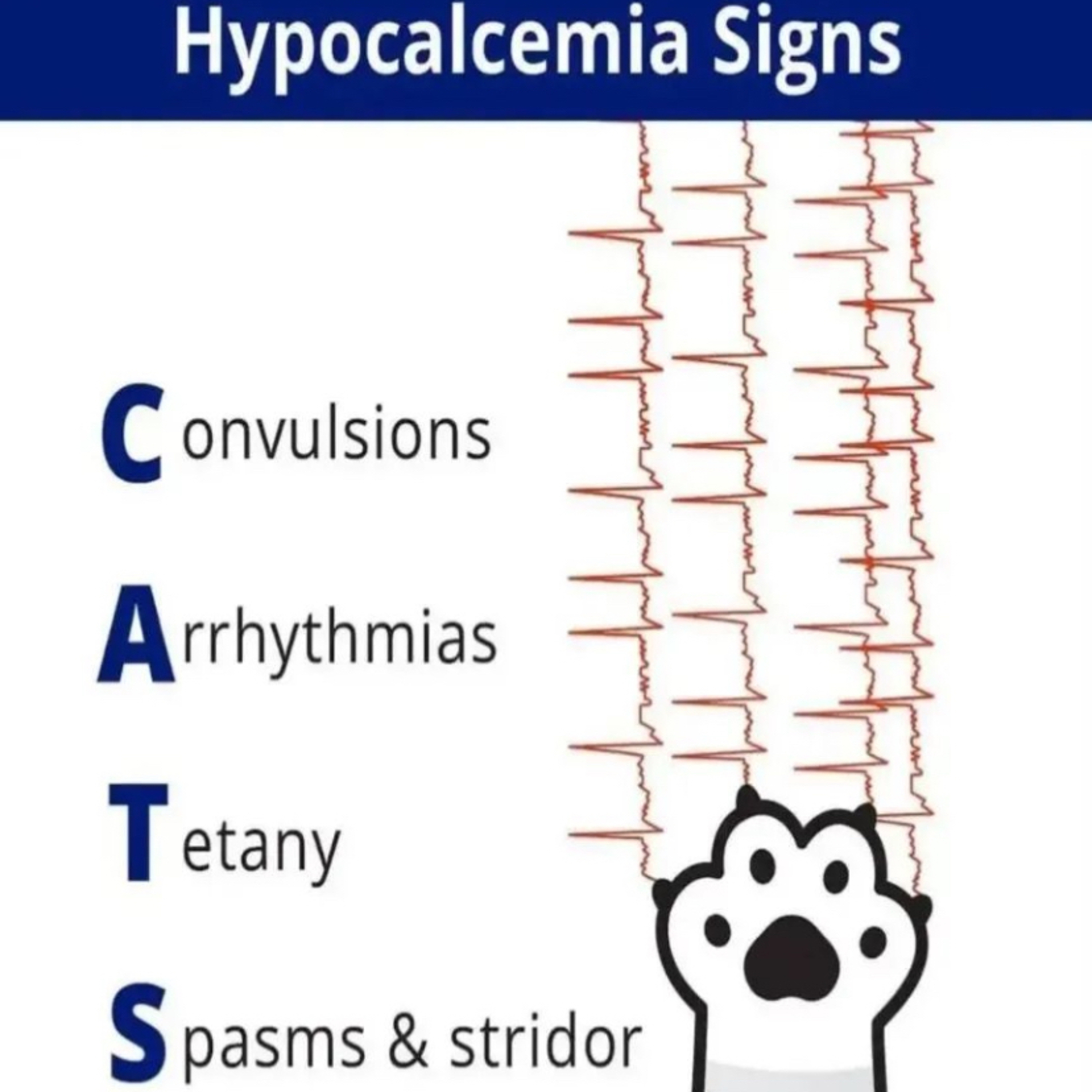
CATS Hypocalcemia Signs and EKG mnemonic (Southern California cool cats)
This is the CATS mnemonic to remember the signs for hypocalcemia.### **Causes of Hypocalcemia**- **Hypoparathyroidism**: Often due to surgical removal of parathyroid glands.- **Vitamin D deficiency**: Impaired calcium absorption.- **Renal disease**: Reduced conversion of Vitamin D to its active form and poor calcium reabsorption.- **Pancreatitis**: Fat saponification binds calcium.- **Hypomagnesem
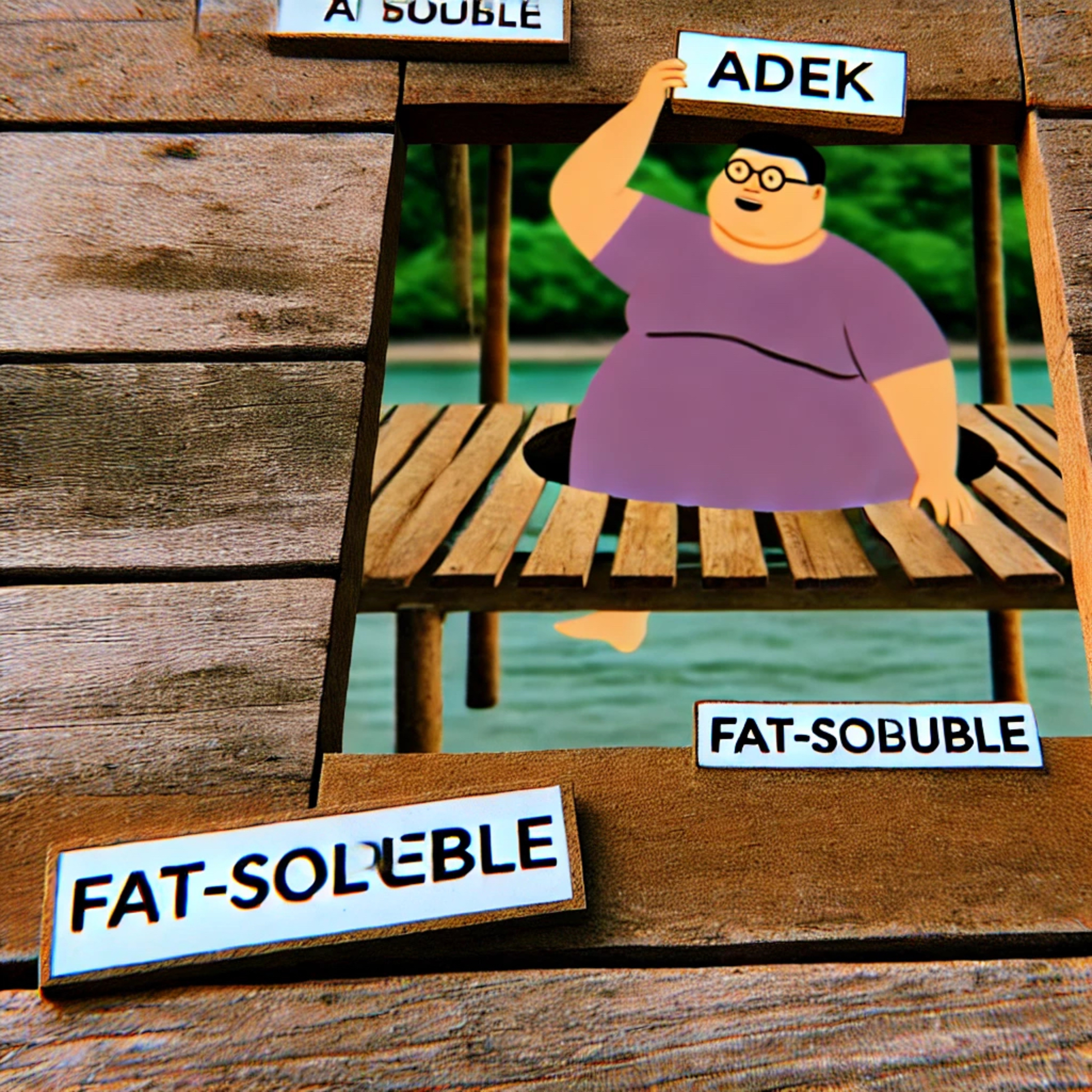
ADEK: fat soluble vitamins mnemonic
In emergency medicine education, understanding the fat-soluble vitamins A, D, E, and K (ADEK) is important because they play crucial roles in the body, and both their deficiency and toxicity can have serious health consequences. Here's a breakdown:### Vitamin A:- **Function**: Important for vision, immune function, and skin health.- **Deficiency**: Can lead to night blindness, dry eyes, and increa

TORCH: ol’ VPs (old vice presidents) congenital infections mnemonic
TORCH: ol’ VPs
congenital infections mnemonic
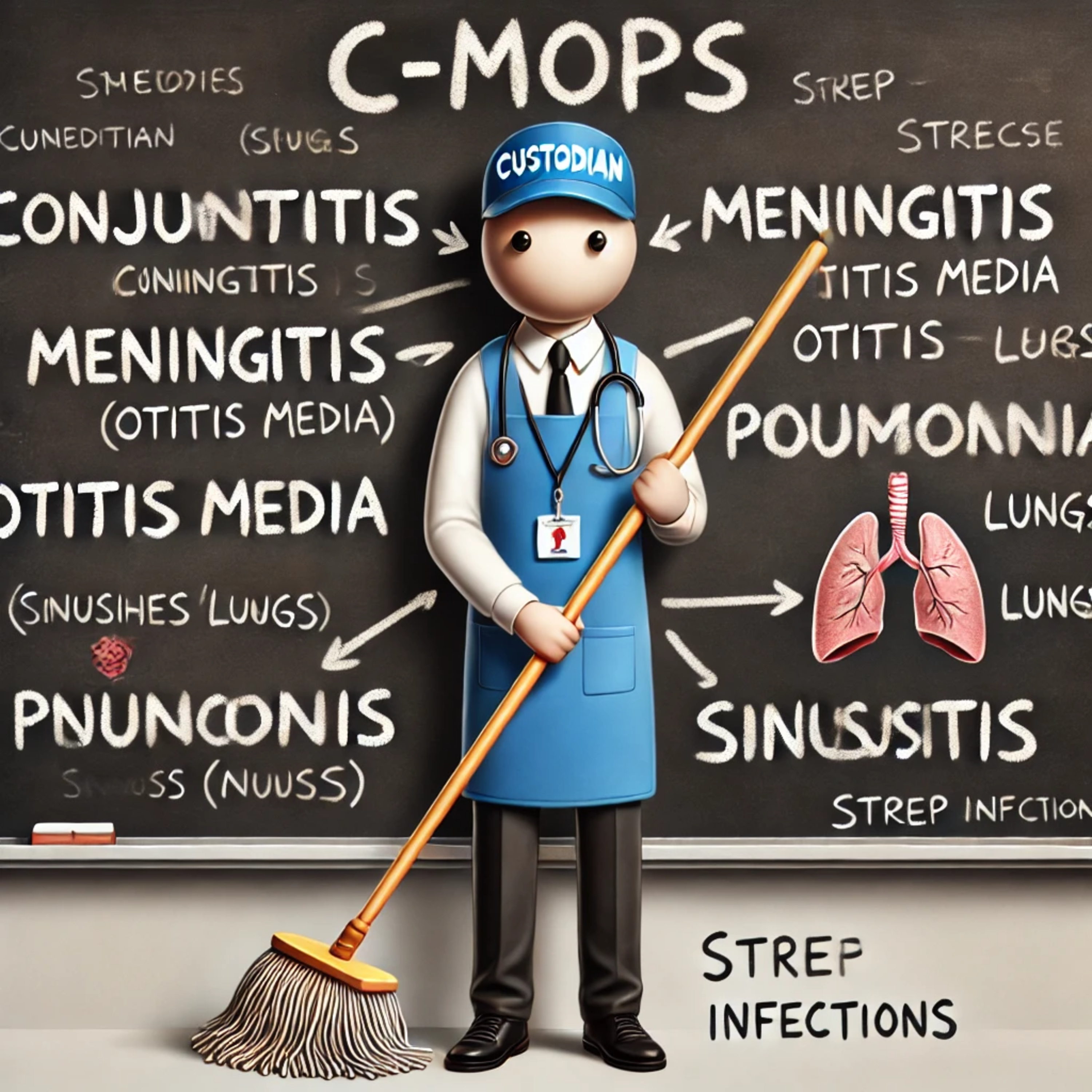
C-MOPS: Strep Infections (custodian mops) mnemonic for Streptococcus common pathology
The C-MOPS mnemonic represents conjunctivitis, meningitis, otitis media, pneumonia and sinusitis.
Streptococcus pneumoniae classically causes rusty colored sputum, which can help identify the pathogen.
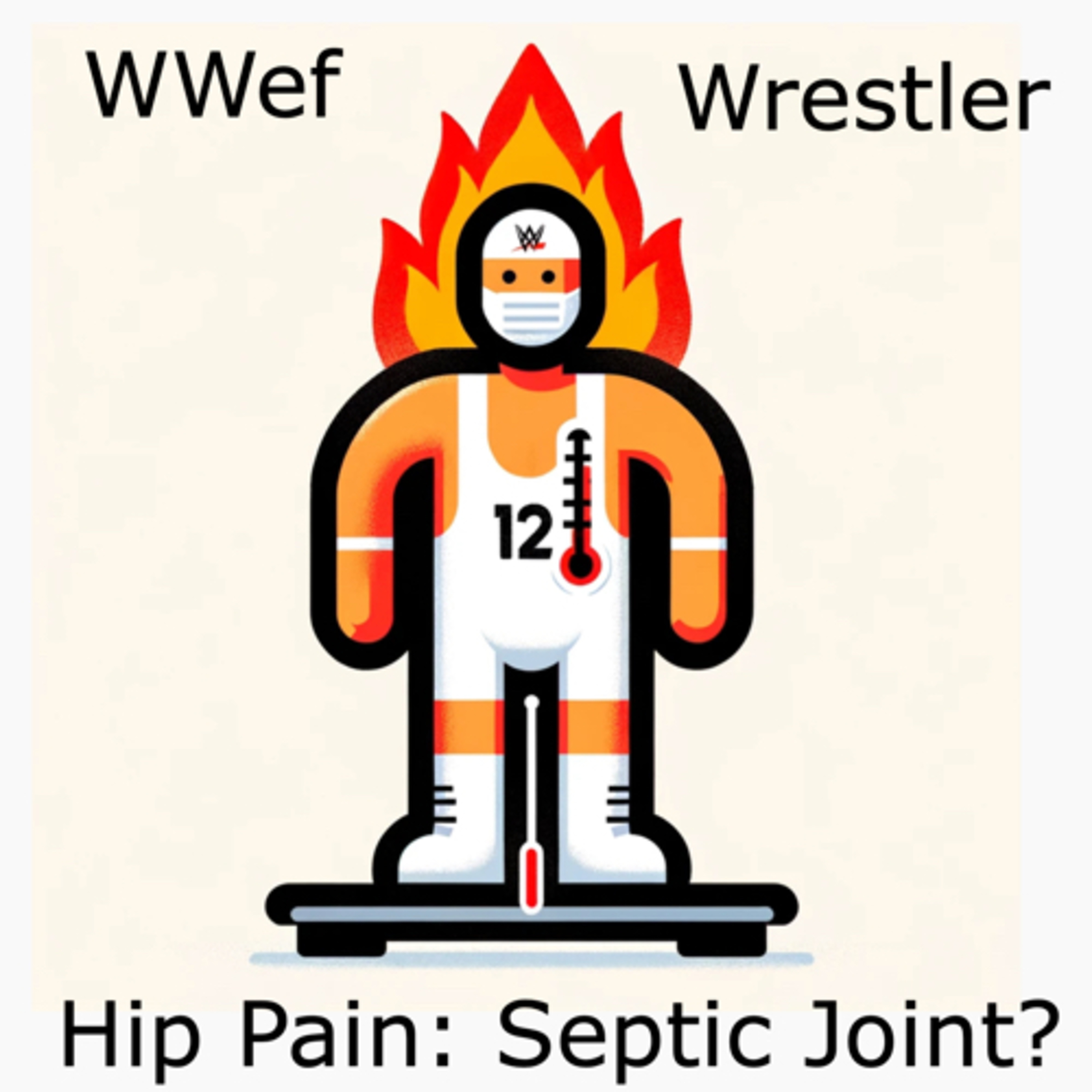
Kocher criteria: WWef septic hip VS transient synovitis
Think of a WWF player getting hit by a Coke bottle in the hip. WWef
- Weight bearing issues
- WBC >12
- ESR >40
- Fever >38.5
Score of 1 = 3%, 2=40%, 90+ for 3 and 4
ALSO, REMEMBER TO GET A CRP!
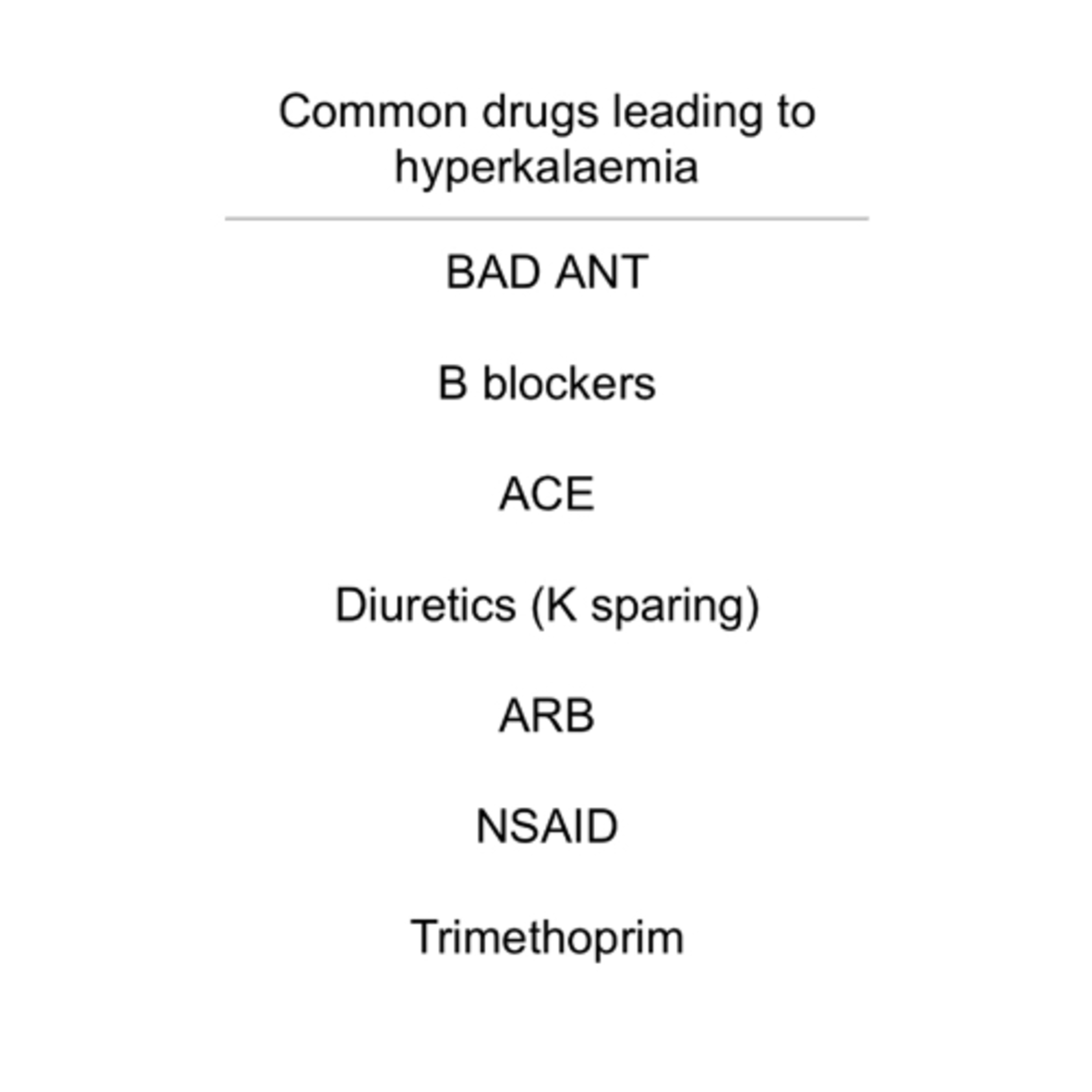
BAD ANT: Drugs leading to hyperkalaemia
B blockers
ACE
Diuretics (K sparing)
ARB
NSAID
Trimethoprim
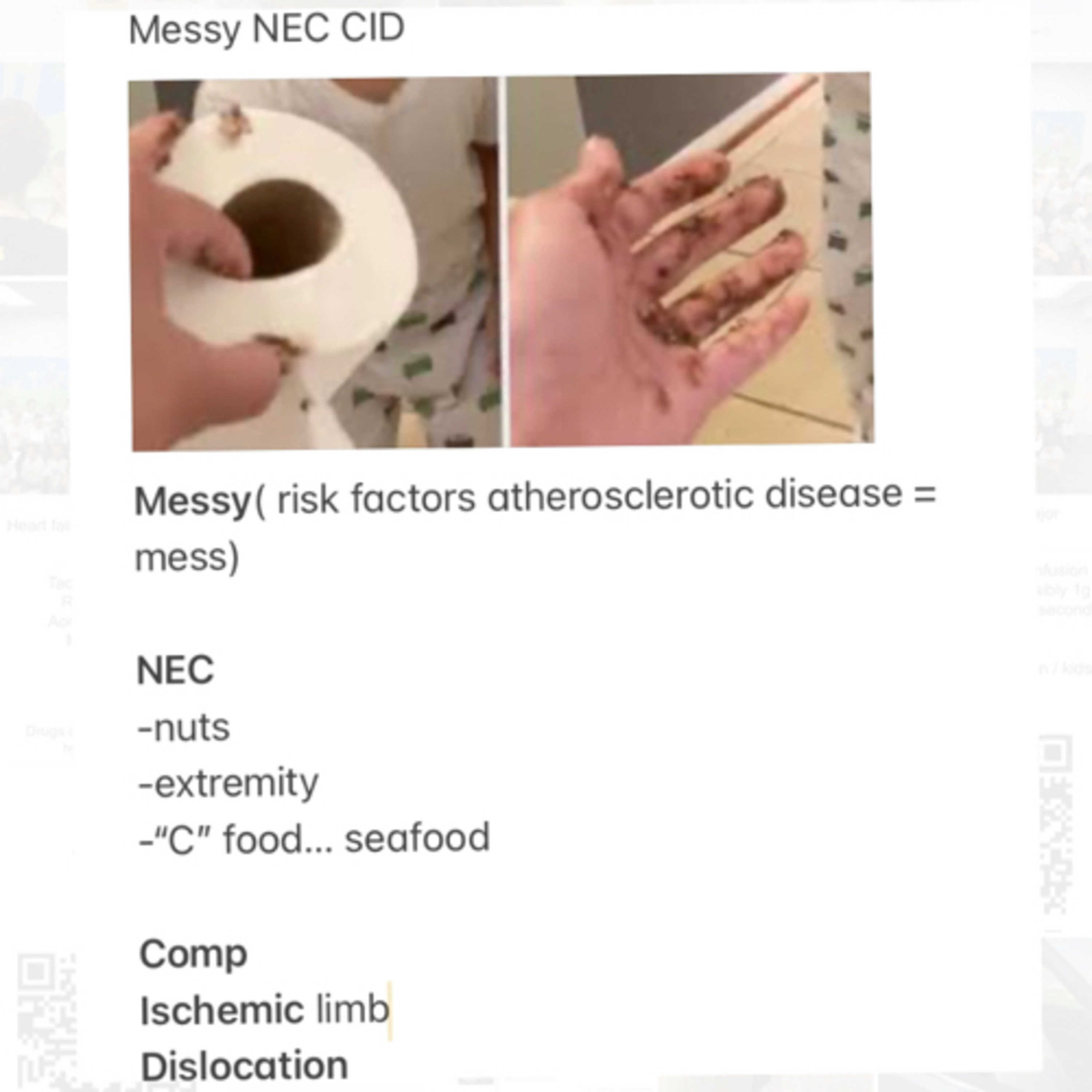
Pain Out Of Proportion: Messy Neck Kid (Messy NEC CID) remember the poop prank
Remember the IG poop toilet paper exchange prank…kids got pain way out of proportion screaming & running to the sink.
Imagine wiping peanut butter on the kids neck….
Messy NEC CID
Messy( risk factors atherosclerotic disease = mess)
NEC
-nuts
-extremity
-“C” food… seafood
Comp
Ischemic limb
Dislocation
1. Mesenteric Ischemia:
- Vascular occlusive emergency
- Varied presentation, includi
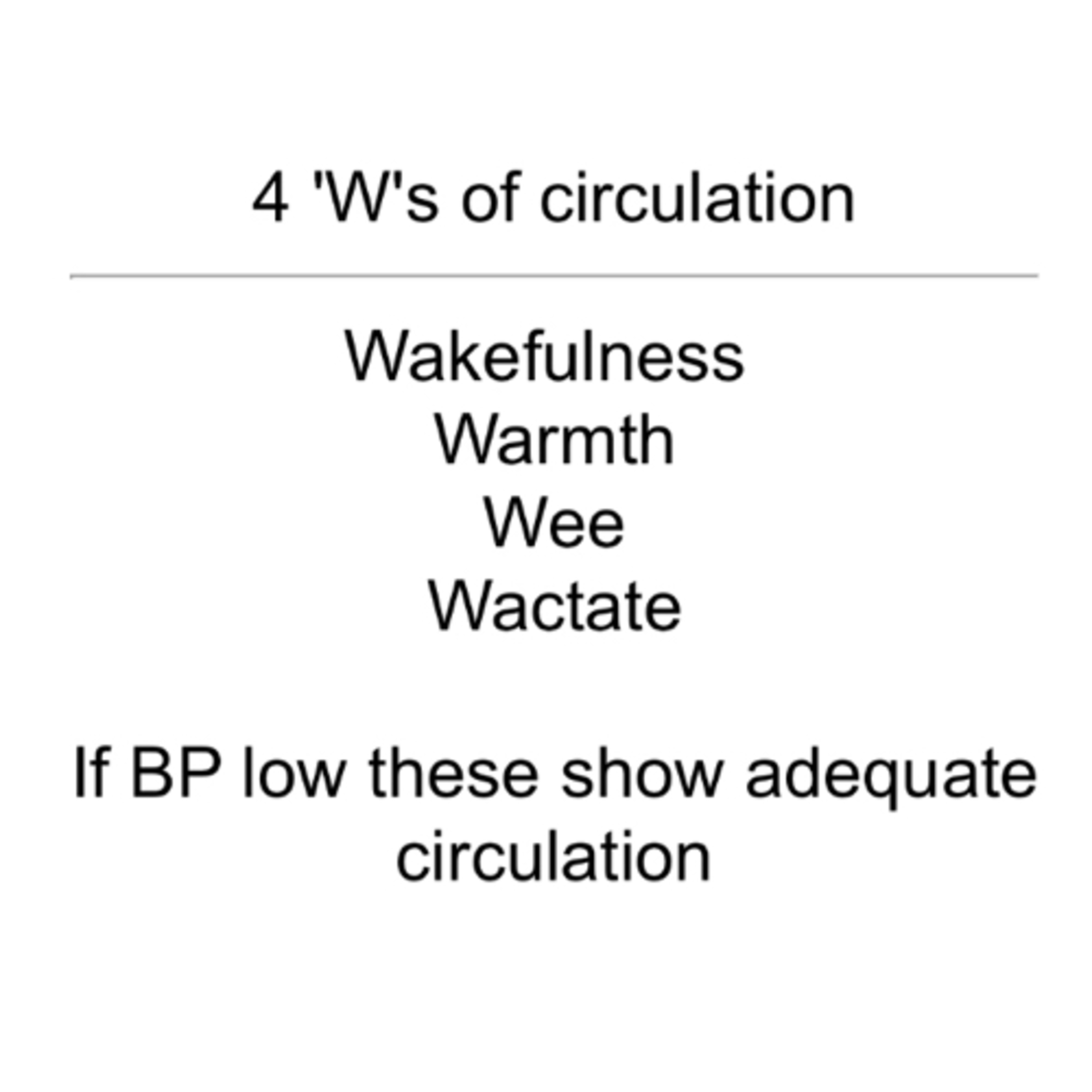
4 'W's of circulation
Wakefulness
Warmth
Wee
Wactate
If BP low these show adequate circulation

GCS Score: MAJOR TOM SONG coma score EVM mnemonic
My absolute favorite podcast of all time!
Classification of brain injury via GCS:
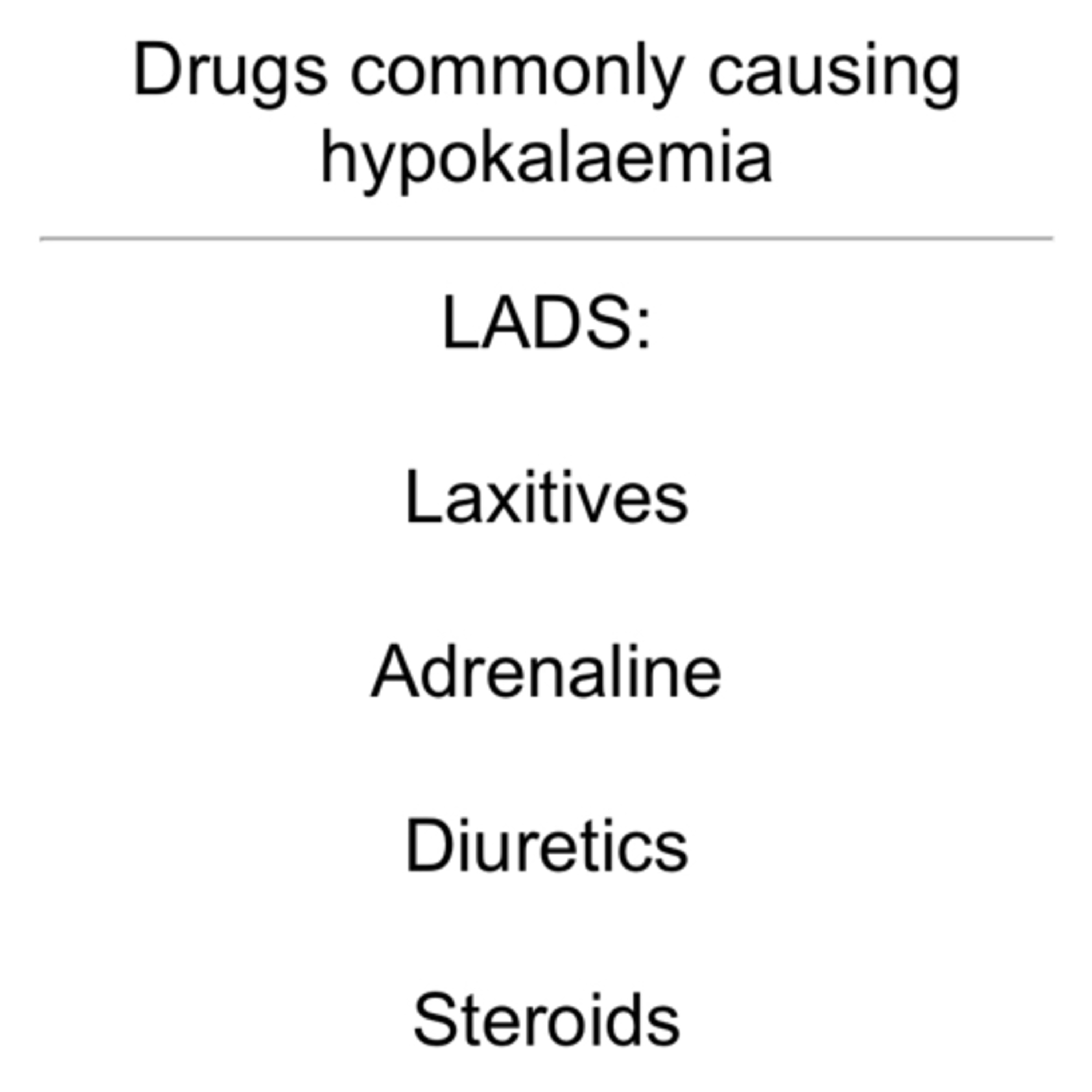
LADS: Drugs that cause hypokalaemia
LADS:
Laxitives
Adrenaline
Diuretics
Steroids
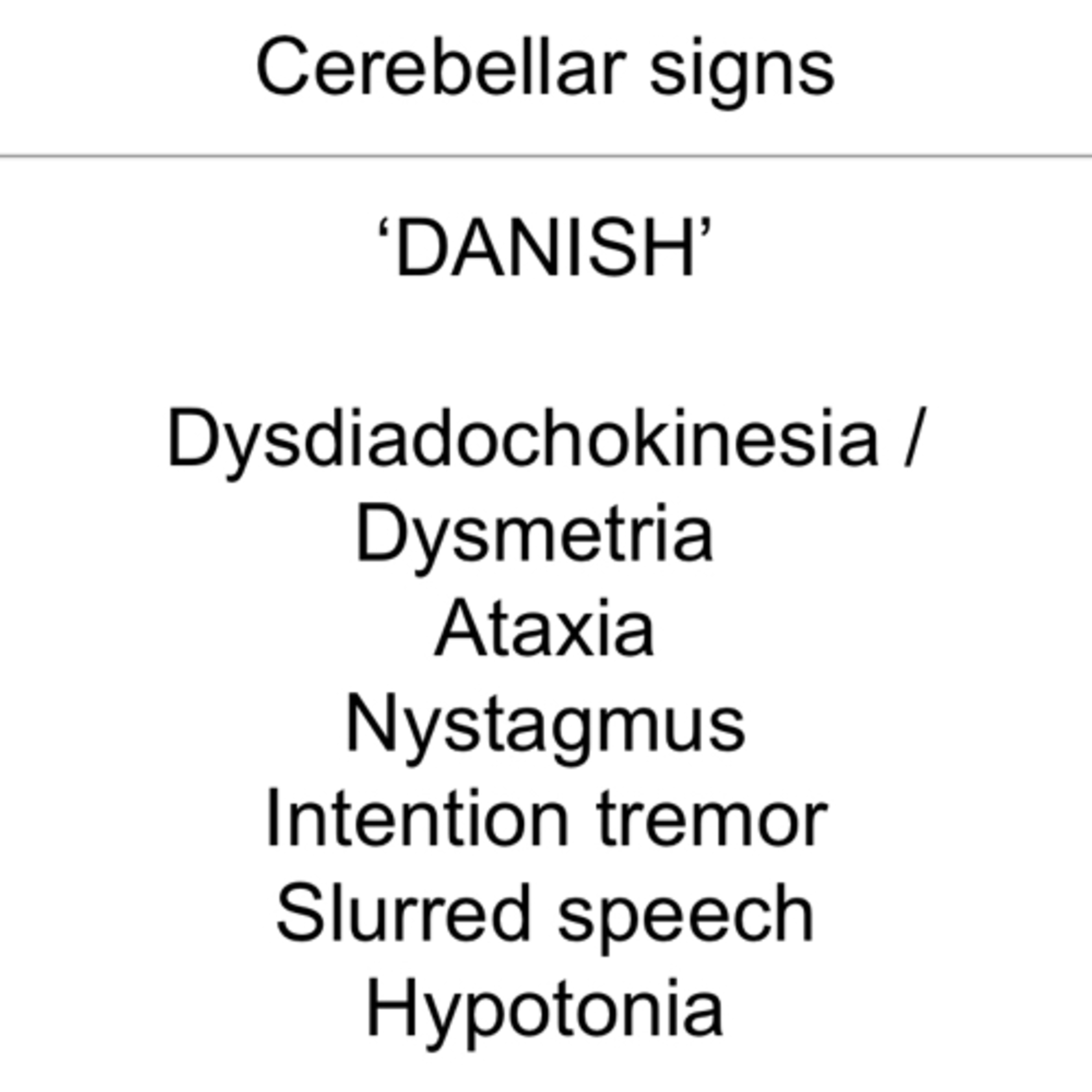
DANISH: Cerebellar signs
Dysdiadochokinesia / Dysmetria
Ataxia
Nystagmus
Intention tremor
Slurred speech
Hypotonia
Dysdiadochokinesia, also known as adiadochokinesia, is the medical term for the inability to perform rapid, alternating muscle movements. The term comes from the Greek words dys, meaning "bad", diadochos, meaning "working in turn", and kinesis, meaning "movement".
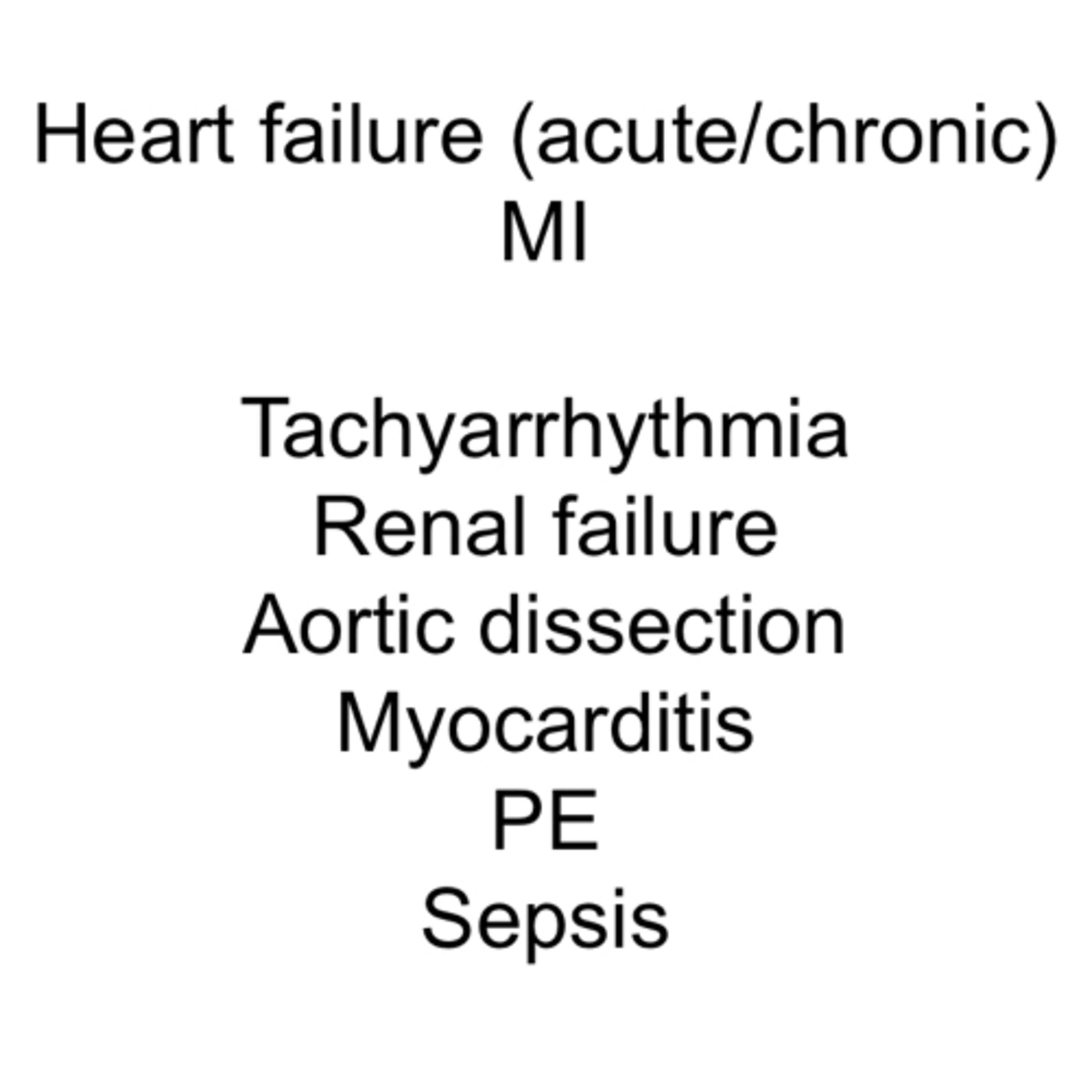
HM TRAMPS: Elevated Troponin 8 Causes
Heart failure (acute/chronic)
MI
Tachyarrhythmia
Renal failure
Aortic dissection
Myocarditis
PE
Sepsis
(think of homeless coming in claiming chest pain)
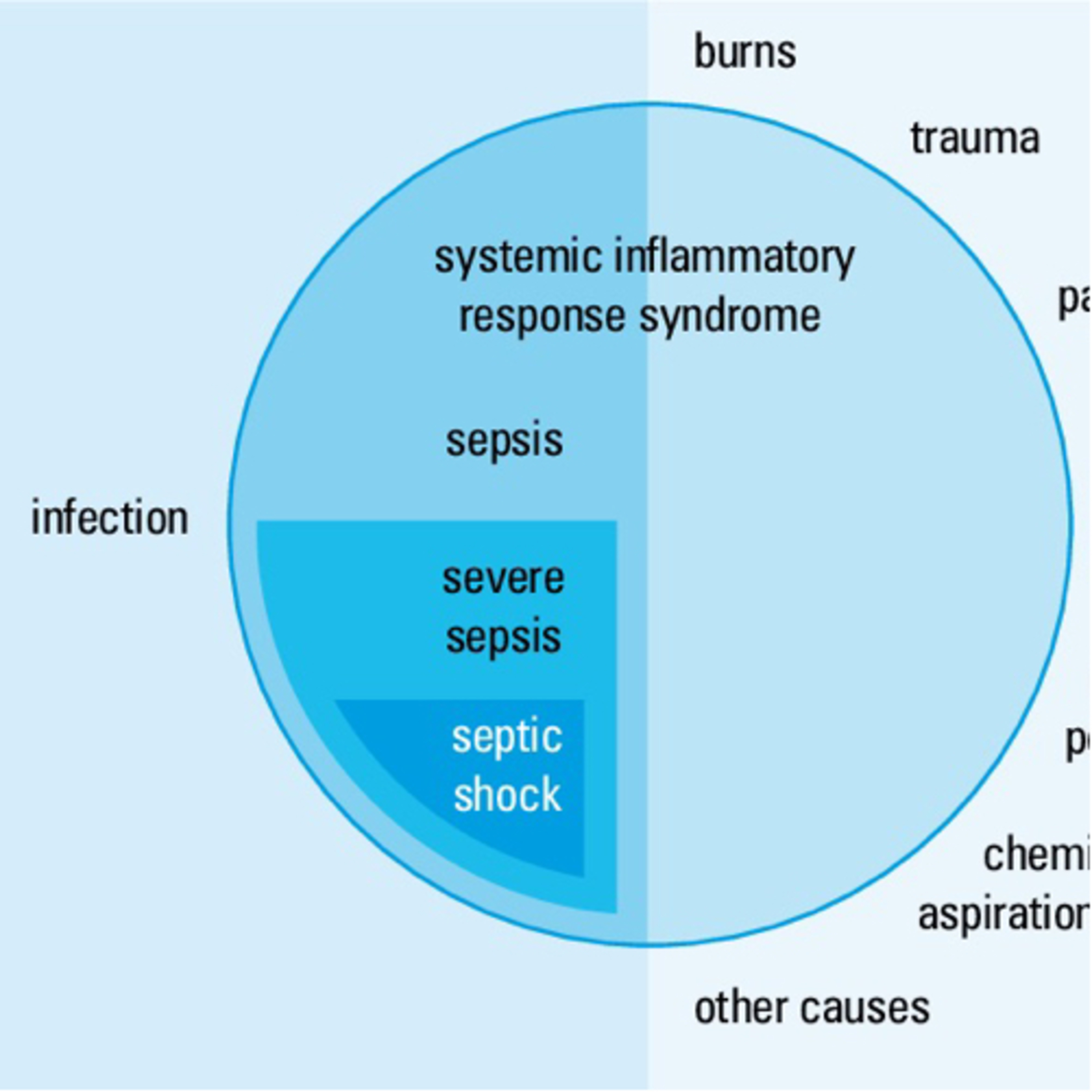
SEPSIS Mnemonic
SEPSIS Mnemonic
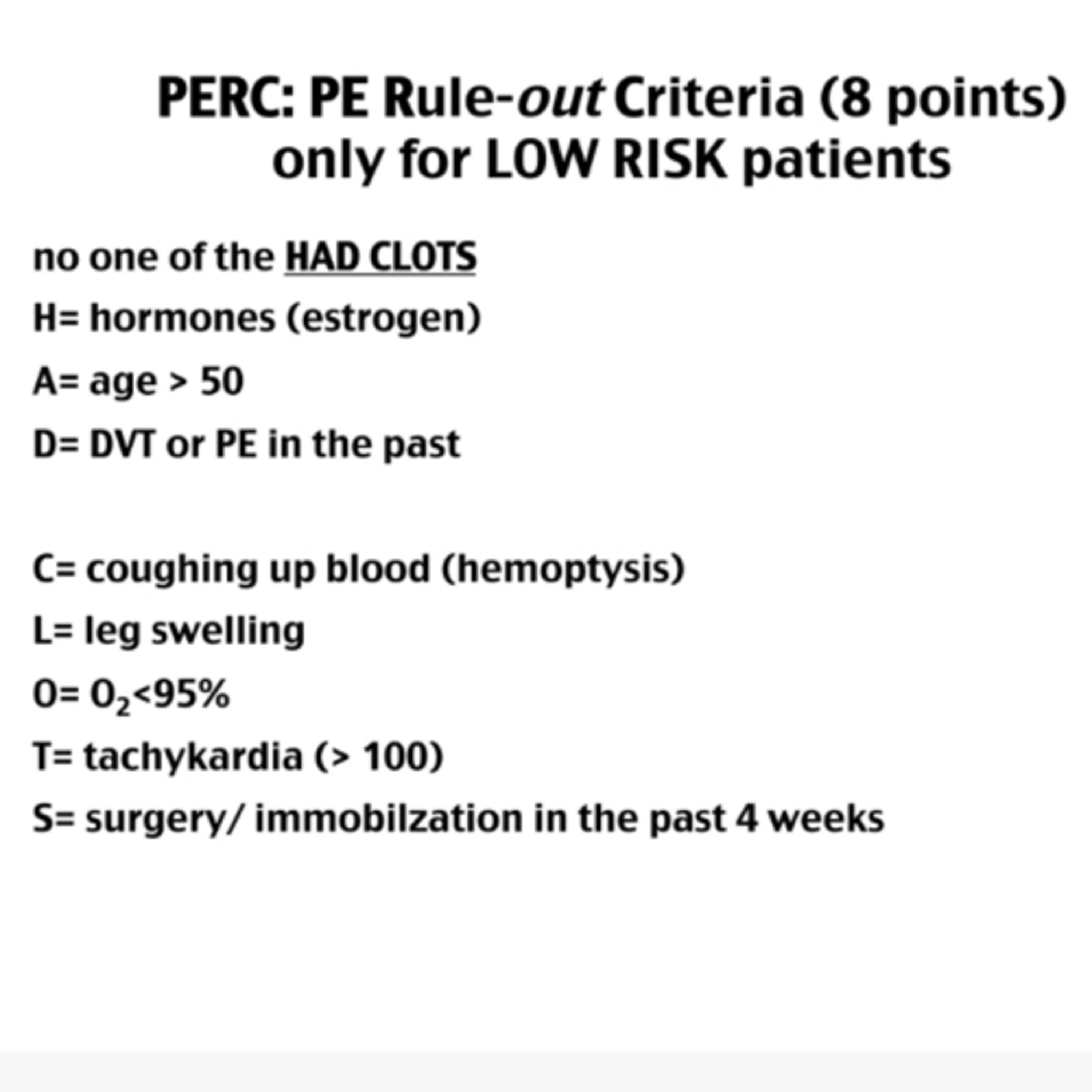
PERC Score: HAD CLOTS mnemonic for pulmonary embolism rule out criteria
The PERC (Pulmonary Embolism Rule-out Criteria) Rule is a "rule-out" tool – all variables must receive a "no" to be negative.

Headache: Deadly Differentials & Red Flags
Headache: Deadly Differentials & Red Flags
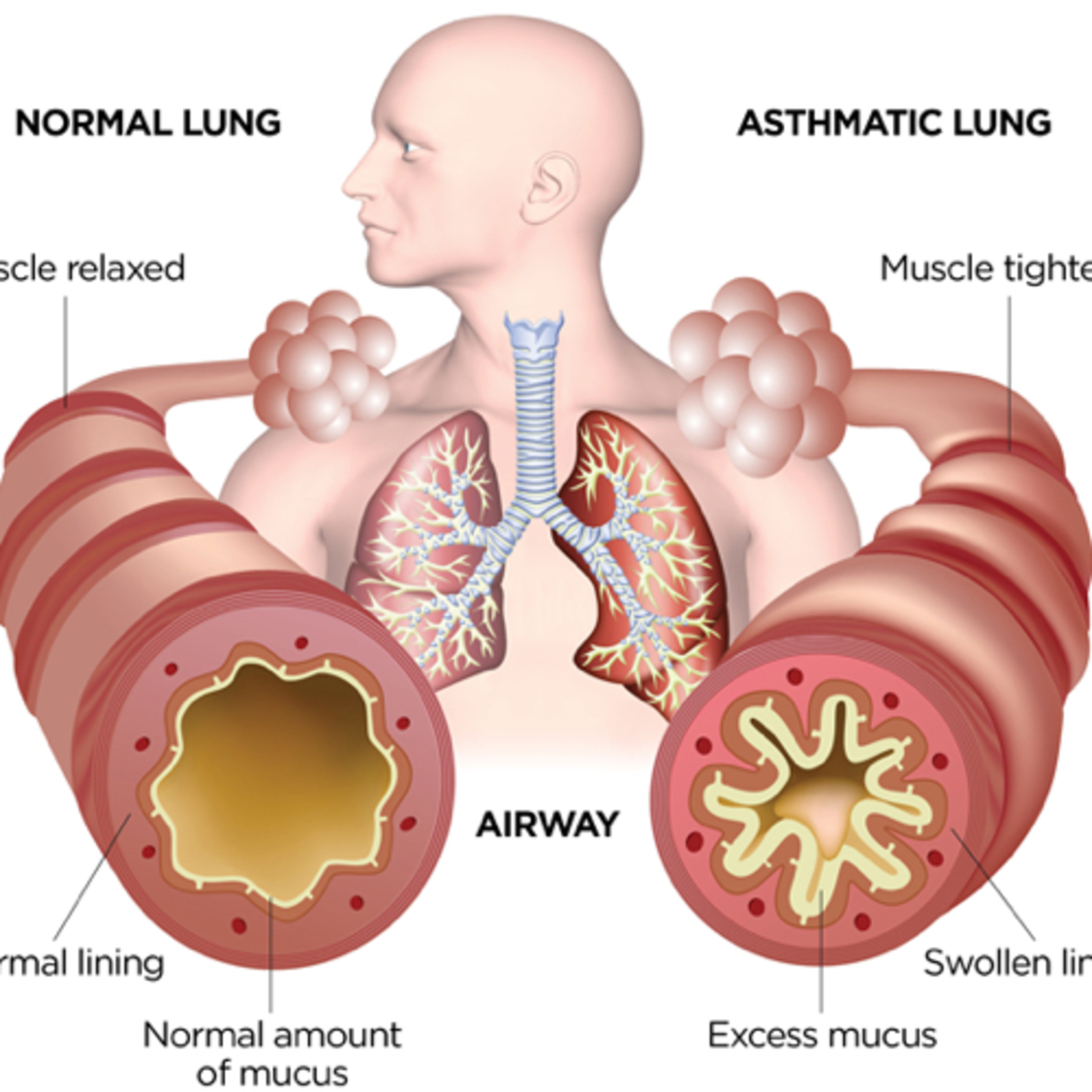
Asthma & Croup Quiz: basic meds knowledge
Asthma & Croup Quiz: basic meds knowledge for educational purposes only!
Normal Lab Values Mnemonic: CMP, CBC, ABG, Coags
Normal Lab Values Mnemonic: CMP, CBC, ABG, Coags

BMP Fishbone: Normal Lab Values Mnemonic
Remember the Chem7 by the mnemonic: Salty Bun (Na/Cl, BUN), Pot of Hot Coffee, Cream (K, HCO3, Cr), and Sugar (glucose)
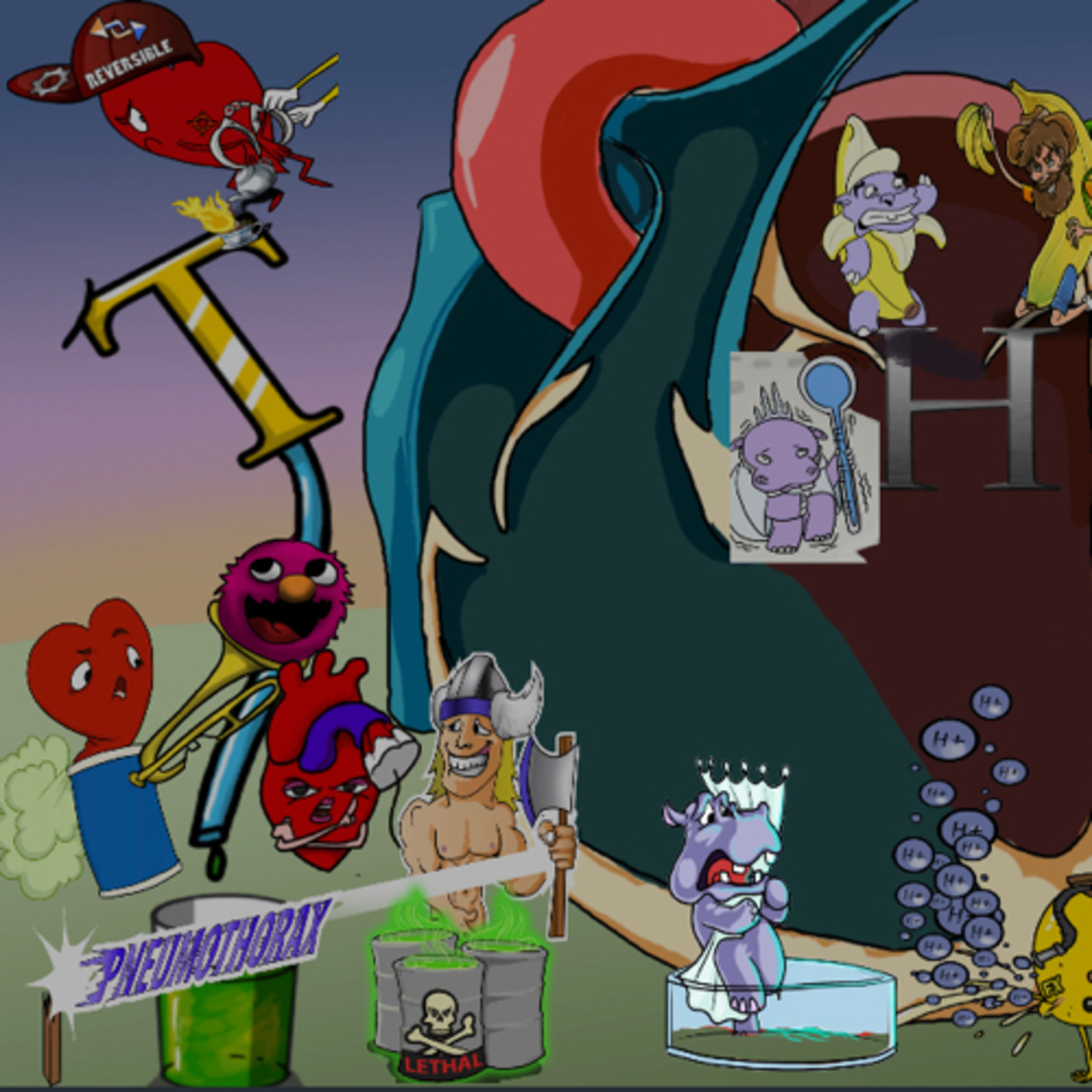
Hs And Ts: Reversible Cardiac Arrest
Hippo and Thor. That’s all you need to remember the reversible causes of cardiac arrest.
STROKE ALGORITHM: Last Known Normal
Shout out to Dr Jared Ross for laying the foundation knowledge for this episode about Stroke.
EKG Flowchart: Is there a P Wave
EKG Flowchart: Is there a P Wave
ACLS Basic Basic Basic framework
On a piece of paper, draw three lines horizontally to divide four unique approaches to ACLS: Shockable, unshockable, bradycardia, tachycardia.
Of course, the entire paper represents CPR. These four unique approaches are how to handle the electrical and chemical aspects. You’ve got this!

The 6-Ps of Dyspnea: Critical Pulmonary Differential
The 6-Ps of Dyspnea: Critical Pulmonary Differential
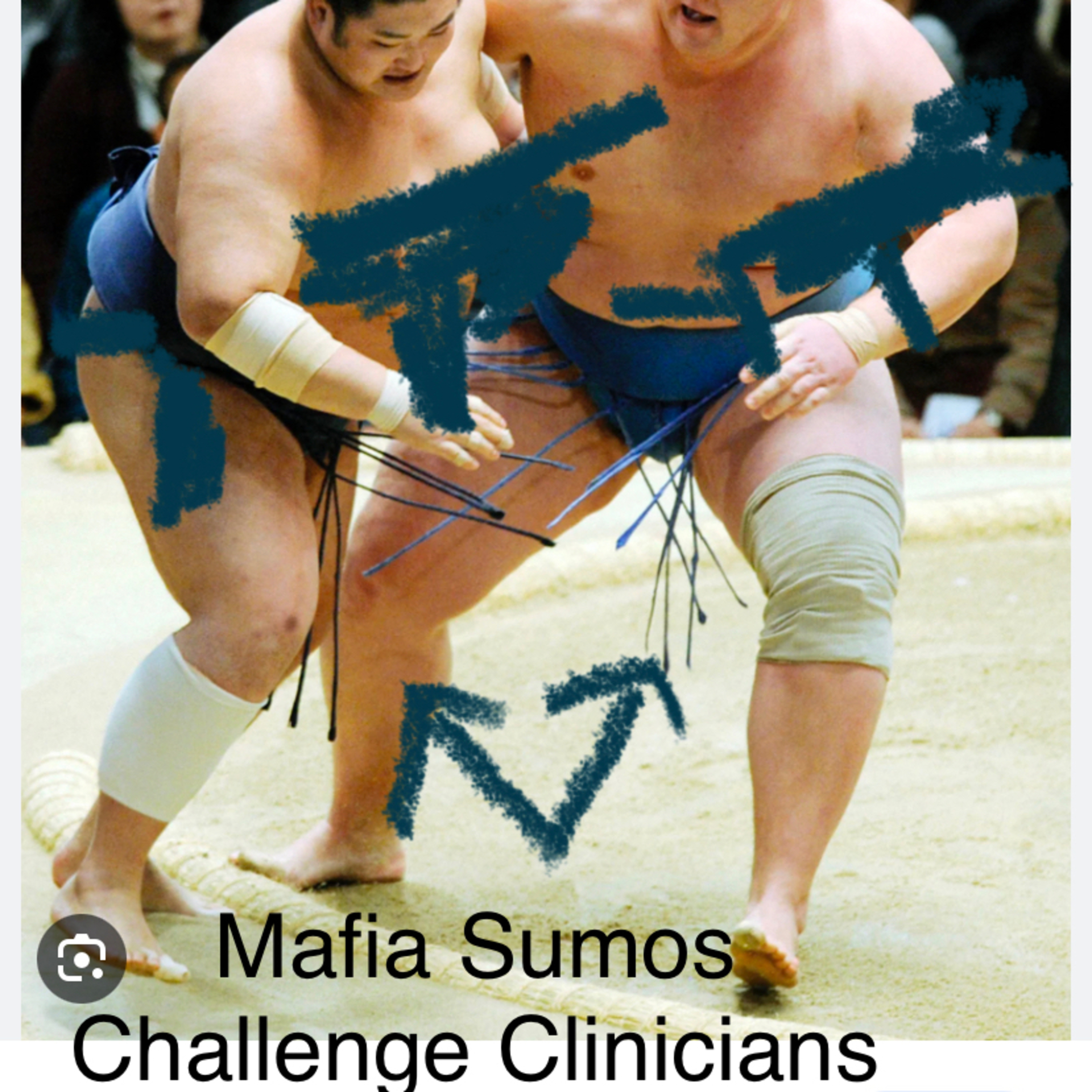
Mafia PCC: pseudomonas antibiotics (a.k.a. shoe-domonas)
Antibiotics that cover pseudomonas:
Meropenem, aztreonam, fluoroquinolones (not moxi), Imipenem, aminoglycosides, pip/tazo, cefepime, ceftazidime.
If there is a puncture wound through the foot, you want to ask if they have worn shoes because if so, you need to cover for pseudomonas.
NSAID Nexus criteria: rule out need for c spine imaging
NSAID Nexus criteria: rule out need for c spine imaging
DKA the 8 I etiologies: I Dont Know Anything
DKA the 8 I etiologies: I Dont Know Anything
TAPPED: 6 Chest Pain Deadly Differentials
The mnemonic can be remembered by ED doctor overwhelmed by so many patients when a chest pain comes in…think “oh man, I’m tapped out”…. Or think TAP P.D.E.: 6 Chest Pain Deadly Differentials.
DOTS: when to suspect a fracture
Oh, this is one of the most simple acronyms on how to suspect a fracture.
Deformity. Open wound. Tenderness/toddlers. Swelling.
Emergency medicine is about ruling out the bad stuff and this mnemonic can help you remember to get an x-ray.
FAILURE: CHF Exacerbation Causes
FAILURE: These are the quick recall potential etiologies of congestive heart failure exacerbations. If you can sit with the discomfort of the silence until you’re able to answer the questions, you will know that you can easily and quickly recall this knowledge comfortably in the moment you need it. Then, ask yourself: do I need to check a thyroid function? Is this patient non-compliant with medica
AEIOU TIPS: Altered Mental Status
AEIOU TIPS: Altered Mental Status broad differential. Sit with the discomfort of this episode to master 17 broad differentials for AMS.
Syncope: Is it Cardiac? 3 Main Categories
Syncope: Cardiac, hypovolemic, Neuro
Most important to establish from the history is “was there a prodrome?”
Tachy Epsilon: Cardiac Syncope EKG findings
Tachy Epsilon: Cardiac Syncope EKG findings.
Tacky, epsilon, prolongs delta with 2 to 3 daggers in saddle.
If there is a syncopal episode, please don’t be the provider who merely states NO STEMI… The standard of care is to evaluate the EKG for more than just myocardial infarction as the cause of a syncopal episode. Go above and beyond the standard of care to at least consider the 7 cardiac EKG fin
Ive Fallen: Falls (possible causes)
I’ve Fallen: Falls (possible causes)
10 S’: Focal-neurologic Deficits Differential
10 S’ Focal-neurologic Deficits Differential. Easy hand mnemonic for quick recall.
THROMBOSIS: Risk Factors for Pulmonary Embolism
THROMBOSIS: Risk Factors for Pulmonary Embolism
Emergency Medicine Mnemonics (Trailer)
Recommended
Talk About Talk - Executive & Leadership Communication Skills

English with Olivia | Slow Conversations & Vocabulary

Stand In The Circle

SLOW ENGLISH PODCAST (A1-A2) With Subtitles | Daily Videos | English With Us Podcast

Learn English A2 with Daily News | Simple English Listening Practice

پلی لیست | PlayList

Conspiracy Files with Paige Carter
Bad Friends

Learn 50 English Phrases While You Sleep | Everyday English Phrases & Vocabulary

This Past Weekend w/ Theo Von

Dateline NBC
Back to the 80s Radio
