
Books of Some Substance
The unofficial podcast of literary misfits everywhere who want to engage with books of "substance" (i.e. serious, respected, heavy, philosophical, classic), or at least considered such.
Episodes

115 - To the Lighthouse by Virginia Woolf
What does it mean to make meaning in an indifferent universe? In this episode, we (Nathan and David) are talking Virginia Woolf's 1927 masterpiece To the Lighthouse, a novel where almost nothing "happens" and yet everything does. All of life is here. We talk about Woolf's stream-of-consciousness mastery and her uncanny ability to move between minds; Mrs. Ramsay as the magnetic, self-negating cente
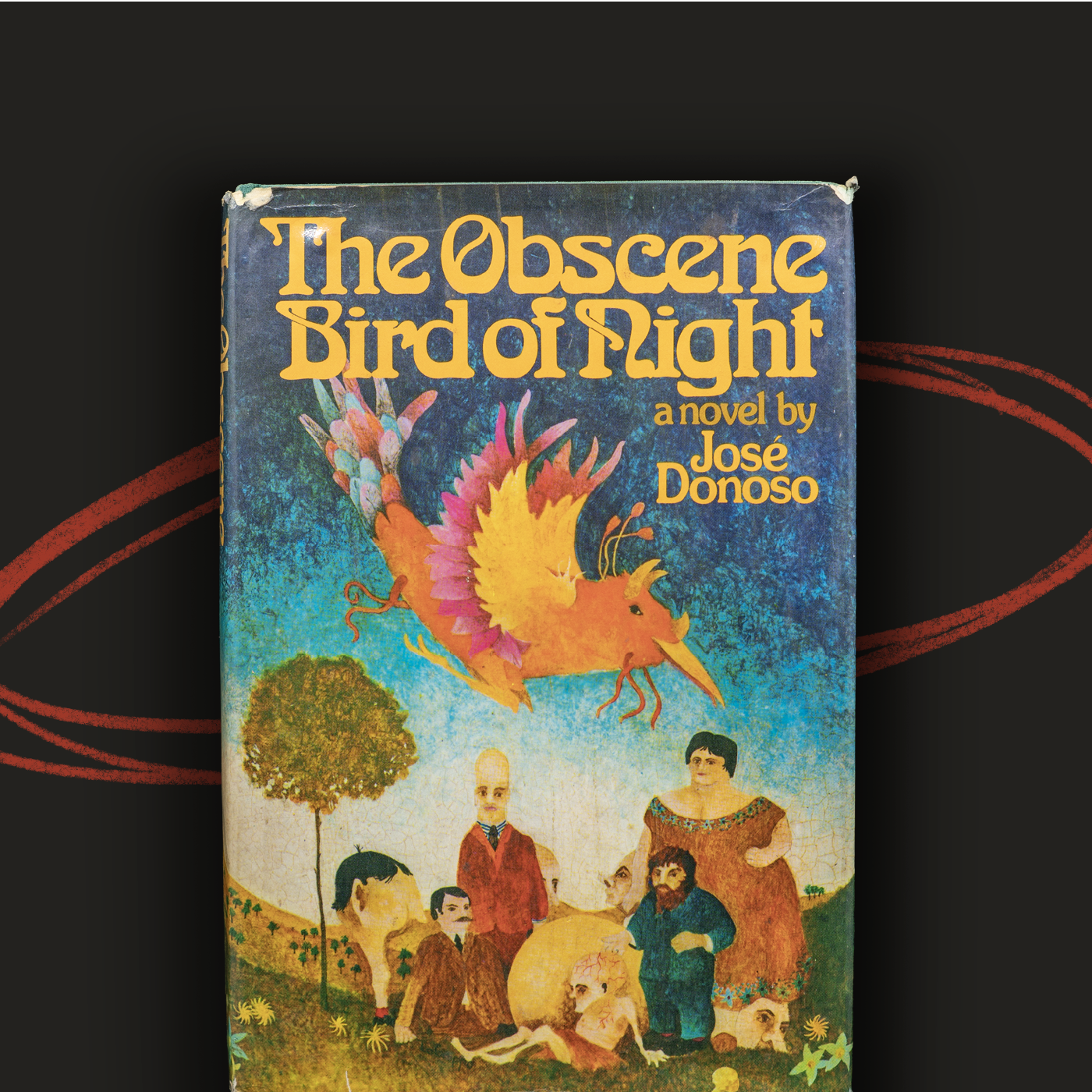
114 - The Obscene Bird of Night by José Donoso
José Donoso's The Obscene Bird of Night is one of the most difficult, disturbing, and rewarding novels in Latin American literature. In this episode, we get into the fractured identities, grotesque transformations, and decaying aristocracy at the heart of this surreal gothic masterpiece. We ask: Why does this book have such a formidable reputation? What's actually happening in those disorienting,
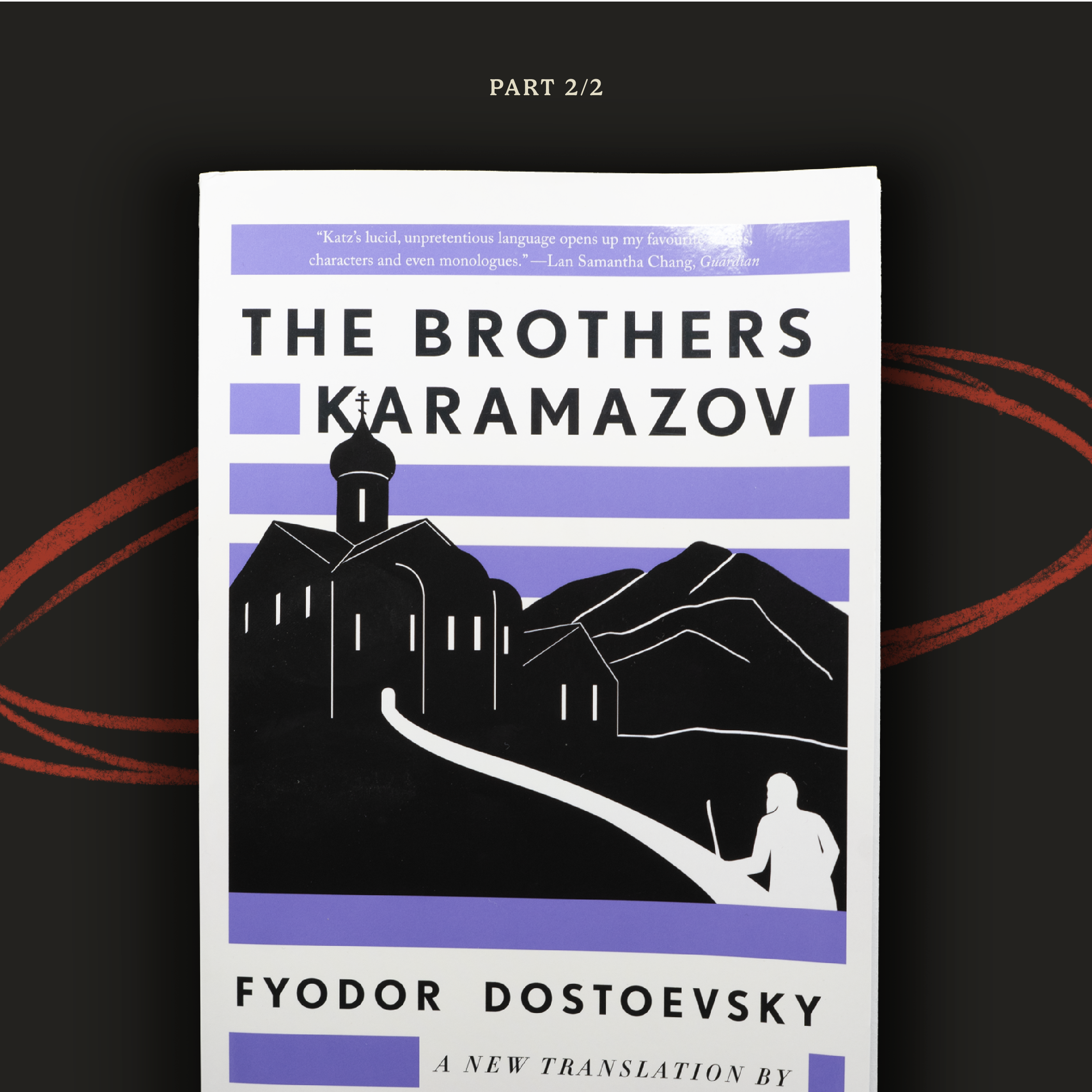
113 - The Brothers Karamazov by Fyodor Dostoevsky (2 of 2)
Murder, faith, redemption, justice, morality, and a reckoning with one's beliefs about the world! This is The Brothers Karamazov by Fyodor Dostoevsky. In this episode of the Books of Some Substance podcast, we (Nathan Sharp and David Southard) discuss the second half of the novel, looking at the novel's interplay of belief systems and reality, moral questions, and philosophical insights. We cover
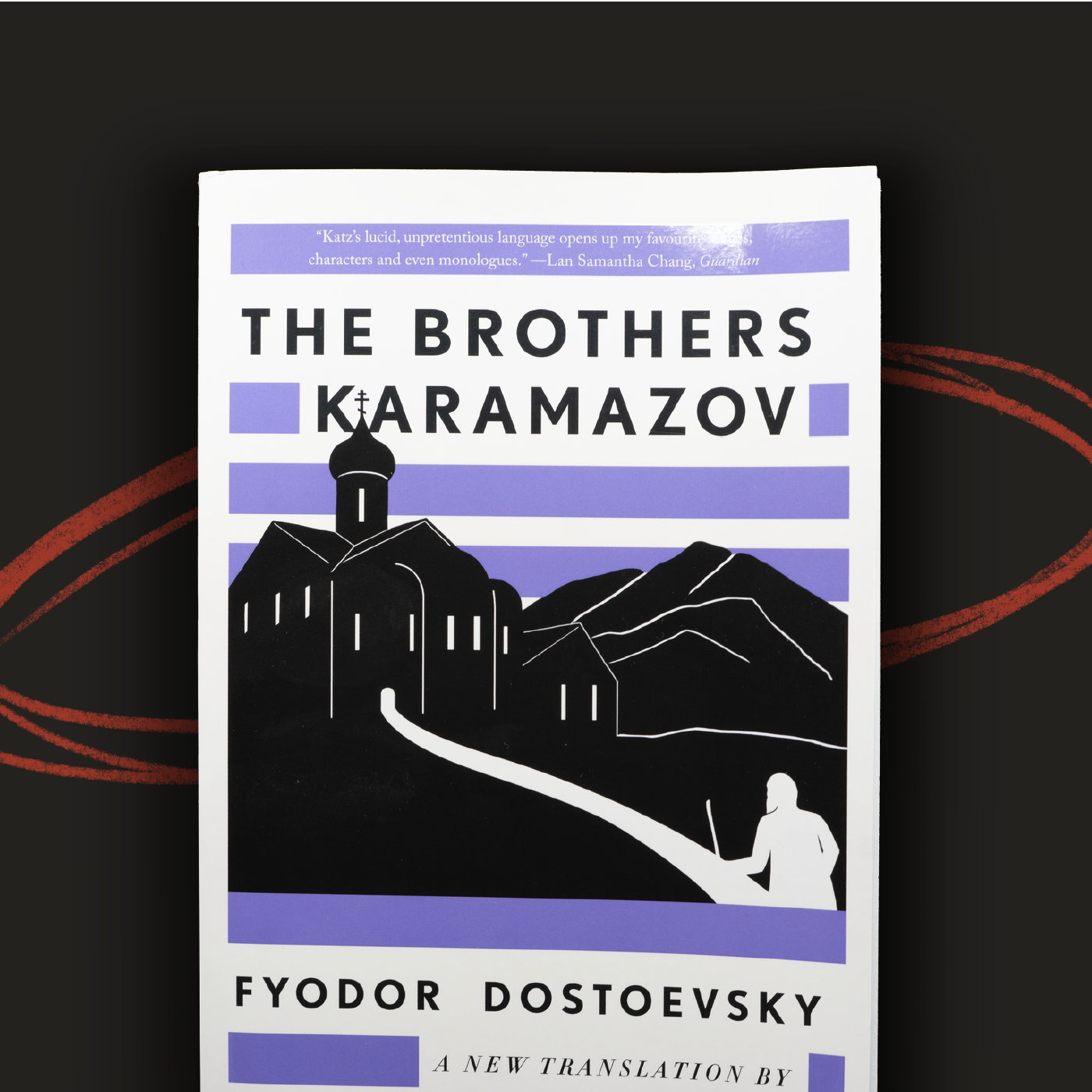
112 - The Brothers Karamazov by Fyodor Dostoevsky (1 of 2)
In this episode of The Books of Some Substance podcast, Nathan and David get into the first half of Fyodor Dostoevsky's masterpiece, The Brothers Karamazov (Books 1-6; Parts 1 and 2). From the novel's dense, philosophical style and its stark contrast to modern life, to deep dives into themes like love, free will, human suffering, redemption, and the role of faith in a crumbling society, Nathan and
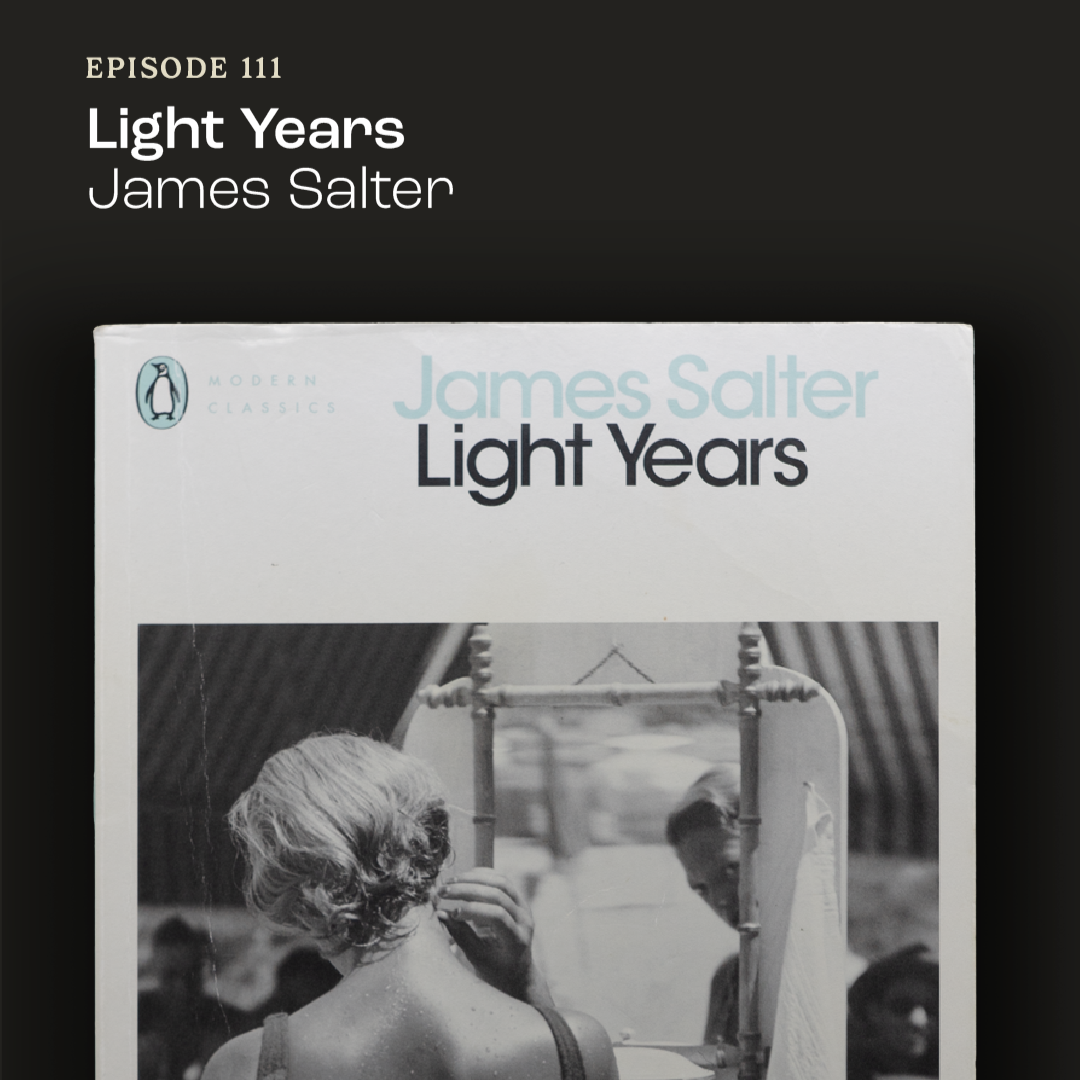
111 - Light Years by James Salter
In this episode of the Books of Some Substance podcast, hosts Nathan Sharp and David Southard reunite with our old friend Eric Heiman (whose life and experiences connect closely to the novel on this episode) to discuss the intricate and poignant novel Light Years by James Salter. We get into the unique lyrical and unadorned narrative style of the book, the mysteries of life, the contrast between

110 - One Hundred Years of Solitude by Gabriel Garcia Marquez
Exploring 'One Hundred Years of Solitude' by Gabriel Garcia Marquez. Join hosts David Southard and Nathan Sharp in the Books of Some Substance podcast as they kick off Season 3 with an in-depth discussion on Gabriel Garcia Marquez's seminal Latin American novel, '100 Years of Solitude.' This episode covers the novel's ambitious narrative, magical realism, and deeply complex characters like Jose Ar
Season 3 Books Announcement
Season Three: Family The Books of Some Substance Podcast's third season is underway! David and Nathan are here to announce the season's theme of family and introduce the lineup of books they'll be reading and discussing. The season opens with '100 Years of Solitude' by Gabriel Garcia Marquez, followed by 'Light Years' by James Salter, 'The Brothers Karamazov' by Fyodor Dostoevsky, 'The Obscene Bir

108 - Control, Revisited: Six Novels of Power, Freedom, and Surrender
In this episode, David and Nathan look back over season two, tracing the connections, marking the distinctions, and reframing their understanding/awareness of how control works in each and every book discussed this season. Revisiting: The Hour of the Star by Clarice Lispector, Gravity's Rainbow by Thomas Pynchon, Waiting for the Barbarians by J.M. Coetzee, Malina by Ingeborg Bachmann, The Shelteri

107 - Tropic of Cancer by Henry Miller
In this episode, David and Nathan delve into Henry Miller's controversial and groundbreaking novel "Tropic of Cancer." Published in 1934, this semi-autobiographical work was banned in the US and the UK upon its release due to its explicit content. Despite—and perhaps in part because of—its ban, "Tropic of Cancer" has endured as a provocative and essential piece of literature. Discussed on this

106 - The Sheltering Sky by Paul Bowles
Come explore existential despair, the hell of isolation, and the mad dash into oblivion with Nathan and David. On this episode, your hosts have an in-depth discussion on Paul Bowles' 1949 novel The Sheltering Sky - a novel of stark prose and philosophical depth that follows Port and Kit Moresby, an American couple traveling in post-WWII North Africa. Nathan and David delve into the themes of finit

105 - Malina by Ingeborg Bachmann
Welcome to our episode on the novel Malina by Ingeborg Bachmann. David and Nathan wind their conversation through the disorienting pages of this incredible novel. We explore its unique form and style, ponder its structure, and discuss how these creative decisions add to the overarching sense of strangeness and mystery that permeates the narrative. In this episode, we contemplate and ponder: Is Ma

104 - Waiting for the Barbarians by J.M. Coetzee
Nathan and David continue their exploration of control with Waiting for Barbarians, a 1980 novel by South African writer J.M. Coetzee. Empire! Torture! Manipulation! Control! Quite the book, and quite the episode.

103 - Gravity's Rainbow by Thomas Pynchon (2/2)
Our second episode on Gravity's Rainbow by Thomas Pynchon, and again David is joined by Seth from W.A.S.T.E. Mailing List. Seth is here to nimbly unravel some of the meaning of this insane and insanely good novel, and he does an excellent job. But no matter what they tend to get lost along the way, as any analysis of the book will be "not a disentanglement from, but a progressive knotting into." J

102 - Gravity's Rainbow by Thomas Pynchon (1/2)
In our first of two episodes on Thomas Pynchon's 1973 masterpiece Gravity's Rainbow, David is joined, once again, by Seth from W.A.S.T.E. Mailing List to talk about one of his favorite ways to approach the novel. Seth brings an invaluable depth of knowledge and research to this episode, examining the novel as being primarily about America in the "long 60s," albeit taking place in Europe in the 19

101: The Hour of the Star by Clarice Lispector
Welcome all and sundry to the first episode of Season 2: Control. Join us, David and Nathan, as we start this new season dancing to the beautifully strange rhythms of Clarice Lispector's The Hour of the Star. In between quoting and praising this novella, we discuss narrative techniques, metaphysical implications, symbolic deaths, co-existing interpretations, and a fall from grace. Listen in, tag

Season 2 Books Announcement
With the 100th episode behind us, and with Nick off exploring the world of dance music, David and Nathan have decided to try some new things. We're going into video (as you can see). We're going seasonal. And we will have a new website, logo, slogan, and much more coming soon. Each new episode will come out on the first Wednesday of every month. Season 2 - CONTROL Nov. 1 - THE HOUR OF THE STAR by

100 - End of an Era
On this, our 100th episode, we answered some of your questions from our B.O.S.S. voicemail. Sadly we could not get to them all, but we talked about memory, books worth reading a 1,000 times, and childhood books. Sadly, we also said farewell to our founding father, Nick, who started this whole wild ride of a podcast and book club. He'll be out there, far from the internet, but still reading good b

Special Announcement
Our 100th episode is coming up. And we want you to call in and leave us a message, ask us a question, read a quote, file a complaint, suggest a book, or leave a cool noise (like a ghost or a fart or a ghost fart or something like that...). This episode will also, sadly, be Nick's final episode. Our founding father and the first heavy reader is hanging up the mic for other things. So call and say s
99 - László Krasznahorkai's Baron Wenckheim's Homecoming (Guest: Derek Maine)
On this episode, David is joined by reader and writer Derek Maine to discuss Baron Wenckheim's Homecoming by everyone's favorite pessimistic, long-winded, Hungraian doom master László Krasznahorkai. By everyone, we mean ours. He's a favorite here at BOSS. And we are happy to be joined by Derek Maine, author of CHARACTERS, published by Expat Press in 2022. Join the two of them as they talk fear,

98 - Jon Fosse's Melancholy I-II
David, Eric, and Nick read Jon Fosse's Melancholy I-II, a mid-90s Norwegian novel in two parts that explores the connections between art, death, and the divine. Also discussed in this episode: what exactly is "the divine." For fans of cyclic long sentences and also cyclic short sentences, Melancholy I-II is perhaps a slightly lesser known Fosse work to English-speaking audiences, but it makes a ve
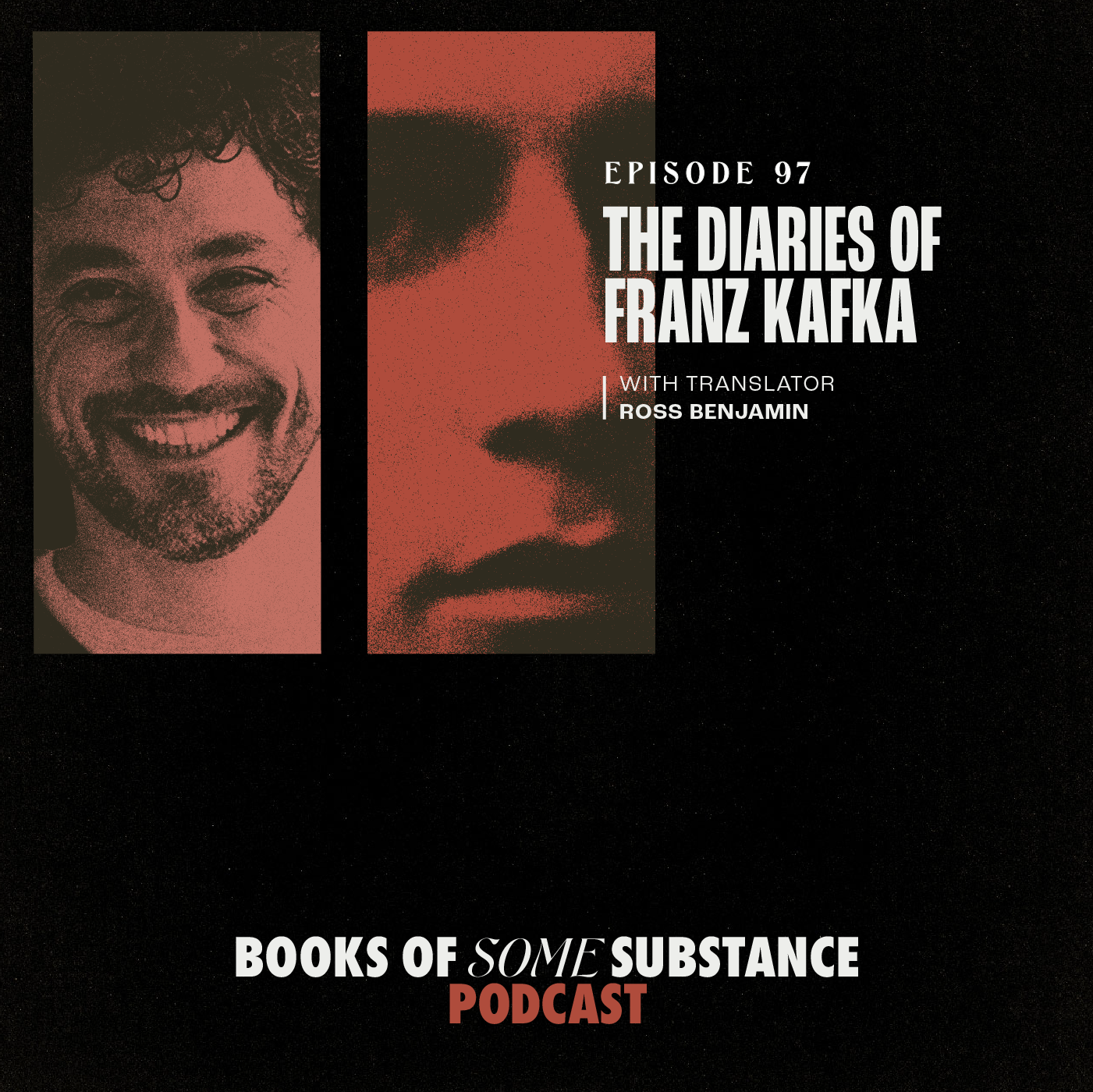
97 - Franza Kafka's Diaries (Guest: Ross Benjamin)
David is joined by Ross Benjamin, translator of Franz Kafka's Diaries in its most authentic form to date. Listen in as they discuss Benjamin's start in the field of translation, his love for Kafka's craftsmanship and humor, and why a new edition of Kafka's diaries needed to be released. Benjamin's translation is available now via Schocken Books and is a must for any Kafka fan (read: the hosts of

96 - Marcel Proust's Time Regained (In Search of Lost Time #6)
We have (finally) found the lost time! It was inside us all along! Listen in as Nathan, David, and Nick complete their tour through Marcel Proust's In Search of Lost Time, concluding with a discussion on the final volume, Time Regained. Topics include: memory, the purpose of art, and . . . BDSM? In the event that you anticipate going through withdrawals after completing your own In Search of Lost

95 - Henri Lefebvre's The Missing Pieces (Guest: Tom Comitta)
In this episode Nick is joined by Tom Comitta, aficionado of citational fiction and author of The Nature Book, newly released and available now from Coffee House Press. Tom selected Henri Lefebvre's The Missing Pieces as the work of focus for today's discussion, so listen in as we talk through the history of authors remixing words, Lefebvre's ability to invoke emotion with lists, and the apparent

94 - Anton Chekhov's Difficult People (Guest: Bob Blaisdell)
In this episode Nick is joined by Bob Blaisdell, Professor of English at the City University of New York's Kingsborough College and author of a new work on Anton Chekhov titled Chekhov Becomes Chekhov: The Emergence of a Literary Genius. Listen in as they talk in depth about the story Difficult People, as well as Blaisdell's approach to digging into Chekhov's most prolific years of 1886 and 1887.
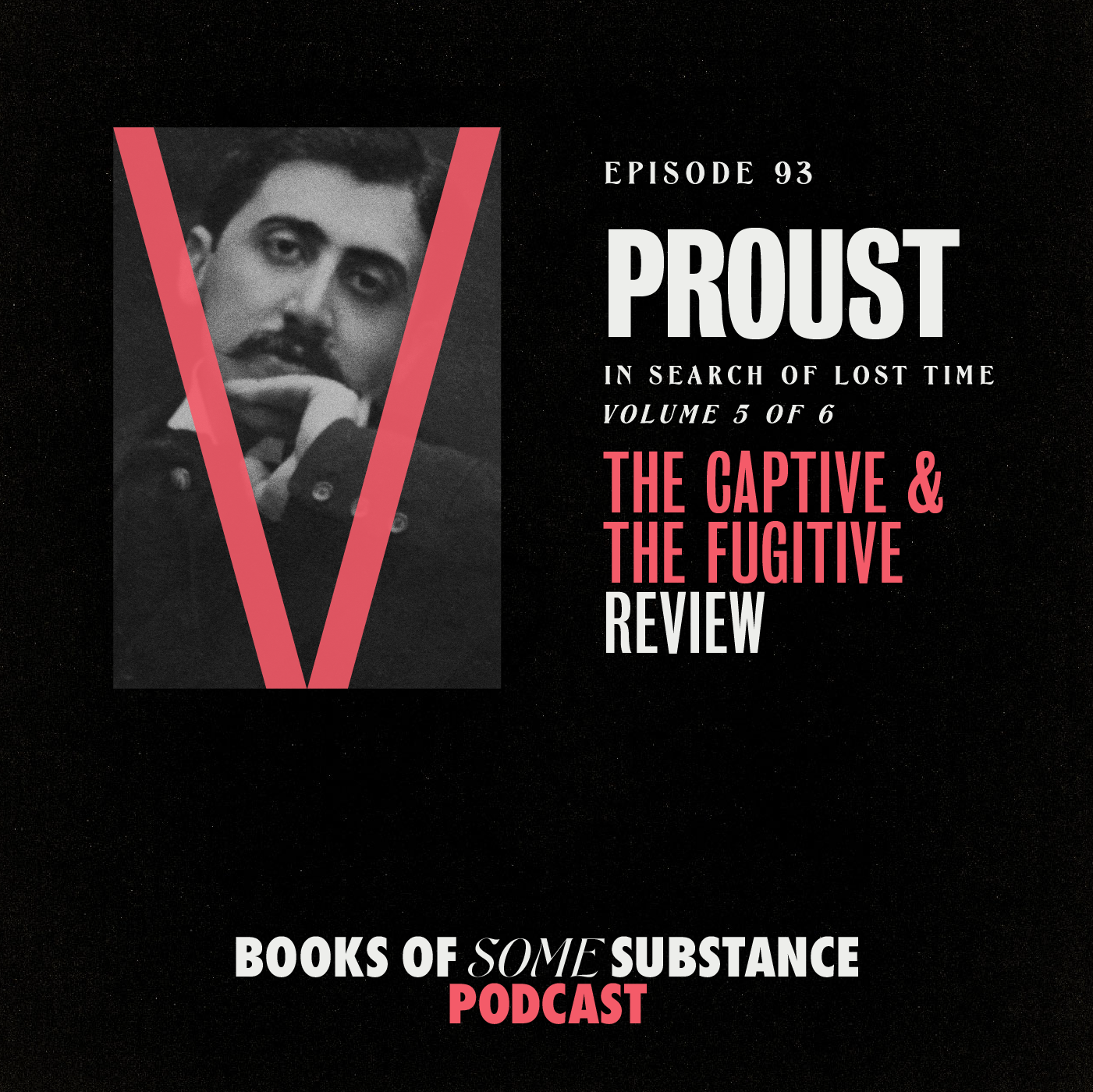
93 - Marcel Proust's The Captive & The Fugitive (In Search of Lost Time #5)
David, Nathan, and Nick continue on their expedition for misplaced minutes, this time tackling Marcel Proust's fifth installment, The Captive & The Fugitive. Topics this time around include: the endless cycle of the narrator's obsession and apathy toward Albertine; the errors and inconsistencies of this posthumously published work (and whether that matters at all); the ability of different readers

92 - Han Kang's The Vegetarian
David, Eric, and Nick dive into The Vegetarian, a 2007 novel by Han Kang that, after its English translation, won the 2016 Man Booker International Prize. This compact work will appeal to anyone interested in tightly architected narrative structures, complex questions of individual agency, and visceral scenes situated right next to moments of quiet contemplation. One's ability to choose, well, a

91 - Marcel Proust's Sodom and Gomorrah (In Search of Lost Time #4)
Nathan, David, and Nick tackle Sodom and Gomorrah, the fourth volume of Marcel Proust's In Search of Lost Time. They discuss how groundbreaking it was at the time to so openly write about homosexuality, the noticeable increase in the narrator's presence in the book's happenings, and the increased level of action in play (at least in comparison to prior volumes, that is). Listen in as you continue

90 - Thomas Pynchon's The Crying of Lot 49 (Guest: Seth of WASTE Mailing List)
Seth — aficionado of difficult fiction and driving force behind WASTE Mailing List — joins the podcast this episode to chat with David about the endless gifts to be found within the endless layers of Thomas Pynchon's The Crying of Lot 49. Pynchon-lite it is not! Encompassing both the absurd and the prophetic, this early work by the reclusive author covers everything from embedded allusions to the

89 - Marcel Proust's The Guermantes Way (In Search of Lost Time #3)
David, Nathan, and Nick continue their journey through Marcel Proust's In Search of Lost Time, this time discussing the third volume, The Guermantes Way. While this one might very well be "a middle book" — and by proximity, this episode "a middle episode" — there is continued brilliance to be enjoyed (if one can make it through the marathon salon scenes, that is). Come for the deep dives on The Dr

88 - Alexander Theroux's Fables (Guest: George Salis)
Writer, interviewer, and heavy reader George Salis returns to the podcast, this time to discuss Alexander Theroux's Fables with David. The two tackle a list of maximalist topics: deep cuts of vocabulary (real and invented), the forever ongoing inclusions of edits and additions that make a work expand even after being published, and, well, lists themselves. Salis also provides insight into the worl

87 - Shirley Jackson's We Have Always Lived in the Castle
David, Eric, and Nick seek out some mid-summer spookiness in Shirley Jackson's acclaimed We Have Always Lived in the Castle and instead find a compact work that is much more complicated than the horror themes, accessible sentences, and vaguely young adult-ish book cover (thanks Penguin Classics) lead one to believe. Cheers to Jackson for walking the line between genre and literary fiction and forc
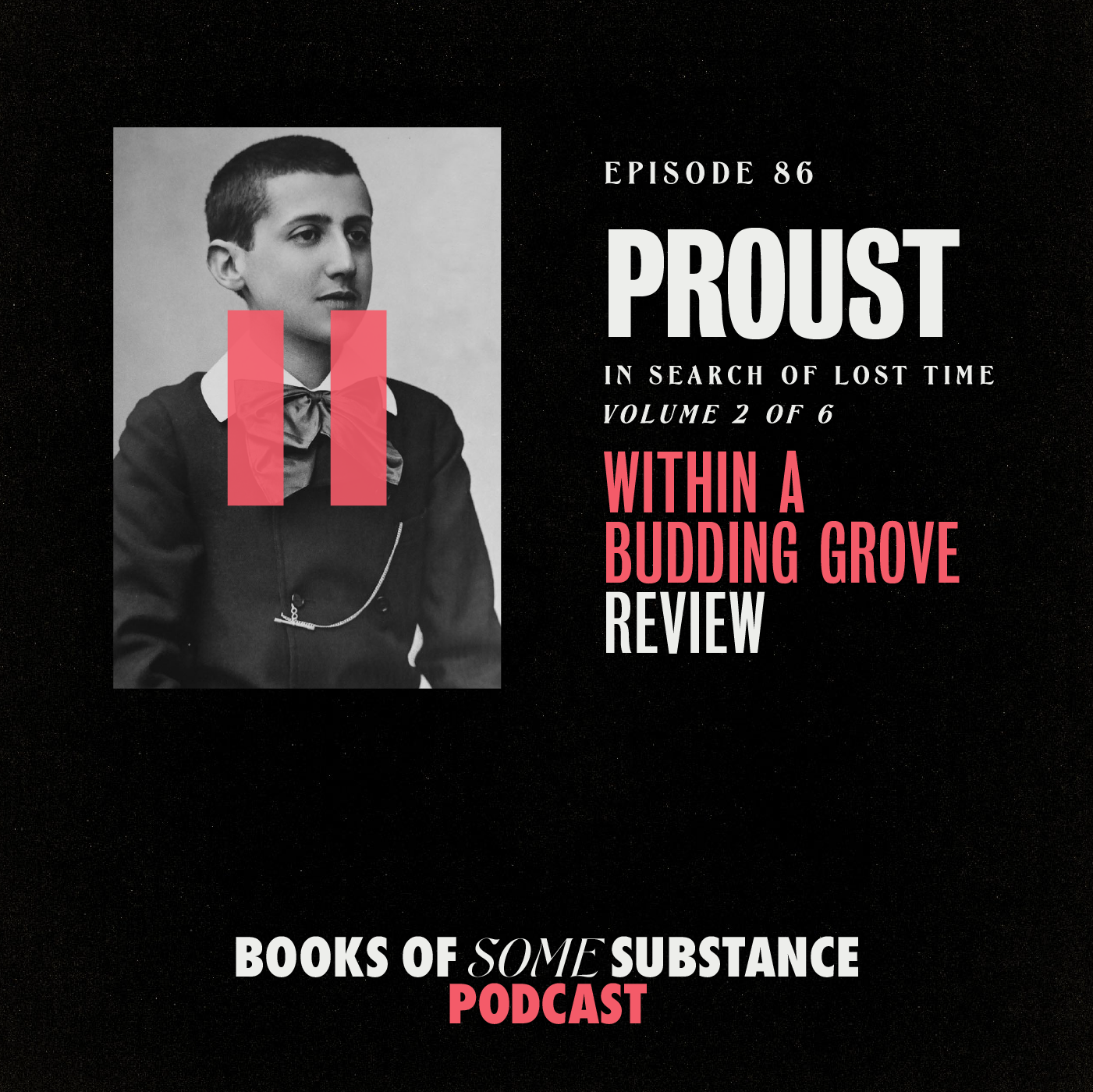
86 - Marcel Proust's Within a Budding Grove (In Search of Lost Time #2)
David, Nick, and Nathan reconvene to continue their Proust pilgrimage, this time tackling the second volume, Within a Budding Grove. There is discussion around the narrator's age — whether it be twelve or twenty-two, Proust certainly has a knack for combining the idealism and naiveté of youth with the insight and wisdom of adulthood. There is discussion around the book's repetition of similar even

85 - Franz Kafka's Short Stories (The Judgment, A Country Doctor, In the Penal Colony)
David, Eric, and Nick spend a beautiful Saturday doing what they love: wading into the tides of the irrational, crushing systems in which we have existed, currently exist, and will continue to exist. In other words: Discussing Franz Kafka! Three of Kafka's short works provide more than enough to chew on, whether it is The Judgment and its quick turn from mundane to surreal, A Country Doctor and

84 - Marcel Proust's Swann's Way (In Search of Lost Time #1)
No more searching is necessary. It's time. It's time to read In Search of Lost Time by Marcel Proust, that is. And we here at Books of Some Substance will be doing just that, starting off with this episode on the first volume, Swann's Way. Listen in as David, Nick, and Nathan begin this long journey by attempting to summarize the actual events in the book (likely to be a recurring challenge); by s
83 - Bohumil Hrabal's Closely Watched Trains
David, Nick, and Nathan dive into Bohumil Hrabal's short novel Closely Watched Trains in this latest episode of the podcast. One part coming of age tale, one part (somewhat) epic tale of resistance, and one part celebration of life's beautiful banality, this compact work will have you simultaneously smirking and wincing as Hrabal somehow weaves the lightness of youth in with the darkness of living
82 - Jorge Luis Borges' The Garden of Forking Paths
It is a homecoming of sorts. Sixteen years after David made Nathan read Jorge Luis Borges, the two return to discuss the great Argentinian writer in an episode that has as many labyrinths (well, not quite) and is as infinite (also probably not true) as every one of Borges' short stories. And while this episode does have a finite beginning and a finite end and can only focus on three of the hits (T

81 - Renata Adler's Speedboat
Renata Adler's Speedboat starts and stops, accelerates and leaps, soars and crashes just like some sort of . . . well, you get it. Join David, Nathan, and Nick as they discuss this compact novel filled with vignettes of 1970s life and all of the sardonic observations that come along with it. But do the vignettes combine to create something more impactful? Is the book funny? And how does one defin

80 - W.G. Sebald's The Emigrants
Just because you bought a copy of W.G. Sebald's The Emigrants in the fiction section doesn't make it fiction. Or does it? Join Nathan, David, and Nick for a conversation about fiction vs. non-fiction vs. creative non-fiction vs. journalism vs. memoir vs. Nick's favorite genre of "who cares as long as you like it." Topics discussed also include: the way reading about memory triggers one's own memor

79 - George Saunders' Tenth of December (Guest: Taylor Vick of Boy Scouts)
Bay Area musician Taylor Vick of Boy Scouts joins the podcast this episode to share her love for George Saunders' The Tenth of December. Listen in as Taylor and Nick talk about the book's use of absurdist mechanisms to move the reader, the connections between Saunders' work and Boy Scouts, and their own attempts to explore new areas of art, despite any existing contextual baggage. Listening to thi
78 - W.G. Sebald's The Rings of Saturn
In this episode, friend of the podcast and book club Eric Heiman joins David and Nathan to talk about W.G. Sebald's Rings of Saturn. The three get into the melancholic depiction of entropy eating away so much of human life, the sense of historical vertigo, and the (un)fictionality of the novel. Join the three as they discuss the style, form, and substance of Sebald's enigmatic work.

77 - Anthony Powell's A Dance to the Music of Time (Guest: Aatif Rashid)
Aatif Rashid, author of the novel Portrait of Sebastian Khan, joins the podcast to profess his love for Anthony Powell's A Dance to the Music of Time. The one with, like, a million volumes? The one that's jam-packed with the subtleties of human interactions, relationships, and communications (or lack thereof)? The one that you saw on all of those "great books" lists, but has since slipped away fro
76 - Hermann Hesse's Siddartha
Ah yes, Hermann Hesse's Siddhartha. You probably read it in high school or college as a young seeker of truth, but have you read it later in life? Do the messages change after you too have gone out into the world and been both drawn to and broken by its sweet, empty promises? And most importantly, have you been pronouncing Siddhartha properly all this time? (We haven't.) Join Nathan and David as

75 - Leo Tolstoy's War and Peace: Volume 4
Down with Napoleon! Long live Mother Russia! Ole Kutuzov and the gang aren't the only winners here. Anyone who has read through the entirety of War and Peace — David, Nathan, and Nick now counting themselves as part of the club — knows that Tolstoy's masterpiece and its ruminations on free will, history, and tragedy of both micro and macro proportions is and absolute joy and rather hard to stop th
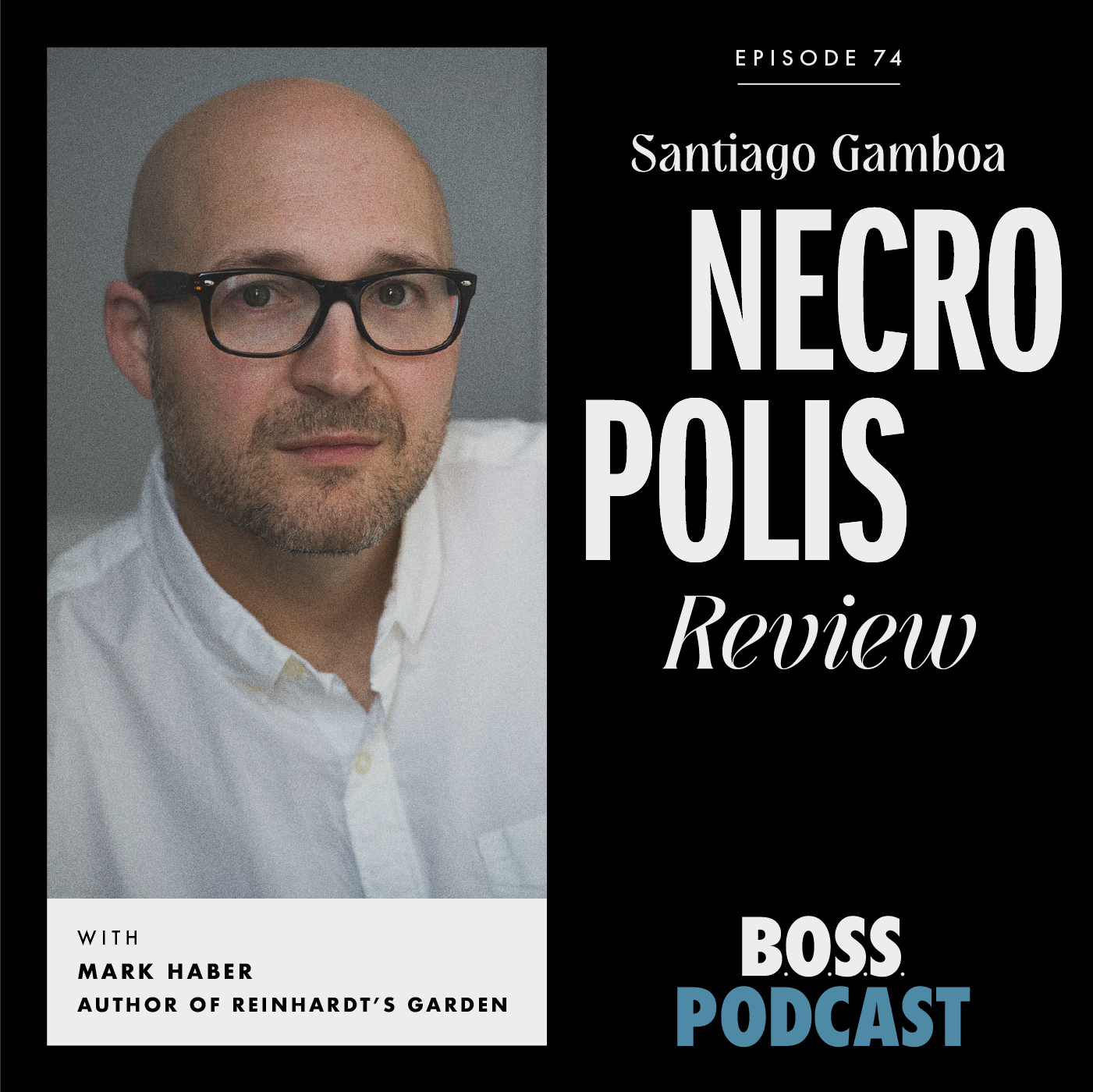
74 - Santiago Gamboa's Necropolis (Guest: Mark Haber)
Novelist Mark Haber joins the podcast to talk about one of his underdogs: Santiago Gamboa and his excellent novel Necropolis. Necropolis is a novel full of narratives, soaked in storytelling, and driven by a cast of colorful characters seeking some kind of redemption. Mark and David dive into the novel's plots and craft, and Mark touches upon his own conversations with Gamboa and Gamboa's other wo

73 - Ben Lerner's Leaving the Atocha Station (Guest: Ned Russin of Title Fight and Glitterer)
Musician Ned Russin of Title Fight and Glitterer joins the podcast to share his love for Ben Lerner's Leaving the Atocha Station and to also chat about his own latest creations: Glitterer's new record Life Is Not a Lesson and his first published novel Horizontal Rust. It's an all-encompassing conversation on experience, reality, and authenticity — all topics that get more elusive the more one trie
72 - Leo Tolstoy's War and Peace: Volume 3
Third time's the charm! David, Nathan, and Nick march on through Leo Tolstoy's War and Peace, having now conquered Volume 3. Listen in as they talk through Tolstoy's increasingly direct commentary on the nature of history, Pierre's Christ-like and/or quixotic vibes, and how it all relates to . . . cryptocurrency? If Tolstoy gets to include lengthy digressions on beehives, maybe we can make a few e

71 - Hafiz's The Gift (Guest: Valerie June)
In celebration of National Poetry Month, singer-songwriter and poet Valerie June calls into the podcast and chats with Nick about her love of The Gift: Poems by Hafiz (Renderings by Daniel Ladinsky), the relationship between lyrics and poetry in her own work, and viewing the world through a positive lens. Additional topics include: Townes Van Zandt, time (i.e. what is it really?), and whether we h

70 - Leo Tolstoy's War and Peace: Volume 2
David, Nathan, and Nick continue their journey through Leo Tolstoy's War and Peace, this time tackling Volume Two. Characterized by a little less war and a lot more peace, this volume offers plenty of saucy romance, costume-fueled shenanigans, and overly long hunting scenes. Listen in as we recap the many love triangles, discuss the nature of moral fiction, and reveal who most identifies with the

69 - Cormac McCarthy's Suttree (Guest: Jesse Cash of ERRA)
Nick chats with Jesse Cash, guitarist and vocalist of the progressive metal band ERRA, about Cormac McCarthy on this latest episode of the Books of Some Substance podcast. The book at hand is Suttree, a tale of a troubled man who has left an affluent past to live in a dilapidated houseboat and hang out in the underbelly of society. The two discuss McCarthy's masterful use of both complex and simpl

68 - Leo Tolstoy's War and Peace: Volume 1
David, Eric, and Nick discuss Volume 1 of Leo Tolstoy's War and Peace in the first of four episodes on the heaviest of heavy books. Topics include: War and Peace as the ur-text for all war novels to come, the nature and role of translation, and how Tolstoy's realism can be surprisingly light and humorous when dealing with dark subjects. But the question remains: Are there more casualties on the

67 - Salman Rushdie's The Satanic Verses (Guest: George Salis)
George Salis, author of Sea Above, Sun Below joins David to discuss The Satanic Verses, the controversial, exuberant, magical, and magnificent novel by Sir Salman Rushdie. They discuss the poetry, the allusions, and the history of this "Everything" novel in their own labyrinthine and interconnected way.

66 - Amy Hempel's Collected Stories (Guest: Alfred Brown IV)
Meet Alfred Brown IV, educator and vocalist of the LA hardcore punk band Dangers. He's into Amy Hempel. Like, really into Amy Hempel. Listen in for a deep conversation covering everything from the unintended emptiness of slogan-heavy lyrics to Hempel's short story rhythm to questioning the need to categorize any type of writing — fiction, non-fiction, memoir, et al. — as anything other than just p

65 - Kōbō Abe's The Box Man
Dear World, Kōbō Abe sees your absurdity and raises you one box! A box to live in, specifically. And a box to meld with the psyche of the inhabitant. If it's not clear, we're talking about Abe's 1973 novel The Box Man, a how-to guide on how to construct your own box in which to dwell and/or a challenging narrative (or, perhaps, narratives?) on the nature of voyeurism and anonymity in modern societ

64 - Clarice Lispector's The Chandelier
Clarice Lispector's 1946 novel The Chandelier is the topic of fervent discussion for David, Nathan, and Nick in this latest episode. Not for the faint of heart (but perhaps for those near to wild ones), this modernist work probes a deep abyss of metaphysical questions including, but not limited to: What is anything? etc. etc. Forever dividing a single moment of time into increasingly smaller slice

63 - Thomas Bernhard's Old Masters (Guest: João Reis)
On this episode of the podcast, David is joined by author and translator João Reis, author of The Translator's Bride, to talk about lovable literary scamp, the warm and cuddly and optimistic Austrian writer Thomas Bernhard's Old Masters: A Comedy. They discuss the common aspects of Bernhard's style in general—a monologic riff rife with musical patterns of recursive invective as dark as it is humor

62 - Jean Cocteau's The Holy Terrors (Guest: Alexis Marshall of Daughters)
In this episode of the Books of Some Substance podcast, Nick chats with Alexis Marshall, vocalist of the noise rock band Daughters, about Jean Cocteau's 1929 novel Les Enfants Terribles (or as it is known in its English translation: The Holy Terrors). Topics of discussion include: Marshall's own approach to writing poetry and lyrics, how The Holy Terrors is a direct allegory of Cocteau's addiction

61 - Mark Z. Danielewski's House of Leaves Examined
Twenty years ago, Mark Z. Danielewski unleashed the labyrinthine horror novel House of Leaves, a work of fiction that would make both Daedalus and Derrida proud, a sprawling, convoluted, multi-narrative that pushes the bounds of reading and interpretation. But is there a minotaur of meaning lurking somewhere in the halls of the text? Or is it simply the narrative form of Nietzsche's maxim that "th

60 - M. John Harrison's Viriconium (Guest: Brett Campbell of Pallbearer
In this episode of the Books of Some Substance Podcast, Nick chats with Brett Campbell of the Arkansas doom metal band Pallbearer about M. John Harrison's Viriconium. They talk through how the themes of Viriconium made it into the band's music, how Harrison's use of shifting time and memory and place subvert expectations of genre fiction, and how it is an endless challenge as a human to try not to

59 - J.G. Ballard's High-Rise (Guest: Alex Edkins of METZ)
In this episode of the Books of Some Substance podcast, Nick chats with Alex Edkins of the Toronto punk band METZ on the day that their latest record, Atlas Vending, came out. Alex highlighted J.G. Ballard's High-Rise as a favorite, so we talk through the psychological, inner-space prophecies of the book and relate it back to our current technology-saturated landscape. Spoiler alert: we are all a

58 - Hubert Selby Jr.'s The Room (Guest: Michael Berdan of Uniform)
In this episode of the Books of Some Substance podcast, Nick chats with Michael Berdan from the New York City noise-rock-slash-industrial-metal band Uniform about Hubert Selby Jr.'s The Room. We talk about the importance of tone and aesthetic in both vocal delivery and fiction's prose, about Berdan's deeply personal connection to Selby Jr.'s writing, and, perhaps most importantly, about how art c
57 - John Steinbeck's East of Eden Examined
Hey you there, you listener of substance! All full of the choice whether to listen to this podcast and/or the choice to do good or evil. We get you. John Steinbeck gets you too, as proven in his 1952 masterwork East of Eden. One part character epic, one part soap opera, and one part philosophical tract on the merits and challenges of individual agency, this book undeniably occupies a special place

56 - Ted Hughes' Crow Examined (Guest: Steve Von Till of Neurosis)
In this episode of the Books of Some Substance podcast, Nick is joined by Steve Von Till of the seminal metal band Neurosis for a conversation about Ted Hughes' Crow: From the Life and Songs of the Crow. Von Till's prolific career now includes his latest solo record, No Wilderness Deep Enough, and his first published book of poems, Harvestman: 23 Untitled Poems and Collected Lyrics, both of which

55 - Leo Tolstoy's The Death of Ivan Ilyich Examined (Guest: Dylan Desmond of Bell Witch)
In this episode of the Books of Some Substance podcast, Nick is joined by Dylan Desmond of the Seattle doom metal band Bell Witch for an in-depth discussion of Leo Tolstoy's The Death of Ivan Ilyich. Listen in as we discuss what exactly Desmond connects with in Tolstoy's writing, how this short novel was remarkably ahead of its time in documenting the emptiness of a materialist life, and how uniqu

54 - John Steinbeck's Cannery Row Examined
What's that you say? Didn't read Steinbeck in high school? Well then welcome to the safe space of Cannery Row, where one is not judged by achievements or accolades, but by the innate goodness found deep within. Ahhhh, just kidding, this one's more about having a rollickin' good time gettin' into fights with fishermen, getting thrown into (and buying your way out of) jail, and sharing a snort her

53 - Milan Kundera's The Joke Examined
What do you call it when a cynical intellectual, a loyal party member, and a Moravian folklorist walk into a bar? A joke! Or rather, The Joke. Milan Kundera's 1968 debut novel, that is. Join Nathan, David, and Nick for a lengthy — and tricky — discussion on the individual vs. the collective, the tendency of history to turn into myth, and tips for the best way to unassumingly hide a bunch of laxati

52 - William H. Gass' Omensetter's Luck Examined
Good luck summarizing this one, nerds! Listen in as we examine William H. Gass' holy casket of hellfire and judgment, Omensetter's Luck, a wild stream of preacher prose, suicide and/or murder mystery, and small-town cat gossip. Seemingly intelligent points are made by the B.O.S.S. gang regarding the book's odd three-part structure, its allusions to original sin, and Gass' iterative writing process

51 - Erecting Words: William H. Gass' Willie Masters' Lonesome Wife
Obsessions! Cacophony! Typography! Listen in as we dissect William H. Gass' post-modern cult classic, Willie Masters' Lonesome Wife, a bizarre kaleidoscope of killer sentences, 1960s design, and, of course, gratuitous nudity. David argues that the book's overtly sexual content actually maps to Gass' love of language. Nathan provides a breakdown of the typefaces and visual strategies at play. And N

50 - Death by Abstraction: Albert Camus' The Plague
They say that reading Albert Camus' The Plague in the middle of the COVID-19 pandemic is trendy. Well, it's not so bad being trendy. Join us this month as David, Nathan, and Nick unpack Camus' classic work and ask all of the questions on everyone's minds: Is it logical to do good? Are pestilences real or mere abstractions? Is the philosophical novel genre fiction? For the sake of maintaining norma

49 - Hell Yeah, Sex Week: Ursula K. Le Guin's The Left Hand of Darkness
What do you get when you create a society with no fixed gender, a whole hell of a lot of snow, a shitload of shifgrethor, and a week off every month for carnal activities? You guessed it: Ursula K. Le Guin's The Left Hand of Darkness. Listen in as Nathan, Stephanie, and Nick discuss the many flavors of science fiction, Le Guin's nuanced role as a prominent feminist writer, and how this book seems
48 - Space Anarchy!: Ursula K. Le Guin's The Dispossessed
Pragmatic non-hierarchical structures! Breaking the space time continuum! The sociopolitical and philosophical dualities that exist between two planets — but also inside us all! Join David, Eric, and Nick as they dissect Ursula K. Le Guin's often revered classic The Dispossessed. They wonder if the book is the left-wing equivalent of The Fountainhead, if the neon color scheme of the mass market pa

47 - Avuncular Bumbler: Vladimir Nabokov's Pnin
What's the deal with how choppy this Nabokov book is? Is the character of Pnin actually the target of a faculty conspiracy? Or is the real conspiracy the fact that David is secretly employed as a salesman for the word-a-day industry? Join Nick, Nathan, and David for another rousing discussion on Vladimir Nabokov, this time on the (sometimes) beloved Pnin. And don't worry, even if they may be a bit

46 - Turpitude Dude: Vladimir Nabokov's Invitation to a Beheading
Drama! Comedy! Opacity! Turpitude! All are up for grabs in Vladimir Nabokov's holiday classic, Invitation to a Beheading. Listen in as Nathan, David, and Nick try to figure out just what exactly is going on in Nabokov's oft-overlooked gem that may or may not be about: personal exile, political exile, gnosticism, or the inability to get a good night's sleep. Just don't call it Kafka-esque (even tho

45 - The Substance of Influence: Ross Farrar of Ceremony on Saul Bellow
In this edition of The Substance of Influence Nick chats with Ross Farrar, vocalist of the Northern California punk band Ceremony, about the connections between the band's latest record In the Spirit World Now and the classic Saul Bellow novel Humboldt's Gift. Listen in as we discuss the similarities between Bellow's blend of rough intellectualism and the literary underpinnings of punk music, why

44 - The Substance of Influence: Catherine Flynn on James Joyce
In this edition of The Substance of Influence, Nick chats with University of California-Berkeley English Professor Catherine Flynn about her new book, James Joyce and the Matter of Paris. Listen in for discussion on the (un)romantic Paris of yesteryear, the sources of all those cool modernist moves, and why Joyce's fiction is, um, a bit smelly. In other news, members of the B.O.S.S. reading gro
43 - Watt the Hell?: Samuel Beckett's Watt
In this installment of the Books of Some Substance podcast, Nick is joined by University of California-Berkeley English Professor Catherine Flynn to dissect the endless permutations of Samuel Beckett's oft-overlooked Watt. Is there meaning behind Sam's lists upon lists upon lists? Is this a reality more real than realism itself? And will there be an opportunity for Nick to —most predictably — use

42 - Didi Up Before You Gogo: Samuel Beckett's Waiting for Godot
You may be thinking: If I had a dollar for every time I felt like I was just sitting in the waiting room of life—except that the room was an open field with a single tree in it and my best bud just wouldn't keep his boots on—I'd be rich! Or in a hit Samuel Beckett play. Whether it is about morality or acceptance or the morality of acceptance, Beckett's Waiting for Godot resonates indefinitely.
41 - The Substance of Influence with Caleb Michael Sarvis
[Update (8/12/19): After recording and releasing this podcast, it has come to our attention that Sarvis has been barred from teaching in Florida public schools following allegations he engaged in inappropriate communications with students on social media. We in no way condone this alleged behavior. This episode will remain available and those that choose to listen may do so at their discretion.]
40 - #nihilism: Flannery O'Connor's Wise Blood (Guest: Kathleen Founds)
Have you heard the bad news? God is dead. But in Flannery O'Connor's Wise Blood, you can't keep a good god down—even when you murder a consumptive flim-flam man, seduce a fifteen-year-old, and blind yourself with quicklime. So put glass shards in your shoes, turn up your headphones, and drink every time we say "nihilism." (This episode's summary was written by our guest, Kathleen Founds. Before

39 - A Good Misfit Is Hard to Define: Flannery O'Connor's A Good Man Is Hard to Find
In this latest installment of the Books of Some Substance podcast San Francisco State University English Professor Sarita Cannon returns to talk about the violent grace (or graceful violence?) of Flannery O'Connor's short story A Good Man Is Hard to Find. Listen in as Nick and Sarita talk about the curious relationship between Catholicism and the grotesque, how O'Connor can keep a live audience l
38 - The Substance of Influence with Chaya Bhuvaneswar
On this, our first episode of The Substance of Influence episodes, David speaks with fiction writer and poet Chaya Bhuvaneswar, winner of the 2017 Dzanc Short Story Collection Prize for her first book White Dancing Elephants. They discuss authorial voice, being a reader and a writer, influence in general, direct influence in particular with Chaya's selection of the novel Americanah by Chimamanda N
Recommended

Deadline: White House

Crickets Corner

History of the Earthquake and Fire in San Francisco

Fox news

K-Drama Obsessed Mamas | Beyond “Just One More Episode!”

True Crime Classics

The Healer Revolution

Becoming: HER with Nikki Spoelstra
Booked, Blonde & Busy w/ Olivia Ponton

McKinsey on Consumer and Retail

megahired.com

Hard Knocks Podcast
