
NIHONGO CANDY: Learn Japanese for Beginners & JLPT N5-N3
NIHONGO CANDY is a podcast hosted by Miki-sensei, a certified Japanese language teacher, designed for learners at JLPT N5-N3 levels. It offers bite-sized audio lessons to improve spoken Japanese, listening comprehension, and speaking reflexes for daily life, travel, and work. The podcast bridges the gap between textbook learning and real-world communication.
Episodes

#168 Battle Tactics: Spears, Signals and Guns — Learn Japanese Through History
One hero, one sword, one duel — that's the battle you know from anime and games. In this episode, we step onto a real Warring States battlefield.This is Episode 9 of our mini-series on Japanese history, made for JLPT N5–N3 learners. In about seven minutes, you'll meet the ashigaru (足軽), the foot soldiers who were the real main players, and see how flags, drums, and the horagai (法螺貝) moved

#167 Ninja: Legend and Truth — Learn Japanese Through History (N5–N3)
Black clothes, throwing stars, secret techniques — that's the ninja you know from anime and games. In this episode we look at what the ninja of the Warring States period were really like.This is Episode 8 of our mini-series on Japanese history, made for JLPT N5–N3 learners. In about seven minutes, you'll learn that a ninja's real job was gathering information (情報 / jōhō / jouhou), why

#166 Japanese Castles — Learn Japanese Through History (N5–N3)
Ever walked through a Japanese castle, or seen one in an anime or game? In this episode we look at how the castles of the samurai were built, and why so few of the original ones still stand.This is Episode 7 of our mini-series on Japanese history, made for JLPT N5–N3 learners. In about seven minutes, you'll learn the two key parts of a castle — the tenshu (天守 / tenshu), the tall tower, and the ish

#165 Date Masamune & Sanada Yukimura — Learn Japanese Through History (N5–N3)
Meet two of the most popular heroes of the Sengoku period — the ones you may already know from anime and games. Date Masamune (伊達政宗 / date masamune), the "one-eyed dragon," and Sanada Yukimura (真田幸村 / sanada yukimura), the "greatest warrior in Japan."This is Episode 6 of our mini-series on Japanese history, made for JLPT N5–N3 learners. In about seven minutes, you'll learn

#164 Takeda Shingen vs Uesugi Kenshin — Learn Japanese Through History (N5–N3)
Takeda Shingen (武田信玄 / takeda shingen) and Uesugi Kenshin (上杉謙信 / uesugi kenshin) were destined rivals who clashed again and again — and yet respected each other deeply.This is Episode 5 of our mini-series on Japanese history, made for JLPT N5–N3 learners. In about seven minutes, you'll meet the "Tiger of Kai" and the "Dragon of Echigo," follow their Battles of Kawanakajima

#163 Who Was Tokugawa Ieyasu? — Learn Japanese Through History (N5–N3)
Who was Tokugawa Ieyasu (徳川家康 / tokugawa ieyasu), the man who waited and finally won all of Japan?This is Episode 4 of our mini-series on Japanese history, made for JLPT N5–N3 learners. In about seven minutes, you'll follow Ieyasu from his long years as a hostage (人質) to his victory at the Battle of Sekigahara (関ヶ原の戦い, 1600), and see how he opened the Edo shogunate (江戸幕府, 1603) and began about

#162 Who Was Toyotomi Hideyoshi? — Learn Japanese Through History (N5–N3)
Who was Toyotomi Hideyoshi (豊臣秀吉 / toyotomi hideyoshi), the man who was born a farmer's son and ended up ruling all of Japan?This is Episode 3 of our mini-series on Japanese history, made for JLPT N5–N3 learners. In about seven minutes, you'll follow Hideyoshi from his first job carrying his lord's sandals, to the moment he took over after Nobunaga's death, to the unification of Ja

#161 Who Was Oda Nobunaga? — Learn Japanese Through History (N5–N3)
Who was Oda Nobunaga (織田信長 / oda nobunaga), the revolutionary who changed the Sengoku period?This is Episode 2 of our mini-series on Japanese history, made for JLPT N5–N3 learners. In about seven minutes, you'll follow Nobunaga from the Battle of Okehazama (桶狭間の戦い, 1560) — where a young lord once called a "fool" defeated a huge army — to his revolutionary policies, his dream of tenka

#160 What Was the Sengoku Period? — Learn Japanese Through History (N5–N3)
What was Japan's Sengoku period (戦国時代 / sengoku jidai), and why does it appear in so many anime, manga, and games?This is Episode 1 of our new mini-series on Japanese history, made for JLPT N5–N3 learners. In about seven minutes, you'll learn what the Warring States period was, when it began (the Ōnin War of 1467), and the key idea behind it — gekokujō (下剋上), the lower overthrowing those a
How to Talk About Your Trip in Japanese! 旅行の感想 (ryoko no kanso) Vocabulary | NIHONGO CANDY #159
Want to ask a friend or coworker how their trip was — and share your own travel stories in Japanese? Learn the essential Japanese vocabulary for asking about and talking about a recent trip — including どうだった (do datta / how was it?), 一番 (ichiban / the most, number one), 最高 (saiko / the best, amazing), 景色 (keshiki / scenery, view), 感動する (kando suru / to be moved, touched), and おすすめ (osusume / a rec
How to Describe Numbers in Japanese! 数字を説明する (suuji o setsumei suru) Vocabulary | NIHONGO CANDY #158
Need to explain sales figures, trends, or data in a Japanese meeting or presentation? Learn the essential Japanese vocabulary for describing how numbers change — including 上がる (agaru / to go up), 下がる (sagaru / to go down), 増える (fueru / to increase), 減る (heru / to decrease), 横ばい (yokobai / flat, unchanged), 大きく (ookiku / greatly), わずかに (wazuka ni / slightly), and ほぼ (hobo / almost) — so you can con
How to Sell Used Items in Japanese! 中古を売る (chuuko o uru) Mercari Vocabulary | NIHONGO CANDY #157
Want to sell your used clothes, books, or electronics in Japan? Learn the essential Japanese vocabulary for selling secondhand items on flea market apps like Mercari (メルカリ) — including 出品する (shuppin suru / to list an item), 状態 (joutai / condition), and 送料込み (souryou komi / shipping included) — so you can confidently list and sell your things online.🚀 NEXT STEPS FOR YOUR JAPANESE 💻Systematic Learni
Transitive vs Intransitive Verbs in Japanese! 自動詞・他動詞 (jidoushi/tadoushi) | NIHONGO CANDY #156
Confused about Japanese verb pairs like 開く / 開ける (aku / akeru)? Learn how to use 自動詞 (jidoushi / intransitive verbs) and 他動詞 (tadoushi / transitive verbs) correctly — including the particles が and を — so your Japanese sounds natural in everyday conversation and at work.🚀 NEXT STEPS FOR YOUR JAPANESE💻Systematic Learning (Self-Study)🎁 Podcast Listener Reward:Claim your exclusive discount through the
Just to Be Sure! Master "Nen no Tame" (念のため / Just in Case) for Daily Conversation & Work | NIHONGO CANDY #155
Learn how to use 「念のため」(nen no tame / just in case) to confirm plans and stay on the safe side — naturally, in both casual and professional Japanese.🚀 NEXT STEPS FOR YOUR JAPANESE💻Systematic Learning (Self-Study)🎁 Podcast Listener Reward:Claim your exclusive discount through the link below:https://www.udemy.com/course/intermediate-japanese-jlpt-n3-course1/?couponCode=JUNE26_NIHONGOCANDY💻Executive
Is It Worth It? Master "Kachi ga Aru / Kachigaaru" (To Be Worth It / 価値がある) for Recommendations & Life Decisions | NIHONGO CANDY #154
Want to say "this book is worth reading" or "it's worth trying" in Japanese? The phrase 「価値がある」(kachi ga aru / kachigaaru / to be worth it) is essential for giving recommendations, evaluating experiences, and talking about life choices. In this episode, master its two key patterns (Noun + に価値がある / Verb + 価値がある), learn high-frequency collocations like 価値観 (kachikan / values)
Talk Competition & Self-Growth: Master "Kyōsō Suru / Kyousou Suru" (To Compete / 競争する) | NIHONGO CANDY #153
Want to say "companies compete in price wars" or "compete with yesterday's self" in Japanese? The verb 「競争する」(kyōsō suru / kyousou suru / to compete) is essential for business, sports, and personal growth conversations. In this episode, master its meaning, key collocations like 競争相手 (kyōsō aite / rival) and 競争力 (kyōsō ryoku / competitiveness), and hear it used naturally in
Express Tendencies & Appearances: Master "Ppoi" (-ish / -like) | NIHONGO CANDY #152
Want to say "his excuses are childish" or "I've been forgetful lately" in Japanese? Mastering the suffix "-ppoi" (っぽい) is essential for expressing that something has a certain quality, appearance, or a strong tendency to happen.A common hurdle for learners is knowing exactly how to attach it to different types of words. In this quick reflex training, we will pract
Sound Like a Native: Master "Mama" (As it is / Leave it as it is) | NIHONGO CANDY #151
Want to say "I left the AC on" or "Please leave it exactly as it is" in Japanese? Mastering the word "mama" (まま) is essential for describing situations where a state or condition remains unchanged.A common hurdle for learners is mastering the connection rules, which change depending on whether you are using a verb, noun, or adjective. In this quick reflex training, we

Sound Like a Native: Master "Shika" (Only / No choice but to) | NIHONGO CANDY #150
Want to say "I only have..." or "I have no choice but to..." in Japanese? Mastering the particle "shika" (しか) is essential for expressing limitations and decisions in natural business and daily conversations.A common hurdle for learners is remembering the golden rule: "shika" must always be followed by a negative verb, even though it translates to "only
Sound Like a Native: Master "~tōri" & "~dōri" (As expected / On schedule) | NIHONGO CANDY #149
Want to say "as expected" or "on schedule" in Japanese? Mastering the "~tōri" and "~dōri" pattern is essential for natural business and daily conversations.A common hurdle for learners is knowing when to use the voiced "dōri" (like yotei-dōri) versus the unvoiced "tōri" (like itta tōri). In this quick reflex training, we will practice 10 highly practical phrases to help you instinctively choose th
Stop Making This Mistake! How to Say "Not Yet" in Japanese ("Mada...te imasen") | NIHONGO CANDY #148
Do you say "Mada kaimasen deshita" to mean "I haven't bought it yet"? This is one of the most common mistakes Japanese learners make!In English, "not yet" is often associated with the past, leading many to use the Japanese simple past tense ("masen deshita"). However, in Japanese, if an action hasn't happened yet but is expected to happen, it is cons
Sound Natural in Japanese: 10 Essential Phrases using "~Mitai desu" | NIHONGO CANDY #147
In Japanese conversations, being too direct can sometimes sound harsh. That’s where "~mitai desu" (みたいです) comes in. Meaning "It seems..." or "It looks like...", this grammar point is an incredibly useful tool to convey situations or observations naturally without sounding overly assertive.In this episode, we will focus on using "~mitai desu" with both presen
Small Talk in Japan: 10 Essential Phrases for Hometown & Family | NIHONGO CANDY #146
Do you know how to naturally talk about your hometown and family in Japanese? Mastering small talk is the perfect way to break the ice!When talking about family in Japanese, the key is to understand the tricky difference between talking about your own family (ウチ - uchi) and asking about someone else's (ソト - soto). For example, "my father" is ちち (chichi), but "someone's father" is おとうさん (otosan). L
Running Late in Japan: 10 Essential Phrases for Delays & Apologies | NIHONGO CANDY #145
Do you know exactly what to say when you are running late in Japan?Punctuality is strictly observed in Japanese business culture, but unexpected delays happen to everyone! When you realize you won't make it on time, the key is to immediately communicate your current status, your ETA (Estimated Time of Arrival), and apologize appropriately.In this episode, we will practice:Reporting status: いま、
Mastering Uncertainty: "かどうかわかりません" vs. "かわかりません" | NIHONGO CANDY #144
Do you overuse "〜どうか" (douka) when saying "I don't know" in embedded Japanese sentences?The rule for expressing uncertainty is actually simple:Yes/No questions: Use "〜かどうか" (e.g., かれが それを すきかどうか わかりません)Wh-questions (who, what, when, etc.): Just attach "か" (e.g., いつ くにに かえるか わかりません). Using "どうか" here is a common mistake!In this episode, I’ll tra
Speak Fast & Natural Japanese: Mastering "Toku" and "Toite" Contractions | NIHONGO CANDY #143
Want to sound more natural and less like a textbook? Native speakers constantly shorten words in fast, casual speech. In this episode, we unlock the secret to two of the most common contractions you’ll hear in Japan: "〜とく (toku)" and "〜といて (toite)".These handy phrases come from "〜ておく (te oku)", which means to do something in advance for future convenience or to leave
How to Ask for Help Politely in Japanese: Instant Reflex Training | NIHONGO CANDY #142
Don't struggle alone! Navigating life in Japan gets so much easier when you know exactly how to ask for support. In this episode, we master two essential communication tools: the polite and soft request "〜てもらえますか (temoraemasuka)" , and the magic of "〜んですが (ndesu ga)".In Japanese culture, simply explaining your situation (e.g., "I've lost something" or "Th
How to Express Your Opinion in Japanese: Instant Reflex Training | NIHONGO CANDY #141
Stop just "thinking" and start speaking! In this episode, we master the most versatile Japanese phrase: "〜と思います (to omoimasu)." Whether you’re expressing a firm belief (I believe), a professional evaluation (I find), or a simple prediction (I guess), this one phrase does it all. We’ll train your "reflexes" with 10 essential sentences designed for business and daily li

Japanese Conversation: Essential Dating App Phrases & Instant Reflexes - NIHONGO CANDY #140
Master the essential Japanese "reflexes" you need to navigate a first date from a dating app with total confidence. This high-intensity training helps you output key phrases from greetings to toasts.💡 Note: This reflex training series will be compiled into a "Master Phrase List (PDF)" after 10 episodes. Stay tuned for the release!—🚀 NEXT STEPS FOR YOUR JAPANESE1. Systematic Lea
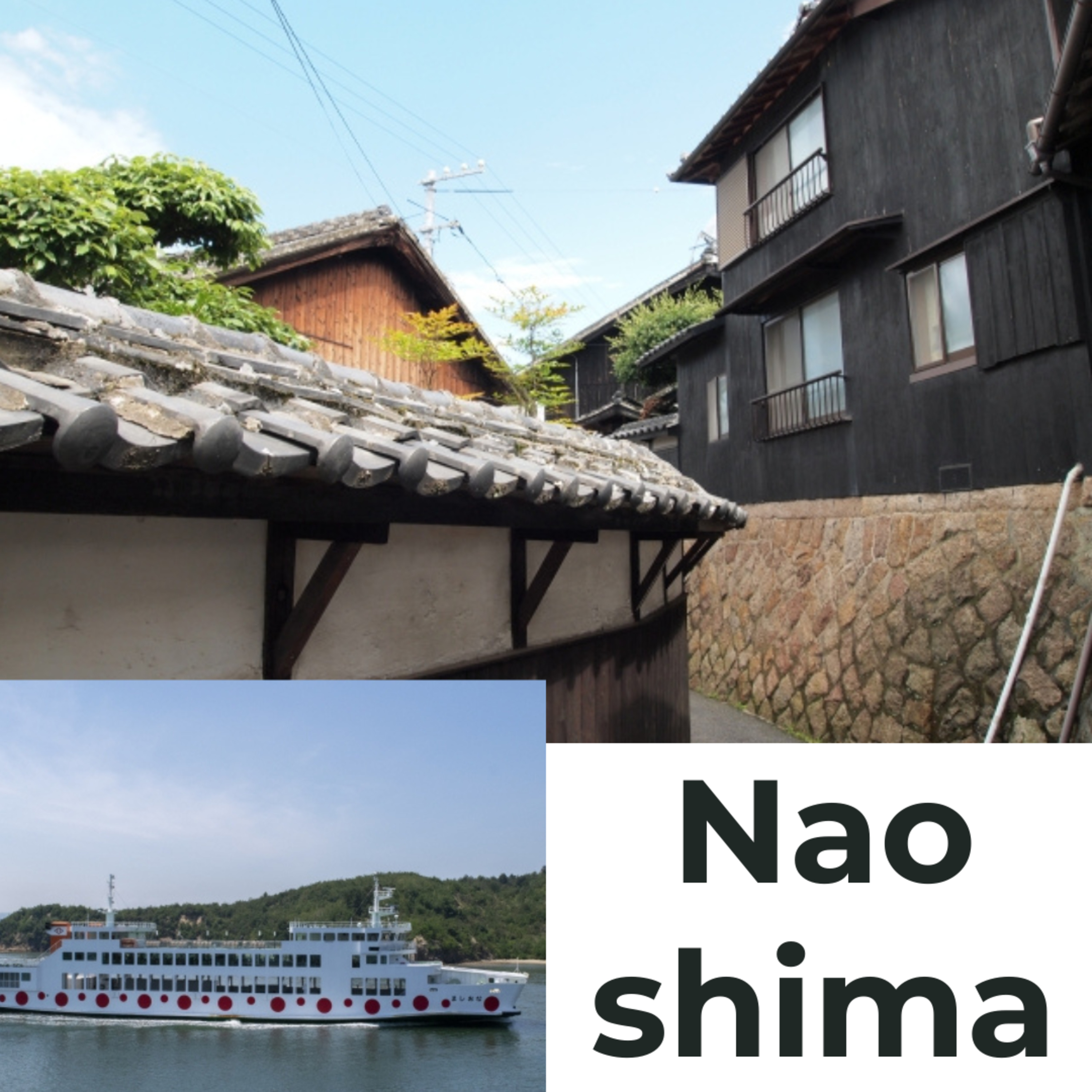
Naoshima Art Exploration: Essential Japanese for Ferries, Museums, and Island Transport - NIHONGO CANDY (Ep. 139)
Navigate the "Holy Garden of Contemporary Art" with confidence. Learn the essential Japanese needed to transition smoothly from Tokyo to the serene shores of Naoshima, ensuring your artistic retreat is as seamless as it is inspiring. 🎯 What you'll learn in this episode:✅ Seamless Transit: Essential phrases for buying ferry tickets at Uno Port and navigating departure boards. ✅ Museum
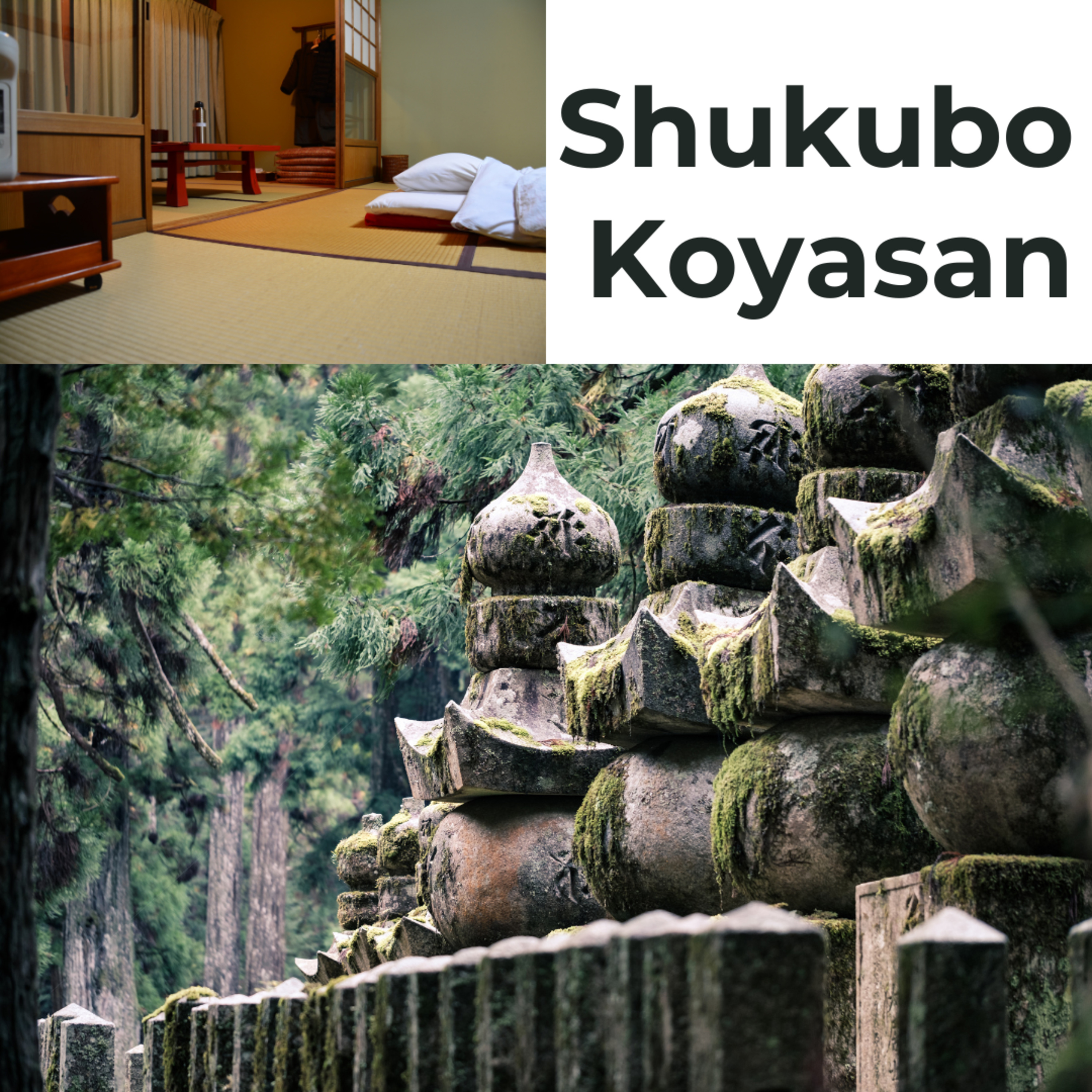
(N5-N3) Spiritual Stay in Koyasan: Essential Phrases for Temple Lodging (Shukubo) - NIHONGO CANDY (Ep. 138)
Master the etiquette of a Koyasan Shukubo (temple lodging). Learn essential Japanese for rituals, Shojin Ryori, and morning services to navigate your spiritual retreat with grace.🎯 What you'll learn in this episode:✅ Seamless Check-in: Essential phrases for arriving at a temple and confirming your schedule.✅ Shojin Ryori Etiquette: How to appreciate Buddhist vegetarian cuisine like a local.✅ M

(N5-N3) Coastal Escape: Essential Japanese for Cycling the Shimanami Kaido - NIHONGO CANDY (Ep. 137)
Master everything from e-bike rentals to emergency repairs for a seamless, professional travel experience.🎯 What you'll learn in this episode:✅ Seamless Rentals: How to request electric-assist bicycles and confirm drop-offs.✅ Navigation: Understanding the "Blue Line" and asking for directions.✅ Support: Phrases for handling unexpected flat tires or mechanical issues.✅ Etiquette: Prof
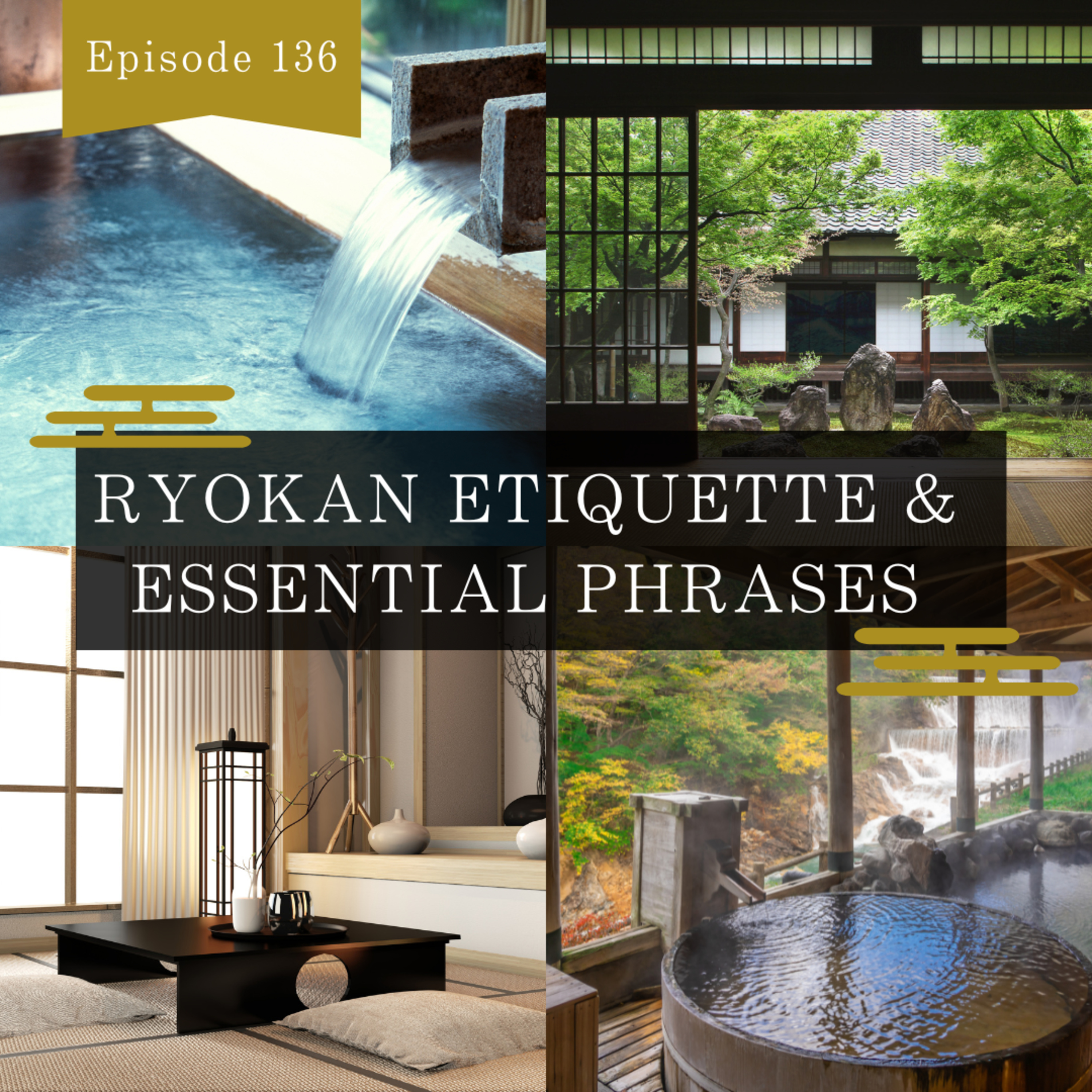
(N4-N3) THE ULTIMATE ONSEN GUIDE: Ryokan Etiquette & Essential Phrases - NIHONGO CANDY (Ep. 136)
Master the unspoken rules of the Japanese Ryokan (Hot Spring Inn) to travel with confidence and sophistication.🎯 What you'll learn:✅ Smooth Check-in: Phrases for arrival & meal confirmation.✅ Onsen Etiquette: Critical rules for baths & towels.✅ Dining Smart: Handling allergies & ordering local sake (Jizake).✅ Comfort: Getting the right Yukata size.📝 Cheat Sheet & Phrases:Review
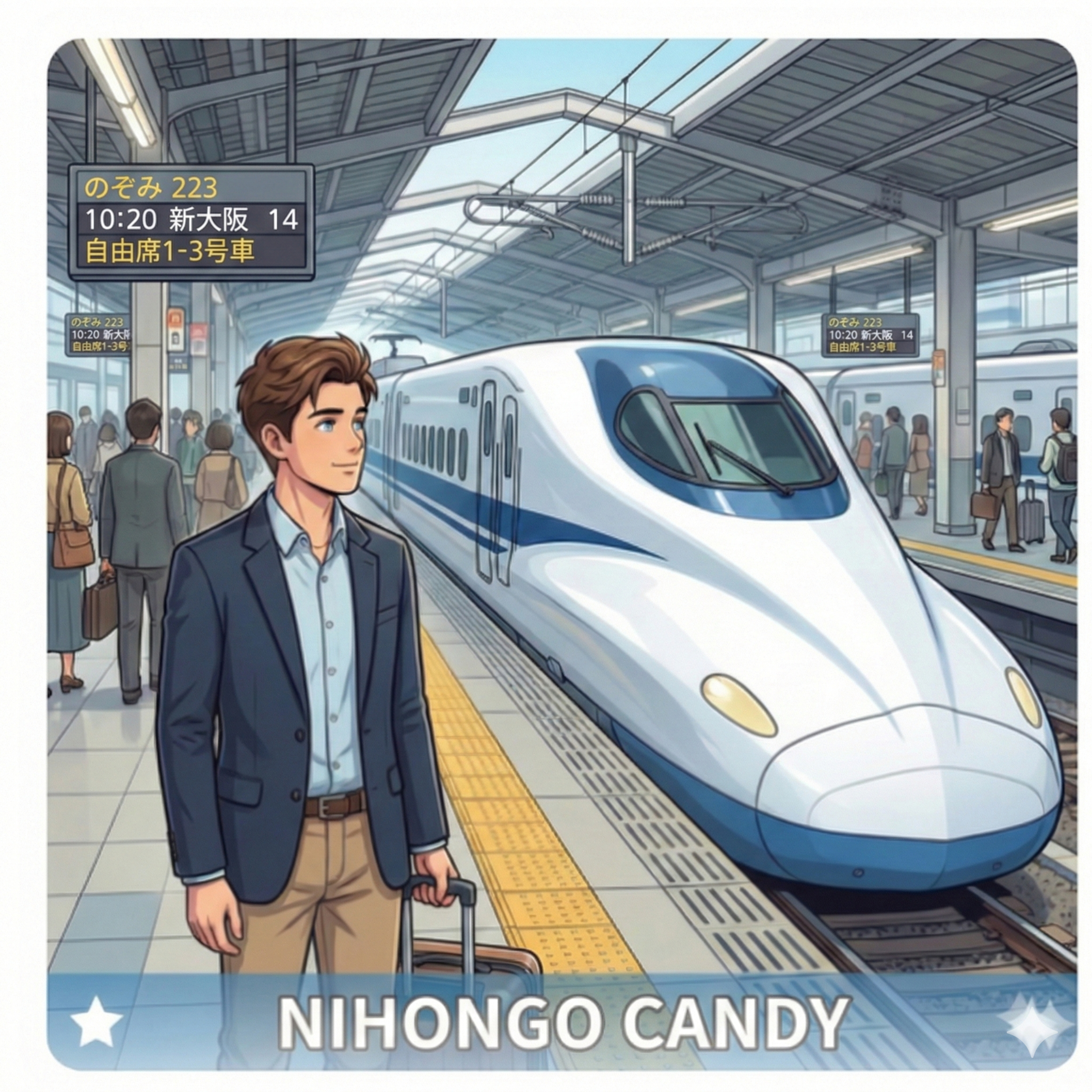
#135 How to Take the Shinkansen: Buying Tickets, SmartEX & Etiquette | 新幹線に乗る Shinkansen ni noru
🎯 What you'll learn in this episode (N5-N3 Level):✅ Ticket Purchasing: How to book online using "SmartEX" or purchase tickets at the "Midori no Madoguchi" (Ticket Office), including how to use e-tickets with your IC card.✅ Seat Selection: Vocabulary to choose between "Shiteiseki" (Reserved seat) and "Green-sha" (Green Car), and specifying preferences lik
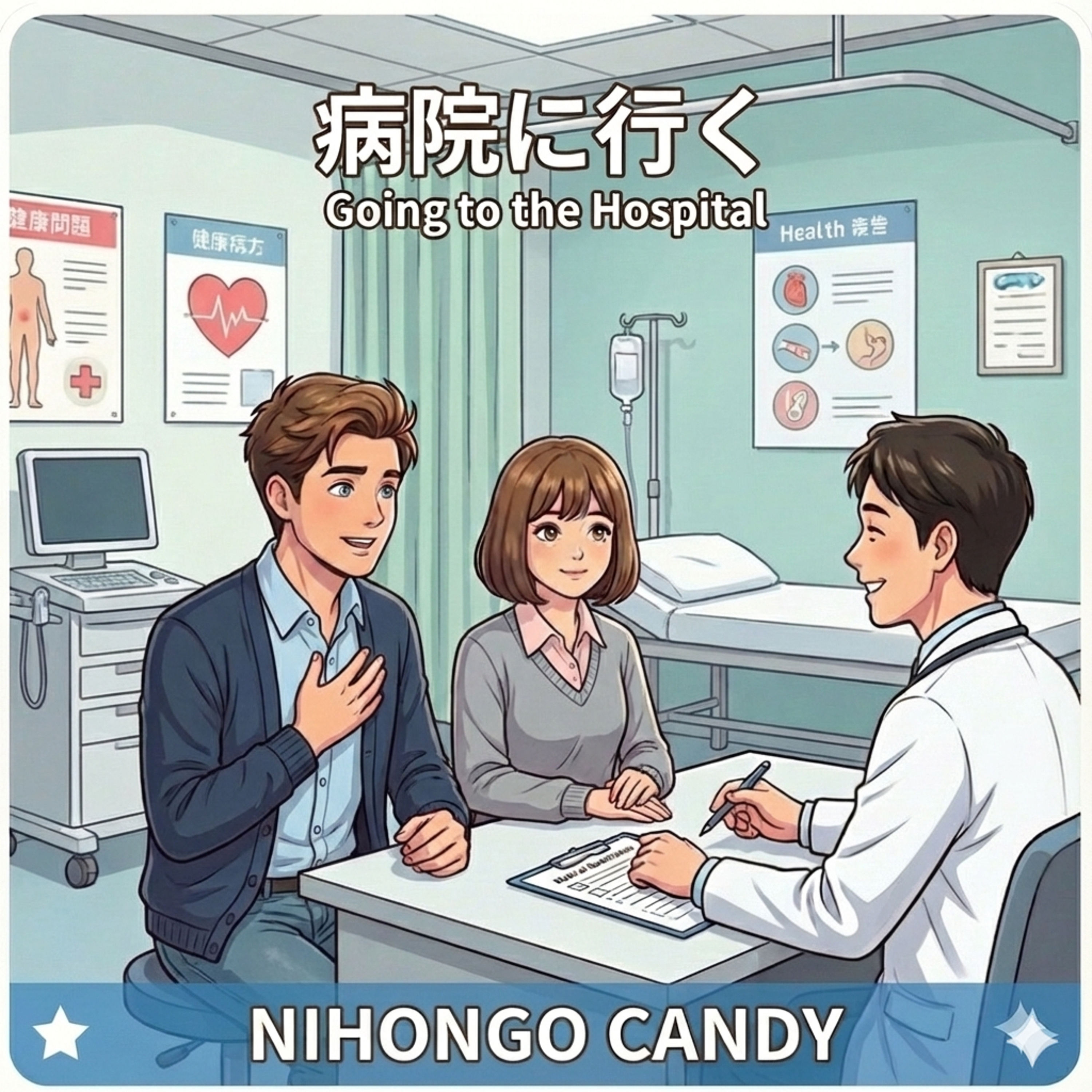
Navigating Healthcare in Japan: Essential Japanese for Doctor Visits & Pharmacies | #134
🎯 What you'll learn in this episode (N5-N3 Level):✅ Reception Essentials: How to check in as a first-time patient ("Shoshin") and handle insurance verification using your "My Number Card" (Myna Hokensho) or residence card.✅ Explaining Symptoms: Vocabulary to clearly describe your condition to the doctor, such as "Netsu ga arimasu" (I have a fever) and specifying d

Renting in Japan: Essential Japanese for Apartments & Contracts | #133
🎯 What you'll learn in this episode (N5-N3 Level):✅ At the Real Estate Agency: How to describe your desired layout ("1LDK") and distance from the station ("Eki kara 10-pun").✅ Viewing Checks: Key questions to ask during a viewing, such as sunlight availability ("Hiatari") and pet policies.✅ Contracts & Documents: Vocabulary for essential paperwork, including &

Skiing in Japan: Essential Japanese for Rentals & Lifts | #132
🎯 What you'll learn in this episode (N5-N3 Level):✅ Rentals & Sizes: How to communicate your height and shoe size in centimeters ("27-senchi desu") to get the perfect gear.✅ At the Ticket Counter: Phrases for purchasing lift passes ("Ichinichi-ken") and understanding the IC card deposit system.✅ Navigating Lifts: Understanding course signs (Beginner/Advanced) and safety
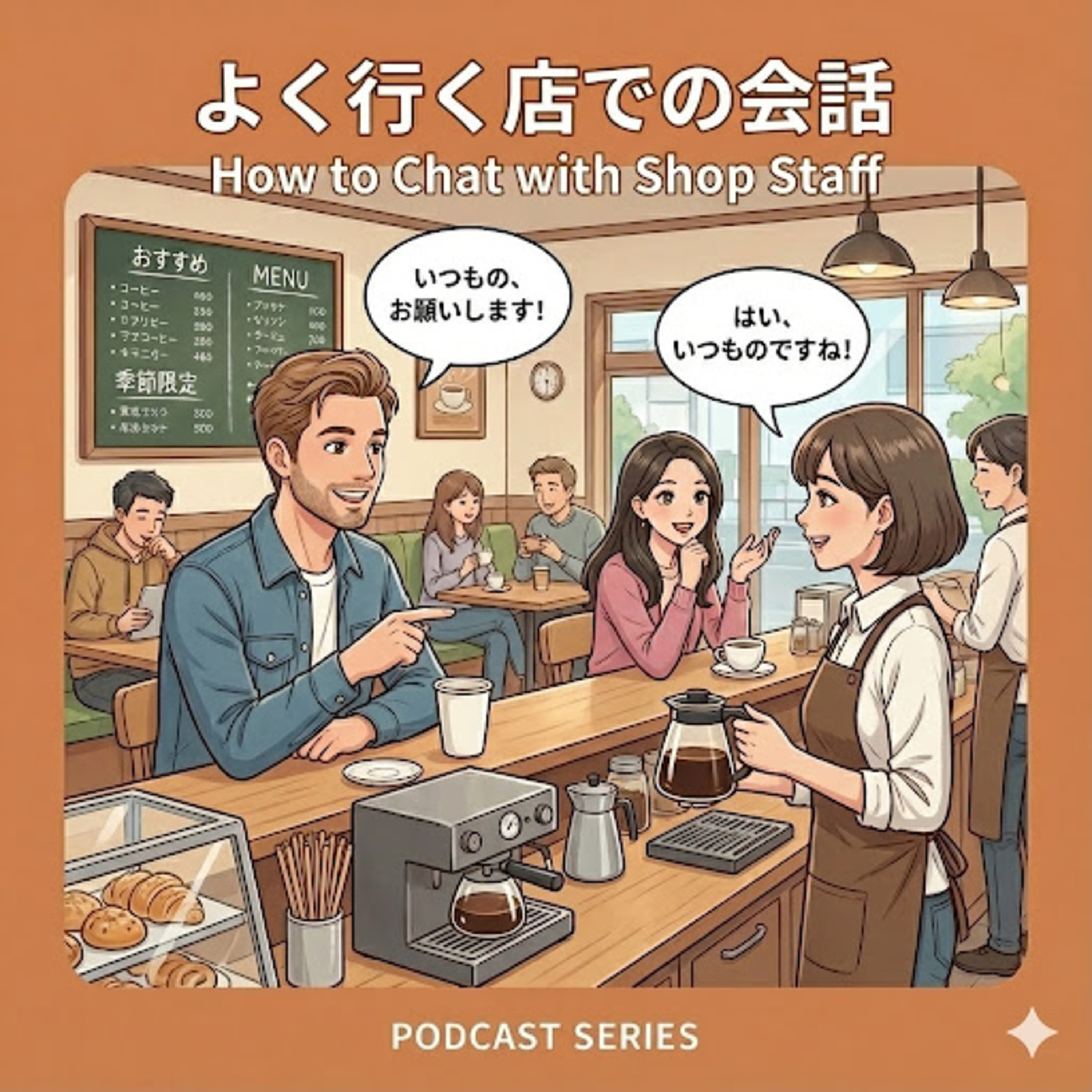
(N5-N3) How to Chat with Shop Staff: Becoming a "Regular" Customer - Essential Phrases (Ep. 131)
🎯 What you'll learn in this episode (N5-N3 Level):✅Becoming a Regular: Expressions for entering a shop as a regular customer ("Itsumo arigato gozaimasu," weather talk).✅Ordering Like a Pro: How to order "The usual" ("Itsumo no") or ask for recommendations ("Osusume wa nan desu ka?").✅Small Talk: Friendly conversation starters with staff ("Saikin do desu ka?", complimenting food).✅Culture: Understa

(N5-N3) My Life in Tokyo: Odaiba Date & Our Future Together - Aidan's Life (Ep. 12 / 130)
🎯 What you'll learn in this episode (N5-N3 Level):Review: Talking about past memories (garbage rules, first nomikai, meeting at a cafe).Future Tense: How to express future plans and possibilities ("kamoshirenai").Romance: How to say "I want to be with you" (Issho ni itai).Culture: Dating at Odaiba (a popular seaside spot in Tokyo). BOOST Your Learning: Read the Full Scripts

(N5-N3) How to Confess Your Love ("Kokuhaku") & Visit a Shrine for New Year - Aidan's Life (Ep. 11 / 129)
🎯 What you'll learn in this episode (N5-N3 Level):How to say "Happy New Year" (Akemashite omedeto).The correct etiquette for praying at a shrine (Hatsumode).Japanese dating culture: How to do a "Kokuhaku" (love confession).Useful phrases for expressing your feelings to someone special.BOOST Your Learning: Read the Full Scripts!https://www.welcjp.com/category/podcast-nihongo

N5-N3 How to Apologize for a Mistake at Work & Food Texture Words (Onomatopoeia) (Ep. 10 / 128)
🎯 What you'll learn in this episode (N5-N3 Level):How to apologize to a boss politely (Business Japanese basics).Useful phrases for ordering an "Omakase" course at a restaurant.Japanese onomatopoeia for food textures (e.g., "Saku-saku," "Puri-puri").How to talk about feelings (being homesick and lonely).📚 BOOST Your Learning: Read the Full Scripts!https://www.welc

What Does "Ookini" (おおきに) Mean? - Kansai Dialect & Kyoto Trip Conversation (Ep. 9 / 127)
🎯 What you'll learn in this episode (N5-N3 Level):How to use phrases for travel (e.g., on the Shinkansen).Simple phrases for giving impressions at a tourist spot (e.g., "Kirei," "Oishii").What "Kansai Dialect" (関西弁) is and how it's different from Tokyo.The meaning of "Ookini" (おおきに) as "Arigatoo" (ありがとう).📚 BOOST Your Learning: Read the Full

N5-N3 What "Mata Aetara" (また会えたら) Really Means - Real Japanese Dating Conversation (Ep. 8 / 126)
🎯 What you'll learn in this episode (N5-N3 Level):How to ask someone out on a date (using text messages).Phrases for arranging a meeting time and place (e.g., at the station).Simple conversation for being at a museum (giving impressions).The real meaning of ambiguous Japanese phrases (like "また会えたらいいですね").📚 BOOST Your Learning: Read the Full Scripts!https://www.welcjp.com/category/pod

N5-N3 Japanese Listening Practice: Conversation at a Cafe - Aidan's Life in Tokyo 7 / Ep. 125
🎯What you'll learn in this episode (N5-N3 Level):How to order coffee at a cafe.How to talk about your hobbies (books, movies, etc.)Natural phrases for meeting someone new.How to ask for contact information (like LINE).📚 BOOST Your Learning: Read the Full Scripts!https://www.welcjp.com/category/podcast-nihongo-candy📈 Connect with Us:Instagram: https://www.instagram.com/welcjapanese/

Surviving Your First "Nomikai" (Japanese Drinking Party) - Listening Practice (Aidan's Life Ep. 6)
🎯Perfect For:JLPT N5-N3 learners (beginner to intermediate) ready for real conversationsPeople who want to transform textbook Japanese into natural speaking skills with expert guidanceLearners seeking practical insights from an experienced instructor beyond what AI apps offerBusy professionals who need actionable Japanese for everyday situations📚 BOOST Your Learning: Read the Full Scripts!https://

Japanese Listening: Taking the Train in Tokyo & Going to the Gym - Aidan's Life in Tokyo 5 (Ep. 123)
🎯Perfect For:JLPT N5-N3 learners (beginner to intermediate) ready for real conversationsPeople who want to transform textbook Japanese into natural speaking skills with expert guidanceLearners seeking practical insights from an experienced instructor beyond what AI apps offerBusy professionals who need actionable Japanese for everyday situations📚 BOOST Your Learning: Read the Full Scripts!https://

Japanese Listening Practice: At a Japanese Supermarket - Aidan's Life in Tokyo 4 (Ep. 122)
🎯Perfect For:JLPT N5-N3 learners (beginner to intermediate) ready for real conversationsPeople who want to transform textbook Japanese into natural speaking skills with expert guidanceLearners seeking practical insights from an experienced instructor beyond what AI apps offerBusy professionals who need actionable Japanese for everyday situations📚 BOOST Your Learning: Read the Full Scripts!https://

JLPT N5-N3 | When to Use "Otsukaresama Desu" - Real Japanese Listening (Aidan's life in Tokyo Ep. 3)
🎯Perfect For:JLPT N5-N3 learners (beginner to intermediate) ready for real conversationsPeople who want to transform textbook Japanese into natural speaking skills with expert guidanceLearners seeking practical insights from an experienced instructor beyond what AI apps offerBusy professionals who need actionable Japanese for everyday situations📚 BOOST Your Learning: Read the Full Scripts!https://

JLPT N5-N3 | Japanese Listening: How to Greet Neighbors in Japan - Aidan's Life in Tokyo 2 (Ep. 120)
🎯Perfect For:JLPT N5-N3 learners (beginner to intermediate) ready for real conversationsPeople who want to transform textbook Japanese into natural speaking skills with expert guidanceLearners seeking practical insights from an experienced instructor beyond what AI apps offerBusy professionals who need actionable Japanese for everyday situations📚 BOOST Your Learning: Read the Full Scripts!https://

How to Separate Garbage in Japan (Difficult!) | Aidan's Life in Tokyo 1 | Japanese Listening (Ep. 119)
🎯Perfect For:JLPT N5-N3 learners (beginner to intermediate) ready for real conversationsPeople who want to transform textbook Japanese into natural speaking skills with expert guidanceLearners seeking practical insights from an experienced instructor beyond what AI apps offerBusy professionals who need actionable Japanese for everyday situations📚 BOOST Your Learning: Read the Full Scripts!https://
![[N3 Grammar] "Tokoro" (ところ) as a Cushion Word in Business](https://d3t3ozftmdmh3i.cloudfront.net/staging/podcast_uploaded_episode/41412098/41412098-1757998859210-d60b963b3f633.jpg)
[N3 Grammar] "Tokoro" (ところ) as a Cushion Word in Business
🎯Perfect For:JLPT N5-N3 learners (beginner to intermediate) ready for real conversationsPeople who want to transform textbook Japanese into natural speaking skills with expert guidanceLearners seeking practical insights from an experienced instructor beyond what AI apps offerBusy professionals who need actionable Japanese for everyday situations📚 BOOST Your Learning: Read the Full Scripts!https://
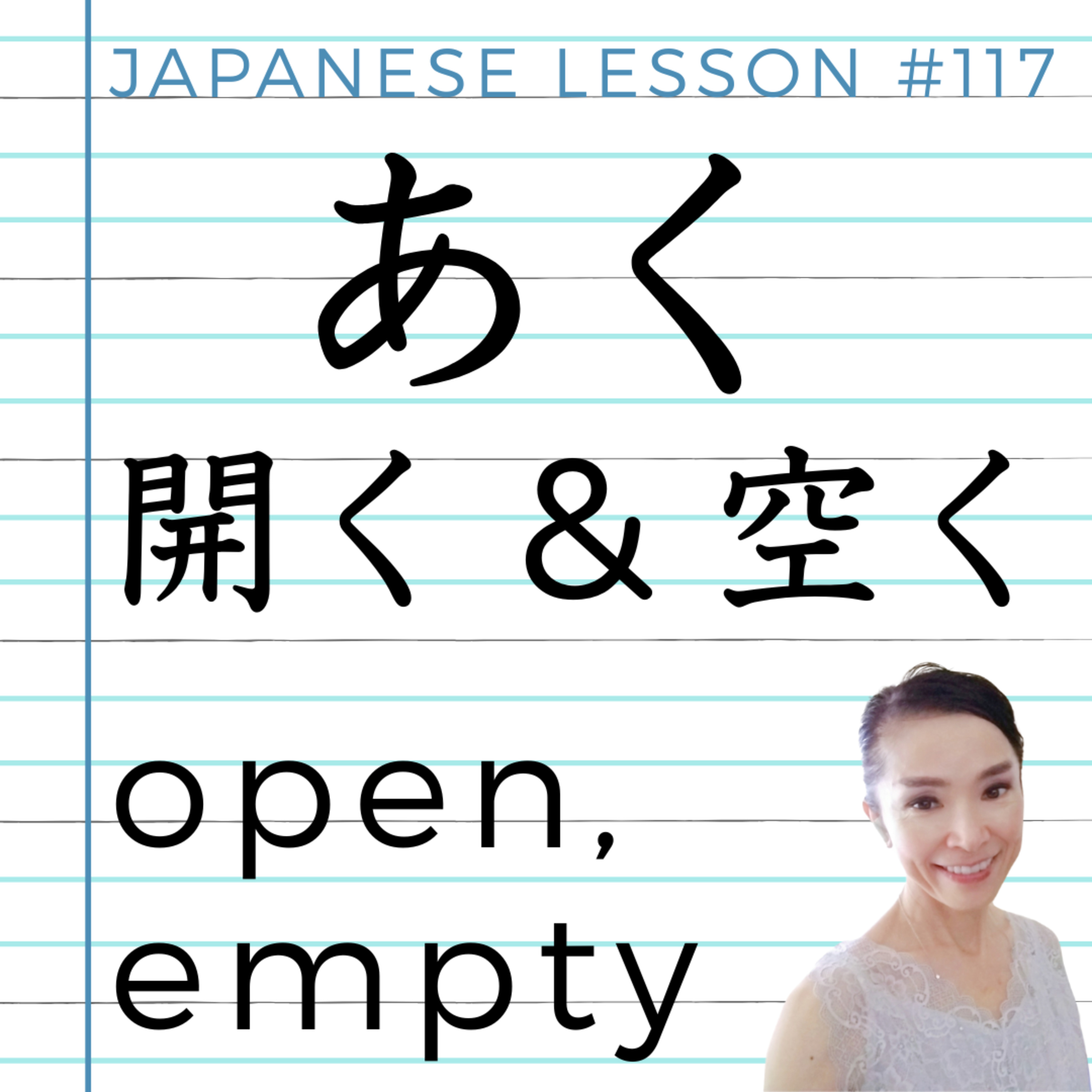
Open or Empty? Mastering "Aku" (開く vs. 空く)
🎯Perfect For:JLPT N5-N3 learners (beginner to intermediate) ready for real conversationsPeople who want to transform textbook Japanese into natural speaking skills with expert guidanceLearners seeking practical insights from an experienced instructor beyond what AI apps offerBusy professionals who need actionable Japanese for everyday situations📚 BOOST Your Learning: Read the Full Scripts!https://
![[N3 Grammar] "I should have..." | Expressing Regret (〜ばよかった)](https://d3t3ozftmdmh3i.cloudfront.net/staging/podcast_uploaded_episode/41412098/41412098-1757051303407-e5c80e5f1ab66.jpg)
[N3 Grammar] "I should have..." | Expressing Regret (〜ばよかった)
🎯Perfect For:JLPT N5-N3 learners (beginner to intermediate) ready for real conversationsPeople who want to transform textbook Japanese into natural speaking skills with expert guidanceLearners seeking practical insights from an experienced instructor beyond what AI apps offerBusy professionals who need actionable Japanese for everyday situations📚 BOOST Your Learning: Read the Full Scripts!https
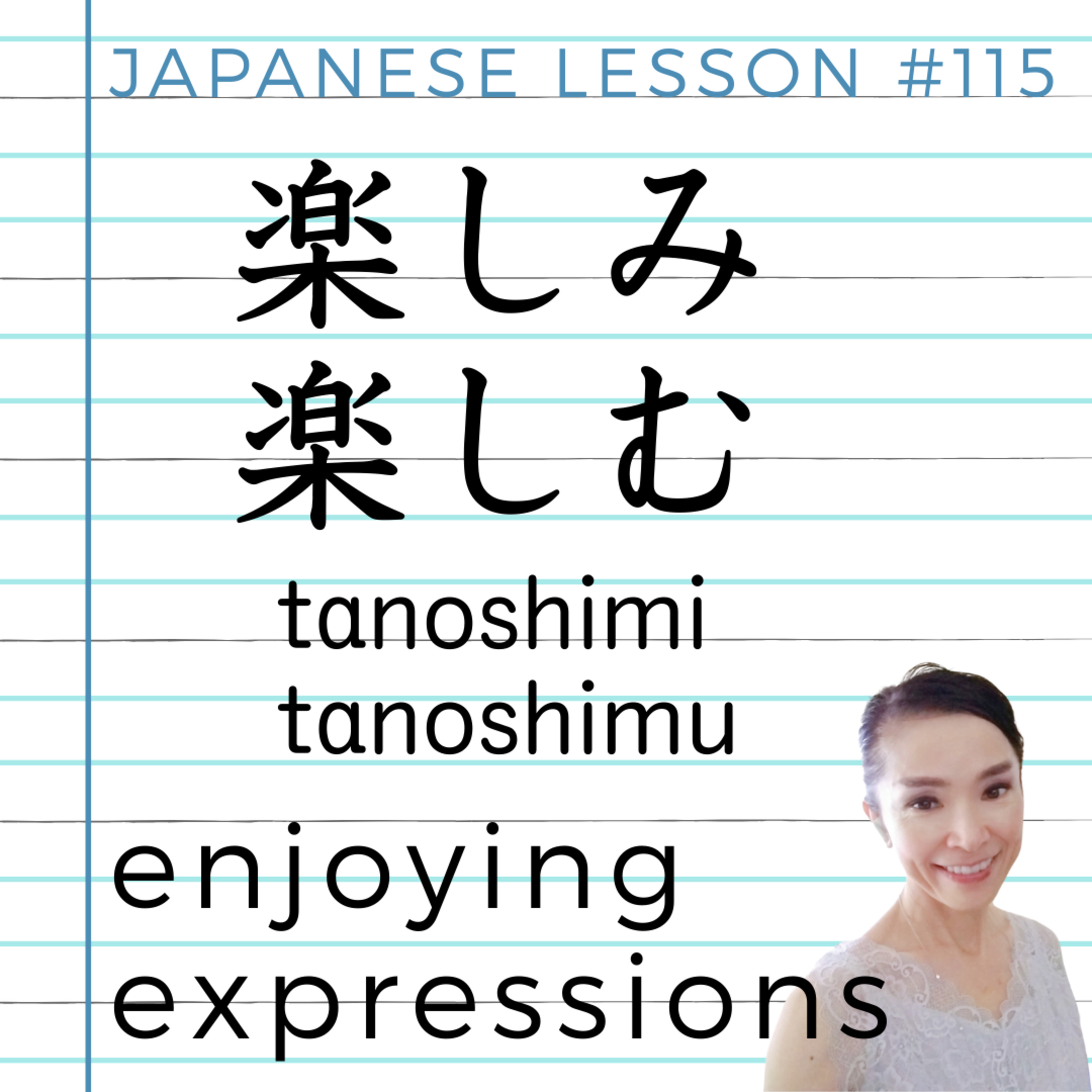
Enjoy vs. Look Forward To: Using 楽しむ & 楽しみ (Tanoshimi)
🎯Perfect For:JLPT N5-N3 learners (beginner to intermediate) ready for real conversationsPeople who want to transform textbook Japanese into natural speaking skills with expert guidanceLearners seeking practical insights from an experienced instructor beyond what AI apps offerBusy professionals who need actionable Japanese for everyday situations📚 BOOST Your Learning: Read the Full Scripts!https://

Japanese Slang: "Shindoi" (しんどい) | "I'm exhausted!"
🎯Perfect For:JLPT N5-N3 learners (beginner to intermediate) ready for real conversationsPeople who want to transform textbook Japanese into natural speaking skills with expert guidanceLearners seeking practical insights from an experienced instructor beyond what AI apps offerBusy professionals who need actionable Japanese for everyday situations📚 BOOST Your Learning: Read the Full Scripts!https://
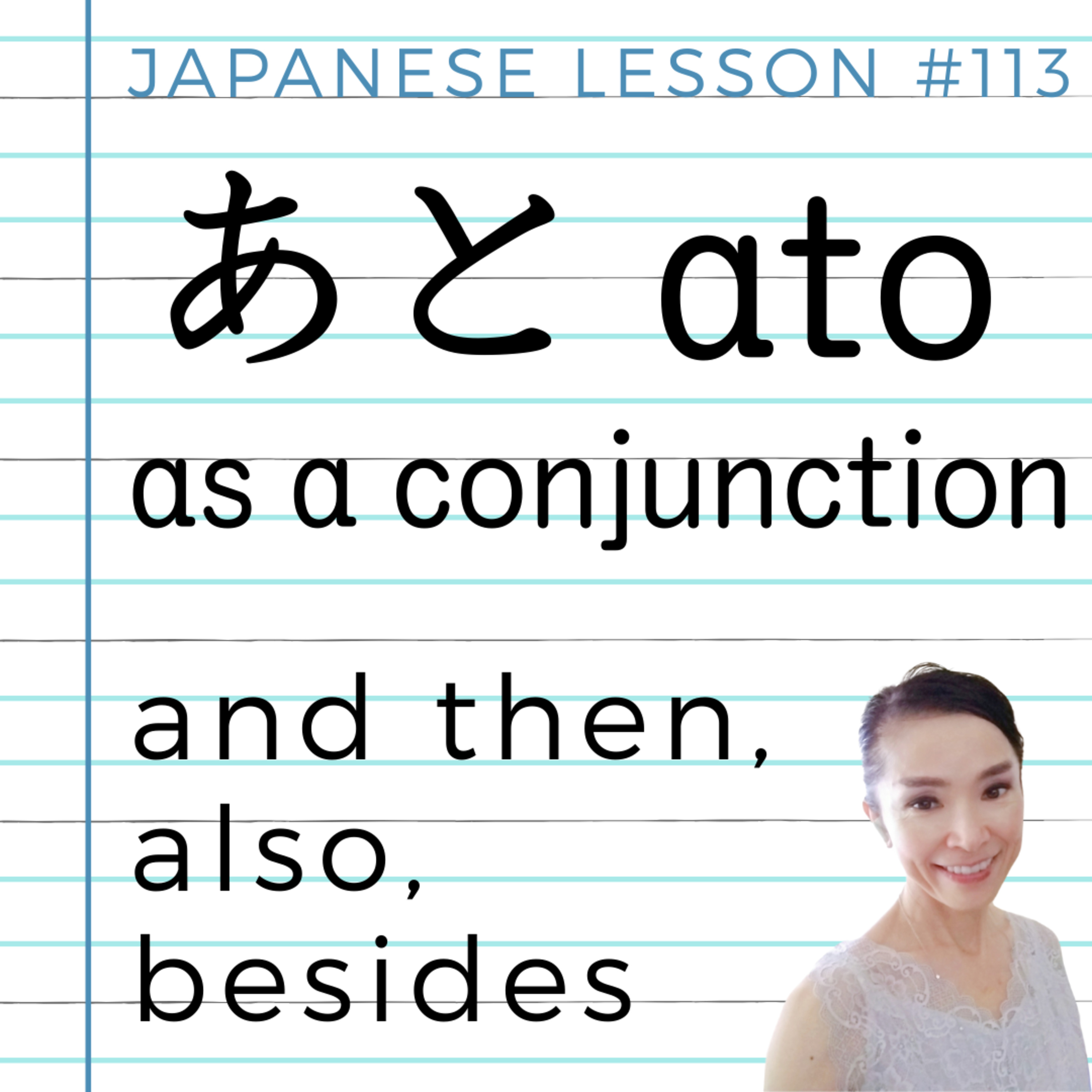
"And then..." & "Also": The Casual Conjunction "Ato" (あと)
🎯Perfect For:JLPT N5-N3 learners (beginner to intermediate) ready for real conversationsPeople who want to transform textbook Japanese into natural speaking skills with expert guidanceLearners seeking practical insights from an experienced instructor beyond what AI apps offerBusy professionals who need actionable Japanese for everyday situations📚 BOOST Your Learning: Read the Full Scripts!https://

"I lost my wallet!" : Lost & Found Phrases in Japan
🚨 Handle Lost Item Emergencies in Japan・From: Panic mode → To: Confident communication at key locations・From: "I lost my wallet!" → To: "densha no naka ni saifu wo wasuremashita" (I left my wallet on the train)🎯 Navigate Three Critical Locations・At train stations: Go to "otoshimono sentaa" (lost and found center) and explain when/where・At shopping malls: Report to &qu

"Can I try this on?" : Shopping for Clothes in Japan
👔 Navigate Real Clothing Store SituationsFrom: Basic vocabulary → To: Practical shopping phrasesFrom: "Can I try this on?" → To: "shichaku dekimasu ka" (Can I try this on?)From: "It's tight" → To: "kitsui desu" (It's tight) - get the right size!🎯 Handle Common Shopping ChallengesAt the entrance: Respond to "nanika osagashi desu ka" (Are you looking for something?) naturallyIn fitting rooms: Unders
Ordering Ramen in Japan: Essential Phrases & Menu
🍜 Navigate Real Ramen Shop SituationsFrom: Basic vocabulary → To: Practical restaurant phrasesFrom: "How long?" → To: "nanpun machimasu ka" (How many minutes will I wait?)From: "It's delicious" → To: "oishikatta desu" (It was delicious) - make staff happy!🎯 Handle Common Restaurant ChallengesAt the entrance: Ask "koko ga saigo desu ka" (Is this the end of the line?)With ticket machines: Say "sumim
![[N3 Grammar] The "-sa" Suffix: Turning Adjectives into Nouns](https://d3t3ozftmdmh3i.cloudfront.net/staging/podcast_uploaded_episode/41412098/41412098-1752733163195-2aea75a718ebe.jpg)
[N3 Grammar] The "-sa" Suffix: Turning Adjectives into Nouns
🎌 Make Your Japanese Sound More NaturalFrom: "This building is tall" → To: "This building's height is 100 meters"From: "She is kind" → To: "I'm grateful for her kindness"Change simple adjectives into more natural Japanese expressions!🎯 Talk Better in Daily LifeAt the hair salon: Understand "Is this pressure okay?" (tsuyosa wa kono gurai de yoroshii desu ka)About food: Say "I was moved by this dish
"Ato" (あと): Meaning "Later" vs. "Remaining"
Learn Japanese: Essential JLPT Grammar & Vocabulary | NIHONGO CANDY📱 Full lesson summary slides available on Patreon with each episode! patreon.com/mikisensei_welcMaster one essential Japanese grammar point or vocabulary item in just 6 minutes! Each episode focuses on a practical JLPT N5-N3 level expression that's frequently used in daily conversations and appears on the exam.What You’ll Learn
![[N4 Grammar] "Kamo Shirenai" (かもしれない) | Expressing Probability](https://d3t3ozftmdmh3i.cloudfront.net/staging/podcast_uploaded_episode/41412098/41412098-1752480616196-a2d4d2a5d81e2.jpg)
[N4 Grammar] "Kamo Shirenai" (かもしれない) | Expressing Probability
Learn Japanese: Essential JLPT Grammar & Vocabulary | NIHONGO CANDY📱 Full lesson summary slides available on Patreon with each episode! patreon.com/mikisensei_welcMaster one essential Japanese grammar point or vocabulary item in just 6 minutes! Each episode focuses on a practical JLPT N5-N3 level expression that's frequently used in daily conversations and appears on the exam.What You’ll Learn
![[N3 Grammar] "Nanka" (なんか) | Expressing Strong Denial & "The likes of"](https://d3t3ozftmdmh3i.cloudfront.net/staging/podcast_uploaded_episode/41412098/41412098-1750814790045-df249f619324b.jpg)
[N3 Grammar] "Nanka" (なんか) | Expressing Strong Denial & "The likes of"
Learn Japanese: Essential JLPT Grammar & Vocabulary | NIHONGO CANDY🎉 Episode 100 – Special Thank You! 🎉Thanks for listening! To celebrate my 100th episode, I’m sharing a limited-time discount for my Udemy course. Don’t miss this chance! The coupon is valid until July 5, 2025.🎁 Get it here:https://www.udemy.com/course/intermediate-japanese-jlpt-n3-course1/?couponCode=100EPISODES📱 Full lesson su
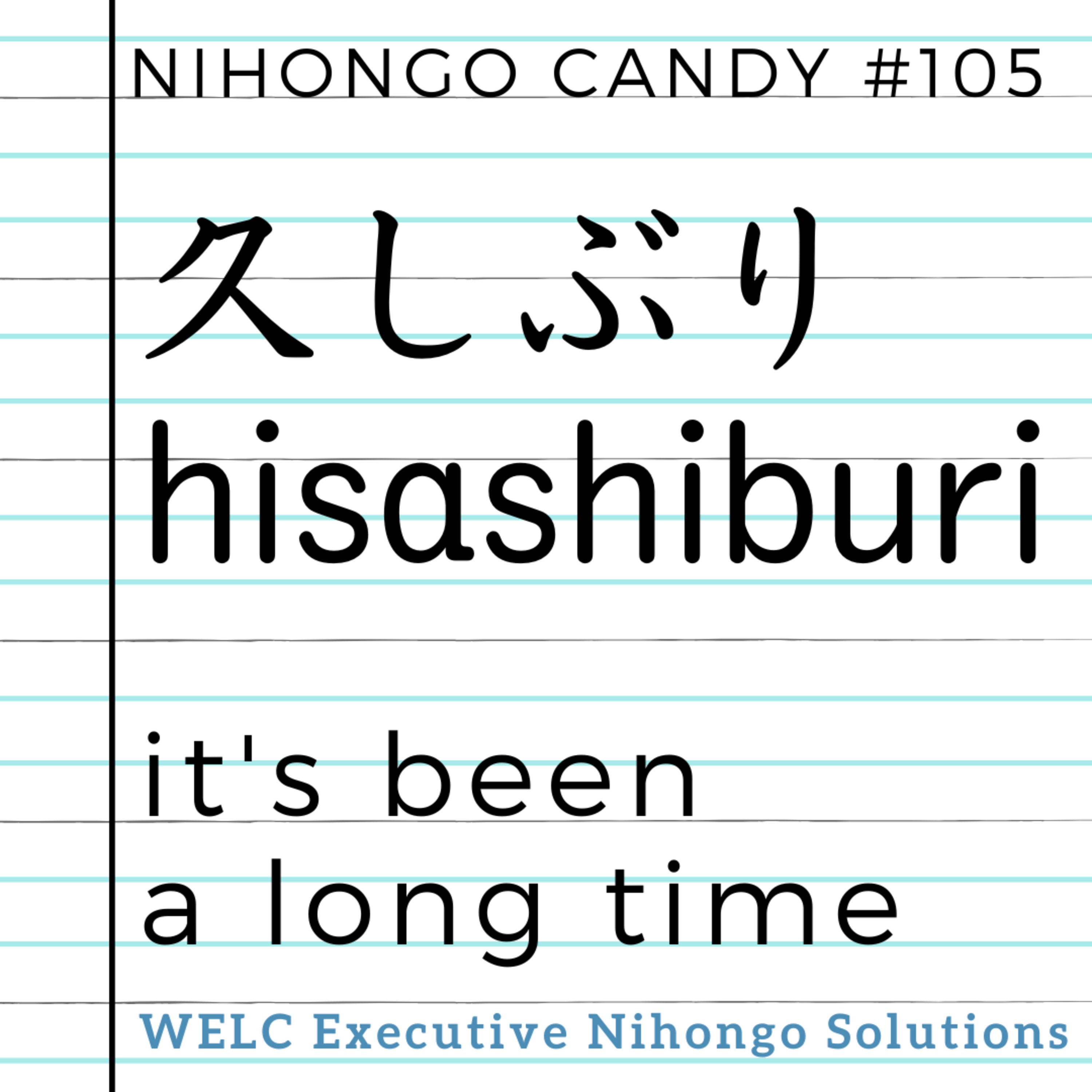
"Long time no see!" : How to use "Hisashiburi" (久しぶり)
Learn Japanese: Essential JLPT Grammar & Vocabulary | NIHONGO CANDY🎉 Episode 100 – Special Thank You! 🎉Thanks for listening! To celebrate my 100th episode, I’m sharing a limited-time discount for my Udemy course. Don’t miss this chance! The coupon is valid until July 5, 2025.🎁 Get it here:https://www.udemy.com/course/intermediate-japanese-jlpt-n3-course1/?couponCode=100EPISODES📱 Full lesson su

"The Wi-Fi connected!" : Mastering "Tsunagaru" (つながる)
Learn Japanese: Essential JLPT Grammar & Vocabulary | NIHONGO CANDY🎉 Episode 100 – Special Thank You! 🎉Thanks for listening! To celebrate my 100th episode, I’m sharing a limited-time discount for my Udemy course. Don’t miss this chance! The coupon is valid until July 5, 2025.🎁 Get it here:https://www.udemy.com/course/intermediate-japanese-jlpt-n3-course1/?couponCode=100EPISODES📱 Full lesson su
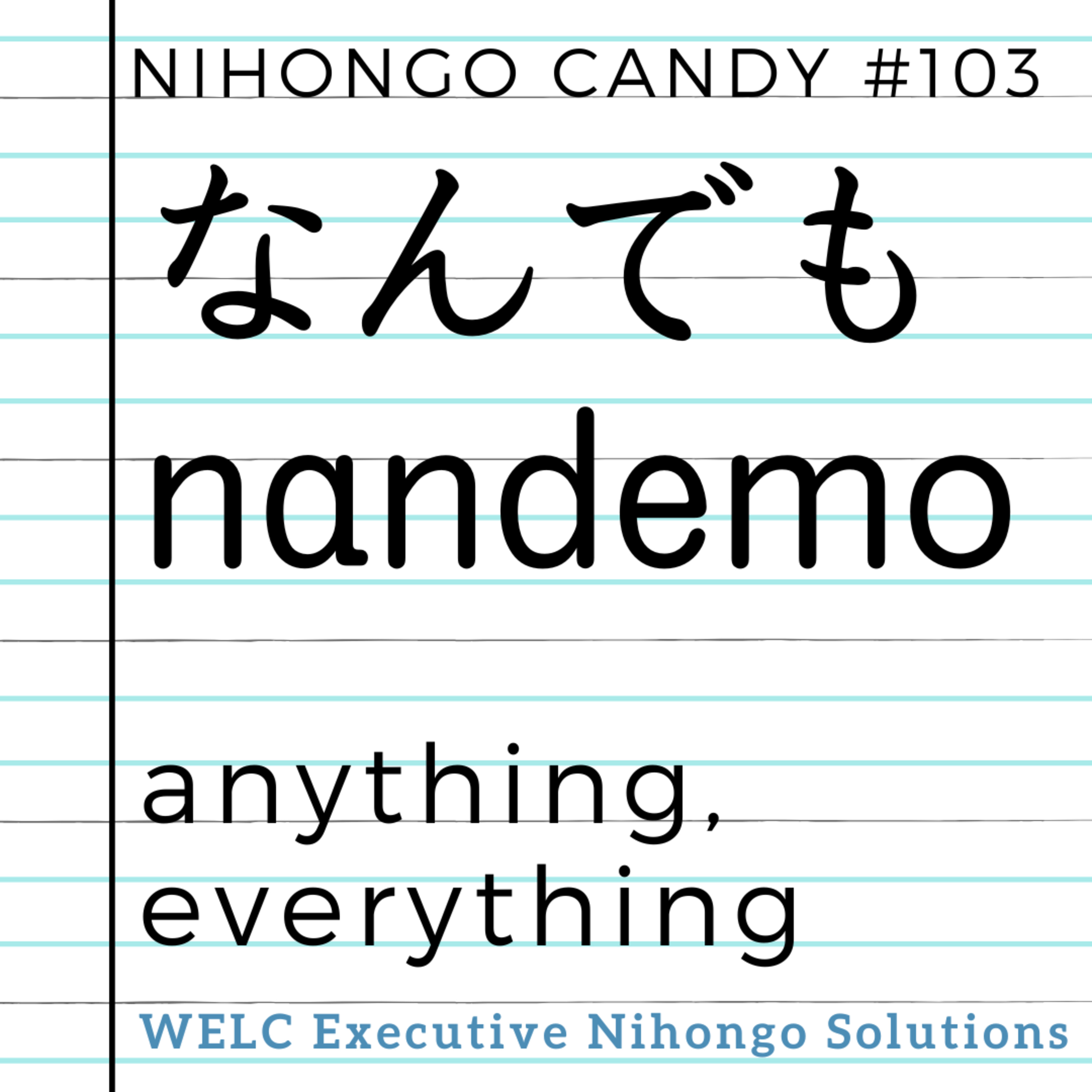
"Anything is fine!" : How to use "Nandemo" (なんでも)
Learn Japanese: Essential JLPT Grammar & Vocabulary | NIHONGO CANDY🎉 Episode 100 – Special Thank You! 🎉Thanks for listening! To celebrate my 100th episode, I’m sharing a limited-time discount for my Udemy course. Don’t miss this chance! The coupon is valid until July 5, 2025.🎁 Get it here:https://www.udemy.com/course/intermediate-japanese-jlpt-n3-course1/?couponCode=100EPISODES📱 Full lesson su
![[Vocab] 3 Meanings of "Tsuku" (つく) | Arrive, Turn On, Attach](https://d3t3ozftmdmh3i.cloudfront.net/staging/podcast_uploaded_episode/41412098/41412098-1748752671469-f58d825534f41.jpg)
[Vocab] 3 Meanings of "Tsuku" (つく) | Arrive, Turn On, Attach
Learn Japanese: Essential JLPT Grammar & Vocabulary | NIHONGO CANDY🎉 Episode 100 – Special Thank You! 🎉Thanks for listening! To celebrate my 100th episode, I’m sharing a limited-time discount for my Udemy course. Don’t miss this chance! The coupon is valid until July 5, 2025.🎁 Get it here:https://www.udemy.com/course/intermediate-japanese-jlpt-n3-course1/?couponCode=100EPISODES📱 Full lesson su

Japanese Idioms: Expressions using "Kuchi" (Mouth/くち)
Learn Japanese: Essential JLPT Grammar & Vocabulary | NIHONGO CANDY🎉 Episode 100 – Special Thank You! 🎉Thanks for listening! To celebrate my 100th episode, I’m sharing a limited-time discount for my Udemy course. Don’t miss this chance! The coupon is valid until July 5, 2025.🎁 Get it here:https://www.udemy.com/course/intermediate-japanese-jlpt-n3-course1/?couponCode=100EPISODES📱 Full lesson su

"It's not a big deal!" : Using "Taishita koto" (たいしたこと)
Learn Japanese: Essential JLPT Grammar & Vocabulary | NIHONGO CANDY🎉 Episode 100 – Special Thank You! 🎉Thanks for listening! To celebrate my 100th episode, I’m sharing a limited-time discount for my Udemy course. Don’t miss this chance! The coupon is valid until July 5, 2025.🎁 Get it here:https://www.udemy.com/course/intermediate-japanese-jlpt-n3-course1/?couponCode=100EPISODES📱 Full lesson su
![[Keigo] "Irassharu" (いらっしゃる) | Honorifics for Go, Come, Be](https://d3t3ozftmdmh3i.cloudfront.net/staging/podcast_uploaded_episode/41412098/41412098-1747382905590-178ee5c14b2d6.jpg)
[Keigo] "Irassharu" (いらっしゃる) | Honorifics for Go, Come, Be
Learn Japanese: Essential JLPT Grammar & Vocabulary | NIHONGO CANDY📱 Full lesson summary slides now available on Patreon with each episode! patreon.com/mikisensei_welcMaster one essential Japanese grammar point or vocabulary item in just 6 minutes! Each episode focuses on a practical JLPT N5-N3 level expression that's frequently used in daily conversations and appears on the exam.What You’ll L
![[N4 Grammar] "~te morau" (てもらう) | Receiving Favors](https://d3t3ozftmdmh3i.cloudfront.net/staging/podcast_uploaded_episode/41412098/41412098-1747382484806-1eb983c51590f.jpg)
[N4 Grammar] "~te morau" (てもらう) | Receiving Favors
Learn Japanese: Essential JLPT Grammar & Vocabulary | NIHONGO CANDY📱 Full lesson summary slides now available on Patreon with each episode! patreon.com/mikisensei_welcMaster one essential Japanese grammar point or vocabulary item in just 6 minutes! Each episode focuses on a practical JLPT N5-N3 level expression that's frequently used in daily conversations and appears on the exam.What You’ll L

"It's so comfortable!" : Meaning of "Raku" (楽) vs. Easy
Learn Japanese: Essential JLPT Grammar & Vocabulary | NIHONGO CANDY📱 Full lesson summary slides now available on Patreon with each episode! patreon.com/mikisensei_welcMaster one essential Japanese grammar point or vocabulary item in just 6 minutes! Each episode focuses on a practical JLPT N5-N3 level expression that's frequently used in daily conversations and appears on the exam.What You’ll L

Frequency Adverbs: Using "Tamani" (たまに) for "Occasionally"
Learn Japanese: Essential JLPT Grammar & Vocabulary | NIHONGO CANDY📱 Full lesson summary slides now available on Patreon with each episode! patreon.com/mikisensei_welcMaster one essential Japanese grammar point or vocabulary item in just 6 minutes! Each episode focuses on a practical JLPT N5-N3 level expression that's frequently used in daily conversations and appears on the exam.What You’ll L

"I'll do it someday..." : Nuance of "Sono uchi" (そのうち)
Learn Japanese: Essential JLPT Grammar & Vocabulary | NIHONGO CANDY📱 NEW! Full lesson summary slides now available on Instagram with each episode! Visit https://www.instagram.com/welcjapanese/ for visual notes and examples.Master one essential Japanese grammar point or vocabulary item in just 6 minutes! Each episode focuses on a practical JLPT N5-N3 level expression that's frequently used in
![[Vocab] The Many Meanings of "Tsukeru" (つける) | Turn on, Put on](https://d3t3ozftmdmh3i.cloudfront.net/staging/podcast_uploaded_episode/41412098/41412098-1745928279406-584b1c80628a8.jpg)
[Vocab] The Many Meanings of "Tsukeru" (つける) | Turn on, Put on
Learn Japanese: Essential JLPT Grammar & Vocabulary | NIHONGO CANDY📱 NEW! Full lesson summary slides now available on Instagram with each episode! Visit https://www.instagram.com/welcjapanese/ for visual notes and examples.Master one essential Japanese grammar point or vocabulary item in just 6 minutes! Each episode focuses on a practical JLPT N5-N3 level expression that's frequently used in
![[Grammar] Transitive vs. Intransitive: Naosu (なおす) & Naoru](https://d3t3ozftmdmh3i.cloudfront.net/staging/podcast_uploaded_episode/41412098/41412098-1745565019400-ff750ae865ecb.jpg)
[Grammar] Transitive vs. Intransitive: Naosu (なおす) & Naoru
【Naosu & Naoru】🔨No.1🔨 直す 直る💊No.2💊 治す 治る Learn Japanese: Essential JLPT Grammar & Vocabulary | NIHONGO CANDY📱 NEW! Full lesson summary slides now available on Instagram with each episode! Visit https://www.instagram.com/welcjapanese/ for visual notes and examples.Master one essential Japanese grammar point or vocabulary item in just 6 minutes! Each episode focuses on a practical JLPT N5-N3
![[N3 Grammar] "Mitai" (みたい) | Expressing "Looks like" & Hearsay](https://d3t3ozftmdmh3i.cloudfront.net/staging/podcast_uploaded_episode/41412098/41412098-1745564209232-4ae5a1dc1b4f4.jpg)
[N3 Grammar] "Mitai" (みたい) | Expressing "Looks like" & Hearsay
Learn Japanese: Essential JLPT Grammar & Vocabulary | NIHONGO CANDY📱 NEW! Full lesson summary slides now available on Instagram with each episode! Visit https://www.instagram.com/welcjapanese/ for visual notes and examples.Master one essential Japanese grammar point or vocabulary item in just 6 minutes! Each episode focuses on a practical JLPT N5-N3 level expression that's frequently used in

"That's too bad!" : How to use "Zannen" (残念)
Learn Japanese: Essential JLPT Grammar & Vocabulary | NIHONGO CANDY📱 NEW! Full lesson summary slides now available on Instagram with each episode! Visit https://www.instagram.com/welcjapanese/ for visual notes and examples.Master one essential Japanese grammar point or vocabulary item in just 6 minutes! Each episode focuses on a practical JLPT N5-N3 level expression that's frequently used in

"Sugoi!" (すごい) : The #1 Japanese Reaction Word
Learn Japanese: Essential JLPT Grammar & Vocabulary | NIHONGO CANDY📱 NEW! Full lesson summary slides now available on Instagram with each episode! Visit https://www.instagram.com/welcjapanese/ for visual notes and examples.Master one essential Japanese grammar point or vocabulary item in just 6 minutes! Each episode focuses on a practical JLPT N5-N3 level expression that's frequently used in
![[Vocab] "Dasu" (出す) | Meaning "Take Out" & "Submit"](https://d3t3ozftmdmh3i.cloudfront.net/staging/podcast_uploaded_episode/41412098/41412098-1744334581548-e3a1b36f09c7f.jpg)
[Vocab] "Dasu" (出す) | Meaning "Take Out" & "Submit"
Learn Japanese: Essential JLPT Grammar & Vocabulary | NIHONGO CANDY📱 NEW! Full lesson summary slides now available on Instagram with each episode! Visit https://www.instagram.com/welcjapanese/ for visual notes and examples.Master one essential Japanese grammar point or vocabulary item in just 6 minutes! Each episode focuses on a practical JLPT N5-N3 level expression that's frequently used in
Recommended

Talk About Talk - Executive & Leadership Communication Skills

English with Olivia | Slow Conversations & Vocabulary

Stand In The Circle

SLOW ENGLISH PODCAST (A1-A2) With Subtitles | Daily Videos | English With Us Podcast

Learn English A2 with Daily News | Simple English Listening Practice

پلی لیست | PlayList

Conspiracy Files with Paige Carter

Bad Friends

Learn 50 English Phrases While You Sleep | Everyday English Phrases & Vocabulary

This Past Weekend w/ Theo Von

Dateline NBC

Back to the 80s Radio
