If/Then
If/Then is a podcast from Stanford Graduate School of Business that explores how to lead with purpose, make better decisions, and navigate an uncertain future. Faculty members break down cutting-edge research on leadership, strategy, and more, addressing enduring questions and the forces reshaping business and society today, from AI to geopolitics. The show is hosted by senior editor Kevin Cool.
Episodes
An AI@GSB Special: Demis Hassabis Thinks We’re in the ‘Foothills of the Singularity’
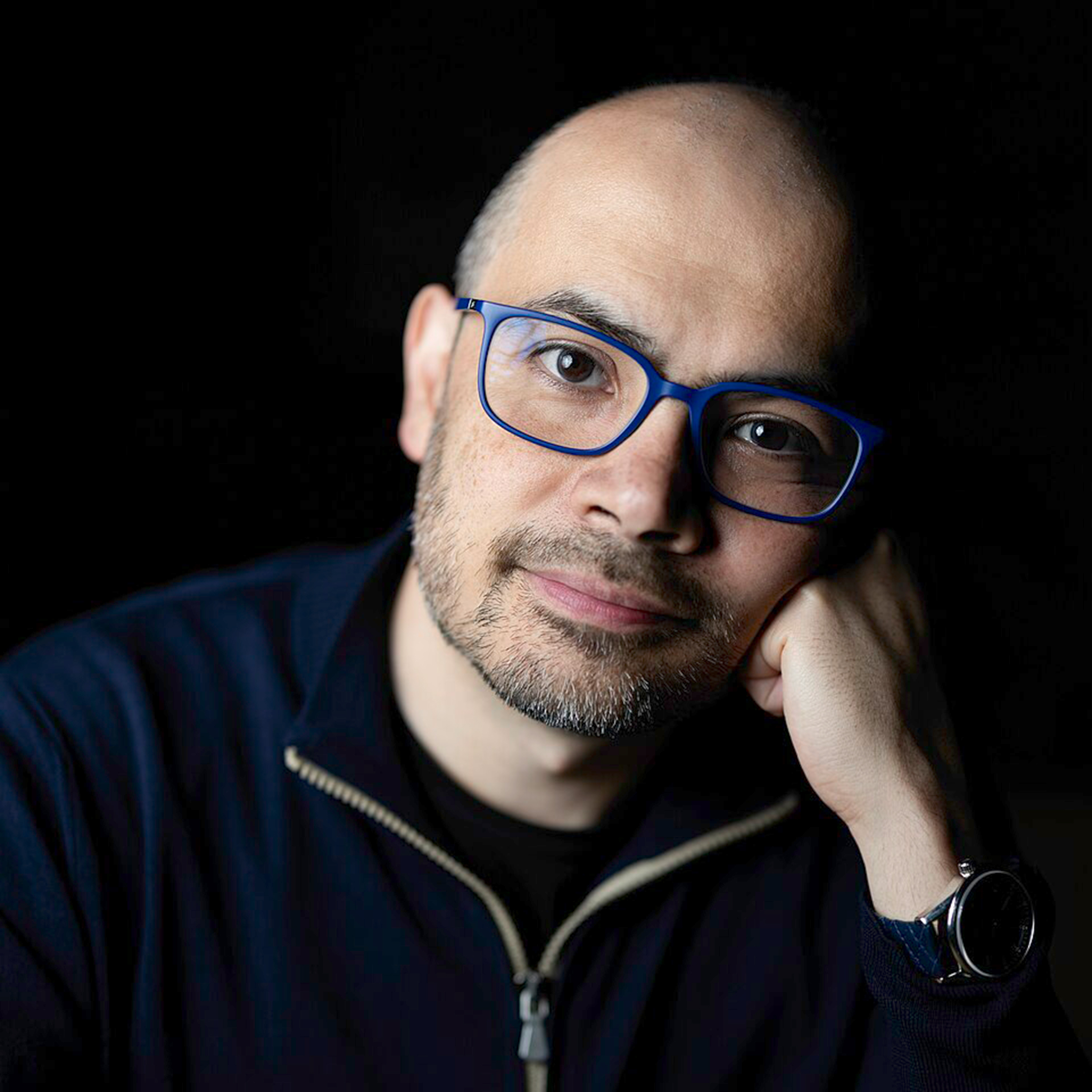
When Demis Hassabis pitched DeepMind to a few venture capitalists back in 2010, the business plan was almost comically audacious. “Step one: Solve intelligence. Step two: Use it to solve everything else,” he recalls in a conversation at Stanford Graduate School of Business with Stanford University President Jonathan Levin. “And people were quite confused. But we really meant it.”Sixteen y
Think Fast Talk Smart: "What Other People Teach You About Your Communication"
What if purpose is what drives us to act, but meaning comes from how those actions affect other people?This week on If/Then, we’re sharing a conversation between two Stanford GSB colleagues: Think Fast, Talk Smart host Matt Abrahams and organizational behavior professor Brian Lowery.Recorded live at Stanford’s LEAD Me2We event, Matt and Brian explore the difference between purpose and mea
Stanford Legal: "The Importance of Critical Thinking and Civil Discourse in Today's Polarized World"
How do you engage effectively across deep disagreement without shutting down the conversation?This week on If/Then, we’re sharing an episode from our colleagues at Stanford Legal, the podcast from Stanford Law School that looks at the cases, questions, and conflicts shaping public life.In a world where confidence is rewarded and humility can feel like a liability, Stanford Law professor R
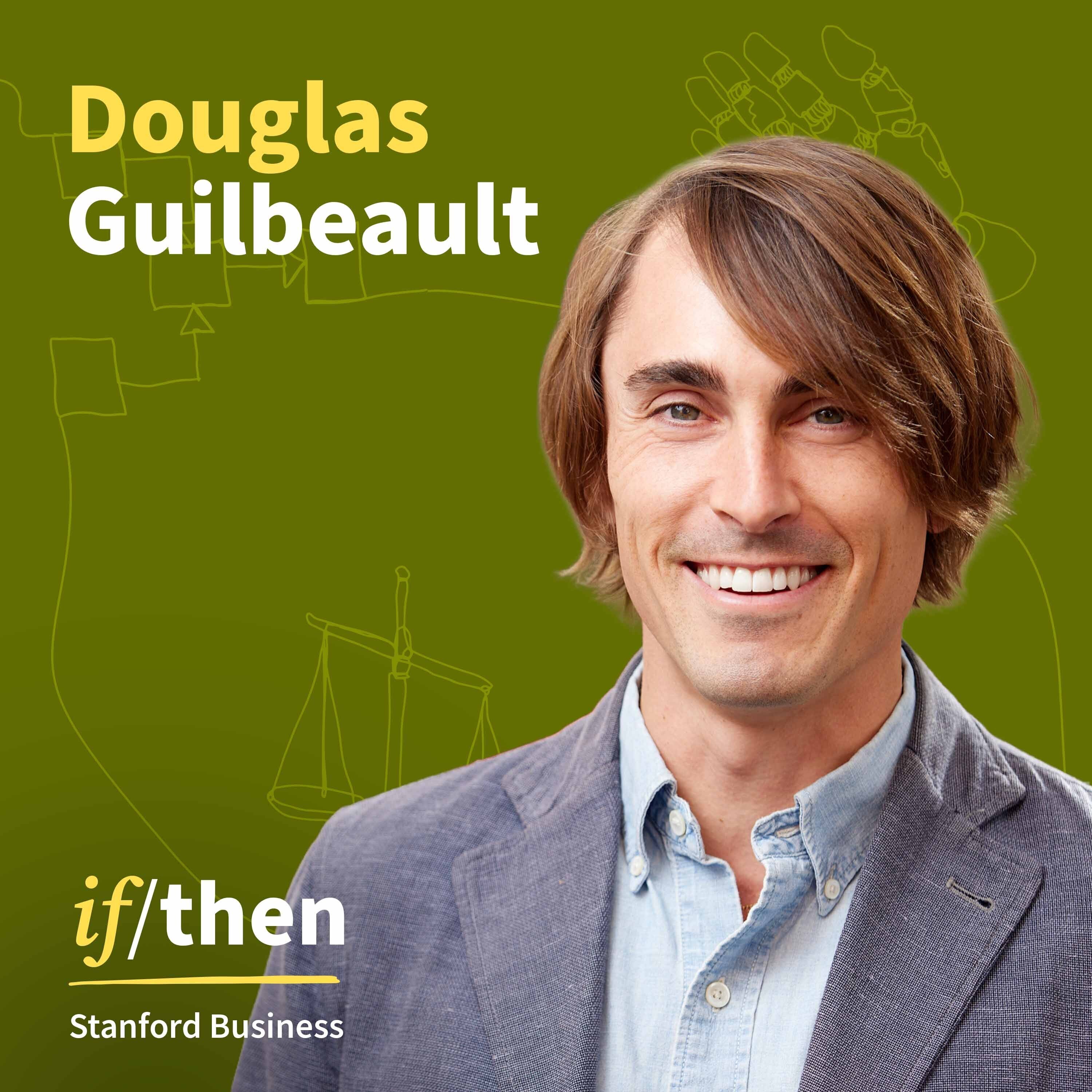
What AI Can’t Do — And Why
“Humans manage to do so much with surprisingly little,” says Douglas Guilbeault, an assistant professor of organizational behavior at Stanford Graduate School of Business. “Whereas AI, by comparison, is doing relatively little, but with so much power, so much compute, so many resources, and by comparison, relatively fewer constraints.”On a bonus episode of the If/Then podcast, Guilbeault
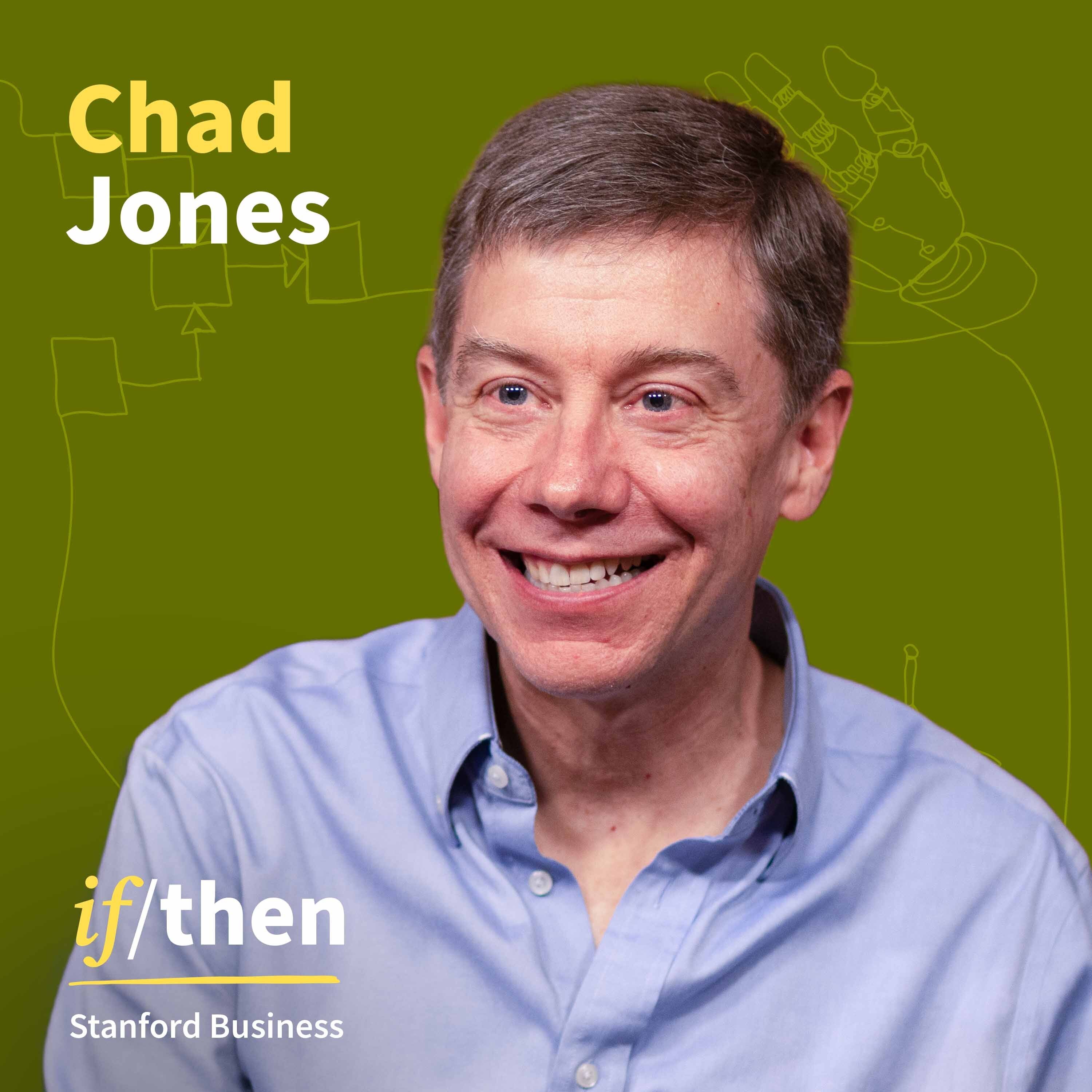
Our AI Future: From Abundance to Apocalypse
Chad Jones, a professor of economics at Stanford Graduate School of Business, recently published a paper, “AI and Our Economic Future.” Using more than 100 years of economic data, he modelled several potential AI-infused economic futures we may experience. These include the good (abundance, we never work again), the not-so-bad (business more or less as usual), and the ugly (a superintelli
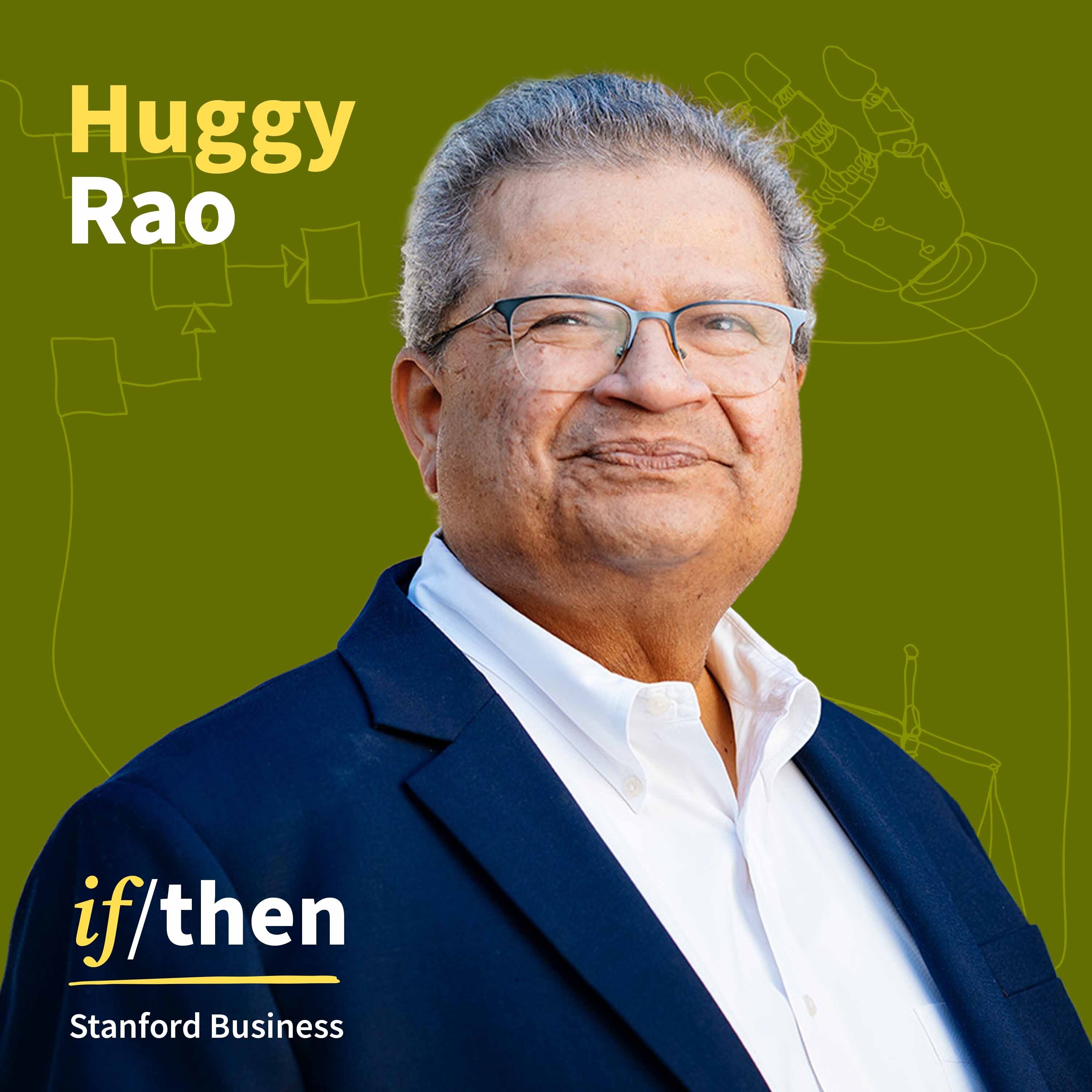
The Art of Friction
“Friction for us has to do with obstacles,” says Hayagreeva “Huggy” Rao, a professor of organizational behavior at Stanford Graduate School of Business. “Obstacles can disable you. Obstacles can enable you.”Rao compares friction to cholesterol: Some is good, but some is bad. “Good friction actually slows you down, gets you to pause, and most of all, gets you to reflect,” he explains. “But
Unconventional Wisdom
“I don’t see things like anybody else,” says Jonathan Berk, a professor of finance at Stanford Graduate School of Business. “And so I can see things people don't see.” On this episode, Berk explores recent research that pushes against conventional wisdom, from questioning the utility of the debt-to-GDP ratio to asking whether regulation is actually in the best interests of the consum

Why Who You Are Affects How You Think
“When people come to view attitudes and opinions towards, say, political policies or issues as relevant to their identities, they become more extreme in their attitudes,” says Christian Wheeler, the StrataCom Professor of Management and Professor of Marketing at Stanford Graduate School of Business. “I become more positive or negative towards an issue the moment it becomes relevant to who
The Paradox of Masculinity
“Masculinity is my new frontier,” says Ashley Martin, an associate professor of organizational behavior at Stanford Graduate School of Business. Martin, whose work examines why gender plays such a central role in how we perceive and make sense of others, has been looking at how traits associated with masculinity are simultaneously organizationally rewarded even as they’re personally harmf
What We Actually Learn From Experience
Steven Callander has spent years building a mathematical framework to answer the question of how people learn from experience. “Here in Silicon Valley, the expression that you learn from failure is very widespread and very intuitive. But the question is… what do you learn? How do you optimally learn from that experience?”In this episode, Callander, the Herbert Hoover Professor of Public a
How Dating and Sports Explain the Job Market
Seemingly unrelated activities — like taking a soccer penalty kick or crafting an online dating profile — involve an embedded economics. “Understanding and applying economic logic can be valuable in pretty much any job or any other endeavor in your life,” says Paul Oyer, a professor of economics at Stanford Graduate School of Business. On this episode, Oyer digs into the s
If/Then Returns: Season Three
When should we leap instead of take the obvious next step? Why do we instinctively see gender everywhere? When do our opinions begin to feel less like ideas and more like our identity?If/Then, from Stanford Graduate School of Business, is back with a new season of sharp, surprising conversations that deepen our understanding of business and leadership.Each episode brings you into the room
GSB at 100: "The Moment"
This week on If/Then we’re sharing an episode of GSB at 100, a limited audio series created especially for Stanford Graduate School of Business’s Centennial. GSB at 100 presents a scrapbook of memories, ideas, and breakthroughs as Stanford GSB celebrates its first century and looks around the corner to what the next 100 years may hold. On this episode of GSB at 100, you’ll experience
GSB at 100: "The Experience"
This week on If/Then we’re sharing an episode of GSB at 100, a limited audio series created especially for Stanford Graduate School of Business’s Centennial. GSB at 100 presents a scrapbook of memories, ideas, and breakthroughs as Stanford GSB celebrates its first century and looks around the corner to what the next 100 years may hold.On this episode of GSB at 100, you’ll step inside the
GSB at 100: "The Spirit"
This week on [If/Then or View From The Top] we’re sharing an episode of GSB at 100, a limited audio series created especially for Stanford Graduate School of Business’s Centennial. GSB at 100 presents a scrapbook of memories, ideas, and breakthroughs as Stanford GSB celebrates its first century and looks around the corner to what the next 100 years may hold.On this episode of GSB at 100,
What's Your Problem: "Teaching Computers to See"
This week on If/Then, we’re sharing an episode of What’s Your Problem?, a show from Pushkin Industries where entrepreneurs, engineers, and scientists talk about the future they’re trying to build—and the problems they must solve to get there. Hosted by former Planet Money co-host Jacob Goldstein, each conversation explores the challenges and breakthroughs shaping the next wave of innovati
GSB at 100: The Magic
This week on If/Then, we’re sharing an episode of GSB at 100, a limited audio series created especially for Stanford Graduate School of Business’s Centennial. GSB at 100 presents a scrapbook of memories, ideas, and breakthroughs, as the GSB celebrates its first century and looks around the corner to what the next hundred years may hold.The first episode of the series begins where the GSB
View From The Top: “Lisa Su Is Still Curious About How Things Work”
This week on If/Then, we’re sharing an episode of View From The Top: The Podcast, an audio series featuring leaders from around the world in conversation with MBA students. Recorded live at the CEMEX Auditorium at Stanford Graduate School of Business, episodes feature insights on effective leadership, the values that guide it, and lessons learned along the way.Lisa Su, the chair and CEO o
The Joy of Discovery and Why Research Matters
As we celebrate the conclusion of the second season of the If/Then podcast, we present a bonus episode featuring Deborah H. Gruenfeld, the Joseph McDonald Professor and Professor of Organizational Behavior and a Senior Associate Dean for Academic Affairs at Stanford Graduate School of Business. Gruenfeld, who appeared on the first season of If/Then in an award-winning episode a
The Future of Everything: "The Future of Motivation"
This week on If/Then, we’re sharing an episode of The Future of Everything, a podcast hosted by Stanford School of Engineering professor and friend of the show Russ Altman.Everyone has goals — some are monumental, others modest — but every goal matters. Szu-chi Huang, an associate professor of marketing at Stanford Graduate School of Business, is an expert on sustaining enthusiasm for ind
Think Fast, Talk Smart: "Tensions and Trade-Offs of Leadership and Communication"
This week on If/Then, we’re sharing an episode of Think Fast, Talk Smart, a podcast hosted by Stanford Graduate School of Business lecturer and friend of the show, Matt Abrahams.How do you communicate with others when you’re confused yourself? For fellow GSB lecturer Rob Siegel, leadership isn’t about avoiding uncertainty: it’s about embracing the clarity that ambiguity can bring.In his l
Culture Still Eats Strategy For Breakfast
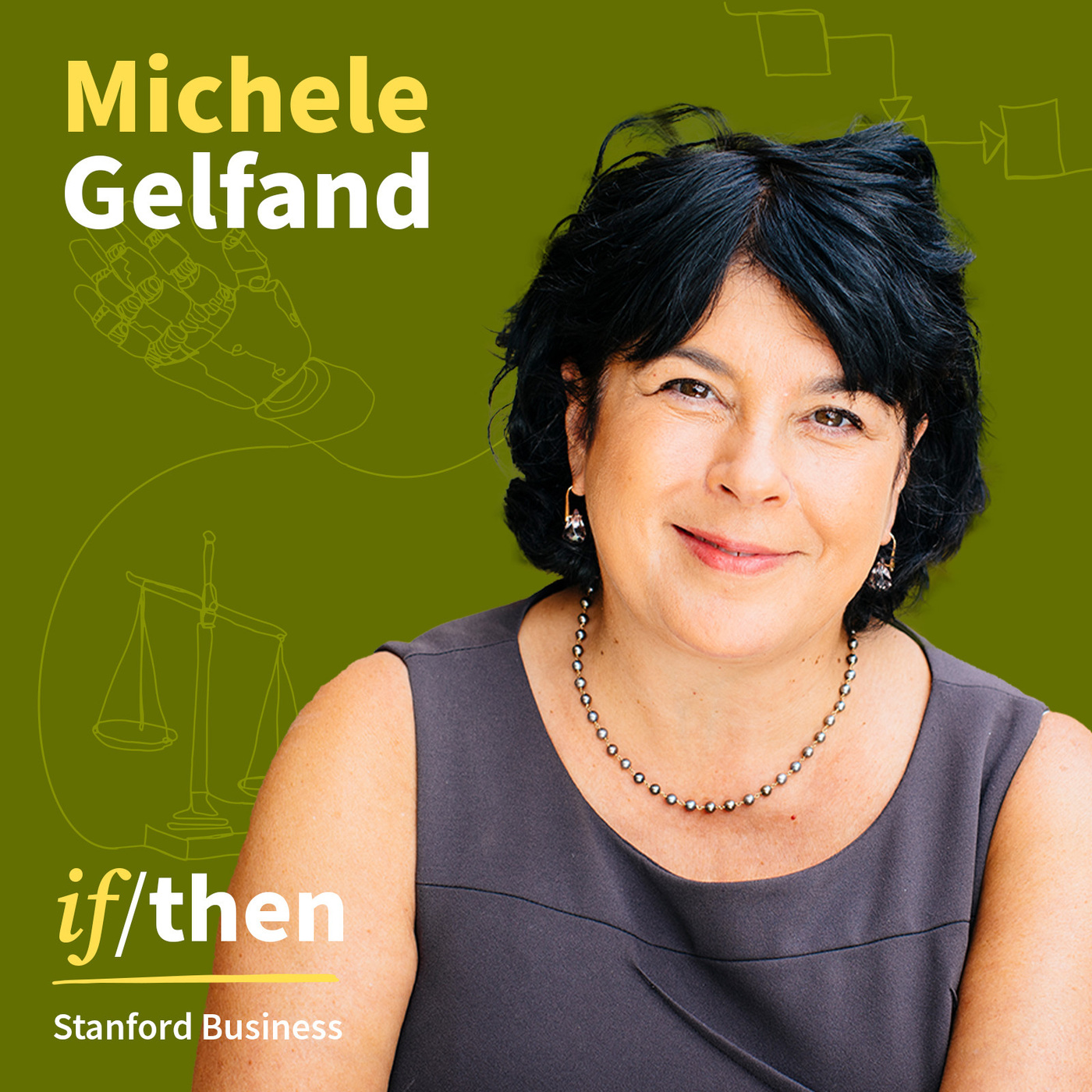
Do you stick to the rules or do you roll through stop signs? Whether you’re “tight” or “loose” — how closely you adhere to social norms — has major implications for your life at home and at work. “To be effective, we want to be ambidextrous,” says Michele Gelfand, the John H. Scully Professor in Cross-Cultural Management and Professor of Organizational Behavior at Stanford Graduate S
The AI Prescription for Healthcare
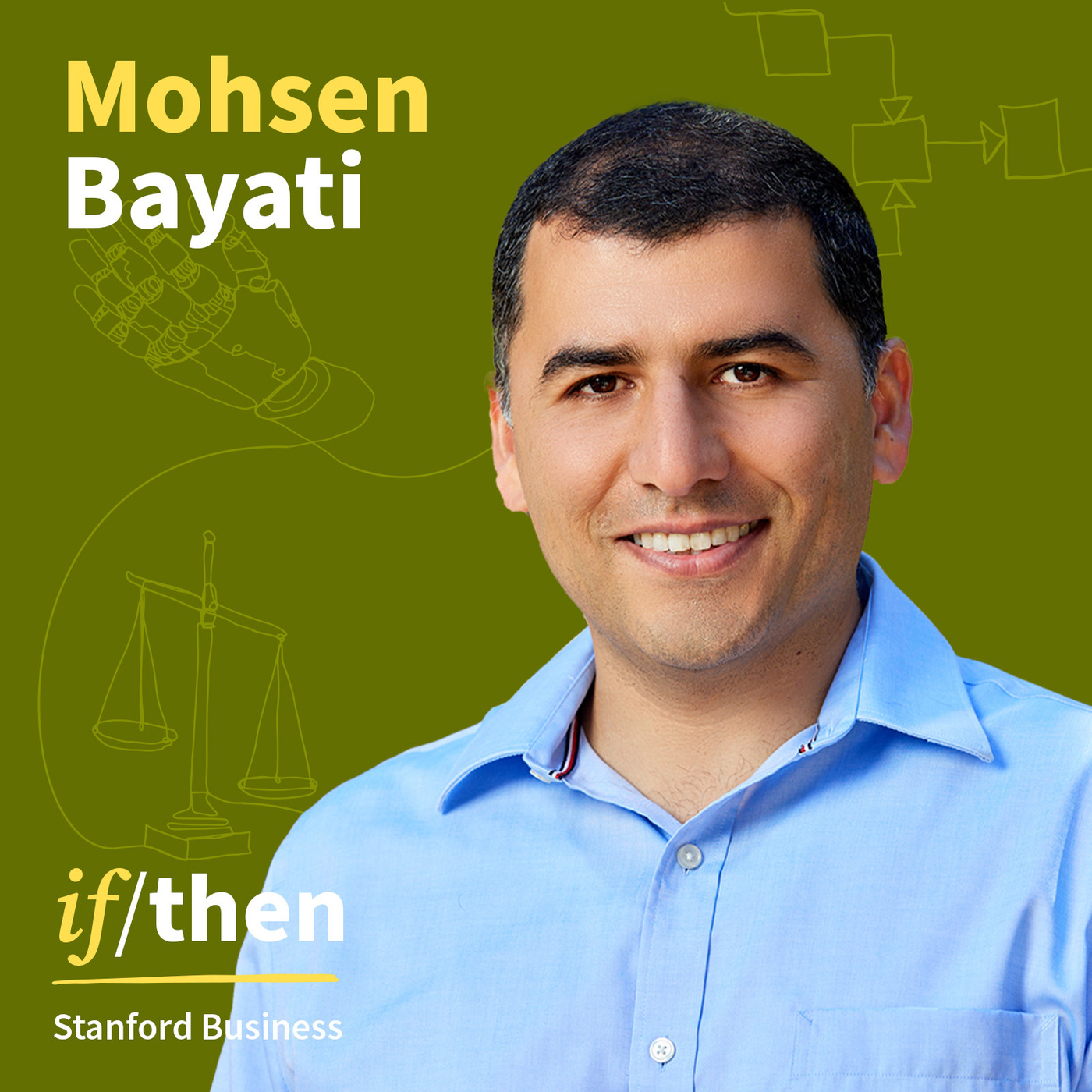
AI has the potential to reshape medicine. But translating its promise into solutions for providers and patients is a high-stakes challenge.“There’s a lot more problems than solutions available,” says Mohsen Bayati, the Carl and Marilynn Thoma Professor of Operations, Information & Technology at Stanford Graduate School of Business. “So it’s ripe for innovation.”From trust and privacy
Designing the AI Organization
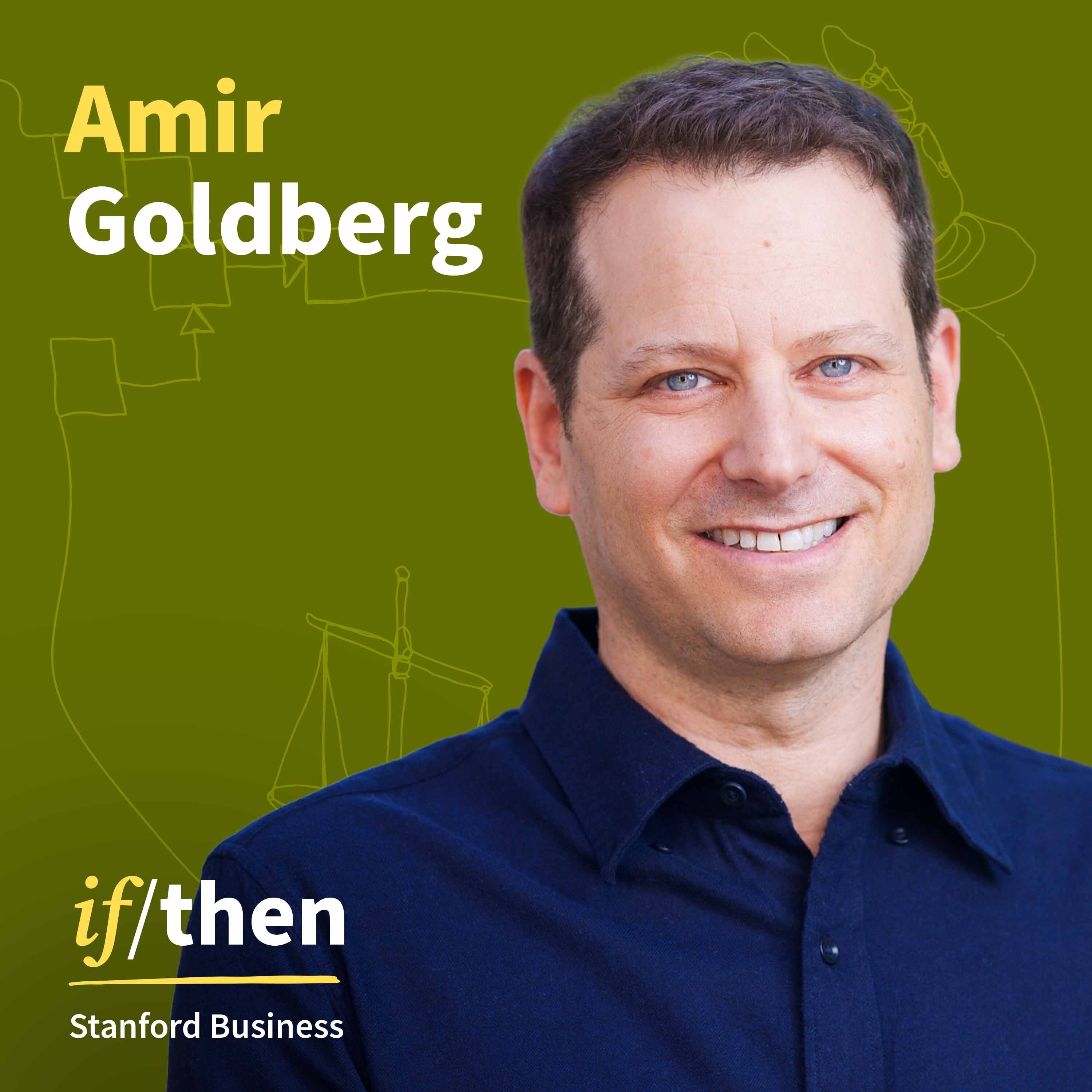
“The way I think about trying to anticipate and shape the AI future requires us to take a step back and ask ourselves first, ‘What does this technology do? What does it enable?’” reflects Amir Goldberg, a professor of organizational behavior at Stanford Graduate School of Business. “That’s very different from asking ourselves, ‘How is the technology implemented?’” From locating the o
What Happened to the Middle?
Neil Malhotra, the Edith M. Cornell professor of political economy at Stanford Graduate School of Business, aims to identify the nature of our tumultuous political moment in his work. In this episode, Malhotra explores rising distrust, shifting political identities, and what these changes mean for individuals — and businesses. Plus, the billion-dollar question: “Is Trump creatin
Small Business, Big Impact
Sridhar Narayanan, a professor of marketing at Stanford Graduate School of Business, studies how small businesses operate and why they’re so important, especially in the developing world. “Modernizing small businesses will have a profound impact on economies worldwide in many ways,” he says. In this episode of If/Then, Narayanan explains why so many retailers still rely on cash,

Could Financial Literacy Change the World?
Only a third of the global population is financially literate. Why? Because most of us don’t learn the basics of personal finance in school — or elsewhere. Treating financial literacy as an afterthought can have serious consequences, from personal calamities to economic crises, according to Annamaria Lusardi, a professor of finance and the director of the Initiative for Financial Dec
Adapting To Massive Technological Change
Susan Athey, the Economics of Technology Professor at Stanford Graduate School of Business and founding director of the Golub Capital Social Impact Lab, studies the impact of technological innovations on workers, businesses, and society. Will the world’s economies successfully adapt to a future defined by artificial intelligence? On this episode, Athey shares what the stories of 22,0
Think You Know Yourself? Think Again.
Brian Lowery, the Walter Kenneth Kilpatrick Professor of Organizational Behavior at Stanford Graduate School of Business and the author of Selfless: The Social Creation of You, argues that identity is about much more than external characteristics, family history, or the collection of experiences that compose the chronology of our lives. In fact, Lowery argues, our identities are constantl
How Taxes Influence Innovation
What’s one of the most powerful forces behind technological breakthroughs, business strategy, and job creation? The tax code.Rebecca Lester, an associate professor of accounting and one of three inaugural Botha-Chan Faculty Scholars at Stanford Graduate School of Business, studies how subtle tax incentives can trigger monumental business decisions, determining how companies invest, grow,
The Hidden Power of Geoeconomics
The pen may be mightier than the sword — but the dollar beats them both. Economic leverage has long shaped the world order, and today global powers use financial networks, trade policies, and sanctions as tools of persuasion — or coercion. In this episode, Matteo Maggiori, the Moghadam Family Professor of Finance at Stanford Graduate School of Business, outlines why he believes the U
Broken Systems, Broken Trust
“The ultimate price of a bad system falls on the public,” says Anat Admati, the George G.C. Parker Professor of Finance and Economics at Stanford Graduate School of Business and author of The Bankers’ New Clothes. “The Constitution did a lot to constrain the government, but the government has failed to constrain institutions in the private sector.” Simply put, Admati says the real problem
Is Work Killing Us?
Is burnout simply the cost of doing business? What responsibility do employers have for the health and well-being of their workers? Jeffrey Pfeffer, the Thomas D. Dee II Professor of Organizational Behavior at Stanford Graduate School of Business and author of Dying for a Paycheck and 7 Rules of Power, says that the connection between workplace stress and negative health outcomes is as st
Introducing If/Then: Season Two
Can the workplace be as harmful as smoking? Is it possible for governments and corporations to rebuild trust once they’ve lost it? How are nations wielding financial power to shape global politics? On Season Two of If/Then, Stanford Graduate School of Business faculty tackle big questions about business, leadership, and society, providing innovative, research-based insights to help you na
View From The Top: “Jensen Huang on How to Use First-Principles Thinking to Drive Decisions”
Jensen Huang, co-founder and CEO of NVIDIA, believes leadership is about more than making decisions—it’s about empowering others to reason through ambiguity and drive transformative change. In this bonus episode of If/Then, Huang sits down with Stanford GSB student Shantam Jain, MBA ’24, on Stanford GSB’s View From The Top podcast, to discuss his journey from an ambitious engineer to the
From the Classroom: Lessons in Failure, Strategy and the Power of Connection
Behind every lesson lies a journey of discovery. In this special episode of If/Then, we step into the classrooms of Stanford Graduate School of Business to uncover the human stories driving extraordinary insights. Christian Wheeler, professor of marketing at Stanford GSB, challenges our fear of failure, reframing it as the sharp edge where growth truly happens. “Be comfortable being uncom
Pfeffer on Power: “Acting With Power and Using Your Influence with Deborah Gruenfeld”
As leaders rise and hierarchies shift, Stanford GSB organizational behavior professor Deborah Gruenfeld, guest in season one of If/Then, reminds us that power is not just about authority—it’s about presence. In this special feed drop from Pfeffer on Power, Gruenfeld, author of Acting With Power, revisits topics featured in her If/Then episode, exploring how body language and mindset can s
The Science Behind Our Everyday Decisions with Think Fast, Talk Smart
In this episode of If/Then, we're diving into insights from three GSB experts featured on Think Fast, Talk Smart. Join us as professor of organizational behavior Michele Gelfand explains her "tight and loose" cultural framework, revealing how societal structures impact everything from crime rates to creativity. We also hear from marketing professor Jonathan Levav, who explores decision fa
How AI-Driven Misinformation Could Undermine Democracy
Artificial intelligence could fundamentally transform democracy for better or worse. In this bonus episode of If/Then: Business, Leadership, Society, Professor Andrew B. Hall of Stanford Graduate School of Business explores AI's potential to disrupt our electoral system. With the 2024 presidential election approaching, Hall warns that AI-generated misinformation could sway voters and erod
The Future of Everything: “Kuang Xu: How to Make (and Keep) Genetic Data Private”
One underappreciated fact about the explosion in genetic databases, like consumer sites that provide information about ancestry and health, is that they unlock valuable insights not only into an individual’s past and future, but also for that individual’s entire family.This raises serious concerns about privacy for people who have never submitted their genetic information for analysis, ye
Why I Research: Findings Fueled by the Head and the Heart
This special episode of If/Then: Business, Leadership, Society explores the personal stories behind Stanford GSB faculty's groundbreaking research. Discover how individual experiences shape scholarly inquiry.Baba Shiv, professor of marketing, examines decision-making and the brain's liking and wanting systems. His self-proclaimed "irrational" nature led him to question whether good decisi
Leading in Turbulent Times: How to Develop a Risk-Tolerant Mindset
Behavioral economist and Professor of Marketing Baba Shiv works with entrepreneurs on how to build a risk-tolerant mindset. A mindset, Shiv believes, that is crucial in times of crisis.While we take a break and prepare for season two of If/Then, we're sharing an episode of Grit & Growth, a podcast from our partners at Stanford Seed. Here, Baba explains two types of mindsets: a fear of
All Else Equal: “Disentangling Causation and Correlation” with Guido Imbens
It can be tempting to think one thing causes another because they happen in succession, but there’s a lot to unwrap in the idea of causality. This week, If/Then is featuring an episode from the podcast All Else Equal: Making Better Decisions. Listen as hosts and finance professors Jonathan Berk and Jules van Binsbergen explain the difference between correlation and causality, and examine
If/Then: Why Research Matters
To wrap up the first season of If/Then: Business, Leadership, Society, we invited Senior Associate Dean Jesper B. Sørensen into the studio to talk about the importance of research at Stanford Graduate School of Business. He shares insights on what motivates faculty to study what they do and how it impacts practitioners across industries. “One of
Stay Tuned for If/Then's Summer Series
While our team starts working on our second season, we'll still be sharing insights, bonus content, behind-the-scenes audio, and "class takeaways" from Stanford Graduate School of Business faculty throughout the summer. Stay Tuned! See Privacy Policy at https://art19.com/privacy and California Privacy Notice at https://art19.com/privacy#do-not-sell-my-info.

Who Wants to Run? Incentivizing Better Participation in Politics, with Andrew B. Hall
Getting to elect our leaders is certainly a privilege. Yet, even in a representative democracy, the choice that citizens have is often only as good as the candidates they have to choose from. That’s why Professor Andrew B. Hall, The Davies Family Professor of Political Economy, wonders: How do we get society’s best and brightest to participate in politics?As a political economist at Stanf
Invisible Matchmakers: How Algorithms Pair People with Opportunities, with Daniela Saban
If we want to get fair outcomes, then we need to build fairness into algorithms.Whether you’re looking for a job, a house, or a romantic partner, there’s an app for that. But as people increasingly turn to digital platforms in search of opportunity, Daniela Saban says it’s time we took a critical look at the role of algorithms, the invisible matchmakers operating behind our screens.Saban
Money Talks: Understanding the Language of Business, with Ed deHaan
Unless you’re a CPA or own a large business, it might be hard to see the relevance of accounting. While it’s true that the average person doesn’t necessarily need to be able to read a corporate balance sheet, Professor Ed deHaan says a deeper understanding of accounting — a greater fluency in the “language of business” — can help everyone get a grip on their finances and make more empower

Leading With Values: When Good Intentions Aren’t Enough, with Ken Shotts
If we create good institutions, then we can live up to our good intentions.Knowing and articulating our values is essential. But when the metaphorical Siren’s song fills the air, is knowing our values enough to ensure that we live by them?According to Ken Shotts, a professor of political economy at Stanford Graduate School of Business, having stated values is just expressing aims not nece
Oh, the Humanity! Relating to Robots May Change Us. But How? With Szu-chi Huang
Whether or not robots can feel is a question that, at least for now, might be better left to the philosophers. But what’s becoming increasingly clear, says Associate Professor Szu-chi Huang, is that robots do have the capacity to make us feel. In this episode of If/Then: Business, Leadership, Society, Huang delves into the effect that robots can have not just on our emotions, but on
Cashless: Is Digital Currency the Future of Finance? With Darrell Duffie
Digital currency — whether privately-developed or government-issued — seems like an inevitability to Stanford Graduate School of Business finance professor Darrell Duffie. “Virtually all countries are exploring a central bank digital currency for potential use,” he says.An expert on banking, financial market infrastructure, and fintech payments, Duffie is interested in how central bank di
Is Money Really the Best Measure of Value? With Mohammad Akbarpour
A dollar is a dollar, right? While most conventional economic theories view money as an objective store of value, Mohammad Akbarpour says this misses a subtle but important fact: different people value money differently.Many economists assume that the price someone is willing to pay for a good or service is equivalent to the utility they get from it. But Akbarpour, an associate professor
More than a Feeling: The Power of Emotional Decision-Making, with Baba Shiv
If we want to make better decisions, then we need to think more like an artist.Rationality is often seen as the gold standard when it comes to making decisions, but Professor Baba Shiv prompts us to consider: “Is a good decision based on reason? Or is it based on emotion?”Shiv is the Sanwa Bank, Limited, Professor of Marketing at Stanford Graduate School of Business. Throughout his career
The Brain Gain: The Impact of Immigration on American Innovation, with Rebecca Diamond
Immigrants’ contributions to America include culture, cuisine — and groundbreaking ideas. “No one is that surprised that immigrants play a disproportionate role in innovation,” says Rebecca Diamond, a professor of economics at Stanford Graduate School of Business. But, she notes, “Innovation in itself is an elusive thing to measure.” By studying patents, Diamond has revealed new insights
So Crazy, It Might Just Work: How to Foster Innovation That Will Change an Organization, with Bill Barnett
If we want to seriously address the climate crisis, then we need to encourage foolish business ideas.When it comes to seemingly impossible problems like the climate crisis, Professor William Barnett says we need to reach for equally impossible solutions — ideas so crazy, they just might work. “Foolishness,” he says, “is the price of genius.”A professor of organizational behavior at Stanfo
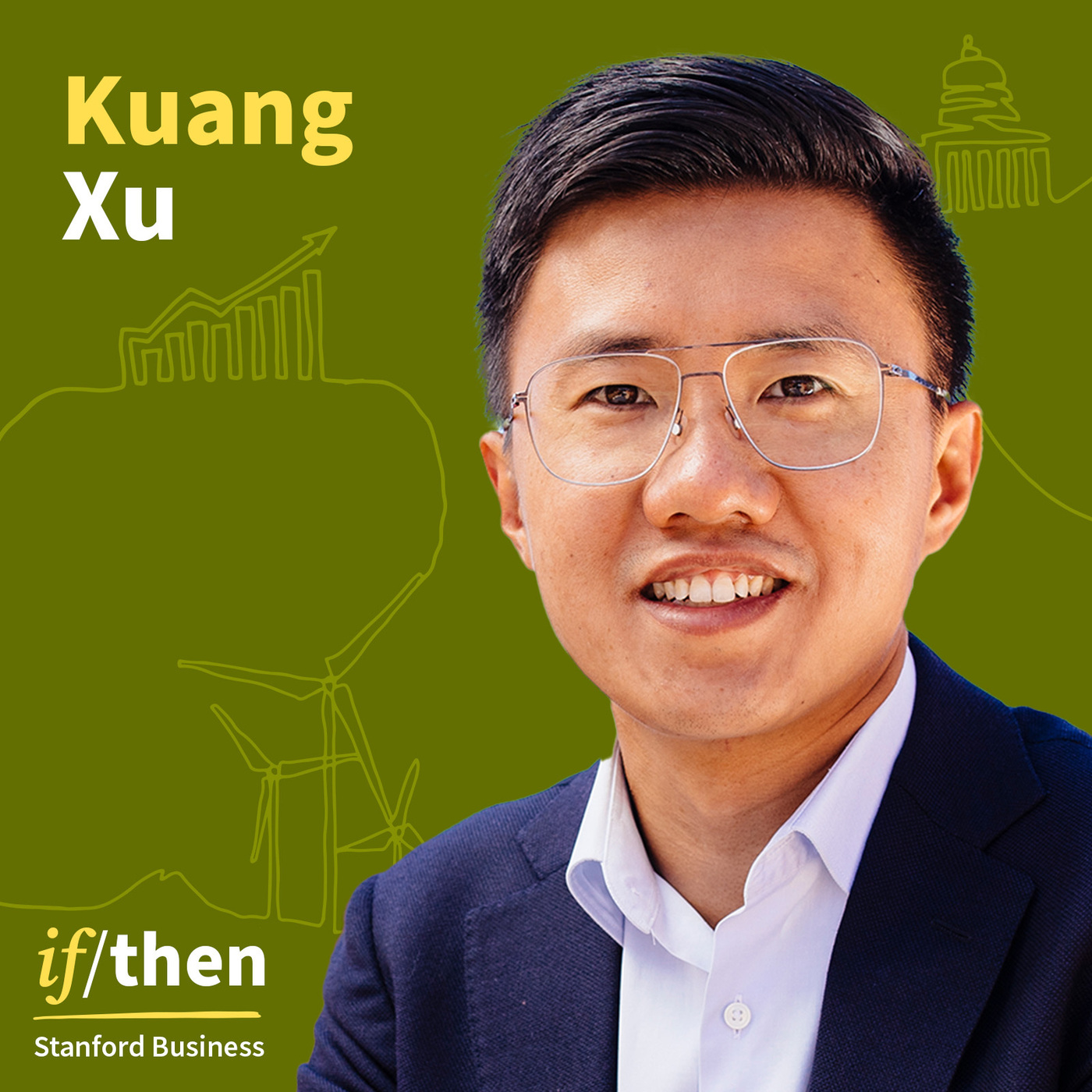
You're In Control: How and When AI Can Be a Powerful Decision-Making Tool, with Kuang Xu
If we can manage our emotions about AI, then it can be a powerful decision-making tool. Artificial intelligence’s surge in power and accessibility has inspired polarized reactions. Some people are flocking to the technology with feverish excitement. Others can’t stay far enough away. Yet according to Kuang Xu, both of these responses might be the wrong ones."When people hear ‘AI,’ t
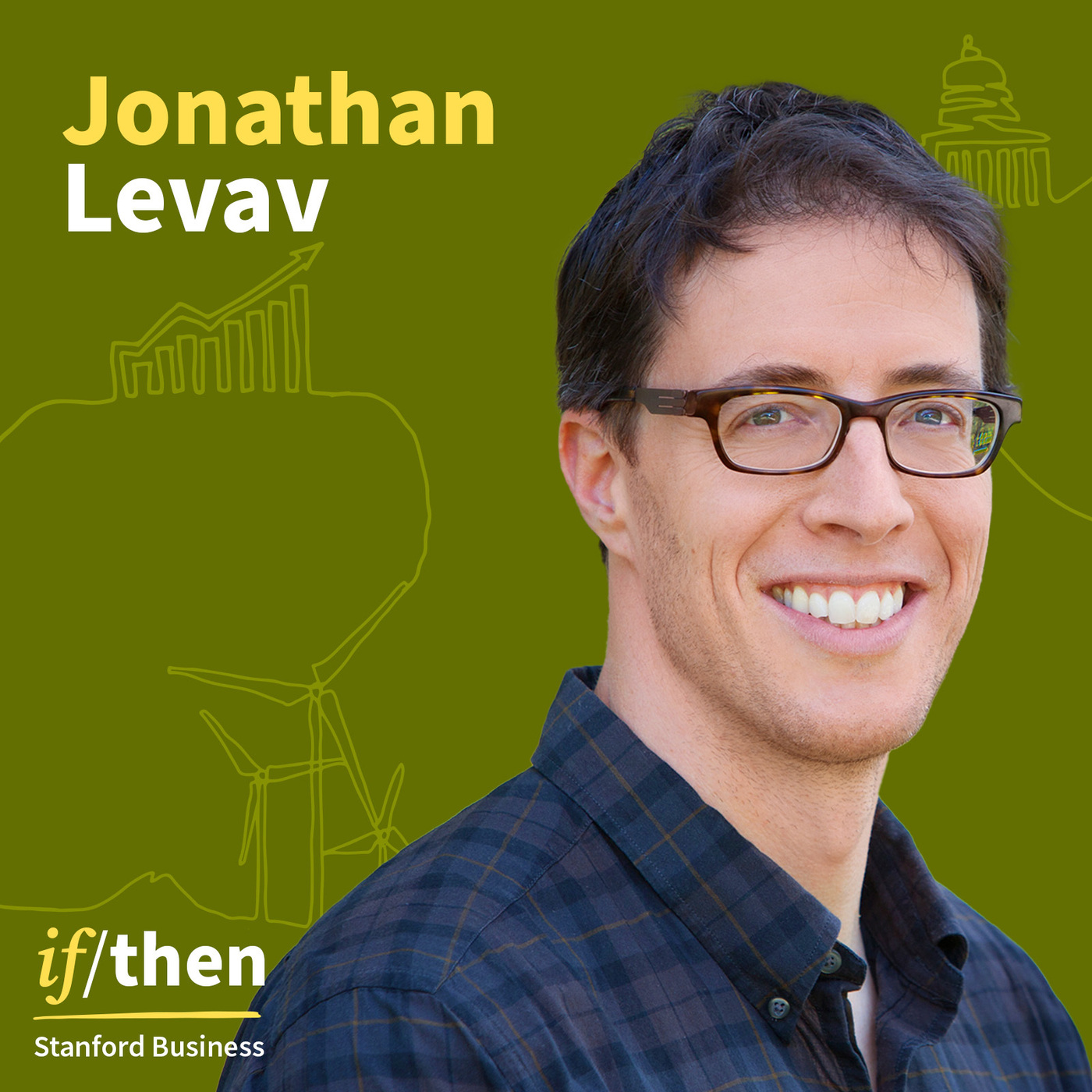
Zoom In... or Out? When Face-to-Face Meetings Matter Most, with Jonathan Levav
If we want to generate better ideas, then we need to get people back to the office.Jonathan Levav, a professor of marketing at Stanford Graduate School of Business, details his study of remote work and creativity. “Pairs that worked face-to-face generated 15 to 20% more ideas than pairs that worked on Zoom,” he notes. What’s more, in-person brainstorming helped people consider a wider and
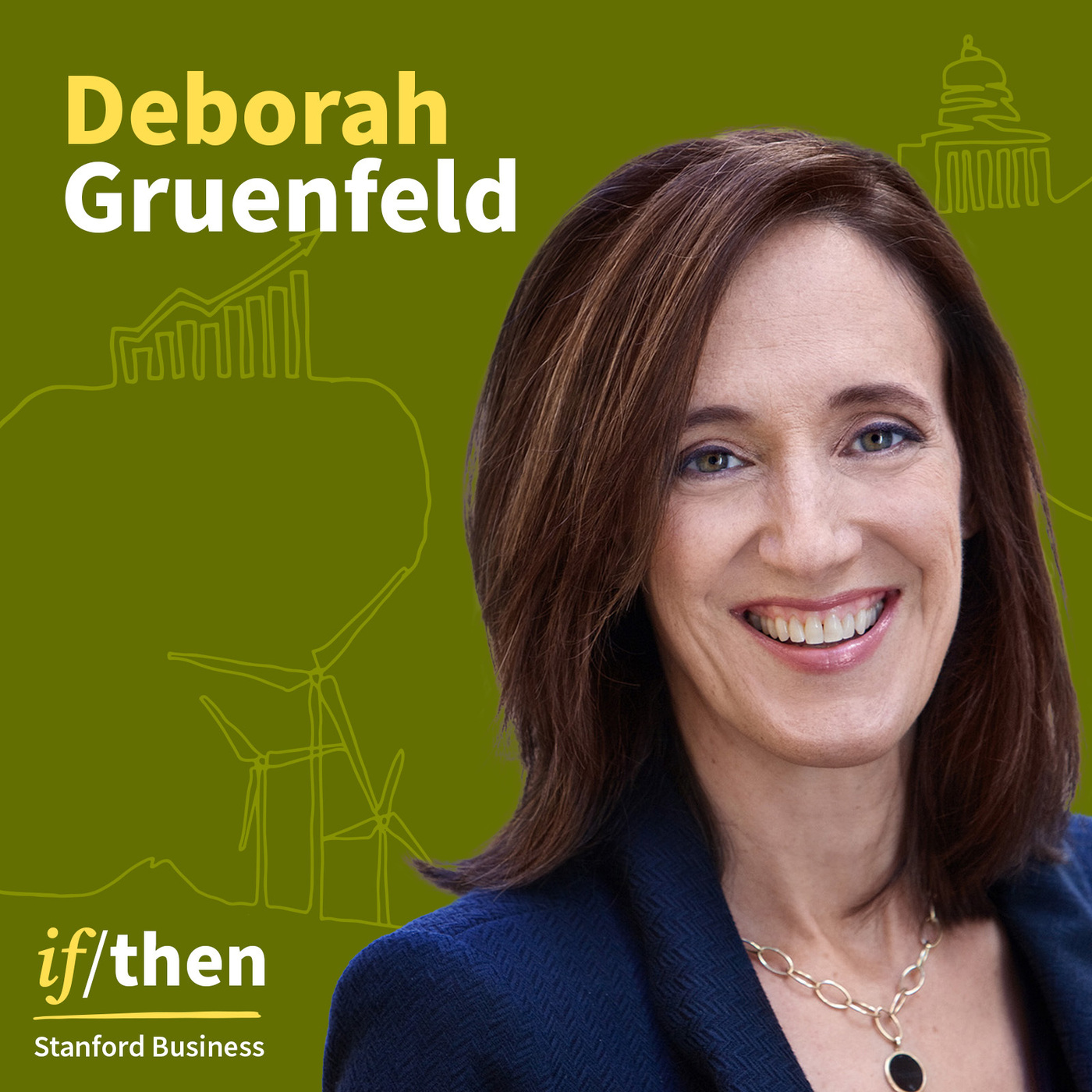
Navigating Workplace Power Dynamics, with Deborah H. Gruenfeld
If we want to change power structures, then we need to understand the animal forces that drive our behavior.As Stanford Graduate School of Business professor of organizational behavior Deborah H. Gruenfeld observes, wherever there are humans, there are hierarchies. “People have a tendency to form hierarchies almost instantly in all kinds of organizational settings, whether the task requir
Introducing If/Then
How do we get people back to the office? How and when can AI be a powerful decision-making tool? How will digital currencies transform payment systems?On If/Then, experts from Stanford Graduate School of Business share their research findings on a range of topics that intersect with business, leadership, and society. We’ll tackle practical, cutting-edge insights that will help you manage