Think from KERA
Think is a daily, topic-driven interview and call-in program hosted by Krys Boyd. It covers a wide variety of topics ranging from history, politics, current events, science, technology and emerging trends to food and wine, travel, adventure, and entertainment.
Episodes

Like — literally the most misunderstood word
Grammar hounds might despise it, but “like” is both ubiquitous and necessary in our everyday speech. Megan C. Reynolds, editor at Dwell magazine, joins host Krys Boyd to discuss one little word that defines so much of modern speech: like – from approval on social media to, like, the way we all casually talk today – and why we should all give it a second look. Her book is “Like: A History

How vulnerability strengthens relationships
Ever feel embarrassed about oversharing at a cocktail party? Turns out, you might’ve been on the right track. Leslie John, James E. Burke Professor of Business Administration at the Harvard Business School, joins host Krys Boyd to discuss why sharing our feelings garners trust, why we’re so often reluctant to let people into our lives, and why there is a cost to undersharing. Her book is
Should pseudoscience be taken seriously?
There is a growing number of people who think studying ghosts or alien abductions should be serious science. Journalist Matthew Hongoltz-Hetling joins host Krys Boyd to discuss a pushback against the scientific establishment, what our affinity for storytelling has to do with our long-held beliefs, and why the paranormal might need to be taken seriously in the future. His book is “The Ghos
It’s easy to bet on sports. It’s hard not to get hooked
If you were given thousands of dollars in free money to gamble, would you find yourself a little — or a lot — addicted to the games? McKay Coppins, staff writer at The Atlantic, joins host Krys Boyd to discuss how his magazine gave him $10,000 to use as seed money as he explored the rise of online sports gambling, why he was surprised at how much the gambling interfered with his family li
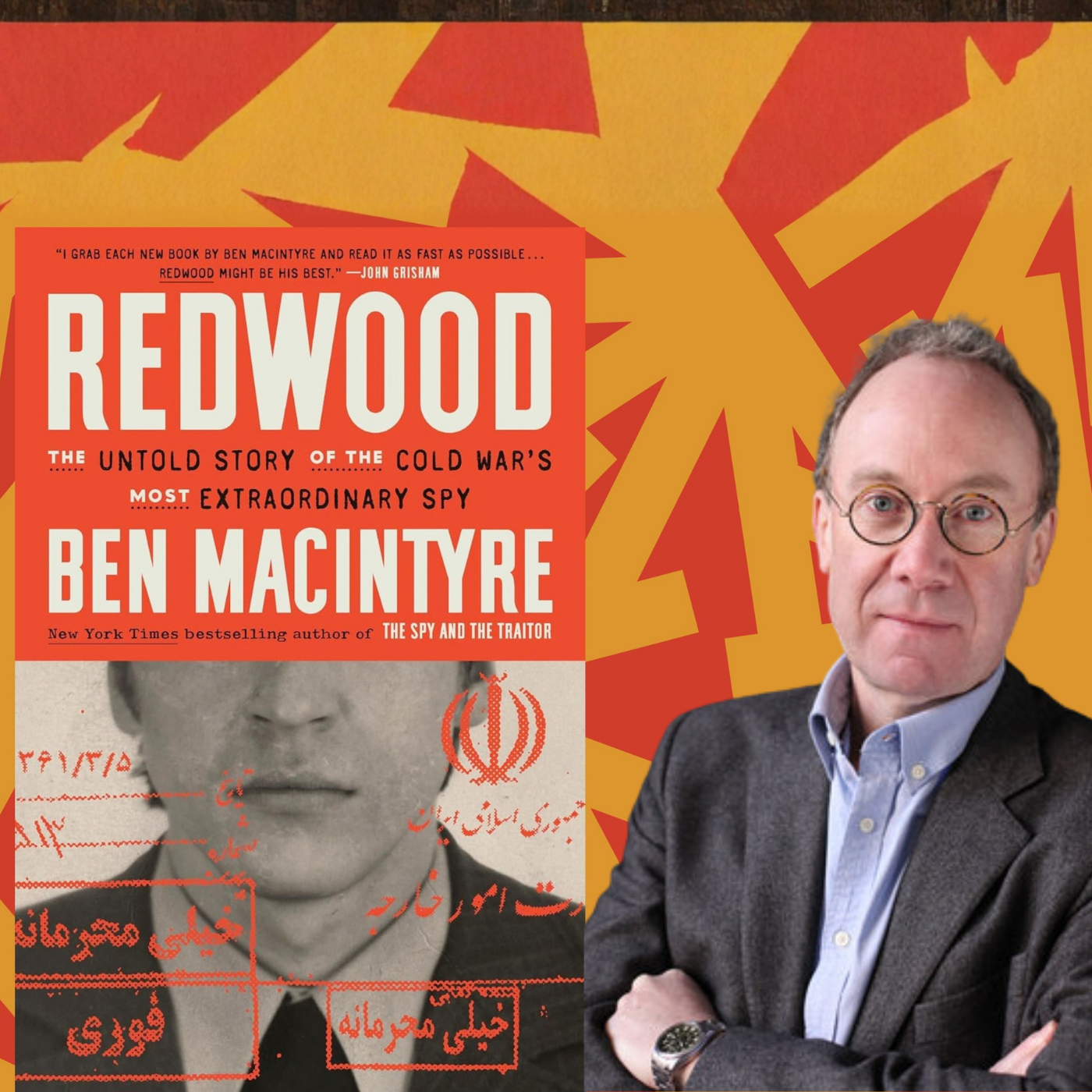
The spy who saved us from nuclear war
As President Trump threatens Iranian annihilation today, there was actually another nuclear threat there in the 1980s, thwarted by a Russian spy. Ben McIntyre, writer-at-large for The Times (UK), joins guest host John McCaa to discuss the man with the code name “Redwood,” how he was key to avoiding nuclear disaster when the Russians and Americans were strategizing what to do after the Ira

Who’s getting rich off of U.S. foreign policy?
U.S. foreign policy was once focused on spreading democracy, but that has changed. Anne Applebaum, staff writer at The Atlantic, joins guest host John McCaa to talk about her reporting during which she’s witnessed government workers – under the guise of diplomatic efforts – making self-serving deals with short-term goals, how that’s rewiring American foreign policy, and how this is making

How natural disasters survivors connect with each other
After devastating floods, fires, heat and hurricanes changed their lives, a support group was formed to connect families affected by climate change. David Gelles is a correspondent for The New York Times on the climate desk, where he leads the Climate Forward newsletter and event series. He joins guest host Courtney Collins to discuss Extreme Weather Survivors, a nationwide support group
Where are the working class candidates?
It’s not just exorbitant amounts of money that’s needed to win elections – they also take time – something working people are often short on. Nicholas Carnes, Z. Smith Reynolds Professor of Public Policy and professor of political science and sociology at Duke University, joins guest host Courtney Collins to discuss why working-class people are so often not considered electable, how party
What does your social media say about you?
When we hold up our phones to film a concert for our feeds, we’re not just capturing the action, we’re signaling to followers who we are. Kathryn Jezer-Morton is author of the biweekly Brooding column at The Cut, and she joins guest host Courtney Collins to discuss how capturing content shapes the way we view ourselves, how we store our histories through social media and how we’re changin
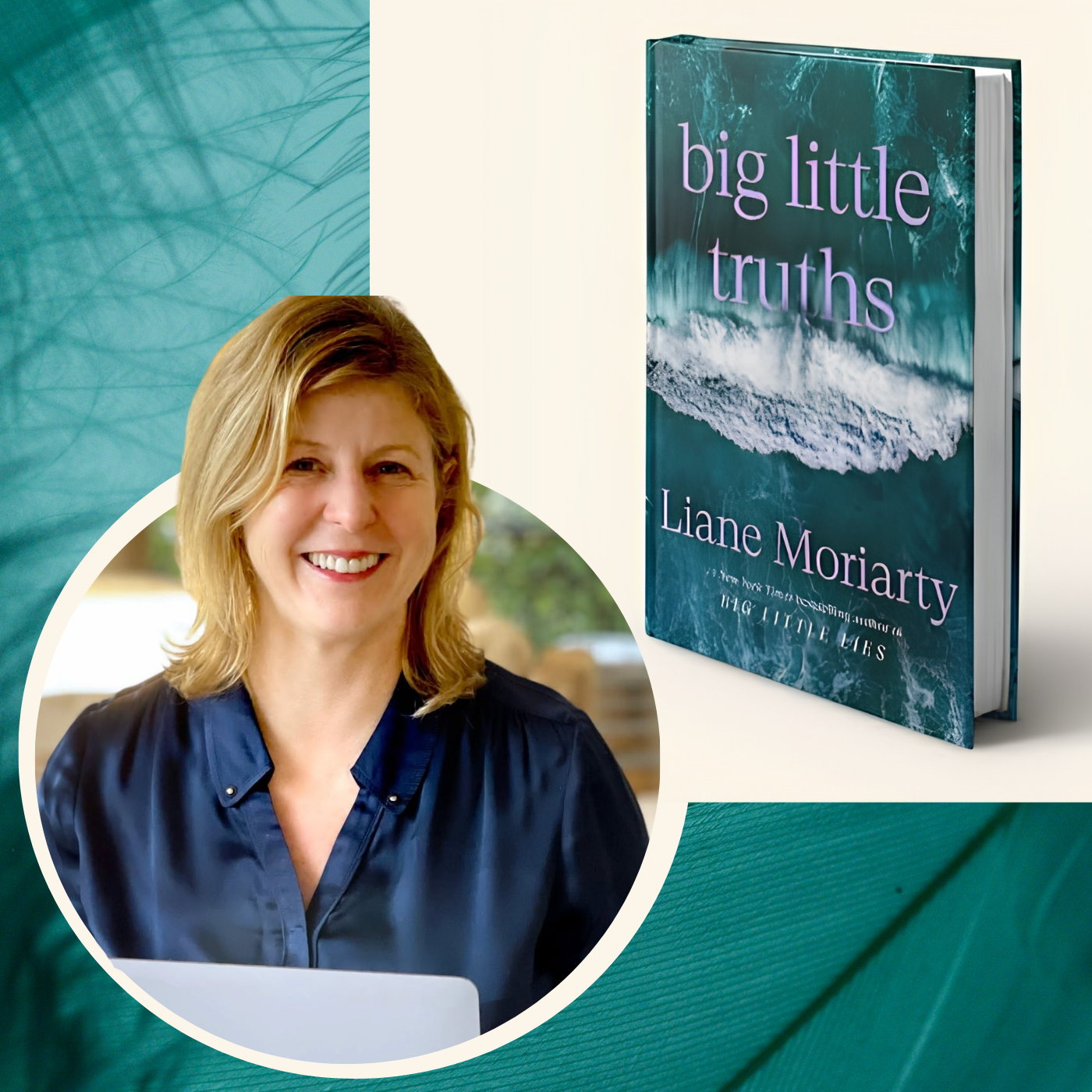
The Big Little Lies sequel is out
For the millions of readers who couldn’t get enough of “Big Little Lies,” there’s good news: A sequel is here. Best-selling author Liane Moriarty joins host Krys Boyd to talk about crafting characters that readers can’t get enough of, how her large family shapes her work, and why Hollywood can keep you humble. Her newest book is called “Big Little Truths.”
Learn about your ad choices: do
Election denial is reaching the grass roots
Slowly, and at the grassroots level, election deniers have cemented power over federal, state and local elections. Atlantic staff writer Toluse Olorunnipa joins host Krys Boyd to discuss efforts to sew doubt into the election process and concerns about a smooth midterm election in November. His article is “The Election Deniers’ Long Game.”
Learn about your ad choices: dovetail.prx.org/ad
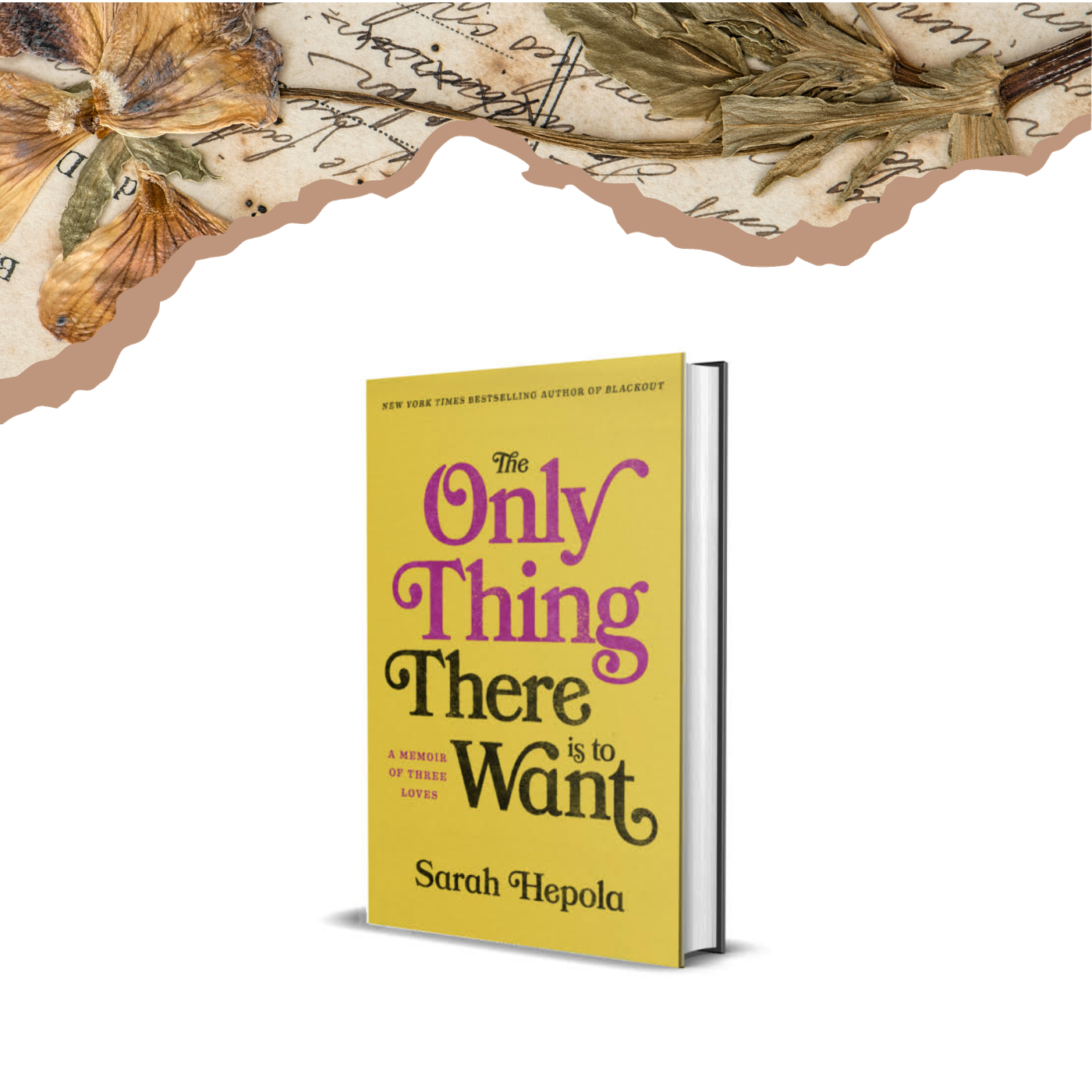
Why do we want what we can't have?
For one best-selling author, the longing for a family leaves big dreams unfulfilled. Sarah Hepola is co-host of the weekly culture podcast “Smoke 'Em If You Got 'Em” and a staff writer for The Dallas Morning News. She joins host Krys Boyd to discuss her search for answers about why marriage and motherhood have eluded her by doing a deep dive into previous relationships. Her new book is “
Personalized pricing is costing you more
Prices on just about everything are up – so where is all of that extra money going? Lindsay Owens, president and CEO of the Groundwork Collaborative, joins host Krys Boyd to discuss how companies often band together to bump up prices, how surveillance technology boosts revenues and how hidden fees pad corporate bottom lines. Her book is “Gouged: The End of a Fair Price – and What That Mea
What a single family can reveal about dementia
In a family that has a genetic pre-disposition to dementia, scientists are searching for a cure for Alzheimer’s. Robert Kolker, contributing writer at The New York Times Magazine, joins host Krys Boyd to discuss the story of nine siblings who began to lose themselves to frontotemporal dementia and the years it took to get a diagnosis, how family members deal with the knowledge they have a
Sometimes you have to quit to win
One thing winners have in common: they know when to quit. Lindsay Crouse is an author, producer, and journalist. She joins host Krys Boyd to discuss the courage it takes to let go and change course, why building up “strategic quitting” is a skill, and when you know that a job or a relationship or a goal is no longer serving you. Her book is “The Case for Quitting: The Surprising Benefits

Can we fix Social Security in time?
Social Security will run out of money in seven years. Even some Republicans think this it’s crucial to raise taxes. Steve Thompson covers the U.S. economy for the Washington Post and he joins host Krys Boyd to discuss why lawmakers are worried about the looming budget deficit, why higher taxes on income is being considered, and how the clock is running out to find solutions before benefit
When meditation goes wrong
It’s big business to sell us meditation and mindfulness, but there are significant side effects no one is talking about. Olga Khazan, staff writer at The Atlantic, joins host Krys Boyd to discuss why a study showed 10% of meditators experience some adverse effect from their practice, why some people should consult mental health professionals before a long meditation retreat, and why this

More nukes, more problems
The idea of nuclear deterrence—possessing weapons so that others don’t attack—doesn’t mean building up the arsenal makes us safer. Erin D. Dumbacher is Stanton Nuclear Security Senior Fellow and Director of the Defense and National Security Program at the Council on Foreign Relations. She joins host Krys Boyd to discuss why having too many weapons makes us a target, why modernizing the ex
How to look forward to midlife
Mid-life doesn’t need to mean crisis. Instead, it can be a chance to lean-in to all your strengths and grow. Allison Aubrey is science and health correspondent for NPR News and a contributor to CBS Sunday Morning. She joins host Krys Boyd to discuss what she calls “the third turn,” a time when you assess your best qualities and turn them into actionable ideas for the future, why she hates
The new prime real estate? Earth’s orbit
There are 15,000 satellites orbiting planet Earth. Just one accident could be calamitous. Jonathan O'Callaghan joins host Krys Boyd to discuss the enormous numbers of satellites being launched into space, what this means for traffic at low-Earth orbit altitude and space trash, and why, despite concerns, there are plans to launch 2 million more in the next few years. His article “Battle f

It’s expensive to be lonely
Are you one of many Americans stuck in the loneliness epidemic? There’s an app for that. Vox correspondent Allie Volpe joins host Krys Boyd to discuss how tech is offering solutions to social isolation (a problem it created), the many online apps that are promising connection offline, and why previous generations were just better at making friends. Her article is “Can you spend your way o
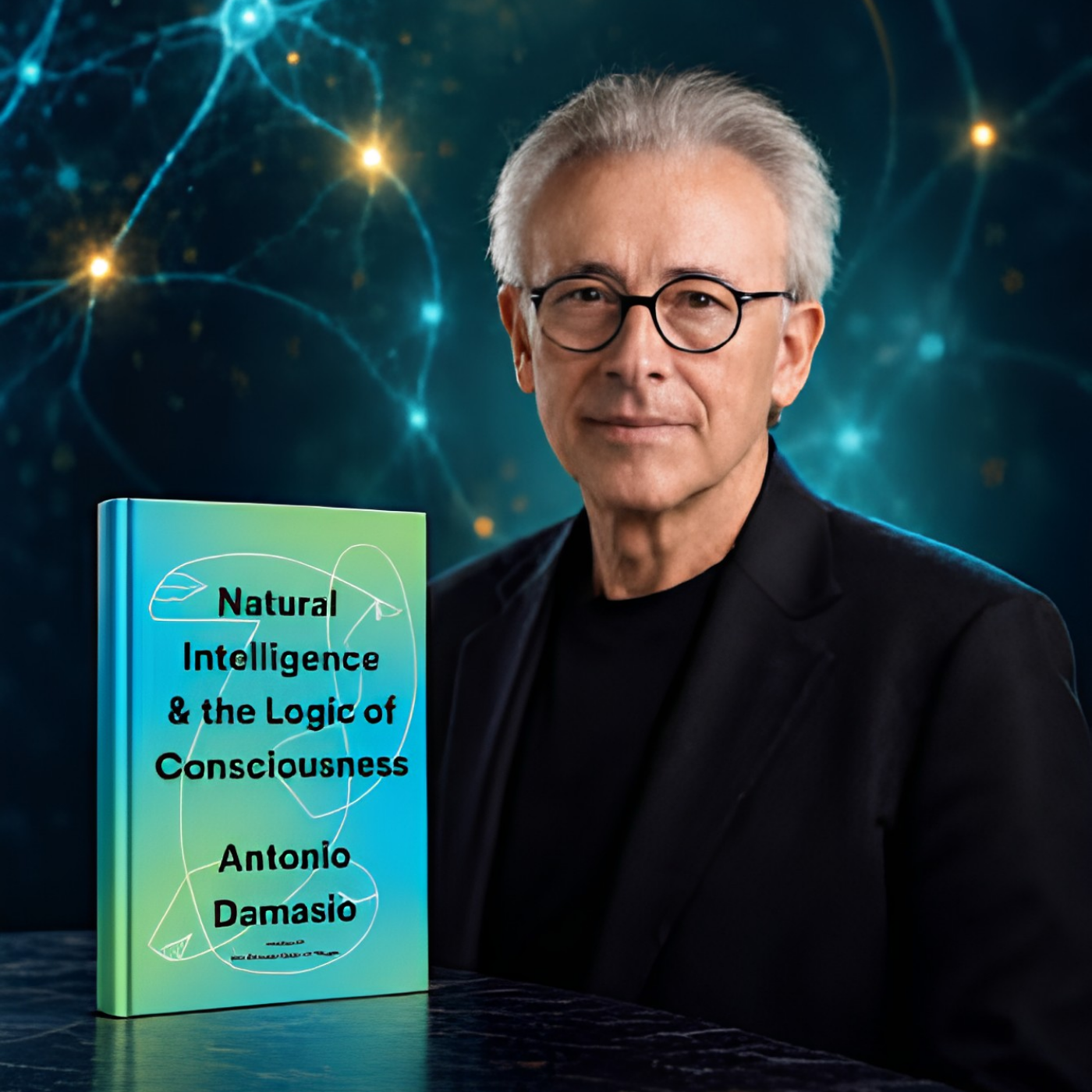
Why consciousness evolved
Did consciousness lead to us having feelings, or was it the other way around? Antonio Damasio is David Dornsife Professor of Neuroscience, Psychology, and Philosophy, and director of the Brain and Creativity Institute at the University of Southern California. He joins host Krys Boyd to discuss why he believes consciousness came before feelings and why feelings came early in the evolutiona
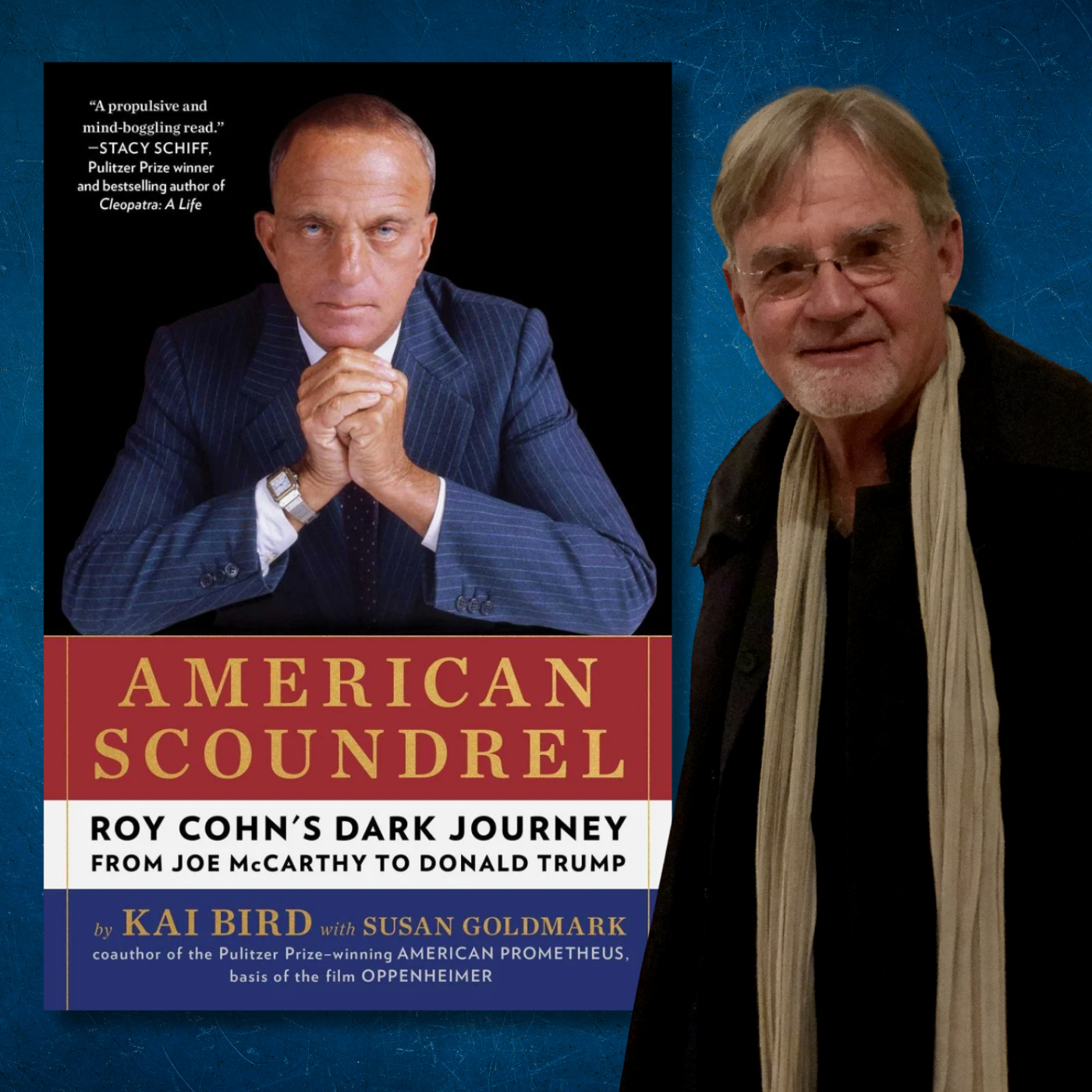
The man who taught Trump everything he knows
The legacy of the notorious lawyer Roy Cohn reverberates in politics today. Kai Bird is a Pulitzer-Prize winning biographer and journalist and executive director of the Leon Levy Center for Biography at the CUNY Graduate Center in New York City. He joins host Krys Boyd to discuss the life of the man who first prosecuted Julius and Ethel Rosenberg for espionage – which catapulted his caree
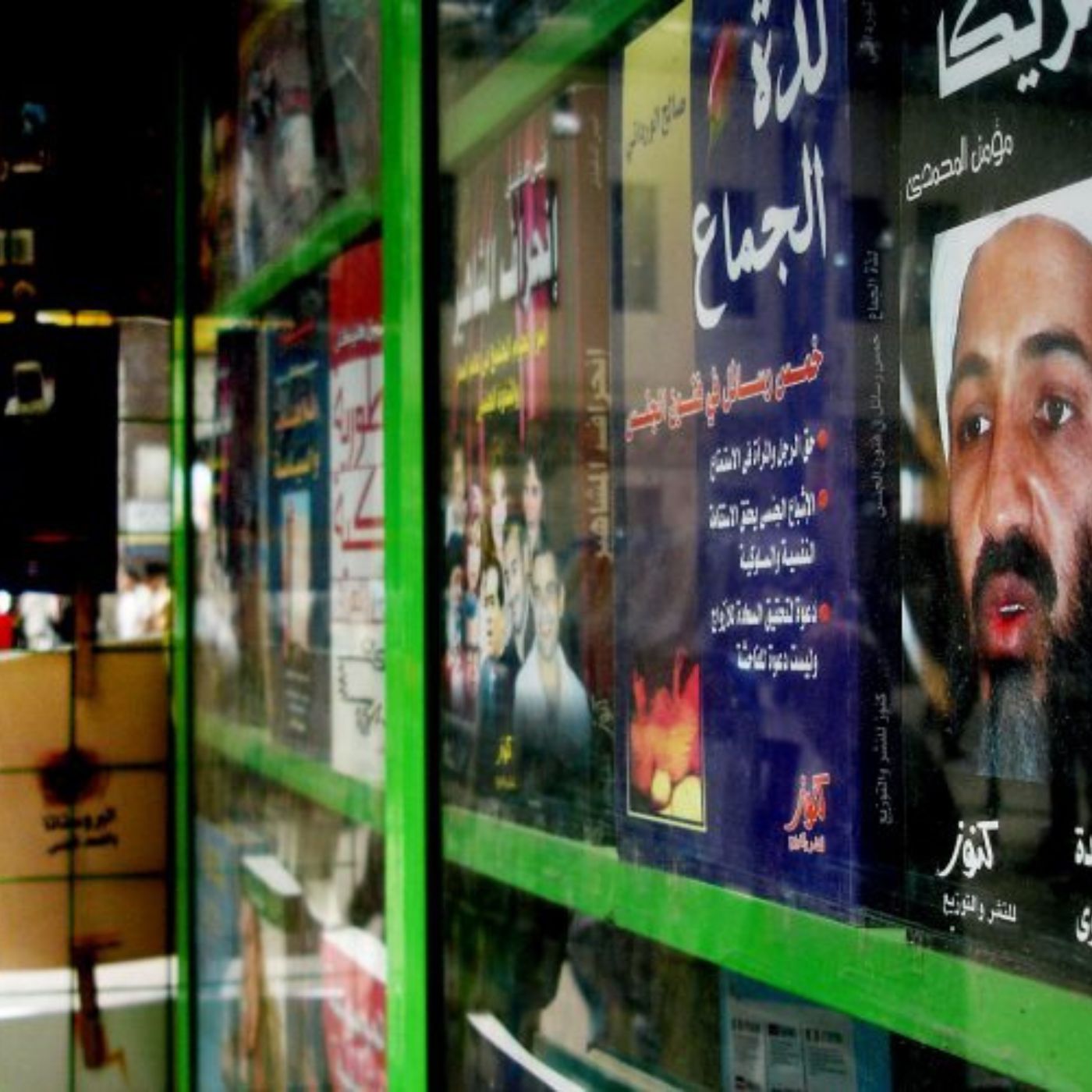
Is al-Qaeda functionally dead — or just dormant?
Twenty-five years after the world-altering terrorism of 9/11, is al-Qaeda still a threat? Graeme Wood is a staff writer at The Atlantic, and he joins host Krys Boyd to discuss whether the terrorist organization al-Qaeda has been lying low or regenerating power in the background, why analysts are split on the answer, and how disparate jihadist groups have been essentially allowed to “franc

Europe isn’t built for the heat
Paris used to be a cool 70 degrees in summer. Now it’s often 95 and climbing —with no A/C to help. Eric Klinenberg is Helen Gould Shepard Professor in the Social Sciences and director of the Institute for Public Knowledge at New York University. He joins host Krys Boyd to discuss how Europe is warming at twice the rate of other continents due to global warming, what this means for people

Some dementia patients ‘come back’ at the very end
Days or even hours before death, some dementia patients become lucid again – and scientists want to know why. Journalist Billy Brennan joins host Krys Boyd to discuss “paradoxical lucidity,” where dementia patients seem to “wake up” and interact right before they decline again, what this “rally” means about our consciousness and brain activity before death, and why this happens more often

Do we still need post-9/11 surveillance?
After the Sept. 11 attacks, the Federal government enacted laws that aimed at both protecting Americans and keeping tabs on what we do. Now that 25 years have passed, is it time for us to revisit some of them? Abigail R. Hall is an Independent Institute Senior Fellow and professor of economics at the University of Tampa. She joins host Krys Boyd to make the case that some of these laws ha

Why we haven't fixed the racial wealth gap
Much of America’s racial wealth gap can be traced to economic policies dating back decades and even centuries. Mehrsa Baradaran is professor of law at the University of California, Irvine. She joins host Krys Boyd to discuss the history of the wealth gap, why she believes politics keeps that gap alive for Black Americans and solutions that could alleviate the disparity. Her book is “The R
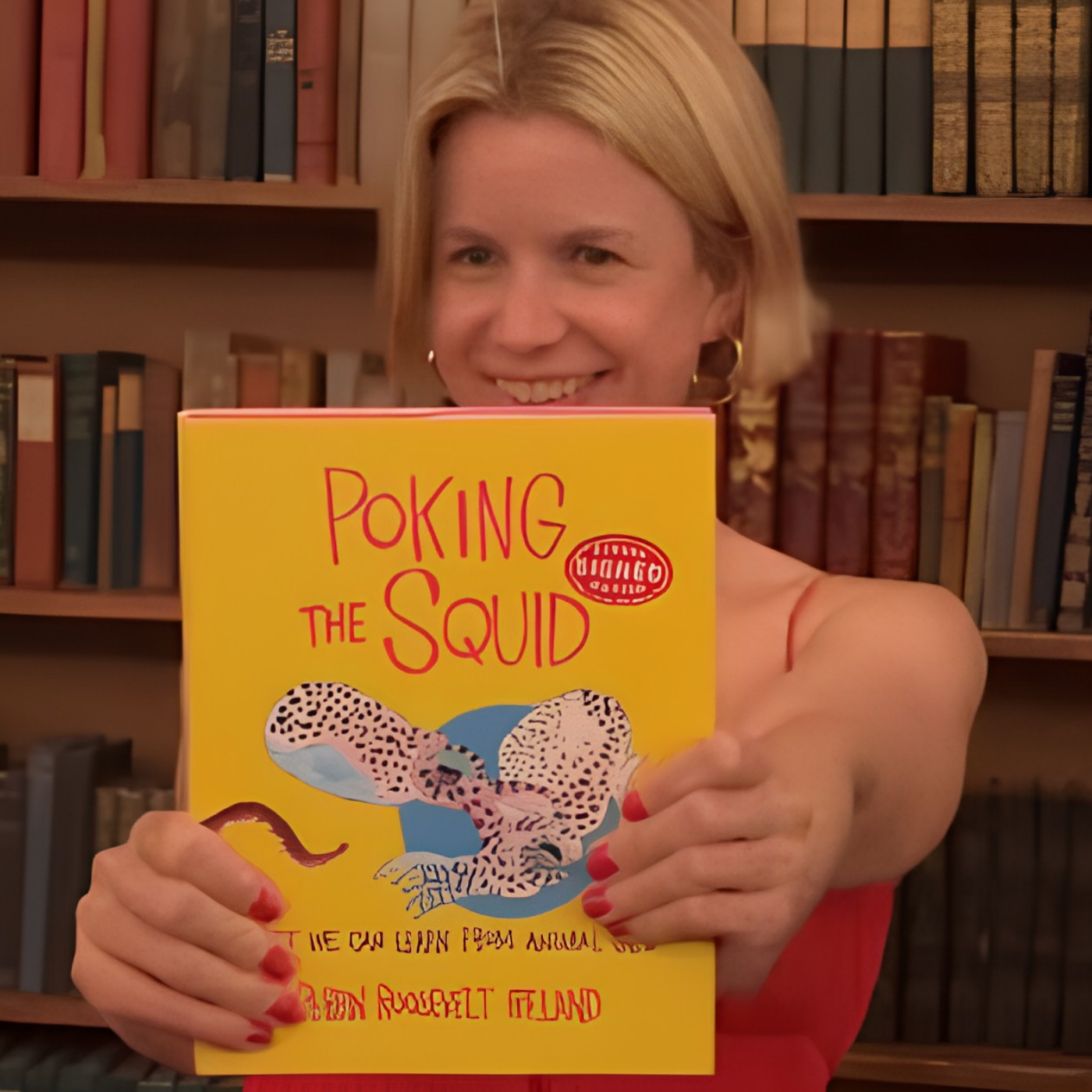
The wild sex lives of animals
Same-sex coupledom is surprisingly frequent in the animal kingdom – scientists have found 1500 species and counting that pair up in this way. Perrin Roosevelt Ireland is an artist and environmentalist who serves on the board of the Roosevelt Institute, was an inaugural artist in residence at the New York Aquarium and is a Banff Graphic Novel Resident. She joins host Krys Boyd to discuss i
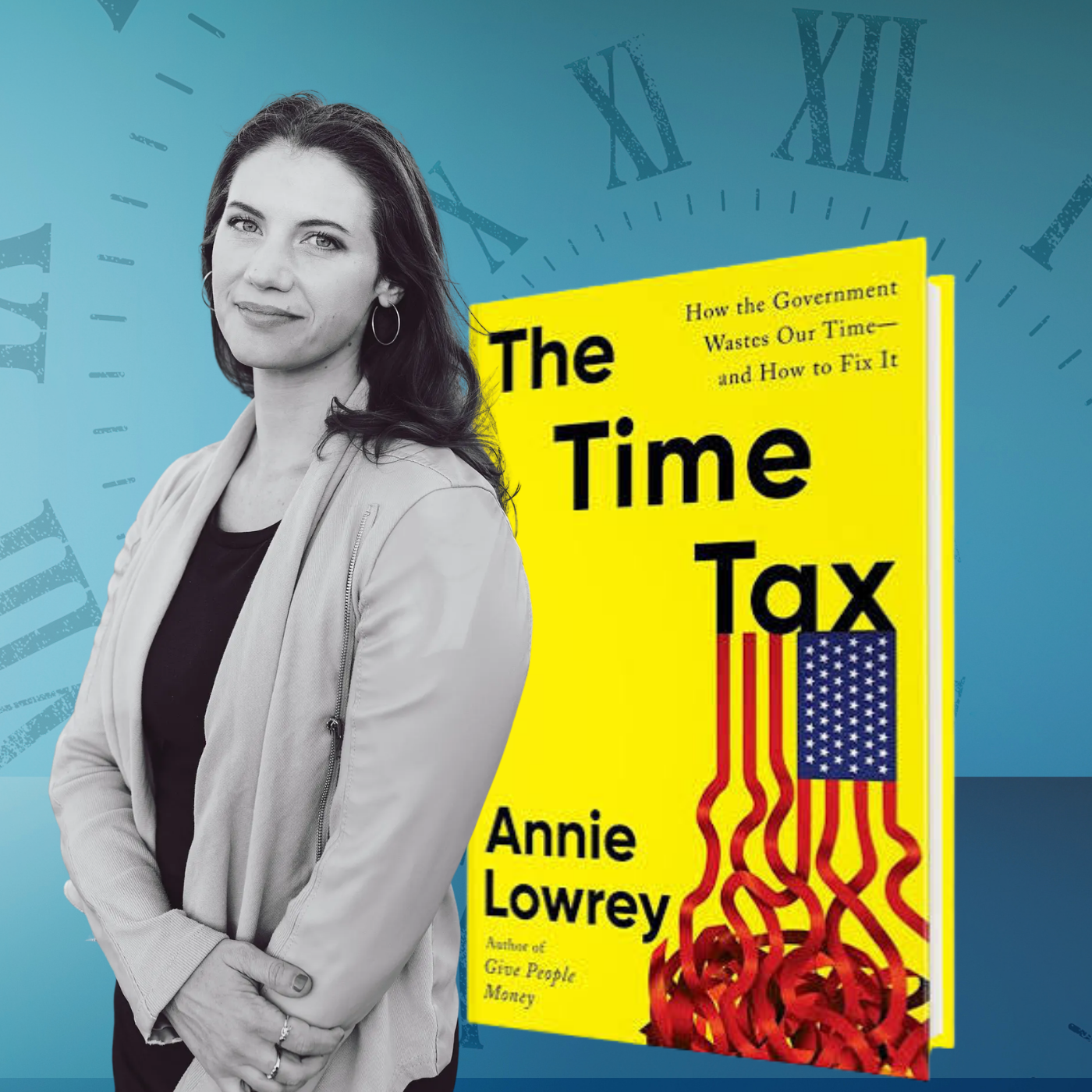
How the government wastes your time
Have you ever stopped to consider just how much time you spend participating in government bureaucracy? Annie Lowrey is a staff writer at The Atlantic, and she joins us to talk about just how much the government makes us work for the services it provides and how those systems could become more efficient. Her book is “The Time Tax: How the Government Wastes Our Time―and How to Fix It.”
Le
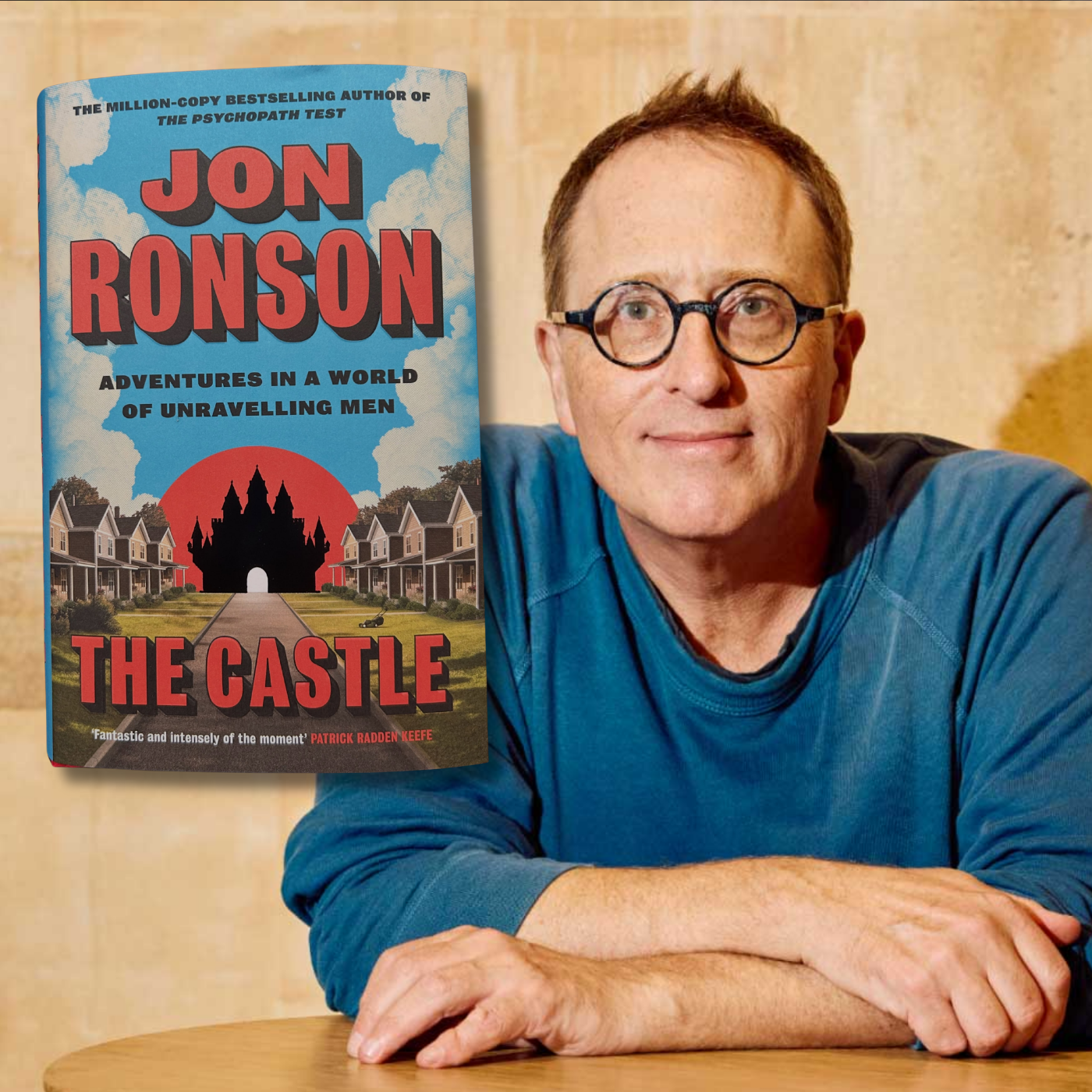
How masculinity falls apart
Masculinity is on display in our country in all sorts of interesting – and weird – ways. After his only son was lured into this world, Jon Ronson turned his keen observational powers on this far-reaching subculture. He joins host Krys Boyd to talk about what he found, which he writes about in “The Castle: Adventures in a World of Unraveling Men.”
Learn about your ad choices: dovetail.prx

A former Black professor quit because of DEI
Tyler Austin Harper was on a tenure track at a college in Maine when he began to realize that the school’s DEI policies were actually burdening him as a Black man. “The inescapable conclusion I arrived at was that I had been hired to be visibly Black first and a scholar second, if at all,” he writes in an essay for The Atlantic headlined “Confessions of a Token Black Professor: Why I lost
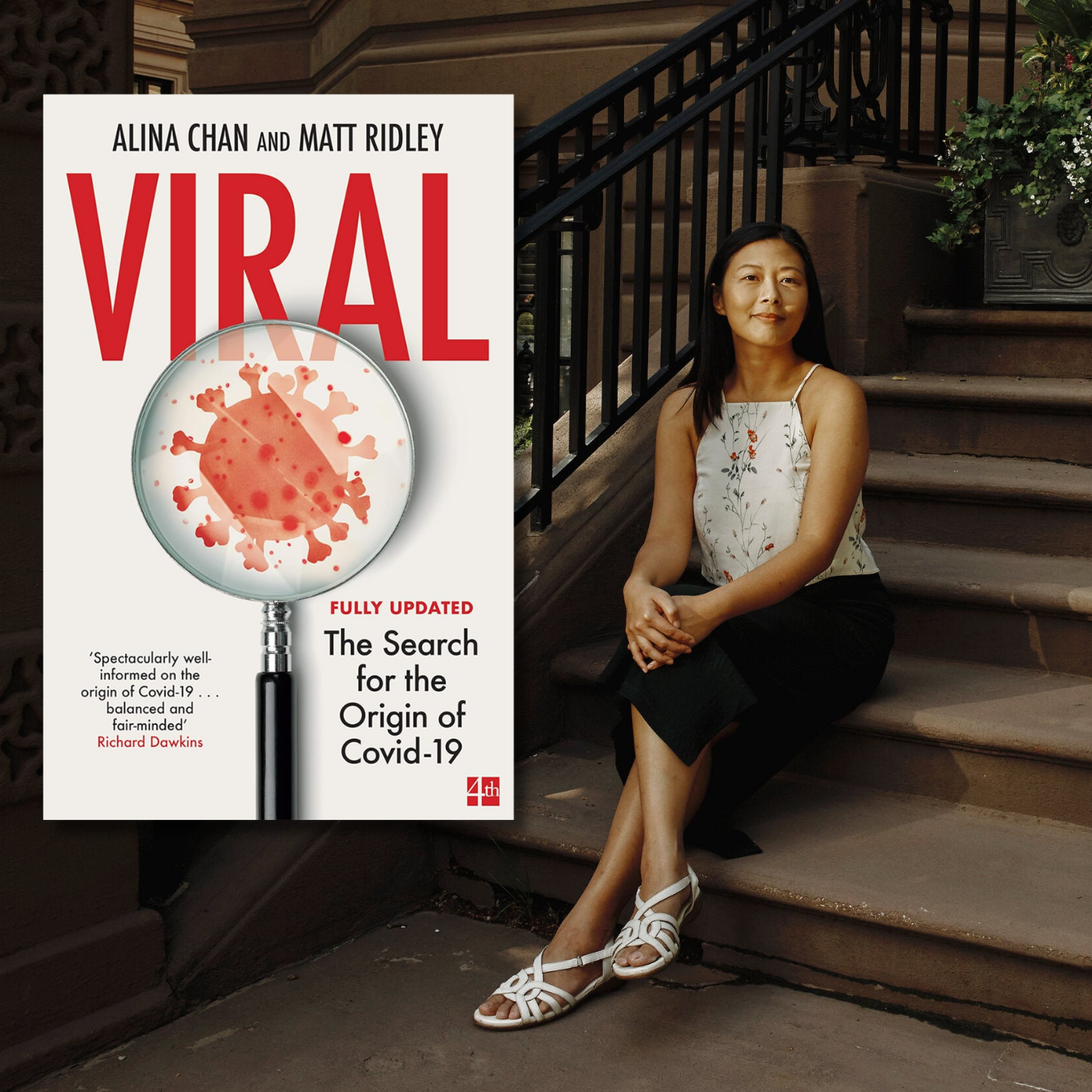
We’re one lab leak away from a pandemic
Even after a global pandemic, researchers are fairly free to study and enhance deadly viruses in labs that have fairly low biosafety standards. Alina Chan is a molecular biologist, and she joins host Krys Boyd to talk about precautions that can be put in place that allow for important research to be conducted while protecting the public. Her recent New York Times essay is “How to Stop a L

The Wisdom of Dolly Parton
Dolly Parton created and image that was glittery and bubbly, blonde wigs and rhinestone dresses – which belies the powerful brand of feminism that attracts her adoring fans. The mark her death, we’re revisiting our 2020 conversation with Sarah Smarsh, who joined host Krys Boyd to explore the creative genius of the iconic singer and actress — a prolific songwriter of more than 3,000 songs
The downside of safe havens for drug users
Some cities across the U.S. enacted harm-reduction, drug-friendly policies to stop overdose deaths – but that approach hasn’t always benefitted the general population. Michael Powell, staff writer at The Atlantic, joins host Krys Boyd to discuss Burlington, Vt., Seattle and other places where needle exchanges have made public spaces unwelcoming, what happens when leaders stand behind unpo
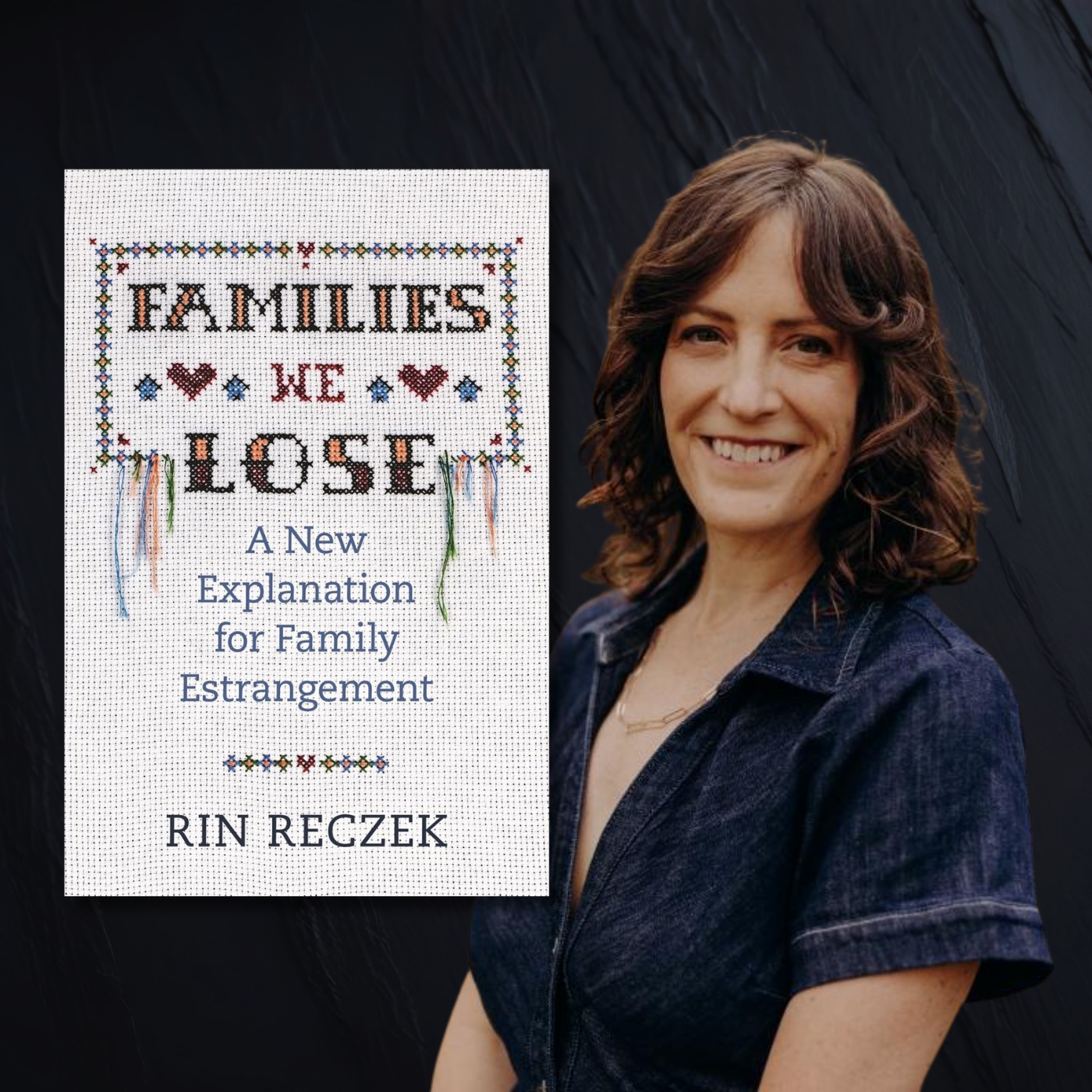
The real reason adult kids go no contact
To understand why people go “no contact” with their families, it helps to define what a modern family is. Rin Reczek is professor of sociology and co-director of the Center for Aging Families at The Ohio State University. She joins host Krys Boyd to discuss two distinct family units she calls “compulsory kinship” and “democratized kinship,” how they have changed over the years, and what p

Is Chinese science better than ours?
From A.I. to E.V.s to pharmaceuticals and energy, China is outpacing the U.S. for global dominance. New Yorker staff writer Evan Osnos joins host Krys Boyd to discuss why, when America has pulled research funding, China is funneling billions of dollars to remake its economy, why scientists are flocking to Chinese labs, and why this should serve as a warning to isolationist government poli

When children have to take care of their parents
Across the country, millions of children take on the job of primary caregiver to ailing family members. Dr. Helen Ouyang is a physician and associate professor at Columbia University and a contributing writer for The New York Times Magazine. She joins host Krys Boyd to discuss the teens who take on changing bandages and managing medications for family members, the lack of support for this
You’re underestimating your brain
We’ve all heard of “imposter syndrome” and something similar is going on in your brain in regard to your intelligence. Dr. Josh Turknett, M.D. is a board-certified neurologist and the founder of the Institute for Performance Neurology, where he works at the intersection of neuroscience, learning and human potential. He joins host Krys Boyd to discuss why we all have the ability to unlock

Wrongful conviction harms victims, too
For every exonerated individual in the criminal justice system, there is another forgotten victim: the original victim’s family who now has no closure. Barbara Bradley Hagerty, contributing writer to The Atlantic, joins host Krys Boyd to discuss a case involving a man, Ben Spencer, who was wrongfully convicted of a crime and the family member of the murder victim, Jay Young, who now faces

The IRS isn’t getting its work done
If you need to call the IRS to answer a tax question, you could wait hours on the line thanks to funding cuts. Stephanie Mencimer, staff reporter in Mother Jones’ Washington bureau, joins host Krys Boyd to discuss why 7 million people are waiting to hear back from the IRS about correspondence and amended returns up from 3.8 million last year how deep cuts to the budget mean taxpayers are

If we’re going to fight a trade war, we might as well win
President Trump’s frequent tariff announcements have put global trade in a new, precarious position. Chad P. Bown is Reginald Jones Senior Fellow at the Peterson Institute for International Economics and host of the Trade Talks podcast. He joins host Krys Boyd to discuss how tariffs push up prices, what lessons from history can teach us about this moment, and how countries should adapt to

Gen Z’s work-life balance looks different
We’ve all heard the advice to “do what we love” for our careers, but burnout and low wages make that advice seem like a cruel joke. Journalist Emi Nietfeld joins host Krys Boyd to discuss her disillusionment with her “millennial values” where hard work and dreaming big would pay off in the corporate world why Gen Z doesn’t have a sense of optimism for their futures, and what ambition look

Trump’s three paths out of the Iran war
President Trump thought defeating Iran would be a clean and easy operation. He now finds himself in a quagmire. David E. Sanger, White House and National Security Correspondent for The New York Times, joins host Krys Boyd to discuss Trump’s options for ending the war, which include military escalation, economic crackdown or simply declaring victory and walking away. His article is “Trump
Where does language come from?
A language that was spoken thousands of years ago eventually morphed into nearly all of the languages spoken today in the West. Science writer Laura Spinney joins host Krys Boyd to discuss the proto-Indo-European language, how it connects languages as varied as English and Russian, and how researchers study ancient language with no written texts to guide them. Her book is “Proto: How One

Why you can’t afford health insurance
For millions of Americans, health care benefits come from their jobs and now small businesses are finding they can no longer afford to offer them. Bob Herman, STAT’s business of health care reporter, joins host Krys Boyd to discuss how the end of subsidies to the Affordable Care Act means small businesses and those self-employed can no longer find an insurance option that fits their budge
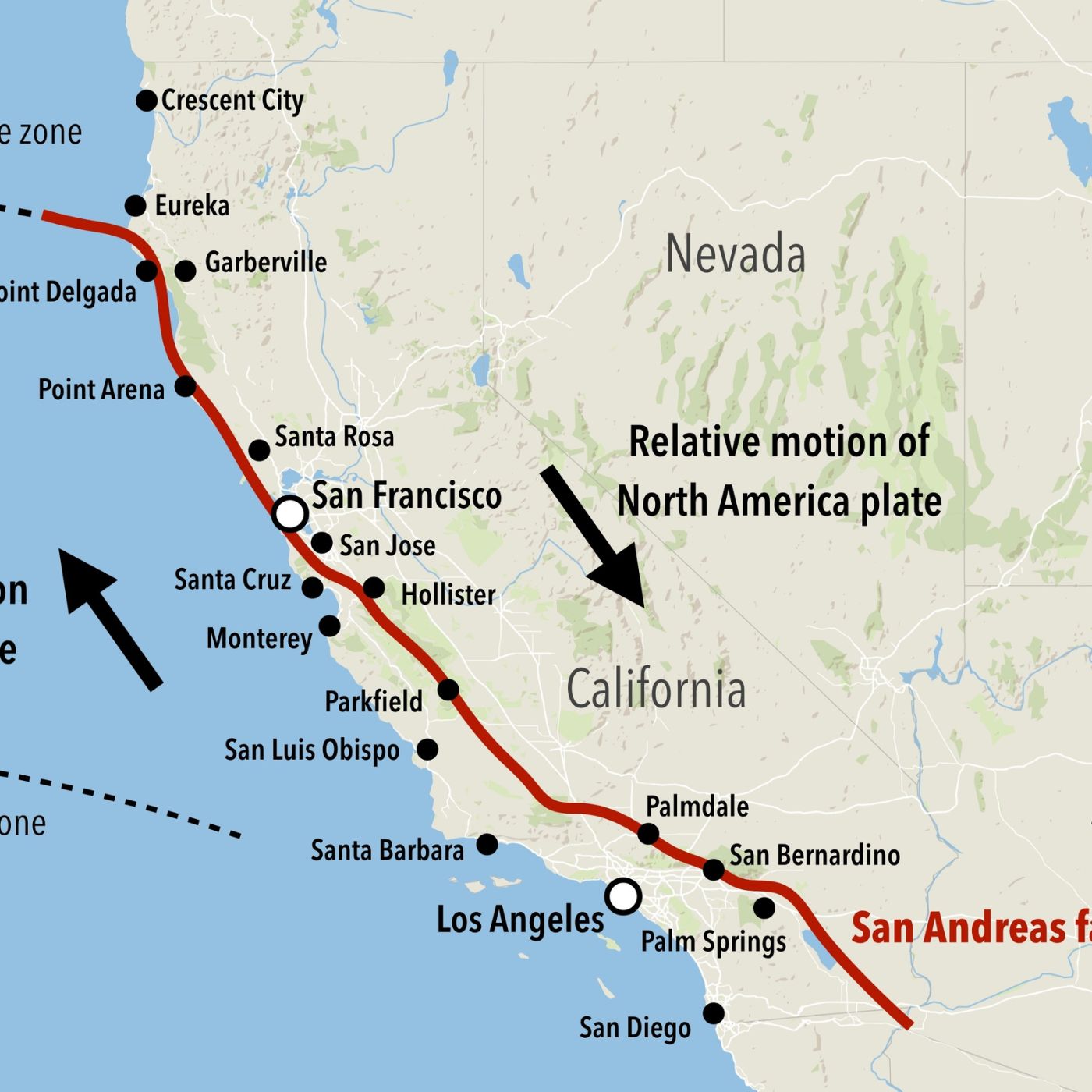
Is California overdue for the Big One?
The San Andreas fault in California should produce a sizeable earthquake about every 150 years and it’s starting to worry some that it hasn’t. Rong-Gong Lin II joins host Krys Boyd to discuss what has scientists on edge about a massive fault line that hasn’t had an earthquake in more than a century.
Learn about your ad choices: dovetail.prx.org/ad-choices
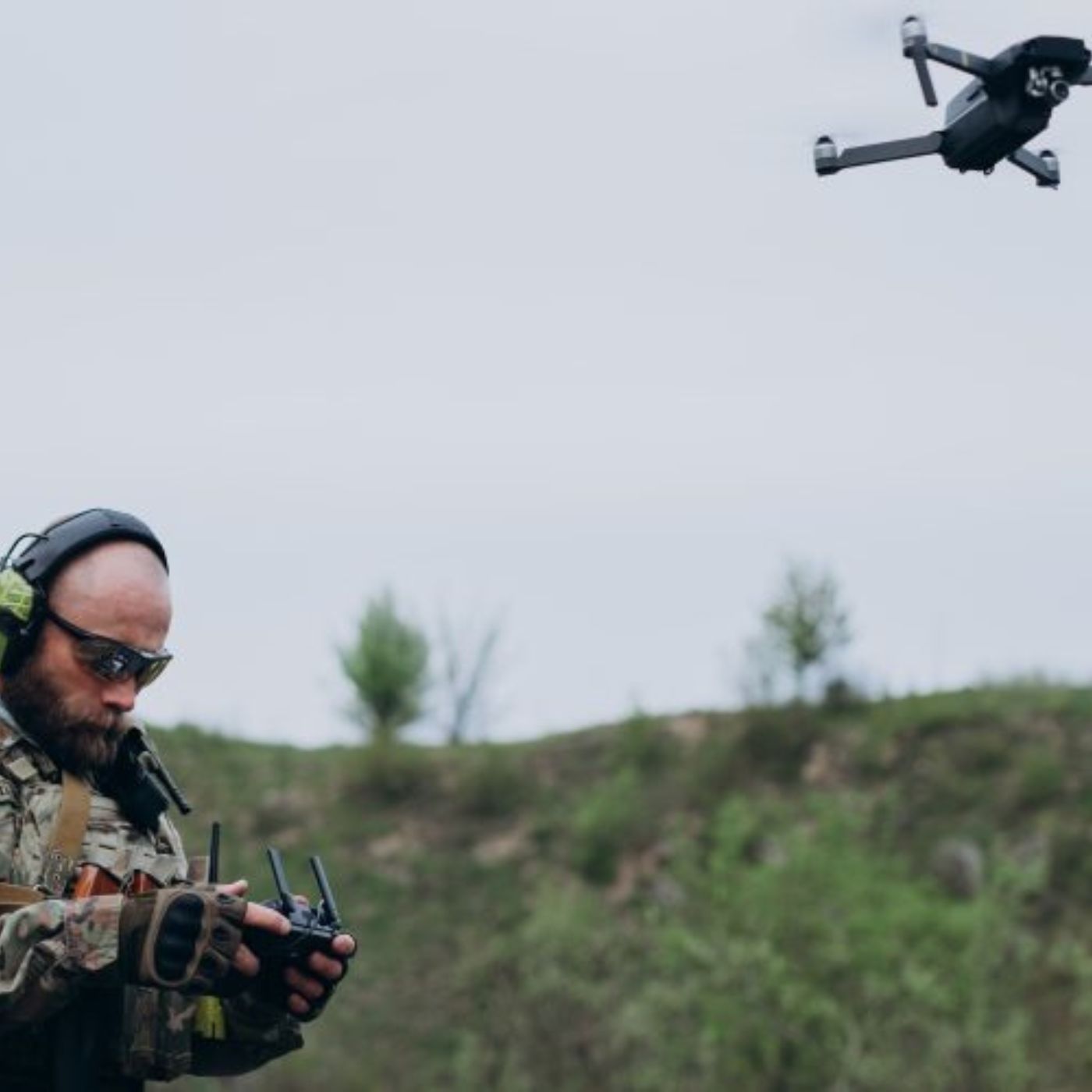
The high-tech weapons changing how we fight wars
A.I. and drones are changing warfare are the U.S. and its allies ready to meet the challenge? Yaroslav Trofimov, Chief Foreign-Affairs Correspondent for The Wall Street Journal, joins host Krys Boyd to discuss why billions invested in new tanks, planes and warships might be better spent on cheap drones, how autonomous weapons are changing battle strategies, and why military leaders need t
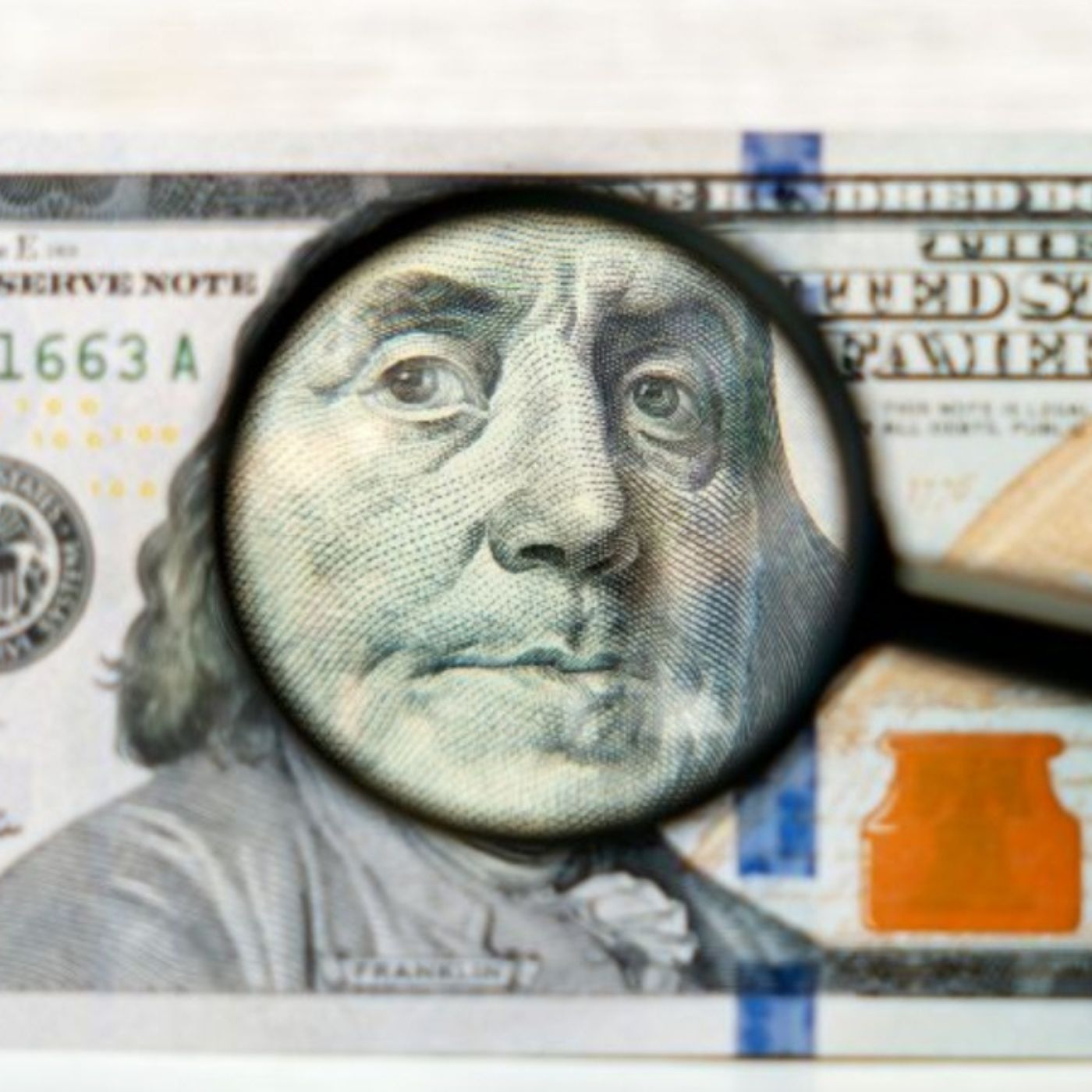
Colombia’s counterfeit cartel
Colombia is known for its illicit drug trade and now cartels there are counterfeiting U.S. dollars. Yudhijit Bhattacharjee is a contributing writer for The New York Times Magazine who reports on transnational crime, national security and science. He joins host Krys Boyd to discuss how Colombian authorities are trying to track down criminal enterprises counterfeiting dollar bills, how this

Your grandparents had skills. Do you?
Long before A.I., people have worried about technology taking away the ability to work with our hands. Joshua Habgood-Coote is a lecturer in the School of Philosophy, Religion, and History of Science at the University of Leeds. He joins host Krys Boyd to discuss the centuries-old longing to get back to the “good old days” of craftsmanship, what this nostalgia means for our modern times, a

What it’s like to fight a wildfire
Wildfires are more dangerous than they’ve ever been — take if from a former firefighter. Jordan Thomas is a former Los Padres hotshot wildland firefighter and currently an anthropologist and chancellor’s fellow at the University of California. He joins host Krys Boyd to discuss why climate change doesn’t tell the whole story of why today’s fires rage out of control, our complicated relati

The demise of the open casket funeral
Open caskets used to be fairly standard, but we’re losing the artists who make that possible. John Semley joins host Krys Boyd to discuss the history, culture and economics of morticians, why their particular trade is quickly going out of fashion, and how losing this restorative mortuary science is changing the way we grieve. His article “A Dying Art: The last of the morticians” was publi
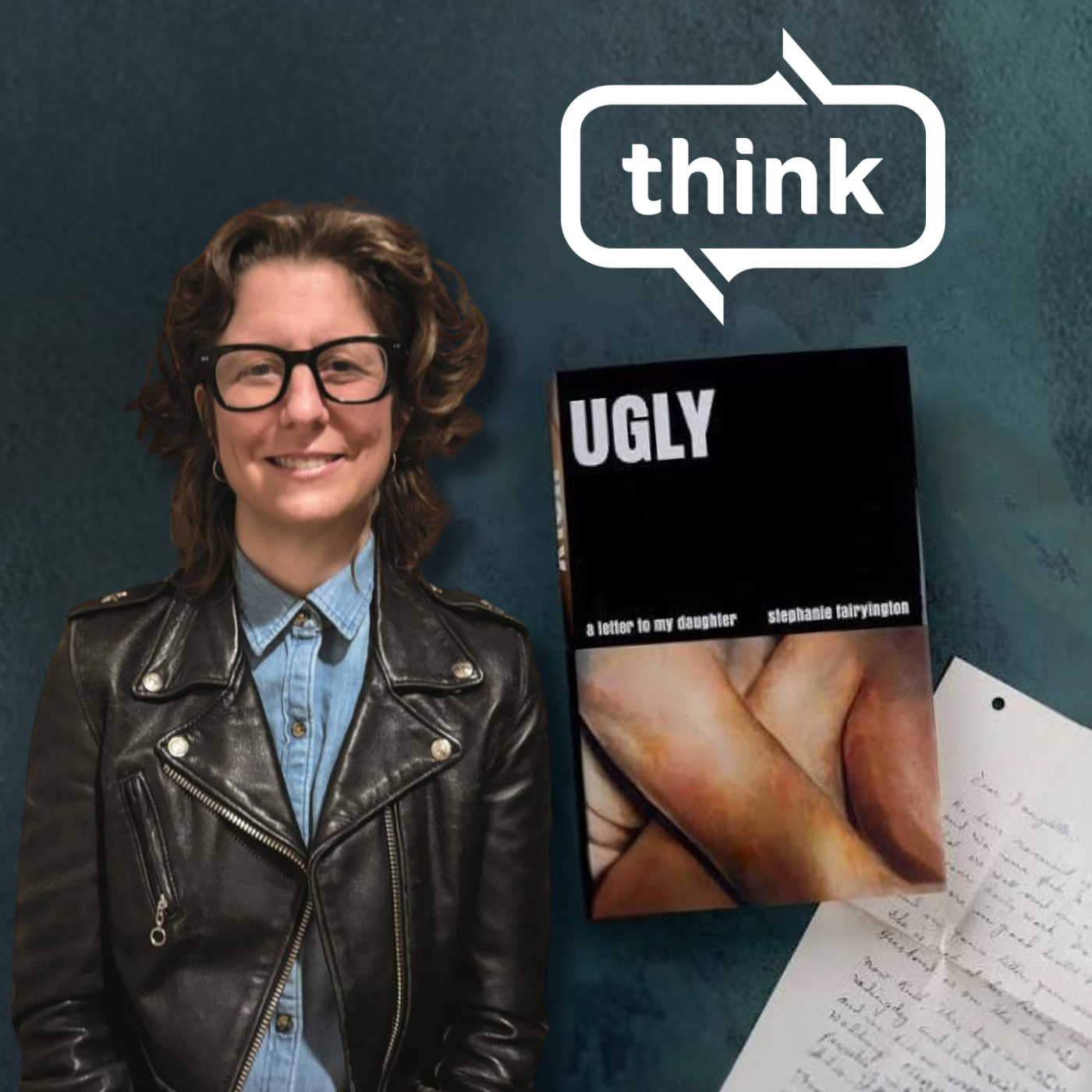
Ugly is a four letter word
There is a word that no woman wants to be called: ugly. Stephanie Fairyington is a journalist who writes on gender, sexuality, family and parenting. She joins host Krys Boyd to discuss her perception that she didn’t live up to modern standards of pretty – whether because of her looks or her queerness – the stigma the word “ugly” holds for women, and how she’s teaching her daughter to figh
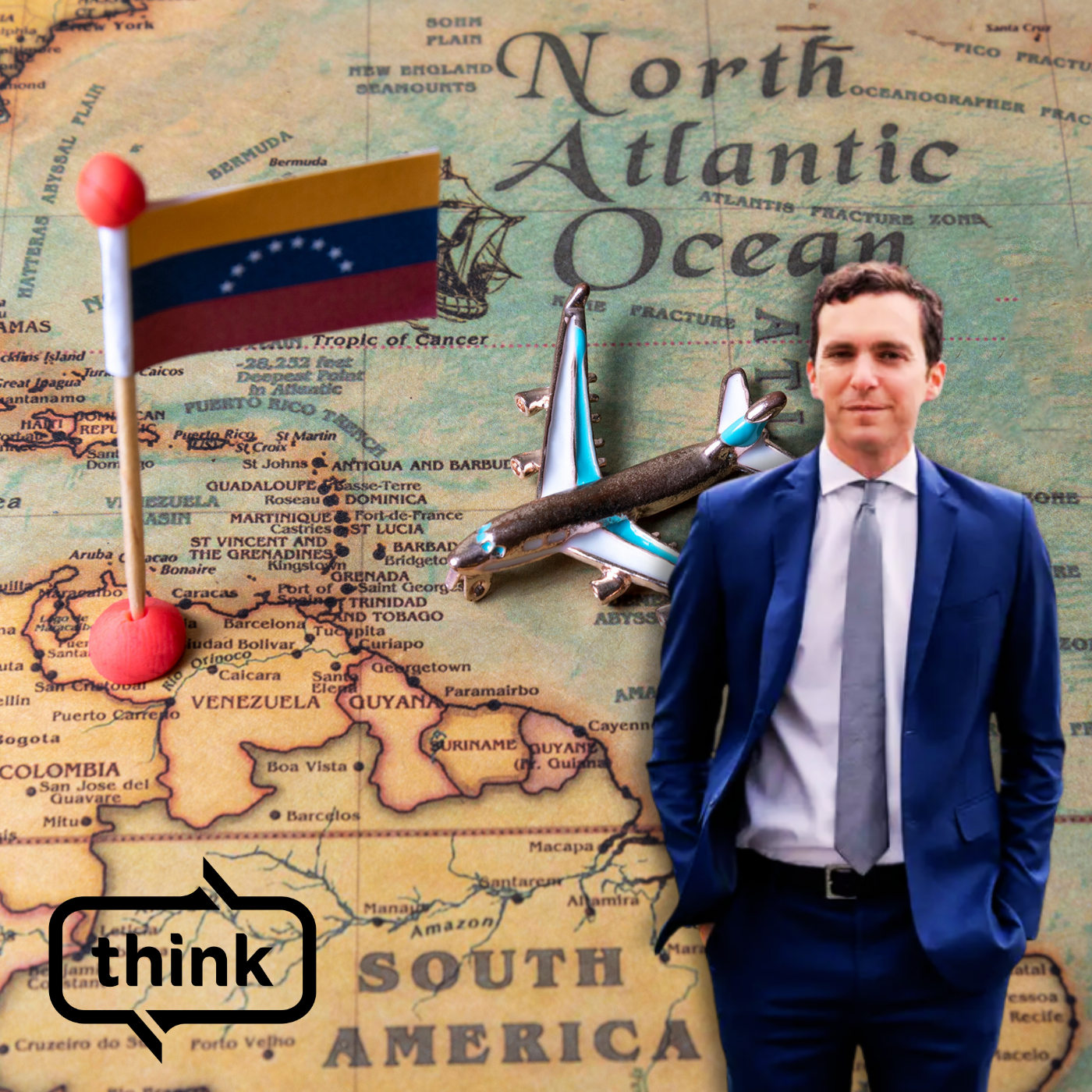
Marco Rubio is pulling the strings in Caracas
On top of his responsibilities as Secretary of State and National Security Advisor, Marco Rubio is running Venezuela. Tyler Pager, White House correspondent for The New York Times, joins host Krys Boyd to discuss how and why Rubio is making big economic and political decisions for the country, the role interim president Delcy Rodriguez plays in this arrangement, and how long the White Hou
Bad parents need elder care, too
For millions of caregivers, taking care of parents is a matter of love. But caregiving gets complicated when relationships are estranged. Katie Engelhart, contributing writer for The New York Times Magazine, joins host Krys Boyd to discuss the children who must decide whether to care for aging parents who abused them, the pressures they feel from outsiders, and how to make peace with bitt
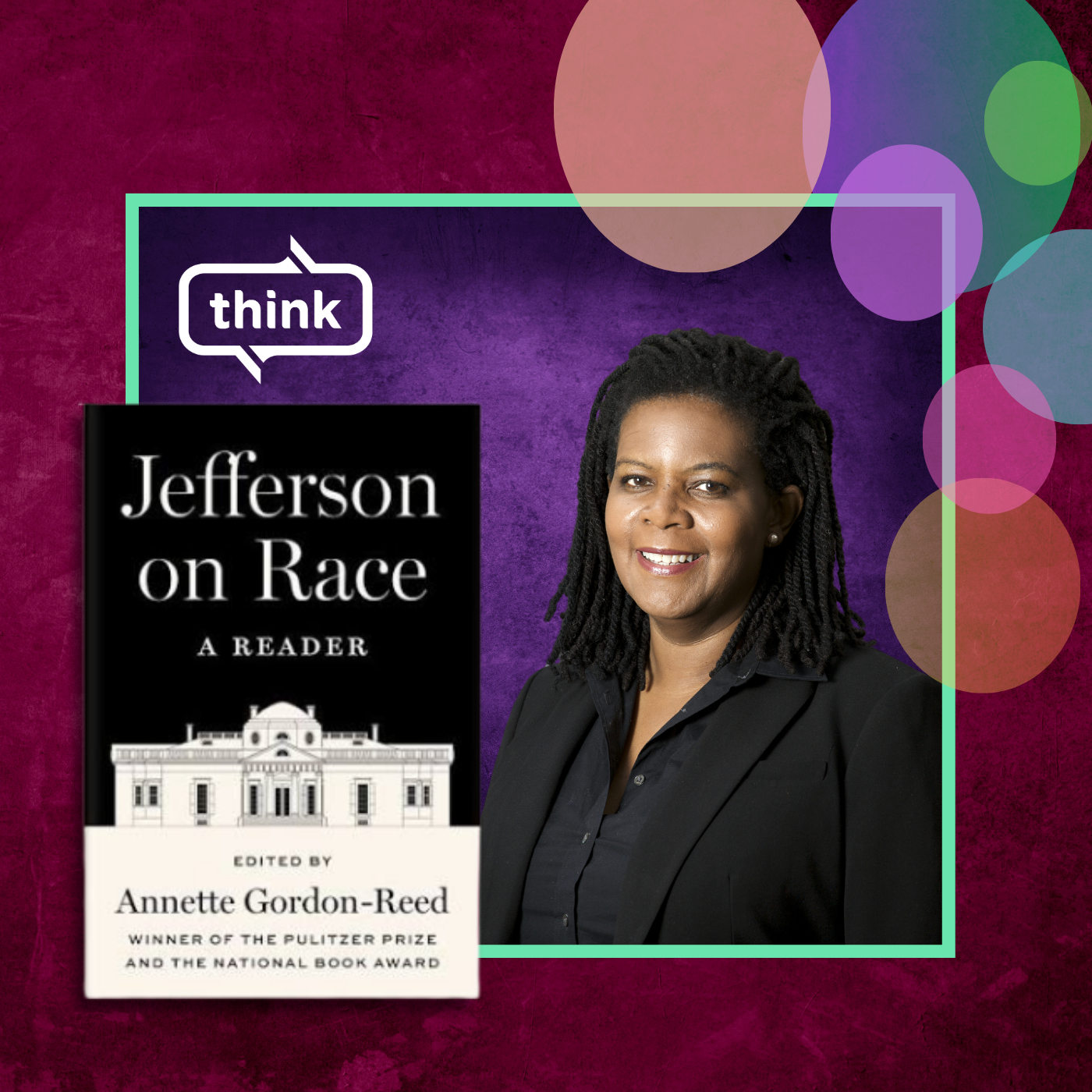
What Jefferson really thought about race
Thomas Jefferson wrote passionately about individual freedoms, yet he enslaved hundreds. How did he square the two? Annette Gordon-Reed, Carl M. Loeb University Professor at Harvard University, joins host Krys Boyd to discuss Jefferson’s own words on race, what it meant to be “progressive” in pre-Revolutionary Southern America, and what his political aspirations meant for abolishing slave
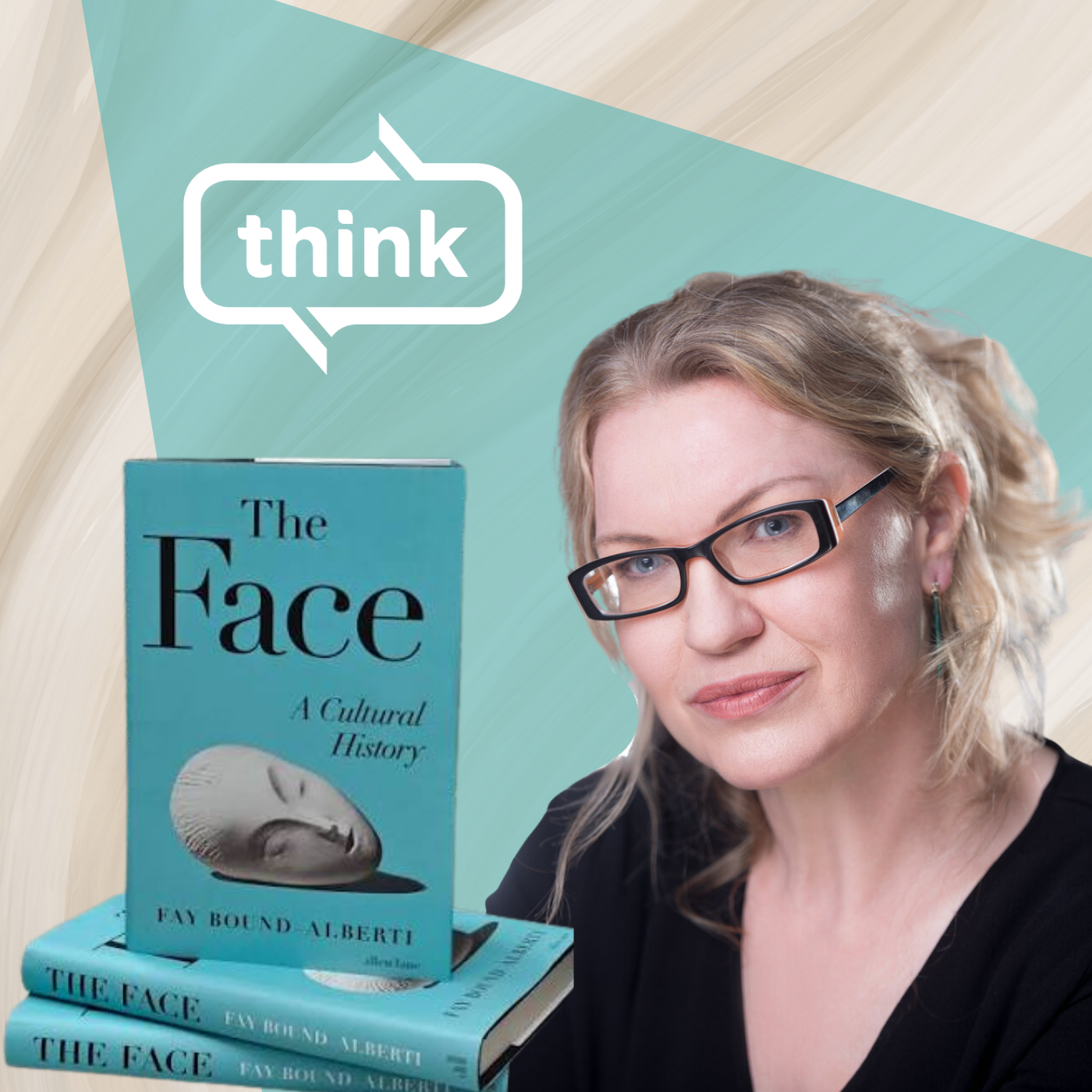
The cultural evolution of your face
We use our faces more than any other part of our body to communicate with others and that communication has evolved a lot over the centuries. Fay Bound-Alberti founded the Centre for Technology and the Body at King’s College London where she leads Interface, a project examining technologies of the face. She joins host Krys Boyd to discuss how facial understanding is tied to where and whe
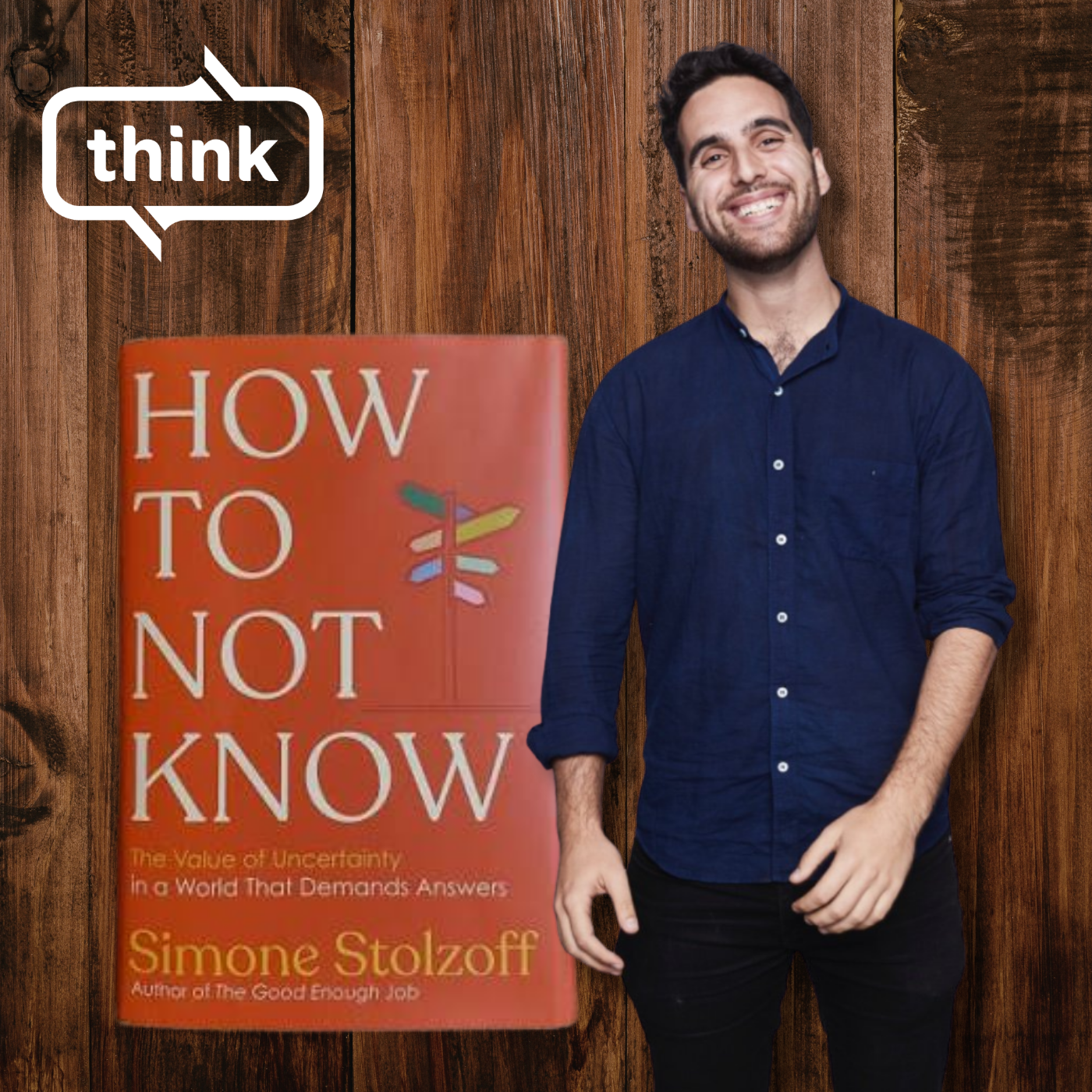
How to live with uncertainty (you don’t have a choice)
There is comfort in certainty, but there is resilience in embracing the uncertain. Simone Stolzoff joins host Krys Boyd to discuss why striving for certainty cuts off creative thinking, why building tolerance for uncertainty helps prepares us for life’s pitfalls, and why someone who claims to know it all might actually be dangerous. His book is “How to Not Know: The Value of Uncertainty.”

Consumer protection is on the decline… you’ve probably noticed
Consumers are mad as hell, and they’re not going to take it anymore. Heather Timmons writes about consumer rights for The Guardian. She joins host Krys Boyd to discuss why American shoppers are fed up with higher prices, inflation, private equity and A.I. customer service (among other things) and just navigating daily life is costing us billions of dollars a year in time and fees.
Learn
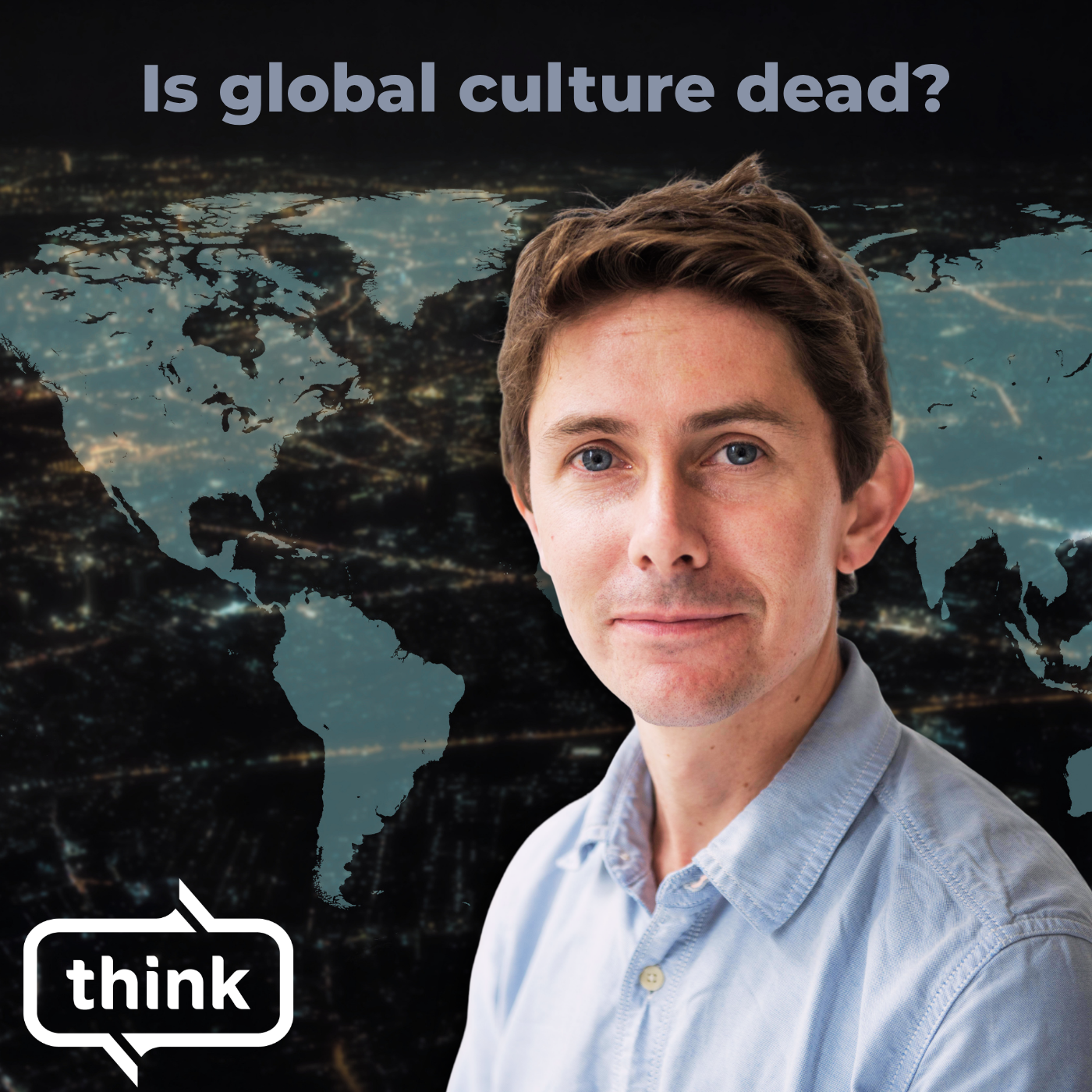
The trend in global entertainment: hyperlocal
Taylor Swift’s world tour was a huge hit, but will there be like it? Tom Wainwright, media editor at the Economist, joins host Krys Boyd to discuss the rise of “local” entertainment, where artists want to appeal to a smaller segment of the population and not go “global,” and what that means for the United States’ hold on shaping culture. His article is “Entertainment is being deglobalized
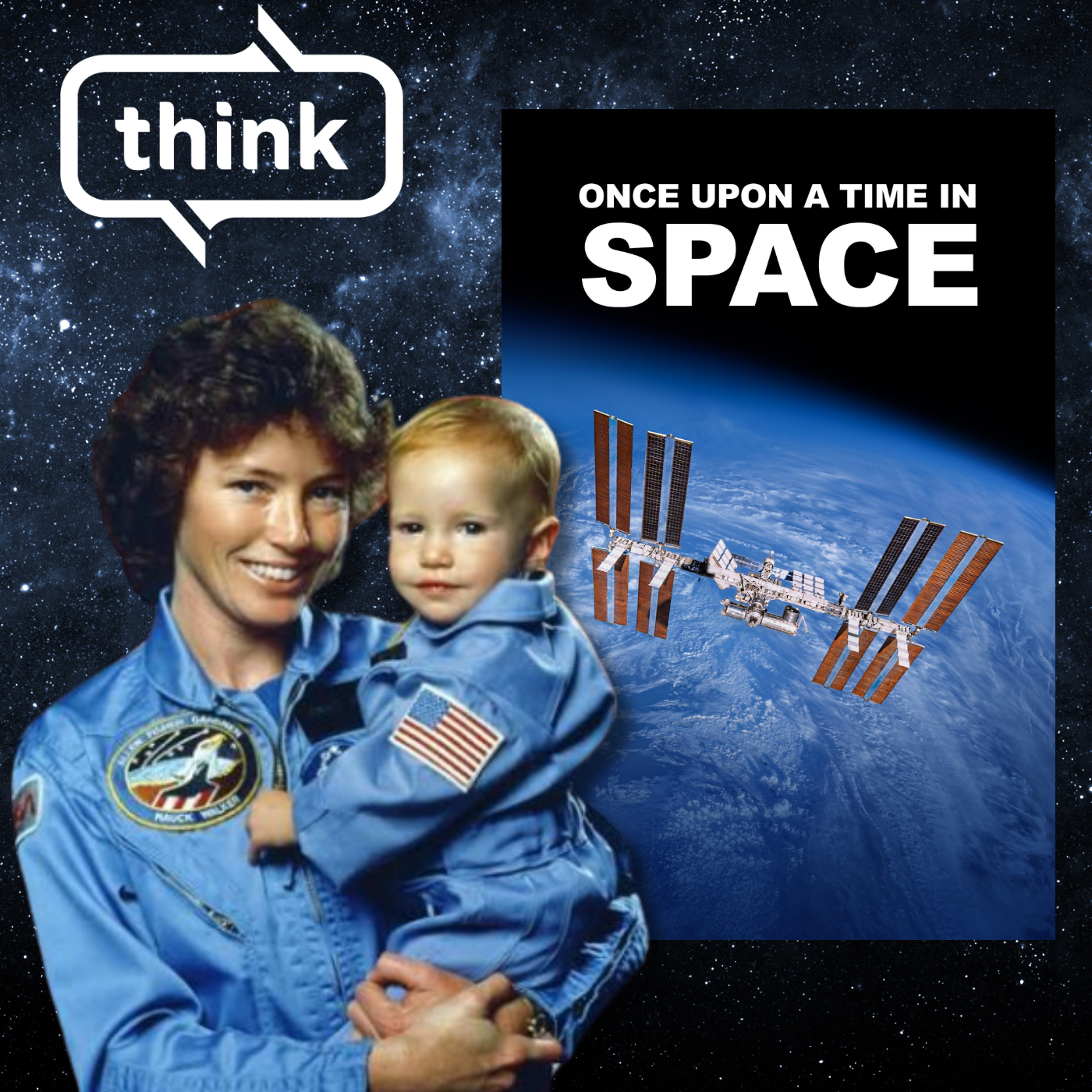
She created space for women astronauts
Training to blast off in a rocket is one thing, but being the first mother in space turned out to be much harder. Anna Fisher was a NASA astronaut from 1996 to 2002, the chief of the Space Station branch of the Astronaut Office and the first mother in space. She joins host Krys Boyd to discuss her record as the longest serving astronaut at 36 years and 9 months, the ways her space flight
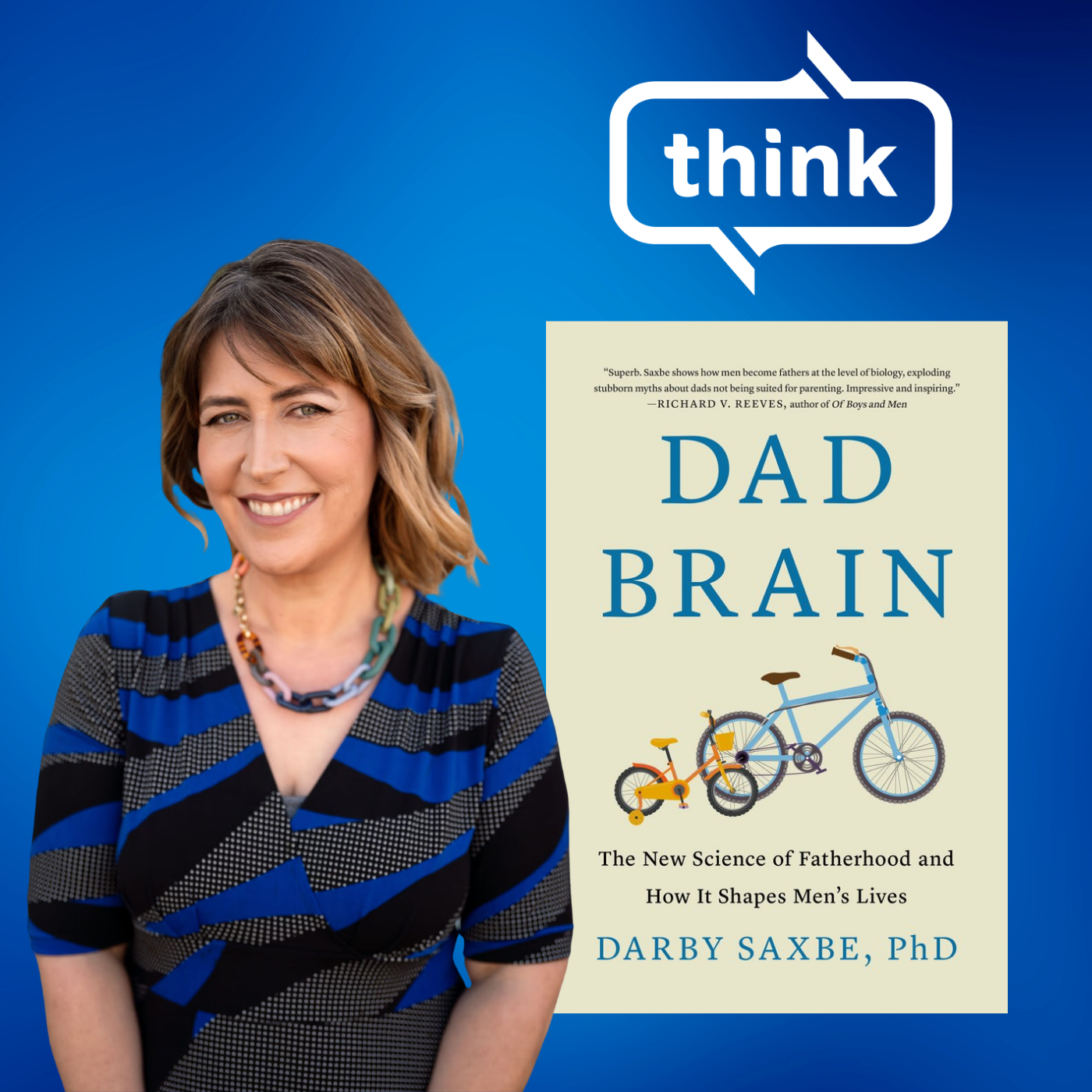
There’s a dad bod and a dad brain
Motherhood changes a woman’s brain in many ways and now we know dad’s minds are impacted, too. Darby Saxbe is a clinical psychologist and professor of psychology at the University of Southern California. She joins host Krys Boyd to discuss the changes fathers go through when a baby is born from hormones to attention span the important role grandfathers play, and why there’s a pretty good
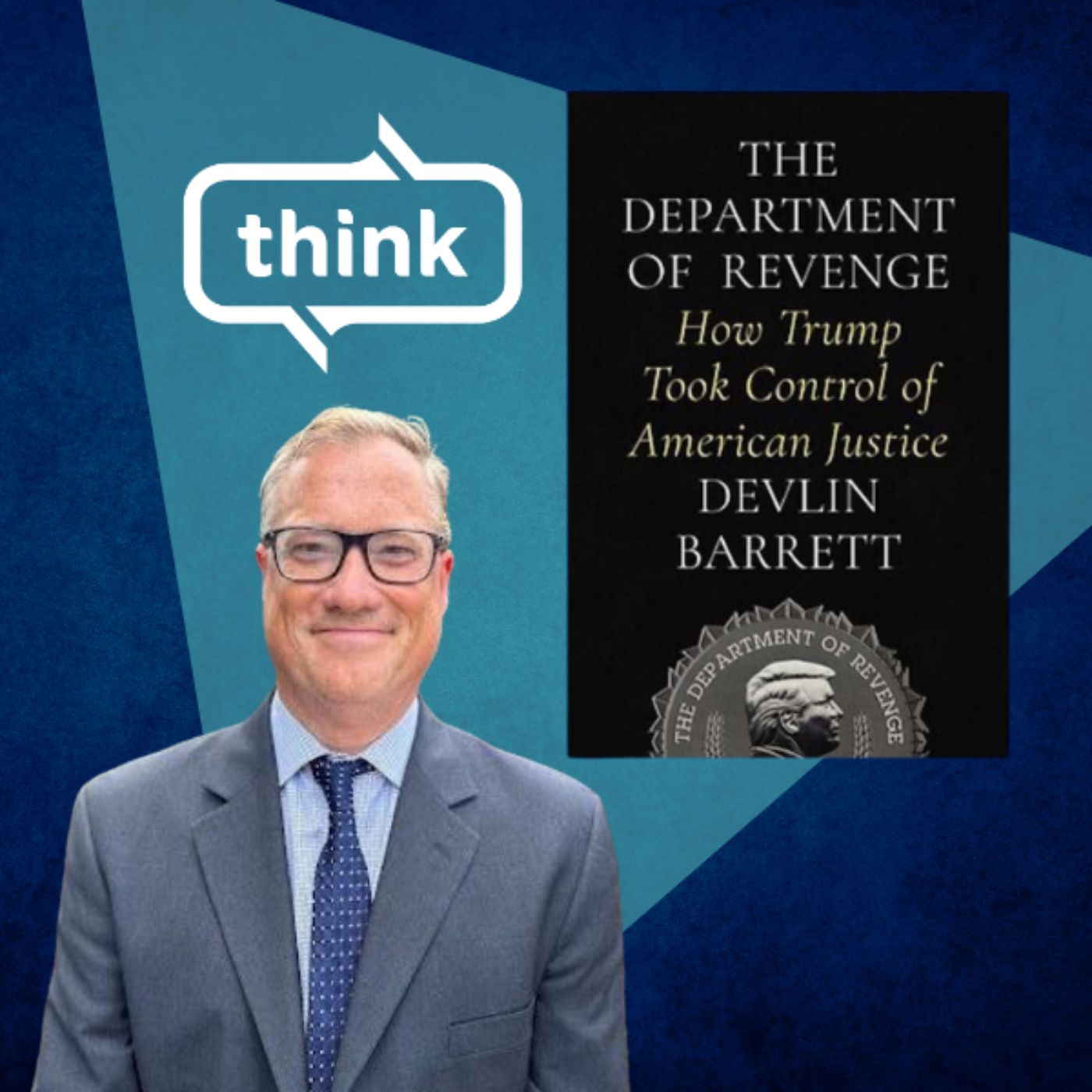
The new mission of the DOJ
The Department of Justice traditionally operated with a certain level of independence until President Trump took office. Devlin Barrett writes about the Justice Department and FBI for The New York Times, and he joins host Krys Boyd to discuss evidence that Trump is using the department to exact revenge on his enemies, new orders DOJ employees have been given, and why cases about civil rig
Michael Pollan: Your guide to consciousness
Consciousness is something we can’t touch, see or even measure and yet each of us possesses it. Michael Pollan joins host Krys Boyd to explore what we do and don’t know about the mysteries of the conscious mind, the evolution of awareness, and to ponder if A.I. could ever really know its deepest self. His book is “A World Appears: A Journey into Consciousness.”
Learn about your ad choic
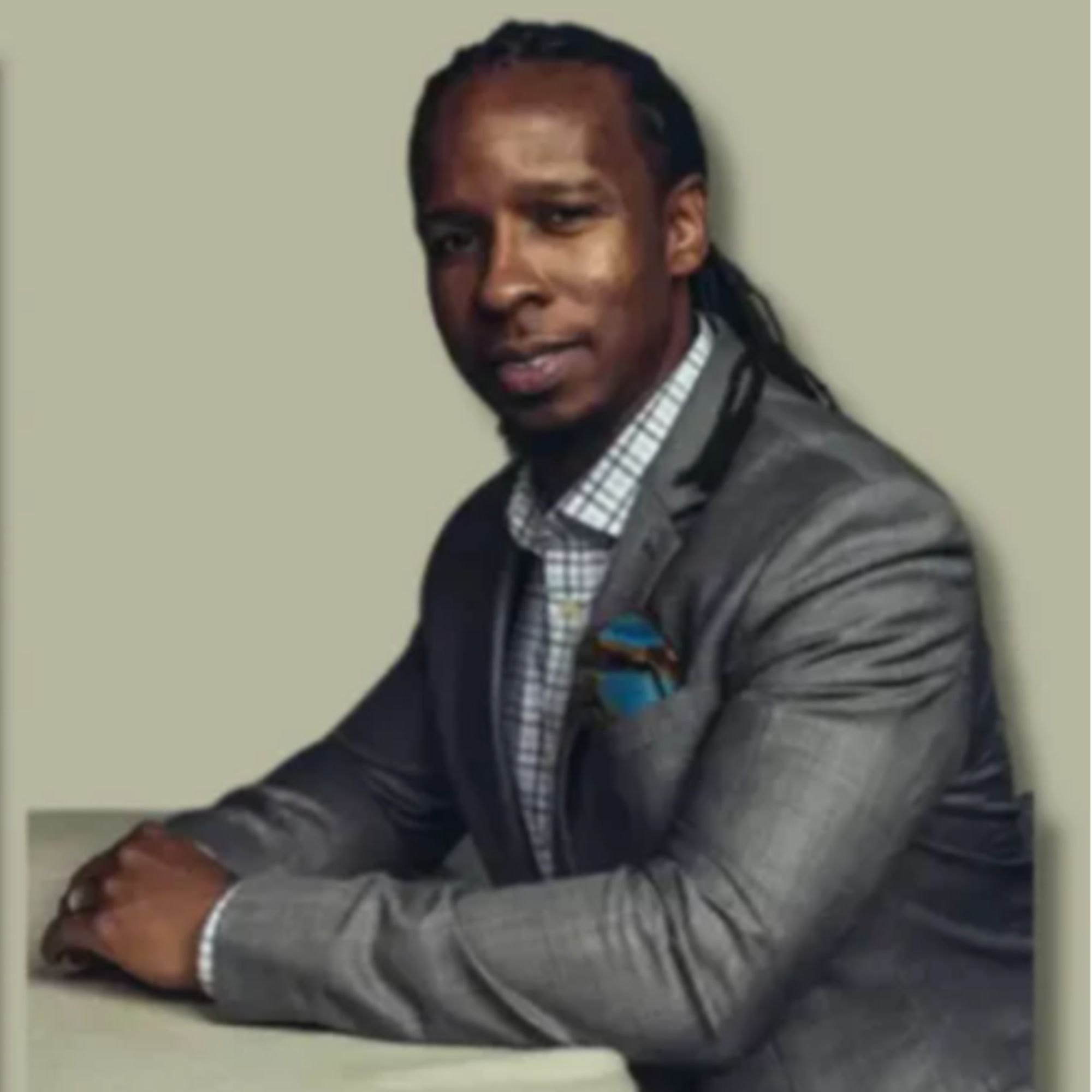
Great Replacement Theory is exploding all over the world
Racist and discredited ideas behind the “Great Replacement Theory” are fueling the rise of authoritarianism across the globe. Ibram X. Kendi is professor of history and the founding director of the Howard University Institute for Advanced Study, an interdisciplinary research enterprise examining global racism. He joins host Krys Boyd to discuss how authoritarian leaders tap into the fears
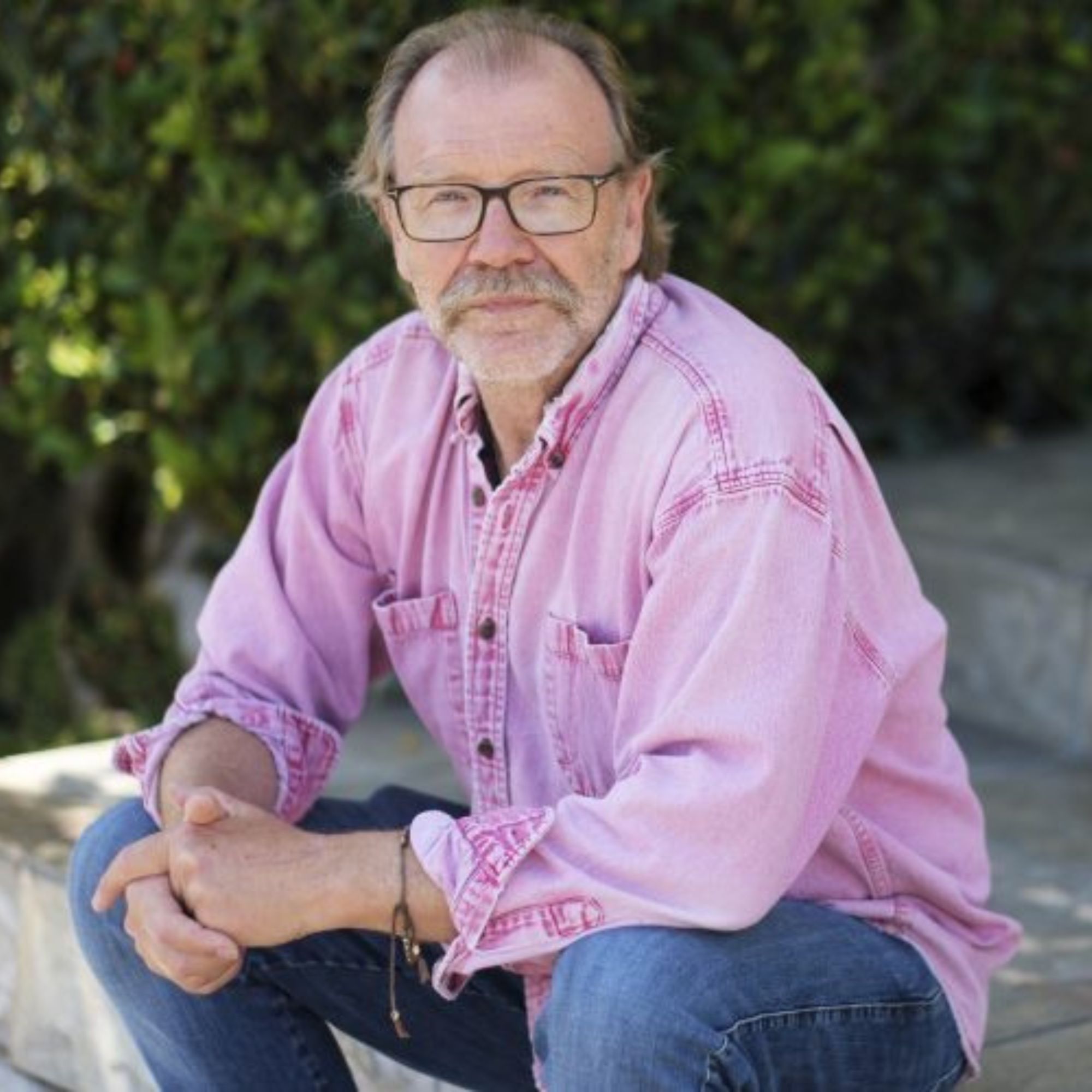
How novelist George Saunders thinks about free will
George Saunders’ latest novel takes readers into a journey of the soul this time quite literally. The Booker Prize-winning author talks with host Krys Boyd about the book, which takes on greed, capitalism and questions of good and evil from the perspective of a being who must transport a soul to the afterlife. It’s called “Vigil.”
Learn about your ad choices: dovetail.prx.org/ad-choice

The unbreakable bond of found family
Unraveling the history of the Jim Crow South, personal stories are interwoven with humor and heartbreak. Tayari Jones is an author and C.H. Candler Professor of English and Creative Writing at Emory University. She joins host Krys Boyd to discuss her new novel, which follows two young Black women – both motherless and as close as sisters – navigating the era with different trajectories. T
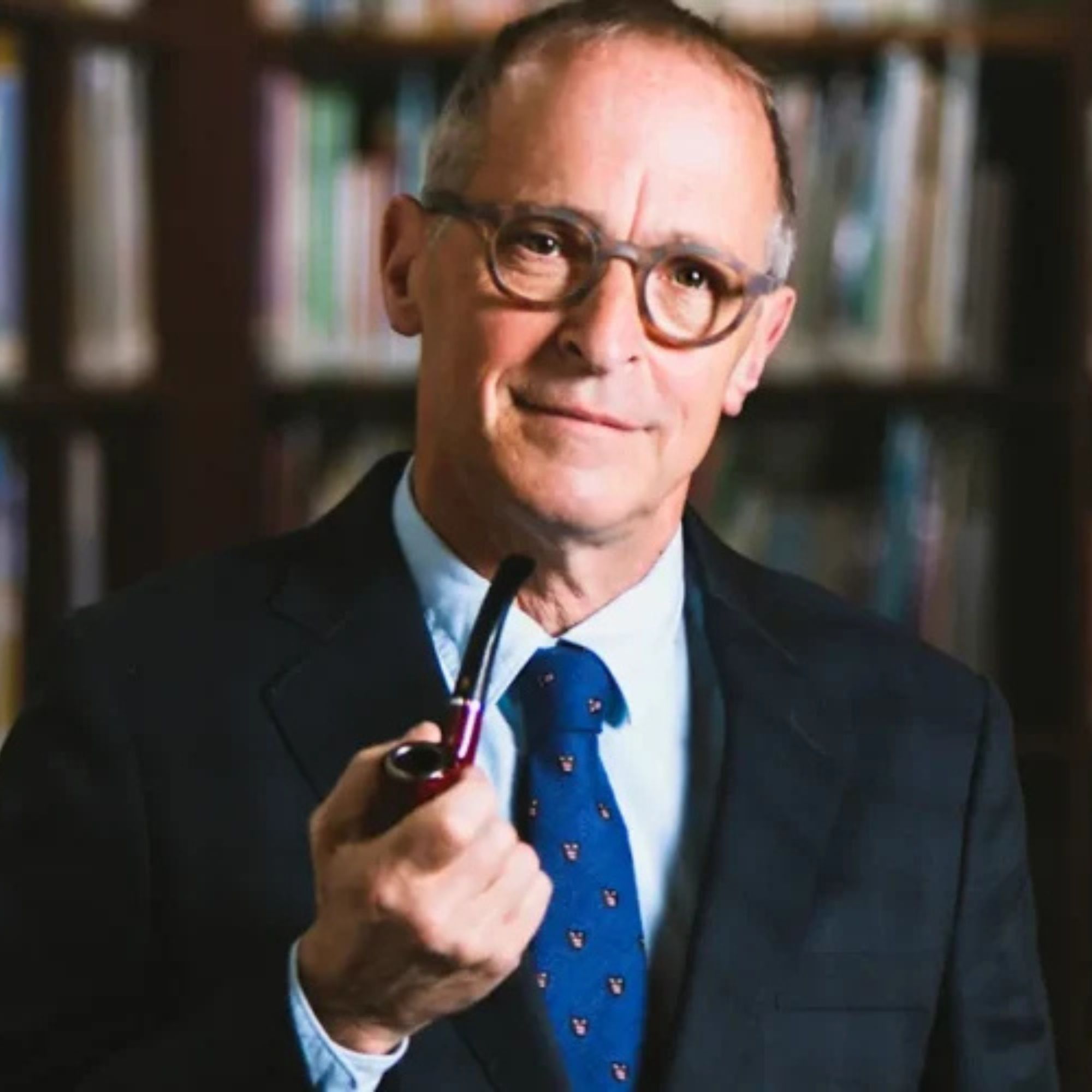
David Sedaris on the absurdity of aging
When you have the natural curiosity of David Sedaris, ordinary observations turn into moments of humor and humanity. The best-selling author joins host Krys Boyd to discuss his latest book of essays that lays out life in in the 21st Century, from his walking habit that garnered him a garbage truck, his souvenir from meeting the Pope, and what he thinks of life, death and even our love of
Is America a bad neighbor?
America has long enjoyed a relatively calm home in North America, but President Trump’s recent moves could upend that stability. This hour, Krys Boyd sits down with three guests to break down the state of U.S. relations with Mexico, Canada and Cuba. We’ll explore why these nations have landed in Trump’s crosshairs and examine what shifting diplomacy could mean for America’s security in th

Do nukes still prevent wars?
Nuclear weapons have long been thought to be deterrents for global warfare– are they still? Rose Gottemoeller is William J. Perry Lecturer at the Center for International Security and Cooperation and a Research Fellow at the Hoover Institution at Stanford University. From 2016 to 2019, she served as Deputy Secretary General of NATO. She joins guest host Paige Phelps to discuss why nuclear
The joy of small moments
We often look for happiness in big, emotional moments but something as simple as touching grass can spark joy. Ian Bogost joins guest host Paige Phelps to discuss the difference between satisfaction and gratification.
Learn about your ad choices: dovetail.prx.org/ad-choices
To understand class, check out a grocery store
Grocery stores serve as hubs for many communities, and you can learn a lot about how our society functions (or doesn’t) by looking closely at one. Ann Larson is a fellow with the Economic Hardship Reporting Project, and she joins guest host Courtney Collins to discuss the lives of grocery store workers, who are deemed essential but earn wages that don’t cover basic life necessities. Her b
Why adoption tourism is booming in Utah
Couples desperate to adopt often turn to underregulated for-profit adoption agencies. Filmmaker Gabrielle Glaser joins host Krys Boyd to discuss a system ripe for abuse, where “baby brokers” target pregnant women and play on the emotions of hopeful families. The Frontline documentary is called “Baby Brokers.”
Learn about your ad choices: dovetail.prx.org/ad-choices
George Washington never wanted to be president
The most reluctant politician we’ve ever had just happens to have been our first president. H.W. Brands is Jack S. Blanton Sr. Chair in History at the University of Texas at Austin, and he joins host Krys Boyd to discuss George Washington who saw himself as a solider and not a politician why he felt it was paramount for a president to defer to Congress, and the grievances he had against t
Team Jefferson or Team Hamilton? Their debate rages on
Founding Fathers Thomas Jefferson and Alexander Hamilton fought for independence and they also fought each other. Jeffrey Rosen, former president and CEO of the National Constitution Center, joins host Krys Boyd to discuss the battles Jefferson and Hamilton had over concepts of liberty and freedom, where they landed on states’ rights vs. a powerful federal government, and why their argume
Can American history be a source of pride or shame?
America’s history is a mix of pride and shame so how should we square those conflicting feelings? Yoni Appelbaum, deputy executive editor at The Atlantic, joins host Krys Boyd to discuss what it means to be a patriot when scholars argue about the American story, how we can get back to a shared understanding of who we are as a nation, and whether that’s even possible. His article is “How t
The revolutionary women who made America
The Declaration of Independence might’ve been written by men, but history was being made by women outside Independence Hall. Denise Kiernan, author, journalist, and producer, joins host Krys Boyd to discuss the publishers, spies, and other extraordinary women that powered the American Revolution, why they are almost lost to history, and we’ll get the real story of the woman known as “Mol
It's not easy being No. 2: The presidency of John Adams
George Washington may have set the standard for American presidents, but those precedents wouldn’t have mattered if John Adams hadn’t followed through on them. Lindsay Chervinsky, executive director of the George Washington Presidential Library, joins host Krys Boyd to discuss the second U.S. president, how he solidified many of the functions of the chief executive we still know in the 2
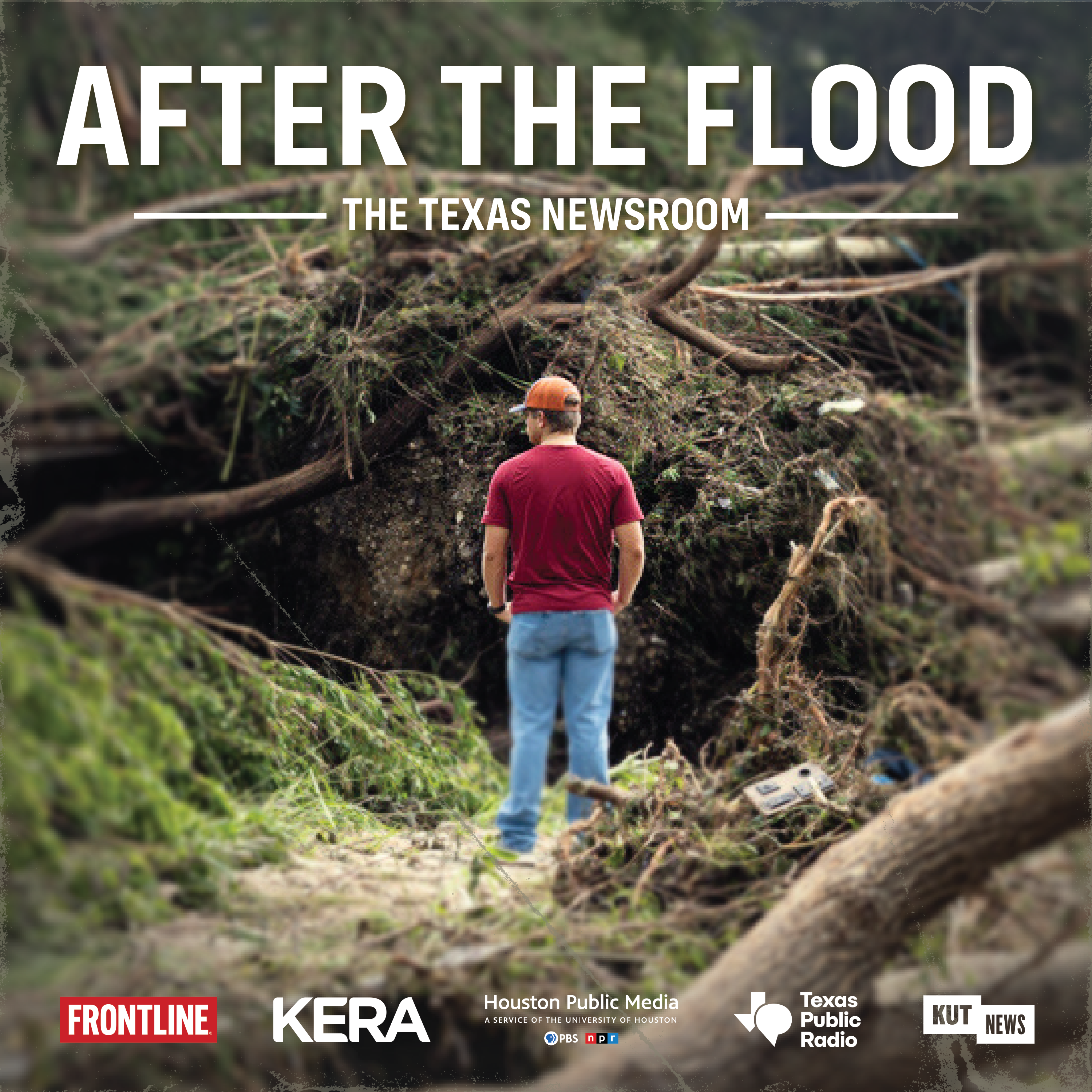
After the Flood: A Special Episode from Texas Newsroom and FRONTLINE
On July 4th, 2025, devastating floodwaters ripped through the Texas Hill Country, killing more than 130 people. After the Flood, a new podcast from the Texas Newsroom and PBS’s Frontline, has followed survivors over the last year and tries to find out why this happened – and whether it could happen again.In this first episode, you’ll hear what happened during those harrowing early morning
The surprising reason people name their cars
From our little fur babies to “Herbie” the car, we imbue the world around us with wonderous human-like qualities. Justin Gregg is senior research associate with the Dolphin Communication Project and an adjunct professor at St. Francis Xavier University, where he lectures on animal behavior and cognition. He joins host Krys Boyd to discuss the benefits of anthropomorphism and the detriment