Environment Variables
Each episode discusses the latest news on reducing software emissions and how the industry is addressing its environmental impact. Brought to you by the Green Software Foundation.
Episodes
Certifying Green Software
Host Chris Adams speaks with Anita Schüttler about certifying green software and the role of standards in making software sustainability more mainstream. They discuss Germany’s Blue Angel certification, Anita’s work on the Holmes search software, and how recognising software’s environmental impact can encourage more sustainable design across the technology industry.Learn more about our pe
The Week in Green Software: The Economics of Green and Efficient Agentic AI
This Week in Green Software, Valeria and Adi explore the sustainability challenges of agentic AI and six ways developers can make AI workflows more efficient. They also discuss the new SCI for Web update, green regions and cloud sustainability, and the upcoming changes to the Greenhouse Gas Protocol and ISO carbon accounting standards.Learn more about our people:Aditya Manglik: LinkedIn |
The Week in Green Software: AI Observability and Climate Education with Pascal Joly
Hosts Kate and Tzviya speak with consultant and technologist Pascal Joly about AI sustainability, observability, and tools for making smarter choices about AI usage. The conversation also explores the ITU’s Greening Digital Companies report and what its findings reveal about the growing energy and emissions of the digital sector before discussing the growing energy demands of the IT secto
Backstage: Software Water Intensity
Producer Chris Skipper goes Backstage with Yi Ding and Hongliu Cao, chair and co-chair of the Software Water Intensity project, to discuss the development of the standard. They explore why water is a unique sustainability challenge, how data centres and semiconductor manufacturing contribute to water use, and the complexities of measuring water withdrawal, consumption, and stress. The con
The Week in Green Software: Flexibility in the Age of AI
TWiGS hosts Kate and Tzviya are joined by Dave Masselink, founder of Compute Gardener, to discuss how software engineers can play a direct role in building a cleaner energy future. The conversation explores flexible computing, carbon aware workload scheduling, and the growing impact of AI on electricity demand, while highlighting practical ways developers can reduce emissions without sacr
The Week in Green Software: The AI Water Management Challenge with Masheika Allgood
This Week, hosts Tzviya and Kate are joined by AI ethicist Masheika Allgood to discuss the growing environmental impact of AI data centres through the lens of water use. Drawing on a new case study from Georgia, the conversation explores how communities can better understand the local effects of AI infrastructure, why transparency and public engagement matter, and what policymakers, devel
The Week in Green Software: The Green Side of Observability
This Week in Green Software, Kate is joined by Diana Todea to explore how observability can become more sustainable by designing systems with efficiency in mind. They discuss practical ways to cut costs and carbon emissions, avoid telemetry bloat, and build greener observability pipelines from the start. Treating observability as an architectural decision is key to creating more efficient
Modelling a path to Fossil Free Internet with Tom Brown
Chris Adams is joined by special guest Dr. Tom Brown from TU Berlin to explore how modelling can help build a fossil free internet and power grid. They discuss Google's 24/7 carbon free energy goals, the growing impact of data centres on electricity systems, and how investments in clean energy technologies could accelerate global decarbonisation. Along the way, Tom shares why open source
The Week in Green Software: State of The Fossil-Free Internet
Kate and Tzviya explore the Green Web Foundation’s State of the Fossil-free Internet 2026 report and what it reveals about transparency, energy use, and the environmental impact of today’s digital infrastructure. The discussion examines the limitations of carbon accounting practices, the rapid growth of AI-driven data centers, and the role of policy, open source tools, and public accounta
The Week in Green Software: Turning Green Standards into Code
This Week in Green Software, hosts Kate and Tzviya explore how green software is moving from theory to practice, highlighting new reference implementations for measuring Software Carbon Intensity in AI workloads and progress toward standardizing SCI for Web. They also examine the growing energy demands of AI and data centers, discuss the role of policy and awareness in driving change, and
The Week in Green Software: Watts That Smell
Adi and Valeria return to discuss the latest news from The Week in Green Software. They explore whether sustainability can be built directly into the software development process, from identifying “energy smells” in code to using tools that make energy efficiency as visible as performance or security. They also tackle the growing debate around AI’s environmental impact, examining whether

Is Using LLMs for Tech Standards Work Actually Greener?
Chris Adams invites Joseph Cook, Arctic scientist and GSF Head of R&D, to explore the latest developments in green software and the growing pressure on the tech industry to balance innovation with sustainability. From AI and energy use to policy, measurement, and infrastructure, the conversation highlights the challenges behind building a greener digital future while sharing practical
The Week in Green Software: Carbon Debt, Energy Smells, and the Missing Water Story in AI
Live from Green IO, Tzviya and Kate are joined by Niki Manoledaki and Susannah Hill as they share highlights and key takeaways from the conference, exploring how sustainability is becoming a bigger priority across the tech industry. From practical engineering strategies to broader conversations around AI, infrastructure, and digital responsibility, the episode captures the energy of the e
TWiGS: The New Push for Comparable AI Carbon Data
TWiGS hosts Adi and Valeria explore the latest conversations shaping green software, from the environmental impact of AI and data centers to the growing push for better measurement and accountability in tech. They discuss how developers, companies, and policymakers are responding to rising energy demands, while highlighting practical ideas for building more efficient and sustainable digit
The Week in Green Software: Asynchronous and Unreliable
Host Anne Currie chats to Sara Bergman and they unpack the latest developments in green software, exploring how AI growth, infrastructure demands, and policy shifts are reshaping the sustainability conversation. They discuss the real-world impact of energy use, the importance of better measurement and transparency, and the practical steps teams can take to build more efficient systems. It
The Week in Green Software: Tokens, Water, and Transparency
Tzviya Siegman and Kate Goldenring dive into the latest stories shaping green software, from the rising energy demands of AI to the practical tradeoffs developers face when building more efficient systems. They explore new ideas around measuring impact, smarter infrastructure choices, and how industry and policy are starting to respond. The conversation brings together real-world challeng
The Week in Green Software: CSRD and the SCI Standard
This Week in Green Software, hosts Carlos and Adi cover the latest developments in green software, including new insights into measuring and reducing the energy impact of digital systems. They explore research challenging common assumptions about efficiency, highlight practical tools for tracking software emissions, and discuss ongoing challenges in standardizing measurement. They also br
The Week in Green Software: Green AI Tradeoffs
Host Kate Goldenring is joined by Chris Adams to explore how the Software Carbon Intensity (SCI) standard can help companies meet new EU sustainability reporting requirements, shifting green software from best practice to audited obligation. They also discuss research on “green prompting,” showing that specific words can significantly impact AI energy use, along with new tools that reveal
The Week in Green Software: Does Faster AI mean Greener AI?
Hosts Adi and Valeria cover new research showing that faster AI models do not always use less energy, especially when multiple models run in parallel. They highlight how the lack of standardized metrics makes it difficult to fairly compare energy efficiency and can lead to inconsistent reporting. They also discuss a curated set of open-source tools for measuring software energy use and wh
The Week in Green Software: Local AI & Lean Observability
Hosts Kate and Tzviya unpack the latest news This Week in Green Software, focusing on how sustainability is increasingly being integrated into everyday engineering decisions. They explore the push toward earlier measurement and accountability, the role of tooling in helping developers understand energy use, and the growing influence of policy and industry initiatives. The conversation hig
The Week in Green Software: Hourly Carbon Accounting
This Week in Green Software, hosts Oli, Adi, and Valeria explore the growing importance of hourly carbon accounting and what it means for building truly sustainable software. They discuss how moving beyond annual averages to real-time energy data can unlock more accurate insights, better decision-making, and smarter workload placement. The conversation highlights the challenges of measure
The Week in Green Software: Energy effects of War in Iran
TWiGS hosts Tzviya and Kate are joined by Ryan Sholin of Electricity Maps to discuss how global events impact electricity availability, cost, and carbon intensity. They highlight that improving efficiency and better utilizing existing power grids could reduce the need for new energy infrastructure. The conversation connects energy awareness with software design decisions, emphasizing that
The Week in Green Software: Shift-Left Sustainability
This Week in Green Software, Valeria, Adi, and Oli come together to explore the concept of Shift-Left Sustainability—the idea that environmental impact should be considered early in the software development lifecycle rather than after deployment. They discuss how better measurement, developer tooling, and practical incentives can help teams build more efficient and environmentally respons
The Week in Green Software: Who Pays for AI’s Energy Footprint?
Host Kate Goldenring is joined by Chris Adams and Tzviya Siegman for a news round-up on sustainable software. They dig into EnergyNet and the idea of routing electricity more like the internet, unpack the latest AI energy and greenwashing debates, and look at policy and research angles — from proactive water planning for data centers to a cap-and-trade style proposal for AI efficiency.Lea
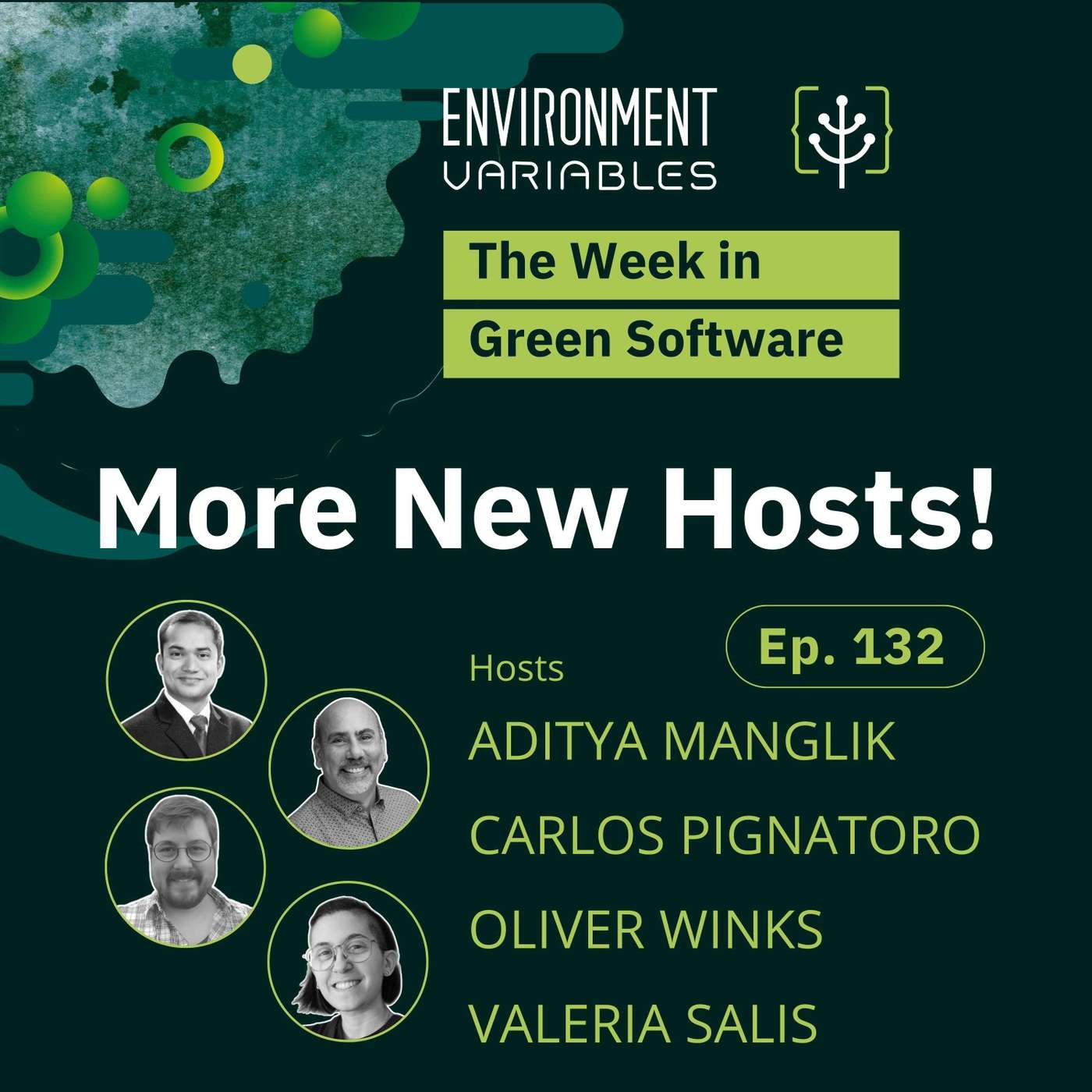
The Week in Green Software: More New Hosts!
Asim Hussain introduces more new co-hosts on this episode of TWiGS as they explore the evolving intersection of AI, infrastructure, and sustainability. The discussion covers the growing energy demands of AI workloads, the tension between innovation and environmental impact, and the role of standards and policy in guiding responsible growth. From data center expansion to practical steps en
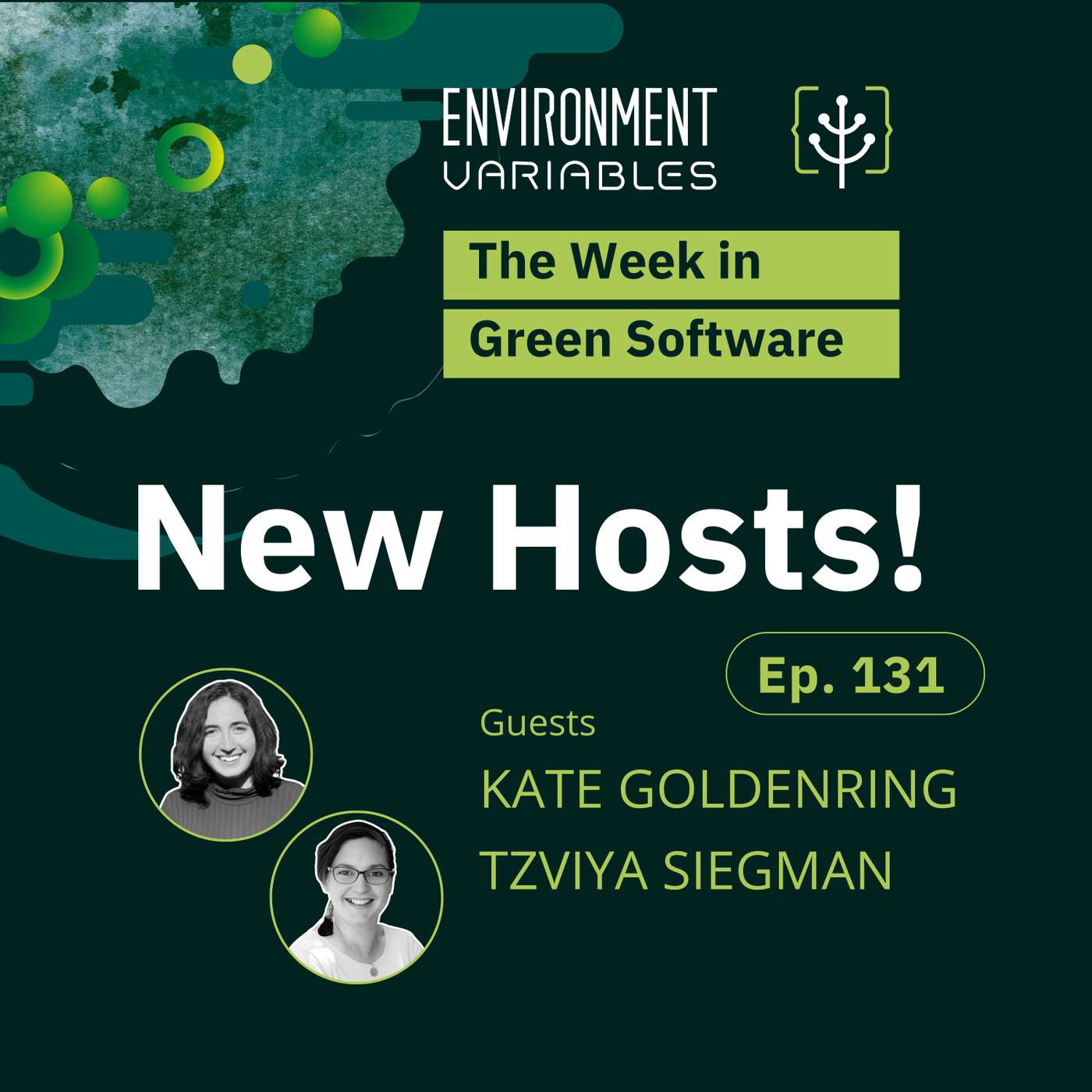
The Week in Green Software: New Hosts!
This Week in Green Software, Chris Adams is joined by new co-hosts Kate Goldenring and Tzviya Siegman to explore the latest stories on their radars. They unpack Microsoft’s community-first AI infrastructure pledge, the rise of gas-powered data centers, and the hidden embodied emissions behind AI models and storage hardware. The conversation also dives into the energy cost of AI prompts, n
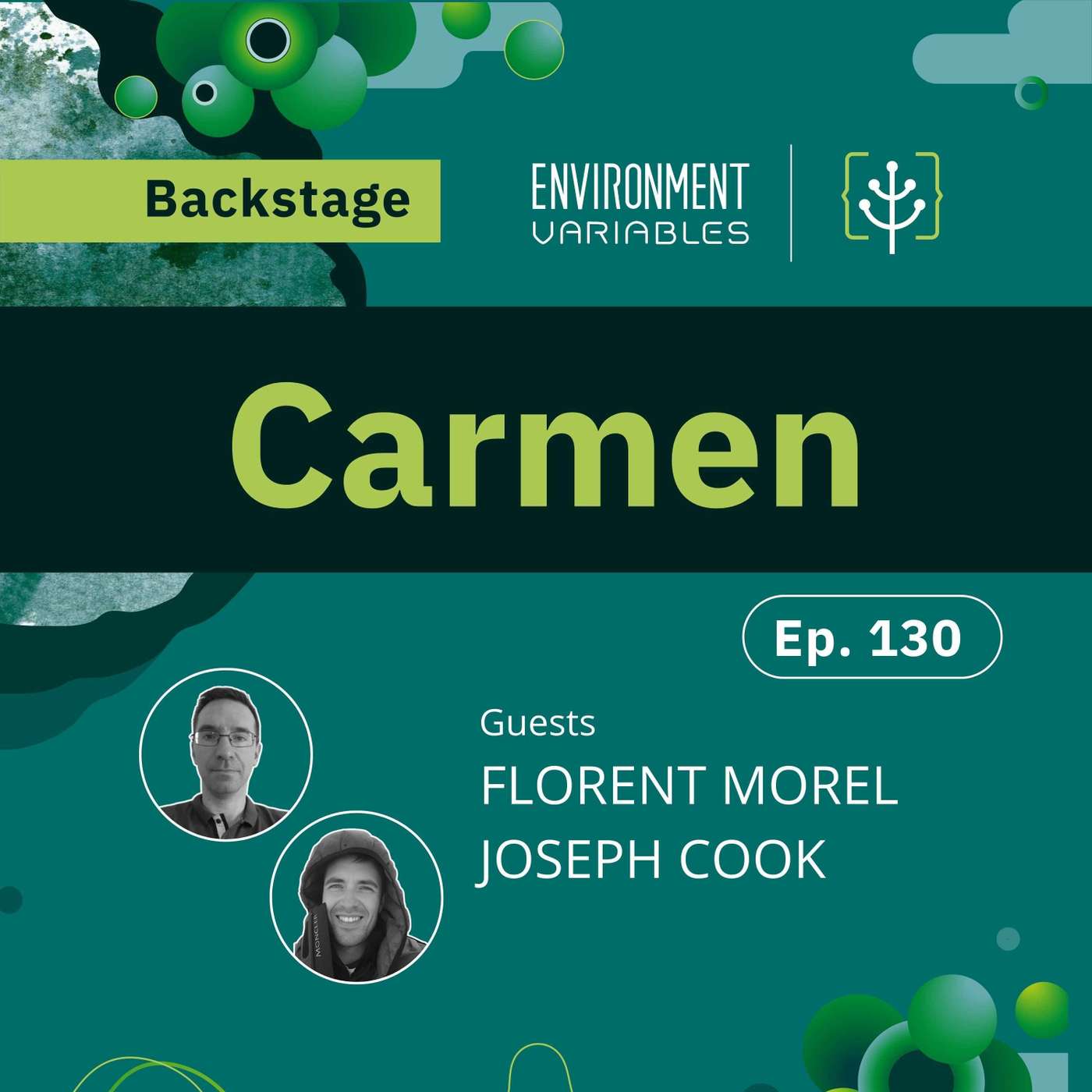
Backstage: Carmen
Chris Skipper hosts Florent Morel and Joseph Cook to discuss Carmen on this Backstage episode. Built at Amadeus and now part of the GSF ecosystem, Carmen helps organizations measure software carbon emissions at both infrastructure and application levels using existing observability and FinOps data, all powered by the GSF Impact Framework. They discuss why granular, team-level emissions da
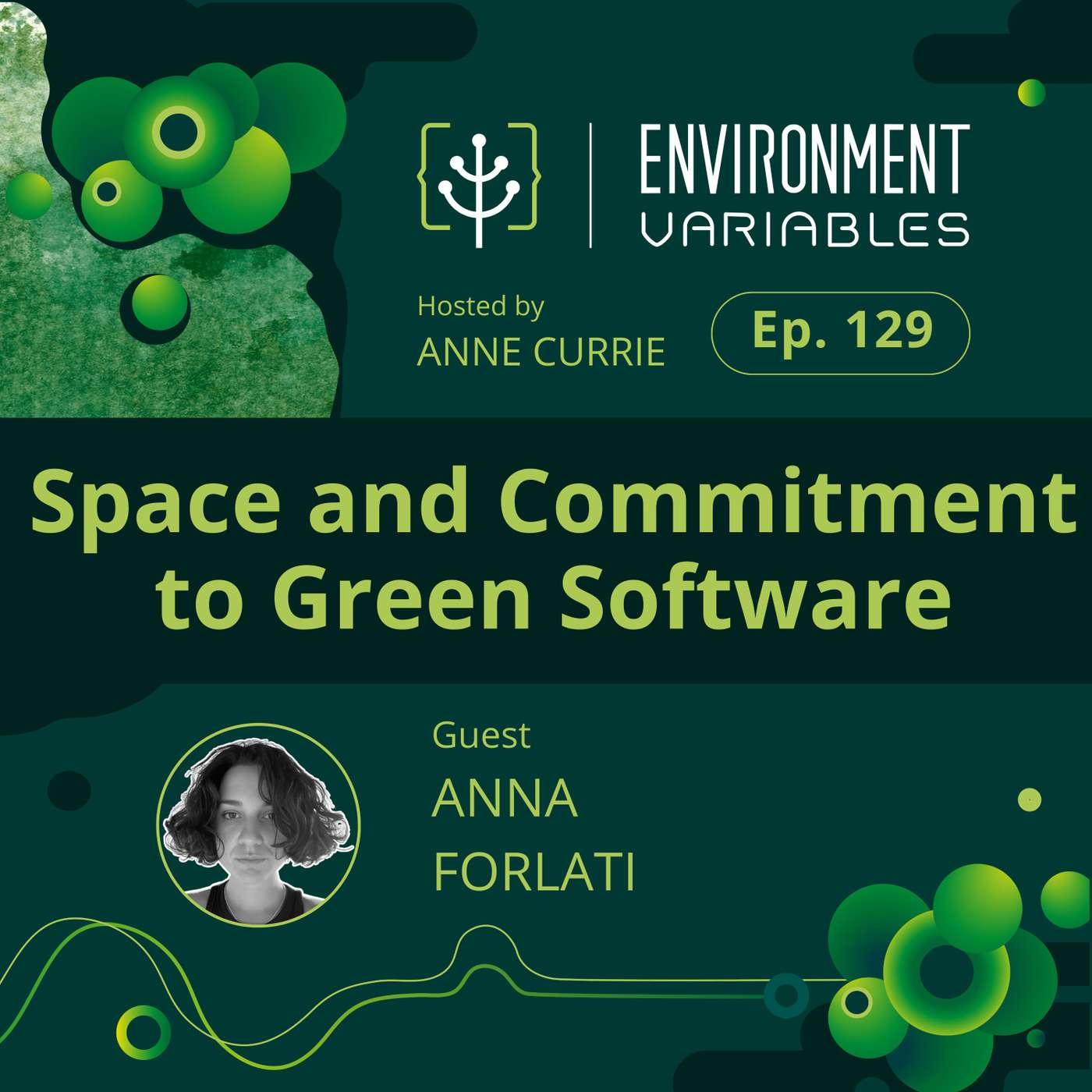
Space and Commitment to Green Software
Anne Currie hosts Anna Forlati to discuss why sustainability is not a cost center but a business advantage. Drawing on her journey from UX designer to Head of Digital Sustainability and Impact, Anna explores how inclusive design, ESG strategy, and cultural change can make digital products more resilient, ethical, and profitable. From B Corps and EU regulation to GreenOps and AI efficiency
How to do Greener Prompting with AI and GreenPT
In this episode, host Chris Adams is joined by Wilco Burggraaf and Robert Keus of GreenPT to unpack what greener prompting and transparent AI actually look like in practice. They discuss why most AI services hide their environmental impact, how GreenPT exposes real energy and carbon data to users, and why user behavior plays a major role in AI’s footprint. The conversation explores prompt
Azure API Management
Chris Adams speaks with Tom Kerkhove of the Microsoft Azure API Management team about how thoughtful API design can reduce energy use and improve system efficiency. They discuss how API gateways, caching, throttling, and observability can cut unnecessary compute and data transfer, while also improving reliability and developer experience. The conversation shows how small architectural dec
The Green Shift: Transitioning .NET Services Across Architectures
Anne Currie is joined by Sara Bergman to explore what the shift to greener computing really looks like in practice, using .NET and modern CPU architectures as a concrete example. They unpack why moving from traditional x64 systems to more efficient ARM-based platforms can cut costs and carbon, how runtime environments like .NET make architectural transitions easier, and why staying up to
The Week in Green Software: Tokens, Antarctica and SCI for AI
This Week in Green Software, Chris Adams and Asim Hussain round up the latest stories shaping sustainable tech. From new research on AI and energy use to policy shifts, tooling updates, and signals from the wider climate and software communities, the discussion connects the dots on what matters right now and why. It’s a fast-moving snapshot of the trends, tensions, and progress driving gr
Root and Branch and SCI-Web
Host Chris Adams talks with Adam Newman and Oli Winks of Root & Branch about their new Software Carbon Intensity Web model for measuring the real carbon footprint of websites. They break down why current methods miss the mark, how their bottom-up approach captures actual energy use across servers, networks and devices, and why better measurement can lead to smarter, lower-carbon choic
The Week in Green Software: Thirsty AI
When artificial intelligence grows, so does its thirst. Chris Skipper hosts sustainability expert Valeria Salis, digging into the hidden cost of powering AI: the massive volumes of water needed to cool the data centers. From submerged servers off China’s coast to European communities pushing back on tech infrastructure, they discuss the environmental trade-offs and the push for solutions
Software Architecture for Sustainability
Guest host Anne Currie speaks with Karthik Vaidhyanathan, Assistant Professor at IIIT Hyderabad, about integrating sustainability into AI development. They discuss how the world can balance digital growth with renewable energy goals and how AI systems can be designed to be energy-efficient rather than energy-intensive. Karthik shares insights from his research on sustainable AI and MLOps,
The Week in Green Software: Sustainability along the DevOps Lifecycle
Guest host Anne Currie is joined by software engineer and sustainability advocate Julian Gommlich to explore how green practices can be embedded throughout the DevOps lifecycle. They discuss how modern operational practices like continuous delivery, automation, and agile iteration naturally align with sustainability goals, helping teams build more efficient, resilient, and energy-aware sy
Building Energy Awareness into Operating Systems
Host Chris Adams speaks with Didi Hoffmann, CTO of Green Coding Solutions, about building energy awareness into operating systems and making sustainability a first-class concern in software development. They discuss Didi’s journey from Linux kernel programming to climate-focused tech and many more!Learn more about our people:Chris Adams: LinkedIn | GitHub | WebsiteDidi Hoffmann: LinkedIn
Sustainable AI
Guest host Anne Currie speaks with Boris Gamazaychikov, Head of AI Sustainability at Salesforce, about aligning artificial intelligence with environmental responsibility. They explore the wide range of energy impacts across AI models, the development of the AI Energy Score benchmarking tool, and why transparency is essential for sustainable choices. Hosted on Acast. See acast.com/privacy
Backstage: The Green Software Movement Platform
WIN FREE TICKETS TO GREEN IO LONDON:CLICK THIS LINK AND COMMENT BELOW TO WIN Learn more about our people:Chris Skipper: LinkedIn | WebsiteGosia Fricze: LinkedIn | WebsiteFind out more about the GSF:The Green Software Foundation Website Sign up to the Green Software Foundation NewsletterResources:Green Software Movement | GSF [04:33] Green Software Practitioner Course | GSF [17:56] Environ
The Week in Green Software: AI Energy Scores & Leaderboards
Host Chris Adams is joined by Asim Hussain to explore the latest news from The Week in Green Software. They look at Hugging Face’s AI energy tools, Mistral’s lifecycle analysis, and the push for better data disclosure in the pursuit for AI sustainability. They discuss how prompt design, context windows, and model choice impact emissions, as well as the role of emerging standards like the
LLM Energy Transparency with Scott Chamberlin
In this episode of Environment Variables, host Chris Adams welcomes Scott Chamberlin, co-founder of Neuralwatt and ex-Microsoft Software Engineer, to discuss energy transparency in large language models (LLMs). They explore the challenges of measuring AI emissions, the importance of data center transparency, and projects that work to enable flexible, carbon-aware use of AI. Scott shares i
Real Efficiency at Scale with Sean Varley
Anne Currie is joined by Sean Varley, Chief Evangelist and VP of Business Development at Ampere Computing, a leader in building energy-efficient, cloud-native processors. They unpack the energy demands of AI, why power caps and utilization matter more than raw compute, and how to rethink metrics like performance-per-rack for a greener digital future. Sean also discusses Ampere’s role in t
Real Time Cloud with Adrian Cockcroft
Chris Adams is joined by Adrian Cockcroft, former VP of Cloud Architecture Strategy at AWS, a pioneer of microservices at Netflix, and contributor to the Green Software Foundation’s Real Time Cloud project. They explore the evolution of cloud sustainability—from monoliths to microservices to serverless—and what it really takes to track carbon emissions in real time. Adrian explains why GP
Backstage: Software Standards Working Group SCI
In this Backstage episode of Environment Variables, podcast producer Chris Skipper highlights the Green Software Foundation’s Software Standards Working Group—chaired by Henry Richardson (WattTime) and Navveen Balani (Accenture). This group is central to shaping global benchmarks for sustainable software. Key initiatives discussed include the Software Carbon Intensity (SCI) Specification,
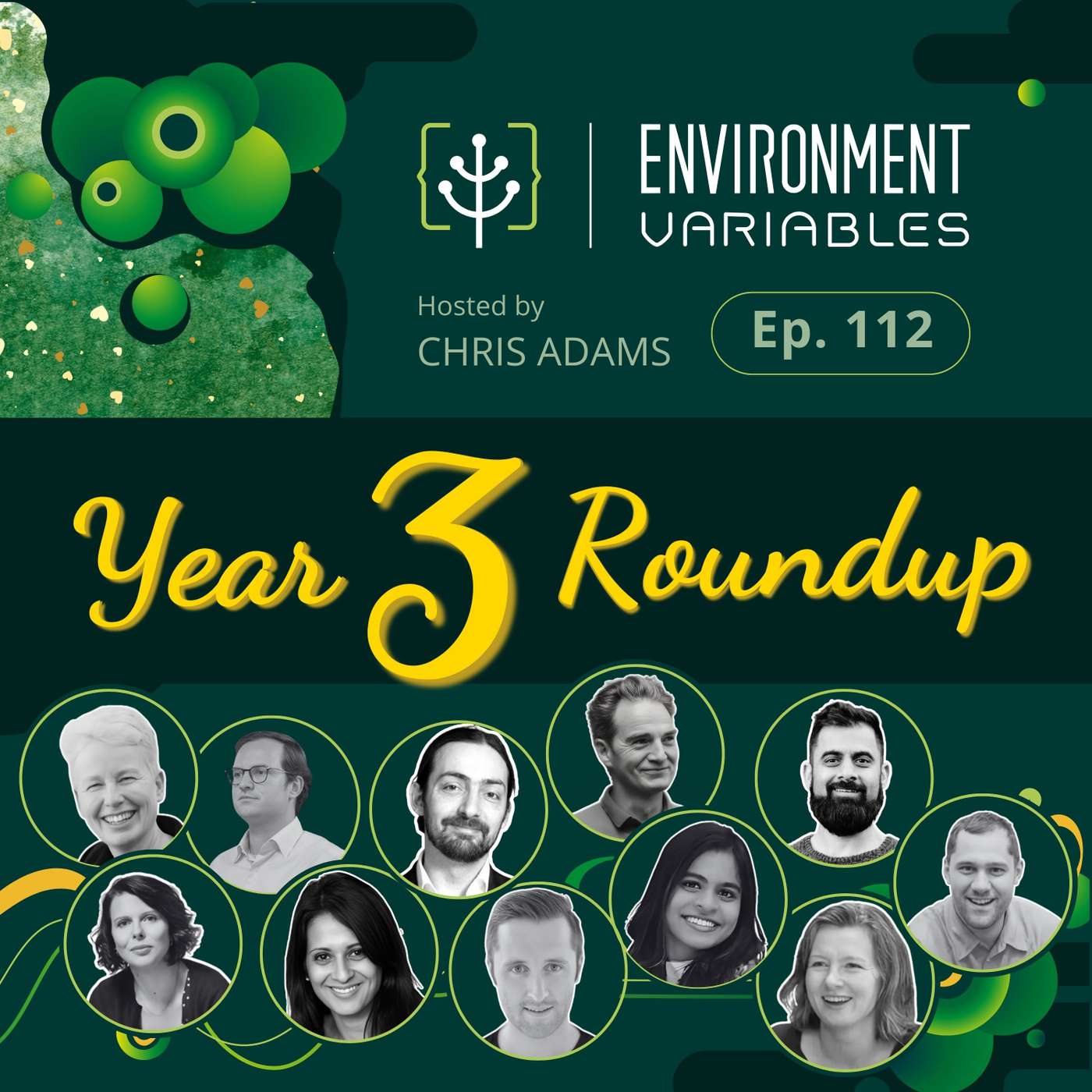
Environment Variables Year Three Roundup
It’s been three years of Environment Variables! What a landmark year for the Green Software Foundation. From launching behind-the-scenes Backstage episodes, to covering the explosive impact of AI on software emissions, to broadening our audience through beginner-friendly conversations; this retrospective showcases our mission to create a trusted ecosystem for sustainable software. Here’s
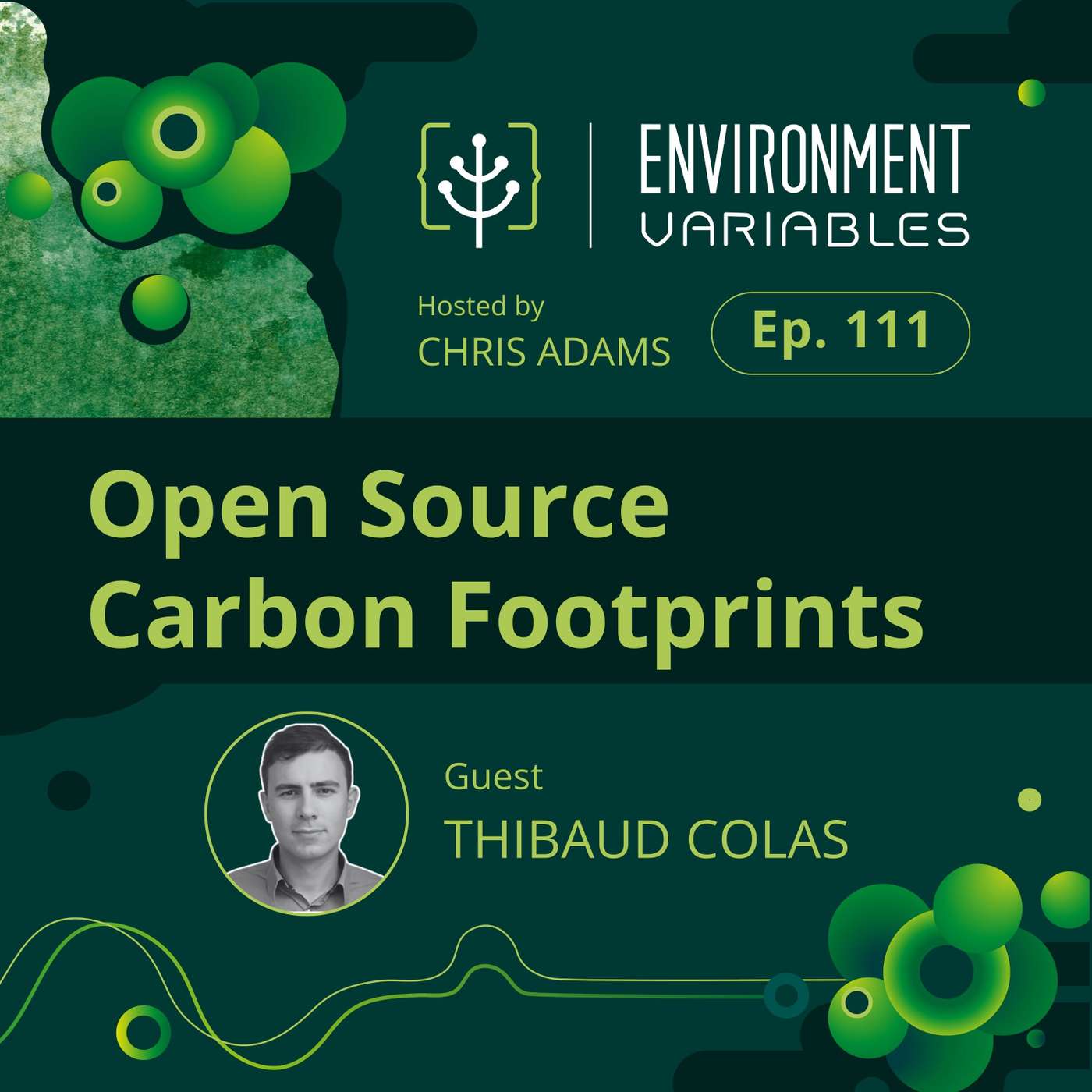
Open Source Carbon Footprints
Chris Adams is joined by Thibaud Colas; product lead at Torchbox, president of the Django Software Foundation, and lead on Wagtail CMS. They explore the role of open source projects in tackling digital carbon emissions and discuss Wagtail's pioneering carbon footprint reporting, sustainable default settings, and grid-aware website features, all enabled through initiatives like Google Summ
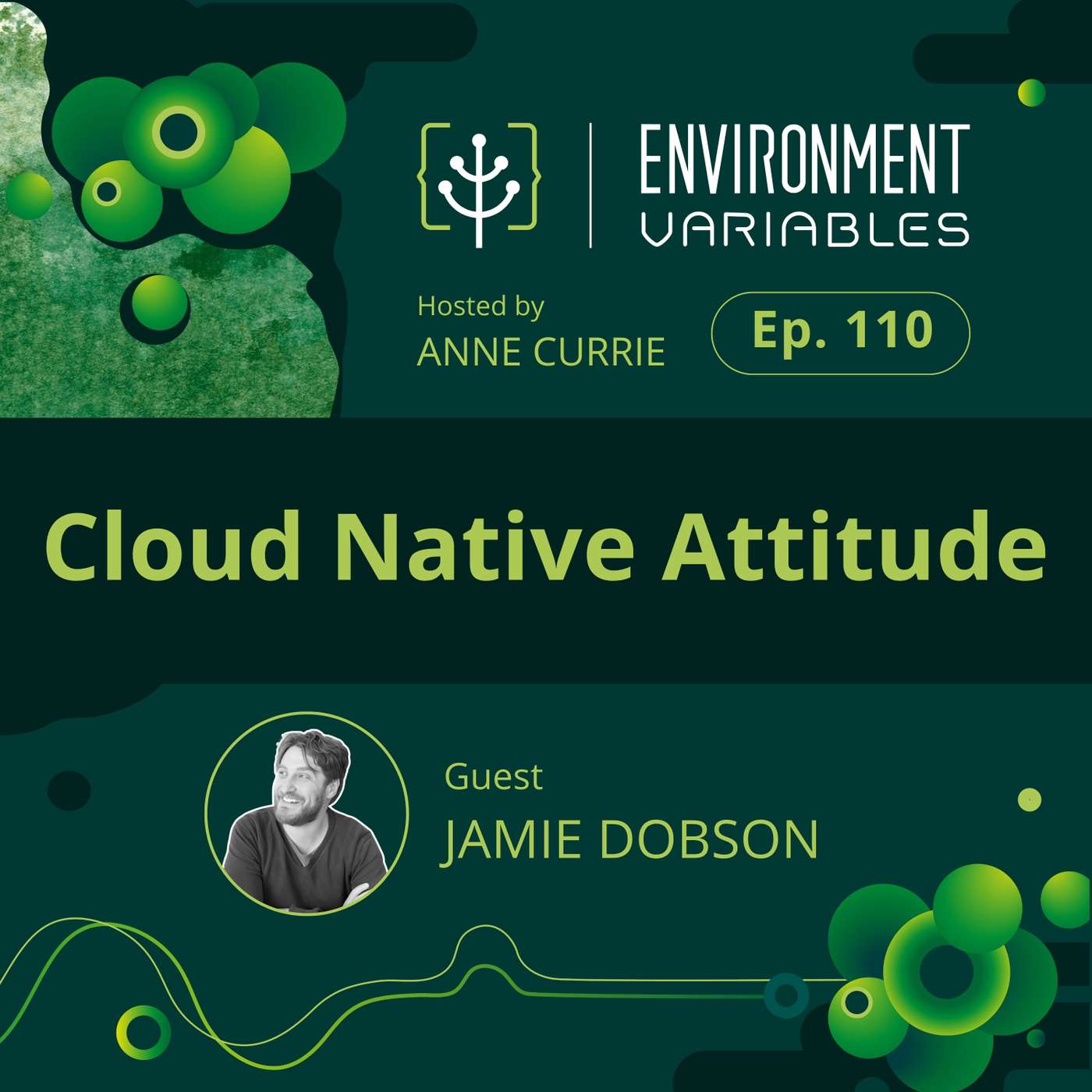
Cloud Native Attitude
Environment Variables host Anne Currie welcomes Jamie Dobson, co-founder of Container Solutions and author of the upcoming book Visionaries, Rebels and Machines. Together, they explore the history and future of cloud computing through the lens of sustainability, efficiency, and resilience. Drawing on insights from their past work, including The Cloud Native Attitude and Building Green Sof
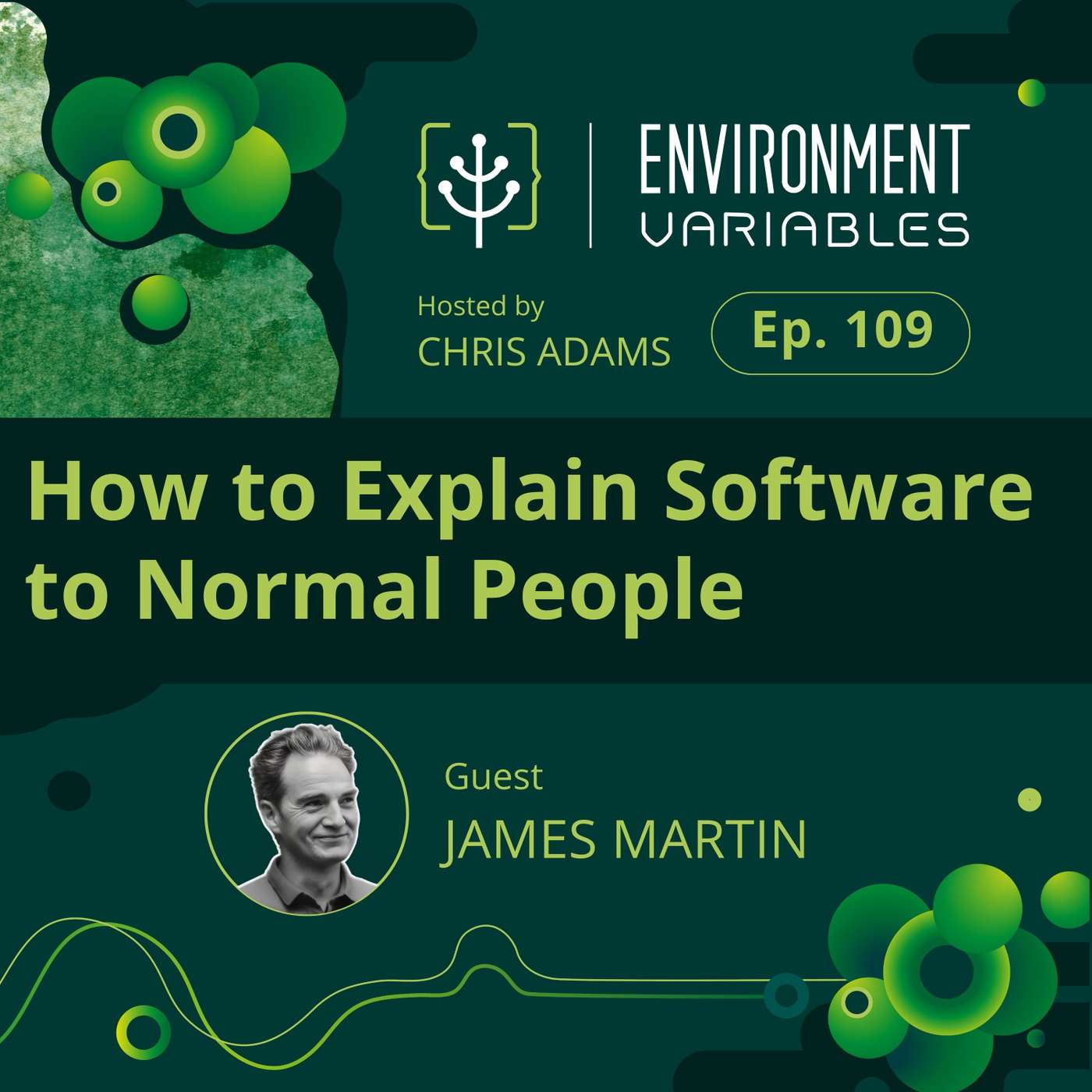
How to Explain Green Software to Normal People
Host Chris Adams speaks with James Martin about how to communicate the environmental impact of software to a general audience. Drawing on his background in journalism and sustainability communications, James shares strategies for translating complex digital sustainability issues into accessible narratives, explains why AI's growing resource demands require scrutiny, and highlights France’
Why You Need Hardware Standards for Green Software
Chris Adams is joined by Zachary Smith and My Truong both members of the Hardware Standards Working Group at the GSF. They dive into the challenges of improving hardware efficiency in data centers, the importance of standardization, and how emerging technologies like two-phase liquid cooling systems can reduce emissions, improve energy reuse, and even support power grid stability. They al
Cloud Infrastructure, Efficiency and Sustainability
Host Anne Currie is Joined by the esteemed Charles Humble, a figure in the world of sustainable technology. Charles Humble is a writer, podcaster, and former CTO with a decade’s experience helping technologists build better systems—both technically and ethically. Together, they discuss how developers and companies can make smarter, greener choices in the cloud, as well as the trade-offs t
Backstage: Green AI Committee
In this special backstage episode of Environment Variables, producer Chris Skipper spotlights the Green AI Committee, an initiative of the Green Software Foundation launched in 2024. Guests Thomas Lewis and Sanjay Podder share the committee’s mission to reduce AI's environmental impact through strategic focus on measurement, policy influence, and lifecycle optimization. The episode explor
The Economics of AI
Chris Adams sits down in-person with Max Schulze, founder of the Sustainable Digital Infrastructure Alliance (SDIA), to explore the economics of AI, digital infrastructure, and green software. They unpack the EU's Energy Efficiency Directive and its implications for data centers, the importance of measuring and reporting digital resource use, and why current conversations around AI and cl
OCP, Wooden Datacentres and Cleaning up Datacentre Diesel
Host Chris Adams is joined by special guest Karl Rabe, founder of WoodenDataCenter and co-lead of the Open Compute Project’s Data Center Facilities group, to discuss sustainable data center design and operation. They explore how colocating data centers with renewable energy sources like wind farms can reduce carbon emissions, and how using novel materials like cross-laminated timber can s
GreenOps with Greenpixie
Host Chris Adams sits down with James Hall, Head of GreenOps at Greenpixie, to explore the evolving discipline of GreenOps—applying operational practices to reduce the environmental impact of cloud computing. They discuss how Greenpixie helps organizations make informed sustainability decisions using certified carbon data, the challenges of scaling cloud carbon measurement, and why transp
The Week in Green Software: Data Centers, AI and the Nuclear Question
Host Anne Currie is joined by the seasoned Chris Liljenstolpe to talk about the latest trends shaping sustainable technology. They dive into the energy demands of AI-driven data centers and ask the big question around nuclear power in green computing. Discussing the trajectory of AI and data center technology, they take a look into the past of another great networking technology, the inte
Backstage: Green Software Patterns
In this episode, Chris Skipper takes us backstage into the Green Software Patterns Project, an open-source initiative designed to help software practitioners reduce emissions by applying vendor-neutral best practices. Guests Franziska Warncke and Liya Mathew, project leads for the initiative, discuss how organizations like AVEVA and MasterCard have successfully integrated these patterns t
The Week in Green Software: Sustainable AI Progress
For this 100th episode of Environment Variables, guest host Anne Currie is joined by Holly Cummins, senior principal engineer at Red Hat, to discuss the intersection of AI, efficiency, and sustainable software practices. They explore the concept of "Lightswitch Ops"—designing systems that can easily be turned off and on to reduce waste—and the importance of eliminating zombie servers. The
AI Energy Measurement for Beginners
Host Chris Adams is joined by Charles Tripp and Dawn Nafus to explore the complexities of measuring AI's environmental impact from a novice’s starting point. They discuss their research paper, A Beginner's Guide to Power and Energy Measurement and Estimation for Computing and Machine Learning, breaking down key insights on how energy efficiency in AI systems is often misunderstood. They d
The Week in Green Software: Transparency in Emissions Reporting
For this episode of TWiGS, Chris and Asim discuss the latest developments in emissions reporting, AI energy efficiency, and green software initiatives. They explore the AI Energy Score project by Hugging Face, which aims to provide an efficiency benchmark for AI models, and compare it with other emissions measurement approaches, including the Software Carbon Intensity (SCI) for AI. The co
How to Tell When Energy is Green with Killian Daly
In this episode, host Chris Adams is joined by Killian Daly, Executive Director of EnergyTag, to explore the complexities of green energy tracking and carbon accounting. They discuss the challenges of accurately measuring and claiming green energy use, including the flaws in current carbon accounting methods and how EnergyTag is working to improve transparency through time-based and locat
Backstage: Impact Framework
This episode of Backstage focuses on the Impact Framework (IF), a pioneering tool designed to Model, Measure, siMulate, and Monitor the environmental impacts of software. By simplifying the process of calculating and sharing the carbon footprint of software, IF empowers developers to integrate sustainability into their workflows effortlessly. Recently achieving Graduated Project status wi
Backstage: Carbon Aware SDK
In this episode, we go behind the scenes of the Carbon Aware SDK, a groundbreaking tool enabling developers to reduce software emissions by running workloads where and when energy is greenest. Featuring insights from Vaughan Knight, chair and project lead of the SDK, the episode dives into its origins, real-world applications, challenges, and milestones, including early contributions from
Deep Green Technologies
In this episode of Environment Variables, host Chris Adams sits down with Mark Bjornsgaard of Deep Green to explore a transformative approach to data center design and sustainability. Mark shares insights into how Deep Green reimagines traditional data centers by co-locating them in urban areas to provide heat reuse for facilities like swimming pools, district heating systems, and industr
Finding Signal Amongst the Noise in Carbon Aware Software
In this episode of Environment Variables, host Chris Adams is joined by Tammy Sukprasert, a PhD student at the University of Massachusetts Amherst, to dive deep into her research on carbon-aware computing. Tammy explores the concept of shifting computing workloads across time and space to reduce carbon emissions, focusing on the benefits and limitations of this approach. She explains how
The Cloud and the Climate: Navigating AI-Powered Futures
Environment Variables host Chris Adams is joined by Jo Lindsay Walton, a senior research fellow at the Sussex Digital Humanities Lab and co-author of the report The Cloud and the Climate: Navigating AI-Powered Futures. They delve into the intersection of climate and AI, exploring the environmental impact of AI technologies and the challenges of decarbonizing the ICT sector. Jo discusses k
Green Networking with Carlos Pignataro
In this episode of Environment Variables, Anne Currie welcomes Carlos Pignataro, a leading expert in sustainable network architecture, to explore how networks can balance energy efficiency with performance and resilience. Carlos shares insights from his career at Cisco and beyond, including strategies for reducing emissions through dynamic software principles, energy-aware networking, and
The Quantum Entanglement of Software Sustainability with Wilco Burggraaf
In this episode of Environment Variables, host Anne Currie speaks to Wilco Burggraaf, a lead green practitioner and architect at HighTech Innovators, for an engaging discussion on integrating sustainability into software development. Wilco shares his journey into green software, the inspiration behind his innovative workshops, and his efforts to build a vibrant green tech community in the
The Week in Green Software: Powering AI on Atomic Energy
TWiGS host Anne Currie is joined by Stefana Sopco, Marketing Manager at PortXchange and a passionate climate activist, for an insightful discussion on the intersection of AI, sustainability, and the maritime industry's decarbonization journey. Stefana shares how PortXchange leverages green technology to help ports achieve net-zero emissions through innovations like just-in-time arrival an
The Week in Green Software: Wooden Data Centers
This Week in Green Software, host Chris Adams and Asim Hussain, Executive Director of the GSF discuss the latest developments in sustainable software, exploring topics like Microsoft's innovative use of cross-laminated timber in data centers to reduce embodied carbon, the environmental challenges of generative AI hardware, and the groundbreaking Real Time Cloud dataset. They delve into th
Shaping Web Sustainability with the W3C
In this episode of Environment Variables, host Chris Adams dives into the evolving landscape of sustainable web development with Alexander Dawson and Tzviya Siegman from the World Wide Web Consortium (W3C). Dawson and Siegman discuss the W3C’s efforts to develop Web Sustainability Guidelines (WSG), a comprehensive set of evidence-based practices aimed at reducing the environmental impact
Backstage: Awesome Green Software
In this episode of Backstage, we go backstage with the Awesome Green Software (AGS) project, a pioneering initiative from the Green Software Foundation’s Open Source Working Group. Project leads Ahmad Antar and Abid Ali, along with contributor Josh Rauvola, share how AGS is building a centralized platform for developers to access tools, libraries, and frameworks to create greener, more su
Remembering Abhishek Gupta: How does AI and ML Impact Climate Change?
In this episode, we honor the memory of Abhishek Gupta, who was an instrumental figure in the Green Software Foundation and a Co-Chair of the Standards Working Group. Abhishek's work was pivotal in the development of the Software Carbon Intensity (SCI) Specification, now adopted globally. His tireless efforts shaped the future of green software, leaving an indelible mark on the industry.
Backstage: TOSS Project
In this episode of Environment Variables, host Chris Skipper introduces "Backstage," a new segment offering behind-the-scenes insights into the Green Software Foundation's key projects. The episode highlights the "Transforming Organizations for Sustainable Software" (TOSS) project, led by Pindy Bhullar, which aims to embed sustainable practices across all aspects of business operations. T
The Week in Green Software: The Sustainable Data Paradox
This Week in Green Software, the affable Anne Currie is joined by Sara Bergman, Senior Software Engineer at Microsoft and co-author of Building Green Software. Together, they dive into the complexities of sustainable data in relation to AI and cloud computing. They explore the environmental impact of managing and storing vast quantities of data, and question the feasibility of making thes
Electricity Maps
Host Chris Adams sits down with CEO Olivier Corradi and Tech Lead Íngrid Munné Collado of Electricity Maps, a company that leverages data to enable decarbonization of electricity grids. They discuss the complexities of carbon intensity data, the role of accurate forecasting in renewable energy, and how this data helps optimize electricity usage for sustainability. Olivier explains the ori
The Week in Green Software: Obscuring AI's Real Carbon Footprint
Host Chris Adams is joined by Asim Hussain to dive into The Week in Green Software, exploring the environmental impacts of artificial intelligence and how the growing adoption of AI technology affects carbon emissions, as well as the growing complexities in the measurement and reduction of these. They discuss a primer on AI's direct environmental footprint, regulatory trends in Europe and
Making Testbeds for Carbon Aware Computing
Host Chris Adams is joined by special guest Philipp Wiesner, a research associate and PhD student at TU Berlin, to discuss how computing systems can better align energy consumption with clean energy availability. Contributing to Project Vessim, Philipp explains how researchers are now able to model different energy consumption scenarios, from solar and wind power integration to the comple
Academic Forefronts
This week we are joined by two PhD researchers, Silke Kaiser and Chiara Fusar Bassini, from the Hertie School in Berlin. With host Chris Adams they discuss their use of data science and machine learning and how they are using them to tackle some of today’s most pressing environmental challenges. Silke shares insights into her research on predicting cycling traffic in cities to better info
Green Software with Gaël Amongst the Whales
TWiGS host Chris Adams is joined once again by Gaël Duez to discuss the latest news in green software around AI. They discuss insights from recent reports by Google, Meta, and Amazon, as well as looking at the implementation of the GSF’s Software Carbon Intensity metric. Similarly, the conversation touches on the distribution of renewable energies and the use of different means of measuri
A Greener Internet that Sleeps More
Host Chris Adams and guest Romain Jacob delve into the often-overlooked energy demands of networking infrastructure to discover A Greener Internet that Sleeps More. While AI and data centers usually dominate the conversation, networking still consumes significant power, comparable to the energy usage of entire countries. They discuss innovative practices to make the internet greener, such
Recommended

این نقطه
TED Business
Dark Night Tales with Brian King

Fantasy Flex

زن بودن

Medicine with Meaning

Yours Truly Johnny Dollar Collection

Take Back Your Health®

CBS Radio Mystery Theater | Old Time Radio

Solved Murders - True Crime Stories
紐約鳥|New York Aperture
The Swerve Podcast: Obscure Topics | Conspiracy Theories
