Reasonably Optimistic
Enough with the doom and gloom — we’re ready to talk about how America can thrive. Hosted by Washington Post Opinion columnist Megan McArdle, “Reasonably Optimistic” is your weekly conversation about how America can get unstuck and build a better future. Stop feeding your rage and start embracing our possibilities. Episodes drop Wednesdays.
Episodes
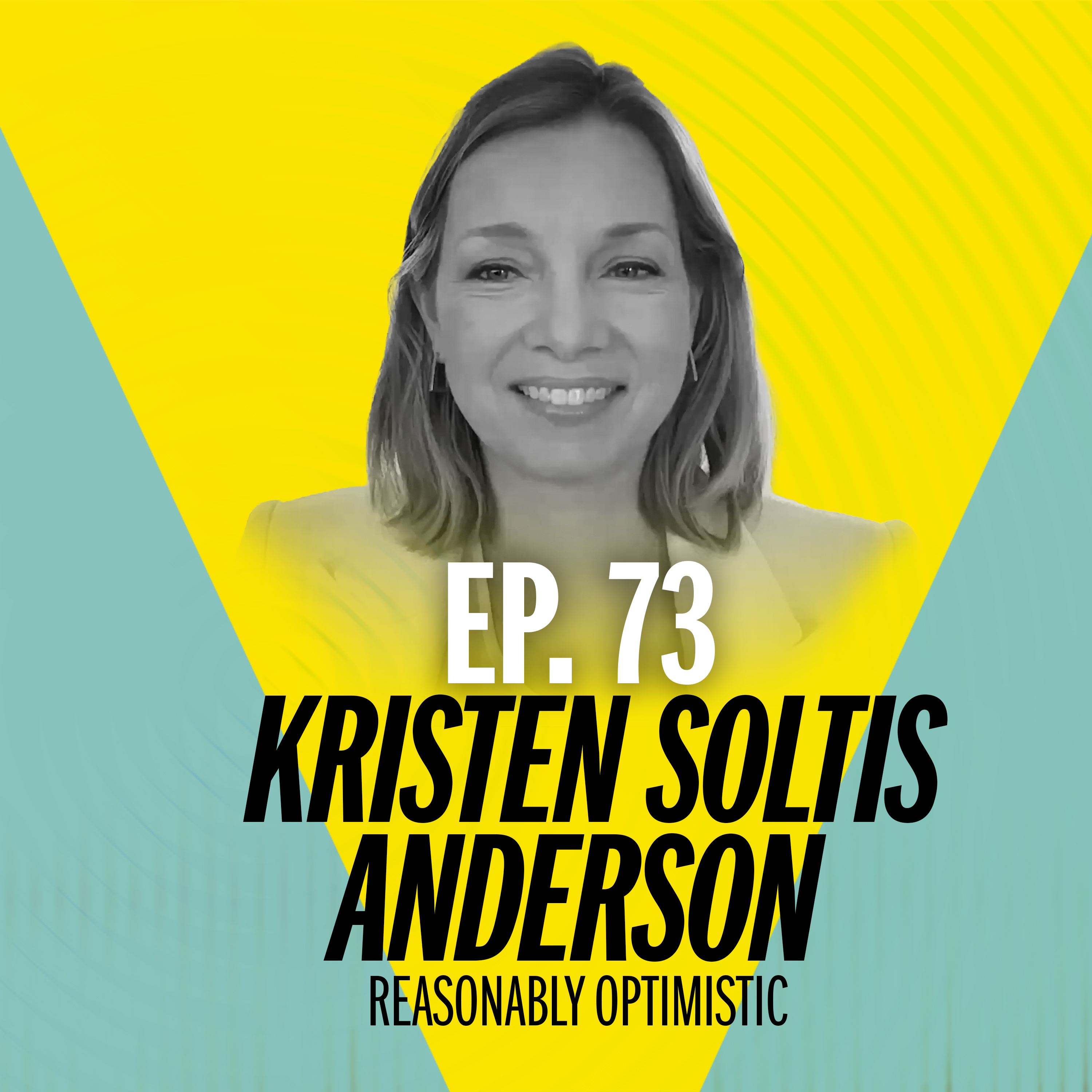
The fight for fed-up voters in the 2026 midterms
The polls suggest a strong Democratic showing in the 2026 midterms. They also reveal an electorate angry about the cost of living, political corruption and a system many believe is rigged against them. But what will that anger mean at the ballot box?Host Megan McArdle is joined by Kristen Soltis Anderson, a pollster and co-founder of Echelon Insights. They break down what the polls are telling us,
The overlooked businesses making Americans rich
The American Dream can feel farther away than ever. Housing is expensive, good jobs seem harder to find and the people getting rich seem to be concentrated in a handful of big cities. But some of America’s biggest fortunes are being built far from the spotlight: by auto dealers, contractors, beverage distributors and the owners of the unglamorous businesses that keep everyday life running. So who
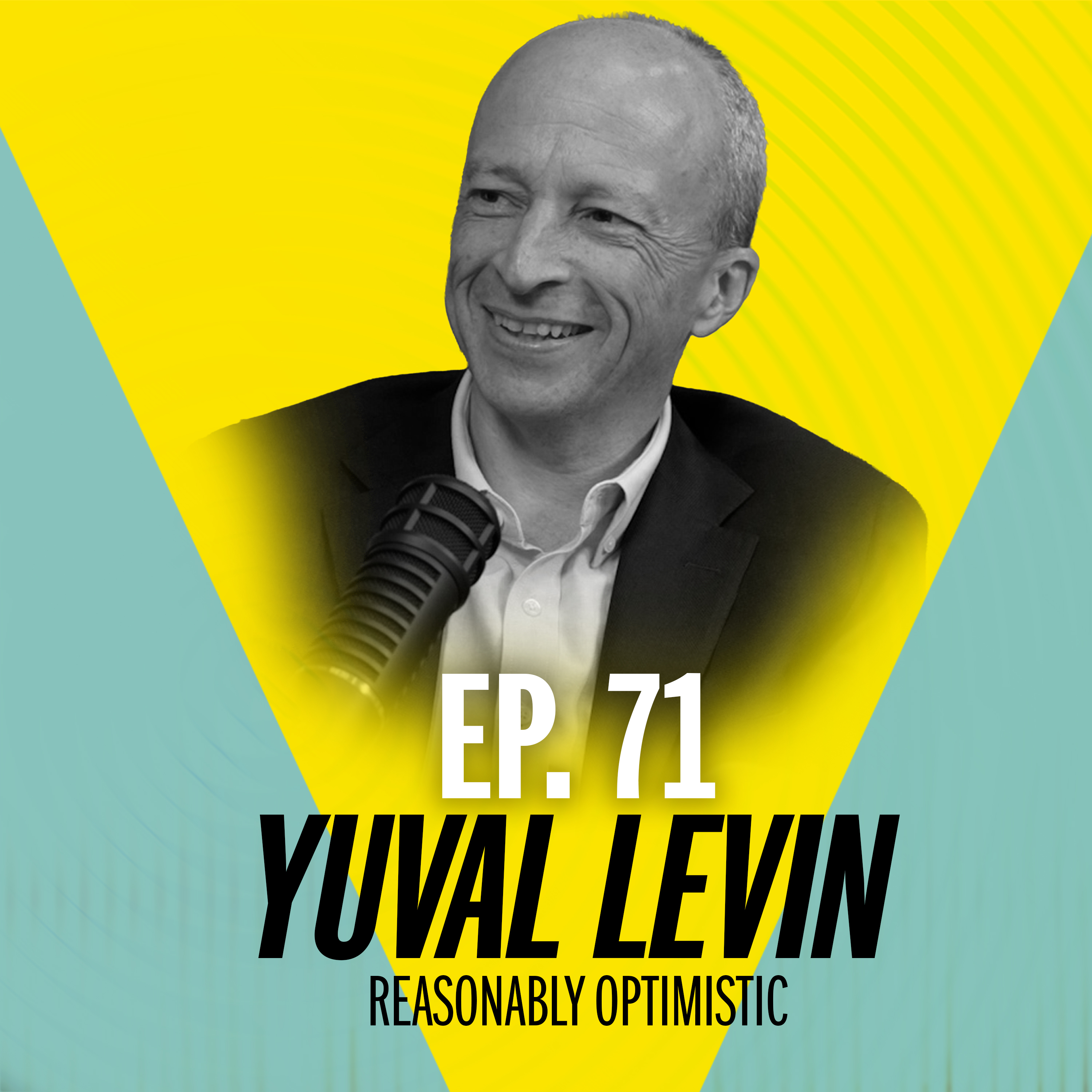
How America can recover from Trump-era politics
There’s a lot to complain about in the American political system: Congress lurches from deadline to deadline, presidents claim more and more power and each side of the aisle treats the other as an existential threat. So how did our political system get this way—and what would it take to make it work again?Host Megan McArdle is joined by Yuval Levin, director of Social, Cultural, and Constitutional

The job interview advice Gen Z needs to hear
A viral debate over bringing iced coffee to a job interview may seem trivial. But it points to a bigger divide over what employers are looking for when college degrees, cover letters and résumés reveal less than they used to.Host Megan McArdle explains why workplace norms still matter, why an interview can be one of the few ways applicants can stand out and what Gen Z workers miss when they begin

Is AI taking Gen Z’s jobs? It’s not that simple.
Artificial intelligence feels different from previous technological innovations because it can write, reason, analyze and generate ideas. In other words, it can do at least some of the things many white-collar workers thought made them irreplaceable. So, is AI going to eliminate jobs or transform them? And what will it do to the culture of the workplace — and to the way younger workers develop the
The $1 million prize for academics who tell unwelcome truths
What do you do when your research leads to a conclusion that challenges conventional wisdom? You can publish it and risk the backlash — or quietly bury the findings and move on to safer work. The Carob Trust Prize, a new $1 million award, aims to change that calculation by rewarding academics whose research challenges prevailing orthodoxies and withstands scrutiny. But can money really make tellin
How conservatism went from Reagan to Trump
In the decades following World War II, the American right coalesced around fusionism — the idea that individual liberty and limited government could coexist with religious faith and traditional morality. Today, that coalition is divided. After a decade of Trump-era politics, can fusionism bring it back together?Host Megan McArdle is joined by Stephanie Slade, senior editor at Reason magazine and a
Why everyone seems to hate Flock cameras
No one likes the idea of being surveilled. That concern is fueling a nationwide backlash against Flock cameras, the automated license plate readers police use to find stolen vehicles, track suspects and locate missing people. Critics see their rapid spread as the beginnings of a mass surveillance network. Supporters say they reduce crime and save lives. So can communities keep the benefits without
What AI experts fear most
Artificial intelligence is advancing faster than many expected. So much so that some of the experts who understand it best are sounding the alarm. Are their warnings exaggerated, or are we approaching a point of no return? And what can we do now to shape the future of artificial intelligence?Host Megan McArdle is joined by Tim Lee, author of the Understanding AI newsletter, to explore what AI expe
This medieval revolt has a warning for today
More than six centuries ago, the Black Death wiped out nearly half of England’s population. Suddenly, workers had more power, wealthy landowners had less, and the old social order began to crack. When the ruling class tried to force that order back into place, anger erupted into the Peasants’ Revolt of 1381 — a political crisis that feels startlingly familiar today, dramatized in the new film “The
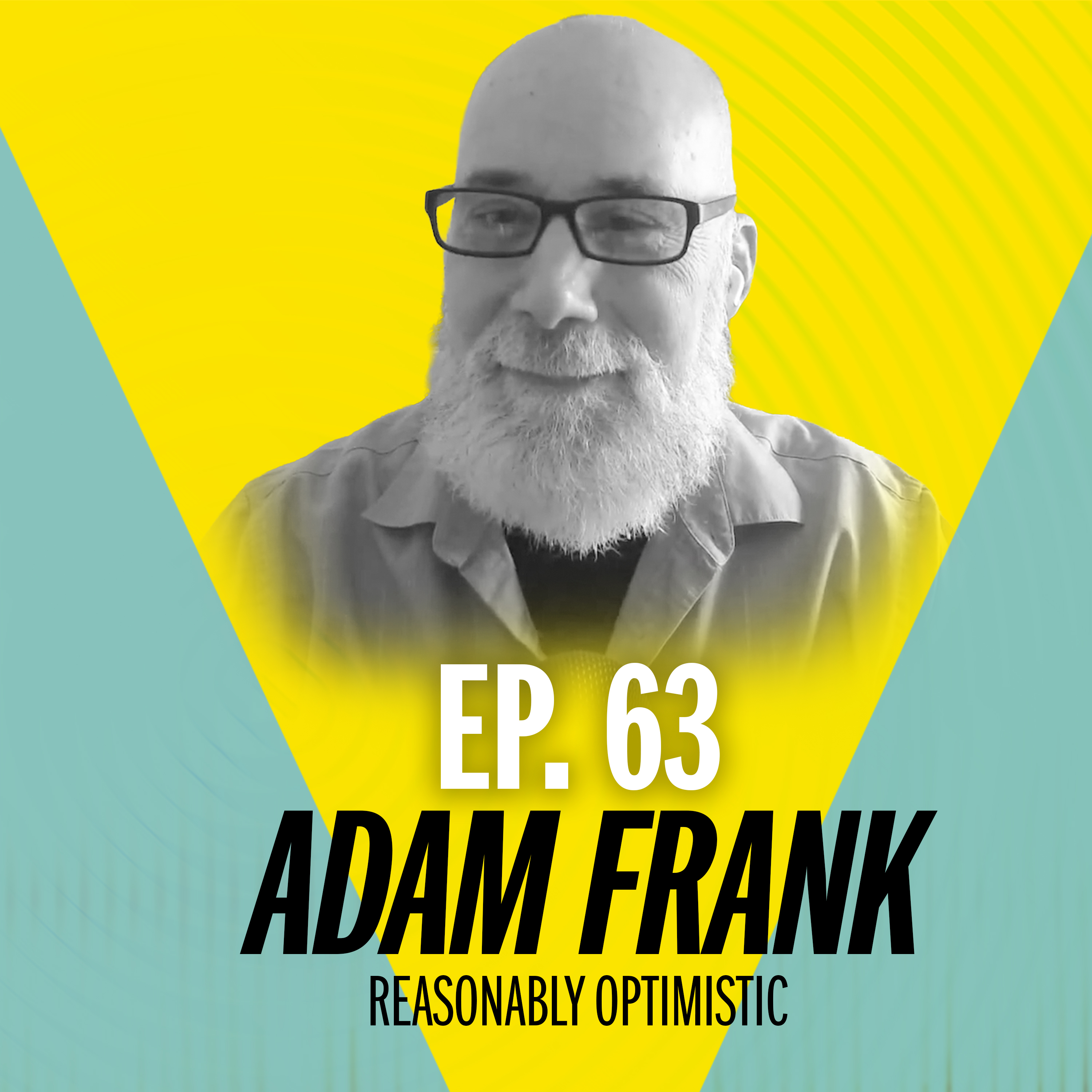
The strange truth behind our obsession with UFOs and aliens
It doesn’t take much to ignite a new wave of alien conspiracy theories on social media. But beyond the internet speculation lies a serious scientific question: If billions of planets could support life, why haven’t we found any?Host Megan McArdle revisits her conversation with astrophysicist and author of “The Little Book of Aliens,” Adam Frank, to explore why he thinks extraterrestrial life proba
My mother’s secret changed how I think about abortion
Shortly before her mother died, Megan McArdle learned a family secret. Decades earlier, her mother had given birth to a son and placed him for adoption. Megan’s attempt to find the brother she never knew would force her to reconsider her mother’s life—and confront abortion as something more than an abstract political debate.In this deeply personal episode, producer Regina de Heer interviews Megan
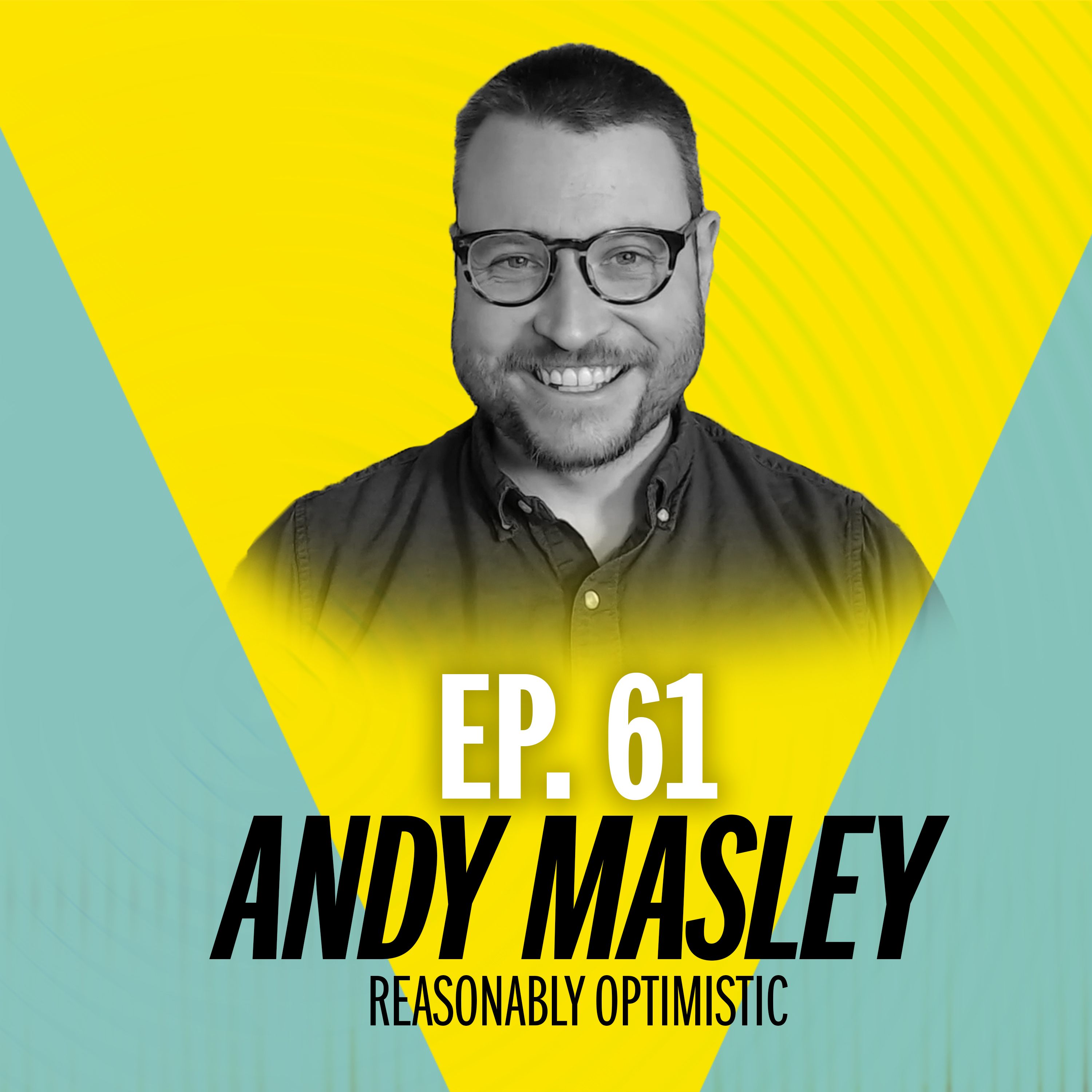
The myths fueling America’s AI data center backlash
AI data centers have become America’s newest political villain — accused of draining local water supplies, overheating communities and sending electricity bills soaring. But some of the most alarming claims about their environmental impact are based on outdated estimates, missing context or questionable math.Host Megan McArdle is joined by writer and former high school physics teacher Andy Masley
Football is back. A new CTE study asks what it costs.
Football season is back, bringing millions of Americans together around one of the country’s most beloved sports. But new research on chronic traumatic encephalopathy, or CTE, raises an uncomfortable question: What price are players paying for our entertainment?Host Megan McArdle explores the physical and cognitive toll of football and what responsibility fans have when they turn on a game.Subscri
The hidden forces behind America’s baby bust
Why are Americans having fewer children, even though many say they want larger families? Host Megan McArdle talks with author Tim Carney about how professional ambition, personal autonomy and intensive parenting have made family life more daunting. They discuss why Americans are marrying later, how workplaces and communities could make raising children easier, and whether stronger family norms can
A sociologist’s perspective on the Jason Arday story
The controversy surrounding Cambridge professor Jason Arday began with questions about his academic record and extraordinary personal story. It ended in tragedy. What can sociology tell us about how a scandal like this escalates once it's forced into public view?Host Megan McArdle talks with UCLA sociologist Gabriel Rossman about scandal, status and public shaming.Content warning: This episode inc
What empty pews reveal about America
America is becoming less religious — but the story is more complicated than empty pews. Host Megan McArdle is joined by political scientist and former pastor Ryan Burge to talk about the shifts taking place in America's churches. Are congregations shrinking or growing? Why are some religious traditions holding on better than others? And what does the rise of the religiously unaffiliated mean for A
Why this professor lost faith in higher education
America’s colleges have spent years at the center of the culture wars. But some of the sharpest critics of higher education are people who once believed deeply in its mission — and changed their minds after seeing it from the inside.Host Megan McArdle is joined by Tyler Austin Harper, staff writer at The Atlantic and former professor at Bates College. He breaks down how academia reshaped his views

Why your cost of living keeps rising
From the housing shortage to rising electricity costs, many of America’s biggest affordability problems come back to the same question: Why can’t we build more?Host Megan McArdle is joined by political commentator Josh Barro to talk about the “abundance” agenda and what it could mean for the cost of living, housing and energy prices, and economic growth. They discuss how both Democrats and Republi
Is TikTok rewiring childhood?
As students head back to school, families and educators are facing a growing question: What should they do about smartphones?Host Megan McArdle is joined by social psychologist and author of “The Anxious Generation,” Jonathan Haidt, to talk about how TikTok, social media and constant digital stimulation may be changing the way children pay attention, stay motivated and cope emotionally. They discu
Stop cooking the ‘right’ way
Dinner shouldn’t be stressful. But after a long day, even deciding what to cook can feel like one more exhausting task. Add the pressure to make meals healthy, affordable, interesting and Instagram-worthy, and home cooking can start to feel more like performance than pleasure.Host Megan McArdle talks with Caroline Chambers, author of "What to Cook When You Don’t Feel Like Cooking: Make It Fast," a
How to fix higher education without destroying it
Public confidence in higher education has been eroding for years. Rising costs, uncertain job prospects and political conflict have led many people to question whether colleges still serve the public. But trying to fix that by slashing research funding or putting campuses under tighter government control could destroy a lot of what makes them valuable.Host Megan McArdle argues that universities mu

A therapist on relationships, ghosting and realistic standards
Relationships have always required compromise and patience. But dating apps, social media and therapy-speak can make ordinary human flaws feel like reasons to walk away. So, when is it right to leave and when are we giving up on people too quickly?Host Megan McArdle talks with psychotherapist, author and New York Times “Ask the Therapist” columnist Lori Gottlieb about ghosting, going no-contact, u
Why homeownership feels impossible for Gen Z
For generations, owning a home was seen as the first real step into adulthood: a place to raise a family, build wealth and claim a piece of the American Dream. But for Gen Z, soaring prices, high mortgage rates and a shortage of starter homes have pushed even modest houses out of reach.Host Megan McArdle argues that young Americans really have received a worse housing deal than earlier generations
What America got wrong about drug addiction
The drug crisis in the United States did not begin with fentanyl. It began with a series of choices that seemed compassionate at the time — prescribing opioids for people in pain, scaling back punishment and trying to make drug use safer. But addiction spread, fentanyl changed the stakes, and the solutions no longer fit the crises unfolding in communities.Host Megan McArdle talks with Keith Humphr

Lonely Gen Z needed this wake-up call
Gen Z has been told a lot of things about loneliness: that it’s caused by phones, social media, remote work, dating apps, the pandemic, the decline of third places and a culture that makes staying home easier than ever. But what if the more uncomfortable truth is that loneliness is also something people have to actively fight?Host Megan McArdle talks with Wall Street Journal editor Emma Camp about
This actor drove 10,000 miles to ask men about loneliness
For a lot of men, friendship doesn’t disappear all at once. It fades slowly: a missed call here, a canceled plan there, a few busy years that become a decade. Before you know it, the relationship has moved to the background of life, where it can feel easier to assume the bond will survive on memory than to do the awkward work of reaching back out. Andrew McCarthy wanted to understand why that stor
The problem with ‘Tax the rich!’
A trillion dollars seems like enough money to solve almost anything. We could end world hunger, wipe out medical debt, shrink the federal deficit and still have plenty left over. So when people talk about Elon Musk’s potential trillion-dollar fortune, or the wealth of billionaires more broadly, it’s natural to ask: Why don't we simply tax the rich and use the money to fix our country’s biggest pro

How populists turn distrust into power
Populist candidates have a way of making politics feel simple. They tell voters that the problem is obvious, the villains are known and the solution is to break through corrupt institutions standing in the way. That message can be emotionally powerful, but what happens after populists win? Why do they so often win the crowd but lose the plot?Host Megan McArdle is joined by Richard Hanania, a polit
Why Europeans are falling in love with America
As European tourists travel across the United States for World Cup matches, many are discovering an America they didn’t expect: vast landscapes, friendly strangers, huge portions, small-town surprises and a sense of abundance that Americans often take for granted. Their reactions are going viral, offering a fresh reminder that the United States can look very different from the outside than it does
What happened when fashion moved online
There was a time when shopping for clothes meant walking into a department store and hoping the limited sizes and styles available at that exact moment might fit. Then, the internet changed everything. Online shopping didn’t just make fashion more convenient; it expanded what retailers could offer, what customers could demand and who got to dictate trends.Host Megan McArdle is joined by Shawn Grai
What's behind the South's sudden boom
Millions of Americans have moved to the South in recent years. The usual explanations — lower taxes, cheaper housing and warmer weather — are only part of the story. Host Megan McArdle explores the economic and historical forces driving the century-long transformation of America’s fastest-growing region.Subscribe to The Washington Post here.
Modern dating is miserable. Can it be fixed?
Host Megan McArdle talks with culture writer Kat Rosenfield about how dating apps, therapy-speak and online gender wars have changed romance — making flirtation feel risky, rejection feel catastrophic and desire feel suspect. They discuss the lost art of approaching people in real life, what older courtship norms got right and Rosenfield’s new novel, “How to Survive in the Woods.”Subscribe to The

Voters can push back against unsavory politicians
Political parties keep asking voters to overlook scandals, bad judgment and unstable behavior because the other side is worse. Senate candidates Graham Platner and Ken Paxton are only the latest examples. Host Megan McArdle argues that character still matters in politics — and that voters are not helpless victims of polarization.Subscribe to The Washington Post here.
Is there such a thing as too much empathy?
Is empathy destroying the West? That's the provocative claim at the center of Gad Saad's new book, "Suicidal Empathy." Host Megan McArdle is joined by Saad, a professor at the University of Mississippi, to discuss the trade-offs societies make in the name of compassion and whether America has the capacity to absorb differences.Subscribe to The Washington Post here.
Gen Zers don’t cook. It’s costing them.
Eating food cooked at home has traditionally been considered a cheaper option to ordering takeout. So why are so many in Gen Z choosing food away from home? Host Megan McArdle explores how convenience, changing expectations and the modern economy have transformed the way we eat.Subscribe to The Washington Post here.

Do aliens exist? I asked an astrophysicist.
Are humans alone in the universe? The answer is more complicated than science fiction might suggest. Scientists have discovered billions upon billions of potentially habitable planets. But if life is possible elsewhere, why haven’t we found it?Host Megan McArdle talks with astrophysicist Adam Frank, author of “The Little Book of Aliens.” They discuss the search for alien life, why intelligent civi

How weddings got so expensive
The average wedding now costs $36,000, and many couples feel like they are being taken for a ride. From weekend bottlenecks and customization to family dynamics and the pressure to get everything right, the answer is more complicated than simple price gouging. Host Megan McArdle explores why modern weddings have become so expensive.Subscribe to The Washington Post here.

Why $1 million doesn’t feel rich for Gen Z
The average American household is now worth more than $1 million. Yet Gen Z is increasingly pessimistic about its economic future. Why does it feel like so many people are falling behind? Is homeownership out of reach? And how can young people build wealth in an economy that seems both richer and more uncertain than ever? Megan McArdle talks with Ed Elson, co-host of Prof G Markets, about wea

Why everyone is talking about peptides
Peptides are suddenly everywhere — touted by influencers, biohackers and longevity enthusiasts as the next breakthrough in wellness. But what exactly are they, and how much do we actually know about the risks?Host Megan McArdle talks with physician and Washington Post columnist Dr. Leana Wen about the booming peptide economy, the rise of gray-market injections and why so many people are turning to

What’s going on with Ebola and hantavirus?
Trust in public health institutions has fractured since the covid-19 pandemic began, even as the threat of new outbreaks remains. Ebola is spreading in parts of Central Africa. Hantavirus has left some cruise ship passengers under quarantine. Neither is a repeat of covid-19 — and public health officials say the risk to most Americans remains low — but even distant outbreaks now provoke fear, skept

Is life better in Europe? It's not so simple.
Europe promises a life many Americans envy: longer vacations, universal health care, beautiful cities and a slower pace. But those benefits come with trade-offs.Host Megan McArdle looks past the usual America versus Europe arguments to explore what economic indicators reveal about quality of life.Subscribe to The Washington Post here.
Men are falling behind. Let's talk about it.
Boys and men are struggling across some of the most important measures: education, employment, family life and mental health. But too often, attempts to talk seriously about these problems get pulled into a culture-war fight. So, what’s actually happening, who is struggling and how we can help them without the conversation being framed as men versus women?Host Megan McArdle is joined by Richard Re
The problem with celebrity politicians
Host Megan McArdle explores the rise of the celebrity candidate, from Ronald Reagan to Arnold Schwarzenegger to Trump himself. She explains how parasocial relationships shape modern elections, and why Trump’s success depended on a unique mix of media savviness, outsider status, timing and luck that may be impossible to replicate. And she argues that if America wants a more stable political future,

What prediction markets tell us about the future
Prediction markets are having a moment. But what are they actually good for? Economist Robin Hanson has been thinking about this for decades. Long before betting markets went mainstream, he argued they could do more than forecast the future — they could help us make better decisions.Host Megan McArdle talks with Hanson about how prediction markets work, why they often beat other forms of forecasti
Introducing ‘Make It Make Sense’: Should you be worried about hantavirus?
The hantavirus outbreak has reminded many about the mistakes of covid-19. In this episode, hosts Adam O'Neal, James Hohmann, Carine Hajjar and Kate Andrews discuss whether the confirmed cases on the Hondius cruise ship should cause concern — or if the media and public are overreacting.
Tax the rich! But then what?
Zohran Mamdani ran for mayor of New York on a platform of taxing the rich, proposing new levies targeting billionaires. Host Megan McArdle argues we’ve seen this kind of rapid shift before. In the 1970s, New York spiraled into crisis as rising spending, a shrinking tax base and economic change led to crime, population loss and near-bankruptcy. Those lessons still matter today, especially as r
Why is anger so addictive? A psychologist weighs in.
Social media is designed to keep us scrolling. But is it also keeping us angry? Rage bait is rewarded and amplified. It’s easy to react and even easier to get pulled in. Over time, this has changed how we interact with the world — and with each other. But is this just bad behavior, or something closer to addiction?Host Megan McArdle is joined by Keith Humphreys, a Stanford professor and psychologi
Longing for 'simpler times'? Consider this first.
Scroll through enough retro photos or vintage ads, and it’s easy to convince yourself that life used to be simpler, even happier. But why does the past look better the farther away it gets?Host Megan McArdle unpacks how nostalgia distorts our view of history — from the food people ate to the cost of everyday life — and why forgetting the hardships can shape how we think about the present.Subscribe
Why Americans aren’t having as many kids
From politicians to Silicon Valley, a growing chorus is sounding the alarm and calling for more babies. But the story behind America’s declining birth rate is more complicated than headlines and political talking points suggest. Is this just a temporary trend, or something deeper — and what does it mean for the kind of society we’re building?Host Megan McArdle is joined by economist and demographe

Everyone wants to live like an influencer now
From overdone plastic surgery to open-concept floor plans, we’re designing our lives to look good on camera instead of optimizing for what we need. Influencer culture — and our constant exposure to curated, edited and optimized images — has reshaped the way we see the world and ourselves. But chasing the perfect image can leave real life feeling strangely hollow.Host Megan McArdle unpacks how we g

How Americans developed an unhealthy relationship with the Supreme Court
The Supreme Court is supposed to be above politics. But these days, it doesn’t feel that way. From high-stakes rulings to increasingly bitter confirmation hearings, the court has become one of the most divisive institutions in American government. So how did this happen?Host Megan McArdle is joined by Supreme Court analyst Sarah Isgur to break down what the justices actually do, why the court's br

The temperature is rising on AI. What comes next?
Anxiety around artificial intelligence is reaching a fever pitch and sparking real-world consequences. Recent violent incidents tied to opposition against data centers highlight growing public backlash, while Anthropic’s new model, Mythos, raises alarms with its ability to uncover hidden software vulnerabilities across critical systems.Host Megan McArdle is joined by Damir Marusic, an op-ed editor

I'm not anti-tax. But this one should go.
Host Megan McArdle breaks down why the corporate tax system is so complex, costly and potentially inefficient — and explores a bold idea: What if we eliminated it altogether? From hidden economic trade-offs to who really pays corporate taxes, this episode challenges how we think about fairness, efficiency and the future of taxation.Subscribe to The Washington Post here.

What a Catholic feminist dares to say
In recent years, the idea of a “crisis of men and boys” has taken center stage in the cultural conversation. That can feel like a pendulum swing: from making space for women to examining men’s struggles, rarely holding both in view at the same time. Some see this moment as a reaction to the 2010s — an era shaped by “girlboss” ambition, #MeToo and a renewed focus on women’s advancement and autonomy
Where AI will be in a year — and in a decade
From AI-generated scams that cost Americans hundreds of dollars to voice cloning schemes, the line between real and fake is becoming harder to detect. At the same time, technology companies are setting their own limits on how these artificial intelligence tools can be used. This is raising new questions about who really controls this technology — and what that will mean for our future.Host Megan M

Health care is life or death. How can Americans be rational about it?
When UnitedHealthcare CEO Brian Thompson was killed on a Manhattan sidewalk in December 2024, the nation was stunned. But the act of violence exposed the fury simmering beneath America’s health care debate. For many, the system feels impossibly expensive, confusing and unfair — especially when compared to other countries.Host Megan McArdle is joined by Dr. Ashish Jha — physician, public healt

Universities charged into the culture wars. Now they’re fighting to get out.
Until recently, universities were widely seen as places for asking questions, debating ideas and accessing upward mobility. Now, they’re just as likely to be seen as battlegrounds in the culture wars. As public trust eroded and political scrutiny intensified, a bigger question emerged: When did this shift happen? And more importantly, can it be repaired?Host Megan McArdle is joined by Daniel Dierm
How America keeps reinventing itself
How can the U.S. lead in rebuilding industrial capacity? Christian Keil believes the answer lies with American dynamism. He is a partner at a16z, who sees technology as a key to our future. Even through uncertain times and sharp competition from China. He joins host Megan McArdle to discuss his experience — from innovating satellite technology during his time at Astranis to now investing in compan
What comes next in Iran
On Feb. 28, the U.S. and Israel initiated strikes on Iran. What comes next? Host Megan McArdle sits down with Washington Post Columnist David Ignatius to discuss Iran's response, whether the U.S. can sustain a prolonged conflict, what the war signals to adversaries like China and the economic risks of a closed Strait of Hormuz.Subscribe to The Washington Post here.
AI is coming. Is there enough power to run it?
We hear a lot about what artificial intelligence can do. We hear a lot less about what it takes to run it. The explosion of AI depends on massive data centers — and massive amounts of energy. Rep. Jake Auchincloss (D-Mass.) joins host Megan McArdle to discuss how his views on AI have evolved, and to explore how his state — and the nation — can meet the energy and infrastructure demands of the AI b
Forget the best president. Who was the most underrated?
This week, we celebrated Presidents Day, which makes it a fitting time to recognize one of America’s most underrated presidents. Herbert Hoover presided over the onset of the Great Depression and is widely viewed as the inferior predecessor to Franklin D. Roosevelt. But, as host Megan McArdle explains, that judgment is unfair to Hoover. It also reflects a larger problem: the assumption that a pres

Dating is a market. Here's how to hack it.
Want to win the dating game? Turns out business school has the playbook. Host Megan McArdle breaks down romance through Econ 101: addressable market, signaling, specialty products and sunk costs.Whether you’re single, swiping or settled down, this episode will reshape how you think about love and commitment. Because in relationships, the fundamentals still matter — and sometimes it pays to think l
An economist explains why he’s still ‘bullish on America’ — AI and all
Artificial intelligence is moving fast, with new tools changing how people work, create and compete. Whether you’re an AI doomer or AI boomer, it’s hard to ignore what’s coming. Economist and professor Tyler Cowen has spent years analyzing how these developments could reshape the economy and everyday life. He joins host Megan McArdle to talk through how AI could transform talent, human capital and

How can cities win back families? This developer has a plan.
Walkable neighborhoods, vibrant nightlife, the sheer bounty of it all. City living isn't for everyone, but it's amazing for the people who want it. Unless, that is, they also want a family.Today's cities are designed for demographic churn — as a rest stop en route to the suburbs, rather than a place you can live a full life. That's bad for families and for America. Bobby Fijan is one of the people

What Jason Rezaian learned after 544 days in an Iranian prison
This month marks the 10-year anniversary of Jason Rezaian’s release from imprisonment in Iran. In 2014, Rezaian — then The Washington Post’s Tehran bureau chief — was arrested with his wife at their home and detained in Iran’s notorious Evin Prison. He joins host Megan McArdle to discuss his time in captivity, Iran’s trajectory since his release, and what his experience reveals about press freedom
What it will take to fix American policing
When Renée Good was fatally shot by a U.S. Immigration and Customs Enforcement officer in Minneapolis, it reignited a familiar debate. Was this another case of police brutality, or an act of self-defense? Protests followed. Politicians and public figures weighed in. But why does this keep happening—and how do we make policing better and safer for everyone?Host Megan McArdle speaks with former New
Dry January? Sometimes drinking is part of the solution.
Journalist Katie Herzog was 12 years old when she first drank alcohol. It wasn’t until her 30s that she decided to quit. She tried everything — Alcoholics Anonymous, cleanses, therapy, yoga — but nothing stuck. Eventually, she turned to an unorthodox approach: the Sinclair Method.Katie joins host Megan McArdle to explain this science-based path to sobriety and how it inspired her book, "Drink Your
No blood for oil? That doesn’t make sense for Venezuela.
Early on Jan 3, news broke that Venezuelan President Nicolás Maduro had been captured by U.S. troops and was being flown to New York to stand trial. Later that day, President Donald Trump said the United States would take control of Venezuela’s massive oil reserves. Protests erupted almost immediately, reviving the Iraq War–era slogan, “no blood for oil.”Host Megan McArdle breaks down the long, tr
How the internet changed politics — and our lives — forever
Matthew Yglesias has been a disrupter his entire career. He started as an early adapter to the web, running a blog before blogs were a thing. He went on to co-found the media company Vox and has written all over the internet. He joins host Megan McArdle to discuss their career trajectories and how the internet has changed both media and politics. Subscribe to The Washington Post here.
Was 2025 the ‘end of America’? Of course not.
Subscribe to The Washington Post here.

Charlie Kirk was killed on her campus. This is what happened next.
After Charlie Kirk’s death on her campus, Utah Valley University president Astrid Tuminez found herself in an impossible position. She was at the helm of Utah’s largest public university and had to find a way to lead her campus after the tragedy. Now, at the end of the fall semester, she joins host Megan McArdle to discuss how her faith, upbringing and love for her community gave her the strength

‘The weirdest Democrat in America’
There’s no one in politics quite like the Democratic governor of Colorado, Jared Polis. He's a serial entrepreneur who cashed in on the dot-com boom and has pushed back on over-regulation of artificial intelligence and the tech industry. He’s in favor of abortion rights, but was against overregulation of mask mandates. He's pro-business and pro-weed. The “pro-liberty” governor joins host Megan McA
The sci-fi writer who predicted the future
Science fiction writer Neal Stephenson predicted the metaverse, wearable tech and artificial intelligence long before those technologies arrived. What does he think of it all now? Host Megan McArdle talks to Stephenson about the future of AI, education and social media — and how his fiction became a window into the culture of Silicon Valley.Timecodes0:00 Welcome to Reasonably Optimistic0:33 Who is
Introducing 'Reasonably Optimistic'
Enough with the doom and gloom — we’re ready to talk about how America can thrive. Hosted by Washington Post Opinion columnist Megan McArdle, “Reasonably Optimistic” is your weekly conversation about how America can get unstuck and build a better future. Stop feeding your rage and start embracing our possibilities. Episodes drop Wednesdays.Subscribe to The Washington Post here.
I got cancer. And met a different me on the other side.
After chemotherapy, Post Opinions writer Rachel Manteuffel felt like she was encountering a bald stranger every time she looked in the bathroom mirror. But then came the curls and lots of other surprising phenomena that science hasn’t been quite able to explain. She shares her story and her conversation with YouTuber and science explainer Hank Green, who had similar strange experiences with his po
The horrors of modern-day travel
Where have all the benches gone? Deputy Opinion Editor Mark Lasswell reflects on the causes and consequences of the “defensive architecture” replacing seating in public spaces. Plus, contributing columnist Rick Reilly shares just how hard it’s become to find an Airbnb or VRBO that doesn’t feel like the inside of a Target.Additional reading by our columnists:Mark Lasswell: This punctuation mark is
Want to find a wife? Be a better man.
American women have grown more independent economically in recent decades, giving them greater choice in whom to date or marry — and the choice to opt out altogether. But where does women's rising stock leave men, and how is it connected with today’s so-called masculinity crisis? Post columnist Shadi Hamid talks with Richard Reeves, founder of the American Institute for Boys and Men, about why to
Lending a hand doesn’t require being armed
Additional reading by Washington Post columnists:Colbert I. King: The spirit of Old Dixie rises in D.C.Shadi Hamid: My gut instinct on Trump’s D.C. power grab was wrongMegan McArdle: D.C. has a real crime problem. Federal control won’t solve it.Subscribe to The Washington Post here.
A message from ‘Impromptu’
We’ve got some news.Read more about Dana’s new venture: We are losing our humanity. I am searching for an antidote.Enjoy some of our favorite episodes:What do men want?Is it time to delete our social media accounts?What the ‘tradwife’ trend says about modern lifeRemote work changed the country. Can it change back?AI is getting smarter. But are we?Subscribe to The Washington Post here.
Recommended

CBS Radio Mystery Theater | Old Time Radio

Solved Murders - True Crime Stories

紐約鳥|New York Aperture
The Swerve Podcast: Obscure Topics | Conspiracy Theories

The Bread and Banter Podcast

The Church of What's Happening Now: The New Testament

Busted Open

Deadline: White House

Crickets Corner

History of the Earthquake and Fire in San Francisco

Fox news

K-Drama Obsessed Mamas | Beyond “Just One More Episode!”
