
Snoozecast
Snoozecast is a podcast designed to help you fall asleep. Episodes air every Monday, Wednesday and Friday. It offers premium listening options at snoozecast.com/plus, which unlocks ad-free listening to an expanded catalog, including bonus original stories.
Episodes
An Accidental Sabbatical
Dear Snoozecast listener—hi, it’s Vee.
I wanted to speak directly to you, because many of you have reached out over the past few weeks—some checking in, some offering kind words, and some understandably worried that something was wrong. First, I want to say: we’re okay. And second: we’re so sorry that we haven’t communicated anything sooner.
When N and I slipped into this pause a little o
Petit Trianon pt. 2
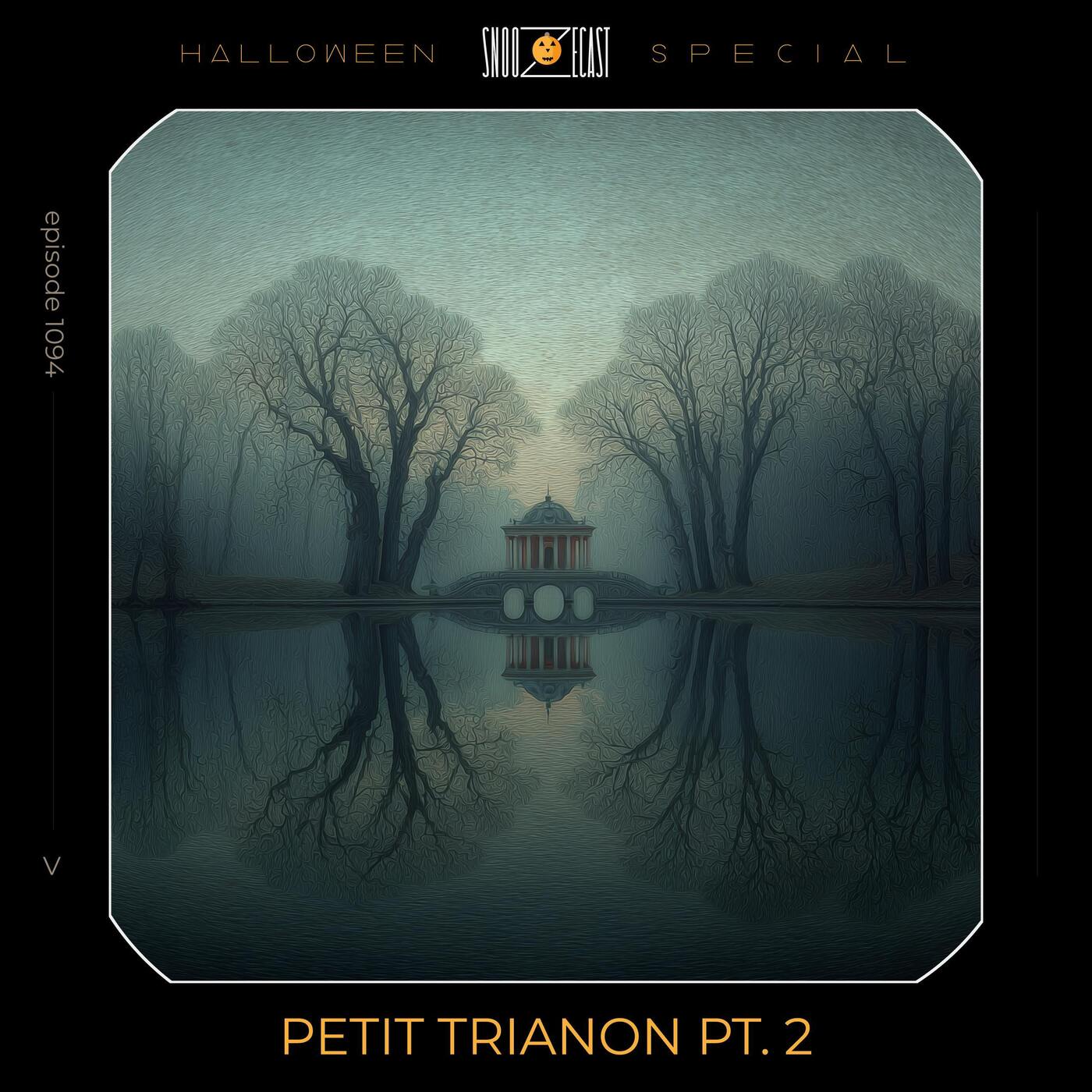
Tonight, we’ll continue with The Petit Trianon, adapted from An Adventure by Charlotte Anne Moberly and Eleanor Jourdain, first published in 1911. This episode is part of our Spooky Sleep Story series, where we share classic tales of the strange and mysterious. In Part One, the two English academics described an uncanny afternoon walk through the gardens of Versailles in 1901—an experienc
Petit Trianon pt. 1
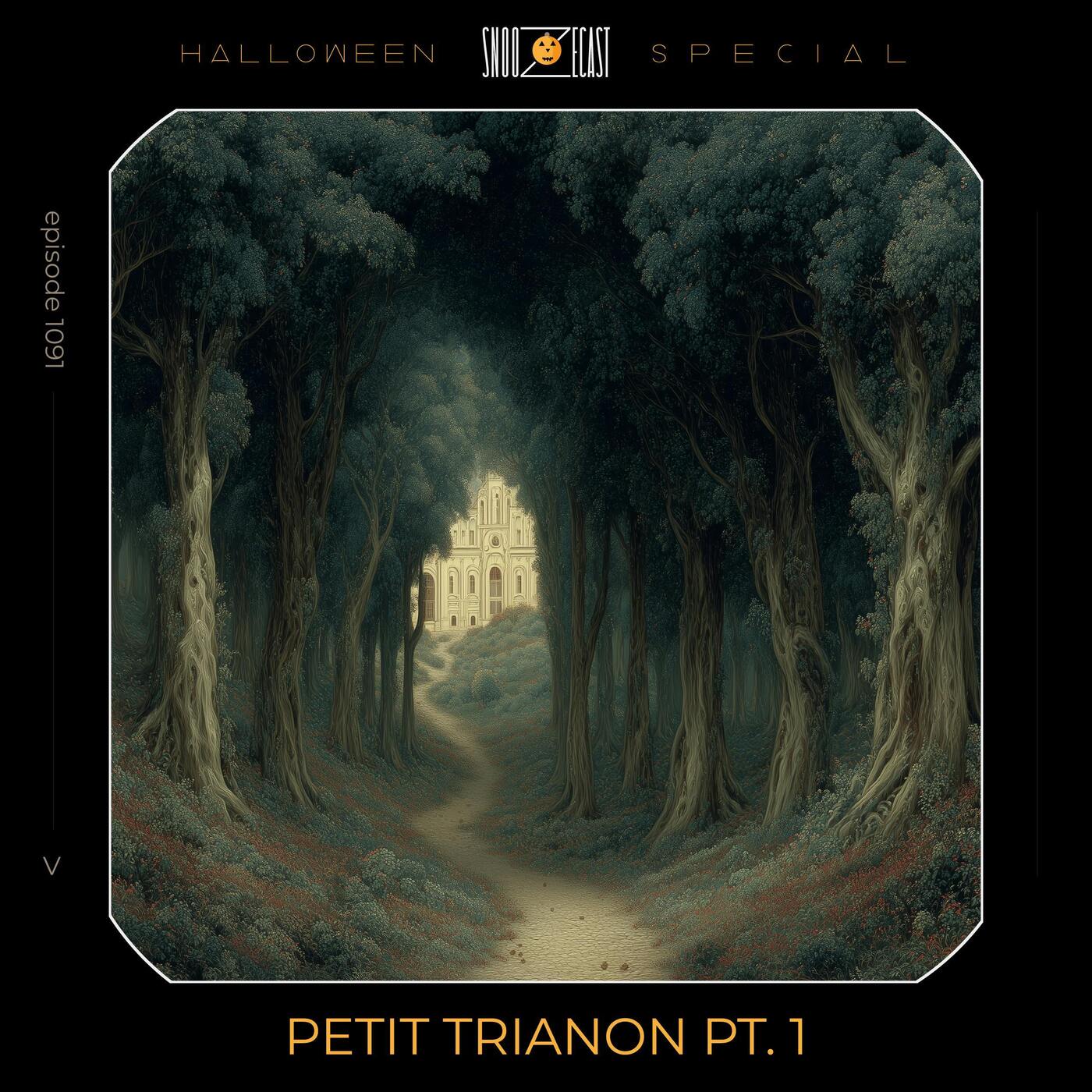
Tonight, we’ll read the first half of The Petit Trianon, adapted from An Adventure by Charlotte Anne Moberly and Eleanor Jourdain, first published in 1911. This episode is part of Snoozecast’s 7th annual Spooky Sleep Story series, where we share true and imagined encounters with the strange and unexplained every October. The two English women, both Oxford academics, recorded their uncanny
Good Wives ch. 24 Finale
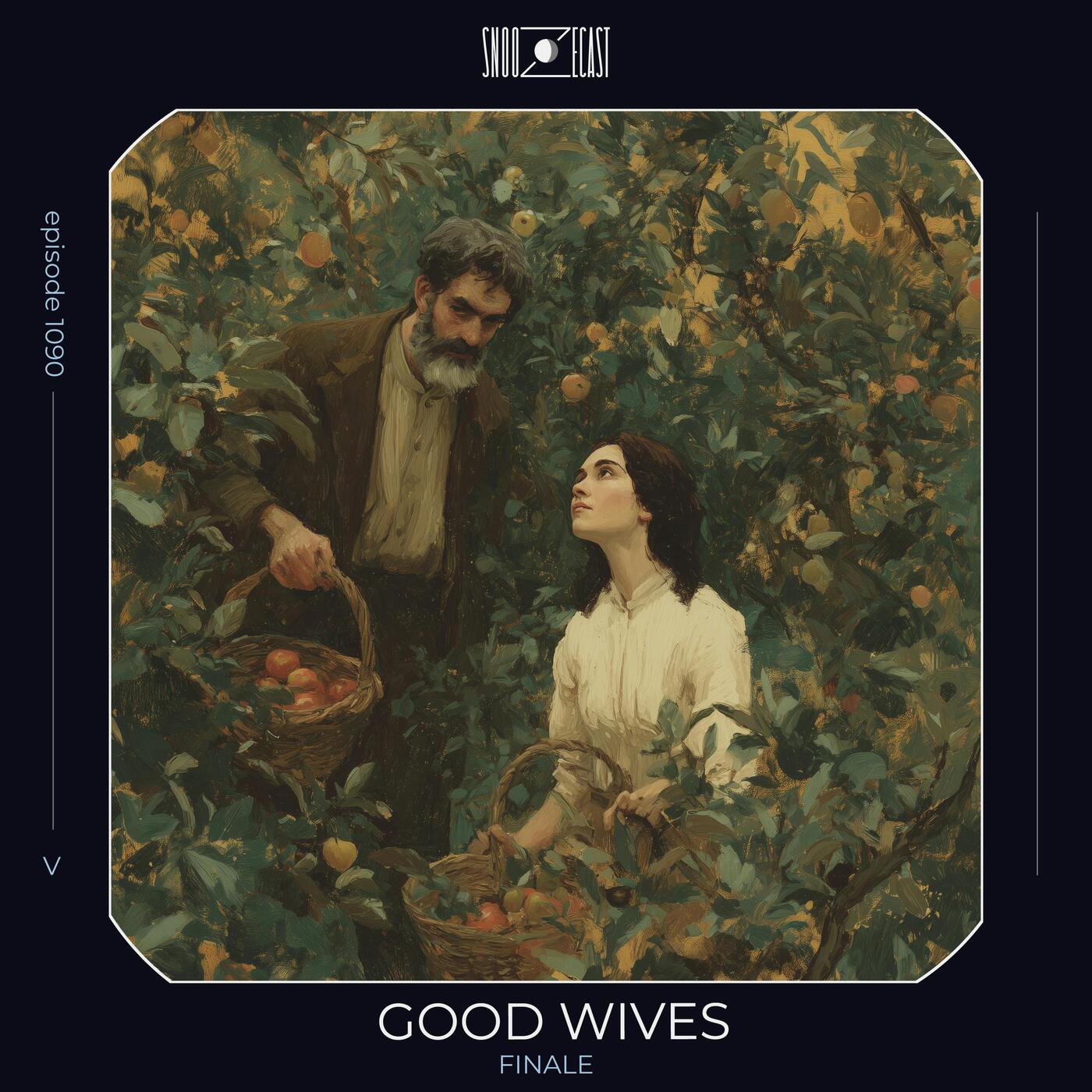
Tonight, at long last, we’ll read the final chapter of “Good Wives” written by Louisa May Alcott titled “Harvest Time”. It’s hard to believe, but we have been reading this book for the first time as we’ve read it to you, and that first chapter was started back in December 2019, when Snoozecast was less than 1 year old.
We took a break after part one concluded in June 2022 to explore othe
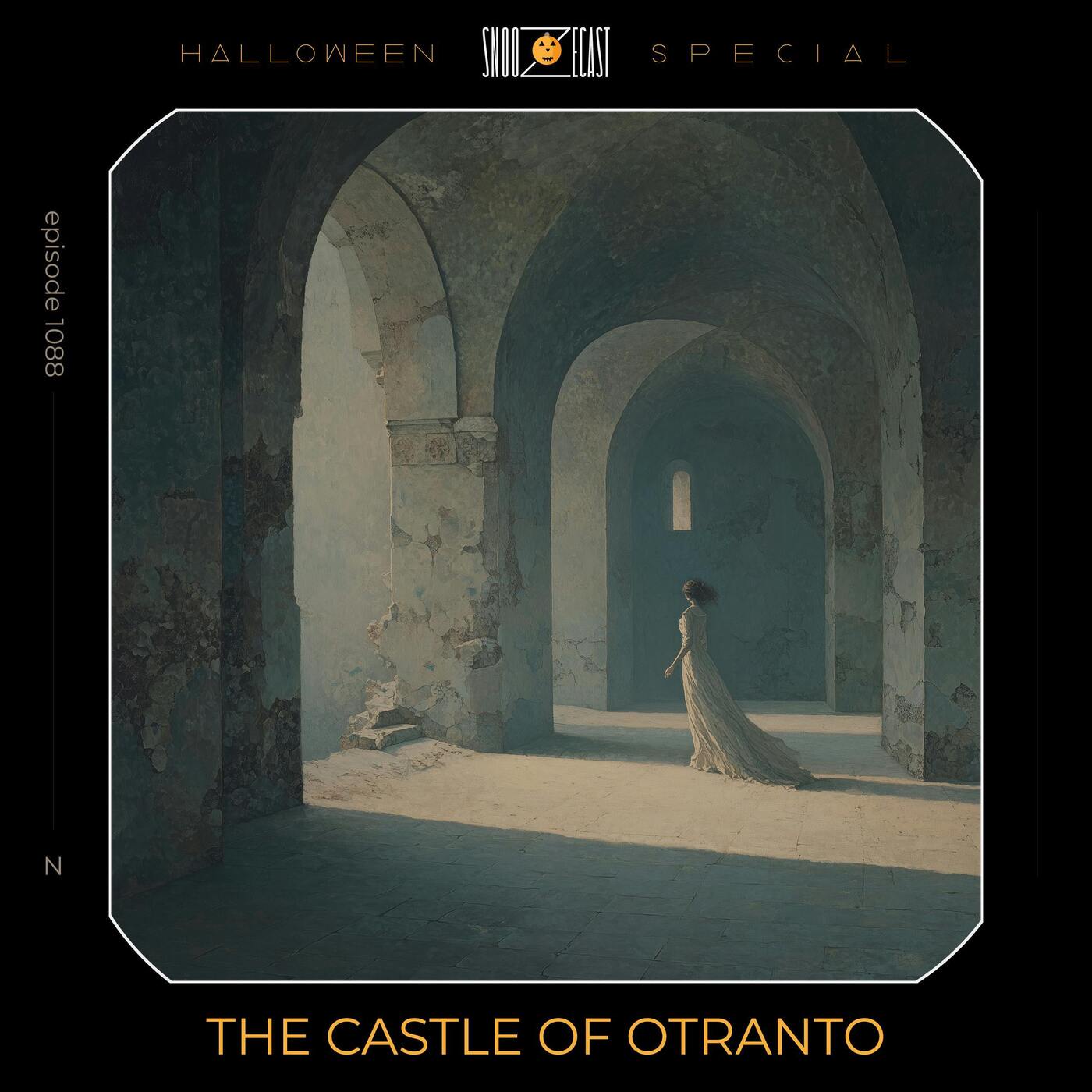
The Castle of Otranto
Tonight, for the next in our October spooky sleep story series, we’ll read an excerpt from “The Castle of Otranto”, a novel by Horace Walpole. First published in 1764, it is generally regarded as the first gothic novel. Set in a haunted castle, the novel produced a new style that has endured ever since, and has shaped the modern-day aesthetic of the goth subculture.
Walpole wrote it at S
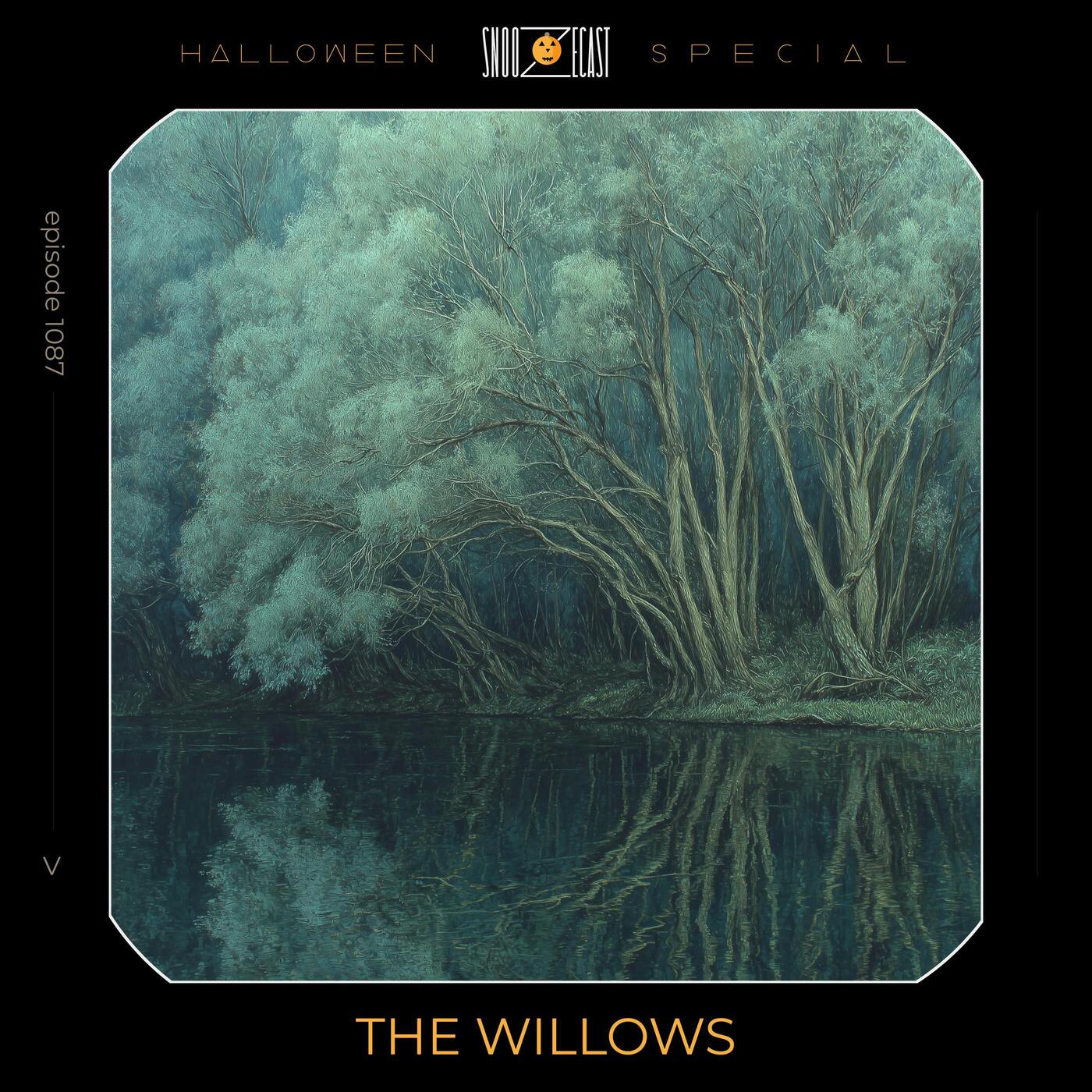
The Willows
Tonight, as part of our annual Spooky Sleep Stories series, we’ll read the opening to the novella “The Willows”. It was written by Algernon Blackwood, and first published in 1907.
Two friends drift down the Danube by canoe, threading a maze of shifting channels, sandbanks, and low islands crowded with willow scrub. The river’s moods—eddies, gusts, glittering sun—seem to lean in and watch
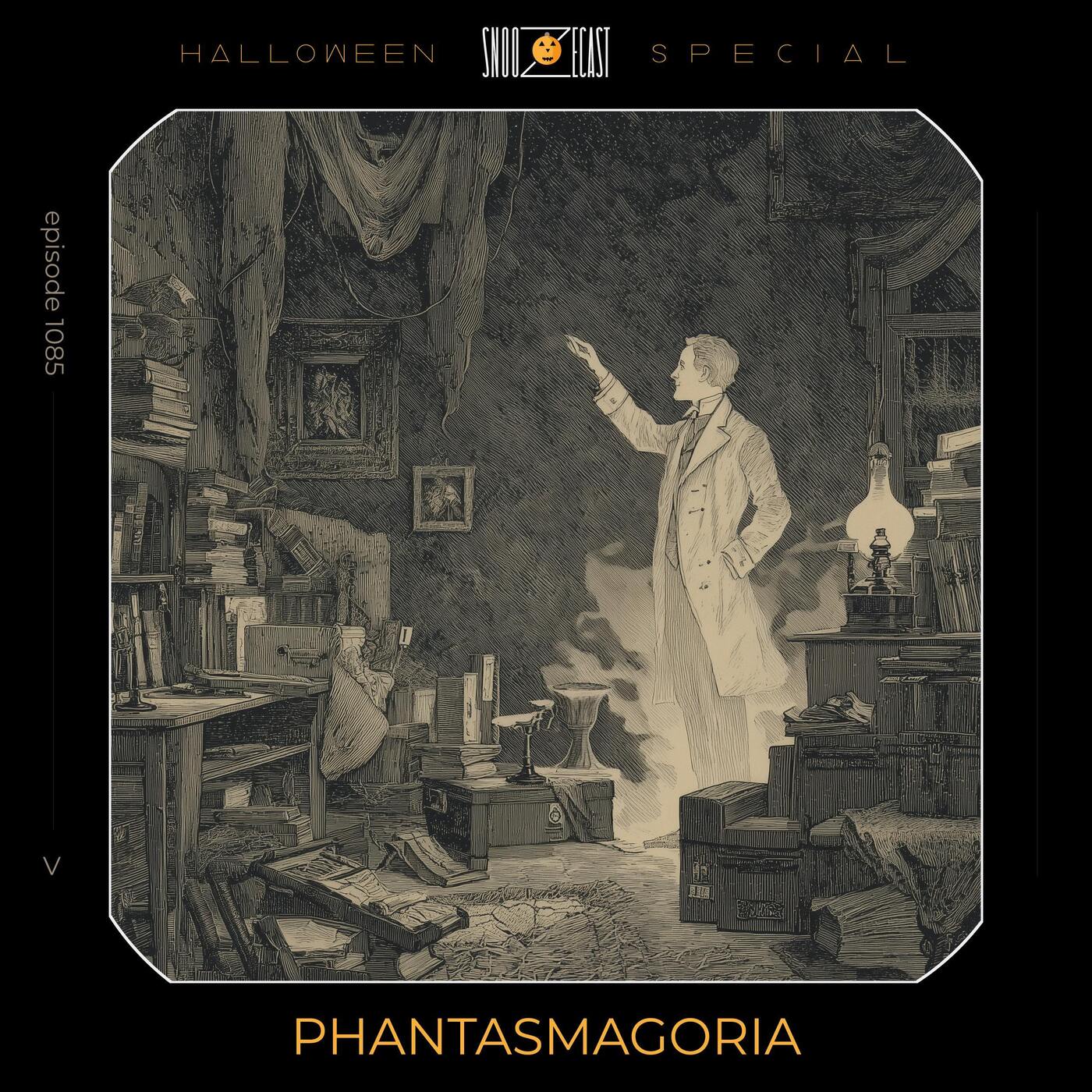
Phantasmagoria
Tonight, for our next Spooky Sleep Story, we’ll read Phantasmagoria, a narrative poem by Lewis Carroll first published in 1869. A polite Ghost drops in after midnight and proceeds to instruct his puzzled host in the finer points of spectral etiquette.
Each October we bring back Snoozecast’s Spooky Stories Series—now in its seventh year—our annual run of classics with a candlelit vibe: gh
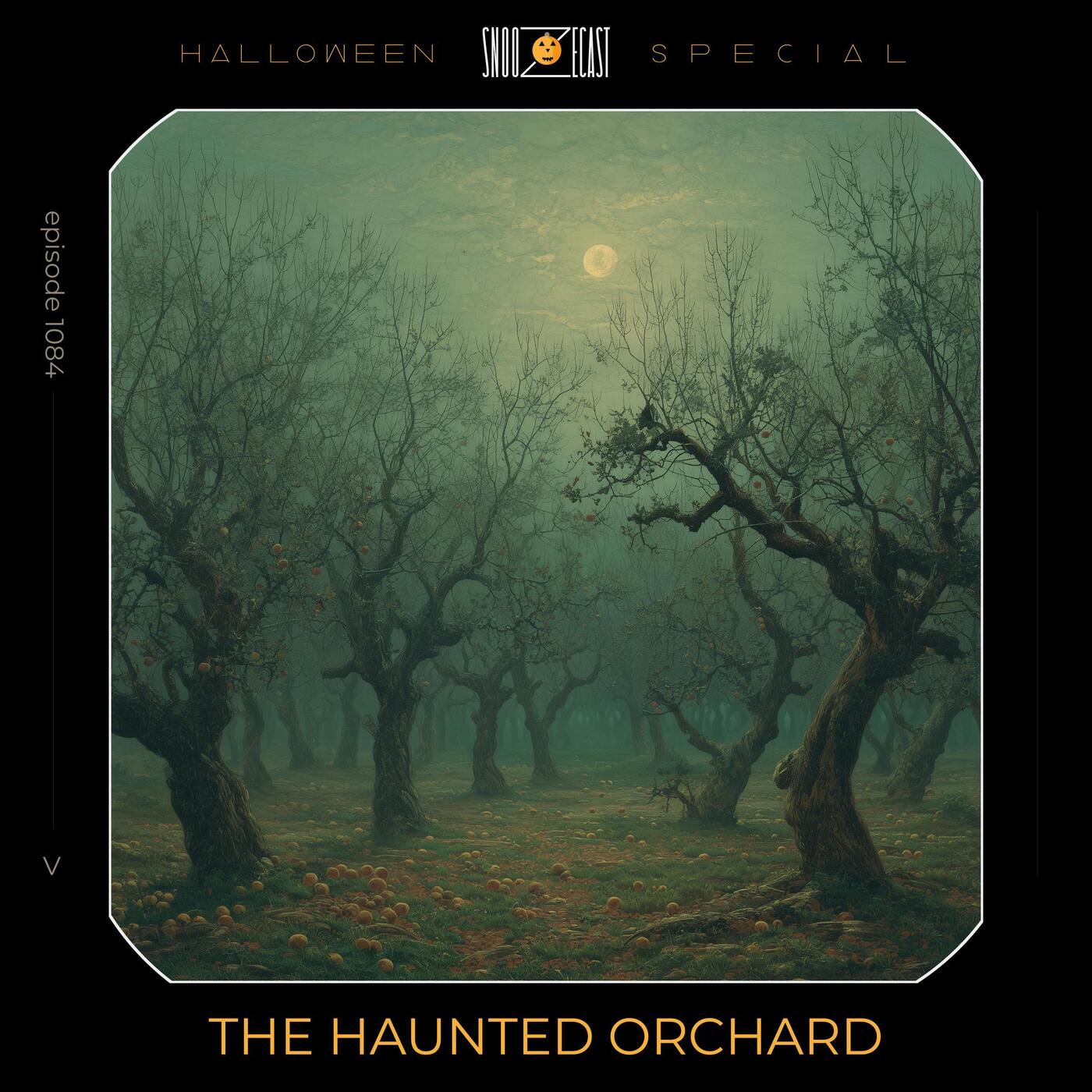
The Haunted Orchard
Tonight, as part of Snoozecast's seventh annual spooky sleep story series, we’ll read “The Haunted Orchard” written by British author Richard Le Gallienne and published in 1912.
Each October, our Spooky Stories Series features classic tales that are more atmosphere than fright, all candlelight and creaking floorboards. In this one, a quiet country house and its untended orchard hold a l
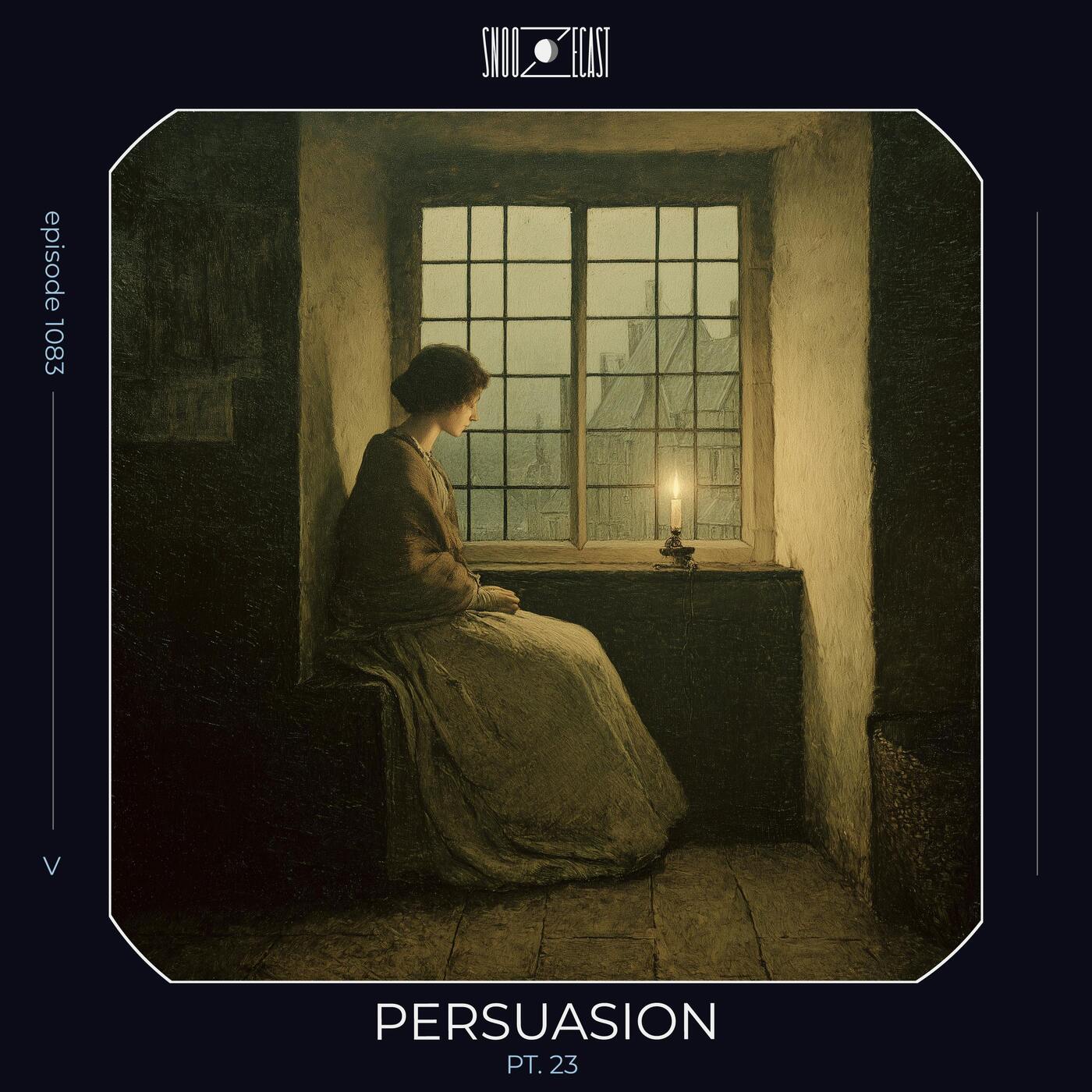
Persuasion pt. 23
Tonight, we shall read the next part to Persuasion, the last novel fully completed by Jane Austen, and published in 1817. The story concerns Anne Elliot, an Englishwoman whose family moves in order to lower their expenses, by renting their home to an Admiral and his wife.In the last episode, Anne visits her old school friend Mrs. Smith in Westgate-buildings. Though Mrs. Smith lives in pov
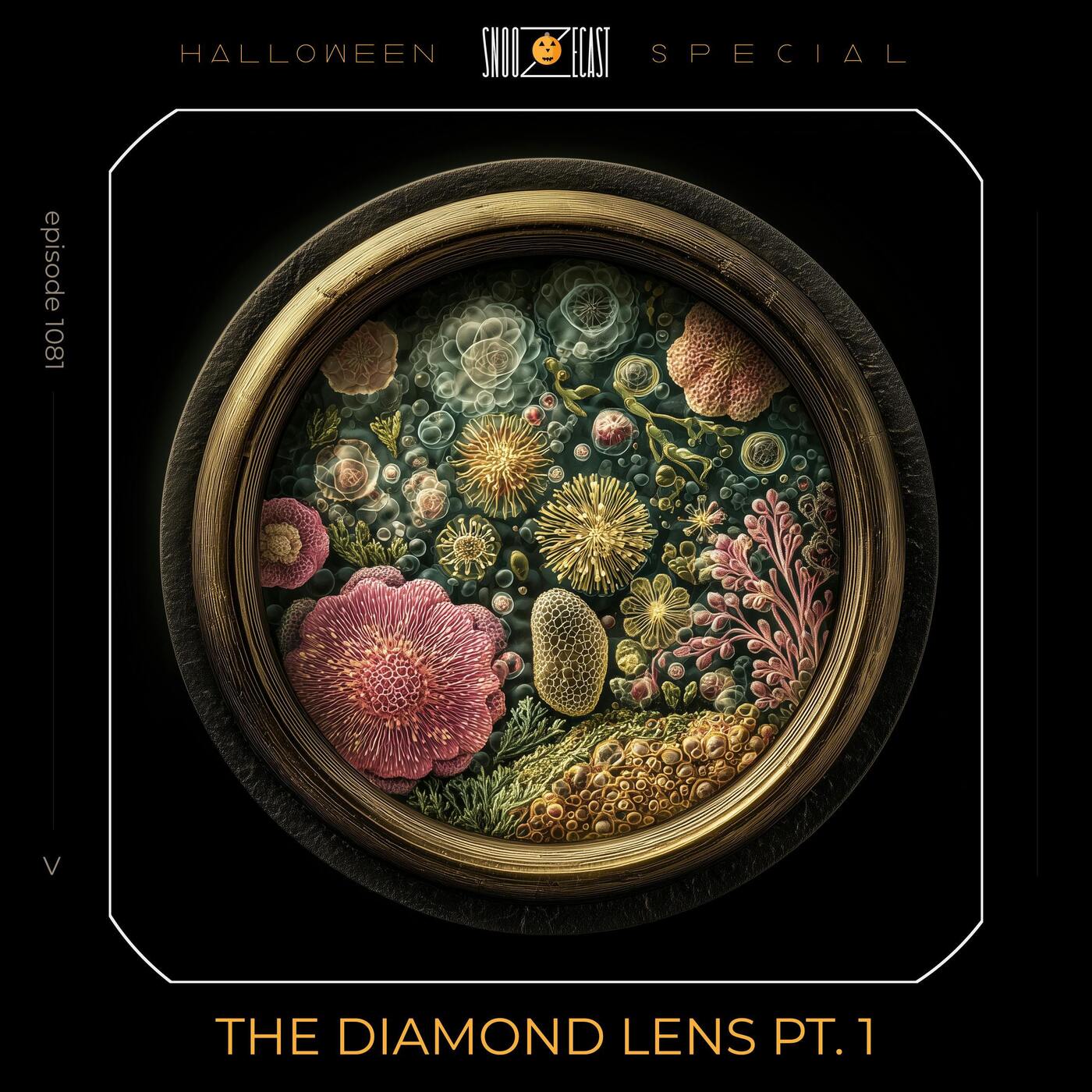
The Diamond Lens pt. 1
Tonight, as we are beginning the month that ends with Halloween, we’ll read the first half of “The Diamond Lens”, a short story by Fitz James O’Brien first published in 1858.Every October, Snoozecast features our Spooky Stories Series—tales with a spectral or uncanny quality, meant to set a certain mood, without keeping you awake. This marks our seventh year of SSS, and we’re beginning wi
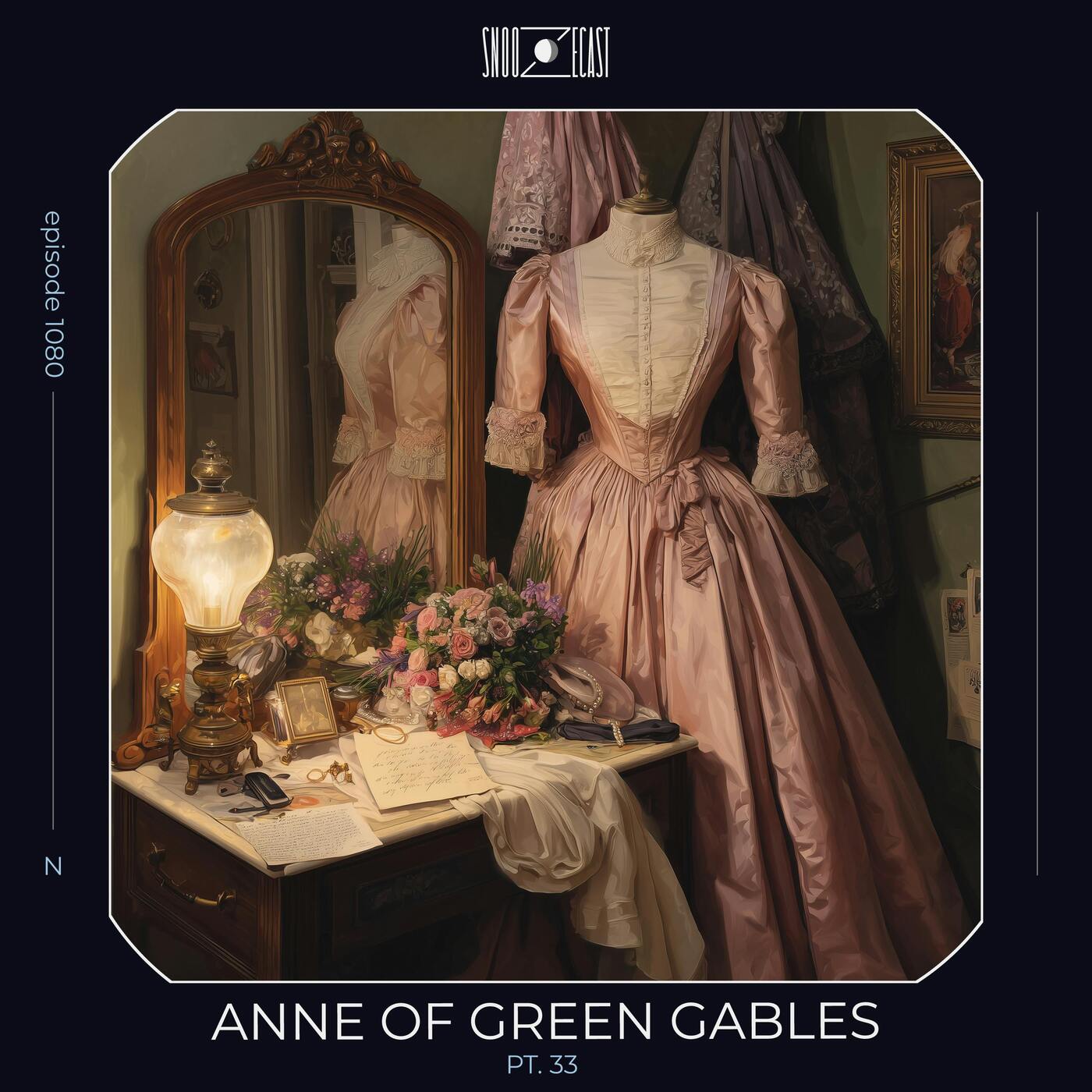
Anne of Green Gables pt. 33
Tonight, we’ll read the 33rd chapter of “Anne of Green Gables”, the classic 1908 novel by Lucy Maud Montgomery. This chapter is titled “The Hotel Concert”
In the last episode, Anne anxiously awaits the results of the Queen’s entrance examinations along with her friends. When the list is finally published, it reveals that Anne has come in first among all the candidates on the Island, with
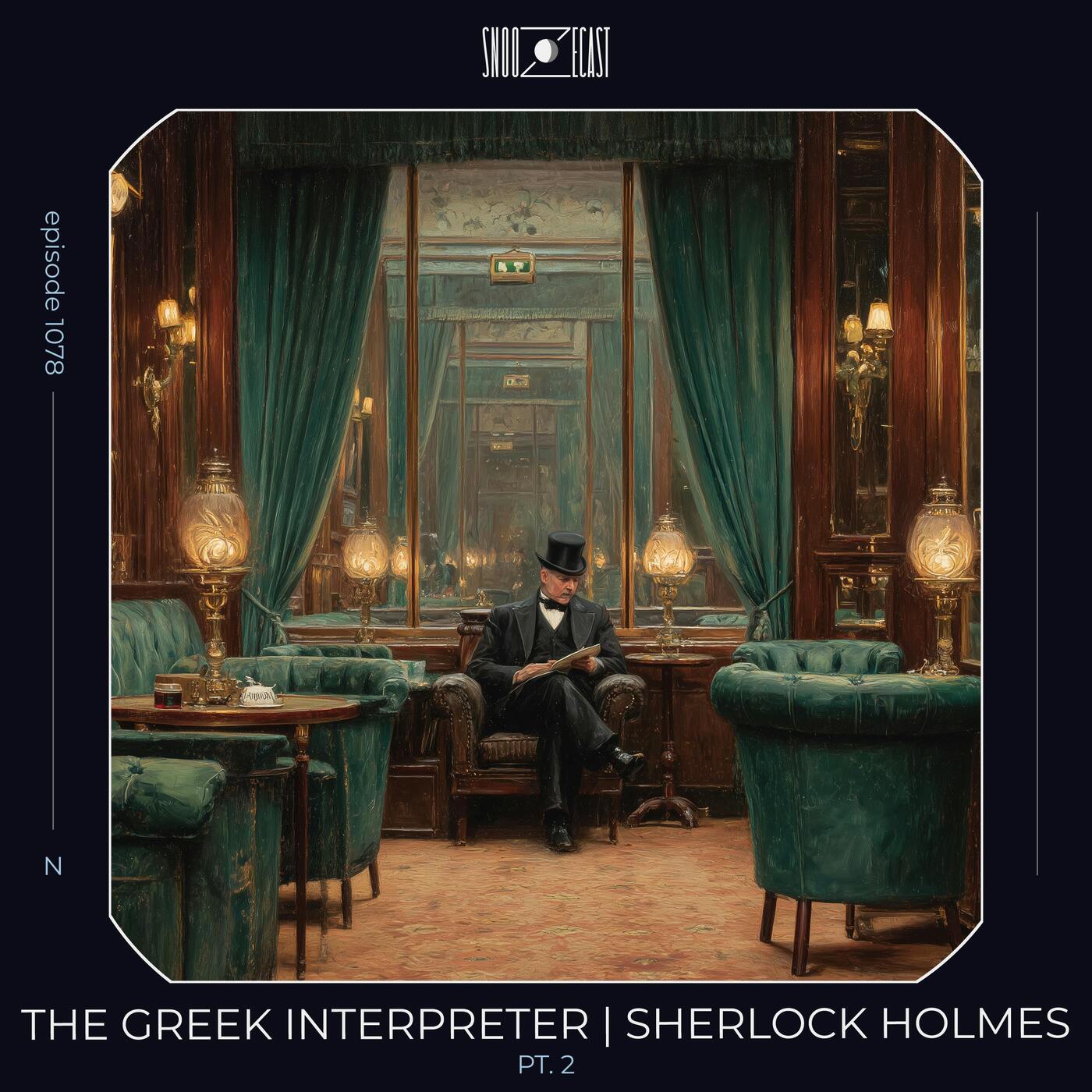
The Greek Interpreter pt. 2 | Sherlock Holmes
Tonight, we’ll read the second half of "The Adventure of the Greek Interpreter," one of the 56 Sherlock Holmes short stories written by Sir Arthur Conan Doyle. The first half aired last week.
In this tale, we were introduced to Sherlock’s elder brother, Mycroft—whose deductive gifts may surpass even Sherlock’s, though he lacks the drive to apply them in the field. Mycroft brings Holmes i
The Greek Interpreter pt. 1 | Sherlock Holmes
Tonight, we’ll read the first half to "The Adventure of the Greek Interpreter", written by Sir Arthur Conan Doyle. It is one of 12 stories in the cycle collected as “The Memoirs of Sherlock Holmes”.
Out of all 56 Sherlock stories, Doyle ranked "The Greek Interpreter" seventeenth in a list of his nineteen favorites. This tale is especially notable for introducing us to Sherlock Holmes’s o
Good Wives ch. 23
Tonight, we’ll read the next chapter of “Good Wives” written by Louisa May Alcott titled “Under the Umbrella”. This is also known as the second half of the “Little Women” novel and is considered the 46th chapter as part of that work as a whole.
In our last chapter, “Daisy and Demi,” Meg’s twins become the delight of the March household. Meg devotes herself to their care, while John takes
The Story of Jewels
Tonight, we’ll read about the history of jewelry around the world, from Jewels and the Woman written by Marianne Ostier and published in 1958.
Ostier was the principal designer and artistic driving force behind Ostier Inc., the New York jewelry firm she founded in 1941 with her husband, Oliver. Marianne was an accomplished painter and sculptor before her marriage, while Oliver came from

All About Gemstones
Tonight, we’ll read all about gemstones from the book Jewels and the Woman, written by Marianne Ostier and published in 1958.
Marianne Ostier was not only an author but also a celebrated jewelry designer in mid-20th century New York. Along with her husband, she ran a renowned atelier that catered to an international clientele, including film stars, royalty, and collectors. Her training a
The House at Pooh Corner pt. 10 Finale
Tonight, we’ll complete the 1928 children's book by A. A. Milne “The House at Pooh Corner” with the last section titled “IN WHICH Christopher Robin and Pooh Come to an Enchanted Place and We Leave Them There”.
In the last episode, Owl’s house had blown down, so Rabbit sent everyone searching for a new one while Pooh tried to make up a song about it, which turned instead into a long hum p
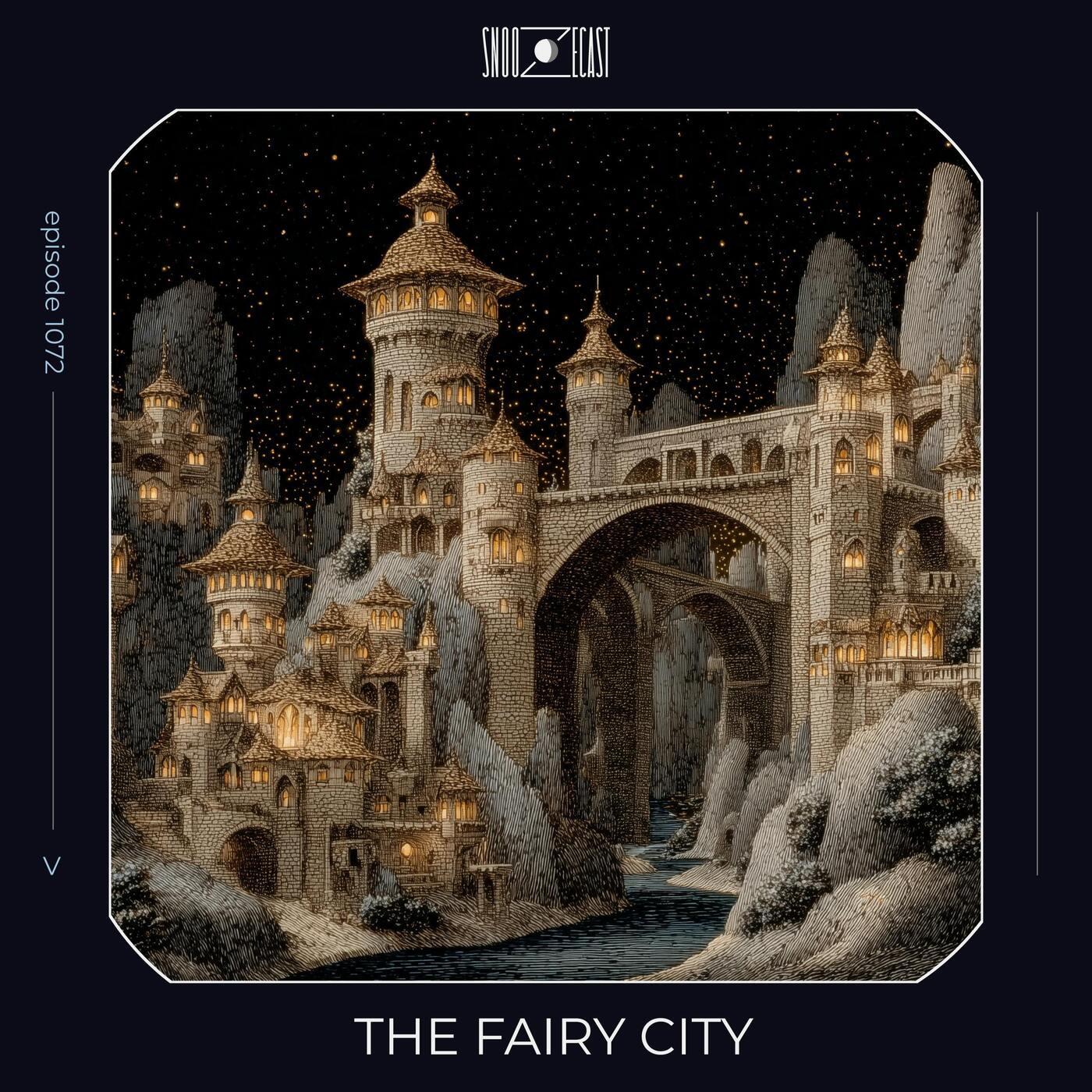
The Fairy City
Tonight we’ll read another Australian fairy tale called “The Fairy City” written by Hume Cook and published in 1925. This story can stand independently on its own, or as a follow up to "The Magic Well" episode that we aired last week.
James Newton Haxton Hume Cook, the author, was an Australian politician who served in Parliament for almost a decade. Beyond his political career, he wrote
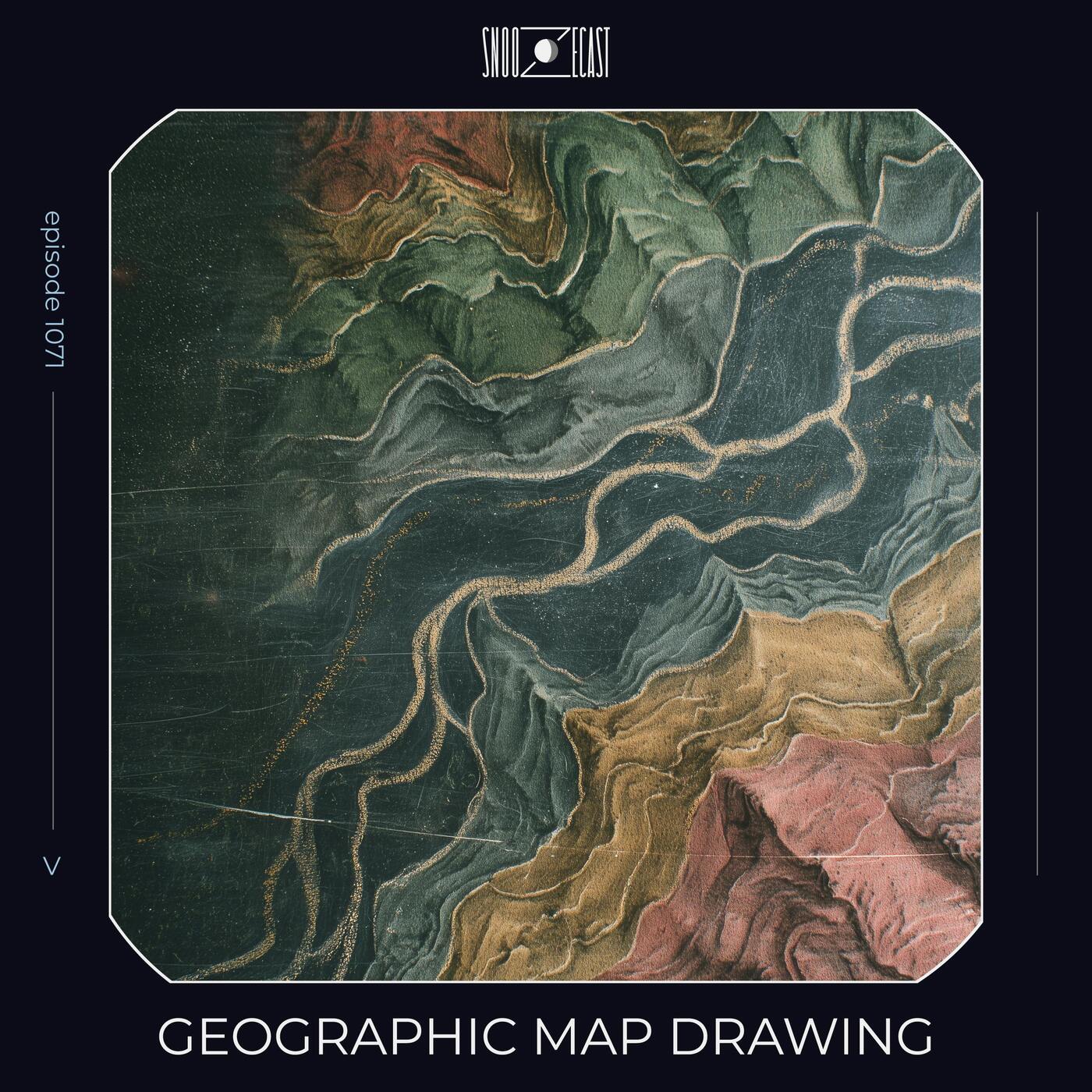
Geographic Map Drawing
Tonight, we’ll read from “Lessons in Chalk Modeling, the New Method of Map Drawing” written by Ida Cassa Heffron and published in 1900.
At the turn of the twentieth century, education was undergoing rapid changes. Teachers sought creative ways to engage students in subjects that were often taught by rote memorization. Geography, in particular, was considered a cornerstone of a well-round
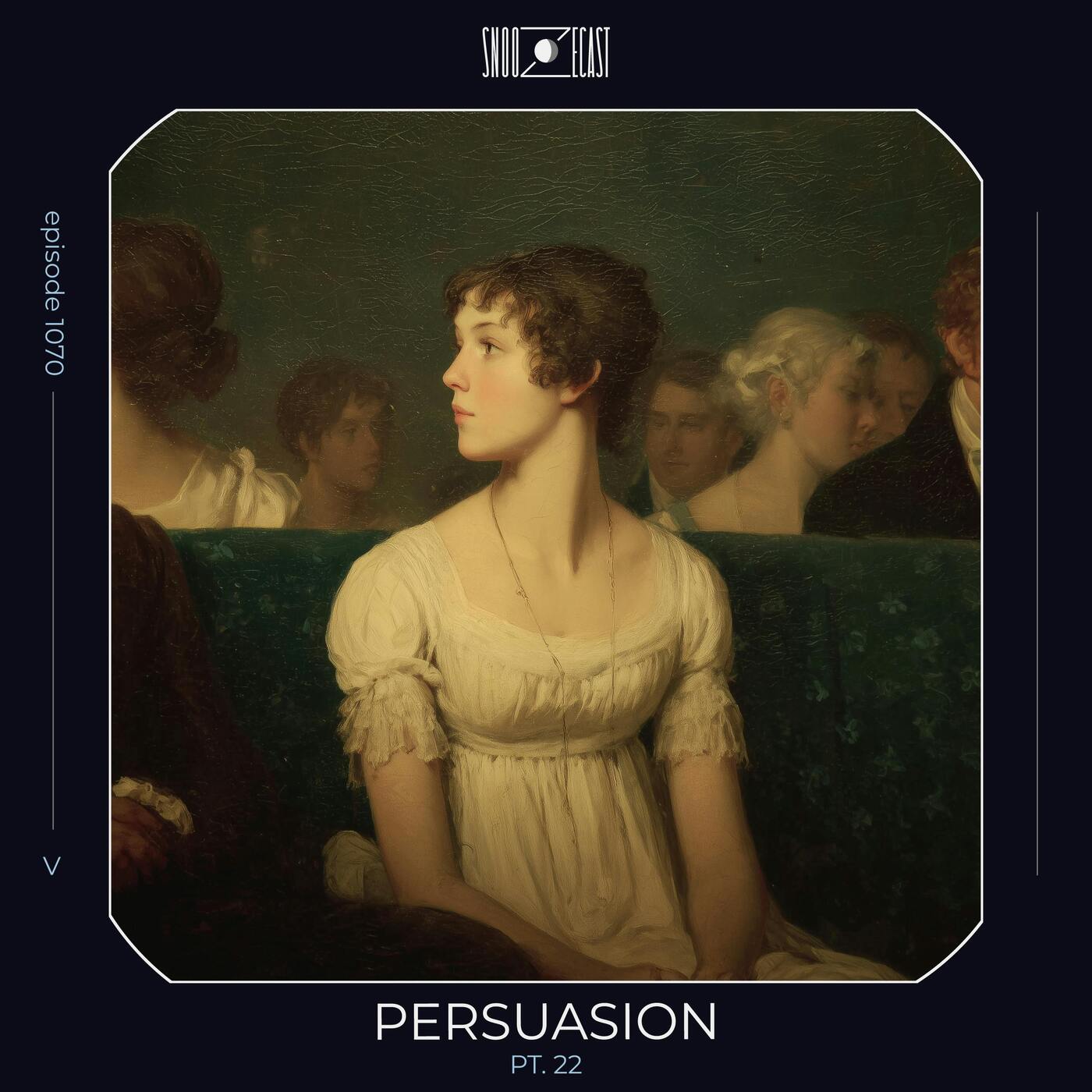
Persuasion pt. 22
Tonight, we shall read the next part to Persuasion, the last novel fully completed by Jane Austen, and published in 1817. The story concerns Anne Elliot, an Englishwoman whose family moves in order to lower their expenses, by renting their home to an Admiral and his wife.
Austen began writing Persuasion in 1815, during a period of declining health, yet the novel’s style shows a maturity
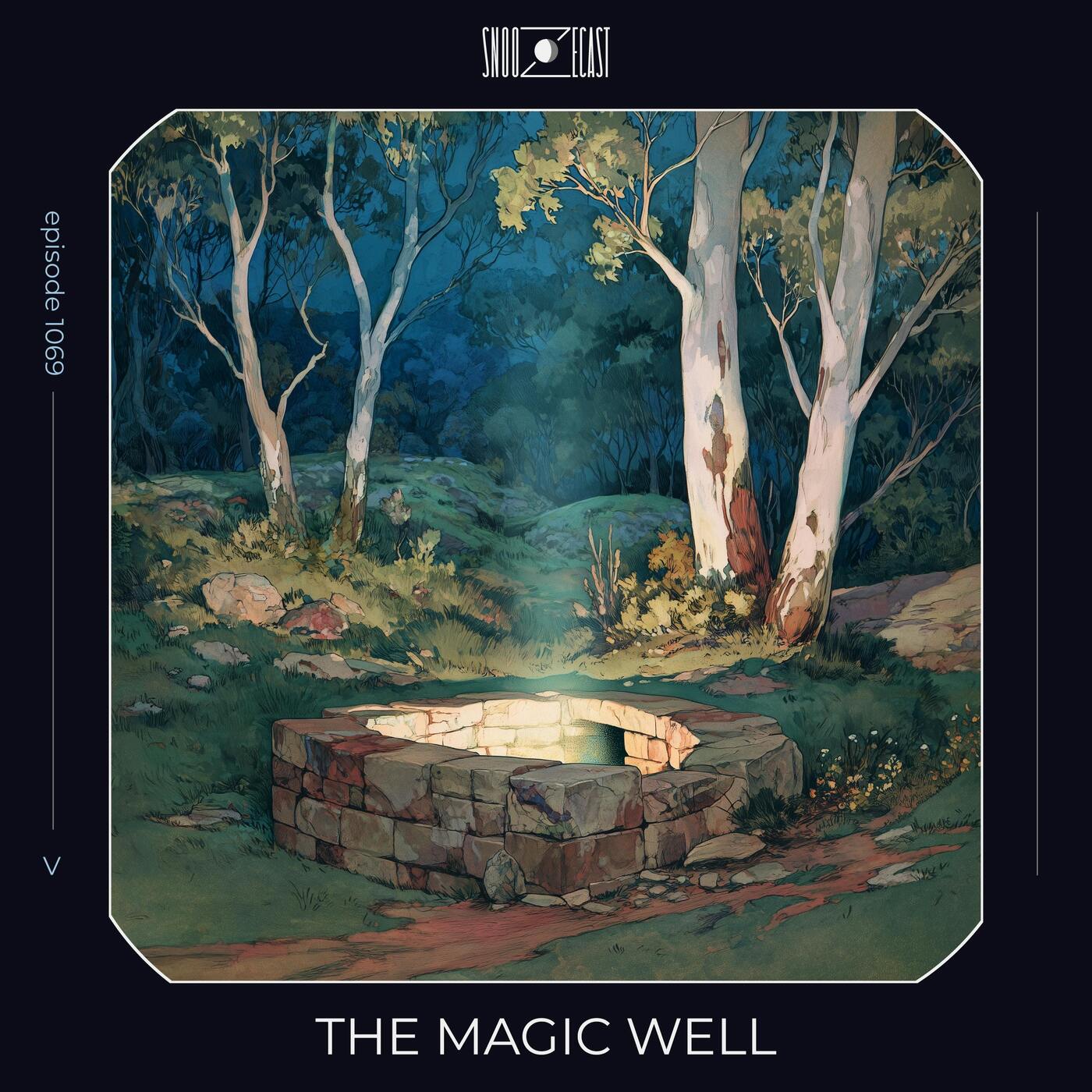
The Magic Well
Tonight we’ll read an Australian fairy tale called “The Magic Well” written by Hume Cook and published in 1925.
Hume Cook was a politician as well as a writer, serving as a member of Australia’s Parliament at the turn of the twentieth century. Beyond politics, he had a lifelong fondness for storytelling, and eventually wrote down the tales he had invented for his three children. The resu
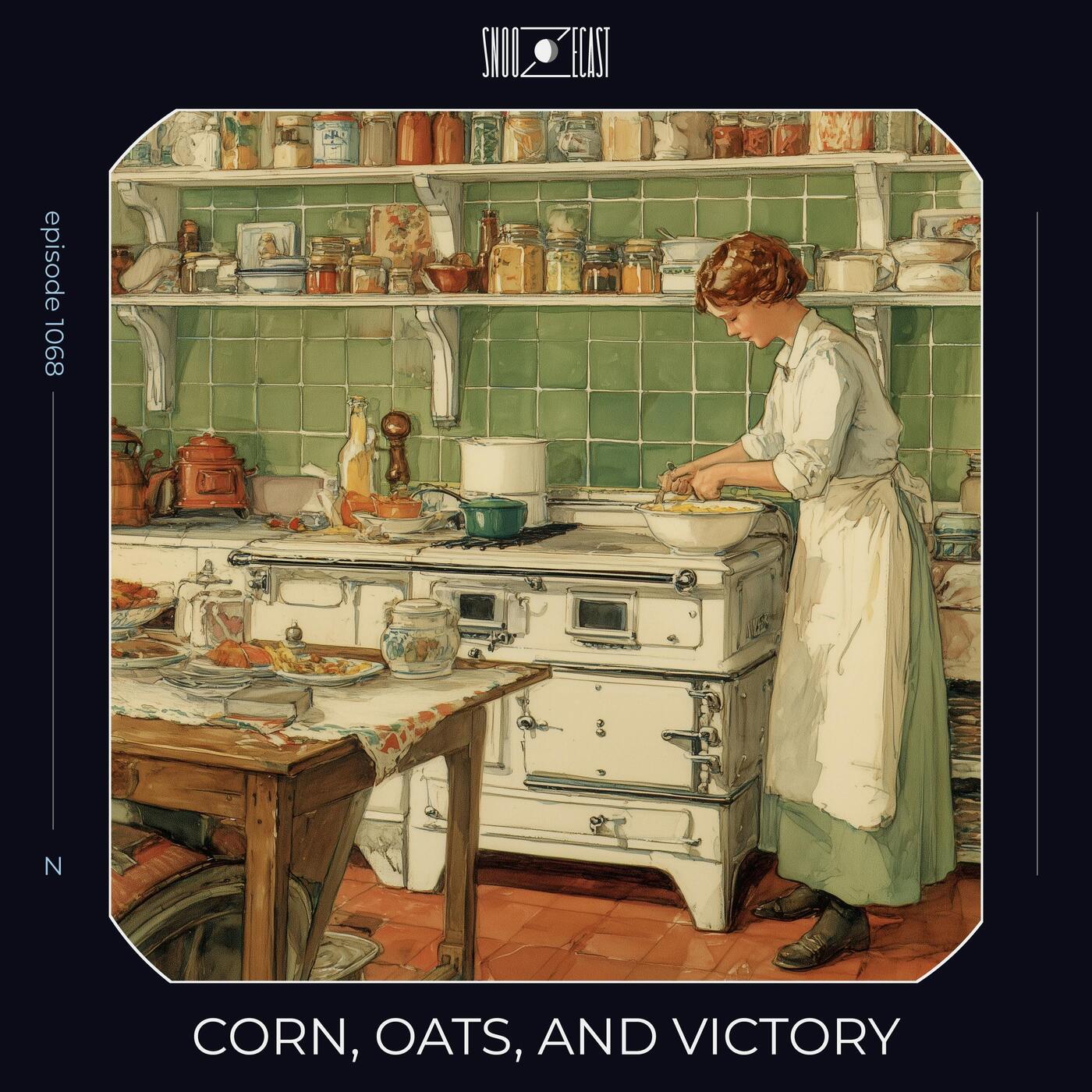
Corn, Oats, and Victory
Tonight, we’ll read about cooking alternatives to wheat, from the 1918 pamphlet “Foods That Will Win the War”.
Although the United States did not have food rationing in World War I as it did in World War II, it did rely heavily on propaganda campaigns at the time to persuade people to curb their food consumption.
Pamphlets like this one were part of a vast public education effort. Recipes
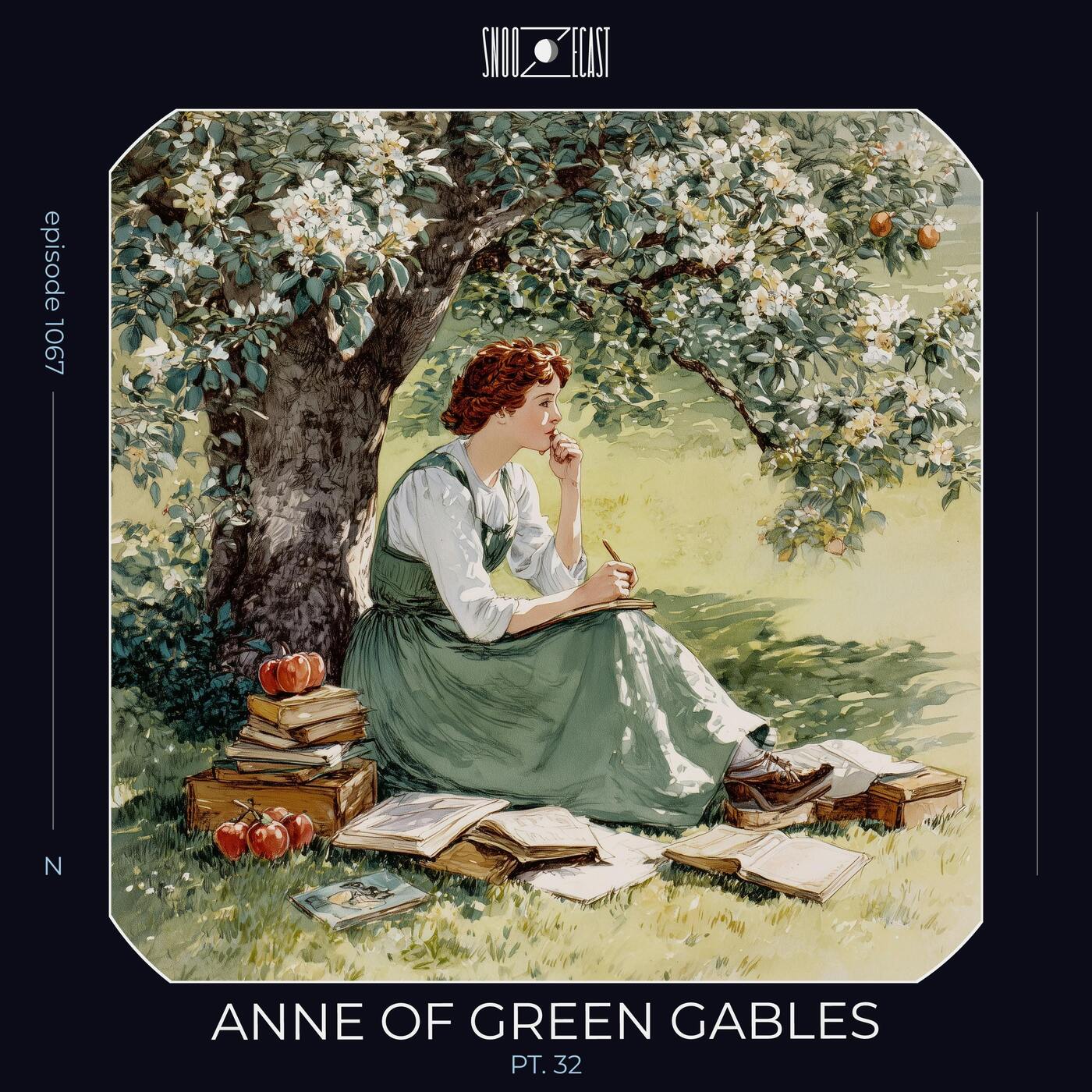
Anne of Green Gables pt. 32
Tonight, we’ll read the 32nd chapter of “Anne of Green Gables”, the classic 1908 novel by Lucy Maud Montgomery. This chapter is titled “The Pass List is Out”
In the last episode, Anne spent a carefree summer outdoors with Diana, as per the doctor’s advice for her health. The time in the fresh air left her revived and eager for the new school year. As autumn arrived, she threw herself int
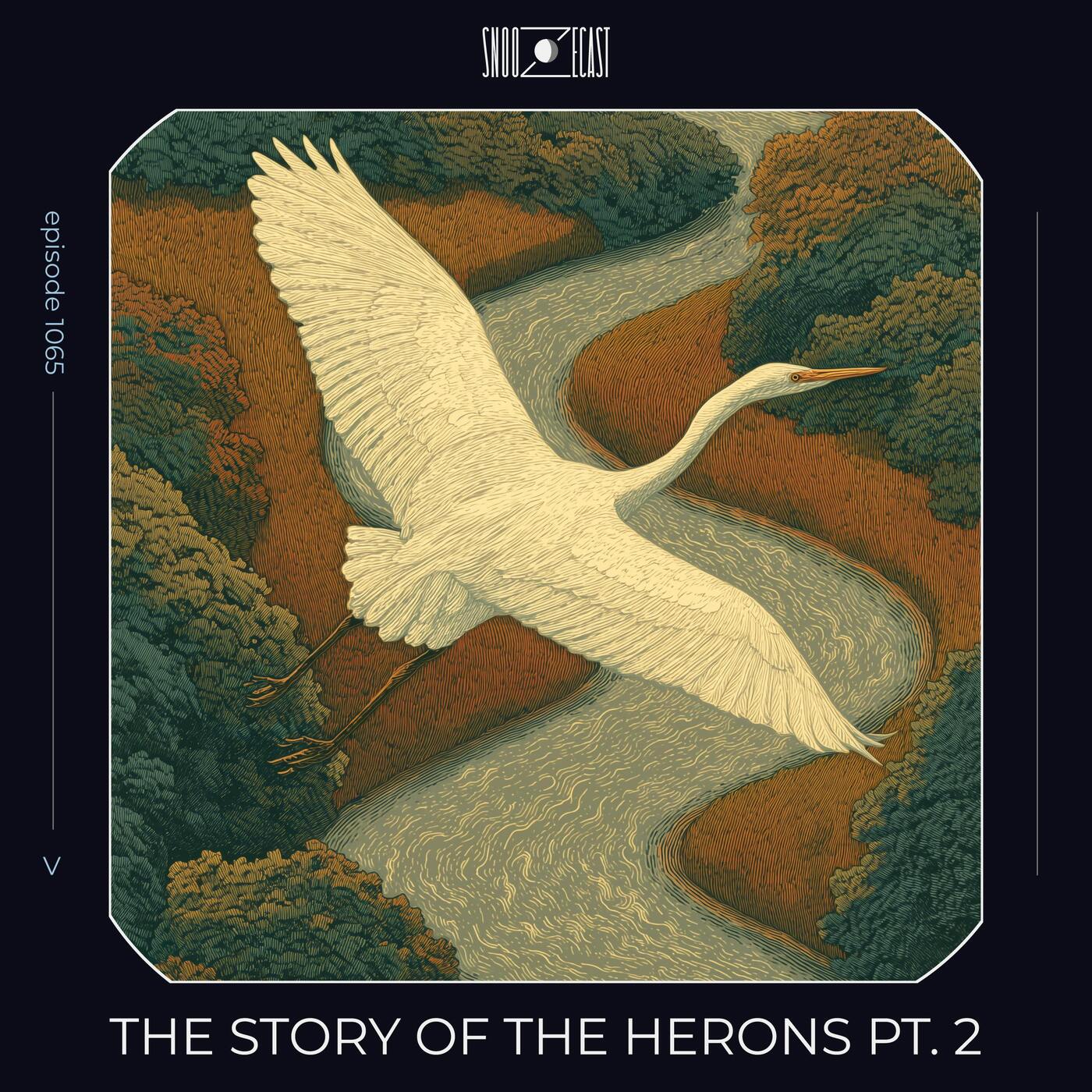
The Story of the Herons pt. 2
Tonight, we’ll read the second half of “The Story of the Herons,” from a collection titled Moonshine and Clover written by Laurence Housman and published in 1922. The first half aired last week.
In the previous episode, a princess was placed under a peculiar curse—destined to fall in love at first sight with whatever creature she saw. To protect her, her parents kept her hidden from the
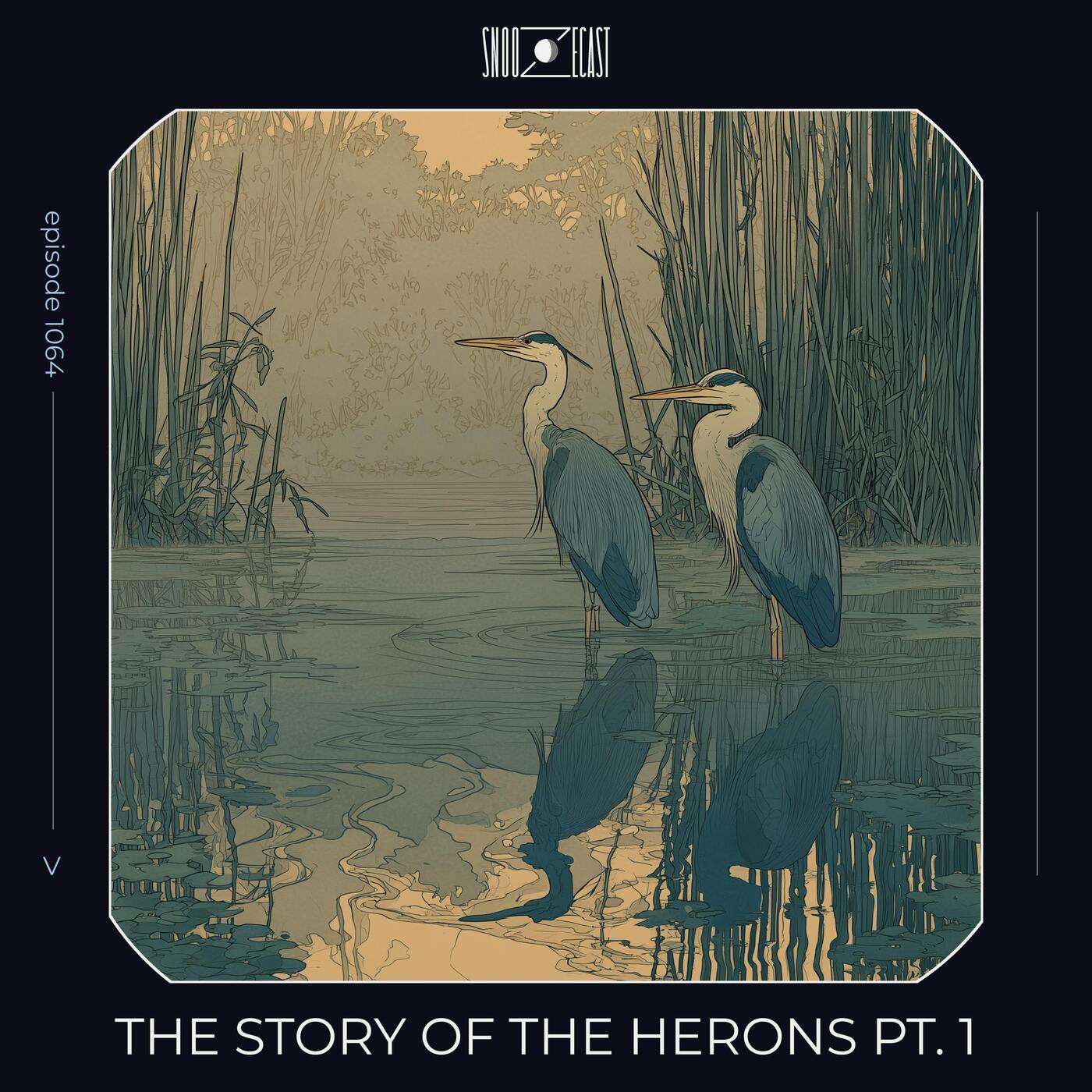
The Story of the Herons pt. 1
Tonight, we’ll read the first half to “The Story of the Herons,” from a collection titled Moonshine and Clover written by Laurence Housman and published in 1922. The second half will air in our next episode.
In addition to his fiction and poetry, Housman was a committed activist, championing both women’s suffrage and the acceptance of gay people in society. His work often blended lyrical
Good Wives ch. 22
Tonight, we’ll read the next chapter of “Good Wives” written by Louisa May Alcott titled “My Lord and Lady”. This is also known as the second half of the “Little Women” novel and is considered the 45th chapter as part of that work as a whole.
In our last chapter, Laurie visits the March home with Amy, and the newlyweds share lighthearted banter with Jo and Mrs. March. Laurie reveals h
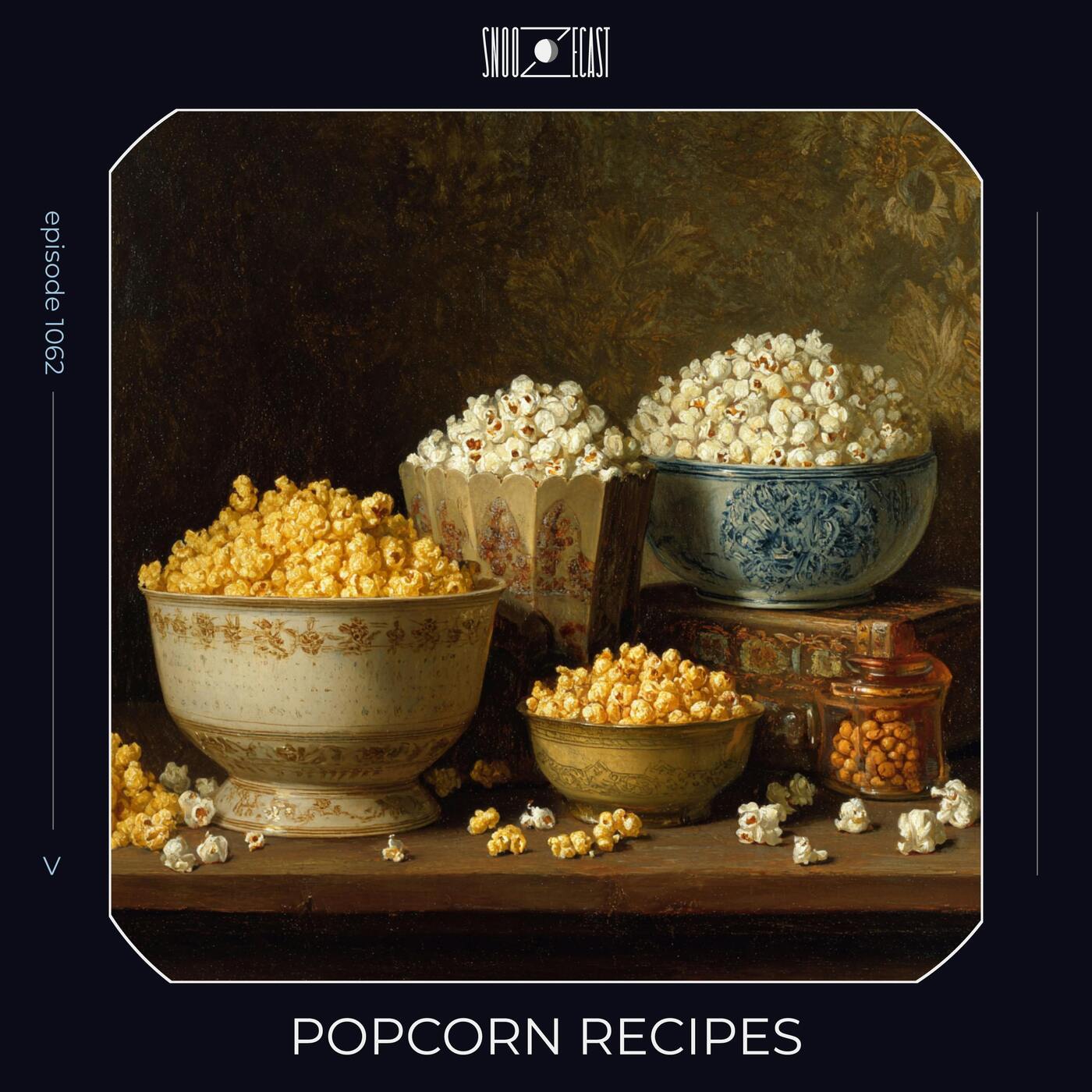
Popcorn Recipes
Tonight, we’ll read “Pop Corn Recipes” by Mary Hamilton Talbott, published in 1916.
Corn was domesticated about 10,000 years ago, in what is now Mexico. Archaeologists discovered that people have known about popcorn for thousands of years. Fossil evidence from Peru suggests that corn was popped as early as 4,700 BC.
Through the 19th century, popping of the kernels was achieved by hand
Tales of the Setting Sun
Tonight, we’ll read the opening fairy tale from The Descent of the Sun: A Cycle of Birth published in 1903. This book was purportedly translated from unidentified Sanskrit manuscripts by F. W. Bain. More likely, the stories were only inspired by ancient Hindu myths.
Bain, a British academic and translator, presented his works as delicate artifacts from the East, complete with ornate intr
Persuasion pt. 21
Tonight, we shall read the next part to “Persuasion”, the last novel fully completed by Jane Austen, and published in 1817. The story concerns Anne Elliot, an Englishwoman whose family moves in order to lower their expenses, by renting their home to an Admiral and his wife.
In the last episode, Anne navigates Bath’s tightly woven social circuits—frequenting parties and strolling the str
Numeration
Tonight, we’ll read from Elements of Arithmetic, written by Augustus De Morgan and first published in 1846.
De Morgan was a pioneering British mathematician and logician, remembered not only for his clear explanations but also for his sharp wit. He introduced the world to what we now call De Morgan’s Laws in logic, and was the first to formally define and use the term “mathematical induc
Violin Making
Tonight, we’ll read about selecting wood from “Violin Making” written by Walter H. Mayson and published in 1909.
The modern violin first appeared in 16th-century Italy, evolving from earlier bowed string instruments like the medieval rebec and Renaissance viol. Over time, it became both a tool of virtuosity and an object of cultural symbolism, equally at home in a grand concert hall or a
The House at Pooh Corner pt. 9
Tonight, we’ll continue the 1928 children's book by A. A. Milne “The House at Pooh Corner” with the second-to-last chapter, titled “In Which Eeyore Finds the Wolery and Owl Moves Into It.”
In the last episode, Pooh and Piglet set out on a blustery autumn day to visit friends, deciding they would wish everyone a “Very Happy Thursday.” After stopping at several homes, they fought through t

At the Bay
Tonight, we’ll read the opening to the short story “At the Bay” written by Katherine Mansfield, published in 1922.
Mansfield was a New Zealand writer, widely considered one of the most influential and important authors of the modernist movement. Her works are celebrated across the world, and have been published in 25 languages.
Her prose is often described as impressionistic, capturing
Sleep and Poetry | Keats
Tonight, we’ll read poems by John Keats starting with one titled “Sleep and Poetry.”
John Keats’ work is a cornerstone of English Romantic poetry, rich with symbolism, sensual detail, and allusions to Greek and Roman myth as well as romanticised tales of chivalry. His verse overflows with vivid imagery—nightingales, Grecian urns, moonlit fields—while also contemplating beauty, truth, and
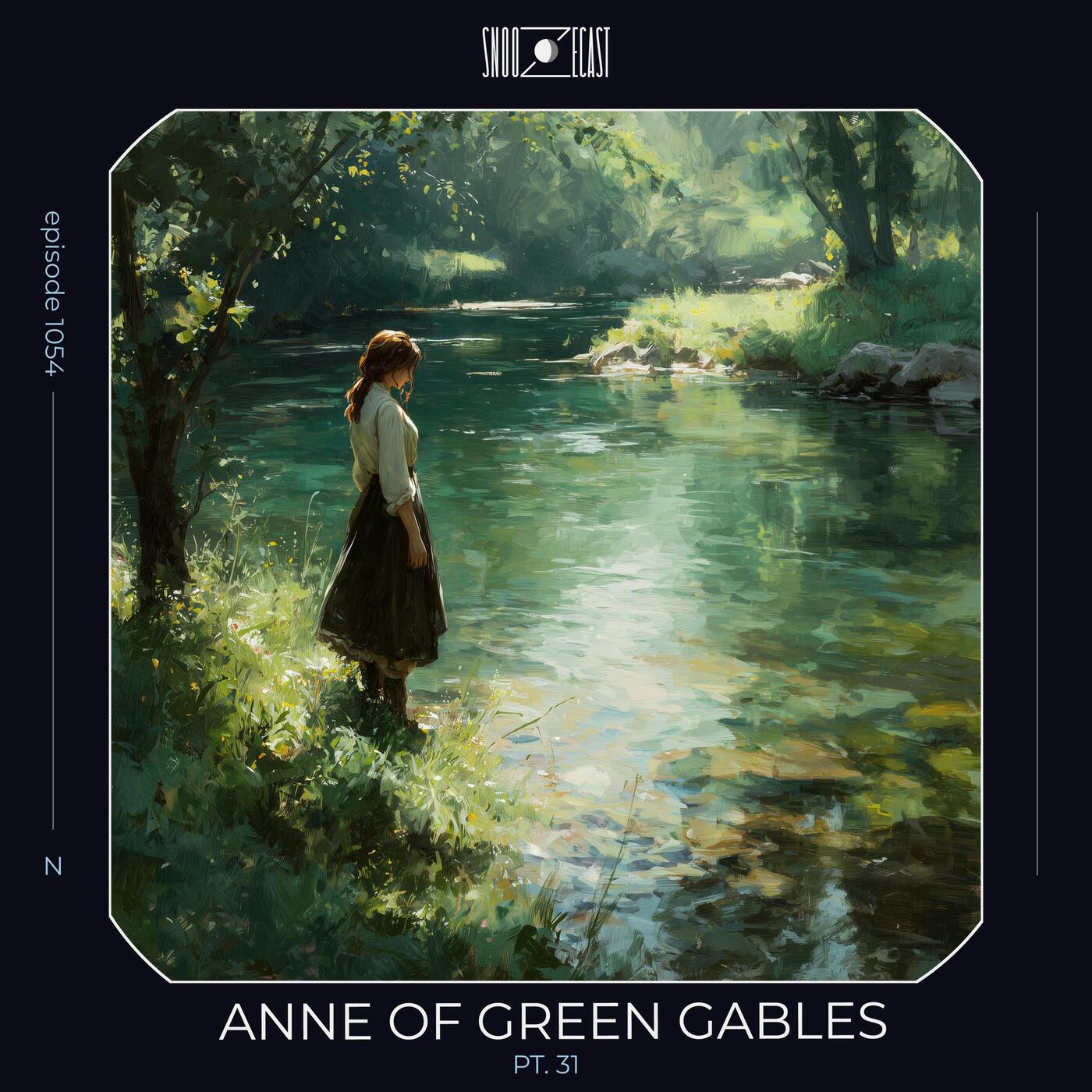
Anne of Green Gables pt. 31
Tonight, we’ll read the 31st chapter of “Anne of Green Gables”, the classic 1908 novel by Lucy Maud Montgomery. This chapter is titled “Where the Brook and River Meet”
In the last episode, The Queen’s Class Is Organized, Anne’s dream of becoming a teacher begins to take shape when Miss Stacy invites her to join a special class preparing for entrance exams to Queen’s Academy. Marilla, tho
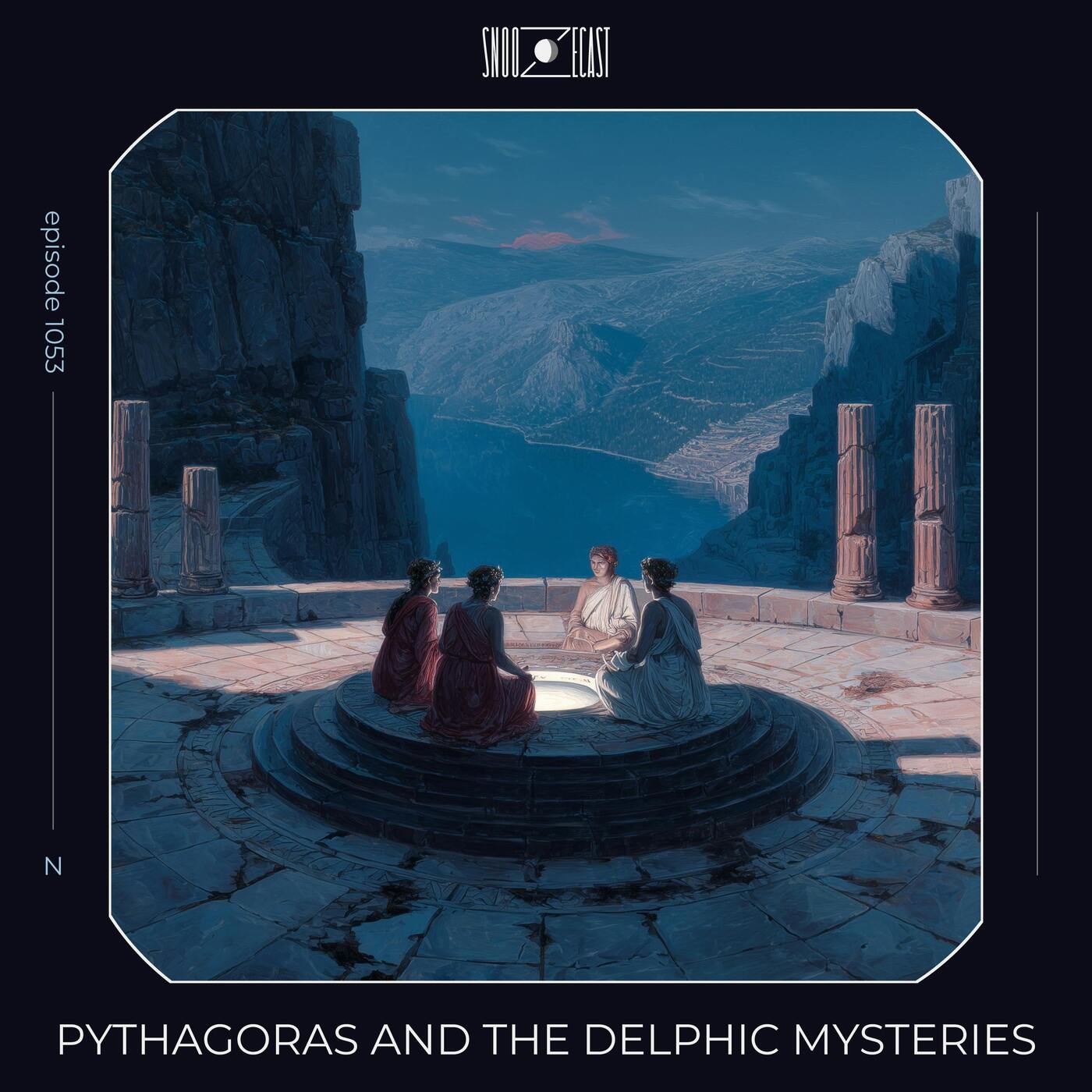
Pythagoras and the Delphic Mysteries
Tonight, we’ll read from Pythagoras and the Delphic Mysteries, written by Édouard Schuré and published in English in 1909.
This work is part of Schuré’s larger cycle The Great Initiates, which presents the lives and teachings of spiritual figures like Krishna, Hermes, Orpheus, Plato, and Jesus through a blend of historical research and philosophical interpretation. In this volume, Schuré
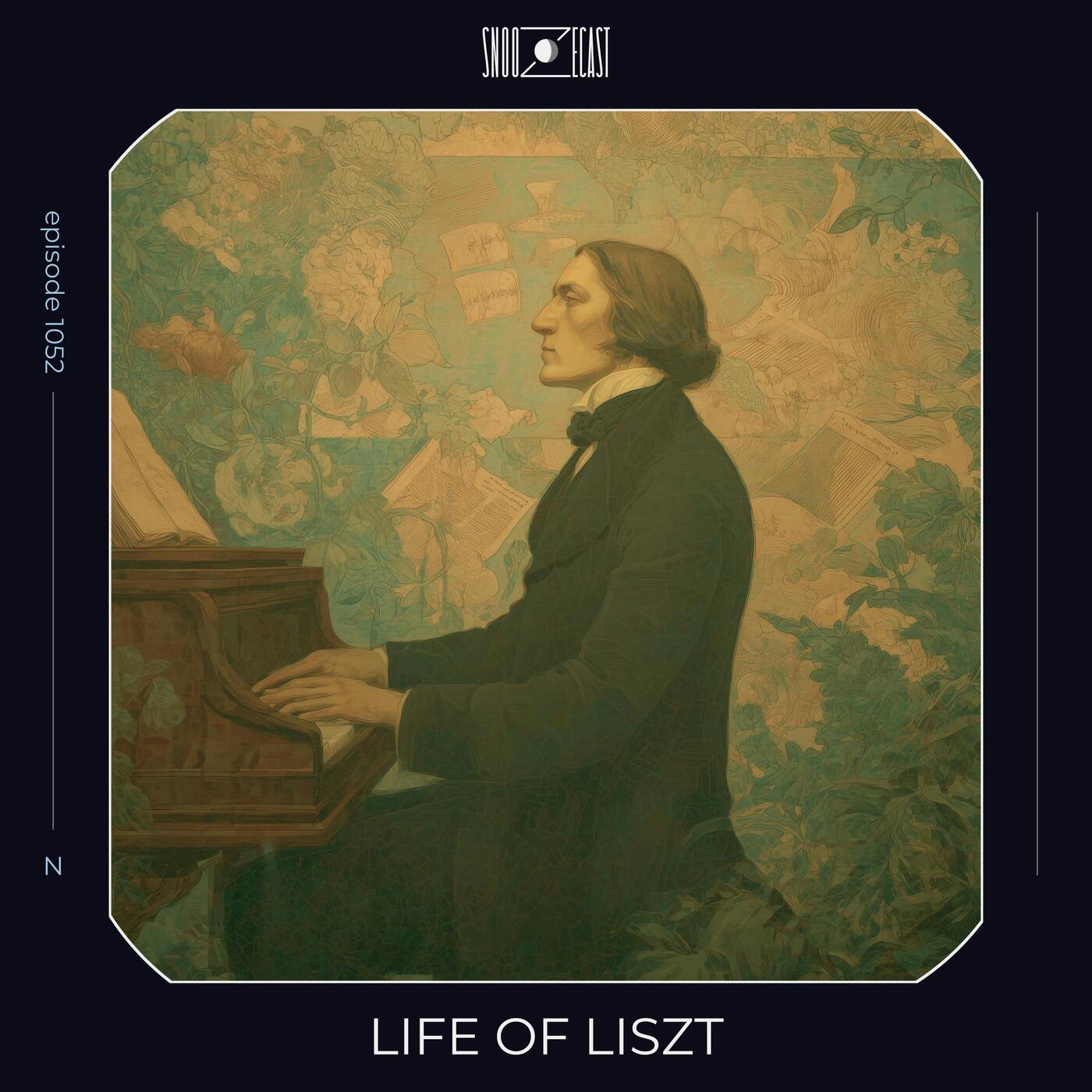
Life of Liszt
Tonight, we’ll read about the musical genius Franz Liszt as a child piano prodigy from the book “Life of Liszt” written by Ludwig Nohl.
Liszt was a Hungarian composer, pianist and teacher of the Romantic era. He gained renown during the early nineteenth century for his virtuoso skill as a pianist.
Since he often appeared three or four times a week in concert, it could be safe to assume
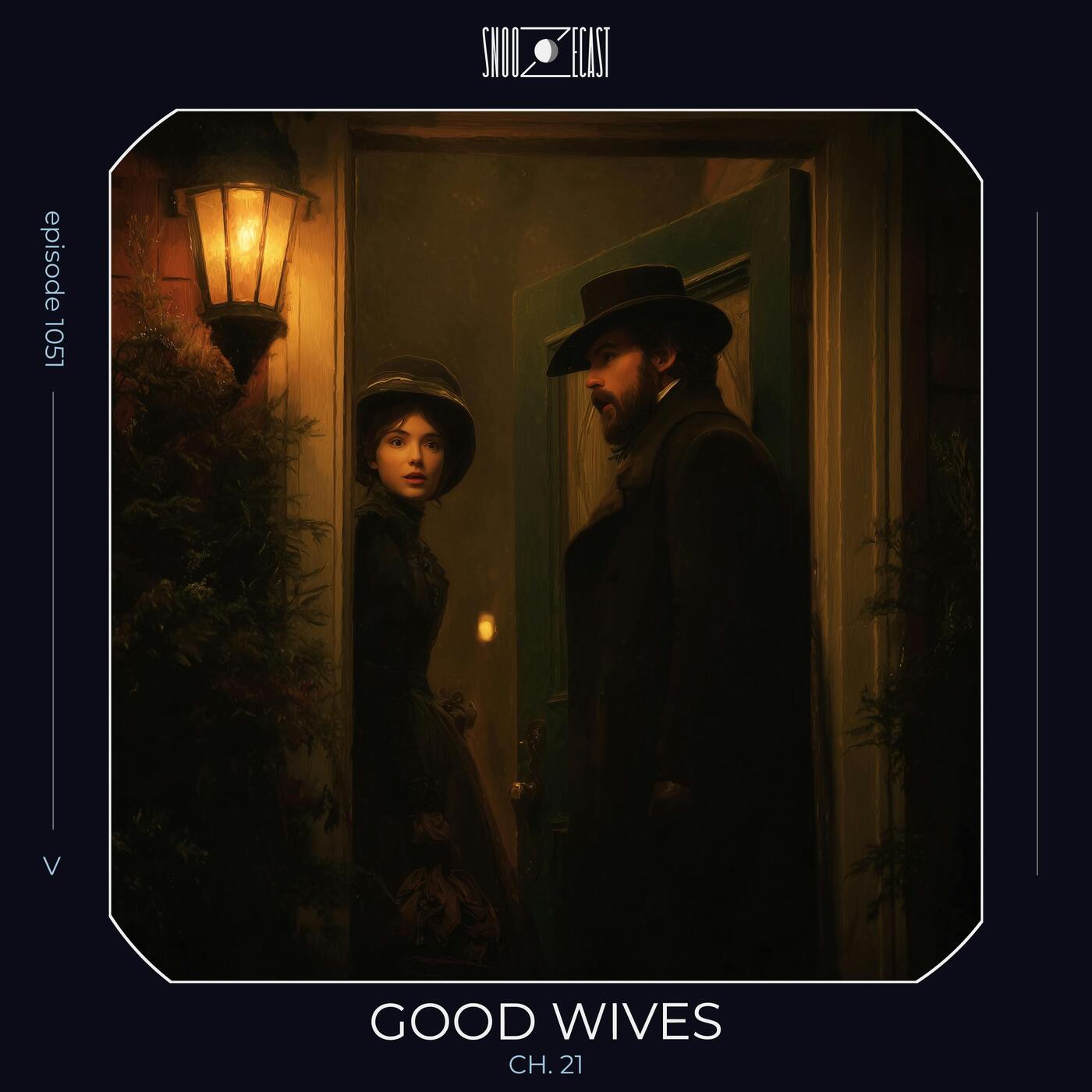
Good Wives ch. 21
Tonight, we’ll read the next chapter of “Good Wives” written by Louisa May Alcott titled “My Lord and Lady”. This is also known as the second half of the “Little Women” novel and is considered the 44th chapter as part of that work as a whole.
In our last chapter, Jo, feeling somewhat alone amid her family’s celebration of Amy’s return, is surprised by the unexpected arrival of Professor
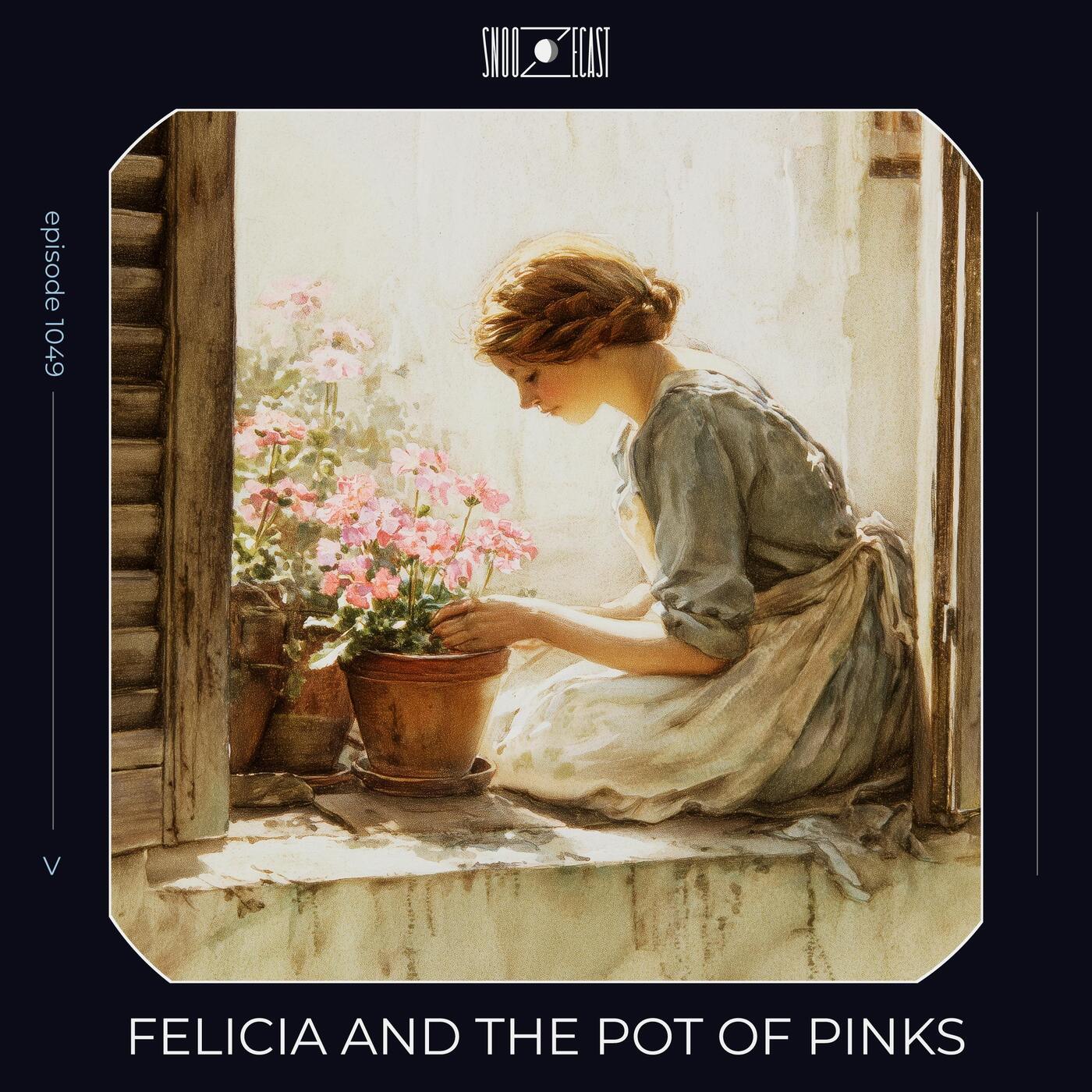
Felicia and the Pot of Pinks
Tonight, we’ll read the fairy tale “Felicia and the Pot of Pinks” written by Madame d’Aulnoy and found in the Blue Fairy Book edited by Andrew Lang.
The “pot of pinks” in this story refers to a type of dianthus flower known as “garden pinks.” Its name is not due to the color pink but rather to the serrated edges of the petals, which look like they were cut with pinking shears. In fact, t
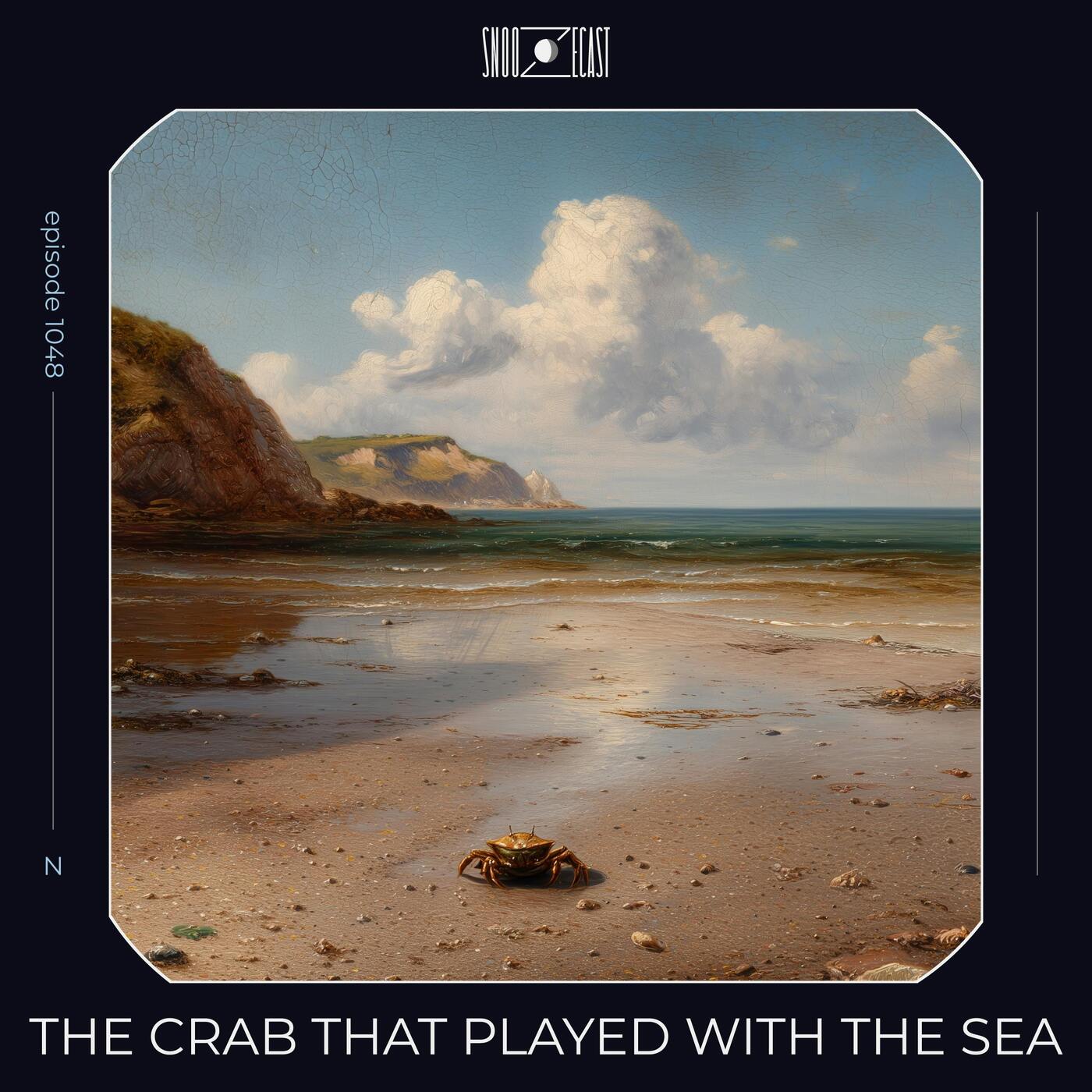
The Crab that Played with the Sea
Tonight, we’ll read a story from “Just So Stories” by British author Rudyard Kipling published in 1902 titled “The Crab That Played with the Sea”.
The book is a collection of origin stories. Kipling began working on the book by telling the first three chapters as bedtime stories to his daughter Josephine. These had to be told "just so" (exactly in the words she was used to) or she would
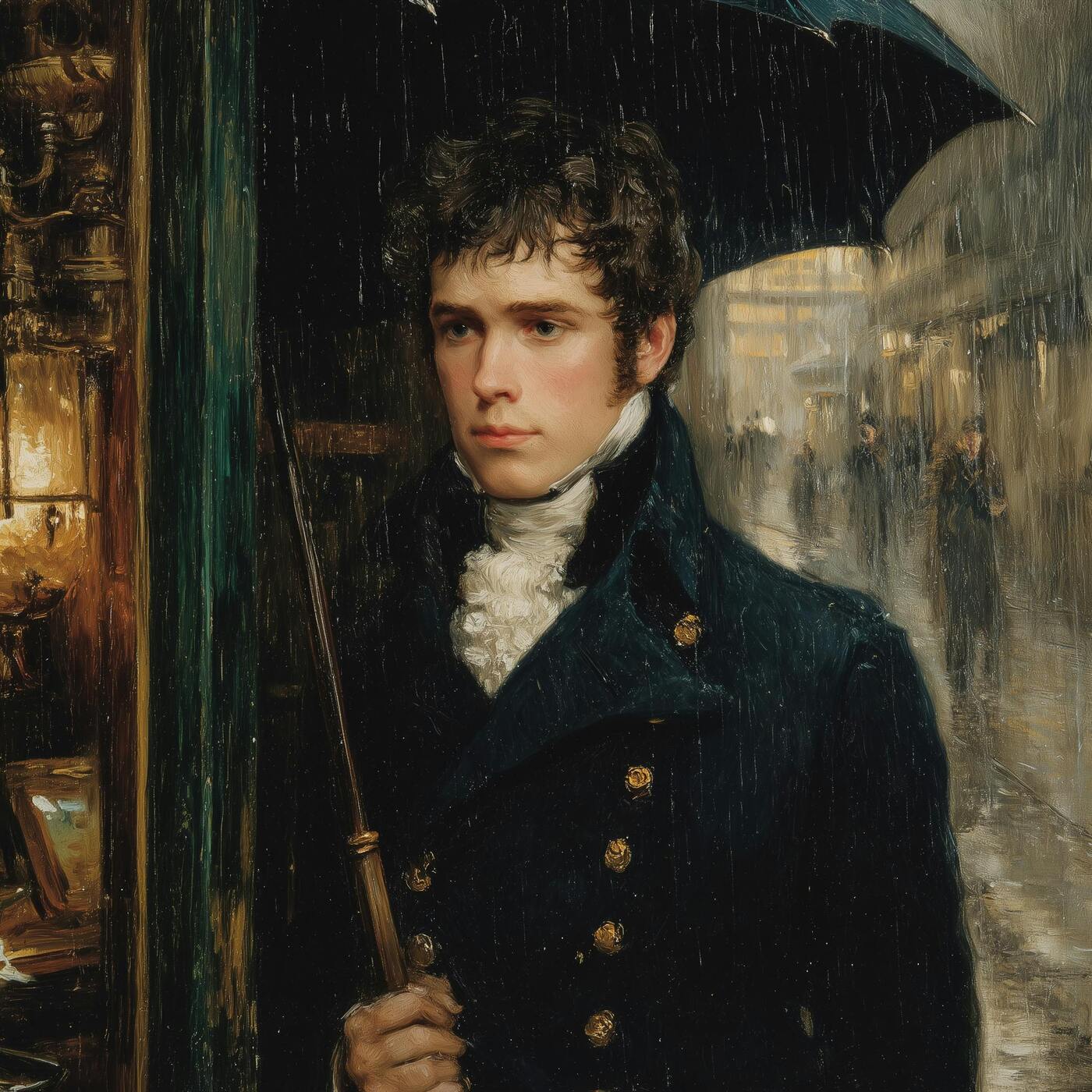
Persuasion pt. 20
Tonight, we shall read the next part to “Persuasion”, the last novel fully completed by Jane Austen, and published in 1817. The story concerns Anne Elliot, an Englishwoman whose family moves in order to lower their expenses, by renting their home to an Admiral and his wife. In the last episode, Anne unexpectedly encounters Admiral Croft while walking alone in Bath. She finds him cheerfull
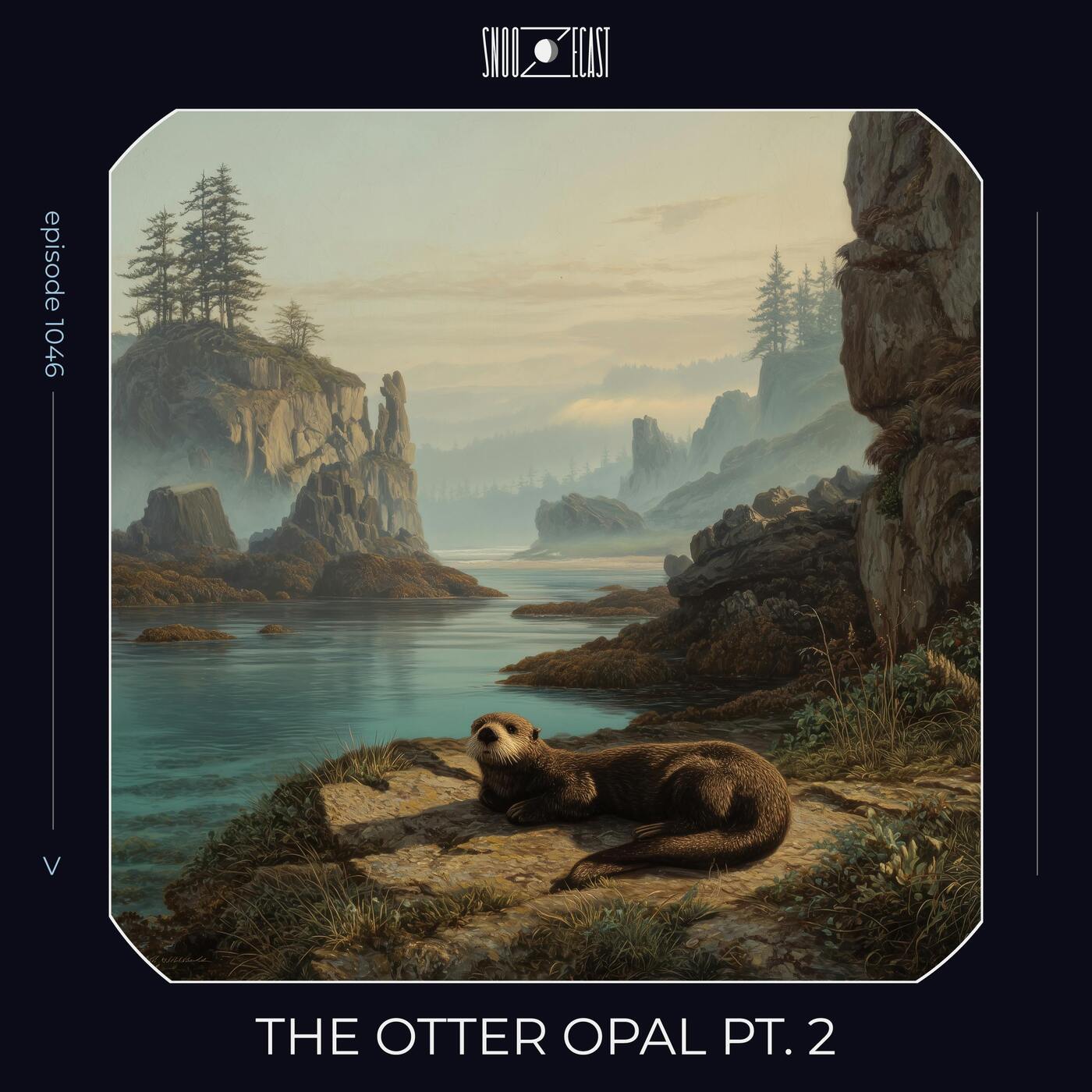
The Otter Opal pt. 2
Tonight, we’ll read the second half to “The Otter Opal”, a Snoozecast original. The first half aired in the last episode, where we met two sea otters as they floated above the kelp forest. Their days are spent sleeping, eating, napping, playing and racing. Tumma excels at all activities, except for the swim races.
We also learn that sea otters often have a favorite stone that they keep

The Otter Opal pt. 1
Tonight, we’ll read the first half to “The Otter Opal”, a Snoozecast original. The second half will air in the next episode.
In this story, we shall meet two sea otters named Tumma and Nutsnm as they float above the kelp forest. The story is set along a coastline that feels quietly enchanted, where breaching whales appear like punctuation and the sea’s rhythm gently matches the internal
The House at Pooh Corner pt. 8
Learn more about your ad choices. Visit megaphone.fm/adchoicesSee Privacy Policy at https://art19.com/privacy and California Privacy Notice at https://art19.com/privacy#do-not-sell-my-info.
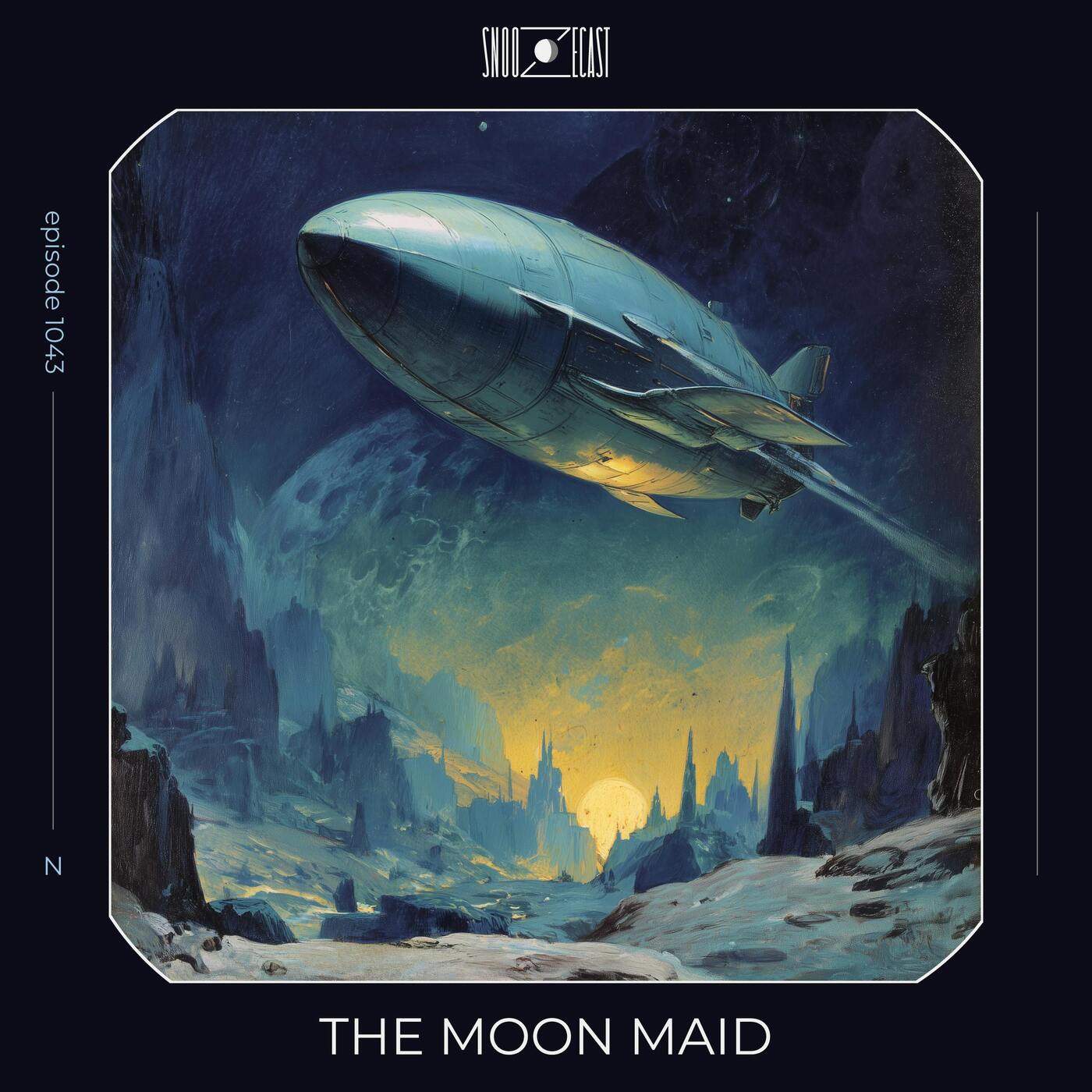
The Moon Maid
Tonight, we’ll read the opening to “The Moon Maid”, a fantasy novel written by Edgar Rice Burroughs and published in 1926.
This novel constitutes a future history, and in it Burroughs' vision of what the 20th century held in store for humanity, which could be considered a kind of retroactive alternate history. In Burroughs's vision, in 1967 the planetary rulers send a first manned spacecr
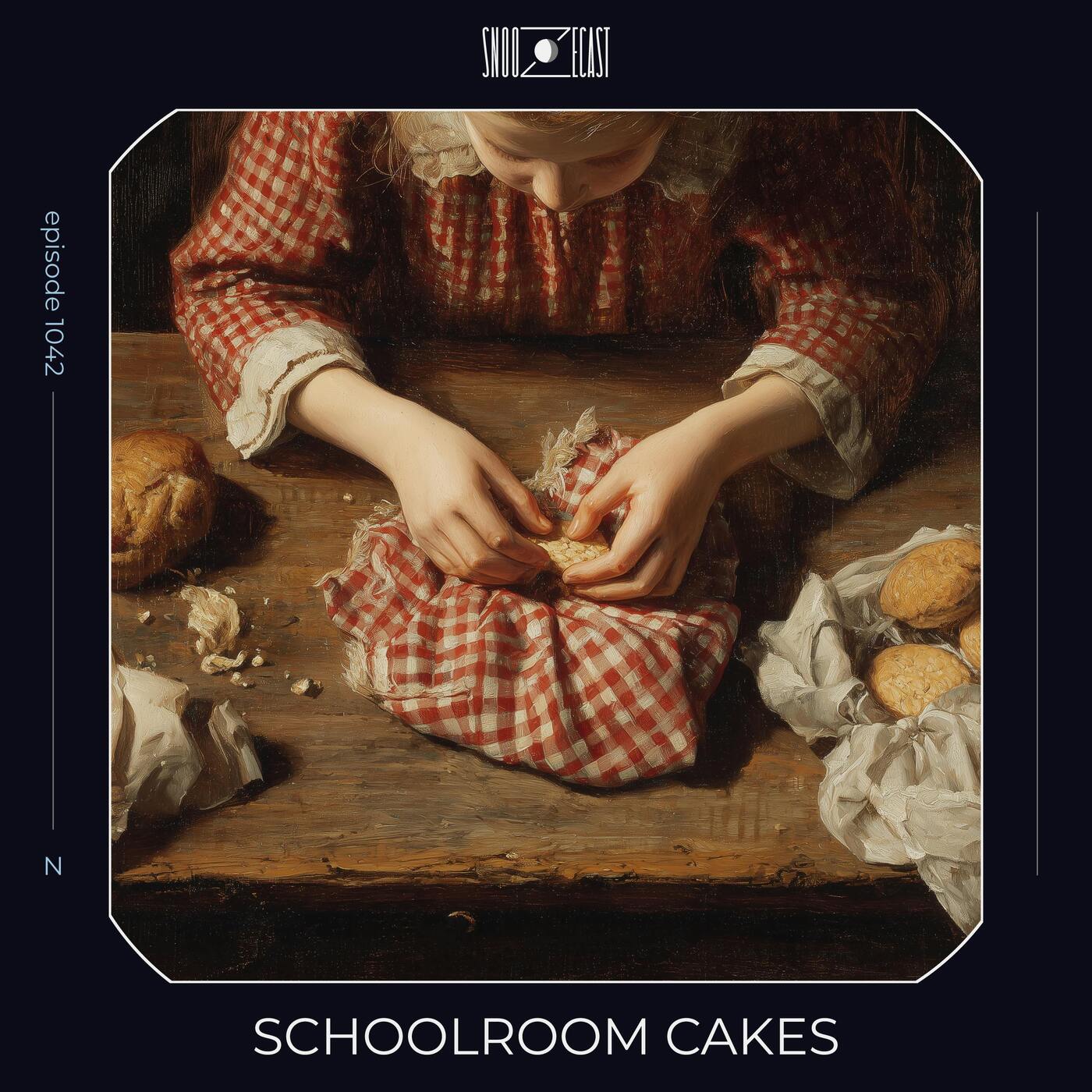
Schoolroom Cakes
Tonight, we’ll read recipes on schoolroom cakes along with tea cakes and biscuits from The Cake and Biscuit Book by Elizabeth Douglas, published in 1903.
When this cookbook was published, most American students attended a one-room schoolhouse. A single teacher would typically have students of all ages in one class. The youngest children sat in the front, while the oldest students sat in t
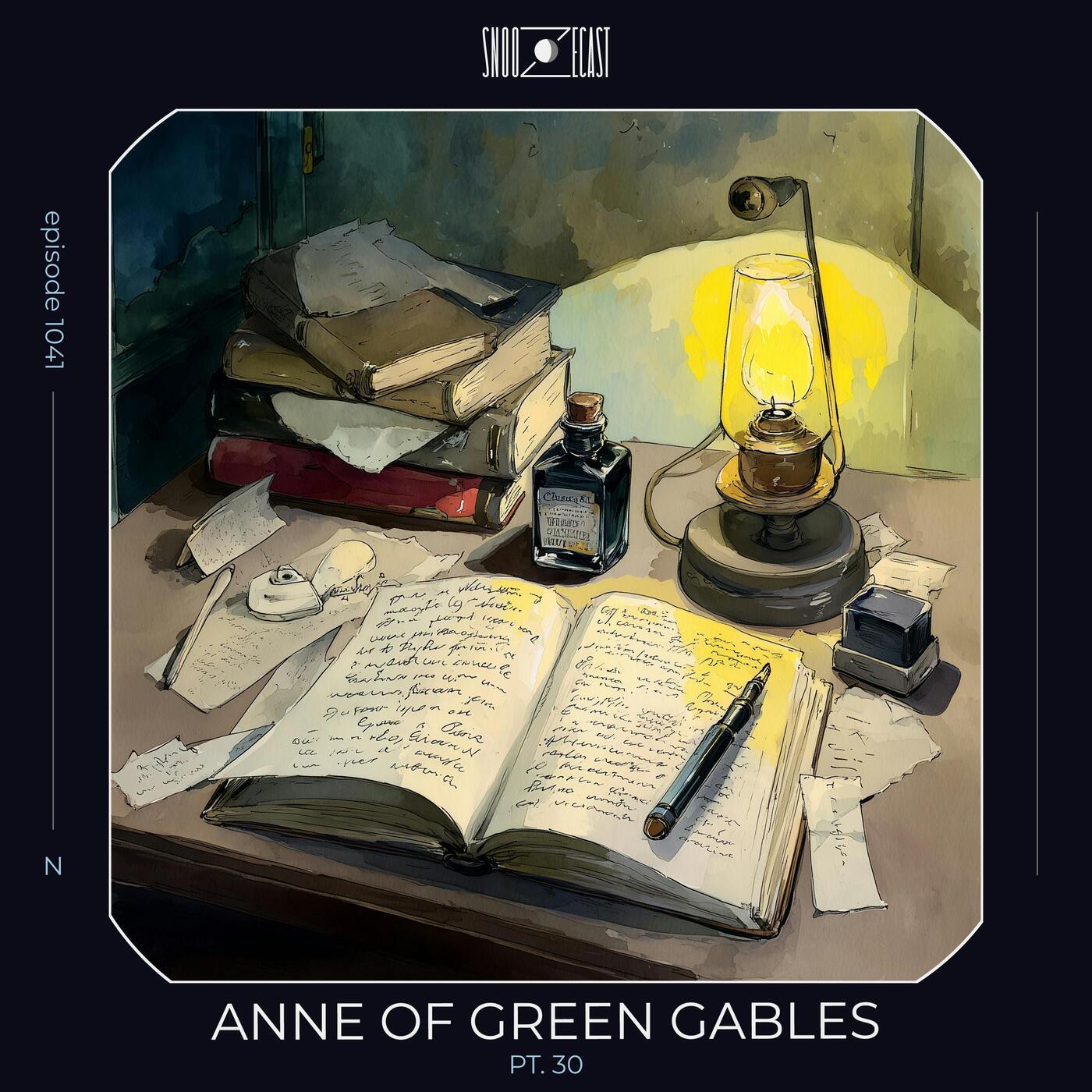
Anne of Green Gables pt. 30
Tonight, we’ll read the 30th chapter of “Anne of Green Gables”, the classic 1908 novel by Lucy Maud Montgomery. This chapter is titled “The Queen's Class Is Organized.”
In the last episode, Anne was overjoyed when Diana told her they had been invited by Aunt Josephine to visit Charlottetown for the Exhibition. Though unsure Marilla would allow it, she eventually agreed, especially after

Rock Temples
Tonight, we’ll read about hermit caves and rock temples from The Subterranean World, written by G. Hartwig and published in 1871.A hermit is a person who lives in seclusion. Eremitism plays a role in a variety of religions although in modern colloquial usage, "hermit" denotes anyone living apart from the rest of society, for any reason.
Hartwig’s book presents a 19th-century view of natur
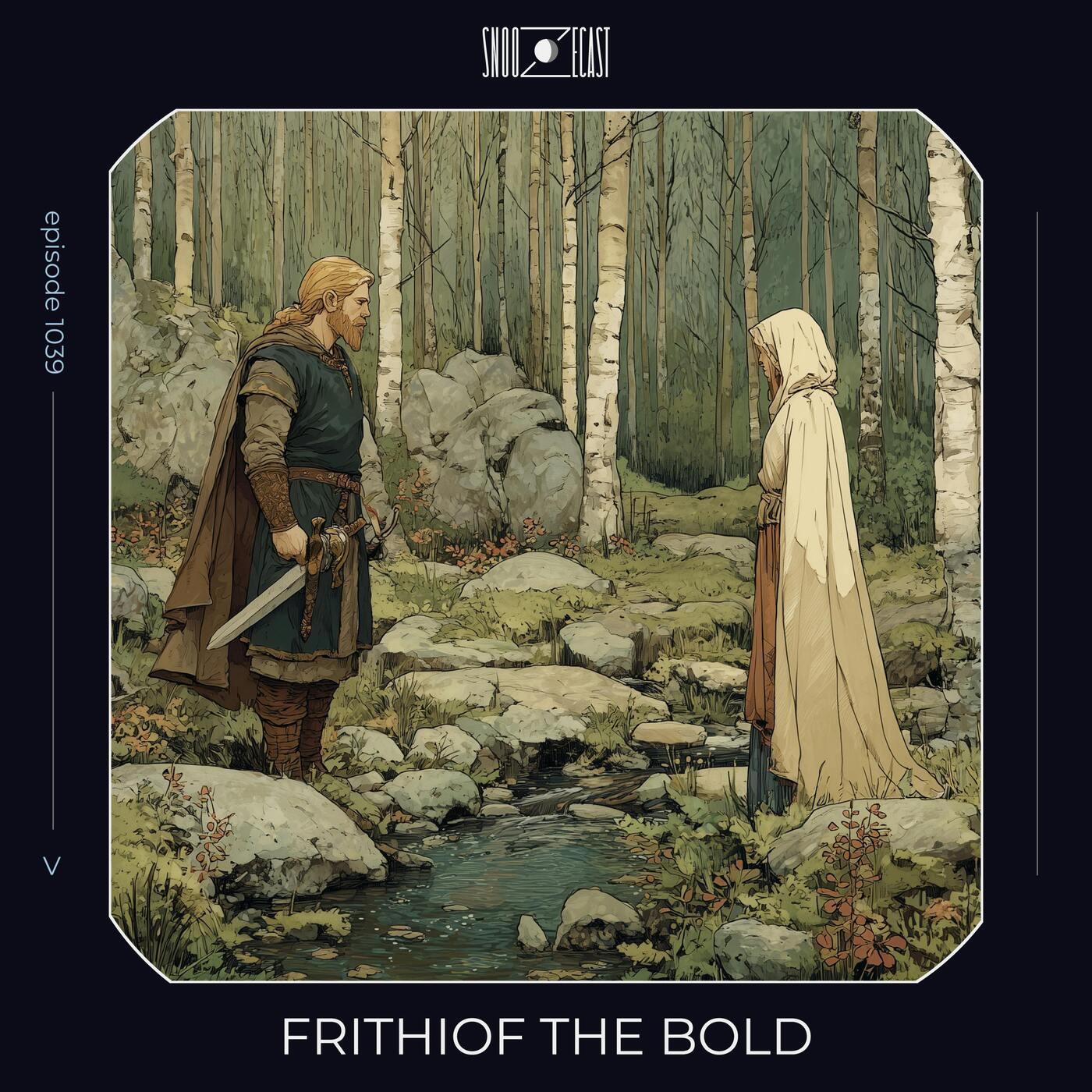
Frithiof the Bold
Tonight, we’ll read the tale of Frithiof the Bold, found in “Northland Heroes” written by Florence Holbrook and published in 1909.
The author was an educator, author and speaker involved in the peace movement during the early years of the 20th century. She was an ardent pacifist, a suffragist, and a believer in public education as the foundation for a democratic society.
Learn more abou
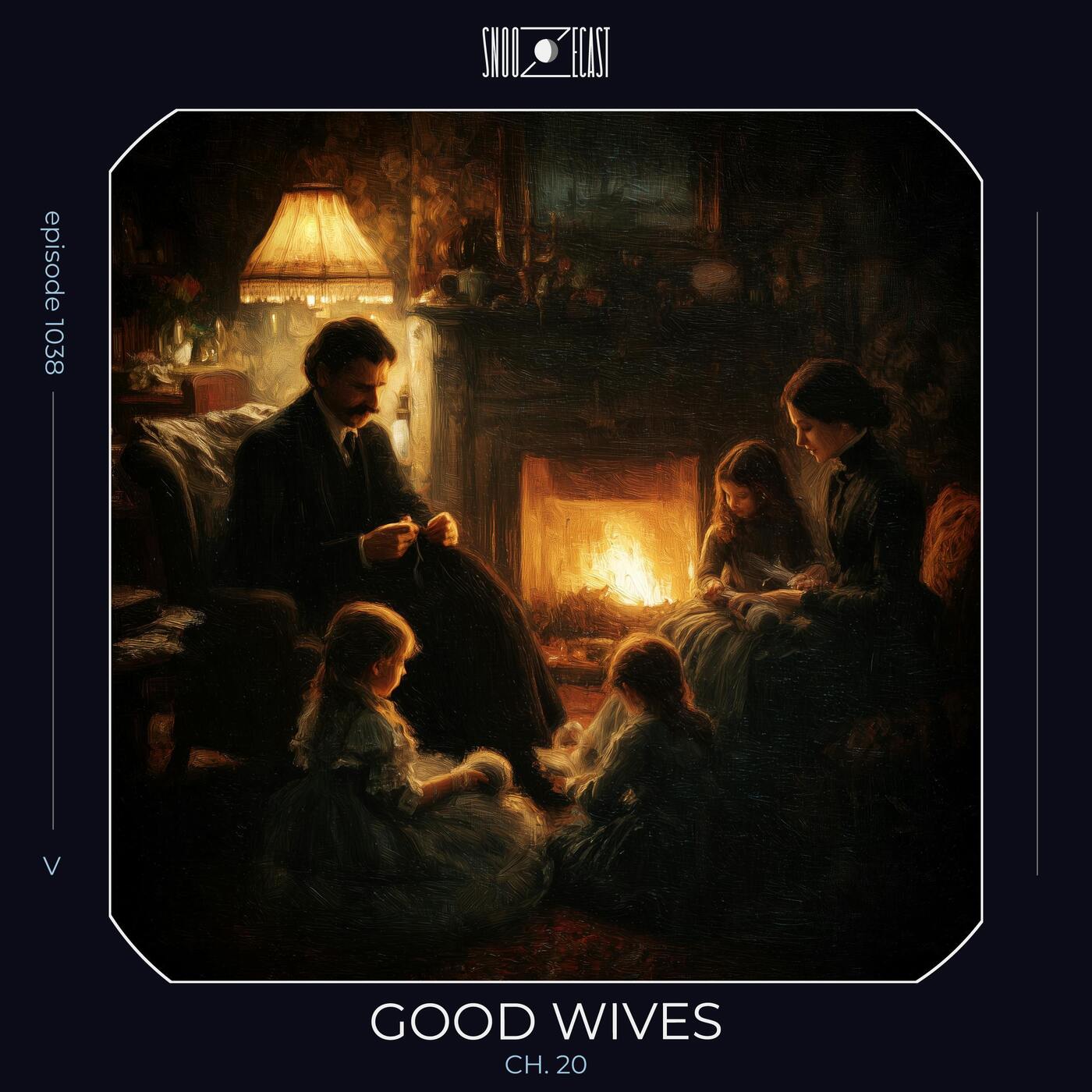
Good Wives ch. 20
Tonight we'll read the next chapter of Good Wives, written by Louisa May Alcott, titled "Surprises". This is also known as the second half of the Little Women novel, and is considered the 43rd chapter as part of that work as a whole.
In our last chapter, Jo found herself adrift in a quieter home, struggling to lift her spirits or rekindle her sense of purpose. Though she tries to be usef
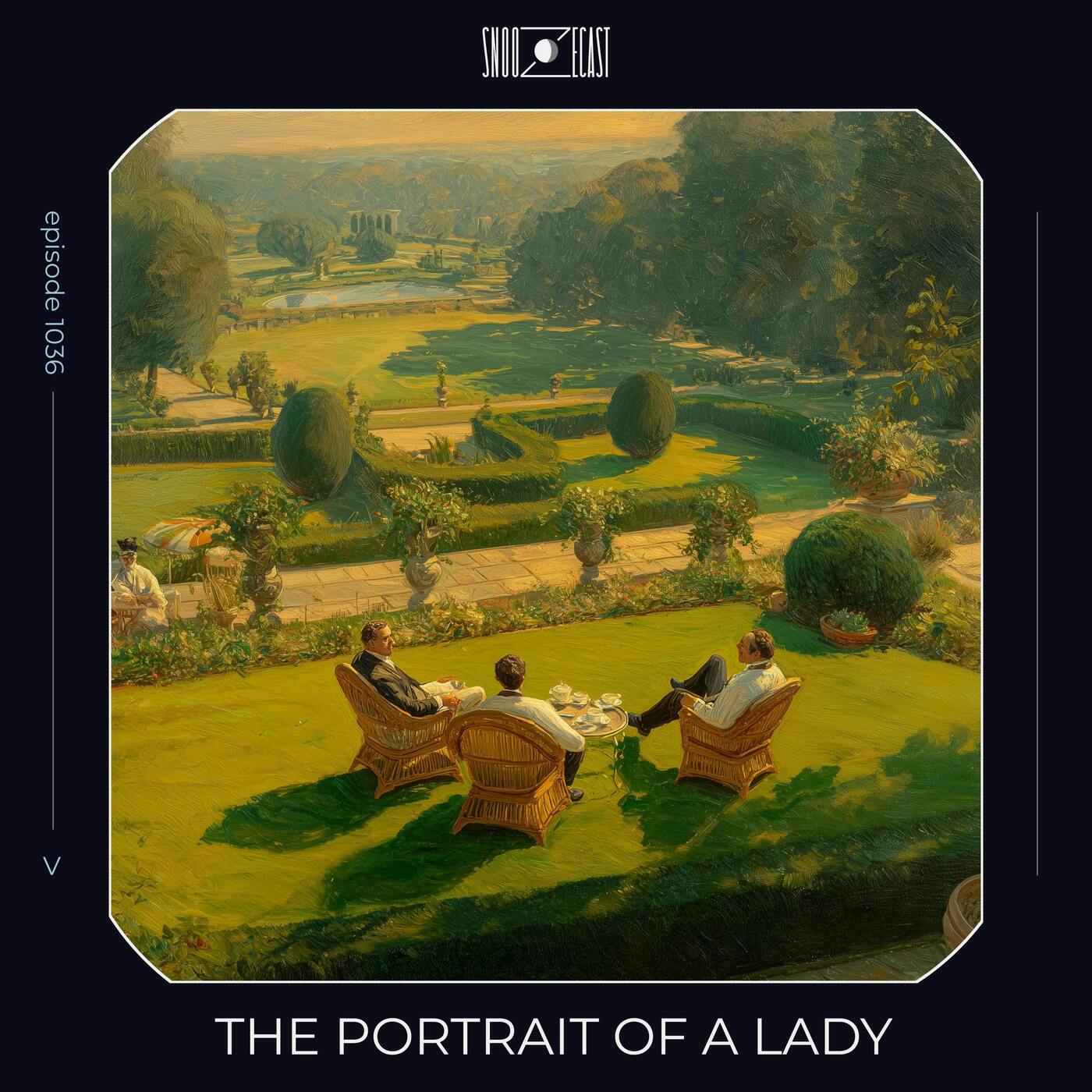
The Portrait of a Lady
Tonight, we’ll read the first chapter to “The Portrait of a Lady” written by Henry James and published in 1880. It is one of James's most popular novels and is regarded by critics as one of his finest.
The novel follows Isabel Archer, a spirited and idealistic young American who travels to Europe in search of experience and independence. When she unexpectedly inherits a fortune, her circ
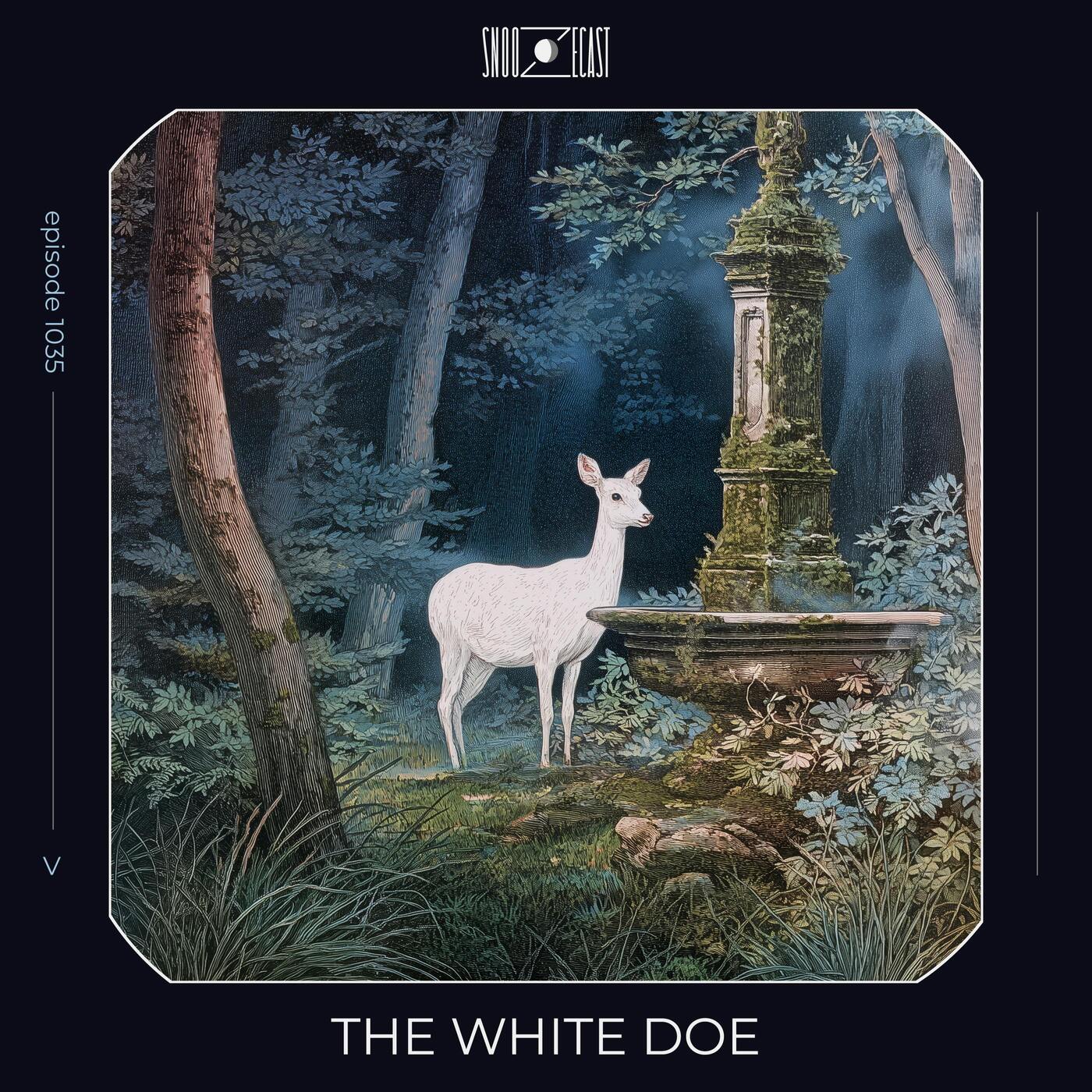
The White Doe
Tonight, we’ll read a version of the French literary fairy tale called “The White Doe” originally written by Madame d'Aulnoy. This version was found in “My Book of Favourite Fairy Tales” edited by Captain Edric Vredenburg and published in 1921.
Madame d’Aulnoy, writing at the end of the 17th century, is credited with helping to popularize the term “fairy tale” itself—conte de fées—as she
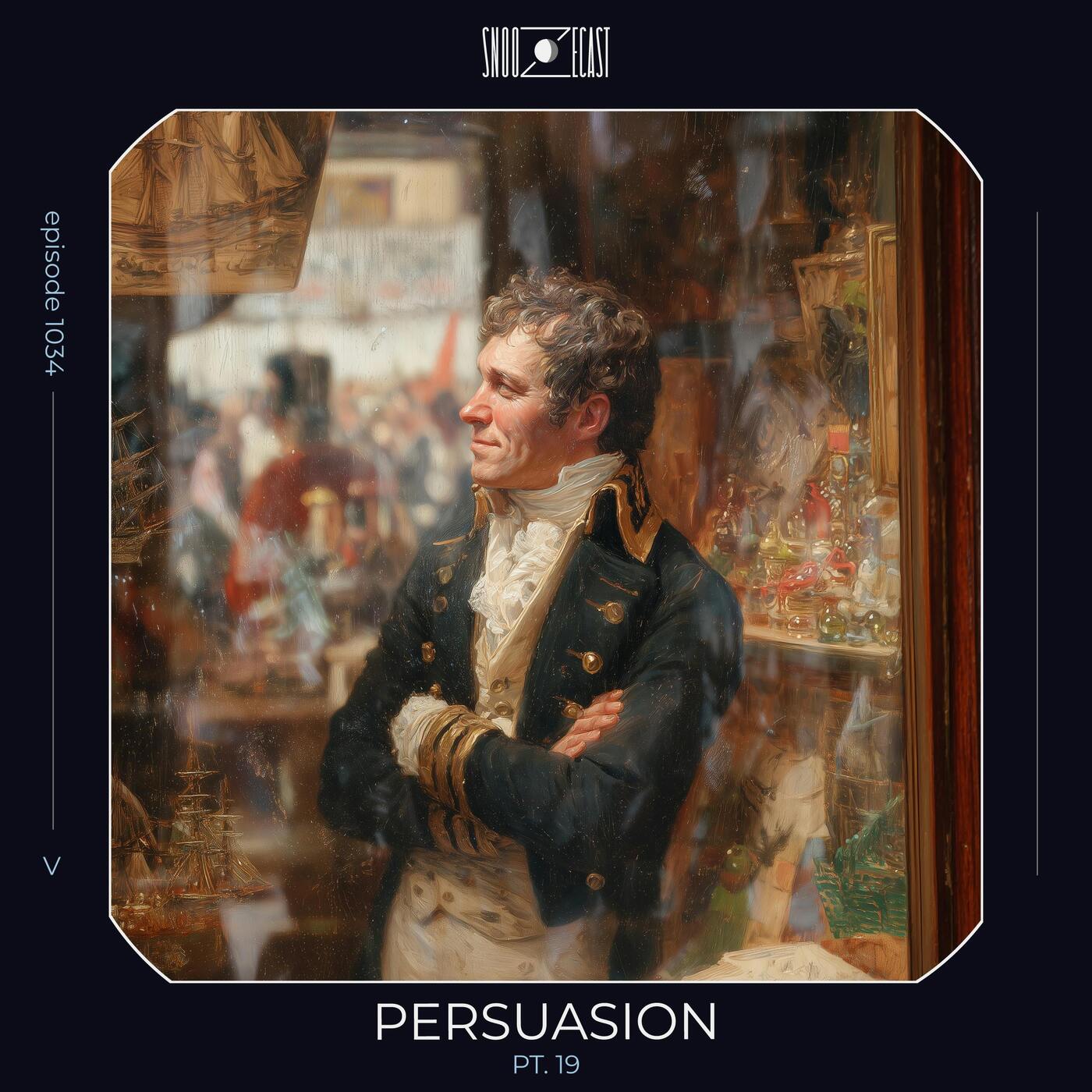
Persuasion pt. 19
Tonight, we shall read the next part to “Persuasion”, the last novel fully completed by Jane Austen, and published in 1817. The story concerns Anne Elliot, an Englishwoman whose family moves in order to lower their expenses, by renting their home to an Admiral and his wife.
In the last episode, Anne is stunned to learn of Louisa Musgrove’s sudden engagement to Captain Benwick. The pairin
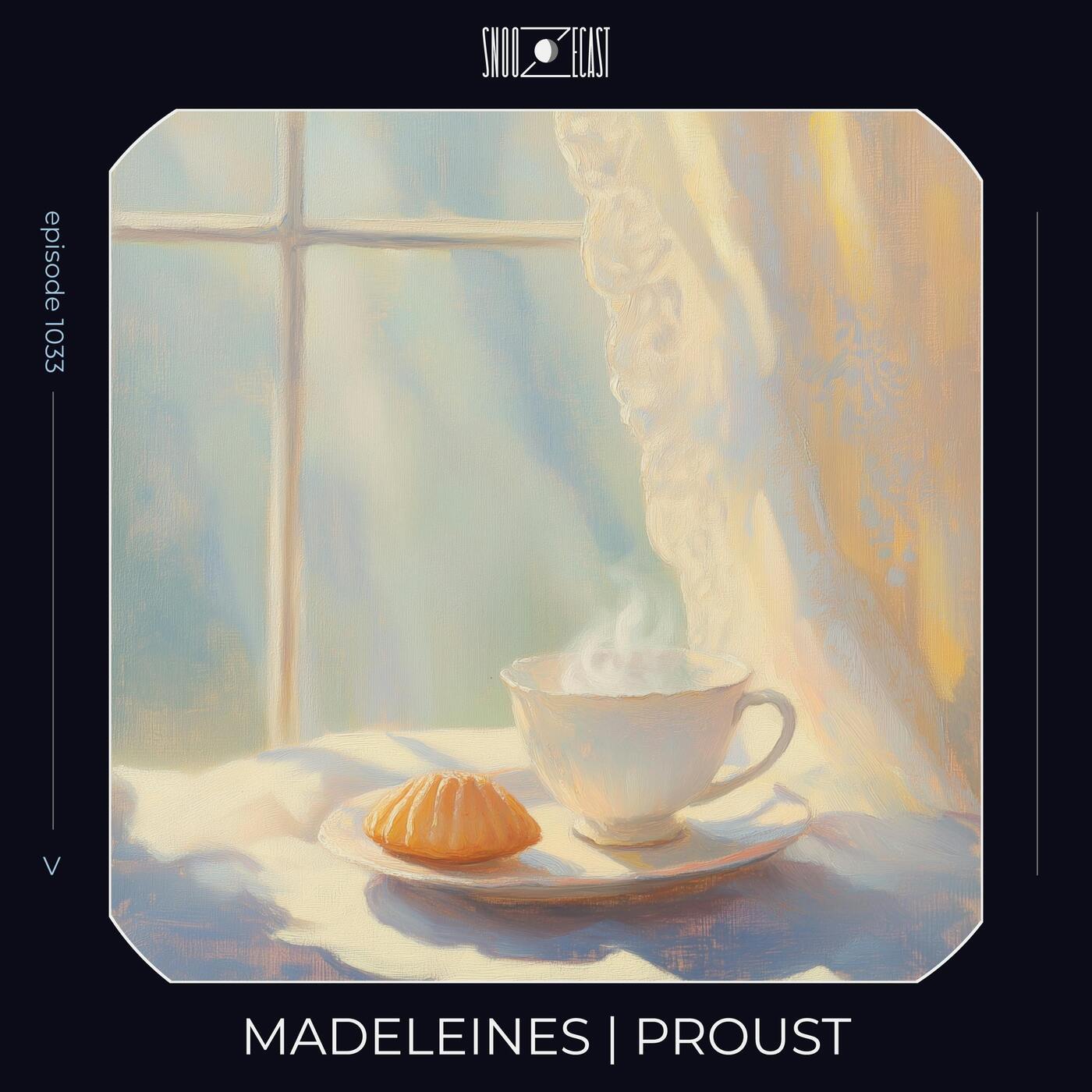
Madeleines | Proust
Tonight, we’ll read another excerpt from French writer Marcel Proust’s monumental “In Search of Lost Time” which is seven volumes long, and first published in 1913.
“In Search of Lost Time” follows the narrator's recollections and experiences in the late 19th-century and early 20th-century high-society France, while reflecting on the loss of time and lack of meaning in the world.
This ser
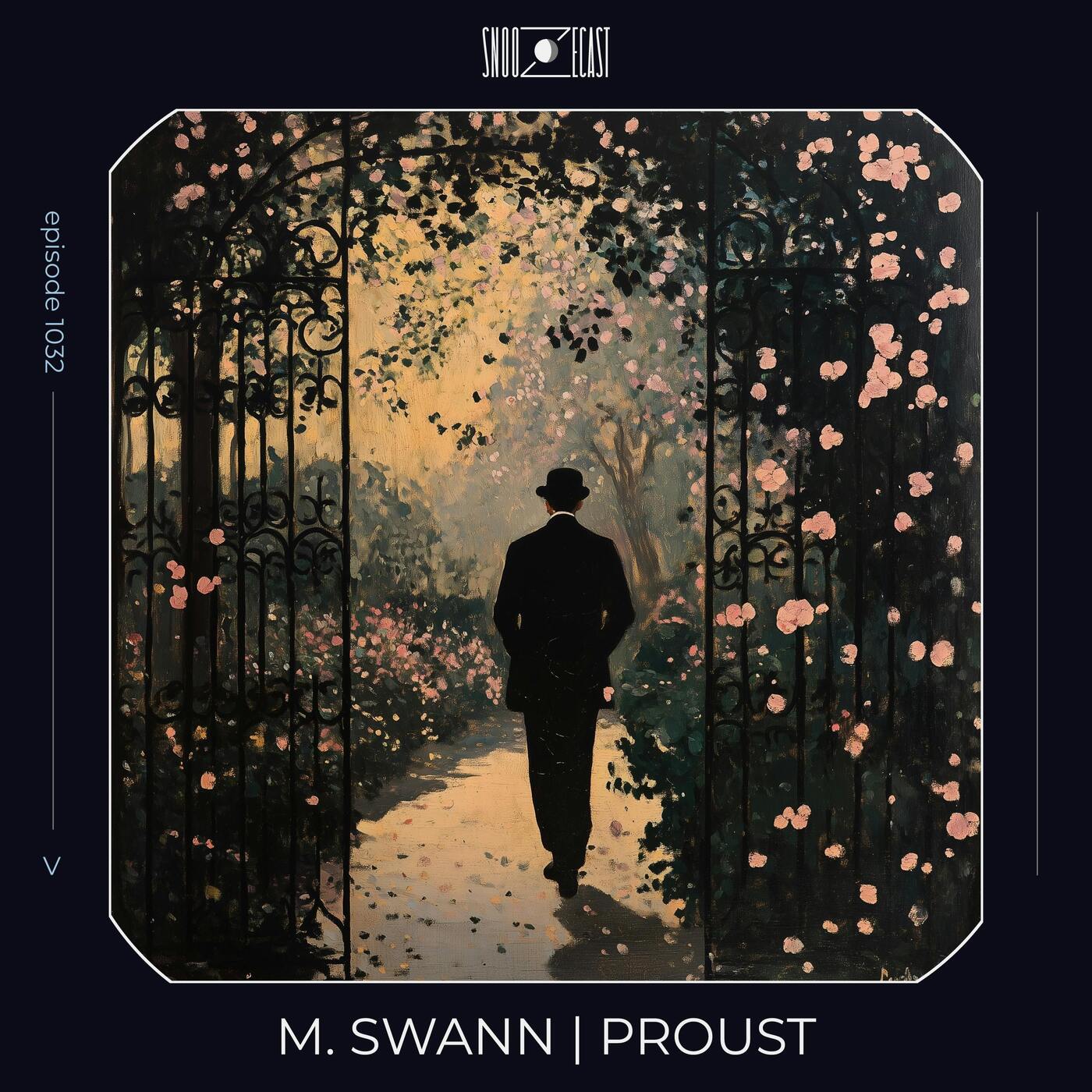
M. Swann | Proust
Tonight, we’ll read “M. Swann” the next part in our series from French writer Marcel Proust’s monumental “In Search of Lost Time” which is seven volumes long, and first published in 1913.
“In Search of Lost Time” follows the narrator's recollections and experiences in the late 19th-century and early 20th-century high-society France.
This series does not necessarily need to be followed in
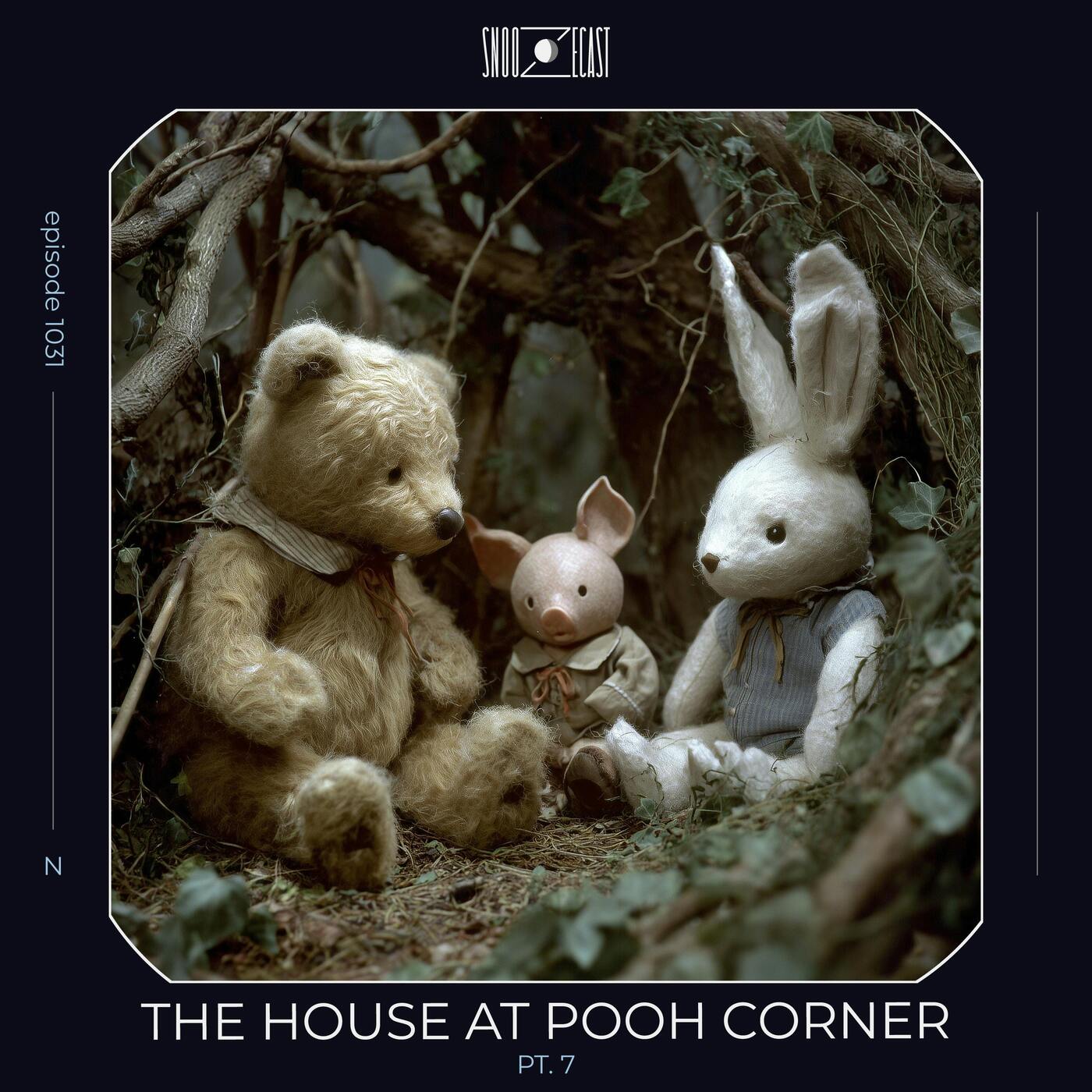
The House at Pooh Corner pt. 7
Tonight, we’ll continue the 1928 children's book by A. A. Milne “The house at Pooh Corner”.
In the last episode Pooh discovers that fir-cones (and later sticks) dropped into the slow-moving river reappear downstream, invenitng the game of Poohsticks, which leads to playful mishaps such as Eeyore ending up inthe water. When Tigger’s bounce and the ensuing confusion prompt Rabbit to seek C
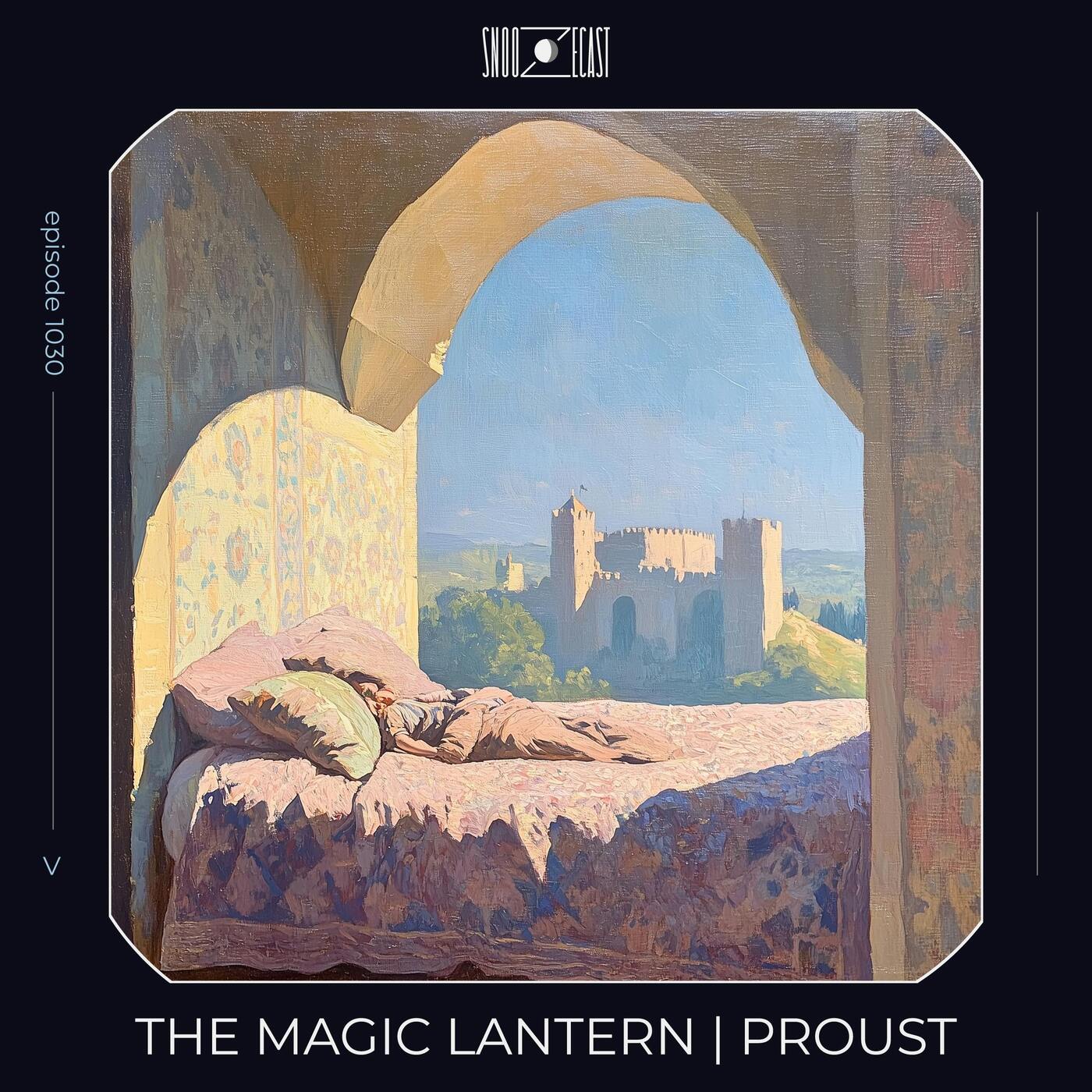
The Magic Lantern | Proust
Tonight, we’ll read “The Magic Lantern,” the next part in our series from French writer Marcel Proust’s monumental “In Search of Lost Time” which is seven volumes long, and first published in 1913.
“In Search of Lost Time” follows the narrator's recollections and experiences in the late 19th-century and early 20th-century high-society France, while reflecting on the loss of time and lack
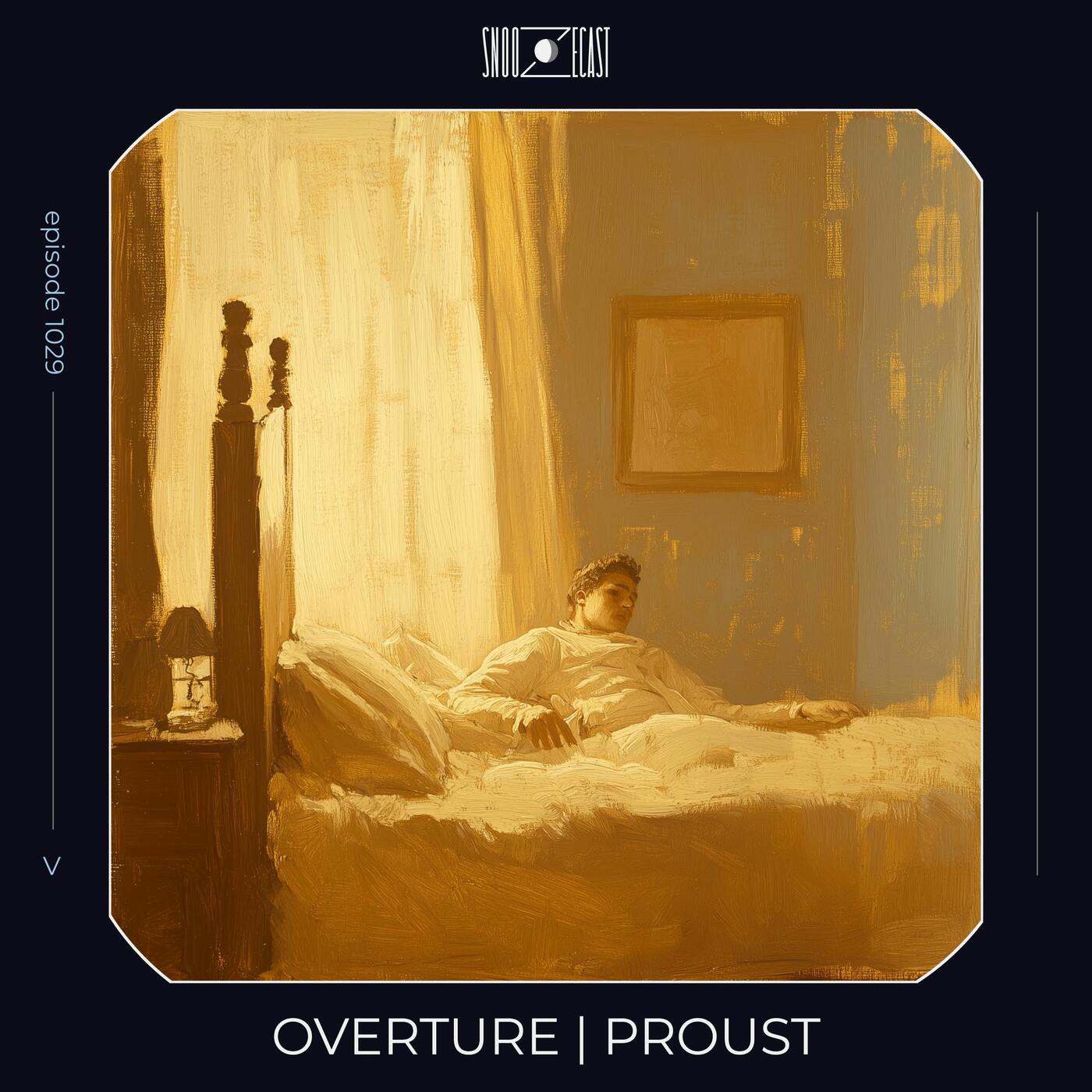
Overture | Proust
Tonight, we’ll read “Overture,” the opening to French writer Marcel Proust’s monumental “In Search of Lost Time” which is seven volumes long, and first published in 1913.
“In Search of Lost Time” follows the narrator's recollections and experiences in the late 19th-century and early 20th-century high-society France, while reflecting on the loss of time and lack of meaning in the world.
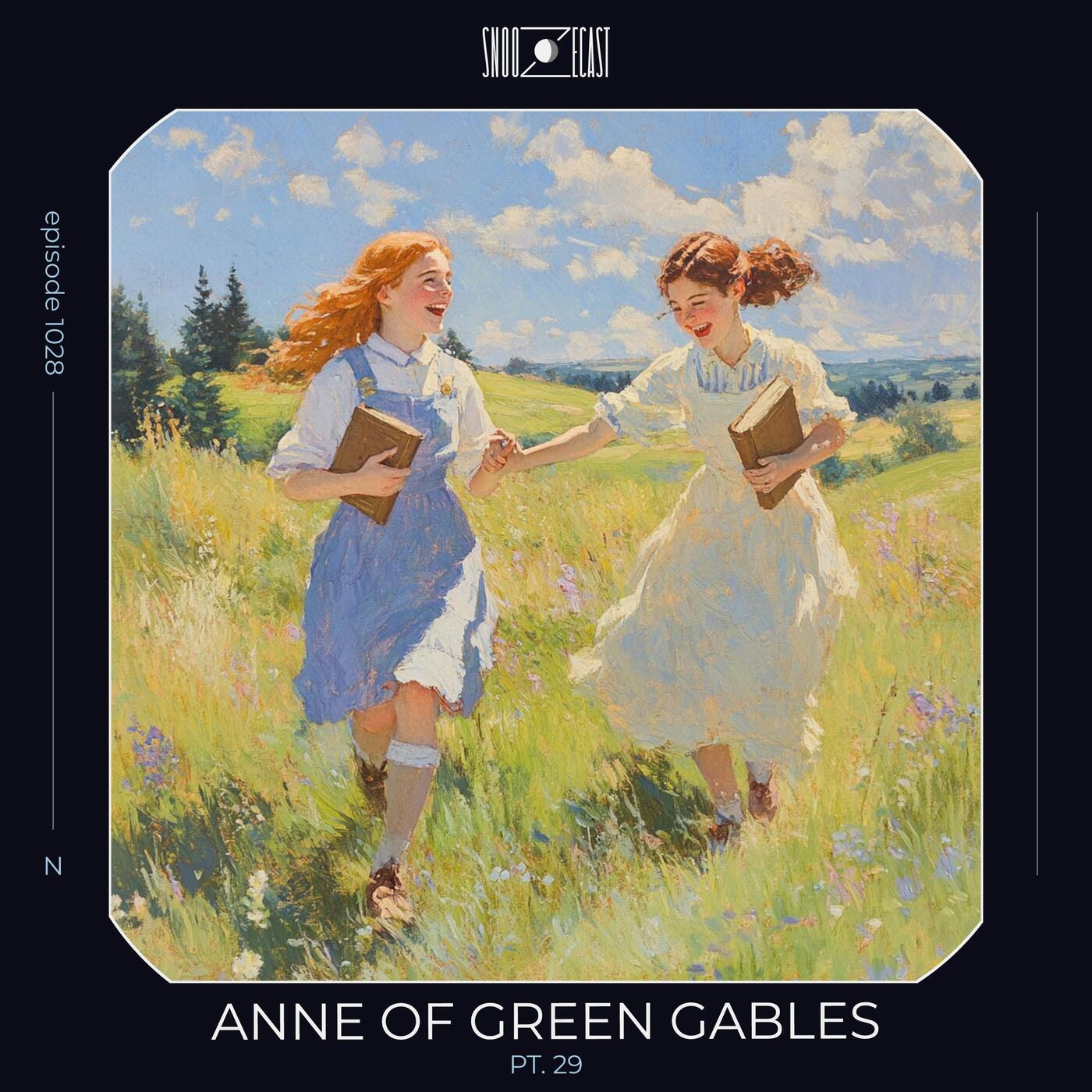
Anne of Green Gables pt. 29
Tonight, we’ll read the 29th chapter of “Anne of Green Gables”, the classic 1908 novel by Lucy Maud Montgomery. This chapter is titled “An Epoch of Anne’s Life”.
In the last episode, Anne and her friends reenact the poem The Lady of Shalott by floating Anne down the river in a flatboat. She pretends to be the doomed lily maid, but the boat begins to leak and sinks. Anne is forced to clim
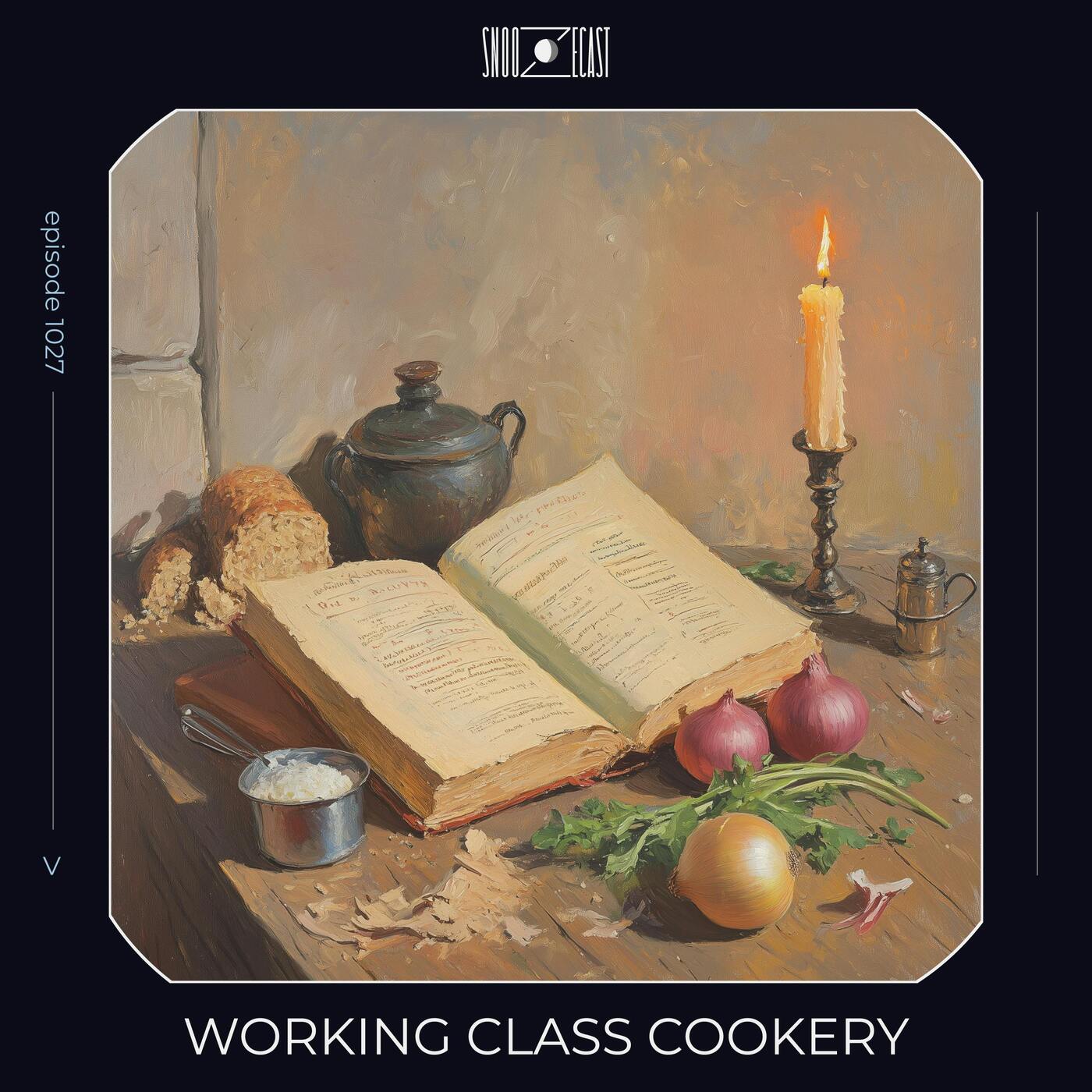
Working Class Cookery
Tonight, we’ll read recipes from A Plain Cookery Book for the Working Classes, written by Charles Elme Francatelli and published in 1852.
Born in London of Italian descent, Francatelli was a French-trained cook who worked for Queen Victoria. While best known for his lavish cookbook The Modern Cook, filled with elaborate dishes for aristocratic tables, Francatelli also had a keen interest
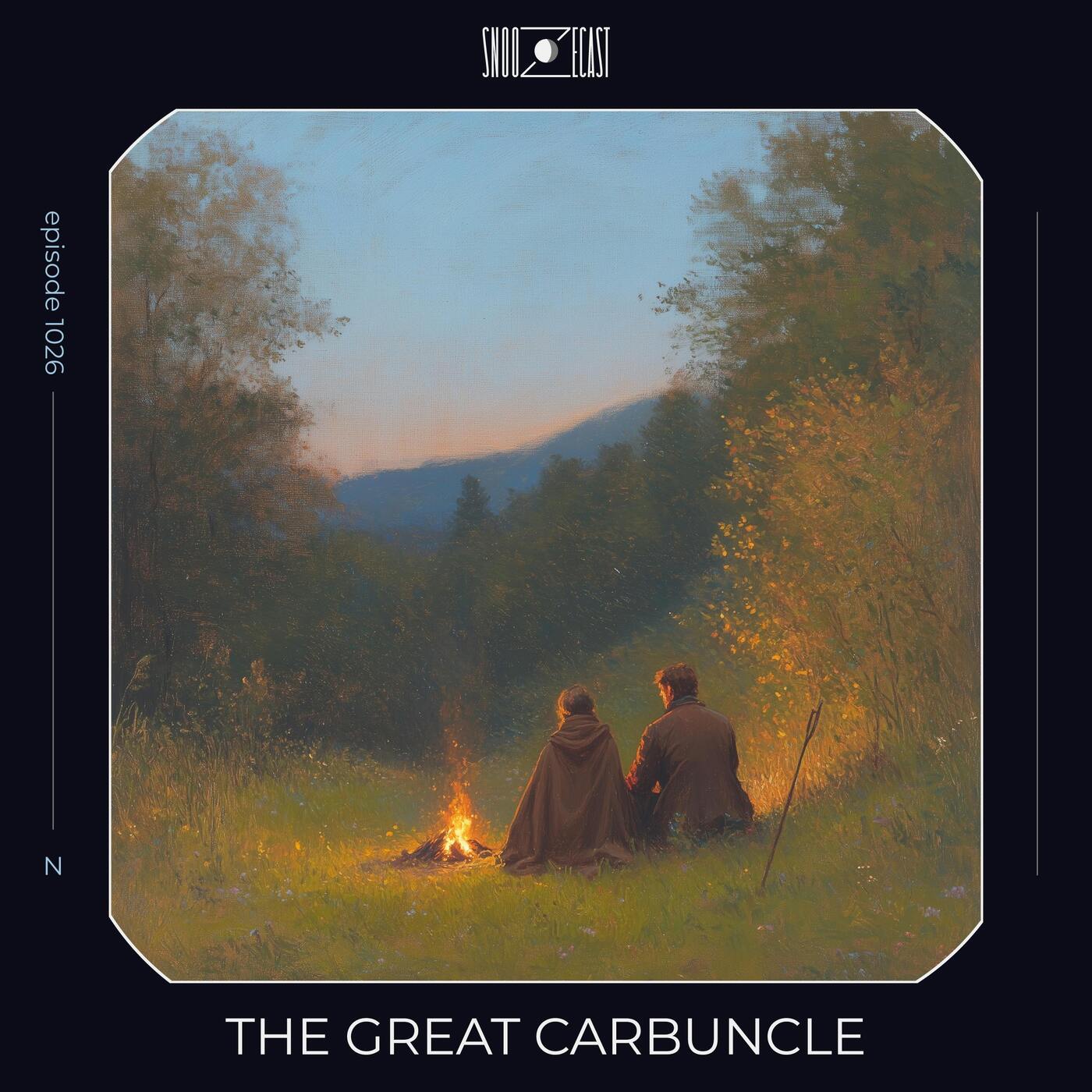
The Great Carbuncle
Tonight, we’ll read a short story titled “The Great Carbuncle” written by Nathaniel Hawthorne and published in 1835.
Set in the White Mountains of New Hampshire, a band of eight adventurers gathers together. They are each on a personal quest for the Great Carbuncle, a brilliant gem legendary in its elusiveness.
The story’s ensemble cast represents a spectrum of motivations—scientific cu
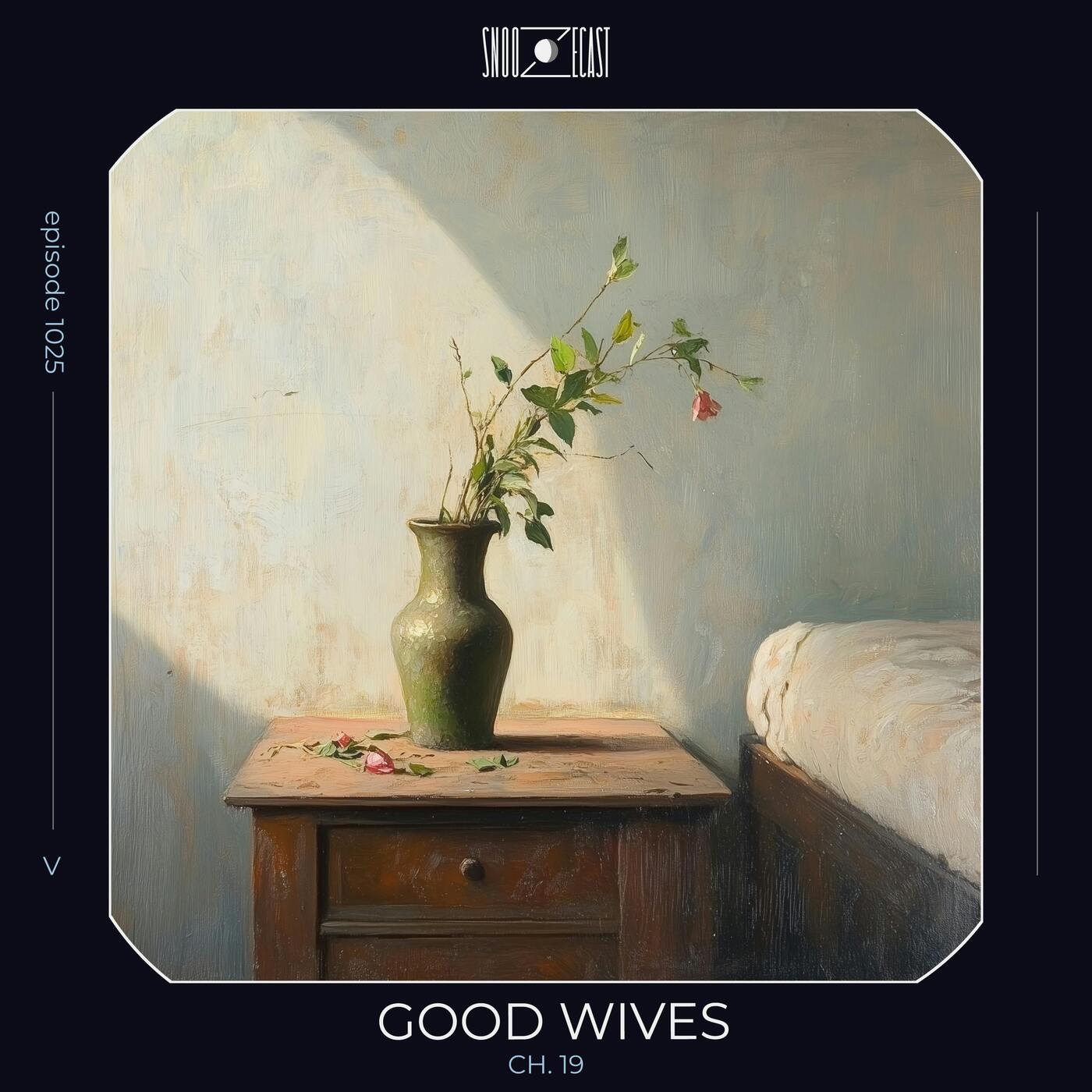
Good Wives ch. 19
Tonight, we’ll read the next chapter of “Good Wives” written by Louisa May Alcott titled “All Alone”. This is also known as the second half of the “Little Women” novel and is considered the 42nd chapter as part of that work as a whole.
In our last chapter, Laurie tries to recover from Jo’s rejection by turning to music, but soon realizes his love for her has faded into affection. His
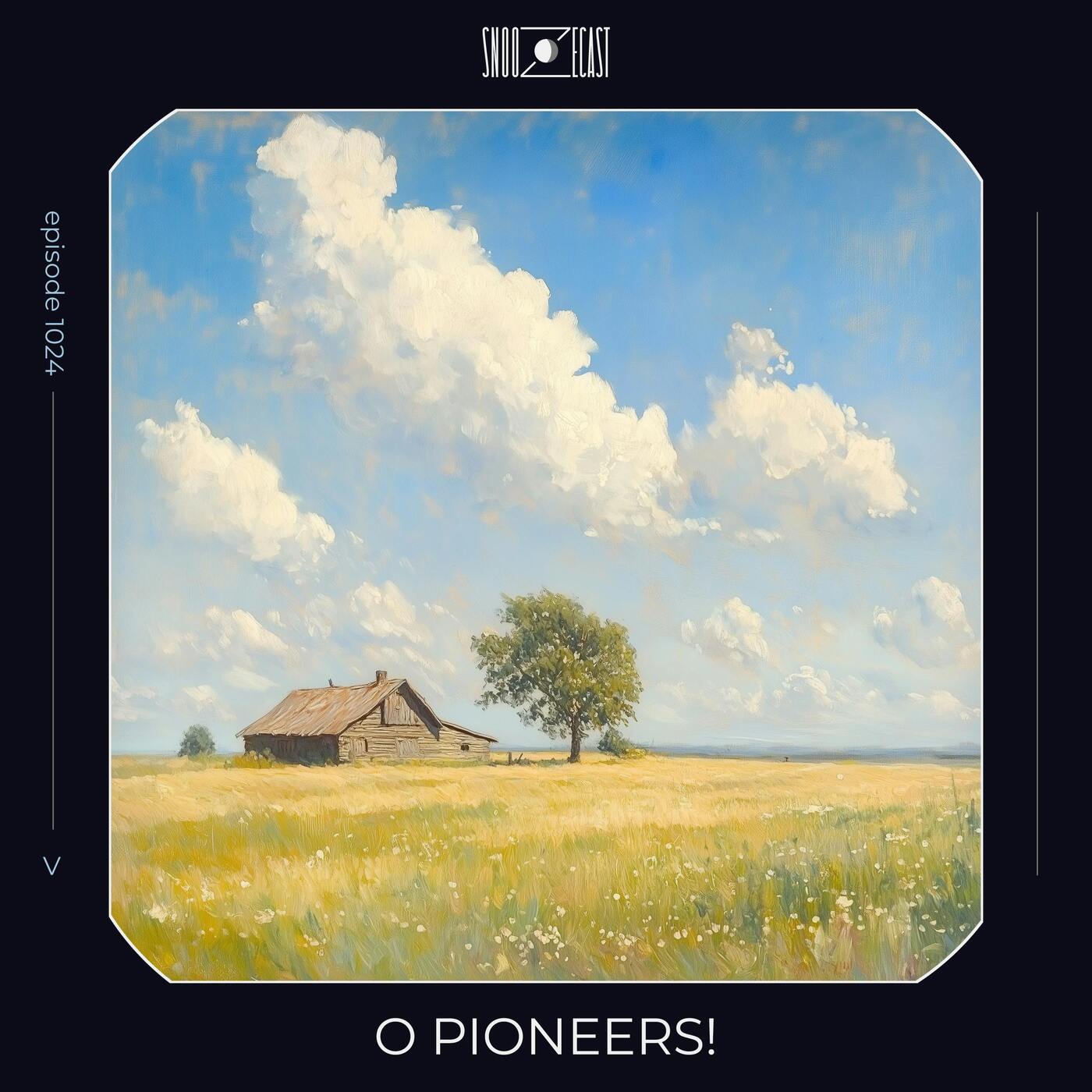
O Pioneers!
Tonight, we’ll read “O Pioneers!” a 1913 novel by American author Willa Cather. Set on the windswept prairies of Nebraska, “O Pioneers!” tells the story of Alexandra Bergson, a determined young woman of Swedish-American descent who takes over her family’s farm.
Cather’s quiet, poetic prose captures both the hardships and beauty of prairie life at the turn of the twentieth century, and
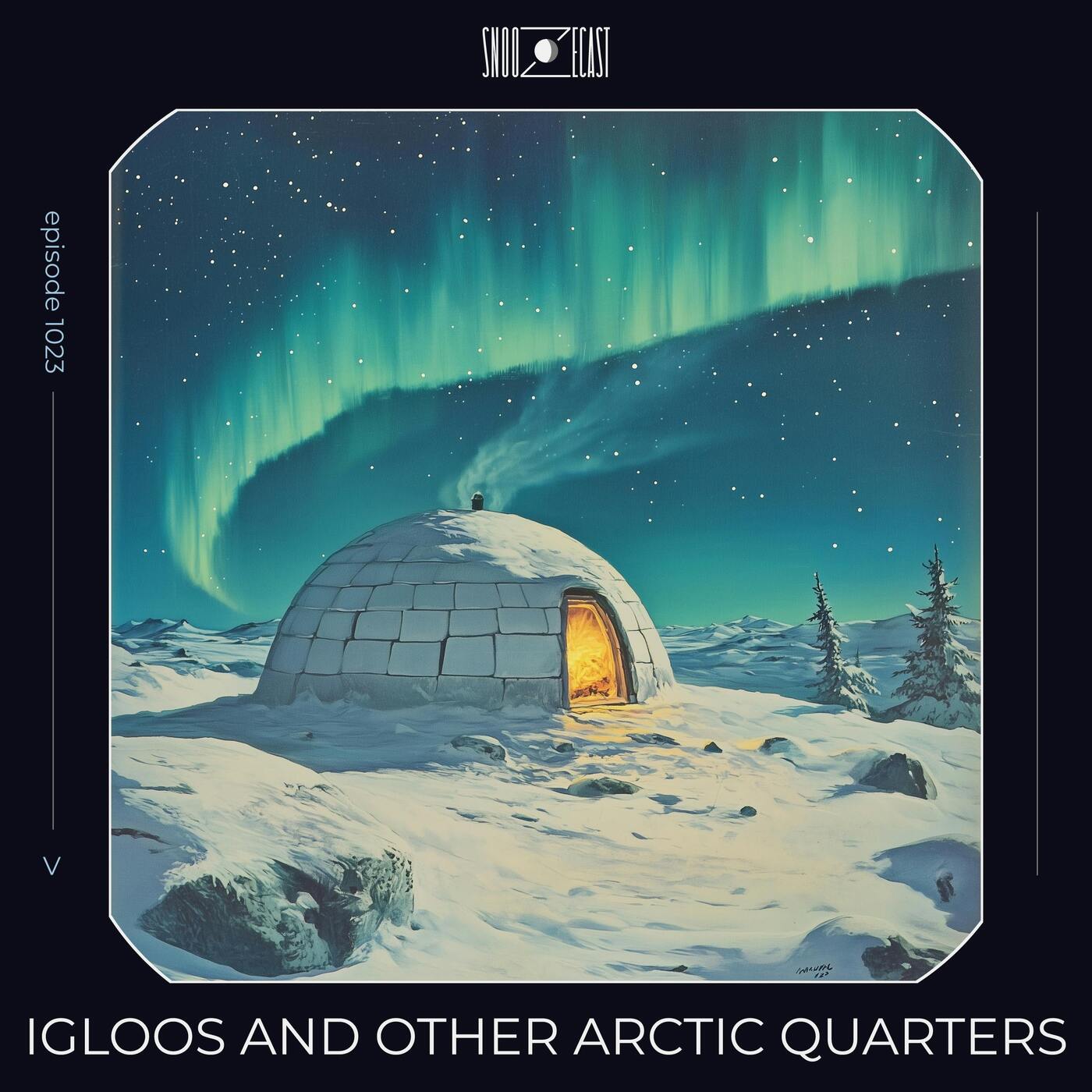
Igloos and Other Arctic Quarters
Tonight, we’ll read about igloos and other polar quarters, from the book Secrets of Polar Travel written by Robert E. Peary and published in 1917.
Peary, a famed American Arctic explorer, led multiple expeditions to the far north and claimed to be the first person to reach the geographic North Pole. His writing blends technical insight with firsthand accounts of survival in extreme cold,
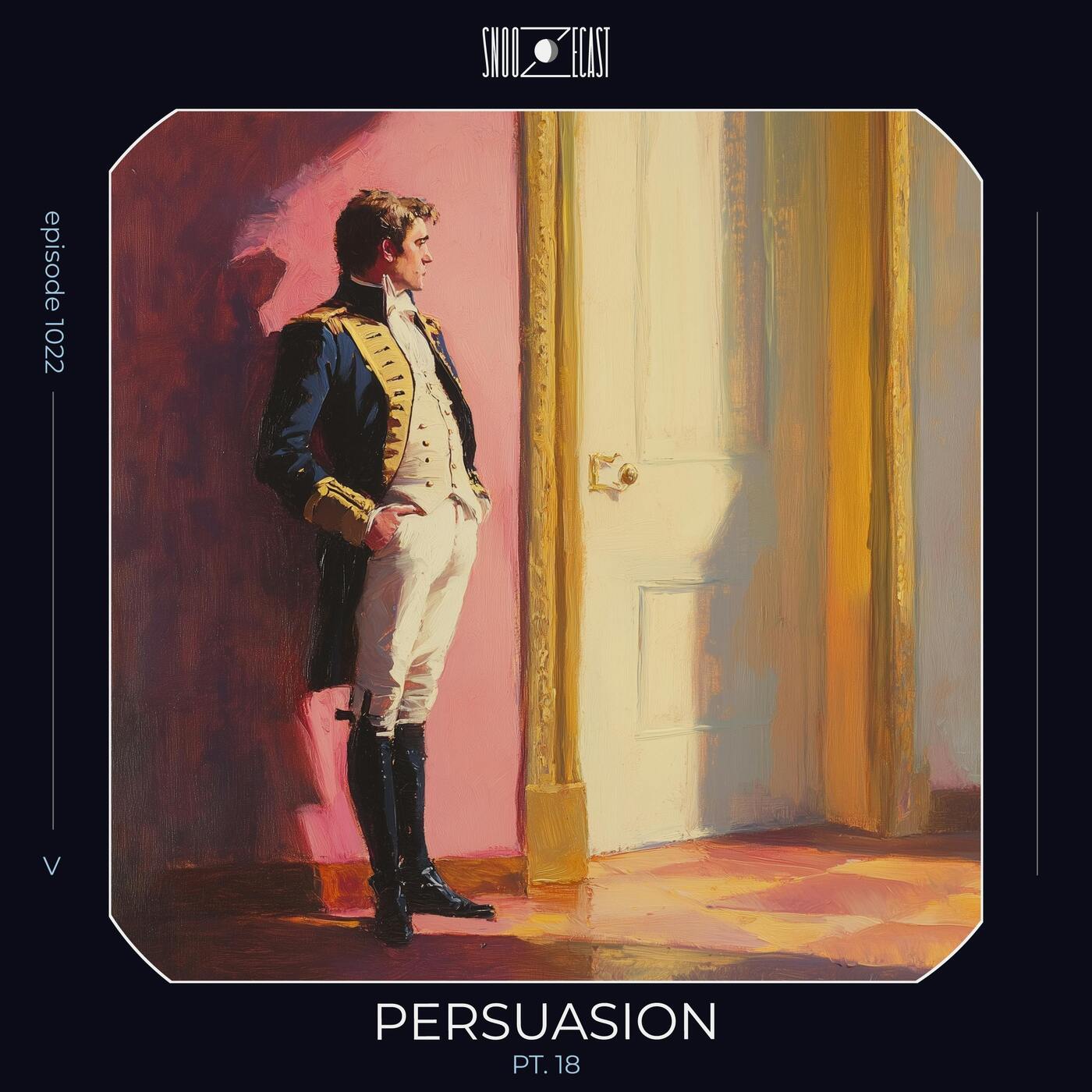
Persuasion pt. 18
Tonight, we shall read the next part to “Persuasion”, the last novel fully completed by Jane Austen, and published in 1817. The story concerns Anne Elliot, an Englishwoman whose family moves in order to lower their expenses, by renting their home to an Admiral and his wife.
In the last episode, starting at chapter 17, Anne visits her old school friend, Mrs. Smith, who now lives in modest
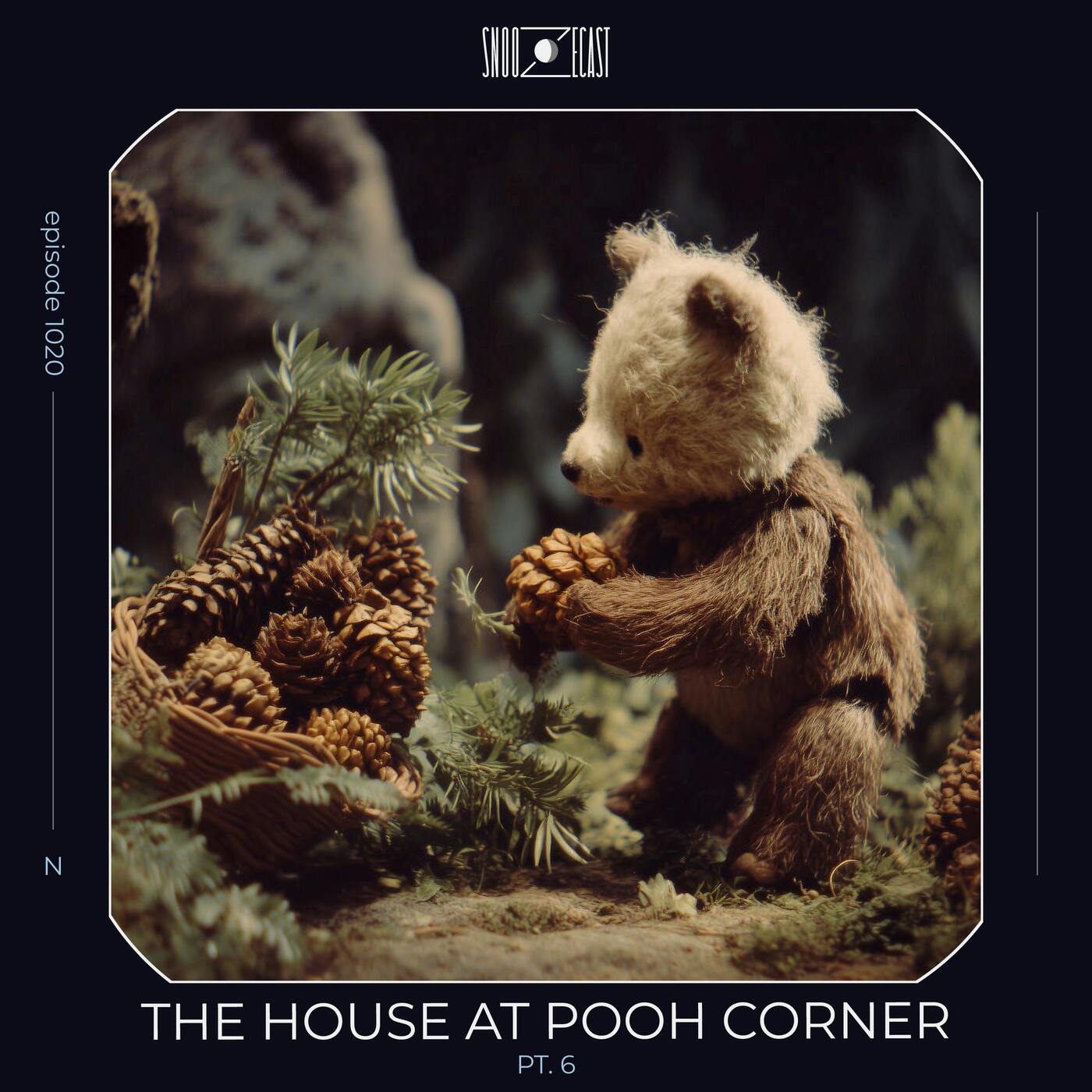
The House at Pooh Corner pt. 6
Tonight, we’ll continue the 1928 children's book by A. A. Milne “The house at Pooh Corner”.
In the last episode Rabbit spends the morning dashing around the Forest, organizing everyone and investigating a cryptic notice on Christopher Robin’s door, consulting Owl, Pooh, Piglet, and Eeyore to figure out what Christopher Robin has been doing each morning. In the end, they discover from the
The Invisible Prince
Tonight, we’ll read a fairy tale called “The Invisible Prince,” found in “The Yellow Fairy Book” edited by Andrew Lang and published in 1894. This story is about The Prince of Air and how he overcame adversity and found his way to The Golden Isle.
Andrew Lang was a Scottish poet, novelist, and literary critic best known for his influential "Fairy Books"—a twelve-volume series that gathere
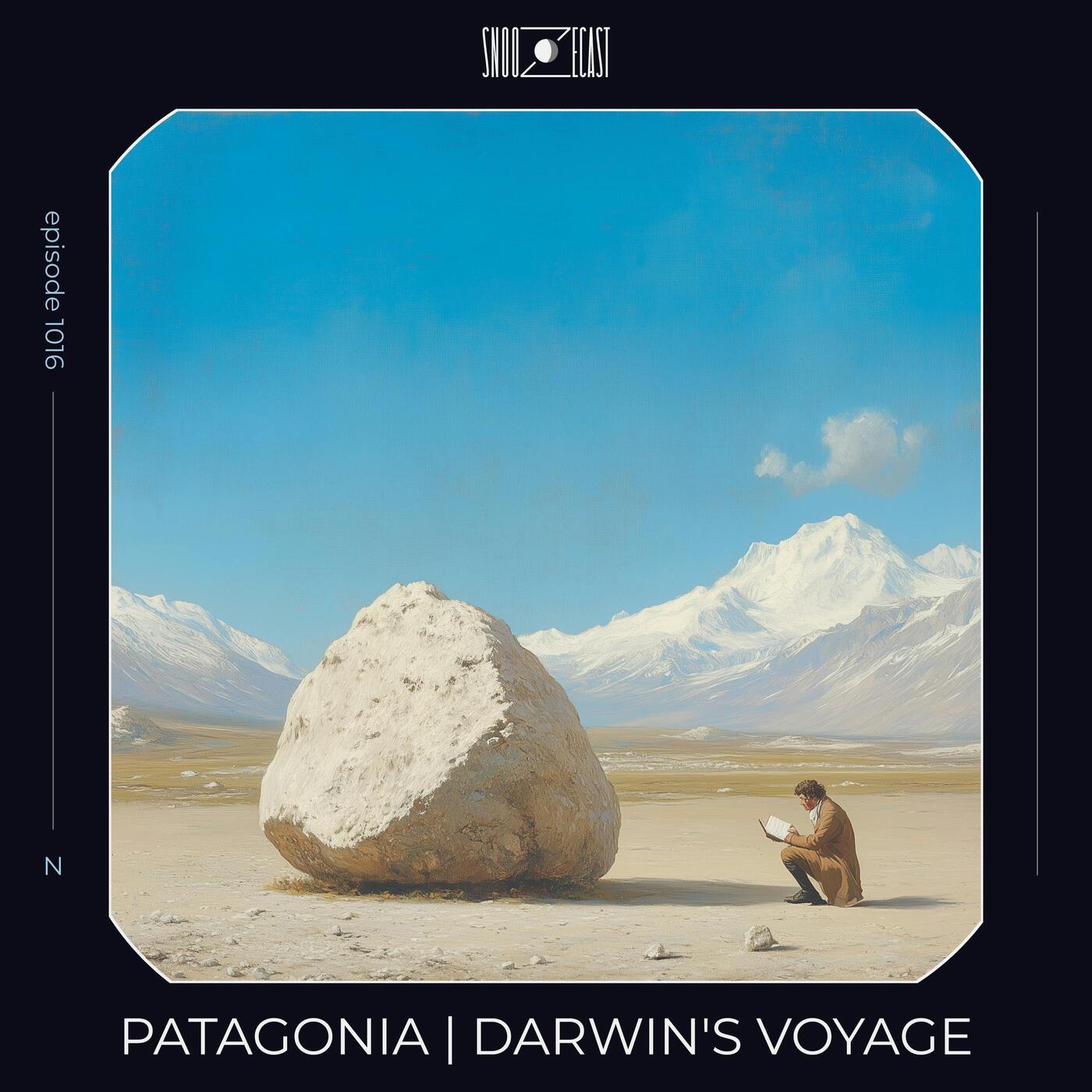
Patagonia | Darwin's Voyage
Tonight, we’ll read from the ninth chapter of British naturalist Charles Darwin’s “The Voyage of the Beagle” titled “Santa Cruz, Patagonia and the Falkland Islands”. The five-year expedition laid the groundwork for Darwin’s later theory of evolution by natural selection.In this chapter, Darwin recounts an overland expedition up the Santa Cruz River in southern Patagonia. The landscape is
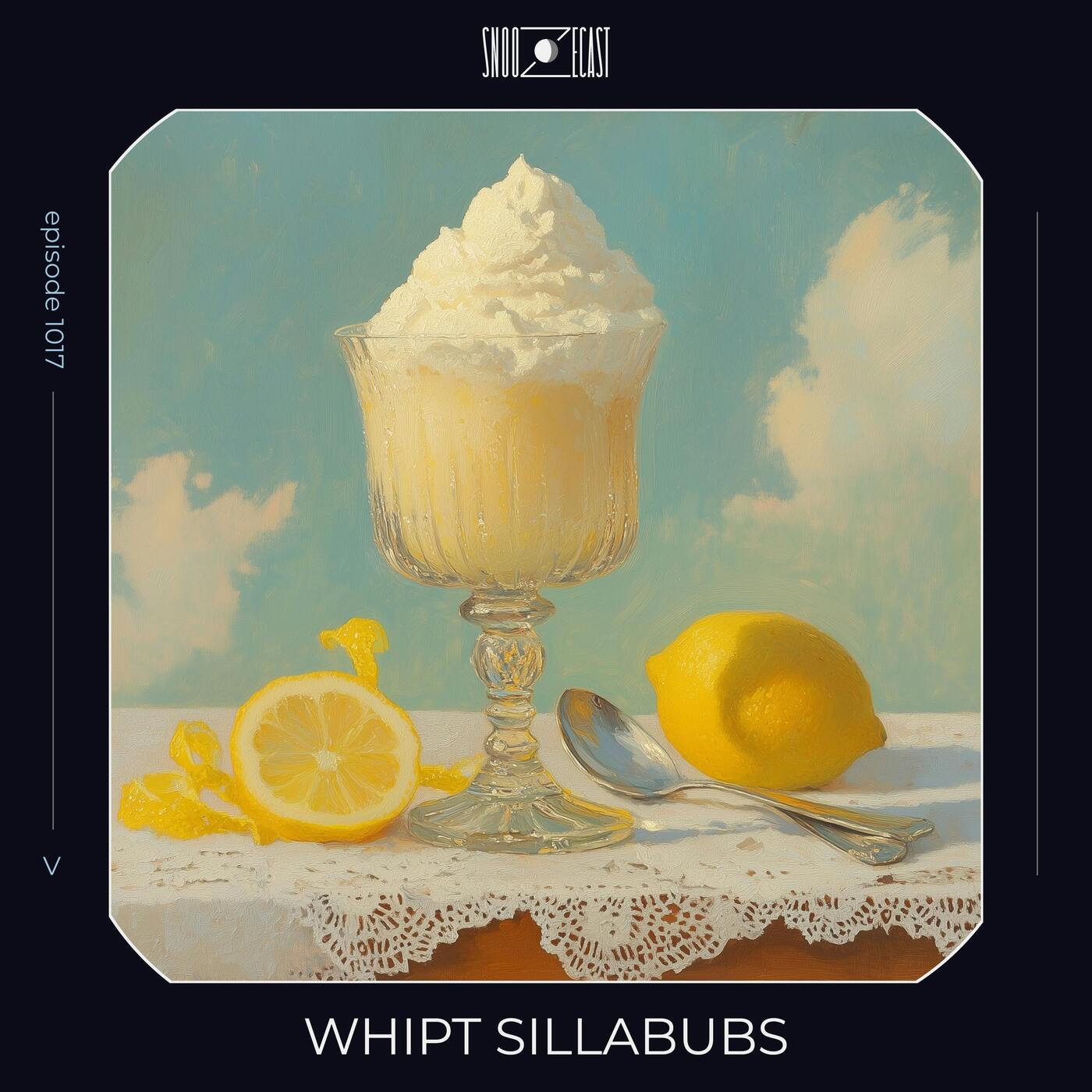
Whipt Sillabubs
Tonight, we’ll read a selection of recipes from the book English Housewifry by Elizabeth Moxon, published in 1764, starting with a recipe for whipt sillabubs.Moxon’s book was one of the earliest English cookery books written specifically for middle-class women managing their own households, rather than for professional cooks or the aristocracy. Her recipes are practical but far from plain
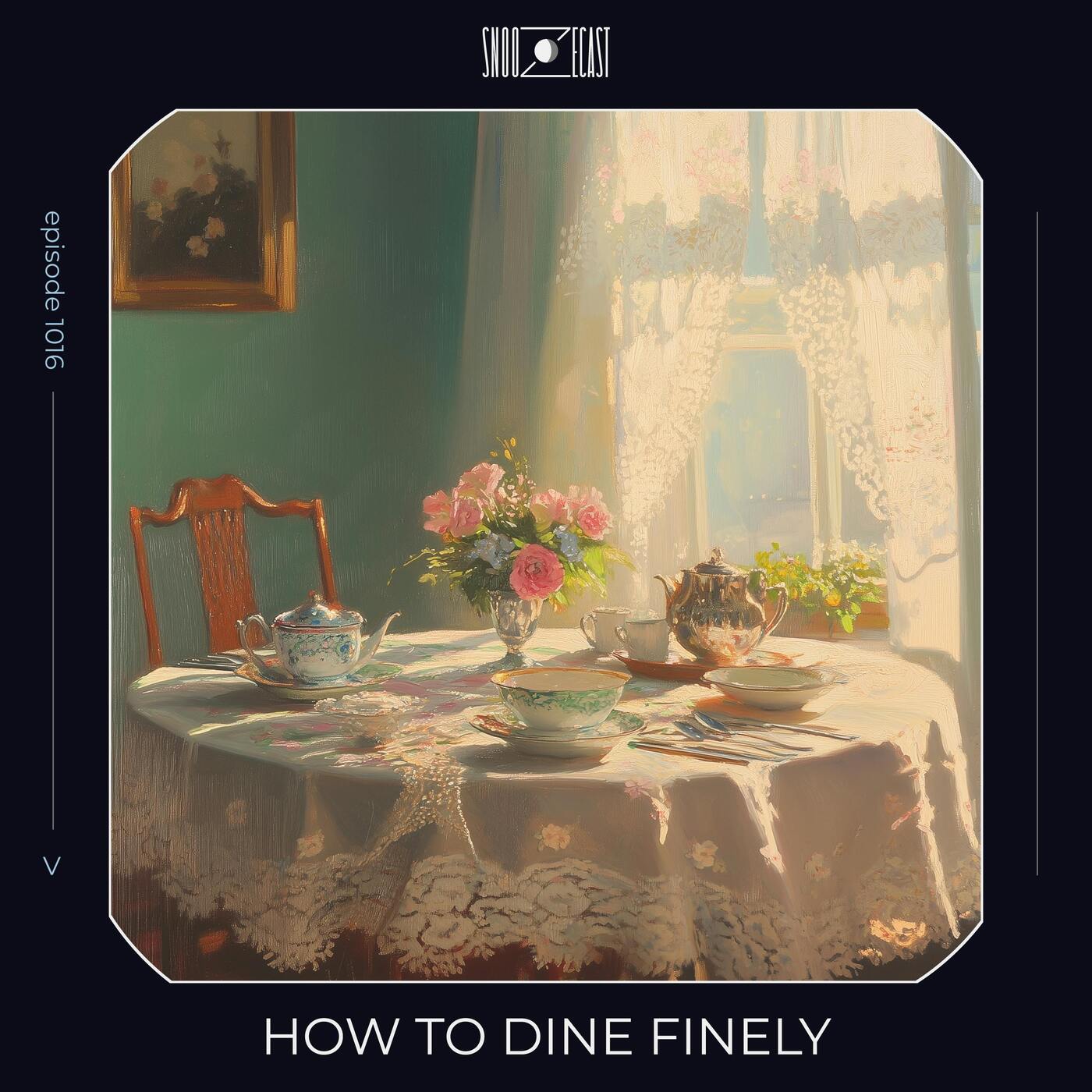
How to Dine Finely
Tonight, we’ll read excerpts from “The Myrtle Reed Cook Book” written by Myrtle Reed and published in 1916. Reed was an American author, poet, journalist, and philanthropist.
Reed’s cook book blends recipes with spirited commentary on everything from kitchen organization to the art of table service.
At the time of its publication, domestic science was gaining popularity, with cookbooks
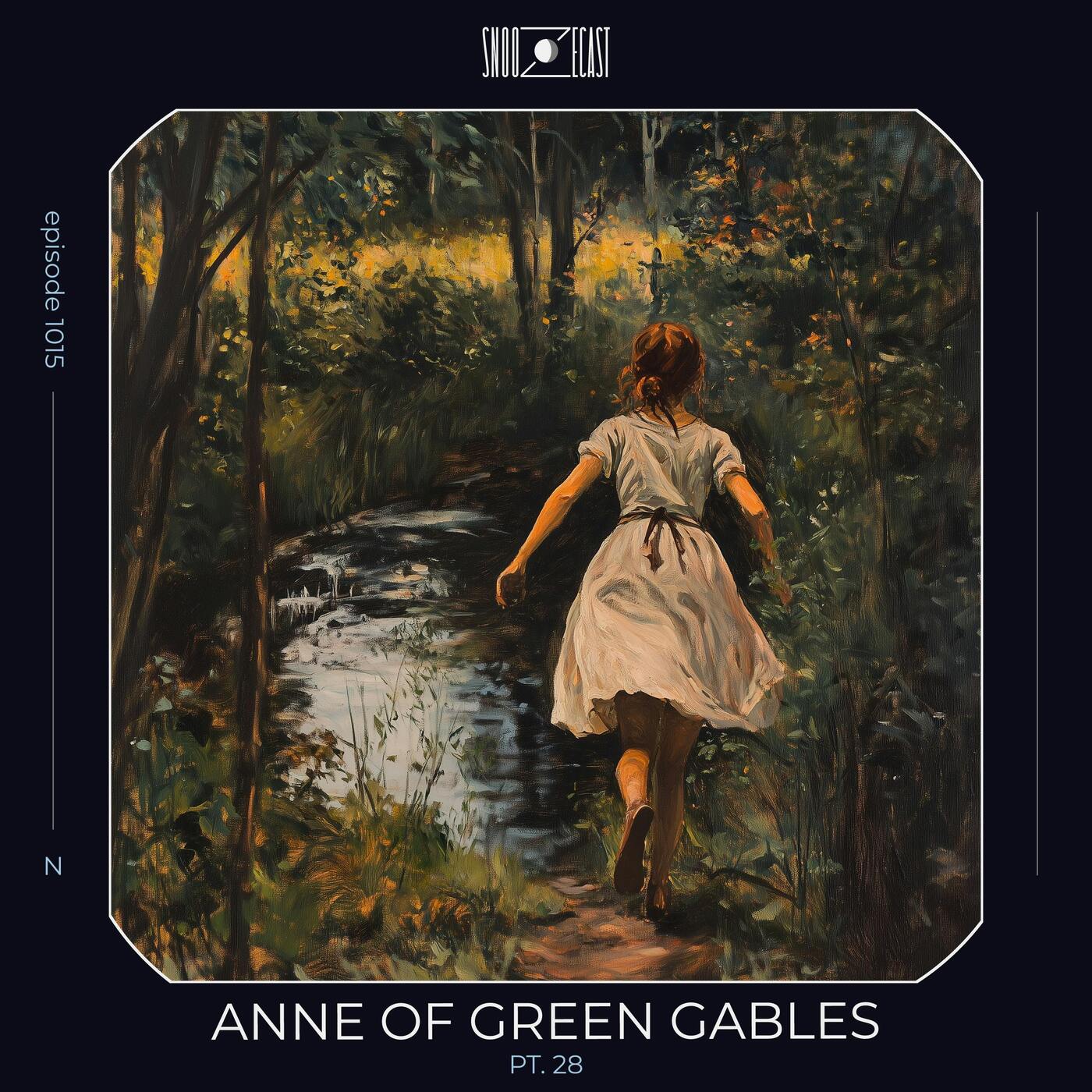
Anne of Green Gables pt. 28
Tonight, we’ll read the 28th chapter of “Anne of Green Gables”, the classic 1908 novel by Lucy Maud Montgomery. This chapter is titled “An Unfortunate Lily Maid”
In the last episode, Marilla returns home one spring evening thrilled by the season’s promise, only to discover there’s no fire, no tea—and no Anne. After fuming in the kitchen and questioning Matthew, she fetches a candle in An
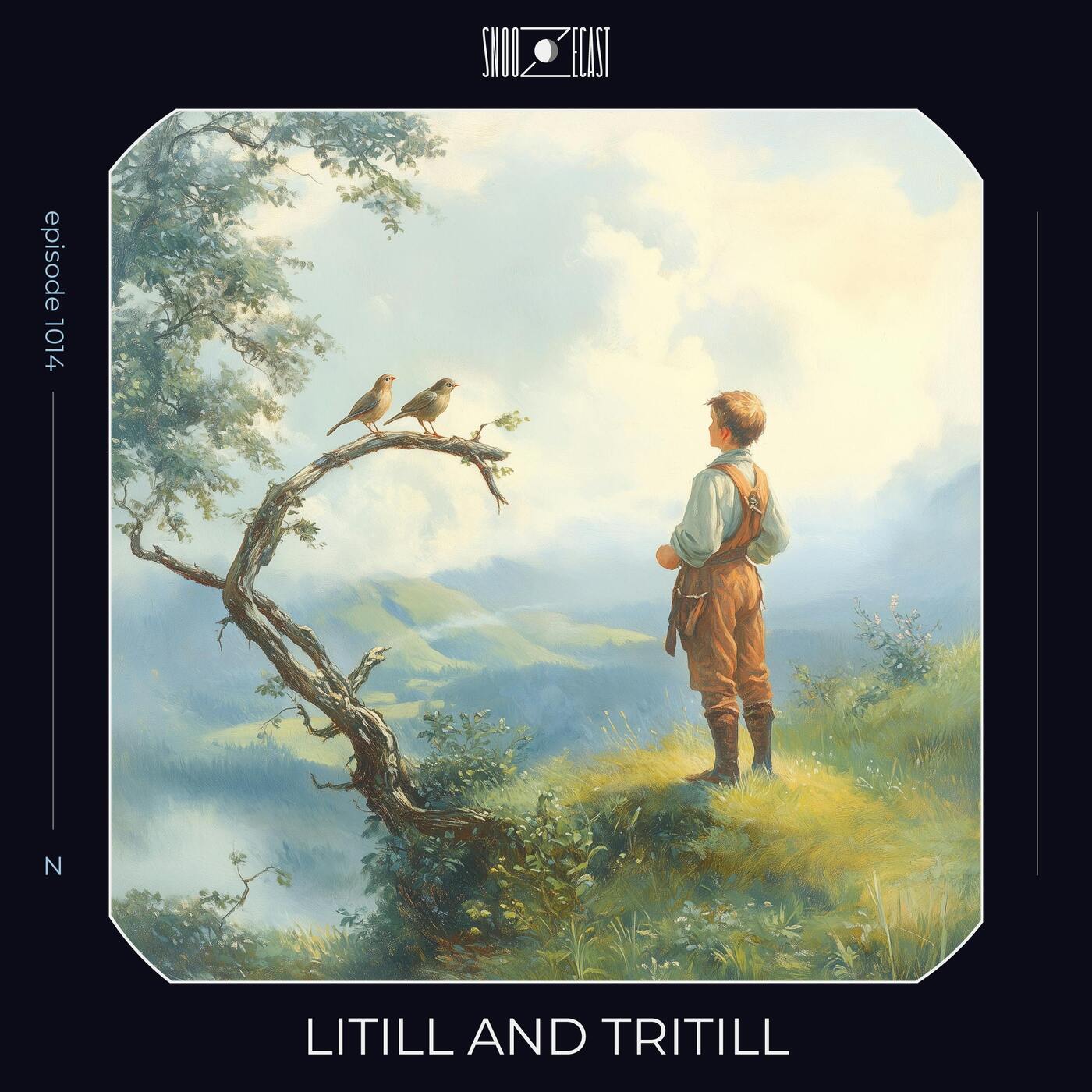
Litill and Tritill
Tonight, we’ll read an Icelandic fairy tale called “Litill, Tritill, the Birds, and the Peasant Lad” translated and edited by Mrs. A. W. Hall and published in 1897.
Like many folk and fairy tales, the exact origins are complicated and sometimes unclear. The more well-known Crimson Fairy Book edited by Andrew Lang cites this story as having Hungarian origin. However, there are at least two

Beyond the Gate | Penny Parker
Tonight, we’ll read the opening to “Ghost Beyond the Gate” written by Mildred A. Wirt and published in 1943.
In this story, Mr. Parker is taken to the hospital by another driver after getting into an accident. However, Mr. Parker never arrives at the hospital. Penny takes over running the newspaper in her father's absence and discovers a clue to her father's whereabouts at an old aband
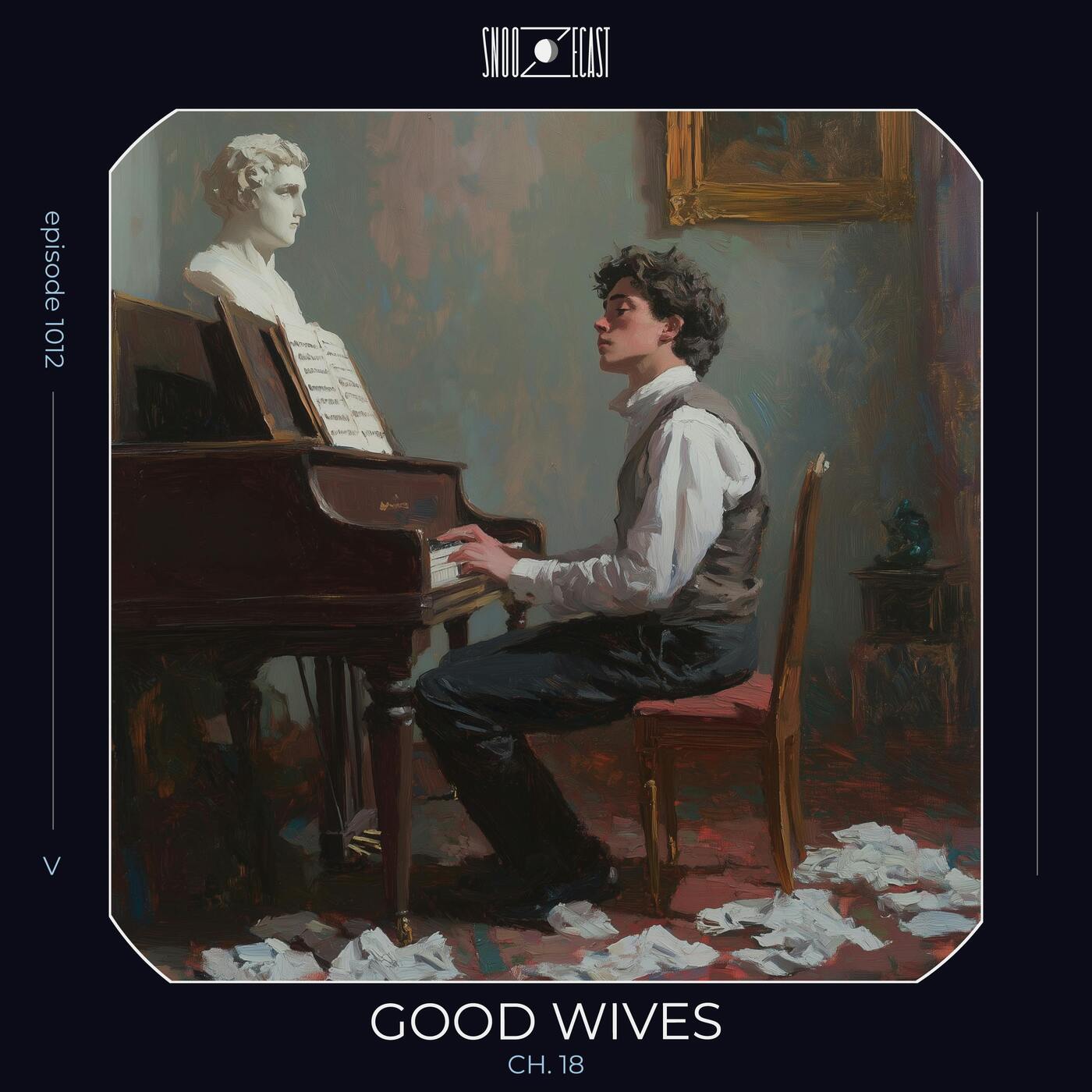
Good Wives ch. 18
Tonight we'll read the next chapter of Good Wives, written by Louisa May Alcott, titled "Learning to Forget". This is also known as the second half of the Little Women novel, and is considered the 41st chapter.
As part of that work as a whole. In our last chapter, the March family drew closer together as they cherished their time with Beth and prepared for the inevitable. And now we pick
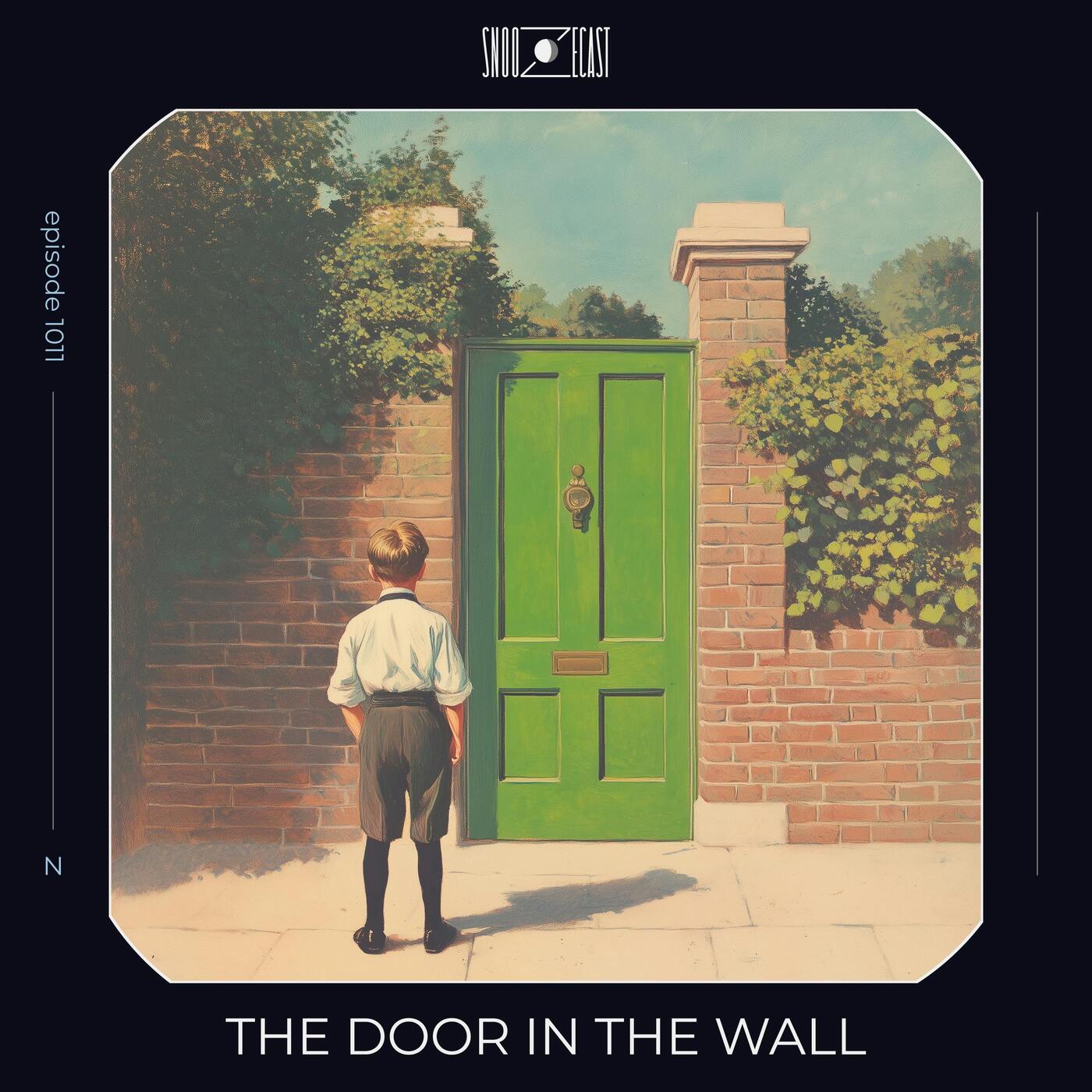
The Door in the Wall
Tonight, we’ll read “The Door in the Wall,” a short story written in 1911 by H.G. Wells. Considered to be one of his finest short stories, it explores the tension between the rational and the fanciful experiences in life.
Wells is best known today for pioneering modern science fiction with works like “The Time Machine” and “The War of the Worlds”, but he also wrote thoughtful, bitterswee

Peaks of Shala
Tonight, we’ll read from the opening to the 1923 travel memoir Peaks of Shala by Rose Wilder Lane. It is about a walking tour of mountainous Albania.
The daughter of writer Laura Ingalls Wilder, Lane was an American journalist, travel writer, novelist, and political theorist. Though she is perhaps best known today for her work editing and shaping her mother’s Little House series, Lane le
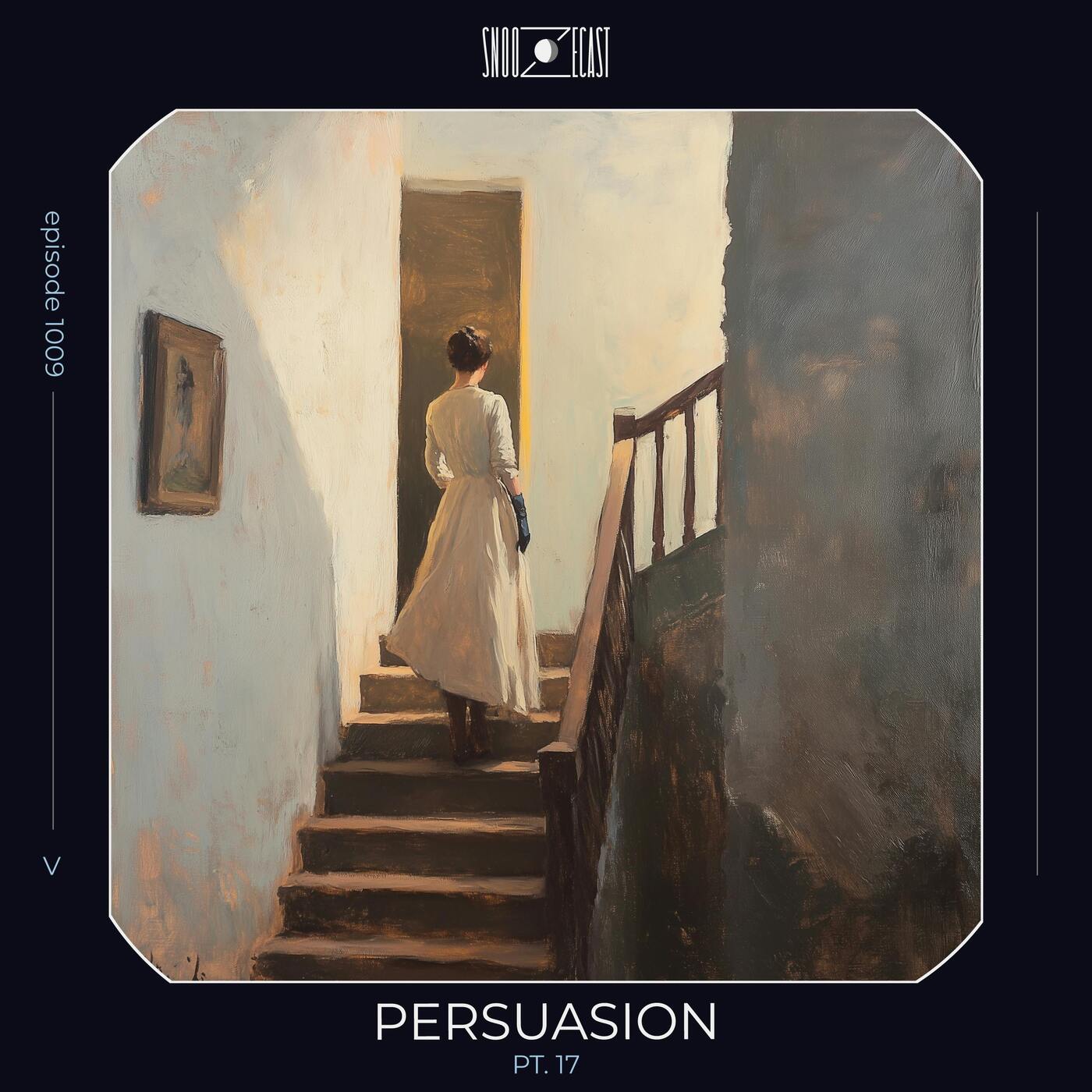
Persuasion pt. 17
Tonight, we shall read the next part to “Persuasion”, the last novel fully completed by Jane Austen, and published in 1817. The story concerns Anne Elliot, an Englishwoman whose family moves in order to lower their expenses, by renting their home to an Admiral and his wife.In the last episode, concluding chapter 16, Mr. Elliot continues his frequent visits to Camden Place, charming Sir Wa

The Mirror of Matsuyama
Tonight, we’ll read “The Mirror of Matsuyama,” a story found in Japanese Fairy Tales by Yei Theodora Ozaki in 1908.This tale explores the quiet strength of familial love and the power of memory, all seen through the lens—literally—of a small hand mirror. It begins with a mother who gives her daughter the mirror as a keepsake, and unfolds into a story that blends gentle superstition with e
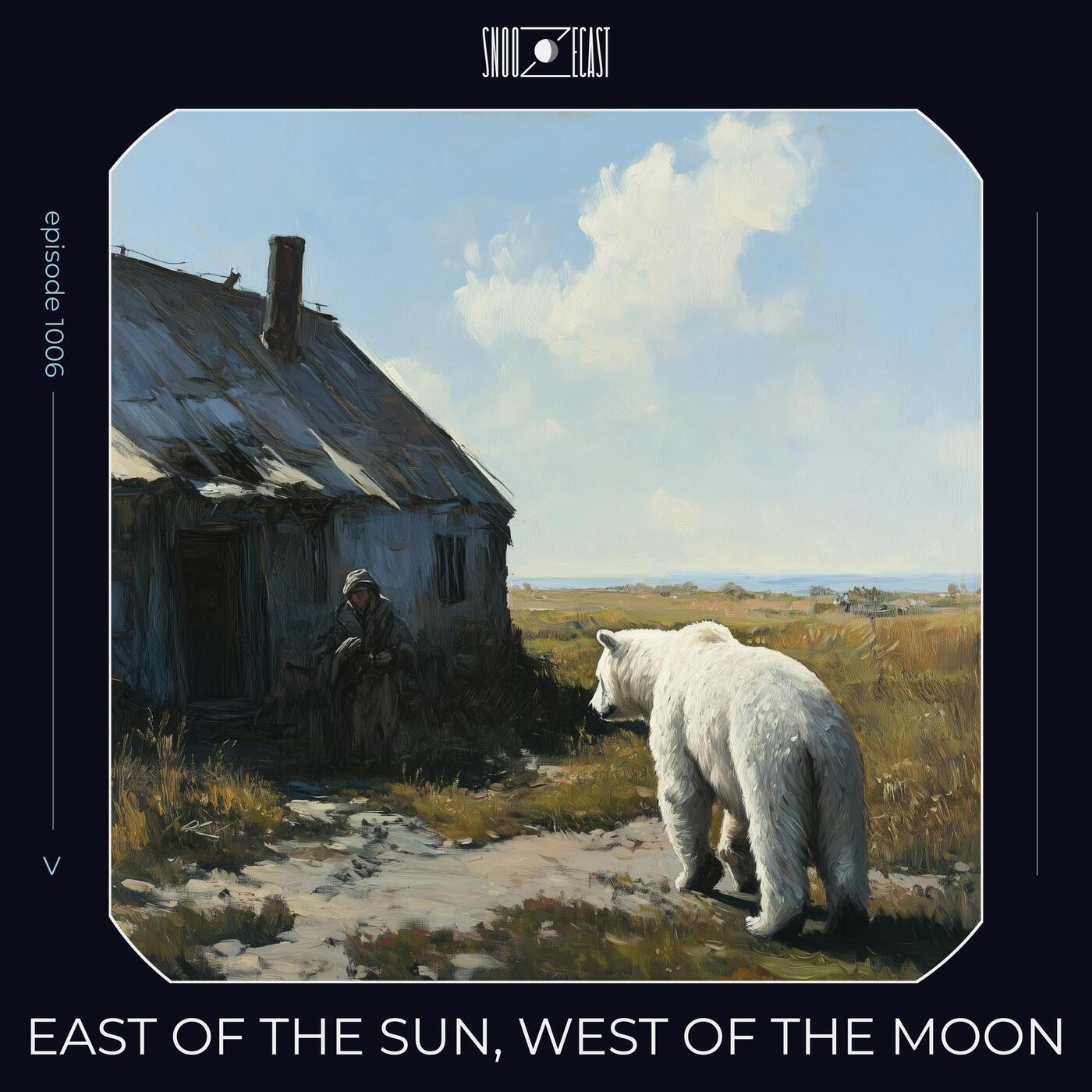
East of the Sun, West of the Moon
Tonight, we’ll read the complete story of “East of the Sun, West of the Moon”, a Norwegian fairy tale, collected by Asbjørnsen and Moe.In this story, a talking bear approaches a poor peasant and asks if he will give him his daughter as a wife in return for making the family rich.The tale belongs to a broader class of folktales known as “Animal Bridegroom” stories, where a maiden is betrot
Dear Listeners: An Update from 'V'
Learn more about your ad choices. Visit megaphone.fm/adchoicesSee Privacy Policy at https://art19.com/privacy and California Privacy Notice at https://art19.com/privacy#do-not-sell-my-info.
Recommended

این نقطه

TED Business
Dark Night Tales with Brian King

Fantasy Flex
زن بودن

Medicine with Meaning

Yours Truly Johnny Dollar Collection

Take Back Your Health®
CBS Radio Mystery Theater | Old Time Radio

Solved Murders - True Crime Stories
紐約鳥|New York Aperture
The Swerve Podcast: Obscure Topics | Conspiracy Theories
