The Next Picture Show
The Next Picture Show examines how classic films inspire and inform modern movies. Each episode takes a deep dive into a classic film and its legacy, then compares and contrasts that film with a modern successor. Hosted and produced by the former editorial team of The Dissolve: Genevieve Koski, Keith Phipps, Tasha Robinson, and Scott Tobias.
Episodes

Trial By Media, Pt. 2 — Primetime
Primetime is a far-from-straightforward take on a true story, using the mid-aughts TV phenomenon To Catch a Predator and especially its host, Chris Hansen, for a darkly comic exploration of the morally murky place where ambition and justice overlap. It’s a tonal high wire act that gets a lot of mileage out of Lance Oppenheim’s expressively stylized direction and strong performance

Trial By Media, Pt. 1 — Sweet Smell of Success
Lance Oppenheim’s Primetime paints problematic TV phenomenon To Catch a Predator — and especially its host, Chris Hansen — as an enterprise fueled by ambition, amorality, and a tenuous grasp of journalistic ethics. Those qualities put us in mind of the cursed collaboration between desperate press agent Sidney Falco and influential columnist J.J. Hunsecker in 1957’s Sweet Sm

Hazard Pay, Pt. 2 — The Weight
There’s a lot to enjoy about The Weight: the tactile 1930s Oregon setting, strong performances from Ethan Hawke and Russell Crowe, a premise that allows for multiple suspense sequences. But Padraic McKinley’s directorial debut is arguably lacking in thematic heft and visceral grit, particularly when compared to the other film in this pairing. So after considering how The Weight su

Hazard Pay, Pt. 1 — Sorcerer
Padraic McKinley’s The Weight isn’t a remake ofThe Wages of Fear, though it feels deeply indebted to the H.G. Clouzot classic in its thrilling depiction of a group of outlaws on a near-impossible mission across deadly terrain. William Friedkin’s 1977 cult favorite Sorcerer technically isn’t a Wages remake, either — Friedkin insisted it was his own adaptation of the or

Existential Zones, Pt. 2 — It Ends
Alexander Ullom's It Ends is a daring little piece of microbudget drama about four friends at transition points in their lives, who find themselves in a place where life and death no longer hold any meaning. Whether it’s a film about despair, about the afterlife, about the human condition, or all of the above, is up for discussion this week, as well as how It Ends fits into this current mome

#539: Existential Zones, Pt. 1 — Solaris (1972)
Alexander Ullom’s feature debut, It Ends, has been billed as a horror movie, but it’s more of an existential exercise wrapped inside a genre premise. That same description could be applied to Solaris, though Andrei Tarkovsky’s 1972 science-fiction classic takes nearly twice as long to ponder the nature of life in a situation where death has no meaning anymore. So this w

The Family That’s Prey Together, Pt. 2 — The End of Oak Street
The Platt family is barely surviving, and that’s before their neighborhood is inexplicably dropped millions of years into the past and overrun by hungry dinosaurs. The End of Oak Street isn’t nearly as concerned with explaining that premise or exploring its characters as it is with facilitating dino mayhem and nostalgia for the films of writer-director David Robert Mitchell&r

The Family That's Prey Together, Pt. 1 — War of the Worlds (2005)
David Robert Mitchell’s The End of Oak Street drops an ordinary family into extraordinary circumstances, forcing them to focus all their energy on surviving— and maybe, just maybe, learning to understand each other along the way. That structure, combined with Oak Street’s Spielbergian spectacle, pointed us toward 2005’s War of the Worlds, which fuse
Anyone Can Cook, Pt. 2 — Tony
Matt Johnson’s new biopic Tony sidesteps the infamous Walk Hard trap by narrowing its scope to a single summer that would end up shaping the rest of Anthony Bourdain’s life, but not necessarily defining it. Whether that approach is ultimately satisfying to fans of the late celebrity chef and author is up for debate this week, as we’re once again joined by Vult

#535: Anyone Can Cook, Pt. 1 — Ratatouille
Anthony Bourdain, whose early experience working in a restaurant kitchen is chronicled in the new biopic Tony, once singled out Ratatouille as Hollywood’s best depiction of working in a restaurant kitchen, which is all the invitation we need to revisit Brad Bird’s 2007 Pixar classic. So this week, with the help of Vulture critic Roxana Hadadi, we consider how R

Home Sweet Homer, Pt. 2 — The Odyssey
Christopher Nolan’s The Odyssey approaches Homer’s epic from a much more literal vantage point than O Brother Where Art Thou, but that doesn’t mean it’s a dutiful, beat-by-beat adaptation. So this week we’re talking through the ways in which Nolan put his personal stamp on one of the most well-known stories in all of literature, from the film&rsquo

Home Sweet Homer, Pt. 1 — O Brother, Where Art Thou?
Considering The Odyssey is one of the most famous and influential stories of all time, there had been relatively few attempts to directly translate Homer’s epic poem to the big screen until Christopher Nolan came along to do it at a blockbuster scale. It’s been more common for filmmakers, such as Joel and Ethan Coen, to use it as the loose framework for a flawed hero’s

Lady Justice, Pt. 2 — Supergirl
A good chunk of Supergirl’s DNA can be traced back to True Grit by way of the comics miniseries the film is adapting, which is why we paired it with Joel and Ethan Coen’s 2010 version of that story. But as our discussion of Craig Gillespie’s new entry in James Gunn’s revamped DC Universe details, Supergirl often feels less indebted to its space-west

Lady Justice, Pt. 1 — True Grit (2010)
The new Supergirl isn’t an outright adaptation of the comic-book miniseries Woman of Tomorrow, but it retains enough of its shape that it evokes that comic’s own source of inspiration, True Grit. Either of the two film adaptations of Charles Portis’ 1968 Western novel about a young girl enlisting a reluctant, drunken hero to help her enact revenge would have p

Our Aliens, Ourselves Pt. 2 — Disclosure Day
Forty-four years after his science-fiction classic about the deep connection between a 10-year-old human boy and an alien visitor stranded on earth, Steven Spielberg is once again considering humanity’s capacity to accept and understand extraterrestrial life with his latest, Disclosure Day. So after sharing our reactions to Disclosure Day, including an ending that’s

Our Aliens, Ourselves Pt. 1 — E.T. the Extra-Terrestrial
Disclosure Day is not Steven Spielberg’s first film about the confirmation of alien life, nor is it the first such Spielberg film we’ve discussed on this podcast — that would be Close Encounters of the Third Kind, which we covered a decade ago. But Spielberg’s latest is specifically concerned with whether humanity possesses the empathy to process such a revelation

Negative Spaces, Pt. 2 — Backrooms
Backrooms’ journey to the big screen — from anonymous 4chan post to viral creepypasta to mega-popular YouTube series to A24-backed box-office smash — is as unique and unexpected as the film itself. 20-year-old Kane Parsons’ liminal horror hit feels unlike everything else currently happening in the genre, which is partly what inspired us to pair it with the similarly expecta

Negative Spaces, Pt. 1 — Phantasm
20-year-old Kane Parsons is now the youngest director to ever hit No. 1 at the box office thanks to his A24-backed horror film Backrooms, which made back its budget several times over in the first week of release and is already inviting talk of sequels. All of that offscreen context makes it a natural pairing with 1979’s series-spawning cult hit Phantasm, but it has plenty of

Baby on Board, Pt. 2 — The Mandalorian and Grogu
The Mandalorian and Grogu plays like a few stitched-together episodes of The Mandalorian, which makes it a particularly apt pairing with the 1980 Lone Wolf and Cub assemblage Shogun Assassin — but whether the first new Star Wars feature film since 2019 manages to distinguish itself from its television counterpart is another question. We’re joined again by

Baby on Board, Pt. 1 — Shogun Assassin (1980)
The Mandalorian and Grogu gives the feature-film treatment to a streaming series whose premise — an outcast warrior lives by a code of honor while traveling in the company of an adorable small companion — owes no small debt to the Japanese multimedia franchise Lone Wolf and Cub. But rather than comb through the six installments comprising that film series for a good match, we

Burden of Hoof, Pt. 2 – The Sheep Detectives
Kyle Balda’s new family film The Sheep Detectives pulls off a move George Miller was dissuaded from including in his 1998 sequel Babe: Pig in the City — killing off its human farmer figure — but that premise-setting death aside, it’s generally a warmer and gentler take on talking animals venturing beyond their green pastures and into the big, scary human worl
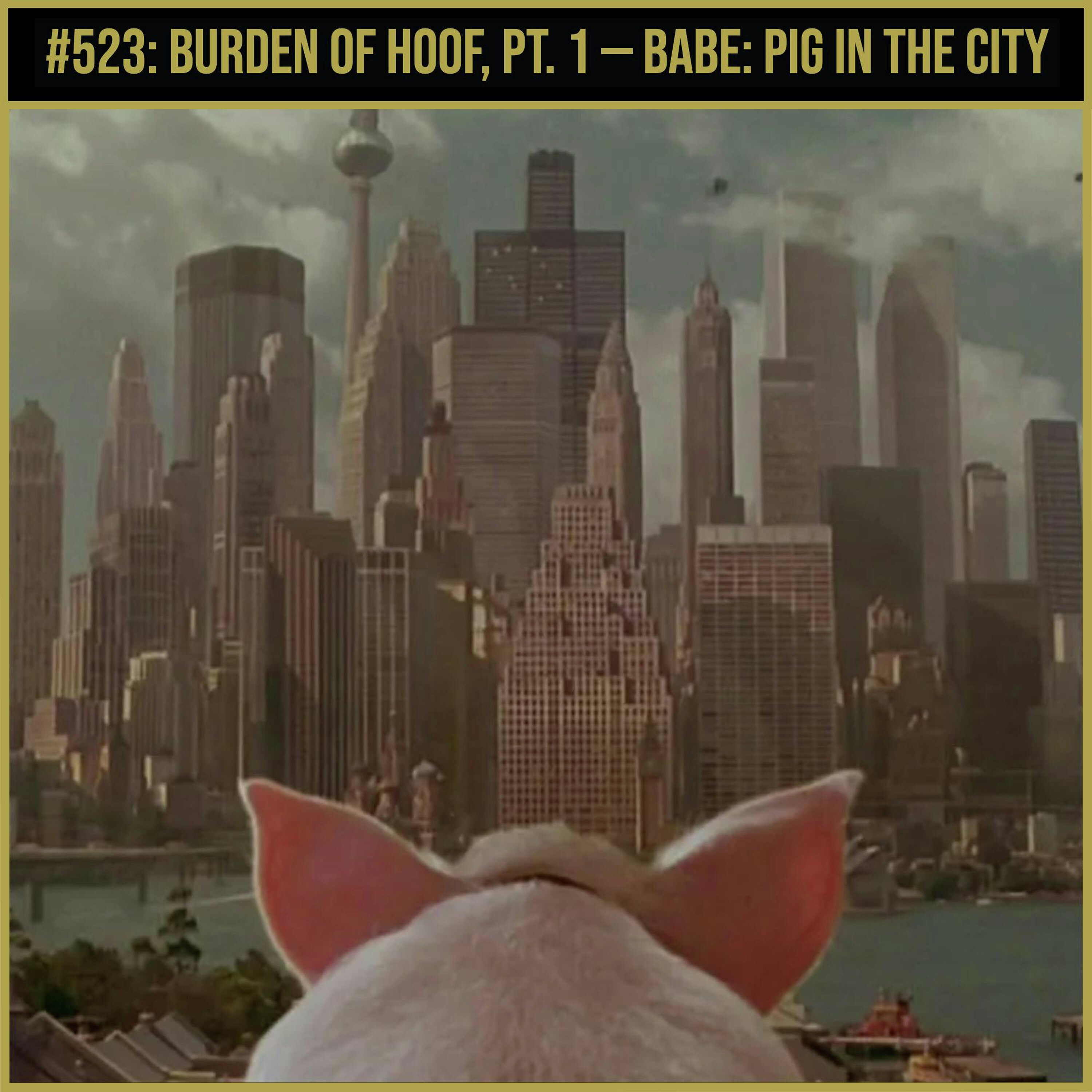
Burden of Hoof, Pt. 1 — Babe: Pig in the City
The Sheep Detectives is about as short on pigs as Babe: Pig In the City is short on sheep, but Kyle Balda’s new family film still reminded us of the 1998 box-office-bomb-turned-cult-classic in its tale of talking animals venturing beyond their idyllic pastures and into a dangerous corner of the human world. George Miller’s poorly received sequel to Babe may technically have a lower body count tha
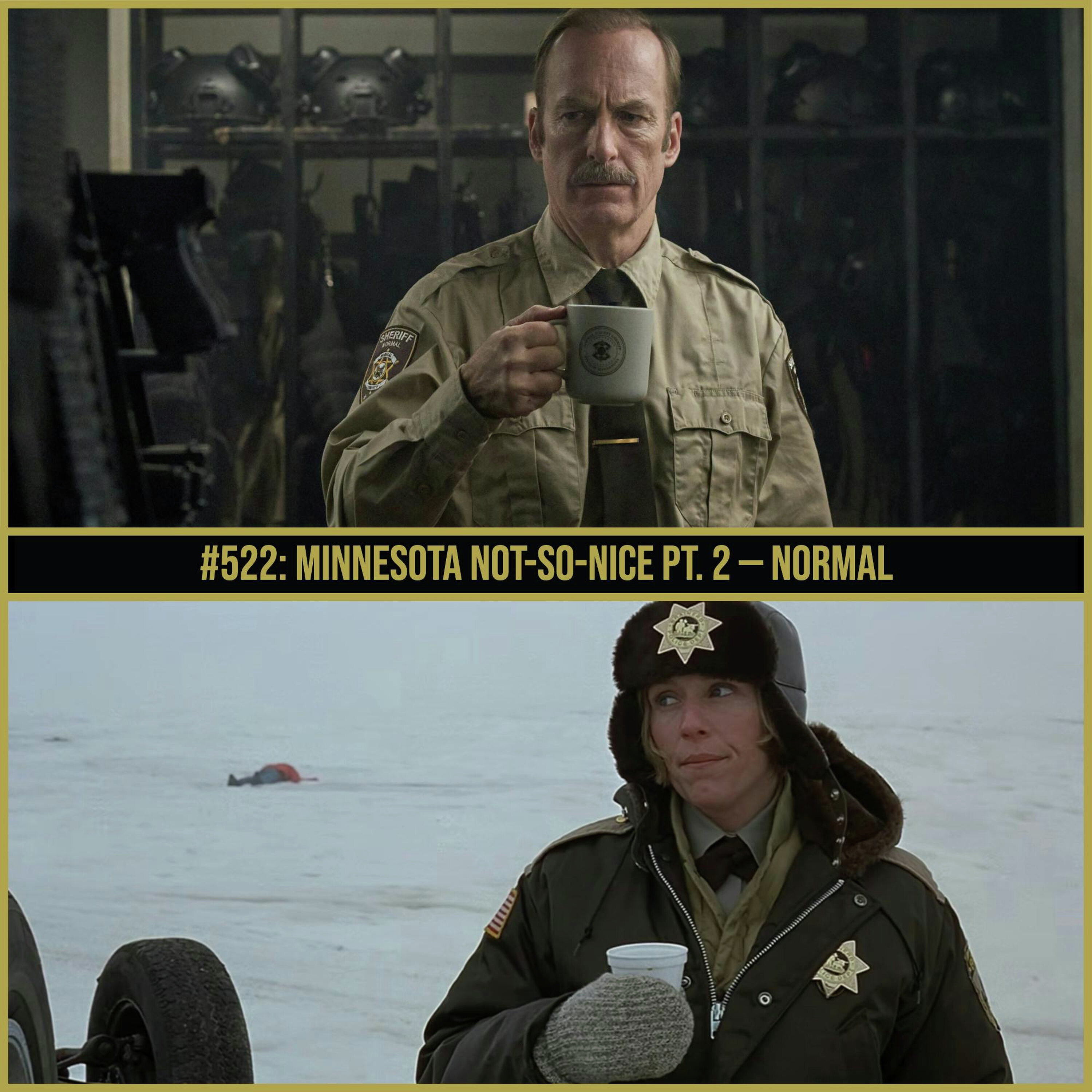
Minnesota Not-So-Nice, Pt. 2 — Normal
Despite the snowy setting, law-enforcement-officer protagonist, and pointed poking at the idea of "Minnesota Nice," Ben Wheatley's new Bob Odenkirk-starring shoot-'em-up Nowhere is in many ways the anti-Fargo. Is it fair to compare this scrappy (some might even say sloppy) genre effort to a film as revered as the Coen brothers' comedic crime classic? Maybe not, but that's what we do here at The Ne

Minnesota Not-So-Nice, Pt. 1 — Fargo
As a comedic crime thriller set in snowy Minnesota and featuring a sheriff protagonist, it would be pretty tough for the new Bob Odenkirk-starring shoot-em-up Normal to avoid comparisons to Fargo, and since we will never pass up an opportunity to discuss the Coen Brothers’ 1996 classic, that’s precisely what we will be comparing it to next week. But first we’ll spend this week discussing why Fargo
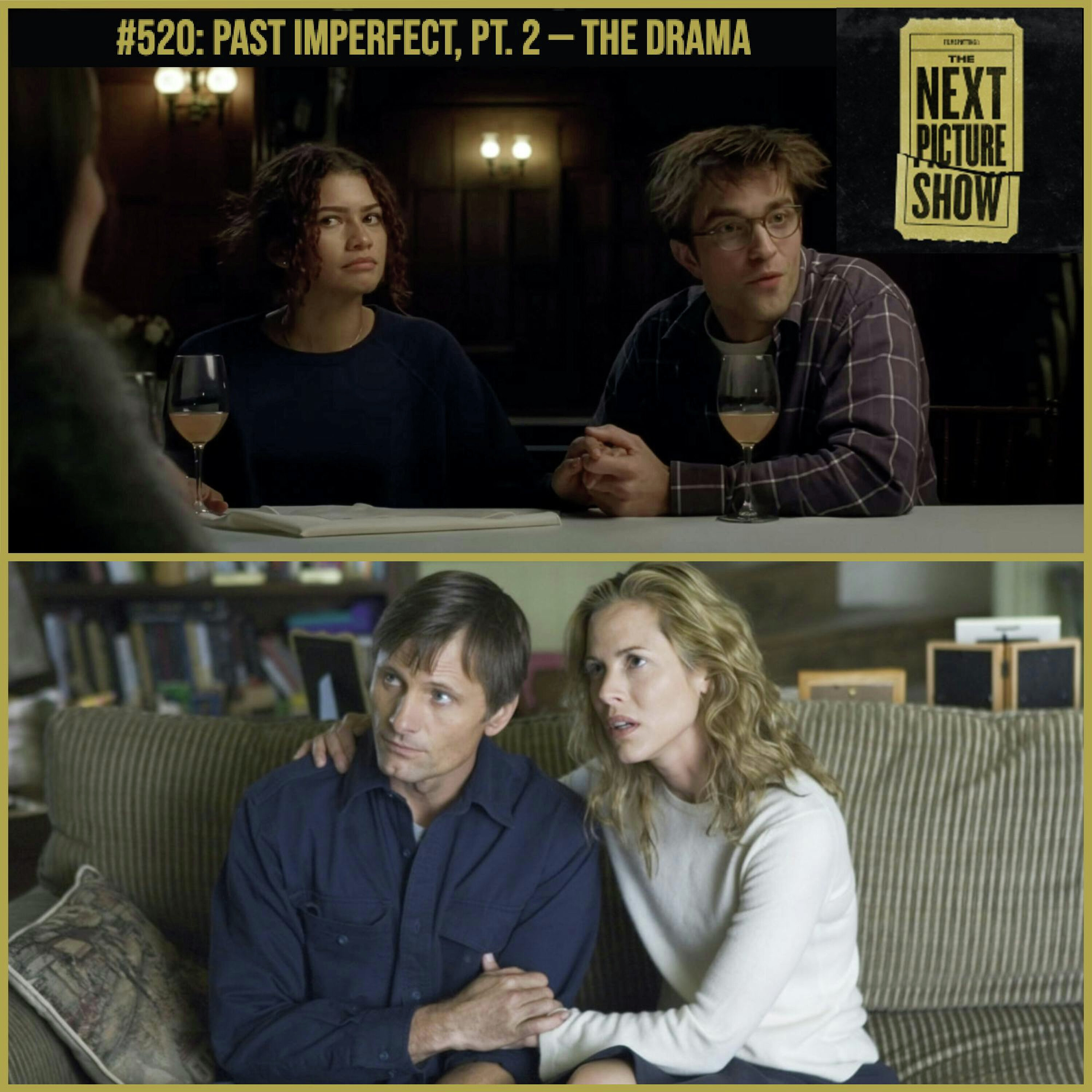
Past Imperfect, Pt. 2 — The Drama
Kristoffer Borgli’s provocative new The Drama turns on the revelation of a secret past that is more of an abstraction than the one in the other half of this pairing, making the resulting relationship rift between Zendaya and Robert Pattinson’s characters both frustrating and fascinating to parse. After talking through our responses to the film’s button-pushing, and our vastly different takes on it
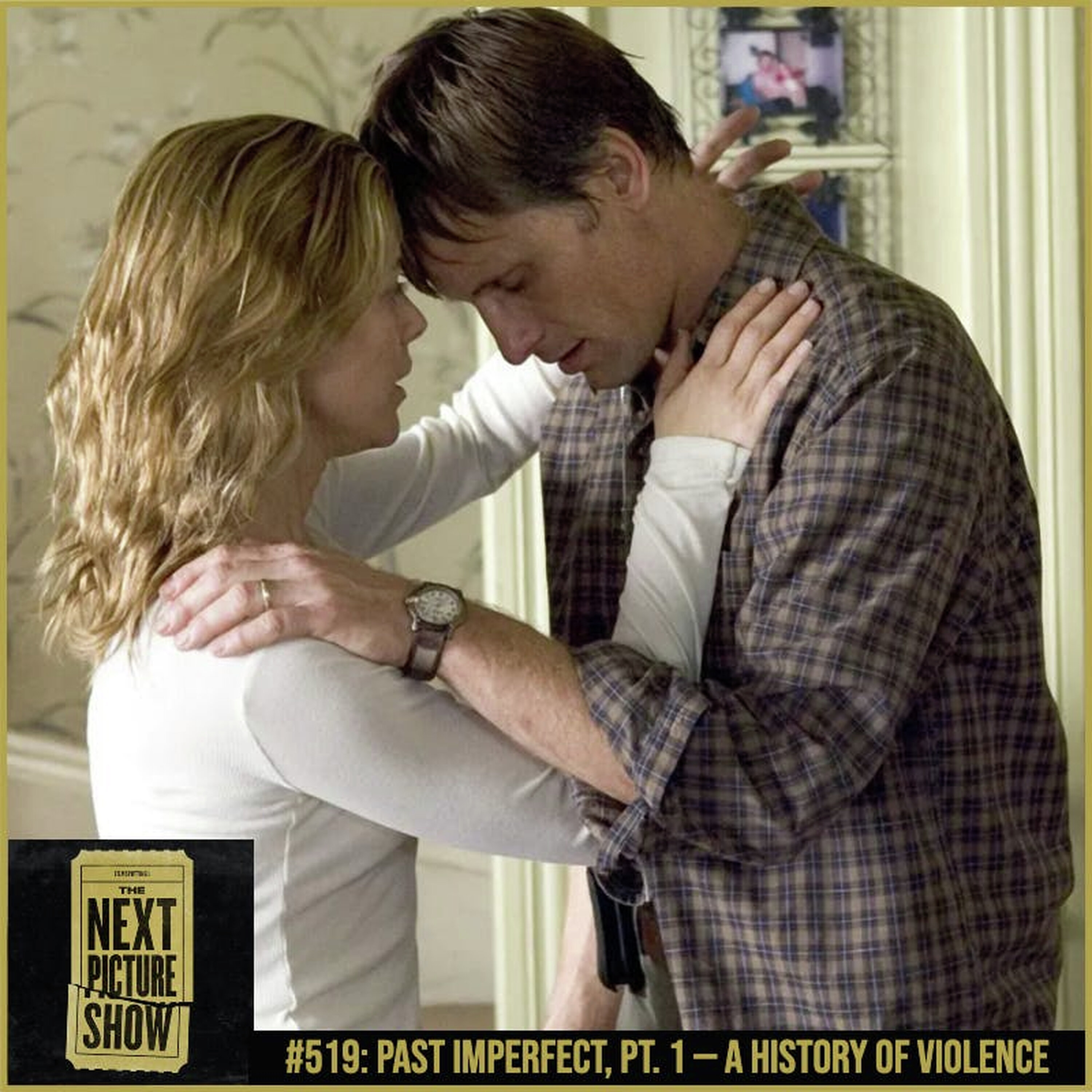
Past Imperfect, Pt. 1 — A History of Violence
Kristoffer Borgli’s The Drama uses the revelation of one character’s dark secret as a provocative “twist,” but also as the basis for an exploration of whether a romantic relationship can survive such dramatic upheaval, a premise that calls to mind 2005’s A History of Violence. The central couple of David Cronenberg’s thriller, played by Viggo Mortensen and Maria Bello, is much further along in the
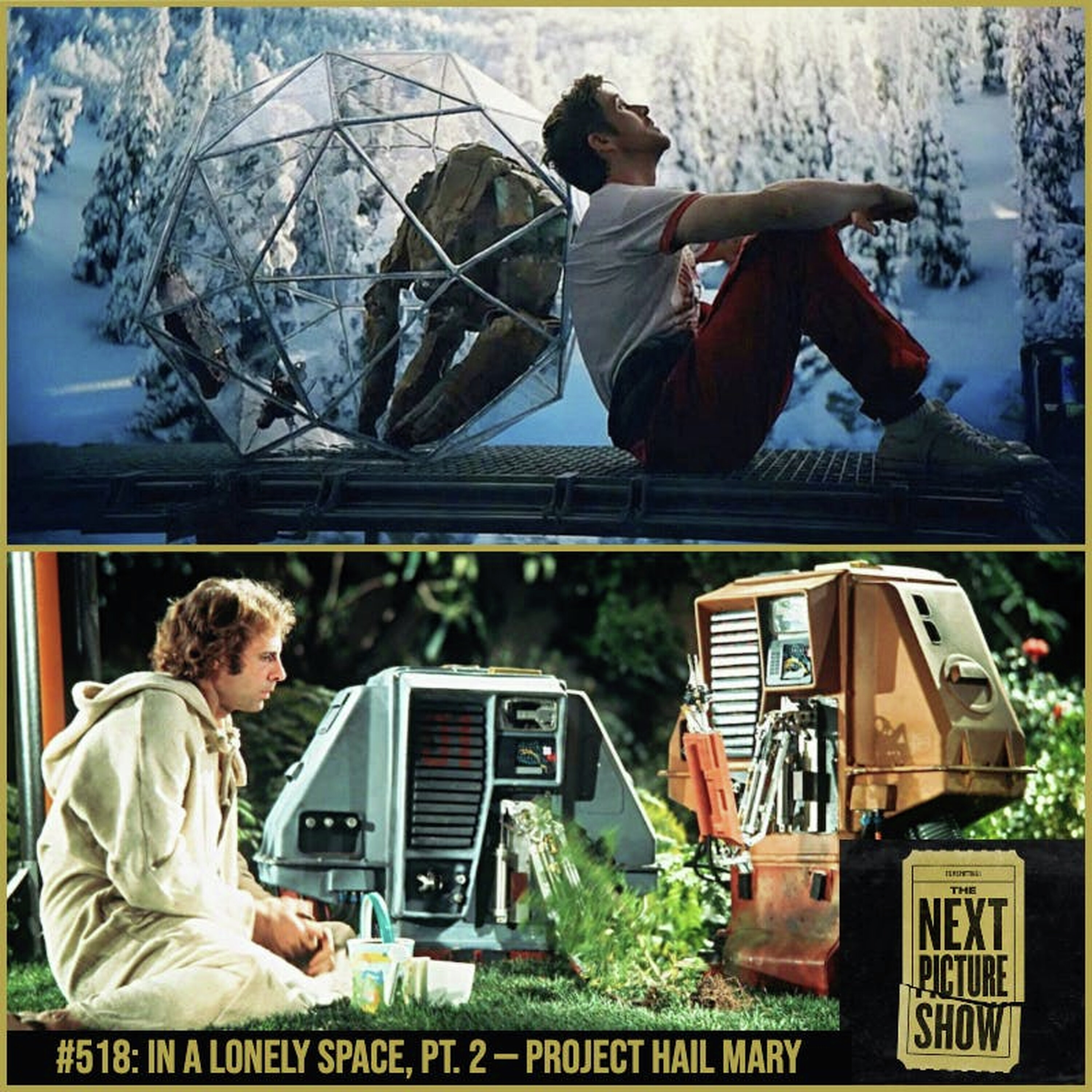
In a Lonely Space, Pt. 2 — Project Hail Mary
Phil Lord and Christopher Miller’s Project Hail Mary is an exceptionally audience-friendly adaptation of Andy Weir’s novel of the same name, offsetting the story’s doomsday scenario with lots of jokes, a charismatic lead, and most especially the buddy dynamic between Ryan Gosling’s human protagonist and an alien engineer named Rocky. The film’s light touch has made it a hit, but it also left some
In a Lonely Space, Pt. 1 — Silent Running
Already the biggest blockbuster of the year so far, Project Hail Mary has proven itself about as audience-friendly as a story about looming worldwide ecological collapse can be. That makes it an interesting point of contrast with 1972’s Silent Running, which approaches many of the same basic narrative beats — a man in space on a solo mission that threatens his sanity, who finds his most human conn
Couples Getaway, Pt. 2 — The Bride!
The Bride! is already a certified box-office flop, but does Maggie Gyllenhaal’s ambitious but deeply flawed sophomore feature as a writer-director have potential for a second life as a cult film? We consider that possibility as we run through the highs and lows, both intentional and unintentional, of a movie that, if nothing else, offers a lot to talk about. It also offers the opportunity to revis
Couples Getaway, Pt. 1 — Bonnie and Clyde
The obvious point of comparison for The Bride! is apparent in the title, but Maggie Gyllenhaal’s new revivification of The Bride of Frankenstein finds its animating spirit in a different film, with her protagonist couple spending a good portion of the movie on the run from the law in the 1930s in scenes that openly evoke Bonnie and Clyde. Whether The Bride! manages to rise anywhere close to the le

If We Picked the Oscar Winners
With the 98th Academy Awards around the corner, we are breaking format this week to register the Next Picture Show's recommendations to the Academy of who should take home Oscar gold. Join us as three critics with competing tastes attempt to find consensus for this podcast's official endorsement for a single winner in all the major categories. Please share your thoughts about this year's Oscar n
Pop Classics, Pt. 2 — Wuthering Heights (2026)
Emerald Fennell’s new Wuthering Heights is full of stylistic provocations — skin walls, bed eggs, and light BDSM among them — but whether they are in service of, or distractions from, a bigger idea about the source material is up for debate this week. The divided reactions to Fennell’s contemporized take on an oft-adapted classic are reminiscent of the love-it-or-hate it response that greeted Baz

Pop Classics, Pt. 1 — Romeo + Juliet (1996)
With its bold stylization, pop soundtrack, and provocative sensibility, Emerald Fennell’s new Wuthering Heights appeals to a contemporary audience so openly it can’t help but call to mind Baz Luhrmann’s 1996 adaptation of another literary classic about doomed lovers, William Shakespeare’s Romeo + Juliet. Fennell citing it as a reference point for her film prompted us to revisit what made Lurhmann’
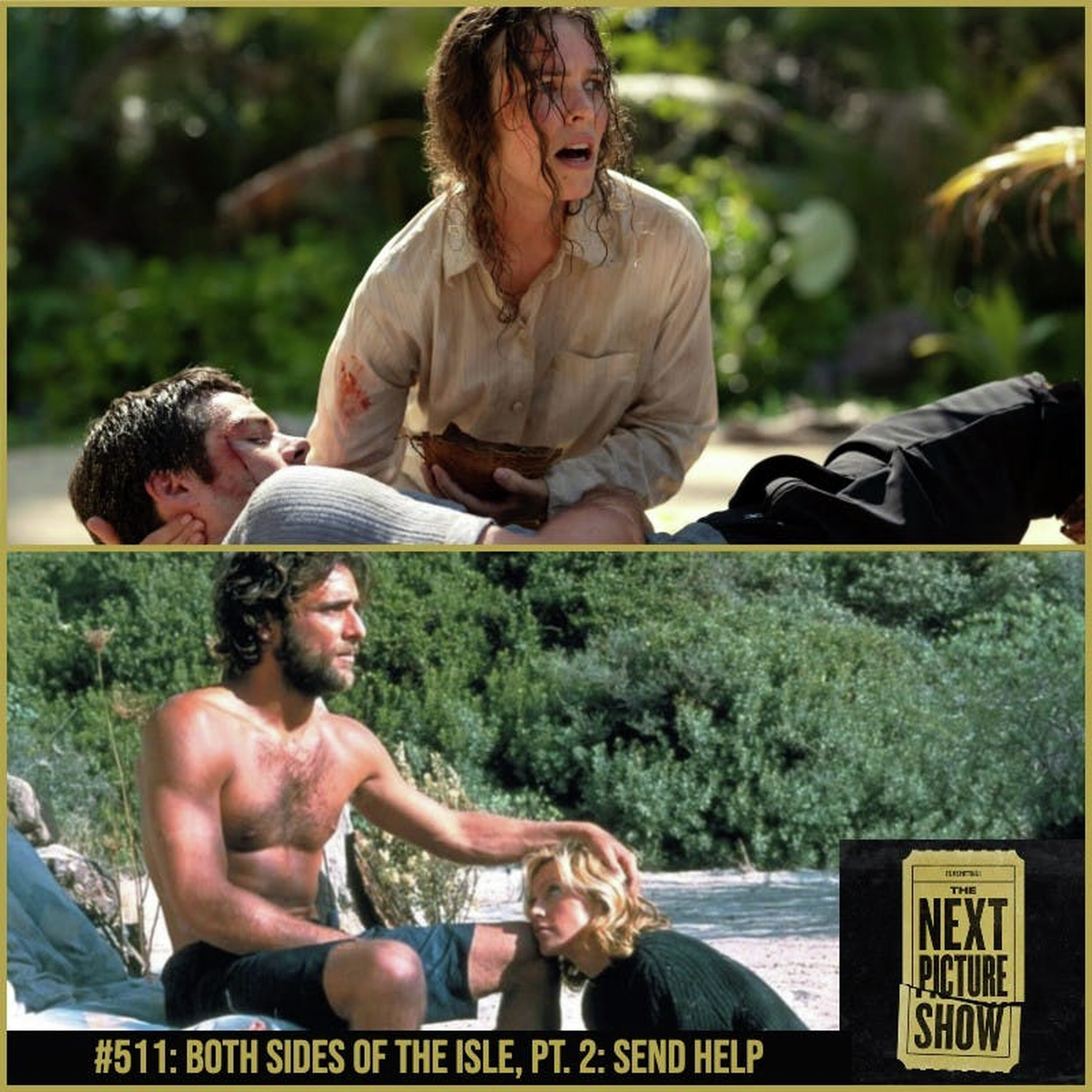
Both Sides of the Isle, Pt. 2 — Send Help
Sam Raimi's new survival thriller Send Help is more overtly comedic and cartoonishly violent than the other film in this week's pairing of dueling castaway duos, but those qualities are both rooted in complimentary ideas about class, gender, and power. They're also both rooted in a baseline cynicism toward humanity that informs a lot of Raimi's work, as well as our discussion of Send Help, for whi
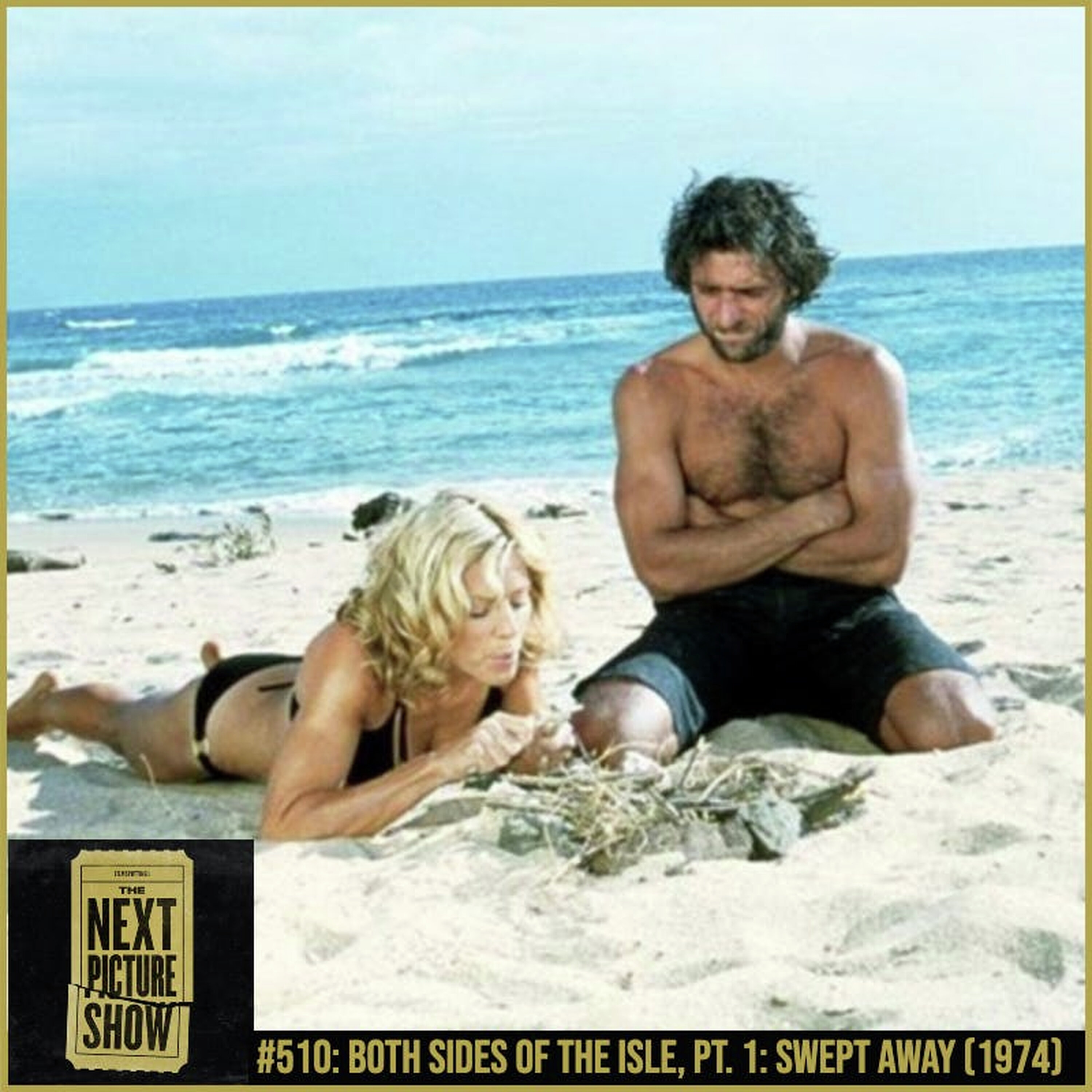
Both Sides of the Isle, Pt. 1 — Swept Away (1974)
What happens when two people on opposite sides of a power imbalance end up stranded together on a deserted island? Before that was the premise of Sam Raimi’s new comedic thriller Send Help, it was the setup for Lina Wertmüller’s 1974 romantic farce Swept Away, only with the genders reversed and the sexual and political provocation turned way up. So this week we’re joined by critic, friend of the s
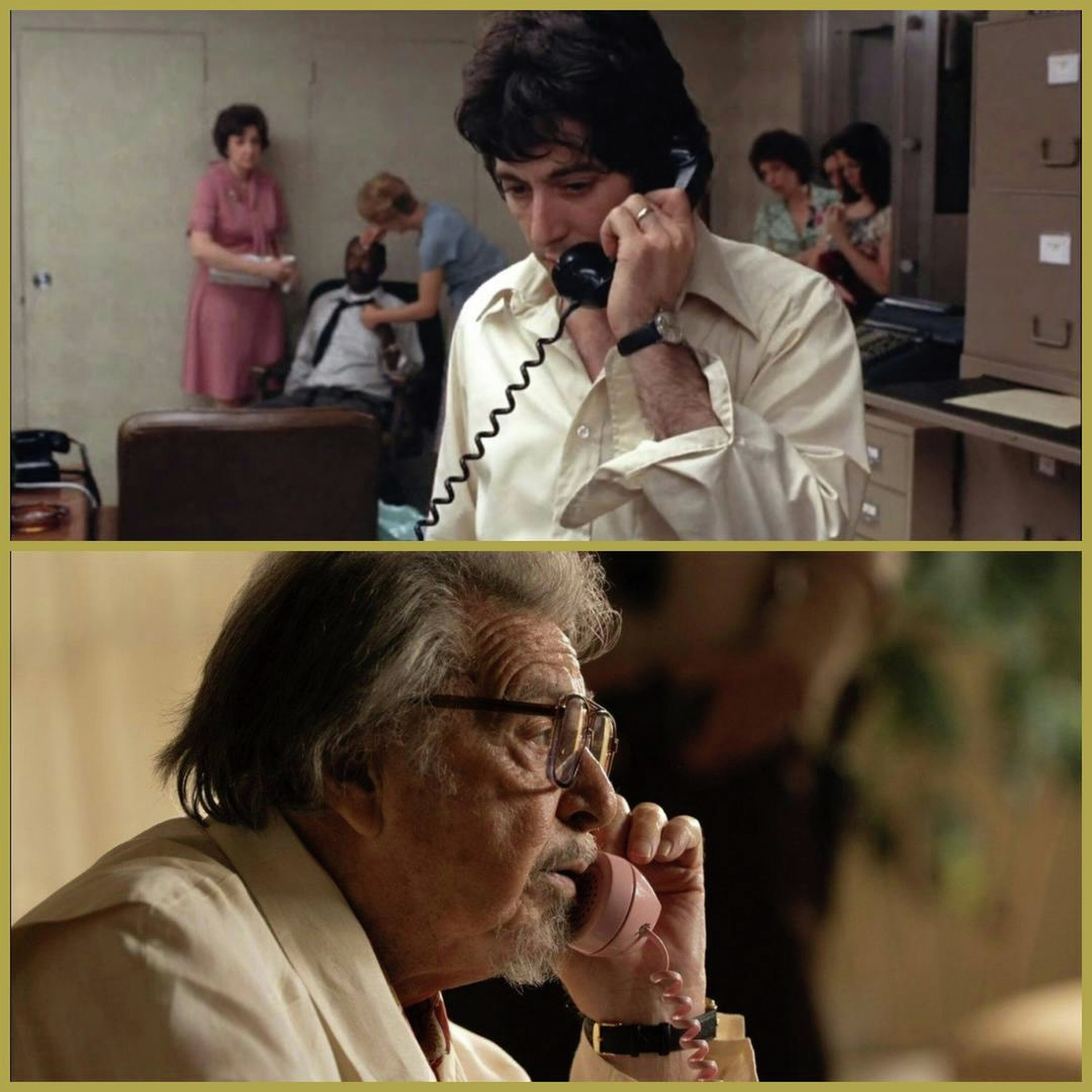
Captive Audiences, Pt. 2 — Dead Man's Wire
Even without Al Pacino's name in its cast list, the new Dead Man's Wire would invite comparisons to Dog Day Afternoon in its dramatization of a real-life 1970s hostage situation turned public spectacle. Whether it benefits from comparisons to Sidney Lumet's 1975 crime classic is another question, one we take up in our discussion of Gus Van Sant's first new feature in eight years. After that, we br
Captive Audiences Pt. 1 — Dog Day Afternoon
In adapting the true story about a '70s hostage crisis that played out on television and in the public eye, Gus Van Sant's new Dead Man's Wire is just asking to be compared to 1975's Dog Day Afternoon — and who are we to resist an invitation to talk about yet another Sidney Lumet classic? So this week we revisit a film we have all previously seen and admired, but still has the ability to surprise
Our Top Films of 2025
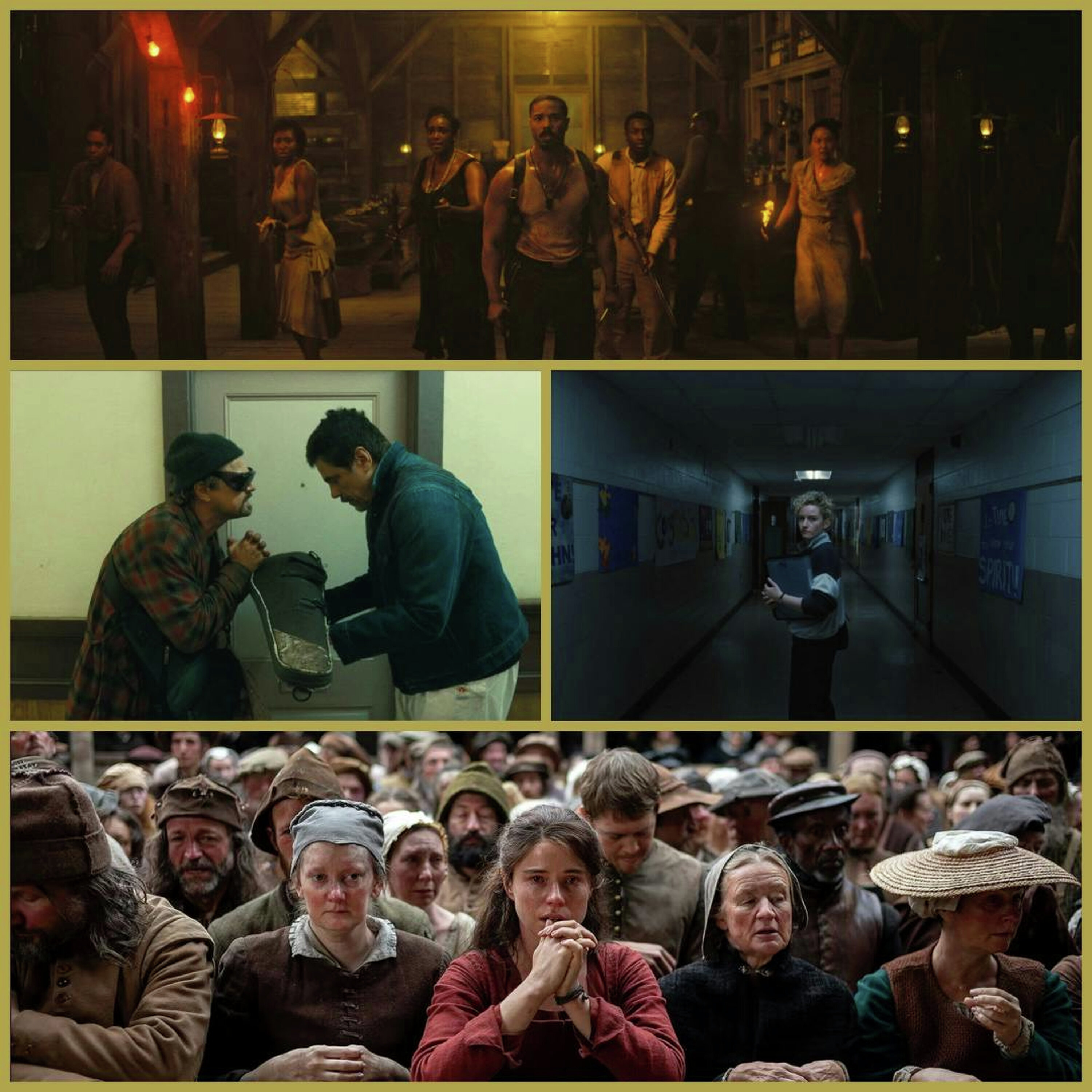
We’re kicking off the new year with our old tradition of looking back on the film year that was, as Scott, Keith, and Tasha gather to talk through their top films of 2025. After touching on some of last year’s broader filmgoing trends and blitzing through the bottom half of their top 10 lists, they talk through their respective top fives, which include several Next Picture Show selections from the
Avatar: Fire and Ash (The Lobby Bonus Episode)
Due to the confluence of holiday and flu seasons, our Best of 2025 episode is delayed a week, so in its place we're sharing a recent episode of The Lobby, our Patreon-exclusive series focusing on movies we don't cover on the main feed. If you'd like to become a Patreon supporter and get ad-free versions of the show, as well as more bonus content like this, you can head over to patreon.com/nextpict
Lose to Win, Pt. 2 — Marty Supreme
Whether he’s playing billiards or table tennis, a successful hustler requires no small amount of charisma, something Timothée Chalamet’s ping-pong pro undeniably has in Marty Supreme, though it’s of a decidedly different flavor than that of Paul Newman in The Hustler. Whether that charisma translates to a character we want to root for as he makes a mess of his own life, as well as those of the peo
Lose to Win, Pt. 1 – The Hustler
The new Marty Supreme follows a table-tennis phenom with the talent necessary to beat the best players in the world, if only he can keep his self-destructive tendencies from getting in the way. Swap out “table tennis” for “pool” in that description and you more or less have Robert Rossen’s 1961 drama The Hustler, which we revisit this week not only to bask in the incomparable onscreen charisma of

The Eternal Question, Pt. 2 — Eternity
David Freyne’s new Eternity shoves a thematically rich afterlife scenario into a romcom-shaped container, resulting in an above-average example of the genre that nonetheless feels like it’s only scratching the surface of its narrative potential. That leaves us with a lot of logistical questions to mull in our discussion of the film — several of which Tasha addressed in her pair of conversations wi
The Eternal Question, Pt. 1 — After Life (1998)
The new fantasy romcom Eternity turns on a scenario familiar from any number of films that imagine life after death as a bureaucratic process, but its focus on characters forced to make big, symbolic choices for big, symbolic reasons is particularly reminiscent of After Life, Hirokazu Kore-eda’s 1998 movie in which the recently departed are given one week to select a memory to take with them into
Human/Nature, Pt. 2 — Train Dreams
Clint Bentley’s Train Dreams uses gorgeous imagery of the natural world, combined with an omniscient narrator quoting from the Denis Johnson novella the film adapts, to speak for a taciturn protagonist who struggles to understand, much less articulate, his place in the world. That approach has earned it the Terrence Malick comparisons that informed this pairing, but Train Dreams uses its own disti
Human/Nature, Pt. 1 — Days of Heaven
Clint Bentley’s new Train Dreams uses the vast canvas of the natural world to frame a relatively tiny story of a single human life, a juxtaposition of story and visuals that’s reminiscent of the work of Terrence Malick, in particular 1978’s Days of Heaven. Set, like Train Dreams, in the midst of America’s Industrial Revolution, Days of Heaven takes an elliptical approach to a fairly straightforwar
What's In a Name — The Last Picture Show
Don’t be alarmed by the title of this week’s movie selection, this is not our final episode — in fact, it’s our 500th, a milestone none of us expected to hit when we started this podcast a decade ago. So in honor of all our past pairings, we’re devoting this one-off episode to a film we’ve never managed to find an excuse to cover on this show, despite naming ourselves after it: THE LAST PICTURE SH
Impaired Visions, Pt. 2 — Radu Jude's Dracula
From its nearly three-hour runtime to its deployment of some of the most deranged CGI you’ve ever seen committed to screen, Radu Jude’s DRACULA often feels like an extended act of trolling, but is it art? The answer to that question is inextricable from the film’s presentation of AI-derived art as grotesque, inhuman, and unsatisfying, and it makes DRACULA arguably more entertaining to discuss than
Impaired Visions, Pt. 1 — 8 1/2
Radu Jude’s DRACULA is, technically speaking, yet another movie about one of the most depicted antagonists in all of cinema, but in actuality it’s about a different beast that has fascinated filmmakers for nearly as long: filmmaking. Within the grand tradition of “movies about moviemaking,” DRACULA’s surreal humor, combined with its focus on a struggling filmmaker fantasizing about the film he mig
First Strikes, Pt. 2 — A House of Dynamite
A HOUSE OF DYNAMITE is built on an undeniably hooky premise — a nuclear missile originating from an unknown source is heading right for us — but is that premise enough to support a successful movie? We’re joined once again by critic and author Jason Bailey to unpack that question, particularly as it applies to the film’s triptych structure and nervy ending gambit. That ending comes back into play
First Strikes, Pt. 1 — Fail Safe
Kathryn Bigelow’s new A HOUSE OF DYNAMITE games out a scenario that filmmakers have been grappling with since the mid-20th century, in particular the year 1964, which saw the release of two very different classics of the nuclear-catastrophe genre: DR. STRANGELOVE, followed a few months later by the other half of this week’s pairing, FAIL SAFE. If the bleak realism of Sidney Lumet’s nuclear thrille
Revolutionary Roads, Pt. 2 — One Battle After Another
Paul Thomas Anderson’s ONE BATTLE AFTER ANOTHER is a very different film in form and function than the other half of this pairing, RUNNING ON EMPTY, but it’s built on the same foundational questions as Sidney Lumet’s 1988 family drama: what does it mean to lead a revolutionary life, and how does one generation’s fight get handed off to the next? After talking through how ONE BATTLE AFTER ANOTHER e
Revolutionary Roads, Pt. 1 — Running on Empty (1988)
Paul Thomas Anderson himself cited 1988’s RUNNING ON EMPTY as a direct influence on the new ONE BATTLE AFTER ANOTHER, and it’s not difficult to see the rhymes between these two films about former revolutionaries trying to protect their kids from the consequences of their parents’ past. We’ll get into those rhymes more next week, but first we devote some time to Sidney Lumet’s 1988 film, which is l
'Til You Drop, Pt. 2 — The Long Walk
It took decades in development hell for an adaptation of Stephen King’s THE LONG WALK to trudge its way into theaters, and now that it has, we’re of split opinions on how Francis Lawrence’s film goes about distinguishing itself from its source material, particularly in its graphic depiction of violence. There’s also the matter of the film’s very different ending, which we dig into once we move int
'Til You Drop, Pt. 1 — They Shoot Horses, Don't They?
It took decades for THE LONG WALK to make it to the big screen, in part because the Stephen King novel on which it’s based is so unrelentingly grim — but as we discovered this week, it may actually be less so than the other half of this pairing, THEY SHOOT HORSES, DON’T THEY. Set during the Great Depression and featuring a protagonist who is greatly depressed, Sydney Pollack’s 1969 drama about a m
Kings' Ransoms, Pt. 2 — Highest 2 Lowest
Spike Lee’s HIGHEST 2 LOWEST is built on the rock-solid narrative foundation of HIGH AND LOW, but the “interpretation” of Akira Kurosawa’s 1963 crime-thriller classic he builds atop it can be shaky at times. We’re all in agreement that HIGHEST 2 LOWEST has flaws, but whether those flaws add up to ruin or simply provide texture to a singular filmmaker’s singular film is up for discussion in the fir
Kings' Ransoms, Pt. 1 — High and Low (1963)
The new HIGHEST 2 LOWEST includes an onscreen credit for “the master” Akira Kurosawa as inspiration for a film that has the same basic shape and mistaken-identity kidnapping premise of 1963’s HIGH AND LOW, but is still unmistakably a Spike Lee joint. So in order to better evaluate Lee’s modernization of a crime classic, we’re returning to the master’s version to see how Kurosawa himself reshaped H
The Kids Aren't Alright, Pt. 2 — Weapons
Zach Cregger’s WEAPONS overlaps with Atom Egoyan’s THE SWEET HEREAFTER in both its broad narrative setup — a town grapples with the sudden disappearance of a group of children — and its non-traditional structure, but diverges considerably in its tone. Then again, WEAPONS diverges considerably from its own tone as it goes on, artfully shifting gears as it makes its way through a story that prioriti
The Kids Aren't Alright, Pt. 1 — The Sweet Hereafter
As a story about a community shattered by the disappearance of its children, Zach Cregger’s WEAPONS lured us, Pied Piper-like, toward Atom Egoyan’s 1997 film THE SWEET HEREAFTER, which doesn’t have quite as many jump scares as Cregger’s film, but makes up for it in enveloping sadness as it explores the far-reaching effects of a school bus crash on a small Canadian town. So this week we’re revisiti
Double Drebin, Pt. 2 — The Naked Gun (2025)
Akiva Schaffer’s new take on THE NAKED GUN sends up both the cop-story cliches that inspired the 1988 Zucker-Abrahams-Zucker original and the modern action tropes littering the filmography of star Liam Neeson, but at heart it’s less a genre parody than a spoof of nostalgia reboots like, well, this one. That meta layer is a major distinction between Schaffer’s film and the original, but it’s not th
Double Drebin, Pt. 1 — The Naked Gun (1988)
While technically a sequel, Akiva Schaffer’s new THE NAKED GUN is more accurately a reboot of the 1988 Zucker-Abrahams-Zucker cop-show spoof, which was itself a sequel-slash-reboot of their TV series POLICE SQUAD and would go on to spawn two sequels of its own. As circuitous as this IP has become over the years, though, THE NAKED GUN remains simple in both its approach and its appeal, which are es
Announcement: Next Pairing
New pairing launching Tuesday, August 12th. Learn more about your ad choices. Visit megaphone.fm/adchoicesSupport the show: https://www.patreon.com/join/NextPictureShowSee omnystudio.com/listener for privacy information.
Men of Steel, Pt. 2 — Superman (2025)
By skipping the origin story and dropping viewers right into the action, James Gunn’s SUPERMAN avoids feeling like the franchise reset it is, and allows the director to get to work creating the sort of busy, quick-paced onscreen universe at which he excels. We’re joined once again by writer, podcaster, and Superman aficionado Chris Klimek to break exactly down why it works so well, as well as a fe
Men of Steel, Pt. 1 — Superman (1978)
James Gunn’s new SUPERMAN begins from the assumption that audiences already have a working knowledge of the Man of Steel’s origin story, his super-skill set, and his romance with Lois Lane. Gunn’s film benefits greatly from being able to skip past the basics, but it wouldn’t have been possible without Richard Donner’s franchise-launching blockbuster SUPERMAN, which codified those basics for the bi
Kings of the Road, Pt. 2 — F1
On the one hand, the IMAX-driven spectacle of F1 is undeniably satisfying to watch on the big screen; on the other hand, we all walked out of Joseph Kosinski’s second teamup with producer Jerry Bruckheimer unsure whether it qualifies as a movie and not just a sophisticated simulation thereof. Despite the star power of Brad Pitt and a plethora of familiar sports-movie tropes, there’s a human elemen
Kings of the Road, Pt. 1 — Talladega Nights: The Ballad of Ricky Bobby
The new F1 brings even more attention to a sport/brand that’s becoming as popular in the U.S. as it is internationally, but its application of sports-movie tropes to the world of racing, in particular its focus on an intersquad rivalry, has big, booming echoes in the defiantly American world of NASCAR as depicted in TALLADEGA NIGHTS: THE BALLAD OF RICKY BOBBY. The 2006 Adam McKay/Will Ferrell come
For Love or Money, Pt. 2 — Materialists
Celine Song’s new MATERIALISTS feints at being a romcom, but it’s far too interested in the economic realities and calculated compromise of modern dating for the label to be a comfortable fit; its romantic leanings are more in line with the works of Jane Austen and several cinematic adaptations thereof, as laid out in the “movie syllabus” Song made for her film and which inspired this pairing. But
For Love or Money, Pt. 1 — Pride & Prejudice (2005)
Celine Song’s new not-quite-a-rom-com MATERIALISTS openly evokes Jane Austen in its focus on the rituals and codes of courtship, as well as its frankness about how one’s net worth can shape their romantic prospects. That could have led us to any number of Austen adaptations, but few as instantly beguiling as Joe Wright’s 2005 feature debut, PRIDE & PREJUDICE. So this week we’re discussing what
Musical Not-obiography, Pt. 2 — Pavements
Like I’M NOT THERE, Alex Ross Perry’s new docu-like feature PAVEMENTS takes a “print the legend” approach to its subject, blurring reality and fiction to convey the significance of defining ‘90s indie rock group Pavement from a few different semi-fabricated angles. Is that approach better suited to established fans, including our returning guest and longtime friend Noel Murray, than it is to newco
Musical Not-obiography, Pt. 1 — I'm Not There
Alex Ross Perry’s new hybrid documentary PAVEMENTS rejects convention in a way that’s both in keeping with the spirit of the ’90s indie-rock band at its center, and reminiscent of Todd Haynes’ deconstructed Bob Dylan biopic I’M NOT THERE. And while you arguably don’t need to be well-versed in either act to appreciate the films about them, it certainly doesn’t hurt, which is why we’ve brought in ou
Pain Pals, Pt. 2 — Friendship
We were admittedly a bit dubious going into this pairing, which was spoken into existence by writer-director Andrew DeYoung invoking THE MASTER when describing his new Tim Robinson/Paul Rudd comedy FRIENDSHIP, but it’s not the stretch we thought it would be. In fact, Paul Thomas Anderson’s discomfiting psychological drama proves such an interesting lens through which to view FRIENDSHIP’s discomfit
Pain Pals, Pt. 1 — The Master
We can’t say that it would have occurred to us to pair the new Tim Robinson/Paul Rudd comedy FRIENDSHIP with THE MASTER if writer-director Andrew DeYoung hadn’t specifically invoked Paul Thomas Anderson’s 2012 psychological drama, but the two films do wind up being unexpectedly complementary portraits of relationships between emotionally unstable men. Plus, we’re happy to have an excuse to revisit
Less Than Hero, Pt. 2 — Thunderbolts*
The new THUNDERBOLTS* assembles a group of leftovers from various MCU stories to face off against their personal failings in a way that’s broadly reminiscent of, yet tonally distinct from, the wannabe superheroes of 1999’s MYSTERY MEN. It’s also tonally distinct from most recent Marvel projects in a way that we all responded to, even if we differ on whether THUNDERBOLTS* is punching above its powe
Less Than Hero, Pt. 1 — Mystery Men
The new THUNDERBOLTS* assembles some leftovers from the Marvel Cinematic Universe who are tough to describe as superheroes but nonetheless step up to save the day when their city needs them, which reminded us of MYSTERY MEN and its negligibly powered not-so-superteam. A flop in 1999, the comedy is as chaotic and sloppy as its titular (with an asterisk) group, but that imperfect charm is arguably c
The Dead of Night, Pt. 2 — Sinners
Intro: 00:00:00-00:02:03 Sinners Discussion: 00:02:04-00:28:46 Connections: 00:28:47-1:02:37 Your Next Picture Show, next pairing, and goodbyes: 1:02-38-end Director Ryan Coogler has been generous in sharing his many points of inspiration for SINNERS, including the other film in this pairing, but his exceptional new feature is refreshingly singular in both vision and execution. It makes for an adm
The Dead of Night, Pt. 1 — From Dusk Till Dawn
Comparing 1996's FROM DUSK TILL DAWN to the new SINNERS can feel a bit like, as Scott puts it, comparing “Chopsticks” to Beethoven’s Fifth. But Robert Rodriguez and Quentin Tarantino’s sleazy vampire flick was clearly on Ryan Coogler’s mind when crafting his own film about a pair of brothers who spend one fateful night defending a nightclub from an invading horde of the undead. Coogler’s film also
Body By Cronenberg, Pt. 2 — The Shrouds
Over the decades, David Cronenberg has carved a distinctive and provocative filmography out of his interest in human decay and death, up to and including his new THE SHROUDS, a late-career entry in the writer-director’s body-horror canon. It’s a film that left some of us confounded in a way that our returning guest, critic Charles Bramesco, might argue is part of its Cronenbergian appeal; but plac
Body By Cronenberg, Pt. 1 — The Fly (1986)
The way David Cronenberg’s new THE SHROUDS splices together unsettling ideas about technology and bodily transformation made us think of… well, a lot of his filmography, but the film’s visceral interest in how the human body decays feels directly connected to the director’s unlikeliest hit, his remake of THE FLY. We’re joined this week by critic and our nascent “gross and scary” correspondent Char
Mr. and Mrs. Mystery, Pt. 2 — Black Bag
BLACK BAG, Steven Soderbergh’s latest 90-minute collaboration with writer David Koepp, is in theory a sprawling international spy thriller, but in practice it’s a more intimate study of how a marriage can thrive in an environment where trusting your spouse is considered a weakness. This week we talk about how that genre disconnect works for and against BLACK BAG, before bringing in this pairing’s
Mr. and Mrs. Mystery, Pt. 1 — The Thin Man
Steven Soderbergh’s new BLACK BAG is a spy thriller, sure, but it’s also the story of a marriage, and watching its sophisticated central couple banter their way through a sprawling mystery, it’s hard not to be reminded of one of cinema’s most enduring and endearing crime-solving couples, Nick and Nora Charles. So this week we’re going back to their film debut, 1934’s THE THIN MAN, to see how W.S.
Kill 'Em All, Pt. 2 — Mickey 17
Bong Joon Ho’s new MICKEY 17 takes a lot of big swings, from star Robert Pattinson’s vocal affectation to a comedic fixation on “sauce,” all of it in service of big, bold, arguably blunt satire. It all makes for a somewhat messy but highly discussable film, both on its own and in conversation with Paul Verhoeven’s STARSHIP TROOPERS, another big swing of a sci-fi satire that aims to entertain as it