The Jazz Real Book
In this podcast, Jazz History professor, biographer, musician, and popular podcaster Jay Sweet will help guide you through the tunes included in the Jazz Real Book. For decades, this book (often called "The Jazz Bible") has been a resource for jazz musicians looking to learn jazz standards and repertoire. This podcast will discuss essential recordings and details associated with the songs in the Jazz Real Book, the musicians who created the material, and the recordings that inspire jazz musicians and fans worldwide.
Episodes

Lawrence Haber Interview
Lawrence Haber — Bassist, Composer & BandleaderLawrence Haber is an accomplished electric and upright bassist, composer, and bandleader with over 25 years of experience performing and recording throughout the New York metropolitan area and Jersey Shore. In 2026, Haber released, Subtle Moves In Silence his first album as a bandleader, showcasing his original compositions, sophisticated musician
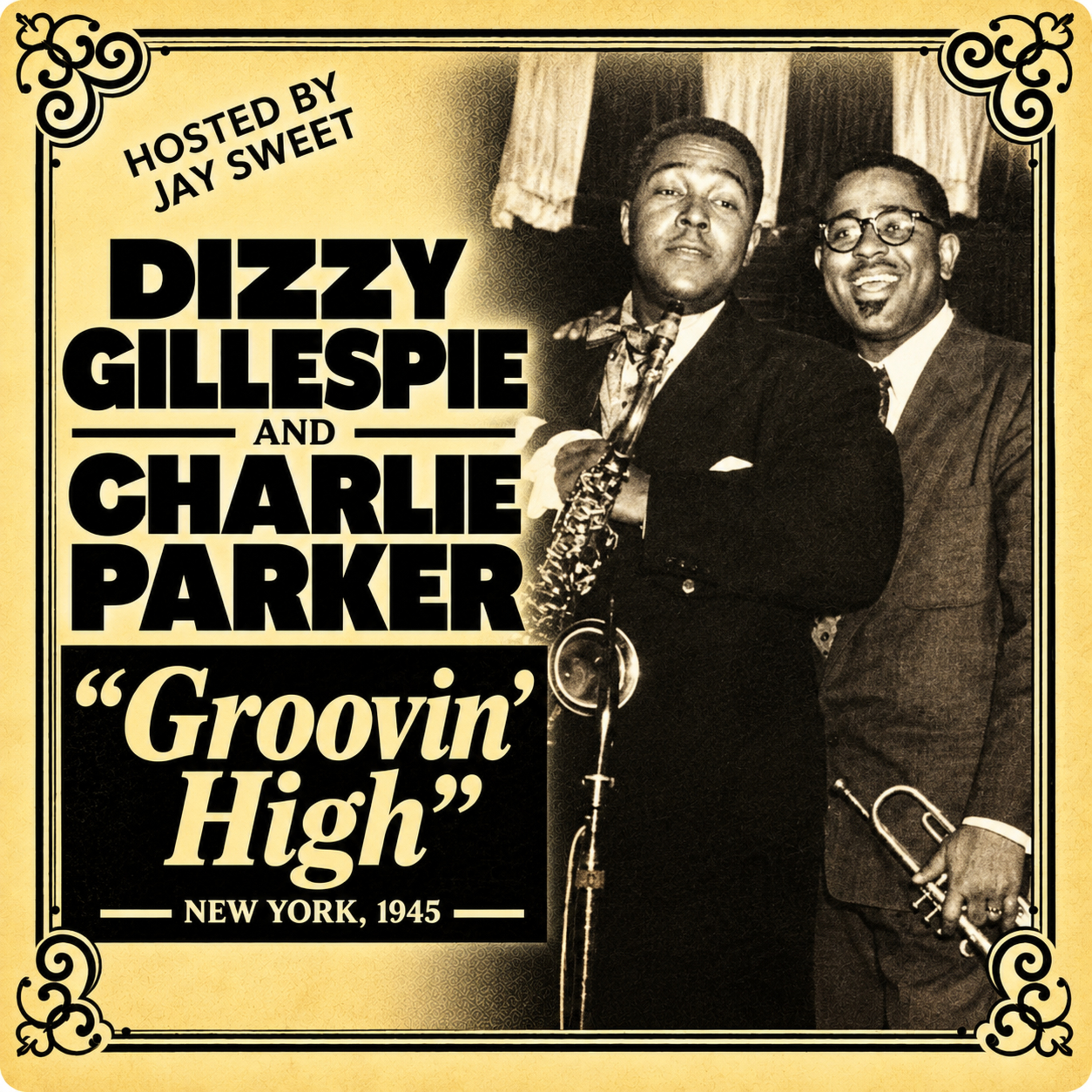
Groovin 'High and Diz and Bird in 1945 (138)
“Groovin High’ and Diz and Bird in 1945 (138) 1945 was a landmark year for bebop, with Charlie Parker and Dizzy Gillespie establishing a revolutionary new direction in jazz. Their recording of “Groovin’ High,” based on the chord changes of the 1920 popular song “Whispering,” demonstrated bebop’s harmonic and melodic sophistication. Gillespie’s arrangement featured a six-bar introduction, three ke
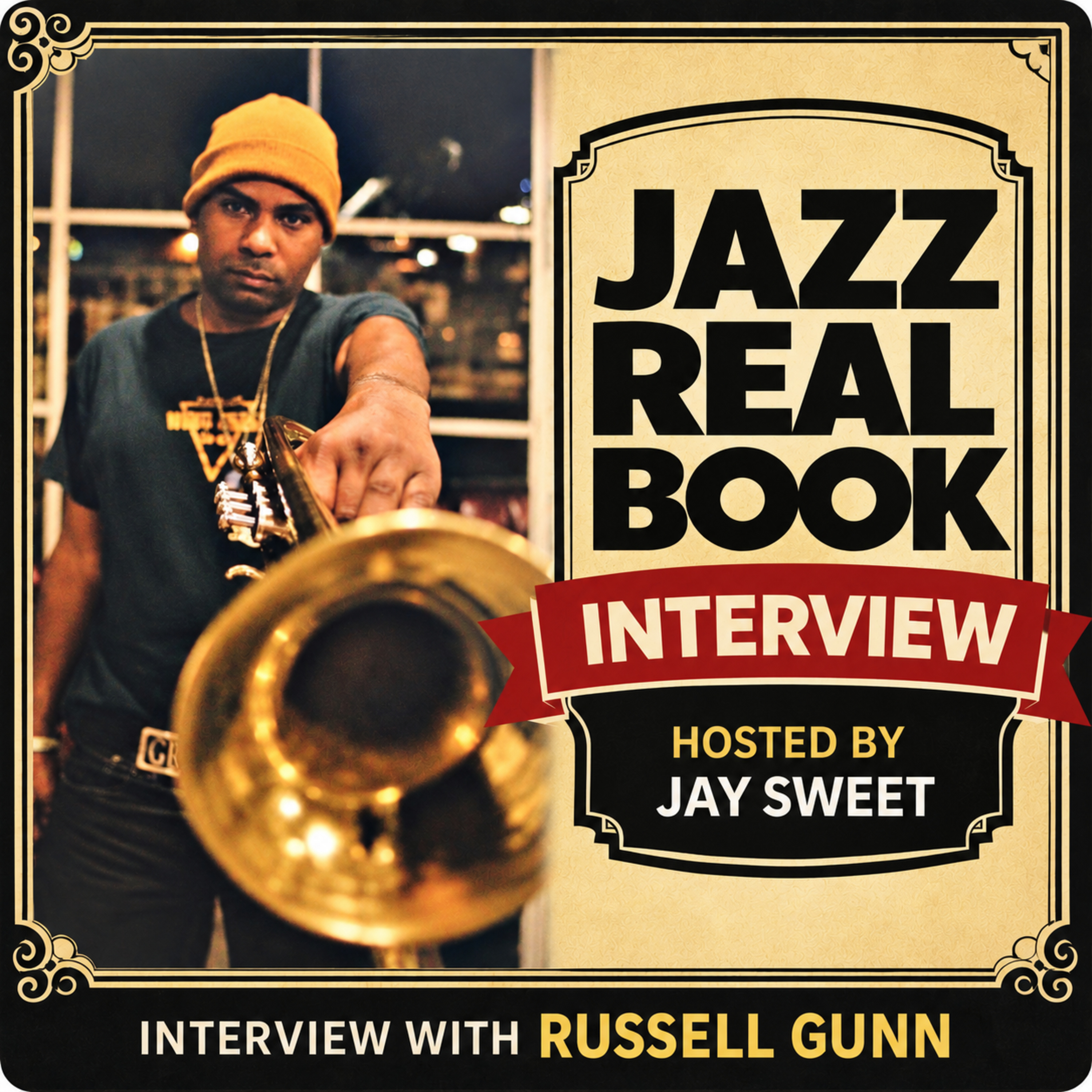
Russell Gunn Interview
Russell Gunn Interview Born in Chicago in 1971 and raised in East St. Louis, trumpeter Russell Gunn developed a musical identity that bridges hard bop, hip-hop, funk, and R&B. Beginning trumpet at age ten, he was influenced by jazz legends and hip-hop artists such as LL Cool J. Encouraged by band director Ron Carter (not the bassist R) Gunn attended Jackson State University before working with
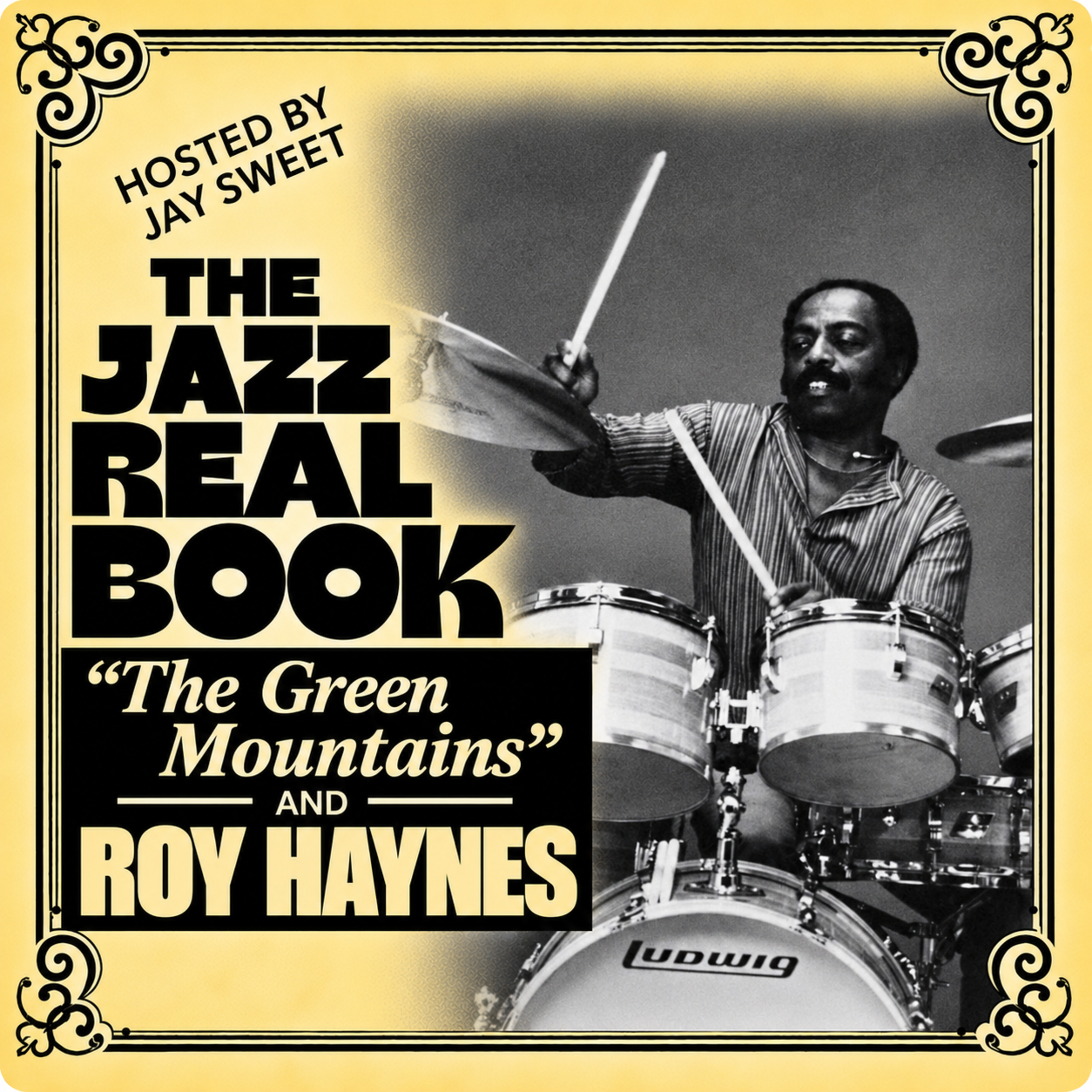
The Green Mountains and Roy Haynes
“The Green Mountains” and Roy Haynes (137)“The Green Mountains,” from Gary Burton’s 1969 album Country Roads & Other Places, features guitarist Jerry Hahn, bassist Steve Swallow, and legendary drummer Roy Haynes. The composition stands out for its open harmonic sound, moving between major seventh and suspended chords, along with syncopated melodies and smooth descending bass lines. Haynes brin
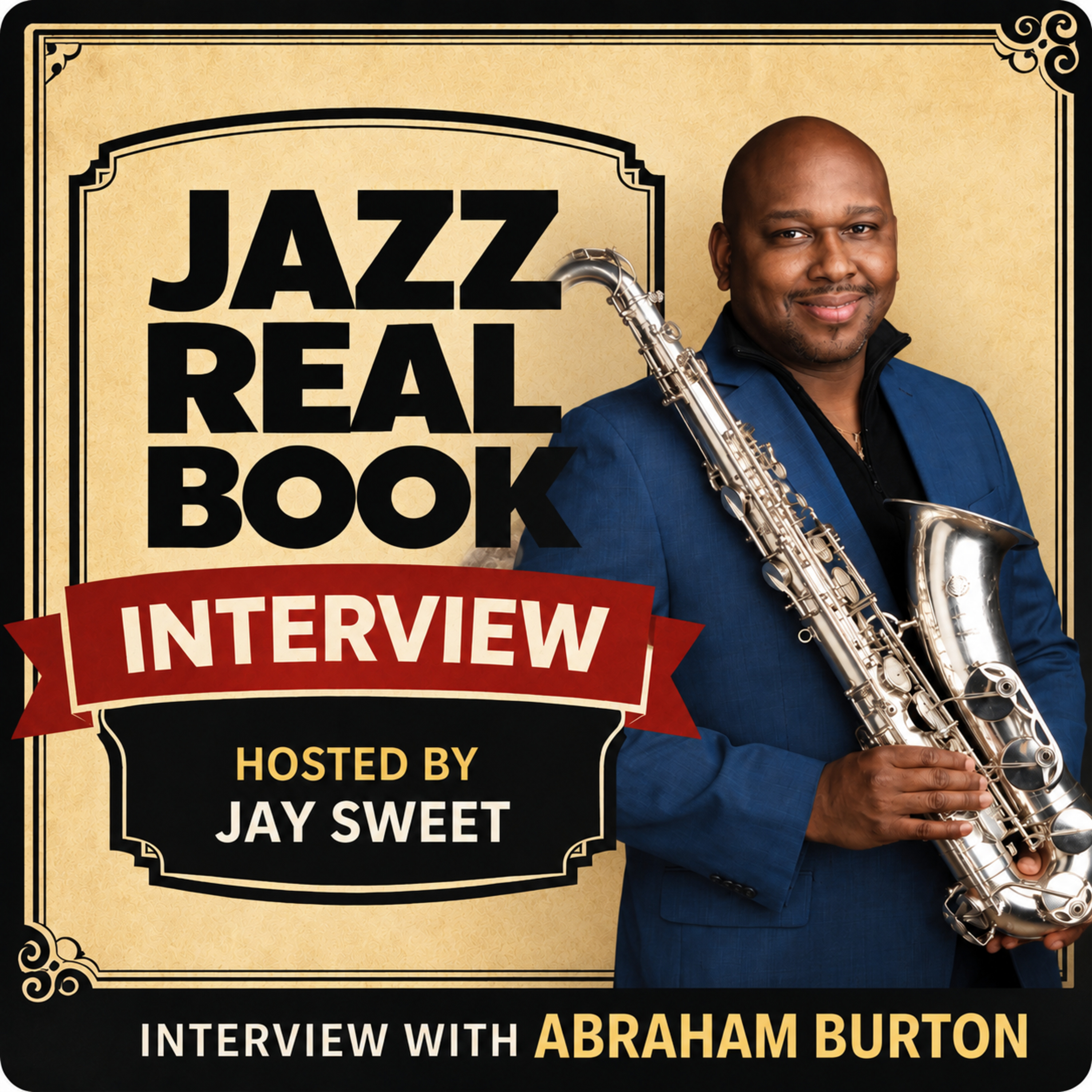
Abraham Burton Interview
Abraham Burton Interview Saxophonist Abraham Burton has developed a reputation for a powerful and expressive sound rooted in the jazz tradition while maintaining a voice distinctly his own. Growing up in Greenwich Village, Burton was surrounded by music from an early age. His most important mentors were Jackie McLean and drummer Arthur Taylor taught him one of his most important lessons: technical
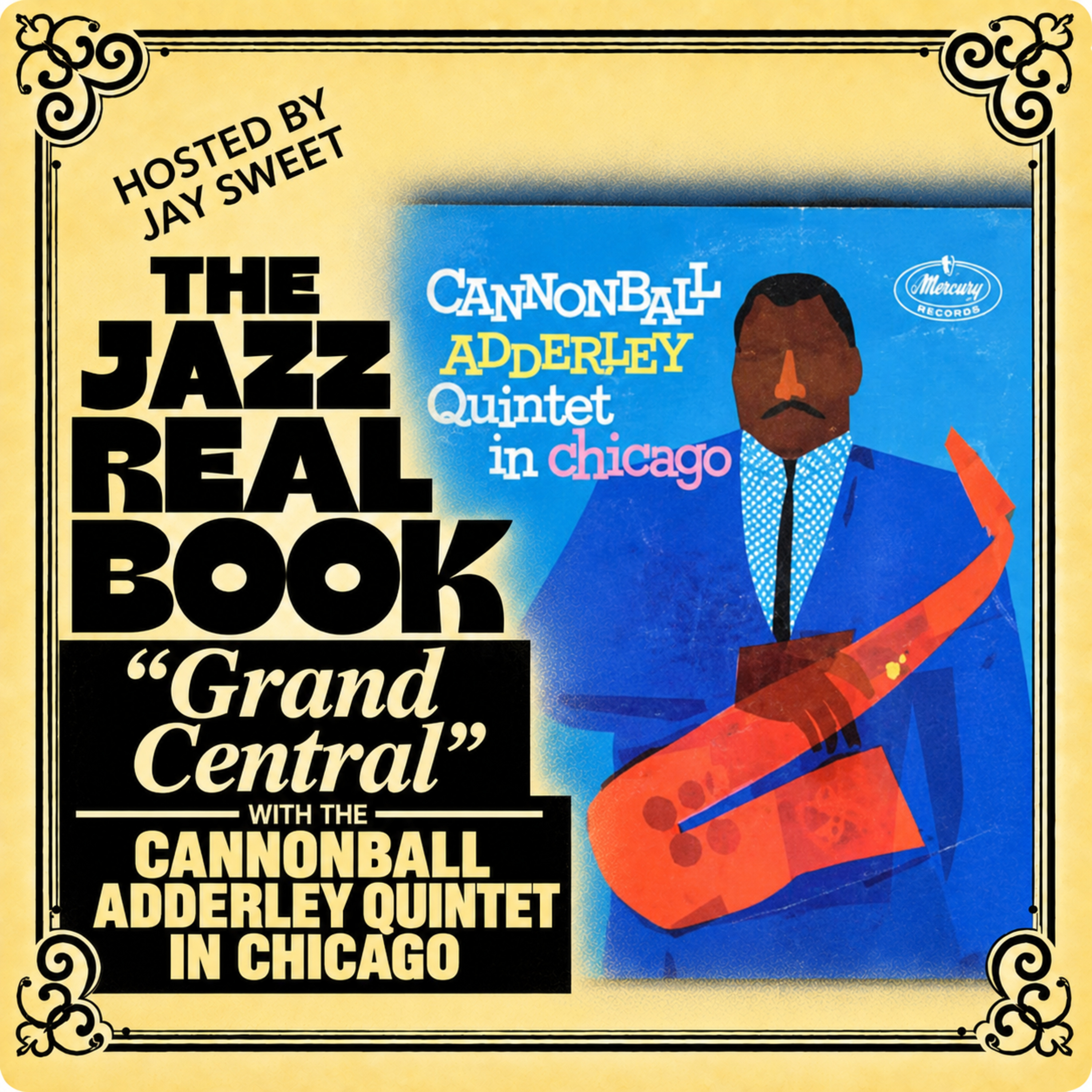
Grand Central and Cannonball Adderley Quintet In Chicago
“Grand Central” and Cannonball Adderley Quintet In Chicago (136) “Grand Central” is a John Coltrane composition recorded on February 3, 1959, for Cannonball Adderley Quintet in Chicago. The session featured Cannonball Adderley, Coltrane, Wynton Kelly, Paul Chambers, and Jimmy Cobb—the same core musicians who, less than a month later, would participate in Miles Davis’s Kind of Blue. Played at appro
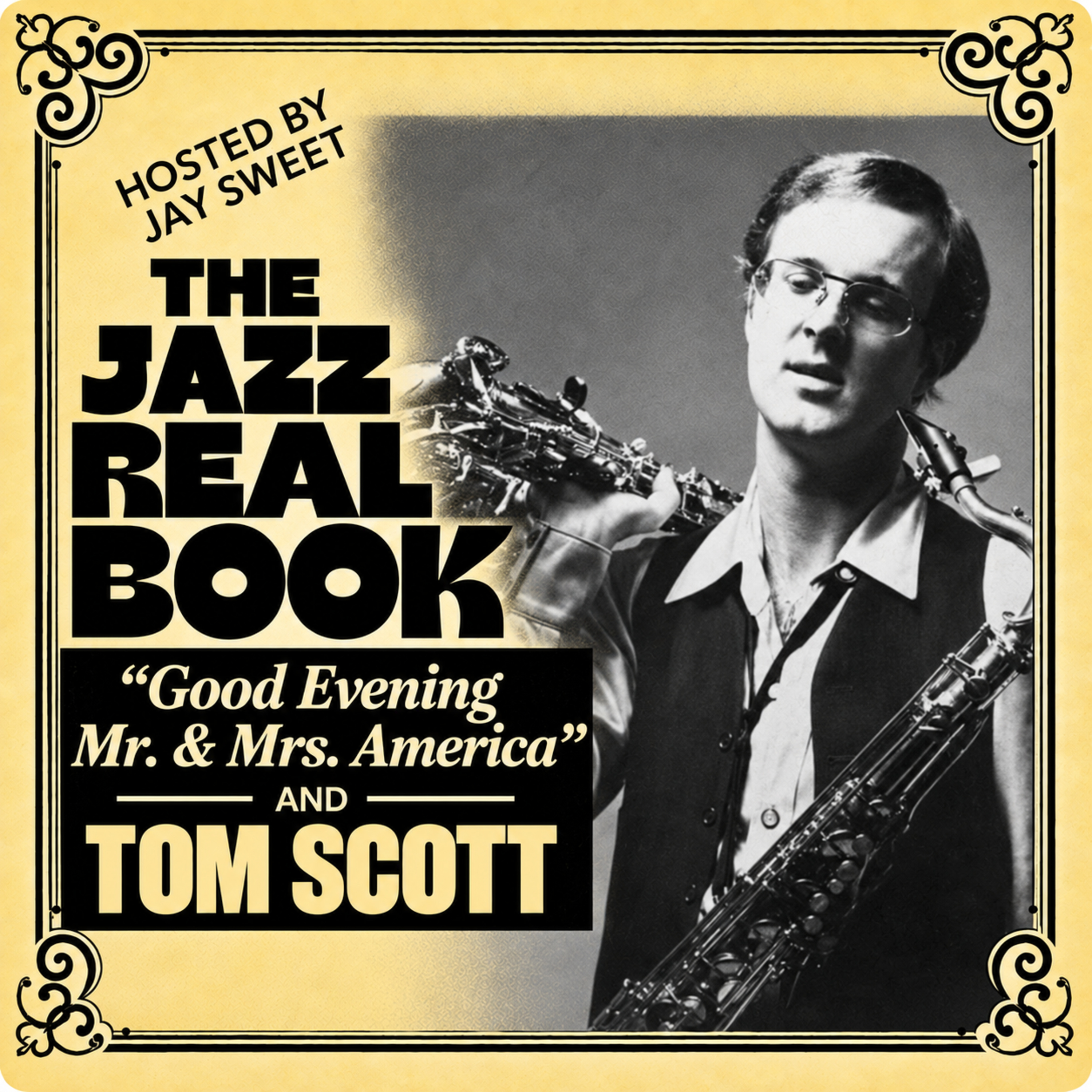
Good Evening Mr. & Mrs. America & All the Ships at Sea and Tom Scott
“Good Evening Mr. & Mrs. America & All the Ships at Sea” and Tom Scott (135)“Good Evening Mr. & Mrs. America & All the Ships at Sea” was composed by drummer John Guerin and recorded by Tom Scott and the L.A. Express for the 1975 album Tom Cat. The title references broadcaster Walter Winchell’s famous opening line. The track is a great example of 1970s jazz fusion, combining jazz ha

Ben Allison Interview
Ben Allison Interview Ben Allison is an American jazz bassist, composer, bandleader, and educator known for bringing a distinctive contemporary voice to the acoustic bass. Born in New Haven, Connecticut, in 1966, Allison studied jazz at New York University before becoming an important figure in New York’s downtown jazz scene. In 1992, he co-founded the Jazz Composers Collective, an influential org

Golden Lady and Stevie Wonder
“Golden Lady” and Stevie Wonder Stevie Wonder’s “Golden Lady,” from his landmark 1973 album Innervisions, represents everything that makes Wonder such an extraordinary musician. On the surface, it is a warm and uplifting love song, but underneath it is a sophisticated mixture of soul, funk, pop, rock, and jazz influences. Wonder’s inventive harmonies, memorable melodies, rhythmic feel, and use of

Boris Kozlov Interview
Boris Kozlov Interview Boris Kozlov’s connection to Charles Mingus runs far deeper than simply directing the Mingus Big Band. Growing up in the Soviet Union, Kozlov first encountered Mingus through photocopied music, playing “Pussy Cat Dues” before he had even heard Mingus’s recordings. After moving to New York, hearing Mingus Ah Um proved transformative—Kozlov describes it as such a perfect recor
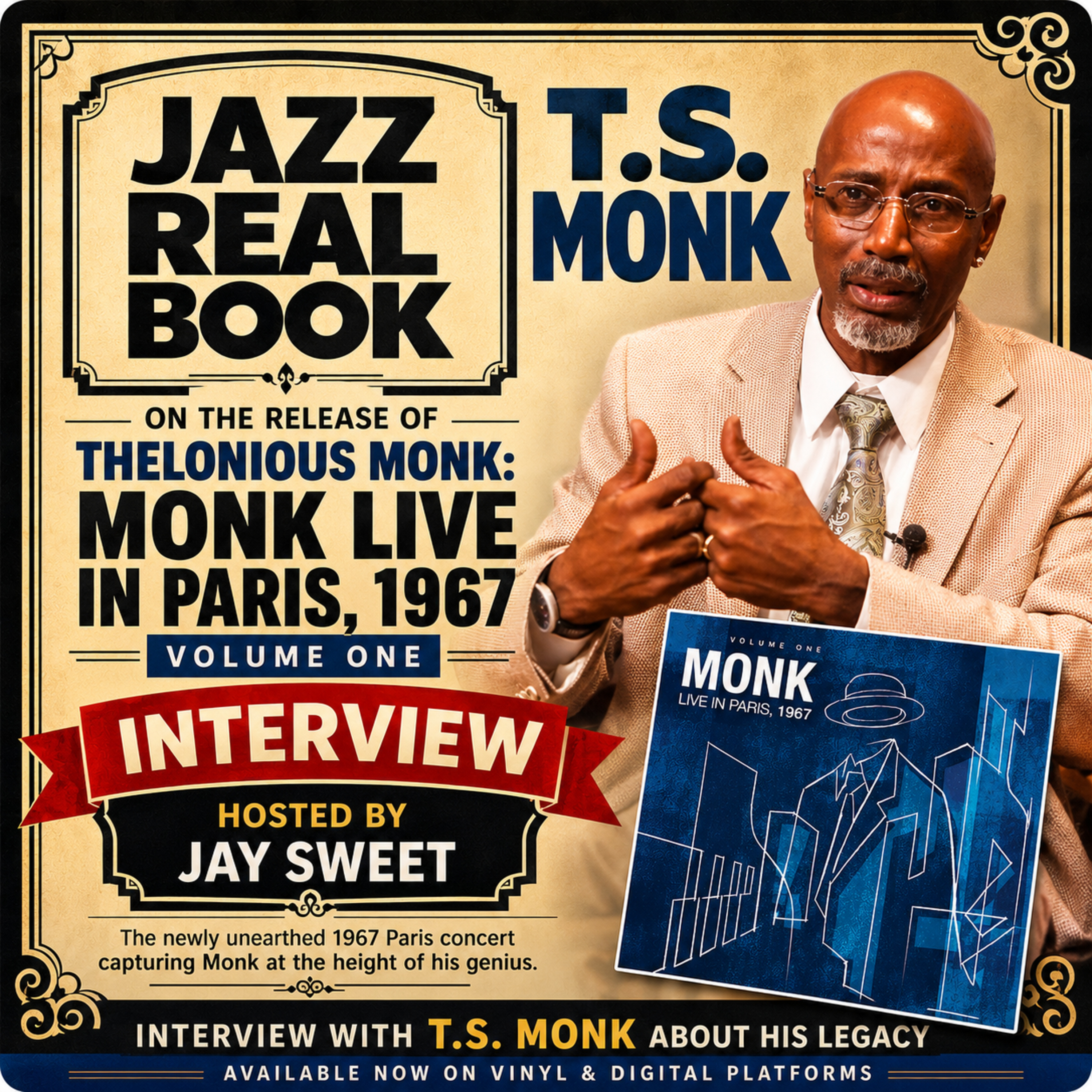
T.S. Monk Interview
T.S. Monk Interview T.S. Monk has built a remarkable career both as a musician and as the steward of his father Thelonious Monk’s extraordinary legacy. A respected drummer, bandleader, composer, and recording artist, he performed with his father as a young musician before establishing his own career, eventually devoting significant energy to preserving and expanding awareness of Monk’s music.Today
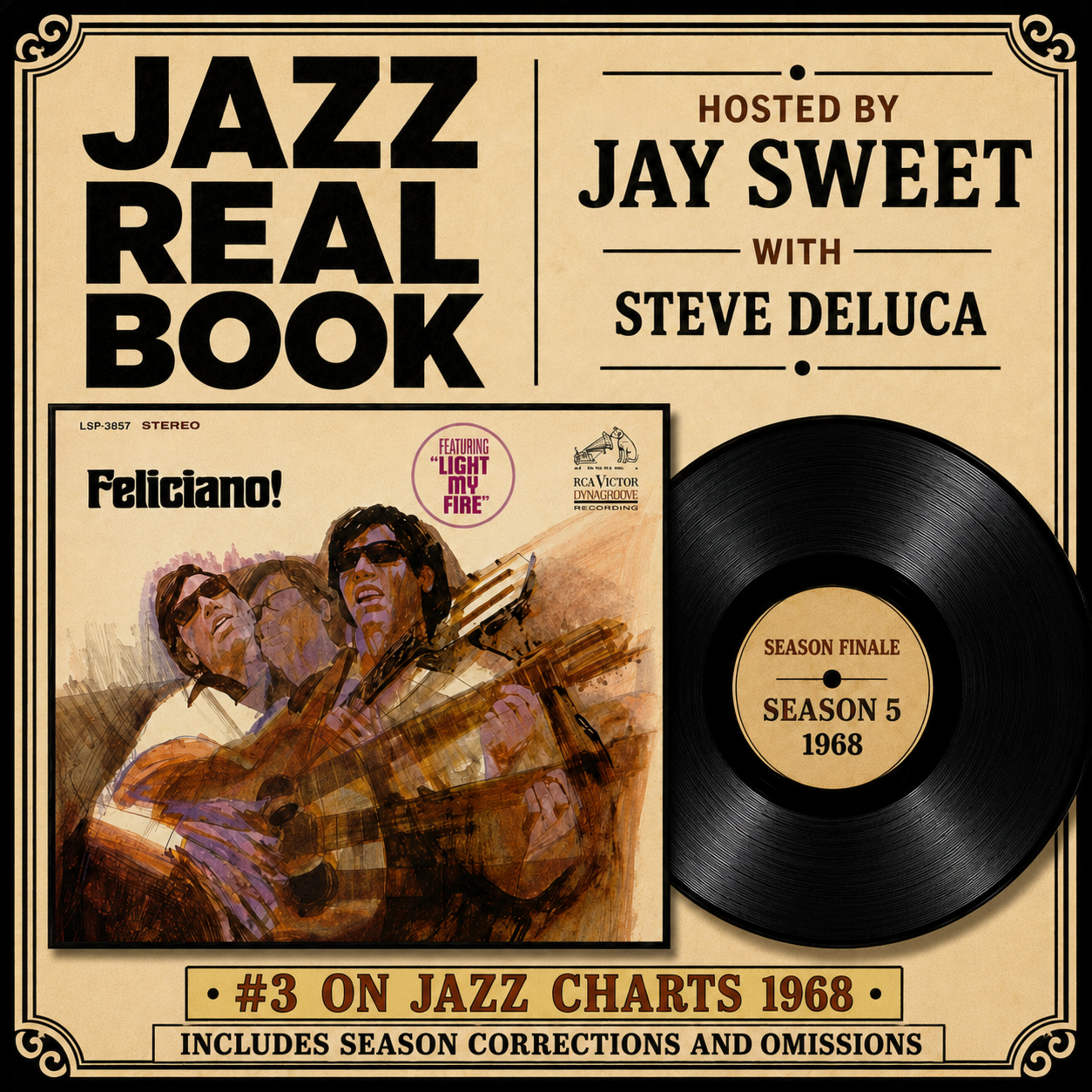
José Feliciano’s- Feliciano! (RCA-Victor)
José Feliciano’s Feliciano! (RCA-Victor)Released June 1968Bonus: Season Corrections and Omissions José Feliciano’s Feliciano! is a remarkable example of how a great interpreter can completely reinvent familiar material. Released in 1968, the album consists entirely of covers, but Feliciano transforms them through his distinctive combination of classical guitar, jazz, Latin rhythms, folk, blues, an
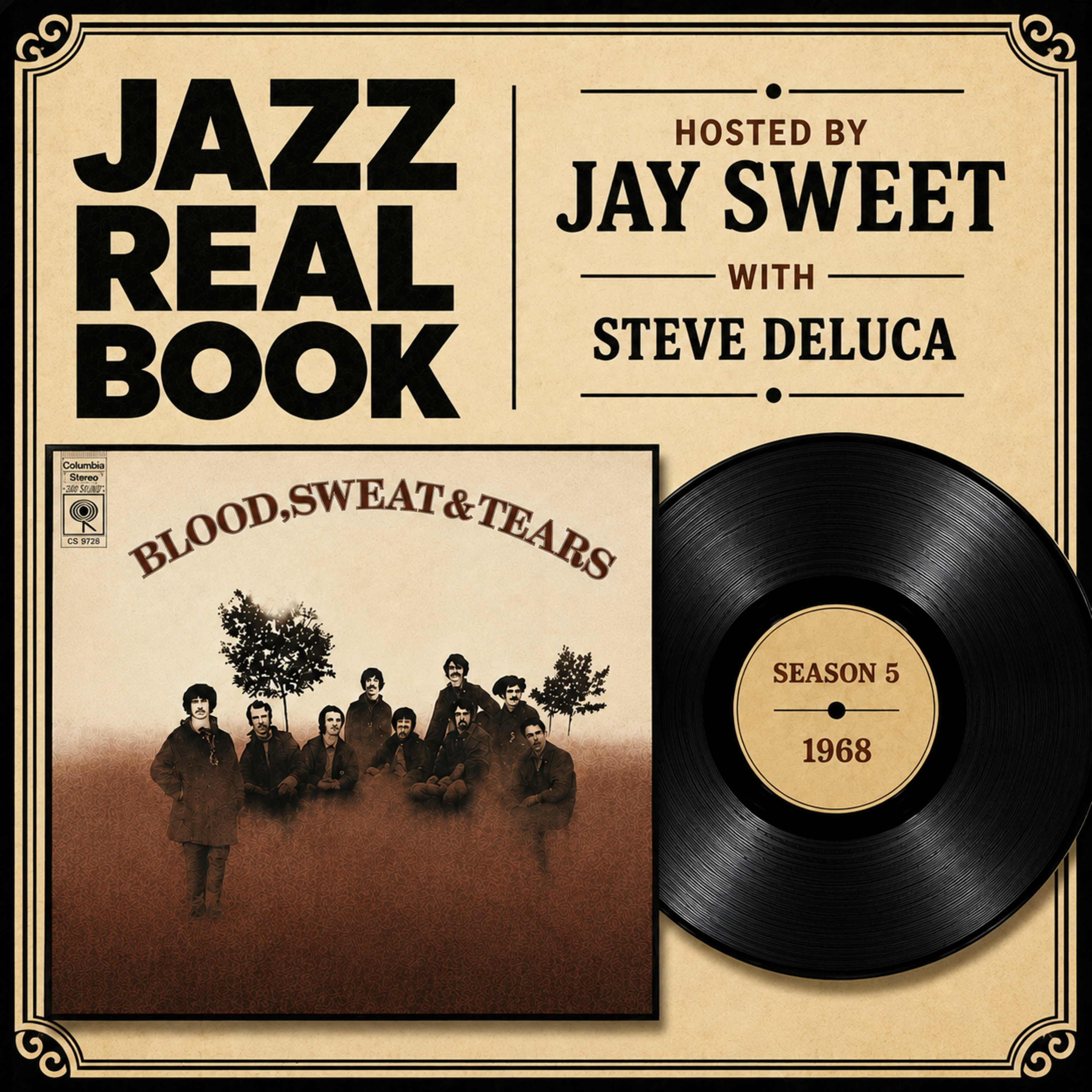
Blood, Sweat & Tears- Self Titled
Blood, Sweat & Tears- Self Titled (Columbia Records) Release Date: December 11, 1968 Blood, Sweat & Tears’ self-titled 1968 album proved that sophisticated, horn-driven jazz-rock could also be enormously commercial. With David Clayton-Thomas replacing Al Kooper as the band’s focal point, BS&T combined jazz, soul, blues, classical music, Latin rhythms, and rock with remarkably tight arr
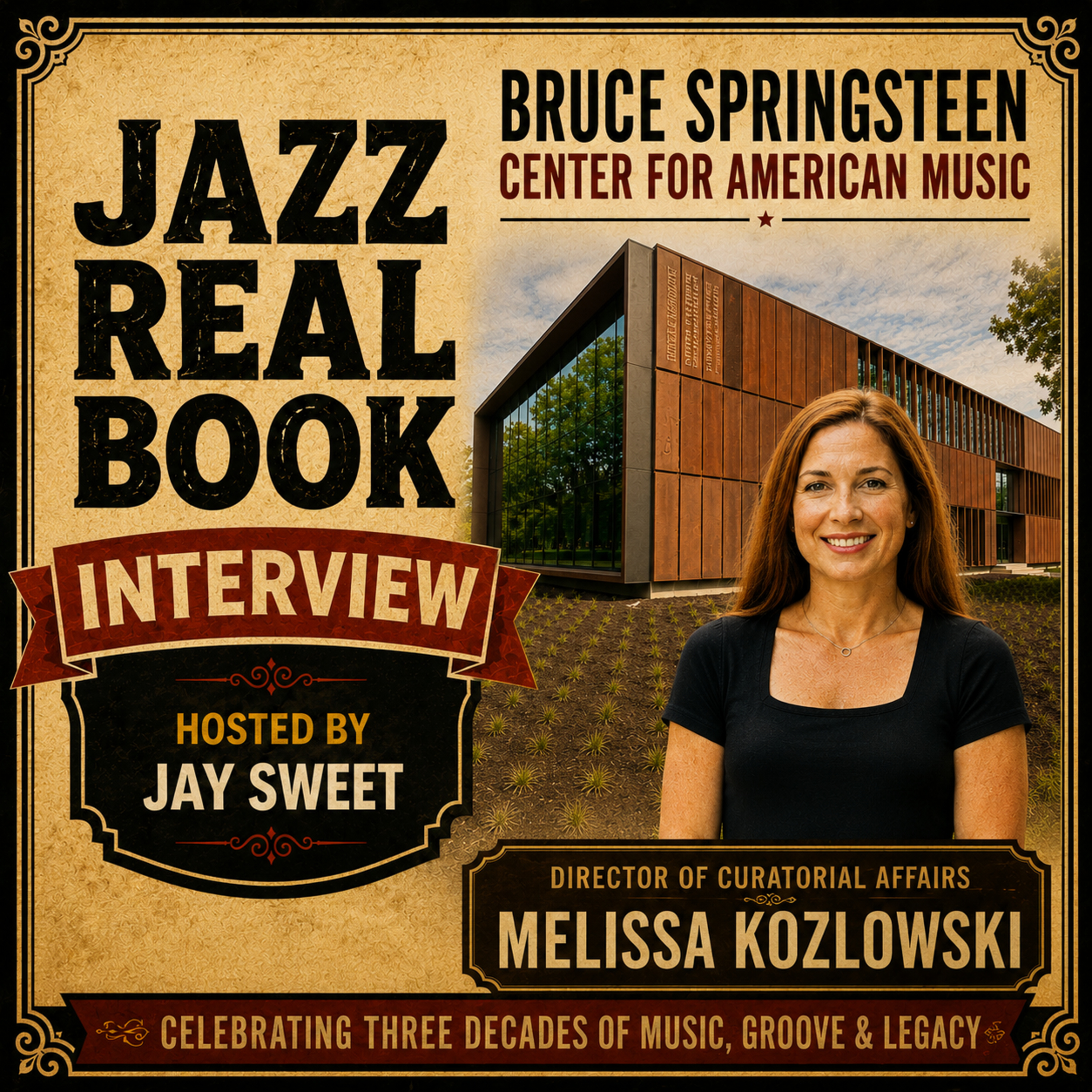
Melissa Kozlowski on the Bruce Springsteen Center for American Music
Melissa Kozlowski serves as curator of the Bruce Springsteen Center for American Music at Monmouth University, bringing extensive experience as a historian, archivist, educator, and curator. The center’s roots date to a fan-created collection established in 2001. It moved to Monmouth University in 2011 and became the official repository for Bruce Springsteen’s archival materials in 2017. Today, it
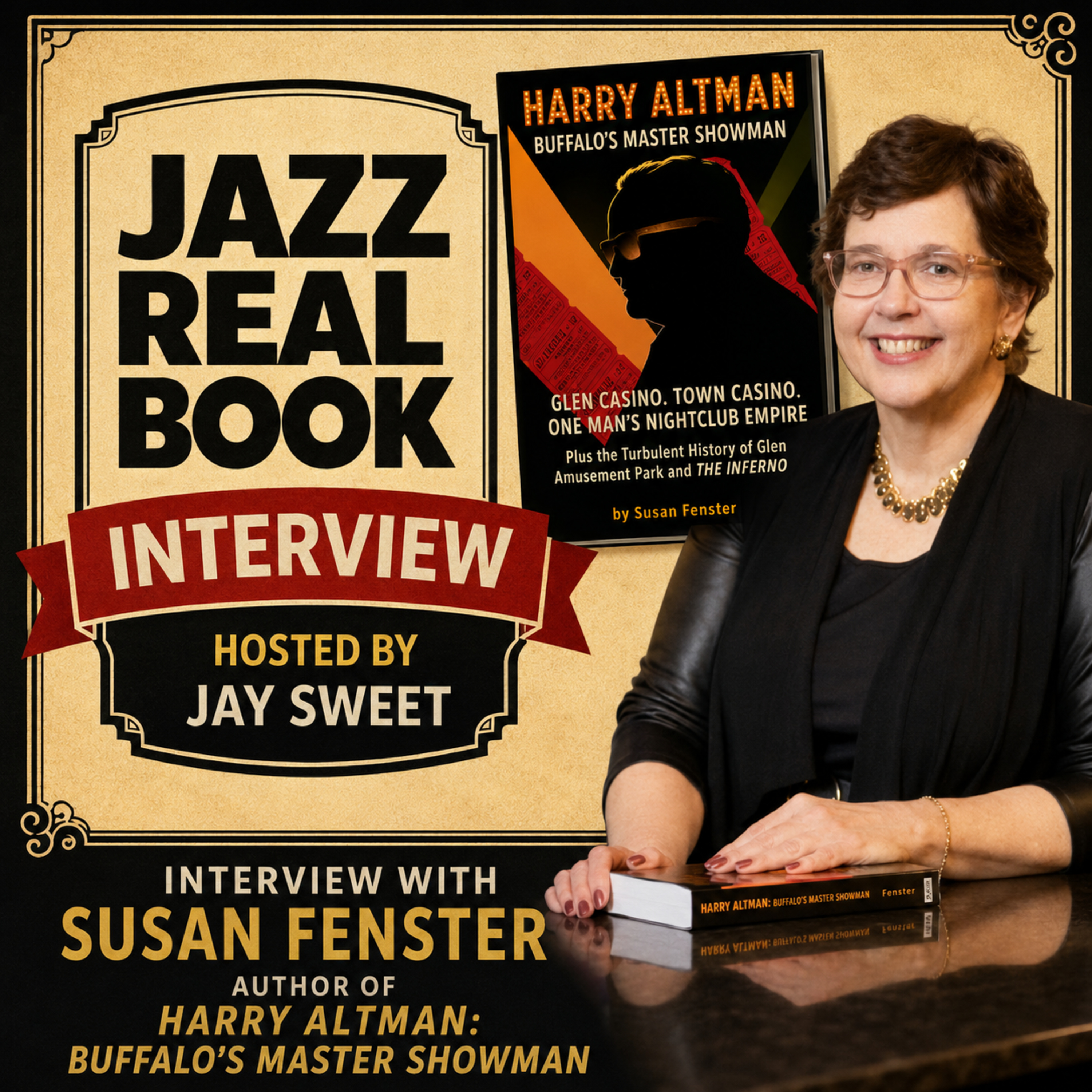
Susan Fenster on the book Harry Altman: Buffalo's Master Showman
Susan Fenster is a historian, journalist, and nonfiction author whose work focuses on preserving the history of Western New York. A graduate of Buffalo State College with degrees in History and Journalism, she has spent more than three decades researching regional history through archival documents, newspapers, photographs, and firsthand accounts. Fenster is an active member of the Williamsville H
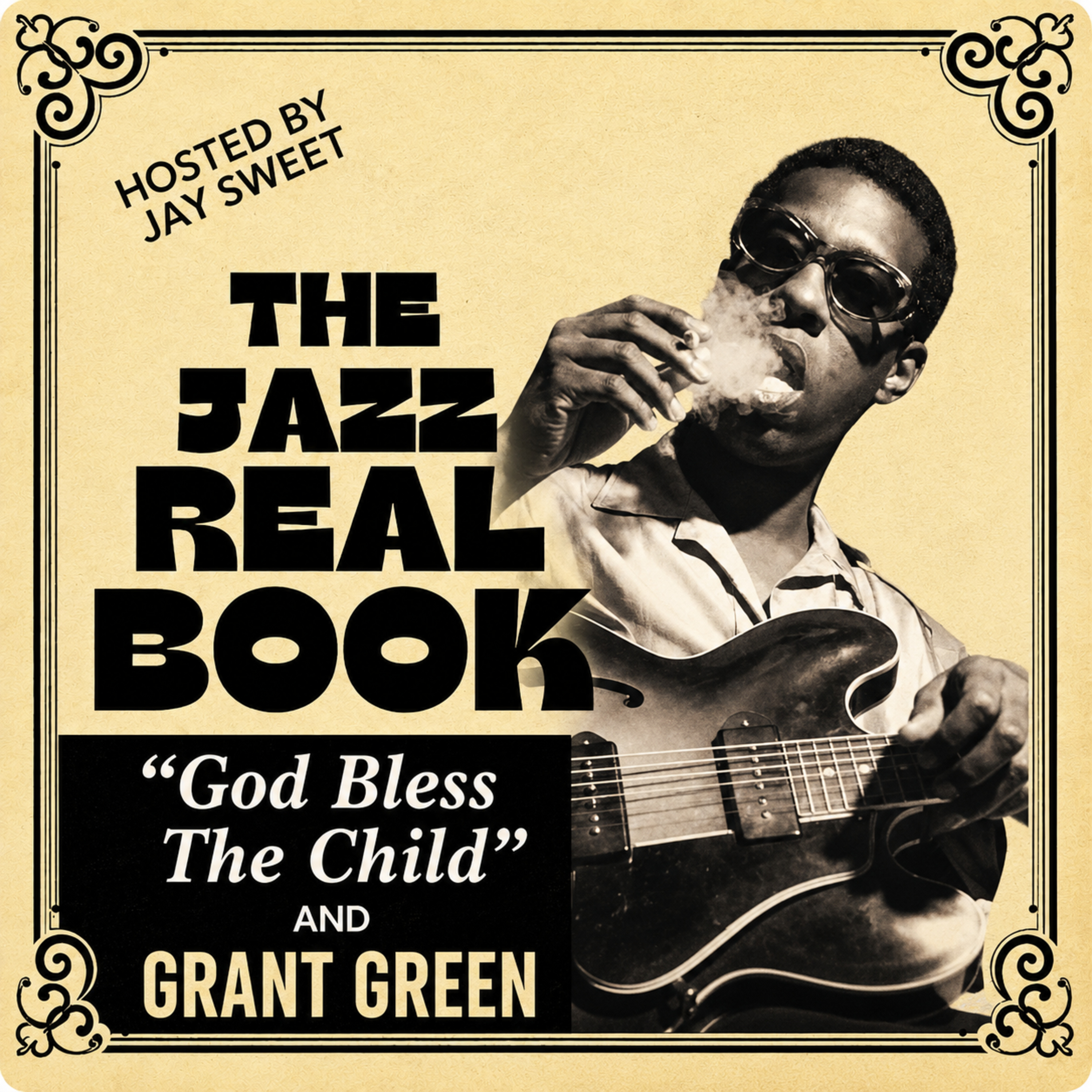
God Bless The Child and Grant Green
"God Bless The Child" and Grant Green (133) "God Bless the Child," written by Billie Holiday and Arthur Herzog Jr., is one of the most enduring songs in the Great American Songbook. Inspired by Holiday's reflections on poverty, independence, and self-reliance, the tune combines a soulful, blues-infused melody with sophisticated harmonies and an unusual 38-bar form. Its rich

Vinny Valentino Interview
Vinny Valentino is an acclaimed jazz guitarist, composer, educator, and internet pioneer whose career has successfully bridged performance, technology, and music education. Raised in Northern Virginia, he studied at Northern Virginia Community College, George Mason University, and Howard University, where he earned his degree in jazz. Inspired by guitar legends Wes Montgomery, Joe Pass, Pat Martin
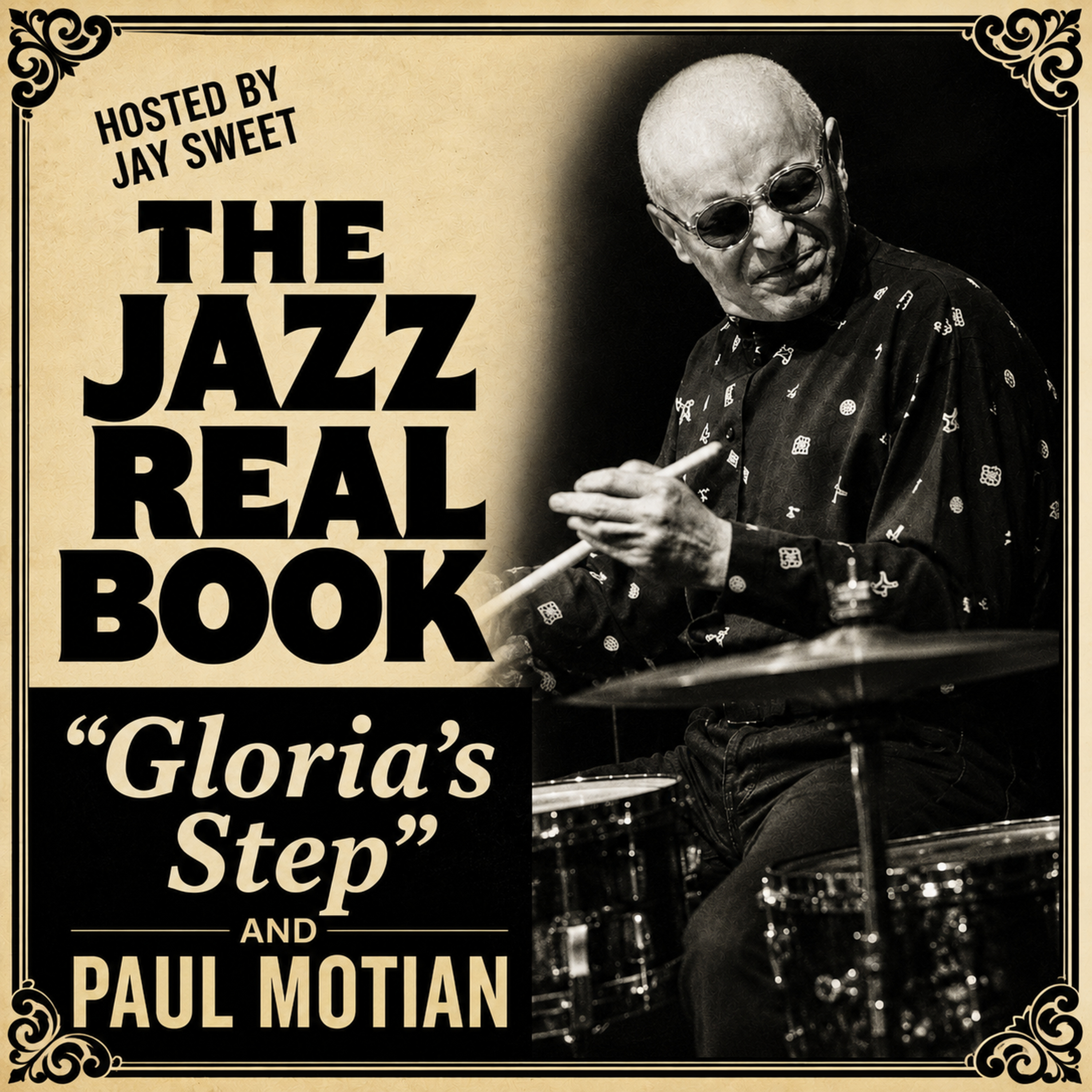
Gloria's Step and Paul Motion
"Gloria’s Step" and Paul Motion (132) Scott LaFaro's "Gloria's Step" is one of the defining compositions of modern jazz and a lasting testament to his brilliance as both a bassist and composer. Introduced on the landmark 1961 album Sunday at the Village Vanguard, the tune departs from conventional jazz forms through its asymmetrical 20-bar structure, shifting major-seve
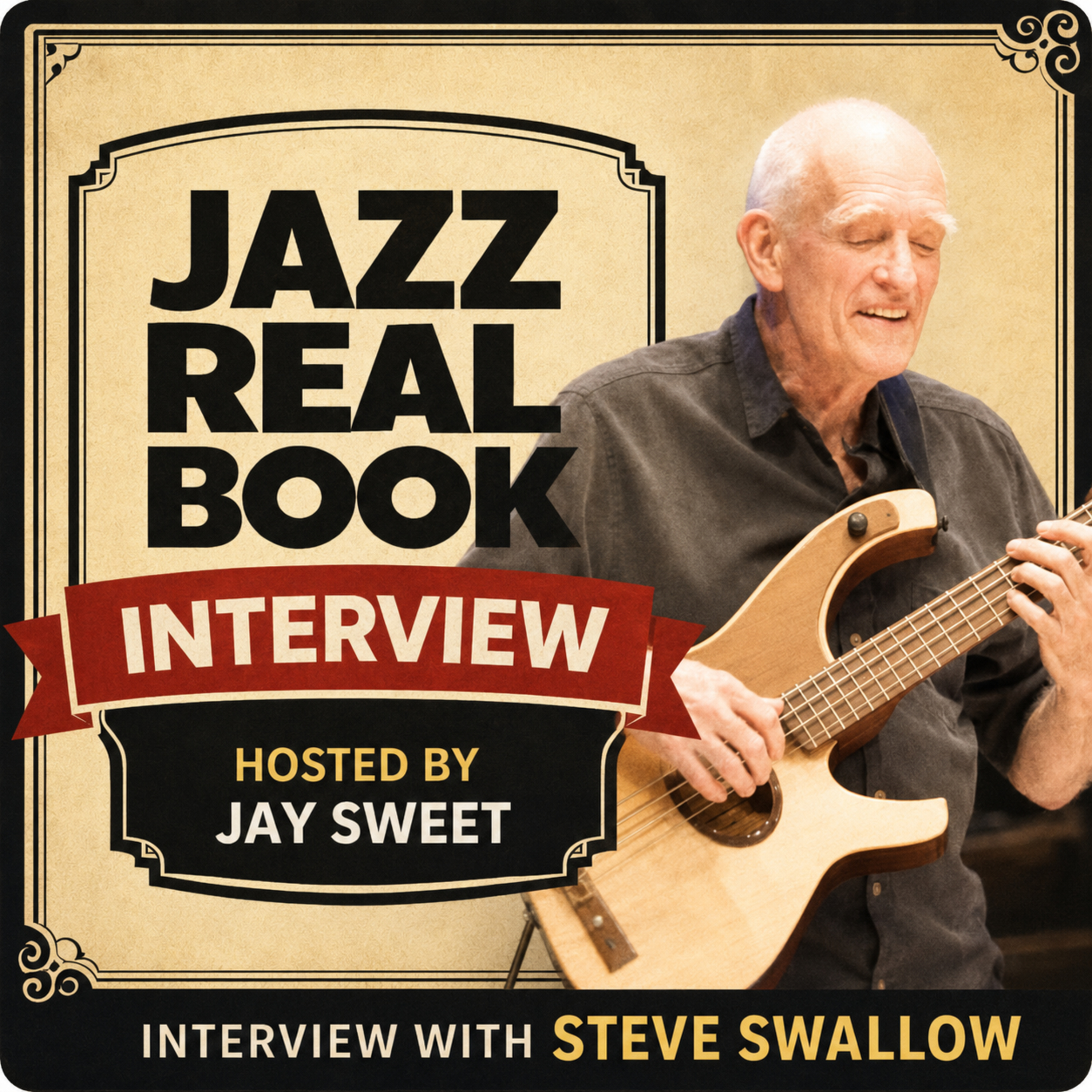
Steve Swallow Interview
Steve Swallow is one of the most influential electric bassists and composers in jazz history. Born in Fair Lawn, New Jersey, in 1940, he began on acoustic bass before pioneering the use of electric bass in a jazz context, developing his signature pick technique and lyrical improvisational style. Throughout his remarkable career, he has collaborated with artists including Carla Bley, Gary Burton, J
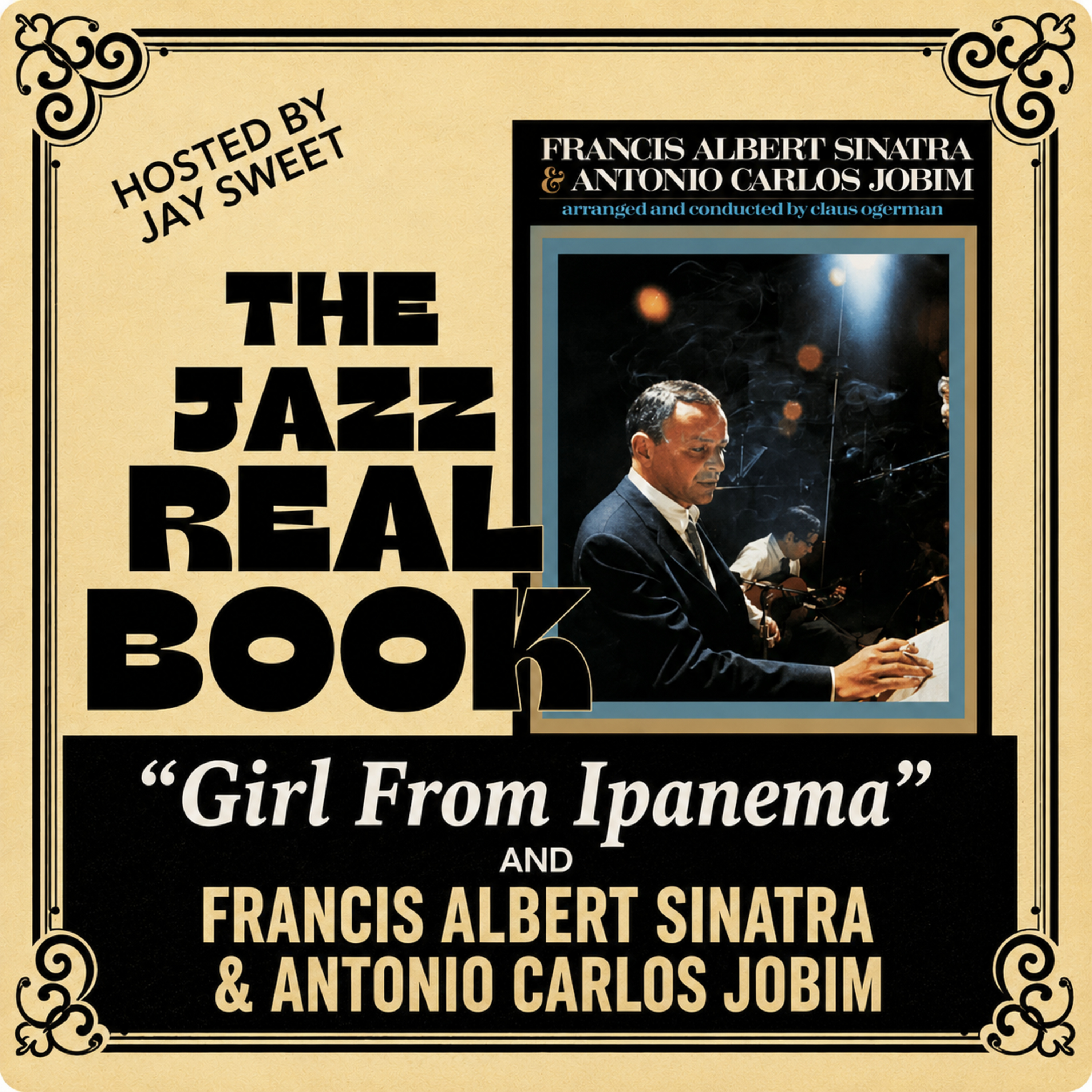
The Girl From Ipanema and the album Francis Albert Sinatra & Antônio Carlos Jobim (131)
“The Girl From Ipanema” and the album Francis Albert Sinatra & Antônio Carlos Jobim (131) “The Girl from Ipanema” one of the most performed and beloved jazz standards reached its definitive artistic expression through two landmark recordings. The 1964 Verve release Getz/Gilberto introduced bossa nova to an international audience, pairing Stan Getz’s lyrical tenor saxophone with João Gilberto’s
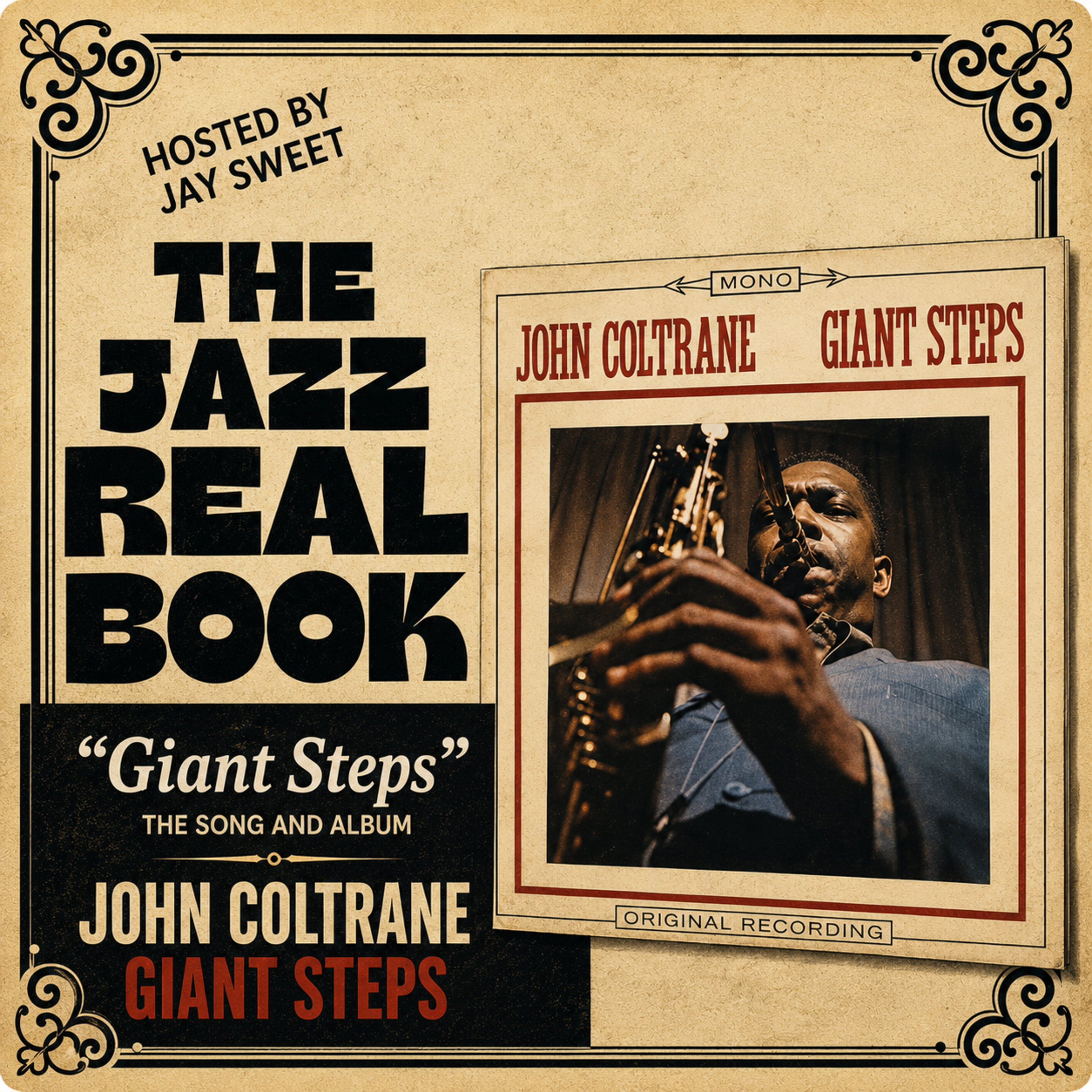
Giant Steps and the album John Coltrane Giant Steps (131)
“Giant Steps” and the album John Coltrane Giant Steps (131) Released in 1960, Giant Steps is one of the defining albums in jazz history, showcasing John Coltrane's extraordinary growth as both a composer and improviser. The title track introduced the revolutionary harmonic system now known as the "Coltrane Changes," cycling through the distant key centers of B, G, and E-flat major with unprecedent
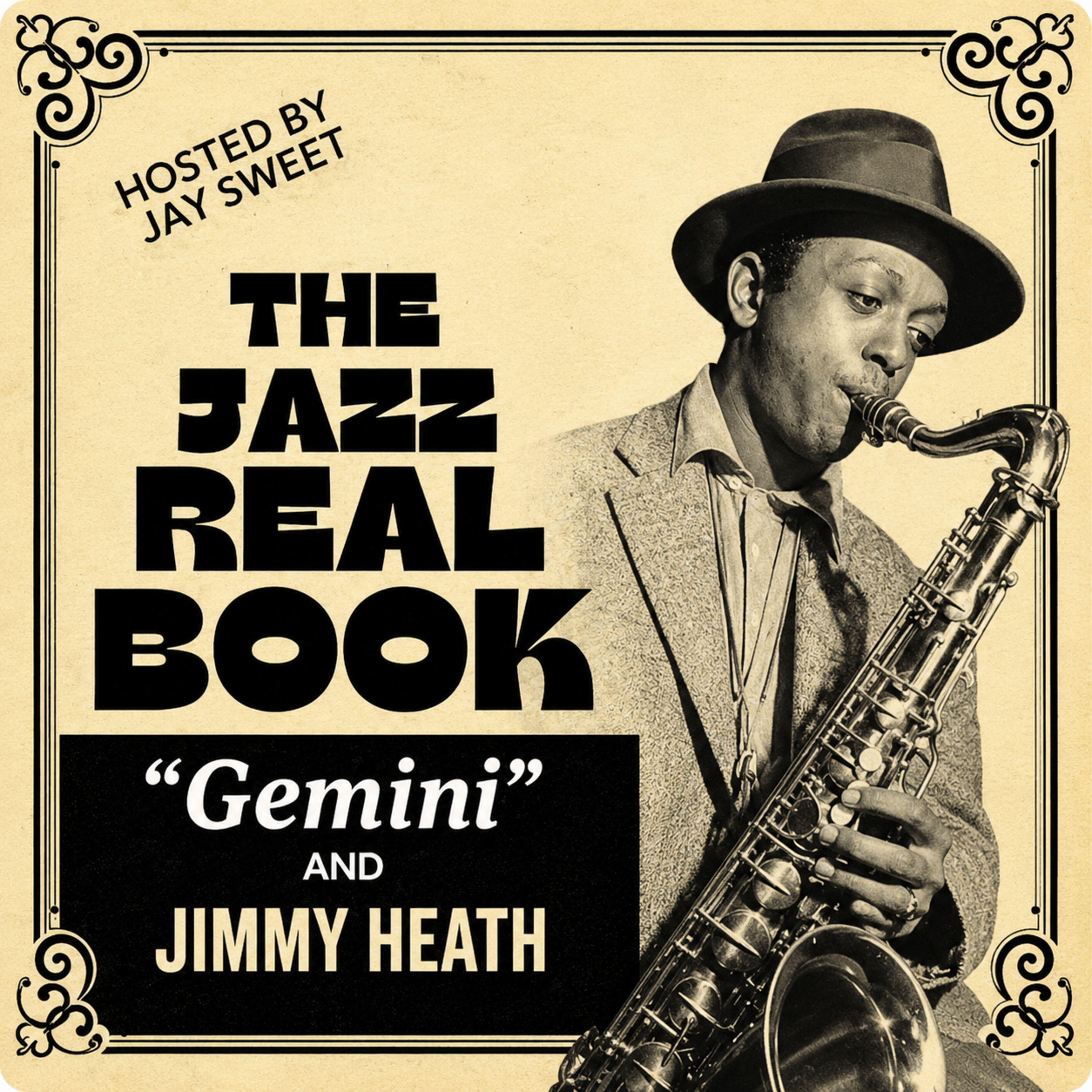
Gemini and Jimmy Heath
“Gemini” and Jimmy Heath (130) “Gemini” is one of Jimmy Heath’s finest and most enduring compositions, a graceful 24-bar waltz that reflects his gift for memorable melodies and sophisticated harmony. Built around a spacious, lyrical theme and unexpected harmonic movement, the tune combines bebop vocabulary with Heath’s unmistakable melodic elegance. Since its debut on the 1962 album Triple Threat,

Al MacSween from Your Brother's Keeper
Al MacSween continues to emerge as one of the most creative voices in London's contemporary jazz scene with Where Rivers Meet, a remarkable collaboration between his collective Your Brother's Keeper and legendary saxophonist Gary Bartz. As pianist, synthesist, composer, and producer, MacSween creates a rich sonic landscape that blends acoustic jazz with modular synthesis and live electroni
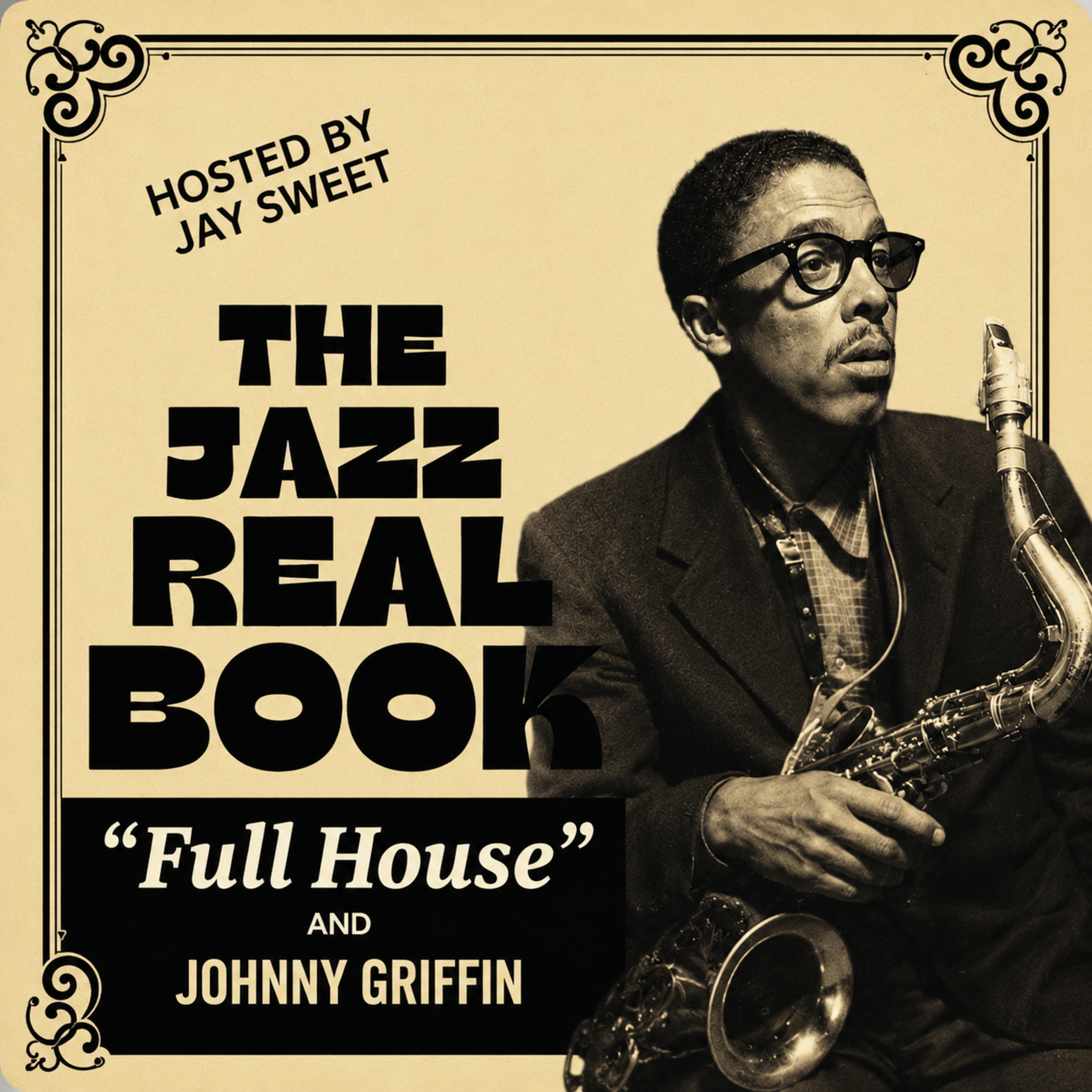
Full House and Johnny Griffin
“Full House” and Johnny Griffin (129) Johnny Griffin’s appearance on Wes Montgomery’s “Full House” remains one of the great examples of hard bop improvisation captured live. Recorded on June 25, 1962, at Tsubo in Berkeley, California, the performance features Montgomery with an extraordinary rhythm section of Wynton Kelly, Paul Chambers, and Jimmy Cobb, along with Griffin on tenor saxophone. The
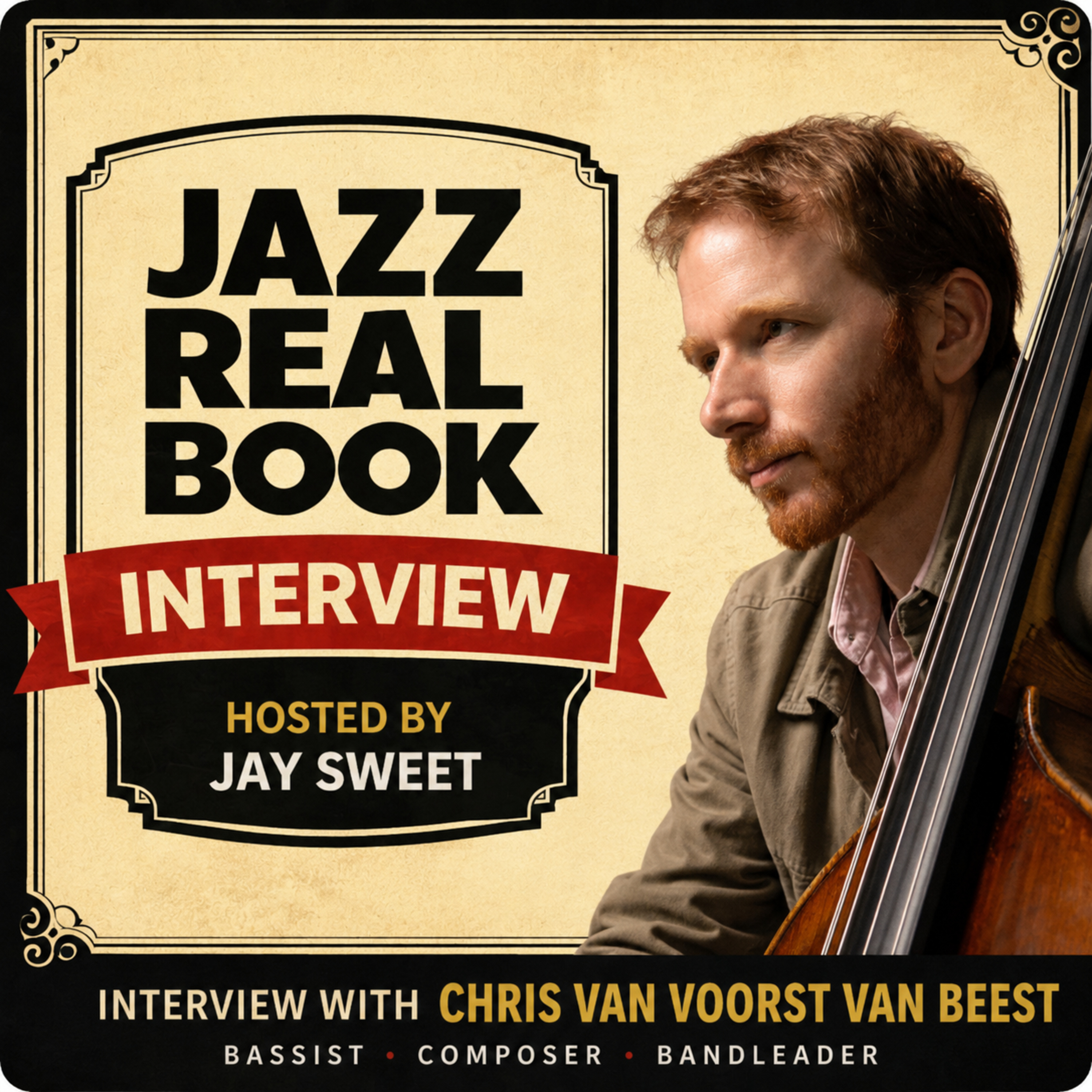
Chris van Voorst van Beest Interview
Chris van Voorst van Beest’s Bye Design brings together jazz improvisation and classical structure in a deeply personal and compelling statement. Joined by pianist Zach Lapidus and drummer Nathan Ellman-Bell, the New York-based bassist and composer creates music that balances intricate written passages with fluid, highly interactive improvisation. A student of Pulitzer Prize-winning composer David

Gee Baby, Ain't Good To You and Sonny Clark
“Gee Baby, Ain’t I Good To You” and Sonny Clark “Gee Baby, Ain’t I Good to You” is one of the most enduring standards in the jazz repertoire. Written in 1929 by composer Don Redman and lyricist Andy Razaf, the tune combines a blues-infused harmonic structure with a warm, conversational melody that has attracted generations of performers. Unlike many songs of its era that focused on heartbreak, the

Peter Bernstein Interview
Peter Bernstein is widely regarded as one of the premier jazz guitarists of his generation, celebrated for his warm tone, lyrical improvisations, and deep mastery of the bebop and straight-ahead jazz traditions. Born in New York City, Bernstein began on piano before switching to guitar at age thirteen, learning largely by ear. He later studied at Rutgers University with legendary educators Ted Dun
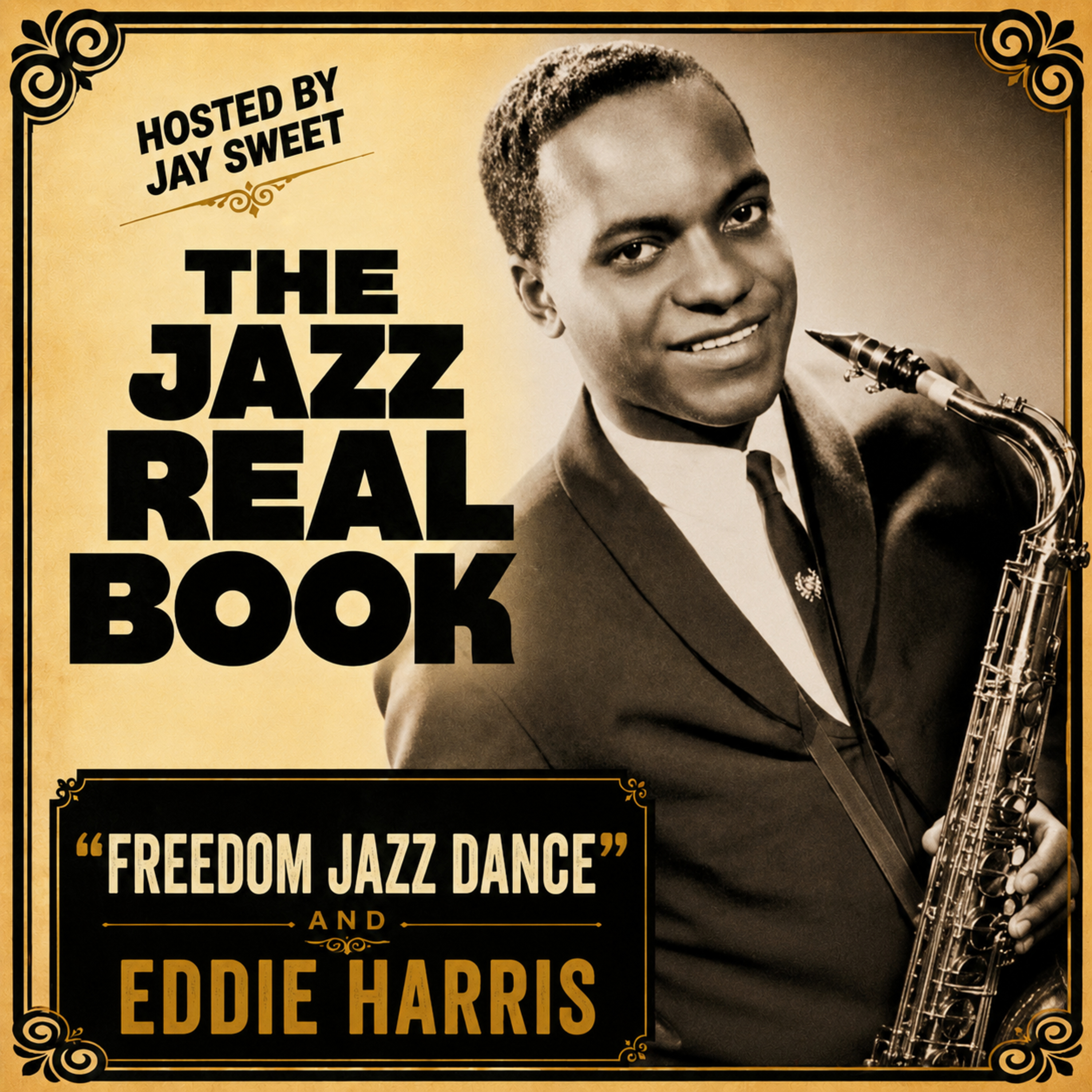
Freedom Jazz Dance and Eddie Harris
“Freedom Jazz Dance” and Eddie Harris “Freedom Jazz Dance” is one of the most influential jazz compositions of the 1960s. Written by Eddie Harris and first recorded on his 1965 album The In Sound, the 16-bar tune combines the earthy groove of soul jazz with an angular, highly memorable melody. Built largely around a B♭7 harmony, the composition places emphasis on rhythm, phrasing, and melodic inve
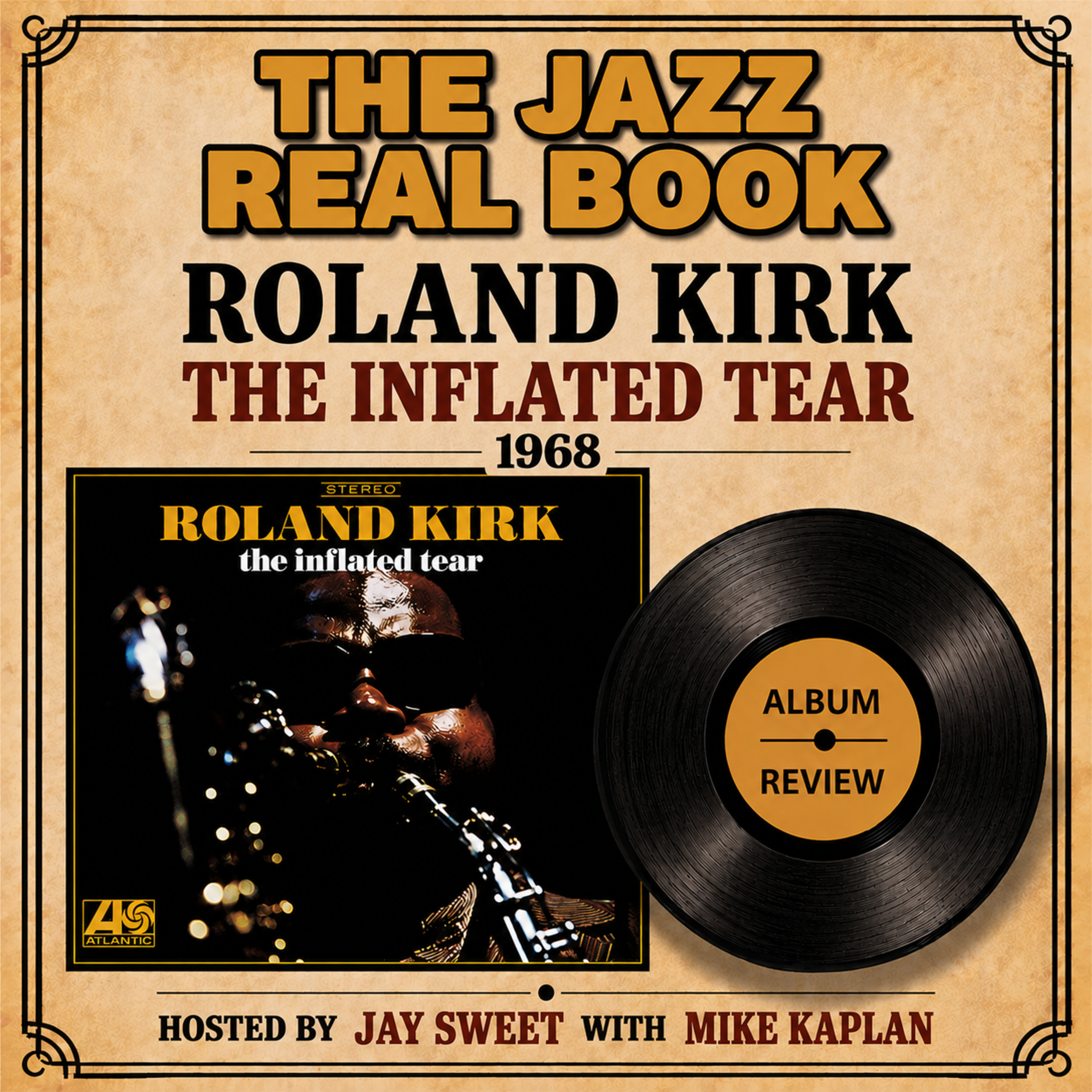
Rahsaan Roland Kirk-The Inflated Tear
Rahsaan Roland Kirk-The Inflated Tear (Atlantic) Release date: June 1968Released in 1968, The Inflated Tear stands as Rahsaan Roland Kirk’s masterpiece and one of the most original jazz albums of the decade. The album captures Kirk at the height of his creative powers, blending blues, gospel, post-bop, spirituals, and avant-garde elements into a deeply personal artistic statement. The title track

Gracinha Leporace (The Sergio Mendes Band)
Gracinha Leporace (The Sergio Mendes Band) For more than five decades, Gracinha Leporace was far more than a vocalist in Sergio Mendes’ bands—she was his musical partner, collaborator, and eventually his wife. Born in Brazil, Leporace joined Mendes’ musical world after being discovered as a young singer at age 18 and officially became part of his group by 1970. Her warm voice became an essential
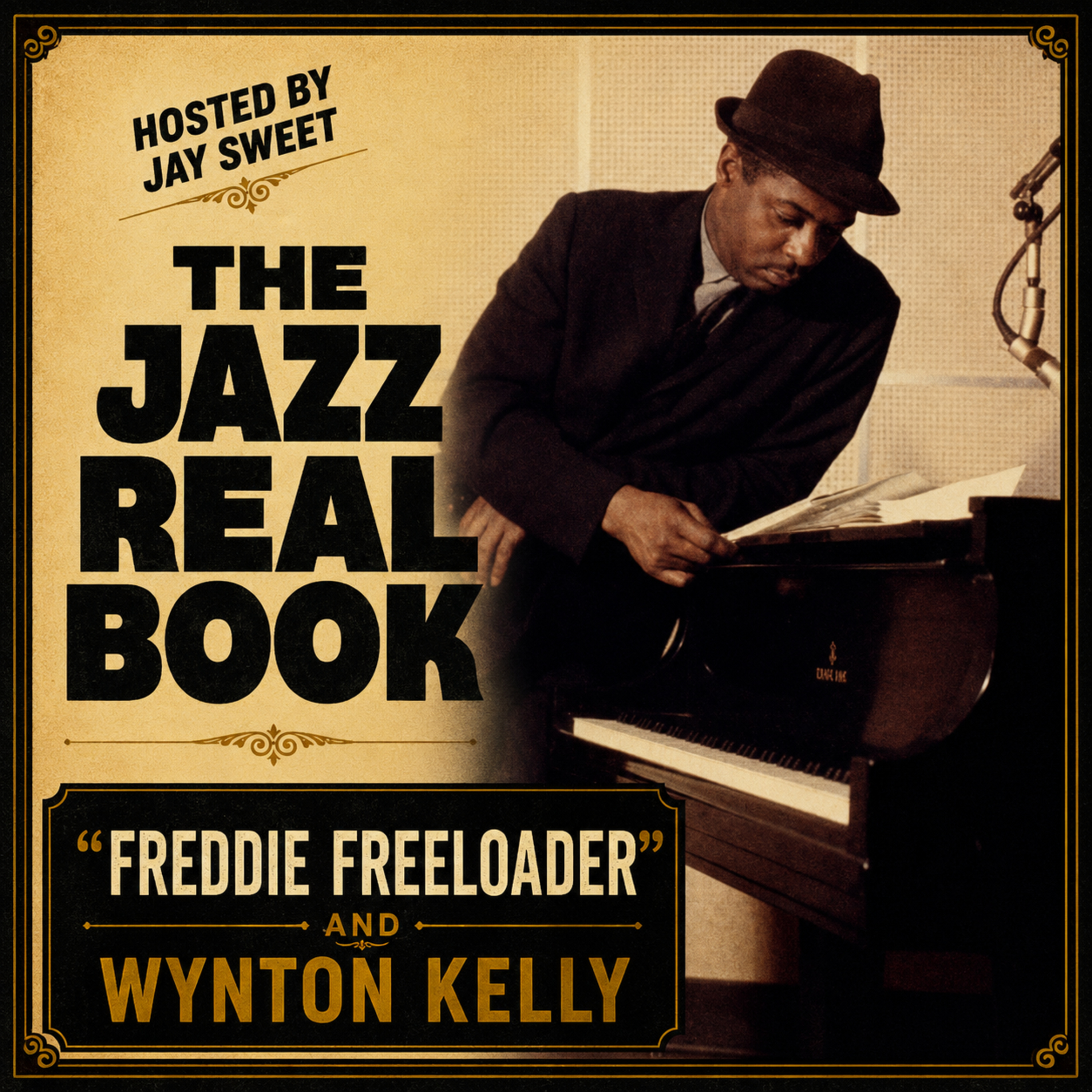
Freddie Freeloader and Wynton Kelly (126)
“Freddie Freeloader” and Wynton Kelly (126)“Freddie Freeloader” is one of the most celebrated tracks from Miles Davis’ 1959 masterpiece Kind of Blue. A relaxed 12-bar blues in B-flat, the tune demonstrates how simplicity, swing, and space can create timeless jazz. Miles Davis, John Coltrane, Cannonball Adderley, Paul Chambers, and Jimmy Cobb all contribute memorable performances, but the track is
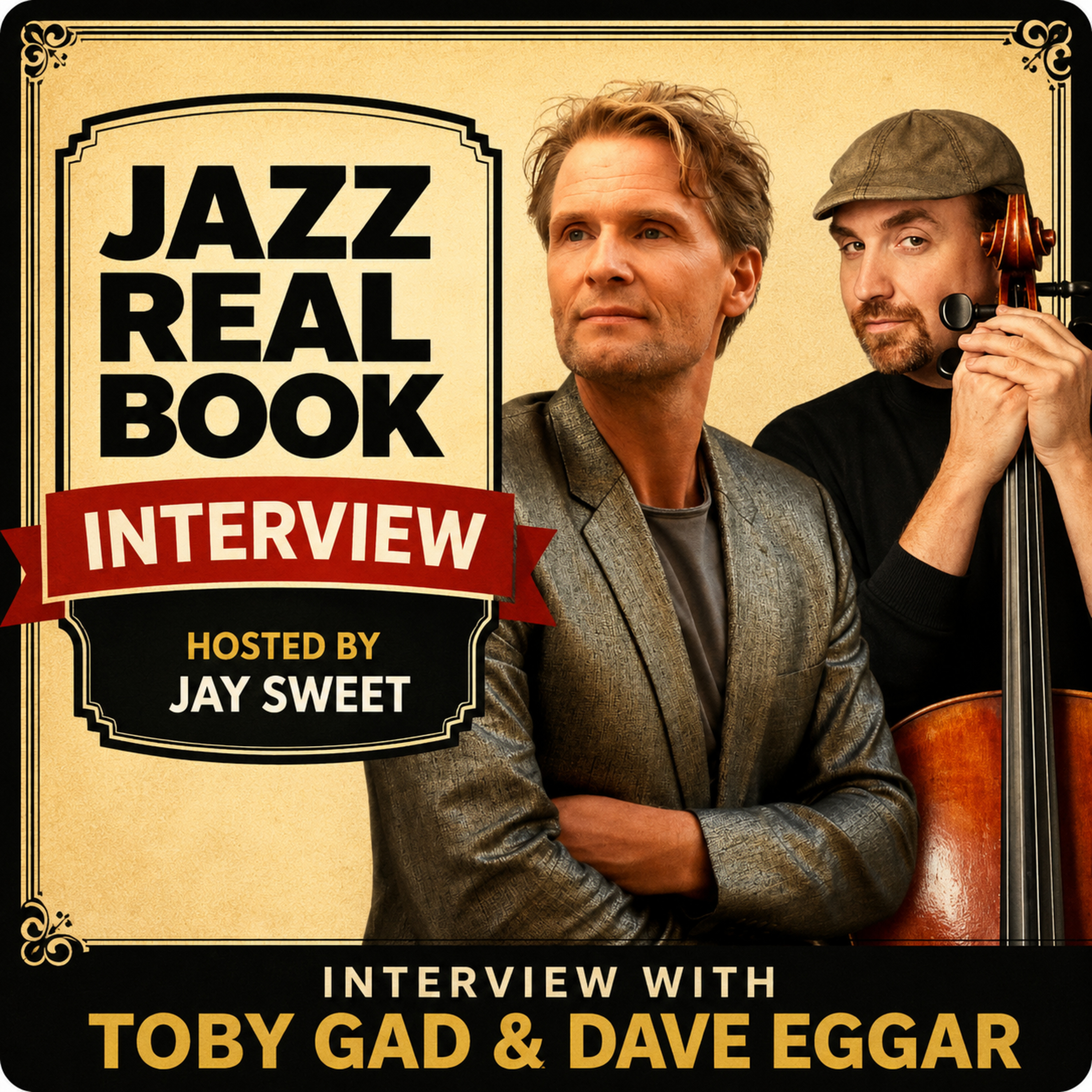
Toby Gad and Dave Eggar Interview (The Eureka Concerts)
Legendary German-born songwriter and producer Toby Gad and acclaimed crossover cellist/composer Dave Eggar have each spent decades redefining the boundaries between virtuosity, emotion, and modern popular music. Raised in a jazz-centered musical family in Munich, Gad combined classical piano training with jazz harmony and improvisation before becoming one of the most successful hitmakers of the mo
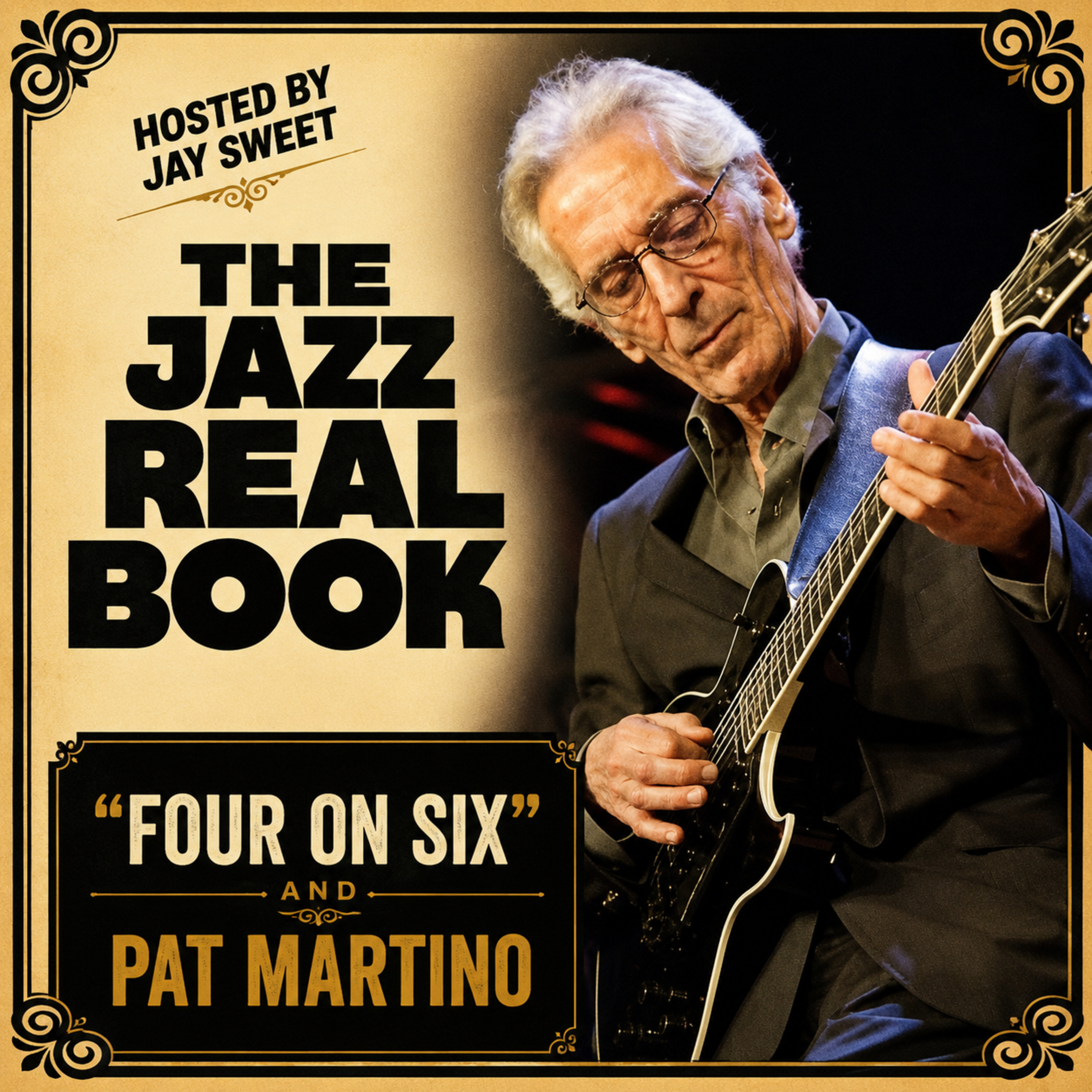
Four on Six and Pat Martino
“Four on Six” and Pat Martino (125) “Four on Six,” first recorded by Wes Montgomery on The Incredible Jazz Guitar of Wes Montgomery in 1960, is one of the defining compositions in jazz guitar history. Built loosely on the harmonic framework of “Summertime,” the tune combines blues phrasing, bebop harmony, and memorable rhythmic hits within a compact 16-bar form. Its descending ii–V progressions an

John Lee and Paquito D’Rivera on Dizzy Gillespie
John Lee and Paquito D’Rivera On Dizzy Gillespie WBGO presents the Dizzy Gillespie All Stars with John Lee and special guest Paquito D’Rivera as part of the All That Jazz concert series at UCPAC’s Hamilton Stage in New Jersey on Saturday, June 6, with performances at 5 PM and 8 PM. Guests can also enjoy cocktails and live piano by Leonieke Scheuble in the WBGO Piano Lounge before each show, with t
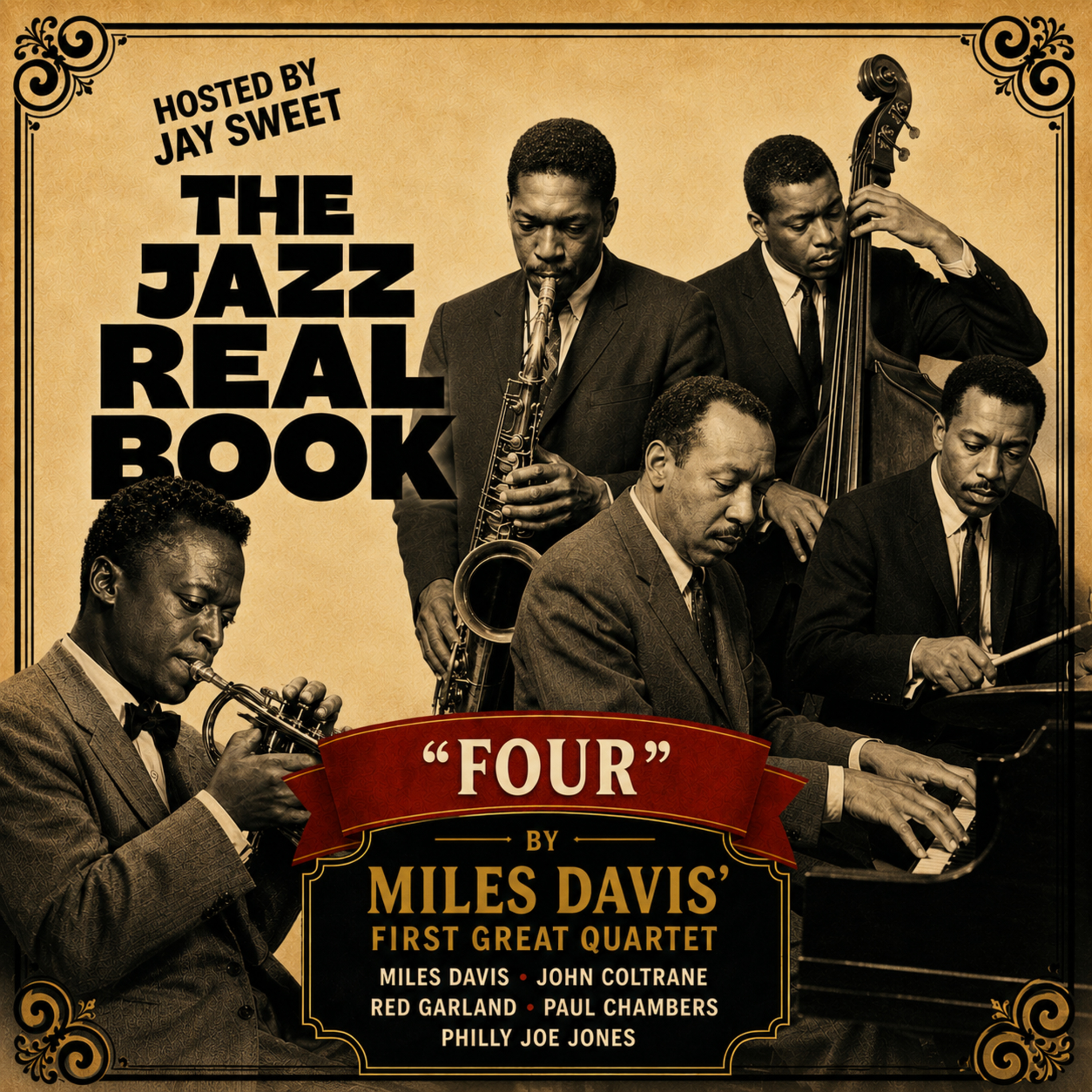
Four and Miles Davis’ First Great Quintet
“Four” and Miles Davis’ First Great Quintet “Four” became one of the signature performances associated with Miles Davis’ First Great Quintet, one of the most influential small groups in jazz history. Formed in 1955, the ensemble featured John Coltrane on tenor saxophone, Red Garland on piano, Paul Chambers on bass, and Philly Joe Jones. Their version of “Four,” particularly the recording on the al
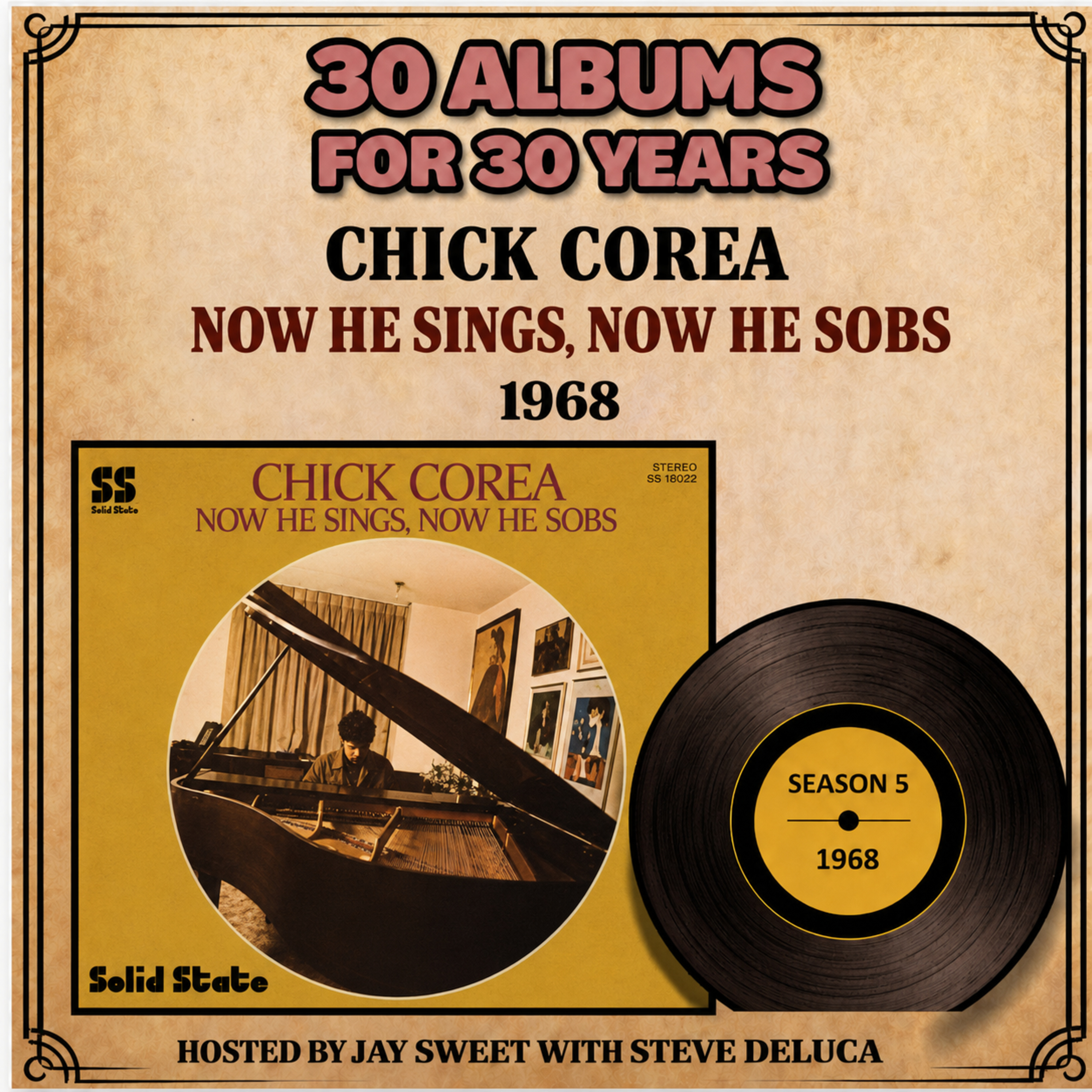
Chick Corea- Now He Sings, Now He Sobs
Chick Corea- Now He Sings, Now He Sobs (Solid State Records) Released December 1968 Now He Sings, Now He Sobs captures Chick Corea, Miroslav Vitouš, and Roy Haynes in a rare moment of complete musical connection and creative freedom. Although somewhat ignored upon release, the album has since become one of the defining piano trio recordings in modern jazz history. Corea’s compositions balance ang

Oteil Burbridge and Lamar Williams Jr. Interview-The Offering Album
Oteil Burbridge and Lamar Williams Jr. represent two generations of Southern-rooted improvisational music coming together through groove, soul, and message-driven songwriting. Burbridge is widely known for his work with the Dead & Company, the Allman Brothers Band, Aquarium Rescue Unit, and Tedeschi Trucks Band, where his fluid bass playing and deep jazz-funk vocabulary made him one of the mos
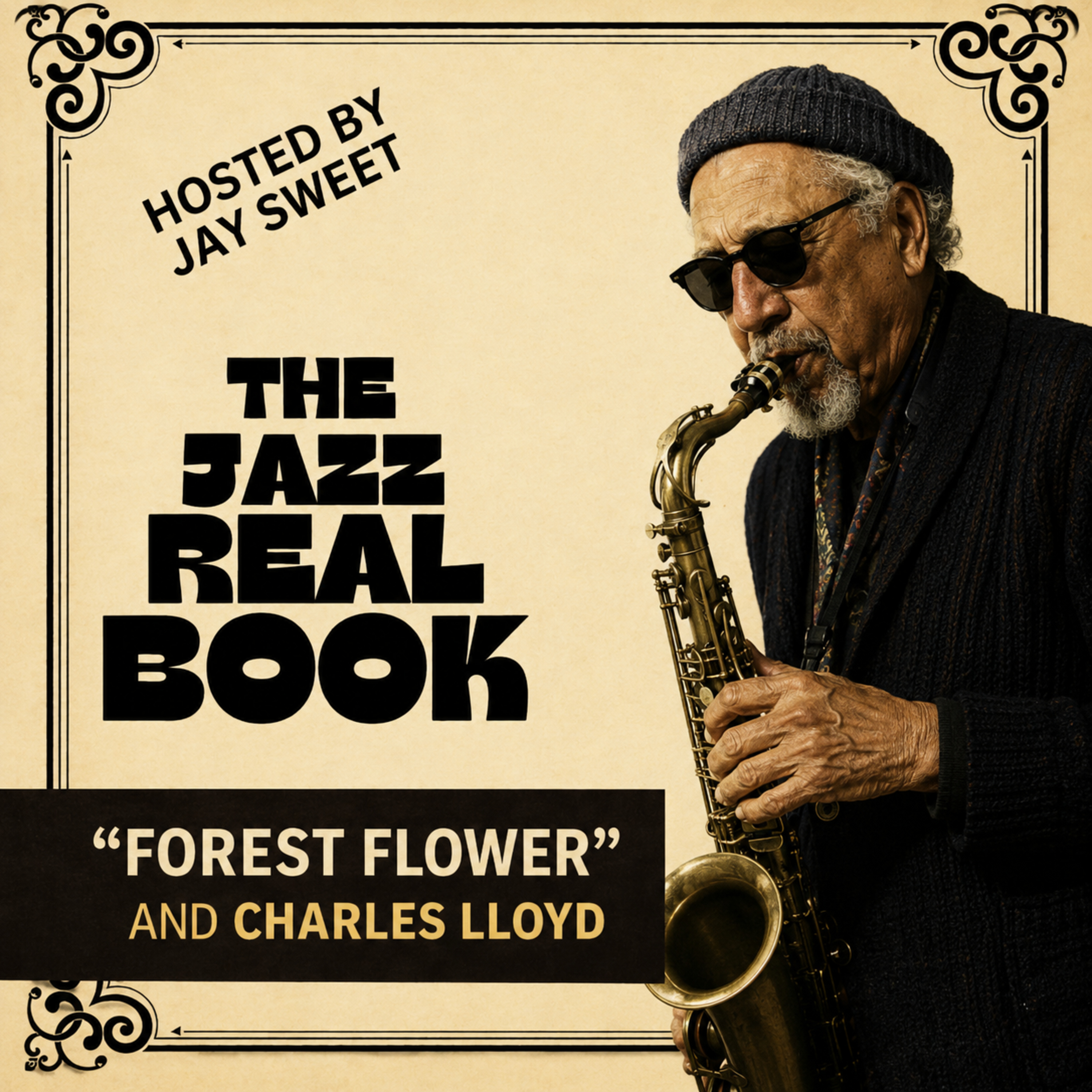
Forest Flower and Charles Lloyd
“Forest Flower” and Charles Lloyd (133) “Forest Flower” stands as one of the defining jazz compositions of the 1960s and remains closely associated with Charles Lloyd and his groundbreaking quartet. Built around shifting modal harmony, alternating Latin and swing feels, and a floating melodic structure, the composition captures both sophistication and openness. Rather than relying on traditional b
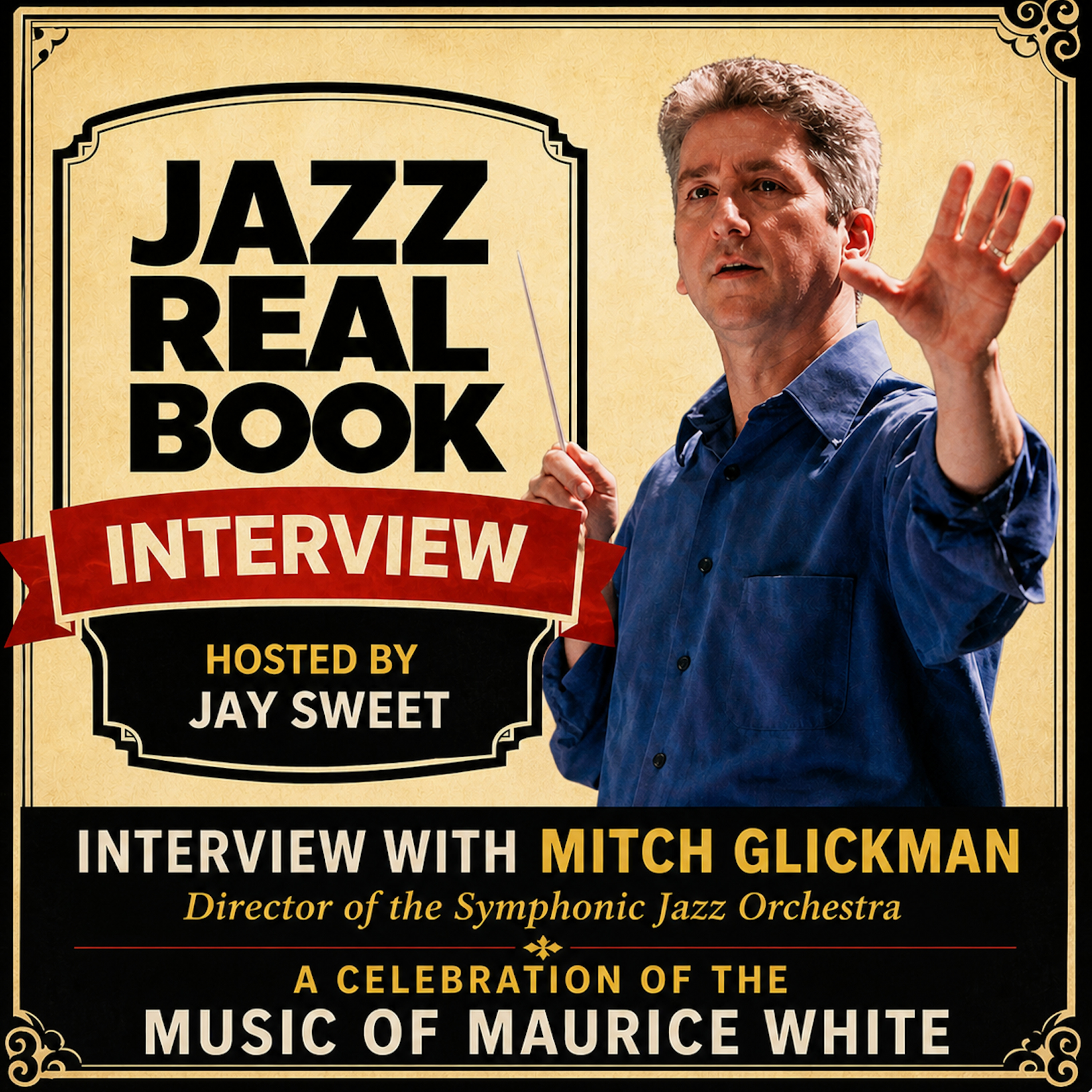
Interview with Mitch Glickman -A Symphonic Jazz Salute to Maurice White
The Symphonic Jazz Orchestra’s “Salute to Maurice White” concerts take place on Saturday, May 9, 2026 (7:30 PM) and Sunday, May 10, 2026 (7:00 PM) at the Carpenter Performing Arts Center in Long Beach, California. Tickets and additional information are available through the orchestra’s official site: SJOMusic.org.Under the direction of Mitch Glickman, the program features orchestral arrangements o
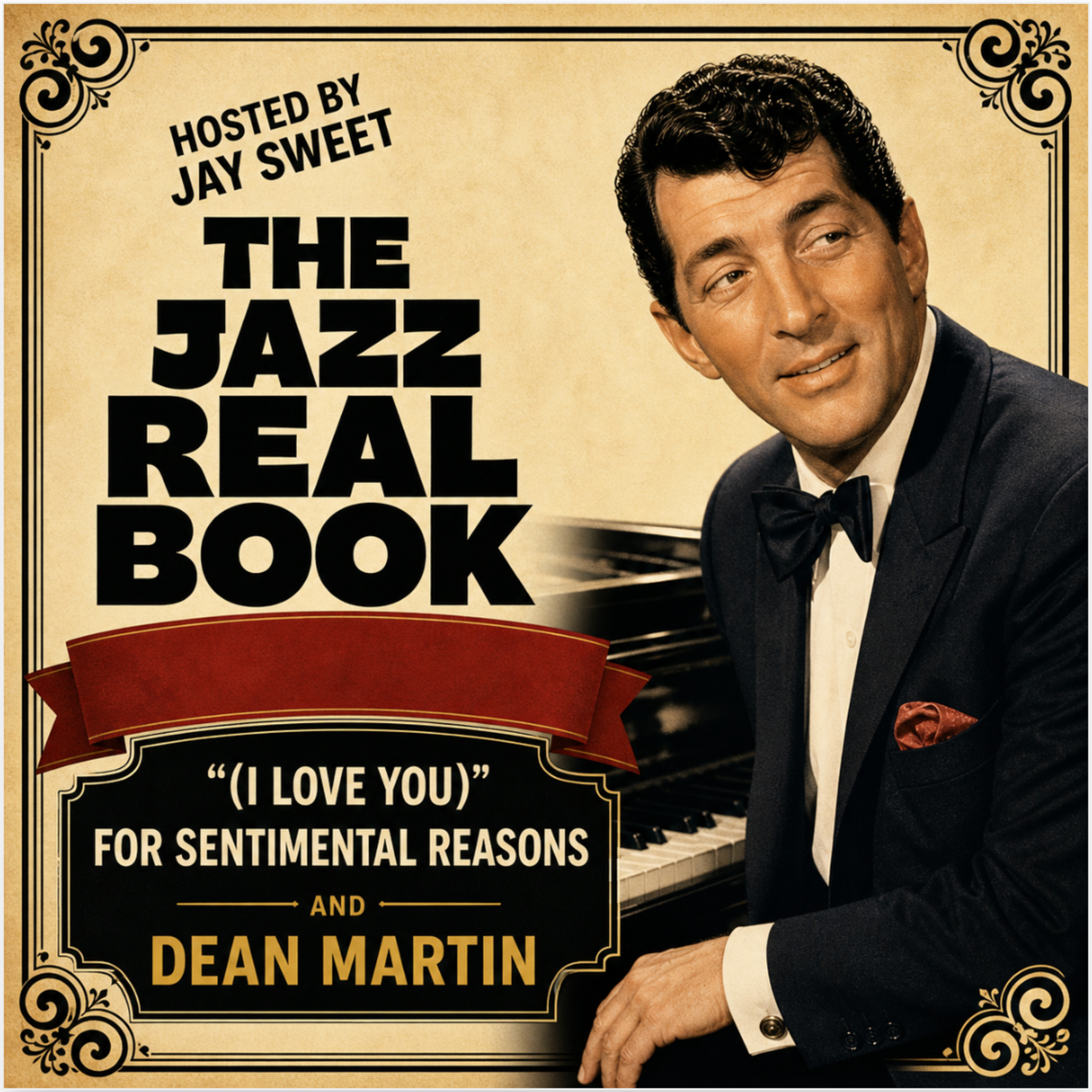
(I Love You) For Sentimental Reason and Dean Martin
“I Love You For Sentimental Reason” and Dean Martin (122)“I Love You (For Sentimental Reasons)” is a classic American ballad written in 1945 by William “Pat” Best and Deek Watson, emerging at the close of World War II when audiences gravitated toward direct, emotionally sincere songs. First popularized by the Nat King Cole Trio in 1946, the version became definitive, reaching No. 1 on the R&B

Eric Darius Interview
Eric Darius is a contemporary jazz saxophone master whose career bridges strong musical roots with a clear connection to modern audiences. Born in 1982 he grew up in a deeply musical household, with a bassist father and a mother who sang and played piano. Early exposure to Caribbean influences tied to his Haitian and Jamaican heritage, along with artists like Stevie Wonder, Prince, and George Ben
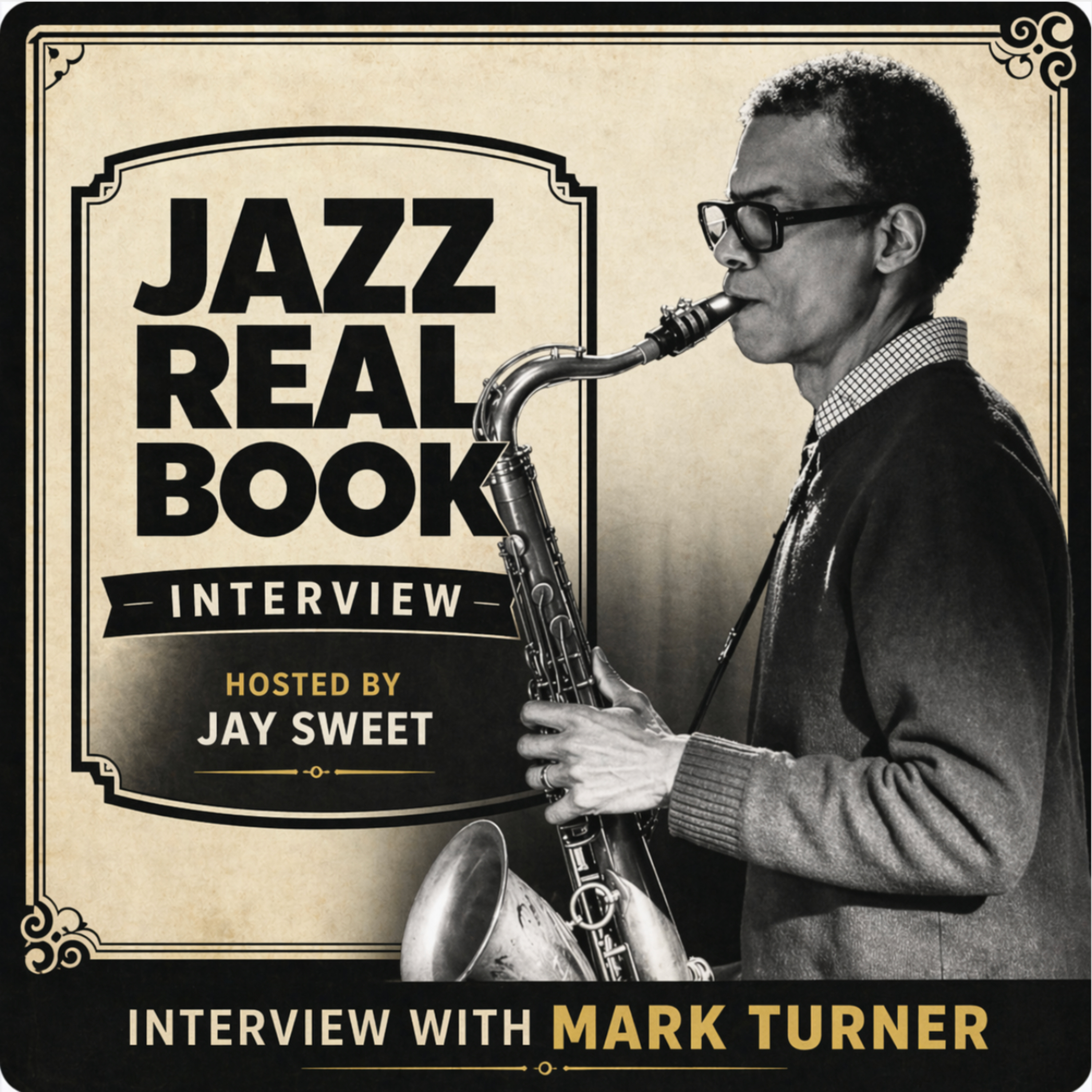
Marc Turner Interview
Mark Turner is widely regarded as one of the most distinctive tenor saxophonists of his generation, known for his intricate harmonic language, strong rhythmic sense, and deeply introspective improvisational style. Emerging in the 1990s, Turner quickly established himself through collaborations with artists such as Kurt Rosenwinkel, Brad Mehldau, Billy Hart, and others, helping define a modern post
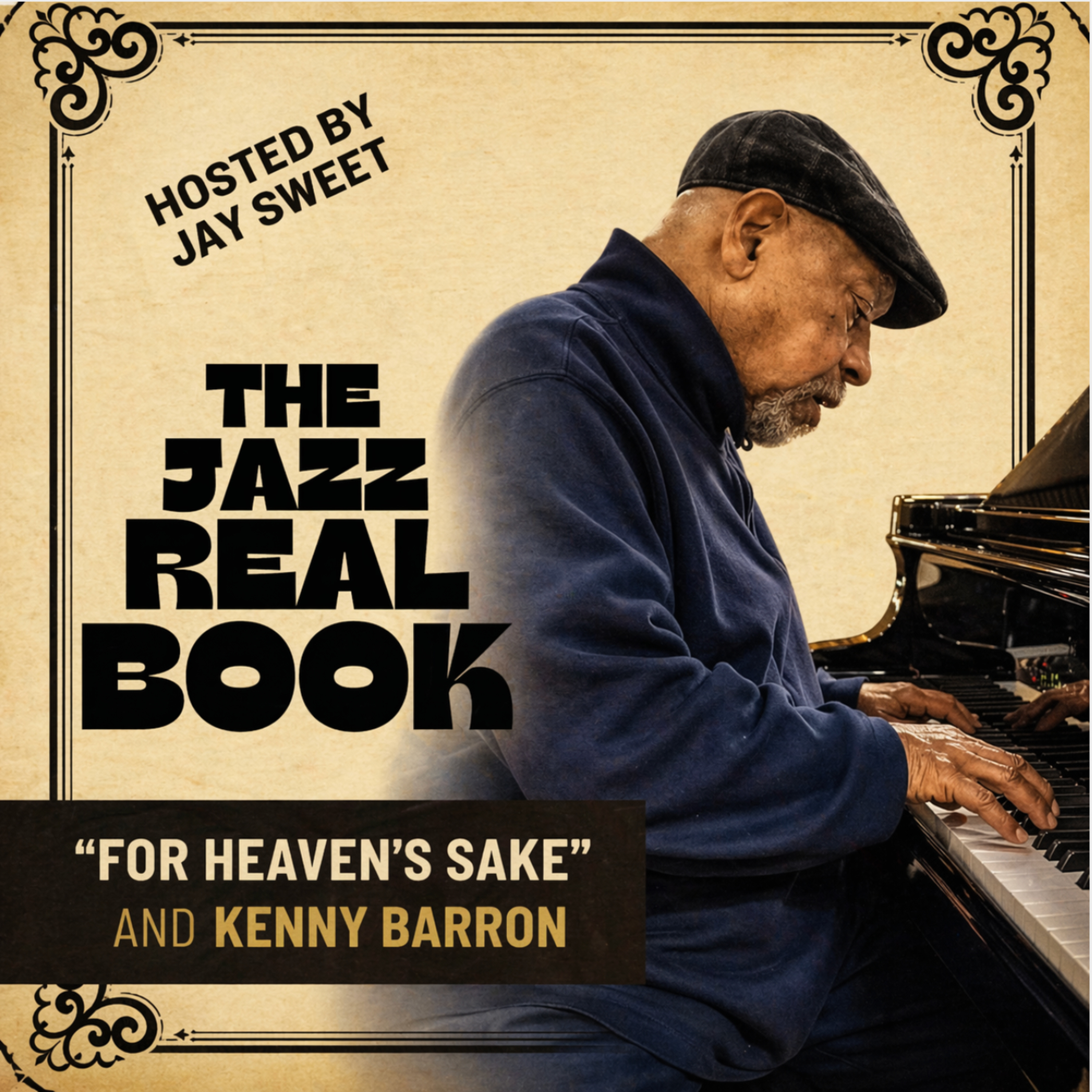
For Heaven's Sake and Kenny Barron
“For Heaven’s Sake” and Kenny Barron (121) “For Heaven’s Sake” is a 32-bar standard that reflects the postwar Great American Songbook tradition, balancing lyrical intimacy with subtle harmonic sophistication. Its melodic design is tightly organized, with recurring rhythmic figures and a descending contour that creates a strong sense of forward motion and resolution. The harmony moves fluidly throu

John Beasley Interview
John Beasley is a deeply rooted jazz pianist, arranger, and composer whose work balances tradition with forward-thinking creativity. Emerging in the 1980s, he built a reputation for harmonic sophistication, rhythmic flexibility, and an unwavering sense of swing, working with major artists including Miles Davis, Freddie Hubbard, Sérgio Mendes, and Hubert Laws. His acclaimed MONK’estra project has b
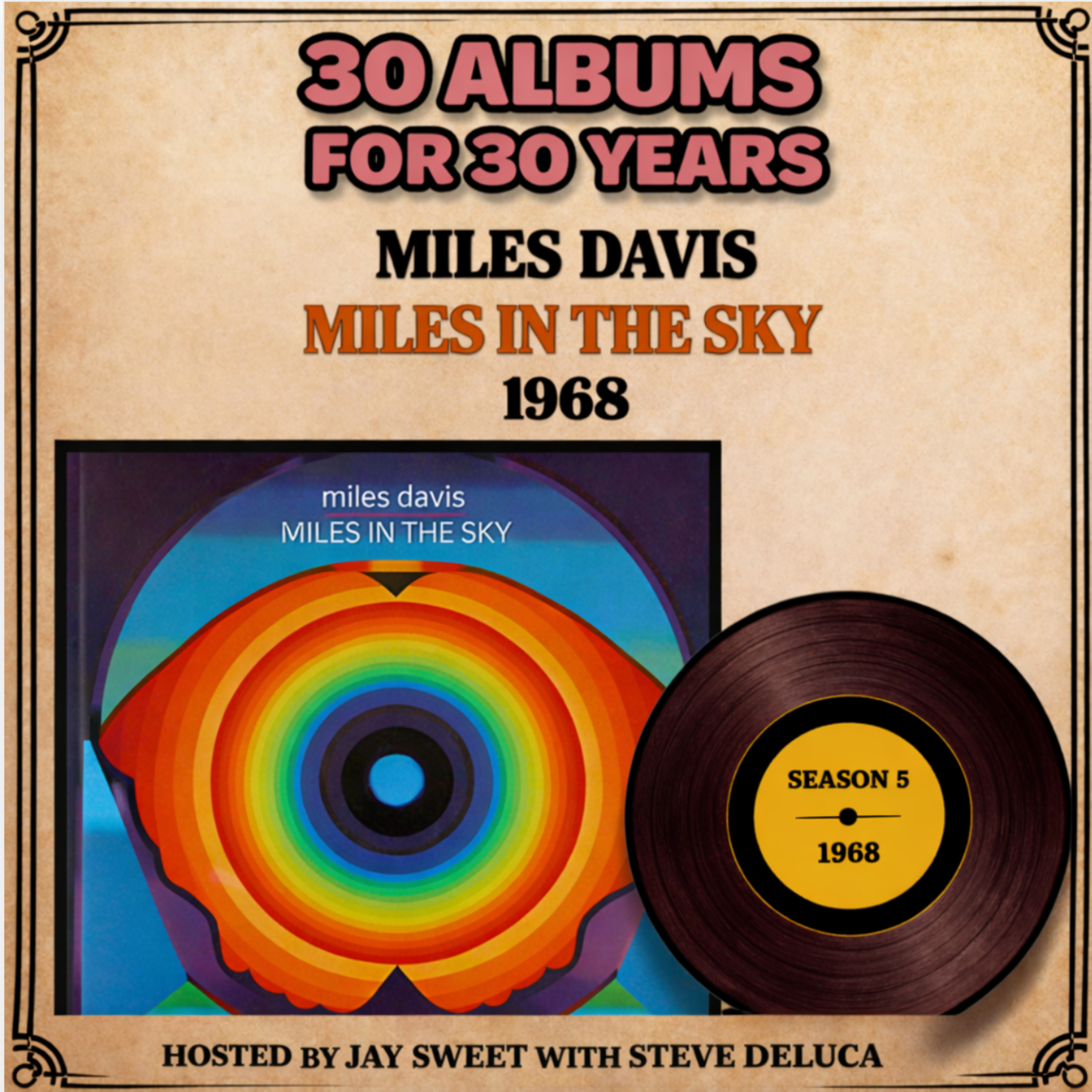
Miles Davis- Miles In The Sky
17- Miles Davis – Miles In The Sky Miles Davis- Miles In The Sky (Columbia Records)Released January 16, 1968 and May 15–17, 1968Miles in the Sky (1968) captures Miles Davis at a pivotal moment of transition. Recorded with his celebrated Second Great Quintet—Wayne Shorter, Herbie Hancock, Ron Carter, and Tony Williams—the album marks the first clear step toward Davis’s electric period. Released by

For All We Know and Dave Brubeck
“For All We Know”and Dave Brubeck (120) “For All We Know” is a reflective ballad that has become a lasting part of the American Songbook and the jazz repertoire. Written in 1934 by composer J. Fred Coots with lyrics by Sam M. Lewis, the song first gained popularity through dance-band recordings such as Hal Kemp’s version featuring Skinnay Ennis. Its melody is graceful and understated, built on a c
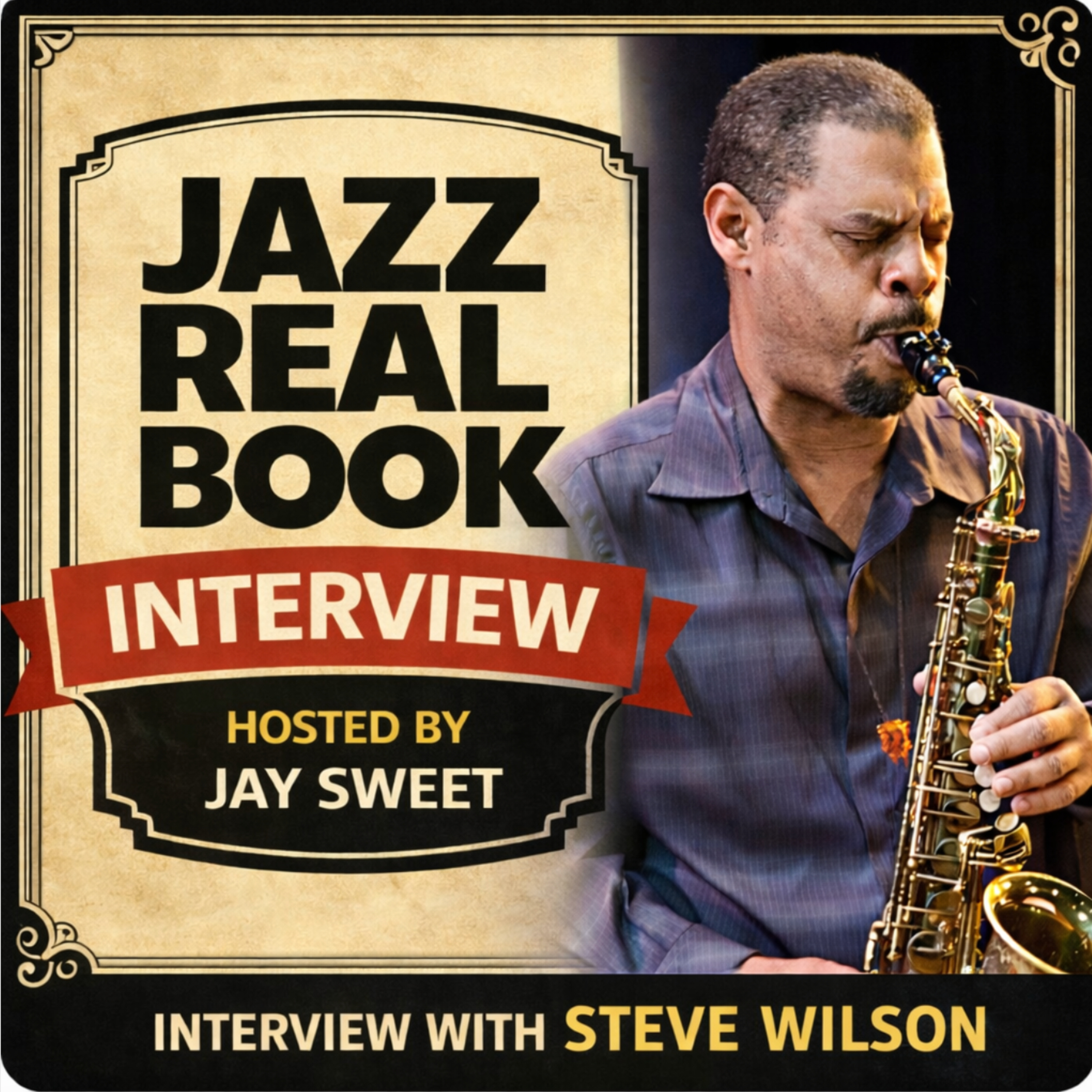
Steve Wilson Interview
Steve Wilson is one of the most respected alto saxophonists and multi-instrumentalists in modern jazz, known for his warm tone, lyrical phrasing, and deep command of the bebop and post-bop traditions. Emerging from Virginia, Wilson gained early recognition after moving to New York in the late 1980s. He has performed and recorded with an impressive range of artists including Chick Corea, Dave Holla
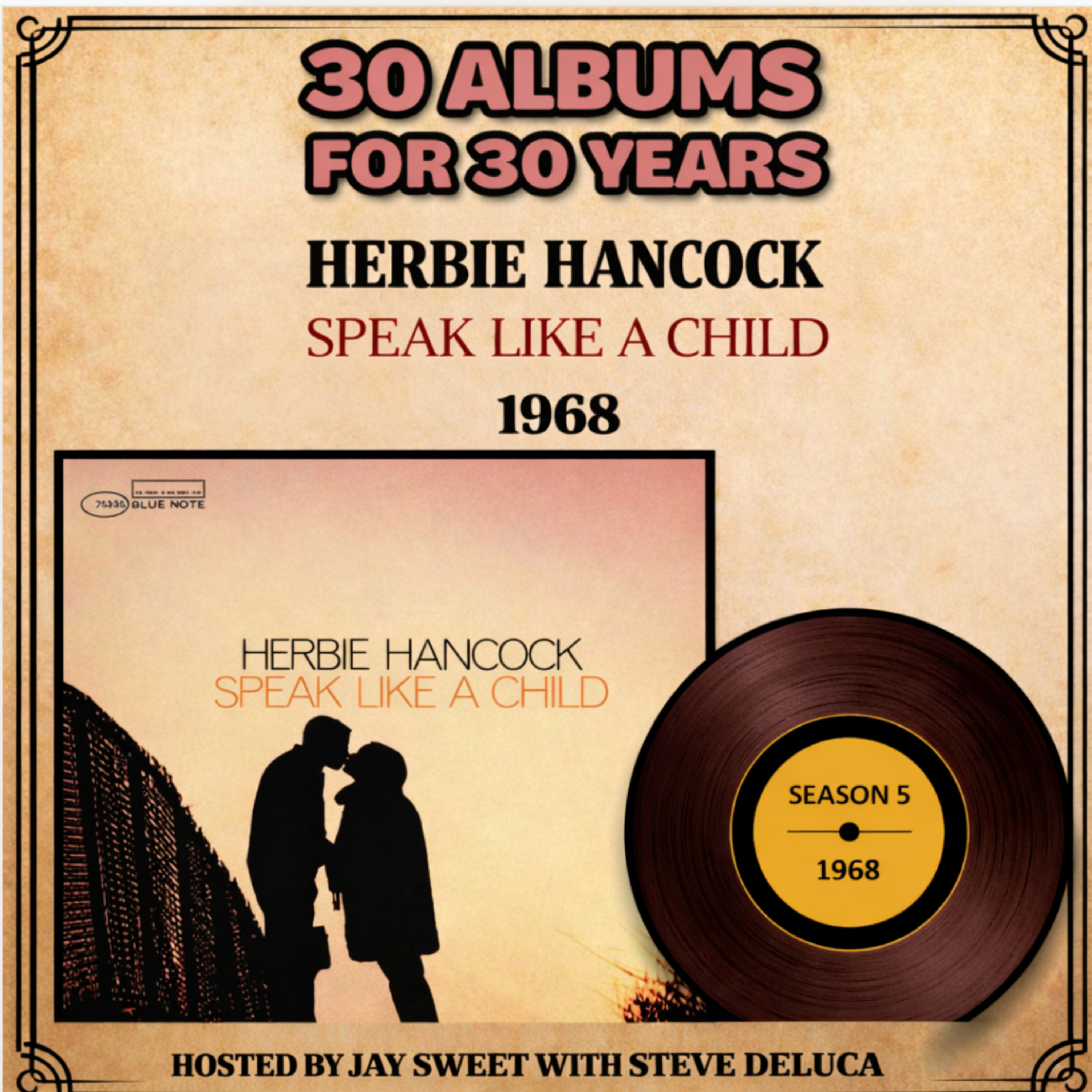
Herbie Hancock-Speak Like A Child
Herbie Hancock-Speak Like A Child (Blue Note Records) Released Summer of 1968 Speak Like a Child is one of the more lyrical and introspective recordings in the catalog of Herbie Hancock. Released on Blue Note Records in 1968, the album reflects Hancock’s growing interest in subtle orchestration and melodic simplicity following the more harmonically dense work of his earlier recordings. Rather than
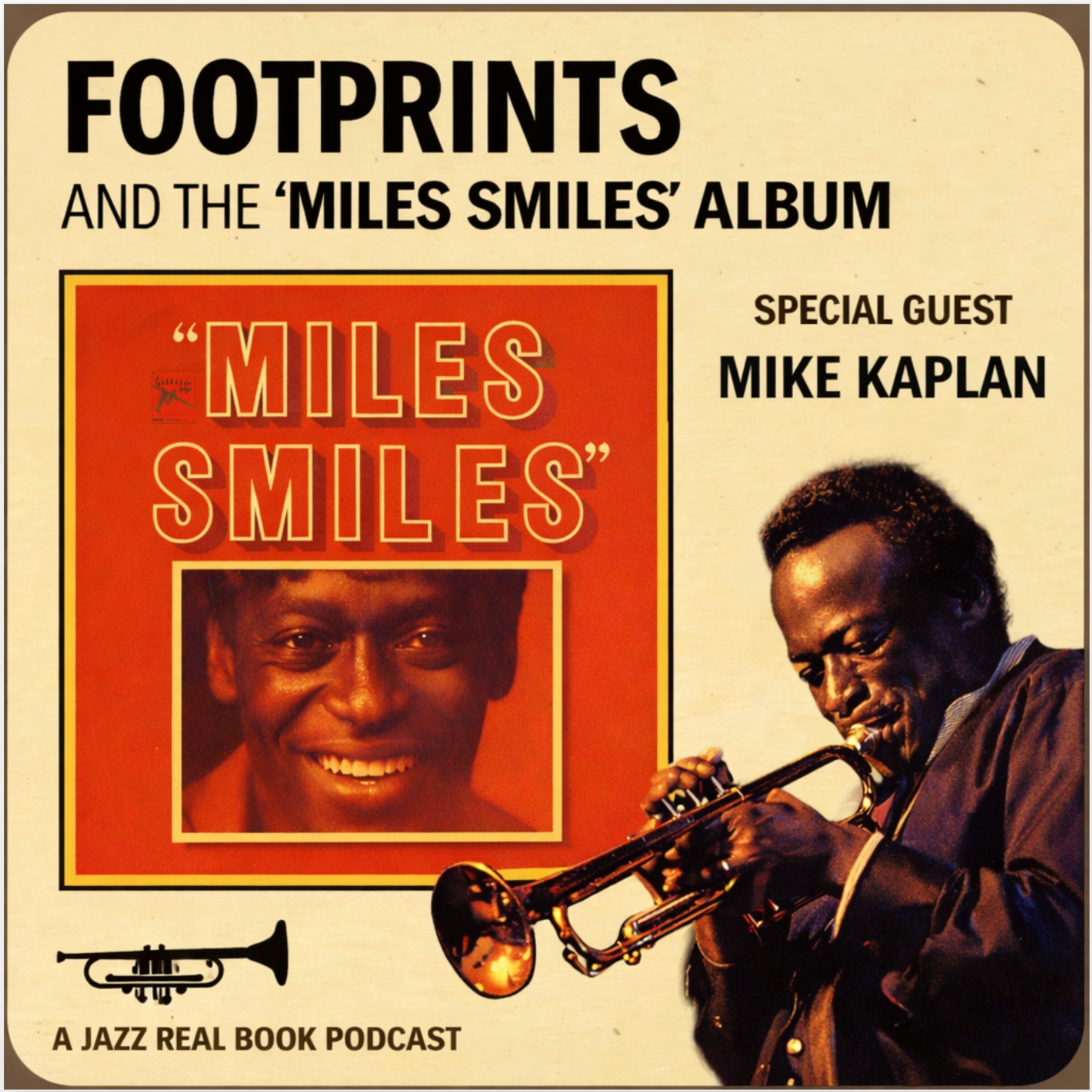
Footprints and Miles Davis' Miles Smiles (With Guest Mike Kaplan)
“Footprints,” composed by Wayne Shorter, first appeared on Adam’s Apple (1966) but became widely known through its performance on Miles Smiles by Miles Davis. The piece is a haunting minor blues that blends traditional structure with modern harmonic color. Often played in C minor, the tune uses a distinctive bass ostinato that outlines a 12-bar blues form while introducing subtle modal movement. O
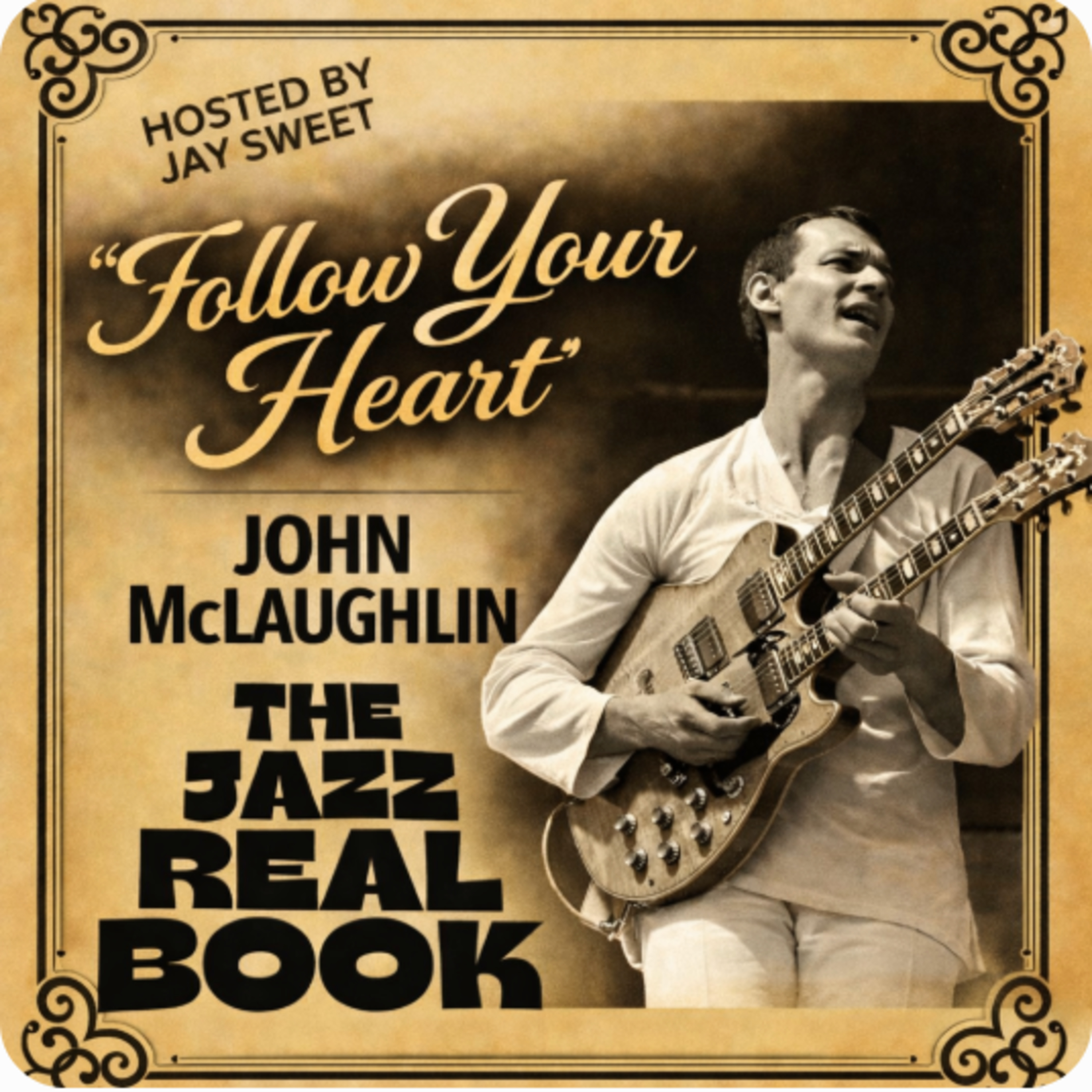
Follow Your Heart and John McLaughlin
“Follow Your Heart” and John McLaughlin (118)“Follow Your Heart” is a reflective composition by guitarist John McLaughlin that appears on his 1971 album My Goal's Beyond. The piece reveals a quieter and more introspective side of McLaughlin, arriving just before the explosive fusion period that would define the Mahavishnu Orchestra. Rather than emphasizing speed or dense harmonic movement, the
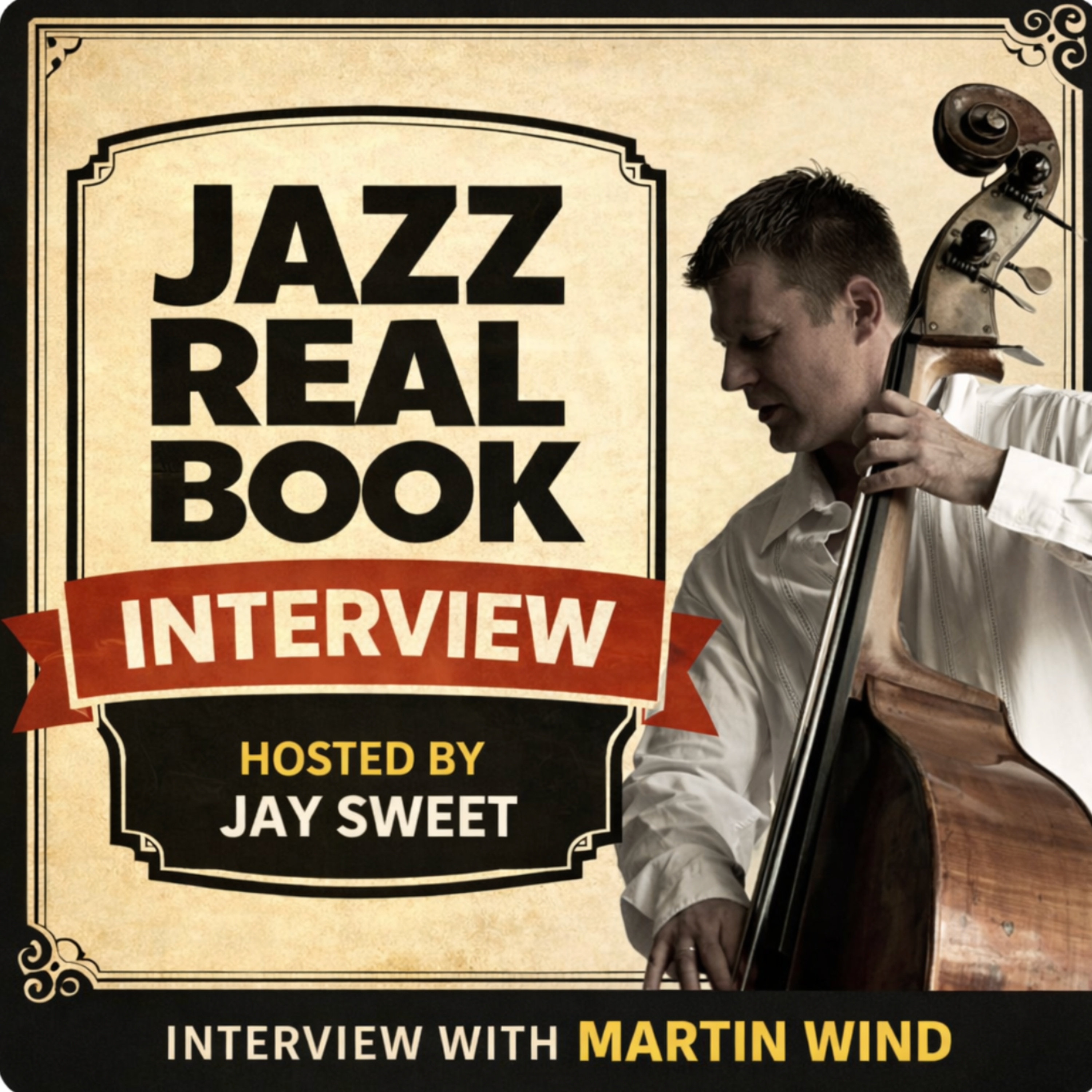
Martin Wind Interview
German-born bassist and composer Martin Wind has built an extensive résumé as both a sideman and bandleader, performing with artists such as Buddy DeFranco, Pat Metheny, and Clark Terry. With more than twenty recordings as a leader or co-leader, Wind has remained an active presence on the international jazz scene. His newest release, September (2026, Laika Records), features his Gravity Trio with
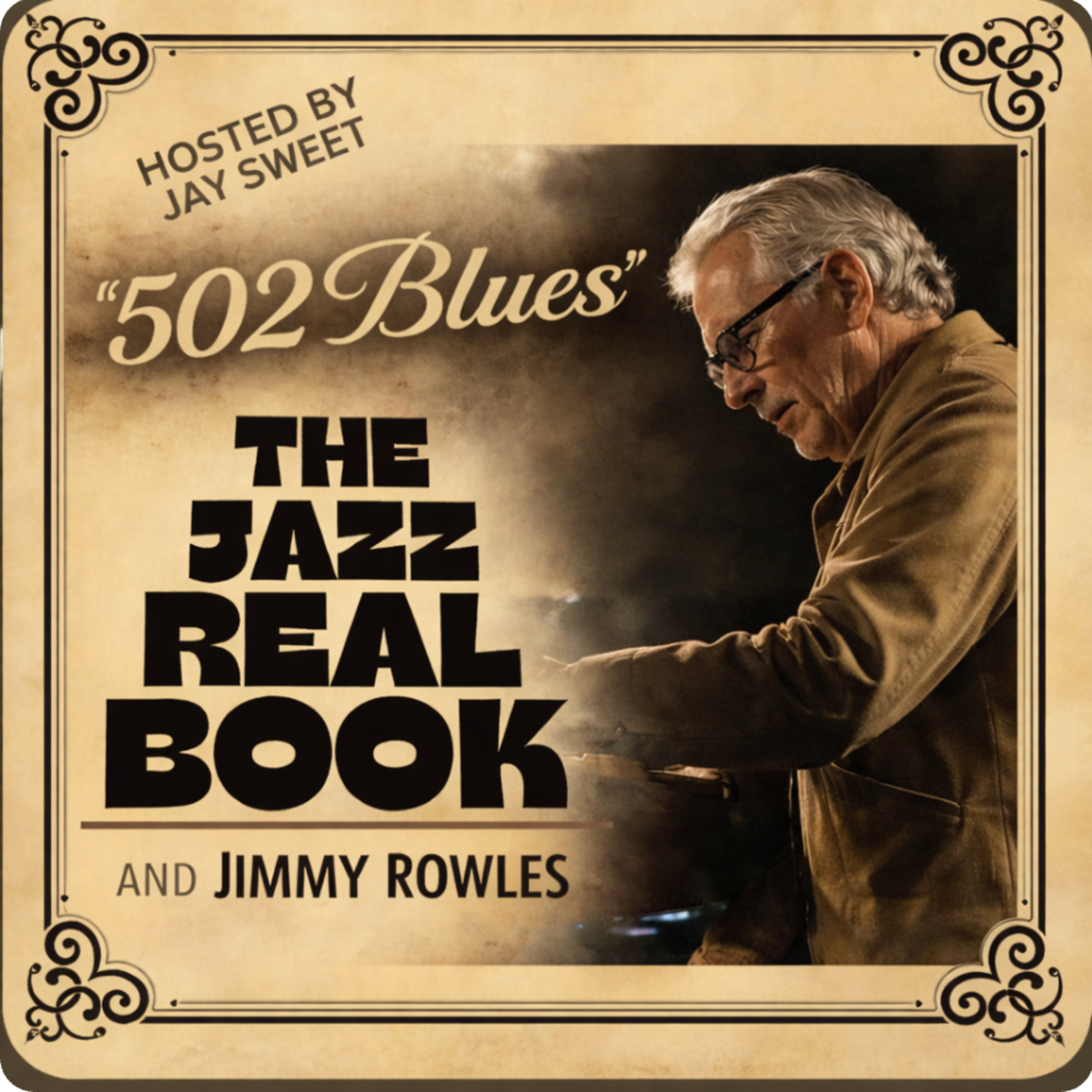
502 Blues and Jimmy Rowles
“502” Blues and Jimmy Rowles (117) “502 Blues (Drinkin’ and Drivin’)” is a composition by pianist and songwriter Jimmy Rowles that stands as a clever example of his harmonic imagination. Despite the title, the piece is not a traditional blues. Instead, it unfolds as a 32-bar tune in 3/4 with subtle structural variations and a melody that feels almost folk-like in its directness while still contain
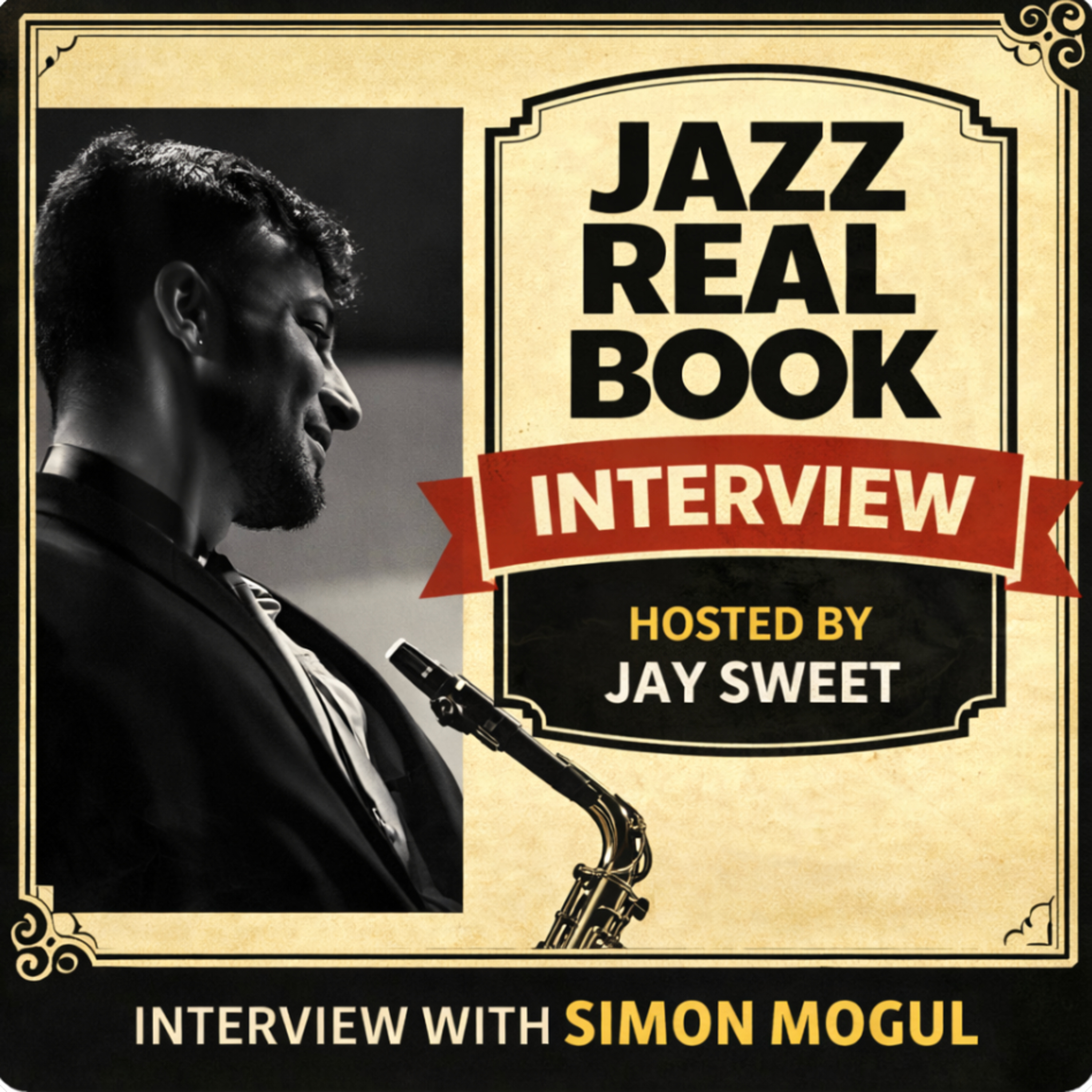
Simon Mogul Interview
Simon Mogul is a young American jazz tenor saxophonist emerging from the New York jazz scene. In his mid-20s, Mogul has quickly developed a reputation as a technically strong and expressive improviser rooted in the post-bop tradition while remaining open to contemporary influences.Active on the New York circuit, he has performed at leading venues including Smalls Jazz Club, Birdland, Minton’s Play

500 Miles High and Return to Forever
"500 Miles High" and Return to Forever “500 Miles High,” composed by Chick Corea with lyrics by Neville Potter, is one of the defining works of Return to Forever and a centerpiece of Light as a Feather (1973). Built on an 18-measure form with a 9-bar coda, the tune features spacious melodic phrasing, subtle rhythmic mirroring, and Corea’s characteristic use of upper extensions that creat

Joe Lovano Interview
Joe Lovano stands among the most respected saxophonists in modern jazz. Born in Cleveland in 1952, he emerged in the late 1970s and quickly became known for his powerful tenor sound, deep knowledge of the tradition, and adventurous improvisational language. Over the decades Lovano has worked with a remarkable list of artists including Woody Herman, Paul Motian, McCoy Tyner, Dave Holland, and John
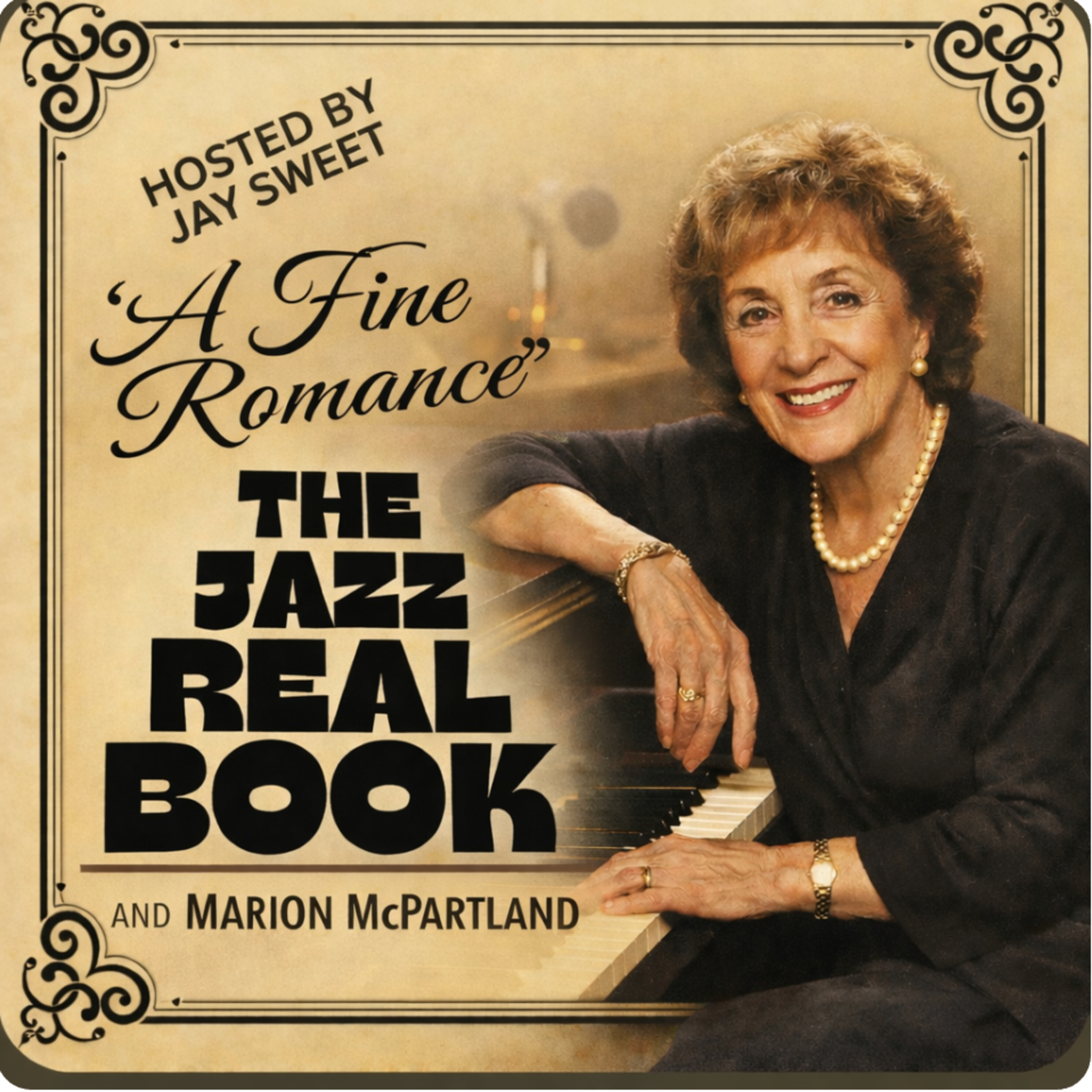
A Fine Romance and Marian McPartland
“A Fine Romance” and Marian McPartland (115) “A Fine Romance,” composed by Jerome Kern with lyrics by Dorothy Fields in 1936, quickly became one of the most enduring standards to emerge from the film Swing Time, where it was introduced by Fred Astaire and Ginger Rogers. Built on a clear 32-bar A–A′ structure, the tune balances melodic simplicity with subtle sophistication. Kern’s writing combines
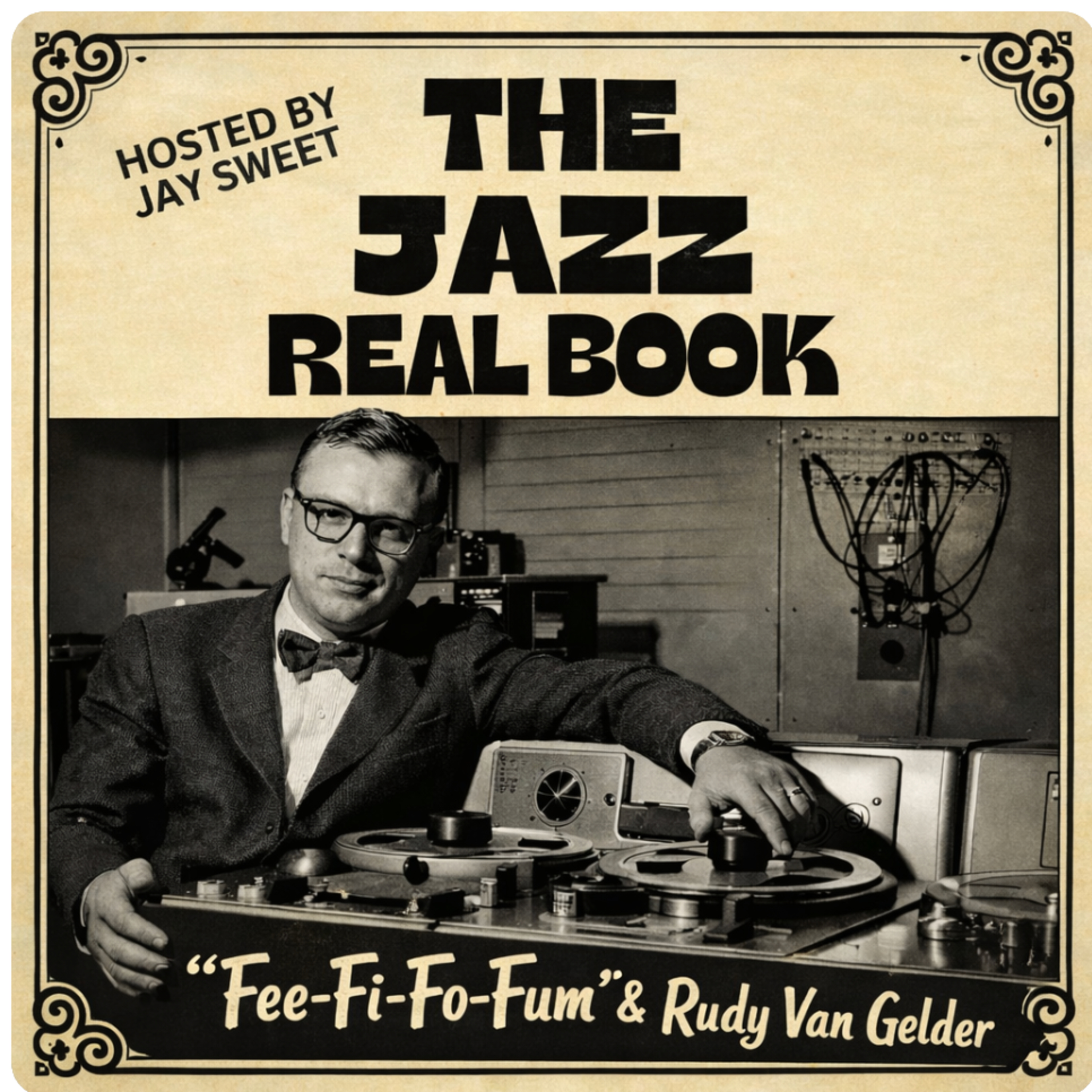
“Fee-Fi-Fo-Fum” and Rudy Van Gelder
“Fee-Fi-Fo-Fum” and Rudy Van Gelder (114) “Fee-Fi-Fo-Fum,” the second track on Speak No Evil, captures both the compositional imagination of Wayne Shorter and the unmistakable sonic clarity of engineer Rudy Van Gelder. The tune unfolds over a relaxed swing feel following a brief piano introduction by Herbie Hancock, after which the syncopated melody is stated with striking precision. Van Gelder’s

Frank Zappa and The Mothers of Invention -We're Only In It For The Money (with Guest Steve DeLuca)
We're Only in It for the Money by Frank Zappa and The Mothers of Invention (with Guest Steve DeLuca) A 30 Albums For 30 Years Special! Release Date- March 4, 1969 -We're Only in It for the Money by Frank Zappa and The Mothers of Invention stands as one of the most daring and influential records of the late 1960s. Arriving at the height of the psychedelic era, the album sharply critiqued both the
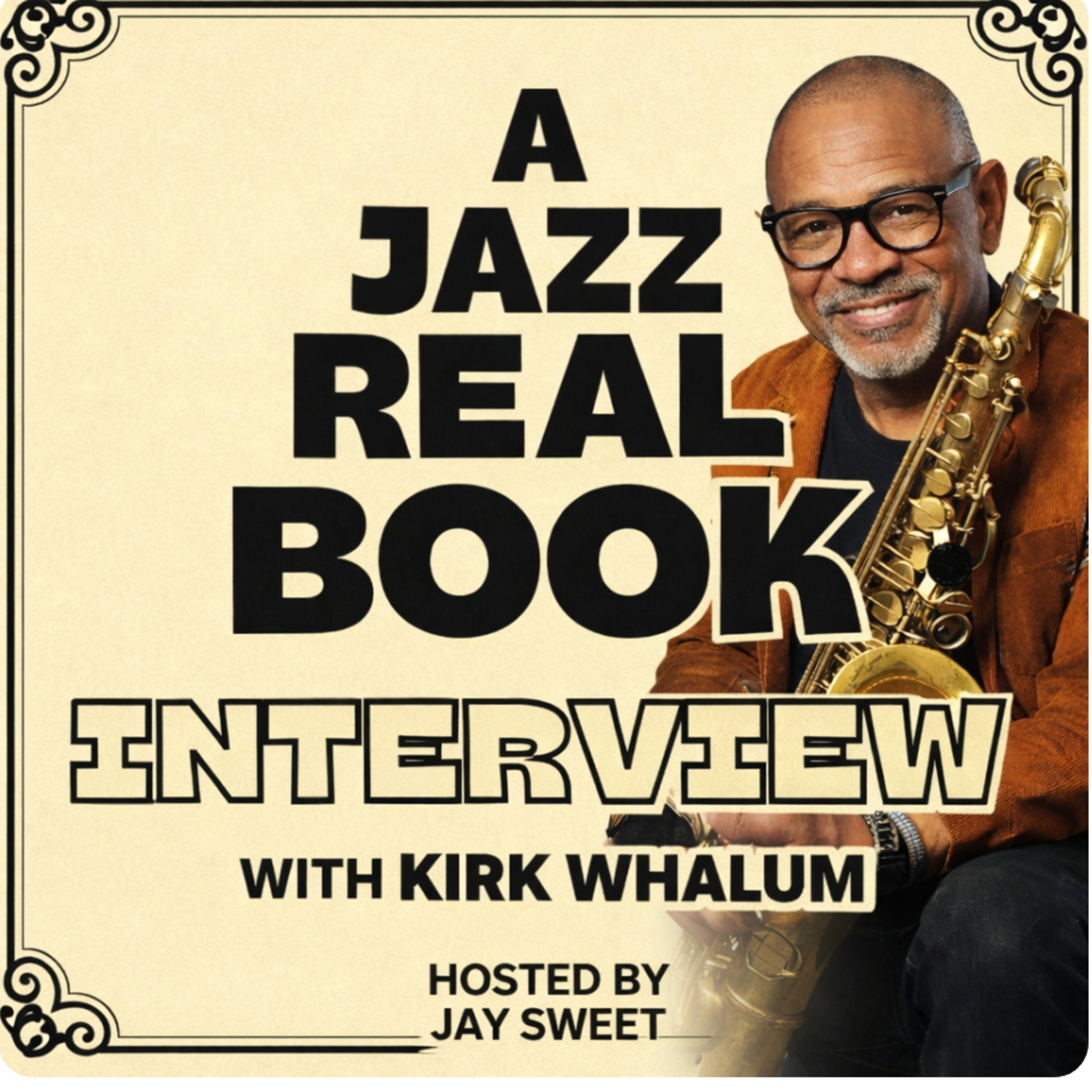
Kirk Whalum Interview
Saxophonist Kirk Whalum continues to affirm his place as one of contemporary jazz’s most expressive voices. A Grammy Award winner whose career spans more than four decades, Whalum has seamlessly blended jazz, gospel, R&B, and soul while collaborating with artists ranging from Whitney Houston to Luther Vandross. He is perhaps best known to mainstream audiences for his iconic, improvised saxopho
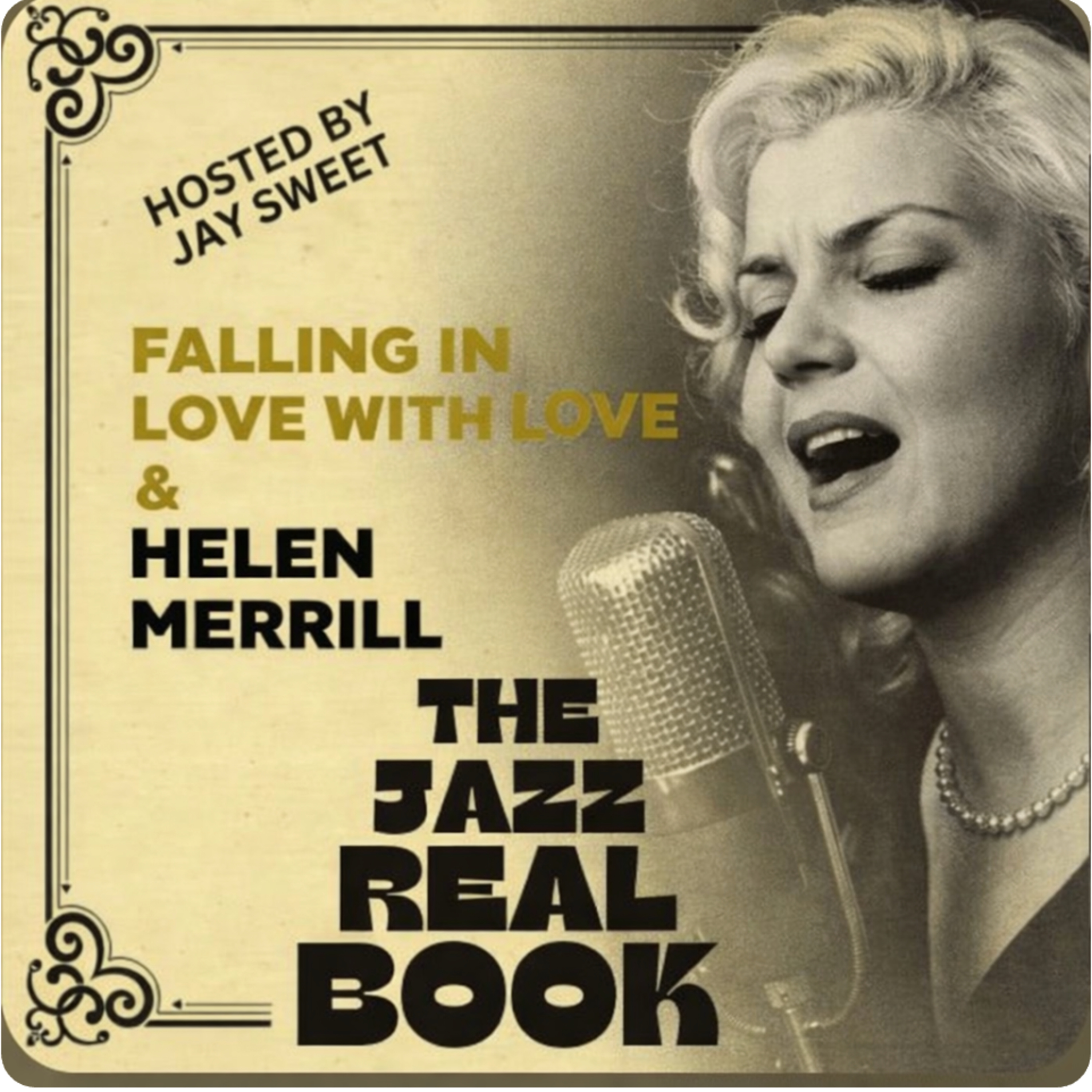
Falling In Love With Love and Helen Merrill
“Falling In Love With Love” and Helen Merrill (113) “Falling in Love with Love,” by Richard Rodgers and Lorenz Hart from the Broadway musical The Boys from Syracuse, is a waltz in B♭ major built on a clear 64–bar A–A’ form. Its melody is strikingly simple—largely stepwise and sustained—yet its arching ascents and descents give it expressive shape. The harmony relies on logical ii–V progressions an
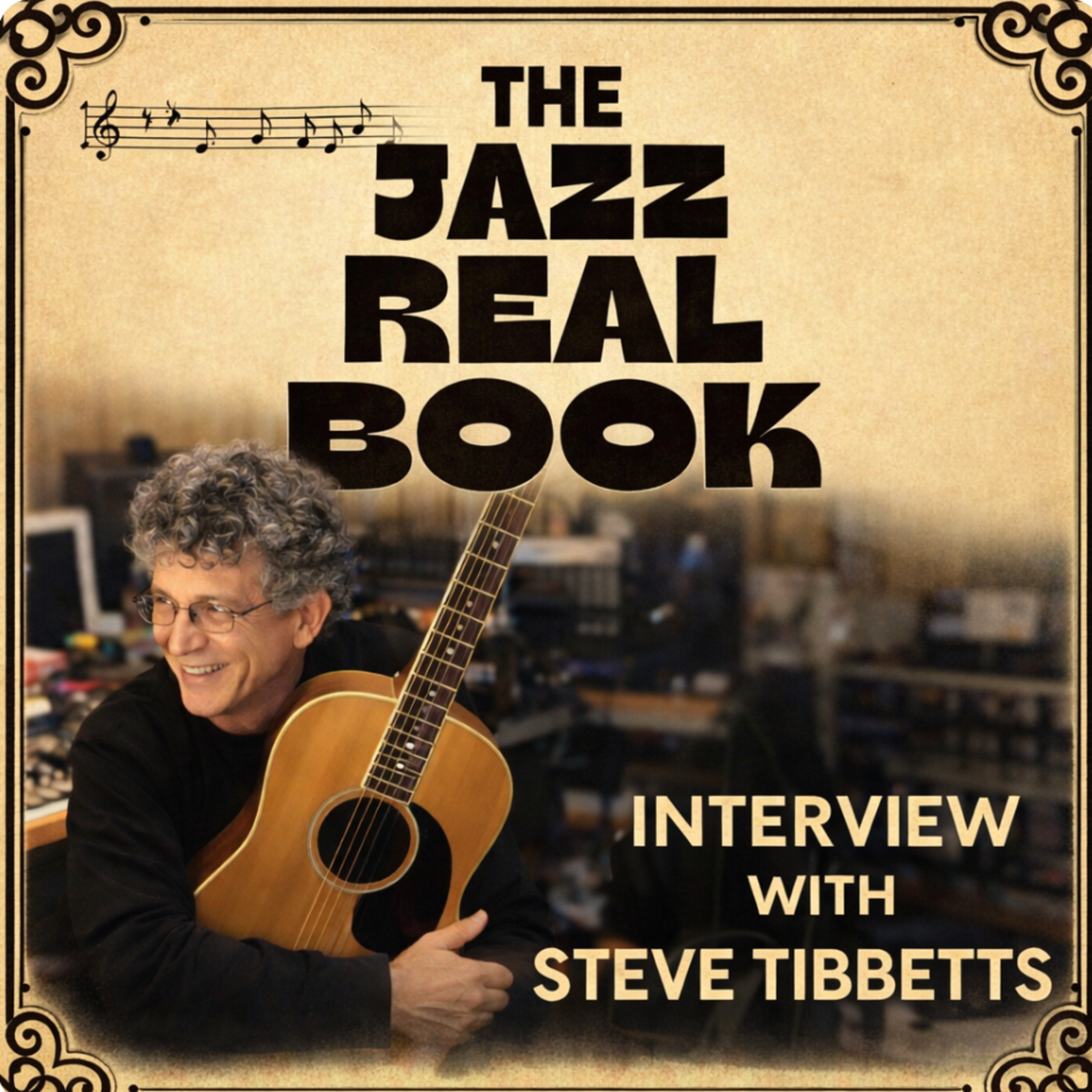
Steve Tibbetts Interview
Steve Tibbetts (born 1954, Madison, Wisconsin) is an American guitarist and composer whose music blends jazz fusion, ambient soundscapes, experimental techniques, and global influences. Treating the recording studio as a compositional tool, he layers loops, field recordings, and highly textured guitar tones to create immersive sonic environments.A longtime collaborator with percussionist Marc Ande
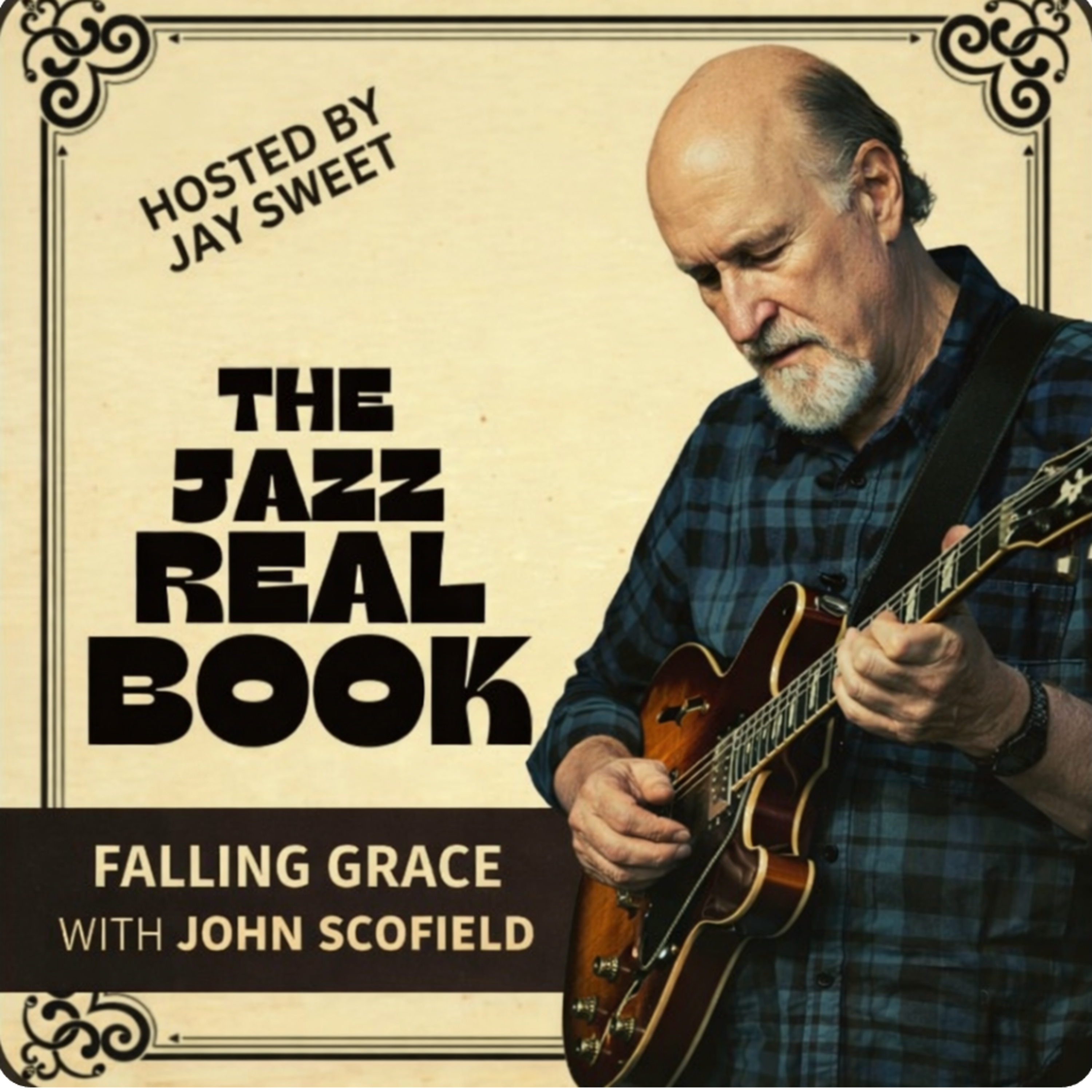
Falling Grace and John Scofield
“ Falling Grace” and John Scofield (112) “Falling Grace,” composed by Steve Swallow and first recorded by Gary Burton in 1966, is a structurally modern jazz standard built on lyrical melody and elegant, bass-directed harmony. Its unusual 14-bar A and 10-bar B form is unified by sustained opening tones, recurring triplet figures, and carefully balanced chord tones and extensions. The harmony is def
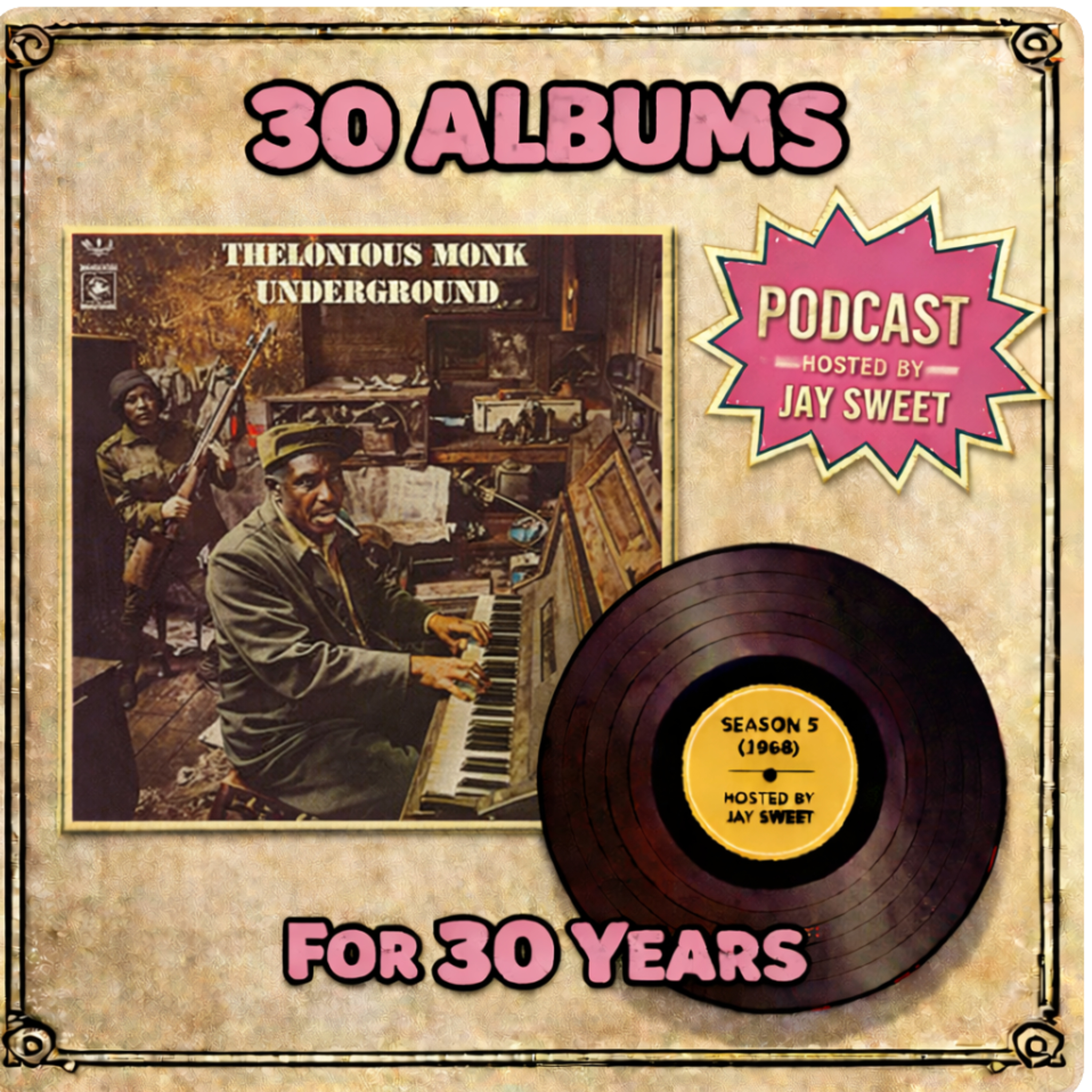
Thelonious Monk -Underground -(From 30 Albums For 30 Years Podcast)
Thelonious Monk -Underground Released May 1968 Released in May 1968 on Columbia Records and produced by Teo Macero, Underground captures Monk with his longtime quartet: Charlie Rouse (tenor saxophone), Larry Gales (bass), and Ben Riley (drums), plus a vocal cameo from Jon Hendricks on “In Walked Bud.” The record balances new compositions like “Green Chimneys” and “Boo Boo’s Birthday” with revisite
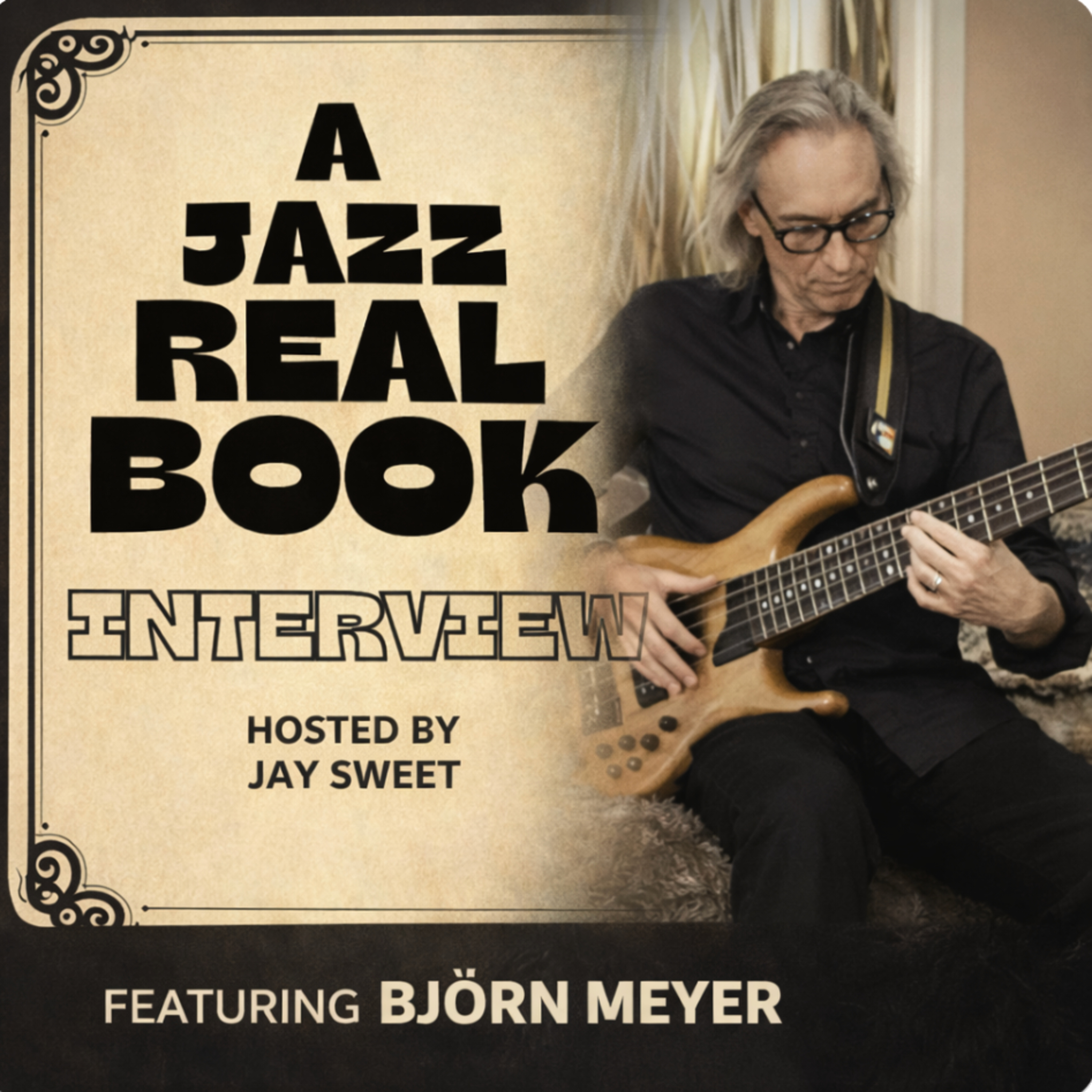
Björn Meyer Interview
Björn Meyer is a Swedish six-string bassist and composer born in Stockholm in 1965, known for his expansive approach to the electric bass across jazz, ambient, and world music contexts. After early studies in piano and trumpet—and even playing guitar in punk bands—he turned to bass at 18, becoming a professional musician in 1989 before relocating to Switzerland in 1996. Meyer has collaborated wide
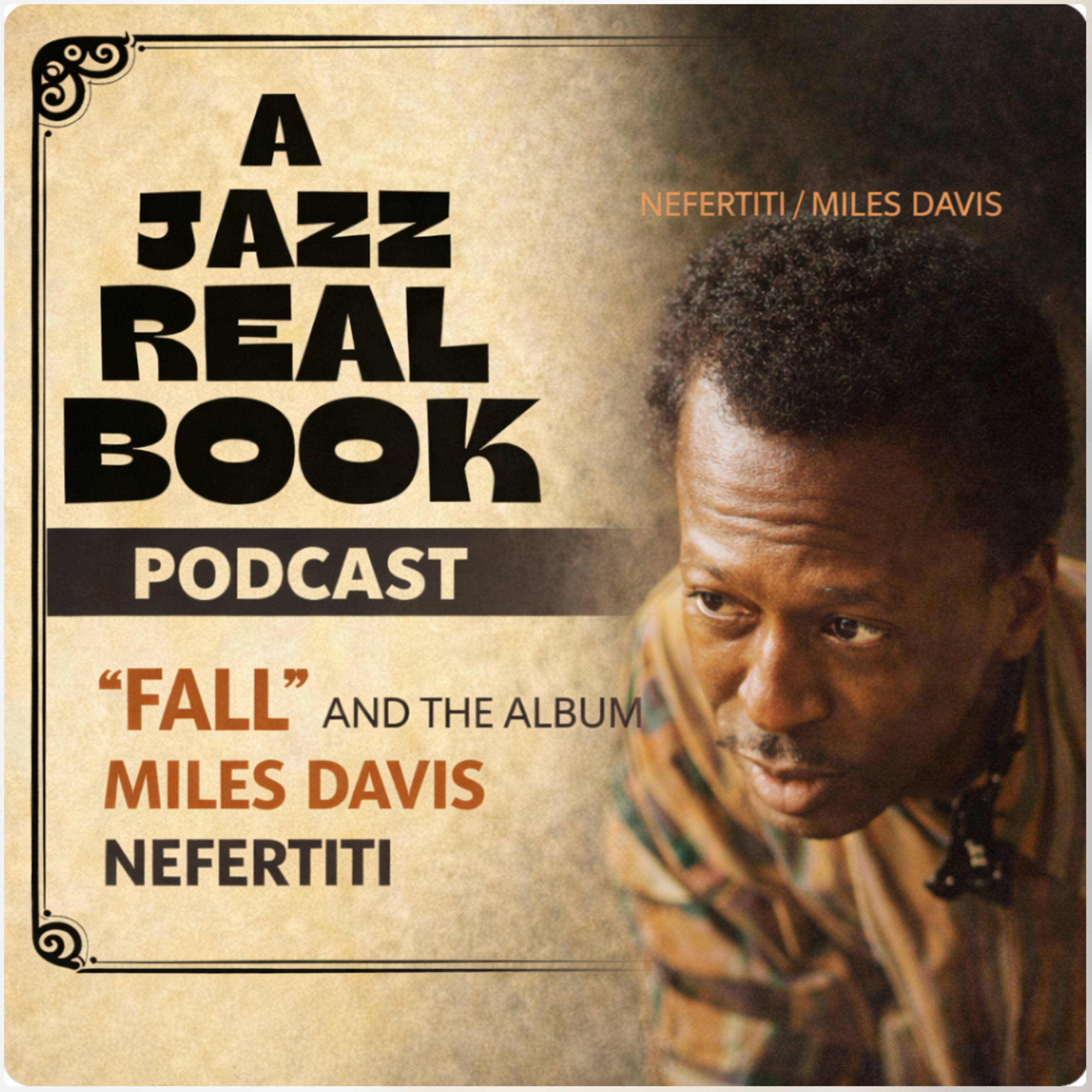
Fall and Miles Davis’ Nefertiti
“Fall” and Miles Davis’ Nefertiti ( 111) Standards Rating 4, Difficulty Rating 6 “Fall,” written by Wayne Shorter, is a 16-bar composition featured on Nefertiti (1968) by Miles Davis. The melody is marked by its openness and its emphasis on upper extensions—13ths, 11ths, and altered tones—rather than simple chord tones, creating an atmosphere of suspended harmony and emotional ambiguity. The mirro
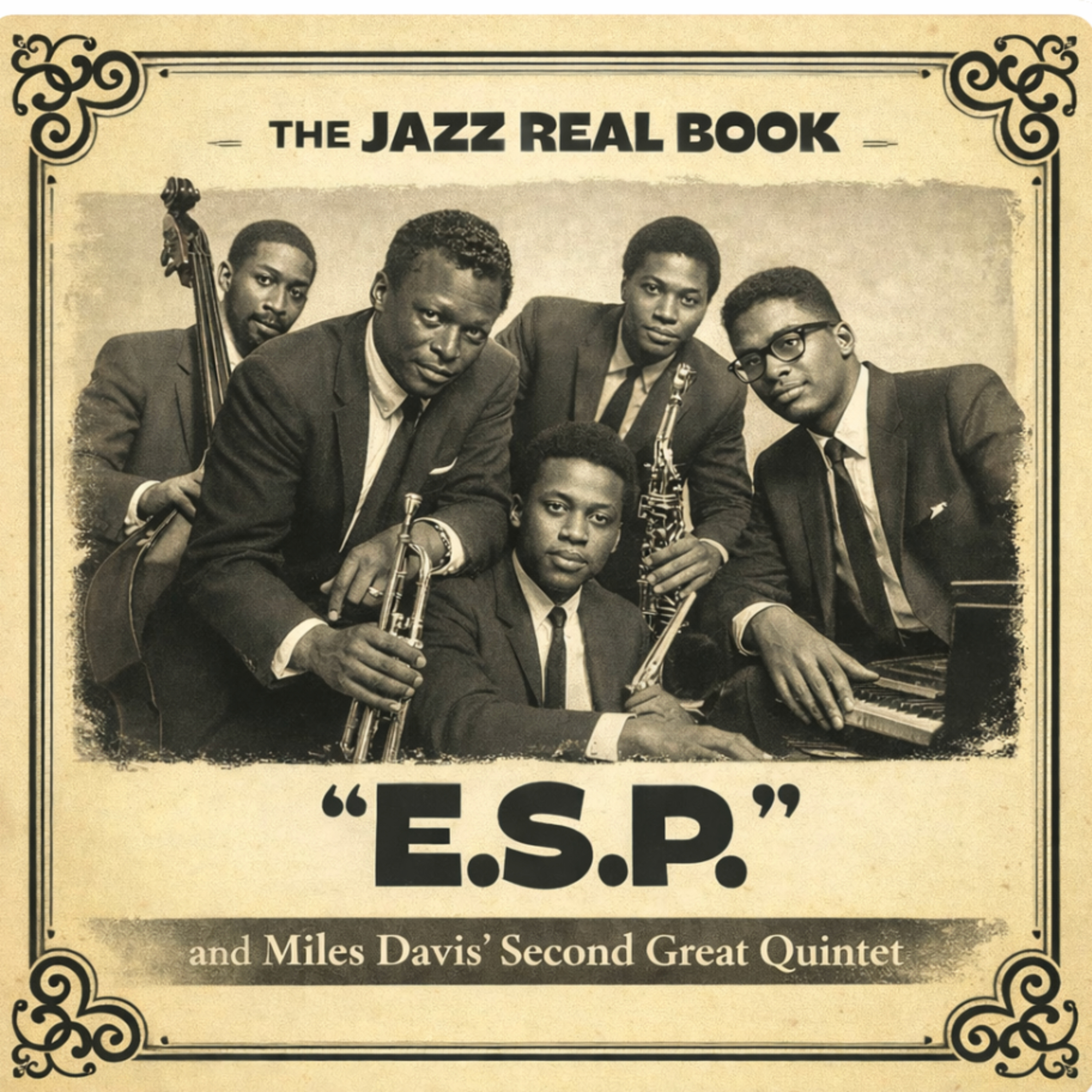
E.S.P. and Miles Davis’ Second Great Quintet
“E.S.P.” and Miles Davis’ Second Great Quintet (110)Standards Rating 5, Difficulty Rating 7 “E.S.P.” stands as a defining statement of Miles Davis’ Second Great Quintet, featuring Wayne Shorter, Herbie Hancock, Ron Carter, and Tony Williams. Written by Shorter, the tune captures the group’s concept of “time, no changes,” where pulse remains steady but harmony feels fluid and constantly shifting. I
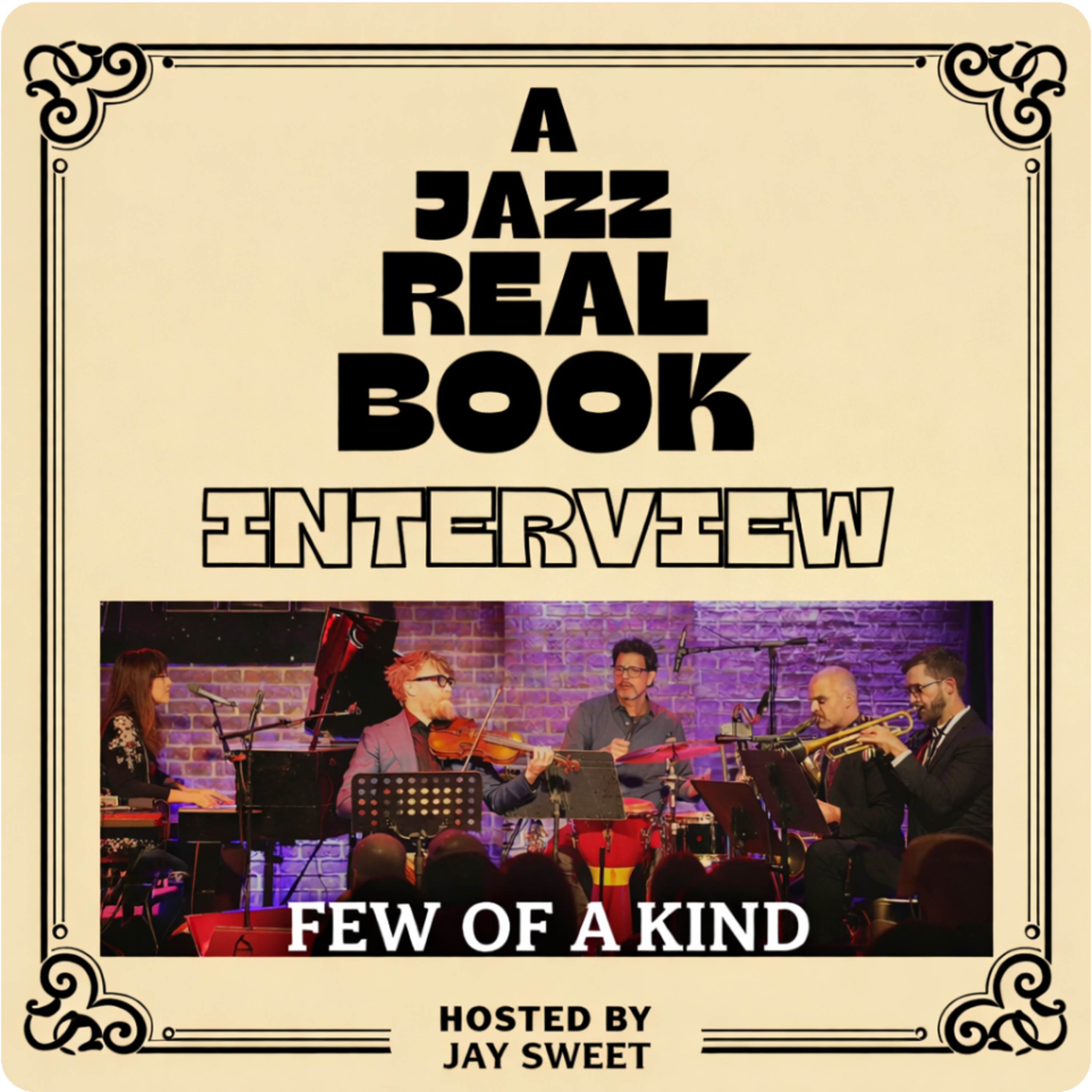
Interview with Few Of A Kind ( Andrew Gutauskas , Ben Russell, Yousif Sheronick)
Few Of A Kind is a boundary-blurring chamber ensemble bringing together five fearless musicians from strikingly different musical worlds, united by a shared spirit of curiosity and collaboration. Fronted by acclaimed singer-songwriter Vienna Teng alongside violinist and vocalist Ben Russell, the group blends lyrical storytelling with improvisation and the tonal richness of contemporary classical m
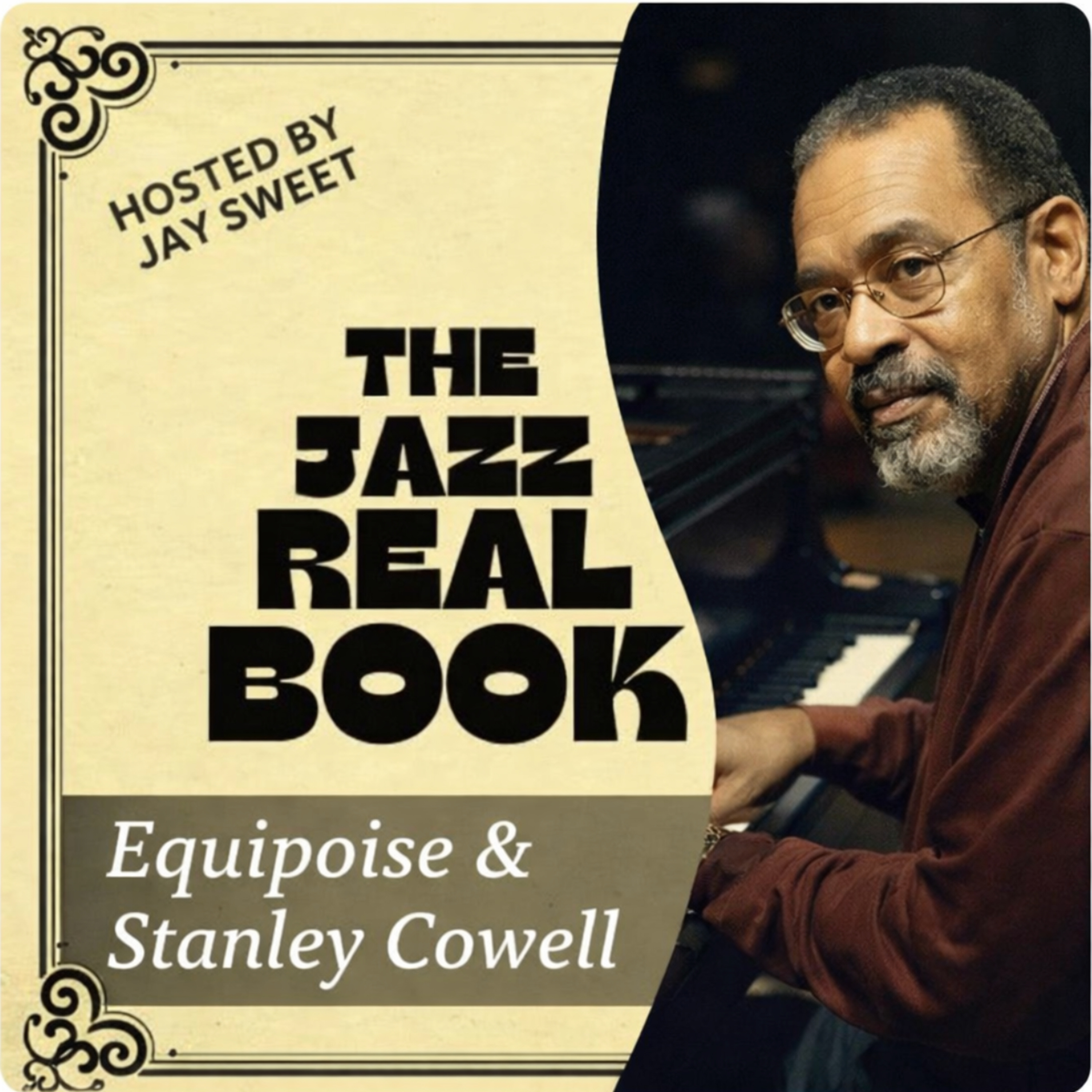
Equipoise and Stanley Cowell
“Equipoise”and Stanley Cowell (109) Standards Rating 3, Difficulty Rating 7 “Equipoise” is a perfect title for Stanley Cowell’s composition—everything about the piece feels balanced, even while the harmony and rhythm are in constant motion. Set in F♯ minor with a medium, quasi-Latin groove, the tune blends space, syncopation, and subtle tension. Its unusual 28-bar AAB form and shifting root move
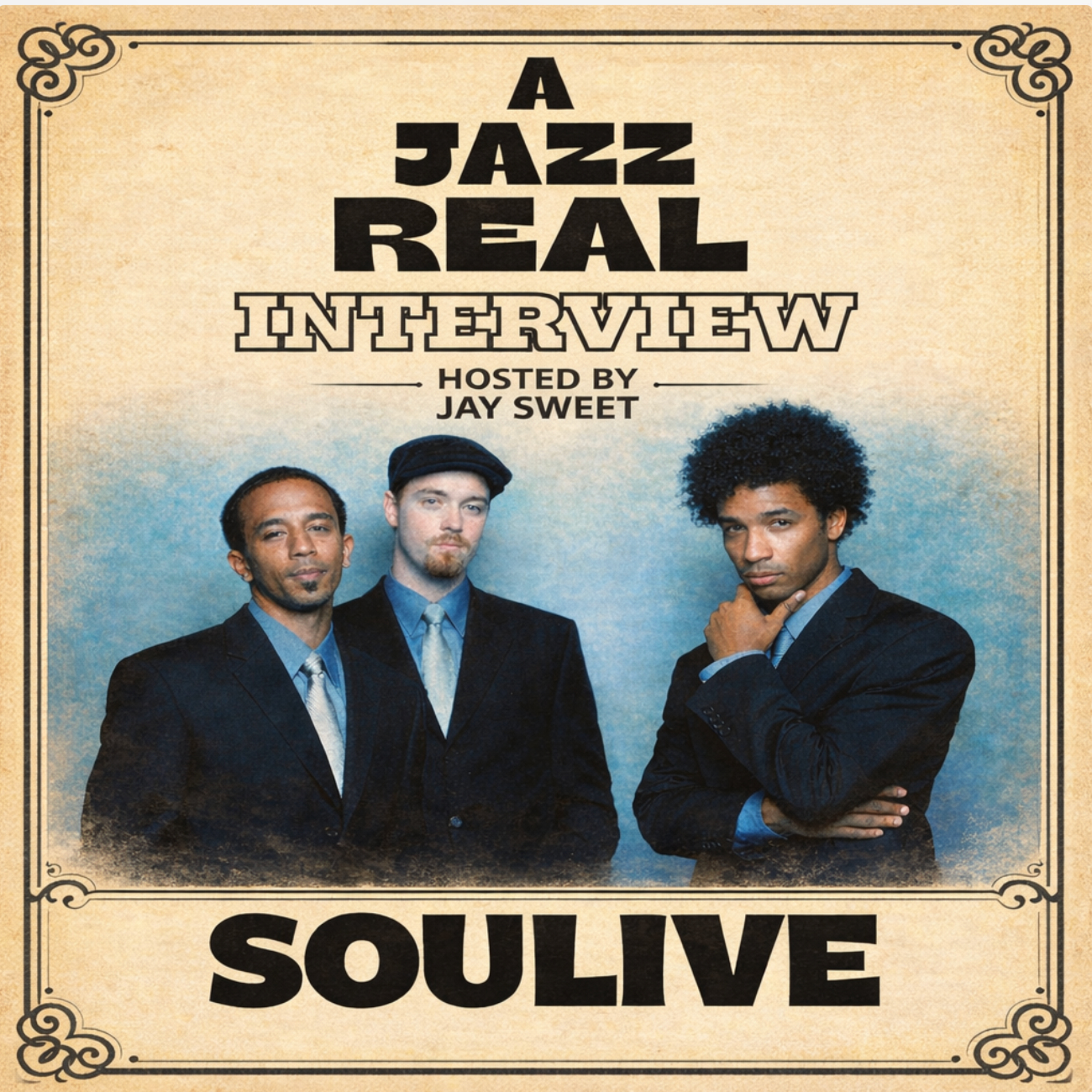
Soulive Interview (Alan and Neal Evans)
Soulive is a genre-blurring powerhouse that sits at the crossroads of funk, soul, jazz, and hip-hop, built around the deep musical chemistry of guitarist Eric Krasno, drummer Alan Evans, and organist Neal Evans. Formed in the late 1990s, the band made a bold statement early on by embracing the classic organ-trio format—Hammond B-3, guitar, and drums—while pushing it into thoroughly modern territor
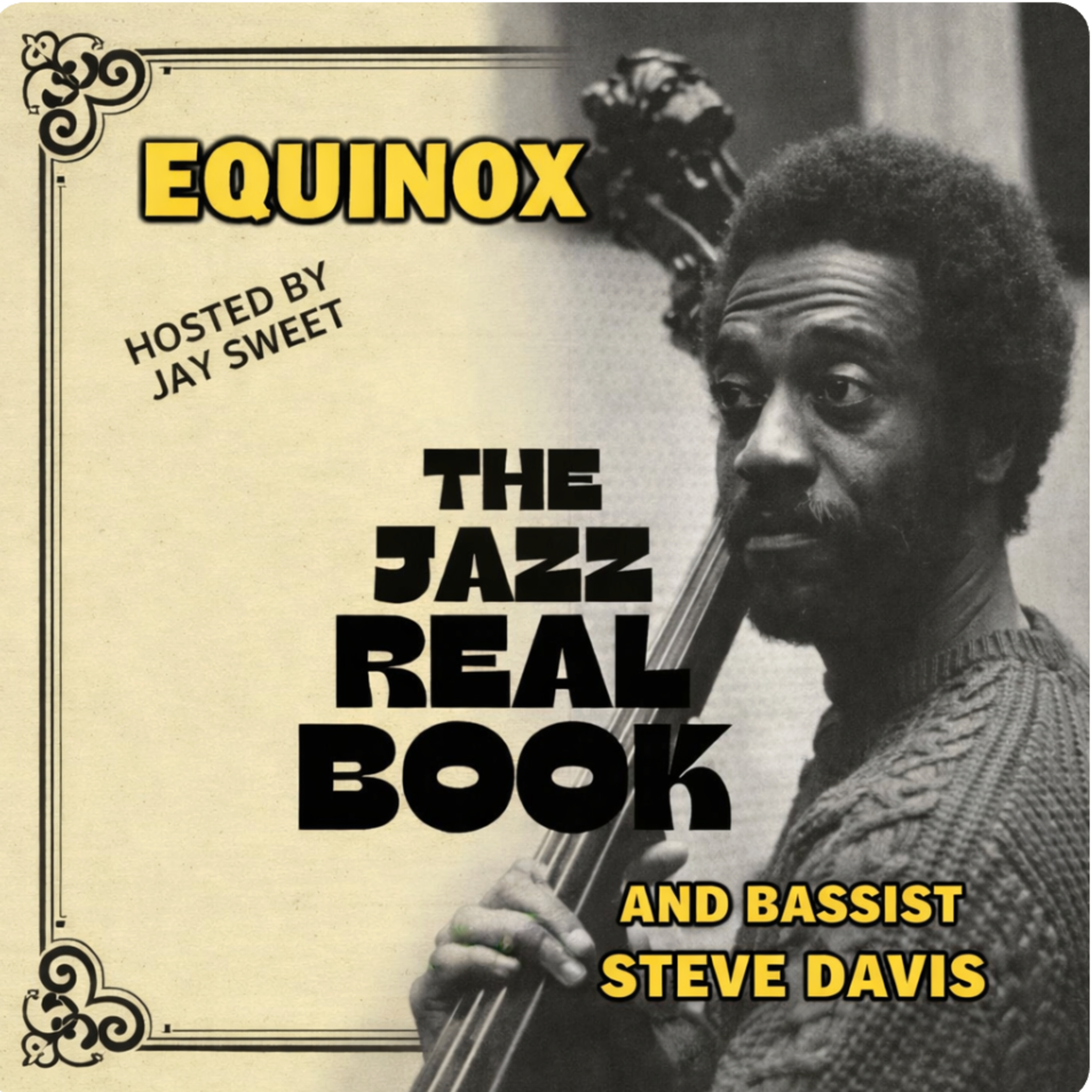
Equinox and Bassist Steve Davis
Equinox and Bassist Steve Davis (108) Standards Rating 7, Difficulty Rating 3 “Equinox” is a brooding minor-blues jazz standard composed by John Coltrane, first recorded in 1960 and released on Coltrane’s Sound in 1964. Built on a slow, hypnotic 12-bar minor blues groove, the piece stands out in Coltrane’s oeuvre for its earthy spiritual depth, reflecting his deep connection to the blues traditio
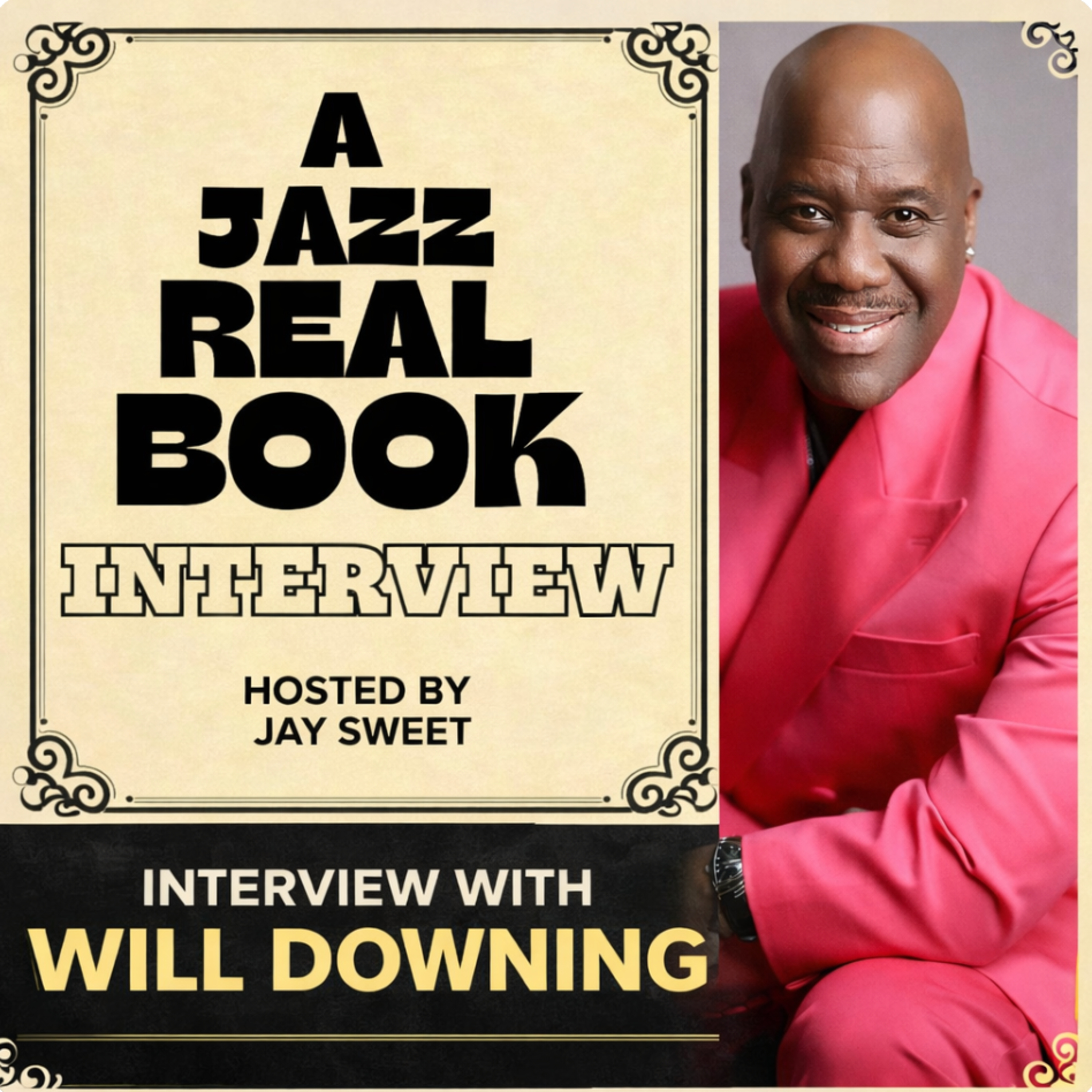
Will Downing Interview
Will Downing’s career spans more than three decades, a journey built on talent, versatility, and a deep connection to love and relationships. From his Brooklyn roots, he first made waves as a background vocalist, lending his smooth baritone to hits by Mariah Carey, Billy Joel, Jennifer Holliday, and others. In 1988, he went solo, finding early success overseas before establishing himself as a fixt
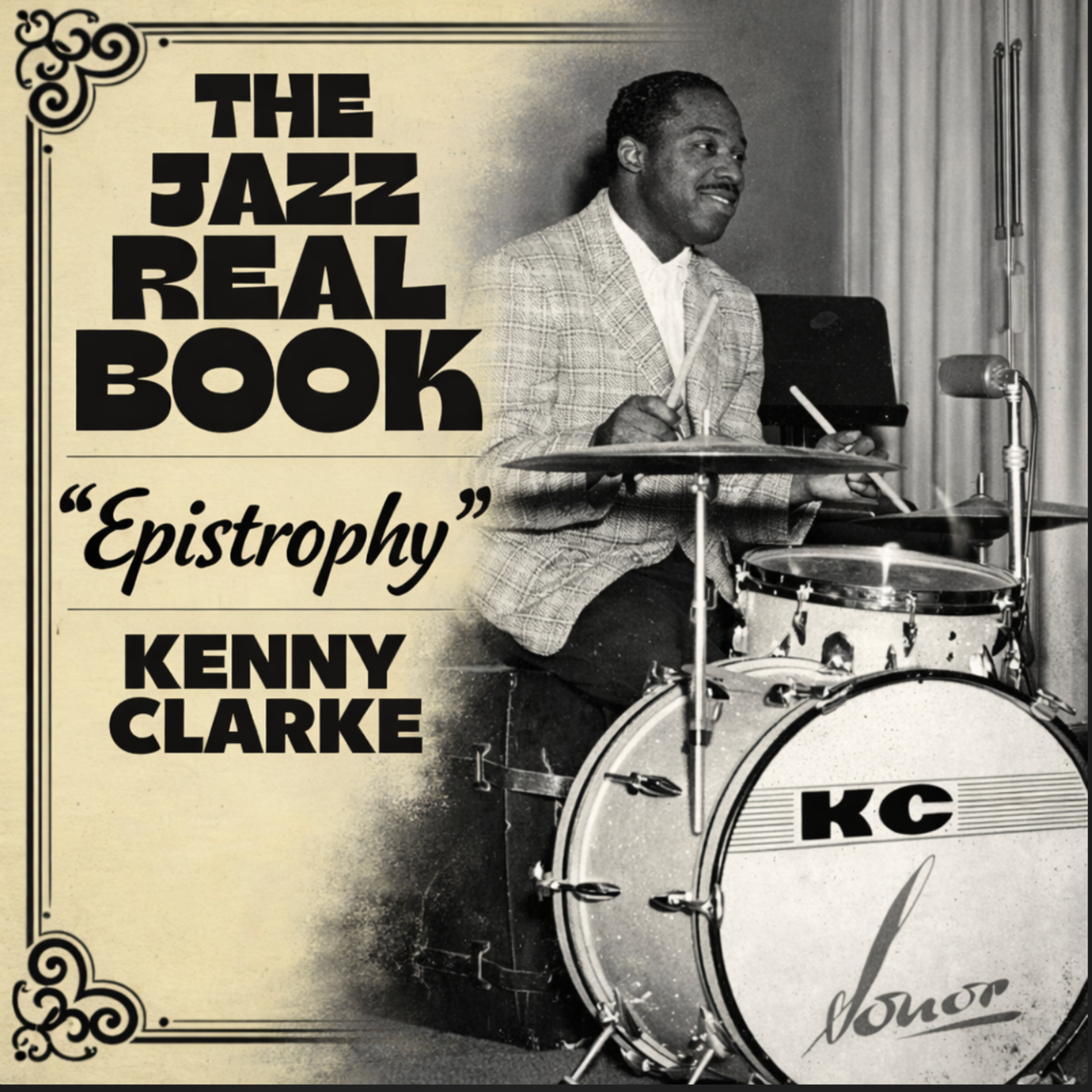
Epistrophy and Kenny Clarke
Epistrophy and Kenny Clarke (107)Standards Rating 7, Difficulty 7“Epistrophy” isn’t just a Monk tune—it’s a historical artifact, a blueprint for modern jazz, and a flex by two geniuses who knew exactly what they were doing. Co-written by Thelonious Monk and Kenny Clarke, the piece feels like organized chaos: jagged melody, looping phrases, and harmonies that never quite settle, which is precisely
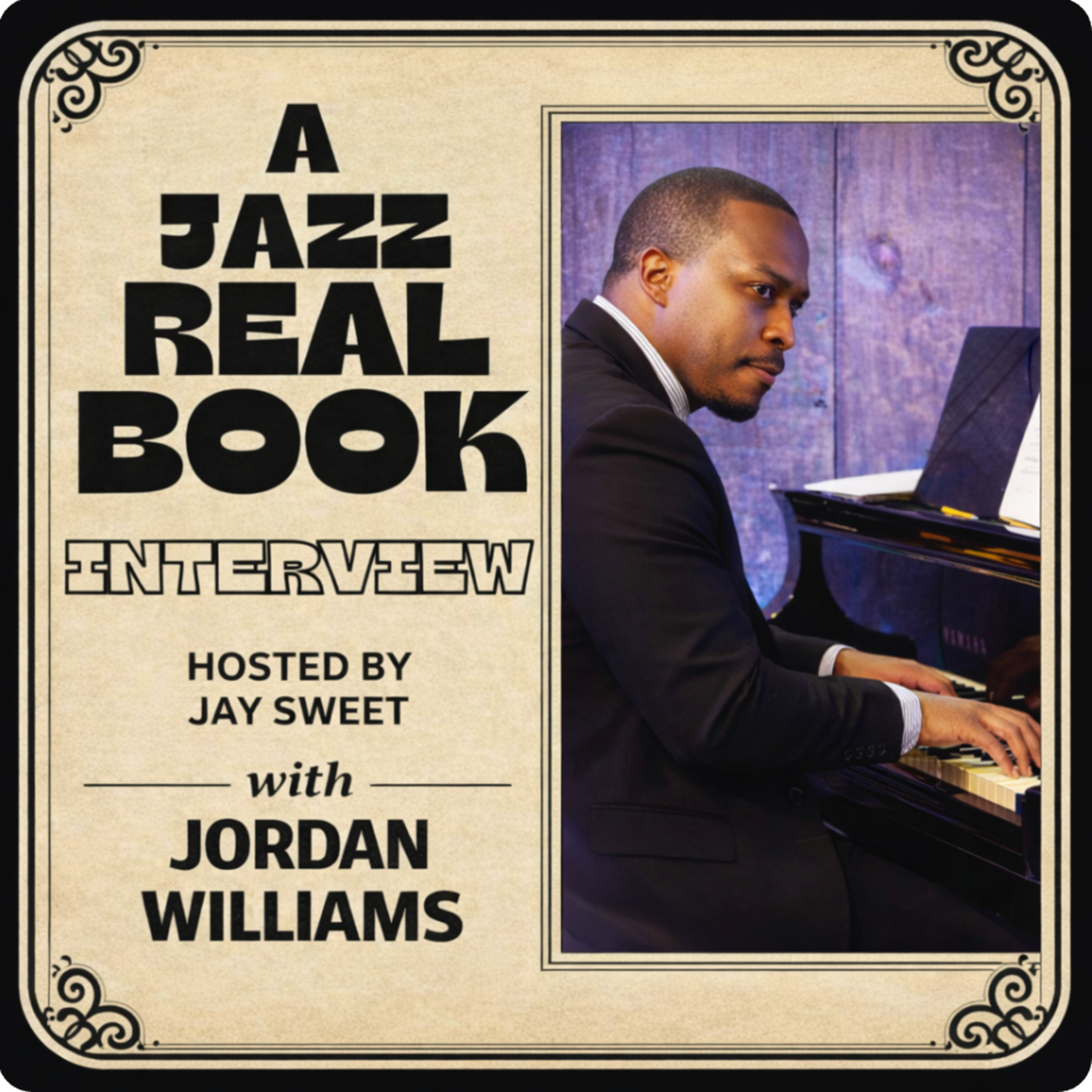
Jordan Williams Interview
Jordan Williams is a rising American jazz pianist whose playing balances deep tradition with a clear, contemporary voice. Raised in Philadelphia, he began playing piano by ear at a young age, developing strong melodic instincts before entering formal classical and jazz training. By his early teens he was already performing publicly, showing a natural command of swing, harmony, and groove.Williams
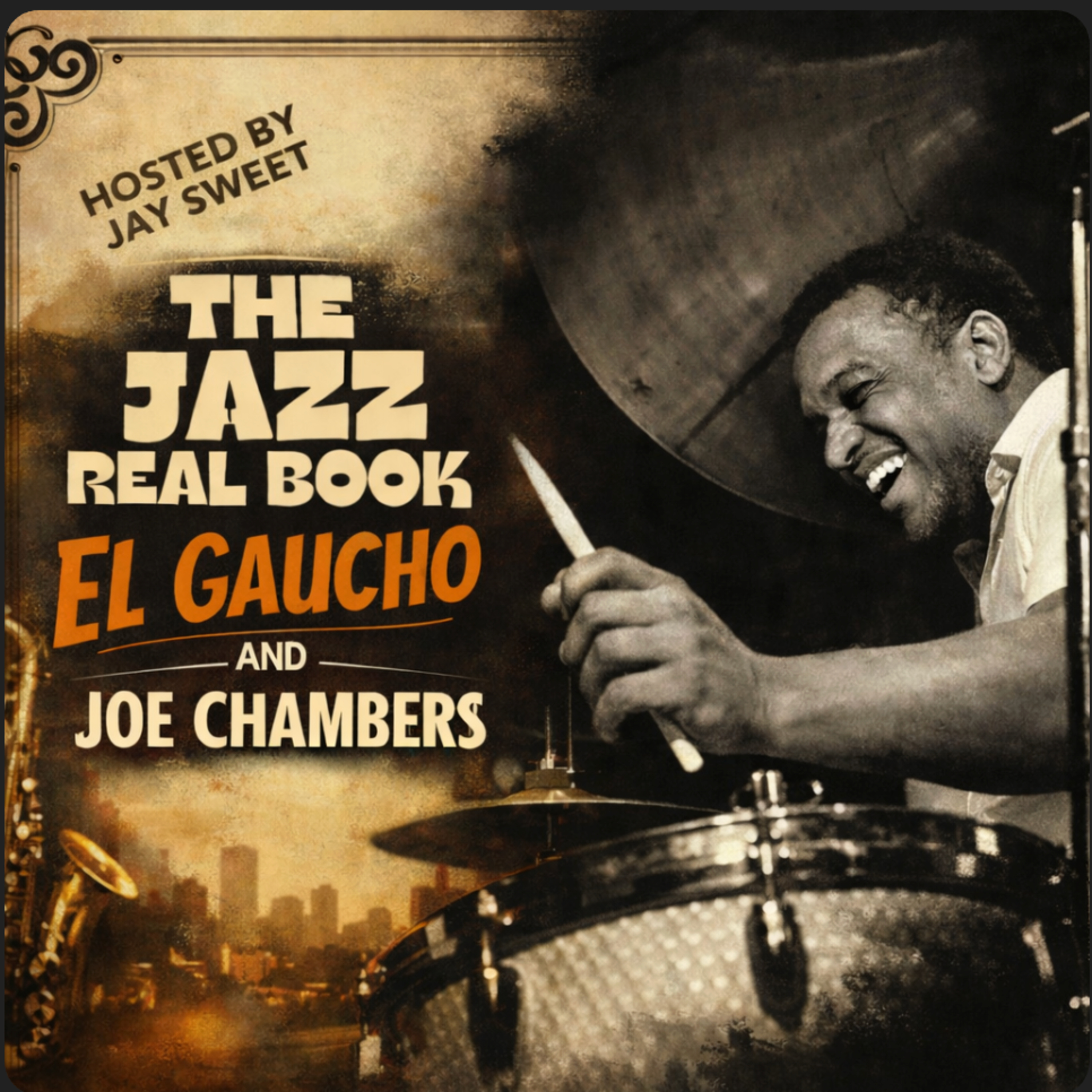
El Gaucho and Joe Chambers
“El Gaucho” and Joe Chambers (106) Standards Rating: 5: Difficulty Rating: 6 “El Gaucho” exemplifies Wayne Shorter’s distinctive compositional voice through its unconventional 18-bar form, Latin-inflected groove, and harmonically ambiguous structure. Rather than relying on standard ii–V progressions, the tune drifts through whole- and half-step root movement, creating a floating tonal center. Shor
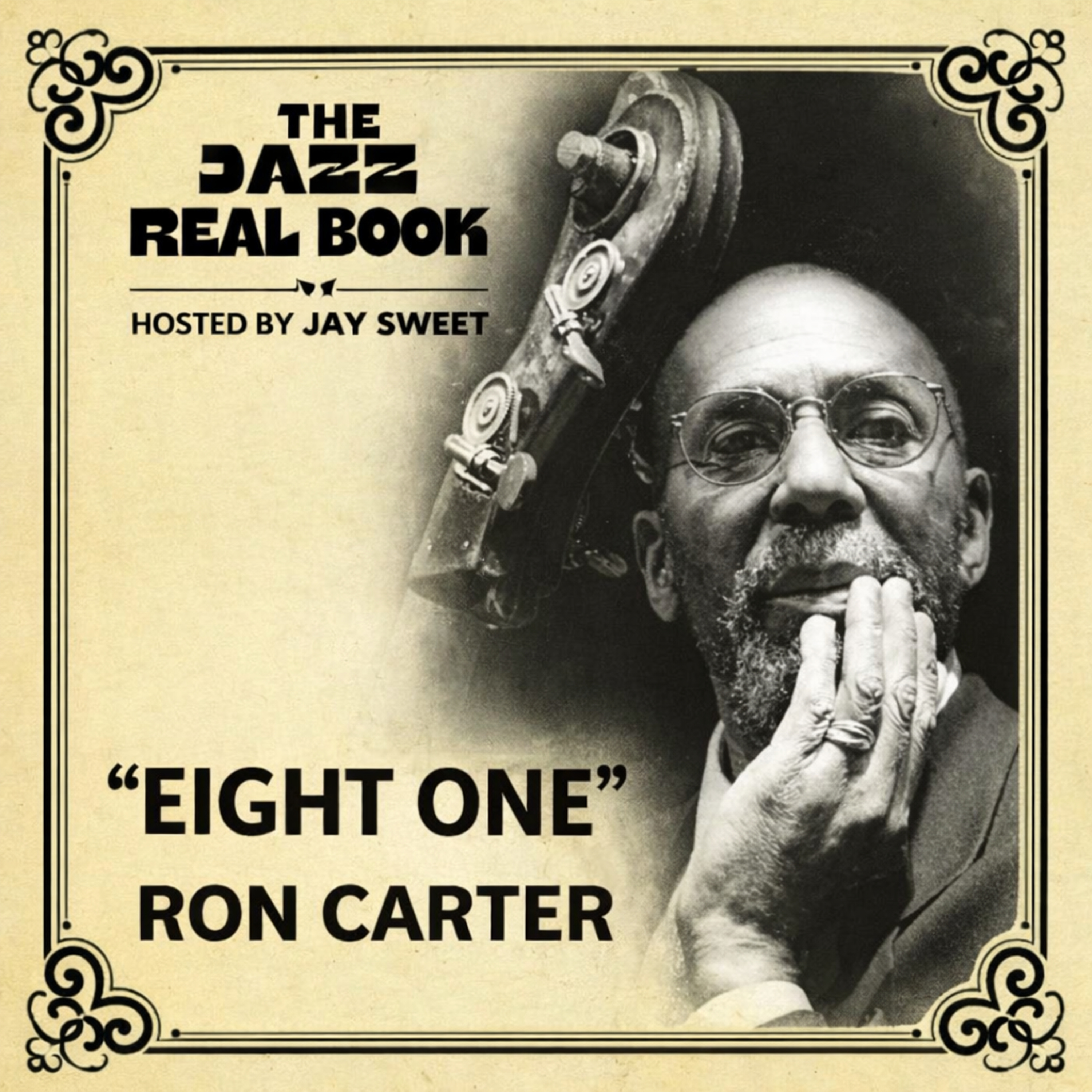
Eighty One and Ron Carter
“Eighty-One” and Ron Carter (105) Standards Rating 5: Difficulty Rating : 6“Eighty-One” is a 24-bar tune with a 12-bar A section and a 12-bar bridge, written in F and first recorded on E.S.P. (1965). Though credited in The Real Book to Miles Davis/Ron Carter, the piece is widely regarded as Carter’s, and it reflects his expanding role in the Second Great Quintet. Carter’s concept—shaped by interv
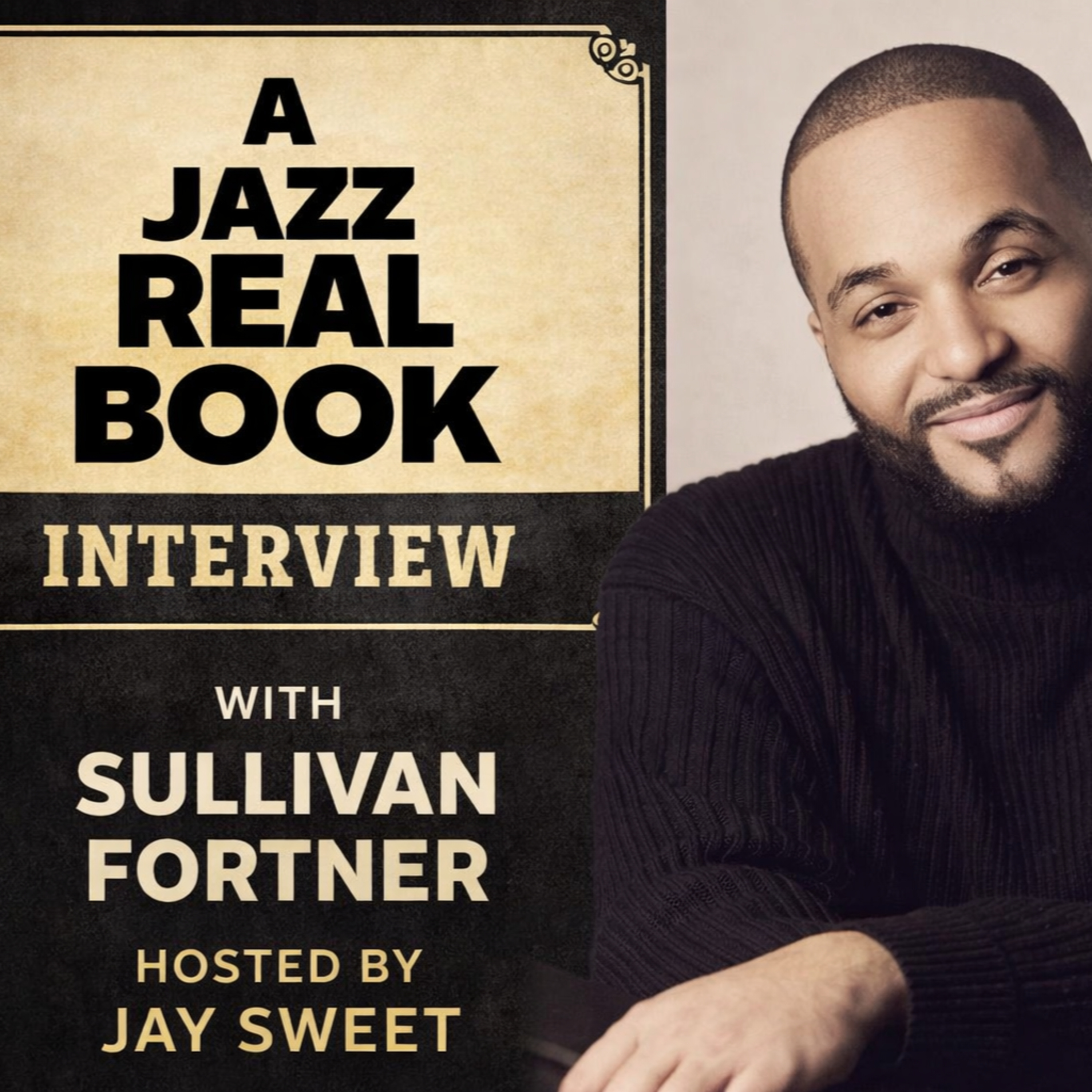
Sullivan Fortner Interview
Sullivan Fortner’s 2025 stands as a defining chapter in an already remarkable career. The year brought a Grammy nomination for Southern Nights, a live-in-the-moment trio recording born from a spontaneous Village Vanguard engagement, captured in a single four-hour studio session. Alongside it came high-profile collaborations with Theo Croker, Kurt Elling, and Lauren Henderson, each revealing differ
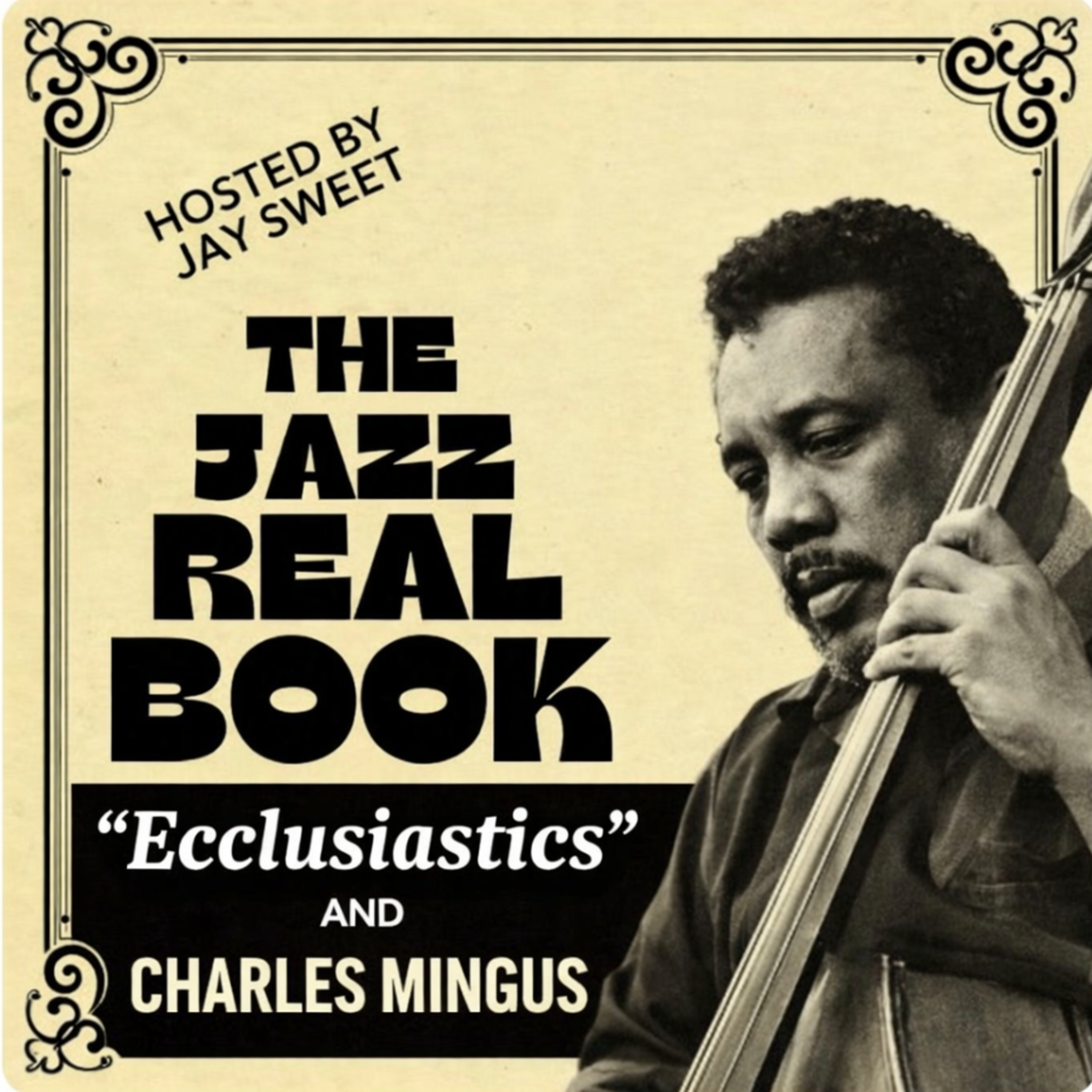
Ecclusiastics and Charles Mingus
“Ecclusiastics” and Charles Mingus (104) Standards Rating 2, Difficulty Rating 7 “Ecclusiastics” offers a concentrated portrait of Charles Mingus’s artistic personality: volatile, spiritual, blues-soaked, and uncompromising. Drawing its title from the Jewish wisdom text attributed to Ben Sira, the piece reflects Mingus’s lifelong engagement with moral struggle, Black church traditions, and persona
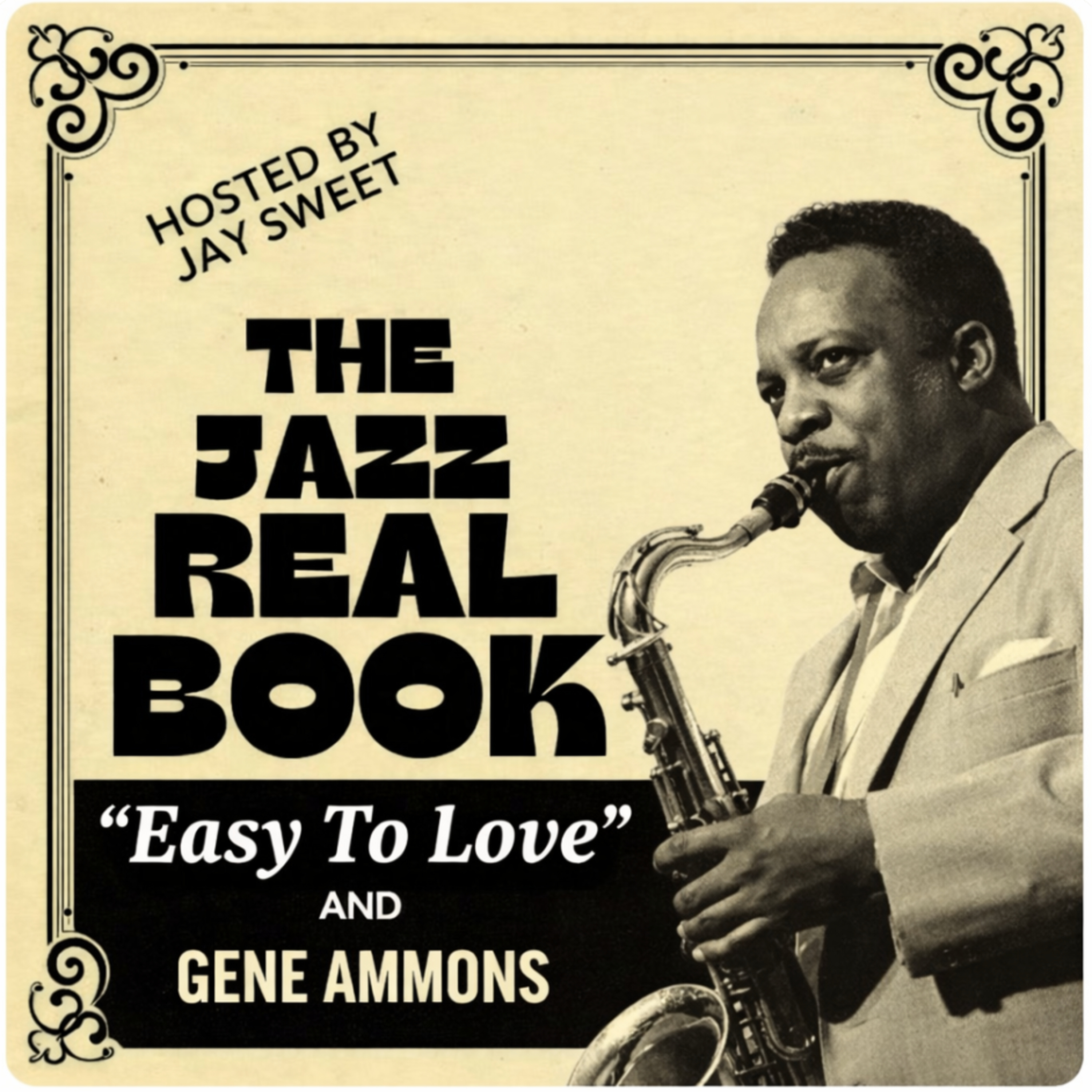
Easy To Love and Gene Ammons
“Easy To Love and Gene Ammons” (103)Standards Rating 7, Difficulty Rating 5 “Easy to Love” is a model of Cole Porter’s understated brilliance: a 32-bar form with a spacious, lyrical melody and harmonies that move fluidly through ii–V progressions and subtle chromatic color. Its clarity and emotional openness have made it a durable jazz standard, adaptable to ballad, swing, or groove-based treatmen
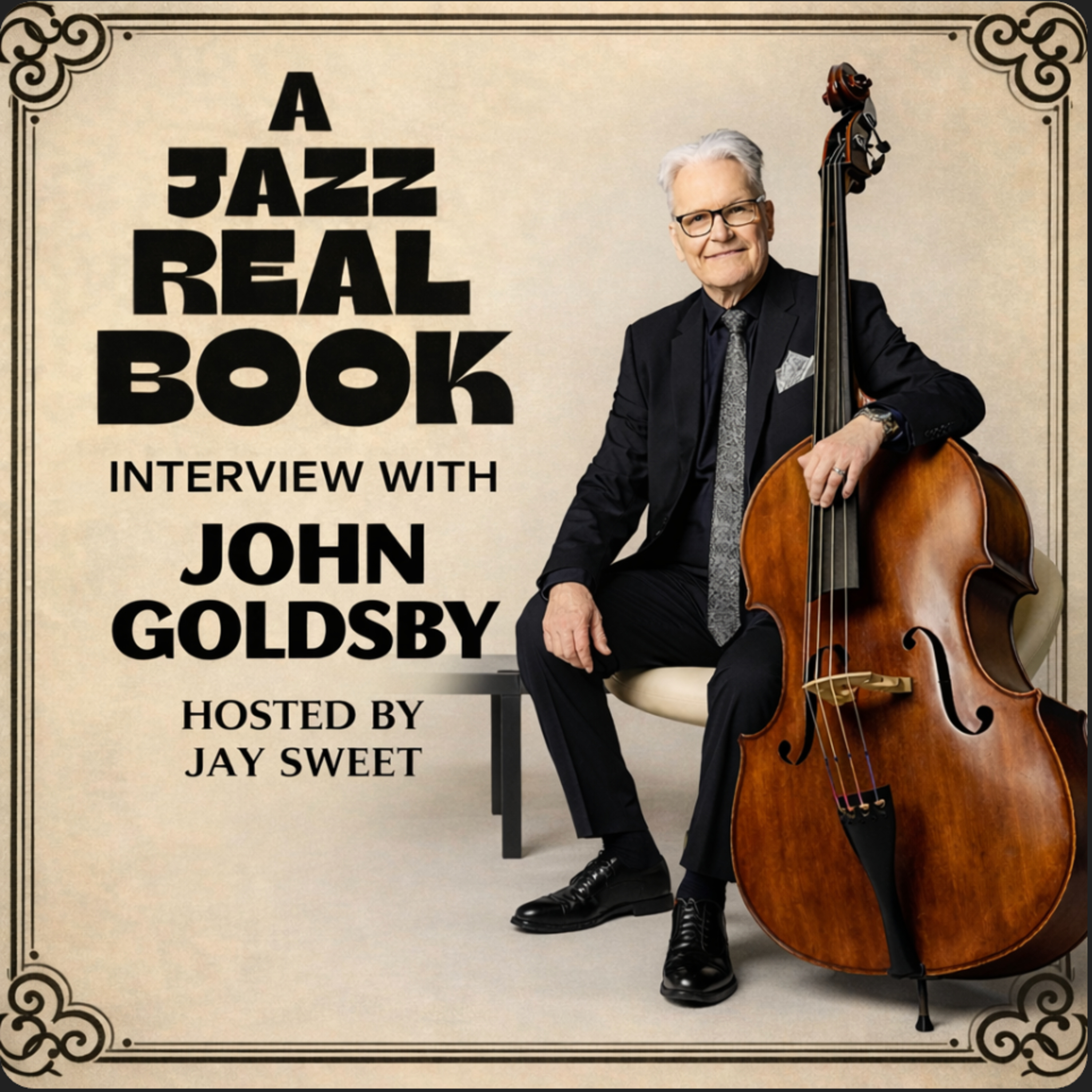
John Goldsby Interview
John Goldsby (b. December 10, 1958) is an American jazz bassist, composer, author, and educator, best known for his long tenure with the Grammy-winning WDR Big Band in Cologne, Germany, which he joined in 1994. Raised in Louisville, Kentucky, the son of a Baptist minister, he played several instruments before committing to the double bass at age 18. Early professional work with visiting jazz great
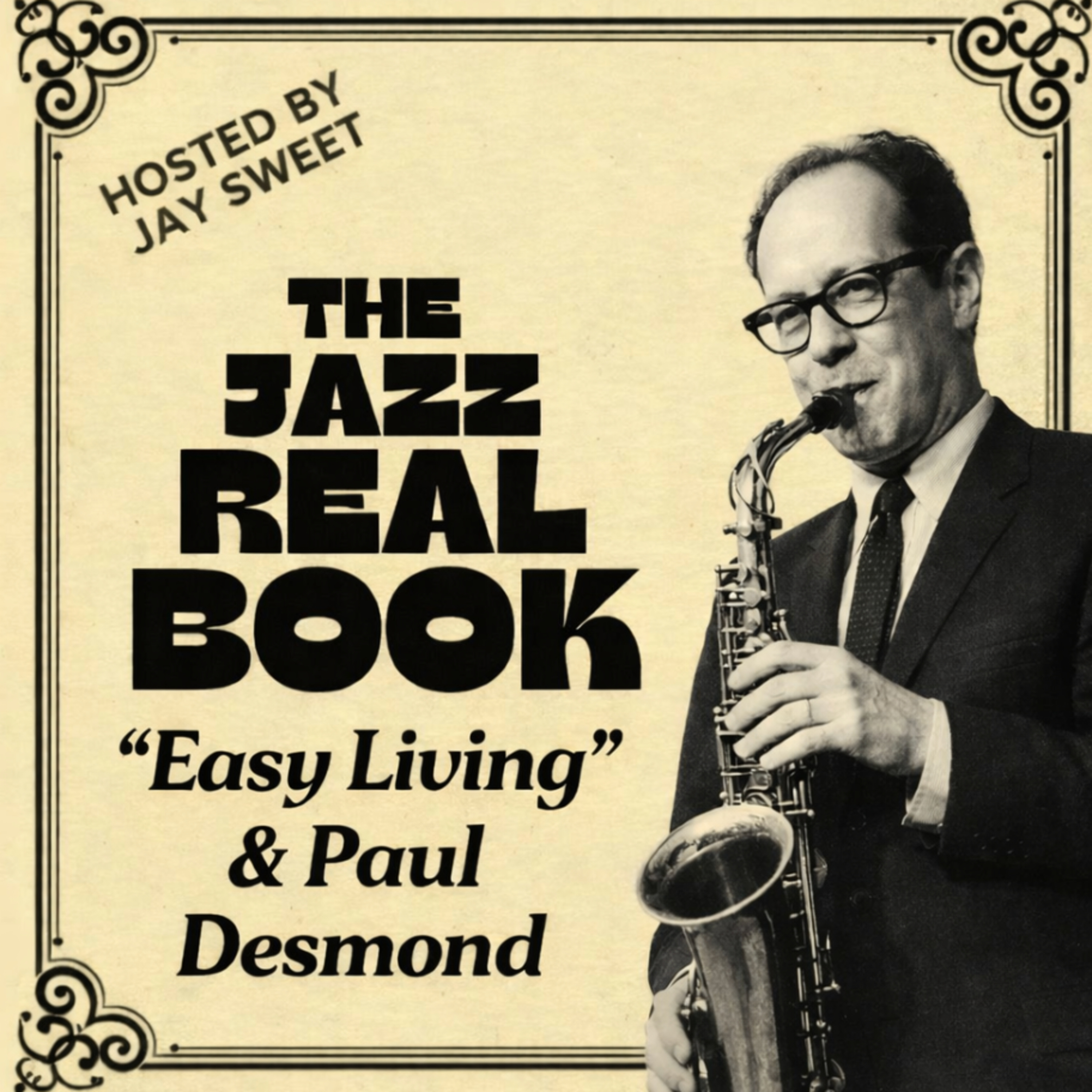
Easy Living and Paul Desmond
“Easy Living” & Paul Desmond (102) Standards Rating 7, Difficulty Rating 6“Easy Living” is a model of songwriting elegance: a 32-bar AABA form whose beauty lies in balance—lyricism paired with subtle harmonic motion. The A sections unfold in F with graceful chromatic touches and flowing ii–V movement, while the bridge’s unexpected shift to Db major adds color without disrupting the tune’s calm