Berkeley Talks
Berkeley Talks is a podcast from Berkeley News that features lectures and conversations at UC Berkeley. It covers a wide range of topics presented by university speakers and guests.
Episodes
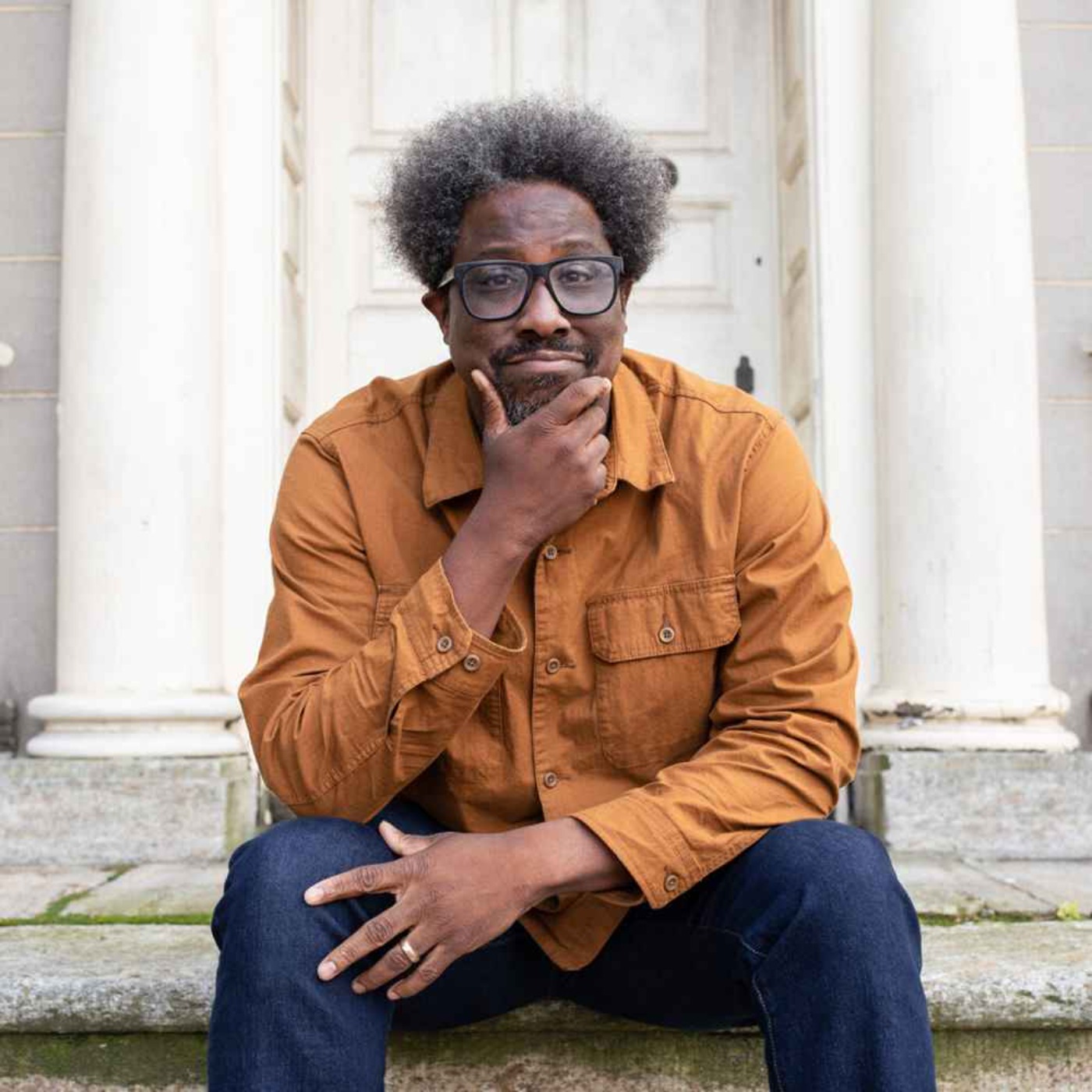
W. Kamau Bell on AI, creativity and resisting the pull of automation
When W. Kamau Bell was a child, his mother bought the family a Commodore VIC-20, a popular home computer of the early 1980s. He also had Pong, a ColecoVision and, later, a MiniDisc player. Today, he is still the person his family calls when the TV stops working — and the father who sees technology’s potential to connect his introverted 11-year-old with cousins over FaceTime. “I am not a techn

Leaping robots, AI companies and a NASA mission
When Aravind Srinivas arrived at UC Berkeley in 2020 hoping to join Pieter Abbeel’s robotics lab, he encountered an immediate obstacle: The lab was already full.Undeterred, Srinivas proposed that he and Abeel work together for six months so he could prove himself. What followed was such a prolific stretch of research that Abbeel found himself repeatedly asking about his new student’s well-being.“H
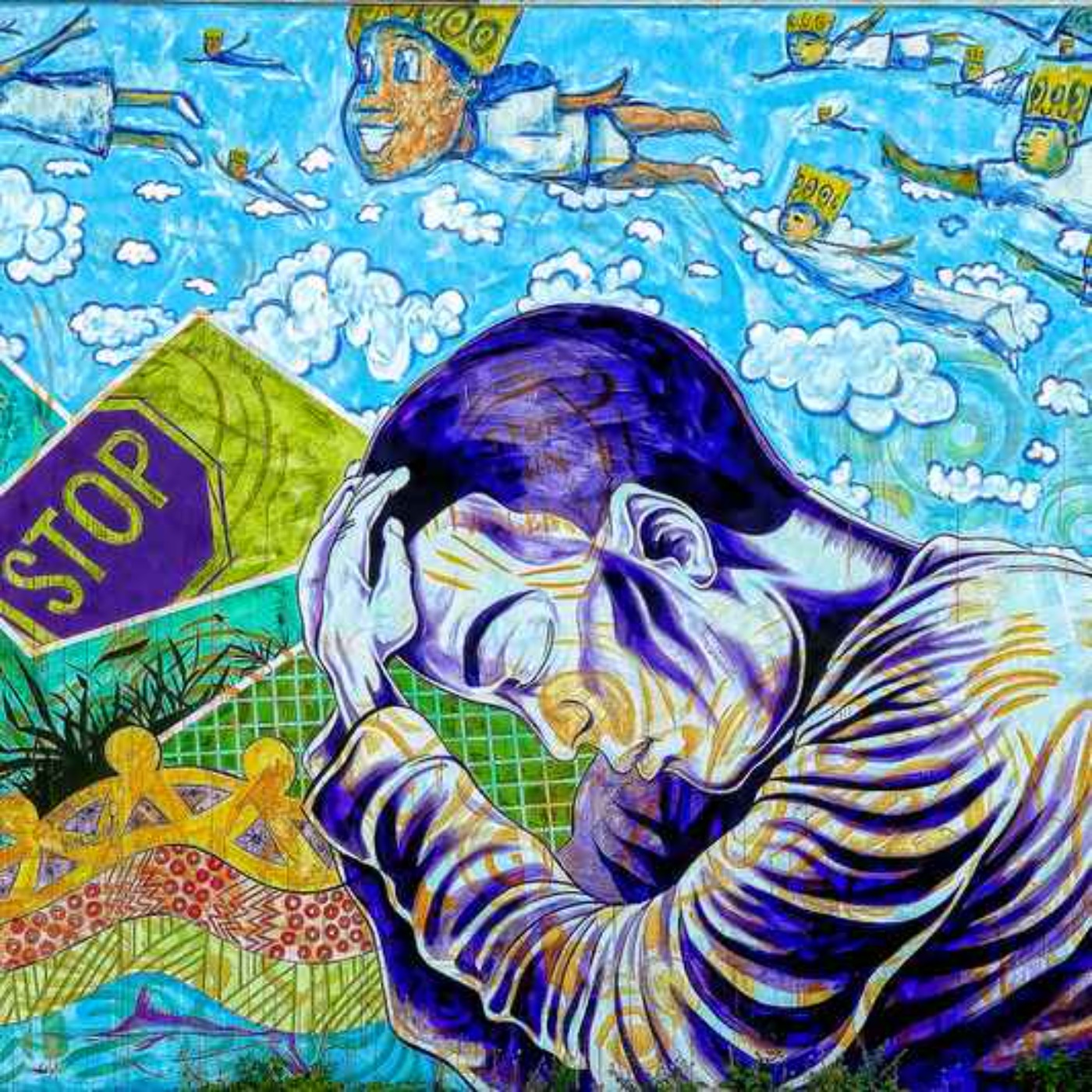
How we've long misread gun violence (and ways to prevent it)
In the early hours of November 2007, Amadou Cisse, a 29-year-old University of Chicago chemistry graduate student, was walking home when Demetrius Warren, then 17, and Benjamin Williams, 21, approached him. According to trial testimony, Warren pointed a gun at Cisse while Williams attempted to grab his backpack. A struggle ensued, and Warren shot Cisse in the chest. Cisse died from the wound.“Behi
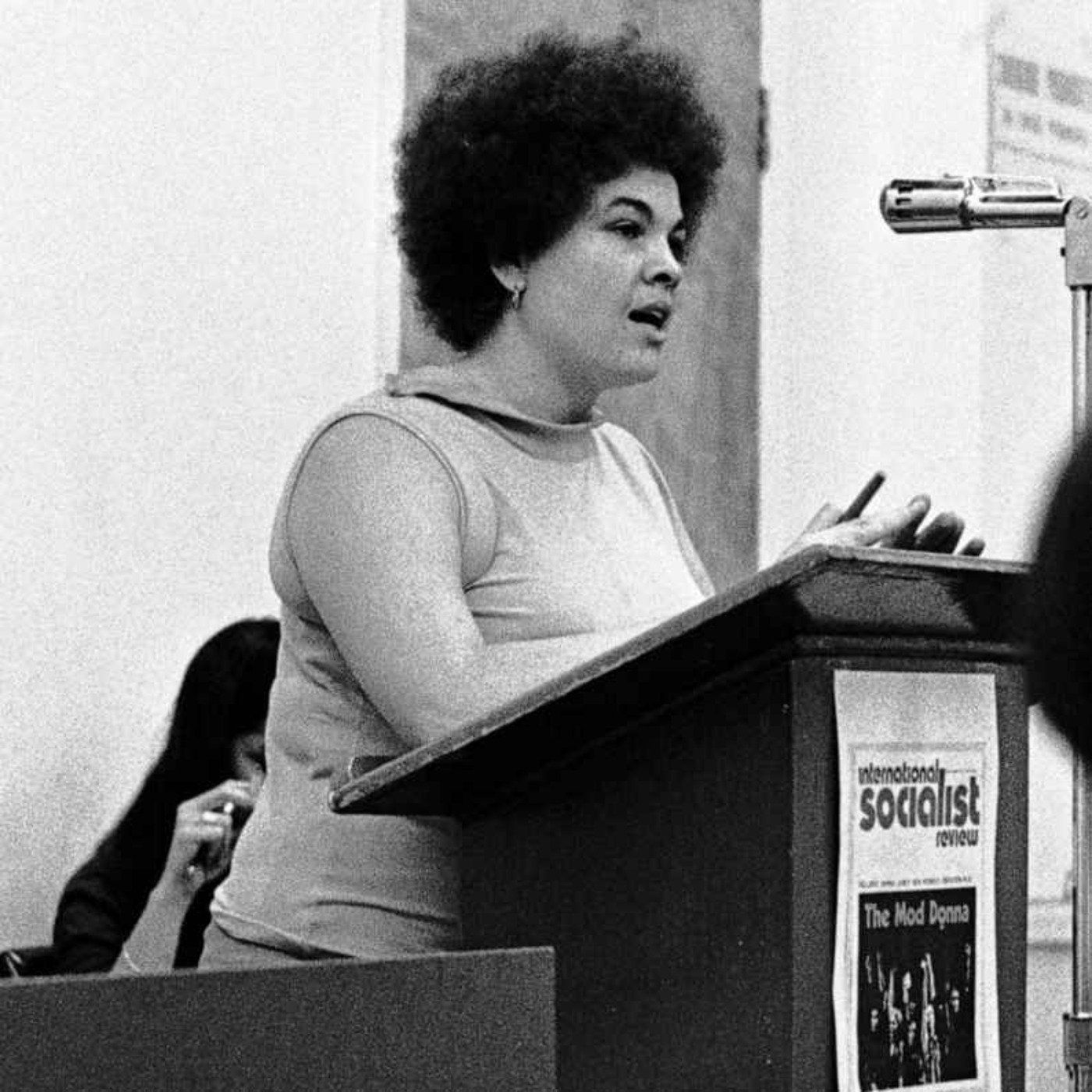
The making of pioneering Black feminist Frances M. Beal
In 1957, a terrified 17-year-old girl lay on a Harlem kitchen table undergoing an illegal, backstreet abortion. Nearly dying from complications, she was rushed to a hospital ward where nurses badgered her and demanded to know what she had done. That teenager was Frances M. Beal.Long before she would write the seminal 1969 manifesto "Double Jeopardy: To Be Black and Female" or co-found the Third Wo
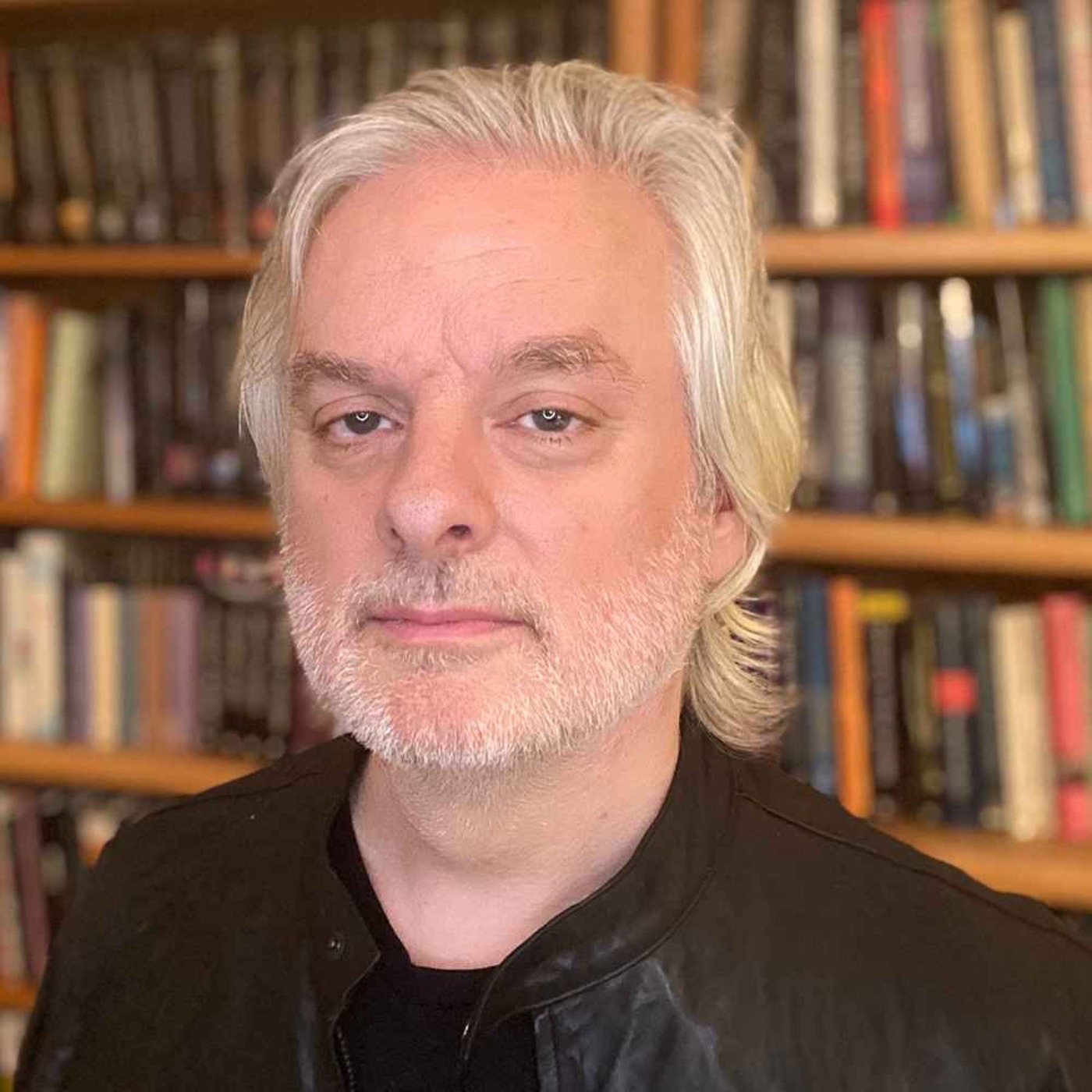
When we talk to AI, what are we talking to?
In the early days of personal computing, people imagined artificial intelligence as a single, self-contained system — a kind of digital brain with a fixed identity. Talking to AI meant asking questions to a clearly defined machine.That picture no longer holds, says David Chalmers, a professor of philosophy and neural science at New York University. Today’s large language models, or LLMs, run on di

Philosopher Mark Johnston asks, 'Is this our only life?'
When Princeton University Professor Mark Johnston's daughter was 18 months old, she stood on a beach with what he describes as a "quizzical philosophical look on her face, as if she was thinking, 'Is this my only life?'"That question is the heart of Johnston’s talk at UC Berkeley this past March, where he revisits a topic he wrote about two decades ago. Back then, he believed that the hope for an

Why kids need awe — and how puppets can help
As Halle Stanford drove through Topanga Canyon in Southern California, with Dolly Parton blasting from the car speakers, she was struck by a moment of inspiration. “I had this vision of a little hedgehog on the side of the road in her little pink hiking boots, with her guitar in her bag, out to find the wows of the world,” says Stanford, an independent television producer. A few days lat
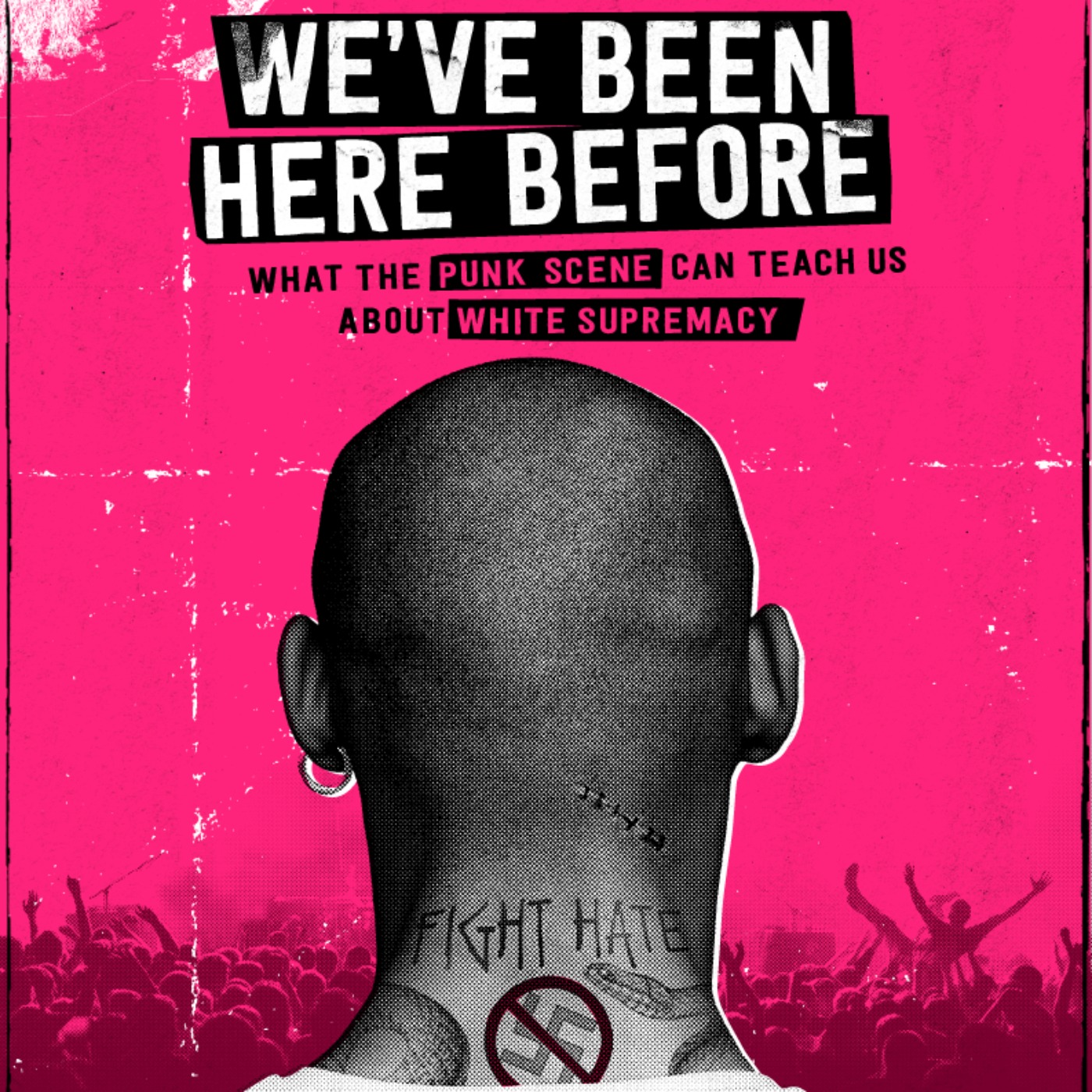
What punk subcultures can teach us about resisting hate
Across the American West Coast in the 1980s, the burgeoning punk rock and skinhead scenes were much more than just raw music and counterculture fashion — they quickly became contested ground in an ideological battle against white supremacy. Neo-Nazi groups actively targeted these subcultures to recruit alienated kids, and anti-racist punks were forced to step up in response, organizing grassroots
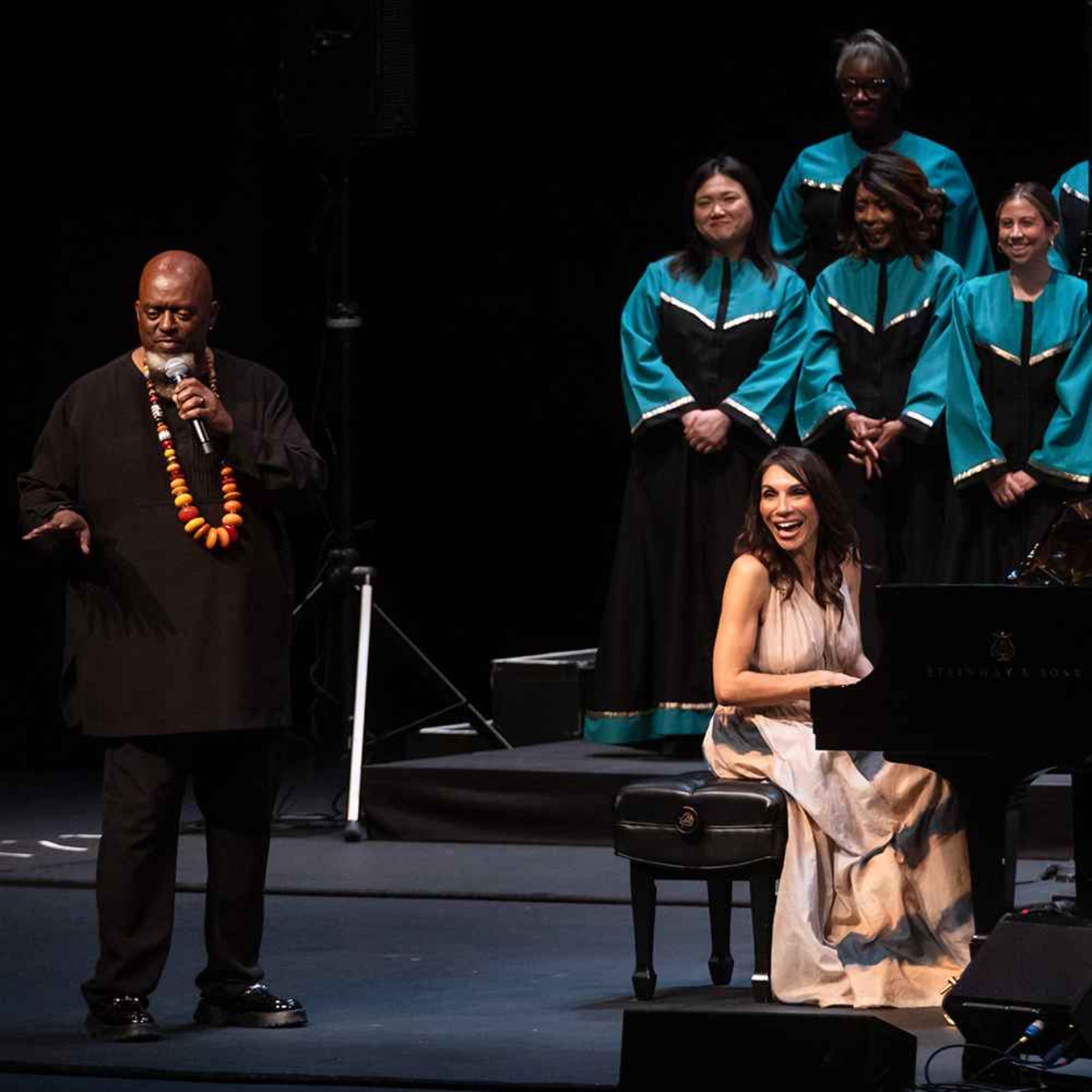
Musician Lara Downes celebrates the sound of America
It was the morning after the 2016 U.S. presidential election, and pianist Lara Downes was catching a flight from California to Kentucky, where she was set to perform later in the evening. “It was a very weird day to be anywhere,” she recalls.That night, she performed songs from her album America Again in Louisville, a city that mirrored the country's own jagged political divide. Coming from Califo
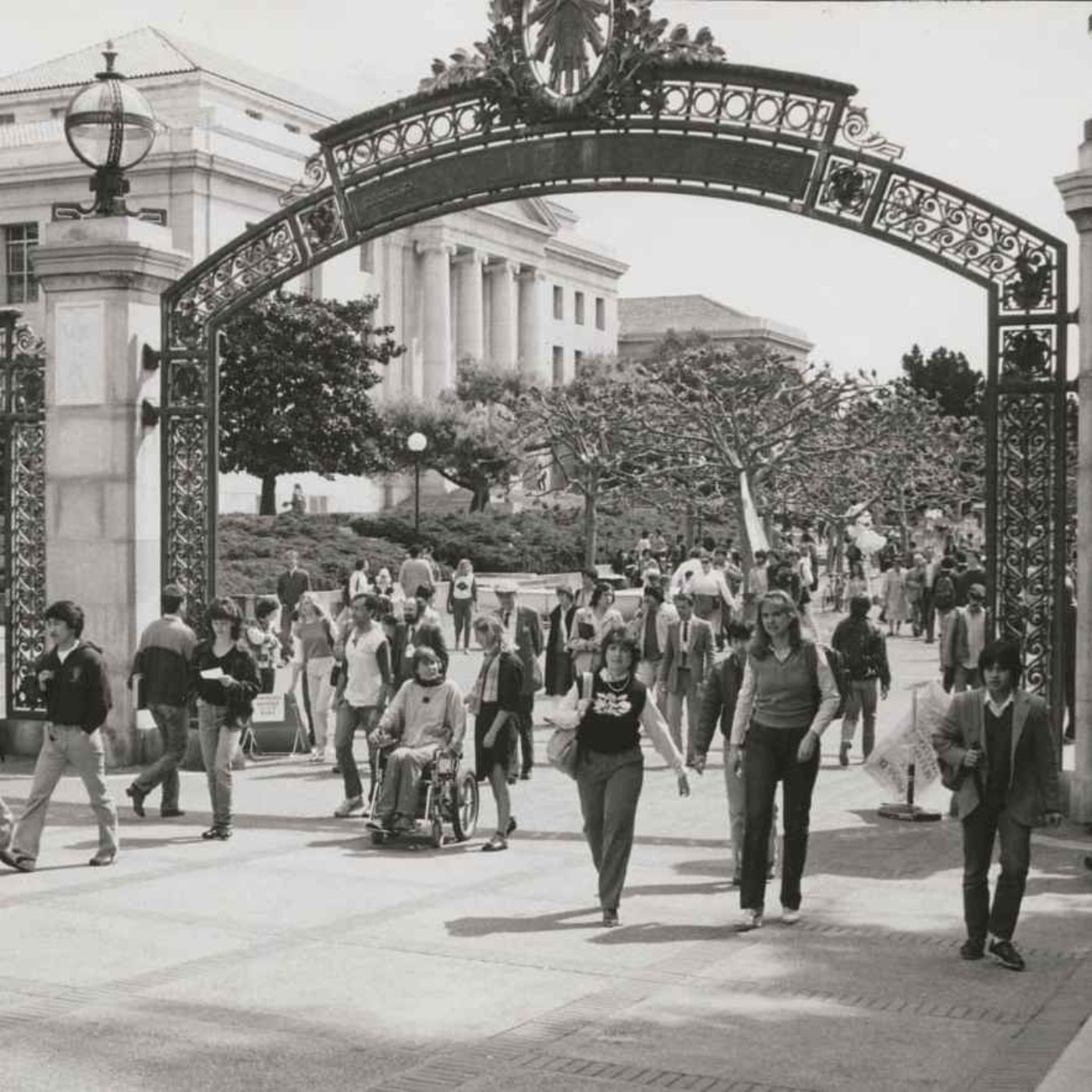
How the American university’s success led to its modern challenges
While preparing his lectures for UC Berkeley, Princeton University President Christopher Eisgruber spent hours poring over the memoirs and writings of former University of California President Clark Kerr, seeking wisdom from the architect of California’s 1960 Master Plan for Higher Education.Reflecting on this research, Eisgruber notes that he found more than just strategy; he found a personal con
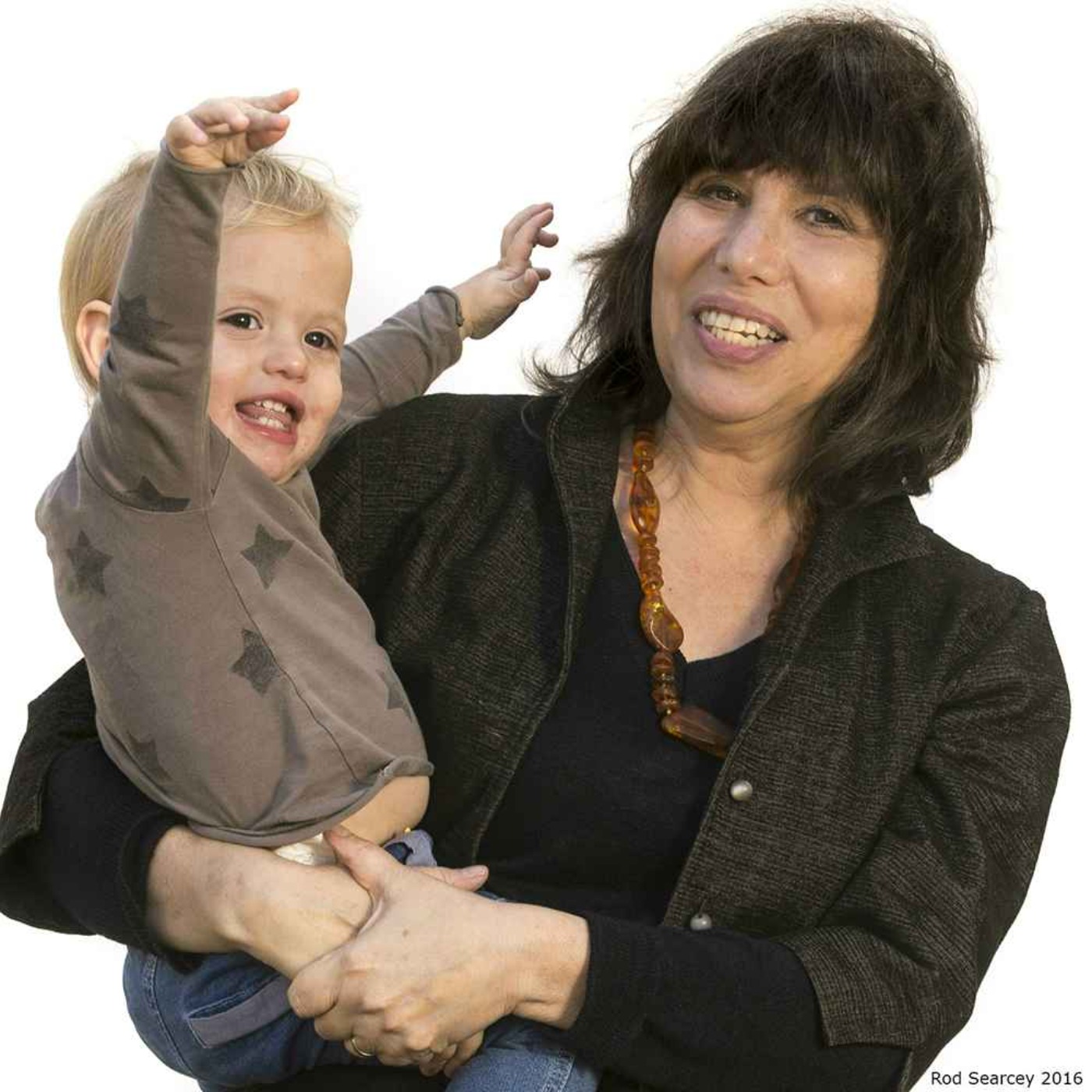
Alison Gopnik on why AI is no match for a 4-year-old
Over her decadeslong career as a developmental psychologist, Alison Gopnik has observed a striking phenomenon: When children are given a new toy without an obvious use, they often outperform high‑achieving college students in figuring out how it works. While adults tend to test the most likely possibilities and quickly get stuck, children respond with playful experimentation. "What children a
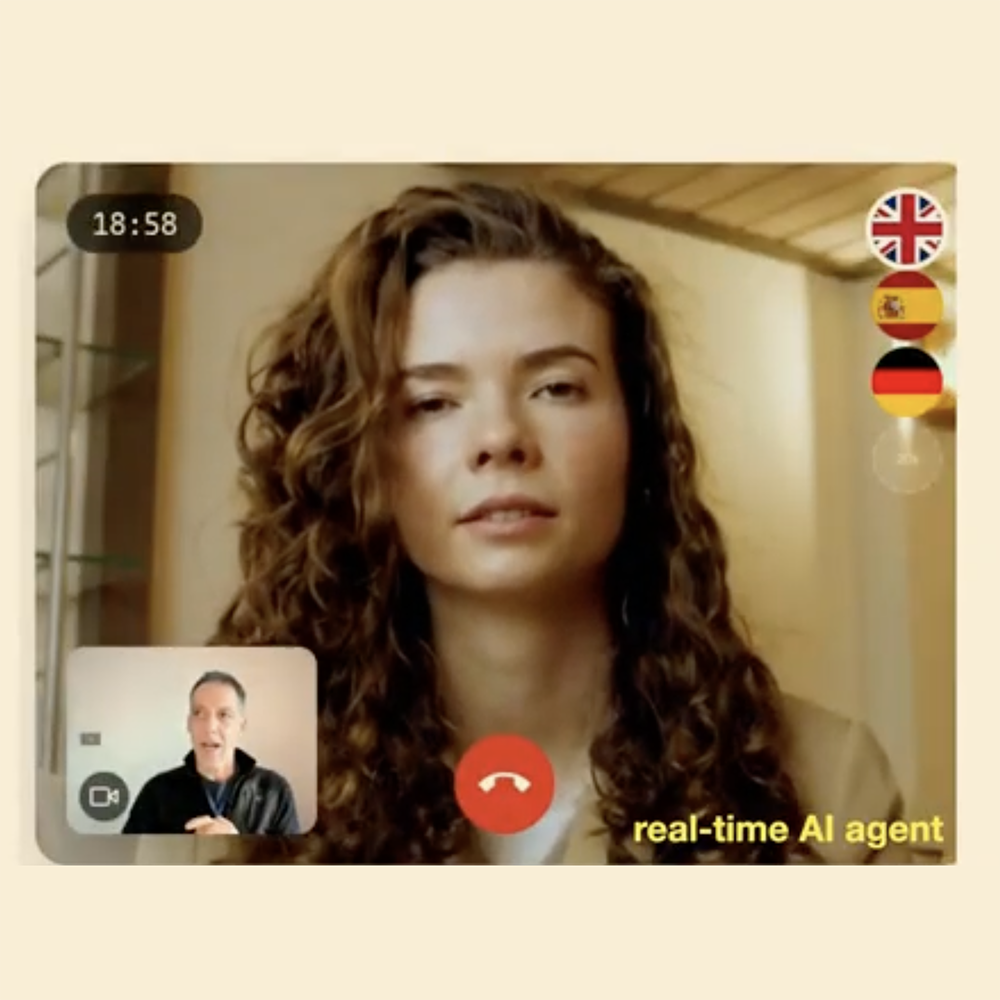
Hany Farid on the erosion of shared reality in the age of deepfakes
Two decades ago, when Hany Farid first began studying digital misinformation and manipulated media, fake content was easier to detect. Today, that landscape has shifted with a speed that he describes as “breathtaking.” In just the last year or two, he says, we’ve moved from an era where a computer takes seconds or minutes to produce a static file to "full-blown interactive deepfakes" that can hold
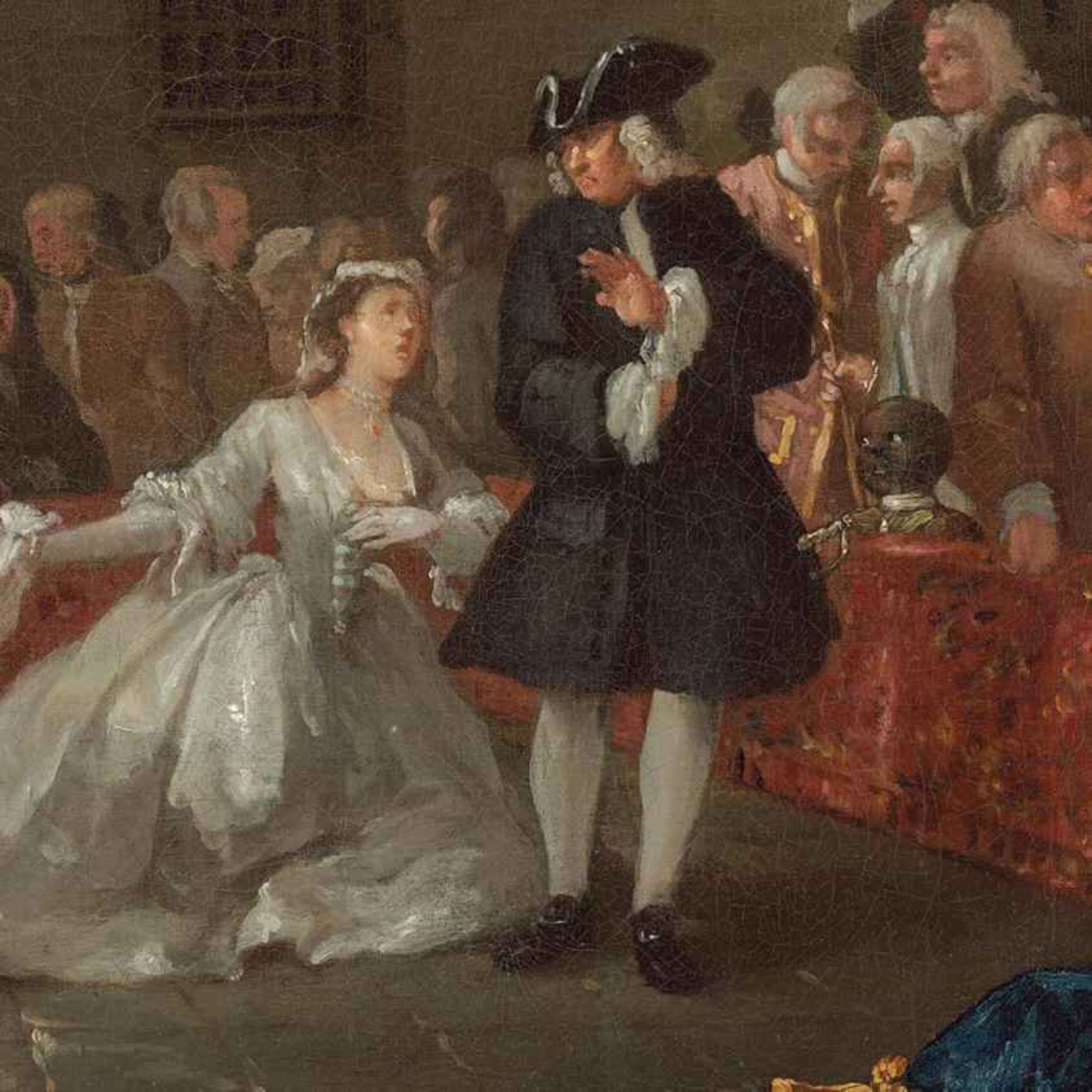
First a plague, then a fire: How a changing city rebuilt the modern stage
When William Shakespeare wrote Hamlet around 1600, the power of London’s theater lived almost entirely in language. The stage was mostly bare and the scenery imagined. To mark a shift in setting, an actor might simply declare, “This is the Forest of Arden.”But by the mid-17th century, this mode of performance began to change. Following decades of civil war and Puritan rule, King Charles II’s
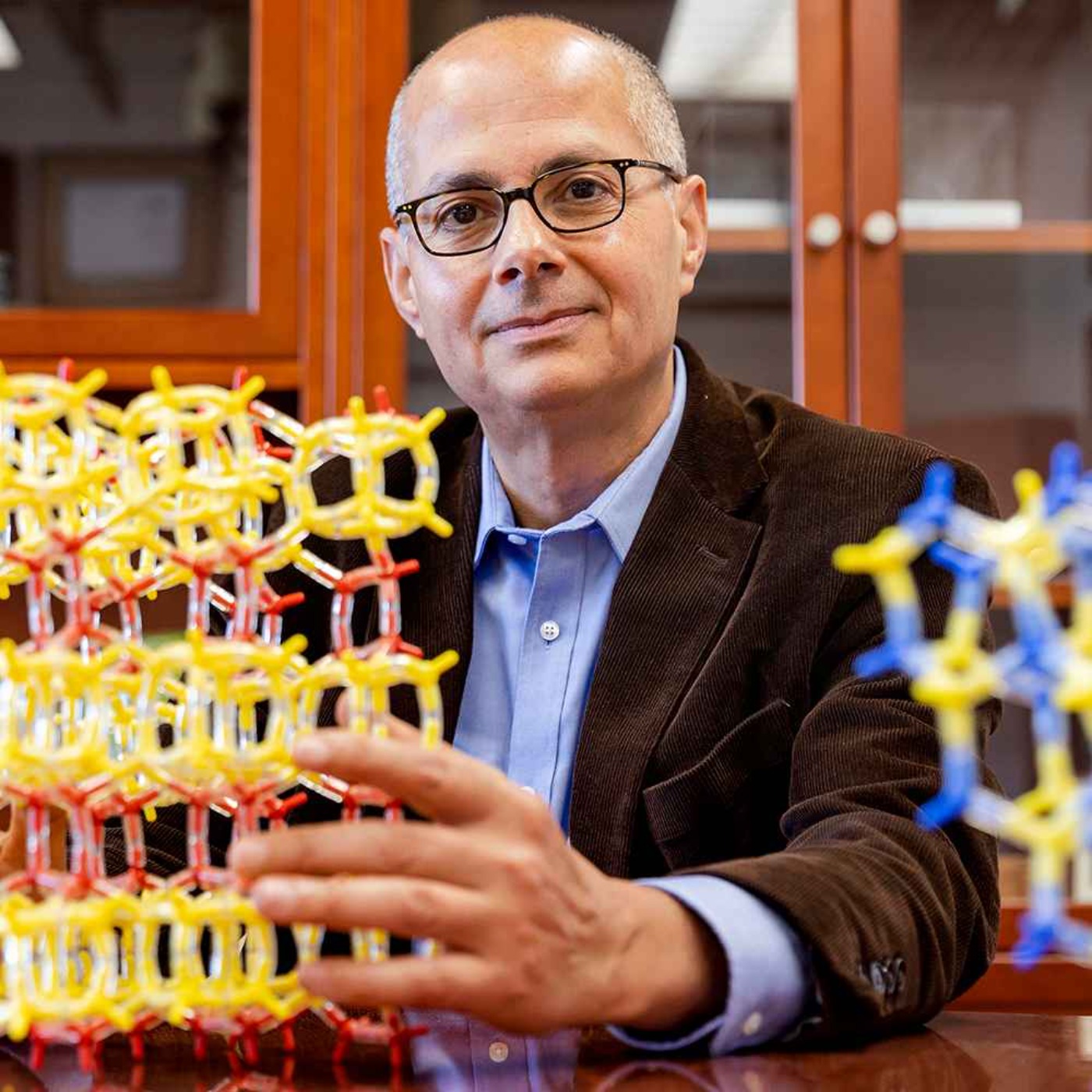
Nobel laureate Omar Yaghi on turning air into water for all
At age 10, Omar Yaghi walked into a school library in Amman, Jordan, and opened a book that changed his life. He saw molecular drawings — complex structures he didn’t yet understand, but which immediately captivated him. "I thought I discovered something that nobody had ever seen before," Yaghi recalls. Yaghi, now a professor of chemistry at UC Berkeley, shared this story during a recent Bril

The rule of law depends on the courage of judges
In 1957, 6-year-old Bernice Bouie Donald started first grade in rural DeSoto County, Mississippi. Although the U.S. Supreme Court had struck down school segregation three years earlier in Brown v. Board of Education, the young girl’s educational reality remained unchanged: Her all-Black school was a two-room cinderblock building with no indoor plumbing, and her books were hand-me-downs discarded b
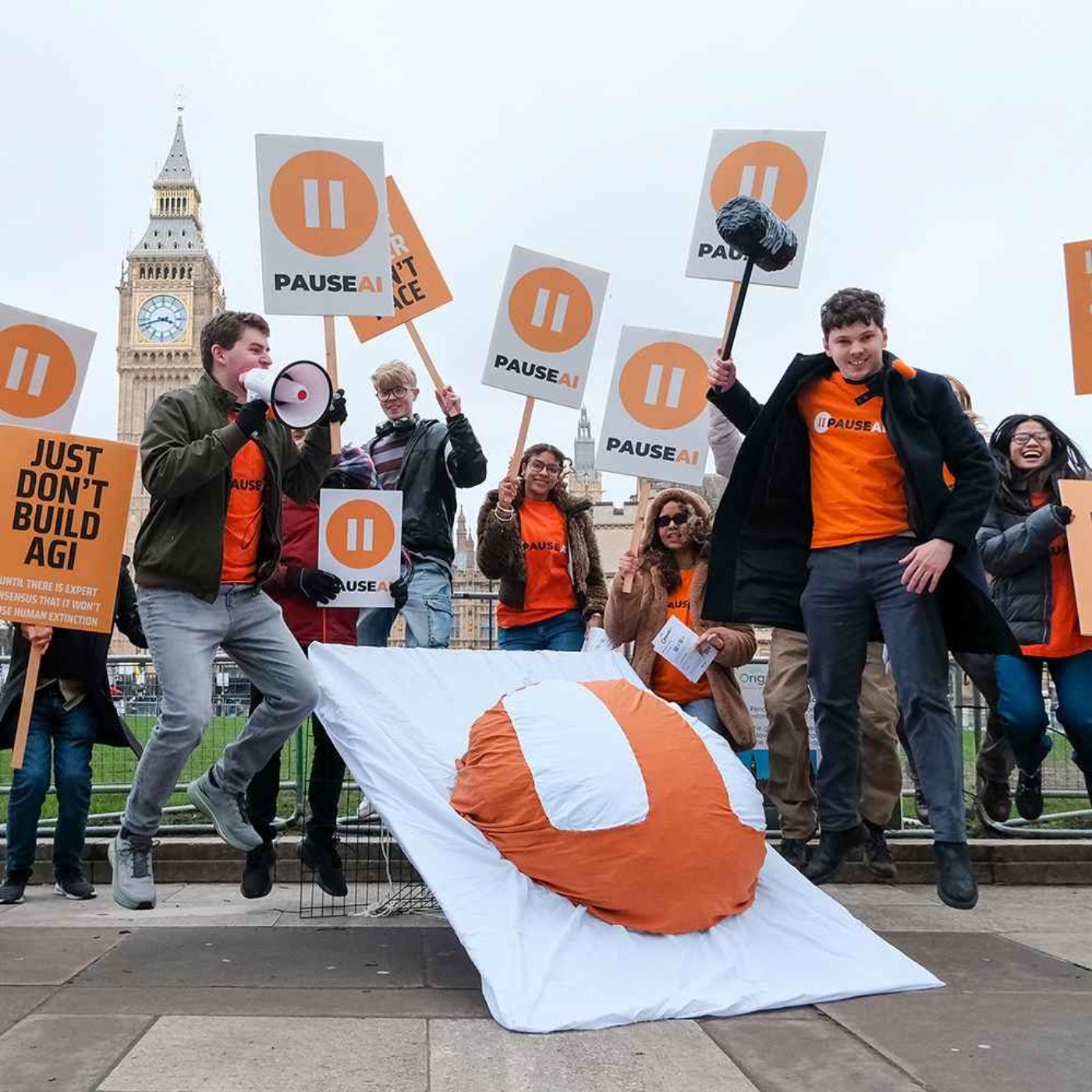
An evolutionary biologist makes the case for pausing AI
In the early 20th century, factory workers — later known as the “Radium Girls” — were hired to paint watch and instrument dials with radium‑based luminous paint. They were instructed to keep their brushes sharp by shaping them with their lips. In the following years, many of these workers developed devastating illnesses, including severe bone and jaw damage, anemia and cancer, that were ultimately
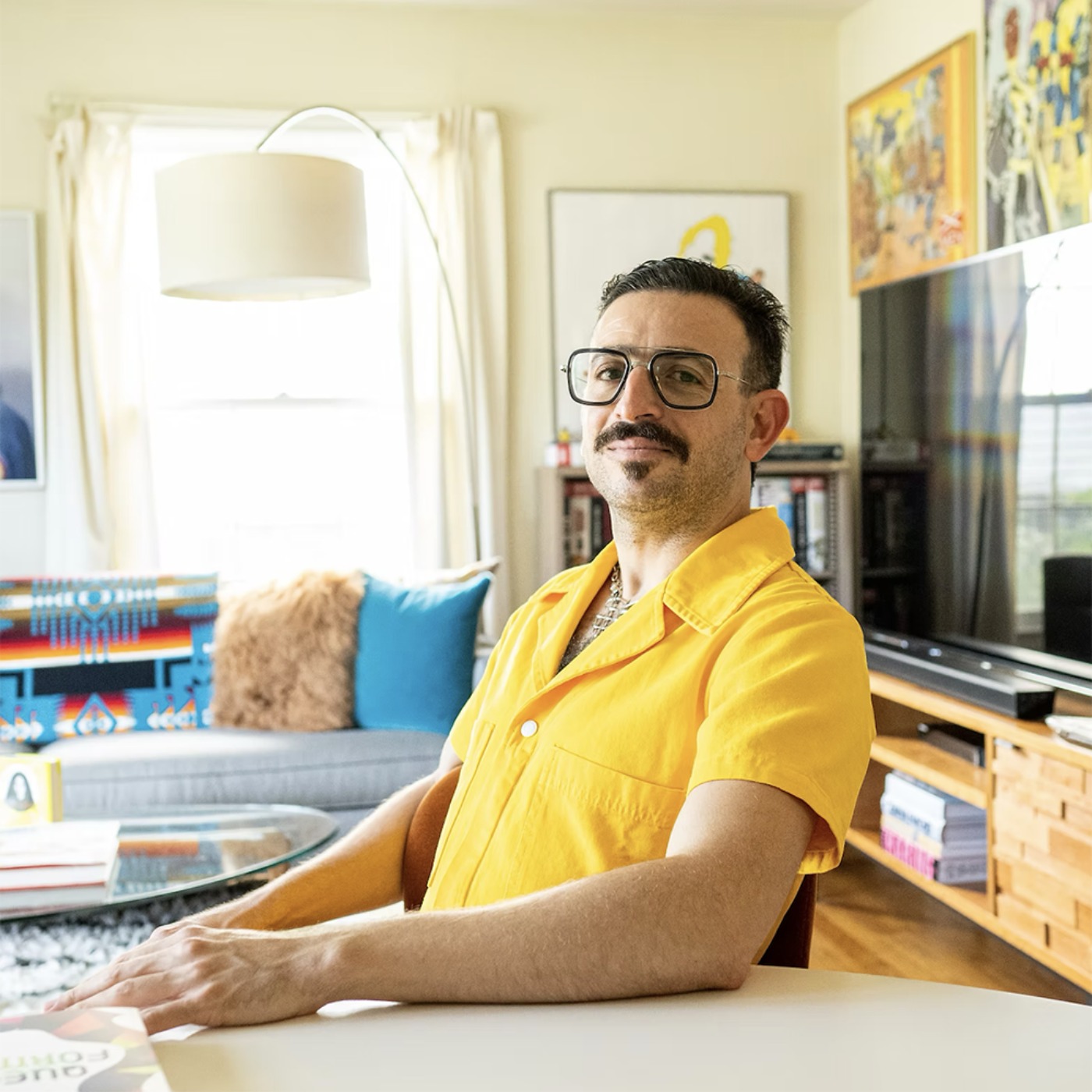
Ramzi Fawaz on the psychedelic power of the humanities
In this Berkeley Talks episode, Ramzi Fawaz, a professor of English at the University of Wisconsin–Madison, explores why the humanities and psychedelics might have more in common than you’d think, and how literature, much like psychedelics, can help open one’s mind to the world.Fawaz, who spoke at UC Berkeley in September, argues that the humanities classroom functions as a vital space for shared
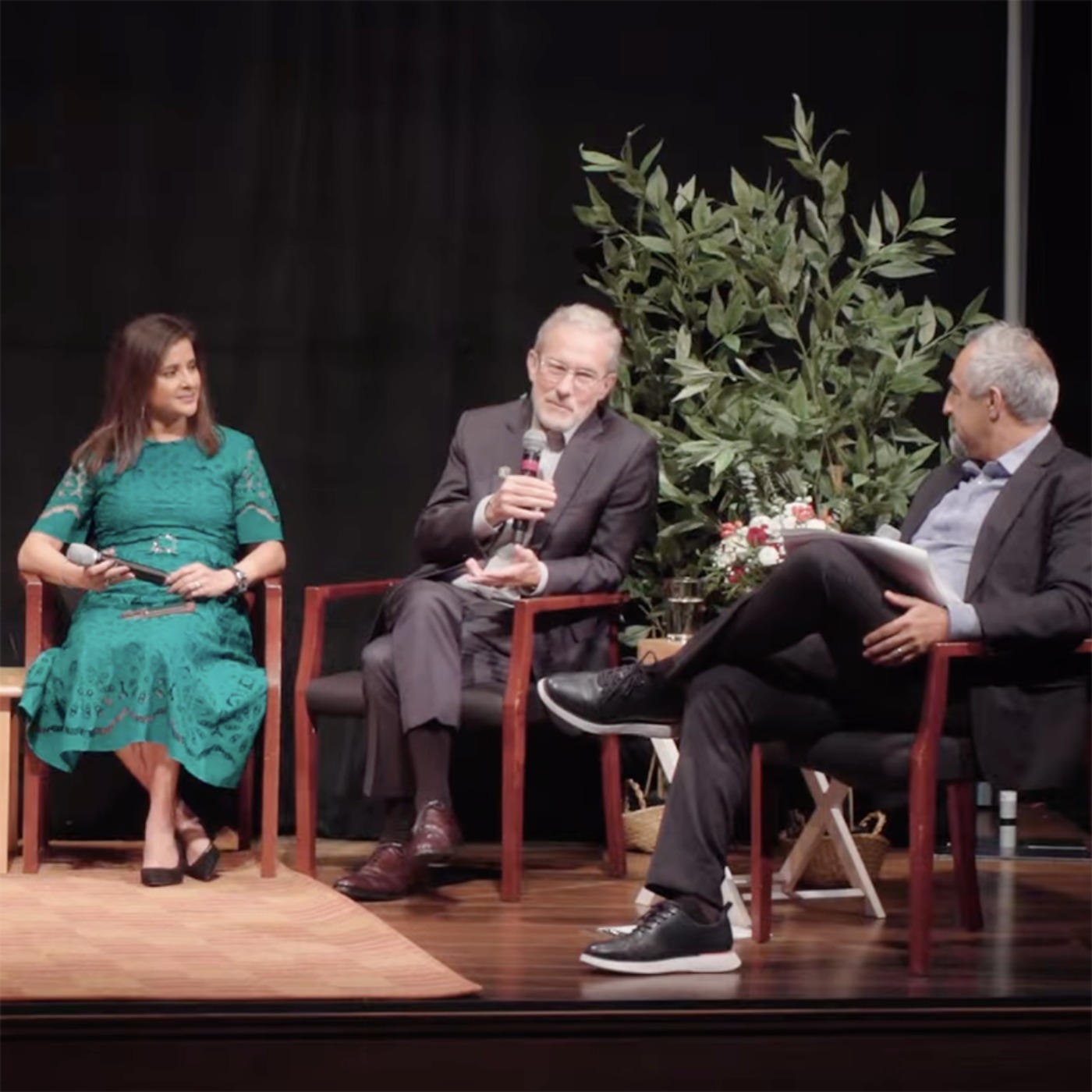
Why kind leaders finish first (according to science)
A broad group of leaders from academia and the private sector — including UC Berkeley Chancellor Rich Lyons and neuroscientist Emiliana Simon-Thomas of the Greater Good Science Center — discuss how kindness is a strategic asset rather than a professional weakness, and why the traditional “jerk” model of leadership is scientifically flawed.This shift toward evidence-based management, the panelists

How do we make better decisions? (revisiting)
Today we are revisiting a Berkeley Talks episode in which a cross-disciplinary panel of UC Berkeley professors, whose expertise ranges from political science to philosophy, discuss how they view decision-making from their respective fields, and how we can use these approaches to make better, more informed choices. Panelists include: Wes Holliday, professor of philosophy. H
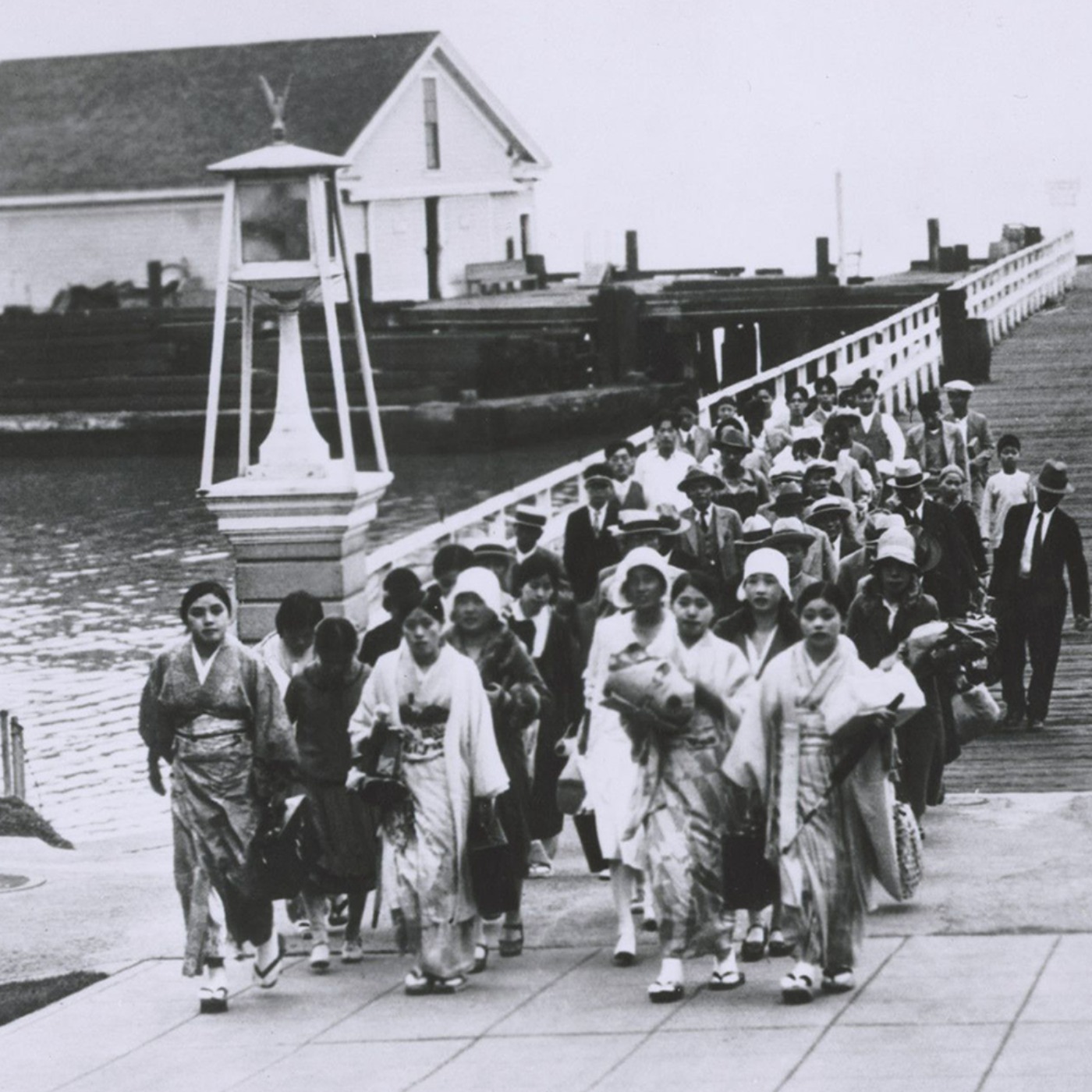
The making of racialized US immigration control
Before there was the Chinese Exclusion Act, there was the Page Act. Passed in 1875 amid growing anti-Chinese sentiment in the 19th century, the Page Act was one of the first national immigration laws in the United States. It targeted several categories of people, including contract laborers from Asia, women brought in for sex work and certain convicted criminals. In practice, however, it func
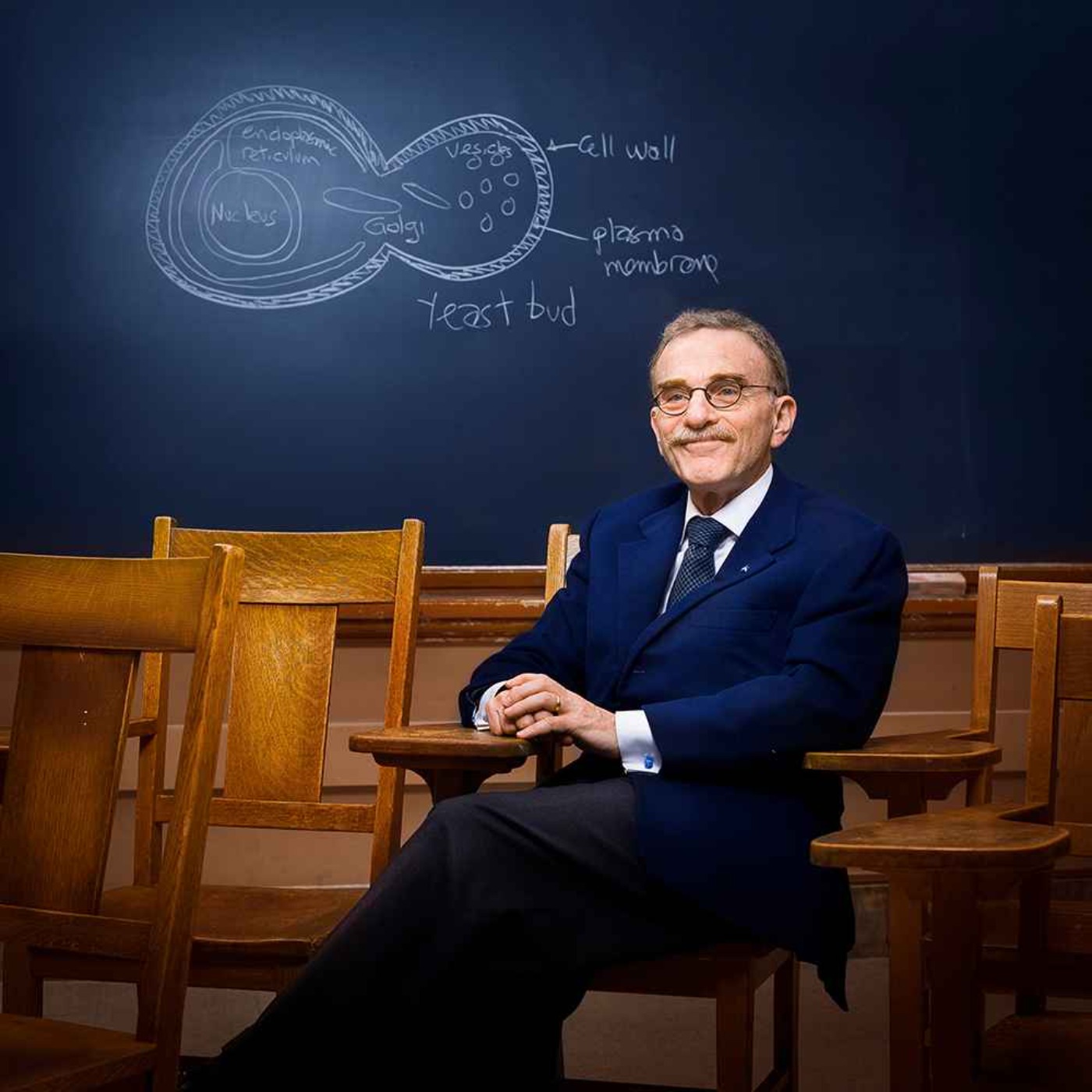
For Nobel laureate Randy Schekman, it began with pond scum and a toy microscope
When UC Berkeley Professor Randy Schekman was 12, he scooped up a jar of pond scum and examined it under his toy microscope.“I just could not believe the world that was revealed,” he said during a campus event earlier this month. “This complex set of creatures that you can't see with your naked eye, and yet are moving and somehow mechanically independent, and able to do amazing things. And this wa
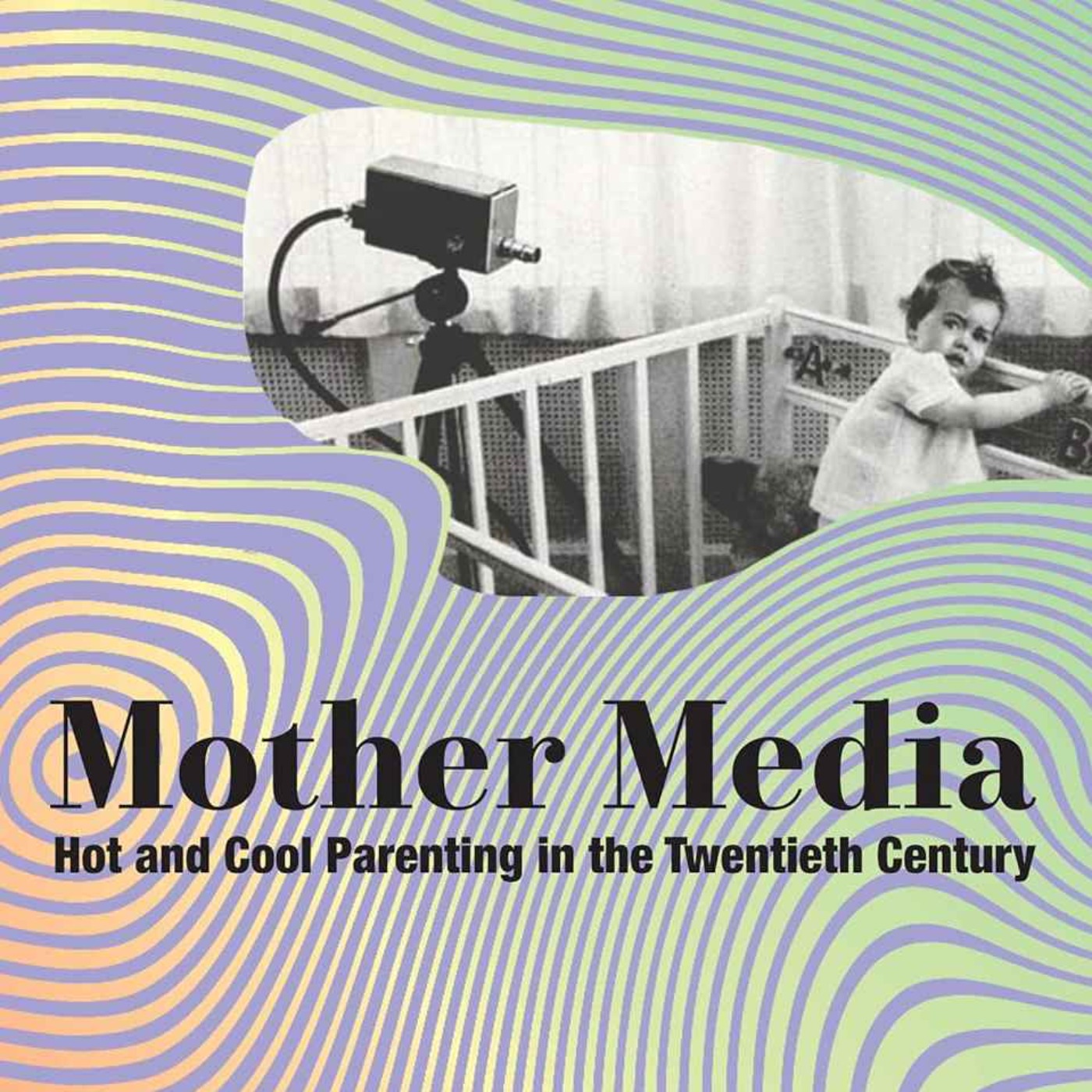
The complicated role of media in motherhood
In the early 20th century, prominent figures in psychology, psychiatry and pediatrics in the U.S. began to promote a new standard for mothers: that they should serve as a constant, unchanging and wholly nurturing presence in their children’s lives. It was the best way, they claimed, to raise healthy and successful children. This ideal marked a shift away from earlier traditions where caregiving wa
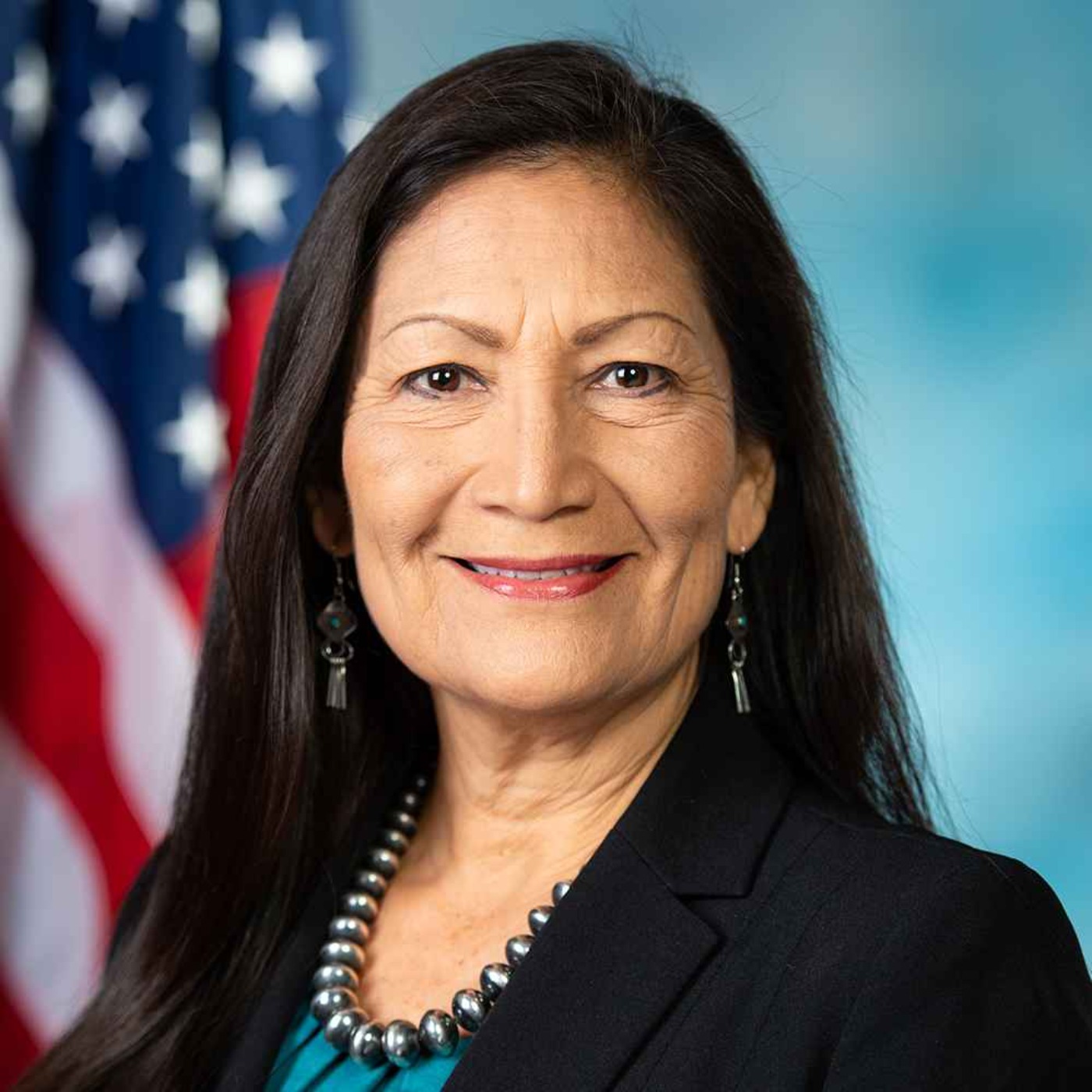
Top Biden official calls for unity, ‘moral courage’ in public service
The United States is in a moment like no other in recent history, says Deb Haaland, former President Joe Biden's secretary of the Interior Department from 2021 to 2025. Every day, she says, it seems a new pillar of the American government is under attack. But what makes this moment unique aren’t these crises themselves, but the attack on the idea that problems can be solved at all. “We face a
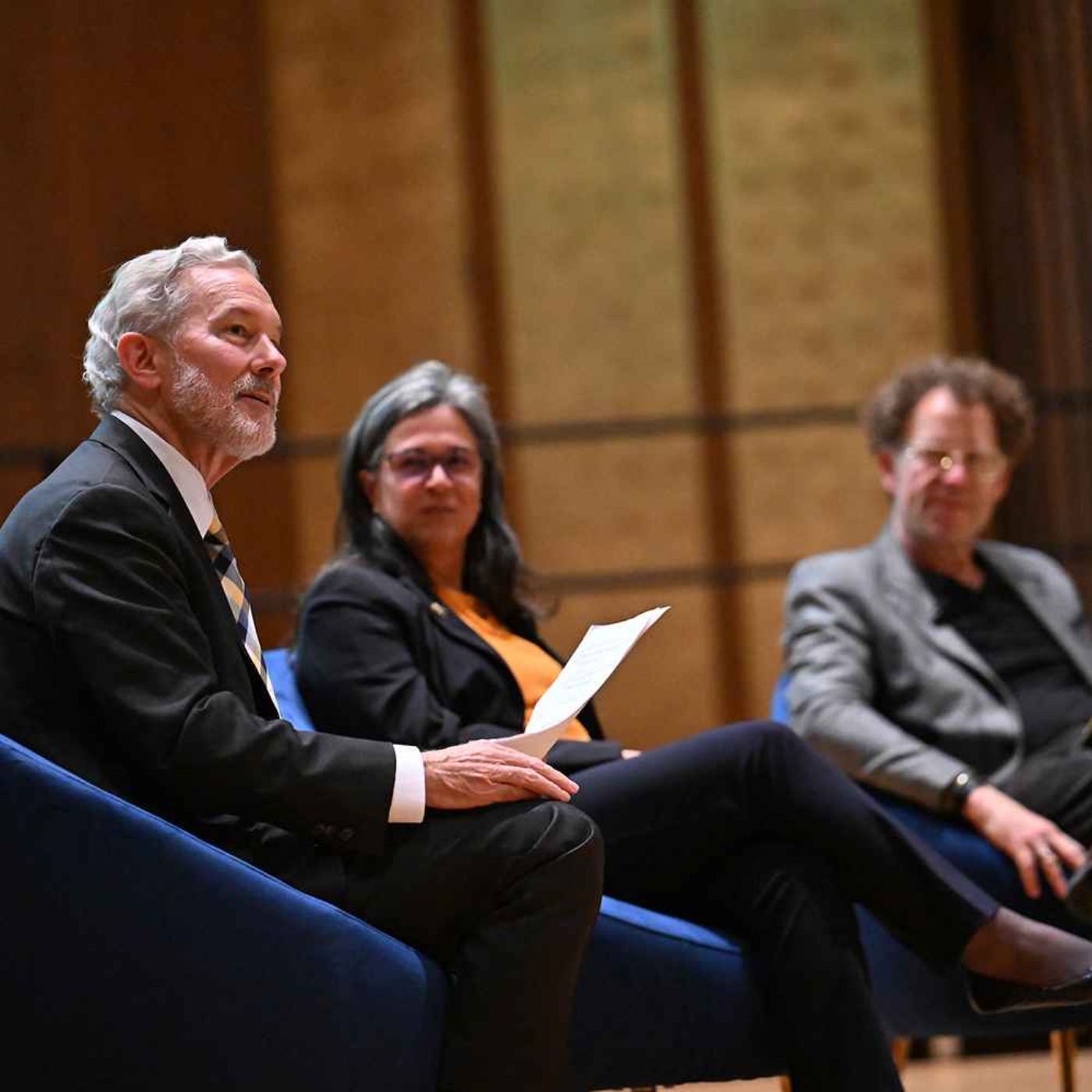
How Berkeley became a powerhouse for innovation and startups
UC Berkeley is widely considered a leader in innovation and startups. Pitchbook university rankings from 2025 announced, for the third year in a row, that Berkeley graduates have founded more venture-backed companies than undergraduate alumni from any other university in the world. Some might wonder, says Chancellor Rich Lyons, if this entrepreneurial energy clashes with Berkeley’s tradition

Long said to be ‘too big to fail,’ the ocean needs a new narrative
In this Berkeley Talks episode, renowned marine ecologist Jane Lubchenco discusses how a persistent narrative that the ocean is “too big to fail” has led to its degradation. While many now believe its problems are “too big to fix,” Lubchenco explains why we need to embrace a new narrative: That it’s too central to our future to ignore.“There is a historic narrative about the ocean, one that has fr
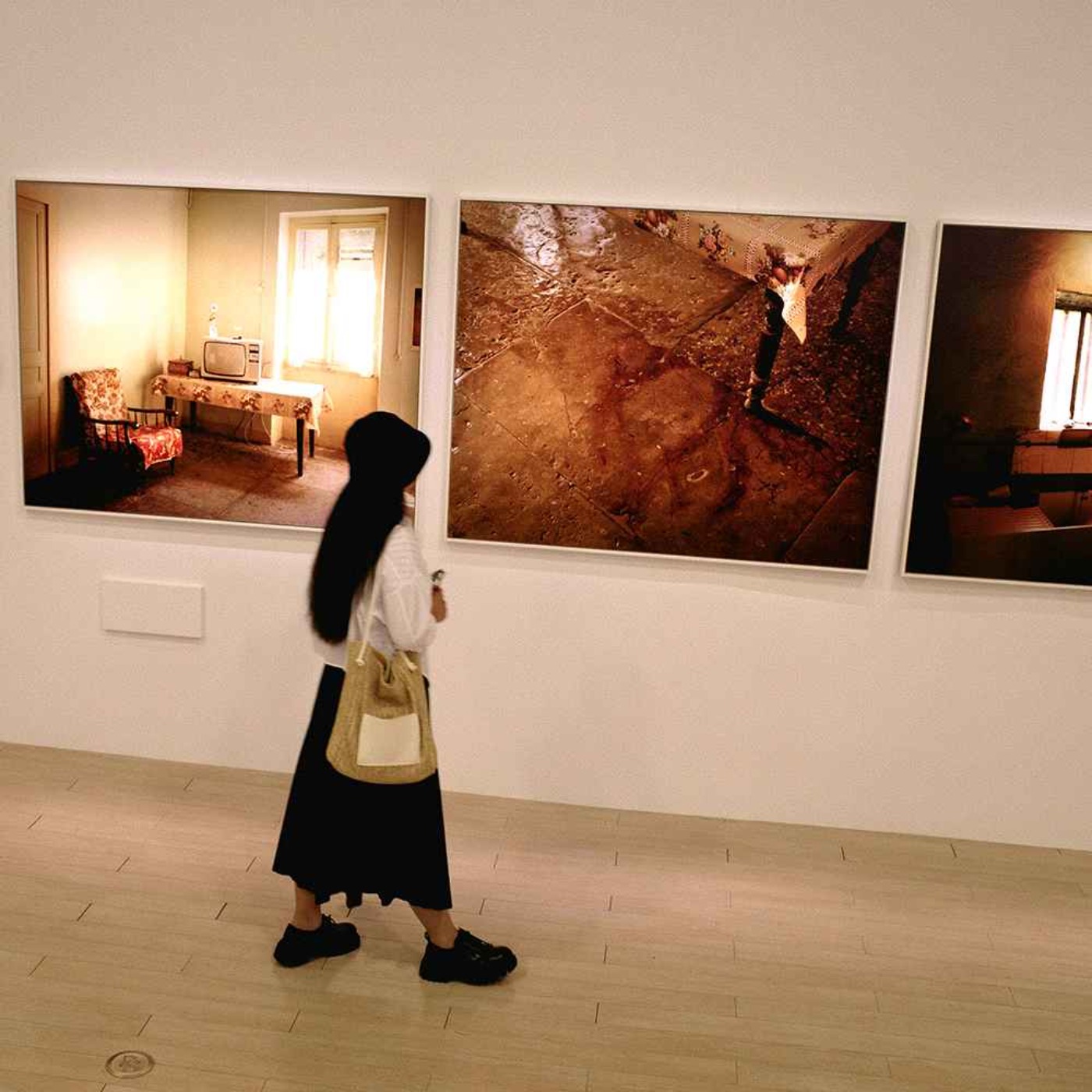
Alva Noë on how art allows us to see everyday things anew
In his 2023 book The Entanglement, UC Berkeley philosopher Alva Noë argues that human nature is not a fixed phenomenon, and that art acts as a kind of “strange tool” that actively changes us. “Life and art are entangled,” says Noë, who spoke about his research at a Berkeley event in June 2023. “To say that life and art are entangled is to say not only that we make art out of life, all the hab
How forgiveness changes you and your brain
As the science director at UC Berkeley’s Greater Good Science Center, Emiliana Simon-Thomas thinks a lot about how prosocial emotions and behaviors — like compassion and gratitude — influence our well-being and society as a whole. And recently, she’s been more deeply exploring the effects of forgiveness. “Forgiveness is an idea that most people endorse, that most people feel is a virtue or th
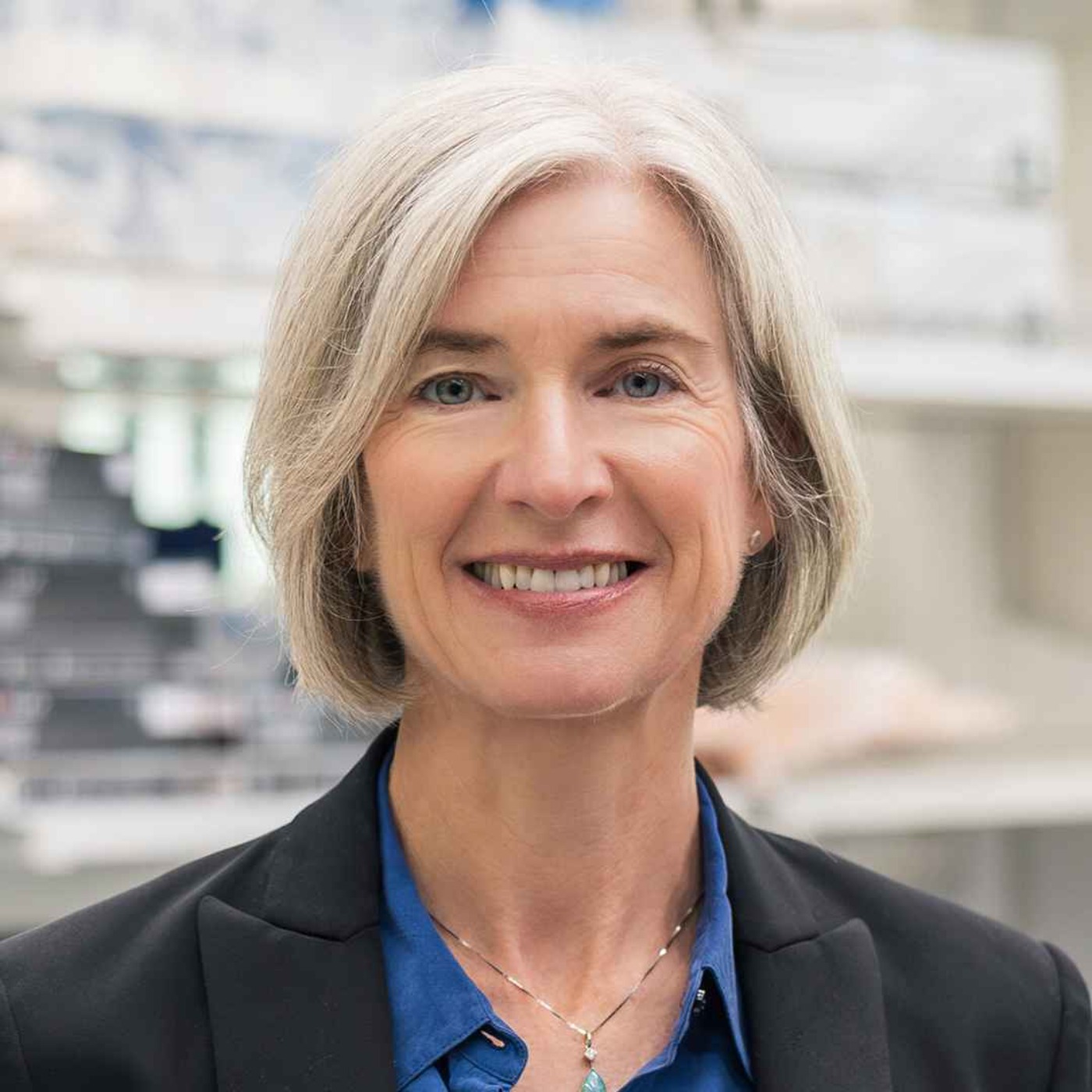
Nobel laureate Jennifer Doudna on CRISPR and the future of gene editing
For UC Berkeley’s Jennifer Doudna, the revolutionary discovery of CRISPR-Cas9 gene editing began 15 years ago with a meeting at the campus’s Free Speech Movement Cafe. “This is a quintessential story about Berkeley,” begins Doudna, a professor of molecular and cell biology and of chemistry, in a lecture she gave on campus in April. “The research that I'll talk about today wouldn't have happen
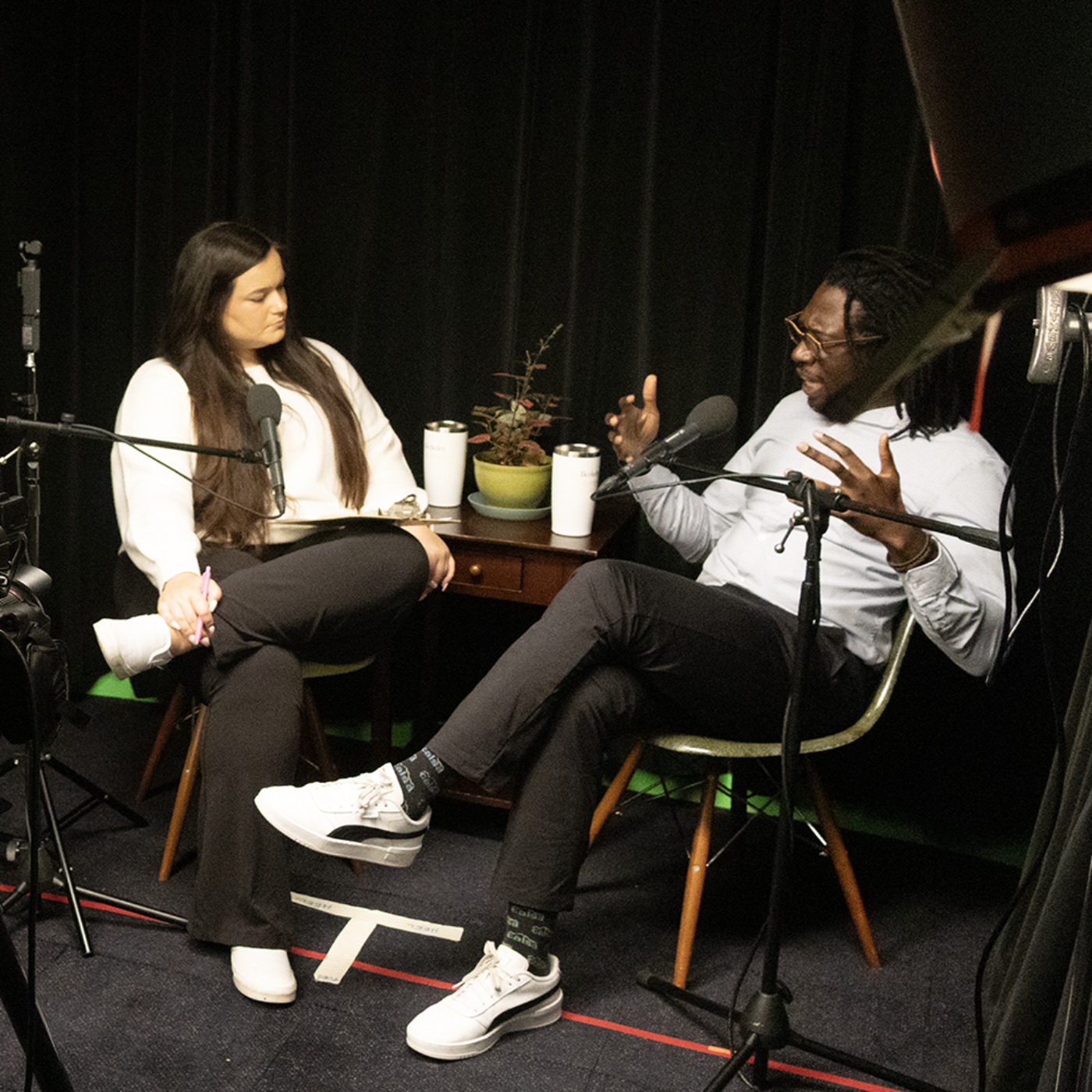
Berkeley scholars unpack what's at stake for U.S. democracy
Every spring semester, UC Berkeley Assistant Professor Shereen Marisol Meraji teaches a class on race and journalism. In the course, she and her students explore how colonialism and the legacy of its systems — including forced displacement of Native tribes, slavery and Jim Crow — continue to affect us as a society, and how journalists can meaningfully report on race in America today.“It has led to
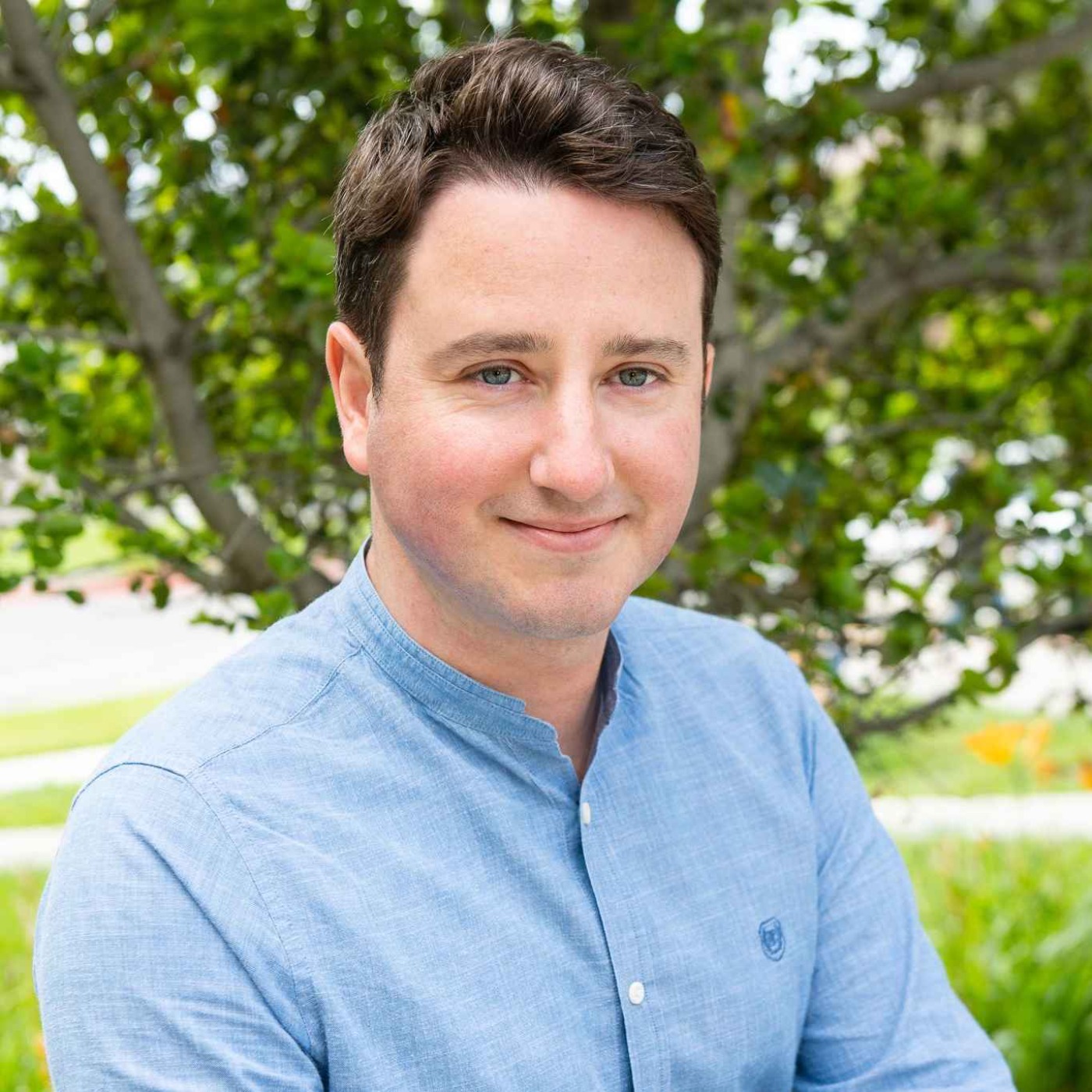
Economist on the benefits of a (modest) billionaire tax
In this Berkeley Talks episode, economist Gabriel Zucman discusses how wealth inequality and billionaire wealth has soared in recent decades, prompting the need for a global minimum tax of 2% on billionaires. “The key benefit of a global minimum tax on billionaires is not only that it would generate substantial revenue for governments worldwide — about $250 billion a year — but also, and mayb
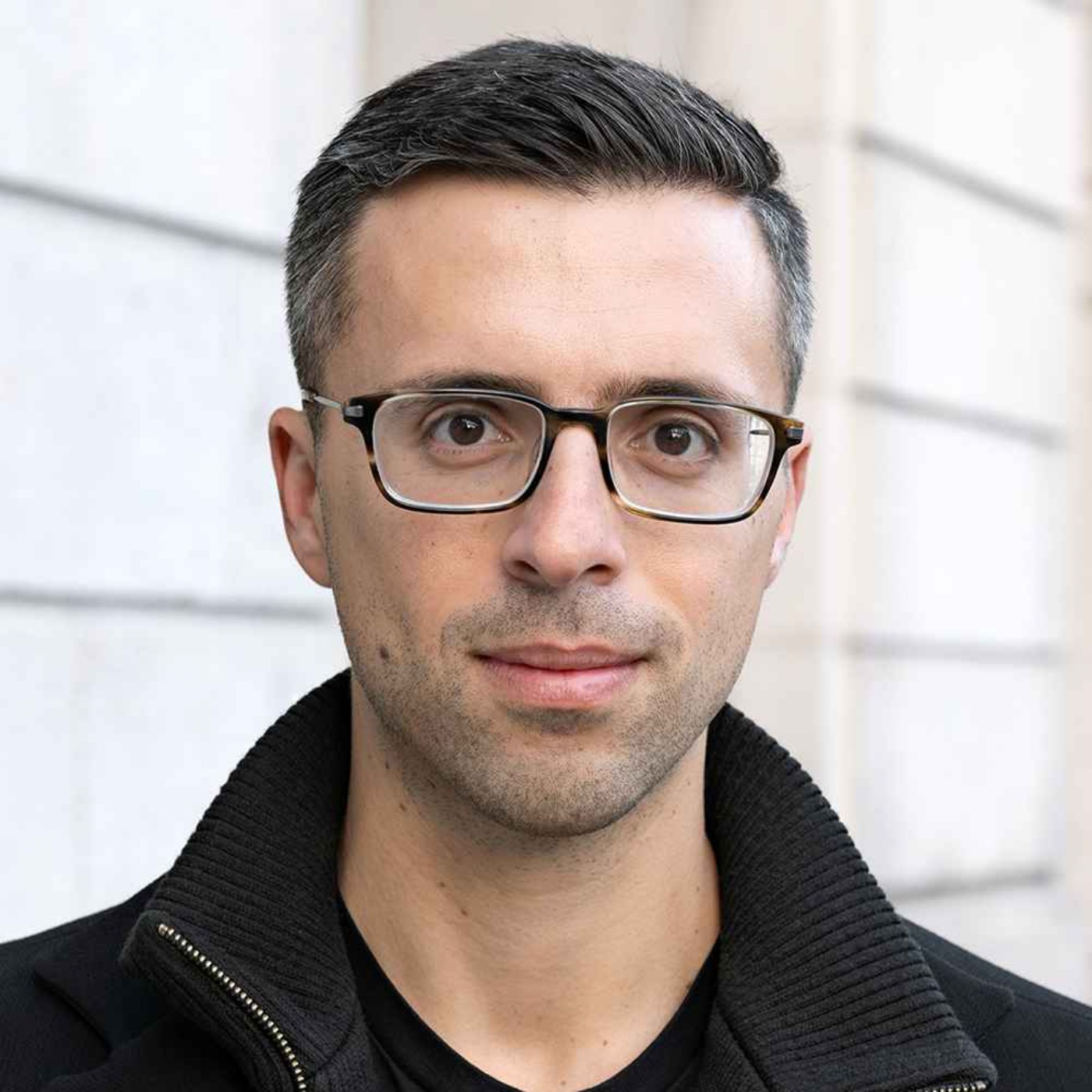
Ezra Klein on building the things we need for the future we want (revisiting)
Today we are revisiting an October 2023 Berkeley Talks episode in which Ezra Klein, a New York Times columnist and host of the podcast The Ezra Klein Show, discusses the difficulties liberal governments encounter when working to build real things in the real world. He joins in a conversation with Amy Lerman, a UC Berkeley political scientist and director of the Possibility Lab.“To have the future

How the tobacco industry drove the rise of ultra-processed foods
In the early 1960s, R.J. Reynolds, one of the largest and most profitable tobacco companies in the U.S. at the time, wanted to diversify its business. Its marketing strategies had been highly successful in selling its top brands, like Camel, Winston and Salem cigarettes, and executives thought, Why not apply the same strategies to, say, the food industry?So in 1963, R.J. Reynolds acquired Hawaiian
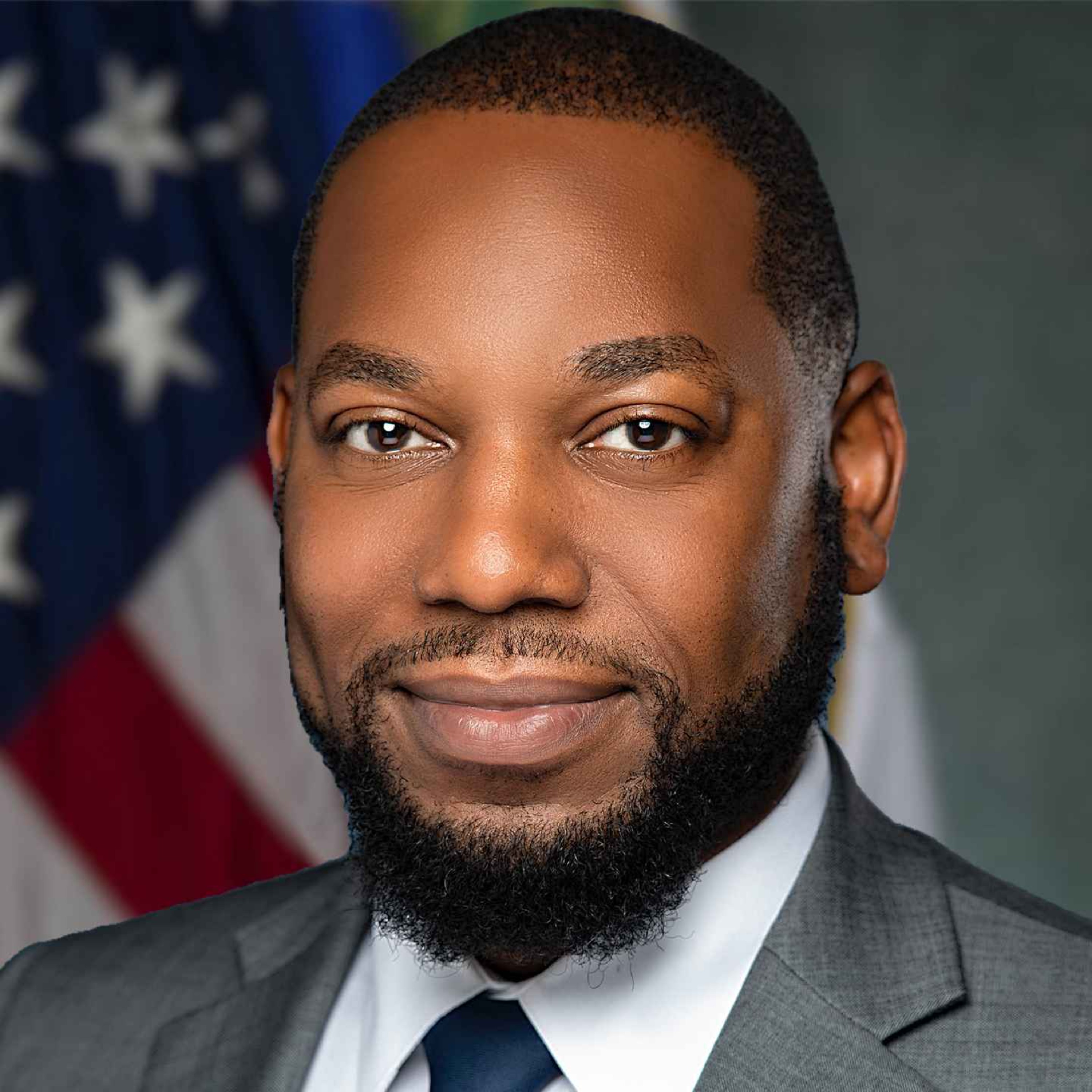
Energy justice expert on his pursuit for affordable and clean energy for all
In Berkeley Talks episode 228, Tony Reames, a professor of environmental justice at the University of Michigan, discusses how the U.S. energy system has persistently harmed marginalized communities, a result of legacies of government-sanctioned policies, like redlining, land theft and resource extraction. He goes on to emphasize the need for intentional efforts to undo these harms. “When we t
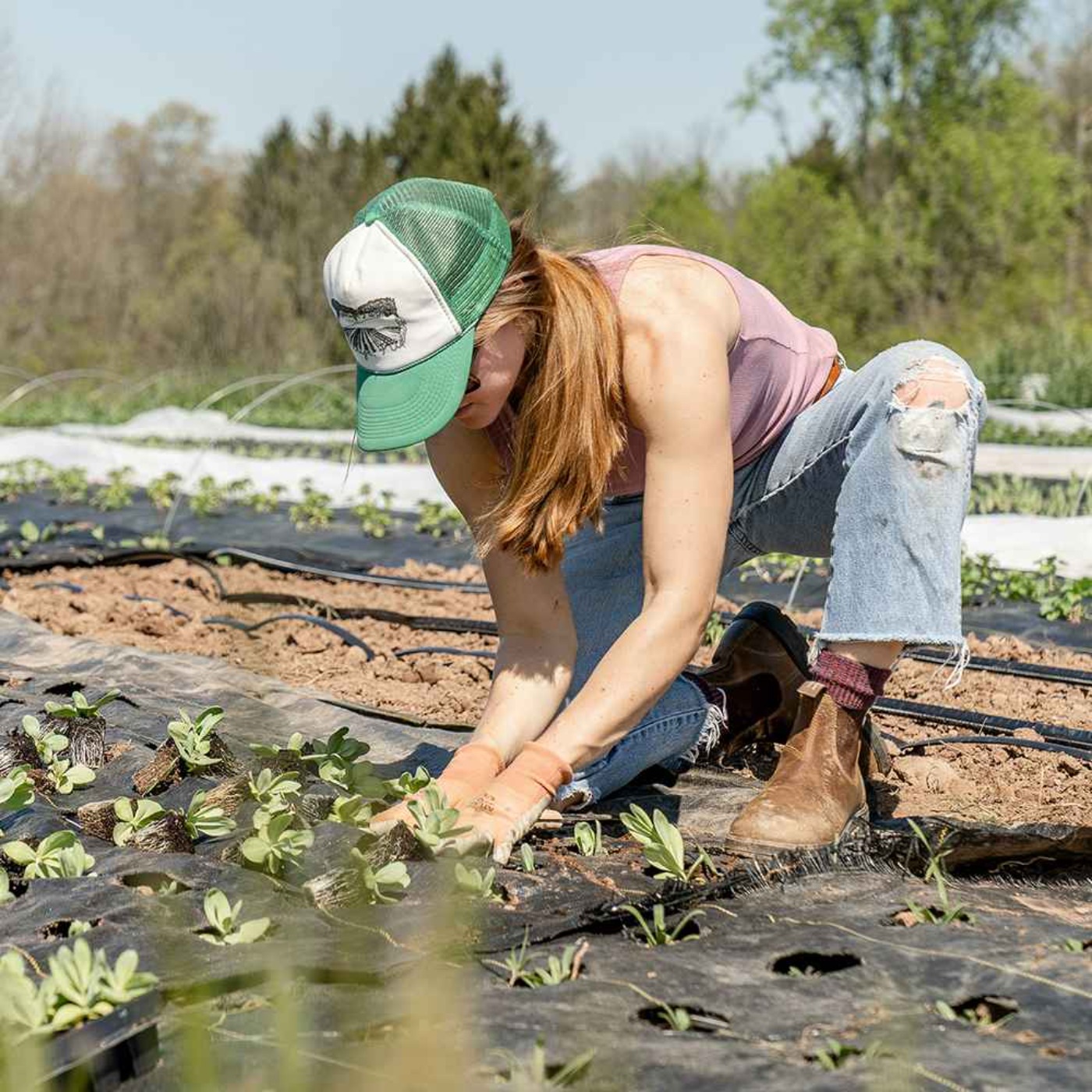
A debate on how to feed the world without ‘eating the earth’
By 2050, the global population is expected to reach about 10 billion people. That means we need to find a way to feed nearly 2 billion more mouths in the next 25 years. Industrial farming practices have already destroyed countless natural ecosystems, and experts say that expanding farmland even further would have devastating consequences for the planet. In Berkeley Talks episode 227, UC Berke
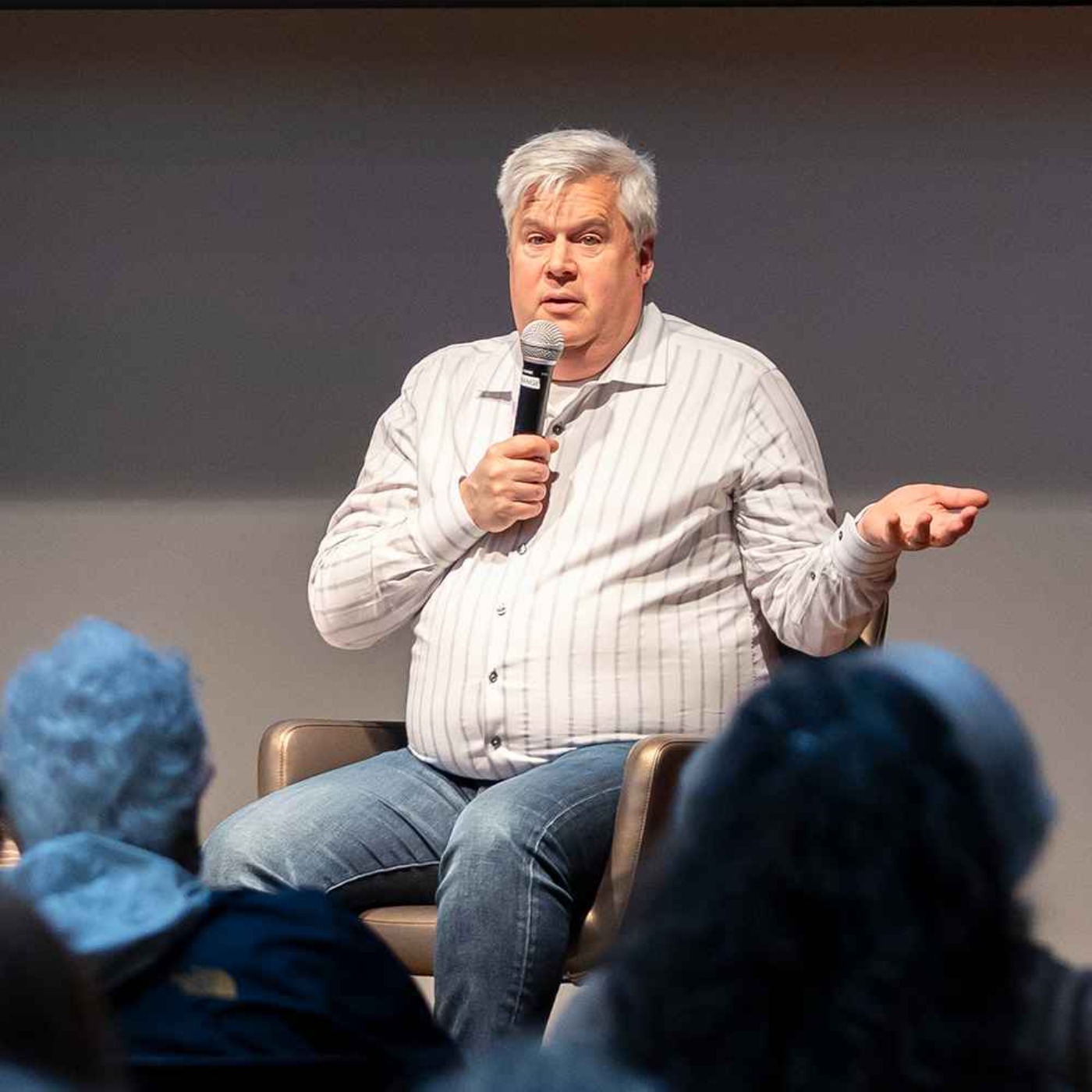
Daniel Handler (aka Lemony Snicket) on reading the authors you want to write like
It took nearly six years for bestselling author Daniel Handler to sell his first book, a satirical novel called The Basic Eight. When his agent sold it in 1998, it was “for the least amount she had ever negotiated for,” laughed Handler, who spoke at a UC Berkeley event earlier this month. More than two decades later, Handler has published seven novels. Under his pen name Lemony Sn

In 1970, one in five Americans moved every year. Now it’s one in 13. What changed?
In Berkeley Talks episode 225, The Atlantic journalists Yoni Appelbaum and Jerusalem Demsas discuss the decline of housing mobility in the United States and its impact on economic opportunity in the country. Appelbaum, author of the 2025 book Stuck: How the Privileged and the Propertied Broke the Engine of American Opportunity, began by tracing the history of housing mobility in the U.S. and
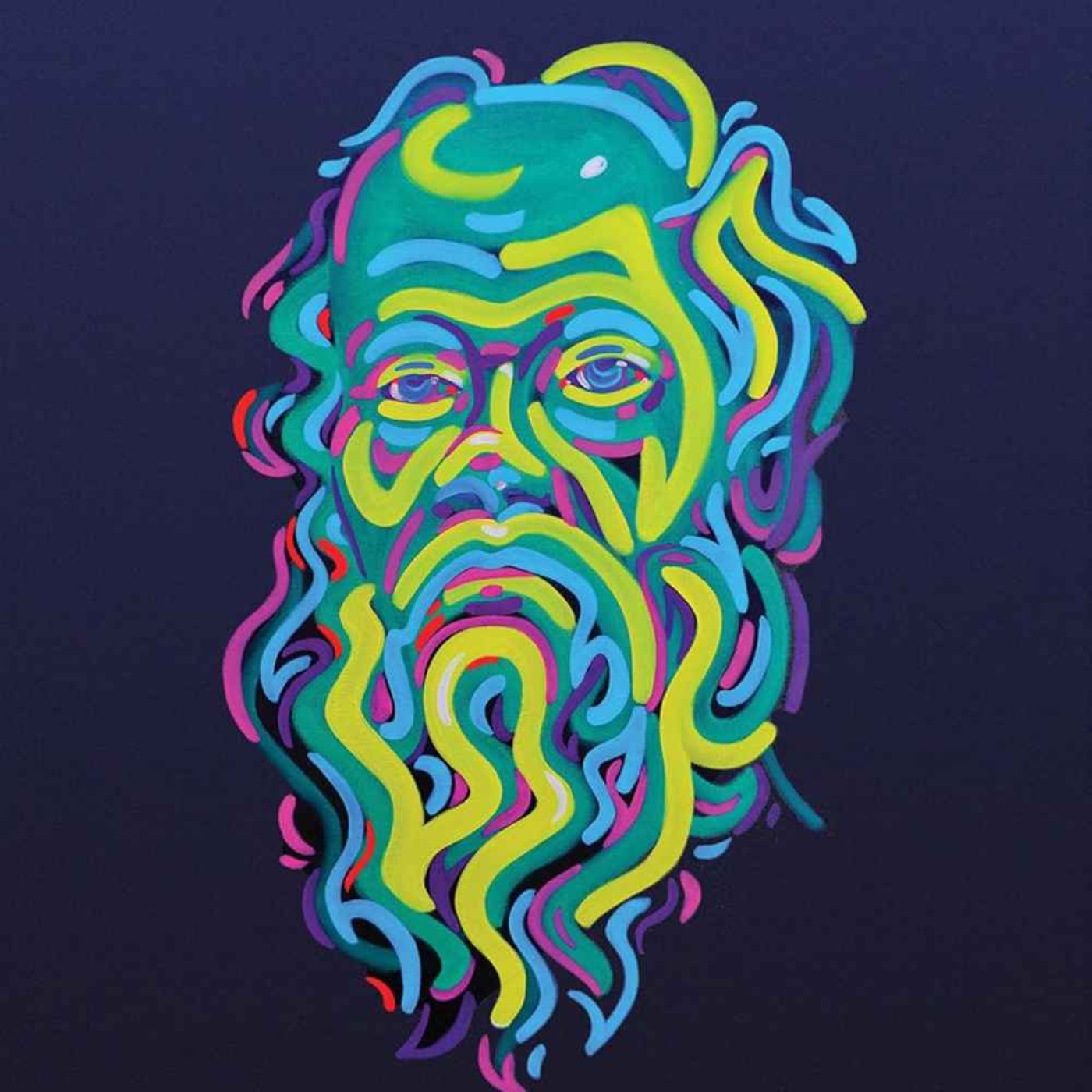
The case for a philosophical life, with Agnes Callard and Judith Butler
The ancient Greek philosopher Socrates is considered the father of Western philosophy, one whose most famous ideas have all but risen to the level of pop culture. We parrot his claim that “the unexamined life is not worth living.” His name has been invoked by politicians to bolster their stance against “cancel culture.” There’s even an AI chat app modeled after Socrates that promises intellig
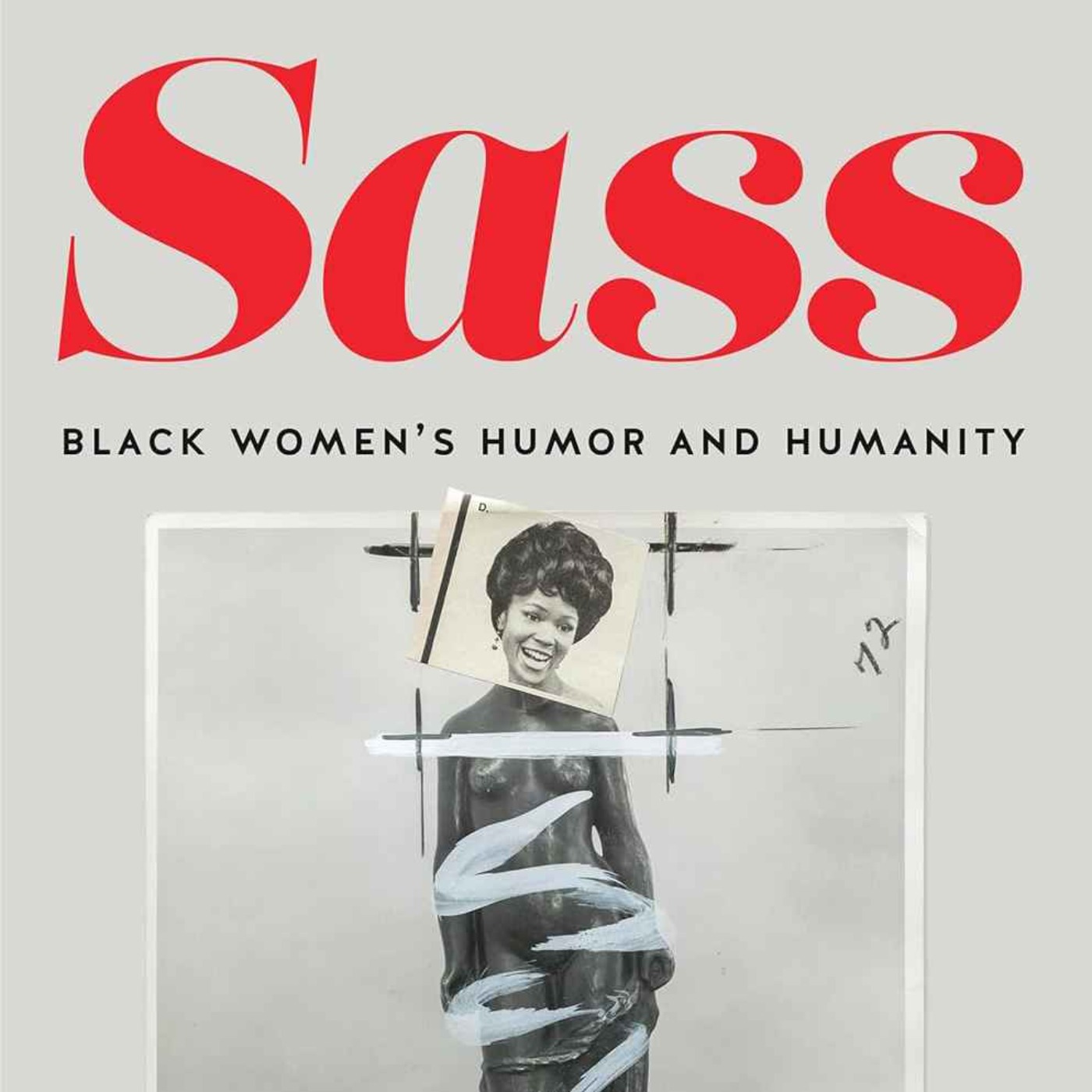
J Finley on how Black women use sass to claim their humanity
When J Finley arrived at UC Berkeley as a graduate student in 2006, she planned on studying reparations and the legacy of slavery. But after a fellowship in South Africa, where she studied the Zulu language and culture, Finley says she realized Black people were never going to get reparations. Switching gears, she started thinking: “How else do Black people make do? Well, we laugh.”In Berkeley Tal
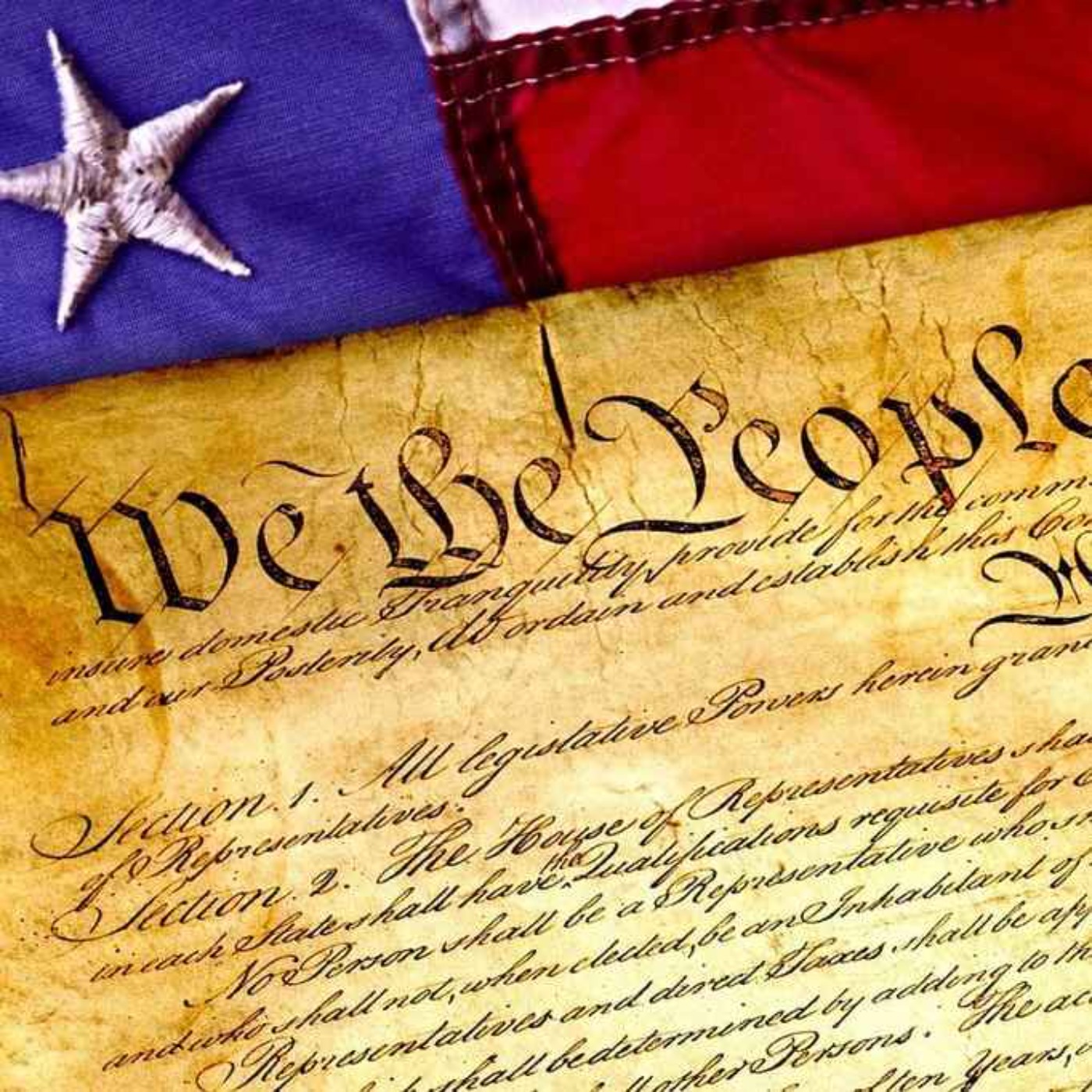
Law professors debate the merits of originalism
In Berkeley Talks podcast episode 222, UC Berkeley Law Dean Erwin Chemerinsky and Brian Fitzpatrick, the Milton R. Underwood Chair in Free Enterprise at Vanderbilt Law School in Nashville, Tennessee, debate the merits of originalism in constitutional interpretation. Originalism is a theory that argues that the U.S. Constitution should be interpreted based on its original meaning, as understood at

Heather Cox Richardson on the evolution of the Republican Party
In Berkeley Talks episode 221, American historian Heather Cox Richardson joins Dylan Penningroth, a UC Berkeley professor of law and history, in a conversation about the historical evolution of the Republican Party, and the state of U.S. politics and democracy today. Richardson, a professor of history at Boston College, is the author of the popular nightly newsletter Letters from an American,
UC Berkeley political scientist asks: Does democracy work?
If someone asked you to describe democracy in one word, what would you say? An October 2024 survey by the Political Psychology of American Democracy Policy Project, led by UC Berkeley’s Goldman School of Public Policy Dean David Wilson, asked people just that. Many respondents said, “freedom,” but a lot of others said, “broken.” In Berkeley Talks episode 220, Berkeley political scientist Henr

How hospitals collect medical debts can hurt patients. Why?
When Luke Messac began his emergency medicine residency at Rhode Island Hospital in 2018, he noticed a lot of his patients came to him concerned about costs. Some worried about his recommendations for them to stay in the hospital overnight. Others questioned his motives when he asked them to undergo a test, like an X-ray or MRI. A few came in way too late in the course of their illnesses out of fe
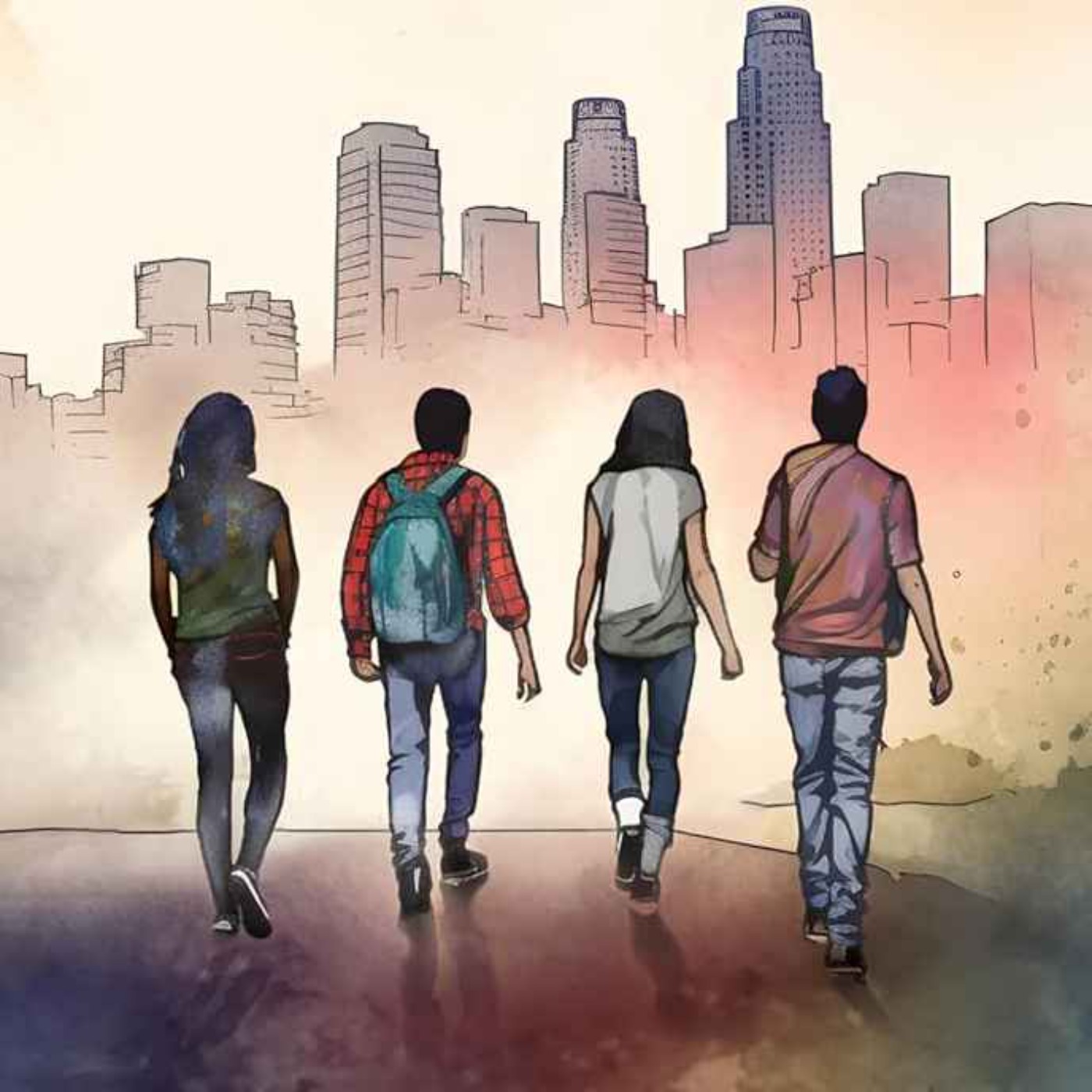
Coming of age as an unaccompanied migrant youth in the U.S.
In Berkeley Talks episode 218, sociology professor Stephanie Canizales discusses her 2024 book, Sin Padres, Ni Papeles, about the experiences of undocumented immigrant youth as they come of age in the United States without their parents. Over six years, Canizales conducted 75 in-depth interviews with adult immigrants living in Los Angeles who came to the U.S. as unaccompanied children years before
A blueprint for creating a world where everyone belongs
In Berkeley Talks episode 217, john a. powell and Stephen Menendian, director and assistant director of UC Berkeley’s Othering and Belonging Institute, discuss their 2024 book, Belonging Without Othering: How We Save Ourselves and the World. During the campus event, the scholars touch on the transformative role of imagination and storytelling, why responding to demagogues with condemnation doesn’t
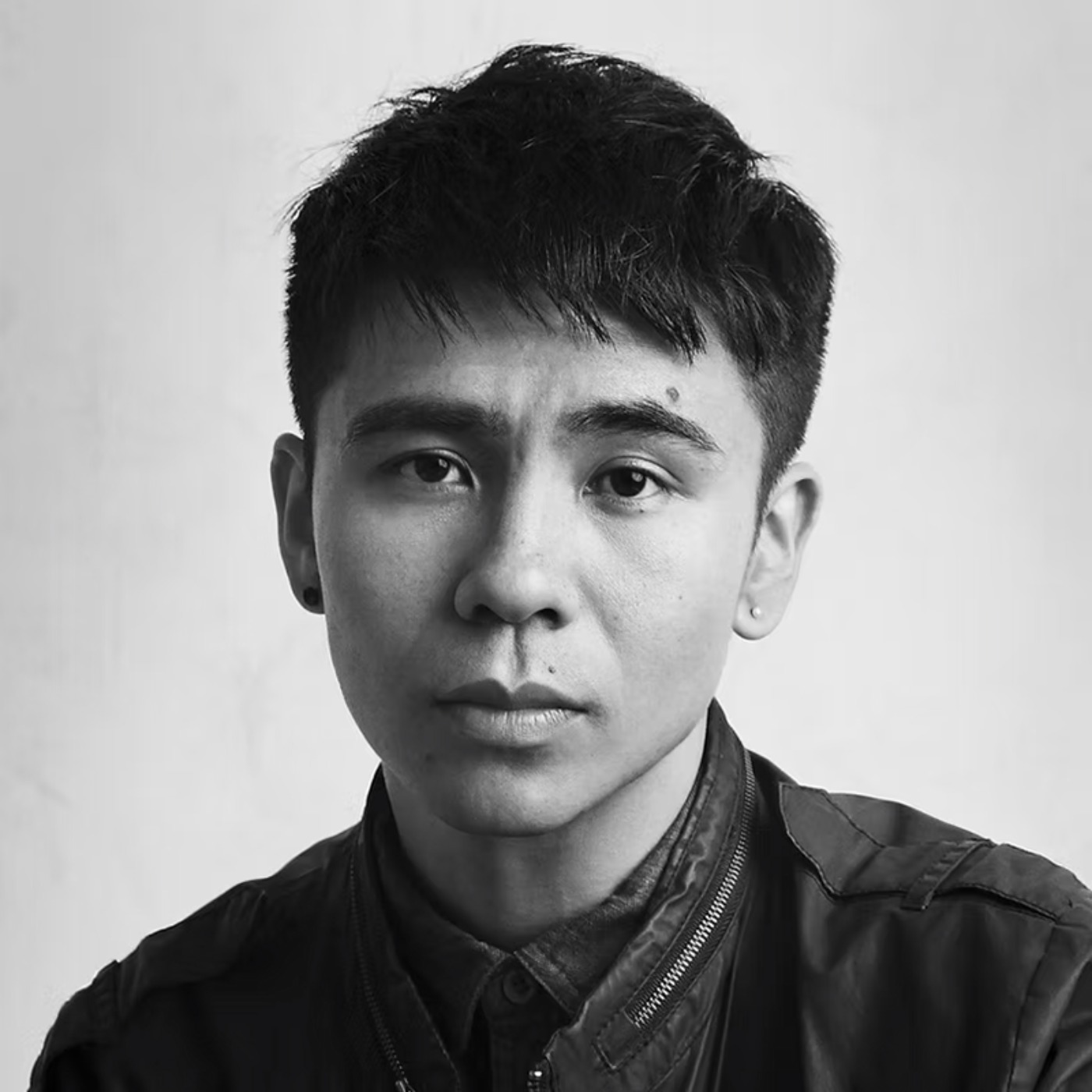
Poet Ocean Vuong on disobedience and the power of language
In Berkeley Talks episode 216, celebrated poet and novelist Ocean Vuong joins in conversation with UC Berkeley English Professor Cathy Park Hong, a poet and writer whose creative nonfiction book, Minor Feelings: An Asian American Reckoning, was a 2021 Pulitzer Prize finalist. Together, they discuss the importance of genre fluidity and artistic experimentation, the role of disobedience in their wri
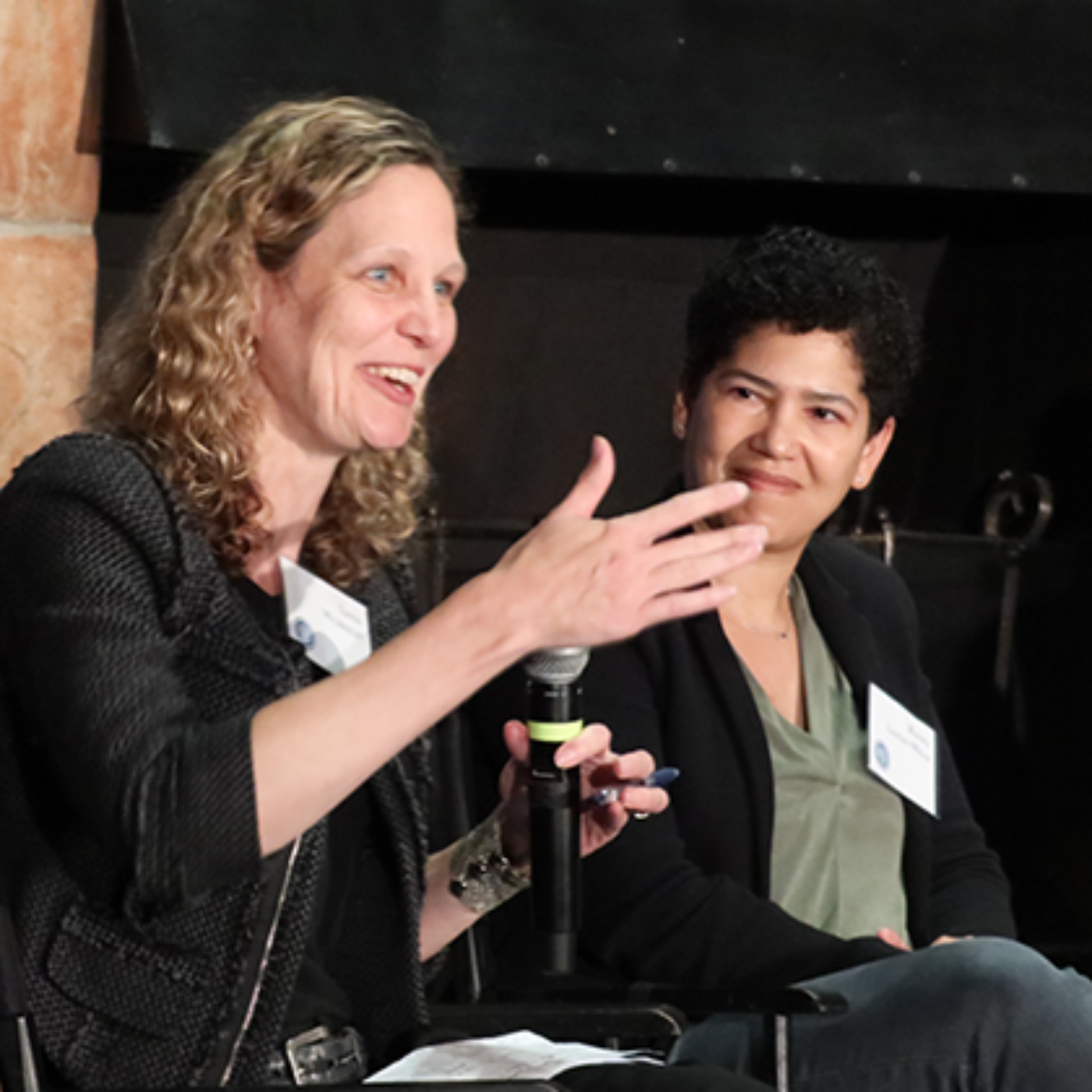
How do we make better decisions?
In Berkeley Talks episode 215, a cross-disciplinary panel of UC Berkeley professors, whose expertise ranges from political science to philosophy, discuss how they view decision-making from their respective fields, and how we can use these approaches to make better, more informed choices. Panelists include: Wes Holliday, professor of philosophy. Holliday studies group decision-making, inc
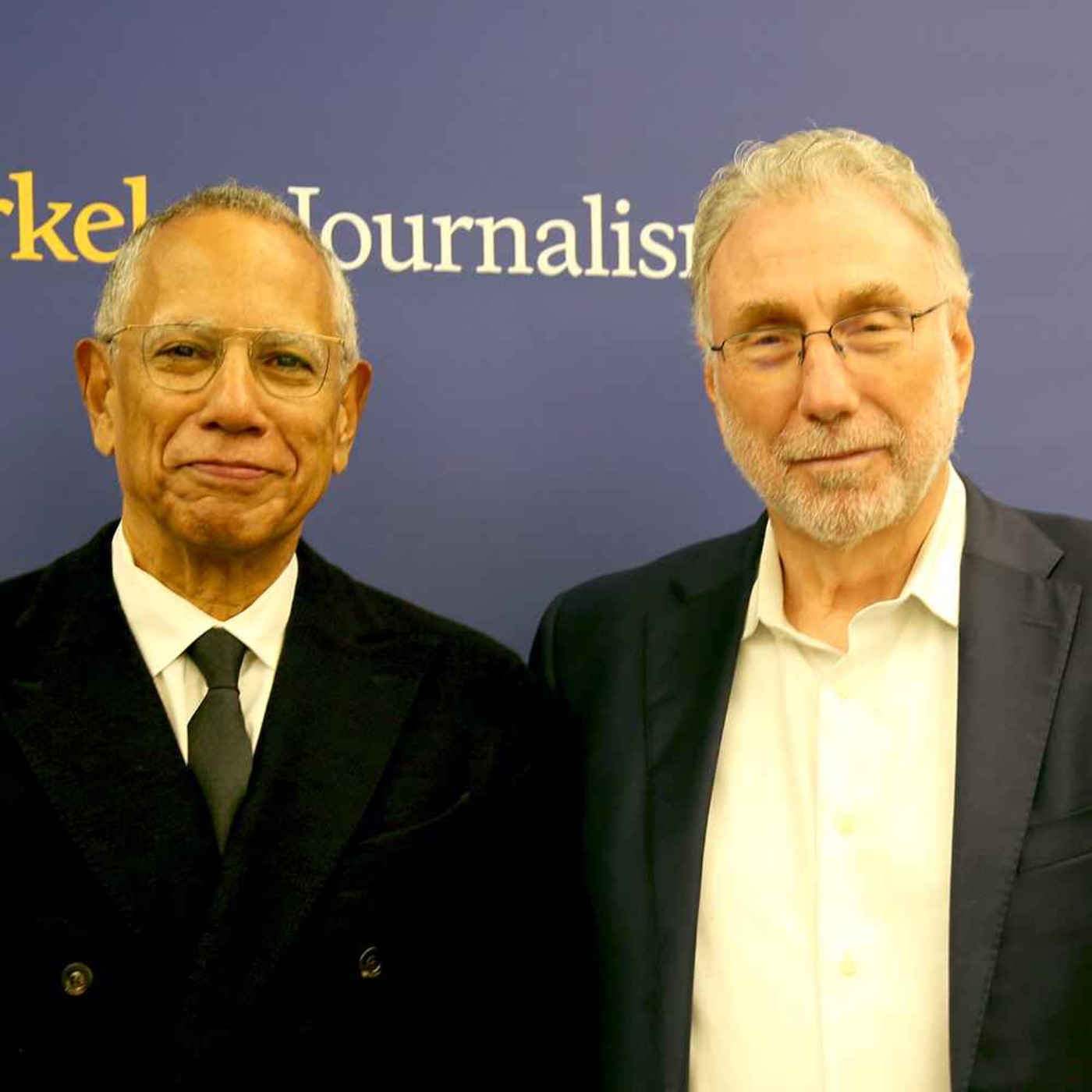
Veteran news editors on how the media covered the election
In Berkeley Talks episode 214, former editors of the New York Times and the Washington Post, Dean Baquet and Marty Baron, evaluate how the media covered the 2024 U.S. presidential election and share thoughts on how journalists should effectively cover Donald Trump’s second term. In 2016, the New York Times was shocked that Trump won, because they didn’
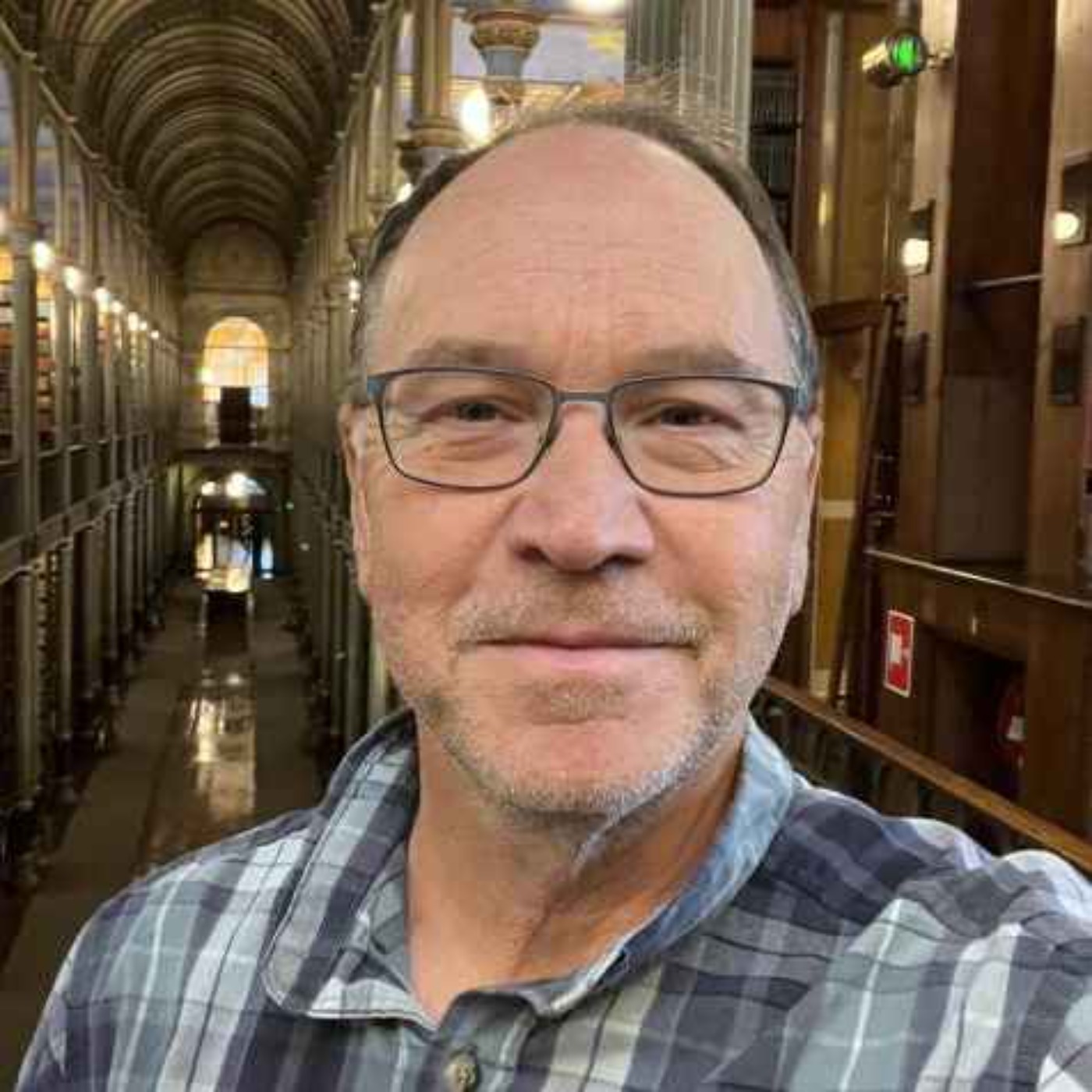
Computational folklorist on how storytelling becomes belief
In Berkeley Talks episode 213, Timothy Tangherlini, a UC Berkeley professor in the Department of Scandinavian and director of the Folklore Graduate Program, discusses the vital role that storytelling plays in many cultures around the world, and how it can influence belief, for good and for bad. “Stories give a basis and a justification for people to take real life action,” Tangherlini said at
The future of American democracy
In Berkeley Talks episode 212, a panel of UC Berkeley experts from former presidential administrations take a critical look at the issues that have led the U.S. to this year’s historic election and reflect on the future of American democracy. The Oct. 29 campus event was sponsored by the Goldman School of Public Policy and Cal Performances, and was part of the Goldman School’s Interrogating Democr
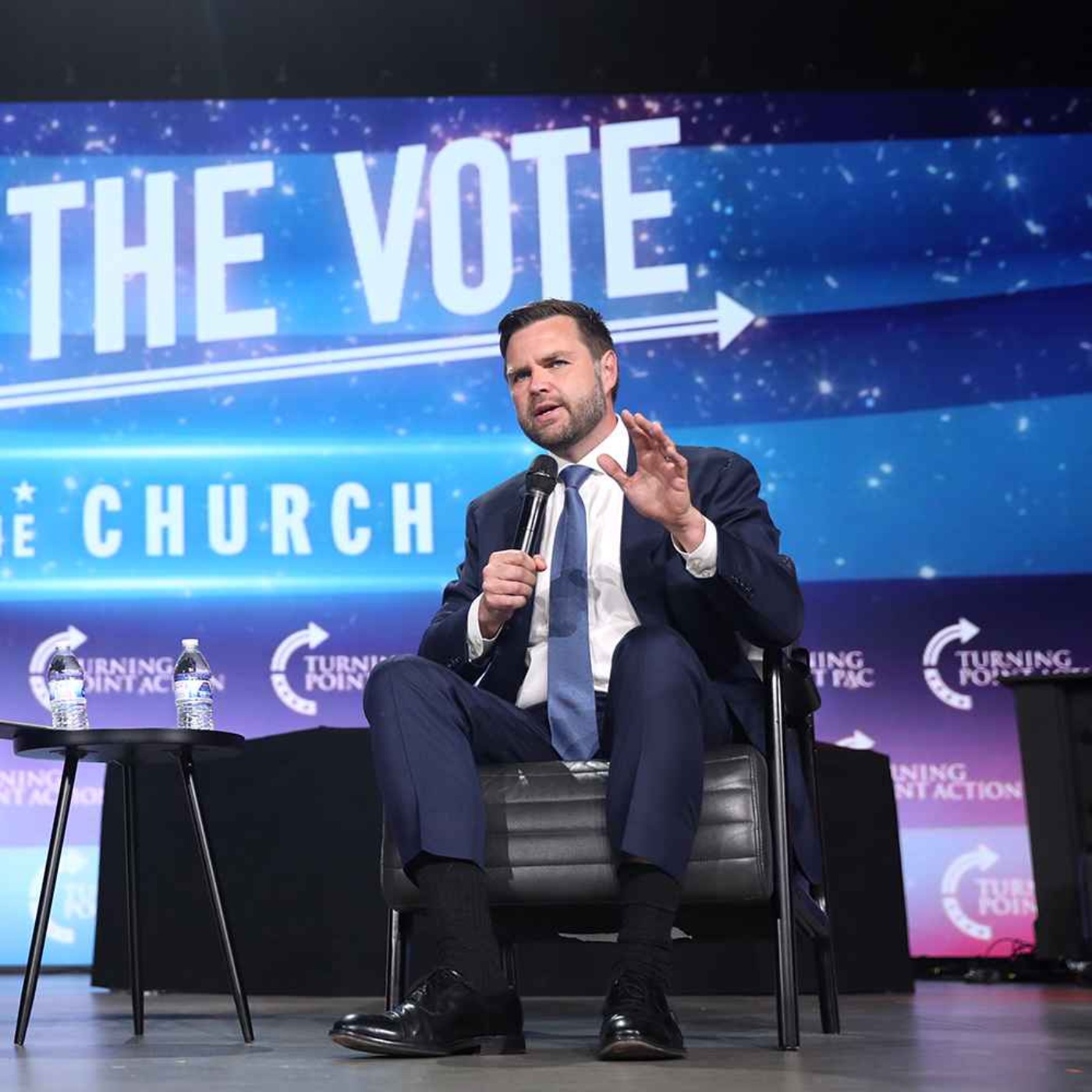
A return to monarchy? Bradley Onishi on Project 2025
In Berkeley Talks episode 211, Bradley Onishi, a scholar of religion, an ex-evangelical minister and the co-host of the politics podcast Straight White American Jesus, discusses Project 2025, Christian nationalism and the November elections.“Project 2025 is a deeply reactionary Catholic vision for the country,” said Onishi, who gave the 2024 Berkeley Lecture on Religious Tolerance on Oct. 1. “It's

With white helmets and GoPros, these volunteers risk it all in Syria’s civil war
In 2011, mass protests erupted in Syria against the four-decade authoritarian rule of the Assad family. The uprising, which became part of the larger pro-democracy Arab Spring that spread through much of the Arab world, was met with a brutal government crackdown. Soon after, the country descended into a devastating civil war that has killed hundreds of thousands of Syrian civilians and displa

Legal scholars on free speech challenges facing universities today
In Berkeley Talks episode 209, renowned legal scholars Erwin Chemerinsky, dean of Berkeley Law, and Nadine Strossen, professor emerita of the New York School of Law and national president of the ACLU from 1991 to 2008, discuss free speech challenges facing universities today. They covered topics including hate speech, First Amendment rights, the Heckler’s Veto, institutional neutrality and what st
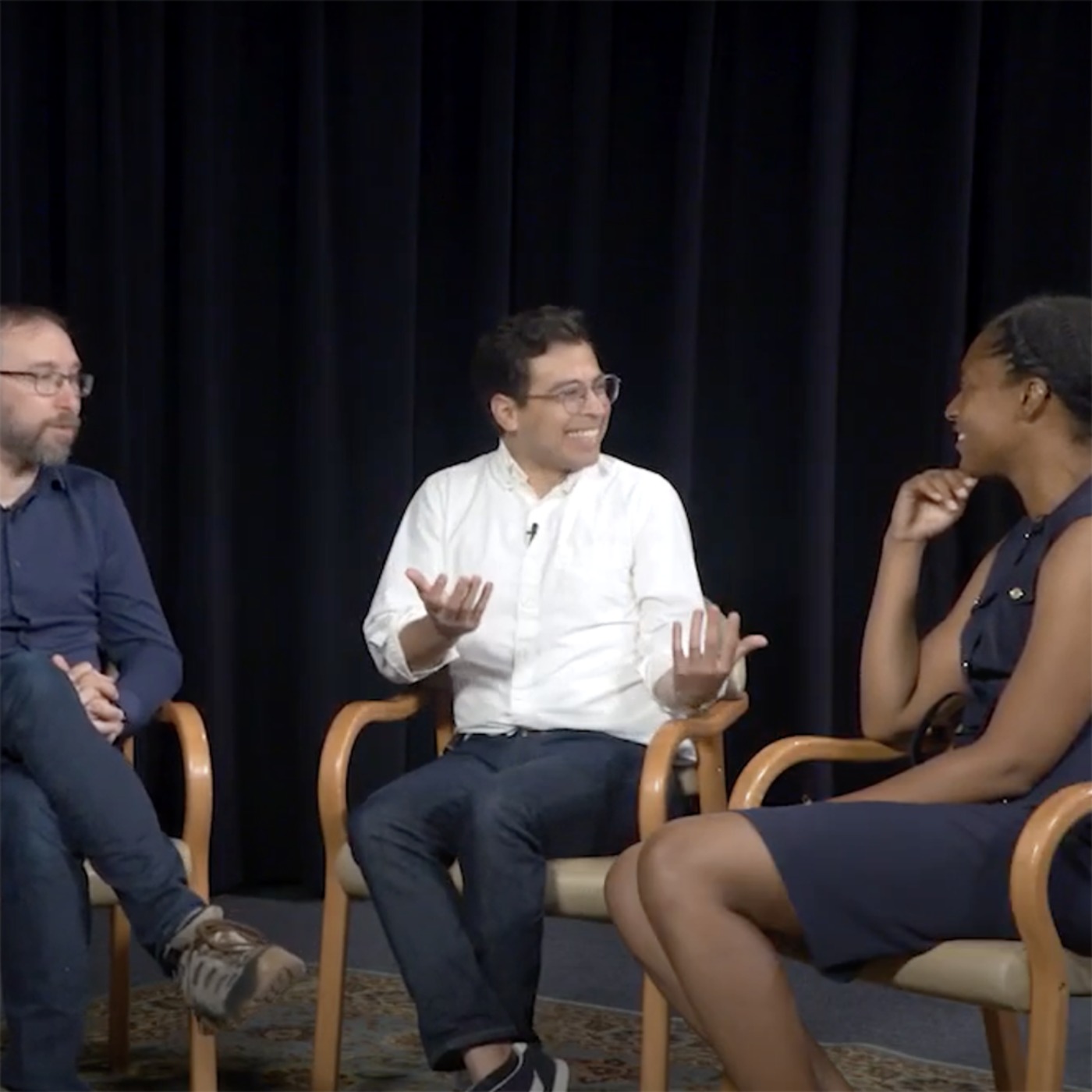
What is understanding? Berkeley scholars discuss
In Berkeley Talks episode 208, three UC Berkeley professors from a wide range of disciplines — psychology, biology and ethnic studies — broach a deep question: What is understanding?“When I think about it through the lens of being a psychologist, I really think about understanding as a demonstration of, say, knowledge that we have about the world,” begins Arianne Eason, an assistant professor of p
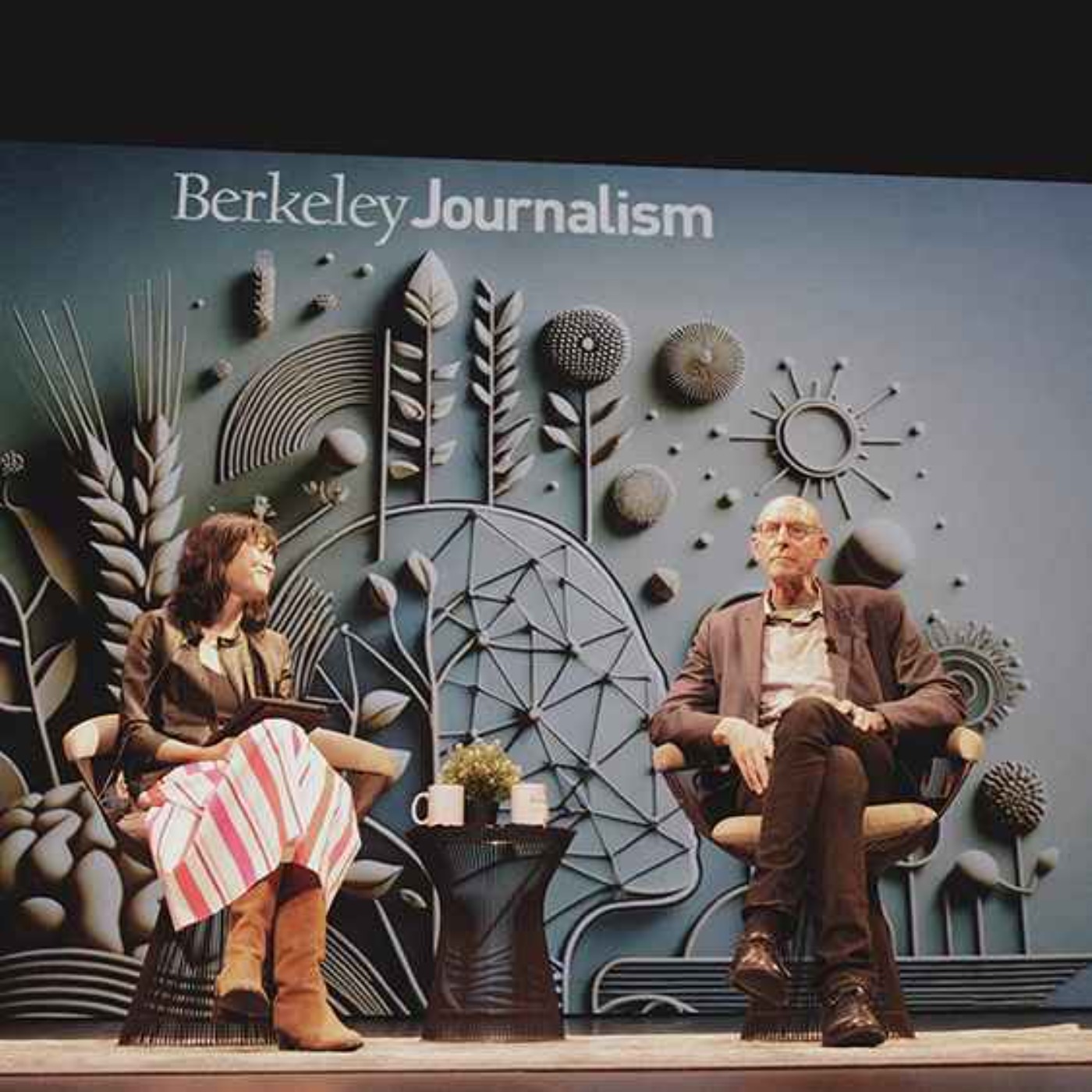
It’s not just psychedelics that change minds, says Michael Pollan. Storytelling does, too.
In Berkeley Talks episode 207, bestselling author and UC Berkeley Professor Emeritus Michael Pollan discusses how he chooses his subjects, why he co-founded the UC Berkeley Center for the Science of Psychedelics and the role of storytelling in shifting our perspective. “We're wired for story,” he told KQED’s Mina Kim, whom he joined in conversation at a UC Berkeley event in May 2024. “We're a
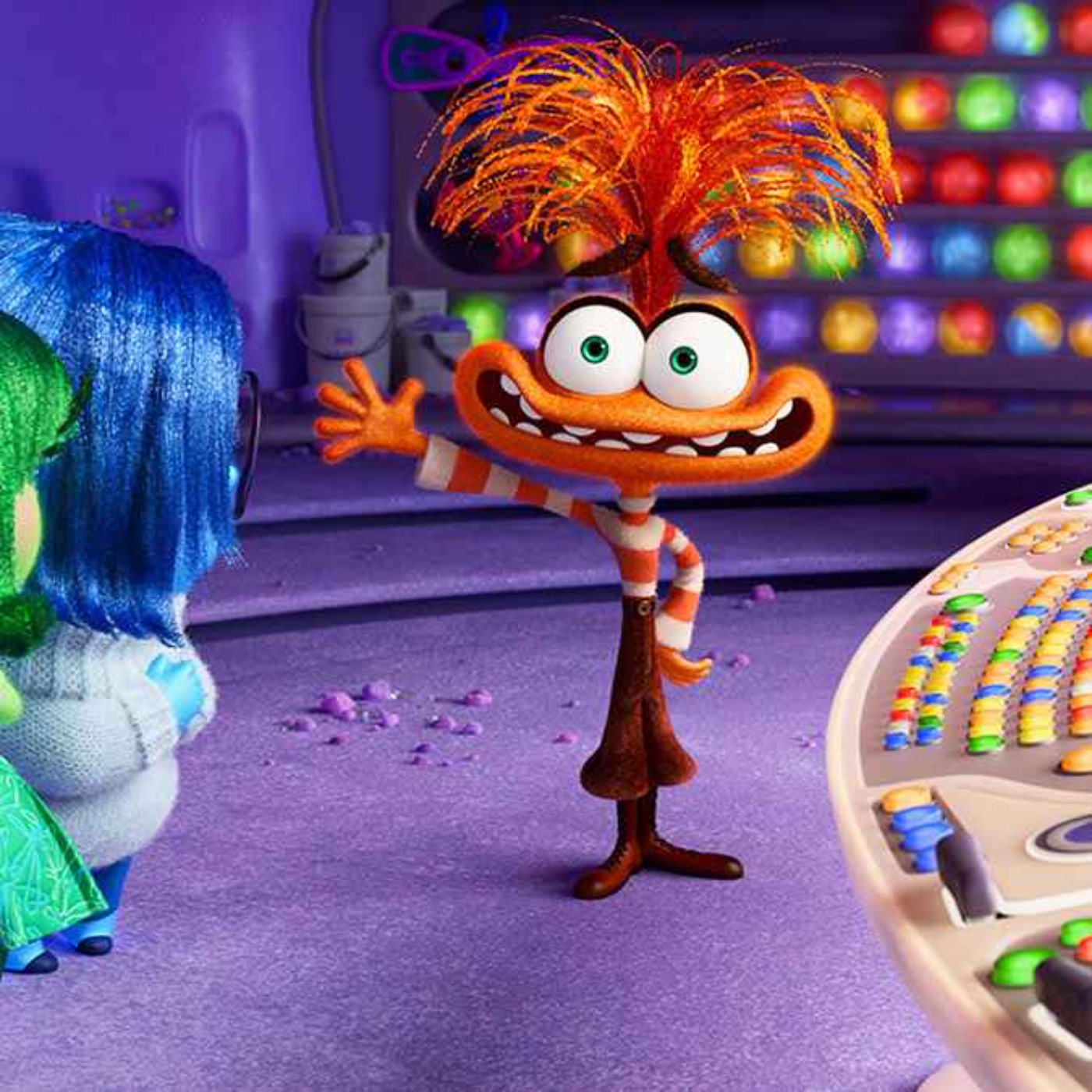
The science behind the emotions in 'Inside Out 2'
There’s a scene toward the end of the new Pixar film Inside Out 2 where the main character, 13-year-old Riley, is having a panic attack in the penalty box at a hockey match. She’s just been reprimanded for tripping an opponent in frustration. On the outside, she’s seen sitting in the small space while grasping at her chest and neck, breathing in and out, faster and faster. On the inside, the
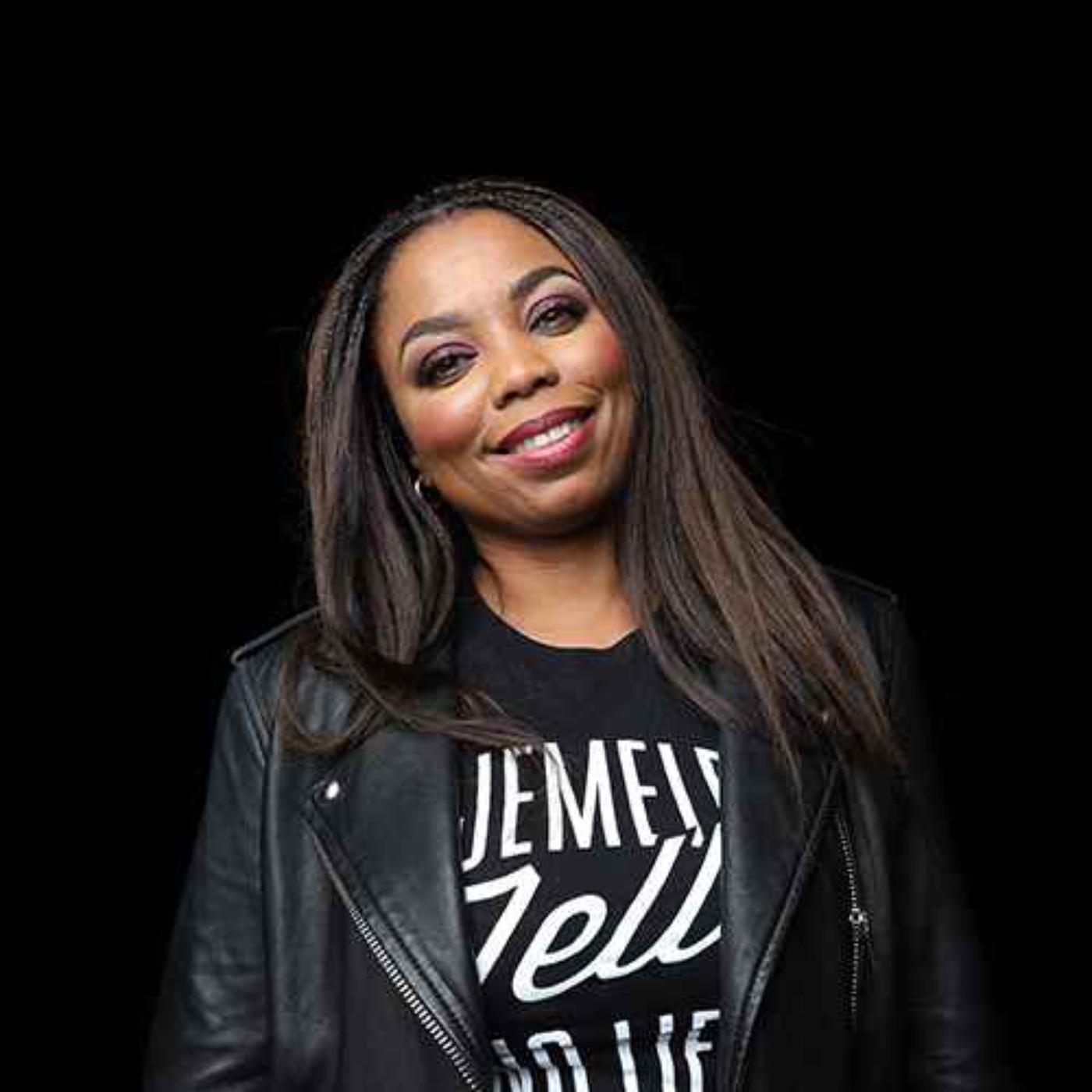
Journalist Jemele Hill on the intersection of sports and race (revisiting)
In Berkeley Talks episode 205, sports journalist Jemele Hill discusses her career at the intersection of sports, race and culture in the U.S. at a UC Berkeley event in January 2020."Sports journalism," began KALW radio journalist Hana Baba, with whom Hill joined in conversation as part of a Cal Performances speaker series. "So you’re growing up, you’re watching TV, you’re reading the papers ... Wh
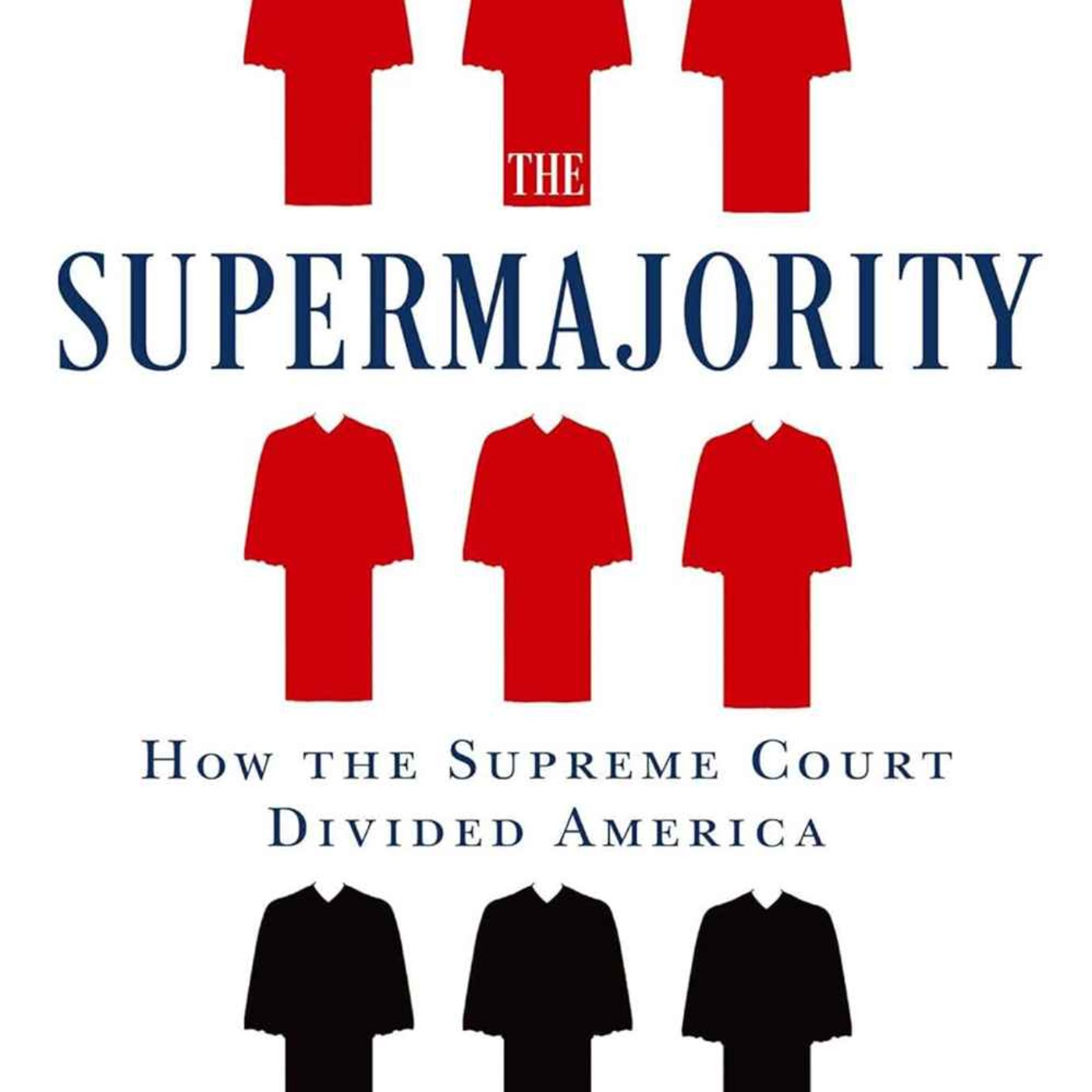
How the Supreme Court divided America
In Berkeley Talks episode 204, Michael Waldman, president and CEO of the Brennan Center for Justice at NYU School of Law, discusses the history of the Supreme Court and how its recent decisions will impact generations to come. “When you think of the topics for the first two years of this supermajority — guns, abortion, affirmative action, the interest of the fossil fuel industry — that doesn'
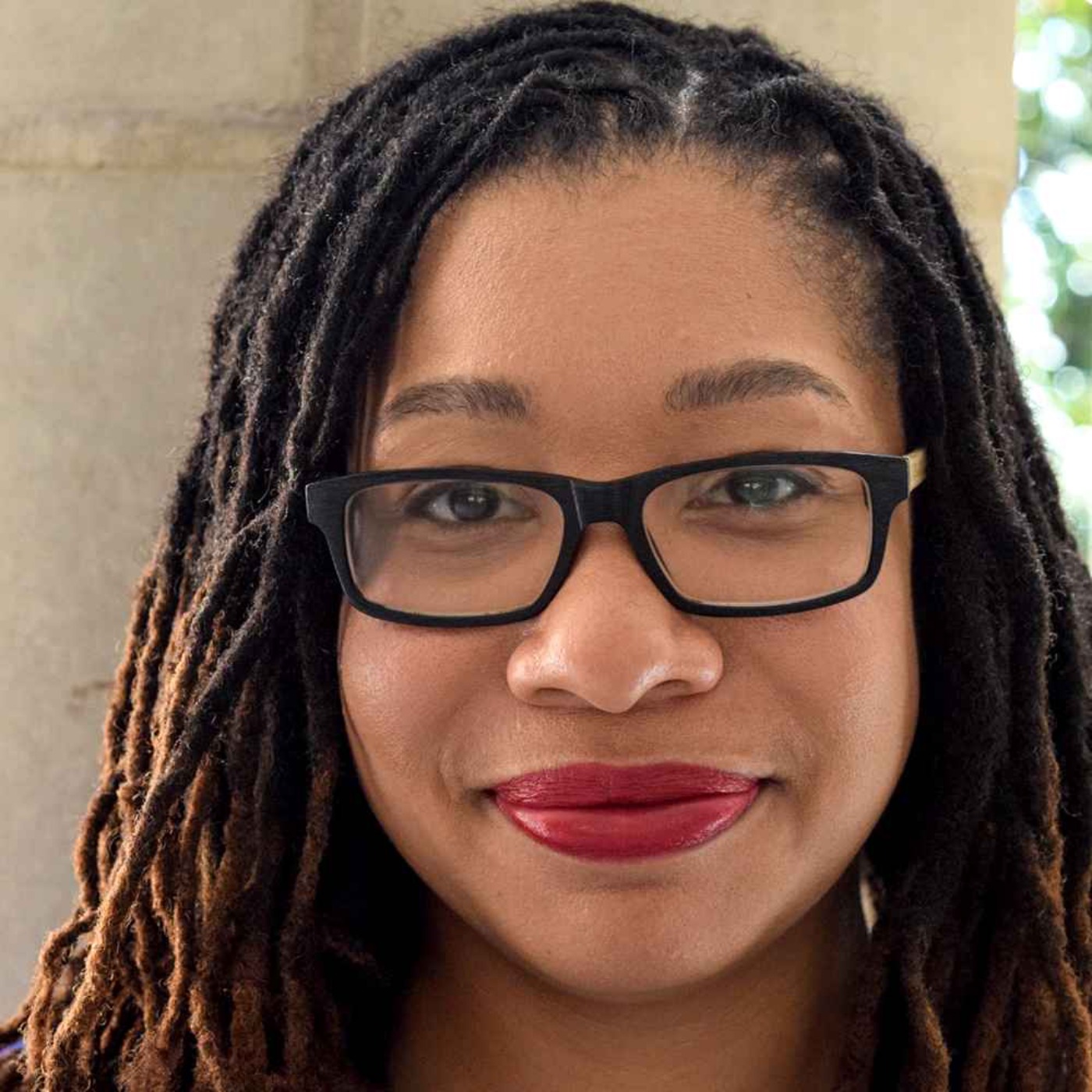
Reconsidering Black America’s relationship to the plantation
In Berkeley Talks episode 203, Alisha Gaines, a professor of English and an affiliate faculty member in African American studies at Florida State University, discusses why it’s important for Black America to “excavate and reconsider” its relationship to the plantation. “If we were to approach the plantation with an intention to hold space for the Black people who stayed and labored there
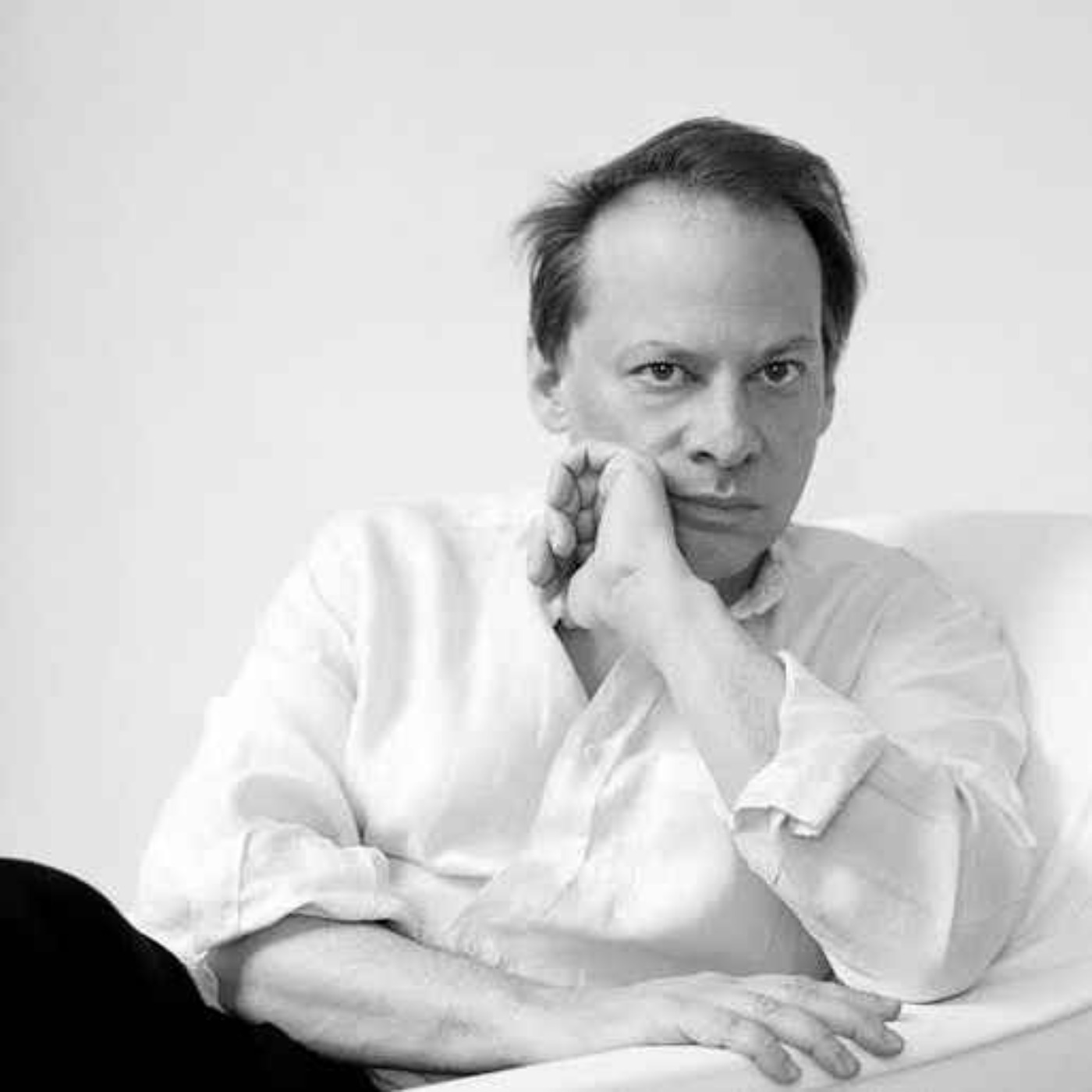
Adam Gopnik on what it takes to keep liberal democracies alive
In Berkeley Talks episode 202, New Yorker writer Adam Gopnik discusses liberalism — what it means, why we need it and the endless dedication it requires to maintain. Liberal democracy, he said at a UC Berkeley event in April, depends on two pillars: free and fair elections and the practice of open institutions, places where people can meet and debate without the pressures of overt supervision
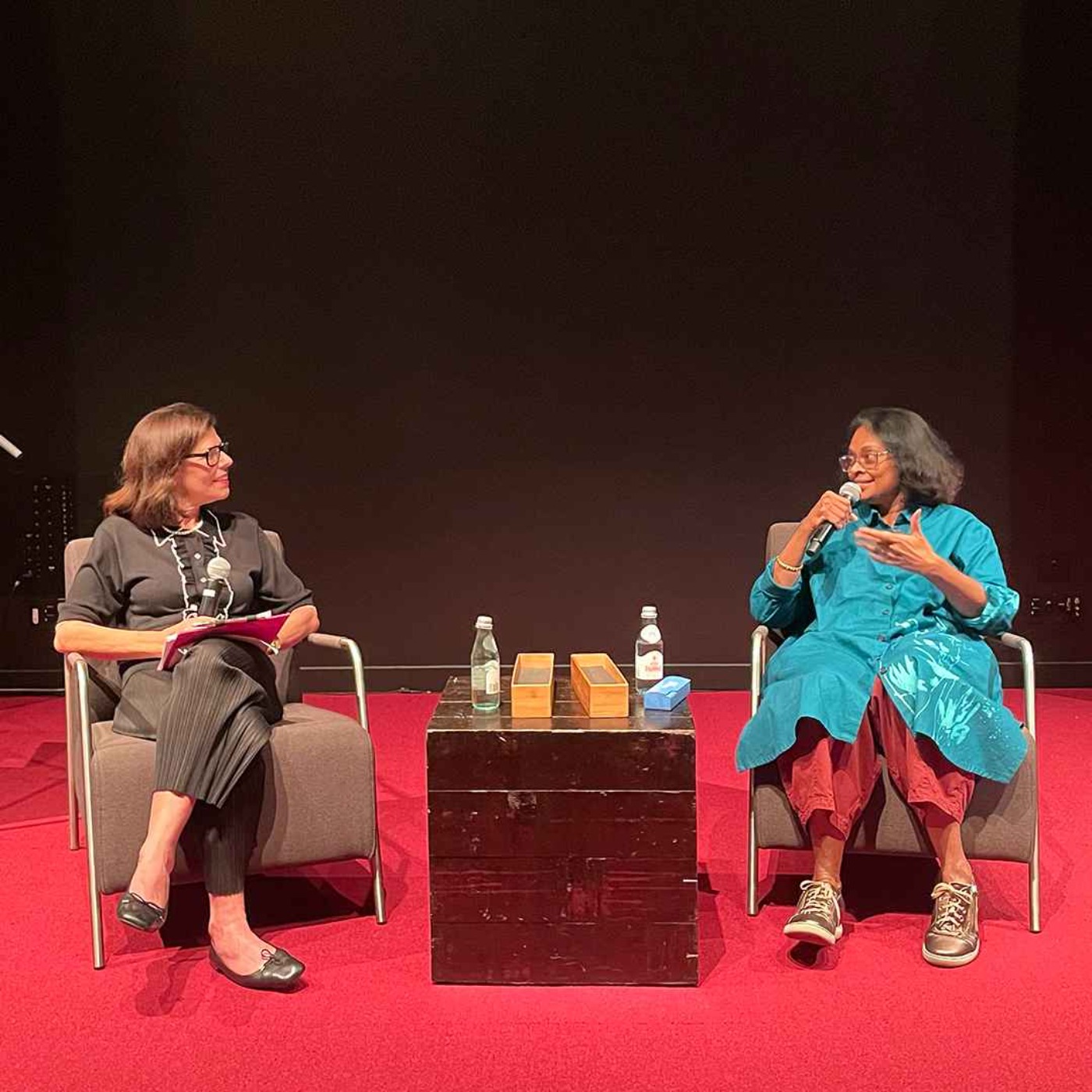
'Wave' memoirist on writing about unimaginable loss
In 2004, Sonali Deraniyagala was on vacation with her family on the coast of Sri Lanka when a tsunami struck the South Asian island. It killed her husband, their two sons and her parents, leaving Deraniyagala alone in a reality she couldn’t comprehend. In Berkeley Talks episode 201, Deraniyagala discusses her all-consuming grief in the aftermath of the tragedy and the process of writing about
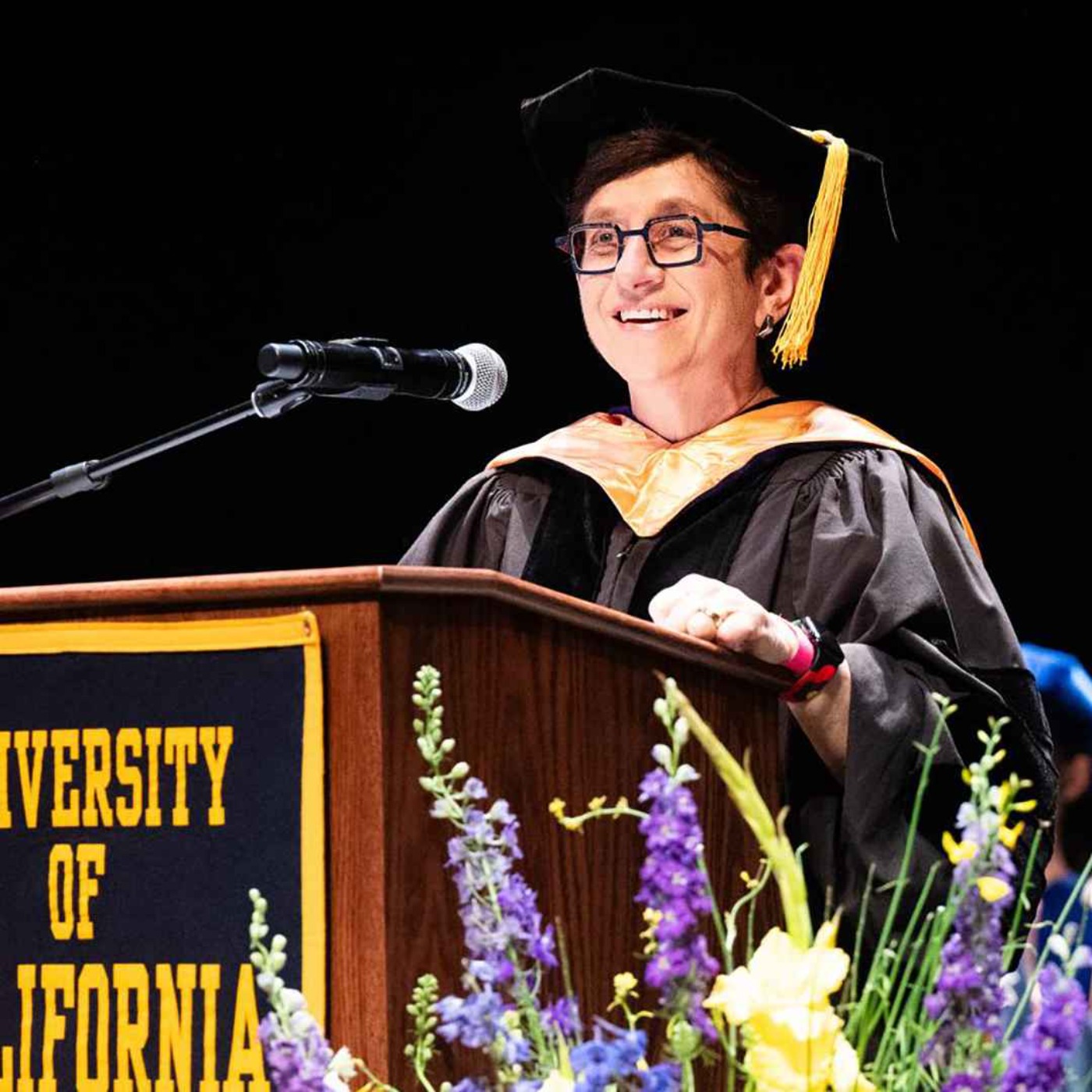
Gigi Sohn on her fight for an open internet
In Berkeley Talks episode 200, Gigi Sohn, one of the nation’s leading public advocates for equal access to the internet, delivers the keynote address at the UC Berkeley School of Information’s 2024 commencement ceremony. “I'd like to share with you some of the twists and turns of my professional journey as a public advocate in the world of communications and technology policy,” Sohn began at
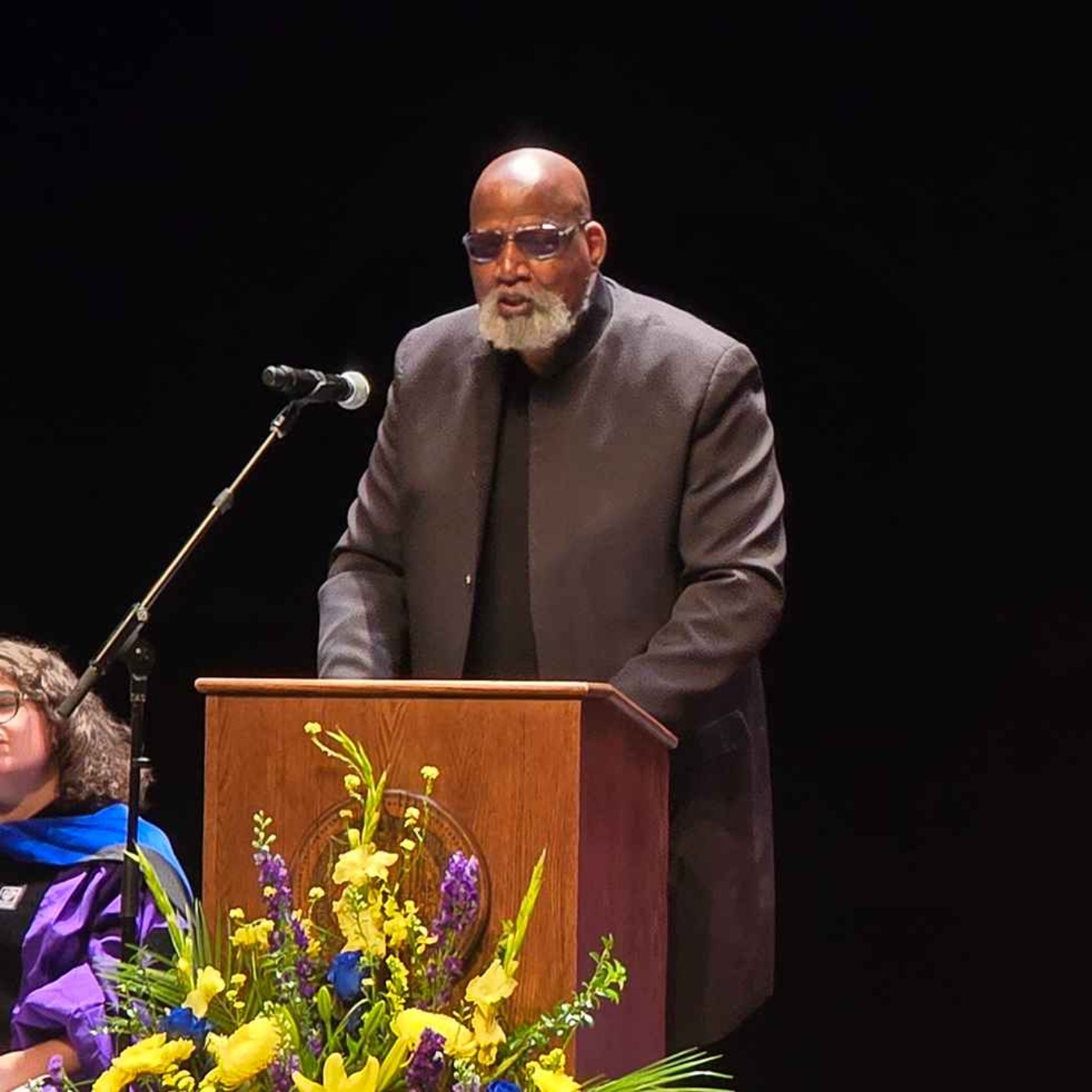
Harry Edwards to sociology grads: Even in turbulent times, always believe in yourself
In Berkeley Talks episode 199, Harry Edwards, a renowned sports activist and UC Berkeley professor emeritus of sociology, gives the keynote address at the Department of Sociology’s 2024 commencement ceremony. “As I stand here before you, in the twilight of my life's time of long shadows,” said Edwards at the May 13 event, “from a perspective informed by my 81 years of experience, and by a ret
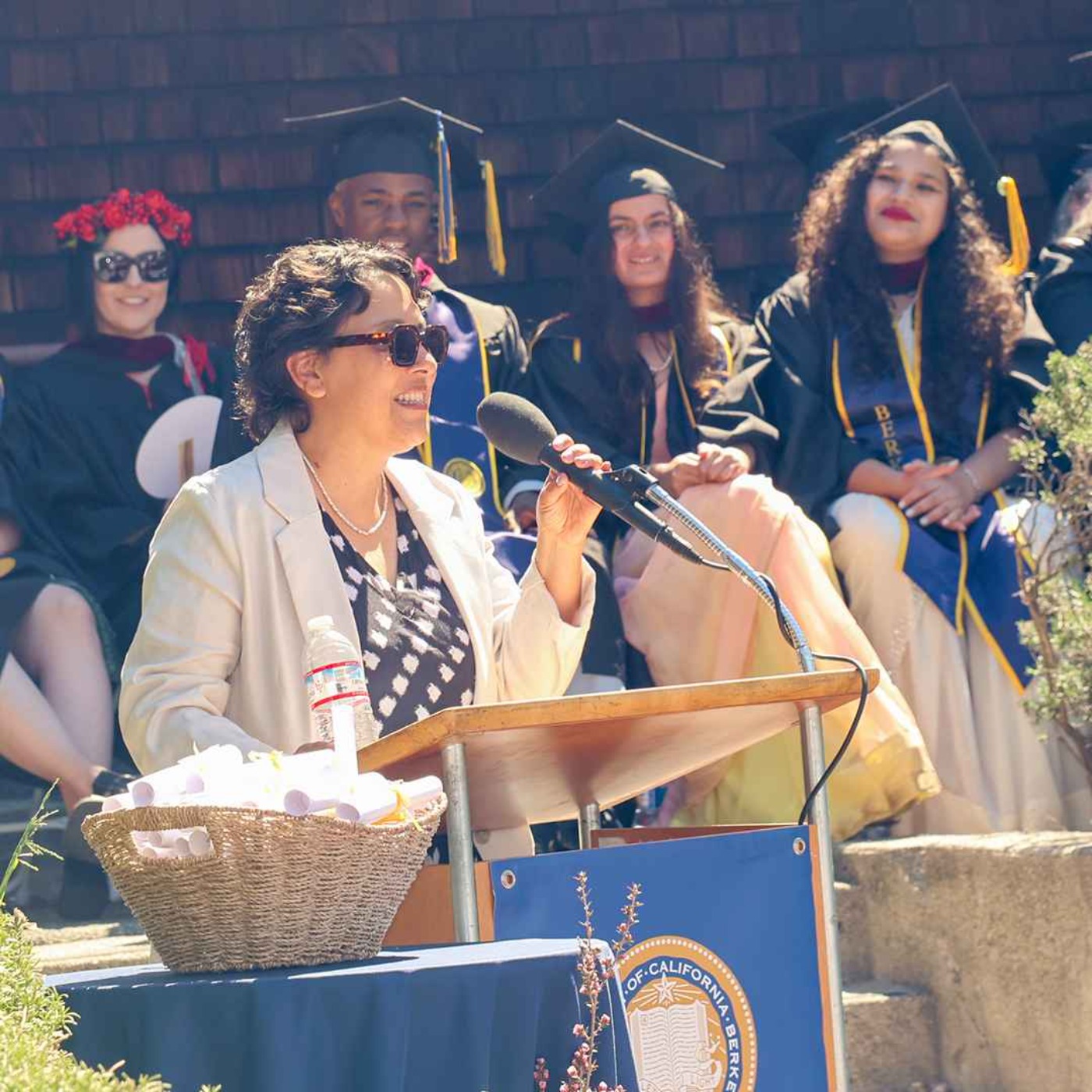
Feeling like a failure isn't the same as failing, filmmaker tells journalism grads
In Berkeley Talks episode 198, documentary filmmaker Carrie Lozano delivers the keynote address at the 2024 Berkeley Journalism commencement ceremony. Lozano, who graduated from the school of journalism in 2005 and later taught in its documentary program, is now president and CEO of ITVS, a nonprofit that coproduces independent films for PBS and produces the acclaimed series, Independent Lens. “I'
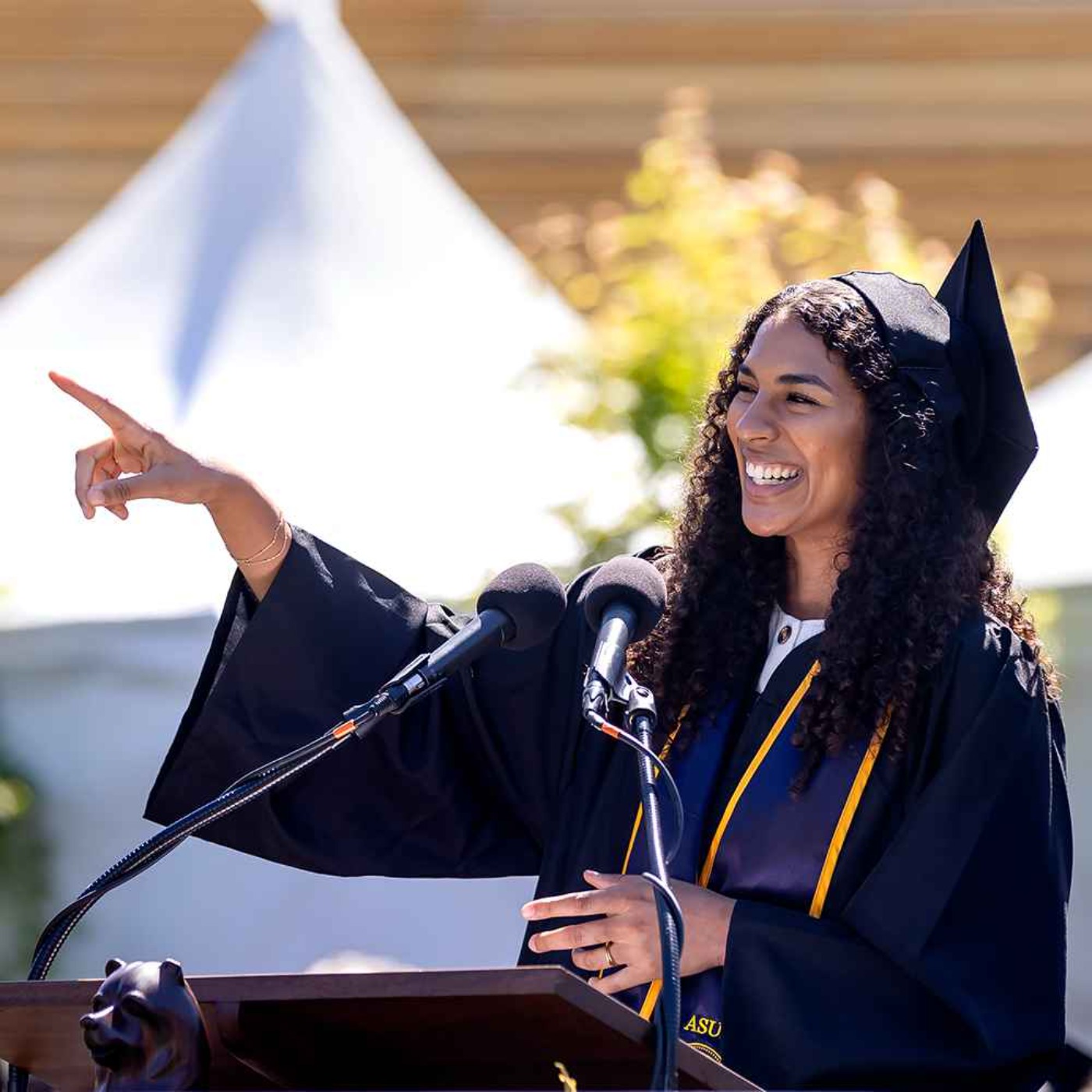
Berkeley commencement speeches celebrate resilience, bravery
In Berkeley Talks episode 197, we're sharing a selection of speeches from UC Berkeley's campuswide commencement ceremony on May 11. The first speech is by Chancellor Christ, followed by ASUC President Sydney Roberts and ending with keynote speaker Cynt Marshall, a Berkeley alum and CEO of the NBA's Dallas Mavericks."I believe the future of our democracy depends on our ability to engage i
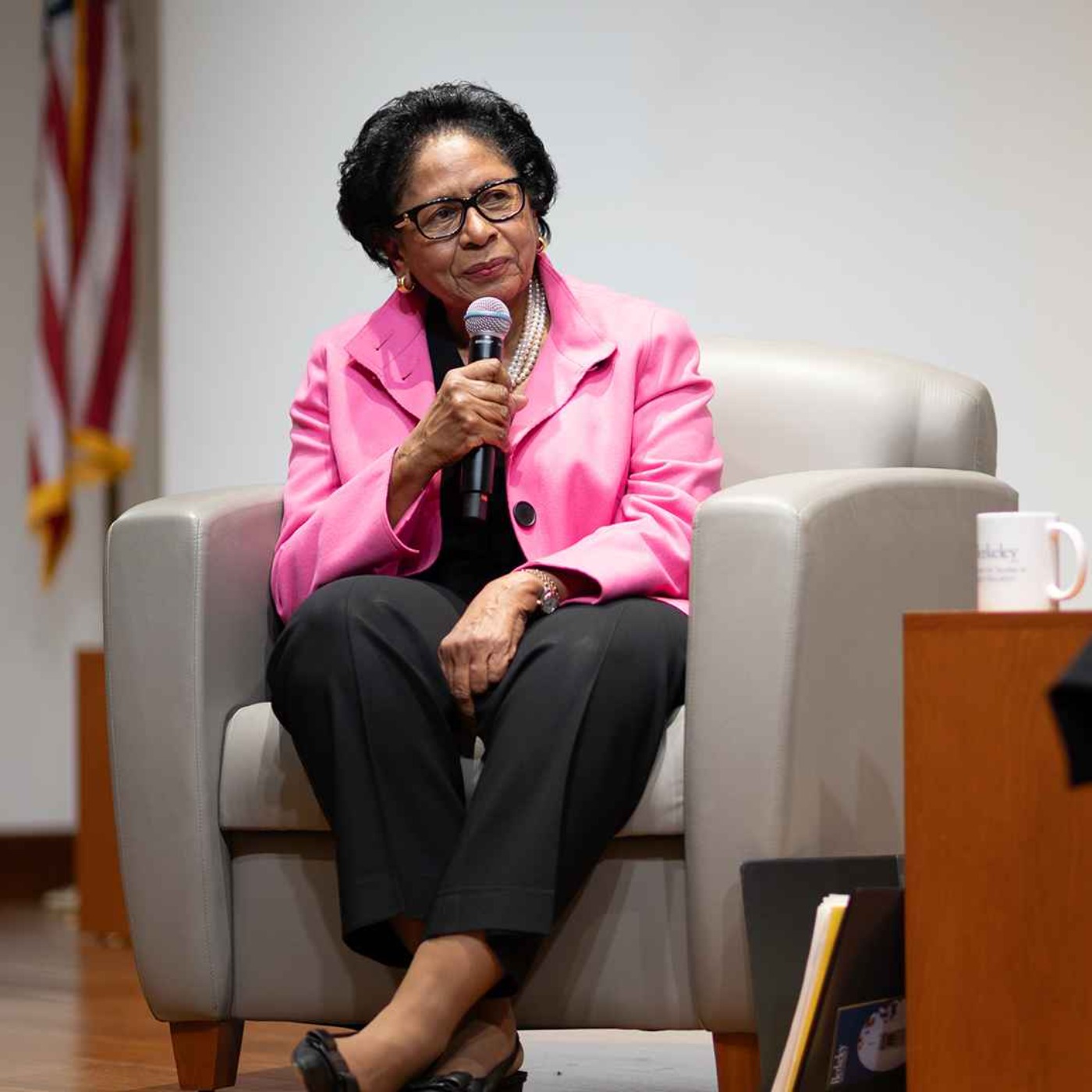
Ruth Simmons on access and equity in higher education
In Berkeley Talks episode 196, Ruth Simmons, a longtime professor and academic administrator, discusses how the journey to equal access and fairness in education has reached a critical inflection point — and why educators are essential to the progress we need to see.“History has shown: The failure to resolve satisfactorily the issue of whether and how the state should address the causes and effect
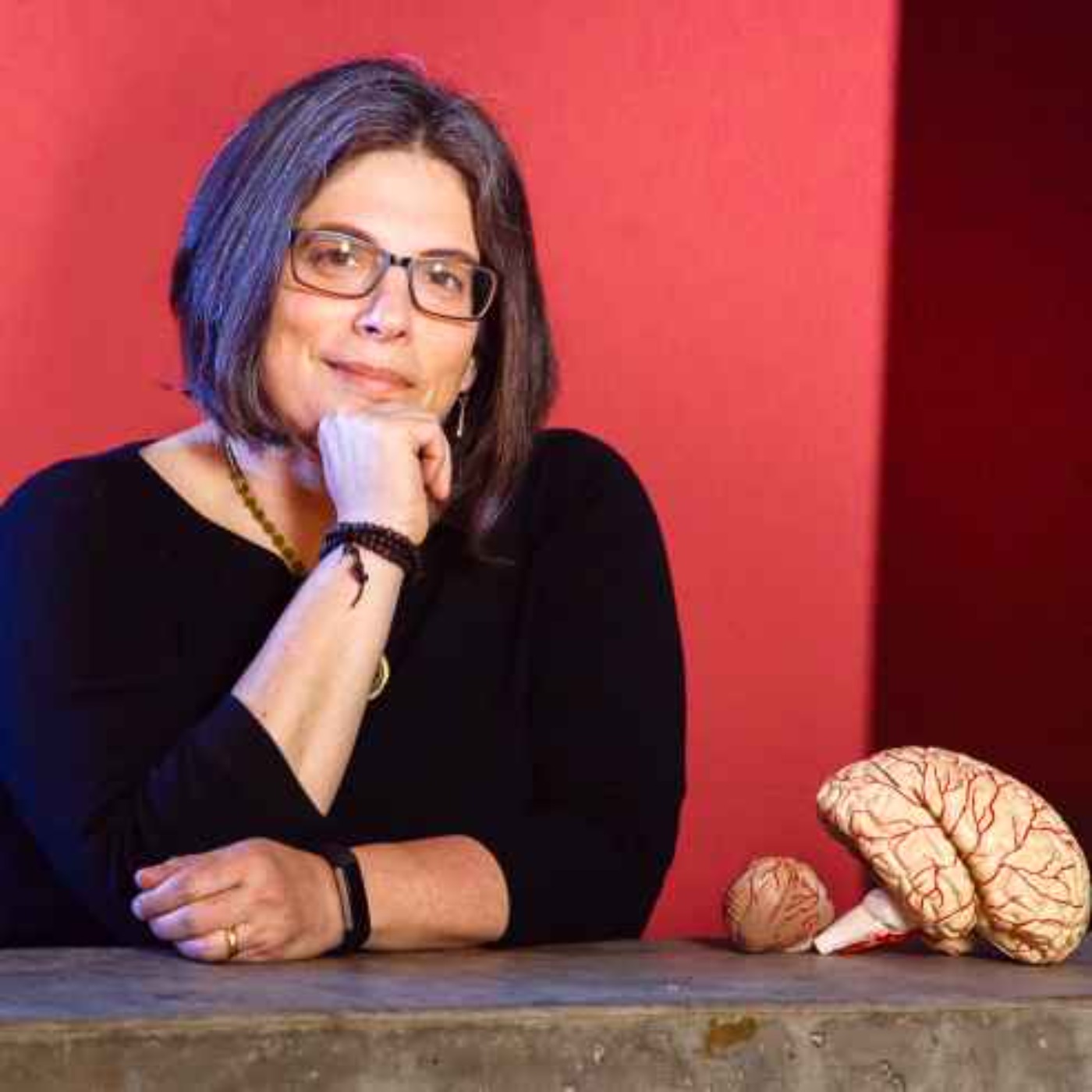
The future of psychedelic science
In Berkeley Talks episode 195, UC Berkeley professors discuss how and why psychedelic substances first evolved, the effects they have in the human brain and mind, and the mechanism behind their potential therapeutic role."If it's true that the therapeutic effects are in part because we're returning to this state of susceptibility, and vulnerability, and ability to learn from our environm
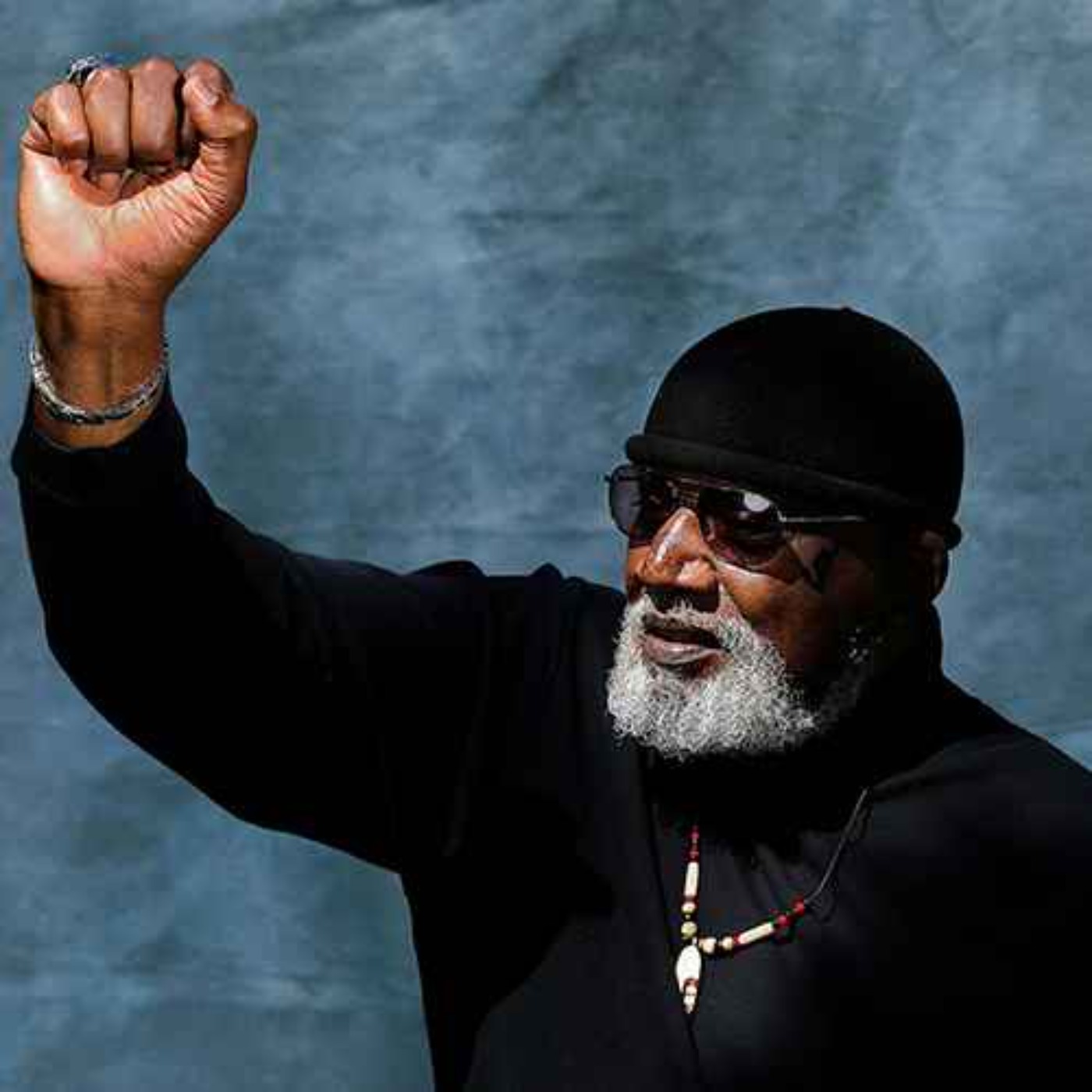
Sociologist Harry Edwards on sport in society (revisiting)
In Berkeley Talks episode 194, Harry Edwards, a renowned sports activist and UC Berkeley professor emeritus of sociology, discusses the intersections of race and sport, the history of predatory inclusion, athletes’ struggle for definitional authority and the power of sport to change society.“You can change society by changing people’s perceptions and understandings of the games they play
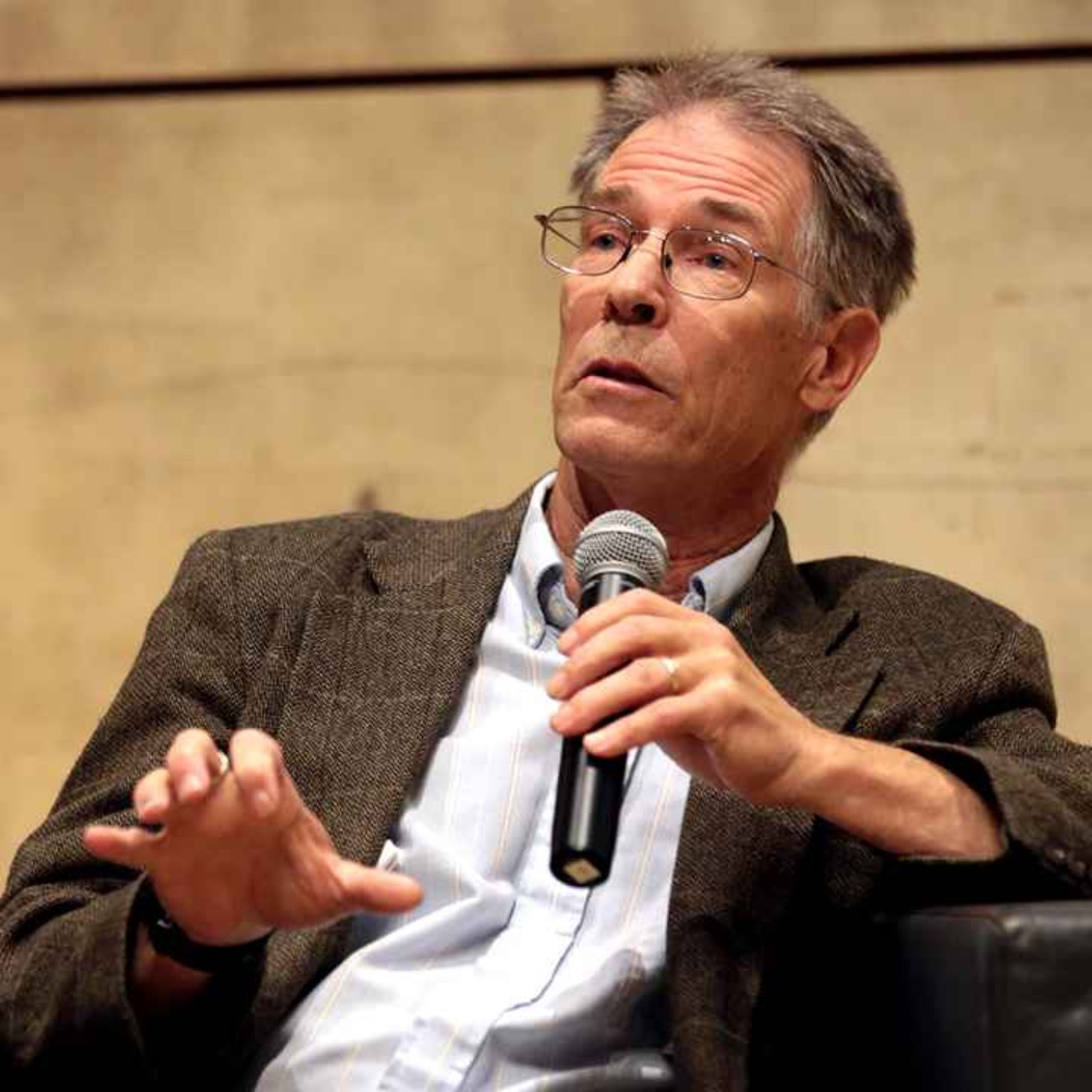
Sci-fi writer Kim Stanley Robinson on the need for 'angry optimism'
In Berkeley Talks episode 193, science fiction writer Kim Stanley Robinson discusses climate change, politics and the need for "angry optimism." Robinson is the author of 22 novels, including his most recent, The Ministry for the Future, published in 2020. "It's a fighting position — angry optimism — and you need it," he said at a UC Berkeley event in January, in conversa
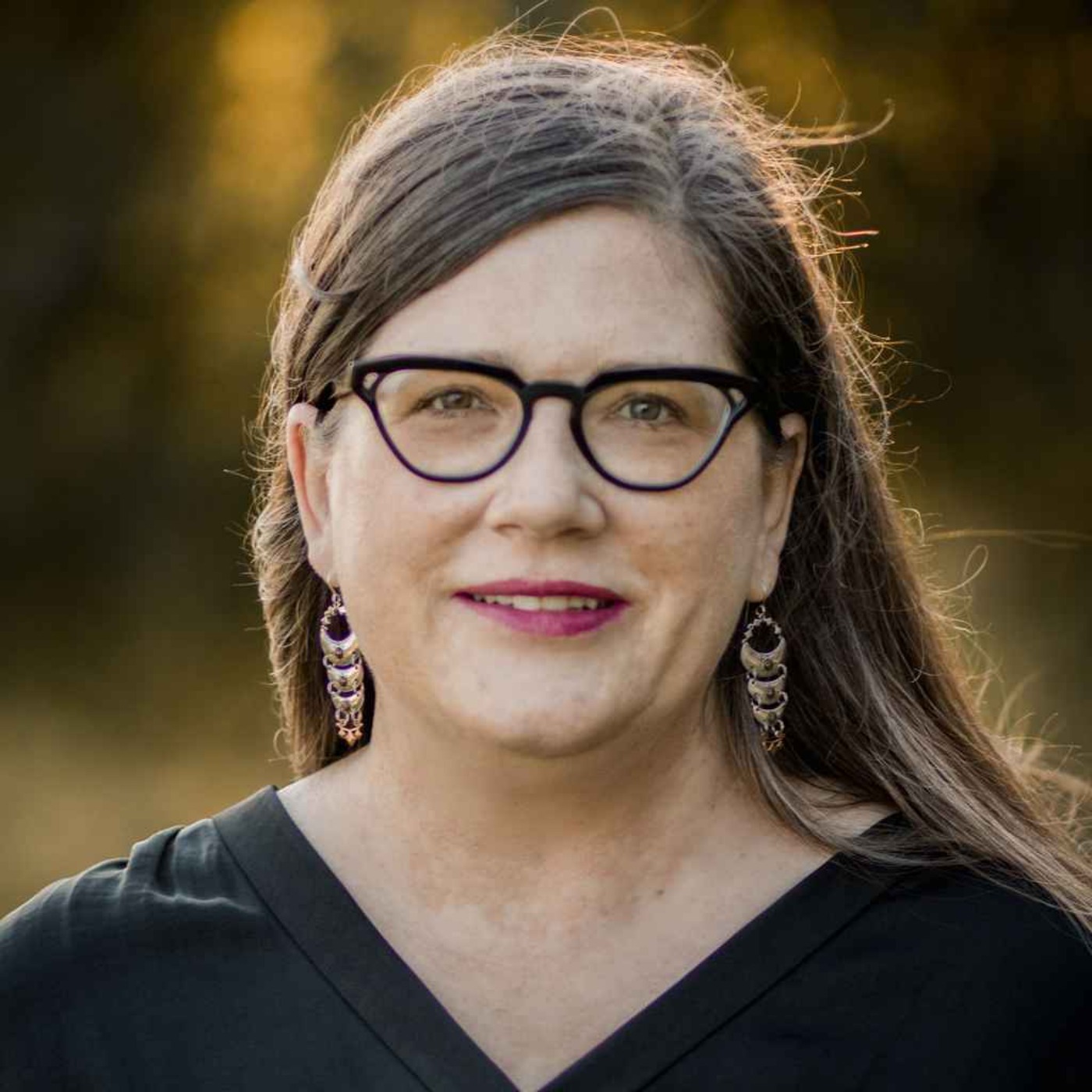
The future of the Indian Child Welfare Act (ICWA)
In Berkeley Talks episode 192, Sarah Deer, a citizen of the Muscogee (Creek) Nation of Oklahoma and a University Distinguished Professor at the University of Kansas, discusses the Indian Child Welfare Act (ICWA), a federal law passed in 1978 that aims to keep Native children in their families and communities. She also talks about the recent Supreme Court decision in Brackeen v. Haaland, which uphe
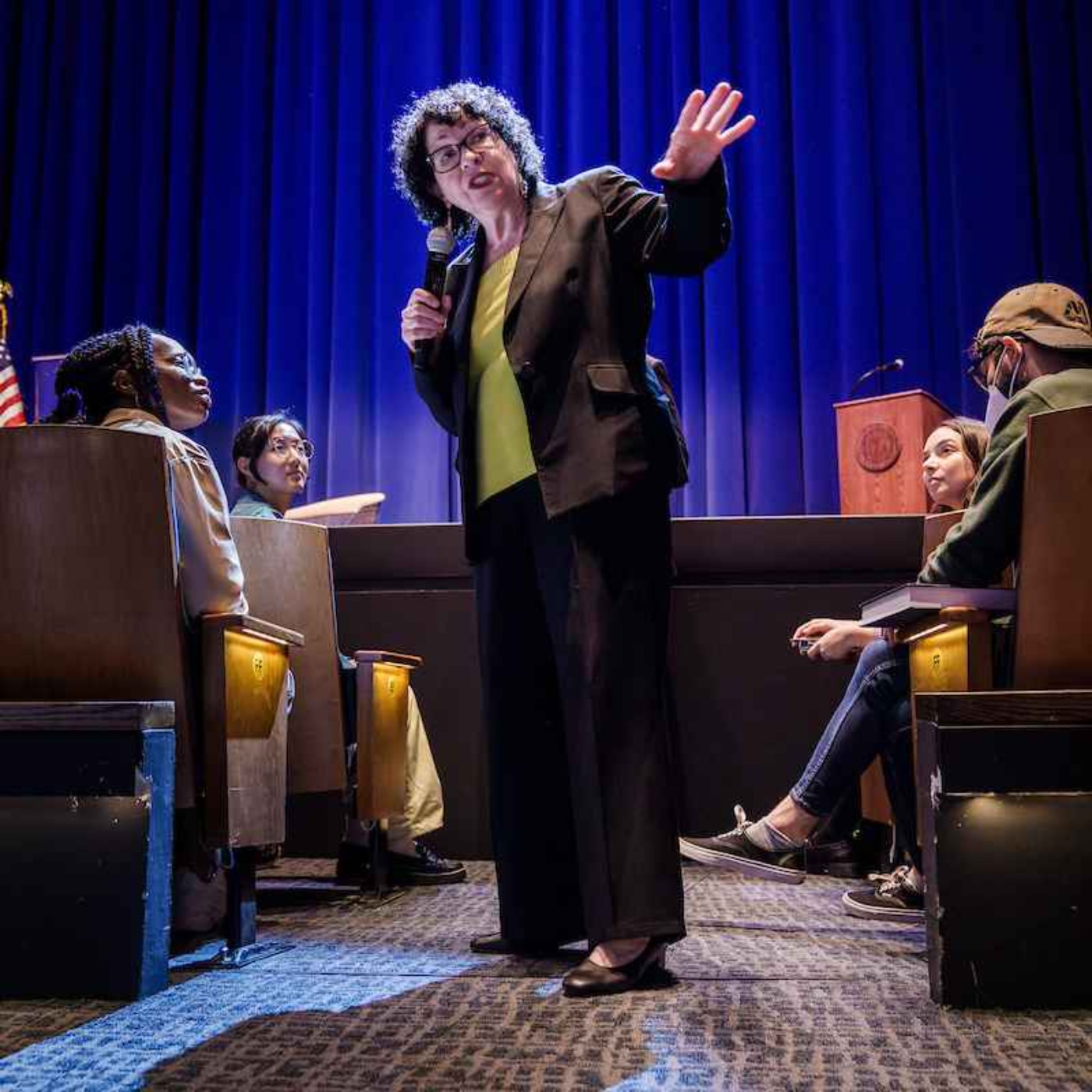
Justice Sonia Sotomayor on fighting the good fight
In Berkeley Talks episode 191, U.S. Supreme Court Justice Sonia Sotomayor talks about getting up every morning ready to fight for what she believes in, how she finds ways to work with justices whose views differ wildly from her own and what she looks for in a clerk (hint: It’s not only brilliance).“I’m in my 44th year as a law professor,” said Berkeley Law Dean Erwin Chemerinksy, who was

Why so many recent uprisings have backfired
In Berkeley Talks episode 190, journalist and UC Berkeley alumnus Vincent Bevins discusses mass protests around the world — from Egypt to Hong Kong to Brazil — and how each had a different outcome than what protesters asked for. “From 2010 to 2020, more people participated in mass protests than at any other point in human history,” said Bevins, author of the 2023 book, If We Burn. “These prot
American democracy and the crisis of majority rule
In Berkeley Talks episode 189, Harvard Professor Daniel Ziblatt discusses how Americans need to do the work of making the U.S. political system more democratic through reforms that ensure that electoral majorities can actually govern.“If you're going to have a first-past-the-post electoral system, as we have in the United States, or one side wins and another side loses, then those with the most vo

Free speech on campus in times of great division
In Berkeley Talks episode 188, a panel of scholars discusses free speech on university campuses — where things stand today, what obligation campus leaders have to respond to conflicts involving speech and the need for students to feel safe when expressing their own views."Issues of free speech on campus have been there as long as there have been universities," began Berkeley Law Dean Erw
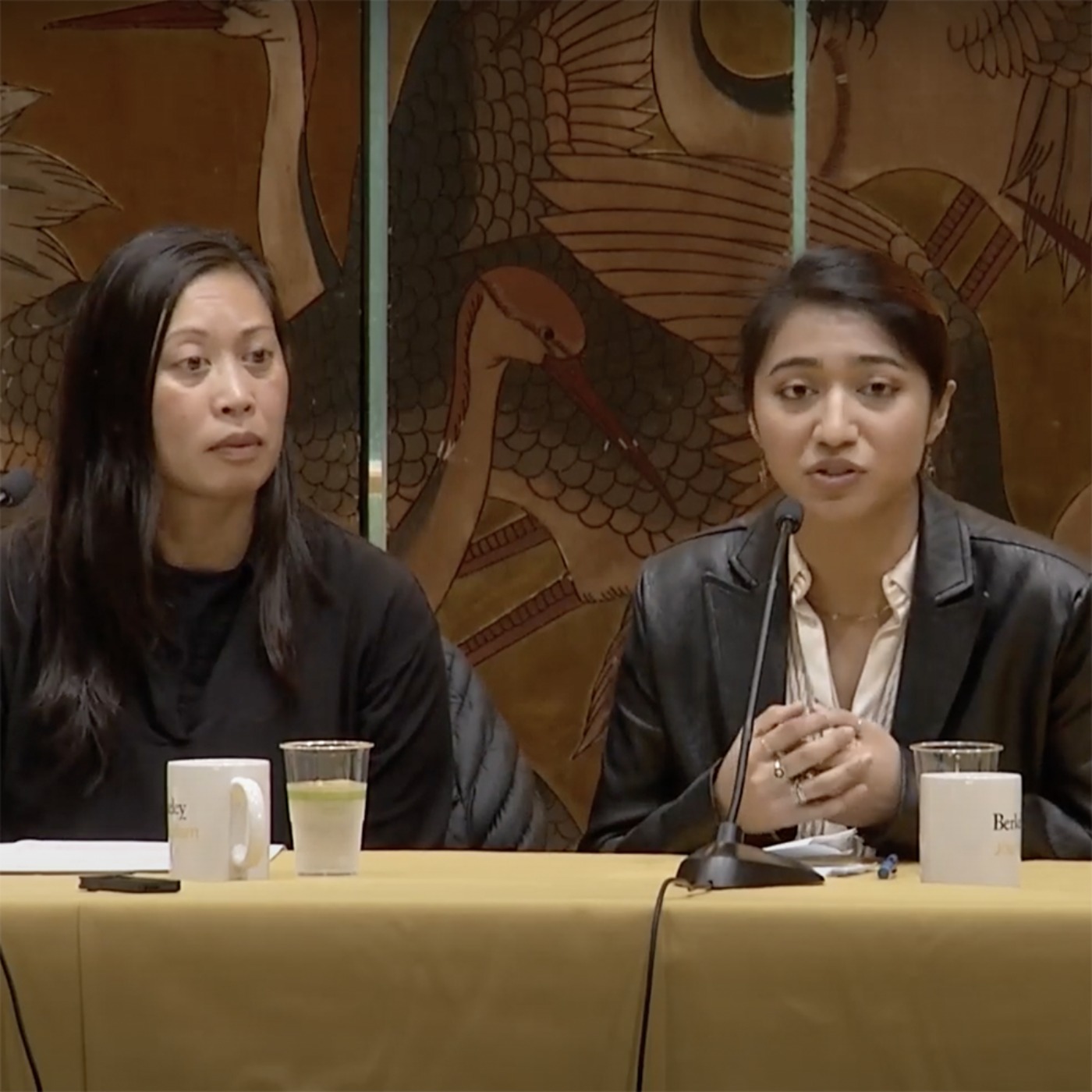
Protecting survivors of sex trafficking
In Berkeley Talks episode 187, Bernice Yeung, managing editor of Berkeley Journalism’s Investigative Reporting Program; public health journalist Isabella Gomes; and gender-based violence expert Holly Joshi discuss how sex trafficking can appear invisible if we don’t know where to look, and how doctors, nurses, police officers, hotel operators — all of us — can do more to protect victims and surviv
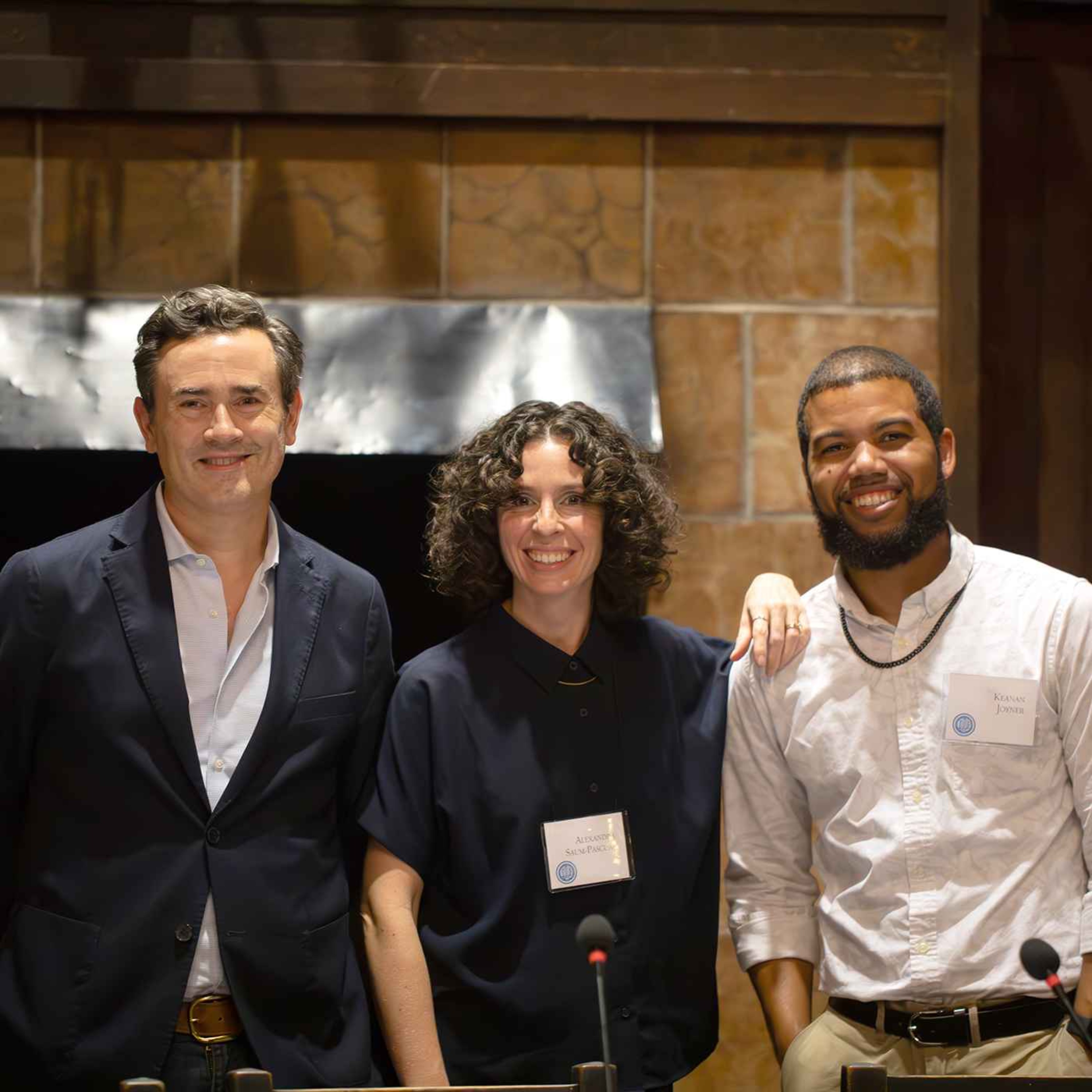
The transformative potential of AI in academia
In Berkeley Talks episode 186, a panel of UC Berkeley scholars from the College of Letters and Science discusses the transformative potential of artificial intelligence in academia — and the questions and challenges it requires universities and other social institutions to confront. "When it comes to human-specific problems, we often want fair, equitable, unbiased answers," said Kea
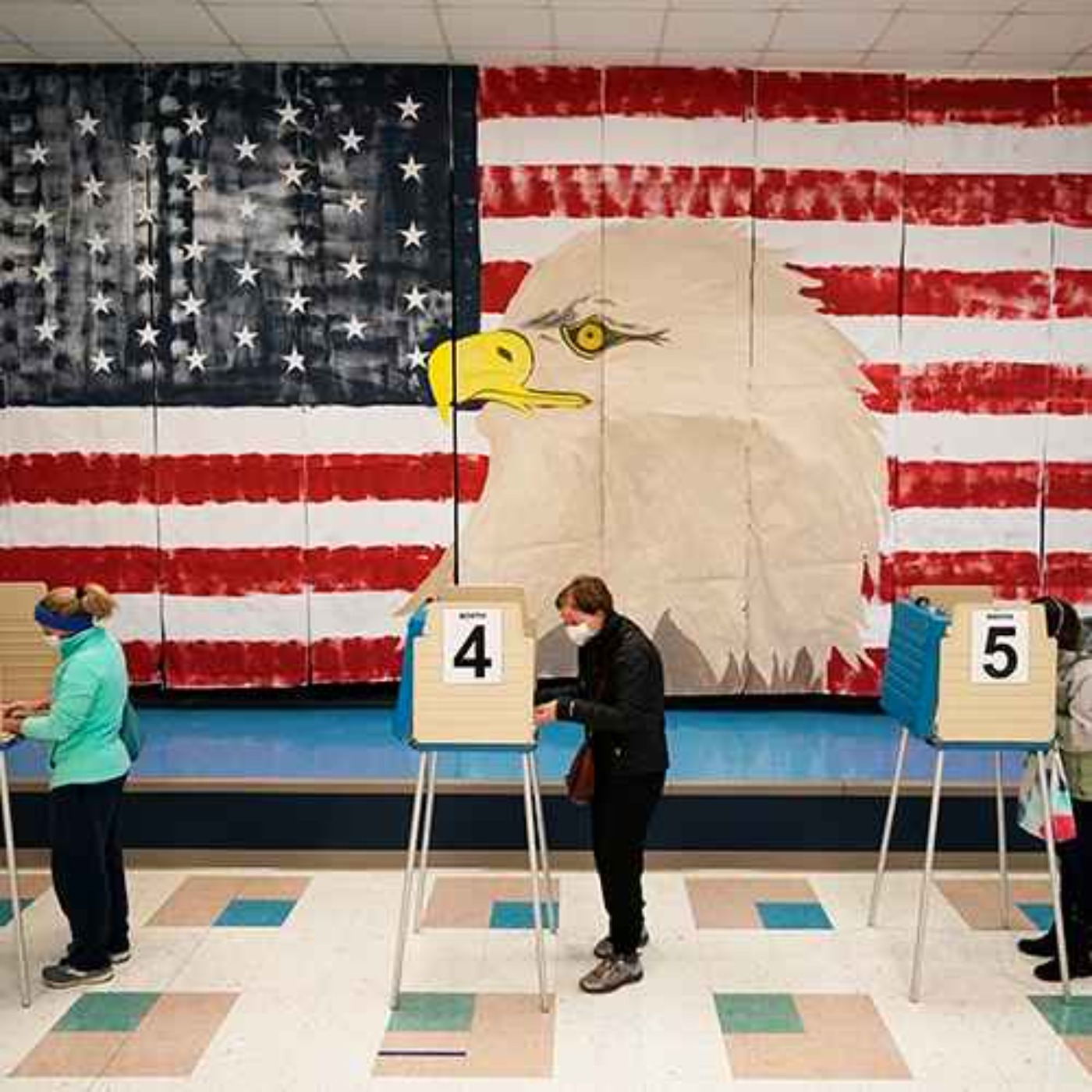
Nate Cohn on polling and the 2024 election
In Berkeley Talks episode 185, New York Times chief political analyst Nate Cohn discusses how polling works, the challenges facing pollsters today and where polling stands as we head into the 2024 U.S. presidential election."I don't think it's a coincidence that we have a crisis of polling at the same time we have a crisis of democracy," said Cohn, who gave UC Berkeley’s Citrin Awar
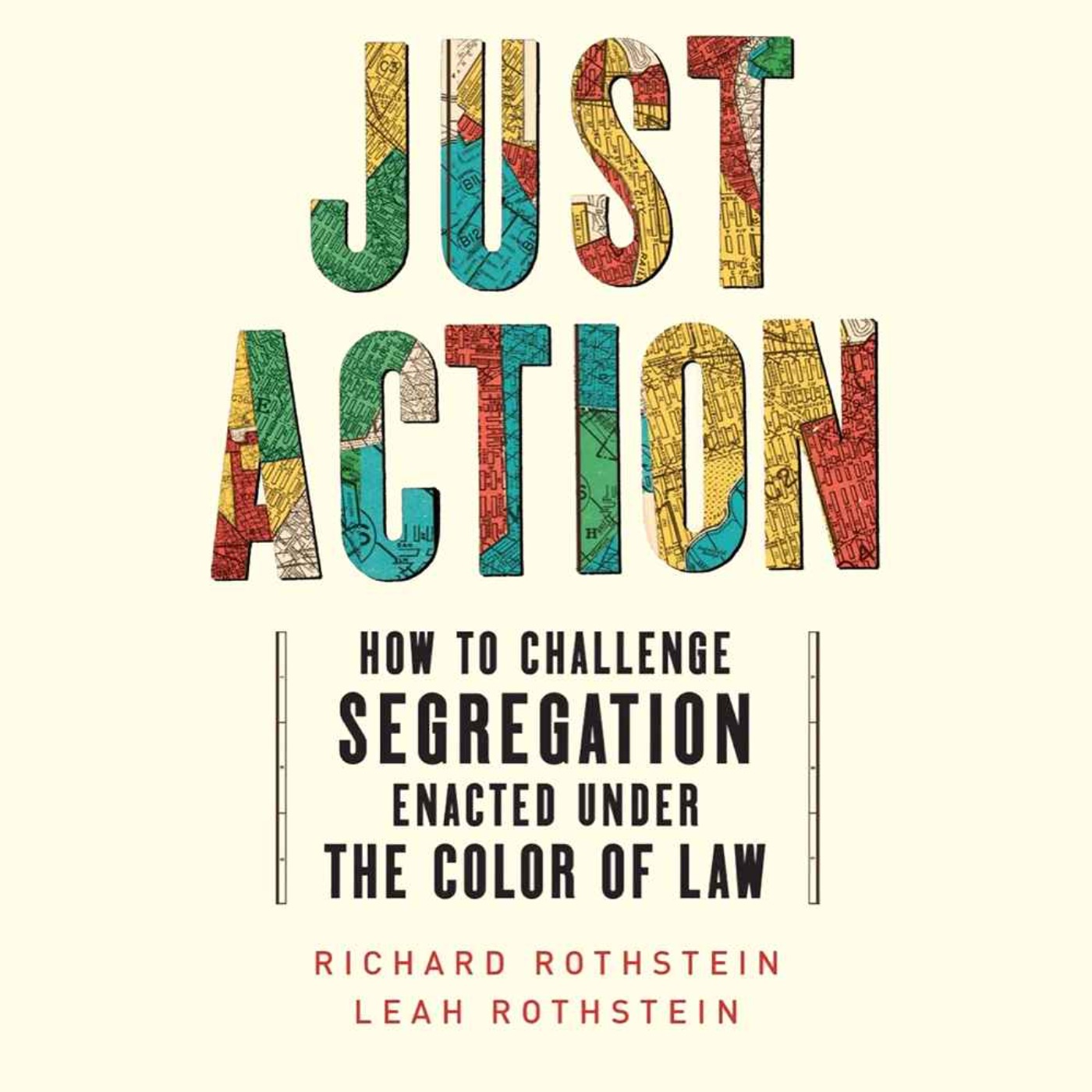
A blueprint for housing reform
In Berkeley Talks episode 184, Richard Rothstein, a senior fellow at UC Berkeley's Othering and Belonging Institute, and housing policy expert Leah Rothstein discuss their 2023 book, Just Action: How to Challenge Segregation Enacted Under the Color of Law. The conversation was moderated by Tamika Moss, founder and CEO of the Bay Area organization, All Home. In the book, th
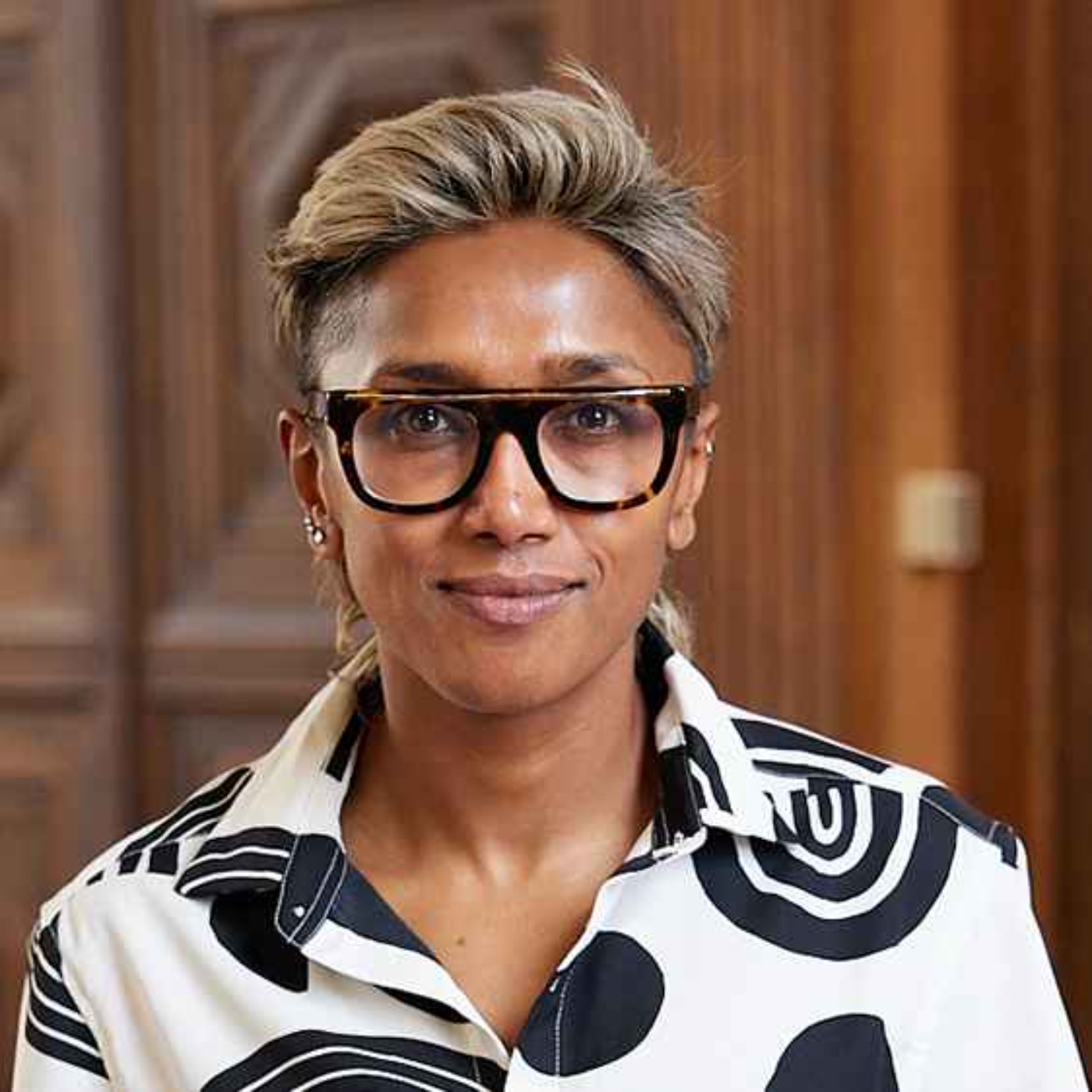
Poulomi Saha on why we're so obsessed with cults
In Berkeley Talks episode 183, Poulomi Saha, an associate professor in the Department of English and co-director of the Program in Critical Theory at UC Berkeley, discusses how cult culture, once a fringe phenomenon, has moved into the mainstream — and what that tells us about what we long for, what we fear and who we hope to be."In this crisis moment, we have a return to
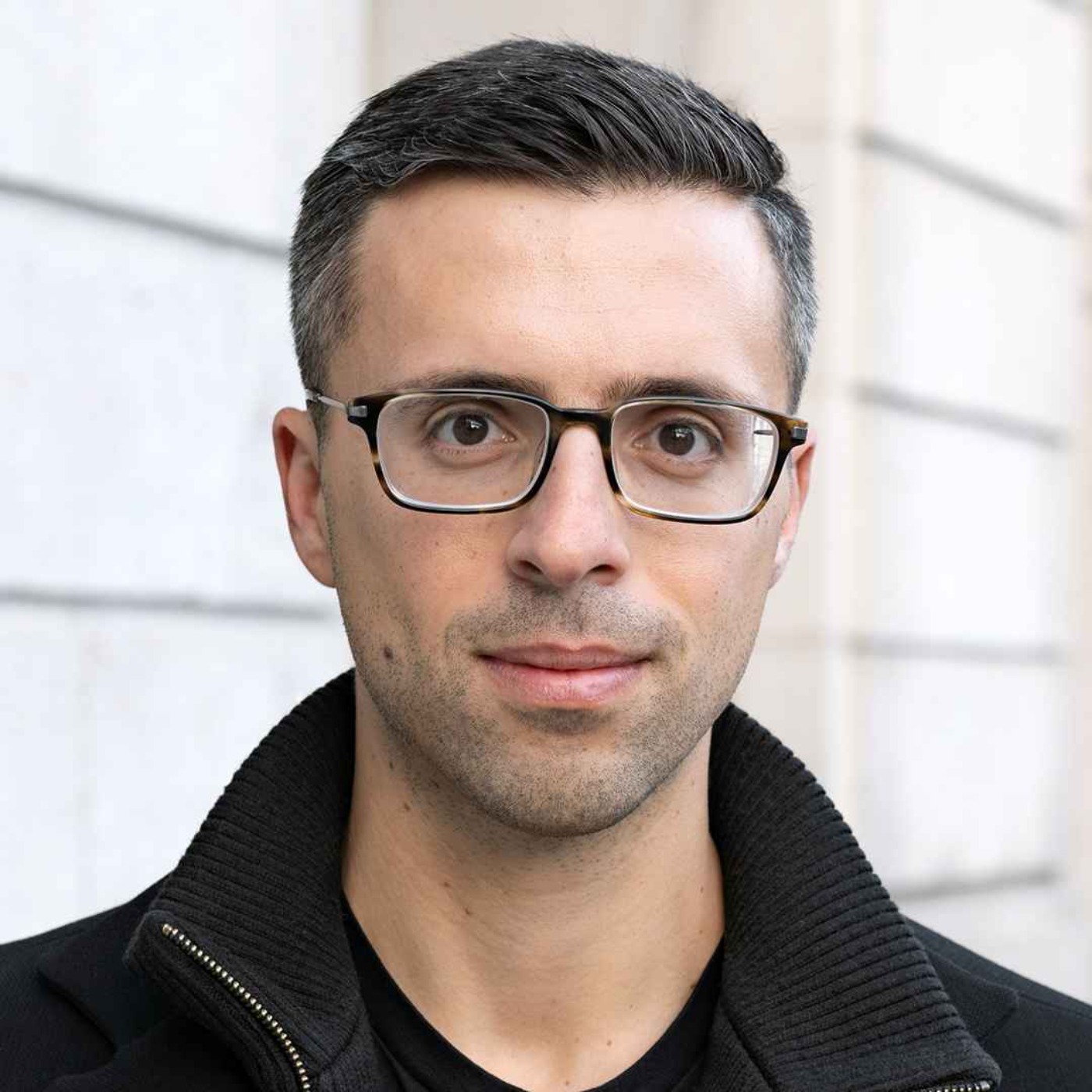
Ezra Klein on building the things we need for the future we want
In Berkeley Talks episode 182, Ezra Klein, a New York Times columnist and host of the podcast The Ezra Klein Show, discusses the difficulties Democratic governments encounter when working to build real things in the real world. "To have the future we want, we need to build and invent more of the things that we need," began Klein, who joined in conversation o
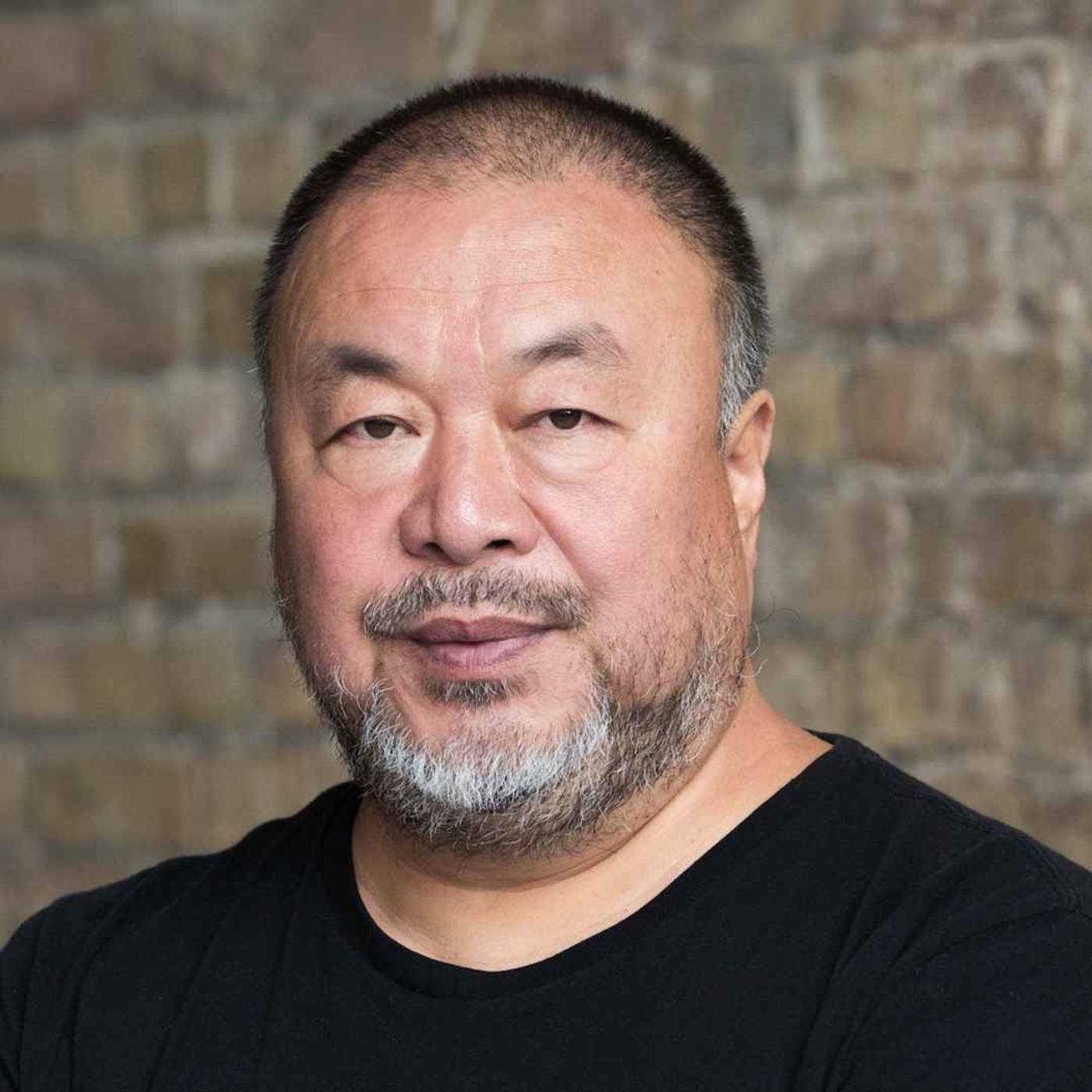
Chinese activist Ai WeiWei on art, exile and politics
In Berkeley Talks episode 181, renowned artist and human rights activist Ai WeiWei discusses art, exile and politics in a conversation with noted theater director and UCLA professor Peter Sellars and Orville Schell, director of the Center on U.S.-China Relations at the Asia Society and former dean of Berkeley's Graduate School of Journalism.Ai, who grew up in northwest China under harsh
Recommended
紐約鳥|New York Aperture
The Swerve Podcast: Obscure Topics | Conspiracy Theories

The Bread and Banter Podcast
The Church of What's Happening Now: The New Testament
Busted Open

Deadline: White House

Panda Show - Picante
Crickets Corner

History of the Earthquake and Fire in San Francisco

Fox news

K-Drama Obsessed Mamas | Beyond “Just One More Episode!”

True Crime Classics
