
Berkeley Voices
Berkeley Voices explores the work and lives of fascinating UC Berkeley faculty, students, staff, and visiting scholars and artists. It aims to educate listeners about Berkeley’s advances in teaching and research, spark curiosity about the deeper layers of American history and to build community across our diverse campus. It's produced and hosted by Anne Brice in the Office of Communications and Public Affairs.
Episodes
When better sleep becomes 'crisis work'
We all know sleep is important. But for those facing mental health challenges, research from UC Berkeley shows how good sleep is also foundational for treatment and recovery.Early results from a long‑term study at Berkeley’s Golden Bear Sleep and Mood Research Clinic show that sleep is directly linked with our mental health and, when used alongside standard clinical treatments, can dramatically im
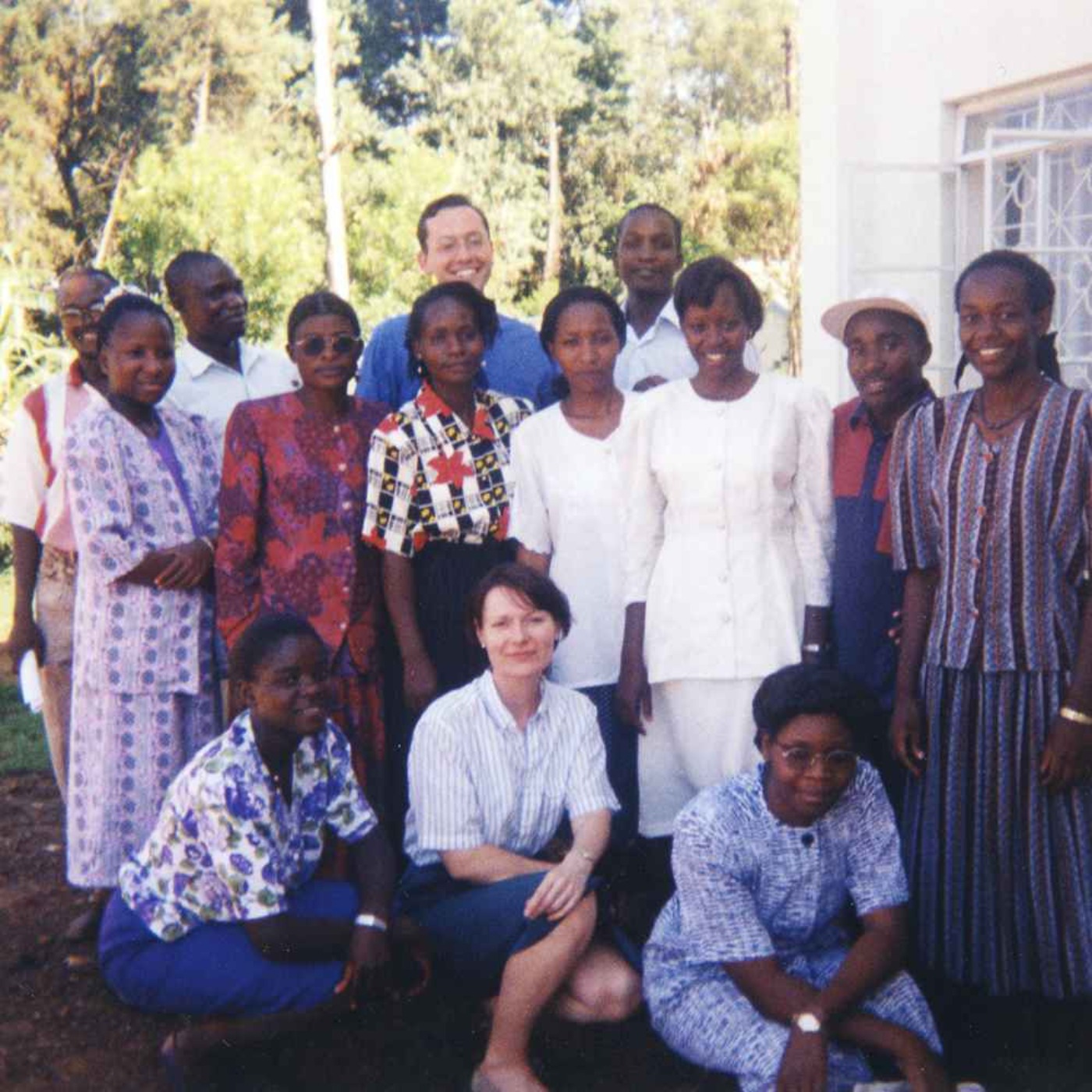
What do worms and wages have in common? More than you think
Carol Nekesa doesn’t know if she was ever infected by parasitic worms. But it’s likely, she says, since most kids in her community had them. “It was just a normal part of childhood,” she says. Carol grew up in the 1980s in a rural village in Busia County, Kenya. Like many regions in Sub-Saharan Africa at the time, Busia lacked the infrastructure for clean water and modern sanitation, leading
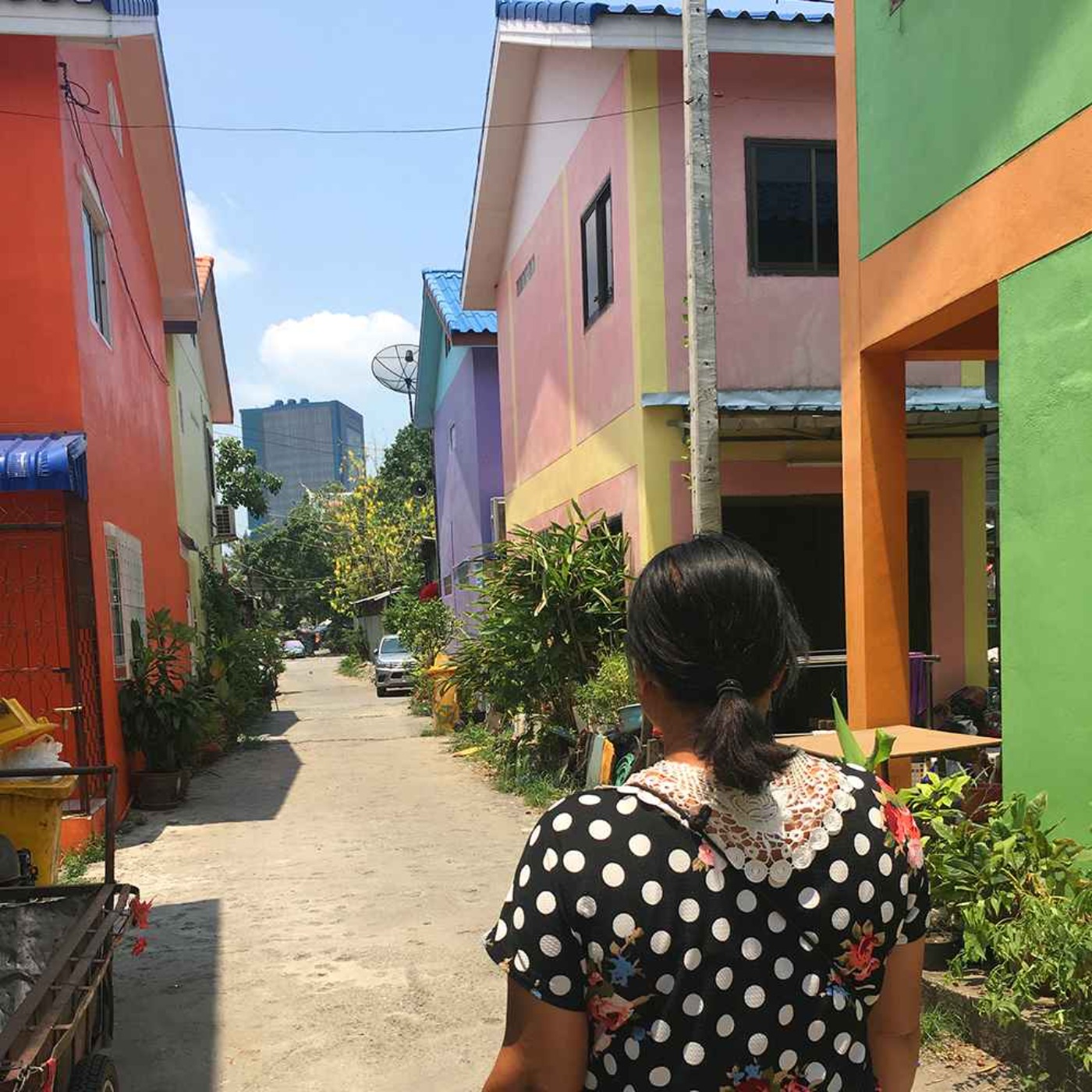
The U.S. housing crisis looms large. Could a Thai model help solve it?
In the United States, the housing crisis can feel like an unsolvable puzzle. We talk of housing as something we navigate alone — a commodity we rent or buy, subject to the whims of a volatile market.But in Thailand, they’ve pioneered a different model. A government program called Baan Mankong, or “secure housing,” treats shelter as a collective right — and proves that the U.S.’s individualist fram
How CRISPR 'supercells' cured her sickle cell disease
At 3 months old, Victoria Gray wouldn’t stop crying. Blood tests brought devastating news: she had sickle cell disease, a genetic blood disorder that blocks blood flow and oxygen delivery to the body. It causes unbearable pain that Victoria describes as “getting struck by lightning and hit by a truck.”As she got older, Victoria felt increasingly isolated and hopeless. She often spent her kids’ bir
Wikipedia as resistance
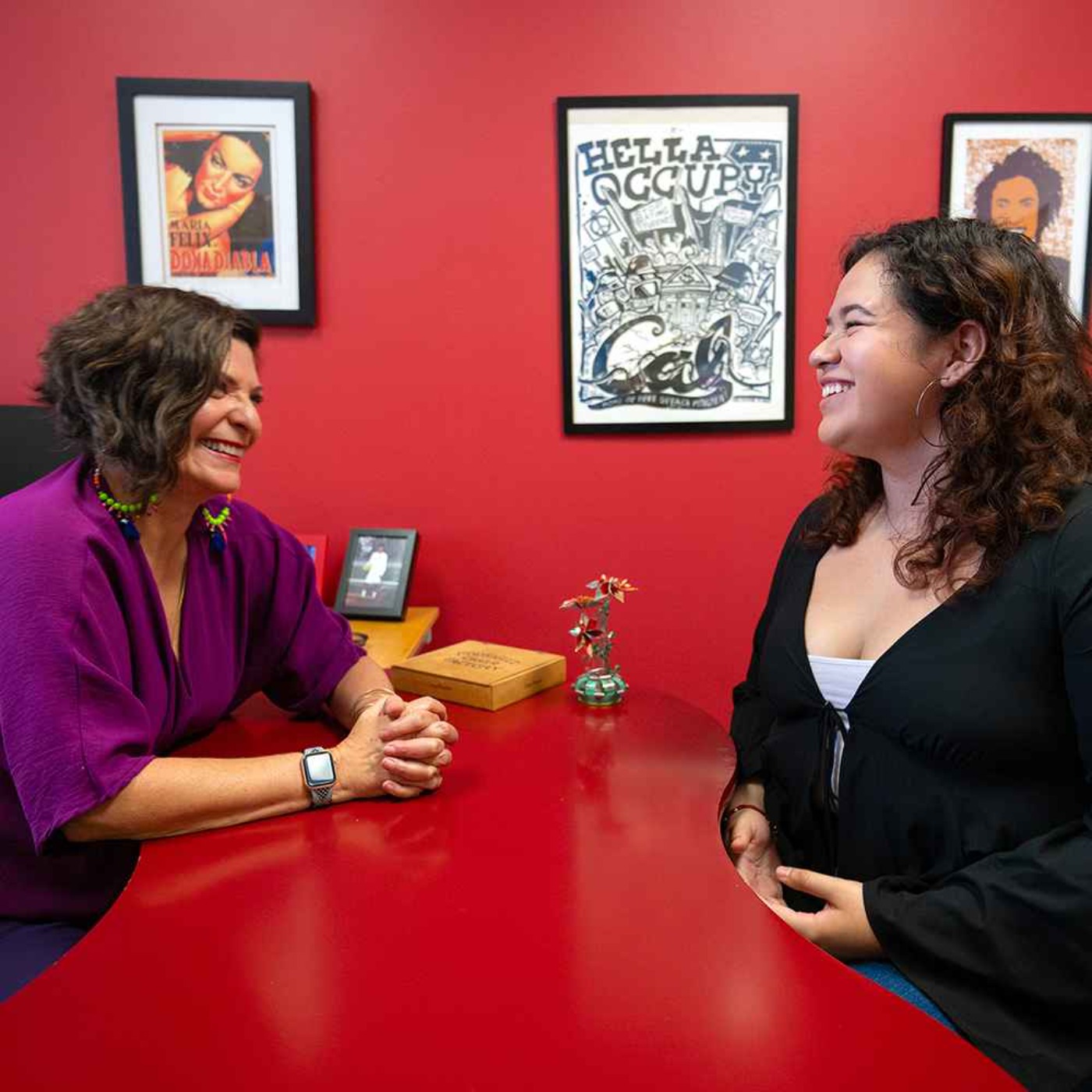
After Wikipedia made its debut in 2001, some trends quickly emerged. Most editors were male, topics tended to skew toward geek culture interests like computing and gaming, and only a small fraction of biographies were about women. More than two decades later, biases and knowledge gaps on Wikipedia of all sorts remain, especially for marginalized communities. But a UC Berkeley professor and he
How a Pomo elder's recordings are helping this student reclaim his culture
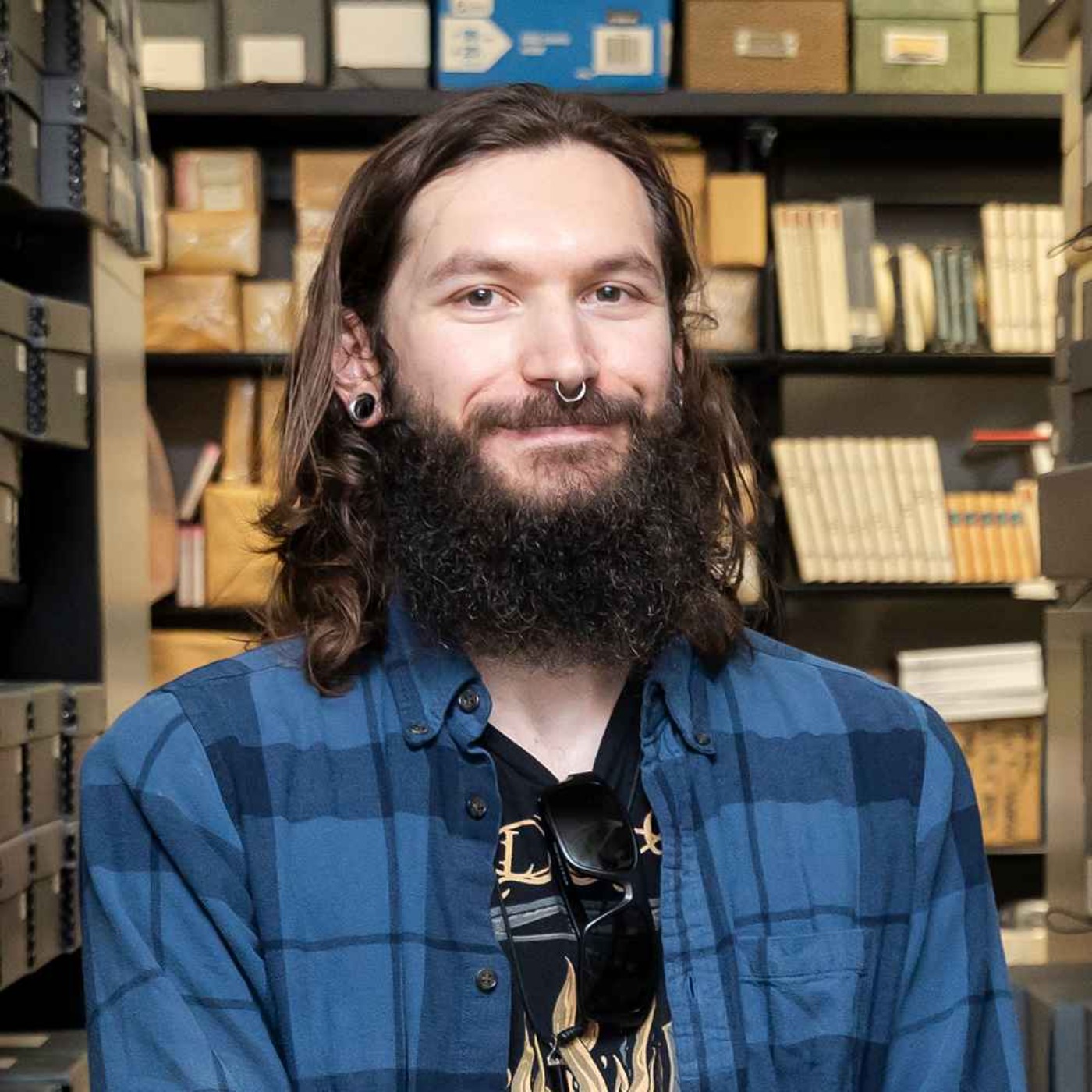
Tyler Lee-Wynant grew up hearing stories about his great-great aunt, Edna Campbell Guerrero. Born in 1907 in Mendocino County, she was a native speaker of Northern Pomo, one of seven languages spoken by the Pomo people who are Indigenous to Northern California. “She was a no-nonsense person,” says Lee-Wynant, a UC Berkeley Ph.D. student in linguistics. “She was an amazing individual. She care
New season: Two sides of a story
There’s so much incredible research and work that happens every day at UC Berkeley, on everything from artificial intelligence and quantum computing to linguistics and the study of social justice. It holds the record for the most Nobel Prize winners among any public university in the world, with two wins just this year.This work can be highly theoretical and technical, taking decades to fully deve
How new color 'olo' stretches the limits of human perception
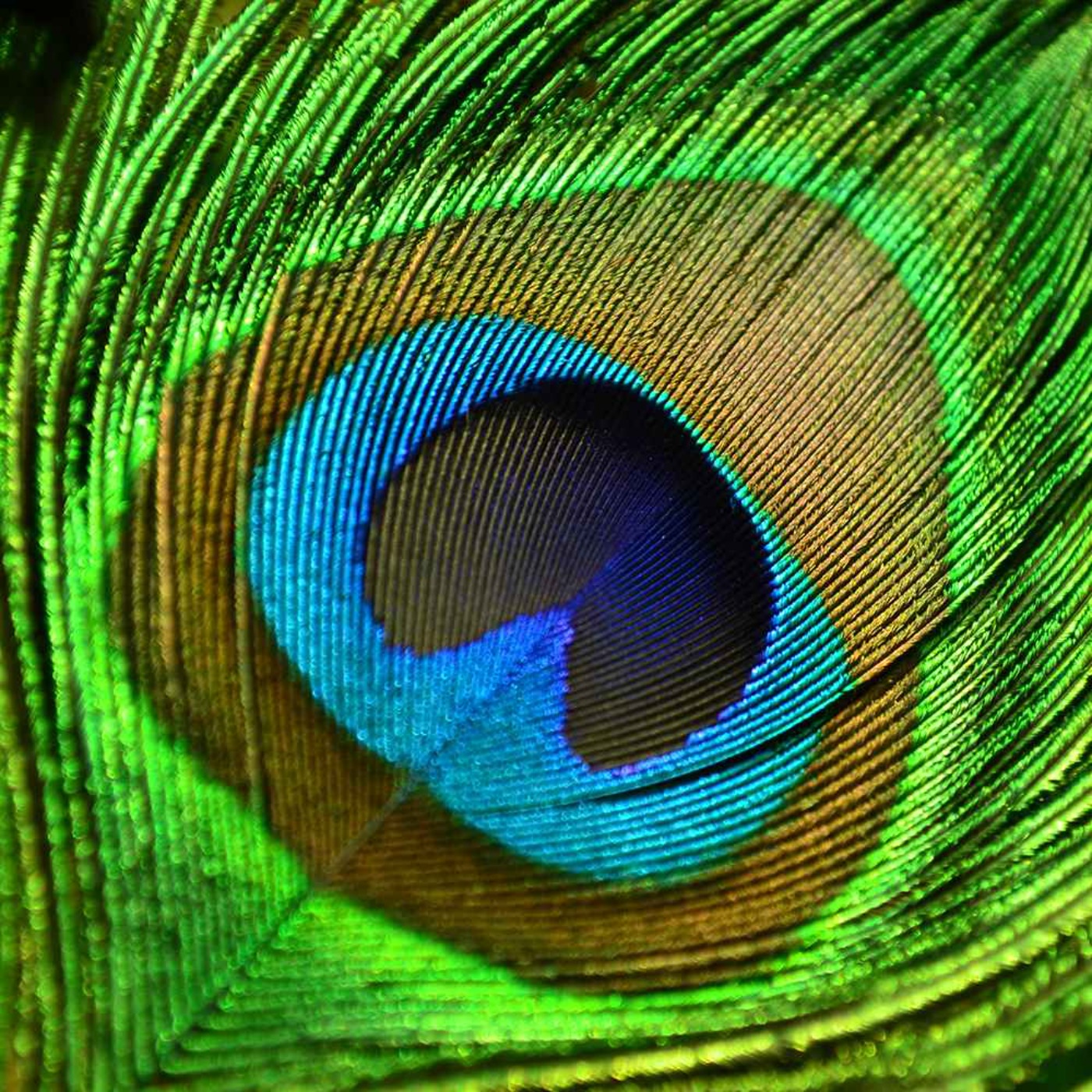
Last month, UC Berkeley researchers published a study about how they tricked the eye into seeing a new color. It was a highly saturated teal, a peacock green, the greenest of all greens. The scientists produced this color, which they named “olo,” by shining a laser into the eye and stimulating one type of color-sensitive photoreceptor cells called cones. Austin Roorda, a professor of opt
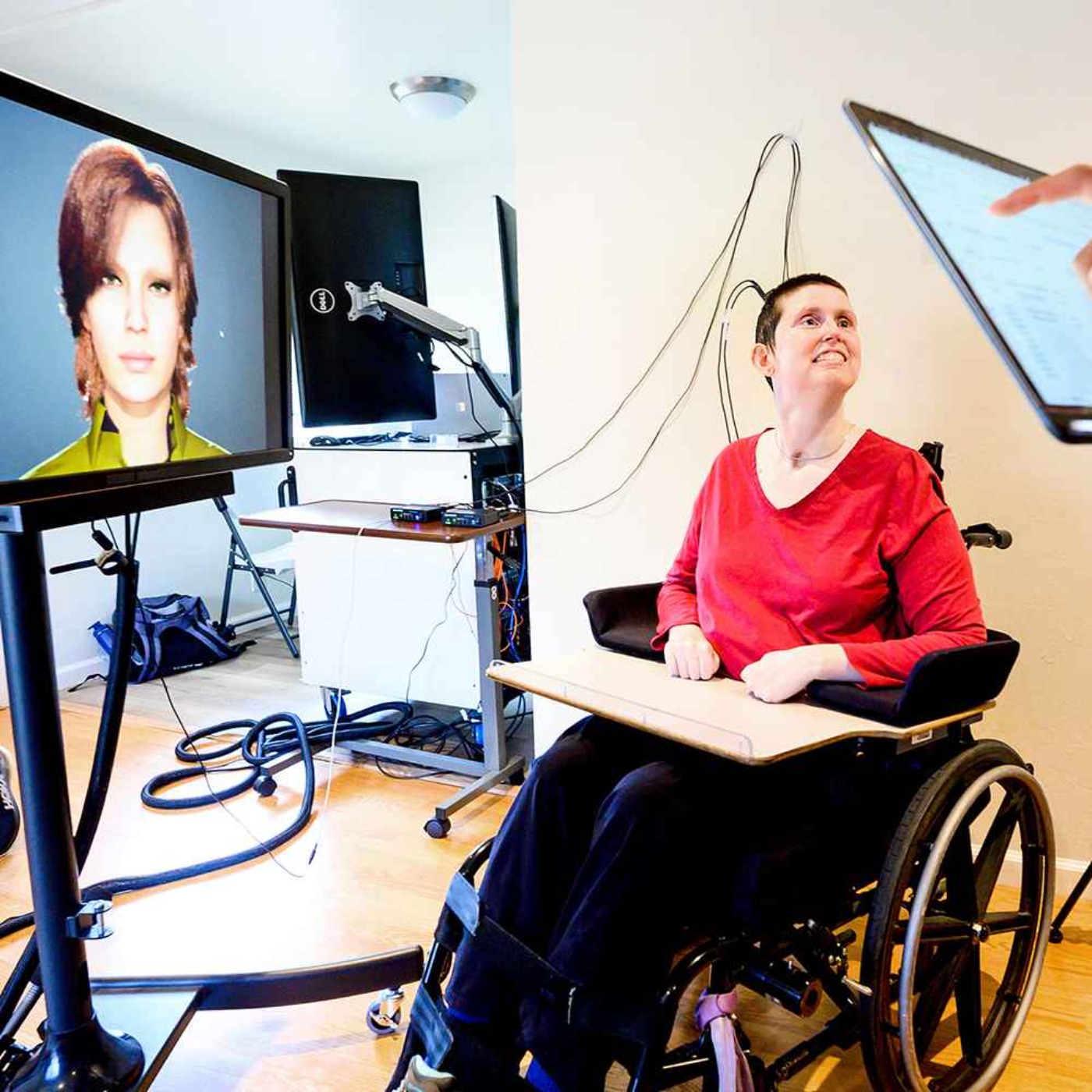
AI helped this paralyzed woman speak again after 18 years
When Ann Johnson had a rare brainstem stroke at age 30, she lost control of all of her muscles. One minute, she was playing volleyball with her friends. The next, she couldn’t move or speak. Up until that moment, she’d been a talkative and outgoing person. She taught math and physical education, and coached volleyball and basketball at a high school in Saskatchewan, Canada. She’d just had a b
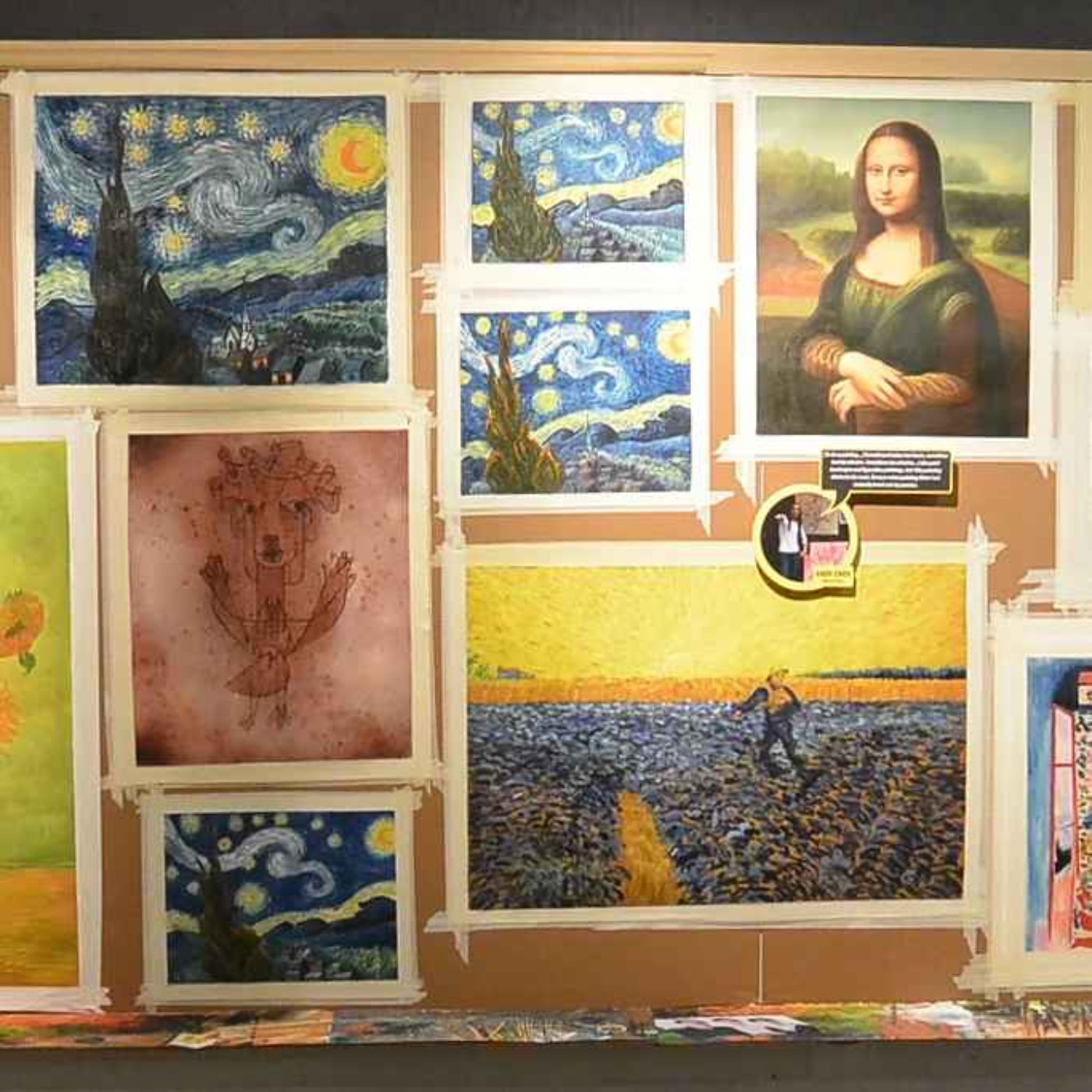
Fakes, replicas and forgeries: What counts as art?
When Winnie Wong first saw Dafen Oil Painting Village in 2006, it was nothing like she’d imagined. The Chinese village was known for mass producing copies of Western art. She’d read about it in The New York Times, which described a kind of compound where thousands of artists painted replicas of famous artworks, like da Vinci’s Mona Lisa or van Gogh’s Starry Night, for European and U.S. hotels
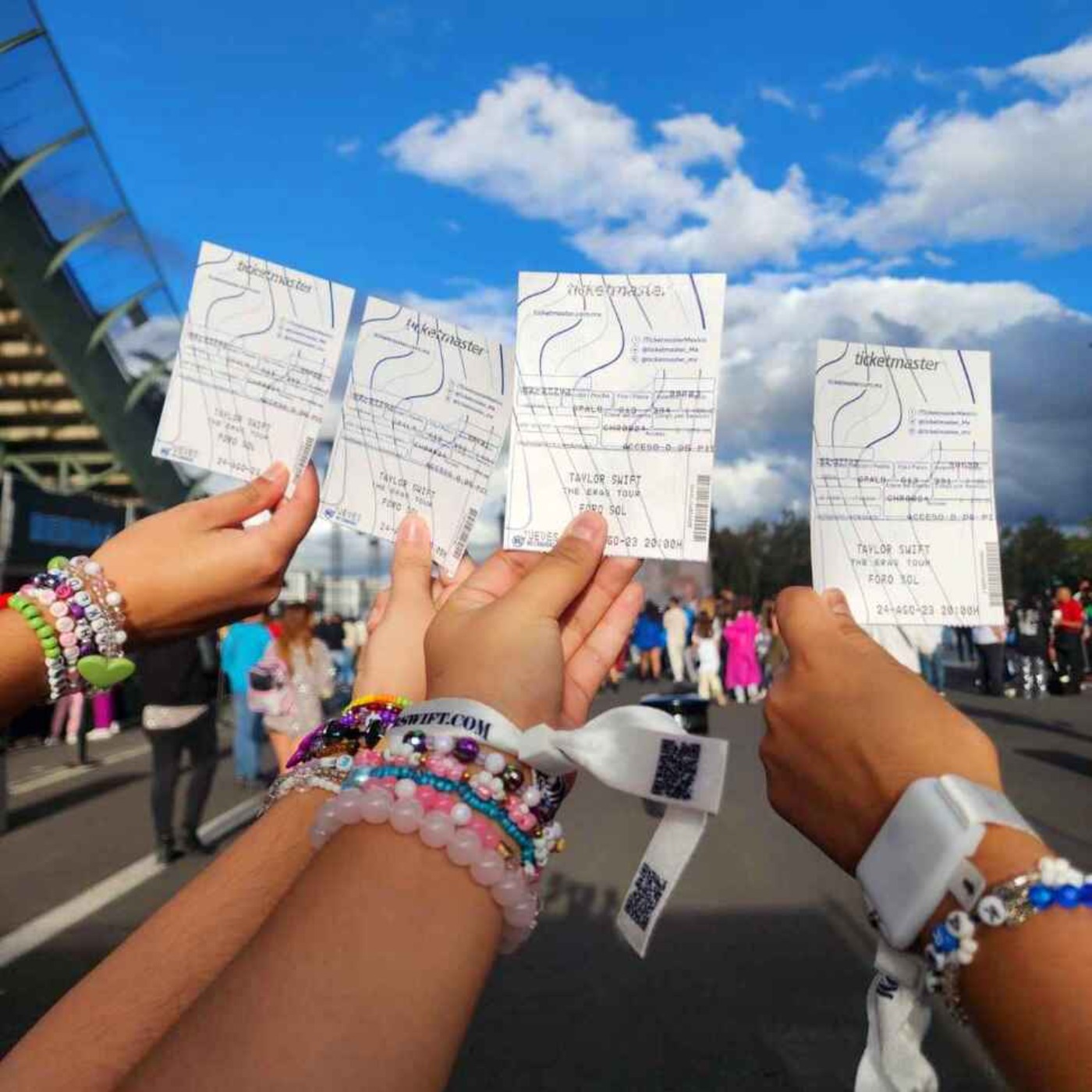
An evolution of American friendship, from Victorian-era letters to Swiftie bracelets
Have you ever seen letters from the 1800s? Aside from the pristine penmanship and grammar, the way friends expressed their fondness for each other is remarkable.“Letters sent between friends are often full of the kinds of loving and affectionate language that today we would only associate with romantic or sexual relationships: ‘My darling,’ ‘I love you,’ ‘I can't wait to be near you,’” said UC Ber
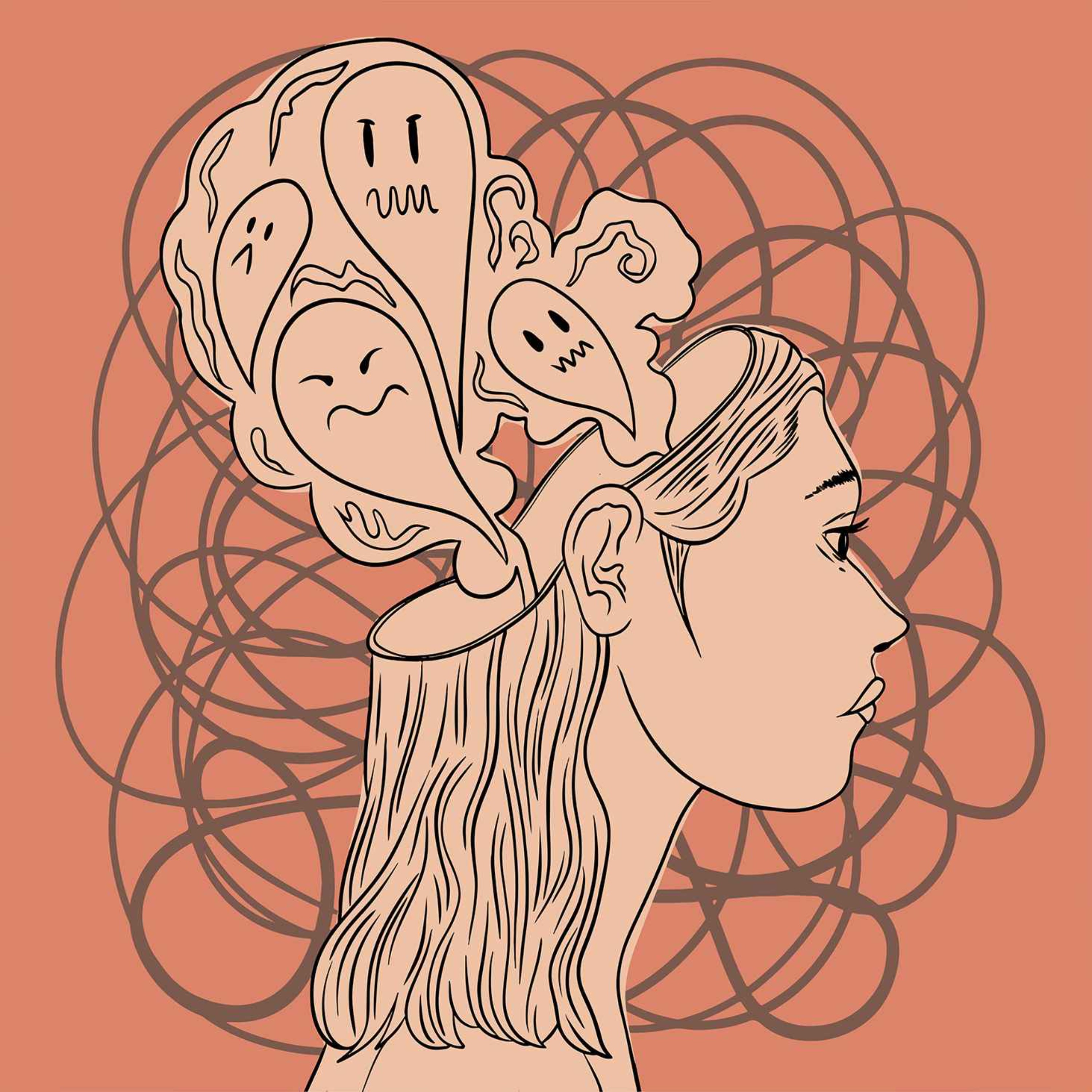
How fear is being weaponized against you (and how to respond)
Against her mom’s warnings, UC Berkeley political scientist Marika Landau-Wells watched Arachnaphobia as a kid. Ever since, she has been terrified of spiders. But over the years, she has learned to reason with her quick fear response — No, that spider is not 8 feet in diameter — and calmly trap them and put them outside.We all encounter problems like this, she says, where we have quick reactions t
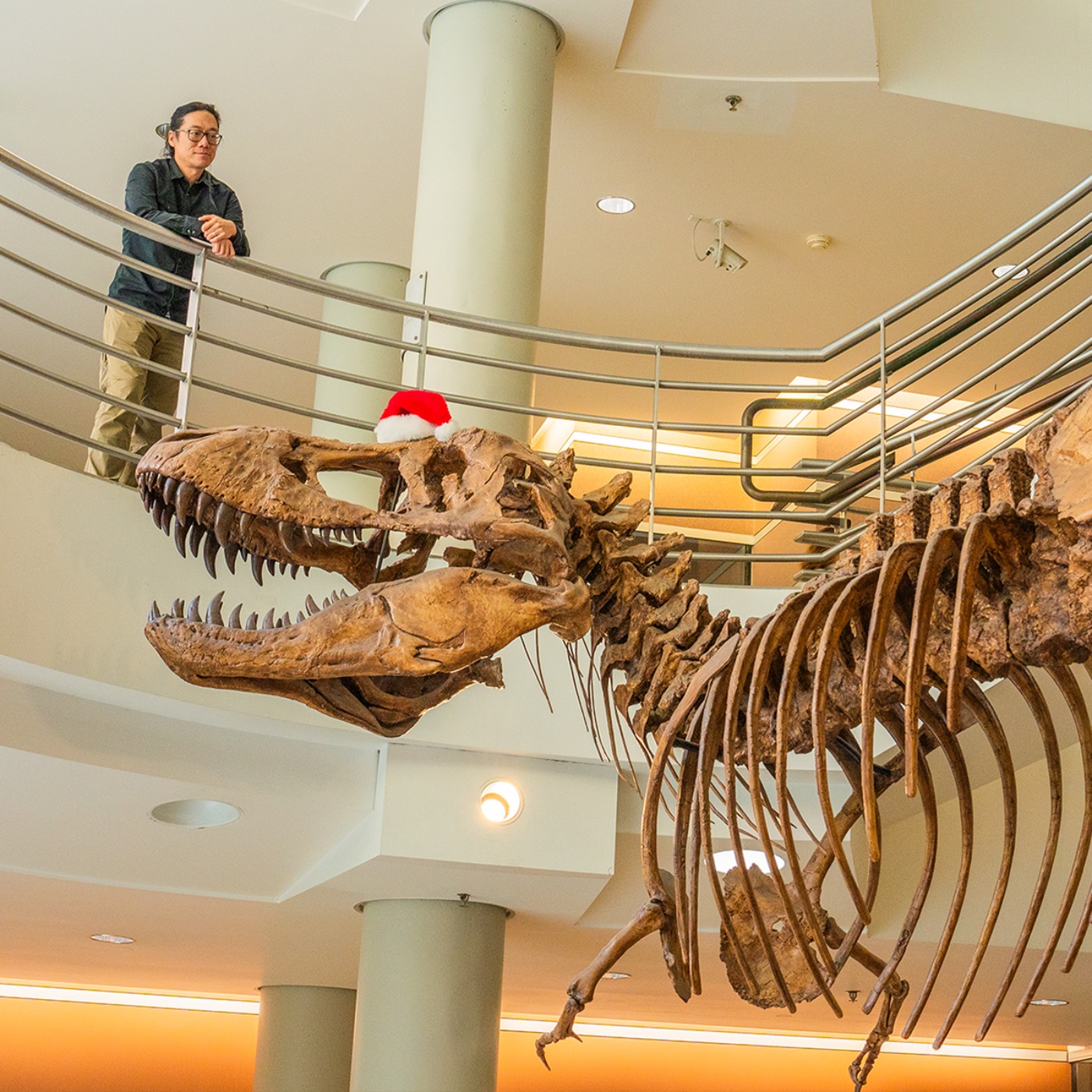
Think you know what dinosaurs were like? Think again.
For UC Berkeley Professor Jack Tseng, the world of paleontology never gets old. With each new discovery, paleontologists like him learn more about the animals that walked the earth millions of years ago."If you look at books from 50 years ago, they postured dinosaurs very differently from the way we do it today," Tseng says. "This constant profusion of new scientific knowledge into the popular psy
As crises escalate, so does our fascination with cults
Like millions of other Americans, UC Berkeley Professor Poulomi Saha watched a lot of docuseries about cults during the COVID-19 pandemic. The more Saha watched, the more they felt a kind of change within themself. "I was absolutely enthralled," said Saha. “My reaction no longer fit that old script, the script that I had internalized. I wasn’t just having a passing interest. I wasn’t sort of mildl

Psychopathy goes undetected in some people. Why?
In a June 2024 study, UC Berkeley psychology professor Keanan Joyner and his colleagues found that by using a combination of methods tailored to the multidimensional nature of psychopathy, we could transform how we identify and understand this personality disorder. "I think that it goes toward having a functional and positive society," Joyner said. "Our collaboration is the substance of what makes
123: One brain, two languages
For the first three years of Justin Davidson's childhood in Chicago, his mom spoke only Spanish to him. Although he never spoke the language as a young child, when Davidson began to learn Spanish in middle school, it came very quickly to him, and over the years, he became bilingual.Now an associate professor in UC Berkeley's Department of Spanish and Portuguese, Davidson is part of a research team
122: A language divided
There are countless English varieties in the U.S. There's Boston English and California English and Texas English. There's Black English and Chicano English. There's standard academic, or white, English. They're all the same language, but linguistically, they're different."Standard academic English is most represented by affluent white males from the Midwest, specifically Ohio in the mid-20th cent
121: A linguist's quest to legitimize U.S. Spanish
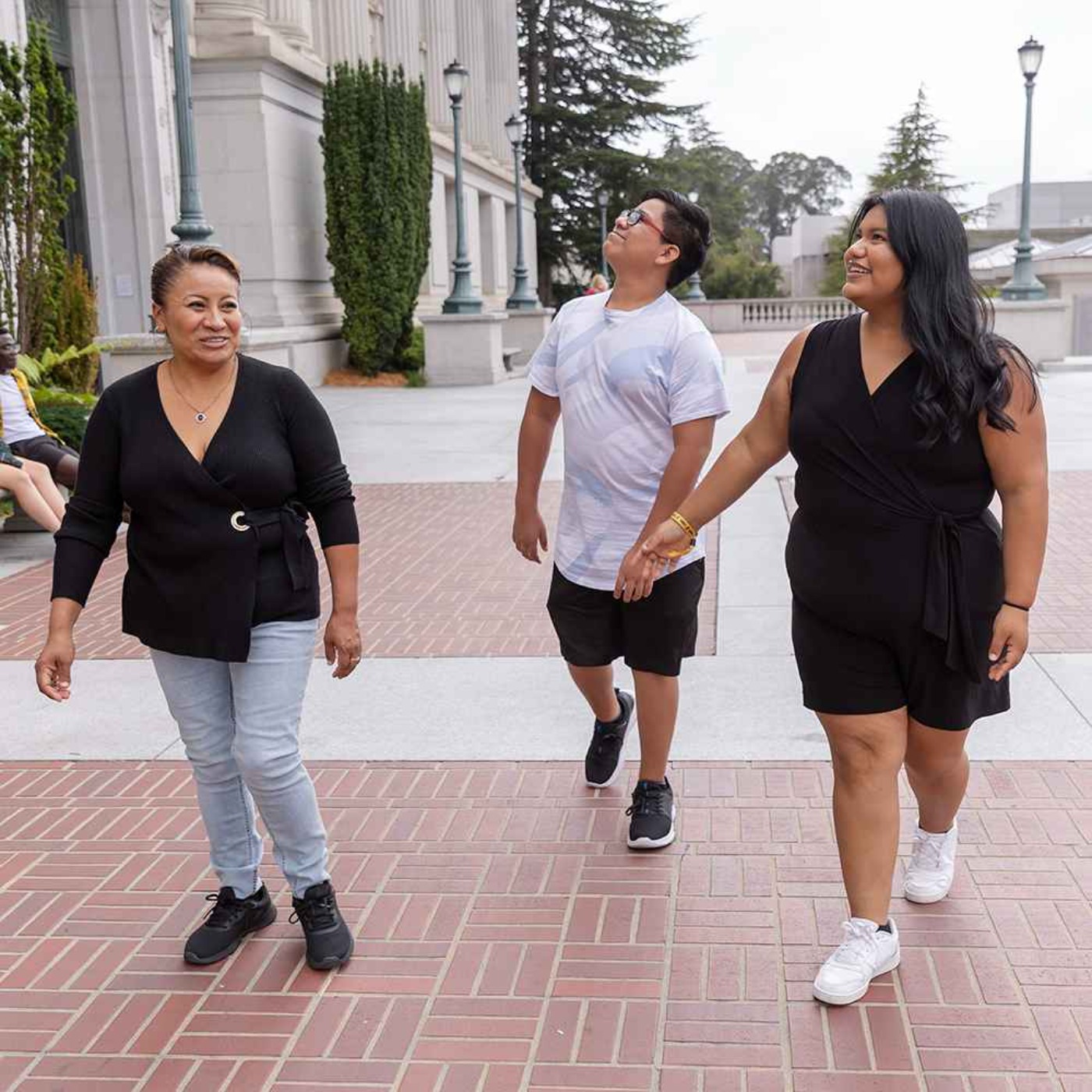
Spanish speakers in the United States, among linguists and non-linguists, have been denigrated for the way they speak, says UC Berkeley sociolinguist Justin Davidson. It’s part of the country's long history of scrutiny of non-monolingual English speakers, he says, dating back to the early 20th century."It’s groups in power — its discourses and collective communities — that sort of socially determi
120: Medieval song holds clues to lost dialects
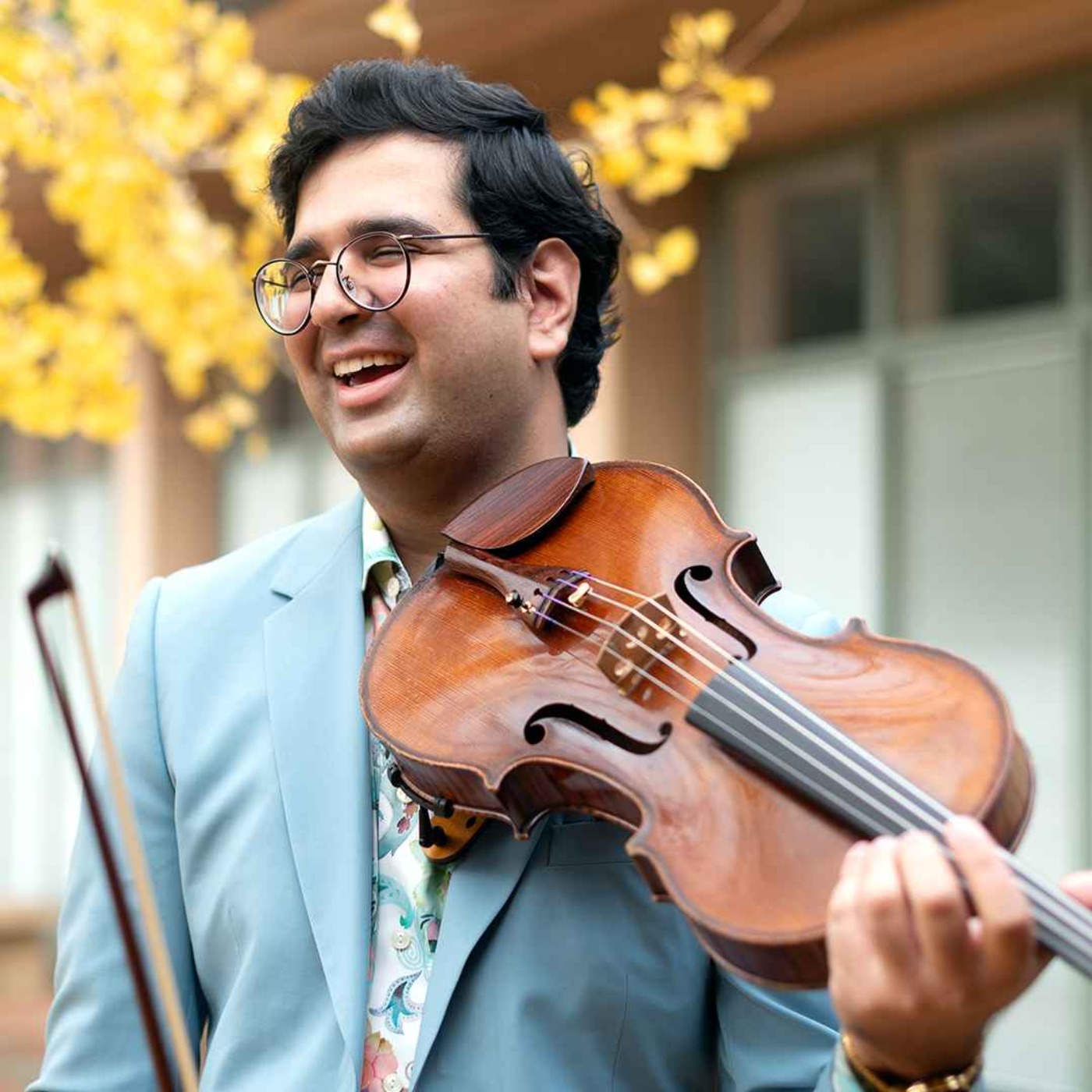
In his research, UC Berkeley Ph.D. candidate Saagar Asnani looks at music manuscripts from between the 12th and 14th centuries in medieval France. He says only recently have scholars begun to use a wider variety of media and artistic expressions as a way to study language. "If we unpack the genre of music, we will find a very precise record of how language was spoken," Saagar says. To read me
119: Art student's photo series explores masculine vulnerability
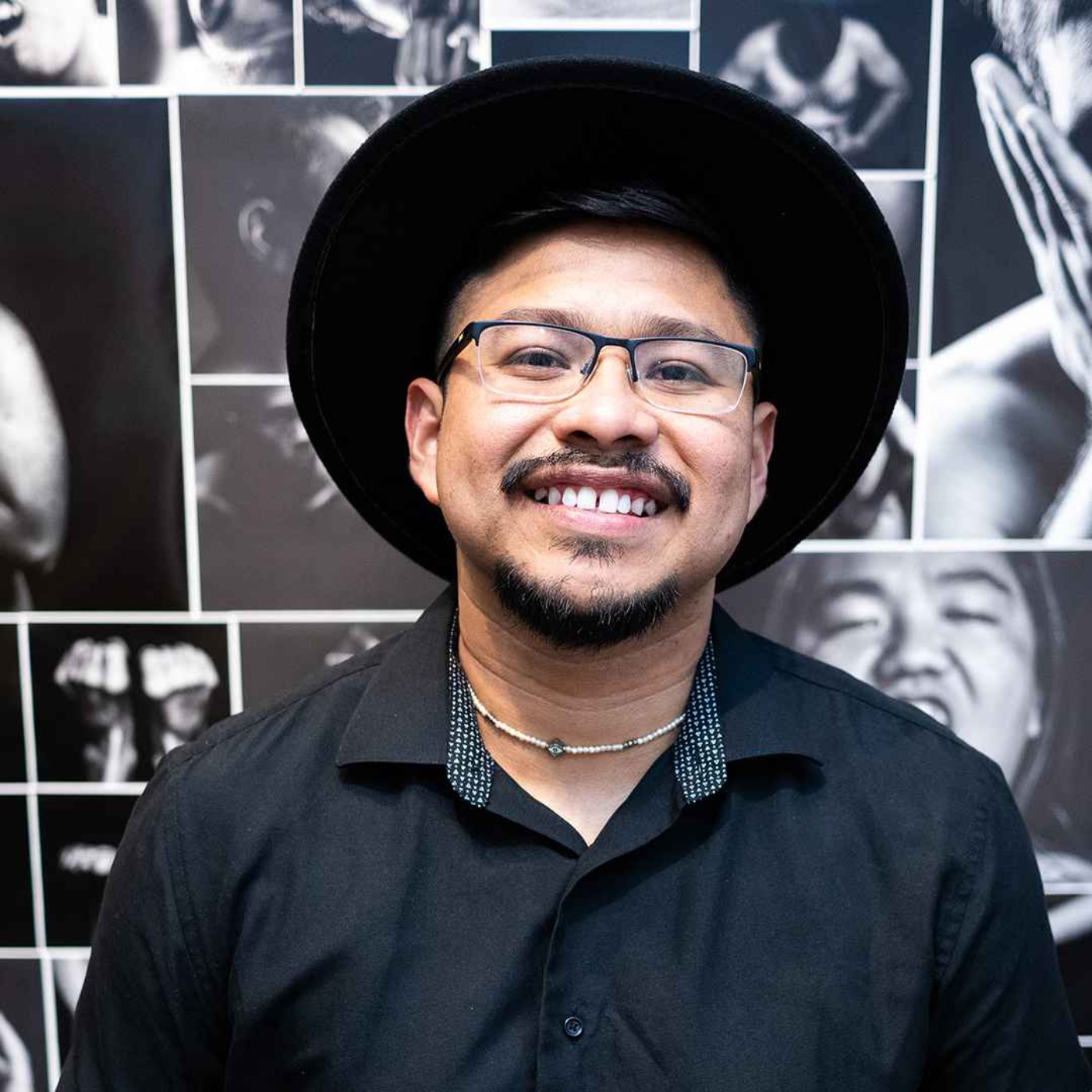
Brandon Sánchez Mejia stood at a giant wall in UC Berkeley’s Worth Ryder Art Gallery and couldn’t believe his eyes. In front of him were 150 black-and-white photos of men’s bodies in all sorts of poses and from all sorts of angles. It was his senior thesis project, "A Masculine Vulnerability," and it was out for the world to see."It came from this idea that as men, we are not allowed to show skin
118: Take the first Black history tour at UC Berkeley
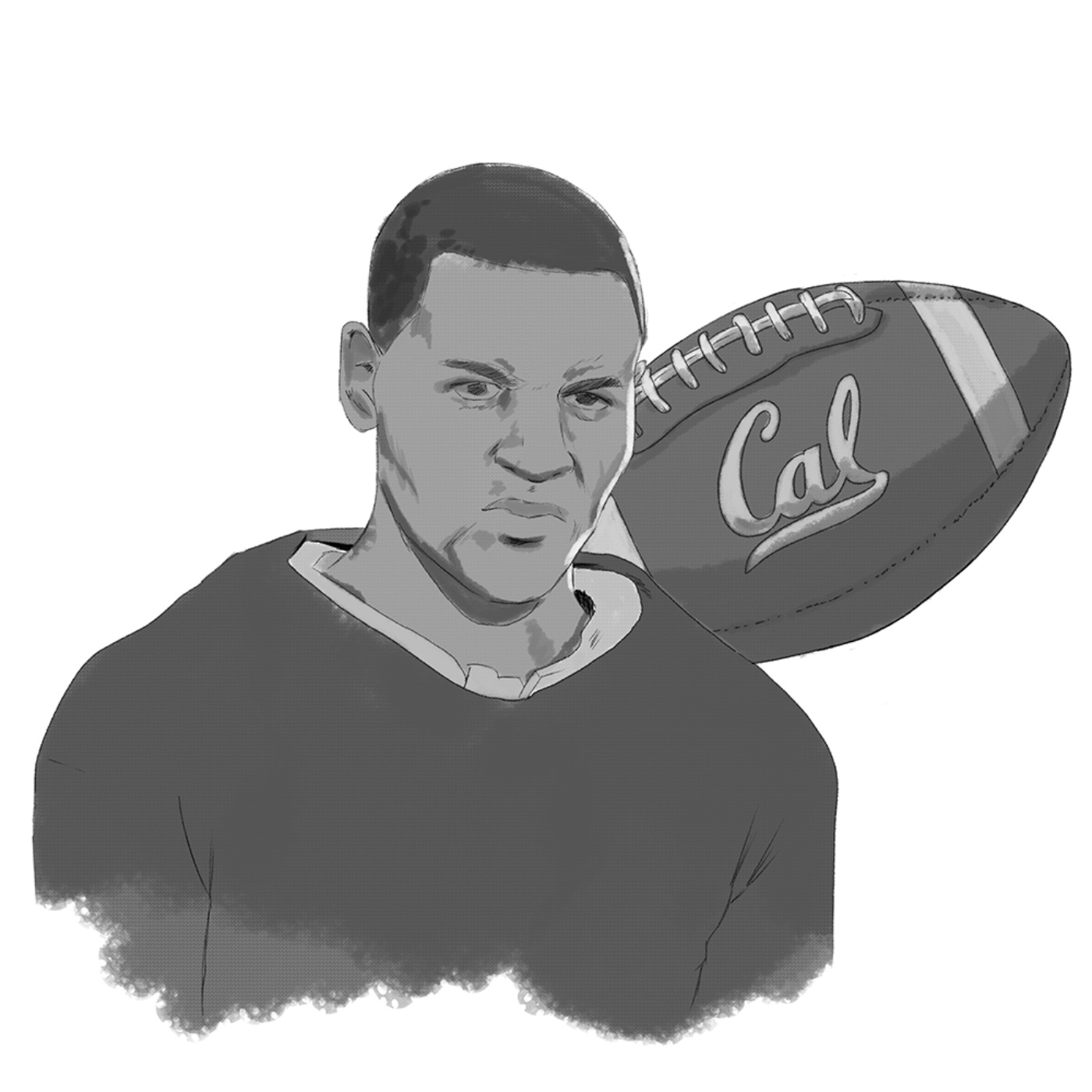
The self-guided Black history tour at UC Berkeley begins at Memorial Stadium, where student Walter Gordon was a star of the football team more than 100 years ago. It then weaves through campus, making stops at 13 more locations, each highlighting an important person or landmark related to Black history.There's Ida Louise Jackson Graduate House, named in honor of the first African American woman to
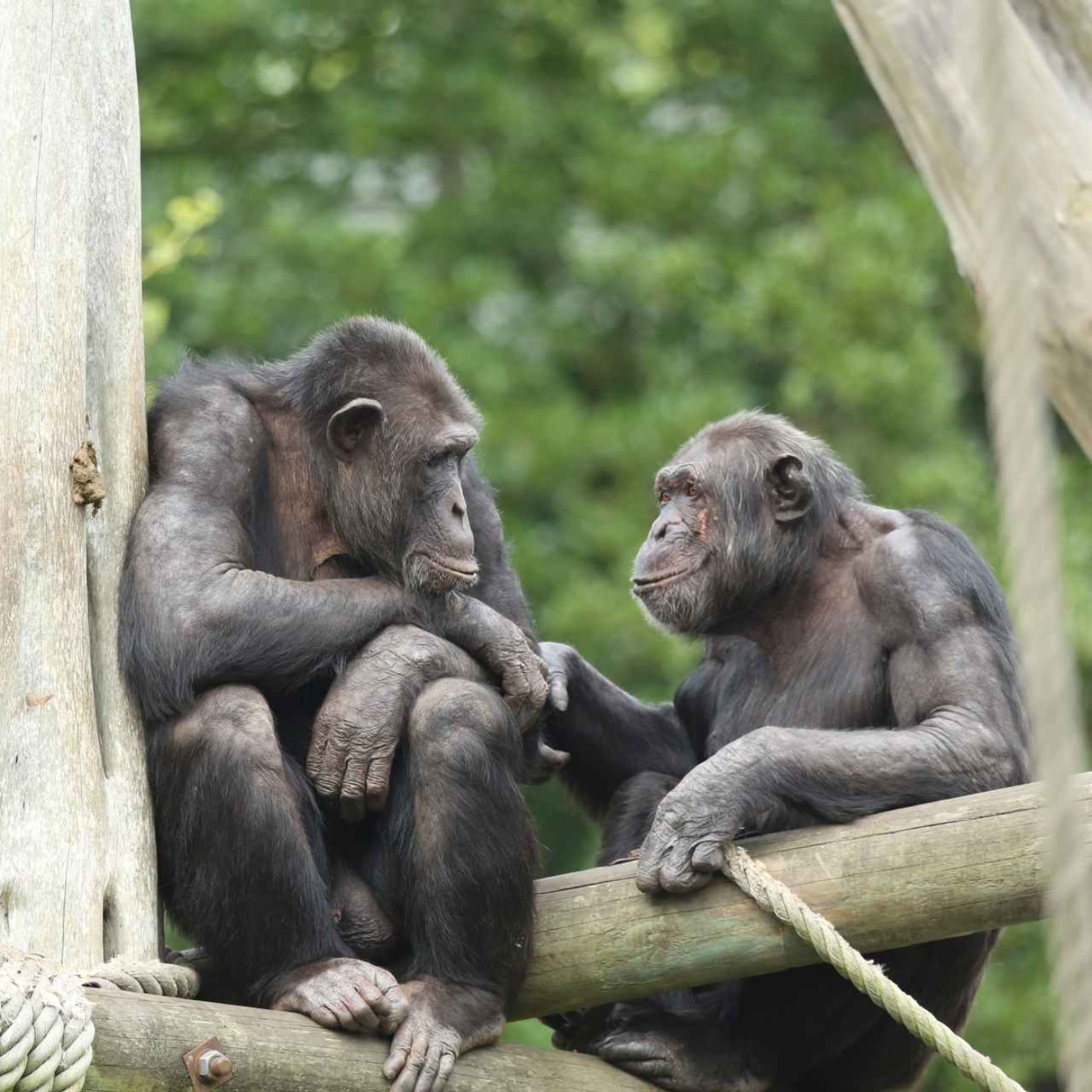
117: Bonobos and chimps show 'a rich recognition' for long-lost friends and family
Bonobos and chimpanzees — the closest extant relatives to humans — could have the longest-lasting nonhuman memory, a study led by a UC Berkeley researcher found. Extensive social memory had previously been documented only in dolphins and up to 20 years."What we're showing here," said Berkeley comparative psychologist Laura Simone Lewis, "is that chimps and bonobos may be able to remember
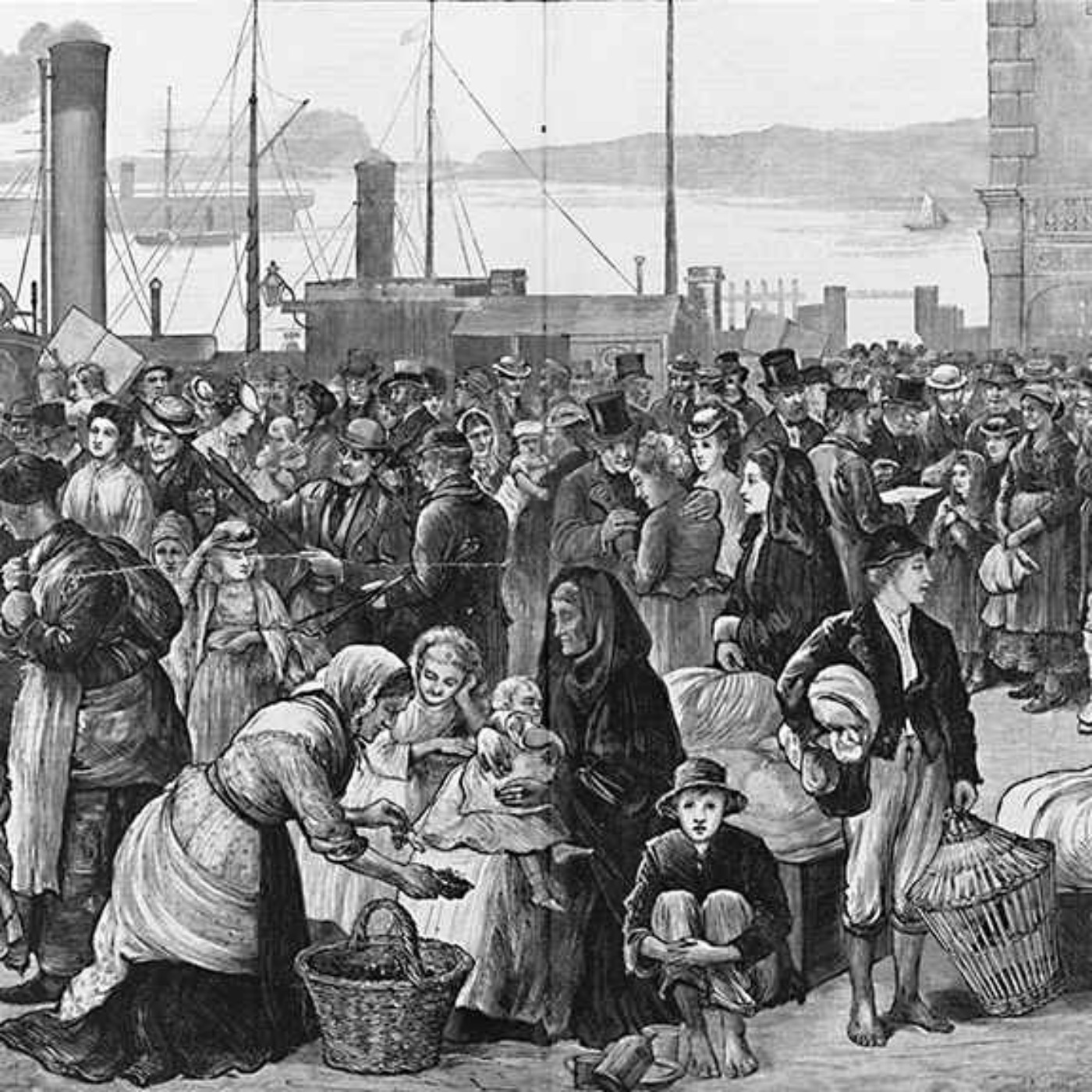
Afterthoughts: The true origins of American immigration policy
Historians have long assumed that immigration to the United States was free from regulation until the introduction of federal laws to restrict Chinese immigration in the late 19th century. But UC Berkeley history professor Hidetaka Hirota, author of Expelling the Poor, says state immigration laws in the country were created earlier than that — and actually served as models for national immigr
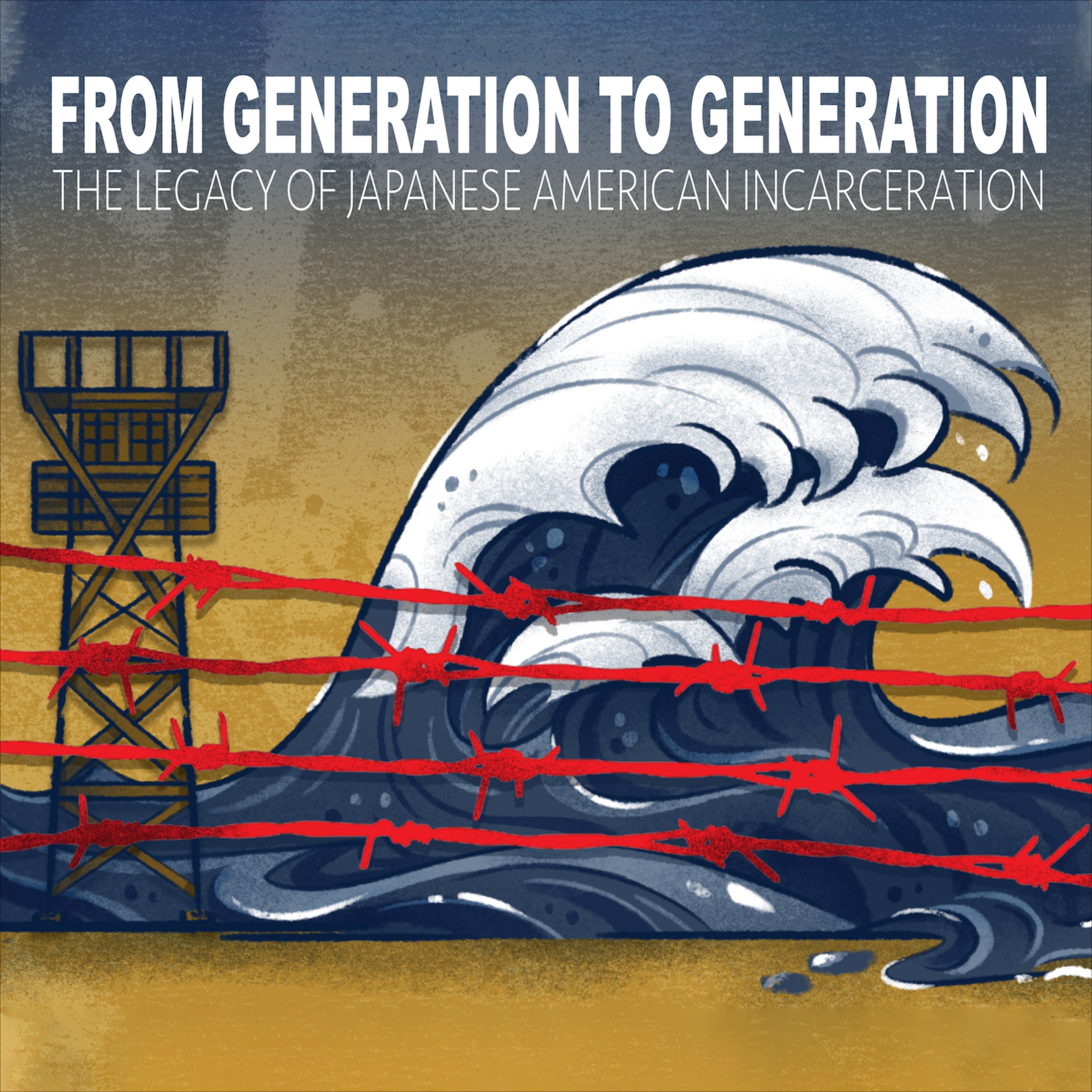
116: How WWII incarceration fueled generations of Japanese American activists
Today, we're sharing the first episode of the new season of the Berkeley Remix, a podcast by UC Berkeley's Oral History Center. The four-episode season, called "From Generation to Generation: The Legacy of Japanese American Incarceration," centers the experiences of descendants of Japanese Americans incarcerated by the U.S. government during World War II. It explores themes of activ
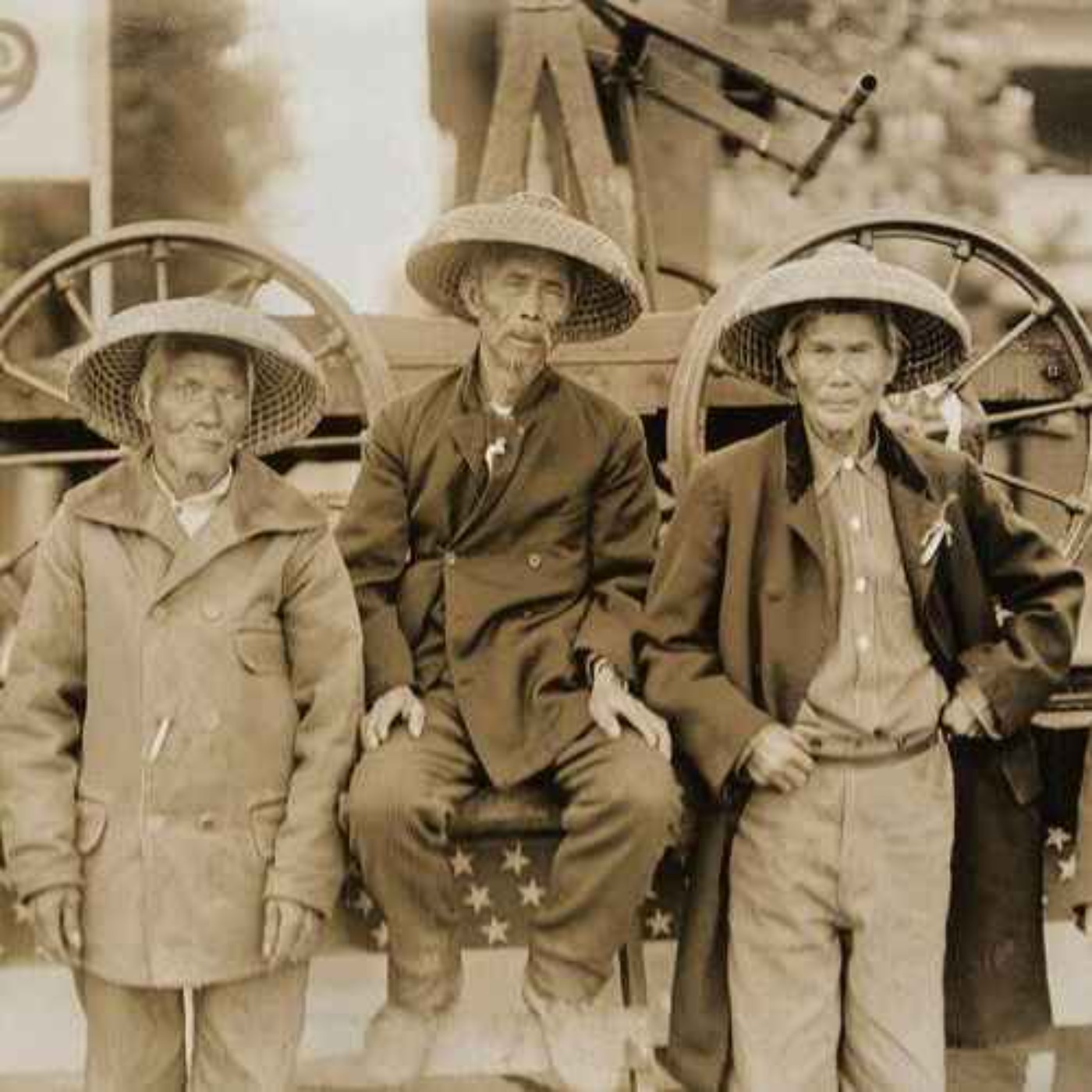
115: They built the railroad. But they were left out of the American story.
The U.S. transcontinental railroad is considered one of the biggest accomplishments in American history. Completed in 1869, it was the first railroad to connect the East to the West. It cut months off trips across the country and opened up Western trade of goods and ideas throughout the U.S.But building the railroad was treacherous, brutal work. And the companies leading the railroad project had a
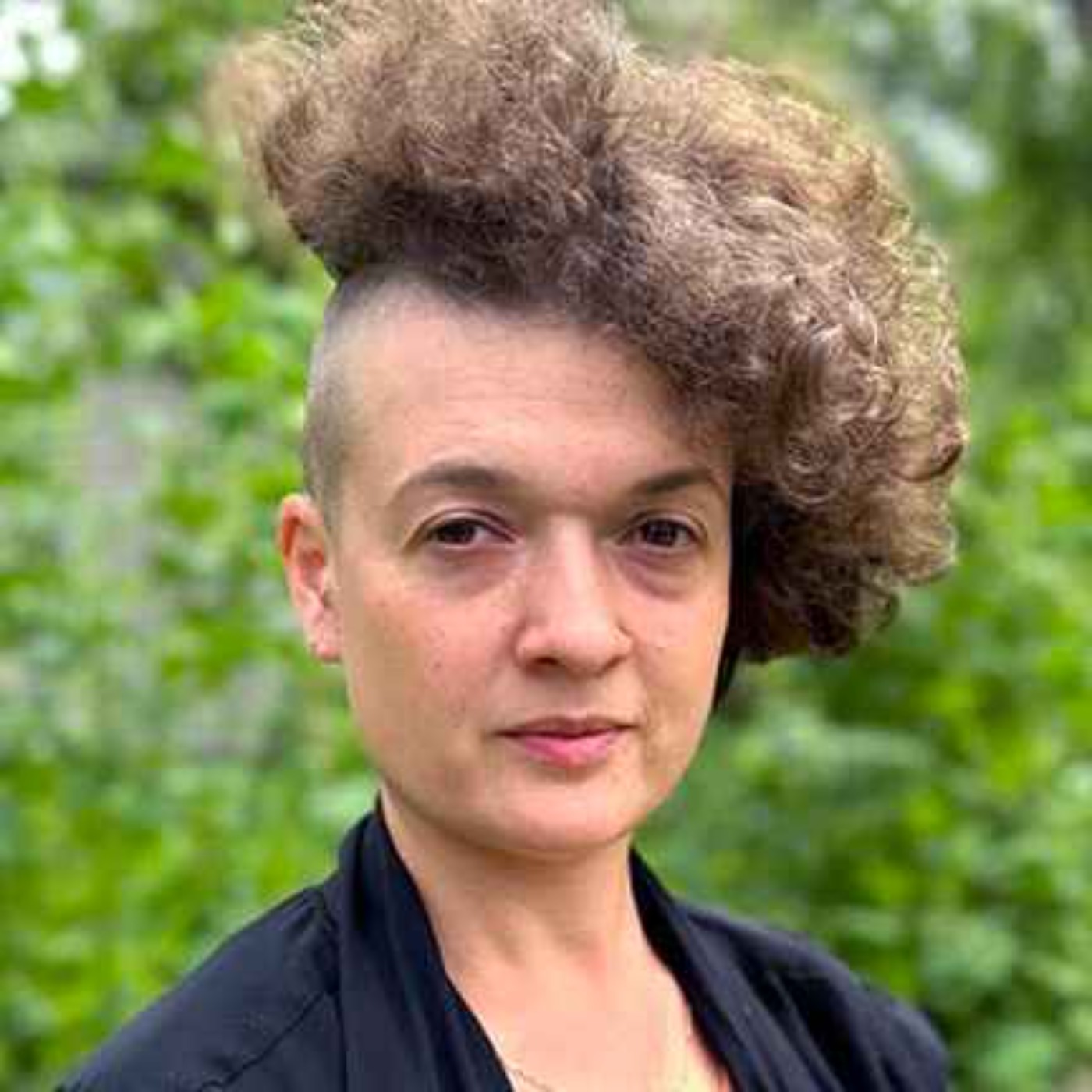
114: Theater as power: New professor brings Caribbean performance practice to Berkeley
UC Berkeley's first social justice theater professor, Timmia Hearn DeRoy, talks about how Trinidad and Tobago’s Carnival practice, rooted in emancipation, drives her work today."Trinidadian Carnival, it’s social justice theater in practice. Every moment, it’s all about emancipation, the subverting of the powerful narrative through humor, through performance, through doublespeak. And it just taught
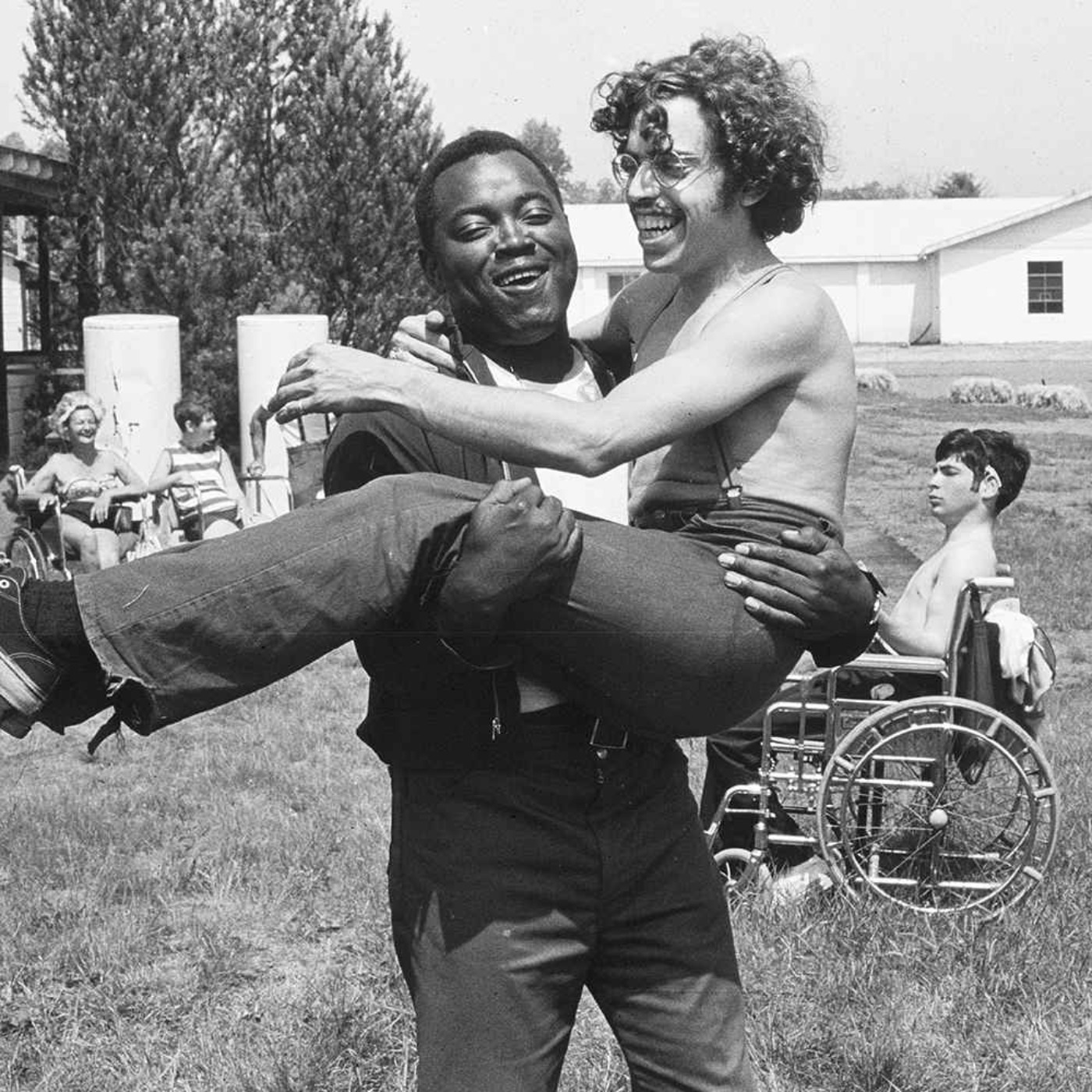
113: Funky and free-spirited: How a 1970s summer camp started a disability revolution
It was summertime in the early 1970s in New York City. Fifteen-year-old Jim LeBrecht boarded a school bus headed for the Catskill Mountains, home to Camp Jened, a summer camp for people with disabilities. As the bus approached the camp, he peered out the window at the warm and raucous group below."I wasn't exactly sure who was a camper and who was a counselor," he said. "I think that's really indi
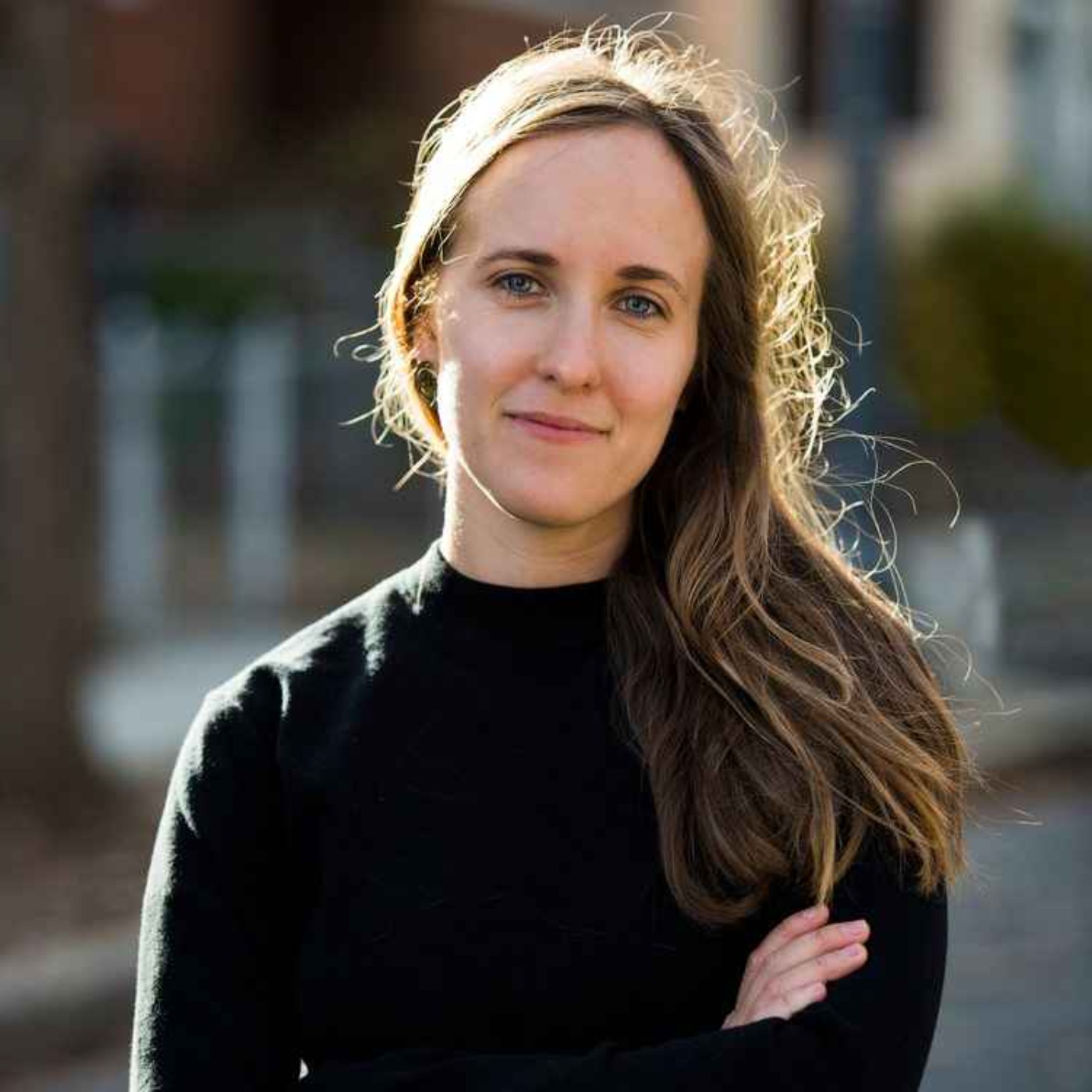
112: How the Holocaust ends
Growing up, Linda Kinstler knew that her Latvian grandfather had mysteriously disappeared after World War II. But she didn't think much about it."That was a very common fate from this part of the world," says Kinstler, a Ph.D. candidate in rhetoric at UC Berkeley. "It didn't strike me as totally unusual. It was only later when I began looking into it more that I realized there was probably more to
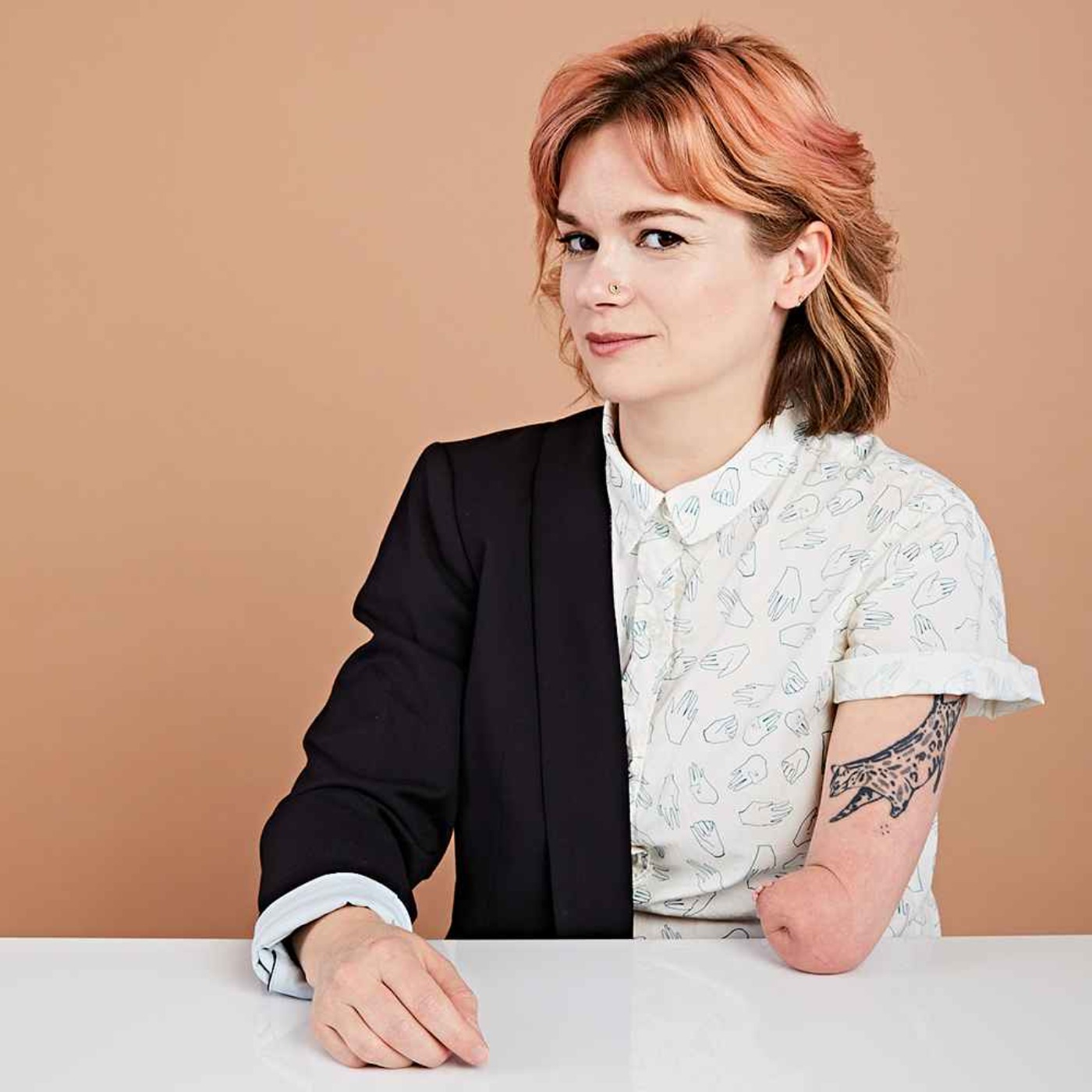
111: Britt H. Young on learning to navigate the world with the body she has
At 6 months old, Britt H. Young was fitted with her first prosthetic arm. "The belief was that you would get started on using an adaptive device right away and that would be easiest for you, rather than learning to adapt to your body the way that it is, rather than learning about how to navigate the world with the body you have," said Britt, who is graduating from UC Berkeley with a Ph.D. in
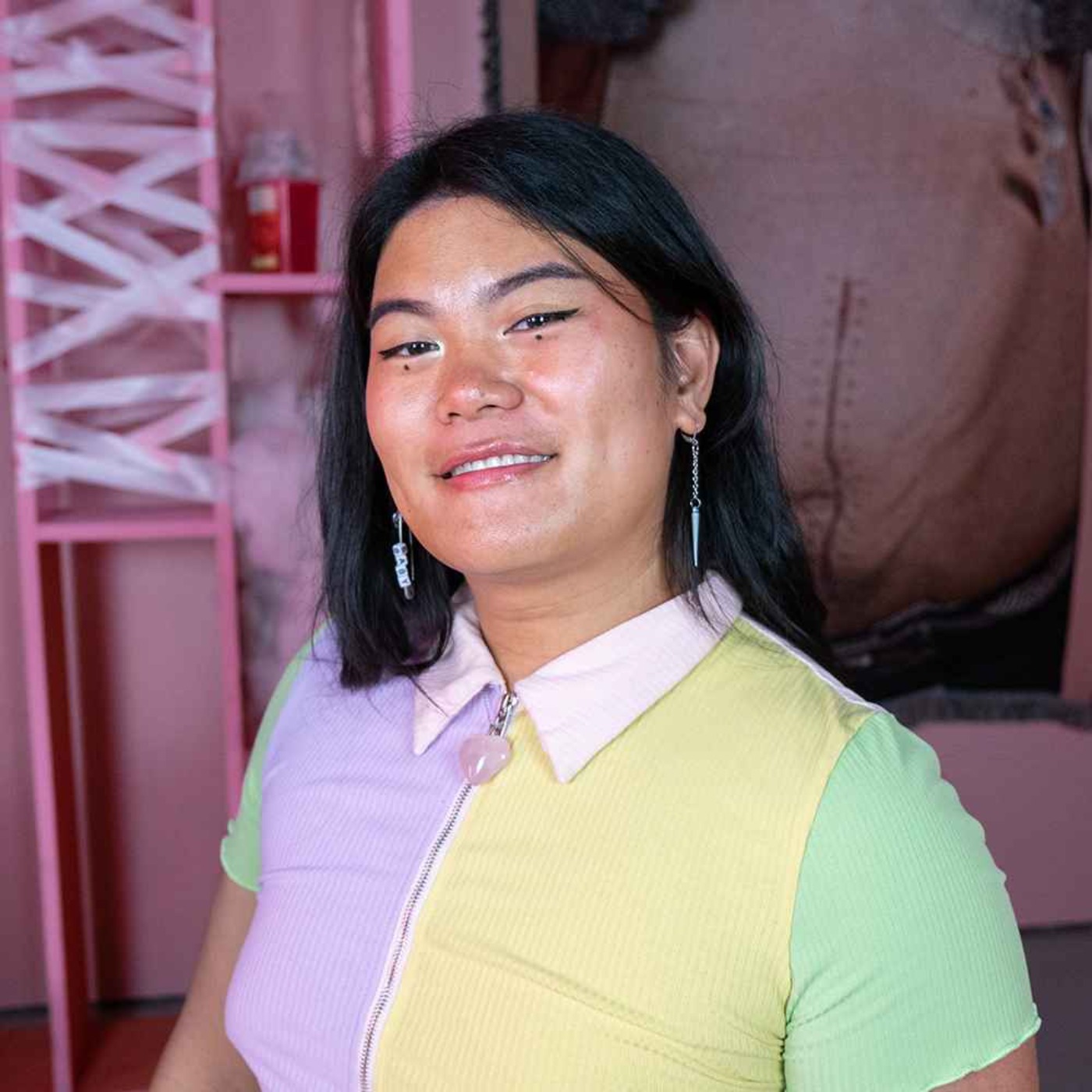
110: Gericault De La Rose knows who she is and won't change for anyone
Gericault De La Rose is a queer trans Filipinx woman, and refuses to change for anyone."Being that queer trans person completely owning herself I hope gives other people permission to be themselves, too," she says. A master's student in UC Berkeley's Department of Art Practice, Gericault explores in her art Philippine mythology and her experience as a trans woman. One time, she dressed up lik
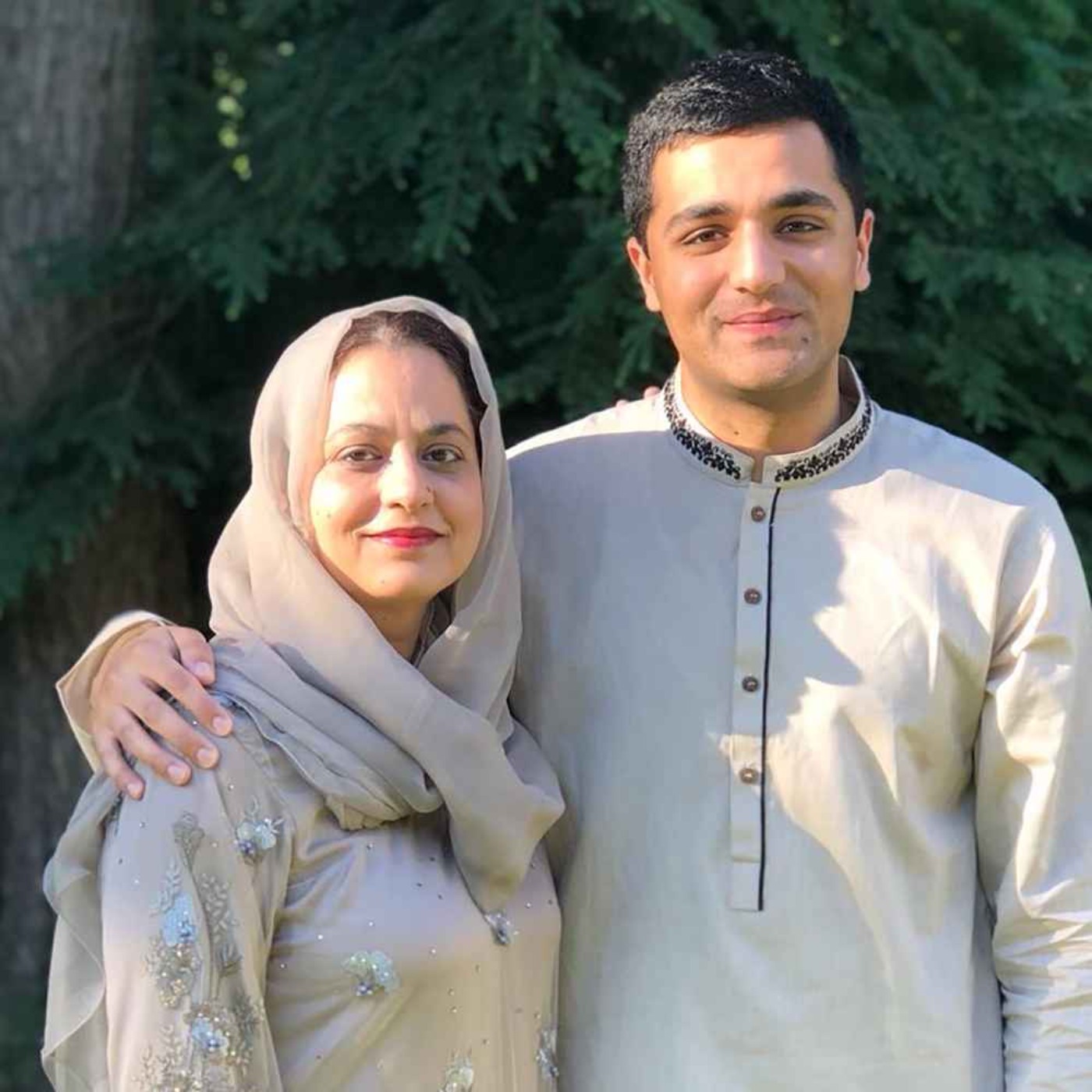
109: Ali Bhatti on Ramadan and how his faith guided him through deep loss
Yesterday at sunset marked the start of Ramadan, the ninth and holiest month of the Islamic calendar. For Ali Bhatti, a Ph.D. candidate in science and math education at UC Berkeley, it’s a time to feel closer to God, to break habits and to remember what he’s thankful for. In this episode, Ali describes, in his own words, what the month means to him. He also talks about how 9/11 shaped his childhoo
108: 'Be the Change': Purvi Shah on the moments of beauty as a civil rights lawyer
In this episode of Be the Change, host Savala Nolan, director of Berkeley Law's Thelton E. Henderson Center for Social Justice, interviews Purvi Shah.Shah is the founder and executive director of Movement Law Lab and a civil rights litigator, policy advocate and law professor who has spent over a decade working at the intersection of law and grassroots social movements.During their conversation, t
107: 'Be the Change': Nazune Menka on creating the course, Decolonizing UC Berkeley
In this episode of Be the Change, host Savala Nolan, director of Berkeley Law's Thelton E. Henderson Center for Social Justice, interviews Nazune Menka.Menka is a lecturer at Berkeley Law and a supervising attorney for the campus’s Environmental Law Clinic. She is Denaakk’e from Alaska and Lumbee from North Carolina. In fall 2021, Menka designed and taught a new undergraduate legal studies course
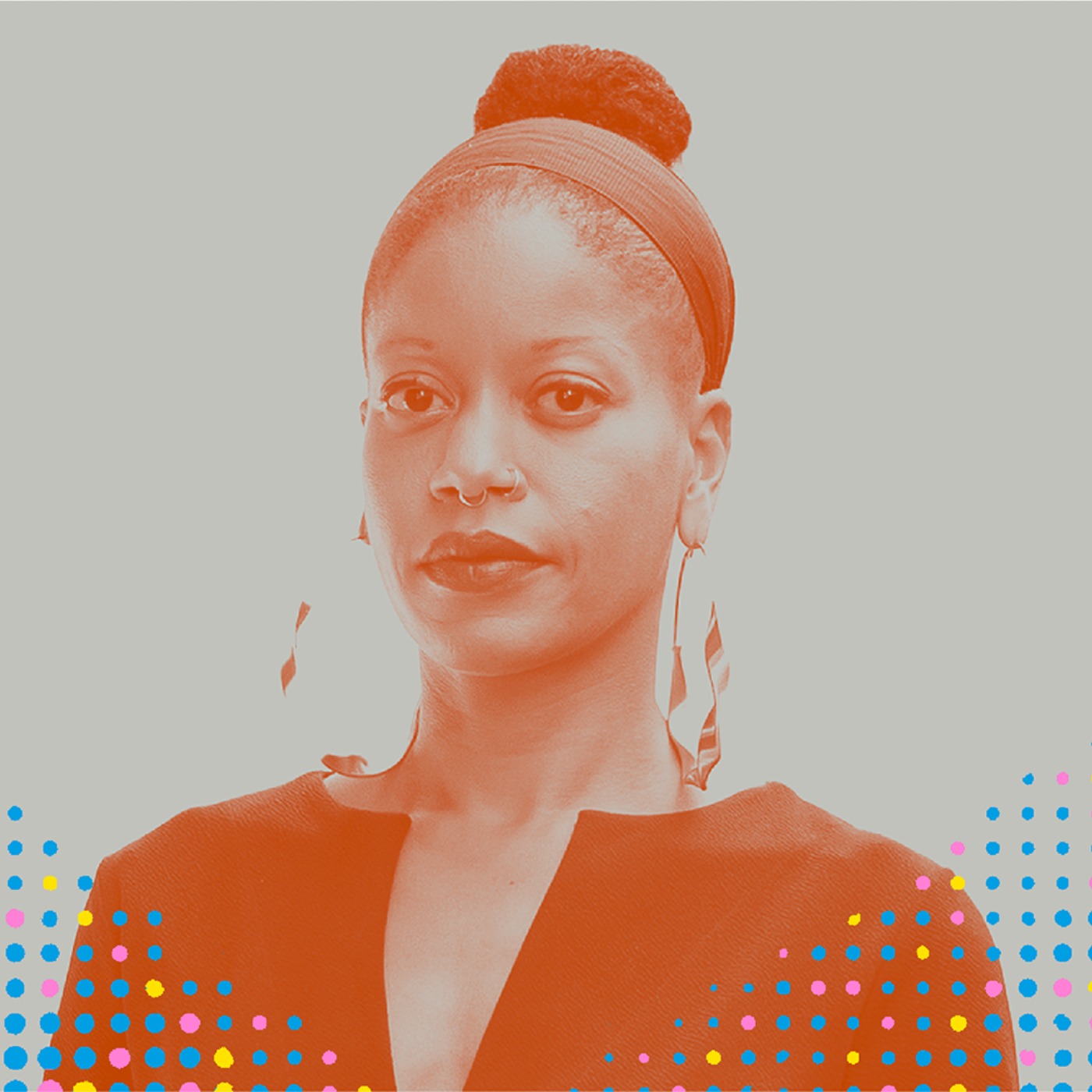
106: 'Be the Change': Khiara M. Bridges on claiming her voice as a prominent Black woman
Host Savala Nolan, director of Berkeley Law's Thelton E. Henderson Center for Social Justice, interviews Khiara M. Bridges. Bridges is a professor at UC Berkeley's School of Law and a powerful public intellectual who speaks and writes about race, class, reproductive justice and the intersection of the three.During their conversation, they talk about the process of Bridges claiming and using her vo
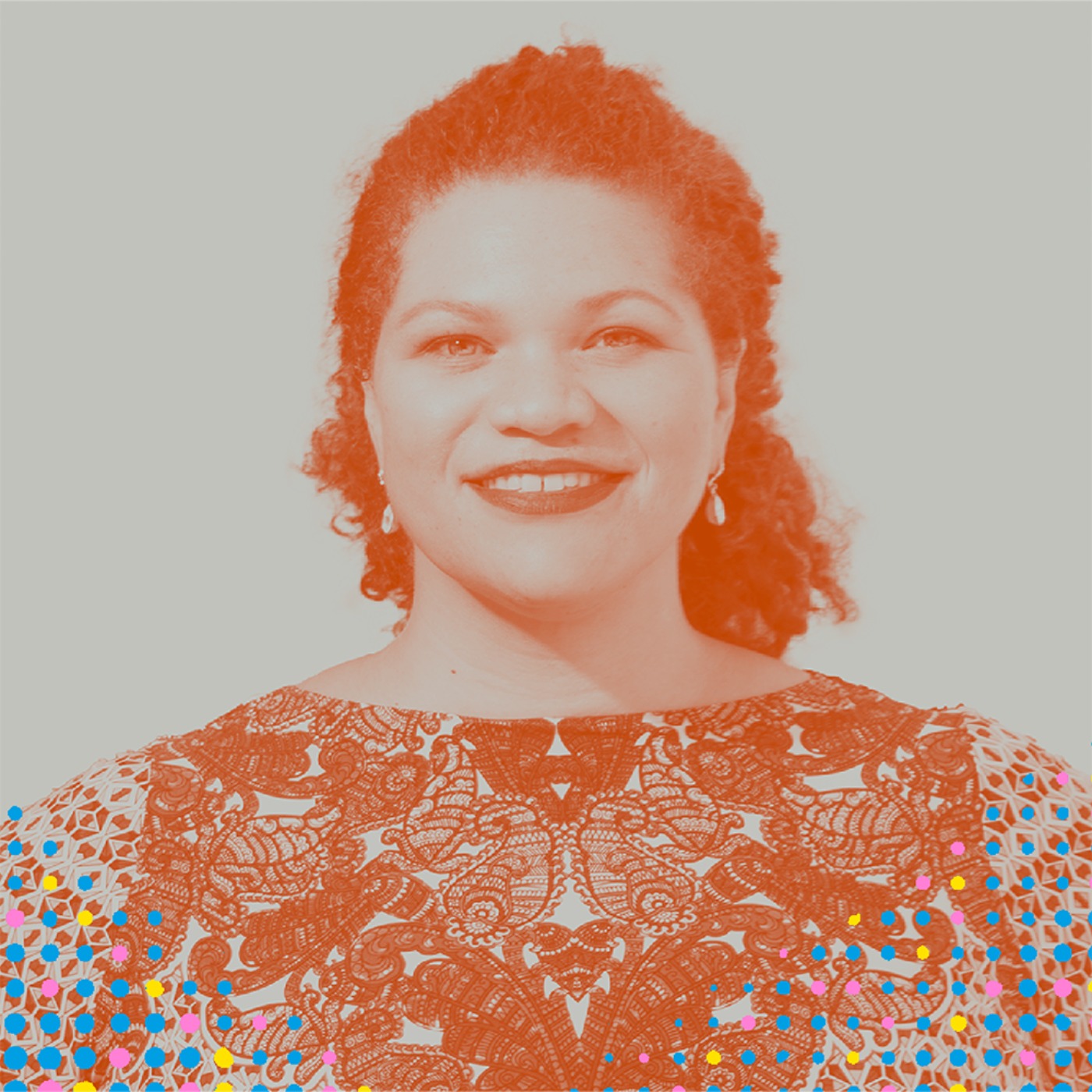
105: 'Be the Change': A podcast that aims 'to remove the mystery of making change'
Embodying the change you want to see in the world can feel ... well, intimidating. Impossible, even. But Berkeley Law's Savala Nolan wants to help us all figure it out — one step at a time — in her podcast, Be the Change. "We're talking about transforming the world and being the change and these very lofty concepts," says Nolan, director of the Thelton E. Henderson Center for Social Justice.
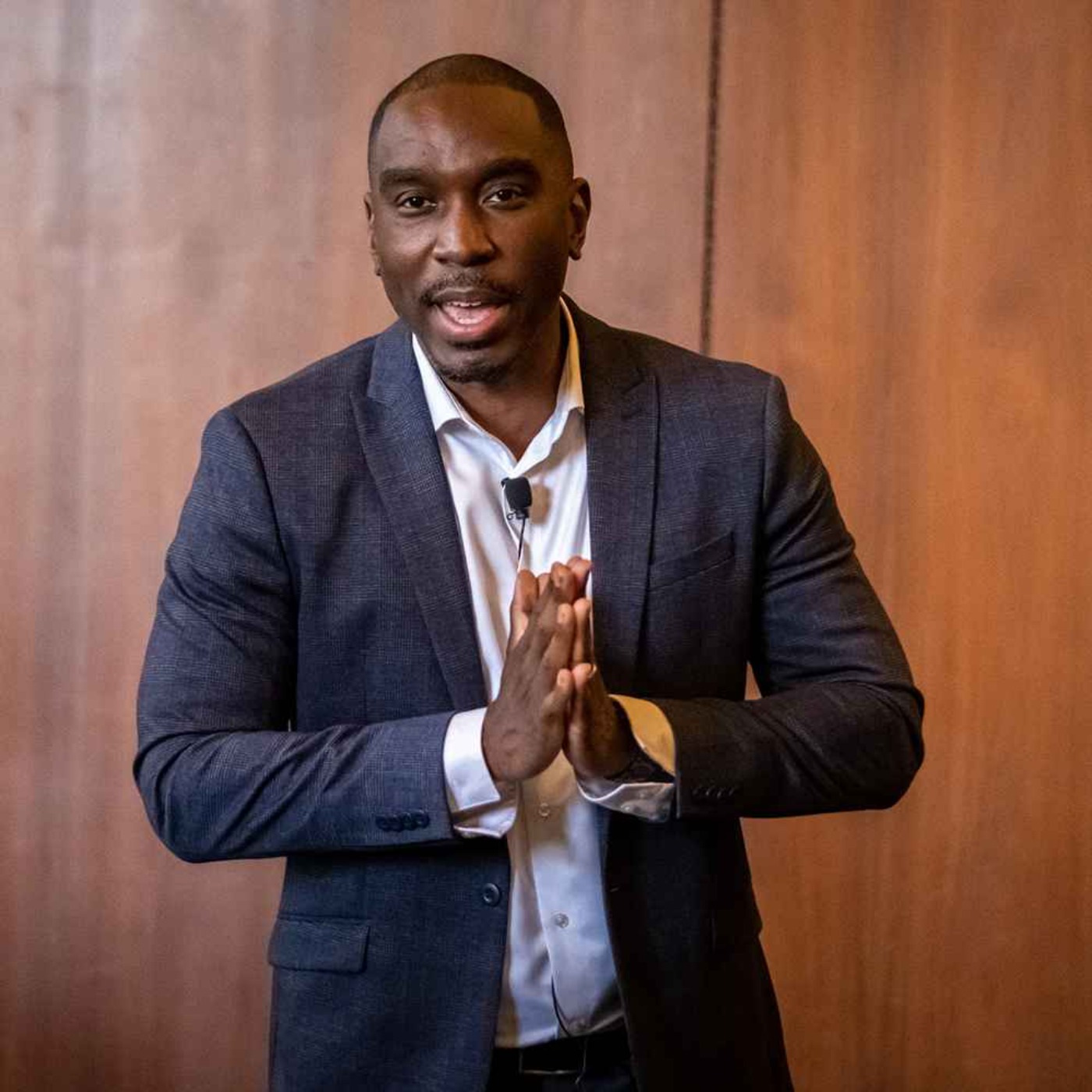
104: Ty-Ron Douglas: Bridging the academic and athletic worlds
We’ve heard the acronym DEIBJ a lot on campus, especially in the past few years. For those who might not know, it stands for diversity, equity, inclusion, belonging and justice. A growing number of people at UC Berkeley have positions dedicated solely to this incredibly important work.But sometimes it’s hard to know exactly what DEIBJ means, what it actually looks like in practice — now, in our da

103: Law student Hoda Katebi: Iran's protests are about 'total liberation'
In this episode of Berkeley Voices, Berkeley Law student Hoda Katebi discusses how, after she began wearing the hijab as a sixth-grader in Oklahoma, she learned that clothes are inherently political. "It played a huge role in shaping my own personal growth, as well as my relationship to politics," Katebi says.Since protests broke out in Iran nearly three months ago, sparked by the murder of 22-yea
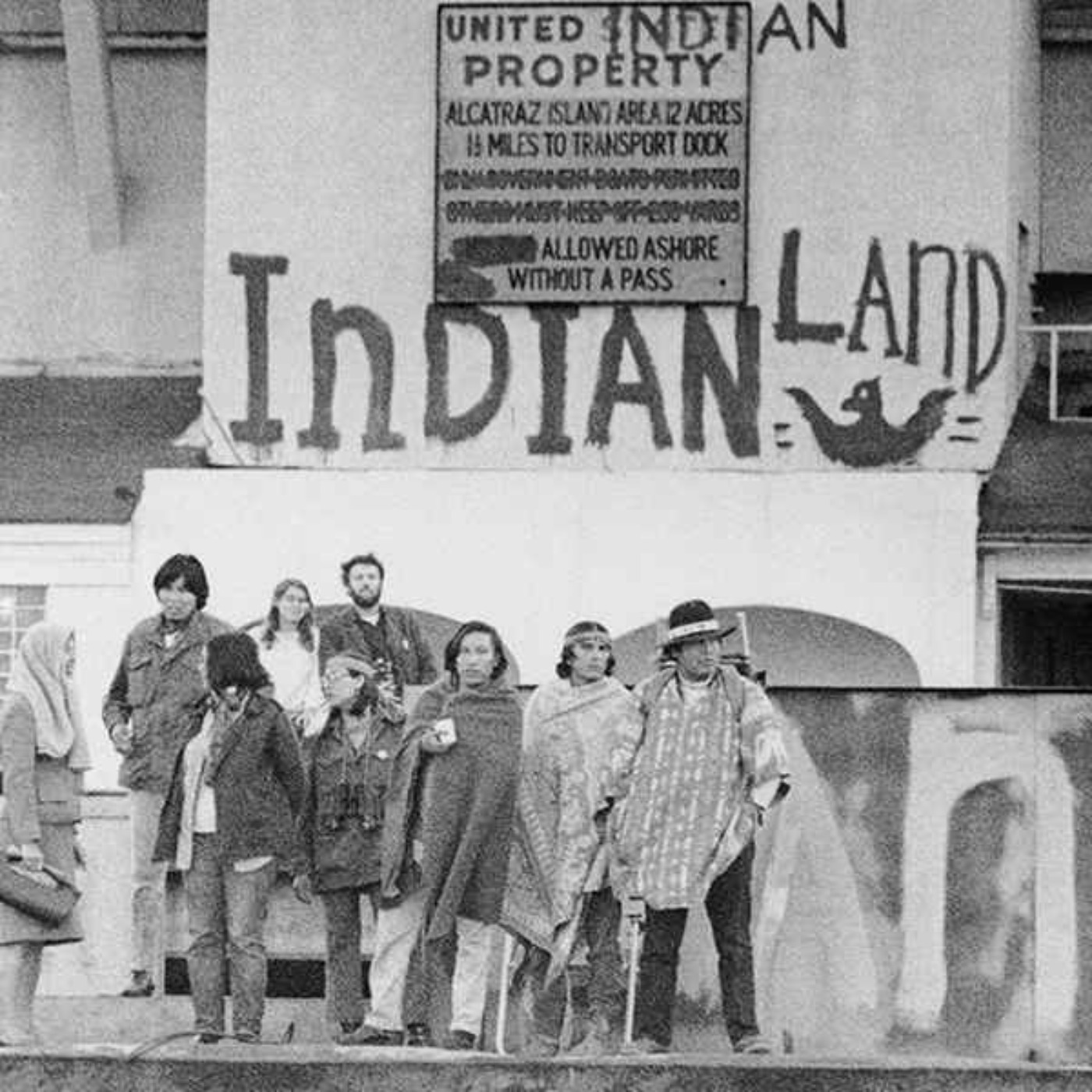
102: Exploring the sound of the American Indian occupation of Alcatraz
On Nov. 20, 1969, a group of Indigenous Americans that called itself Indians of All Tribes, many of whom were UC Berkeley students, took boats in the early morning hours to Alcatraz Island in San Francisco Bay. They bypassed a Coast Guard blockade and took control of the island. The 19-month occupation that followed would be regarded as one of the greatest acts of political resistance in American
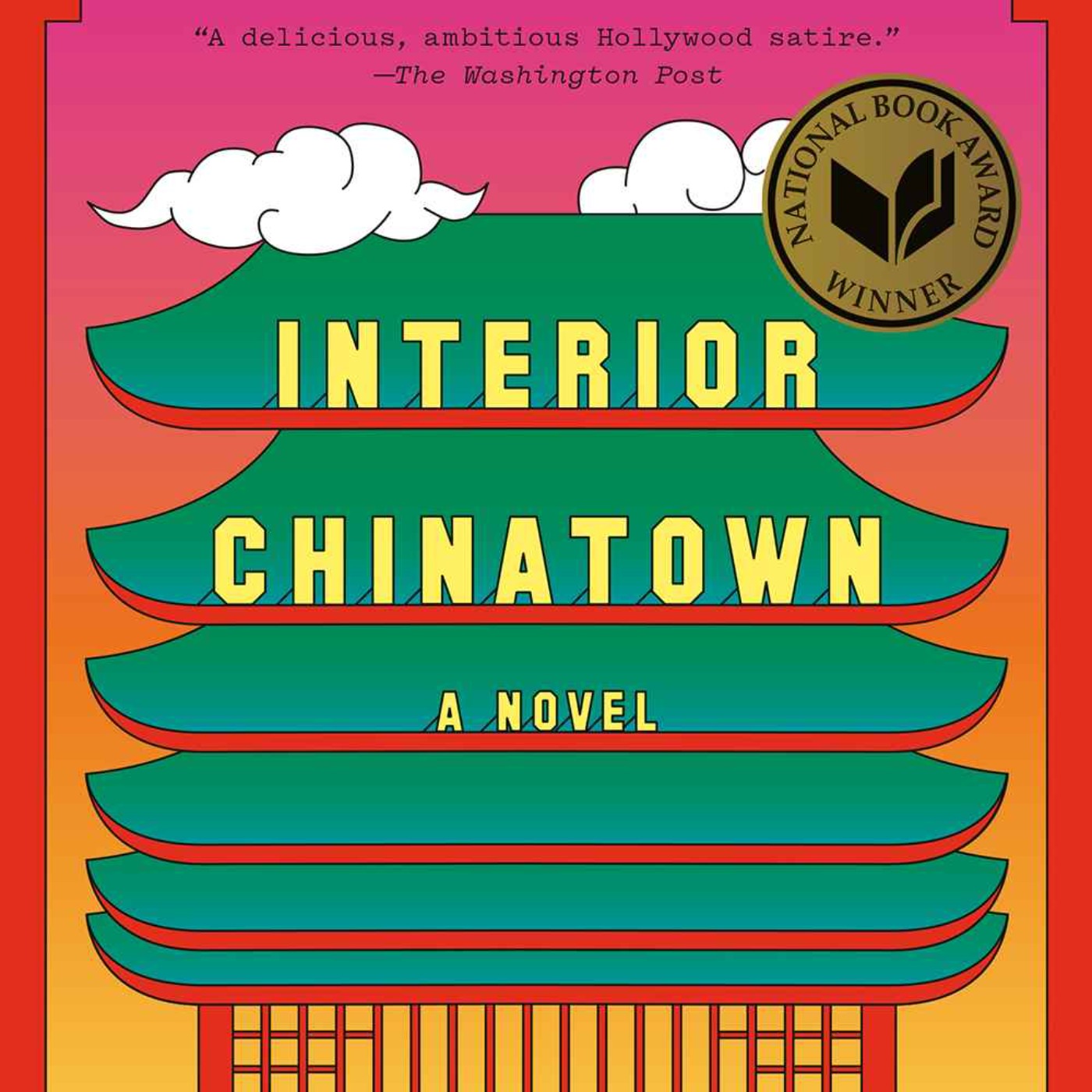
101: 'Interior Chinatown' is about roles and how we play them
In this episode of Berkeley Voices, Charles Yu discusses his 2020 book, Interior Chinatown, which goes inside the mind of a young Asian American man trying to make it in Hollywood. Incoming UC Berkeley students read the book over the summer as part of On The Same Page, a program from the College of Letters and Science."This is really a book about roles and how we play them," Yu said. "Sometimes t

100: How Roe v. Wade radically changed American culture
When Roe v. Wade was handed down by the U.S. Supreme Court in 1973, which protected a woman’s right to an abortion, “it changed everything,” says Kristin Luker, a professor emerita of law and of sociology at UC Berkeley. “It was so revolutionary — I argue it was on a par with the American Revolution or the French Revolution.”Last Friday, the Supreme Court voted to overturn Roe, giving states broad
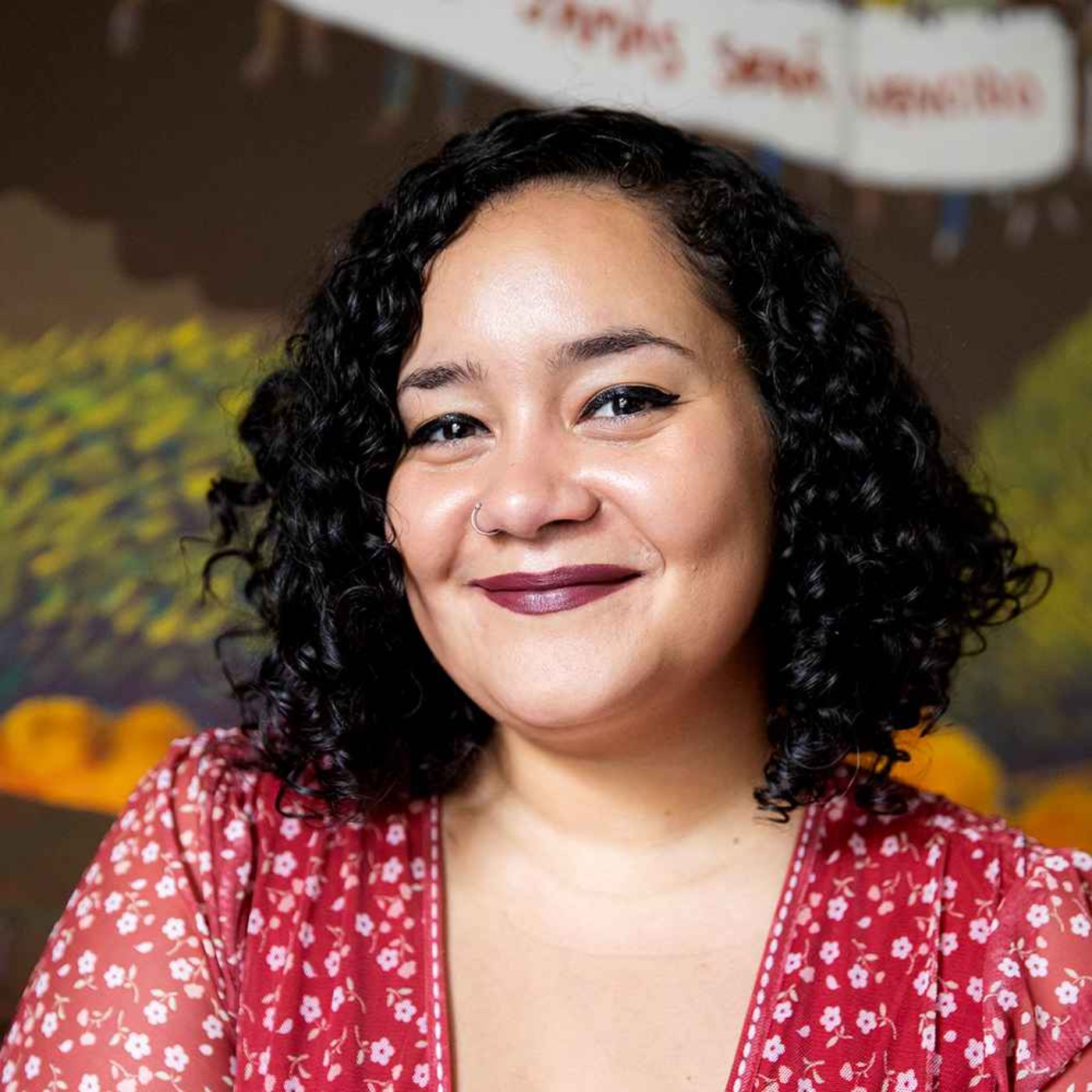
99: Indi Garcia lives and breathes the 'abolitionist philosophy'
In episode 99 of Berkeley Voices, Berkeley Law student Indi Garcia, who is graduating on May 13 with pro bono honors for her work on the Post-Conviction Advocacy Project, talks about how meeting with incarcerated men as a college student inspired her anti-prison and criminal justice work. "These men were just brilliant," said Garcia. "They were so much more than the crimes that led them there."Lis
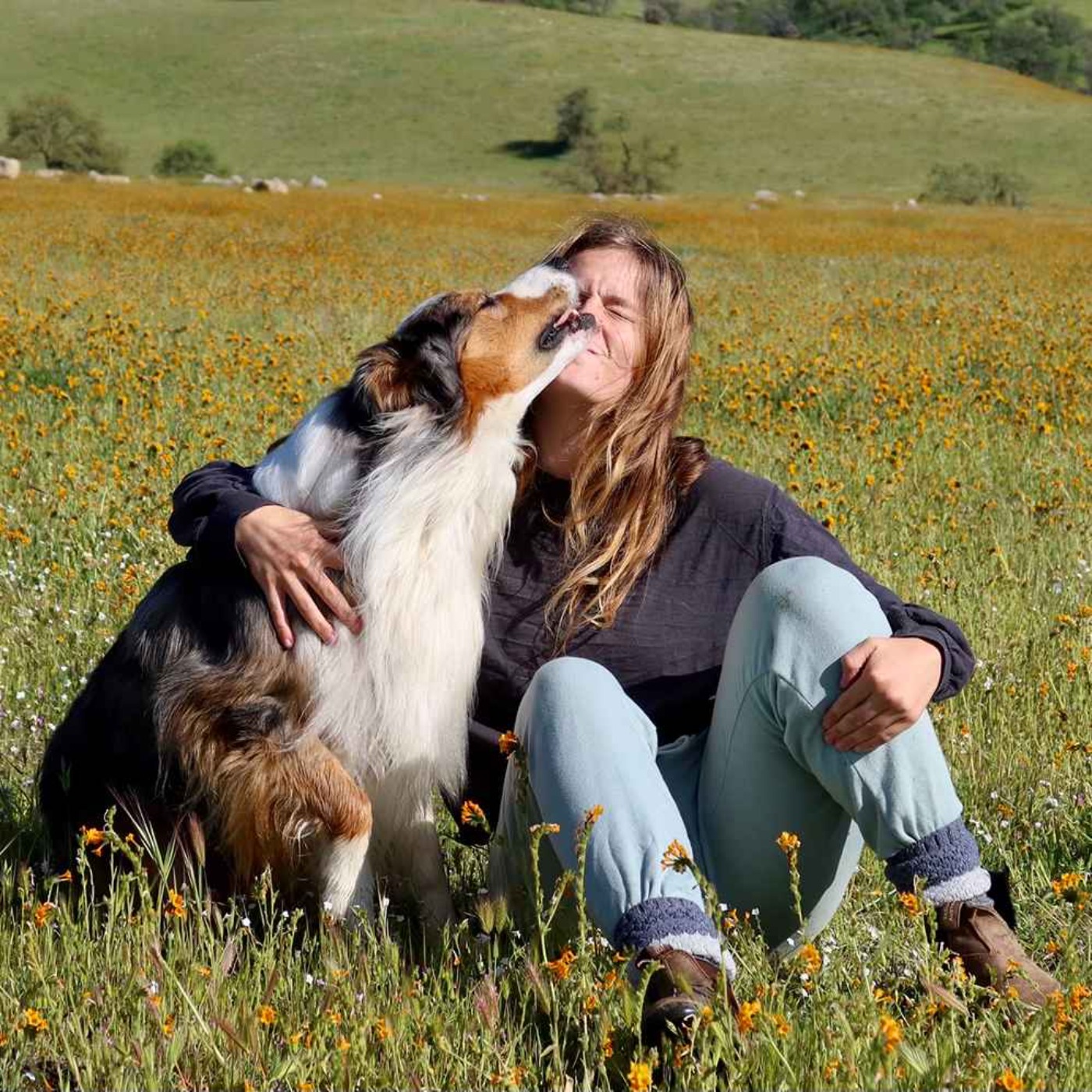
98: How one student finds hope in her 'fellow earthlings'
In this episode of Berkeley Voices, Hope Gale-Hendry, a fourth-year student in ecosystem management and forestry at UC Berkeley, shares in her own words how she discovered her deep interconnectedness with all living things, and why she decided to study the American pika. "We have a shared history on this planet," said Hope. "That is the lesson that I have been able to use to foster my passion for
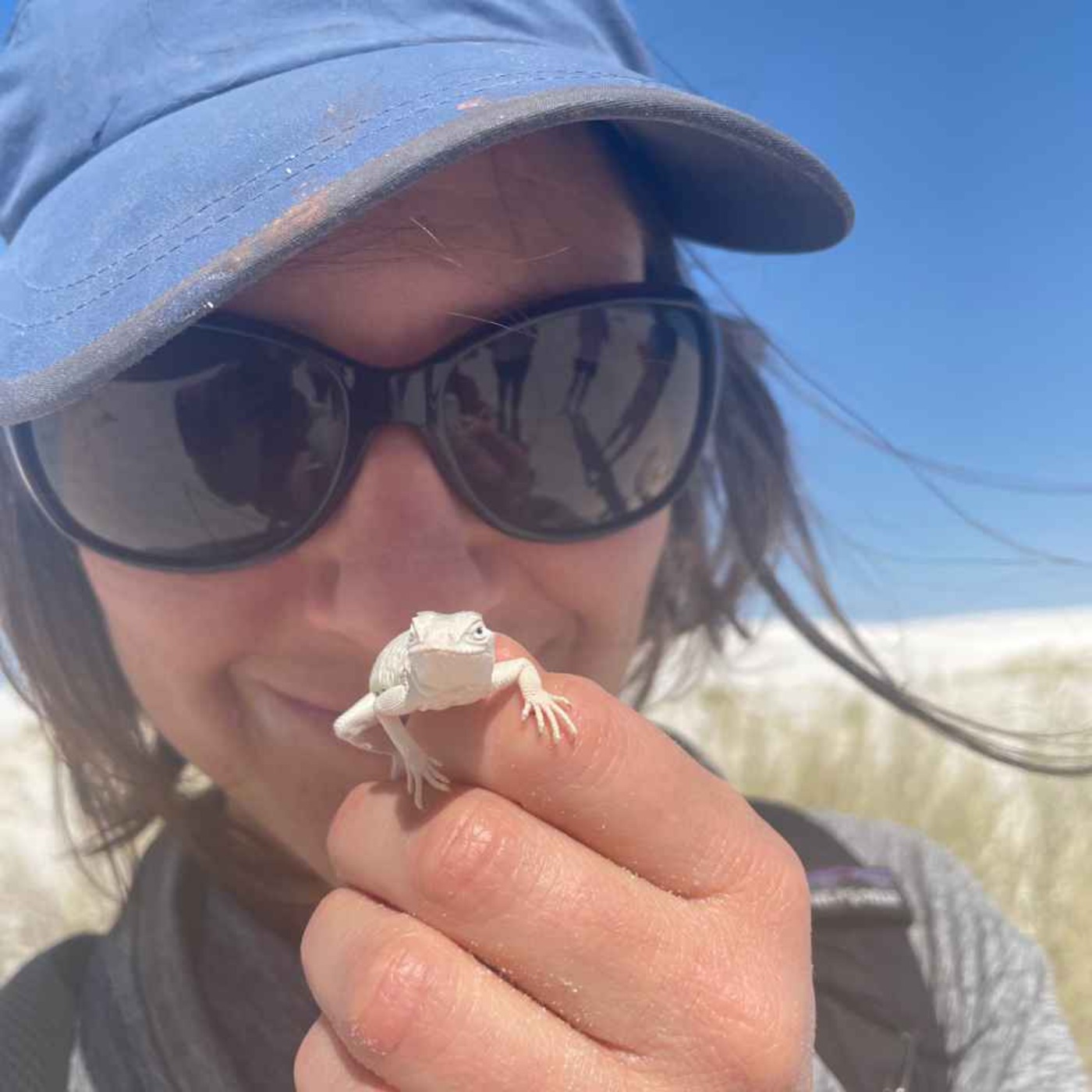
97: Biologist confronts deep roots of climate despair
In this episode of Berkeley Voices, Bree Rosenblum, a professor of global change biology at UC Berkeley, talks about why we need to stop blaming each other for the environmental crisis that we’re in, and instead confront its root causes and expand our ideas of what it means to be human on our planet. "We are in such an individual and collective squeeze point," she said. "Do we want humanity to mea
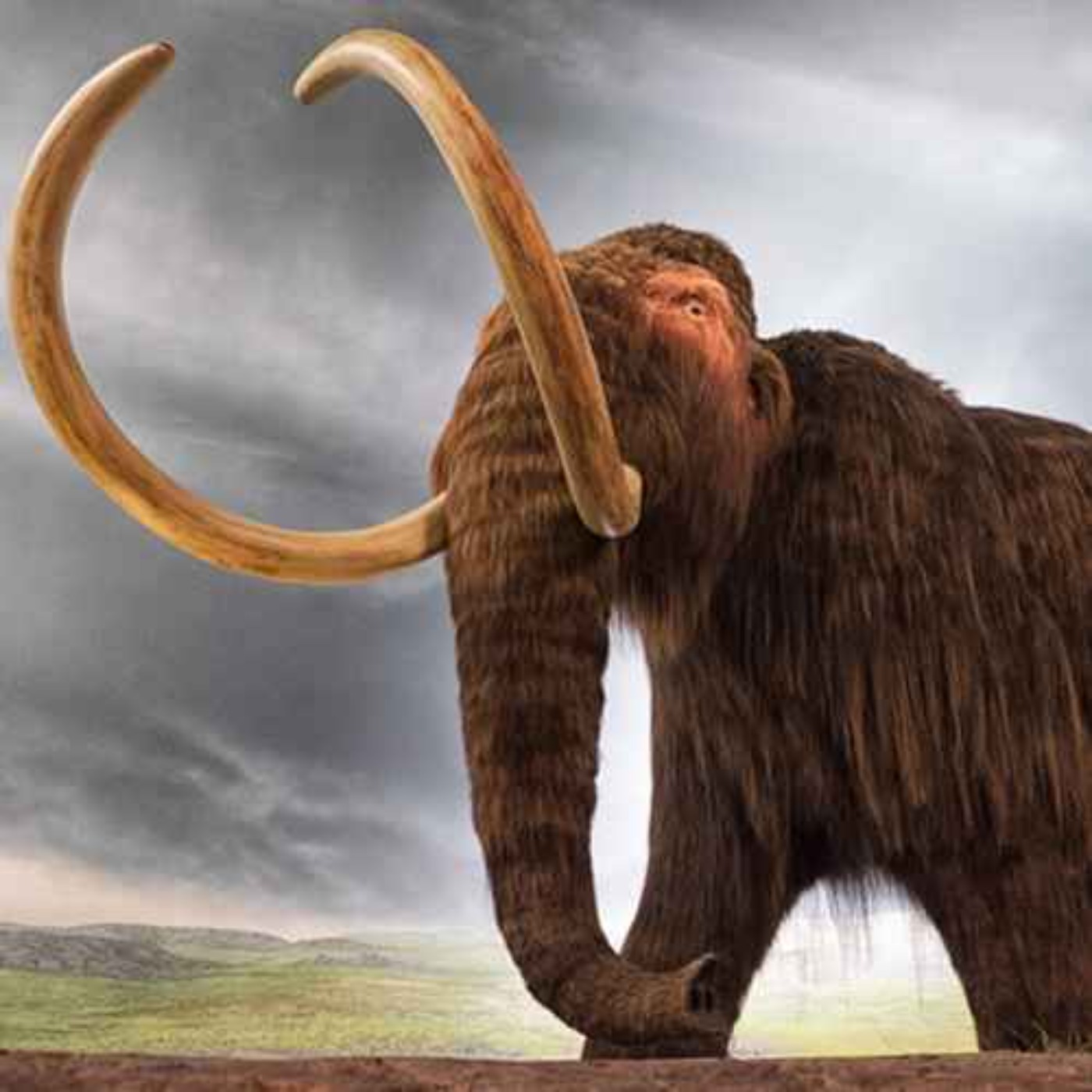
96: Should we bring back woolly mammoths?
Today, we are sharing an episode from The Edge, a podcast by California magazine and the Cal Alumni Association: "Should we bring back woolly mammoths?" Hosts Laura Smith and Leah Worthington sat down with a genetic engineer and an ecologist to understand how de-extinction works and to explore its unintended consequences. This episode was originally released in June 2021.Listen to the episode and
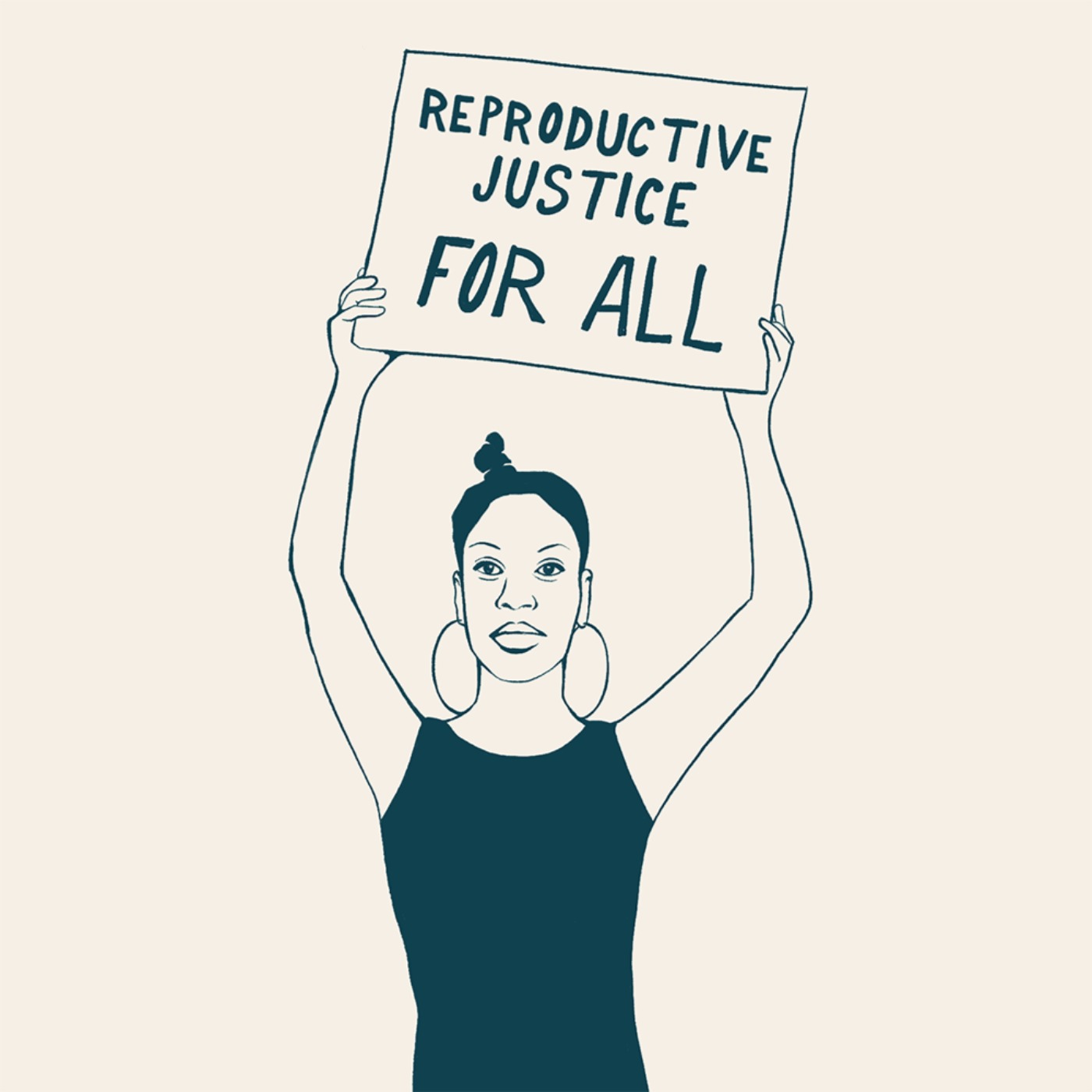
95: 'The past will be present when Roe falls’
Berkeley Law professor and anthropologist Khiara Bridges discusses the history of reproductive rights in the U.S., what’s at stake when Roe v. Wade is overturned and why we should expand our fight for reproductive justice. "Roe v. Wade didn't fall out of the sky," says Bridges. "In 1973, the justices weren’t like, 'You know what we should make up? A right to an abortion.' Roe v. Wade was actually
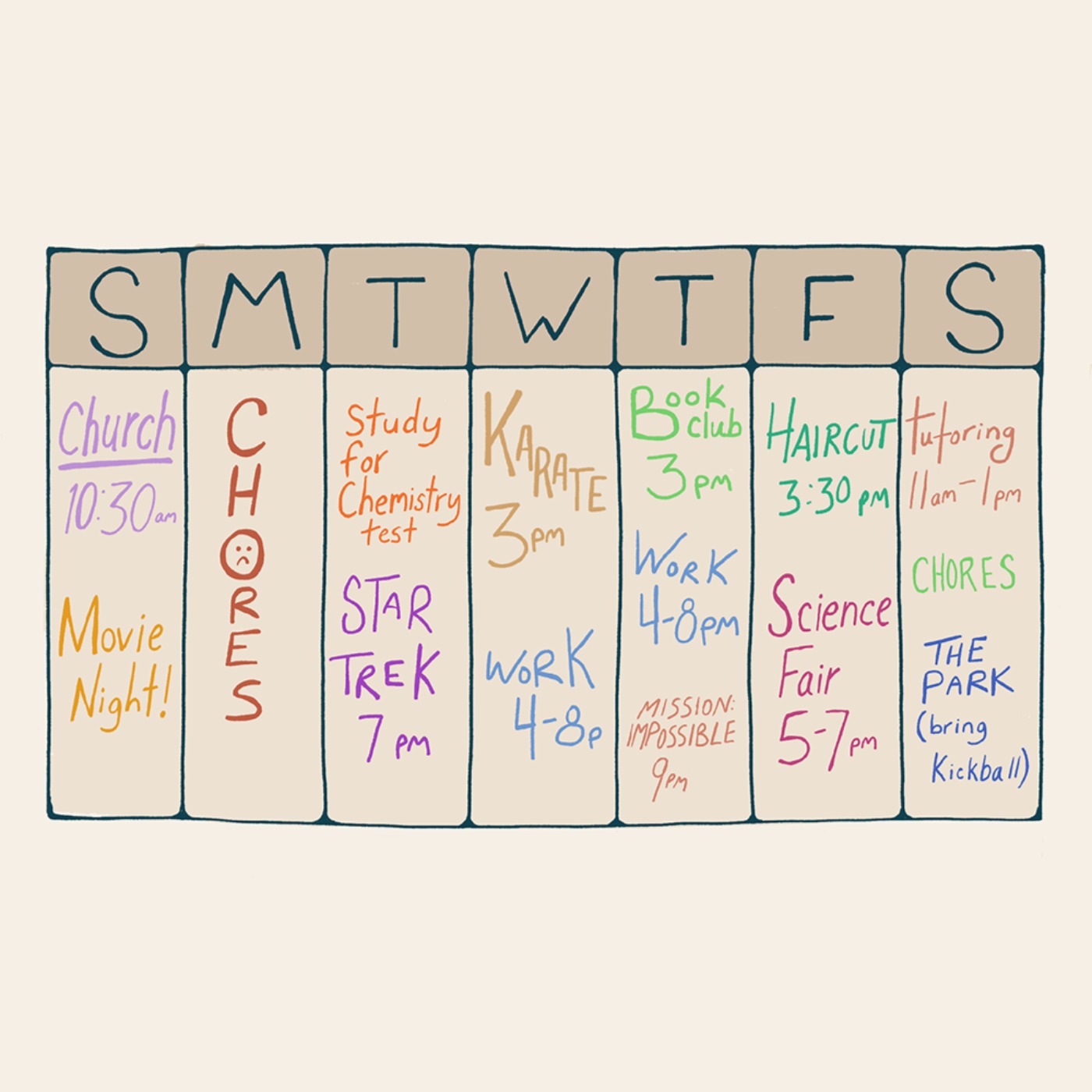
94: How the seven-day week made us who we are
As a kid growing up in New York City, Roqua Montez was interested in everything — comics, dinosaurs, science, music and dance, martial arts — and his calendar filled up fast. Now, as the executive director of communications and media relations in UC Berkeley's Office of Communications and Public Affairs, he still has a lot to keep track of. To manage his activities and responsibilities, Roqua has

93: How the Great Migration transformed American music
Between 1910 and 1970, about 6 million Black Americans moved from the rural South to cities in the North, the West and other parts of the United States. It’s known as the Great Migration. Musicians who moved to these cities became ambassadors, says UC Berkeley history professor Waldo Martin, “not only for the music of the South, but for the culture from which the music emerged. And the music was m

92: California needs a new water supply. Could wetlands be an answer?
As drought and the effects of climate change continue to threaten the water supply that Californians rely on, experts at UC Berkeley are looking for new ways to generate an ongoing, stable water supply in its cities that is not as reliant on the weather. "Californians are leaders worldwide in the recycling of water," says David Sedlak, a professor in the Department of Civil and Environmental Engin
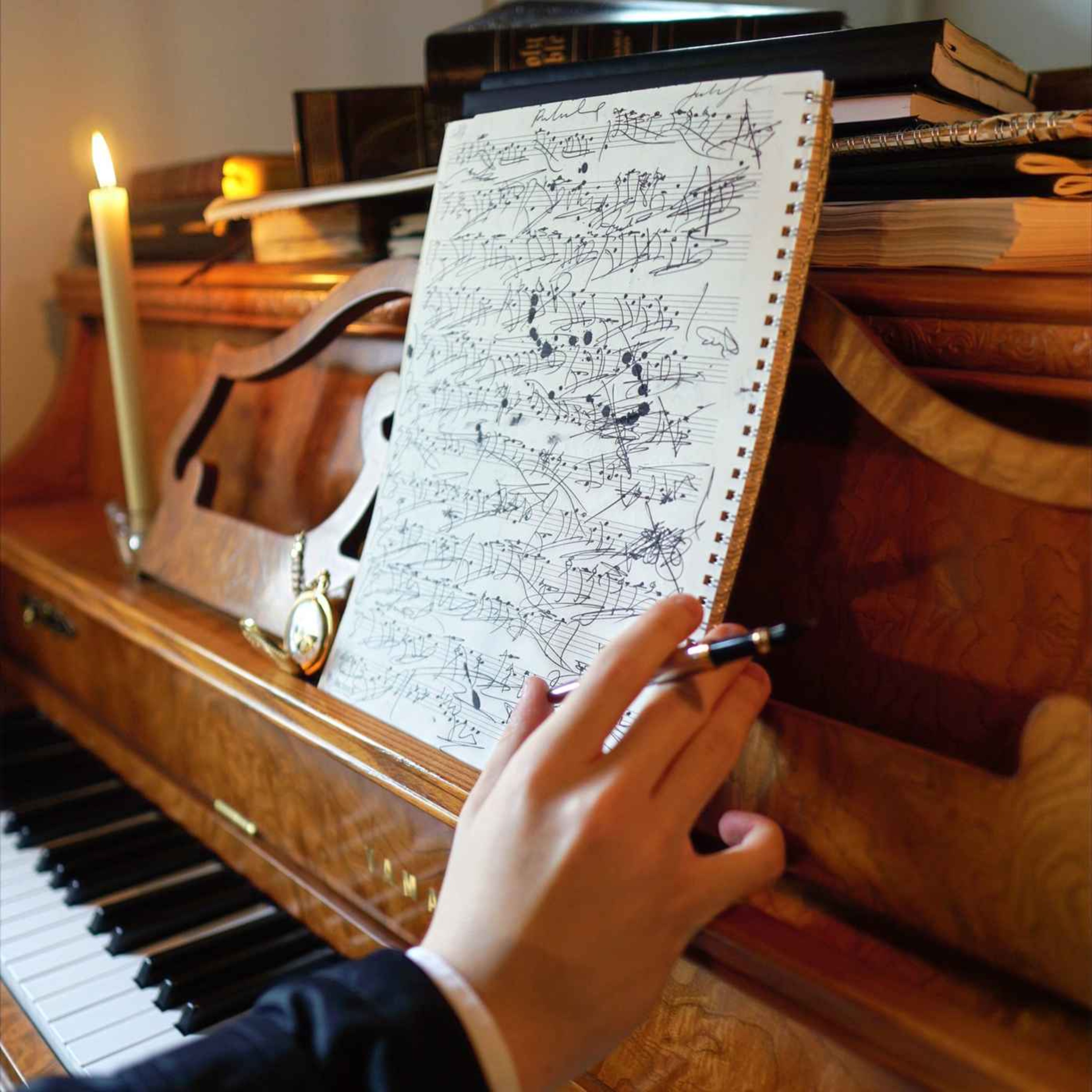
91: From a $16 keyboard to a symphony
When Joshua Kyan Aalampour was 16, he taught himself to play the piano using a cheap 61-key keyboard and videos on YouTube. Four years later, Joshua is a music student at UC Berkeley. He has performed his work at Lincoln Center, written a symphony and composed a score for a feature-length film. He teaches music to students around the world. He performs a new piece for TikTok every day. All while t

90: Giving up Twitter with Michael Pollan
Today, we share an episode of The Science of Happiness, a podcast produced by our colleagues at the Greater Good Science Center. Host and UC Berkeley psychology professor Dacher Keltner talks with Berkeley Journalism professor and bestselling author Michael Pollan about what it was like for Pollan to give up Twitter — something that he found was becoming a somewhat unproductive compulsion.Nex
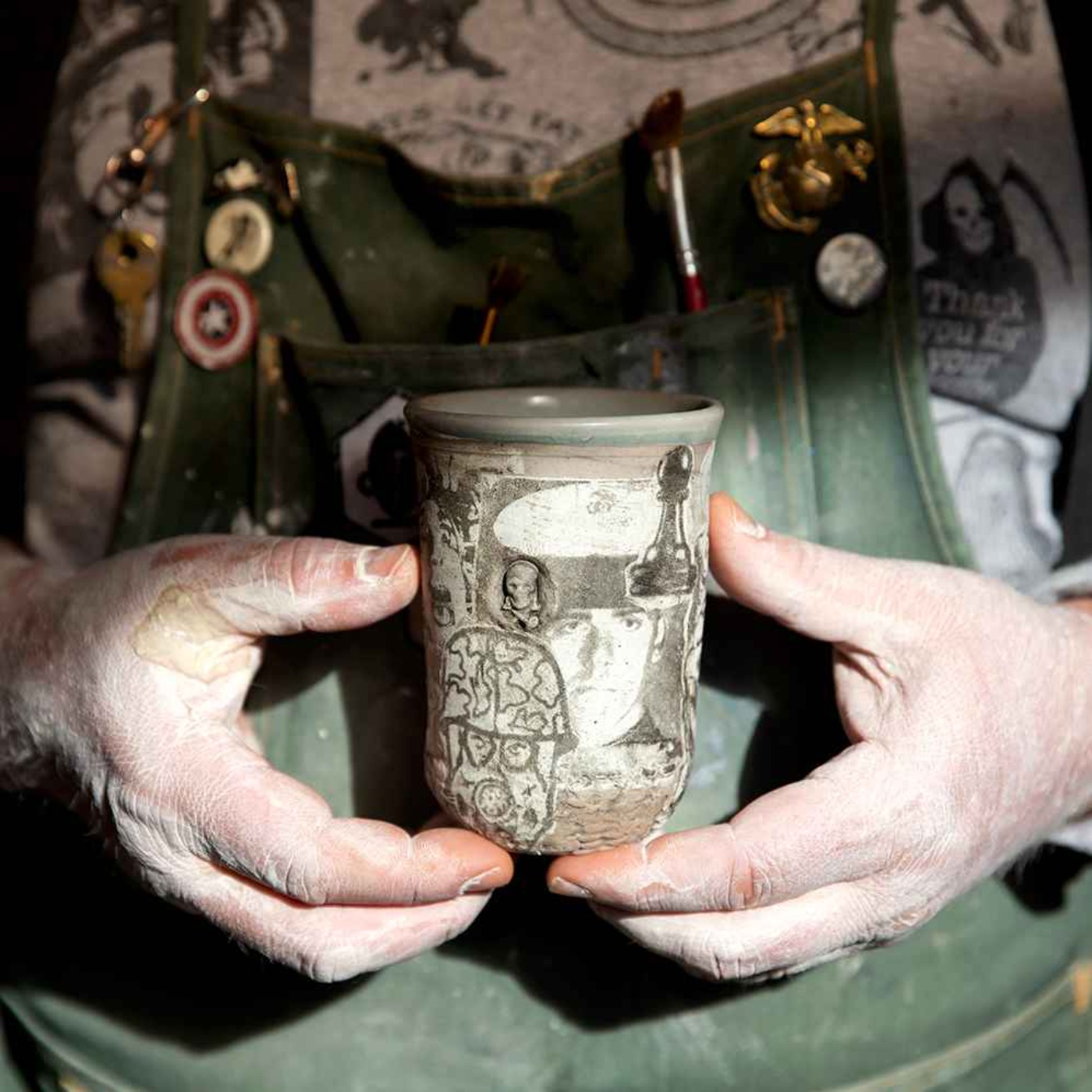
89: Cups for conversations — about war
Ehren Tool is the ceramics studio manager in the Department of Art Practice at UC Berkeley and a veteran of the 1991 Gulf War. In his off-time, he makes brutal-looking clay cups to start conversations about war. Since 2001, he has made and given away more than 21,000 of them. Here he is — in his own words — talking about his cups. Listen to the episode, read the transcript and see photos on UC Ber

88: Recycling isn't what we thought it was. So, what now?
In 2018, China enacted a policy that effectively banned the import of most plastics and other materials. "That really, I think, was the Chinese government drawing a line in the sand and saying, 'Look, we don’t want to be seen as the world’s garbage dump anymore,'" said Kate O'Neill, a professor in UC Berkeley's Department of Environmental Science, Policy and Management and author of the 2019 book
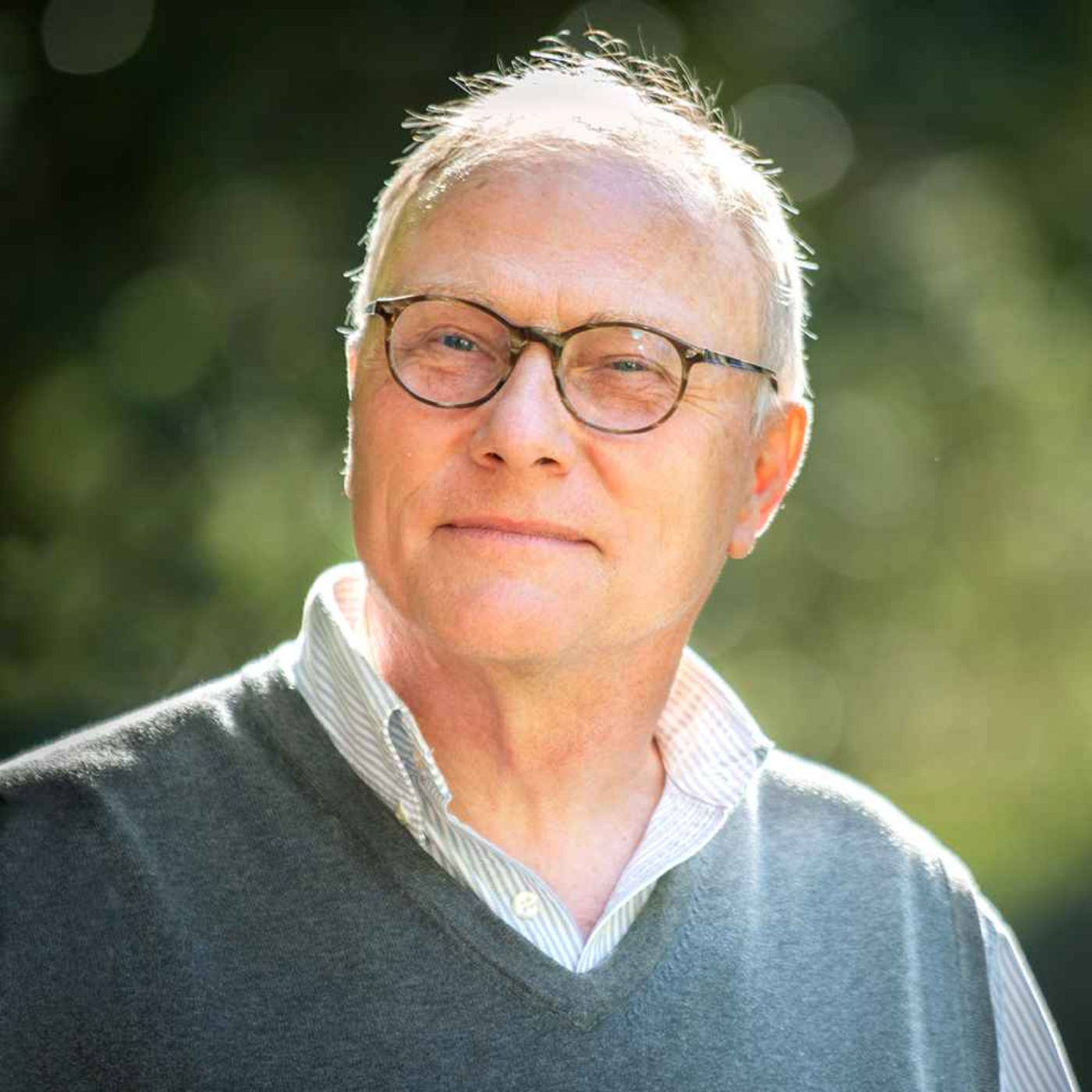
87: How Nobel winner David Card transformed economics
The labor economist and UC Berkeley professor of economics, who won the 2021 Nobel Prize in economics, talks about why his research on the economics of the minimum wage, immigration and education was so controversial — and how it continues to be today. Listen to the episode and read the transcript on UC Berkeley News: https://news.berkeley.edu/2021/10/15/berkeley-voices-nobel-prize-economics-david
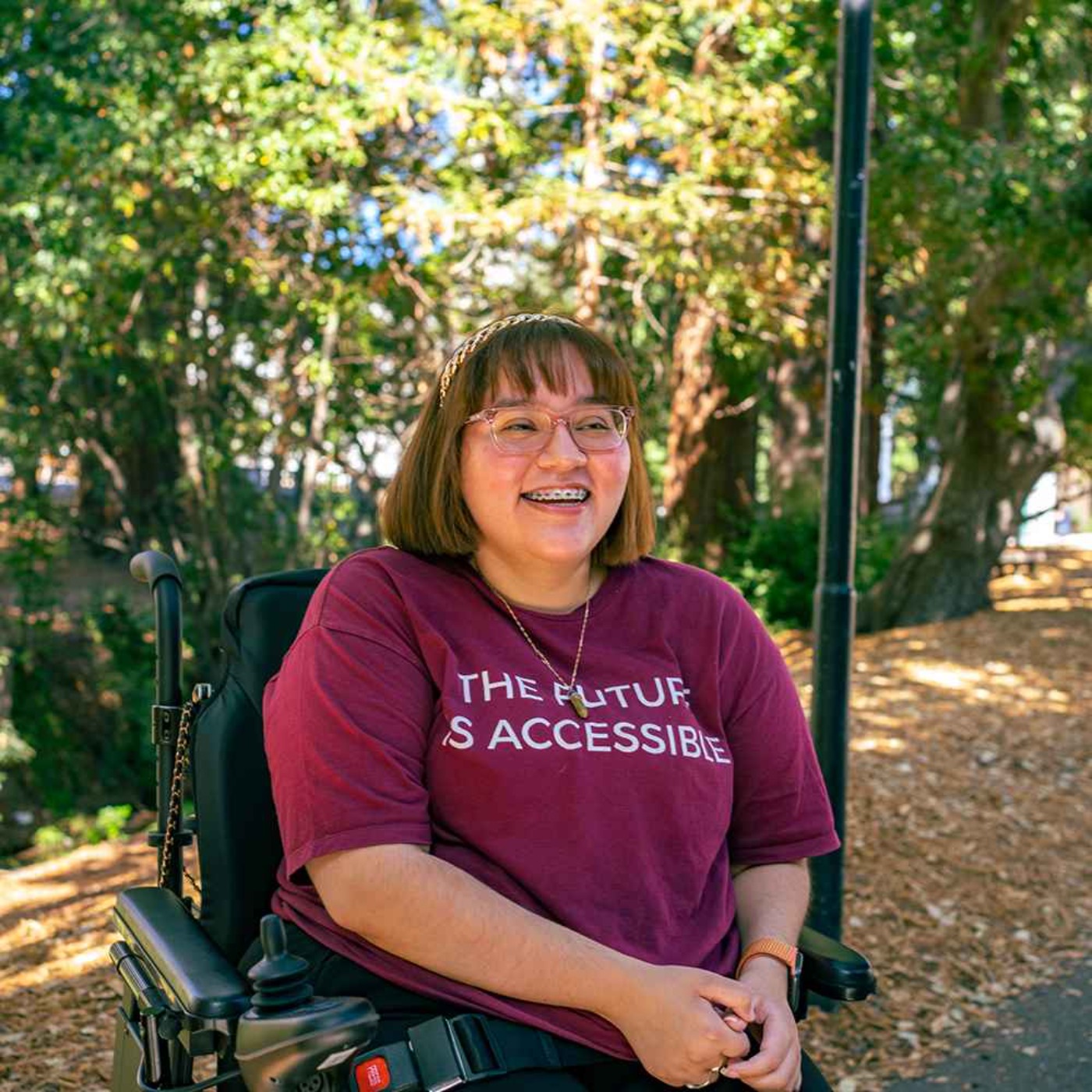
86: Disabled and empowered: How Mariana Soto Sanchez found self-advocacy at Berkeley
In January 2015, 15-year-old Mariana Soto Sanchez woke up one Saturday morning at her home in Ontario, California, with weakness in her hand. Within minutes, the feeling had spread throughout her body. Her parents rushed her to the hospital. By the time they got there, she had total paralysis. Later that night, they found out she had a rare disorder called transverse myelitis. From that point
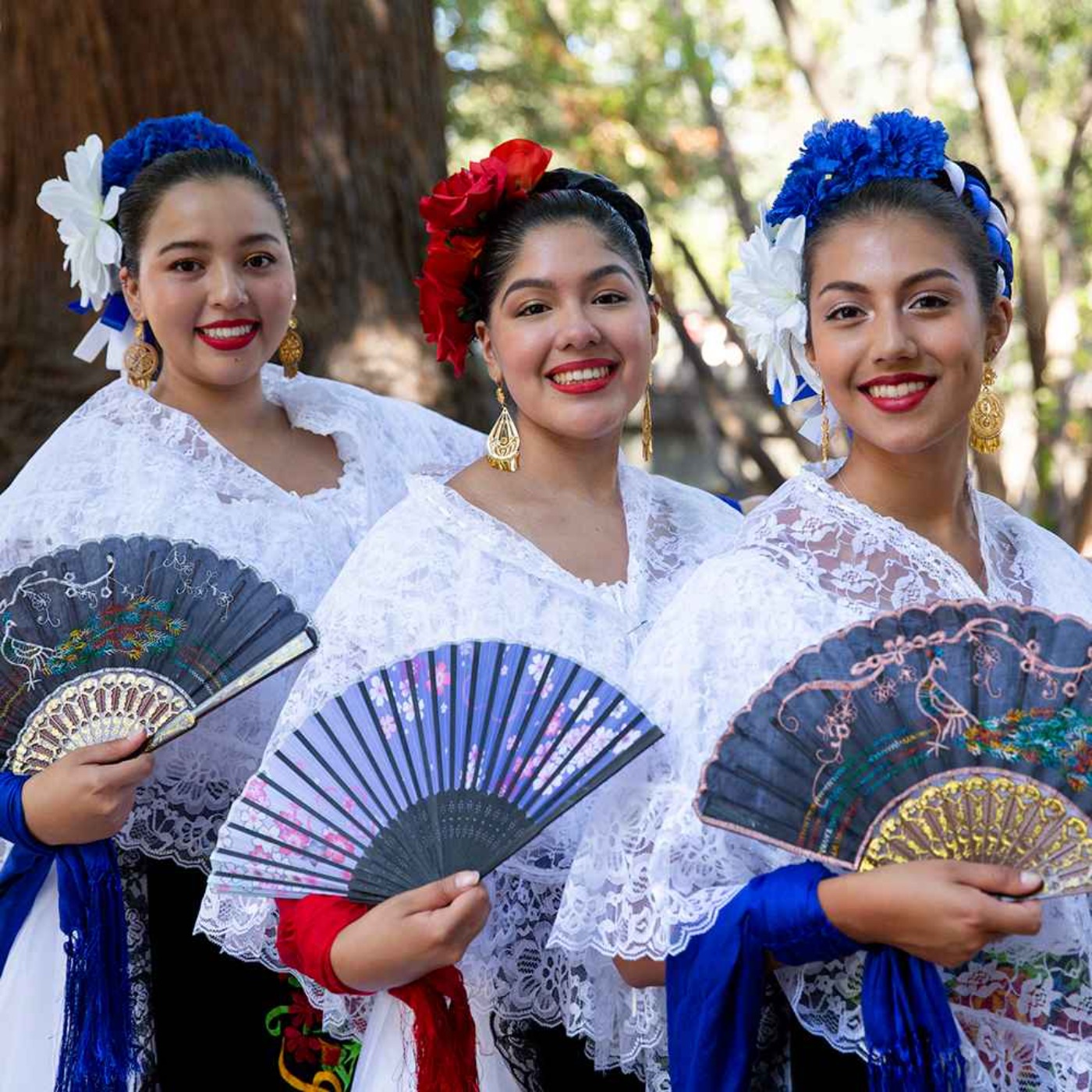
85: Ballet folklórico: Celebrating Mexican culture through dance
Growing up in a Mexican household in San Diego, California, Berkeley student Alexa Carrillo Espinoza says there was always dancing in her home. She'd always wanted to try ballet folklórico, a traditional Mexican dance, but never had the chance. So, when she saw Ballet Folklórico Reflejos de Mexico tabling on Sproul Plaza as a first-year student in 2019, she signed up right away. "As I dance, I hav
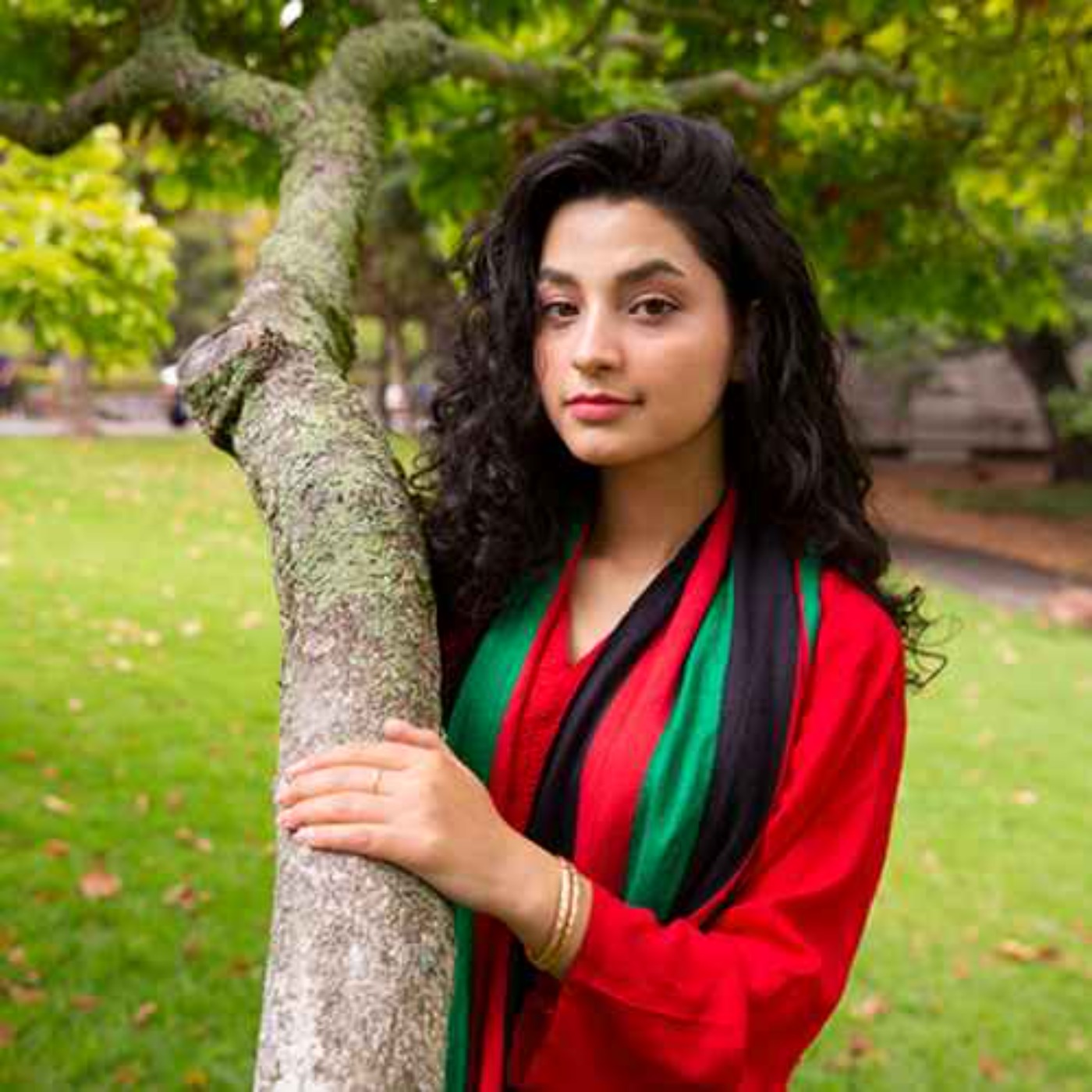
84: Maryam Karimi: This generation in Afghanistan will not give up
Third-year UC Berkeley student Maryam Karimi was born in Afghanistan in September 2001. A month later, the United States invaded Afghanistan following the Sept. 11 attacks. The Taliban was ousted from power, but everyday violence remained. Her family applied for asylum and eventually settled in Fremont, California, when Maryam was 12. Now, she and her family watch as the Taliban once again ta
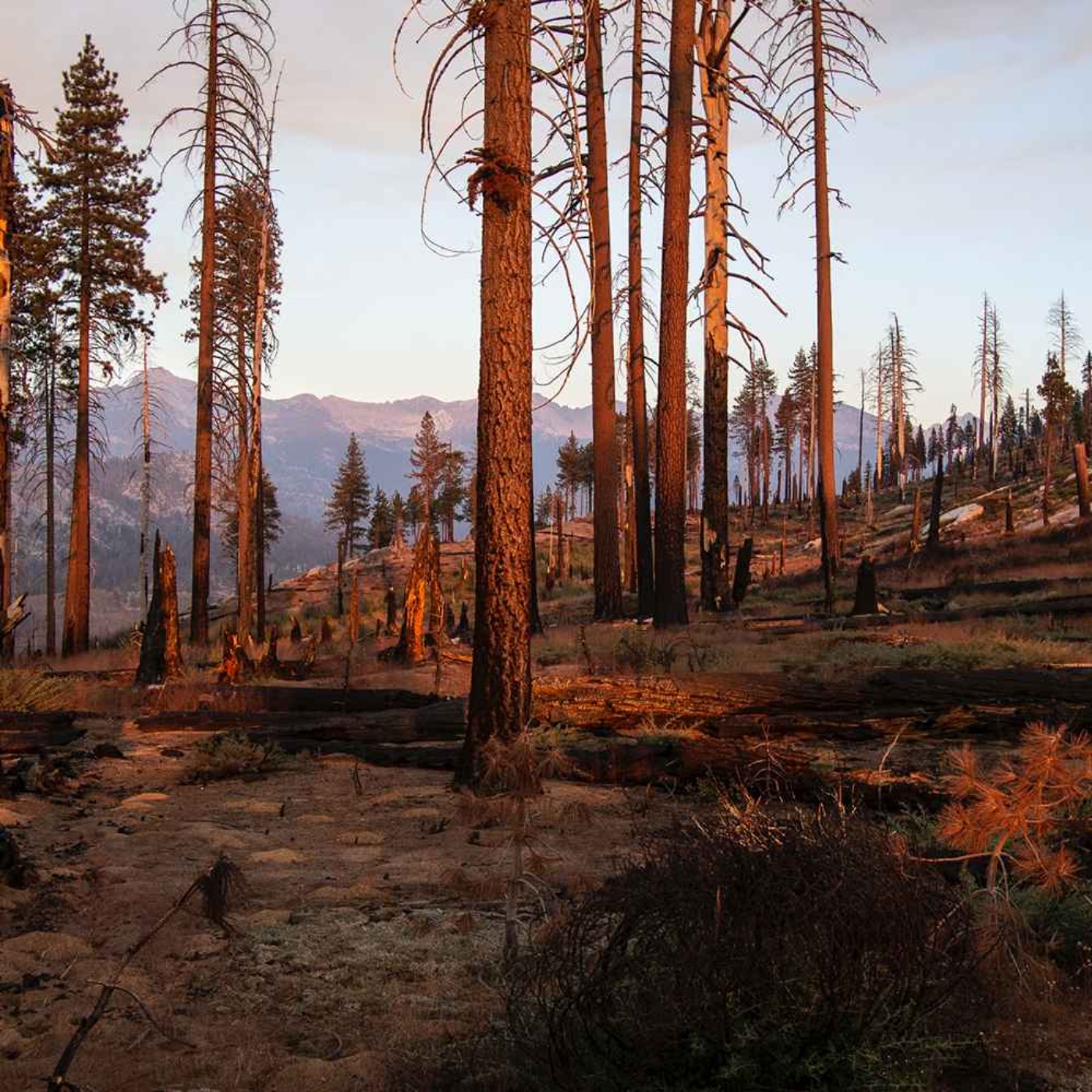
83: How wildfire can create healthier forests
Berkeley News writer Kara Manke discusses a new report from UC Berkeley that shows how allowing lightning fires to burn in Yosemite’s Illilouette Creek Basin recreated a lost — and more resilient — forest ecosystem. Listen to the episode and read the transcript on UC Berkeley News: https://news.berkeley.edu/2021/08/20/berkeley-voices-wildfirePhoto by Emily Gonthier Hosted on Acast. See acast.com/p
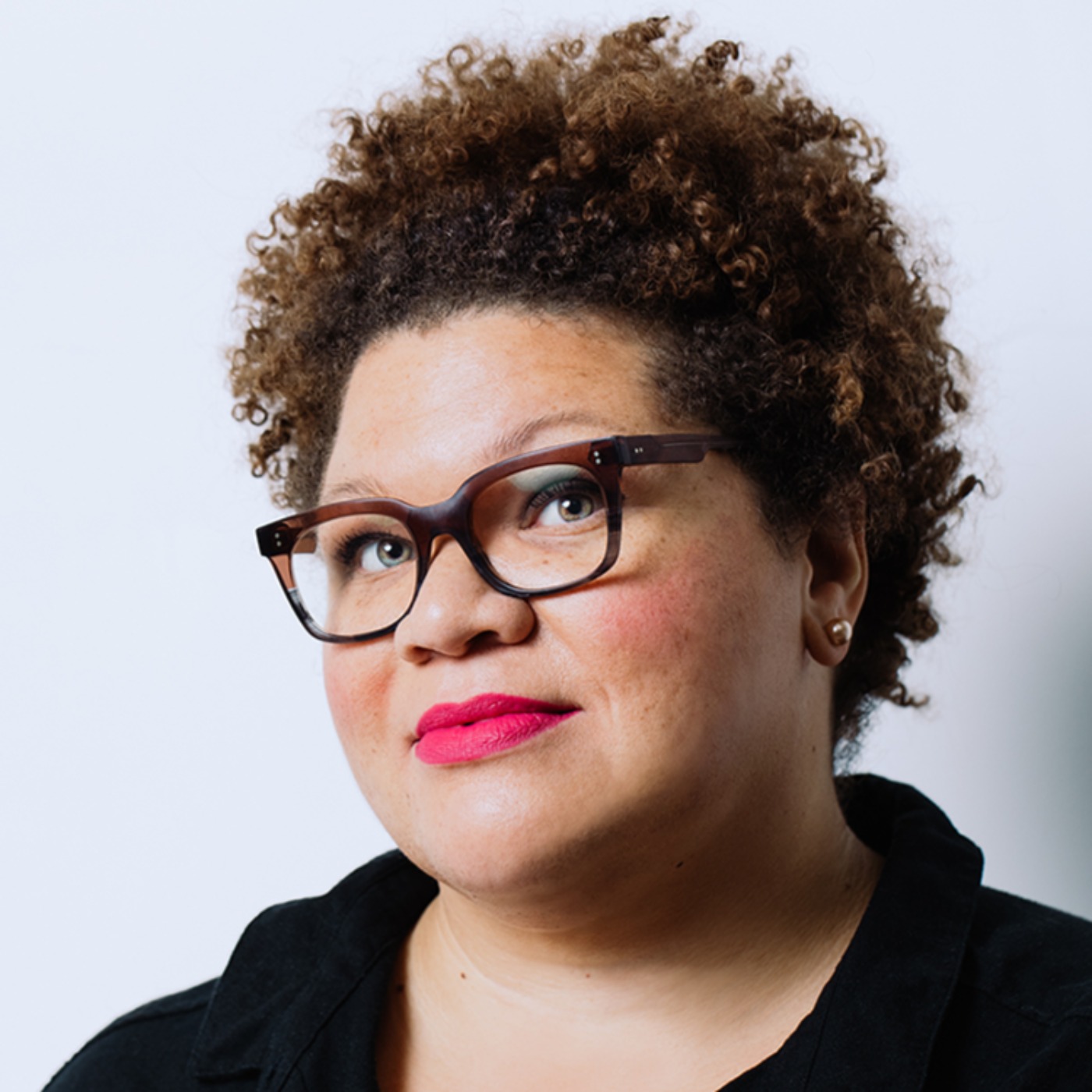
82: When the personal, political and historical collide — in our bodies
In this interview, Savala Nolan, executive director of Berkeley's social justice center, talks about the "deeply corporeal nature" of her new memoir, Don't Let It Get You Down. "The body is where it all happens," she says. "It's where we experience life. It’s where we experience the world — the joys and the frictions. It’s where we experience the categories and the divisions in the world. They’re
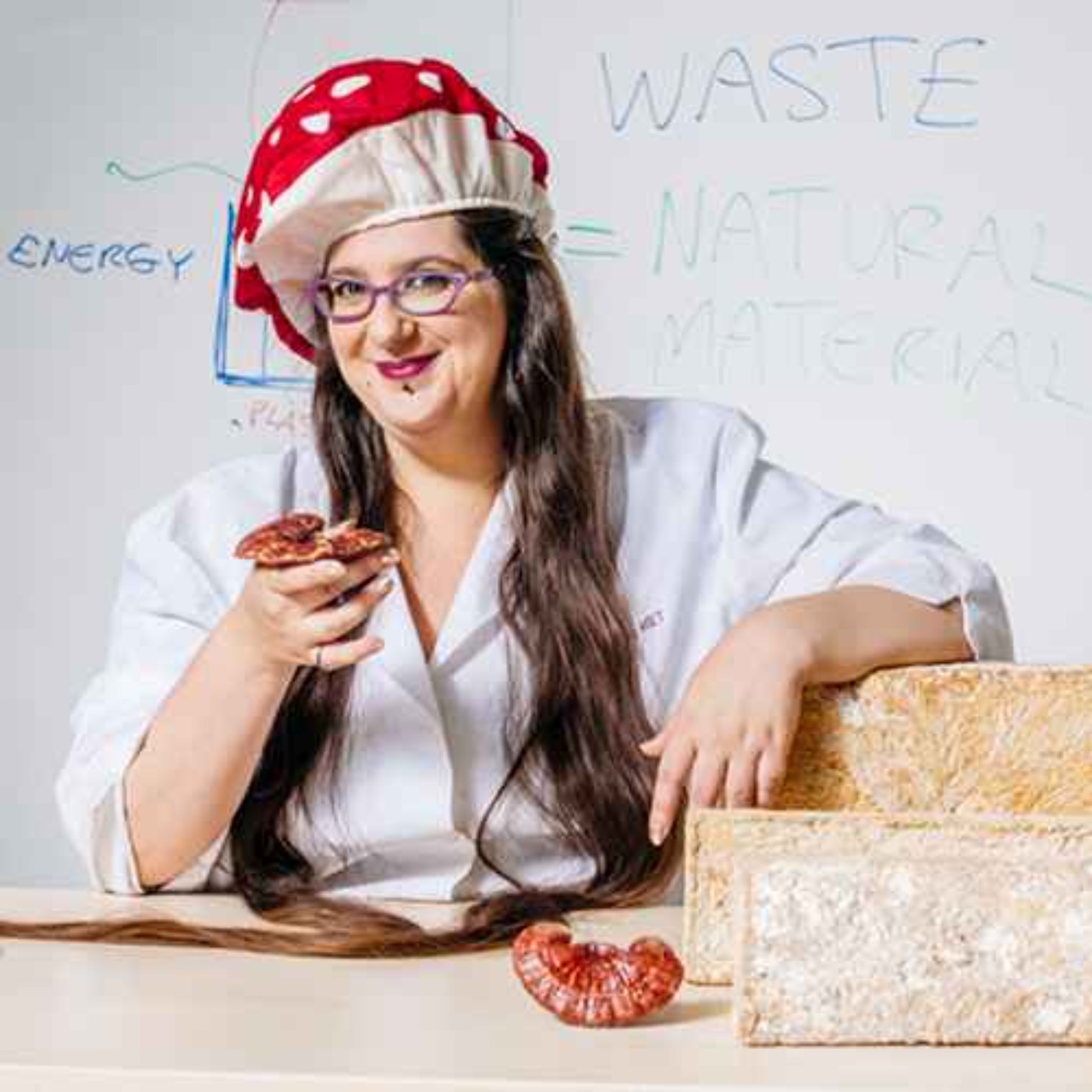
81: Nature's unsung superheroes? Mushrooms! (revisiting)
Over the summer, we have been revisiting some of our favorite episodes. In this episode, from 2018, then-Ph.D. candidate Sonia Travaglini talks about how we could use fungi, of which there are more than 5 million species, to mitigate a wide range of environmental and social crises — just by letting them eat our waste. Listen to the episode and read the transcript on UC Berkeley News: https://news.
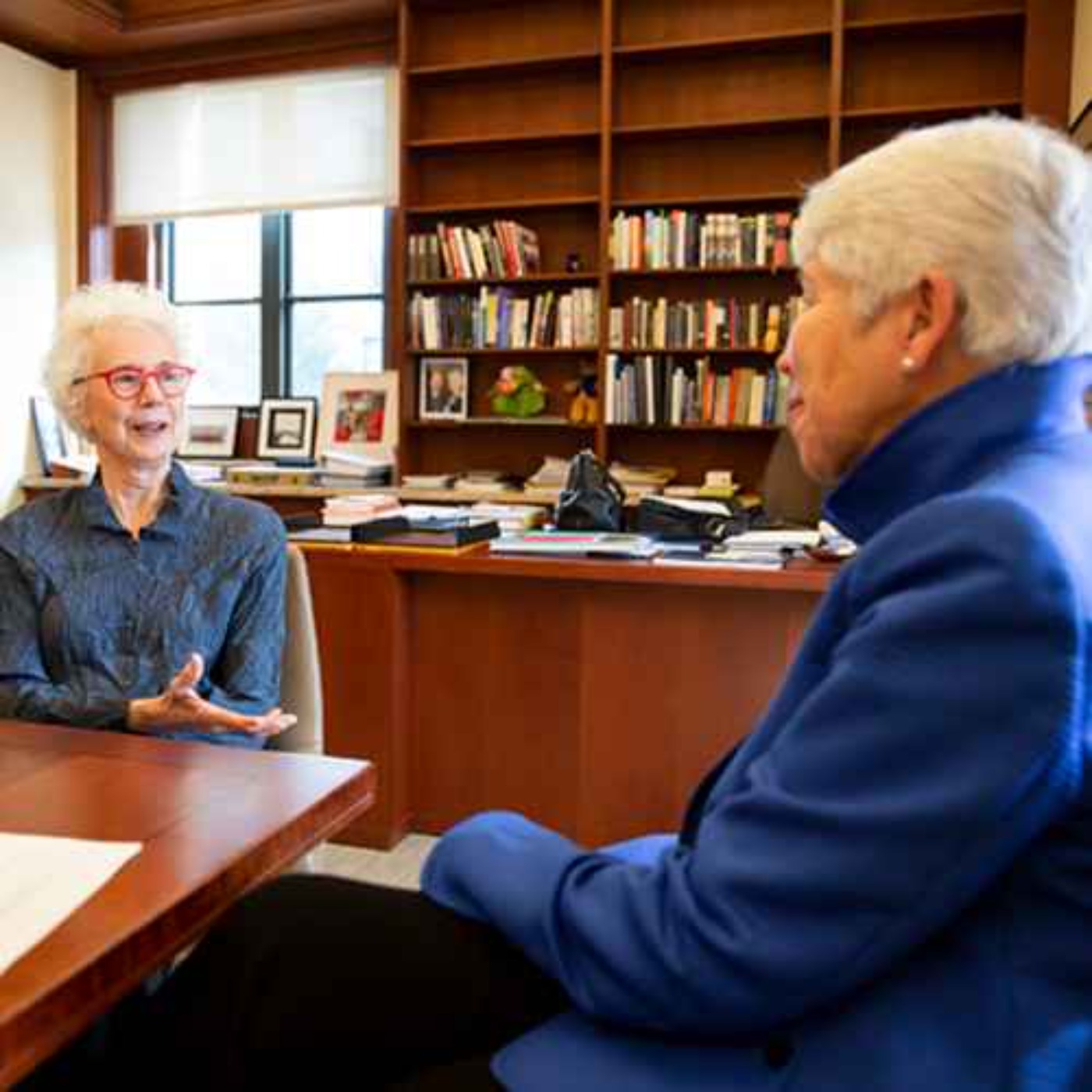
80: Chancellor Carol Christ: 'I always felt like a pioneer' (revisiting)
While Fiat Vox is on summer break, we have been revisiting some of our favorite episodes. Today’s episode, originally released in April 2019, is a conversation between UC Berkeley Chancellor Carol Christ and Professor Emerita Carol Clover about what it was like for women in the academy 50 years ago and how it has changed. They also discuss what it takes to be a strong leader and offer advice to th
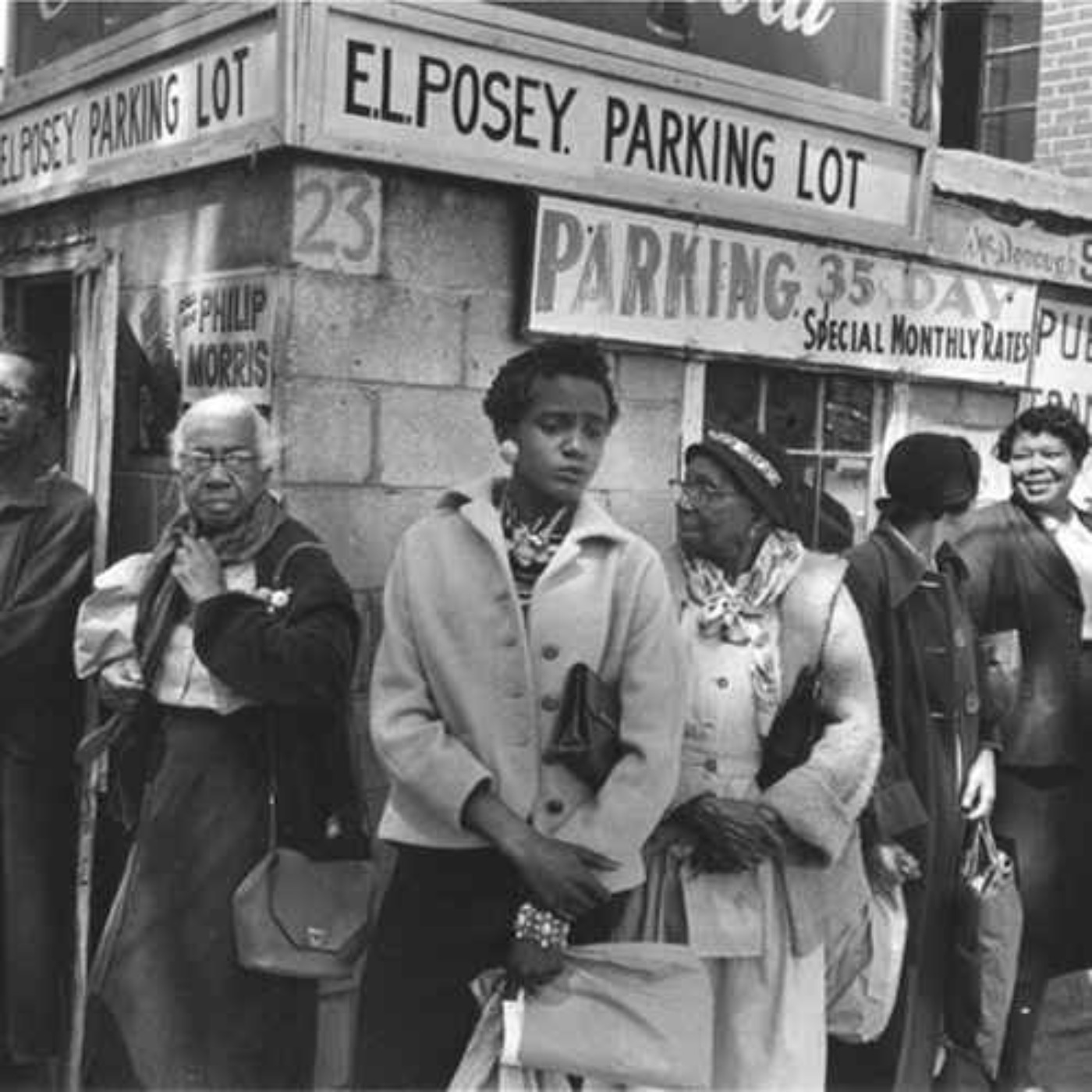
79: The Montgomery bus boycott and the women who made it possible (revisiting)
While Fiat Vox is on summer break, we have been revisiting some of our favorite episodes. Today's episode, originally released in February 2020, is about how the 1955-56 bus boycott in Montgomery, Alabama, which lasted for more than a year, was led by a group of Black women activists working behind the scenes: the Women's Political Council. In June, this episode received a gold award from the Coun
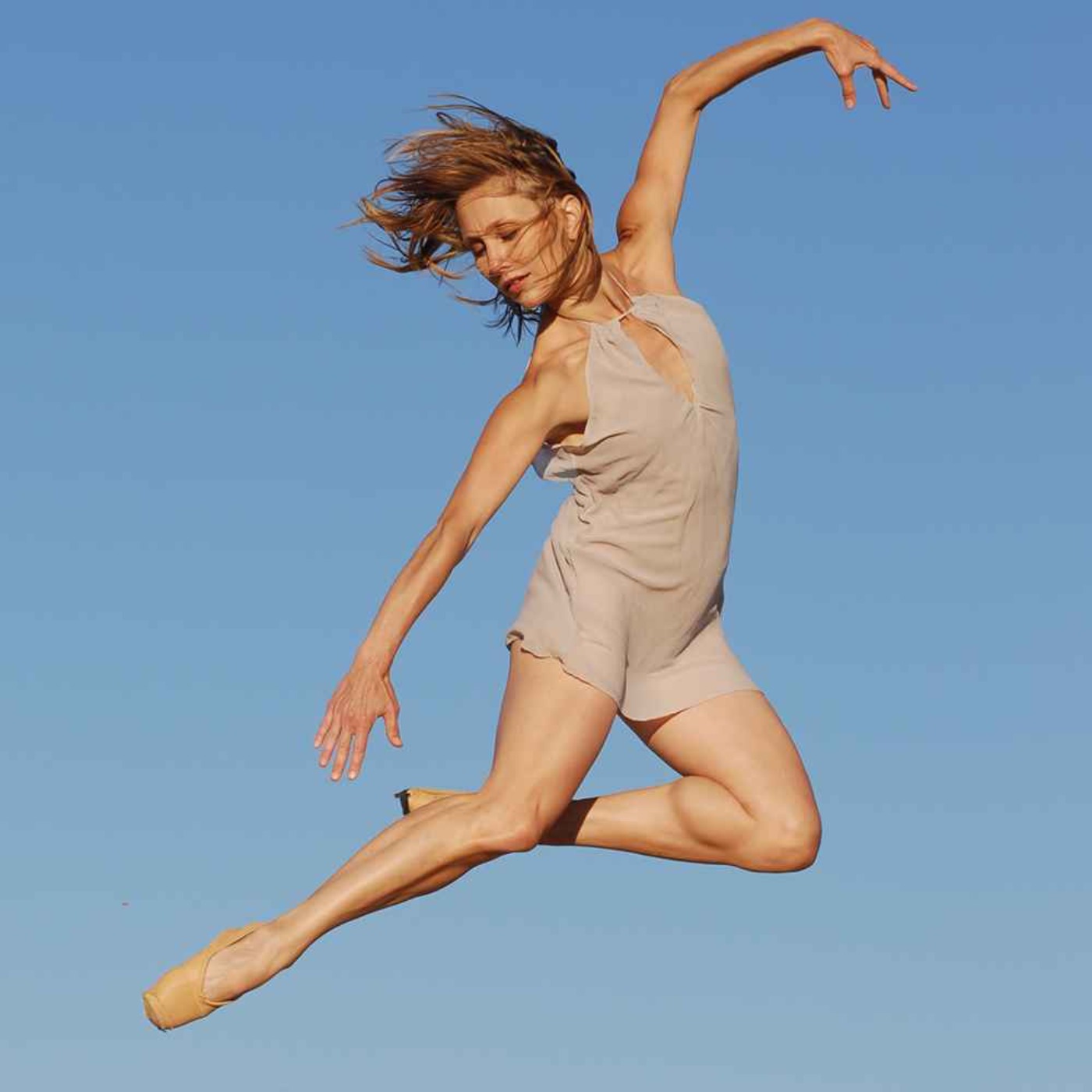
78: En pointe for her Ukrainian culture (revisiting)
Fiat Vox is going on summer break! We'll be back with new episodes in mid-August. In the meantime, we'll be revisiting some of our favorite episodes. Here's one from 2019 about UC Berkeley staffer Erika Johnson, who talks about why her family fled Ukraine after World War II and how ballet connects her to her culture like nothing else does. (Today, Erika is a development coordinator on the major gi
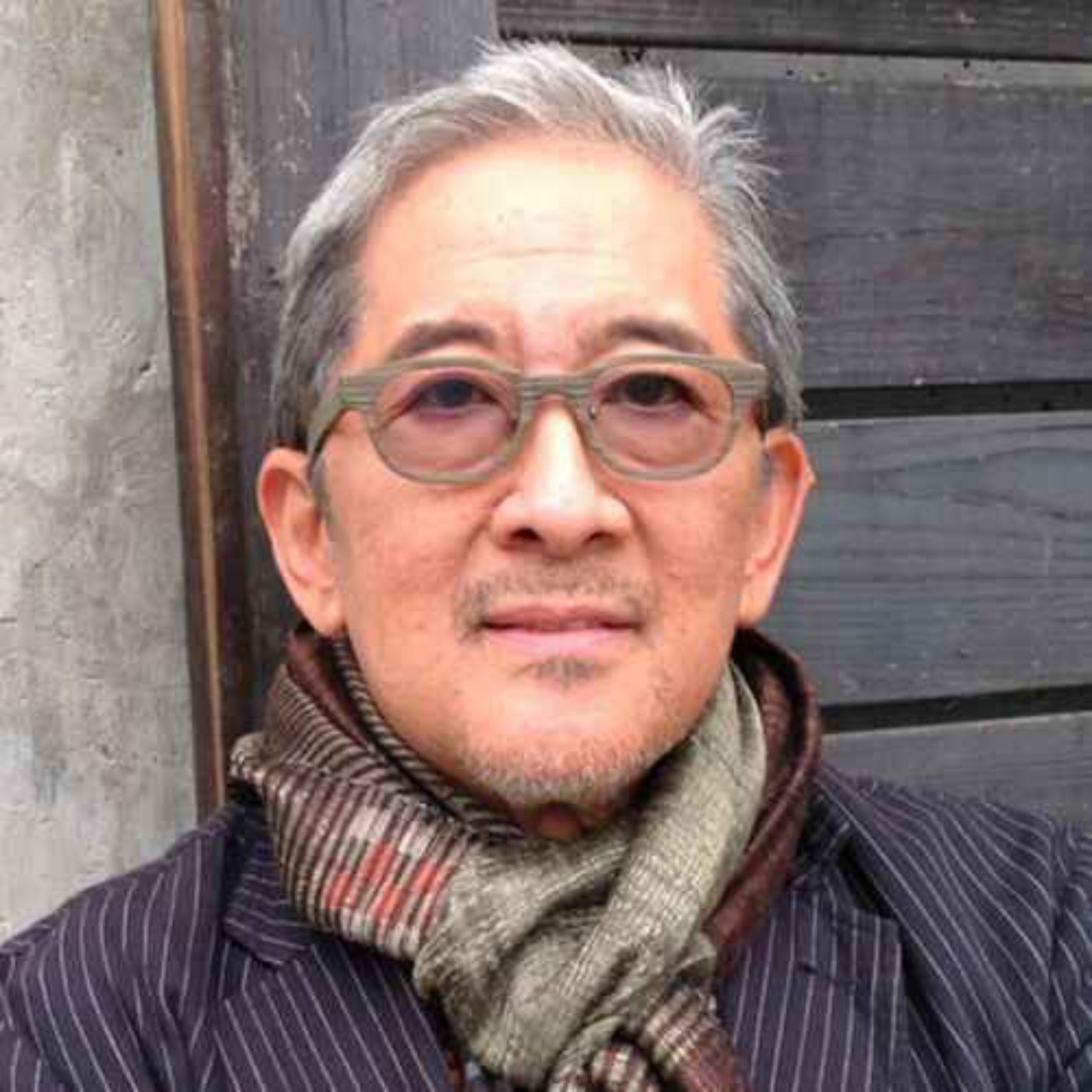
77: How do we talk about the Asian experience with Asians at the center?
Today, in the final episode of a three-part series, playwright and UC Berkeley professor Philip Kan Gotanda discusses how, in his Asian American theater workshop, he encourages students to approach issues, like anti-Asian violence, from an "inside-out" point of view, where they look at the world with Asians at the center. We also hear from a student, Wesley Tam, about how Gotanda’s workshop inspir
76: How the Asian American movement began at Berkeley, sparked creativity and unity
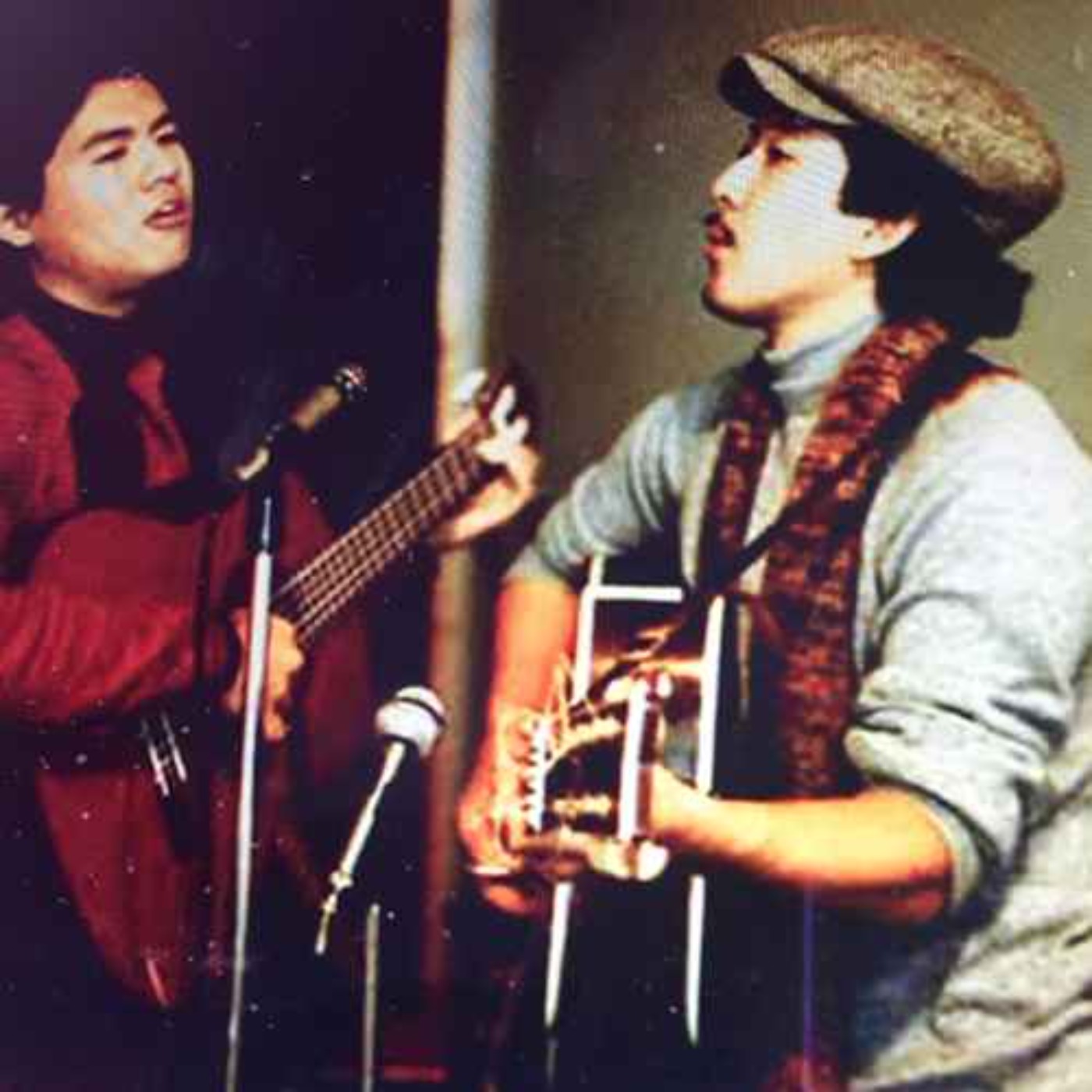
In the second part of a three-part series, playwright and UC Berkeley professor Philip Kan Gotanda discusses how he began to write music during the emerging Asian American movement, which began at Berkeley in the late 1960s. And how, after his music career didn’t take off as he’d hoped, he went to law school, where he wrote his first play. Now, he’s one of the most prolific playwrights of Asian Am
75: Playwright Philip Kan Gotanda on growing up in California after World War II
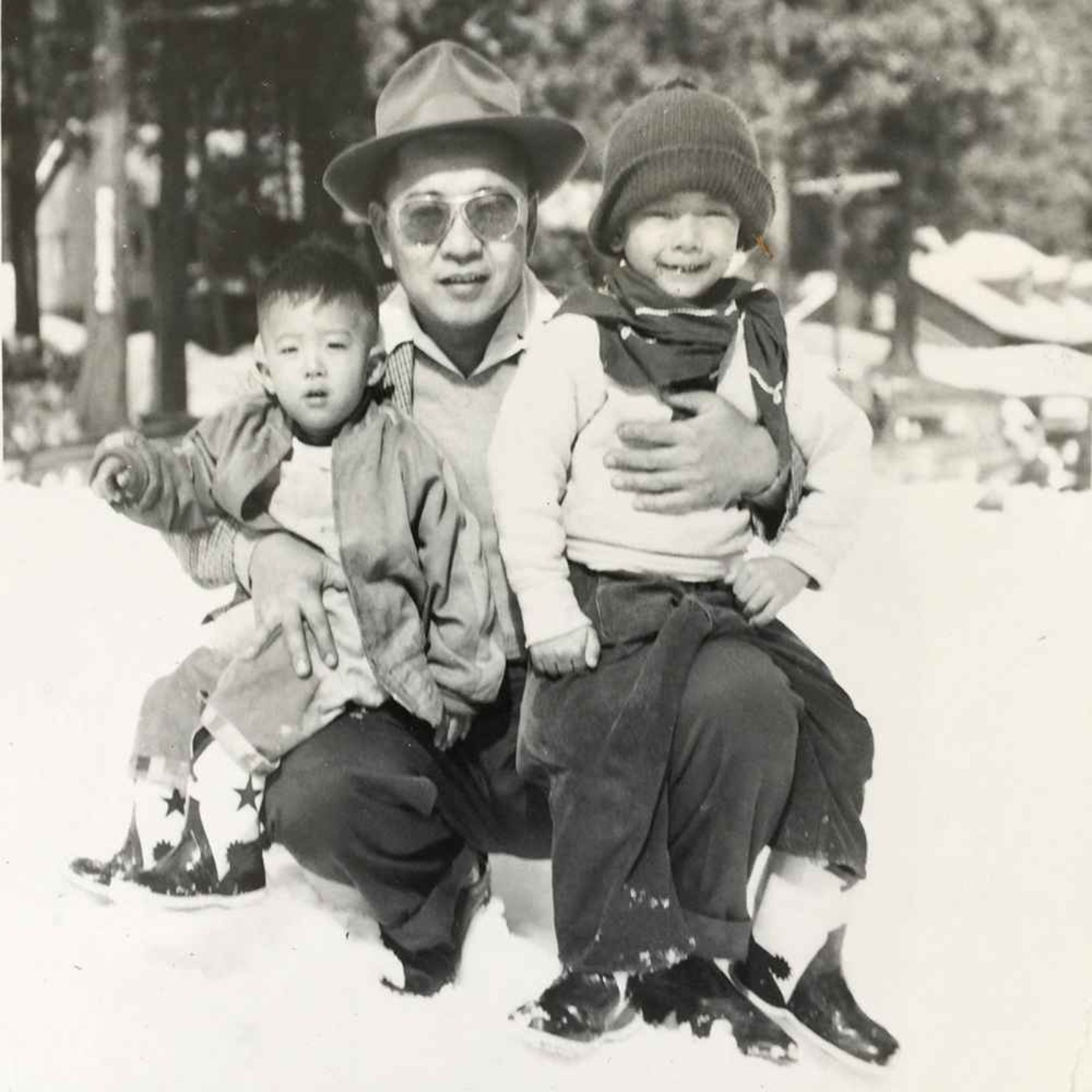
Philip Kan Gotanda is a professor in UC Berkeley’s Department of Theater, Dance and Performance Studies and one of the most prolific playwrights of Asian American-themed work in the United States. In the first episode of a three-part series, Gotanda talks about growing up in Stockton, California, after World War II and the anti-Japanese racism that he couldn’t name as a child, but that he’d g
74: Berkeley MFA student Fred DeWitt: George Floyd never wanted to be in my art
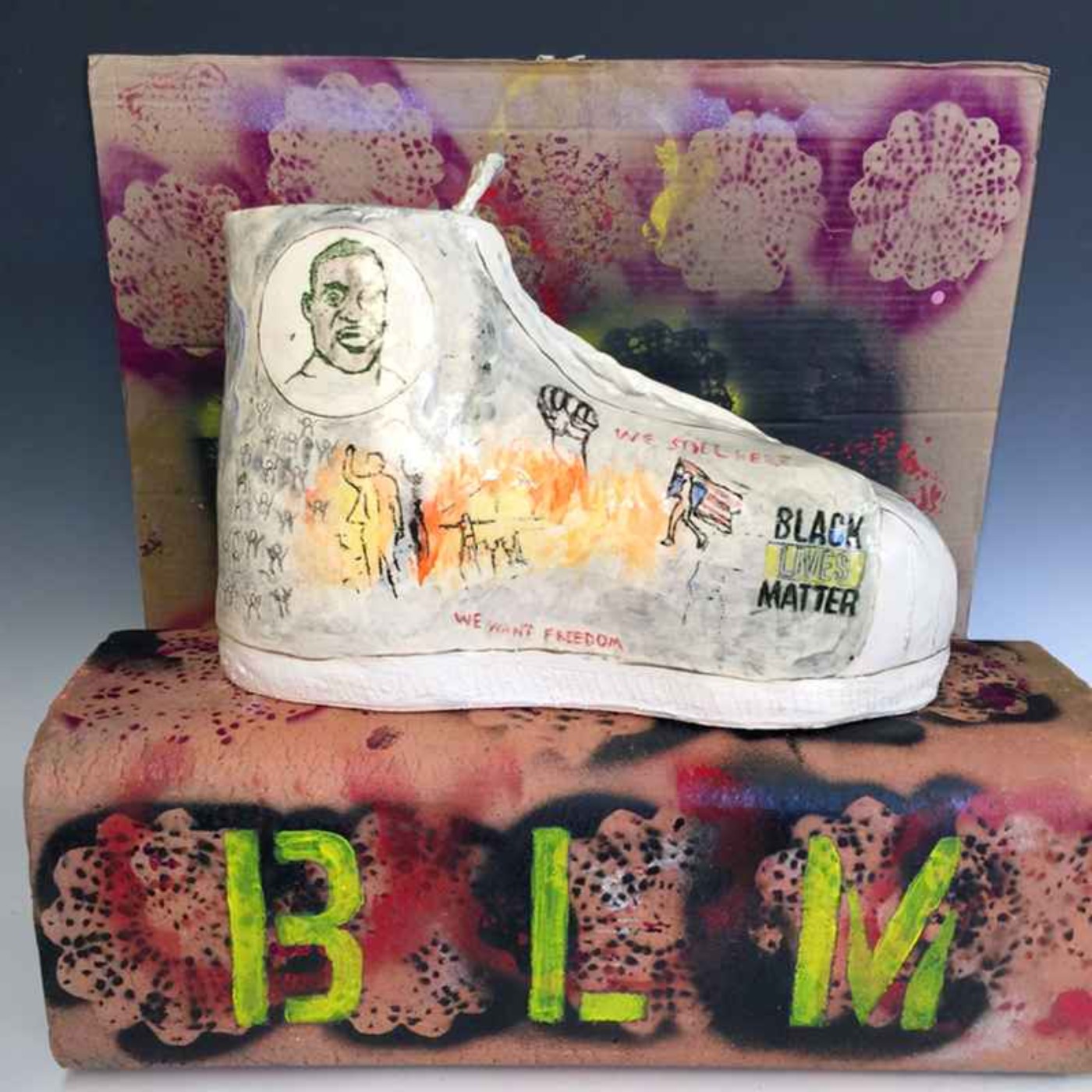
Fred DeWitt is a Master of Fine Arts student and the first artist-in-residence in the Department of Art Practice at UC Berkeley. DeWitt, 61, shares in his own words what the Black Panthers meant to him as a young boy growing up in the Bay Area, how Barack Obama’s election as president inspired him to go back to school to study art, and the complicated nature of honoring the lives of people who nev
73: The uncertain outcome of the Chauvin trial
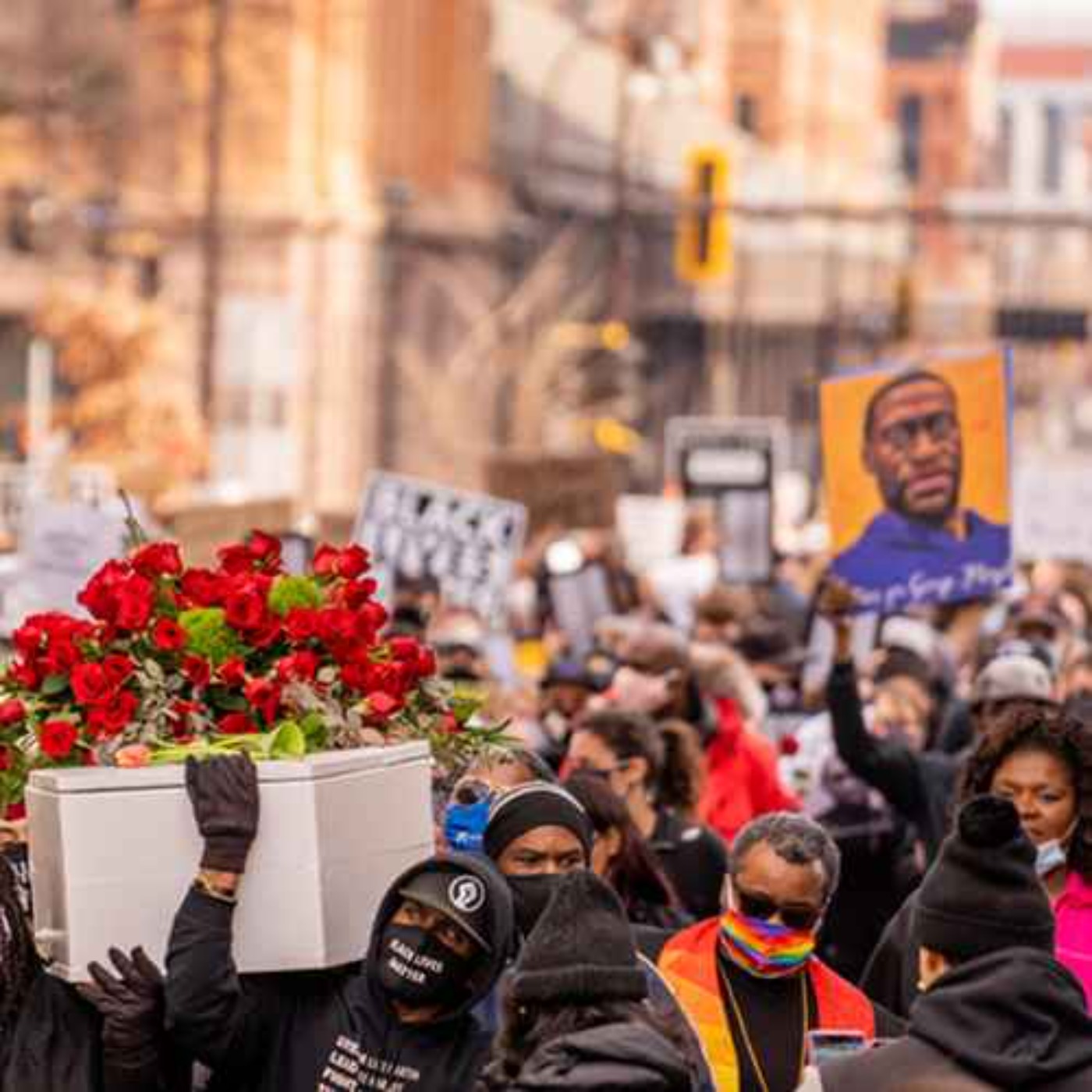
Berkeley News writer Ed Lempinen talks about why Berkeley Law professor Jonathan Simon thinks an acquittal of former police officer Derek Chauvin, on trial for the death of George Floyd, is more likely than not. Listen to the episode and read a transcript on UC Berkeley News: https://news.berkeley.edu/2021/04/06/the-uncertainty-of-the-chauvin-trial-outcome Hosted on Acast. See acast.com/priva
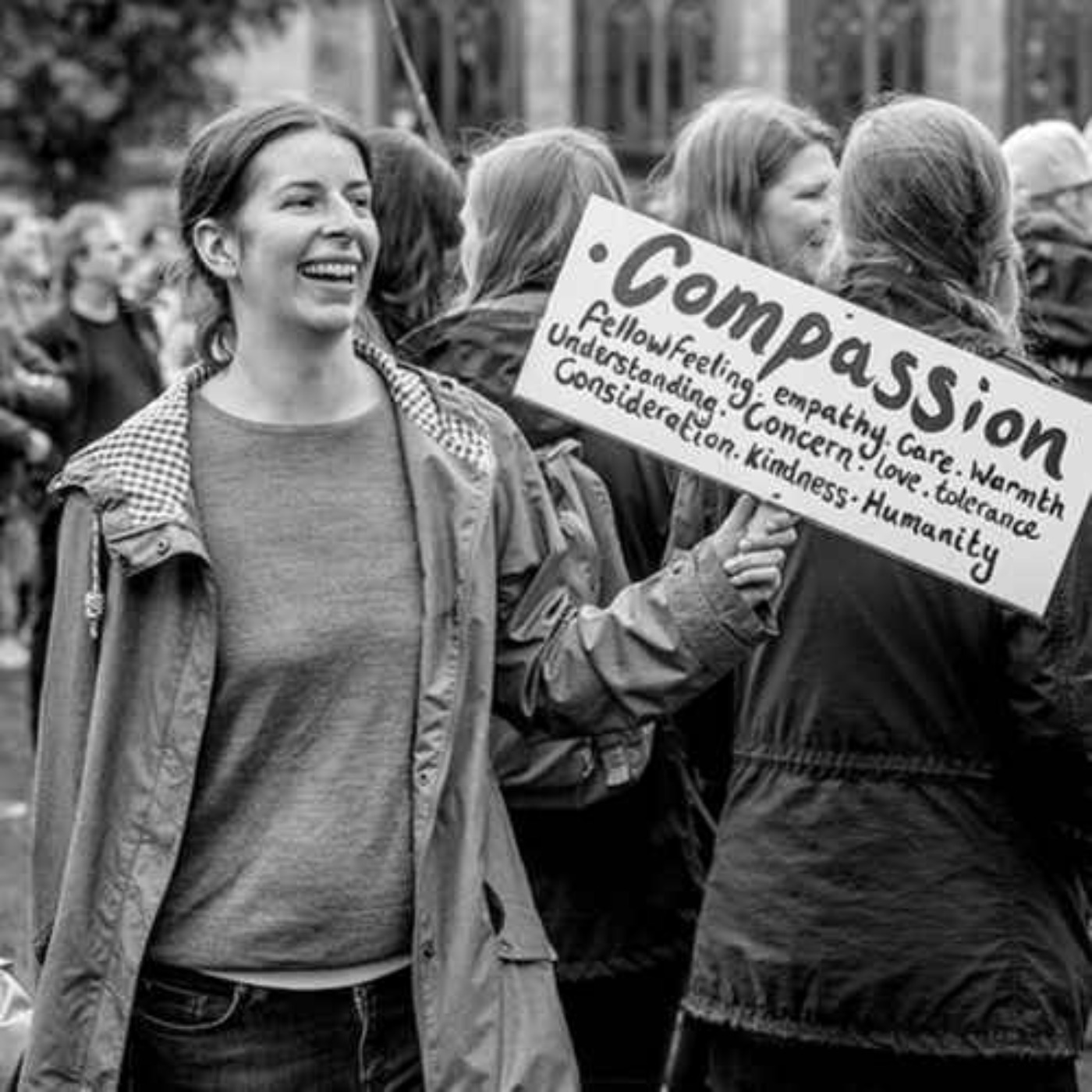
72: Power corrupts even the best of us. But there’s an antidote.
Humans are a super-collective species that succeeds through cooperation and community, says Emiliana Simon-Thomas, science director of the Greater Good Science Center at UC Berkeley. But power and privilege, she says, can corrupt anyone — even the best, most morally guided people. “Social hierarchy is an interesting moderator of our empathic, nurturing, compassionate tendencies,” she says. Th
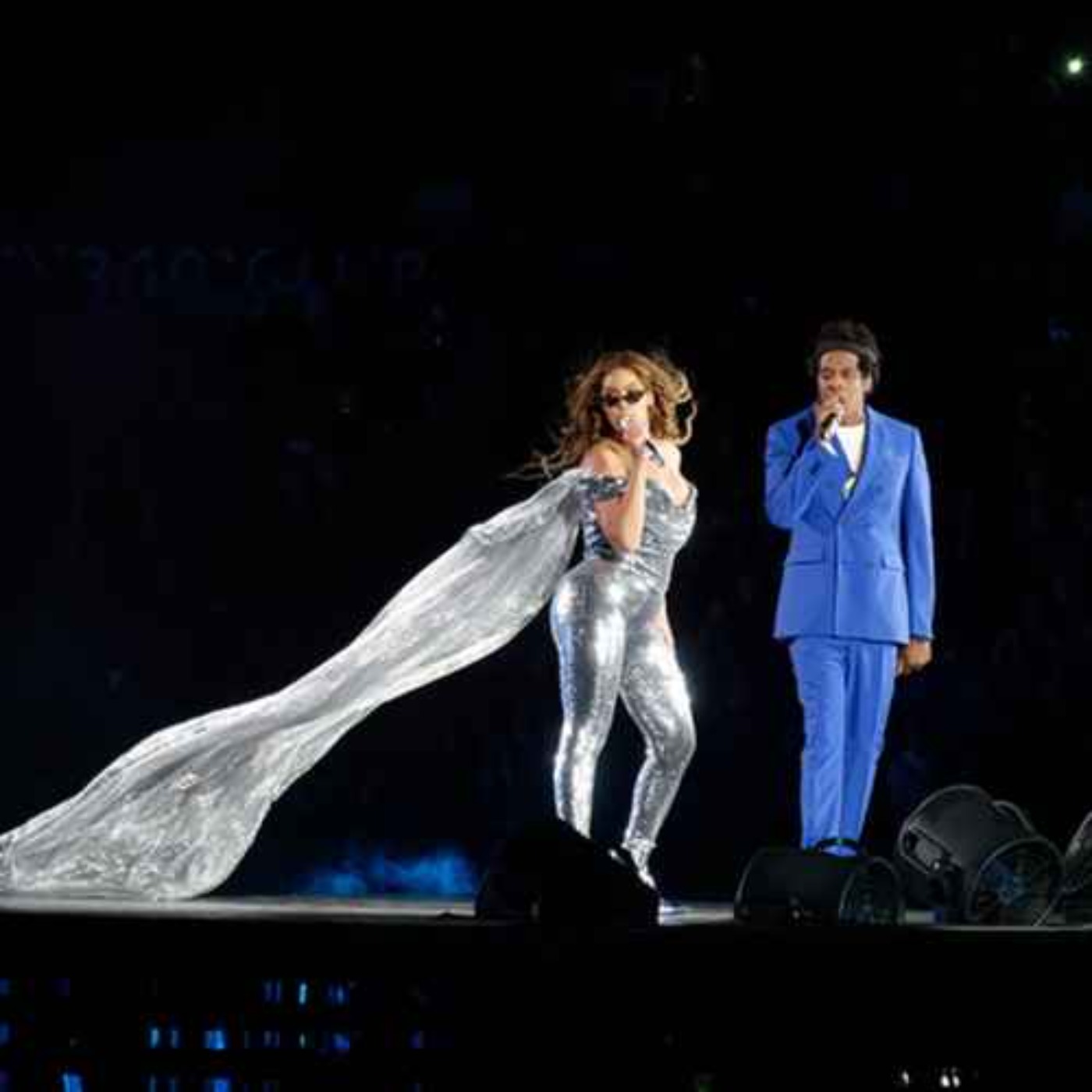
71: How we create ‘imagined communities’ with celebrity gossip
"By gossiping about celebrities and by talking about what they've done that isn't so great, it allows us to establish our values as a community and also for me, as an individual, to advertise my values to the people I'm speaking with," says Julia Fawcett, a professor who teaches a course called The History of Celebrity in the Department of Theater, Dance and Performance Studies. Celebrities,
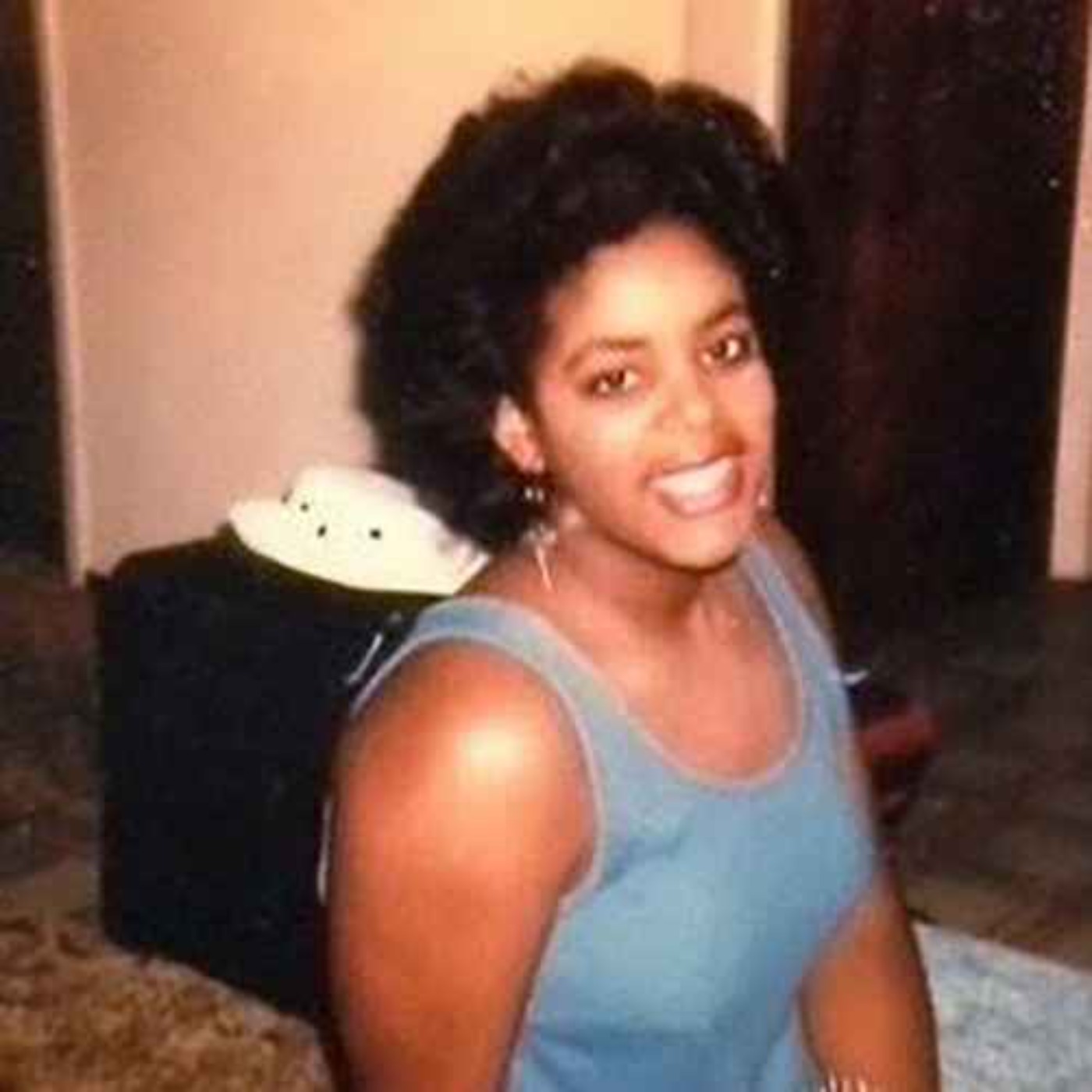
After Thoughts: ‘I’m American, regardless of how my ancestors got here’
Rose Wilkerson, a sociolinguist and lecturer in the Department of African American Studies at Berkeley, shares how it feels to her to live in the U.S. as an African American. After Thoughts is a series that highlights moments from Fiat Vox interviews that didn’t make it into the final episode. This excerpt is from an interview with Wilkerson featured in Fiat Vox episode #69: “Langua
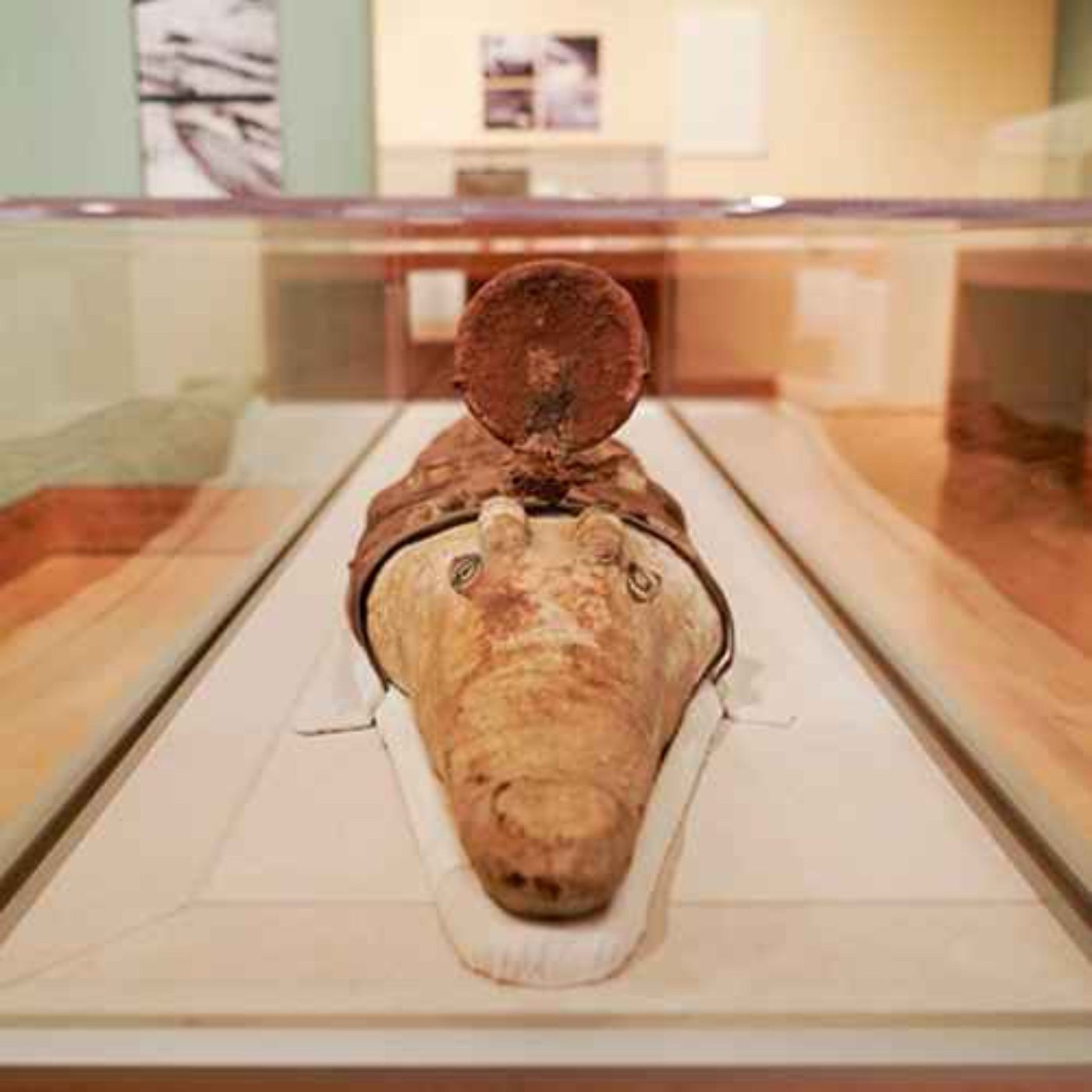
70: What crocodile mummies can tell us about everyday life in ancient Egypt
When archeologists, funded by University of California benefactor Phoebe A. Hearst, found hundreds of crocodile mummies on an expedition to Northern Egypt in 1899, they were annoyed. They were searching for human mummies and artifacts, fueled by Egyptomania — the Western obsession with all things Egyptian.When they found papyri — paper's earliest ancestor — stuffed inside of the mummies with text
After Thoughts: Dacher Keltner on the science of awe and psychedelics
Dacher Keltner, faculty director of the Greater Good Science Center and a psychology professor at UC Berkeley, discusses how our sense of self goes silent while experiencing awe and while using psychedelics. Listen and read the transcript on UC Berkeley News: https://news.berkeley.edu/2021/02/22/after-thoughts-dacher-keltner-on-awe-and-psychedelicsAfter Thoughts is a series that highligh
69: Language is more than how we speak — it's home
When Natalyn Daniels transferred to UC Berkeley as an undergraduate student in 2009, she felt like an outsider. "A lot of the communication approaches I was exposed to — they're not ... necessarily accepted or tolerated in a lot of professional and academic settings," she says.How we speak, says sociolinguist and Berkeley lecturer Rose Wilkerson, represents who we are— our culture, our family and
68: Building community one person at a time
In a time when our nation is more ideologically divided than ever, it's crucial that we find ways to come together across differences and find common ground, says UC Berkeley psychology professor Dacher Keltner. But how do we do this?For staffer Tyrone Wise, it starts with asking tough questions and then listening — really listening — to the answer. "When we take time to understand what people are
67: How state courts use disability to remove Native children from their homes
This is the second part of the two-part series about how disability has been and continues to be used as a way to control and profit from Native populations.Last week, we heard from UC Berkeley's Ella Callow about how the U.S. government built a psychiatric institution in the early 1900s to imprison Native Americans.Today, Callow discusses how Native communities are still forced to exist in societ
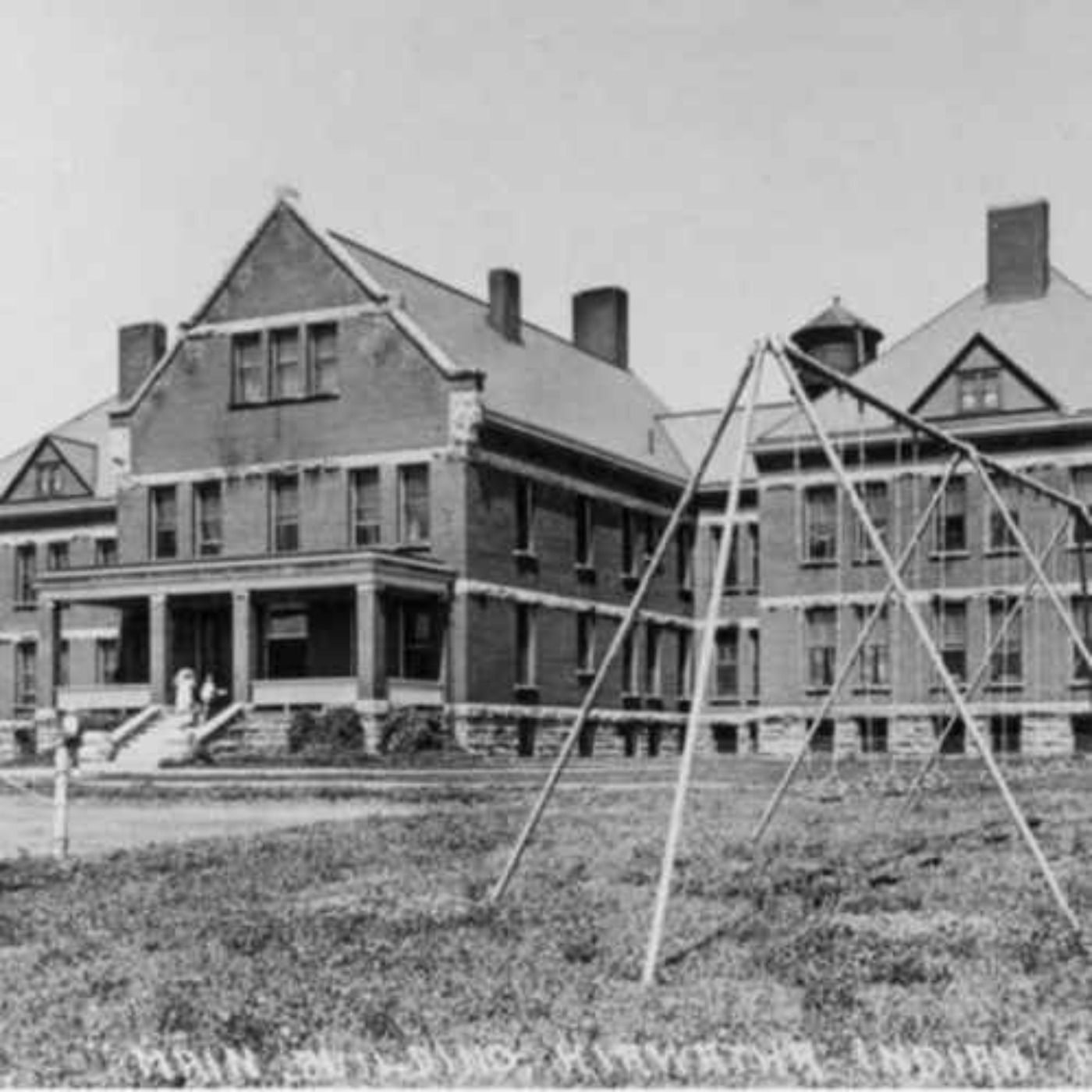
66: How the U.S. government created an ‘insane asylum’ to imprison Native Americans
In the late 1800s, two South Dakota congressmen were looking for ways to build an economy in their newly minted state — one that was carved out of Indigenous homelands. They decided on a mental institution for Native Americans. It would become the Hiawatha Insane Asylum for Indians — a place where Native people from across the country would be forcibly committed and imprisoned, often for reasons t
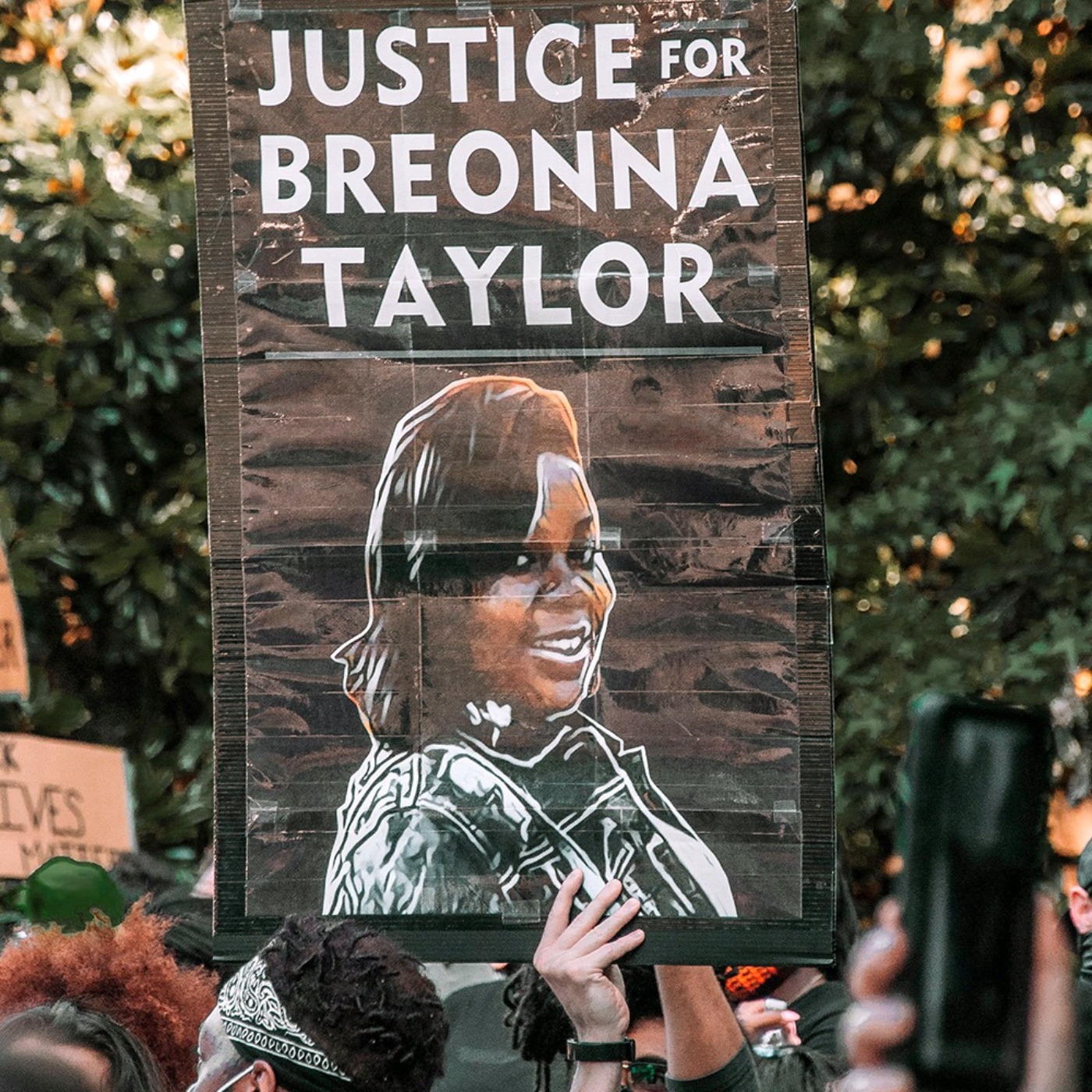
65: Savala Trepczynski on Breonna Taylor and the elusive nature of racial justice
When Savala Trepczynski, the director of the social justice center at UC Berkeley, first heard the decision in the Breonna Taylor case — that only one of three police officers involved in Taylor's killing in March was indicted on charges of reckless endangerment — a familiar feeling sunk in."The fact of the charge is upsetting, disappointing, angering — all of those things," said Trepczynski. "And
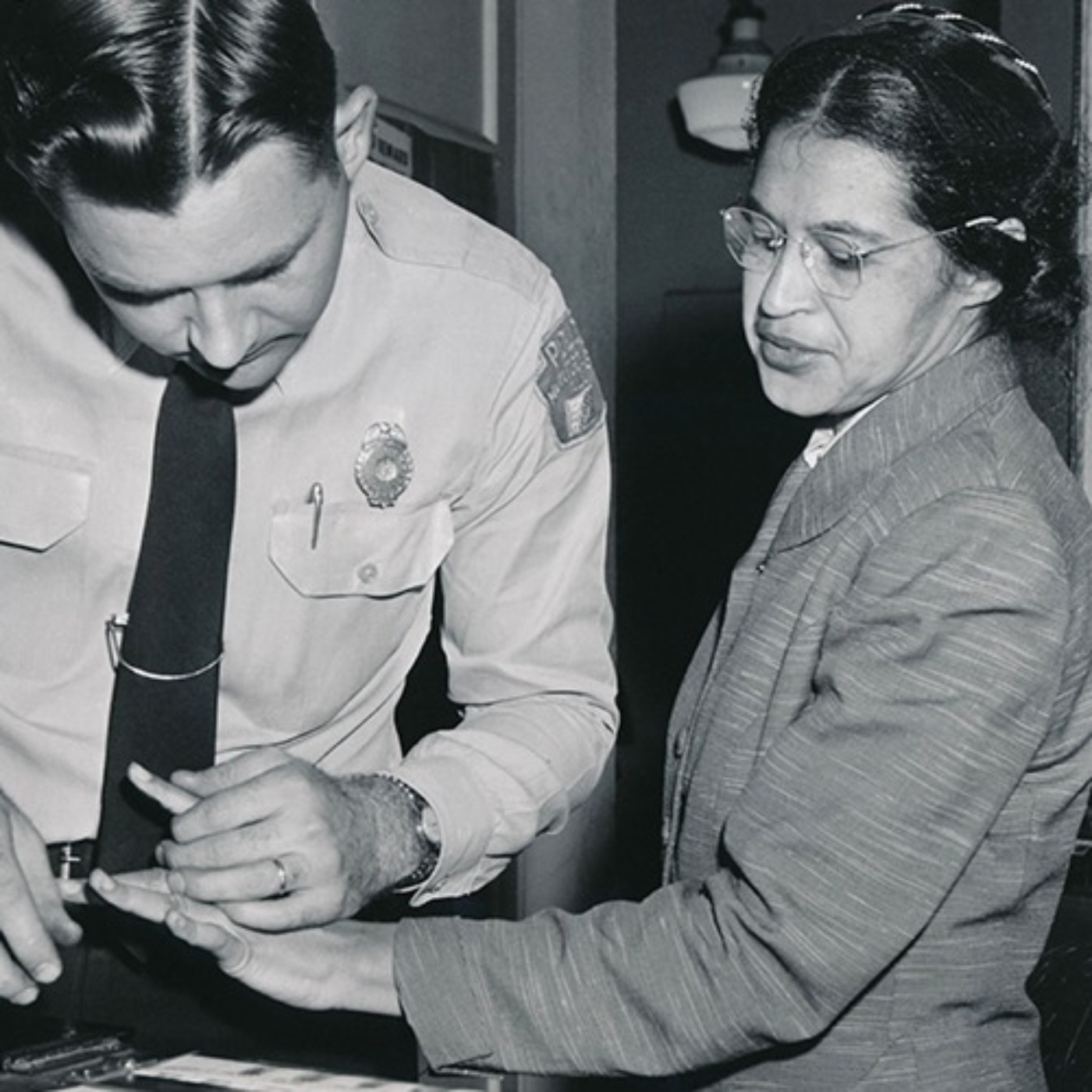
64: The Montgomery bus boycott and the women who made it possible
"People know about Rosa Parks. People know about Martin Luther King Jr. — and they should. And they know that it was the Montgomery bus boycott that ignited a certain kind of Southern civil rights movement," says Ula Taylor, a professor in the Department of African American Studies at UC Berkeley. But, what they might not know, she says, is that it was actually the behind-the-scenes organizing eff
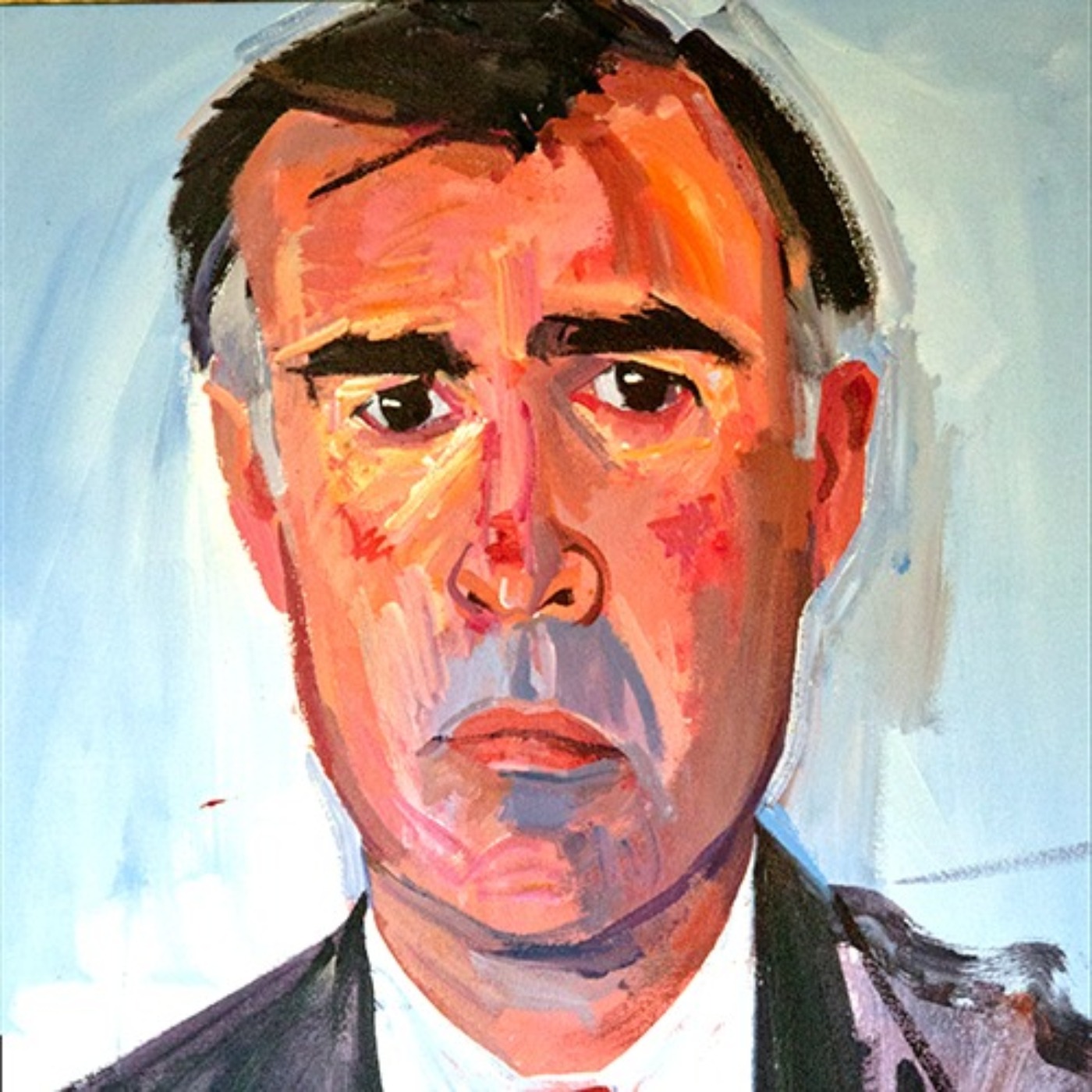
63: Oral history project reveals '20 shades of Jerry Brown'
UC Berkeley's Oral History Center and KQED teamed up to record the longest interview that Jerry Brown has ever done — one that offers a first-person account of his nearly five decades in California politics. For 20 sessions, they sat at Brown’s dining room table at his ranch in Colusa County and asked him about everything from what it is was like having a father in politics to dating singer Linda
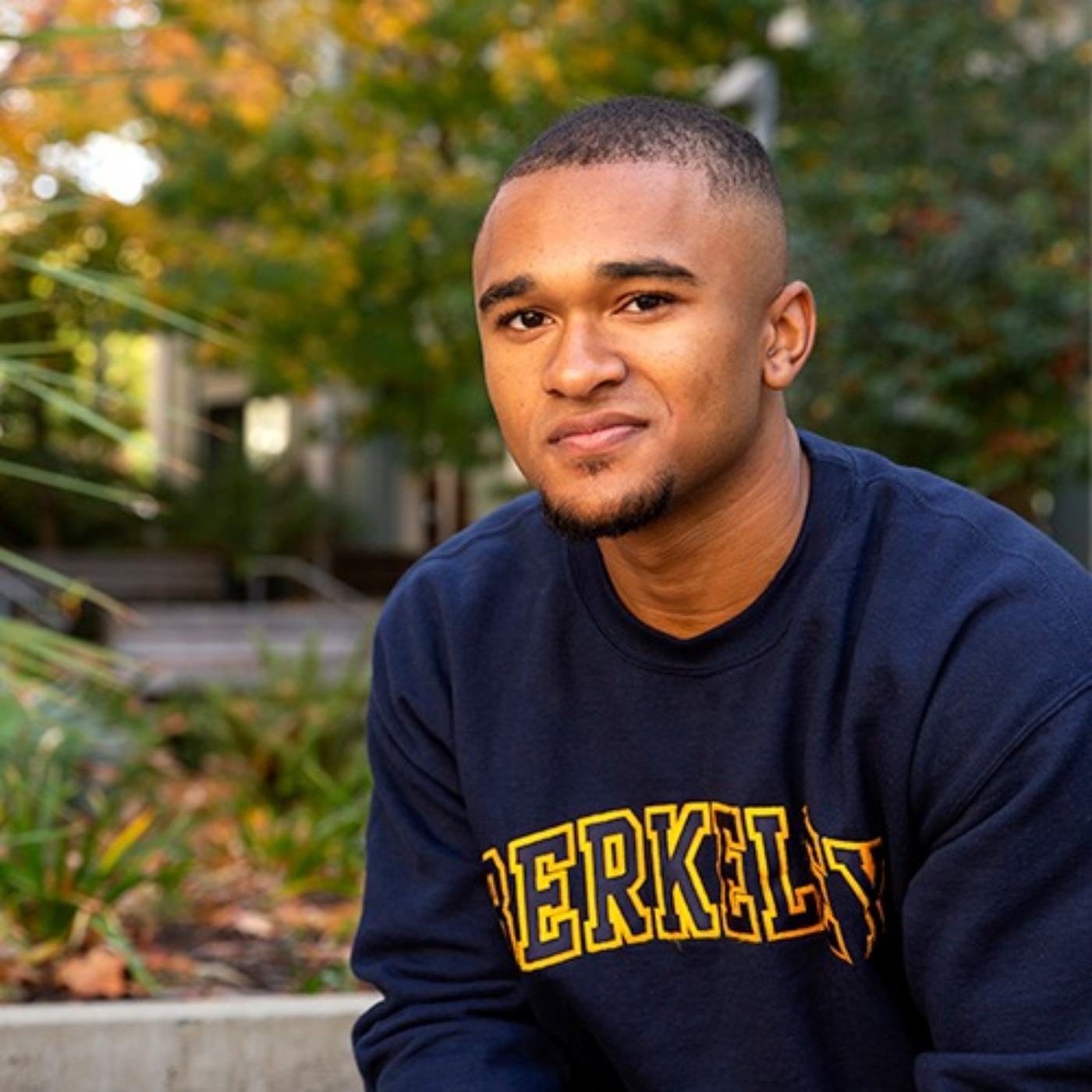
62: After Parkland shooting, student fights for mental health resources in schools
Feb. 14, 2018, began like any other day for Kai Koerber. He was running late for his early morning AP English class at Stoneman Douglas High School in Parkland, Florida. When he got there, he was handed the class's biggest assignment of the year and groaned. "At the time, I was like, 'Man, this is going to be the worst part of my day,'" says Koerber, now a first-year computer science major at UC B
Recommended
The Swerve Podcast: Obscure Topics | Conspiracy Theories

The Bread and Banter Podcast
The Church of What's Happening Now: The New Testament

Busted Open

Deadline: White House

Panda Show - Picante

Crickets Corner

History of the Earthquake and Fire in San Francisco

Fox news

K-Drama Obsessed Mamas | Beyond “Just One More Episode!”

True Crime Classics
The Healer Revolution
