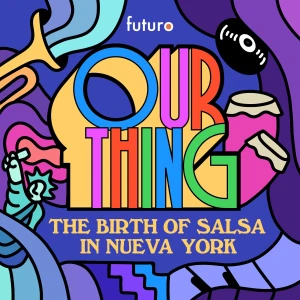
Our Thing: The Birth of Salsa in Nueva York
In 1964, an Italian-American ex-cop and a Dominican musician in New York City opened Fania Records, the “Motown of Salsa.” The artists from Fania toured the world, sold millions of records and changed culture forever. But Fania Records also became mired by royalty divisions, lawsuits and falling-outs. This is the story of the birth of salsa in Nueva York and the rebellious, seductive and political label that defined it: Fania Records. Hosted by Oscar and Emmy-nominated actress and Brooklyn native Rosie Perez and produced by Pulitzer Prize-winning Futuro Media.
Episodes
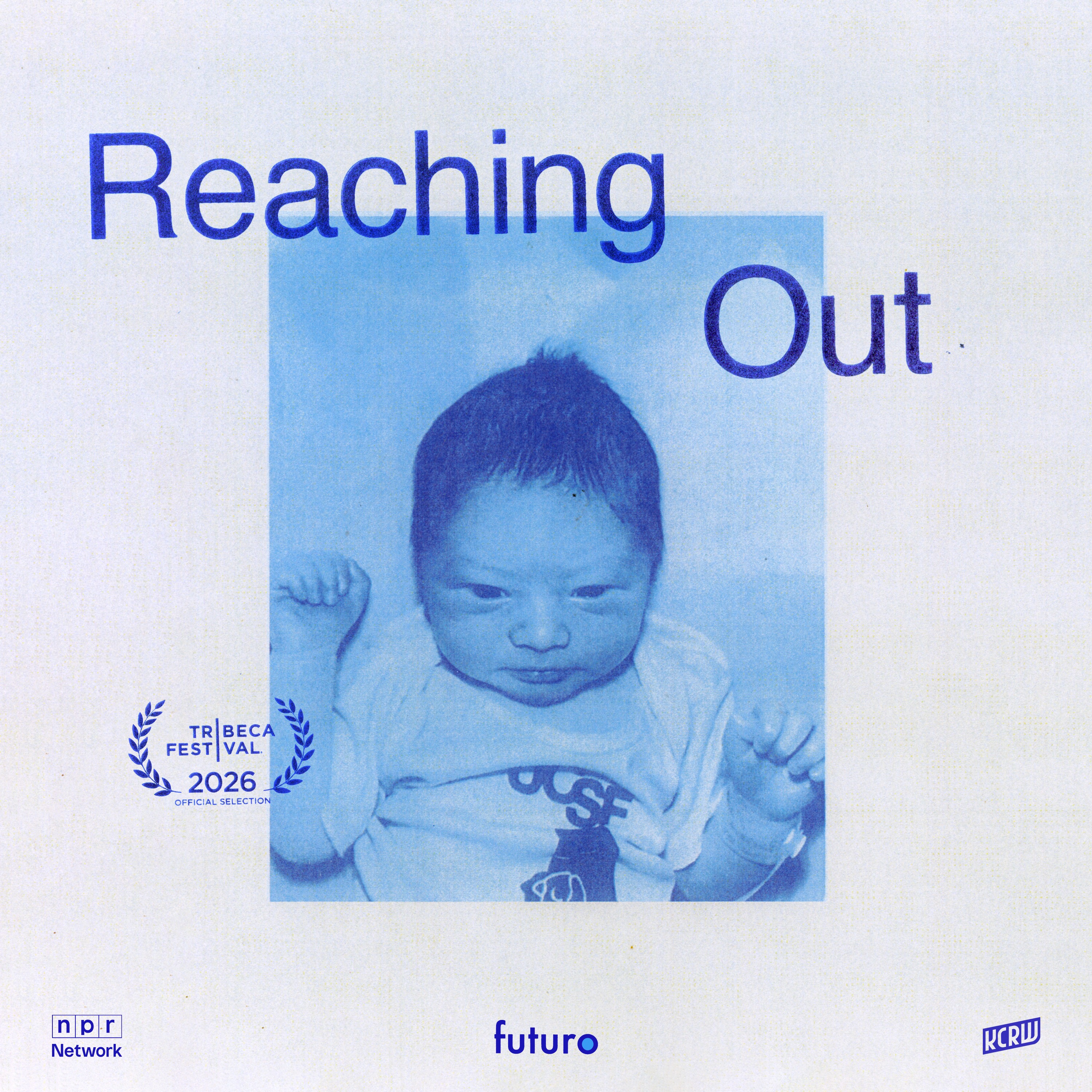
NEW PODCAST ALERT: Reaching Out
Hailed by Ira Glass as the “best new show I’ve heard in years,” and winner of the Audio Memoir Award of the Tribeca Film Festival, Reaching Out is a story about fathers, sons, and the distance between them. The story begins on the eve of twin brothers’ Sayre and Connor’s 30th birthday, when they set out to find the biological father whom they’ve never met. Their search pulls them through desert ra
Subscribers Only: The Cinderella Story of New York Legend Joe Bataan
Senior Producer Jeanne Montalvo sat down to chat with Afro-Filipino singer-songwriter and New York legend Joe Bataan at the Bronx Music Heritage Center in 2024.As you’ve heard in Our Thing: The Birth of Salsa in Nueva York, Joe is full of all kinds of stories about New York, about music, and about the rollercoaster ride that’s made up his career. In this week’s bonus episode, we share unaired segm

8. The End of Fania and the Rebirth of Salsa
Fania Records is changing. Co-owner Jerry Masucci wants to sell the company but his partner Johnny Pacheco refuses to sell. Tensions rise between the two, until an alleged betrayal sets them on very different paths. The end of Fania Records doesn’t spell the end of salsa though. The artform these underdogs created lives on. Listen to the Music Behind Our Thing: The Birth of Salsa in Nueva Yor

7. You Reap What You Siembra
New kid on the block Ruben Blades moves from Panama to New York City. He gets a job in the mail room at Fania Records, where he tries to pitch his music. Eventually, he gets executives to listen to what he has to offer and lands a collaboration with the legend Willie Colon. But their idea for an album is met with skepticism from music executives, who are later – very dramatically – proven wrong.&n
6. Fania Finds its Roots in Africa
At the height of Fania’s success, the label’s artists are invited to Zaire to perform at a highly anticipated boxing match. For many of these Black artists, this is the first time they are stepping foot on African soil. Welcomed by a rapturous crowd, the Fania All Stars give a legendary performance and many of them connect with their roots. Listen to the Music Behind Our Thing: The Birt
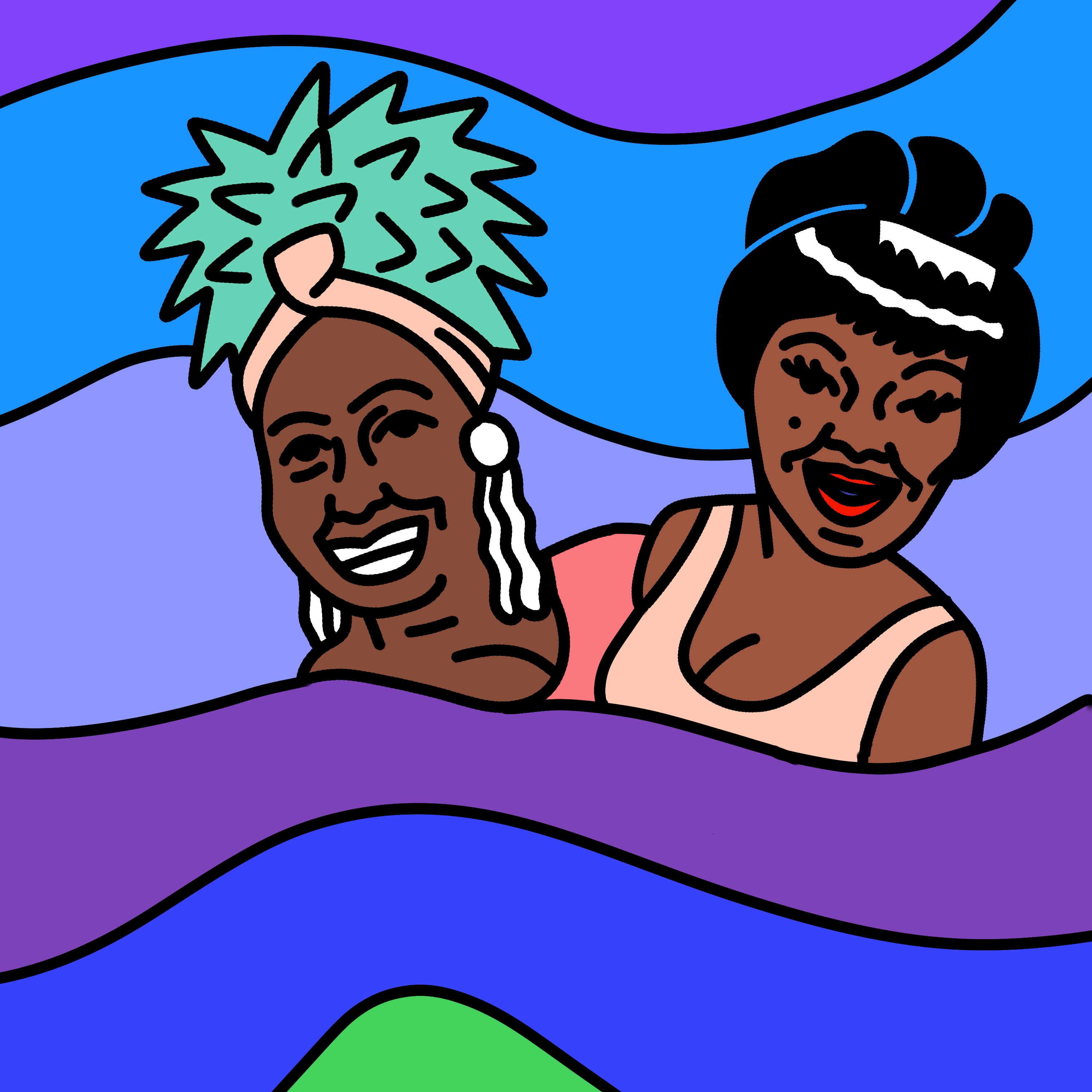
5. A Tale of Two Women
In the 1960s and ‘70s, two Afro-Cuban women dominated stages from Havana to New York City. They are La Lupe and Celia Cruz, both virtuosic, vibrant artists. But Fania Records seems to only make room for one woman. One of these women is promoted, while the other is set aside, showing the oppressive mistreatment of women by the music industry. Even still, both of these artists’ legacies persevere.&n
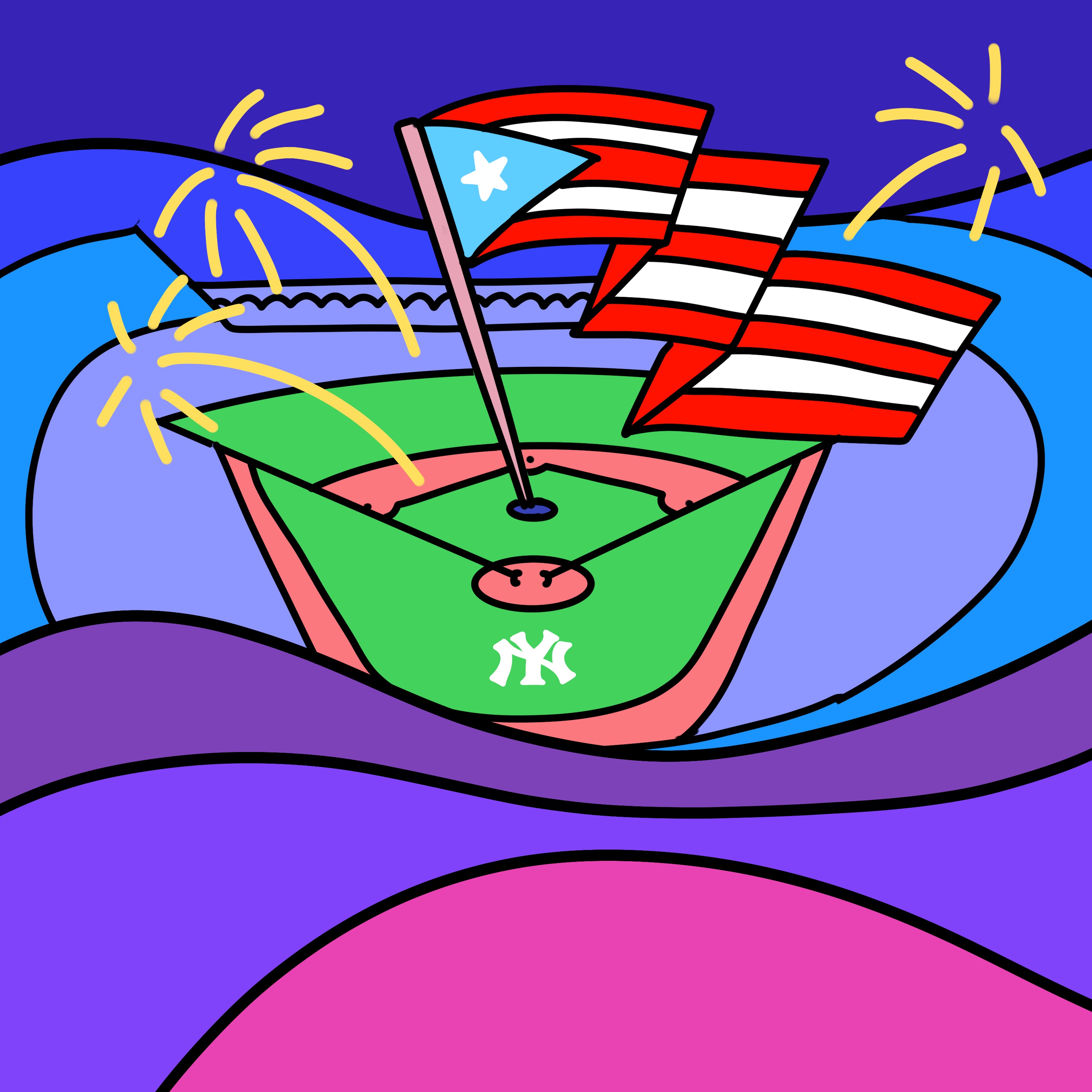
4. The Year Fania got Political
By 1973, drummer Ray Barretto is determined to make a high-stakes comeback and to make a political statement about the role of Salsa in the activism of the time. He’s set on performing at Fania’s most ambitious concert yet, at Yankee Stadium. The day of the concert, a frenzy erupts. But despite the wild turn of events, this night cements Fania as the leading label for salsa music. And whether the
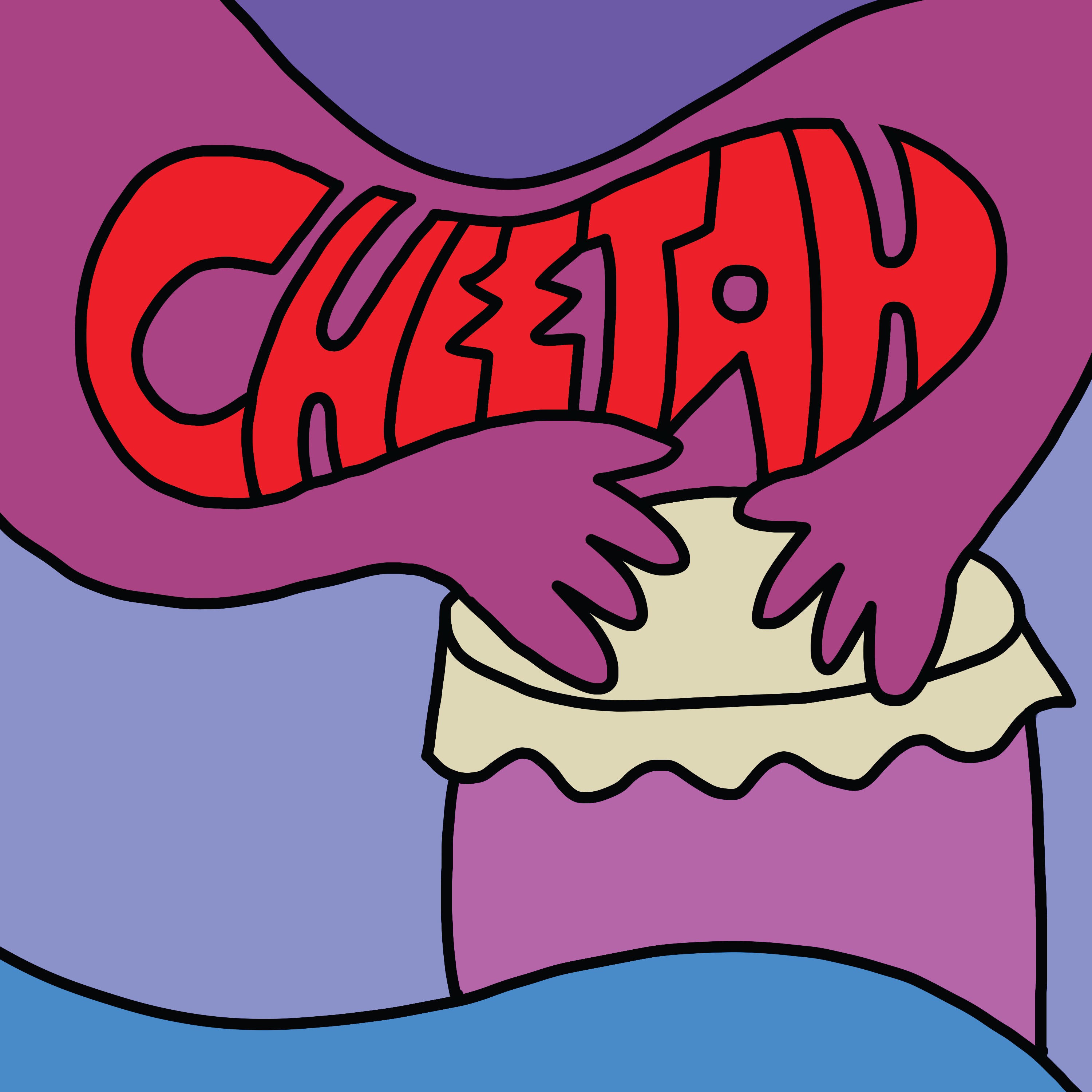
3. The Night that Made Salsa
Larry Harlow, a Jewish kid from Brooklyn, and one of the first artists to be signed to Fania, pitches an idea to film an ambitious live concert. His suggestion will dramatically change the course of the label and salsa. After Fania bankrolls the live concert at the legendary Cheetah Club, the film Our Latin Thing releases one year later, a film and evening often referred to as the night salsa was

2. Real and Pretend Gangsters
In the mid 1960s, young musicians Joe Bataan and Willie Colón are quickly owning the boogaloo scene in East Harlem and the Bronx. The problem—Morris Levy, the mob boss who owns hit-making labels, is one of the few routes to stardom. Bataan and Colón have to figure out how to avoid Levy, while projecting a gangster image themselves.Listen to the Music Behind Our Thing: The Birth of Salsa in Nu
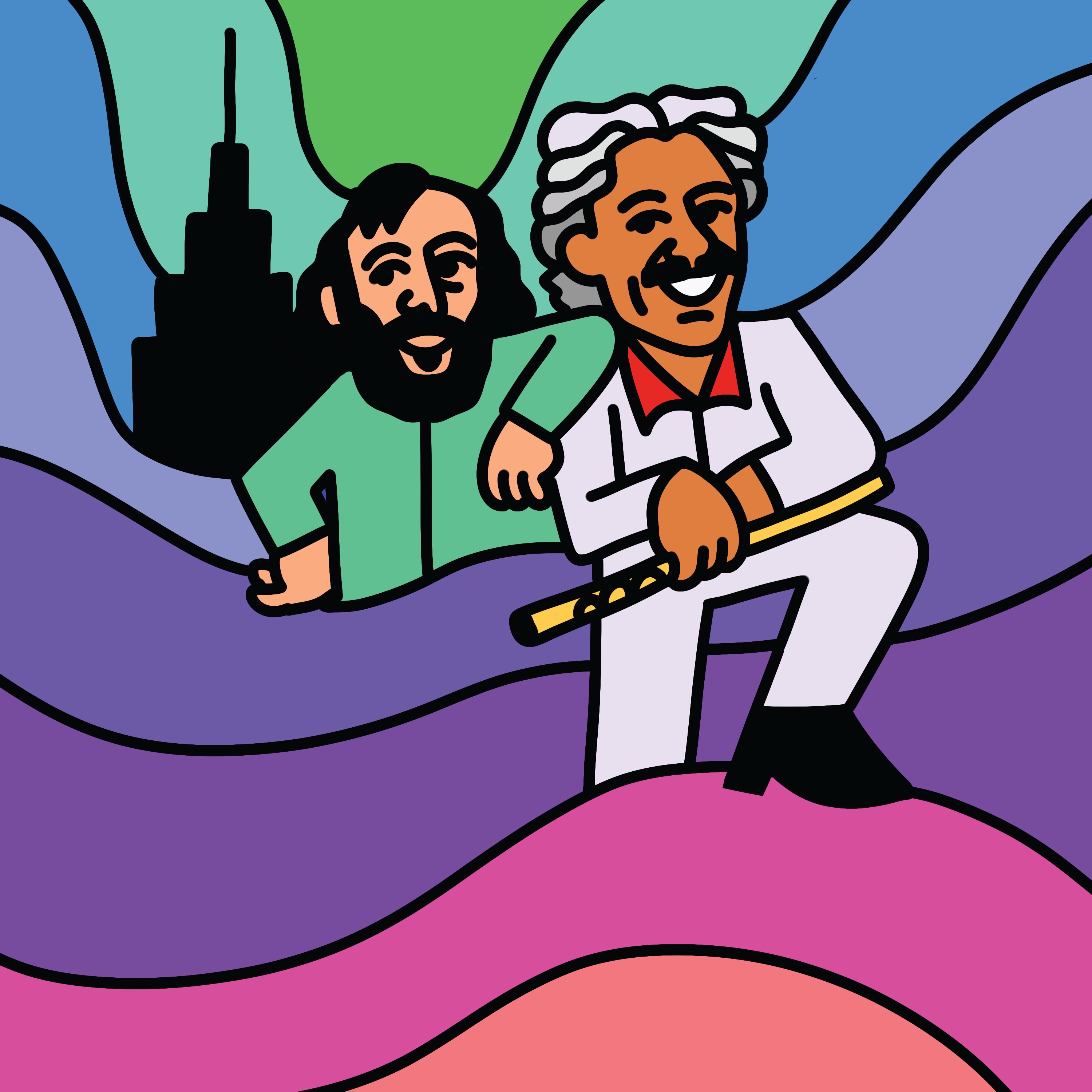
1. Fania Takes Nueva York
The 1960s brings social and political change to the world and to New York City, where a young Johnny Pacheco keeps people dancing with his orchestra and charanga music. The Dominican musician is also going through a divorce and his lawyer, Jerry Masucci, happens to be a fan of Johnny’s music. The two form a music partnership that will forever change music. They call their music label Fania Records
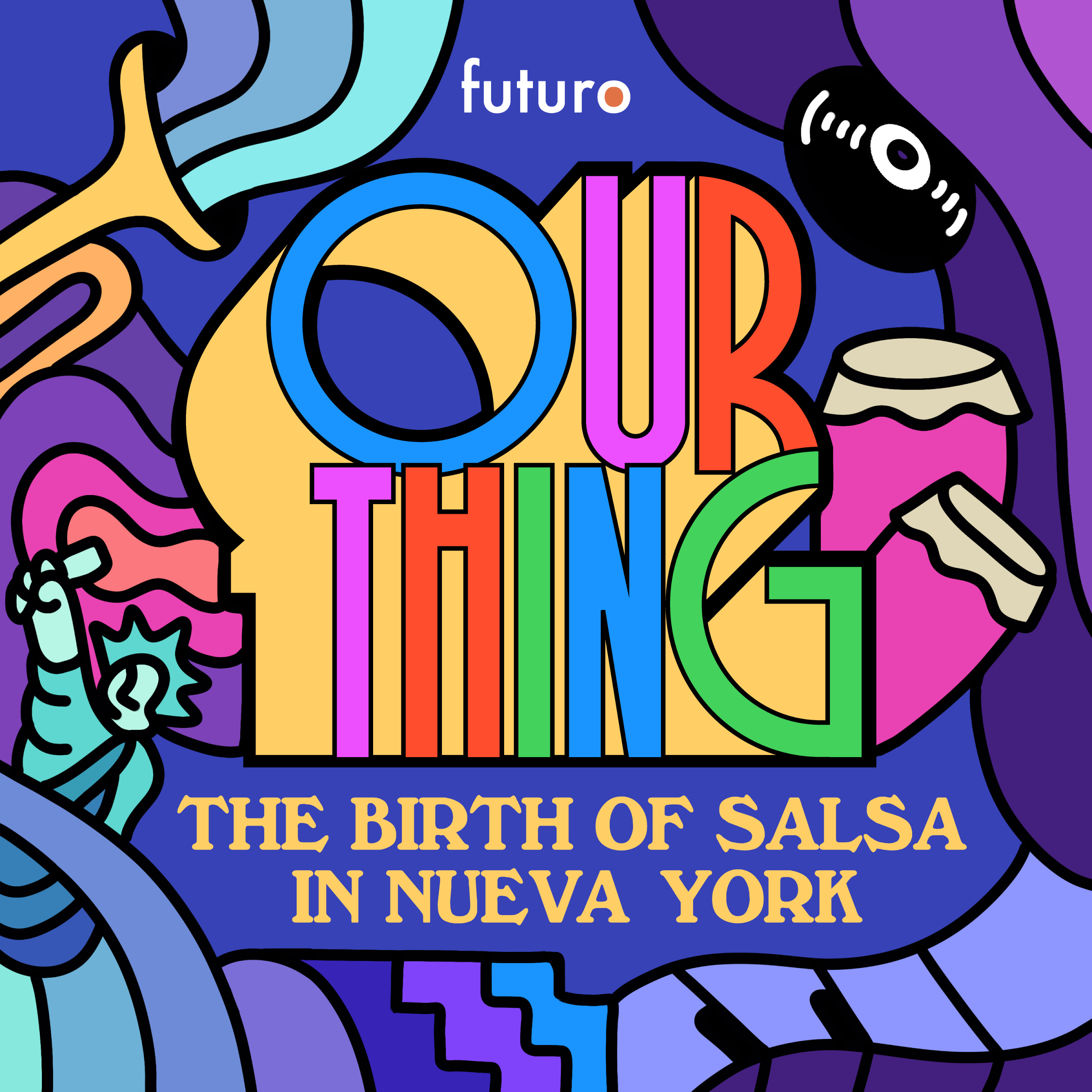
Our Thing: The Birth of Salsa in Nueva York Trailer
In 1964, an Italian-American ex-cop and a Dominican musician in New York City opened Fania Records, the “Motown of Salsa.” The artists from Fania toured the world, sold millions of records and changed culture forever. But Fania Records also became mired by royalty divisions, lawsuits and falling-outs. This is the story of the birth of salsa in Nueva York and the rebellious, seductive and political
Recommended
紐約鳥|New York Aperture
The Swerve Podcast: Obscure Topics | Conspiracy Theories

The Bread and Banter Podcast
The Church of What's Happening Now: The New Testament
Busted Open

Deadline: White House

Crickets Corner

History of the Earthquake and Fire in San Francisco

Fox news

K-Drama Obsessed Mamas | Beyond “Just One More Episode!”

True Crime Classics

The Healer Revolution
