
My New Life
My New Life is a parenting podcast that helps parents navigate the science of early childhood development. Hosted by Jessica Rolph, CEO of Lovevery, the show breaks down complex child development research into practical tips for home. Each episode features expert insights on topics like brain development, learning, and behavior. The podcast aims to support parents during the crucial early years of their child's life.
Episodes

How phonics can support children with dyslexia
As you may know, Lovevery now offers The Reading Skills Set. It's a phonics-based program that makes reading fun, motivating your child to read through play. It covers skills from pre-K through Second grade. In this episode, My New Life host Jessica Rolph talks with Sprout Labs CEO Carla Small about the neuroscience behind dyslexia, and why it has nothing to do with reversing letters. Carla and Dr

Teaching toddlers to read
This bonus episode features an interview with Spencer Russell, the dad behind Toddlers Can Read. Spencer struggled to learn to read as a kid, so when it came time to choose a career, he set out to help others avoid the same experience and took a job with Teach for America, continuing as a kindergarten and first-grade teacher in Houston, Texas. When he started teaching, Spencer's students were sco

Montessori math
Math is all around us. When it comes to teaching it, the challenge lies not in creating the opportunities, but in recognizing them. Counting grapes while they disappear is a fun one! Around the age of 4, a child's mathematical knowledge takes a big leap forward. They go from counting and recognizing numbers, to understanding 1:1 correspondence and being able to complete simple addition. As parents

Montessori handwriting
The Montessori method is rooted in the idea that children can—and should—be empowered to do things on their own. On this episode of My New Life, we consider handwriting through a Montessori lens. But how much independence can we truly expect from a child who is forming words on paper for the first time? You may be surprised to learn that a toddler can start practicing handwriting as early as age 3

Montessori literacy
Even if your 3-year-old can recite their ABCs like a pro, they'll need to learn that spoken words are made up of individual sounds to succeed at reading. Hands-on activities that build this kind of phonemic awareness — and reinforce the connection between letter sounds and letter shapes — are the best way to teach them what they need to know. As with all kinds of hands-on learning, Montessori is

Executive function: Empathy
Empathy can be a puzzling concept for a young child. They often need adults to model it for them. When reading stories or playing with the wooden peg people together, ask your child: "How do you think that person is feeling right now? How can you tell? How would you feel in his place?" Encourage your child to notice the clues in their environment and use them to draw conclusions. In this final ep

Executive function: Flexible thinking
Have you ever played "hot/cold" with your child? It's good for a laugh, particularly when a child can't find something in plain sight. But it's also great at teaching young children flexible thinking, or the ability to adapt to change. As they are searching for the lost item, they are listening to directions and staying flexible when they have to change course. In this series on executive function

Executive function: Managing frustration
Success in life — that looks different for everyone. But skills like persistence, managing frustration and emotional regulation tend to scaffold that success, no matter what the end result looks like. These skills are all part of what scientists call executive function, something we're focusing on this season. We like to talk about executive function, because young children have lots of chances to

Executive function: Thinking ahead
Executive functioning skills are important, because they help us achieve our goals. Children with strong executive functioning skills have the focus, patience, flexibility and resilience to succeed in—and out—of school. While children continue to develop these skills into adolescence, research shows they surge at 4 years old. And they can be really fun to practice! In this episode, My New Life Ho

When parenting feels unequal
Our guest today is a mother of four children, ages 5 to 17. She knows well how the demands of parenting can run you into the ground. She made the choice to step off the "struggle bus of overwhelm" — as she calls it — but it was a move that took time, and conscious effort. The secret? Establishing clear boundaries. And choosing not to identify with the "mother as martyr" role. So many of us look fo

Helping children deal with change
Why can change be so unsettling for our toddlers? I mean, change up the snack crackers and you may have a major crisis on your hands. On this episode of My New Life, Jessical Rolph hosts Lael Stone, author of "Raising Resilient and Compassionate Children". Never is our resilience put to the test more so than in the face of change. If you and your family are changing things up — be it a new home, n

Managing expectations as a mother
For the most part, limits provide a framework that helps everyone move through the day more fluidly, and with less friction. But on this episode of My New Life, we discuss limiting beliefs — beliefs that interfere with our own wellbeing and that of our family. A big one is the notion that we can "have it all". For parents who work outside the home, this can compound the pressure we already feel t

Expert in neurodiversity Dr. Billy on emotional regulation
We welcome Dr. Billy Garvey to this episode of My New Life. He runs a clinic in Melbourne, Australia, that helps parents focus on their children's strengths, and move through some of their challenges. The clinic has a 3-year waitlist and after listening to this episode, you'll understand why: Dr. Billy is really good at helping caregivers and children connect in those moments when stronger limits

Helping siblings with boundaries
Bickering, fighting, jealousy, constant comparison and competition — sibling rivalry can be exhausting. Here to help us reduce the conflict between our children is parent educator, Kristin Mariella. Her approach is to hold the limits, while welcoming the waves of emotion. You can find more from Kristin Mariella @respectfulmom. Takeaways: Hold your tongue! Kristin urges parents to resist getting

Behavior is a smoke alarm
There are lots of parenting experts talking about choosing connection over discipline, but today's guest on My New Life has a fresh take on limit-setting: She compares bad behavior to a smoke alarm going off. Punishment is like taking a hose and pointing it at the alarm. If the pressure is great enough, the alarm will stop. But we still don't know why it went off in the first place. We need to fin

What you should know about men's and women's fertility
When it comes to starting or growing a family, many of us come face-to-face with a painful reality: Infertility. Even if you had an easy time conceiving, it doesn't guarantee subsequent pregnancies will be just as easy. Problems in men's bodies are the cause of around half of all infertility. Does that statistic shock you? That could be because women of child-bearing age are bombarded with market

When and how to stop breastfeeding
Host Jessica Rolph breastfed all three of her children, but weaning the last has been an emotional experience. It's hard to say how many mothers breastfeed beyond that first year or two, but often those mothers feel judged for choosing to continue. Lyndsey Hookway joins us to help demystify "extended" breastfeeding and offer tips on weaning for those who are ready. She is an Internationally Boar

Transitioning from crib to bed
Switching your child from a crib to bed can be a big milestone! Most sleep experts recommend waiting until your child is around three years old. Jessica Rolph, your host, is joined by Dana Obleman to discuss what factors might go into that timing. Dana is an Infant and Child Sleep Consultant and the creator of The Sleep Sense Program. Highlights: [1:08] What are the signs that your child is

Co-parenting after a separation
Navigating the ups and downs of divorce looks different in each situation, but there are some universal ways to make it easier on our children. These start with better communication — rules around communicating that put your child first. Here to help us establish some of these best practices is Dr. Tamara Afifi, a professor in Interpersonal Health Communication at the University of California, S

Talking about death
Birthing is a topic we all want to weigh in on, but death? Not so much. We tend to avoid the subject, and when it comes to talking to our child about death, choosing the right words is hard. Of course, there's no "right" way to talk about death except to lead with honesty and love. Jessica Rolph, your host, welcomes Michele Benyo to the show. She is the founder of Good Grief Parenting. Michele c

Pacifiers: In or out?
Pacifiers are so convenient… until they're not. At some point, there can be concerns about developing teeth and interference with speech, and weaning a child off a pacifier can be challenging. The American Academy of Pediatric Dentistry, the American Academy of Pediatrics, and speech and language therapists recommend starting that weaning process between 6 to 12 months, and weaning entirely befo

Coping with separation anxiety
The stress of separation is real — it can be upsetting for both you and your child. Whether it be a child sobbing for you to stay when the babysitter shows up or clinging to your leg at drop-off, it's easy to feel like you're doing it all wrong when these raw emotions take over. My New Life's Jessica Rolph welcomes Family Psychologist Ashleigh Warner to help parents navigate this tricky terrain.

Preventing screen-time meltdowns
Screens are hard to avoid in today's world, and when our children do have access, turning them off can bring on some big emotions! Have you ever wondered why they have these oversized reactions? Or how to avoid them? My New Life host Jessica Rolph is joined by Dr. Martha Deiros Collado, a psychologist specializing in family therapy who has her own podcast called Talking Sense, and an Instagram

When potty training gets messy
Is your child refusing to sit on the toilet? Or waiting until the pull-up is on to go poop? You're not alone. For a lot of parents, the potty learning process is more drawn out than we anticipate. For some, it takes months or even years. In previous episodes, you heard some common potty-training scenarios. We shared the advice of the author of Oh Crap Potty Training and Nicole Kavanaugh's Monte

Get your baby talking with The Speech Sisters
This week we are revisiting our most-downloaded episode from Dec. 1, 2021, as we prepare for our upcoming season: Transitions. In the new season of the podcast, we will take a look at transitions from diapers to potty, crib to bed, saying goodby to pacifiers, and lots more. Language milestones are a hot topic. When should my baby be speaking? And how many words? So much is tied up in our ability

Simplifying: Why children benefit
The first years of a baby's life can feel anything but simple. While their needs are few, namely love, food, sleep, and play, parents often feel pressure to provide the absolute best on these fronts. The best food. The best sleep. The best play. We are told that to accomplish this by doing more: more playdates, more lessons, more outings, and more variety on the table. Jessica Rolph is joined b

Supporting a positive sibling relationship
Sibling rivalry is normal. The kids usually move on quickly, but it often leaves us adults unhinged. What can we do to help diffuse those tense moments, and maybe even build some mutual respect? In the spring we shared an episode about bringing home a new baby sibling. In today's episode, we are following up with Lovevery expert Gabrielle Felman on sibling dynamics. We look at how to handle jeal

How to boost your baby's biome
We hear a lot about the first 3 years of a baby's life — how critical those years are to brain development. But today's guest, the author of The Baby and the Biome, would argue that the same window is just as critical for our gut. Probiotics may have a role in keeping that system healthy. But are probiotics helpful to babies? And what about when you're pregnant? Jessica Rolph, your host, welcomes

Screens: What the research tells us
Screens are so effective at distraction, but equally effective at causing parents angst! In today's interview, Jessica Rolph is joined by Lovevery expert, Dr. Zach Stuckelman, to get to the bottom of the research on screens and young brains. They examine which content is better than others, and whether those learning apps are really teaching our kids anything. They also explore the value of vid

Ready for more? Why birth spacing matters
Usually when we consider having another baby, personal preferences factor heavily into decisions around timing — things like budget or sibling dynamics. But it's rare to consider the health impacts, and it's even less common to discuss birth spacing with your doctor. Jessica Rolph, your host, welcomes Dr. Alison Gemmill to today's episode. Alison is an Assistant Professor at Johns Hopkins, in th
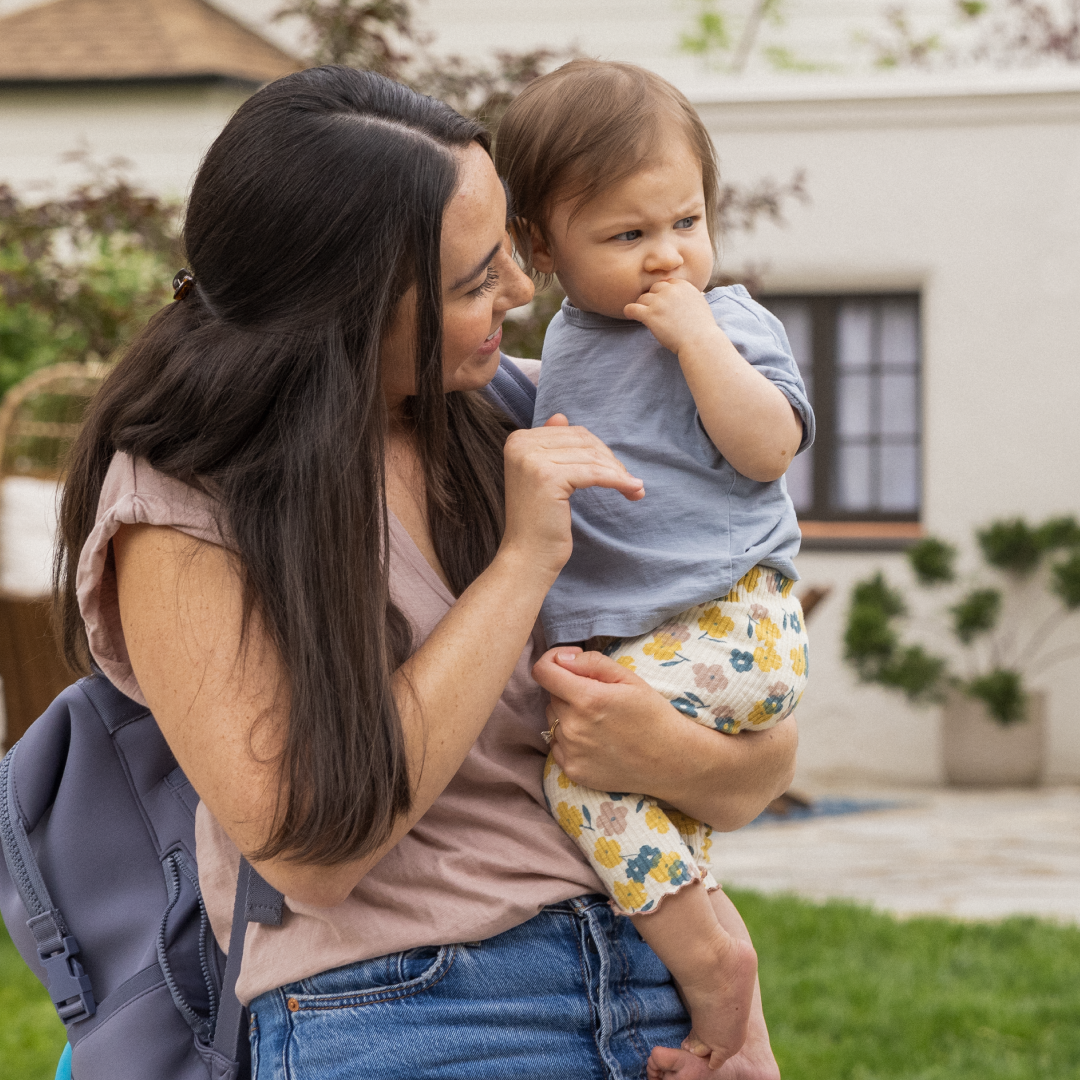
Normal fears vs. anxiety with Dr. Lockhart
With everything we have to worry about in today's world, it's easy to lose sight of how our children can have their own big worries too. Things like getting nails clipped, night-time noises, strangers, doctors, even entering a pool can feel overwhelming to our children. How do we help them push through their fears? Which are normal, and which are extreme? And how do we validate their feelings wi

Tips for teaching kindness
Young children are naturally egocentric. This is a normal part of their development, as they must first make sense of the world around them through their own eyes, before they can see it through someone else's. In fact, until they approach preschool age, they have little reason to believe that others might have feelings or thoughts different from their own. But getting them to eventually understan
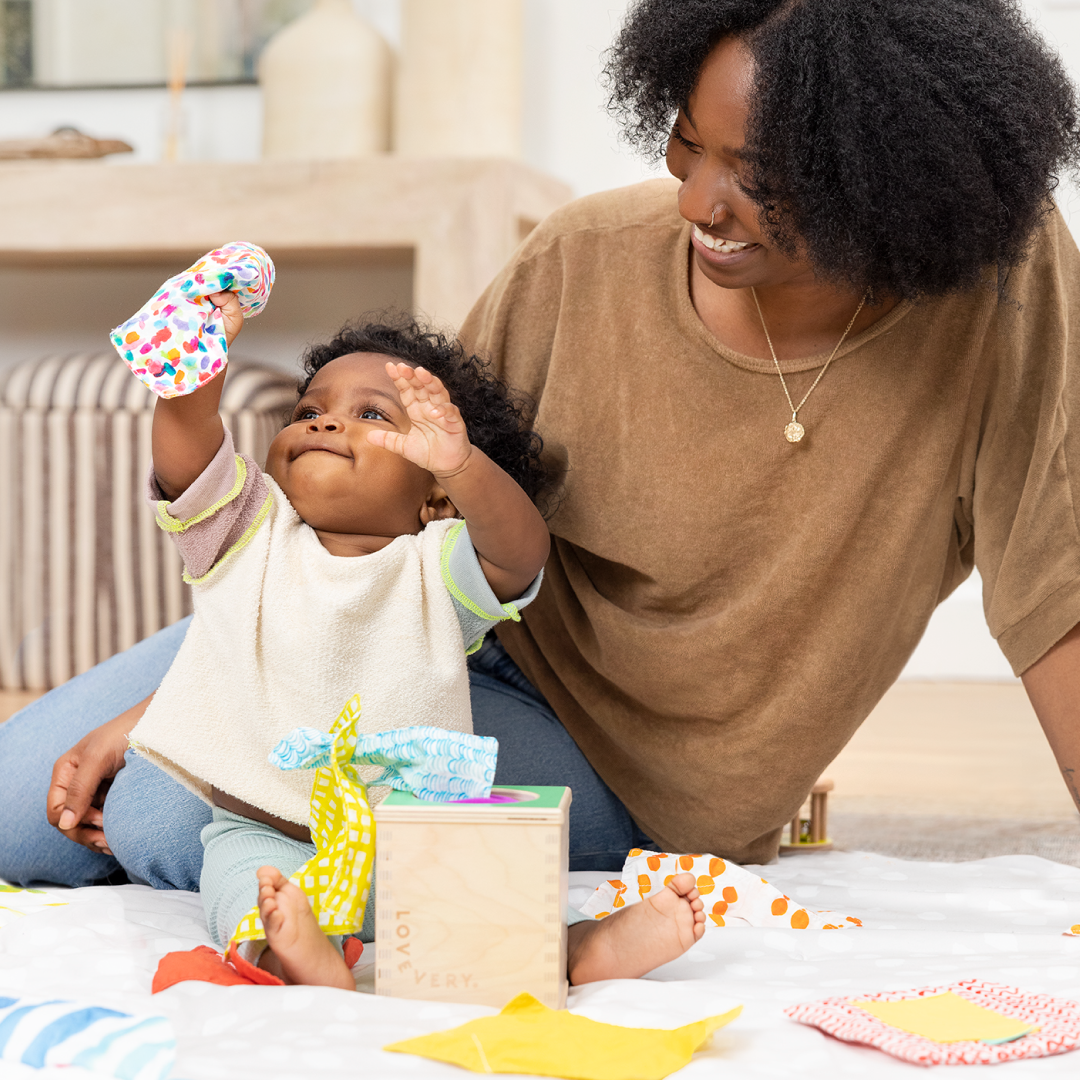
Montessori made simple with Simone Davies
Independence, freedom, order, beauty. These are all elements of the Montessori play space, and who doesn't want these things for their child? However, sometimes adopting a Montessori approach can feel like a high bar. Jessica Rolph, your host, is joined by Simone Davies, author of The Montessori Baby and The Montessori Toddler. She can also be found online at The Montessori Notebook, where she

Learning through play: Is free or guided play better?
Play has so much to teach us, children and parents alike. Sometimes parents can get a little too involved in their child's play, particularly with the extra cool toys. When does our guidance become interference? And what amount of direction is appropriate? Dave Neale joins Jessica Rolph on this episode to help us strike the right balance. Dave is a researcher in the psychology of play at the Cen

Nutrition for pregnancy and postpartum
Any pregnant mom will tell you: Their body goes through a major transformation! And with each passing month, nutritional needs change. We hear lots about omega-3s, but did you know that protein and choline play critical roles in the baby's development in utero? Host Jessica Rolph speaks with Registered Dietitian Ryann Kipping, founder of The Prenatal Nutritionist. Key Takeaways: [1:40] What is t

Does Mozart really work?
The so-called "Mozart effect" first entered the public conscience in the early 90s. The theory states that listening to classical music while pregnant, will make your baby smarter. We talk a lot about how babies become smarter on My New Life, so host Jessica Rolph figured she better dig into this theory. Here to give us a straight answer is Dr. Thomas Dardarian. He is an OB-GYN at Axia Women's Hea

Little liars: What to do about lying
Children, like adults, lie and they can learn to do so from the young age of 2 years old, according to the researchers. In this episode, Jessica Rolph is joined by Dr. Kang Lee, a University of Toronto professor who has been examining lying and what it tells us about human cognition for over two decades. Kang is so dedicated to this field of study, he has convinced some 5,000 children to lie to hi

Discussing intellectual disability and neurodiversity with children
Jessica Rolph is joined by Dr. Kate Barret and Dr. Terry Jo Bichell to bring listeners the story behind "Uncle Rob's Pizza Party," a Lovevery book about a toddler's relationship with a man with Angelman Syndrome. Lovevery's Senior Advisor of Equity and Inclusion, Nicole Stamp, guides the conversation. This episode challenges some of the norms around how we discuss neurodiversity, particularly wi

Choline & your baby's developing brain
Choline is a nutrient proven to have a lasting link to a baby's brain development when taken in pregnancy, but many prenatal vitamins don't have much choline. The recommended amount is 450 mg/day, and studies show only 10 percent of all pregnant women get enough. A recent study at Cornell University looked at the benefits of doubling the recommended choline consumption. It showed a link between
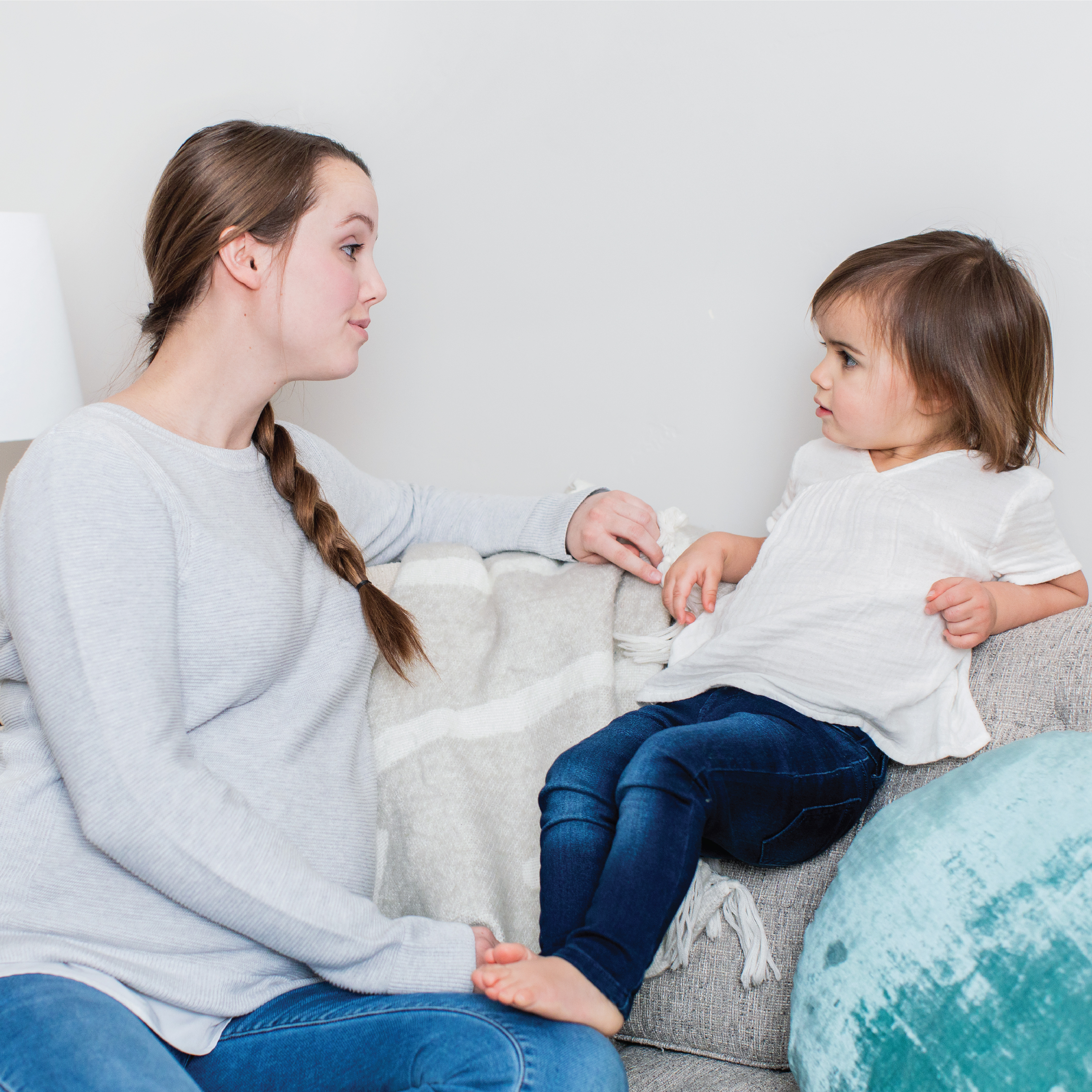
Tune in, Talk more & Take turns
Parent-child interaction is crucial to brain development. An important part of that interaction is what is said while we're engaging with our child — not just the words we use, but the frequency of those words and the way in which they are offered up. Jessica Rolph welcomes Dr. Dana Suskind to today's episode to talk about the reasons why a language-rich environment is so important and to best a
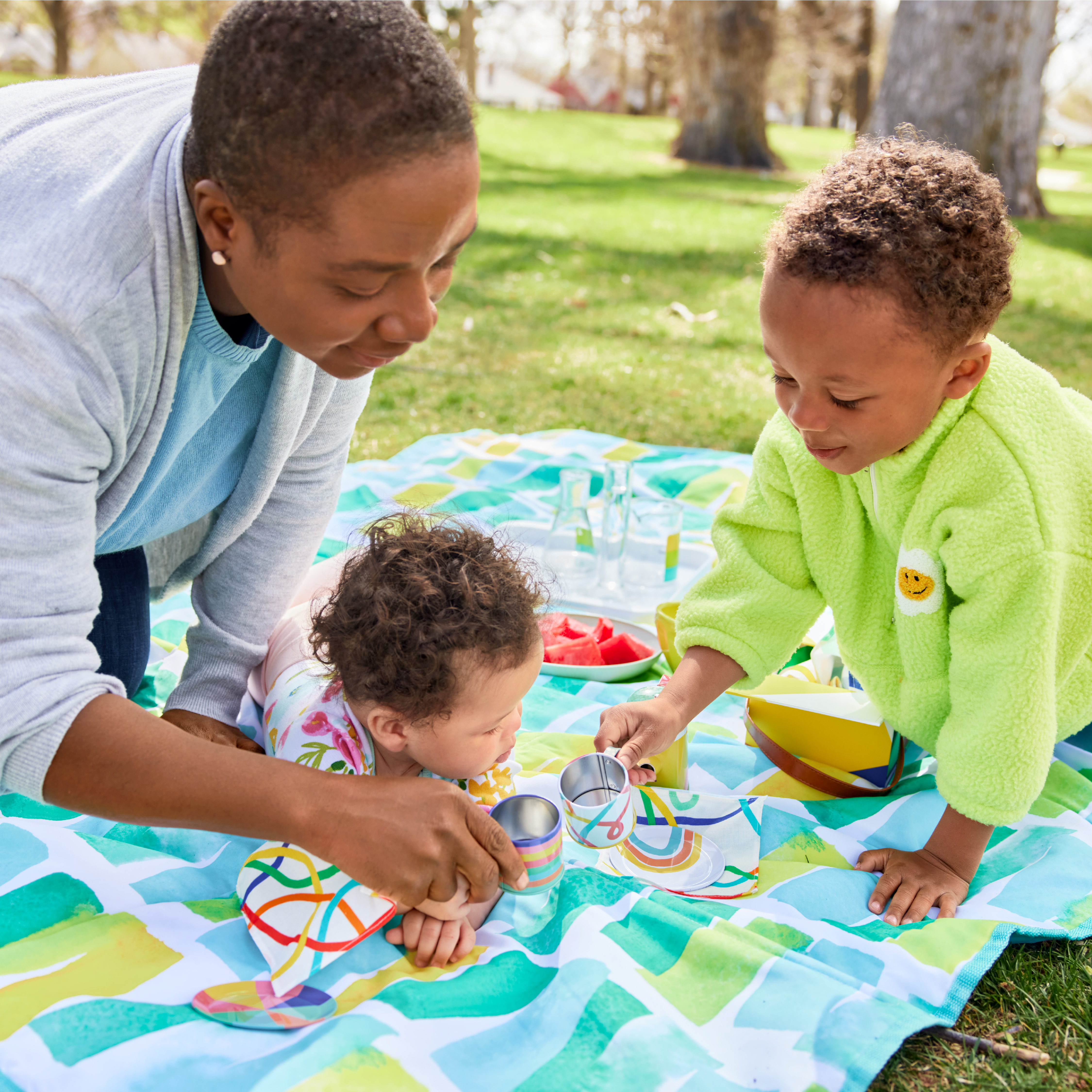
New additions: Bringing home a sibling
Share the news of a baby brother or sister with a toddler, and it's likely to be met with enthusiasm. But at some point after the baby arrives, jealousy and resentment can get in the way, and that can manifest in all sorts of new behaviors. Jessica Rolph welcomes Gabrielle Felman, an early childhood development specialist and clinical social worker. She shares loads of practical, real-life tips

Mindfulness for parents
So many parents find themselves flying through the day, constantly running through a mental to-do list. It seems there is always room to squeeze in more. To be focused on one moment in time feels next to impossible, but there are ways to get present, even with with all this mental clutter. Jessica Rolph welcomes Hunter Clarke-Fields to today's episode. She's the Mindful Mama Mentor, author of R

Calm is contagious
Parenting is full of trying moments. One way that parents express their frustration is by yelling — we've all been there! Feeling overwhelmed is usually at the root of it, but being around a parent who regularly raises their voice isn't optimal for a child. Learning strategies to reduce yelling takes time, but it's worth the hard work. Jessica Rolph, your host, welcomes Brandi Jordan to today's

A glimpse inside the Waldorf philosophy
Waldorf education has become increasingly popular in recent decades. Supporters champion the creativity and independent thinking that it fosters, but some critics say it fails to prepare children for the "real" world, where things like competition and technology cannot be avoided. Jessica Rolph welcomes Dr. Natasha Beck to today's episode. She holds a Doctorate in Clinical Psychology and has a M

Dr. Becky on the importance of empathy
Do you find yourself constantly having to nudge your toddler to stay on schedule and tick all the boxes? Let's get a move on, we'll be late! No seriously, it's bedtime! Little wonder that we parents lose sight of our playful side in all the hustling. Today's guest on the podcast has a remarkable knack for incorporating playfulness in the trickiest of situations. Even the dreaded tantrum feels slig

Get your baby talking with The Speech Sisters
Language milestones are a hot topic. When should my baby be speaking? And how many words? So much is tied up in our ability to communicate with our little people. On today's episode of My New Life, we call in the experts to get your baby talking! While the timeline for those treasured first words varies from child to child, there are some time-tested tricks to help the process along. Spoiler: D

Sensory play & what it does for your child's brain
Some children make a lot of noise as they move through their day. They tend to like big movements: bear hugs, wrestling, getting messy. Others are quieter. They can sometimes be bothered by subtle things: tags, temperature, too much light. These children might retreat if their senses get overloaded. Sensory preferences fall on a spectrum. Jessica Rolph is accompanied by Dr. Allie Ticktin to talk

Kindergarten ready: You may be closer than you think
The human brain has about 100 billion nerve cells, all of which are present at birth, but have few links between them. Those links are formed by experiences children have. The idea that the right inputs can strengthen a brain's architecture informs much of the product design at Lovevery. But there's lots of debate around how early we should start laying the foundation for academic learning. Jess

Setting our kids up for success
We all have big dreams for our little people, and there are so many ways to define success: finding purpose in life and work, reaching goals (whatever those might be), surrounding yourself with loved ones, to name just a few. Psychologists have pointed to a variety of practices that can help our kids achieve these things. Spending time with your child is a major one; others include letting your ch

A more accessible Montessori
Many new parents struggle with decisions around learning outside of the home. When is the right age? Is daycare or preschool the answer? If extended family isn't available or other help isn't affordable, should parents keep their children at home while also juggling work or all the many other responsibilities? Then there's the decision regarding what learning philosophy to follow. Jessica Rolph,

Understanding RIE parenting
Feeding, diapering, dressing, soothing. At times, it feels like we're merely surviving those early months. When in overdrive, pausing to observe doesn't always come naturally, but looking and listening before responding to your baby or toddler can lead to some surprising discoveries about your child, and yourself! Something called RIE parenting is founded on that principle. RIE was created in 1978

"How to Talk" authors on what to say to your toddler
It's remarkable how choosing your words carefully can mean the difference between a moment of connection or disconnect. Today's guests are experts at effective communication with young children. Joanna Faber and Julie King are co-authors of the book, How To Talk So Little Kids Will Listen: A Survival Guide to Life with Children Ages 2-7, and they have just released a second book: How To Talk When
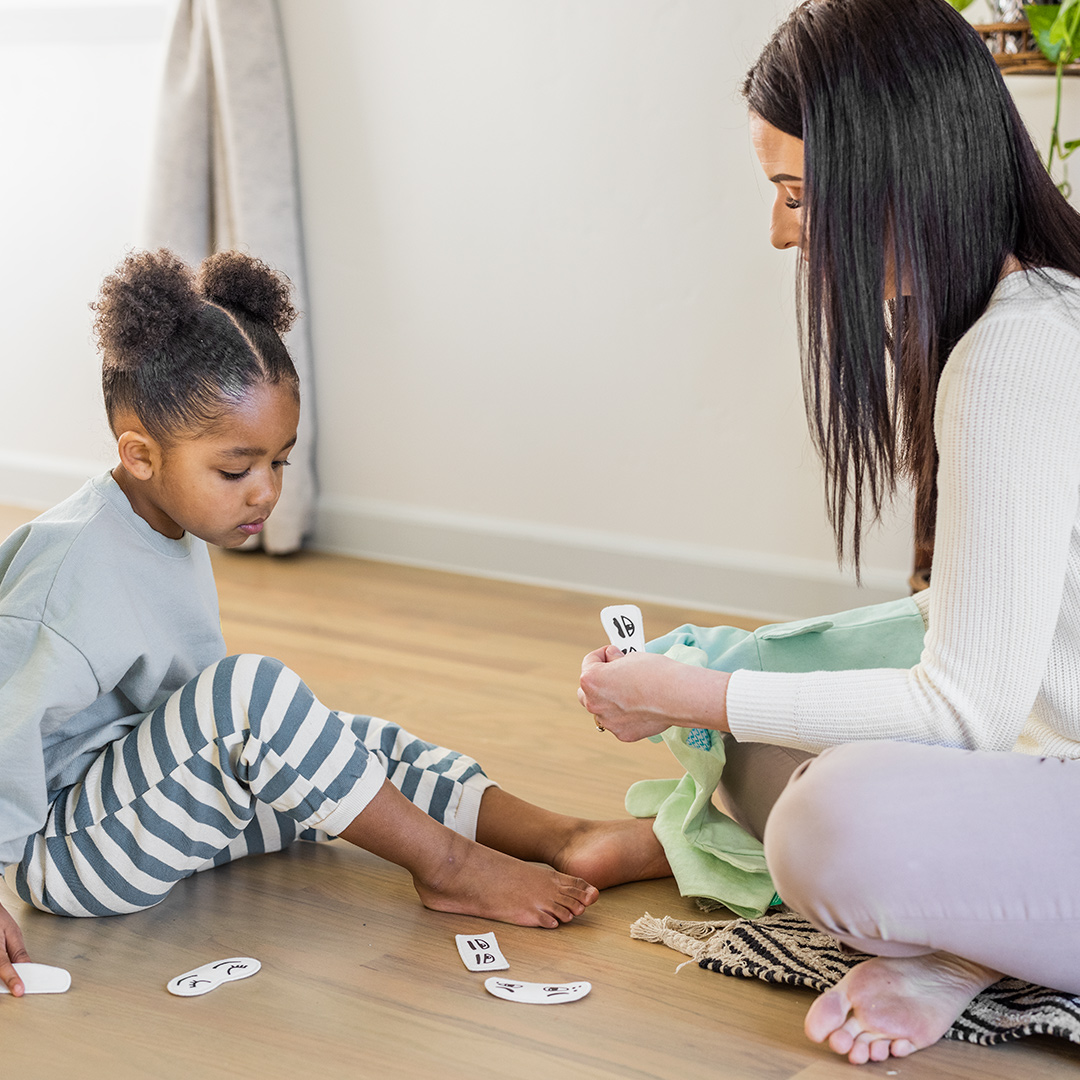
Co-regulating emotions with Mr. Chazz
We've all been there: Witnessing the big emotions that roll in from the left field and feeling ill prepared for the storm that follows. It can be the wrong utensil, the wrong lovey, or just the wrong side of the bed. Toddlers are excellent at showing emotions but not yet skilled at expressing them, that is why they need our help naming and understanding their feelings. Jessica Rolph, your host,
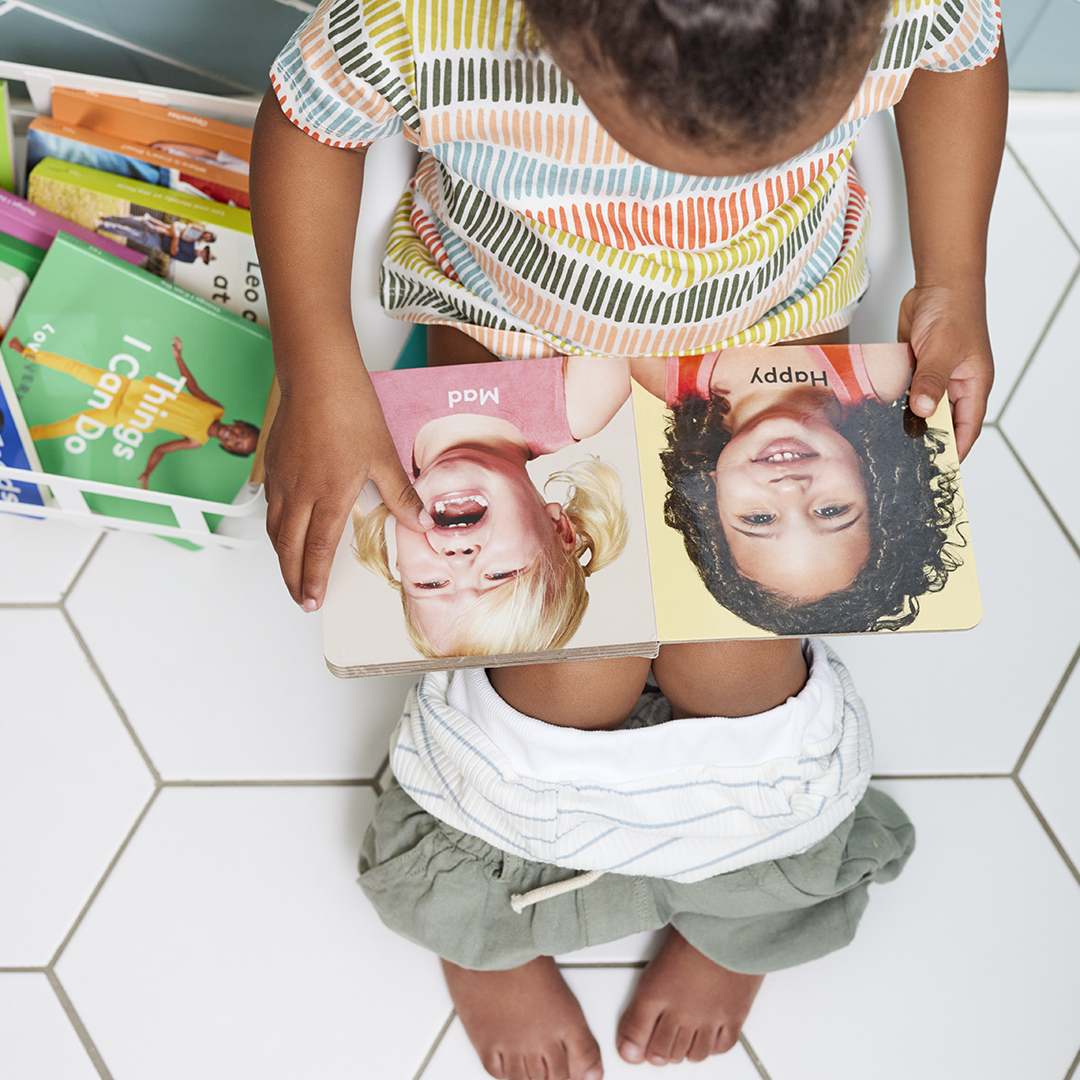
A Montessori perspective on potty learning
Jessica Rolph, your host, is joined by Nicole Kavanaugh, a Montessori parenting expert and the writer and mom behind The Kavanaugh Report. Learn why Nicole takes a firm stance against bribing and likes to see children take an active role in their own potty learning. This doesn't have to be a sprint to the finish. If you approach it more like a marathon, or at least a long, meandering stroll throug
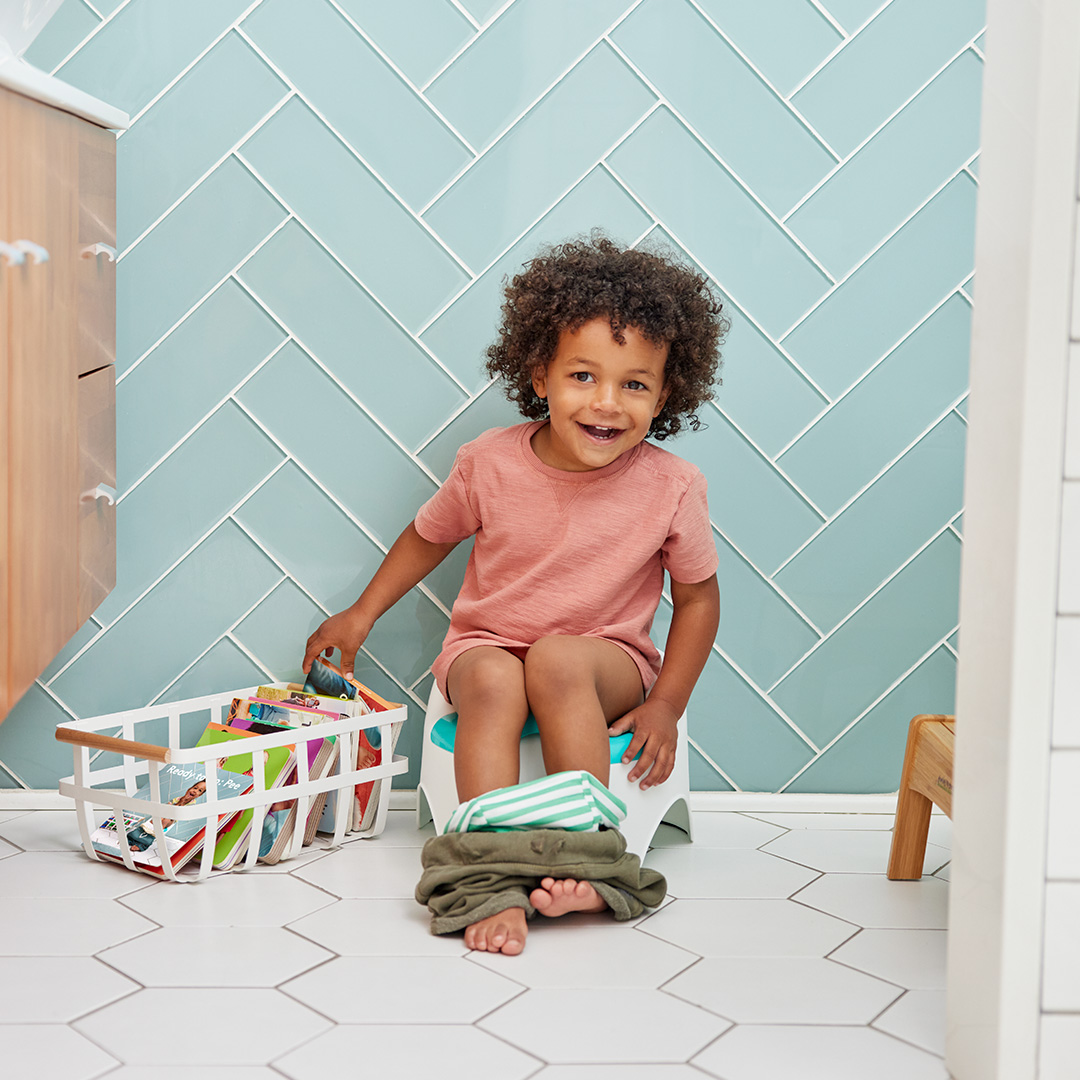
Perspectives on toileting with author of 'Oh Crap! Potty Training'
Jessica Rolph is joined by Jamie Glowacki, author of the book: Oh Crap! Potty Training: Everything Modern Parents Need to Know to Do It Once and Do It Right. And don't we all want to "do it once and do it right"? Despite our best intentions, this is one transition that rarely goes smoothly. But a few ground rules can make a world of difference. Tune in for a little parent training on how to do to
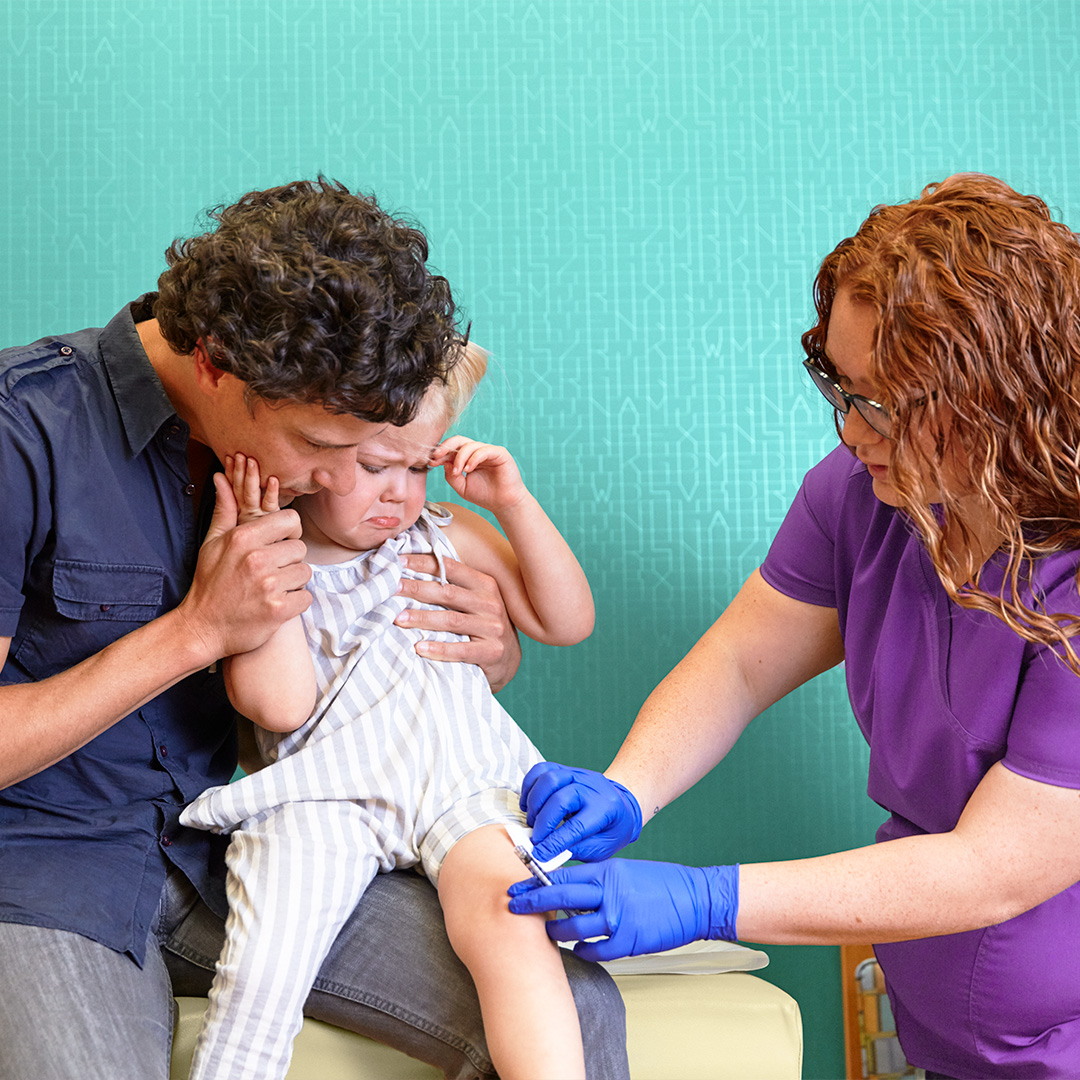
A medical perspective: Alternatives to going all-natural
Natural is a loaded word when it comes to parenting. While it feels good to make choices that stem from nature, following an all-natural course and all the rules that come with it, can lead to stress. There are a lot of conflicting messages out there when it comes to what is healthy for our children: Is it ok to delay vaccines? Is it ok to use formula? What happens if your birth doesn't go as plan

Perspectives on feeding: Getting real about sugar
Maple syrup, beet sugar, molasses, honey… there are so many alternatives to refined sugar. But despite a parent's best efforts, it's hard to avoid the processed stuff all together. And is that really the best approach anyhow? How much sugar restriction is too much? Can it backfire? Jessica Rolph welcomes Registered Dietitian Jennifer Anderson to the show. She is the mom behind Kids Eat In Color. H

Perspectives on feeding: Picky eaters
Child nutrition and early brain development are profoundly linked. What goes into our babies, is essential to their brain growth. But that's not to say achieving those optimal inputs is easy! The picky-eater routine can wear down even the most steadfast parent, and If we're not careful, mealtime can become a battleground. Jessica Rolph, your host, is accompanied today by Specialist Pediatric Die

Perspectives on feeding: Baby-led weaning
As co-founder of the organic baby food company Happy Family, host Jessica Rolph has invested a lot of energy trying to get the right nutrients into her kids. One of her children's favorite first foods was sardines, and fast forward a few years, Jessica was surprised to see a post on the hugely popular Solid Starts recommending sardines as a first food. Solid Starts promotes baby-led weaning, or

Baby sleep: Alternatives to 'cry-it-out'
Host Jessica Rolph welcomes Certified Pediatric Sleep Specialist Lauren Heffernan to the second episode of our new season, Perspectives. In this season, you'll hear curated perspectives on topics like sleep, feeding, and parenting philosophies, so you can make informed choices for your family. It is rare to find a new parent who doesn't wish for more hours of sleep; long nights seem to be part o

Toddler sleep strategies
Sleep, or the lack of it, is probably the most discussed topic among parents of newborns. And while sleepless nights are widely accepted as just part of the bargain of bringing a new life into the world, we are not always prepared for the sleepless nights to drag into years. Night wakings, bedtime routines that seem to go on and on, skipped naps, sleep regressions, musical beds, and crib to bed tr

How to Limit Your Toddler's Screen Time
This week, we are revisiting a listener favorite from September, 2020, as we prepare the lineup for our upcoming season: Perspectives. Starting April 21, you'll hear perspectives from experts on sleep, eating, and parenting philosophies, among other topics, so you can make informed choices for your family. Few topics will spark debate among parents more readily than screen time. It's so controve

House Tours & Other Real-Life Experiences that Build Your Baby's Brain
This week, we are revisiting a listener favorite from June 17, 2020, as we prepare the lineup for our upcoming season: Perspectives. Starting April 21, you'll hear perspectives from experts on sleep, eating, and parenting philosophies, among other topics, so you can make informed choices for your family. Talk to any toddler for more than a couple of minutes, and you will be easily reminded of ho

Ways to raise a bilingual child
Toddlers love words. This enthusiasm helps them grow their spoken words from just a few at age one, to 1,000 or even 2,000 by age three. Given how receptive young children are to new sounds and ways to use them, it is not surprising that toddlers can pick up second languages easily. Research also suggests that brain connections multiply when babies are exposed to new languages. Parents have caught

First Words: What to Look Out For
Baby's first words — few milestones are met with more emotion from the adults in the room! But what constitutes a first word and when should parents be expecting to hear them? Join Host Jessica Rolph and Speech Language Pathologist Gopika Kamdar for a look at some common indicators of language development. On the table for discussion is research from the '90s suggesting the volume of words spoken

Talking About Race & Embracing Differences
Children's questions about physical differences often catch us off guard. Parents worry about getting the response wrong, making the situation tense. But TV host and co-founder of ByUs Box, Nicole Stamp, says there's a better approach. On today's episode with host Jessica Rolph, Nicole offers ways of thinking about these encounters from an equity perspective, ensuring everyone comes away from th

What Is Intrinsic Motivation? How To Praise Your Kids While Teaching Grit
We parents are a proud bunch. It's natural to shower our children with compliments when they achieve something. But when babies become toddlers, "Good job" often evolves to "You're so smart" or "What an amazing artist you are". Too much of this kind of feedback as our child get older, may not help them persist in the face of challenges. Psychotherapist Susan Bordon of Kinspace joins host Jessica
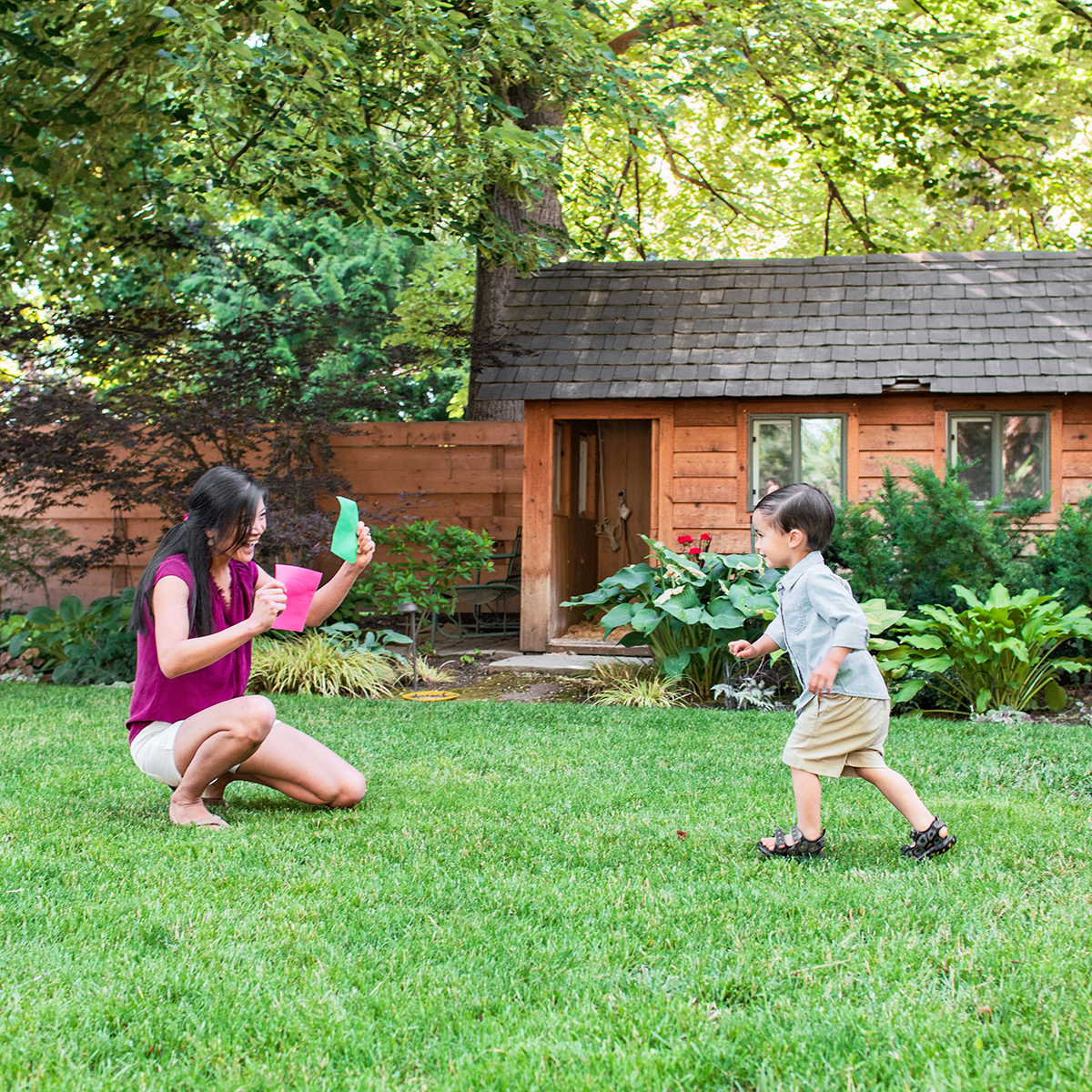
Bonus Episode: Why Mom Guilt Doesn't Serve You
Have a few parenting regrets from 2020? You are not alone. But does rehashing all that make you a better parent? Dr. Leesha Ellis-Cox would argue that mom guilt is a disservice to you and your children. If you could use a pep talk as we launch ourselves into a new year, this is the episode for you! Dr. Leesha is a psychiatrist, mother to 3 children, and the author of "Ditch the Mommy Guilt: A Blue

Intensive Parenting: Why Take a Step Back?
There is a lot of advice out there for parents. Not only are parenting books multiplying in number, they are increasing in volume. And there is certainly no shortage of online resources. Instagram now has so many parenting experts you can get an almost endless scroll of advice. The abundance of information can be helpful on the one hand. But it can also lead us to think we are not doing enough,

Chores: Benefits & Tips for Starting Early
Whether it is cleaning up the toys, setting the table, or sorting laundry, involving your toddler with chores around the house is almost always an exercise in patience. And it most certainly is not going to produce impeccable results, but results are not the goal here. Developing a habit of helpfulness and a sense of autonomy is what we parents are after. Jessica Rolph welcomes Behavioral Speci

How To Be Resilient & Set Boundaries
This holiday season is different. For many of you, it is family traditions that make this time of year significant and memorable. But in 2020, reuniting with extended family is not possible for everyone. It feels sad and lonely. Jessica Rolph is joined today by Dr. Zelana Montminy to help propel us into the holidays with a little more cheer. Dr. Zelana is a renowned behavioral scientist and posi

Positive Discipline: More On Toddler Tantrums & Power Struggles
Opinions vary wildly when it comes to managing tantrums. From waiting out the storm, to taking a hard line. Whatever you do, be consistent! With so much advice, it's easy to understand why parents panic when the tears start flying. Jessica Rolph, your host, welcomes Positive Discipline Coach Jody Malterre, a master at bringing calm to every situation. Jody is a Montessori teacher trainer at Wes

Baby's First Steps: Walking and Other Milestones
Few milestones in a baby's life are more memorable than their first steps. It feels like a major accomplishment — for baby and parent! But what comes after those first steps varies greatly from child to child, something Dr. Giselle Tadros constantly reminds her patients. She's a pediatric physical therapist, founder of In-Home Pediatric Physical Therapy, and the guest on today's episode of My New

The Montessori Parent: Mindset & Lifestyle Tips
Montessori parents can give the impression that they do it all: organized home, tidy bedrooms, carefully ordered trays and activities. Sometimes it seems like Montessori sets the bar really high — so high that it feels unattainable for a busy parent. My New Life host Jessica Rolph speaks with Kylie D'Alton, an Australian mom that has gone a long way toward making Montessori principles more acce

Peaceful Parenting: Dealing with Tantrums
Most parents would not describe living with a toddler during Covid as peaceful, but there are ways to invite more calm into your home and limit the shouting. Host Jessica Rolph welcomes Psychologist Dr. Laura Markham to today's episode. In her work as a coach with thousands of parents all over the world, Dr. Laura describes her approach as "peaceful parenting". Who doesn't want more of that? Learn

How to Build Your Toddler's STEM Skills at Home
Babies are born wondering. They have to piece together the world around them by gathering information, and they do this by observing, experimenting, and asking questions. In this way, children are like little scientists. If you have a toddler in the house, there's no shortage of questions in your daily conversations. But is it a two-way street? How many questions are you asking your toddler? Jes

How COVID Affects Toddlers' Social Development
With preschools and daycares in transition and case counts fluctuating, COVID has given parents plenty to worry about. One prominent concern among parents stems from a lack of socialization. None of us are socializing much, but given all the information out there suggesting socialization with other children is important, parents are particularly worried about their children not interacting with pe

How to Limit Your Toddler's Screen Time
Few topics will spark debate among parents more readily than screen time. It's so controversial! Screens are everywhere. And avoiding them can feel like the domain of super-human parents. Learn some tips to cut down on screens from Dr. Screen-Free Mom: Meghan Owenz. She runs a website, Screen-Free Parenting, with over 27,000 active participants. She is also an Assistant Teaching Professor at Penn
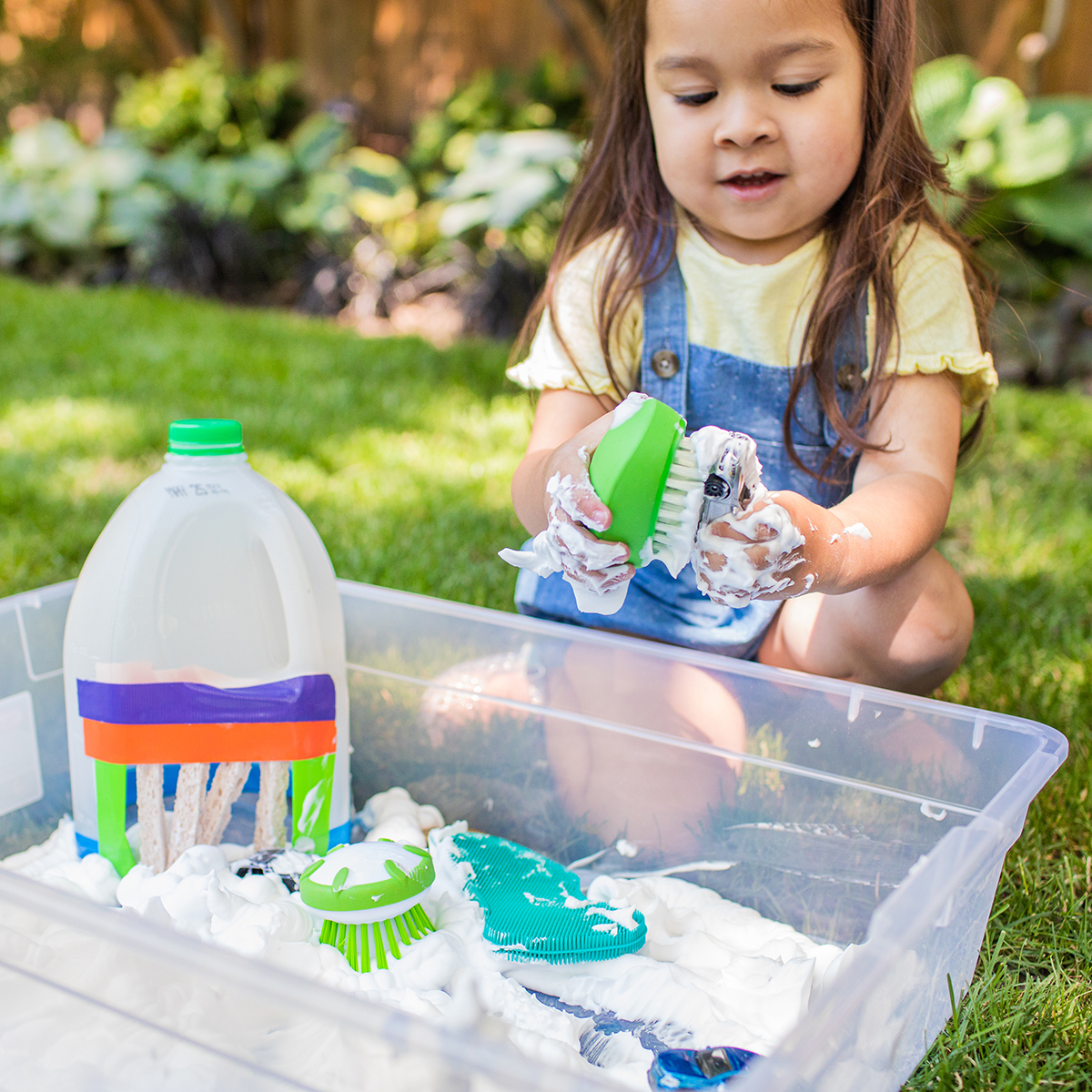
The Benefits of Unstructured Play
With opportunities for social interaction outside the family in short supply, many parents are stepping in as their child's primary playmate. Is one way of playing better than another? In this episode with Dr. Shimi Kang, host Jessica Rolph explores the benefits of unstructured play and looks at how play prepares us for adulthood. Dr. Kang is a Harvard-trained psychiatrist, neuroscientist, and

Why Teach Sign Language to Your Baby
Babies' understanding of language comes well before their ability to speak. This also can be the case with their motor skills. Most babies will wave bye-bye before they can say the words. These are a few of the reasons signing works well for babies. It gives them another means of communicating. Plus research shows that babies who learn basic sign language develop pathways for communication sooner
Recommended
Effective Weight Loss for Moms | High protein, Strength Training, Lose Weight, Meal Planning, Fat Loss, Healthy Habits

The Human-Animal Connection - Pet Life Radio Original

Infinite Health with Dr. Arasi Maran

The Daily

World News Tonight with David Muir

The Joe Rogan Experience

English Vocabulary Help

TED Talks Daily

Learn English B1 with Daily News | English Listening Practice

Talk About Talk - Executive & Leadership Communication Skills
English with Olivia | Slow Conversations & Vocabulary
Stand In The Circle
