
The Zen Studies Podcast
The Zen Studies Podcast explores traditional Zen and Buddhist teachings, practices, and history. Host Domyo Burk, a Soto Zen priest and teacher, records episodes specifically for podcast listeners. Each episode delves into various aspects of Zen Buddhism, offering insights and guidance for both beginners and experienced practitioners.
Episodes

342 – A Zen Testimonial (1 of 2)
This is part one of my "Zen Testimonial," comprised of journal entries, correspondence, and poetry I wrote between 1995 and 2005 – starting just before I got involved in Zen practice and stretching over ten years. I have already told the story of my spiritual journey on the Zen Studies Podcast, but in this episode I give my 20-and-30-something self the chance to tell you directly about some of my

341 - Five Kinds of Appropriate Longing (2 of 2)
Many people think that the aim of Buddhism is let go of any kind of longing. However, without wholesome desires – to awaken, to act ethically, to honor your relationships, etc. – you wouldn't progress in practice. In Part 1 I started discussing five kinds of appropriate longing based loosely on the Vajrayana teaching of the five wisdom energies, covering Red and Yellow energy longing. In Part 2, I

340 - Five Kinds of Appropriate Longing (1 of 2)
Many people think that the aim of Buddhism is let go of any kind of longing. However, without wholesome desires – to awaken, to act ethically, to honor your relationships, etc. – you wouldn't progress in practice. I discuss five kinds of appropriate longing based loosely on the Vajrayana teaching of the five wisdom energies.

339 – Bright Clarity Appears Before You: Insight When You're "Just Sitting"
When we sit Zazen, even if we're working with a koan, we do not actively try to achieve insight. But nonetheless, Chan and Zen masters throughout history have exhorted us to awaken to Reality. How does insight happen when you're "just sitting?" How do you awaken to what you have not yet seen without getting caught up in concepts of enlightenment and delusion, before and after? How do you lean into

338 – Seijo Is Separated from Her Soul: Waking Up from Alienation from Ourselves
There are countless ways in which we can feel inwardly divided or somehow alienated from our true self. Case 35 of the Mumonkan, or Gateless Gate koan collection addresses this matter with a pointed question about Seijo, the character in a traditional Chinese story who ends up living parallel lives. The koan asks, "Which one is the true Seijo?" Naturally, the answer is "Both… and neither."

337 - Finding the Edge of Your Practice (2 of 2)
To keep your Dharma practice lively, it's important to regularly identify the "edge" of your practice. This is your growth point – the current limit of your understanding and your capacity to embody it. Of course, you don't have a single edge; it might be more accurate to say it's important to identify something on your growth "perimeter," or find one of your many edges, so you focus your practice

336 - Finding the Edge of Your Practice (1 of 2)
To keep your Dharma practice lively, it's important to regularly identify the "edge" of your practice. This is your growth point – the current limit of your understanding and your capacity to embody it. Of course, you don't have a single edge; it might be more accurate to say it's important to identify something on your growth "perimeter," or find one of your many edges, so you can focus your prac

335 – Six Useful Lessons from the Buddhist Teachings on Rebirth (2 of 2)
This is second episode of two on this topic. In the first episode (334), I identified existing episodes of the Zen Studies Podcast on - or related to - rebirth that you might want to listen to for context and background. Then I discussed the way you are free to believe in rebirth, disbelieve, or remain agnostic about it. Finally, I talked about the first useful lesson we can take from the teaching

334 – Six Useful Lessons from the Buddhist Teachings on Rebirth (1 of 2)
Zen practice is not dependent on rebirth being true or untrue, and I suspect most Dharma teachers would say the same of their lineage traditions. As long as you practice, it doesn't matter whether you believe in rebirth, disbelieve, or maintain an agnostic attitude. Nevertheless, the traditional narratives and imagery of rebirth teachings contain many valuable lessons for us.

333 - Buddha Is Like an Old-Growth Tree: Practice as Human Maturation
Sometimes it's difficult to relate to the goal of "awakening" or "enlightenment." Especially if we've gained a hard-won sense of peace with ourselves and our lives, it can seem counterproductive to dwell on some experience or understanding we don't yet have and then drive ourselves to achieve it. I want to share an alternative way to frame your practice that might kindle your Bodhicitta in a diffe

332 - My Guidelines for Deepening Your Zen Practice
For many years now, people have been asking me how to deepen their Zen practice. They wonder, "What's next?" Some lay people are perfectly content guiding their own practice, but others long for more structure – some kind of program to which they can apply themselves. I have long desired to meet such requests, but I wasn't clear how. After teaching Zen for over 15 years, I have developed a clearer

331 - When Confronted with Great Difficulties: Zhaozhou's "Just Right"
How can we practice without ignoring the world, but also without being overwhelmed by it? We can learn something from a koan involving the 9th century Chan master Zhaozhou (Joshu): A monk asked, "When a great difficulties come, how should I avoid them?" Zhaozhou said, "Just right." We can include great difficulties in our perception of this life without being destroyed by them, letting our hearts

330 – Teisho: Awakening Bodhicitta, Seeking Your Heart's Inmost Desire
This is a teisho – like a cross between a Dharma Talk and guided meditation. Teisho are sometimes called "encouragement talks," and they are meant to help listeners connect with the Dharma in the spaciousness and silence of zazen. Teisho are not about explanations or the imparting of information, and they generally are not recorded. They are offered spontaneously, just for the moment, just for tho

329 - No Buddhist Bible: A Brief Overview of 2500 Years' Worth of Buddhist Texts (2 of 2)
In Part 2 of this episode, I continue giving my "2,500 years' worth of Buddhist texts in a nutshell," an overview of texts in my Zen lineage. In Part 1 I explained what makes a Buddhist text considered legitimate enough to be passed down through the ages. I also introduced the idea of a Buddhist family tree and discussed the original Buddhist canon, the rising of the Mahayana, and the Mahayana sut

328 – A Place Where Everybody Knows Your Name: Sangha as Community (2 of 2)
In Buddhism, we have three treasures: Buddha, teachers or our own awakened nature; Dharma, the teachings or the truth itself, and Sangha, the community of people who practice and maintain the tradition together. From the beginning of Buddhism, then, community has been considered essential – but in what sense? We may think of Sangha primarily as an impersonal institution providing access to Buddhis

327 – A Place Where Everybody Knows Your Name: Sangha as Community (1 of 2)
In Buddhism, we have three treasures: Buddha, teachers or our own awakened nature; Dharma, the teachings or the truth itself, and Sangha, the community of people who practice and maintain the tradition together. From the beginning of Buddhism, then, community has been considered essential – but in what sense? We may think of Sangha primarily as an impersonal institution providing access to Buddhi

326 - No Buddhist Bible: A Brief Overview of 2500 Years' Worth of Buddhist Texts (1 of 2)
You may have discovered there are lots of Buddhist teachings and texts. Jews have their Torah, Christians their Bible, Muslims their Quran, and Hindus their Vedas, but Buddhists have no divinely-inspired central text, or even collection of texts, to serve as a definitive source of orthodox teachings. The texts considered authoritative in at least one sect of Buddhism would fill a library. This epi

325 – Imagine Yourself as a Buddha and Unblock Your Natural Generosity
In Buddhism, we are guided by the ideal of a Buddha, or awakened being. One of the characteristics of a Buddha is unconditional and selfless generosity, and when your generosity is blocked, you can be sure that some part of you still needs understanding, healing or liberation. On the other hand, when you're able to set aside your self-doubt and imagine yourself as a Buddha, when you look on other

324 - Yunmen's "Every Day Is a Good Day"
In koan #6 from the Blue Cliff Record, Yunmen says, "Every day is a good day." I explore this koan, including the way we sometimes imagine our real life is going to happen after something, and the various ways we can experience "good."

323 – Zazen As Defiant Self-Care
Since the term arose in 1950's, "self-care" has referred to a number of different things. If we consider self-care to be things you do to remain physically and mentally healthy, then Zazen – simple, goalless, Zen meditation – can be seen as excellent self-care. In these troubled times, such self-care can even be seen as defiant – refusing to be broken down by challenging circumstances. Other forms

322 – Q&A: Relationships, Cultural "Zen," No-Self, and Confession
This a Q&A episode based on questions I've received from listeners: Does Zen have anything to say about human relationships? Can we learn anything from the cultural popularization of the term "Zen"? If we have no independent self-nature, what about our sense of enduring self? Do Buddhists practice confession like Catholics?

321 - How Buddhist is Zen? The Buddha's Teachings Compared to Radical Nondualism
Viewed historically, Zen is a form of Mahayana Buddhism that evolved from the original forms Buddhism that were established in India after the Buddha's death around 2,500 BC. Many aspects of original Buddhism are retained in Zen, including respect for Shakyamuni Buddha and his teachings. However, the degree of transformation Buddhism underwent when it took root in China and evolved into Chan (late

320 – Two Ends of the Spiritual Practice Tunnel: Self-Power Versus Other-Power
Zen Buddhism exemplifies practice based in self-power, or jiriki. Pure Land Buddhism exemplifies practice based in other-power, or tariki. These are very different entry gates, but when we examine self-power and other-power more closely, we see that the ultimate goal of practice requires both.

319 – Q&A: Universal Life, the Bodhisattva Vow and Monasticism, and Other Traditions
This is one of my unscripted Q&A episodes, where I answer questions submitted by listeners. If you have a question, go ahead and send it to me at zenstudiespodcast.com. I discuss: What does Kosho Uchiyama mean in his book Opening the Hand of Thought, when he talks about "settling as universal life?" Isn't the Zen emphasis on monastic practice and self-liberation at odds with the Bodhisattva Vow t

318 – Loving Your Enemies: Extending Metta Does Not Mean Capitulation
Unlike Jesus, the Buddha didn't explicitly instruct us to "love our enemies." However, he did instruct us to extend goodwill, or Metta, to all beings unconditionally – including, of course, our enemies. In this time of growing divisiveness, what does it really mean to follow this teaching? Most people will admit that nurturing resentment and hatred is probably a bad idea, but on the other hand it
317 – Keizan's Denkoroku Chapter 1: Mahakashyapa's Smile
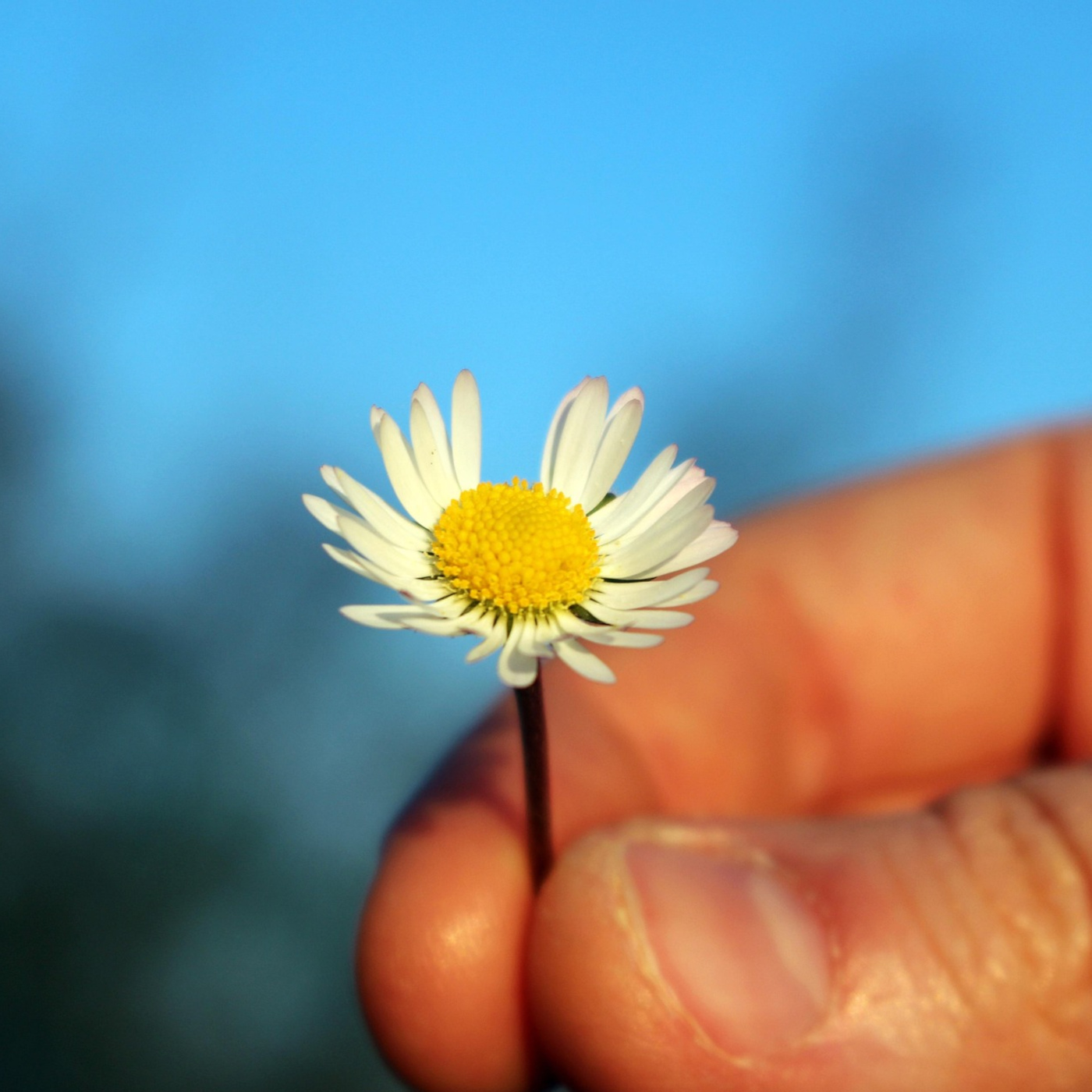
In this episode I read and reflect on Chapter One of Keizan's Denkoroku: Record of the Transmission of Illumination. In it, Shakyamuni Buddha holds up a flower and blinks. Keizan says, "No one knew his intention, and they were silent." Then Mahakashyapa gives a slight smile, and the Buddha acknowledges him as his Dharma heir. What is going on in this koan? Keizan challenges our ideas about awakeni

316 – Buddhist Communities and Public Political Stands: A Moral Quandary
When should Buddhist communities take public stands on issues that could be seen as political? If politics is about how we make decisions in groups (local communities, towns, cities, states, nations), are Sanghas really be free from politics when they are embedded in these larger groups? Silence can function as tacit approval, so is maintaining neutrality in keeping with our Buddhist values? On th

315 - Bad Zazen: Not Just an Oxymoron
The form of meditation we do in Zen, unless we're working on a koan, is called shikantaza – nothing but sitting – or silent illumination. It's been called a "method of no method," in which we let go of any striving whatsoever – even to control our meditative experience. So can we do "bad zazen?" Theoretically, there's no such thing, and yet it sure feels like there is! What is this about?

314 – Q&A: Comfort in the Precepts, Anger at Injustice, and Accidental Kensho
How do you find comfort in the precepts? What is the relationship between anger, forgiveness and justice? What about anxiety due to abrupt insight into emptiness? This is one of my unscripted Q&A episodes, where I answer questions submitted by listeners.
313 – Ten Fields of Zen, Field 7 – Learning the Self: This Very Body Is Buddha (3 of 3)
This is the third part of three of my episodes on "Learning the Self," one of my Ten Fields of Zen. In the first episode I discussed why we "study the self" in Zen, and what "self" we're talking about if – according to the teachings – the self is empty of any inherent nature! In the second episode I talked about what is meant by "studying" or "learning" the self. I also explained the idea of Karma
312 – Ten Fields of Zen, Field 7 – Learning the Self: This Very Body Is Buddha (2 of 3)
Part two of three of my series on "Learning the Self," one of my Ten Fields of Zen. Last episode I discussed why we "study the self" in Zen, and what "self" we're talking about if the self is empty of any inherent nature! Now I move on to what is meant by "Learning the Self." This part of our practice has two essential aspects. Karma Work is taking care of your Phenomenal Self - becoming intimatel
311 – Ten Fields of Zen, Field 7 – Learning the Self: This Very Body Is Buddha (1 of 3)
Ultimately, if you want to experience Realization and have it transform your life, you need to commit yourself to Learning the Self. This means becoming intimately familiar with your self - your mind and your body. A lifetime path of practice becomes deeply personal, asking you to face your Karma, take responsibility for it, and use it to find your gateway into awakening. This isn't just about tra
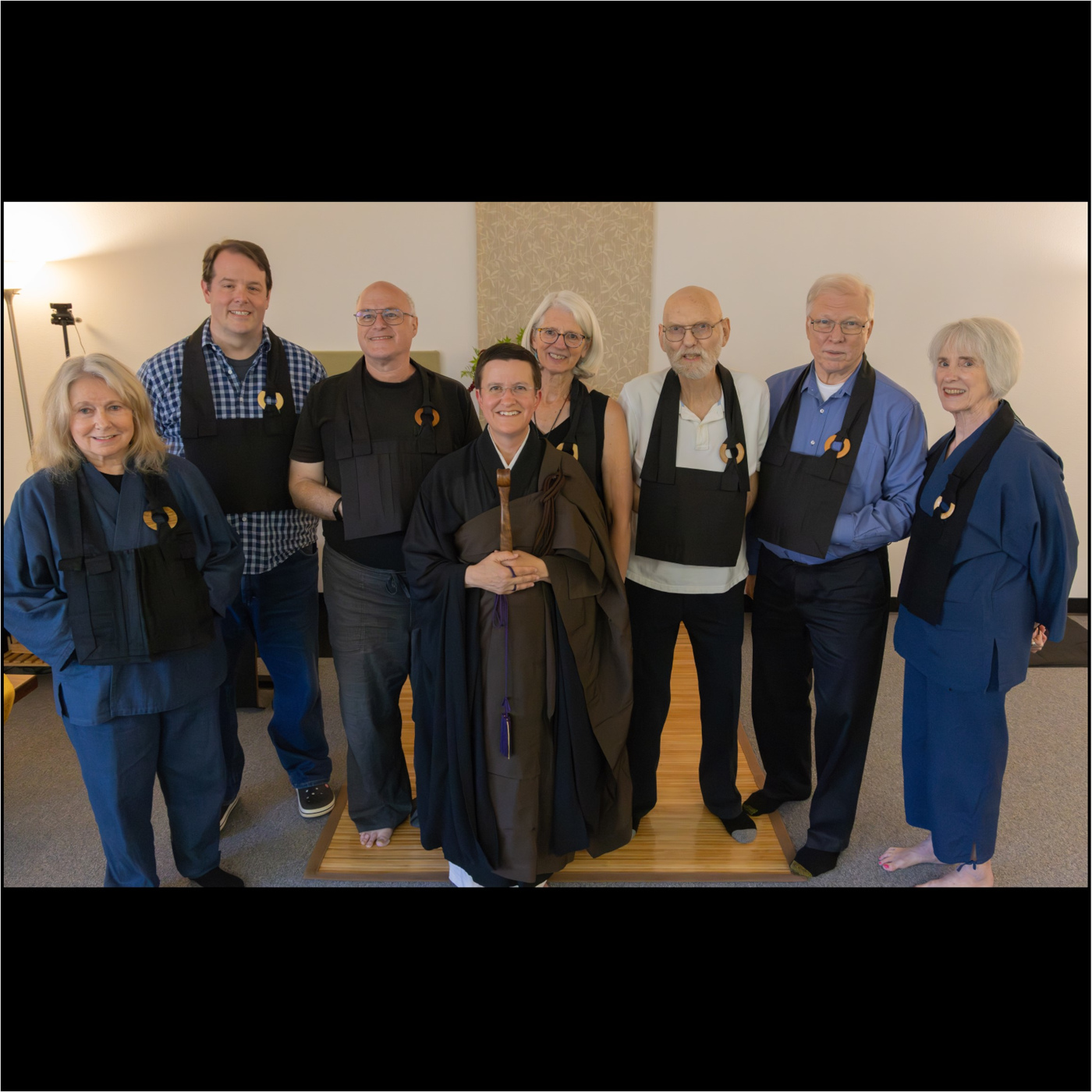
310 - Three Paths: The Value of Monastics, Clergy, and Lay Practitioners in Western Zen
Since the Buddha's time, certain practitioners have chosen to leave the household life to dedicate themselves completely to formal Buddhist training. Undergoing a ceremony of ordination in which they took monastic vows, these monks and nuns lived the remainder of their lives within a Sangha – community – of other ordained people. In modern Western Zen, you will find a thoroughly confusing situatio

309 - Dana, the Paramita of Generosity: Buddhist Teachings on Giving (2 of 4)
I discuss the oldest source of Buddhist teachings on Dana as a bodhisattva perfection – the Jataka tales, or stories about Shakyamuni Buddha's remarkable actions during previous lifetimes. Such stories inspired people to follow the bodhisattva path in both Theravadin and Mahayana Buddhism, so I spend some discussing the Theravadin paramis, and particularly the parami of Dana.
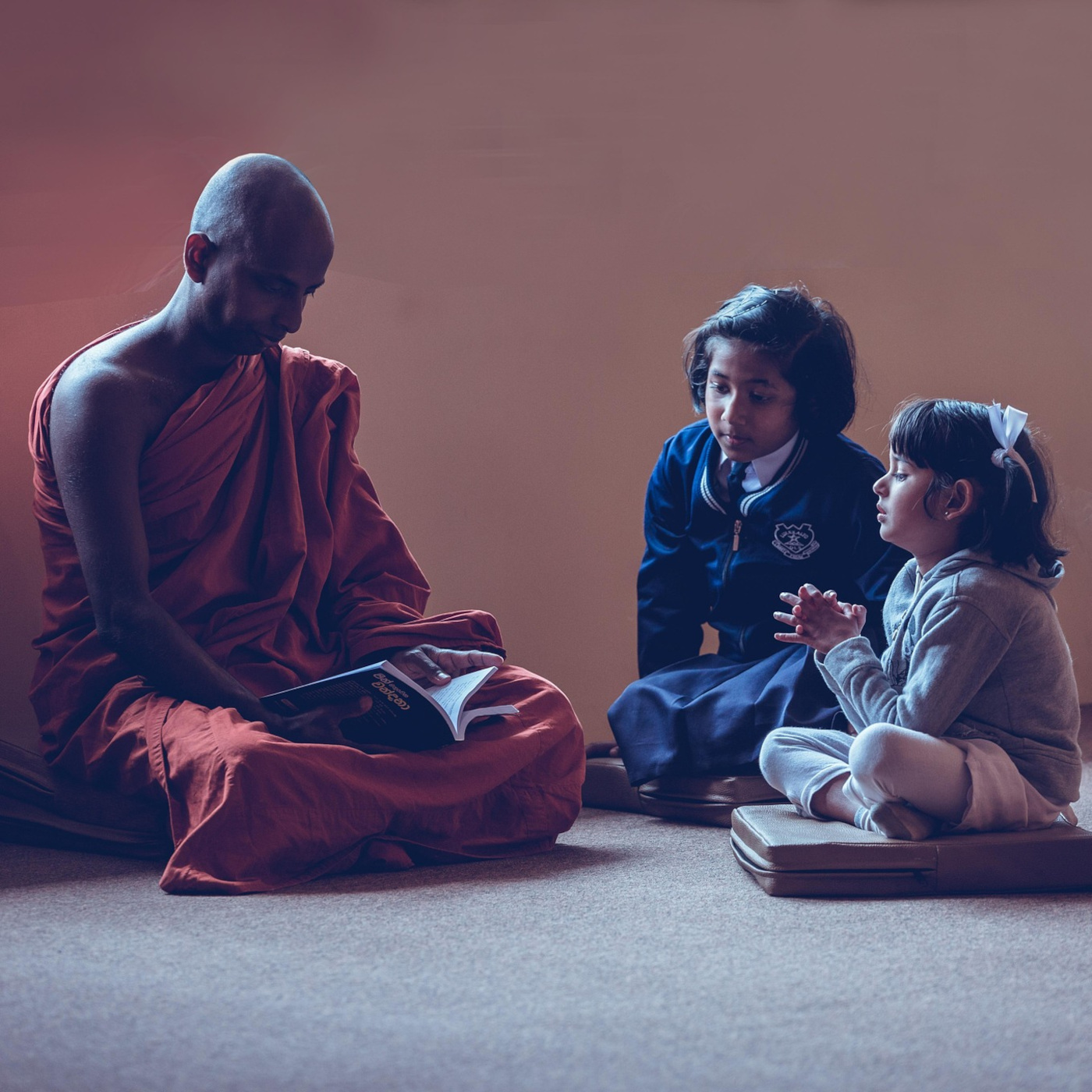
308 – Q&A: Sharing the Dharma with Children, Mindfulness, and a Posture Mistake
In this episode I answer listener questions: How do you address the dharma and practice with young kids? If I'm trying to be mindful on work breaks, should I just go cold turkey and not look at my phone at all or maybe try a more moderate approach like eating my meal and then looking at my phone? Is it even possible to be mindful while looking at social media, checking email, etc.? And: When sitti

307 - Dana, the Paramita of Generosity: Buddhist Teachings on Giving (1 of 3)
Dana, generosity or giving, is the first Mahayana Buddhist paramita. Generosity is where the journey to self-transcendence begins. In this first episode on Dana, I give an overview of the Buddha's teachings on the virtue of giving. These teachings are from before Dana was defined as one of the paramis or paramitas – that is, perfections cultivated by someone on the bodhisattva path. In the next ep

306 – Teisho: Ordinary Mind Is the Way, Never Apart from This Very Place
This is a teisho - kind of like a cross between a Dharma Talk and guided meditation. I hope my words will point you toward how the Great Matter - that which we seek to awaken to and manifest - is never apart from this very place. Ordinary mind is the Way, and is buddha itself. But what does this really mean? Not that we can't hope for relief from the turmoil of our minds as we usually experience t
305 - Dharma Foundations: Truths to Rely on No Matter What
Religions and spiritual paths are meant to give you strength and help you find meaning. Many people derive strength and meaning through faith in an all-powerful God who works in mysterious ways but ultimately has your best interests in mind. Buddhism doesn't teach this kind of faith, but it does call attention to many truths upon which we can rely for strength and meaning, no matter what happens t

304 - Supporting the Zen Practice of People with Physical Challenges (2 of 2)
In this episode I make the case for accommodations for people with physical challenges, even in sesshin, and then describe a number of tried and tested ways Sanghas can do this. I finish by talking about how to negotiate with a Sangha if you are someone with physical challenges and hope to be accommodated, particularly in the practice of intensive retreat.

303 - Supporting the Zen Practice of People with Physical Challenges (1 of 2)
People with extra physical challenges - disabilities, chronic illnesses, or advanced age - often find it impossible to participate fully in Zen practice without special accommodations. Seated meditation (zazen) can be painful, and the demands of silent meditation retreats (sesshin) can be prohibitive. However, an important part of Zen practice - especially sesshin - is how everyone follows the for

302 – Q&A: Standing Up for What's Right, and Zazen Versus Dissociation and Trance
In this extemporaneous Q&A episode, I address these questions: What is the responsibility of Buddhists to stand for what is right? What is the difference between the Buddhist goal of "detaching from clinging and aversion" and the pathological states of detachment from reality called "dissociation?" How would you describe the desirable level of overlap between shikantaza (the zazen of just sitting)
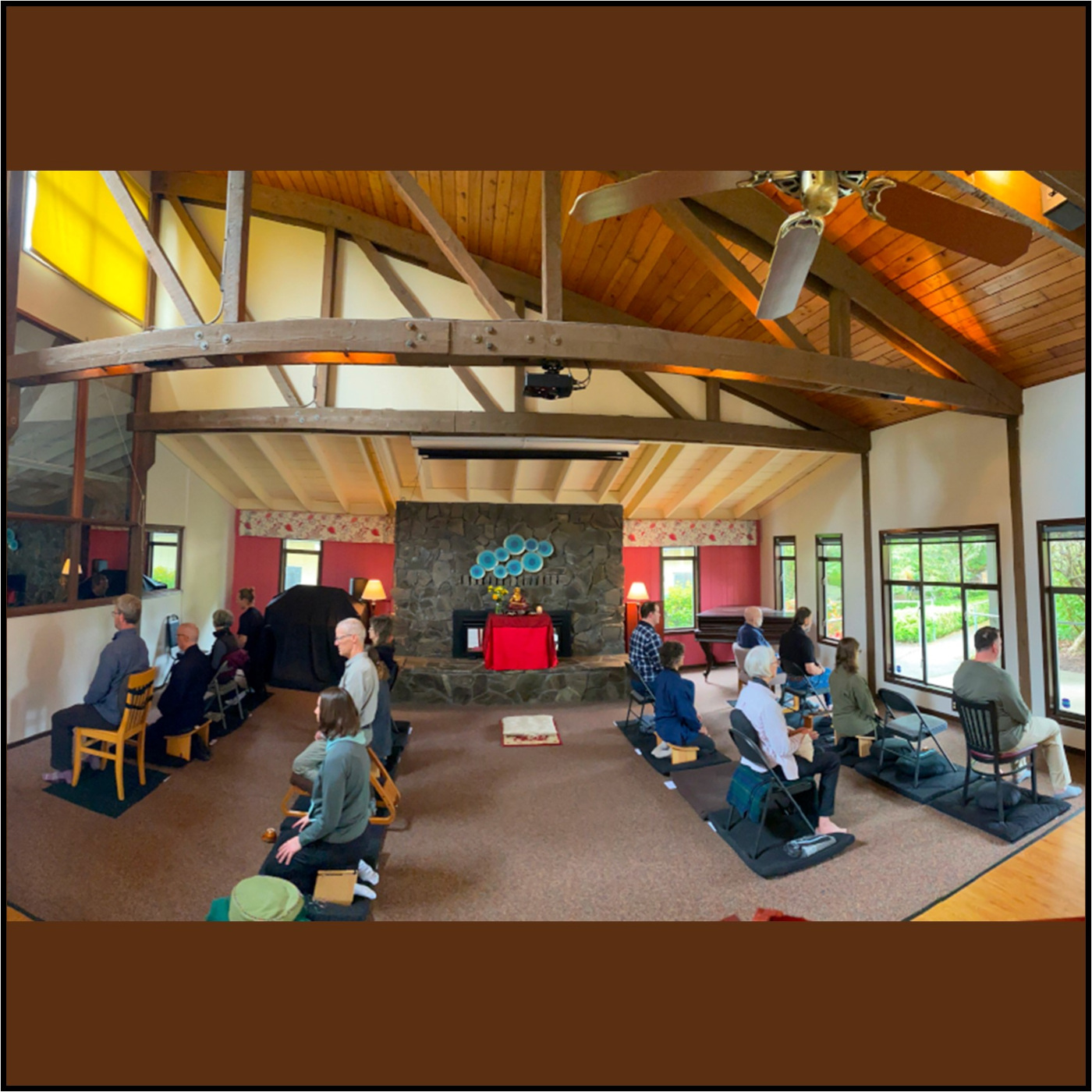
301 – Teisho: You Have to See Your Nature
This episode is a Teisho, an encouragement talk that's meant to be listened to while you are sitting quietly. Zen teachers give Teisho during sesshin, and this amounts to a more formal kind of Dharma talk, almost like a meditation. It's not meant to be educational. I'm curious as to how it will come off if you listen to it while walking or driving or doing something else. Maybe it'll be cool. But

300 - One Reality, Many Descriptions Part 6: Trikaya, the Three Bodies of Buddha
The teaching of the Trikaya, or Three Bodies of Buddha, is challenging. It may seem to be metaphysical speculation or surprisingly theistic for Buddhism. However, it offers a unique and valuable framing for the mystery of awakening, the palpable presence of the Ineffable despite its ungraspable nature, and the relationship of all phenomena to the Ineffable.
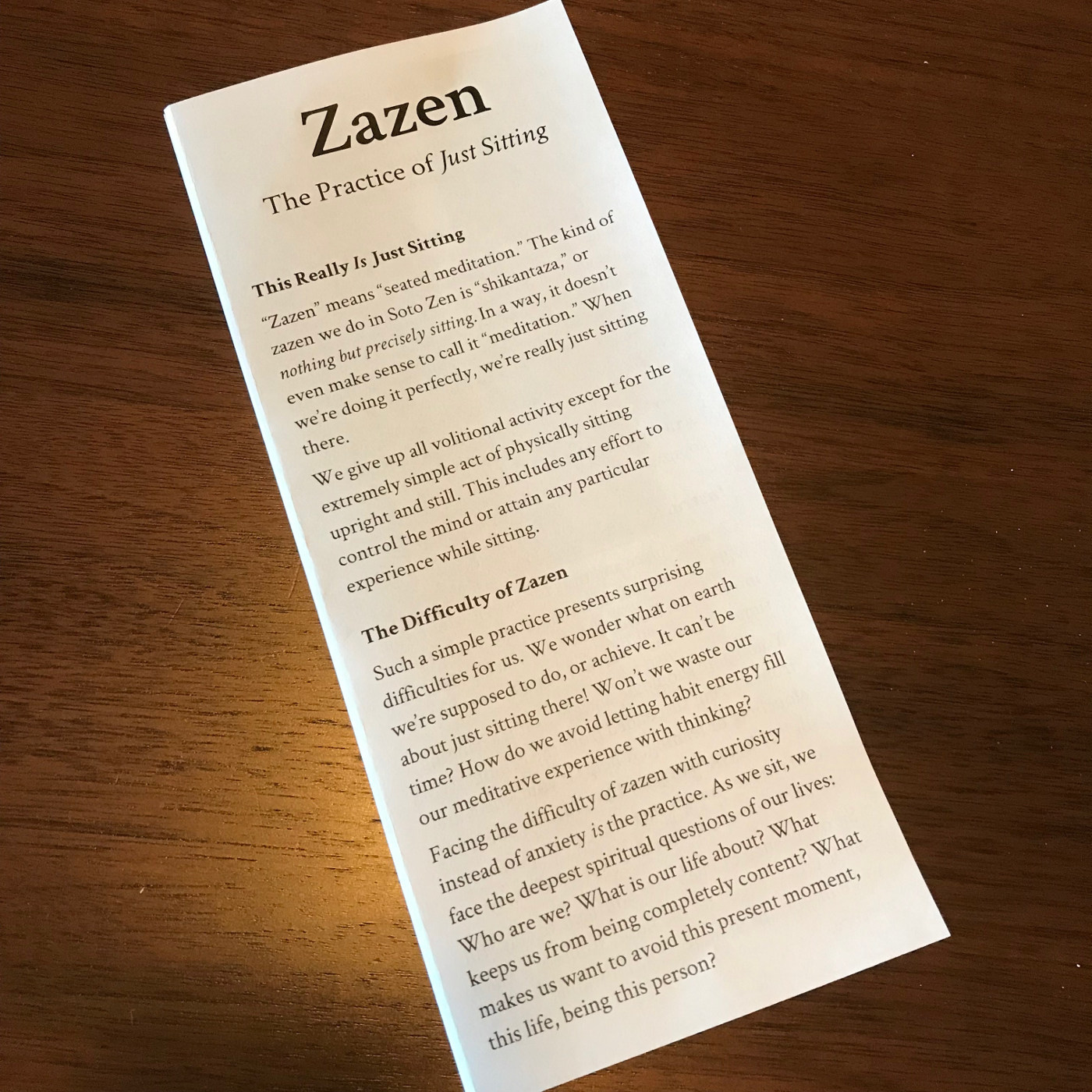
299 – Q&A: Revisiting Veganism and Moral Choices, and Questions about Shikantaza
In this extemporaneous question-and-answer episode I address a listener's comment on my answer in a recent Q&A episode about the relationship between Buddhism and eating a plant-based diet. Then I respond to two different questions about the practice of shikantaza, or just sitting.

298 – Framing Your Dharma Practice in a Helpful Way
Chances are, whether you're aware of it or not, you have a certain way of framing your Dharma practice. That is, you function using a conceptual framework that defines your relationship to your practice, the intent of that practice, and what is supposedly being transformed by that practice. When you're centered in the moment, you can practice without framing, but most of the time you'll be framing
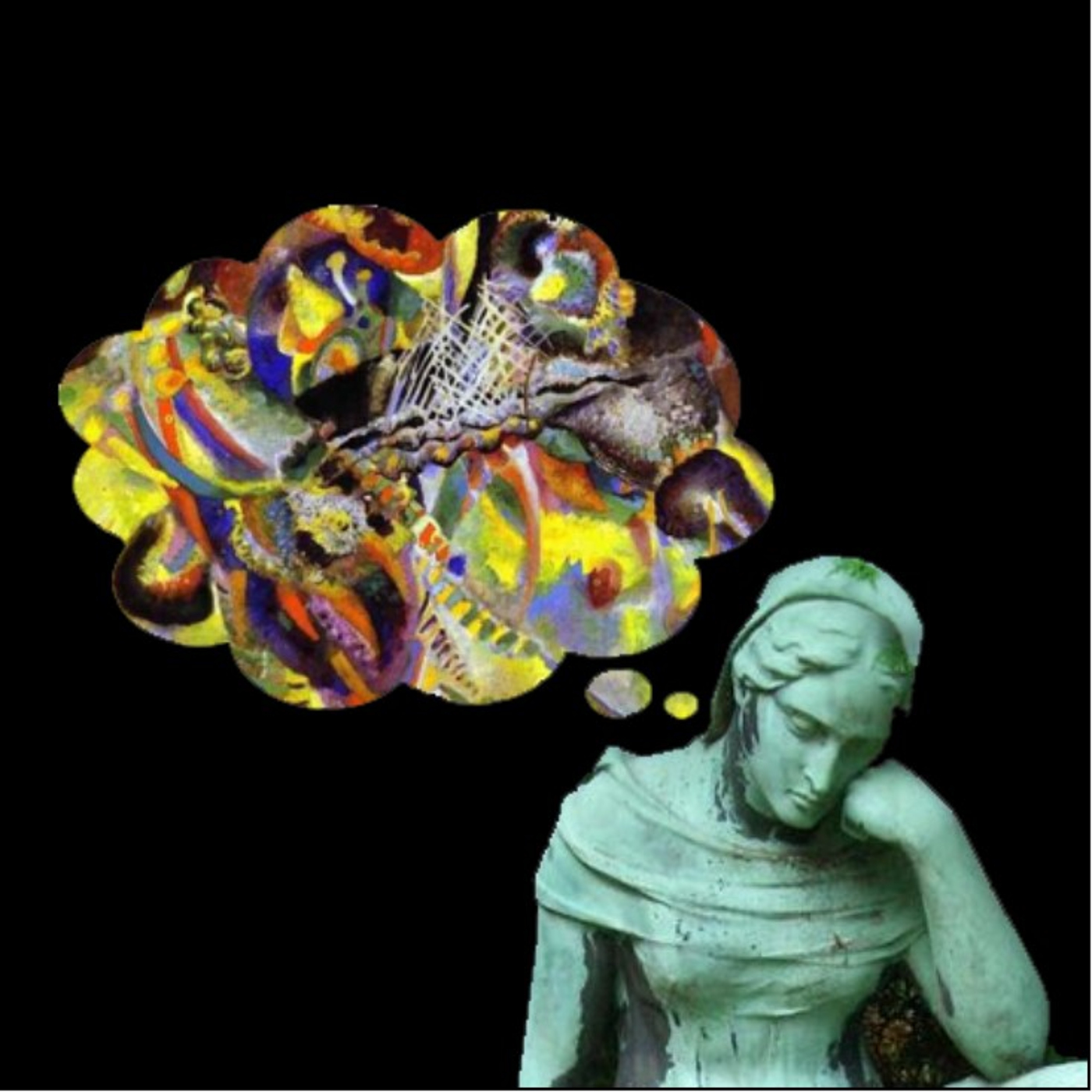
297 – Investigating the Wandering Mind
Almost everyone who practices meditation or mindfulness encounters the phenomenon of the wandering mind – when, despite your conscious intention, your mind is filled with thoughts that have nothing to do with your current experience. You can employ various techniques to let go of the thoughts and "bring the mind back" to your meditative object or to the present moment, but often these techniques a
296 – Q&A: Paramis, Mindfulness, Karma, and Enjoyment
This is an extemporaneous question-and-answer episode. Do you know the difference between a parami and a paramita? Do I still like to think of mindfulness as "undivided presence?" What about when Buddhists use the idea of karma as an excuse not to take compassionate action? Why can't our practice include more activities aimed at the cultivation of joy, creativity, and other positive experiences?
295 - The Power of Equanimity
Equanimity is a powerful state of being that not only reduces our stress and suffering but also enables us to respond effectively. However, in our efforts to achieve some measure of equanimity, we may end up stuck in the tentative calm of denial or in the coldness of indifference. True equanimity is clear-eyed, undefended, compassionate, and inclusive – but how do we cultivate it? I explore the vi

294 - Ten Fields of Zen, Field 10 - Connecting with the Ineffable, or What Is Most True
The tenth Field of Zen is Connecting with the Ineffable. Zen is not based on a belief in God in a theistic sense. However, at its core there is a strong emphasis on a much more profound, inspiring, significant, and hopeful Reality than the bleak, mundane, and discouraging one people sometimes experience in their ordinary daily lives. Call this "greater reality" anything you like – God, the Divine,

293 – Q&A: Veganism, Letting Thoughts Go, and Motivation for Action
In this episode I extemporaneously answer questions listeners have submitted by email, including: Why aren't Buddhist vegan if the first moral precept is "do not kill?" What does it really mean to "let go" of a thought? And: Isn't taking action - including compassionate action - always the result of being dissatisfied in some way?
292 - Ten Fields of Zen, Field 9 – Bodhisattva Activity: Enacting Vows to Benefit All Beings
Bodhisattva Activity is enacting vows to free all beings as well as yourself. This is an acknowledgment that you are interdependent with all beings and things, and such an aspiration can give a sense of purpose and direction to your whole life. Of course, it's impossible to fulfill this vow literally, and when you try to put it into action it is no easy matter! It requires tangible engagement with

291 - Keizan's Denkoroku Lead Chapter: Shakyamuni's "I and All Beings"
In Episode 272, I discussed the third chapter of Zen Master Keizan's book The Denkoroku, or the Record of the Transmission of Illumination. In the interest of thoroughness, I figured I'd start back at chapter one, with Shakyamuni Buddha's "I and All Beings." This text explores the nature of enlightenment and the tension between individuality and non-separation.
290 - Ten Fields of Zen, Field 7 – Realization: Direct Experience of Reality-with-a-Capital-R
The eighth Field of Zen Practice is Realization, gaining a direct, personal experience of the truth. Realization helps you respond appropriately, allowing you to live by choice instead of by karma. Even more importantly, it gives you a larger perspective that can result in equanimity, even joy. There are different levels of truth, and the Dharma – Reality-with-a-Capital-R – is the biggest truth of
289 - Ten Fields of Zen, Field 6 – Opening Your Heart: Self-Acceptance and Non-Separation (2 of 2)
This episode is the second half of the seventh chapter of my book-in-progress, The Ten Fields of Zen: A Primer for Practitioners. Listen to/read the previous episode (288) first, where I talk about the importance of Opening Your Heart and how that effort is viewed in the Buddhist tradition. In that episode I also discussed the four Brahmaviharas – goodwill, compassion, sympathetic joy, and equanim
288 - 10 Fields of Zen, Field 7 – Opening Your Heart: Self-Acceptance and Non-Separation (1 of 2)
The seventh Field of Zen Practice is Opening Your Heart. Working explicitly to open your heart not only benefits other living beings, it puts you in accord with the Dharma and supports all other aspects of your practice. You work on radical self-acceptance to make Awakening and compassion possible. You work on real and personal relationships with other beings – overcoming your social fears, becom

287 - A Few Useful Teachings for Tumultuous Times
In a time of political divisiveness, many of us look to the three treasures of Buddha, Dharma, and Sangha for solace, strength, and guidance. I offer a few Dharma teachings I have found useful for practicing in tumultuous times.

286 – Ending Dukkha: Taking Care of this Precious Life (2 of 2)
In the last episode, I offered seven points about the role of Dukkha in our life and practice and discussed the first five points. In this episode I'll finish the discussion with point #6: Buddhism offers a holistic approach to alleviating Dukkha, including maximizing our overall spiritual health, working with our karma, and curing its ultimate cause, and point #7: Even when our Dukkha is not extr

285 – Ending Dukkha: Taking Care of this Precious Life (1 of 2)
While physical and emotional pain, discomfort, and longing are an inevitable part of human life, Dukkha is existential angst we add to such experiences, ranging from subtle uneasiness to acute anguish. It drives our unhealthy or harmful behaviors, so we seek to end Dukkha for the sake of self and others. Buddhism offers a holistic approach to doing this, including maximizing our overall spiritual

284 - Reflections on Continuous Practice and Dogen's "Gyoji" (2 of 2)
It's challenging to make our Dharma practice continuous – maintaining awareness and appropriate conduct each moment of our lives. In his essay Gyoji, or "Continuous Practice," Zen Master Dogen doesn't offer practical tips for mindfulness and pure conduct in everyday life, but instead challenges our limited ideas about what practice is. In this episode (part 2), I continue discussing four points I

283 - Reflections on Continuous Practice and Dogen's "Gyoji" (1 of 2)
Our goal in practice is to live in accord with the truth, or the Dharma - not only while sitting in meditation or studying Buddhism, but every moment of our lives. In other words, we strive to make our practice continuous. It can be extremely challenging to maintain mindfulness and good behavior all the time. How can we make our practice more continuous? Not surprisingly, in his essay "Gyoji," or

282 – Cutting Moral Corners: Is Buddhism Compatible with 21st-Century Life? (2 of 2)
This is part two of my discussion "Cutting Moral Corners: Is Buddhism Compatible with 21st-Century Life?" In Part 1 I talked about the moral stress that arises from living a modern life, where almost every decision we make becomes a moral choice. I discussed how home leaving – or monasticism – was early Buddhism's prescription for avoiding moral stress, and then how the Mahayana bodhisattva ideal

281 – Cutting Moral Corners: Is Buddhism Compatible with 21st-Century Life? (1 of 2)
As long as we remain engaged in 21st-century life, at least in any industrialized society, we are part of an infinitely complex web of karma that covers our planet. Even the details of our lives become moral choices, and it becomes increasingly difficult to live in a way that does no harm or that fulfills the ideal of the selfless Buddhist contemplative. Because of our interconnectedness with all
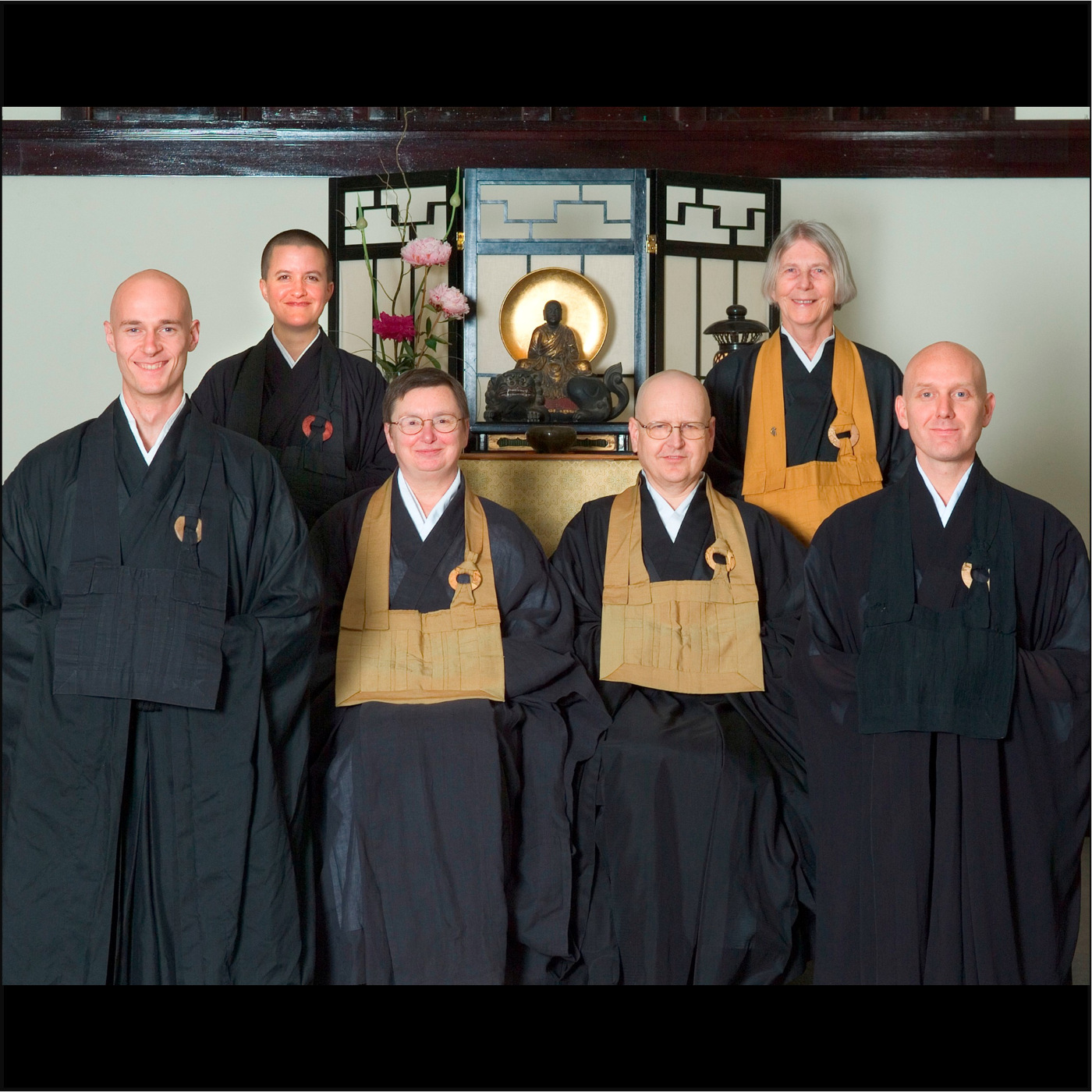
280 - Stories of My Teachers - A Live Talk*
In a lineage tradition like Zen, your understanding, manifestation, and expression of the Dharma is deeply influenced by your teachers, and by their teachers. Whether you are a member of my Zen Center, Bright Way Zen, or a fan of this podcast, you may appreciate stories of my teachers Kyogen and Gyokuko Carlson in this live talk.* (*Most of my episodes are produced specifically for podcast listene

279 - Talking about Politics as a Buddhist - A Live Talk*
I am on sabbatical for the month of August, so this is a recent live talk* I gave at Bright Way Zen. This is, of course, a very timely topic with a major election coming up in the U.S. in just over two months. If politics is "the set of activities that associated with making decisions in groups, or other forms of power relations among individuals, such as the distribution of resources or status, n
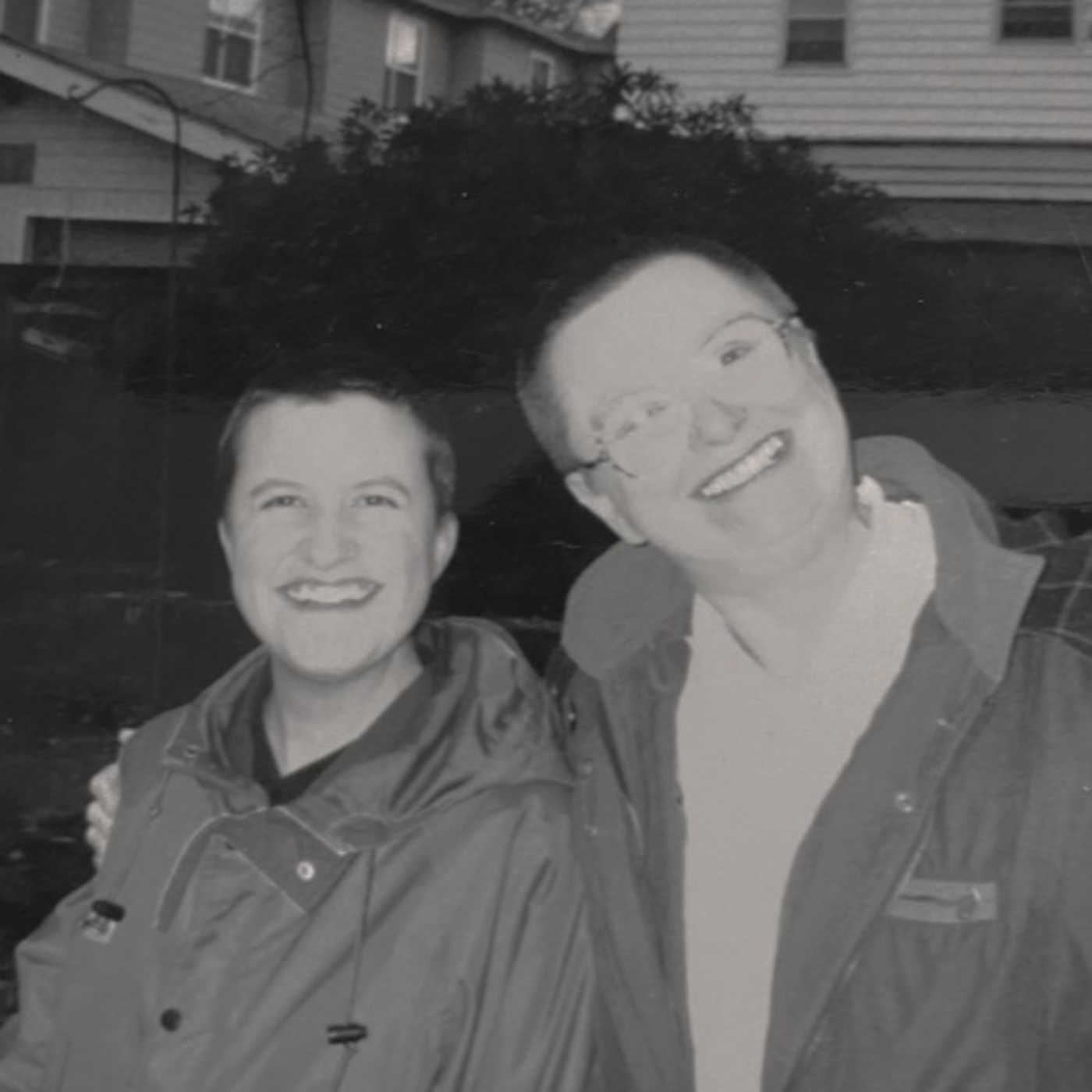
278 - Having a Zen Teacher - An Live Talk*
I'm on sabbatical the month of August, so this episode is an informal, live talk* I gave in response to a question: "Is everything a Zen teacher does a 'teaching'? How do you know?" This led to discussion of other topics as well, related to having a formal relationship with a Zen teacher - What does it mean? What does it look like? Why would someone want this? (*Most of my episodes are produced sp
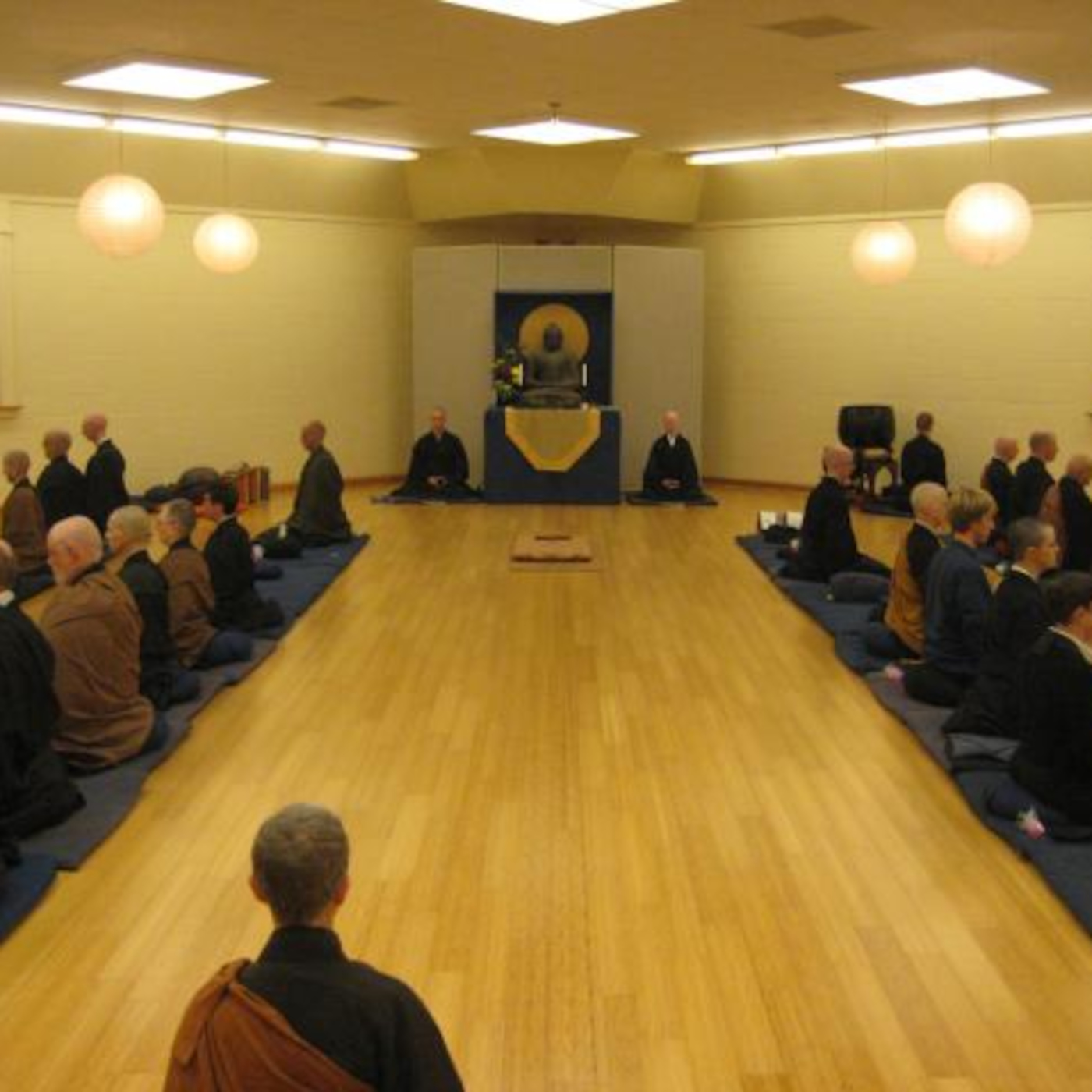
277 - My Sesshin (2 of 2)
In this episode and the previous one, I do something radical and share my experience of a sesshin I recently attended, describing it day by day. There are many reasons not to do this, and I went into those reasons in the last episode (part one), where I also described my first two full days of retreat. In this episode I describe days 3-5 and make some closing remarks.
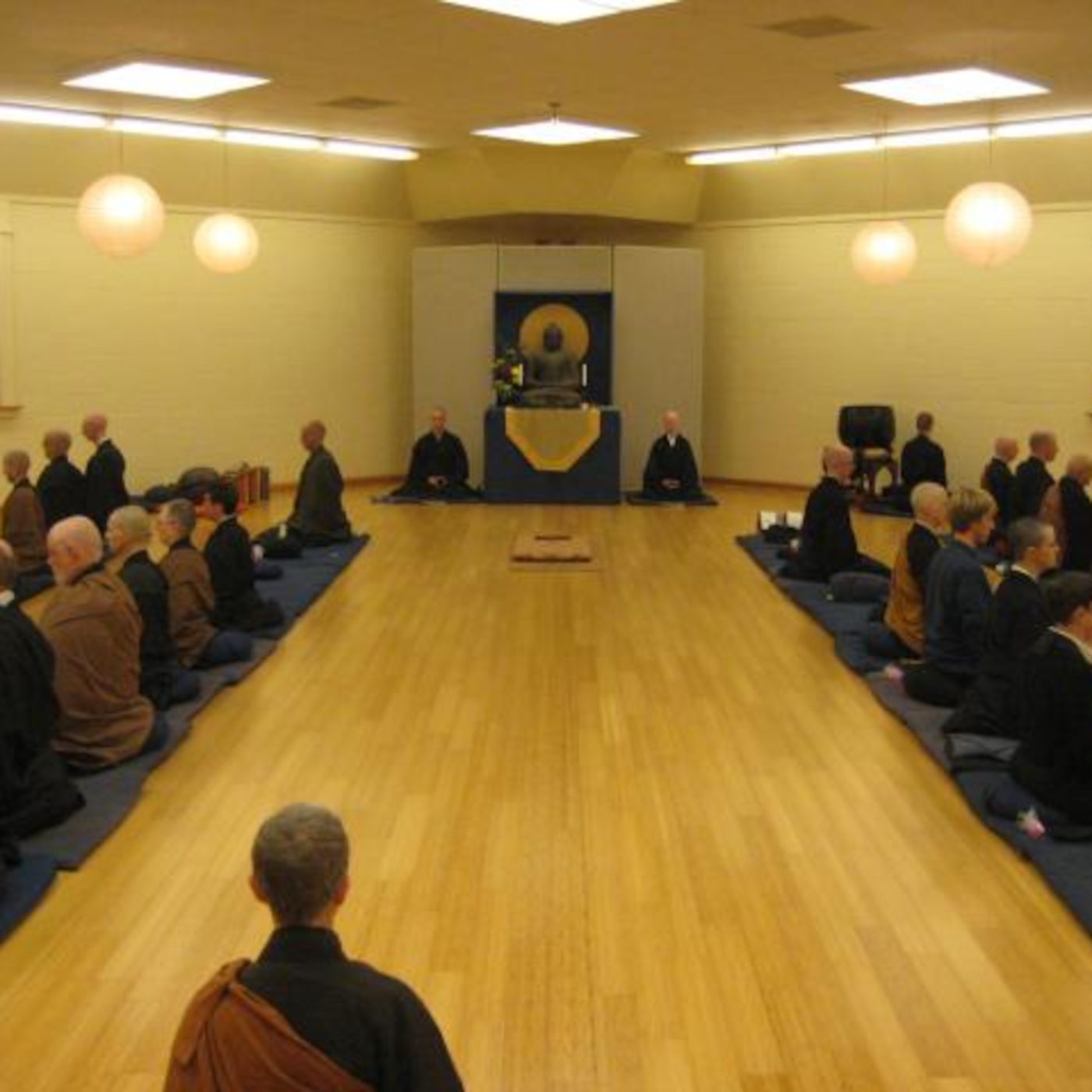
276 - My Sesshin (1 of 2)
In this episode I'm going to do something radical and share with you my experience of the sesshin I attended last week, describing it day by day. There are many reasons not to do this, which I will go into. I certainly don't intend to do it again. Still, despite my misgivings I thought it might be helpful for you to get an insight into what a sesshin is like for another person. In this episode I g
275 - Ten Fields of Zen, Field Five – Precepts: Transcending Self-Attachment (3 of 3)
This episode is the third installment of chapter five of my book-in-process, The Ten Fields of Zen: A Primer for Practitioners. In the first episode, I described the central role of Precepts in Zen and covered the Three Refuges, Three Pure Precepts, and two of the Grave Precepts. In the last episode, I talked about the Grave (serious, or weighty) Precepts 3-8. In this episode, I'll discuss Grave P
274 - Ten Fields of Zen, Field Five – Precepts: Transcending Self-Attachment (2 of 3)
This episode is the second part of chapter five of my book-in-process, The Ten Fields of Zen: A Primer for Practitioners. In the last episode, I described the central role of Precepts in Zen and covered the Three Refuges, Three Pure Precepts, and two of the Grave Precepts. In this episode, I talk about the Grave (serious, or weighty) Precepts three through eight. In the next episode, I'll discuss
273 - Ten Fields of Zen, Field Five – Precepts: Transcending Self-Attachment (1 of 3)
The fifth Field of Zen Practice is living according to moral Precepts. The Buddhist precepts guide our ethical conduct, ensuring we minimize the harm we do to self and others. Such conduct is a prerequisite for the peace of mind we need for spiritual practice. The precepts also serve as valuable tools for studying the self; when we are tempted to break them, it alerts us to our self-attachment and

272 - Keizan's Denkoroku Chapter 3: Ananda and the Flagpole
According to Zen master Keizan's Denkoroku, Ananda spent 20 years at the Buddha's side. He had a perfect memory, understood all the teachings, was an impeccable practitioner, and attained arhatship. Despite this, the Buddha made Kashyapa his Dharma heir, and Ananda spent another 20 years practicing with Kashyapa. Finally, Ananda asked Kashyapa, "What am I missing?" This chapter of the Denkoroku di
271 - Ten Fields of Zen, Field Four - Dharma Study: Wrestling with the Teachings (2 of 2)
This episode and the last, "Dharma Study: Wrestling with the Teachings," comprise chapter four of my book, The Ten Fields of Zen Practice: A Primer for Practitioners. In the last episode, Part 1, I talked about the value of Dharma Study and how best to approach it. Then I discussed how to go about deciding what you want to study. In this episode I offer a list of eight fundamental teachings I reco
270 - Ten Fields of Zen, Field Four - Dharma Study: Wrestling with the Teachings (1 of 2)
The fourth Field of Zen practice is Dharma Study, or becoming familiar with and investigating Buddhist teachings. The texts and teachings in Buddhism include tools we can use for practice and inspirational guidance for our behavior, but the most critical part of Dharma Study is challenging the ideas and views we already hold, not acquiring new ones. The teachings describe Reality-with-a-Capital-R

269 - Making a Vow of Inner Nonviolence and Complete Acceptance
We all have negative aspects of ourselves we want to fix, disown, or even expunge completely from our being, but even with practice some things are extremely hard to change. As we strive to break free of our less-than-helpful aspects of self, we typically employ violent means, ranging from subtle rejection to vicious and debilitating self-loathing that may even manifest physically. Regardless of t
268 - Teisho, An Encouragement Talk During Zazen
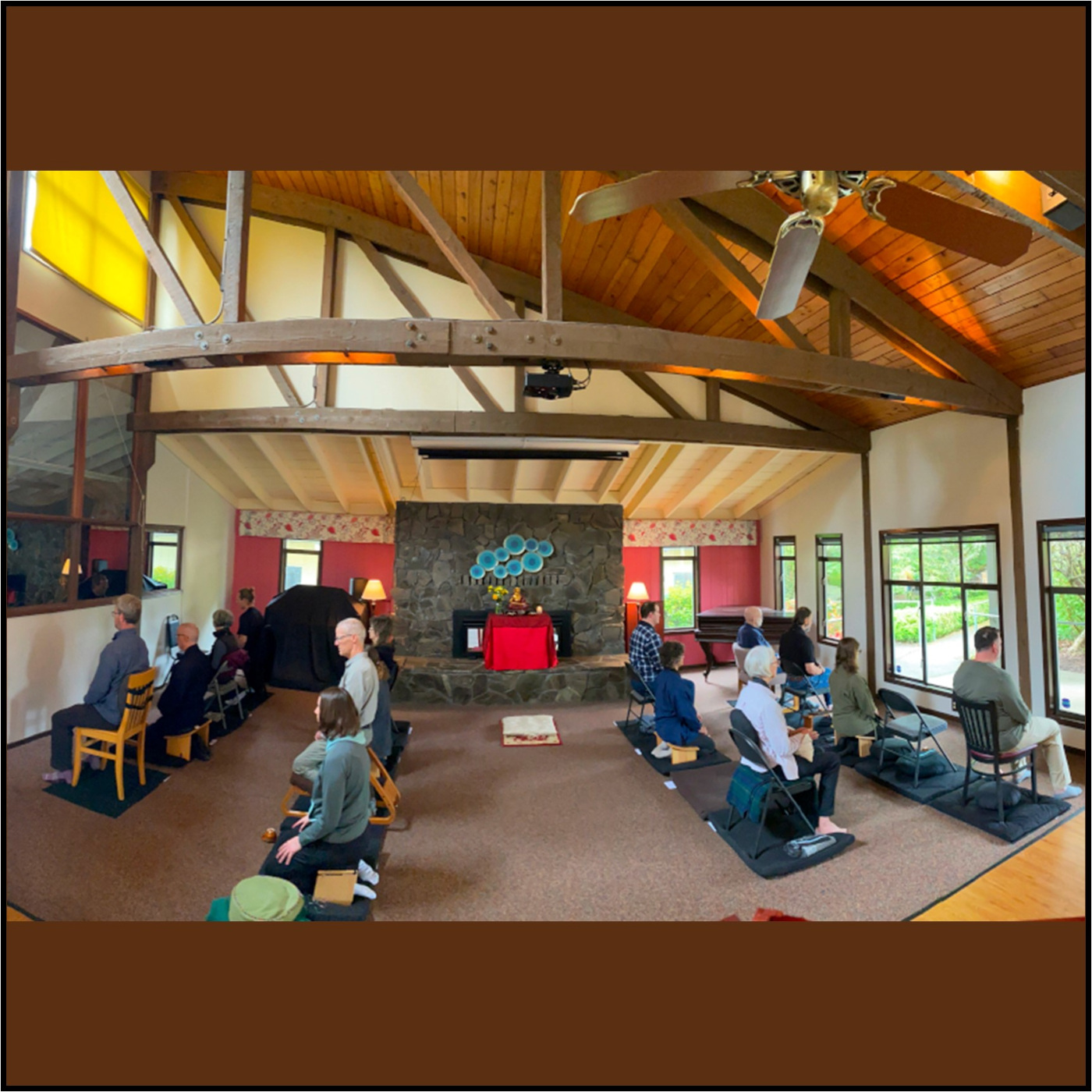
Last week I led a sesshin, or silent Zen retreat. Participants participated in a 24-hour schedule of zazen, chanting, silent work, formal meals, and rest. Once or twice a day, I offered a "teisho" during zazen. "Tei" means to offer or put forth, and "sho" means to recite or proclaim. Teisho are sometimes called "encouragement talks," and they are meant to help listeners connect with the Dharma in
267 - Ten Fields of Zen, Field Three - Mindfulness: Cultivating Awareness Every Moment
The third Field of Zen practice is Mindfulness, which is cultivating clear awareness of what is happening, moment by moment, within you and around you. Mindfulness is absolutely fundamental to Zen practice, allowing you to practice within all the other Fields. Without awareness, you can't live your life by choice instead of by karma.
266 - What Would the Buddha Say About the Suffering in the World?
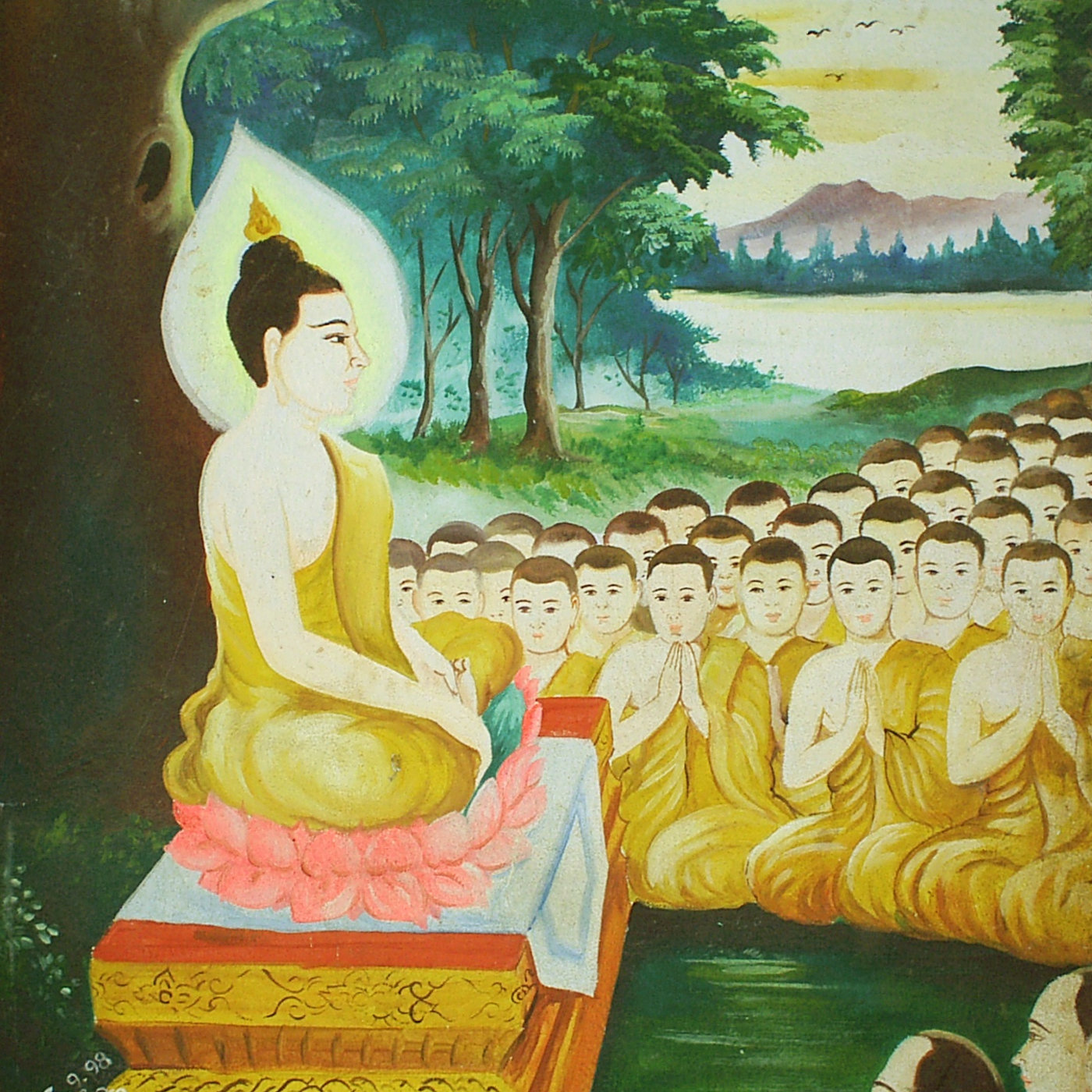
Recently, someone submitted a Dharma question for me to address: "I wonder what Buddha would say to us about the crises facing humanity, particularly the suffering of our own making?" I can't know, but I dare to put some words in the Buddha's mouth and then present follow-up questions.

265 - Ten Fields of Zen, Field Two - Zazen: Our Total Response to Life (3 of 3)
This is the third episode of three comprising the "Zazen" chapter of my book, "The Ten Fields of Zen Practice: A Primer for Practitioners." I start by offering what I should have put at the beginning of my chapter on Zazen: Basic instructions for Zazen. I then discuss how my "Five Efforts in Zazen" suggest Zazen is a neat and linear process, but in actuality Zazen is a messy, organic, real-life ex
264 - Ten Fields of Zen, Field Two - Zazen: Our Total Response to Life (2 of 3)
This is the second episode of three comprising the "Zazen" chapter of my book, "The Ten Fields of Zen Practice: A Primer for Practitioners." I finish my discussion of the five efforts of Zazen, covering becoming intimate with Life, seeing the true nature of Life, and being one with Life.
263 - Ten Fields of Zen, Field Two - Zazen: Our Total Response to Life (1 of 3)
The second Field of Zen practice is Zazen. "Za" means seated, and "zen" means meditation. However, as 13th-century Zen master Dogen famously stated, "…Zazen is not meditation practice." Superficially, our Zazen may look like the meditation done in other spiritual traditions, or even in secular settings. We even call Zazen "meditation" sometimes, for convenience. However, Zazen is not meditation in
Recommended

TED Talks Daily

Learn English B1 with Daily News | English Listening Practice

Talk About Talk - Executive & Leadership Communication Skills

English with Olivia | Slow Conversations & Vocabulary

Stand In The Circle

SLOW ENGLISH PODCAST (A1-A2) With Subtitles | Daily Videos | English With Us Podcast

Learn English A2 with Daily News | Simple English Listening Practice

پلی لیست | PlayList

Conspiracy Files with Paige Carter

Bad Friends

Learn 50 English Phrases While You Sleep | Everyday English Phrases & Vocabulary

This Past Weekend w/ Theo Von
