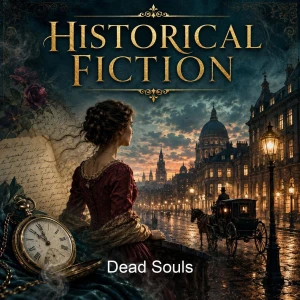
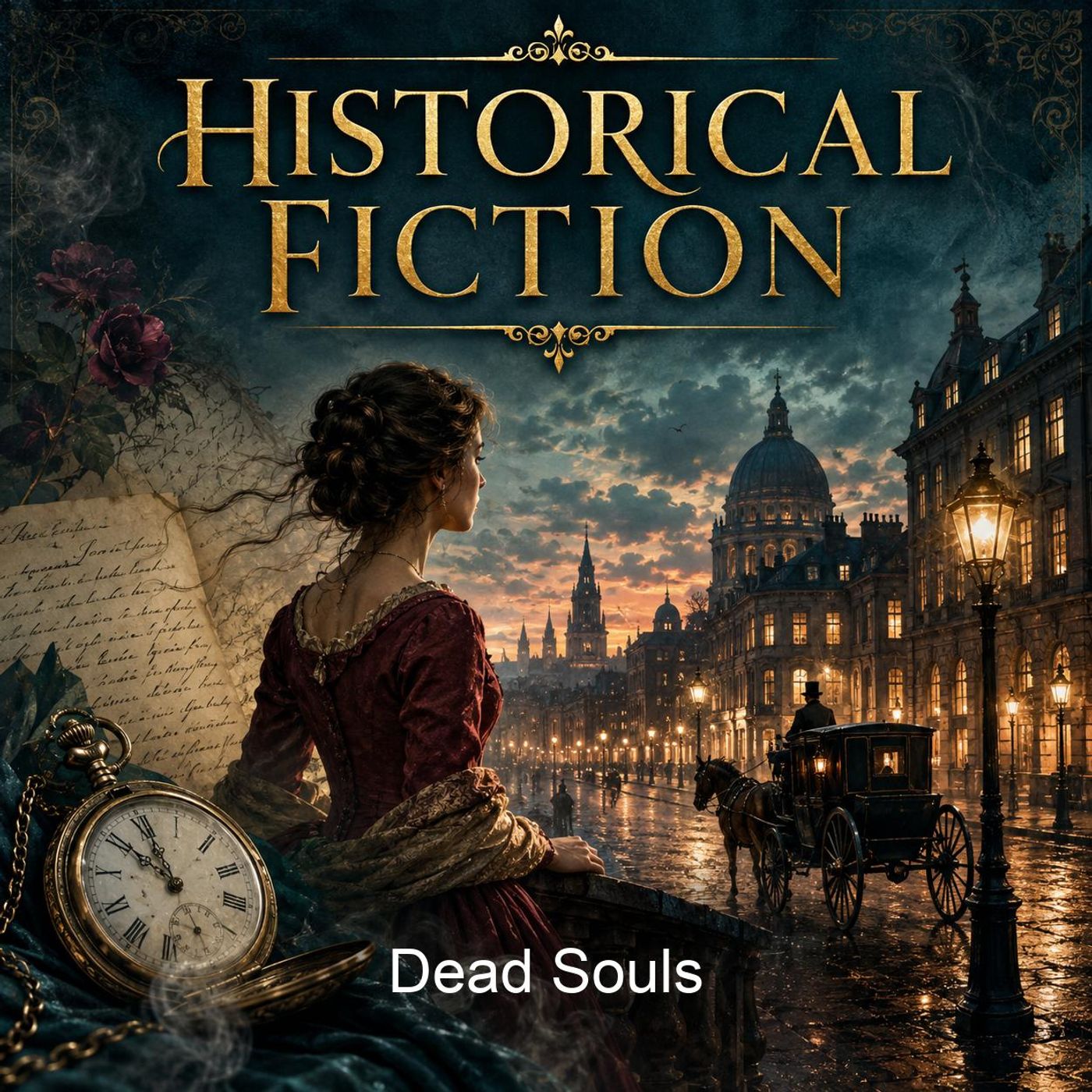
Dead Souls
Dead Souls is a classic Russian novel by Nikolai Gogol, first published in 1842. It follows the story of a man who travels through Russia buying 'dead souls'—serfs who have died but are still listed as alive in property registers. The novel is a satirical critique of Russian society and is considered one of the greatest works of 19th-century Russian literature. Gogol intended it as an epic poem in prose, but the second part was destroyed before his death.
Episodes
War and Peace, Book 01 1805-Leo Tolstoy
"War and Peace, Book 01 1805" by Leo Tolstoy is a monumental exploration of life during the Napoleonic Wars, weaving together the lives of various characters against the backdrop of historical events. This first book sets the stage for an epic tale of love, conflict, and the search for meaning in a tumultuous world. Tolstoy's profound insights into human nature and society resonate today, remindin
Clotel, or, The President's Daughter-William Wells Brown
"Clotel, or, The President's Daughter" by William Wells Brown is a groundbreaking narrative that explores the complexities of race, identity, and the impact of slavery in America. The story delves into the life of Clotel, a woman of mixed heritage, as she navigates the harsh realities of a society steeped in prejudice and inequality. This powerful tale remains relevant today, as it challenges list
Is Sex Necessary or Why You Feel The Way You Do-James Thurber, E. B. White
Dead Souls (Russian: Мёртвые души) by Nikolai Gogol, Russian writer, was first published in 1842, and is one of the most prominent works of 19th-century Russian literature. Gogol himself saw it as an "epic poem in prose", and within the book as a "novel in verse". Despite supposedly completing the trilogy's second part, Gogol destroyed it shortly before his death. Although the novel ends in mid-se
Utopia (Robinson translation)-Thomas More
Dead Souls (Russian: Мёртвые души) by Nikolai Gogol, Russian writer, was first published in 1842, and is one of the most prominent works of 19th-century Russian literature. Gogol himself saw it as an "epic poem in prose", and within the book as a "novel in verse". Despite supposedly completing the trilogy's second part, Gogol destroyed it shortly before his death. Although the novel ends in mid-se
Daughter of the Commandant-Alexander Pushkin
Dead Souls (Russian: Мёртвые души) by Nikolai Gogol, Russian writer, was first published in 1842, and is one of the most prominent works of 19th-century Russian literature. Gogol himself saw it as an "epic poem in prose", and within the book as a "novel in verse". Despite supposedly completing the trilogy's second part, Gogol destroyed it shortly before his death. Although the novel ends in mid-se
Pilgrimage Of Etheria-Etheria
Dead Souls (Russian: Мёртвые души) by Nikolai Gogol, Russian writer, was first published in 1842, and is one of the most prominent works of 19th-century Russian literature. Gogol himself saw it as an "epic poem in prose", and within the book as a "novel in verse". Despite supposedly completing the trilogy's second part, Gogol destroyed it shortly before his death. Although the novel ends in mid-se
Antigone (Plumptre Translation)-Sophocles
Dead Souls (Russian: Мёртвые души) by Nikolai Gogol, Russian writer, was first published in 1842, and is one of the most prominent works of 19th-century Russian literature. Gogol himself saw it as an "epic poem in prose", and within the book as a "novel in verse". Despite supposedly completing the trilogy's second part, Gogol destroyed it shortly before his death. Although the novel ends in mid-se
Eugene Onéguine-Alexander Pushkin
Dead Souls (Russian: Мёртвые души) by Nikolai Gogol, Russian writer, was first published in 1842, and is one of the most prominent works of 19th-century Russian literature. Gogol himself saw it as an "epic poem in prose", and within the book as a "novel in verse". Despite supposedly completing the trilogy's second part, Gogol destroyed it shortly before his death. Although the novel ends in mid-se
Dinner Club-Sapper
Dead Souls (Russian: Мёртвые души) by Nikolai Gogol, Russian writer, was first published in 1842, and is one of the most prominent works of 19th-century Russian literature. Gogol himself saw it as an "epic poem in prose", and within the book as a "novel in verse". Despite supposedly completing the trilogy's second part, Gogol destroyed it shortly before his death. Although the novel ends in mid-se
Foxe's Book of Martyrs Vol 2: Lives and Deaths of Early Christian and Protestant Martyrs-Forbush, Foxe
Dead Souls (Russian: Мёртвые души) by Nikolai Gogol, Russian writer, was first published in 1842, and is one of the most prominent works of 19th-century Russian literature. Gogol himself saw it as an "epic poem in prose", and within the book as a "novel in verse". Despite supposedly completing the trilogy's second part, Gogol destroyed it shortly before his death. Although the novel ends in mid-se
Admirable Bashville-George Bernard Shaw
Dead Souls (Russian: Мёртвые души) by Nikolai Gogol, Russian writer, was first published in 1842, and is one of the most prominent works of 19th-century Russian literature. Gogol himself saw it as an "epic poem in prose", and within the book as a "novel in verse". Despite supposedly completing the trilogy's second part, Gogol destroyed it shortly before his death. Although the novel ends in mid-se
Into The Valley Of Death Crimea, Balaklava, The Light Brigade Russell, Tennyson And Kipling-Various
Dead Souls (Russian: Мёртвые души) by Nikolai Gogol, Russian writer, was first published in 1842, and is one of the most prominent works of 19th-century Russian literature. Gogol himself saw it as an "epic poem in prose", and within the book as a "novel in verse". Despite supposedly completing the trilogy's second part, Gogol destroyed it shortly before his death. Although the novel ends in mid-se
Areopagitica (Version 2)-John Milton
Dead Souls (Russian: Мёртвые души) by Nikolai Gogol, Russian writer, was first published in 1842, and is one of the most prominent works of 19th-century Russian literature. Gogol himself saw it as an "epic poem in prose", and within the book as a "novel in verse". Despite supposedly completing the trilogy's second part, Gogol destroyed it shortly before his death. Although the novel ends in mid-se
Extract from Captain Stormfield's Visit to Heaven (version 3)-Mark Twain
Dead Souls (Russian: Мёртвые души) by Nikolai Gogol, Russian writer, was first published in 1842, and is one of the most prominent works of 19th-century Russian literature. Gogol himself saw it as an "epic poem in prose", and within the book as a "novel in verse". Despite supposedly completing the trilogy's second part, Gogol destroyed it shortly before his death. Although the novel ends in mid-se
War and Peace, Book 11 1812-Leo Tolstoy
Dead Souls (Russian: Мёртвые души) by Nikolai Gogol, Russian writer, was first published in 1842, and is one of the most prominent works of 19th-century Russian literature. Gogol himself saw it as an "epic poem in prose", and within the book as a "novel in verse". Despite supposedly completing the trilogy's second part, Gogol destroyed it shortly before his death. Although the novel ends in mid-se
Joseph Conrad-Hugh Walpole
Dead Souls (Russian: Мёртвые души) by Nikolai Gogol, Russian writer, was first published in 1842, and is one of the most prominent works of 19th-century Russian literature. Gogol himself saw it as an "epic poem in prose", and within the book as a "novel in verse". Despite supposedly completing the trilogy's second part, Gogol destroyed it shortly before his death. Although the novel ends in mid-se
Social War of 1900-Simon Landis
Dead Souls (Russian: Мёртвые души) by Nikolai Gogol, Russian writer, was first published in 1842, and is one of the most prominent works of 19th-century Russian literature. Gogol himself saw it as an "epic poem in prose", and within the book as a "novel in verse". Despite supposedly completing the trilogy's second part, Gogol destroyed it shortly before his death. Although the novel ends in mid-se
Warden-Anthony Trollope
Dead Souls (Russian: Мёртвые души) by Nikolai Gogol, Russian writer, was first published in 1842, and is one of the most prominent works of 19th-century Russian literature. Gogol himself saw it as an "epic poem in prose", and within the book as a "novel in verse". Despite supposedly completing the trilogy's second part, Gogol destroyed it shortly before his death. Although the novel ends in mid-se
Short Nonfiction Collection, Vol. 074-Various
Dead Souls (Russian: Мёртвые души) by Nikolai Gogol, Russian writer, was first published in 1842, and is one of the most prominent works of 19th-century Russian literature. Gogol himself saw it as an "epic poem in prose", and within the book as a "novel in verse". Despite supposedly completing the trilogy's second part, Gogol destroyed it shortly before his death. Although the novel ends in mid-se
Aitreya-Aranyaka Upanishad-Unknown
Dead Souls (Russian: Мёртвые души) by Nikolai Gogol, Russian writer, was first published in 1842, and is one of the most prominent works of 19th-century Russian literature. Gogol himself saw it as an "epic poem in prose", and within the book as a "novel in verse". Despite supposedly completing the trilogy's second part, Gogol destroyed it shortly before his death. Although the novel ends in mid-se
Conciliatory or Irenical Animadversions on Antinomians and Neonomians-Hermann Witsius
Dead Souls (Russian: Мёртвые души) by Nikolai Gogol, Russian writer, was first published in 1842, and is one of the most prominent works of 19th-century Russian literature. Gogol himself saw it as an "epic poem in prose", and within the book as a "novel in verse". Despite supposedly completing the trilogy's second part, Gogol destroyed it shortly before his death. Although the novel ends in mid-se
As a Man Thinketh (version 2)-James Allen
Dead Souls (Russian: Мёртвые души) by Nikolai Gogol, Russian writer, was first published in 1842, and is one of the most prominent works of 19th-century Russian literature. Gogol himself saw it as an "epic poem in prose", and within the book as a "novel in verse". Despite supposedly completing the trilogy's second part, Gogol destroyed it shortly before his death. Although the novel ends in mid-se
Town is Drowning-C. M. Kornbluth, Frederik Pohl
Dead Souls (Russian: Мёртвые души) by Nikolai Gogol, Russian writer, was first published in 1842, and is one of the most prominent works of 19th-century Russian literature. Gogol himself saw it as an "epic poem in prose", and within the book as a "novel in verse". Despite supposedly completing the trilogy's second part, Gogol destroyed it shortly before his death. Although the novel ends in mid-se
Anne Severn and the Fieldings-May Sinclair
Dead Souls (Russian: Мёртвые души) by Nikolai Gogol, Russian writer, was first published in 1842, and is one of the most prominent works of 19th-century Russian literature. Gogol himself saw it as an "epic poem in prose", and within the book as a "novel in verse". Despite supposedly completing the trilogy's second part, Gogol destroyed it shortly before his death. Although the novel ends in mid-se
Astrophel and Stella-Sir Philip Sidney
Dead Souls (Russian: Мёртвые души) by Nikolai Gogol, Russian writer, was first published in 1842, and is one of the most prominent works of 19th-century Russian literature. Gogol himself saw it as an "epic poem in prose", and within the book as a "novel in verse". Despite supposedly completing the trilogy's second part, Gogol destroyed it shortly before his death. Although the novel ends in mid-se
Russian Fairy Tales-Peter Nikolaevich Polevoi
Dead Souls (Russian: Мёртвые души) by Nikolai Gogol, Russian writer, was first published in 1842, and is one of the most prominent works of 19th-century Russian literature. Gogol himself saw it as an "epic poem in prose", and within the book as a "novel in verse". Despite supposedly completing the trilogy's second part, Gogol destroyed it shortly before his death. Although the novel ends in mid-se
Heroides-Publius (Ovid) Ovidius Naso
Dead Souls (Russian: Мёртвые души) by Nikolai Gogol, Russian writer, was first published in 1842, and is one of the most prominent works of 19th-century Russian literature. Gogol himself saw it as an "epic poem in prose", and within the book as a "novel in verse". Despite supposedly completing the trilogy's second part, Gogol destroyed it shortly before his death. Although the novel ends in mid-se
France At War On the Frontier of Civilization - Rudyard Kipling
"France At War On the Frontier of Civilization" by Rudyard Kipling offers a compelling exploration of the complexities of war and its impact on society. As Kipling reflects on the experiences of France during tumultuous times, he delves into themes of courage, sacrifice, and the human condition, which remain relevant today. Listening to this work invites a deeper understanding of the historical co
Dead Souls - Nikolai Vasilievich Gogol - Part 2
Dead Souls (Russian: Мёртвые души) by Nikolai Gogol, Russian writer, was first published in 1842, and is one of the most prominent works of 19th-century Russian literature. Gogol himself saw it as an "epic poem in prose", and within the book as a "novel in verse". Despite supposedly completing the trilogy's second part, Gogol destroyed it shortly before his death. Although the novel ends in mid-se
Dead Souls - Nikolai Vasilievich Gogol - Part 1
Dead Souls (Russian: Мёртвые души) by Nikolai Gogol, Russian writer, was first published in 1842, and is one of the most prominent works of 19th-century Russian literature. Gogol himself saw it as an "epic poem in prose", and within the book as a "novel in verse". Despite supposedly completing the trilogy's second part, Gogol destroyed it shortly before his death. Although the novel ends in mid-se
Recommended

Solved Murders - True Crime Stories

紐約鳥|New York Aperture
The Swerve Podcast: Obscure Topics | Conspiracy Theories

The Bread and Banter Podcast

The Church of What's Happening Now: The New Testament
Busted Open

Deadline: White House

Crickets Corner

History of the Earthquake and Fire in San Francisco

Fox news

K-Drama Obsessed Mamas | Beyond “Just One More Episode!”

True Crime Classics
