Long Shadow
A narrative podcast that explores pivotal moments in U.S. history, from Waco and Columbine to 9/11, COVID-19, and January 6, examining what people know and what they thought they knew. Hosted by Pulitzer-finalist journalist and historian Garrett Graff, the show has earned widespread critical acclaim, including Peabody and Edward R. Murrow Award nominations and wins. Each season takes a deep dive into a specific event or theme, with recent seasons even integrated into university curricula. The latest season, 'Breaking the Internet,' turns its attention to the current state of the online world.
Episodes
“Never again” / What is the legacy of 9/11?
Reacting in the middle of one nightmare, the U.S. government created another — an apparatus that in the wrong hands has become one of the most terrifying tools in the history of the country.
Trailer: Long Shadow: “Never again” / What is the legacy of 9/11?
Commemorating the 25th anniversary of the worst terror attacks on U.S. soil, 'Long Shadow: 9/11's Lingering Questions' returns with this special episode hosted by bestselling author and journalist Garrett Graff. Listen to the Signal Award-winning first season of 'Long Shadow' now, and download the full episode on September 1, 2026, from Long Lead and PRX, wherever you get your podcasts.
The Red Pill
A toxic army of trolls goes after women in the gaming industry, giving birth to an online movement of disaffected men. This "manosphere" contributes to the resurgence of Donald Trump and a constitutional crisis that holds American democracy in the balance.
Going Viral
After the twin disasters of the massacre in Myanmar and the 2016 election, social media undergoes a reckoning in the halls of Congress… until a novel virus uncorks a global pandemic and a contagion of hoaxes, conspiracies, and lies online.
Weapons of Mass Distraction
North Korea hacks a movie studio over a screwball comedy, inspiring America’s enemies to launch cyberattacks against the U.S. To roil an election, one even unleashes a network of trolls pitting ordinary Americans against each other, online and in the streets.
Enragement Equals Engagement
With the dawn of the newsfeed, Facebook begins a mass experiment on the human psyche — what we like and hate, what makes us happy and angry. Over the course of a decade, its algorithm drives the world to like, comment, and eventually, kill.
The Facebook Revolution
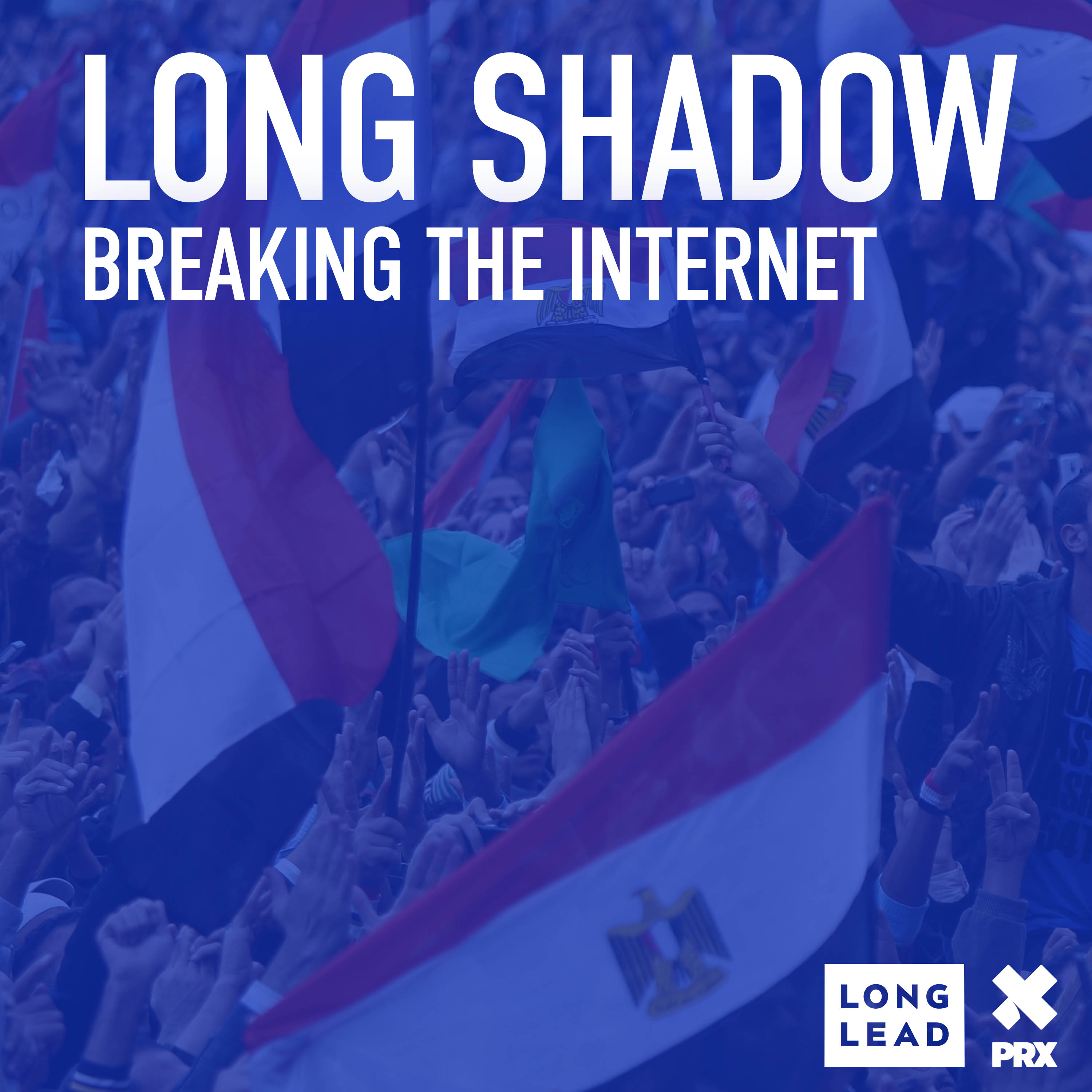
In Egypt, a ragtag group of young activists uses social media to spark a revolution and remove a dictator from power. They credit Facebook with the fall of the regime… until the platform is turned against them.
Establishing Connection
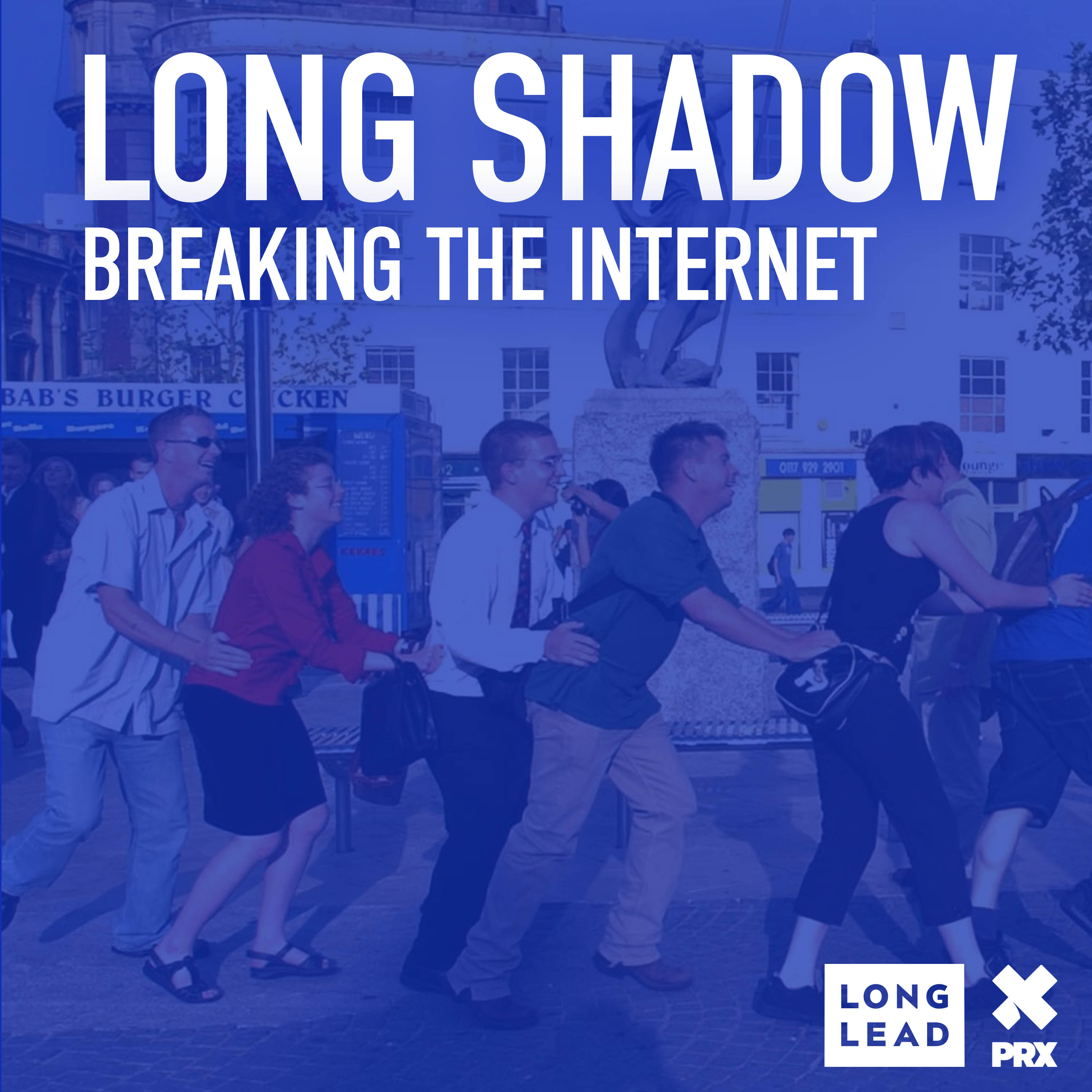
At the dawn of the new millennium, the internet yields powerful tools for coordinating and organizing online. From the 9/11 hijackers to flashmob pranksters to activists, it puts power in the hands of the people, for better and for worse.
The End of the World as We Know It
The internet as we know it today is a harrowing landscape. But in its quirky infancy, the web changed everything about how we lived, shared, shopped, and communicated. Then a computer bug threatened to shut it all down forever.
Trailer: Long Shadow: Breaking the Internet
When was the last time you felt good about the internet? Today’s online landscape is a harrowing one. People screaming at each other on social media. Violent videos going viral. Cyberbullying, racism, misogyny. Back in the day, the web gave power to the people, and going online could actually be fun.In LONG SHADOW: BREAKING THE INTERNET, Pulitzer-finalist historian, author, and journalist
Generation Lockdown
Raised on active shooter and lockdown drills, Gen Z has endured an onslaught of violence — and emerged inspiring a wave of activism, a powerful gun safety movement, and hope.

A Good Guy with a Gun
Easy to handle and easy to conceal, handguns went boom in the 2000s, the same moment when many Americans — falsely and tragically — began to equate guns with safety.
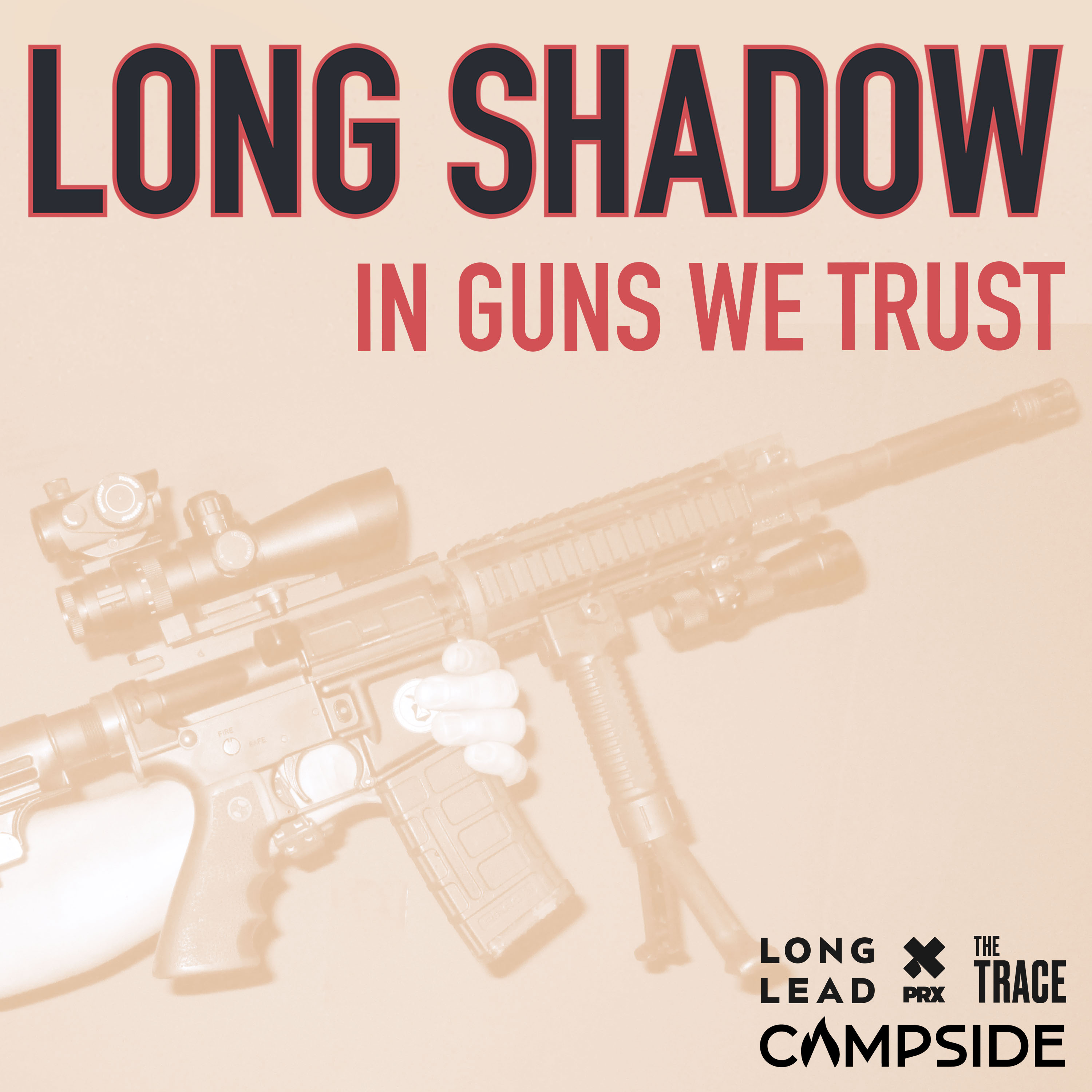
The Right to Bear AR-15s
After a devastating, now largely forgotten, mass-shooting prompted lawmakers to take aim at assault weapons in the 1990s, their ban backfired — and caused gun sales to explode.
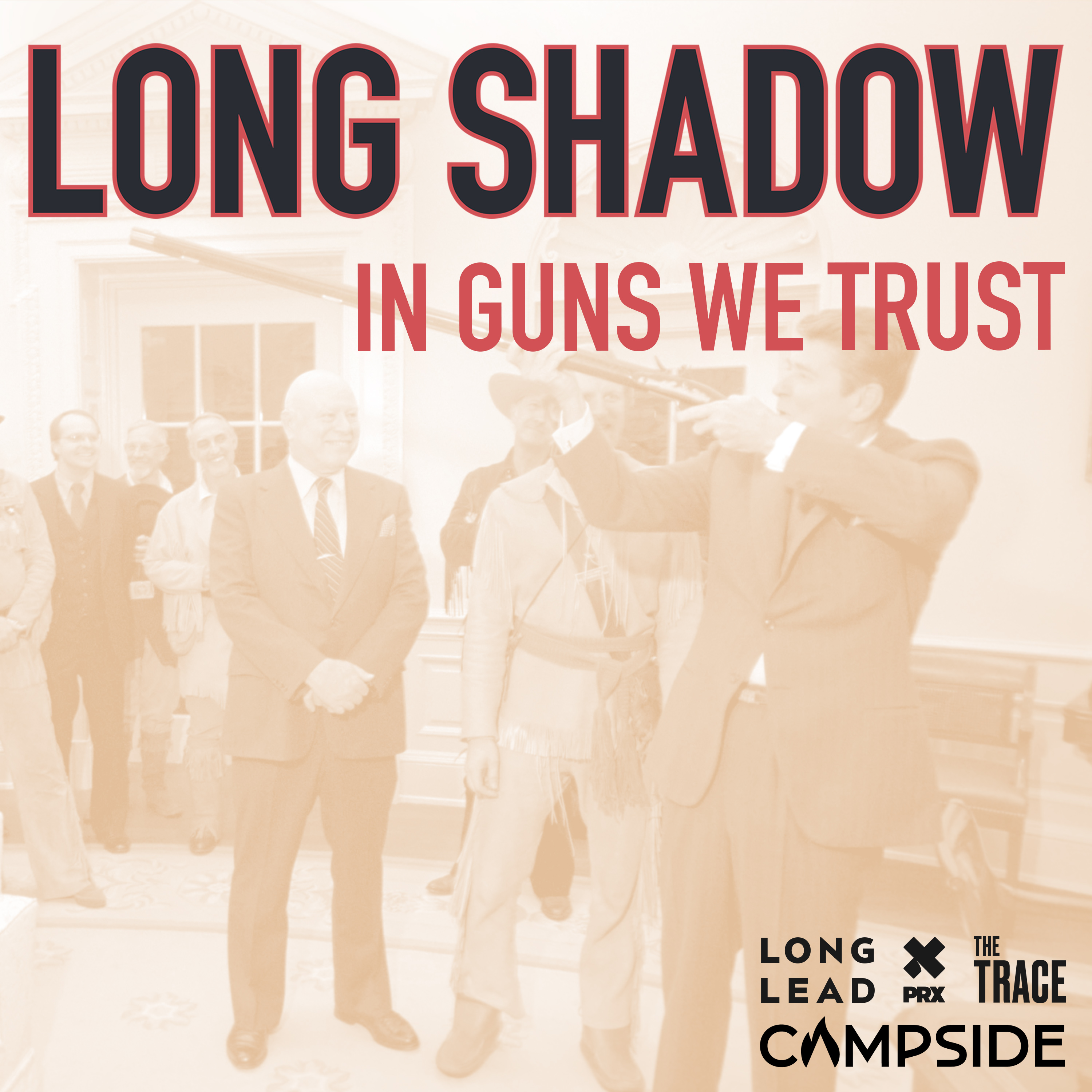
The Hardliners
In the 1980s, a pair of intimidating NRA leaders recast the organization in their own imposing images as the group went on an all-out offensive against gun regulations.
Shall Not Be Infringed
The Second Amendment may have begun as a Constitutional afterthought, but a late 20th-century ideological shift caused some to view it as a sacred right in the name of self defense.
A Uniquely American Problem
Mass shootings have plagued the U.S. for generations. But in 1999, when shots rang out in a suburban Denver school, it was different. What changed? Everything.
Trailer: Long Shadow: In Guns We Trust
This season host Garrett Graff, in collaboration with The Trace, recounts how a very specific, carefully manufactured fear has driven explosive demand for guns across the U.S. It’s the history of how firearms went from being an ordinary part of rural American life to a menacing element in modern society — and the epidemic of gun violence that’s come with it. How did we get here — how did
January 6: Day of the Rope
Emboldened by COVID lockdown protests and fighting Black Lives Matter demonstrators, far-right extremists and white power groups prepare to overthrow the government on Jan. 6… or a later date.
MAGA: American Carnage
After Trump’s election, far-right extremism explodes, and internet racism boils over into the real world. From Charleston to Charlottesville to Christchurch, experts warn of a race war.
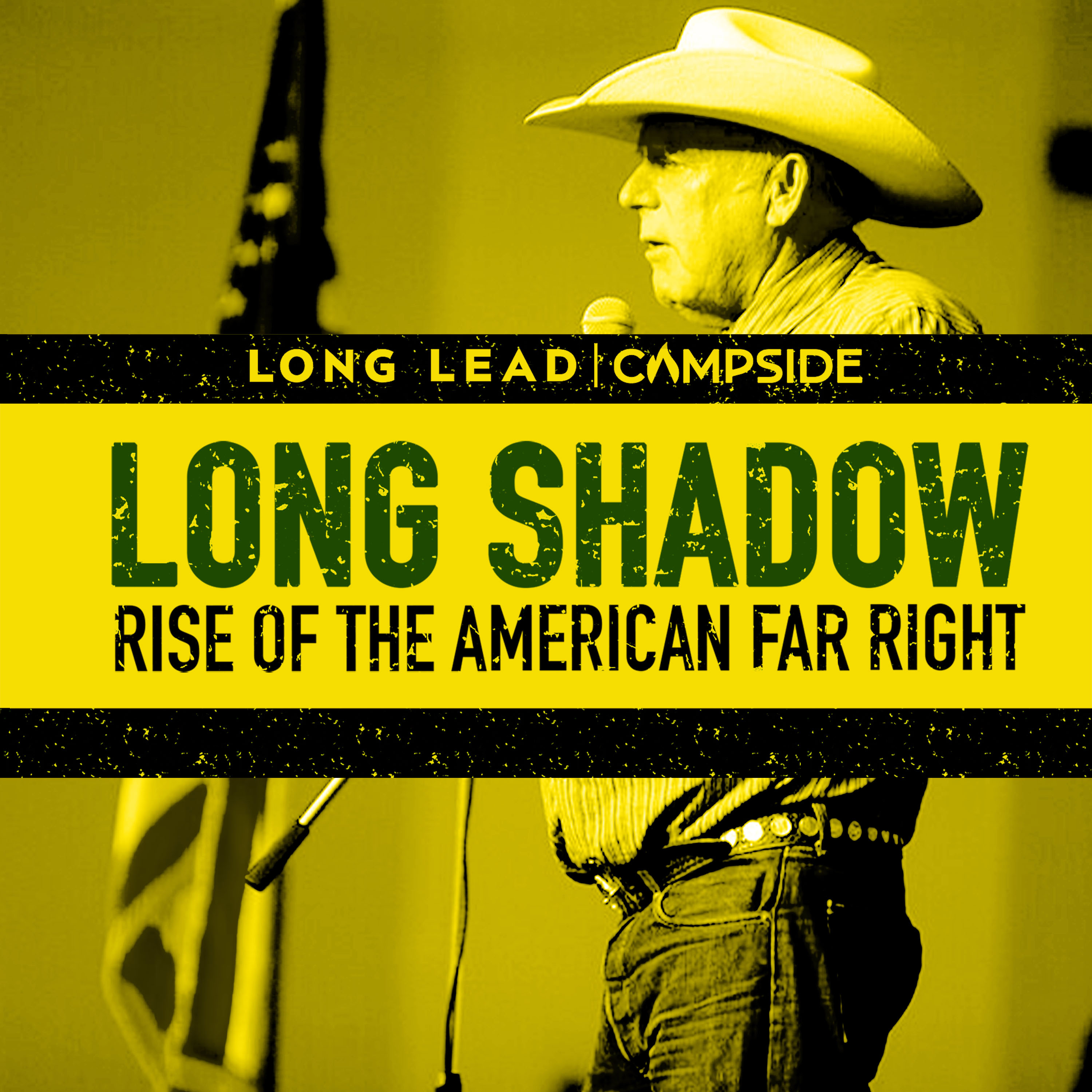
The Bundys: A Call to Arms
When the government seizes Cliven Bundy’s cattle over unpaid grazing fees, militias like the Three Percenters and the Oath Keepers—which are later at 1/6—aid a standoff on his ranch.
Info War: From the Fringe to Fox News
Using conspiracy theories and anger to amass enormous audiences in the 1990s, Rush Limbaugh and Bill Cooper pave the way for Fox News to mainstream far-right outrage.
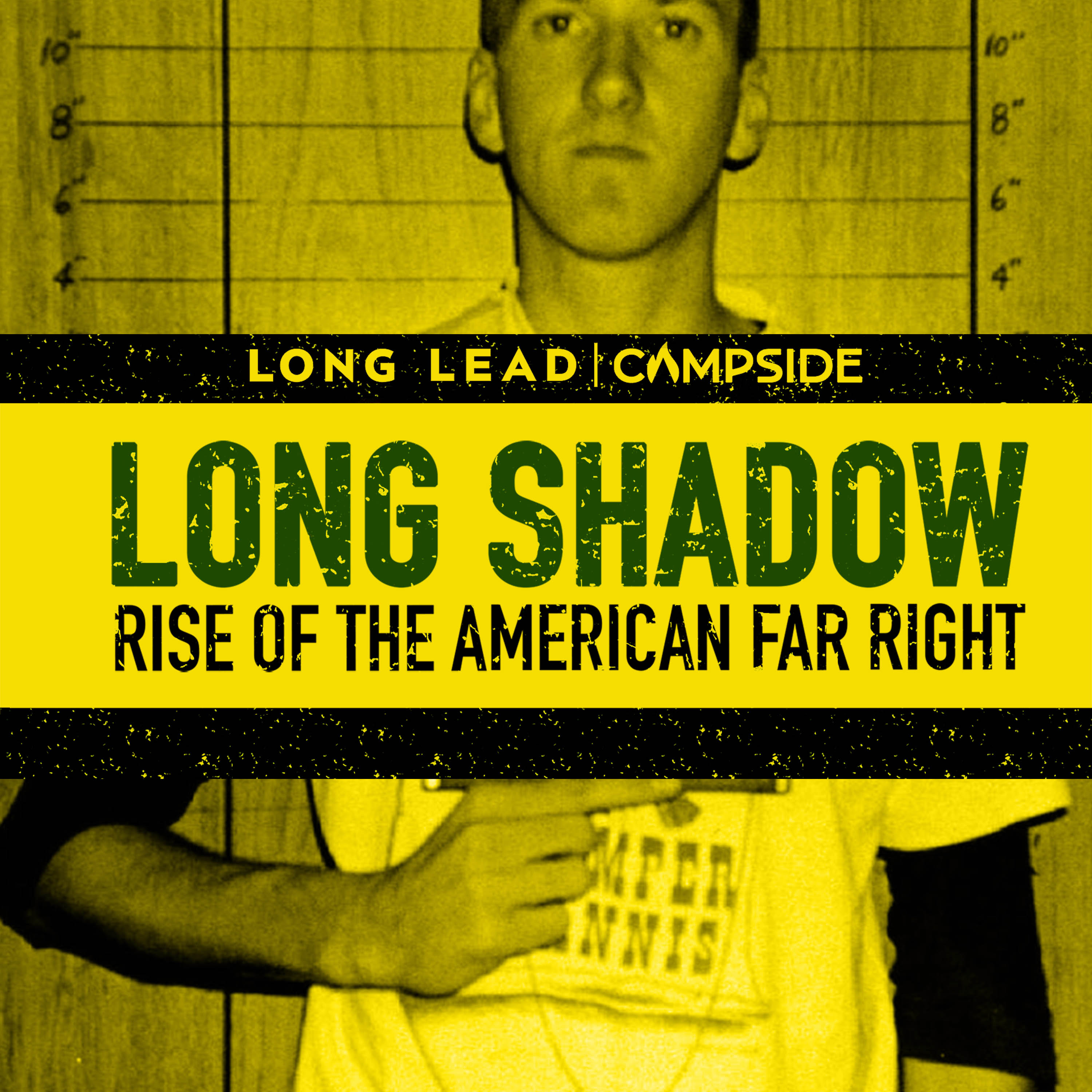
Oklahoma City: Sic Semper Tyrannis
Experts claimed 1995’s Oklahoma City bombing was a lone-wolf event, but Timothy McVeigh’s act of retribution for the Waco siege, shows how domestic extremism has evolved.
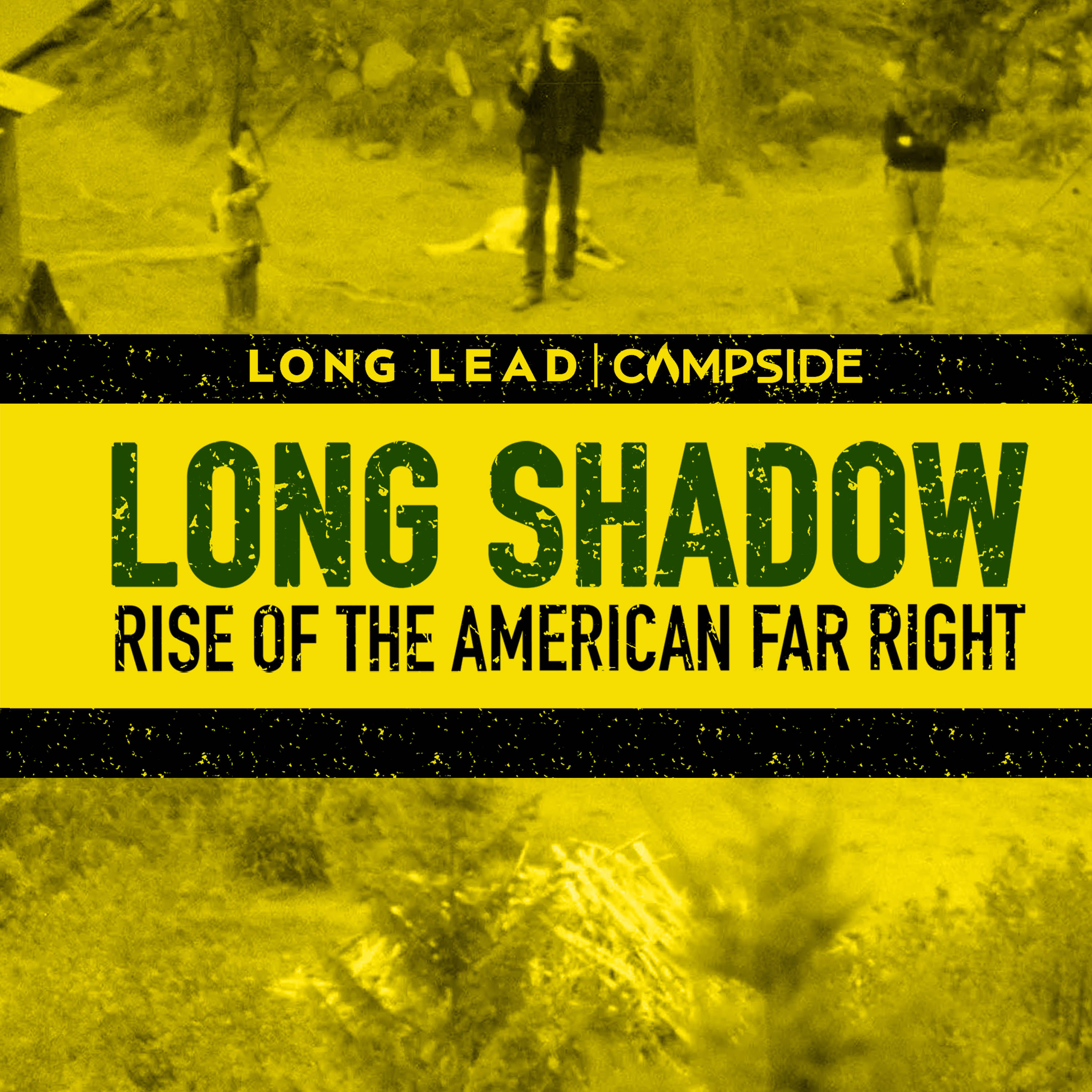
Ruby Ridge: The Revolution Begins
The government lays siege to Ruby Ridge, Idaho, where Randy Weaver and his family are hiding out in the shadow of a growing white supremacist movement, a year before Waco.
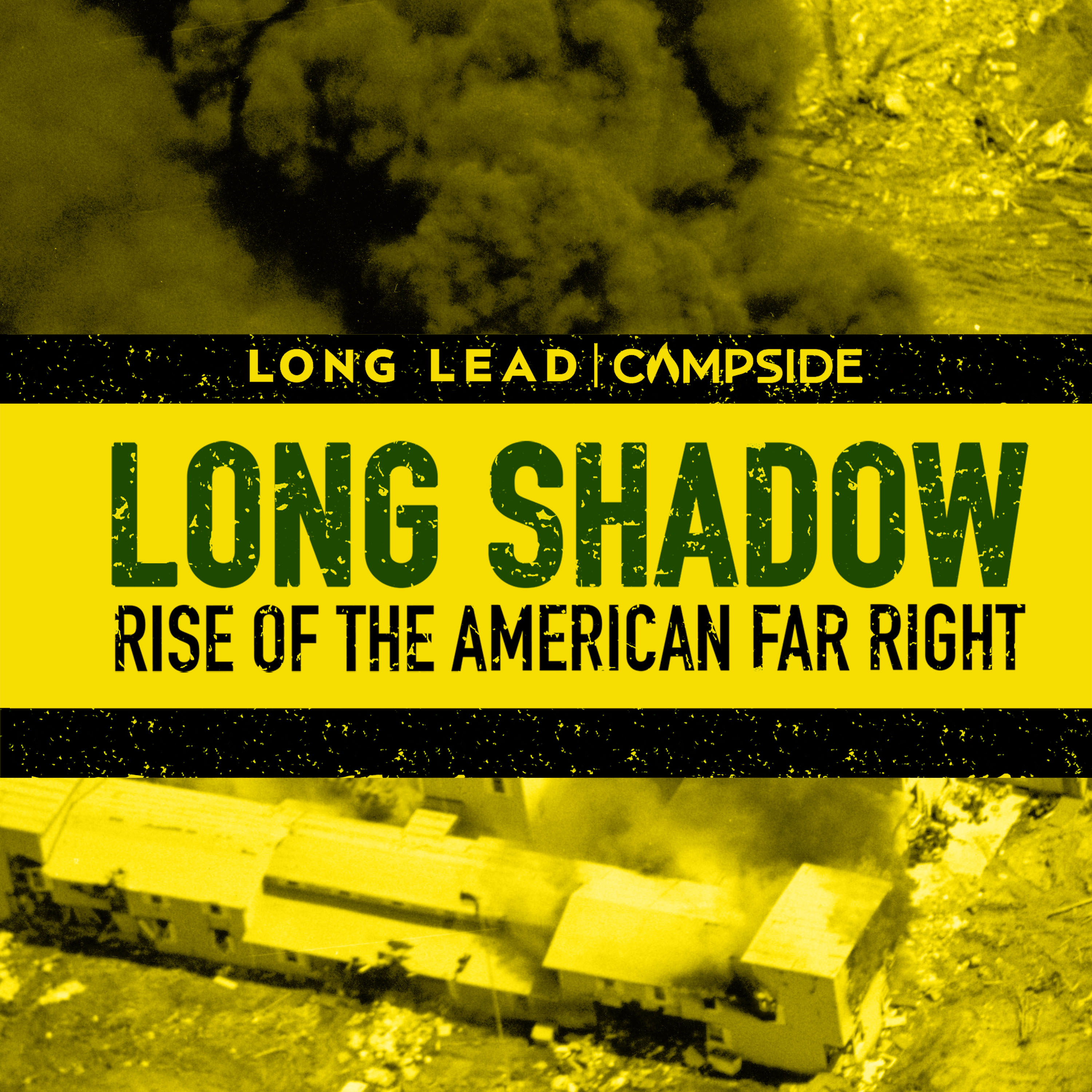
Waco: The Spark
Out of the flames of a tragic government mishap—the 1993 siege at the Branch Davidian compound in Waco, Texas—the modern far-right movement is born.
Trailer: Long Shadow: Rise of the American Far Right
The Ruby Ridge raid, the Waco siege at the Branch Davidian compound, the Oklahoma City bombing, the Jan. 6 insurrection… they are all explosive moments in recent U.S. history. But connect the dots between these—and other—seemingly disparate, violent events, and you’ll answer some of the most existential questions facing the U.S. today: How did America get the far right so wrong? What will

Long Lead Presents: The Depths She'll Reach
Out now from Long Lead, The Depths She’ll Reach, the story of how Alenka Artnik emerged from mental health struggles to become one of the world’s most elite athletes. A multimedia feature by Xan Rice and Daan Verhoeven, produced by Long Lead. https://onjustonebreath.com/
How do we move on from 9/11?
When we think about 9/11, we often only think of the tremendous loss of life on that day. But what we sometimes forget about are those who made it; the thousands of people who survived the attacks, but have had to carry it with them every day since. Firefighter Jay Jonas and Port Authority Police Officer Will Jimeno were in the Twin Towers on September 11 — 100 stories of the World Trade
What was the Saudi connection to 9/11?
Fifteen of the 19 hijackers on 9/11 were from Saudi Arabia, which was also the home of al-Qaeda’s leader, Osama Bin Laden. In the days after September 11, dozens of his friends, family members and business associates left the U.S. on secret flights bound for The Kingdom of Saudi Arabia. That has led to questions that four presidents have avoided answering:What role did the Saudi governmen
Who was the 20th hijacker?
Immediately after 9/11, investigators began piecing together the plot. In the flight manifests, they discovered a pattern: A team of five terrorists hijacked every plane that day, except for one. United Airlines Flight 93 had only four hijackers. Investigators believed one person was missing from that group.Who was the 20th hijacker — if there even was one? And is there a 9/11 hijacker st
Could 9/11 have been stopped before it happened?
Before 9/11, FBI Special Agent John O’Neill kept setting off alarms about the emerging terrorist organization al-Qaeda and their mysterious leader Osama Bin Laden. As a result of his warnings the FBI knew terrorists were planning a big attack and the CIA even had eyes on two of the eventual hijackers prior to the attacks.So what went wrong? Why didn’t they capture the hijackers? What more
Was there a “fifth plane” on 9/11?
After the first two hijackings, the nation’s air traffic controllers quickly and efficiently grounded thousands of planes flying to and over the continental United States. Their quick thinking is said to have potentially saved countless lives.But what if another plane was meant to be hijacked that day, and never made it off the ground? What if there was a fifth plane on 9/11?
Who issued the order to shoot down Flight 93?
With the Capitol under attack, the President on Air Force One, and the Defense Secretary missing, Vice President Dick Cheney was the most powerful man in the country on the morning of 9/11. From a bunker beneath the White House, he gave fighter pilots flying above the Capitol permission to shoot down hijacked commercial planes.But did Cheney actually have the authority to issue this order
What was the target of United Airlines Flight 93?
Every defense mechanism the U.S. government had on 9/11 failed except for one: the passengers and crew aboard United Airlines Flight 93. They were on the final plane to be hijacked that day and heard reports of the attacks from loved ones on the ground. Then they rallied to stop the terrorist plot.But where was the plane headed before it crashed? What was the intended target of the Flight
Why weren’t more people rescued from the Twin Towers?
After both towers of the World Trade Center were hit on September 11, 2001, first responders coordinated the largest emergency response in New York City’s history. But their heroism at Ground Zero was hampered by institutional bureaucracy and ultimately undone by decisions made decades earlier, when the Twin Towers were built.So why did these iconic structures and architectural marvels fa
Trailer: Long Shadow: 9/11's Lingering Questions
Many of us watched the terrorist attacks on September 11th, 2001 unfold right before our eyes. In the years since, law enforcement, congressional inquiries and the press have successfully uncovered more about what happened that day. But now on the 20th Anniversary of the attacks, many mysteries remain. Hosted by bestselling author and reporter Garrett Graff, Long Shadow answers those ling