
SAPIENS: A Podcast for Everything Human
SAPIENS is a podcast that explores human stories from an anthropological perspective. Each episode delves into topics like the origins of chili peppers, the criminal justice system, and historical artifacts. The show aims to understand what it means to be human through diverse narratives. It is produced by SAPIENS, an anthropology magazine.
Episodes
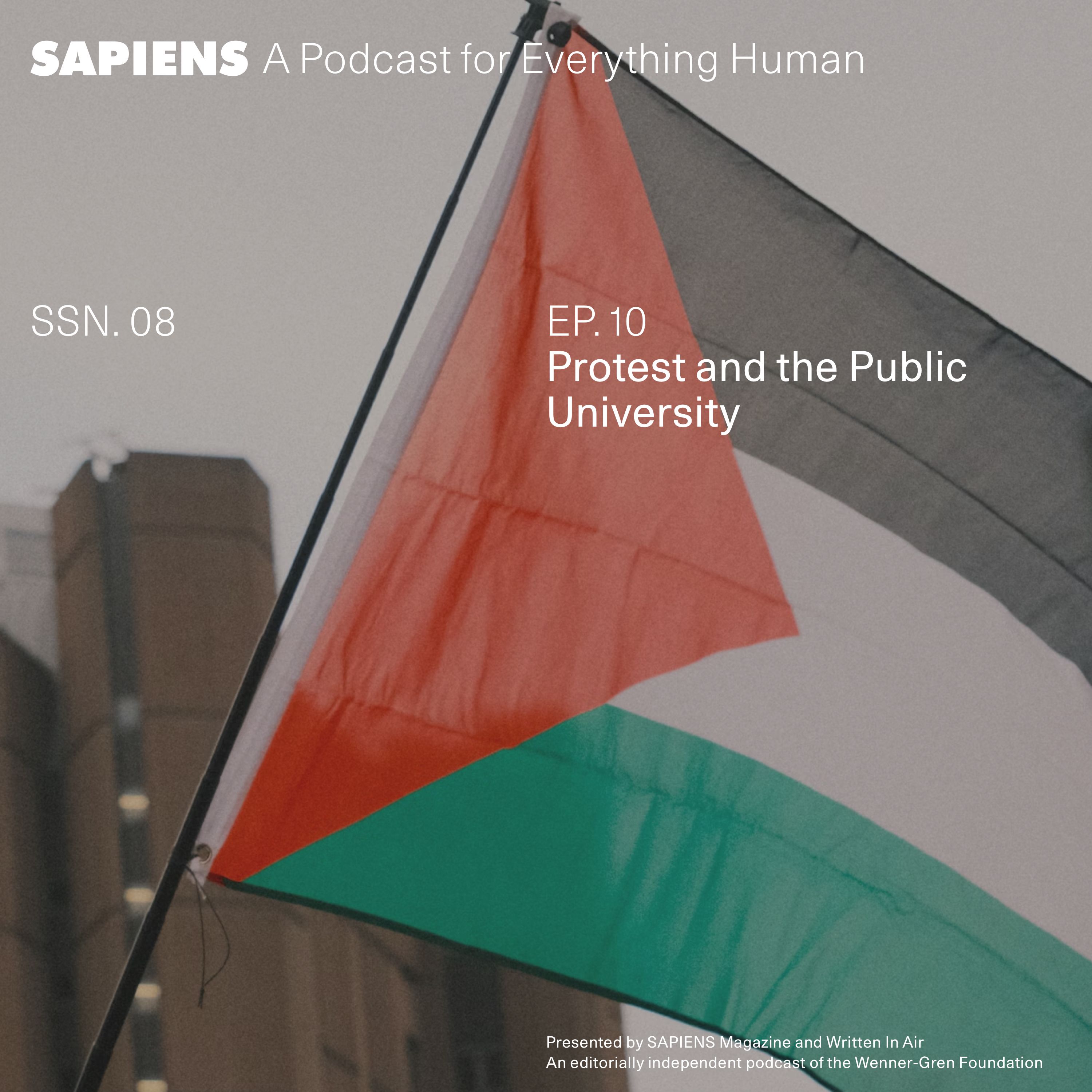
Protest and the Public University
Members of an encampment at a public university in New York City are on trial for felony charges. In 2024, students across the world launched encampments to challenge university financial ties to Israel in response to the genocide against Palestinians in Gaza. The City University of New York (CUNY), the largest urban public university system in the United States, celebrates and valorizes
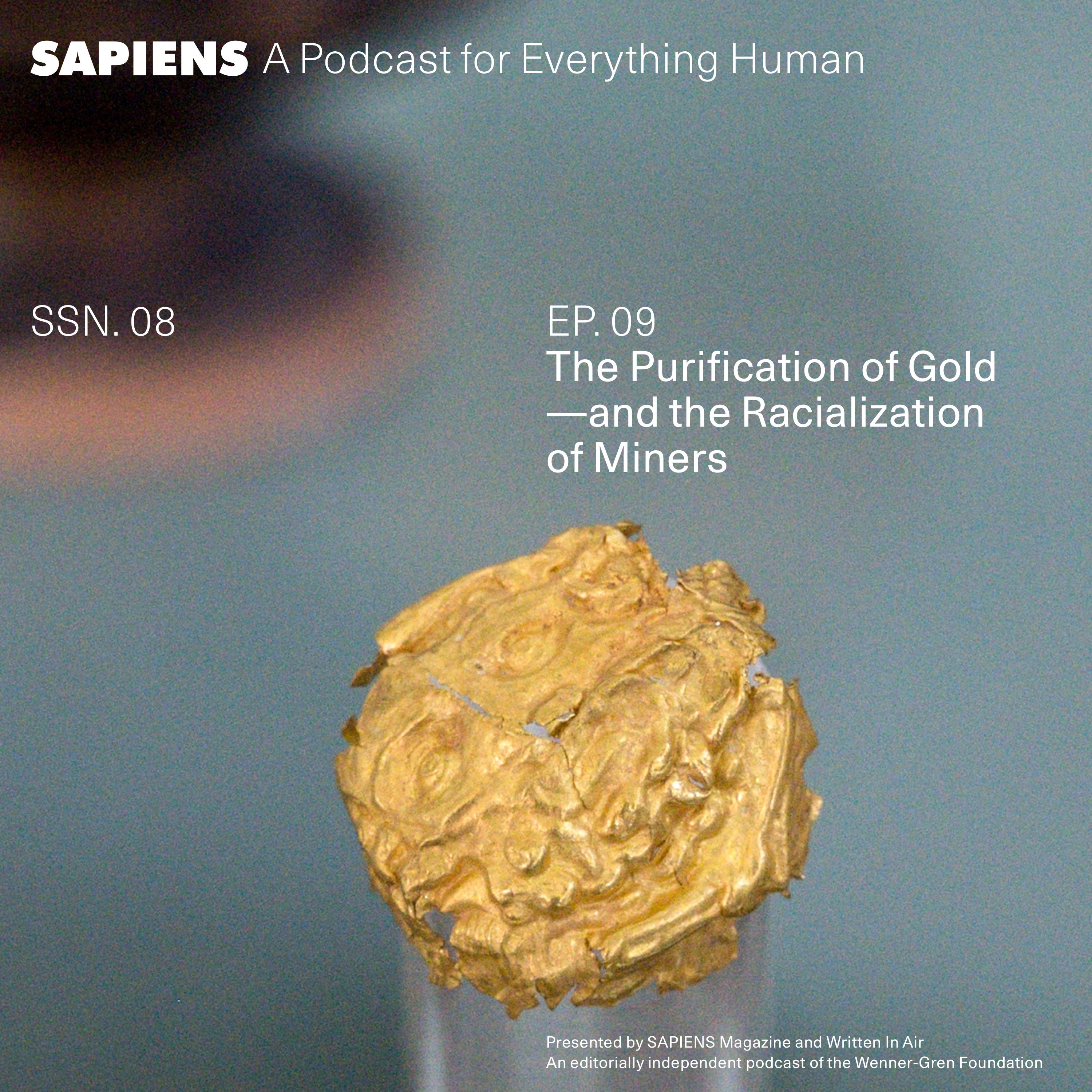
The Purification of Gold—and the Racialization of Miners
The gold industry, alongside nation-states, has marginalized the artisanal and small-scale mining (ASM) sector for decades, but now things seem to be changing. The industry has realized that engaging with the ASM sector could be more beneficial for their reputation than excluding it. While once ASM was viewed as a risk, now it is seen as an opportunity.Anthropologist Giselle Figueroa de l
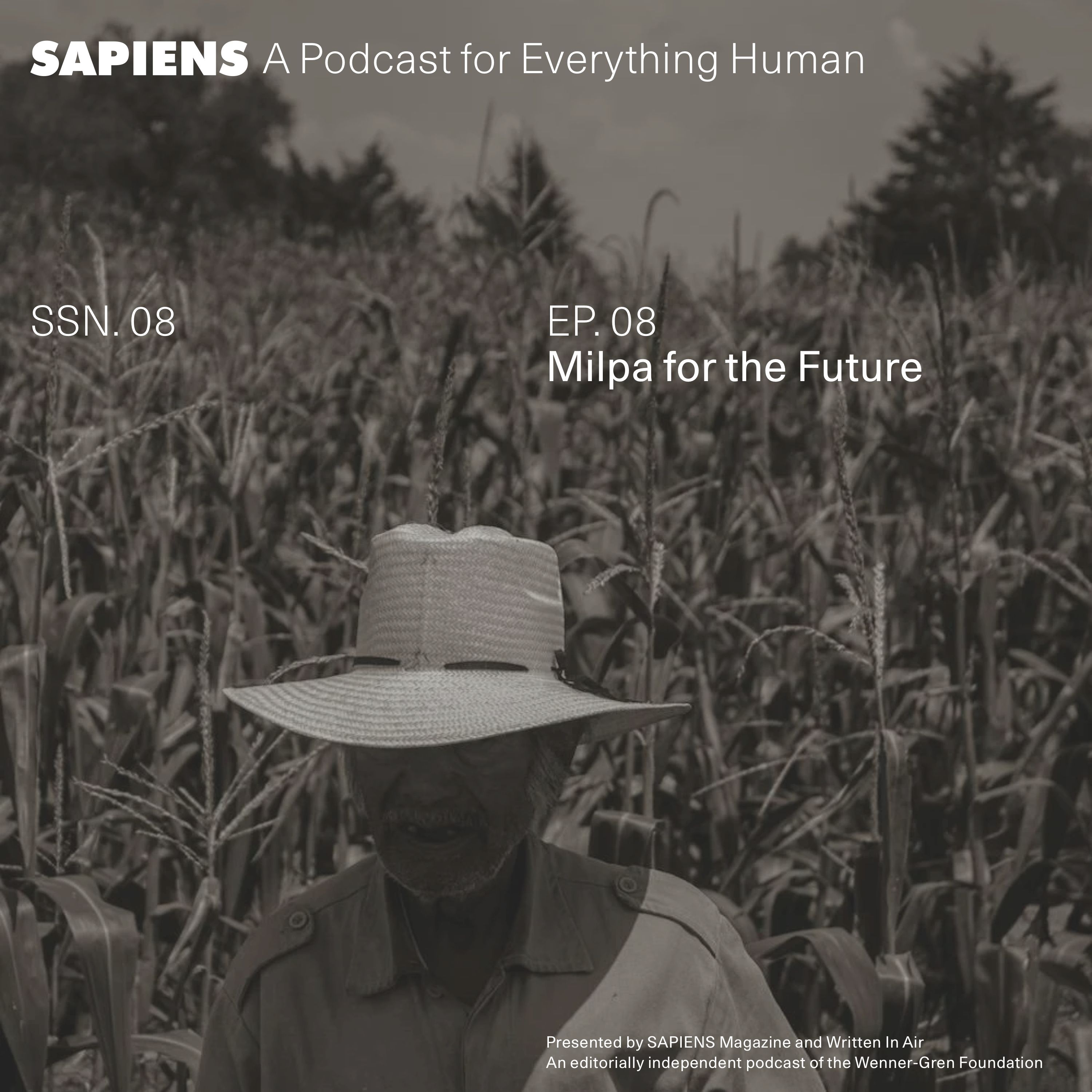
Milpa for the Future
Milpa is an ancestral way of farming in Mexico and other regions of Mesoamerica that involves growing an assortment of different crops in a single area without synthetic pesticides and fertilizers. This provides people in the region with a wide variety of foods and a balance of nutrients. In recent years, with the introduction of farming based on synthetic herbicides, milpa has changed, a
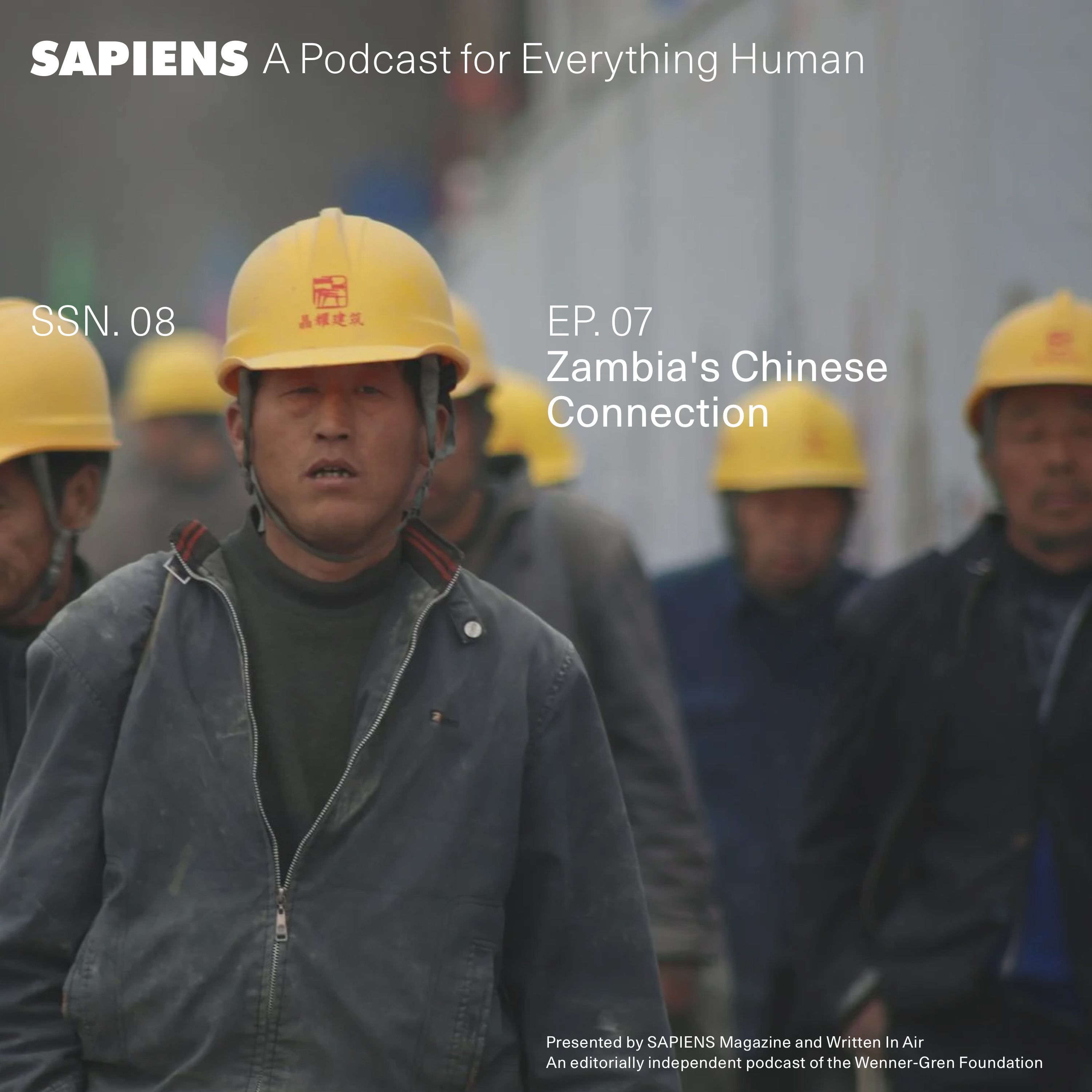
Zambia’s Chinese Connection
In the last two decades, an unprecedented wave of Chinese investment and migration to Africa has transformed many economies on the continent. But this has also provoked a storm of controversy, as some criticize the situation as exploitative neocolonialism. Others defend this migration as development assistance and an act of solidarity between regions jointly victimized by European colonia
South Africa’s Road Out of Colonialism
While researching the history of parole in South Africa, a lawyer and anthropologist discovers the origins of the N2 road, which she drives everyday. Now interested in this highway’s history, she explores how this and other roads were used to expand territory and exploit people during South Africa’s colonial periods under Dutch and British rule, and how they kept people separate during th
Ceasefire From the Earth and Sky
In existence for more than 70 years, the Korean Demilitarized Zone (DMZ) is the site of the longest ceasefire in the world. What can this region teach us about the long, intended—and unintended—consequences of this form of a truce?In this episode, sociocultural anthropologist T. Yejoo Kim uncovers how residents have been surviving through decades of sonic violence and propaganda, and expl
A Venezuelan Election … in Chile
In this episode, social anthropologist Luis Alfredo Briceño González talks about his experiences as a foreign researcher in Chile. During his fieldwork, he met Marta, a Venezuelan woman residing in an informal settlement on the outskirts of Santiago. Marta and her family held a mock election to protest not being able to vote in their home country during the presidential elections in 2024.
Hunting, Gathering, and the Fluidity of Gender Roles
When it comes to the division of labor in hunter-gather societies, the stereotype is generally that men hunt and women gather. But when a recent study claimed that women in hunter-gather societies hunt just as much as their male counterparts, the finding made news around the world. But why does gender equality in the past matter so much today?This episode focuses on the complexities of wo
A Linguist’s Night at the Ball
Since its emergence in 1960s Harlem, the LGBTQ+ “ballroom scene” has expanded into a transnational subculture. For outsiders, understanding how a ball functions can take time. Join linguistic anthropologist Dozandri Mendoza as they “walk” us through a night at a kiki ball in Puerto Rico. They introduce us to DJs, commentators, performers, and the Boricua Ballroom children who are refashio
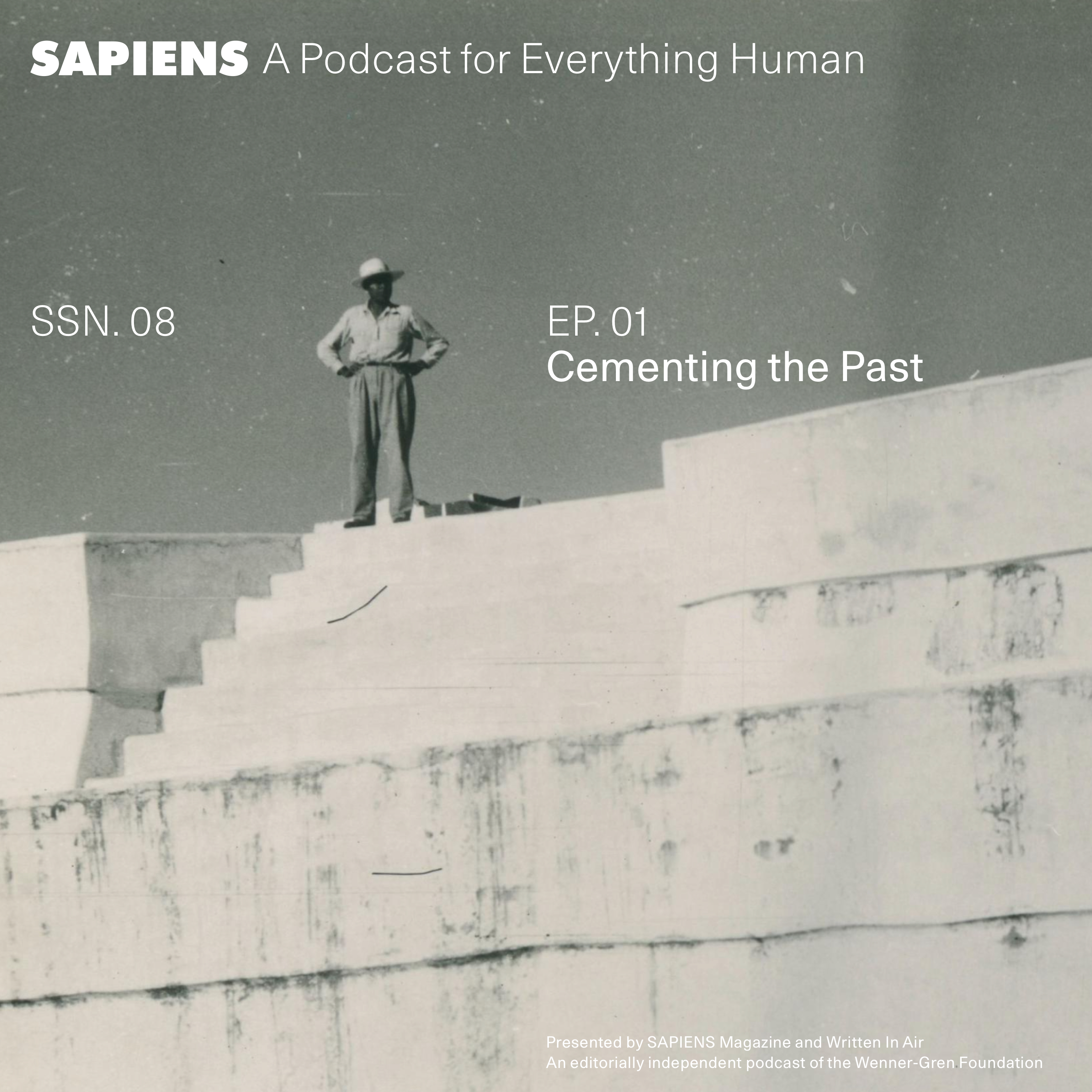
Cementing the Past
The United Fruit Company was a U.S. multinational corporation and at one time, the largest landholder in Central America. To maintain authority in this part of the world, the company stamped out labor reform, collaborated with U.S.-backed coups, and, oddly enough, invested in archaeology. Why?In this episode, anthropologist Charlotte Williams explores the company’s role in preserving the
Where Cultures Collide: Season 8 Trailer
Culture is a force that makes us who we are. It drives social interactions and relationships, shapes beliefs and politics, ignites imaginations, and molds identities. Cultural conflicts are at the heart of many crises facing the world—increasing inequality, persistent bigotry, ecological collapse.In this season of the podcast, we’re investigating these intersections of culture: how past f
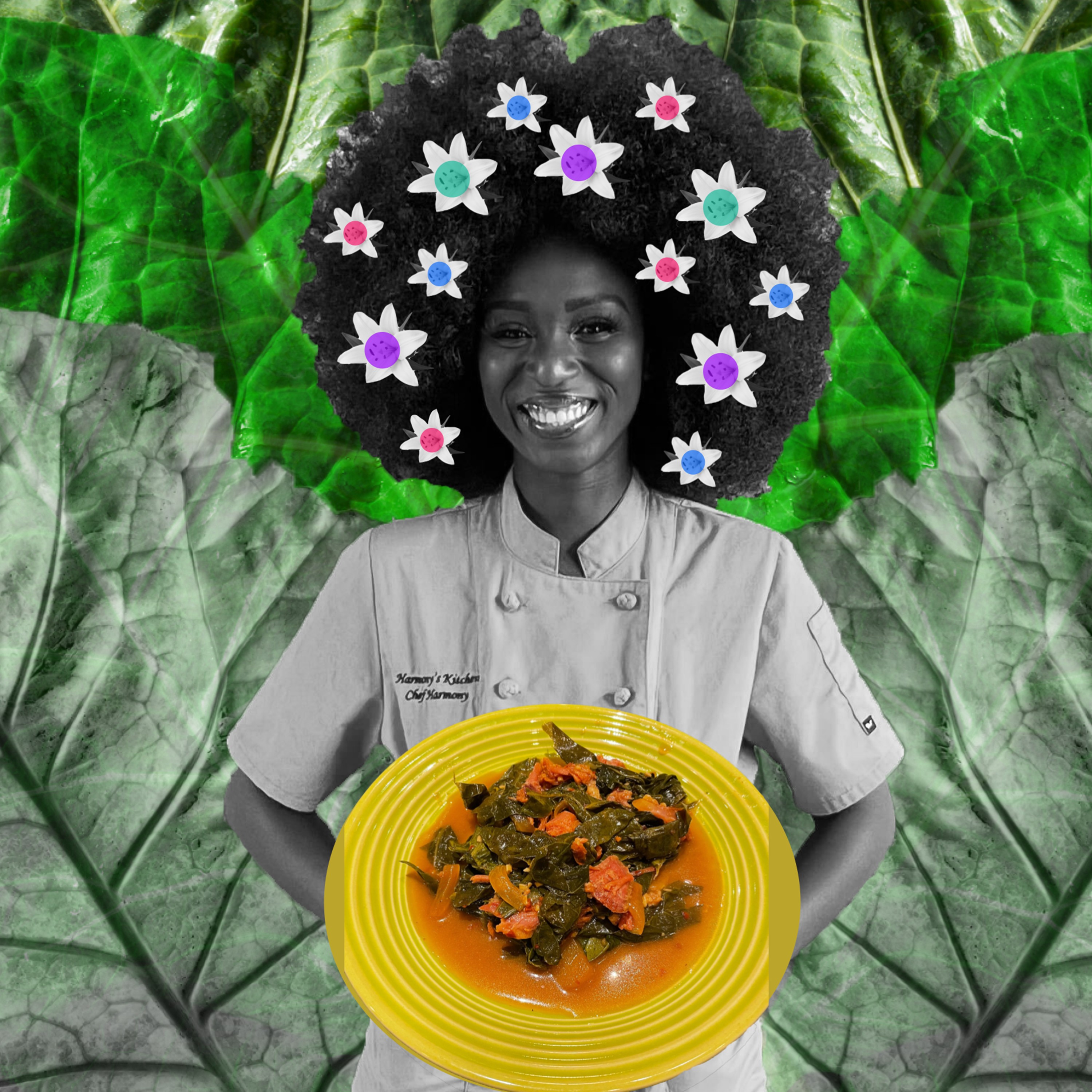
Introducing: Homegoings
Host Myra Flynn unpacks one soul food recipe: collard greens, with local and world-renowned chefs, and even her own mother. Together they explore how the history of a once undesirable food mimics the resilience, innovation, and perseverance of a once considered undesirable people.*Homegoings is a: Podcast, TV show, and event-series where no topic is off the table, and there’s no such thin
The Ancient Child Who's Changing Archaeology
Can museums and archaeology harm the dead?An Indigenous archaeologist from Brazil challenges traditional approaches to studying human bones. Her work reveals how standard practices—such as assigning catalog numbers to ancient bodies—are violent and biased. As she encounters the remains of a 700-year-old child in a university museum, their stories intertwine, highlighting issues of ethics,
Comics As a Medium for Women’s Rights
As a form of popular culture, comics have provided humor, action, and entertainment to readers of all ages and across generations. But comics also intertwine art and humor to creatively make political statements, challenge media censorship, and address controversial issues of the times.This podcast episode focuses on how comics can be tools for social action and transformation by highligh
Smartphones Are Bicycles For Our Minds
Where is your smartphone right now?If you’re like most smartphone users in the United States, it’s probably within a few feet of your reach, if not sitting in your hand. In the last 15 years, smartphones have quickly, seamlessly, and profoundly been embedded in the daily lives of most Americans. There are now few, if any, domains of modern life that are unaffected by smartphone use.This e
When Scientists Take to the Streets
María Pía Tavella is an Argentine biological anthropologist and science writer. In conversation with host Eshe Lewis, María shares a snapshot of the multiple hurdles the scientific community is facing in Argentina and reflects on the role of science communication. How is scientific research related to our daily lives? In what ways are science contributions so valuable to our societies tha
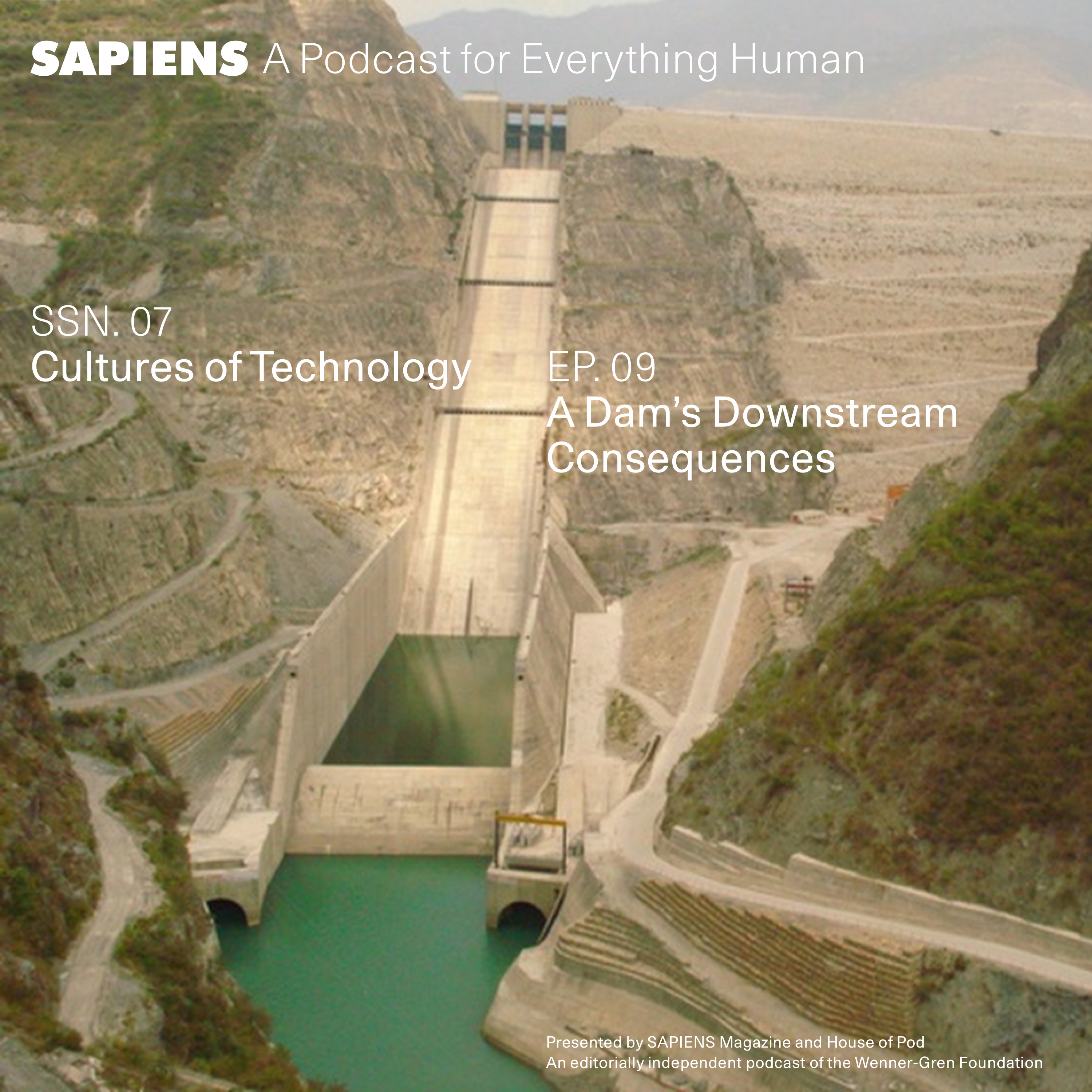
A Dam’s Downstream Consequences
Discussions about the impacts of dams around the world are often focused on the displacement of communities due to the creation of reservoirs and the submergence of towns and cities. What happens when a dam affects more people downstream than it displaces upstream? How does a dam impact humans living downstream?In this episode, Parag Jyoti Saikia shares how the Subansiri Lower Hydroelectr
Why Do We Eat at Funerals?
Funeral traditions around the world involve a range of rituals. From singing to burying to … eating. Why is food such a common practice in putting our loved ones to rest?In this episode, Leyla Jafarova, a doctoral student at Boston University, examines the role of funeral foods in different cultural contexts—from the solemn Islamic funeral rites of the former Soviet Union to the symbolic
Chatter That Matters
What role does gossip play in human societies? In this episode, Bridget Alex and Emily Sekine, editors at SAPIENS magazine, chat with host Eshe Lewis to explore gossip as a fundamental human activity.They discuss gossip’s evolutionary roots, suggesting it may have developed as a form of "vocal grooming" to maintain social bonds in groups. It also helps enforce social norms, they argue, of
The Problems of Digital Evidence in Terrorism Trials
Today most people around the world are using digital gadgets. These enable us to communicate instantaneously, pursue our daily work, and entertain ourselves through streaming videos and songs. But what happens when our past digital activities become evidence in criminal investigations? How are the data that mediate our lives turned into legal arguments?An anthropologist searches for answe
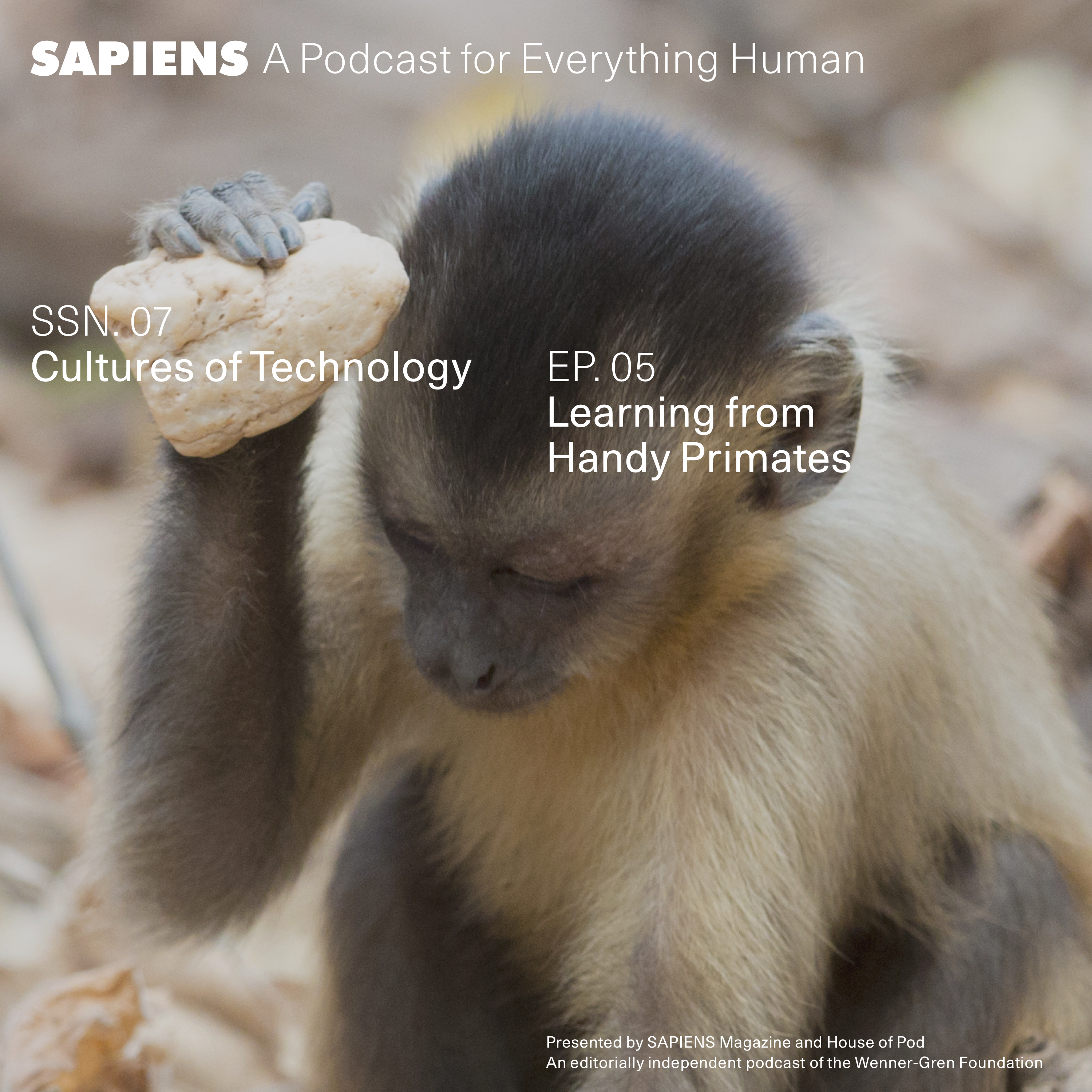
Learning from Handy Primates
Many of our primate relatives use tools. How do they use them? And why?And what do these skills mean for understanding tools across the animal kingdom, including for us humans?In this episode, host Eshe Lewis delves into a conversation with Kirsty Graham, an animal behavior researcher. Kirsty explains how primates such as chimpanzees use tools to forage. Such innovative methods to access
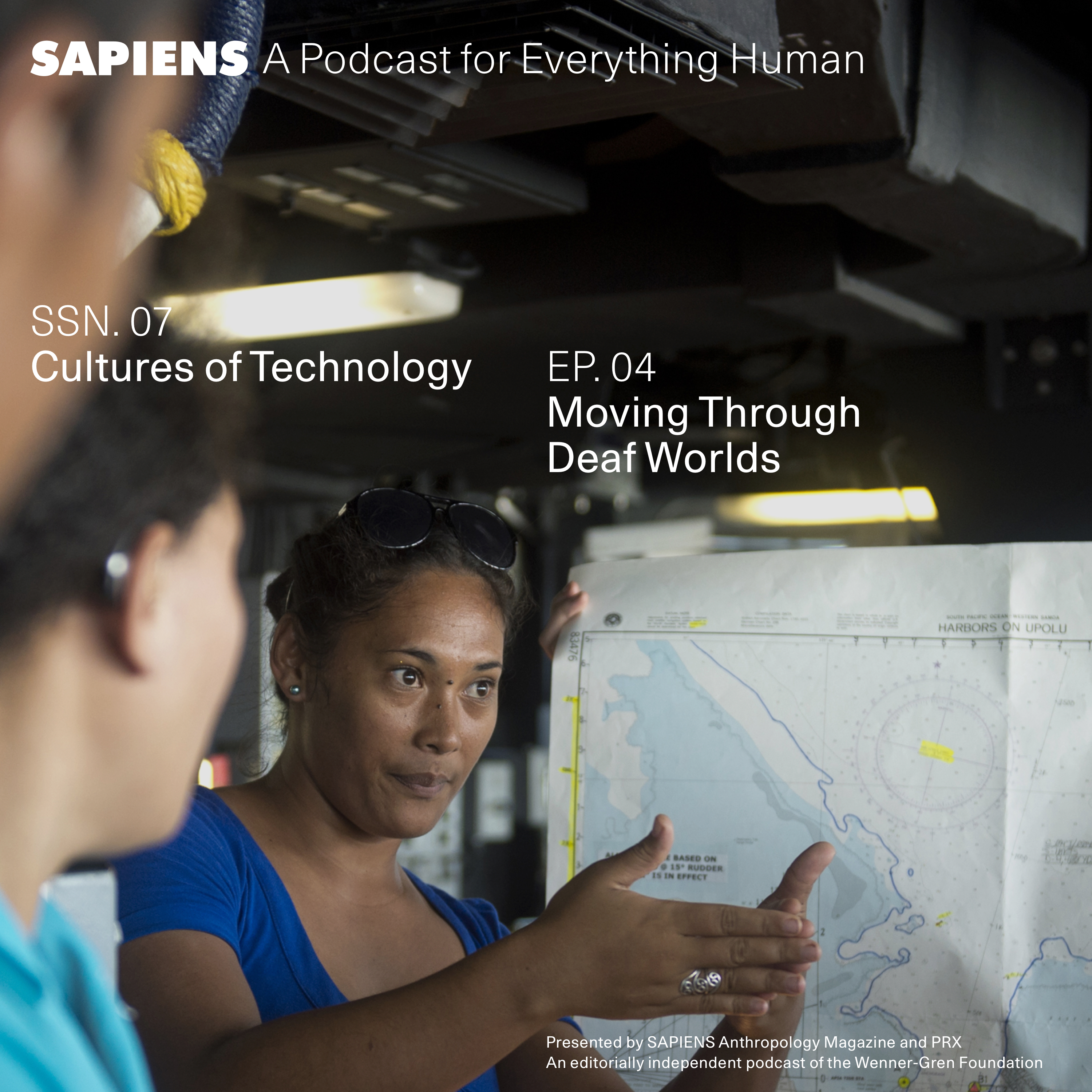
Moving Through Deaf Worlds
Why do people migrate from one country to another, leaving behind friends, family, and familiarity in search of another life elsewhere? And how might their experiences look different if they are deaf? Ala’ Al-Husni is a deaf Jordanian who moved to Japan five years ago, where he still lives with his deaf Japanese wife and their family just outside of Tokyo.Reported by Timothy Y. Loh, a hea
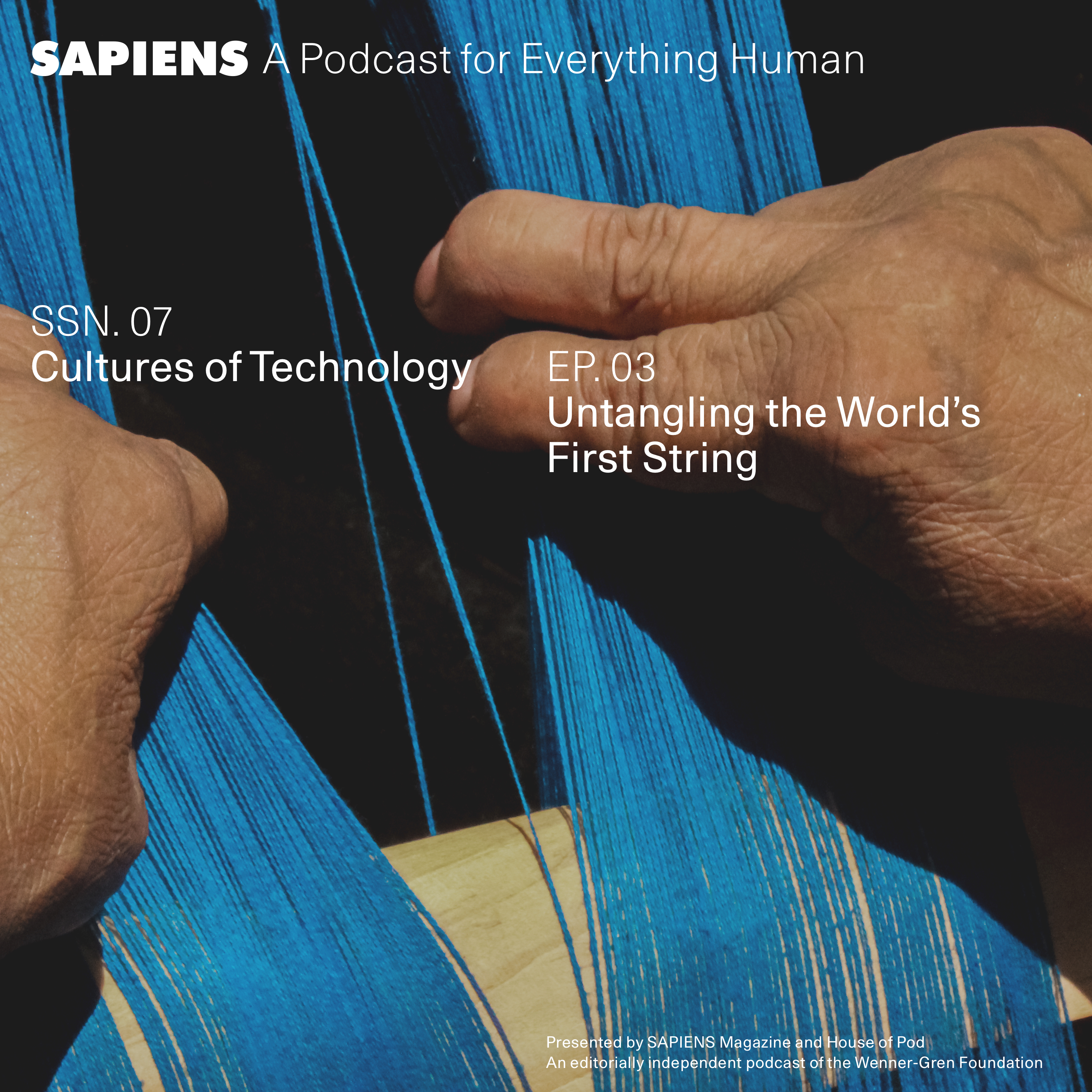
Untangling the World’s First-Known String
At the Abri du Maras site in southern France, archaeologists recovered twisted plant fibers dating back 50,000 years, suggesting Neanderthals had knowledge of plant materials and the seasonal cycles necessary for making durable string. This finding challenges a view of Neanderthals as simplistic and inferior to modern humans, highlighting their sophisticated use of technology and deep env
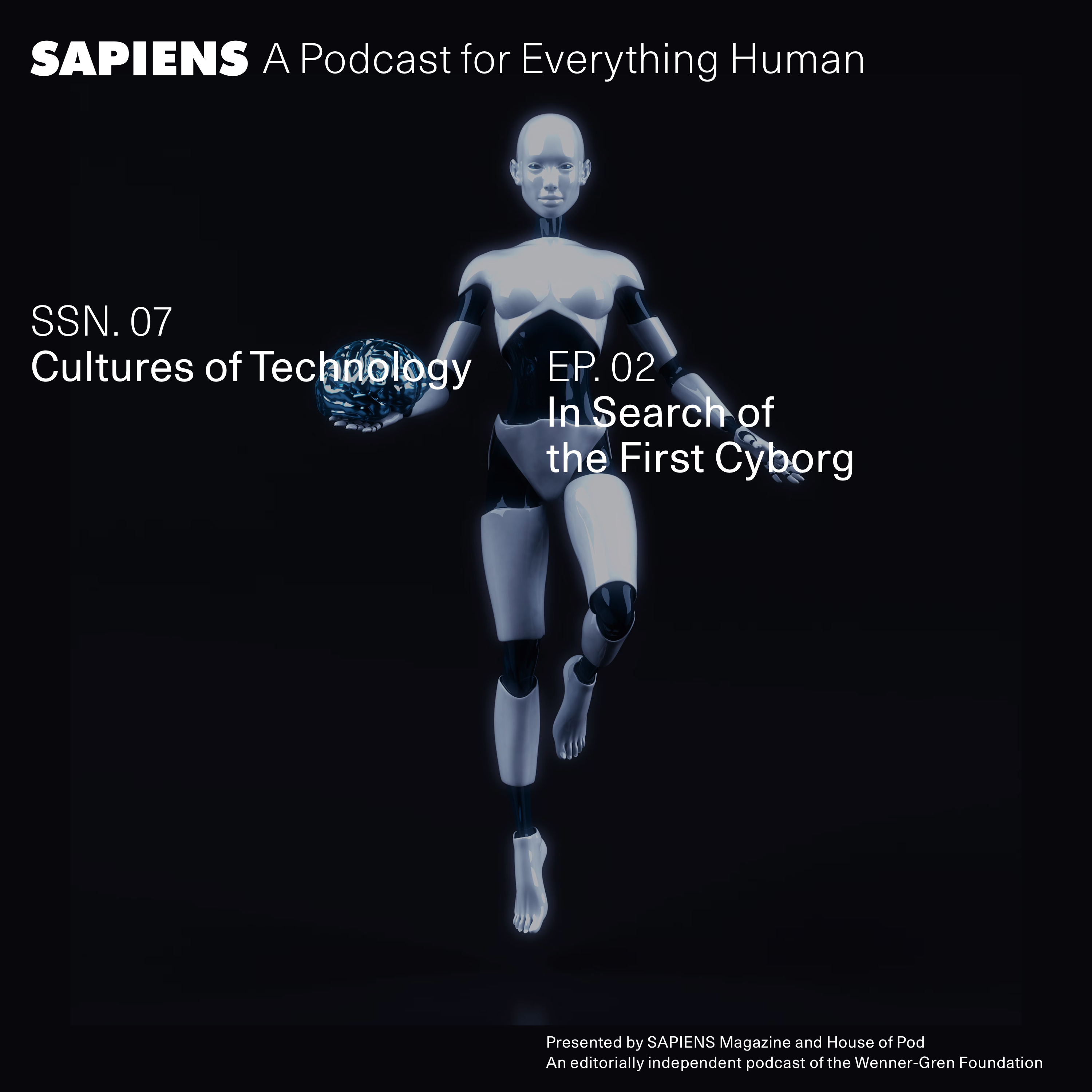
In Search for the First Cyborg
These days, a mention of cyborgs often conjures images from a science fiction future: robot arms and legs, infrared eyes, and other modified humans. However, we don’t need to look into the future to find cyborgs. In many ways, people today are already cyborgs. We are deeply intertwined with technology—from the clothes we wear to the structures we live in. But when did our relationship wit
Black Influencers Beyond the Screens
Anuli Akanegbu is the host of BLK IRL, an audio docuseries. She is also a Ph.D. candidate in cultural anthropology at New York University, conducting research on Black creatives who are contract workers in Atlanta, Georgia. In conversation with SAPIENS’ podcast host, Dr. Eshe Lewis, Anuli delves into the historical and current successes and struggles of Black influencers, content creators
Cultures of Technology: Season 7 Trailer
Since the dawn of our species, the ability to make things has made us who we are. Human-made objects, large and small, have enabled and molded evolutionary forces, sparked and expressed our imagination, guided and structured social relations, transformed and destroyed the environment–and much more.
This season of the podcast looks at how a wide range of technologies—from smartphones to c
Can We Understand One Another?
Hosts Kate Ellis and Doris Tulifau explore the perils and possibilities of the kind of fieldwork that defined Margaret Mead as an anthropologist. They provide answers to the Mead-Freeman controversy but also ask the questions that remain.
In this season finale, we circle back to the problems with coming of age … in Samoa and everywhere.
Season 6 of the SAPIENS podcast was co-produced b
Weaving Stories: Two Women Speak
We turn from Margaret Mead’s and Derek Freeman’s conflicting accounts of adolescence and sexuality in Samoa to more stories from Samoans themselves.
Author and poet Sia Figiel and activist and anthropologist Doris Tulifau are two Samoan women from different generations. Yet they share a bond and have a similar experience of terrible violence and survival.
They bravely give us a glimps
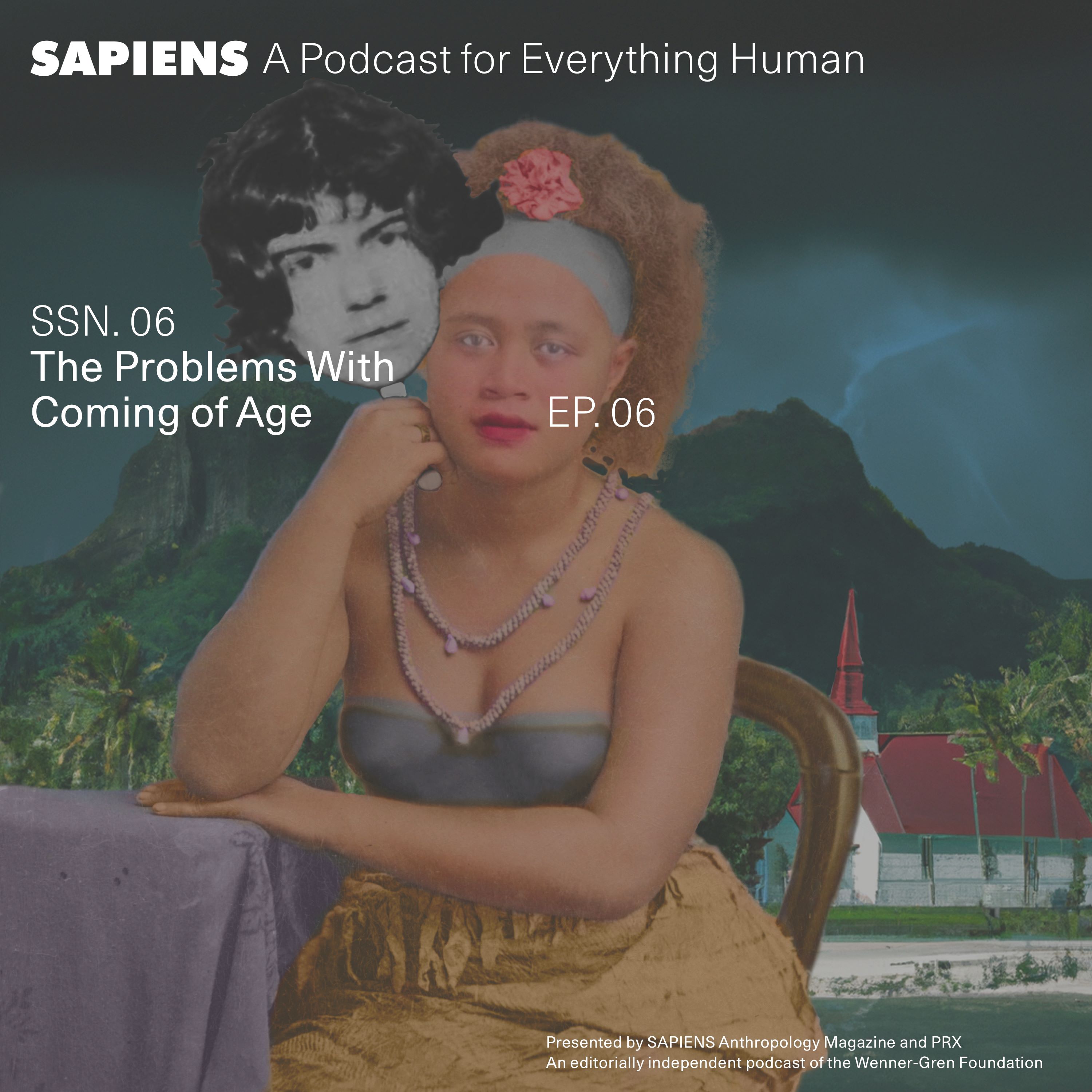
Sex, Lies, and Science Wars
After Derek Freeman publishes Margaret Mead and Samoa: The Making and Unmaking of an Anthropological Myth, the controversy heats up. Op-eds, documentaries, censure by a leading anthropological organization, and even a debate on the Phil Donahue Show all follow.
Was Margaret Mead, “the grandmother of the world,” wrong? Or was Freeman?
At stake was the heart of an academic discipline an
Bonus: Flemmie Kittrell and the Preschool Experiment
SAPIENS is happy to present this bonus episode from Lost Women of Science about another path-breaking thinker.
In the 1960s, a Black home economist at Howard University recruited kids for an experimental preschool program. All were Black and lived in poor neighborhoods around campus.
Flemmie Kittrell had grown up poor herself, just two generations removed from slavery, and she’d seen fi
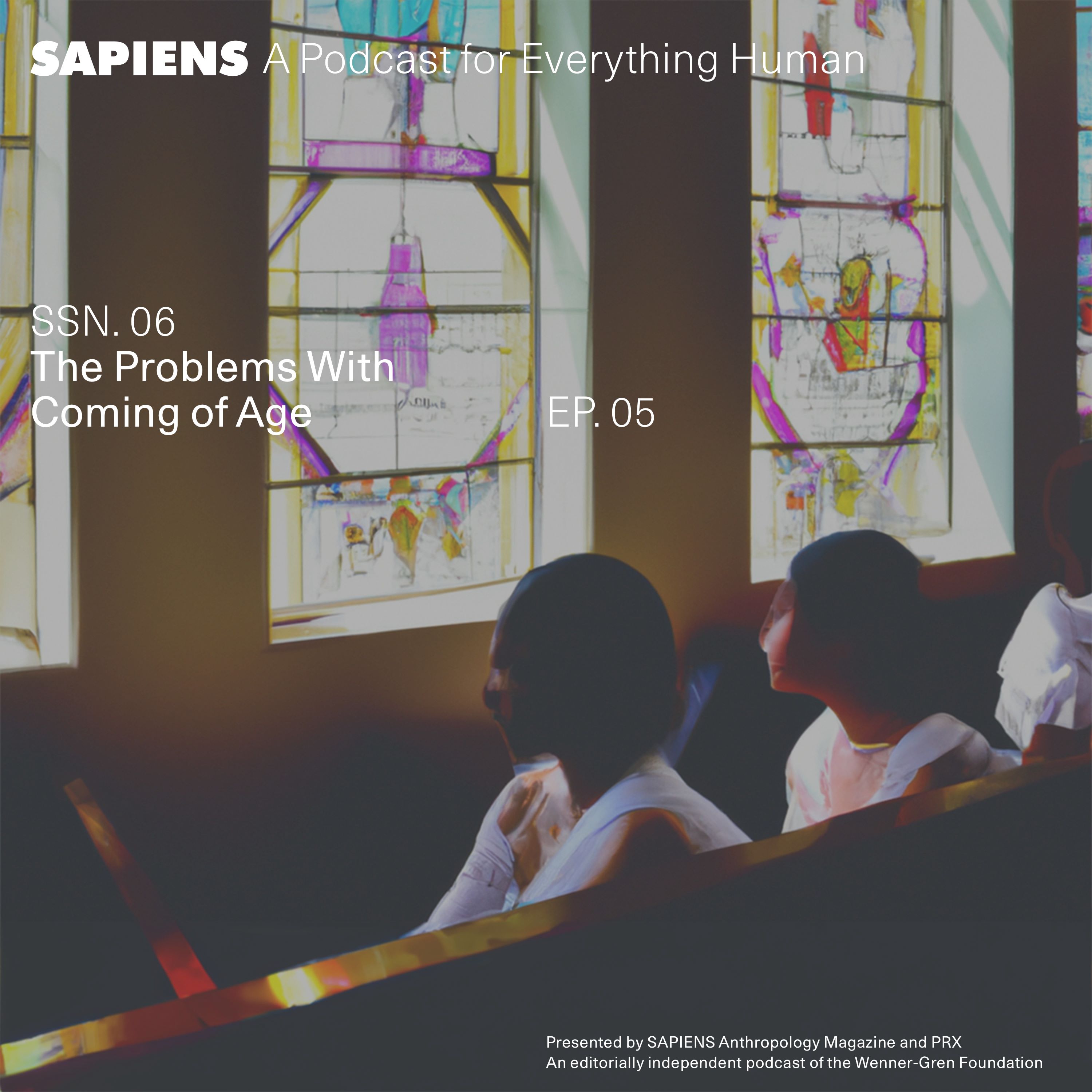
Into the Light
The first missionary arrived in Samoa in 1832, almost a century before Margaret Mead set out to study the culture of the islands. By the time she arrived, the church had been a central part of Samoan life for generations.
In this episode, Doris Tulifau explores how Christianity and colonization complicate Mead’s—and her critic Derek Freeman’s—conclusions and continue to shape Samoan iden
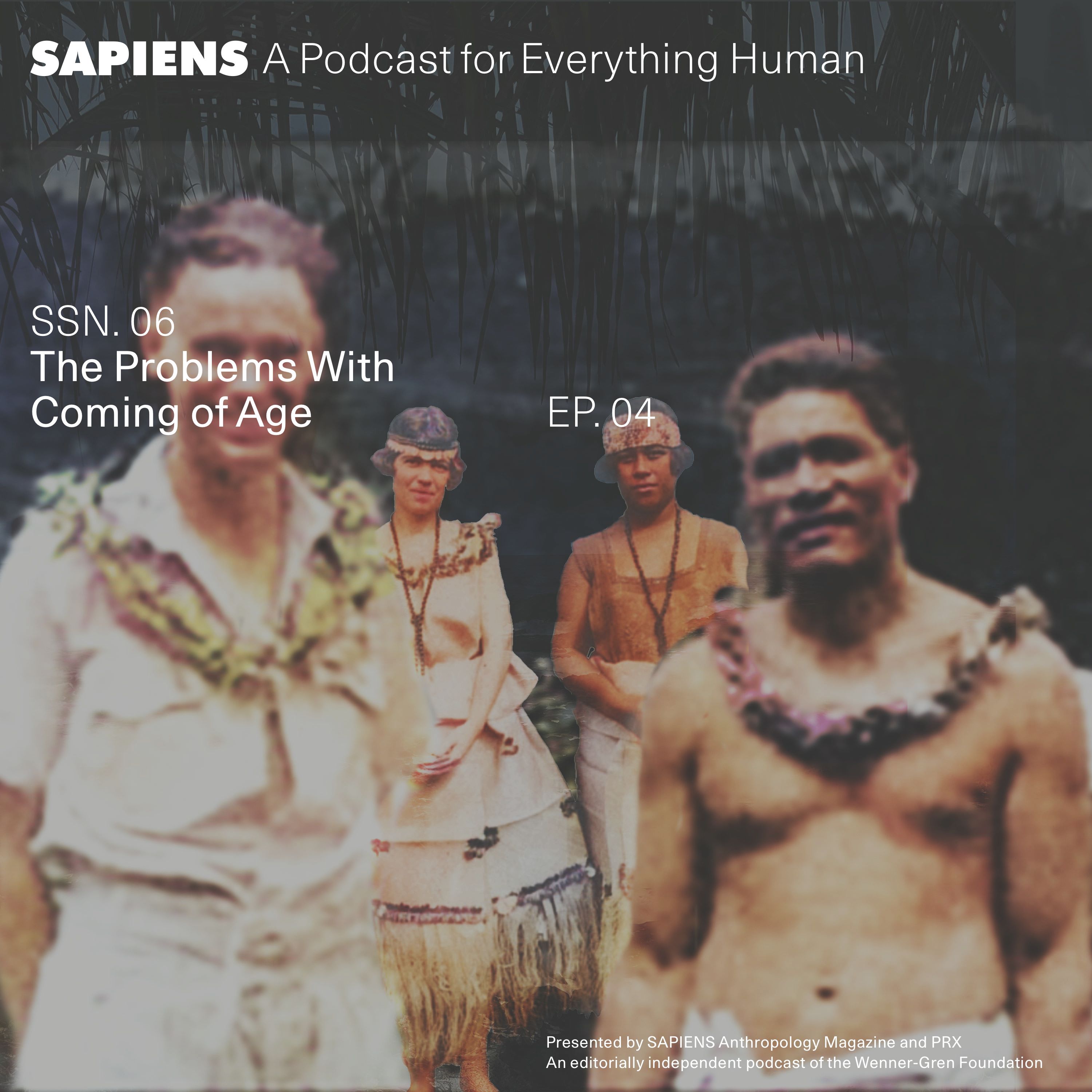
Trashing an American Icon
In January 1983, the front page of The New York Times read: “New Samoa Book Challenges Margaret Mead’s Conclusions.”
Anthropologist Derek Freeman had been building his critique of Mead for years, sending her letters and even confronting her in person. Freeman’s resulting book, Margaret Mead and Samoa: The Making and Unmaking of an Anthropological Myth, was published five years after Mea
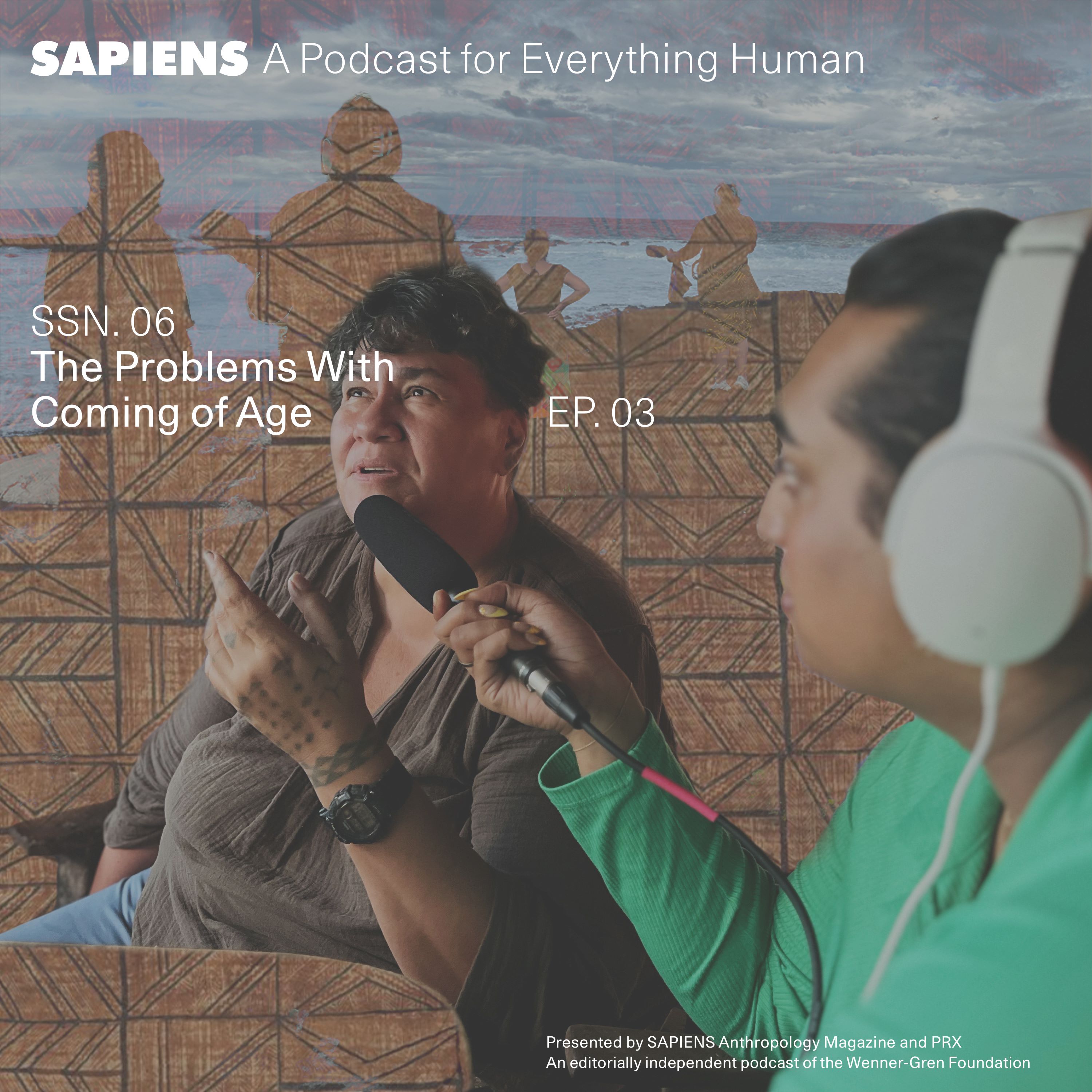
We Need to Tell Our Own Stories
Sparked by a provocative encounter in American Samoa, Doris Tulifau explores modern-day Samoan attitudes toward Margaret Mead. With a mix of voices and opinions, we encounter three loud ideas around Mead’s work, ultimately dropping us at the doorstep of Derek Freeman’s central critique about Samoan culture and society.
Season 6 of the SAPIENS podcast was co-produced by PRX and SAPIENS, a
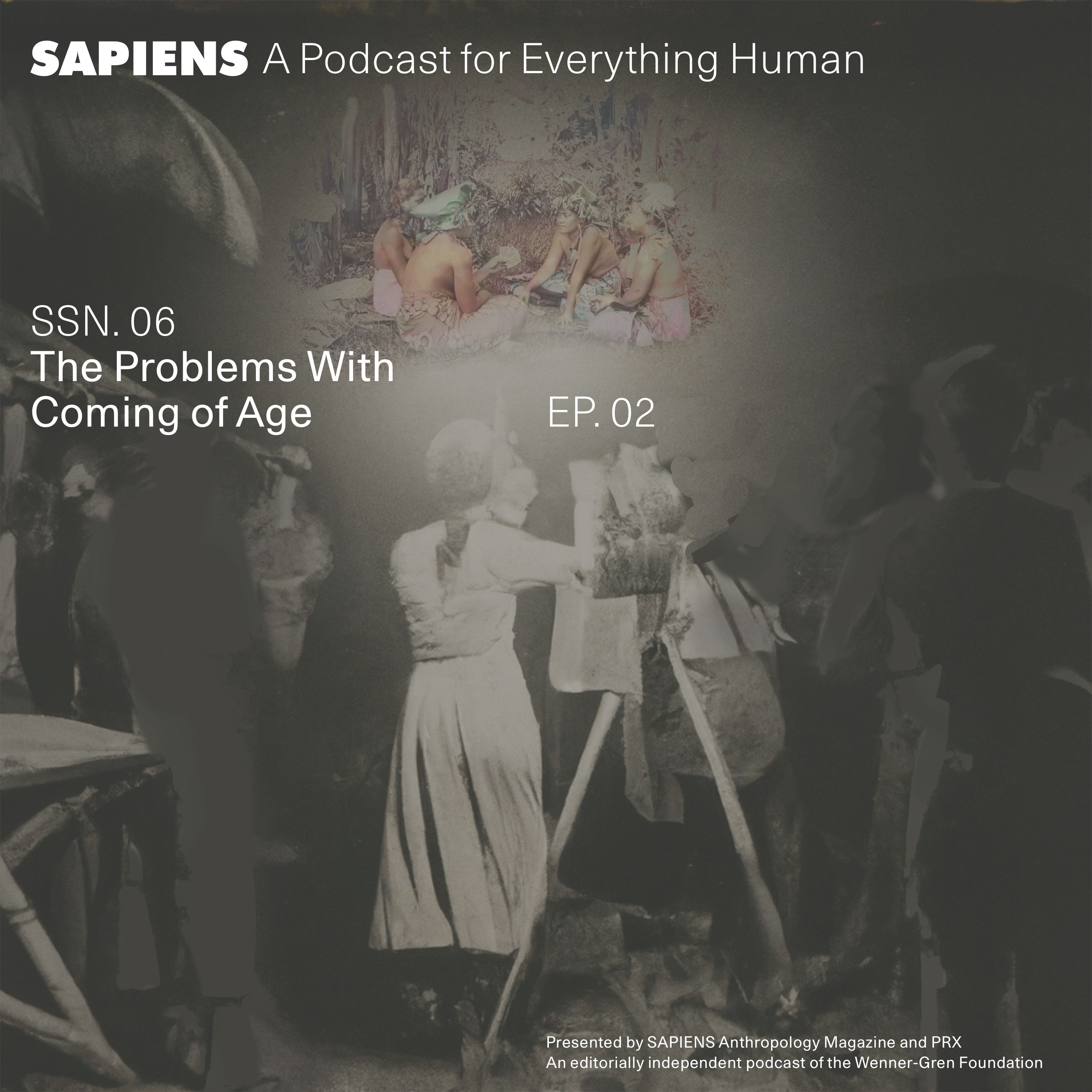
Flapper of the South Seas
In 1925, Margaret Mead set sail for American Samoa. What she claimed she found there—teenagers free to explore and express their sexuality—instantly captivated her audience in the U.S. Her book became a bestseller, and Mead skyrocketed to fame.
But what were her actual methods and motivations? We trace Mead’s legendary nine-month journey in the South Pacific.
Season 6 of the SAPIENS po
Coming of Age … Today
Being a teenager can be hard. Very hard. Our hosts Kate Ellis and Doris Tulifau recount the tough parts from their adolescence to ask whether being a teen is difficult in every culture.
It’s the question that inspired Margaret Mead, one of the most influential figures in American anthropology, to begin her research in American Samoa in 1925. And it’s the question that has sparked years
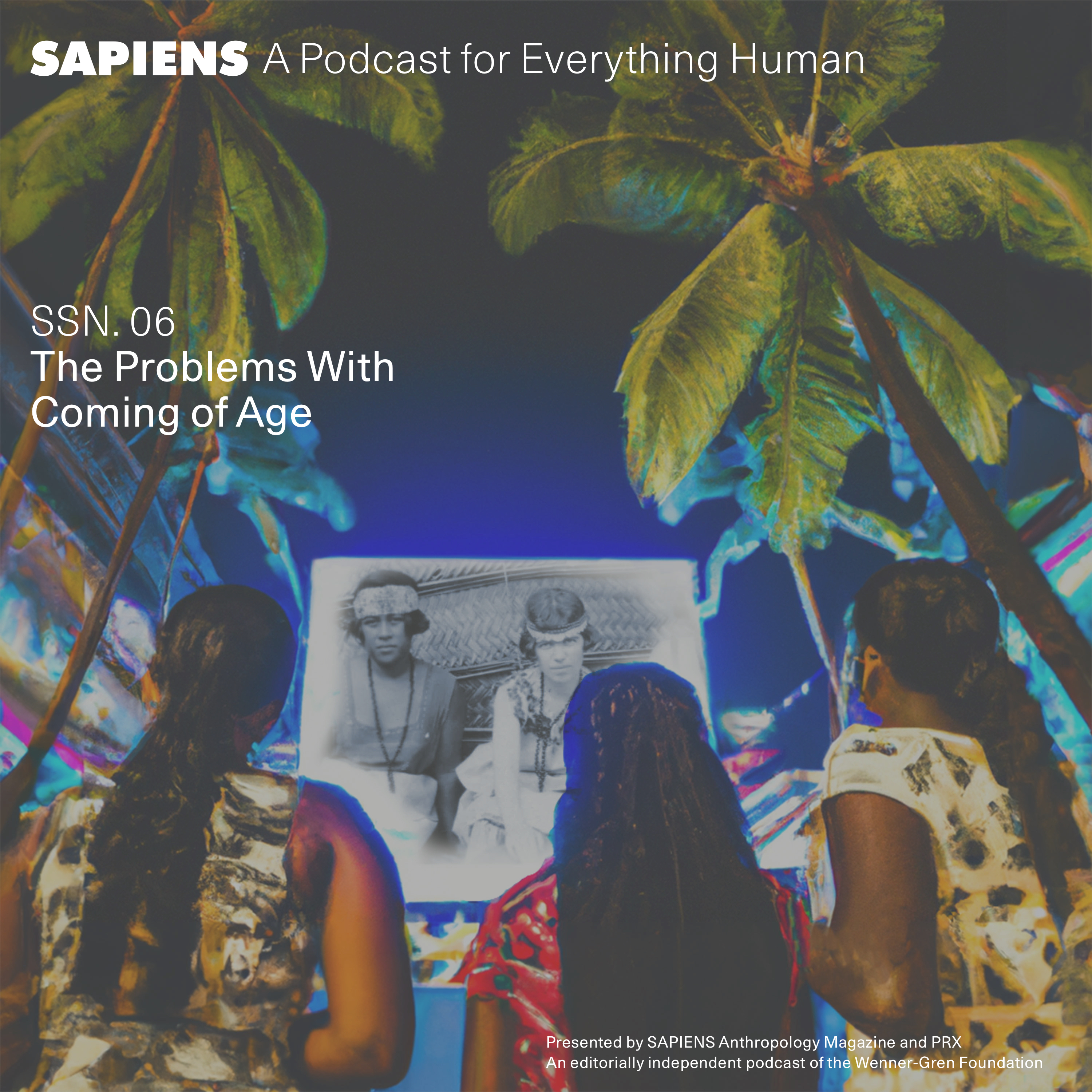
The Problems With Coming of Age: Season 6 Trailer
This special SAPIENS podcast season tells the story of famed anthropologist Margaret Mead’s epic life and controversial research to explore key quandaries about the human experience: sex and adolescence, nature versus nurture, and the question of whether it’s ever possible to fully understand cultures different from your own. In addition, we hear from Samoans themselves about their views
Introducing: Going Wild
The chart-topping and Signal Award-winning podcast “Going Wild with Dr. Rae Wynn-Grant” has returned for a brand new season. Produced by Nature on PBS, “Going Wild” is a sound-rich podcast about the human drama behind saving animals. This season, host and acclaimed wildlife ecologist Dr. Rae Wynn-Grant takes you on a journey through the entire ecological web—from the tiniest of life forms
Introducing: The Disappearing Spoon
Archaeologists around the world have long unearthed skulls with holes in them. But they were usually dismissed as natural accidents—the result of infections, birth defects, or animal bites. But in 1864 an archaeologist named Ephraim George Squier found a skull in Cuzco, Peru with a hole that was clearly not natural—it was square-shaped. The hole also showed signs of new bone growth around
Introducing: The Bioneers – Revolution from the Heart of Nature
The Bioneers: Revolution From the Heart of Nature is an award-winning, international radio and podcast series. Free to everyone, this series offers listeners and radio stations the opportunity to experience the conference year-round, and allows access to in-depth interviews with leading social and scientific innovators. It highlights diverse voices of grassroots leaders and voices that ar
Introducing: Outside/In
Outside/In from New Hampshire Public Radio is a show about the natural world and how we use it. The show combines solid reporting and long-form narrative storytelling to bring the outdoors to you wherever you are. The program casts a wide net across the environmental spectrum. They do fun explorations of nature, with lots of sound design and immersive scenes; they cover climate change and
Introducing: Blind Plea
Deven Grey, a young, isolated mother in Alabama, reached a point of no return on December 12, 2017. She shot and killed her boyfriend, John Vance. Rather than face a jury, Deven accepted a “blind plea” deal. This is Deven’s story, reclaimed. From Lemonada Media, this is Blind Plea.
You can listen to Blind Plea at https://link.chtbl.com/BlindPleaPodcast
Show notes:
This series is crea
Finding Mrs. Jackson
When archaeologists excavate, they have some idea of what they will find in the ground. But in 2016, a team of archaeologists from the University of Massachusetts, Boston, was genuinely surprised when they uncovered a Victorian-era cache. In the process, they forged an uncommonly deep connection with an individual from the past.
Narrated by Anya Gruber, this story shows how archaeology
Aneho’s Disappearing Coast
Aneho is a little historic West African town that is disappearing due to coastal erosion. But locals defy the sea and continue to live on the water’s edge. In this episode, we hear how their decision to stay in the face of an ever-approaching shoreline affects life along the coast and beyond.
As reported by Koffi Nomedji, a doctoral candidate in cultural anthropology from Lomé, Togo, we
The Conversion of Julio Tiwiram
Julio Tiwiram is a famous shaman in southeast Amazonian Ecuador. He is also a leading political figure among the Shuar people of Bomboiza. Growing up at the crossroads of social change and colonial conflict, his path to shamanism was anything but straightforward.
As reported by Sebastián Vacas-Oleas, a social anthropologist working with the Shuar people of Bomboiza, we learn how a myste
People of the Peppers
The world over people live with plants. Whether it’s in apartment bedrooms or backyards, it’s hard to find a human who doesn’t have some relationship with a plant. Enter paleoethnobotany, a field of archeology that examines plant remains to understand the historic alliance between humans and their vegetation. In this episode, host Eshe Lewis interviews archaeologist Katie Chiou to explore
The Power of Criminal Prosecutors
Anyone who is in prison has been charged for a crime by a prosecutor. The charges are important because they determine someone’s punishment. How do prosecutors make their charging decisions? And what are the long-term impacts of those decisions?
Reported by Esteban Salmón, an anthropologist born and raised in Mexico City, we learn just how powerful a charging decision can be in the Mex
I Do This for You, Mom
Jeri Hutton Green is a mother, daughter, and advocate for survivors of domestic violence and homicide in Baltimore, Maryland. Her journey as an advocate began when her mother went missing in April 2020. A text message launched a 2-year battle for justice for her mother and other missing Black women.
Reported by Brendane A. Tynes, a doctoral candidate in anthropology and an interpersonal
A Story of Icelandic Skulls
“Prime harvest”—that’s how one early 20th-century explorer described his collection of Icelandic human skulls. But why did he “harvest” those skulls in the first place? And what should happen to them now more than a century after they were collected? This case of the Icelandic skulls reveals an interconnected story of eugenics, international law, and the limits of current repatriation eff
SAPIENS Podcast Season 5 Trailer
Being human is complicated. We require food and shelter. We have histories to contend with. We create rituals to control fate. We steal. We fight. We kill. We love. We shape the environment to suit our needs—sometimes with terrifying results.
This season of the SAPIENS podcast embraces the diversity of human experience, digging deep into our human past and how we live today. The throughl
Introducing: Whetstone Radio Collective
Today, we're sharing a teaser from our friends at Whetstone Magazine. They've started something called the Whetstone Radio Collective (WRC). The WRC is a collection of podcasts telling narrative stories through the lens of food anthropology.
To learn more, visit: https://www.whetstonemagazine.com/radio
Repatriation Is Our Future
The Native American Graves Protection and Repatriation Act of 1990, or NAGPRA, is supposed to curb the illegal possession of ancestral Native American remains and cultural items. But a year after it was passed by the U.S. federal government, a significant African burial ground in New York City was uncovered. And there was zero legislation in place for its protection. Dr. Rachel Watkins sh
Slavery, Sustenance, and Resistance
Archaeology helps reimagine a fuller range of experiences, including how people ate, innovated, and rebelled. In this episode, “slave cuisine” opens a window to honor the legacy of Black creativity, resistance, and community.
Dr. Peggy Brunache, a food historian and archaeologist, finds shellfish remains in a village of enslaved people, uncovering an untold story of how people found way
More than a Mountain
The sky island of Dzil Nchaa Si'an is more than a mountain. It is a significant landmark in Arizona for Apache tribal members to collect medicinal plants, perform ceremonies, and connect with their ancestors. It is also a site of resistance against the development of an observatory informally known as the “Pope Scope,” for its ties to the Vatican.
(00:01:47) A history of competing i
Curating as Caretaking
In this episode, museum curators challenge the status quo and connect their ancestry to advance how history is told in cultural institutions. Mary Elliot brings listeners behind the scenes into the Slavery and Freedom exhibition at the Smithsonian's National Museum of African American History and Culture. And Dr. Sven Haakanson helps re-create an angiaaq, which is like a kayak, at the Bur
At the Heart of It All
For its practitioners, archaeology can feel like it is unearthing events deep in the past … until it doesn’t. What is the experience of researchers who discover their life stories are tied to an archaeological site? Dr. Kisha Supernant and Lenora McQueen share their journeys to the unmarked graves of First Nations and Métis peoples and African American burial grounds, respectively, and ho
Redrawing Boundaries
For many, archaeology means digging up historical artifacts from beneath the ground. But to some, that framework is also violent and colonial. What would it mean to leave ancestors and belongings where they’re found? In this episode, Gabrielle Miller, a PhD student studying African Diaspora Archaeology at the University of Tulsa shares a story about excavations in St. Croix. And Dr. Ayana
Guided by the Past
Hosts Dr. Ora Marek-Martinez and Yoli Ngandali share how they found their way to archaeology and what it means to be Black and Indigenous archaeologists. From defying the status quo in a classroom to diving through sunken ships, Ora and Yoli bring listeners on a journey of reclaiming stories and reimagining history.
(00:00:10) How hosts Dr. Ora Merek-Martinez and Yoli Ngandali met.
(
Our Past is the Future
We're launching a new season, asking what makes you … you? And who tells which stories and why? SAPIENS hosts Ora Marek-Martinez and Yoli Ngandali explore stories of Black and Indigenous scholars as they transform the field of archeology and the stories that make us … us.
(00:00:02) Meet Dr. Ora Marek-Martinez and Yoli Ngandali.
(00:00:51) How season four came to be.
(00:01:53) Seaso
A Startling Link Between Neanderthals and COVID-19
SAPIENS host Chip Colwell speaks with evolutionary geneticist Hugo Zeberg about his surprising discovery of a connection between Neanderthal DNA and a greater risk for severe COVID-19. Zeberg is also a researcher at the Karolinska Institutet in Sweden and the Max Planck Institute for Evolutionary Anthropology in Germany.Read the paper in Nature Zeberg co-authored announcing the discovery:
Moments of Resilience Amid a Pandemic
SAPIENS host Chip Colwell speaks with Melanie Adams, the director of the Smithsonian’s Anacostia Community Museum (ACM), about #Moments of Resilience, the ACM’s effort to document and eventually tell African Americans’ stories about the times we're living through now. They also discuss the unique role of a community museum, the value of oral history, and the communities the ACM serves fro
Is the Pandemic Slowing Down Love?
SAPIENS host Jen Shannon speaks with biological anthropologist Helen Fisher about her research on love, sex, and everything in between. Fisher is the author of six books, the chief scientific adviser for the online dating site Match.com, and a leading researcher on dating trends in America. In this episode, Fisher shares insights from a recent survey.
The New York Times piece Fisher ref
When at Home, Bake as the Romans Baked
SAPIENS host Chip Colwell talks with experimental archaeologist Farrell Monaco about her work re-creating ancient Roman bread and what it means to reconnect with bakers of the past. Farrell also offers some tips for pandemic-era bakers who want to take their new hobby to the next level.
For more from Farrell, her award-winning website is Tavola Mediterranea.
Read more about experiment
A Vaccine Will Not Be Enough
SAPIENS host Jen Shannon speaks with Agustín Fuentes, a professor of anthropology at Princeton University, to unpack his insight that the COVID-19 pandemic is a biosocial phenomenon. They also discuss his recent suggestion that the virus “is not the only hazard to human health and well-being” right now.
Recently elected to the American Academy of Arts and Sciences, Fuentes is a decorated
We're (Still) Going Viral
The SAPIENS podcast will return in several months, and we want you to help us understand what it means to be human amid the COVID-19 pandemic. Do you have a question, thought, or idea about what it means to be human right now? Tweet at us @SAPIENS_org, message us on Facebook, or leave us a voicemail at 1-970-368-9730.
The Problem With Abstract Threats
Everyone seems to have a story about the moment when the novel coronavirus pandemic stopped being an abstract problem “somewhere out there” and started being a very real and personal threat. In this episode of the SAPIENS podcast, hosts Jen Shannon and Chip Colwell interrogate the problem with abstract threats with the help of anthropologists Hugh Gusterson and Kristin Hedges. In closing,
What Pandemics Leave Behind
At some time in the future, the novel coronavirus pandemic will fade. What will this globally traumatic contagion leave in its wake? In this episode of the SAPIENS podcast, hosts Jen Shannon and Chip Colwell keep an eye on the future while looking to the past for answers: In the 14th century, the Black Death killed as much as one-third of the population of Europe, but it also sparked new
Police Violence and the Pandemic
SAPIENS host Jen Shannon interviews Laurence Ralph, a professor of anthropology at Princeton University. Ralph is also a co-director of Princeton’s Center on Transnational Policing, the editor of Current Anthropology, and the author of the new book The Torture Letters: Reckoning With Police Violence, which exposes the Chicago Police Department’s history of torturing black men and women, a
Could the Coronavirus Pandemic Be Good for the Environment?
SAPIENS host Chip Colwell interviews Elic Weitzel, a doctoral candidate in anthropology at the University of Connecticut, about his recent article for SAPIENS that considers how the global pandemic may impact climate change—for better or for worse. Weitzel is currently working on his dissertation on the environmental effects of the Black Death on 14th-century Eurasia and the depopulation
Preppers and the Pandemic
With the arrival of the coronavirus pandemic, the SAPIENS podcast is going viral. In this first episode of season 3, SAPIENS hosts Chip Colwell and Jen Shannon revisit a story about preppers from our first season. Jen calls Chad Huddleston, one of the anthropologists featured on that show, to find out how he and the preppers he studies are handling the COVID-19 crisis. In closing, Chip re
What Does it Mean to be Human? Your Questions, Answered
In this season 2 finale of the SAPIENS podcast, hosts Jen Shannon, Chip Colwell, and Esteban Gómez field questions from listeners on Twitter and at the Denver Museum of Nature & Science about what it means to be human. They address human origins and self-awareness, discrimination, social media, and more!
You can follow all of our expert guests on Twitter: Augustin Fuentes at the Univ
Does Generosity Come Naturally?
Until very recently, Colin Turnbull was the only anthropologist who had lived and studied with both the Mbuti people of the Congo region and the Ik of Uganda. Because of his writings, one community became known for its egalitarianism and the other for its selfishness. His observations of the Ik in particular, as “inhuman” and “inhospitable,” led to them being dubbed as “the loveless peopl
How Belonging Shapes the Vaccination Crisis
Anthropologist Elisa Sobo never wanted to study the issue of vaccination. The topic was too fraught, she says, and she didn't want to touch it. But then she initiated a children’s health study at a school in California. Today her work on vaccine hesitancy offers insights into how those on opposing sides might better understand each other and work through this highly controversial issue.
The Deep Roots of Navajo Country Music
What is it about certain musical traditions that cause them to take root in communities far away from where they originated? Anthropologist Kristina Jacobsen leads SAPIENS hosts Jen Shannon and Chip Colwell on a musical journey into the U.S. Southwest to understand the phenomenon that is Navajo country music. In addition to authoring the book The Sound of Navajo Country: Music, Language,
Are Colors Universal?
How do language, biology, and culture shape an individual’s experience of color? A journalist investigates the anthropological debate about whether color is a human universal.
Remember the meme #TheDress? Was it white and gold, or blue and black? With the help of Nicola Jones, a freelance science journalist who writes for Nature and SAPIENS, SAPIENS host Jen Shannon explores the questio
Stringing Together an Ancient Empire’s Stories
Anthropologist Sabine Hyland attempts to uncover the secrets held in twisted and colored Andean cords called khipus. Thanks to the collaborative approach of anthropologist Sabine Hyland and local communities, outsiders are finally coming to understand what these khipus mean—for the people of the Andes and for the rest of us.
Sabine Hyland is a professor of anthropology at the University
Do You Dream What I Dream?
Anthropologist Roger Lohmann sees a ghost in a dream while working in Papua New Guinea. Even though he knows it's just a dream, he's scared long after he wakes up. To make sense of his dream, Lohmann explores the role dreams play in our waking life and how different cultures make sense of dream worlds. Do all humans dream the same? Or do the cultures we are immersed in shape our dreams? L
What to Expect When You’re Not Expecting Down Syndrome
When Thomas Pearson’s newborn daughter was diagnosed with Down syndrome, it changed the course of his life forever. Pearson joins SAPIENS hosts Jen Shannon and Chip Colwell to talk about his story, how his training in anthropology prepared him for his daughter’s diagnosis, and what he hopes other people can learn from his experience. Pearson is a professor of cultural anthropology at the
Where Have All the Denisovans Gone?
The Denisovans have long been one of the most elusive ancient human cousins, until now. In May 2019, scientists revealed the first fossil evidence of Denisovans outside of the Denisova Cave in Siberia. As the historical human family tree grows, what are we learning about why we're the only ones left? In this episode, we pose this question to science journalist Carl Zimmer, a columnist for
Eating Insects and the Yuck Factor
How come some people think eating insects is disgusting? Join SAPIENS hosts Jen Shannon and Chip Colwell as they dine on many-legged delicacies and delve into the world of entomophagy with anthropologist Julie Lesnik, author of the new book Edible Insects and Human Evolution.
Julie is a professor of anthropology at Wayne State University. She tweets @JulieLesnik and her website is at www
Season 2 is Coming Soon and We Want to Hear From You
Hello fellow sapiens!
We’re coming back with new episodes starting on July 30. This season is just a little different, though. SAPIENS hosts Jen Shannon and Chip Colwell are still asking big questions about what it means to be human, but this time they’re jumping off from some of the best stories from Sapiens.org, and culminating in questions... from you!
If you have a query about what
Recommended

Solved Murders - True Crime Stories
紐約鳥|New York Aperture
The Swerve Podcast: Obscure Topics | Conspiracy Theories

The Bread and Banter Podcast
The Church of What's Happening Now: The New Testament
Busted Open

Deadline: White House

Crickets Corner

History of the Earthquake and Fire in San Francisco

Fox news

K-Drama Obsessed Mamas | Beyond “Just One More Episode!”

True Crime Classics
