
Life Notes
Life Notes is a daily podcast offering wisdom and inspiration. Each episode shares meaningful lessons, stories, and reflections that aim to bring clarity and spark positive change. The show covers everything from short insights to deep life lessons, helping listeners pause, reflect, and see life from a fresh perspective. It is produced by Podcai Studio.
Episodes

The Invisible Language Of Mutual Attraction
Explains several psychological signs that indicate romantic attraction may be mutual between two people.One key indicator is subconscious mirroring, where individuals naturally imitate each other’s body language, gestures, or tone. Playful teasing and flirting are also common, as they create emotional closeness and signal comfort.Another important sign is physical contact, such as light touches, w

Fake Empathy Is Narcissism in Disguise
Explains how to recognize people who pretend to be empathetic but are actually motivated by ego rather than genuine care.One major sign is their tendency to analyze and label your emotions as if they are experts, often making confident assumptions about how you feel. If you correct them, they may become defensive or irritated, revealing that their goal was validation, not understanding.These indiv

The Psychological Origins of Lima Syndrome
Lima syndrome is a psychological phenomenon where a person in control develops empathy or emotional concern for those under their power. It is considered the opposite of Stockholm syndrome, because instead of victims bonding with captors, the captor begins to sympathize with the victim. This reaction often occurs because humans naturally form emotional connections, especially during prolonged inte

Why Your Mind Thrives Alone?
Purposeful solitude refers to intentionally spending time alone to support mental clarity and emotional well-being. Rather than being antisocial, this kind of solitude allows the brain to activate its default mode network, which plays a key role in self-reflection, creativity, and emotional processing.Stepping away from constant social interaction helps individuals recharge their mental energy, re

How Sex Addiction Hijacks the Brain?
Sex addiction is a psychological condition in which sexual urges become compulsive and begin to interfere with daily life, work, and emotional stability. Individuals may experience persistent, intrusive thoughts and gradually engage in riskier behaviors or excessive pornography use as their sense of control weakens. Over time, this pattern can harm relationships, reduce emotional connection, and l

Invisible Weights Crushing Your Child's Confidence
Explains how certain parental behaviors can negatively affect a child’s self-esteem and emotional development. Frequent comparison, harsh criticism, and unrealistic expectations can make children feel inadequate and insecure. Over time, this may increase the likelihood of anxiety and reduced confidence. In contrast, supportive parenting that focuses on encouragement, recognizing strengths, and val
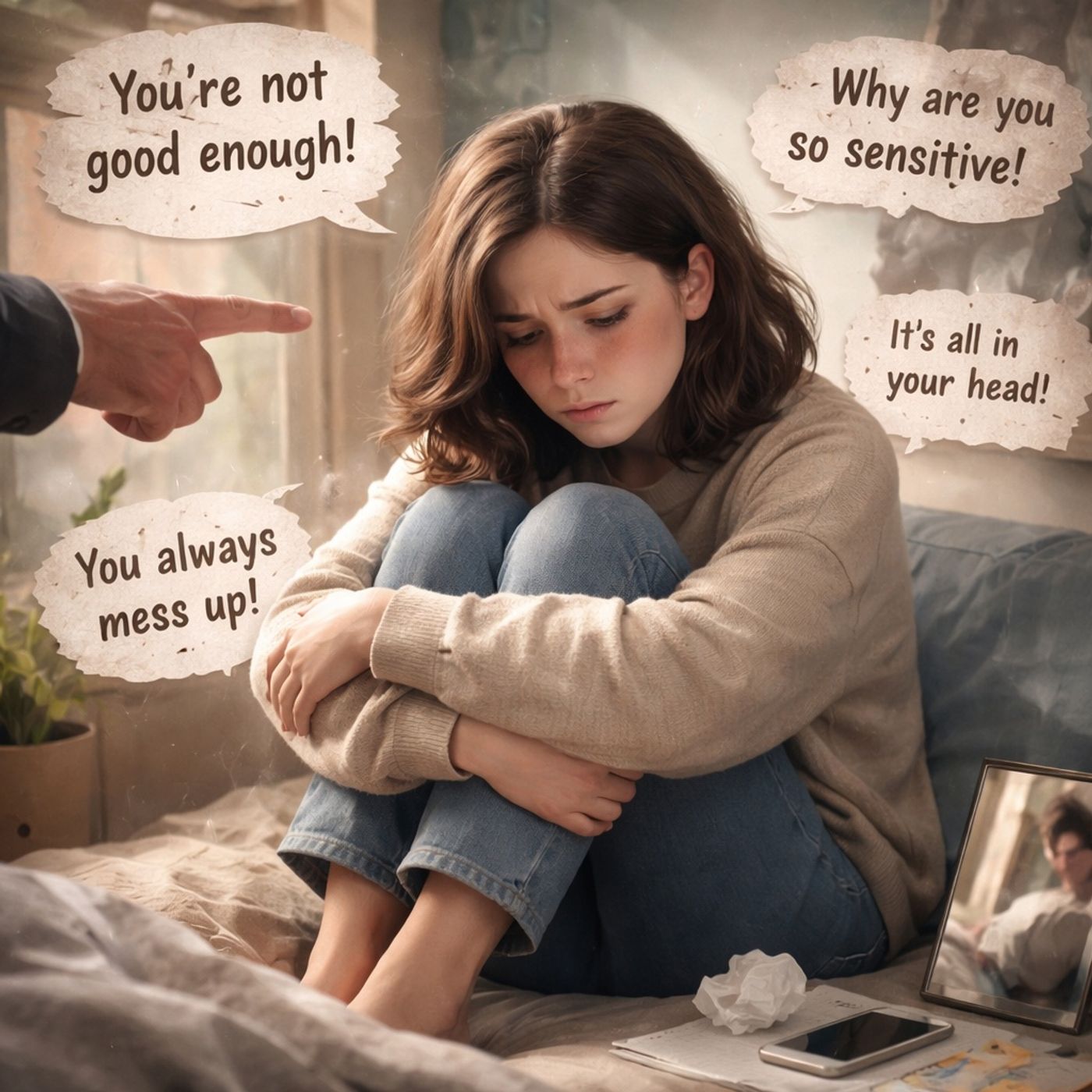
Five Toxic Phrases That Kill Confidence
Explains how harmful and dismissive words can negatively affect a person’s mental health and self-esteem. Certain phrases that minimize achievements or invalidate feelings can create self-doubt and emotional insecurity. These comments are often used to control, manipulate, or weaken someone’s confidence. Over time, repeated exposure to such language can damage a person’s sense of self-worth. To pr

A Guide to Leaving Toxic Relationships
Explains how to recognize toxic relationships and safely move on from them. It identifies warning signs such as controlling behavior, manipulation, and persistent emotional distress, which indicate an unhealthy dynamic. These relationships can be difficult to leave due to emotional attachment, fear, or psychological dependence.To break free, the guide emphasizes the importance of seeking support f

Understanding Burnout: Signs, Habits, and Recovery Strategies
Explains that burnout is a state of extreme physical, emotional, and mental exhaustion caused by prolonged, unmanaged stress. It is different from laziness or ordinary stress, as it often involves loss of motivation, detachment from work or responsibilities, and declining physical health. Signs can include depersonalization, lack of passion, chronic fatigue, and even serious conditions like insomn

Breaking Your Addiction to a Ghost
Obsessive love is driven by a mix of brain chemistry and emotional vulnerability, making it feel intense and hard to control. Chemicals like dopamine and oxytocin reinforce feelings of pleasure and attachment, creating a cycle where the person becomes emotionally dependent. At the same time, low serotonin levels can contribute to intrusive thoughts and constant mental fixation on the other person.

The Quiet Magnetism of True Charisma
Genuine charisma isn’t about looks, loud confidence, or trying to impress people. It comes from inner qualities that make others feel comfortable, respected, and emotionally safe.Charismatic individuals tend to be excellent listeners, giving full attention and making others feel truly heard. They also carry a calm, grounded presence, which naturally puts people at ease. Instead of seeking validati

Stop Treating Your Mind Like An Enemy
This guide highlights self-compassion as a key tool for overcoming burnout and reducing internal pressure. Instead of constantly pushing harder, it encourages caring for your physical needs, such as drinking enough water, eating consistently, and spending time outdoors to reset your mind.It also emphasizes working smarter, not harder—by breaking difficult tasks into manageable parts and allowing y
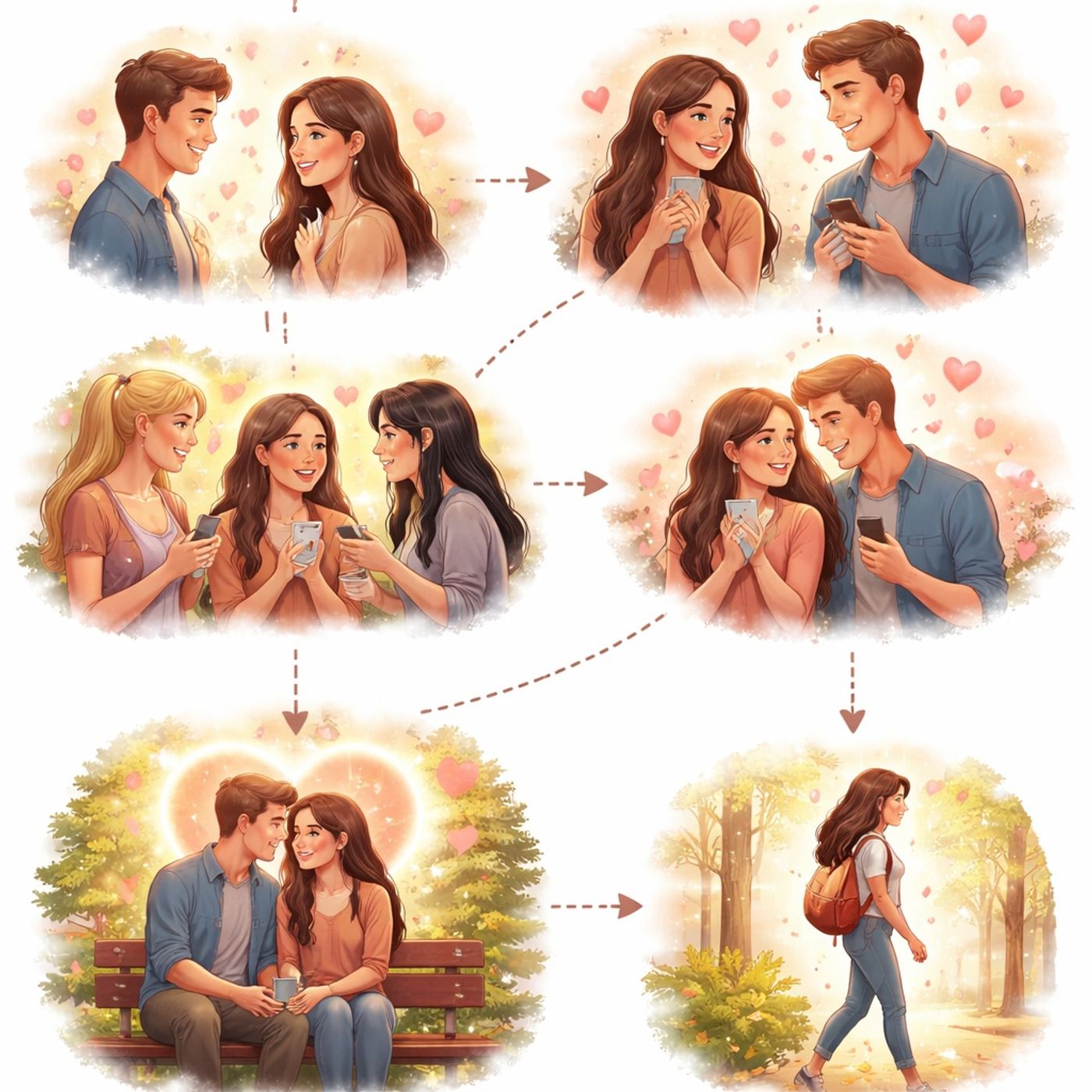
The Six Stages of a Romantic Crush
Explains that developing romantic feelings usually follows a series of emotional stages rather than happening all at once.It begins with a spark of attraction, where something about the person captures your attention. This is followed by growing curiosity, leading you to notice details about their personality, habits, and life. As emotions deepen, the stage of infatuation brings excitement, daydre

The Architecture of Trauma and the Path to Neuroplasticity
Explains that trauma doesn’t just affect emotions—it physically reshapes how the brain functions.When a person experiences trauma, the brain shifts into a long-term survival state. The amygdala, which detects threats, becomes overactive and constantly scans for danger. At the same time, the prefrontal cortex, responsible for logical thinking and emotional regulation, becomes less effective, making
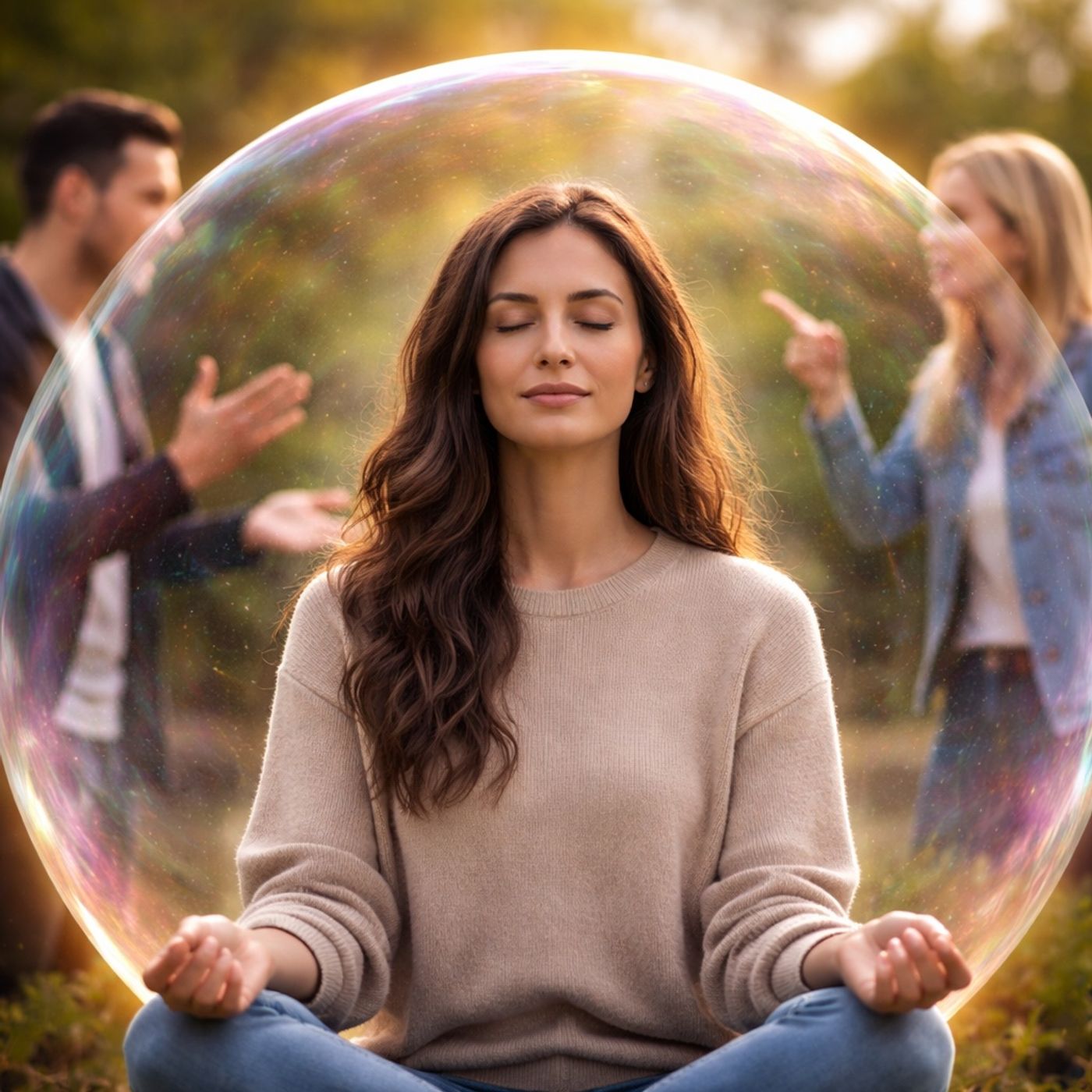
Why Being Nice Makes Them Meaner ?
Explains that the key to distancing yourself from toxic people is not trying to change them, but changing how you respond to them.Toxic individuals often rely on emotional reactions—such as anger, over-explaining, or seeking their approval—to maintain influence. When someone begins to regulate their emotions and stops reacting intensely, the toxic person loses the control and attention they depend

The Toxic Psychology of Instagram Wisdom
Argues that many popular motivational quotes sound inspiring on the surface but can actually encourage unhealthy mindsets and behaviors when taken literally.One major issue is that some quotes promote self-sacrifice without limits, especially in relationships. Advice like “never give up on someone you love” can push people to tolerate disrespect, manipulation, or emotional harm instead of recogniz
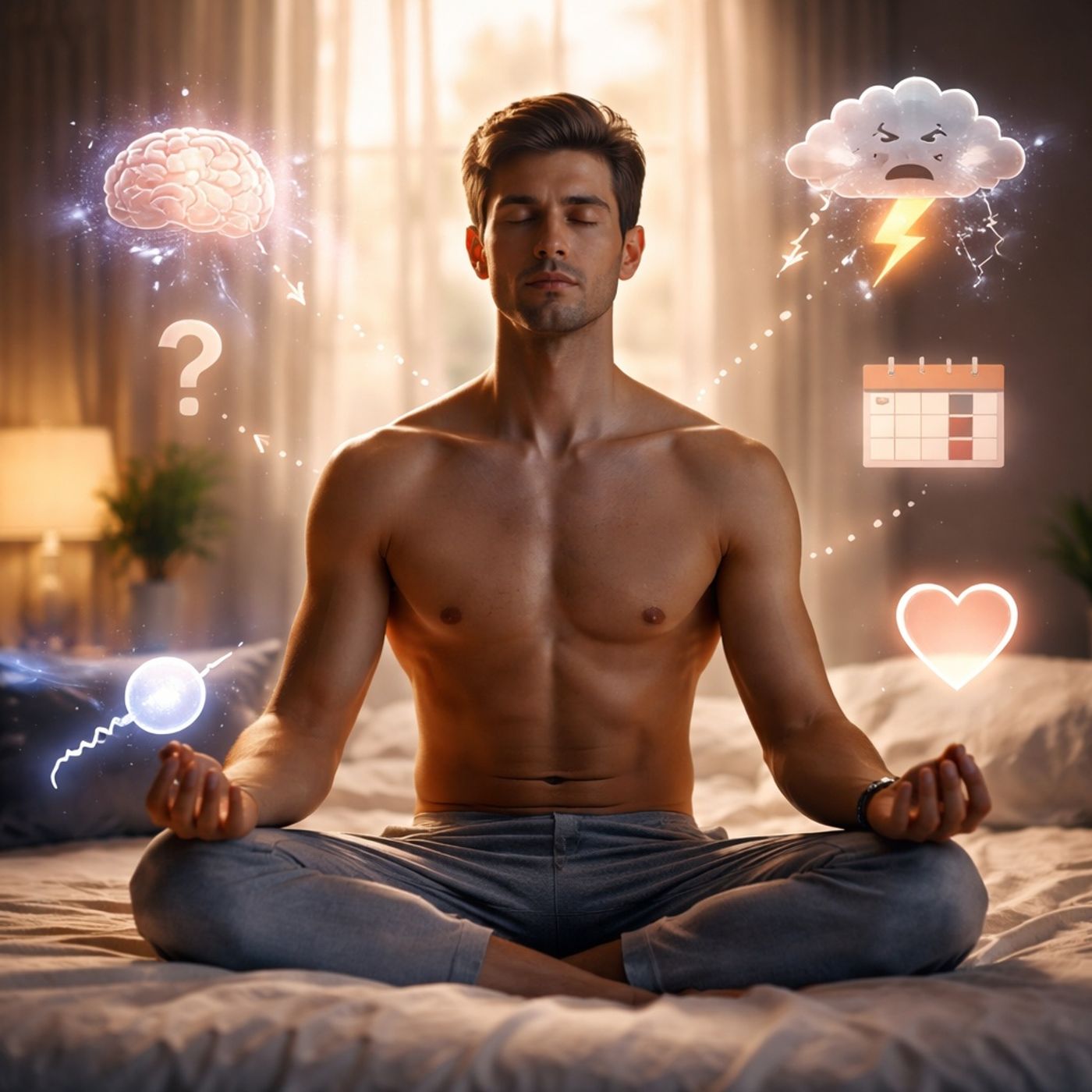
The Science and Myths of Semen Retention
Examines the practice of semen retention, highlighting both physiological and psychological aspects without endorsing exaggerated claims.It notes that while online trends often promise heightened energy, focus, or confidence, scientific evidence supporting these effects is weak or inconclusive. In reality, abstaining from ejaculation can trigger a reward-system response in the brain, sometimes lea

Escaping the Friend Zone
Explains why some people remain in one-sided platonic relationships instead of developing romance.Key factors include a lack of clear communication and failing to express romantic interest early, which signals to the other person that the relationship is purely friendly. Fear of rejection, prioritizing the friendship over personal desires, or acting in a sibling-like manner can unintentionally rei
Why Selfish People Actually Hate Themselves?
Distinguishes genuine self-love from harmful selfishness and explains its importance for mental well-being.Unlike narcissists, who depend on external validation, individuals practicing self-care develop internal confidence and emotional resilience. Essential habits include setting healthy boundaries, showing self-compassion during setbacks, and pursuing personal growth without harming others.By em

Why 60% of Young Men Are Single ?
Explains why many young men are disengaging from the modern dating scene.Factors include online dating platforms that concentrate attention on a small percentage of users, leaving many feeling rejected and invisible. To cope, some turn to digital substitutes like adult content, which can increase social isolation.Unrealistic social media standards around wealth, appearance, and lifestyle further i

Why Good Enough Feels Impossible?
Distinguishes clearly between perfectionism and obsessive-compulsive disorder (OCD), noting that they are often incorrectly treated as the same. Perfectionism is described as a personality trait involving high standards and a preference for order that remains largely within conscious control. In contrast, OCD is a clinical mental health disorder marked by intrusive, unwanted thoughts and compulsiv

Spotting Toxic Friends Disguised As Flowers
Presents a clear framework for recognizing toxic friendship patterns, such as competitive underminers, controlling manipulators, energy vampires, and perpetual victims. It explains how these dynamics are often masked by guilt-tripping, poor empathy, and repeated violations of personal boundaries, which gradually erode self-esteem. By paying attention to red flags like unreliability, subtle hostili

You Are Less Alone Than You Think
Reframes loneliness as a normal and meaningful emotional signal rather than a fixed condition. It emphasizes that well-being depends more on the depth and trust within relationships than on the number of social connections. Having even a single person to rely on for support, advice, or shared experiences can greatly reduce feelings of isolation. The source also suggests that smaller, intentional s

Why Red Flags Feel Like Home?
Explains that people often normalize toxic relationship behaviors because they resemble the emotional patterns learned in childhood. Growing up with caregivers who were critical, emotionally unavailable, conflict-avoidant, or overly dependent can cause dysfunction to feel familiar and safe. As adults, this conditioning may lead individuals to tolerate control, imbalance, or excessive neediness, so
Your body screams what the mind hides
Explains how bottling up emotions can harm physical health.Suppressing feelings creates internal stress, which may show up as chronic fatigue, weakened immunity, and unexplained pain. The stress also causes hormonal imbalances, like elevated cortisol, that affect long-term wellness.To prevent these effects, it’s important to acknowledge emotions and use healthy outlets such as journaling or exerci

Why Trauma Triggers Hypersexuality and Repulsion?
Explains how sexual trauma reshapes the brain’s survival responses, influencing intimacy and desire in ways that are often misunderstood. Reactions such as hypersexuality or avoidance of closeness are framed not as personal failings, but as protective strategies the brain uses to cope with fear and regain control. An overactive amygdala can drive an internal push–pull between longing for connectio

Why The Spark Is Actually Anxiety?
Explains the key biological and emotional differences between short-term infatuation and genuine love. A crush is driven by dopamine and uncertainty, creating excitement, obsession, and anticipation rather than real intimacy. Chemicals like norepinephrine and reduced serotonin can fuel limerence, a fixation that closely resembles addictive behavior. These intense reactions are often shaped by earl

Hidden insults wrapped in kindness
Explains how seemingly kind remarks can unintentionally come across as hurtful or dismissive in everyday conversations. Comments about appearance or expressions of toxic positivity may carry hidden implications that invalidate emotions or lower self-worth. By unpacking why these phrases feel like backhanded compliments, the source highlights common communication pitfalls. It encourages replacing t

When Intense Chemistry Is a Red Flag
Focuses on recognizing early red flags in romantic relationships to prevent emotional harm. It explains how intense early affection, such as love bombing, can mask manipulative or controlling intentions. Warning signs include subtle monitoring of a partner’s behavior, attempts to isolate them from friends or family, hypersensitivity to criticism, and pressure to accelerate commitment. By staying a
Rewiring the Brain to Overcome Social Anxiety
How social anxiety differs from ordinary shyness by emphasizing its intensity and impact on daily functioning. It describes common patterns such as overanalyzing social encounters, fearing negative evaluation, and avoiding situations that may draw attention. The underlying causes are linked to cognitive distortions like the spotlight effect and conditioning from past negative experiences. To manag

Turn Texting Into A Dopamine Hit
The presentation offers practical guidance on strengthening romantic connections through intentional digital communication. It suggests replacing routine greetings with engaging openers, using playful banter, and asking open-ended questions to spark deeper conversations. By balancing self-expression with healthy space, individuals can create anticipation and emotional intrigue. Small, thoughtful g

How Algorithms Rewire Your Beauty Standards?
Modern media often distorts perceptions of beauty through unrealistic standards and heavily edited images, contributing to body dysmorphia and feelings of inadequacy. Practices like colorism and weight shaming further reinforce these harmful ideals. The mere exposure effect explains why repeated images shape preferences. Curating digital content to highlight diverse, authentic representations can
The Hidden Pilot Steering Your Life
The subconscious mind profoundly influences behavior and daily decisions, driving instinctive reactions like mirroring others or forming snap judgments. Cognitive biases, early childhood experiences, and social environments shape personality and preferences without conscious awareness. Recognizing these hidden patterns enables individuals to live more intentionally, improve relationships, and chal
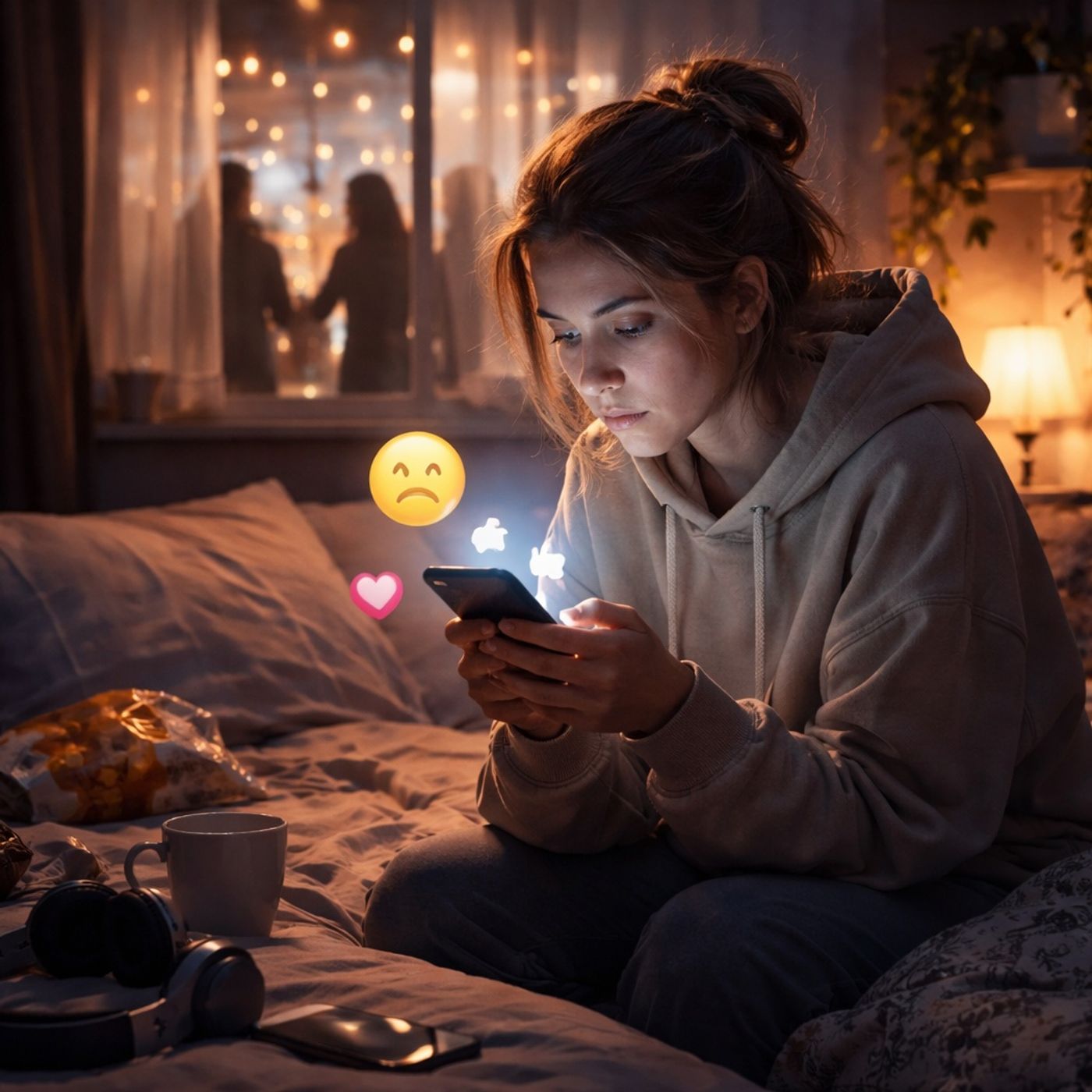
Loneliness Is Your Brain’s Alarm System
Despite constant digital connectivity through social media and AI, modern society experiences rising loneliness. Virtual interactions often replace genuine human connection, leading to signs like nostalgia, impulsive spending, and oversharing. Loneliness can be situational, social, emotional, or chronic, stemming from fear of vulnerability or digital overload. Mindful technology use and nurturing

Fawning Is Survival Disguised As Kindness
Excessive kindness without boundaries can be harmful, often arising from a neurological need for validation or trauma-driven fawning. Chronic self-sacrifice depletes energy, creating silent resentment and hollow fulfillment. Practicing somatic awareness and assertiveness helps individuals recognize discomfort and protect their well-being. By shifting from fear-based people-pleasing to value-driven

The Five Levers of Emotional Regulation
The five-stage framework uses the metaphor of a train conductor to manage emotions effectively. It begins with situation selection—choosing environments that support well-being—and situation modification, which adjusts surroundings to reduce stress. Many people get stuck in attentional deployment, either ruminating or avoiding issues. Moving forward involves cognitive change to reframe negative th

How Toothbrushes and Penguins Reveal Autism?
Autism assessments often use unconventional methods beyond standard questionnaires to identify neurodivergent traits. Clinicians may observe daily routines or present unusual social scenarios to evaluate sensory sensitivities, motor coordination, literal thinking, and responses to ambiguity. These observations help create a detailed profile of an individual’s strengths and challenges, offering ins

Translating Love With Myers-Briggs
Personality traits can shape how individuals express and experience romantic affection. While frameworks like the MBTI are not definitive, they offer a language for understanding emotional patterns, including love languages and conflict behaviors. Recognizing these differences helps improve communication and supports healthier relationships, highlighting that personality influences the ways people

Your Favorite Color Is A Prescription
Personal color preferences reflect an individual’s psychological state and emotional needs, linking colors to biological responses and personality traits. Bright colors like red or yellow often indicate energy and joy, while cooler shades like blue or green suggest a desire for calm and healing. These preferences can change over time, reflecting shifts in mental health or life circumstances, and p

Fawning Is Fear Disguised as Kindness?
Self-abandonment, exemplified by the fawn response, is a trauma-driven behavior where individuals compulsively please others to ensure safety, rather than acting from genuine kindness. Signs include weak boundaries, over-apologizing, and neglecting personal values and emotions. This pattern can lead to emotional exhaustion, loss of identity, and diminished self-worth. Healing involves radical self

The Myth of Normal Masturbation Frequency
Masturbation varies widely among individuals, and there is no single standard for frequency. The key is understanding personal motivations, distinguishing healthy self-exploration from emotional avoidance or coping. It becomes problematic only if it disrupts daily life or serves as the main outlet for negative emotions. A balanced, self-aware approach—free from stigma and shame—supports emotional

How Excessive Masturbation Rewires Your Brain?
Excessive masturbation can become addictive, altering the brain’s reward system and creating cycles of craving similar to substance dependence. It may serve as a maladaptive response to trauma or negative emotions like anxiety and grief, potentially harming relationships and reducing the ability to form genuine intimacy. While moderate self-pleasure is healthy, compulsive habits can distort sexual

Your Desire Is Not A Light Switch
Sexual desire is influenced more by feelings of safety and emotional connection than by age, gender, or biology. It often responds to environmental and emotional factors rather than acting as a constant physical drive. Understanding desire as fluid and evolving encourages compassion for personal experiences, and sustaining intimacy in long-term relationships relies on curiosity and emotional close

How Rewiring The Biological Mechanics Of Depression?
Living with depression involves physical and emotional symptoms like lethargy, numbness, and bodily discomfort, and recovery is an ongoing process rather than an immediate fix. Practical strategies such as mindfulness, journaling, exercise, and attention to gut health can support mental well-being. Addressing cognitive distortions and behavioral patterns provides tools for improvement, while valid

Why Semen Retention Doesn't Boost Testosterone?
No Nut November is a month-long challenge of abstaining from sexual activity and ejaculation, but research shows it provides no significant health benefits. Men may have nocturnal emissions, and women might experience minor pelvic tension or mood changes. Extended abstinence does not meaningfully increase testosterone or fertility, and prioritizing overall well-being with professional guidance is

How Resetting Your Body's Trauma?
Trauma is stored in the body, affecting reflexes and physiological responses as well as the mind. Recovery can be supported through holistic, non-medication approaches such as grounding exercises, gentle movement like yoga, expressive writing, somatic therapy, and safe social connections. Daily mindfulness and creative expression help rewire the brain, process emotions, and transform painful exper

The Prison Behind the Perfect Family
Pseudo mutuality describes a family dynamic where a surface-level warmth hides a controlling, rigid environment, often stemming from narcissistic parenting. Children are pressured to adopt identities that uphold the family’s image, leading to depersonalization and a sense of self-worth tied to meeting expectations. These patterns can persist into adulthood, contributing to low self-esteem and repe
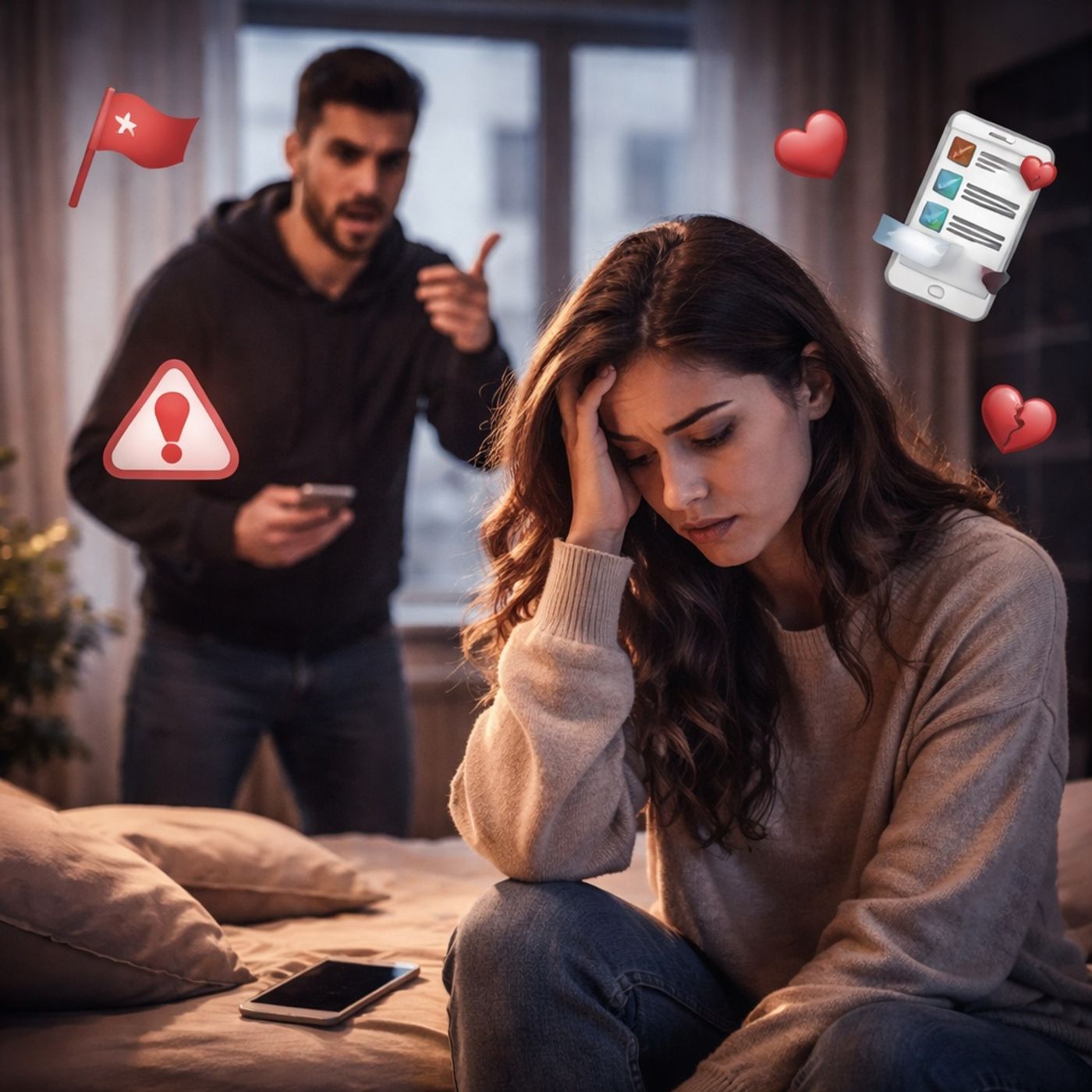
How Manipulators Weaponize Intimacy?
Toxic or manipulative relationships can be identified by behaviors such as love bombing, possessiveness disguised as concern, inconsistent or controlling communication, constant criticism, and restricting autonomy. Maintaining personal boundaries and mutual respect is essential, and recognizing these red flags helps individuals protect themselves and cultivate healthier, more balanced partnerships

Feeling Empty When Life Goes Right
An existential crisis is a period of deep questioning often sparked by major life changes, hardships, or post-achievement emptiness. It can involve emotional numbness, overthinking, and feeling disconnected from daily life. Rather than a personal failure, it is a turning point that encourages self-reflection and the reconstruction of personal meaning, helping individuals move beyond living on auto
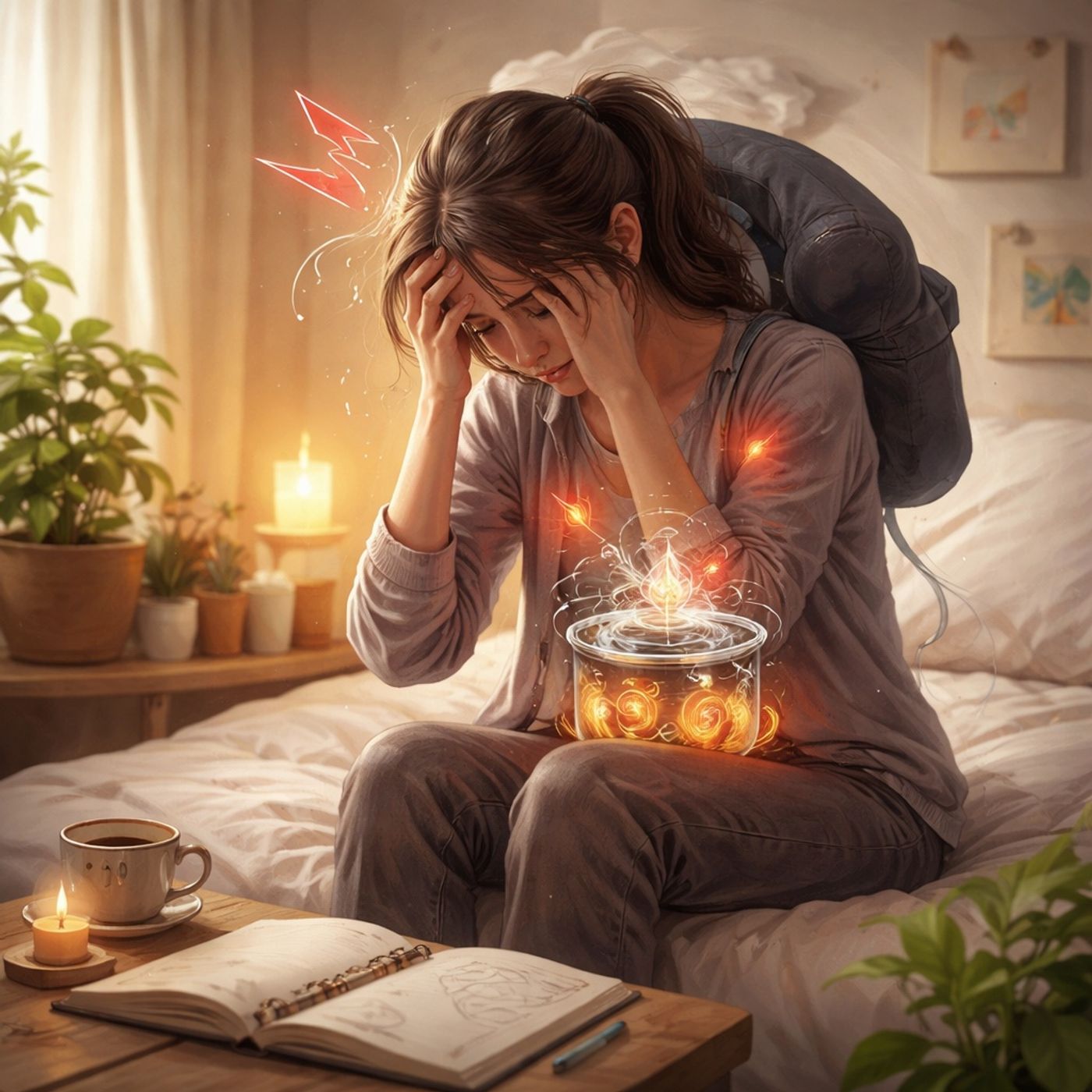
How Silence Makes You Physically Sick?
Suppressing emotional distress can manifest physically as pain, chronic fatigue, weakened immunity, or skin and cognitive issues. Elevated stress hormones act like pressure building in the body, eventually leading to breakdowns. Practices such as journaling, creative expression, and mindfulness help release this tension, highlighting that acknowledging emotions is crucial for both long-term physic

Productivity When You Feel Paralyzed
A compassionate approach to productivity during depression, emphasizing self-kindness over traditional efficiency. It encourages focusing on small, manageable tasks to build momentum and avoid perfectionism. By using supportive tools, community help, and tracking accomplishments with a “done list,” individuals can recognize progress and honor the effort it takes to keep moving forward.You can list

When Depression Looks Like Success and Anger
Men are often pressured to appear emotionally strong, leading many to suppress pain and internalize their struggles. Male depression frequently shows up as irritability, emotional numbness, or overworking rather than visible sadness, allowing men to function outwardly while feeling disconnected inside. True resilience comes from acknowledging emotional pain, and redefining masculinity to include v

How Old Is Your Consciousness?
A personality quiz that assesses a person’s mental age based on mindset rather than actual age. By answering questions about habits, problem-solving, and social behavior, individuals are grouped into different mental outlooks ranging from playful and curious to reflective and wise. Each result emphasizes a unique psychological strength and encourages self-awareness, promoting acceptance of one’s m
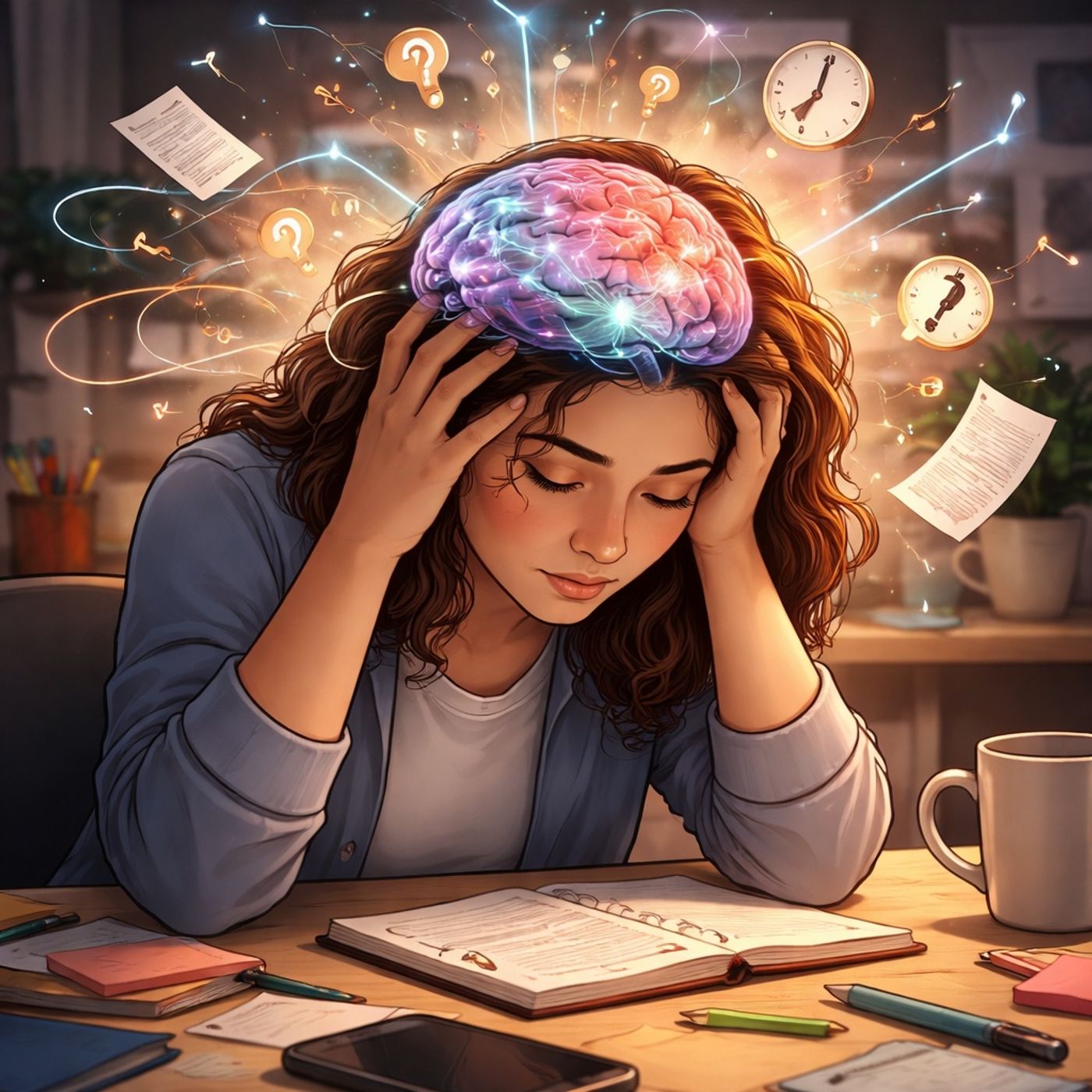
How Shame Physically Damages The ADHD Brain?
ADHD is a biological difference in brain wiring, not a failure of discipline or effort. Differences in the prefrontal cortex and neurotransmitter regulation make focus, emotional control, and executive functioning more challenging. Ongoing stigma and negative social feedback often lead to internalized shame and chronic stress, which can further impair cognition by keeping the brain in a heightened

Hypersexuality Is Survival Disguised as Pleasure
Hypersexuality following sexual trauma is presented as a survival response rather than a lack of boundaries. The behavior stems from the brain’s need for predictability and control after experiences of fear and powerlessness, using familiarity to reduce perceived danger. By choosing intimacy, survivors may be attempting to manage threats and calm their internal alarm system. This coping mechanism
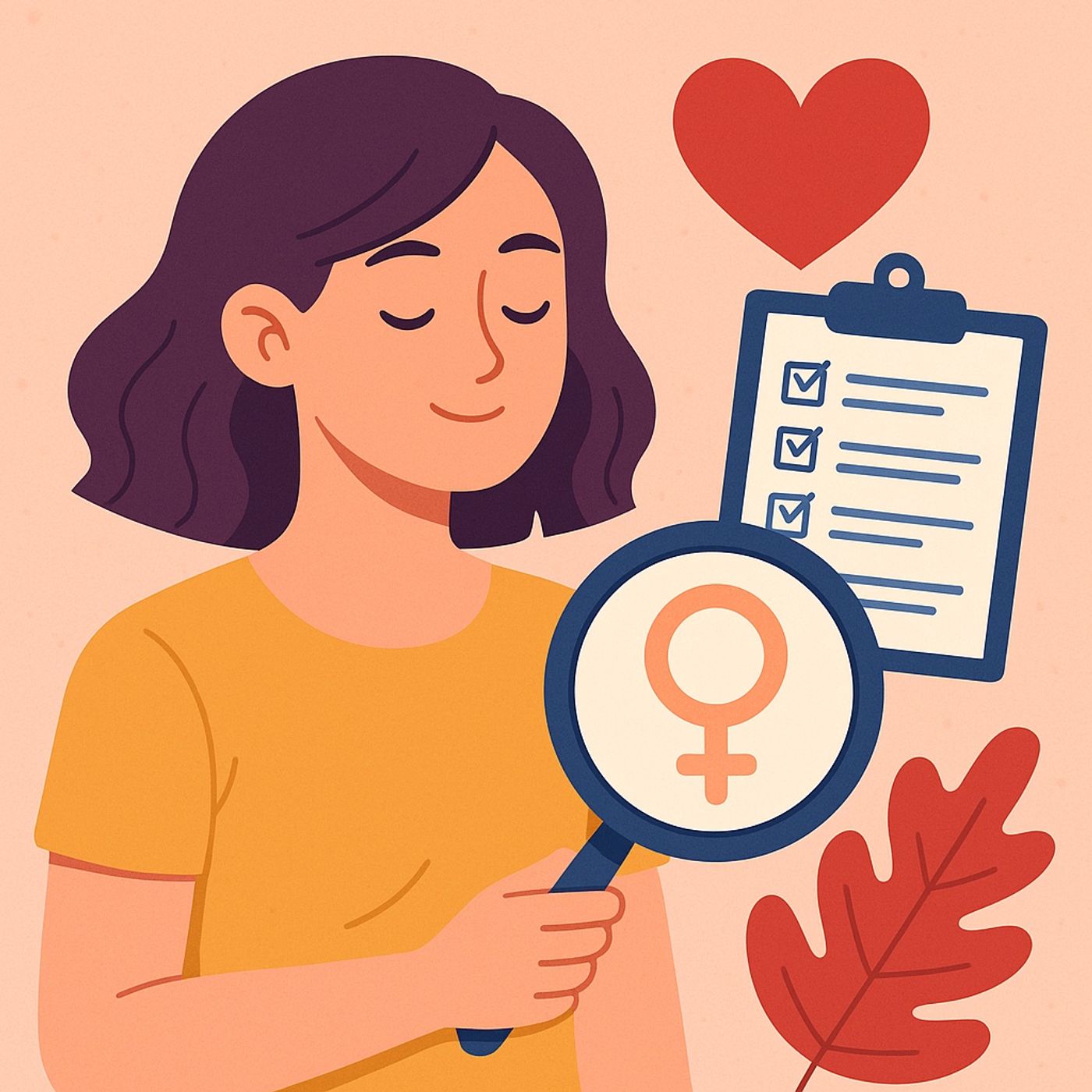
Assessing Sexual Repression: A Self-Quiz
Presents a self-quiz designed to assess levels of sexual repression, beginning by normalizing sexuality and defining sexual repression as the conscious or unconscious denial of sexual feelings, often influenced by societal or moral pressures.The main content is a 12-question multiple-choice quiz, encouraging participants to reflect on their comfort with aspects of sexuality such as explicit conten

Sexual Preferences and Psychological Insight
Explores the idea that sexual desires and fantasies can provide meaningful insights into an individual’s psychology and personality, moving beyond the notion that lust is purely physical. It highlights three specific areas:BDSM: Preferences for dominance or submission may reflect needs for emotional release, a sense of control, or responses to anxiety.Foot fetishes: These are relatively common and
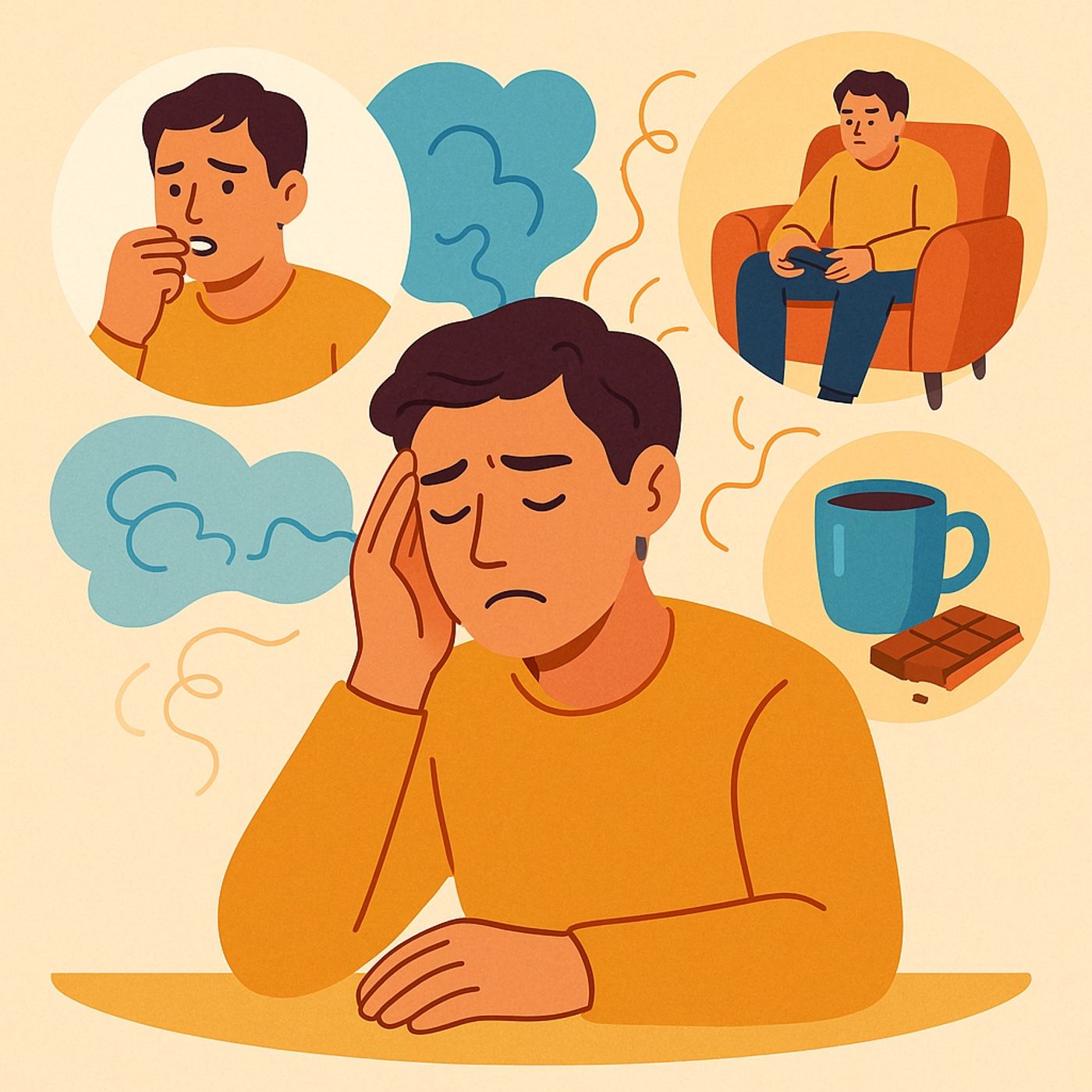
Masturbation Habits and Mental Health Reflection
Examines the relationship between an individual’s masturbation habits and their broader mental and emotional well-being. It suggests that shifts in these behaviors can reflect underlying emotional states such as anxiety, boredom, or depression.Several patterns are highlighted: using masturbation as a coping mechanism to escape difficult feelings, experiencing a loss of control that signals emotion

Jungian Individuation: Finding Your Authentic Self
Explores the psychological journey of discovering one’s authentic self, drawing on concepts from Carl Jung. It explains Jung’s idea of individuation, a lifelong process of integrating all aspects of the self, and highlights the role of the persona — the social mask people adopt to fit in — which can lead to dissatisfaction when mistaken for the true self.The discussion also addresses the shadow, r
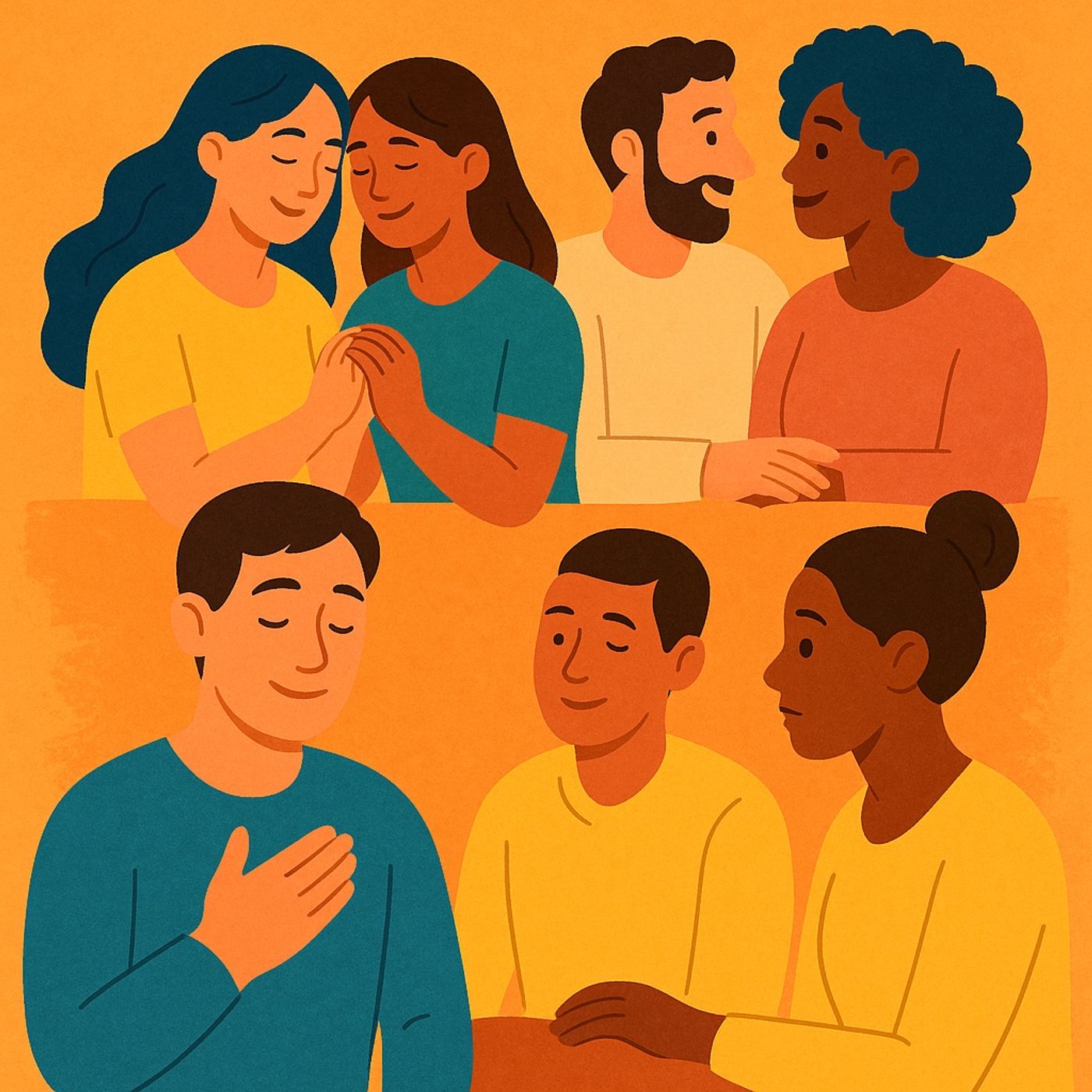
The Psychology of Non-Romantic Intimacy
Provides guidance on cultivating intimacy outside of romantic relationships, addressing the common experience of loneliness. It expands the definition of intimacy beyond romance or sexual connection, describing it as a foundation of closeness, safety, and genuine connection in any type of relationship, supported by psychological research.It outlines six practical, research-backed strategies for bu
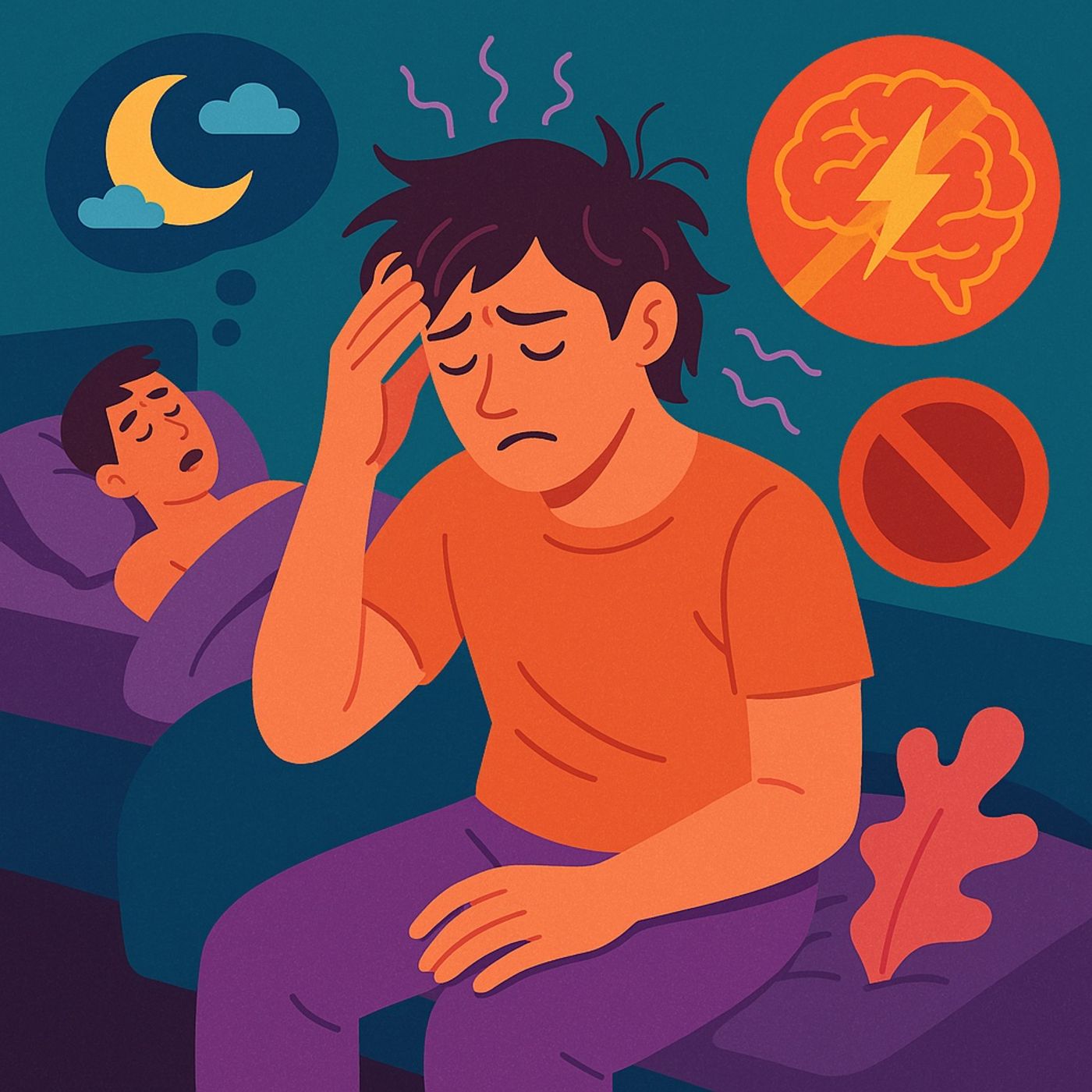
Quitting Masturbation: Physical and Psychological Effects
Discusses the physiological and psychological reactions that can occur when someone abruptly stops masturbating. It notes that the body may respond in noticeable ways: for individuals with male anatomy, this can include nocturnal emissions, while those with female anatomy might experience mild pelvic tension or shifts in mood.The passage also describes how sudden cessation can influence the brain’
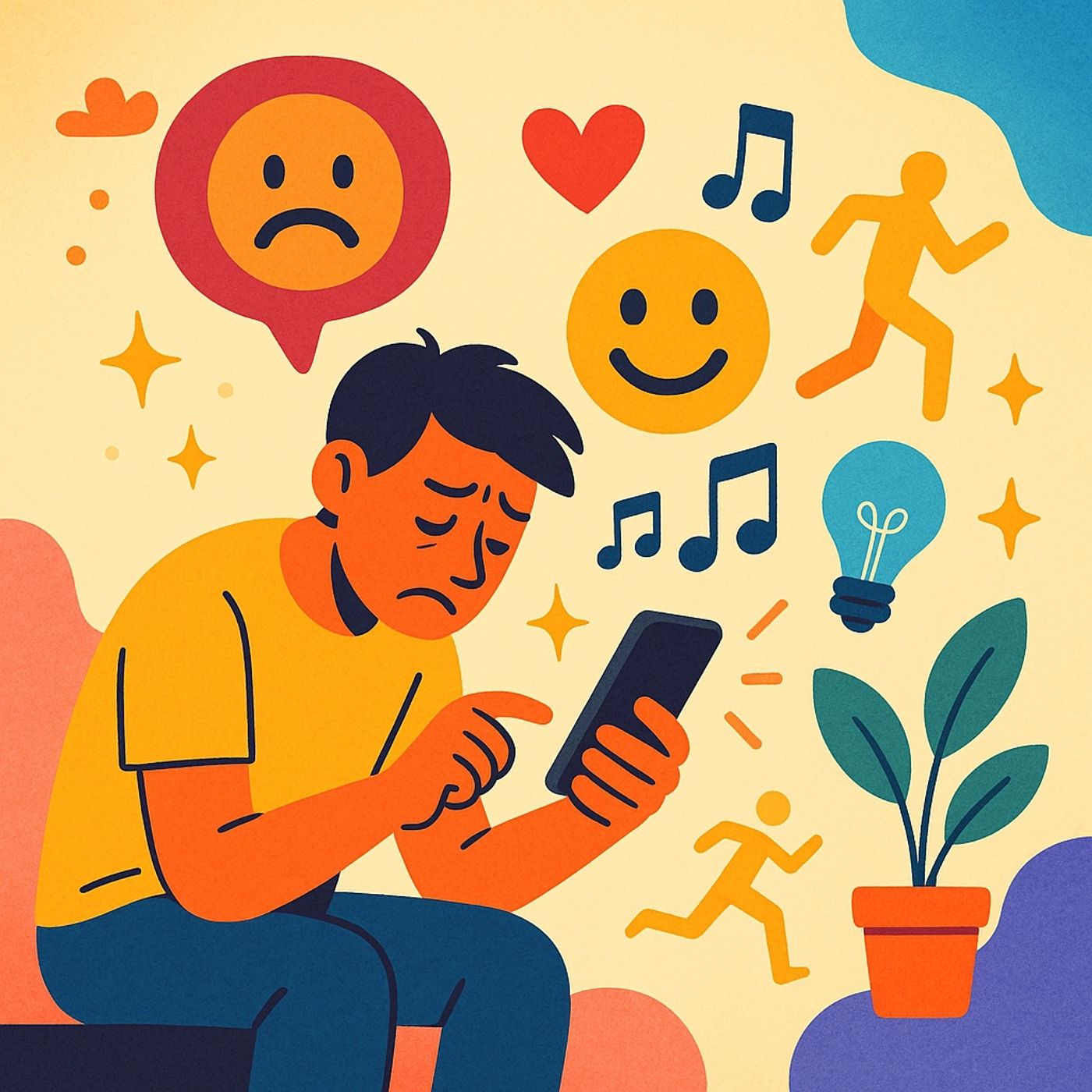
The Art of Stopping Doomscrolling
Explores the concept of doomscrolling, describing it as a compulsive, draining habit of endlessly absorbing negative or emotionally heavy online content. It emphasizes that this behavior isn’t simply a matter of weak willpower; it’s reinforced by the attention-grabbing design of digital platforms and the brain’s built-in tendency to focus on threats and negativity.The main goal of the passage is t
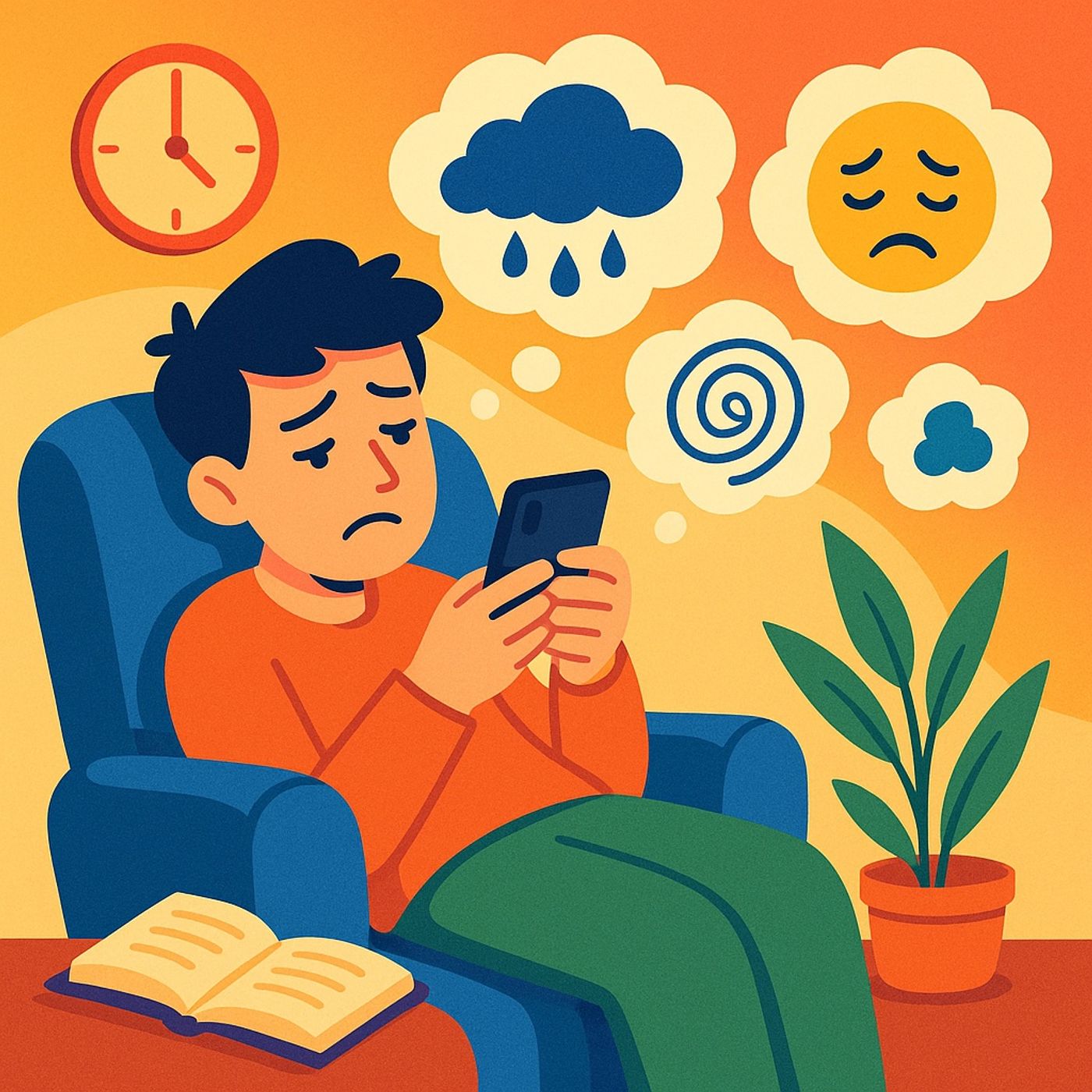
The Four Causes of Doomscrolling and How to Stop
Examines the concept of “doom scrolling,” describing it as the habit of consuming digital content automatically rather than with intention. It identifies four key psychological drivers behind this pattern — procrastination, emotional overwhelm, boredom, and exhaustion — each of which pushes people toward passive scrolling as a temporary escape.For every trigger, the text suggests practical, real-w
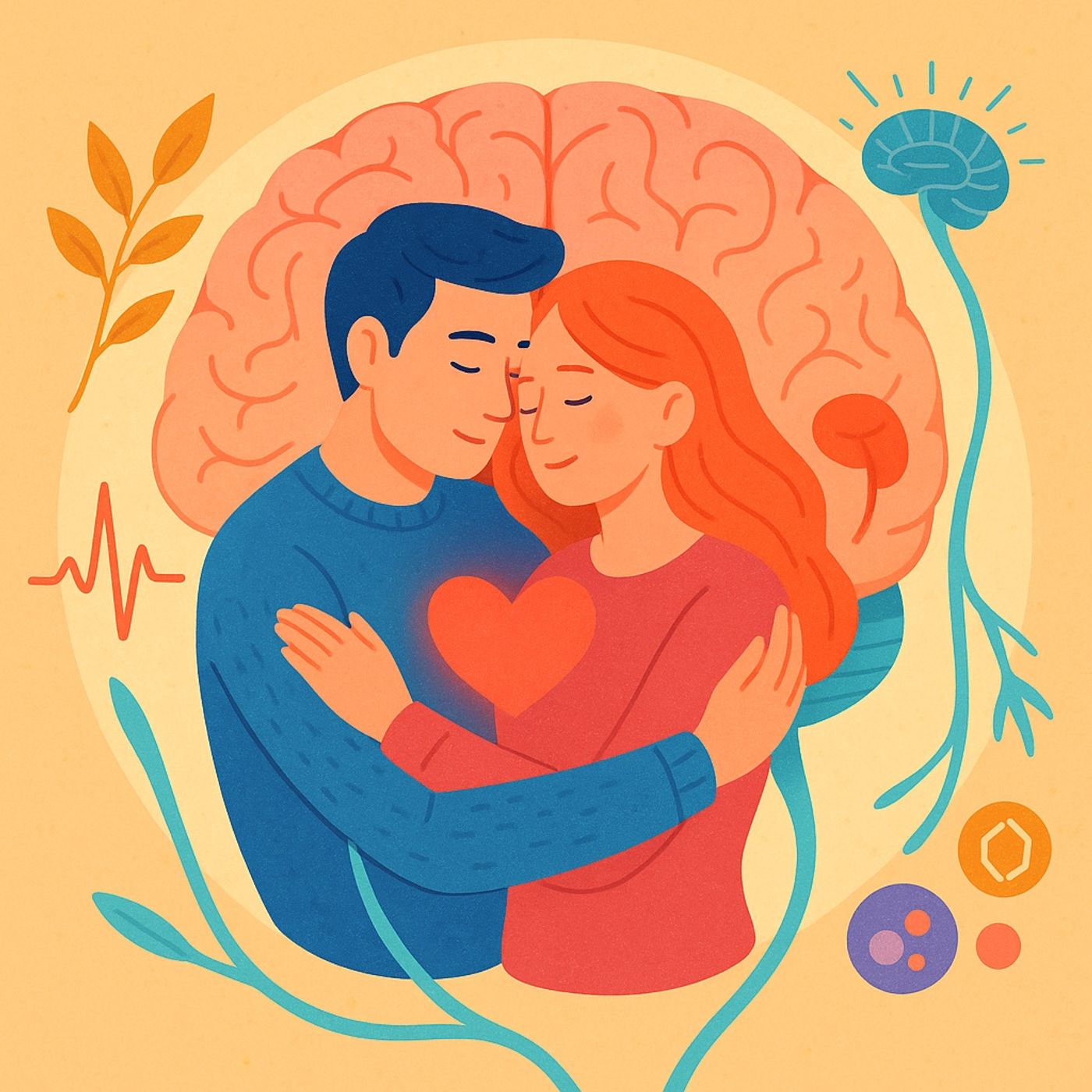
The Neuroscience of Emotional Intimacy
Explores the neurobiological effects of emotional intimacy, describing it as a powerful regulator of the body’s stress response. Genuine emotional connection lowers cortisol and helps calm the amygdala — the part of the brain responsible for detecting threats and triggering alarm signals.It also explains that a sense of emotional safety activates the vagus nerve, shifting the body into a “rest and
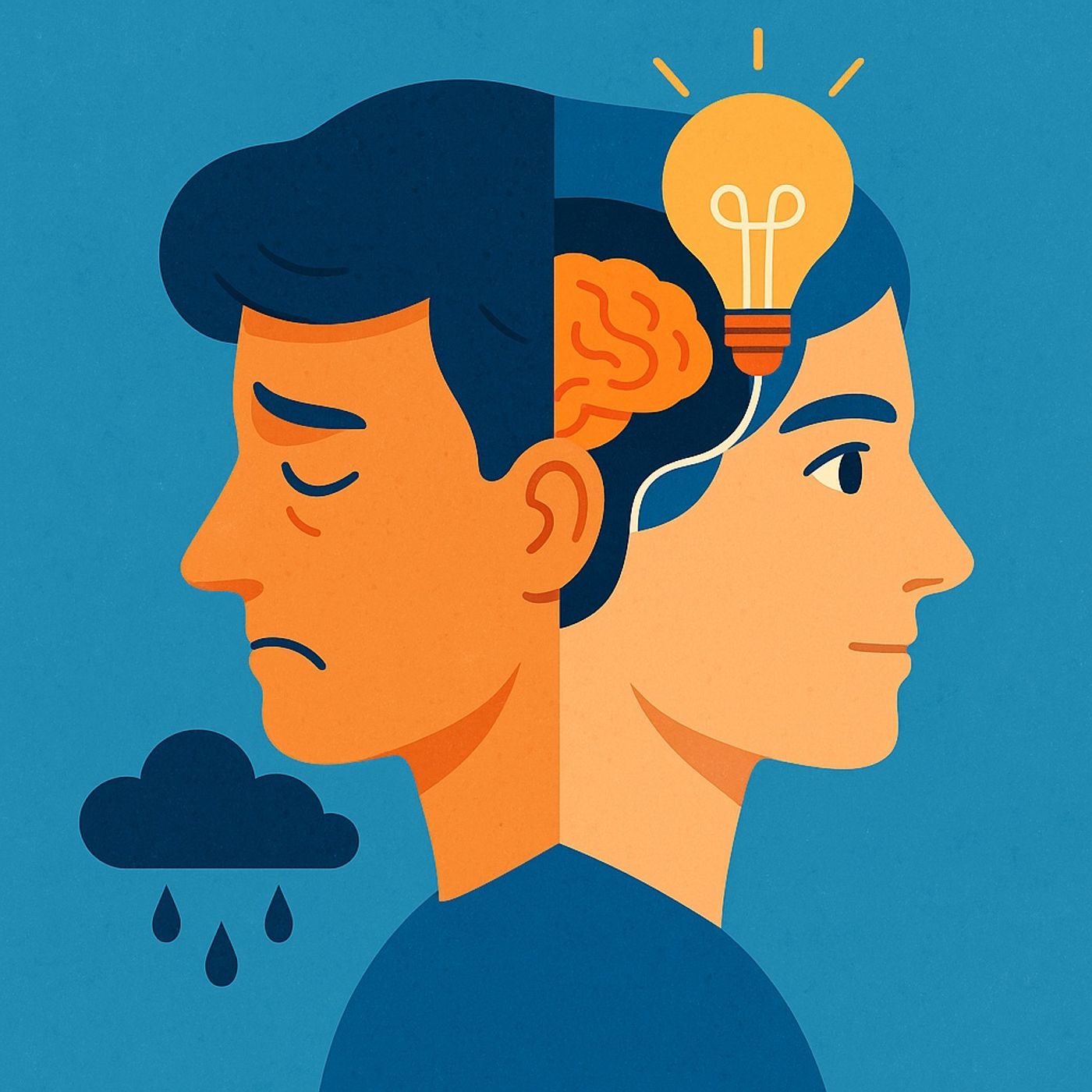
Depressive Realism: Logic in the Shadow of Sadness
Examines the paradoxical idea that people experiencing depression can display a sharp, unsentimental form of logic and a heightened sense of realism. It outlines the concept known as the depressive realism hypothesis, which proposes that individuals with mild to moderate depressive states may interpret situations more accurately than those who rely on optimism or self-protective biases.This shift
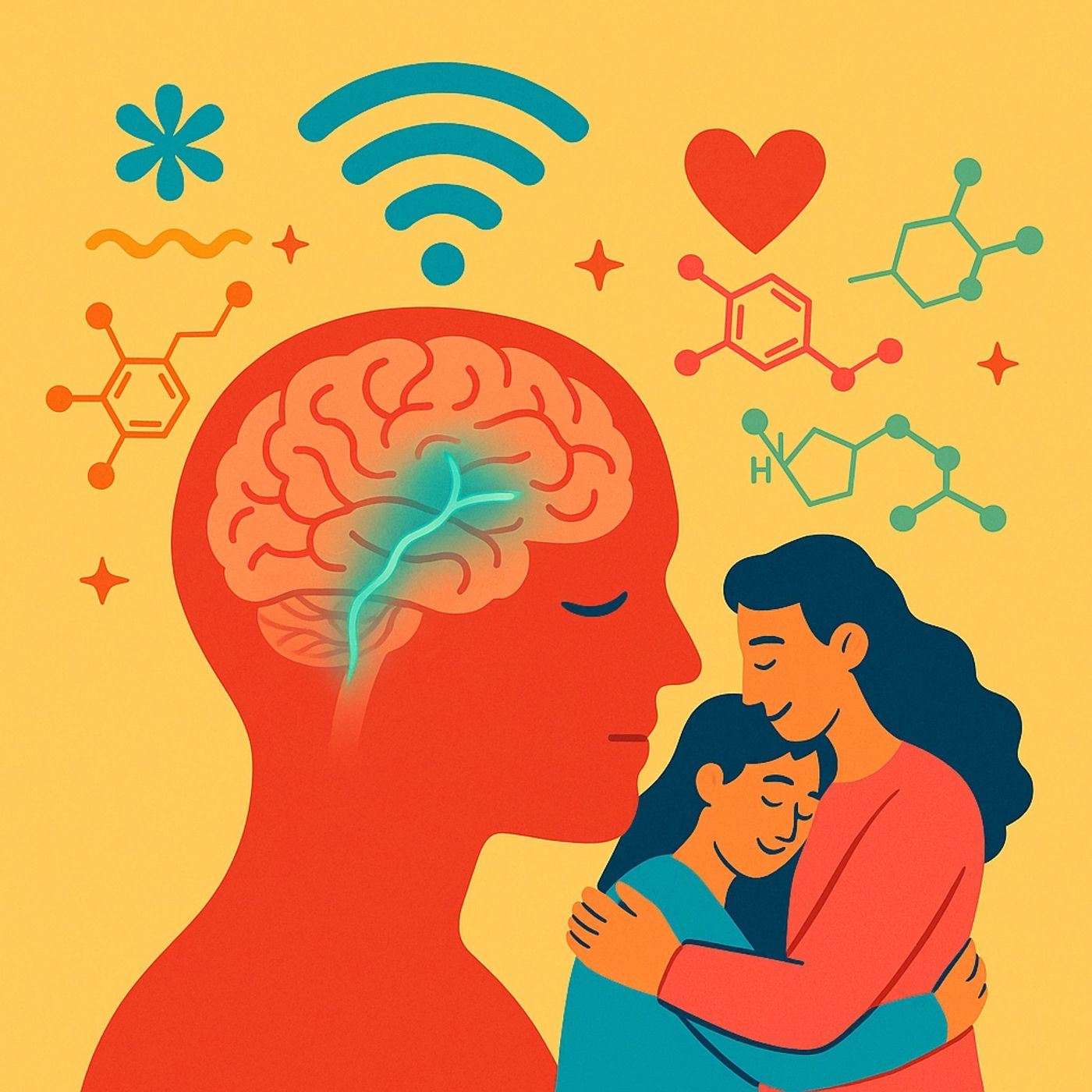
Emotional Intimacy: How It Rewires Your Brain
Explores how emotional intimacy can significantly reshape the brain and support overall mental well-being. It compares intimacy to a stable, high-quality Wi-Fi signal, emphasizing that the brain depends on this kind of steady connection to function at its best. Emotional closeness triggers a natural “feel-good blend” of oxytocin, dopamine, and serotonin, which promotes calmness, bonding, and motiv
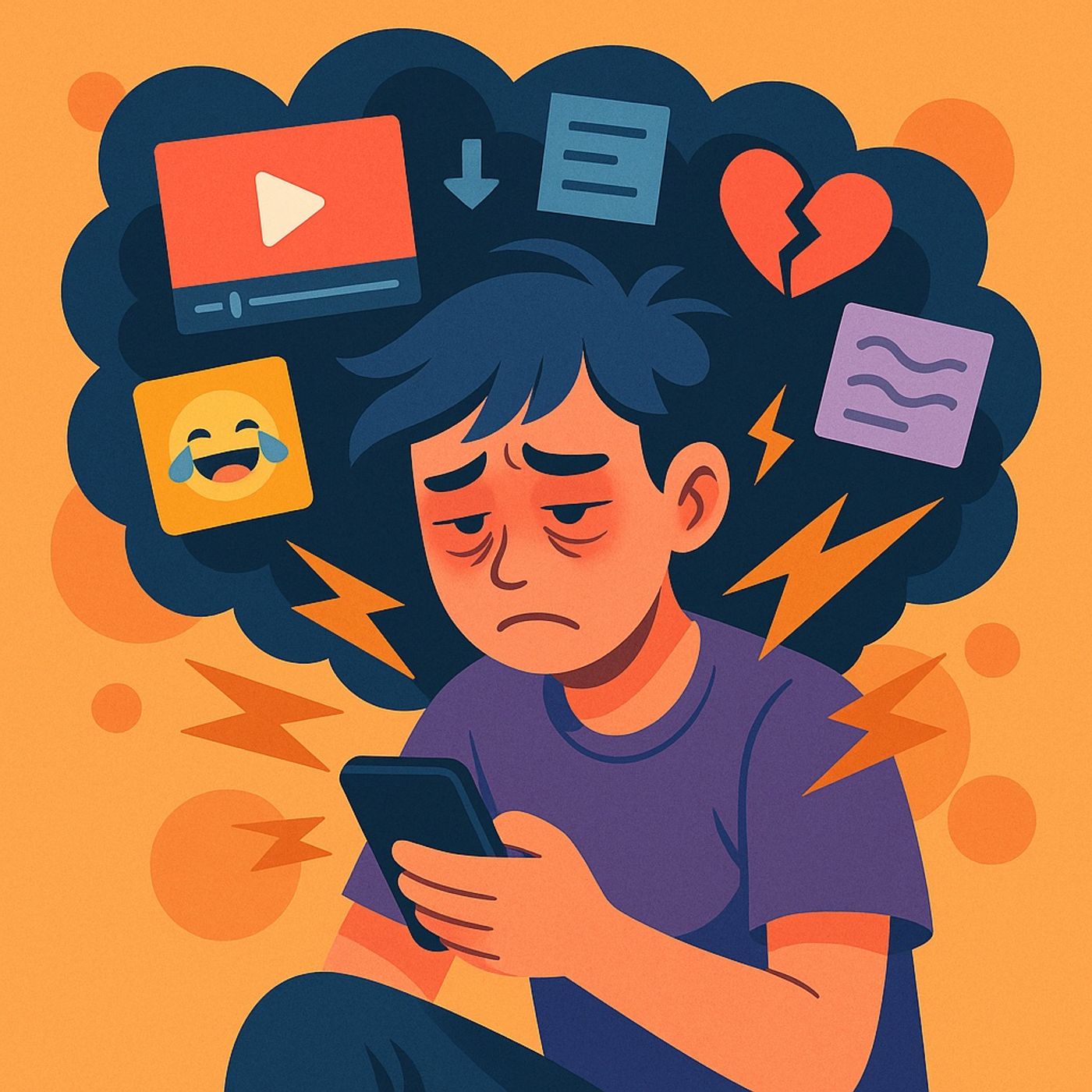
The Year of Doomscrolling's Emotional Cost
Presents an explanation of the concept of “doom scrolling,” describing it as the exhausting habit of endlessly consuming online content. It notes that although the term originally referred to constantly viewing negative news, it has expanded into a broader cycle of nonstop digital stimulation, often driven by short videos, memes, and rapidly shifting posts — a pattern especially common among young
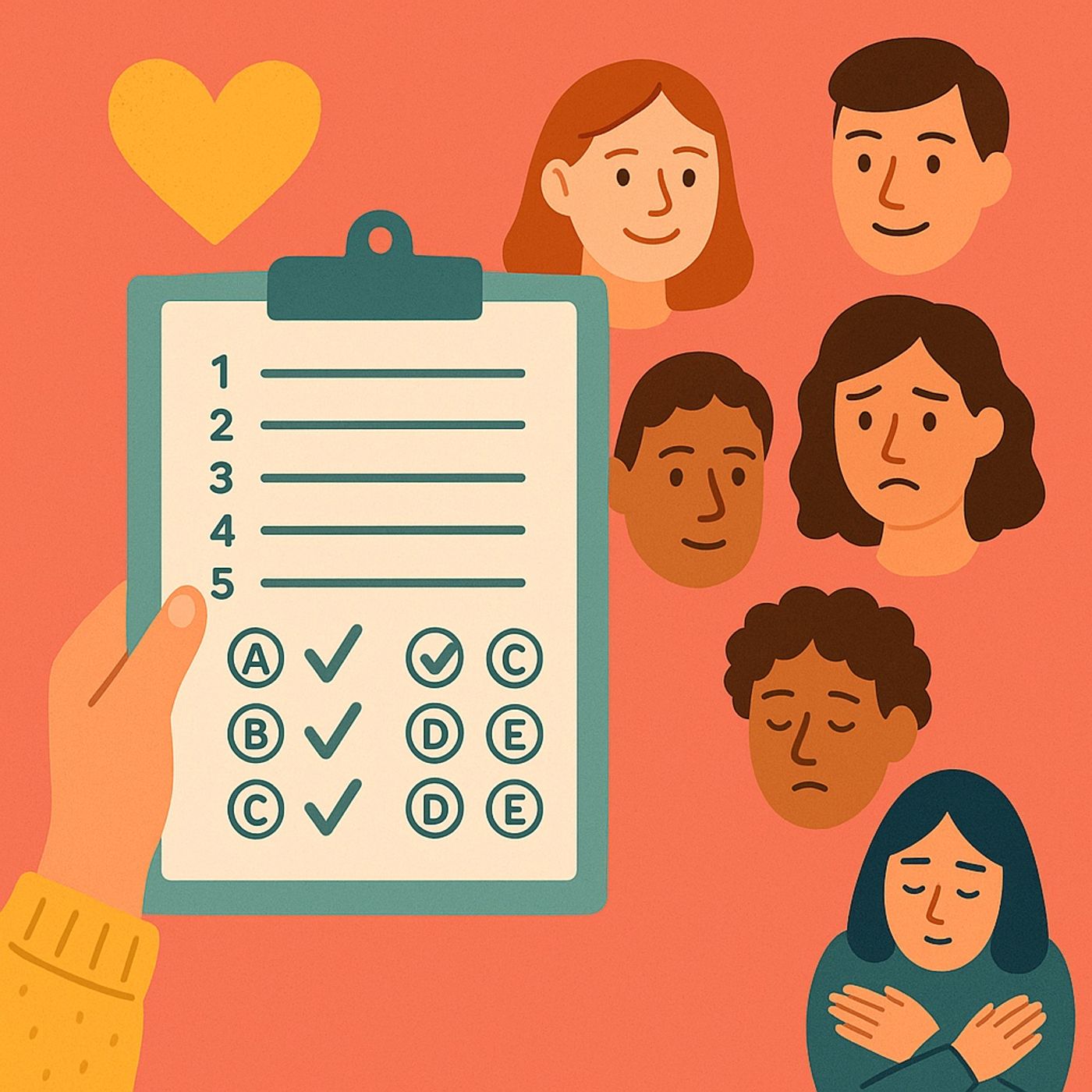
The Psychology of Trust Styles
Presents an excerpt describing a quiz designed to help individuals understand their personal style of trust. It opens by highlighting how trust can be a challenging psychological process, especially for those who’ve experienced betrayal or emotional setbacks in the past.It then introduces a ten-question multiple-choice test, where participants track their answers from A to E.The excerpt concludes
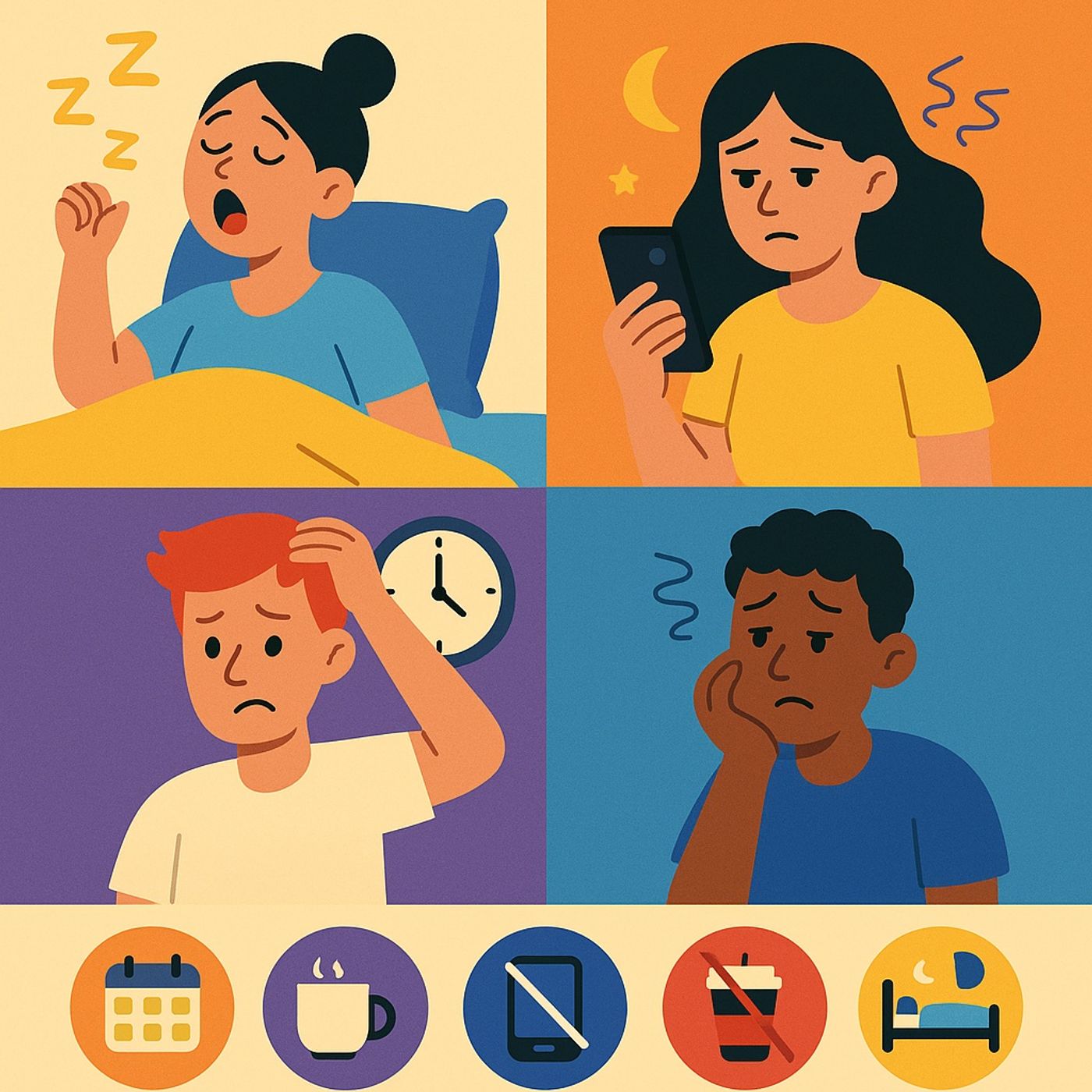
What Your Sleep Habits Reveal About You
Presents a 12-question self-assessment designed to help individuals reflect on their sleep habits, including timing, quality, daytime effects, and the impact of lifestyle choices.Based on responses, participants are categorized into four sleep types: Rested Riser, Revenge Bedtime, Chaotic Clock, or Wired but Tired, highlighting personal patterns and tendencies.The passage also provides five practi
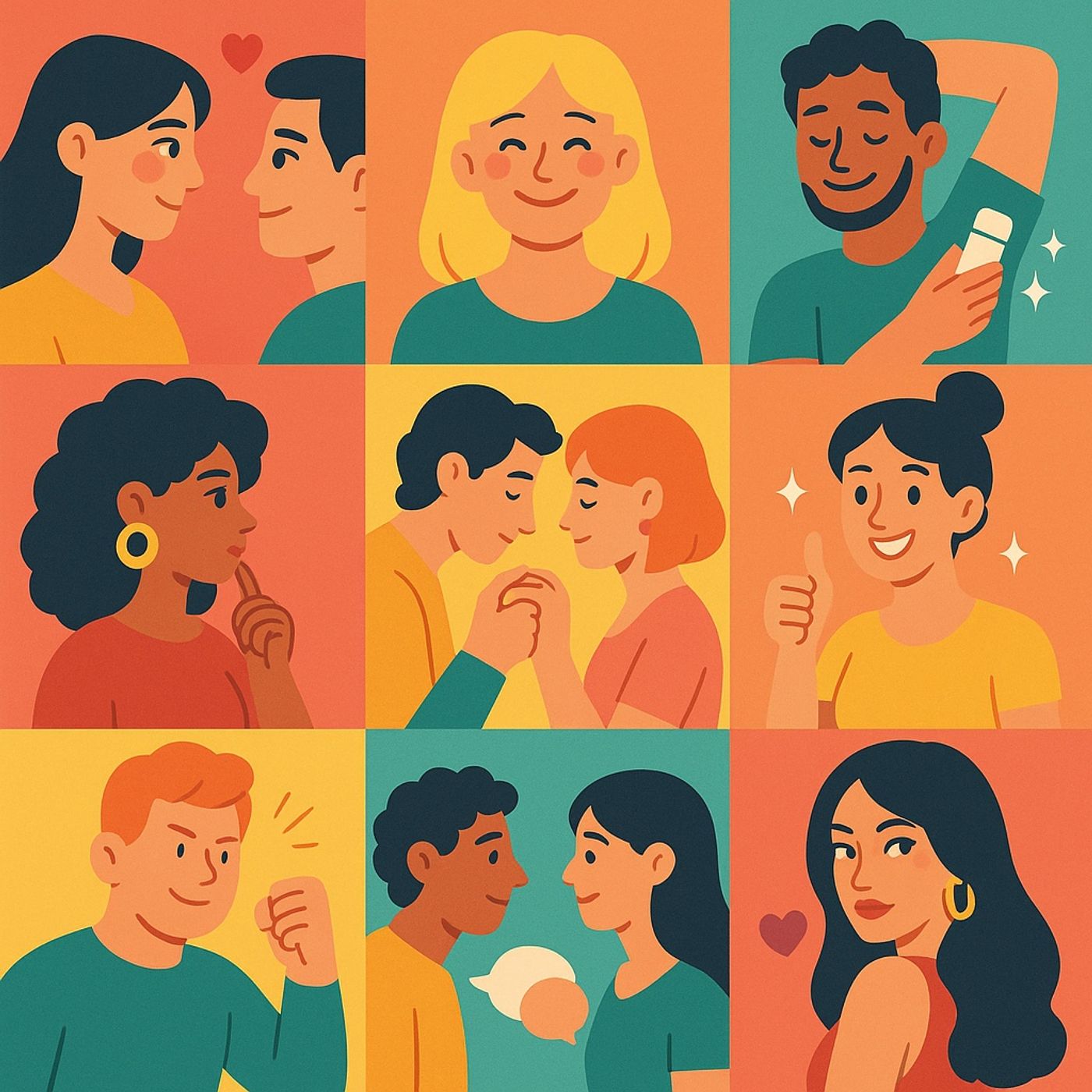
The Nine Characteristics of Effective Flirting
Outlines nine key characteristics of effective flirting. While there is no strict formula, certain behaviors can increase the likelihood of positive interactions.It begins with non-verbal cues, including eye contact, smiling, and good hygiene, and then highlights traits such as intelligence, a gentle and respectful approach, cheerfulness, and clear romantic intention. Additional important characte
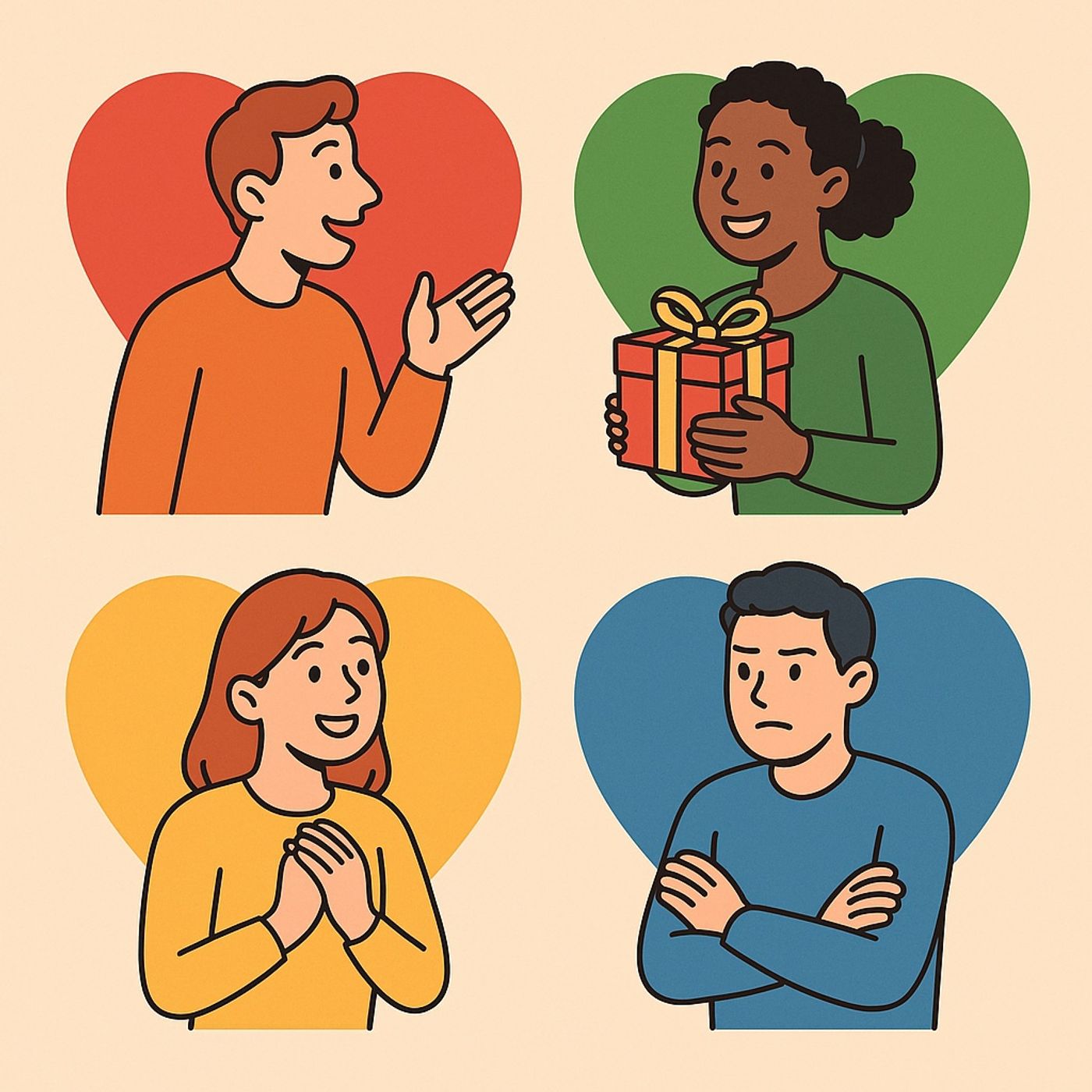
Identifying and Understanding Your Core Love Style
Presents a personality quiz designed to identify a person’s core love style, based on principles from Gottman’s love theory. The quiz consists of ten scenario-based questions that categorize individuals into one of four types: Communicator, Giver, Pleaser, or Guarded. It explains the strengths and weaknesses of each style and emphasizes that understanding one’s love style is meant to support perso
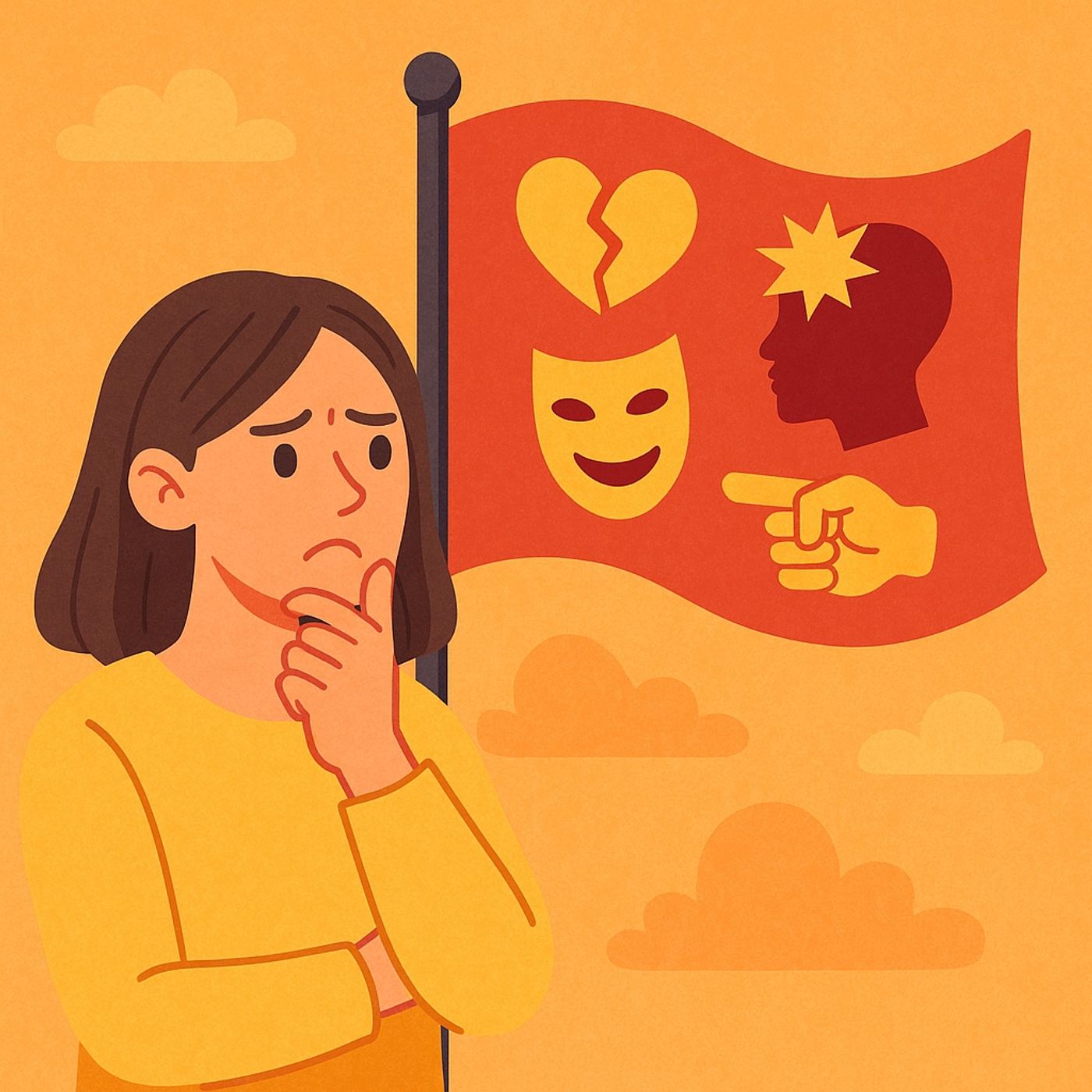
Red Flags: People Not to Love
Provides guidance on identifying potential romantic partners to avoid by highlighting key relationship red flags supported by psychological insights. It outlines ten specific behaviors and personality traits that can undermine healthy relationships, including narcissism, chronic blamers, manipulative tendencies, and gaslighting.Problematic behaviors discussed include denying responsibility, repeat
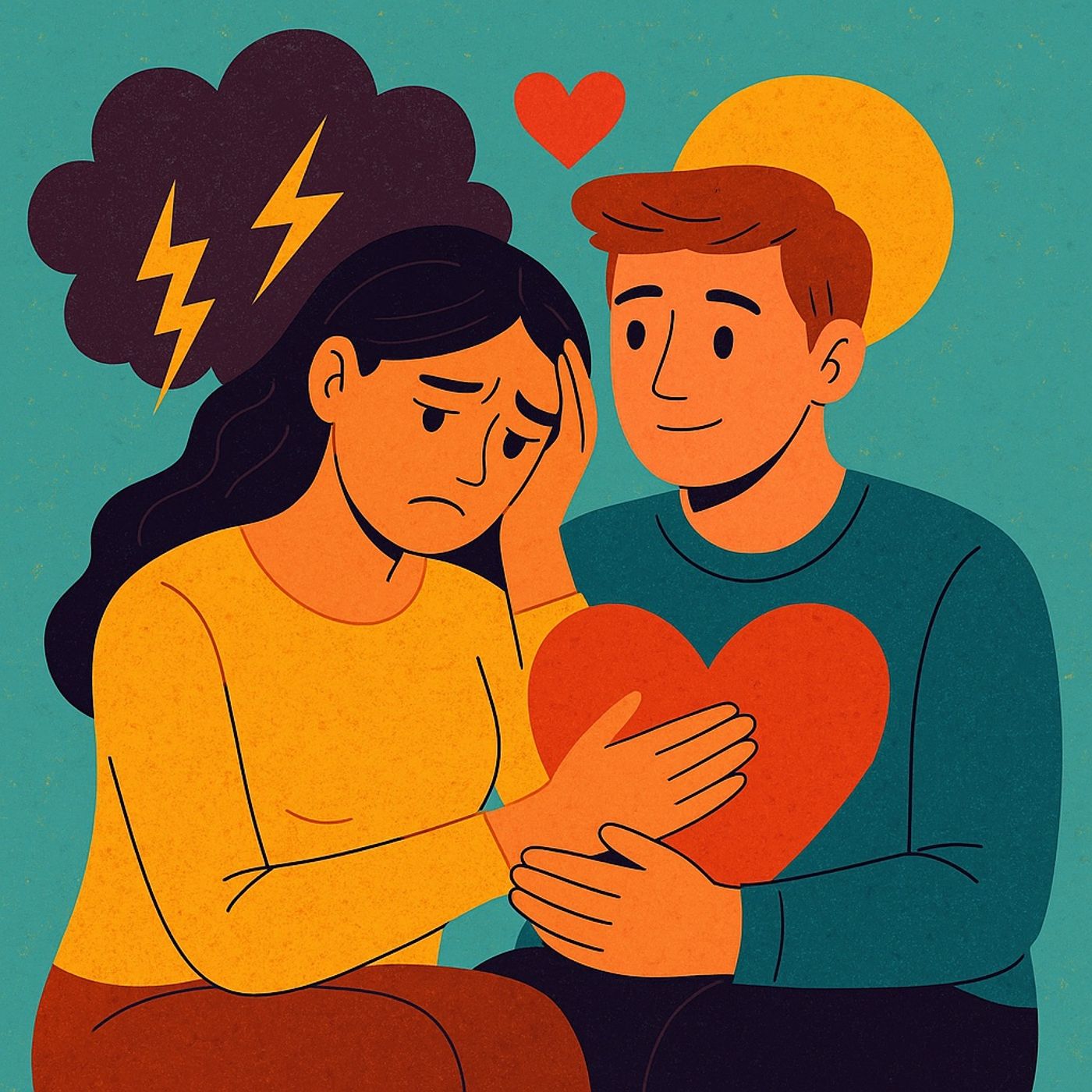
BPD and Romantic Love: The Anchor and the Storm
Explores the complexities of romantic relationships when one partner has Borderline Personality Disorder (BPD). It explains that BPD involves challenges with emotional regulation, heightened sensitivity to rejection, and difficulties in interpersonal relationships, often creating a cycle of fear of abandonment and pushing partners away.Through personal perspectives and research, the passage highli
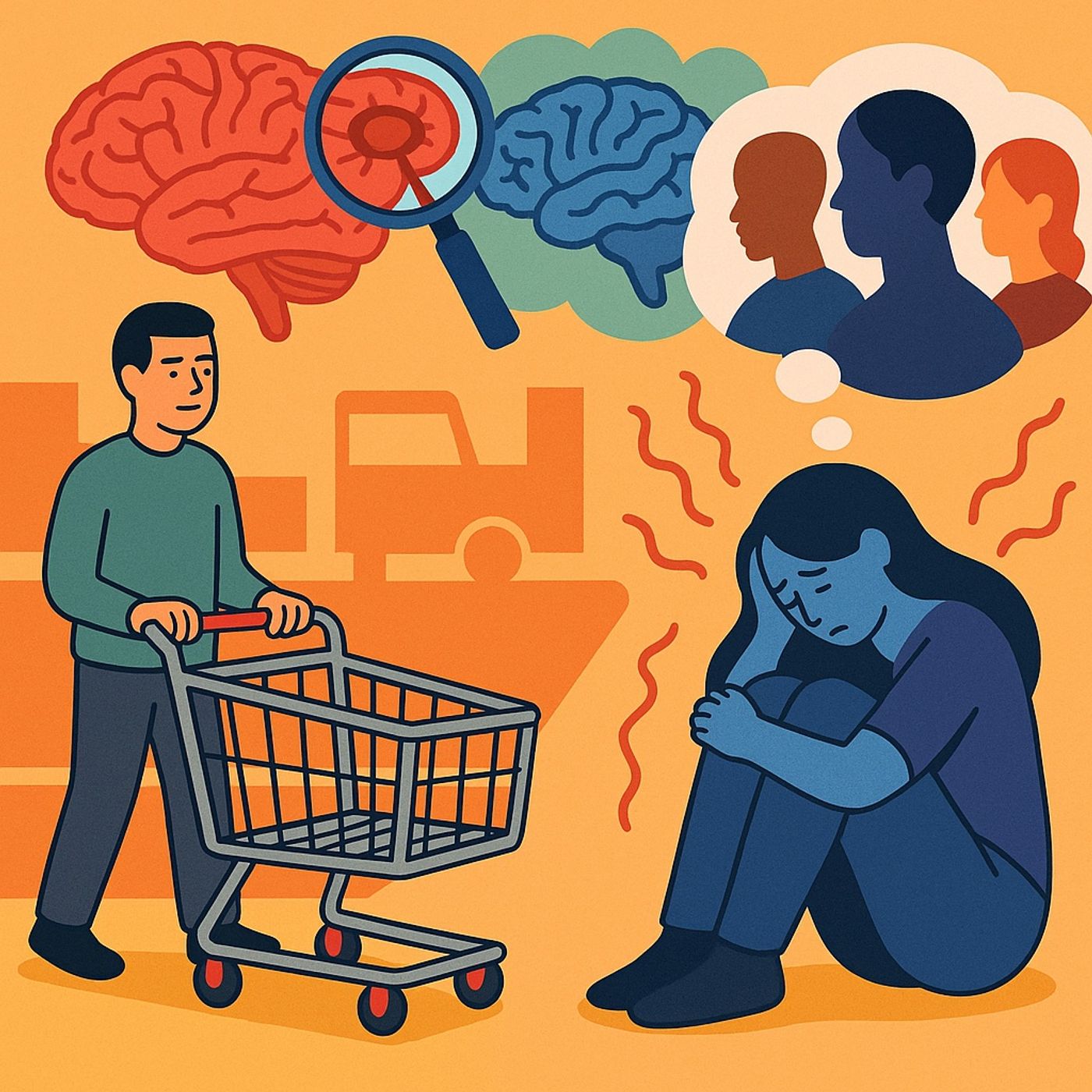
The Neuroscience and Choice of Empathy
Examines the concept of lacking empathy, exploring the reasons it occurs and its effects. While some causes are genetic, such as personality disorders, the focus is on individuals who choose or learn to act without empathy.It uses the “shopping cart litmus test” as a simple way to illustrate how everyday actions reflect a person’s empathy toward others. The passage also discusses how trauma, burno
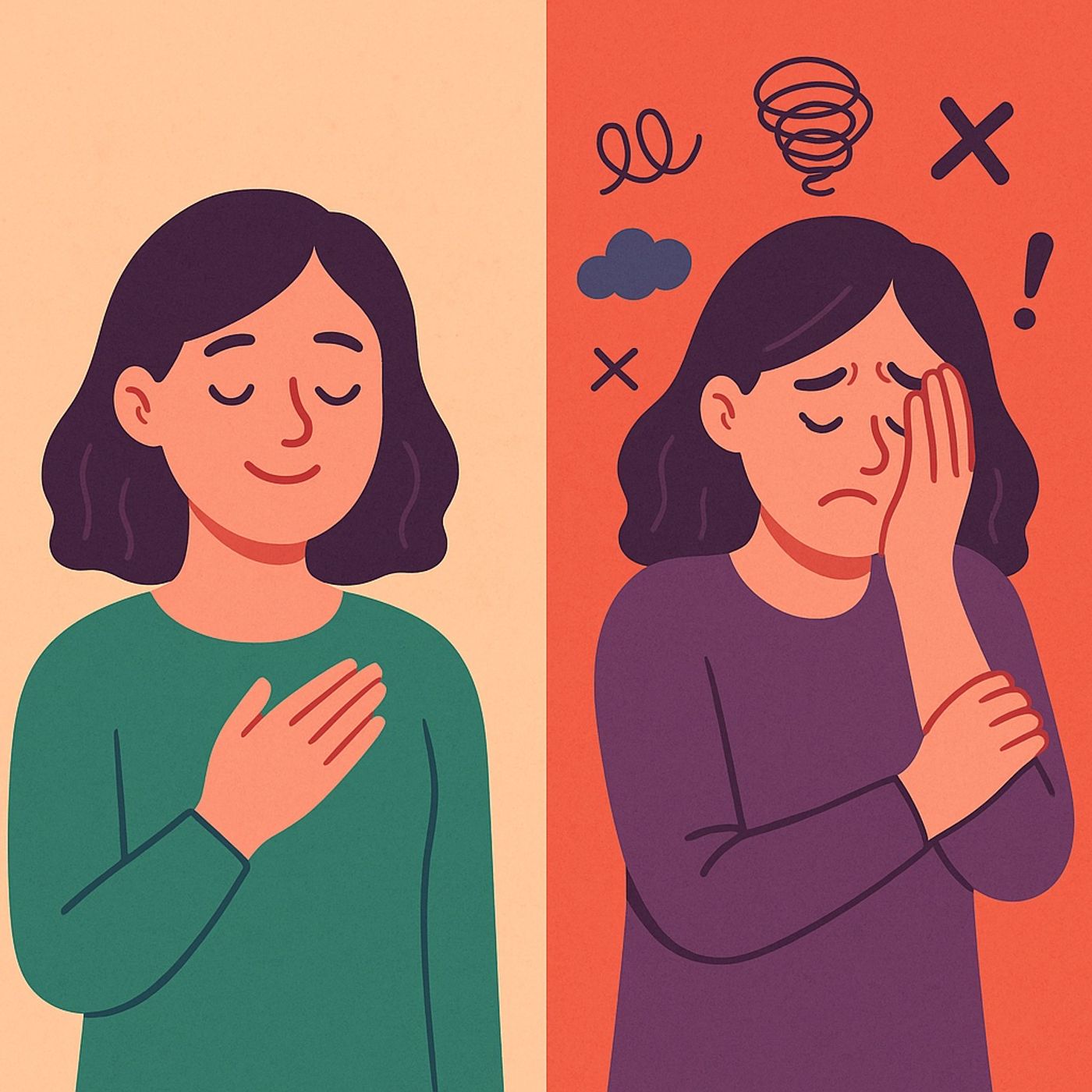
The Anatomy of Toxic Shame and Self-Compassion
Explains the important difference between healthy shame and toxic shame. Healthy shame is described as a constructive emotion that encourages acknowledging mistakes and making amends, while toxic shame is a damaging feeling that attacks a person’s core self-worth, making them feel fundamentally flawed.It identifies six key signs of toxic shame: hiding one’s true self, difficulty with self-forgiven
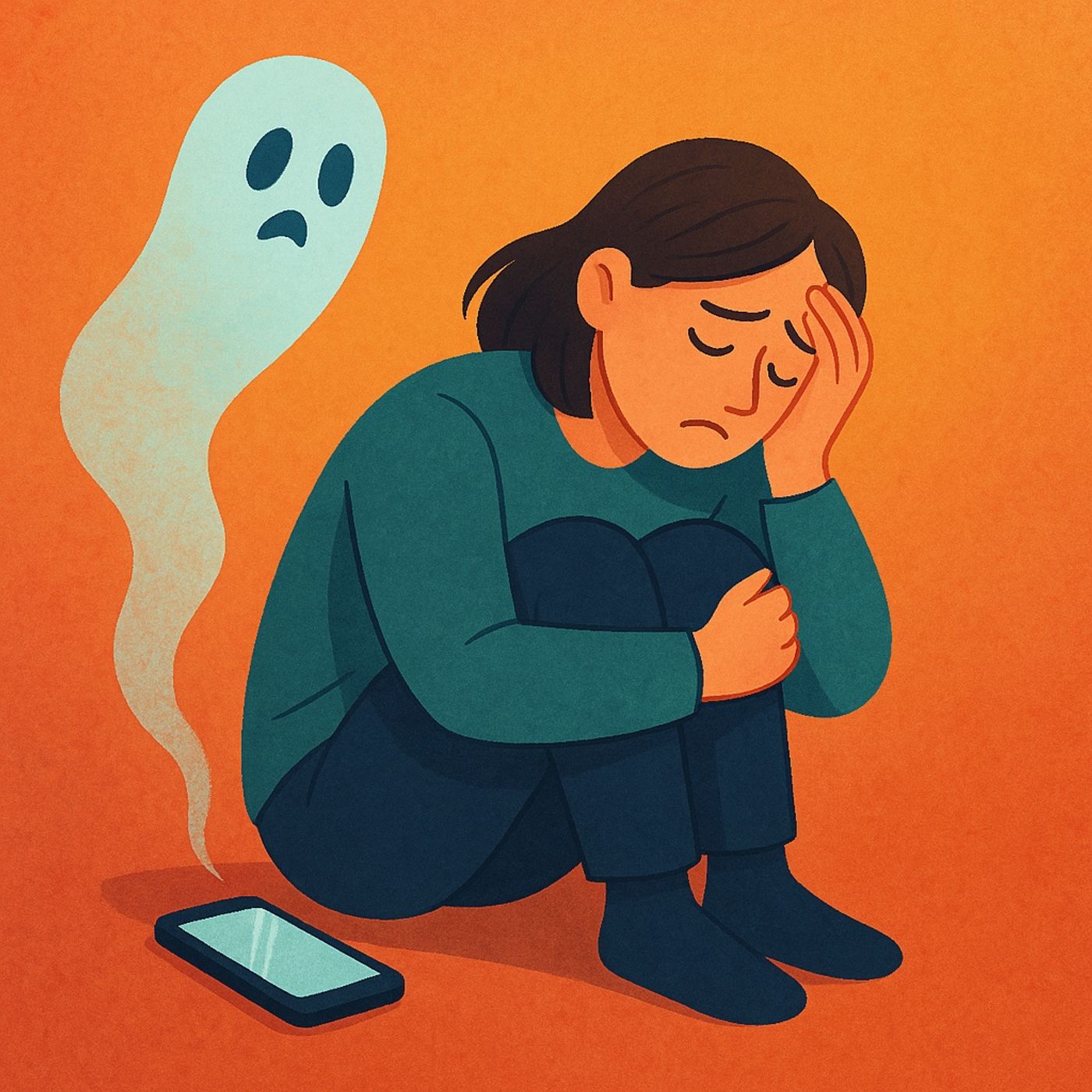
The Psychology of Ghosting: Reasons and Residue
Examines the act of ghosting from the perspective of the person who does it, rather than the one being ghosted. It explains that people often disappear without communication due to mental exhaustion, feeling overwhelmed, or emotional burnout, rather than mere carelessness or rudeness.It also explores the psychological consequences for the ghoster, noting that avoiding difficult conversations can c
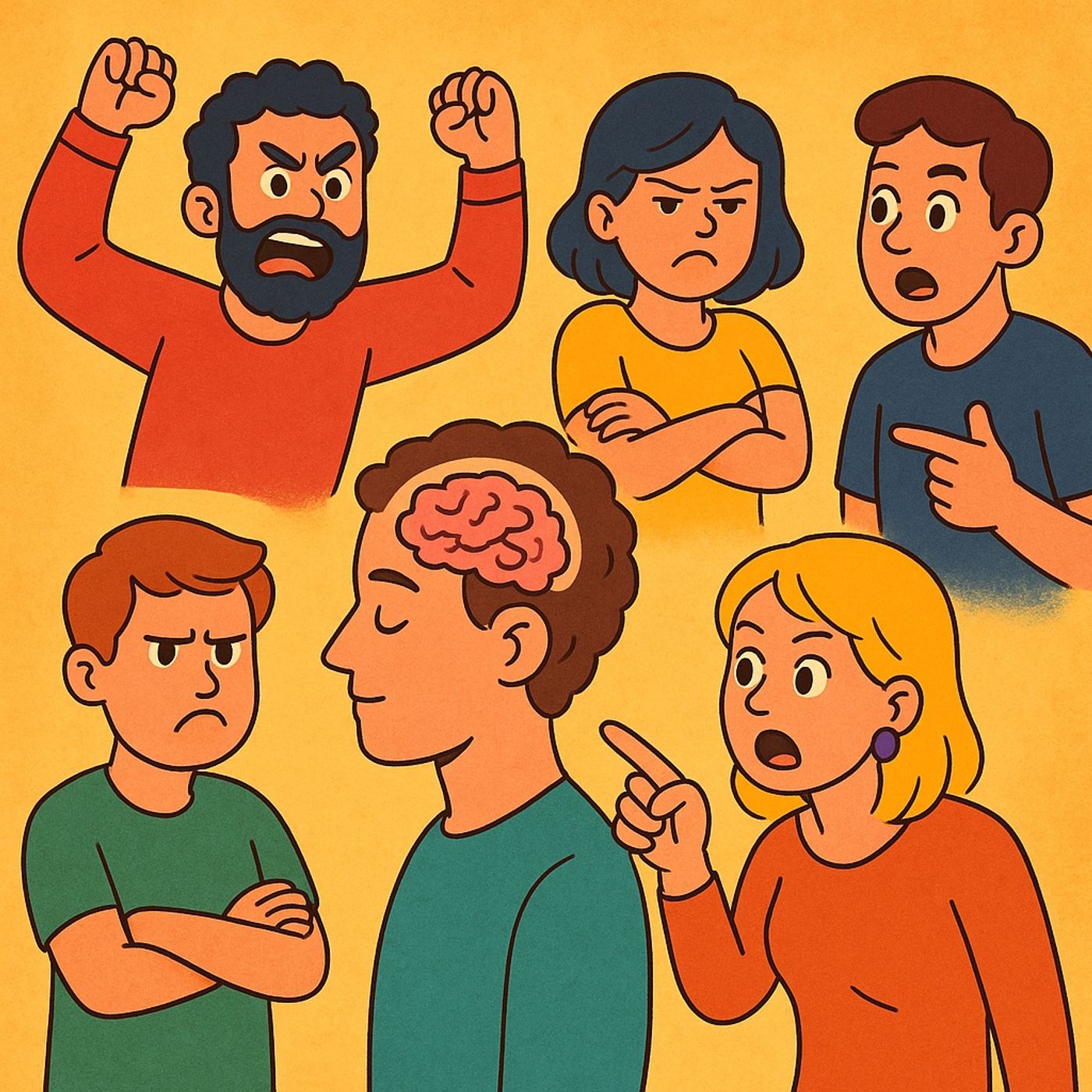
Avoiding Five Adult Childish Behaviors
Examines several “childish behaviors” that adults should avoid in order to cultivate mature relationships and personal growth. It highlights five common immature behaviors: public outbursts, stubbornness, attention-seeking, pouting or sulking, and shifting blame onto others.The discussion explains the psychological reasons behind these actions, emphasizing the importance of understanding why such
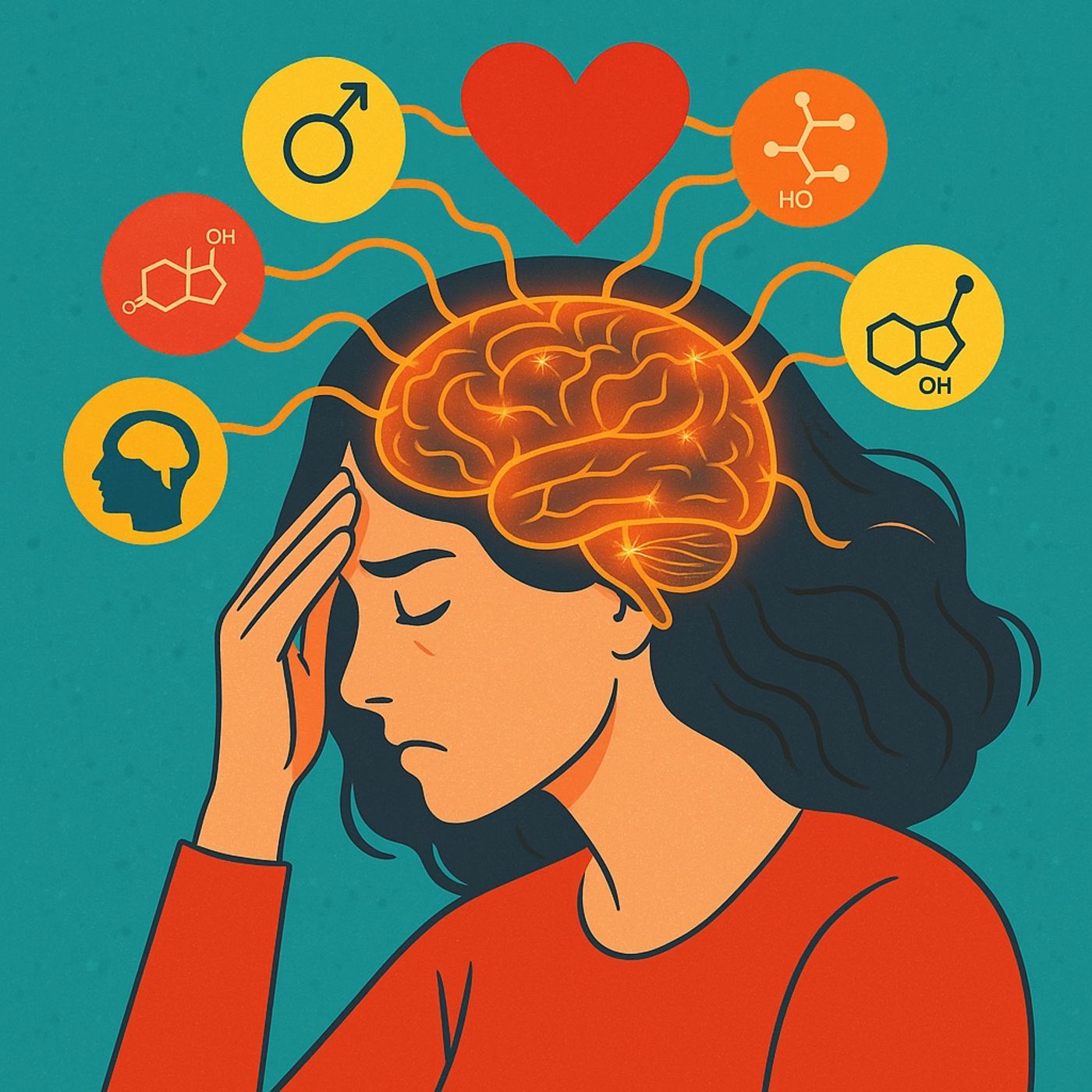
The Neurochemistry of Obsessive Love
Explores obsessive love by examining the neuroscientific and chemical factors that contribute to its development. It explains how hormones and neurotransmitters such as dopamine, oxytocin, testosterone, cortisol, and serotonin influence intense attachment and desire.It also describes how the brain’s reward system can create addictive cravings and dependency on a partner, often leading to anxiety,
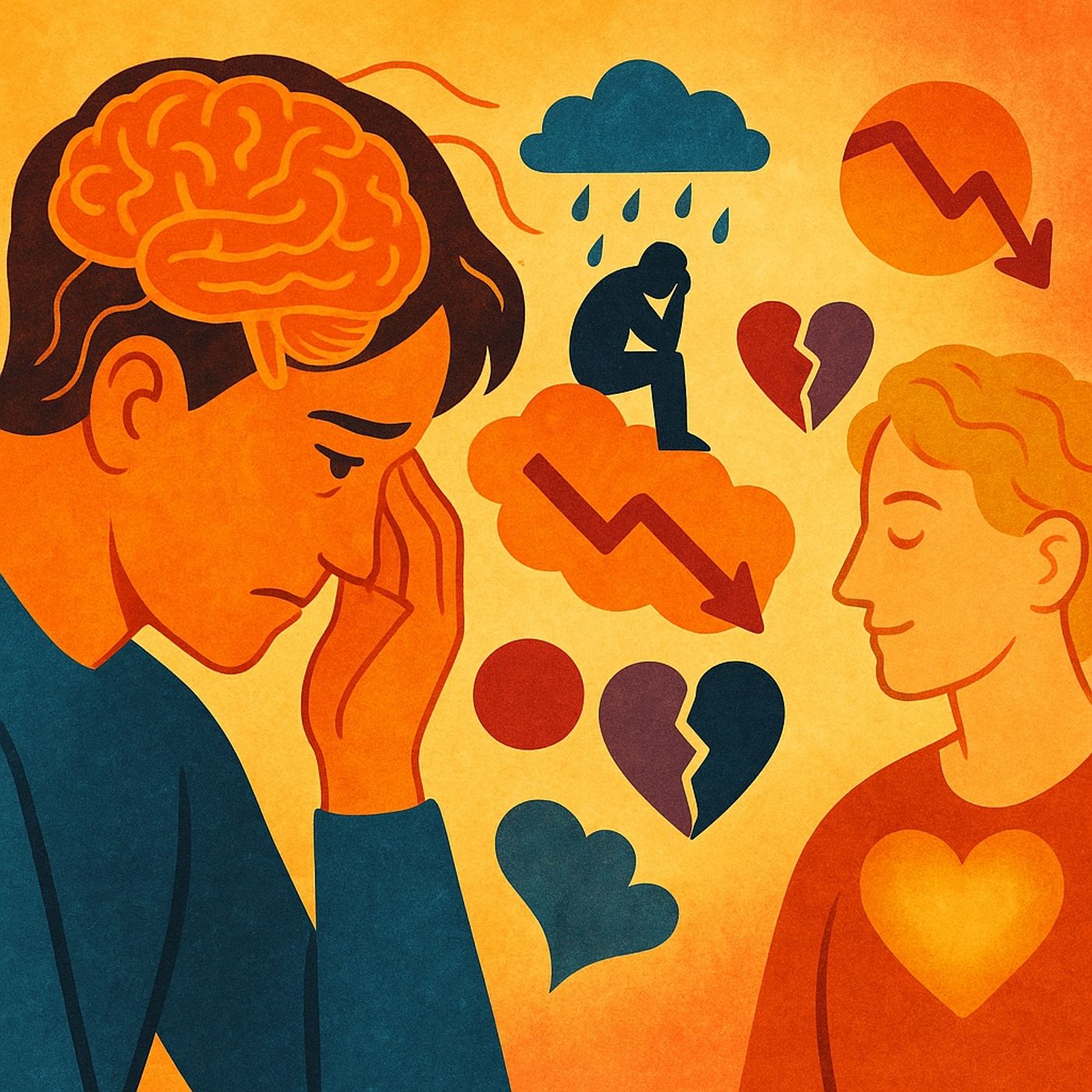
The Subtle Traits of Deep Suffering
Explores the subtle psychological and behavioral changes that can occur in individuals who have experienced significant suffering, drawing on concepts from Carl Jung and modern research. It explains how prolonged hardship can rewire the brain, producing traits such as hypervigilance and a strong desire for control, which serve as ways to restore a sense of safety.It also highlights a pessimism bia
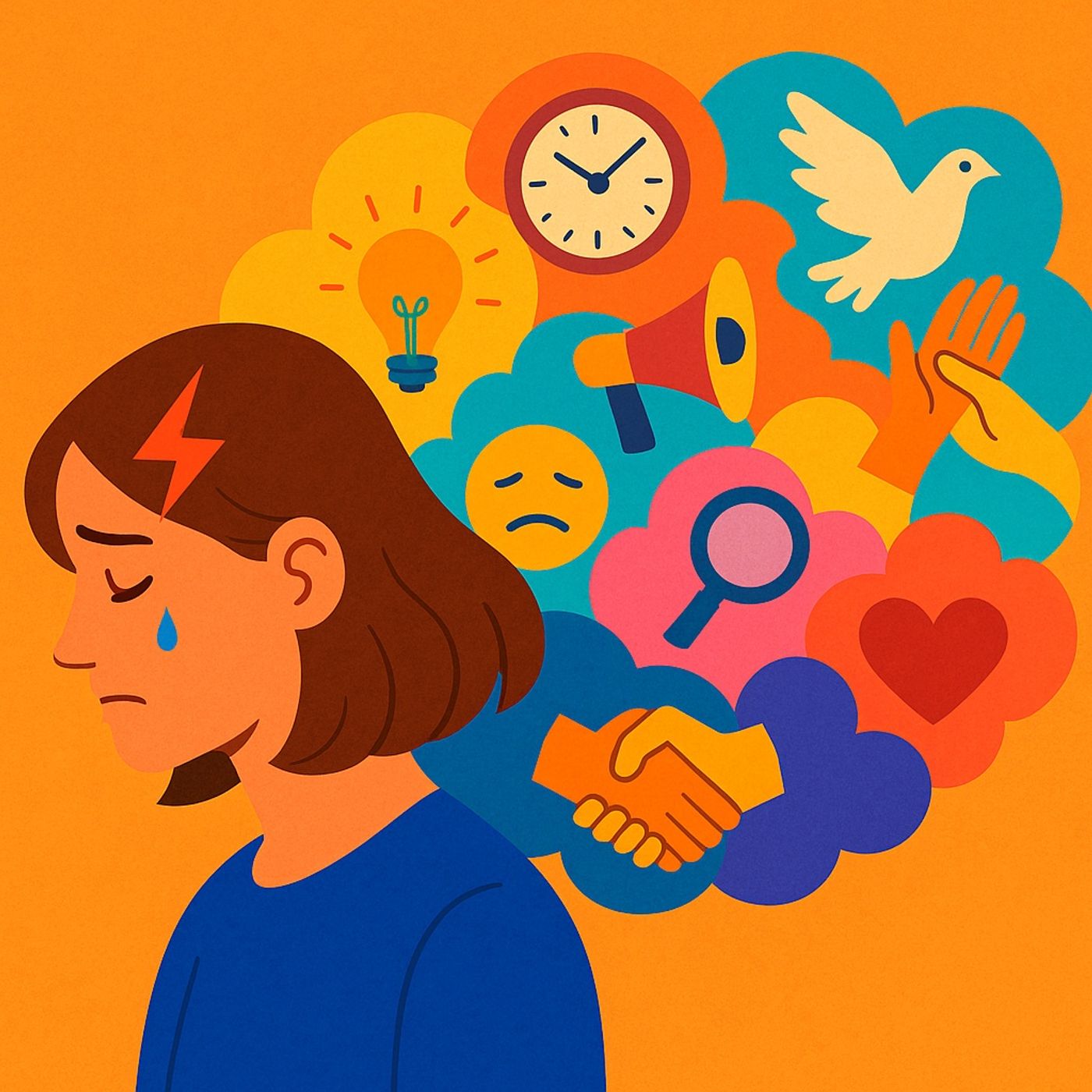
The Transformation of Pain: Ten Unexpected Shifts
Explores ten unexpected ways that pain and trauma can reshape an individual’s mind and behavior. It highlights how suffering can redefine strength, shifting it from simply “being tough” to being authentic and honest about personal struggles.Specific psychological changes include developing a fragmented sense of time, gaining an enhanced ability to read between the lines, and forming a complex rela
Recommended
Stand In The Circle

SLOW ENGLISH PODCAST (A1-A2) With Subtitles | Daily Videos | English With Us Podcast

Learn English A2 with Daily News | Simple English Listening Practice

پلی لیست | PlayList

Conspiracy Files with Paige Carter

Bad Friends

Learn 50 English Phrases While You Sleep | Everyday English Phrases & Vocabulary

This Past Weekend w/ Theo Von

Dateline NBC

Back to the 80s Radio

Crime Stories with Nancy Grace

Bible Tea
