Homebrewed Christianity
Homebrewed Christianity aims to make academic theology and philosophy accessible to everyday listeners. Each episode is framed as an ingredient for brewing your own faith, with most shows featuring interviews with scholars, theologians, or philosophers. The podcast bridges the gap between the ivory tower and the pew, encouraging thoughtful and personal engagement with religious ideas.
Episodes
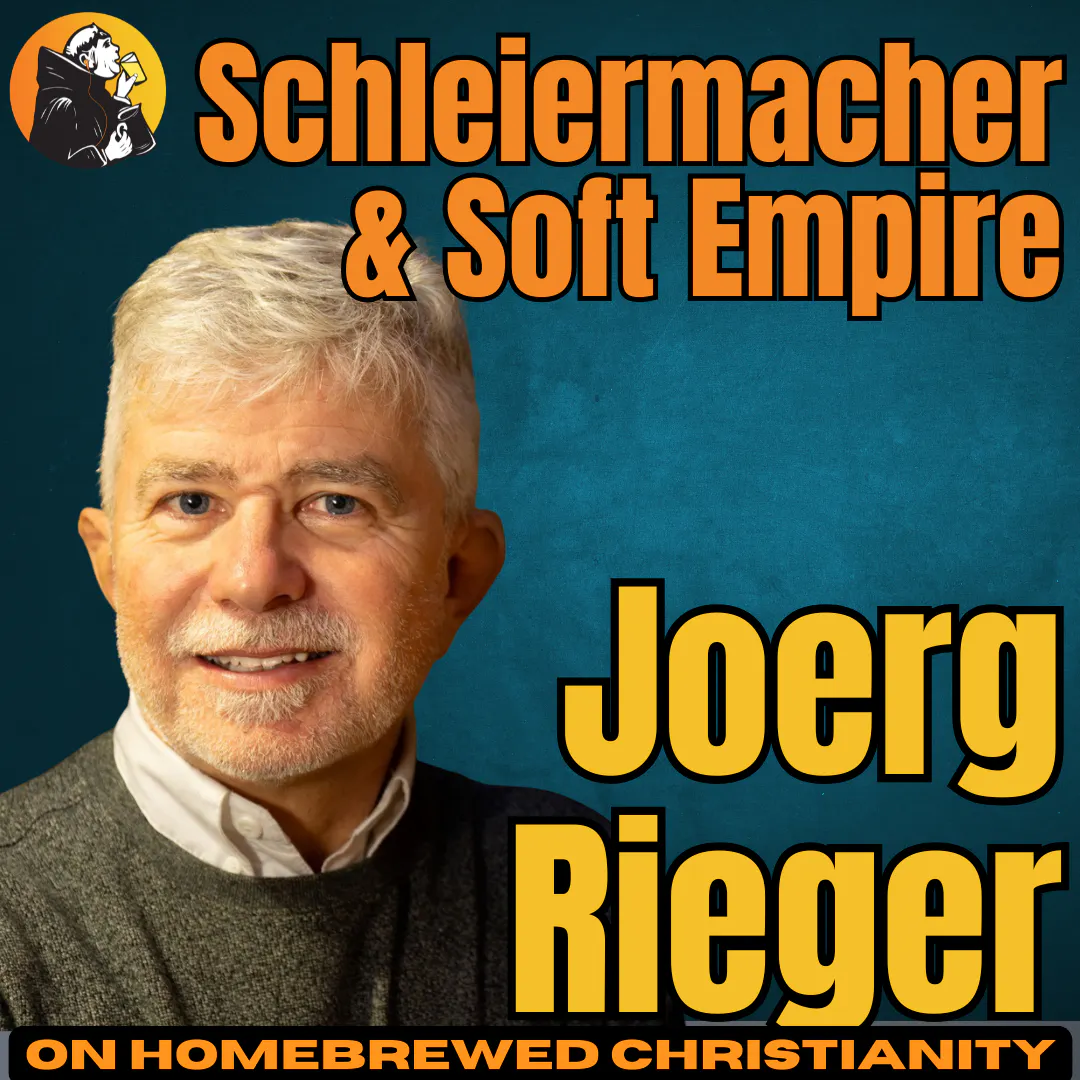
We Are the Miracle: Schleiermacher and Soft Empire
This is the fifth live Q&A for The Christ Empire Couldn't Keep in which Joerg and I got to Friedrich Schleiermacher: the father of liberal theology, the DNA of American mainline Christianity, and yes, a card in my theologian baseball card collection. (Joerg wants to trade for it. Negotiations are ongoing.) Joerg started by saying this session isn't meant to make anyone in the liberal tradit
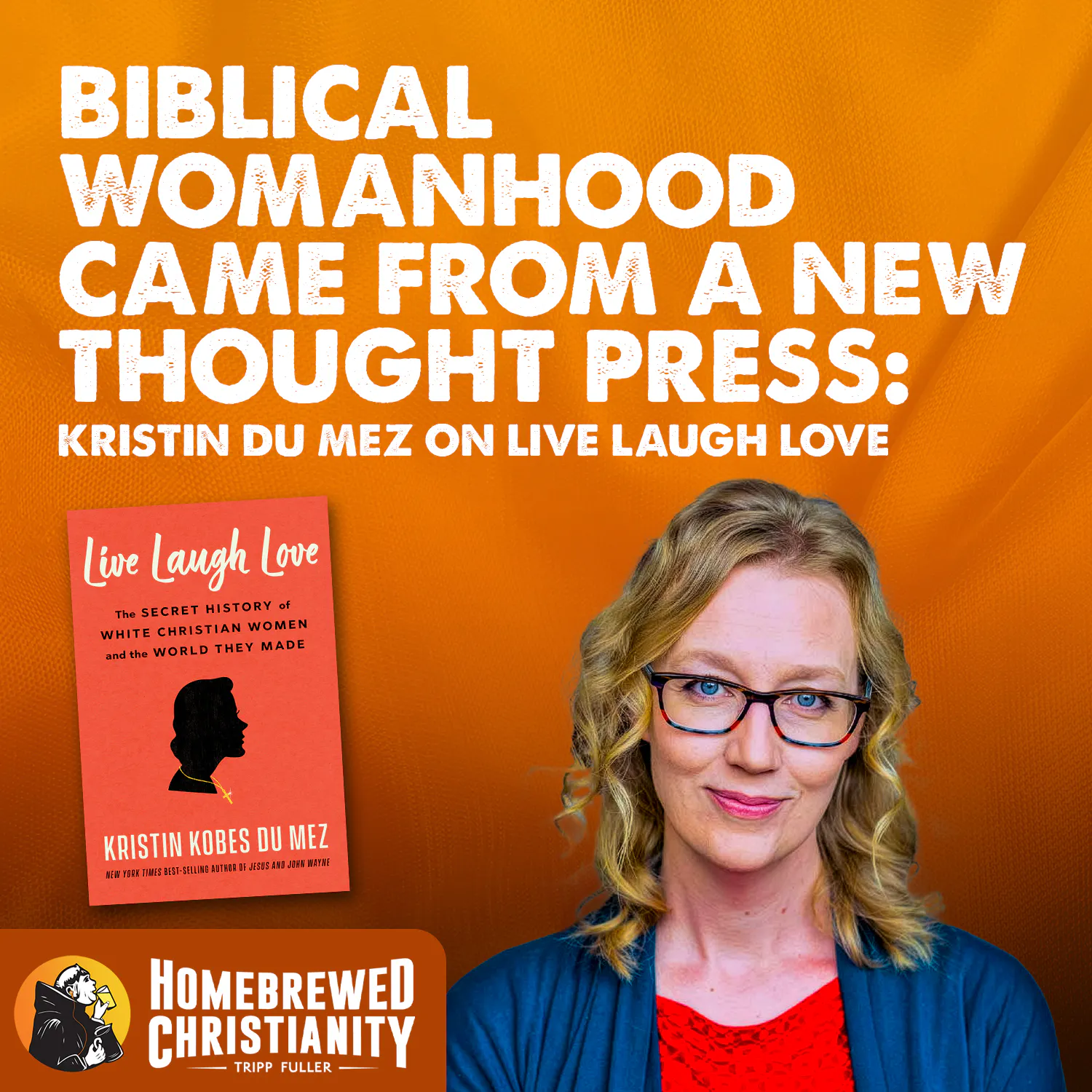
Biblical Womanhood Came from a New Thought Press: Kristin Du Mez on Live Laugh Love
Kristin Du Mez signed the contract for this book about a week before Beth Moore tweeted about Jesus and John Wayne, and that book took on a life of its own inside evangelical spaces. Then January 6th happened. So she wrote Live Laugh Love while still very much living inside the Jesus and John Wayne moment, which is partly her excuse for why it took so much l
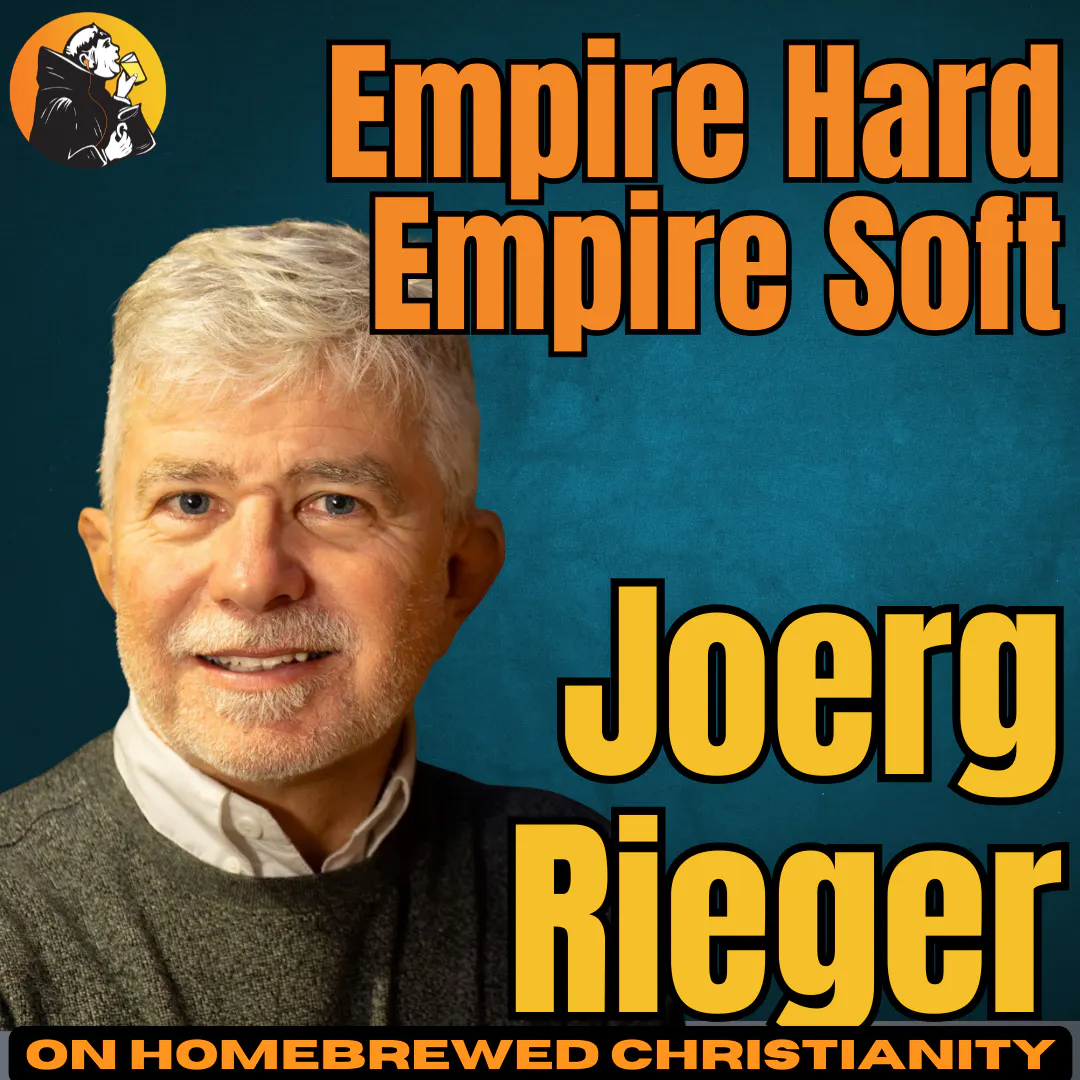
Empire Hard, Empire Soft: Joerg Rieger on Las Casas and the Conquest That Learned to Be Nice
This is the fourth live Q&A for The Christ Empire Couldn't Keep, and this week we're in the Americas with Bartolomé de las Casas — Joerg's pick over Martin Luther for the Reformation-era chapter, and the hinge of the whole course. Here's why. Las Casas owned an encomienda. He had Native people working for him. He was, in Joerg's words, a slave driver. Then he woke up, gave the land away,
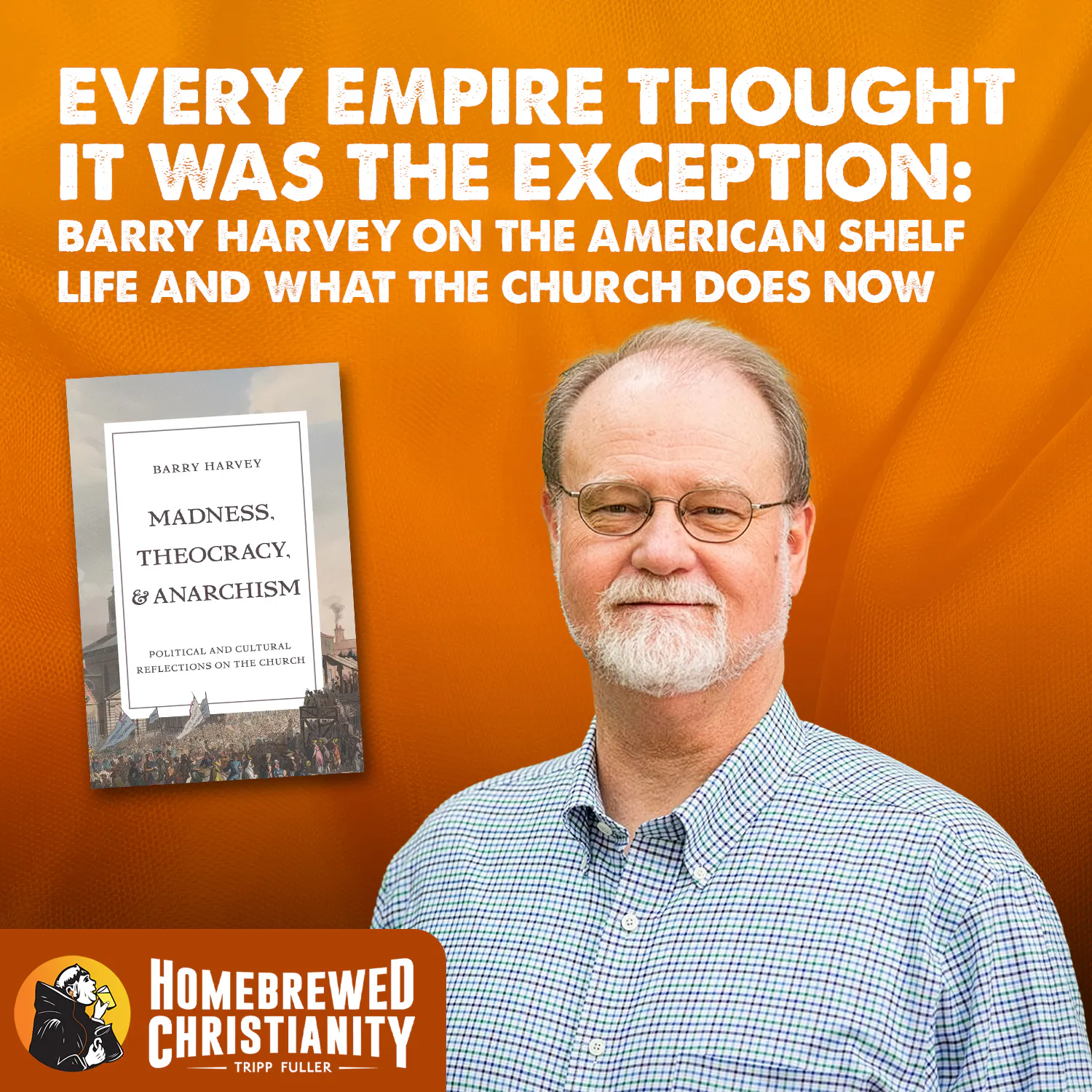
Every Empire Thought It Was the Exception: Barry Harvey on the American Shelf Life and What the Church Does Now
Barry Harvey is back with a book that puts madness, theocracy, and anarchism in the title. It's a collection of essays developed over his career, and beneath them all sits one assertion: the church is not a subsystem of civil society. It has its own integrity, its own allegiance, and its own context for rethinking how it relates to everything else. The preface opens with Justin
Anselm's God Can't Just Forgive: Joerg Rieger on Why That's Good News, Not Cruelty
This is the third live Q&A for The Christ Empire Couldn't Keep, and this week we did everyone's favorite theologian: Anselm. Here's the setup for those who've carried atonement baggage since youth group. The angry God demanding a victim is not Anselm. That caricature is a later invention, and Joerg asks why contemporary conservative theology needs a version of the tradition that the tradition
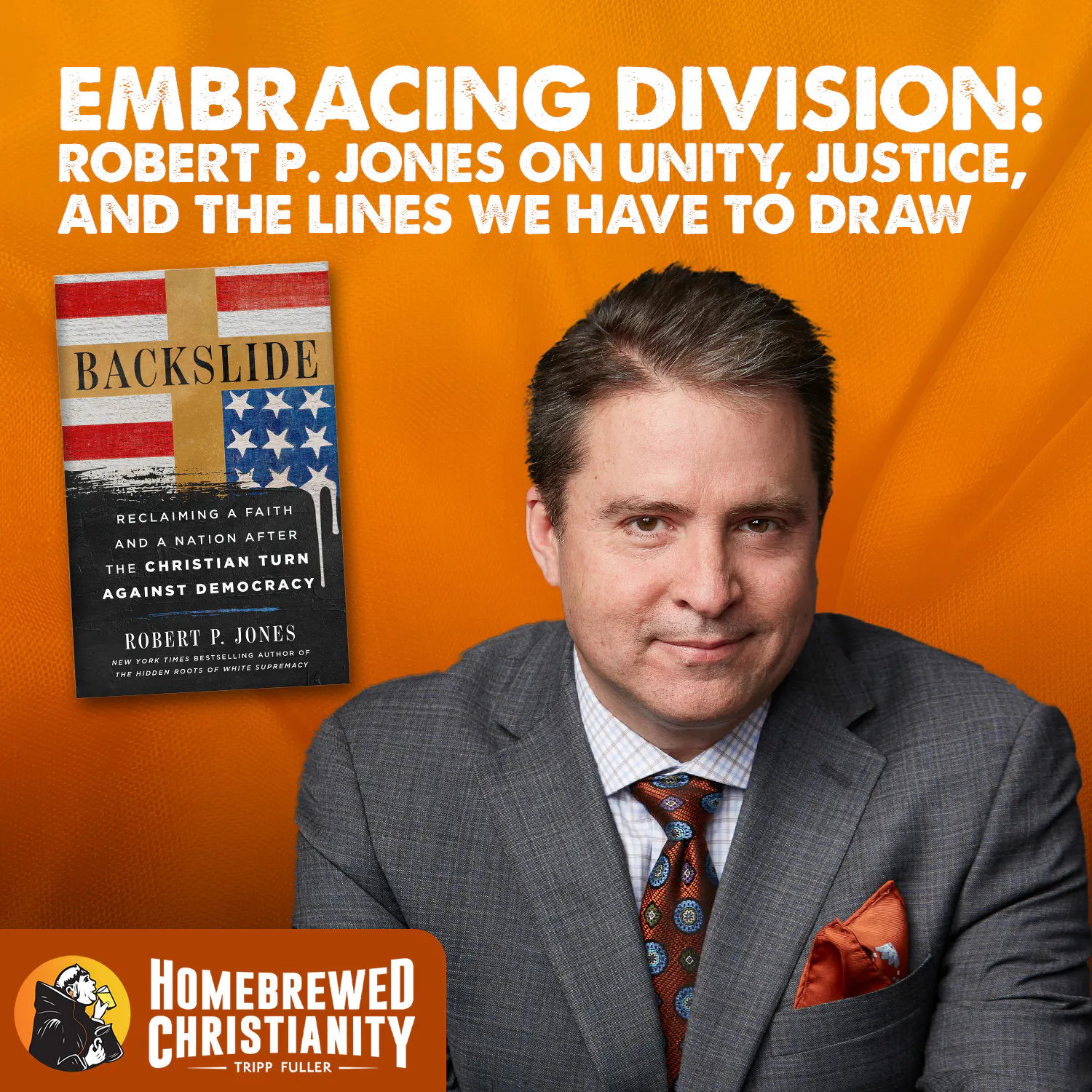
Embracing Division: Robert P. Jones on Unity, Justice, and the Lines We Have to Draw
Robbie Jones wrote a book called Backslide, and I went in expecting a chronicle of every way a Southern Baptist kid from Jackson, Mississippi cursed or lusted in middle school. That is not what this book is. Robbie takes a word that in our shared upbringing was entirely personal and entirely theological, and puts it next to the way political scientists now use the same word to describe what i

Who Owns the Creed? Joerg Rieger on the Conservative Gimmick and the Surplus They Missed
Second live Q&A, and this week we went to Nicaea. Here's the setup, in case you're new: Constantine called the council, funded the bishops' travel, set the agenda, chaired it, and personally suggested the technical term homoousios — that the Son is of the same substance as the Father. Joerg's method is to notice who pays for the trip. The boss funds the conference, the boss owns the prod

You're Probably Assyria: Anna Sieges on the Book of the Twelve and the Empire You're Actually In
Al Mohler recently let the internet know he finds it a bit sus when a woman talks about the Bible on a podcast. Today's guest is one of four women who just launched a podcast where they talk about the Bible. Four. Plural. It's called Bible Divas, and Anna Sieges says she plans to email Al every time an episode drops so he doesn't miss one — and maybe gets an opportunity to be moved by th

Is That Really a High View of Scripture? Craig Allert on Scripture, Canon, and the Story We Weren't Told
My dad had a giant church history timeline hanging in his office wall when I was a kid. And if you are a pastor's kid, you learn a lot watching how your parents handle the church member who shows up to run an inquisition. Somebody would come in and say, "You said X, but the biblical answer is not X," and Dad would point up at that timeline and start naming people. What about this gu

Empire Goes All the Way Down: Joerg Rieger on What "Christian Nationalism" Misses
This is the first live Q&A for the new class, and Joerg Rieger came ready. Christ and Empire came out during my last year of div school, and that's why I was so excited to try to study with him, until Joerg promptly went on sabbatical. So this whole class is, in a sense, twenty years of making that up. The argument is not that empire won. It's that across two thousand years, empire

Ancient Israelite Religions, Plural: Cynthia Shafer-Elliott on Household Shrines, Figurines, and Yahweh's Asherah
There is an entire content industry built on "biblical archaeology" right now — TV shows, YouTube channels, the House of David series on Amazon, all of it running on big Nephilim energy. Cynthia Shafer-Elliott does not watch any of it, because it makes her yell at the screen. (Her husband, however, likes to watch her watch it.) She is a professor of Hebrew Bible at Baylor and an actual field archa

Tripp Hijacks Religion on the Mind with Dr. Dan Koch
Dan Koch just finished a seven-and-a-half-year process and came out the other side a fully licensed clinical psychologist. So I did what any friend would do — took over his podcast, gave him a week off from prepping, and made him answer every question I've been saving. He did zero prep on purpose. What we got is the conversation you have with someone you've known long enough to skip the throat-cle
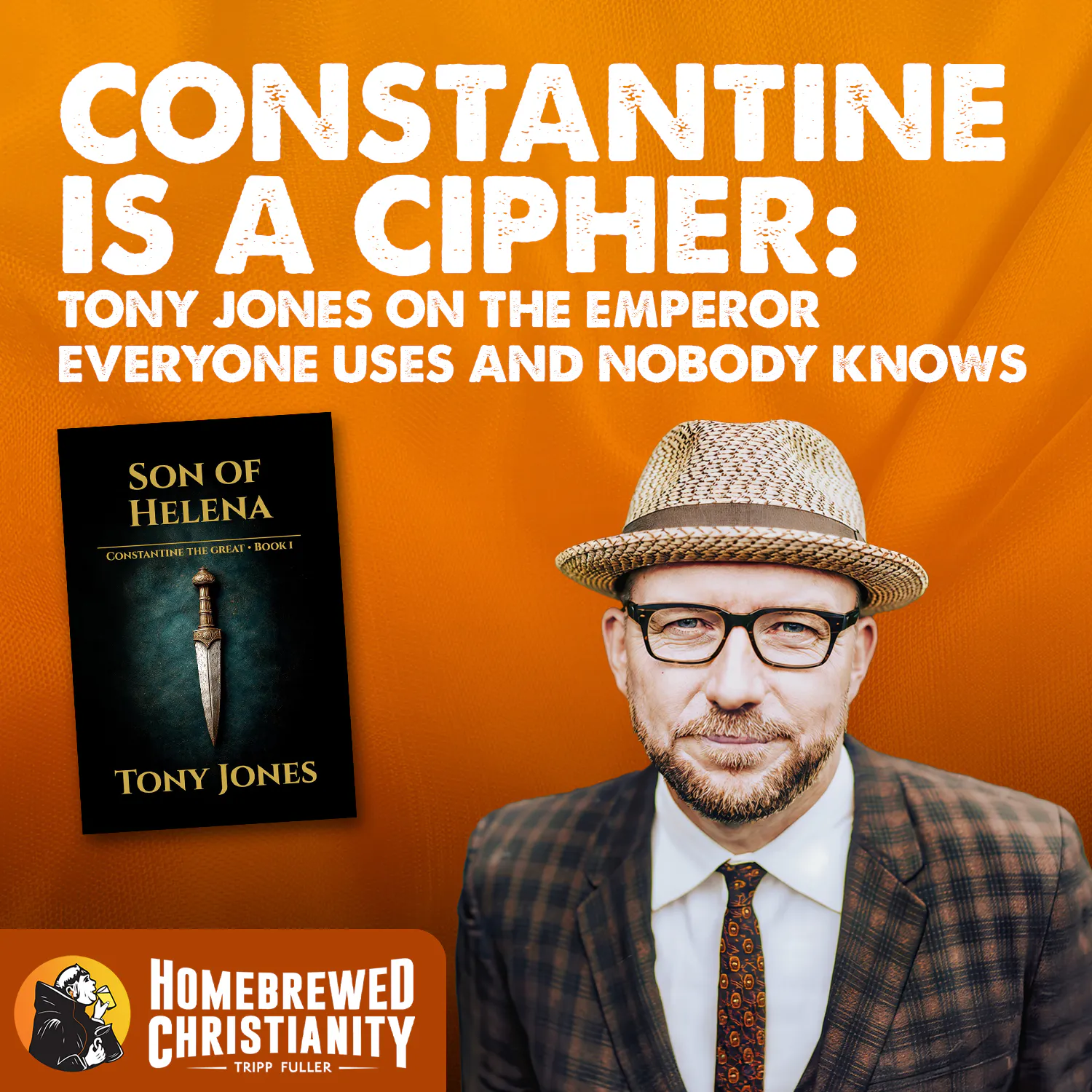
Constantine Is a Cipher: Tony Jones on the Emperor Everyone Uses and Nobody Knows
Tony Jones has been getting up early for ten years and refusing to talk to anyone until he has written for hours. Now we know why. Son of Helena is the first book of a trilogy about Constantine — a figure Tony correctly calls a cipher, the empty container into which everyone who loves or hates the marriage of church and state pours their own opinions — and nobody had ever written th
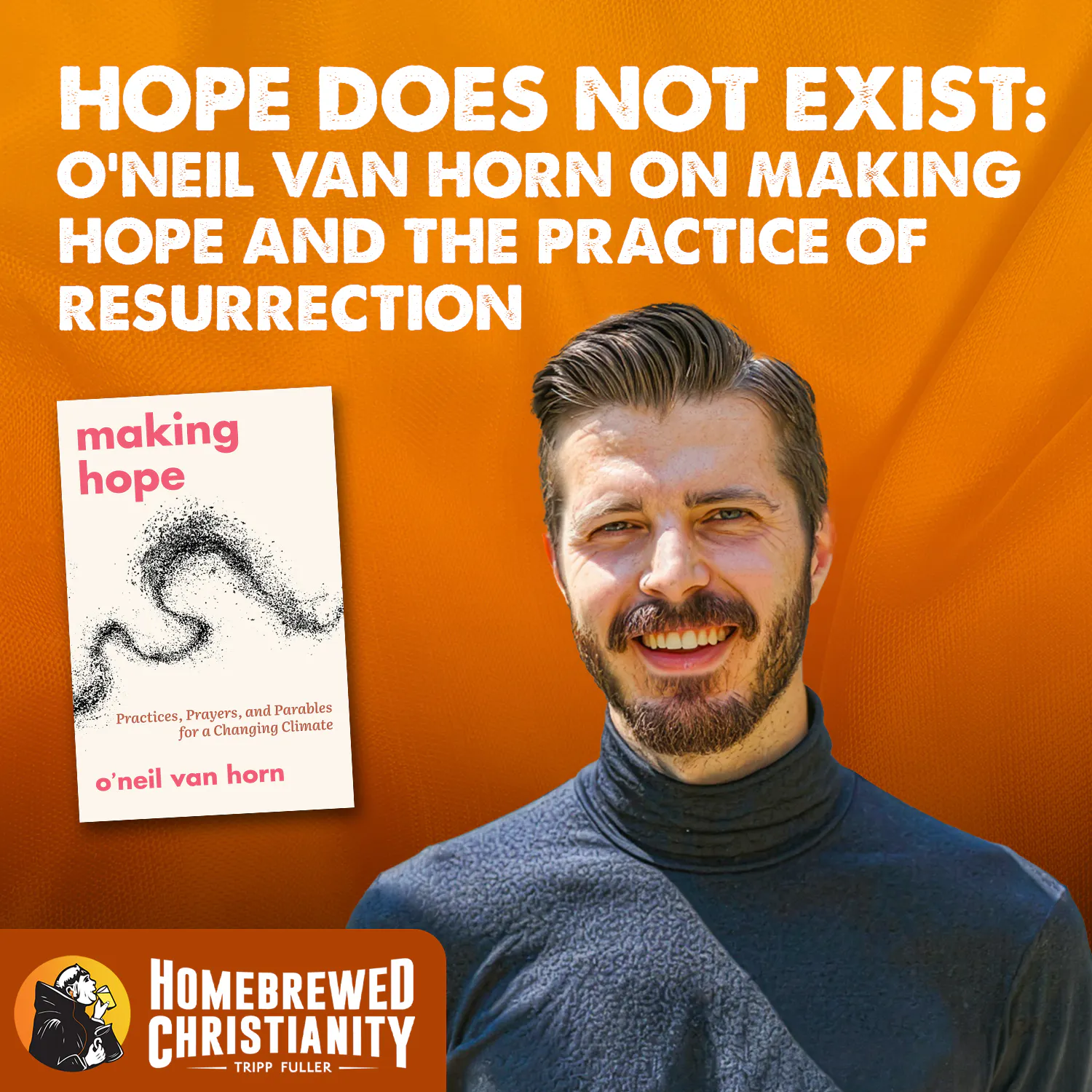
Hope Does Not Exist": O'neil Van Horn on Making Hope and the Practice of Resurrection
My friend & Orbis editor, Dr. Tom Hermans-Webster, sent me this book with a note that said, "You're going to love this, Tripp. No, really, you are." He was right. O'neil Van Horn's Making Hope: Practices, Prayers, and Parables for a Changing Climate opens on page one by announcing that hope does not exist — which sounds like a branding failure until you realize he means hope is not
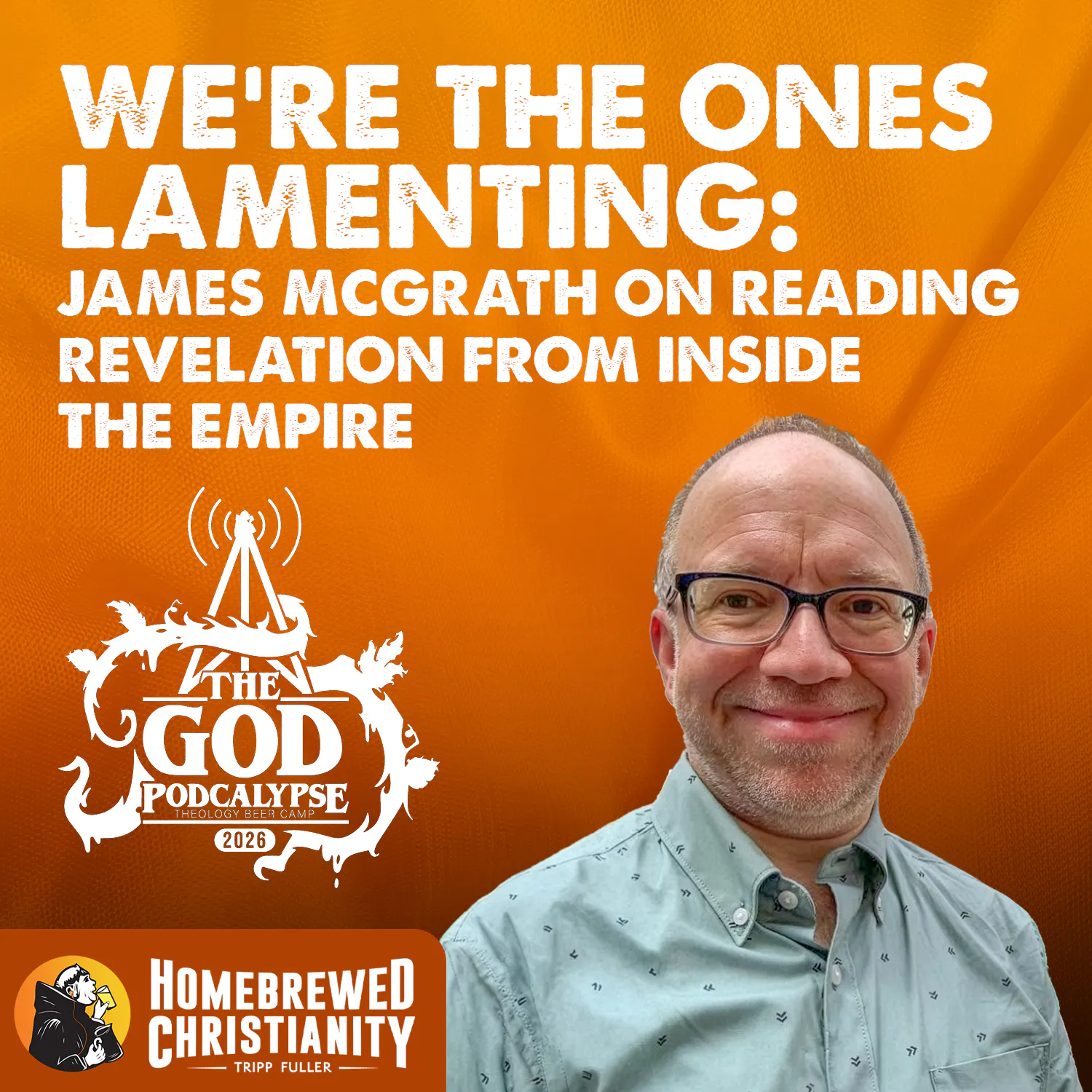
We're the Ones Lamenting: James McGrath on Reading Revelation from Inside the Empire
Welcome to TBC 26 FM, the post-apocalyptic radio station broadcasting from the wasteland of late modern America. James McGrath — the Religion Prof himself — was the right guest for the apocalyptic-themed Theology Beer Camp preview, because he wrote Theology and Science Fiction, he loves some Battlestar Galactica, and he spent a full year of sabbatical thinking about nothing but the New Testam
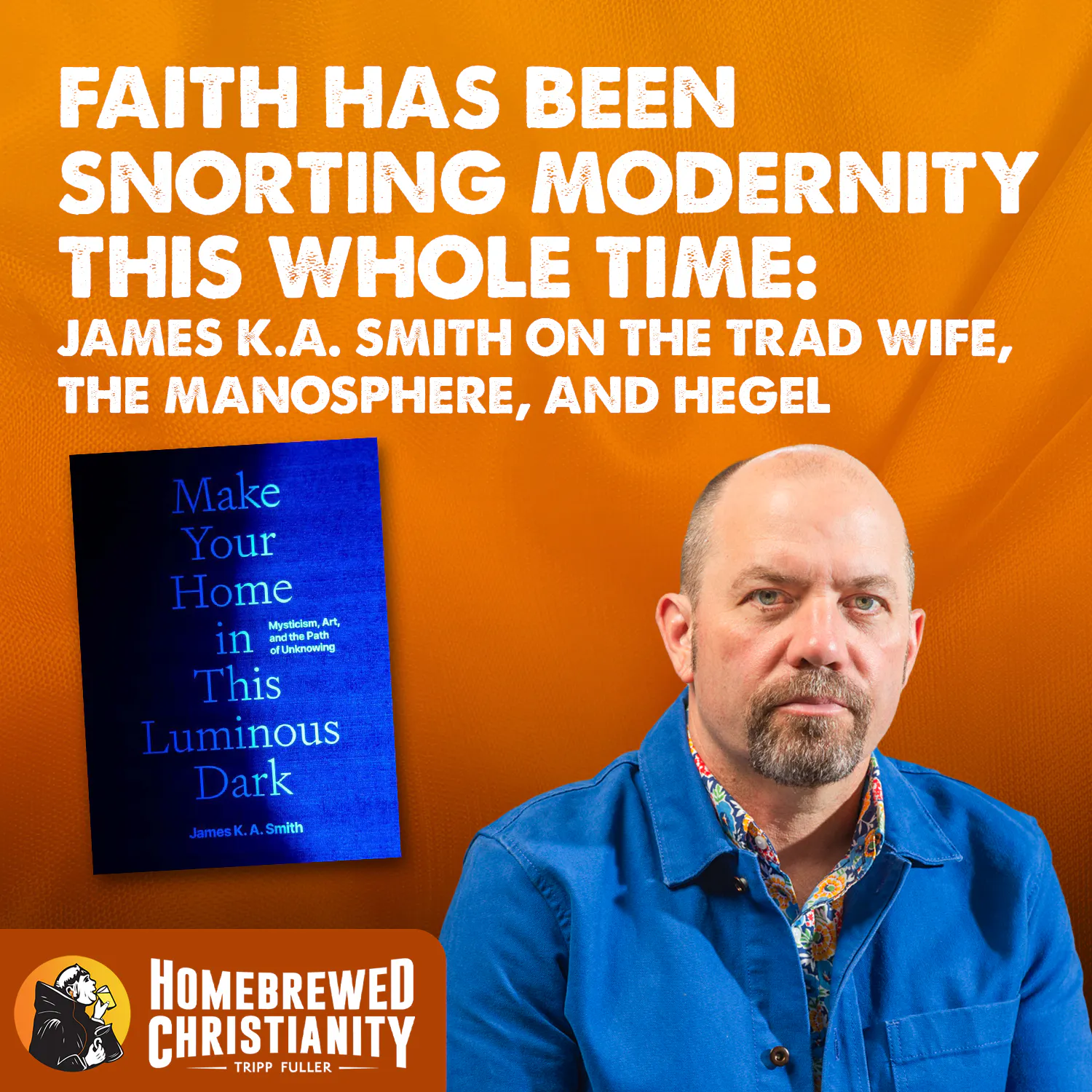
Faith Has Been Snorting Modernity This Whole Time: James K.A. Smith on the Trad Wife, the Manosphere, and Hegel
Jamie Smith is a Reformed philosopher — one of the first to put a Catholic mystic in the title of a book and then proceed to argue that it was the contemplative tradition that brought him back to a flourishing form of faith on the far side of a series of nerdy dead ends. Make Your Home in the Luminous Dark is his most personal and, I would argue, most beautiful book. It began the day, mo

Doubt Is the Door: Chaplains in the Trenches, George MacDonald, and the Bebbington Quadrilateral w/ Timothy Larsen
Dr. Timothy Larsen writes about serious, energetic faith in the places other historians assume the faith cannot really be. A Victorian Christian fantasist. A Westminster canon who quietly set aside biblical authority. And, in his newest and most acclaimed book, seventeen Anglican chaplains who came out of the trenches of World War I as radicals. Tim is McManis Professor of Christian Thought at Whe
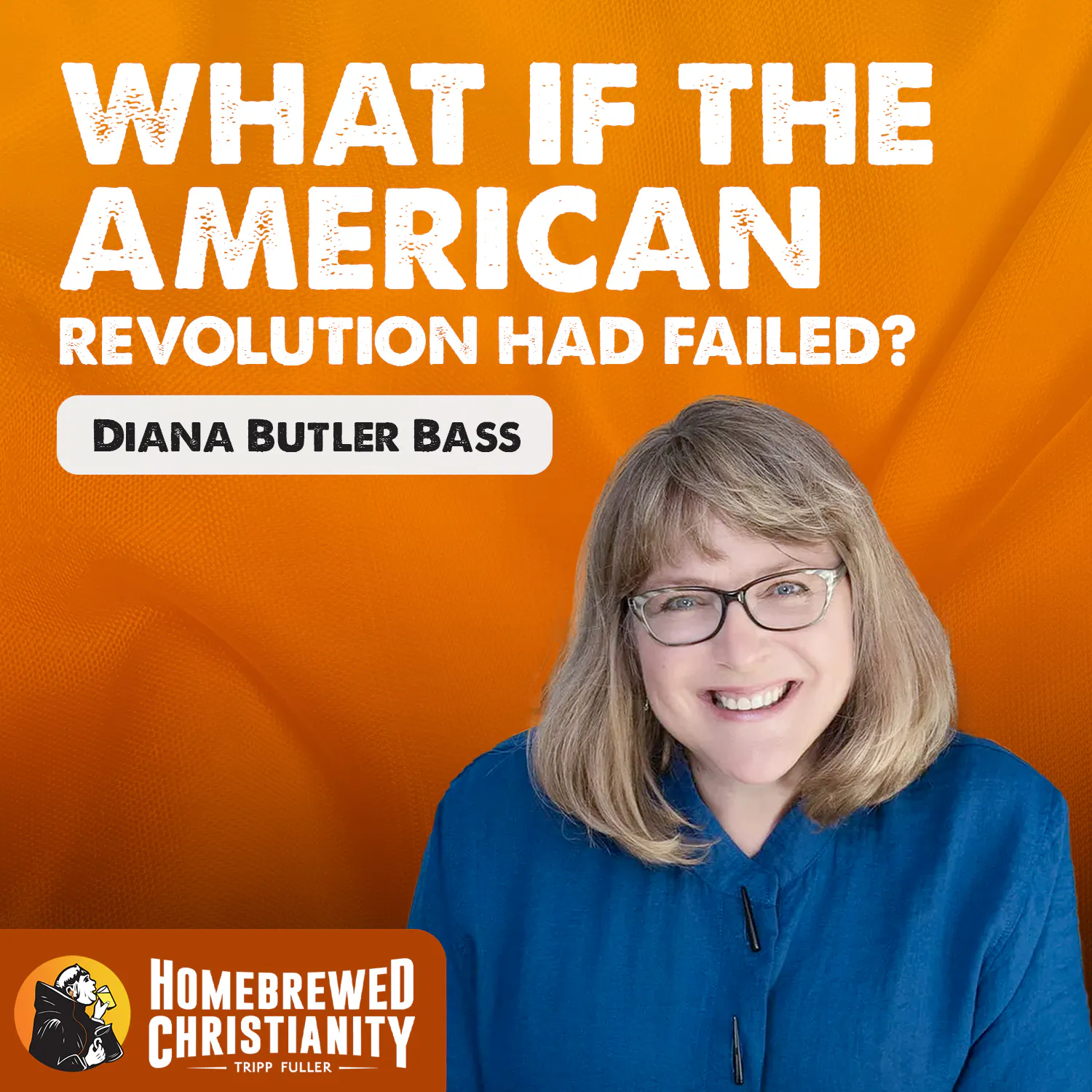
What If the American Revolution Had Failed? with Diana Butler Bass
Diana Butler Bass just got back from Ireland, where she and Richard escaped the Fourth of July — and she came home with the most stunning historical counterfactual we have ever discussed on the podcast. Standing in the death-row hallway at Kilmainham Gaol in Dublin, the prison where the leaders of the 1916 Easter Uprising were executed one by one, Diana asked herself the question that turned her w

Thank God I Am an Atheist: Thomas Jared Farmer on Gianni Vattimo's Weak Thought
Gianni Vattimo — the Catholic-communist-gay Italian pioneer of pensiero debole (weak thought) — died in 2023, and the intellectual biography he deserved has finally arrived, courtesy of Thomas Jared Farmer, a fellow Claremont alum who wrote the book at the University of Münster and now works at Emory Law School. Vattimo is not the household philosopher he should be in English, and this b

The MLK Monument Has No Jesus on It: Vincent Lloyd and Luke Bretherton on Secularism as Ideology
Political theology is finally having its moment — every op-ed columnist reaching for Christian nationalism, every neoreactionary tech founder invoking the katechon, every mainline pastor watching JD Vance lecture the Pope about just war doctrine, every abolitionist community organizer working the intersection between the sacred and the political. And yet almost no one seems to know what polit

Al Mohler's Nightmare: Interpreting Scripture While Female with Jennifer Garcia Bashaw
Jennifer Garcia Bashaw is back, and her timing is, as always, impeccable. We recorded this conversation about her new book on biblical interpretation right after Al Mohler announced that women cannot, in fact, teach the Bible on podcasts. So we did the only honest thing. We talked about scripture for an hour. Serving Up Scripture is the book Jennifer co-wrote with Aaron Higashi, and it u

Winter in America: The Double Deac Deans on the 250th, Christian Nationalism, and the Questions That Do Not Get Answered
This was a live one, recorded on the eve of the 250th at Wake Forest Divinity School with the Double Deans in the room. Corey Walker's Theology Summit lecture — which spent six hours at the top of Substack the week we recorded — uses two moments in American history to name where we are: James Duane's October 1775 letter hoping this winter would bring revolution, and Gil Scott-Heron's 197

You Are the Christ: Ilia Delio on Taking Paul More Literally Than the Catholic Church
Last Q&A of The Future of Religion. And on the way out, Ilia did the thing the class had been quietly building toward — she said out loud that Teilhard never called Christ the savior, that we are not saved by one particular person but by making an option for the whole, and that the actual move the future of religion asks of us is to take Paul more literally than the Catholic Church does.

Guilty of Its Own Innocence: Cornel West on Baldwin, Matthiessen, and America's Peter Pan Problem
Cornel West is coming to Theology Beer Camp with his neighbor, Gary Dorrien, this October, and this hour is the on-ramp. It also happens to be a full one-hour preview of the America 250 conversation every clergy person I know is currently trying to write a sermon around. Brother West walked us through 1776 as an interruption of empire that was itself built on the preconditions of Indigenous genoci

The Second Naivete of a Nation: Diana Butler Bass on America 250, Anger, and Believing Again
Diana Butler Bass and I are back at the table, forty-eight hours out from the launch of the Theology Summit at America 250. She spent last week at Chautauqua watching the generational transfer happen in real time. I spent it half-yelling at Morning Joe. We came back together to answer two of the listener questions that have been landing in both of our inboxes since the last episode dropped — what

The Allergy to Otherness: What Modernity Did to the Pew Next to You with Ilia Delio
Third Q&A of The Future of Religion. Ilia is back from Germany, the questions came in long and dense, and we ended up doing the thing the lecture had set up. We tracked how the natural-supernatural binary got constructed — Hume locks God out, German biblical critics build the distinction to argue about miracle stories, Huxley grabs the distinction and weaponizes it against the whole of nature. We

Its Gates Will Never Be Shut: Scott Paeth on Eschatology, the Statue of Liberty, and Patriotism at America 250
Scott Paeth wrote Christianity and Identity during Trump's first term, expecting that by the time the book hit shelves the urgency would have passed. Then November happened again. So volume one of his new three-volume series Faith and Public Reason lands as the book on this moment — the one I have been waiting for someone with Scott's training to write. We start with Y2K as the real end of history

We Are Back in 1850: Master Signifiers, Heritage Americans, and the Confession We Stopped Saying with Diana Butler Bass
Diana and I sat down to launch our summer online Summit — Unsettled Ground: Faith & the American Story at 250 — a video time capsule of scholars and friends answering a single question: what is the one thing you want people to know about America at 250? We compared the bicentennial summer of 1976 (gas crisis, Watergate, the end of the Vietnam War, mortgage rates at 18% — but neighbors still made

Thriving Is Climate, Flourishing Is Weather with Pam King
Pam King is back, and this conversation moved at the pace it wanted to. She runs the Thrive Center at Fuller Theological Seminary, and the framework she has built there is the most useful integration of psychological science and Christian theology I have come across — six facets that spell THRIVE, with a telos she calls the reciprocating self. We started with Stanford and seminary and ended with h

If a Silicon God Arrives, It Will Be the God We Deserve with Robert Wright
Bob Wright is back, and The God Test is the AI book I had been waiting for someone to write — the only one I have read that takes the spiritual stakes of the technology with the seriousness Teilhard would have. It opens with the interview Bob conducted with a young Geoffrey Hinton in 1983 — now anointed by The New York Times as the godfather of AI, now also one of its loudest doomers — and pivots

Decisional vs. Emotional Forgiveness: The Distinction Most of Us Have Been Missing with Everett Worthington
Dr. Everett Worthington spent thirty years building the most rigorously tested forgiveness program in psychological science — and the day he turned in his first book on the subject was the day his mother was murdered in a home invasion. Three years later, his brother, who had discovered her body, took his own life, after Everett — a psychotherapist, a big brother — had failed to talk him into coun

There Was a Time When God Was Gods with Ilia Delio
Ilia delivered the Axial Age lecture this past week from her temporary post in Germany, and the questions came in fast enough that we ended up touching the third rail of the whole class — the rise of monotheism. Yes, there was a time when God was not. Yes, there was a time when God was gods. Yes, Psalm 82 is in your Bible, and yes, Yahweh shows up at the divine council to judge the other deities.

Religion Has a Physiology: Ilia & Tripp on Why Rituals Come Before Beliefs
This is the first Q&A of The Future of Religion, and the questions did exactly what good questions do — they pulled the lecture into places I had not planned to take it. Ilia opens by reframing my religion before belief lecture in her own cosmological key, and then we are off: three centimeters per second and the C-fibers, the knife edge at fifty bodies where the old bonding mechanisms fail and re

The Machine Is a God Image with Ilia Delio
Ilia Delio and I sat down a week before The Future of Religion class opens, in front of 500 people who already knew what they were signing up for. The conversation ranged — from the brain mutation she underwent when thirteen years of neuroscience gave way to a monastery ("Thomas Merton was my concussion"), to the single verb she would change in Pope Leo XIV's brand-new AI encyclical (turn remain i
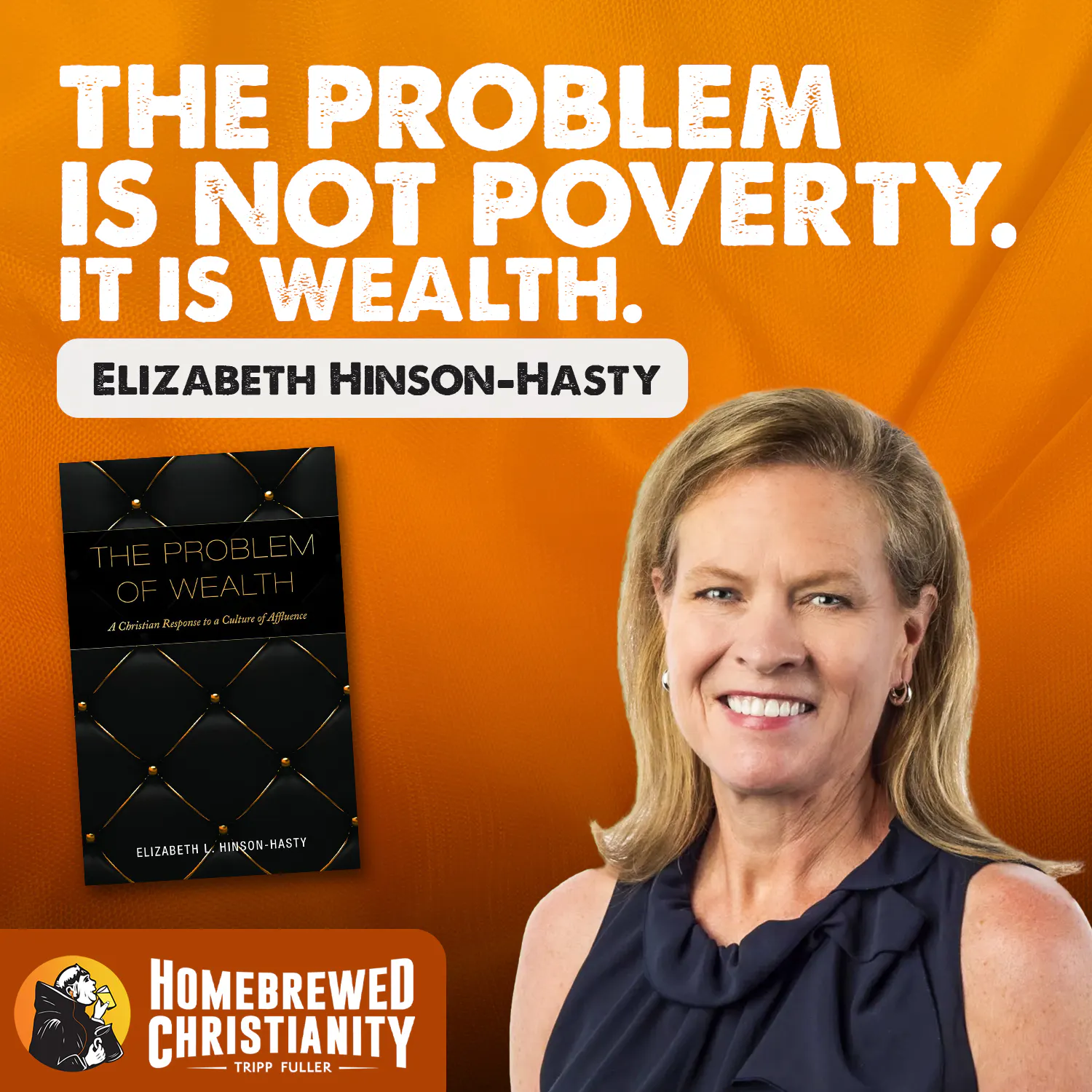
The Problem Is Not Poverty. It Is Wealth. w/ Elizabeth Hinson-Hasty
Some conversations want to be in a coffee shop, not a studio — and this is one of them. Elizabeth Hinson-Hasty and I share a particular endangered species of Baptist heritage, the small, ecumenical, justice-formed wing whose patron saints include her father, Glenn Hinson, the Baptist church historian who taught half my div-school professors how to take the contemplative tradition seriously. So bef

Preaching in the WTF Zone: Leah Schade on Saying Something True When the News Will Not Stop
The volume of "I genuinely don't know what to preach anymore" emails landing from clergy has become its own data set. Pastors are not okay. So I did the only honest thing — I outsourced your questions to the one person whose books, research, and classroom hours have been training people for exactly this moment. Leah Schade is back on Homebrewed, and she has spent the better part of a decade survey

The Darkly Radiant Struggle with Gary Dorrien
Gary Dorrien joins me and Aaron to close out six weeks of Theology for Troublemakers with a session that covered more ground than any before it — Kelly Brown Douglas as the fourth womanist founder, the double negative she cut from Resurrection Hope that contains the argument she's still wrestling with, Raphael Warnock as the student James Cone staked his hopes for Black theology on, the last conve
Religion Before Belief: What's actually dying and what was always the deeper thing
Most weeks now I get an email from someone who's sure they've believed a lie their whole life — that the faith holding their family, their friendships, their sense of self together is collapsing, and they don't know who they are without it. I've been that person more than once. So in this essay I want to say the thing I wish someone had said to me: what's dying might not be your faith. It might ju

James Cone Was Right: Gary Dorrien & Charlene Sinclair on Black Theology, the Lynching Tree & the Cry We Keep Not Hearing
Week five of Theology for Troublemakers, and we finally got to James Cone — which meant we got to Charlene Sinclair, and I want you to know that the moment Gary introduced her on this call was one of the more moving things we've done in this class. He described her as the student who told Cone she saw something in his early work that nobody else gets — the importance of Fanon to his concept of ont

The Meme, the Madonna & the Fertility God: Andrew Root on Idolatry, the Church & Late Capitalism
Andy Root is back, and this time he's got a fertility god on the cover of his book — which, if you've been paying any attention to his work, is not actually a detour. Baal and the Gods of More is what happens when Andy takes the background hum of economic critique that's been running through all his previous books and turns it all the way up, then runs it through First and Second Kings, Hartmut Ro

Binge-Watching as Spiritual Formation (And Not in a Good Way)
A year ago I started binge-watching shows during workouts and didn't notice when it became a problem. Then a new season dropped, I finished it in 48 hours, and I sat in front of the screen feeling a specific blankness — that sensation of having consumed something and received nothing. This essay is about that feeling. Not screen time. Not the hours. The architecture beneath them, and what it is do

God Meets Us in Our Suffering: Rolf Jacobson on Cancer, the Theology of the Cross & Three Friends Who Went Through It Together
Rolf Jacobson is back — psalm scholar, dean at Luther Seminary, co-author of the Homebrewed Christianity Guide to the Old Testament, and one of my favorite people to argue theology with over a long dinner. His new book God Meets Us in Our Suffering is unlike anything else he's written, and unlike almost anything else I've read on the subject. It's the story of three close friends — Rolf, his broth

Sacred Values and Street Power — The Theology of Organizing
Gary Dorrien came to organizing the hard way — canvassing for McGovern in Alma, Michigan in 1972, where people didn't just oppose the candidate, they despised him, and where two doorstep encounters came close enough to violence that he learned the hard way to pair up. He didn't come out of that thinking he'd found his calling. What he found instead was Michael Harrington at a Harvard Divinity Scho

Glimmerings: Miroslav Volf & Christian Wiman on Friendship, Faith & Letters That Pressed Them Both
Miroslav Volf is back, and this time he brought his friend — poet and theologian Christian Wiman — and their book Glimmerings, collection of letters exchanged over years of friendship that moves from the problem of religious language to the hiddenness of God to what it means to trust without being able to specify what you're trusting toward. It's one of the more unusual and quietly devastating boo
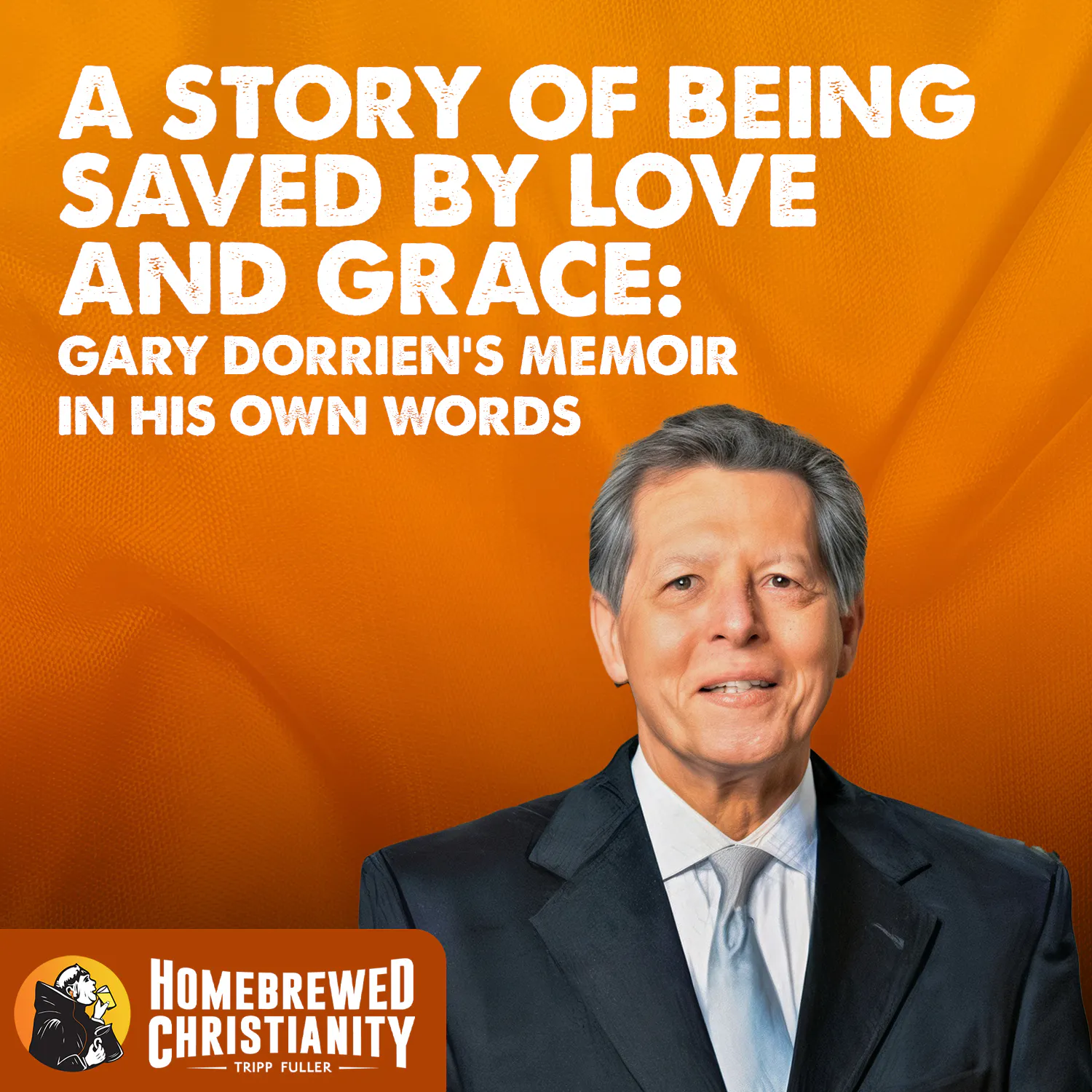
A Story of Being Saved by Love and Grace: Gary Dorrien’s Memoir in His Own Words
Gary Dorrien is spending six weeks teaching the history of Christian social ethics in America — and this week Aaron and I turned the lens on Gary himself, which he immediately identified as the worst session of the class. What followed was an hour of Gary tracing his own formation from a kid on Union Road in Midland who couldn't stop staring at the crucifix, through graduate school, liberation the
America is Obsessed with Problems but Denies Catastrophe
Cornell West says America is obsessed with problems but denies catastrophe — and the moment you reduce the catastrophic to the problematic, you have already deodorized the discourse, sanitized it, and started looking at the wasteland from the air-conditioned office of upper management. That line has been working on me since I sat with his Gifford Lectures, and this reflection is what came of it. I
Gary Dorrien on the Niebuhr You Thought You Knew
Gary Dorrien is the Niebuhr Chair at Union, and nobody alive can walk you through the whole arc of Reinhold Niebuhr with his range — from the German-American pastor's kid at Elmhurst and Eden, to the Yale divinity student who felt like a country boy among thoroughbreds, to the Detroit preacher at Bethel Church writing articles in 1916 begging German Americans to prove their Americanism months befo
The Power Made Perfect in Weakness: Nonviolence as Metaphysical Revelation
There is a habit in Western theology so old it feels like air: imagining God as the supreme instance of coercive power — the divine despot whose omnipotence is measured by the capacity to override whatever resists. Whitehead called this the deep idolatry, and we would rather work like cross-builders than cross-bearers because of it. This essay argues that nonviolence is not a secondary ethical app
What Would a New Abolition Be? Gary Dorrien on the Black Social Gospel, Ida B. Wells & Reverdy Ransom
This is the first live Q&A for Theology for Troublemakers — the class Gary Dorrien, Aaron Stoffer, and I have been building for exactly this moment — and if the questions that came in after the first lecture are any indication, we've got a room full of people who came ready to learn. Gary is the Reinhold Niebuhr Chair at Union Seminary and has written more books and supervised more PhDs on the his

Just War for People Who Actually Know What It Means w/ Kevin Carnahan
So many clergy members and theology nerds messaged me after JD Vance told the Pope to dial back the theology talk that I had no choice — I called my friend Kevin Carnahan, co-editor of the Journal of the Society of Christian Ethics and author of an extremely technical book on just war theory that he will tell you not to read. Kevin teaches at Central Methodist University in Missouri and he showed
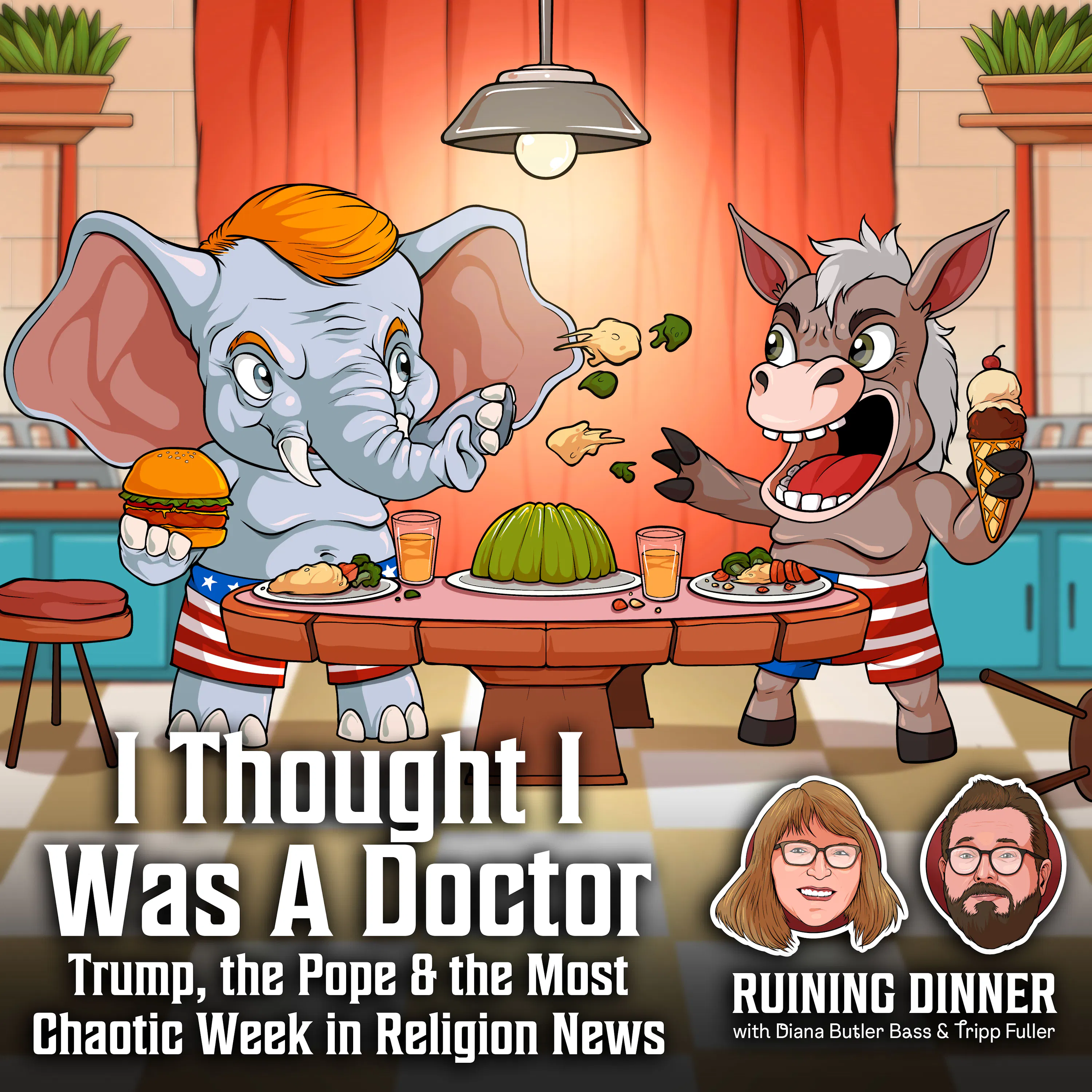
I Thought I Was a Doctor: Trump, the Pope & the Most Chaotic Week in Religion News with Diana Butler Bass
It's Ruining Dinner with Diana Butler Bass on Tax day! Also, apparently, the day the Vice President told the Pope to stop doing theology. Diana Butler Bass joined me for what was supposed to be a casual religion news roundup and turned into something I didn't entirely expect — a full-on church history seminar about what happens when empire tries to silence the gospel and why it never actually wor

Two Eyes, One Reality: Toward Fuller Knowing
I've been wearing glasses since seventh grade, when I discovered mid-car-ride that the rest of my family could actually read a license plate and I had no idea that was something people could do. When the optometrist put corrective lenses in front of my eyes for the first time, I gasped. That's the image I keep coming back to when I think about what happens when a philosophy filters out whole categ
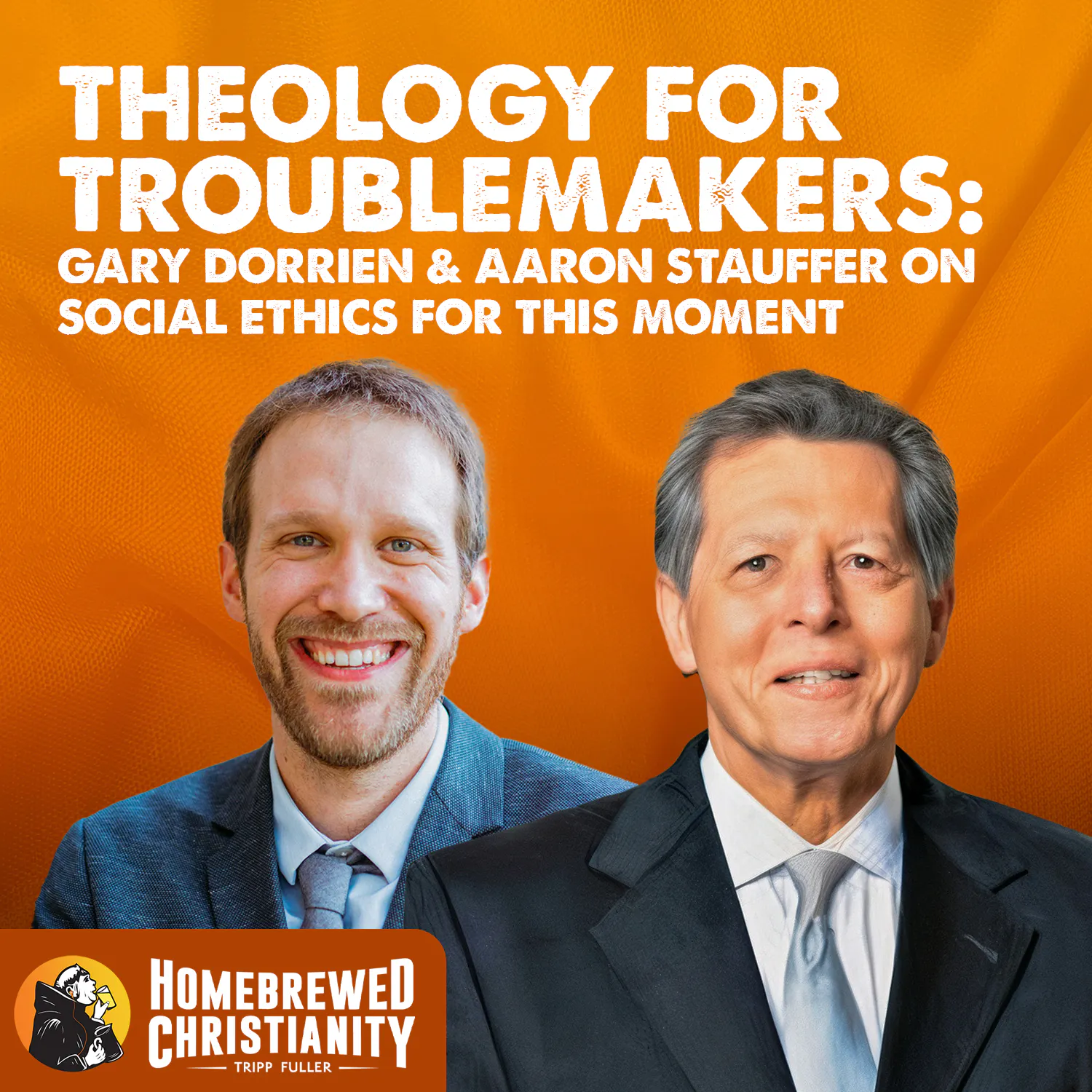
Theology for Troublemakers: Gary Dorrien & Aaron Stauffer on Social Ethics for This Moment
This one is a preview of something I've been wanting to do for a long time — a class on the history of Christian social ethics that's actually useful for the moment we're in. Cornell West calls Gary Dorrien the greatest living Christian social ethicist, and after spending any amount of time with him, you understand why. Gary and Aaron Stoffer joined me to give people a taste of what's coming in Th

a Systematic Theology of Love with Thomas Jay Oord
Okay, I genuinely don't know how many times Tom Oord has been on this podcasttwenty plus times, but this one felt different, because Tom has officially done the thing: he wrote a Systematic Theology of Love, Volume One, which is also his 50th book, which means his wife has had to endure approximately 50 different versions of "another love book." We dug into what makes this project unusual — a prog
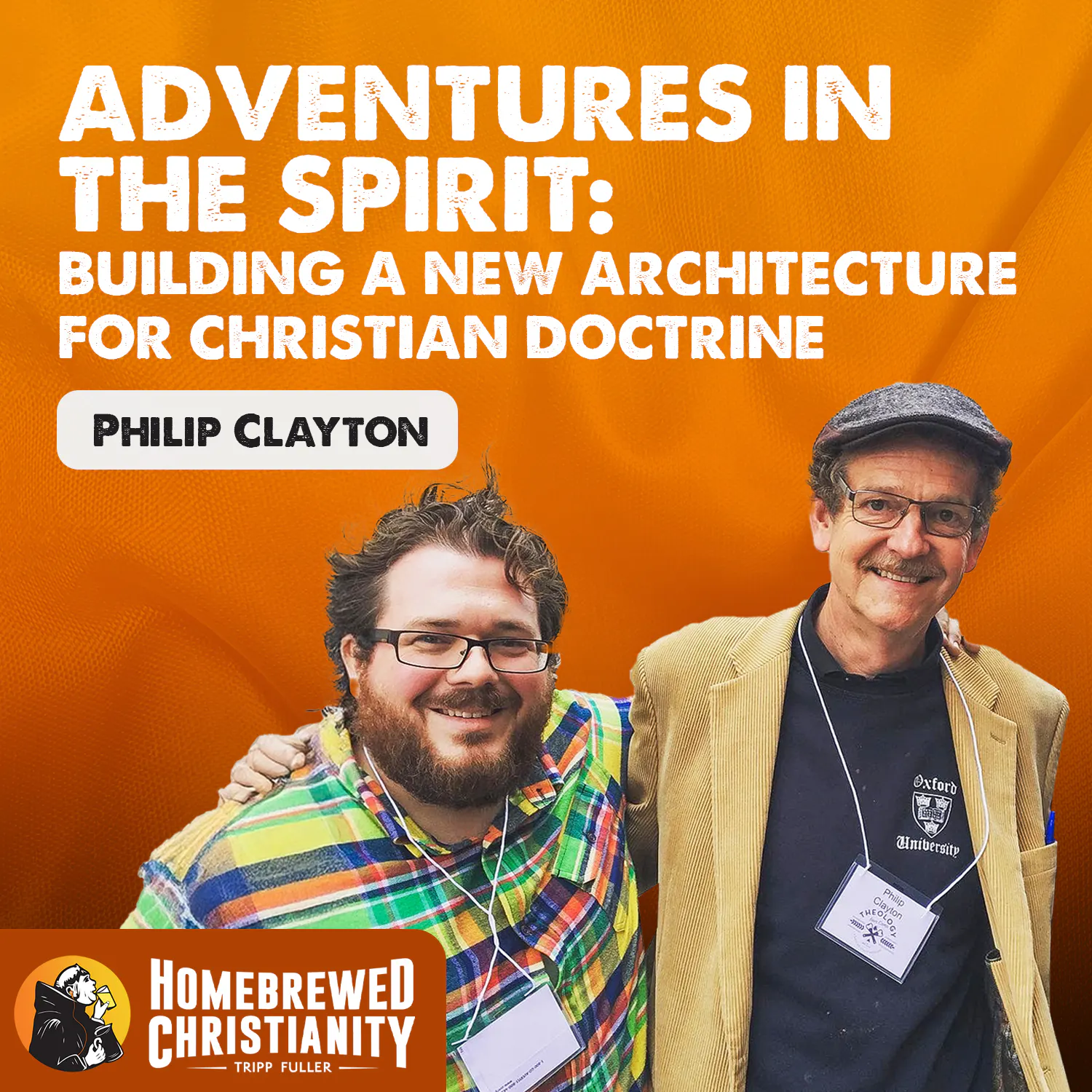
Adventures in the Spirit: Building a New Architecture for Christian Doctrine w/ Philip Clayton
Philip Clayton has been one of the most important conversation partners in my theological life — we literally worked out some of this stuff together at Claremont — so sitting down with him to trace the whole architecture of his thought from the beginning felt less like an interview and more like a reunion at the whiteboard. We started where Philip started: the secular believer, that figure he desc
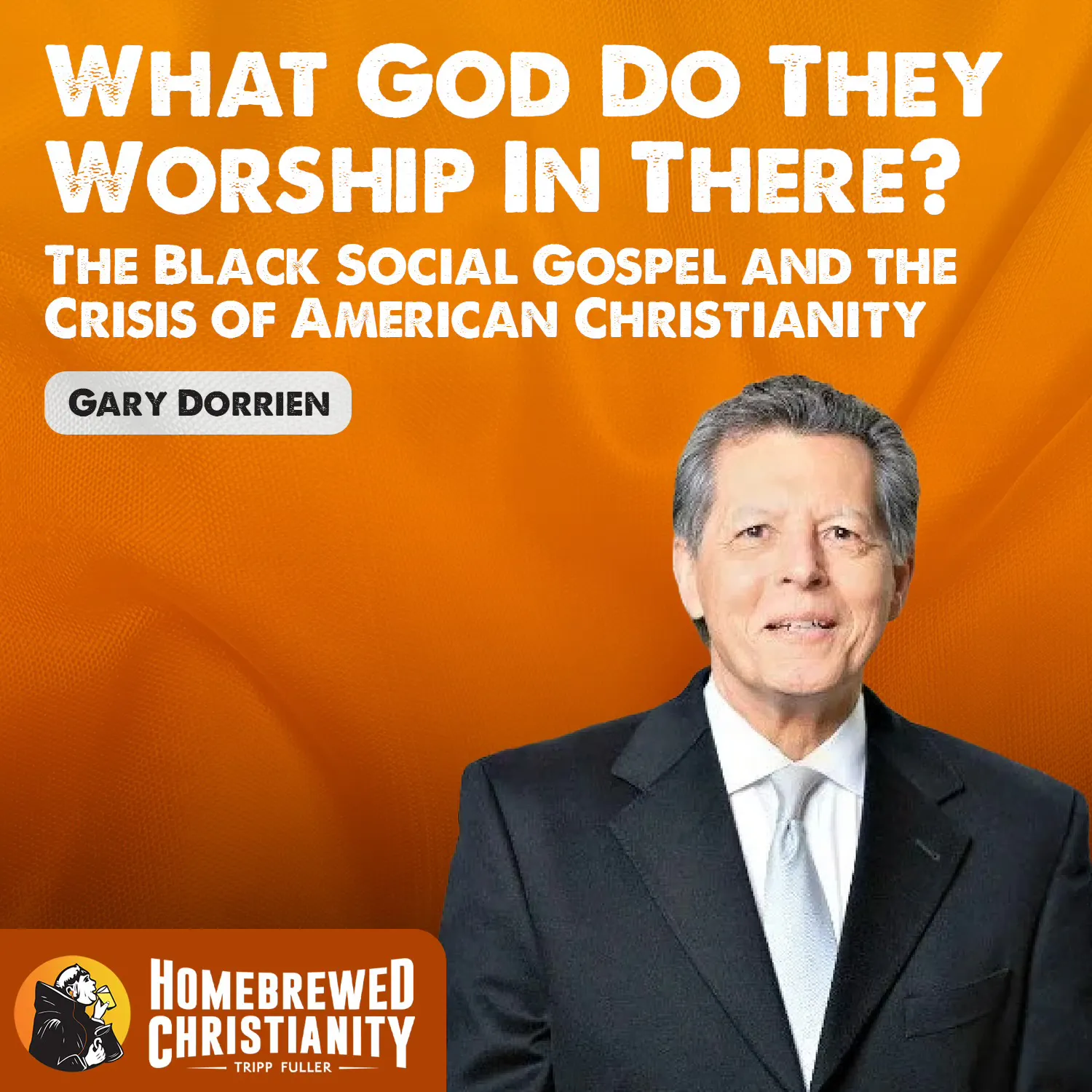
What God Do They Worship In There? The Black Social Gospel and the Crisis of American Christianity w/ Gary Dorrien
In this episode, theologian and historian Gary Dorrien opens Theology for Troublemakers by recovering two of the most important — and most forgotten — figures in American Christianity: Ida B. Wells and Reverdy Ransom. Dorrien traces the birth of the Black social gospel out of one excruciating question: what would a new abolition be? From Wells's explosive anti-lynching journalism and her landmark
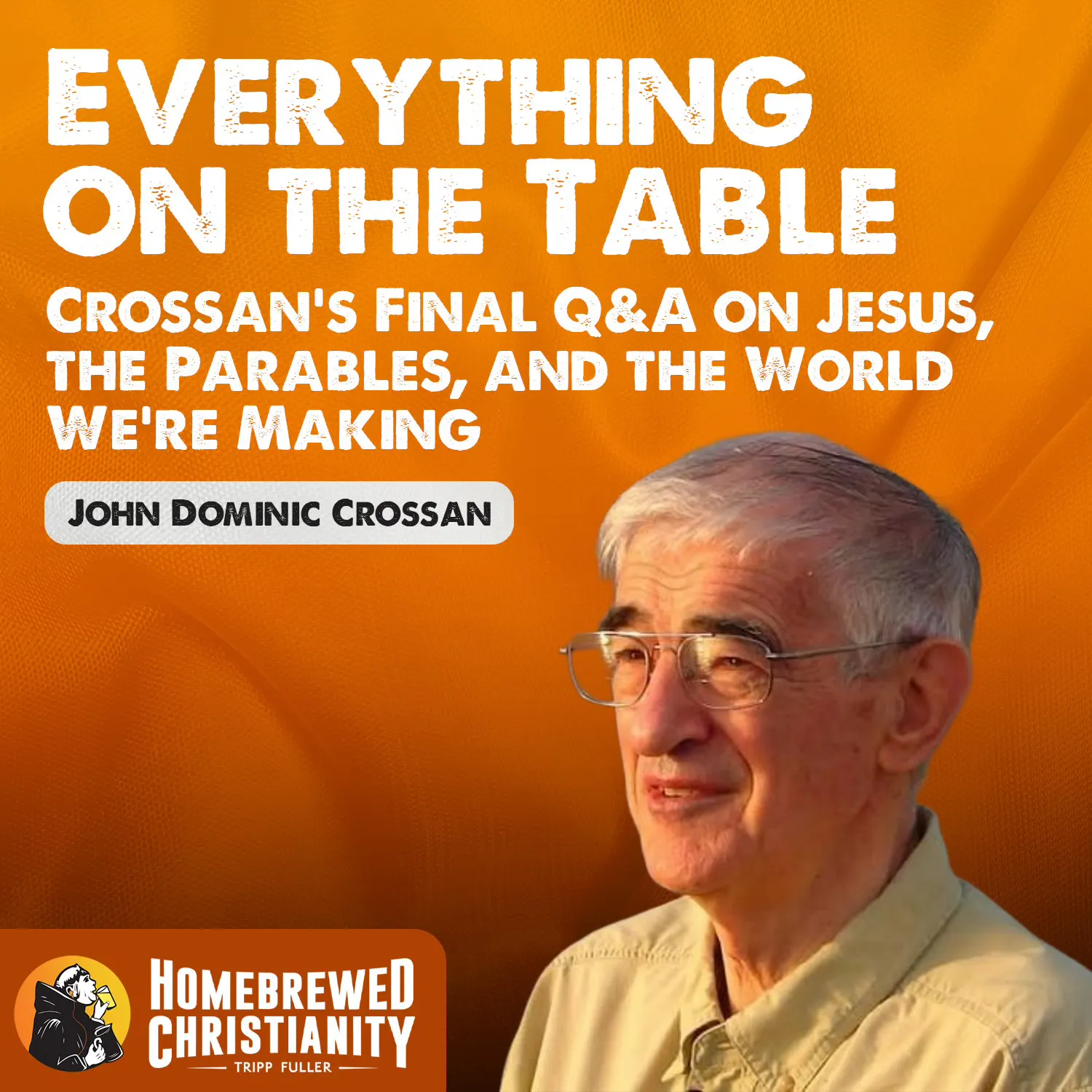
Easter Against the Empire: Faith in a Time of War
In this final Q&A for our Jesus of Galilee series, I sat down with Dom Crosson to connect the dots between the hills of Galilee and the high-stakes political drama of Passion Week. We dove deep into how Jesus invited us away from the "apocalyptic delusion" of waiting for God to intervene and toward a participatory eschatology where we actually collaborate with the Divine. From unmasking the "asoto

Giving the Beast a Stomach Ache: A Peacemaker's Starter Kit for a Time of War
Okay, so confession: my kids had just gone to bed when we started this one, and honestly, the timing felt about right — because this conversation with Jarrod McKenna is the kind of thing you need to sit with after the noise dies down. Jarrod is an Australian activist, peacemaker, and theologian who's been doing this work since he got arrested at a US military base in the middle of the Australian d

The Sin Is White Supremacy: a Theological Encounter with the Film “Sinners"
What is the sin in Sinners? — and then four of the most brilliant theologians working today spent an hour doing what great theologians do: they cracked the whole thing open. Set in 1932 Mississippi and layered with blues, hoodoo, vampires, and Black survival, Ryan Coogler's film turns out to be a theological event, and this conversation treats it like one. Adam Clark names white supremacy as the f

The Medium Is the Message — Crossan on Parables, Provocation, and the Pedagogy of Jesus
This is the fourth live Q&A from the Jesus and Galilee class with John Dominic Crossan — recorded, appropriately, on St. Patrick's Day, which means Dom is operating with a slight green halo and absolutely zero intention of slowing down. The questions this week go deep into parable theory: what it actually means for a parable to "point elsewhere," why the Parable of the Sower is not about sowing, w
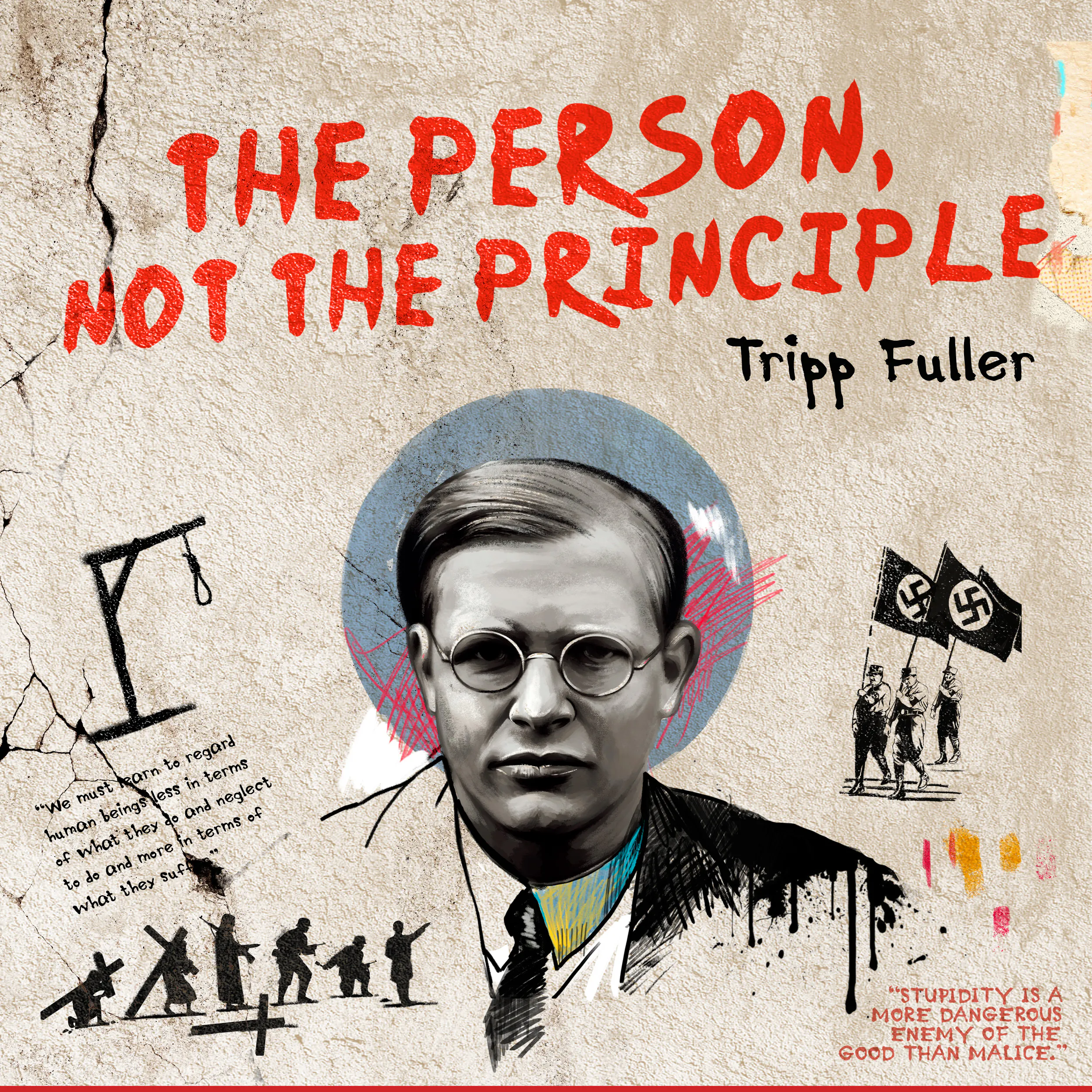
The Person, Not the Principle: How Bonhoeffer’s Christology Became Treason — and What Eric Metaxas Did With It
This is an audio essay from Process This, my Substack — head over there if you want more essays like this one, and subscribe if you want them delivered to you. In this one, I'm going deep on a question that sounds biographical but is actually theological: how did Dietrich Bonhoeffer — the man who stood at a lectern in 1933, surrounded by Nazi-pin-wearing theology students, and told them that the h
The Reason Prayer Feels Impossible (And It's Not Your Fault) w/ Wes Ellis
Okay, so here's a question that sounds simple until it isn't: why is prayer so hard? Not hard like "I need a better technique" hard — hard like something has gone structurally wrong with the way we even think about it. Wes Ellis, practical theologian, pastor, and author of Abiding in Amen: Prayer in a Secular Age, joins Tripp to diagnose what's actually going on — and it turns out the problem isn'

Tradition Without Traction Is Lame: An enclosed lake and a constitutional crisis w/ John Dominic Crossan
In this week's live Q&A, John Dominic Crossan takes questions from over 2,000 students in the Lenten class — and the questions are so good that even Dom says so (which, if you know Dom, is not nothing). The conversation moves fast: from the commons and enclosure as the operating logic of empire, to why Antipas moved his capital to a mosquito-infested lakeside city, to the first-century fishing boa

Beer in the Temple? & What the Bible Actually Says About Alcohol w/ John Anthony Dunne
Okay, so most Christians have been handed exactly one question about alcohol — is it okay? — and look, I get it, but what if that question is not just too small, it's actually the wrong one? Because when you sit down with John Anthony Dunne, New Testament scholar, beer nerd, and author of The Mountain Shall Drip Sweet Wine, and you actually let the Bible speak on its own terms, what you find is a

Flying Saucers, Deep Incarnation, and the Covered Dish Dinner: Astro Theology with Ted Peters
What happens when a Lutheran theologian who grew up reading UFO books and whose parents followed a Venusian contactee cult becomes one of the most rigorous thinkers at the intersection of space science and Christian theology? You get Ted Peters — and one of the most genuinely fun conversations I've had on the podcast. Ted coined the term astro theology and has spent decades asking what the discove

Are We Waiting for God, or Is God Waiting for Us? with John Dominic Crossan
In this second live Q&A of our Lent 2025 series Jesus in Galilee, Dom works through nearly 40 questions from the more than 2,000 people in the class — and Dom is, as promised, brief. The conversation moves from Cyrus and the economic disruption of Roman Galilee, to the misplaced colon in Isaiah 40 that quietly rewrote John the Baptist's identity, to why Mark borrowed a Roman horror story about a p

MAGA and the Post-Christian America: A Meditation on Power, the Cross, and the World We're Choosing
In this audio essay from my SubStack ,Process This, I take Stephen Miller's claim that the "real world" is governed by strength and force and use it as a window into something much bigger than one political figure—a diagnosis of the soul of America. Drawing on the thesis Tom Holland developed in Dominion: How the Christian Revolution Remade the World, Reinhold Niebuhr's The Children of Light

What Would God's State of the Union Look Like? with John Dominic Crossan
In this first live Q&A of our Lent 2025 series Jesus in Galilee, Dom and I work through 35 questions from the more than 2,000 people who have joined the class — and true to form, Dom tries to honor every single one of them. The conversation ranges from the silver cups of Boscoreale to the Gulf of Mexico, from Josephus's gritted-teeth defense of Judaism to what a State of the Union address might

The Universe Is Alive and It Might Be Looking Back: Andrew Davis on Astrotheology
My buddy Andrew Davis is back on the pod, and this time we're talking about aliens — yes, that kind. Andrew is a process philosopher who's been publishing serious academic work in astrobiology, and with Obama casually confirming UFOs are real, the Age of Disclosure documentary making waves, and Spielberg's Disclosure Day film on the way, it felt like the right time to ask: how does a Whiteheadian

Theses on Reactionaries: How White Evangelicalism Became America's Most Dangerous Ideology with Tad Delay
Philosopher and religion scholar Tad DeLay (author of Future of Denial) drops a guest essay on us this week, and it's a barn-burner. Tad brings together Wilhelm Reich, Walter Benjamin, Lacan, Althusser, and Adorno — yeah, the whole squad — to lay out a series of theses on how reactionary consciousness actually works, from repressed sexuality to theological cover stories for raw materialism. He mak

Keeping Hope Alive: A Conversation with Rev. Jesse Jackson
We lost a giant. Reverend Jesse Jackson has passed away, and I wanted to share this conversation we had with him back during lockdown in 2020 as part of the Black Theology reading group Adam Clark and I were running with over 3,000 people. We were joined by Grace Ji-Sun Kim, who edited a collection of Jackson's sermons and speeches called Keeping Hope Alive, and the Reverend himself showed up and

From Conflict to Collaboration: The Science-Religion Conversation We Need with Dr. Elaine Howard Ecklund
The conflict between science and religion? Turns out it's mostly a myth perpetuated by a handful of really loud voices on both sides. Dr. Elaine Howard Ecklund has spent 15 years using actual social science to study what scientists and religious people really think about each other, and the results are surprising: nearly half of elite scientists maintain religious commitments, most aren't hostile

Too Fast, Too Furious for Jesus: Justin Lin on Last Days
My friend and filmmaker Sarey Concepción and I got to sit down with Justin Lin — yeah, that Justin Lin, the Fast and Furious guy — but this time he's not racing cars, he's exploring the too-fast-too-furious side of evangelical missions gone to the extreme. His new film Last Days tells the story of John Chau, the young American missionary who was killed trying to bring the gospel to the uncontacted

The Cloud and the Kingdom: Discerning the Spirits of a New Economic Epoch
I don't remember who first told me to read Yanis Varoufakis's Techno-Feudalism: What Killed Capitalism, but whoever you are—thank you and also how dare you. This book broke something in my brain, in that good way where you realize the map you've been using doesn't match the territory anymore and now you have to rethink everything. Varoufakis isn't a theologian, but reading him felt like encounteri

Steve Bannon Is Not an Idiot: Reinhold Niebuhr's Unheeded Advice for a Democracy in Crisis
This is an audio essay from my Substack, Process This.
Look, I wasn't planning to write 5,000 words on Steve Bannon, but then he goes on his podcast and announces that ICE—the same agency that just shot two American citizens in Minneapolis—is going to "surround the polls" in November, and I couldn't help myself. So I went back to Reinhold Niebuhr's 1944 book The Children of Light and the Childre
When Neighbors Turn on Neighbors with Miroslav Volf
What happens when our obsession with being better than everyone else destroys both who we are and how we relate to each other? Dr. Miroslav Volf joins us to talk about his new book The Cost of Ambition and why America's comparison culture, achievement addiction, and hardening tribal identities are setting us up for something dangerous. Volf witnessed neighbors turn on neighbors during the Yugoslav

Cheap Grace in a Red Hat, Stealing Bonhoeffer’s Fire: What Bonhoeffer Actually Meant—and Why It Condemns His Admirers
Friends, this week we're diving into something that's been eating at me for a while now—how the architects of Christian nationalism have had the audacity to claim Dietrich Bonhoeffer as one of their own. I'm talking about Project 2025 invoking "costly grace" as if Bonhoeffer wasn't writing about them. Here's the thing: when Bonhoeffer penned those famous words in 1937, he wasn't crafting a devotio
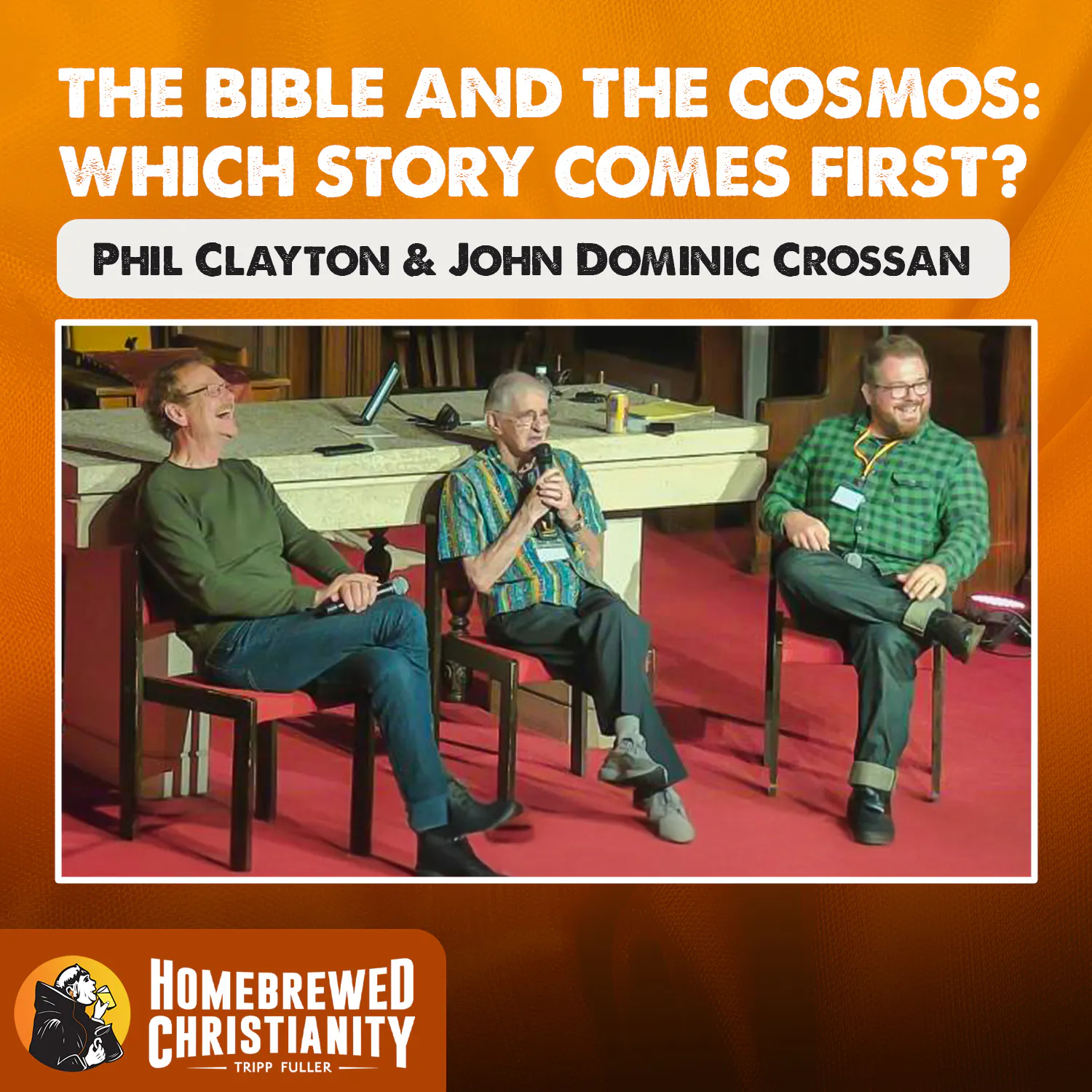
The Bible and the Cosmos: Which Story Comes First? with Dom Crossan & Phil Clayton
So Dom Crossan (JC) and Philip Clayton (PC) came together for this conversation I've been hoping would happen for a year and a half, and it was everything I wanted. We started with this question about why atheist political philosophers like Badiou and Žižek are turning to Paul because they need someone who has a militancy about being human that can resist civilization's death-dealing power. Dom an

The Exhausted Soul and a World Gone Mute: The Economy That Ate Your Soul and Wants to Blame You
Okay, so you know that bone-deep exhaustion you feel? That sense that no matter how hard you run, you're still falling behind? What if I told you that's not a personal failure—it's a structural trap? German sociologist Hartmut Rosa has been asking why modern life feels like a whirlpool we can't escape, and his diagnosis is devastating: our growth economy requires our exhaustion. It's a feature, no

A Tale of Two Gods: Why C.S. Lewis's Famous Argument Falls Apart with John Dominic Crossan
In this preview for our upcoming Lent class, Jesus in Galilee, John Dominic Crossan dives into what he calls "A Tale of Two Gods"—Caesar and Christ. He takes on C.S. Lewis's famous trilemma (Lord, Lunatic, or Liar) and asks the question Lewis never considered: what if there were two contemporary claimants to divinity? Because there were. Before Jesus ever showed up, Caesar Augustus was already bei
Recommended

Deadline: White House

Crickets Corner

History of the Earthquake and Fire in San Francisco

Fox news

K-Drama Obsessed Mamas | Beyond “Just One More Episode!”

True Crime Classics

The Healer Revolution

Becoming: HER with Nikki Spoelstra

Booked, Blonde & Busy w/ Olivia Ponton

McKinsey on Consumer and Retail

megahired.com

Hard Knocks Podcast
