JIMD Podcasts
JIMD Podcasts hosts audio content from the Journal of Inherited Metabolic Disease, including the main JIMD podcast, the JIMD Shortcast, and additional series like Metabolic Mysteries and Footprints in IMD. The podcasts cover topics related to inherited metabolic diseases, featuring discussions with researchers, clinicians, and patients. It serves as an educational and informative resource for those interested in this medical specialty.
Episodes
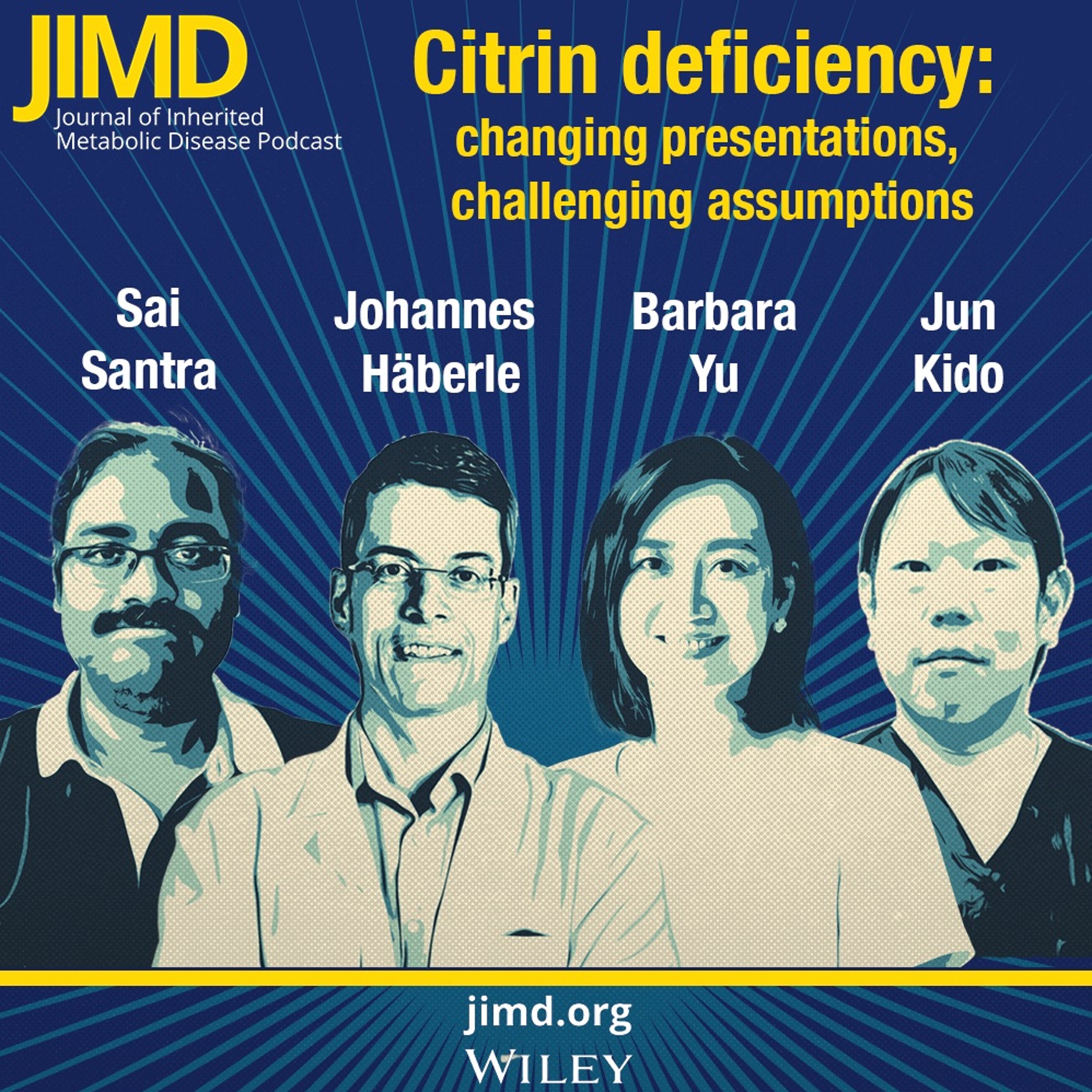
Citrin deficiency: changing presentations, challenging assumptions
Citrin deficiency challenges familiar assumptions about urea cycle disorders, from its changing clinical presentations to its distinctive dietary and emergency management. James Nurse speaks with Johannes Häberle, Saikat Santra and Barbara Yu of the Citrin Foundation, with contributions from Jun Kido, to explore diagnosis and care across the lifespan, differences between populations, and the evide
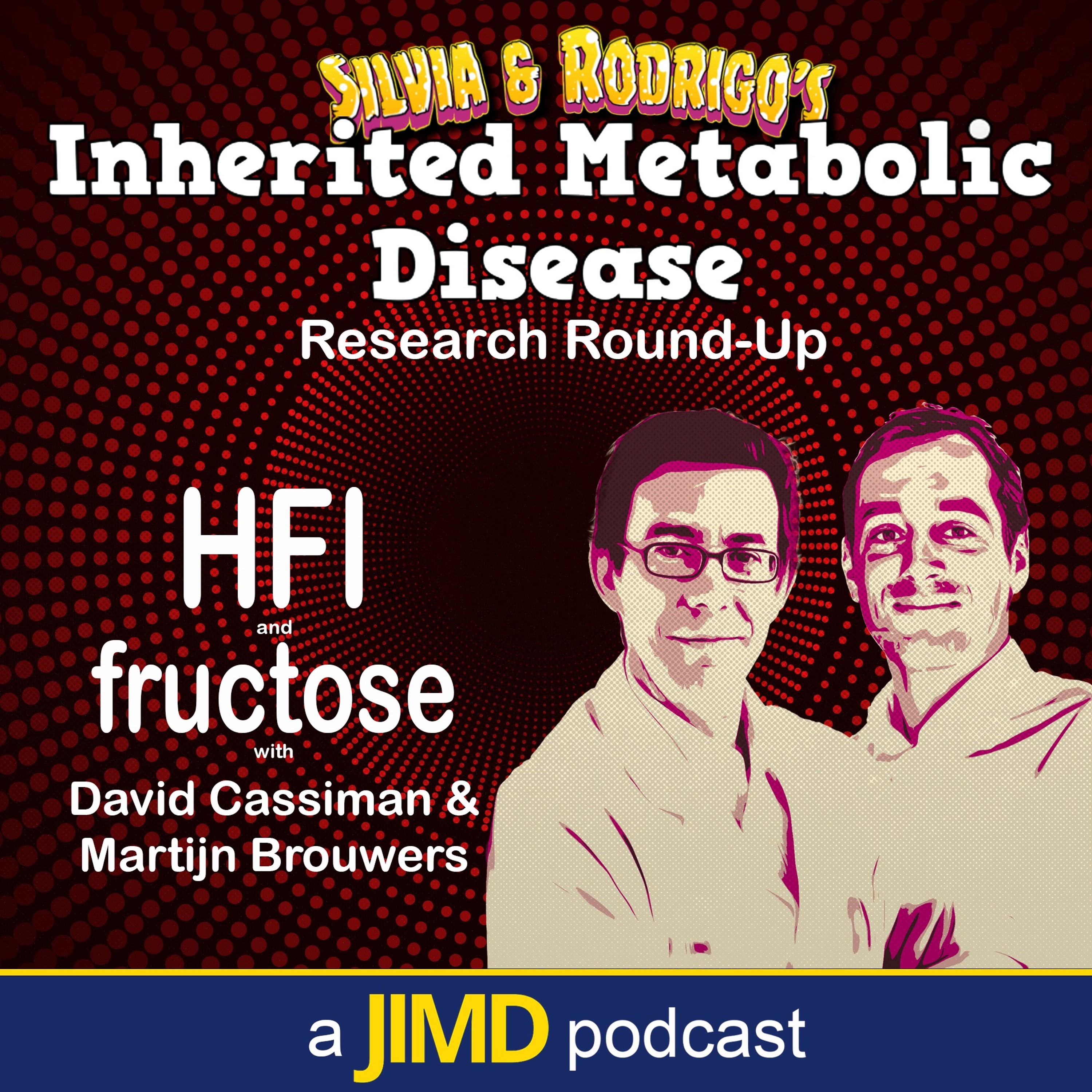
IMD Research Round-Up: HFI & fructose metabolism
Professor David Cassiman, Professor of Hepatology and Inherited Metabolic Diseases at KU Leuven, and Dr Martijn Brouwers, internist-endocrinologist and Head of the Division of Endocrinology and Metabolic Disease at Maastricht University Medical Center, join Rodrigo Starosta and Silvia Radenkovic to discuss recent advances in fructose metabolism.
From the challenges of dietary treatment in heredit
Shortcast: Characterization of Adult Patients With Neurometabolic Disorders
Dr Boel Ernerdahl presents her groups observations around the make up of adult patients with neurometabolic disorders at a single centre in Sweden.
Characterization of Adult Patients With Neurometabolic Disorders: A Cross-Sectional Study at a Tertiary Neurology Center in Sweden
Boel Ernerdahl, Ashraf Yahia, Andreas Puschmann
https://doi.org/10.1002/jmd2.70115
Shortcast: Neonatal Acute Liver Failure due to Citrin Deficiency (NALFCD)
One newborn screen. Two very different diagnoses. And treatments that pull in opposite directions.
In this JIMD Reports Shortcast, Dr Anne Kwok from Hong Kong Children’s Hospital presents a newborn with markedly elevated citrulline, where distinguishing citrin deficiency from citrullinaemia type I became critical as initial treatment was followed by rapidly worsening liver failure.
Neonatal Acut
The Clinical Chameleons: Rethinking Remethylation Disorders
Remethylation disorders are clinical chameleons, presenting with neurological, psychiatric, ophthalmological, renal or multisystem disease.
Professor Martina Huemer joins the JIMD Podcast to discuss the revised international guidelines, including when to measure total homocysteine, newborn screening and the move towards high-dose hydroxocobalamin. She also explains why shared treatment protocols
Metabolic Mysteries: Progressive neurological decline, equivocal biomarkers, negative genetics!
A young girl develops progressive neurological symptoms and a biomarker profile pointing strongly towards a particular metabolic disorder. There’s just one problem: the genetic testing is negative.
In this Metabolic Mystery, Dr Ayca Burcu Kahraman follows the clues beyond conventional DNA testing to finally crack the case.
Can you solve it before she does?
Read the paper: https://doi.org/10.105
Metabolic Mysteries: Ataxia, tremor and a normal vitamin B12
A 7-year-old boy presents following a suspected seizure, with a history of progressive ataxia and tremor. An MRI offers an important clue but a seemingly reassuring blood result complicates the picture.
In this Metabolic Mystery, Dr Steven Lang follows the clues to uncover a treatable metabolic diagnosis.
Can you solve the case before he does?
Read the paper: https://doi.org/10.1542/pir.2025-00
Beyond Metabolic Control: Immune Dysregulation in Organic Acidemias
Cytopenias and infections are familiar complications of branched-chain organic acidemias, but are they simply consequences of metabolic decompensation?
Abdul Shakerdi and Jerry Vockley join the JIMD Podcast to explore evidence that persistent immune dysfunction and inflammation may be fundamental parts of the disease phenotype, with implications for clinical care, research and emerging therapies.
Shortcast: Pregnancy in LPI Complicated by Immune Dysregulation and Severe Thrombocytopenia
In this JIMD Reports Shortcast, Dr Eamon McCarron presents a challenging pregnancy in a woman with lysinuric protein intolerance complicated by immune dysregulation and severe thrombocytopenia.
Hear how multidisciplinary management supported a favourable outcome for both mother and baby.
Pregnancy in Lysinuric Protein Intolerance Complicated by Immune Dysregulation and Severe Thrombocytopenia
Ea
Shortcast: JAK Inhibition in PNPT1-Related Mitochondrial Interferonopathy
Could some mitochondrial disorders also be treatable interferonopathies?
In a new JIMD Reports Shortcast, Dan Brooks and Fernando Scaglia look at a fascinating case of PNPT1-related mitochondrial disease in which mitochondrial dysfunction was accompanied by activation of the type I interferon pathway.
Treatment with the JAK inhibitor tofacitinib normalised the interferon signature and was associ

Helsinki: Day 4 - New friends, fond farewells, and Dublin calling
In the fifth, and thankfully final, update from Helsinki, James and Silvia return to provide their inimitable take on the sessions from Thursday with a look ahead to Friday’s sessions. They find themselves looking well beyond the last day, as James speaks with Dr Ina Knerr about preparations for the SSIEM 2027 meeting in Dublin. James gets yet another geography lesson and we hear from a bumper hel
Helsinki: Day 3 - Don't know much about history (or geography and physics)
James and Silvia return for the 4th episode of their increasingly confusing daily podcast from the SSIEM 2026 annual meeting in Helsinki. The flood gates have finally opened and we hear from multiple guest about their posters and presentations, and Dr Nazi Tabatadze caught up with James to give him a quick geography lesson and discuss IMD care in Georgia.
You've just one more day to be part of t
Helsinki: Day 2 - Long posters, short sessions, and restroom rendezvous
Silvia and James reflect on the first full day of the SSIEM 2026 meeting and look ahead to day 2. They check in with Rodrigo to find out why he can't be Helsinki and welcome a number of contributors who encourage you to come and see their posters.
Remember, there are now just two days left to be a part of the podcast no-one asked for... find them, before they find you.
Helsinki: Day 1 - Geeks, mentors and Azerbaijan
Hosts Silvia Radenkovic and James Nurse return to introduce the first 'proper' day of the SSIEM 2026 meeting. In addition to highlighting some of the unsung highlights of Day 1 (lab proficiency testing anyone), Silvia makes her case as a mentor and James speaks with Dr Narmin Aslanzade and Dr Leman Alirzayeva about IMD services in Azerbaijan and the posters they're bringing to SSIEM 2026.
As alwa
Helsinki: Day 0 - Saunas, sequencing and special sessions
The "podcast no one asked for" is back as hosts Silvia Radenkovic and James Nurse preview the 2026 SSIEM Annual Meeting, and they are joined by meeting chair Risto Lapatto to discuss what goes in to arranging an international IMD conference, the sessions he doesn't want to miss and why you have to try a sauna.
We want to hear from you across the week so if you've got a poster in Helsinki please
The Adult PKU brain: from phenylalanine exposure to brain aging
Raphaela Muri and Roman Trepp join the JIMD Podcast to explore what happens to the adult brain in phenylketonuria. We discuss the effects of phenylalanine exposure on brain structure, what MRI studies reveal about potentially reversible changes, how these findings relate to cognition, and whether the latest evidence really suggests altered brain ageing in early-treated PKU.
Papers discussed and r
IMD Research Round-Up: Sterols and Bile Acids
IMD Research Round-Up: Sterols and Bile Acids by Journal of Inherited Metabolic Disease
Beyond Metabolic Control: Optimising Nutrition in Inborn Errors of Protein Metabolism
Júlio César Rocha, Anne Daly and Anita MacDonald discuss how nutritional management can move beyond metabolic control towards better lifelong health. From protein substitutes and point-of-care monitoring to new therapies and AI, what might the future look like?
From Control to Optimisation: Evolving Strategies in the Nutritional Management of Inborn Errors of Protein Metabolism
Júlio César Rocha,
Shortcast: Adult Refsum: Reducing Circulating Phytanic Acid Levels With Dietary Interventions
Sarah Firman explores how dietary management can rapidly reduce phytanic acid levels in adult Refsum disease. This case series shows why adequate energy and carbohydrate intake, and avoiding weight loss and catabolism, matter alongside phytanic acid restriction.
Adult Refsum Disease: Case Series of Reducing Circulating Phytanic Acid Levels With Dietary Interventions
Sarah J. Firman, et al
https:/
Hidden Disease or Uncertain Risk? Rethinking IMD Diagnosis and Newborn Screening
Are inherited metabolic disorders more common, and less predictable, than we previously thought?
Large-scale genomic studies are identifying adults with disease-associated variants who have escaped diagnosis, sometimes despite lifelong symptoms. At the same time, expanding genomic newborn screening risks identifying children who may remain well for decades or never develop clinically significant
IMD Research Round-Up: Phenylketonuria
Phenylketonuria (PKU) was one of the first inherited metabolic disorders to be recognised, but there is still plenty to discover. Silvia Radenkovic and Rodrigo Starosta are joined by Dr Cary Harding and Dr Wendy Smith to discuss evolving treatments, updated management guidelines and where PKU research is heading next.
The views and opinions expressed in this podcast are those of the speakers and
Rapamycin and Pharmacogenomics in Niemann-Pick C
A study of rapamycin in Niemann-Pick C raises an important question: what if the success of a treatment depends on a patient's wider genetic background? Dr Andrés Klein discusses pharmacogenomics, modifier genes and why precision medicine may need to go far beyond making the diagnosis.
A Rapamycin Pharmacogenomic Approach for the Childhood Dementia Niemann-Pick C
Benjamín Szenfeld, et al
https://
Shortcast: Clinical Outcomes in Hydroxocobalamin-Treated Patients With Early-Onset Cobalamin C Disease
In this JIMD Shortcast, first author Arty Selvanathan discusses their study exploring how clinical outcomes relate to biochemical findings in cobalamin C (cblC) disease. What can biochemical markers really tell us about disease severity, and where do their limitations lie?
Clinical Outcomes and Correlation With Biochemical Control in Hydroxocobalamin-Treated Patients With Early-Onset Cobalamin C
Feeding the Microbiome: Rethinking Protein and Propionate in MMA
How much of metabolic control in methylmalonic acidemia is determined by diet, and how much by the microbiome? In this episode, Engin Köse discusses a prospective longitudinal study exploring protein composition, gut microbial changes, and the impact of metronidazole on biochemical control in MMA.
Dietary Protein Modulation, Gut Microbiota, and Metabolic Control in Methylmalonic Acidemia: A Prosp
Shortcast: Teriparatide in Two Patients With Mucopolysaccharidosis Type IVB
In this Shortcast Dr Mark Wijnen presents two cases where Teriparatide was used to treat bone complications in MPD IVB but explains how temporally associated cardiac disease compels his groups to advise caution in its use.
Teriparatide in Two Patients With Mucopolysaccharidosis Type IVB
Mark Wijnen, Evert F. S. van Velsen, J. Gert-Jan Milhous, Esmee Oussoren, Bram C. J. van der Eerden, Margreet
High Glycine, Different Diagnoses
A raised glycine level can point to a surprisingly broad range of conditions.
In this episode, James Nurse is joined by Arthavan Selvanathan and Curtis Coughlin to discuss their review, The History and Nosology of the Glycine Disorders: A Framework for Clinicians. Together they explore why not all hyperglycinaemia is nonketotic hyperglycinaemia (NKH), how our understanding of glycine disorders ha
IMD Research Round-Up: Homocystinuria
Season 2 of the JIMD Research Round-Up begins with a deep dive into classical homocystinuria (CBS deficiency). Hosts Silvia Radenkovic and Rodrigo Starosta are joined by two internationally recognised experts, Dr Andrew Morris (Royal Manchester Children's Hospital, UK) and Professor Kim Chapman (Children's Hospital Los Angeles, USA).
In this episode, they explore:
- The clinical spectrum of homo
Revisiting D-Bifunctional Protein Deficiency
A new international case series revisits the natural history of D-bifunctional protein deficiency, showing that survival into adolescence and adulthood is possible and that normal VLCFA levels do not exclude the diagnosis. Dr James Nurse speaks with Dr Unai Díaz-Moreno and Dr Spyros Batzios about expanding phenotypes, genotype–phenotype correlations, and the growing role of early genetic diagnosis
Metabolic Mysteries: Two adult siblings with liver disease and haematological abnormalities
Two adult siblings with unexplained liver disease, renal complications and intermittent haematological abnormalities but with one feature that seemed to argue against a metabolic diagnosis. In this Metabolic Mystery, Dr Greg Lynch explores how an attenuated presentation delayed recognition of the underlying disorder for years.
Read the paper: https://doi.org/10.1002/jmd2.70079

The Grey Zone in ABCD1 Variant Classification
Professor Troy Lund and Professor Stephan Kemp discuss the Grey Zone Project and a risk-based framework for interpreting ABCD1 variants in X-linked adrenoleukodystrophy. The episode explores how integrating biochemical, clinical, and longitudinal data may help refine risk stratification and reduce uncertainty in newborn screening.
The Grey Zone Project: Risk-Based Classification of ABCD1 Variants
Metabolic Mysteries: A 57-year-old man with vomiting and worsening confusion
Too Much of a Good Thing - A 57-year-old man presents with rapidly progressive confusion, but the diagnosis isn’t where most adult physicians would look.
Follow the step-by-step clinical reasoning with Dr Mark Wijnen and see if you can solve it.
Read the paper: https://www.nejm.org/doi/full/10.1056/NEJMcps2510060
Nizubaglustat in GM2 Gangliosidosis
In this episode, Kyle Landskroner and Jagdeep S. Walia talk about their paper on nizubaglustat in a mouse model of GM2 gangliosidosis. They explore how this brain-penetrant dual GCS/NLGase inhibitor improved survival, motor function, and neuroinflammatory markers in Sandhoff disease mice, and what that could mean for future therapies in GM2 disease.
Therapeutic Effects of Nizubaglustat in a Mouse
Metabolic Mysteries: Recurrent abdominal pain, “FMF” and attacks around menstruation
Dr Tanyel Zubarioglu discusses the case of a young woman with years of severe abdominal pain, neurological symptoms, anxiety, and repeated hospital visits, initially thought to represent familial Mediterranean fever.
In this episode, we explore how a simple urine test during an acute attack changed everything, and why some metabolic diagnoses remain hidden in plain sight.
Read the paper here: ht
Tyrosine Hydroxylase Deficiency: Consensus guidelines
In this episode, Mariya Sigatullina Bondarenko, Thomas Opladen and Ivana Badnjarevic discuss the first international consensus guideline for tyrosine hydroxylase deficiency. They explore diagnosis, treatment, the move away from rigid subtype labels, and why patient experience matters in shaping better care.
PROMs link 👉 https://www.proms-ntd.org
Consensus Guideline for the Diagnosis and Treatmen
Shortcast: Antenatal and Neonatal Management of Siblings With Carbonic Anhydrase VA Deficiency
Sophie Manoy discusses antenatal and neonatal management in carbonic anhydrase VA deficiency, based on a case series of two affected siblings managed from birth without decompensation.
Antenatal and Neonatal Management of Siblings With Carbonic Anhydrase VA Deficiency
Sophie Manoy, et al
https://doi.org/10.1002/jmd2.70076
D-Glyceric aciduria: is GLYCTK really mitochondrial?
A rare disorder, a surprisingly basic biological question, and a paper that revisits what GLYCTK actually does. Jörn Oliver Sass joins the podcast to discuss D-glyceric aciduria, mitochondrial localization of D-glycerate kinase, and why getting the fundamentals right still matters.
Human D-Glycerate Kinase, Encoded by GLYCTK and Deficient in D-Glyceric Aciduria, Is a Mitochondrial Enzyme
Anne Kor
Shortcast: Drivers of Diagnostic Delay in Mito Disease: Missed Recognition of Canonical Features
Dr Rory J. Tinker discusses diagnostic delay in mitochondrial disease, showing that most delays occur before clinical suspicion, despite canonical features being documented years earlier. The study highlights opportunities to shorten the diagnostic odyssey through earlier recognition and informatics approaches.
Drivers of Diagnostic Delay in Mitochondrial Disease: Missed Recognition of Canonical
mRNA therapies in liver Inherited Metabolic Diseases
mRNA therapy is emerging as a serious therapeutic platform for liver inherited metabolic diseases. In this episode, James Nurse speaks with Sonam Gurung and Julien Baruteau about their JIMD paper exploring how mRNA can be used for protein replacement, how lipid nanoparticles help target the liver, and where this approach may complement gene therapy, transplantation and standard care. A clear look
Shortcast: Epilepsy Phenotype and EEG Finding of RHADS in Succinate Dehydrogenase Deficiency
Dr Aaron B. Bowen explores epilepsy and EEG features in succinate dehydrogenase (complex II) deficiency, focusing on refractory epilepsy and the presence of RHADS, an EEG pattern more commonly associated with POLG-related disease, and what this means for diagnosis and differential thinking in mitochondrial disorders.
Epilepsy Phenotype and EEG Finding of Rhythmic High-Amplitude Delta With Superi
Beyond Triheptanoin: Elamipretide and Cardiolipin Remodelling in TFP Deficiency
We talk with Eduardo Vieira Neto about elamipretide in mitochondrial trifunctional protein deficiency and the emerging role of cardiolipin remodelling beyond classic fatty-acid oxidation. Could this offer an add-on approach for complications that triheptanoin doesn’t fully address?
Elamipretide Improves Mitochondrial Function in Mitochondrial Trifunctional Protein-Deficient Mice and Human Fibrobl
Shortcast: Treatable Neonatal MoCD Type A: Rapid Demise Despite Rapid Biochemical Diagnosis
Dr Molly Crenshaw shares a powerful neonatal case of treatable molybdenum cofactor deficiency, where rapid biochemical diagnosis preceded molecular confirmation—but the infant deteriorated before disease-altering therapy could be started. This Shortcast highlights the critical value of urgent biochemical testing, evolving therapies, and the narrowing window for intervention in severe neonatal meta
Personalized metabolic modeling in Methylmalonic Aciduria
A systems-level exploration of methylmalonic aciduria using personalized genome-scale metabolic models. Featuring Almut Heinken, Vito Zanotelli, and Jean-Louis Guéant, discussing fibroblast transcriptomics, TCA cycle anaplerosis, heme biosynthesis flux, and the promise of multi-omics-guided precision medicine.
Personalized Genome-Scale Modeling Reveals Metabolic Perturbations in Fibroblasts of Me
Shortcast: Holocarboxylase Synthetase Deficiency: Second Case Report With Neonatal Cholestasis
In this Shortcast, Sophie Manoy summarises a newly reported case of holocarboxylase synthetase deficiency presenting with neonatal cholestatic liver disease. This is only the second such case described and highlights a possible genotype–phenotype correlation that broadens the recognised clinical spectrum of this rare but treatable disorder.
Holocarboxylase Synthetase Deficiency: A Second Case Rep

Vitamin and Cofactor Prescribing in Primary Mitochondrial Disease
Supplement prescribing in primary mitochondrial disease is almost universal, yet highly individualised, stepwise, and non-uniform across regions and phenotypes, with real potential for tissue and pill-burden harm. This podcast features Dr Julia Neugebauer and Professor Shamima Rahman exploring findings of a recent MetabERN survey looking at what informs when clinicians start, monitor, and sometim
Shortcast: Fulminant Metabolic Crisis in GSDIa: Persistent Lactic Acidosis Despite Hypo Correction
In this Shortcast, Dr Herodes Guzman discusses a striking case series of patients with GSDIa who developed fulminant metabolic crisis with persistent lactic acidosis despite correction of hypoglycaemia, raising concern for secondary mitochondrial dysfunction. He explores how these observations challenge conventional management and suggest a future role for mitochondrial-directed surveillance and t
Palliative care in inherited metabolic disease: an underutilised but essential service
Only around 18% of inherited metabolic diseases have disease-specific treatments, yet palliative care remains strikingly underused. In this episode, Anja Lee and Trine Tangeraas discuss a pan-European survey exploring access, barriers, and how earlier integration of palliative care can transform support for people living with IMDs.
Palliative Care for Children and Adults With Inherited Metabolic
Shortcast: A Multisystem Perspective of Pediatric Cell Trafficking Disorders: Within the Cells, Beneath the Signs
Merve Yoldaş Çelik reviews pediatric cell trafficking disorders, a genetically diverse group that can mimic mitochondrial, lysosomal, and glycosylation disease. Using a 14-patient case series (including two novel variants), she highlights shared multisystem patterns and practical gene-specific clues to support a mechanism-based diagnostic approach.
A Multisystem Perspective of Pediatric Cell Traf
Manganese transporter disorders: diagnosis and treatment
In this episode of the JIMD Podcast, we explore manganese transporter disorders with Dr Karin Tuschl, Dr Suvasini Sharma and Prof John Spencer, covering clinical red flags, MRI clues, EDTA chelation, and the urgent search for safer, oral treatments for hypermanganesemia with dystonia.
Consensus of Expert Opinion for the Diagnosis and Management of Hypermanganesaemia With Dystonia 1 and 2
Sherry F
Shortcast: Liver Directed Rx don’t change biochemistry nor Leukodystrophy in Biallelic HMBS Variants
Dr Jeremy Clark unpacks why leukodystrophy caused by biallelic HMBS variants does not respond to liver transplantation or hepatically targeted therapies, pointing instead to CNS-driven porphyrin toxicity and a need for entirely new management approaches.
Liver Transplantation and Other Hepatically Directed Therapies Do Not Change the Biochemical Phenotype nor Halt Progression of Leukodystrophy du
Sixty Years of Metabolic Medicine: A Conversation with Jean-Marie Saudubray and Manuel Schiff
Join us for a rare conversation with Professors Jean-Marie Saudubray and Manuel Schiff as they reflect on six decades of progress in inherited metabolic diseases, from the earliest chromatograms to the dawn of genomic medicine. This episode explores the discoveries, collaborations, and human stories that shaped the field and continue to guide its future.
A Brief History of Inherited Metabolic Dis
Continuous Glucose Monitoring in hepatic GSDs
In this episode of the JIMD Podcast, Terry G. J. Derks, Alessandro Rossi, Sarah C. Grünert and Yunkoo Kang talk about the evolving role of continuous glucose monitoring (CGM) in liver glycogen storage diseases. The conversation spans international consensus on CGM use and an exciting deep-learning approach to predicting hypoglycaemia, pointing towards more personalised and preventive care for peop
Metabolic mysteries: Developmental delay, hepatoblastoma and a VUS
A child with severe developmental delay and an early-onset tumour sets the stage for a remarkable case of genetic investigation. In this episode, Sally Ann Lynch and Alfonso D’Alessio uncover how functional testing transformed an uncertain variant into a key diagnostic insight.
Read the article: https://doi.org/10.1002/ajmg.a.64275
Biomarkers in Niemann-Pick type C: Preparing for Clinical Trials
Krista Casazza talks about validating key biomarkers in Niemann-Pick type C and why they are essential for future clinical trials and regulatory approval. The discussion focuses on emerging candidates such as 24-hydroxycholesterol, neurofilament light chain, and calbindin-D, alongside the urgent need for data harmonisation and collaboration across the NPC community.
Biomarker Validation in NPC1:
Shortcast: Exploratory Study on the Challenges of Newborn Screening for Lysosomal Storage Disorders
In this JIMD Shortcast, Allyson Terrell and Katie Sapp explore the real-world challenges of newborn screening for lysosomal storage disorders, based on a survey of healthcare professionals working at the front line of implementation. The study highlights the limitations of single-tier screening, the value of multi-tier testing, and the growing importance of multidisciplinary collaboration to impro
Chenodeoxycholic acid in Cerebrotendinous Xanthomatosis
A nationwide CTX study, a critical treatment window, and a conversation with the lead author. Dr Tanyel Zübarioğlu joins the JIMD Podcast to unpack the long-term impact of CDCA therapy and why timing matters more than ever.
Long-Term Outcomes of Chenodeoxycholic Acid Therapy for Cerebrotendinous Xanthomatosis: A Nationwide Study on Prognostic Factors and Treatment Tanyel Zubarioglu, et al
https:/
IMD Research Round-Up: Mitochondrial disease
The Research Round-Up returns! Hosts Silvia Radenkovic and Rodrigo Starosta are joined by Dr Hilary Vernon and Dr Austin Larson for a deep dive into the latest discoveries in mitochondrial disease.
Together they explore how new biomarkers like FGF21 and GDF15 are reshaping diagnosis, how multi-omics approaches are accelerating precision care, and what large-scale data from gnomAD to stem-cell mod
First in human gene editing: a new era for IMD therapies
Here’s a polished podcast blurb suitable for LinkedIn, BlueSky, or Apple Podcasts listings — written in the JIMD Podcast tone and style:
⸻
It’s one of the most talked-about breakthroughs of 2025, a first-in-human demonstration of in vivo gene editing to treat an inherited metabolic disease.
In this episode, Kiran Musunuru and Rebecca Ahrens-Nicklas are joined by Julien Baruteau to unpack what th
Metabolic mysteries: A 61-year-old with rhabdomyolysis and lifelong episodic fatigue
Dr Samuel Mackenzie discusses the perplexing presentation of a 61-year-old man with rhabdomyolysis and a prolonged QT interval. Further exploration reveals a lifetime of episodic fatigue with illnesses.
https://doi.org/10.1016/j.ymgmr.2025.101241
Geriatric IMD: Diagnosing inherited metabolic disorders in older adults
Inherited metabolic diseases aren’t just for the young.
James Nurse talks with François Maillot and Ida Schwartz about their systematic review revealing how IMDs can first be diagnosed well into older age. From Fabry disease to alkaptonuria, they discuss diagnostic delays, missed clues, and why it’s time to think about geriatric metabolic medicine.
Diagnosis of Inherited Metabolic Disease in Old
IMD Research Round-Up: Untargeted metabolomics
With Rodrigo off caring for sick children, James Nurse joins Silvia Radenkovic to speak with Dr Judith Jans and Dr Devin Oglesbee about the emerging field of untargeted metabolomics.
Authors’ opinions are their own and do not represent their institutions.
Referenced papers include:
Miller MJ, et al
The emerging role of metabolomics analysis in genetic and genomic testing: A points to consider
Pharmacological chaperones in OTC deficiency
Can small molecules stabilise OTC enzyme activity and change the outlook for urea cycle disorders? Dr Alexander Laemmle (University Hospital Bern) discusses pharmacological chaperones, a novel approach that strengthens enzyme stability in patient-derived liver models and offers new hope for female OTC carriers.
Novel Treatment Strategy for Patients With Urea Cycle Disorders: Pharmacological Chap
Shortcast: Clinical and Developmental Outcomes after 50 Years of Galactosaemia NBS in Ireland
Shortcast: Clinical and Developmental Outcomes after 50 Years of Galactosaemia NBS in Ireland by Journal of Inherited Metabolic Disease
Penetrance, expressivity, and outcomes in classic galactosemia
In this episode we discuss new insights into the variability of long-term outcomes in classic galactosemia. Joining me are Nikki Smith, Olivia Garrett, and Judy Fridovich-Keil, who together explore how complications in cognitive, motor, and speech domains emerge, cluster, and vary in severity across patients. Their study highlights both patterns and unanswered questions, illustrating the challenge
IMD Research Round-Up: Lysosomal Storage Disorders
Silvia and Rodrigo are joined by Dr Ray Wang, Director of the multidisciplinary Foundation of Caring Lysosomal Storage Disorder Program at the Children's Hospital of Orange County. Silvia asks Dr Wang and Rodrigo (who also happens to be a researcher in this field) about cutting-edge advances in LSD research: from base editing in Pompe disease and patient-specific in vivo gene editing, to new bioma
Adenosine Kinase
What if one enzyme could link metabolism, epigenetics, and therapy across conditions as diverse as epilepsy, cancer, and inflammation?
In this episode, we dive into the fascinating world of adenosine kinase (ADK), an ancient enzyme that controls adenosine levels, energy balance, and even DNA methylation. Dr Detlev Boison join us to discuss their recent review in the Journal of Inherited Metabolic
Footprints of IMD: Movement Disorders... with Dakota Peacock and Darius Ebrahimi-Fakhari
The first updated Footprints article requires two guests to do it justice - Dr Dakota Peacock and Dr Darius Ebrahimi-Fakhari join Eva Morava to discuss movement disorders in Inherited Metabolic Disease.
Read the referenced paper here: https://doi.org/10.1016/j.ymgme.2025.109084
Find IMDs associated with psychiatric presentations at: https://www.iembase.org/gamuts/store/docs/Movement_disorders_up
Metabolic mysteries: Incidental adrenal calcifications in a neonate
A newborn with no symptoms, an unexpected X-ray finding, and a puzzle that points in many possible directions. Follow Dr. Tolulope Tolufase as he unpacks a neonatal case where incidental adrenal calcifications conceal a far deeper mystery.
Read the full report here: https://doi.org/10.1136/bcr-2025-265278
The treatment landscape in CDG
In this episode, we speak with Irena Muffels and Eva Morava about their recent review, The Therapeutic Future for Congenital Disorders of Glycosylation. We explore the three pillars they propose for advancing CDG treatment: improving disease models, enhancing clinical trial readiness, and finding scalable strategies that move us beyond one-gene-at-a-time approaches. From patient-derived brain orga
IMD Research Round-Up: Newborn Screening
In this episode, Prof Chris Vorster (Director, Centre for Human Metabolomics, North-West University, South Africa), Sarah Viall (Assistant Professor, Molecular and Medical Genetics, Oregon Health & Science University, USA) and PD Dr. med. Ulrike Mütze (Consultant, Heidelberg University Hospital, Germany) join Silvia Radenkovic and Rodrigo Starosta to explore the evolving landscape of newborn scree
ARS1 Deficiencies
In this episode, Sabine Fuchs and Eva Hoytema discuss their recent work exploring the expanding clinical spectrum of aminoacyl-tRNA synthetase deficiencies, highlighting diagnostic challenges and emerging insights into this complex group of rare disorders.
Setting the Stage for Treatment of Aminoacyl-tRNA Synthetase (ARS)1-Deficiencies: Phenotypic Characterization and a Review of Treatment Effect
Shortcast: Investigating the utility of leukocyte sialic acid measurements in Lysosomal FSASD
Marya Sabir shares new insights into the utility of leukocyte sialic acid levels as a diagnostic and monitoring tool in free sialic acid storage disorder.
Investigating the Utility of Leukocyte Sialic Acid Measurements in Lysosomal Free Sialic Acid Storage Disorder
Marya S. Sabir, et al
https://doi.org/10.1002/jmd2.70029
Diagnostic delay in Metachromatic Leukodystrophy
Dr Laura Adang returns to the podcast, this time discussing diagnostic delays in early onset forms of metachromatic leukodystrophy and explains why the only logical route to prompt diagnosis is newborn screening and how gene therapy might lead to a 'normal' life for children, if only we can find them early enough.
Characterizing Diagnostic Delays in Metachromatic Leukodystrophy: A Real-World Data
IMD Research Round-Up: Glycogen Storage Disorders
In this episode, Dr Joost Groen, a clinical biochemist at the University Medical Center Groningen, and Dr Matt Gentry, Professor & Chair of Biochemistry & Molecular Biology in the College of Medicine at University of Florida, join Rodrigo and Silvia to discuss new insights, AI, cancer metabolism and some of their favourite papers on Glycogen Storage Disorders.
Authors opinions are their own an
Future therapies in galactosemia
In this latest episode, we explore what's next for treating classic galactosemia. The discussion is anchored in two fascinating recent publications, including the wide-angle perspective from “Reshaping the Treatment Landscape of a Galactose Metabolism Disorder” and a deep dive into something delightfully unexpected: purple sweet potato color (PSPC) as a therapeutic strategy. Yes, purple sweet pota
Metabolic mysteries: GI bleeding, gallbladder polyps and evolving developmental delay
Dr JP Stevens shares the mystery of a 5-year-old boy presenting with severe gastrointestinal bleeding and cholestasis. Inpatient investigation reveals gallbladder polyps and, on assessment after recovery he is found to have signs of developmental delay. Can you recognise the clues in the presentation?
https://onlinelibrary.wiley.com/doi/10.1097/PG9.0000000000000122
Speech and Language in Batten disease
Lottie Morison joins the podcast to discuss recent insights around speech and language progression and assessment in CLN2 and CLN3 disease. Lottie is the first speech and language pathologist to lead an episode and brilliant exemplifies the multidisciplinary nature of IMD care.
Speech, Language and Non-verbal Communication in CLN2 and CLN3 Batten Disease
Lottie D. Morison, et al
https://doi.org/
Metabolic Minds 2025
A special episode of the podcast as we visit the presentation day for the Metbionet Metabolic Minds leadership programme to hear about a plan to safeguard the future of specialist biochemistry services in the UK. Dr Rachel Carling explains the programme and then we hear from three of the course candidates, Dr Alana Burns, Annabel Wong and Freya Hassall about their projects on LSD testing, troubles
IMD Research Round-Up: Redox metabolism
Dr Luciana Hannibal, Research Group Leader / Head of Translational Metabolomics at the Centre for Integrative Biological Signalling Studies in Freiburg, and Dr Julien Park, a Physician-scientist at the Children's University Hospital Münster, are Rodrigo and Silvia's latest guests, providing a thorough overview of disorders of Redox Metabolism.
Authors opinions are their own and do not represen
ECHS1 deficiency and valine restriction
Dr Travis Johnson and Dr Sarah Mele join the podcast to explain why flies make great models for Short-chain enoyl-CoA hydratase 1 deficiency (ECHS1D) and how their work is shedding light on different treatment modalities.
Valine Restriction Extends Survival in a Drosophila Model of Short-Chain Enoyl-CoA Hydratase 1 (ECHS1) Deficiency
Sarah Mele, et al
https://doi.org/10.1002/jimd.12840
Metabolic mysteries: A child with episodic seizures and multiple diagnoses
Dr Mrinmayee Takle and Dr Kuntal Sen discuss the challenging dilemma of a child, presenting from infancy with recurrent seizures and three different (wrong) diagnoses including opsoclonus-myoclonus-ataxia syndrome.
Read the article: https://doi.org/10.1002/cns3.20098
Mrinmayee Takle, Dhwani Sahjwani, Diana Bharucha-Goebel, Tyler Rapp, Cecilia Bouska, Alexandra Kornbluh, Kuntal Sen
Recommended

Learn English A2 with Daily News | Simple English Listening Practice

پلی لیست | PlayList

Conspiracy Files with Paige Carter

Bad Friends

Learn 50 English Phrases While You Sleep | Everyday English Phrases & Vocabulary

This Past Weekend w/ Theo Von

Dateline NBC

Back to the 80s Radio

Crime Stories with Nancy Grace

Bible Tea

این نقطه

TED Business
