
The Spinoza Triad: Philosophy in our World
The Spinoza Triad is a podcast hosted by a group of seasoned educators who enjoy discussing philosophy, culture, and big ideas. The show aims to be entertaining and illuminating, exploring great thinkers and concepts from around the world. Listeners are invited to share in the hosts' enthusiasm and join the conversation. The podcast also encourages audience feedback through email, social media, and a voicemail service.
Episodes
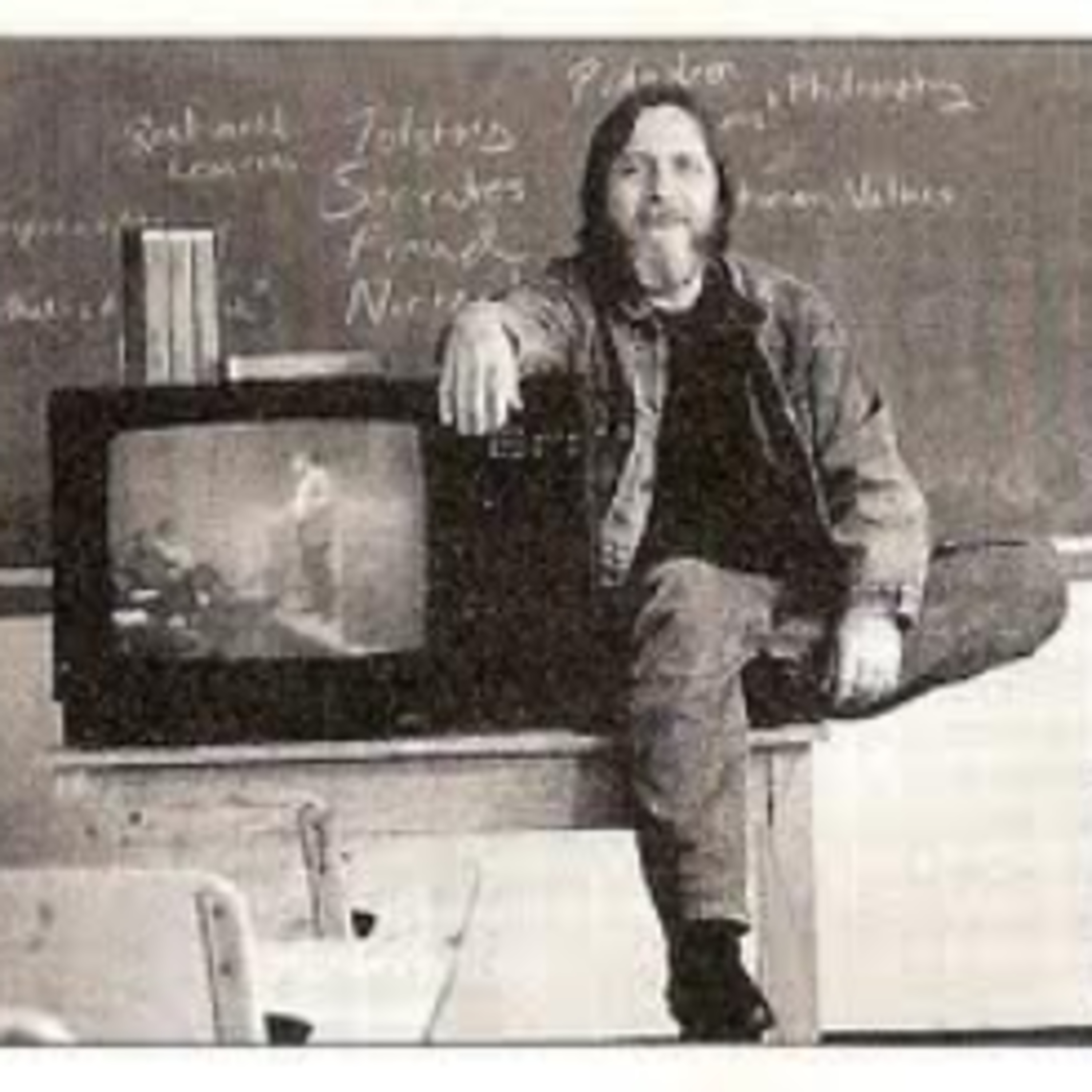
Rick Rodderick
In this episode we discuss the life of Rick Rodderick. The Teaching Company series"Philosophy and Human Values", 1990"Nietzsche and the Post-Modern Condition", 1991"Self under Siege - Philosophy in the 20th Century", 1993"Mill on Liberty", guest lecture from "The Great Minds of Western Intellectual Tradition" (1st ed), Part IV, Philosophy in the Ep
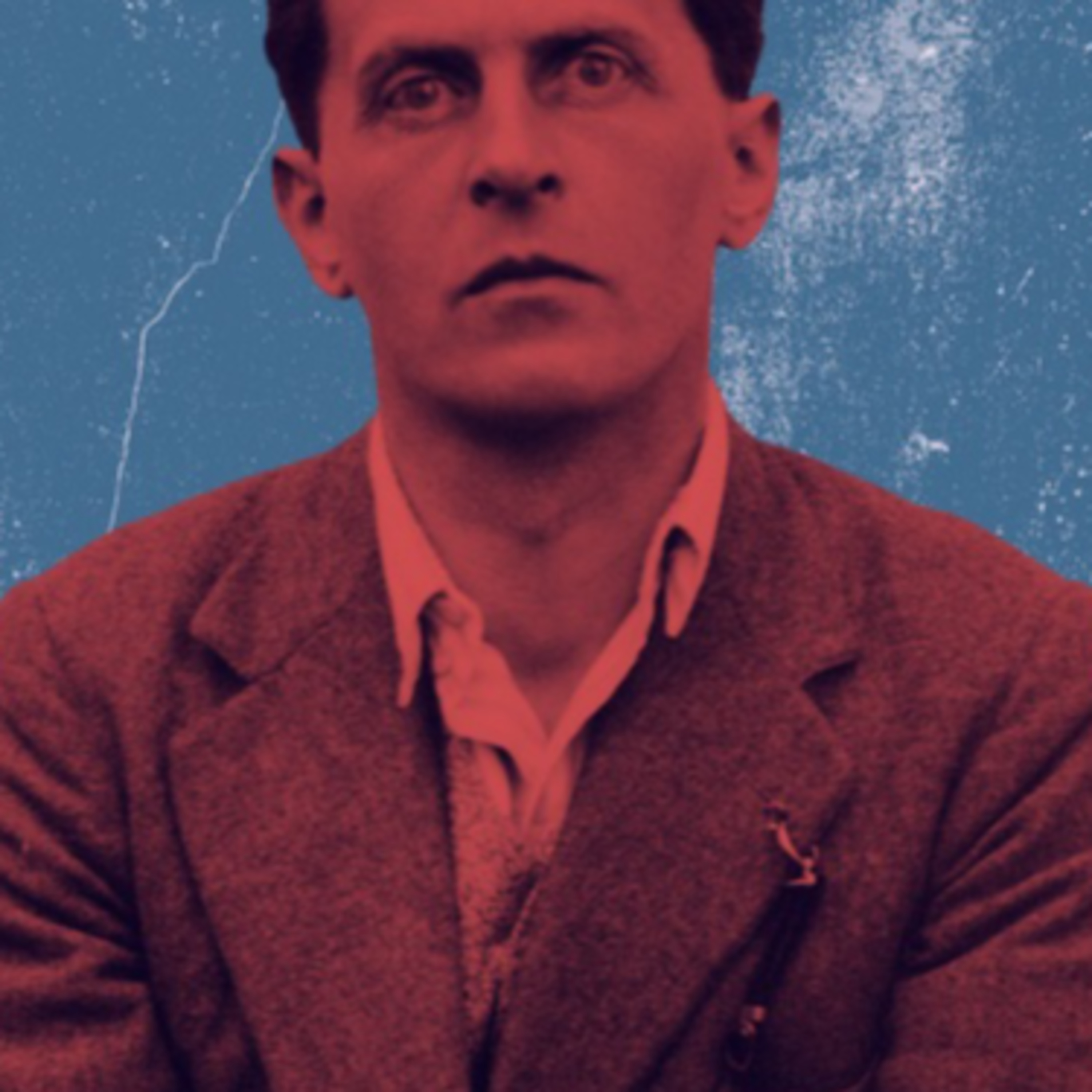
Wittgenstein: His lfe
This conversation delves into the life and philosophy of Ludwig Wittgenstein, exploring his fascinating background, family influences, and the impact of his experiences during World War I on his philosophical development. The discussion highlights his significant works, including the Tractatus and Philosophical Investigations, and examines the complexities of his character, including his relations
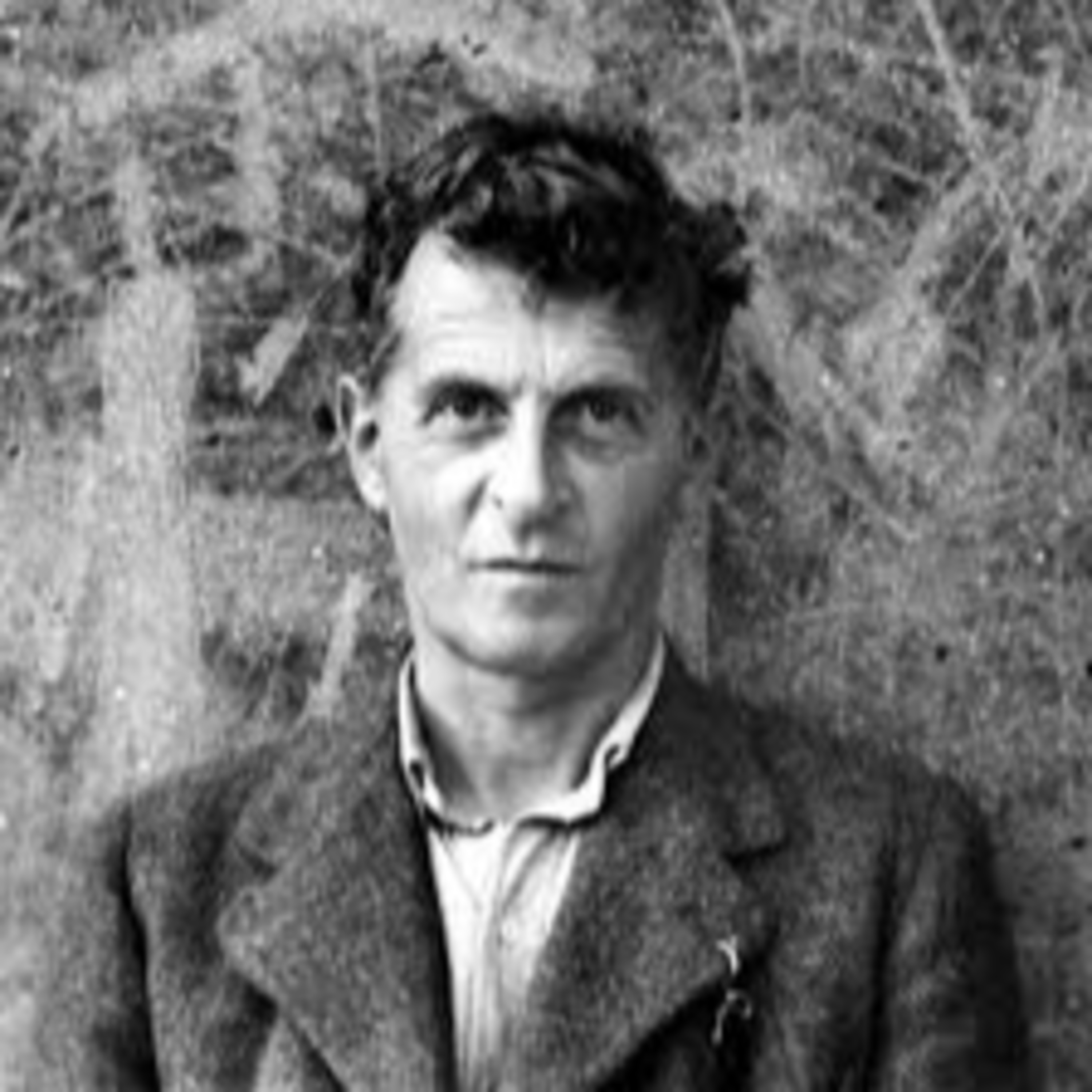
Wittgenstein: The difficulty of Language and Meaning
In this conversation, the John Gibbs, Dr Richard Miller and Dan Rowland delve into Wittgenstein's 'Tractatus Logico-Philosophicus', exploring its complex themes surrounding language, meaning, and the limitations of expression. They discuss Wittgenstein's philosophical ambitions, the structure of language, and how his ideas have influenced modern philosophy. The conversation highlig
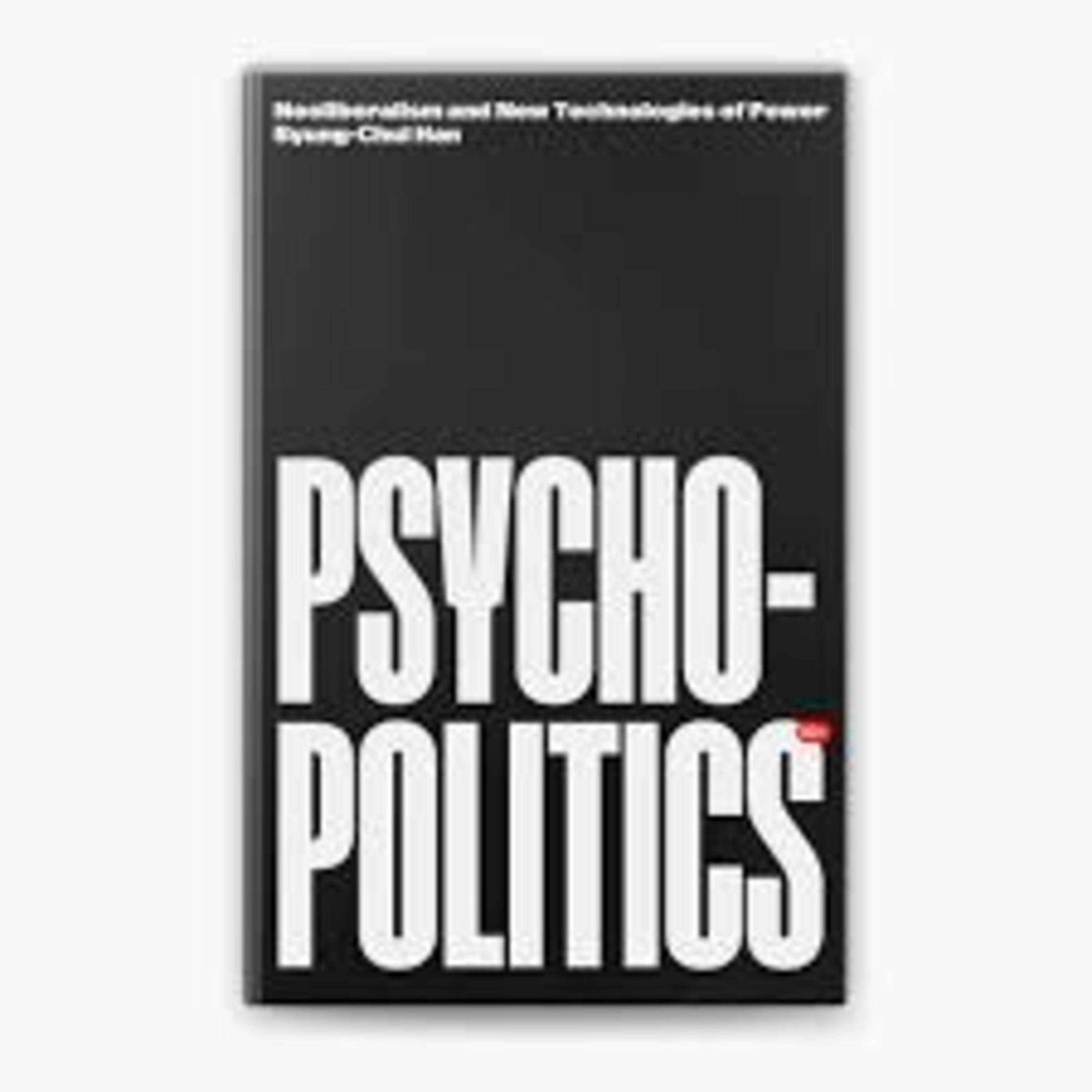
Psycho-Politics Byung-Chul Han
In this episode of the Spinoza Triad, John Gibbs and Richard Miller delve into the themes of Byung-Chul Han's 'Psycho-politics', exploring the shift from a disciplinary society to one driven by emotions and individualism. They discuss the implications of neoliberalism on personal identity, the rise of emotional capitalism, and the gamification of life and work. The conversation also to

Vita Contemplativa Byung-Chul Han
In this conversation, John Gibbs and Dr. Richard Miller delve into the first half of Byung-Chul Han book, 'Vita Contemplativa,' exploring the concept of inactivity as a vital aspect of human experience. They discuss the oppressive nature of a performance-driven society, the distinction between leisure and true inactivity, and the importance of boredom as a precursor to creativity. The dial
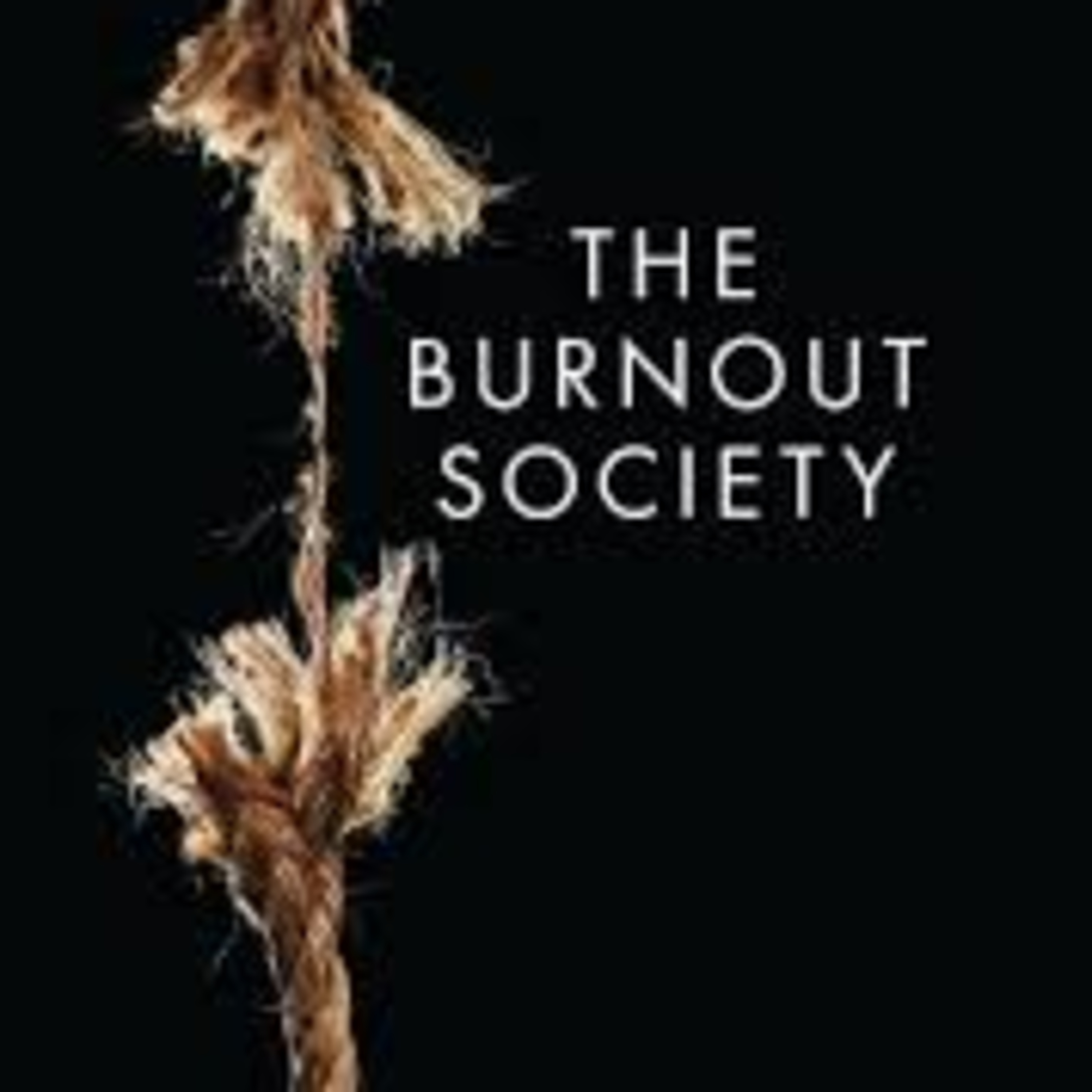
Burnout Society Byung-Chul Han
In this podcast episode, John Gibbs and Dr. Richard Miller delve into Byung-Chul Han's 'The Burnout Society,' exploring the transition from a disciplinary society to one focused on achievement. They discuss the implications of this shift, including the suffocating nature of freedom, the crisis of gratification, and the impact of societal pressures on mental health. The conversation als
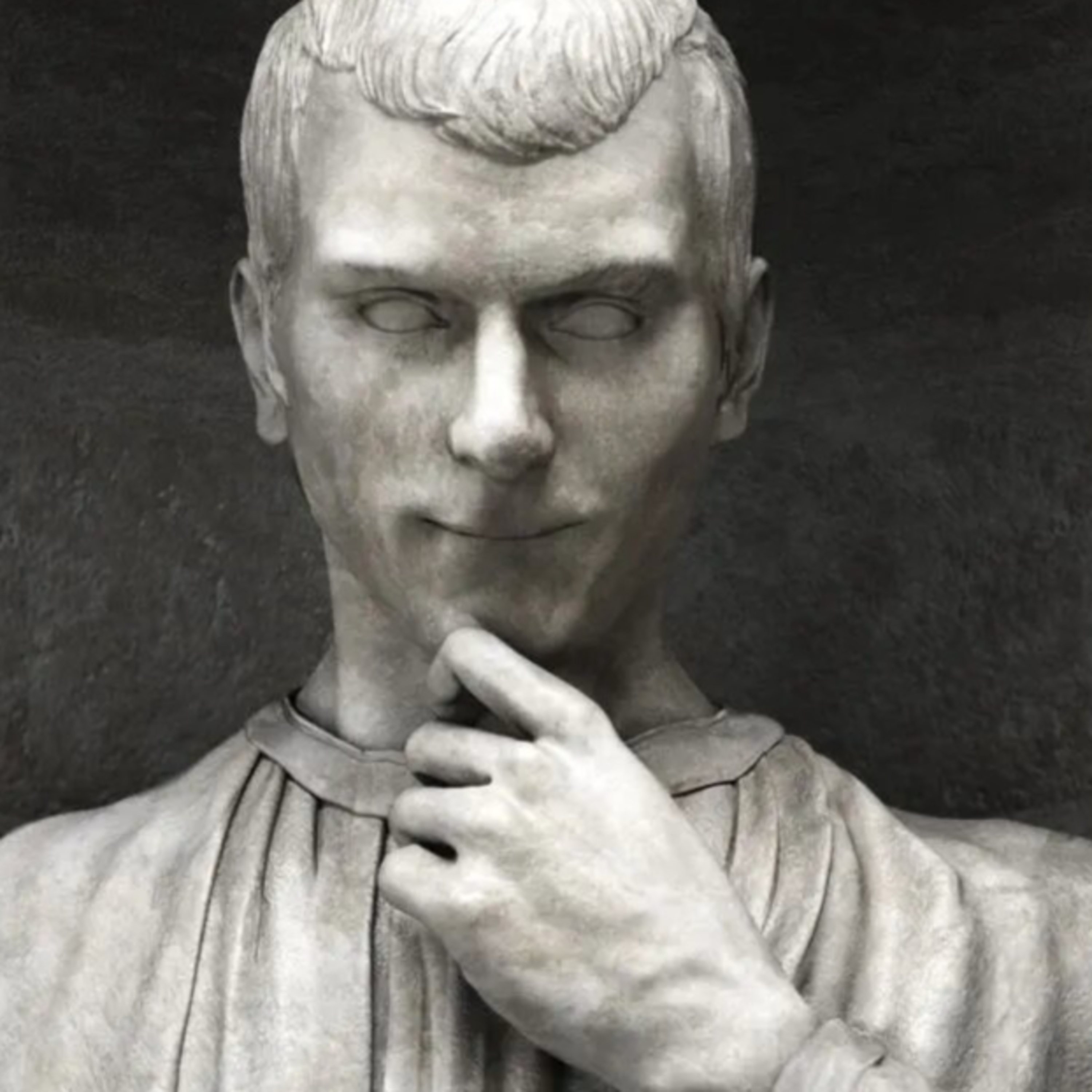
Plato's Gorgias and the problem of persuasion.
In this episode of The Spinoza Triad, Dr. Richard Miller, Dan Rowland, and John Gibbs discuss the philosophical underpinnings of Plato's dialogues, particularly focusing on the Socratic method, the art of rhetoric, and the moral implications of persuasion. The discussion explores how these themes relate to modern education, the concept of virtue, and the challenges posed by cancel culture in c

The Dark City: Gotham's Symbolism Decoding Society: The Role of Semiotics
This conversation delves into the representation of Gotham City as a text, exploring its origins, meanings, and the semiotic analysis of its imagery. Dan, Richard, and John discuss the historical context of the term 'Gotham', its connections to urban design, and the dualities present in its narrative, particularly through the lens of Batman. They examine the architectural symbolism of Gotham, the

Searching for the sublime and the beauty problem.
In this conversation, The Spinoza Triad John Gibbs& Dr. Richard Miller discuss the film 'The Uglies' and its implications on contemporary culture, beauty standards, and the influence of technology on identity. The discussion delves into themes such as transhumanism, the motif of the frontier in storytelling, and the philosophical debates surrounding beauty and the sublime. They also examine t

Sartre and the Search for Authenticity
In this episode, the Spinoza Triad, Dan Rowland, Dr. Richard Miller, and John Gibbs discuss Existentialism and some of the ideas of Jean-Paul Sartre. We explore how Existentialism emphasizes individual freedom and responsibility and how the anguish of existence is a central theme in Sartre's work. We conclude that while freedom can be both empowering and anxiety-inducing Existentialism offers insi

Socrates and the limits of free speech
In this conversation, John, Dan and Rich discuss the life and trial of Socrates. They explore Plato's representation of Socrates and the accusations he faced, including corrupting youth and introducing alternative gods. They also touch on Socrates' belief in the existence of a personal spirit guide and his views on the nature of knowledge and truth. The conversation delves into the relevance of S

Techno Feudalism. What killed Capitalism?
The conversation explores the central themes of Yanis Varoufakis' book 'Technofeudalism' and the impact of technology on capitalism. The discussion covers topics such as the shift in capitalism after the 2008 financial crisis, the role of behavior modification in the digital age, the control and manipulation of online identities, the rise of cloud capitalism, the clash between China and America i

Philosophy and the age of fear.
In this episode, the Spinoza Triad, Dr Richard Miller, John Gibbs, and Dan Rowland discuss the topic of fear. We start by reflecting on stoicism and later consider Satre, Hagel, Gramsci, Althusser, and Neil Postman.

The philosophy of history and the lost past.
In this episode Dr Richard Miller, Dan Rowland and John Gibbs discuss how philosophy has grappled with the problem of defining history.

Truth in the age of Post Truth.
In this episode the Spinoza Triad, Dr. Richard Miller, Dan Rowland and John Gibbs, discuss the philosophy of truth and the post truth world. We discuss how philosophy might help us understand the rise of populi, social media, conspiracy theories and the privatisation of truth. We also discuss the possibilities of UFOs.

Musician, MMA Coach and Dr of Philosphy. An interview with Dr Richard Miller
Learning, schools, education, teaching, music, philosophy, mixed martial arts.
In this episode, I interview my fellow Spinoza host Dr. Richard Miller. We discuss his journey from struggling at school to becoming a doctor of philosophy. His love of blues guitar and his career as an MMA coach.

Artificial Intelligence and the problem of Consciousness.
David Chalmers, The hard problem of consciousness, can AI ever be conscious? Will AI replace us?
In this episode, Dan, Richard, and John discuss consciousness, intelligence, and AI. We discuss the Turing Test, the Chinese Room, and the future of AI.

Thus Spake Zarathustra: The Jester and the Tightrope Walker
In this episode Richard and John discuss the first part of Friedrich Nietzsche's most poetic book, Thus Spake Zarathustra and as usual, we ask, what does it say to us today?

Kierkegaard and the philosophy of choice
In this episode of the Spinoza Triad, John Gibbs and Dr. Richard Miller discuss their reading of Soren Kierkegaard's book Either, Or. Dan Rowland was unable to join us for this episode. Richard supplied the music.

If you could have world peace would you want it. The Beauty Queen experiment
In this episode, Dr. Richard Miller and John Gibbs discuss the concept of evil, free will, and the possibility of world peace. If you could release a virus into the world which would make all humans peaceful- what would you do?

The continuity of the self. The Transporter Experiment
What does it mean to be me? Am I the same person at all times and will I be the same person in the future? In the Spinoza Triad, John Gibbs, Dr. Richard Miller, and Dan Rowland discuss the continuity of the self and Derek Parfit's famous 'Transporter Thought Experiment'.

Psychopaths. The others we fear and seem to know.
In this episode, Richard (Dr. Richard Miller) and I consider the appeal of the literature, films, and podcasts which focus on Psychopaths. We wonder what this might say about our world and if philosophy might help us to understand. We share some ideas in a discussion covering many themes including popular culture, Kantian ethics, the nature of evil, and society.

Nietzsche's Eternal Reoccurrence. Would you enjoy the repeat episode of your life?
In this episode, Richard, Dan, and I discuss Nietzsche's famous thought experiment of eternal reoccurrence. Would you wish to live your life exactly as you have lived it, again and again for eternity? Would this be a curse or a blessing?

Richard introduces Mark Fisher: Capitalist Realism
This is an introduction to the work and ideas of Mark Fisher which we discuss in more detail in our podcast- Capitalist Realism: Can we think beyond capitalism?

Capitalist Realism: Can we think beyond capitalism?
In this episode, Richard introduces the Spinoza Triad to Mark Fisher's ideas and Capitalist Realism's ideas. Our discussion focuses on his and our experiences in education. We consider the state of British society, and the all-pervasive nature of capitalism and wonder if it is possible to imagine a different kind of world or would this be harder than imagining the end of the world.

Spin-note Why we need not be afraid.
In this episode John and Richard discuss a text which was referred to in an earlier podcast. 'De Rerum Natura' - 'On the Nature of Things'. On of the most remarkable books ever written, On the Nature of Things' by the Roman author Lucretius was an influence on many of the greatest thinkers and artists in the last 2000 years. It was written in the first century BCE by a wealthy Ro

Squid Game, Marx and the problem of us.
In this episode Dr Richard Miller, Dan Rowland and John Gibbs wonder if the hit Netflix series Squid Game is more than a Marxist critique of capitalism. We discover there is more to it and enjoy discussing the series.

Climate, Pandemic and Capitalism. Is this the end of the world as we knew it?
Why Do People Fight for Their Servitude as If It Were Their Salvation? Spinoza
In this episode of the Spinoza Triad John Gibbs, Dr Richard Miller and Dan Rowland are joined by Dougie Booth. Dougie is teaching at Kings College London and researching his PhD in Politics. We discuss the republican conception of freedom and Dougie's research into the impact of the pandemic and climate change on

The World in 2022 or Why you should feed a cow as well as weigh it.
In this episode the Spinoza Triad, John Gibbs, Dan Rowland and Dr Richard Miller reflect on the experience of podcasting in 2021 and the themes which have emerged in our discussions. We wonder about the power of data, the media and the quest for meaning. How can we celebrate the sacred and profound in a world of carnival? We conclude that the creative process of learning may be some kind of answer

Plato's Theory of Forms and the Problem of Beauty
In this episode we discuss Plato's theory of Forms and consider if it is helpful in understanding art and beauty today. The theory of Forms or theory of Ideas is a philosophical, concept, or world-view, that the physical world is not as real or true as timeless, absolute, unchangeable ideas of forms. How can this theory be useful in our post modern world? Do we still have any belief in universal t

Freedom and the digital society.
In this episode of the Spinoza Triad John Gibbs, Dan Rowland and Dr Richard Miller discuss the concept of freedom and how it might be enhanced of diminished by digital technology and social media. With reference to Thomas Hobbs, Rousseau, Marshall McLuhan and Zizek the discussion considers the meaning of freedom today.
If you wish to suggest ideas for future podcasts, submit a recorded comment or

Orientalism and the Olympics
In this episode of the Spinoza Triad Dr Richard Miller, Dan Rowlands and John Gibbs consider the ideas of Edward Said and how these might be applied to the Olympics in their modern form. While acknowledging our admiration for the extraordinary achievements fort the athletes we took a critical view and tried to understand this vast global event form the point of view of post colonialism. Our discus

Hegel, the end of history and the rise of China.
In this episode of the Spinoza Triad, Dr Richard Miller, Dan Rowland and John Gibbs discuss Hegel’s theory of history, the end of history and the rise of China. Does China represent an alternative to western liberalism or a dead end? Will the progress of human history end and will it end well or badly? These are some of the questions discussed.
jfgibbs105@gmail.com
https://www.speakpipe.com/msg/s/

Social media and the problem of authenticity
In this episode the Spinoza Triad, John Gibbs, Dr Richard Miller and Dan Rowlands, discuss how the internet and social media may have contributed to the philosophical debates surrounding authenticity. In Hamlet, Polonius advises Laertes 'to thine own self be true'. It its possible to be true to yourself and true to others on social media. Do we have a 'true self'?
Leave voice messages:
https://anc

Classical Philosophy and the ethics of Consumerism.
In this episode we set ourselves the task of trying to use the ethics of Aristotle, the Epicureans, Stoics and Cynics to understand how to live the good and virtuous life in a consumer society. The following conversation was the unscripted result. If you wish to leave a voice message, comment, question, correction or contribution we would be delighted to respond or include in future episodes

V for Vendetta and ethics of violence
In the third episode of the Spinoza Triad John Gibbs, Richard Miller and Dan Rowland consider the film V for Vendetta. V for Vendetta is a 2005 dystopian political action film based on the 1988 graphic novel by Alan Moore and David Lloyd. The film is set in an alternative future where a neo-fascist totalitarian regime has subjugated the United Kingdom. It centres on V (portrayed by Hug

Conspiracy Theories and Carl Jung
In this episode of the Spinoza Triad, John Gibbs, Richard Miller and Dan Rowland consider conspiracy theories using the ideas of Carl Jung. In an age of unparalleled levels of education why do so many people believe theories which are so obviously absurd? Is it possible the concepts of the collective unconscious, cultural symbolism and architypes developed by analytical psychologist Carl Jung migh

Foucault and the Pandemic
In this episode of the Spinoza Triad Richard Miller, Dan Rowland and John Gibbs consider Michel Foucault's concepts of power and discourse and wonder if they help to understand the Pandemic. Richard Miller supplies the steel guitar.
“The first task of the doctor is ... political: the struggle against disease must begin with a war against bad government." Man will be totally and definitively
Recommended
History of the Earthquake and Fire in San Francisco

Fox news

K-Drama Obsessed Mamas | Beyond “Just One More Episode!”

True Crime Classics

The Healer Revolution

Becoming: HER with Nikki Spoelstra

Booked, Blonde & Busy w/ Olivia Ponton

McKinsey on Consumer and Retail

megahired.com

Hard Knocks Podcast

Effective Weight Loss for Moms | High protein, Strength Training, Lose Weight, Meal Planning, Fat Loss, Healthy Habits

The Human-Animal Connection - Pet Life Radio Original
