Science History Podcast
This podcast features monthly interviews on significant milestones in the history of science. Host Frank A. von Hippel engages with historians, scientists, and other experts to explore how key discoveries and ideas emerged. Each episode delves into the context, personalities, and enduring impact of major scientific developments. The show offers thoughtful, in-depth conversations for anyone curious about how science has evolved over time.
Episodes

Episode 107. Psychiatry at Nuremberg: Jack El-Hai
How did the psychiatrist Douglas Kelley end up evaluating high-ranking Nazis at the 1945-1946 International Military Tribunal at Nuremberg? Who were Kelley's patients on trial for war crimes? How did Kelley interpret the responses that he got from the Nazis with the use of the Rorschach test? What did Kelley learn about the psychology of evil? Kelley killed himself, and he did so using cyanide, ju

Episode 106. The Space Race: Leroy Chiao
Those of us who grew up during the Cold War were keenly aware of the space race between the US and USSR. With us to relive the victories and tragedies of the space race is Leroy Chiao. Leroy is a former NASA astronaut and International Space Station commander. A veteran of four space missions, Leroy most recently served as Commander and NASA Science Officer of Expedition 10 aboard the Internationa

Episode 105. Curie's Elements: Dava Sobel
Marie Curie was one of the most remarkable scientists in history. She was the first woman to win a Nobel Prize, the first person to win two, and the only person ever to earn Nobel awards in separate fields of science. Today we explore the life and legacy of Marie Curie with the science writer Dava Sobel. Dava is the author of prominent and best-selling science history books, including Longitude, G

Episode 104. Pugwash: John Holdren
On July 9, 1955, mathematician and philosopher Bertrand Russell announced the Russell-Einstein manifesto, which warned the world of the dangers posed by nuclear weapons. The 11 signatories included Albert Einstein, who signed it just before his death. Physicist Joseph Rotblat stated that the manifesto was "the last message from the man who was the symbol of the great heights the human intellect c

Episode 103. Astronomy: Sarah Alam Malik
What did the ancient world discover about the cosmos? What were the contributions of Copernicus, Kepler, and Galileo? How did the science of astronomy advance under Newton? And how did everything change again with the discoveries of special relativity, general relativity, and quantum mechanics? With us to answer these questions is Sarah Alam Malik. Sarah is an expert on dark matter, and her work o

Episode 102. Chemicals & Children's Health: Tracey Woodruff
Chemical exposures in the womb can lead to what biologists call organizational effects - that is, impacts on the developing child that are irreversible. How were developmental problems associated with chemical exposures during pregnancy first discovered? And how did these discoveries influence policy? With me to discuss chemicals and child development is Tracey Woodruff. Tracey is a professor in t

Episode 101. Longitude: Emily Akkermans
The age of exploration altered the course of human history, but how did early explorers find their way? Calculating their latitude at sea was a relatively straightforward proposition, but calculating longitude presented a vexing problem. Given the big power competition for colonies, conquest, and riches, the search to discover an accurate means of assessing longitude became a scramble. A major pi

Episode 100. Bohr's Legacy: Tomas Bohr
Today we explore the life and legacy of the physicist Niels Bohr through the reflections of his grandson Tomas Bohr. Tomas is an Emeritus Professor at the Technical University of Denmark. He studies fluid dynamics, biophysics, chaos, turbulence and statistical mechanics, and he has a long and distinguished career publishing in these fields. He is a member of the Royal Danish Academy of Sciences an

Episode 99. Rapa Nui's Collapse: Mike Pitts
Often in the history of science, myths overrun scientific findings and take hold with such force that they are difficult or nearly impossible to dislodge from public understanding. Perhaps no example of this phenomenon is more pronounced than that of the societal collapse of Easter Island, also known as Rapa Nui. With us to unravel the myth from the science is Mike Pitts. Mike is a writer and bro
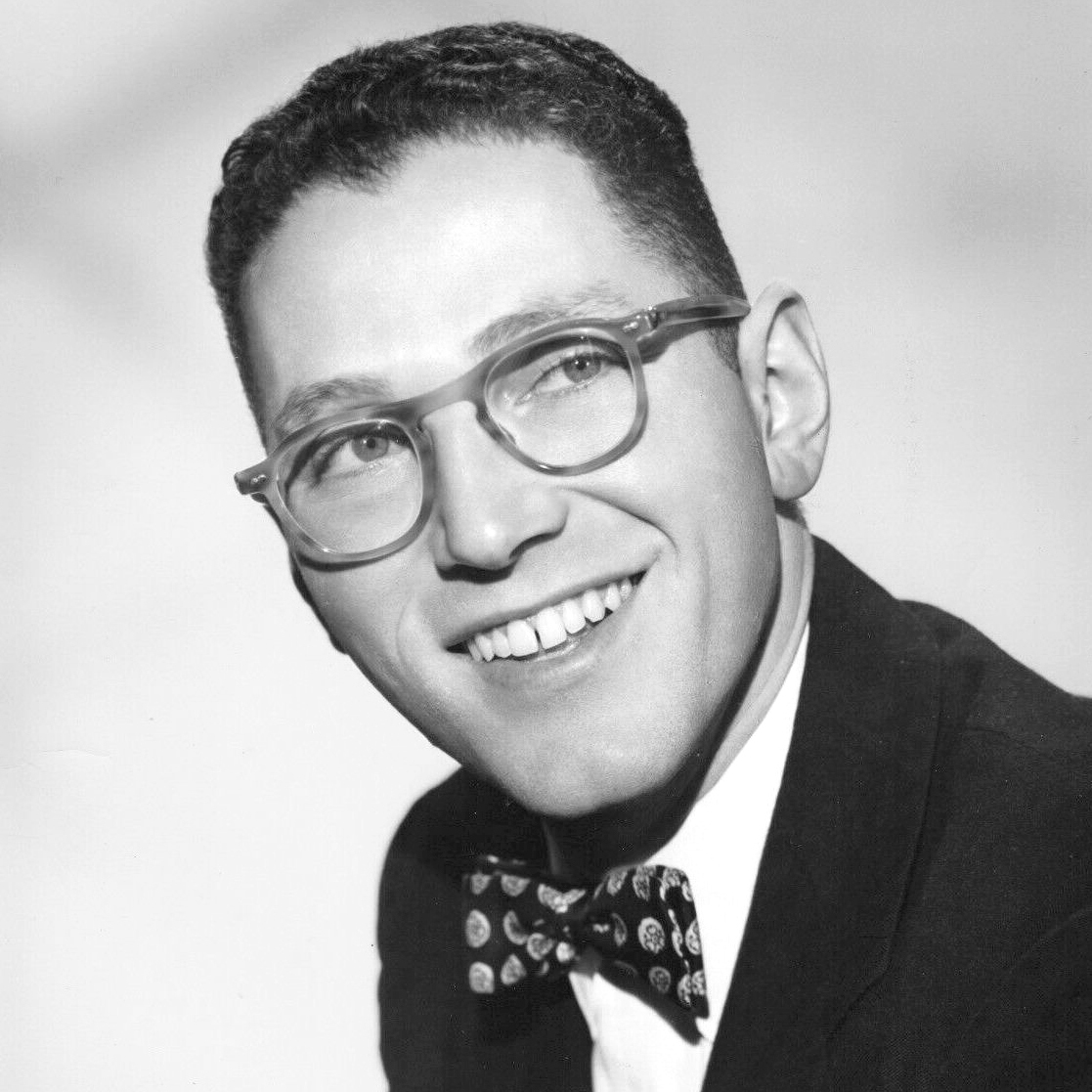
Episode 98. Retrospective: Tom Lehrer's Mathematics
The Science History Podcast, now in its 9th year, has spanned Trump's first term in office, four years of the Biden Administration, and a year of the second Trump Administration, not to mention a global pandemic, horrific wars around the world, and the emergence of AI. So now seems like the perfect moment for some levity. The master of musical satire, Tom Lehrer, passed away in 2025. Here is my ce

Episode 97. Forever Chemicals: Sharon Udasin
Today's episode is a discussion on the history of PFAS, or forever chemicals, including their accidental development, incorporation into commercial products, concerns about health effects, and environmental contamination and remediation. My guest is Sharon Udasin. Sharon is a Colorado-based environmental journalist and author of Poisoning the Well: How Forever Chemicals Contaminated America. She w

Episode 96. The Weather: Simon Winchester
The weather has always been a critical element of the human experience - deadly during storms and droughts, sustaining when aligned with the harvest schedule, beautiful and frightening, and integrated into the myths and religions of all societies. How did a scientific understanding of the weather come about? Here to guide us on this question is Simon Winchester. Simon's articles and approximately
Episode 95. The River War: James Muller
In Episodes 10 and 11 of the Science History Podcast, I interviewed James Muller on the role that Winston Churchill played in the unparalleled advancement of science and technology during the first half of the 20th Century, particularly as it related to the two world wars. In today's episode, Jim returns to discuss Churchill and an earlier war fought in the Sudan at the end of the 19th Century. Ji
Episode 94. Lead Poisoning: Bruce Lanphear
Our health, and the health of wildlife, depends on a clean environment. Since the advent of the industrial revolution, our environment has suffered from waves of pollution as different technologies came to the fore, each with its own set of practical benefits and associated chemical waste. Perhaps the most insidious of these environmental pollutants is lead. With us to discuss the history of lead
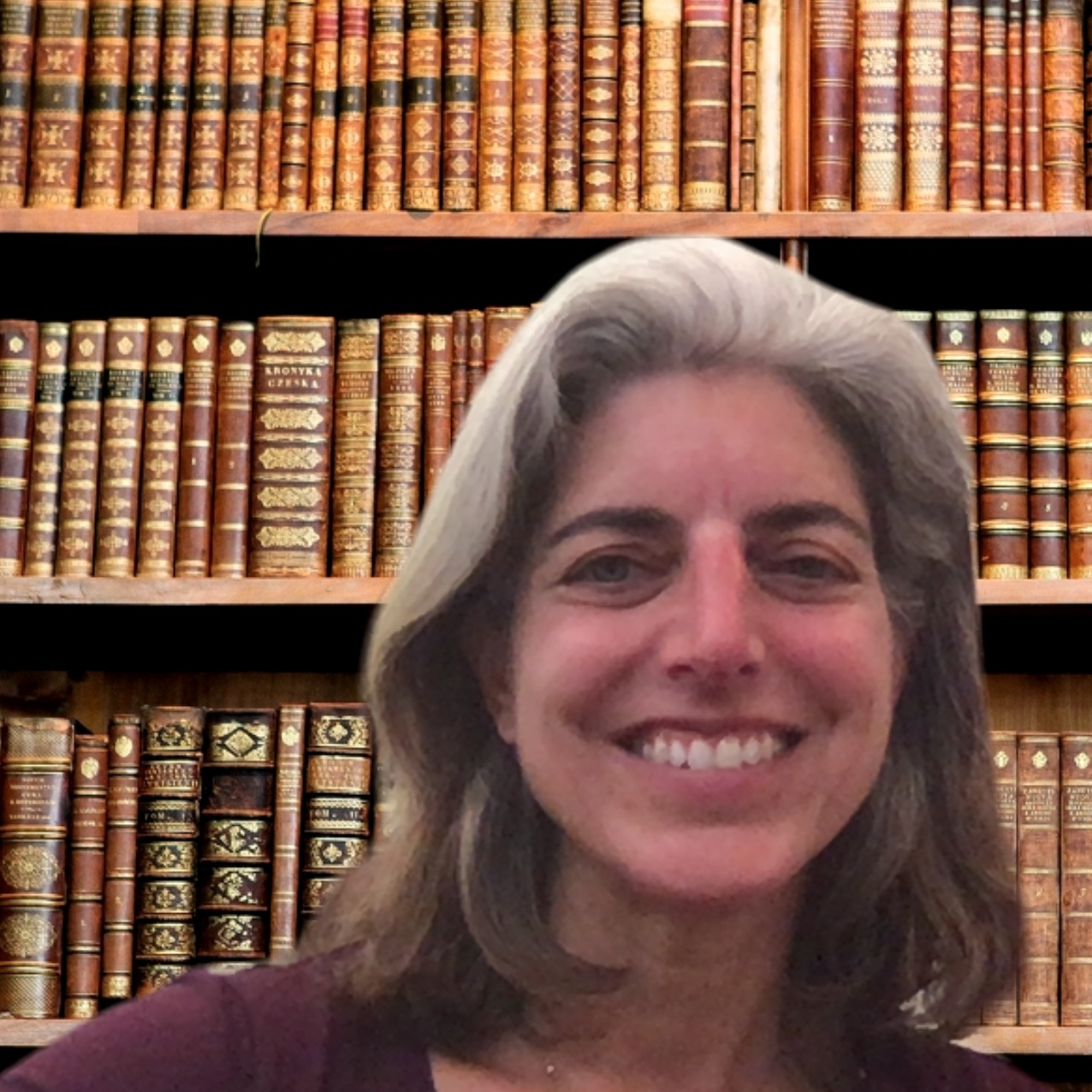
Episode 93. Attacks on University Research: Claudia Polsky
The year 2025 has seen the most aggressive moves ever by the US executive branch against scientific research as the Trump Administration has gutted federal science and regulatory agencies and cancelled billions of dollars in research grants that had already been awarded to universities. With me to discuss the Trump Administration attacks on university research is Claudia Polsky. Claudia is a clini

Episode 92. ATSDR: Jaimi Dowdell
In Episode 62, I interviewed two Reuters journalists about how industry and government in the United States use conservation easements to avoid rigorous cleanup of contaminated sites. Today, one of those journalists, Jaimi Dowdell, is back to discuss how a federal agency responsible for community health assessments has a history of failing to protect the communities that seek its aid. Jaimi was pa
Episode 91. Political Bias: Bill von Hippel
In prior episodes, we examined political interference and bias in science in a few contexts, including episode 3 on the history of U.S. congressional attacks on science, episode 57 on types of bias, episode 65 on ideology and science, and episode 84 on the academy's ideological march to the left and antisemitism on American college campuses. Since those episodes, America went back to the future w
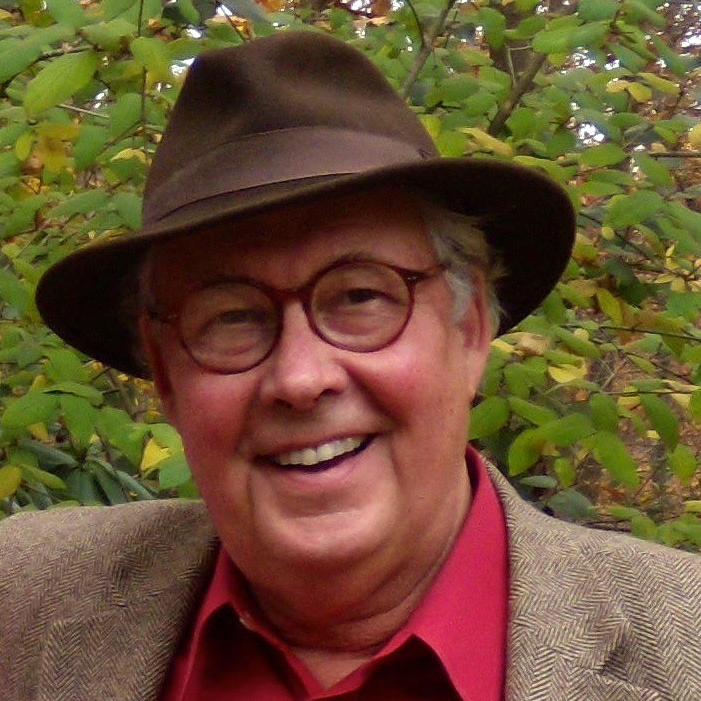
Episode 90. Physicists as Biologists: William Lanouette
In prior episodes, I have interviewed many people about the history of physics and physics-adjacent topics such as nuclear disarmament. Many of the physicists we have discussed also made forays into biology. Today I explore this transition of physicists working in biology with William Lanouette. Bill is a writer and public policy analyst who has specialized in the history of nuclear energy and nuc
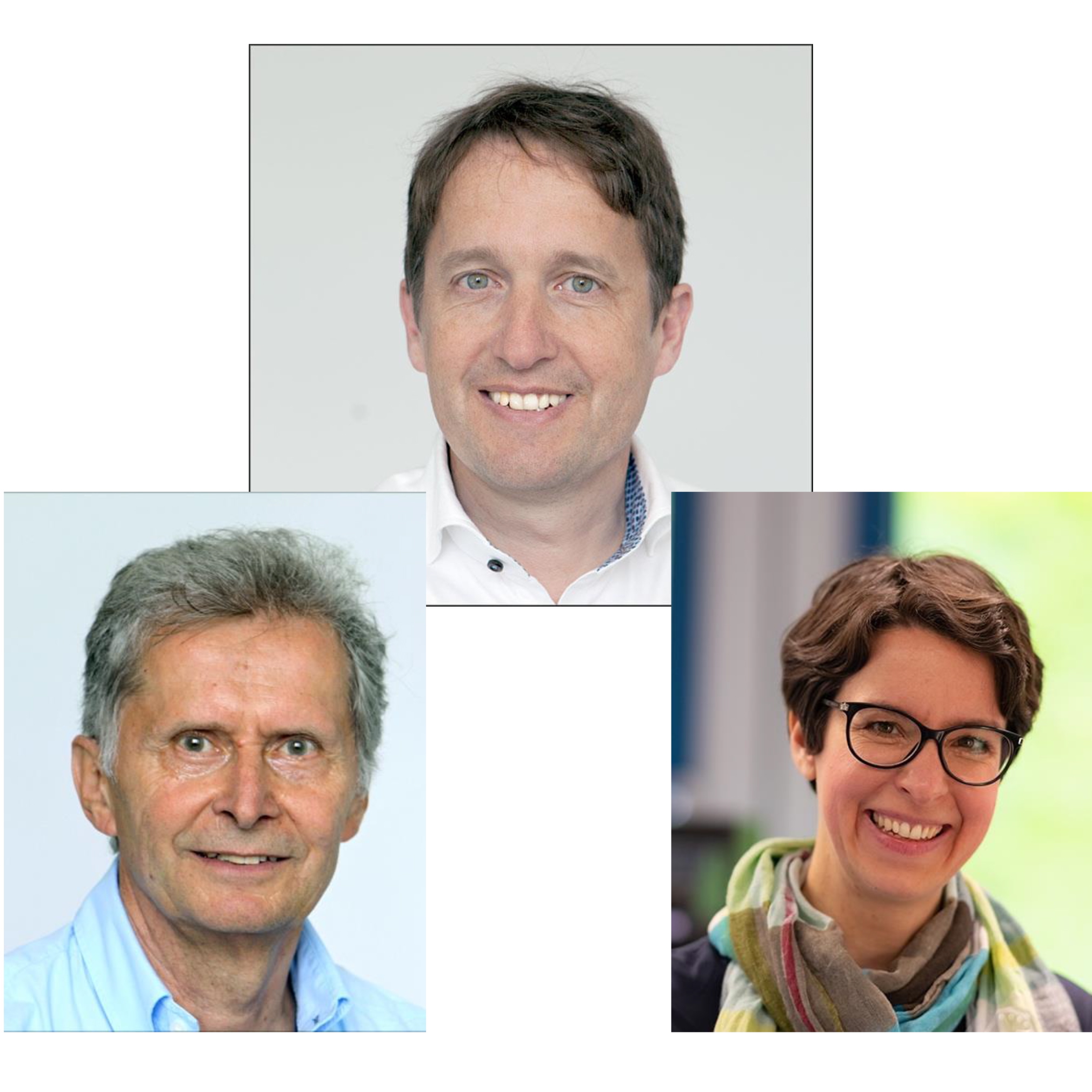
Episode 89. Göttingen Physics: Tim Salditt, Kurt Schönhammer, & Sarah Köster
Prior to the rise of Nazism, the University of Göttingen hosted most of the top physicists in the world, either as resident or visiting scientists. With us to discuss the history of physics in Göttingen are Tim Salditt, Kurt Schönhammer, and Sarah Köster. In this conversation over tea at the University of Göttingen, we discuss how Göttingen became a focal point of physics, key moments and people d

Episode 88. Polymerase Chain Reaction: Henry Erlich
The history of science is punctuated by moments of technological innovation that produce a paradigm shift and a subsequent flurry of discovery. A recent technological innovation that generated diverse discoveries, ranging from a profound shift in our understanding of the origin of humanity to a seismic change in the criminal justice system, is the polymerase chain reaction, or PCR. With us to dis

Episode 87. Meitner's Atom: Marissa Moss
Lise Meitner was the most important female physicist of the 20th century. She made fundamental discoveries on the atom, including, most famously, being the first to discover the idea of fission. This she did as she puzzled over experimental results generated by her colleague Otto Hahn. Hahn, but not Meitner, received the Nobel Prize in Chemistry for this monumental discovery. More generally, Meitn

Episode 86. Quantum Mechanics: Jim Baggott
Humanity's understanding of the universe radically altered with the advent of quantum mechanics in the early 20th century. The theory of quantum mechanics describes how nature behaves at or below the scale of atoms, and the road to that theory was littered with seemingly insurmountable obstacles. With us to discuss the development of quantum mechanics, and the major schools of thought represented

Episode 85. SWOPSI: Joel Primack & Robert Jaffe
Societal problems big and small typically have a scientific element, often in a central way, yet most scientists are not directly involved in policy. My guests sought to change that in 1969 when they created the Stanford Workshops on Social and Political Issues, or SWOPSI. SWOPSI was founded by three students, two of whom are with us today: Joel Primack and Robert Jaffe. The third student was Joyc
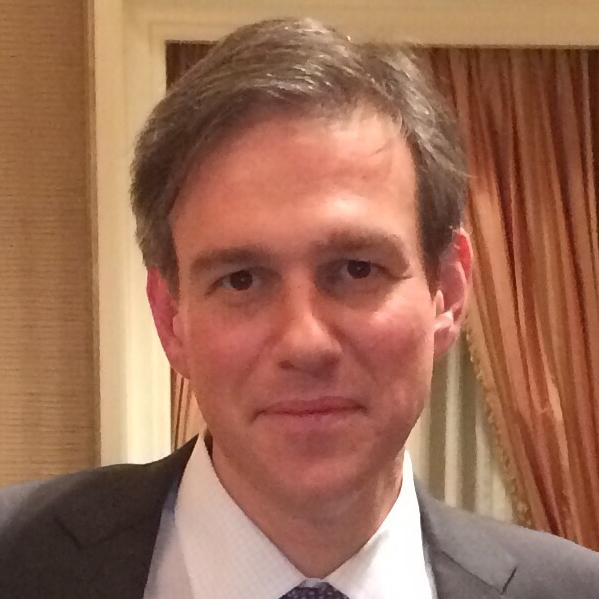
Episode 84. Antisemitism and the Academy: Bret Stephens
Institutions of higher education, especially in the United States, have received a great deal of attention over the past two generations regarding their ideological march to the left, and the impacts, real or imagined, on society at large. Criticism of American universities has sharpened since Oct. 7, 2023, as the Hamas attack on Israel was closely followed by campus protests against Israel. The e

Episode 83. Hebrew: Shalom Goldman
What was the Western World's understanding of the origins of humanity prior to the Enlightenment? Why did Christopher Columbus have a Hebrew speaker on his voyages of exploration? Why did the American universities founded before the Revolution have Hebrew in their curriculum? What role did linguistics play in the late 19th century modernization of the Hebrew language? What does the literary critic
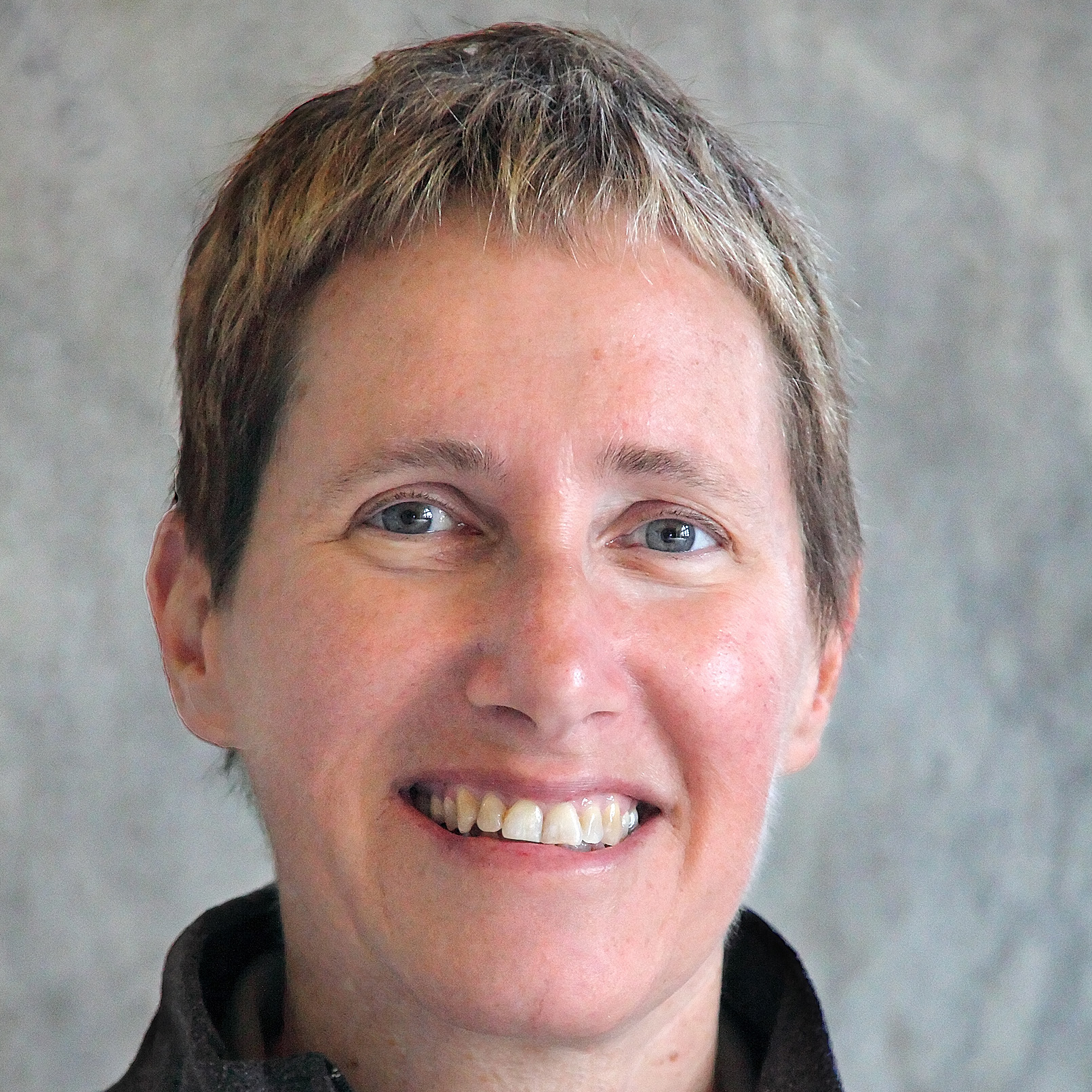
Episode 82. Jerusalem Archeology: Jodi Magness
Archeology is the science that most directly connects us with our past, and no city in the world has been subject to more archeological interest than Jerusalem. With us to explore the archeology of Jerusalem is Jodi Magness. Jodi is a member of the American Academy of Arts and Sciences. Since 2002, she has been the Kenan Distinguished Professor for Teaching Excellence in Early Judaism in the Depar

Episode 81. Nuclear Disarmament: Steve Fetter
Today I speak with Steve Fetter about his work on a variety of nuclear disarmament efforts, including the Black Sea Experiment, nuclear archeology, the risks associated with a single person having the ability to start a nuclear war, ballistic missile defense, the weaponization of space, nuclear energy, and climate change. Steve received an SB in physics from MIT in 1981 and a PhD in energy and res
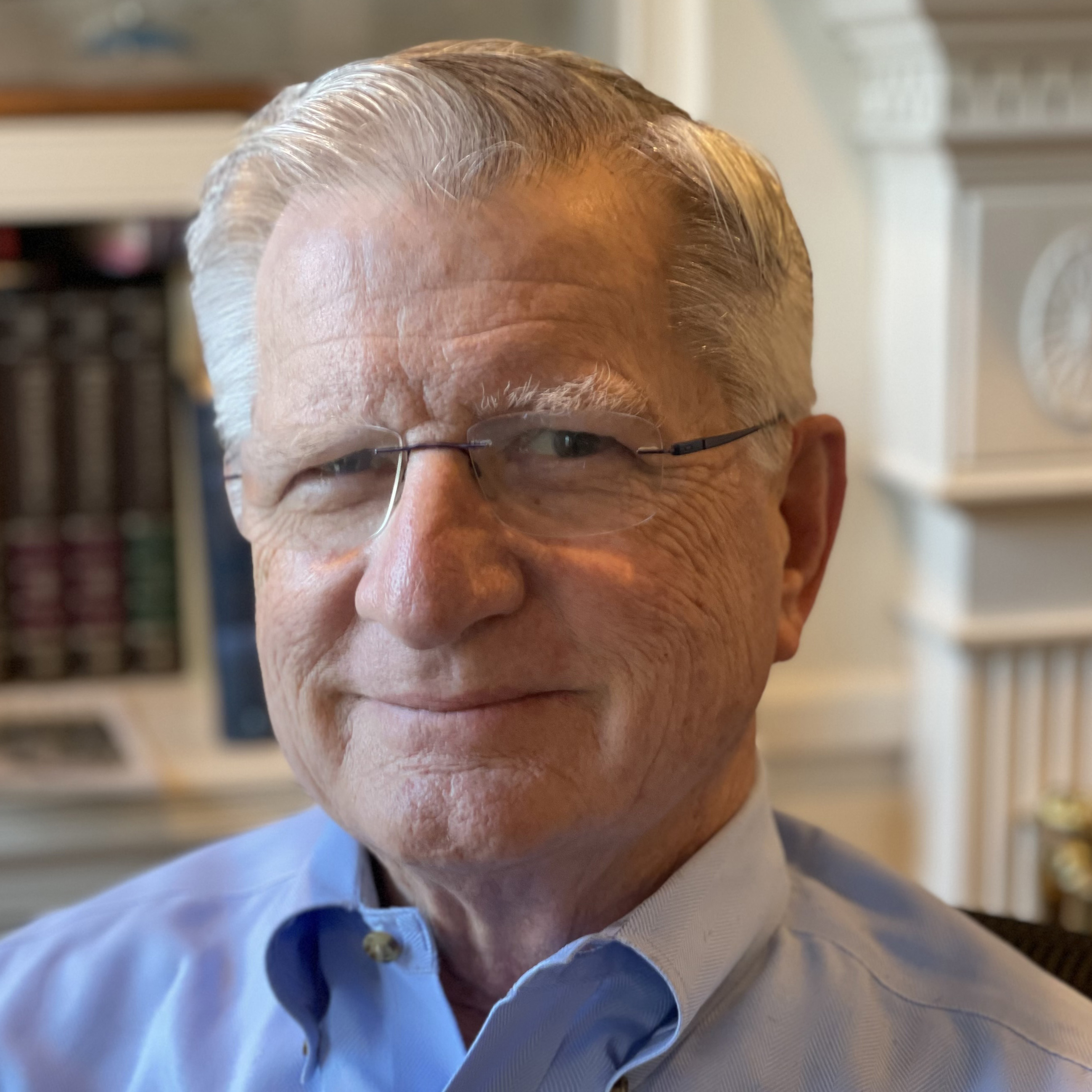
Episode 80. Soviet Nuclear Program: Thomas Cochran
Today we focus on the Soviet nuclear program with Thomas Cochran. Tom directed nuclear disarmament projects at the Natural Resources Defense Council from 1973 until his retirement in 2016. He has received numerous awards for his work on nuclear disarmament, including the public service award from the Federation of American Scientists and the Szilard Award from the American Physical Society, both i

Episode 79. Endocrine Disruption: Patricia Hunt
Today we explore the history of the field of endocrine disruption with Patricia Hunt. Pat is a Regents Professor in the School of Molecular Biosciences at Washington State University. She is a distinguished researcher and the recipient of many awards; additionally, she works at the forefront of initiatives to communicate complex scientific findings to the public.

Episode 78. Szilard After The War: William Lanouette
In episode 77, I interviewed William Lanouette about Leo Szilard's work on the atom bomb, with a discussion of the roles that Szilard played until the end of World War II. Today, in part two of my interview with Bill, we focus on Szilard's achievements after the war. Bill is a writer and public policy analyst who has specialized in the history of nuclear energy and nuclear weapons. He received an

Episode 77. Szilard's Chain Reaction: William Lanouette
Perhaps the most overlooked scientist who played critical roles in the development of the atomic bomb was Leo Szilard. With us to explore Szilard's numerous contributions to science and society is William Lanouette. Bill is a writer and public policy analyst who has specialized in the history of nuclear energy and nuclear weapons. He received an A.B. in English with a minor in Philosophy at Fordha

Episode 76. Malaria & Reminiscences: Nobel Laureate Peter Agre
Peter Agre received the 2003 Nobel Prize in Chemistry for his discovery of aquaporins. Peter is a Bloomberg Distinguished Professor in Molecular Microbiology and Immunology at Johns Hopkins Bloomberg School of Public Health, and he also directed the Johns Hopkins Malaria Research Institute until 2023. Today we discuss the history of malaria research, and Peter reflects on being a scientist. The in

Episode 75. Retrospective: Oliver Sacks
In 1994, while attending graduate school at the University of California, Berkeley, I had the pleasure of seeing a lecture by Oliver Sacks in which he discussed his work on sleeping sickness and various other neurological disorders. He also discussed his thoughts on the economy of a life. Today's episode is that lecture in full, with all the insights and charm that was Oliver Sacks.

Episode 74. Novichok: Vil Mirzayanov
Novichok is the most deadly chemical weapon ever developed. With us to discuss the history of Novichok is Vil Mirzayanov. Vil worked in the secret Soviet chemical weapons laboratory that developed Novichok. He revealed its existence to the world in 1991 and was then arrested by the Russian counterintelligence service and prosecuted in a secret trial. He won his freedom with the help of an internat

Episode 73. Pascual Jordan's Duplicity: Ryan Dahn
How could a brilliant scientist and mathematician, an innovator in quantum theory, who worked closely with Jewish colleagues, become an ardent Nazi? How did this man, who has a field of mathematics named after him, escape the scrutiny of his colleagues? And what happened to him upon the collapse of Nazi Germany? The scientist who straddled this strange world of physics and Nazism was Pascual Jorda

Episode 72. Scientific Espionage: Eli Lake
Many of the most important secrets held in international contests are technological or scientific in nature, and wars are often settled due to technological superiority of one side over the other. This leads spy agencies to employ all manner of trickery and tools to obtain those secrets. With us to explore the history of scientific espionage is Eli Lake. Eli was a senior national security correspo
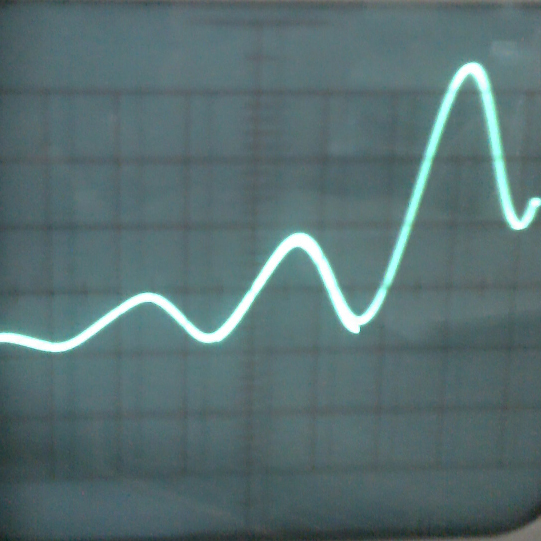
Episode 71. Retrospective: The Franck-Hertz Experiment
A retrospective on the Franck-Hertz experiment, which resulted in James Franck and Gustav Hertz receiving the 1925 Nobel Prize in Physics. Image credit: By Infoczo - Own work, CC BY-SA 4.0, https://commons.wikimedia.org/w/index.php?curid=35281920

Episode 70. Retrospective: James Franck
A retrospective on James Franck, recipient of the 1925 Nobel Prize in Physics.

Episode 69. Ancient DNA: Maanasa Raghavan
The ability to extract DNA from ancient fragments of biological material has revolutionized our understanding of recent evolutionary history, including human evolution and phylogeography. Analysis of ancient DNA in tandem with radiocarbon dating, along with traditional archeological techniques, has led to a flurry of discoveries. With us to discuss this research is Maanasa Raghavan. Maanasa is a

Episode 68. Pandemics: Leslie Reperant
The world just experienced a devastating pandemic, yet in the context of historical pandemics, COVID-19 was a relatively minor event in the history of disease. What do we know about the history of pandemics, including before written records, and what can we learn from this history? With us to answer these and other questions about the origins of epidemics and pandemics is Leslie Reperant. Leslie g

Episode 67. Lazaretto: David Barnes
Before the advent of the germ theory of disease in the 1870s, quarantine provided one of the few effective means to prevent or alleviate epidemics. The Lazaretto quarantine station in Philadelphia illustrates the history of quarantine both before and after the discovery of pathogenic microbes. With us to explore the history of 18th and 19th century quarantine in Philadelphia, and what it meant for

Episode 66. Climbing, Chemistry & Policy: Arlene Blum
What are the commonalities between scaling the world's highest peaks and tackling the most challenging pollution problems? What was it like to enter the worlds of climbing and chemistry as a woman in the 1960s and 70s? With us to answer these questions is Arlene Blum. Arlene completed a bachelor's degree at Reed College in 1966 and a PhD in biophysical chemistry at Berkeley in 1971. She was a pion

Episode 65. Ideology & Science: Lee Jussim
Any intellectual endeavor runs the risk of bias. Today we explore ways in which political ideology interferes with scholarship, particularly in the social sciences, with a focus on social psychology. My guest is Lee Jussim, a distinguished professor of social psychology and the leader of the Social Perception Laboratory at Rutgers University. Lee is a prolific author and studies stereotypes, preju

Episode 64. Environmental Diplomacy: Mark Lytle
The world's environmental problems demand solutions for the common good, which in turn necessitate environmental diplomacy. With us to untangle the messy history of environmental diplomacy is Mark Lytle. In addition to his long tenure as a professor at Bard College, Mark has taught at Yale, Vassar, and University College Dublin. Mark's books include The Origins of the Iranian-American Alliance, 19

Episode 63. Paleoanthropology: Evan Hadingham
Certain fields of science attract broad interest because of what they tell us about humanity, and no field does this more directly than paleoanthropology. Today we explore the history of paleoanthropology with a focus on Louis and Mary Leakey, who made key discoveries at an inflection point of our understanding of human evolution. With us to discuss this history is Evan Hadingham. Evanis the Senio

Episode 62. Conservation Easement or Easy Pollution? Jaimi Dowdell and Andrea Januta
How could a conservation easement be anything other than a great thing? With us to answer this question are Jaimi Dowdell and Andrea Januta, both of whom are investigative reporters and data journalists with Reuters. Jaimi and Andrea were part of the Reuters team that won the 2021 Pulitzer Prize in Explanatory Reporting. Today we discuss their Reuters special report entitled "How Boeing created a

Episode 61. Foresight: Thomas Suddendorf
For thousands of years, scholars have struggled with what it means to be human. One critical dimension of humanity is foresight, and with us to decipher the evolution of foresight is Thomas Suddendorf. Thomas is a professor at the University of Queensland, where he investigates mental capacities in young children and in animals to answer fundamental questions about the nature and evolution of the

Episode 60. Planetary Boundary Threats: Bethanie Carney Almroth
Johan Rockström and colleagues first proposed the concept in 2009 of planetary boundary threats and a safe operating space for humanity. This conceptual framework clarifies environmental problems that are of planetary significance, such as biodiversity loss, climate change, and stratospheric ozone depletion. The most recently articulated planetary boundary threat, or set of threats, relates to che

Episode 59. The Civilian Conservation Corps: Neil Maher
The Wall Street Crash of 1929 and the ensuing worldwide Great Depression left families in economic shock and despair. International trade collapsed to less than half of its previous levels and unemployment skyrocketed. Into this devastating mess stepped Franklin Delano Roosevelt, who began his long presidency in 1933. FDR spearheaded a series of programs known as the New Deal to revive the United

Episode 58. Subtraction: Leidy Klotz
The ways people think about matters both big and small, from climate change to daily tasks, impact the outcomes. Throughout the history of science and society, key insights arose through a thought process of simplification and subtraction, though the human tendency leans towards complication and addition. Today I discuss the power of subtraction with Leidy Klotz. Leidy is a professor at the Univer

Episode 57. Bias: Jim Zimring
No matter our claims to the contrary, we are all biased in our perceptions and beliefs. But bias is not random and its directions relate to our evolutionary history and culture, especially to how these interface with human sociality. With us to decipher bias is Jim Zimring. Jim is the author of What Science is and How it Really Works, published by Cambridge University Press in 2019, and Partial Tr

Episode 56. Marine Pollution: David Valentine
The oceans have been used as the dumping grounds for all manner of toxic waste. Outrage over such dumping led to the Marine Protection, Research, and Sanctuaries Act of 1972 in the United States and the London Convention on the Prevention of Marine Pollution by Dumping of Wastes and Other Matter in 1975. Today I discuss the dumping of DDT and other wastes off the coast of Southern California with

Episode 55. DDT: Elena Conis
Many landmarks of environmental history share a connection with a single molecule: DDT. During and after the Second World War, it was broadcast into the environment at a scale that far surpassed the applications of any prior chemical. The public met this mass spraying of DDT with enthusiasm, as the war proved it to be highly effective against the vectors of malaria, yellow fever, typhus, and other

Episode 54. Bohr's Atom: John Heilbron
At the start of the 20th century, physicists probed the structure of nature. Their discoveries changed our fundamental understanding of matter, of life, and of war. At the center of these discoveries stood the Danish physicist Niels Bohr. Bohr approached problems of atomic structure and quantum theory with a philosophical perspective and an ability to skirt paradoxes with his principle of compleme
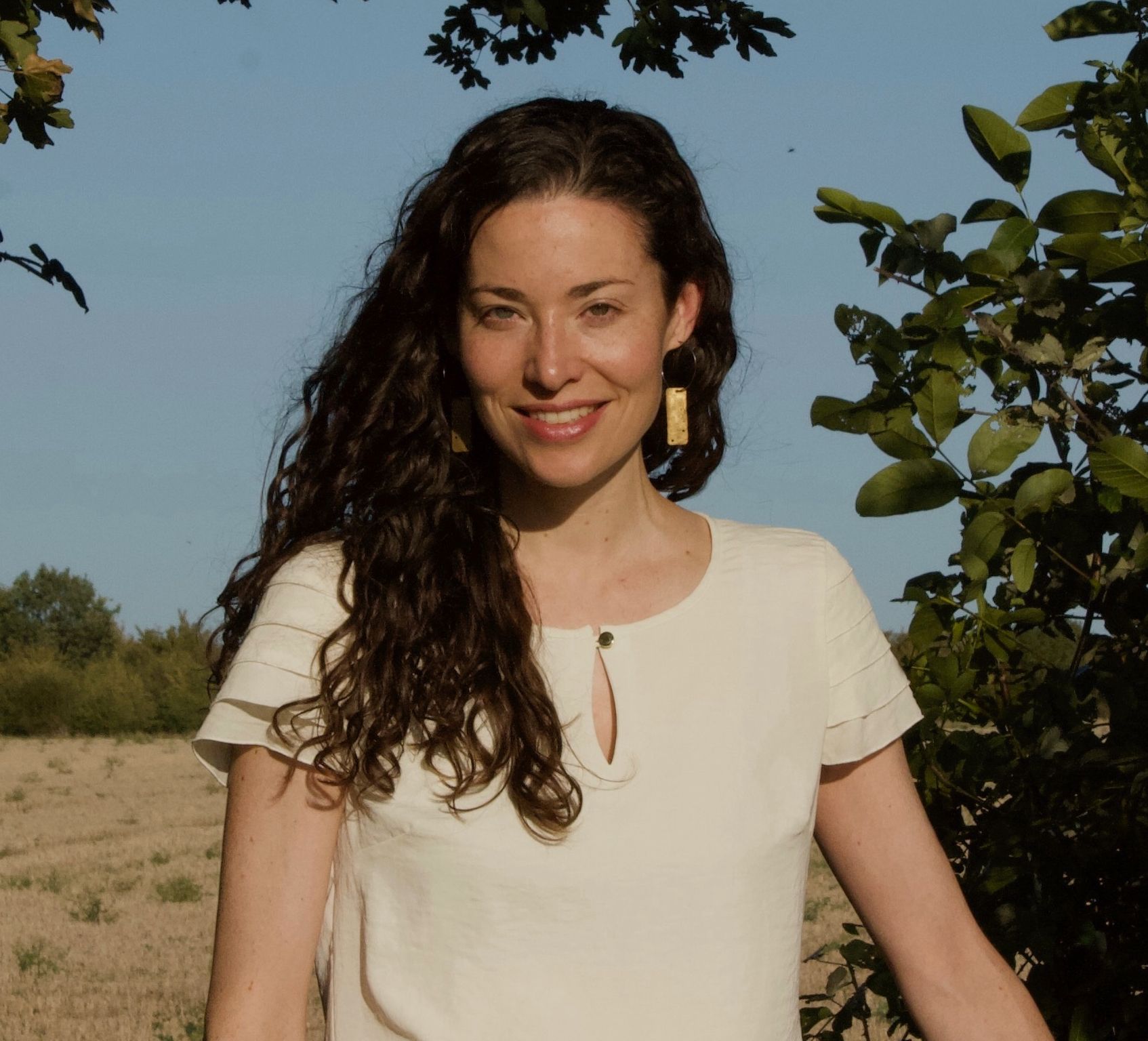
Episode 53. Industrial Agriculture: Helen Anne Curry
The advent of agriculture over 10,000 years ago forever altered the trajectory of humanity. Communities grew larger until cities and nations dotted the landscape, labor became specialized, new diseases emerged, civilizations flourished and vanished, warfare increased in scale and lethality, and people colonized every corner of the globe. Agriculture facilitated the exponential growth of the human

Episode 52. Neurological Disorders: Sara Manning Peskin
The brain is the most mysterious and complex organ of the body, and when things go awry, we may be confronted with personal tragedy and we may gain insights on what it means to be human. With us to discuss neurological disorders and the history of their discovery is Sara Manning Peskin. Sara completed an AB in biochemistry at Harvard University in 2009, an MS in cellular and molecular biology at t

Episode 51. Ecological Economics: Herman Daly
Nothing is so intertwined with human success and folly as economics. The economy, for better or for worse, drives much of our fate from our household budget to our national policies to the outbreak of war. But economic activity also has profound effects on the environment and a close inspection of economics opens the question of whether humans can live sustainably on the only planet we have. The f
Episode 50. Space & the Sixties: Neil Maher
The 60s hosted the space race between the United States and the Soviet Union, which occurred in the midst of the Vietnam War, the Cold War, and civil unrest. How did the culture wars of the 1960s relate to the space race, especially in the United States? How did the Civil Rights Movement, the New Left, environmentalism, the women's movement, and the Hippie counterculture influence NASA, and vice v

Episode 49. Armament & Disarmament: Richard Garwin
Today's episode marks the four-year anniversary of the Science History Podcast, where we have explored all manner of science and relevant policy spanning from gravitational waves to bioterrorism. So it is fitting that today's guest, Dick Garwin, has worked on just about every major scientific and technology problem with a defense application since just after the Second World War, ranging from the

Episode 48. Nuclear Disarmament: Zia Mian
Today we explore the history of nuclear disarmament with Zia Mian. Zia is a physicist and co-director of Princeton's Program on Science and Global Security, part of the School of Public and International Affairs, where he has worked since 1997. His research interests include issues of nuclear arms control, nonproliferation and disarmament, and international peace and security. Zia is co-editor of

Episode 47. The Demarcation Problem: Michael Gordin
How do we distinguish real science from hogwash? How does real science evolve over time into pseudoscience? Why will science always be plagued with sister movements on the fringe that make us cringe? With us to explore these topics and their relationship to the demarcation problem is Michael Gordin. Michael is the Rosengarten Professor of Modern and Contemporary History and the director of the Soc
Episode 46. Unsettled Research: Mark Lytle
Uncertainty is inherent to science and exploited by those who wish to stymie regulations that would promote environmental quality and public health. Chemical companies, oil companies, tobacco companies, and many others, kept their products on the marketplace and promoted consumerism by stressing the unsettled nature of research. With us to explore this history, and how it relates to the environmen
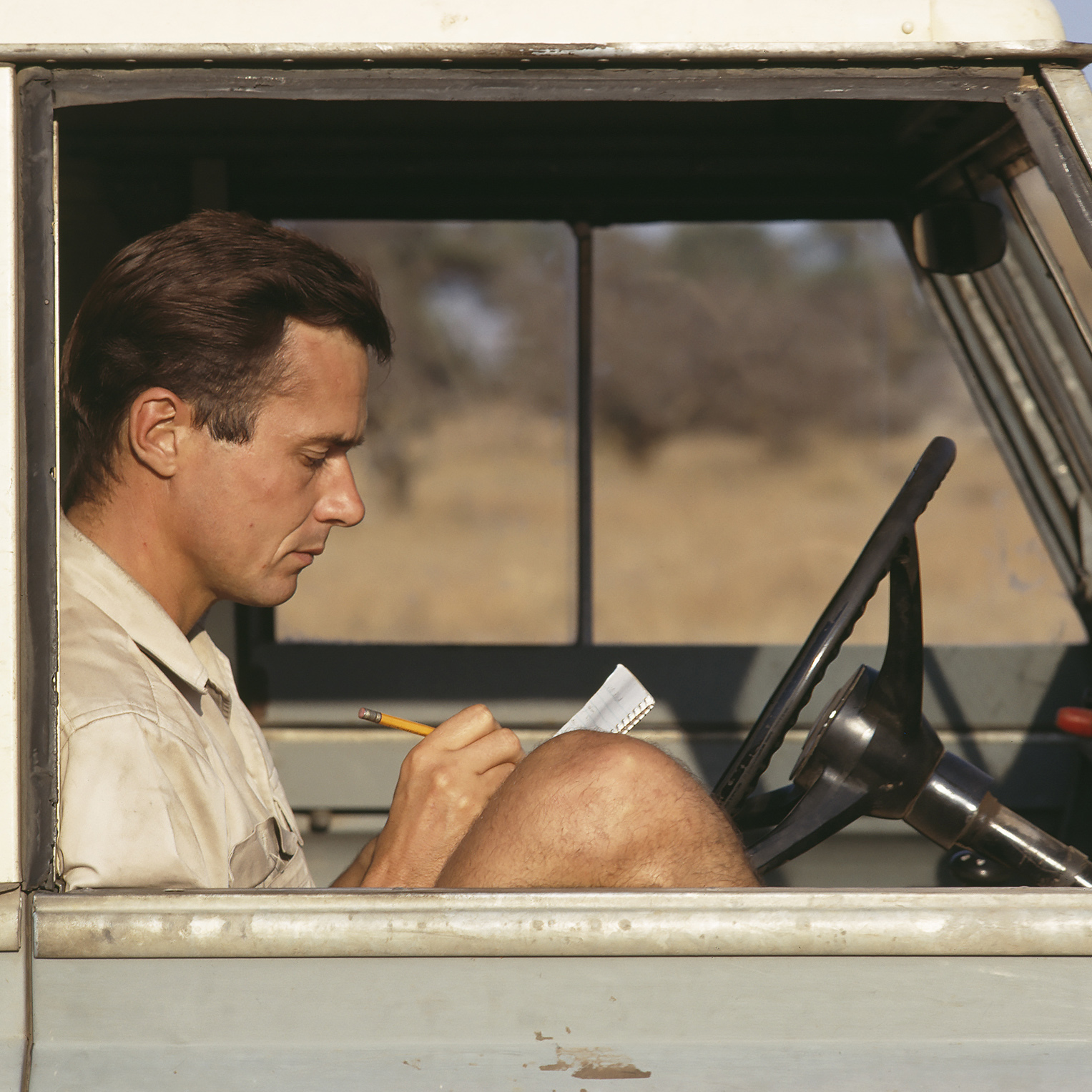
Episode 45. Wildlife Biology: George Schaller
The study of wildlife has a history full of adventures in remote corners of the Earth, discoveries of remarkable behaviors, and achievements in conservation. George Schaller is a pioneer of the field, with seven decades of work spanning from the Arctic to the Tropics. George was born in Germany in 1933 and immigrated to the United States as a teenager. He received a BS degree from the University o

Episode 44. Chemical Sense & Nonsense: Joe Schwarcz
The history of science is punctuated by both the greatest achievements and the greatest tragedies of human endeavors. The development of organic chemistry illustrates this dichotomy, as some scientists improved the human condition while others facilitated the horrors of genocide. The guise of chemistry also has served as a useful front for fraudsters. With us to illuminate chemical accidents, bril
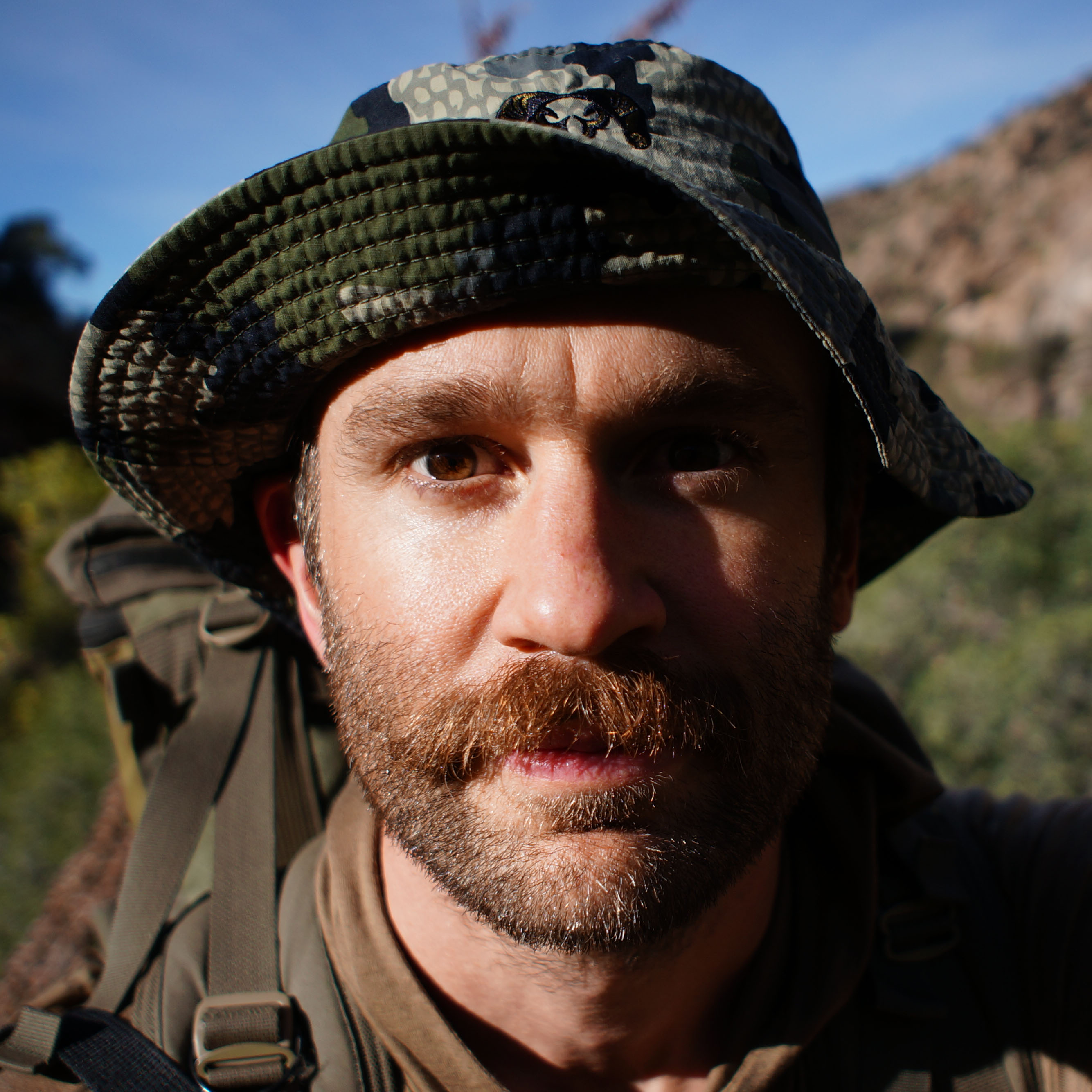
Episode 43. Number Theory: Bryden Cais
The history of mathematics extends back millennia. The needs of trade, taxation, and time-keeping drove the development of principles of arithmetic, algebra, and geometry, which had already acquired some sophistication by 5,000 years ago. Perhaps most fundamental to the development of mathematics has been discoveries on the nature of numbers themselves, or what mathematicians refer to as Number Th

Episode 42. Euclid's Elements: David Acheson
The most important book in the history of mathematics is Euclid's Elements. The book – really 13 short books bound together into a single treatise – dates to approximately 300 BC, and is credited to the Greek mathematician Euclid of Alexandria. It is apparently a compendium and expansion of the work of previous Greek mathematicians, such as Pythagoras, Hippocrates of Chios, and Eudoxus of Cnidus.

Episode 41. Galileo's Dialogue: John Heilbron
Galileo occupies an inflection point in the history of science and society. Born in 1564, Galileo changed the trajectory of science though his work in astronomy, physics and related fields. He invented various clever devices, and he used the telescope to push the boundaries of knowledge about our solar system and Earth's place in it. Galileo's discoveries, and the manner in which he presented them

Episode 40. H.M.S. Challenger: Doug Macdougall
The creation of a new discipline based upon a single scientific expedition is a rare occurrence, but this is what resulted from the 1872-1876 expedition of H.M.S. Challenger. With us to explain the history and significance of the Challenger Expedition is Doug Macdougall. Doug is a geochemist who received a BS in geology from the University of Toronto, an MS in geology from McMaster University, and

Episode 39. Reproductive Health: Shanna Swan
In the early 1990s, scientists discovered that sperm counts in industrialized countries had declined precipitously over the previous half century. It turns out that the incidence of other reproductive health problems beyond male infertility also increased in the latter part of the 20th century and into the 21st century. With us to discuss human reproductive health, and how it has changed in part d

Episode 38. Falsifiability: Sean Carroll
The boundaries of science are clear, and can be demarcated by the concept of falsifiability. Or so we learn in our science classes. But with some areas of science, falsifiability is not the critical feature, and may be impossible on theoretical or empirical grounds. Worrying about falsifiability might even get in the way of interesting ideas. With us to discuss the history of problems in science a
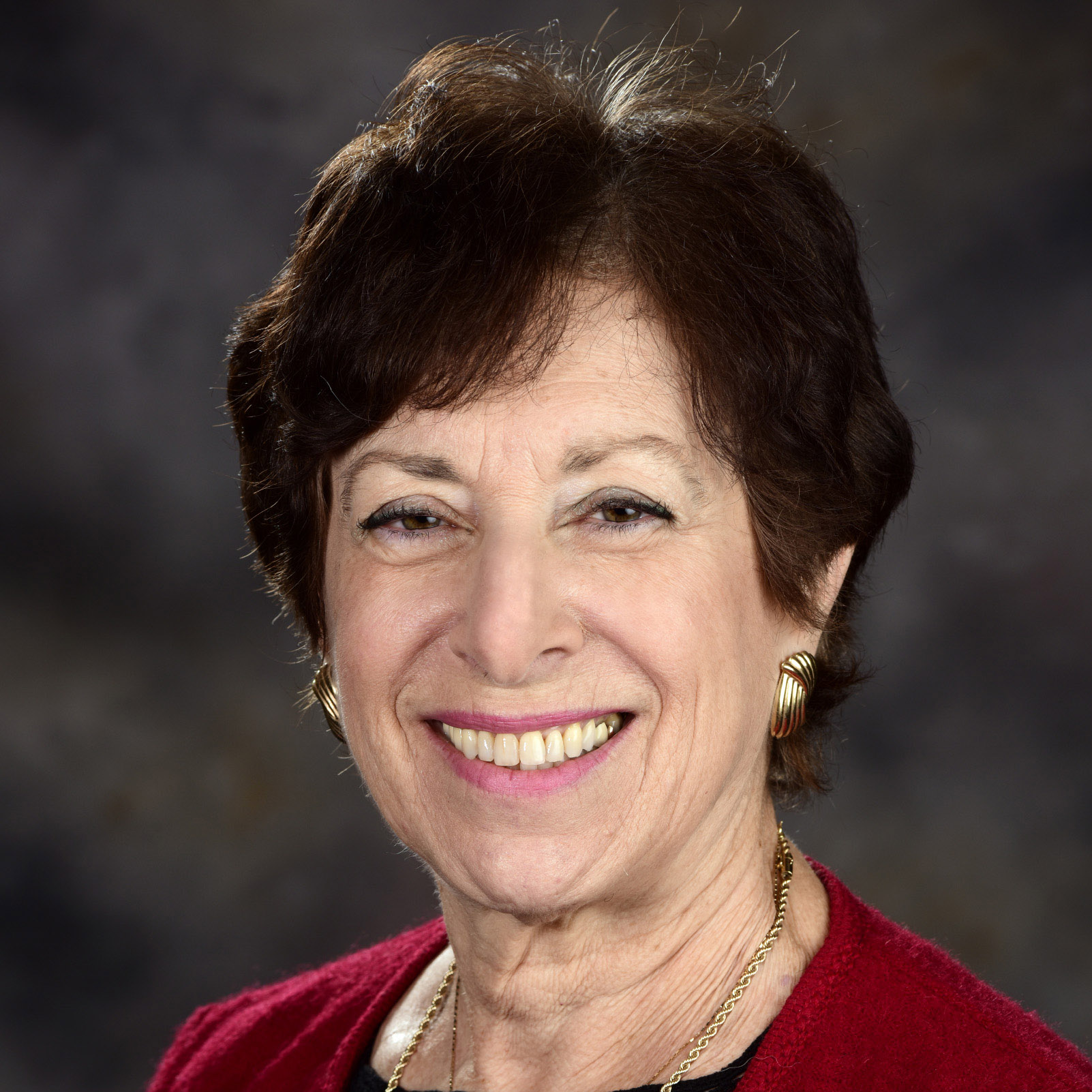
Episode 37. Environmental Health: Linda Birnbaum
Human health and environmental health are inextricably linked. We are negatively impacted by the same pollutants that harm other organisms, and we all live in a sea of synthetic chemicals that are part of our food supply, personal care products, the built environment, and just about every aspect of our lives. With us to gain a better understanding of the history of environmental health, especially

Episode 36. Dark Money: David Michaels
How is it that corporations routinely and successfully obfuscate science and seed public doubt on issues of paramount importance, ranging from climate change to health effects of tobacco and pesticides? Who are the scientists for hire whose job is to muddy the waters on important policy issues? Why doesn't our government protect us from nefarious corporations that threaten our health and the envir

Episode 35. The Pentagon Papers: Daniel Ellsberg
Whistleblowers are admired or vilified. They are saviors of democracy or traitors to their country. They confront those in power and drive the news, and some, such as Edward Snowden and Chelsea Manning, are household names. But one man is their inspiration, the person who made whistleblowing a phenomenon of modern times, and his name is Daniel Ellsberg. Ellsberg was born in 1931 in Chicago and gre

Episode 34. The Chemical Age: Pete Myers & Frank von Hippel
Pete Myers interviews me about my new book, The Chemical Age, published this month by the University of Chicago Press.

Episode 33. Industrial Denial: Barbara Freese
Why is it that decades after scientists discover problems of paramount importance, such as global climate change or lead pollution, those problems still persist? Why do corporations get away with producing products that harm human health or the environment? How do corporations shape our society, our politics, and even our psychology? With us to untangle these questions is my guest, Barbara Freese.

Episode 32. Materials Science: Ainissa Ramirez
Discoveries in basic science often translate into material goods, and frequently in surprising ways. Material goods, in turn, facilitate scientific progress. Therefore, science and technology advance in tandem. Today we delve into the history of materials science with the help of Ainissa Ramirez. Ainissa is a scientist and science communicator, and the author of The Alchemy of Us: How Humans and M

Episode 31. Science & Poetry: Dava Sobel
Today we explore what mathematicians would refer to as the non-trivial intersection between science and poetry. Guiding us through these overlapping sets is a person uniquely suited to the task, the science writer Dava Sobel. Dava is the author of prominent and best-selling science history books, including Longitude, Galileo's Daughter, The Planets, A More Perfect Heaven, and The Glass Universe. S

Episode 30. Global Amphibian Declines: David Wake
Frogs have hopped around this planet for 200 million years. In comparison, anatomically modern humans have only been around for 200 thousand years. But the last half century has seen a tragic loss in amphibian biodiversity around the world. It seems especially striking that a group of animals that predate the dinosaurs have been devastated by modern human activities. With us today to discuss the h
Episode 29. Green Chemistry: Terry Collins
Chemistry has given the world the incredible diversity of fuels, pharmaceuticals, and household products that we rely on every day, along with tremendous advances in fighting infectious diseases and ensuring an abundant food supply. But the products of chemistry also include tens of thousands of toxic compounds that compromise human health, degrade the environment, and drive species to extinction.

Episode 28. Environmentalism: Paul Ehrlich
Rachel Carson alerted the world to the dangers of pollution with the publication of her book Silent Spring in 1962, and in the process, she helped to launch the environmental movement. My guest, Paul Ehrlich, alerted the world to the dangers of human population growth and resource consumption with the publication of his book The Population Bomb in 1968, and in the process, he accelerated the envir
Recommended
History of the Earthquake and Fire in San Francisco

Fox news

K-Drama Obsessed Mamas | Beyond “Just One More Episode!”

True Crime Classics
The Healer Revolution

Becoming: HER with Nikki Spoelstra

Booked, Blonde & Busy w/ Olivia Ponton

McKinsey on Consumer and Retail

megahired.com

Hard Knocks Podcast
Effective Weight Loss for Moms | High protein, Strength Training, Lose Weight, Meal Planning, Fat Loss, Healthy Habits

The Human-Animal Connection - Pet Life Radio Original
