Colloquy
Colloquy features in-depth conversations with visionary scholars and thinkers from the Harvard PhD community. Each episode highlights research and ideas from doctoral students and faculty across Harvard's graduate programs. The podcast offers a window into the intellectual life of one of the world's leading universities.
Episodes

Why Are We (Still) So Angry About Inflation?
According to a July 2026 survey from the Pew Research Center, 71 percent of Americans are very concerned about the cost of healthcare, 66 percent about the cost of groceries and consumer goods, and 64 percent about housing costs. And politicians are responding—at least in their rhetoric. It’s hard to change the TV channel or queue up a YouTube video this election season without being inundated by
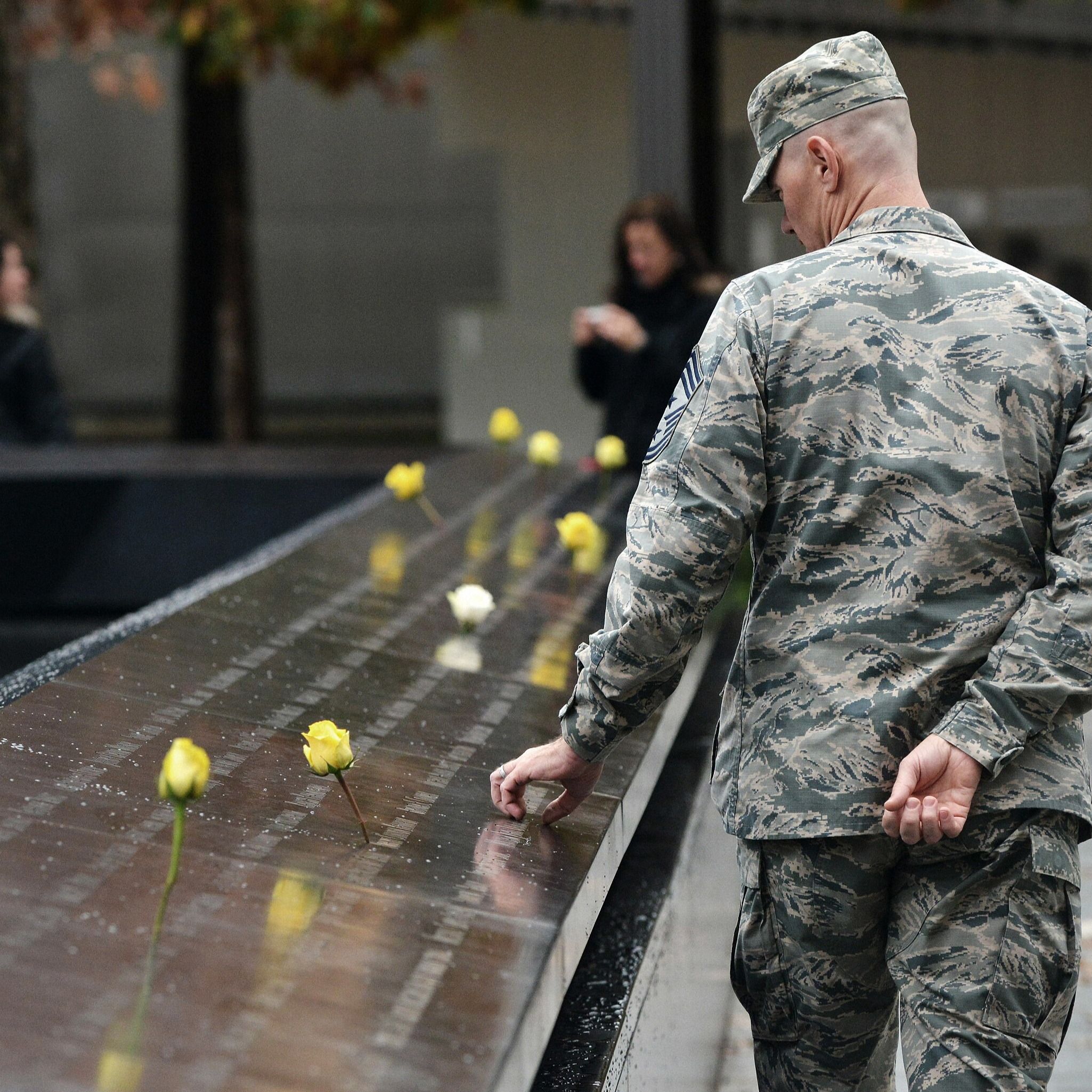
The Trauma of Terrorism: How the Attacks of 9/11 Changed Us
The terrorist attacks of September 11, 2001—along with two long wars in Afghanistan and Iraq—forever shattered Americans' sense of safety and security, particularly for those living in cities like New York, Washington, DC, and Boston. So, what have we learned in the generation since about the impact 9/11 has had on us, as well as how terrorists think? Boston University professor Jessica Stern, PhD
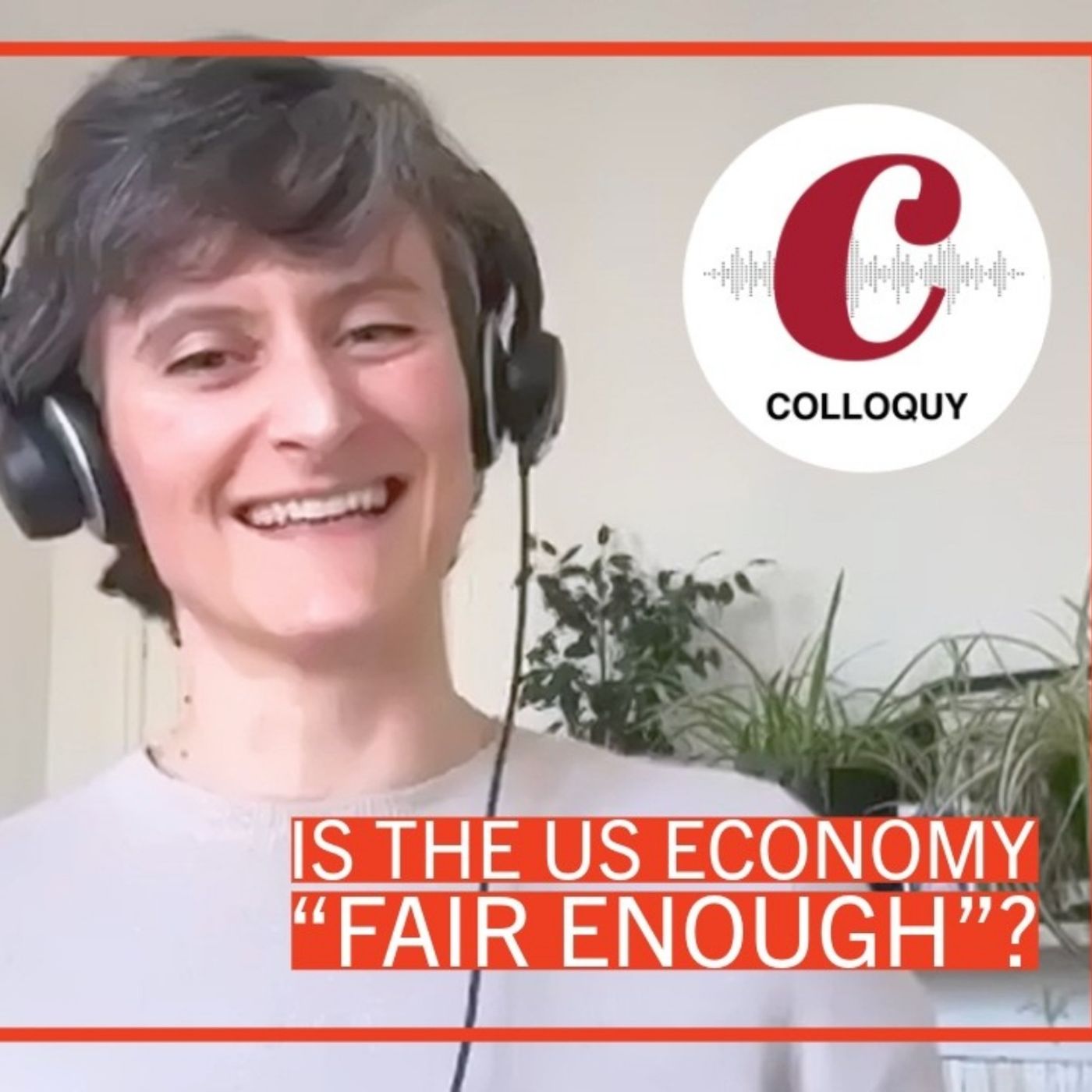
Is the US Economy “Fair Enough”?
After decades of increasing inequality and stagnating wages among working and middle-class Americans, many pundits thought that the financial crisis and the wave election of 2008 would usher in a new era of politics in the US. And they were right, only not the way they expected. The passage of the Affordable Care and Inflation Reduction acts notwithstanding, the last eighteen years have generally
How to Change—for Good
“If you buy one self-help book this year, pick this one,” wrote New York Times writer Tara Parker-Pope about How to Change: The Science of Getting from Where You Are to Where You Want to Be, adding the book to the paper's list of eight favorites for healthy living in 2021. What sets How to Change apart is its focus on the internal obstacles that plague efforts to develop healthier habits and move
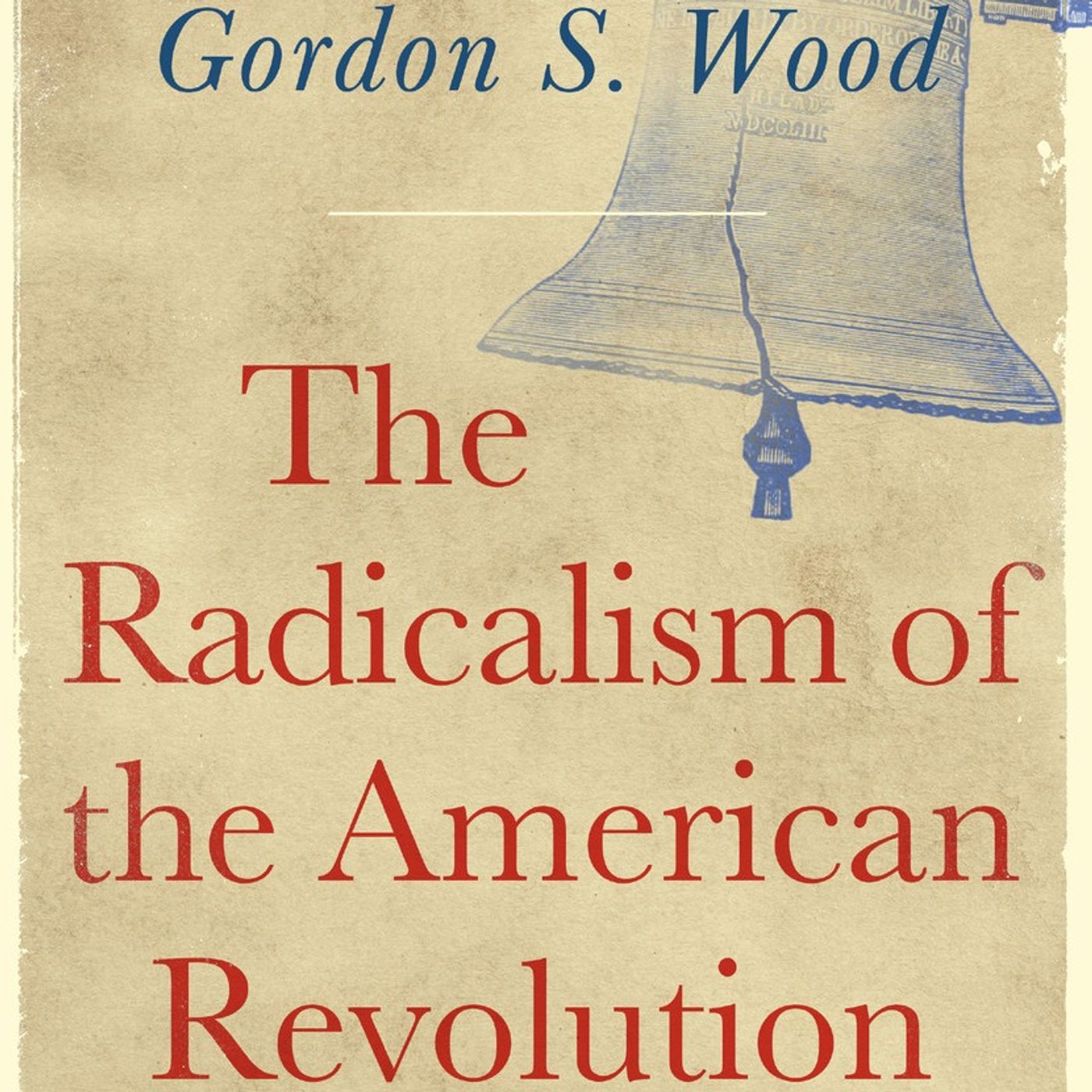
The Radicalism of the American Revolution
Before his death at age 92, the Brown University Professor Gordon Wood, PhD ’64, devoted his long career to making sure we remember the radicalism of the American Revolution. Often referred to as the “dean” of historians of the 18th-century United States, Wood argued that the country represented not only the most liberal and democratic regime in human history, but also a fundamental transformation
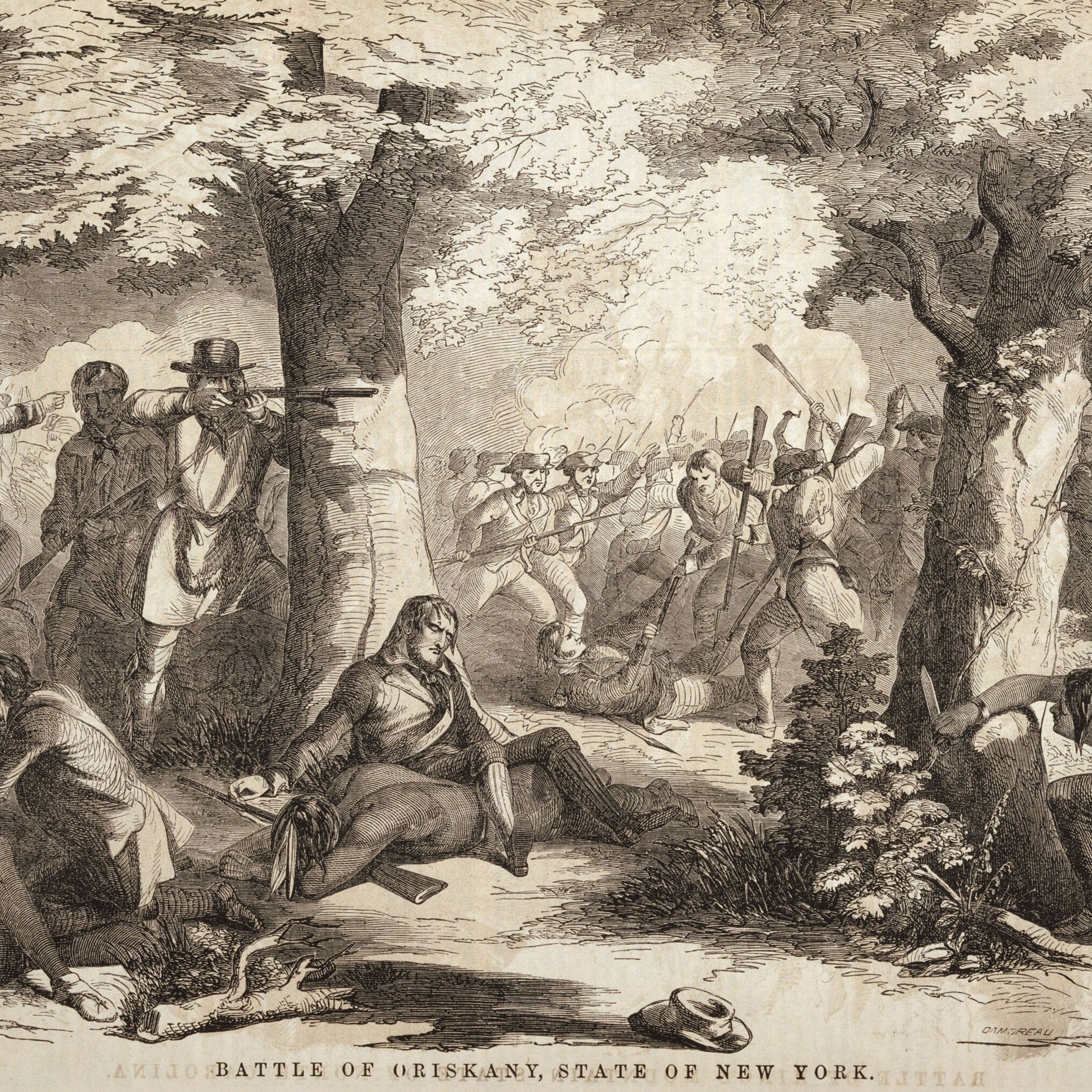
Was the American Revolution a War Against or for Empire?
Here in eastern Massachusetts, you can't take more than a few steps without tripping over a marker or a monument to the American Revolution. Middle school students take field trips to where it all happened: the Boston Massacre, Lexington and Concord, and Bunker Hill. Teachers present the war as the struggle of humble farmers and merchants to free themselves from the clutches of the British Empire.
Has the Supreme Court Become Too Powerful?
Across the country, judges and justices are making decisions that reach back, sometimes centuries, to define what the Constitution means today. Whether it's gun rights, abortion, or voting laws, the Supreme Court increasingly relies on what it calls history and tradition to interpret the nation's founding documents. But what history, exactly? How reliable is it as a guide for a democracy in the 21
Can We Learn to Have Courage?
Ranjay Gulati, PhD ’93, an expert on leadership strategy and organizational growth, has thought a lot about courage. It is not fearlessness, writes the Paul R. Lawrence MBA Class of 1942 Professor of Business Administration at Harvard Business School in his new book, How to Be Bold, but the ability to make sense of situations in helpful ways and also see ourselves as strong, capable people who can
More Rules for Aging with Roger Rosenblatt
“Don’t.” That’s the first of Roger Rosenblatt’s More Rules for Aging, and the underpinning of many of the new book's 114 others. Don’t try to catch that 20-something jogger who just left you in the dust on your morning walk. Don’t criticize. Don’t worry about awards or accolades—or, for that matter, regrets. And don’t retreat, especially to Vermont.
Embedded in these wry and often funny maxims is
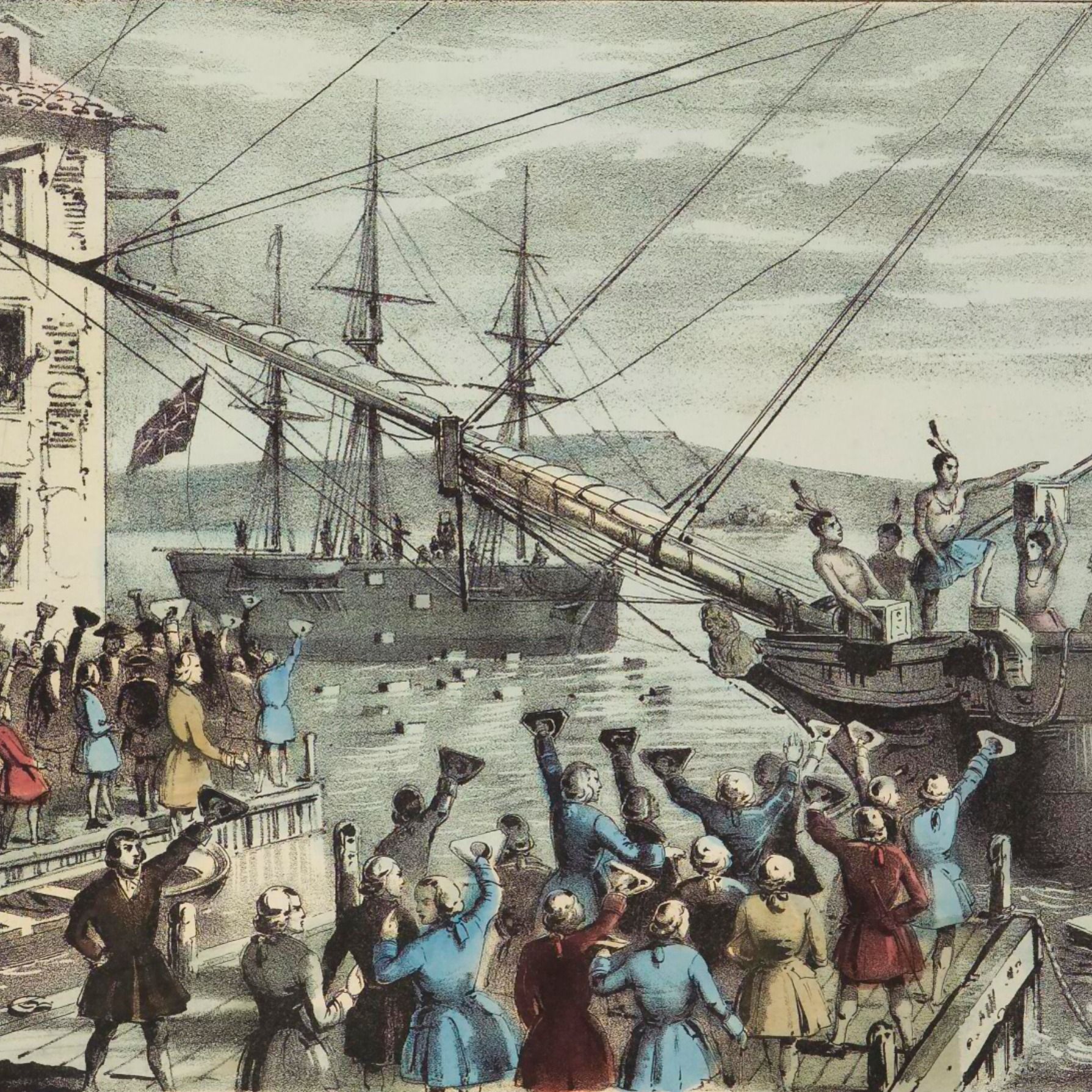
What Was the Boston Tea Party Really About?
The historian Vanessa Williamson, PhD '15, asserts the Patriots who dumped 342 crates of tea into Boston Harbor on December 16, 1773, were actually protesting a corporate tax break for the British East India Company. Discover how the fight for taxation has been central to American democracy, liberty, and the pursuit of equality since the founding.
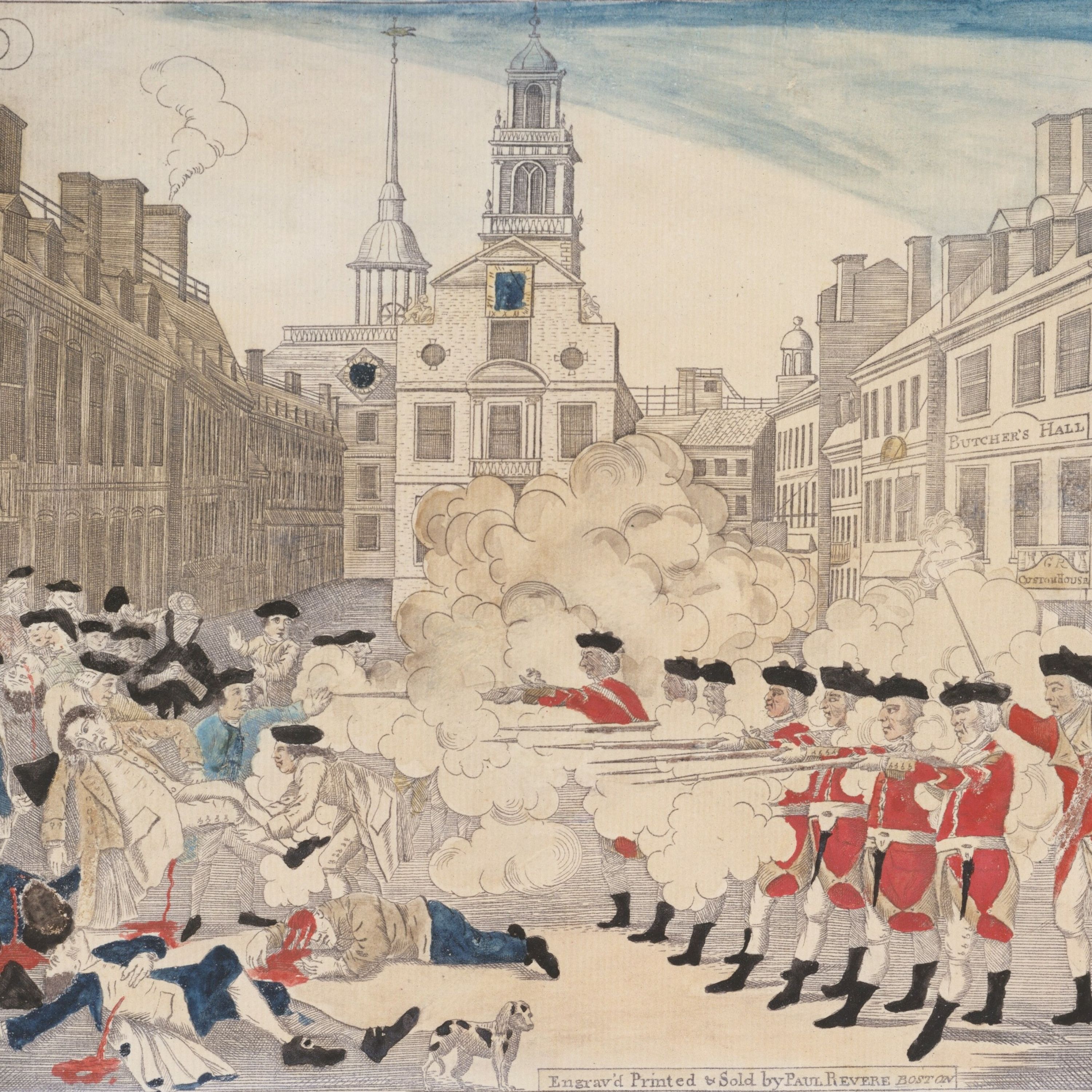
How Military Occupation Sparked the American Revolution
Armed troops in the streets of an American city. A leader in a faraway capital determined to exercise his power over the people there. Screams of protest from residents who demand the force's withdrawal. Resistance, violence, and tragic deaths. These are the elements that made Boston the cauldron of the American Revolution in the 1770s. Are they playing out again in the United States today? And wh
Harvard’s First Black PhD: Part 2—W.E.B. Du Bois, From Social Scientist to Global Leader
In the decades after becoming the first Black US citizen to receive his PhD from Harvard, W.E.B. Du Bois helped transform sociology from theory and speculation to a social science rooted in rigorous methodology and hard data. But despite conducting groundbreaking research, particularly on the lives of Black people, Du Bois chose to leave the academy and become an activist, co-founding the National
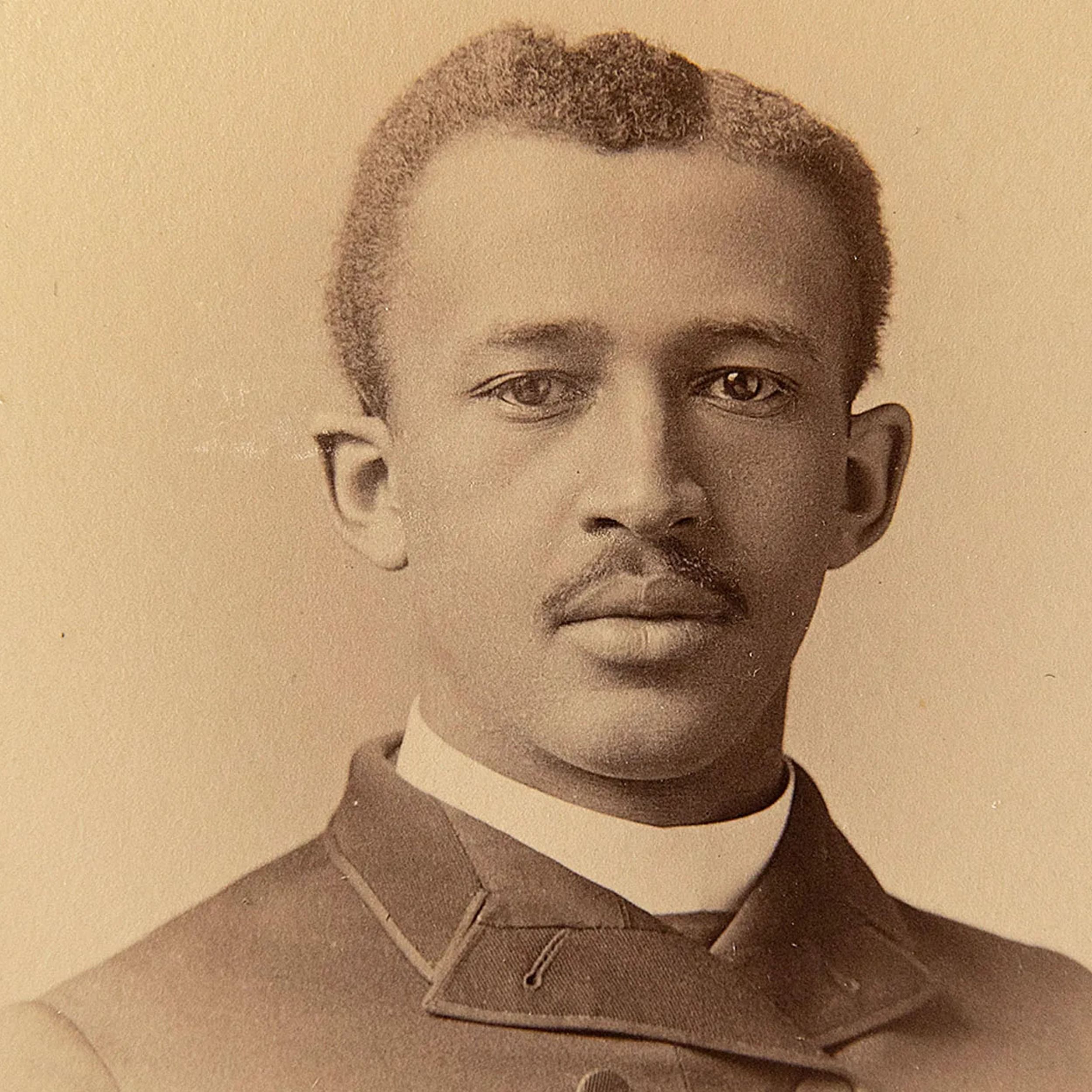
Harvard's First Black PhD: Part 1—W.E.B. Du Bois the Student
How did the Harvard PhD experience influence W.E.B. Du Bois, the man who would become one of the leading Black activists and intellectuals of the 20th century? And what connections did he make in the vibrant Black community outside of campus? Join us as we explore these questions in the first of a two-part conversation with New York University professor and National Humanities Medal recipient Davi
Voting Rights, Climate, and the Most Important Election in US History: A Conversation with Dean Emma Dench and Professor Stephen Ansolabehere
As states around the country face off in a contest of Gerrymandering, what is the future of voting rights in the United States? Will the Supreme Court nullify what’s left of the landmark Voting Rights Act of 1965? How will accelerating climate change effect US politics? And what might happen in the all-important election of 2028? Harvard's Frank G. Thomson Professor of Government Stephen Ansolabeh
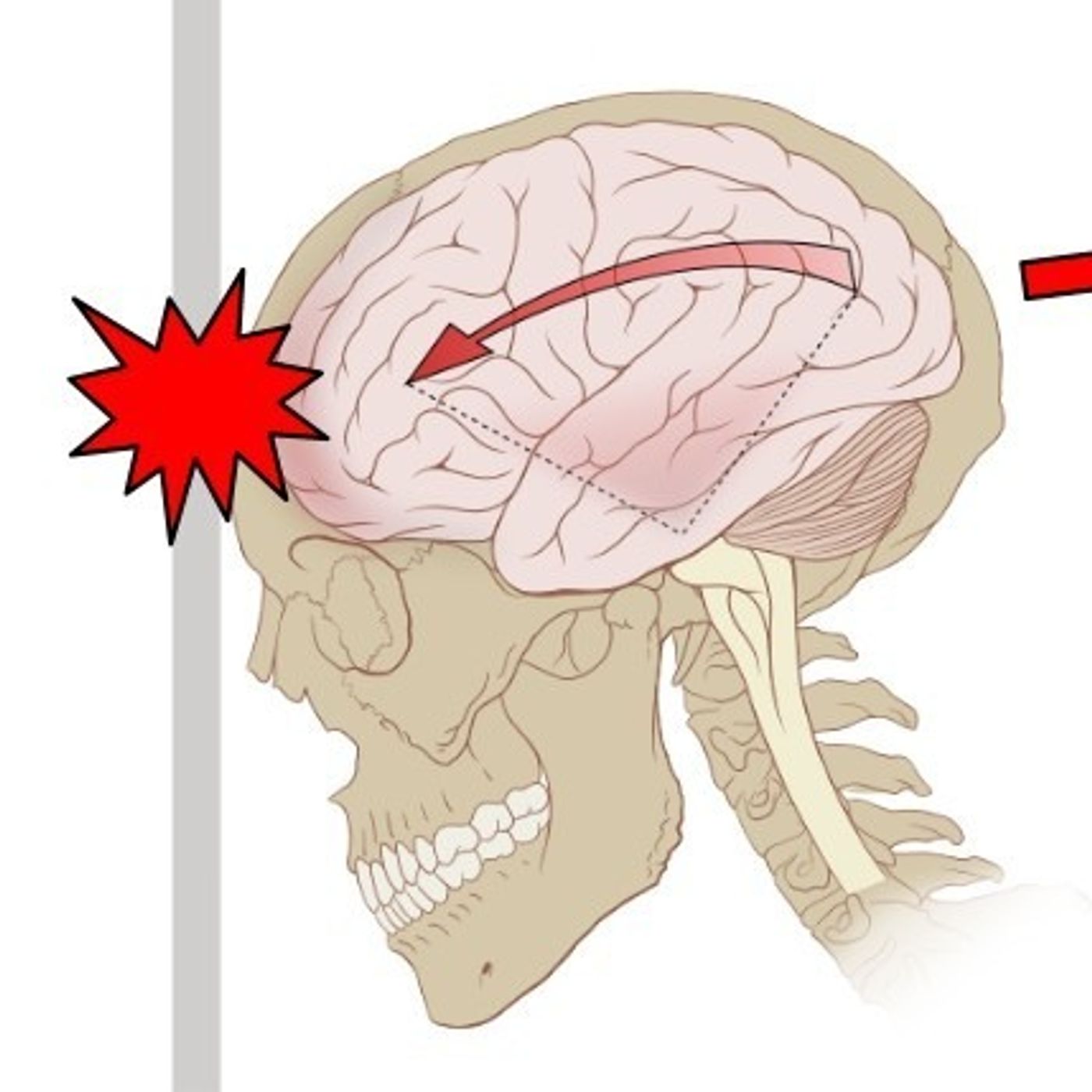
A Breakthrough in Studying Diseases of the Brain
Chronic traumatic encephalopathy, or CTE, is a neurodegenerative disease linked to repeated head injuries. It has been found in professional athletes, soldiers, and others who have experienced years of those traumas. New research from Harvard Griffin GSAS alumni Chanthia Ma and Guanlan Dong may help us better understand this condition. Their study looks at the smallest units of brain biology—indiv
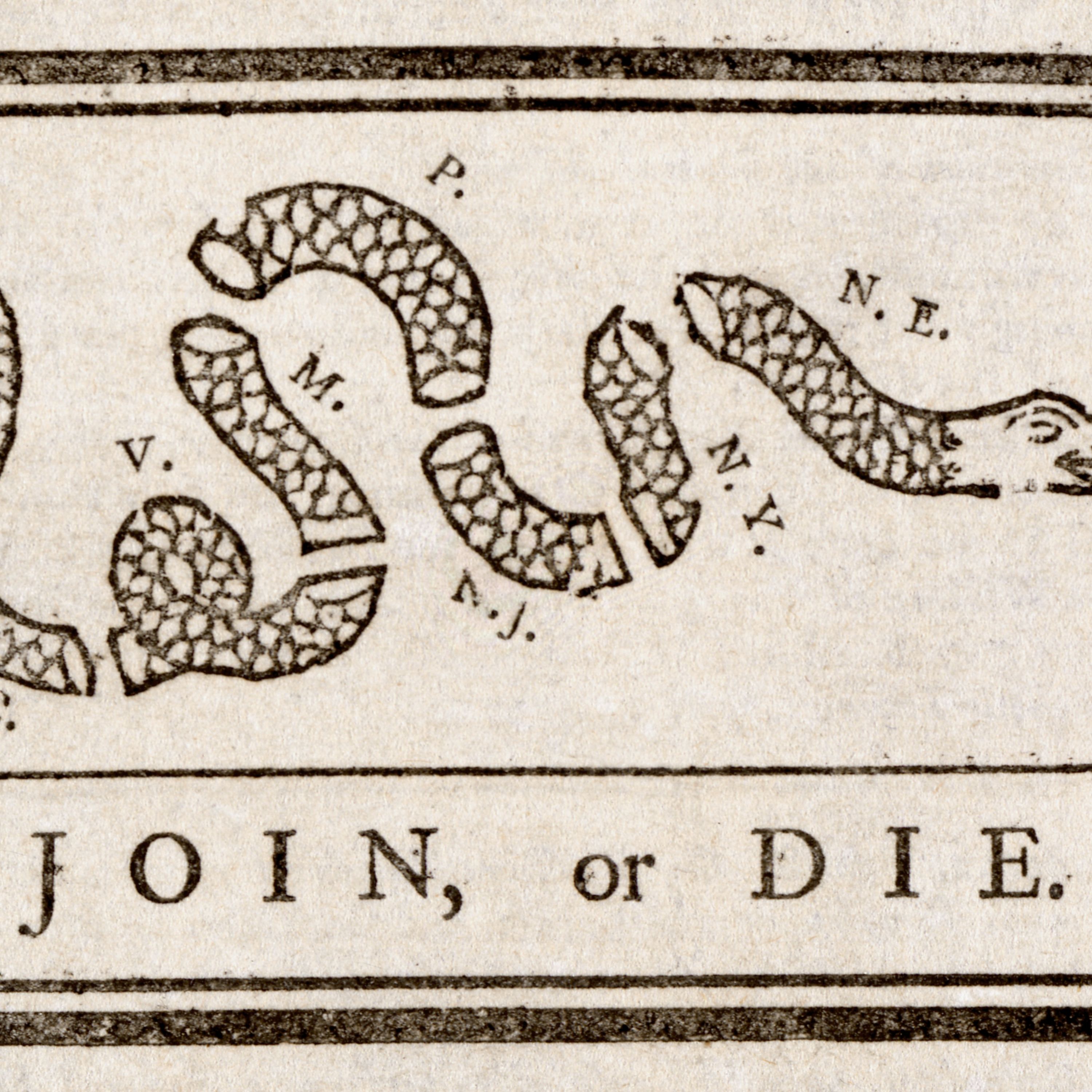
“Was the American Revolution a Civil War?” and Other Thorny Questions about the Nation’s Founding
Us against the redcoats. That's how we often think of the American Revolution. In Ken Burns’ latest film, scheduled to drop later this month on PBS, the acclaimed documentarian takes on that simplistic notion of the nation's founding and many others. The revolution was actually a civil war, Burns says, one that pitted Americans, including indigenous and Black folk, against each other as much as th
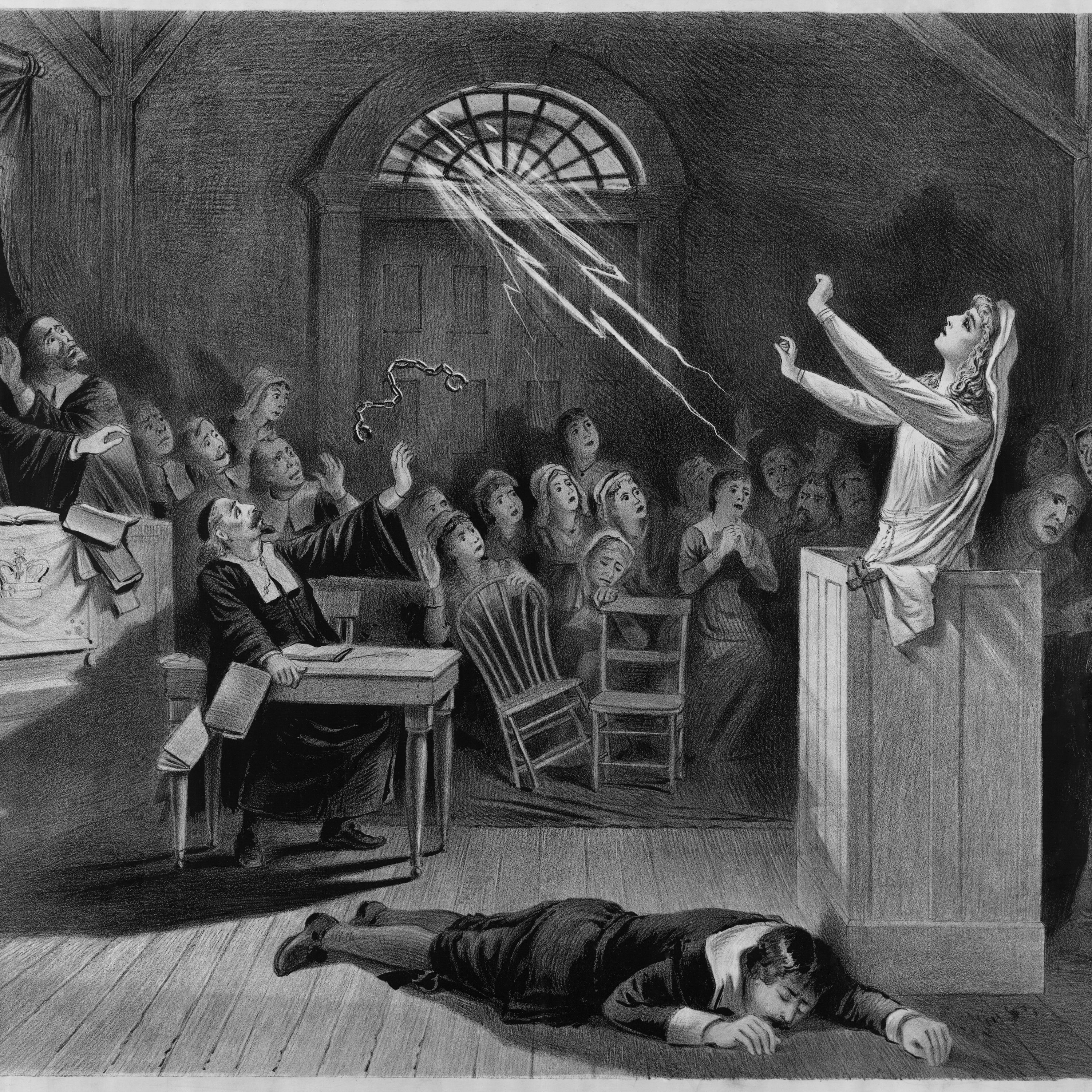
In the Snare of the Devil: What Really Caused the Salem Witch Crisis
“How long have you been in the snare of the devil?” That was the lose‑lose question asked of those—mostly women—accused of witchcraft in Essex County, where Salem Village was located, in 1692. According to the Cornell University historian Mary Beth Norton, PhD ’69, however, it was the accusers, rather than their targets, who were in the thrall of something powerful. In her 2002 Ambassador Award–wi

What Happens When Your Brain Goes to the Supermarket and Other Stories of Human Adaptability
We all want to live as long and as well as possible. Diet and exercise are crucial, but how can we make sense of the flood of information, which sometimes seems to contradict itself? More importantly, how can we adapt the information in ways that work for us as individuals?Know thyself, answers Duke University Professor Herman Pontzer, PhD ’06. Every body has a story, he asserts in his new book, A

Living Tombs: Toward a Fluid Understanding of Architectural Space
2025 Harvard Horizons Scholar Sergio Alarcón Robledo explores ancient Egyptian architecture through an interdisciplinary approach that sits at the crossroads of archaeology, Egyptology, and architecture. By inquiring about the sensorial experiences of the past, the PhD student in Near Eastern languages and civilizations at the Harvard Kenneth C. Griffin Graduate School of Arts and Sciences seeks t

Empire of String: Unraveling the Enigma of Inka Khipus
The Inka Empire, the largest in the pre-Columbian Americas, is renowned for its impressive engineering feats, including an extensive road network and monumental architecture. Although the Inkas did not have a traditional writing system, they recorded information using a unique method: khipus. These knotted cords were essential tools for communication and record-keeping. Through meticulous structur

Embracing Twilight: Older Women Poets of the Slavic World and the Unfurling of Their Voices
The figure of the young, tragic male poet has long dominated cultural narratives about artistic brilliance and early death. But what if poetic genius deepens, rather than fades, with age? In this talk given at the 2025 Harvard Horizons Symposium, Slavic languages and literatures PhD candidate and Harvard Horizons Scholar Alex Braslavsky explores the creative power of poets in their advanced age in

Pitfalls of Anthropomorphism: Misunderstanding AI’s Potential
Raphaël Raux's 2025 Harvard Horizon project, "Human Learning about AI," conducted in collaboration with fellow PhD student Bnaya Dreyfuss, explores how people often assume AI thinks like a human, which can lead to confusion about what these systems can and can’t do. As a PhD candidate in economics at Harvard, Raux studies the complex relationship between how humans think and how artificial intelli

Law versus Democracy: Why Courts Defend or Undermine Democracy in Israel, Turkey, and Beyond
As a PhD candidate in government at Harvard's Kenneth C. Griffin Graduate School of Arts and Sciences, 2025 Harvard Horizons Scholar Andrew O'Donohue explores the complexities of democratic resilience in his project, "Law versus Democracy: Why Courts Defend or Undermine Democracy in Turkey, Israel, and Beyond." His research delves into the varying roles that courts play in either protecting or ero

Sappho Lost and Found: Reading Sappho in the Renaissance
2025 Harvard Horizons Scholar Katherine Horgan explores the legacy of the ancient Greek poet Sappho in her project, "Living Sappho: Imitation, Imagination, and Revivification in Early Modern England." A PhD student in English at Harvard's Kenneth C. Griffin Graduate School of Arts and Sciences, Horgan delves into the complex interplay between Sappho’s textual and biographical traditions, exploring

How Your Neighbors Shape Your Politics
We hate each other more than we used to, at least where politics is concerned. Measures of effective polarization, the animosity that Democrats have for Republicans and vice versa, have increased dramatically since the 1990s, according to a 2021 study by political scientists James Druckman and Jeremy Levy. Moreover, the most polarized folks are the ones most likely to vote in primaries, resulting

Tackling the Global Youth Mental Health Challenge: Lessons from Psychotherapy Research in Kenya
2025 Harvard Horizons Scholar Katherine Venturo-Conerly is on a mission to revolutionize access to effective mental health care—particularly for young people. Her research project, "Tackling the Global Youth Mental Health Challenge: Lessons from Psychotherapy Research in Kenya," focuses on creating and implementing effective, accessible mental health interventions for children and adolescents in m

How the Problems of Home Pierce the College Bubble
The US Supreme Court’s 2023 ruling in Students for Fair Admissions v. Harvard made it illegal for colleges and universities to use race as a factor in choosing their incoming classes. As a result, schools are working harder than ever to recruit and admit first-generation and lower-income applicants to preserve the diversity of their student bodies. But the Boston University sociologist Anthony Abr

A Step Closer to Personalized Medicine
Imagine your doctor could precisely predict your personal risk of disease, diagnose the cause of illness with pinpoint accuracy when it did occur, and develop an effective treatment plan with low side effects the first time, rather than through trial and error. That's the promise of personalized medicine. And it would be a revolution in healthcare. At the heart of this vision is the notion that ou

A Cheaper Way to Make Drugs?
The cost of prescription drugs is high—particularly in the US where consumers pay nearly three times more than those in 33 other nations in the Organization for Economic Cooperation and Development. One factor in prices is fluorination, which plays a crucial role in the production of many widely-used pharmaceuticals. Driven by the high cost of reagents needed for the trifluoromethyl (CF₃) group, t

How Elite Universities Grapple with the Legacy of Slavery—and Why It Matters
The history of slavery in the United States, including at the country's colleges and universities, is deeply disturbing and painful. But Professor Sara Bleich, PhD ’07, says it’s critical that our society continue to do so—and that universities have a responsibility to lead the way. Harvard’s inaugural vice provost for special projects and a former member of the Obama and Biden administrations, Bl
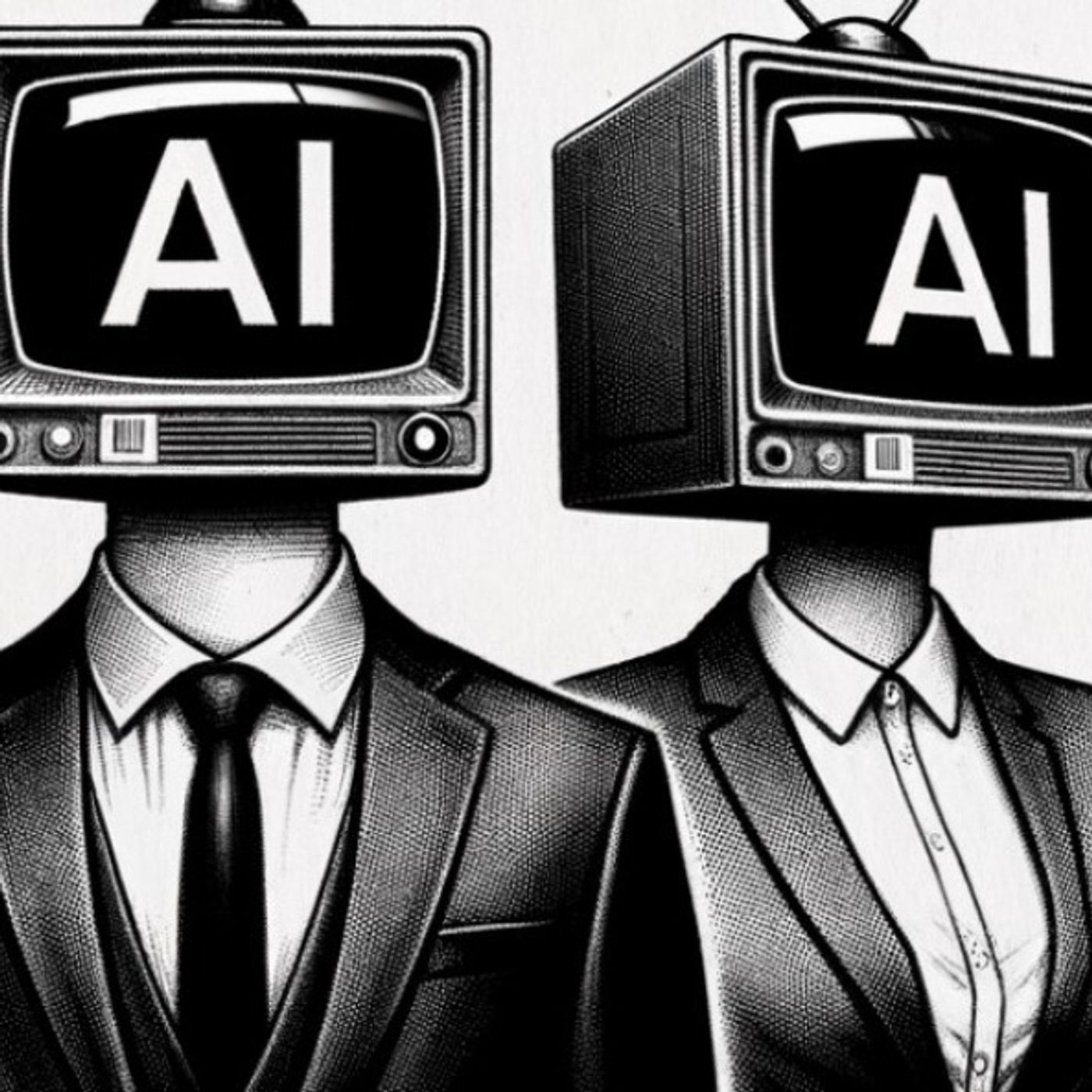
Is AI Coming for Your Job?
Technological disruption of human occupations is nothing new. In recent decades, blue-collar occupations have borne the brunt of the upheavals—think of all the factory workers now working at Wal-Mart thanks to the integration of robots on assembly lines. But all that may be changing now. Given artificial intelligence’s ability to do thought work—from crafting feature stories in seconds to writing

Bob Dylan: From "A Complete Unknown" to "A Prophet Without God"
With filmgoers buzzing about the Bob Dylan biopic, A Complete Unknown, University of Pennsylvania Professor Jeffrey Edward Green, PhD ’07, says that the legendary singer and songwriter is more than a musician; he’s the conflicted prophet of a fallen world. In his new book, Bob Dylan, Prophet Without God, Green writes that Dylan models, "how to practice self-reliance in a world of permanent injusti

Beyond 2024—Feminism and the Future of US Politics
“The future is female.” That was the slogan printed on tee shirts in the early 1970s at the first women’s bookstore in New York City. Fifty years ago, it seemed to be true. The Equal Rights Amendment to the Constitution had passed the House of Representatives and the Senate by wide margins and gone to the states for ratification. Fifty years later, there has certainly been progress in gender equal

How Reliable Are Election Forecasts?
Just after Labor Day, American University Professor and Harvard Griffin GSAS alumnus, Allan Lichtman predicted a victory for Democratic candidate Kamala Harris in the 2024 presidential election. It was a source of some encouragement for Harris's supporters, given that Lichtman had correctly predicted the winner of 9 of the last 10 elections based on his historical analysis of campaign trends since

How to Succeed in Business by Failing—Intelligently
Fail fast, fail frequently, and learn from it. That's the mantra adopted by many Silicon Valley firms in recent years. Fine. But would you tell that to your emergency room doctor for someone who's managing your retirement funds or the pilot of your next flight? Harvard Business School Professor Amy Edmondson says that the key to squaring this circle is failure-proofing critical areas where best pr

The ‘Invisible Threat’ Contaminating Our Water
Per- and polyfluoroalkyl substances (PFAS) are persistent, they’re everywhere, and they're probably bad for you. PFAS are probably bad for you. Some of the detrimental health effects associated with the chemical compounds include liver disease, decreased fertility and hypertension in pregnant women, immune and developmental effects in children including decreased antibody response to vaccines, and

Testing and the Origins of Big Data
You’re being tested. You don’t know the criteria used to determine your score—or even your results. The test is being administered not by a human teacher or moderator, but by machines. And it’s going on 24 hours a day, every day of your life. Harvard Griffin GSAS historian Juhee Kang traces the emergence of the obsession with mass-data collection in the early 20th century.

Weary at Work
As a member of the "people operations" (human resources) staff at Google in the mid-2010s, Harvard Griffin GSAS historian of science Tina Wei was struck by how many perks employees received in the office: door-to-door shuttle service to work, fitness classes, massages, and pantries stocked with snacks, to name just a few. The company even offered a meditation program—with its own branding worked i
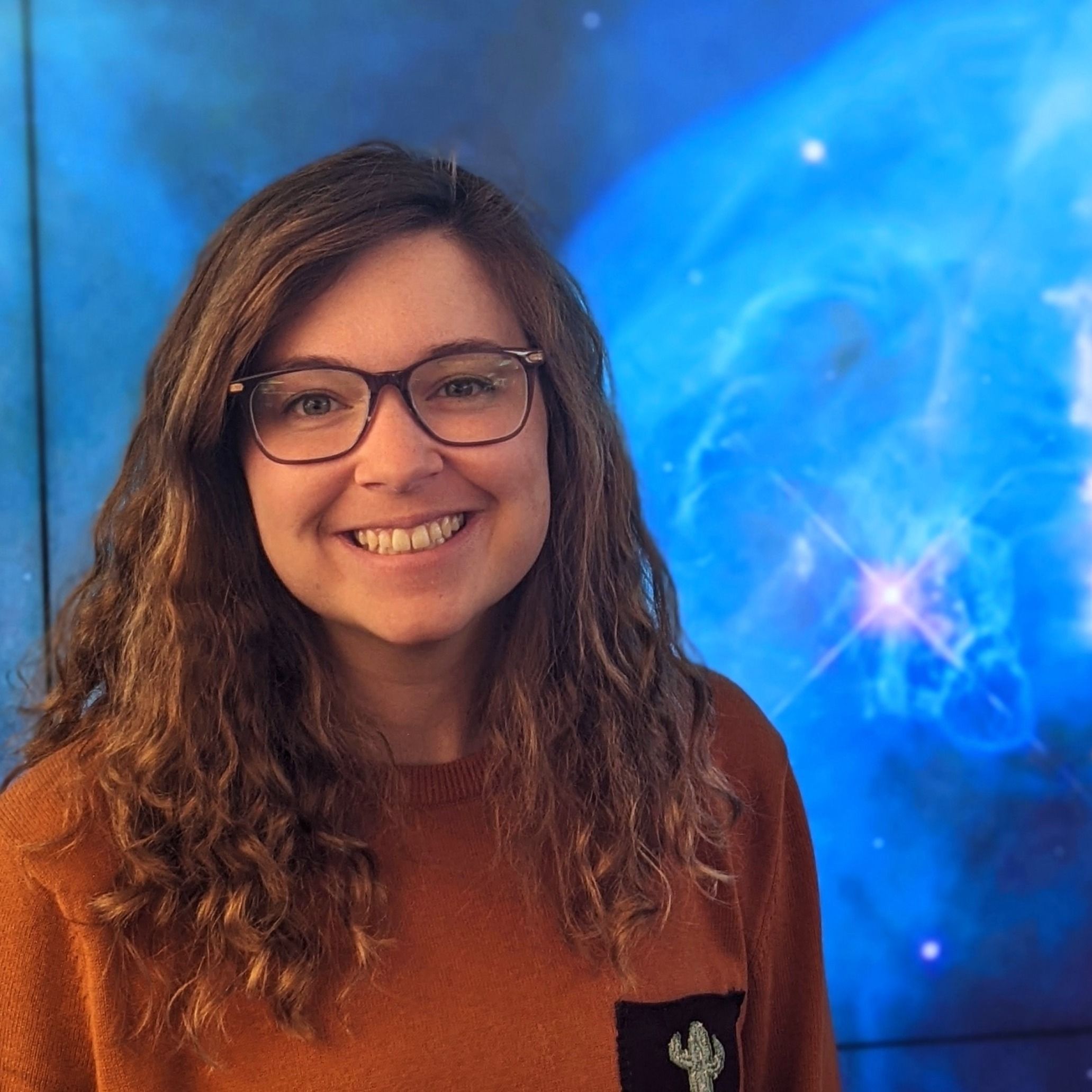
A More Accurate Map of the Universe
Claire Lamman is part of a team of astrophysicists using data from the Dark Energy Spectroscopic Instrument to map as many as 50 million galaxies. In this talk, delivered in April 2024 at the annual Harvard Horizons Symposium, Lamman describes her distinctive contribution to this effort—gauging the “intrinsic alignment” of galaxies to better understand the universe and how it evolves.

Punished in Utero
Who cares for babies while their mothers are incarcerated? How stable are these households? And how does being exposed to a mother's incarceration in utero impact child development? These are the questions Harvard Griffin GSAS social scientist Bethany Kotlar set out to answer in her research. Combining her experience working with these families and high-quality social science research methods, Kot

A Faster, Greener Way to Meet the World’s Demand for Data
Humanity generated over one septillion bits of data this past year alone. All that information takes energy to transmit. Lots of energy. In fact, data-associated technology could account for up to 20 percent of global energy production by 2030. Using light at the nanoscale level, physicist Dylan Renaud thinks he may have a way to meet the almost limitless need for information while meeting the pla
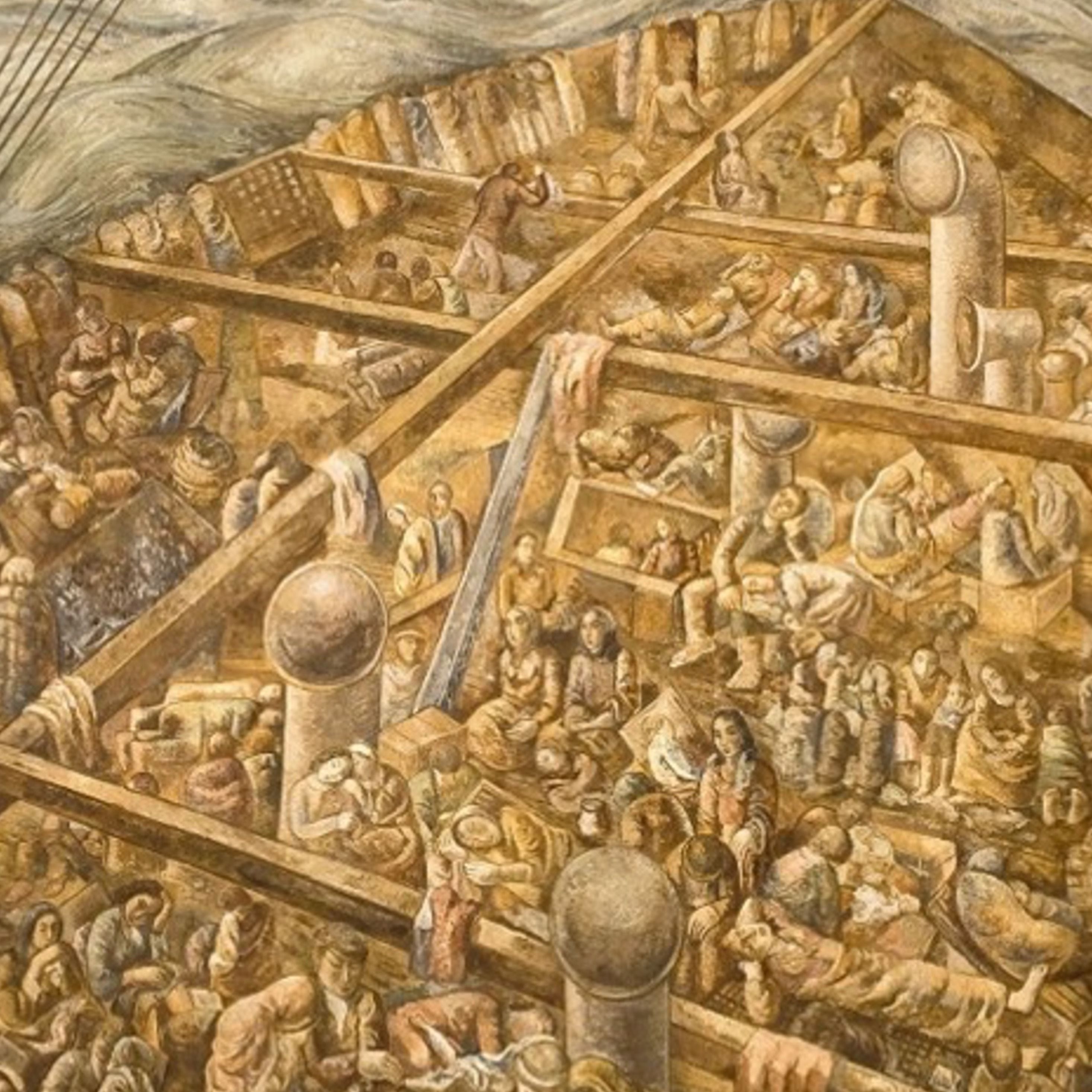
Speaking of the Rightless, Envisioning New Rights
Like the poetry of his fellow Latin Americans, the scholarship of Mauro Lazarovich, PhD '24, is not only humanist but also humanitarian. “I wanted to make a contribution to the humanities by saying that literature and art have something to bring to the table when we are talking about refugees,” he says. “And not only literature in general but specifically Latin American literature.” In this talk,

African American Encounters with Property and the Long Shadow of Slavery
In advance of Juneteenth 2024, we speak with University of Texas Professor Shirley Thompson, PhD '01, author of the forthcoming book No More Auction Block for Me, about how the experience of being treated as property has shaped the way that African Americans understand and relate to property themselves. Acknowledging the trauma of racism and white supremacy, Professor Thompson looks at the ways th
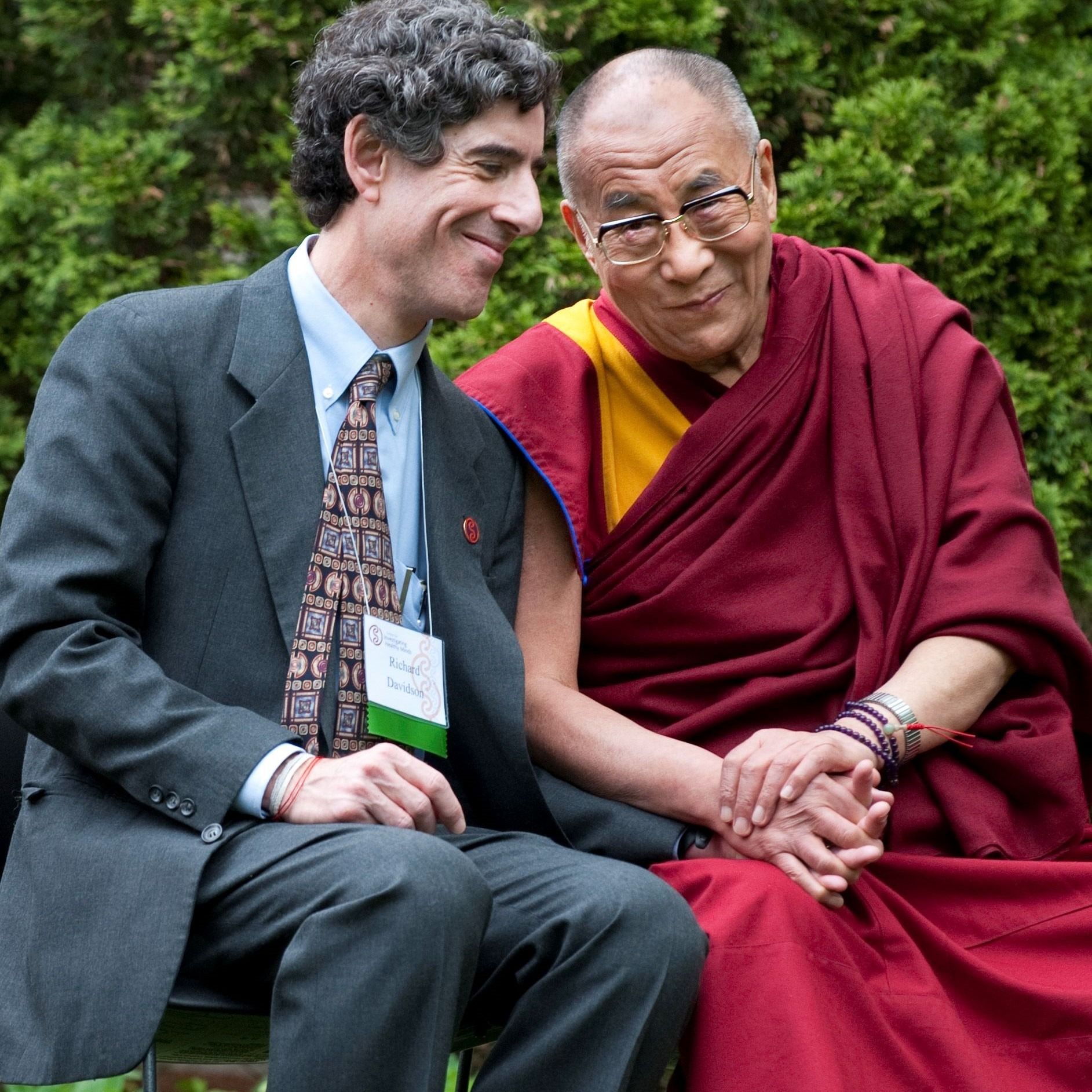
Meditation Changes Your Brain. Here's How.
If you're one of the 32 percent of US adults who experienced symptoms of anxiety or depression last year, your doctor or mental health care provider may have recommended you learn meditation to help manage your stress. But how exactly does this age-old practice change the brain? This month on Colloquy, Richard Davidson, PhD '76, the William James and Vilas Professor of Psychology and Psychiatry at
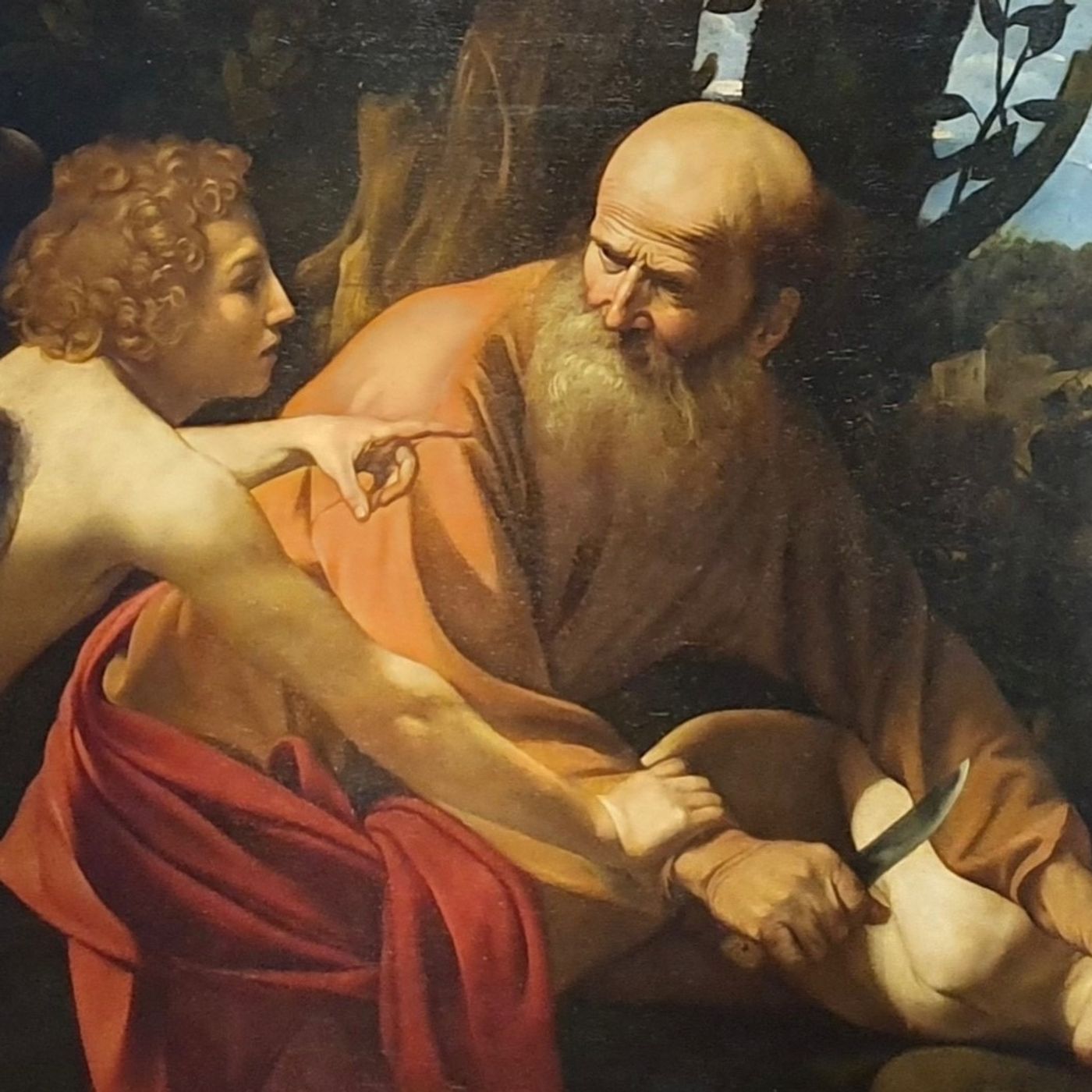
What Abraham Means to Jews, Christians, and Muslims
We're in the midst of the Muslim holy days of Ramadan, just past Western Christians' celebration of Easter, and looking forward to the Jewish Passover holidays in late April. We often refer to these traditions as the Abrahamic faiths—a reference to the childless man chosen by God in the Jewish Bible to be the father of a great nation, and who's an important figure in Judaism, Christianity, and Isl
Glide Path: How to Get the Most from ChatGPT
Tufts University Professor James Intriligator, PhD ’97, a human factors engineer, says that GPT is not a search engine, although many of us use it that way. It's more like a glider. It can take us to great knowledge and help us explore new territory. But we need to steer it smartly to get where we want to go. In these journeys, our own curiosity is the wind beneath ChatGPT's wings, the force that
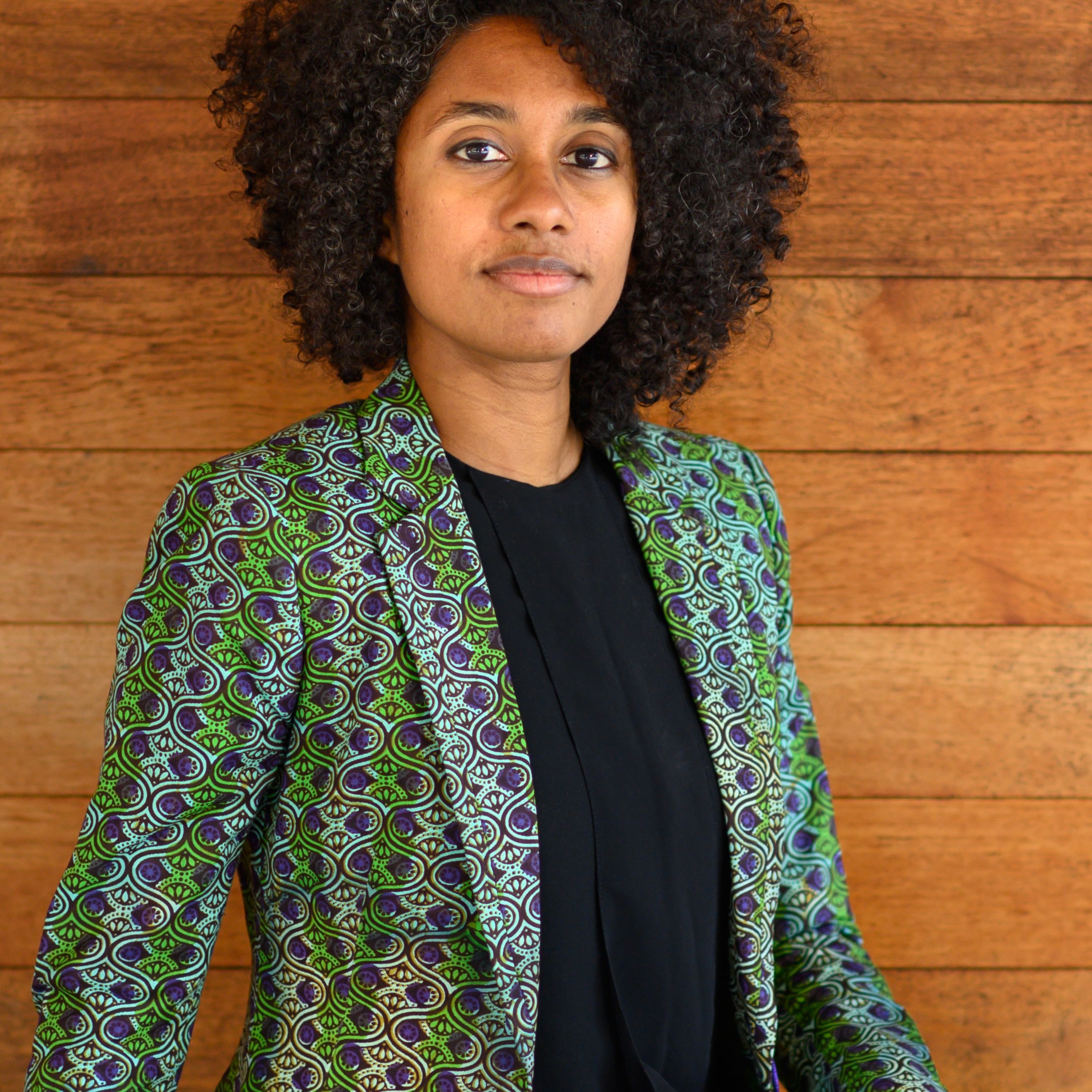
How Slavery's Legacy Lives on in the Racial Wealth Gap
In 2022, white residents of the Greater Boston area had about 19 times as much wealth as Black residents, $214,000 to $11,000, according to the Urban Institute. While the gap is particularly large in this part of the country, it's an issue across the US. In 2019, Black Americans held just $0.17 on average for every white dollar of wealth. Much has been written about the racial wealth gap, but how

How Universities Can Address the Crisis in Democracy
According to the 2023 Democracy Report of the VDEM Institute based at the University of Gothenburg in Sweden, the advances and global levels of democracy made over the past 35 years have been wiped out. Seventy-two percent of the world's population now live in autocracies. Freedom of expression is deteriorating in 35 countries. Government censorship of the media is worsening in 47 countries. Gover
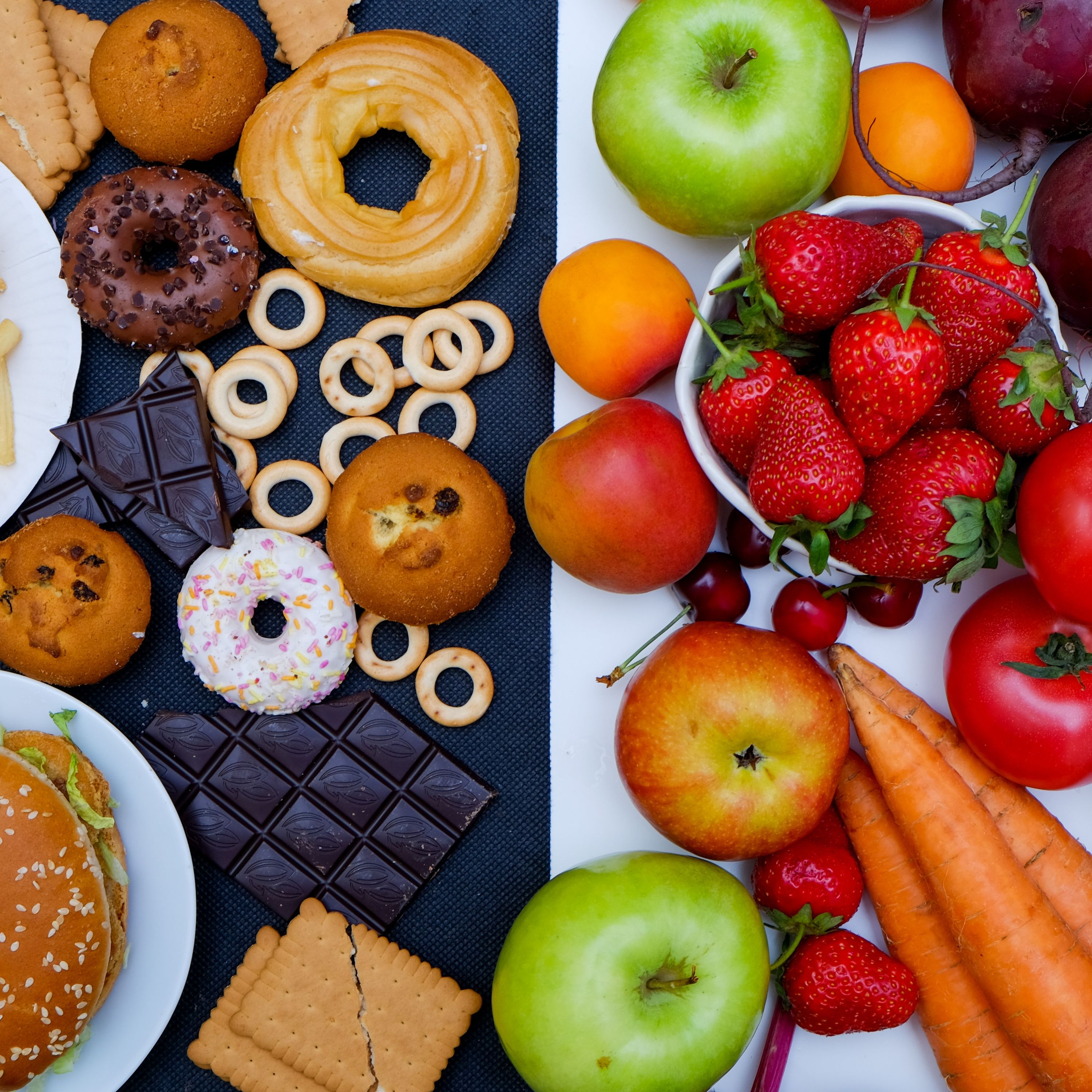
Why We're Obese—and What We Can Do about It
Obesity in the United States has reached epidemic proportions, affecting millions of Americans and costing the healthcare system billions of dollars each year. As is so often the case with disease in this country, communities of color suffer disproportionately.Public health expert Sara Bleich, PhD ’07, says it’s time to deal with obesity as the urgent crisis that it is. A professor of public healt
A Healing Attempt for Race-Based Anxiety
This month on Colloquy, we speak with PhD student Grant Jones about Healing Attempt, his collaboration with Grammy Award-winning artist Esperanza Spaulding and Buddhist leader Lama Rod Owens that combines mindfulness and music to improve the wellbeing of people of color.
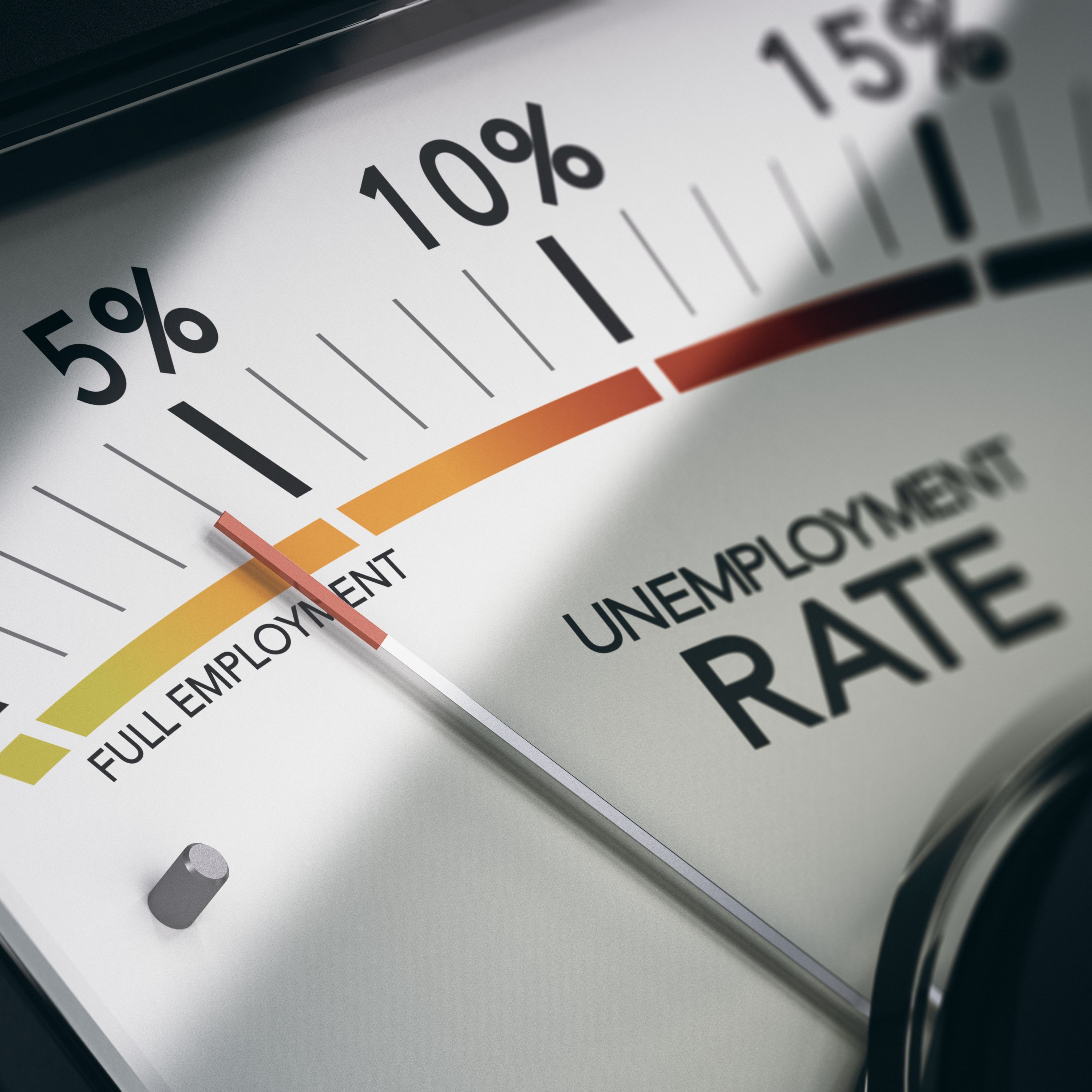
What We Learned from the COVID Economy
The US economy is strong. Unemployment is close to a 50-year low, real wages are rising for those at the bottom of the income ladder, and inflation is down though still not entirely in the rearview mirror. You’d never know it from the press coverage, though, which tends to focus on how people feel about the economy, namely that it’s bad and getting worse. In this episode of Colloquy, we take a ste
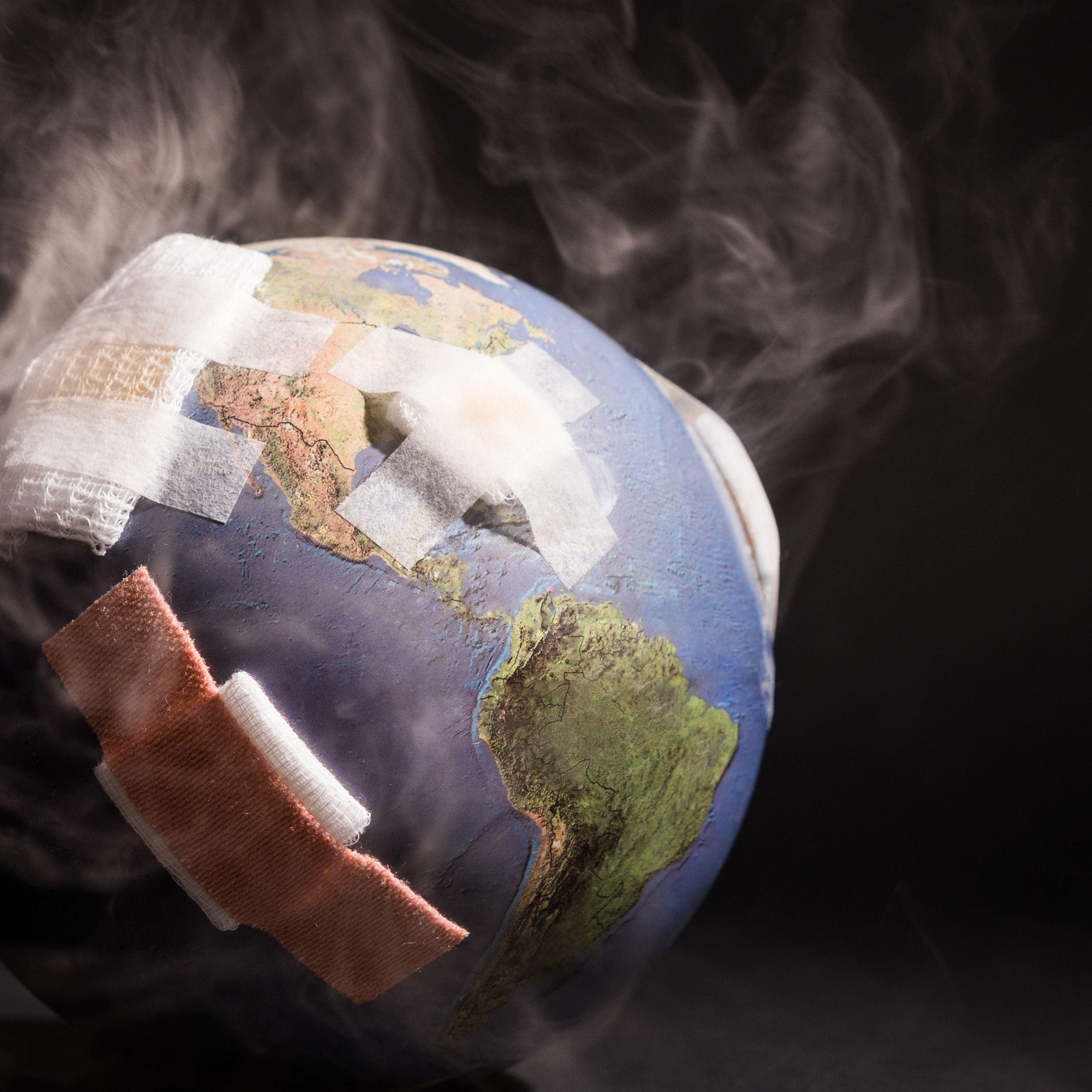
Buying Time in the Fight Against Climate Change
According to the National Oceanic and Atmospheric Administration, July 2023 was actually the hottest month ever recorded on Earth. The heat wave caused hundreds of deaths, thousands of hospitalizations, and billions of dollars in damages. It also exacerbated droughts, wildfires, and power outages. The culprit behind this unprecedented heat is climate change, driven by the accumulation of greenhous
A Short History of Technology and Thought
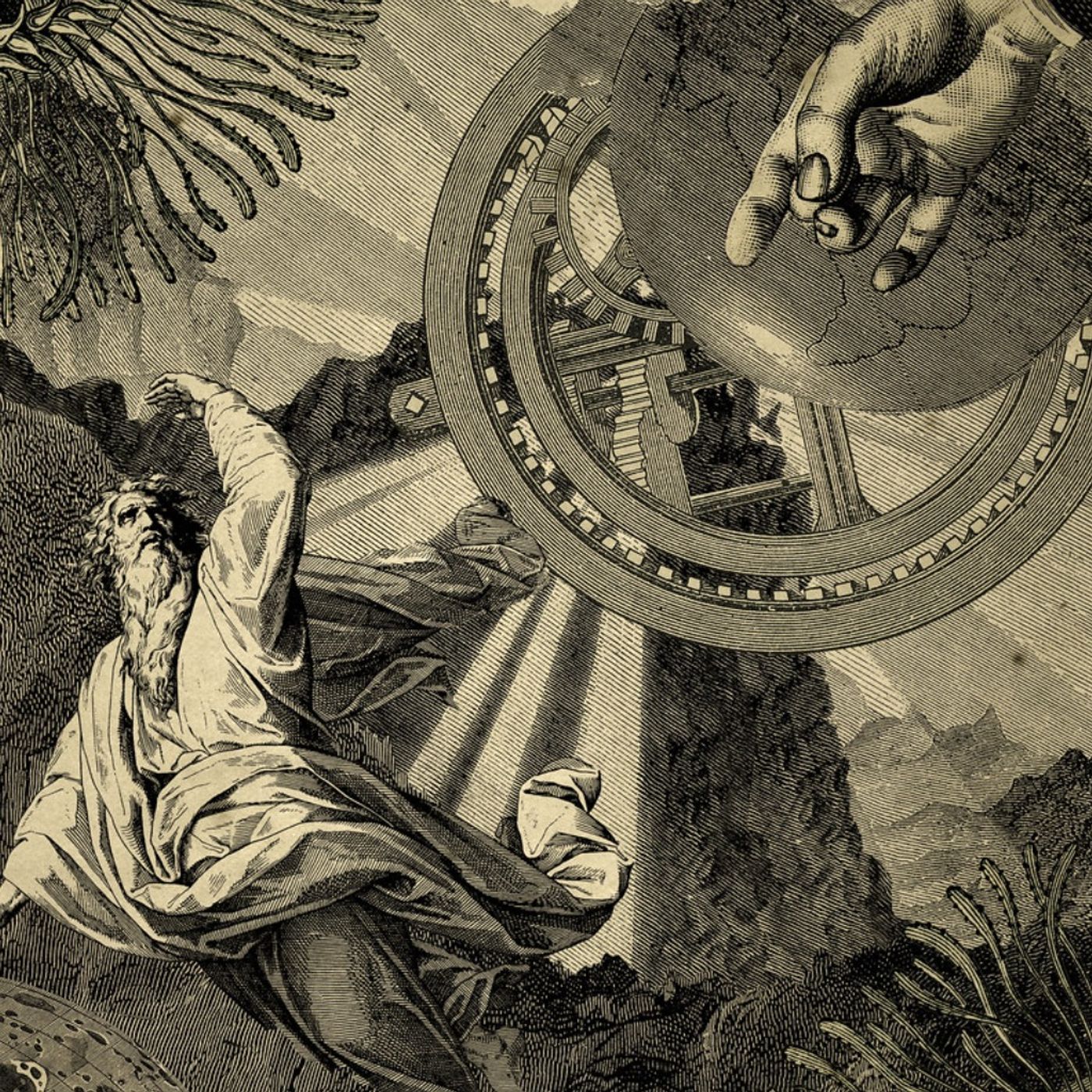
Every technology is accompanied by a cultural technique says the artist and media scholar Emilio Vavarella, a PhD candidate in film and visual studies and critical media practice at the Harvard Griffin Graduate School of Arts and Sciences. “You have the calculator, but you also have the number," he says. "Everything we do from speaking to being able to write an imaginary story—all of these are spe

An Air Conditioner That Won’t Warm the Planet
The global average temperature for July 2023 was the highest on record—and maybe the highest for the last 120 years according to the United Nations’ weather agency. In the United States, temperatures in Phoenix, Arizona reached a record 118 degrees Fahrenheit and hit highs of at least 110 degrees for 31 consecutive days—also a record. And yet the populations of Arizona, Texas, and Florida, the sta
Laboratories of War
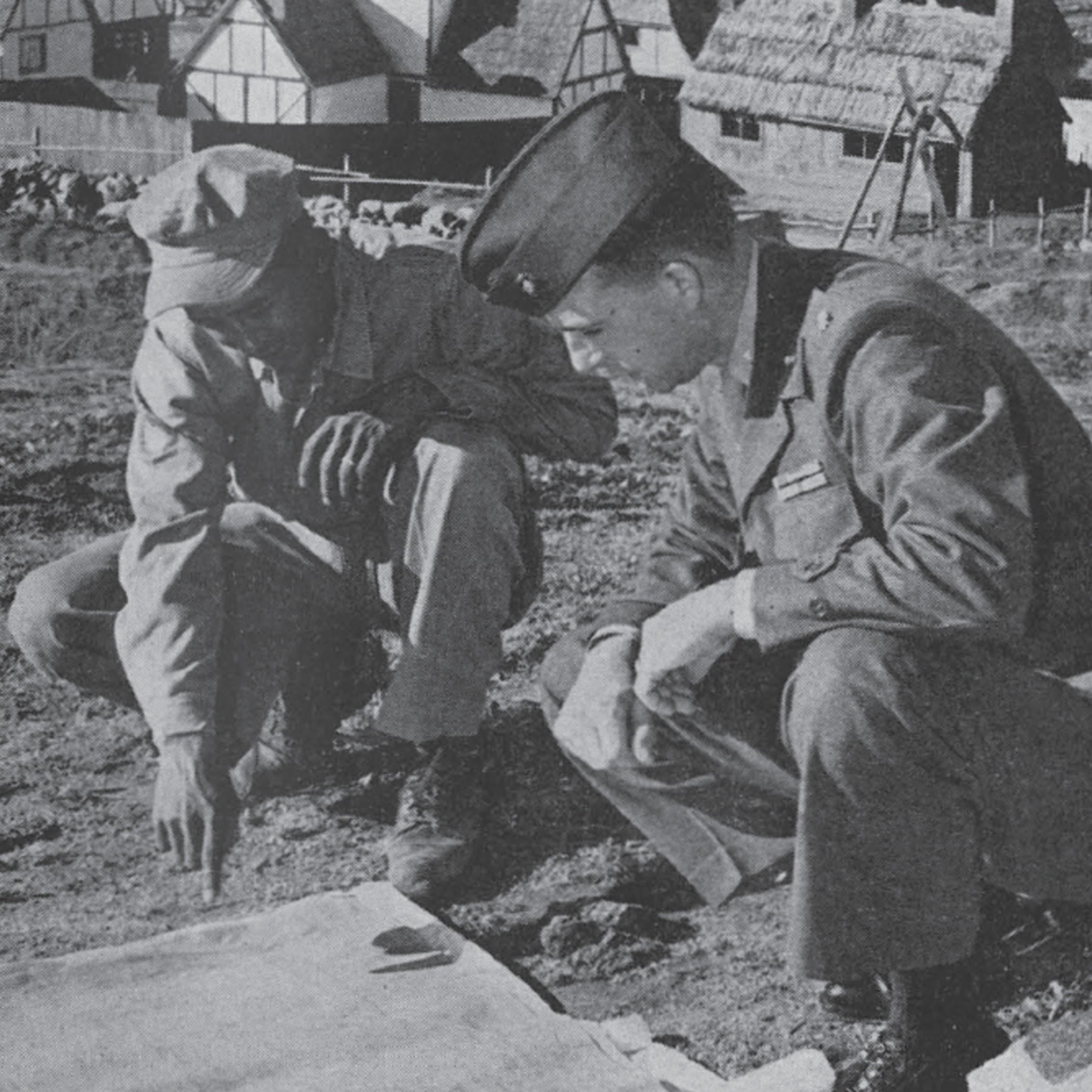
In the years following the terrorist attacks of September 11, 2001, thousands enlisted in the US military, were deployed to Afghanistan and Iraq, and became embroiled in conflicts that were often fought not on the battlefield but in rural villages and in cities. To prepare for that type of warfare, American troops often trained at bases in the southwestern United States, where the military constru

How 'Hot Vax Summer' Turned Cold
Starting July 4, 2021, and lasting past the holiday, members of the LGBTQ community converged on Provincetown, Massachusetts, for a holiday that was supposed to be a celebration of the end of the long COVID-19 lockdown. When the weather turned rainy, they confidently took the party indoors, packing the little seaside town’s restaurants, bars, and clubs. Why not? They were vaccinated and mask manda

Suspicious Minds
Growing up in Ferguson, Missouri, Harvard Griffin GSAS PhD student Steven Kasparek witnessed violence. He experienced it himself. He was left with some burning questions about which children go on to thrive and which struggle in the wake of exposure to violence. In this episode of Colloquy, Kasparek presents his research on the ways that childhood violence can shape bias—and bias can shape mental
When Home Is the Barrel of a Gun
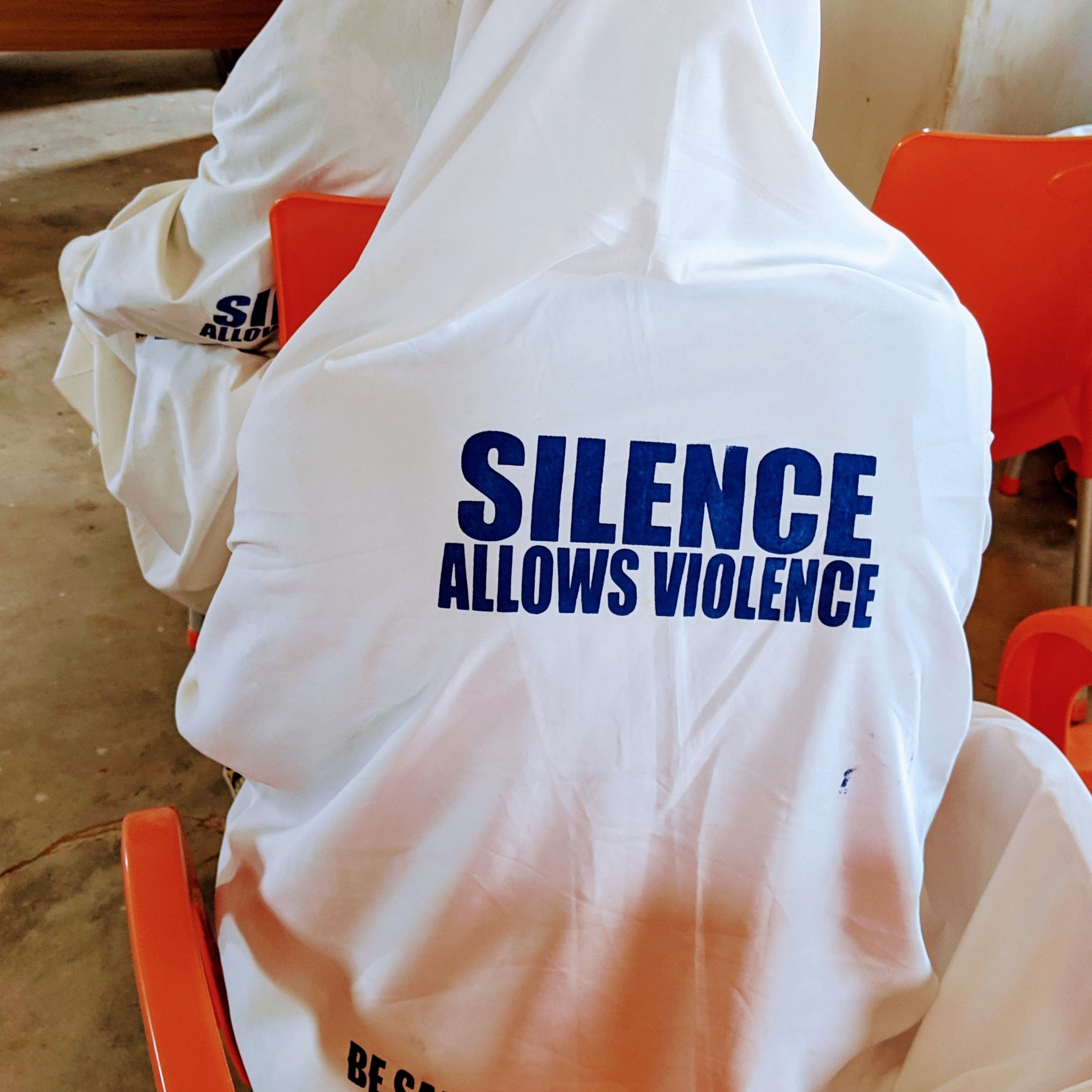
In 2014, Boko Haram terrorists kidnapped 276 female students from their dormitory at the Government Girls Secondary School in the Nigerian town of Chibok. The act inspired international outrage and a worldwide campaign to #BringBackOurGirls. Far less attention has been paid, however, to the plight of those who escape Boko Haram’s violence and become displaced within their own country. Now, anthrop

A Cosmic Game of Battleship
It’s important to understand how massive stars live and die because of their role in the formation of some of the fundamental elements of the universe. That kind of science requires the development of computer simulations that model the universe from the Big Bang to today—an unimaginably complex task that is rife with uncertainties, computationally expensive, and can take years to complete. But da
Vets, Trauma, and the Search for Meaning
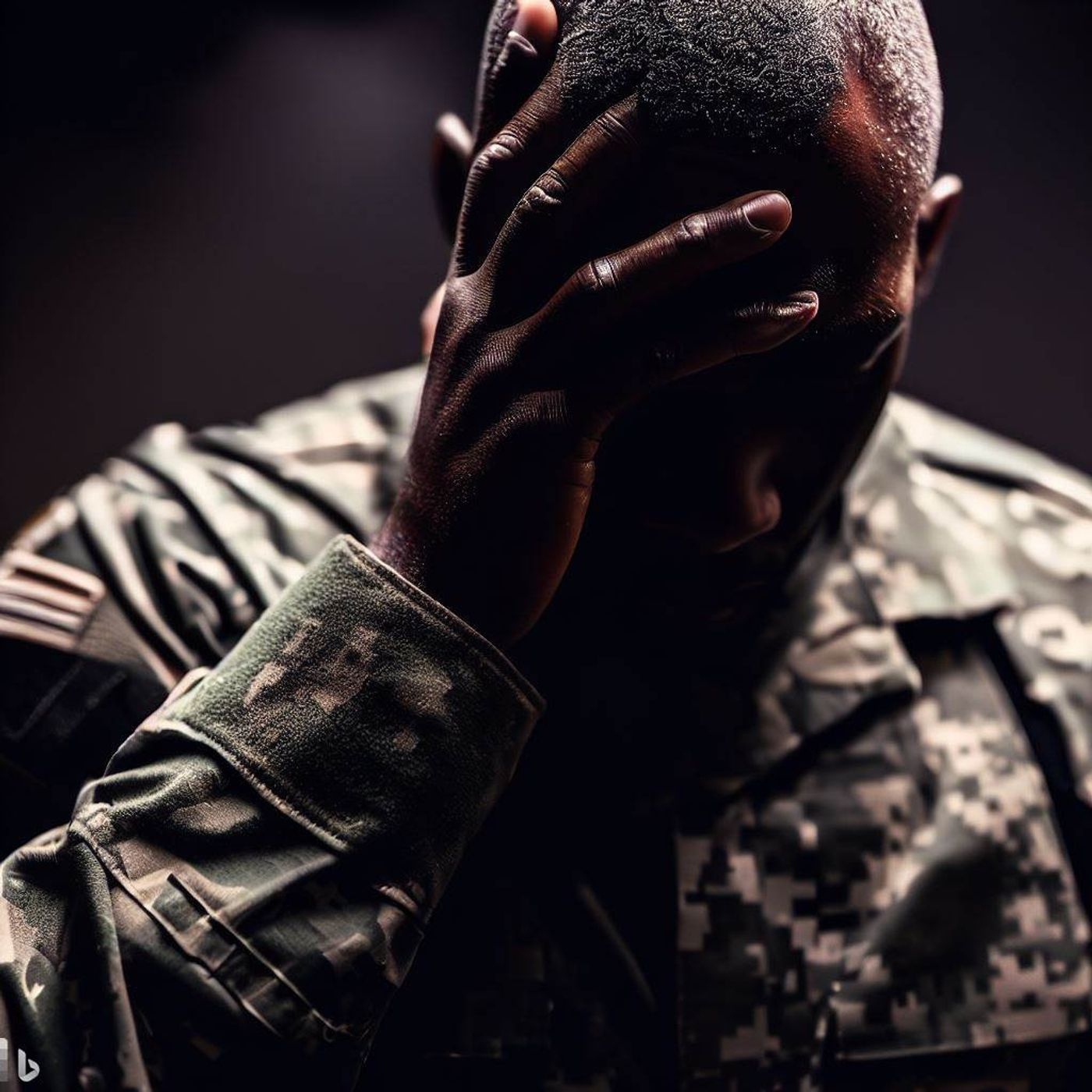
Ben Bellet, is a Harvard Griffin GSAS PhD student in clinical psychology who studies PTSD. A graduate of the US Military Academy at West Point, Bellet served as an officer in the army for five years. During his deployments in Afghanistan and Kuwait, he found himself less and less interested in logistics and operations and more interested in the Dostoevskian question of human suffering, particularl
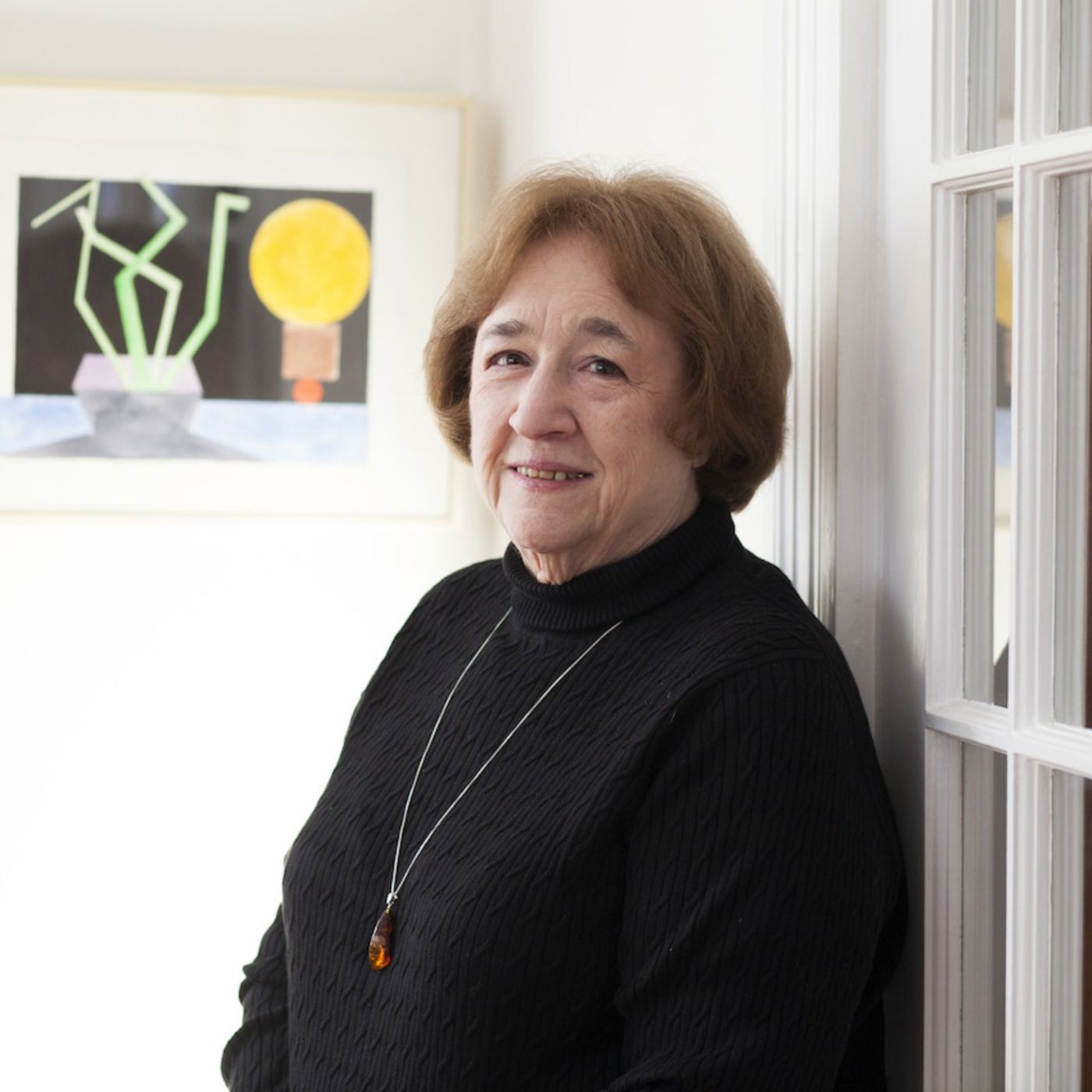
The Best Poetry Critic in America
For this special Poetry Month bonus episode of Colloquy, a conversation with Harvard Professor Helen Vendler, PhD ’60—once called “the best poetry critic in America” by The New Republic’s Alfred Kazin—about the art of verse and why both the poetic form and its great works have enduring value in the era of the social media-induced seven-second attention span.

The Secret Teachings of Jesus
“If you bring forth what is within you, what you bring forth will save you. If you do not bring forth what is within you, what you do not bring forth will destroy you.”Is this saying from a Zen Buddhist Text? The Hindu Bhagavad Gita? Actually, these are the words of Jesus . . . according to the 2,000-year-old Gospel of Thomas. The Princeton University scholar Elaine Pagels, PhD '70, says that this

Colloquy Podcast: The Debt Ceiling—and Beyond—with Laurence Kotlikoff
As politicians and pundits wring their hands over the debt ceiling, the economist and Boston University professor Laurence Kotlikoff, PhD ’77, says the United States is already bankrupt. He calculates the health care and pension obligations to the country's rapidly aging population in the many trillions of dollars, far outpacing tax revenue in the coming decades. And he says economic growth won't

How Good Do Black Students Have to Be?
“You have to be twice as good to go half as far.” It's a maxim that Black and Brown Americans know well, particularly in their experience of the educational system. In recent decades, college preparatory school programs have sprouted up to give middle school students of color a better chance to compete and gain admission to elite private institutions like Exeter, Andover, Choate, and many others.
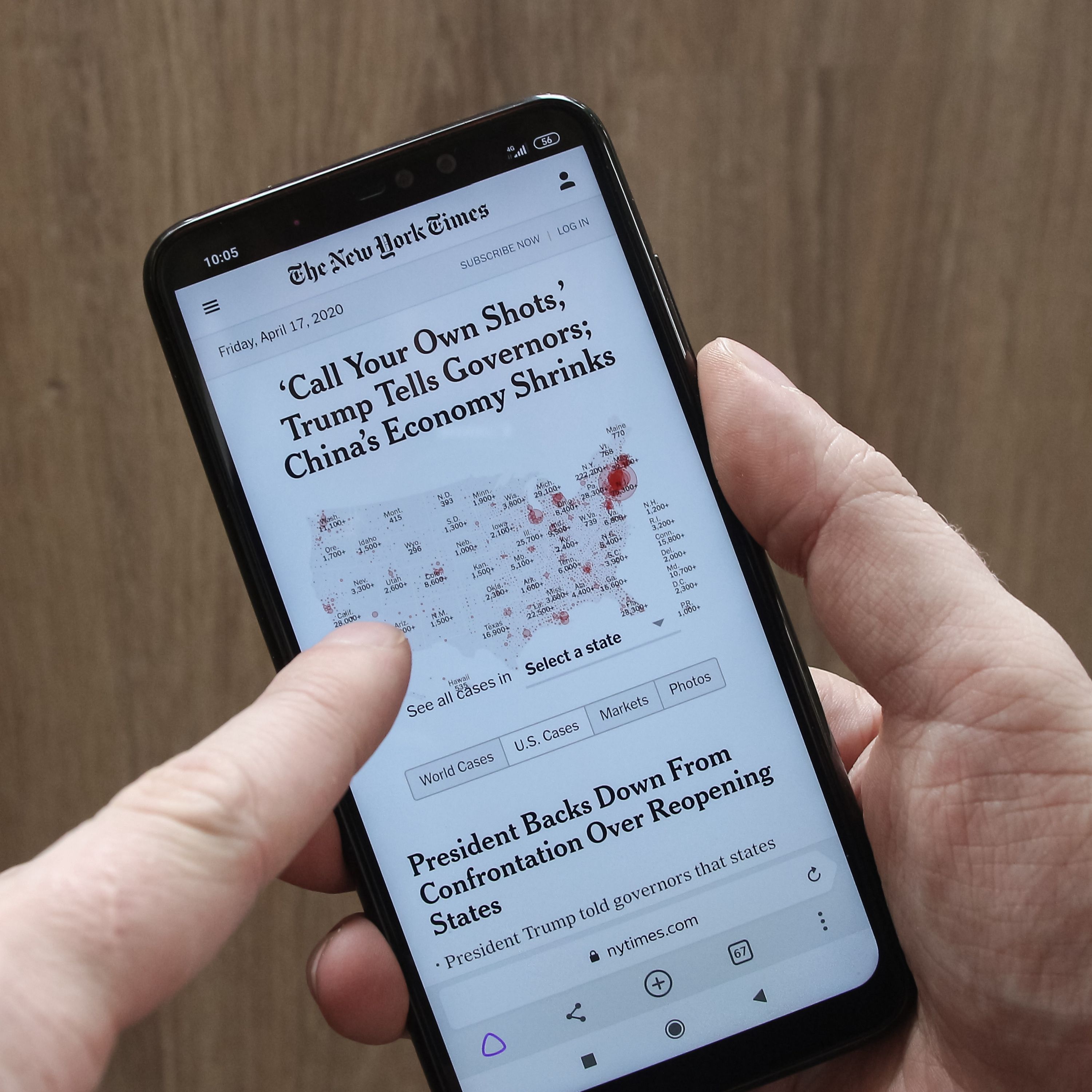
New York Times Executive Editor Joe Kahn and Harvard’s Danielle Allen on Journalism and Its Discontents
Does objectivity exist? Is it possible for news organizations to cut through the noise of the digital age and get citizens the information they need to be responsible participants in democracy? How can journalists build trust with disenchanted readers on both the right and the left of the political spectrum? Speaking to these questions are New York Times executive editor, Joe Kahn, AB ’87, AM ’90,
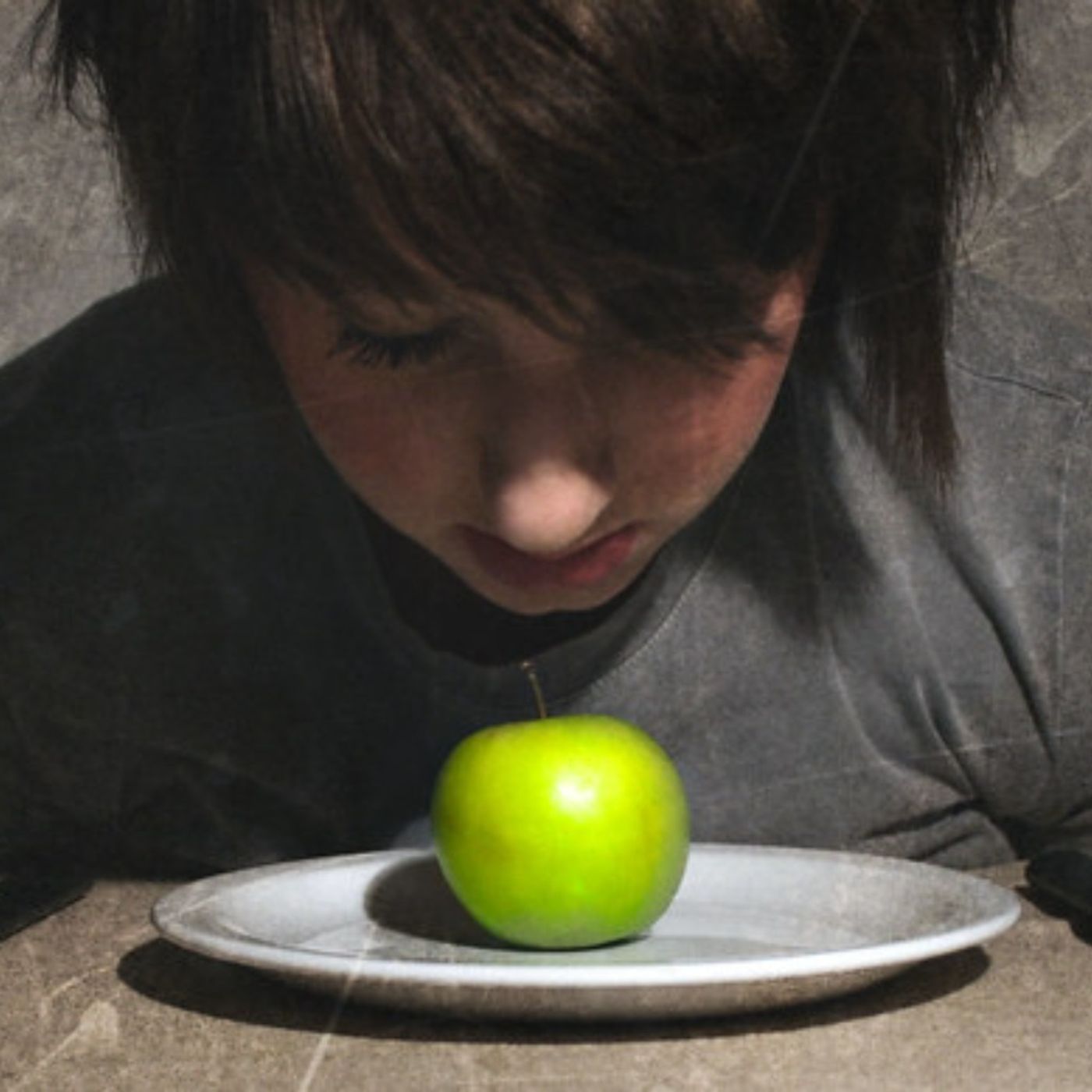
Eating disorders can be lethal. We don't treat them that way.
For many, the holiday season’s combination of festivities, family, and food makes this time of year joyous. If you're one of the nearly 29 million Americans who deal with an eating disorder at some point in your lifetime, though, the holidays can be hell—much like the rest of the year. In this episode of the Colloquy podcast, Harvard Medical School Professor Anne Becker, PhD ’90, one of the countr
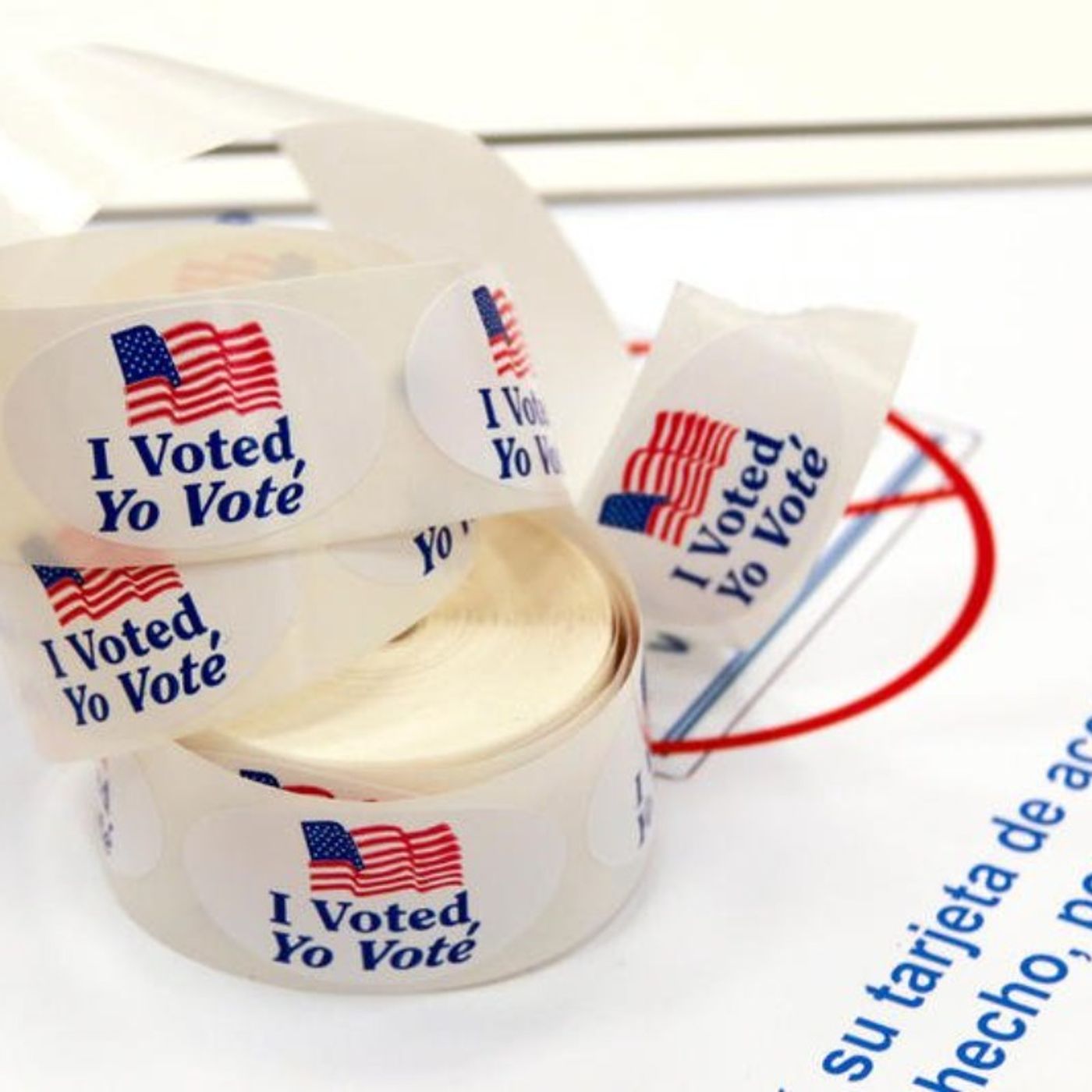
Midterms and Minority Rule
As the 2022 midterm elections approach, many citizens are worried about the state of our democracy. And with good reason. Our electoral system increasingly produces leaders who do not represent the will of the majority. The national popular vote was lost, for instance, by two of the last four presidents. In the evenly divided United States Senate, the 578,000 citizens of Wyoming have as much repre

Beyond the Massacres, Part II: Solutions for Red States and Blue
In this episode of Colloquy, part two of our discussion of guns and public health in America. In part one, we got a sense of the scope of the problem: nearly 400 million guns owned by US civilians, over 45,000 gun deaths in 2020, dramatically elevated risk of suicide among people who own handguns, and much more. So, can anything be done about the problem in a society as politically polarized as ou
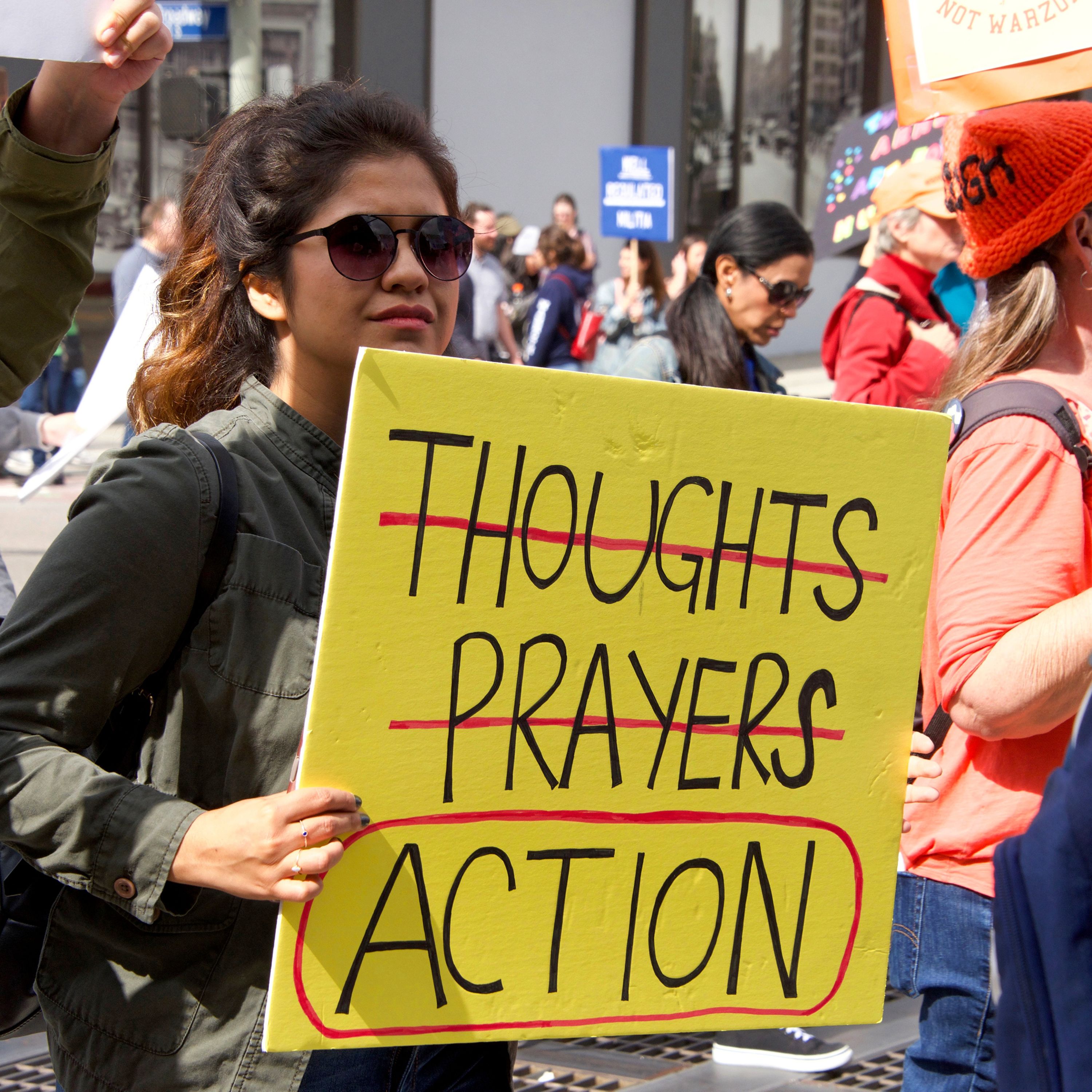
Beyond the Massacres Part I: Guns and Public Health
In this episode of Colloquy, part one of a discussion about guns and public health in America. We'll move past the horrors of Uvalde—and El Paso, and Parkland, and Orlando, and Las Vegas, and Sandy Hook—and talk about the larger issues: too many gun deaths and injuries, too little training, information, and regulation. Leading us in the discussion is David Hemenway, professor of health policy at t
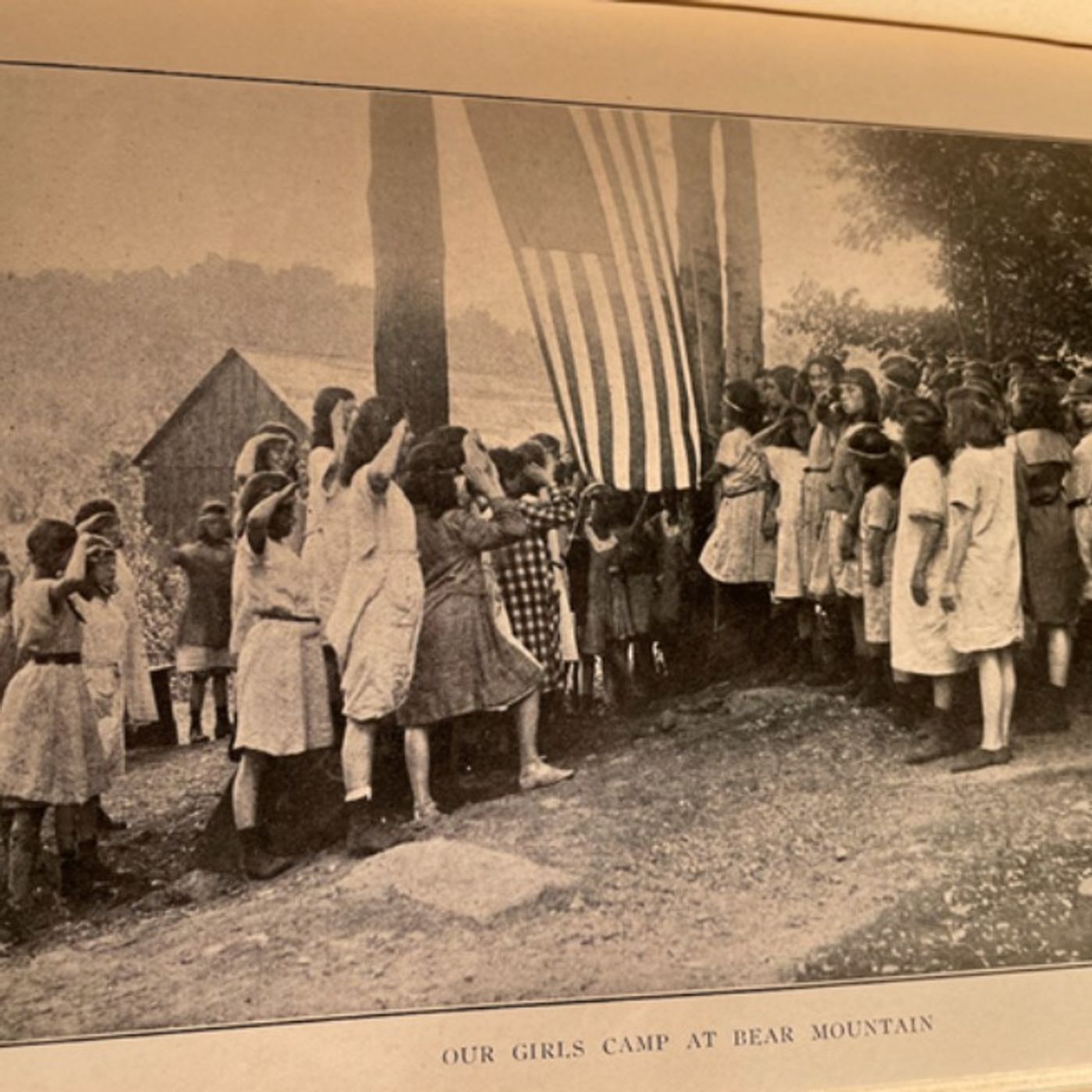
Maternal Eugenics: The Dark History Behind the Dobbs Decision
"A victory for white life." That's how Illinois Congresswoman Mary Miller described the Supreme Court decision overturning the constitutional right to an abortion at a rally with former President Donald Trump last June. Miller, who had quoted Hitler in a previous speech, later said that she had meant to say "right to life." Jamie Marsella, a Harvard PhD candidate in the history of science, says th
Race at the Top
“We are living in an age of anxiety,” writes the Tufts University sociologist Natasha Warikoo, PhD '05, one in which even wealthy families who seem to “have it all” are insecure about their status. Her new book, Race at the Top, explores the ways in which educated, well-to-do parents in the prosperous East Coast suburb she calls “Woodcrest” (not its real name), channel their anxieties into their c
Graduate Student Mental Health Crisis
Co-chaired by GSAS Dean Emma Dench, Harvard University's Task Force on Managing Student Mental Health reported in 2020 that nearly one in four graduate students surveyed exhibited symptoms of moderate to severe depression. Nearly one in four exhibited symptoms of moderate to severe generalized anxiety. Underrepresented minority students, first-generation students, low-income students, and students
“It Was Hell”: The Forgotten Earthquakes that Reshaped America
“Torn to pieces.” That's how the American frontiersman Davy Crockett, described the West Tennessee landscape. Nearly 15 years after it was rent asunder by the New Madrid earthquakes from December 1811 to February 1812. The tremors rocked an area that also included the present-day states of Missouri, Arkansas, Kentucky and Illinois, reshaping not only the landscape but also the lives of the people
Russia, Ukraine, and Avoiding WWIII
Today on Colloquy, we bring you a recent conversation with two of the country's leading experts on eastern Europe and national security. Dr. Fiona Hill is a senior fellow in the Center on the United States and Europe in the Foreign Policy program at the Brookings Institution. She recently served as deputy assistant to the president and senior director for European and Russian affairs on the Nation
The Economics of Life: Why Exercising More May Not Help You Lose Weight
Wondering why the "COVID 19" you packed on during the pandemic won't go away no matter how hard you workout? Herman Pontzer, PhD '06, associate professor of evolutionary anthropology and global health at Duke University, says that the problem is in our brains, not our biceps—specifically, the way we understand the relationship between weight and exercise. The author of the bestselling 2021 Book, B
The Black Agenda
The Black Agenda is a new collection of essays that centers the voices of Black experts—particularly women. Whether the issue is climate change, public health, economic inequality, or education, the contributors to The Black Agenda see social and racial justice as integral—not supplemental—to solutions. Along the way, the book interrogates our assumptions about the ways we live and work together i
Inclusion, Justice, and Love in an Apocalyptic Moment
As the Christmas holiday approaches, Rev. Dr. Matthew Ichihashi Potts, PhD ’13, says that the United States is in the midst of an “apocalyptic moment.” The inequities of the COVID-19 pandemic, the fight for racial justice, and the crisis of climate change are revealing the aspects of our society—and ourselves—from which we can no longer turn away. Now Pusey Minister in Harvard’s Memorial Church an
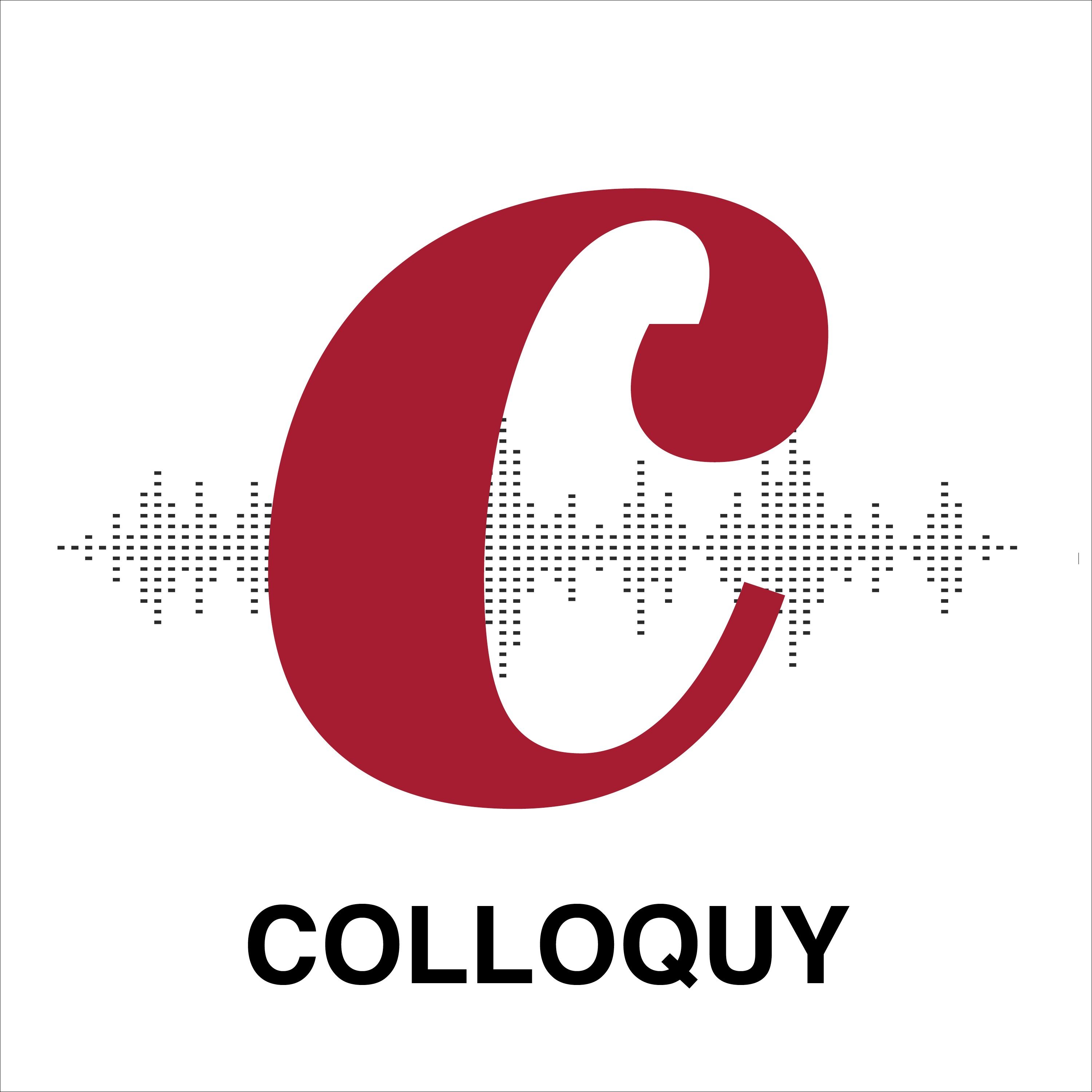
“We have our medicine”: Trauma and Resilience in Indigenous Communities
The sociologist Blythe George, PhD '20, highlights the vibrance of rural indigenous communities amid the trauma that is the legacy of settler colonialism. A member of the Yurok tribe of northwestern California, George maps the deep connections indigenous people have to the sacred--and to each other--and says they have within their culture all they need to heal themselves. They just need the rest o
Who's Afraid of Inflation?
What's behind the price hikes on cars, food, fuel, and many other items? Is there too much money in the economy? Is it a supply chain problem? And is this a bump on the road to recovery from the economic shocks of the pandemic or a long-term trend? We ask GSAS alumna Betsey Stevenson, professor of public policy and economics at the University of Michigan and a member of the Council of Economic Adv
The Incredible Shrinking Vaccine Efficacy
COVID-19 infections are surging again in the U.S., despite the availability of vaccines that are both safe and effective. In the inaugural episode of the GSAS Colloquy podcast, alumnus Michael Lin, a microbiologist and Professor at Stanford University talks about vaccination mandates as a path out of the pandemic, but also about the decline in vaccine efficacy over time. He advocates booster shots
Recommended

The Human-Animal Connection - Pet Life Radio Original
Infinite Health with Dr. Arasi Maran

The Daily
World News Tonight with David Muir

English Vocabulary Help
The Joe Rogan Experience
TED Talks Daily

Learn English B1 with Daily News | English Listening Practice

Talk About Talk - Executive & Leadership Communication Skills
English with Olivia | Slow Conversations & Vocabulary
Stand In The Circle

SLOW ENGLISH PODCAST (A1-A2) With Subtitles | Daily Videos | English With Us Podcast
