Chain Reaction
Chain Reaction is the flagship podcast network of the Foreign Policy Research Institute, covering political, security, economic, and social trends worldwide. The show features expert discussions on Russia's war in Ukraine, the evolving European security order, defense and geopolitical issues in the Baltic States, and national security challenges in technology and space. Monthly series include Bear Market Brief, Behind the Front, Baltic Ways, Report in Short, and The Ties That Bind: NATO at 75 and Beyond.
Episodes
Translating Scholarship Into Statecraft
How can political science scholarship effectively inform real-world foreign policy during moments of global crisis?In this episode of Shifting Ground, co-hosts Larry Rubin and Rachel Whitlark sit down with Dr. Tamara Cofman Wittes, President of the National Democratic Institute. Drawing on her distinguished career spanning academia, think tanks, and high-level government service—including roles as
Thinking About the Second Nuclear Century
In this episode of Shifting Ground, hosts Nikolas Gvosdev and Larry Rubin are joined by Dr. Austin Long, Senior Nuclear Fellow at MIT, and Dr. Rachel Whitlark, Associate Professor at Georgia Tech and Associate Editor of Orbis, to explore the strategic landscape of the second nuclear century. Grounded in Dr. Long's recent commentary for Orbis, the conversation examines how emerging autonomous techn
The Architecture of Leadership
What prepares a leader for the high-pressure environment of the US government?In this episode of Shifting Ground, co-hosts Nick Gvosdev and Larry Rubin sit down with The Hon. John Tien, Distinguished Professor of Practice at Georgia Tech’s Sam Nunn School of International Affairs. Drawing on his extensive career spanning the military, the private sector, and high-level government service—including
Intelligence, Strategy, and the Reality of Modern Conflict
In this episode of Shifting Ground, Nick Gvosdev and Larry Rubin are joined by Phil Wasielewski, a Senior Fellow at the Foreign Policy Research Institute. A veteran of the CIA’s Directorate of Operations and the US Marine Corps, Phil brings a lifetime of experience—from the end of the Soviet era to the frontlines of Afghanistan—to a wide-ranging discussion on the nature of strategy in an unpredict
American Grand Strategy in West Asia
In this episode of Shifting Ground, Nick Gvosdev and Larry Rubin are joined by Mohammed Soliman, Senior Fellow at the Middle East Institute and author of West Asia: A New American Grand Strategy in the Middle East. Soliman challenges our traditional geopolitical mental maps, arguing that the term “Middle East” no longer explains the realities of today’s integrated political and economic landscape.
Understanding Germany's Defense Strategy
Welcome back to The Ties That Bind, a project of the Foreign Policy Research Institute examining the past, present, and future of NATO and the transatlantic relationship.This season we examine how Western European NATO members like Germany are shifting their defense policies, pursuing rearmament, and what lies ahead for the future of European security.This week we are pleased to feature a conversa
Cyber is War
In this episode of Shifting Ground, hosts Larry Rubin and Nick Gvosdev are joined by Dmitri Alperovitch, Chairman of Silverado Policy Accelerator, co-founder of CrowdStrike, and author of World on the Brink: How America Can Beat China in the Race for the 21st Century. Alperovitch discusses the collision of cybersecurity and international affairs, arguing that the cyber “problem” is fundamentally a
The Strategy for Affordable Missiles: A Conversation with Ursa Major
Aaron Stein, President of the Foreign Policy Research Institute (FPRI), talks with James Swartout, VP of Strategy at Ursa Major Technologies, about his career in national security and how his company is revolutionizing aerospace and defense.Explore more from Behind the Front here. Get full access to FPRI Insights at fpriinsights.substack.com/subscribe
The Weaponized Economy
Geo-economic and country risk expert Rachel Ziemba joins Nick and Larry to discuss the intersection of government policy and global commerce. This episode explores how sovereign balance sheets and coercive tools like sanctions have become primary instruments of modern statecraft, fundamentally shifting the landscape of global commerce.Related Reading: * Rachel’s portion of the Global Order After U

Geopolitical Cycles and the Fragility of the Global Operating System
On this episode of Shifting Ground, Admiral James “Sandy” Winnefeld, Jr. (ret.) introduces his concept of the “global operating system” (GOS)—which includes the rules-based international order and the global economy—explaining that its foundation of international stability is at risk of catastrophic failure due to geopolitical cycles, political polarization, and the overextension of the prevailing
A Blueprint for Deterrence with Adm. Rob Bauer and Eleonora Russell
Welcome back to the Ties That Bind, a project of the Foreign Policy Research Institute examining the past, present, and future of NATO and the transatlantic relationship.We often assume our safety is a “government problem,” but guests Admiral Rob Bauer, the former Chair of the NATO Military Committee, and Strategic Communications Advisor Eleonora Russell argue that this mindset is our greatest vul
Technology, Trust, and the Accelerants of Global Crisis
In the inaugural episode of Shifting Ground, the Hon. Stacey Dixon joins Nick Gvosdev and Larry Rubin to discuss the US government’s challenge of balancing national security interests by restricting sensitive technology exports with the need for American companies to compete globally and influence international technology standards. The conversation highlighted “accelerants” like the democratizati
Understanding Berlin's Security Environment
Welcome back to the Ties That Bind, a project of the Foreign Policy Research Institute examining the past, present, and future of NATO and the transatlantic relationship.This season, we examine how Western European NATO members like Germany are shifting their defense policies, pursuing rearmament, and what lies ahead for European security.This week, we are pleased to feature a conversation with FP
The Islamic Republic Teeters
Iran is facing massive protests and the regime is facing a significant challenge to its grip on power. The regime has unleashed the military, killing hundreds on the country’s streets. President Trump had threatened air strikes, raising questions about the future of the regime. What is the future of Iran?Aaron sat down with Saeid Golkar, an Iranian-American political scientist, and UC Foundation a
Never Again Alone | Finland in NATO
Welcome back to the Ties That Bind.This week, we go even further north, to Finland, one of the alliance’s newest members. Like the other frontline states we’ve visited this season, Finland shares a turbulent and complicated history with Russia that has long molded its security and foreign policy. But unlike the other frontline states, it was not a member of NATO at the start of Russia’s full-scale
Understanding Unmanned Naval Systems
We have spent a lot of time talking about Combat Collaborative Aircraft, or CCA. On this episode, Aaron sat down with Billy Byrne, the Director of Strategy for Defense at Saildrone. The two talked about the future of unmanned naval systems, the lessons learned from Ukraine’s operations in the Black Sea, the challenges of operating in the Indo-Pacific, and the need to have both endurance and to “pa
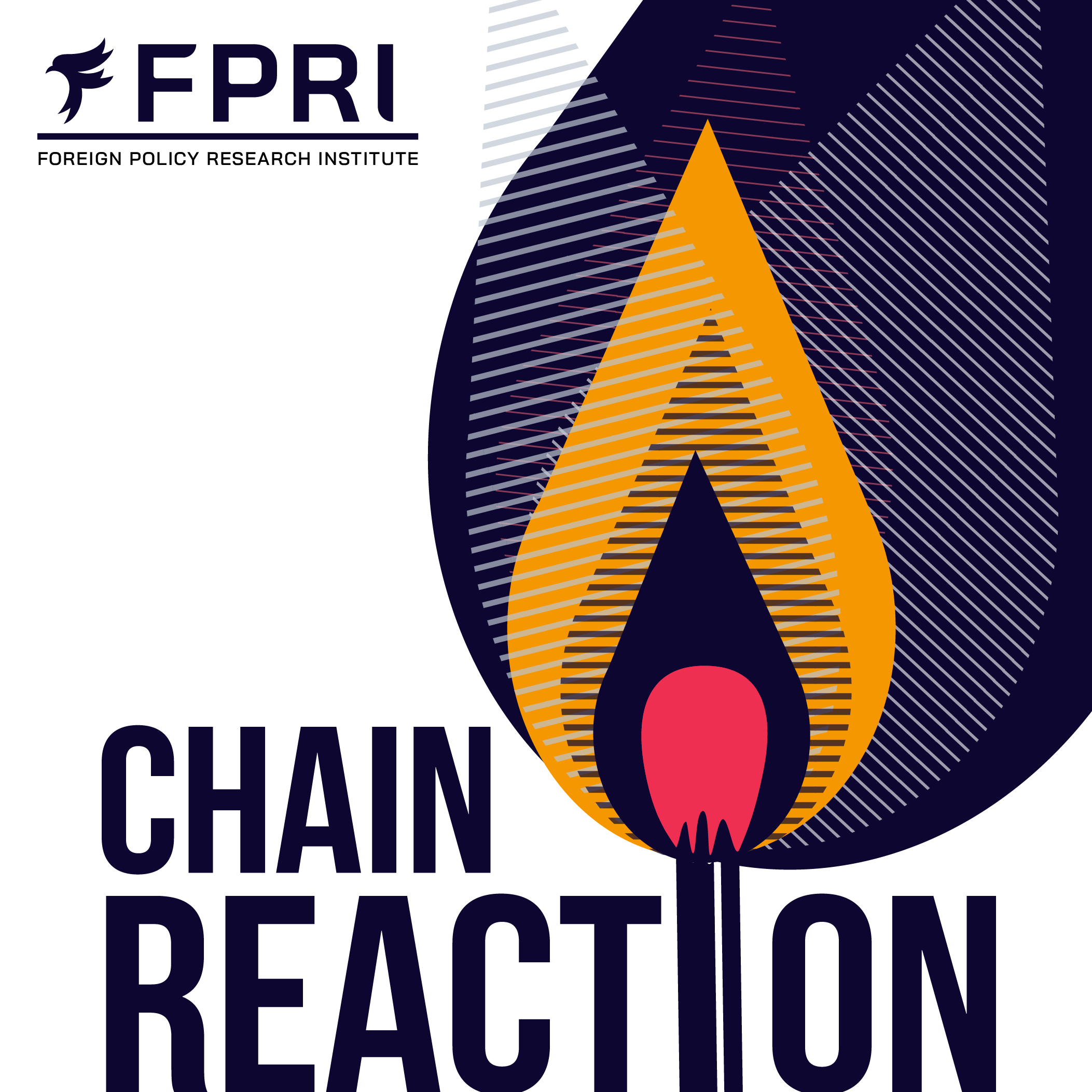
Windows of Opportunity | Latvia in NATO
Welcome back to the Ties That Bind.This week, we go back North to the shores of the Baltic Sea for the perspective from Latvia.In this episode, we’ll hear from three Latvian experts on the evolution of the country’s defense posture, NATO cooperation, and its response to Russia’s invasion of Ukraine. We’ll also hear about what’s happening on the domestic front, with the evolution of national and mu
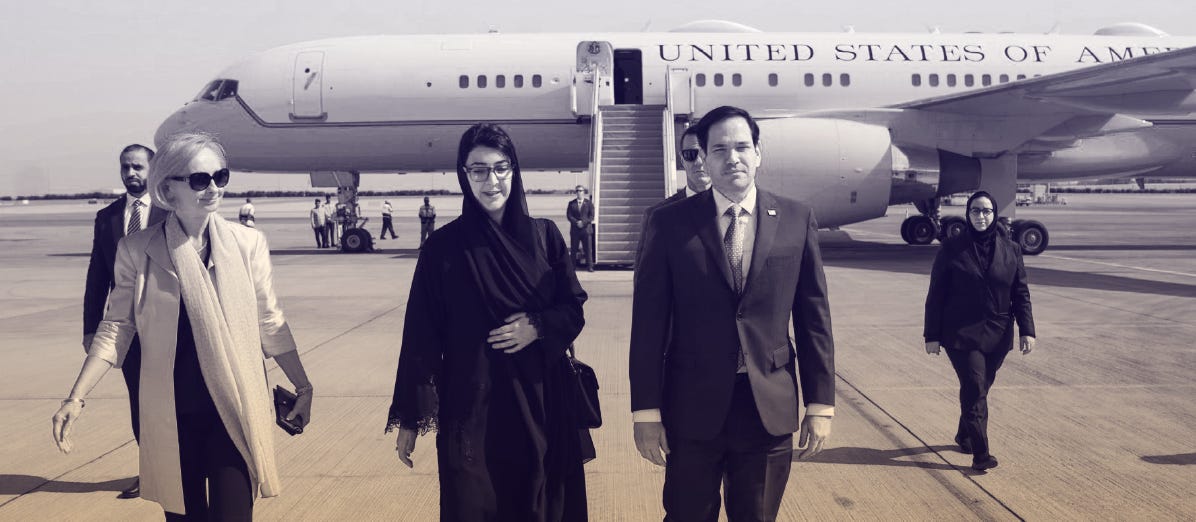
On the Coasts of Conflict | Romania in NATO
Welcome back to the Ties That Bind. This week, we are looking further south along NATO’s eastern flank at Romania.Romania has long advocated for increased NATO and US presence in the Black Sea. Since the 2022 Russian invasion of Ukraine, the importance of the Black Sea and Romania’s role have been reflected in an increased NATO presence and multiple defense and infrastructure investments. The coun
The Multipolar, the Merrier: US Foreign Policy in a Brave New World
In a rapidly evolving world where Washington might not have the same sway it used to, how should the US best position itself? Who are the “schools” or “camps” contesting the direction of foreign policy. In this episode of The Continent, Emma Ashford joins Aaron Schwartzbaum to talk about American grand strategy and her recent book First Among Equals: US Foreign Policy in a Multipolar World. Get fu
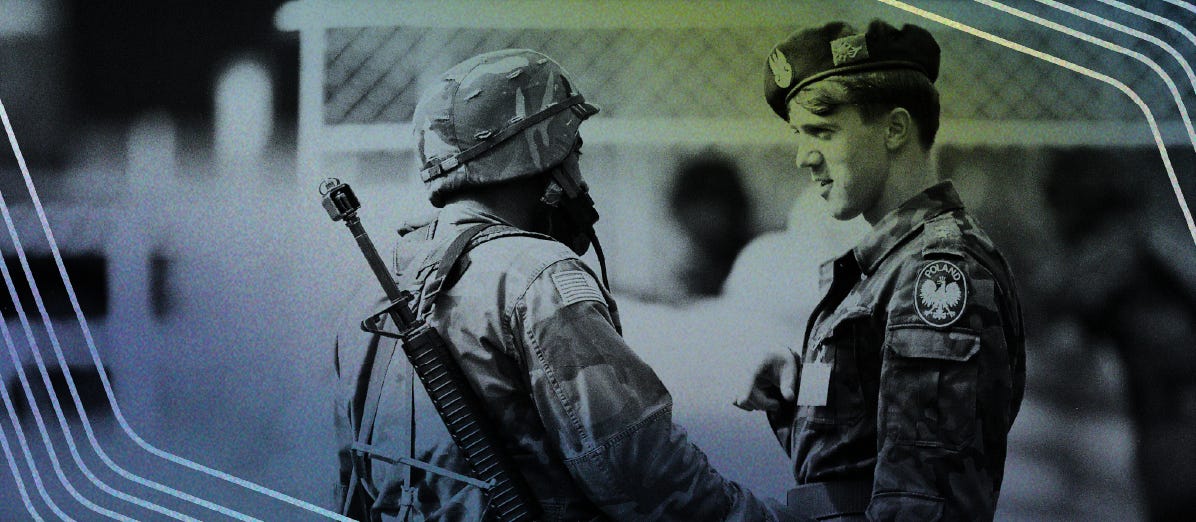
For Our Freedom and Yours | Poland in NATO
Welcome back to the Ties That Bind.This season, we are looking at NATO from a bit of a different vantage point, specifically that of the frontline states. How are frontline states investing in and planning for their defense? How are they thinking about their role and contributions in the Alliance and on the world stage? How have their historical experiences shaped how their governments and societi
Continued Conversation About Collaborative Combat Aircraft
Introducing our new monthly podcast series, Behind the Front, which features conversations with industry experts on challenges and opportunities facing the technology, space, and national security sectors. This week Aaron Stein sat down with Scott “FUG” Gilloon, who currently serves as the Sector Vice President of Air Force Strategic Development and Capability Assessments at General Atomics Aerona
Kyiv Dispatch
A flurry of back-and-forth diplomacy, a renewed Russian offensive, and a rare outburst of protest in Ukraine. The Kyiv Dispatch with Aaron Schwartzbaum and Fabrice Deprez returns to break down what's actually happening and most importantly, how people on the ground are feeling about it.For more reporting and stories from Ukraine, be sure to follow Fabrice’s newsletter, Eastern Radar. Explore more
Drones and the Future of War
Are drones the future of war? What lessons can be learned from Ukraine for the Taiwan contingency? To discuss these topics and more, FPRI President Aaron Stein sat down with Lorenz Meier, CEO of Auterion, to discuss drones and the future of war. Get full access to FPRI Insights at fpriinsights.substack.com/subscribe
Whither Strong? Exploring Conceptions of Russian Power
Why does Russia play such an important role in geopolitics? If it's because of 'strength'... what does strength even mean? And why do conceptions of Russia's strength vary so extremely? Seva Gunitsky joins Aaron Schwartzbaum on this week’s Bear Market Brief podcast.Related ReadingRussia is both weak and strong - that's the problem by Seva Gunitsky Get full access to FPRI Insights at fpriinsights.
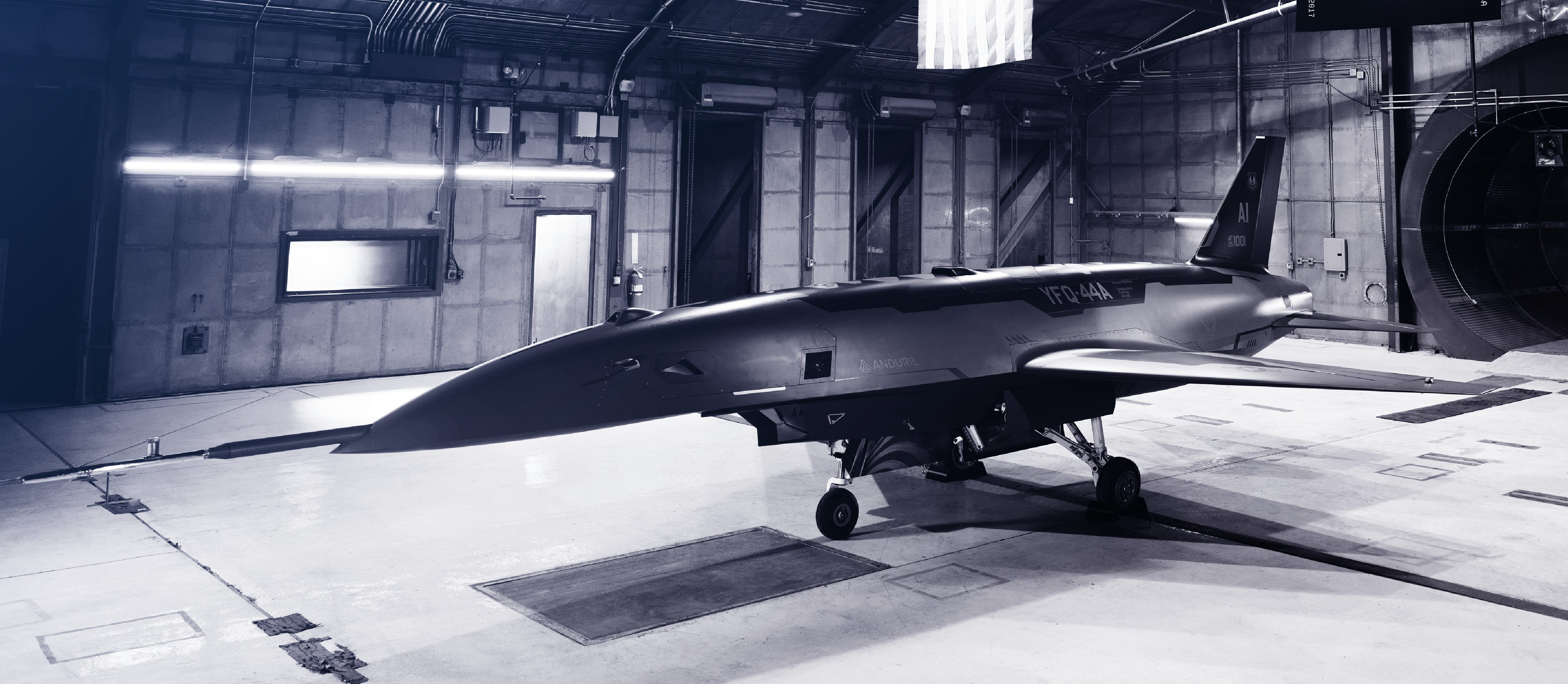
Future of Collaborative Combat Aircraft
How might combat collaborative aircraft be used to fight a war in Europe? Or the Indo-Pacific? To discuss these questions, and the latest from the YFQ-44A, President Aaron Stein sat down with Andrew Van Timmeren, the director of air dominance systems at Anduril Industries, about what he and the company are working on.FPRI’s new project, Behind the Front, analyzes current and future national securi

From Russia with Risk
Here on the Bear Market Brief, a lot of what we focus on is, simply put, risk: what might happen, and what might it mean?On this episode, geoeconomic and country risk expert Rachel Ziemba joins Aaron Schwartzbaum to delve in the discipline of Political Risk: how does one "do" the field?Bear Market Brief features a weekly newsletter and a monthly podcast that strives to be a resource for specialist
Part 2 | Surviving Two Years in Russian Captivity
Listen to Part 1 here.In this special two part episode of Chain Reaction, Senior Fellow Rob Lee interviews Yevgeniy Malik, a squad leader in Ukraine's 36th Marine Brigade. Malik fought in Mariupol during the beginning of the war and defended the Illich Iron and Steel Works. He spent more than two years in captivity in Russia as a prisoner of war from April 2022 to September 2024. In Part 2, Yevgen
Part 1 | Surviving Two Years in Russian Captivity
In this special two-part episode of Chain Reaction, Senior Fellow Rob Lee interviews Yevgeniy Malik, a squad leader in Ukraine's 36th Marine Brigade. Malik fought in Mariupol during the beginning of the war and defended the Illich Iron and Steel Works. He spent more than two years in captivity in Russia as a prisoner of war from April 2022 to September 2024. During this time Malik faced daily beat

What E-Estonia Can Teach the US
This week technologist Joel Burke, author of the recently published Rebooting a Nation: The Incredible Rise of Estonia, E-Government and the Startup Revolution, joins Indra Ekmanis on the Baltic Ways podcast.He shares his insights on Estonia’s rise as a leader in e-government, technological exports in a globalized world, and what the US has to learn from Estonia in a moment of disruption. Baltic W

Gradually, Then Suddenly: Georgia's Slide Into Authoritarianism
Since November of last year, the small country of Georgia has seen daily protests against its increasingly authoritarian government. For over 150 straight days Georgians have been in the streets demanding that their country return to the path of European integration, and halt what they describe as its slide toward becoming a Russian client state. But the Georgian government has not budged, crackin

The War’s Impact On Russia's Regional Power Dynamics
In this episode of Report in Short Aaron Schwartzbaum speaks with András Tóth-Czifra about his recent report, “The Kremlin’s Balancing Act: The War’s Impact On Regional Power Dynamics.” In the report, Tóth-Czifra explains the shift of government control, highlights instances of pushback, and identifies limitations on the Kremlin's strategy going forward.The Kremlin's centralization drive has manif
You Don't Know Until You Go | Views of the US From European Capitals
Persistent reports indicate that the Trump Administration will de-emphasize the US commitment to European security in favor of an emphasis on defending the US homeland and shifting resources to the Indo-Pacific. This follows a long-running critique of America’s European allies for investing too little in their own defense, a critique that predates both Trump Administrations, but one that has gotte
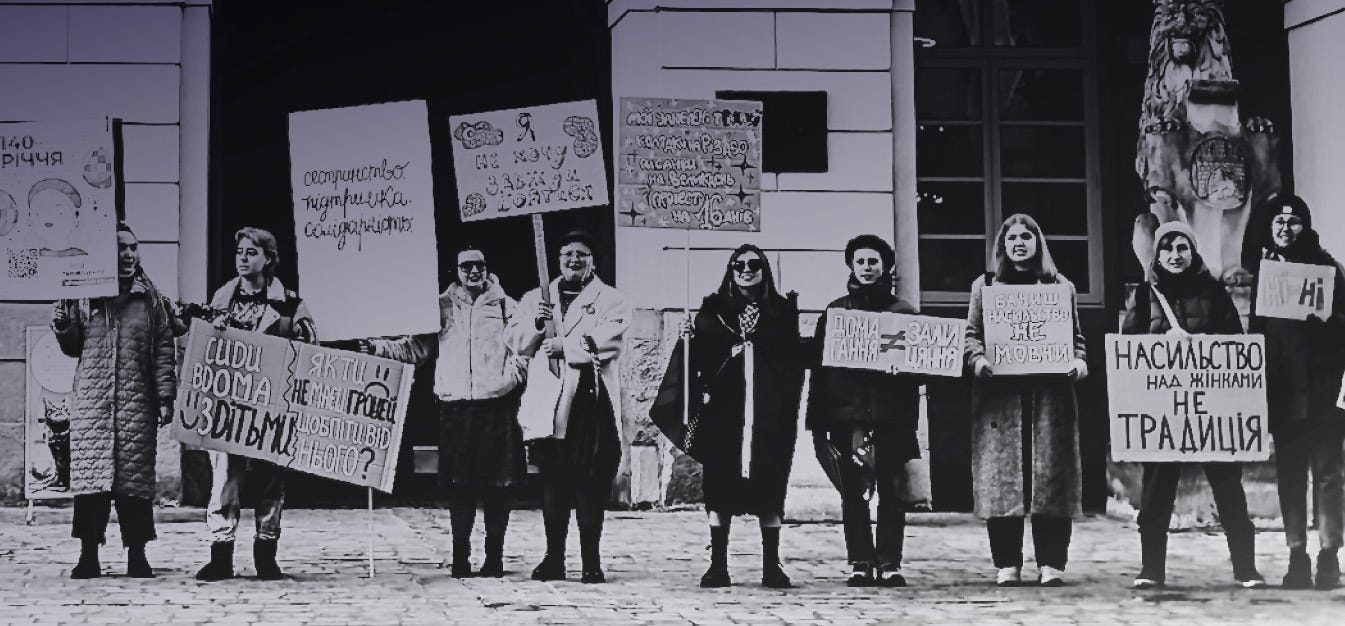
The Feminists Defending Ukraine
Ukrainians have resisted Russia’s aggression for years. Since the full-scale invasion of their country in 2022, Ukrainian women in particular have taken on important roles on the frontlines, in civil society, and at home. Gražina Bielousova’s research examines how Ukrainian leftist feminists advocate for their causes at home and abroad, facing distinct challenges as they attempt to defend their co
After the Collapse: Tragedy in Serbia Sparks a Movement
On November 1 2024, the roof of a newly €55 million renovated railway station in Novi Sad, Serbia’s second biggest city, collapsed and killed 16 people. The deaths sparked Serbia’s largest wave of student-led anti-government protests since Yugoslavia’s disintegration in 2000.Mid-March protests in Serbia saw roughly one in twenty Serbians participate. This week Mladen Mrdalj joins host Aaron Schwar

Tariff Tiff or Trade Tragedy?
The Trump Administration has thrown global financial markets into chaos with its massive but on-again, off-again tariffs against America's trading partners, both large and small. The White House has at times framed the tariffs as a revenue generation scheme, at other times framed them as an attempt to return manufacturing to the US, and at still other times has said they are an attempt to gain con

Trump 2.0 and the Baltic States
This week on Chain Reaction, we feature an installment of the Baltic Ways podcast. Host Indra Ekmanis welcomes back professors Margarita Šešelgytė (Vilnius University), Daunis Auers (University of Latvia), and Andres Kasekamp (University of Toronto) for a roundtable discussion on the first two months of Donald Trump’s second term and the US administration’s impact on the Baltic countries and broad
Rumble in the Oval: Strategy or Spectacle?
The two weeks after Donald Trump and Volodymyr Zelensky’s Oval Office clash have precipitated drastic shifts in transatlantic relations and the potential trajectory of Russia’s war in Ukraine. Now a possible ceasefire is on the horizon. This week on the Bear Market Brief podcast, host Aaron Schwartzbaum and Maximilian Hess make sense of the Oval Office blow-up, discuss President Trump’s strategic

NATO's Past, Present, and Very Uncertain Future
Although NATO has survived - and even thrived - for over 75 years, its future looks more uncertain now than at perhaps any other time. The Alliance confronts not only a resurgent Russia, but serious questions over the US commitment to European security and the ability of European Allies to fill the gap a US withdrawal from Europe would leave. To discuss these and many other issues surrounding NATO
An Inflection Point: The Military Situation in Ukraine
While the military situation in Ukraine continues apace, with grinding Russian assaults gaining ground daily, but at a reduced pace and increasing rate of casualties, the diplomatic situation is changing rapidly. A flurry of US diplomatic activity aimed at ending the war has unnerved Ukrainians and America's allies, who fear the US is preparing to cut a deal with Russia over their heads. This acti
Understanding Russian Narratives on the West, Ukraine, Russia, and the World
Sometimes lost among analysis of Russian malign actions around the world - from invasions of its neighbors, to sowing chaos in democratic societies, manipulating democratic elections, and weaponizing corruption - is analysis of why Russia does what it does. In other words, what is it about the Russian model of how the world works that causes it to engage in these types of activities, and what narr

Report in Short | Russian Strategic Culture and the War in Ukraine
In this episode of Report in Short, Aaron Schwartzbaum speaks with Lieutenant Colonel Denys Yurchenko, about his recent FPRI report “Russian Strategic Culture and the War in Ukraine." In the report, Yurchenko observes Russia's intentions through the lens of strategic culture theory and explains why understanding Russian strategic culture can help establish new policies and strategies to defeat Rus
The Art of the Alliance
This week on The Ties That Bind: NATO at 75 and Beyond: In this episode we look back at a defining year in NATO history and we look ahead to the challenges and the opportunities positioned to shape the alliance in the coming years and decades. Featured guests: * Nina Soljan, Head of NATO Affairs and Security Policy, NATO Headquarters* Susan Colbourn, Historian; Associate Director of the Program o
With So Much Drama in the NSC: Trump, Russia, and the Strategic Context
This week on the Bear Market BriefWhere does the US stand in the world as Trump (re)assumes office? How is his approach towards Ukraine shaping up? Stephen Wertheim, Senior Fellow in the American Statecraft Program at the Carnegie Endowment for International Peace, joins Aaron Schwartzbaum to explore the broader context and drivers of how policy towards Russia will, and will not, be made.Read Step
NATO's Future | The Philadelphia Perspective with Rep. Brendan Boyle (PA-02)
Rick Landgraf sits down with Representative Brendan Boyle (PA-02) to discuss the Congressman's role in the NATO Parliamentary Assembly's political committee, future challenges facing the alliance, and the relevance of NATO on a local level. Explore from The Ties That Bind: NATO at 75 and Beyond Get full access to FPRI Insights at fpriinsights.substack.com/subscribe

Baltic Leadership in the European Commission
Ben Gardner-Gill sits down with Lithuanian political scientist Andžej Pukšto to talk about the results of the 2024 European elections, with a focus on two Baltic members of the European Commission: Kaja Kallas of Estonia and Andrius Kubilius of Lithuania. Both former prime ministers, Kallas and Kubilius have unique challenges ahead of them as Russia’s war in Ukraine continues. Kallas will lead EU

The Precipice: The War in Ukraine Hangs in the Balance
Between a Russian offensive and the reelection of Donald Trump, the war in Ukraine hangs in the balance. Janis Kluge joins host Aaron Schwartzbaum to explore how we got here and what might happen next.Explore more from the Bear Market Brief Get full access to FPRI Insights at fpriinsights.substack.com/subscribe

Between Oceans: NATO's Indo-Pacific Partnerships
In this episode we explore the history and evolution of NATO’s relationships with its Indo-Pacific partners, the alliance’s role in the growing US-China rivalry, and look ahead to a new era of NATO engagement outside of the Atlantic in a time of increasingly interconnected global conflicts. Featured guests:Gwendoline Vamos, Senior Officer, Asia-Pacific Global Partnerships at NATO HeadquartersIan

Georgia On My Mind: Election Takeaways
This week on The Continent: FPRI's Eurasia Program Director Maia Otarashvili joins Aaron to talk through recent parliamentary election results in Georgia and delve into an interesting question: how does a broadly pro-EU, Russia-skeptical country wind up with a euroskeptic, Russia-friendly government? Get full access to FPRI Insights at fpriinsights.substack.com/subscribe

What a Harris or Trump Presidency Could Mean for the Baltic States
This week on Baltic Ways - The US election is approaching quickly with implications for America's allies in the world. Professors Margarita Šešelgyte (Vilnius University), Daunis Auers (University of Latvia), and Andres Kasekamp (University of Toronto) join a roundtable discussion on the impact that a Kamala Harris or Donald Trump presidency could have on the security and future outlook of the Bal

Kharkiv: A Ukrainian City Perseveres
Located only 30 km from the border with Russia, the Ukrainian city of Kharkiv was the object of another Russian offensive earlier this year. Although Ukrainian forces stopped Russia's drive to capture the city, Kharkiv still endures daily attacks from Russian glide bombs, drones and missiles. Although Ukraine has the capability to strike back at the aircraft and airfields supporting these attacks,
Kyiv Dispatch Redux
Kyiv-based journalist Fabrice Deprez returns to the brief for another update on the mood in Ukraine, including a report on his recent trip to the front line city of Pokrovsk.Subscribe to the Bear Market BriefFor more reporting from Ukraine, be sure to check out Fabrice’s Eastern Radar newsletter. Get full access to FPRI Insights at fpriinsights.substack.com/subscribe
Russia's Wagner Group - Where Are They Now?
It has been 15 months since the Wagner Group's founder Yevgeny Prigozhin led the group's ill-fated march on Moscow and 13 months since Prigozhin was killed in a plane crash almost certainly orchestrated by the Kremlin. Prigozhin is gone but his group lives on. Join host Bob Hamilton as he discusses the group's current operations in Africa and elsewhere with Colin Clarke, Chris Faulkner, and Raphae
The Price of Peace: NATO and the Burden-sharing Debate
There has been much debate over defense spending, investment, and who is sharing the burden of European defense among NATO allies for years. Russia’s full scale invasion of Ukraine in 2022 has served as a grim and stark reminder of European defense investment shortcomings and vulnerabilities.It has been a few months since NATO allies met in Washington to commemorate the alliance’s 75th anniversary

Going Global in Newport
The 15th Newport Global Summit took place on August 14-15, bringing together dozens of leaders from the business and finance worlds, including Steve Forbes, Mark Bezos, and former World Bank President David Malpass. The brainchild of Newport's Katherine (Kitty) Cushing, the Summit strives for "a convergence of legacy, knowledge, and purpose." This year, for the first time, FPRI's Nick Gvosdev, Mai
What's Eating East Germany?
In the wake of far right gains in recent German state-level elections, German historian and journalist Katja Hoyer joins Aaron to explore the unique regional character of German populism. How has formerly communist Eastern Germany swung to the right? Get full access to FPRI Insights at fpriinsights.substack.com/subscribe

LGBTQ+ Rights in the Baltic Region
Aro Velmet is an associate professor of history at the University of Southern California, where he is a historian of modern Europe, colonialism, science, technology, and medicine with an overarching interest in gender studies. For Baltic Ways, he shares insights into the progression of LGBTQ+ rights in Estonia and the broader region and the path that has led to legislative change over the past dec

An Axis of Authoritarians?
From Ukraine, to the Middle East, to the Indo-Pacific, American officials claim to see an increasing level of policy coordination among China, Russia, and Iran. In this view, the three authoritarian powers work to support each other and challenge the US. In the worst case, their cooperation could take the form of a combined military challenge to the US in multiple theaters. But what level of coord
The Linchpin: What is NATO?
In this episode we go back to the beginning. What is NATO? What challenges has NATO faced in the past? How are these similar or different to today’s issues? Why is NATO important for US national security? Why should Americans care about the security of Europe? Former NATO Secretary General Jaap de Hoop Scheffer, Ambassador Alexander Vershbow, and Seth Johnston join Rick to explain NATO’s history,
Yug Gotta Be Kidding Me: Russia and the Global South
Why has the Global South, historically on the receiving end of colonialism and imperialism, maintained what might be called a neutral stance towards Russia's war against Ukraine? Ivan Grek, Director of the Russia Program at George Washington University’s Institute for European, Russian and Eurasian Studies, joins Aaron Schwartzbaum to discuss.For more from the Bear Market Brief newsletter, subscri
High Stakes: What is NATO’s Role in the War in Ukraine?
Introducing a new limited series: The Ties That Bind: NATO at 75 and Beyond Maintaining political cohesion on the issue of continuing the flow of Western military aid to Ukraine is a pressing concern for NATO and will be at the top of the agenda when the heads of state and government of the 32 allies meet in Washington, DC from July 9th to 11th. While support for Ukraine will likely remain stable
Ukraine: Where Are We Now, and What's At Stake
As US assistance to Ukraine resumes after a long delay, Russian forces are making gains in northeastern Ukraine, and may be poised to expand their offensive push this summer. Will the resumption of US aid allow Ukraine to blunt this offensive, what is the likely trajectory of the war, and what does it mean to the US? To discuss these questions, retired Lieutenant General Ben Hodges, former Command

Dead, but not Forgotten: Commemoration in Medieval Livonia
What did commemoration of the dead look like in Medieval Livonia and how did memoria shape group identities in the region? Dr. Gustavs Strenga shares insights into his research and parallels with modern-day memory wars. Baltic Ways is a podcast brought to you by the Association for the Advancement of Baltic Studies, produced in partnership with the Baltic Initiative at the Foreign Policy Research

Kyrgyzstan Sinks Into Authoritarianism
In the early 1990s, Kyrgyzstan was often referred to as an “island of democracy” in Central Asia. Three distinguishing features of Kyrgyzstan include an active political opposition, a vibrant civil society, and independent media outlets.The current government is eliminating all three of those distinctions.On this episode of Report in Short, Aaron Schwartzbaum is joined by Bruce Pannier, a longtim
The F-Word: Is Russia Fascist?
Russia has taken an increasingly authoritarian turn over the last decade, but is its political system fascist? Marlene Laruelle and Julian Waller join to discuss the blurry lines between politics, ideology, and terminology.Subscribe to the Bear Market Brief newsletter Get full access to FPRI Insights at fpriinsights.substack.com/subscribe

The Death Of Iranian President Ebrahim Raisi
The death of Iranian president Ebrahim Raisi this past weekend has prompted questions about the future of the Islamic Republic, the role of the Islamic Revolutionary Guards Corps in Iranian domestic politics, and succession race for Supreme Leader Khamenei. Afshon Ostovar, a FPRI Senior Fellow, joined FPRI President Aaron Stein to discuss the latest developments in Iran. Get full access to FPRI In
Russia Launches New Offensive in Ukraine
Russia launched a new offensive near Kharkiv, amidst continuing questions about Ukraine’s ability to mobilize enough manpower to blunt Russian advantages. FPRI President Aaron Stein sat down with Senior Fellow Rob Lee to discuss the latest from the Russo-Ukrainian war. Get full access to FPRI Insights at fpriinsights.substack.com/subscribe

Georgian Dream or Russian Nightmare?
For weeks tens of thousands of Georgians have taken to the streets of Tbilisi and other cities to protest their government's attempt to pass a so called "foreign agents" law, which they claim is intended to neutralize civil society and destroy independent media. To discuss the implications of these events for Georgia and the West, Ian Kelly, who served as US Ambassador to Georgia from 2015-2018, j

The Baltic States Mark Two Decades of NATO Membership
This year, NATO marks its 75th anniversary, while the Baltic countries celebrate 20 years as members of the alliance. Dr. Lukas Milevski speaks about the history of that inclusion, and shares his thoughts about the future. Milevski is a tenured assistant professor at Leiden University, where he teaches strategic studies in the BA International Studies and MA International Relations programs. He ha
No Nukes is Good Nukes
The Bear Market Brief goes nuclear! Andrey Baklitskiy dropped by to discuss all of Russia's strategic red lines, what the introduction of hypersonic weapons means for global security, and more.Subscribe to the Bear Market Brief Get full access to FPRI Insights at fpriinsights.substack.com/subscribe

Russian Women in the Face of War Against Ukraine
Russia’s war against Ukraine has revealed stories about the heroic resistance efforts of Ukrainian women: from a grandmother launching a pickle jar against a drone to volunteers with territorial defense units. However, comparable stories have been entirely lacking on Russia’s side: How come?On this episode of Report in Short, Aaron Schwartzbaum is joined by Egle E. Murauskaite, author FPRI's new r

Women's Work: History of Women in Academia at the University of Tartu
In this episode of Baltic Ways Dr. Janet Laidla shares her work on charting the roles and contributions of women at the University of Tartu from the early days of the Estonian Republic, and what it means today. Explore from FPRI's Baltic Intiative here. Get full access to FPRI Insights at fpriinsights.substack.com/subscribe
Russia's Election: It Ain't Vova 'till it's Vova
If we know how Russia's presidential election is going to turn out... why even bother holding the election? Join András Tóth-Czifra and Olga Khvostunova for an exploration of electoral autocracy and the political moment.Subscribe to the Bear Market Brief newsletter Get full access to FPRI Insights at fpriinsights.substack.com/subscribe
Russia's Invasion Through Ukrainian Eyes
Amid the commentary on the war in Ukraine, the voices of those who live it every day are sometimes lost. In this episode of Chain Reaction, we hear from Sophia Opatska of Lviv, Hanna Shelest of Odessa, and Maksym Skrypchenko of Kyiv. Get full access to FPRI Insights at fpriinsights.substack.com/subscribe
Has Russia Won the Sanctions War?
Despite Western economic policy, Russia has been able to continue its war against Ukraine, and even seen economic growth. Join as we kick off our season with Nick Trickett and Iikka Korhonen investigating what's driving Russia's economy these days, and whether sanctions are "working." Get full access to FPRI Insights at fpriinsights.substack.com/subscribe
Dark Days Ahead in Ukraine?
As the second anniversary of Russia's full-scale invasion of Ukraine approaches, the optimism that reigned a year ago has largely faded. The failure of Ukraine's 2023 counteroffensive and the uncertainty of future US assistance seem to augur tough times ahead for Ukraine and its supporters. Joining host Bob Hamilton to discuss the current state of the war, its likely future trajectory, and the fut
Report in Short: A "Frozen Conflict" Boils Over
On September 19, 2023, Azerbaijani forces initiated a massive attack on Nagorno-Karabakh, an Armenian-populated and effectively self-governing region inside internationally recognized Azerbaijani territory. Within 24 hours, the Nagorno-Karabakh leadership gave in, and, for the first time, Baku could claim full control over the contested territory. Despite being portrayed in the West as a “frozen c
Out of the Shadows and Into the Sun: The (Re)-Emergence of Central Asia
From the "Great Game" of the 19th century to the NATO war in Afghanistan, Central Asia has periodically been at the center of geopolitics. But more often, it has faded into the geopolitical shadows, as other regions and other issues take precedence. The two years since Russia's invasion of Ukraine have seen the region again become a focal point of great power interaction, with Russia's influence f
Report In Short: Russian Military Drones
Since 2009, Russia has invested significant effort into developing unmanned aerial vehicles (UAVs), or drones, for military purposes. However, after a year of war in Ukraine, the Russian military has lost the biggest part of its tactical reconnaissance and targeting UAVs. Pavel Luzin joins Aaron Schwartzbaum to discuss his latest report "Russian Military Drones: The Past, Present, and Future of th
Why Do Autocrats Make Mistakes?
Almost two years after Russia’s full-scale invasion, Bear Market Brief investigates how we got here in the first place. What does theory say about Vladimir Putin’s decision making? Seva Gunitsky joins to discuss.Join the Bear Market Brief on Substack! Get full access to FPRI Insights at fpriinsights.substack.com/subscribe
Wagner Group: Where Are They Now?
It’s been just over five months since the Wagner Group’s insurrection against the Russian government, and three months since the group’s leader was killed in a place crash, almost certainly orchestrated by the Kremlin. But the Wagner Group has not faded away. Colin Clarke, *Christopher Faulkner, and Raphael Parens join to discuss what the Wagner Group is up to now, who is leading it, and how the K
Recommended

megahired.com

Hard Knocks Podcast

Effective Weight Loss for Moms | High protein, Strength Training, Lose Weight, Meal Planning, Fat Loss, Healthy Habits

The Human-Animal Connection - Pet Life Radio Original

Infinite Health with Dr. Arasi Maran

The Daily

World News Tonight with David Muir
The Joe Rogan Experience

English Vocabulary Help
TED Talks Daily

Learn English B1 with Daily News | English Listening Practice

Talk About Talk - Executive & Leadership Communication Skills
